Advertisement

Lenovo launches Lecoo N27 Pro AIO with 2.5K 100Hz display, i5-13420H & 16GB RAM

Lenovo has released a new all-in-one desktop in China called the Lecoo N27 Pro. It is a straightforward, mid-range PC designed mostly for standard office work, studying, and basic daily tasks rather than heavy computing.
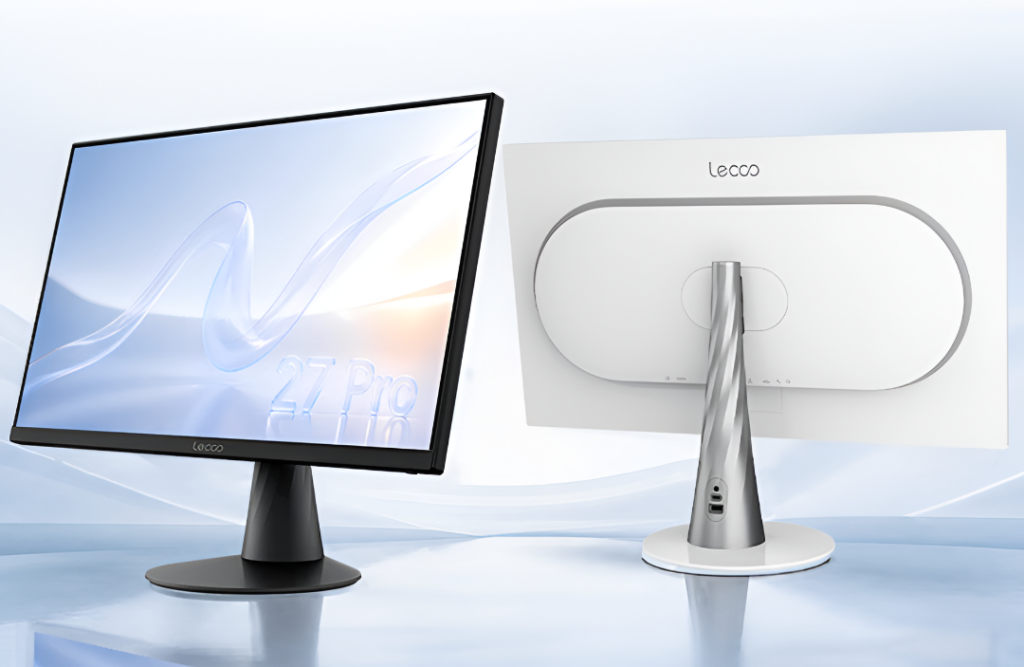
Lenovo Lecoo N27 Pro AIO

Lenovo N27 Pro AIO Specifications

The N27 Pro features a 27-inch display with a 2560 x 1440 resolution. It also supports a 100Hz refresh rate, which should make scrolling and everyday navigation feel noticeably smoother.

The monitor covers 99% of the sRGB color space and sits on a stand that only adjusts for tilt (between -5 and 15 degrees), meaning you won’t get any height adjustment. It comes in two colors: Cloud Feather Black and Snow Feather White.

Lenovo Lecoo N27 Pro AIO

Inside, the computer runs on an Intel Core i5-13420H processor. This is a 13th Gen chip with eight cores (four performance, four efficiency) and integrated Intel UHD graphics. Lenovo includes 16GB of RAM by default, and you can choose between a 512GB or 1TB SSD. It uses a standard heat pipe and fan cooling system to keep temperatures down during your regular use.

For ports, you’ll find the N27 Pro has plenty of connections, though it relies heavily on older standards. You get five USB-A ports (three of which are USB 2.0, and two are USB 3.0), one USB-C port, an HDMI port, and Gigabit Ethernet. It also has built-in Wi-Fi and comes with a basic 2.4GHz wireless keyboard and mouse in the box, so you don’t need to buy separate peripherals to get started.

Lenovo Lecoo N27 Pro AIO

Pricing and Availability

The Lenovo Lecoo N27 Pro is available now. If you decide to pick one up, the 16GB RAM and 512GB storage model costs 4,499 yuan ($671), and the 1TB storage version costs 4,999 yuan ($745).

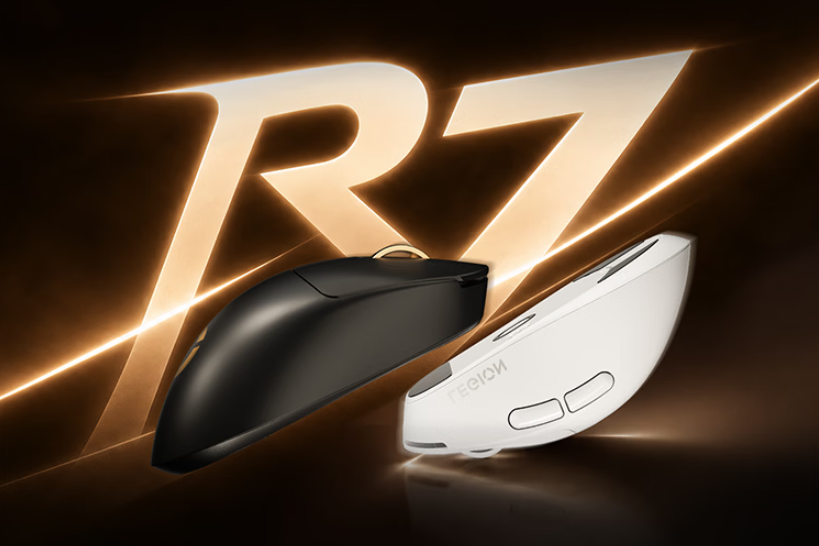
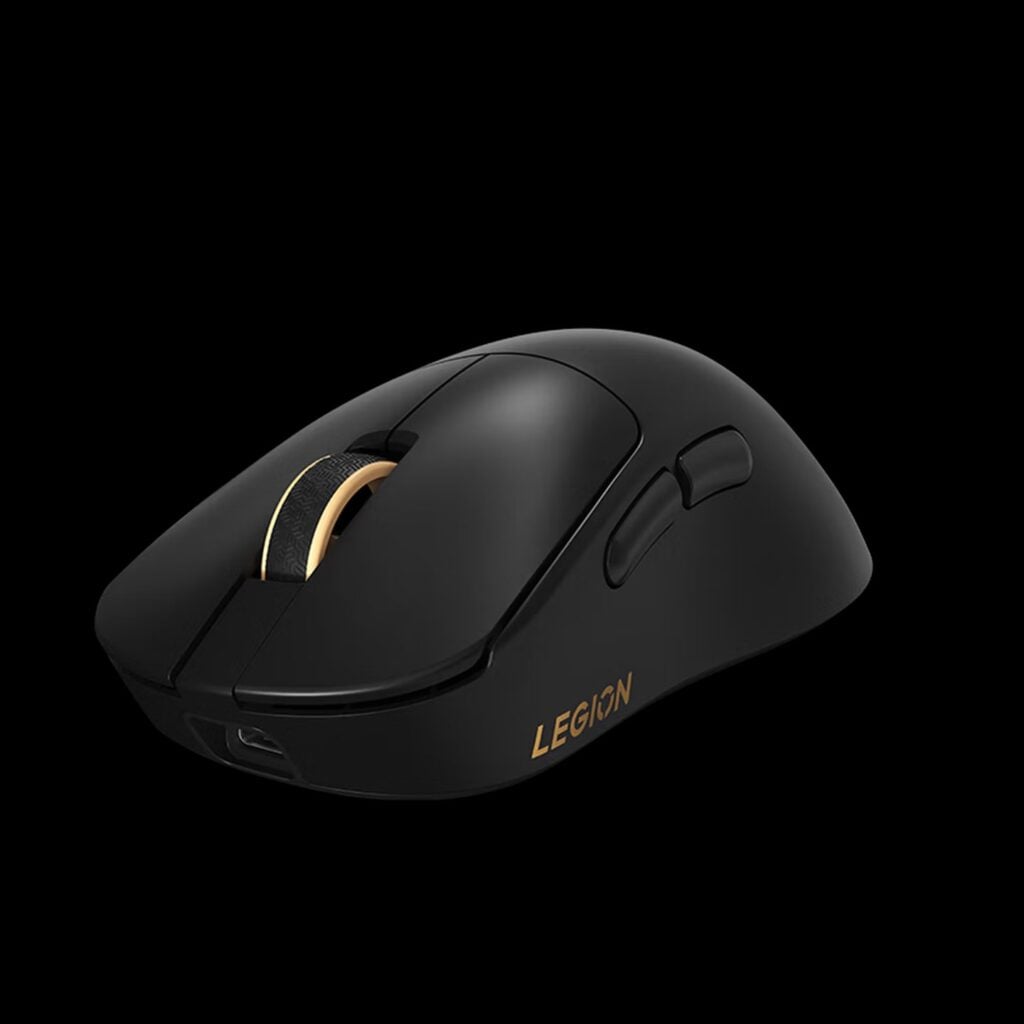
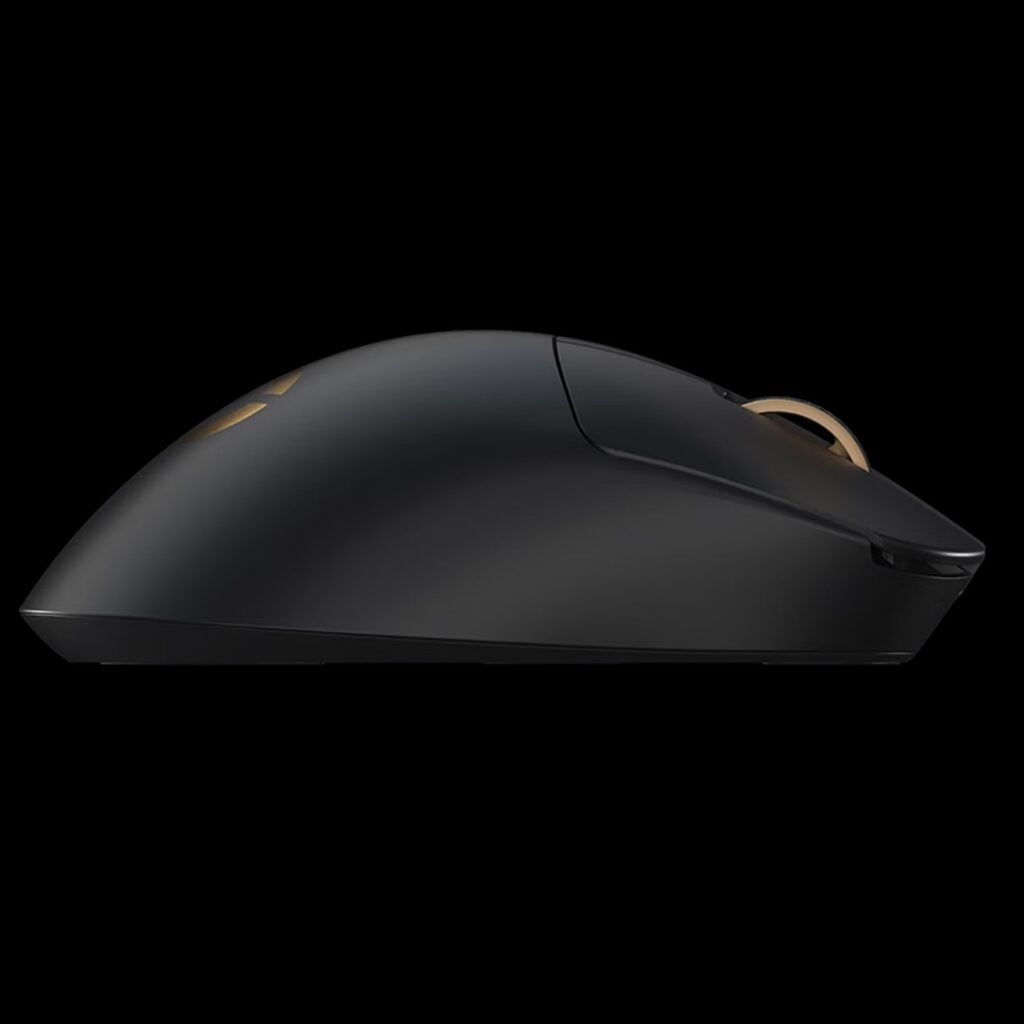
In related news, Lenovo has recently launched a budget office monitor with a 100Hz display for just $90. The company also introduced a lightweight 59g gaming mouse featuring the flagship PAW 3950 sensor and support for wireless 8K polling.

For more daily updates, please visit our News Section.

Stay ahead in tech! Join our Telegram community and sign up for our daily newsletter of top stories!

(JD)
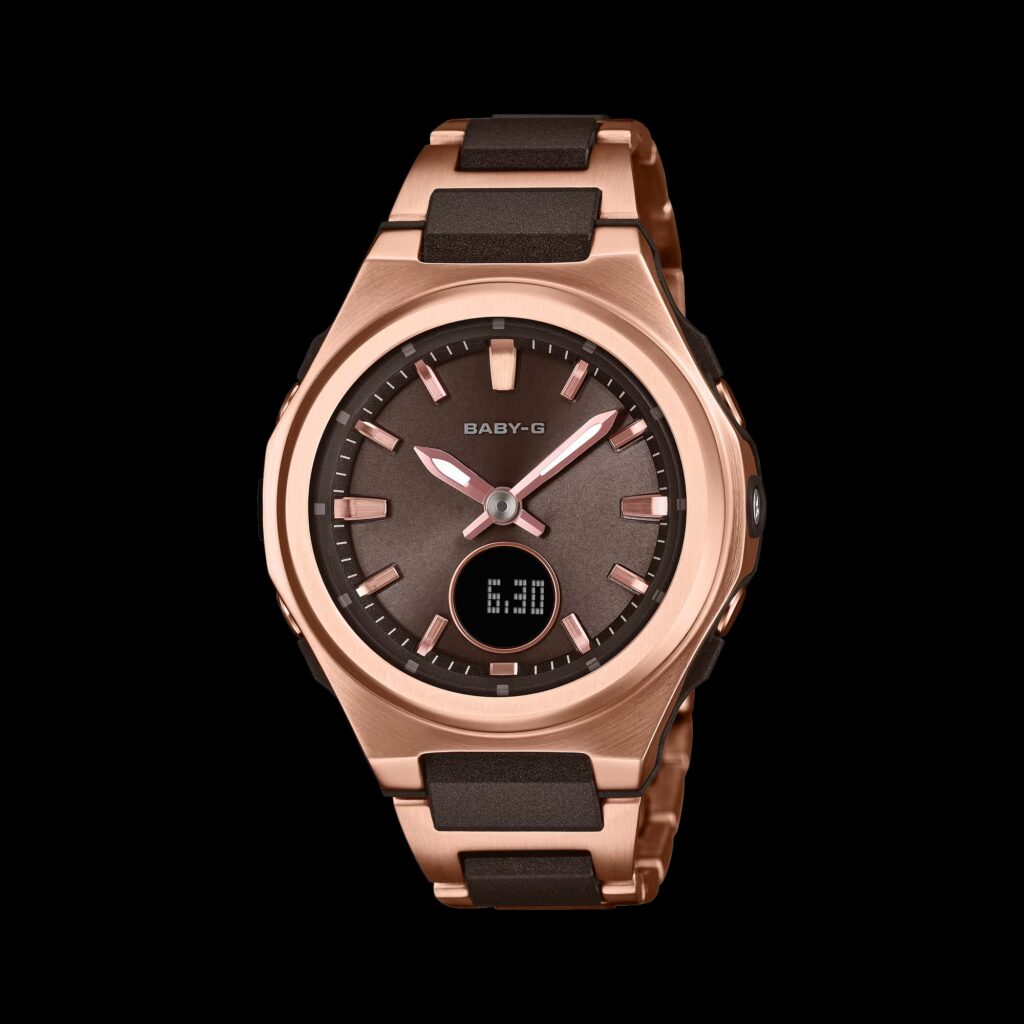
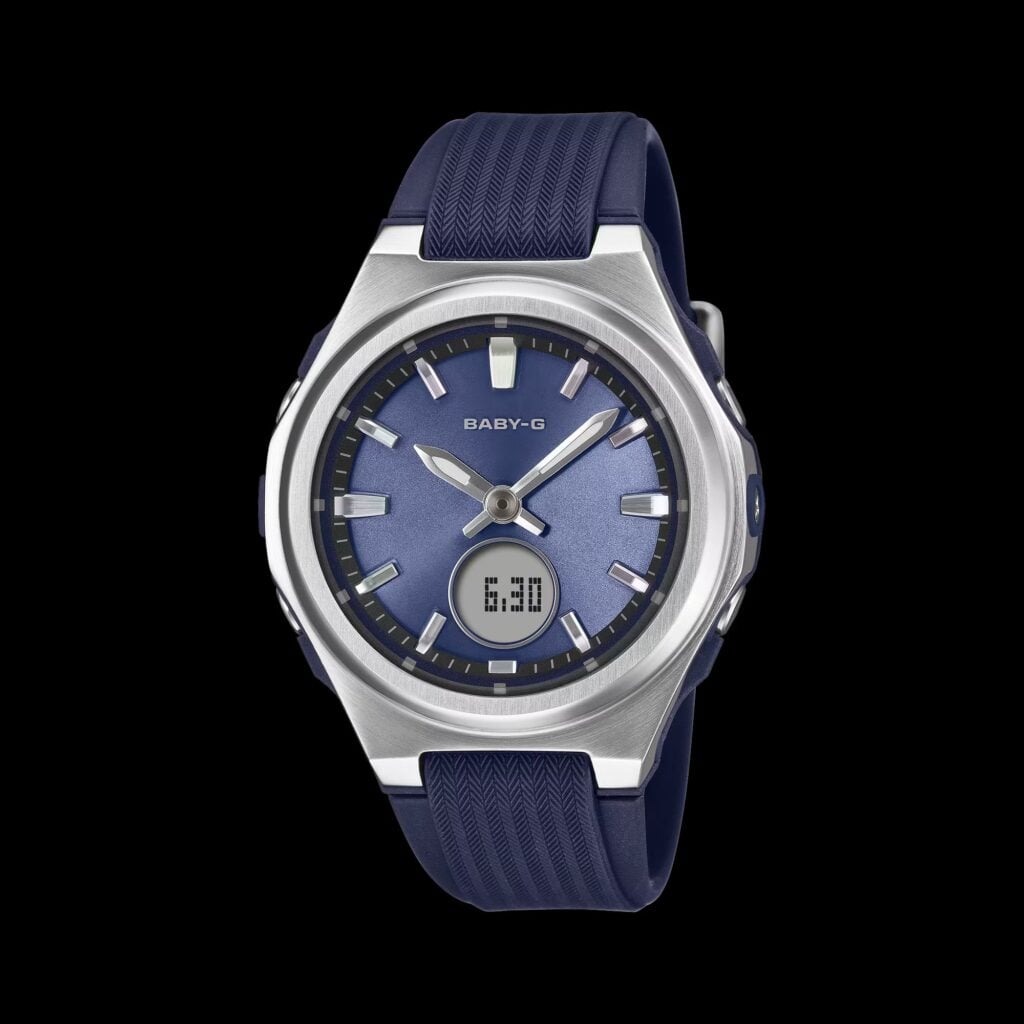
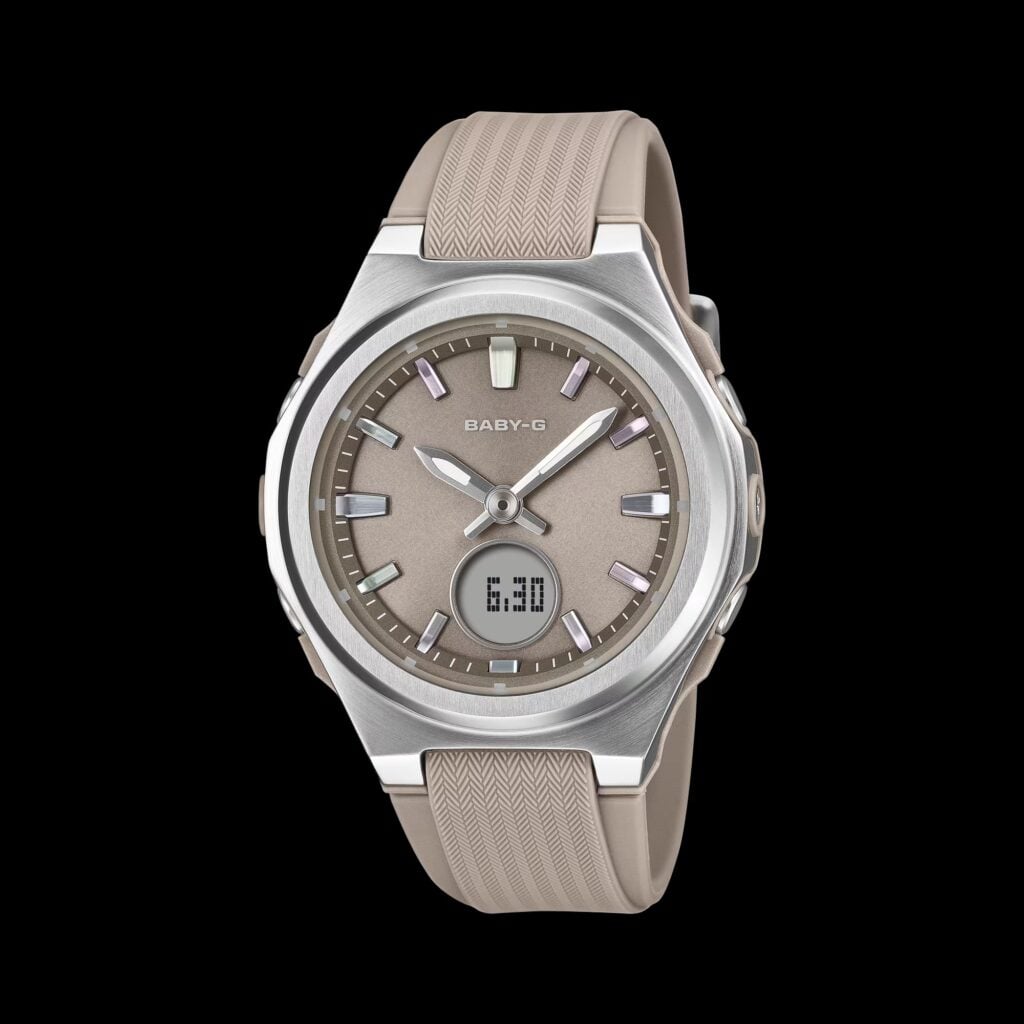
Casio launches five new Baby-G BGA-3000 watches with solar power and automatic time syncing

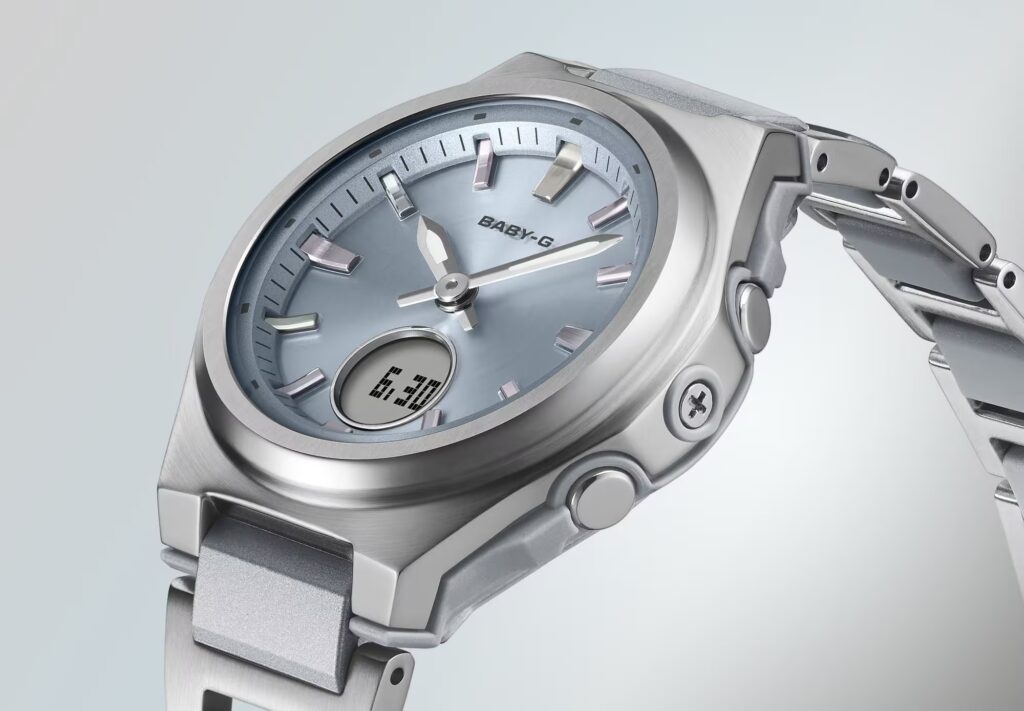
Casio has announced a new lineup of five BGA-3000 watches in Japan. The new models are currently available for pre-order and combine a slimmer, more wearable design with Casio’s established Tough Solar and radio-controlled timekeeping technologies.

Casio Baby-G BGA-3000 watches

Design Details and Pricing

The design of the new BGA-3000 series is built around a stainless steel bezel attached to a resin case. Casio applied a mix of hairline brushing and mirror polishing to the metal, giving the hardware a standard, clean finish.

On the analog-digital dial, you’ll notice fine concentric grooves that add some texture and catch the light, but the overall layout remains minimal. Measuring 40.8 by 36.1 mm, the case is 11.2 mm thick. That is relatively thin for a shock-resistant watch, making it a practical size for your daily use without getting caught on your sleeves.

When choosing a model, you have two main options based on the type of band included. If you go with the standard models, the BGA-3000-5A, BGA-3000-7A, and BGA-3000-2A, you get a standard resin band. These versions weigh just 32 grams and are priced at ¥33,000 ($208).

If you prefer a heavier, more traditional watch feel, the BGA-3000C-2A features a composite band made of both metal and resin, securing with a one-push three-fold clasp. This model costs ¥39,050 ($247) and weighs 50 grams. The most expensive model in the lineup is the BGA-3000CG-5A, which gives you the same composite band but adds a pink-gold ion plating to the case and hardware for ¥42,350 ($268).

Internally, these watches provide you with low-maintenance timekeeping rather than smartwatch connectivity. They are powered by the Tough Solar system, which gives you about eight months of battery life on a full charge, or up to 20 months if you turn on the display’s power-saving mode.

They also include Multiband 6 technology. This allows your watch to automatically calibrate the time up to six times a day by receiving radio signals from transmitters.

You’ll find all the standard Casio features here as well. The watches are shock-resistant, water-resistant up to 100 meters, and include a 48-city world time function, a 1/100-second stopwatch, a countdown timer, daily alarms, and a white LED backlight.

Availability

If you’re looking to pick one up, the BGA-3000 series is currently available for pre-order on the Casio Japanese online store.

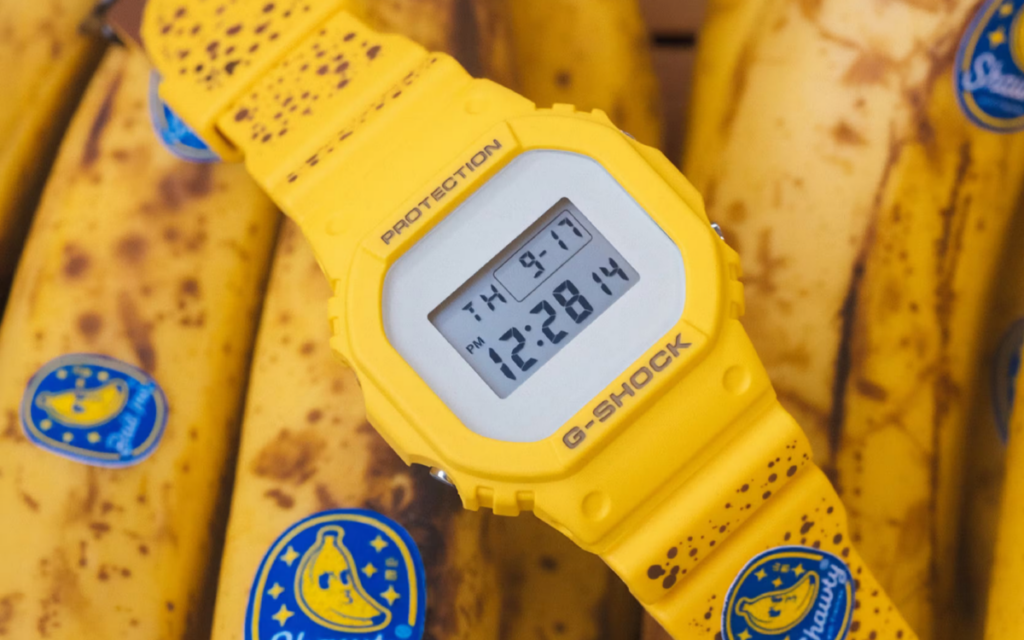
In related news, Casio has recently launched a wild banana-themed G-Shock DW5600, alongside three new Mudman GDG-B100 watches featuring MIP displays and basic fitness tracking.

For more daily updates, please visit our News Section.

Stay ahead in tech! Join our Telegram community and sign up for our daily newsletter of top stories!

(Casio 1,2,3,4,5)

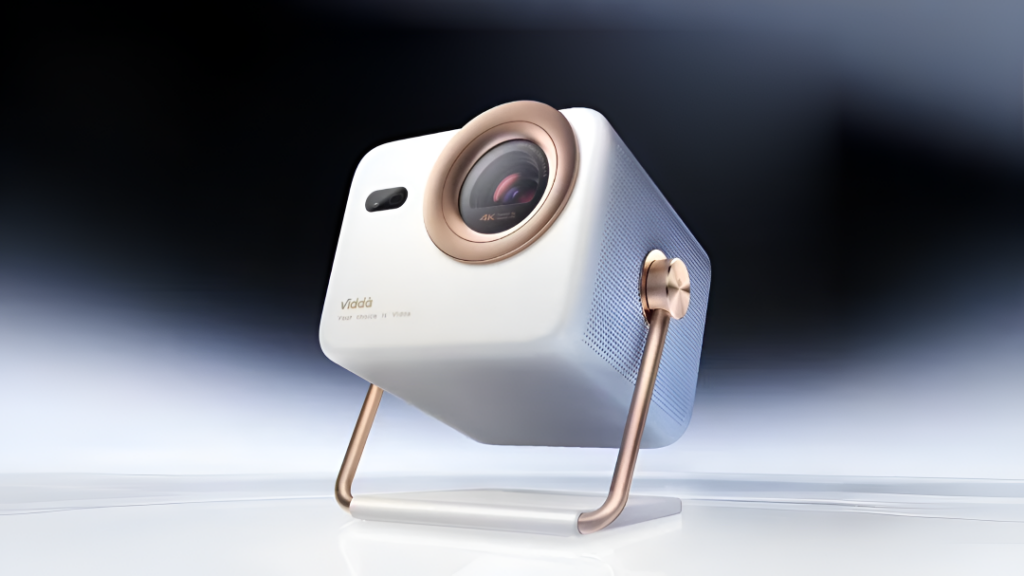
Hisense launches new 4K triple-laser projector with 1800 CVIA brightness, 240Hz gaming & 360-degree gimbal

Hisense’s sub-brand Vidda has launched the Big Eye M2 Pro projector in China. It is priced at 5,499 yuan ($820), with a limited-time promotional price of 4,949 yuan ($738). The projector features a triple-color laser light source and an integrated 360-degree gimbal. If you have ever struggled to position a display in your living room, the built-in stand is a practical addition. It lets you point the projector directly at the ceiling or adjust the angle on a wall without needing to buy a separate mount or prop the unit up with books.

Hisense Vidda Big Eye M2 Pro projector

Hisense Vidda Big Eye M2 Pro Specifications

Inside, you will find a 0.47-inch DMD imaging chip. This is a step up in size from the 0.39-inch chips often found in consumer projectors in this price bracket, which Hisense says will help with heat resistance and brightness handling.

The projector is powered by the company’s QuaLas42 laser engine, providing you with a rated 1,800 CVIA lumens of brightness. You also get 110% coverage of the BT.2020 color space, a 40,000:1 dynamic contrast ratio, and support for both HDR10+ and HLG formats.

Hisense Vidda Big Eye M2 Pro projector

The optical setup includes a glass lens system with a 1.3x optical zoom and a throw ratio of 1.0:1 to 1.3:1. In practical terms, you need about 2.2 meters of distance from your wall to get a 100-inch image, and you can scale that up to 150 inches if you have 3.3 meters of space.

You won’t have to do much manual tweaking, as setup is handled automatically by a CMOS sensor that manages auto-focus, keystone correction, screen alignment, and obstacle avoidance. It also includes a safety feature that dims the laser if it detects you or someone else walking in front of the lens.

Hisense Vidda Big Eye M2 Pro projector

Vidda has also included hardware aimed at console and PC players. The projector runs on a MediaTek MT9679 processor with 3GB of RAM and includes an HDMI 2.1 port. It supports Variable Refresh Rate (VRR) and Auto Low Latency Mode (ALLM).

Where to buyHisense 4K laser projectorBrowse the range on AmazonShop now →

While standard 4K video is capped at 60Hz, you can drop the resolution to 1080p to push refresh rates up to 240Hz. The software includes specific picture presets for your PlayStation, Xbox, and Nintendo Switch, alongside standard gaming monitor features like on-screen crosshairs and dark-area enhancement.

Hisense Vidda Big Eye M2 Pro projector

For audio, the unit features a 20W four-speaker system, two full-range drivers and two tweeters, with support for Dolby Audio and DTS:X, meaning you can likely skip plugging in an external soundbar for casual viewing.

The M2 Pro runs Vidda’s JUOS operating system, which includes a voice assistant and AI search tools for finding shows or identifying on-screen content. The projector weighs 3.5kg and is available in Moonlight White and Space Silver colorways.

In related news, Hisense has recently launched the E7S Pro+ RGB-Mini LED TVs with 4K 180Hz displays and up to 6,000 nits of peak brightness. The company also introduced the U7T Pro RGB-Mini LED TVs with 4K 180Hz panels and a powerful 330W Devialet audio system.

For more daily updates, please visit our News Section.

Stay ahead in tech! Join our Telegram community and sign up for our daily newsletter of top stories!

(JD)
JBL PartyBox 720 with 800W output launches alongside new AI karaoke speakers

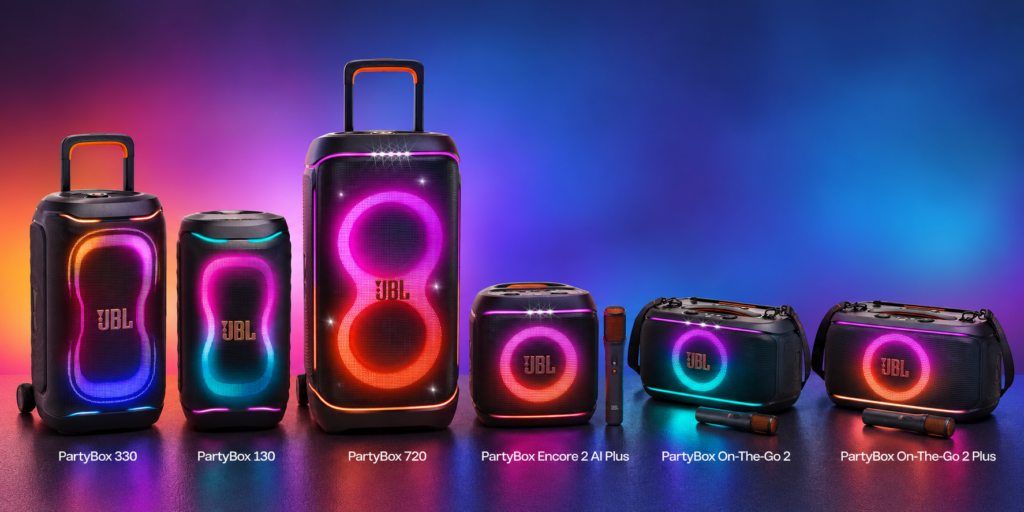
JBL’s latest PartyBox lineup brings more choice to India’s party speaker market, with models designed for everything from living rooms to outdoor gatherings. The new range combines high-power audio with portable designs and karaoke features. JBL is also introducing its EasySing AI technology to make singing along to music easier.

JBL PartyBox lineup and features

JBL party speakers
JBL party speakers

The new range includes the PartyBox 720, PartyBox 330, PartyBox 130, PartyBox On-The-Go 2 AI Plus, PartyBox On-The-Go 2 and PartyBox Encore 2 AI Plus. At the top of the lineup, the JBL PartyBox 720 delivers 800W RMS through dual 9-inch woofers and 30mm dome tweeters.

It offers up to 15 hours of playback, built-in wheels, an ergonomic handle, IPX4 splash resistance and two XLR inputs for microphones, guitars or DJ equipment. AI Sound Boost dynamically adjusts the audio output to help maintain clarity at high volume levels.

The PartyBox 330 delivers 280W RMS through dual 6.5-inch woofers and offers up to 18 hours of playback. The smaller PartyBox 130 produces 200W RMS through dual 5.25-inch woofers and runs for up to 15 hours. Both models support optical TV input, USB-C lossless audio, Auracast multi-speaker pairing, dual microphone and guitar inputs, and IPX4 protection.

Where to buyJBL PartyBox 720Latest price on AmazonCheck price →

For portability, the PartyBox On-The-Go 2 models deliver 100W RMS output and up to 15 hours of playback. The AI Plus version adds EasySing AI Vocal Removal, pitch support and natural reverb, and includes an EasySing microphone.

The standard version comes with a wireless microphone. JBL is also offering EasySing Mics separately as a pair, with AI Vocal Removal, Voice Boost, natural reverb, echo control and AI noise suppression. They offer up to 10 hours of battery life and a wireless range of up to 30 meters.

JBL PartyBox price and availability

The JBL PartyBox 720 is priced at Rs 99,999, while the PartyBox 330 and PartyBox 130 cost Rs 64,999 and Rs 46,999, respectively. The PartyBox On-The-Go 2 AI Plus and PartyBox Encore 2 AI Plus are priced at Rs 44,999 and Rs 39,999, while the standard PartyBox On-The-Go 2 costs Rs 39,999. The new products are available through JBL’s website, major retailers and e-commerce platforms in India.

For daily updates, please visit our News Section.

Stay ahead in tech! Join our Telegram community and sign up for our daily newsletter of top stories!

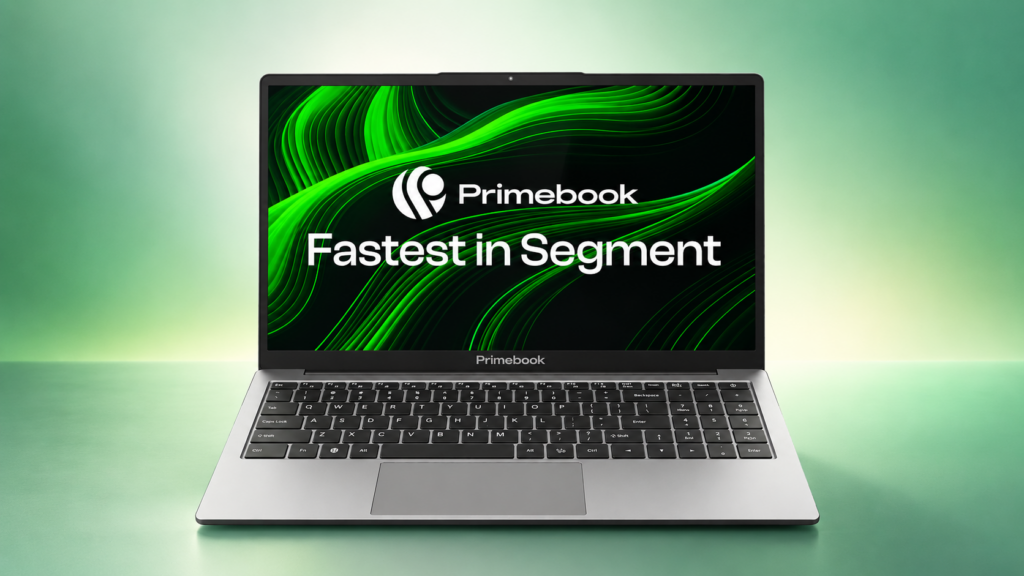
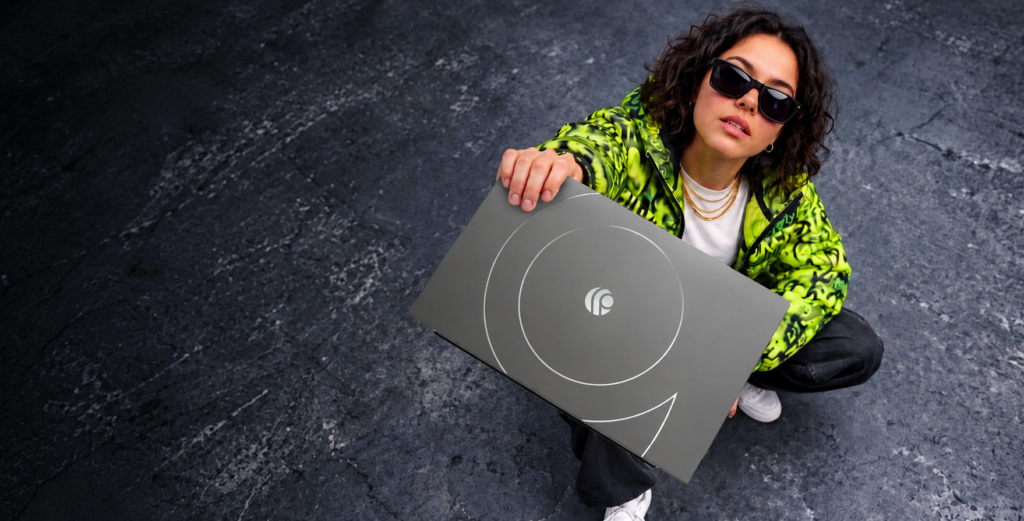
Primebook 3 Max launches with PrimeOS upgrades, on-device AI, and 12-hour battery life

Primebook has expanded its laptop portfolio with a new model aimed at users looking for more capable everyday computing. The company has paired its latest hardware with a broader software ecosystem designed to cover productivity, development, and AI-assisted tasks. The launch also marks another step in Primebook’s collaboration with MediaTek.

Primebook 3 Max specifications and features

Primebook 3 Max
Primebook 3 Max

The Primebook 3 Max is the first model in the company’s third-generation laptop lineup. It runs on the MediaTek Genio 720, an octa-core chipset with two Cortex-A78 cores clocked at up to 2.6GHz and six Cortex-A55 cores reaching 2.0GHz. Graphics are handled by the Mali-G57 MC2 GPU at 1.1GHz, while the system includes 8GB of LPDDR5 RAM and 128GB of UFS storage, with support for expansion up to 1TB. Primebook says the new configuration delivers up to 40% higher performance than its previous generation.

The laptop features a 15.6-inch Full HD IPS display with a 1920 x 1080 resolution, anti-glare treatment and up to 250 nits of brightness. It has a metallic body with a matte finish and weighs 1.597kg.

Primebook 3 Max
Primebook 3 Max

The 60.3Wh battery is rated for up to 12 hours of use and supports 36W fast charging over USB Type-C. The laptop also features a backlit keyboard, a multi-finger touchpad and dual stereo speakers. For video calls, there is a 5MP webcam capable of recording 1440p video at 30fps, accompanied by dual microphones and software-based noise cancellation.

Primebook 3 Max
Primebook 3 Max

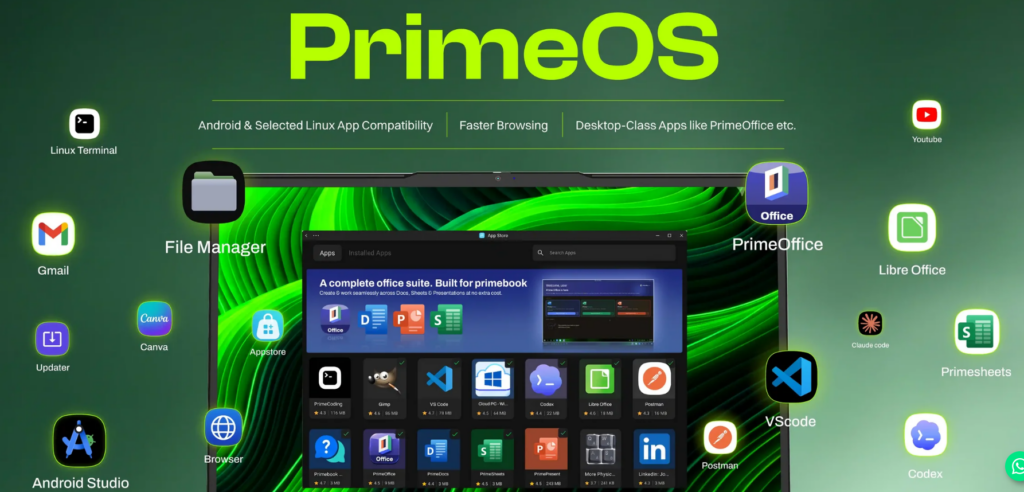
PrimeOS adds several software features to the hardware package. PrimeOffice includes PrimeDocs, PrimeSheets and PrimePresent as an offline-first alternative for document, spreadsheet and presentation work. Users can also access Linux applications such as VS Code, GIMP, LibreOffice, Firefox, Arduino IDE, DBeaver CE, TablePlus and Postman, along with a Linux terminal. PrimeSecurity and Task Manager provide tools for monitoring system resources, managing startup applications and identifying potentially harmful or resource-heavy apps. The laptop also includes PrimeAGNT, an AI agent designed to understand tasks across applications and perform actions on the device, along with PrimeX Cloud PC.

Primebook 3 Max
Primebook 3 Max

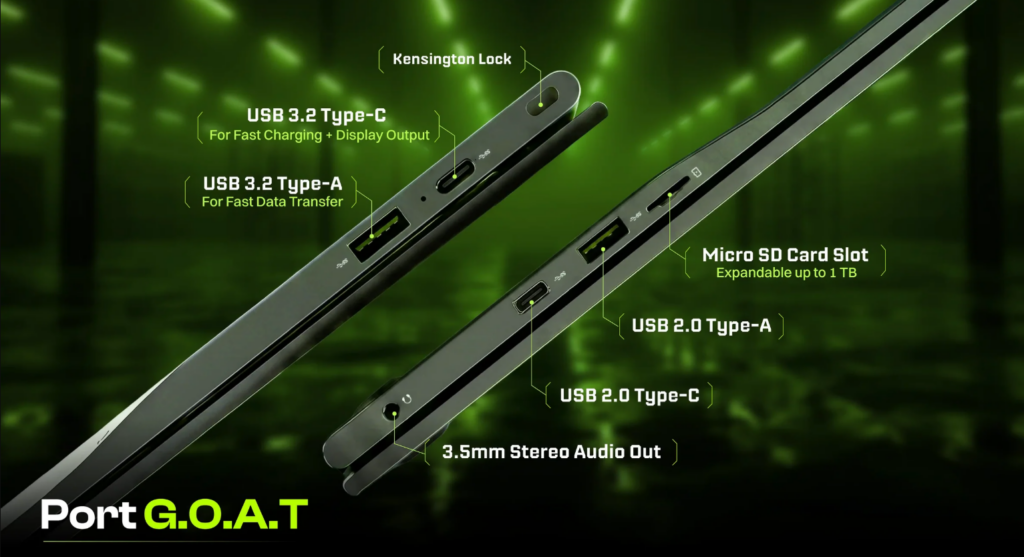
Connectivity features includes Wi-Fi 6 and Bluetooth 5.3, while the port selection consists of a USB 3.2 Type-C port with charging, OTG and display output support, a USB 3.2 Type-A port, a USB 2.0 Type-A port, a second USB 2.0 Type-C port, a 3.5mm audio jack and a microSD card slot.

Where to buyPrimebook 3 MaxLatest price on AmazonCheck price →

Primebook 3 Max price and availability

The Primebook 3 Max starts at Rs 35,990 and is available through Amazon, Flipkart and Primebook’s own online store. During the Flipkart Big Billion Days and Amazon Great Indian Festival 2026, the laptop will be available with discounts of around Rs 2,000 to Rs 2,500, potentially bringing the effective price down to Rs 33,490 to Rs 33,990. Bank discounts will also be offered on both platforms, and the laptop comes with a one-year warranty.

The Primebook 3 Max is available in Space Grey and Black, while retail availability through partners such as Bajaj Electronics, Sangeetha Mobiles and Pai International will follow.

For daily updates, please visit our News Section.

Stay ahead in tech! Join our Telegram community and sign up for our daily newsletter of top stories!

Baseus launches MC2 NC clip-on earbuds with -50dB ANC, LDAC, built-in AI features & 60h battery

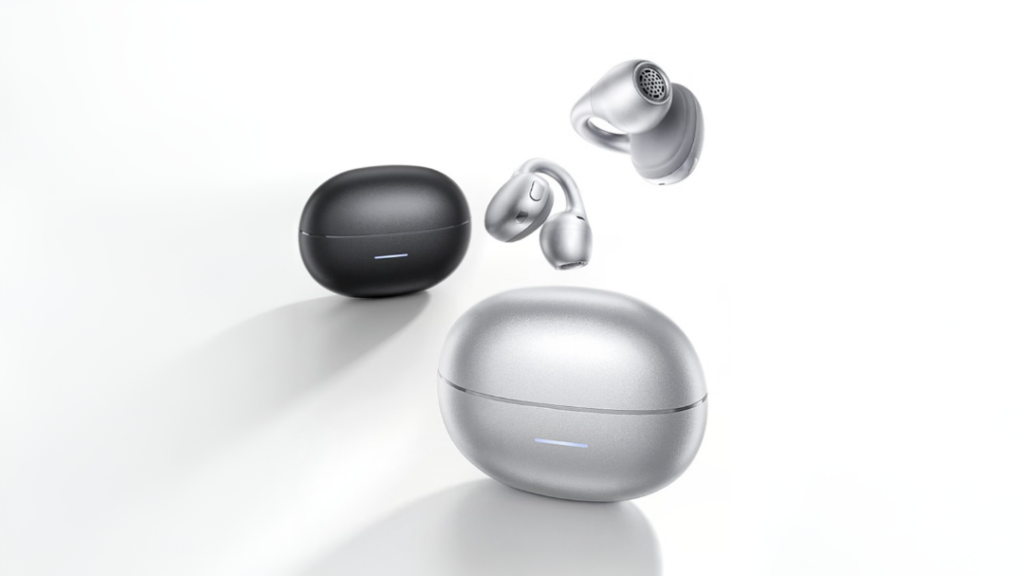
Baseus has released a new pair of wireless earbuds in China, the MC2 NC, which combine an open-ear clip-on design with active noise cancellation. They are currently available for 783 yuan ($116). The new model follows the non-NC version of the MC2, which debuted in China earlier this year in April before launching globally in August.

Baseus MC2 NC Earbuds

Baseus MC2 NC Earbuds Specifications

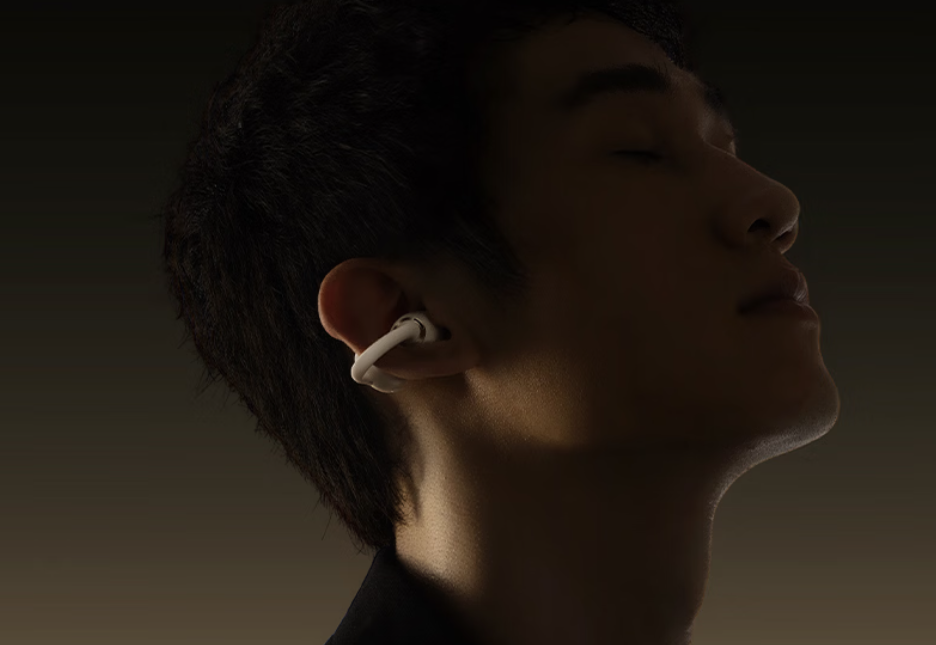
Instead of sitting inside your ear canal, the MC2 NC uses a C-shaped bridge that attaches to the side of your ear. To keep you comfortable, Baseus uses a four-point support structure and a hollowed-out internal frame, keeping the weight of each earbud down to just 5.9 grams.

You also get removable and washable silicone cushions that rest against your ear, with four different sizes included in the box to help you find the right fit. The hardware gives you an IP67 rating for dust and water resistance, and you can choose between two colors: Interstellar Black and Star Moon Beige.

Baseus MC2 NC Earbuds

Inside, your audio is powered by 12mm carbon-fiber dynamic drivers. You get support for the LDAC codec, along with Hi-Res Audio Wireless certification. For equalization, Baseus has integrated Mimi’s hearing technology, which tests your hearing sensitivity across different frequencies to create a custom sound profile tailored to you.

Active noise cancellation is unusual for clip-on earbuds since they don’t physically seal your ear canal, but Baseus claims you can achieve up to -50dB of noise reduction. This works by combining the physical blocking of the silicone cushions with an adaptive ANC system that adjusts to your ear shape and your ambient environment. When you’re on phone calls, a six-microphone array blocks out wind noise, while directional audio technology prevents your music from leaking out to people sitting nearby.

Where to buyBaseus MC2 NCLatest price on AmazonCheck price →

You will also find several software features powered by AI models from DeepSeek, Alibaba (Qwen), and Doubao. Through the Baseus companion app, you can access tools like voice recording transcription, a real-time assistant, and face-to-face translation that supports 21 languages.

Baseus MC2 NC Earbuds

The earbuds connect using Bluetooth 6.0 and support multipoint pairing, allowing you to connect to two devices at once. Baseus opted for physical buttons rather than touch controls, which helps you avoid accidental inputs when adjusting the earbuds on your ear.

For battery life, you can expect up to 60 hours of total playback with the USB-C charging case when ANC is disabled, and up to 42 hours with ANC turned on. If you are in a rush, a 10-minute charge gives you roughly three hours of playback.

In related news, QCY has recently launched the Crossky C70 clip-on earbuds with dual drivers, LDAC, 54dB ENC, and up to 50 hours of battery life. Vivo also introduced its first clip-on earbuds, featuring 12mm drivers, Hi-Res audio support, and up to 42 hours of battery life.

For more daily updates, please visit our News Section.

Stay ahead in tech! Join our Telegram community and sign up for our daily newsletter of top stories!

(JD)
Oppo F35 5G and F35 Pro 5G launch in India with 8000mAh batteries, starting at Rs 38,999

Oppo has launched the Oppo F35 5G and Oppo F35 Pro 5G in India, as it confirmed earlier. Both phones come with an 8,000mAh battery, 80W SuperVOOC charging, a 50MP main camera, and a 50MP selfie camera. The Oppo F35 5G starts at Rs 38,999, while the Oppo F35 Pro 5G starts at Rs 45,999.

Oppo F35 5G specifications

The Oppo F35 5G has a 6.57-inch AMOLED display with FHD+ resolution, a 120Hz adaptive refresh rate, and up to 1,400 nits of HBM brightness. The panel covers 100% of the DCI-P3 colour gamut and supports a 1,000Hz touch sampling rate.

The phone is powered by the MediaTek Dimensity 6360 Max, paired with LPDDR4X RAM and UFS 2.2 storage. It runs ColorOS 16 and has a 50MP main camera alongside a 2MP monochrome camera on the back.

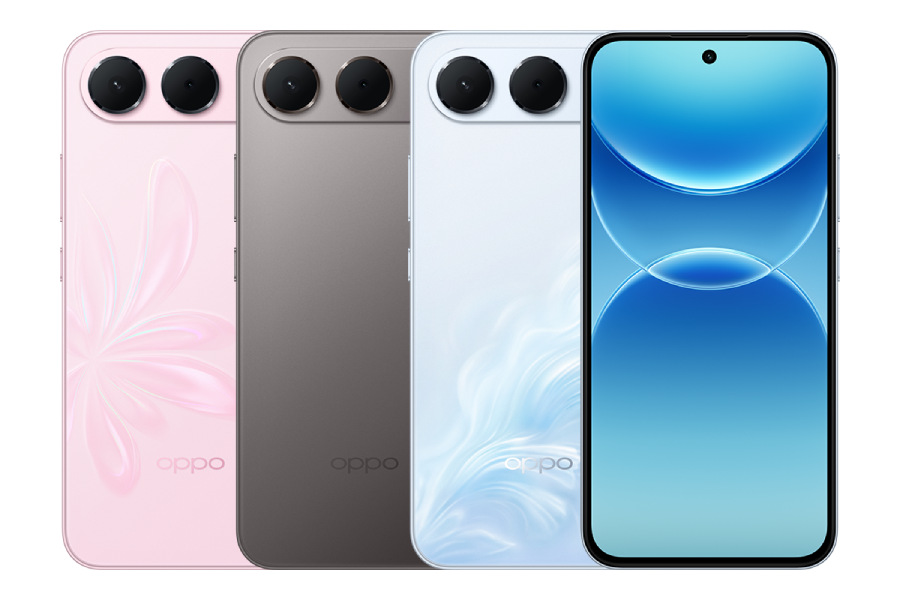
Three Oppo F35 smartphones in pink, grey, and blue color options displayed together.

The F35 5G measures 15.91 x 7.58 x 0.88cm and weighs around 205g. It also has an IP69K rating for dust and water resistance, along with military-grade shock resistance. Cooling is handled by a SuperCool vapour chamber measuring 4,300 mm².

Other features include an under-screen fingerprint sensor, face unlock, dual SIM support, USB Type-C, Bluetooth 5.4, Wi-Fi 5, 8GB of virtual RAM, reverse wired charging, and dual-link network acceleration.

Oppo F35 Pro 5G specifications

The Pro model moves to a larger 6.77-inch AMOLED display with FHD+ resolution, a 144Hz refresh rate, and up to 1,800 nits of HBM brightness. It also has a higher 4,000Hz touch sampling rate while covering 100% of the DCI-P3 colour gamut. Storage is upgraded to UFS 3.1, and the phone runs ColorOS 16.5.

Where to buyOppo F35 5GLatest price on AmazonCheck price →

On the back, the main camera gets OIS and is joined by an 8MP ultra-wide camera. The phone also supports dual-view video. It measures 16.26 x 7.76 x 0.84cm and weighs around 210g.

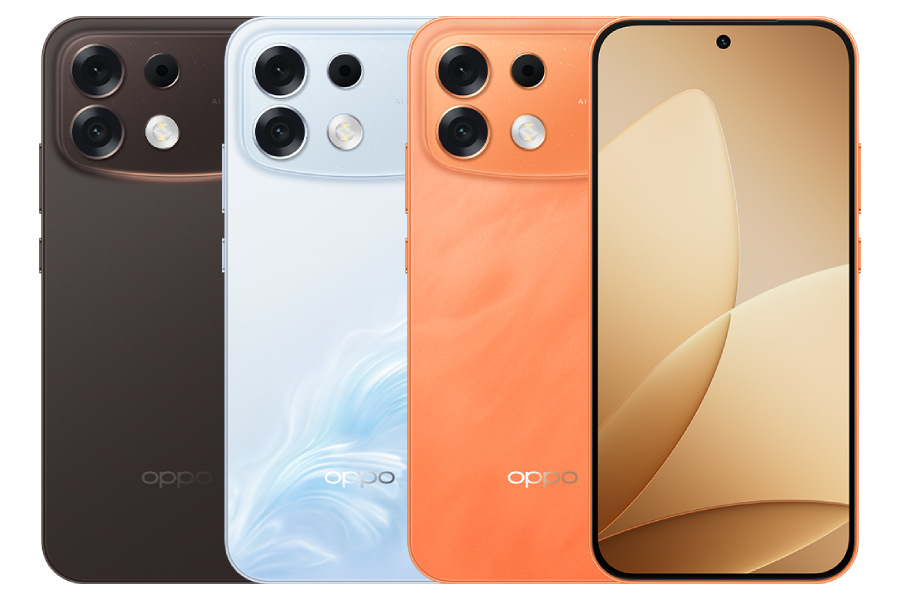
Three Oppo F35 smartphones displayed in black, light blue, and orange color options.

The F35 Pro 5G has IP69K, IP69, IP68, and IP66 protection ratings, along with Rainstorm touch support and one-touch water ejection. Its vapour chamber is also larger at 5,000 mm².

Connectivity includes Wi-Fi 6 and Bluetooth 5.4, along with USB Type-C and dual SIM support. The phone also has an under-screen fingerprint sensor, face unlock, a 360-degree Armour body, Hunter Antenna architecture, and Smart Communication 3.0.

Oppo F35 5G and F35 Pro 5G price in India

The Oppo F35 5G is available in Wave Blue, Mist Pink, and Titanium Grey. The F35 Pro 5G comes in Sunrise Orange, Wave Blue, and Twilight Brown. 

Oppo F35 5G

  • 6GB + 128GB: Rs 38,999
  • 8GB + 128GB: Rs 42,999

Oppo F35 Pro 5G

  • 6GB + 128GB: Rs 45,999
  • 8GB + 128GB: Rs 49,999
  • 8GB + 256GB: Rs 54,999

Pre-orders are now open through the Oppo India website, Amazon, and Flipkart.

For daily updates, please visit our News Section.

Stay ahead in tech! Join our Telegram community and sign up for our daily newsletter of top stories!

Xiaomi 18 Pro Max vs Honor Magic9 Pro Max: The $250 Price Gap Changes Everything

Xiaomi 18 Pro Max and Honor Magic9 Pro Max bring flagship power, advanced cameras, and huge batteries, but take very different approaches. Xiaomi stands out with Leica cameras and a unique rear display, while Honor counters with a brighter display, faster wireless charging, and a lower price. So, which premium flagship offers the better overall package?

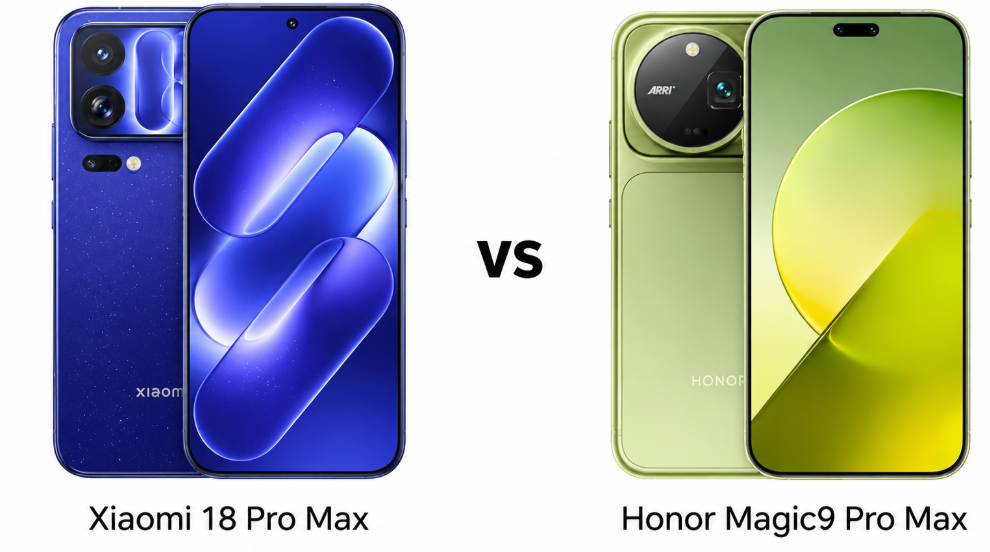
The Xiaomi 18 Pro Max and Honor Magic9 Pro Max smartphones side by side.

Major Features:

CategoryXiaomi 18 Pro MaxHonor Magic9 Pro MaxWinner
BuildDragon Crystal Glass 3 front, aluminum frame, IP68Glass front/back, aluminum frame, IP68/IP69KHonor – Stronger water and dust protection
Display6.9-inch LTPO AMOLED, 120Hz, 4000 nits6.8-inch LTPO OLED, 120Hz, 10000 nits peak, anti-reflective coatingHonor – Brighter and sharper display
Rear Display2.9-inch secondary AMOLED displayNo secondary displayXiaomi – Adds useful rear-screen functionality
ChipsetSnapdragon 8 Elite Extreme Gen 6Snapdragon 8 Elite Extreme Gen 6Tie – Same flagship chipset
RAM/StorageUp to 16GB/1TB, UFS 4.1Up to 16GB/1TB, UFS 4.1Tie – Identical top-end memory options
Operating SystemAndroid 17, HyperOS 4Android 17, MagicOS 11Honor – Up to 7 major OS updates
Main Camera200MP, f/1.7, OIS200MP, f/1.6, OISHonor – Wider aperture
Telephoto200MP periscope, 3.2x optical zoom200MP periscope, 3.5x optical zoomHonor – Larger sensor and longer optical reach
Ultrawide50MP, 102°50MP, 122°Honor – Wider field of view
VideoUp to 8K, 4K 120fps, Dolby Vision HDRUp to 4K 120fps, ARRI LogC3Xiaomi – Higher-resolution 8K recording
Selfie Camera50MP, PDAF, 4K 60fps55MP multi-aspect, TOF 3D, 4K 60fpsHonor – Higher resolution and 3D depth hardware
Battery8500mAh8800mAhHonor – Larger battery
Wired Charging100W100WTie – Same charging speed
Wireless Charging50W80WHonor – Faster wireless charging
Reverse Charging27W reverse wirelessReverse wireless and reverse wiredXiaomi – Higher specified reverse wireless output
ConnectivityWi-Fi 7, Bluetooth 6.0, UWBWi-Fi 7/8, Bluetooth 6.3, eSIMHonor – Broader connectivity features
AudioStereo, 3 speakers, Dolby AtmosLarge-amplitude stereo speakersXiaomi – More advanced speaker setup
PriceAround $1,200 / ₹1,50,000Around $950 / ₹95,000Honor – Significantly lower price
Value for MoneyPremium flagship with unique Leica and rear-display featuresMore affordable flagship with comparable core hardwareHonor – Better overall value
Disclaimer: Specs are based on available data. Actual performance may vary. Verify details from official sources before buying.

1. Design and Display

Build and Feel

Both phones deliver premium construction with glass surfaces, aluminum frames, and IP68 protection. Xiaomi adds Dragon Crystal Glass 3 and a more distinctive rear secondary display, giving the 18 Pro Max a stronger identity. Honor takes a more conventional flagship approach, while its IP68/IP69K rating provides additional protection against high-pressure water exposure.

Xiaomi feels more adventurous because its rear display creates extra functionality beyond conventional flagship design. Honor, however, offers broader SIM flexibility with dual Nano-SIM and eSIM support. For buyers who prefer a familiar flagship experience with stronger environmental protection and connectivity flexibility, Honor has the more practical design philosophy overall.

Display Quality

Xiaomi features a 6.9-inch LTPO AMOLED panel with 120Hz refresh rate, Dolby Vision, HDR10+, HDR Vivid, BT.2020, and up to 4,000 nits peak brightness. Its 2.9-inch rear display adds another useful viewing surface for selfies, notifications, and quick interactions.

Honor counters with a 6.8-inch LTPO OLED display offering 120Hz, Dolby Vision, 4,320Hz PWM, anti-reflective coating, and an impressive claimed 10,000-nit peak brightness. Its higher resolution also gives it a sharper presentation. 

Honor’s display is arguably the stronger choice for outdoor visibility and eye-friendly viewing, while Xiaomi wins for versatility.

Verdict

Honor wins for display quality thanks to its sharper panel, anti-reflective coating, higher PWM frequency, and exceptional peak brightness. Xiaomi remains more innovative with its useful secondary rear display.

2. Specifications Including Battery

Performance

Both phones use the same Snapdragon 8 Elite Extreme Gen 6 chipset, Adreno 850 GPU, and UFS 4.1 storage, so headline performance is closely matched. Configurations extend up to 16GB RAM and 1TB storage, giving both models enough headroom for demanding gaming, multitasking, and AI workloads.

Software separates them slightly. Xiaomi runs Android 17 with HyperOS 4, while Honor ships Android 17 with MagicOS 11 and promises up to seven major OS updates. Honor therefore has the stronger long-term software commitment, while Xiaomi’s ecosystem may appeal more to users already invested in HyperOS devices. Neither phone lacks flagship-level performance.

Battery and Charging

Xiaomi packs an 8,500mAh silicon-carbon battery with 100W wired, 50W wireless, and 27W reverse wireless charging. Honor goes further with an 8,800mAh silicon-carbon battery, 100W wired charging, 80W wireless charging, and reverse charging support. Both should deliver excellent endurance under demanding use.

Honor has the clear charging advantage because its wireless charging is substantially faster. Xiaomi still offers a particularly useful reverse wireless mode, making it better suited to topping up compatible accessories. For users prioritizing maximum battery capacity and fast wireless charging, Honor feels more complete.

Verdict

Honor wins for battery versatility with its larger 8,800mAh cell and 80W wireless charging. Xiaomi remains highly competitive, especially with 27W reverse wireless charging and equally fast 100W wired charging.

3. Camera

Main and Secondary Lenses

Xiaomi uses a Leica-backed triple-camera system led by a 200MP main sensor with OIS, a 200MP periscope telephoto with 3.2x optical zoom, and a 50MP ultrawide. Its camera system supports 8K recording, 4K at 120fps, Dolby Vision HDR, and 10-bit LOG, making it particularly attractive for serious mobile photography and video.

Honor also uses a 200MP main camera with OIS and a larger 200MP periscope telephoto sensor offering 3.5x optical zoom. Its 50MP ultrawide reaches a wider 122-degree field of view. ARRI LogC3 and Wide Gamut support add professional video capabilities. Honor’s larger telephoto sensor looks especially promising for zoom photography, while Xiaomi offers stronger headline video flexibility.

Selfie Camera

Xiaomi uses a 50MP autofocus selfie camera capable of 4K recording at 60fps, with HDR10+ and gyro-EIS. That combination makes it a strong choice for creators who frequently shoot front-facing video, especially when stabilization and high-resolution capture matter.

Honor takes a more ambitious approach with a 55MP multi-aspect selfie camera paired with a TOF 3D depth and biometric sensor. It also records 4K at 60fps and adds gyro-EIS. The additional depth hardware gives Honor a more sophisticated front-camera system, while Xiaomi’s PDAF implementation offers dependable focusing. Honor has the more feature-rich selfie setup overall.

Verdict

Honor narrowly wins the camera category with its larger telephoto sensor, wider ultrawide camera, advanced ARRI video tools, and 55MP TOF-equipped selfie system. Xiaomi remains excellent for Leica-driven photography and high-resolution video.

4. Pricing

The Xiaomi 18 Pro Max is priced around $1,200 or ₹1,50,000, placing it firmly in the ultra-premium flagship category. Honor takes a more aggressive approach, with the Magic9 Pro Max priced around $950 or ₹95,000, creating a substantial difference between the two.

Despite the lower price, Honor does not compromise on core hardware. It carries the same Snapdragon chipset, comparable memory options, a larger battery, and a highly competitive camera system. Xiaomi justifies part of its premium through Leica branding, the rear secondary display, and more extensive video recording capabilities. For most buyers, Honor’s pricing makes the comparison considerably more difficult for Xiaomi.

Is the price justified? 

Xiaomi’s premium is difficult to justify purely through performance because both phones share the same processor, GPU, storage technology, and maximum memory configuration. Its strongest differentiators are the Leica camera experience, secondary display, and broader cinematic video capabilities.

Honor offers considerably more value because it undercuts Xiaomi while delivering a flagship-grade display, larger battery, faster wireless charging, and strong camera hardware. The Magic9 Pro Max therefore feels like the smarter purchase for buyers focused on hardware-per-rupee value. Xiaomi becomes easier to justify only for users who specifically want its unique camera and rear-display experience.

Verdict

Honor wins decisively on value. Its significantly lower price delivers comparable flagship performance while adding a larger battery, faster wireless charging, and an impressive display and camera package.

Disclaimer:
Prices are approximate and may vary based on country, region, launch timing, and applicable taxes. Always check whether the listed price is for a China unit or a global/international variant when purchasing.

5. Conclusion

The Xiaomi 18 Pro Max stands out with its Leica camera system, 8K and Dolby Vision video capabilities, 27W reverse wireless charging, and unusual secondary rear display. It feels like the more experimental flagship, particularly for photography enthusiasts and users who enjoy distinctive hardware features.

Honor’s Magic9 Pro Max takes a more balanced approach. Its 10,000-nit display claim, 4,320Hz PWM, anti-reflective coating, 80W wireless charging, eSIM support, larger telephoto sensor, ARRI video features, and TOF-equipped selfie camera create an unusually complete flagship package. It also promises up to seven major OS updates, strengthening its long-term appeal.

Verdict

Honor Magic9 Pro Max is the overall winner. It matches Xiaomi’s core performance, offers stronger display and battery features, has a versatile camera setup, and costs substantially less, making it the better all-round flagship.


FAQs

1. Which phone has the better camera for photography?
Honor Magic9 Pro Max offers a more versatile setup, especially for telephoto photography and wider ultrawide shots.

2. Which phone is faster for gaming and multitasking?
Both deliver essentially identical flagship performance because they use the same Snapdragon 8 Elite Extreme Gen 6 chipset.

3. Which phone has better battery life?
Honor Magic9 Pro Max has the larger battery, making it the stronger choice for demanding all-day usage.

4. Which phone offers better value for money?
Honor Magic9 Pro Max offers stronger value thanks to its lower price and similarly high-end hardware.

5. Which phone should you buy overall?
Honor Magic9 Pro Max is the better all-round choice for buyers prioritizing features, battery, cameras, and value.

Disclaimer: Prices, specifications, and availability may vary by region and retailer. Recommendations in this article are based on editorial opinion, feature-based value, and market positioning at the time of writing. Readers are advised to do their own research before making a purchase.

Read More:

Cancelled Xiaomi 18 Ultra specs leak: it had three 200MP cameras

It was rumored back in August that Xiaomi decided to cancel the Xiaomi 18 Ultra from its latest flagship lineup. Today, we have a new claim from a prolific tipster to corroborate the old news.

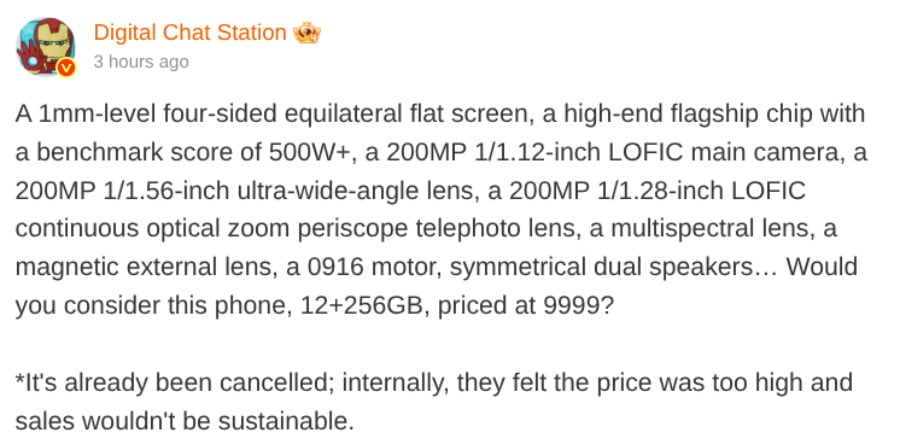
Tipster Digital Chat Station (DCS) shared details about what Xiaomi reportedly had planned for the Xiaomi 18 Ultra, along with a possible reason for the cancellation—the phone was expected to be too expensive.

If it wasn’t for the cancellation, the 18 Ultra would have had a flat display with around 1mm bezels on all four sides. It was also expected to use a flagship chip that could score more than 5 million points (500W+) in a benchmark, although DCS did not name the chip or specify the benchmark. We can still guess that it’s likely to be the Snapdragon 8 Elite Extreme Gen 6. 

Xiaomi 18 Ultra cancellation and specs leak

The camera setup would have been the biggest part of the phone. It was reportedly going to have three 200MP cameras: a main camera with a 1/1.12-inch LOFIC sensor, an ultra-wide camera with a 1/1.56-inch sensor, and a periscope telephoto camera with a 1/1.28-inch LOFIC sensor and continuous optical zoom. Rounding out the setup will be a multispectral lens and a magnetic external lens.

Other details include a 0916 motor and symmetrical dual speakers. The reported configuration was 12GB of RAM and 256GB of storage, with a price of 9,999 yuan, or roughly $1,490.

Why the Xiaomi 18 Ultra was reportedly cancelled

DCS ends the post by asking whether buyers would be willing to pay that much for the phone, followed by a note saying the device has already been cancelled. Xiaomi reportedly decided internally that the price was too high and that sales would not be strong enough.

This lines up with earlier reports, which blamed rising memory costs for the decision to shelve the Ultra. Those reports also claimed the Ultra branding could return with the Xiaomi 19 Ultra in late 2027 or early 2028, when component prices are expected to settle.

For daily updates, please visit our News Section.

Stay ahead in tech! Join our Telegram community and sign up for our daily newsletter of top stories!

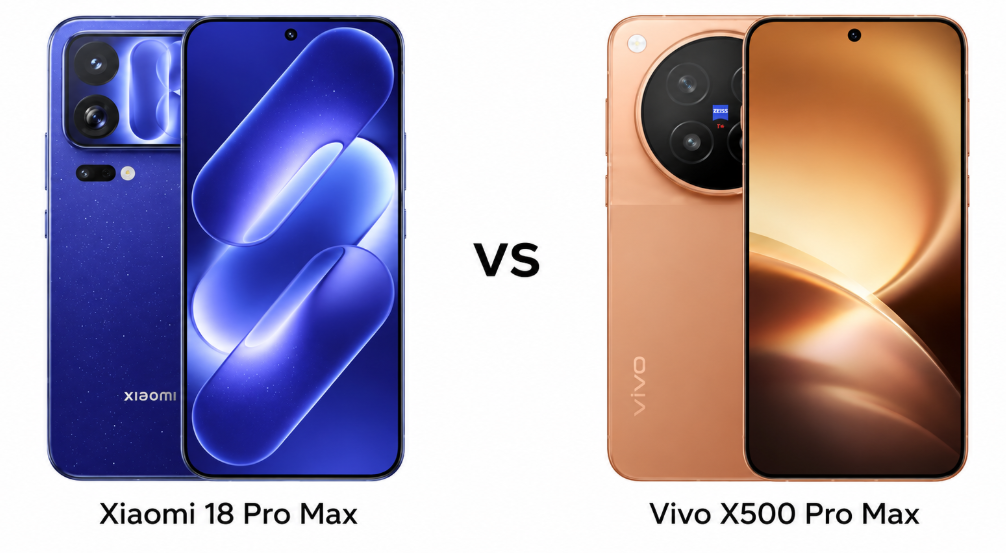
Xiaomi 18 Pro Max vs Vivo X500 Pro Max: One Flagship Wins by a Huge Margin

Xiaomi 18 Pro Max and Vivo X500 Pro Max target buyers who want a no-compromise Android flagship, but they take different routes to get there. Xiaomi emphasizes extreme performance, a huge battery, and a versatile secondary rear display, while Vivo focuses heavily on display sharpness and Zeiss-powered camera hardware. With both using 2nm-class flagship chipsets, this is a particularly close battle.

Side-by-side comparison of the blue Xiaomi 18 Pro Max and orange Vivo X500 Pro Max.

Major Features:

CategoryXiaomi 18 Pro MaxVivo X500 Pro MaxWinner
BuildDragon Crystal Glass 3, aluminum frame, IP68Glass/aluminum or glass-fiber reinforced plastic, IP68/IP69Xiaomi — premium build; Vivo — stronger IP protection
Display6.9-inch LTPO AMOLED, 120Hz, 4000 nits, Dolby Vision, HDR10+6.85-inch LTPO AMOLED, 144Hz, 4400 nits, Dolby Vision, HDR10+Vivo — higher resolution, refresh rate and peak brightness
Rear Display2.9-inch secondary AMOLED displayNo secondary displayXiaomi — unique rear display adds functionality
PerformanceSnapdragon 8 Elite Extreme Gen 6, Adreno 850Dimensity 9600 Pro, Mali-G2-Ultra-NXXiaomi — stronger flagship performance platform
RAMUp to 16GBUp to 16GBTie — both offer up to 16GB RAM
StorageUp to 1TB, UFS 4.1Up to 1TB, UFS 4.1Tie — matching storage technology and capacity
Main Camera200MP, f/1.7, OIS, 1/1.28-inch, Leica50MP, f/1.6, OIS, 1/1.28-inch, ZeissXiaomi — higher-resolution main camera and Leica system
Telephoto200MP periscope, 3.2x optical zoom, OIS200MP periscope, 3.5x optical zoom, OISVivo — larger telephoto sensor and longer optical zoom
Ultrawide50MP, 102°, PDAF50MP, 119°, AFVivo — wider field of view and autofocus
Camera FeaturesLeica optics, Laser AF, color spectrum sensorZeiss optics, T* coating, Laser AF, 3D LUTVivo — stronger imaging-focused feature set
VideoUp to 8K 30fps, 4K 120fps, Dolby Vision, 10-bit LOGUp to 8K 30fps, 4K 240fps, Dolby Vision, 10-bit LogVivo — higher-frame-rate video capability
Selfie Camera50MP AF, 4K 60fps, HDR10+50MP AF, 4K 60fpsXiaomi — stronger selfie-video features
Battery8500mAh8000mAhXiaomi — larger battery capacity
Wired Charging100W90WXiaomi — faster wired charging
Wireless Charging50W40WXiaomi — faster wireless charging
Reverse Charging27W reverse wirelessReverse wireless and reverse wiredVivo — more flexible reverse-charging options
AudioThree speakers, Dolby Atmos, Hi-ResStereo speakers, Hi-ResXiaomi — stronger speaker setup and Dolby Atmos
ConnectivityWi-Fi 7, Bluetooth 6.0, USB 3.2, DisplayPort, UWBWi-Fi 7, Bluetooth 6.0, USB 3.2Xiaomi — adds DisplayPort and UWB
BiometricsUltrasonic fingerprintUltrasonic fingerprintTie — both use ultrasonic in-display fingerprint sensors
SoftwareAndroid 17, HyperOS 4Android 17, OriginOS 7, up to 5 major OS updatesVivo — clearer long-term update commitment
PriceApprox. $1,200 / ₹150,000Approx. $1,000 / ₹100,000Vivo — significantly better value
OverallPerformance-focused flagship with huge battery and rear displayCamera-focused flagship with superior display and aggressive pricingVivo — better overall balance and value
Disclaimer: Specs are based on available data. Actual performance may vary. Verify details from official sources before buying.

1. Design and Display

Build and Feel

The Xiaomi 18 Pro Max combines Dragon Crystal Glass 3 with an aluminum frame and IP68 protection, giving it a premium, durable flagship construction. Its standout design element is the secondary 2.9-inch rear display, which adds functionality beyond the conventional smartphone format. Xiaomi also offers three-speaker Dolby Atmos audio and an ultrasonic fingerprint scanner.

The Vivo X500 Pro Max uses a glass-and-aluminum construction, with some versions offering a glass-fiber reinforced plastic back. Its IP68/IP69 rating provides stronger resistance against high-pressure water, while the Armor Glass front adds durability. Vivo’s design is more conventional, but that makes it feel cleaner and more focused. For everyday practicality, Vivo’s simpler approach is arguably easier to live with.

Display Quality

Xiaomi’s 6.9-inch LTPO AMOLED panel offers 120Hz refresh rate, Dolby Vision, HDR10+, BT.2020 and an impressive 4000-nit peak brightness. The 2160Hz PWM system should also appeal to users sensitive to display flicker. The rear display adds another layer of functionality for photography and quick interactions.

Vivo counters with a 6.85-inch LTPO AMOLED display running at up to 144Hz, alongside Dolby Vision, HDR10+ and a higher 4400-nit peak brightness. Its 1440p resolution also delivers noticeably greater pixel density. For pure viewing quality and fluidity, Vivo has the more impressive panel.

Verdict

Vivo wins the display battle with its sharper 144Hz panel and higher peak brightness, while Xiaomi counters with excellent HDR support and its useful rear display.

2. Specifications Including Battery

Performance

The Xiaomi 18 Pro Max uses the Snapdragon 8 Elite Extreme Gen 6, paired with up to 16GB RAM and UFS 4.1 storage. Its high-clocked CPU and Adreno 850 GPU make it particularly attractive for demanding gaming, sustained multitasking and heavy AI workloads. Wi-Fi 7, Bluetooth 6.0 and USB 3.2 with DisplayPort further strengthen its flagship credentials.

The Vivo X500 Pro Max relies on the Dimensity 9600 Pro, also built on a 2nm process, with up to 16GB RAM and UFS 4.1 storage. It is clearly designed as a performance flagship, while OriginOS 7 and long-term software support add practical appeal. Still, Xiaomi’s Snapdragon platform has the stronger enthusiast profile and connectivity package.

Battery and Charging

Xiaomi packs an enormous 8500mAh silicon-carbon battery with 100W wired charging, 50W wireless charging and 27W reverse wireless charging. That combination is difficult to fault and should deliver excellent endurance without sacrificing charging convenience. It is particularly compelling for power users who regularly push demanding apps and games.

Vivo uses an 8000mAh silicon-carbon battery with 90W wired and 40W wireless charging, plus reverse charging support. Endurance should still be excellent, but Xiaomi offers more capacity and faster wired charging. For users who prioritize battery longevity and rapid top-ups, Xiaomi feels like the more complete package.

Verdict

Xiaomi wins overall for performance and battery versatility, combining a stronger Snapdragon platform with a larger battery, faster wired charging and more capable connectivity.

3. Camera

Main and Secondary Lenses

Xiaomi pairs a 200MP main camera with a 200MP 3.2x periscope telephoto and 50MP ultrawide. Leica optics, laser autofocus and color-spectrum sensing add imaging sophistication, while 8K and Dolby Vision recording make it highly capable for video creators. The dual high-resolution camera setup is especially interesting for detailed zoom photography.

Vivo takes a different approach with a 50MP main camera, 200MP 3.5x periscope and 50MP ultrawide. The large telephoto sensor, Zeiss optics, T* coating and multidirectional PDAF give it a strong portrait and zoom proposition. Its ultrawide also offers a wider field of view. Vivo arguably has the more photography-focused camera system.

Selfie Camera

The Xiaomi 18 Pro Max features a 50MP autofocus selfie camera capable of 4K recording at 60fps, with HDR10+ and gyro-EIS. That makes it well suited to creators who regularly record themselves or produce social-media video.

Vivo also uses a 50MP autofocus selfie camera, but its implementation has a slightly wider aperture and larger pixel size. It supports 4K recording at 60fps, although the specification list does not include the same HDR10+ support. Xiaomi therefore has the stronger video-oriented selfie feature set.

Verdict

Vivo wins the camera battle with its large 200MP telephoto, Zeiss imaging system and wider ultrawide, while Xiaomi remains an excellent choice for high-resolution photography and advanced video recording.

4. Pricing

The Xiaomi 18 Pro Max is priced around $1,200 or ₹150,000, placing it firmly in premium flagship territory. The higher asking price reflects its Snapdragon performance platform, enormous battery, 100W charging, Leica camera system and unusual rear display. It is positioned as a feature-packed flagship rather than a value-focused alternative.

The Vivo X500 Pro Max is priced around $1,000 or ₹100,000, making it significantly more affordable based on the supplied pricing. Despite the lower price, it retains a 2nm flagship chipset, 200MP telephoto, 144Hz AMOLED display, 8000mAh battery and Zeiss imaging hardware. That makes the Vivo considerably more aggressive on specifications per dollar.

Is the price justified?

Xiaomi’s premium is easier to justify for buyers who specifically want maximum performance, 100W charging, the larger battery and its secondary rear display. However, those features will not matter equally to every buyer.

Vivo delivers a more balanced flagship experience for less money. Its sharper display and sophisticated camera hardware directly benefit everyday use, while its performance remains firmly in flagship territory. For most buyers, the lower price makes Vivo the smarter purchase.

Verdict

Vivo offers better value for money, delivering a flagship-grade display, camera system and performance platform at a substantially lower price than Xiaomi.

Disclaimer:
Prices are approximate and may vary based on country, region, launch timing, and applicable taxes. Always check whether the listed price is for a China unit or a global/international variant when purchasing.

5. Conclusion

The Xiaomi 18 Pro Max stands out with its 2.9-inch rear display, Snapdragon 8 Elite Extreme Gen 6, 8500mAh battery, 100W wired charging and three-speaker Dolby Atmos system. It is the more extreme specification package and particularly appealing to performance-focused users.

The Vivo X500 Pro Max counters with a 144Hz high-resolution display, 4400-nit peak brightness, Zeiss T* optics, a large-sensor 200MP telephoto and IP68/IP69 protection. Its combination of imaging capability and lower pricing gives it broader appeal. For most consumers, the Vivo strikes the better balance.

Verdict

Overall winner: Vivo X500 Pro Max. It delivers the better display and camera package while costing less. Xiaomi wins performance and battery versatility, but Vivo offers the stronger overall flagship value.

Disclaimer: Prices, specifications, and availability may vary by region and retailer. Recommendations in this article are based on editorial opinion, feature-based value, and market positioning at the time of writing. Readers are advised to do their own research before making a purchase.

Read More:

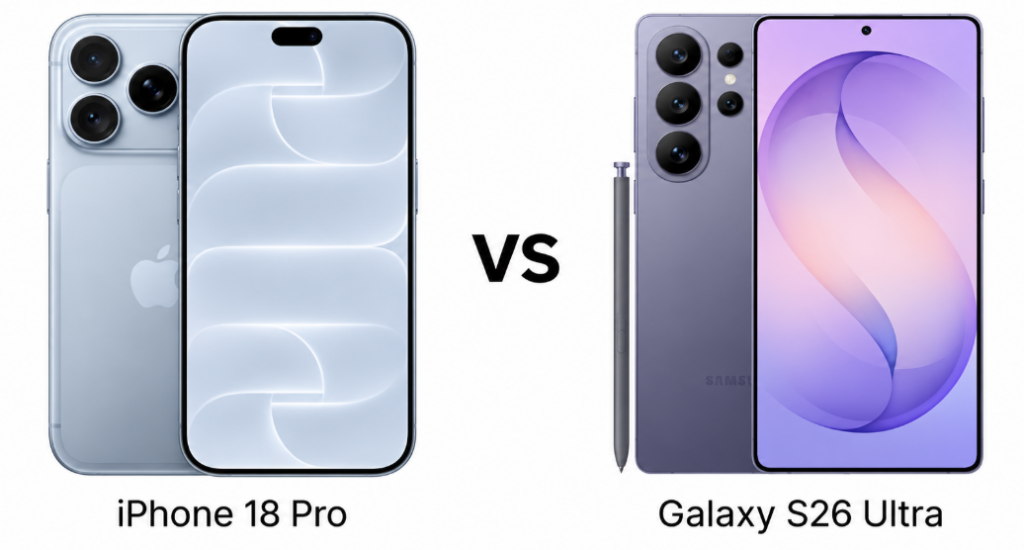
iPhone 18 Pro vs Galaxy S26 Ultra: Specs, Camera, Battery and Price Compared

iPhone 18 Pro and Galaxy S26 Ultra represent two very different approaches to the premium smartphone. Apple focuses on a compact flagship experience, camera consistency, and deep video capabilities, while Samsung pushes a larger display, versatile cameras, S Pen functionality, and faster charging. This comparison matters for buyers deciding between Apple’s polished ecosystem and Samsung’s feature-heavy Android flagship.

Side by side comparison of the iPhone 18 Pro and Galaxy S26 Ultra smartphones.

Major Features:

CategoryiPhone 18 ProSamsung Galaxy S26 UltraWinner
Display6.3-inch LTPO Super Retina XDR OLED, 120Hz, Dolby Vision, 3000 nits peak6.9-inch Dynamic LTPO AMOLED 2X, 120Hz, HDR10+, 2600 nits peakSamsung – Larger, sharper panel with anti-reflective coating
BuildCeramic Shield 2, aluminum frame, glass back, IP68Gorilla Armor 2, Gorilla Glass Victus 2, Armor Aluminum 2, IP68Samsung – More advanced protective glass and Armor Aluminum 2
ProcessorApple A20 Pro, 2nmSnapdragon 8 Elite Gen 5, 3nmApple – More advanced 2nm chip architecture
RAM & Storage12GB RAM, up to 2TB12GB/16GB RAM, up to 1TBApple – Offers higher maximum storage
Main Camera48MP wide + 48MP 4x periscope + 48MP ultrawide200MP wide + 10MP 3x telephoto + 50MP 5x periscope + 50MP ultrawideSamsung – More versatile four-camera system
Selfie Camera18MP ultrawide, PDAF, SL 3D12MP wide, PDAFApple – Higher-resolution ultrawide camera with advanced depth hardware
VideoUp to 4K 120fps, Dolby Vision, ProRes RAW, Apple Log 2Up to 8K 30fps, 4K 120fps, HDR10+Apple – Stronger professional video toolkit
Battery4056/4288mAh, 50% in 15 min, 25W wireless5000mAh, 60W wired, 25W wirelessSamsung – Larger battery and faster wired charging
Charging25W MagSafe/Qi2, 4.5W reverse wired25W Qi2.2, 4.5W reverse wirelessSamsung – More convenient reverse wireless charging
SoftwareiOS 27Android 16, One UI 9, up to 7 major OS updatesSamsung – More customization and longer stated update commitment
ProductivityFace ID, UWBS Pen, Samsung DeX, Wireless DeX, UWBSamsung – S Pen and desktop features add significant versatility
ConnectivityWi-Fi 7, Bluetooth 6.0, USB-C 3.2 Gen 2Wi-Fi 7, Bluetooth 6.0, USB-C 3.2Apple – Faster specified USB connection
PriceApprox. $1200 / ₹164,900Approx. $1300 / ₹140,000Samsung – Better value at the supplied Indian pricing
OverallCompact flagship with powerful chip and advanced video featuresFeature-rich Ultra with S Pen, versatile cameras and large displaySamsung – More versatile overall flagship package
Disclaimer: Specs are based on available data. Actual performance may vary. Verify details from official sources before buying.

1. Design and Display

Build and Feel

The iPhone 18 Pro combines Ceramic Shield 2 with an aluminum frame and glass rear panel, while the Galaxy S26 Ultra uses Gorilla Armor 2 on the front, Gorilla Glass Victus 2 at the back, and Armor Aluminum 2. Both offer IP68 protection. Samsung adds an S Pen, giving the Ultra a productivity advantage that the iPhone cannot match. Apple, however, feels more focused and pocket-friendly.

Display Quality

The iPhone uses a 6.3-inch LTPO Super Retina XDR OLED with 120Hz refresh rate, Dolby Vision and up to 3000 nits peak brightness. Samsung counters with a 6.9-inch Dynamic LTPO AMOLED 2X panel, 120Hz refresh rate, HDR10+ and 2600 nits peak brightness. Samsung’s larger, higher-resolution screen is better for media and productivity, while Apple’s panel remains excellent for HDR content.

Verdict

Samsung wins for its larger, sharper display, anti-reflective treatment and S Pen functionality. Apple remains the better choice for buyers wanting a more compact flagship with excellent display quality.

2. Specifications Including Battery

Performance

The iPhone 18 Pro uses Apple’s 2nm A20 Pro chip with a six-core CPU and seven-core GPU, paired with 12GB RAM. The Galaxy S26 Ultra runs Snapdragon 8 Elite Gen 5, with an octa-core CPU and Adreno 840 GPU, offering up to 16GB RAM. Both are flagship-grade, but Apple’s silicon should appeal to users prioritizing efficiency and sustained ecosystem optimization.

Battery and Charging

Samsung packs a 5000mAh battery with 60W wired charging, 25W wireless charging and 4.5W reverse wireless charging. The iPhone uses a market-dependent battery rated at 4056mAh or 4288mAh, with 50% charging in 15 minutes and 25W MagSafe/Qi2 wireless charging. Samsung offers greater battery capacity and faster wired charging, making the Ultra more practical for heavy users.

Verdict

Samsung takes this round with its larger battery, faster wired charging and reverse wireless charging. Apple counters with efficient silicon and strong charging optimization, but Samsung offers the more complete hardware package.

3. Camera

Main and Secondary Lenses

The iPhone 18 Pro features a 48MP main camera, 48MP 4x periscope telephoto and 48MP ultrawide, plus LiDAR. Samsung uses a 200MP main sensor alongside 3x and 5x telephoto cameras and a 50MP ultrawide. Samsung clearly offers greater focal-length flexibility, while Apple’s setup emphasizes consistency and computational photography. For serious zoom photography, the Galaxy is the more versatile tool.

Selfie Camera

Apple equips the iPhone 18 Pro with an 18MP ultrawide selfie camera featuring PDAF, along with an SL 3D sensor for depth and biometrics. It also supports advanced video features including Dolby Vision, ProRes RAW and Apple Log 2. Samsung’s 12MP selfie camera supports PDAF and HDR10+, with 4K video recording. Apple’s front camera system is considerably more ambitious for creators and video-focused users.

Where to buyiPhone 18 ProLatest price on AmazonCheck price →

Verdict

Samsung wins for photographic versatility, particularly its dual telephoto system and 200MP main camera. Apple is the stronger choice for professional video workflows, selfie flexibility and advanced recording features.

4. Pricing

The iPhone 18 Pro is priced around $1200 / ₹164,900, while the Galaxy S26 Ultra is priced around $1300 / ₹140,000 based on the supplied pricing. Interestingly, the Samsung costs more in its approximate US pricing but less in the quoted Indian pricing. That makes regional pricing particularly important when comparing these two flagships.

Is the price justified? 

Both phones justify flagship pricing through premium hardware, advanced cameras and long-term software support. The iPhone brings Apple’s ecosystem, A20 Pro performance, professional video tools and multiple storage tiers up to 2TB. Samsung offers a larger display, S Pen, more camera versatility, a 5000mAh battery and 16GB RAM. At the supplied Indian price, Samsung delivers stronger overall hardware value.

Where to buySamsung Galaxy S26 UltraLatest price on AmazonCheck price →

Verdict

Samsung offers better value based on the supplied Indian pricing, combining a larger display, S Pen, versatile cameras and bigger battery for less. Apple remains compelling for ecosystem and video-focused buyers.

Disclaimer:
Prices are approximate and may vary based on country, region, launch timing, and applicable taxes. Always check whether the listed price is for a China unit or a global/international variant when purchasing.

5. Conclusion

The iPhone 18 Pro stands out with its 2nm A20 Pro chip, ProRes RAW, Apple Log 2, Dolby Vision recording, LiDAR, and deep Apple ecosystem integration. The Galaxy S26 Ultra counters with an S Pen, Privacy Display, Samsung DeX, 200MP camera, dual telephoto setup and reverse wireless charging. These features make the phones appeal to distinctly different premium buyers.

Verdict

Samsung Galaxy S26 Ultra is the overall winner for its broader feature set, larger display, camera versatility, S Pen, battery capacity and stronger value at the supplied Indian price. iPhone 18 Pro remains the better pick for Apple ecosystem users and serious mobile video creators.


FAQs

1. Which phone has the better camera, iPhone 18 Pro or Galaxy S26 Ultra?
Galaxy S26 Ultra offers greater camera versatility, while iPhone 18 Pro is stronger for professional video recording.

2. Which phone is faster, iPhone 18 Pro or Galaxy S26 Ultra?
Both deliver flagship performance, but the A20 Pro gives the iPhone strong efficiency and optimized performance.

3. Which phone has better battery life?
Galaxy S26 Ultra has the larger battery and faster wired charging, making it better suited to heavy daily use.

4. Which phone offers better value for money?
Galaxy S26 Ultra offers more hardware features for the quoted price, including an S Pen, larger display and versatile cameras.

5. Should you buy the iPhone 18 Pro or Galaxy S26 Ultra?
Choose iPhone 18 Pro for Apple’s ecosystem and video tools; choose Galaxy S26 Ultra for versatility and productivity.

Disclaimer: Prices, specifications, and availability may vary by region and retailer. Recommendations in this article are based on editorial opinion, feature-based value, and market positioning at the time of writing. Readers are advised to do their own research before making a purchase.

Read More:

Lenovo’s new office monitor has a 100Hz screen and costs $90

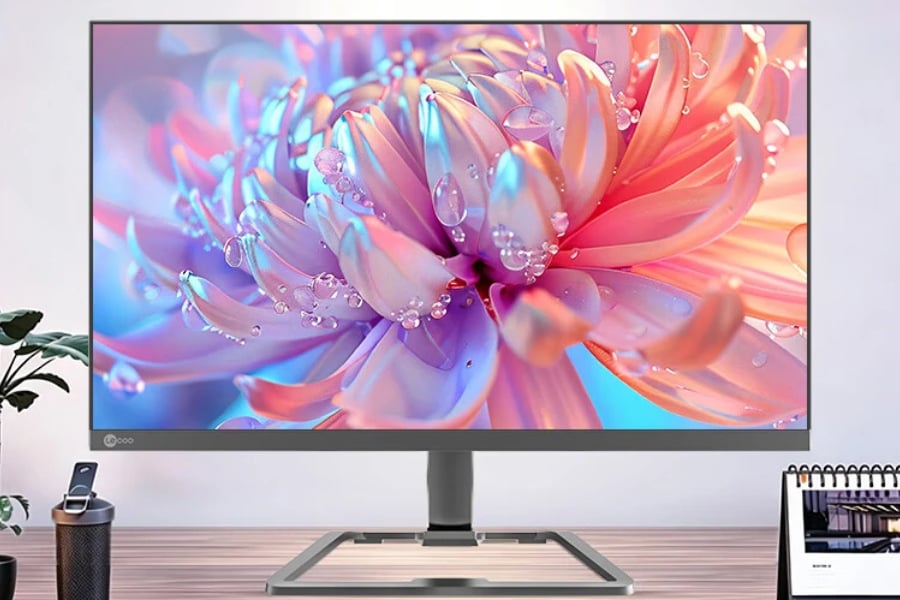
Lenovo’s sub-brand Lecoo launched in 2018 with smart home products like cameras and routers, and now sells monitors too. Its latest is an office monitor, the Lenovo Lecoo M2460, built around a 23.8-inch Full HD IPS screen, and it costs 599 yuan (~ $90).

The monitor has a 1920×1080 resolution, 300 cd/m² typical brightness, and a 1000:1 static contrast ratio. It supports 178-degree viewing angles and displays up to 16.7 million colors on its 16:9 aspect ratio screen.

Lenovo Lecoo M2460 Launch Specs price

Design and size

In terms of looks, it’s the usual affair. The Lecoo M2460 has a three-sided narrow bezel design, and the side bezels measure 3.5mm. With the stand attached, the monitor is 540mm wide, 412.5mm tall, and 170mm deep. The base is square and plain, and you can tilt the screen from -5° to 15°. If you would rather free up desk space, the monitor also supports 75×75mm wall mounting.

Lenovo says the monitor has low blue light and flicker-free technology. There is also an e-book mode that cuts blue light output and shifts the screen to a warmer tone. 

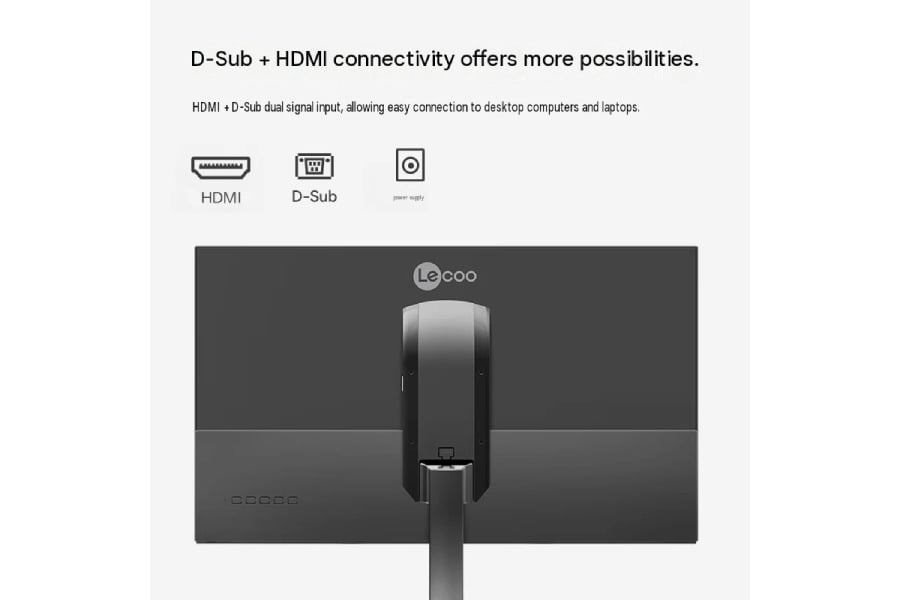
Lenovo Lecoo M2460 monitor ports

For ports, you get HDMI and D-Sub. D-Sub is the analog connector often called VGA, so you can still plug in an older office PC. The box includes the monitor with its stand, a power adapter, a 1.5m HDMI cable, and a warranty card. That means a D-Sub cable would be a separate purchase.

Price

At 599 yuan (~ $90), the Lecoo M2460 costs the same as the Lenovo Lecoo N2521 gaming monitor, which Lecoo launched with a 24.5-inch panel and a 180Hz refresh rate. The two models target different buyers. The N2521 is built around gaming features, while the M2460 focuses on office use, eye comfort, and a simpler set of ports.

For daily updates, please visit our News Section.

Stay ahead in tech! Join our Telegram community and sign up for our daily newsletter of top stories!

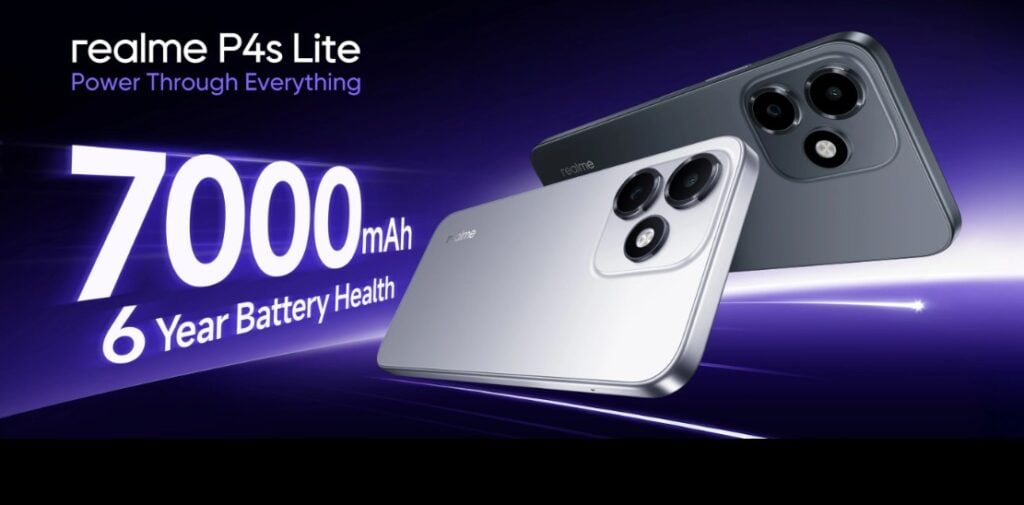
Realme P4s Lite launches with a 120Hz display and 7,000mAh battery

The Realme P4 Lite arrived earlier this year in 5G and 4G variants, and rumours recently pointed to another model called the P4s Lite. The phone has now quietly gone official through Realme India’s website. Its listing reveals the key specifications, features and pricing.

Realme P4s Lite specifications and features

Realme P4s Lite
Realme P4s Lite

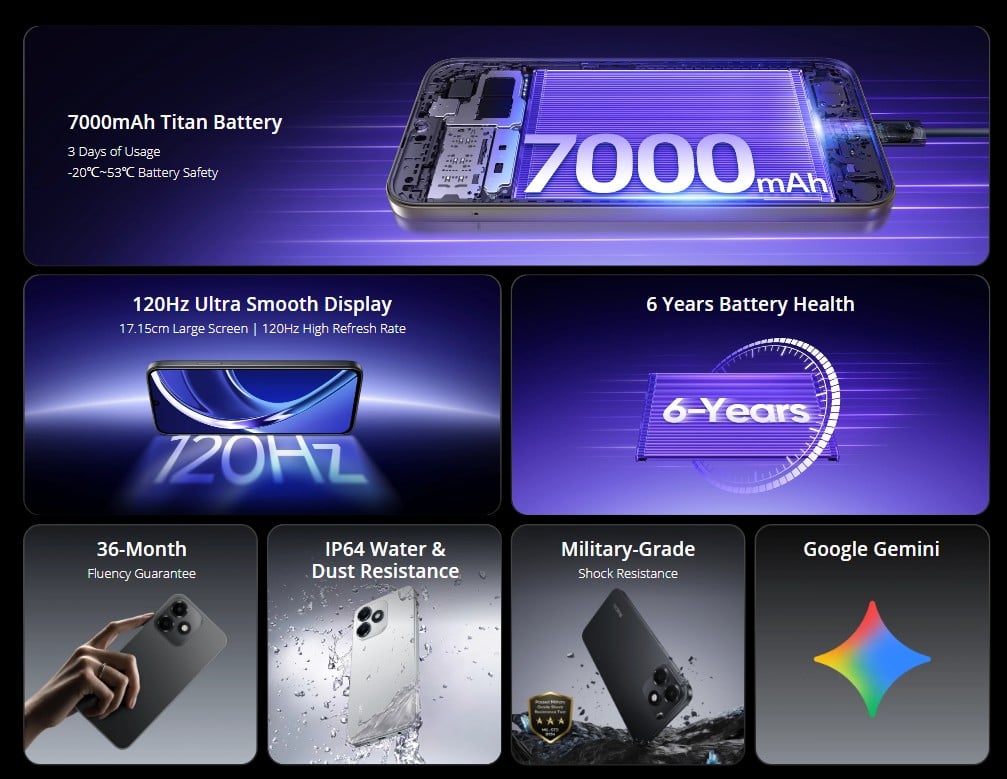
The Realme P4s Lite is built around a 6.75-inch LCD display with an HD+ resolution of 1570 x 720 pixels and a 120Hz refresh rate. The panel offers up to 900 nits of typical HBM brightness, a 240Hz maximum touch sampling rate and an 86% DCI-P3 colour gamut in Vivid mode. It also has Panda MN228 protective glass.

The Unisoc T7250-powered smartphone comes with up to 4GB of LPDDR4X RAM and 128GB of UFS 2.2 storage, with support for a microSD card for additional storage. The phone runs Realme UI based on Android, although the official listing does not specify the Android version.

Realme P4s Lite key features

|The Realme P4s Lite packs a 7,000mAh battery with support for 15W charging and 15W USB Power Delivery. It weighs around 215g and measures 166.5 x 78.2 x 9mm. A side-mounted fingerprint sensor handles biometric authentication, while the phone also supports face unlock.

Where to buyRealme P4s LiteLatest price on AmazonCheck price →

The camera setup includes a 13MP rear primary camera with autofocus and a 5MP front camera. The rear camera can record 1080p video at 30fps, while connectivity features include Wi-Fi 5, Bluetooth 5.2, GPS, a USB Type-C port and a 3.5mm headphone jack. The phone does not support 5G or NFC.

Realme P4s Lite price and availability

Realme P4s Lite
Realme P4s Lite

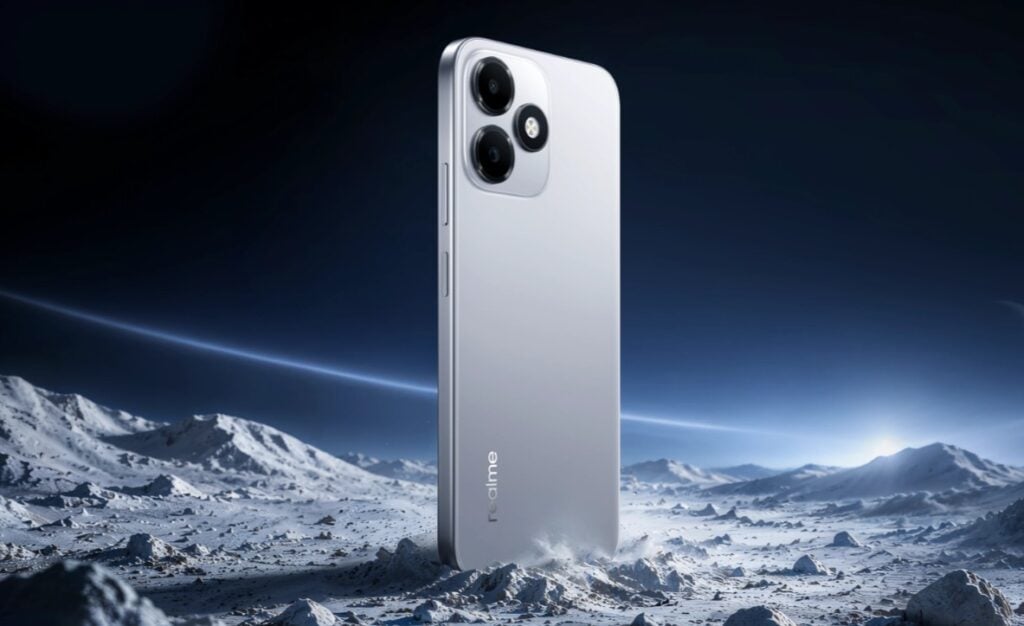
Realme has listed the P4s Lite in 4GB+64GB and 4GB+128GB configurations priced at Rs 16,499 (~$170) and Rs 18,499 (~$190), respectively. Scheduled to go on sale by Oct. 8, the phone comes in Nebula Black and Moonlight Silver color options.

For daily updates, please visit our News Section.

Stay ahead in tech! Join our Telegram community and sign up for our daily newsletter of top stories!

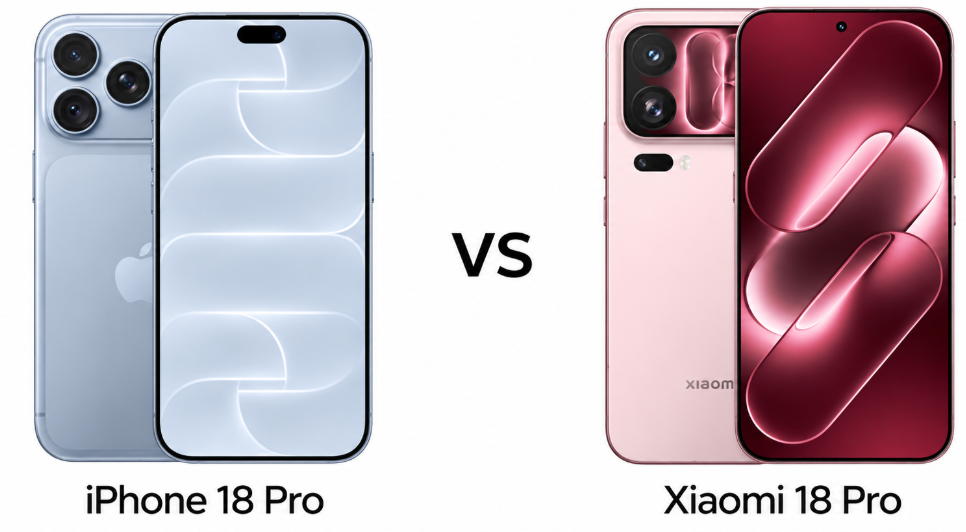
iPhone 18 Pro vs Xiaomi 18 Pro: Xiaomi Has One Huge Advantage

iPhone 18 Pro and Xiaomi 18 Pro take very different approaches to the premium smartphone market. Apple focuses on polished software, video capabilities, and a mature camera system, while Xiaomi pushes hardware with a 200MP Leica camera, 7000mAh battery, and a secondary rear display. The comparison therefore goes beyond specifications to reveal which flagship delivers the more complete experience.

Side by side comparison of the blue iPhone 18 Pro and pink Xiaomi 18 Pro.

Major Features:

CategoryiPhone 18 ProXiaomi 18 ProWinner
Design & BuildCeramic Shield 2, aluminum frame, glass back, IP68Dragon Crystal Glass 3, aluminum frame, IP68Xiaomi — More distinctive design with rear display
Display6.3-inch LTPO Super Retina XDR OLED, 120Hz, Dolby Vision, 3,000 nits6.4-inch LTPO AMOLED, 120Hz, Dolby Vision, HDR10+, 4,000 nits, rear 120Hz AMOLEDXiaomi — Brighter and more versatile display setup
ProcessorApple A20 Pro, 2nmSnapdragon 8 Elite Gen 6, 2nmApple — Stronger software-hardware optimization
RAM & Storage12GB RAM, up to 2TB, NVMeUp to 16GB RAM, up to 1TB, UFS 4.1Apple — Offers higher maximum storage
Main Camera48MP wide, 48MP periscope, 48MP ultrawide, LiDAR200MP wide, 200MP periscope, 50MP ultrawide, LeicaXiaomi — More aggressive camera hardware
Selfie Camera18MP ultrawide with PDAF50MP wide with PDAFXiaomi — Higher-resolution autofocus selfie camera
Video RecordingUp to 4K 120fps, ProRes RAW, Apple Log 2, Dolby VisionUp to 8K 30fps, 4K 120fps, Dolby Vision, 10-bit LOGApple — More advanced professional video tools
Battery4,056/4,288mAh depending on variant7,000mAhXiaomi — Much larger battery capacity
Wired ChargingFast charging, 50% in 15 minutes100W wiredXiaomi — Significantly faster charging
Wireless Charging25W MagSafe/Qi250W wirelessXiaomi — Higher wireless charging speed
Reverse Charging4.5W wired27W wirelessXiaomi — More practical reverse charging
ConnectivityWi-Fi 7, Bluetooth 6.0, NFC, USB-C 3.2 Gen 2Wi-Fi 7, Bluetooth 6.0, NFC, IR, USB-C 3.2Xiaomi — Adds an IR blaster and broader audio support
BiometricsFace IDUltrasonic under-display fingerprintApple — Face ID offers seamless biometric authentication
SoftwareiOS 27Android 17, HyperOS 4Apple — Stronger ecosystem integration
PricePriced around $1,200 / ₹164,900Priced around $1,000 / ₹120,000Xiaomi — More hardware at a lower price
OverallPremium ecosystem, video and software experienceFeature-rich hardware, cameras, battery and chargingXiaomi — Better overall hardware value
Disclaimer: Specs are based on available data. Actual performance may vary. Verify details from official sources before buying.

1. Design and Display

Build and Feel

The iPhone 18 Pro combines Ceramic Shield 2 with an aluminum frame and IP68 protection, giving it a familiar premium construction with strong durability credentials. Face ID and satellite-based emergency features add practical advantages, while the design remains focused on a conventional flagship experience. Xiaomi counters with Dragon Crystal Glass 3, an aluminum frame and IP68 protection, plus a secondary rear display that makes the phone considerably more distinctive.

Display Quality

Apple’s 6.3-inch LTPO Super Retina XDR OLED supports 120Hz, Dolby Vision, HDR10 and an anti-reflective coating, with up to 3,000 nits peak brightness. Xiaomi offers a larger 6.4-inch LTPO AMOLED with 120Hz, Dolby Vision, HDR10+ and an impressive 4,000-nit peak. Its rear 120Hz AMOLED display is another major differentiator. Xiaomi therefore offers the more feature-rich display package, while Apple’s tuning feels more polished.

Verdict

Xiaomi wins on display versatility and brightness, while Apple delivers a refined viewing experience with excellent HDR support and anti-reflective treatment. Xiaomi is the stronger overall display package.

2. Specifications Including Battery

Performance

The iPhone 18 Pro uses Apple’s A20 Pro chip built on a 2nm process, paired with 12GB RAM and NVMe storage. Xiaomi employs the 2nm Snapdragon 8 Elite Gen 6 with up to 16GB RAM and UFS 4.1 storage. Both are positioned at the top of the performance hierarchy, but Apple’s tightly integrated hardware and software should appeal more to users prioritizing sustained app optimization.

Battery and Charging

Xiaomi has a substantial advantage with its 7,000mAh silicon-carbon battery, 100W wired charging, 50W wireless charging and 27W reverse wireless charging. Apple’s battery is significantly smaller, although its 25W MagSafe/Qi2 support and fast wired charging remain convenient. For heavy users, travelers and gamers, Xiaomi’s capacity and charging speeds are simply more practical. Apple’s advantage is a more mature power-management ecosystem.

Verdict

Xiaomi wins decisively on battery capacity, charging speed and charging flexibility. Apple remains highly efficient, but Xiaomi is better equipped for demanding all-day use.

3. Camera

Main and Secondary Lenses

The iPhone 18 Pro uses three 48MP cameras covering wide, 4x optical telephoto and ultrawide photography, supported by sensor-shift stabilization and LiDAR. Its video system is particularly advanced, with ProRes RAW, Apple Log 2, Dolby Vision and 4K recording up to 120fps. Xiaomi counters with a 200MP Leica main camera, 200MP periscope telephoto and 50MP ultrawide. The hardware is more ambitious and offers greater photographic flexibility.

Selfie Camera

Apple’s 18MP ultrawide selfie camera includes PDAF, Face ID depth hardware and advanced video features such as Dolby Vision and Apple Log 2. Xiaomi steps up with a 50MP autofocus selfie camera capable of 4K video and HDR10+. On paper, Xiaomi offers greater resolution and stronger hardware, but Apple’s processing and video ecosystem remain major strengths. For creators, Apple’s front and rear video pipeline feels more mature.

Verdict

Apple wins for professional video capabilities and consistency, while Xiaomi offers more aggressive camera hardware. For photography experimentation, Xiaomi is compelling; for reliable video, Apple leads.

4. Pricing

The iPhone 18 Pro is priced around $1,200 or ₹164,900, placing it firmly in the ultra-premium category. The Xiaomi 18 Pro is priced around $1,000 or ₹120,000, undercutting Apple’s flagship by a substantial margin. Despite the lower price, Xiaomi delivers a 200MP dual-telephoto camera system, larger battery, faster charging and a secondary display.

Is the price justified? 

Apple’s premium is easier to justify for buyers who prioritize long-term software integration, advanced video recording, Face ID, satellite capabilities and the broader iOS ecosystem. Xiaomi provides considerably more hardware for the money, particularly with its 7,000mAh battery, 100W charging and 16GB RAM option. From a pure specification-to-price perspective, Xiaomi is clearly the stronger proposition.

Verdict

Xiaomi offers substantially better value, delivering more aggressive hardware at a lower price. Apple justifies its premium through software integration, ecosystem features and advanced video capabilities.

Disclaimer:
Prices are approximate and may vary based on country, region, launch timing, and applicable taxes. Always check whether the listed price is for a China unit or a global/international variant when purchasing.

5. Conclusion

iPhone 18 Pro stands out with A20 Pro performance, LiDAR, Face ID, satellite communication and an exceptionally capable professional video system. Xiaomi answers with a 200MP Leica camera setup, 7,000mAh battery, 100W charging, 50W wireless charging and a secondary rear AMOLED display. 

The two phones target different definitions of a Pro flagship. Apple’s strengths lie in refinement, ecosystem integration and content creation, while Xiaomi emphasizes hardware innovation and maximum specifications. For buyers who want the most features and stronger everyday hardware value, Xiaomi makes the more convincing case.

Verdict

Xiaomi 18 Pro is the overall winner, thanks to its stronger camera hardware, much larger battery, faster charging, secondary display and significantly lower price. The iPhone 18 Pro remains the better choice for video creators and Apple ecosystem users.


FAQs

1. Which phone has the better camera for photography?
The Xiaomi 18 Pro offers more versatile camera hardware, including dual 200MP sensors and Leica tuning.

Where to buyiPhone 18 ProLatest price on AmazonCheck price →

2. Which smartphone is faster for gaming?
Both deliver flagship performance, but the A20 Pro and iOS optimization give the iPhone 18 Pro an edge.

3. Which phone has better battery life?
The Xiaomi 18 Pro should last longer, thanks to its much larger 7,000mAh battery.

4. Which phone offers better value for money?
The Xiaomi 18 Pro offers more hardware features and faster charging at a considerably lower starting price.

5. Should you buy the iPhone 18 Pro or Xiaomi 18 Pro?
Choose iPhone for video and ecosystem integration; choose Xiaomi for battery, charging, cameras and hardware value.

Disclaimer: Prices, specifications, and availability may vary by region and retailer. Recommendations in this article are based on editorial opinion, feature-based value, and market positioning at the time of writing. Readers are advised to do their own research before making a purchase.

Read More:

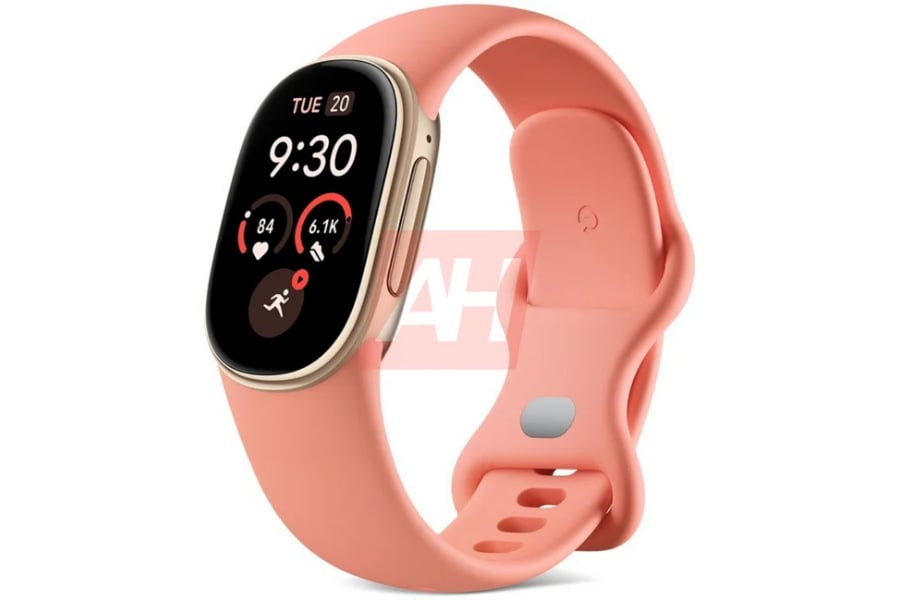
Fitbit Edge leaks in photos as Google’s screen-equipped tracker that works with iPhone

Google could soon have a new Fitbit tracker, and this one looks like a successor to the Charge series. It’s called the Fitbit Edge, according to Android Headlines, and it has a small oval display along with the usual fitness-tracking features. The same device also appeared without a name in Google’s Pixel 11 promotional material back in August.

The Edge would join a Fitbit lineup that already includes both screen-equipped and screenless trackers. The Fitbit Air has no display, while the Fitbit Inspire 3 and Charge 6 already offer screens. 

Google Fitbit Edge Leak

The difference with the Edge is that it could bring some of the Charge series’ features into a newer design, while adding things like built-in GPS and a small selection of Google apps. Google hasn’t released a new Charge since 2023, so the Edge could be the replacement that has been missing from the lineup.

Why is the Fitbit Edge interesting?

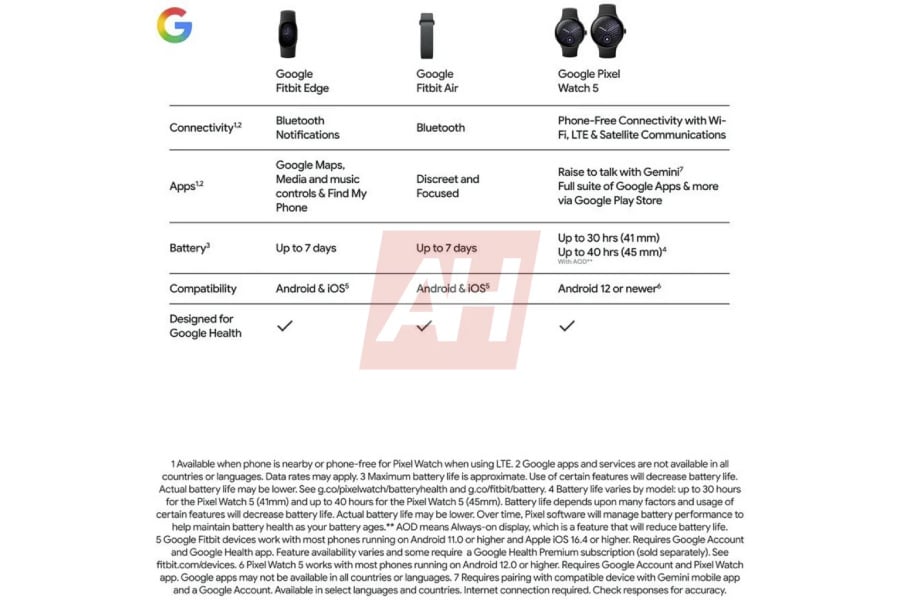
There’s another reason the Edge is interesting. It reportedly works with both Android and iOS, just like other Fitbit trackers. The Pixel Watch 5 is different because it runs Wear OS and only works with Android. This is to say, the Edge could give iPhone users a Google wearable with a display without moving up to a smartwatch from another brand.

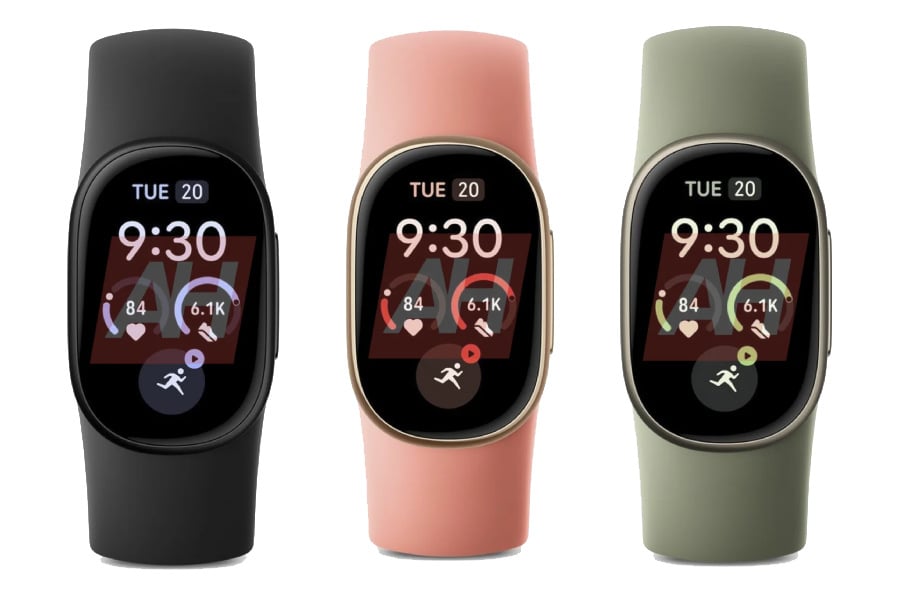
Google Fitbit Edge colors

The screen itself doesn’t turn the Edge into a smaller Pixel Watch. The leaked information says it can show notifications and supports a limited set of apps, including Google Maps, YouTube Music, and Find My Phone. The comparison material also lists media and music controls. There doesn’t appear to be a full app store, so most things beyond those features would still happen on the phone.

For workouts, the Edge has some useful hardware built in. It reportedly includes GPS, an altimeter for elevation tracking, and automatic activity recognition. The device can last up to seven days.

Google Fitbit edge specs

The design is also quite different from the rectangular Charge 6. It has a round, oval display with an elongated button on either side of the body. The band uses a pinch-style release mechanism on the back, and the puck will be available in Obsidian, Olive, and Canyon. The green and orange versions have two-tone frames, with the orange model having a brighter gold-colored edge.

When it could launch and what it might cost

The Fitbit Edge could arrive this month. Android Headlines expects an October launch, although Google hasn’t announced a date yet. 

Pricing is also unconfirmed. The report estimates between $149 and $199, based partly on previous Charge pricing. The Charge 6 launched at $159.95, while the Fitbit Air starts at $99.99, so that range would put the Edge above the basic tracker without getting into Pixel Watch territory.

For daily updates, please visit our News Section.

Stay ahead in tech! Join our Telegram community and sign up for our daily newsletter of top stories!

(Source)

Vivo Y600k Turbo launches with a massive 9,020mAh battery and Snapdragon 7s Gen 4

Vivo recently unveiled a new Y600-series phone called the Y600i, and now it has silently listed another model called the Y600k Turbo. The phone is positioned as a new variant of the existing Y600 Turbo. Here is a look at its specifications, features, pricing, and availability.

Vivo Y600k Turbo specifications and features

Vivo Y600k Turbo
Vivo Y600k Turbo

The Vivo Y600k Turbo features a 6.83-inch AMOLED display with a 2800 x 1260-pixel resolution, 120Hz refresh rate and 130Hz touch sampling rate. The display also supports 10.7 billion colours and 4320Hz high-frequency PWM dimming, while its local peak brightness can reach 5000 nits. It is powered by the Snapdragon 7s Gen 4 mobile platform, coupled with 12GB of LPDDR4X RAM and 256GB of UFS 3.1 storage.

Battery life is a major highlight, with the phone carrying a 9,020mAh typical-capacity battery and support for 90W wired fast charging. The single-cell battery has a rated capacity of 8,820mAh, while wireless charging is not supported. The handset also supports reverse charging through its USB Type-C port.

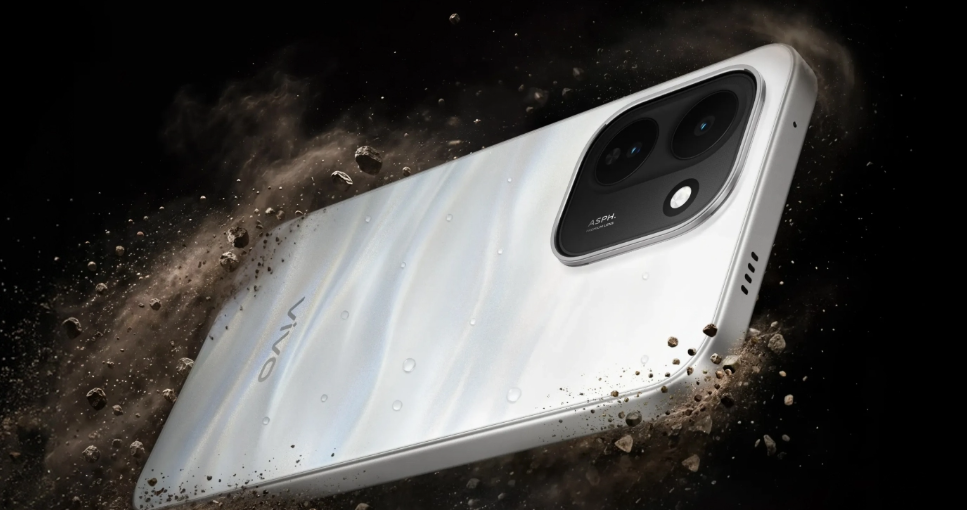
The white Vivo Y600k Turbo smartphone is surrounded by swirling dust and debris.

For photography, the Y600k Turbo has a 50-megapixel primary rear camera accompanied by a 2-megapixel depth sensor, along with an 8-megapixel selfie camera. The rear camera can record up to 4K video, while the front camera supports up to 1080p recording.

Where to buyVivo Y600 TurboBrowse the range on AmazonShop now →

Other features include OriginOS 6-based Android 16, an under-display optical fingerprint scanner, dual speakers, an IR blaster, NFC, Wi-Fi 6, Bluetooth 5.2, and IP68/IP69 dust and water resistance. The phone also uses strengthened glass for improved drop resistance and has passed eight military-standard environmental tests.

Vivo Y600k Turbo price and availability

Vivo Y600k Turbo
Vivo Y600k Turbo

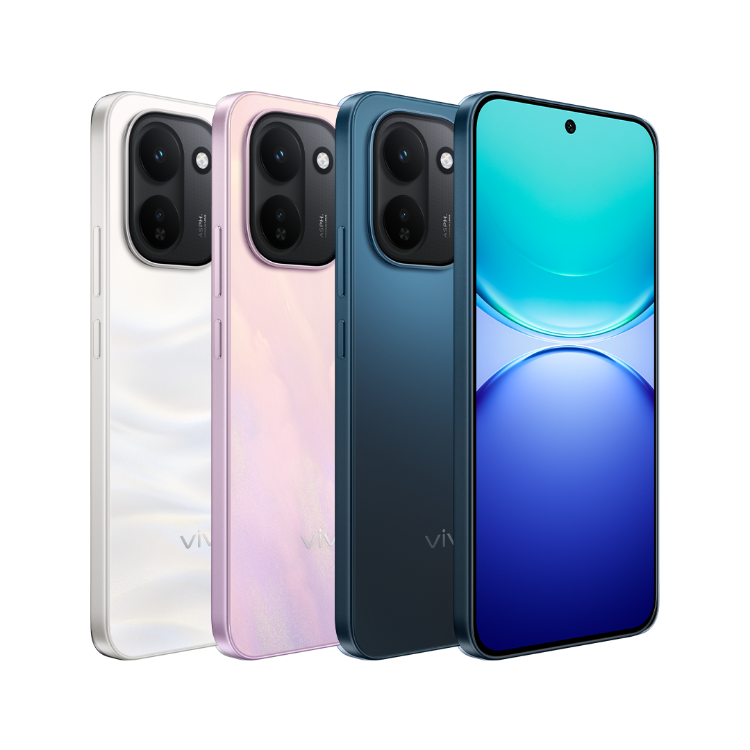
The Vivo Y600k Turbo is listed in a 12GB+256GB configuration priced at 2,799 CNY (~$420). It is available in Electric Blue, Dune Gold and Millennial Pink color options. There’s no information on whether it will be released in markets outside of China.

While it carries the “K” branding, we could not find any significant differences compared with the existing Vivo Y600 Turbo. Both phones appear to have identical specifications, suggesting the Y600k Turbo could simply be a regional or refreshed variant of the same device. While the Y600 Turbo comes in multiple configurations featuring 8GB/12GB RAM and 256GB/512GB storage, the Y600k Turbo is only available in a single configuration.

For daily updates, please visit our News Section.

Stay ahead in tech! Join our Telegram community and sign up for our daily newsletter of top stories!

iQOO 16 global launch gets a major hint with new Geekbench listing

Reports suggest that OnePlus may not launch the OnePlus 16 in global markets, despite the phone being scheduled to debut in China this month. Its closest rival, the iQOO 16, which went official in China last month, is also facing uncertainty over a potential international release. One of the reasons reportedly behind these concerns is the rising cost of RAM, which could push up the prices of these flagship phones.

While the OnePlus 16 has yet to appear on any major certification database, the iQOO 16 has already secured Europe’s EEC certification, hinting at a possible global launch. This possibility has gained further traction after what appears to be the global version of the iQOO 16 surfaced on the Geekbench benchmarking platform.

iQOO 16 Geekbench listing

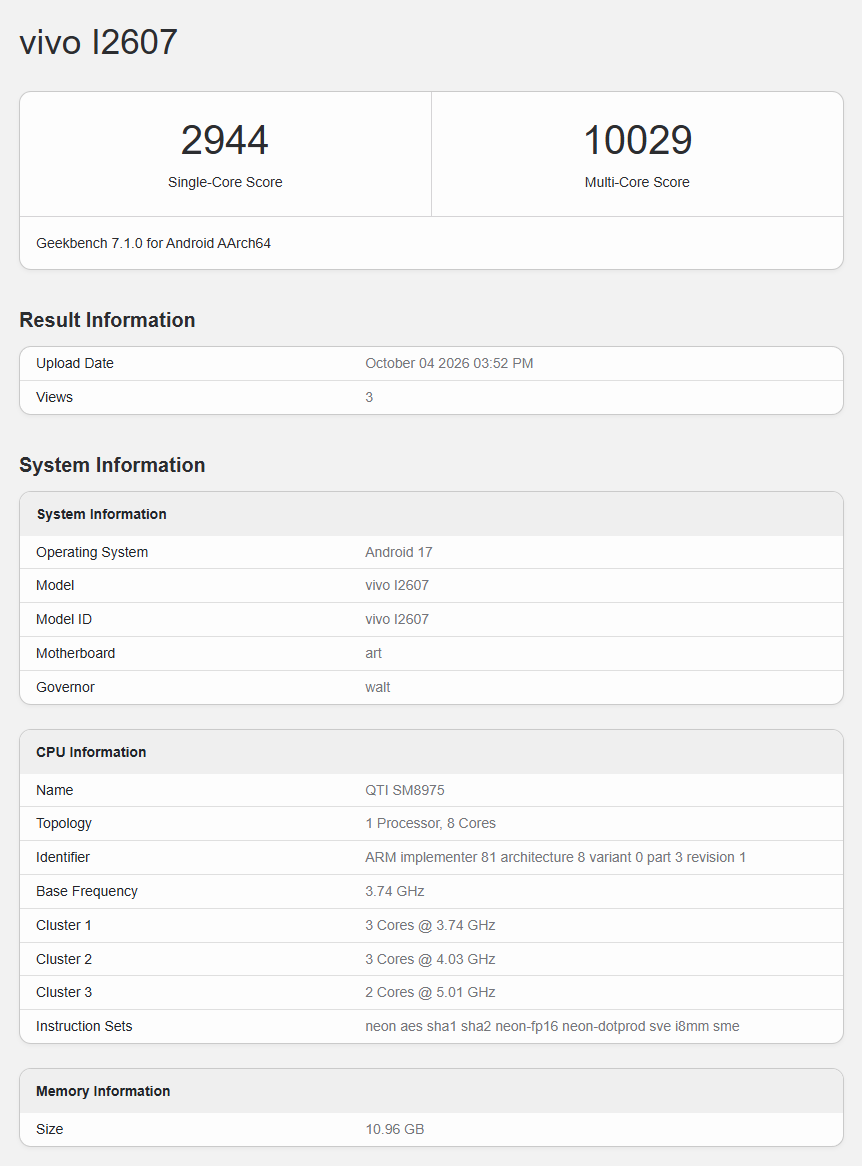
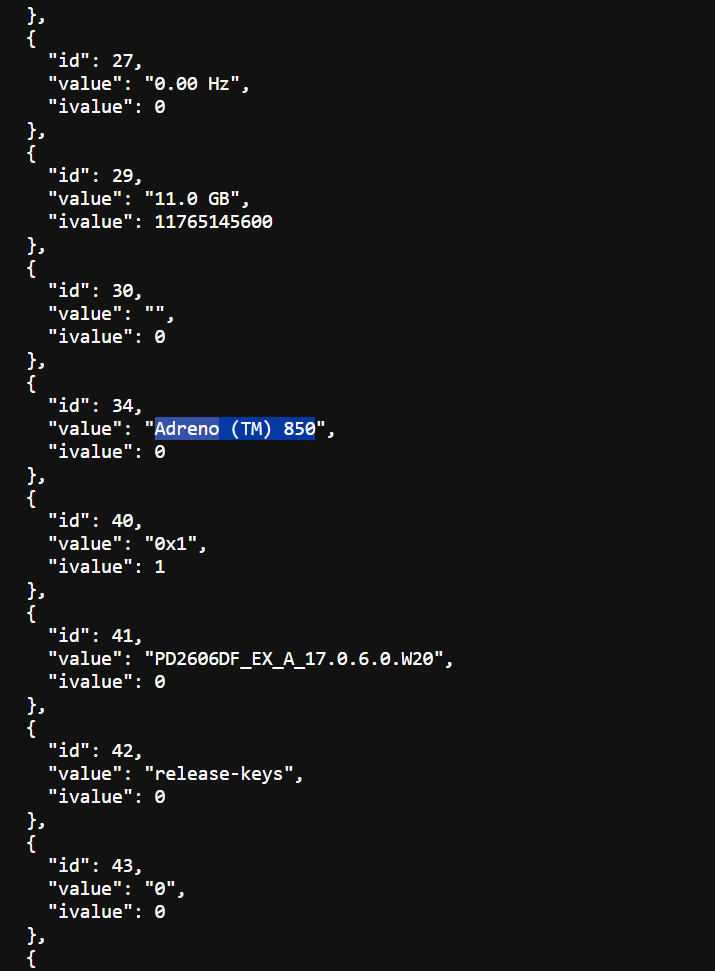
The iQOO 16 has appeared on Geekbench with Qualcomm’s Snapdragon 8 Elite Extreme Gen 6, identified as the SM8975. The chipset uses an eight-core configuration with two cores clocked at 5.01GHz, three at 4.03GHz and three at 3.74GHz, paired with an Adreno 850 GPU. The tested device has 12GB of RAM and runs Android 17, which is expected to be paired with OriginOS 7 on the retail phone. These specifications align with the China model’s official hardware details.

In the Geekbench 7 test, the handset scored 2,944 points in single-core and 10,029 points in multi-core. Tipster Abhishek Yadav says the firmware carries an “EX” tag, which points towards a global build, potentially strengthening the possibility of an international release. However, iQOO has not officially confirmed a global launch date.

iQOO 16 specifications

For the display, the iQOO 16 features a 6.85-inch Samsung M16 AMOLED panel with a 2K resolution of 3168 x 1440 pixels and a 165Hz refresh rate. The phone also includes a dedicated Q4 gaming chip and an 8,500sq mm2 vapor chamber for sustained performance during demanding workloads.

Photography is handled by a triple rear camera setup comprising a 50-megapixel main sensor with OIS, a 50-megapixel periscope telephoto camera with OIS, and a 50-megapixel ultrawide camera. A 32-megapixel front camera handles selfies, while the rear cameras support recording at up to 8K resolution.

Power comes from an 8,400mAh battery supporting 100W wired and 40W wireless charging. The iQOO 16 also features IP68 and IP69 ratings, UFS 4.1 storage, LPDDR5X RAM, and ultrasonic fingerprint recognition.

For daily updates, please visit our News Section.

Stay ahead in tech! Join our Telegram community and sign up for our daily newsletter of top stories!

QCY launches Crossky C70 clip-on earbuds with dual drivers, LDAC, 54dB ENC & 50h battery

QCY has launched a new pair of open-ear wireless earbuds in China. The Crossky C70 is priced at 399 yuan ($60) and is currently available on JD.com. The earbuds feature a clip-on design, a dual-driver audio setup, and bone-conduction microphones for call noise reduction.

QCY Crossky C70 clip-on earbuds

QCY Crossky C70 Specifications

The clip-on form factor leaves your ear canal completely open. To keep them secure, QCY uses a flexible titanium bridge with silicone padding. The design is entirely symmetrical, meaning you won’t find dedicated left or right earbuds. You can attach either unit to either ear, and the system automatically assigns the correct audio channels when you place them in the charging case.

QCY Crossky C70 clip-on earbuds

For audio, the earbuds use a 10.8mm dynamic driver for lows and mids, paired with an 8mm piezoelectric ceramic driver for highs. You get Hi-Res Audio certification and LDAC support for higher-resolution streaming on compatible devices. To minimize sound leakage, the audio outlet is angled toward your ear canal, supplemented by a software-based privacy mode.

Where to buyQCY Crossky open-ear earbudsBrowse the range on AmazonShop now →

When taking calls, a six-microphone array with bone-voiceprint sensors detects jawbone vibrations to isolate your voice from ambient noise. Through the companion app, you can access EQ controls and real-time translation for over 30 languages. The earbuds also support multipoint Bluetooth for up to three devices.

QCY Crossky C70 clip-on earbuds

Battery life depends on your chosen audio codec. Standard settings provide up to 10 hours of playback, extending to 50 hours with the case. If you switch to LDAC, playback drops to six hours per charge and 30 hours total. The earbuds charge via USB-C, carry an IPX6 water resistance rating, and are available in Bright Silver and Midnight Black.

In related news, Vivo has recently launched its first clip-on earbuds, featuring 12mm drivers, Hi-Res audio support, and up to 42 hours of battery life.

For more daily updates, please visit our News Section.

Stay ahead in tech! Join our Telegram community and sign up for our daily newsletter of top stories!

(JD)
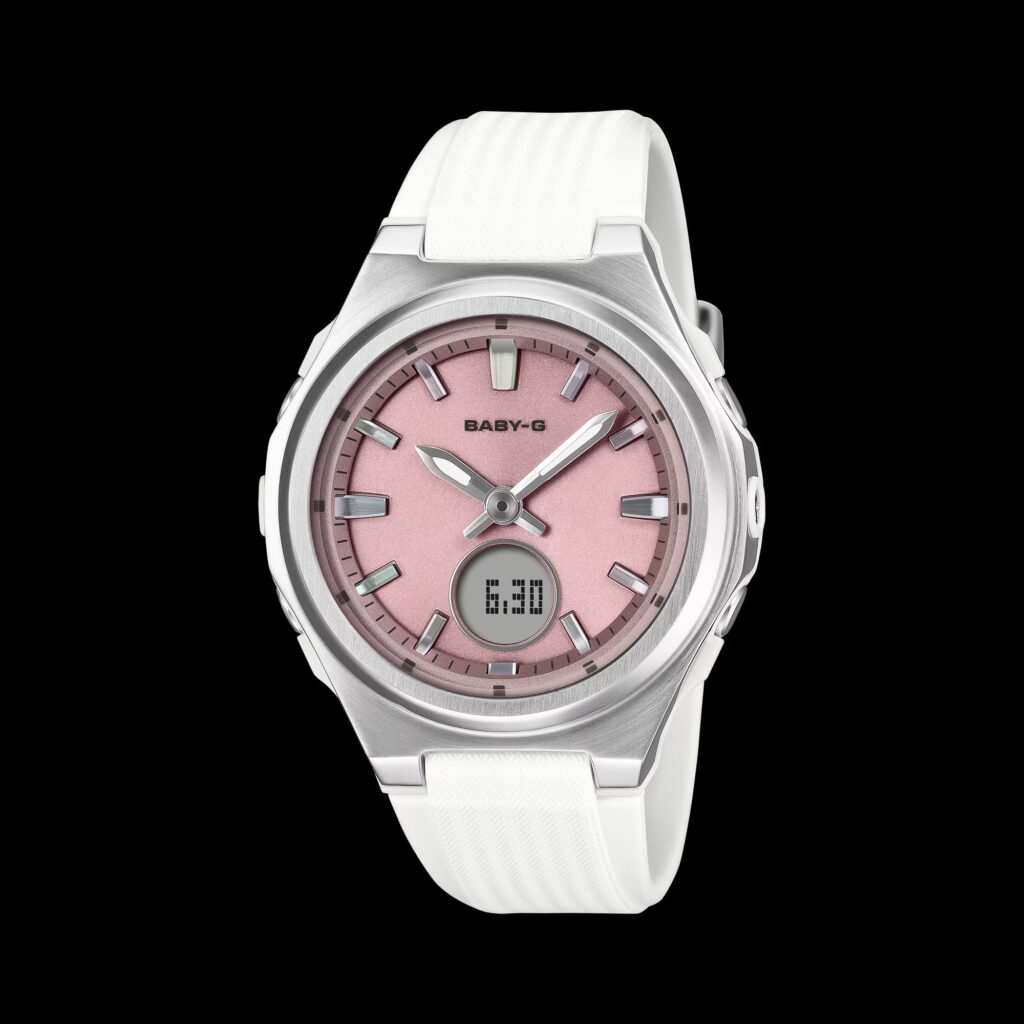
Lenovo launches new 59g gaming mouse with flagship PAW 3950 sensor and wireless 8K polling

Lenovo has officially launched its latest gaming peripheral, the Legion R7 Pro mouse, in China. It is priced at 449 yuan ($66) and combines a lightweight design with high-end hardware, including a PAW 3950 sensor and a Telink 3228 controller.

Lenovo Legion R7 Pro gaming mouse

Lenovo Legion R7 Pro Specifications

In terms of design, the Legion R7 Pro adopts a right-handed asymmetrical shape. Lenovo says the grip curve was reconstructed using player data to accommodate both claw and palm-style grips. The mouse weighs in at approximately 59 grams, placing it firmly in the current industry trend of ultra-lightweight gaming mice.

To maintain structural integrity at this weight, Lenovo is using an internal reinforced frame designed to prevent flex during fast movements and heavy clicking. The exterior is finished with the company’s Speed Glide skin-friendly coating to improve grip and comfort during extended use. It is available in two standard colorways: Carbon Crystal Black and Ice White.

Under the hood, the R7 Pro is built around the PAW 3950 high-precision optical sensor, which supports a scanning rate of over 20,000 FPS for accurate tracking of rapid micro-adjustments.

This is paired with a Telink 3228 controller that enables one of the mouse’s primary selling points: a full 8,000Hz polling rate in both wired and wireless modes. By reporting data to the PC up to 8,000 times per second, the mouse is built to minimize input latency, provided it is paired with a capable PC and a high-refresh-rate monitor.

For the primary buttons, Lenovo has equipped the mouse with its own custom Legion mechanical switches, which are rated for a lifespan of 120 million clicks.

The mouse supports three connectivity modes: wired, 2.4GHz wireless, and Bluetooth, utilizing Lenovo’s Legion Link technology to maintain a stable wireless connection in environments with heavy frequency interference.

In related news, Lenovo has recently launched the Watch Fit 3 with an AMOLED display and zinc alloy frame, alongside a new transparent mouse featuring up to 90 days of battery life and triple-mode connectivity.

For more daily updates, please visit our News Section.

Stay ahead in tech! Join our Telegram community and sign up for our daily newsletter of top stories!

(JD)
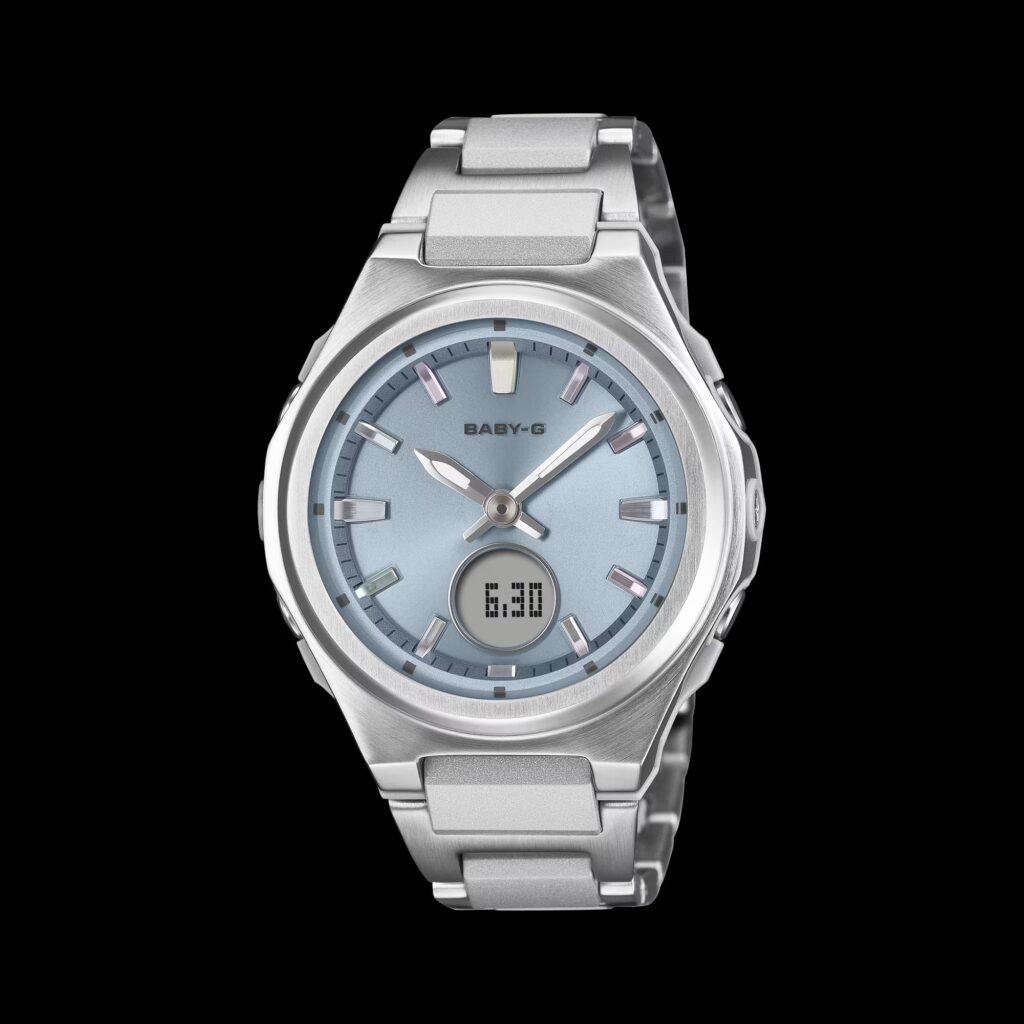
Casio launches a banana-themed G-Shock DW5600, and it looks absolutely wild

Casio has released a new variant of its DW5600 digital watch in the US. The company partnered with the clothing and pop-culture retailer BAIT to produce the DW5600BAIT26-9. It costs $170 and is available now on the Casio US website. The main difference between this model and a standard G-Shock is the exterior, which is yellow with brown spots to resemble a banana.

Casio G-Shock DW5600 banana-themed watch

Design Details

BAIT calls this design Yamagata’s Finest. The name refers to Casio’s Premium Production Line factory, which is located in Yamagata Prefecture, Japan. According to the product listing, the banana pattern is meant to be a joke about timing, specifically referencing the short window when a banana is ripe. The watch comes in custom packaging that matches the theme, including a branded tin can and a box. The packaging features a mascot character called Shawty with Freckles.

Underneath the yellow and brown exterior, the hardware is a standard DW5600. The case measures 48.9 x 42.8 x 13.4 mm and weighs 52 grams. Casio is using a combination of standard resin and bio-based resin for the case and bezel. The band is made of regular resin, and the digital display is covered by mineral glass. Like most G-Shock watches, it is shock-resistant and has a water resistance rating of 200 meters.

The watch runs on a single CR2016 battery. Casio says that the battery should last about five years before it needs replacing.

Where to buyCasio G-Shock DW5600BAIT26-9Latest price on AmazonCheck price →

The software features are identical to other basic digital watches in Casio’s lineup. It has a 1/100-second stopwatch. There is also a 24-hour countdown timer that can be set in increments of seconds, minutes, or hours, and it includes an auto-repeat function.

Additionally, it includes a multi-function alarm, an hourly time signal, and a full auto-calendar. The watch has a blue LED backlight, and a built-in flash alert function makes the screen flash in sync with the alarm buzzer. It keeps time with an accuracy of plus or minus 15 seconds per month.

In related news, Casio has recently launched three new Mudman GDG-B100 watches featuring MIP displays and basic fitness tracking, along with two stunning square G-Shock models adorned with lab-grown blue sapphires.

For more daily updates, please visit our News Section.

Stay ahead in tech! Join our Telegram community and sign up for our daily newsletter of top stories!

(Casio)