Advertisement

OnePlus 16’s BOE X4 display to bring 165Hz system-wide refresh rate and enhanced gaming experience

Tipster Digital Chat Station has been consistently sharing details about the OnePlus 16’s display. Yesterday, he revealed that OnePlus and BOE have jointly developed a new X4 light-emitting material for the phone, which is expected to bring lower power consumption and a longer lifespan. Now, he is back with more details about what to expect from its advanced screen.

OnePlus 16 display could bring 165Hz across the system

According to the tipster, the OnePlus 16 will feature a new-generation BOE Oriental Screen with support for a 165Hz refresh rate across the system. This is different from simply offering a 165Hz panel, as the higher refresh rate is reportedly being extended to more system and application scenarios instead of being mainly restricted to specific use cases. The OnePlus 15 already features a 165Hz display, making the broader implementation a more notable upgrade for its successor.

The new panel is said to use an X4 light-emitting material jointly developed by OnePlus and BOE. OnePlus previously claimed that the material performs better than Samsung’s M-series material in internal testing while also offering lower power consumption and a longer lifespan. The OnePlus 16 is also expected to retain a flat screen with extremely narrow bezels on all four sides.

OnePlus-15-display
OnePlus 15’s display

Gaming could push the refresh rate even higher, with the OnePlus 16 reportedly capable of reaching 185Hz in supported games. OnePlus has also confirmed upgrades to its gaming technologies, including its high-refresh-rate technology, Fengchi Gaming Core and e-sports triple-core technology.

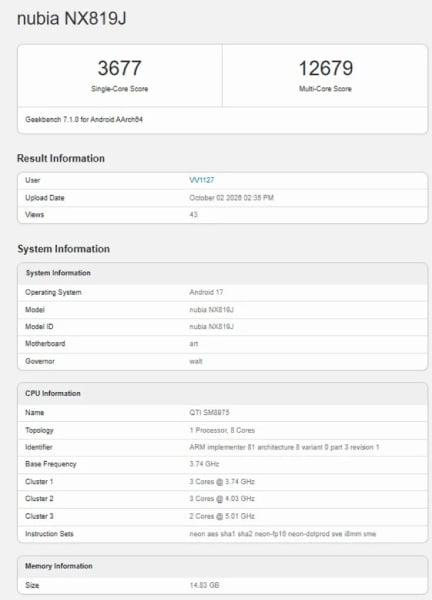
The phone is expected to ship with ColorOS 17 in China, with new system-level animations designed to make transitions feel smoother on the high-refresh-rate display. Under the hood, it is tipped to feature the forthcoming 2nm Snapdragon 8 Elite Gen 6 Pro chip.

Other rumored specifications of the OnePlus 16 include a 200-megapixel main camera with a 1/1.4-inch sensor, a 50-megapixel ultrawide camera and a 50-megapixel 3.5x periscope telephoto camera. It is expected to launch in October, although the company has yet to confirm its specifications or launch date.

For more daily updates, please visit our News Section.

Stay ahead in tech! Join our Telegram community and sign up for our daily newsletter of top stories!

Motorola Moto G Max vs Redmi Note 17 Pro: Specs, Price and Features Compared

Motorola Moto G Max and Redmi Note 17 Pro take very different approaches to the mid-range smartphone battle. Both are powered by the Snapdragon 6s Gen 4, but the Redmi pushes further with an AMOLED display, faster charging, stronger protection and more advanced camera features. The Moto G Max counters with a huge battery, expandable storage and a much lower price. So, which phone offers the better overall package? 

Note: The Redmi Note 17 Pro Global has not yet been officially announced, so its listed global specifications and pricing should be treated as provisional.

Major Features:

CategoryMotorola Moto G MaxRedmi Note 17 ProWinner
Display6.72-inch 120Hz IPS LCD, 1050 nits6.83-inch 120Hz AMOLED, Dolby Vision, 3500 nits peakRedmi — AMOLED and higher brightness
ProtectionGorilla Glass 7i, IP64, MIL-STD-810HGorilla Glass Victus 2, IP68/IP69KRedmi — stronger protection
PerformanceSnapdragon 6s Gen 4, up to 6GB RAMSnapdragon 6s Gen 4, up to 12GB RAMRedmi — more memory
StorageUp to 256GB, microSD supportUp to 512GB, no microSDRedmi — higher capacity
Main Camera50MP + 8MP ultrawide50MP OIS + 8MP ultrawideRedmi — OIS
VideoUp to 1440pUp to 4KRedmi — 4K recording
Selfie Camera32MP16MPMotorola — higher resolution
Battery7000mAh8340mAhRedmi — larger capacity
Charging30W67WRedmi — faster charging
AudioStereo speakers, 3.5mm jackStereo speakers, no 3.5mm jackMotorola — headphone jack
ConnectivityWi-Fi 5, Bluetooth 5.1, no NFCWi-Fi 6, Bluetooth 5.4, NFC, IRRedmi — broader connectivity
Price/ValuePriced around $290 / ₹23,000Priced around $500 / ₹46,000Motorola — much lower price
OverallStrong battery and practical featuresMore advanced display, camera and hardwareRedmi — stronger overall package
Disclaimer: Redmi Note 17 Pro specifications and pricing are based on rumors and leaks and may change upon official launch.

1. Design and Display

Build and Feel

The Motorola Moto G Max uses a glass front with Gorilla Glass 7i, a plastic frame, IP64 protection, and MIL-STD-810H compliance. The Redmi Note 17 Pro takes a more premium approach with Gorilla Glass Victus 2, IP68/IP69K protection, enhanced water resistance and protection against drops of up to 2.5m. The Redmi looks better equipped for demanding everyday use.

Display Quality

The Moto G Max features a 120Hz IPS LCD reaching 1050 nits in high-brightness mode. The Redmi Note 17 Pro steps up to a 120Hz AMOLED panel with HDR10+, Dolby Vision, 3840Hz PWM and up to 3500 nits peak brightness. Its higher resolution, deeper blacks and stronger HDR support should make movies, games and photos considerably more immersive.

Verdict

Redmi wins comfortably with its AMOLED panel, superior brightness, richer contrast and substantially stronger protection. Motorola remains perfectly adequate for everyday viewing, but the Redmi offers a much more premium display experience.

2. Specifications Including Battery

Performance

Both smartphones use the Snapdragon 6s Gen 4, built on a 4nm process with four Cortex-A78 performance cores and four Cortex-A55 efficiency cores. The Moto G Max comes with up to 6GB RAM and 256GB storage, while the Redmi Note 17 Pro can reach 12GB RAM and 512GB storage. The Redmi therefore has greater headroom for multitasking and demanding apps.

Battery and Charging

Motorola gives the Moto G Max a substantial 7000mAh battery with 30W wired charging. The Redmi goes further with an 8340mAh cell, 67W charging, and 22.5W reverse wired charging. That combination should provide excellent endurance while also reducing charging downtime. The larger capacity particularly suits users who spend long hours away from a charger.

Verdict

Redmi takes the win despite both phones sharing the same chipset. Its larger battery, faster charging, and significantly higher memory ceiling create a more complete hardware package for demanding users.

3. Camera

Main and Secondary Lenses

The Moto G Max pairs a 50MP main camera with an 8MP ultrawide lens. The primary camera supports PDAF and video recording up to 1440p, but lacks optical stabilization. The Redmi Note 17 Pro also features 50MP and 8MP cameras, but adds OIS, gyro-EIS and 4K video recording. Those additions should make the Redmi more dependable for handheld photography and video.

Selfie Camera

Motorola has the advantage on paper with a 32MP front camera capable of 1080p video. The Redmi uses a 16MP selfie camera, although it supports 1080p recording at both 30fps and 60fps. Higher megapixels do not automatically guarantee better selfies, but Motorola’s specification will appeal to users who frequently shoot with the front camera.

Verdict

Redmi is the stronger camera phone overall thanks to OIS, 4K recording and better stabilization. Motorola retains an interesting advantage for selfie enthusiasts with its higher-resolution front camera.

4. Pricing

The Motorola Moto G Max is priced around $290, or approximately ₹23,000, based on the supplied pricing. The Redmi Note 17 Pro Global is expected to be priced around $500, or approximately ₹46,000. Since the global launch and final pricing are still pending, that figure could change. The higher international price can also reflect import duties, local taxes, distribution expenses and regional marketing costs.

Is the Price Justified?

The Redmi costs substantially more, but it also brings a stronger display, larger battery, faster charging, better protection, OIS, 4K recording and higher memory configurations. Even so, the shared Snapdragon 6s Gen 4 makes the price gap harder to justify for performance-focused buyers. The Moto G Max offers considerably stronger value for straightforward everyday use.

Verdict

Motorola wins on value because it delivers comparable core performance at a much lower price. Redmi justifies its premium mainly through its display, camera, battery, durability, and broader feature set.

5. Conclusion

The Moto G Max focuses on practicality with its 7000mAh battery, microSD card support, 3.5mm headphone jack, 32MP selfie camera and stereo speakers with Dolby Atmos. The Redmi Note 17 Pro counters with a more feature-rich package, including an AMOLED display, Dolby Vision, IP68/IP69K protection, OIS, 4K video, NFC, an infrared port, up to 12GB RAM and an 8340mAh battery.

Verdict

Redmi is the more advanced smartphone, offering meaningful upgrades across the display, camera, charging, durability and memory. Motorola remains the smarter budget choice for users prioritizing battery life, expandable storage and everyday practicality.


FAQs

1. Which phone has the better camera?
The Redmi Note 17 Pro offers the more versatile camera setup, particularly for stabilized photography and higher-resolution video.

2. Which phone is faster for everyday use?
Both use the Snapdragon 6s Gen 4, so everyday performance should be broadly similar.

3. Which phone offers better battery life?
The Redmi Note 17 Pro has the larger battery, giving it the edge for extended usage between charges.

4. Is the Redmi Note 17 Pro worth the extra money?
It can be, especially for buyers who prioritize the display, camera system, faster charging and premium features.

5. Which phone is the better overall buy?
The Redmi Note 17 Pro is the stronger all-rounder, while the Moto G Max offers better value at its lower price.

Disclaimer: The information in this comparison is based on specifications and pricing available at the time of writing. While the Motorola Moto G Max specifications are based on available product information, details for the Redmi Note 17 Pro Global are yet to receive official confirmation and may change before launch. Pricing and availability may also vary depending on the market. 

Read More:

Xiaomi EOL List: These Xiaomi devices will no longer receive software updates

Xiaomi EOL device list 2026

This week, Xiaomi has updated the list of devices that have stopped receiving software maintenance support, and it includes some new models, including the popular Xiaomi 12S Pro and Redmi Note 12R.

Xiaomi devices added to the end-of-life (EOL) list do not receive any software updates, including HyperOS updates and monthly security patches. However, if a severe security vulnerability is found, Xiaomi may release necessary security fixes even if the device is outside its software support window.

Here’s a list of new Xiaomi devices that have been added to the EOL list (via IT Home):

  • Xiaomi 12S Pro
  • Xiaomi 12 Lite
  • REDMI Pad SE
  • REDMI Note 12R
  • REDMI 12R
  • REDMI 12 5G

Review the complete updated EOL list in the attached images below:

Xiaomi August 2026 EOL List

Xiaomi updates the EOL list regularly to highlight devices that are no longer eligible for software updates. The devices should still work just fine, but they won’t have patches against the new security vulnerabilities. Plus, it won’t receive the latest features that come with HyperOS updates.

If your device is on the EOL list, it’s best that you start looking for an upgrade. Check out the list of Xiaomi devices that promise five major OS updates and find out the one that fits your needs. It may be the right time for an upgrade as Xiaomi is preparing to release HyperOS 4 (based on Android 17) with significant visual upgrades and plenty of new features.

We’ll continue to track changes to Xiaomi’s EOL list and update you on this blog. You can visit our Xiaomi section or join our Telegram channel to stay updated.

iQOO 16, Neo 12 tipped to bring 2K displays with up to 185Hz refresh rate

By the end of September or early October, iQOO may unveil two new flagship phones in China. The iQOO 16 is expected to debut with the upcoming Snapdragon 8 Elite Gen 6 Pro, while the Neo 12 could have the Snapdragon 8 Elite Gen 5 onboard. Before the expected launch, reliable tipster Digital Chat Station has shared display details of both phones.

iQOO 16, Neo 12 display specifications (rumored)

According to DCS, iQOO is preparing two new displays for its mid-range and high-end smartphone lineup, with both panels moving to 2K resolution. The iQOO 16 is reportedly being tested with a 6.85-inch display featuring a 2K resolution and a 165Hz refresh rate. The panel is said to be supplied by Samsung Display Corporation (SDC), suggesting that iQOO could be targeting a high-end panel for its upcoming flagship.

The iQOO Neo 12, meanwhile, is reportedly being tested with a slightly smaller 6.83-inch display supplied by Visionox. It is said to feature a 2K resolution and could support either a 165Hz or 185Hz refresh rate.

iQOO 16, Neo 12: What’s known so far

The iQOO 16 is expected to feature the Snapdragon 8 Elite Gen 6 Pro and could pack an 8,500mAh battery with 100W wired charging and wireless charging. Other rumored specifications include a dedicated display chip, 3D ultrasonic fingerprint recognition, dual speakers, an X-axis linear motor, IP68 and IP69 ratings, USB 3.2 connectivity and an AR coating.

The iQOO 16 is also rumored to feature a triple rear camera setup with three 50-megapixel sensors, including a 1/1.3-inch primary camera, a 50-megapixel ultrawide lens, and a 50-megapixel periscope telephoto camera.

The Neo 12 is expected to use the Snapdragon 8 Elite Gen 5 and may feature a battery exceeding 9,000mAh, along with 100W charging, a dedicated display chip and an ultrasonic fingerprint scanner. At present, there is no information about the Neo 12’s camera setup.

For more daily updates, please visit our News Section.

Stay ahead in tech! Join our Telegram community and sign up for our daily newsletter of top stories!

AirPods 5 codenames spotted in macOS; new H3 chip expected

Fresh clues about Apple’s next entry-level earbuds have shown up in software code, suggesting the company is already working on a successor to the AirPods 4.

According to MacRumors, the macOS 26.7 Tahoe update contains two internal device codes: B868M and B868E. These line up closely with the ones used for the AirPods 4 (B768M and B768E), which came out in September 2024. The similar naming strongly points to the AirPods 5 and a version of the AirPods 5 that includes active noise cancellation.

Reports so far say the AirPods 5 should get Apple’s new H3 chip. That upgrade is expected to bring better sound quality and lower latency compared with the H2 chip in the AirPods 4 and the recent Pro models.

For context, AirPods 4 offers up to 5 hours of listening on a single charge, 4 hours with ANC enabled, and around 30 hours total with the case. The higher-end AirPods Pro 3, which launched last year, also sticks with the H2 chip. It offers a continuous playback of 8 hours with ANC on (thanks to larger batteries in the earbuds) and about 24 hours total with the case, while adding a sealed in-ear design, stronger noise cancellation, and extras like heart-rate sensing.

The same macOS update also mentions an unreleased Beats Solo Buds model, showing that Apple is still developing products under the Beats brand as well. These kinds of software references are pretty typical for Apple and often appear months before anything is officially announced.

For now, the B868 codes are the clearest sign yet that work on the regular AirPods lineup is moving forward. As Apple gears up for its usual fall product cycle, more details on the AirPods 5, whether they show up later this year or in 2027, will probably surface through additional software finds, supply-chain leaks, or an official reveal.

Don’t miss a thing! Join our Telegram community for instant updates and grab our free daily newsletter for the best tech stories!

For more daily updates, please visit our News Section.

(Source)

Japan-exclusive Arrows Alpha 2 gets its price and launch date revealed

Fujitsu has confirmed pricing and a release date for the Arrows Alpha 2, following up on the flagship’s unveiling in June. The Arrows Alpha 2 goes on sale in Japan on August 27, and it starts at 94,900 yen, or roughly $595, for 8GB of RAM and 256GB of storage. Step up to 12GB of RAM and 512GB of storage, and the price rises to 118,800 yen, about $745.

The Arrows Alpha 2 replaces the original Arrows Alpha while retaining the same rugged build. The phone went through 23 tests under the MIL-STD-810H standard, and carries IPX9, IPX8, and IPX6 water resistance ratings, plus IP6X dust resistance. The company claims you can wash it with hand sanitizer or wipe it down with alcohol without worry.

Arrows Alpha 2 Specifications

The Alpha 2 has a 6.4-inch screen with 1200×2670 resolution. It’s an LTPO OLED panel with a flat design, a 144Hz refresh rate, and peak brightness that hits 3000 nits. Corning Gorilla Glass Victus 2 covers the display, and the side bezels come in at about 1.35mm, with the bottom bezel at roughly 1.5mm.

On the camera side, you get a 50MP Sony LYT-710 (also listed as IMX917) main sensor with a 1/1.56-inch size and optical image stabilization, paired with a 50MP ultra-wide lens. The front camera also uses a 50MP sensor.

The phone has a battery capacity of 5370mAh, which supports 90W of wired charging. This can take the phone from 0 to 100% in about 40 minutes. Compared to the predecessor with a 5000mAh cell, the thickness has dropped from 8.8mm to 8.6mm, height falls from 156mm to 155mm, and weight is down by 1g to 187g.

Powering the Arrows Alpha 2 is a MediaTek Dimensity 8350 Extreme chipset, with storage expandable up to 2TB. Rounding things out, you get an AI control key, a USB 3.1 port, bypass charging, Wi-Fi 6E, Bluetooth 5.4, NFC, FeliCa, and eSIM support. The phone ships with Android 16 and Arrows AI on board, backed by three years of system updates and five years of security patches.

For more daily updates, please visit our News Section.

Stay ahead in tech! Join our Telegram community and sign up for our daily newsletter of top stories!

iQOO TWS 5e launches in China with 11mm drivers, 11.5h/50h battery life, fast charging

iQOO has just expanded its budget audio lineup with a new pair of true wireless earbuds aimed at everyday listening and gaming.

iQOO TWS 5e specifications

The main highlights are intelligent active noise cancellation system and a power efficient wireless chip that delivers up to 50 hours of total battery life with the case. You also get up to 11.5 hours of continuous playback on a single charge with ANC turned off. They also support fast charging: just 10 minutes plugged in gives you up to 3.5 hours of playback.

On the connectivity side, they support Bluetooth 5.4 and can connect to two devices at once for easy switching. An upgraded Bluetooth protocol and audio codec bring end-to-end latency down to 42ms for gaming, paired with “Monster Sound” e-sports audio effects that try to create a more immersive battlefield feel.

The 11mm driver units use a “biomimetic composite cashmere bio-fiber diaphragm” combined with the flexibility of PU material to keep distortion low. There’s also an enhanced spatial audio algorithm for different sound fields.

It uses specialized software algorithms to reduce background noise during calls. The earbuds themselves are lightweight at just 3.8g each, with an IP54 dust and water resistance rating, so they should be comfortable for all-day wear or workouts.

Price and availability

iQOO TWS 5e launched in China last night in two colors, Electric White and Sharp Yellow, with a retail price of 149 yuan (~$22) and a special introductory offer of 129 yuan. They are already up for sale on the company’s official website and other e-commerce platforms.

Overall, the TWS 5e look like a practical choice in the crowded entry-level segment, balancing battery life, comfort, and basic features. They’re available now, and the lower introductory price is clearly meant to pull in early buyers.

Don’t miss a thing! Join our Telegram community for instant updates and grab our free daily newsletter for the best tech stories!

For more daily updates, please visit our News Section.

(Source)

🔌 You’ll NeedWith an IP54 rating and all-day wear in mind, a spare set of ear tips helps keep the seal snug for workouts. Check silicone earbud tips replacement set price on Amazon →

Xiaomi 18 Pro, 18 Pro Max receive 3C certification, fast charging speed revealed

Xiaomi appears to be preparing its next major flagship launch, with the Xiaomi 18 Pro series now moving closer to its expected debut. The latest development has revealed some key connectivity and charging details, while more hardware upgrades are also expected.

Xiaomi 18 Pro series 3C certified

Xiaomi 18 Pro series 3C
Xiaomi 18 Pro series 3C certified

As can be seen above, Xiaomi smartphones carrying model numbers M154FF and M311AD have received China’s 3C certification, with the listing revealing support for 100W wired charging. It appears that the above-mentioned devices are likely part of the Xiaomi 18 Pro series.

These could be the rumored Xiaomi 18 Pro and 18 Pro Max. The previously seen SRRC certifications for these models have revealed support for the N79 5G band and UWB technology.

The Xiaomi 18 Pro series is expected to arrive as the first phones powered by Qualcomm’s next-generation 2nm flagship chipset, reportedly called the Snapdragon 8 Elite Gen 6 Pro. The new processor is expected to bring improvements in performance and power efficiency, with the 2nm manufacturing process offering a higher transistor density than the current 3nm generation.

The Xiaomi 18 Pro is expected to feature a 200-megapixel main camera paired with a 200-megapixel telephoto macro camera. The Pro Max could go a step further with a 200-megapixel LOFIC main sensor alongside another 200-megapixel telephoto macro camera and an ultrawide camera.

The larger model is also tipped to pack an 8000mAh-class battery. Like the previous-generation models, the Xiaomi 18 Pro and 18 Pro Max are expected to feature a rear display, which will be more versatile than before.

The Xiaomi 18 Pro and 18 Pro Max are expected to launch in September, while the standard Xiaomi 18 may arrive later in December. Xiaomi has not officially confirmed the launch date or specifications yet.

For more daily updates, please visit our News Section.

Stay ahead in tech! Join our Telegram community and sign up for our daily newsletter of top stories!

Xiaomi launches new Mijia range hood with top and side suction and AI cruise mode

A few days after launching the European-style Smart Hood 3, Xiaomi announced a new Mijia Smart Range Hood 3 Dual Suction in China today. 

Unlike the European model, the cooktop hood has both top-and-side dual-suction layout. The side suction pulls smoke directly off the pan while you’re cooking, while the top has a 24-inch rectifier plate to handle smoke spreading out across a wider area. 

Xiaomi Mijia Smart Range Hood 3

The Range Hood has a DC inverter motor and a widened impeller, giving it a peak airflow of 30 m³/min for stir-frying, dropping to 16 m³/min on lower settings. There’s also an AI cruise mode that checks wind resistance in the shared exhaust duct and adjusts itself, up to a maximum static pressure of 1400 Pa. It is meant to handle apartment buildings specifically, where smoke can get pushed back into the kitchen depending on which floor you’re on.

It is priced at 2469 yuan (around $345).

Xiaomi Mijia Smart Range Hood 3 Dual Suction Specifications

The hood has a space gray metal body and measures 895 x 375 x 887 mm, weighing 27.0 kg. At 375 mm deep, Xiaomi says it can sit flush with most kitchen cabinets. The front panel uses nano-oil-resistant glass, so you can wipe off grease and oil stains without much effort.

Xiaomi Smart Range Hood 3 Design

The range hood also works with a matching cooktop via stove-hood linkage. That is, turn the stove on, and the hood switches on itself. On the control panel, Xiaomi has added air gesture sensing, so you can turn the hood on or off, or change the fan speed, by waving your hand near it instead of touching it with oily fingers.

For noise, Xiaomi says it worked on four different parts of the hood: reducing noise at the motor itself, rounding out the volute shape, widening the impeller by 24%, and adding a double layer of sound-absorbing cotton. 

All this effort, according to Xiaomi, brought noise down to 58 dB(A). The impeller also has an oleophobic coating and a self-cleaning dry mode, so it spins at high speed periodically to strip off built-up grease.

Xiaomi Smart Range hood 3 Suction

This isn’t the first side-suction hood Xiaomi has put out either. The Mijia Smart Range Hood 3C, launched earlier this year, offered similar gesture controls and cooktop linkage at a lower 24 m³/min suction rating. The Range Hood 3 pushes that formula a bit further with more airflow and a lower noise ceiling.

For more daily updates, please visit our News Section.

Stay ahead in tech! Join our Telegram community and sign up for our daily newsletter of top stories!

(Via)

Xiaomi launches new smart camera with built-in screen and 4K video calling

Xiaomi is bringing video calling back to its smart camera lineup, but this time the camera has a screen built right into it. The Xiaomi Smart Camera Video Call Version 2 is now up on Xiaomi Youpin for crowdfunding, set to begin on August 26. It is priced at 429 yuan (around $60).

Xiaomi Smart Camera Video Call Version 2 Launch Specs Price

Xiaomi Smart Camera Video Call Version 2 Specifications

The new camera follows last year’s Smart Camera Video Call Edition, but Xiaomi has upgraded almost every part of the device. It features a 3.97-inch fully laminated color screen with a 480 × 800 resolution. The buttons around the display are also larger and offer clearer feedback.

The camera supports two-way video calls between the camera and a phone, as well as between two cameras. You get three ways to make a call: with a hand gesture, by pressing a button, or through an automatically linked call. 

Xiaomi Smart Camera Video Call Version 2 Controls

For audio, the camera uses two microphones along with a large speaker and intelligent noise reduction. Xiaomi says this helps keep voices clear even when there is background noise.

The camera has an 8MP sensor that can record at up to 3840 × 2160 resolution, giving it 4K video recording. It also uses a new horizontal pan-and-tilt system that can rotate 360 degrees. The camera can be manually tilted between 0 and 30 degrees, allowing users to view different parts of a room without moving the device.

🔌 You’ll NeedThe camera records in 4K but has no built-in storage — a microSD card keeps footage saved locally. Check 64GB microSD card price on Amazon →

Powering the device is a 1.5T chip that Xiaomi says offers 50% more computing power than the previous generation. The extra performance allows it to run larger AI models for improved scene and activity detection.

Xiaomi Smart Camera Video Call Version 2 Design

The Smart Camera Video Call Version 2 also works with Xiaomi’s HyperConnect system. This allows it to connect with other smart home devices. During a video call, users can view the camera’s live feed directly on the screen. Xiaomi also lets users share camera access with family members.

For more daily updates, please visit our News Section.

Stay ahead in tech! Join our Telegram community and sign up for our daily newsletter of top stories!

(Source)
Xiaomi launches tiny magnetic Bluetooth speaker that doubles as a phone stand

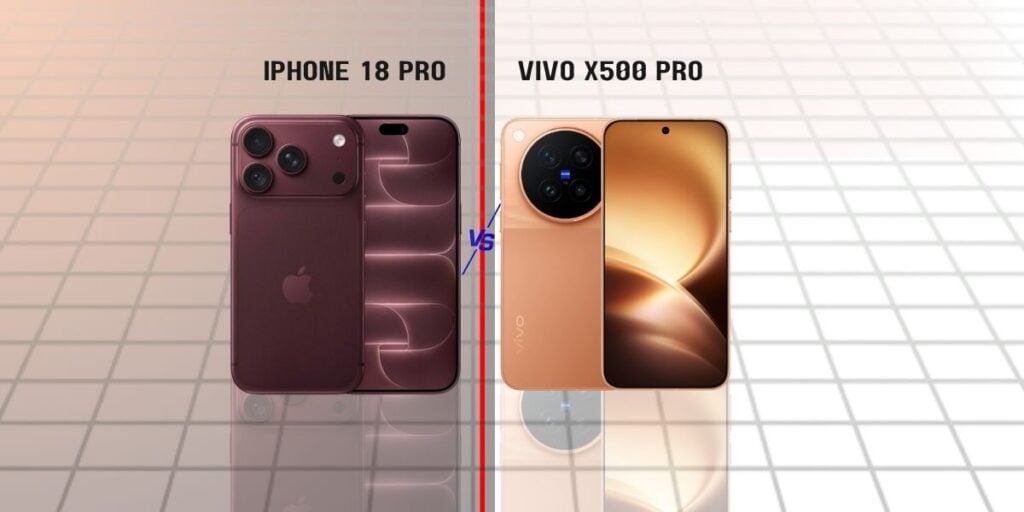
Xiaomi has launched a new compact Bluetooth speaker through crowdfunding on Xiaomi Youpin, and it has already reached its funding target. The Xiaomi Bluetooth Speaker Magnetic Version is a small speaker that also works as a phone stand. It uses magnets to attach to the back of a compatible phone.

The speaker is priced at 199 yuan (~ $30), although early backers can get it for 132 yuan (~ $20). 

Xiaomi Bluetooth Speaker Magnetic Version launch specs price

Xiaomi Bluetooth Speaker Magnetic Version Specifications

The speaker has a magnetic base that attaches to wireless-charging-compatible phones, including iPhones. Once attached, you can use it as a stand to prop up your phone while you listen to music or watch videos.

Xiaomi has also added a Hall effect sensor that automatically turns the speaker on when it detects that it has been attached to a phone. It weighs around 95 grams, so it should not add too much weight to your phone.

Xiaomi Bluetooth Speaker Magnetic Version Design

Design-wise, the speaker has a dome-like shape and comes wrapped in a finely woven fabric mesh with a metal ring detail, giving it a soft, textured look. It comes in black and a wider tan/beige shade. Both have a glowing ring around the base that shifts through blue, purple, and pink tones, and also reacts to the music.

For sound, the speaker uses a 1.5-inch full-range driver with 3W of power. It is not designed to replace a larger speaker, but it should be enough for watching videos or playing music while your phone is on a desk.

If one speaker is not loud enough, you can pair two units for stereo sound. Xiaomi also says you can connect up to 10 speakers at once for a larger setup. 

Xiaomi Bluetooth Speaker Magnetic Version Design(1)

The speaker has an IP67 rating, packs a 650mAh battery, and uses Bluetooth 6.0 for wireless connections. Charging is handled through USB-C. However, Xiaomi does not include a charging cable or power adapter in the box.

🔌 You’ll NeedXiaomi doesn’t include a charging cable or adapter in the box, so you’ll need one to power it up. Check USB-C charging cable price on Amazon →

Unlike some of Xiaomi’s other smart speakers, this model does not support Hyper AI, the company’s voice assistant. That means you cannot control it using voice commands.

For more daily updates, please visit our News Section.

Stay ahead in tech! Join our Telegram community and sign up for our daily newsletter of top stories!

(Source)

Casio launches two retro ABL100WE watches with built-in step tracking in the US

Casio has expanded its Vintage lineup in the US with two new models, the ABL100WE-2A and ABL100WE-7A. Both models are priced at $94.95 and retain the familiar retro digital design that has defined Casio watches for decades.

Casio ABL100WE watches

Design Details

The exterior design is simple and traditional. The watches feature a square, chrome-plated resin case that measures 41.6 x 37.9 x 8.2 mm. They come with a stainless steel band and an adjustable clasp. The display is a standard digital LCD protected by resin glass. The total weight of the watch is 60 grams.

The watches feature an accelerometer for tracking movement and can display up to 999,999 steps, with daily goals ranging from 1,000 to 50,000 steps. They also show a seven-hour activity graph and offer step reminders with a display alert and beep when activity is low.

For connectivity, the watches use Bluetooth to sync step data with the Casio Watches app, automatically adjust the time, and access world time for around 300 cities. The app also lets you manage watch settings and includes a phone finder feature.

Casio ABL100WE watches

These operate on a standard CR2016 coin cell battery, which has an estimated life of two years. Talking about other specs, it includes basic water resistance, a 1/100-second stopwatch that can store up to 200 records, a 60-minute countdown timer, five daily alarms, dual time swapping, an hourly time signal, and an amber LED backlight.

🔌 You’ll NeedThe display is bare resin glass with no factory protection, so a screen protector guards it from scratches. Check Casio watch screen protector price on Amazon →

In related news, Casio has recently launched three new fitness-focused G-Shock GBA-950 watches in the US, while Citizen has launched a new Star Wars Eco-Drive watch featuring a glowing green lightsaber.

For more daily updates, please visit our News Section.

Stay ahead in tech! Join our Telegram community and sign up for our daily newsletter of top stories!

(Casio 1,2)

Xiaomi Robot set to make public debut at 2026 World Robot Conference on August 19

During Xiaomi Group’s earnings call on the evening of August 18, President Lu Weibing confirmed that the Xiaomi Robot will make its public debut at the 2026 World Robot Conference, which runs from August 19 to 23 in Beijing.

Lu was pretty clear about the priority: the most important application right now is on production lines in smart manufacturing factories, where robots can take over some of the manual work. On the technical side, Xiaomi is aiming for universality, both in the robot’s body size and in the models that power it.

The company has gone with a full-size humanoid form that stands about 1.7 meters tall. Lu also made it clear that Xiaomi won’t develop the robot in isolation. Instead, it’ll tie into the broader “people, cars, and home” ecosystem, looking at ways it can work together in smart factories, intelligent transportation, and even household settings.

This public reveal builds on some earlier internal testing. Back in July, Xiaomi founder and CEO Lei Jun shared results from the robots’ four-month “internship” at an automobile factory. At a self-tapping nut installation station that required dual-sided work, the success rate climbed from 90.2% to 98%.

The robots later moved into new roles in the final assembly workshop, hitting 90% success rates on tasks like folding center-console side covers and handling material boxes, marking the first time they’d handled long-duration work with flexible parts.

These factory trials show Xiaomi’s practical approach: get the performance solid in controlled industrial settings first, then show it more widely. When the World Robot Conference opens, this will be the first chance for the public to see how the company’s humanoid platform actually performs outside internal testing, and how it might fit into manufacturing and everyday scenarios.

Don’t miss a thing! Join our Telegram community for instant updates and grab our free daily newsletter for the best tech stories!

For more daily updates, please visit our News Section.

(Source)

Fairphone 6+ brings 12GB of RAM and a removable battery to the US

Fairphone is bringing its repairable smartphone to the US in a much bigger way. The company just launched the Fairphone 6+ in the Netherlands, and it’s the first Fairphone handheld to be officially sold in the US by the company itself.

The Fairphone 6+ is not a major change in and out. Instead, the company took the Fairphone 6 and gave it a faster chip, more RAM, and a few other upgrades while keeping the same repairable design. This includes 12 replaceable components, a removable battery, and the company’s promise of long-term software support.

Fairphone 6+ launch specs price

Fairphone 6+ Specifications

The biggest hardware change is on the inside. The Fairphone 6+ runs on Qualcomm’s Snapdragon 7s Gen 4 processor and comes with 12GB of RAM, up from 8GB on the Fairphone 6. There’s 256GB of built-in storage, and you can expand it to 2TB via an microSD card.

The phone has the same 6.31-inch FHD+ LTPO OLED display and 120Hz refresh rate as its predecessor. Despite the plus in its name, the screen isn’t any bigger.

The camera setup is also unchanged. There’s a 50MP Sony LYT-700C main camera and a 13MP ultrawide camera on the back, along with a 32MP selfie camera.

Fairphone gen 6 plus battery

Fairphone is sticking with one of the features that makes its phones unusual: a battery you can actually replace yourself. The 4,415mAh battery is rated to retain at least 80% of its capacity after more than 1,000 charging cycles. It supports charging at up to 30W.

The phone is also built to survive everyday accidents. It has an IP55 rating for dust and water resistance and carries MIL-STD 810H certification for drop resistance. At 193 grams, it’s not heavy either.

Of course, repairability remains the main reason to consider a Fairphone. The 6+ is made from 12 easily replaceable parts that users can replace if and ever a component breaks. 

The Fairphone 6+ ships with Android 16 and is promised for seven years of software updates, including six major Android upgrades. Fairphone is also offering a five-year warranty.

Fairphone 6+ Repairability

Fairphone says more than half of the phone’s body is made from fair or recycled materials. The company puts its carbon footprint at 30kg of CO2e, which it says is the lowest figure for any phone in its current lineup.

Price and Availability

The Fairphone 6+ comes in Forest Green, Horizon Black, and Cobalt Blue. It costs $649 in the US and €649 in Europe.

The US launch is arguably the more important part of this announcement. Previous Fairphone phones were available in the country through Murena. Still, buyers had to get a version running Murena’s /e/OS software, and the Fairphone 6 was considerably more expensive in the US at $899. The 6+ is now being sold directly by Fairphone for $649.

For more daily updates, please visit our News Section.

Stay ahead in tech! Join our Telegram community and sign up for our daily newsletter of top stories!

(Source)
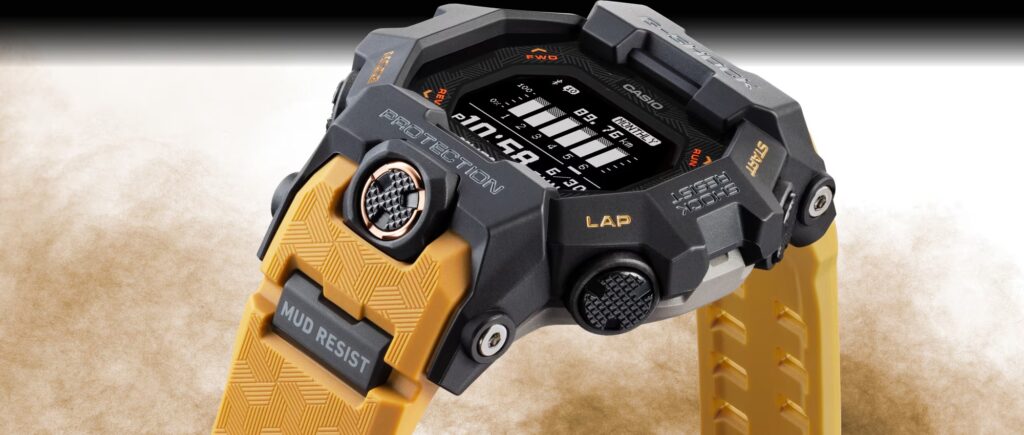
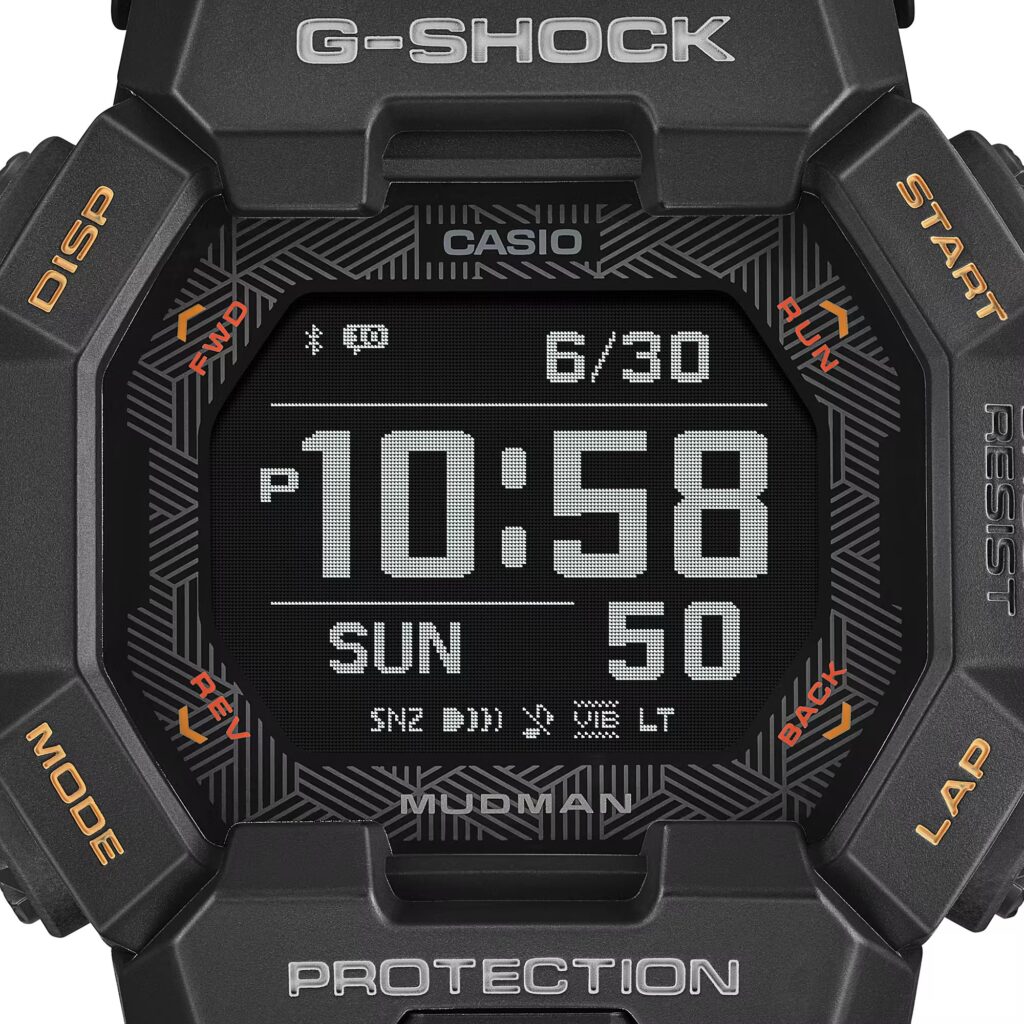
Casio launches three new fitness-focused G-Shock GBA-950 watches in the US

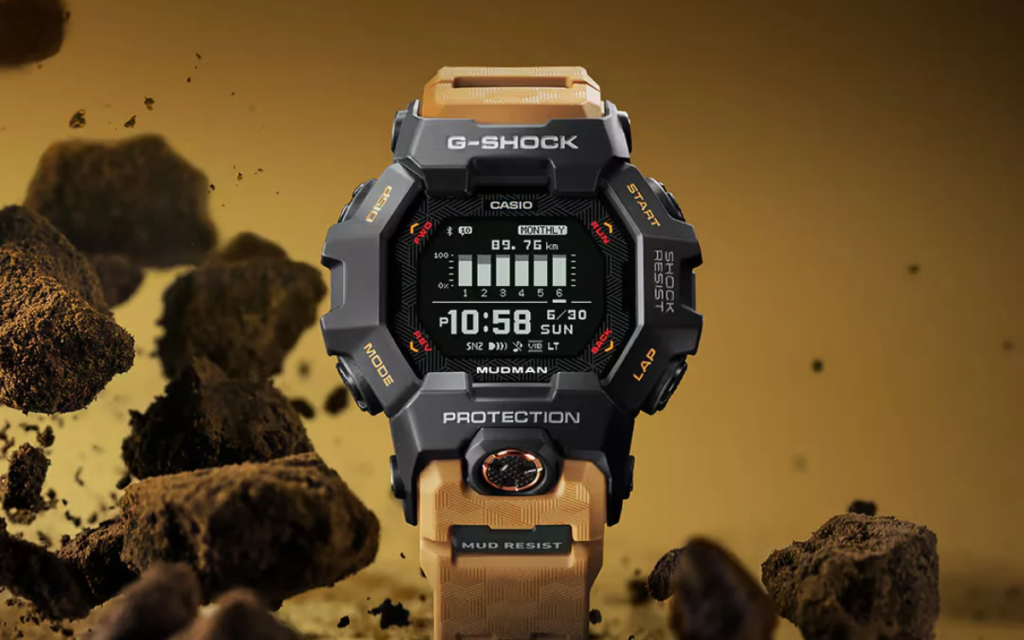
Casio has expanded its US G-Shock lineup with the GBA-950 series, a trio of analog-digital hybrid watches aimed at casual runners and fitness trackers. Originally released in Japan earlier this year, the watches are now available stateside in limited quantities for $165.

Casio G-Shock GBA-950 watches

Casio G-Shock GBA-950 Specifications

The watches are available in three distinct colorways: a black base with an orange dial (GBA-950-1A4), a white body with a blue dial (GBA-950-7A2), and a yellow-green body with a black dial (GBA-950-9A3).

The GBA-950 comes with a redesigned strap developed with Outsense inc., using origami-inspired folds to improve wrist comfort. The design helps prevent the watch from digging into the skin while allowing the carbon fiber-reinforced case to sit more naturally. The bezel and band are also molded into a single piece using bio-based resins.

For fitness tracking, the watch keeps things simple. It does not include a built-in GPS or a heart rate sensor. To track distance accurately, you need to pair the watch with the Casio Watches app on your phone via Bluetooth. The watch uses your phone’s GPS to calibrate your stride length. After that initial calibration, the watch can estimate your running distance, pace, and calories burned using its internal sensors, even if you run without your phone.

The watch face includes a small digital display at the 3 o’clock position that shows your current exercise intensity on a five-level scale, along with readouts for daily step counts and lap times. The physical hands and hour markers are coated with a phosphorescent material for visibility, and there is a built-in double LED backlight for running at night.

Because it lacks a touchscreen and continuous biometric sensors, the GBA-950 runs on a standard CR2025 coin battery, which Casio says should last around two years.

It also retains standard G-Shock specifications, including a shock-resistant build and 200 meters of water resistance. The series is available to purchase now through Casio’s US website.

In related news, Citizen has recently launched a new Star Wars Eco-Drive watch featuring a glowing green lightsaber, alongside two limited-edition Eco-Drive Photon watches.

For more daily updates, please visit our News Section.

Stay ahead in tech! Join our Telegram community and sign up for our daily newsletter of top stories!

🔌 You’ll NeedThe GBA-950 runs on a CR2025 coin cell rated for about two years — worth having a spare on hand. Check CR2025 watch battery price on Amazon →

(Casio 1,2,3)

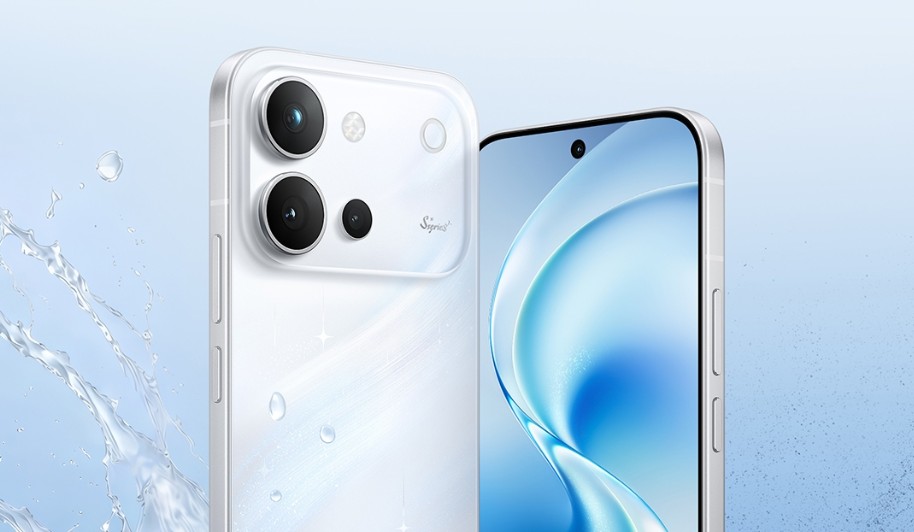
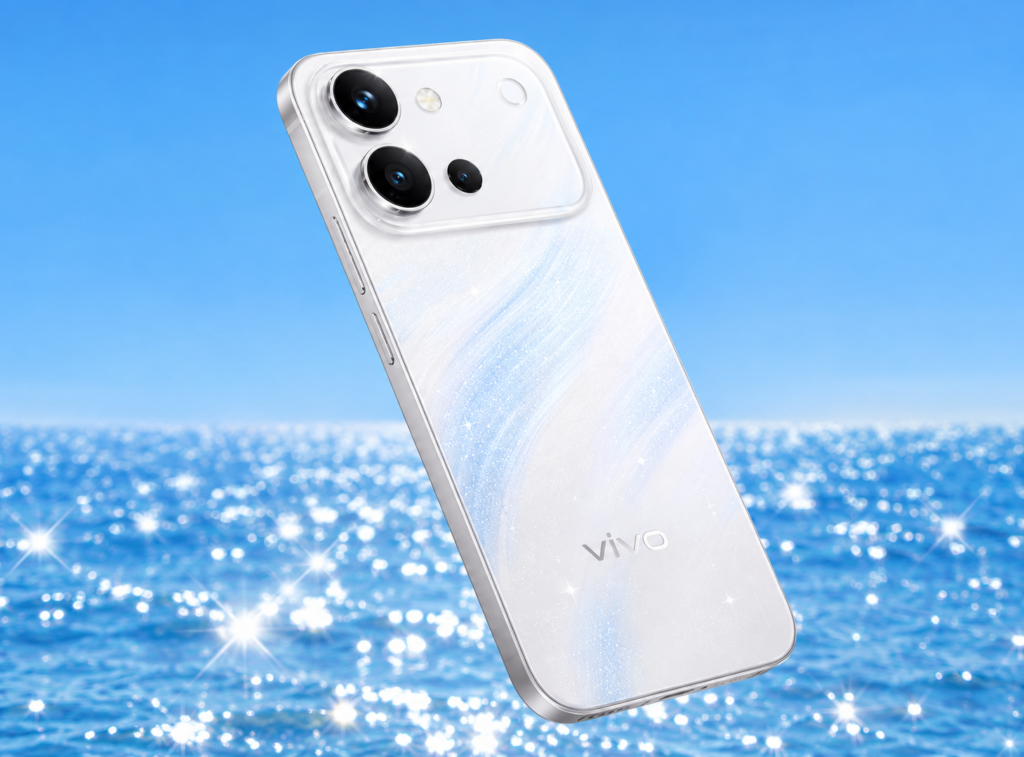
Vivo Y31T 5G launches with a 7200mAh battery, 120Hz display, 50MP dual cameras, dual speakers

Vivo has quietly unveiled a mid-range 5G smartphone called the Vivo Y31T 5G in India. It combines a large battery, 120Hz display, 50-megapixel dual rear cameras and IP68/IP69 protection. Here is everything you need to know about the new phone.

Vivo Y31T 5G specifications and features

Vivo Y31T 5G
Vivo Y31T 5G

The Vivo Y31T 5G features a 6.75-inch LCD panel with a 1608 x 720-pixel resolution and up to a 120Hz refresh rate. The display offers 1250 nits HBM brightness and 83% NTSC color coverage, along with TÜV Rheinland Low Blue Light certification.

Under the hood, the phone uses the Snapdragon 4 Gen 2 chipset, built on a 4nm process with an octa-core CPU clocked at up to 2.2GHz. It comes with LPDDR4X RAM and UFS 3.1 storage, while Extended RAM support adds up to 6GB through software optimization.

Vivo Y31T 5G
Vivo Y31T 5G

The Y31T 5G carries a 7200mAh typical battery with 44W FlashCharge support. Vivo claims up to 62 hours of music playback, 32 hours of video playback, 10.2 hours of navigation, and 11.4 hours of gaming under its laboratory conditions. It has a 50-megapixel main rear camera with a 2-megapixel bokeh sensor, while an 8-megapixel camera handles selfies.

🔌 You’ll NeedThe 7200mAh battery supports 44W FlashCharge, but a spare 44W adapter keeps that speed away from the included charger. Check Vivo 44W FlashCharge adapter price on Amazon →

The Y31T 5G runs OriginOS 6 based on Android 16, and brings AI-driven features, such as  AI Erase, AI Captions, AI Transcript Assist, AI Creation, and AI SuperLink connectivity enhancements. It carries IP68 and IP69 ratings and supports underwater photography up to 1.5 meters for 30 minutes under specified conditions.

Vivo Y31T 5G
Vivo Y31T 5G

It also offers other features, such as a side-facing fingerprint sensor, dual speakers, two nano-SIM cards, 5G connectivity, Wi-Fi, Bluetooth, GPS and USB Type-C.

Vivo Y31T 5G price and availability

Vivo has listed the Y31T 5G in 4GB+128GB, 6GB+128GB and 6GB+256GB configurations. Color options include Festive Red, Seashore Green and Noble Gold. At present, there is no information about the pricing of the device.

For more daily updates, please visit our News Section.

Stay ahead in tech! Join our Telegram community and sign up for our daily newsletter of top stories!

CMF Buds Neo launching in India on August 20: earbuds and case design teased

After more than a year since the last Buds generation, CMF by Nothing just shared a teaser on X with the simple caption “A hint of what’s next.” The low-angle shot shows a stem-style earbud with white stems, two visible mics, a metallic silver body, and those signature orange silicone tips.

The design clearly points to a regular in-ear model in the CMF Buds family rather than something open-ear. The current range includes the Buds 2, Buds 2a, Buds 2 Plus, and Buds Pro 2 (the Buds 2 series launched in April 2025). This new one looks like it could be the next step. It’s also very different from the Clip Pro that CMF dropped just a few days ago.

A follow-up teaser cleared things up a bit: the earbuds are called Buds Neo, and they’ll be unveiled on August 20. The post also showed colorful Smart Dial charging cases, that familiar CMF touch that lets you control volume and playback with a physical dial. This puts the Buds Neo firmly in the brand’s more affordable audio range, where they’ve built a name for offering solid features without the high price tag.

So far CMF hasn’t shared any actual tech details, including driver size, noise cancellation claims, battery life, or codecs. Given their track record, though, we can expect decent audio quality, Nothing X app support, and a few practical improvements over the previous models.

For reference, the current CMF Buds 2 come with 11mm drivers and claim up to 13.5 hours on the earbuds with ANC off (55 hours with the case), while the Buds 2 Plus step up to 12mm drivers and offer 14 hours on the buds with ANC off (61.5 hours total). In Amazon India right now, the Buds 2 are priced around ₹2,799 and the Buds 2 Plus sit at about ₹3,299.

Don’t miss a thing! Join our Telegram community for instant updates and grab our free daily newsletter for the best tech stories!

For more daily updates, please visit our News Section.

(Sources: 1, 2)

Galaxy A08, A07s Google Play Console listing show Samsung isn’t leaving ultra-budget segment

Samsung’s next budget phones are starting to show up online. Fresh traces of the Galaxy A08 and Galaxy A07s have appeared in Google’s systems, suggesting the company is getting ready for another round of affordable devices.

According to 91Mobiles, both models recently popped up in the Google Play Console. The Galaxy A08 (model number SM-A085F) is expected to run a MediaTek Helio G99 chip with dual Mali-G57 GPUs and 8GB of RAM. It looks like it’ll have a basic HD waterdrop-notch screen (720×1600 resolution) and ship with Android 17.

The Galaxy A07s (SM-A077M) uses the same processor and GPU setup, but drops down to 4GB of RAM and comes with Android 16 out of the box. Both phones stick with the reliable Helio G99, which already powered the earlier models like the A07 4G and should handle everyday stuff and light multitasking without much trouble.

There are a few more clues floating around. The A08 has shown up in Wi-Fi Alliance and BIS (India) databases under variants like SM-A085F/DS, which usually points to a launch somewhere around August 2026, roughly a year after the previous A07 4G. FCC filings also suggest a bigger battery than the A07’s 5,000mAh unit. The rated capacity sits around 5,830mAh, so it’ll probably be marketed as a 6,000mAh phone, with Samsung’s standard 25W wired charging.

Design-wise, the phone is expected to stick to the brand’s usual waterdrop notch on the front and a dual-camera setup on the back. So far it looks like the A08 will be the slightly better-equipped version with more RAM and a newer Android version, while the A07s plays the role of the cheaper option.

These Play Console sightings just confirm that both phones are moving forward and that Samsung isn’t planning to leave the ultra-budget segment anytime soon.

Don’t miss a thing! Join our Telegram community for instant updates and grab our free daily newsletter for the best tech stories!

For more daily updates, please visit our News Section.

(Source)

Redmi M100 launches with 7900mAh battery, Snapdragon 4 Gen 5 mobile platform

Redmi is launching a brand-new smartphone series with the Redmi M100. The phone debuted in China without fanfare and is already on sale locally.

The M100 is built around a 6.9-inch LCD display with a 1600 × 720 resolution and a 120Hz refresh rate. Xiaomi also says the display includes eye-protection features and is protected by Corning Gorilla Glass. Meanwhile, the phone’s durability features include dust and splash resistance, and it is also rated for up to 500,000 fingerprint touches.

Redmi M100 Launch Specs Price

It comes in three colors: Midnight Black, Starry White, and Wilderness Green. The back has a four-dimensional micro-curved design, while the camera area includes RGB dynamic lighting.

Redmi M100 packs a big battery and a Snapdragon processor

The big feature of the Redmi M100 is probably the battery. It packs a huge 7,900mAh cell that supports 45W wired and 22.5W reverse wired charging. It is also compatible with the PPS charging protocol, so users can use compatible third-party fast chargers.

🔌 You’ll NeedThe 7,900mAh battery charges at 45W over PPS, so a matching fast charger keeps top-ups quick. Check 45W USB-C PPS fast charger price on Amazon →

The phone is powered by Qualcomm Snapdragon 4 Gen 5 mobile platform. The 4nm chip has an octa-core CPU and is also available in other Xiaomi phones like Redmi 17 5G

Redmi M100 Battery

For photography, you get a 13MP main camera on the back. It supports features such as film filters, portrait mode, night mode, live photos, dual-view shooting, Pro mode, and document scanning.

The front camera is a 5MP sensor with features including beauty mode, face recognition, portrait mode, and night mode.

Redmi M100 Design

The Redmi M100 runs Xiaomi’s Surge OS 3 out of the box. Rounding out the specs is NFC, a side-mounted fingerprint scanner, and a 3.5mm headphone jack.

Redmi has also included a senior care mode for older users. It offers larger icons and fonts, media and ringtone volume of up to 300%, and the option to block unwanted calls. These features are designed to make the phone easier to read, hear, and use.

Redmi M100 Price

The Redmi M100 starts at 1,799 yuan (~ $266) for the 8GB+128GB version. The 6GB+256GB model costs 1,999 yuan (~ $296), while the top-end 8GB+256GB version is priced at 2,199 yuan (~ $325).

Don’t miss a thing! Join our Telegram community for instant updates and grab our free daily newsletter for the best tech stories!

For more daily updates, please visit our News Section.

(Source)
iQOO Z11S debuts with 10,000mAh battery, 6.83-inch 144Hz AMOLED display, Dimensity 7500 chipset

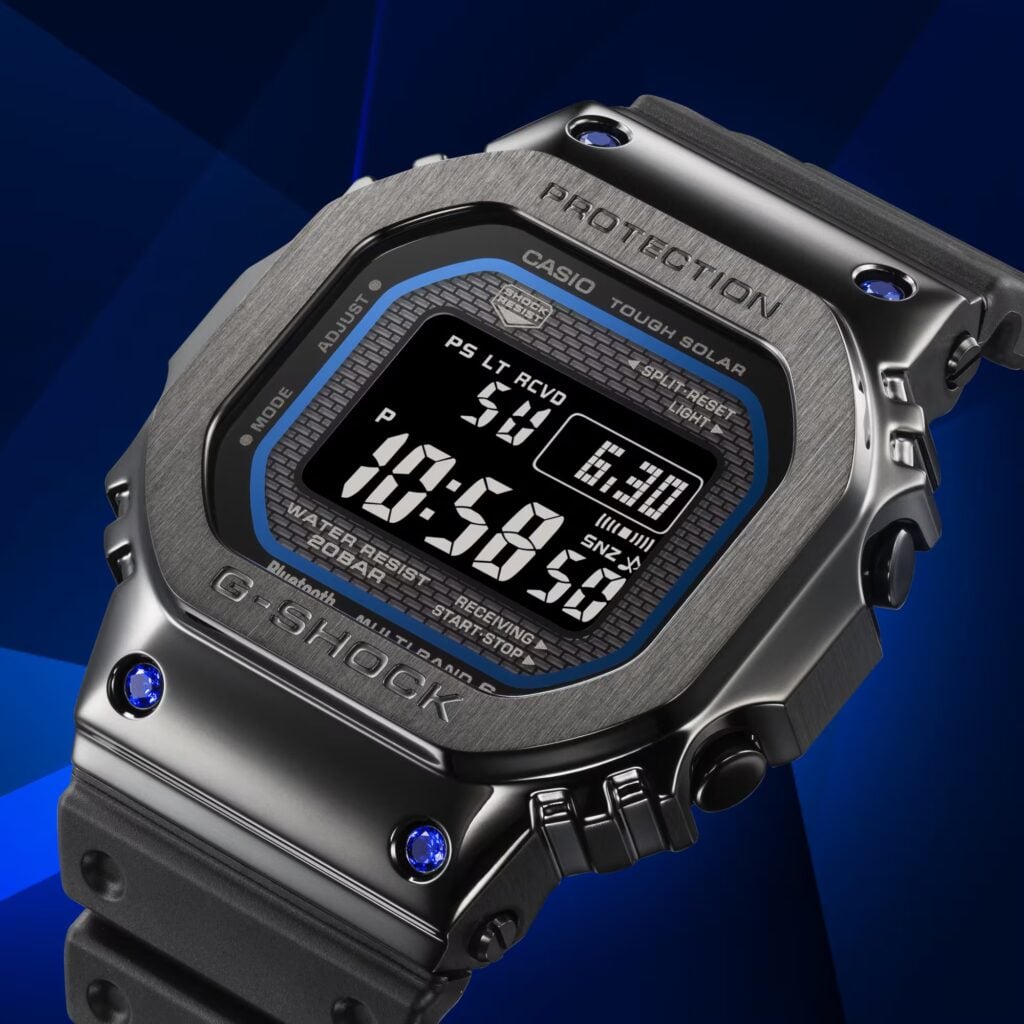
iQOO just dropped a new mid-range phone that’s all about one thing: lasting forever. The Z11S is the company’s first phone with a massive 10,000mAh battery. The company worked with CATL on this high-energy-density battery pack. It uses second-generation semi-solid tech and something they call “Magic Cube Packaging 2.0” to squeeze in all that capacity.

The phone is 8.59mm thick and weighs 225 grams. It’s only 11 grams heavier than the Galaxy S26 Ultra, even though it packs exactly double the battery capacity. Charging is 44W wired. It’s not the fastest out there, and topping up that huge battery will take a while. But once it’s full, the phone should last more than two days for most people.

Inside is a MediaTek Dimensity 7500 octa-core chip built on TSMC’s N4P process. It uses ARM’s latest C1 cores. According to iQOO, the Z11S hits around 1.31 million on AnTuTu V11 and offers a 24% jump in single-core performance. They’re also promising five years of smooth use.

The screen is a 6.83-inch AMOLED with 2800 × 1260 resolution, 10-bit color, P3 gamut, up to 2000 nits full-screen brightness, and a smooth 144Hz refresh rate. It covers 94.47% of the front and has full-brightness DC dimming so it’s easier on the eyes. Colors available are Snow White, Dark Rock Black, and Floating Light.

The back of the phone is a bit more interesting than it looks at first. The shiny ring wrapping around that rounded-square camera module is apparently metal, which should give the camera hardware a bit more protection if the phone takes a fall.

The camera system itself is a little disappointing, though. Official product shots clearly show two lenses on the back, one of which houses the infrared remote control sensor. The other is the 50MP rear camera with an f/1.8 aperture. Up front there’s an 8MP camera with autofocus. Still, the official sample photos do leave a pretty good impression of what the main camera can do.

Basically, it’s built for people who just want a phone that offers decent mid-range performance and doesn’t die by mid-afternoon.

🔌 You’ll NeedCharging tops out at 44W wired, so a matching 44W charger keeps that 10,000mAh cell topping up as fast as it can. Check iQOO 44W fast charger price on Amazon →

Here’s how the pricing breaks down:

8GB + 128GB: ¥1,999 (~₹28,400)
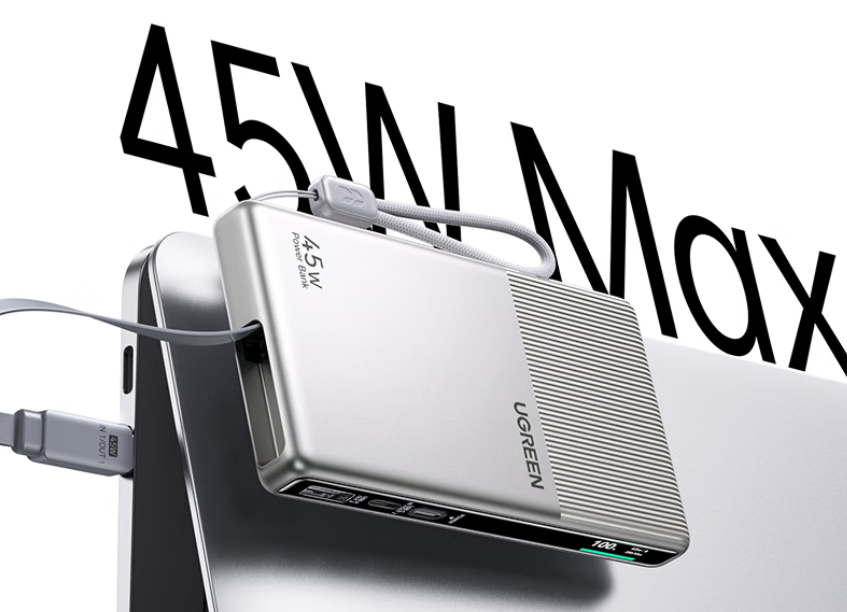
8GB + 256GB: ¥2,199 (~₹31,200)
12GB + 256GB: ¥2,499 (~₹35,500)
12GB + 512GB: ¥2,899 (~₹41,200)

Don’t miss a thing! Join our Telegram community for instant updates and grab our free daily newsletter for the best tech stories!

For more daily updates, please visit our News Section.

(Source: iQOO)