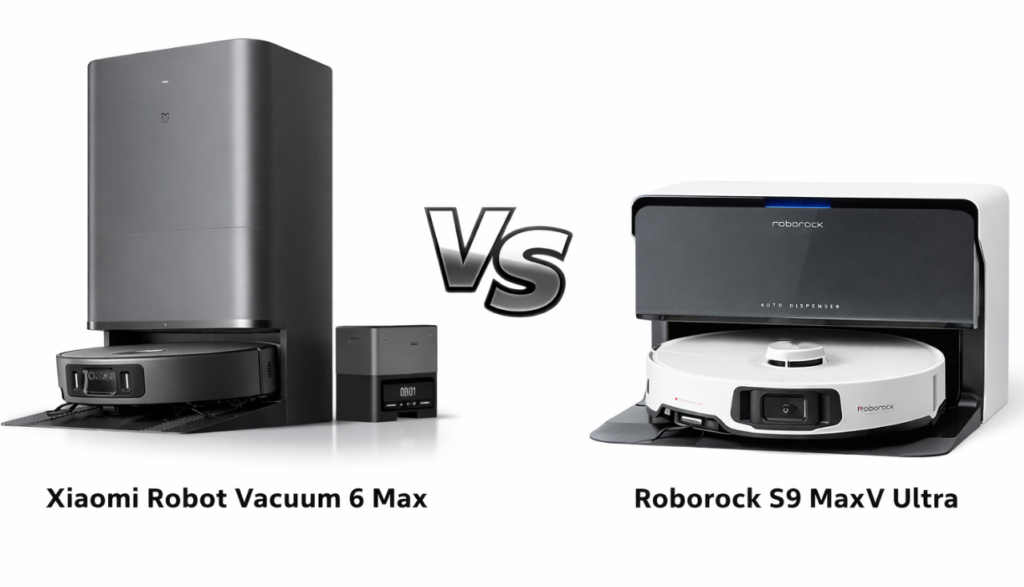
Choosing between these two flagship robot vacuums isn’t just about specs; it’s about how intelligently and consistently they clean in real homes. One focuses on extreme raw power and advanced AI recognition, while the other delivers a polished, fully automated cleaning experience. If you want deeper cleaning vs effortless maintenance, this comparison makes the difference clear.
Major Features:
Feature
Xiaomi Robot Vacuum 6 Max
Roborock S9 MaxV Ultra
Winner
Suction Power
35,000Pa
22,000Pa
Xiaomi – higher raw power
Navigation
AI panoramic obstacle avoidance
Reactive AI 3.0 + LiDAR
Roborock – more reliable
AI Recognition
280 objects, 47 dirt types
Advanced AI + sensors
Xiaomi – more detailed recognition
Cameras
Triple-camera system
RGB + structured light
Tie – different approaches
Cleaning System
Mop, scrape, wash simultaneously
Sonic mop + vacuum
Xiaomi – more aggressive
Mopping Tech
Continuous mop cleaning (16-hole)
4,000 vibrations/min
Roborock – better scrubbing precision
Mop Lift
Not specified
VibraRise 4.0 (18mm lift)
Roborock – carpet handling
Mop Cleaning
Continuous water system
80°C hot water washing
Roborock – hygienic cleaning
Drying
Not specified
60°C hot-air drying
Roborock – fully automated
Brush System
Hair-cutting + anti-tangle
Anti-tangle brush
Xiaomi – better for hair
Anti-Tangle
Yes (main + side brushes)
Yes
Xiaomi – more advanced
Robotic Hardware
Triple robotic arms
Standard dual system
Xiaomi – more advanced hardware
Obstacle Crossing
Up to 6 cm
Not specified
Xiaomi – better climbing
Minimum Clearance
9.3 cm
Not specified
Xiaomi – better under furniture
Dock System
Not advanced
RockDock Ultra 2.0
Roborock – fully automated
Dock Features
—
Wash, dry, refill, detergent, self-clean
Roborock – zero maintenance
Charging
Standard
Faster + off-peak scheduling
Roborock – smarter charging
Voice Control
Xiao Ai
Alexa, Siri, Google, Matter 2.0
Roborock – wider support
App Control
Mi Home
Roborock app
Tie
Video Features
Pet monitoring, video calls
Video call, Pet Snap, cruise
Tie
Use Case
Advanced AI + deep cleaning
Pets, kids, high traffic homes
—
Price
¥4,899 (~$680)
≈ ¥11,700 (~$1,630)
Xiaomi – much cheaper
Disclaimer: Specifications are based on currently available information, early listings, and brand claims. Actual performance and final retail units may vary depending on region, updates, or real-world usage
Xiaomi takes an aggressive, next-gen approach with triple robotic arms and a simultaneous mop–scrape–wash system. The 16-hole water system ensures continuous mop cleaning, which helps maintain consistent results across larger areas. It’s designed to actively “work” on dirt rather than just glide over surfaces.
Roborock S9 MaxV Ultra
Roborock focuses on refinement with VibraRise 4.0 and sonic scrubbing at 4,000 vibrations per minute. The auto-lifting mop intelligently avoids carpets, while hot water washing ensures better hygiene. The system feels more optimized for real homes rather than experimental hardware.
Verdict
Xiaomi is more aggressive and innovative, but Roborock feels more refined and reliable in daily use.
2. Suction Power and Cleaning Performance
Xiaomi Robot Vacuum 6 Max
With a massive 35,000Pa suction and hair-cutting brush system, Xiaomi clearly targets deep cleaning, especially in homes with pets or heavy debris. It’s built to handle tougher dirt scenarios without clogging.
Roborock S9 MaxV Ultra
Roborock’s 22,000Pa suction is lower on paper, but paired with sonic mopping, it delivers more precise cleaning. It’s less about brute force and more about balanced efficiency.
Verdict
Xiaomi wins on raw cleaning power, but Roborock offers a more balanced and controlled cleaning experience.
3. Navigation and AI Intelligence
Xiaomi Robot Vacuum 6 Max
The AI system recognizes 280 object types and 47 dirt categories using a triple-camera setup. This allows highly adaptive cleaning, especially in cluttered spaces.
Roborock S9 MaxV Ultra
Roborock combines Reactive AI 3.0 with LiDAR, structured light, and RGB cameras. This hybrid approach improves accuracy, especially in low-light and complex layouts.
Verdict
Xiaomi is more ambitious with AI, but Roborock is more consistent and dependable.
4. Smart Features and Automation
Xiaomi Robot Vacuum 6 Max
It includes Mi Home app control, Xiao Ai voice assistant, and unique features like pet monitoring and video calls. However, it lacks a fully automated dock system.
Roborock S9 MaxV Ultra
Roborock dominates here with RockDock Ultra 2.0, offering self-washing, drying, detergent dispensing, and auto-refill. It also supports Alexa, Siri, Google Home, and Matter 2.0.
Verdict
Roborock clearly wins with a near hands-free experience.
5. Hardware and Real-World Usage
Xiaomi Robot Vacuum 6 Max
With 6 cm obstacle crossing and triple-arm hardware, it’s better suited for uneven surfaces and challenging layouts. It’s built for physical adaptability.
Roborock S9 MaxV Ultra
Roborock focuses on convenience, faster charging, off-peak scheduling, and minimal manual intervention thanks to its advanced dock.
Verdict
Xiaomi handles tough environments better, but Roborock is far easier to live with daily.
6. Pricing and Value
Xiaomi Robot Vacuum 6 Max
Priced at ¥4,899 (~$680), it delivers flagship-level features at a much lower cost, making it highly value-focused.
Roborock S9 MaxV Ultra
At ≈ ¥11,700 (~$1,630), it’s significantly more expensive but justifies it with premium automation and convenience.
Verdict
Xiaomi is the better value pick, while Roborock is a premium, convenience-first investment.
Disclaimer: Prices are approximate and may vary based on country, region, and applicable taxes.
7. Final Verdict
Xiaomi Robot Vacuum 6 Max is built for power users who want maximum suction, advanced AI recognition, and aggressive cleaning performance at a lower price. But the Roborock S9 MaxV Ultra delivers a more complete experience, with smarter automation, better mopping precision, and almost zero maintenance.
If you want cleaning power at an affordable price, then choose Xiaomi; if effortless daily use matters more, Roborock is the smarter but pricier choice.
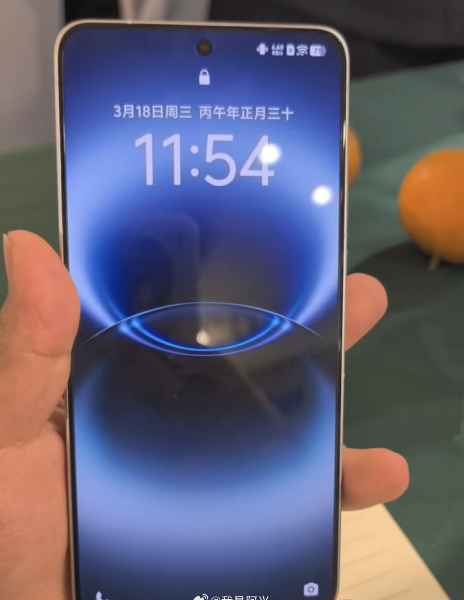
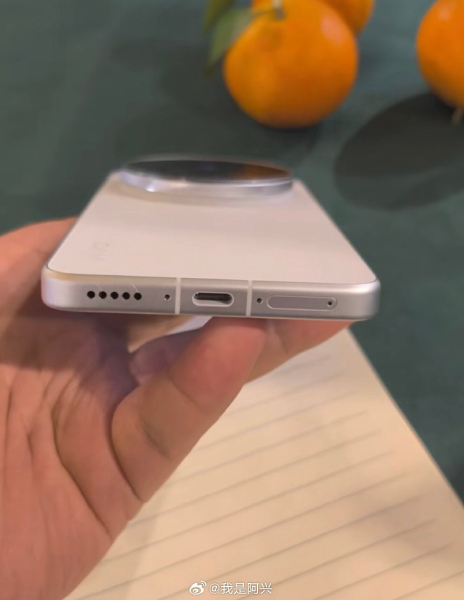
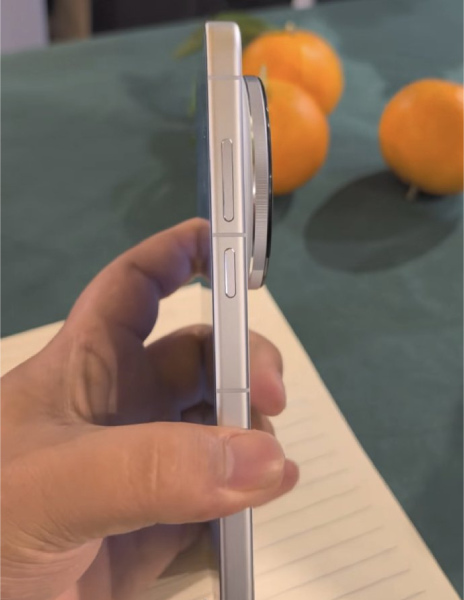
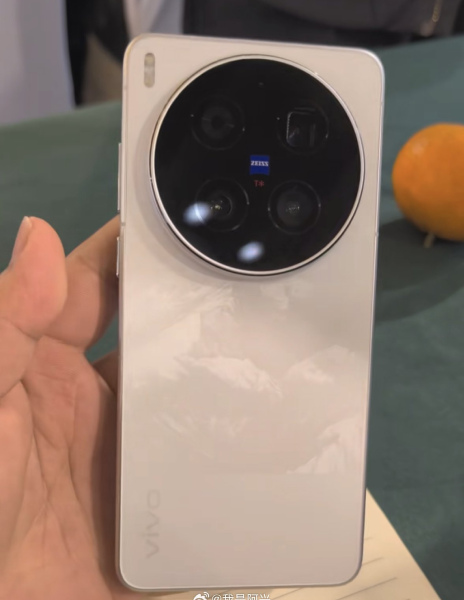
Vivo showed off the first images of the X300 Ultra earlier this week in an official teaser, revealing the phone in a new “Film Green” color. Now the device has surfaced in real-life photos in a beige shade, showing it from nearly every angle.
As you can see, the X300 Ultra features a massive camera module on the back with Zeiss branding. It’s particularly noticeable in the side-angle shot (the second image), which also shows the power and volume buttons. This beige variant also appears to have patterns on the rear panel.
The frame looks to be made of metal, while the bottom houses the usual hardware: microphones, a USB-C port, a speaker grille, and a SIM tray.
More interestingly, one of the leaked photos shows the settings page with key specs for the X300 Ultra. According to the image, the phone is powered by the Snapdragon 8 Elite Gen 5 processor, paired with 16GB of RAM and 512GB of storage. It also includes Vivo’s in-house VS1 and V3+ dual imaging chips.
The device also packs a 6,600mAh battery.
What can you expect?
As you know by now, the X300 Ultra is all about the camera. Its rear setup is said to include a 200-megapixel Sony LYT-901 main lens with a 1/1.12-inch sensor and 35mm focal length, along with a 200-megapixel Samsung HPB periscope telephoto camera at 85mm with Zeiss APO certification
A 50-megapixel Sony LYT-828 ultra-wide lens and a multispectral sensor complete the system. For selfies, you are likely to get a 50-megapixel front camera with autofocus.
A previous leak also suggests that the Vivo X300 Ultra could arrive in four configurations: 12GB + 256GB, 12GB + 512GB, 16GB + 512GB, and 16GB + 1TB. The top-end model is also tipped to support satellite communication.
For more daily updates, please visit our News Section.
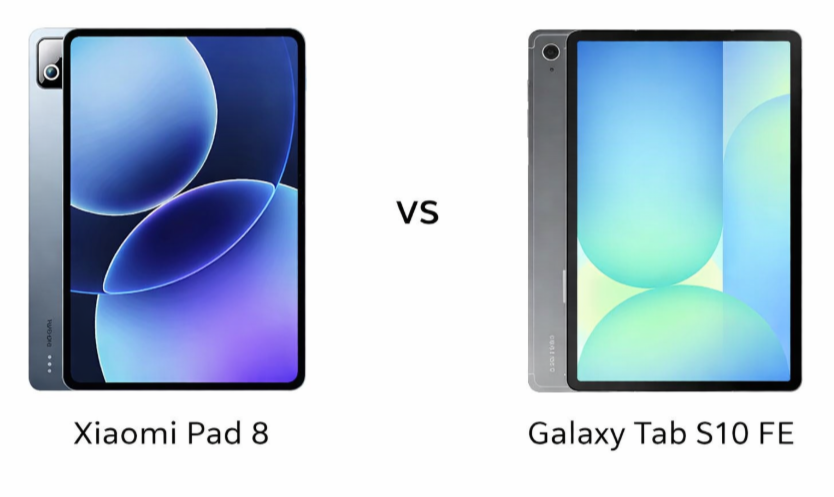
Choosing a budget tablet in 2026 isn’t as simple as picking the cheaper option anymore; it’s about getting flagship-like performance without overspending. The Xiaomi Pad 8 and Galaxy Tab S10 FE sit right in that sweet spot, offering powerful specs, premium designs, and productivity features at mid-range prices. But they take very different approaches; one focuses on raw power and display quality, while the other leans into ecosystem, durability, and usability. That’s exactly why this comparison matters.
The Xiaomi Pad 8 and Galaxy Tab S10 FE both bring premium aluminum builds, but they target slightly different priorities. Xiaomi focuses on slimness at just 5.8mm, making it feel more modern and ultra-light in the hand. Samsung, on the other hand, adds durability with IP68 water and dust resistance—something rare in this segment. The Tab S10 FE also includes SIM support for cellular use, which adds flexibility for on-the-go users. Xiaomi counters with a cleaner, minimalist design and slightly better weight balance.
Display & Multimedia
This is where Xiaomi clearly pushes ahead. The Pad 8 features a sharper 3:2 display with a 144Hz refresh rate, HDR10, Dolby Vision, and significantly higher brightness. It feels more flagship-like, especially for content consumption and gaming. Samsung’s 90Hz panel is good, but it looks dated next to Xiaomi’s smoother and more vibrant screen. However, Samsung still offers a more traditional 16:10 ratio, which some users may prefer for media apps.
Verdict
Xiaomi Pad 8 wins with a superior display and sleeker design, while Samsung stands out for durability and versatility.
2. Performance and Software
Processor & UI Smoothness
The Xiaomi Pad 8 is powered by the Snapdragon 8s Gen 4, which is in a completely different league compared to the Exynos 1580 on the Tab S10 FE. Daily performance, gaming, and heavy tasks feel significantly faster and smoother on Xiaomi. The 144Hz display further enhances the perception of speed, making animations and scrolling feel fluid. Samsung performs well for regular use, but it lacks that flagship-level punch when pushed.
Productivity & Multitasking
Samsung’s One UI 7 is better optimized for productivity with features like multi-window and a more mature tablet interface. It feels more refined for work use. Xiaomi’s HyperOS 3 is improving, but still feels more performance-focused rather than productivity-first. However, the stronger chipset on Xiaomi helps with heavy multitasking and demanding apps.
Verdict
Xiaomi dominates raw performance, but Samsung offers a more polished productivity experience. Power users will lean toward Xiaomi, while work-focused users may prefer Samsung.
3. Battery and Accessories
Battery Life
Xiaomi packs a larger 9200mAh battery compared to Samsung’s 8000mAh unit, which translates to longer screen time, especially for media and gaming. Both support 45W charging, but Xiaomi adds reverse wireless charging, making it more versatile. Samsung still delivers reliable all-day usage, but it doesn’t push boundaries here.
Stylus, Keyboard & Ecosystem
Samsung has a clear advantage in the ecosystem and accessories. The S Pen experience is more refined, and Samsung’s ecosystem integration with phones, laptops, and apps is stronger. Xiaomi supports stylus input, but its accessory ecosystem still feels less mature. However, Xiaomi’s faster hardware makes it better for creative apps that demand performance.
Verdict
Samsung wins for ecosystem and accessories, while Xiaomi takes the lead in battery capacity and versatility.
4. Camera & Media
Rear and Front Camera
Both tablets offer similar 13MP rear cameras, but tablets are rarely about photography. The key difference is the front camera, Samsung’s 12MP ultrawide is far more practical for video calls and meetings, keeping subjects in frame more naturally. Xiaomi’s 8MP front camera is decent but feels basic in comparison.
Video & Audio Quality
Both tablets support 4K recording, but Samsung’s front camera flexibility gives it an edge for content creators and remote work. Xiaomi, however, delivers a stronger multimedia experience with Dolby Atmos quad speakers, making movies and games feel more immersive. Audio quality is noticeably richer and louder on Xiaomi.
Verdict
Samsung is better for video calls and front-facing usage, while Xiaomi is clearly superior for media consumption and audio experience.
5. Pricing
Xiaomi Pad 8 is priced at around ₹34,000, while the Galaxy Tab S10 FE comes in at approximately ₹43,000. That price gap is significant. Xiaomi offers a flagship-level processor, better display, and bigger battery at a much lower cost, making it feel like a high-value performance tablet. Samsung justifies its higher price with durability, software optimization, and ecosystem benefits, but the hardware gap is hard to ignore.
Disclaimer: Prices are approximate and may vary based on country, region, and applicable taxes.
6. Conclusion
Xiaomi Pad 8 stands out with its Snapdragon 8s Gen 4 chip, 144Hz Dolby Vision display, and reverse wireless charging, features rarely seen at this price. Samsung counters with IP68 protection, S Pen refinement, better front camera, and a more polished software ecosystem.
Verdict
Xiaomi Pad 8 is the better overall value and performance tablet, making it the smarter choice for most buyers in 2026. The Galaxy Tab S10 FE still makes sense for users who prioritize ecosystem, durability, and productivity-focused features over raw power.
The Xiaomi 17T and 17T Pro have now shown up in certification listings, which usually means things are moving behind the scenes toward a wider launch.
Both devices have cleared Singapore’s IMDA certification. The listings include model numbers 2602DPT53G (17T) and 2602EPTC0G (17T Pro), pointing to global variants rather than China-only models. That’s typically one of the last few steps before an official announcement. There’s also mention of BIS certification for at least one model, which suggests India could be part of the first wave.
If Xiaomi sticks to its usual pattern, the 17T series will build on last year’s 15T lineup, which focused on offering near-flagship features at slightly lower prices. Those phones brought large AMOLED displays, Mediatek Dimensity 8400 Ultra/Dimensity 9400+ chips, along with Leica-tuned cameras. The next generation looks like it’ll push a bit further, especially in performance and battery.
On the hardware side, the standard Xiaomi 17T is expected to run on the Dimensity 8500, paired with a fairly large battery, somewhere around 6500mAh. Fast charging is tipped at 67W, which should keep top-ups relatively quick despite the bigger capacity.
The 17T Pro could use the Dimensity 9500, a newer flagship-grade chip. That should translate to better sustained performance and improved power management. There are also hints of premium features sticking around, like Leica-backed imaging, and possibly even wireless charging this time.
What’s slightly different this year is the timing. Instead of a late Q3 launch like the 15T series, the 17T lineup could arrive earlier—potentially sometime in Q2. That would give Xiaomi a bit of an edge in the “affordable flagship” space before competition heats up.
Nothing is official just yet, but certifications like these usually don’t show up too early. So at this point, it’s probably more a question of when, not if.
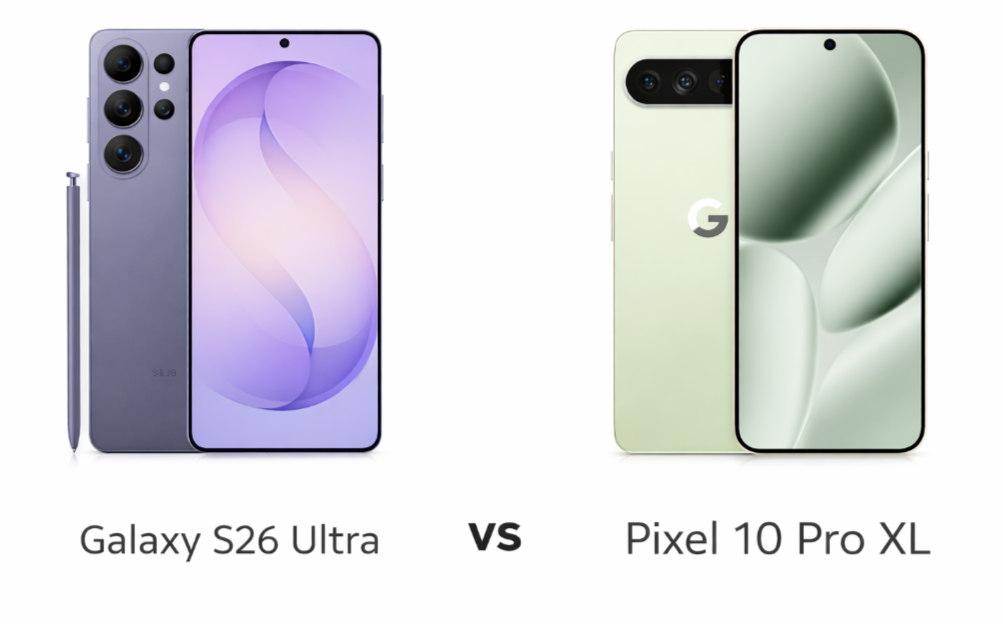
Choosing between two ultra-flagship smartphones isn’t just about specs anymore; it’s about what kind of experience fits your daily use. The Samsung Galaxy S26 Ultra and Google Pixel 10 Pro XL take very different approaches: one focuses on raw power, features, and versatility, while the other leans toward smarter software, balanced performance, and efficiency.
With prices at $1300 (₹140,000) for the Galaxy S26 Ultra and $1200 (₹125,000) for the Pixel 10 Pro XL, this comparison matters even more because at this level, it’s not just about what’s better on paper but what actually makes sense for your money.
The Samsung Galaxy S26 Ultra leans into a premium, productivity-focused design with its Armor aluminum frame, Gorilla Armor 2 protection, and built-in stylus. It feels purpose-built for power users who value durability and functionality. The Pixel 10 Pro XL, on the other hand, sticks to a cleaner, more minimal aesthetic with Gorilla Glass Victus 2 on both sides and a refined aluminum frame. It feels simpler and more approachable, especially for users who prefer a lighter, less feature-heavy experience. The S26 Ultra’s anti-reflective coating subtly improves outdoor usability, which adds to its premium feel in daily use.
Display Quality
Samsung pushes ahead with a sharper 1440p panel and Dynamic LTPO AMOLED 2X tech, delivering deeper contrast and a slightly more immersive viewing experience. The Pixel counters with higher peak brightness and excellent HDR tuning, making it stand out in bright conditions and video playback. Both support 120Hz, but Samsung’s display feels more vibrant, while the Pixel’s feels more natural and balanced.
Verdict
The S26 Ultra wins for sharpness, anti-reflection, and overall immersion, while the Pixel suits users who prefer brightness and color accuracy.
2. Specifications Including Battery
Performance
The Galaxy S26 Ultra is powered by the Snapdragon 8 Elite Gen 5, delivering flagship-level performance with strong GPU gains and better sustained power for gaming and heavy multitasking. It feels like a device built to handle everything without compromise. The Pixel 10 Pro XL’s Tensor G5 focuses more on AI-driven performance and efficiency rather than raw power. While smooth in daily use, it may not match Samsung in high-end gaming or long-term performance stability. The difference becomes noticeable for users pushing their devices harder.
Battery and Charging
Samsung offers a 5000mAh battery with faster 60W wired charging, making it more convenient for quick top-ups. The Pixel’s 5200mAh battery is slightly larger and paired with efficient optimization, often translating to longer endurance in real-world usage. However, its slower 45W charging makes it less aggressive when time is limited. Features like bypass charging on the Pixel add a thoughtful touch for gamers.
Verdict
Samsung leads in raw performance and faster charging, while Pixel edges ahead in battery efficiency and smarter power management.
3. Camera
Main and Secondary Lenses
Samsung goes all-in with a 200MP main sensor and a versatile quad-camera setup, including both 3x and 5x zoom options. This setup provides flexibility across different focal lengths and feels more complete for photography enthusiasts. The Pixel 10 Pro XL relies on a 50MP main sensor but enhances it with advanced computational photography, producing consistently balanced and natural results. Its 5x periscope and ultrawide cameras are strong, though the lack of an intermediate zoom lens slightly limits flexibility. Samsung’s hardware feels more powerful, while Pixel’s processing feels more refined.
Selfie Camera
The Pixel clearly stands out with a 42MP ultrawide front camera, offering sharper selfies and wider framing for group shots. Samsung’s 12MP camera is reliable but feels more standard in comparison.
Verdict
Samsung wins for versatility and zoom flexibility, while Pixel excels in consistency, processing, and selfie performance.
4. Pricing
The Samsung Galaxy S26 Ultra is priced at approximately $1300 (₹140,000), positioning it firmly in the ultra-premium segment. The Pixel 10 Pro XL comes in slightly lower at around $1200 (₹125,000), making it the more affordable flagship option between the two. The price difference, while not massive, is noticeable enough to influence buyers looking for maximum value.
Is the Price Justified?
Samsung justifies its higher price with added features like the S Pen, stronger zoom versatility, faster charging, and a more powerful chipset. It feels like a complete flagship package designed for users who want everything in one device. The Pixel, however, focuses on delivering a smarter experience with AI features, better selfies, and strong battery optimization at a slightly lower cost. It feels more balanced for users who don’t need every extra feature but still want flagship performance.
Verdict
Samsung offers more features for the price, while Pixel delivers better value for users prioritizing software and camera intelligence.
Disclaimer: Prices are approximate and may vary based on country, region, and applicable taxes.
5. Conclusion
The Galaxy S26 Ultra stands out with its S Pen integration, Samsung DeX support, anti-reflective display, and a highly versatile camera system. It feels like a productivity and power-focused flagship designed for users who want maximum capability. The Pixel 10 Pro XL differentiates itself with AI-driven features, a clean Android experience, satellite SOS support, and advanced computational photography. It feels more streamlined and intelligent rather than feature-packed.
Final Verdict
Galaxy S26 Ultra is the better overall choice, offering a more complete flagship experience with stronger performance, a sharper display, faster charging, and a more versatile camera system, making it feel truly no-compromise. The Pixel 10 Pro XL remains a solid, more affordable option with a cleaner experience and good balance, but it doesn’t match Samsung’s all-round capability. If choosing just one, the Galaxy S26 Ultra makes more sense for its superior hardware and overall versatility.
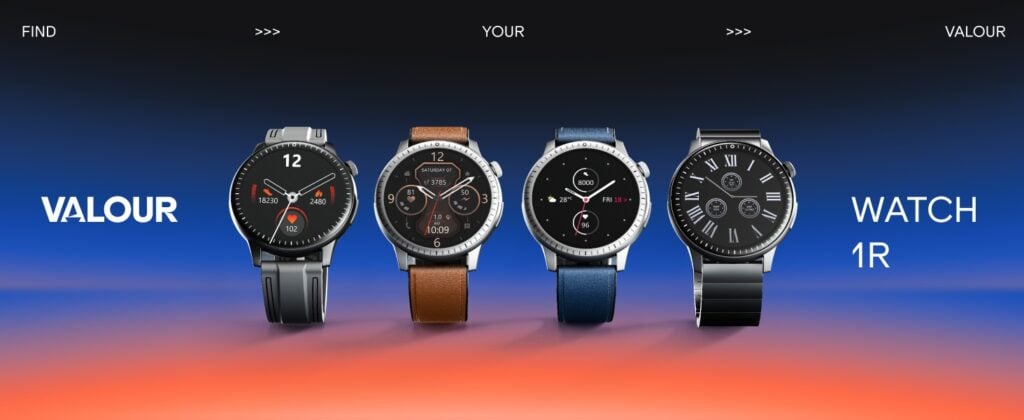
boAt has launched the Valour Watch 1R under its Valour sub-brand. The smartwatch comes with a standard watch design and features an aluminium body with a matte finish.
It has a 1.43-inch AMOLED display with 3D curved glass. The screen supports up to 1000 nits peak brightness, which should help with visibility in bright conditions. The watch also comes with 3 ATM water resistance, making it suitable for sweat and light splashes.
The device is powered by an X2 processor and includes an AI-based health monitoring system. It also features an AI Coach that can detect activities automatically and provide insights based on usage.
Health tracking features include heart rate variability tracking, VO₂ Max measurement, automatic heart rate monitoring, SpO₂ tracking, stress level tracking, and sleep tracking with analysis. It also provides recovery insights based on activity and rest data.
For fitness, the watch supports over 700 sports and activity modes. This covers a wide range of workouts and physical activities. Other features include access to more than 100 cloud watch faces, turn-by-turn navigation, and custom reminders for daily tasks. The Valour Watch 1R is claimed to offer up to 10 days of battery life on a single charge, depending on usage.
Pricing & availability
In India, the Valour Watch 1R is priced starting at Rs. 4,499. It can be purchased through Amazon, Flipkart, boAt’s official website, and offline retail stores. It is available in four colour options: Obsidian Black, Steel Black, Imperial Leather, and Oak Leather.
Xiaomi has begun rolling out the HyperOS 3 update to Xiaomi 13T Pro and Poco F5 users globally. For the Xiaomi 13T Pro, the rollout isn’t new. It originally went live around one and a half months back, but pulled back later due to a critical problem that caused random reboots and bootloops.
The new HyperOS 3 build for the Xiaomi 13T Pro should be free from critical bugs, given that Xiaomi has spent a lot of time resolving the problems. Besides HyperOS 3 and Android 16 goodies, the latest build includes the February 2026 security patch, not the latest one.
Here are the firmware versions for the revised HyperOS 3 update for the Xiaomi 13T Pro, as spotted by Xiaomi Time:
Poco F5 has also started picking up the stable HyperOS 3 update. However, this one is based on Android 15, unlike the Xiaomi 13T Pro, which is getting an Android 16 build. That’s because the Poco F5 has already received two Android OS updates, and therefore isn’t eligible for Android 16.
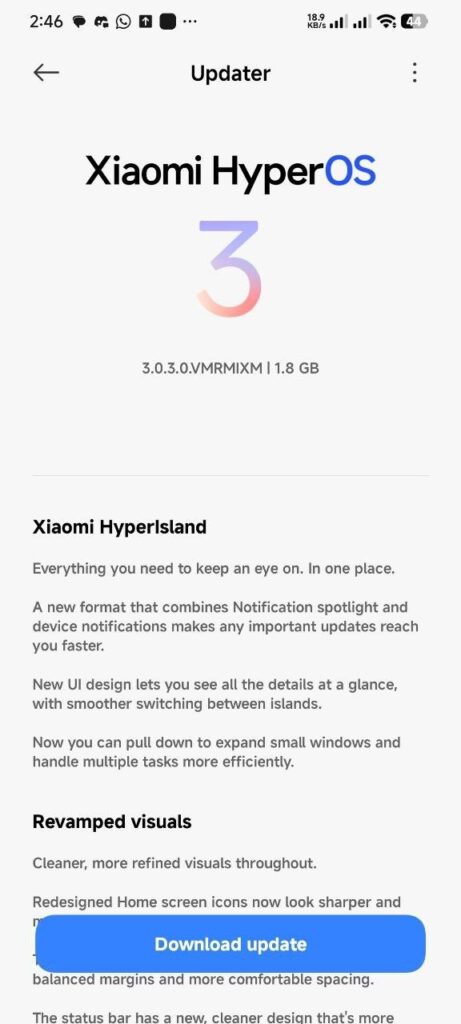
The HyperOS 3 update for the Poco F5 is rolling out globally with the firmware version OS3.0.3.0.VMRMIXM. The update also brings the February 2026 security patch, which fixes dozens of vulnerabilities to make the device safer.
Before you can test HyperOS 3 features on your Poco phone, you’ll need to download an update package weighing around 2GB. It’s best to use a stable Wi-Fi connection to download such hefty update packages. Also, remember to charge your device at least 40% and back up important data before hitting the install button.
If you’re rocking a Xiaomi 13T Pro or Poco F5, the HyperOS 3 update may be available on your device. If you haven’t received an update notification yet, go to Settings > My device and tap the HyperOS logo to manually check for updates.
Don’t forget to check our Xiaomi section regularly for the latest updates. Alternatively, you can join our Telegram channel to get instant notifications for the latest stories from us.
Planning to upgrade your smartphone but waiting for the right deal? That approach is no longer as reliable as it once was. The smartphone market in 2026 has shifted, with pricing trends, upgrade cycles, and brand strategies changing the way consumers should think about buying. This article explains why purchasing earlier is increasingly becoming the smarter decision and who should consider upgrading now.
The Smartphone Market Has Changed
Pricing Trend Shift
Traditionally, waiting a few months after launch meant significant price drops. In 2026, that pattern is no longer consistent. Many smartphones now maintain their launch pricing for longer periods, and in some cases, prices can even rise due to demand and limited availability.
Brand Strategy Evolution
Manufacturers are exercising tighter control over pricing. Instead of direct discounts, brands are focusing on bank offers, exchange bonuses, and bundled deals. While these can provide value, they often do not translate into meaningful long-term price reductions.
Waiting is no longer a guaranteed way to save money. In many scenarios, early buyers are securing better overall value.
Innovation Has Slowed Down
Incremental Upgrades
Smartphones have reached a level of maturity where year-on-year improvements are relatively minor. Most new models offer incremental upgrades such as slightly improved cameras, marginal performance gains, or small design refinements.
Longer Upgrade Cycles
As innovation slows, users are holding onto devices for longer periods. Waiting for the next generation often results in only modest improvements rather than a significant leap.
If your current device no longer meets your needs, delaying your purchase is unlikely to deliver a substantially better option.
The Reality of Discounts in 2026
Fewer Major Price Drops
Large price cuts that were once common are now far less frequent. Even during major sales events, discounts on newer smartphones tend to be limited, as brands actively protect pricing to maintain product positioning and margins, particularly in premium and upper mid-range segments.
Conditional Offers and Demand Impact
Discounts have shifted toward conditional offers such as bank deals, exchange bonuses, and bundled extras, which don’t benefit every buyer equally. Pricing is also increasingly influenced by demand and inventory, with popular models often maintaining stable prices or seeing minimal reductions due to controlled supply. Ongoing global supply chain pressures, including geopolitical tensions, have further added uncertainty to pricing and availability.
Early Purchase Advantage
Launch-period offers, including bank discounts and exchange deals, often provide the best value. These early incentives can be comparable to or better than discounts available later in the product cycle.
Relying on future discounts is increasingly uncertain. Buying at the right time, especially around launch, can be more beneficial.
Buying Strategy: Then vs Now
Strategy
Old Market
2026 Market
Buy at launch
Expensive
Smart decision
Wait 3–6 months
Cheaper
Potentially costly
Wait for the next model
Worthwhile upgrade
Minimal improvement
Best value timing
Later in the cycle
Near launch
The smartphone market in 2026 is evolving in ways that challenge traditional buying strategies. Prices are more stable, innovation is incremental, and delayed purchases do not always result in better deals. For most buyers, especially those in need of an upgrade, purchasing earlier is now a more practical and financially sound decision. Timing has become more important than waiting.
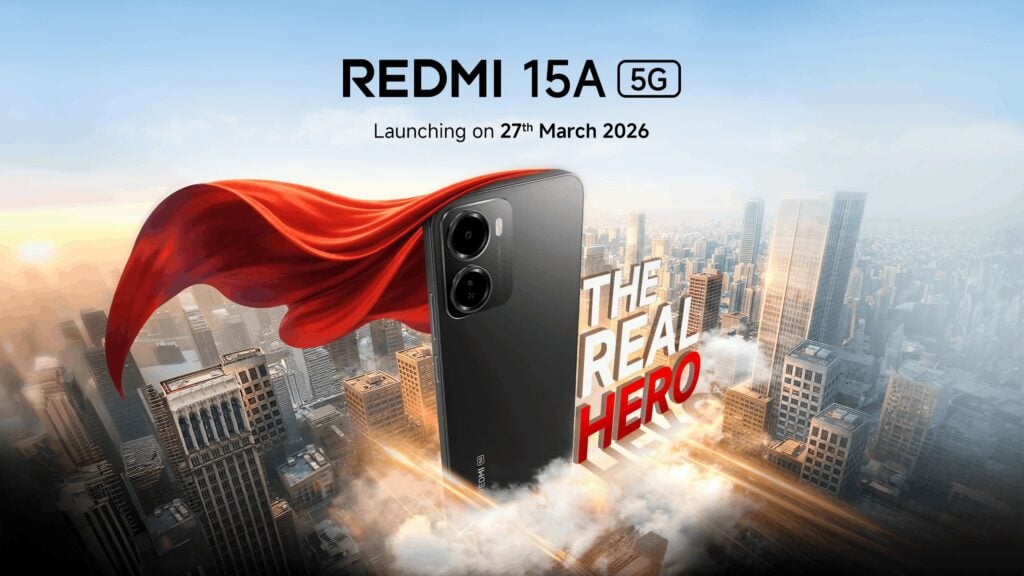
Xiaomi’s Redmi brand is getting ready to add another budget 5G phone in India, and this one seems to be leaning heavily on battery life and everyday usability. Teased as “The Real Hero,” the upcoming model is already starting to pick up attention, especially among buyers looking for something reliable without spending too much.
The company has confirmed that the Redmi 15A 5G will launch in India on March 27, 2026. The update comes through teasers and a microsite on Xiaomi India’s website, where users can sign up for notifications ahead of the announcement. Like most launches in this segment, full details are expected to be shared online rather than through a big event.
One of the main highlights is the 6300mAh battery. Xiaomi is clearly positioning this as a phone that can last comfortably through a full day (or more) of use, even with heavier tasks like video streaming or gaming in the mix. For many users, that alone could be a strong selling point.
Teasers mention a 120Hz refresh rate, along with claims of it being among the largest in its segment. That should translate to smoother scrolling and a generally better experience while watching content or just navigating the UI.
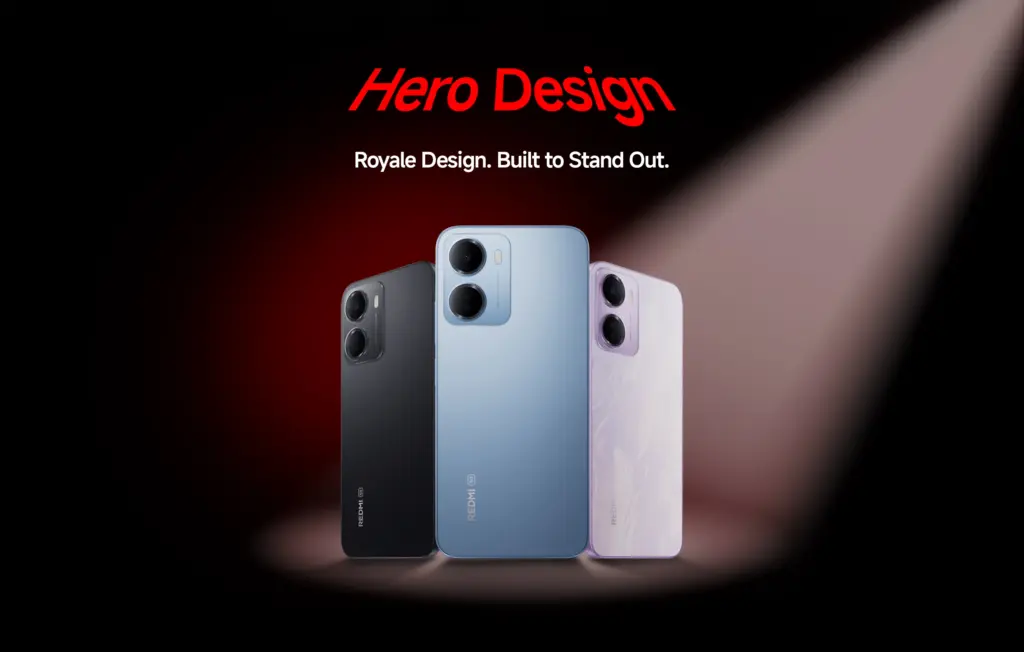
In terms of design, the phone keeps things fairly modern. There’s a rectangular camera module on the back with a dual-camera setup. The device is shown in a few color options, including Black, Light Blue, and a softer Light Purple shade. Some of the promotional images also hint at splash resistance, though the exact rating hasn’t been confirmed yet.
Details about the processor are still under wraps, but Xiaomi mentions an octa-core chip with 5G support, which should be enough for routine tasks and general use.
With the launch just around the corner, the Redmi 15A 5G looks like it’s aiming to get the basics right—big battery, smooth display, and a design that doesn’t feel too cheap.
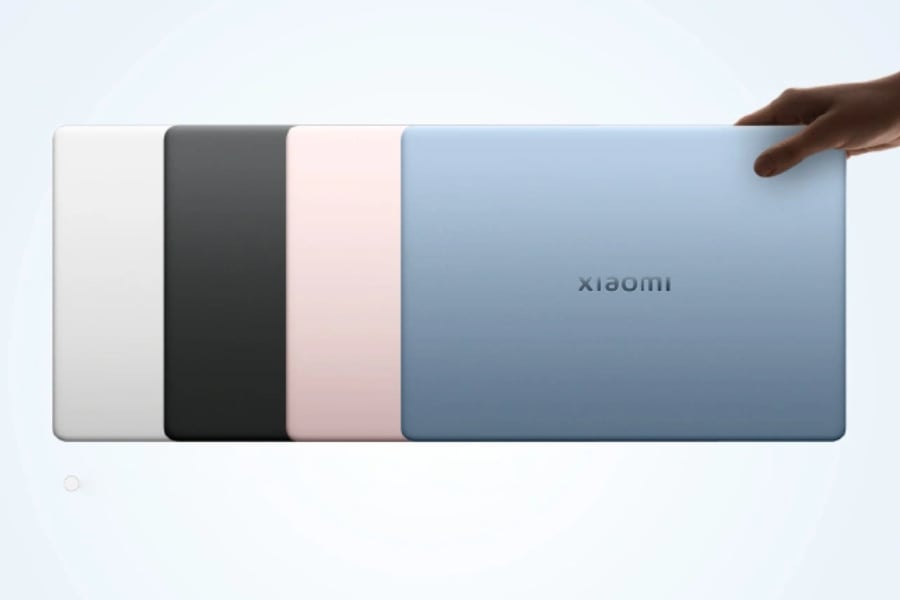
Xiaomi announced its first laptop in four years earlier this week, called the Xiaomi Book Pro 14. The device is on its first sale today with a starting price of around $1,020.
The Book Pro starts at 8,499 yuan, but Xiaomi is offering a 500 yuan discount alongside national subsidies, bringing the effective price down to 6,799.15 yuan for the base configuration.
Higher-end variants are also discounted, with the Ultra 5-338H model priced at 7,819.15 yuan and the Ultra X7-358H version at 8,499.15 yuan after subsidies.
Variant
Discounted Price (CNY)
Approx. Price (USD)
24GB + 1TB / Ultra 5 325
¥6,799.15
~$1,020
32GB + 1TB / Ultra 5 338H
¥7,819.15
~$1,173
32GB + 1TB / Ultra X7 358H
¥8,499.15
~$1,275
All variants come with 1TB of storage, while memory options include 24GB and 32GB. Xiaomi says additional color options, including Soft Mist Blue and Soft Light Pink, will arrive later in April or May.
Xiaomi Book Pro 14 Specifications
On the hardware side, the Xiaomi Book Pro 14 uses Intel’s newer “Panther Lake” architecture, built on the 18A process. Buyers can choose between Core Ultra 5-325, Ultra 5-338H, and Ultra X7-358H chips.
The system is paired with a dual-fan cooling setup and a 10,000mm² vapor chamber, designed to sustain up to 50W of performance under load.
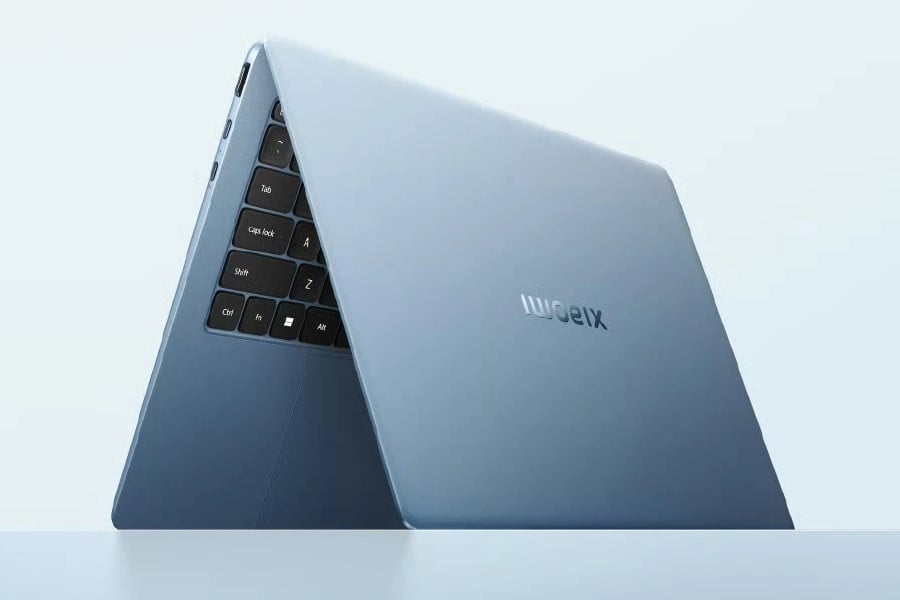
The laptop weighs 1.08kg and measures 14.95mm thick, using a magnesium-alloy chassis with a velvet-like finish. Xiaomi says the bottom shell uses a five-layer carbon-fiber structure formed through high-temperature pressing.
The display is a 14.6-inch OLED touchscreen with a 3.1K resolution, 120Hz refresh rate, and peak brightness of 1,600 nits. There’s also a large pressure-sensitive touchpad and support for expandable storage via an additional M.2 2280 slot, allowing up to 4TB capacity.
Port selection includes Thunderbolt 4 (40Gbps), full-function USB-C (10Gbps), USB-A, HDMI 2.1 TMDS, and a 3.5mm headphone jack, covering most common use cases without requiring adapters.
The Xiaomi Book Pro 14 packs a 72Wh battery with an energy density of 800Wh/L. Xiaomi rates it for up to 19.8 hours of usage, including 12.4 hours of video streaming and 15.8 hours of online meetings. A 100W GaN charger is included in the box.
For more daily updates, please visit our News Section.
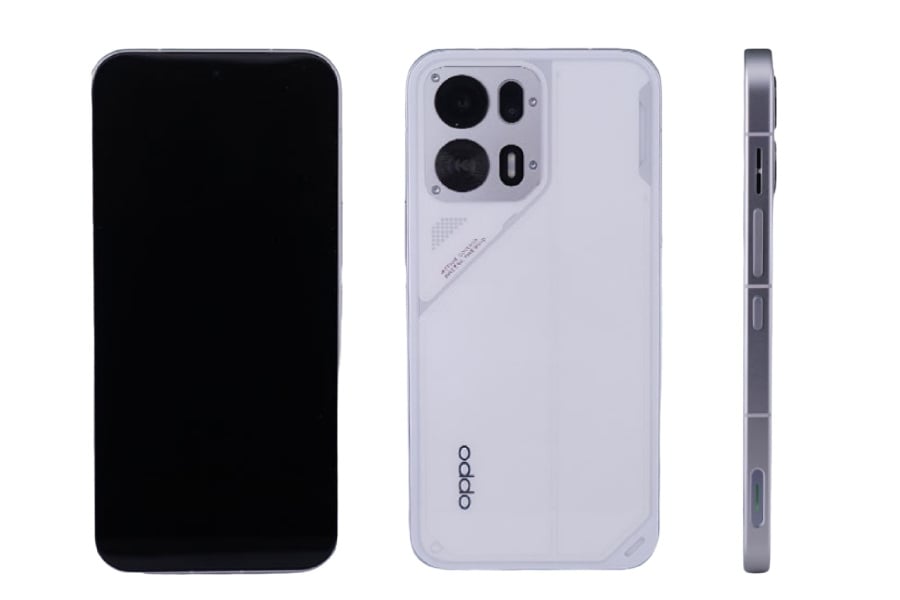
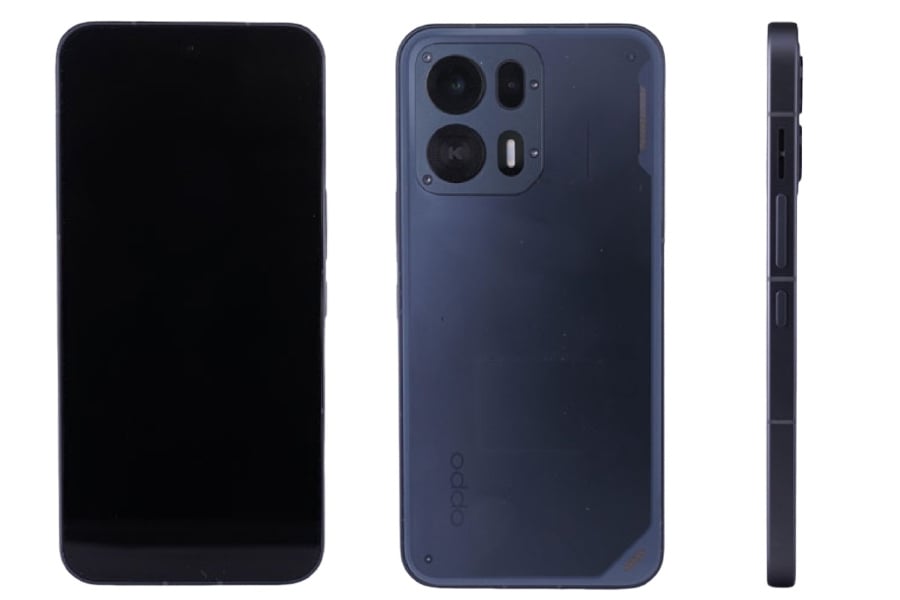
We’ve been hearing about the Oppo K15 Turbo series for a while now. A Chinese tipster on Weibo has now shared what could be the first images of the device, along with some key specs.
According to Digital Chat Station(DCS), the K15 Pro lineup may include two models. While the exact names aren’t confirmed yet, the devices could launch as the Oppo K15 Turbo and the Oppo K15 Turbo Pro.
Oppo K15 Turbo and K15 Turbo Pro Specifications
Based on the leaked images, the K15 Turbo phones have a flatter, more industrial design. The phone is said to feature a flat display, a metal frame, and a redesigned rear camera module.
Interestingly, DCS says both devices will feature a 50-megapixel dual-camera setup on the back. One notable carryover is the inclusion of an internal cooling fan.
For context, last year’s Oppo K13 Turbo Pro introduced active cooling to Oppo’s mid-range lineup, along with a Snapdragon 8s Gen 4 chip and aggressive thermal management. The K15 Pro series seems to be building on that foundation.
The images also show ventilation cutouts along the frame and a capacitive touch button at the bottom.
Under the hood, the higher-end model is rumored to run on a Dimensity 9500s chip paired with a 6.78-inch 1.5K LTPS flat display with a high refresh rate. A more standard engineering variant is said to feature a Dimensity 8500 instead.
In the comments section of the leak, the tipster hints that pricing may increase compared to previous generations, largely due to the upgraded chipset and premium materials like the metal frame. The top configuration is also expected to include 16GB of LPDDR5X RAM and 512GB of UFS 4.1 storage.
Last but not least, the tipster claims the devices are currently slated to launch in April.
Samsung is getting ready to update its Galaxy A lineup in India once again, and the announcement isn’t too far off now. A new teaser shared by the company gives a small glimpse of what’s coming, hinting at refreshed designs and a few feature additions aimed at the mid-range crowd.
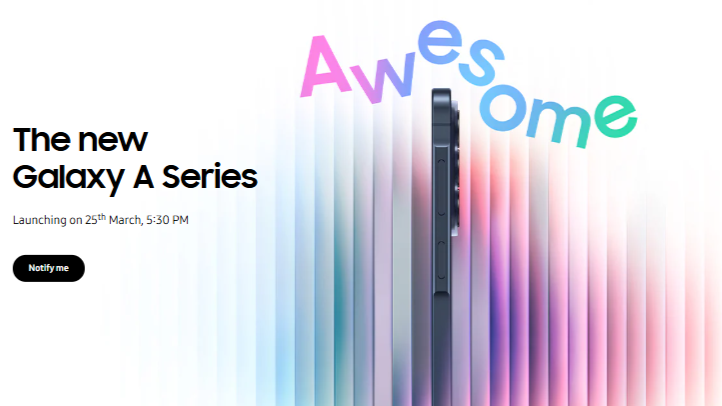
The company has confirmed a March 25 launch at 5:30 PM IST, though it won’t be a traditional event. Instead, Samsung plans to roll out all the details through online announcements and press material. There’s already a landing page live on Samsung India’s website, where users can sign up and keep track of updates as they come in.
The teaser itself doesn’t show much, but there are a few small details worth noticing. You get a side profile of one of the phones, along with a closer look at what Samsung calls the “Ambient Island” around the camera and the “Key Island” for the buttons. The rest of the image leans heavily on bright, almost playful colors. It’s hard to say for sure, but these likely reflect the color options we’ll see at launch. Samsung seems to be pushing a slightly more expressive design here.
Even though the company hasn’t named the devices yet, most signs point to the Galaxy A37 and Galaxy A57. These are expected to take over from last year’s models, probably with the usual mix of performance tweaks and new software features.
There’s also some focus on AI this time. Leaks have mentioned features like improved call and voice transcription, along with tools such as object eraser and better voice isolation. Nothing groundbreaking on its own, but having these could still be useful in certain use cases.
With just a few days left, this looks like a familiar kind of A-series update, but with a bit more attention on practical features than usual.
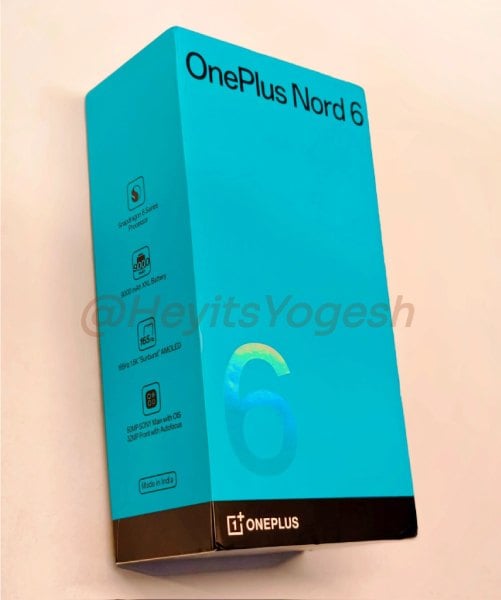
The OnePlus Nord 6 hasn’t been officially announced yet, but at this point, most of the picture is already in focus. Thanks to benchmark listings, tipster leaks, and a few early teasers from OnePlus itself, we already have a fairly good idea of what the device might bring.
Here’s a full roundup of what to expect from the upcoming OnePlus Nord 6.
OnePlus hasn’t revealed the phone’s design outright yet, but a recent teaser gives us a hint about where things might be headed. The teaser shows an X-ray-style view of a bag filled with everyday items and the phone itself.
OnePlus Nord 6 Teaser
The device’s design isn’t clearly visible, but the imagery highlights a large battery silhouette. That detail lines up neatly with one of the biggest claims circulating in the current round of leaks.
If those reports are accurate, the Nord 6 could feature a massive 9,000mAh battery. If true, that would likely make it the largest battery ever shipped in a OnePlus phone globally. The device is also expected to support 80W wired fast charging.
2. Performance
OnePlus Nord 6 Geekbench
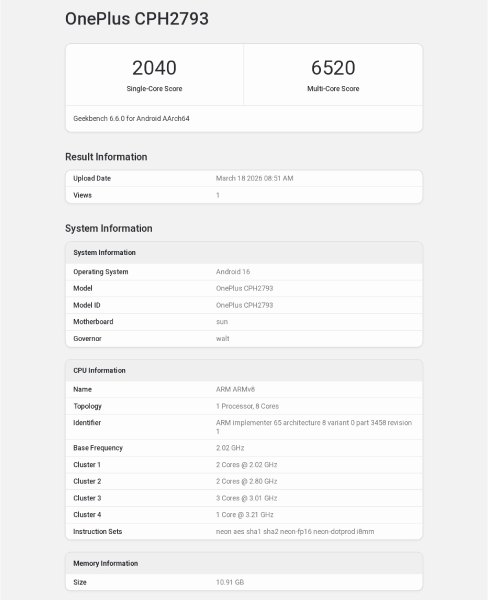
The OnePlus Nord 6 is widely expected to run on Qualcomm’s Snapdragon 8s Gen 4 chipset. The phone has already appeared on Geekbench with this processor, where it reportedly scored around 2,040 in the single-core test and roughly 6,520 in the multi-core test.
The chip configuration includes a prime Cortex-X4 core clocked at 3.21GHz, supported by multiple Cortex-A720 performance cores. Graphics duties are handled by an Adreno 825 GPU.
In practical terms, that should translate into smoother multitasking, better gaming performance, and more headroom for demanding apps.
There’s also mention of a self-developed G1 e-sports Wi-Fi chip, which is said to improve connection stability during gaming sessions.
3. Display upgrades
OnePlus Nord 6 Box Image
If the leaks are accurate, the Nord 6 will feature a 6.78-inch AMOLED display with a 1.5K resolution. That’s already in line with what you’d expect in this segment, but the phone is also rumored to support a whopping 165Hz refresh rate.
High-refresh-rate displays are common now, but 165Hz is still relatively rare outside gaming-focused devices. Whether most users will notice a meaningful difference compared to 120Hz or 144Hz is debatable, but OnePlus might target Nord 6 as a device built to handle high-frame-rate gaming more comfortably.
There’s also talk of dedicated 165Hz gaming modes, which, if properly optimized, could appeal to a specific group of users.
4. Cameras
While performance and battery upgrades are getting most of the attention, the camera setup could be more restrained. The Nord 6 is expected to feature a 50-megapixel primary rear camera alongside a 2-megapixel secondary lens. On the front, the phone could include a 16-megapixel camera for selfies.
That’s not necessarily a downside. The Nord series has typically focused on delivering a reliable main camera rather than chasing flagship-level versatility. The key will be consistent image processing.
Still, it’s safe to say the Nord 6 probably won’t be the phone you buy primarily for its camera system.
5. Software, memory, and color configurations
On the software side, the Nord 6 is expected to ship with Android 16 out of the box.
Memory and storage configurations are rumored to include 8GB of RAM with 256GB of storage, as well as a 12GB RAM variant with the same storage capacity.
Color options could include Black, Mint, and Silver.
6. A possible connection to the OnePlus Turbo 6
One recurring theme across multiple reports is that the Nord 6 could be closely related to the OnePlus Turbo 6, which has already been launched in China.
And this isn’t unusual. OnePlus has a long history of adapting its China-exclusive devices for global markets with minor tweaks. If that pattern holds, the Nord 6 could essentially be a refined version of the Turbo 6 with a few adjustments for international markets.
7. Launch timing and what comes next
As for when the Nord 6 might actually arrive, early reports point to a launch window in the first week of April 2026, with April 7 mentioned as a possible date.
OnePlus hasn’t confirmed anything yet, but its teaser campaign suggests an announcement may not be far off.
India is expected to be one of the first markets to receive the device. There’s also talk of a more affordable sibling, the Nord CE 6, which has already appeared in certification databases.
Lenovo has launched its latest premium laptops, the Yoga Pro 16 Aura AI Yuanqi Edition and Yoga Pro 15 Aura AI Yuanqi Edition in China. Both laptops feature powerful hardware, advanced AI capabilities, and premium designs.
Lenovo Yoga Pro 16 Aura AI Yuanqi Edition Specs
The Yoga Pro 16 Aura AI Yuanqi Edition features Intel’s Core Ultra 7 356H processor with 16 cores, 16 threads, a 4.7GHz max clock speed, 18MB cache, and up to 50 TOPS of AI computing power. It is paired with Nvidia’s GeForce RTX 5060 GPU, based on Blackwell architecture, with 8GB of GDDR7 memory and up to 572 TOPS for AI tasks.
The laptop features a 16-inch OLED display with a resolution of 3200 x 2000. The panel supports a 120Hz refresh rate and achieves a peak brightness of 1600 nits in HDR mode. It delivers professional-grade color accuracy with 100% coverage of the sRGB, DCI-P3, and Adobe RGB color gamuts. Lenovo has calibrated the display at the hardware level to ensure accuracy with a Delta E rating of less than 1.
The Yoga Pro 16 comes with 32GB of LPDDR5x memory, a 1TB PCIe 4.0 SSD, and expandable storage via dual M.2 slots. It supports Wi-Fi 7 and Bluetooth 6 for fast connectivity. Lenovo uses its Qiankun thermal system for cooling, which includes larger vents, improved heat pipes, and a redesigned fan for better airflow and quieter operation.
The laptop features a 7-inch touch-sensitive writing trackpad integrated into the touchpad, supporting 4096 pressure levels and linear motor feedback. It includes a six-speaker Dolby Atmos system, an aluminum chassis weighing 1.9kg, and a 92.5Wh battery with fast charging that delivers up to 70% charge in 30 minutes.
Lenovo Yoga Pro 15 Aura AI Yuanqi Edition Specs
The Yoga Pro 15 Aura AI Yuanqi Edition is a smaller alternative to the 16-inch model. It uses the same Core Ultra 7 356H processor and RTX 5060 GPU. The laptop comes with 32GB of RAM and a 1TB SSD. It features a 15.3-inch OLED display with a resolution of 2560 x 1600 and a 165Hz variable refresh rate. The screen achieves 1100 nits peak HDR brightness and delivers Dolby Vision and Nvidia G-Sync support.
The Lenovo Yoga Pro 15 is available in two versions: the Supreme Edition with a touchscreen and the Creator Edition without. Both include a 7-inch writing trackpad, Dolby Atmos audio, and Lenovo’s Qiankun cooling system. The laptop features an 84Wh battery with 140W fast charging, offering up to 19.6 hours of video playback. It weighs 1.69kg and is 16.7mm thick.
Pricing and Availability
The Yoga Pro 16 Aura AI Yuanqi Edition is priced at 23,999 yuan ($3,360), with an introductory price of 18,999 yuan ($2,660).
The Yoga Pro 15 Aura AI Yuanqi Edition starts at 14,999 yuan ($2,100) for the Supreme Edition and 12,999 yuan ($1,820) for the Creator Edition.
For more daily updates, please visit our News Section.
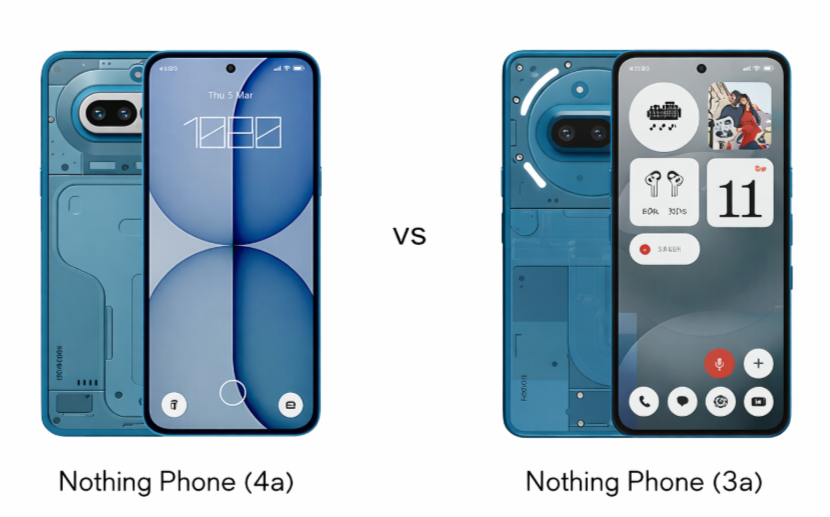
Not every new phone feels like a real upgrade, but this one does. The Nothing Phone (4a) brings noticeable improvements in display, performance, and camera, while the Nothing Phone (3a) still offers great value at a lower price. This makes it a simple choice between saving money or getting a more future-ready experience. Here’s a clear look at what actually changes, and whether the upgrade is worth it.
The Nothing Phone (4a) feels like a clear evolution rather than a simple refresh. The upgraded Glyph system with 63 mini-LEDs and zoned lighting adds real functional value, more customization, smarter notifications, and better interaction feedback. It makes the phone feel more alive and purposeful. In comparison, the (3a)’s LED strips now feel basic and less interactive. Both phones use similar materials, but the (4a) delivers a more refined and modern experience that better justifies its position as a newer generation device.
Display Quality
The (4a) introduces a sharper panel with higher resolution and a massive jump in peak brightness, which directly improves everyday usability. Outdoor visibility, HDR playback, and content clarity all feel noticeably upgraded. The (3a) still offers a smooth AMOLED display, but the lower brightness and resolution make it feel like a step behind. The display upgrade alone feels like a meaningful quality-of-life improvement.
Verdict
Nothing Phone (4a) wins. The upgrades here are not cosmetic; they genuinely enhance usability and visual experience.
2. Specifications Including Battery
Performance
The shift from Snapdragon 7s Gen 3 to Gen 4 is a meaningful upgrade. The (4a) feels faster, more efficient, and better optimized for long-term use. Apps load quicker, gaming is more stable, and thermal performance feels improved. Combined with UFS 3.1 storage, the overall experience is noticeably smoother compared to the (3a), which starts to feel limited under heavier workloads. This is the kind of upgrade that remains relevant over time.
Battery and Charging
Battery improvements on the (4a) are subtle but important. The larger battery (especially in India) combined with better efficiency, results in more consistent all-day usage. Charging speeds are similar, but the addition of reverse wired charging adds practical value. The (3a) charges slightly faster, but lacks the extra utility that the (4a) brings.
Verdict
Nothing Phone (4a) wins. The performance and battery upgrades directly translate into better long-term usability and flexibility.
3. Camera
Main and Secondary Lenses
The biggest upgrade comes with the (4a)’s periscope telephoto lens. Moving from 2x to 3.5x optical zoom significantly expands shooting versatility, especially for portraits and distant subjects. It allows users to capture shots that simply aren’t possible on the (3a). The addition of Dolby Vision and Ultra XDR further enhances video and dynamic range, making the output feel more premium and future-ready.
Selfie Camera
While both phones share similar hardware, the (4a) benefits from improved processing, resulting in more consistent skin tones and better exposure. It’s a subtle upgrade, but one that improves reliability in different lighting conditions.
Verdict
Nothing Phone (4a) wins. The camera upgrades are meaningful, especially the periscope lens, which adds real creative flexibility.
4. Pricing
The Nothing Phone (4a) is priced around ₹32,000 ($450), while the Nothing Phone (3a) comes in at ₹21,000 ($250). The gap is significant, but it reflects the level of upgrades introduced in the newer model.
Is the Price Justified?
The (3a) still offers strong value for basic users, but the (4a) feels like a more complete package. The upgrades are not limited to one area—they span display, performance, camera, and features. This makes the higher price easier to justify, especially for users planning to keep the device longer. It feels less like paying extra and more like investing in a better overall experience.
Verdict
Nothing Phone (4a) offers better value in terms of upgrades, while the (3a) remains the budget pick.
Disclaimer: Prices are approximate and may vary based on country, region, and applicable taxes.
5. Conclusion
The Nothing Phone (4a) stands out because of how many meaningful upgrades it brings together. The improved Glyph system adds functional depth, the brighter display enhances usability, the new chipset ensures longevity, and the periscope camera expands creative possibilities. These changes combine to create a noticeably more advanced device. The (3a), while still solid, feels more like a simplified version of the Nothing experience.
Verdict
Nothing Phone (4a) is the clear upgrade and the better long-term choice. It delivers real value additions across the board rather than minor improvements. The Nothing Phone (3a) still makes sense for tight budgets, but the (4a) feels like the smarter investment for users who want a more future-ready smartphone.
Casio is having a genuine style moment. After years as a “dad-watch” staple, its chunky digital and analog-digital designs have been co-opted by streetwear and style influencers. Think back to 2000s hip-hop, and you’ll recall Pharrell, Eminem, Kanye, and Justin Bieber proudly rocking G-Shocks. Streetwear brands like Stüssy, BAPE, and A$AP Ferg have all released G-Shock collabs. Meanwhile, a Y2K design revival means translucent techy looks are hot again. Young buyers are reportedly choosing timeless analogs over smartwatches. In short: the blocky Casio aesthetic that once screamed “geek” now reads as retro-future-cool. Below are five recent Casio models that capture this trend, each stylish in its own way, and priced in the sub-$160 range.
What it is: A new “Transparent Pack” version of the GA-V01 octagonal G-Shock. It comes in four see-through colors (neon green, orange, purple, gray) and keeps the model’s distinctive layered face.
Why it’s cool: This is the one that lit up social media. Its skeletonized case and dial combine Casio’s usual toughness with an “alien-inspired” futuristic look. Fans even call its oversized, inverted LCD “alien eyes”. Casio says the see-through styling is directly lifted from Y2K-era gadgets, and reviewers note it feels “futuristic” yet nostalgic.
Who it’s for: Anyone who wants a standout, techy watch that references early-2000s cyber aesthetics.
Price: About $154.
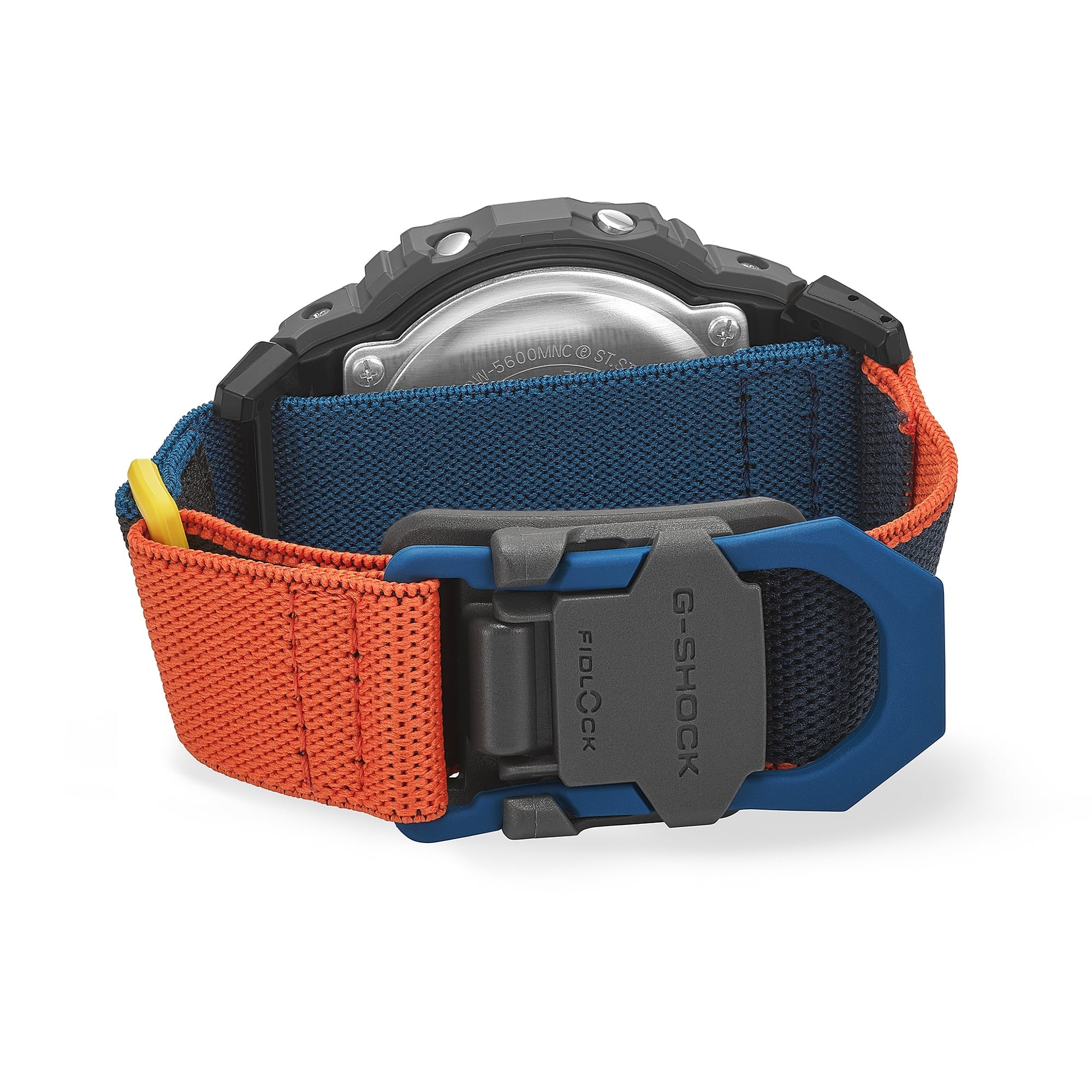
2. G-Shock DW-5600MNC (with Fidlock Strap)
What it is: A fresh take on Casio’s classic square DW-5600. Instead of a resin strap it has an elastic nylon band with a Fidlock magnetic buckle (an easy one-handed snap system). Available in black, gray/yellow, or blue/orange colorways.
Why it’s cool: It makes a 40-year-old digital watch feel new. The stretch band can extend significantly, so it even goes over a jacket sleeve. The magnetic clasp is dramatically easier to use than the old buckle. The result is more comfort, faster wear, and a subtle outdoor, utility-driven look.
Who it’s for: Practical types and mod enthusiasts who love the 5600 but want modern convenience.
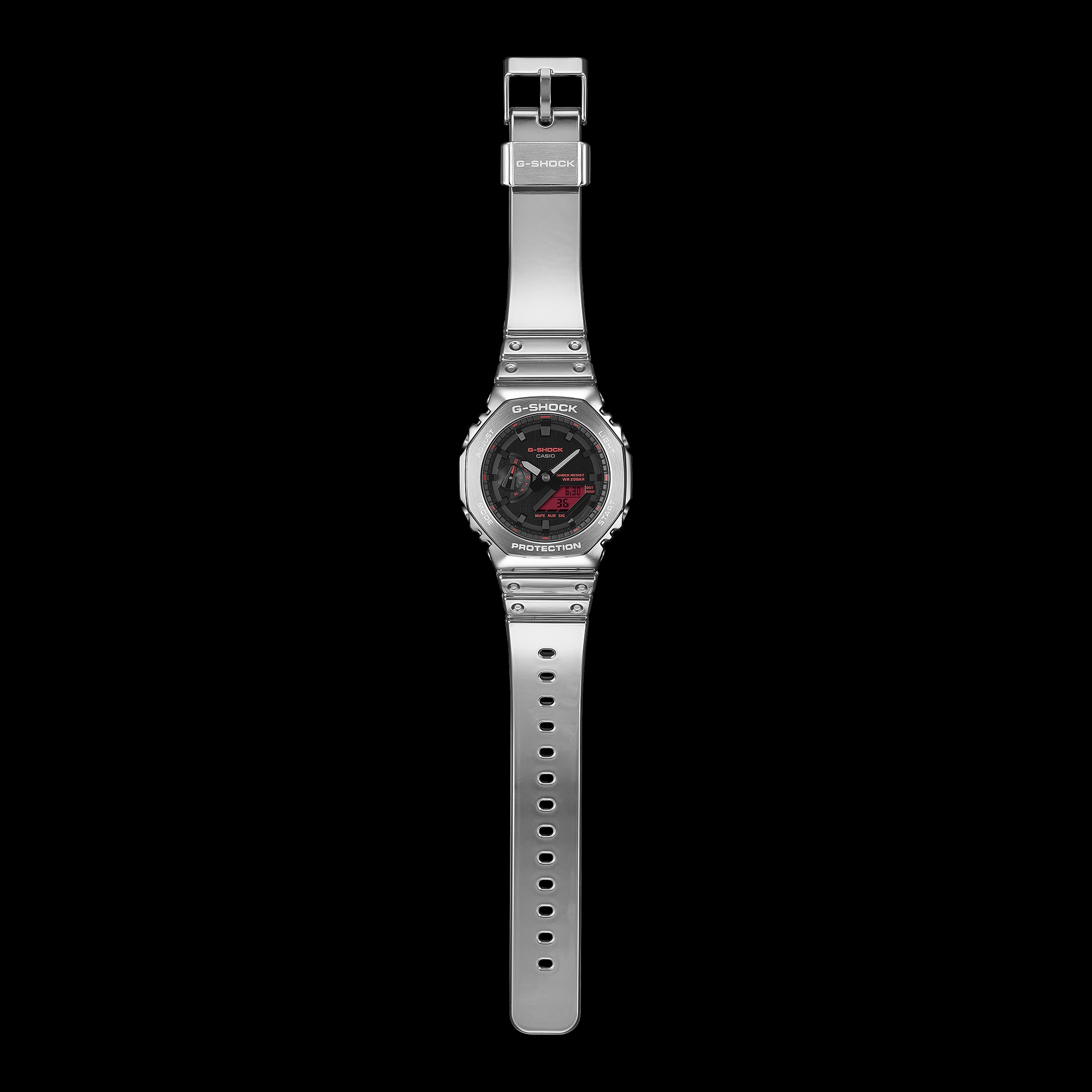
What it is: A metal-clad version of the slim GA-2100 “CasiOak” (so nicknamed for its AP Royal Oak–like octagon). The GM-2100YRA-8A comes with a polished stainless-steel bezel and silver-toned vapor-deposited band, plus a bright red-on-black LCD display.
Why it’s cool: It gives diehard G-Shock fans a hint of luxury. The satin-brushed steel bezel and matching strap make it look high-end while still being quartz and tough. The new Fine Metallic models feature polished stainless-steel bezels with striking red-tinted displays.
Who it’s for: Anyone who appreciates high-end watch design but prefers something rugged and wearable daily.
Price: Around $290.
4. G-Shock GMA-P2126W-8A (Monochrome Gold Accent)
What it is: A compact analog-digital G-Shock released for International Women’s Day 2026. It features a gray case, a metallic dial, and subtle gold accents. It’s built on the slim GMA-P2110 platform, using a bio-based resin case and strap for an eco-friendly angle.
Why it’s cool: It’s understated in a way most G-Shocks aren’t. The gray and gold palette feels intentional and clean, making it easy to dress up or down. It doesn’t scream for attention, but it still looks considered.
Who it’s for: Someone who wants a G-Shock that works with a blazer as easily as it does with a hoodie.
Price: $145.
5. Casio F-91W (The 1989 Icon)
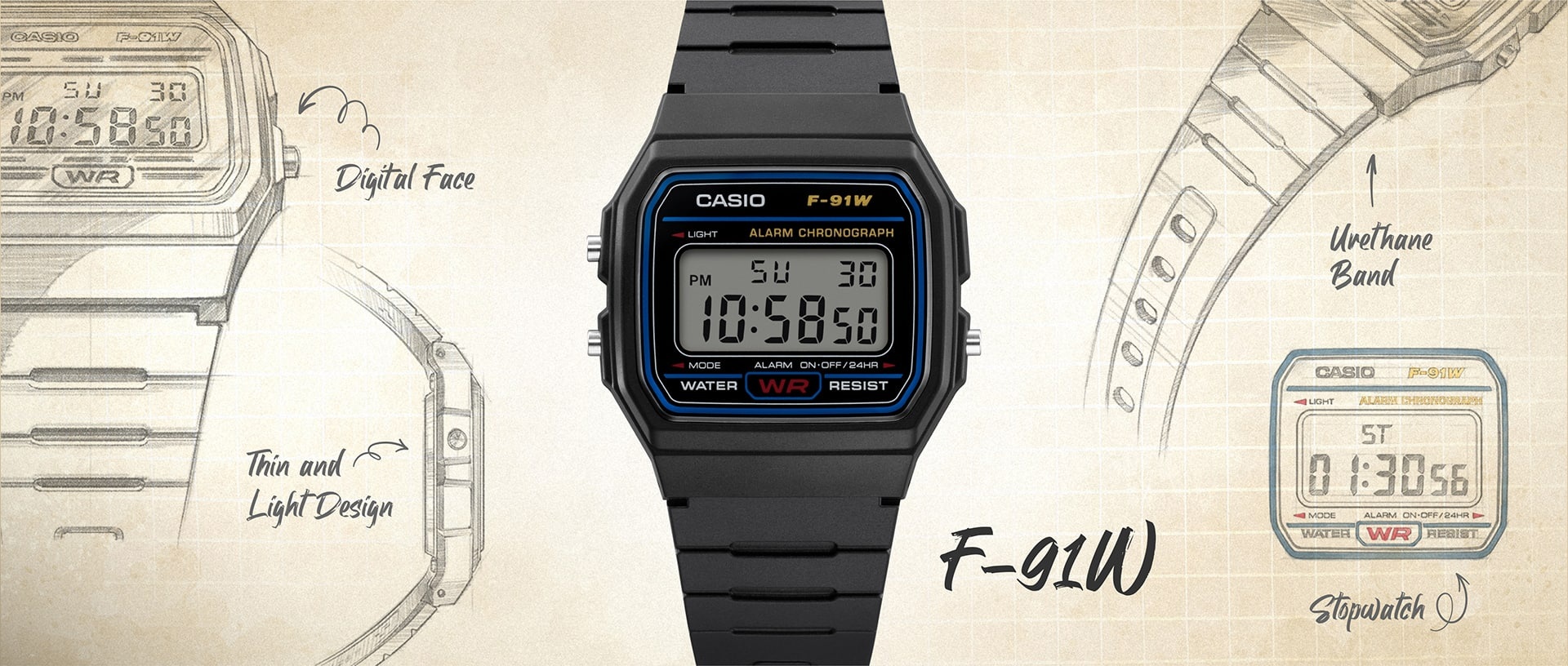
What it is: The original Casio digital watch, launched in 1989 and still in production. A tiny 37.5×34.5×8.5 mm resin watch with stopwatch, alarm, and backlight, in its classic black (a new translucent gold-clear variant arrived in 2026).
Why it’s cool: It’s the ultimate anti-luxury flex. It costs less than lunch but has outlived entire categories of tech. In a world full of notifications and screens, the F-91W feels calm and intentional.
Who it’s for: Minimalists, tech skeptics, and anyone who wants to signal taste without trying too hard.
While most brands have been quietly pushing prices up, the Galaxy S25 Ultra is now getting an official price cut just as the newer Galaxy S26 lineup starts gaining attention.
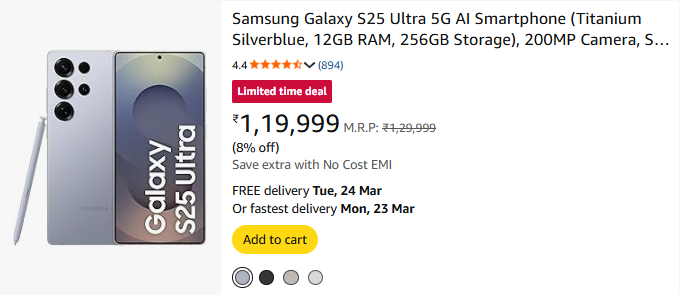
The update was first spotted via tipster Sanju Choudhary (@saaaanjjjuuu), who shared what appeared to be an internal communication from Samsung India. That now seems to be the case, with revised pricing already live on both Amazon India and Samsung’s official website as of writing.
The 12GB + 256GB variant is now listed at ₹1,19,999, down from ₹1,29,999. The 12GB + 512GB model has also seen a slight reduction to ₹1,39,999, though the cut here is far more modest at ₹2,000. Interestingly, the 1TB variant is currently missing from Amazon India listings and doesn’t show a price on Samsung’s website either, suggesting it may be out of stock or quietly phased out for now.
What makes this interesting is the timing. With component costs still fluctuating, many expected older flagships to either hold their price or quietly disappear once the S26 series took over. Instead, Samsung looks like it’s trying to keep the S25 Ultra relevant a bit longer, likely to clear inventory.
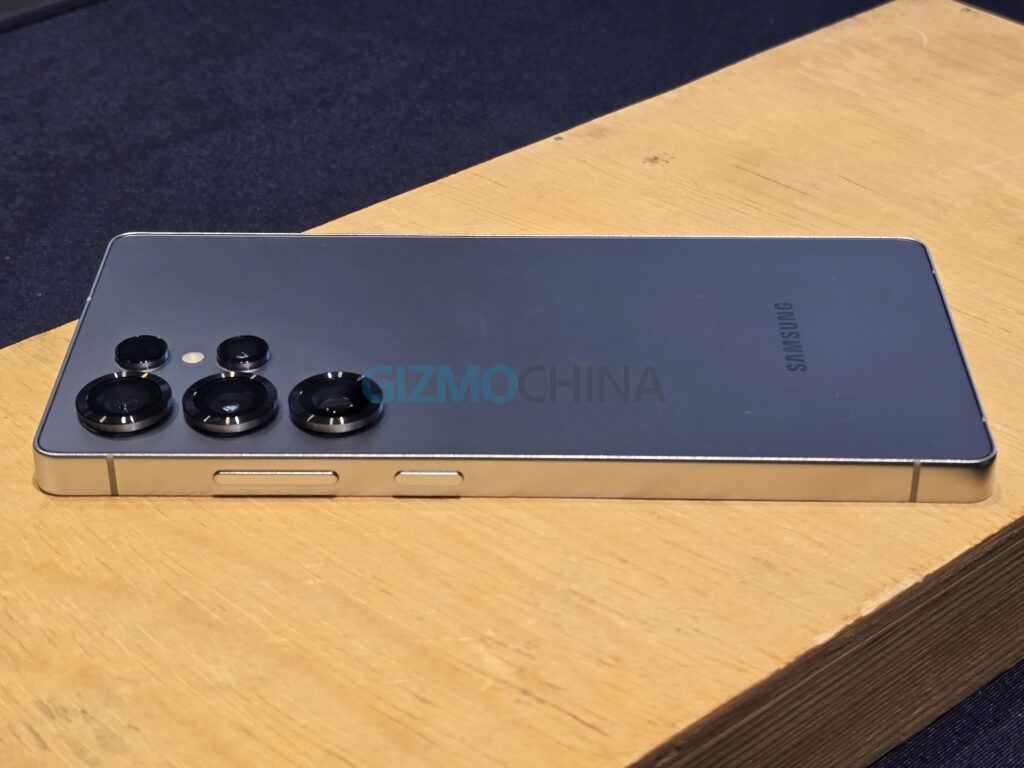
And it’s not like the phone suddenly feels outdated. You’re still getting a flagship-grade chip, an almost identical camera setup to the S26 Ultra, S Pen support, and a titanium middle frame, which Samsung replaced with aluminum in the latest model.
In reality, though, MRP is only part of the story. Platforms like Amazon and Flipkart usually stack bank offers, exchange bonuses, and limited-time deals on top of that. With the official price now lower, the effective cost could dip even further.
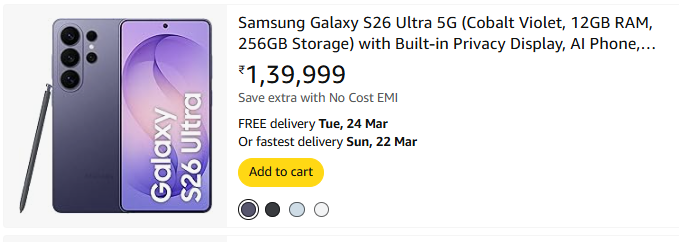
So while the S26 series may be grabbing headlines for its Privacy Display feature, the S25 Ultra just became a lot more tempting for anyone willing to skip the “latest and greatest” tag.
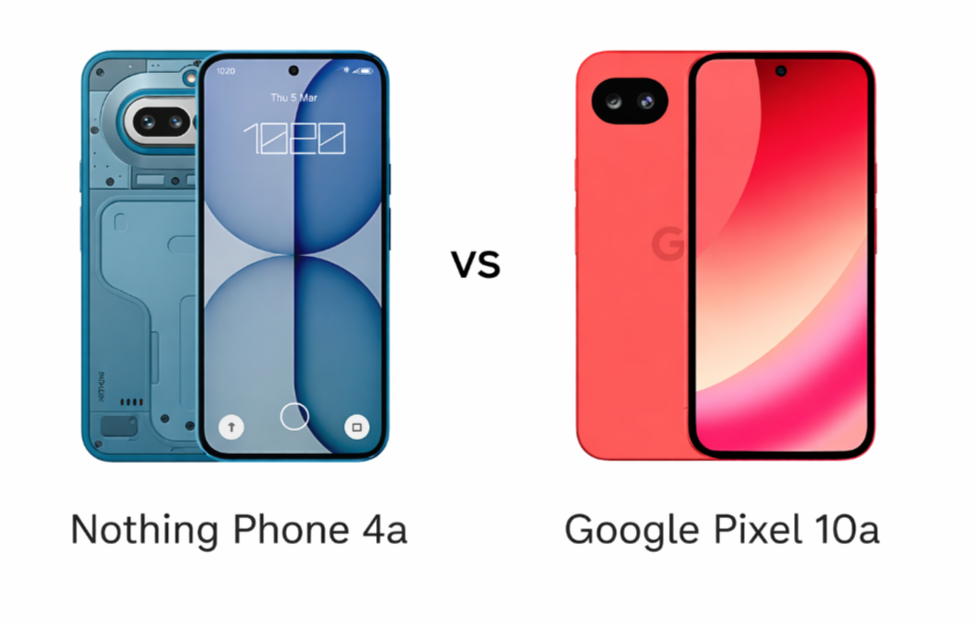
Choosing the right mid-range phone in 2026 comes down to priorities, and the Nothing Phone 4a and Pixel 10a take very different paths. One stands out with bold design, faster charging, and versatile hardware, while the other focuses on clean software, AI smarts, and long-term reliability. Both promise a premium experience without flagship pricing, but which one actually makes more sense for everyday use?
Nothing Phone 4a leans heavily into its signature transparent aesthetic with LED glyph lighting, making it instantly more eye-catching and expressive. The glass back and plastic frame combo feels modern, though slightly less premium than metal. Pixel 10a takes a more understated route with its aluminum frame and clean, minimal design. It feels more refined and durable, especially with higher IP68 protection and better water resistance. One feels bold and youthful, the other feels mature and dependable.
Display Quality
Nothing Phone 4a offers a larger AMOLED panel with richer color depth and extremely high peak brightness, making it more immersive for content consumption. The higher resolution also adds sharpness. Pixel 10a’s P-OLED display is smaller but well-calibrated, with excellent HDR tuning and brightness that holds up outdoors. It prioritizes color accuracy over visual punch.
Verdict
Nothing Phone 4a is better for visual impact and media, while Pixel 10a feels more premium and practical for everyday durability.
2. Specifications Including Battery
Performance
Nothing Phone 4a runs on Snapdragon 7s Gen 4, delivering stable mid-range performance with good efficiency and smooth multitasking. It handles gaming decently, but is not tuned for peak sustained power. Pixel 10a’s Tensor G4 is more powerful, especially in AI-driven tasks, image processing, and system intelligence. It feels smarter and more optimized over time, even if thermals may not always match Qualcomm’s stability.
Battery and Charging
Nothing Phone 4a clearly leads in charging speed with 50W wired charging, making quick top-ups far more convenient. Its larger India-specific battery also gives it an endurance edge. Pixel 10a offers slower wired charging but adds wireless charging and bypass charging, which improves long-term battery health and flexibility.
Verdict
Pixel 10a wins in raw intelligence and long-term software optimization, while Nothing Phone 4a feels faster in daily charging and slightly stronger in endurance.
3. Camera
Main and Secondary Lenses
Nothing Phone 4a brings versatility with a triple-camera setup, including a periscope telephoto lens with 3.5x optical zoom, which is rare at this price. This adds real flexibility for portraits and zoom shots. Pixel 10a sticks to a dual-camera setup but relies heavily on Google’s computational photography. Its main sensor delivers more consistent results with better HDR, dynamic range, and color science. It may lack zoom hardware, but software processing often compensates impressively.
Selfie Camera
Nothing Phone 4a offers a higher-resolution selfie camera, producing sharper images in good lighting. Pixel 10a, however, delivers more natural tones and better video capabilities with 4K support, making it more reliable for content creators and video calls.
Verdict
Nothing Phone 4a wins on hardware versatility, but Pixel 10a delivers more consistent and refined image quality overall.
4. Pricing
Nothing Phone 4a is priced at around $450 / ₹32,000, while Pixel 10a sits higher at $500 / ₹50,000. The price gap is significant, especially in markets like India, where the Pixel commands a premium.
Value for Money
Nothing Phone 4a offers strong value with better display specs, faster charging, and a more versatile camera system at a much lower price. It feels like a feature-packed deal. Pixel 10a justifies its higher price with long-term software support (up to 7 years), better AI features, and a more refined user experience. It targets users who value longevity over raw specs.
Verdict
Nothing Phone 4a is the better value buy upfront, while Pixel 10a is a smarter long-term investment for software and ecosystem reliability.
5. Conclusion
Nothing Phone 4a stands out with its glyph interface, periscope zoom camera, faster charging, and a more vibrant display. It is designed to feel different and visually exciting. Pixel 10a focuses on software excellence, AI features, satellite SOS, and industry-leading update support, making it more future-proof. It quietly excels rather than trying to impress instantly.
Final Verdict
If choosing just one, the Nothing Phone 4a makes more sense for most users. It offers a better display, faster charging, a bigger battery, and a more versatile camera setup, all at a much lower price, making it the stronger value overall. The Pixel 10a is great for long-term software support and AI features, but for everyday use and immediate value, the Nothing Phone 4a is the smarter pick.
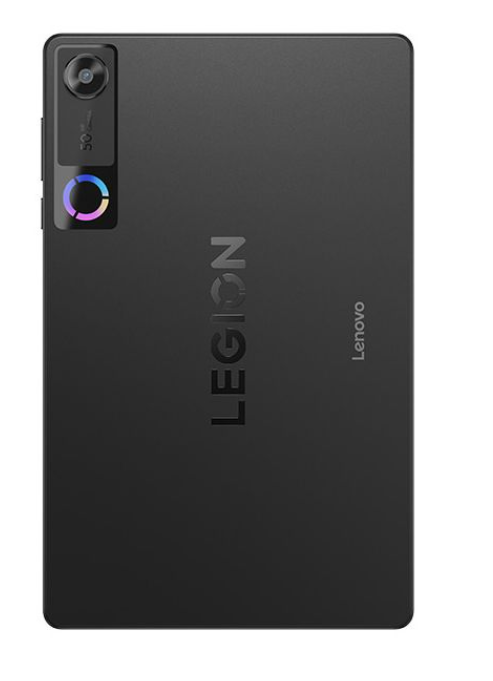
Lenovo Legion Y700 Gen 5 (2026) is a rare compact tablet that delivers true flagship power in a portable size. With its 165Hz 3K display, powerful Snapdragon chipset, and gaming-focused features, it stands out as a serious option for gamers and power users who want performance without going bulky.
Deal & Availability
The Lenovo Legion Y700 Gen 5 (2026) is now available for purchase on Geekwills, with multiple configurations ranging from 12GB + 256GB up to 24GB + 1TB, and color options in Black and White. As part of the first sale offer, buyers can get $100 off using the coupon code Y7D100, making it a great deal for early buyers. This limited-time discount adds strong value, especially considering the tablet’s flagship performance and gaming-focused features
Display and Design
The tablet features an 8.8-inch 3K LCD display with a sharp 3040 × 1904 resolution. It supports a 165Hz refresh rate, 800 nits brightness, and 100% DCI-P3 color for vibrant visuals. With Dolby Vision and TÜV Rheinland certification, it delivers smooth and comfortable viewing whether you’re gaming or watching content.
Performance and Storage
Powered by the Snapdragon 8 Elite Gen 5 chipset, the Legion Y700 Gen 5 is built for high performance. It offers up to 24GB LPDDR5T RAM and 1TB UFS 4.1 storage, ensuring fast multitasking and smooth gaming. There’s also a TF card slot for extra storage expansion.
Camera and Audio
The tablet includes a 50MP rear camera and an 8MP front camera for video calls and casual photography. For audio, it comes with dual speakers, Dolby Atmos support, and dual X-axis linear motors, giving a more immersive gaming and media experience.
Battery and Connectivity
It packs a 9000mAh battery with 68W fast charging, offering long usage with quick top-ups. Connectivity features include Wi-Fi 6, Bluetooth 5.4, optional 5G, dual USB-C ports, and a 3.5mm headphone jack. It also supports fingerprint and face unlock for security.
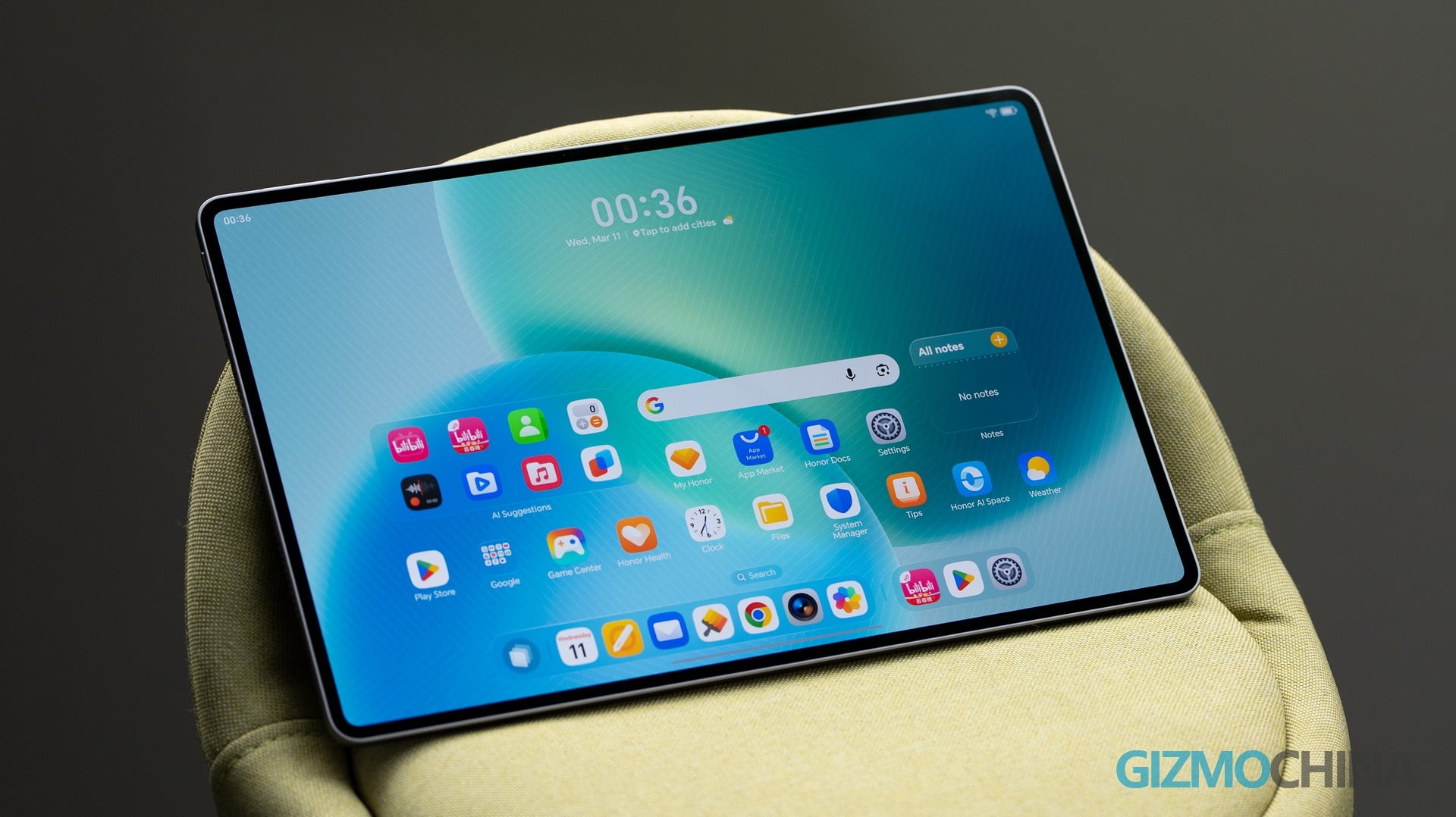
Let’s be clear at the beginning: if you’re looking for a tablet with a large screen, the HONOR MagicPad 4 is a premium option that you shouldn’t overlook. Compared with the previous generation, the MagicPad 4 has undergone a comprehensive upgrade while maintaining the same price. This means that for around half the price of an iPad Pro, you can get a large-screen tablet with slimmer bezels, a thinner body and a lighter design.
Without a doubt, this could easily become one of the best portable displays to carry with you when you’re on the go.
Ultra-Thin Design with a Premium Feel
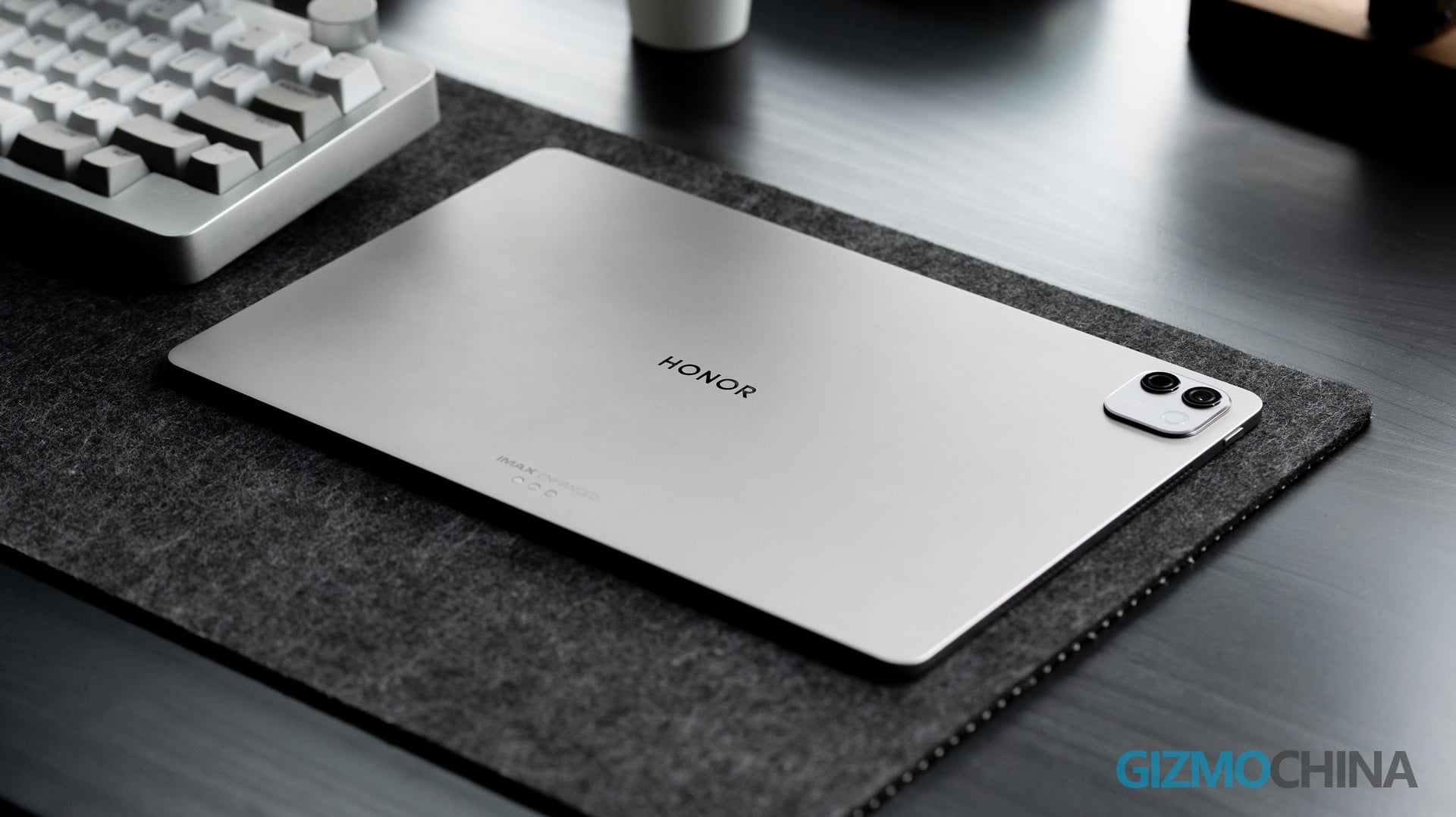
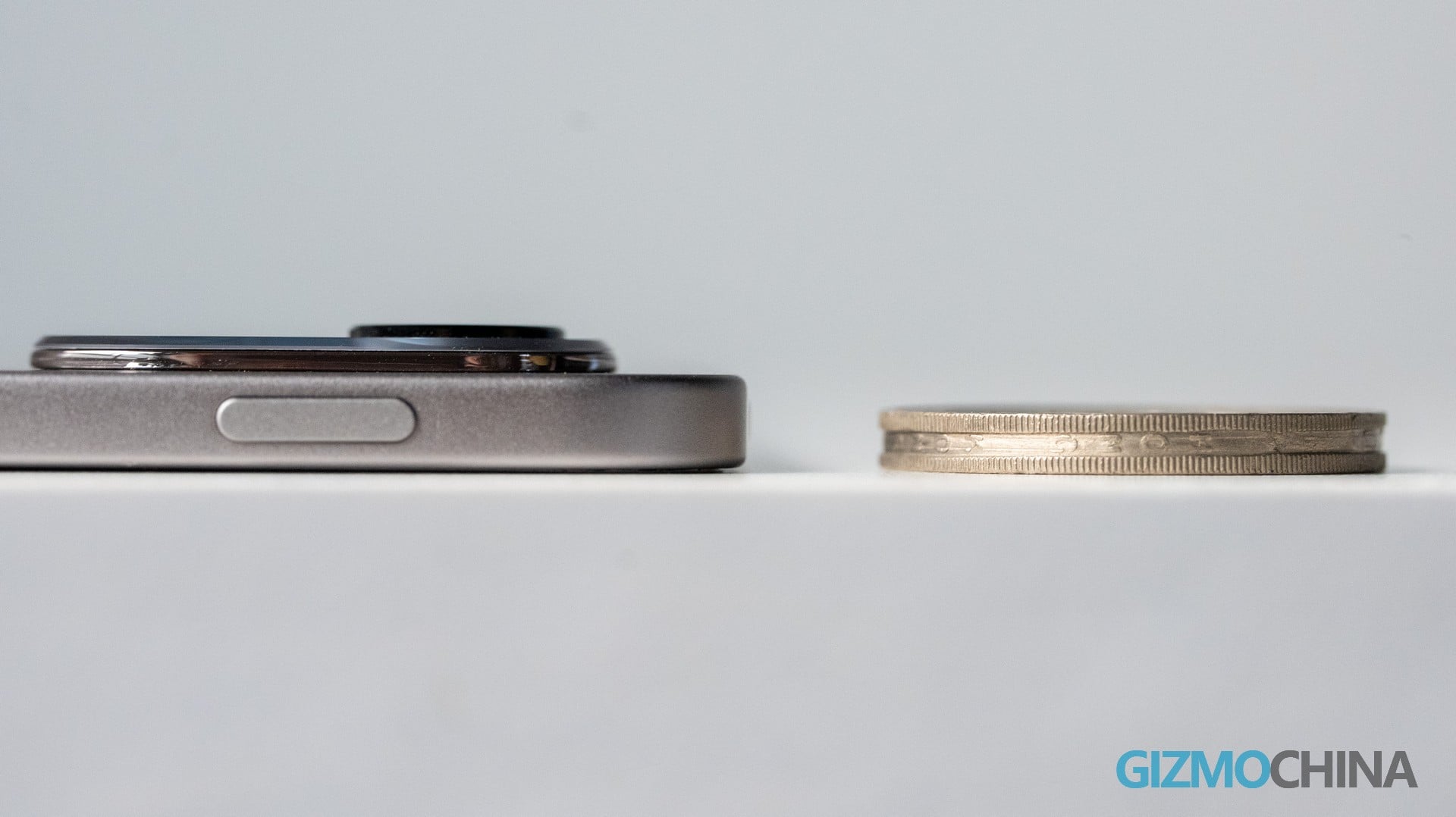
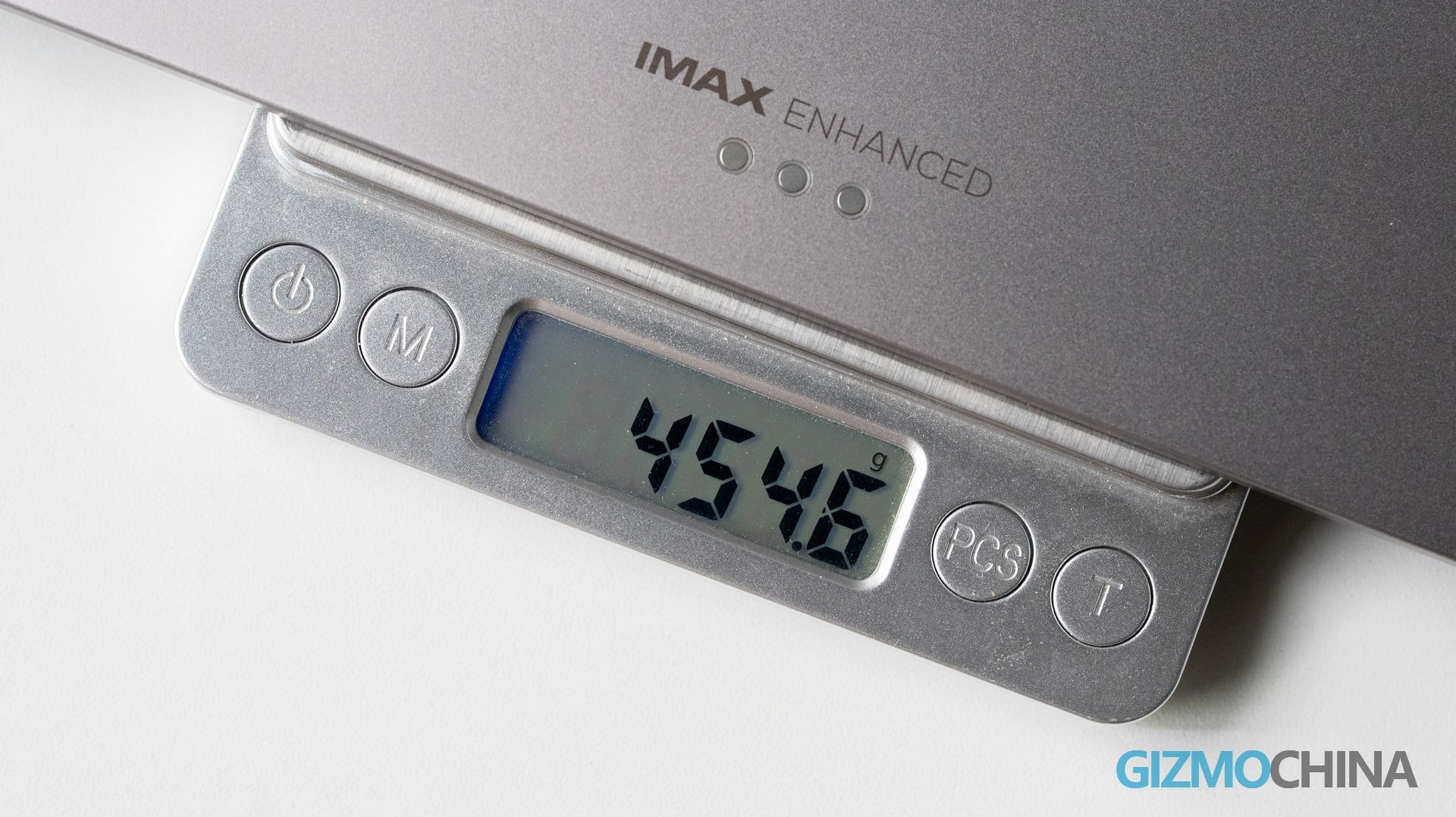
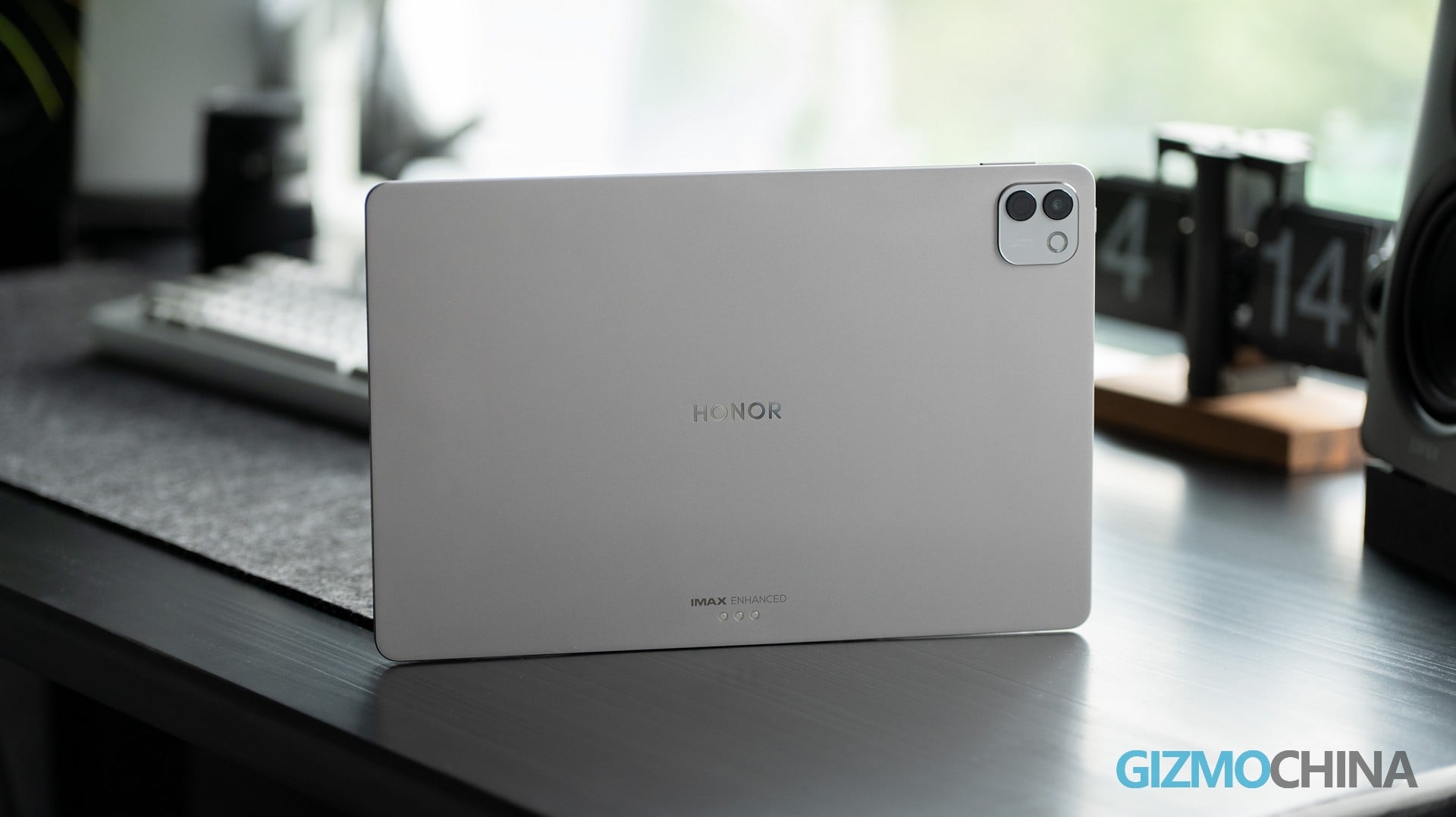
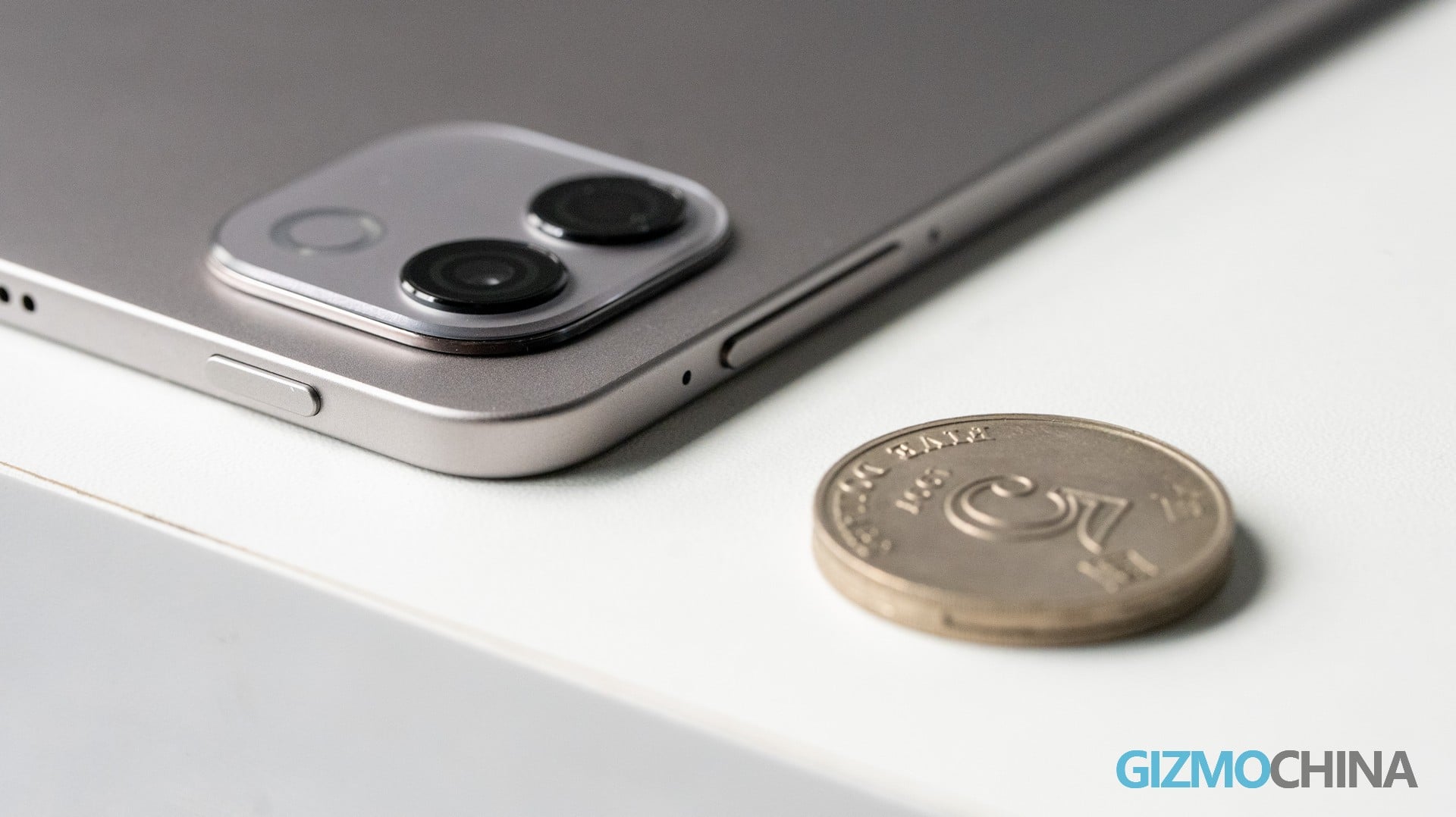
Starting with the design, the MagicPad 4 gives a very different first impression. The device measures only 4.8 mm in thickness and weighs around 450g, which already places it among the extremely thin and light tablets currently available. In fact, this thickness is close to that of many OLED display panels, so when you hold it in your hands, it feels surprisingly unusual—you don’t really feel like you’re holding a tablet, but rather a screen.
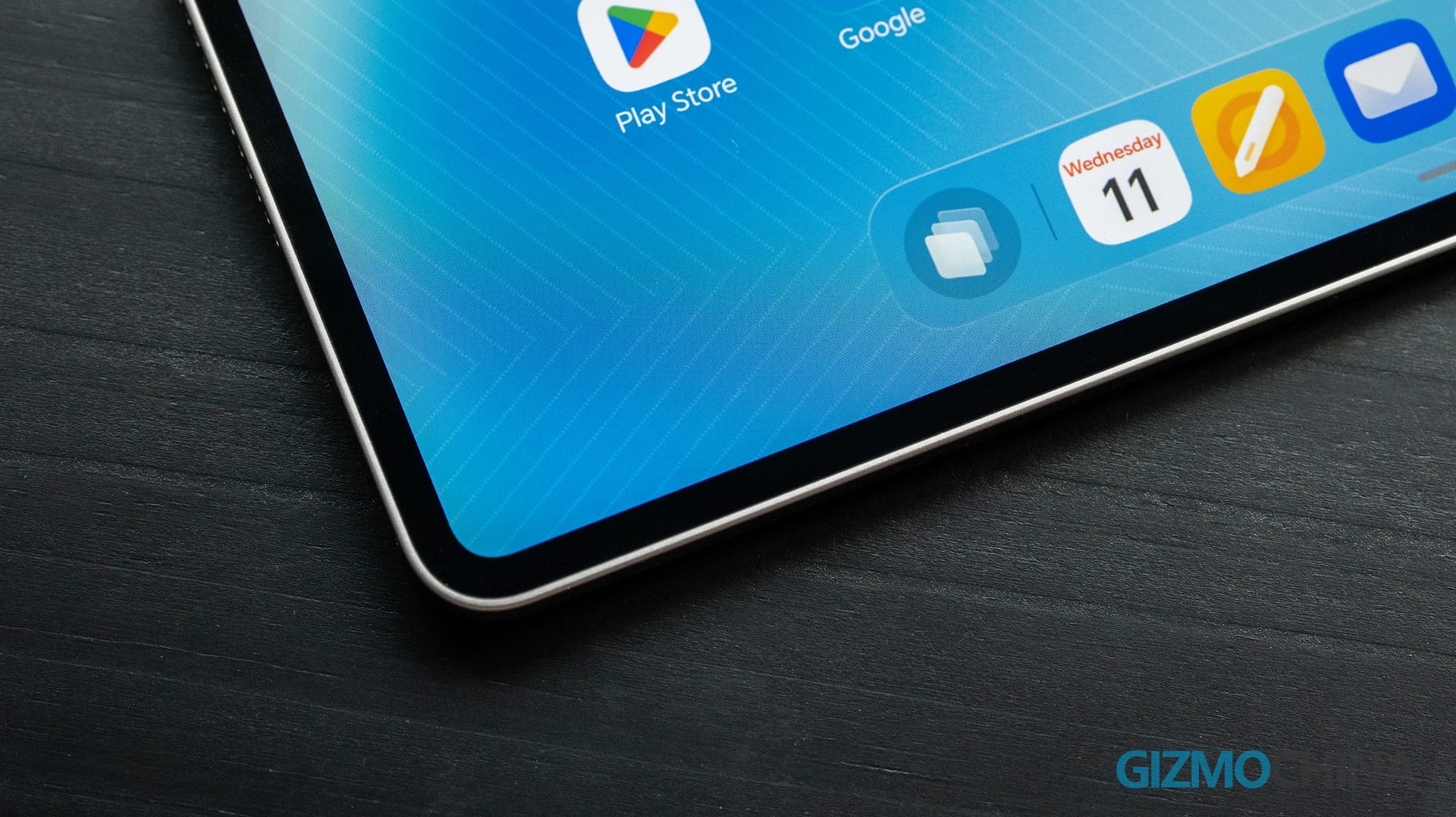
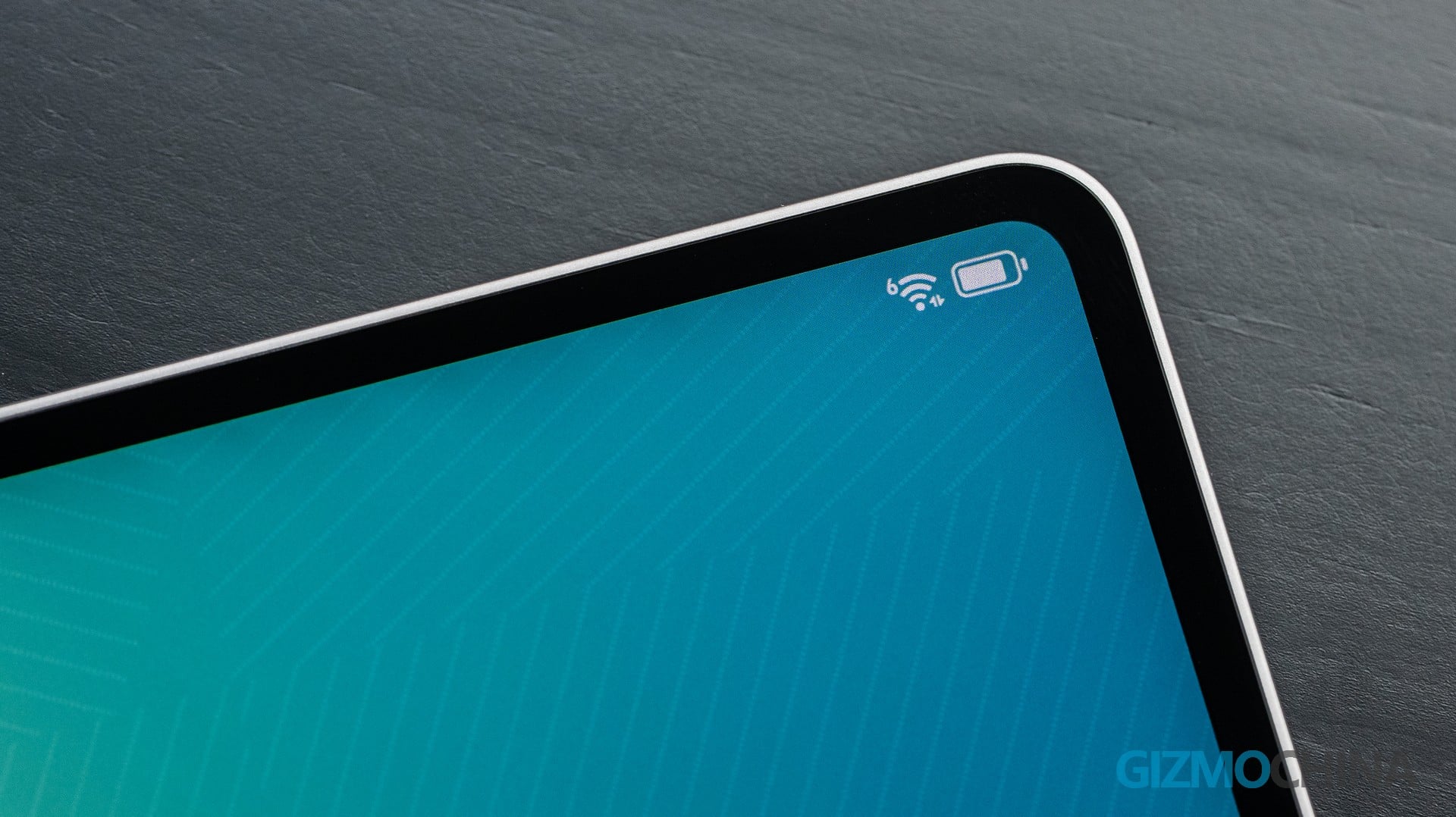
HONOR is also clearly moving toward a more premium design language. The full-metal body and ultra-narrow bezels make the device look very clean, without the typical “tool-like” feel that many cheap Android tablets tend to have. Some tablets may look powerful on paper, but the moment you pick them up you can immediately sense their positioning. At least in terms of first impressions, the MagicPad 4 genuinely feels more like a high-end device.
A Flagship-Level OLED Display
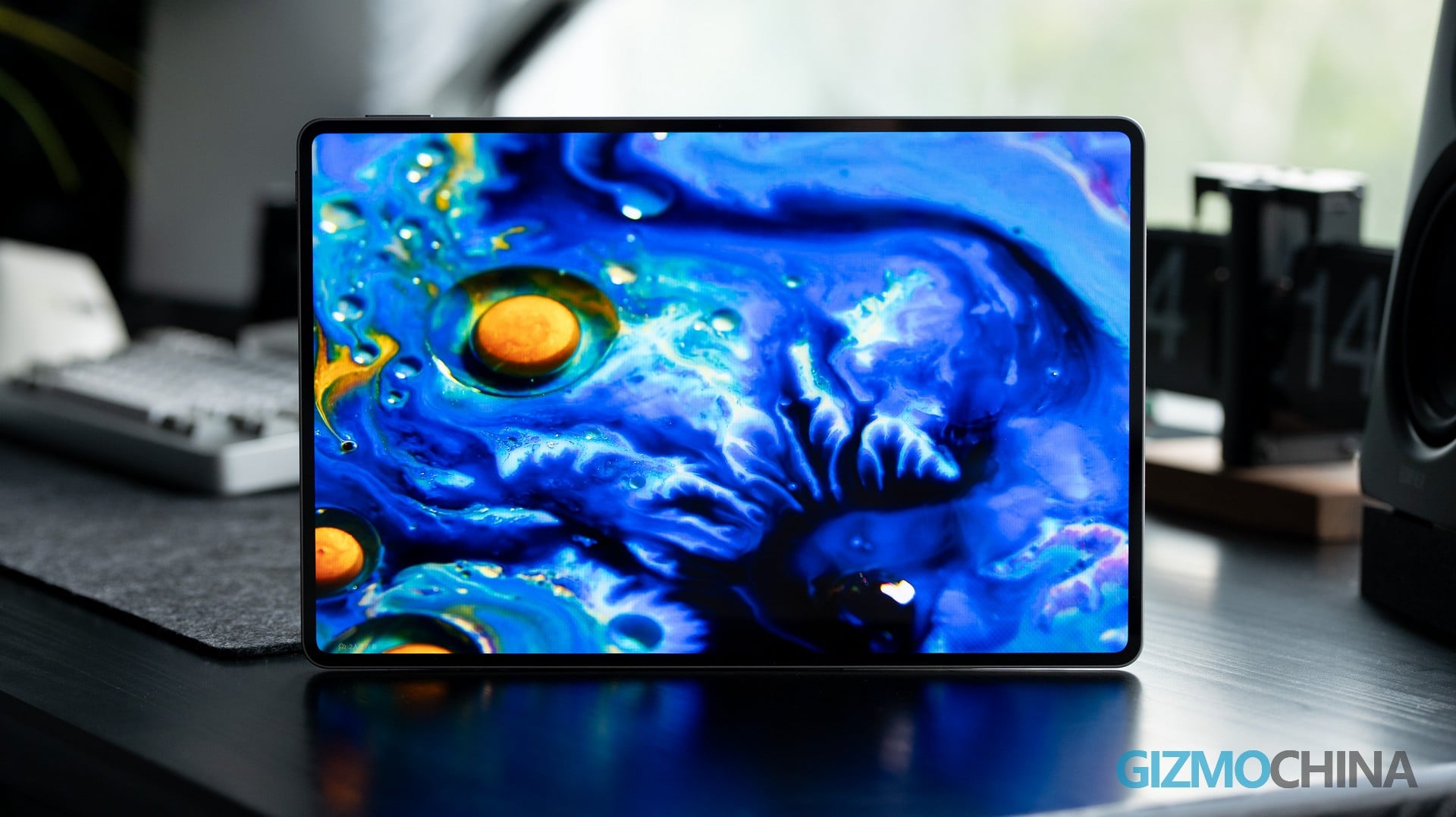
If the design is what attracts you at first glance, the display is truly one of the tablet’s core selling points. The MagicPad 4 features a 12.3-inch OLED display with a resolution of 3000 × 1920, and it supports a refresh rate of up to 165 Hz. Although the resolution is slightly lower than the MagicPad 3, the screen size has also been reduced, so the pixel density remains the same at 290 PPI.
What’s even more impressive is that the display reaches a 2400-nit HDR peak brightness, while also supporting 1.07 billion colors and 5280 Hz PWM dimming for eye protection. As you might expect, HONOR’s displays have always maintained this balance—high visual quality while still being comfortable for the eyes.
For a tablet, the screen is arguably even more important than it is on a smartphone. Many people primarily use tablets for watching videos, reading comics, or browsing the web, meaning the display essentially defines the entire experience. This time, HONOR clearly didn’t treat the screen as a component that just needs to be “good enough.” Instead, they built it with true flagship-level specifications.
Powerful Performance for Everyday Tasks and Gaming
Of course, a flagship tablet needs more than just a good display—performance is equally important. The MagicPad 4 is powered by the Snapdragon 8 Gen 5, built on a 3 nm process. While this processor may not be the absolute top-tier flagship chip, it still belongs to the latest upper-high-end category.Most games run without any issues, and even demanding titles can remain smooth if you lower the graphics settings slightly.
PC Mode and Productivity Features
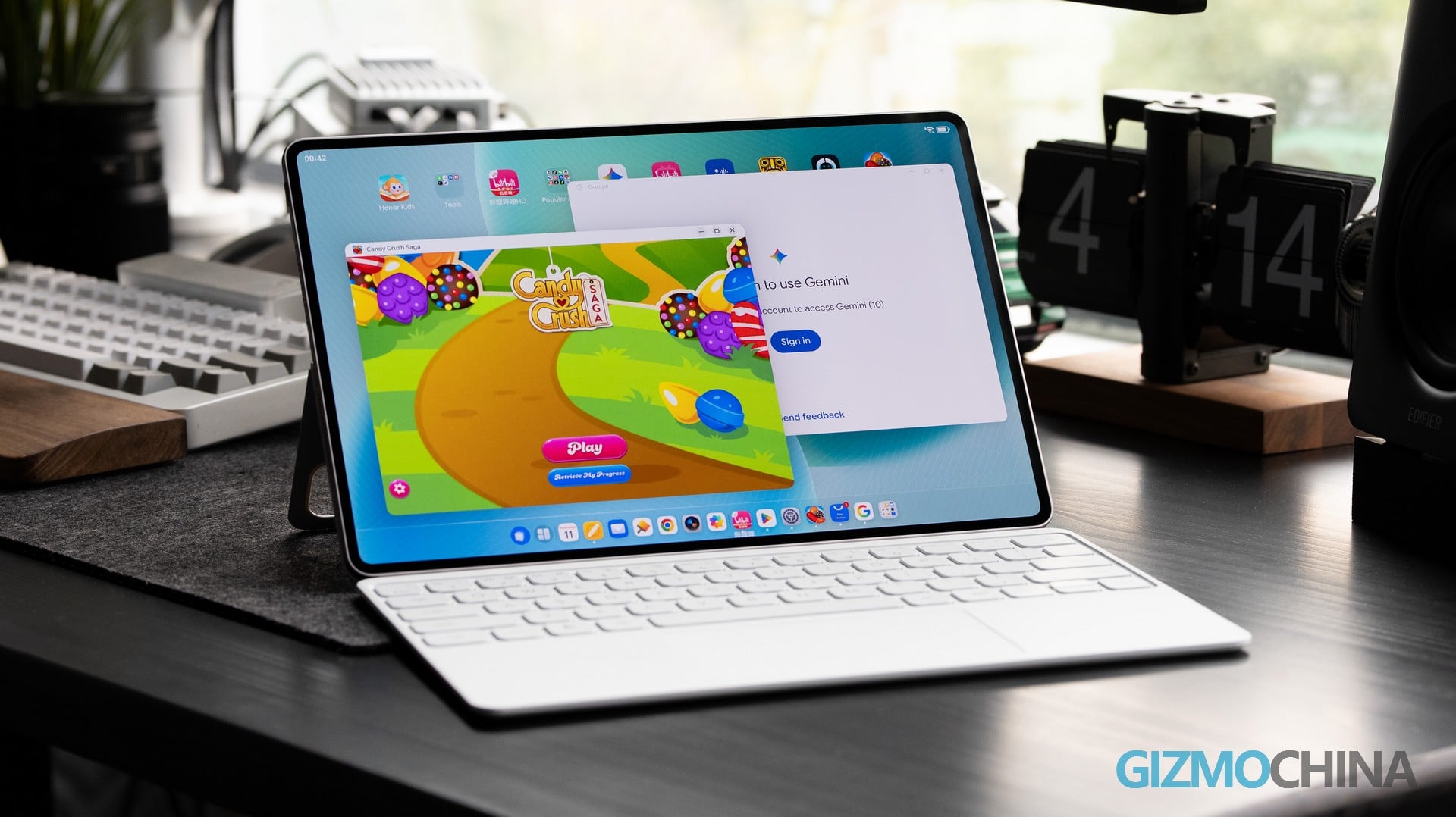
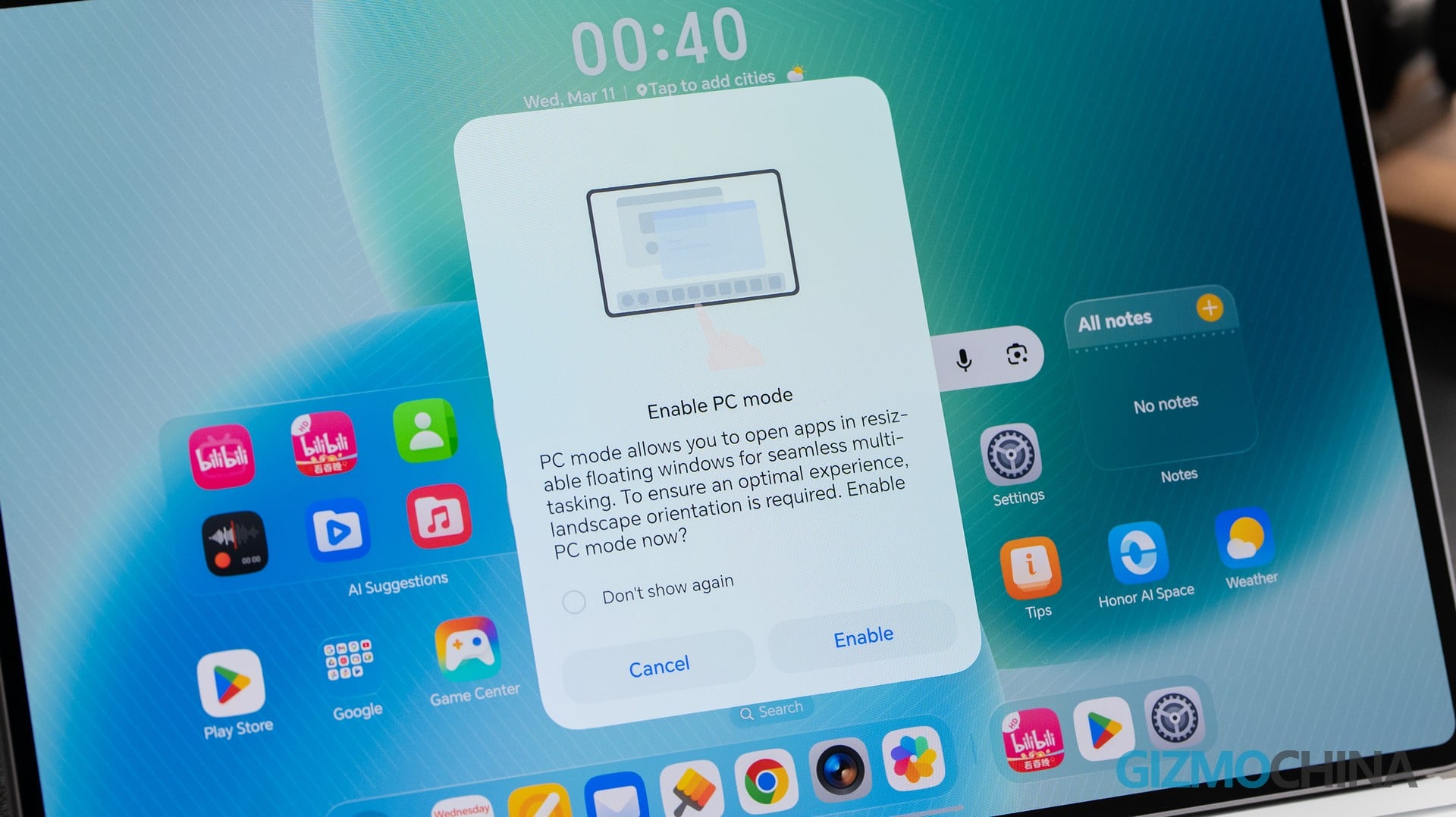
The positioning of this tablet is actually quite clear—it’s not just an entertainment device, but an attempt to become a lightweight productivity tool. HONOR has made several efforts at the system level, such as introducing PC Mode.
In this mode, the interface transforms into a desktop-like layout with a taskbar, multi-window operations, and mouse support. You can even open multiple app windows simultaneously. This experience differs significantly from the traditional full-screen app logic of Android tablets and feels more like a simplified computer.Combined with keyboard and stylus accessories, many basic productivity tasks—such as writing documents, organizing materials, or taking meeting notes—can realistically be completed on the tablet.
In addition, HONOR has integrated several AI features into the system, such as AI Meetings and AI Creation. While these functions may initially sound like marketing buzzwords, they can actually provide practical value in everyday work scenarios.
Immersive Audio and Long Battery Life
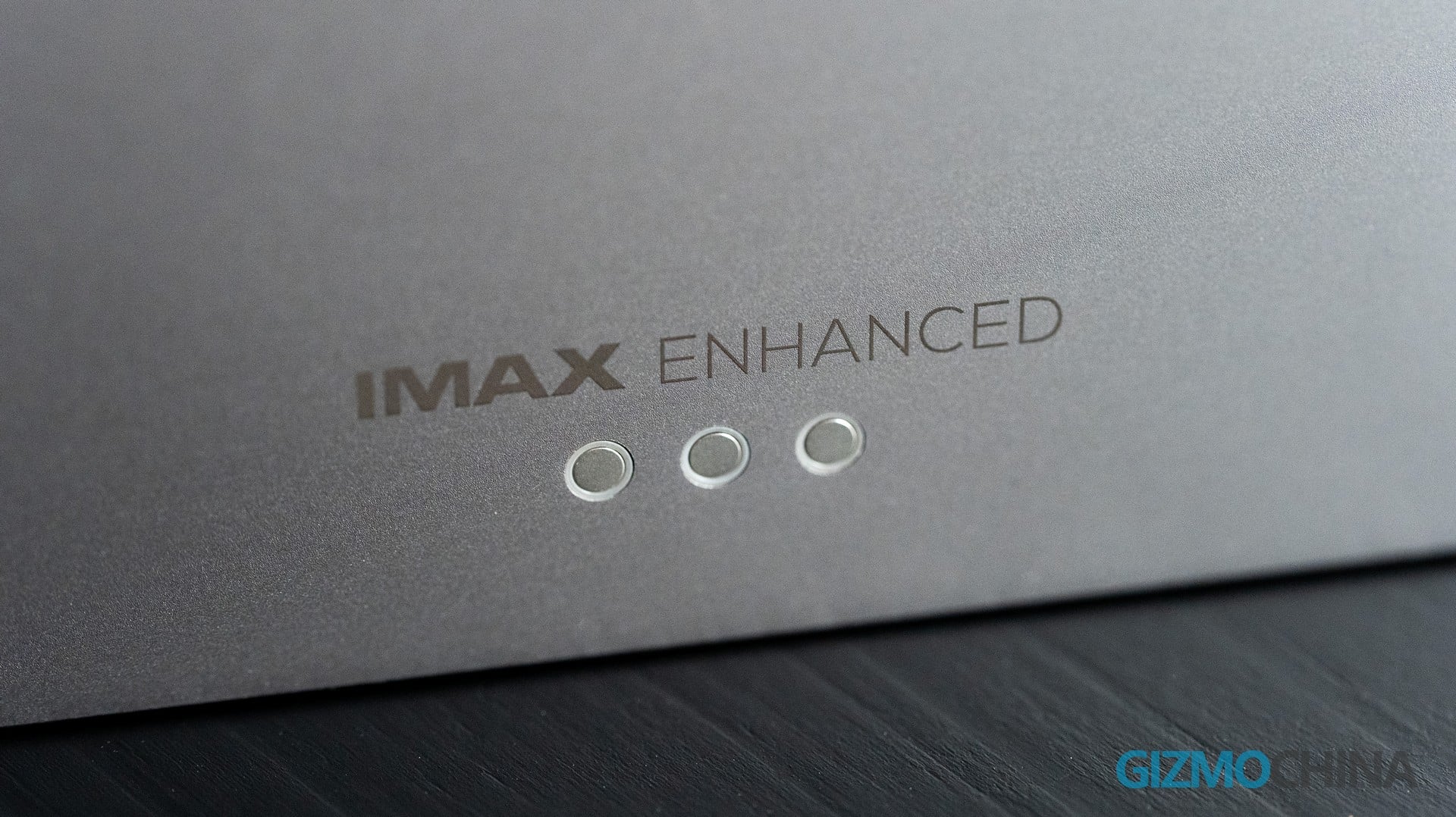
Finally, there are some aspects of the tablet experience that are often overlooked but still very important, such as audio and battery life. The MagicPad 4 is equipped with eight built-in speakers and supports spatial audio as well as IMAX Enhanced sound.
For a device focused on multimedia experiences, this multi-speaker setup delivers better stereo separation. When watching movies or playing games in landscape mode, you’ll notice stronger directionality and a more immersive soundstage.As for battery life, despite its 4.8 mm ultra-thin body, the tablet still manages to fit a 10,100 mAh battery and supports 66 W fast charging. This capacity is already quite large for a tablet, and in theory it should easily support a full day of video playback or productivity use.
Final Thoughts
Overall, the goal of the MagicPad 4 is very clear: to replace the MagicPad 3 and become HONOR’s most premium tablet for markets outside China. An ultra-thin body, a flagship-level chip, a high-refresh-rate OLED display, a PC-like system experience, and a complete ecosystem of keyboard and stylus accessories—all of these elements combined show that HONOR already has significant experience in building a great flagship tablet.I believe the MagicPad 4 will earn recognition from the majority of users.
We use cookies on our website to give you the most relevant experience by remembering your preferences and repeat visits. By clicking “Accept”, you consent to the use of ALL the cookies.
This website uses cookies to improve your experience while you navigate through the website. Out of these, the cookies that are categorized as necessary are stored on your browser as they are essential for the working of basic functionalities of the website. We also use third-party cookies that help us analyze and understand how you use this website. These cookies will be stored in your browser only with your consent. You also have the option to opt-out of these cookies. But opting out of some of these cookies may affect your browsing experience.
Necessary cookies are absolutely essential for the website to function properly. This category only includes cookies that ensures basic functionalities and security features of the website. These cookies do not store any personal information.
Any cookies that may not be particularly necessary for the website to function and is used specifically to collect user personal data via analytics, ads, other embedded contents are termed as non-necessary cookies. It is mandatory to procure user consent prior to running these cookies on your website.