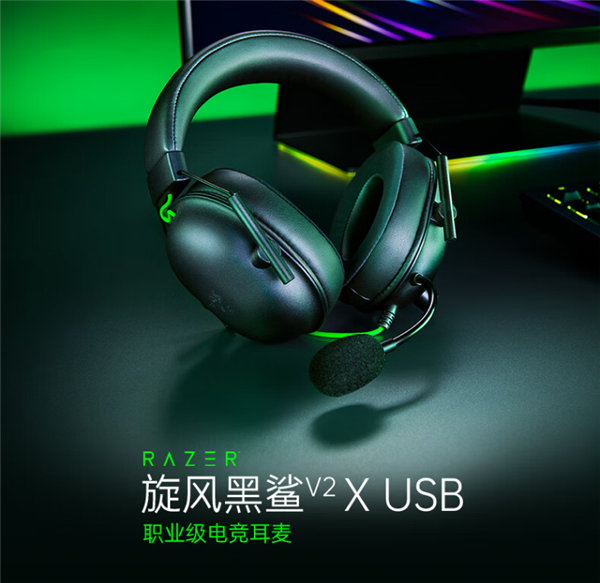
Razer has added a new product to its growing lineup of gaming accessories. The Razer Cyclone Black Shark V2 X USB gaming headset has been released in China The new gaming headset features 7.1 surround sound for a precise sound output, which enhances the gaming experience.
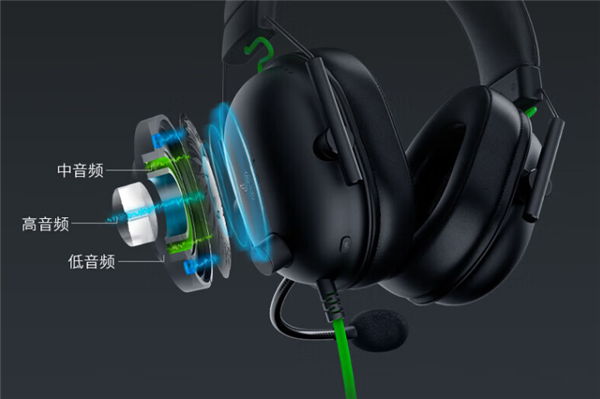
The Razer Cyclone Black Shark V2 uses a 50mm drive unit that independently adjusts the frequency to provide better sound quality. The earphones have soft, breathable memory foam earcups and a fabric that helps to reduce heat build-up.
The Cyclone Black Shark V2 X USB allows gamers to get vivid sound quality and excellent sound effects. It offers an immersive gaming experience on top of comfort. Its high-density memory foam in the ear muffs helps to reduce pressure on the head and achieves passive noise reduction.
The headset also supports straightforward noise-canceling pickup with an optimized microphone. The microphone has an open design which effectively helps to reduce noise and allows the player’s voice to be clearly recorded.
The device comes with a USB interface in place of a 3.5mm audio jack. This will allow gamers to connect the headset to their PCs more conveniently. The Cyclone Black Shark V2 X USB gaming headset is available in China for 499 yuan (~$74). It has been a mixed bag for Razer recently, and it remains to be seen what reception the market has for the new product.
The firm has already been beta testing the software with public participation on select smartphones for the past few days. Now, we finally have the entire list of eligible devices for the update.
Also, Oppo has revealed when the ColorOS 13 beta will be available for these supported phones. Let’s take a look at the timeline.
ColorOS 13 Update List (Beta)
From August 2022
Oppo Find X5 Pro
Oppo Find X5
From September 2022
Oppo Find X3 Pro
Oppo Reno 8 Pro 5G
From October 2022
Oppo Reno 8 5G
Oppo Reno 7 Pro 5G
Oppo Reno 7 5G
Oppo Reno 7
Oppo Reno 6 5G
Oppo F21 Pro
Oppo K10 5G
Oppo A77 5G
Oppo A76
From November 2022
Oppo Reno 7 Z 5G
Oppo Reno 6 Pro 5G
Oppo Reno 6 Pro 5G Diwali Edition
Oppo Reno 6 Z 5G
Oppo Reno 5 Pro 5G
Oppo Reno 5 Pro
Oppo F21 Pro 5G
Oppo F19 Pro Plus 5G
Oppo K10
Oppo A96
From December 2022
Oppo Find X5 Lite 5G
Oppo Find X3 Neo 5G
Oppo Find X3 Lite 5G
Oppo Find X2 Pro
Oppo Find X2 Pro Automobili Lamborghini Edition
Oppo Find X2
Oppo Reno 8
Oppo Reno 8 Z 5G
Oppo Reno 5 5G
Oppo Reno 5 Z 5G
Oppo A94 5G
Oppo A74 5G
From H1 2023
Oppo Pad Air (tablet)
Oppo Reno 8 Lite 5G
Oppo Reno 7 Lite 5G
Oppo Reno 7 A
Oppo Reno 6
Oppo Reno 6 Lite
Oppo Reno 5
Oppo Reno 5 Marvel Edition
Oppo Reno 5 F
Oppo Reno 5 Lite
Oppo Reno 5 A
Oppo F19 Pro
Oppo F19
Oppo F19s
Oppo A95
Oppo A94
Oppo A77
Oppo A74
Oppo A57
Oppo A57s
Oppo A55
Oppo A54 5G
Oppo A54s
Oppo A53s 5G
Oppo A16s
It is worth mentioning that the aforementioned ColorOS 13 update plan is subject to change. However, all the listed devices should get access to the software. In fact, Oppo is known for delivering updates ahead of schedule.
We will be regularly covering the rollout, just like how we did for ColorOS 11 and ColorOS 12. So stay tuned.
WhatsApp already offers the option of deleting messages on its platform to allow users to make corrections or to remove unwanted messages. But there are still times that these deletions might also be done by mistake. And now, it appears that the company is planning on making this reversible as well.
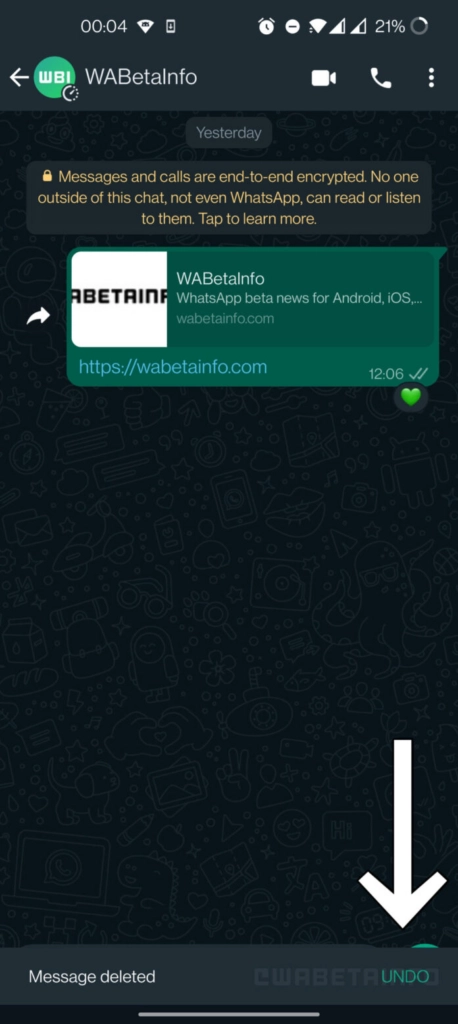
According to a WaBetaInforeport, certain new features was spotted on the latest beta build of the popular chat platform. Just recently, we had reported on the company allowing users to delete messages for everyone in a chat for up to two days. It also offers an option to remove the message under the ‘Delete for me’ option as well. However, the new beta arrives with an undo for these deleted messages.
Unfortunately, this feature is currently exclusively available for the beta users only. In other words, it has yet to make to the final build for end users. But, since it has already made its way to beta, we can expect this feature to make its way to live version soon as well. Notably, the extended time limit to delete messages is already available for all users. As per the report, the undo option for deleted messages can be seen through a pop up at the bottom with an undo button.
At the moment, the undo option is available to a handful of beta testers on the beta version of the Android app that has the version number 2.22.18.13. Keep in mind that the features on the beta build are not always confirmed to make their way to the final build. But stick around, as we will be covering any updates regarding this matter.
After teasing for days, Oppo finally unveiled ColorOS 13 today. The new iteration of the firm’s mobile operating system will be soon made available for a plethora of devices in the coming months. The beta program is already live in multiple regions for the first batch of phones. We now know when the rollout will begin in India as well.
Oppo Reno 8
Oppo will kickstart the Android 13-based ColorOS 13 Beta program in India in September. The Oppo Reno 8 Pro will be the first device in the country to receive the latest software, followed by Oppo Reno 8 in October.
Users of these handsets will be able to enroll themselves for the beta initiative when the registrations open. As always, we expect the company to allocate a limited number of seats, however, there could be multiple rounds of recruitment.
Going by Oppo’s update rollout performance for the past two years, we think that the ColorOS 13 stable update for the aforementioned phones should be live a month from the start of the beta program.
If you are our regular reader, you may be aware that we have been regularly covering ColorOS update rollout stories for a couple of years. This time won’t be different either. Hence, stay tuned to learn when the Reno 8 series and other smartphones get access to ColorOS 13 update in India as well as other markets.
Oppo took wraps off ColorOS 13 today. Unsurprisingly, the latest iteration of the company’s mobile software is based on Android 13. For the unaware, Oppo changed the ColorOS version naming in line with the Android version with the debut of ColorOS 11 in 2020.
Last year’s ColorOS 12 was all about globalization. I described it as a step in the right direction in my review. Whereas, this year’s ColorOS 13 focuses on refining the already good software.
I have been using ColorOS 13 for the past few days. After going through some of its features on a regular basis, I have compiled a list of features that I personally considered to be the best in this article. Let’s take a look at them.
Disclosure:
This article was possible due to an OPPO Find X5 Pro running ColorOS 13 Beta loaned to me by Oppo India. The company had no early look or editorial input. All the opinions stated here are mine alone based on my firsthand experience with the software.
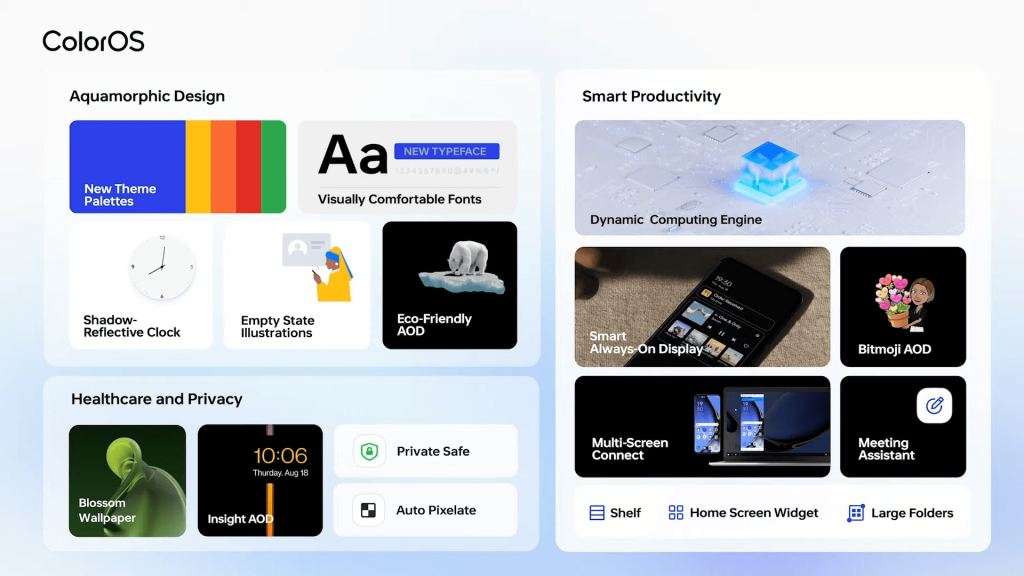
ColorOS 13 features a design language called ‘Aquamorphic’. Oppo claims that the design is inspired by water. The jargon sounds good for marketing. But what users need to know is that the new design is mostly similar to that of ColorOS 12 with some tweaks here and there to offer an overall better experience.
By default, the color palette is blue and it changes its shade throughout the day, just like water during sunrise and sunset. You can change the system color based on wallpaper but the implementation is just as poor as it is in ColorOS 12. There’s still no ‘Material You’ but the company says that it is working on introducing it.
The interface follows a card-style layout. Settings app and first-party apps feature different-sized cards showing information based on the type of content.
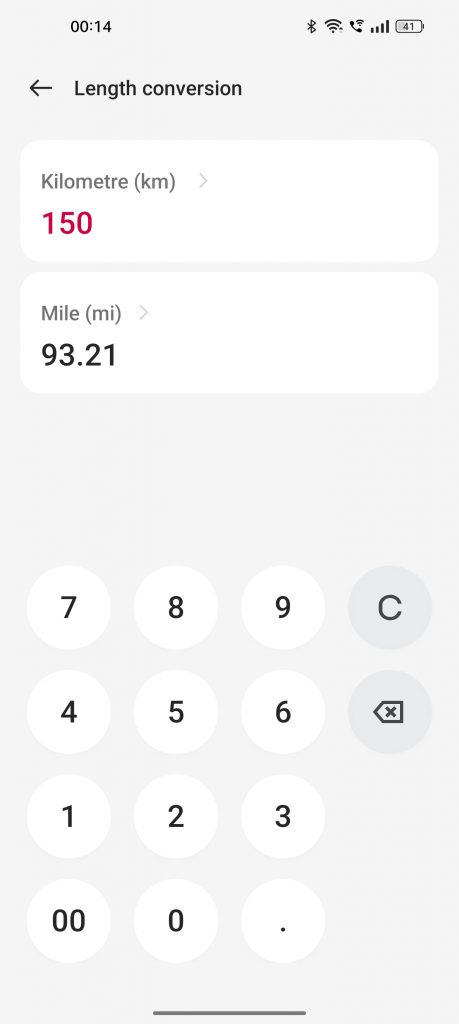
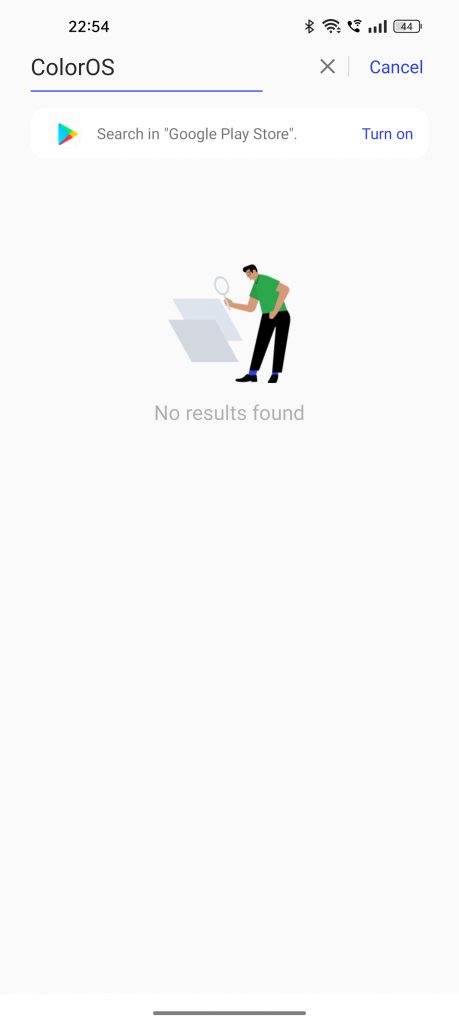
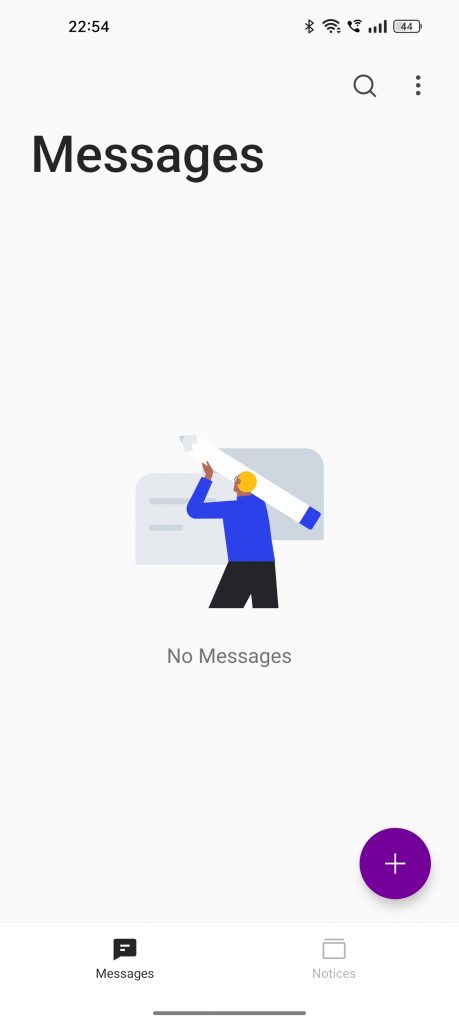
Finally, there are stunning empty state illustrations across the software, which gives a unique look.
2. Home Screen & Control Center
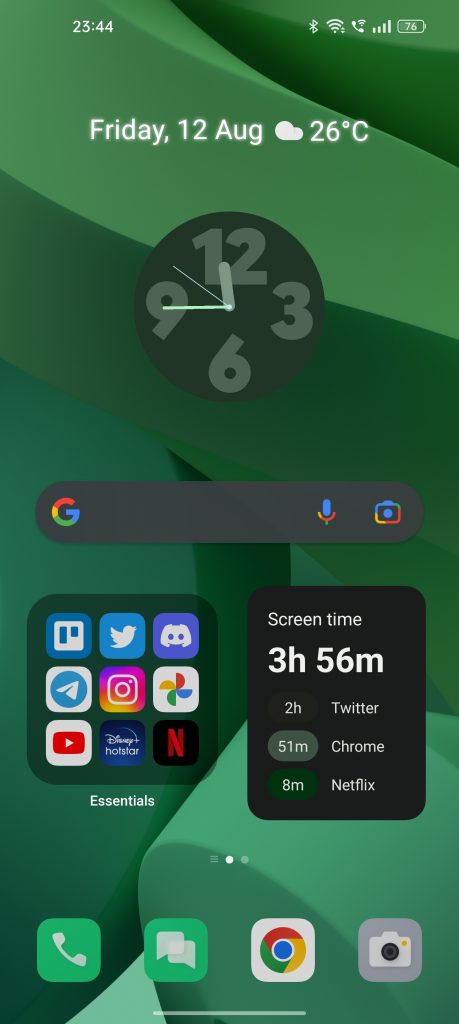
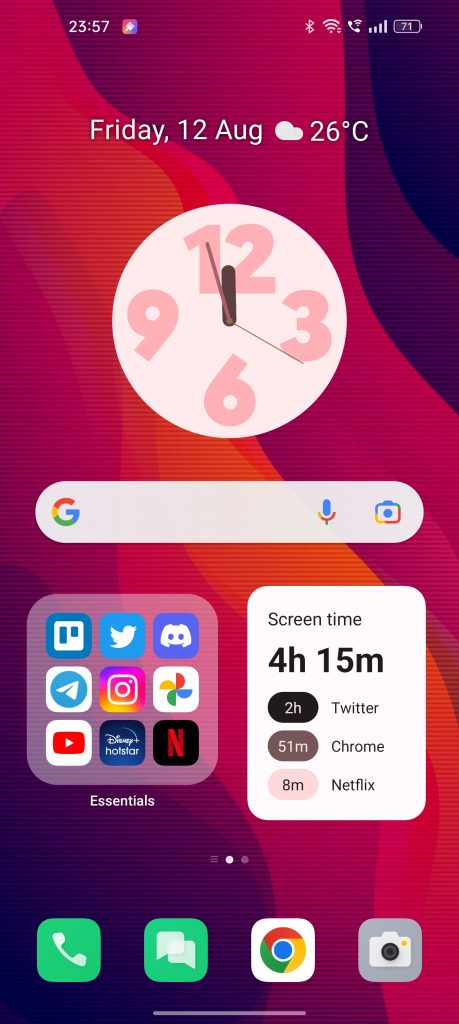
ColorOS 13’s home screen is almost similar to that of ColorOS 12, except that users can now enlarge folders. Though it sounds like a simple feature, it is so much useful.
Because you don’t need to open a folder to access the desired app anymore. All you have to do is simply click on the required app’s icon present inside the large folder to quickly access it.
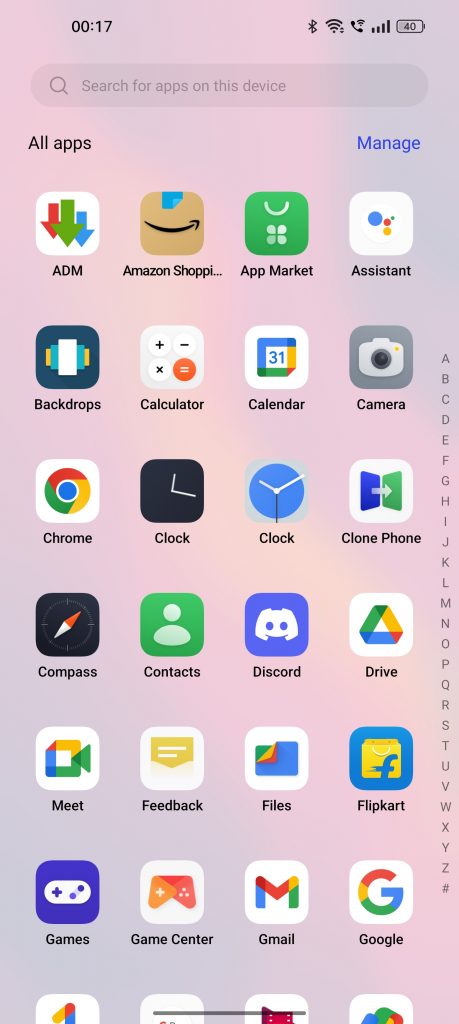
As with previous iterations of ColorOS, users can opt for the app drawer if they don’t prefer the iOS-esque home screen filled with all the installed applications.
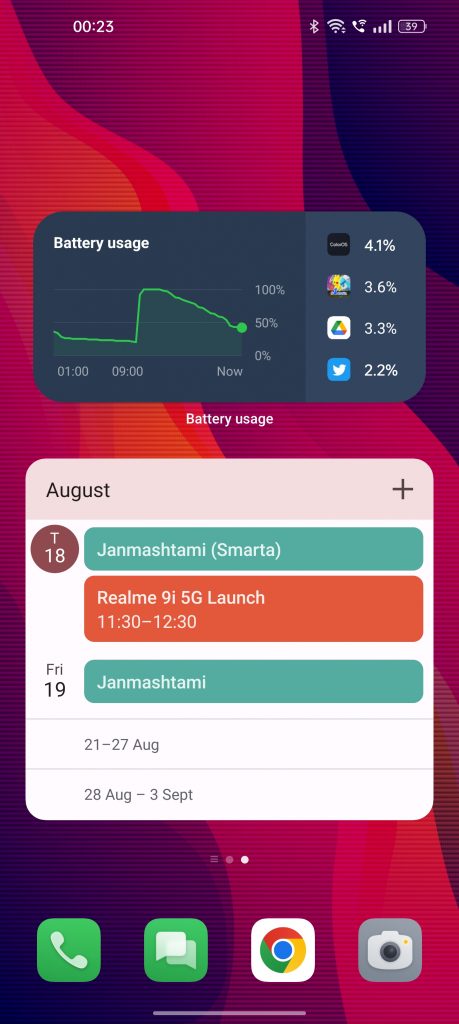
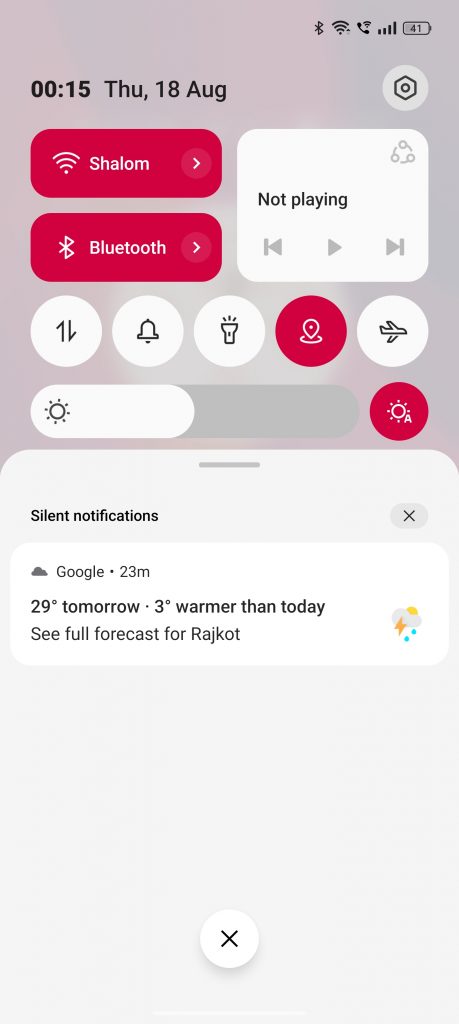
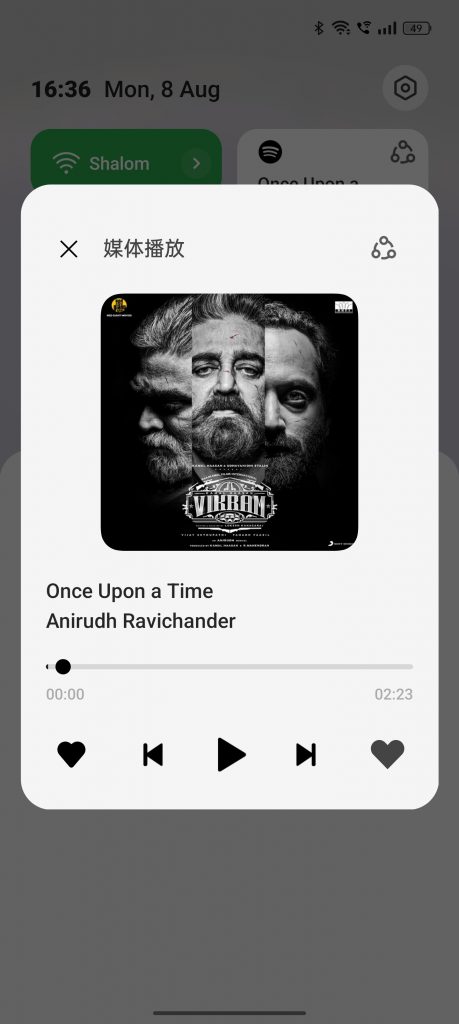
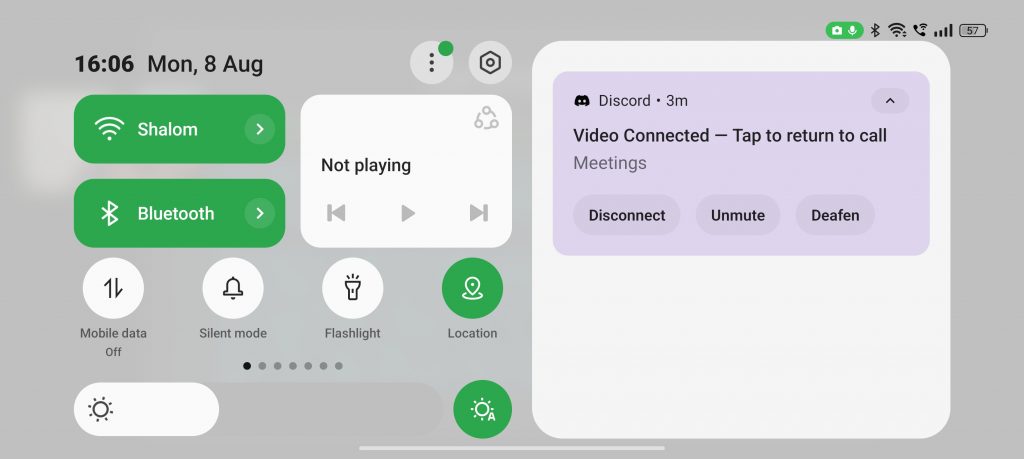
Most importantly, ColorOS 13 arrives with a redesigned control center. The top portion is populated by two large toggles on the left and a media playback widget on the right. By default, the large toggles are WiFi and Bluetooth but users can change to whatever they want.
Further, the mid-section includes the remaining toggles, followed by the bottom part featuring the brightness slider. Lastly, the header consists of a clock, settings icon, and edit toggles option.
The notifications area resides below the control center in portrait view. However, in landscape view, like during playing a game or watching a video, the notification pane shifts to the right side, while the control center remains on the left. This makes it easier to access quick toggles and respond to notifications.
3. Always-on Display
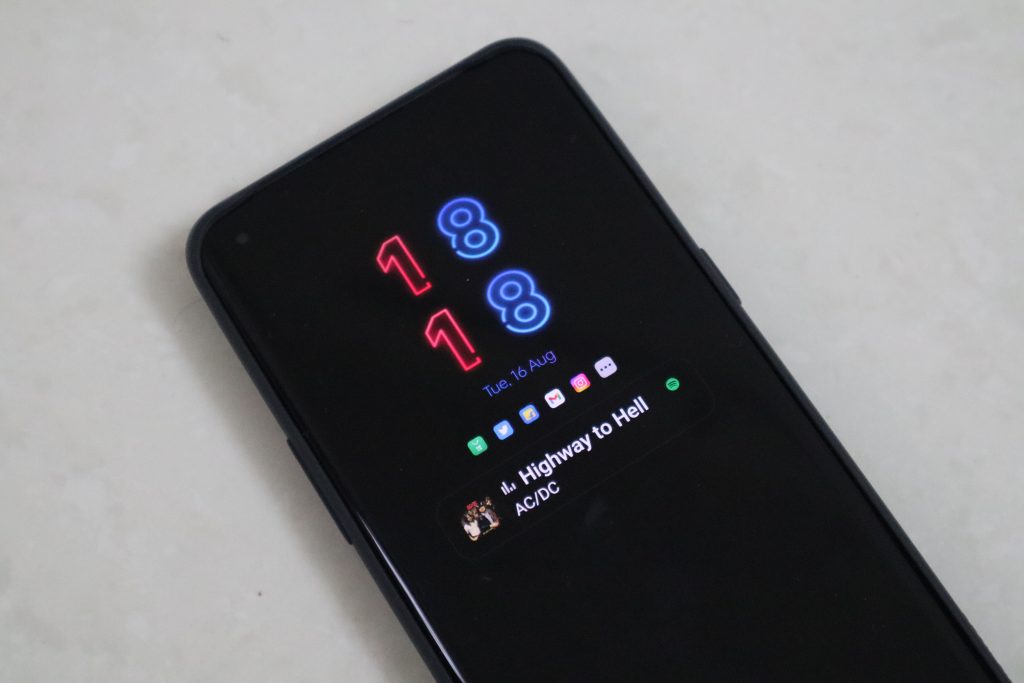
ColorOS has one of the best always-on display (AOD) implementations. With ColorOS 13, it gets even better with more AOD styles and integration with third-party apps.
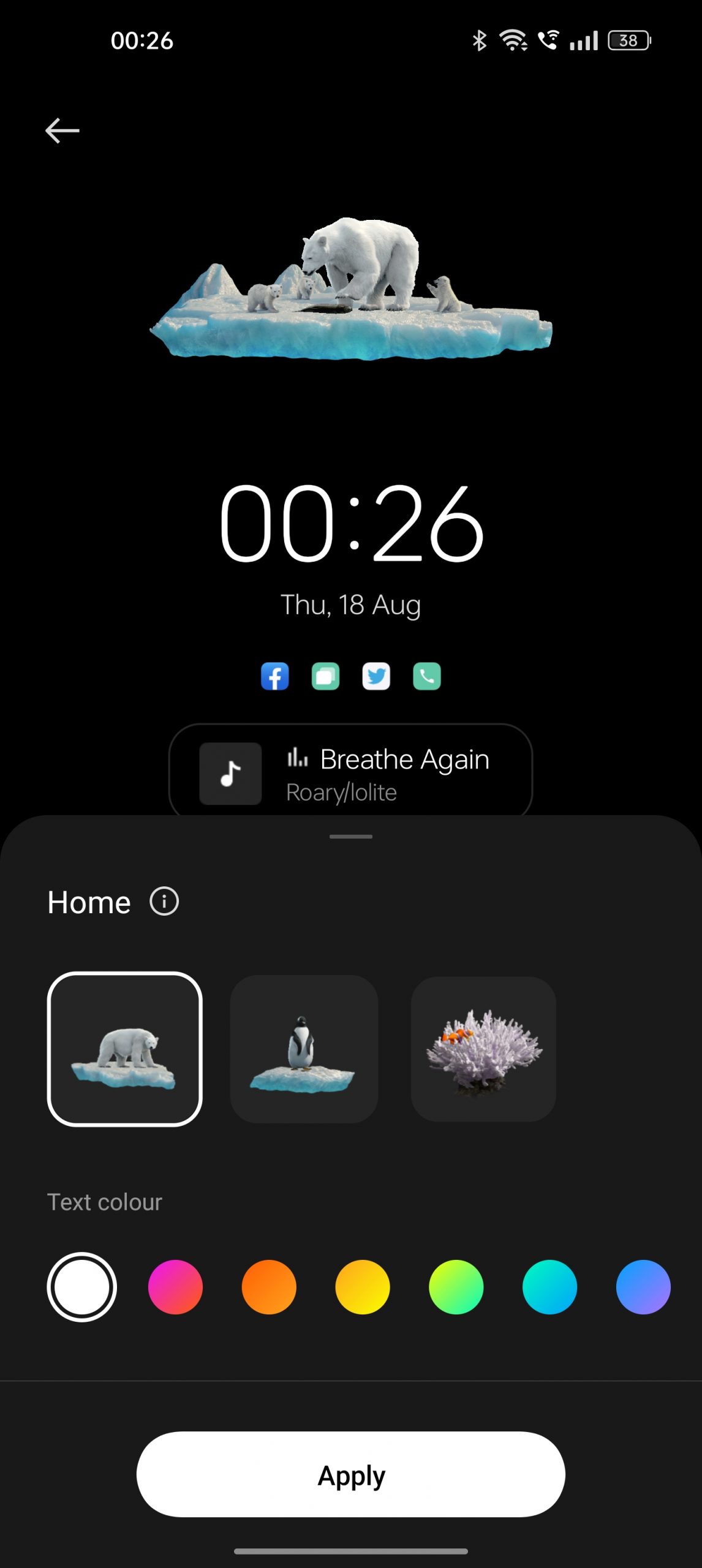
Oppo has introduced a new AOD style series called ‘Home’. It showcases how the earth is affected by global warming. Users can choose from three styles featuring polar bears, penguins, and a coral with clown fish.
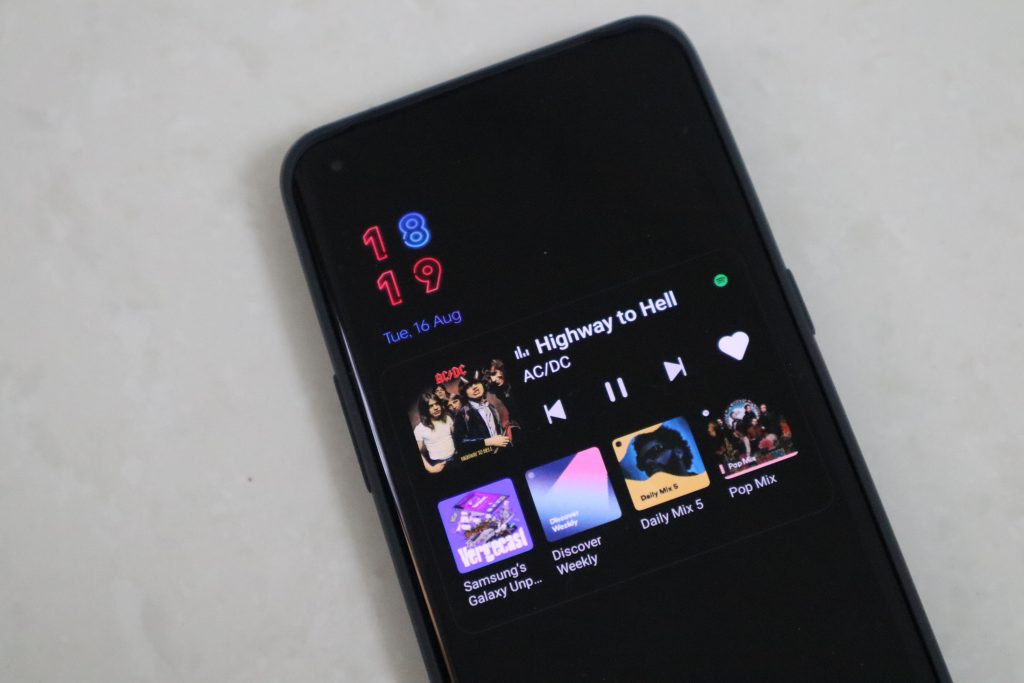
Talking about third-party applications, Oppo has partnered with Spotify and Indian food delivery companies Zomato and Swiggy for always-on display. Apps offered by these companies will be displayed on AOD.
Spotify AOD shows the music that’s currently playing along with controls and icons of the four most-played playlists. On the other hand, the India-exclusive Zomato and Swiggy AOD will show useful information like ‘Order accepted’, ‘Meal picked up’, ‘Distance to destination’, and ‘Delivered’.
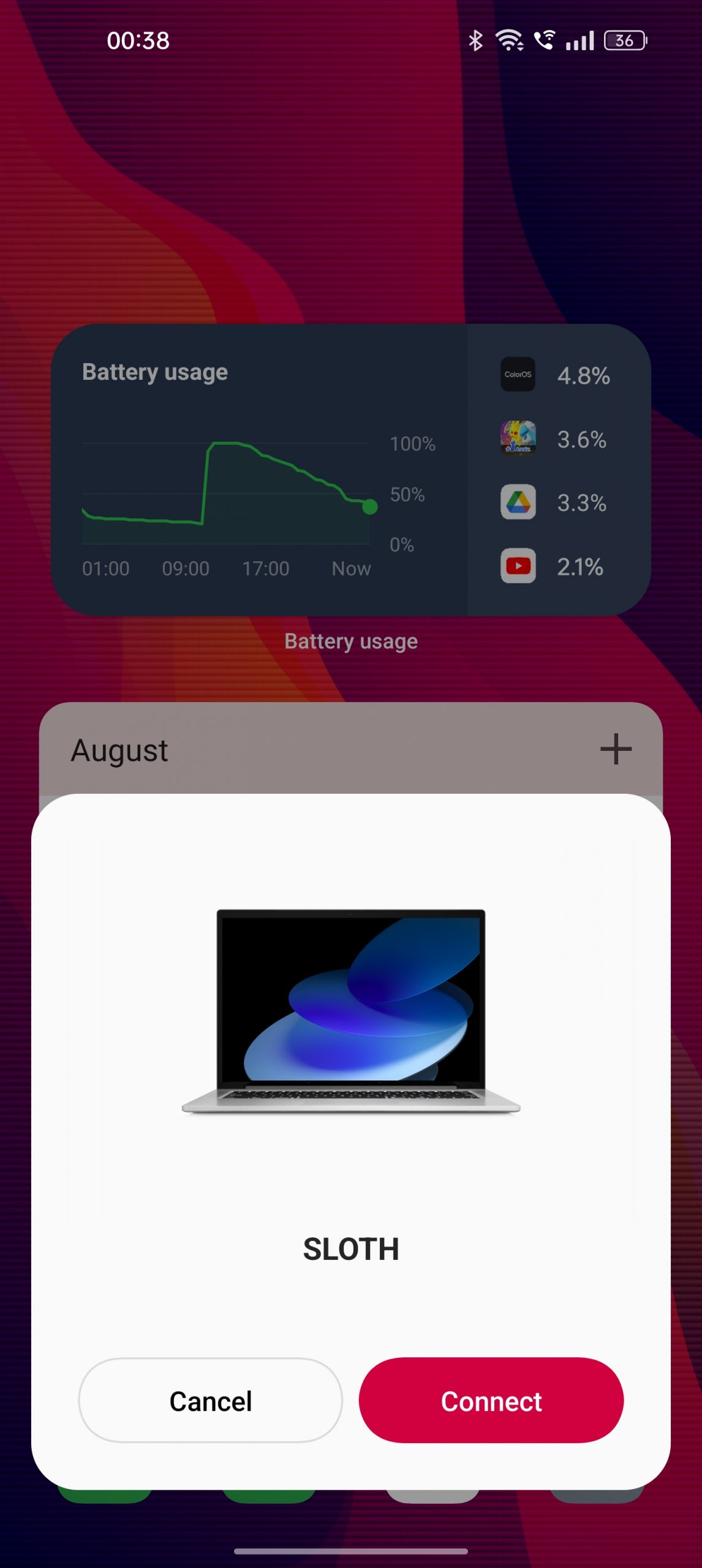
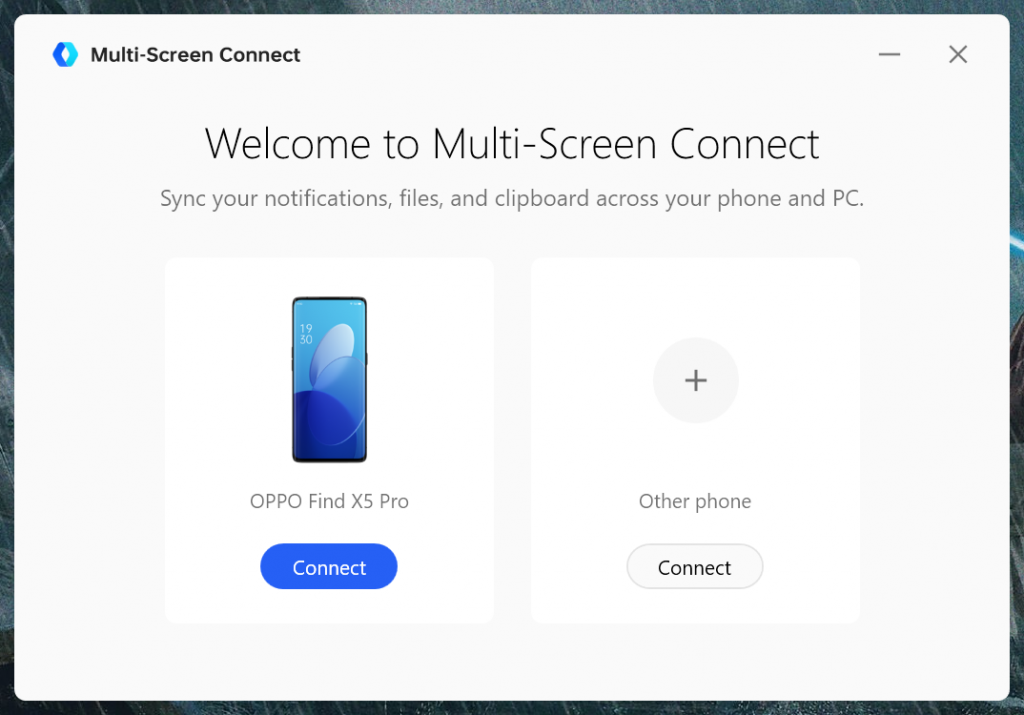
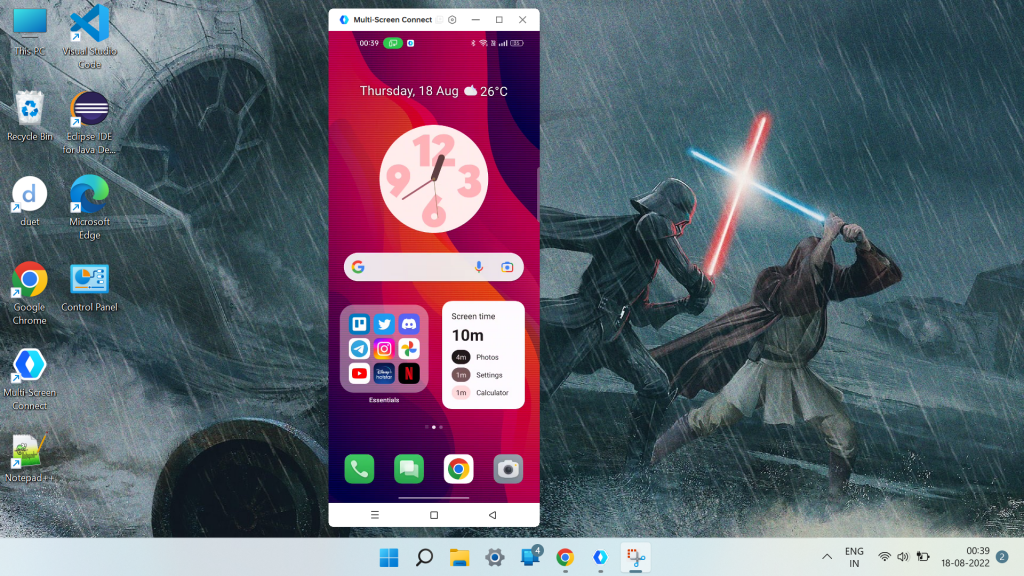
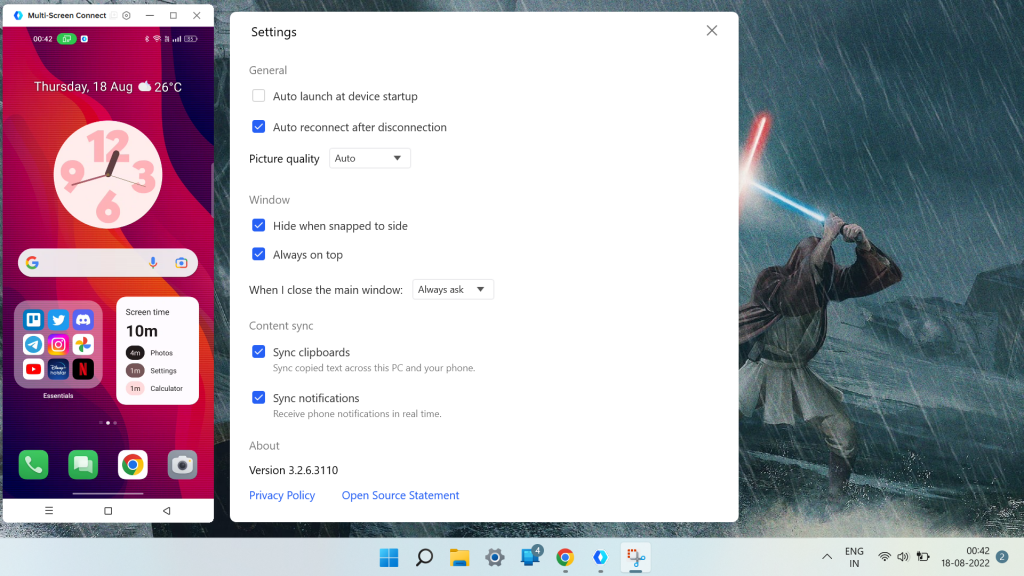
4. PC Connect
Oppo introduced PC Connect with ColorOS 12. As of now, there are no new changes in the beta build I used but the company has revealed plans to add more features in the later releases of ColorOS 13.
The firm says that it will be adding functionalities like natively answering calls and sending/receiving messages on the computer. In other words, PC Connect will become more of a Microsoft Phone Link rather than simply mirroring the screen.
Hence, apart from the upcoming new features, users can also make use of the existing features like notifications sync, clipboard sync, and file transfer.
With more refinements like these, PC Connect may become richer in features like Huawei Multi Screen Collaboration and Samsung DeX in the near future.
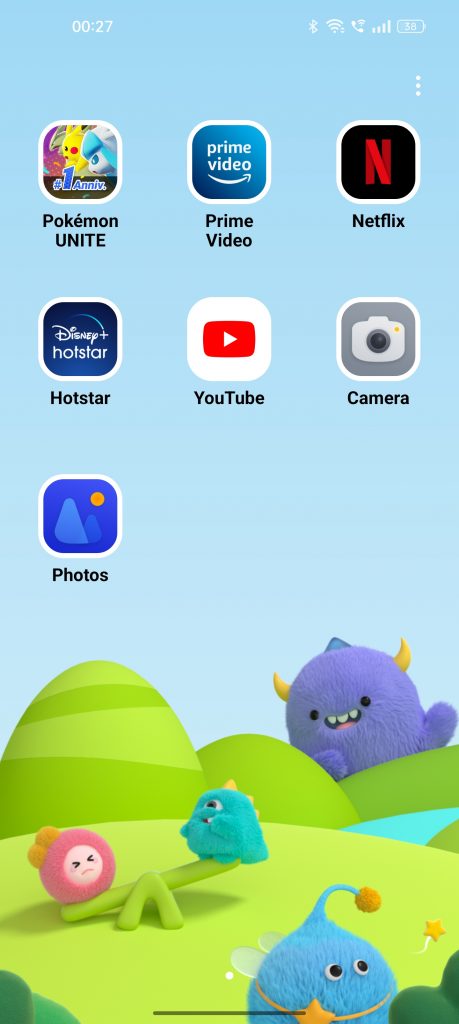
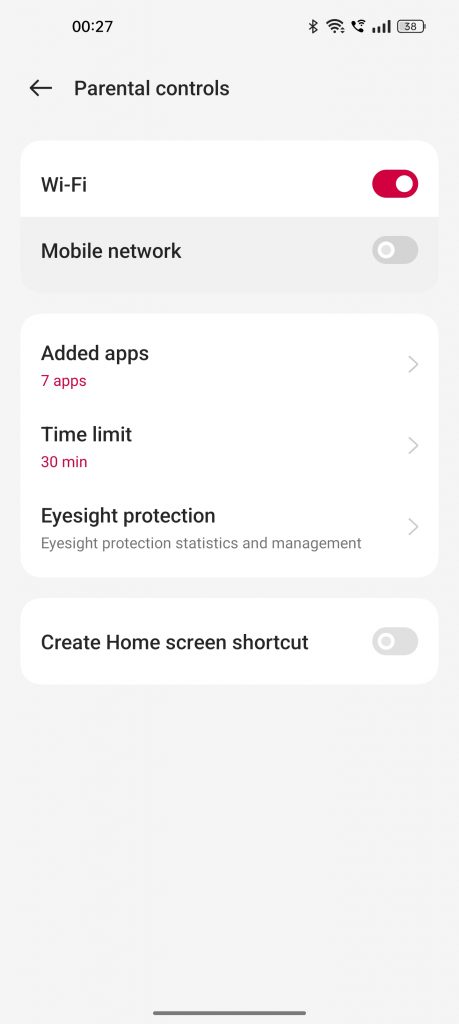
5. Kid Space
ColorOS has had Kid Space for a while with no new additions. After years, it finally gets a useful new feature in ColorOS 13.
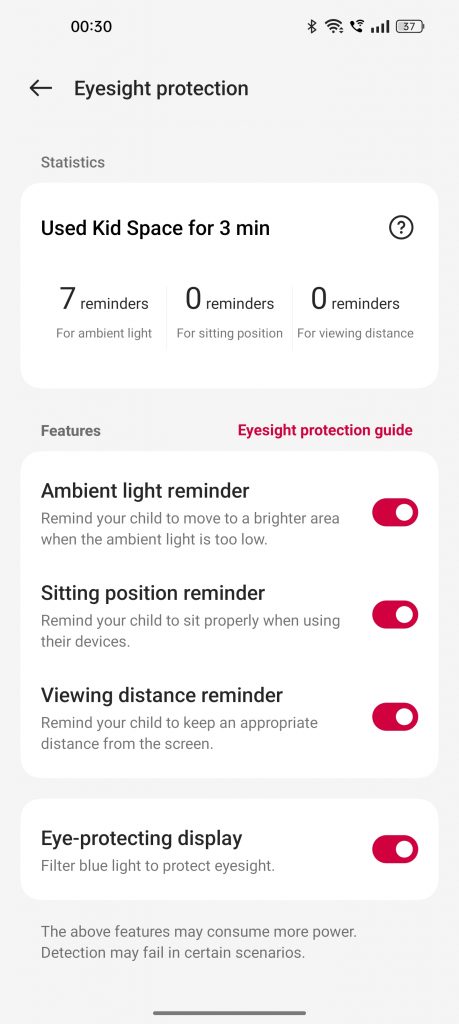
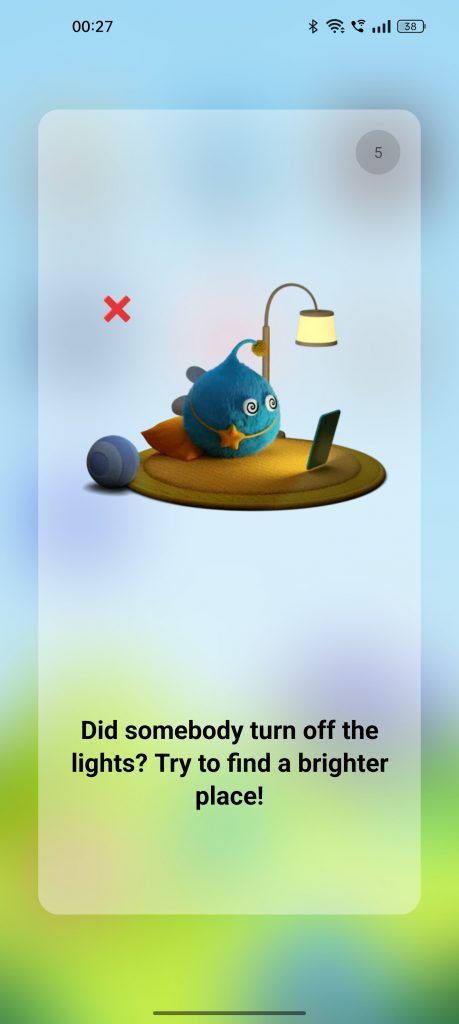
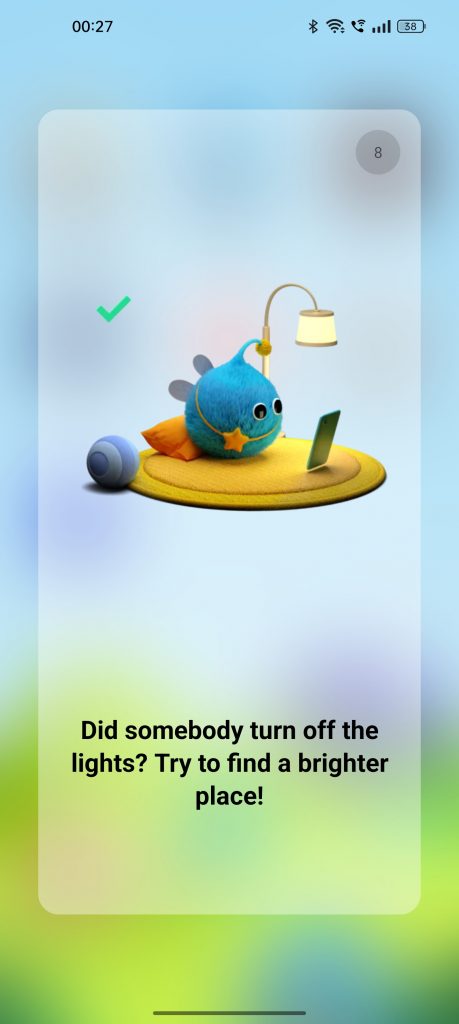
The new feature relies on the phone’s hardware to protect the eyesight of kids. It gives three different types of reminders pertaining to sitting position, viewing distance, and ambient light.
Parents can also go through all the reminders issued by the phone during the Kid Space session. Hence, they can teach their kids to use smartphones properly.
Netflix is already known to be working on launching a new subscription model that will be more affordable but will run advertisements. While we have already reported on some details regarding the sacrifices the new plan makes for the cheaper price tag, a new report has revealed that it will also be missing another crucial feature.
According to a Bloombergreport, the new ad enabled subscription business model on the popular video streaming platform will not allow downloads either. For those unaware, the streaming service typically lets users download shows or movies that they would like to watch later on. However, it appears that the more affordable plan that runs advertisements will not let you download these shows for offline viewing.
The report found that the code in the Netflix iOS application stated that the “Downloads available on all plans except Netflix with advertisements.” As of right now, the exact price tag for this new subscription plan is still unknown, although, it is confirmed to be the new starting plan which falls below the Basic Plan that costs 10 US Dollars. With the ad supported tier, the streaming service will likely perform the same 480p streaming option as the basic plan but will generate additional revenue through the ads.
The company is apparently launching the new ad enabled tier due to a decline in users and its revenue. Netflix claimed that the lose in subscribers for the first time in a decade was reportedly due to a “a huge number of home sharing accounts” as well as upcoming “competition.”
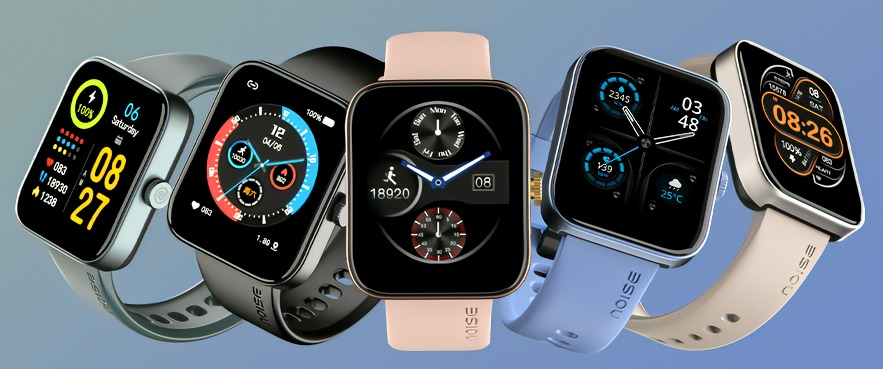
A new report has revealed interesting insight regarding the Indian smart wearable market. Looking at this report, we can see that boAt managed to take the throne in the market, with the region also seeing an impressive growth overall.
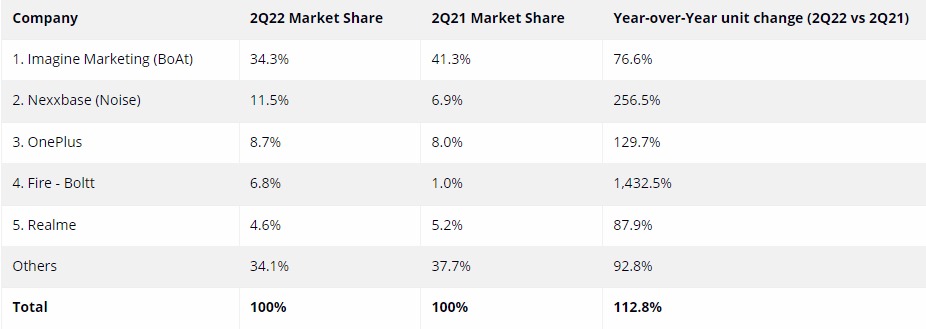
The news arrives from an IDCreport, which claimed that 23.9 million units of wearable devices were shipped in the second quarter of this year. This marked an increase of a whopping 113 percent compared to the same period last year. Furthermore, the first half of the year saw 38 million units of wearable gadgets being shipped, which also marked a rise of 65.8 percent year on year.
During this time, boAt lead the segment with a massive 34.3 percent market share, which also saw a significant 76.6 percent rise over last year. Following this brand, Noise took the second spot in the country with a market share of 11.5 percent. Furthermore, OnePlus, Fire-Boltt, and Realme rounded up the top 5 spots in the region with an 8.7 percent, 6.8 percent, and 4.6 percent market share respectively. Talking about the smartwatch category alone, Noise came out on top in this list with a 28.5 percent market share.
Notably, this category also saw immense growth, with a 296 percent rise year on year compared to the same period last year. Fire-Boltt took the second spot with a 24.7 percent market share. The report added that strong online and offline promotions helped boost sales, while newer models being announced also helped the companies expand their presence in the region.
Earlier this year, the OnePlus 10 Pro went through a disastrous durability test where it snapped in two during the bend test. So naturally, one would assume that the company’s second flagship model of this year, the OnePlus 10T, would arrive with improvements in design. Well, you might be disappointed.
Via 9To5Google
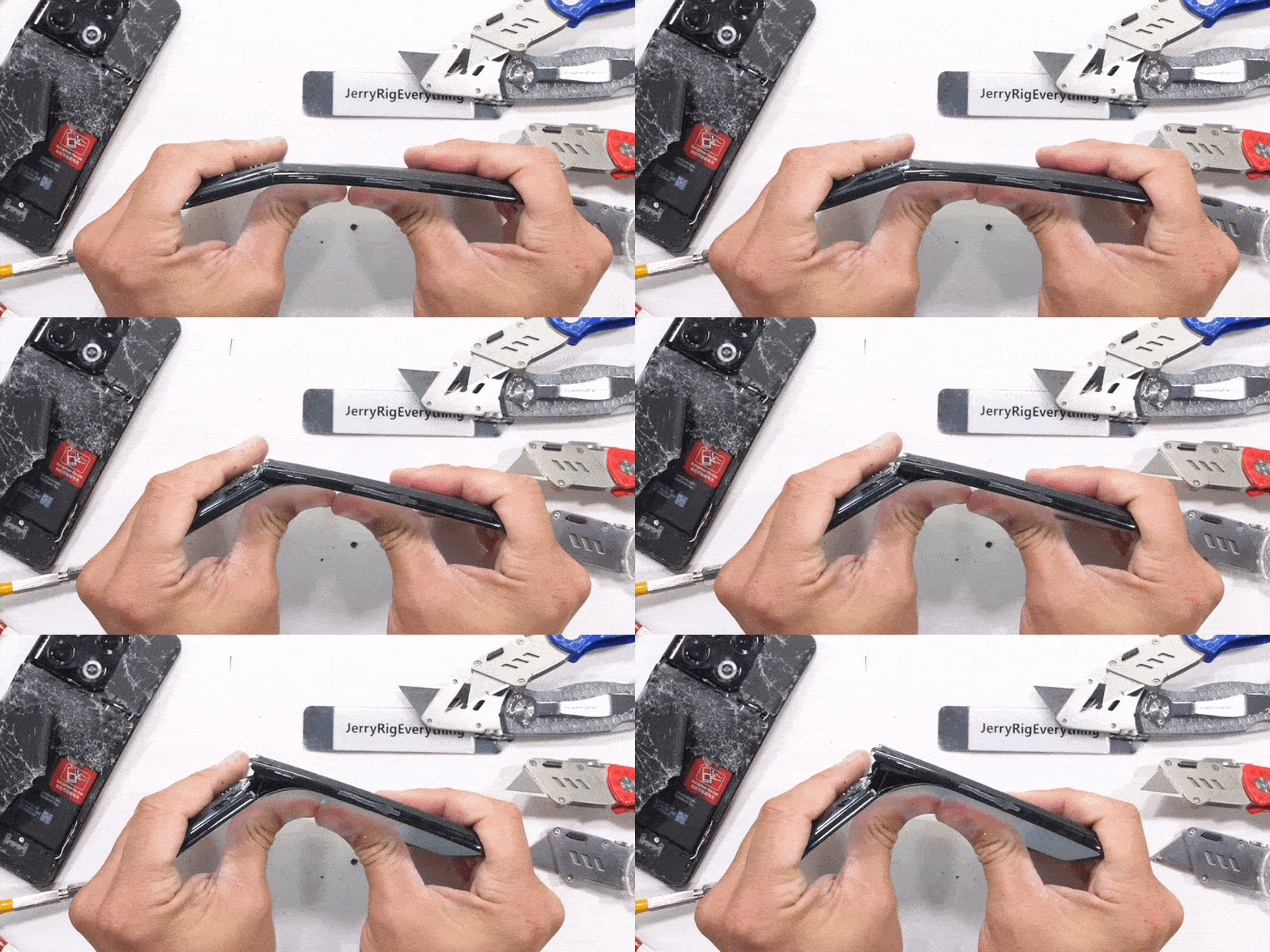
The popular tech YouTuber JerryRigEverything shared a new video in which he put the OnePlus 10T model to the durability test. In the video, he put the smartphone through the usual durability tests like scratches, flames, bend, and even a bend test. Unfortunately for the Chinese smartphone maker, its first flagship of this year failed the bend test and had snapped in two.
The YouTuber pointed out that the cause for this is likely structural point of failure beneath the camera module. So, one would naturally assume that the company made changes to this design to improve its structural integrity. However, this scene was almost perfectly mirrored with the OnePlus 10T model as well. The smartphone’s display did survive the level 6 of the Moh’s hardness scale on the front and back, and the flame tests did not leave any permanent mark on the OLED display either.
However, the disappointment surfaced during the bend test. Here, the 10T model snapped in the exact same way as the previous 10 Pro. The frame cracked right under the camera module under pressure. The video showed that Zach was able to completely tear down the smartphone apart from his bare hands. He managed to separate the display from the chasis and even remove the cameras from the device as well. In other words, an impromptu tear down video during a durability test.
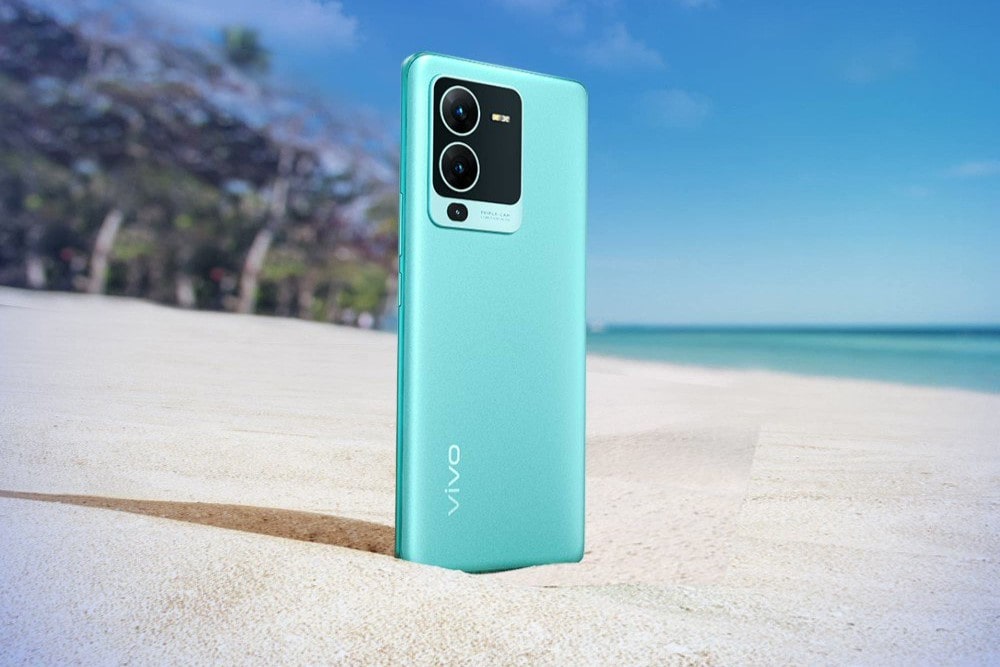
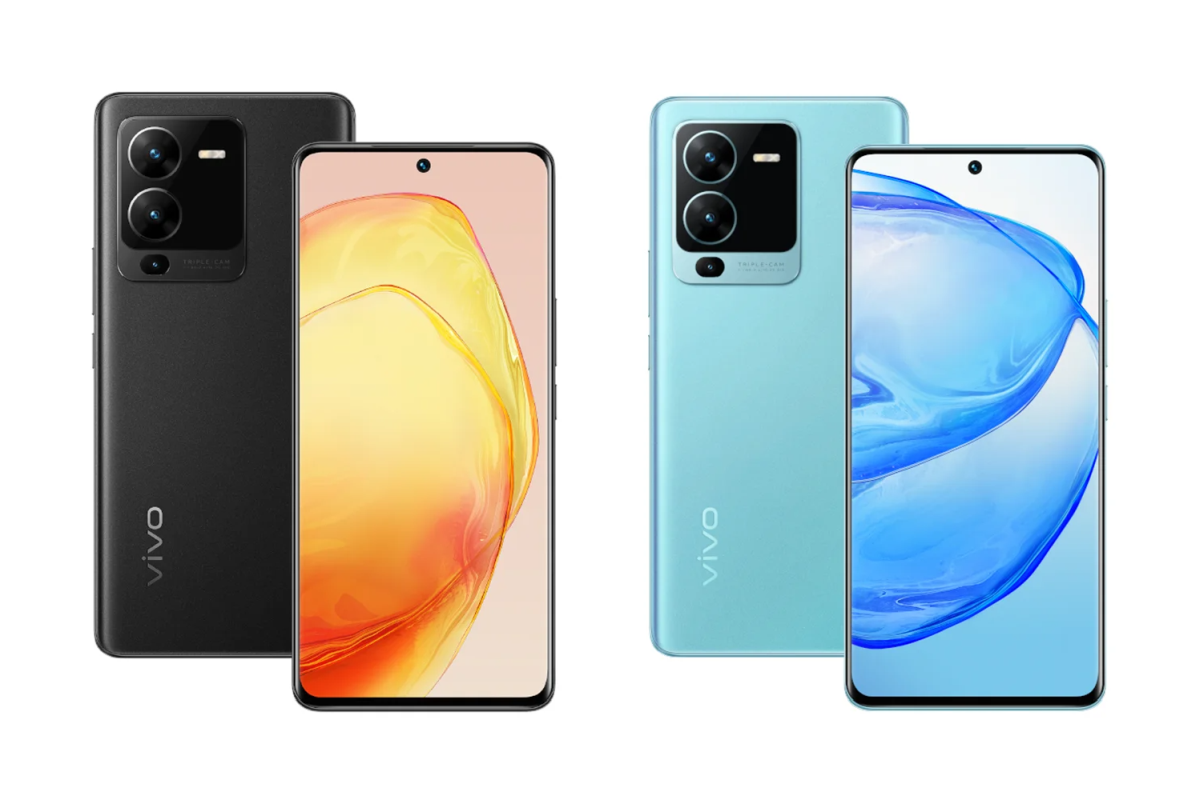
Yesterday, Vivo unveiled the Vivo V25 Pro 5G smartphone in India. The device comes with features like the MediaTek Dimensity 1300 chipset, a color-changing back panel, and a 32MP eye autofocus selfie camera. It is now up for pre-order both online and offline stores. So let’s check out the pricing and offers.
Vivo V25 Pro Pre-booking offers and price
The base-level 8GB+128GB version of the Vivo V25 Pro costs Rs 35,999, while the top-tier 12GB+256GB version costs Rs 39,999. It is available in two color options – Pure Black and Sailing Blue.
The phone is now available for pre-booking on Flipkart as well as offline stores with the following offers.
Vivo V25 Pro Flipkart Pre-booking Offers
Flat Rs 3,500 instant discount with HDFC bank debit/credit card
V-Shield Complete Damage protection for 6 months
Up to Rs 3,000 additional exchange bonus
5% unlimited cashback on Flipkart Axis Bank Card
No-cost EMI options
Vivo V25 Pro offline store Pre-booking Offers
Flat 10% cashback on ICICI, SBI, and Kotak bank cards
V-Shield Complete Damage protection for 6 months
Up to Rs 3,000 additional exchange bonus
The device can be pre-ordered on these offline stores – Reliance Digital, Jio Stores, Croma, Vijaya Sales, Poorvika, Sangeetha Mobiles, Big C, LOT, Bajaj electronics, Pai Mobiles, Happi, and Celekt.
The devices will start shipping on August 25th for both the online and offline channels.
Design & Display
The Vivo V25 Pro has a 6.65-inch Full HD+ AMOLED display with 120Hz refresh rate. Under the hood, the device rocks a MediaTek Dimensity 1300 chipset complemented by up to 12GB of RAM and up to 256GB of storage. It has Android 12-based FunTouch OS.
For optics, there is a triple rear camera configuration with a 64MP f/1.89 primary camera (OIS), an 8MP ultra-wide lens, and a 2MP macro camera. The phone has a 32MP eye autofocus selfie camera. Last but not the least, the device has a 4830mAh battery paired with 66W fast charging.
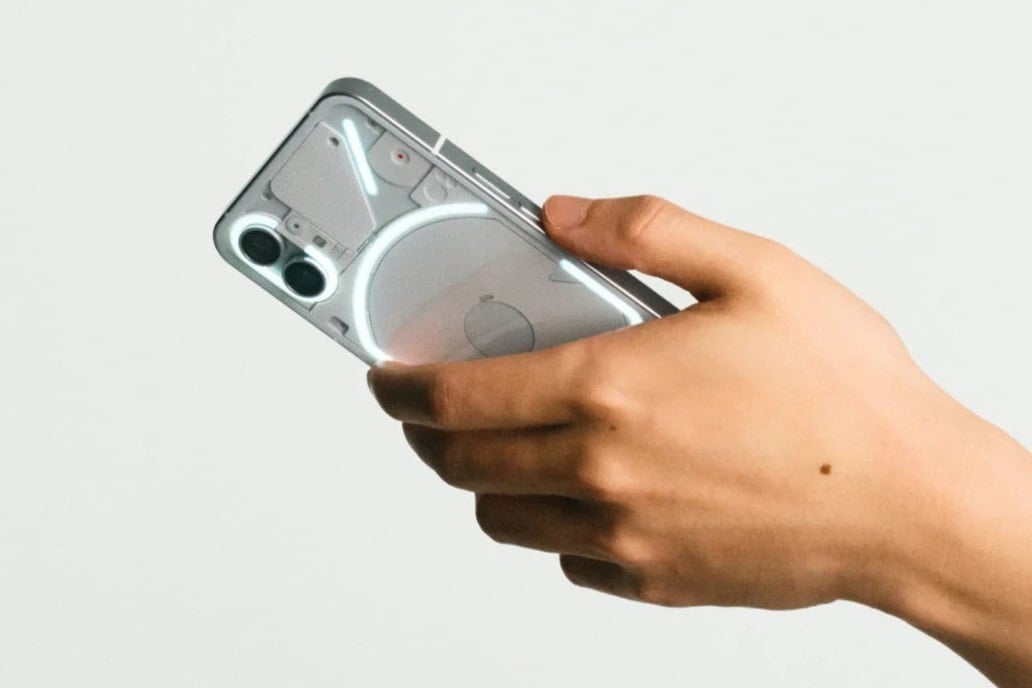
The Nothing Phone (1) was just recently announced for the global market. It was a highly anticipated launch and it had even released in the Indian market as well. However, just weeks after its launch, the company has hiked its price tag in India. So let’s have a look at why the company made this move.
According to Manu Sharma, Vice President and General Manager of Nothing India, shared the details regarding this price hike. In a tweet, the senior official stated that “Thank you for the love shown towards Phone (1), with fluctuating currency exchange rates & rising component costs, we had to change prices.” So now, the Phone (1), which launched for 32,999 INR, will now be available for a price tag of 33,999 INR.
In other words, this marks a cost hike of 1,000 INR over the original price tag for the base 8GB + 128GB variant. Similarly, the 8GB + 256GB model and the top end 12GB + 256GB variant have also seen a price hike of 1,000 INR in the Indian market. As per the executive, the price rise was caused by the fluctuating currency exchange rates as well as the rising cost of the components.
Thank you for the love shown towards Phone (1)!
With fluctuating currency exchange rates & rising component costs, we had to change prices.
Starting today, Phone (1) will be available @flipkart for 8GB/128GB (INR 33,999), 8GB/256GB (INR 36,999), and 12GB/256GB (INR 39,999).
Talking about the smartphone itself, it sports a 6.55 inch OLED display that has a 120Hz refresh rate. Under the hood, a Qualcomm Snapdragon 778G+ SoC that will be paired with up to 12GB of RAM and 256GB of internal storage. On the back, the smartphone features a 50 megapixel dual camera setup, while the front houses a 16 megapixel selfie shooter. A 4,500mAh battery pack powers the device, which also supports 33W fast charging.
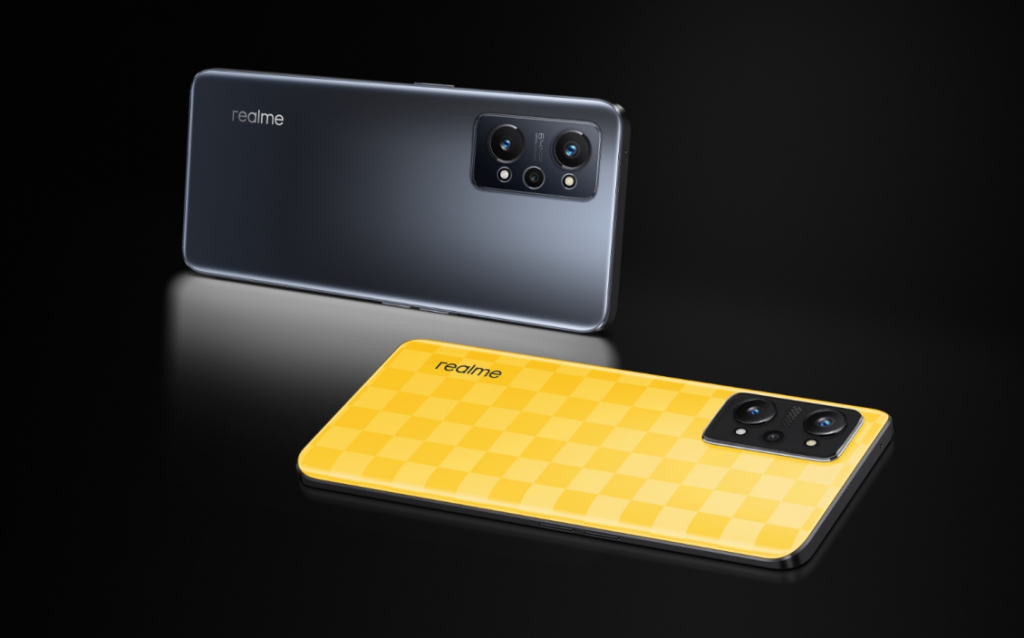
Earlier this month, Madhav Sheth, CEO of Realme India, revealed that the Realme GT Neo 3T would finally debut in India in August. Today, at the end of the Reame 9i launch live stream, the brand once again teased the arrival of the said smartphone.
Realme GT Neo 3T
The launch of Realme GT Neo 3T in India has been rumored since June. It has been two months but the company hasn’t disclosed the release date yet despite teasing the phone today.
For the uninitiated, the Realme GT Neo 3T made its initial debut in Indonesia in early June. It is marketed as a successor of Realme GT Neo 3T. The handset is actually a rebranded Realme Q5 Pro sold in China.
The phone comes with a 6.62-inch FHD+ 120Hz AMOLED display, Qualcomm Snapdragon 870 SoC, LPDDR5 RAM, UFS 3.1 storage, and Android 12. It is backed by a 5,000mAh battery with support for 80W fast wired charging.
Further, the smartphone offers a 64MP (wide) + 8MP (ultra-wide) + 2MP (2MP) triple camera system, 16MP selfie camera, dual stereo speakers, in-screen fingerprint sensor, 5G, WiFi 6, Bluetooth 5.2, GNSS, NFC, and USB Type-C port.
The device is tipped to arrive in three memory configurations in India: 6GB + 128GB, 8GB + 128GB, and 8GB + 256GB. Also, it is said to be offered in Dash Yellow, Drifting White, and Shade Black color options.
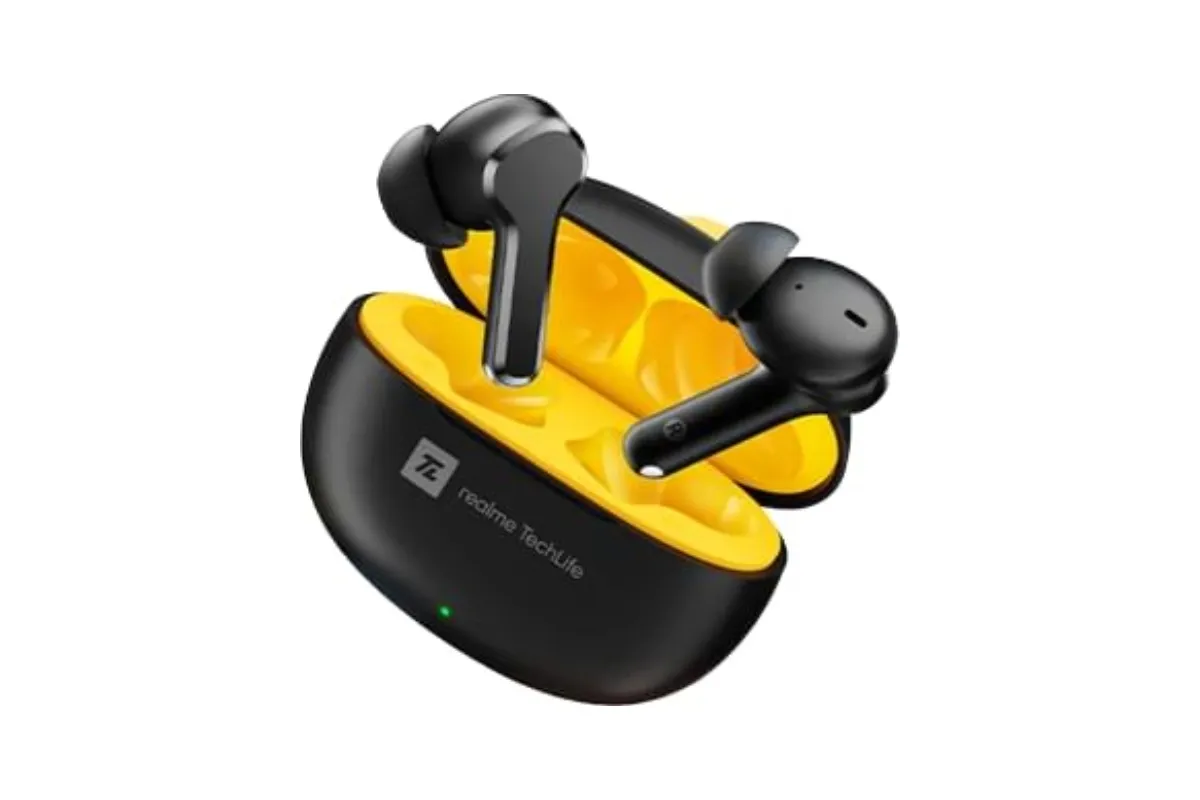
The Chinese smartphone maker’s TechLife Buds T100 is equipped with a 10mm advanced composite diaphragm made of PEEK+TPU for a clear bass. Furthermore, the hearables also feature AI ENC, which would help improve the calling experience by reducing ambient noise during calls. The new truly wireless earbuds also arrive with a dedicated 88ms low latency mode that also comes with a Google Fast Pair support. Talking about its design, it has an in ear design with exchangeable silicone tips.
On the other hand, the charging case that has a pebble like shape. The buds claims to offer 6 hours of battery life, while the charging case offers an additional 28 hours of playback time. The wireless earphones also support fast charging as well, with 10 minutes of charging offering up to 120 minutes of playback. For protection, the earbuds also supports IPX5 water resistance.
The Realme TechLife Buds T100 will be available for purchase in two color options, namely Black and White. It has a price tag of 1,499 INR and can be bought from Flipkart and Realme.com starting from August 24. Although, the brand is releasing this model for a limited time introductory price tag of 1,299 INR.
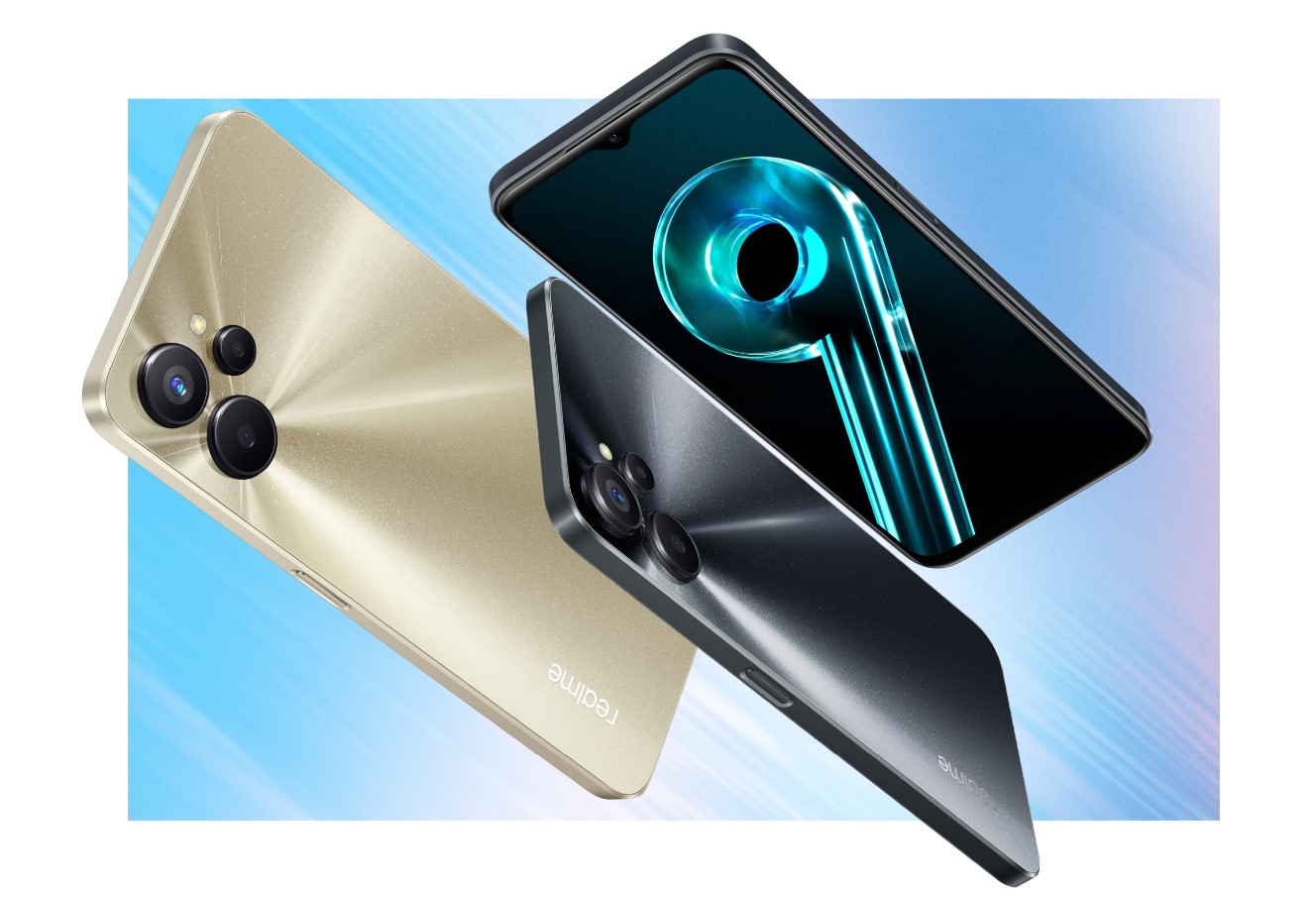
Realme has launched a new budget range 5G smartphone in the Indian market called the Realme 9i 5G. So let’s check out its specs, features, pricing & other details.
Realme 9i 5G specs & features
The 9i 5G comes with an attractive design featuring a flat back and flat edges, It has a clean-looking triple camera setup protruding from the back panel. The back panel also features a special light diffusion design called the Laser light design. It has a power button on the right side that integrates a fingerprint sensor, a volume rocker on the left side and a USB-C port, a 3.5mm audio jack, and a speaker grille at the bottom. It is 8.1mm in thickness and weighs 187 grams.
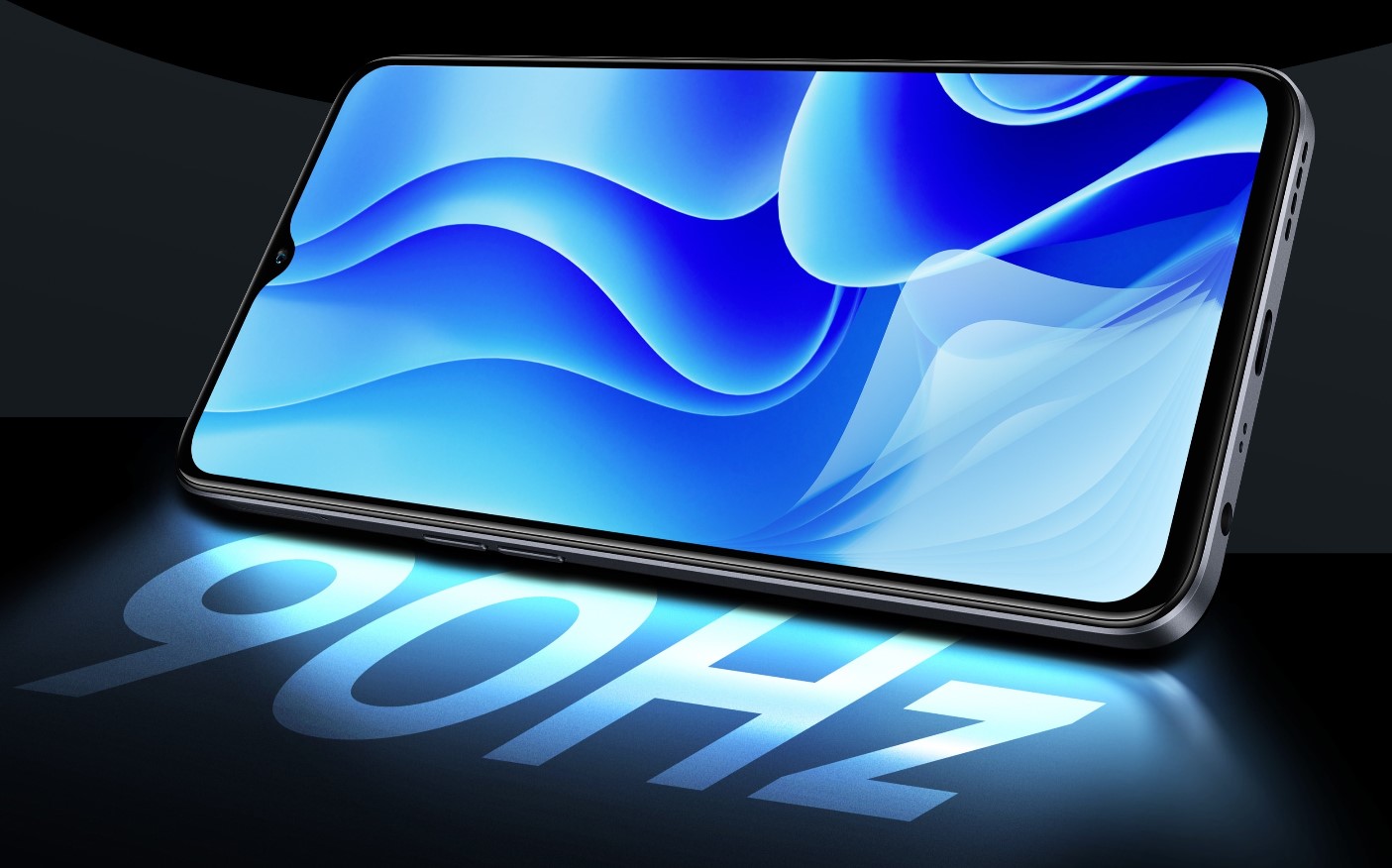
On the front, it features a 6.6-inch FHD+ display with a 90Hz refresh rate and 180Hz touch sampling rate. The panel is capable of producing 16.7 million different colors. It has a dew-drop notch for the front camera, thin bezels on three sides, and a sizable chin.
Under the hood, the device features the Dimensity 810 5G chipset complemented by 4GB of 6GB of RAM and 64GB or 128GB of storage. The phone offers storage expansion of up to 1TB using a microSD card and RAM expansion of up to 5GB using the virtual RAM feature. The device comes with an Android 12-based Realme UI 3.0 out of the box. It has a large 5,000mAh battery pack that supports 18W fast charging.
Coming to optics, the smartphone has a triple camera setup consisting of a 50MP primary sensor, a 4cm 2MP macro lens, and a depth sensor. Up front, it has an 8MP selfie camera. The device offers street photography mode 2.0 and an AI beauty filter.
Pricing & availability
The Realme 9i 5G is priced at Rs. 14,999 ($188 for the 4GB + 64GB. On the other hand, the 6GB + 128GB variant is priced at Rs. 16,999. The device will go on its first sale on August 24. ICICI and HDFC bank card users will be eligible for a discount of Rs. 1,000 on the purchase of the smartphone. The Realme 9i 5G comes in two colors – Metallica Gold, and Rocking Black.
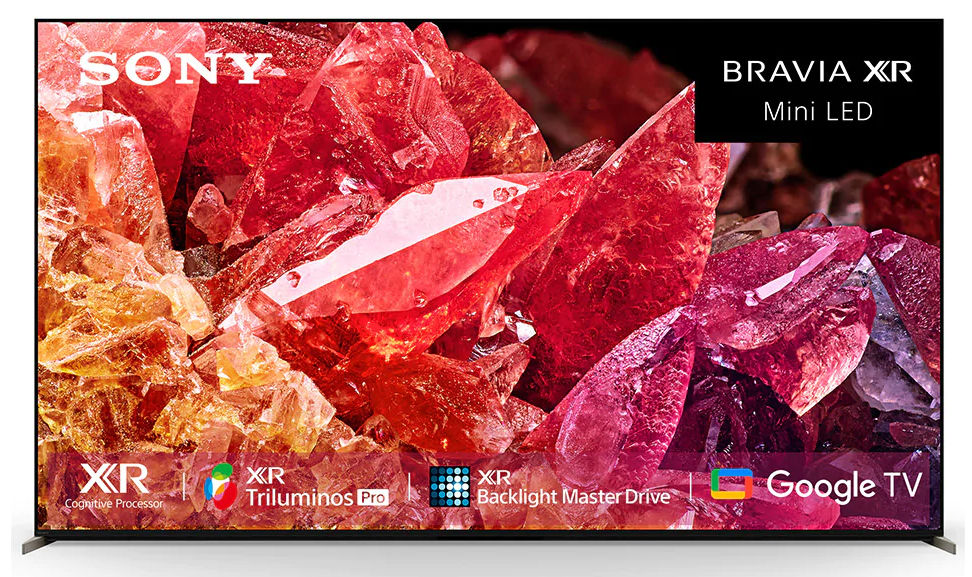
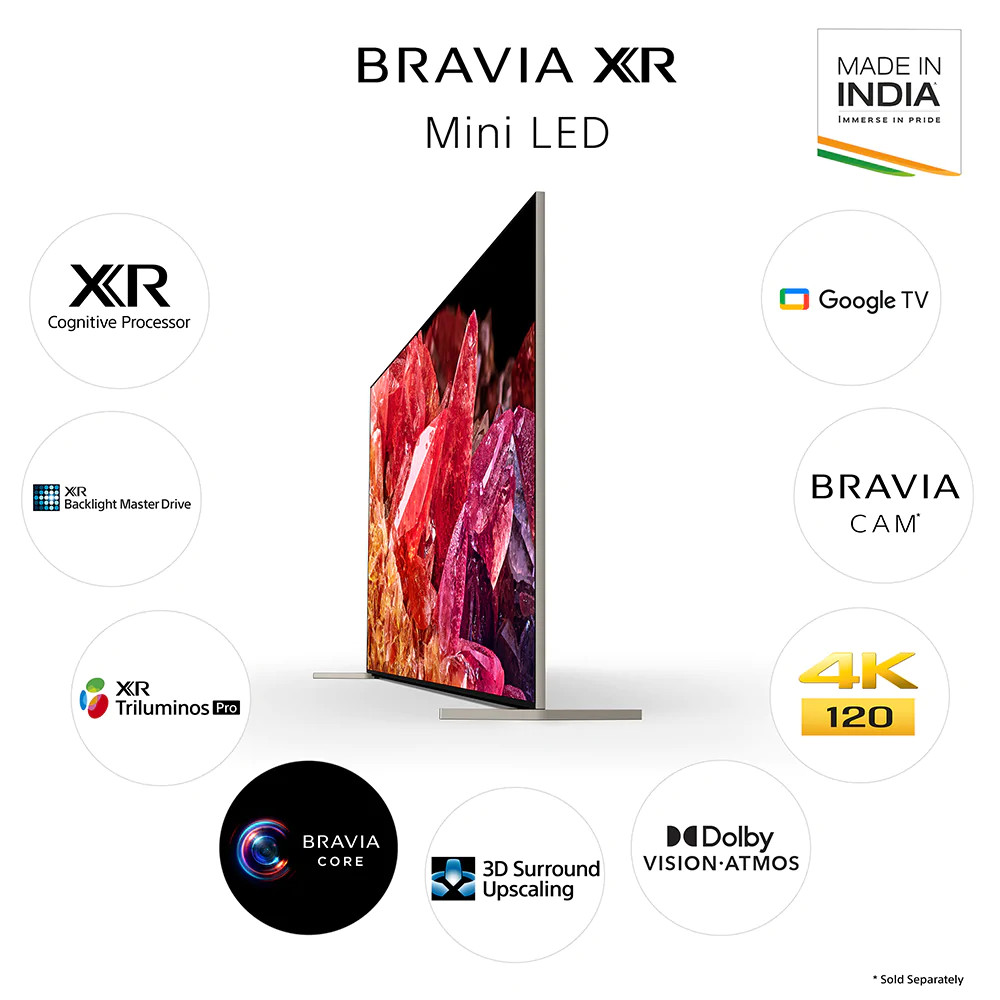
In the last couple of months, Sony has launched two new premium smart TVs in India. These are the Bravia XR A80K OLED and the Bravia XR A95K OLED TVs. Now, the brand has expanded the premium line with the introduction of the Sony BRAVIA XR X95K 85-inch 4K Mini LED TV.
Sony BRAVIA XR X95K 85″ 4K Mini LED TV features
There is just one 85-inch variant of the BRAVIA XR X95K Mini LED TV, model XR-85X95K, and it comes with a number of features from Sony, including the Cognitive Processor XR, XR Backlight Master, Acoustic Surface Audio+, and others.
The Sony X95K television has a 4K Mini LED LED screen that is perfectly controlled by XR Backlight Master Drive technology, which divides the highly dense Mini LED backlight into small LED units using a proprietary local dimming algorithm. It accurately and independently controls each unit, focussing light for maximum brightness without flare or halos around highlights thanks to Sony’s own Cognitive Processor XR.
The XR Triluminos Pro enables the TV to access over a billion colors and recreate them with preciseness. The TV also features 4K upscaling technology called the XR 4K upscaling. Other picture features on the Bravia XR X95K 4K Mini LED TV include XR Contrast Booster 15, which modifies brightness for higher glare peaks and deeper shadow blacks; XR HDR Remaster; and XR Smoothing, which produces fluid, natural 4K images as you watch.
In addition to 4K 120 fps, Variable Refresh Rate (VRR), Auto Low Latency Mode (ALLM), Auto HDR Tone, and Auto Game Mode, this TV offers a special gaming mode that is compatible with HDMI 2.1. The BRAVIA XR X95K Mini LED TV includes Acoustic Surface Audio+ technology, which emits sound directly from the screen.
Price & availability
The 85-inch BRAVIA XR-85X95K Mini LED TV has an MRP of Rs 899,900 ($ 11,304) in India, however, it can be purchased for Rs 6,17,490 ($7,756) through e-commerce websites, Sony Centers, and retail locations all around the country.
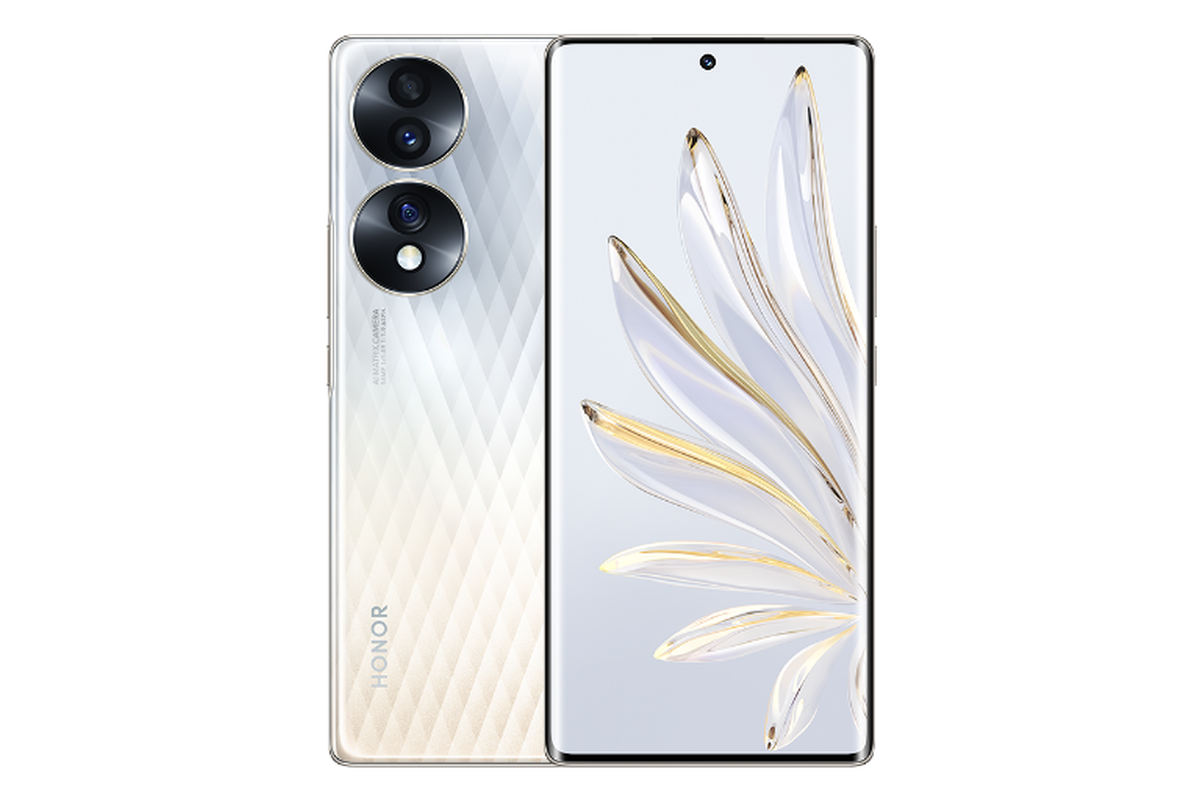
In May, Honor unveiled the Honor 70, Honor 70 Pro, and Honor 70 Pro+. According to a report by Appuals, the Chinese manufacturer will be launching the Honor 70 on Sept. 2 in the global market. The device is already listed on Honor’s website in France, Spain, and the UK. The 70 Pro and 70 Pro+ are likely to remain exclusive to the Chinese market. Well ahead of the launch, the publication has shared the storage, color variants, and price of the Honor 70.
According to the publication, the Honor 70 will be made available in two configurations: 8 GB RAM + 128 GB storage and 8 GB RAM + 256 GB storage. These models will be priced at 549 euros and 599 euros, respectively. It will be made available in shades like Midnight Black, Emerald Green, and Crystal Silver.
Honor 70
Honor 70 specifications
The Honor 70 has a 6.67-inch OLED display with curved edges. It offers an FHD+ resolution of 1080 x 2400 pixels, a 20:9 aspect ratio, and a 120Hz refresh rate. The device comes preinstalled with the Android 12 OS with Magic UI 6.1. The global edition is expected to arrive with Google apps and services.
Under the hood of the Honor 70, the Snapdragon 778G Plus chipset will be present. It will come with 8 GB of RAM and 128 GB / 256 GB of storage. The device lacks external storage. For security, it has an under-display fingerprint scanner.
The device packs a 4,800mAh battery that carries support for 66W fast charging. It has a 32-megapixel front-facing camera, and its back panel has a 54-megapixel Sony IMX800 main camera, a 50-megapixel ultra-wide lens, and a 2-megapixel depth-sensing lens.
Apple has been known to host its iPhone launches in the Fall (Autumn) season. And as we approach the end of August, Bloomberg’s Mark Gurman has revealed that the Cupertino giant is planning on holding a launch event on September 7.
According to Gurman, the information comes from “people with knowledge of the matter.” The company will be launching a bunch of new products at this launch event including its highly anticipated iPhone 14 lineup and the Apple Watch Series 8. There are apparently plans for a new low-cost iPad, upgraded iPad Pro versions, a Mac Pro with Apple silicon processors, and other gadgets, though these may be reserved for a second October event.
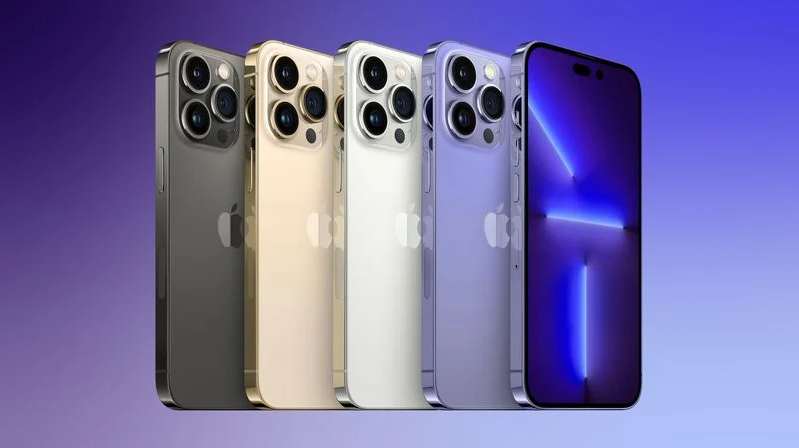
Coming back to the star of the show, Apple plans to release a total of four iPhone 14 models, including a 6.1-inch iPhone 14, a 6.7-inch iPhone 14 Max, a 6.1-inch iPhone 14 Pro, and a 6.7-inch iPhone 14 Pro Max. The Cupertino giant will skip on the mini model for the iPhone 14 as these small models have not sold well in the past.
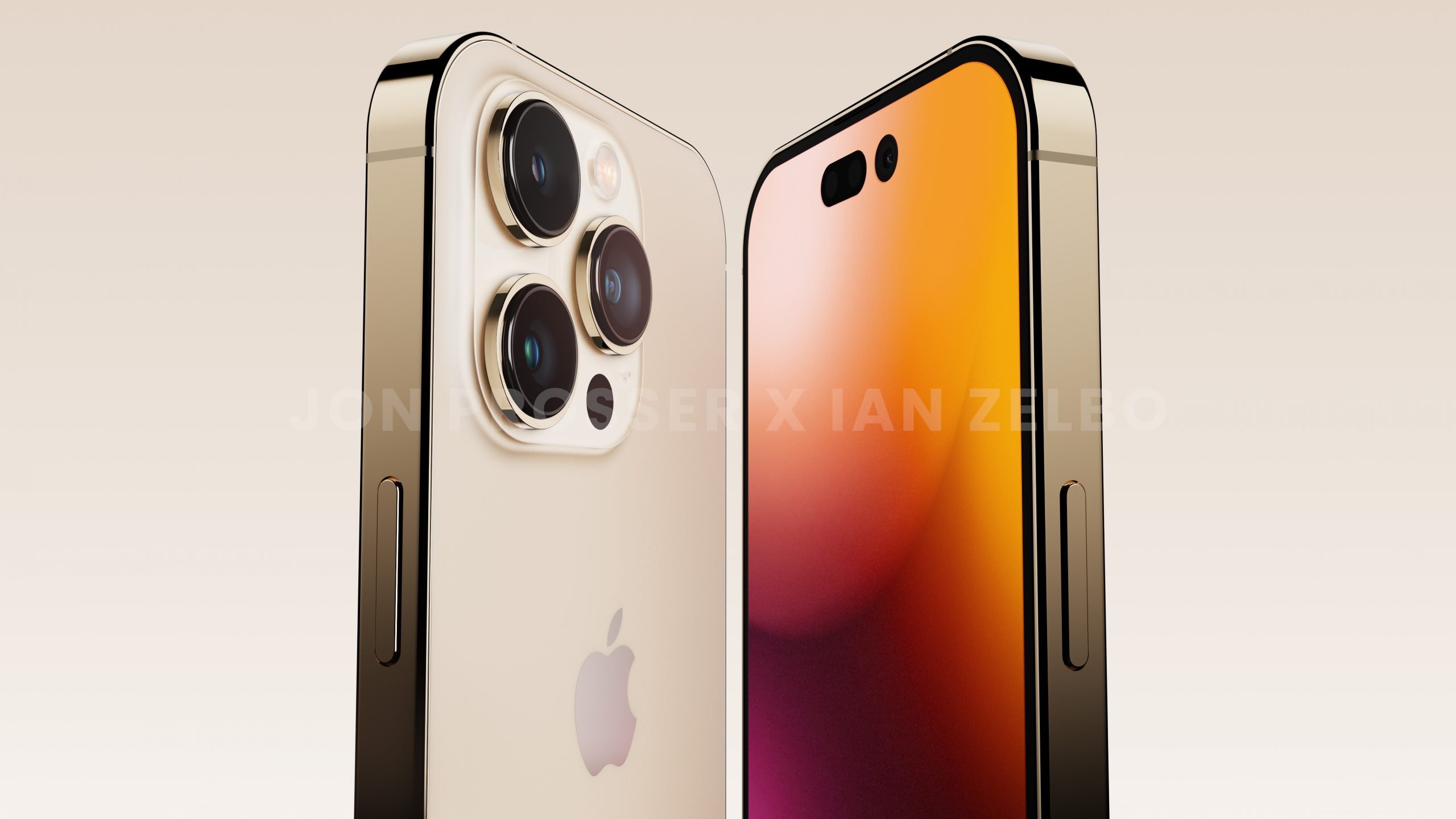
The iPhone 14 Pro models will have new camera technology with upgraded sensors, the removal of the notch in favor of a pill-shaped and hole-punched cutout, an A16 chip, and more. The vanilla iPhone 14 model is expected to receive minor modifications. It would also be interesting to see how the customers will receive the new iPhone 14 Max model as it will essentially be similar to the vanilla iPhone 14, but it will feature a 6.7-inch display instead of a 6. inch display.
Three new Apple Watch models are in development: the Series 8 model, the upgraded SE model, and the all-new Pro model, which is anticipated to have a larger body, an updated look, and a more robust design.
Over the past couple of years, foldable smartphones have matured to an extent where it can be your daily driver. The earlier generations were far from perfect, plagued with issues such as a visible crease on the internal screen, less durable components, and even a lack of IP certification.
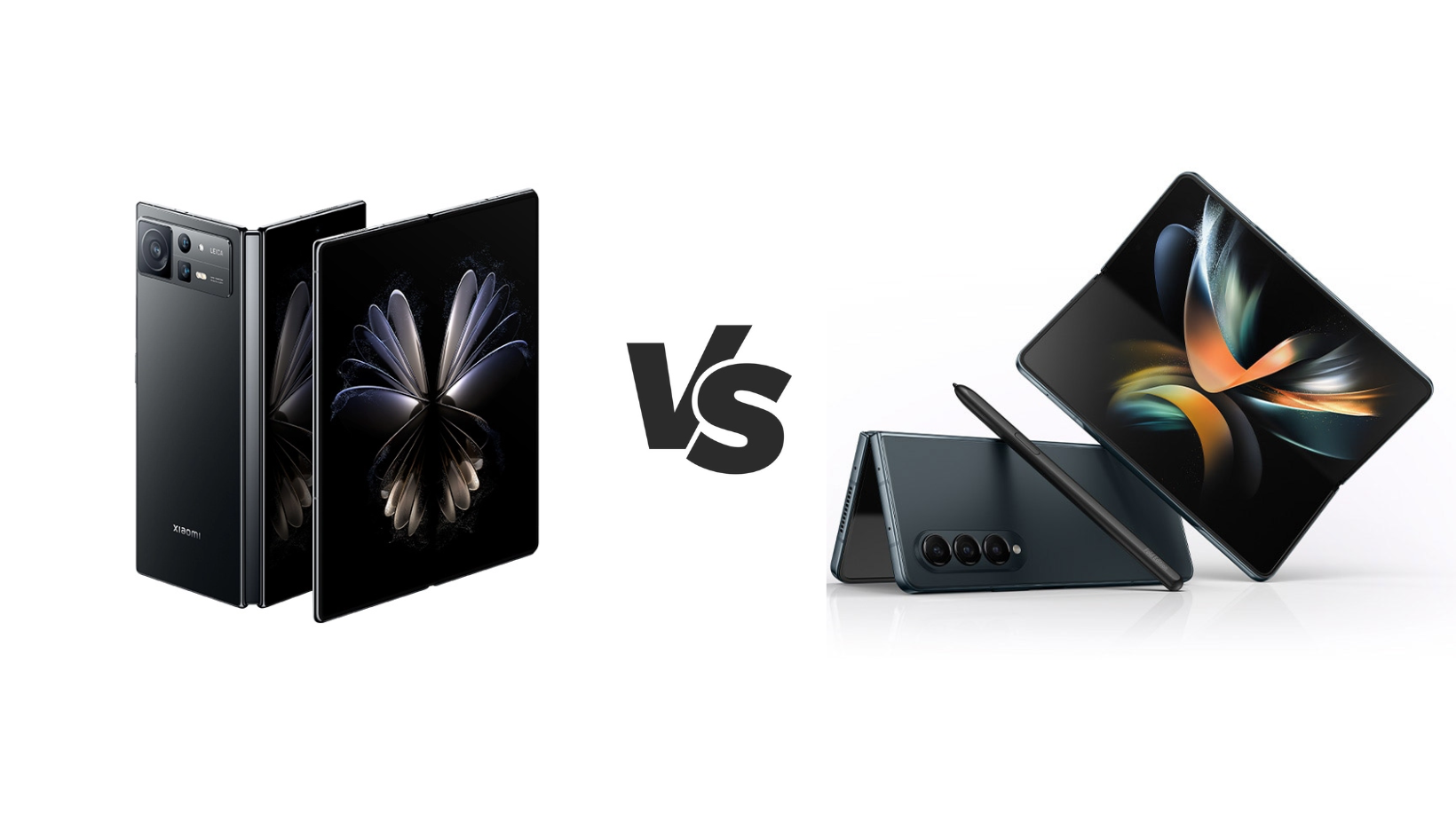
But things have changed now. The newly launched Galaxy Z Fold4 and the Xiaomi Mix Fold 2 are two of the best foldable smartphones that you can buy on the market. Given that the two companies announced their models almost around the same time, it makes complete sense to compare the two models.
Let’s take a quick look at the Xiaomi Mix Fold 2 vs Samsung Galaxy Z Fold4 comparison and see how they fare against each other.
Xiaomi Mix Fold 2 vs Samsung Galaxy Z Fold4
Xiaomi Mix Fold 2
Galaxy Z Fold4
DIMENSIONS AND WEIGHT
Unfolded: 161.1 x 144.7 x 5.4mm
Folded: 161.1 x 73.9 x 11.2mm
262 g
Unfolded: 155.1 x 130.1 x 6.3mm
Folded: 155.1 x 67.1 x 14.2-15.8mm | 263 g
DISPLAY
Foldable: 8.02-inch 2160 x 1914p
120Hz, HDR10+, Dolby Vision
Cover: 6.56 2520 x 1080p
120Hz, HDR10+, Dolby Vision
Foldable: 7.6-inch 2170 x 1812p
120Hz, HDR10+, Dolby Vision
Cover: 6.2 2316 x 904p
120Hz
The Xiaomi Mix Fold 2 and the Samsung Galaxy Z Fold4 feature an inward folding design. This means that both phones feature two displays. One is a large tablet-like display that folds inwards and there’s another external display for use in the folded state.
Given their similar design philosophies, we can directly compare the two foldable in the design department.
The Galaxy Z Fold4 comes with a more curved and rounded design, similar to its predecessor. On the other hand, the Xiaomi Mix Fold 2 adopts a boxier design profile, similar to the Galaxy Note series designs we’ve seen earlier. That said, both the phones look premium and polished for their prices with the Xiaomi foldable coming in standard black and gold colors, while the Samsung models adding in fancier Burgundy and Graygreen color options.
Another big difference is in the styling of the camera modules. The Galaxy foldable features a vertical camera module, housing its three cameras while the Xiaomi foldable comes with a rectangular camera module, featuring its three cameras. This gives the Xiaomi Mix Fold 4 a more symmetric look than the Galaxy model.
As for its dimensions, the Xiaomi model does have an advantage here, being just 5.4mm thick in the tablet mode (vs 6.3mm on the Galaxy Fold 4). Even in the folded state, it is way thinner than the Galaxy model at 11.2mm (vs 14mm).
Notably, the Xiaomi model is larger than the Samsung one, thanks to its larger displays on both the front and the back. However, unlike the Samsung model, it does not come with stylus support, which is a shame.
There’s no clear winner in this department as both are well-built foldables on paper.
Display
Let’s start with their unfolded displays first. Thanks to its larger dimensions, the Xiaomi Mix Fold 2 brings a larger display compared to the Galaxy Z Fold 4. It features an 8.02-inch 1914 x 2160 foldable OLED panel with 120Hz refresh, HDR10+, Dolby Vision on the inside, and a 6.56-inch 1080 x 2520 resolution screen with a 21:9 ratio, 120Hz refresh rate, and HDR10+ support on the outside.
In comparison, the Galaxy Z Fold4 features a 7.6-inch 1812 x 2176 HDR10+, 120Hz panel on the inside, and a 6.2-inch 904 x 2316 screen with a 23.1:9 aspect ratio, 120Hz refresh rate on the outside.
As you can see, both the displays boast top-end specs on paper, and it’s good to see both phones adding 120Hz refresh rate support on their internal and external screens. However, Xiaomi seems to have an advantage in terms of sizing and aspect ratio. If you look closely, the external display of the Xiaomi model features a standard aspect ratio of 21:9 which is not the case with Samsung’s 23.1:9 screen.
Both the models feature Ultra Thin Glass (UTG) protection on their foldable internal screen.
Finally, we can’t talk about foldable screens without really talking about creases. This is where the Samsung model could have the advantage with the company coming close to perfecting the art of limiting the visible crease on its display. Xiaomi also boasts of crease-less displays but Samsung seems to have the advantage here.
Specs & Software
The two foldables are evenly matched when it comes to the hardware. Both the models come with the 3.2GHz Snapdragon 8+ Gen1 chip, which is the best smartphone chipset for Android phones in 2022. With options of up to 1TB of storage and 12GB of RAM on both models, they will never be short of power, be it for heavy gaming or running intensive apps. Even multitasking should be a breeze.
That said, the software is where the two phones should differ significantly. The Xiaomi model comes with Android 12-based MIUI Fold 13 OS. This is similar to the OS that runs on its smartphones with a few adaptations (like multitasking) for its foldable form factor.
On the other hand, the Galaxy Z Fold4 comes with a dedicated OS for large screens, giving it an edge. It features the Android 12L OS with OneUI 4.1.1 on top of it, adding tablet-specific features like Samsung Flex, making the experience a lot more productive and fun.
While in terms of processing power, both the phones are well matched, the software is one area where Samsung brings its rich experience in the field of foldables. This gives the Galaxy Z Fold 4 an edge in this department.
Camera
The camera is another department where the two phones are well matched.
The Samsung Galaxy Z Fold4 comes with a 50MP f/1.8 primary camera with OIS, another 10MP 3x telephoto zoom camera with OIS, and a 12MO ultra wide-angle shooter with 123˚ FoV. On the inside, the phone features a 4MP f/1.8 selfie shooter which is under the display. The Samsung model also adds another 10MP selfie camera on its cover display.
In comparison, the Xiaomi Mix Fold2 comes with a 50MP f/1.8 primary camera with OIS, 8MP 2x optical zoom telephoto lens and a 13MP 123˚ ultra-wide shooter. It features a 20MP selfie camera on the front.
As you can see, both the models feature a solid camera setup, comparable to the flagships of 2022. They even support up to 8K video recording.
Battery
It’s the year 2022 but foldable smartphones still lack large batteries. The Xiaomi Mix Fold 2 comes with an average 4500mAh capacity battery and 67W charging. On the other hand, the Galaxy Z Fold4 comes with a 4400mAh battery with 25W charging support.
However, the Galaxy foldable, like its predecessor, comes with wireless and reverse wireless charging support at 15W, which is absent on the Xiaomi model.
Price
The Galaxy Z Fold4 starts at $1,799.99/£1,649/€1,799 globally. On the other hand, the Xiaomi Mi Mix Fold 2 retails for around 8,999 yuan (~$1,335) in China. But you can get it globally via sites like Giztop for $1799.
Samsung’s Galaxy Z Fold4 brings multiple generations of refinements, making it one of the best foldables of 2022. However, the phone is still pretty pricey, especially when you compare it to the Xiaomi Mix Fold 2. In terms of hardware, they are pretty evenly matched, however, the Samsung model would have an advantage in the software department.
If Xiaomi makes the foldable available globally for a cheaper price than the Galaxy Z Fold4, it will make the foldable market a lot more interesting in the coming weeks.
Galaxy Z Fold4 vs Xiaomi Mix Fold2: PROs and CONS
Galaxy Z Fold4
PRO
Relatively Compact Form Factor
Wireless Charging Support
IPX8 water resistance
Stylus Support
Better Software Experience
We all know that DOOGEE likes to experiment with novel designs on rugged phones. If you remember, the S98 series that we reviewed earlier, looks different from other rugged phones. Today we are going to take a look at their new design S61 Pro, which once again refreshes our perception of rugged phone design.
DOOGEE S61 Pro Box Accessories
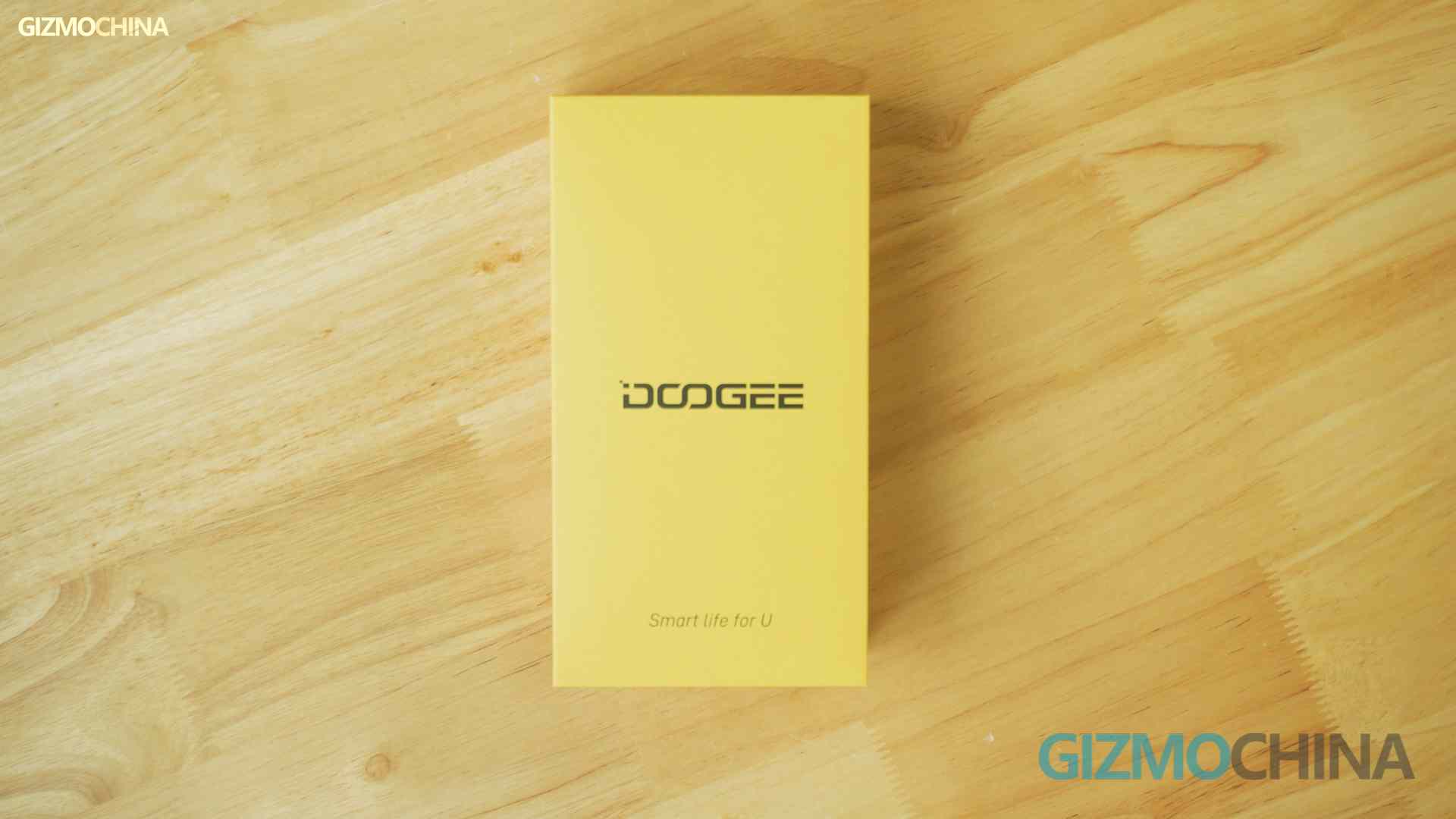
This time, the box is not a big box like the S98 series, but a yellow box. The accessories inside are the same accessories that most rugged phones have. A Manual and Warranty card, an Anti-scratch film, and screen protector accessories. There is also a film that has been pre-applied on the phone. Then there is a SIM Card pin, charger, and data cable. This time the box also comes with a wrist rope, saving you a dollar. That’s all the accessories in the box.
DOOGEE S61 Pro Design
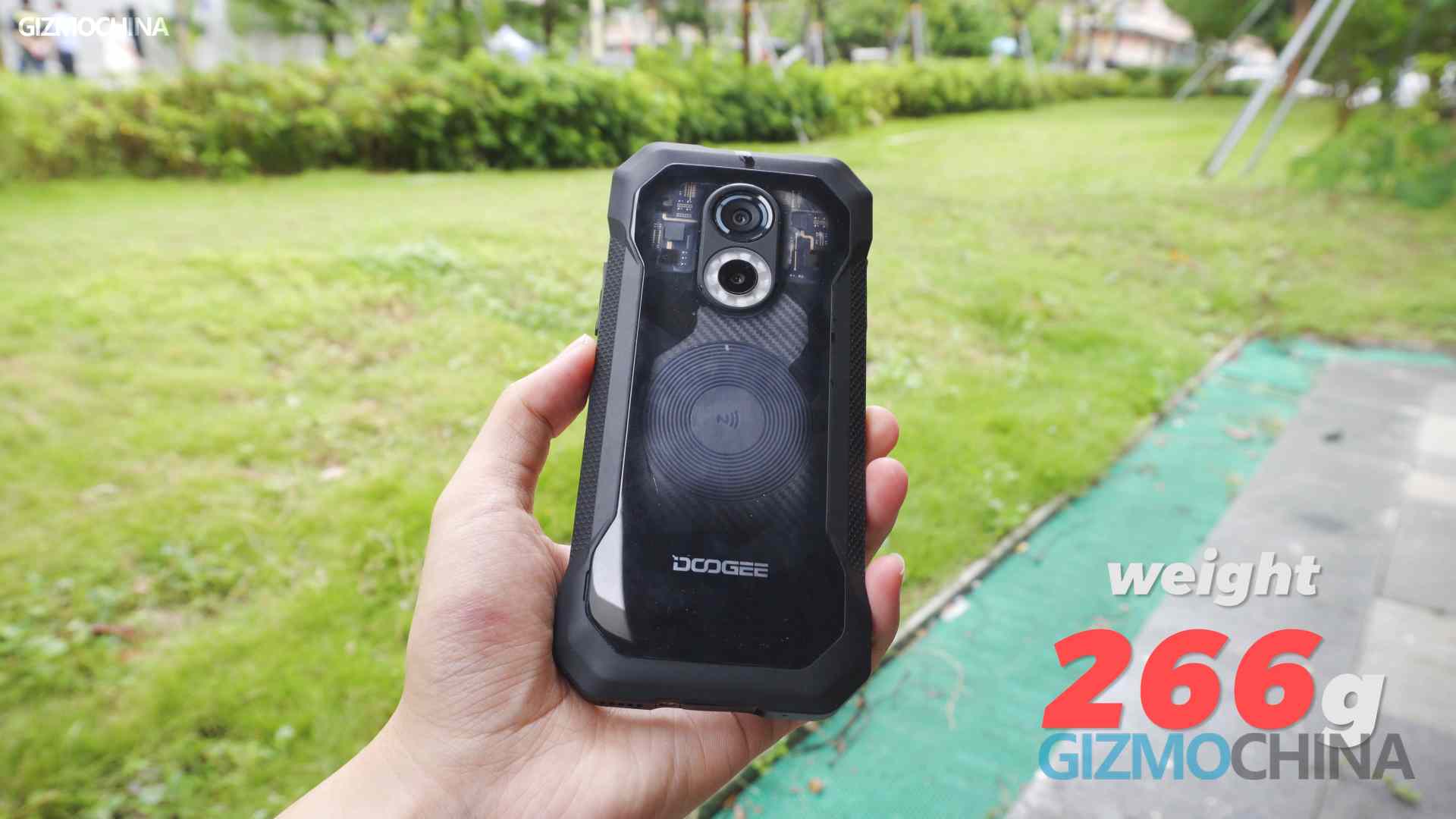
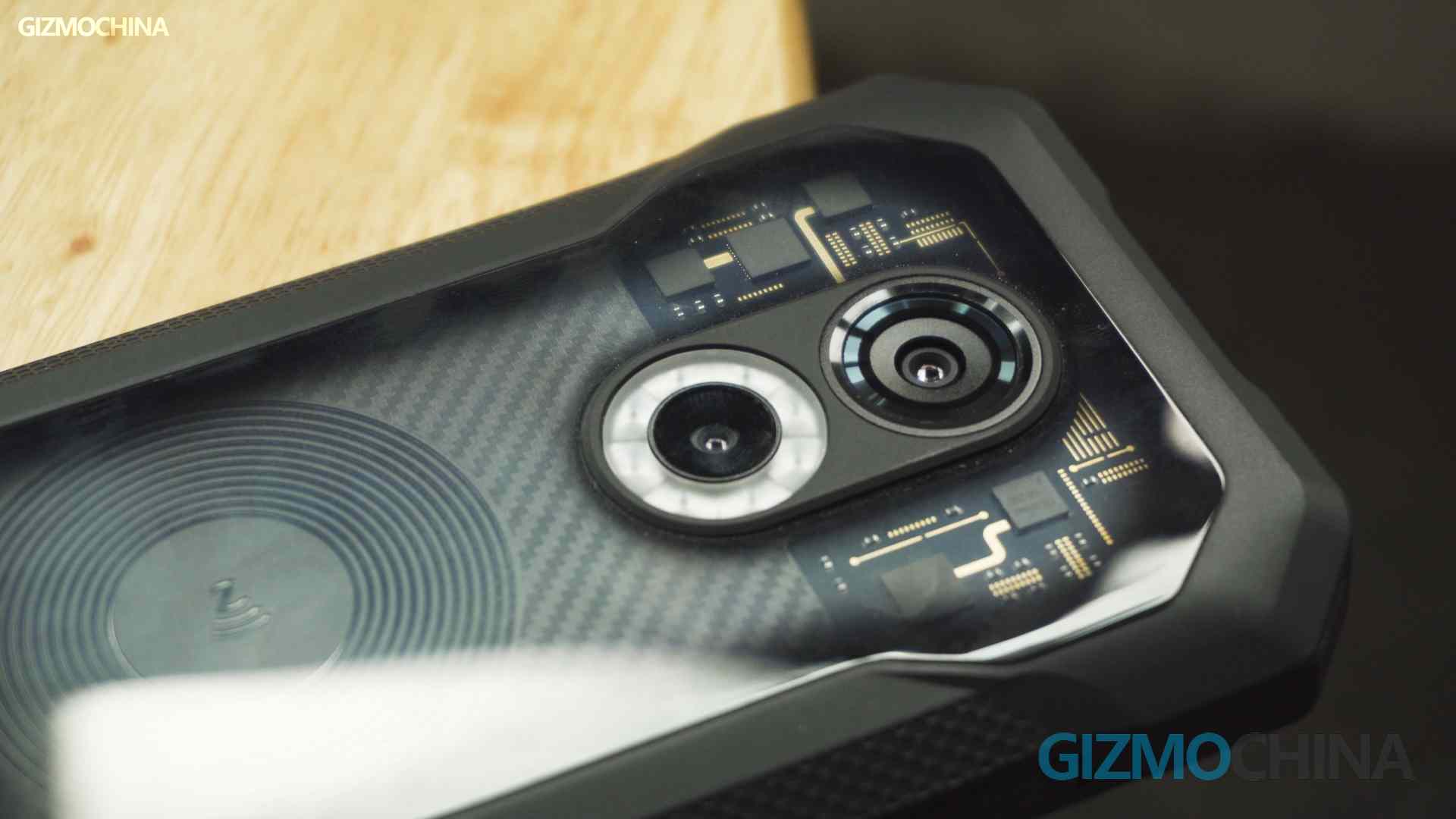
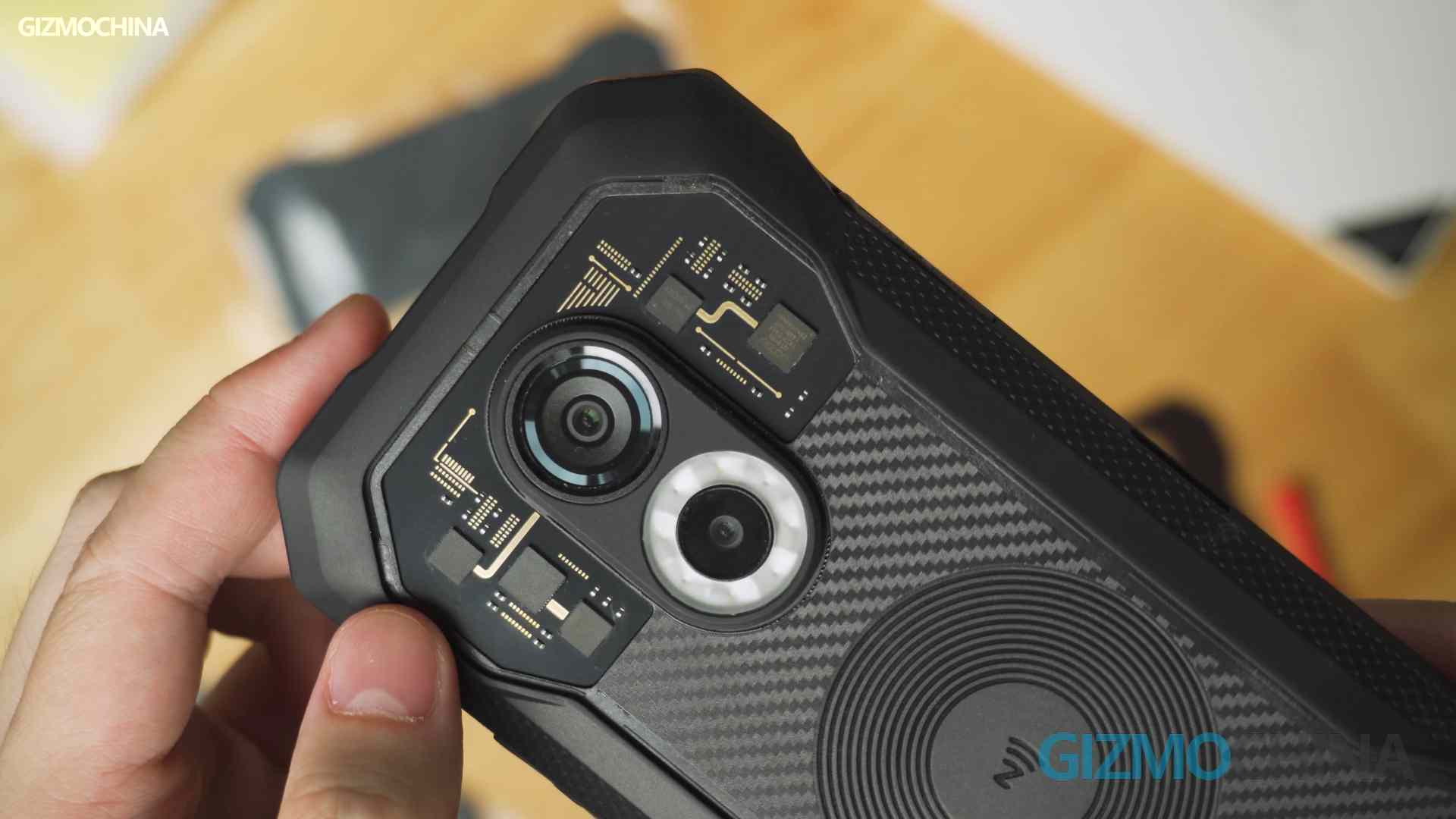
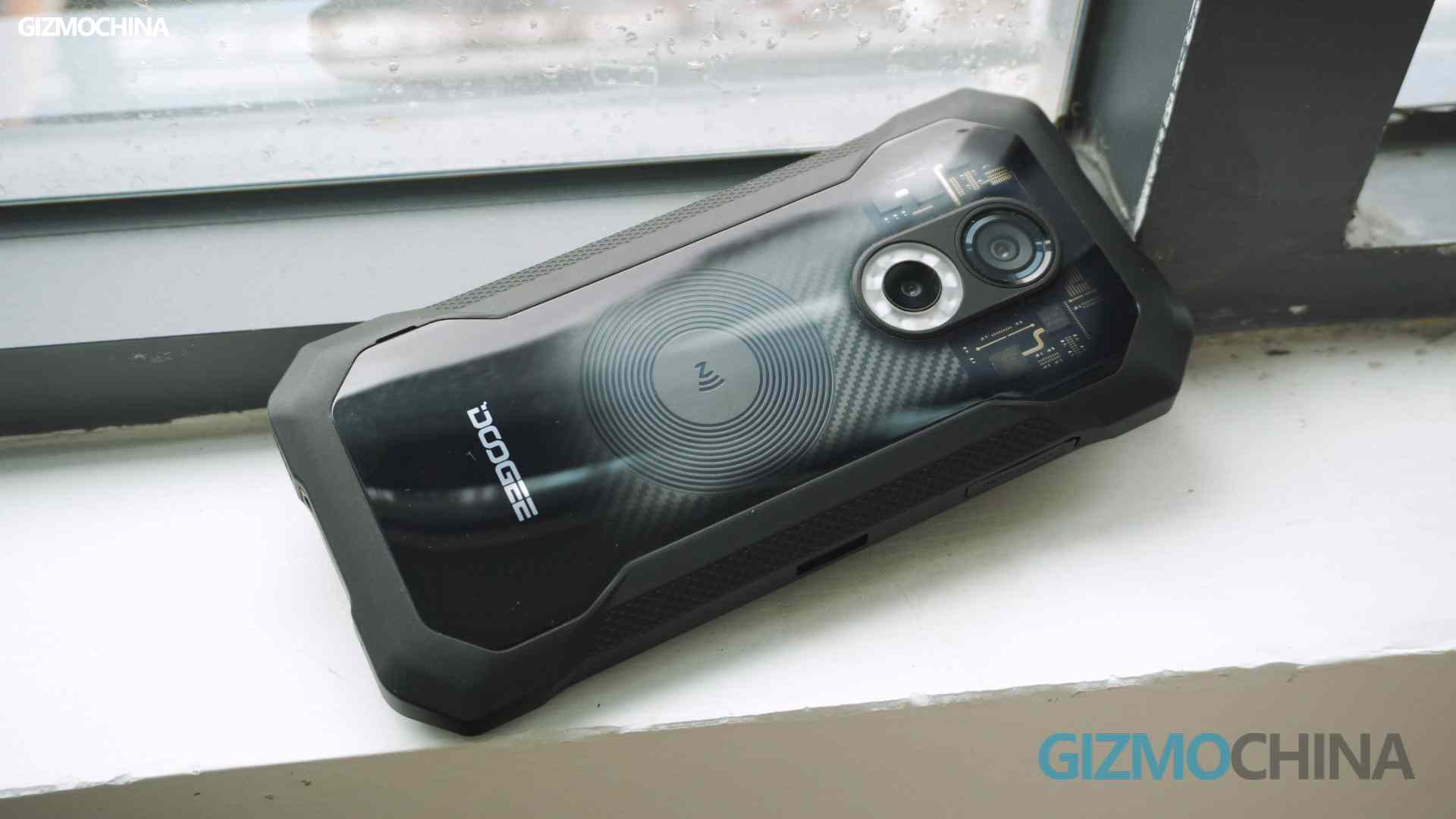
Now let’s take a good look at the design of the S61 Pro. From the appearance you can see that this is not an ordinary rugged phone, at least I have never seen a rugged phone with a transparent back cover. It reminds me of the Mi 8 explorer edition, which also uses a transparent back cover design. You can see the circuit board inside the S61 Pro through the back cover, very geeky design style, I believe many people will like it.
The two sides are made with a honeycomb anti-slip finish. The middle design that looks like a wireless charging coil is actually an NFC coil. Please note, it is only a $130 entry rugged phone, no wireless charging support is very much reasonable. The headphone jack is of course also there, SIM Card slot also supports two Nano SIM card and TF card. Another thing I like is that it only weighs 266g, which is light for many rugged phones that are over 300g. It’s also about the same size as a regular phone, and with its special appearance, you really feel like you’re using a regular phone instead of a rugged phone when you hold it in your hand. I really like the smaller rugged phone, at least my pants don’t fall down anymore with their weight.
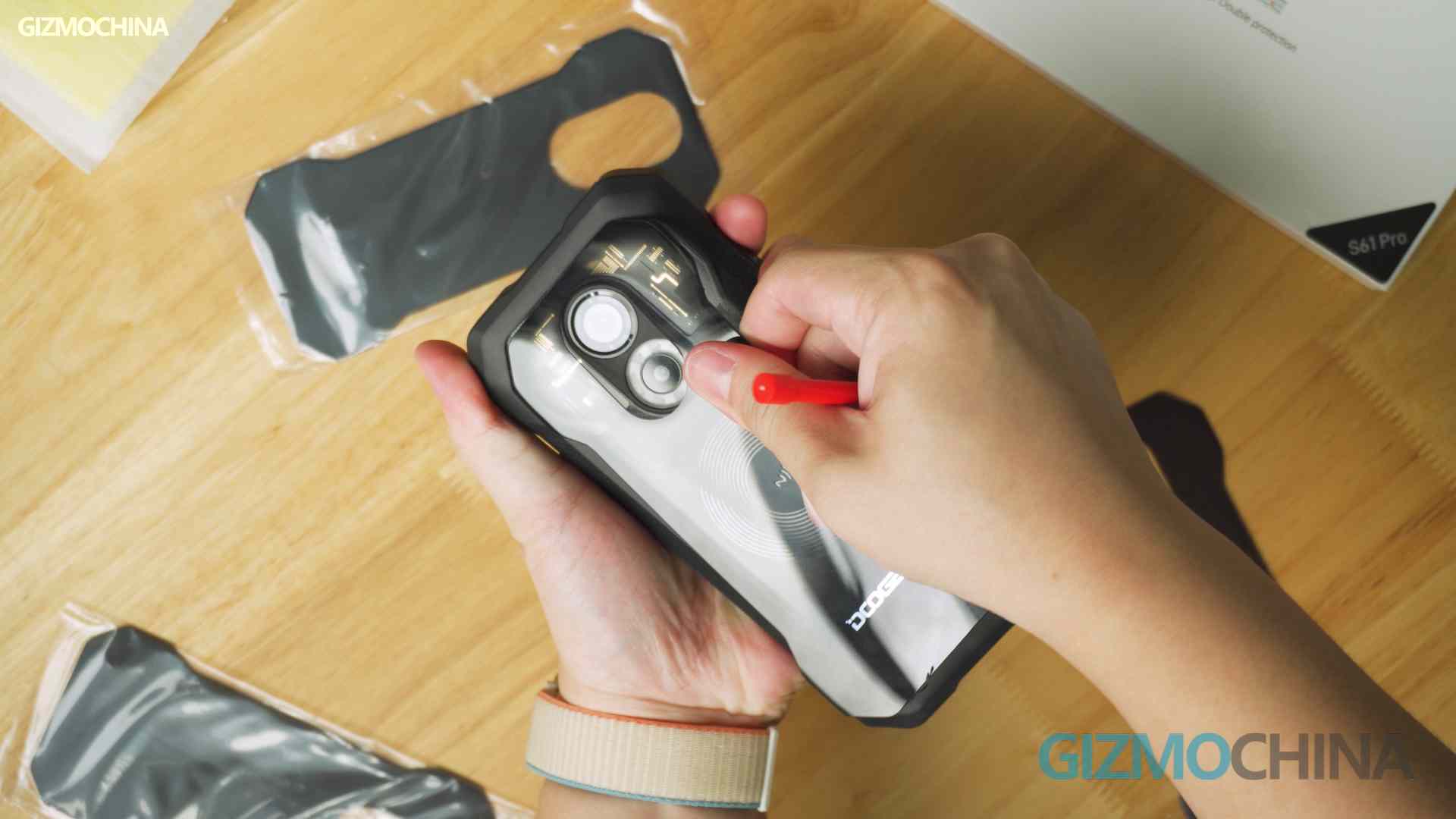
Some people may ask: without the protection of the backplane, the circuit board will not be damaged by exposure to the sun? The answer is no. Because this circuit board is only decorative, the real motherboard in this circuit board is below. How do I know? Because I took the whole back panel off to confirm. This back panel is made of plastic, and there is a risk of scratching if used for a long time.
1 of 3
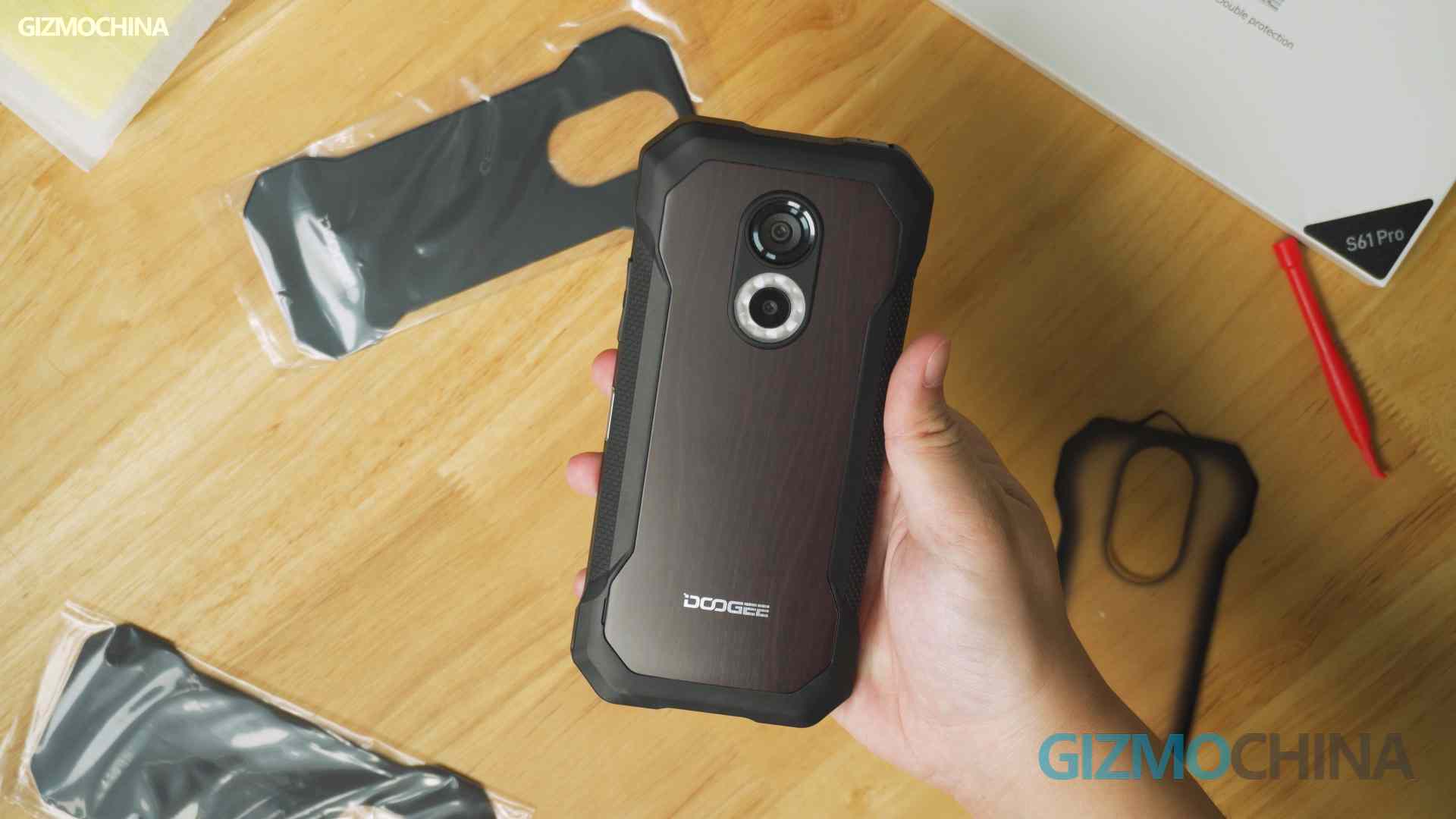
You can also remove it yourself and replace it with your own DIY backplate, but I don’t recommend you do that because you will lose the warranty. We replaced it with the official wood grain backplate, which also looks beautiful.
DOOGEE S61 Pro Display
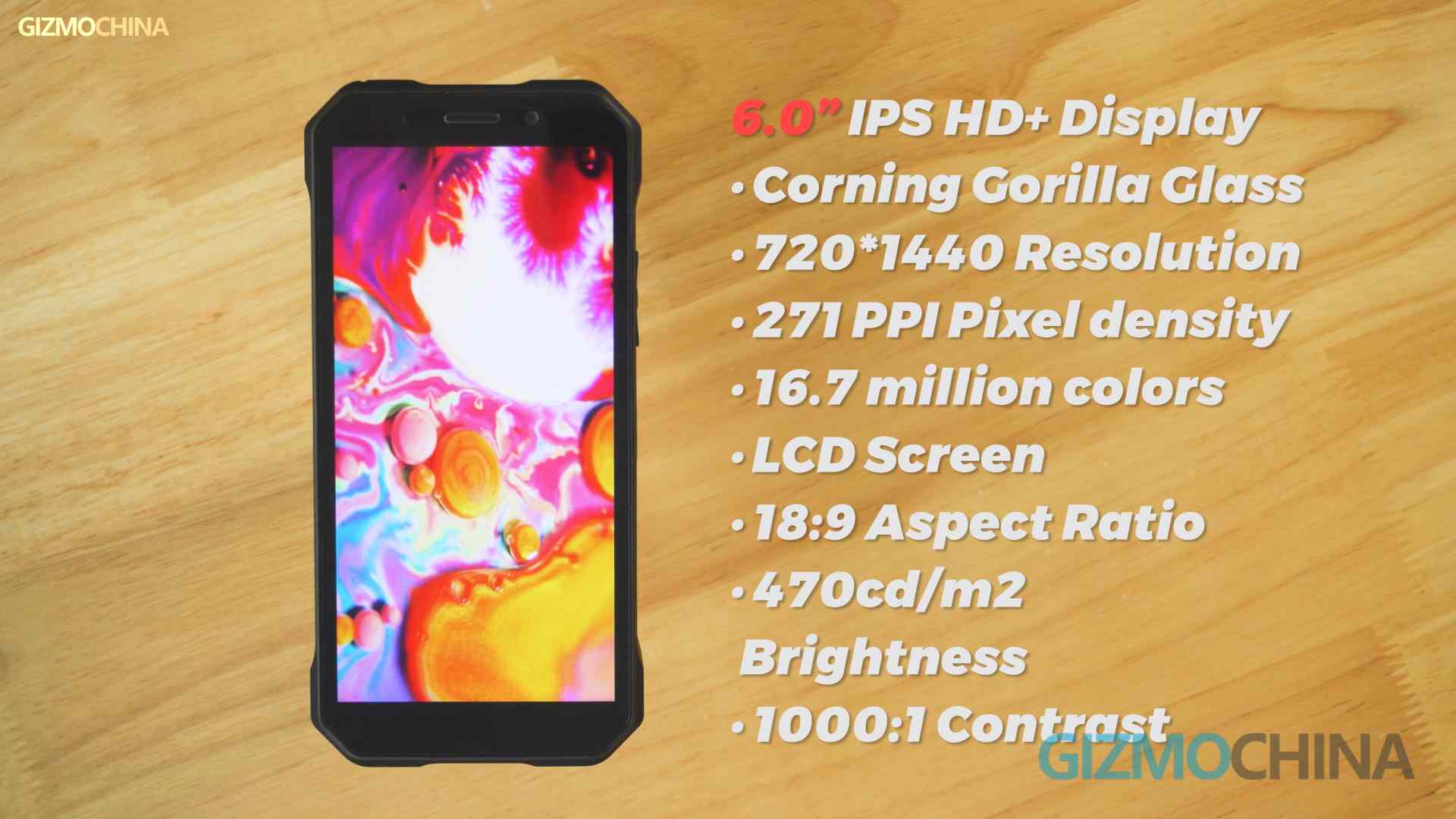
This 6-inch LCD screen, like other rugged phones, is nothing special in terms of specs and basically meets your usage needs. Even so, I still like one of its points: it is a full rectangular screen, rather than a hole-punch or water-drop screen. The rugged phone is not likely to have a narrow bezel anyway, so why not give us a full screen, right?
Doogee S61 Pro camera 9
Doogee S61 Pro camera 7
Doogee S61 Pro camera 6
Doogee S61 Pro camera 5
Doogee S61 Pro camera 4
Doogee S61 Pro camera 3
Doogee S61 Pro camera 2
Doogee S61 Pro camera
v
As you can see, the S61 Pro has only two lenses, the main camera plus a Night vision camera, and there is not much I can say about the camera system. It’s can record daily life or scan QR codes without any problem. That’s enough for this phone.
DOOGEE S61 Pro Hardware
The S61 Pro uses a MediaTek Helio G35 processor. With a score of 137,000 on Antutu, we can see that it is only an entry-level processor. But that doesn’t mean it can’t play games.
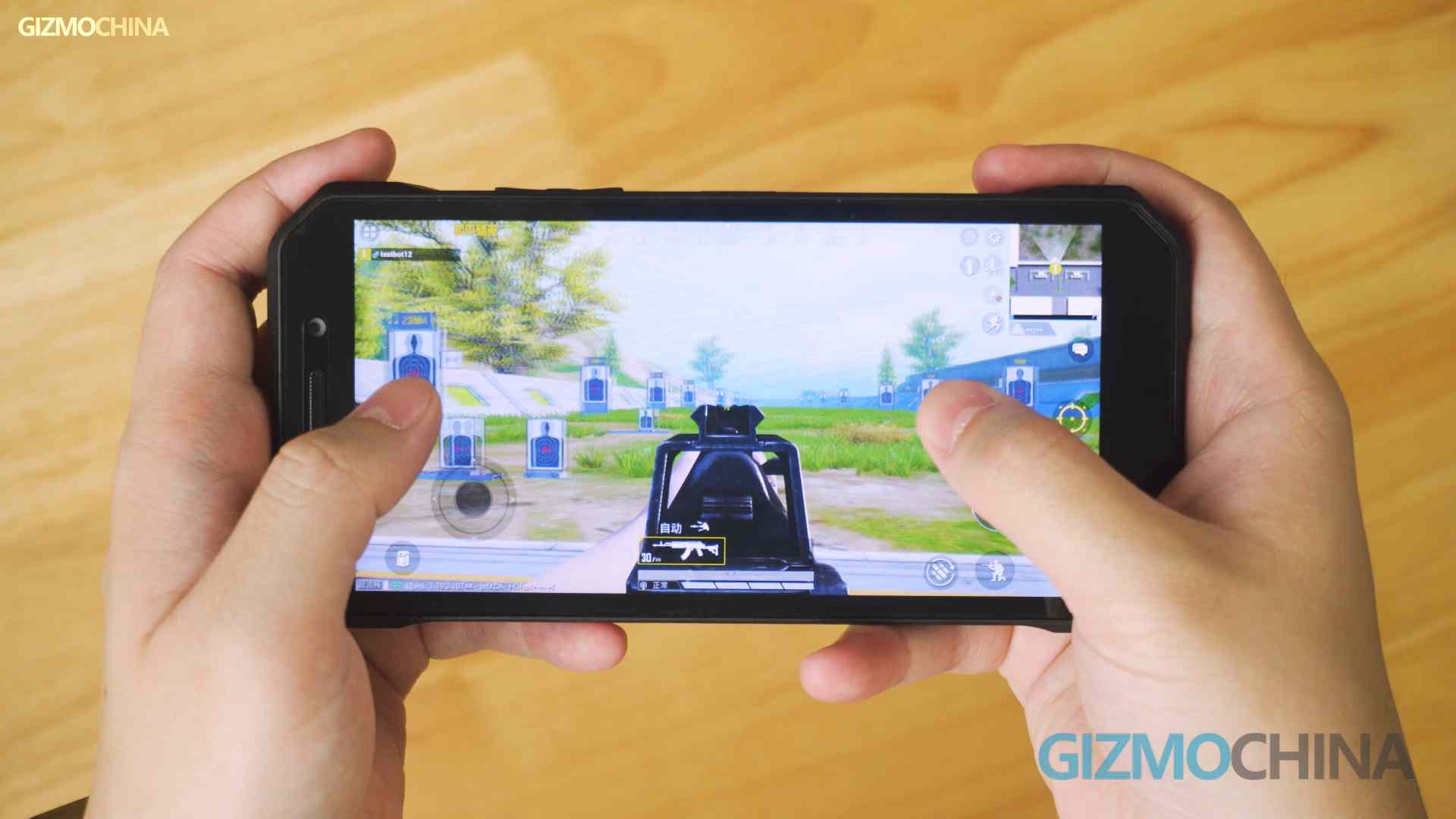
Thanks to PUBG’s optimization for entry phones, the ultra-smooth Graphics can be kept at 30fps, which is an acceptable level. The system is also the latest Android 12. The battery capacity is 5180mAh, which is not big, but it is understandable because the size and weight have been reduced. Officially, it also says that the Standby time is at least 600 hours, so two days without charging should not be a problem. Waterproof ratings like IP68 are also available, meaning that the phone will not be affected by water in depths of up to 1.5m.
The S61 Pro is a budget rugged phone, but it is also a phone with the most special design. Even for more money, you will be hard-pressed to see a more special rugged phone. who wouldn’t like a transparent phone, right?
And at only $130, it doesn’t seem so difficult to consider this model. For those who have a need for good looks and a lightweight rugged phone, buy the S61 Pro.
iQOO is reportedly working on a couple of new smartphones, such as the iQOO Z6, Z6x, and Neo 7. The Chinese manufacturer is expected to unveil the Z6-series as early as this month in China. Even though the Neo 7 is likely to come out in October, details about it have been leaking out.
Tipster Digital Chat Station’s latest Weibo post suggests that the iQOO Neo 7 will arrive with four major upgrades. The first one is the inclusion of the Dimensity 9000+ flagship chipset. To recall, the iQOO Neo 6, which went official in December 2021 in China, featured the Snapdragon 8 Gen 1 chipset.
Next, it will come equipped with a new FHD+ 120Hz AMOLED display with a flat design. A recent report revealed that the device will be equipped with a Samsung AMOLED E5 screen instead of the E4 AMOLED panel that was made available on the predecessor model.
The Neo 6 has a 64-megapixel primary camera. However, the Neo 7 will be equipped with a Sony IMX766V 50-megapixel main snapper with OIS support. It will carry support for 120W fast charging instead of the 80W charging made available on the Neo 6.
Other reports have claimed that the Neo 7 will borrow most of its specifications from the iQOO 10 5G, which debuted in July. Hence, the smartphone is expected to house a 6.78-inch AMOLED display, a 16-megapixel front-facing camera, a 50-megapixel + 12-megapixel + 13-megapixel triple camera unit, and a 4,700mAh battery. The device is expected to arrive with 8 GB / 12 GB of LPDDR5 RAM and 128 GB / 256 GB of UFS 3.1 storage.
As far as the iQOO Z6 is concerned, it is expected to arrive with key specifications, such as a 120Hz LCD display, Snapdragon 7-series chipset, and 80W charging. The Z6x is expected to support 44W charging.
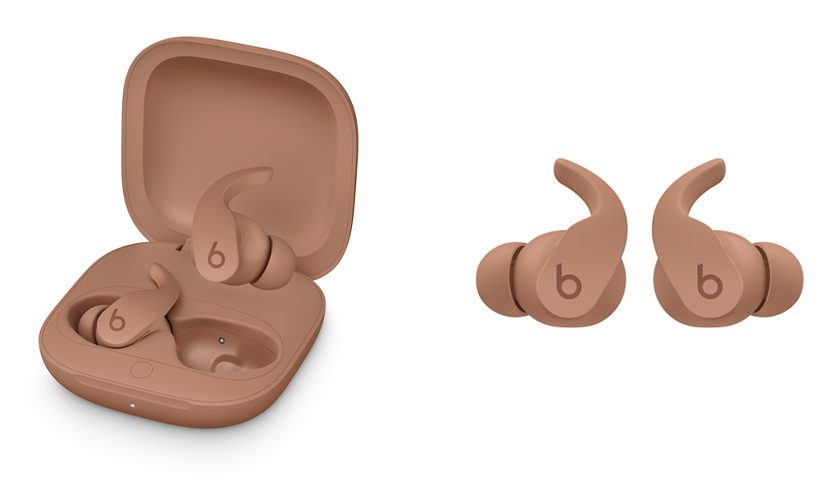
Earlier this year, Apple-owned Beats finally released the Beats Fit Pro earbuds for markets outside of the US. Now, the brand has released a special colorway for the truly wireless earbuds called the Beats Fit Pro Kim K special edition.
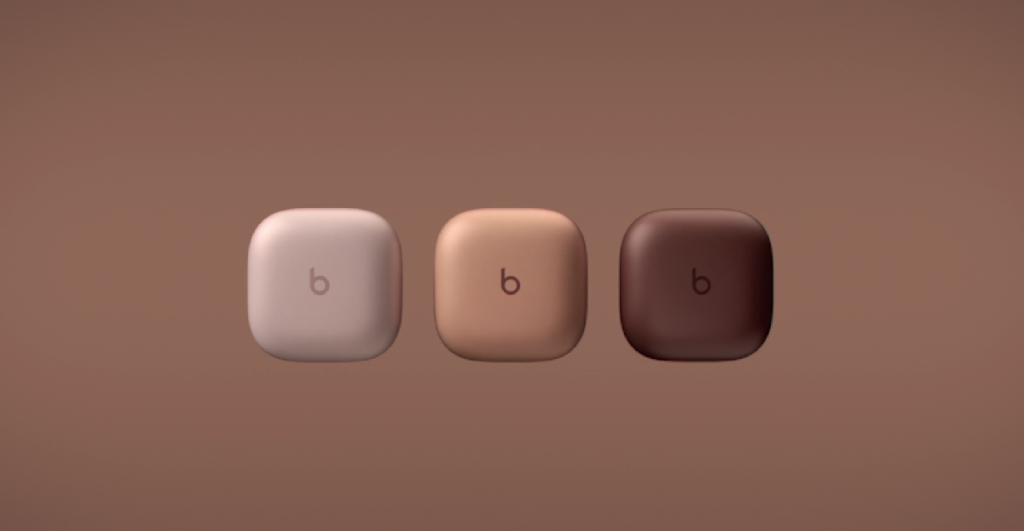
The Beats Pro by Kim K Special Edition comes in three neutral colors, and you have a choice of three soft silicone ear tips. The color options are dubbed Moon, Dune, and Earth. Other than the new colors, the specs and features of the earphones remain the same.
Specs & features
A two-chamber housing with a dual-element diaphragm driver produces clear, stereophonic sound. The earphones are equipped with Apple’s H1 chip, which allows for quick pairing and automatic syncing. This is the same chipset that is used in Apple’s AirPods Pro.
Beats Fit Pro Kim K Special edition Dune color
Similar to the AirPods Pro, the Fit Pro includes active noise cancellation with a “Transparency” option, spatial audio, and dynamic head tracking. Other than iPhones, the earbuds work perfectly with Android devices.
The buds offer up to 7 hours of playback without the charging case (6 hours with ANC turned on) and up to 30 hours with the charging case. A quick 5-minute charge provides 1 hour of playback time. The earbuds, however, miss out on the wireless charging feature. Other than that, it has an IPX4 rating making it water and sweat-resistant.
Pricing & availability
The Kim K Special Edition Beats Fit Pro True Wireless Earbuds are priced at $199.99. They can be purchased via the Apple e-store in the US and some other regions.
We use cookies on our website to give you the most relevant experience by remembering your preferences and repeat visits. By clicking “Accept”, you consent to the use of ALL the cookies.
This website uses cookies to improve your experience while you navigate through the website. Out of these, the cookies that are categorized as necessary are stored on your browser as they are essential for the working of basic functionalities of the website. We also use third-party cookies that help us analyze and understand how you use this website. These cookies will be stored in your browser only with your consent. You also have the option to opt-out of these cookies. But opting out of some of these cookies may affect your browsing experience.
Necessary cookies are absolutely essential for the website to function properly. This category only includes cookies that ensures basic functionalities and security features of the website. These cookies do not store any personal information.
Any cookies that may not be particularly necessary for the website to function and is used specifically to collect user personal data via analytics, ads, other embedded contents are termed as non-necessary cookies. It is mandatory to procure user consent prior to running these cookies on your website.