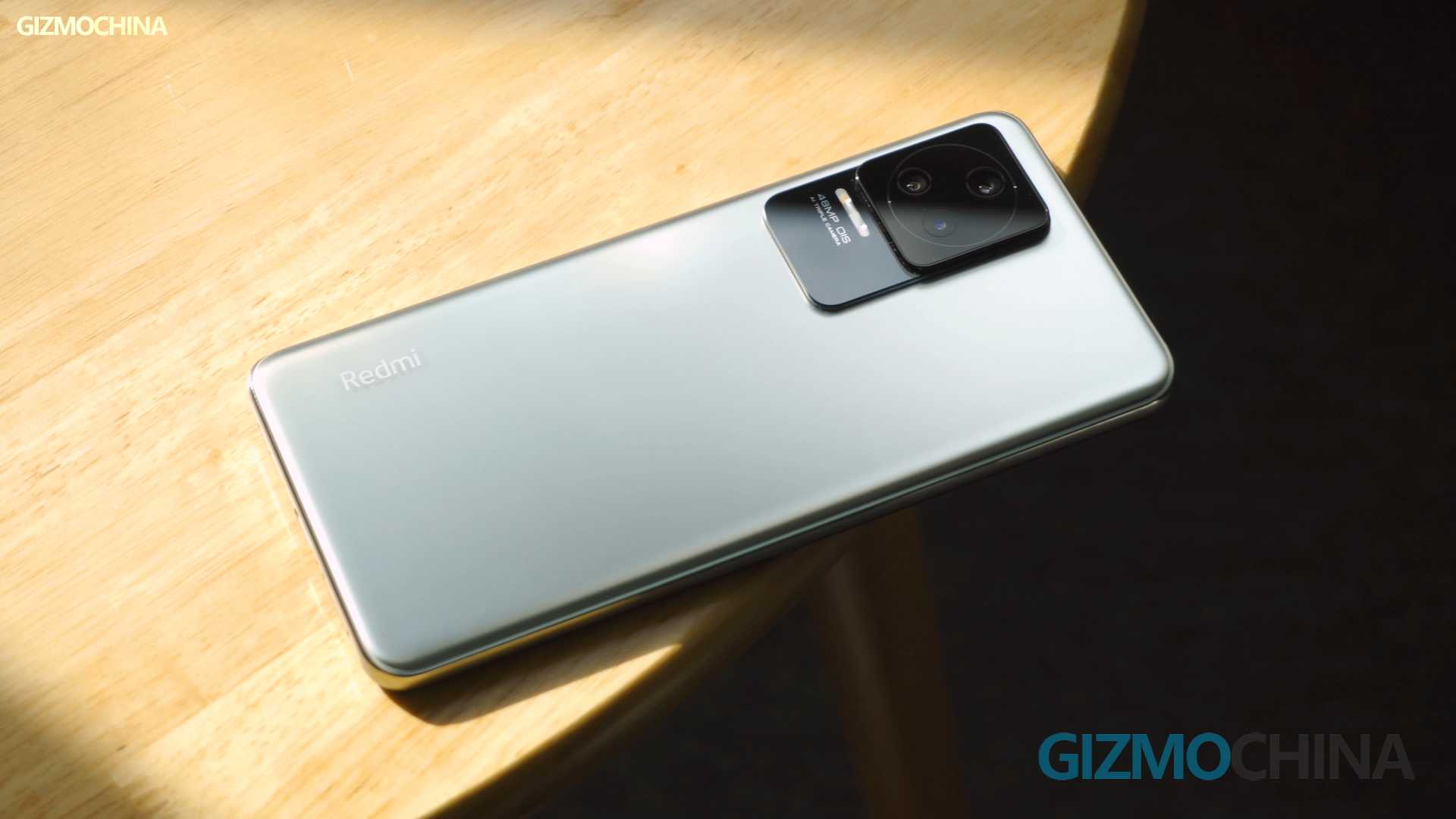
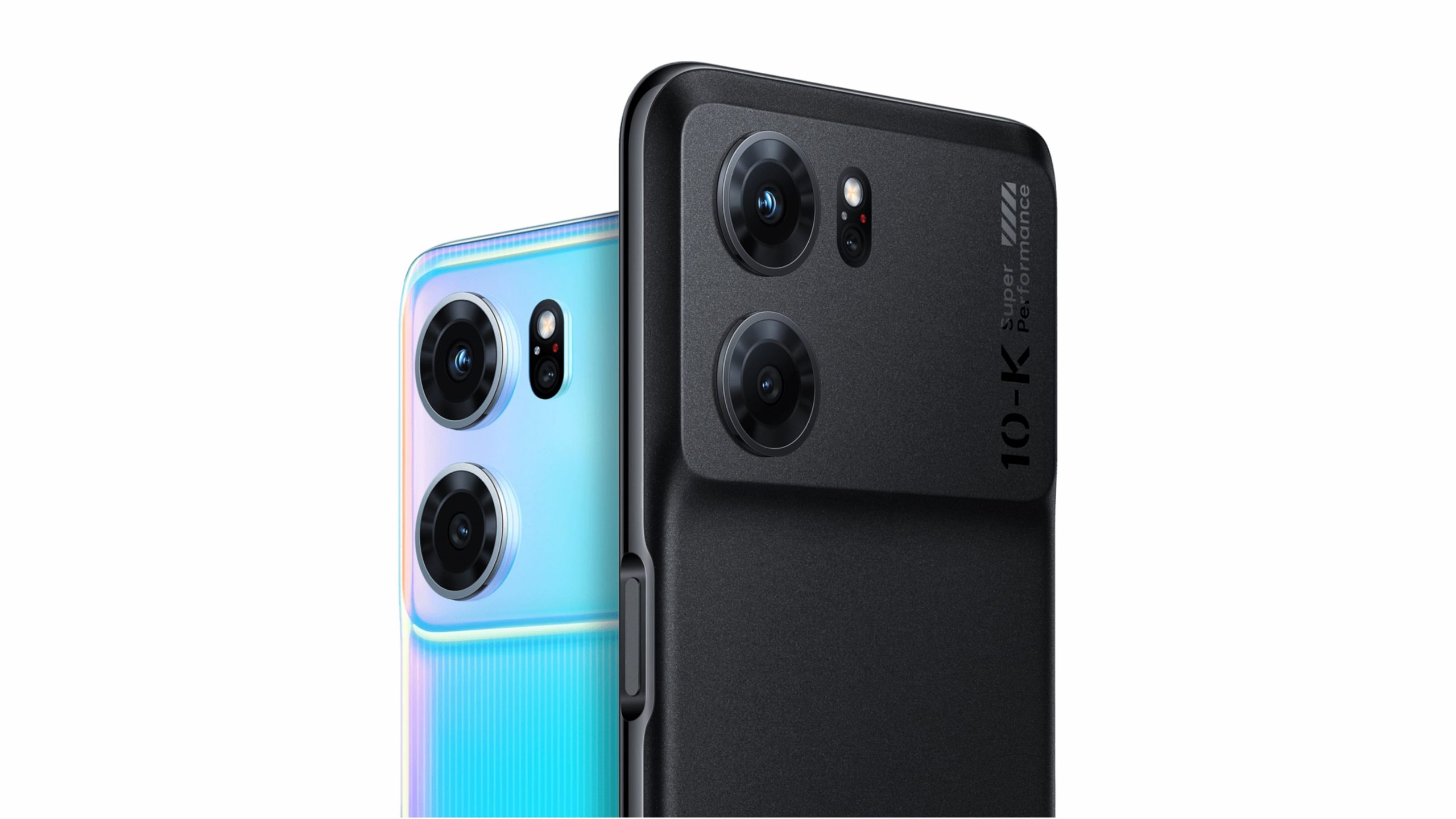
After the launch of the OPPO K10 5G and the K10 Pro 5G in China, the brand is planning to debut another K-series smartphone called the OPPO K10 Vitality Edition.
Oppo K10 5G
A recent leak revealed multiple key specifications of the device, and now, a new report has emerged giving more insight regarding the upcoming smartphone. According to a reliable tipster WHY LAB, the OPPO K10 Vitality Edition will be aimed at the offline market in China.
Previous leaks have revealed that the device will debut with the Snapdragon 778G chipset, and pack a 5,000mAh battery. The leaks also state that the device will arrive with 12 GB of RAM and 256 GB of storage.
Now, the tipster has revealed more information regarding the spec sheet of the smartphone. According to him, the smartphone features an LCD display panel with support for 120Hz refresh rate. Other than that, the device will offer powerful haptics thanks to an X-axis linear motor. As for optics, the device will feature a 64-megapixel primary camera.
In related news, the OPPO K10x passed the TENAA certification with model number PGGM10 back in May. It is expected to be a rebranded Realme V25 5G, and debut with specs like a 6.59-inch LCD display with Full HD+ resolution, a 5G enabled Snapdragon 695 chipset, and a 4,880mAh (rated value) battery. It is also expected to have a 64-megapixel main camera paired with a couple of 2-megapixel cameras and a 16-megapixel front camera.
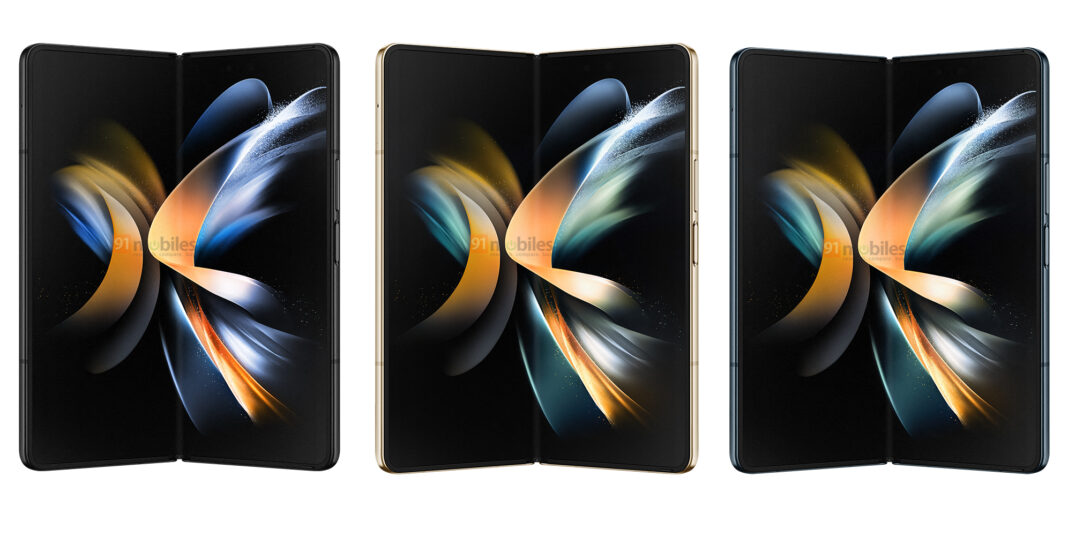
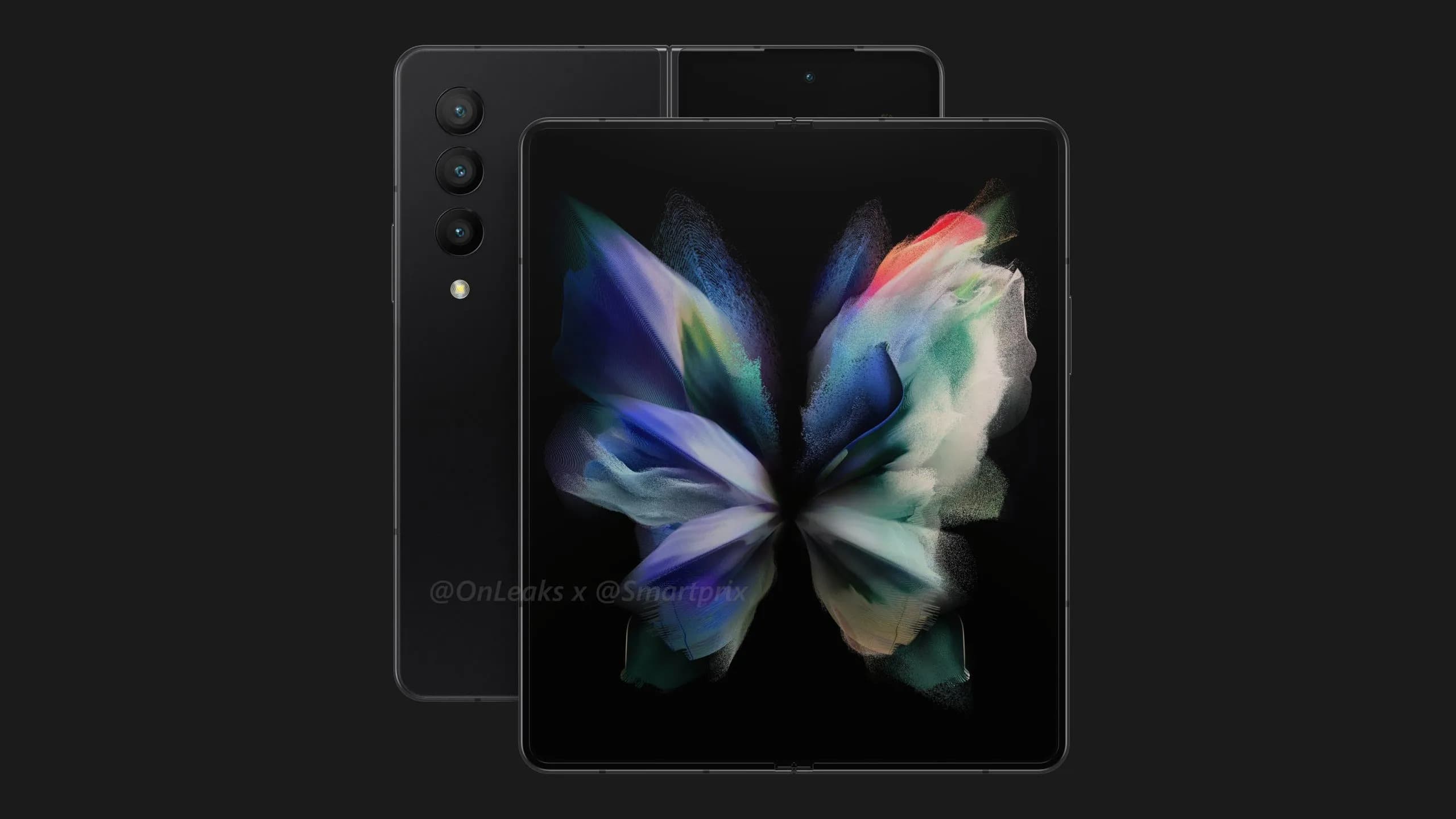
Samsung is gearing up to launch the next generation of its foldable smartphones on August 10th. The launch event will be headlined by the Samsung Galaxy Z Fold 4 and the Galaxy Z Flip 4, while the new Galaxy Watch 5 series and the Galaxy Buds Pro 2 are also expected to make their debut.
Now, ahead of the launch event, the pricing of both the Flip 4 and the Fold 4 have leaked via multiple sources. Starting with the Galaxy Flip 4, Tipster Sudhanshu Ambhore, in collaboration with Pricebaba has revealed the European pricing of the Flip 4. According to the report, the Galaxy Z Flip 4 will start at EUR 1,080 for the 128GB storage model, while the 256GB and 5112GB models will cost EUR 1,160 and EUR 1,280 respectively.
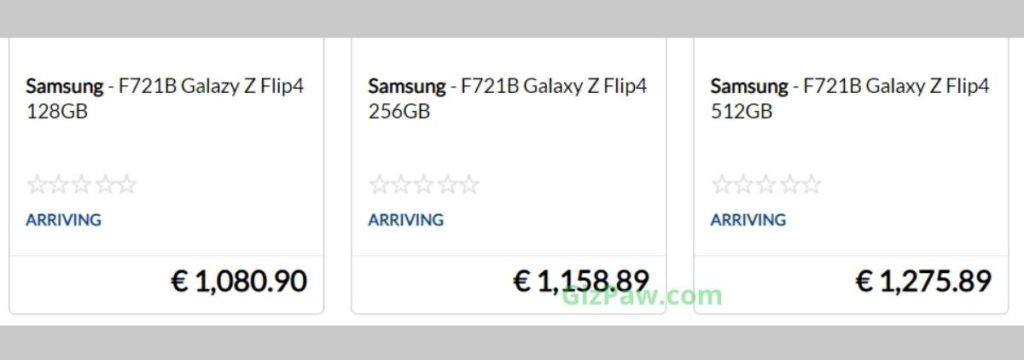
Image via Gizpaw
A separate report from Gizpaw features alleged retailer listings of the Galaxy Z Flip 4 that also reveals pricing similar to the above report. A screenshot captured by the publication shows the 128GB model with a EUR 1,080 price tag, while the 256GB and 512GB models are priced at EUR 1,158.89 and EUR 1,275.89.
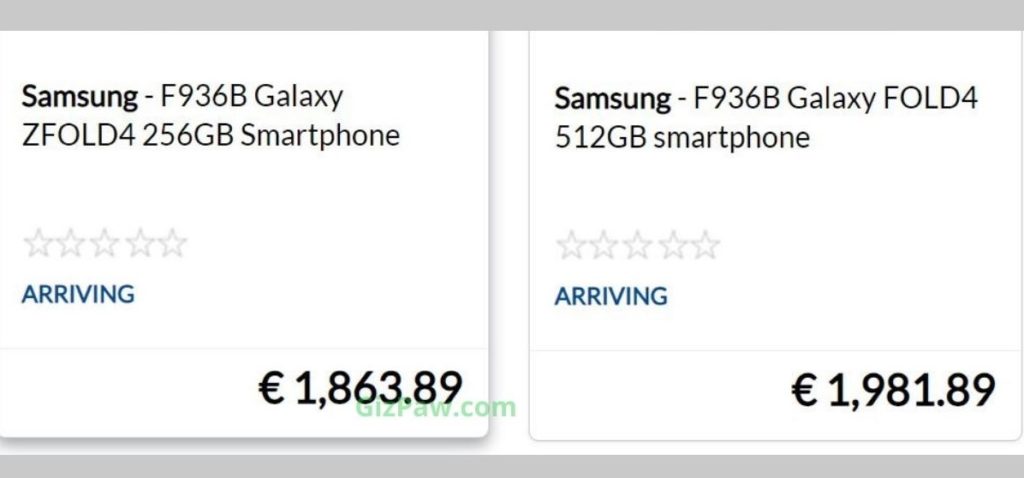
Image via Gizpaw
Gizpaw has also revealed the pricing of the Galaxy Z Fold 4 in Europe. Going by the alleged retailer screenshots, the Galaxy Z Fold 4 256GB storage model will come with a price tag of EUR 1,896.89, while the 512GB storage model will be priced at EUR 1,981.89. Considering that these are not the standard price tags, we may see Samsung debut the 256GB model at EUR 1849 and the 512GB model at EUR 1,999.
From these reports, it is clear that the next generation of foldable smartphones will debut with slight price bumps compared to the current generation. However, we will likely have to wait till August 10 for the official confirmation, so stay tuned.
The OnePlus 10R is the company’s cheapest flagship phone on the market right now. With the recent discounts on the model, the phone has become pretty competitive in its segment, featuring an excellent display, powerful processor, and superfast charging. But how does it stack up against the new rival in town, the Nothing Phone (1)? That’s what we’ll find out in this specs comparison between the Nothing Phone 1 vs OnePlus 10R.
Dual 50 (main) + 50 (UW), f/1.9 + f/2.2
16 MP f/2.5 front camera
Triple 50 (Main) + 8(UW) + 2 MP (Macro), f/1.8 + f/2.2 + f/2.4
16 MP f/2.4 front camera
BATTERY
4500 mAh, fast charging 33W
Wireless Charging 15W
5000 mAh, Fast Charging 80W
ADDITIONAL FEATURES
5G, dual SIM
5G, dual SIM
Design
Personally, we feel the OnePlus 10R features a lackluster design, even with the additional elements on its back. On the other hand, the Nothing Phone (1) is arguably one of the best-looking smartphones in this segment.
So is there any room for the OnePlus model to shine in this department? Well, design is often a matter of perspective, and some would like the toned-down profile of the OnePlus 10R. But for most, the Nothing Phone (1) would be an obvious choice in terms of sheer design.
One of the biggest highlights of the Nothing model is the transparent back cover with a matrix of LEDs which the company calls the glyph interface. The white color model, which by the way is in great demand (and out of stock), offers a view of the internals like the wireless charging coils and the LED lights. Note that these LEDs are more than a neat party trick. The company has added a customized LED light-up sequence based on your ringtone and it can even show your phone’s charging progress.
Now coming to the OnePlus 10R, this model takes a very different approach with a boxy design with dual tone finish. To give the brand some credit, the two-tone finish and the camera design make it unique in its lineup. However, personally, we are not a fan of this boxy finish and we’ll leave it up to you to decide which one has a better design. There are two color options for the OnePlus 10R, Sierra Black and Forest Green.
Another drawback for the OnePlus 10R is the lack of any IP rating. What’s even more surprising is that this model also lacks the iconic alert slider found on all OnePlus flagships. In fact, even the cheaper OnePlus Nord 2T comes with the slider button on the side, so its really a shame that OnePlus decided to ditch it on the 10R. In comparison, the Nothing model features an IP53 rating and smartly utilizes the glyph interface for notifications.
Display
The Nothing Phone (1) comes with a 6.55-inch OLED panel with FHD+ resolution. To compare, the OnePlus 10R features a much larger 6.7-inch panel. Both have HDR10+ support with Corning Gorilla Glass 5 protection and come with 120Hz refresh rate. The OnePlus 10R comes with an excellent screen that gives the Nothing Phone (1) solid competition. In fact, this might be one area where the phone could outdo the Nothing model, but honestly, the difference won’t likely be significant. After all, both have excellent screens.
Specs & Software
The Nothing Phone (1) comes with a mid-range Snapdragon 778+ processor. On its own, the chip is sufficient for daily use with occasional gaming. But when you compare it with the processors inside its direct rivals, you get the feeling that the computing power falls short. For example, the OnePlus 10R comes with the MediaTek Dimensity 8100-MAX featuring “AI performance boost”. While the “AI boost” might not translate to any significant performance upgrades in comparison to the standard version, the processor on its own is pretty powerful and will easily outdo the Snapdragon 778+ on the Nothing Phone (1). Especially if you are a gamer and looking for a phone in this budget, the OnePlus 10R would be a better buy for you, with good thermal control. That said, if you are not into heavy gaming, both the phones are going to serve you well.
The Nothing Phone (1) comes with 8GB and 12GB RAM models with up to 256GB of storage. The same is the case with the OnePlus 10R too.
The Nothing Phone (1) features Nothing OS on top of Android 12. On the other hand, the OnePlus 10R features the OxygenOS 12.1 build. Both the phones have limited bloatware with a smooth UI. But like most OnePlus models, you might encounter minor bugs in between. We can’t say the Nothing Phone (1) is perfect either, especially since it’s a first-generation model.
Camera
The Nothing Phone (1) comes with a two-camera setup, featuring a 50MP OIS main camera and another 50MP ultra wide-angle shooter. The OnePlus 10R also starts off with a 50MP primary camera but comes with a lower resolution 8MP ultra-wide shooter and adds a 2MP macro camera. So far, we’ve seen that the Nothing Phone (1) can capture pretty good pictures with its primary and ultra-wide shooters, irrespective of the lighting conditions. The OnePlus 10R also features a pretty good primary shooter but might not be able to match Nothing Phone’s 50MP Ultra wide camera.
For taking care of selfies, the Nothing model features a 16MP shooter, while the OnePlus model features a 16MP camera. Both should do fine for occasional selfies.
Battery is one more area where the OnePlus 10R outshines the Nothing Phone (1) in terms of sheer charging power. The most expensive variant of the 10R has a 4,500mAh battery with a massive 150W charger. Even the cheaper models feature an 80W charger (with larger 5000mAh battery) which makes the 33W charger on the Nothing phone look super slow.
However, the Nothing model compensates for this slow speed by adding support for 15W wireless charging and reverse wireless charging of 5W to its 4500mAh battery.
Wireless charging gives a huge edge to the Nothing model since its a rare feature in this segment. One might settle for a 33W charger in favor of an additional and more convenient charging method.
If you care more about performance, display, and charging and are a fan of the OnePlus lineup, the OnePlus 10R would be good bet. On the other hand, if you want something unique with a fancy design, good cameras, IP rating, and wireless charging, the Nothing Phone would be the one to choose between these two.
Note that the Nothing Phone (1) is a first-generation model. The phone is likely to come with a few bugs or even hardware issues, so you need to consider these things when you make the purchase. Even if you are a Nothing phone fan, it’s probably a good idea to wait for a couple of weeks at least to see how the phone fares in real life.
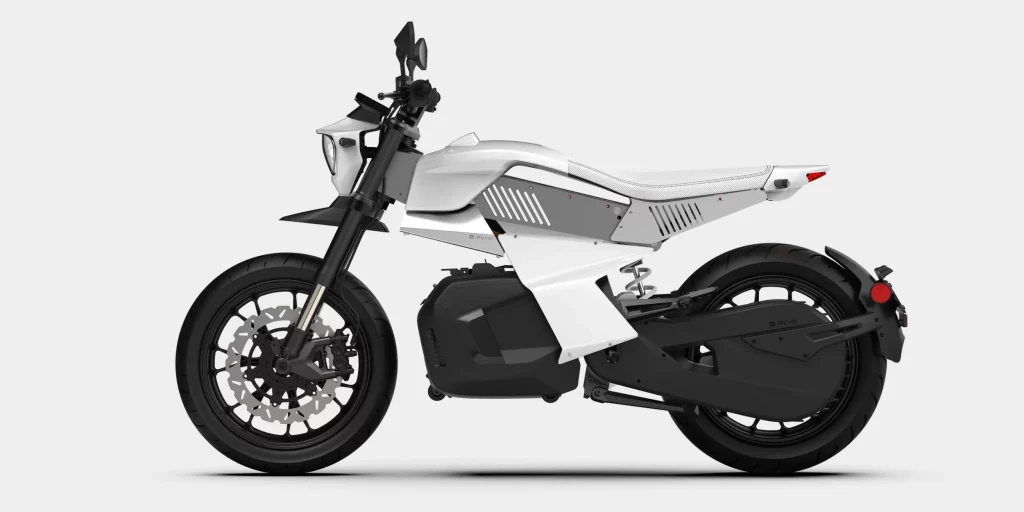
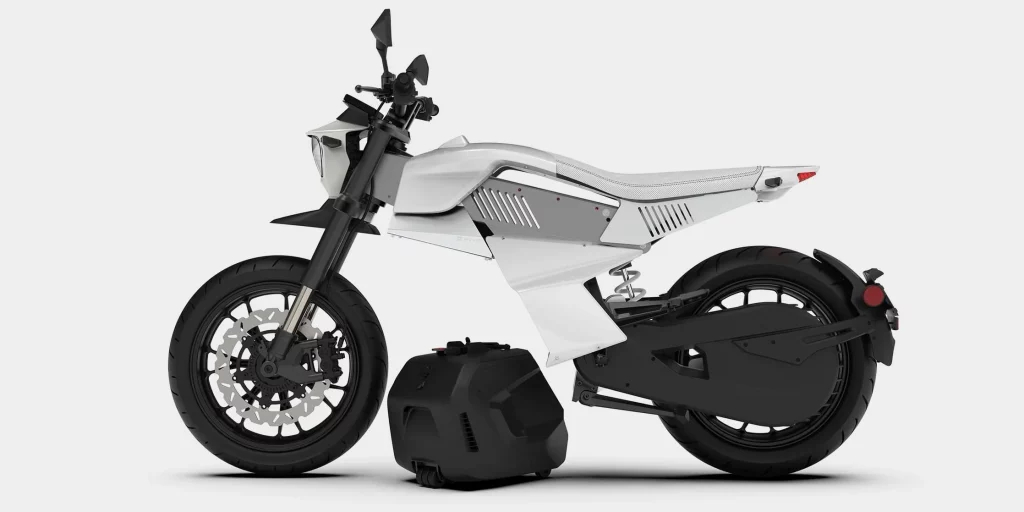
The Ryvid Anthem electric motorcycle has been unveiled in the United States. The bike is manufactured by Ryvid, a fast-rising startup with a solid technical manpower base. The electric bike sports a radical design and will sell at a hugely affordable price that’s bound to draw hordes of customers.
The Anthem is a light electric motorcycle that is a culmination of the rich vein of expertise embedded in Ryvid’s research team. The company’s CEO Dong Tran has experience designing products for automakers and recently aircraft. He is a lifelong motorcyclist and has combined this with his experience in the design of the Anthem. The bike has a top speed of 120km/h and a range of 120km.
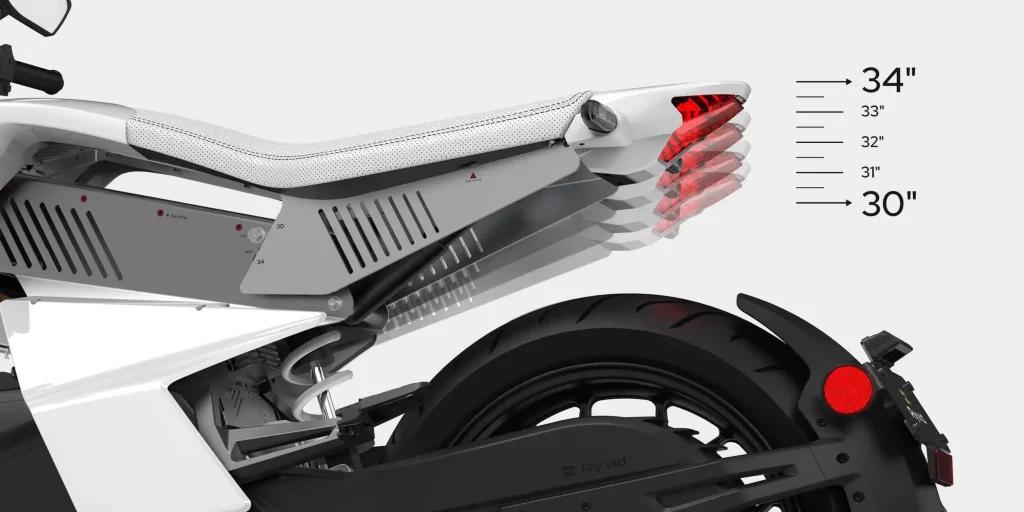
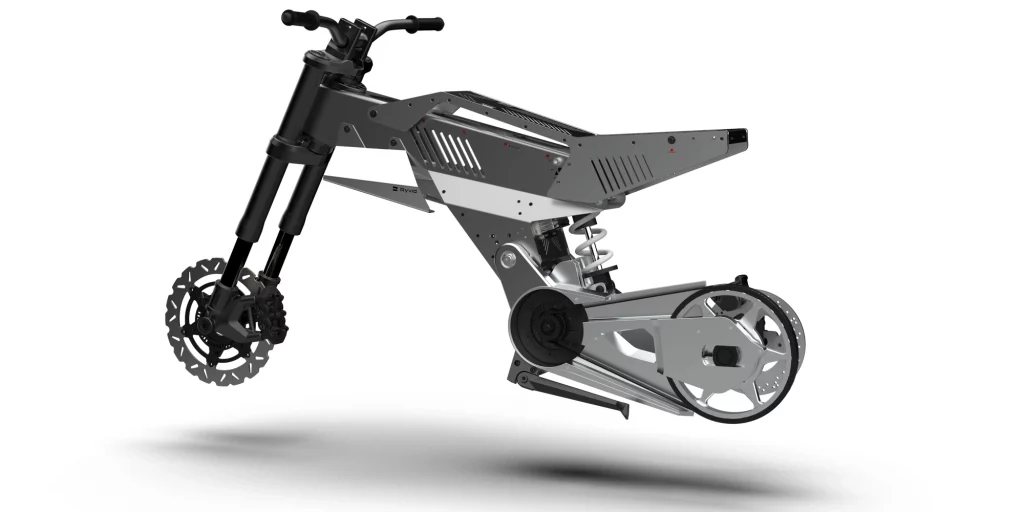
The Ryvid Anthem is priced at $7,800 which puts it on the lower end of the price spectrum. It jettisons the tubular frame for a lightweight folded aluminum+ stainless steel sheets design. The bike is easily assembled and the entire chassis weighs 5.4kg. The design also incorporates several functionalities into the bike. You can easily raise and lower the seat by up to 4 inches to create a balance for all classes of riders. The actuator for the seat is sturdy enough to lift a greater load and can be adjusted while in motion. Keyless ignition, LED lighting, a 4.9-inch TFT display, and dual USB ports are also available on the electric motorcycle.
The unique frame design of the Anthem also meant that adjustments have to be made in several areas. Multiple mounting points have been included for the suspension and head tube. This approach makes the Anthem easily repairable, allowing easy swapping and upgrades. There are speed options including Eco and Sports to suit the rider’s environment.
The bike will be released on August 14, 2022, with the first deliveries billed for the summer of 2023. It remains to be seen however how the US market reacts to the Ryvid Anthem.
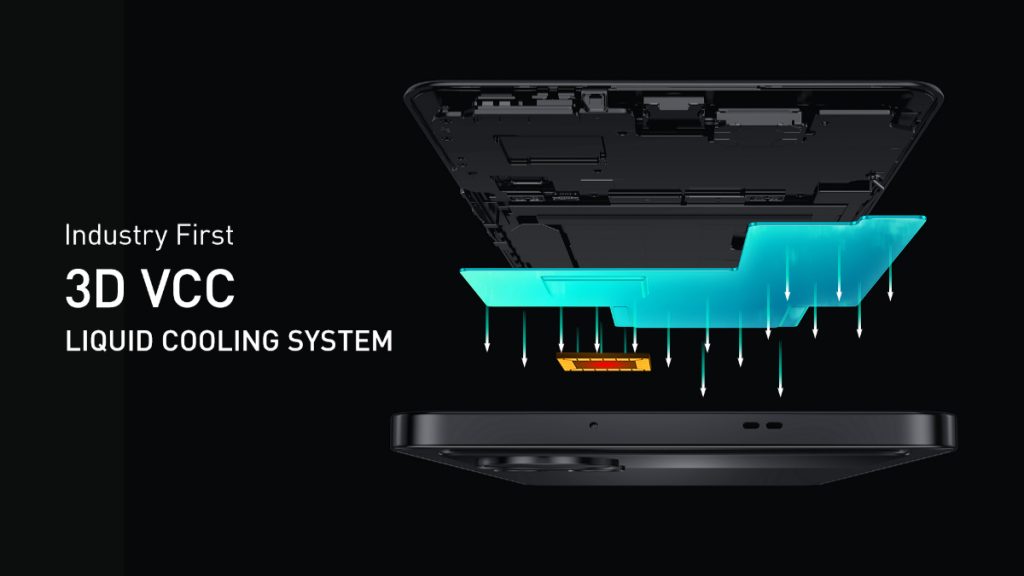
Infinix has announced an innovative cooling technology for smartphones. The process is based on the 3D Vapor Cloud Chamber (3D VCC) liquid cooling technology. Using an innovative design on the dimensionality of the chamber’s shape to increase the chamber volume. The new technology improves heat dissipation which also dovetails into improved performance. The new technology has already gotten the China National Intellectual Property Administration’s certification.
The new Infinix 3D VCC cooling technology will enable smaller panels in smartphones while improving performance. The new solution addresses temperature issues for high-integration and high-power phones. It will address CPU frequency reduction, frozen screens, frame rate drops, and several other issues. The new Infinix cooling technology is a massive improvement over the regular vapor chamber. Bumps in the system enable increases in the evaporator’s volume, water storage capacity, and heat flux. Up to 20% improvements in capacity were achieved with the new technology.
The 3D VCC is extended because of the bump added to the structure. This lowers the thermal resistance and increases thermal conductivity. The shield-to-vapor chamber thermal resistance is also reduced for better heat dissipation. In terms of performance improvements, the 3D VCC dissipates heat 12.5% faster than a regular VC, hence it has a lower temperature. The in-house design of the 3D VCC by Infinix is a great milestone for the OEM.
Infinix says the new cooling technology will lead to thinner VCs with more bumps for greater effectiveness. It is also possible to combine the 3D VCC with a phone’s center frame into a single piece and shrink the entire cooling module. This could give birth to finer smartphones with affordability also captured There are no talks at this time of the first devices to house the 3D VCC technology.
Apple launched the Apple M2-powered MacBook Air globally and there were many who preordered it to experience the power of the new Apple Silicon-based M2 chip.
The preordered M2-powered MacBook Air has been shipping to customers over the past few days, and iFixit is one of the companies that has gotten a device. iFixit is known for tearing down Apple products and analyzing the build quality and repairability.
The majority of the M2-powered MacBook Air is filled with a lot of empty space, just like the 24-inch iMac before it. Beyond the battery, the interior of the gadget is dominated by the trackpad, keyboard, and a small circuit board’s mechanics.
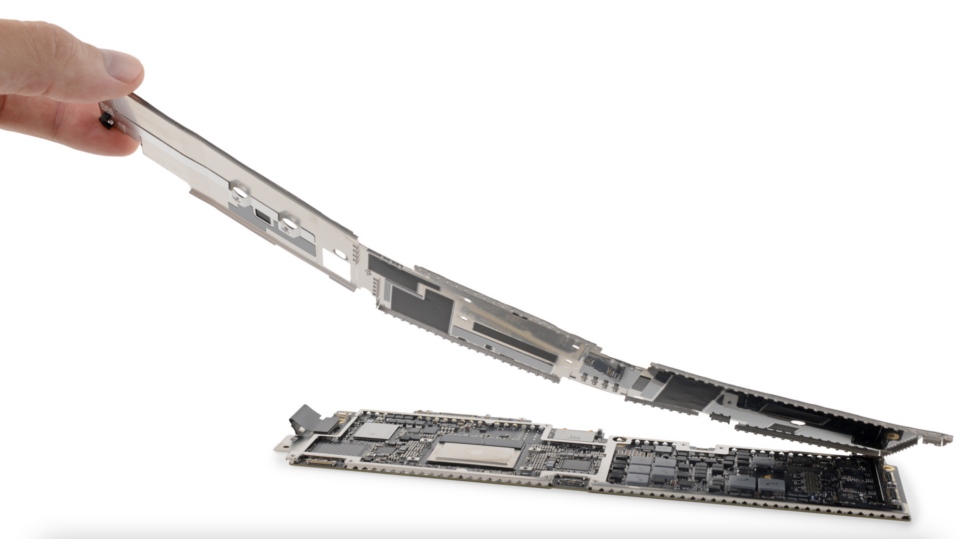
There wasn’t much of a thermal management system in this PC, according to iFixit.
Thermal paste and graphite tape were found during the dismantling, but no active cooling or even a heat spreader. According to iFixit, the machine will probably run hot, which is what we observed during our throttling experiments.
Otherwise, things for Apple laptops inside are generally business as usual. But interestingly, according to iFixit, it seems to feature an Apple-made Thunderbolt 3 driver rather than an Intel-made one. Curiously, the laptop also has an accelerometer, though it’s unclear what it’s used for.
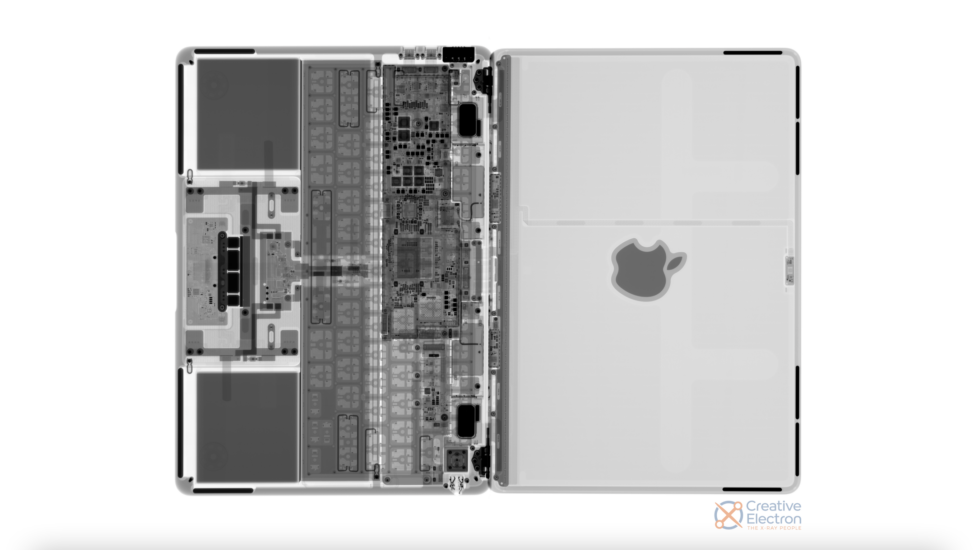
The new speaker system is visible in an X-ray.
iFixit got a look at the new speaker system in the M2-powered MacBook Air, which has a different speaker design than the one it replaces. The updated Air instead emits sound through tiny gaps between the case and the display in place of the perforated speakers that we’ve previously seen on either side of the keyboard. iFixit adds that the speakers appear to be “tiny.”
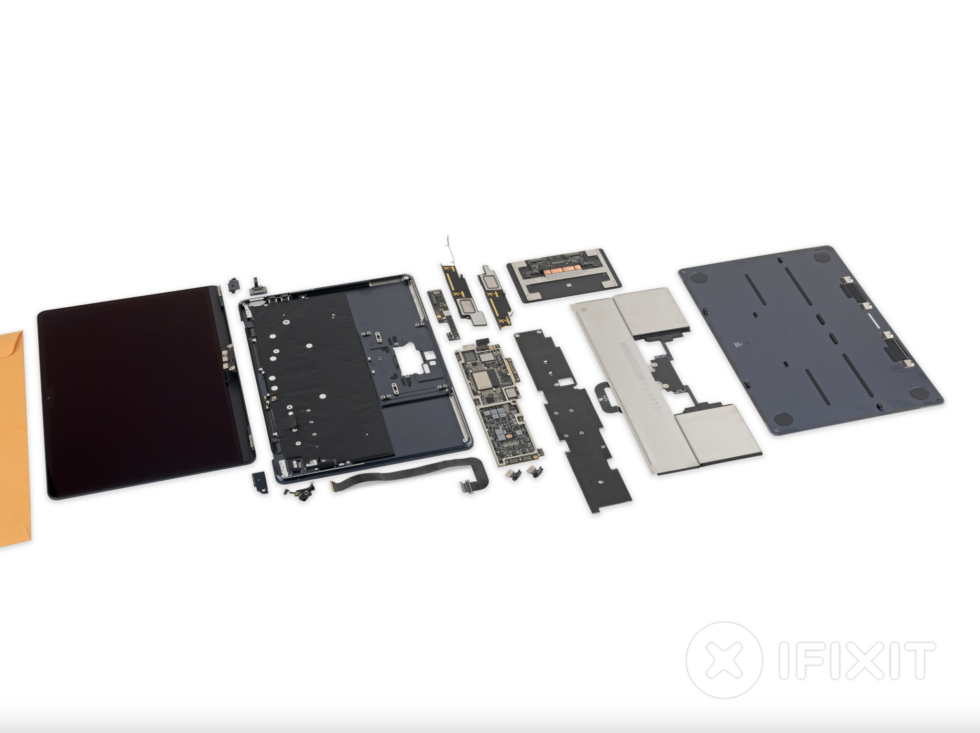
The MacBook Air after the teardown.
These breakdown papers and videos primarily serve to assess repairability, and there are some promising indications: For instance, entering the gadget requires simply the removal of four screws. However, there is still a terrifying tugging process that must be handled carefully at first.
In August, the Dell XPS 13 Plus was launched in the US at CES 2022. Now, the laptop is finally available in India. So let’s look at its specs, features, and pricing.
Dell XPS 13 Plus 9320 specs
The model made available in India is the Dell XPS 13 Plus 9320 which features a recycled aluminum body. It is super thin and light, weighing just 1.24 kgs. The display of the laptop measures 13-inches and provides 4K resolution with 500nits of brightness, and 90 percent coverage of the DCI-PC color gamut. It has slim bezels on all four sides, due to which the laptop offers an impressive 91.9 percent screen-to-body ratio.
The laptop includes a glass touchpad, an edge-to-edge backlit keyboard with no key gaps, and a capacitive touch function row for quick switching between media and functional keys. The laptop is offered with up to Intel CoreTM i7-1260P CPU with Intel Iris Xe Graphics. Users have the option of up to 16GB LPDDR5 RAM and 1TB PCIe 4 SSD storage.
The XPS 13 Plus has a dual-sensor HD web camera, a fingerprint reader, and quad speakers with MaxxAudio Pro and Waves Nx 3D audio. Its 55Wh battery can be charged to 80% in under an hour using Express Charge.
Other than that, we get two Thunderbolt 4 (USB Type-C with DisplayPort and Power Delivery) ports, a USB-C to USB-A 3.0 converter, and USB-C to 3.5mm headphone adapter that come included with the laptop.
Pricing & availability
The XPS 13 Plus 9320 featuring Core i5-1260P, 16GB RAM, and 512GB storage has a price tag of Rs 1,59,990 in India. The more powerful variant with Core i7-1260P, 16GB RAM, and 1TB storage variant is priced at Rs 1,79,990. The laptop can be purchased starting July 23 via Amazon India or through the Dell India online store.
An official video shared on Weibo by Lenovo General Manager Chen Jin reveals the secondary display of the Motorola Razr 2022. Last week, the executive shared the first look at the upcoming offering’s internal display. Earlier today, a report claimed that the Motorola Razr 2022’s launch has been postponed and it will compete against the likes of the Galaxy Z Flip 4 and OPPO’s second-generation Find N.
The video teaser reveals the Motorola Razr 2022’s cover display. The screen size appears to be quite big and shows a simple Dice game being played. The game even doesn’t fit on the Galaxy Z Flip 3 external screen. Jin’s post says “You can play like this on the outside screen.” A closer look at the video also reveals horizontal dual cameras along with an LED flash. The setup will reportedly consist of a 50MP main and a 13MP ultra-wide-angle sensor.
The Motorola Razr 2022 is confirmed to come with an internal display featuring a punch-hole cutout and the reduction of the iconic chin. The upcoming clamshell phone is also confirmed to be powered by a Snapdragon 8+ Gen 1 processor.
Rumours suggest that the Motorola Razr 2022 will feature a 6.7-inch interior display with a 120Hz refresh rate and a 32MP selfie snapper. It will pack up to 12GB RAM and 512GB storage. The foldable phone will run on Android 12 OS and support 25W fast charging.
Yesterday, Qualcomm announced the Snapdragon Wear 5 and Wear 5+ Gen 1 processor for wearable devices. Now OPPO has confirmed that it will launch its smartwatch with the latest processor. The upcoming offering is called the OPPO Watch 3 and it will arrive as the successor to the last year’s OPPO Watch 2. It is expected to debut next month.
OPPO’s Associate Vice President and President of IoT Business Franco Li referred to the Watch 3 as a series. This indicates that more than one model of the Watch 3 is expected. Apart from this, there is no additional information on the Watch 3 series, but we can expect the brand to start teasing in the coming weeks. As per tipster Digital Chat Station, the OPPO Watch 3 series will include three smartwatches with model numbers OWW211, OWW212, and OWW213. The devices will feature a high screen-to-body ratio and an eSIM technology of independent eUICC chip. He adds that the upcoming offerings will sport high-end platinum black and brown gold colour body. The ColorOS Watch system is also said to have been improved a lot.
Additionally, along with OPPO, Mobvoi has also confirmed that it will launch its next-generation TicWatch with Snapdragon Wear 5+ Gen 1 SoC.
Qualcomm’s Snapdragon Wear 5 and Wear 5+ Gen 1 is built on a 4nm process. They are said to offer 2x power using half the power compared to their predecessor. The latest chipsets are also touted to deliver a long-lasting battery life.
Samsung is rumored to be working on multiple entry-level smartphones that it plans on launching soon. Some of these are devices like the Galaxy A04s and the Galaxy A04 that have popped up on many certification databases.
Representative Image
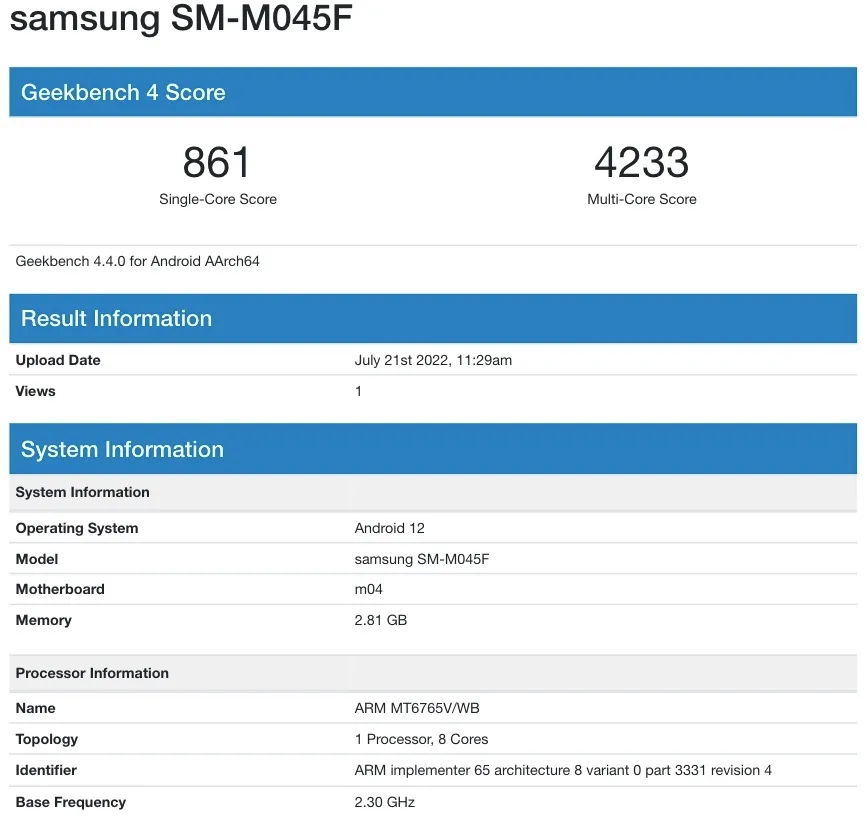
Now, another entry-level smartphone by the brand has appeared on Geekbench dubbed the Samsung Galaxy M04. So let’s take a look at its specifications and performance.
Starting off, the listing mentions that the device has the model number SM-M045F, but it does not confirm if the smartphone will indeed be marketed as the Samsung Galaxy M04. The chipset of the device is listed as “ARM MT6765V/WB,” while the motherboard is listed as “m04”. Additionally, the device has the IMG PowerVR GE8320 GPU.
This leads us to believe that the smartphone will be powered by the MediaTek Helio G35 SoC. This indicates that the device will lack 5G connectivity. The maximum clock speed of this octa-core processor will be 2.3GHz. Other than that, the listing reveals that the smartphone has 3GB of RAM and operates on Android 12-based OS, likely the One UI 4.1.
Coming to the benchmark results, the device scores 86 points on the single-core test and 4233 points on the multi-core test of Geekbench 4. Currently, there is no information available on an expected launch timeline of pricing. But considering its specifications, we can expect the device to debut as one of Samsung’s most affordable smartphones.
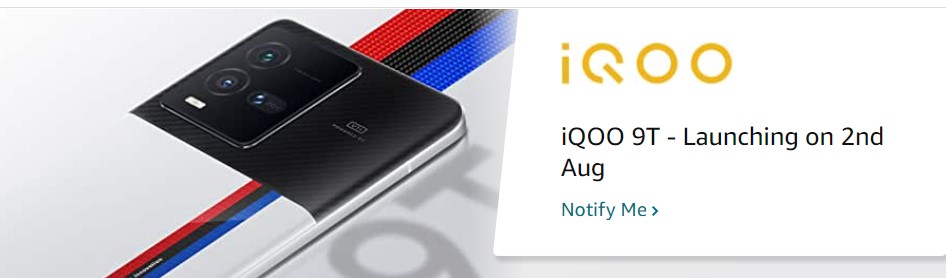
The iQOO 9T India launch date has been confirmed. It will debut as India’s first smartphone powered by the Snapdragon 8+ Gen 1 mobile platform on Aug. 2 in India. It will rival the OnePlus 10T, which will debut with the Snapdragon 8+ Gen 1 chip onboard on Aug. 3. The iQOO 9T and OnePlus 10T are tipped to carry the same starting price.
iQOO has also already confirmed that one of the iQOO 9T 5G variants will offer 12GB of RAM and 256GB of storage. The 9T will be made available in white and black shades, and it will be sold through iQOO India’s website and Amazon India.
iQOO 9T launch date
iQOO 9T price in India
According to Pricebaba, the iQOO 9T 5G will arrive in two variants, 8 GB RAM + 128 GB storage and 12 GB RAM + 256 GB storage. These variants are tipped to cost Rs 49,990 (~626) and Rs 54,990 (~$688). These prices may vary by Rs 1,000 (~$12). The leak also mentions that both models will be available at a discount of Rs 4,000 (~$50) through bank offers.
The same publication has also leaked that the OnePlus 10T 5G will also start at Rs 49,999 (~626).
The device is expected to come with a 6.78-inch AMOLED FHD+ 120Hz AMOLED display, SD8+G1, LPDDR5 RAM, UFS 3.1 storage, and a 4700mAh battery with 120W fast charging support. It will have a 16-megapixel front camera and 50-megapixel triple rear cameras. For security, it will feature an in-display fingerprint scanner. Rumours are rife that it will be a rebranded version of the iQOO 10 5G, which debuted in China earlier this week.
Earlier this month, Lenovo China’s General Manager for the mobile phone division showcased the upcoming Razr 2022 to the media. Official teasers for the Razr 2022 have also surfaced on Weibo. These developments suggest that Motorola’s clamshell phone may debut in July. However, tipster Digital Chat Station has claimed that Motorola may have postponed its launch.
The tipster did not mention the exact reason behind the delay of Razr 2022’s launch. But his Weibo post does hint that it will come out to compete with phones like the Galaxy Z Flip 4 and OPPO’s rumored flip phone with a foldable screen.
Motorola Razr 2022
While a couple of leaks have claimed that the launch date of OPPO’s clamshell is drawing near, OPPO is yet to confirm its arrival. As far as the Galaxy Z Flip 4 is concerned, it is scheduled to debut on Aug. 10 and is rumored to go on sale by Aug. 26.
Hence, it appears that the Lenovo-owned brand could be planning to launch the Razr 2022 in August or September to take on the upcoming clamshell phones from Samsung and OPPO. It appears that these clamshell devices will be around 5,000 Yuan (~$739) and 6,000 Yuan (~$887).
Motorola Razr 2022 specifications (rumored)
The source said that the 50-megapixel and 32-megapixel cameras and the SM8475 chips (Snapdragon 8+ Gen 1) are the major highlights of the device. Past reports have revealed that it will have a 32-megapixel selfie camera and a rear-facing dual-camera setup with a 50-megapixel main camera and a 13-megapixel ultra-wide lens.
The Razr 2022 is rumored to feature a 6.7-inch P-OLED FHD+ 120Hz foldable screen, up to 12 GB of LPDDR5 RAM, and up to 512 G of UFS 3.1 storage. It may house a 3-inch cover display and a 2,800mAh battery. The device will run on Android 12 OS with MyUI on top.
Hisense is going to launch a new smart TV in India, dubbed Hisense A6H Series 4K Google TV. The TV will be unveiled during the Amazon Prime day sale with some special offers. The Hisense TV will be available in four different screen sizes- 43, 50, 55, and 75-inch. In addition, the new TV will also come with up to 3 years of warranty.
The Hisense A6H Series 4K Google TV, as you might have guessed by the name, carries support for Google TV. It can curate content based on what you watch. It also comes with a watchlist feature that lets you add your favorite TV shows and movies under one list even from your mobile phone. Further, the TV also supports Apple AirPlay and Apple Home Kit.
Hisense A9H smart TV
The Hisense television comes with an exclusive feature called Far Field Voice Control which allows users to operate the TV with voice commands without the remote. Moreover, the TV also has some features for all the gamers out there. For instance, it comes with Auto Low Latency Mode (ALLM) and Variable Refresh Rate (VRR) to prevent screen tearing effects. It also has Dolby Vision and Dolby Atmos support.
One of the interesting features of the Hisense TV is Remote Finder, as the name suggests, this feature saves you from the trouble of looking everywhere in the house for the Remote.
As mentioned, the Hisense A6H Series 4K Google TV will be available in four screen sizes. The base model with a 43-inch display will go on sale for Rs 29,990. It will also come with 50-inch, 55-inch, and 75-inch screen sizes but their pricing is not known yet. The smart TV will go on sale through Amazon during the Prime Day sale which is starting on July 23. As part of the initial launch, Hisense will be offering an additional two years of warranty in addition to the standard one-year warranty.
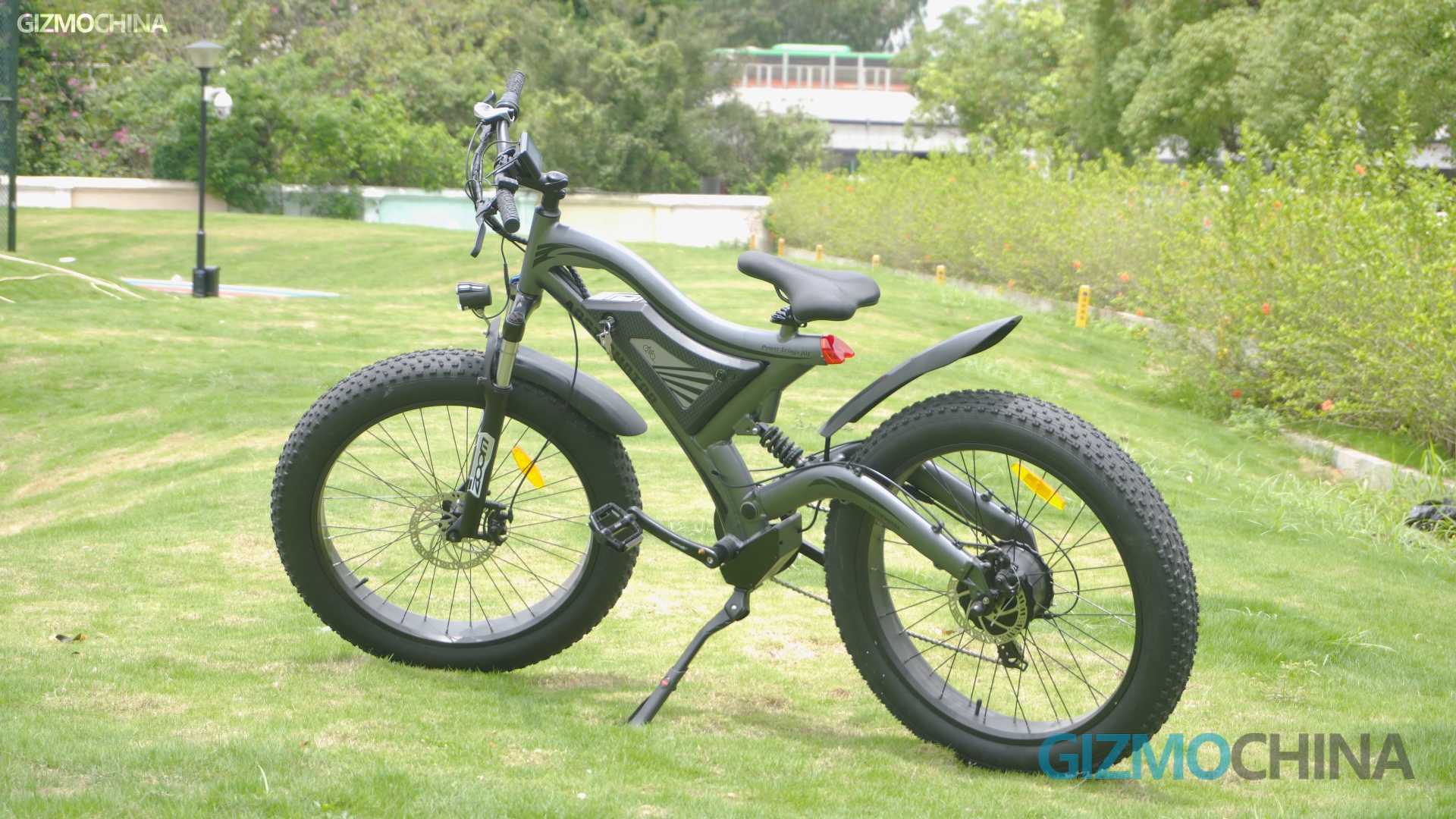
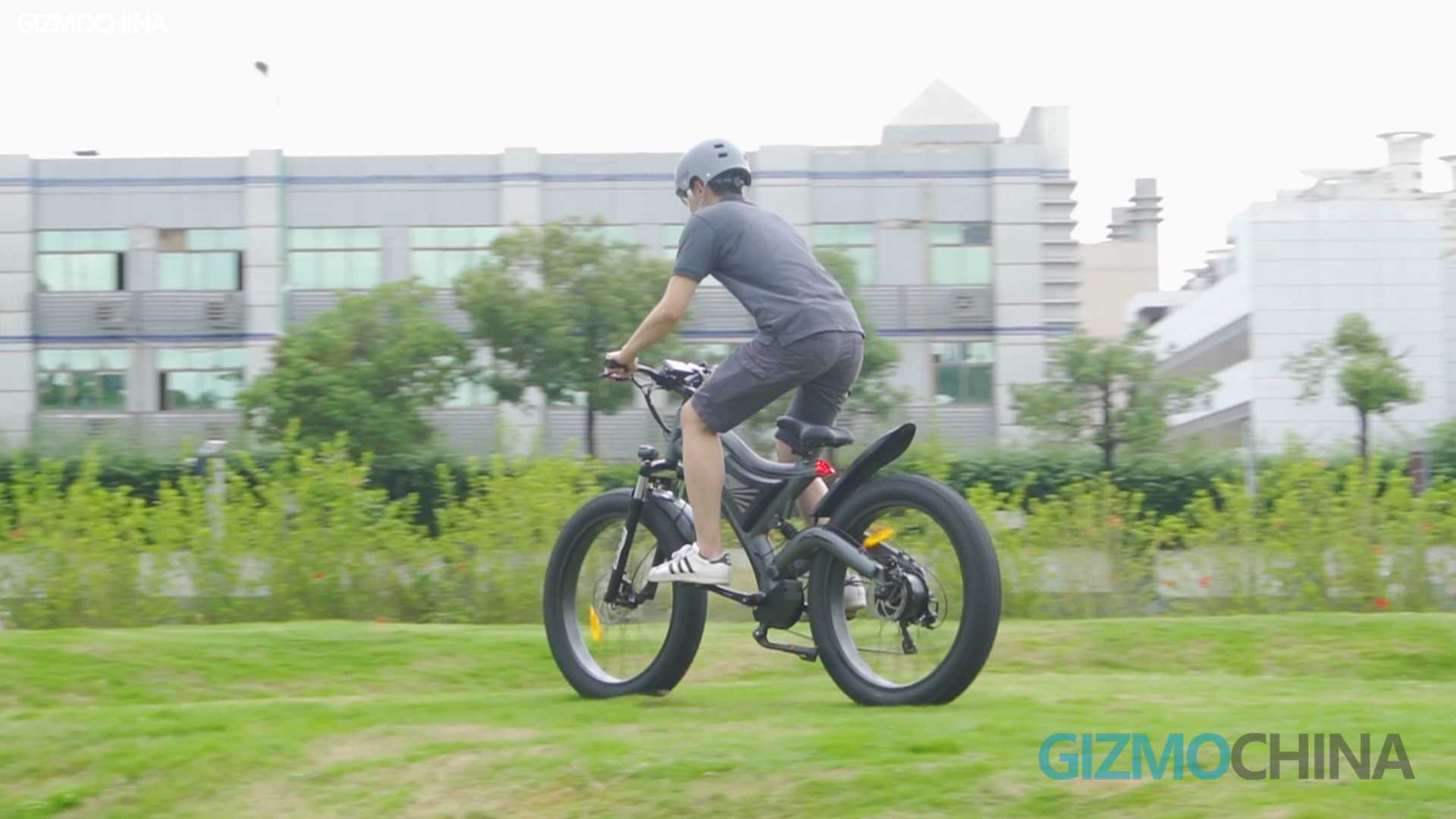
Today we received a large device that looks like a toy: AOSTIRMOTOR S18. Although I say it is like a toy, it’s actually not for children. In fact, if you look at the size of it, it’s not exactly suitable for young children to play. It’s an all-terrain electric mountain bike, a special bike for us older kids who like to have fun in the wild.
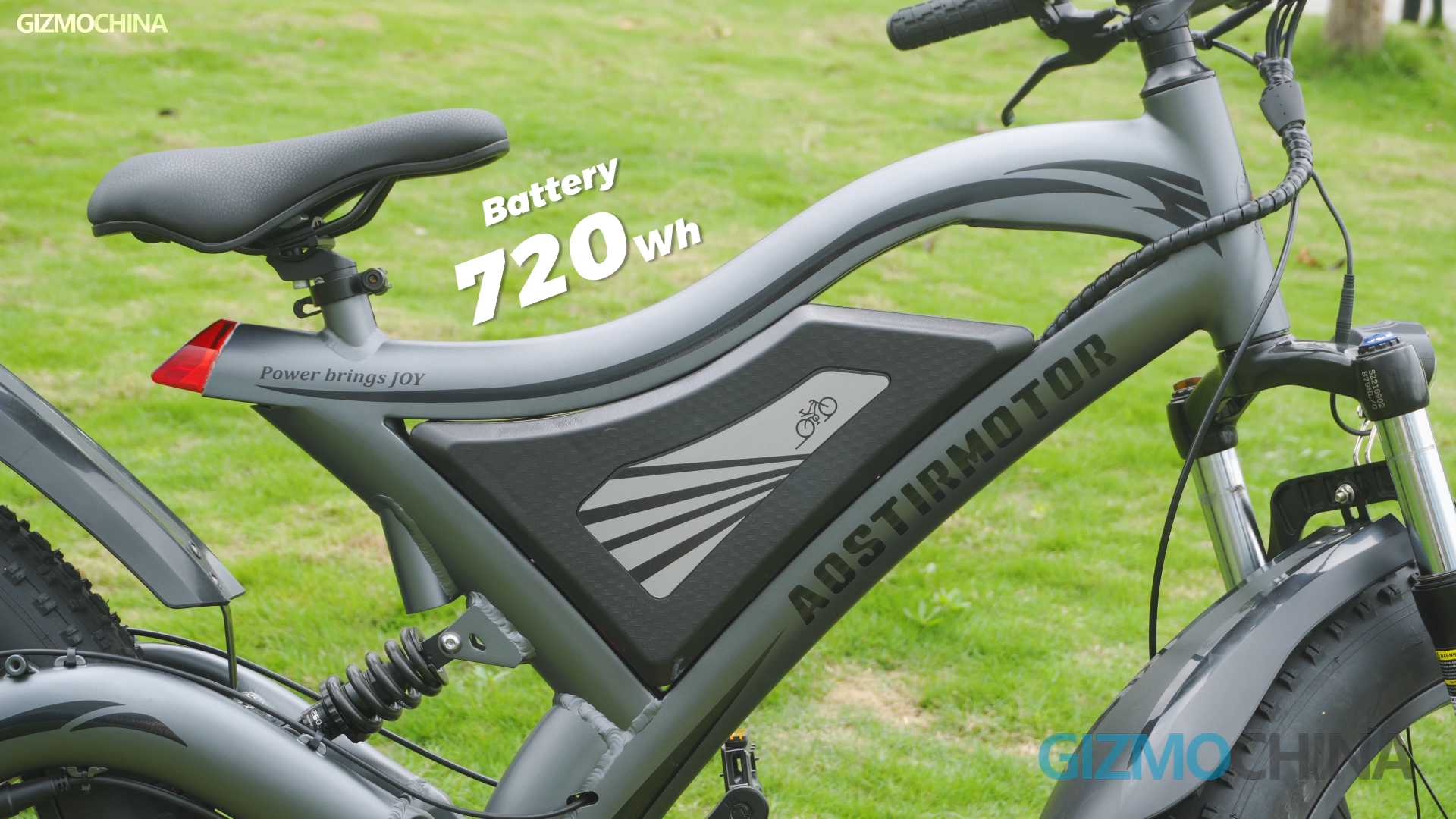
The design of the AOSTIRMOTOR S18 is a bit different from other electric bikes. There are a lot of curves in this triangular frame, including the battery, which is also irregular in shape. The frame is made of full metal, which is very solid. And also very heavy.
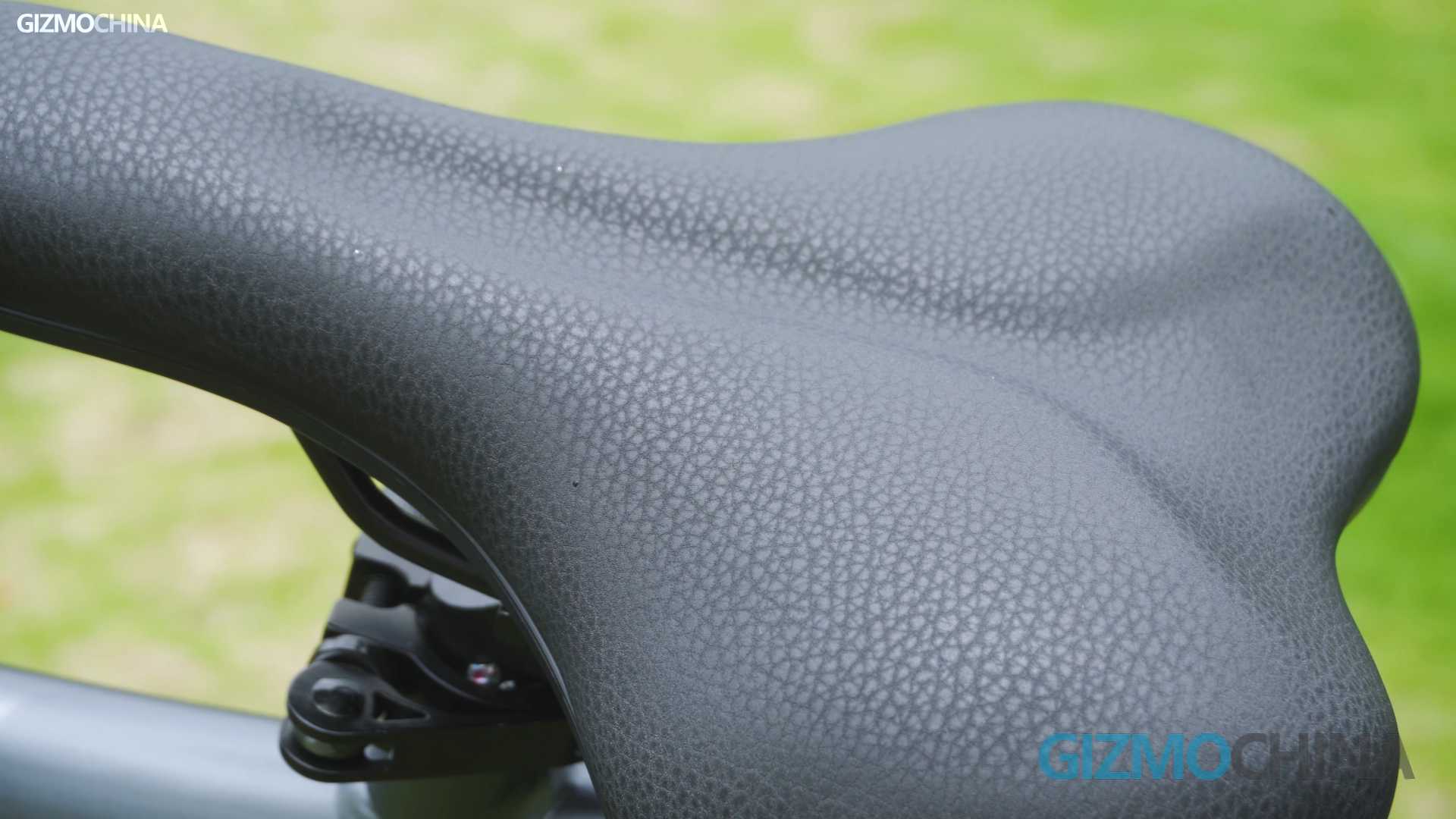
It doesn’t have adjustable height, but the all-terrain bike doesn’t need a tall high seat height either, so it doesn’t matter. We all know that large-size tires are essential for electric mountain bikes to get better off-road ability.
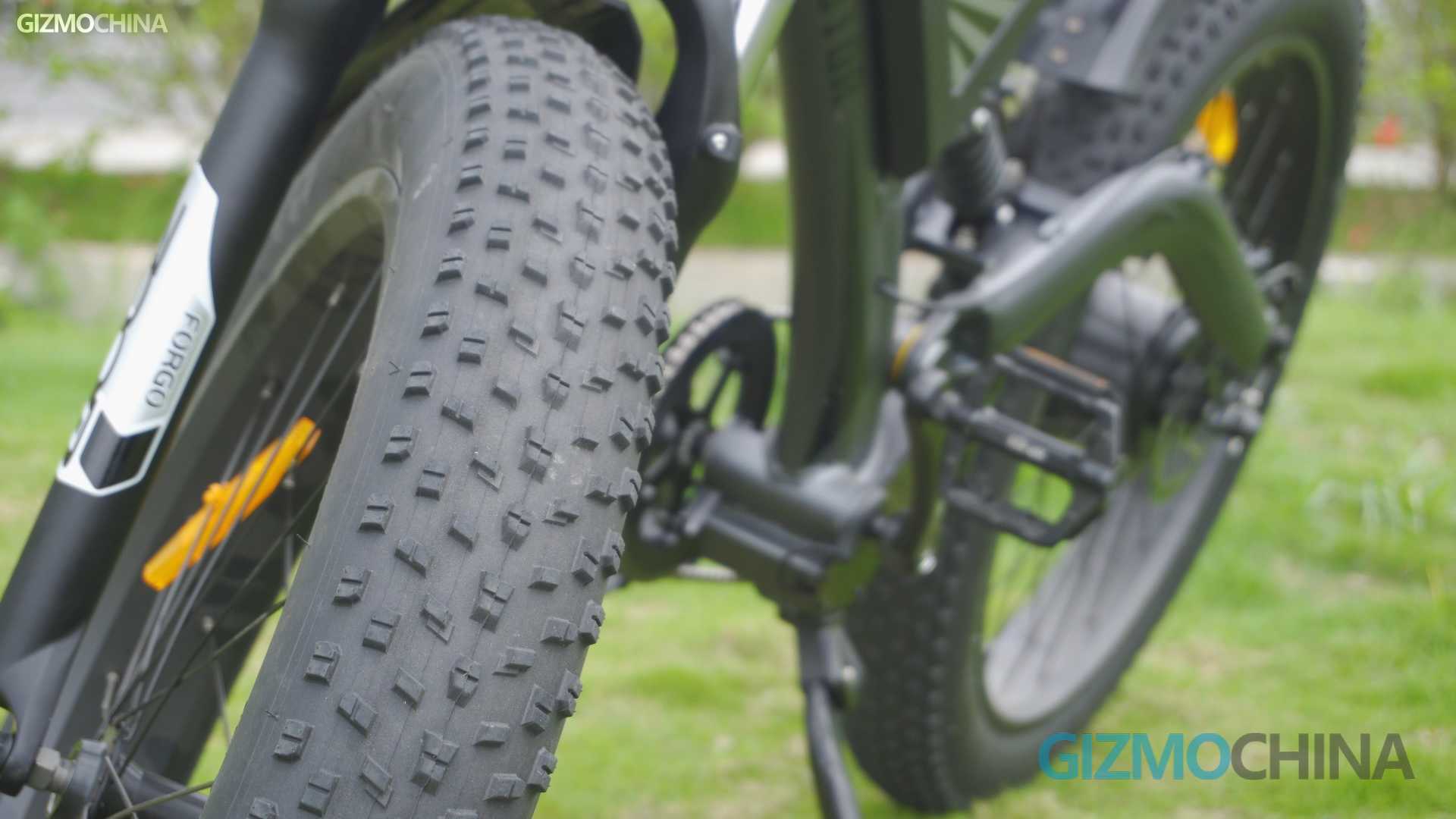
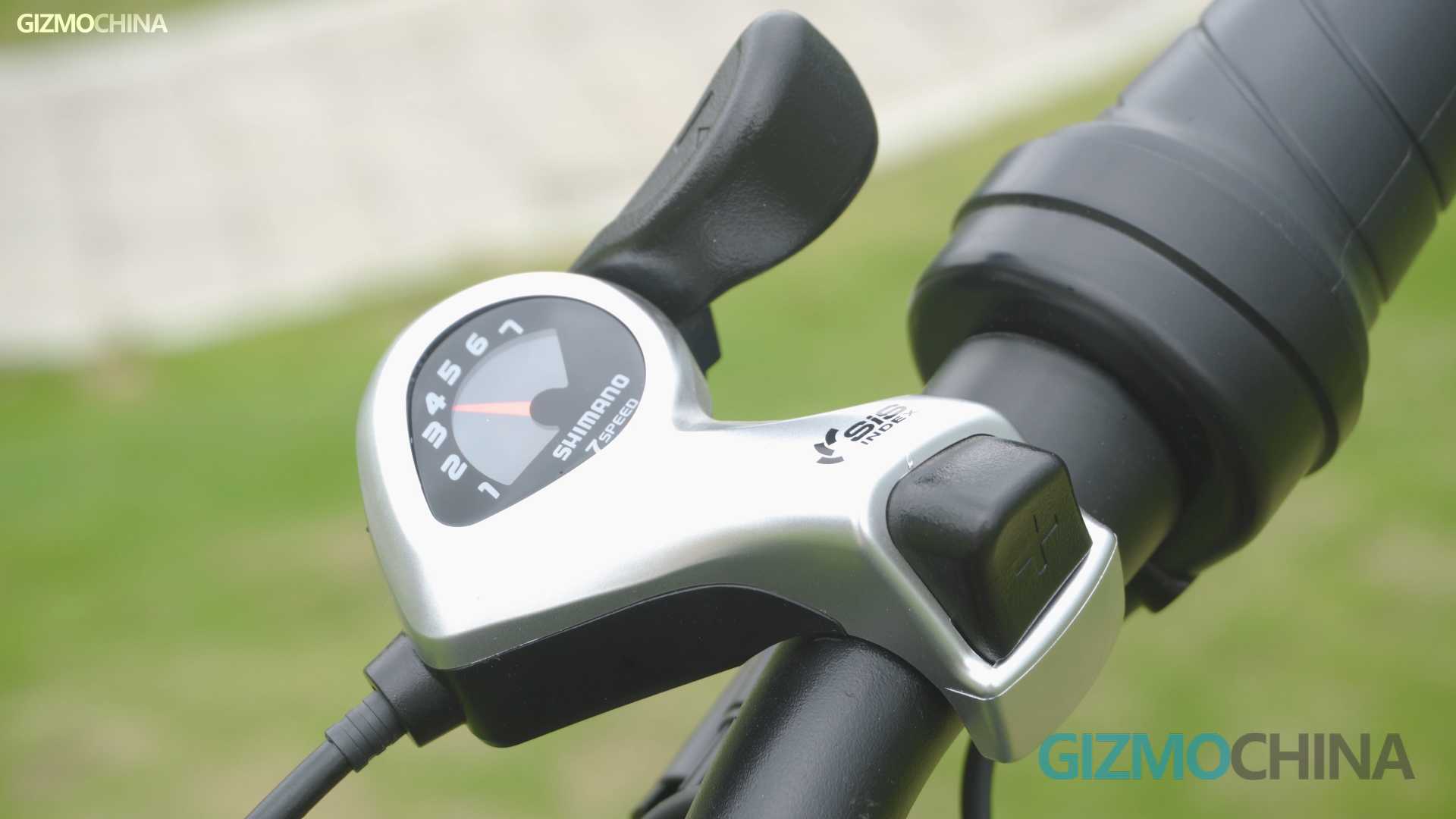
The two fat tires have a 26-inch wheel diameter plus a 4-inch tread, so there’s no doubt you will feel comfortable riding it even facing complex terrain. The front and rear wheels use Disc Brakes, which ensure that you can brake down quickly. But it’s still better to brake gently to prevent the brakes from locking up the wheels and causing any damage. The derailleur on S18 is Shimano tourney with a 7-gear speed cassette. The thumb shifter is also from Shimano, which performs pretty well. It’s not a very expensive module, but at least it comes from a trustworthy brand. The derailleur also has a metal protection bracket on the outside, which protects the derailleur when you fall off the bike. The S18 has front and rear dual light modules. The front one is to prevent you from hitting others, and the back light is to prevent others from hitting you. Making sure your ride at night will be safer.
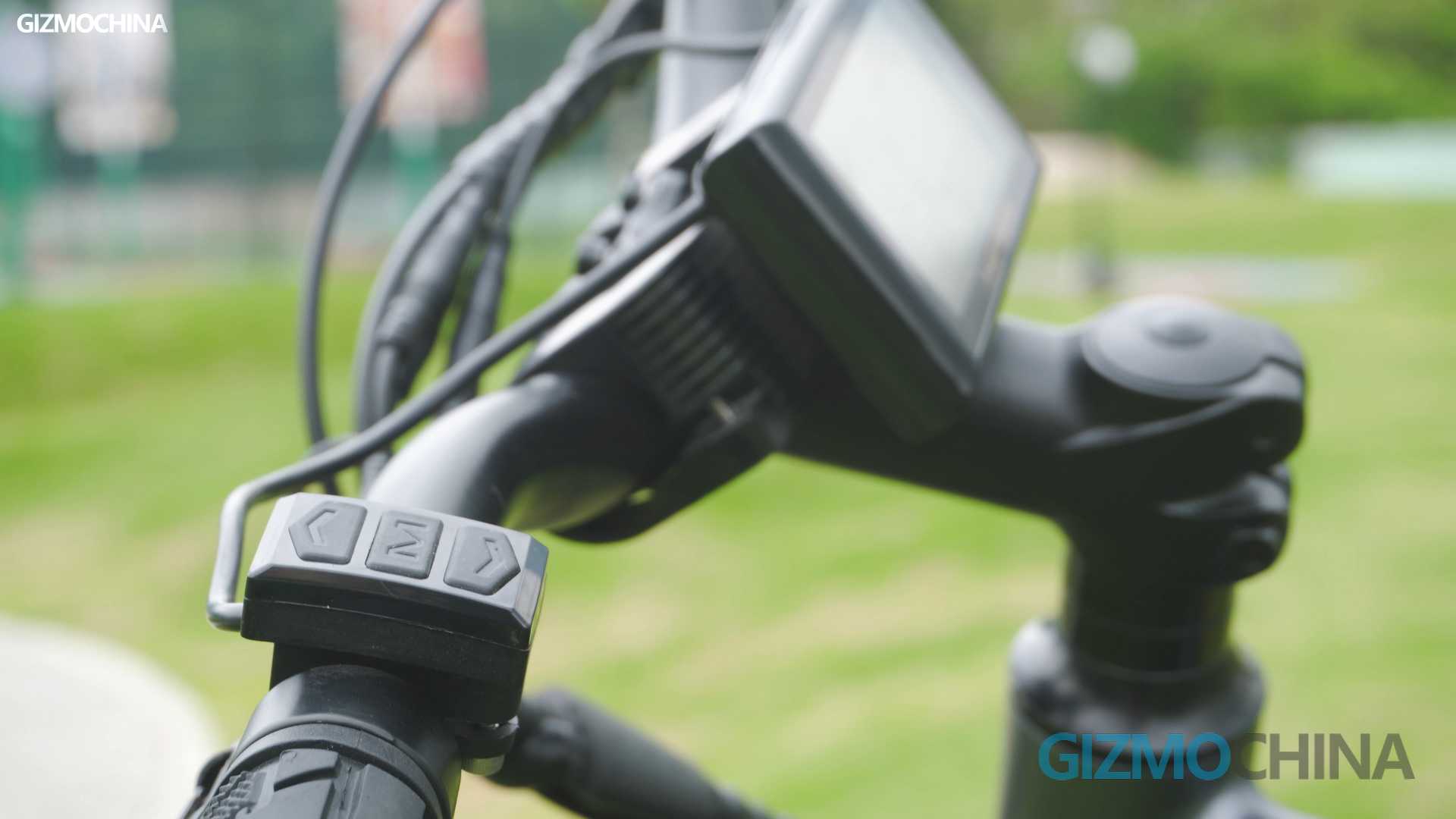
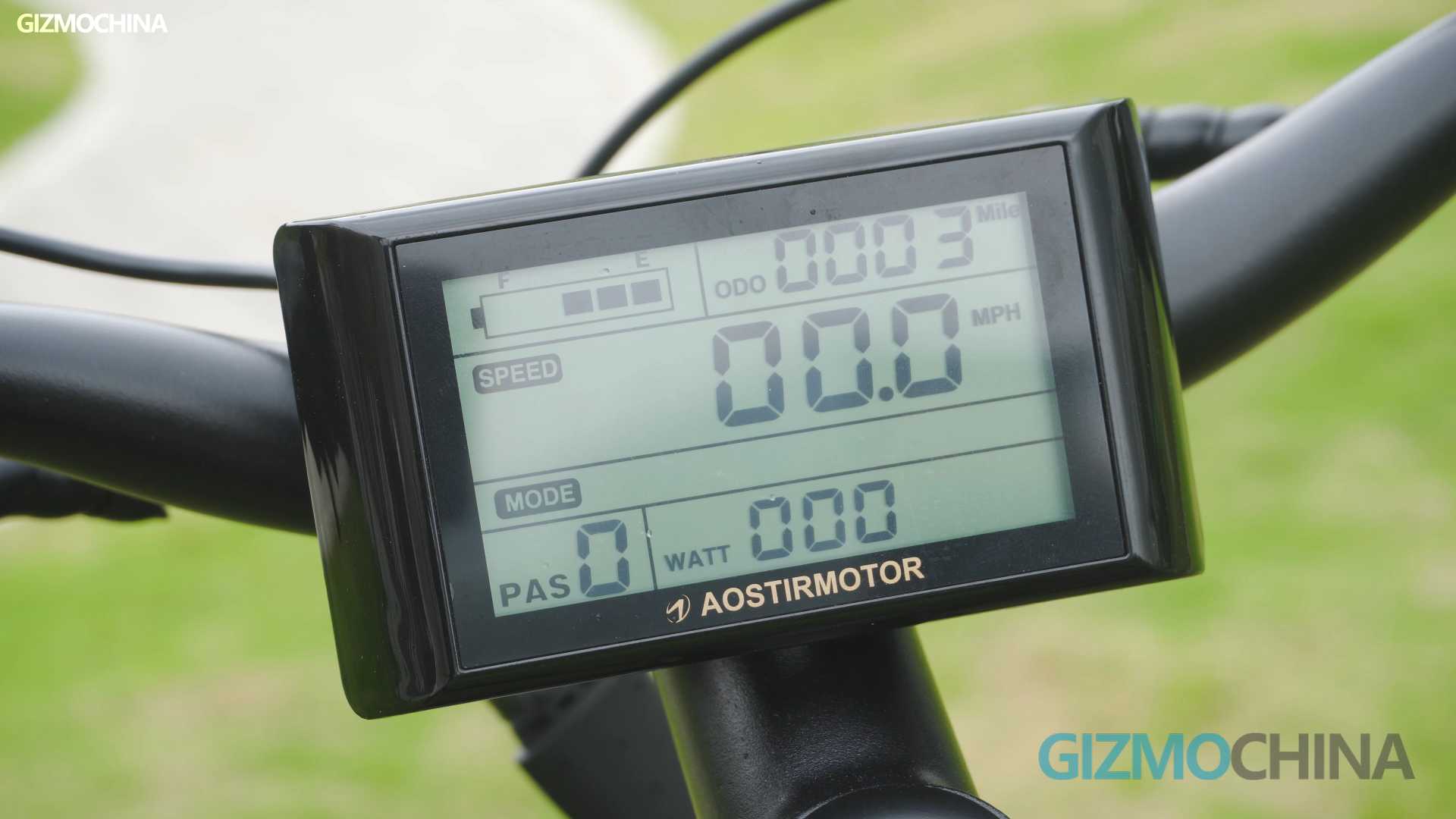
The front wheel of the S18 is equipped with a pair of zoom suspensions, which serve as the primary shock absorbers for safe riding. There is also a suspension in the middle of the body frame. After the past few days of experiencing the bike, these three suspensions are sufficient to cope with most road conditions. There are two electronic elements on the Handlebar, one is the backlit LCD display and the other is the controlling module of electric power. It also serves as the power switch for the S18. The LCD display shows the current status of the S18. For example, the current remaining power, speed and other important metrics.
You can long press up and down for 2.5 seconds to change the settings inside. There is a USB port on the bottom of the display, so if you need your phone for navigation, it can be used to charge up your phone or other devices at any time.
Now let’s look at the powertrain of the S18, which has a 750w toothless brush motor with five-speed levels to choose from, with the fastest speed up to 45km/h. That’s quite a lot for an all-terrain bike, after all, you don’t need that much speed most of the time. The maximum speed that can be achieved in each gear is listed, so you can choose the right speed gear according to your needs. The battery capacity is 720 Wh. We didn’t drain its battery in the riding test, but the S18 max estimated range is at least 35km. This unique shape of the battery is removable. When you open both front and rear locks, you can easily take it out and charge it. Charging with the special charger they come with takes about 4-6 hours to be fully charged. The front lock is also a power lock, so you can’t start it without a key.
The S18 is a great E-bike and I want to share some of my honest experiences with it with you. First of all, it is not only a toy that you can play with among the hills, it can also be used as your transportation for urban travel. Its big fat tire can not only pass through the muddy road but also can easily pass through the stairs. Meaning, you don’t have to get off the bike to be able to freely travel between roads. But I still have to remind you, for your safety, do not try to climb high steps with it. Of course, S18 is not perfect, there are some places I think can do better. For example, the kickstand is easy to jam peg. It will be perfect if they can install in the rear wheel. And I hope it can be a little lighter, if there is an upgraded version in the future, a frame made of carbon fiber can make it lighter, although the price may rise as a result, but I am willing to pay for it.
S18 has three working modes, most people are probably using the automatic mode, which is a twist of the handle that will move forward. But I prefer to use pure riding mode in urban travel, which means no electric assistance at all. Use the booster mode when playing in the wild, which means that only when you step on the kickstand will have electric assistance. The latter two modes are definitely more beneficial to your health and can be more power efficient.
I think AOSTIRMOTOR S18 is suitable for two types of people to buy: the first one is those who like to ride in the fields and like to find excitement. If you need a Full suspension E-bike that is powerful and not too expensive, the S18 is quite suitable for you. Another type of person is someone who needs a comfortable E-bike for urban travel. You can also consider the S18. The AOSTIRMOTOR S18 is currently priced at $1499 on the official website. So if you are interested in the model and the brand, you can visit their site and learn more about them.
As a Budget all-terrain electric mountain bike, I think it is still worth recommending.
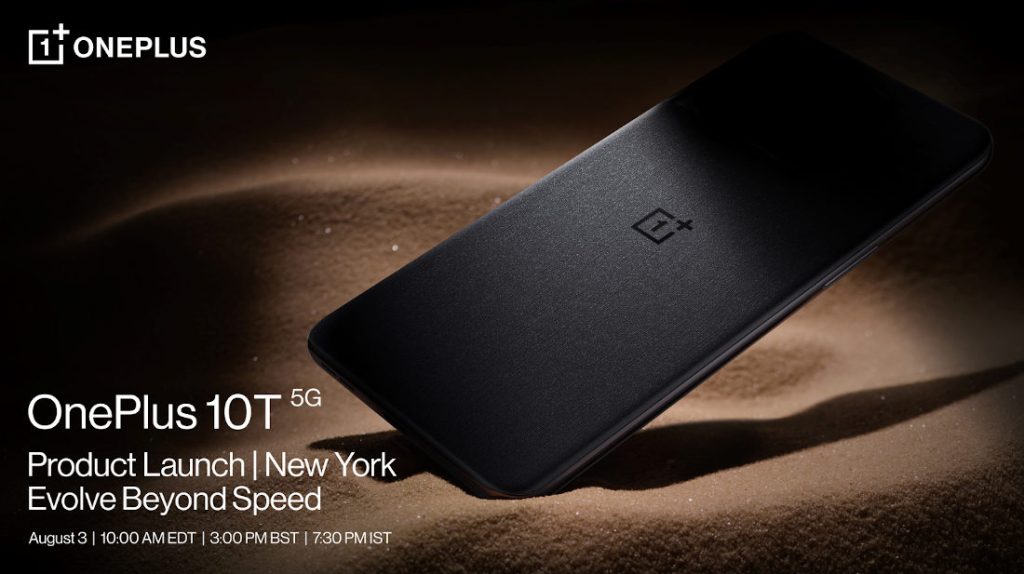
The OnePlus 10T launch date is set for August 3. The Chinese tech giant will be unveiling the smartphone at an event held in New York. OnePlus 10T is going to launch globally as well as in India with the latest Snapdragon 8+ Gen 1. Ahead of the launch, Amazon has confirmed the India availability and pre-booking date of the smartphone. In addition, a noted tipster has revealed the storage variants and color options of the smartphone.
A microsite dedicated to the OnePlus 10T has gone live on Amazon which confirms that the smartphone will go on sale in India through Amazon (via MySmartPrice). It also reveals that the smartphone will be available for pre-booking from August 3, the same day as the launch. The first sale of the OnePlus 10T will likely begin in the same week.
Separately, tipster Mukul Sharma leaked the storage and color variant of the OnePlus 10T. As per the tipster, the 16GB of RAM and 256GB of storage variant of the smartphone will be available in only Moonstone Black color. According to previous reports, the OnePlus 10T will also come in 8/12 GB RAM and 512GB storage models in two color options 一 Moonstone Black and Jade Green.
OnePlus 10T price in India is expected to be between Rs 35,000 – Rs 47,000. As for the specifications, the smartphone is likely to come with a 6.7-inch Fluid AMOLED display with a 120Hz refresh rate. It will sport a triple rear camera setup on the back which may consist of a 50MP IMX766 main camera, an 8MP ultrawide camera, and a 2MP macro sensor. The smartphone will be powered by Snapdragon 8+ Gen1 Soc and 4500mAh battery supporting 150W fast charging.
Just a few weeks out from its upcoming Galaxy Unpacked event, Samsung has disclosed that “almost 10 million foldable devices” had been shipped globally. Dr. TM Roh, the company’s chief of Mobile Experience (MX) Business, stated in a post on the Samsung Newsroom that this is a 300 percent increase from 2020 and that he anticipates the “fast-paced growth” to continue. The Flip, which resembles a clamshell, was chosen by the majority of its foldable customers—apparently 70% of them. That comes as no surprise at all given that Samsung already acknowledged that the Flip 3 led to a greater number of brand switches than its flagship models.
Notably, the 10 million units Dr. Roh claims Samsung shipped last year is a significant increase over the prior shipment figures IDC released. According to report released in February by the International Data Corporation, 7.1 million foldable phones will be shipped globally in 2021, including both flip and fold form factors. Regardless of the actual number, Samsung’s MX division had an increase in income last year, largely as a result of the successful launch of its foldables and most recent Galaxy S handsets.
Additionally, D. Roh provided an update on the performance of Samsung’s smartphones in addition to confirming that the company will unveil its upcoming Flip and Fold models at its upcoming Unpacked presentation. He added that Samsung made improvements to future products to improve user experience.
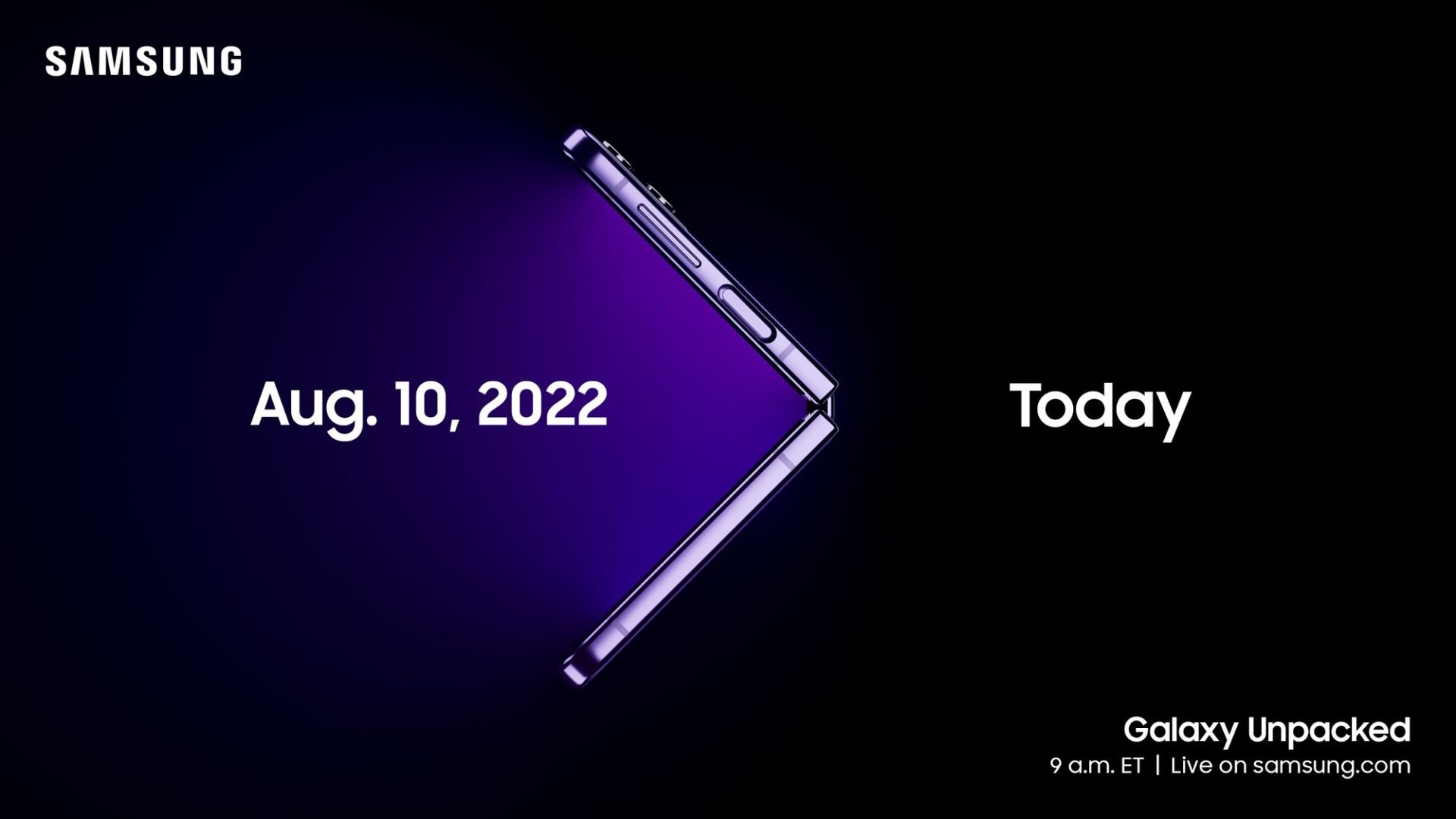
Samsung will host the Galaxy Unpacked event on August 10 at 09:00 AM EST to launch Galaxy Z Fold 4 and Flip 4. The newest Qualcomm Snapdragon 8+ Gen 1 engine, up to 16GB of LPDDR5 RAM, and 1TB of UFS 3.1 storage will power the future foldable smartphones. The company is likely to launch Samsung Galaxy Watch Series 5 alongside the aforementioned devices.
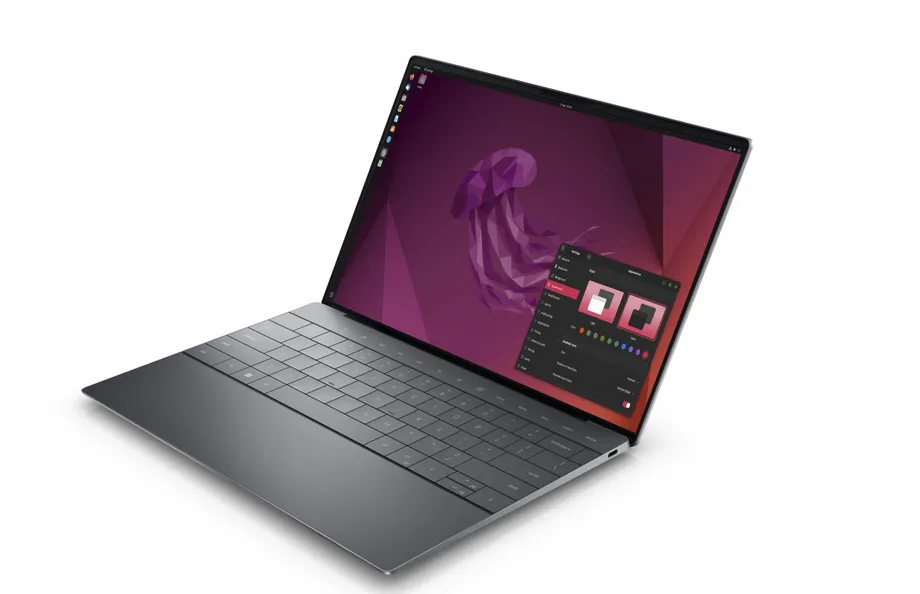
The Dell XPS 13 Plus is the first OEM PC certified for Ubuntu 22.04 Long-Term Support, according to an announcement from Dell and Canonical. This comes ten years after Project Sputnik introduced a groundbreaking mix of Linux preloaded on a commercial notebook (LTS). This makes it a simple process to have a PC that simply functions without having to worry about whether or not each component is prepared to work with Linux.
The laptop already had Linux-equipped Developer Edition units that started at $1,289.00, but they still come pre-installed with the 20.04 LTS operating system. The end of normal support for this version is set for 2027, and the end of life is set for 2032, so long-term support releases do exactly what they say on the tin. As each component of certified devices is verified in a lab to ensure compatibility, your device will have the correct drivers loaded to ensure that all of its functions operate as intended.
That certainly applies to laptops that come pre-installed with Linux on Developer Edition models, but it also holds true if you’re upgrading an older computer that was pre-installed with Windows 11. Barton George, a marketing executive at Dell, was one of the persons in charge of Project Sputnik. He said that the Developer Edition label was added on purpose, to prevent users from inadvertently purchasing a Linux laptop to save a few dollars and experiencing an unexpected experience, in an interview with Forbes in 2019. It seems unlikely that the authorized list will remain this small indefinitely given that Dell already offers Ubuntu on a variety of other devices.
There were many improvements included in the Ubuntu 22.04 LTS package, which was launched on April 21 this year. These include improved Bluetooth audio device support, new touchpad gestures, and improved battery management.
There are several ways, according to Dell, to configure your XPS 13 Plus and its “capacitive touch function row” with a hardware-optimized version of 22.04. A new XPS 13 Plus laptop may be ordered and is expected to ship starting in August. If not, you can run a fresh install and be ready to go if you’re in a rush (and you should be). The final option is to postpone the upgrade process until Ubuntu 22.04.1 is released on August 4 so you may do as little work as possible. This will turn on the upgrade path for all LTS users.
Redmi is still not finished with its K50 series and rumors about the next-gen K60 series have already started to surface online. The company will likely not launch the K60 series this year, however, a popular Chinese tipster has revealed some interesting details regarding the upcoming series. The Redmi K60 series is said to launch in two chipset variants just like the Xiaomi 12S Pro.
Noted tipster Digital Chat Station has revealed some key details about the Redmi’s K60 Series (Via ITHome). As per the tipster, the series will adopt the Dimensity/Snapdragon dual platform strategy and will be launched in two chipset variants. The tipster claims that both the chipsets will be based on TSMC’s 4nm process. This means it will likely come equipped with Qualcomm’s top-notch Snapdragon 8+ Gen1 Soc and MediaTek’s Dimensity 9000+ Soc.
Redmi K50
The tipster also claims that the K60 series will sport a flexible 2K screen with a center-punched hole for the selfie camera. It is also said to have a 50MP main camera sensor which is rumored to be a modified version of the Sony IMX766 sensor. The series may also feature an under-display fingerprint sensor and some impressive fast charging tech.
As of now, the Redmi K60 series is just a rumor and the details about it are pretty short. As mentioned, Redmi is still not done with the K50 series. The company is said to be working on two smartphones, dubbed Redmi K50S and Redmi K50S Pro and they are expected to launch in August. The two devices are rumored to be equipped with Snapdragon 8+ Gen1 Soc. The K50S Pro is tipped to launch as Xiaomi’s first 200-megapixel camera phone.
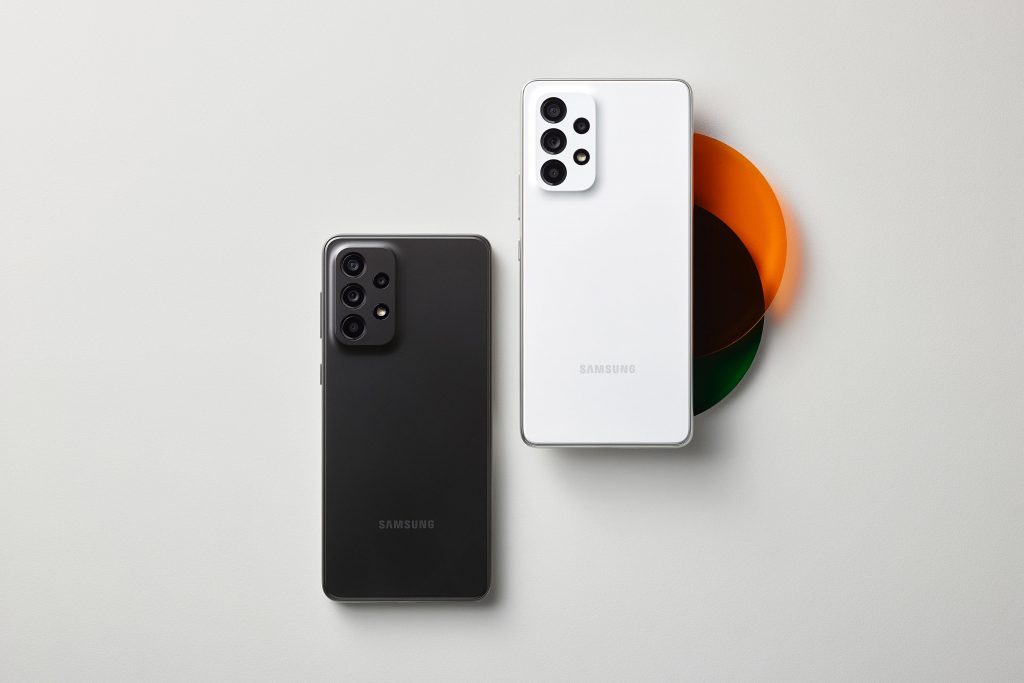
For a while, Samsung has been using a quad-camera setup on most of its Galaxy A series smartphones. According to a new report from South Korea, this may change starting next year. The report details the rear camera system of the three upcoming Galaxy A lineup handsets.
Samsung Galaxy A33 And Galaxy A53
A report by The Elec says that Samsung will drop depth cameras from three of its Galaxy A series phones in 2023. These devices are nothing but Galaxy A24, Galaxy A34, and Galaxy A54.
The aforementioned smartphones are tipped to come with a triple camera setup consisting of a wide-angle camera, ultra-wide camera, and a macro camera. All of them are said to come with a 50MP main sensor and a 5MP macro snapper.
Interestingly, the Galaxy A54 is said to carry a 5MP ultrawide unit instead of an 8MP ultra-wide as Galaxy A34 and Galaxy A24. This is likely a typo since we don’t expect the company to use an inferior camera sensor on a more expensive model.
The report says that the South Korean electronics giant is collectively readying over 60 million units of these smartphones for next year. The Galaxy A34 is expected to release in March, followed by Galaxy A54 in April.
Market research firm TrendForce says that consumers have little use for depth-sensing cameras. Hence, Samsung is planning to drop depth cameras as it also helps in reducing costs.
It is said that the demand for a quad-camera system is forecasted to drop as companies will do away with the depth cameras on their handsets. Most phones are expected to carry a triple camera setup in the future.
Transferring your full chat history from iPhone to Android, or vice versa was perhaps one of the most often requested WhatsApp capabilities. Well, no more asking as it has officially arrived at last. Up until recently, this functionality was exclusively accessible in beta; it has since been made public. Your account information, profile picture, one-on-one, and group chats, chat history, media, and settings will all be transferred. This ensures that all your data stays intact and nothing gets left out when a data transfer is made.
A new way to keep the chats that mean the most 📱📲 Today, you’ll have the ability to transfer your entire chat history from Android to iOS and vice versa. Now you have the freedom to switch to and from your preferred devices.
You need an iPhone running iOS 15.5 or later and an Android smartphone with at least Android 5.0, according to the WhatsApp FAQ. Additionally, your Android device must have WhatsApp version 2.22.7.74 or higher installed, and your iOS device must have WhatsApp version 2.22.10.70 or higher installed. You’ll need an iPhone that is either brand-new or has undergone a factory reset, as well as an Android phone with the Move to iOS software downloaded. Finally, you must use the same phone number on your new iOS device, have both devices linked to the same Wi-Fi network, and have a power source.
There are more steps involved, which you can view on the previously cited FAQ page. In general, though, take your time, follow the instructions, and your data should eventually be transferred to your new iPhone. Due to WhatsApp’s inability to detect what kind of data is being migrated, the information exchanged remains secure and confidential. You can return to your Android phone and remove the data after performing one last check of your information on the iOS device. Until it is removed, the data will stay on the Android smartphone. The only items you won’t be able to transfer, as a final little restriction, are your call history and display name, both of which are minimal costs to be able to transfer an account.
We use cookies on our website to give you the most relevant experience by remembering your preferences and repeat visits. By clicking “Accept”, you consent to the use of ALL the cookies.
This website uses cookies to improve your experience while you navigate through the website. Out of these, the cookies that are categorized as necessary are stored on your browser as they are essential for the working of basic functionalities of the website. We also use third-party cookies that help us analyze and understand how you use this website. These cookies will be stored in your browser only with your consent. You also have the option to opt-out of these cookies. But opting out of some of these cookies may affect your browsing experience.
Necessary cookies are absolutely essential for the website to function properly. This category only includes cookies that ensures basic functionalities and security features of the website. These cookies do not store any personal information.
Any cookies that may not be particularly necessary for the website to function and is used specifically to collect user personal data via analytics, ads, other embedded contents are termed as non-necessary cookies. It is mandatory to procure user consent prior to running these cookies on your website.









 Notably, the 10 million units Dr. Roh claims Samsung shipped last year is a significant increase over the prior shipment figures IDC released. According to