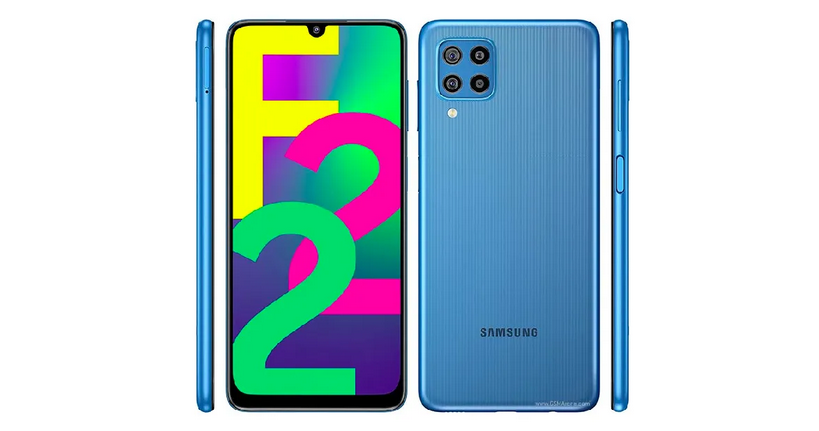
Samsung is apparently gearing up to launch a new smartphone in India soon. It is the Galaxy F23, which was recently spotted on the company’s official Indian website back in February. Now, a new report has revealed the possible launch timeline for the upcoming device.
According to industry sources close to the matter (Via 91Mobiles), the South Korean tech giant will reportedly be launching the upcoming device in the second week of March. For those unaware, the smartphone in question is a mid range handset that is expected to be powered by a Snapdragon 700 series 5G processor. Furthermore, the report adds that the new smartphone will likely launch in India under the 20,000 INR segment (roughly 265 US Dollars).
The chipset that runs the device might be the Qualcomm Snapdragon 765G, which could be paired with up to 6GB of RAM. Other features include Android 12 based OneUI custom skin and 5G networking support. On the front, it may sport a 6.4 inch AMOLED display that offers 120Hz refresh rate, which is quite impressive for a mid range handset. The rear will house a 48 megapixel primary camera while the front has a 13 megapixel selfie shooter.
Under the hood, a large 5,000mAh battery pack powers the Galaxy F23. Although, its unknown how fast the charging rate will be at the moment. Unfortunately, that is all the information we have so stay tuned for more, as we will be providing updates when additional details are available regarding this matter.
Last year, OnePlus officially merged with OPPO. With the merger, it became an independent sub-brand of the latter. The two companies also integrated the codebase of their operating systems based on Android. They even made an announcement regarding the arrival of a unified OS in the second half of 2022. But now, months later, the plans have changed. There will be no common software after all.
In an official announcement post on OnePlus Community, the brand’s CEO Pete Lau confirms that OxygenOS and ColorOS will remain independent brand properties. This decision is based on feedback from the community.
However, it will not change the fact that both these Android skins will continue to use the unified codebase. In other words, OxygenOS will live on as a layer or skin atop ColorOS for better or worse.
In the past few months, we witnessed the migration of features across the two software. We believe the same will prevail in the future as well.
The primary reason for utilizing a unified codebase is to deliver updates faster. But so far, it hasn’t come into fruition. As of now, Android 12 stable is only available for the OnePlus 9 and the OnePlus 9 Pro.
Perhaps, it will get better with the release of OxygenOS 13 later this year. Though OnePlus hasn’t revealed it, the next iteration of OxygenOS will likely be based on Android 13.
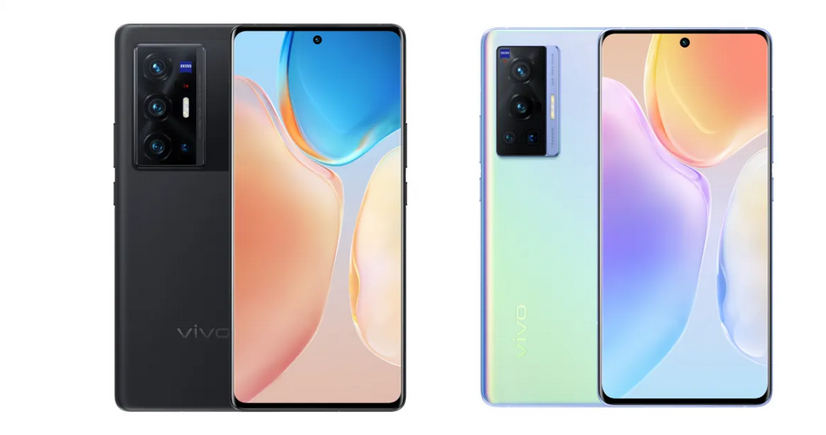
A new report has just surfaced that reveals the possible timeline for the launch of the Vivo X80 series. Apparently, the upcoming smartphone lineup will launch in India sometime in April 2022.
According to a MySmartPricereport, industry sources close to the matter have claimed that the X80 series will be announced in India next month. As of right now, the Chinese smartphone maker has yet to official reveal the launch date for the new X80 series. But while no details are available at the moment, we do have some information regarding the the Vivo X80 series based on leaked reports.
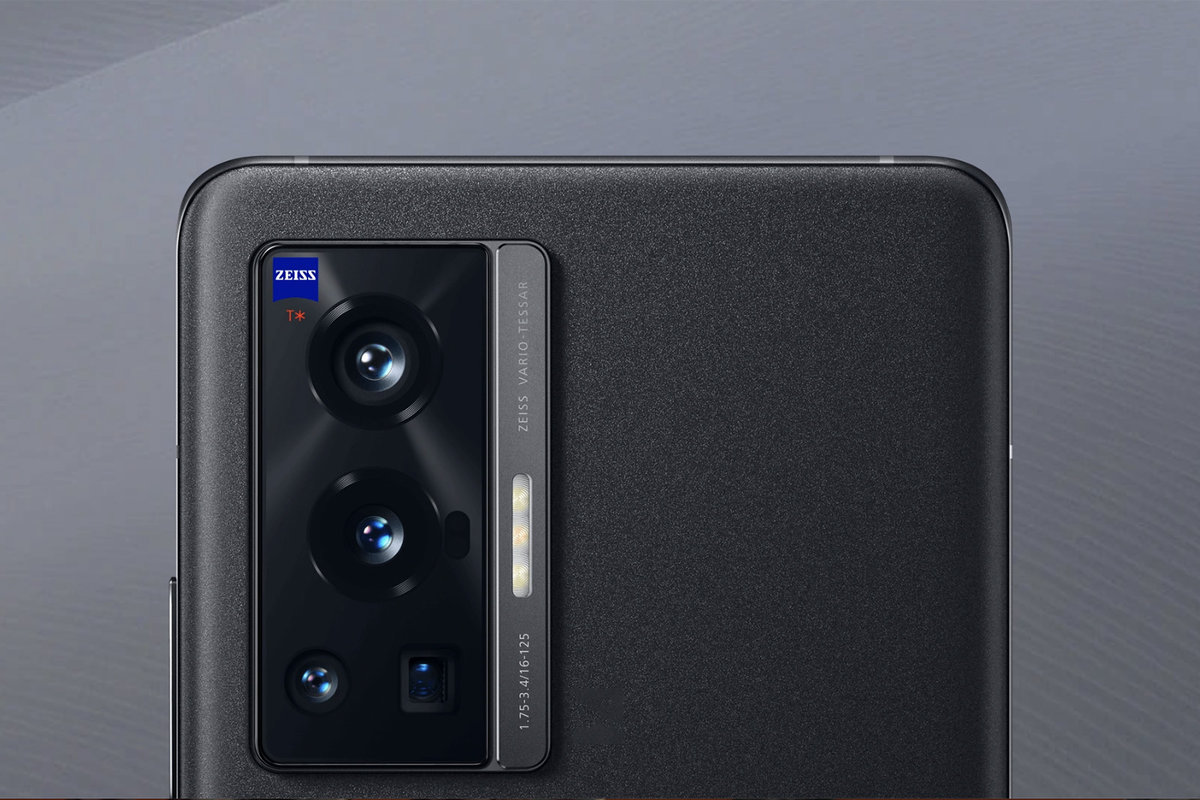
For those unaware, the brand is expected to soon announced the launch date for the X80 series in China soon, with the Indian release date following soon after. Since the Indian launch is claimed to be in April, the Chinese announcement may be set a few days ahead. The X80 series is also expected to include three models, namely X80, X80 Pro, and X80 Pro+. Being a flagship lineup, the top end model will likely feature Qualcomm’s latest and greatest Snapdragon 8 Gen1 SoC and Zeiss camera module with Vivo’s Gimbal Stabilization.
On the other hand, the lower end models may feature MediaTek’s Dimensity 9000 SoC, as per a recent benchmark listing. The benchmark platform also listed the X80 series with the model number V2186A. Another report hinted that the base model will sport a 6.56 inch LTPO AMOLED display with Full HD+ resolution. Meanwhile, the X80 Pro and X80 Pro+ may feature a 6.78 inch LTPO 2.0 E5 AMOLED panel that have FHD+ and QHD+ resolution’s respectively. All models are expected to offer 120Hz high refresh rate as well.
MediaTek Dimensity 8100 is all set to be launched today. The chip that looks to be MediaTek’s answer to Qualcomm’s Snapdragon 888 has already been speculated to be first featured on a Redmi device. But a new tip now has revealed the entire first batch of customers — and they all happen to be from China.
Tipster Yogesh Brar through a tweet today conveyed that Redmi, realme, OnePlus, vivo, and OPPO will comprise the first batch of OEMs to power their phones with the Dimensity 8100.
MediaTek Dimensity 8100 to go public today. Compares to Snapdragon 888, will be used on upper midrangers.
1st batch customers include: Redmi Realme OnePlus Vivo OPPO
Expected to be first seen on Redmi k50 Pro, followed by realme GT Neo 3, Vivo X80, OnePlus Nord…
From these, the first device models will be the Redmi K50 Pro, followed by the realme GT NEO 3, and the vivo X80. There’s even an unspecified OnePlus Nord series model onboard, although Yogesh did say that the model is internally being referred to as “Nord Pro.” But a marketing name is yet to be assigned.
Coming to the chip itself, it’s in the same league as the Snapdragon 888, with scores crossing the 800,000 mark on AnTuTu. It adopts TSMC’s 5nm manufacturing process and comprises 4x 2.85GHz Cortex-A78 cores paired with 4x 2.0GHz Cortex-A55 cores. The CPU is assisted by the Mali-G610 MC6 GPU for graphics and comes with 4MB of L3 cache. Support for LPDDR5 RAM and UFS 3.1 storage is also present.
You can now upload videos that hit the 10 minute mark on TikTok. The company behind the application recently announced that it is rolling out an update that will allow users to upload videos that are up to 10 minutes long.
Notably, this is the second major change following the extension of TikTok videos from 1 minute to 3 minutes in July 2021. This change had arrived since the social media platform was seeing explosive success across the globe. Now, the company is further extending its video’s total length to up to 10 minutes, since the platform shows no signs of slowing and this change would likely help creators upload more varied content as well.
According to a spokesperson speaking to TechCrunch, “We’re always thinking about new ways to bring value to our community and enrich the TikTok experience. Last year, we introduced longer videos, giving our community more time to create and be entertained on TikTok. Today, we’re excited to start rolling out the ability to upload videos that are up to 10 minutes, which we hope would unleash even more creative possibilities for our creators around the world.”
Through this change, content creators would be able to put up longer videos for cooking demos, beauty tutorials, educational content, comedic sketches, and more. Although, the company says that the option to film videos on the app will roll out to global users over the next couple of weeks. Meaning, its still a while away before you can take advantage of the extended video limit.
Vivo Y33s 5G has been silently announced in China. To recall, Vivo announced the Vivo Y33s 4G edition powered by the Helio G80 chip back in August 2021. Now, it is back with a 5G variant of the device. Here is everything on the specifications, features, and pricing of the new Y-series phone for the Chinese market.
Vivo Y33s 5G specifications and features
The Vivo Y33s 5G has a 6.58-inch LCD display with a waterdrop notch design. It has a 6.51-inch IPS LCD screen that offers an HD+ resolution of 1600 x 720 pixels, a 20.07:9 aspect ratio, 269ppi pixel density, and a 60Hz refresh rate. For security, it is equipped with features like face unlock and a side-facing fingerprint scanner. The device runs on Android 12 OS with Origin OceanOS UI on top.
The Dimensity 700 chipset is present under the hood of the Vivo Y33s 5G. The handset is equipped with 4 GB / 6 GB / 8 GB of LPPDR4x RAM and 128 GB of UFS 2.1 storage. It has a 5,000mAh battery that supports 18W fast charging through USB-C.
Vivo Y33s 5G
The Y33s 5G has an 8-megapixel camera for snapping selfies. Its rear camera setup has a 13-megapixel main camera, a 2-megapixel macro camera, and an LED flash. It offers other features dual SIM support, 5G, 5.8GHz Wi-Fi, Bluetooth 5.1, a microSD card slot, and a 3.5mm audio jack.
Vivo Y33s 5G pricing and availability
The Vivo Y33s 5G has hit the Chinese markets in three configurations such as 4 GB RAM + 128 GB storage, 6 GB RAM + 128 GB storage, and 8 GB RAM + 128 GB storage. The former two variants are priced at 1,299 Yuan (~$206) and 1,399 Yuan (~$221). It can be bought in colors like Snow Dawn, Nebula Blue, and Fluorite Black.
Redmi unveiled Redmi Note 11, Note 11S, Note 11 Pro, and Note 11 Pro 5G smartphones in global markets last month. The company is reportedly working on the Redmi Note 11 Pro+ 5G handset for the European markets. A fresh leak by Pricebabahas revealed the configurations and pricing of the Note 11 Pro+ 5G for Europe.
The publication has learned through industry sources that the Redmi Note 11 Pro+ 5G will be arriving in three options such as 6 GB RAM + 128 GB storage, 8 GB RAM + 128 GB storage, and 8 GB RAM + 256 GB storage. These variants are likely to be priced between 350 euros and 450 euros. The publication did not share any other information on the specs of the device.
Redmi Note 11 Pro+ 5G
The upcoming Redmi Note 11 Pro+ 5G was spotted at the Google Play Console and Google Supported Devices list. The latter revealed that its model number is 21091116UG and its codename is “pissarropro.” The listing revealed key specs such as FHD+ display, Dimensity 920 chip, 8 GB Of RAM, and Android 11 OS.
Redmi unveiled the Redmi Note 11 Pro+ back in October 2021. The same device was rebranded as the Xiaomi 11i HyperCharge in the recent past. It can be said based on the Google Play Console and Support Devices listings China’s Note 11 Pro+ 5G will be heading to Europe with the same moniker, specs, and design.
Redmi Note 11 Pro+ 5G specifications
The Redmi Note 11 Pro+ 5G has a 6.67-inch AMOLED FHD+ 120Hz display, a 16-megapixel front camera, and a 108-megapixel + 8-megapixel + 2-megapixel triple camera unit. The Dimensity 920 powered handset comes with up to 8 GB of RAM, up to 256 GB of built-in storage, a side-facing fingerprint scanner, Android 11 OS with MIUI 13, and a 5,160mAh battery with 120W fast charging.
Xiaomi-backed Redmi has today officially announced its new smartphone in its home market in China, dubbed as Redmi Note 11E Pro. Given the phone’s design and specs, it appears to be a rebranded version of the globally launched Redmi Note 11 Pro 5G.
The phone comes in three different color options — White, Black, and Blue. It is currently available for pre-order in China for a starting price of 1,699 yuan (~$270) for the 6GB RAM and 128GB storage model and will go on sale from 4th March.
The Redmi Note 11E Pro smartphone features a 6.67-inch Full HD+ AMOLED display sourced from Samsung. It offers 2400 x 1600 pixels screen resolution, DCI-P3 color gamut, and has support for a 120Hz refresh rate.
Under the hood, the device is powered by the Qualcomm Snapdragon 695 chipset, manufactured using a 6nm process node. It is coupled with up to 8GB LPDDR4X RAM and 256GB UFS 2.1 internal storage.
Coming to the camera department, the phone comes with a triple-camera setup that includes a 108-megapixel primary sensor, an 8-megapixel super-wide-angle lens, and a 2-megapixel macro lens. On the front side, the device features a 16-megapixel snapper for taking selfies and video calling.
As for the software, the device is running the Android operating system with the company’s own MIUI 13 custom interface on top. It is powered by a 5,000mAh battery which comes with support for 67W fast charging technology.
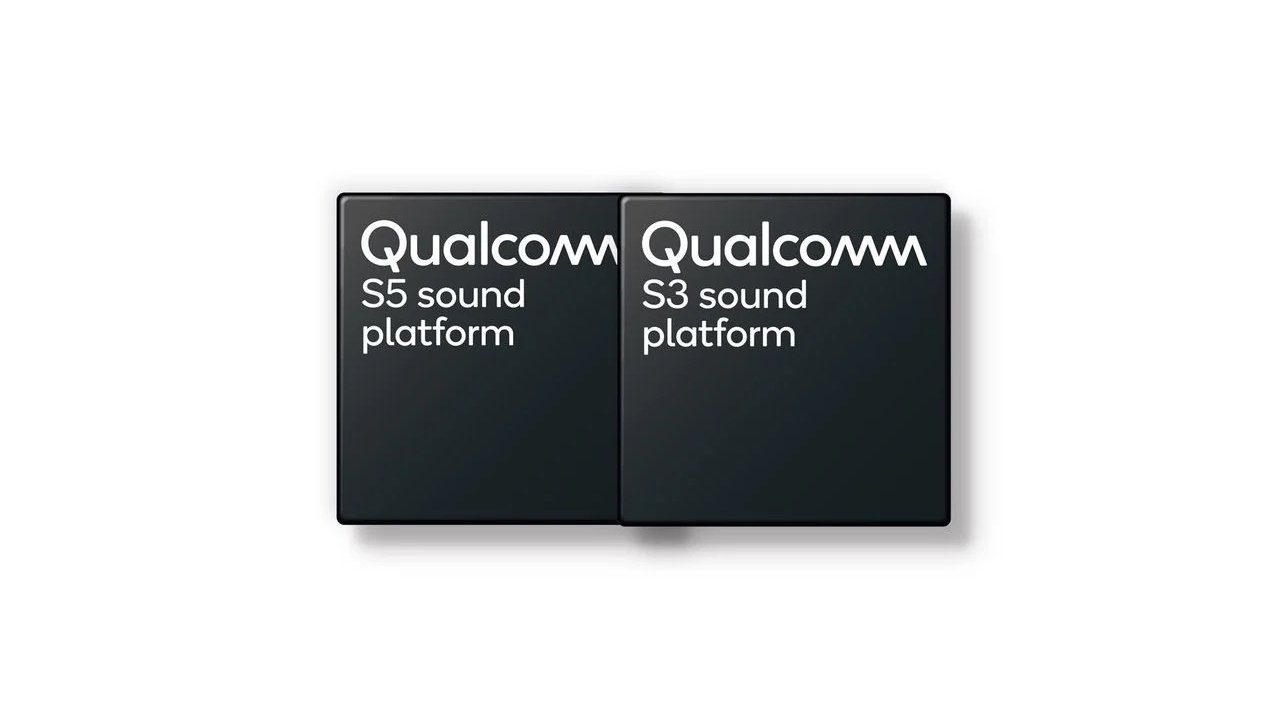
Qualcomm S3 and S5 sound platforms have been announced by the company at Mobile World Congress. The launch of these new sound platforms marks the expansion of the Snapdragon Sound solution announced last year.
These new audio platforms from Qualcomm combine traditional Bluetooth and the new low-energy (LE) audio technology standard. The aim is to significantly improve audio quality when listening to music using wireless earbuds, headphones, and mobile devices.
The Bluetooth LE audio capabilities also enable broadcasting to an unlimited number of devices and sharing of audio streams in a secure environment. The newly announced audio chips use Qualcomm Snapdragon 8 mobile platforms, FastConnect 6900, and the new 7800 subsystems to “deliver the ultimate wireless sound experience.”
The company is also touting a 16-bit 44.1kHz lossless Bluetooth audio experience and 32kHz super wideband voice call quality. There’s also support for 68ms ultra-low latency gaming mode, which Qualcomm says is 25% lower than the previous generation. It has also integrated Adaptive Active Noise Cancellation in a dedicated hardware block.
Qualcomm says it will begin sampling the S5 Sound Platform (QCC517x) and S3 Sound Platforms (QCC307x) commercial versions to customers in the second half of 2022. Jabra, Xiaomi, and iQOO are the first companies to use these audio platforms in their products.
The TAITO three-wheel electric scooter with a range of 30km is made for seamless navigation through pavements, cobblestones, and other difficult paths while also riding easily on the road. The TAITO three-wheeler is designed as a solid alternative to hoverboards, and scooters.
The e-scooter is designed by Francoise Desmet and Nathan De Baets. The design philosophy of the TAITO e-scooter is based on a reconsideration of what the device is capable of offering with its range and sturdy design. The range of 30km is a pretty decent figure for the quick intra-city commute. The three-wheel design offers stability and ruggedness that allows it to move around seemingly unfavorable and undulating terrain. It has a top speed of 25km/h. The dashboard comes populated with the necessary controls and navigational tools.
The e-scooter has IPX5 water-resistance, a solid shock-absorbing frame, and a lightweight 16kg body that further accentuates its sturdiness and versatility.
The TAITO is presently on sale on Indiegogo starting at €1,750 EUR (~$1,850) for the early bird offer. It is expected to start shipping in August 2022 but it remains to be seen how this sits with some of the lower-priced existing models in the market.
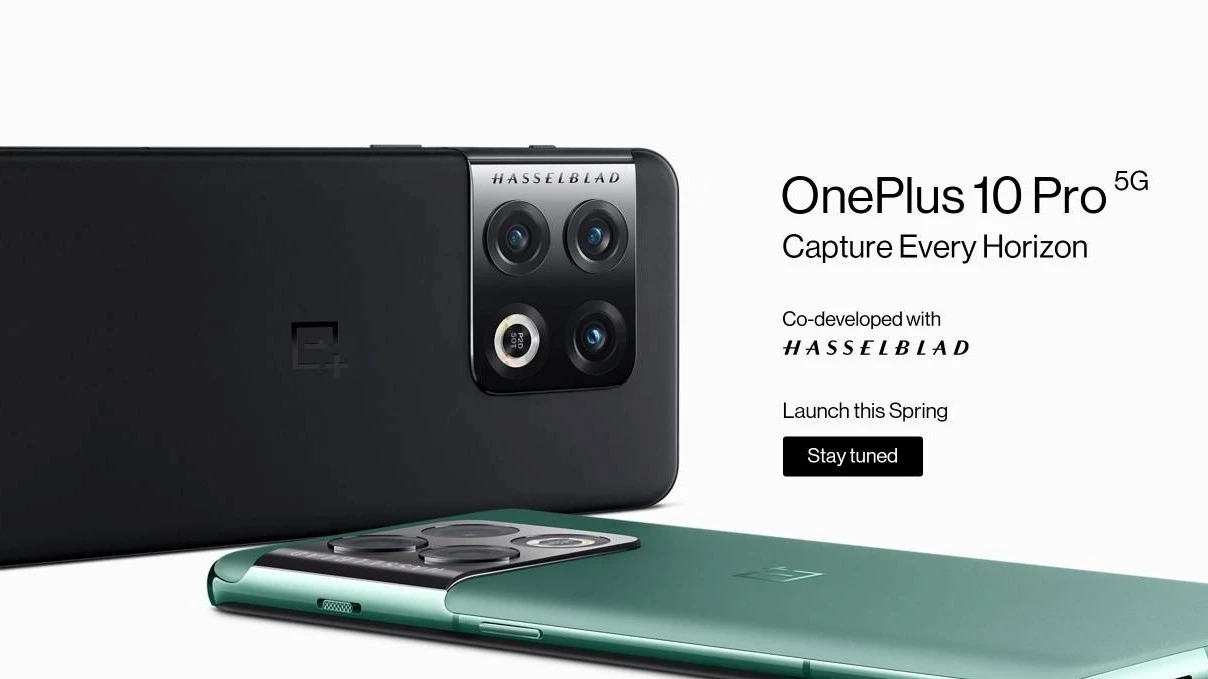
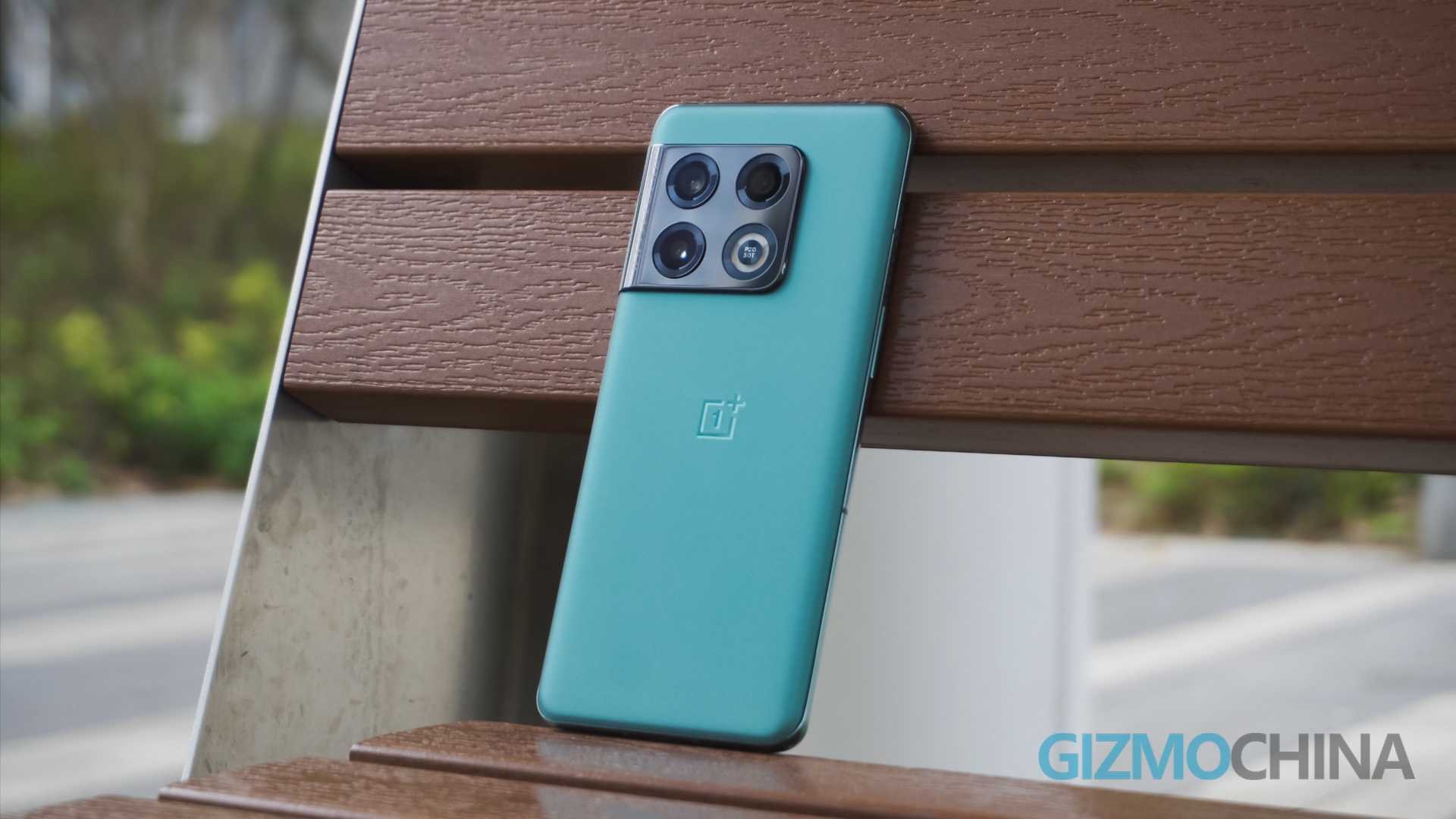
Earlier this year, in the month of January, OPPO-backed OnePlus announced its latest flagship smartphone, dubbed OnePlus 10 Pro. However, this time, the company initially limited the device to its home market China.
Now, a couple of months after its debut in China, the company is all set to launch the smartphone globally. At the Mobile World Congress, OnePlus confirmed that the flagship smartphone will launch in the US, Europe, and India by the end of this month.
The company has also confirmed that the global version of the OnePlus 10 Pro will keep using the OxygenOS operating system. This is unlike the Chinese model which comes pre-installed with OPPO’s ColorOS.
Initially, the device will be running OxyenOS 12.1 but the company has promised that it will soon be updated to OxygenOS 13. It has also been confirmed that the model sold in China will continue to have ColorOS pre-installed.
The specifications of the OnePlus 10 Pro will mostly remain the same. It features a 6.7-inch second-generation LTPO AMOLED display with support for variable refresh rates from 1Hz to 120Hz. It offers a screen resolution of 3216 x 1440 pixels, 525 PPI pixel density, 1300 nits peak brightness, 5000000:1 contrast ratio, 20.1:9 aspect ratio, 92.7% screen-to-body ratio, and Gorilla Glass Victus for protection.
It also comes with an under-display fingerprint sensor for added security. Under the hood, the device comes powered by the Qualcomm Snapdragon 8 Gen 1 chipset, coupled with up to 12GB LPDDR5 RAM and 256GB UFS 3.1 internal storage.
Coming to the camera configuration, the phone comes with a 48MP Sony IMX789 primary sensor with OIS, a 50MP Samsung ISOCELL JN1 sensor 150-degree ultra-wide unit, and an 8MP 3.3x telephoto shooter with OIS. On the front side, the device has a 32MP Sony IMX615 snapper for taking selfies and video calling. All these cameras are co-tuned by Hasselblad with features like Hasselblad Natural Color Optimization 2.0.
The phone is running the Android 12 operating system with a custom interface on top. It is powered by a 5,000mAh battery and comes with support for 80W SuperVOOC fast charging, 50W AirVOOC fast wireless charging, and reverse wireless charging.
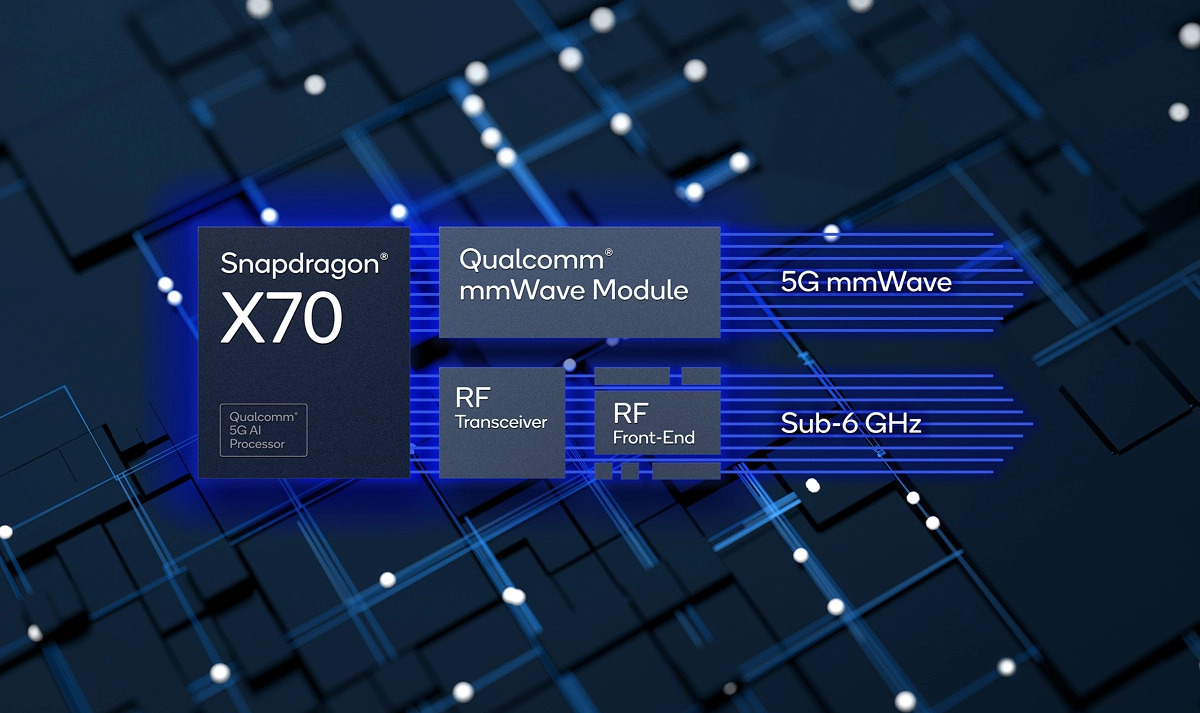
At the ongoing Mobile World Congress, Qualcomm has announced its latest next-generation modem for smartphones –Qualcomm Snapdragon X70 5G. It comes with increased uplink and downlink speed as well as new features.
While not yet confirmed by the company, it is likely that Qualcomm will use this new model for the upcoming Snapdragon 8 Gen 2 chipset that is expected to go official this year.
The company says that the Snapdragon X70 can offer up to 10Gbps downlink speed and a peak 3.5Gbps upload speed, ensuring maximum performance. Do note that the real-world performance won’t be what the company is saying.
A major highlight for this new modem is that it uses artificial intelligence (AI) technology which improves the mmWave and sub-6GHz bands. It has an AI-based channel-state feedback and optimization algorithm to increase the average downlink and uplink speeds.
It uses AI-based mmWave beam management to increase the coverage and then uses an AI-based network selection algorithm. This latest baseband chip is also the first to support every commercial 5G band from 500MHz to 41GHz.
The Qualcomm Snapdragon X70 has support for global 5G multi-SIM and Dual-SIM Dual Active. The company claims that it is up to 60 percent more power-efficient, thanks to Qualcomm 5G PowerSave Gen 3 technology.
Qualcomm’s QET7100 Wideband Envelope Tracking and AI-based adaptive antenna tuning will also help in power conservation along with optimizing performance and latency. The company has revealed that the Snapdragon X70 modem is expected to launch in 5G devices by the end of this year.
Redmi is expected to announce the Redmi Note 11E Pro smartphone in China this month. Reports have revealed that it will be a rebranded version of the global Redmi Note 11 Pro 5G. A fresh leak by Chinese tipster Bald is Panda has revealed the configurations and pricing of the Note 11E Pro.
The leak reveals that the Redmi Note 11E Pro will be available in three variants in China such as 6 GB RAM + 128 GB storage, 8 GB RAM + 128 GB storage, and 8 GB RAM + 256 GB storage. These models will be reportedly priced at 1,699 Yuan (~$269), 1,899 Yuan (~$301), and 2,099 Yuan (~$332).
Redmi Note 11E Pro specifications (rumored)
The Redmi Note 11E Pro will feature a 6.67-inch AMOLED display that offers a Full HD+ resolution of 1080 x 2400 pixels and a refresh rate of 120Hz. The device is likely to come preinstalled with Android 12 OS and MIUI 13.
Redmi Note 11 Pro 5G global edition
The Snapdragon 695 mobile platform will be powering the Redmi Note 11E Pro. It will be equipped with up to 8 GB of LPDDR4x RAM and up to 256 GB of storage. For additional storage, it will come with a microSD card slot.
The Note 11E Pro will be equipped with a 16-megapixel front-facing camera and its back panel will feature a 108-megapixel primary camera, an 8-megapixel ultrawide camera, and a 2-megapixel macro snapper.
The Note 11E Pro will be housing a 5,000mAh battery that carries support for 67W fast charging. For security, it will be equipped with a side-mounted fingerprint scanner. It is tipped to arrive in colors like Time Monologue (White), Mysterious Black Realm, and Night Sea Glaze.
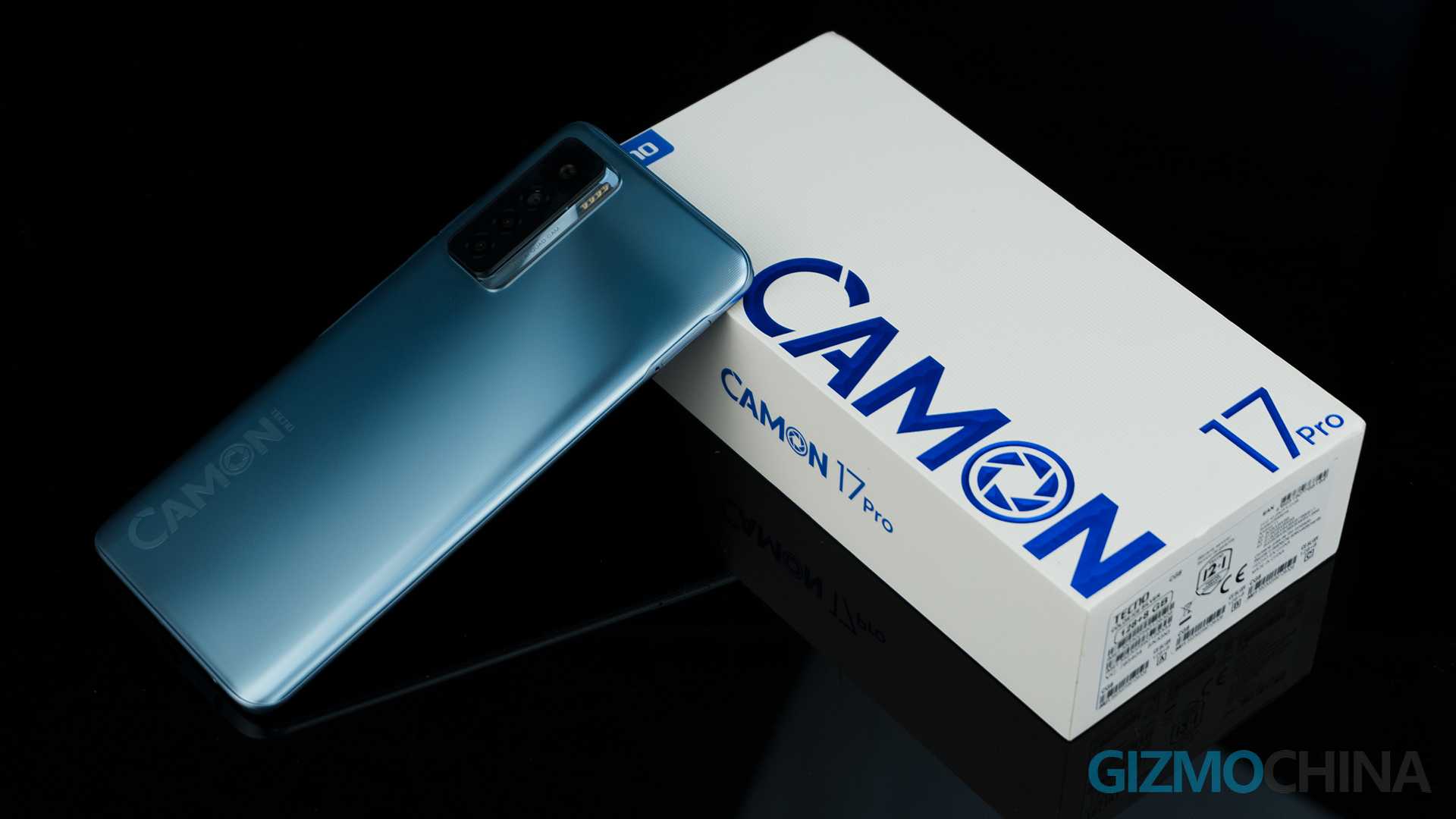
Chinese tech brand and Transsion Holdings subsididary Tecno has restated its plans to build high-quality mobile cameras with the development of the RGBW sensor (in conjunction with Samsung) and the accompanying algorithm to process the data which was developed in-house. The current RGBW sensor is called ISOCELL GWB and the 64MP RGBW sensor will premier in a Tecno Camon smartphone.
The enhanced quality on offer in the RGBW sensor offers up to 60% improved performance in capturing incoming light, which significantly trumps an RGB sensor. In addition, the pricier and more effective Glass+Plastic lens assembly with improvements in the management of light, with better performance than the all-plastic lens.
The specific model number of the Camon phone that debuts the new RGBW sensor and algorithm has not been specified yet. Tecno insists that its algorithm has found a way to capture human features and skin tones more efficiently. Samsung is collaborating with Tecno in the development of the RGBW architecture and it says the time is close when DSLR-grade photography will be a reality for everyday smartphone users.
Tecno will hope to leverage the algorithm in producing excellent videos on its devices.
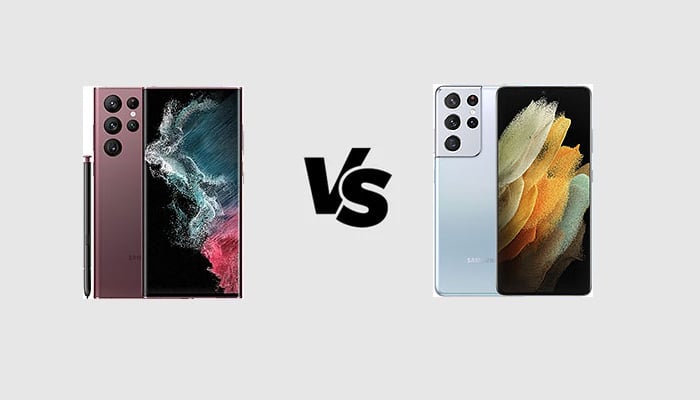
Samsung launched the Galaxy S22 Ultra as the first real successor of the Galaxy Note series. Yes, the S21 Ultra did support the S Pen, but the new handset has an integrated S Pen slot, unlike its predecessor. Is this the only difference between it and the Samsung Galaxy S21 Ultra? Of course not: there is a lot to talk about when it comes to these two devices and there are important differences that might make it worth upgrading from the older S21 Ultra to the new model. This comparison between the specifications of the latest top-tier flagships from the S series will help to find out the differences.
Samsung Galaxy S22 Ultra vs Samsung Galaxy S21 Ultra
5000 mAh, fast charging 45W and Qi wireless charging 15W
5000 mAh, Fast Charging 25W, Qi wireless charging 15W
ADDITIONAL FEATURES
5G, optional dual SIM, optional eSIM, IP68 waterproof, stylus support
5G, optional dual SIM, optional eSIM, IP68 waterproof, stylus support
Design
The Samsung Galaxy S22 Ultra comes with a cleaner design, as well as a more similar shape to the latest devices from the Galaxy Note series. As Samsung officially said, the Ultra variants from the Galaxy S series will replace the Note series which has been officially discontinued. The Samsung Galaxy S22 Ultra does not have a camera module but its sensors are placed directly in the back cover: a lot of people like this solution because the design becomes minimalistic and very elegant. On the other hand, the Samsung Galaxy S21 Ultra looks more original with its camera module and rounder shapes.
Display
If we exclude the difference of a bunch of pixels in the resolutions (1440 x 3200p vs 1440 x 3088p), the Samsung Galaxy S22 Ultra and the Galaxy S21 Ultra have the same display specifications. They come with 6.8-inch panels sporting a Quad HD+ resolution and the HDR10+ certification. They are LTPO AMOLED panels with an adaptive refresh rate from 1 to 120 Hz and they both support the S Pen. The Samsung Galaxy S22 Ultra wins because of its higher brightness (just slightly) and its better Gorilla Glass Victus Plus protection, but these are only marginal details and probably you won’t notice the difference. Both the phones feature AKG stereo speakers and ultrasonic in-display fingerprint readers for authentication.
Specs & Software
Samsung Galaxy S22 Ultra improves its performance if compared to the Galaxy S21 Ultra thanks to two new chipsets. In some markets, it is powered by the Samsung Exynos 2200 mobile platform: the first mobile SoC with a GPU powered by AMD. In the remaining regions, it is fueled by the Snapdragon 8 Gen 1 mobile platform, actually the best by Qualcomm. The S21 Ultra comes either with the Qualcomm Snapdragon 888 or the Samsung Exynos 2100. The memory configurations of the S22 Ultra include up to 12 GB of RAM and up to 1 TB of internal storage, while the S21 Ultra comes with up to 16 GB of RAM and up to 512 GB of storage. The former ships with Android 12 out of the box, while the latter runs Android 11 but it can already be upgraded to Android 12. However, it will get shorter software support.
Camera
The cameras of the Samsung Galaxy S22 Ultra and the S21 Ultra remain unchanged: they come with a 108 MP main camera with OIS, a 10 MP periscope sensor with 10x optical zoom, a 10 MP telephoto camera with 3x optical zoom, an ultrawide sensor with a 12 MP resolution, and a 40 MP selfie camera.
The battery capacities are the same, but the Galaxy S22 Ultra will probably last longer thanks to its more efficient processors. Further, it provides faster charging speeds.
Price
The starting price of the Samsung Galaxy S22 Ultra for Europe is €1249 while it starts from $1200 in the U.S. Currently, the Samsung Galaxy S21 Ultra is a lot more affordable thanks to street prices: it costs less than €1000 in Europe and less than $1000 in the U.S. However, the new S22 Ultra remains a better choice for everyone.
Samsung Galaxy S22 Ultra vs Samsung Galaxy S21 Ultra: PRO and CONS
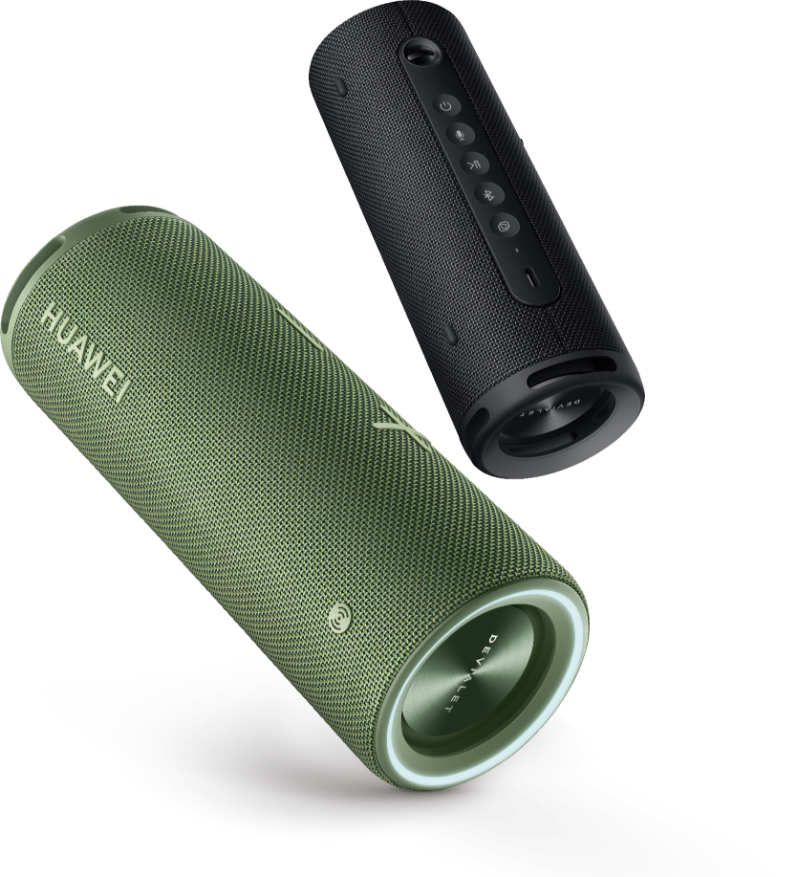
At the Mobile World Congress 2022 event, Huawei debuted multiple products in the global market like the Matebook X Pro and the Huawei MatePad Paper e-ink tablet. But laptops and tablets were not the only products unveiled, as the company also launched the Huawei Sound Joy smart speaker for customers across different regions.
The wireless speaker is co-engineered with the French audio technology company Devialet and brings a compact cylindrical body that is pretty portable. The Sound Joy comprises 4 speaker units, with a 20W full-range speaker, a 10W tweeter, and two passive radiators. This speaker setup is capable of firing 79 dBA @ 2 m audio.
The speaker supports Bluetooth 5.2 and codecs such as AAC and SBC. It has IP67 certification for protection against dust and a safe immersion under 1 meter of water for 30 minutes.
The speaker’s large 8800mAh battery promises a playback time of 26 hours. It can be charged at super-fast 40W and can offer a whole hour of playback at just 10 minutes of charge.
The Huawei Sound Joy also comes with pretty useful and intuitive functionalities like shake to pair, touch to phone to instantly transfer a track, and proximity-based auto-discovery. It has a dedicated voice assistant key to activate your phone’s smart voice assistant for memos, reminders, information inquiries, and more.
The Bluetooth speaker measures 202 mm in height, has a diameter of 73 mm and weighs 680 grams. A large part of its exterior is made of a specially woven fabric offering rugged protection for all outdoor activities.
The Huawei Sound Joy has been priced at €149 and is available in Obsidian Black and Spruce Green colors. The brand has yet to reveal the date at which the device will be made available, however, this is likely to vary from region to region.
Lenovo has a pretty lengthy list of big announcements during the ongoing Mobile World Congress (MWC), Barcelona 2022. The company is refreshing the ThinkPad lineup with Snapdragon processors for faster performance in addition to 165Hz display refresh rates. Lenovo has indeed released a whole lot of ThinkPads and the X13s which are the latest iterations of the ThinkPad will be powered by Qualcomm’s Snapdragon processors. The lineup of ThinkPads also includes the X1 Extreme and new additions to the P- and T-series.
Concerning the Snapdragon-powered new ThinkPads. They sport the 16:10 aspect ratio after the company had earlier announced a transition from 16:9 to 16:10. The 16:10 model is looking roomier and taller than its predecessors. The ThinkPad X13s is the first Lenovo model to feature the Snapdragon 8cx Gen 3 chip which Qualcomm claims offers up to 60% improvement over other alternative platforms. The improvements are also shown in the enhanced battery life offered by the ThinkPad X13s to go with excellent portability.
The ThinkPad X13 weighs just 1.06kg which is a quite decent offering for a laptop. It is very easy to carry even with one hand. The absence of a cooling fan system contributed to the reduced weight of the X13 but the excellent cooling mechanism of the Snapdragon processor means minimal heat generation and overall efficiency. The model is also sturdy and is made from 90% recycled magnesium. The ThinkPad X13 lineup is priced from $1,099 and could be available in May 2022.
Apart from the ThinkPad X13s, Lenovo also unveiled a number of new products at MWC 2022. The company’s lineup includes a couple of Chromebooks and tablets. Some of the Windows 11 laptops that the company announced includes:
Lenovo ThinkBook 14s Yoga Gen 2 and ThinkBook 13s Gen 4: The duo is powered by 12th-Gen Intel Core processors. They equally come with a dual-tone aluminum fuselage and supports Thunderbolt 4, and Wi-Fi 6E.
ThinkPad X1 Extreme Gen 5: The ThinkPad X1 Extreme Gen 5 takes things to the extreme as it is powered by a 12th Gen Intel Core i9 H-Series processor and supports up to 64GB of LPDDR5x memory and 8GB of storage.
ThinkPad T series: The T-series comes in both Intel and AMD versions. While the Intel model packs a 12th Gen Core SoC, the AMD version is powered by the Ryzen Pro 6000 series processors. The laptop’s display adopts a 16:10 screen aspect ratio.
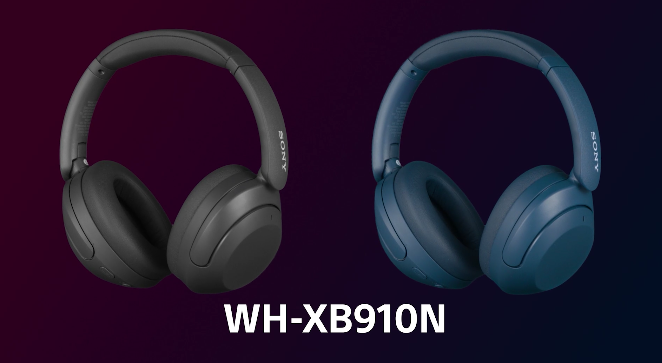
Sony has launched the Sony WH-XB910N over-the-ear wireless headphones in India. The pair of wireless headphones provide Active Noise Cancelation (ANC), LDAC codec support, and up to 30 hours between charges.
According to Sony, the two noise sensors in work in tandem to offer a better overall noise cancellation experience and the feature can be personalized through Sony’s Headphones Connect mobile app on either iOS or Android smartphones.
When focusing on the features of this pair, the headphones are powered by 40mm drivers. Via LDAC, the headphones offer a frequency response of 20Hz to 40,000Hz and also come with a 1.2m audio cable for wired connectivity. The user also gets 48-ohm impedance, and 96dB/nW sensitivity as well.
The audio signature of this headphone focuses specifically on the low frequencies, as according to Sony it belongs to the company’s Extra Bass lineup. The Sony WH-XB910N has been advertised to deliver a club-like bass-driven music experience.
The headphones offer 30 hours of music playback time. The headphones also feature a Digital Sound Enhancement Engine (DSEE) which uses software to upscale the audio that users are streaming through their smartphones. This is also combined with Adaptive Sound Control using which the headphones adapt to the best level of audio balance and noise cancellation depending on its surroundings. Additionally, it has a Precise Voice Pickup Technology’ which helps in reducing the surrounding noise while on voice calls.
The Sony WH-XB910N also features 360 Reality Audio which is that focuses on spatial audio distribution through the headphones, but it is not compatible with most mainstream applications.
Starting February 28, 2022, the Sony WH-XB910N is available to customers in India both online and via offline Sony retailers. The headphones are priced at Rs 14,990.
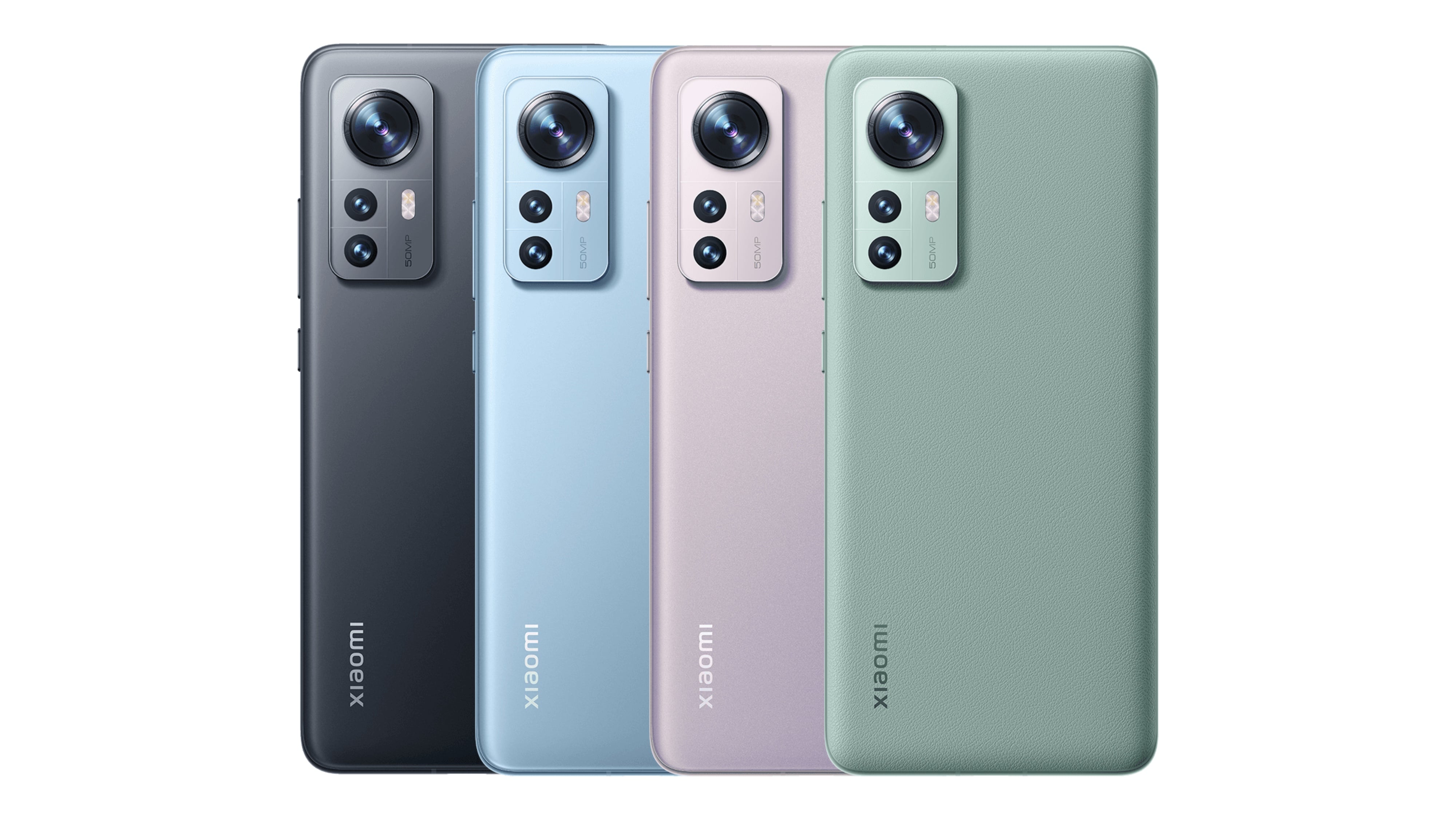
The Xiaomi 12 series will reportedly make its entry into the global market when it is unveiled on March 15. This is according to “authoritative sources” knowledgeable about the trajectory of the flagship series. This news is unconnected with the ongoing Mobile World Congress where Xiaomi has been off the radar this year.
The March 15 unveiling of the Xiaomi 12 series will be an online event with Europe and possibly India the first global destinations for the smartphone series. The original Xiaomi 12 series has three models namely the Xiaomi 12, the Xiaomi 12 Pro, and the Xiaomi 12X. However, it is unclear at this time whether the three models will be unveiled as part of the global lineup during the March 15 event. There is a likelihood that the more compact Xiaomi 12 mini could also join the global Xiaomi 12 series lineup. Other possible models could debut in the global launch, but any projection now will be in the realm of uncertainty.
The camera setup of the Xiaomi 12 series will be a major marketing point for the global edition of the smartphones, as they will come with an excellent rear and front-facing camera setup. It is also indicated that the theme of the March 15 event is Master every scene, which hopes to showcase the impressive camera system of the lineup. All three models in the lineup have a 50MP rear in combination with telephoto and ultra-wide sensors that combine for a great camera system.
All three global models in the Xiaomi 12 series come with Qualcomm Snapdragon chips. While the Xiaomi 12 and 12 Pro are powered by the Snapdragon 8 Gen 1 SoC, the 12X has the Snapdragon 870. As per possible pricing, we expect the Xiaomi 12 Pro to be priced at around $1,200 while the 12X could go for around $670. These projections remain speculative, as the company hasn’t made any definitive statement yet on the global launch and other details.
A new Bloomberg report indicates that the Apple Watch Series 8 will see major updates from its predecessor and the Series 3 may be finally discontinued. The report points out that 2022 will mark an important year in the trajectory of the Apple Watch as some new features debut on the highly sought-after Apple Watch.
The Apple Watch 3 is currently at the base of the Apple Watch lineup and it may have finished its course and is due for retirement this year. What this implies is that there will be no further software update support for the Apple Watch 3 going forward. The Bloomberg report is attributed to Mark Gurman, an authoritative Apple buff of long-standing.
Gurman says three new Apple Watch models will be birthed this year namely the Apple Watch Series 8, an updated version of the Apple Watch SE, and an extreme sports edition Apple Watch. The race to transform smart wearables into full health and fitness gadgets is still on but Gurman does not see any new health sensor being added to the specs of the upcoming models. A few smartwatches from several brands now sport blood pressure monitoring in addition to the standard vital statistics measurements available on the devices. But we should expect major updates in the overall architecture of the Apple Watch.
Although Gurman has a track record of several bulls-eye predictions in the past, there is no official confirmation yet from Apple on the matter.
We use cookies on our website to give you the most relevant experience by remembering your preferences and repeat visits. By clicking “Accept”, you consent to the use of ALL the cookies.
This website uses cookies to improve your experience while you navigate through the website. Out of these, the cookies that are categorized as necessary are stored on your browser as they are essential for the working of basic functionalities of the website. We also use third-party cookies that help us analyze and understand how you use this website. These cookies will be stored in your browser only with your consent. You also have the option to opt-out of these cookies. But opting out of some of these cookies may affect your browsing experience.
Necessary cookies are absolutely essential for the website to function properly. This category only includes cookies that ensures basic functionalities and security features of the website. These cookies do not store any personal information.
Any cookies that may not be particularly necessary for the website to function and is used specifically to collect user personal data via analytics, ads, other embedded contents are termed as non-necessary cookies. It is mandatory to procure user consent prior to running these cookies on your website.