Samsung is all set to launch its next-generation Galaxy S-series flagship smartphones and has already confirmed that the Galaxy S22 lineup will be officially announced at the Galaxy Unpacked event on 9th February.
Now, just a day after the European pricing for the upcoming smartphones leaked, the pricing details for the United States market have also been confirmed through a new leak, which is in line with the previous reports.
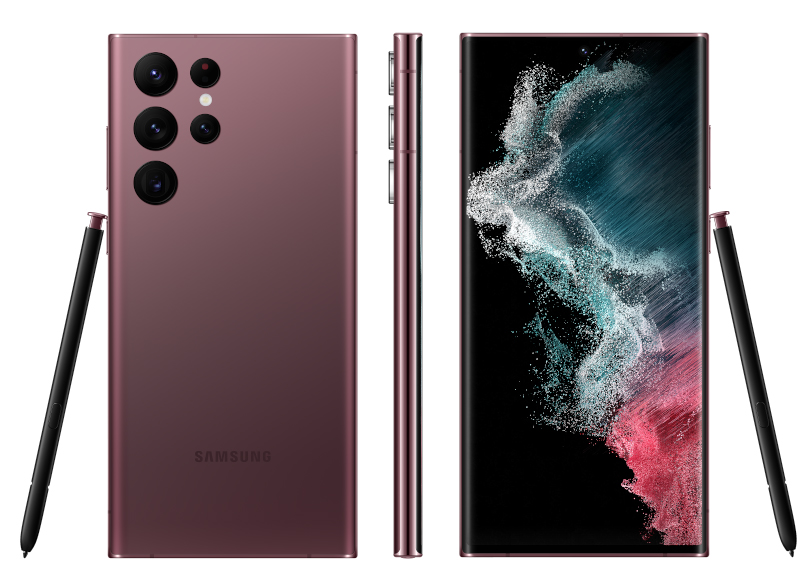
Samsung Galaxy S22 Ultra Render Leak via Evan Blass
A Google survey has revealed that the Samsung Galaxy S22 will start at $899 in the United States, while the S22 Plus will cost $1,099. The top-end model of the lineup — the Galaxy S22 Ultra, will have a starting price of $1,299. The same pricing has also been leaked by a Twitter account @TechInsiderBlog.
The leak only mentions the starting price for the upcoming phones and doesn’t list pricing for all the variants that will get launched. The recently leaked European pricing for the series has listed pricing for all the variants of the Galaxy S22 series.
The pricing for the upcoming flagship smartphone from Samsung in the United States is about $100 higher for the base model when compared to its predecessor. It will be interesting to see how the devices are received by the customers given that the South Korean giant is facing a lot of competition.
Although the Galaxy S22 lineup is expected to come with some major upgrades, including a revamped design, better specifications, improved camera sensors, and more, the pricing will play a crucial role for it to become one of the top-selling products for the year. For comparison, the Apple iPhone 13 Mini starts at $699 while Google’s Pixel 6 at $599.
Indian electric scooter manufacturer Komaki has unveiled a new electric scooter for the local market. The scooter dubbed Komani Venice electric scooter adopts a Vespa-styled design.
The Komani Venice electric scooter retains a couple of retro-styled features apparently imported from the Vespa, including a circular headlamp but this time around, it is fitted with LED bulbs. The headlamp also has daytime running light.
The e-scooter comes equipped with several modern features like a comfy seat, a large windshield, full digital display that shows several parameters such as speed, battery power and more. The scooter also features a storage compartment at the front where stuff like phones, chargers, documents and others can be stored safely. There is also a cargo box at the back that has a sizeable room.
While the range and topsepeed of the Venice e-scooter are not known, the scooter is said to pack a 3 kWh electric motor paired with a 2.9 kWh battery pack. The scooter also comes with a self-diagnosis system, reverse assist, anti-theft lock system, regenerative braking system, and a point for charging your mobile gadgets.
The Komaki Venice Electric two-wheeler carries a retail price of Rs. 115,000 (~$1,540). The scooter will go on sale starting from January 26 across its dealerships. It will be available in nine different color options.
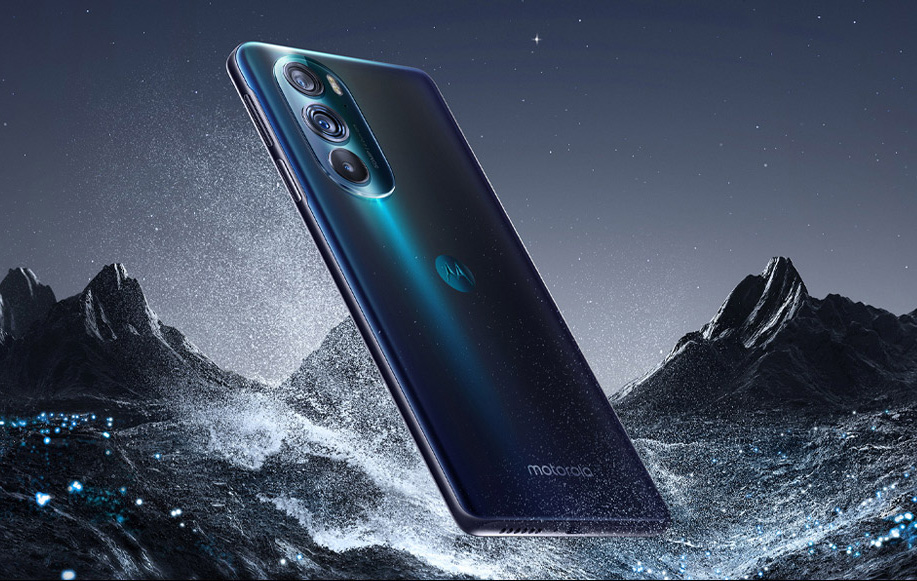
Back in December 2021, Motorola launched the Moto Edge X30 smartphone in China. It debuted as the world’s first phone powered by the Snapdragon 8 Gen 1. Recent rumors revealed that the device will be rebadged as Moto Edge 30 Pro for the global market and is expected to launch in the upcoming months.
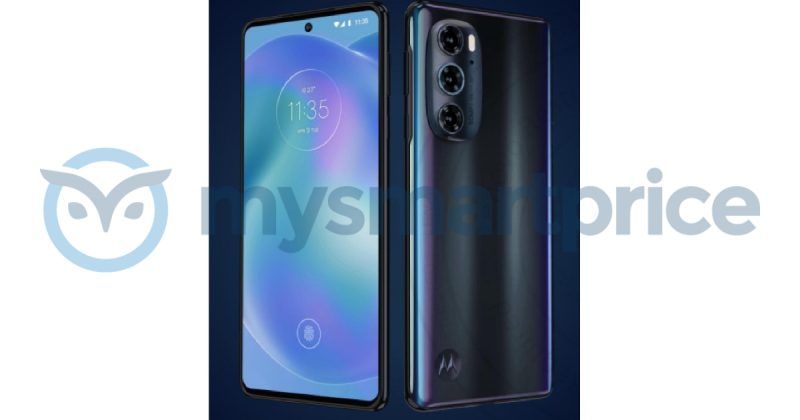
Now, MySmartPrice with the help of tipster Sudhanshu Ambhore has revealed renders of the upcoming device which showcases some variations from the Chinese model.
Moto Edge 30 Pro
1 of 2
image via MySmartPrice
image via MySmartPrice
According to the new renders, the design of the phone including the screen, camera island, and overall stylistic profile will remain the same as the Edge X30. However, the iconic Motorola ‘M’ badge will now be present on the bottom left of the rear panel. One big change revealed by the renders is the placement of the fingerprint sensor which will apparently be present under the screen in the Moto Edge 30 Pro rather than the side-mounted sensor in the Moto Edge X30. The global version of the Moto Edge 30 Pro has the model number XT2201-4.
Other than these changes, the device is expected to host the same hardware and features as the Edge X30.
Moto Edge X30 specifications
The Moto Edge X30 sports a 6.7 inch OLED FHD+ display with a 144Hz refresh rate and a 576Hz touch sampling rate. The screen also offers a 100 percent DCI P3 color gamut and HDR10+. It has a 60-megapixel front-facing camera and a 50-megapixel (main) + 50-megapixel (ultrawide) + 2-megapixel (depth) triple camera unit. It runs on MYUX 3.0 based Android 12 OS.
The Edge X30 has Snapdragon 8 Gen 1 chip, up to 12 GB of LPDDR5 RAM, and 256 GB of UFS 3.1 storage. The device has a 5,000mAh battery that supports 68W fast charging.
A recent report claimed that the Edge 30 Pro will be also released in India. The device is expected to hit the Indian market in a month or two. At present, there is no information available on the pricing of the Edge 30 Pro for the global markets.
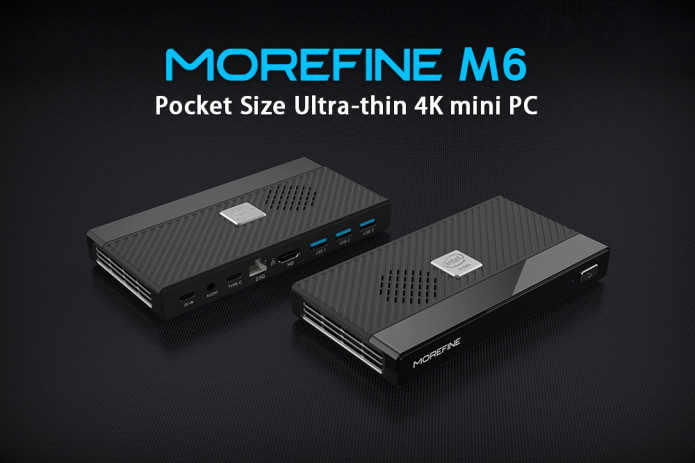
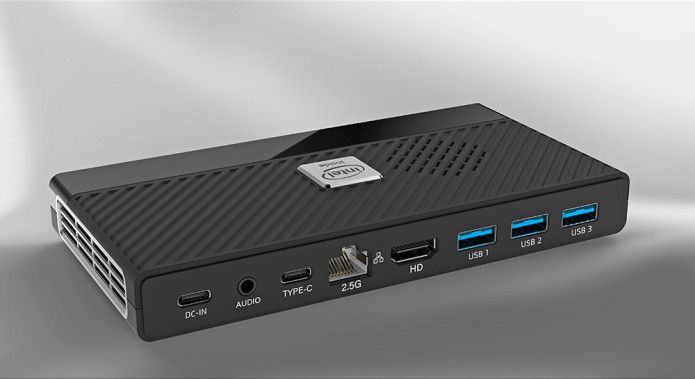
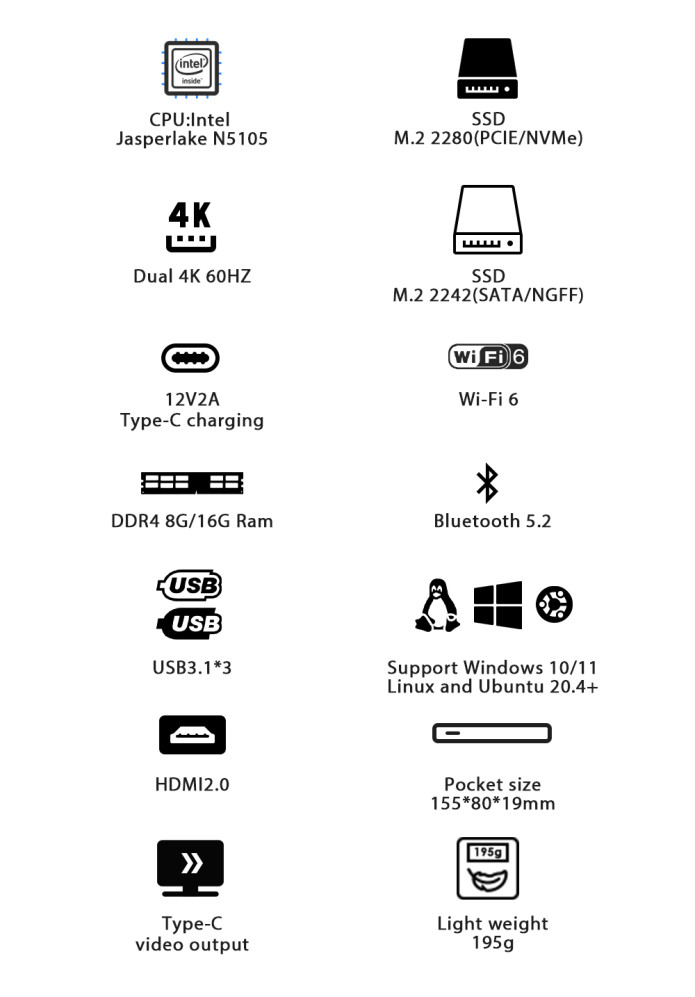
Morefine M6 pocket-sized PC has evolved through its Indiegogo crowdfunding campaign and the company says the device is now available for preorder at a discounted price of $256 (30% discount) for the base model. The Morefine M6 is a mini PC with an Intel Celeron N5105 quad-core processor, 8GB/16GB of RAM, and 256GB/512GB/1TB of internal storage. The mini PC has support for Windows 11, Ubuntu, and Linux-based operating systems.
The Intel Celeron N5105 chip onboard is a 10W, quad-core processor with base and burst speeds of 2GHz and 2.9GHz respectively, in addition to Intel UHD graphics with 24 execution units and base/burst speeds between 450MHz and 800 MHz.
The Morefine M6 measures 6.1”x3.1”x0.75” and weighs about 0.2kg. The Morefine M6 was first announced in October 2021, Morefine has already activated a crowdfunding campaign that now sees the device priced about 30% below its expected retail price at the end of the Indiegogo crowdfunding campaign. Morefine expects to start shipping the first units of the M6 mini PC smartphone from April 2022, although the optics of the coronavirus pandemics could bring about a shift of the April shipment date.
Morefine continues to pull its weight in the mini PC market with a lot of successful products within the segment. It is an established company and we would expect its current crowdfunding campaign for the M6 to go according to its expectations. The crowdfunding campaign offers the company another opportunity to enhance the marketability of its products and overall outlook. The early-bird offers for the M6 are for the 8GB/256GB RAM/ internal storage model which is for $256, the 8GB/512GB RAM/ internal storage model which is for $298, and the 16GB/1TB RAM/ internal storage model which is for $359.
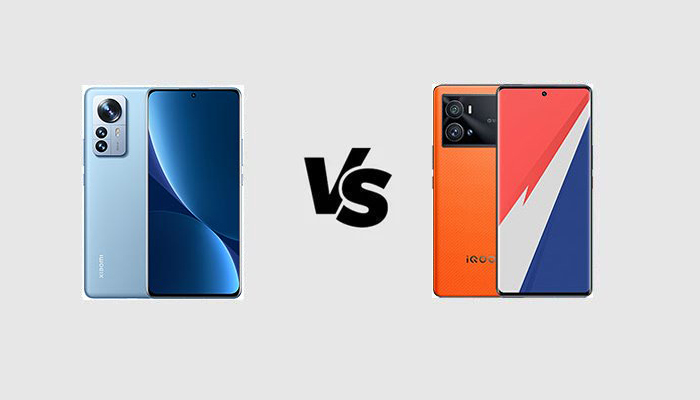
This year there are already several flagship killers in the scene and it is very hard to choose the best one. And currently, the flagship killers are even closer to the top-tier ones, which is the reason why they are even more interesting than last year. Xiaomi 12 Pro debuted at the end of 2021 with an almost perfect specs sheet, followed by the iQOO 9 Pro earlier this month and by the OnePlus 10 Pro. After comparing the Xiaomi 12 Pro to the OnePlus 10 Pro and to the Realme GT 2 Pro, now it is time to compare it to the iQOO 9 Pro in another outstanding Chinese flagship comparison.
Xiaomi 12 Pro vs Vivo iQOO 9 Pro
Xiaomi 12 Pro
Vivo iQOO 9 Pro
DIMENSIONS AND WEIGHT
163.6 x 74.6 x 8.2 mm,
204 g
164.8 x 75.2 x 8.8 mm,
204 g
DISPLAY
6.73 inches, 1440 x 3200 pixels (Quad HD+), LTPO AMOLED
6.78 inches, 1440 x 3200 pixels (Quad HD+), LTPO AMOLED
Triple 50 + 50 + 50 MP, f/1.9 + f/1.9 + f/2.2
32 MP front camera
Triple 50 + 16 + 50 MP, f/1.8 + f/2.2 + f/2.3
16 MP f/2.5 front camera
BATTERY
4600 mAh, fast charging 120W, fast wireless charging 50W
4700 mAh, Fast Charging 120W, fast wireless charging 50W
ADDITIONAL FEATURES
5G, dual SIM, reverse wireless charging
5G, dual SIM, reverse wireless charging
Design
It is very hard to choose the best design between the Xiaomi 12 Pro and the iQOO 9 Pro. I personally think the former is more suitable for casual users who need an elegant device, thanks to its compact dimension and its minimalistic camera module sporting the same color as the rear side. On the other hand, the iQOO 9 Pro is better for gamers and for all of those who are searching for an original phone, especially when it comes to the special BMW M Motorsport Edition with that amazing stripe showing the BMW colors. Both these devices come with a curved screen and a very high screen to body ratio, but the Xiaomi 12 Pro is slightly more compact because it has a smaller display.
Display
Coming to the displays, these devices are very close to each other. The specifications of these displays are almost the same. They are AMOLED panels with the LTPO technology showing up to one billion colors. They have an adaptive refresh rate of up to 120 Hz, the Dolby Vision support, the HDR10+ certification, a peak brightness of up to 1500 nits, an in-display fingerprint reader for authentication, and a great Quad HD+ resolution of 1440 x 3200 pixels. The only real difference between these two panels is the diagonal: 6.73 inches for the Xiaomi 12 Pro and 6.78 inches for the iQOO 9 Pro. They will not be the best displays of 2022, but they are very close to the best panels out there thanks to their amazing specifications.
Specs & Software
It is essentially a draw even when it comes to the performance. The Xiaomi 12 Pro and the iQOO 9 Pro are powered by the Snapdragon 8 Gen 1 mobile platform built at 4 nm and running at a 3 GHz frequency: it is the best Qualcomm chipset to date and it is paired with up to 12 GB of LPDDR5 RAM. The iQOO 9 Pro offers more internal storage in the most expensive configuration: up to 512 GB of UFS 3.1 native storage instead of just 256 GB. Both the phones run Android 12 but with different user interfaces: MIUI 13 for the former and Origin OS Ocean for the latter.
Camera
It is very hard to understand which of these devices will offer the best camera quality if we only look at the specs on the paper. Both the phones are equipped with a 50 MP main camera including OIS, but the iQOO 9 Pro has a brighter f/1.8 focal aperture and the gimbal OIS technology which is more effective than classic OIS systems. The Xiaomi 12 Pro has a telephoto sensor with 2x optical zoom and a higher 50 MP resolution, while the iQOO 9 Pro has a 16 MP telephoto sensor but with a stronger 2.5x optical zoom and OIS. Both the phones feature a 50 MP ultrawide camera, but the iQOO 9 Pro has a wider 150° FOV. On the other hand, Xiaomi 12 Pro has a better 32 MP selfie camera.
The battery of the iQOO 9 Pro is slightly bigger with a capacity of 4700 mAh against just 4600 mAh provided by the Xiaomi flagship. However, given the small difference, the software optimization will decide which device will offer the longest battery life. The charging speeds are more or less the same with 120W fast wired charging and 50W fast wireless charging.
Price
The starting price of the Xiaomi 12 Pro and the iQOO 9 Pro in China roughly translates into €795/$899. These devices come with almost the same specs sheet: which one would you pick?
Peloton, the American exercise equipment, and media company is currently facing financial trouble which has led it to cut costs, product prices and is even rumored to soon lay off 41% of its sales and marketing staff.
This situation has arisen due to giants like Apple entering the health and fitness business rivaling Peloton’s business model by providing digital classes under Apple Fitness+ at cheaper prices with the Apple One bundle. Peloton has also told employees that products such as the Bike, Bike+, and Tread will be out of production for between six weeks and six months.
Apple Fitness+
In a recent press release, Peloton CEO John Foley said that the company is now “taking significant corrective actions to improve our profitability outlook and optimize our costs.” Following this statement, the company’s stock has plummeted by 24 percent and now floating around 85 percent below where it was trading this time last year.
These recent unfavorable events for Peloton look like a prelude to an acquisition by a bigger company like Apple, on which The Information has reported that “If Peloton is to have a future, it would be better off as part of a bigger, more diversified company. Apple is an ideal candidate to take on that project. It has the Fitness+ subscription service for classes and it markets the Apple Watch as a device that can help with jogging and other exercise activities. It could close Peloton’s stores and sell the equipment through its own stores. And hey, after today, Peloton’s market capitalization is down to $7.9 billion. Cook could pay for that by dipping into the change jar in his kitchen.”
The idea of Apple acquiring Peloton is now making the rounds on investing forums and even being picked by financial adviser websites like The Motley Fool. For now, it remains just an idea as no news of the companies actually being interested in this course of action has surfaced. However, we will keep a close eye on the matter for any notable developments.
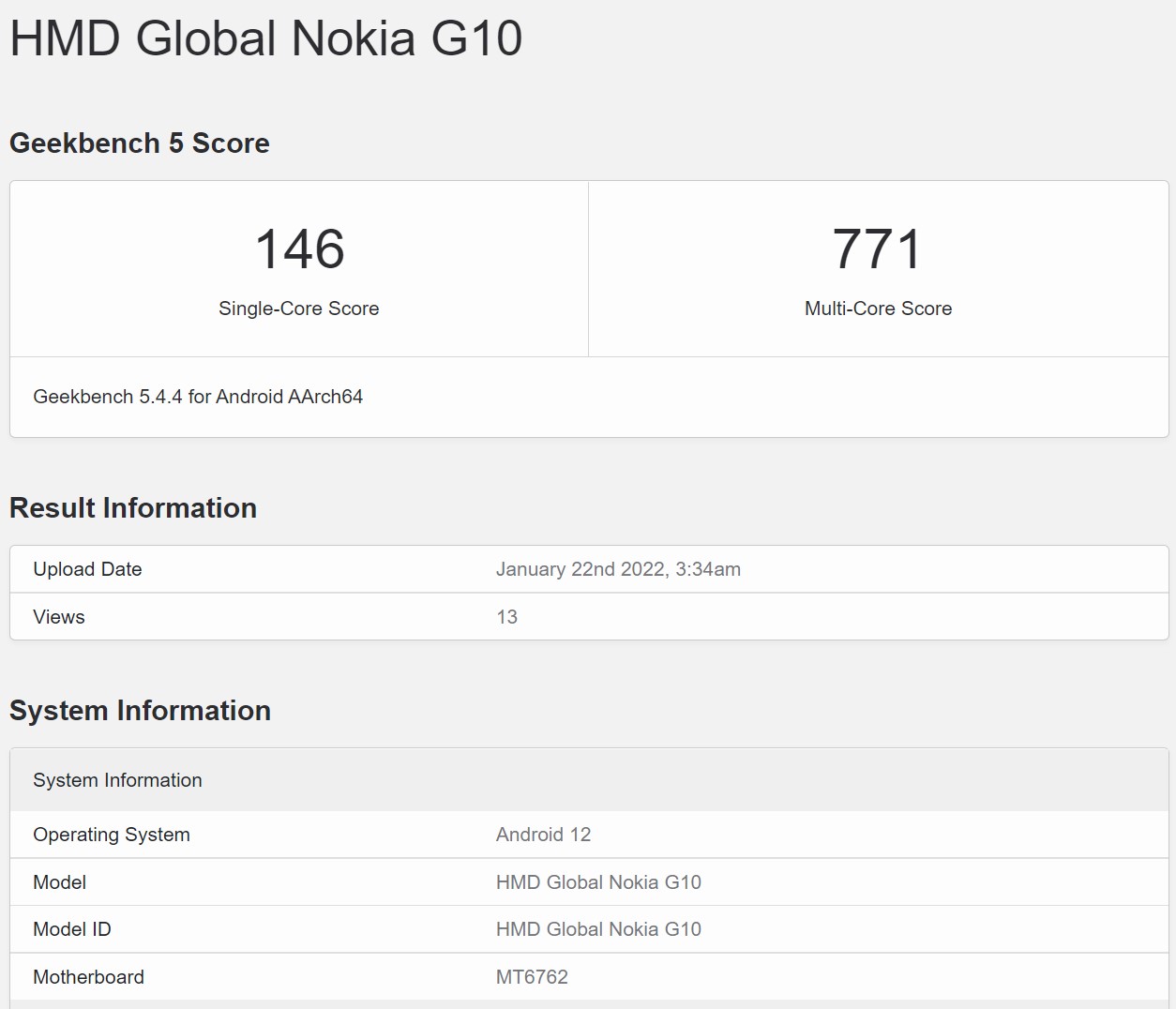
Not too long ago, it was reported that the Nokia 3.4 was spotted on GeekBench running on the latest Android 12. In the same vein, a Nokia G10 model listed as running on Android 12 has made an appearance on the GeekBench database. The listing is a clear indication that Nokia may have started testing the Android 12 OS on the G10.
Nokia G10
The GeekBench listing shows the Nokia G10 is no different from the current models which runs on Android 11 Go ediiton. This version is also likely the Go edition of Android 12 and the appearance may be an indication that Nokia will push the update soon to Nokia G10 users.
The Nokia G1 was launched in India in September last year. The smartphone is powered by a MediaTek Helio G25 SoC. The phone features a 6.5-inch water-drop notch display with an HD+ resolution. The phone equally packs a triple rear camera setup housed in a circular module. The setup consists of a 13MP primary lens as well as a 2MP macro sensor, and a 2MP depth sensor. For sleifes there is an 8MP sensor upfront.
Apart from the Nokia G10, the Nokia G50 and X10 have previously been spotted on GeekBench with Android 12 and the models have already gotten updated to Android 12 bringing several features including changes to the UI, new animations, and others.
Ever since its launch in December 2021, the Snapdragon 8 Gen 1 SoC has been featured in flagship devices from various brands. But which of these devices offers the best optimization for the new SoC right now?
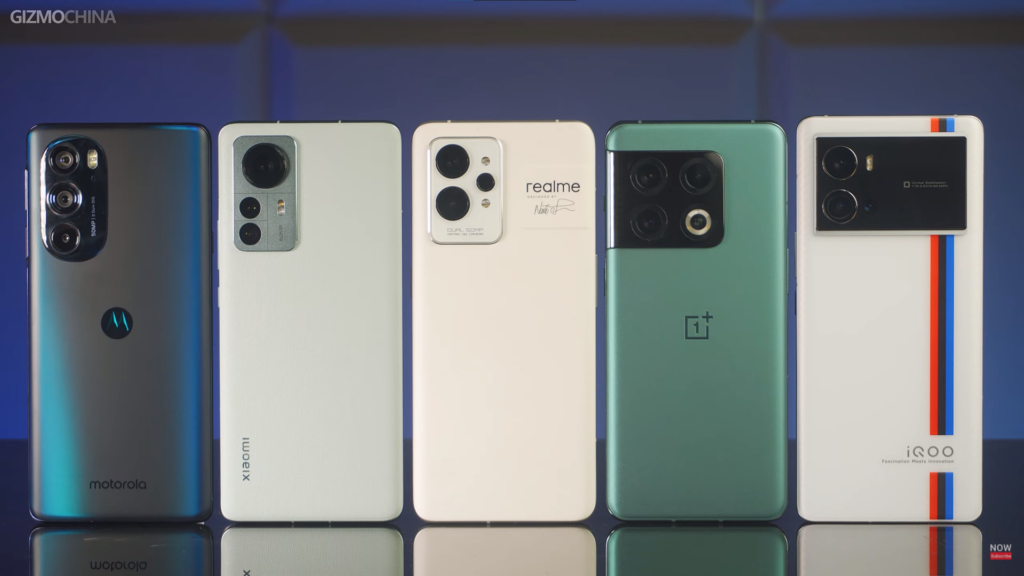
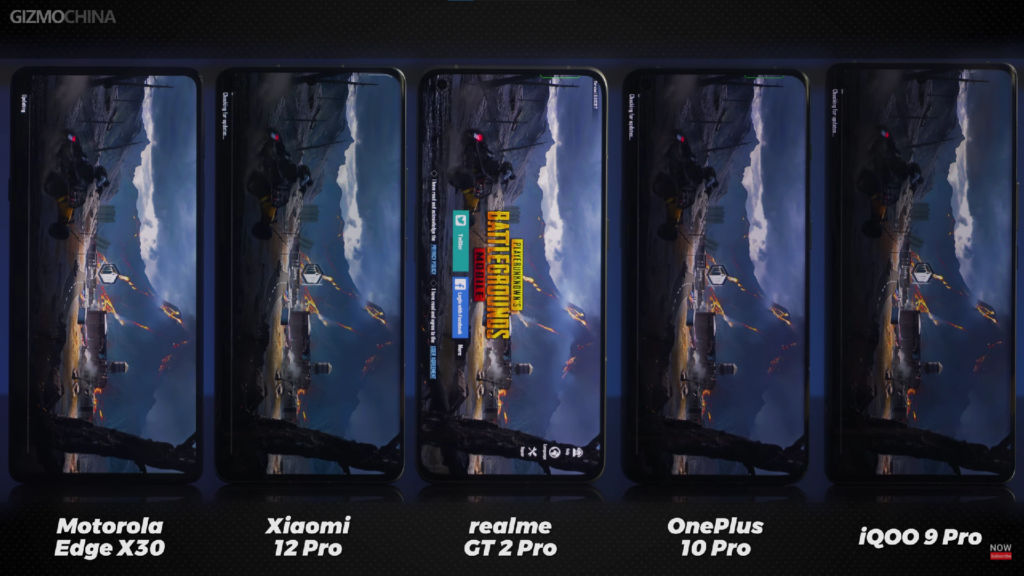
To answer this question, the Gizmochina team has pitted the Xiaomi 12 Pro, the OnePlus 10 Pro, the Realme GT 2 Pro, the iQOO 9 Pro, and the Moto Edge X30 against one another to see which device offers lower app opening and loading times as well as how well the devices manage their RAM.
We have used the latest stable version of the system for testing which will be listed below. We have not made any changes to the phone’s settings and are running them on their factory setup. For example, by default, every phone has RAM expansion on so we haven’t turned it off. And going by that logic, we have also avoided any high high-performance mode because they don’t come enabled out of the box and most people don’t use them for basic tasks.
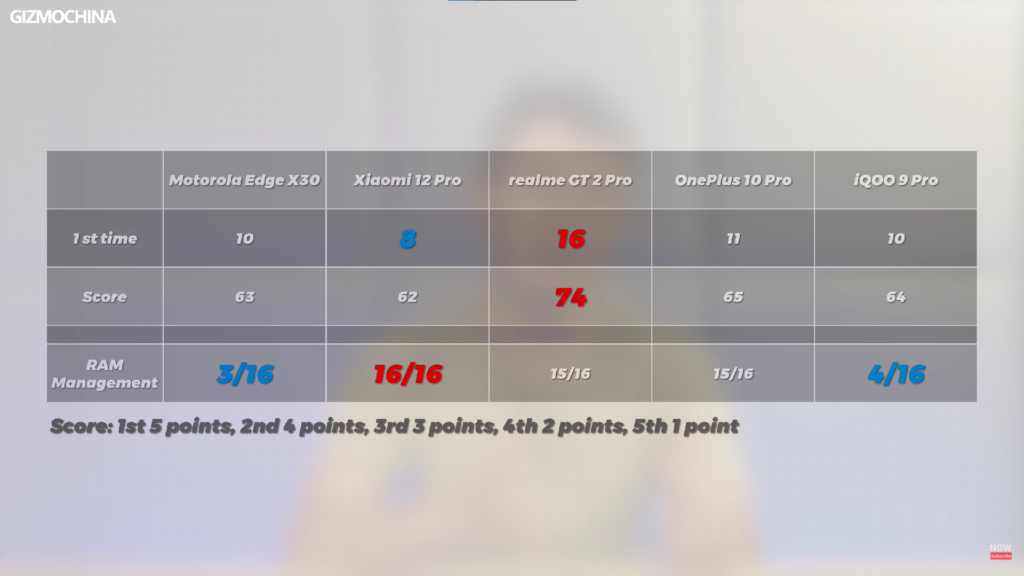
Also, for every test, we have given a score out of 5 points. So, 1st position gets 5 Points, 2nd gets 4, 3rd gets 3, 4th gets 2 points and 5th position gets 1.
APP loading time test
So let’s begin with our first test which focuses on app opening and loading times. For this test, we used multiple apps including Twitter, Amazon, Facebook, Instagram, Chrome, and more as well as some games like Temple Run, Candy Crush, PUBG mobile, and Genshin Impact.
All the smartphones were fast at opening lightweight apps however, the Realme GT 2 Pro surprisingly came on top in loading times with being able to quickly open Google Chrome, the camera app, and other heavy apps like Adobe Premiere rush, and PUBG Mobile. The OnePlus 10 Pro came at second and the iQOO 9 Pro and the Moto Edge X30 followed it for a close third.
The most surprising result in this test was the Xiaomi 12 Pro which was sometimes way faster than other phones however, lost to them while opening the majority of apps. This may be due to the device not killing any of the background processes.
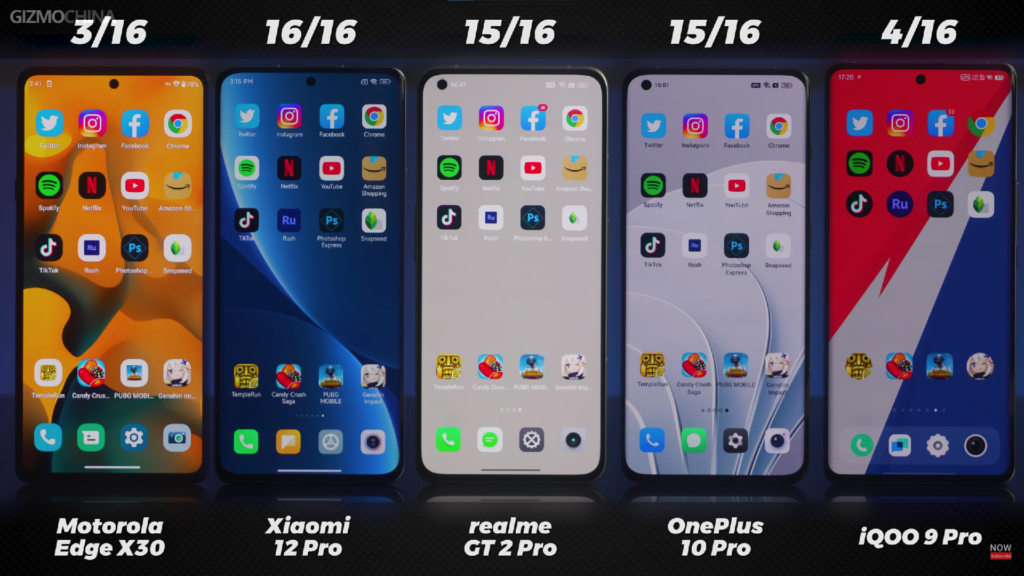
RAM management test
For RAM management, we ran 16 apps back to back while minimizing the previous app. This time around, the Xiaomi 12 Pro reigned supreme with a perfect 16/16 score followed closely by the Realme GT 2 Pro and OnePlus 10 Pro. The Moto Edge X30 was the most underperforming device in this regard due to its 8GB ram capacity compared to other devices which operate on 12GB. However, the most disappointing device for RAM management was the iQOO 9 Pro which only managed to keep up with the other devices a mere 4 out of 16 times.
Conclusion
The Realme GT 2 Pro offers the best overall performance with 74 Points. The device goes unchallenged in the app opening test and comes in a close second for RAM management.
The OnePlus 10 Pro also offers good performance and manages to secure the second spot overall with 65 points.
The Xiaomi 12 Pro performs the best when it comes to RAM management but struggles in app opening time due to not killing any background processes.
iQOO 9 Pro and the Motorola Edge X30 come in 3rd and 4th positions respectively, which is understandable for the Motorola phone because of its lower RAM capacity, however, the iQOO 9 Pro might be facing some optimization issues in its current software build which is hindering its RAM management capabilities.
System versions
Motorola Edge X30: S0SC32.16-29-12
Xiaomi 12 Pro:MIUI 13 13.0.16.0
Realme GT 2 Pro: realme UI 3.0 RMX3300_11_A.14
OnePlus 10 Pro: Color OS 12 .1 NE2210_11_A.07
iQOO 9 Pro: Origin OS Ocean PD2172B_A_12.0.13.2.W10.V000L1
Bizarrely, there weren’t any new important launches last week. However, there were lots of interesting happenings. We have complied some of these stories in this article. Before we proceed, we would like you to know that the stories selected here are based on our opinion. Since your picks may vary, we would like to know them. Make sure to mention them in the comment section below.
Top Stories From Last Week
Microsoft to acquire Activision Blizzard for $68.7 billion
Out of nowhere, Microsoft made a huge announcement on January 18. The company has decided to acquire the struggling game studio Activision Blizzard for a whopping $68.7 billion.
For the unaware, Activision Blizzard is the studio behind some of the popular franchises like Call of Duty, Overwatch, World of Warcraft, Candy Crush, and others. If this deal goes through, it will be the biggest acquisition of both Microsoft and in the gaming industry.
Unsurprisingly, the titles from the studio will be offered on Xbox/PC Game Pass. Having said that, it’s not known how Microsoft is planning to solve Activision Blizard’s sexual harassment and discrimination issues.
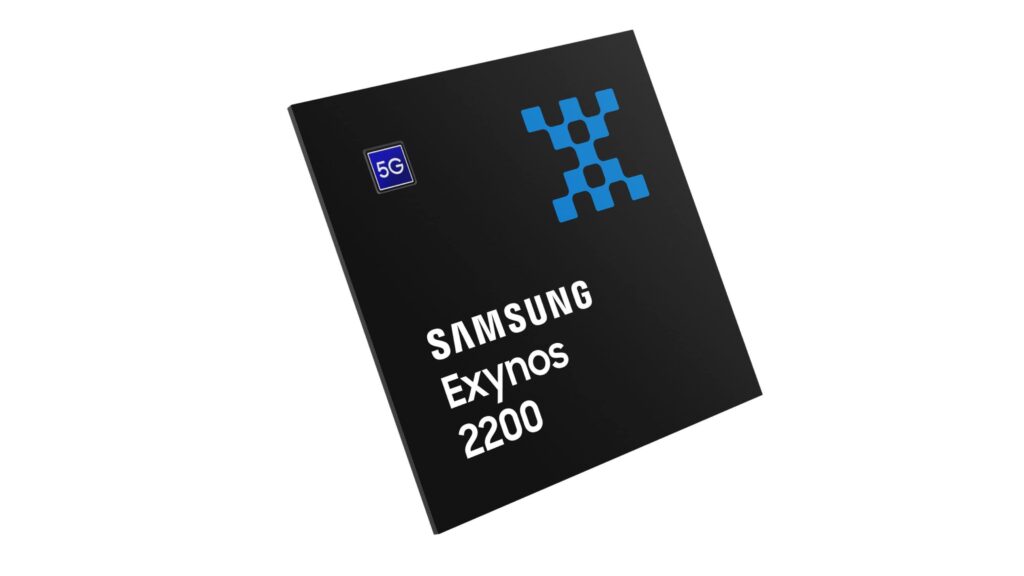
Samsung quietly announces Exynos 2200 flagship mobile SoC
Samsung was supposed to unveil its new generation of premium mobile SoC called Exynos 2200 on January 11. However, that didn’t happen. But anyway, the company did announce the chipset quietly on January 18.
Interestingly, the press release does not properly mention the specifications of the latest chipset. The only takeaway is that the chip features an AMD RDNA 2 GPU called Xclipse with support for ray tracing and variable rate shading.
The company is yet to officially disclose the SoC’s improvements in performance over its predecessor.
Samsung Galaxy Unpacked 2022 event announced for the next Galaxy S
Samsung has officially confirmed to hold the Galaxy Unpacked 2022 even in February. The company has also revealed that it will be debuting the ‘most noteworthy S’ devices ever created.
Though the company has not disclosed, we all know that it will be unveiling the Galaxy S22 lineup. The Galaxy S22 Ultra is expected to merge the Galaxy Note series with the Galaxy S via the introduction of a built-in S Pen. The firm is also anticipated to announce the Galaxy Tab S8 series.
According to an official Instagram ad by Samsung, the event is scheduled for February 9 at 10 AM EST.
MediaTek demos WiFi 7 technology
On January 19, MediaTek made an announcement on the world’s first live demo of WiFi 7 technology. The Taiwanese chipmaker showcased the tech to key customers and industry collaborators.
WiFi 7 will be able to use 320MHz channels, and therefore, it will offer 2.4 times more speed than WiFi 6 and WiFi 6E. MediaTek will offer the tech via its new range of Filogic chips.
Consumer products with WiFi 7 will hit the markets in 2023.
OPPO envisions a future with battery-less IoT devices
Not very long ago, Samsung announced a new version of its eco-friendly SolarCell TV remote control with support for radio wave charging at CES 2022. Last week, OPPO published a research paper on this very same technology with a broader vision.
OPPO says that we can use radio frequency (RF) wave charging technology to create a system of IoT products without batteries. The paper says that the company has successfully built the so-called ‘Zero Power Consumption Communication’ system.
Since Samsung already has a consumer product based on this tech, we think that OPPO’s vision could come true in the near future.
Google Pixel Notepad could be the company’s first foldable smartphone
A report revealed that Google’s first foldable smartphone will be called ‘Pixel Notebook’. That’s not all, this device is also said to cost cheaper than the Galaxy Z Fold3, which is priced at $1,799. Unfortunately, we still don’t have a launch timeline.
According to previous reports, the device may look like an OPPO Fold. It is expected to arrive with Google Tensor (GS101) chipset, up to 12GB RAM/512GB storage, and an outdated main camera.
OnePlus ends software support for OnePlus 6, 6T
The then-popular OnePlus 6 and OnePlus 6T will no longer receive system updates as the brand has officially ended software support for them. The duo was released in 2018 and they currently run OxygenOS 11 based on Android 11.
OnePlus 6T
The OnePlus 6 debuted with Android 8.1 Oreo, and therefore, it has received a total of three Android updates. On the other hand, as the OnePlus 6T hit the markets with Android 9.0 Pie, it has only got two Android updates.
Anyway, users can install Android 12 and upcoming Android releases if they are into custom ROMs.
Upcoming Qualcomm flagship mobile SoC could debut on a Motorola phone
The Snapdragon 8 Gen 1 (SM8450) by Qualcomm is the chipmaker’s current latest flagship mobile SoC. This chipset is manufactured by Samsung and it has performance issues due to throttling.
Hence, Qualcomm is said to release a new version (SM8475) of this silicon manufactured by TSMC. According to a well-known tipster, the new one will also debut on a Motorola smartphone, just like the current chip.
MIUI gets a taste of Material You
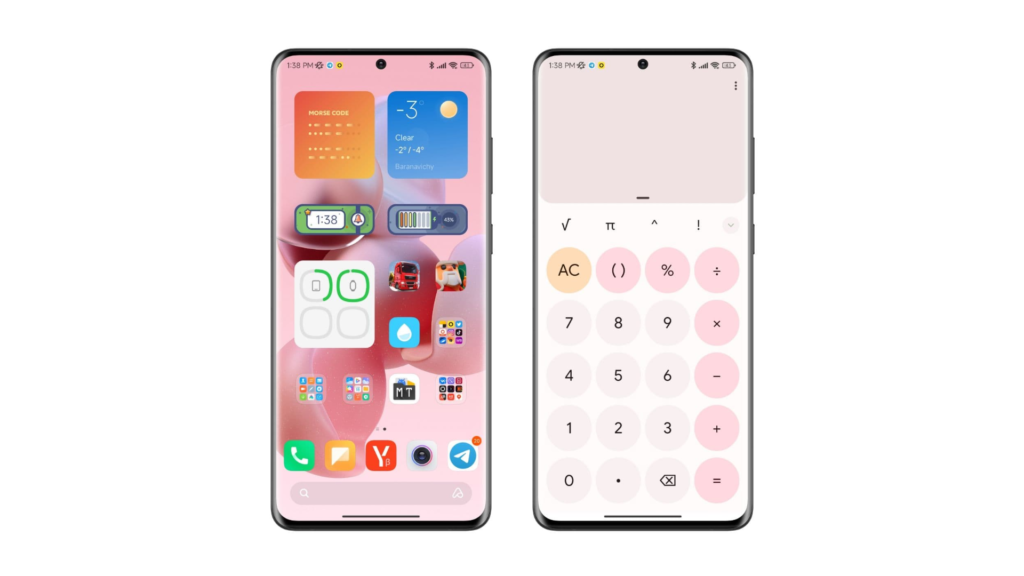
MIUI 13 does not offer the dynamic theming system called Monet that’s found in Android 12. But last week, the latest MIUI beta build added support for it.
But unfortunately, it appears to be in the development stage. Because it only works with Google applications and not the first-party MIUI apps. Hopefully, Xiaomi implements it well in future beta releases.
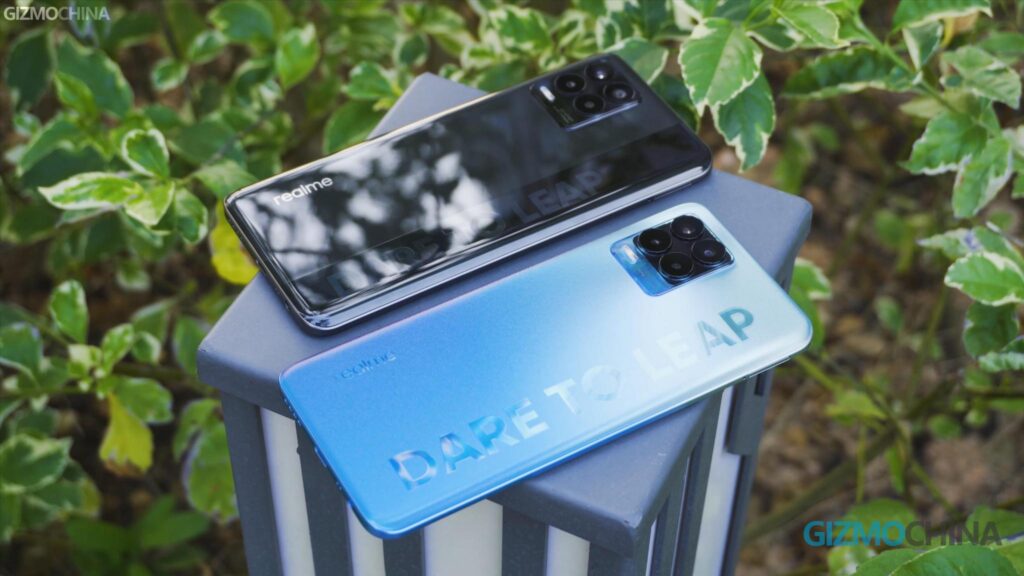
Realme ships over 40 million units of number series smartphones
Realme entered the smartphone market with its number series. Ahead of Realme 9i’s launch in India, the brand officially revealed that it had shipped over 40 million units of Realme numbers series smartphones to date.
Realme 8 and Realme 8 Pro
The Realme number series includes multiple models like vanilla, Pro, i, s, and 5G. Currently, it is in the 9th generation.
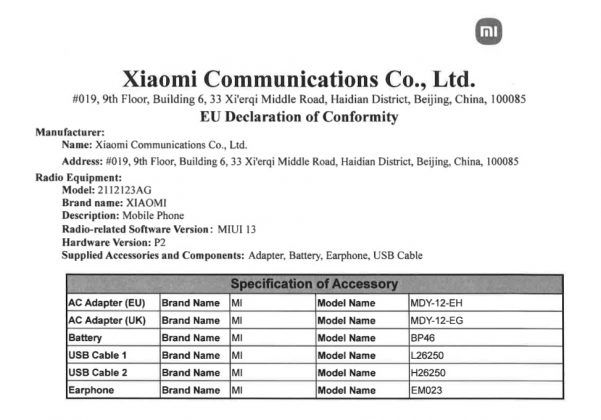
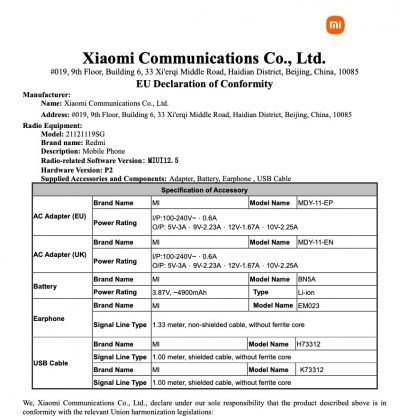
Xiaomi launched the Xiaomi 12 series last month in China and the series will go global soon. Before it releases, the phones in the series will evidently pass several certification sites. Today, as first discovered by MySmartPrice, the Xiaomi 12X has passed the EU conformity certification revealing the global existence.
The Xiaomi 12X global model was passed carrying the model number 2112123AG. The listing reveals that the smartphone will boot on MIUI 13 out of the box. Although it is not confirmed, we expect the device to have Android 12 OS under the MIUI custom skin. It will pack a 4,500mAh battery and feature a 67W fast charging support.
Furthermore, the smartphone will come with a fast-charging adapter, earphones, and USB cable. Other than this, the European model’s specs are still under wraps. But the device is already available in China.
The Xiaomi 12X has a 6.28-inch AMOLED display with an FHD+ resolution. It has a 120Hz refresh rate display, HDR10+ support, and an 1100 nits peak brightness. It equips a triple rear camera system with a 50MP primary lens, a 13MP ultra-wide lens, and a 5MP tele-macro camera. Upfront, it has a 32MP selfie snapper.
It is powered by the Qualcomm Snapdragon 870 SoC paired with 12GB of LPDDR5 RAM and 256GB of UFS 3.1 storage. The smartphone has a 4,500mAh battery and a 67W fast charging technology. In China, the phone boots on Android 12 OS and has MIUI 13 on top of it. It has a Harman Kardon speaker system and Dolby Atmos support.
In addition to this, the Redmi 10 2022 with model number 21121119SG was also seen on the EU conformity certification. It revealed that the phone packs a 4,900mAh battery and has a 22.5W fast charging support. The smartphone runs oN MIUI 12.5.
Earlier today, Xiaomi‘s sub-brand Redmi announced that the Redmi Note 11S will launch on Feb 9 2022 in India. The device was previously confirmed to feature an AMOLED display, and now, a new leak has revealed the entire spec sheet of the device along with its expected pricing.
Tipster Yogesh Brar recently tweeted out the entire spec list of the upcoming device along with its pricing and OS version. According to Brar, the Redmi Note 11S will get a 6.4-inch FHD+ AMOLED display with 90Hz refresh rate. It will run the 4G enabled MediaTek Helio G96 SoC which offers slight improvements over the current Helio G95 featured in the Note 10S.
The device will be available in India in 4GB and 6Gb RAM options will offer 64GB and 128GB storage. The smartphone will house a 5000mAh battery with 33W fast charging support.
For photography, the phone will have a 108MP + 8MP + 2MP + 2MP quad-camera setup which is mostly in line with the previous leaks other than the previous one stating that the device will have a triple camera setup.
Going by the previous leaks, these cameras can be a 108-megapixel primary Samsung HM2 camera, an 8 megapixel Sony IMX3555 ultra-wide-angle lens, and a 2 megapixel OV2a OmniVision macro sensor. Additionally, the device is also said to come with a 13MP selfie snapper.
Yogesh Brar states that the Indian version of the Redmi Note 11S may run Android 11 based MIUI 12.5 out of the box, but since the global version is getting MIUI 13 out of the box, the same may be the case for the Indian variant too.
Coming to the device’s pricing, the tipster has revealed that the device will be going for Rs.1000-2000 more than the Note 10S, which is currently retailing for Rs. 14,999 ($200) for the 6GB+64GB variant(base), so we can expect the Note 11S to start around Rs.16,000-17,000 ($214 to $227).
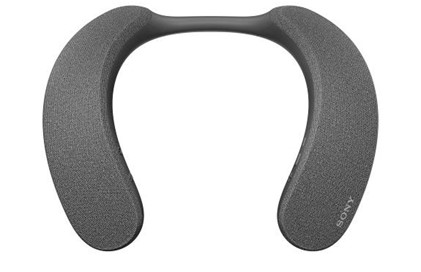
Two classy wireless neckband speakers have just been launched by Japanese tech giant Sony in India. The Sony SRS-NB10 and SRS-NS7 wireless neckbands encompass a high-quality audio experience which is at the heart of Sony’s audio product offerings. The SRS-NB10 is priced at Rs. 11,990 (~$161) and the SRS-NS7 costs Rs. 22,990 (~$308), while the accompanying wireless transmitter for the SRS-NS7 is priced at Rs. 5,690 (~$76).
The Sony SRS-NB10 features a full-range speaker and passive radiators which delivers a great audio experience for its users. It is designed for online events and meetings and has up to 20 hours of battery life. Its deployment of Sony’s voice pickup technology helps to guarantee clear calls and noise minimization using its high-quality directional microphones. The voice quality is also enhanced through the device’s advanced audio signal processing capability.
The Sony SRS-NB10 is a light, comfortable and secure neckband that assures minimal discomfort while using the device. The wireless neckband can be charged via the USB-C port and up to 1 hour of playback could be achieved with just 10 minutes of charge. The SRS-NB10 is IPX4-rated, thus offers sweat and splash resistance.
The Sony SRS-NS7 is the pricier model among the two wireless neckbands and Sony says it is the world’s first Dolby Atmos compatible wireless neckband speaker. It comes with a decent mix of functionality and design efficiency including Sony’s BRAVIA XR. With the app support from the 360 Spatial Sound Personalize app, the SRS-NS7 delivers an excellent 360 spatial sound experience. Sony says the accompanying wireless transmitter (WLA-NS7) should be connected to a TV and then paired via Bluetooth for an excellent sound experience.
The SRS-NS7 has X-balanced speakers, a passive radiator, and an upward-facing speaker combining to give a top-notch audio experience. The SRS-NS7 is capable of working for 12 hours on a single charge although this is reduced to about 5 hours when on maximum volume. Similar to the SRS-NB10, the Sony SRS-NS7 has USB-C charging and quick charging functionality, as well as IPX4 splash resistance.
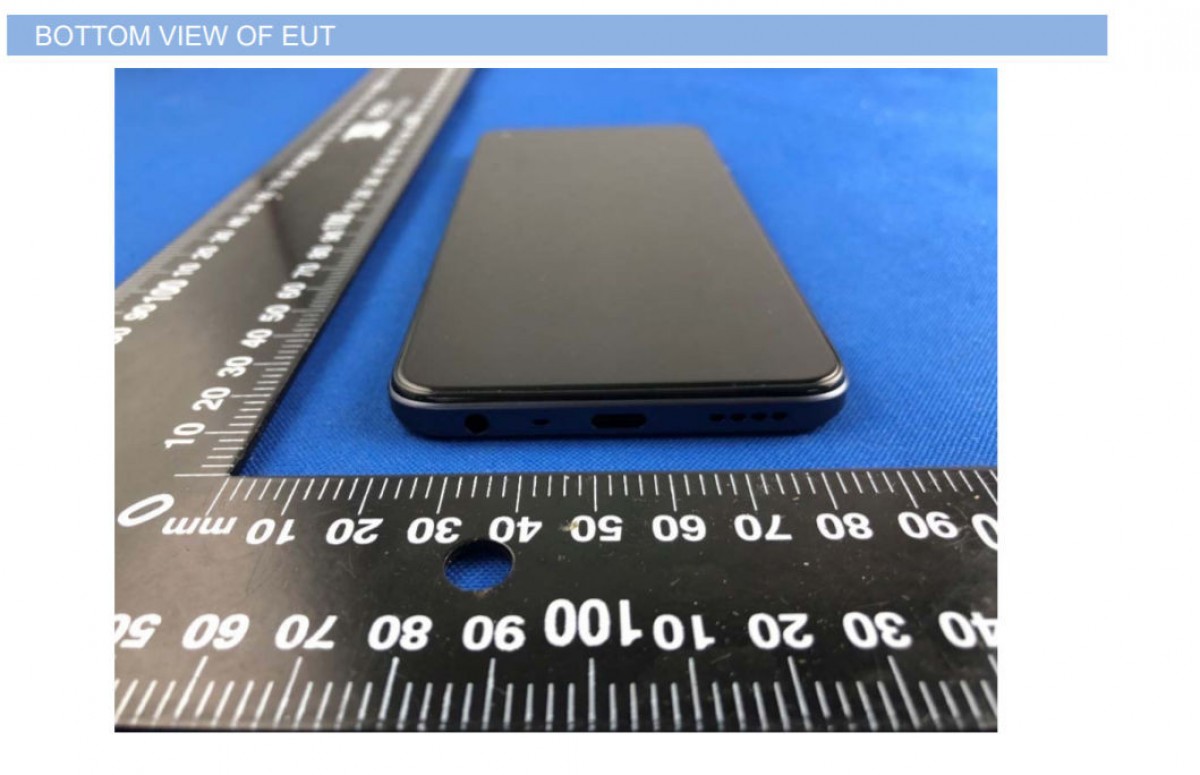
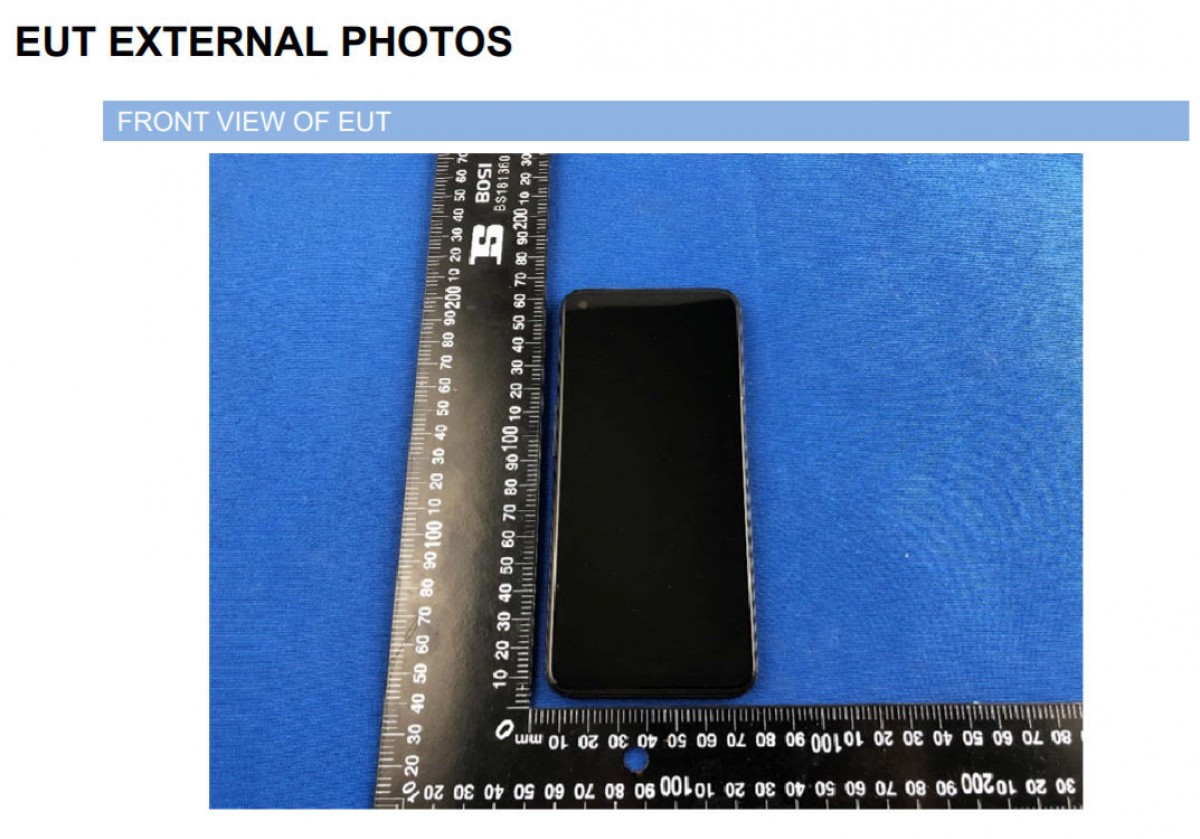
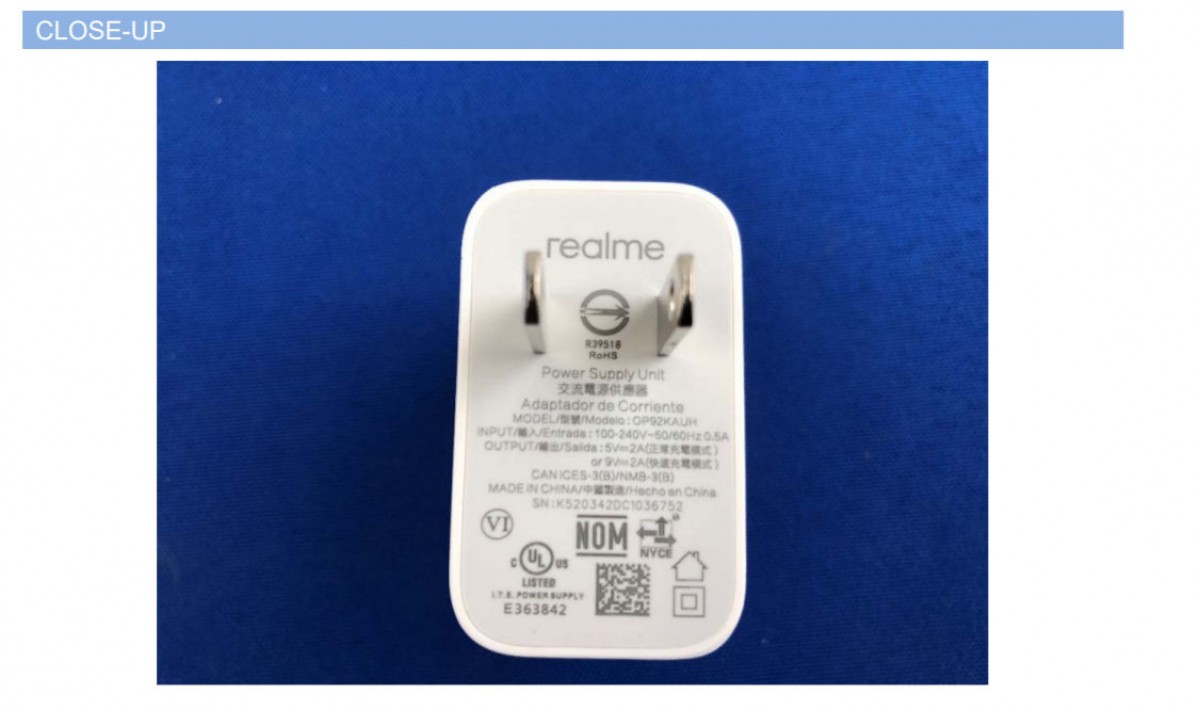
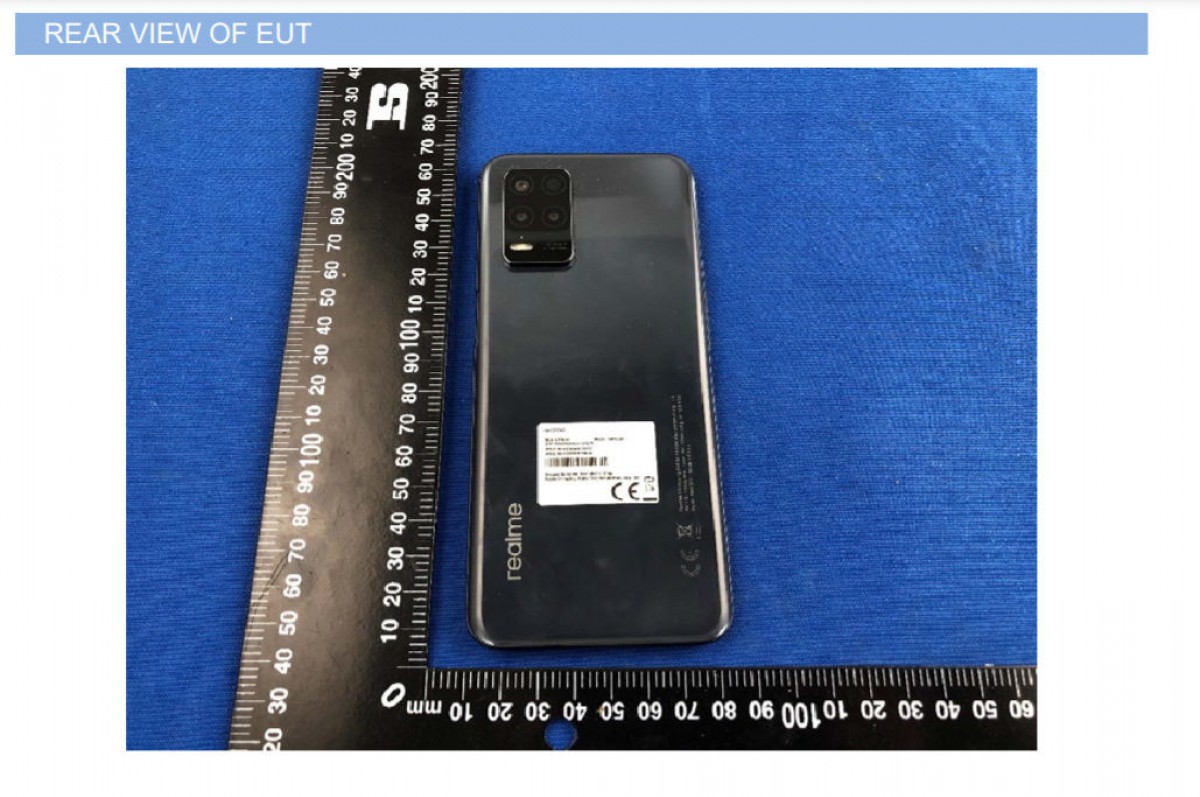
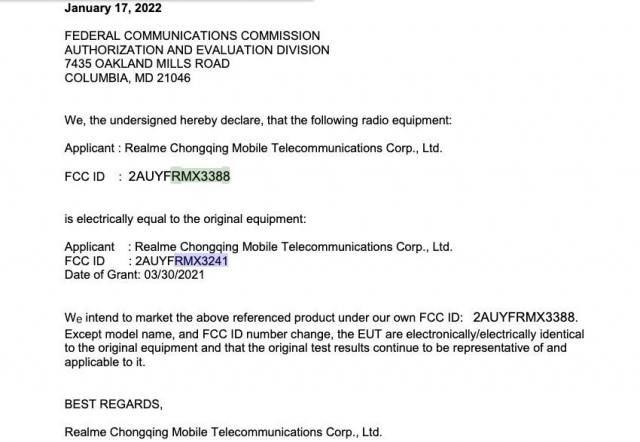
Realme 9 series will have its vanilla version to join the Realme 9 Pro and the Realme 9 Pro+ models which are already available. The confirmation comes via a recent US Federal Communications Commission (FCC) listing relating to the device. The FCC document indicates that the Realme 9 5G is essentially the same as the Realme 8 5G, even though the new product sports a different marketing name and model number.
The FCC documentation also includes a few live photos of the Realme 9 5G and the close semblance is clearly visible for the two smartphones. The document indicates that Realme intends to market the new device with a different name from the original, although the original test results continue to be relevant for the device.
1 of 5
The Realme 9 Pro and Realme 9 Pro+ models were released in 2021 and their packages each included a 33W charger. However, the new Realme 9 5G model will come with an 18W charger in the box. There will be several other specs differences between the higher models and the vanilla version of the Realme 9 series, and these details will come to the fore as Realme starts the marketing campaign for the device. For now, there is no word on the possible release date, global availability details, and pricing information for the Realme 9 5G.
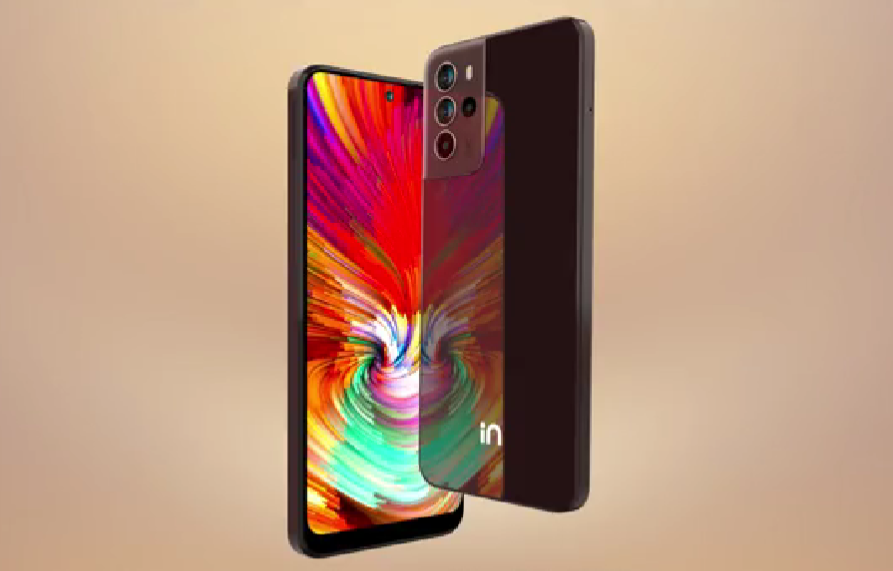
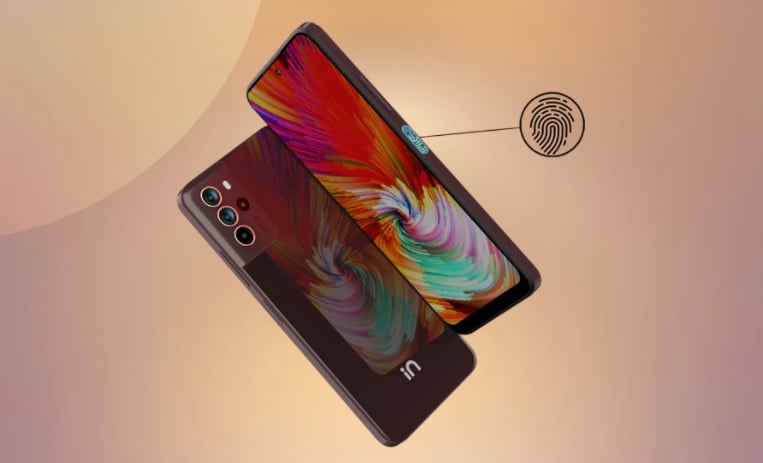
Micromax recently revealed that the Micromax In Note 2 will be launching in the Indian market tomorrow (Jan 25). The phone will be the successor to the Micromax In Note 1 which was released back in 2020. So let’s take a look at what this upcoming device has to offer.
Design and Display
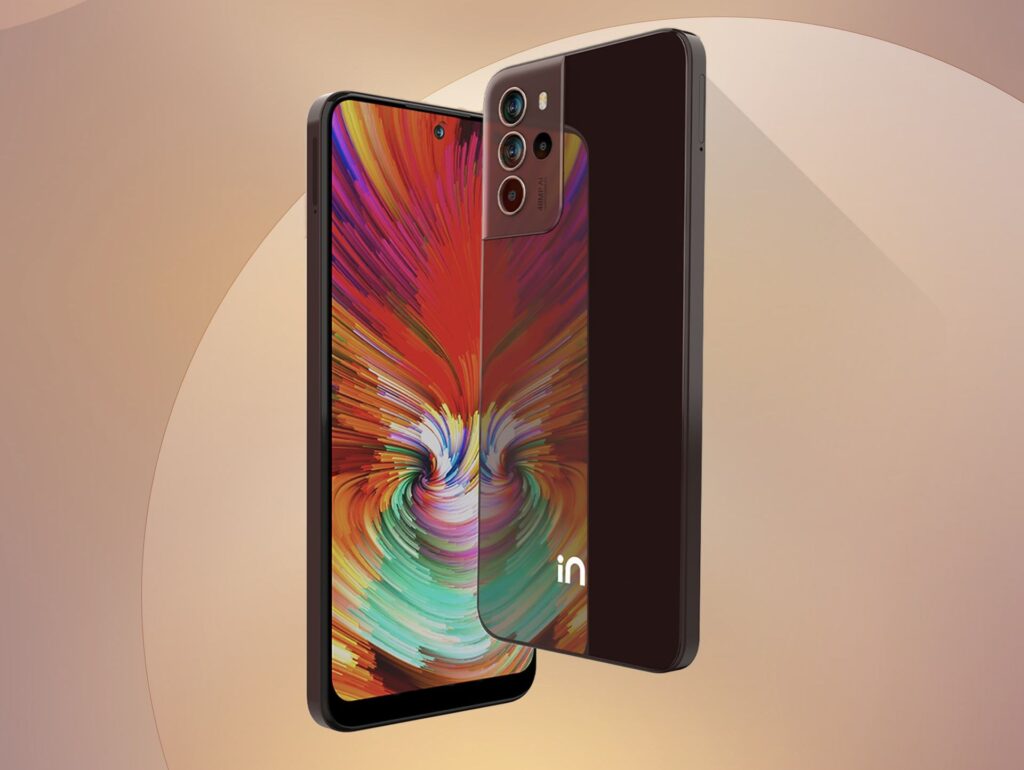
Design-wise, the back panel heavily borrows from the Samsung Galaxy S21 Ultra as the camera island design and quad-camera setup resemble the current Samsung flagship.
The device has a pleasant design with flat edges and rounded corners, and on the right side, it has a volume rocker and a power button. Apparently, the power button doubles up as a fingerprint scanner. The company confirms that the phone has a glass finish at the rear.
The smartphone has a punch-hole panel at the front with thin bezels on three sides except for the bottom which has a noticeable chin.
The device is rumored to host a 6.43-inch AMOLED FHD+ display. It is unclear whether it supports a 60Hz or a higher refresh rate.
Camera
The rear camera setup of the device features a 48-megapixel primary camera, a 5-megapixel secondary lens, and a pair of 2-megapixel snappers which could be a depth sensor and a microscope. For selfies, the In Note 2 will feature a front camera of 16-megapixel.
Performance
The Micromax In Note 2 will come housing a MediaTek Helio G95 SoC. It is rumored to come in 6 GB and 8 GB RAM variants and storage choices like 64 GB and 128 GB. The handset will come preinstalled with Android 11. Like the predecessor In series of smartphones, the In Note 2 is also expected to run on a near-stock version of Android.
The In Note 2 will be packed with a 5,000mAh battery, which will be coupled with a 30W charger. According to Micromax, the fast charging tech will allow the smartphone to gain 50 percent battery in just 25 minutes.
Micromax In Note 2 price in India
Although no leaks regarding the In Note 2’s pricing have surfaced as of yet, industry experts have speculated the device to have a starting price of Rs. 10,999. Exact details about the price, color variants, and memory configuration is expected to be revealed in tomorrow’s launch event, so stay tuned.
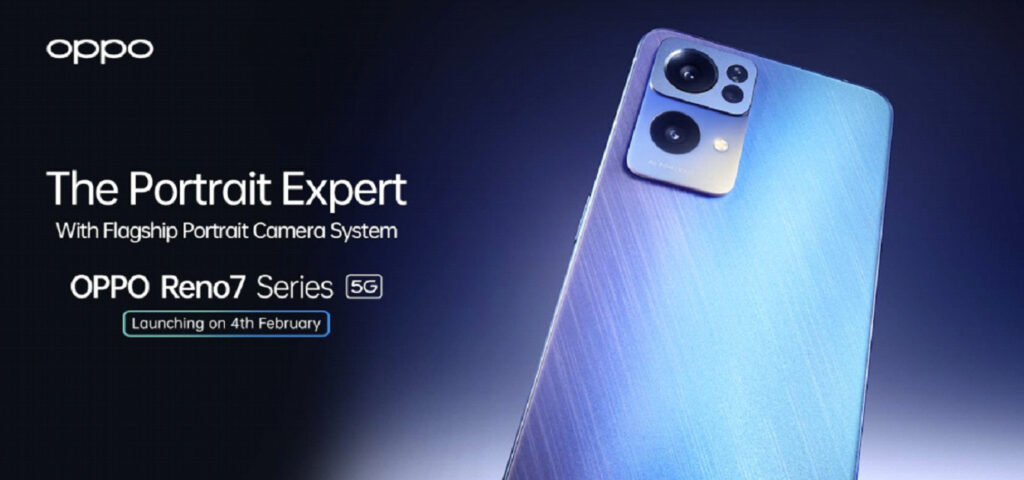
OPPO is all set to launch the Reno7 series on February 4th. And ahead of the big day, with a new press release, the company has discussed the proprietary OPPO Glow design featured on the Reno7 Pro and Reno7 that incorporates aircraft-grade Laser Direct Imaging (LDI) tech.
The design technology allows the glass back cover of the lineup to achieve both matte texture and a shiny appearance at the same time, something that OPPO has described as being ‘paradoxical.’ Aside from aesthetics, OPPO Glow enhances usability too with its fingerprint and stain-resistance properties.
“The newer LDI technology, which till now has been used to design PCBs in the aviation industry, has been repurposed to etch fine textures—as small as 20 microns in size—onto the photoresist-coated AG glass back cover of the Reno7 series,” the PR details.
Each device’s back features a total of 1.2 million micro-etchings that create a starry illusion, complete with long tails of light.
Durability has also been paid special attention to and the Reno7 Pro comes with a lightweight but durable aluminum frame with a flat-edged design.
Another major highlight of the device is its 2.5D, 6.55-inch OLED screen that’s surrounded by the narrowest bezels ever in the history of Reno. As a result, the Reno7 Pro comes with an eye-watering 92.8% screen-to-body ratio. It is also the slimmest Reno ever and weighs just 180gm.
But perhaps the best bit is the Twin Moon Camera design at the rear with its upper half made of metal and its lower with a ceramic coating. The Reno7 Pro also uses first-of-its-kind 3D “breathing” lights around the camera module. OPPO says that a 1mm diameter fibre is bent to the camera area, programmed to emit soft, pulsating lights whenever a call or notification arrives.
For more details about the launch of the OPPO Reno7 series, head here.
A new report has suggested that BOE might be the firm that will supply Apple with OLED LTPO displays for its higher end iPhones in 2023. The panels will be for the iPhone 15 Pro series.
Image: FRONT PAGE TECH
According to The Elec, the Chinese display maker will be producing and supplying OLED LTPO panels to the Cupertino based giant next year. The company was previously unsuccessful in supplying OLED screens for the iPhone 12 series, but did manage to enter the supply chain for the current gen flagship iPhone 13 lineup. However, it only made panels for the base model, while the higher end Pro variants were supplied by Samsung Display.
But now, this might change as BOE is looking to expand its OLED LTPO panel manufacturing to allow production of up 120Hz refresh rate screens. In other words, this report also suggests that the iPhone 15 Pro will feature 120Hz variable refresh rate. With the upcoming iPhone 14 series, BOE will continue to supply displays for the lower end model while Pro variants will still be supplied with Samsung and LG.
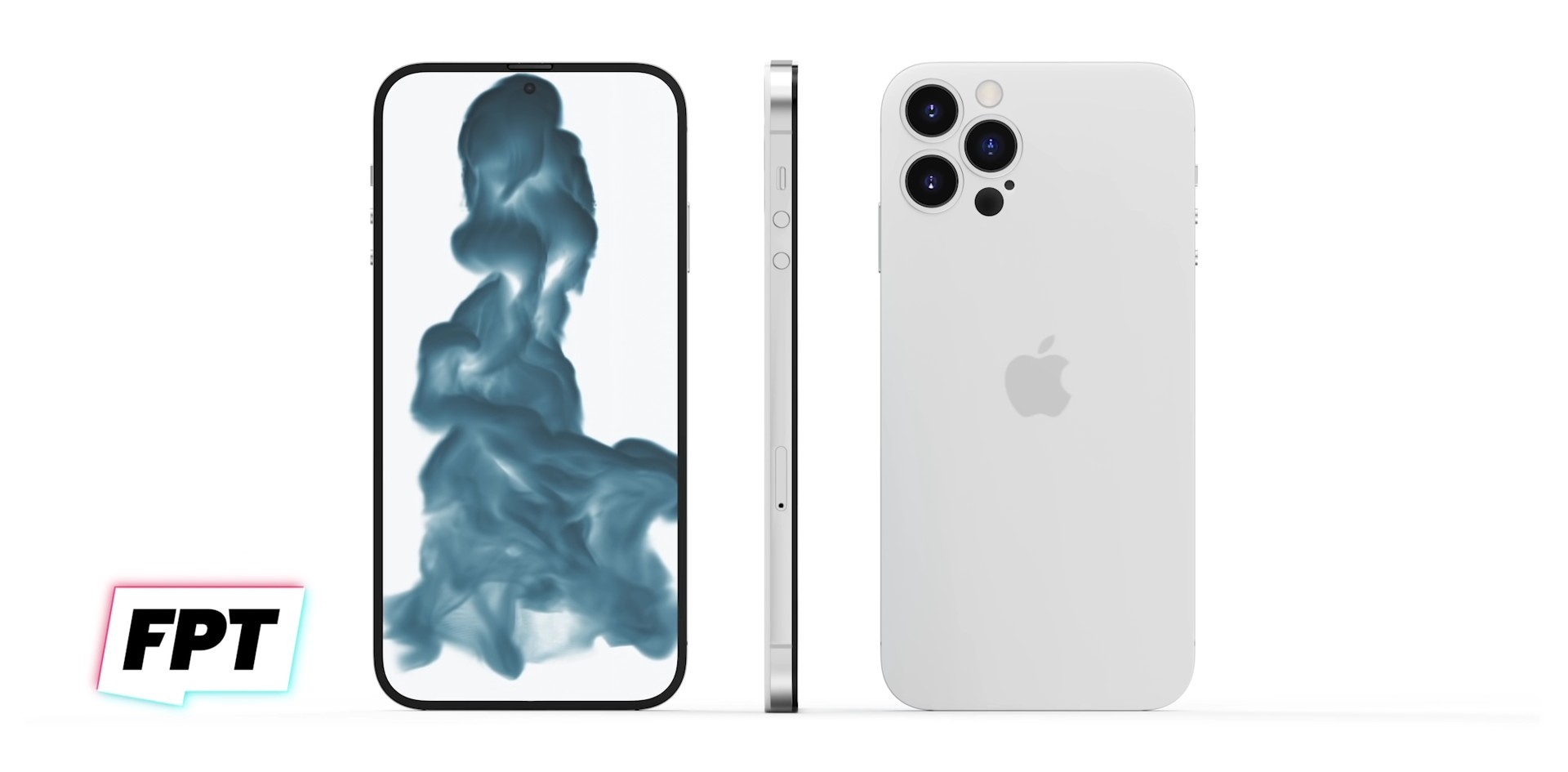
Although, the iPhone 15 series will only launch by next year, meanwhile, the iPhone 14 series is arriving in the second half of this year. It is expected to finally bring a redesign to the iPhone design and include a pill shaped cutout on the front for its selfie shooter and TrueDepth system. Previously, we had event reported on BOE supplying the company with 15 inch OLED displays for its future iPads. So it seems that the firm is moving up the Apple supply chain.
BYD had announced last week that it will be increasing the cost of its electric vehicles due to the rise in cost of raw materials for production paired with lower subsidies.
BYD-X-Dream-Concept
The Chinese automobile maker will hike price for its Dynasty and Ocean series of new energy vehicles (NEV) models, which are now up to 7,000 Yuan (roughly 1,105 US Dollars) more expensive than before. In a statement, the company stated that the changes in pricing arrives due to higher cost of raw materials and the declining subsidies for new energy vehicles. Notably, the new price adjustments will come into effect starting from the 1st of February 2021.
Furthermore, the customers that are paying a deposit when signing the contracts will be exempted from this adjustment. The news of the price hike arrives soon after other Chinese carmakers like Xpeng Motors also raising the cost of its EV models in China by around 4,000 to 6,000 Yuan (roughly 632 to 947 US Dollars) as well. Similarly, other NEV makers like GAC Aion and NETA Automobile have also raised the price tags of their offerings this year.
For those unaware, China’s Ministry of Finance, the Ministry of Industry and Information Technology, the Ministry of Science and Technology, and the National Development and Reform Commission had jointly shared a new notice on 31st December 2021. In this notice, the plans to reduce the subsidy standards were detailed for NEVs in 2022 by 30 percent over 2021.
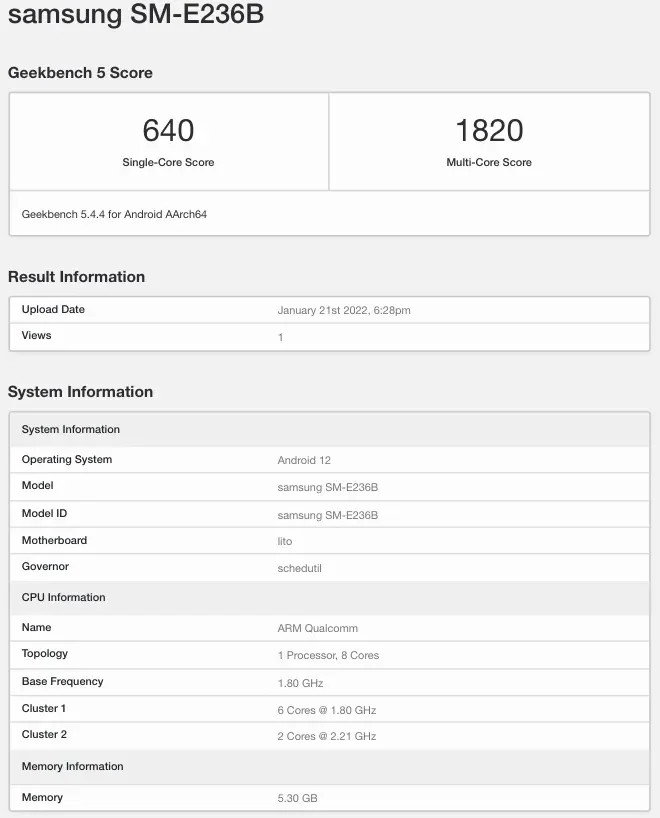
Samsung appears to be gearing up for the launch of a new Galaxy F series mid-ranger powered by the Snapdragon 750G processor. Going by its SM-E236B model number featured on a Geekbench listing, the handset will likely be called the Galaxy F23 5G.
The Snapdragon 750G debuted back in 2020 but continues to hold well by today’s standards, with the SM-E236B scoring 640 on Geekbench’s single-core and 1,820 on multi-core tests. The chip packs two Cortex-A77 CPU cores clocked at 2.2GHz and six Cortex-A55 CPU cores clocked at 1.8GHz, paired with the Adreno 619 GPU.
Supporting the processor will be 6GB of RAM, out of which 5.3GB will be actually available, which is more than sufficient for running most of the heavy gaming titles on Play Store today.
The listing further reveals that the handset runs Android 12, meaning it will be booting into One UI 4 out of the box and should get updated up to Android 14.
It is worth mentioning here that Samsung had launched the Galaxy F22 as the Galaxy M22 in some markets, making it quite likely that the Galaxy F23 5G will be getting a similar treatment (via SamMobile).
Also worth noting here is that while the Galaxy F23 5G sounds like a successor to the F22, it may not actually be a true one. The Galaxy F22 is powered by the MediaTek Helio G80 4G, which is a budget chip, and the phone only costs ₹12999 in India (~$174). On the other hand, the Galaxy F23 5G comes with the mid-range Snapdragon 750G, so there’s no way it will be selling even close to the price point of its alleged predecessor.
But of course, the above will only be valid if Samsung indeed goes with the Galaxy F23 5G moniker and we have no official indication of that yet. We should be seeing more leaks in the coming days though, so stay tuned.
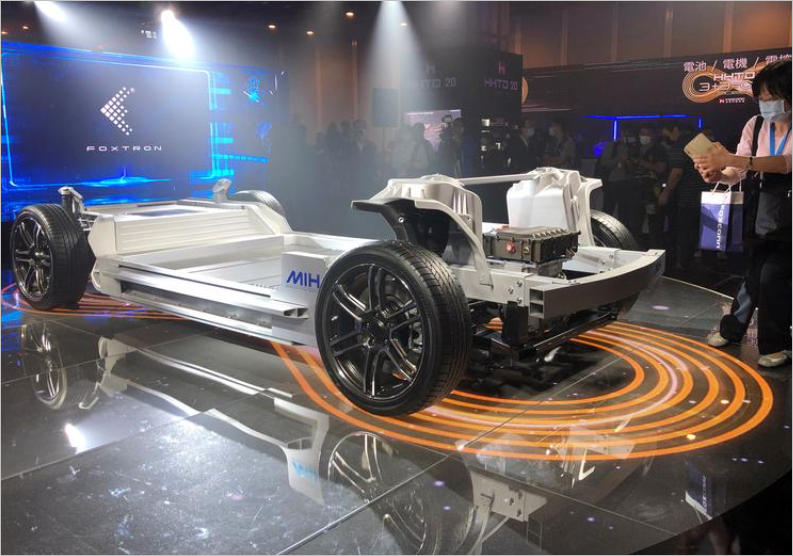
Apple iPhone maker Foxconn has just announced that it is partnering up with the Indonesian Investment Ministry along with other firms for the develop of electric vehicles in the region.
According to a Reutersreport, the Taiwanese Apple supplier has entered a partnership with Indonesia and other companies to help boost the EV industry. For those unaware, the company has recently been expanding outside of the smartphone industry and has entered the automobile market as of late. It had even struck a deal with US startup Fisker and Thailand’s energy group as well. Now, it is signing a memorandum of understanding (MoU) for investment in EV related technologies.
This includes battery manufacturing, which will also be backed by investment from the Indonesian Ministry of Investment and the Indonesia Battery Corporation, an energy firm PT Indika Energy, and Taiwanese electric scooter maker Gogoro. Furthermore, the partnership aims to build a “new energy ecosystem” in the Southeast Asian country for the development of EV supporting industries as well.
This would include aspects like the energy storage systems, battery exchange stations and recycling. Unfortunately, the exact scale and size of the investment is currently unknown and the production plans are also at large at the moment. Foxconn is seeking to provide components or services to 10 percent of the world’s EVs by 2025 to 2027.
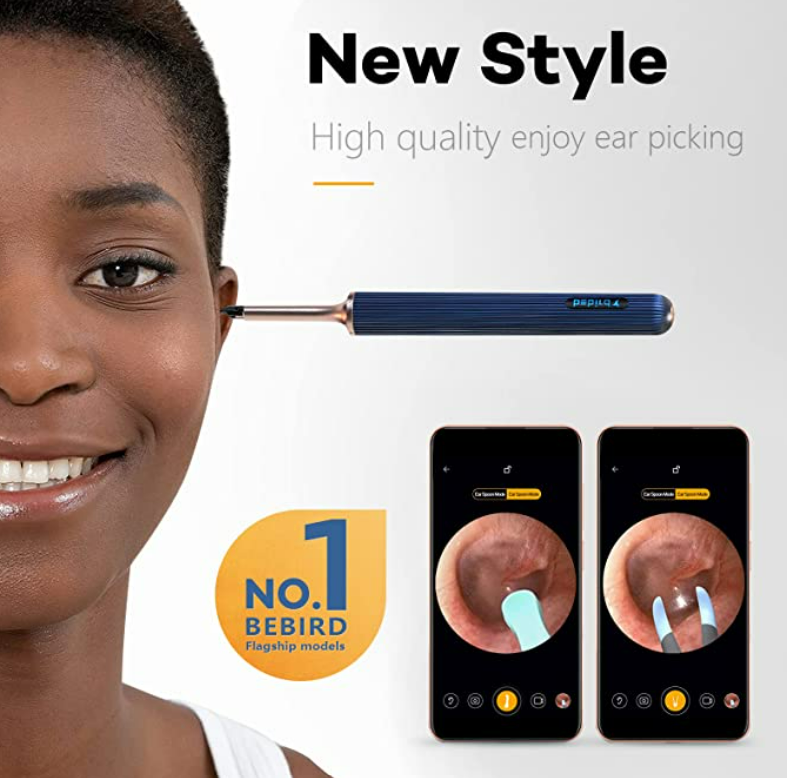
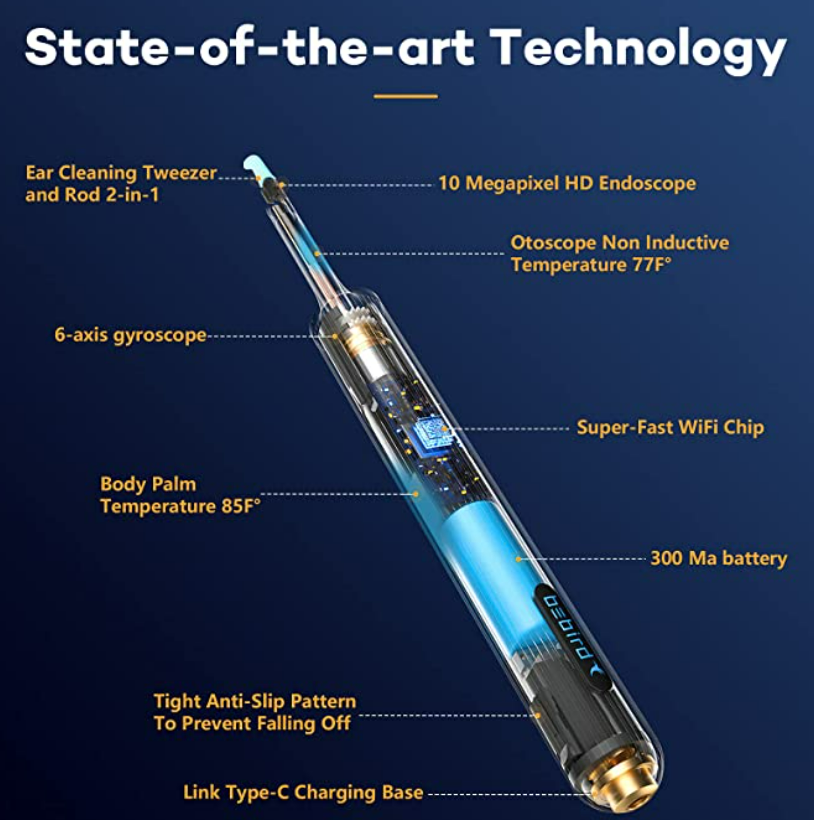
Gone are the days when you used an earbud to clean your ears. Cotton earbuds are considered both unsafe and unhygienic to clean your ears. However, with the help of the Bebird Note 3 Pro Smart Visual Ear Cleaner, you can clean your ears thoroughly and safely. Bebird Note 3 Pro Smart Visual Ear cleaner comes with an enhanced otoscope camera and 2 in 1 ear spoon and tweezers, that help you to remove earwax quickly and accurately without damaging your ear canal.
Key Features:
Enhanced Otoscope Camera: Fitted with a 10MP HD endoscope with a 360-degree wide-angle lens, 6 gyroscopes, LED shadowless light, and the latest WiFi chip, the device delivers real-time high-quality images of your ear directly to your smartphone. These real-time images help you to clean your ears perfectly without causing any damage to your ear canal or inadvertently pushing the ear wax into your eardrum.
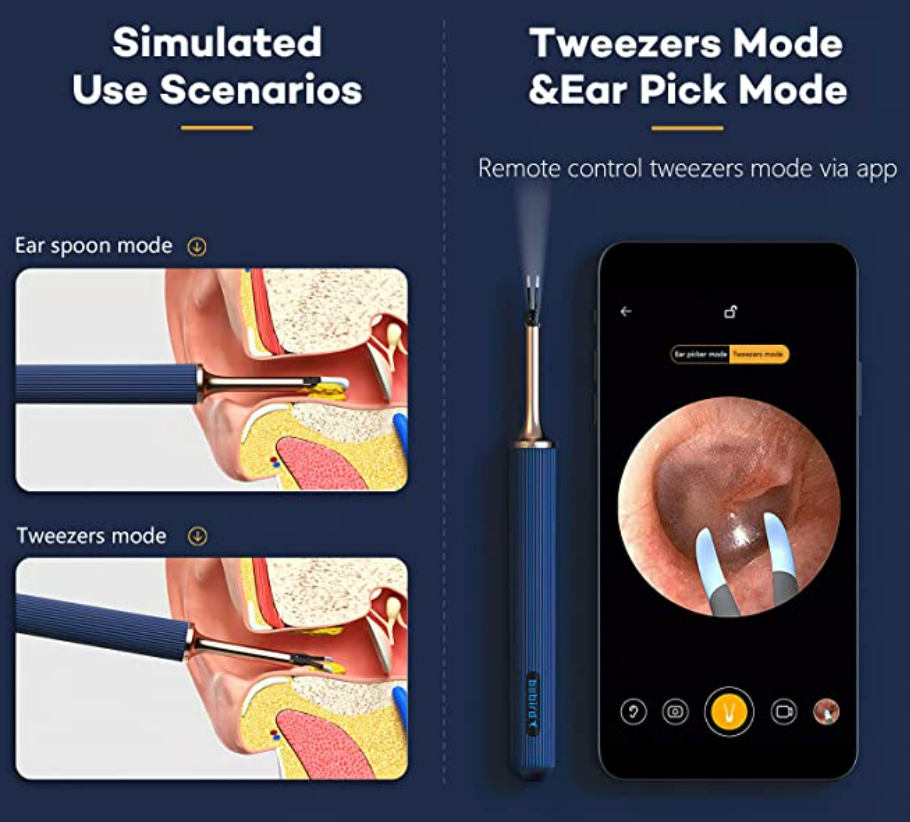
2 – in 1 Ear wax removal spoon cum tweezers: The device comes with a high precision robotic arm that gives you an accuracy rate of 0.05mm, 150g force, and a 10.2-degree opening and closing angle. In tweezer mode, the arm works like a small clip tweezer covered with a soft silicone tip that helps you to deal with stubborn ear wax and other foreign bodies in your narrow ear canal. On the other hand in the Ear -picker mode you can attach the newly designed silicone ear scoop to precisely scoop the ear wax and clean your ear canal without damaging the eardrum.
Powerful software: Bebird Note 3 Pro with the enhanced otoscope camera is compatible with both Android and iOS systems. The advanced software supports separate left and right ear mode, ear-picker, and tweezer mode and delivers real-time images of your ear to your smartphone. You can capture the images, record the video of the whole process and save the same on your phone which can be then sent to your doctor for a quick diagnosis.
One device for the whole family: Bebird Note 3 Pro comes with 12 ear spoons in four different colors that can be used by both kids and adults. The ear spoons are made with food-grade silicone and are safe and hygienic to use. Moreover, the device has an exclusive temperature controller that provides a temperature similar to the human body to avoid damage or burns to the ear canal and is comfortable to use for both small children and the elders in the house.
Long-lasting battery: Bebird Note 3 Pro can be fully charged in an hour and works for up to one month on a single charge. The device comes with a type – C charging base which also acts as the storage for the extra ear spoons.
You can now buy Bebird Note 3 Pro Smart visual ear cleaner for $99.99 only at earokay.com. So go ahead and check out this latest robotic arm device for cleaning your ears.
*We thank Bebird for sponsoring this post. Our sponsors help us pay for the many costs associated with running Gizmochina.
We use cookies on our website to give you the most relevant experience by remembering your preferences and repeat visits. By clicking “Accept”, you consent to the use of ALL the cookies.
This website uses cookies to improve your experience while you navigate through the website. Out of these, the cookies that are categorized as necessary are stored on your browser as they are essential for the working of basic functionalities of the website. We also use third-party cookies that help us analyze and understand how you use this website. These cookies will be stored in your browser only with your consent. You also have the option to opt-out of these cookies. But opting out of some of these cookies may affect your browsing experience.
Necessary cookies are absolutely essential for the website to function properly. This category only includes cookies that ensures basic functionalities and security features of the website. These cookies do not store any personal information.
Any cookies that may not be particularly necessary for the website to function and is used specifically to collect user personal data via analytics, ads, other embedded contents are termed as non-necessary cookies. It is mandatory to procure user consent prior to running these cookies on your website.