Advertisement

Nubia New Sound C1 TWS Earbuds arrive with Bluetooth 5.3, up to 32 hours battery life

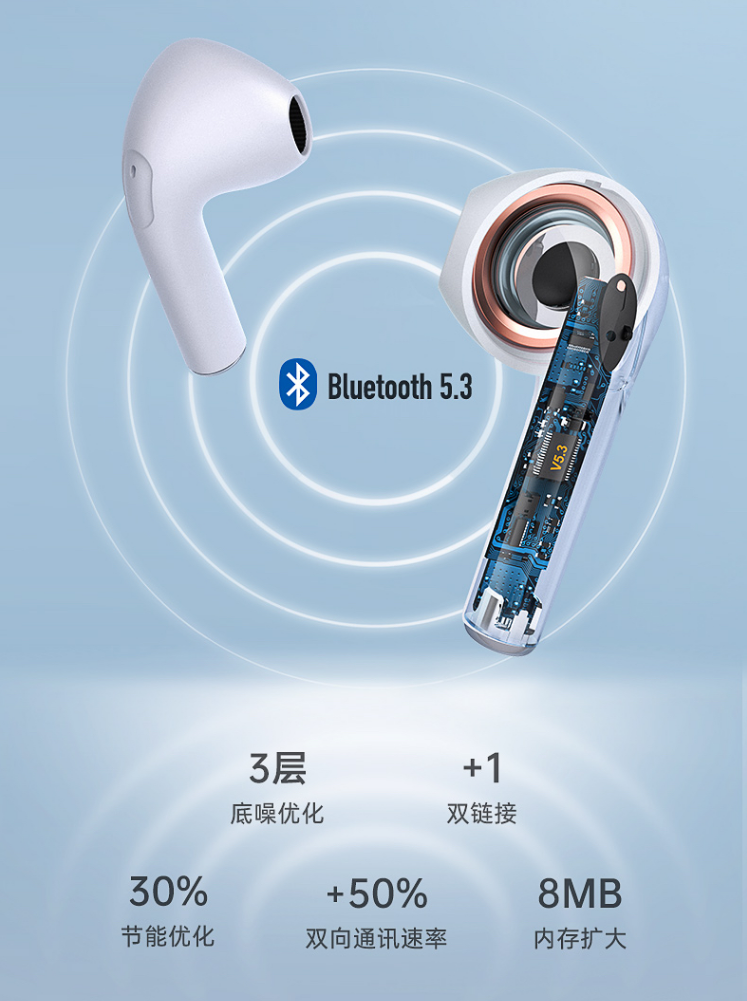
Nubia’s RedMagic gaming headsets are quite popular but the company also has a non-gaming lineup of accessories. The company has now unveiled the Nubia New Sound C1 Truly Wireless earbuds in China with a semi-in-ear design and price tag of 158 yuan (~$25). Nubia New Sound C1 TWS Earbuds
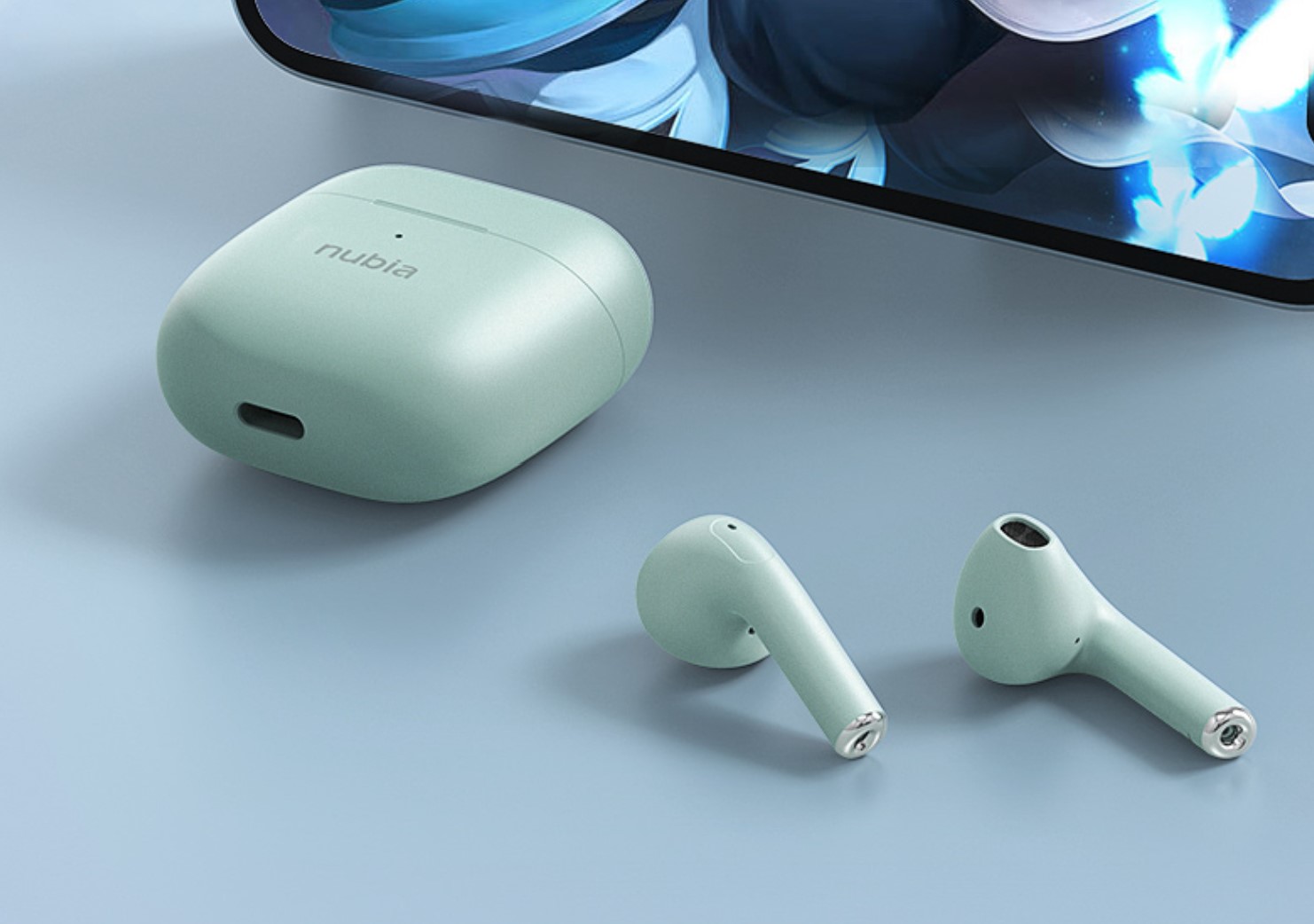
The new Nubia New Sound C1 TWS Earbuds supports the latest Bluetooth 5.3 protocol, which is more energy-efficient and has a wider range. The earbud also supports a two-way communication rate that is 50% higher latency than that of Bluetooth 5.0. In addition, you can manually switch to low-latency mode when playing games, with latency as low as 60ms.


The new Nubia TWS earbuds equally feature a battery life of up to 8 hours. The carrying case crams a 400mAh charging compartment which can provide an additional 32 hours of battery life. The product equally supports IPX4 waterproof and dustproof making them suitable for use during workouts.

The Nubia TWS earbuds will officially go on sale at 10:00 am on January 18. The headset is available in blue, white, and green colors.

RELATED:


(source)

 

Eleksa launches the affordable CityBug EV with up to 200km range in South Africa

Chinese EV maker Eleksa has introduced the CityBug electric vehicle in South Africa. The Eleksa CityBug is the most affordable EV yet to hit the South African market at a price of 230k Rand (($14,945). It is a two-door compact car which can seat four persons and it weighs about 450kg. The CityBug offers some decent features within its compact cabin to justify its price tag.Eleksa CityBug

The Eleksa CityBug has already berthed in Europe, the United Kingdom, and other parts of the world, although it is arriving in Africa for the first time. Eleksa says the CityBug is an ideal urban runabout with minimal charging costs around 15 cents per kilometer.CityBug

It has a 9kWh battery and a 4kW electric motor which gives the electric vehicle a range of 100km on a single charge and a top speed of about 60km/h. The CityBug can carry loads up to 300kg, and its range can be doubled to 200km via an upgrade. The range is heavily dependent on the cargo carried by the CityBug.Eleksa CityBug

The Eleksa CityBug could be used as a small delivery vehicle within the city radius. Eleksa is also lining up a couple of electric vehicles for unveiling in due course. This includes a bakkie delivery van and a family compact SUV.Eleksa CityBug

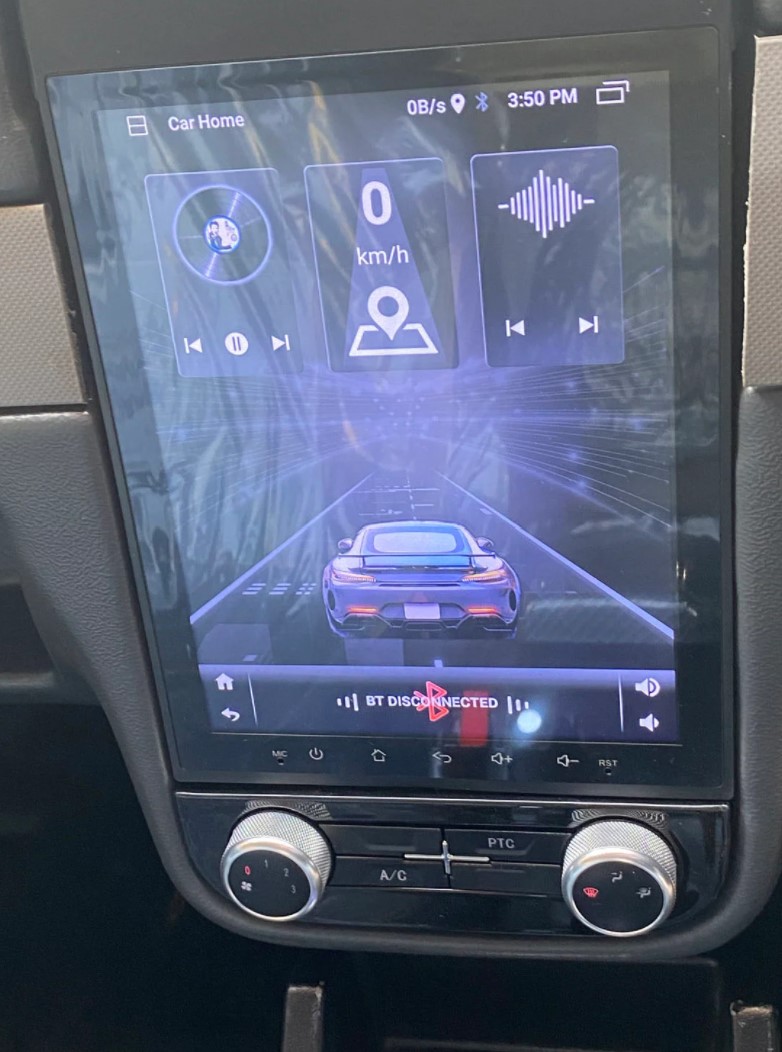
The CityBug offers some standard features like electric windows, an air conditioning system, a digital instrument cluster, and an infotainment hub with an Android operating system. The Eleksa CityBug also provides an integrated navigation system.

RELATED:


(source)

 

Xiaomi invests more into UWB technology in China, here’s what you need to know

The Chinese governmental business registration agency, QCC, has recently updated its database in January 2022, and a reporter from ITHome has noticed that Xiaomi recently invested in a small tech startup called Ultraception that focuses on UWB technology.

From the database, it is known that Ultraception was established in 2019, registered under its CEO Dong Zongyu, and the company is currently worth 6.5 million in shares after Xiaomi had purchased shares of the company. From its company description, the company also dabbles in the data server business, the semiconductor business and in the telecommunications business as well. 

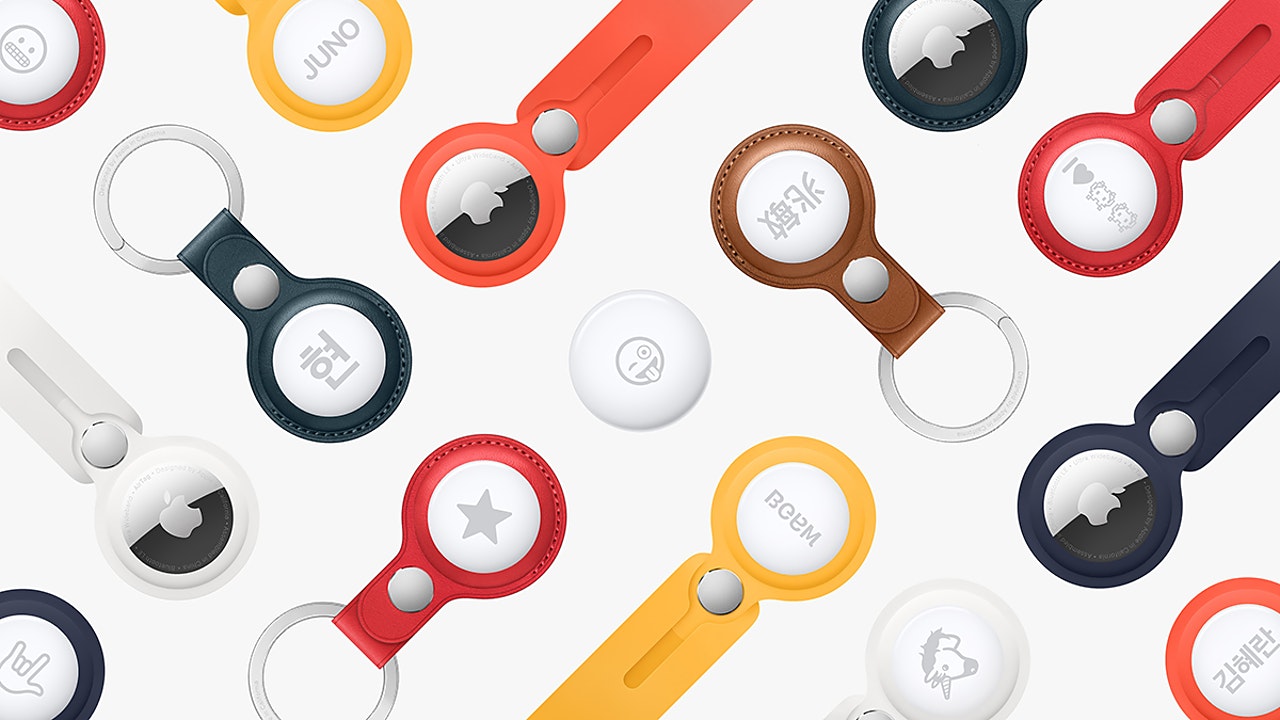
Apple Airtags
Apple Airtags using UWB

Ultra-Wide Band technology, also commonly referred to as UWB in the industry, is a radio-based communication technology for short-range use and fast and stable transmission of data. It is set to replace the infrared light sensors found inside of our technology today because UWB technology consumes less energy compared to infrared technology.

Although UWB technology has been with humanity since the early 1990s, it was until the 2020s when the technology was readily available to the general public with the technology incorporated into our smartphones, smart home and trackers. Most notably, the Samsung SmartTag Plus and Apple Airtags were launched in 2021 with UWB technology on board to enable more accurate tracking in a more power-efficient manner, since these devices are not meant to be plugged into a power outlet daily.

Ultraception Company Shareholders List QCC
Ultraception Company Shareholders List Source: QCC

As for details of how Xiaomi may use this UWB technology for its products in the future, Xiaomi demonstrated that it will use UWB technology for controlling its smart home devices. With help from software calculation algorithms, Xiaomi had achieved centimeter-level positioning and ±3° angle measurement accuracy using UWB technology.

Xiaomi says that this Ultra Wideband (UWB) technology gives smartphone and smart devices spatial perception capabilities, similar to something like Indoor GPS. With this technology, the user can just point the smartphone to any device and a control card for the same will automatically pop up on the screen.

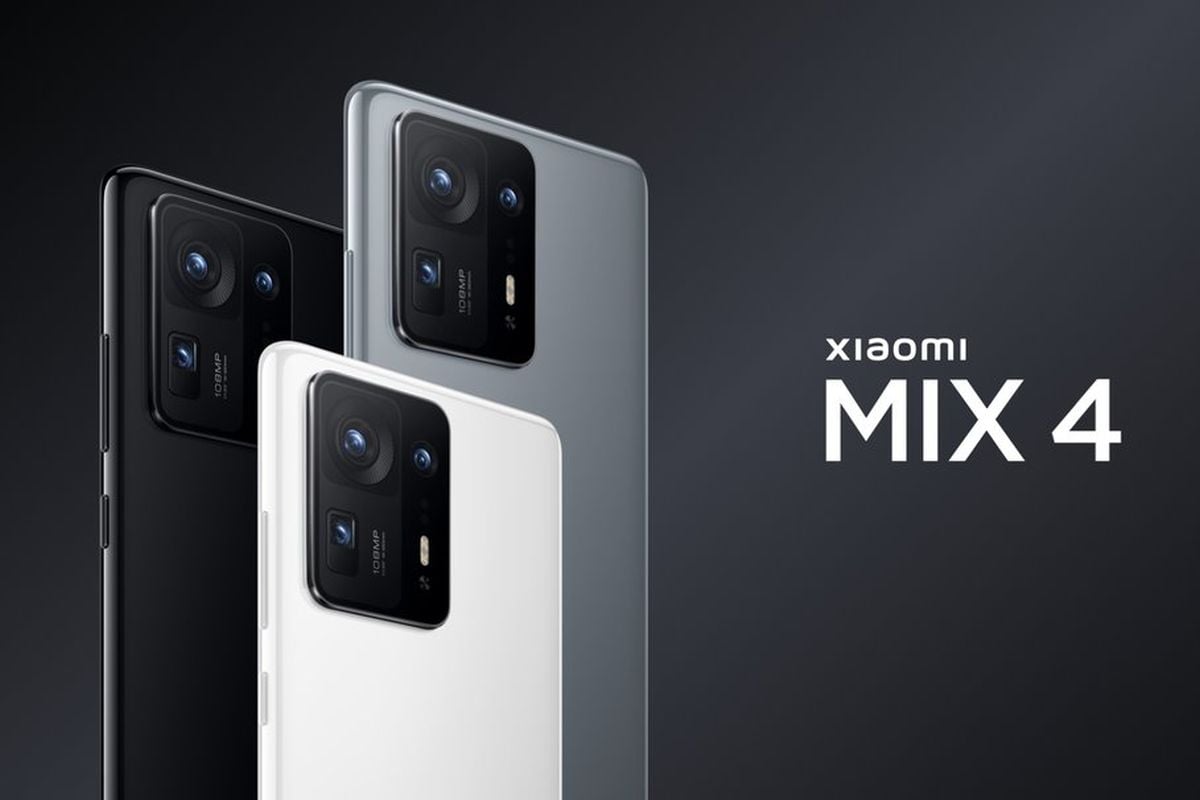
Xiaomi Mi MIX 4 featured-
Xiaomi MIX 4 has UWB technology

As of now, only the Xiaomi Mix 4 supports the UWB technology but hopefully, with the latest update on Xiaomi investing more into UWB technology, we hope Xiaomi brings this technology to more of its devices in the future.


RELATED:

(Via)

iPad Pro 2022 could feature Magsafe Wireless Charging thanks to a clever redesign

Apple is set to release its next-generation iPad Pro series in 2022 and from previous rumours, Apple is planning to redesign the iPad Pro to accommodate MagSafe, its wireless charging solution. 

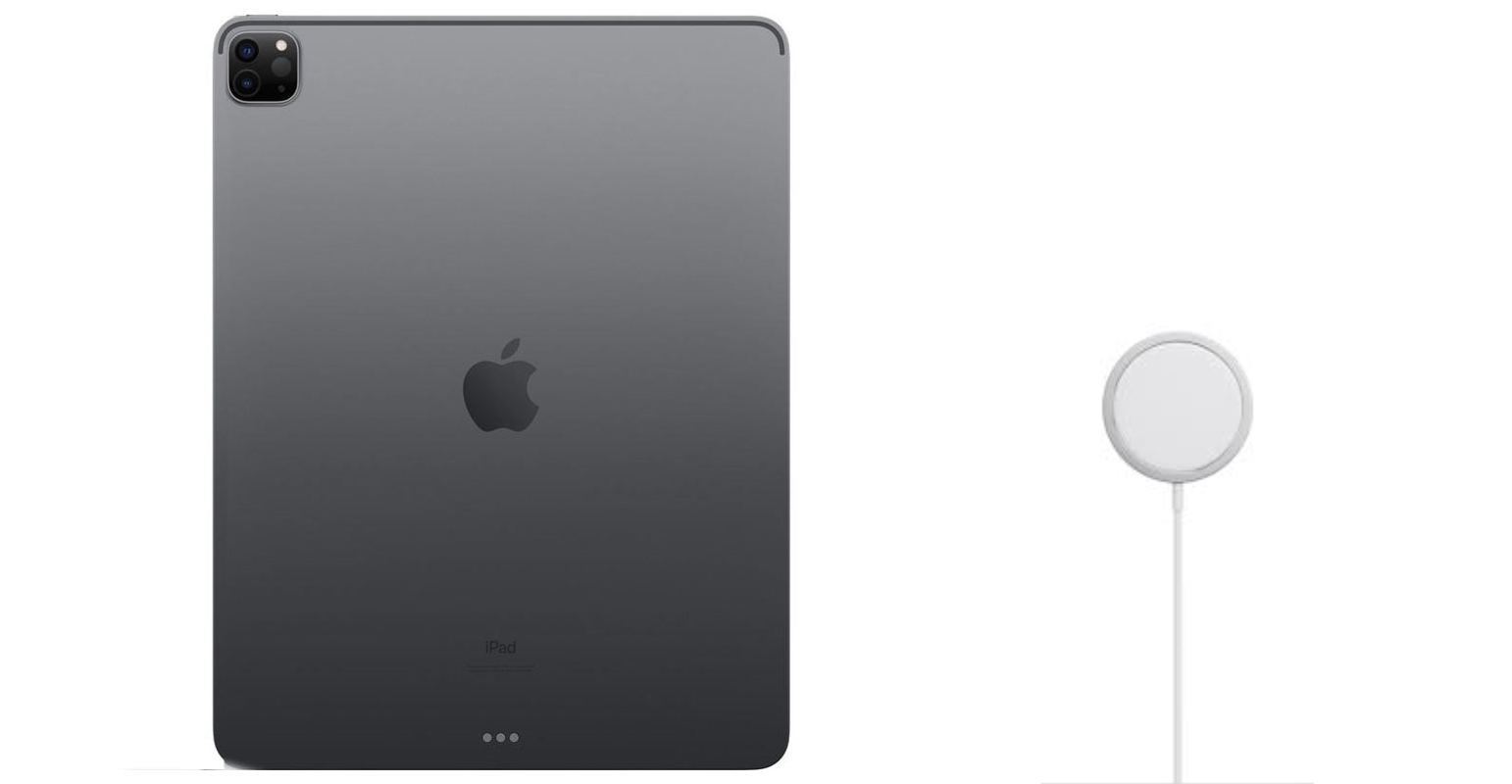
iPad Pro with Magsafe
iPad Pro 2022 may feature MagSafe

Integrating MagSafe wireless charging is not as easy as it sounds, because current iPad Pros have an aluminum back, and for wireless charging to work, the back must be made of glass to allow the current to flow through. However, based on rumours from 9to5Mac, Apple has found a clever workaround to the problem.

The upcoming 2022 iPad Pros are to retain the aluminium back case design, but the centered Apple logo will now be made of glass and made bigger to include the magnetic contact pads to conduct electricity for wireless charging. Insider sources claim the reason why Apple chose this design over the full glass back design of its iPhones is that a glass back design would make the iPad Pro much more fragile, heavier, and easier to be damaged. 

9to5Mac sources also claim that Apple is already developing iPad Pro prototypes that utilize the bigger made-of-glass Apple logo for MagSafe wireless charging and the great news is that it supports wireless charging at higher wattages compared to the iPhones and features stronger magnets to prevent accidents from happening.

Besides integrating wireless charging, the iPad Pro 2022 may also feature the infamous Apple notch design, like the iPhone 13 Pro and Macbook Pro M1 Pro. There are some leaked renders of the upcoming iPad Pro 2022 that show off slimmer bezels, rounded corners, and the notch centered on top of the display.

iPad Pro 2022-front and back
Leaked Renders of iPad Pro 2022

The renders also show the back design of the iPad Pro 2022. It does seem that the Apple logo has been enlarged and that the camera module design now more resembles that of the iPhone 13 Pro lineup with the diagonal triple camera setup.

Whether the aforementioned prototypes will be sent for production, we will have to wait for the next Apple launch event. So do take the leaks with a grain of salt as the product has not been officially revealed yet.

(Source, Source, Via)

RELATED: 

ColorOS 12 Open Beta now Available for Oppo Reno 4 5G series in China, based on Android 12

Oppo released its ColorOS 12 Q1 2022 rollout plan for its less recent smartphone models last month, and it looks like Oppo is keeping up with its promise as it seems that all is going even better.

The rollout is ahead of schedule! 

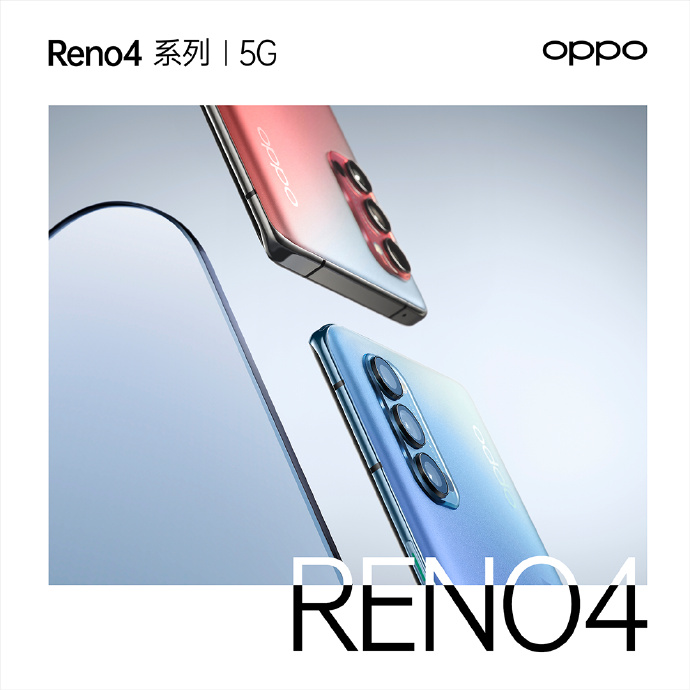
Oppo Reno 4 5G Beta
Oppo Reno 4 5G series Chinese Beta

According to the plan, it was mentioned that Oppo will release its ColorOS 12 open beta for its Chinese variant of the Oppo Reno4 5G and Oppo Reno4 Pro 5G phones on Jan 17, 2022. However, in the latest announcement in the Chinese Oppo forum as of recent, Oppo announced that it will be conducting recruitment for its Oppo ColorOS 12 Open Beta from Jan 14 to Jan 17 3PM CST for Oppo Reno4 5G and Oppo Reno4 Pro 5G users in China. 

Here’s are the key details provided by Oppo that you need to know if you want to join the open beta:

  1. The recruitment is for Oppo Reno4 5G and Oppo Reno4 Pro 5G users in China only.
  2. The recruitment is running from Jan 14 to Jan 17 3PM CST.
  3. Users will be reviewed within 5 business days after they submitted their application to join the open beta.
  4. The ColorOS 12 update will be pushed to beta users within 3 business days once the review has been passed.

Do note here that beta builds are still under the development stage and will hence not be as stable as regular updates. Prepare to run into bugs, abnormal power usage, and other issues. While issues aren’t exactly guaranteed to exist, if you do run into them, then just be sure to report them to Oppo.

OPPO-Reno4-Render-3
Oppo Reno 4 5G

If you are interested in signing up for the beta Android 12-based ColorOS 12 builds for the Oppo Reno4 5G and Oppo Reno4 Pro 5G, here’s how to apply in two simple steps.

First, ensure your Oppo Reno4 5G and Oppo Reno4 Pro 5G are on the required latest builds: Reno4 5G(C.33 and above), Reno4 Pro 5G(C.32 and above). Then just head over to “Settings > Software Update > Settings icon > Upgrade early adopters > Upgrade to beta build” to upgrade to the open beta build.

Do note that this Android-12 based ColorOS 12 open beta is only available currently in China, however, the global beta is believed to be announced soon in the coming months.


RELATED:

(Source)

TSMC and MediaTek to recruit 10,000 more employees into their workforce in 2022: Report

The Taiwanese media outlet, Economic Daily News, reported on January 15 that TSMC and MediaTek are looking to recruit 10 thousand more employees (8000 TSMC and 2000 MediaTek employees respectively) into their workforce in 2022.

For those who don’t know, besides being known as the tech giants in the chip-making business, TSMC and MediaTek are also the top 2 highest valued companies listed on the Taiwan Stock Exchange. Besides bringing forward innovation and advancement in the technology industry, both companies also play a crucial role in Taiwan’s regional economy. 

To combat the ongoing chip shortage, the world’s largest chip manufacturing company, TSMC announced back in April 2021 that TSMC was going to invest 100 billion USD over the next 3 years to increase its chip manufacturing capacity to meet the market’s high demand. The money was going to be invested into building new plants globally, increasing the capacity of production in its current plants, and also incorporating new semiconductor manufacturing technology into its machines for faster production.

With more factories popping up, it is to no one’s surprise that more manpower is needed to monitor and to run all these machines. Initially projected by analysts to recruit over 10 thousand more employees into the company in 2022, TSMC is now instead projected to recruit over 8000 employees. As for more details, TSMC is said to reveal more about its 2022 recruitment plan in the Taiwan Campus Recruitment Event happening soon.

MediaTek Dimensity 9000-

As for MediaTek, the company had 19,300 employees as of December 2021, and compared to its workforce of 17,300 in April 2021, the company had recruited 2000 more employees in the span of 8 months alone. Today, MediaTek has become a multinational with over 1000 employees in India, around 500 in the United States, and several researchers employed across Japan and across the European continent.

As for MediaTek sales numbers in 2021, it was great news all around for the company, With the release of its Dimensity chips such as the Dimensity 1100 and Dimensity 1200 in early 2021, the company managed to rake in 493.41 billion NTD (17.91 billion USD) of revenue last year and its sales growth reached a new peak of 53.1% YOY (year-on-year). 

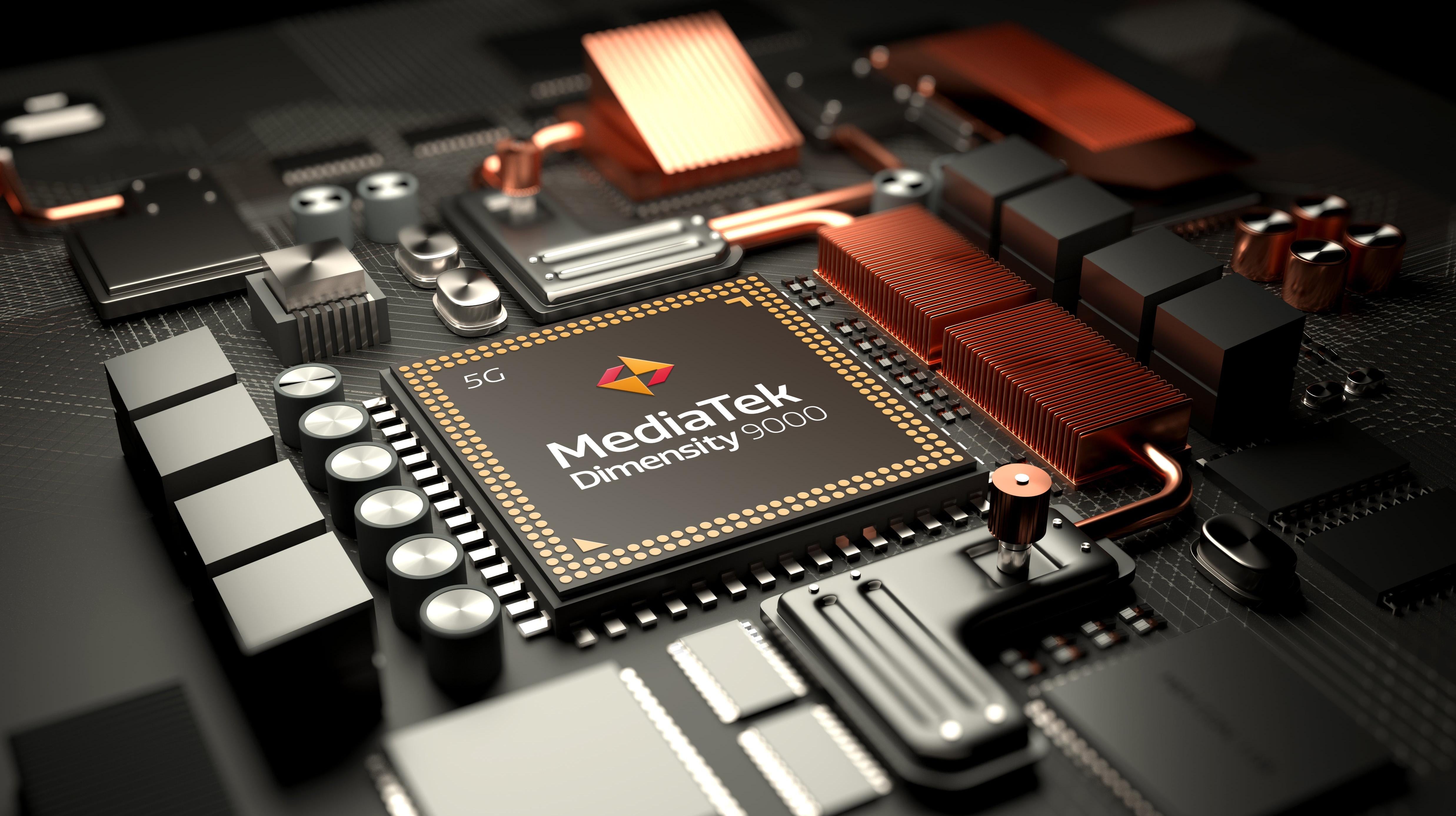
MediaTek Dimensity 9000

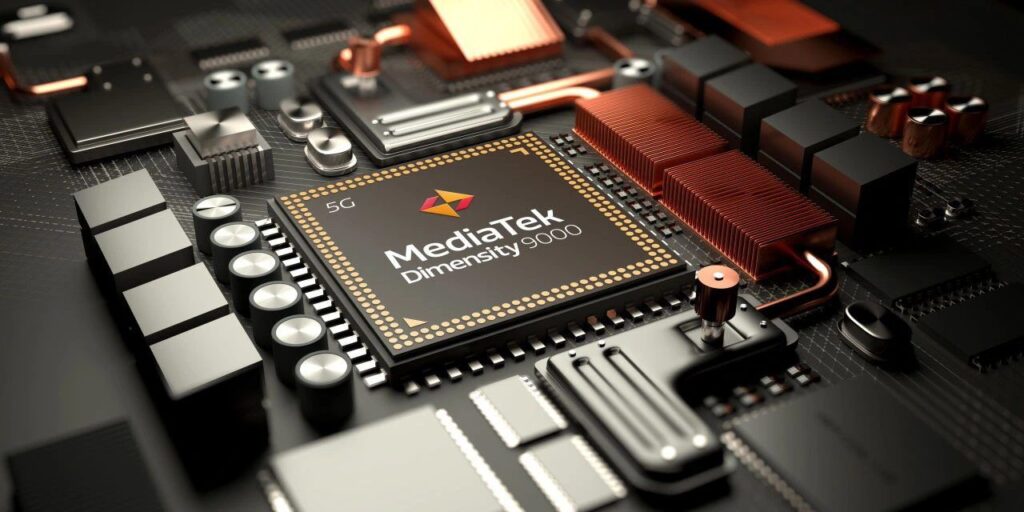
In relation to the news above, TSMC and MediaTek are also close partners in the semiconductor industry. In November 2021, MediaTek officially announced its industry-leading Dimensity 9000 SoC last year, built on TSMC’s 4nm process. The chip was the first SoC to use Cortex-X2 high-performance cores and was the first SoC to run on the latest ARMv9 architecture.


RELATED:


(Source)

Xiaomi 11T Pro likely to get MIUI 13 update soon after launch in India

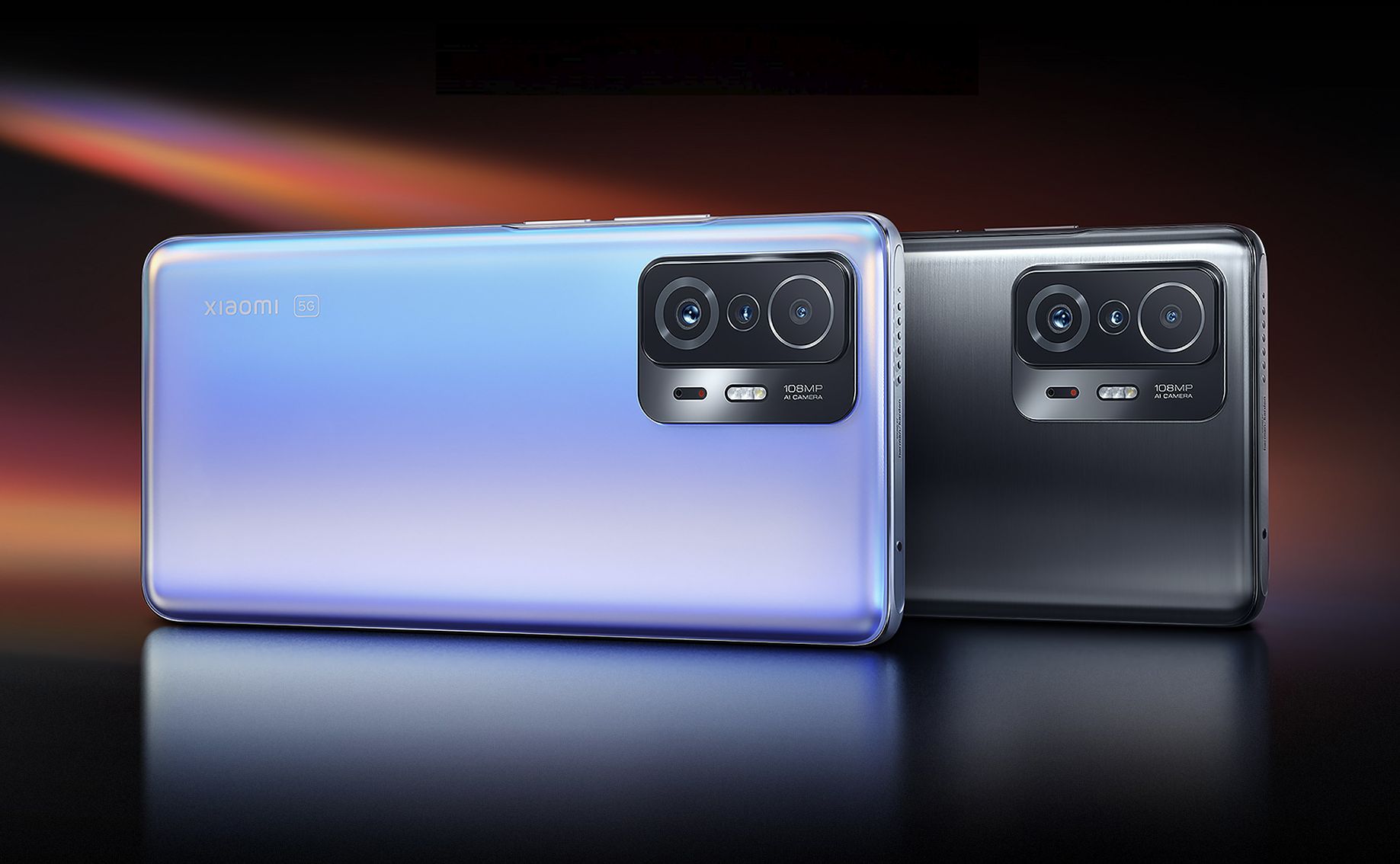
Xiaomi will be announcing the Xiaomi 11T Pro on Jan. 19 in India. It will be competing with the likes of the OnePlus 9RT and Samsung Galaxy S21 FE 5G affordable flagships that have recently gone official in India. According to a new report by My Smart Price, the 11T Pro will come preinstalled with MIUI 12.5 Enhanced Edition, which allows users to some of the system apps among other features. The publication claimed that it will be one of the first Xiaomi phones in India to receive the Android 12 update.

The publication also reported that the 11T Pro will be treated with 3 years of Android updates and 4 years of security patches. This means that Xiaomi will reportedly offer updates until 2025 for 11T Pro users in the country.

Xiaomi 11T Pro
Xiaomi 11T Pro

Xiaomi 11T Pro specifications 

The Xiaomi 11T Pro features a 6.67-inch Full HD+ resolution. The AMOLED panel will offer a 120Hz refresh rate and Gorilla Glass Victus protection. For security, it is equipped with a side-facing fingerprint scanner.

The device is expected to arrive in variants such as 8 GB RAM + 128 GB storage, 8 GB RAM + 256 GB storage, and 12 GB RAM + 256 GB storage. It features the Snapdragon 888 mobile platform and a 5,000mAh battery, which carries support for 120W HyperCharge fast charging. The SoC is coupled with LPDDR5 RAM and UFS 3.1 storage.

For selfies, it is fitted with a 16-megapixel front-facing camera. The rear camera setup of the device has a 108-megapixel primary camera, an 8-megapixel ultrawide lens, and a 5-megapixel telemacro camera. The 11T Pro is also expected to arrive with Harmon Kardon branded dual stereo speakers.

Xiaomi 11T Pro price in India (expected)

The Xiaomi 11T Pro is likely to be priced around Rs 40,000 (~$537) in India. It may arrive grey, white, and blue.

RELATED:

OPPO Find X5 Lite likely to be rebranded version of this phone

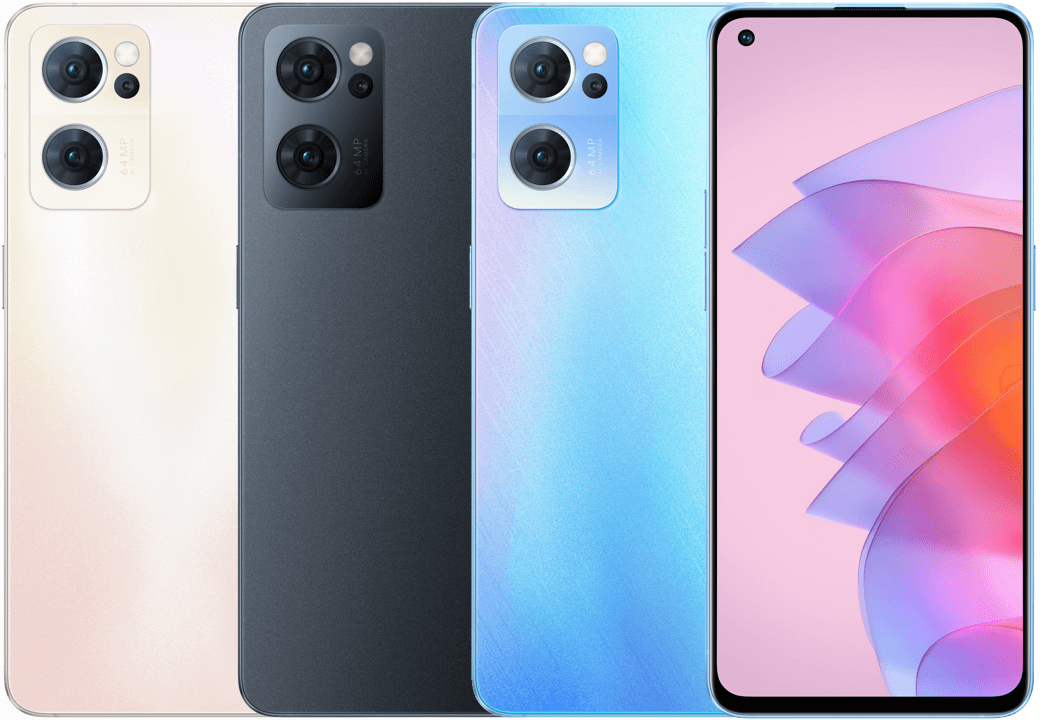
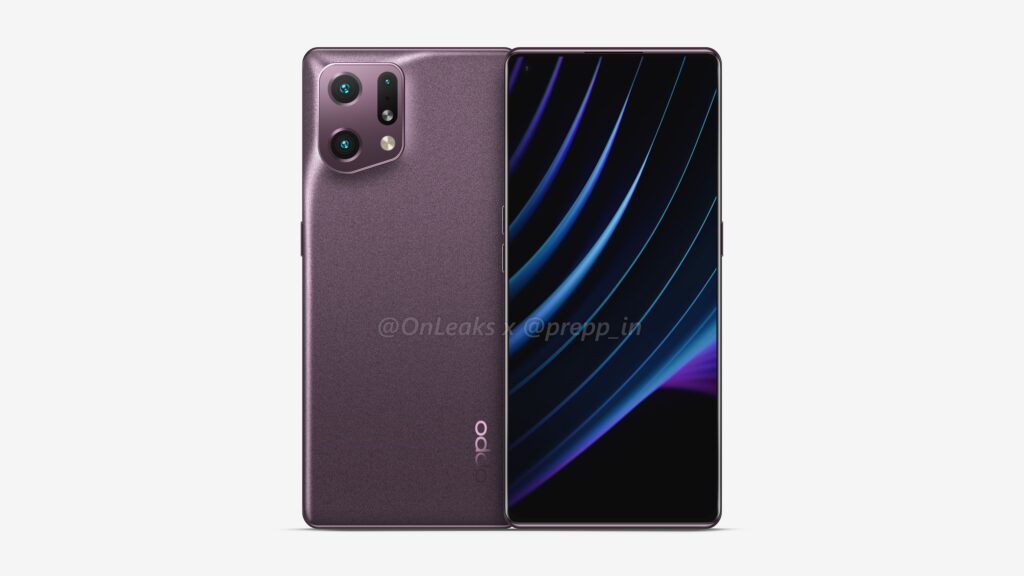
OPPO is expected to announce the OPPO Find X5, Find X5 Pro, and Find X5 Lite smartphones in the global markets in March. An EU certification spotted by tipster Sudhanshu Ambhore reveals that the Find X5 Lite will be a rebranded version of the OPPO Reno7 5G that debuted in China in the recent past..

As can be seen in the above tweet, an OPPO phone with a CPH2371 model number has appeared on an EU certification platform. The listings suggest that the Reno7 5G may get renamed as the Find X5 Lite in markets outside China. If it is true, the X5 Lite’s design language will not be similar to the Find X5 / X5 Pro, which is expected to arrive with an irregular-shaped trapezoid camera module.

OPPO Find X5 Lite specifications (rumored)

The Find X5 Lite could be packed with the same specs that are available on the Reno7 5G Chinese edition. It may house a 6.43-inch AMOLED display that offers a Full HD+ resolution, a 90Hz refresh rate, and an in-screen fingerprint scanner.

OPPO Reno7 5G
OPPO Reno7 5G

The Snapdragon 778G chipset is present under the hood of the Find X5 Lite. It will be equipped with 8 GB / 12 GB of RAM and 128 GB / 256 GB of storage. The Android 11 OS with ColorOS 12 is expected to come preinstalled on the device.

The Find X5 Lite may come with a front camera of 32-megapixel. Its rear camera setup may include a 64-megapixel primary camera, an 8-megapixel ultrawide lens, and a 2-megapixel macro camera. It may house a 4,500mAh battery that supports 60W fast charging. At present, there is no information on the pricing of the Find X5 Lite.

RELATED:

Motorola Frontier flagship with 200MP, new Snapdragon flagship chip could be in works

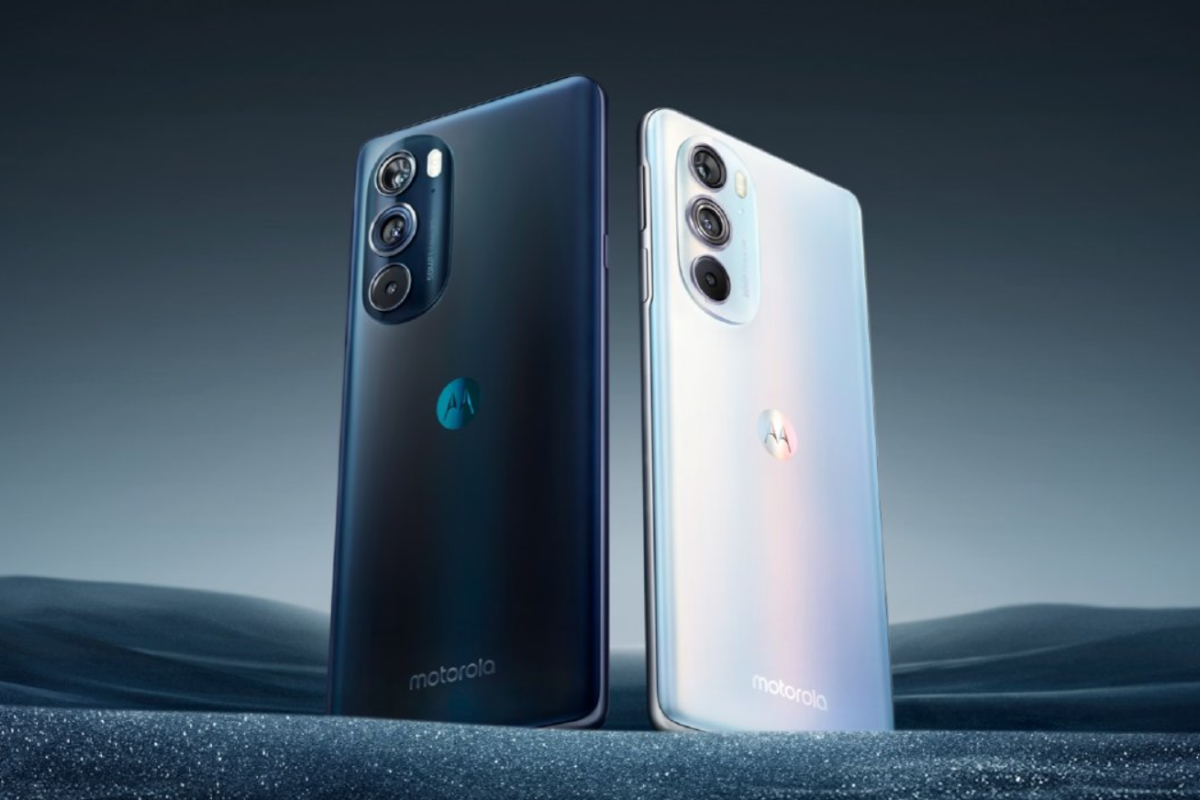
Motorola is reportedly gearing up to launch the Motorola Edge 30 Ultra flagship in global markets. This device is said to be the rebranded version of the Motorola Edge X30, which was announced back in December 2021. New documents obtained by Technik News reveals that the Lenovo-owned company is working on a new flagship phone with “Frontier” codename. This device is expected to feature the next-generation Snapdragon chip and a 200-megapixel camera.

Motorola Frontier specifications (rumored)

The report reveals that the Motorola Frontier will be equipped with a 6.67-inch P-OLED curved edge display that will offer a Full HD+ resolution and a 144Hz refresh rate. The front side of the Frontier will feature a 60-megapixel OV60A OmniVision camera for snapping selfies. It will be equipped with the “Always-On” security feature of the Snapdragon 8 Gen 1 chip.

The rear camera setup of the Motorola Frontier may feature a 200-megapixel primary camera. It is said to be the new Samsung S5KHP1 image sensor. The main camera could be coupled with a 50-megapixel Samsung SKJN1SQ03 ultrawide lens and a 12-megapixel Sony IMX663 telephoto camera.

Moto Edge X30
Moto Edge X30

Coming to the processor of the device, the report claims that the Motorola Frontier will be powered by the successor of the Snapdragon 8 Gen 1, which is said to have a part number of SM8475. The device may arrive in two variants such as 8 GB RAM + 128 GB storage and 12 GB RAM + 256 GB storage.

The Motorola Frontier is likely to run on Android 12 OS. While the report has no information on the battery of the device, it mentions that it will offer advanced charging capabilities such as 125W wired charging and 50W wireless charging. At present, there is no word on the launch date and final marketing name of the Motorola Frontier.

RELATED:

Yeelight Smart Light Panels Hands-on: A customizable and colorful LED set for your room

Today, we’ve got our hands on something very special. These lights has been gaining a lot of popularity in the tech community that it became like a new “fashion” for tech-savvies. It was considered to be over-priced when it first came out, but how many new brands have emerged and they offer options at affordable prices to the consumers.

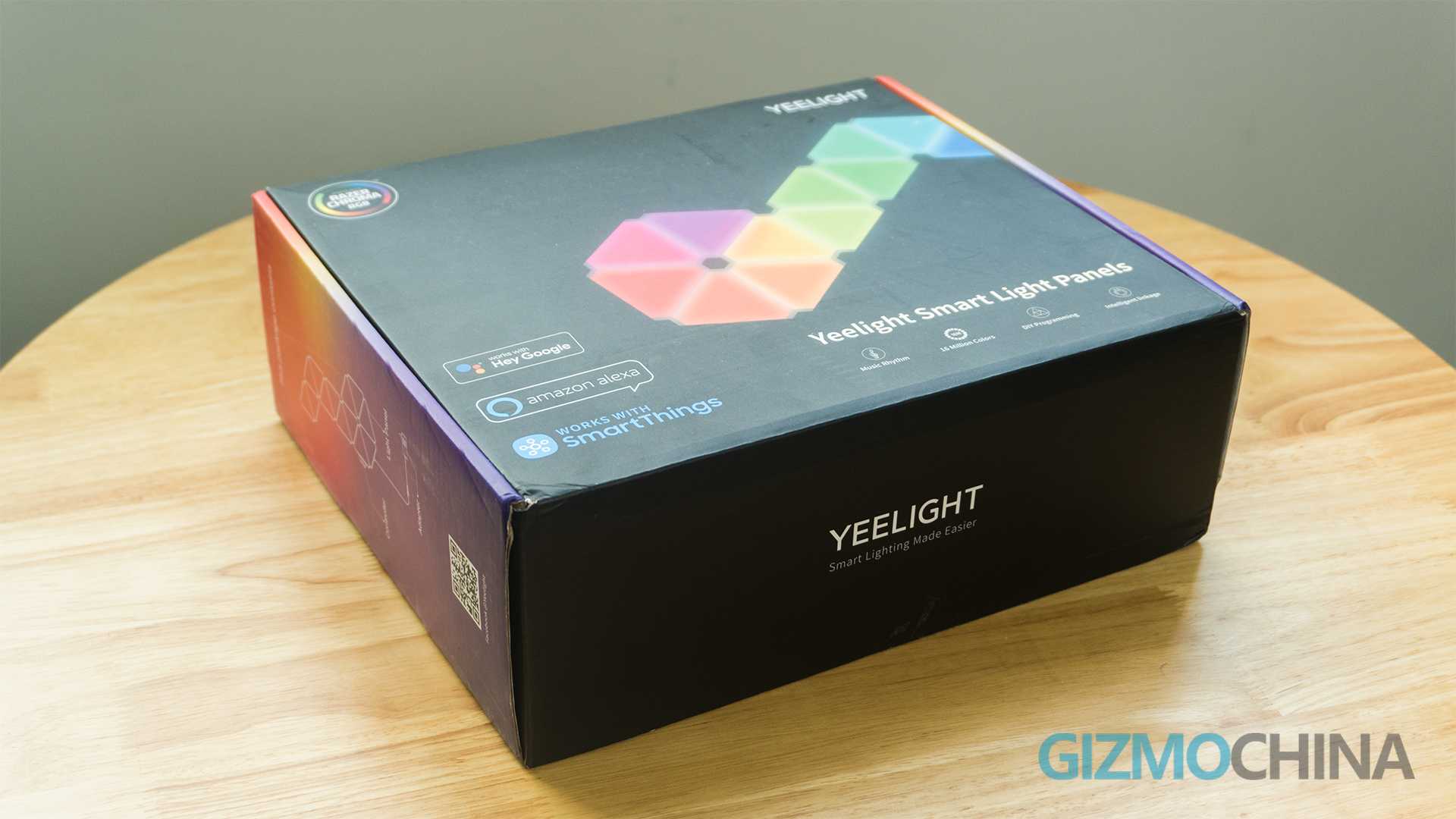
Yeelight Smart LED Light Panel box Hands-on 09

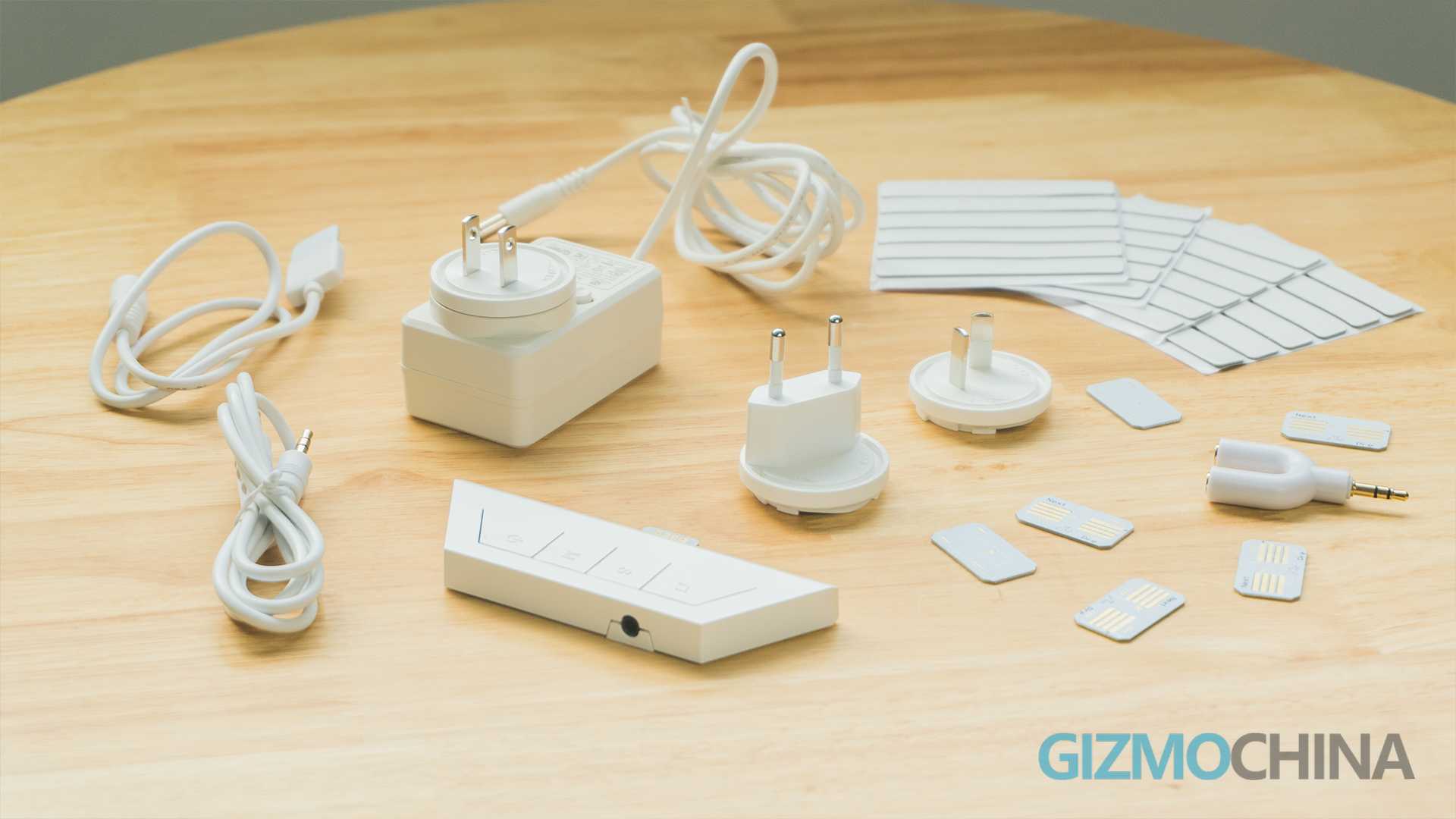
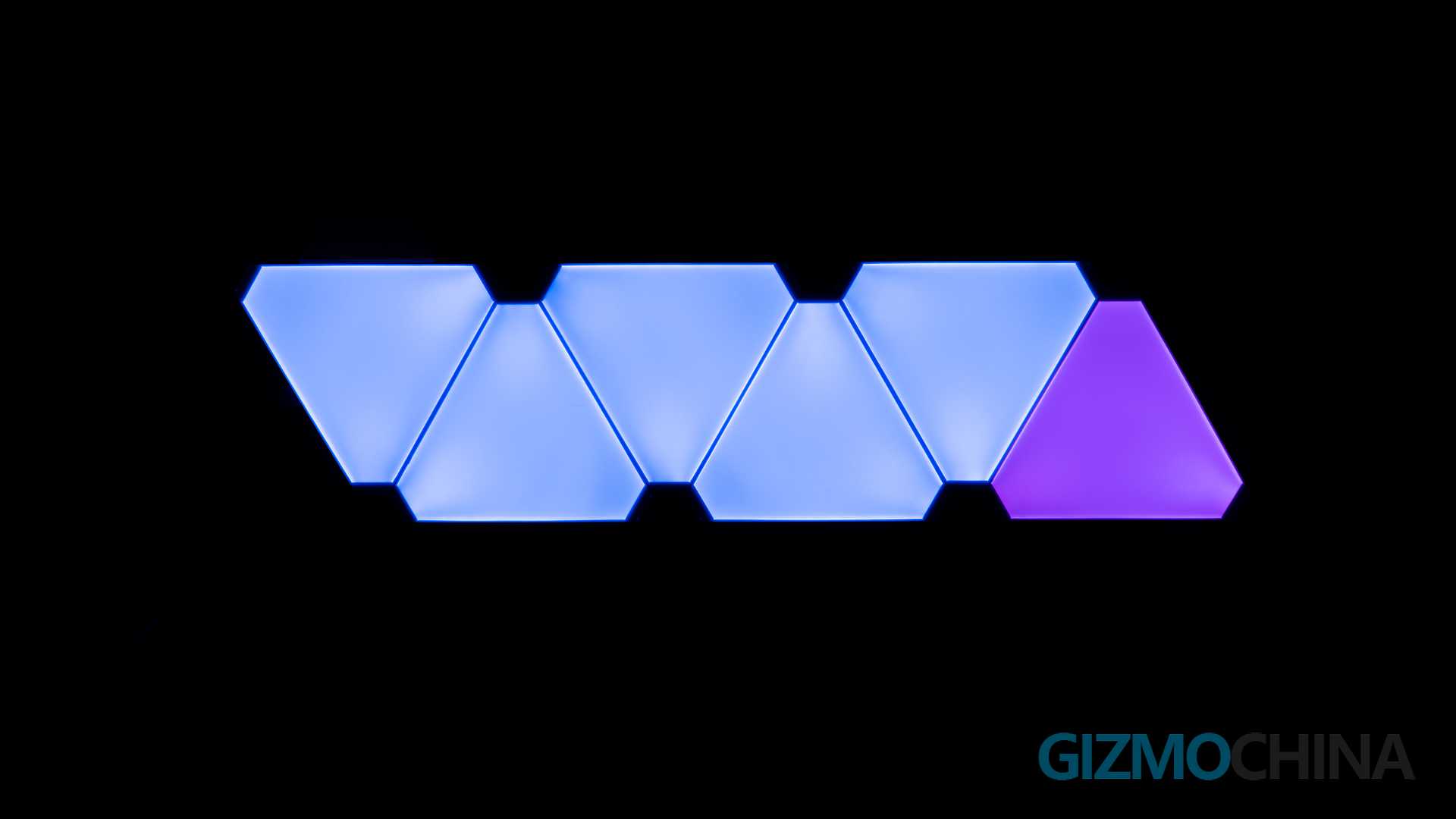
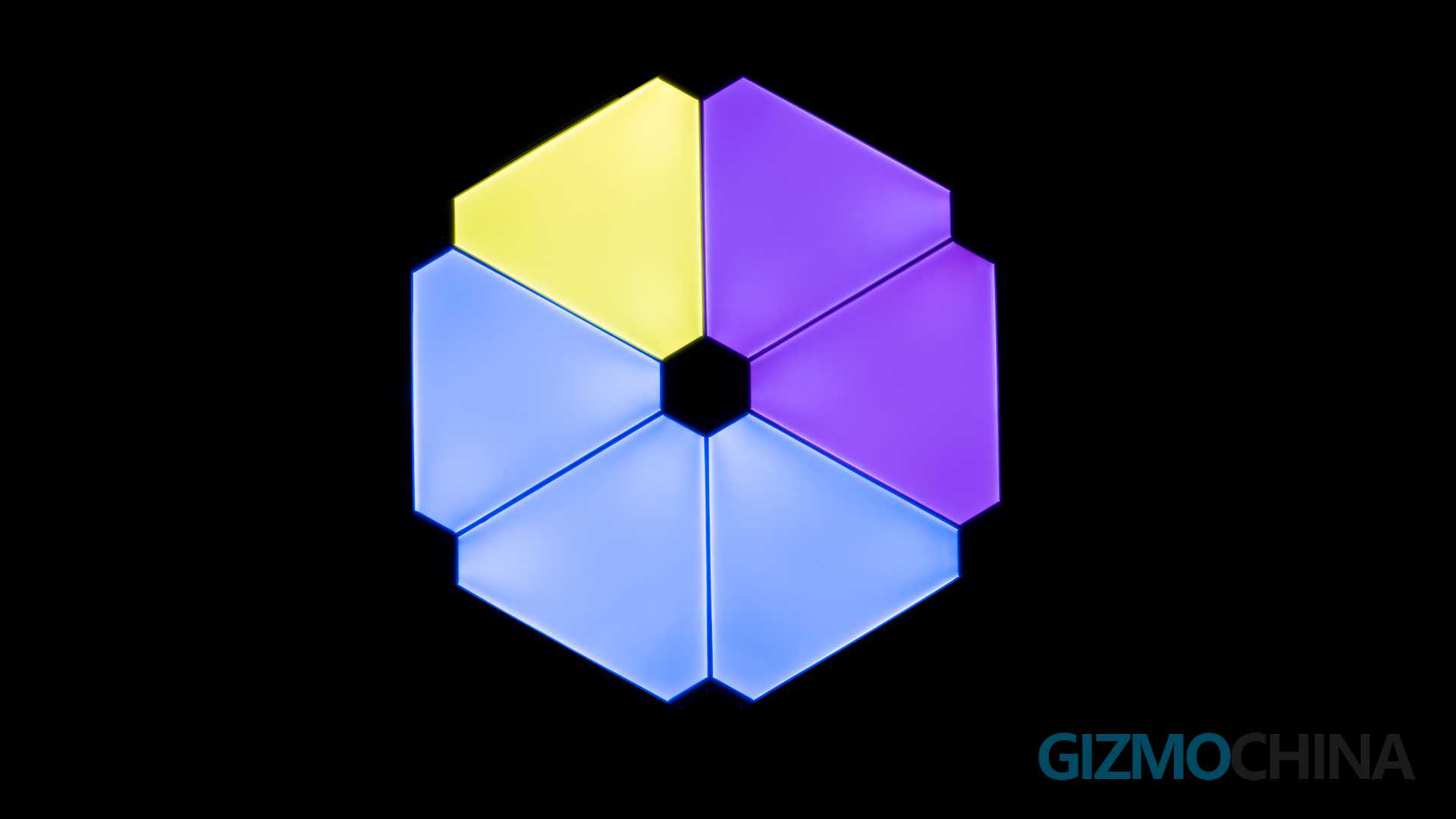
First off, in the box, you’ve got 6 individual light panels, the package is very nice, so nothing got damaged. And we’ve got these little connecting nanochips, this is going to connect each panel, you’ve also got a lot of stick tape to attach these things to your wall or whatever surface you want and the power brick, connecting wires, etc.

Yeelight Smart LED Light Panel Hands-on 06 

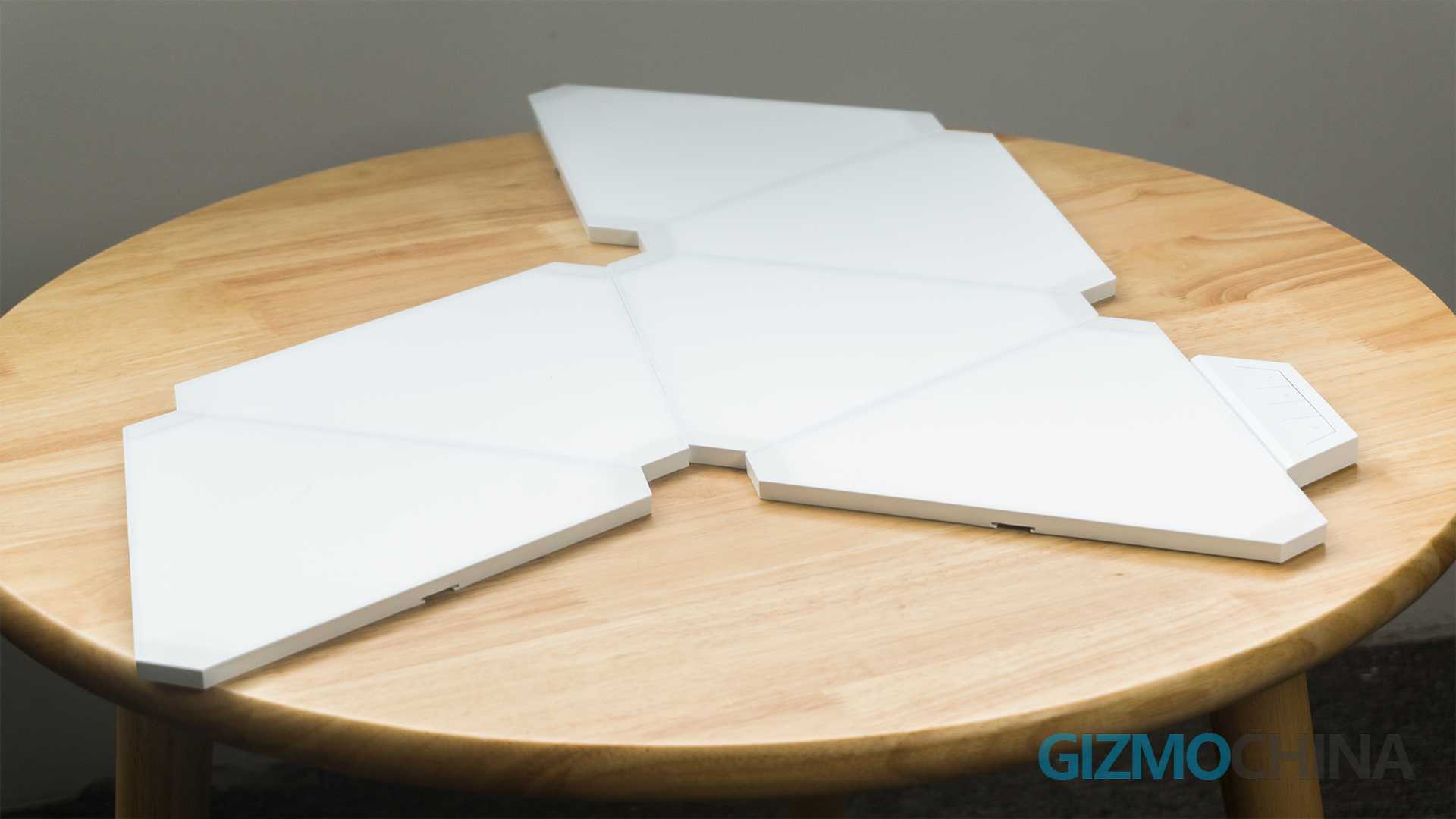
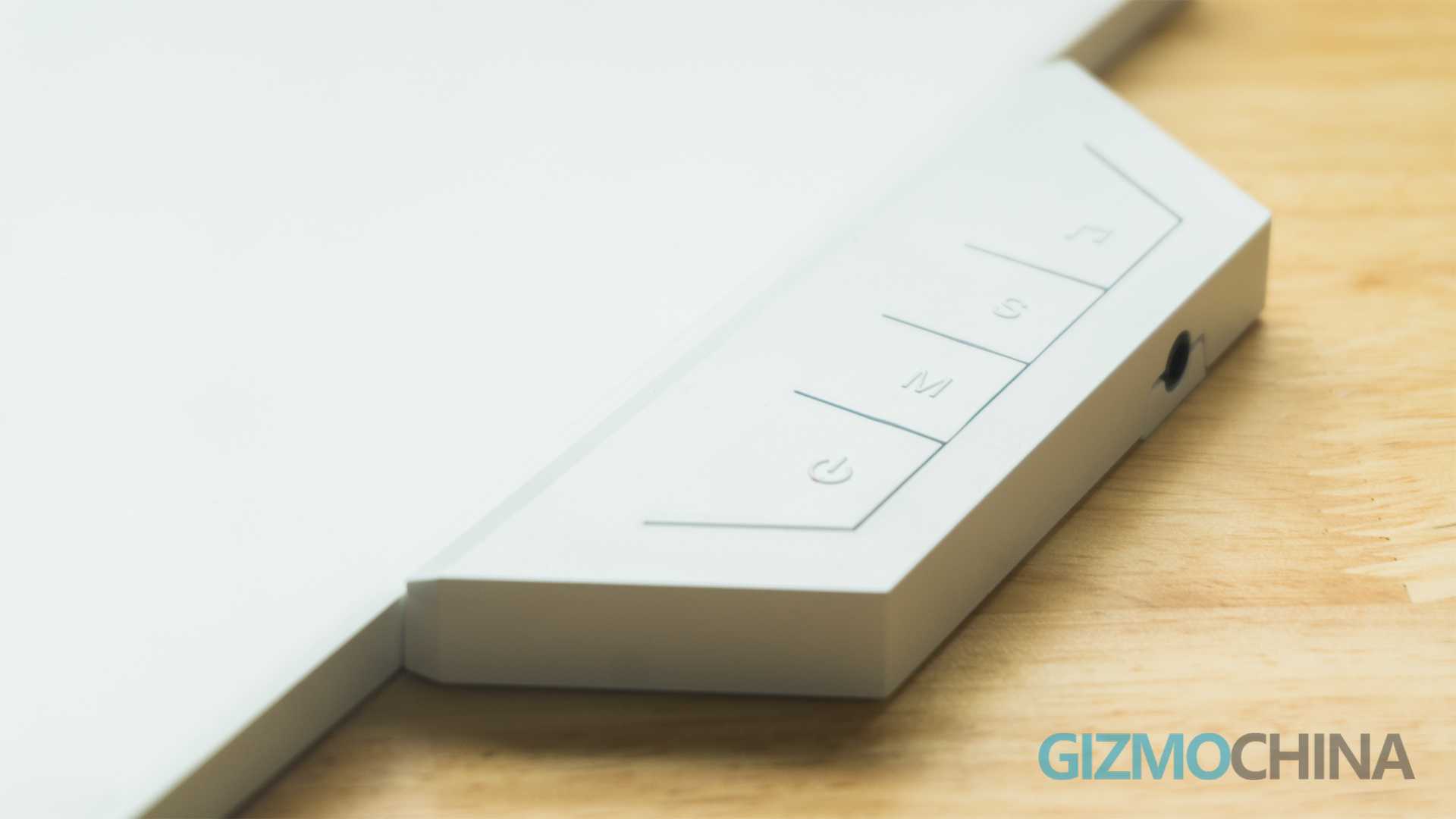
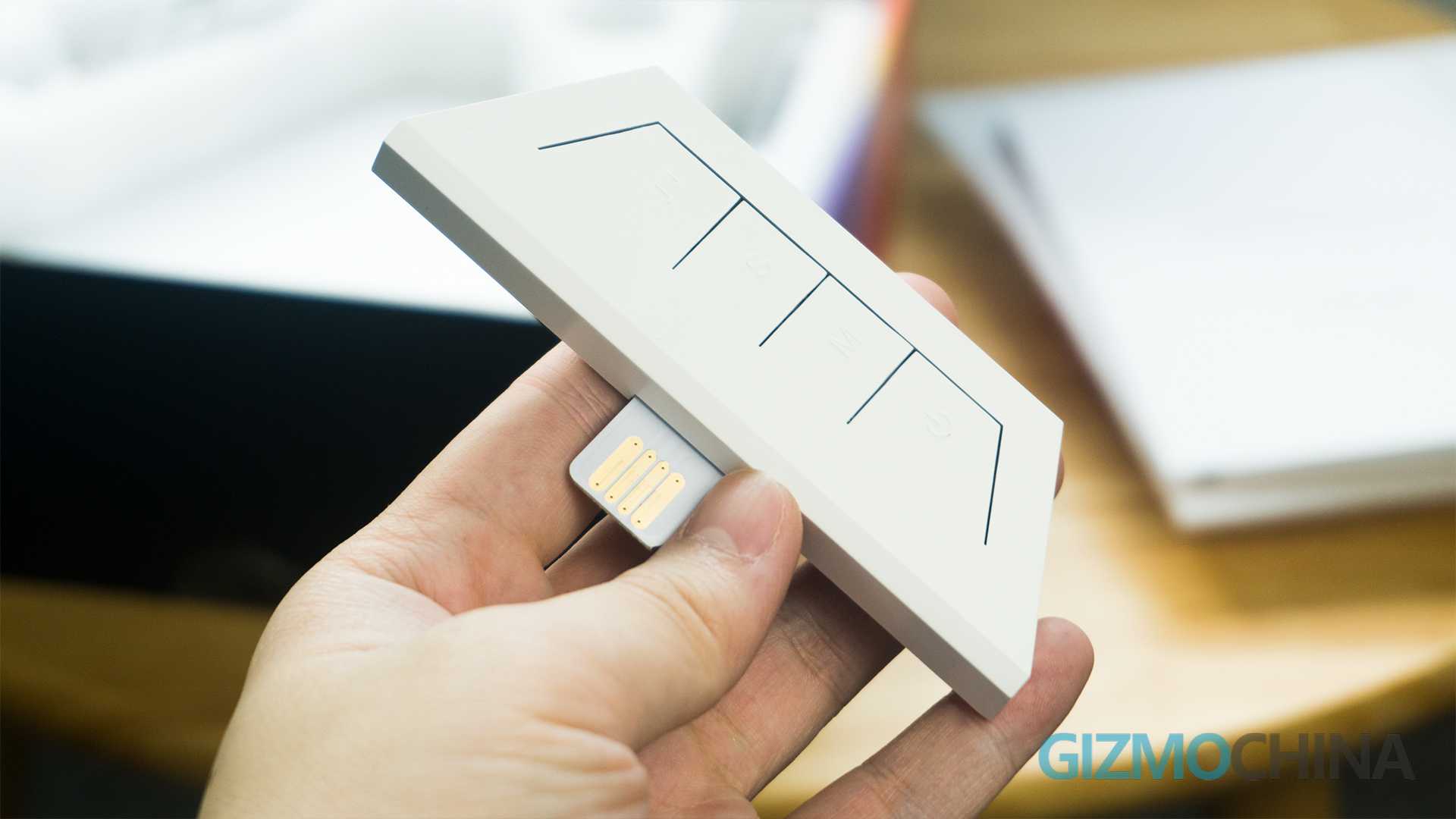
Because you are going to stick them up to the wall, you have to consider the weight of these panels. These are very light and thin, which is perfect for the purpose, and you can connect them up with nanochip connectors with corresponding cutouts, so you have a very flexible way of putting them up very creatively, and if you are looking for more panels you get it with extensions pack which includes 3 more panels to create more patterns you prefer. Connecting a power brick to only one of them is going to light all of them up. You can do some basic control using the controller, but I highly recommend using the app. 

When I have them lightened up, and it looks really nice and gorgeous. With the app you have many lighting options to explore, not just the colors but also some the action of the light too.

But one thing I didn’t like is that you can’t control each panel separately to come up with different customized combination, that kind of limits the whole experience.

Yeelight Smart LED Light Panel Hands-on 10

So, in my opinion, the only function this thing serve is to make your room look good. The lights are bright and colorful, definitely enough to stimulate your emotion and while you are gaming sometimes, you can create the specific color for the atmosphere around you and that really increases the immersion of the gaming experience. Because it changes with the rhythm when you are playing audio in the room, that, too, sometimes can be very cool. 

Yeelight Smart LED Light Panel Hands-on 17

However, there are few things I wasn’t very enjoying. First is the power cable, it just hangs up on the wall mid air, it’s no big deal if you have a white wall, but if not, it can be kind of an eyesore. And the connector is too weak, after connecting them up, while I was going to hang them, I was so worried that I might break the connector with the weight of the panels which I am not holding, so surely be careful while you are sticking them up.

To conclude, if the main reason to spend this amount of money on this product is to make your room look cooler and more immersive in some situations, then this can totally do the job and the result might even surprise you. 


The Yeelight Smart LED panels start at $49.99 and go up to $179.99 depending upon the bundle.

Xiaomi Debuts “Pure Mode” on its MIUI in China, similar to “Security Check” Found on ColorOS

In September 2021, Xiaomi started to recruit beta testers for its “Pure Mode” found on the Chinese version of MIUI. However, Xiaomi didn’t update the progress of the development of the “Pure Mode” until recently. Initially thought to be scrapped, one MIUI user in China has noticed that Xiaomi has already silently rolled the “Pure Mode” functionality to its smartphones as of 15 January 2022.

MIUI 13 Logo Featured A

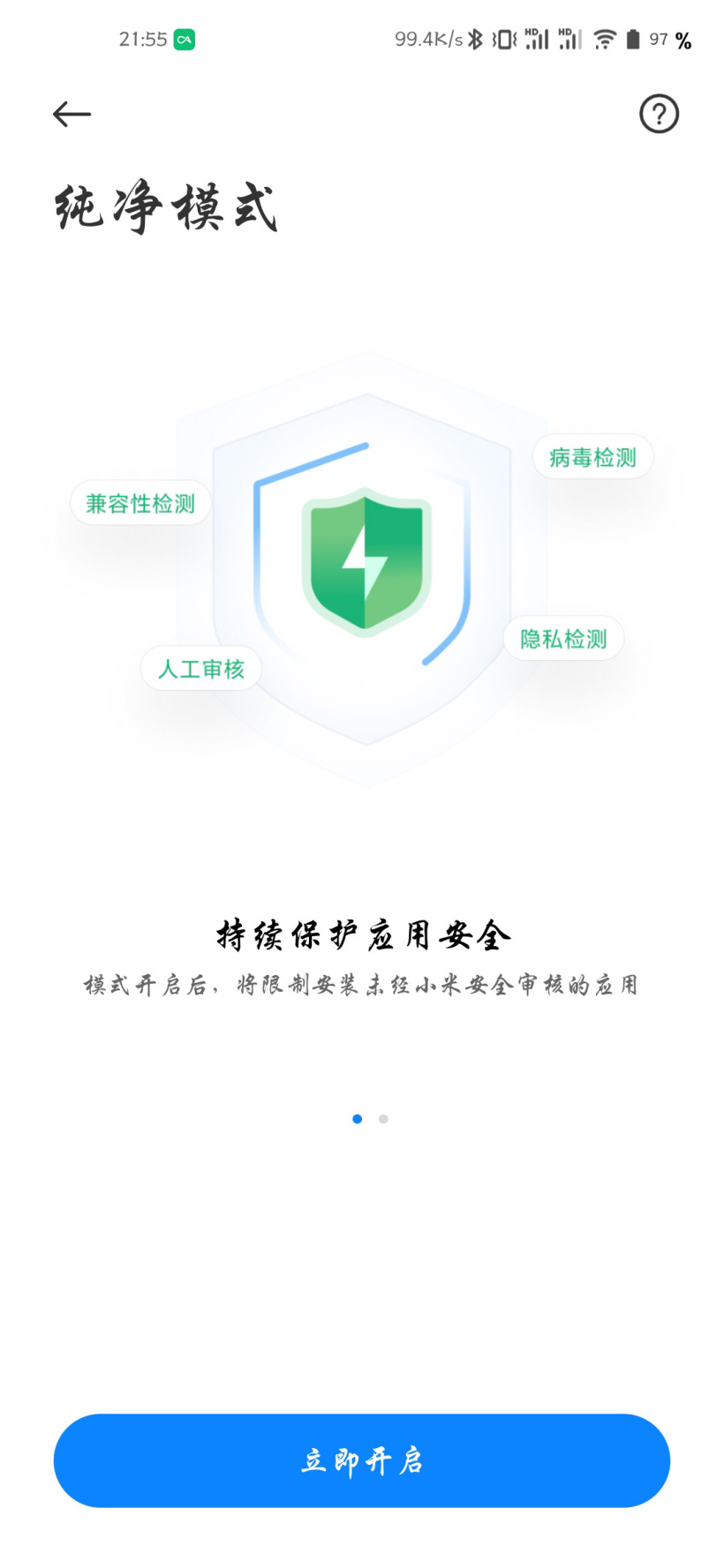
In a nutshell, “Pure Mode” in MIUI helps to guard your online safety by preventing you from downloading malicious apps from the Internet, which is essentially the “Security Check” found on Chinese ColorOS devices from Oppo, Realme, and OnePlus but now on your Xiaomi smartphone. However, the one important difference is that ColorOS’ implementation is to scan the app for malware after installation, whereas MIUI’s implementation is safer for the end-user: the app is installed after Xiaomi has done a background check of the app. 

The specifics of “Pure Mode” are in the system menu and when using “Pure Mode”, it has 4 highlighting features:

  1. Virus Detection: To detect if there’s any virus, Trojan horses or malware hidden within the app
  2. Privacy Detection: To detect if the app is unknowingly collecting the user’s personal data without consent
  3. Compatibility Detection: To detect if the app is compatible with the phone it will be installed, to prevent any crashes or bugs from occurring.
  4. Manual review: Apps allowed in Pure Mode are manually reviewed, installed, and tested by real users to confirm their compatibility and safety.


As to how to enable “Pure Mode” in MIUI, there are 2 methods to do so.

Method 1: After entering into the app installer of MIUI, on the top right corner, tap into “Settings” and then “Pure Mode”, and then tap the “Turn On Now” button to turn on Pure Mode.

Method 2: When installing an app that has not been checked by “Safe Mode” yet, in the successful installation popup afterward, select “Turn On Pure Mode” to do a security check on the app.

Xiaomi-Pure-Mode-1
MIUI Pure Mode User Interface

After Pure Mode is turned on, apps that have not been manually reviewed by Xiaomi will undergo manual security tests to ensure it meets the necessary requirements of “Pure Mode”. If the app has been reviewed as Safe by Xiaomi, then you may proceed to install the app. 

For apps that have not yet been reviewed or have been deemed risky by Xiaomi, users won’t be able to install them. If you trust the unreviewed or risky app, you can continue to install it after you go into “Settings” > “Pure Mode” > “Authorize this installation”, to continue to install your app.

If you want to disable “Pure Mode”, then the steps are simple too. Entering into the app installer of MIUI, on the top right corner, tap into “Settings” > “Pure Mode”, and then tap the “Turn Off Now” button to disable Pure Mode.


RELATED:

(Via)

Report indicates that lack of Galaxy Note 21 affected Galaxy S21 sales 

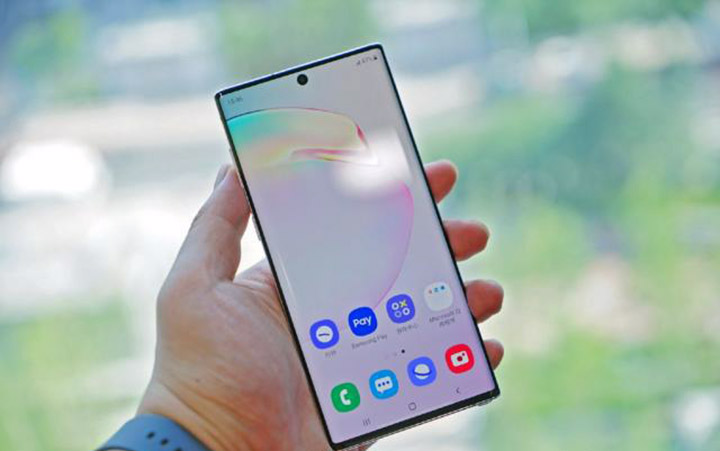
A report from South Korea indicates that the absence of the Galaxy Note 21 could have limited the sales of the Galaxy S21 series. If Samsung had skipped the Galaxy Note series in 2021 to boost expected sales of the Galaxy S21 series, expectations were apparently not met, going by the sales numbers for 2021. The South Korean report says that the Galaxy S21 series sold mid-20 million units, in the same range as the 2020 numbers.samsung galaxy note 10 plus 5g

The report is credited to South Korean firm The Elec and points to the fact that Samsung’s strategy may not have been successful after all. The Covid-19 pandemic could have played its role in slowing down the sales, but there could be several other factors responsible for the under-par performance of the Galaxy S21 series. However, the decision not to deliver the Galaxy Note 21 to the market may be a calculated risk, and it remains to be seen how it could have panned out if we had the model in the mix.

The report indicates that the low sales number may have been due to production issues that prevented Samsung from meeting its production targets and deadlines. The company says it could have logged in higher sales if its Vietnam-based production facilities were not hampered by several issues. It may have been a hard-boiled economic decision by Samsung considering all the factors and risks it faced. It remains to be seen though, how the new strategy will flow with the Galaxy S22 lineup. The Galaxy S22 Ultra may well be a Galaxy Note 22 and we expect Galaxy Note fans to have a go at the flagship model.

RELATED:


(source)

 

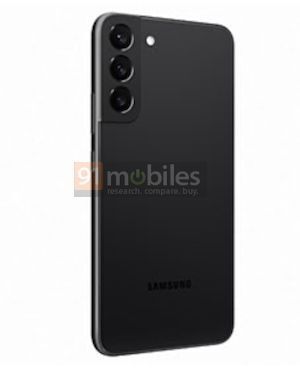
Alleged Samsung Galaxy S22+ official renders and key specs leaked

Samsung Galaxy S22 series has been the subject of several rumors in recent weeks. Days back, it was hinted that all the three S22 models will have the Gorilla Glass Victus+ adorning at least one of their sides. Today, some official renders of the Galaxy S22+ have surfaced online, together with some specs details of the successor to the S21+.

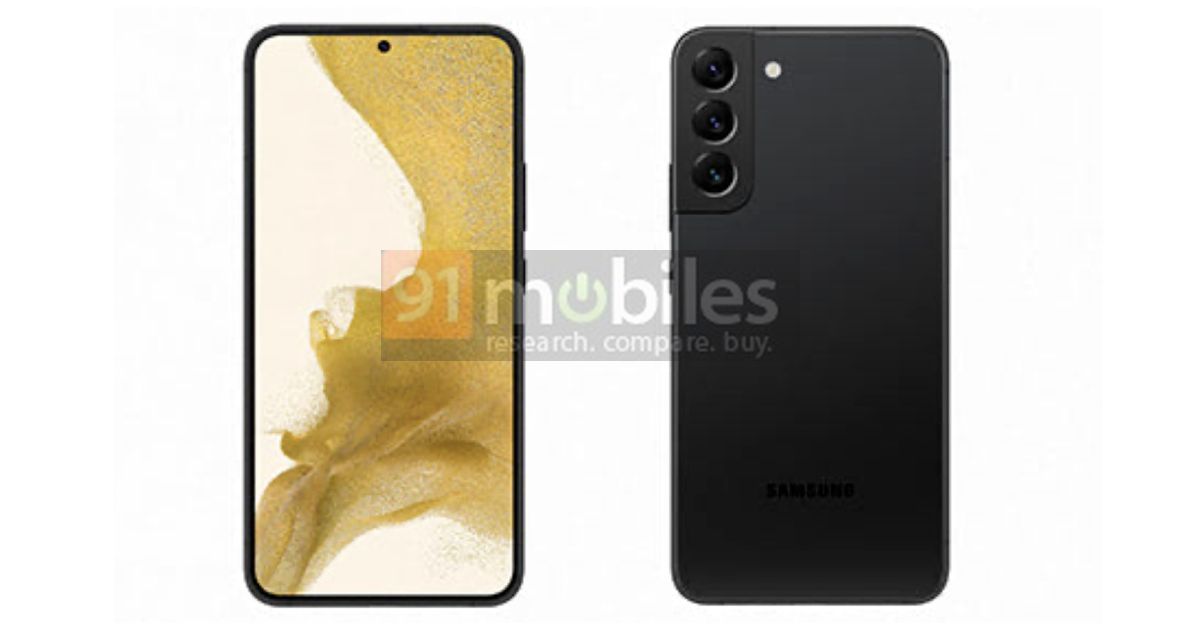
The Samsung Galaxy S22 series consists of the S22, S22+, and S22 Ultra, and all three models are expected to highlight significant improvements from their respective predecessors. A tipster Isha Agarwal has shared some stunning renders of what the S22+ looks like. It features a single and central punch hole for the front camera, and its look is accentuated by uniformly narrow bezels with the power and volume buttons on the right side of the smartphone.

The renders indicate a triple rear camera setup for the Galaxy S22+, with Samsung’s logo stylishly placed at the lower end of the device’s rear. The 50MP wide-angle camera of the S22+ features Adaptive Pixel technology for improved picture and video performance.

The smartphone’s display will have 1,750 nits peak brightness, adaptive refresh rate, and it will be slightly heavier than the S22, but a bit lighter than the S22 Ultra. The Galaxy S22+ has a weight of 195g and a 4,500 mAh battery which can be charged via the USB-C port at 45W. The 45W fast charging support for the S22+ may be a tad farther from the industry leaders but seems an improvement from the S21+.

There was however no mention of the presence of Gorilla Glass Victus + in the Galaxy S22+. There are still some grey areas still not known about the Galaxy S22+ including release date, pricing, and other important features.

RELATED:


(source)
 

Xiaomi 12X vs Motorola Edge S30: Specs Comparison

The Xiaomi 12 series includes the most compact flagship released in 2022, but for Xiaomi, this was not enough. The company decided to launch another compact phone alongside the original Xiaomi 12: we are talking about the Xiaomi 12X. It is still a high-end device and it is still very compact, but it is an even more affordable flagship killer. A device belonging to the same range debuted even in the last Motorola lineup, but it can be considered the opposite because it is a big phablet: the Motorola Edge S30. This is a comparison between one of the most compact flagship killers and one of the biggest ones and we believe it will be useful for a lot of gamers and power users looking for a new phone who cannot spend a lot of money.

Xiaomi 12X vs Motorola Edge S30

Xiaomi 12X Motorola Edge S30
DIMENSIONS AND WEIGHT 152.7 x 69.9 x 8.2 mm,
176 g
168.1 x 75.5 x 8.9 mm,
202 g
DISPLAY 6.28 inches, 1080 x 2400 pixels (Full HD+), OLED 6.8 inches, 1080 x 2460 pixels (Full HD+), LCD
PROCESSOR Qualcomm Snapdragon 870, octa-core 3.2 GHz Qualcomm Snapdragon 888+, octa-core 2.99 GHz
MEMORY 8 GB RAM, 128 GB – 8 GB RAM, 256 GB – 12 GB RAM, 256 GB 6 GB RAM, 128 GB – 8 GB RAM, 128 GB – 8 GB RAM, 256 GB – 12 GB RAM, 256 GB
SOFTWARE Android 12, MIUI Android 11, MYUI
CONNECTIVITY Wi-Fi 802.11 a/b/g/n/ac/6, Bluetooth 5.2, GPS Wi-Fi 802.11 a/b/g/n/ac/6e, Bluetooth 5.2, GPS
CAMERA Triple 50 + 13 + 5 MP, f/1.8 + f/2.4
32 MP front camera
Triple 108 + 13 + 2 MP, f/1.9 + f/2.2 + f/2.4
16 MP f/2.2 front camera
BATTERY 4500 mAh, fast charging 67W 5000 mAh, Fast Charging 33W
ADDITIONAL FEATURES 5G, dual SIM 5G, dual SIM, water-repellent

Design

The Xiaomi 12X undoubtedly wins the design comparison because of its amazing compact body and its very high screen to body ratio. You can easily use the Xiaomi 12X with one single hand, at least if compared to all the other high-end phones out there, and you can comfortably keep it in a pocket. The design of the camera module is very elegant, even though it almost looks like a copy of the latest Realme flagships. Besides being more compact, the Xiaomi 12X is a thinner and lighter device thanks to its smaller display and battery. The Motorola Edge S30 is definitely too big for those who search for a decent device for one-handed use, and it is also thick and pretty heavy.


Display

As already mentioned, with a diagonal of just 6.28 inches, the Xiaomi 12X packs a smaller display than the Motorola Edge S30. But it is a way better panel if we compare it to the latest Motorola flagship killer. First of all, unlike its rival, it has an OLED panel showing brighter colors and deeper blacks. Further, it is able to show up to one billion colors, and it supports the Dolby Vision standard and the HDR10+ certification improving the image quality on multimedia content. The display has a Full HD+ resolution of 1080 x 2400 pixels, a 120 Hz refresh rate, and it is protected by Gorilla Glass Victus. With the Motorola Edge S30, you actually get a bigger panel with a diagonal of 6.8 inches and a higher 144 Hz refresh rate. These are great added values for those who want to use their phones to work or play games. But if you need the best image quality, this is not the right phone for you as it packs an IPS display. Xiaomi 12X has an in-display fingerprint reader and stereo speakers, while the Edge S30 does not.


Specs & Software

The Motorola Edge S30 is the king when it comes to hardware and it is a better phone for those who seek the best performance in the most advanced usage scenarios. It is powered by the amazing Snapdragon 888 Plus mobile platform supported by up to 12 GB of RAM and up to 256 GB of internal storage. Even though it offers the same memory configuration, the Xiaomi 12X is not able to compete with its opponent because it is fueled by the weaker Snapdragon 870: still a high-end mobile platform, but far from the Snapdragon 888 Plus. The presence of Android 12 out of the box on the 12X is really appreciated.


Camera

The Xiaomi 12X can be considered a good camera phone thanks to a 50 MP main camera supporting optical stabilization. The Motorola Edge S30 is just an average phone when it comes to the cameras, due to its inferior 108 MP main sensor and no OIS. Both the phones pack a 13 MP ultrawide camera and an additional sensor for macros, but the macro camera of the Xiaomi 12X is better with its 5 MP resolution, as well as the 32 MP selfie camera.


Battery

The Motorola Edge S30 has bigger dimensions which make room for a bigger battery, thanks to which it is able to last more in a lot of scenarios. The Xiaomi 12X has a smaller battery but it charges faster thanks to 67W technology.


Price

You need at least €280/$320 to purchase the Motorola Edge S30 in China, while Xiaomi 12X starts from €440/$502. Despite the Edge S30 packing a better processor, a bigger battery, and a wider display, the 12X is a superior phone due to its better cameras, faster charging, and display. However, if you are a gamer, getting the Motorola flagship makes more sense (and it also comes with a higher value for money).


Xiaomi 12X vs Motorola Edge S30: PRO and CONS

Xiaomi 12X

PRO

  • Very compact
  • Better camera
  • Faster charging
  • Superior display

CONS

  • Inferior chipset


Motorola Edge S30

PRO

  • 144 Hz refresh rate
  • Better processor
  • Bigger battery
  • Wider display

CONS

  • LCD display
  • Dimensions

RELATED

Check the latest videos from our YouTube channel and subscribe:

vivo X70 Pro beats iPhone 13 in DxOMarks camera test

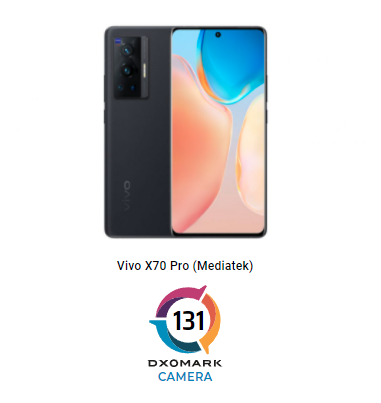
The Chinese smartphone maker vivo launched the global variant of the vivo X70 Pro back in September. The device was recently put through the DxOMark camera test where it managed to score 131 points, topping the chart in the premium smartphone category.

vivo X70 Pro DXOmark

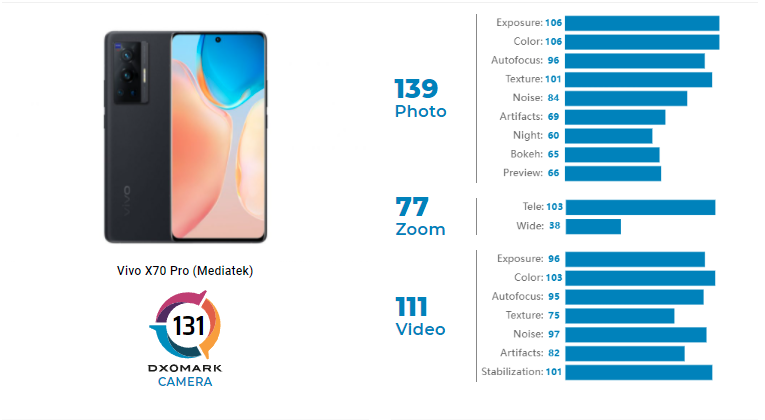
In the DxOMark camera test, the vivo X70 Pro (MediaTek variant) achieved a notable score of 131 points. Its camera scored 139 points, while its zoom and video scores reached 77 and 111 points, respectively. Through these scores, the X70 Pro secured the top position in DxOMark’s premium smartphone camera list, dethroning the iPhone 13. The X70 Pro currently sits at the 12th spot on the DXOmark’s global rankings for smartphone cameras.
Looking at the tests, the device showed great performance when it came to exposure of the shots in low light and offers a wide dynamic range. The camera produces nice colors and captures well-detailed images in low light. The X70 Pro also offers accurate autofocus, a wide depth of field, accurate white balance on ultra-wide camera, and good details at medium-range telephoto shots.

While shooting videos, the X70 Pro provides good exposure, accurate white balance, and satisfactory details in bright light. The camera also offers effective stabilization of video.

vivo X70 Pro DXOmark

However, DxOMark found the white balance lacking in indoors and low light photos. The finer details in high contrast scenes suffer from clipping issues and the shots are observed to have slight noise in all conditions. Some major issues found in the tests were the shutter lag and sudden resolution drops in consecutive pictures in telephoto mode. While filming in low light, autofocus is unstable and videos lack detail.

Despite these flaws, the vivo X70 Pro has claimed the camera performance crown in the premium smartphone category and has set a record high camera score in this segment.


RELATED:


OPPO Find X5 Pro may be the first to feature Dimensity 9000 SoC

Earlier this week we reported that the MediaTek Dimensity 9000 SoC is expected to launch in the first half of 2022 and will be featured in upcoming Redmi and OPPO devices. Now, a new report has emerged giving a more precise time frame for the SoC launch as well as the first device that is expected to come with the Dimensity 9000 chip.

MediaTeK Dimensity 9000

According to a report by ITHomeMediaTek will be launching their Dimensity 9000 flagship SoC sometime in the month of February-March. OPPO’s upcoming flagship is expected to be the first device to house the new SoC. 

Previous leaks have revealed that OPPO is working on its next flagship dubbed the Find X4 Pro; however, the upcoming flagship might be named the OPPO Find X5 Pro due to number 4 being considered an unlucky number in China

OPPO Find X5 Pro Specifications (rumored)

OPPO Find X5 Render
OPPO Find X5 / X5 Pro renders by OnLeaks / Prepp.in

So far, the rumored specs of the upcoming OPPO Find X5 Pro reveal that the phone will come with a 6.7-inch AMOLED LTPO 2.0 display that offers a Quad HD+ resolution of 1440 x 3216 pixels and a 120Hz refresh rate.

The rear camera setup of the device is fitted with a 50-megapixel Sony IMX766 primary camera with OIS support. It is coupled with a 50-megapixel ultrawide lens and a 13-megapixel tertiary camera. For selfies, the display punch-hole of the X5 Pro will house a 32-megapixel Sony IMX709 camera.

It will be packed with a 5,000mAh battery that supports 80W fast charging and 50W wireless charging. The device is likely to run on the latest Android 12 with ColorOS 12 on top. For security, it will feature Goodix G7 in-screen fingerprint scanner.

Earlier reports state that the  Snapdragon 8 Gen 1 SoC will be powering the device along with OPPO’s MariSilicon X chip. However, if the latest leaks are to be believed, the OPPO X5 Pro might ditch the SD 8 Gen 1 in favor of the upcoming Dimensity 9000 chipset.

The MediaTek Dimensity 9000 SoC adopts the combination of TSMC’s 4nm process + Armv9 architecture and has a high-performance Cortex-X2 super core. The SoC also consists of three Arm Cortex-A710 cores clocked at 2.85GHz and four Arm Cortex-A510 energy-efficient cores. Additionally, the Dimensity 9000 supports LPDDR5X memory.

RELATED:


Entire iPhone 14 lineup could feature 120Hz display, 6GB RAM: Report

In September 2021, Apple released the iPhone 13 series out of which, the iPhone 13 Pro and 13 Pro Max carry the 120Hz refresh rate LTPO panel but the vanilla iPhone 13 and 13 Mini models are still stuck on the traditional 60Hz refresh rate. Now, as per recent leaks, the entire upcoming iPhone 14 lineup will feature the 120Hz refresh rate panel.

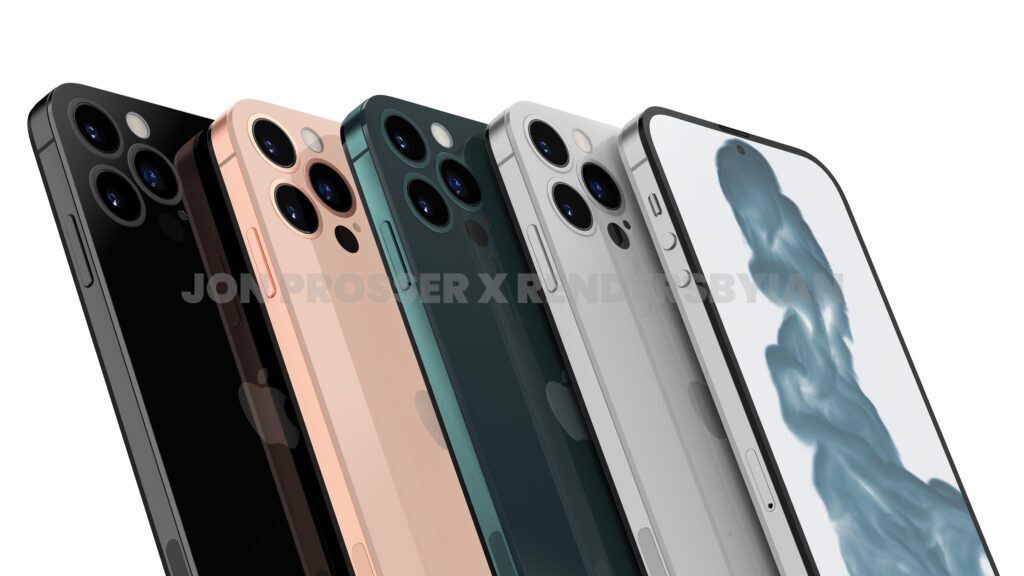
iPhone 14 render featured


As per a MacRumors report, Analyst Jeff Pu outlined that all iPhone 14 models will feature a 120Hz LTPO ProMotion display.

For those unaware, Apple’s ProMotion display is basically its name for the adaptive refresh rate technology. ProMotion allows the refresh rate to change from 120Hz to 10Hz depending on the content being displayed on the screen. So a static website will be played at a 10Hz refresh rate and a game at a 120Hz refresh rate. This allows for battery conservation by reducing the screen’s refresh rate when not needed.

Previously, Pu had also predicted that iPhone 14 Pro models would have an increased RAM of 8GB but based on supply chain sources, he has now speculated that all four iPhone 14 models will be equipped with 6GB of RAM because of the cost considerations.

Although this means nothing when you consider the current pro models, however, an increase to 6GB RAM would be great for standard iPhone 14 models as well as the rumored iPhone 14 max.

Apple iPhone 14 Pro Render

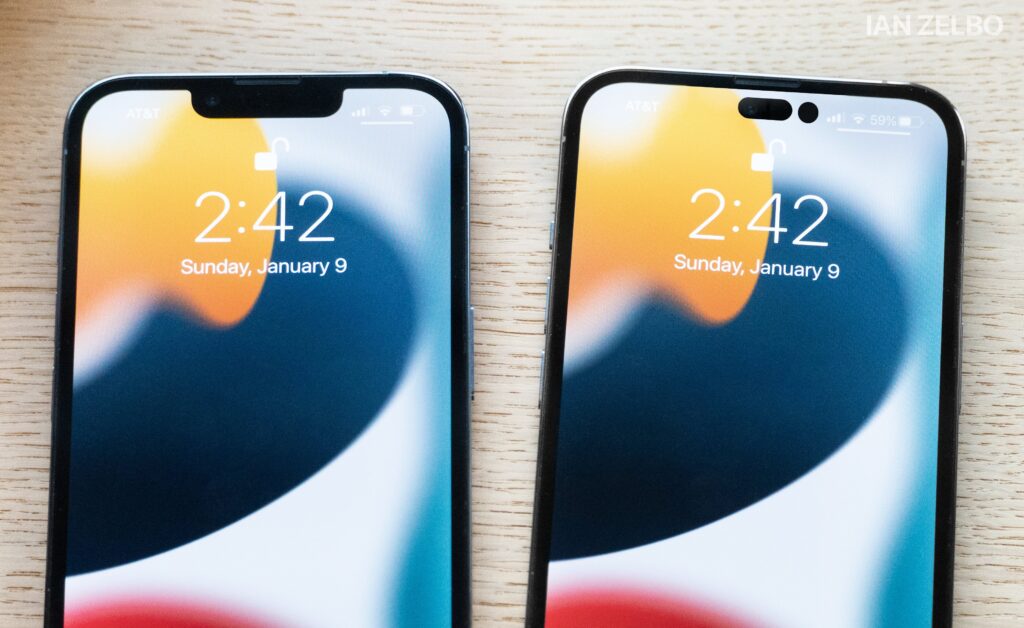
Previous rumors have also hinted that the upcoming iPhone 14 Pro will have a pill-shaped front camera cutout instead of the wider notch to house the front-facing camera. But a later report states that there will be two cutouts on the iPhone Pro, one pill-shaped cutout and another punch-hole cutout. These cutouts are said to house the front camera as well as the Face ID sensors.

Other than the screen, the iPhone 14 Pro is also expected to come with a 48MP main camera sensor which will be the largest resolution sensor on an iPhone yet.


RELATED:


ColorOS 12 stable update live for OPPO F19 Pro+ 5G, Reno6 Z 5G, A73 5G

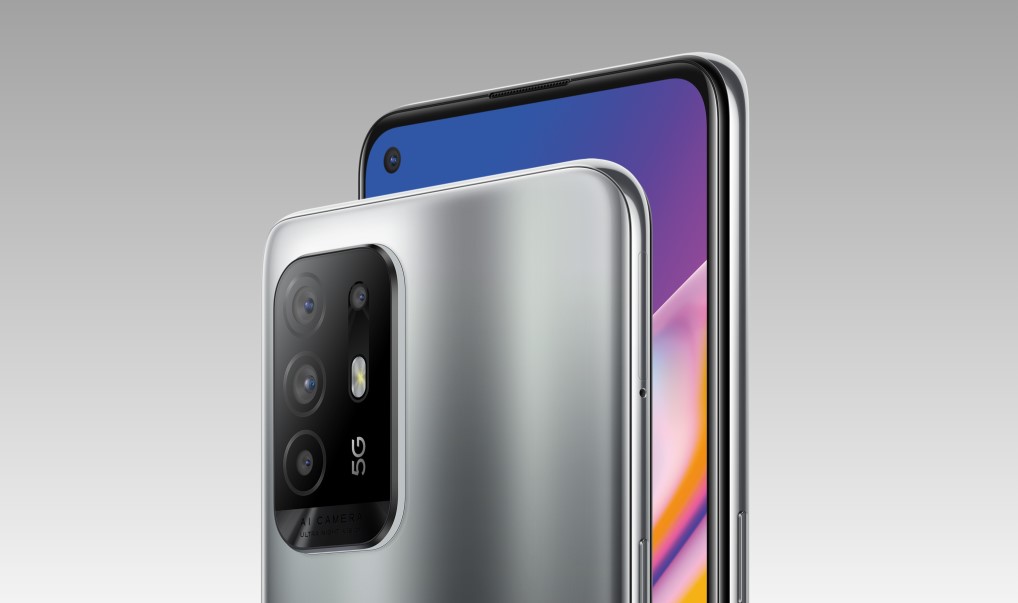
OPPO has started pushing the Android 12-based ColorOS 12 stable builds for more smartphones. The latest devices to receive the latest software update are OPPO F19 Pro+ 5G, OPPO Reno6 Z 5G, and OPPO A73 5G. All three of them got access to beta releases in December alongside OPPO A74 5G, which had already bagged the stable update recently.

OPPO F19 Pro Pro+ 5G
OPPO F19 Pro+ 5G

According to the official announcement posts on OPPO Community, the Android 12 stable update is now live for the following handsets in the mentioned regions.

OPPO F19 Pro+ 5G

  • Required Firmware: A.09, A.10
  • Firmware Version: C.14
  • Region: India

OPPO Reno6 Z 5G

  • Required Firmware: A.14
  • Firmware Version: C.14
  • Region: Cambodia, Thailand, Vietnam UAE

OPPO A73 5G

  • Required Firmware: C.06
  • Firmware Version: F.14
  • Region: Saudi Arabia

Users of the aforementioned handsets can head over to Settings > Software Update to check whether their unit has received the update. Since OTA system updates are usually rolled out in batches, the builds might take some to reach every user.

Also, it is worth noting that OPPO has kickstarted the rollout ahead of the schedule like always. These phones are supposed to get the update on January 18 and 20. Hence, we may see a wider availability from these dates.


RELATED:             


Xiaomi 12 Ultra to feature a 5x periscope telephoto lens

Xiaomi is expected to launch the Xiaomi 12 Ultra soon and the device is appearing on more leaks lately. Last time, the popular tipster DigitalChatStation revealed that the phone may have a similar camera setup to that of its predecessor. Now, he suggests that out of its rumored quad-camera system, one of the lenses will be a 5x periscope camera.

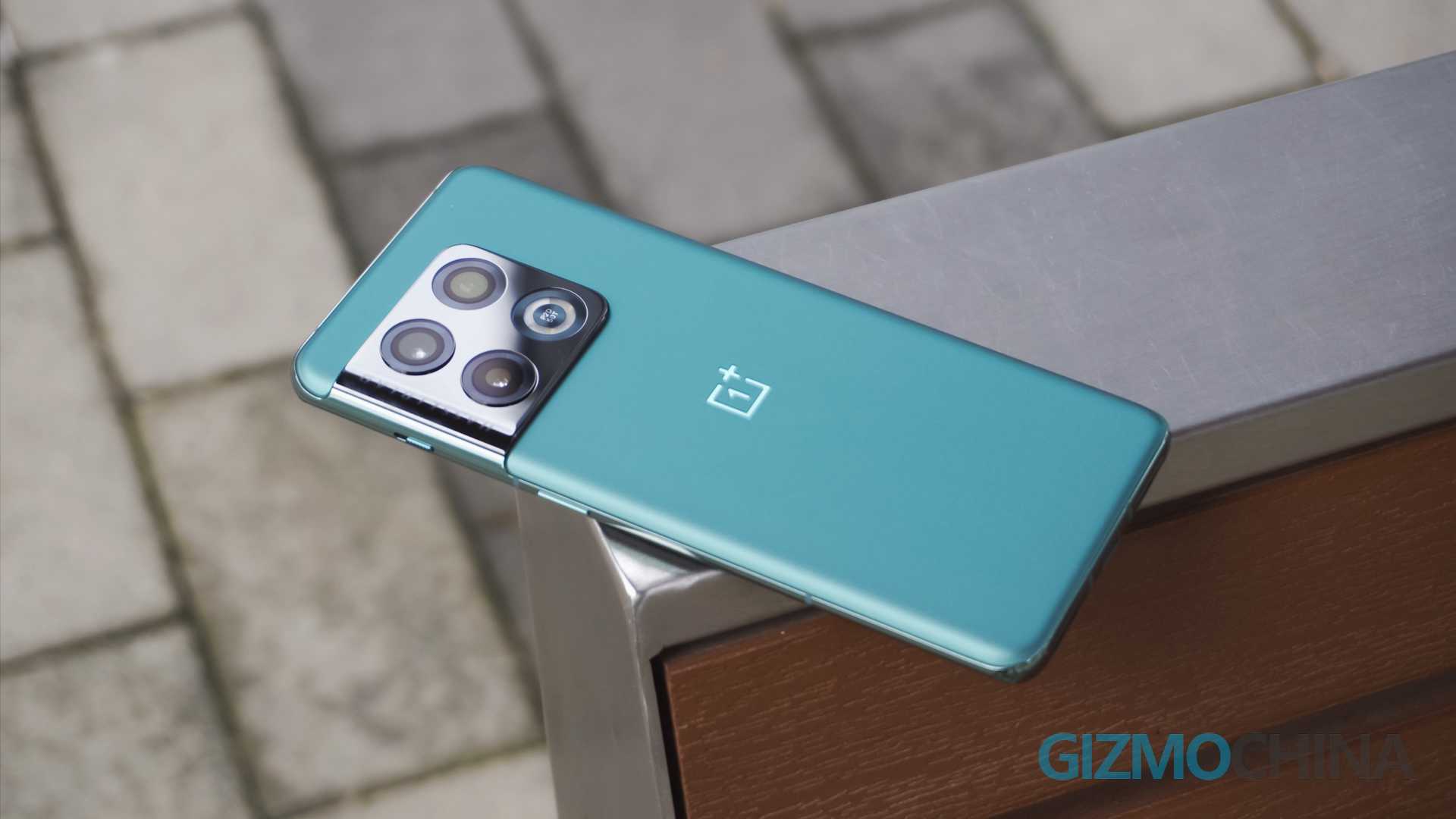
If the Xiaomi 12 Ultra gets a 5x periscope telephoto lens, it will be one of the first few Chinese phones to come with such an optical zooming range in the market this year. Earlier, the tipster revealed that almost no phone in the market has a good zooming range when it comes to telephoto sensors. Most of the devices are stuck at 3x to 3.3x optical zoom, like the recently released OnePlus 10 Pro.

Xiaomi 12 Ultra 5x periscope lens

Now, the upcoming Xiaomi 12 Ultra may bring a relatively better telephoto sensor. Rumors are also rife that Xiaomi may implement its in-house Surge chip in the 12 Ultra. In addition to this, the phone’s cameras are said to be powered by Leica optics.

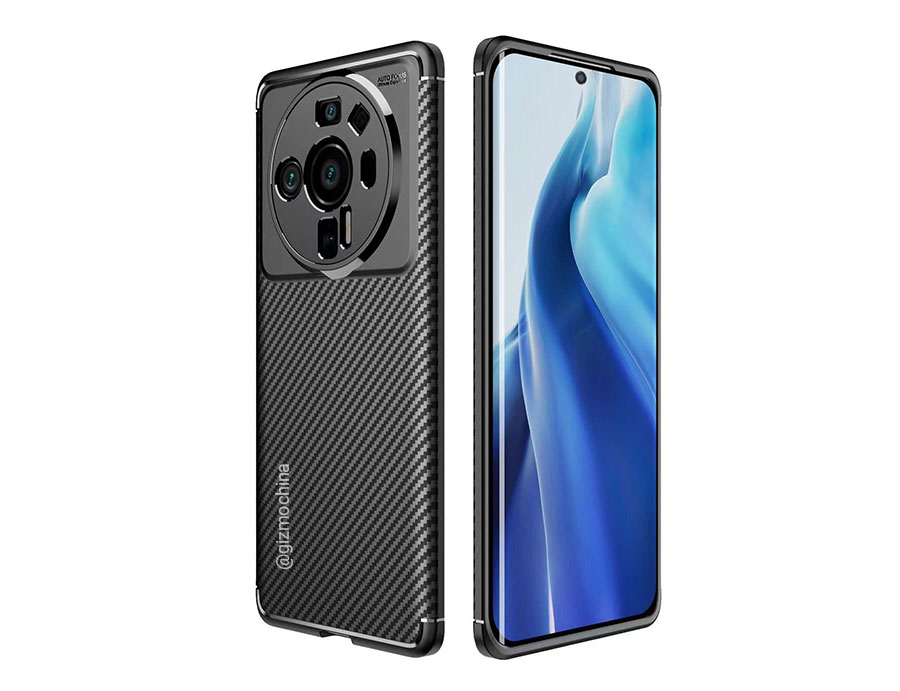
For those unaware, the Xiaomi 12 Ultra is touted to come with four cameras at the back. As per the leaked renders, it could be a circular camera housing. Furthermore, our recent case leak showed the phone’s front profiles as well.

xiaomi 12 ultra case

The smartphone is expected to have a 6.6-inch AMOLED panel with a 2K resolution. This time around, there won’t be a secondary screen like its predecessor. It will be powered by the latest Snapdragon 8 Gen 1 SoC and feature a crazy fast 120W wired fast charging solution. The phone may have fast wireless charging, similar to its sibling, the Xiaomi 12.

Xiaomi 12 Ultra’s launch continues to be a mystery, however, it is rumored to debut after the Chinese Spring festival. So, expect a launch by the end of February.

RELATED:

OnePlus 10 Pro gets listed online hinting at a sooner India launch; Nord CE 2 may as well release later

This week, OnePlus took wraps off the OnePlus 10 Pro in China. The smartphone comes with a new design, the latest hardware, and fairs at a premium price. However, the phone isn’t available in the global markets yet, nor has OnePlus officially announced it. But today, tipster Mukul Sharma revealed that the flagship device was found listed online hinting at a sooner India relase. Additionally, the phone has also bagged a few local certifications.

The OnePlus 10 Pro’s listing doesn’t reveal anything apart from its existence. The certifications, however, reveal that the phone has NFC and Bluetooth v5.2 support. The phone was spotted on FCC, BIS, and Bluetooth certification sites.

If we take look at the phone, it will stand above the recently launched OnePlus 9RT. The phone has the latest Qualcomm Snapdragon 8 Gen 1 SoC and packs a 5,000mAh battery. The device has 80W wired and 50W wireless SuperVOOC fast charging technology.

The smartphone comes with a new design offering a squarish camera module that is protruded. It has a 6.7-inch LTPO AMOLED screen with QHD+(3216 x 1440 pixels) resolution.

OnePlus 10 Pro hands-on featured 3

It has Gorilla Glass Victus protection and a refresh rate of 120Hz. It sports a triple camera system with a 48MP Sony IMX789 sensor, a 50MP Samsung ISOCELL JN1 sensor, and lastly an 8MP 3.3x telephoto lens. Upfront, it has a 32MP selfie snapper. The rear sensors are powered by Hasselblad.

In related news, the OnePlus Nord CE 2’s listing was also spotted by Mukul. It also hints that the phone’s launch is drawing near. As of now, there are very few details about the device but we expect it to launch sometime later in India and Europe.

RELATED: