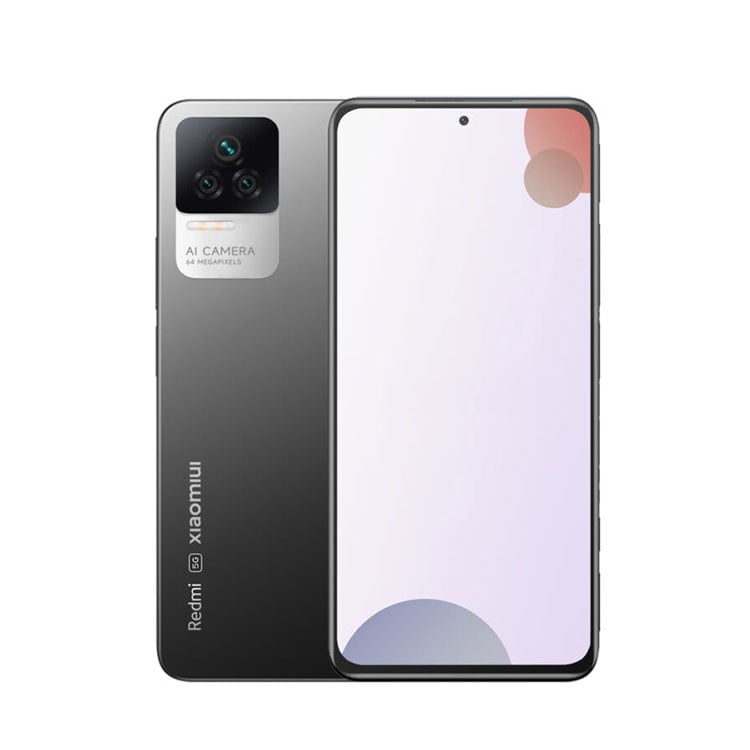
Vivo has quietly launched two new budget smartphones in China. These devices are officially called vivo Y10 and vivo Y10 (t1 version) respectively. They are almost identical to each other, except for the chipset, storage type, and Bluetooth version. They arrive in similar color options and cost the same.
vivo Y10 / vivo Y10 (t1 version)
Vivo Y10, Vivo Y10 (t1 Version) Specifications and Features
As mentioned earlier, the newly unveiled Vivo Y10 and Vivo Y10 (t1 Version) are almost the same. The only differences are that the latter features a MediaTek Helio P70 SoC, UFS 2.1 storage, ad Bluetooth 4.2 instead of MediaTek Helio P35 chipset, eMMC 5.1 storage, and Bluetooth 5.0.
The handsets sport a plastic body with a shiny look and a matte finish. They measure 163.96 x 75.20 x 8.28mm in dimensions and weigh 179g.
The phones are equipped with a 6.51-inch display (LCD) with a resolution of 1600 x 720 pixels (HD+), 16.7 million colors, a 60Hz refresh rate, and a dewdrop notch. The panel has a 1500:1 contrast ratio, an 89% screen-to-body ratio, and a 20:9 aspect ratio.
They house a 13MP (wide) + 2MP (macro) dual-camera setup on the rear. Whereas, for selfies and video calls, they have an 8MP shooter inside the notch.
Connectivity options on them include dual-SIM, 4G, dual-band WiFi, GNSS (GPS, BeiDou, GLONASS, GALILEO, QZSS), and MicroUSB port. They also have a 3.5mm headphone jack and a MicroSD card slot, in addition to a side-mounted fingerprint sensor, accelerometer, ambient light sensor, compass, and proximity sensor.
Finally, they run OriginOS based on Android 11 and are backed by a 5,000mAh battery with support for 10W charging.
Vivo Y10, Vivo Y10 (t1 Version) Price and Availability
Both the Vivo Y10 and the Vivo Y10 (t1 Version) arrive in a single 4GB + 128GB memory configuration priced at ¥1,099 ($173) in China. They can be purchased in either Glacier Blue or Moonlit Night color options.
The Vivo Y10 (t1 Version) is already up for sale in the country, while the vanilla Vivo Y10 is yet to hit the shelves.
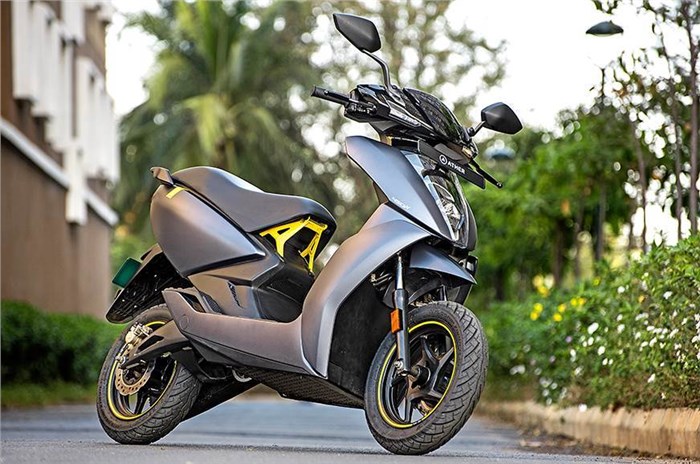
Ather Energy has just raised the prices of its 450 series of electric scooters in India. This includes the 450X and 450 Plus models, which have seen an average price hike of 5,500 INR (roughly 75 US Dollars).
Keep in mind that the exact amount may vary based on the state you live in since EV subsidies maybe different between states. According to the EV maker, the rise in price is due to the hike in input costs. Notably, the surge in price was handled by charging buyers an amount of around 5,500 INR for the Ather Dot portable charger, which was previously available for just 1 INR.
So now, the new price of the Ather 450 Plus is around 109,000 INR (roughly 1,470 US Dollars) while the higher end 129,000 INR (roughly 1,740 US Dollars) after subsidies in big cities like Mumbai. On the other hand, in cities like Bangalore, the prices of the top end 450X variant electric scooter is around 151,000 INR (roughly 2,040 US Dollars). Despite the prices of the electric scooter rising, there are no changes with the scooters in regards to design or hardware.
As of right now, the 450 Plus costs around 14,600 INR (roughly 200 US Dollars) more than the Ola S1 in Mumbai, while the 450X electric scooter is around 3,600 INR (roughly 50 US Dollars) more expensive than the Ola S1 Pro. For those unaware, the 450 series of electric scooters are manufactured in India, which has recently started ramping up production at its plant in South India.
The develop behind PUBG (PlayerUnknown’s Battlegrounds) has just recently filed a lawsuit against major companies, Apple and Google, along with the maker of “PUBG Clones” developer, Garena as well.
According to The Verge, Krafton Inc is suing Garena for developing two games that are allegedly a copy of its existing title, PUBG: Battlegrounds. This was the original battle royale game that kicked off the BR trend while also spawning its popular mobile spin offs as well. However, Garena is facing the lawsuit owing to its two mobile games, namely Free Fire and Free Fire Max. Furthermore, the company is even suing the two tech giants Apple and Google for distributing the game.
Update on the below:
1. The directors said it's not a PUBG movie, despite basically being a PUBG movie.
2. Krafton said they are considering suing given the similarities to the PUBG IP.
According to an official statement from Krafton, “Free Fire and Free Fire Max extensively copy numerous aspects of Battlegrounds, both individually and in combination, including Battlegrounds’ copyrighted unique game opening “air drop” feature, the game structure and play, the combination and selection of weapons, armor, and unique objects, locations, and the overall choice of color schemes, materials, and textures.”
Krafton is also accusing Google for hosting YouTube videos with gameplay of the two games as well as “numerous posts containing a feature-length Chinese film that is nothing more than a blatantly infringing live action dramatization of Battlegrounds.” For those unaware, Garena’s Free Fire and Free Fire Max is available in both App Store and Play Store for free. The PUBG developer even added that Garena has earned hundreds of millions from in game sales through Apple and Google app stores.
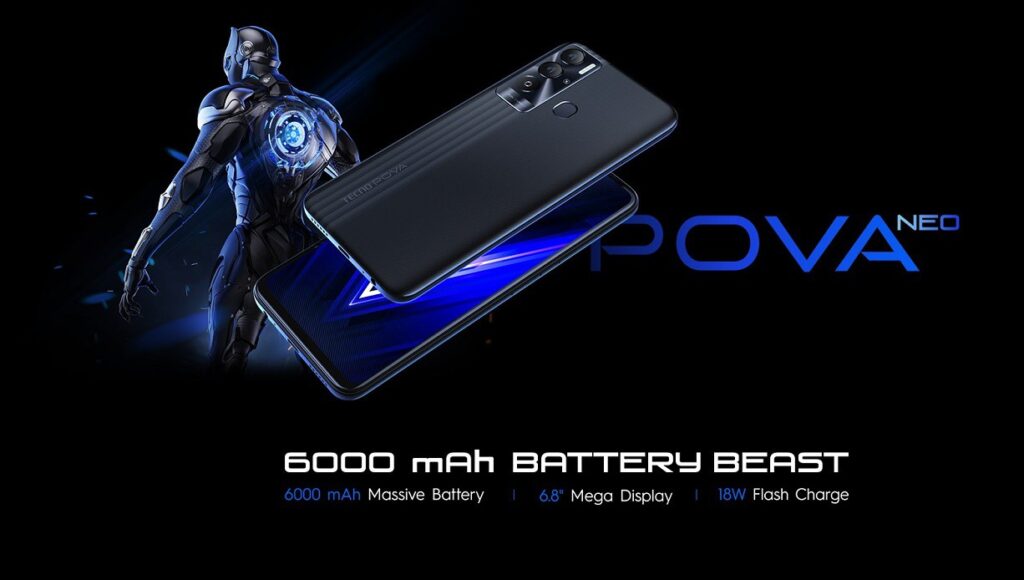
Yesterday, we reported that the TECNO POVA Neo may soon launch in India. Today, the brand has officially revealed the launch date for the handset in the country. Let’s take a look at when it will be making its way to the region.
According to the official Twitter account of TECNO, the TECNO POVA Neo will launch in India on January 20. The tweet mentions that the phone will be coming to stores on the said date. This means the smartphone will be available for purchase as soon as it gets announced in the country.
Since the device is already official in Nigeria, we know everything about it. Additionally, a tipster had earlier disclosed that the handset will arrive in a 6GB + 128GB memory configuration with a free pair of wireless earbuds as part of the launch offer.
Coming to specifications, the TECNO POVA Neo features a 6.8-inch HD+ notched display (LCD) with a 120Hz refresh rate. It is powered by a MediaTek Helio G25 SoC and runs HiOS 7.6 based on Android 11.
Further, it sports a 13MP triple camera setup and an 8MP selfie camera. Like any other budget smartphone, it has a 3.5mm headphone jack and a MicroSD card slot, in addition to a rear-mounted fingerprint sensor. Finally, it is backed by a 6,000mAh battery with support for 18W charging via a USB Type-C port.
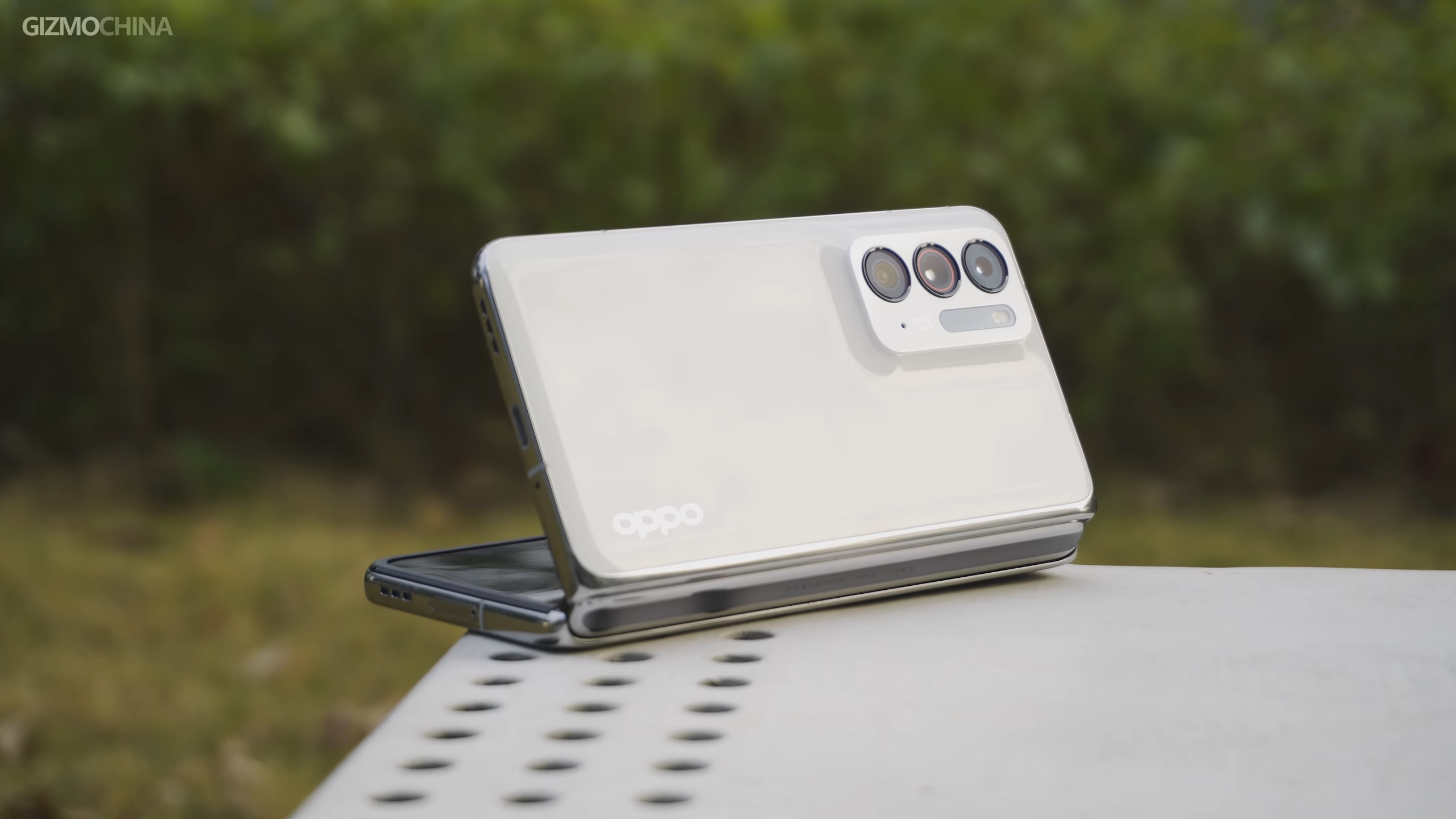
Oppo has just started the sale of its foldable smartphone again. The company’s first foldable handset, the Find N, which is finally available for sale again in China after selling out in mere minutes previously.
Earlier this month, we had reported on the Chinese smartphone maker saw great success with its Find N foldable phone, which crossed more than 1 million in bookings. While this highlighted the immense popularity of the company’s first ever foldable phone, it also showcased the lack of inventory, with bookings piling up. But now, it is finally available for purchase again, and can be purchased from the popular Chinese e-retailer JD.com.
The Oppo Find N is available in two storage configurations, namely 8GB + 256GB and the 12GB + 512GB variant. Talking about the smartphone itself, it sports a 5.49 inch AMOLED outer display and a 7.1 inch E5 AMOLED primary screen. Under the hood, it packs a large 4,500mAh battery that powers the device with 33W fast charging.
Furthermore, it packs the Qualcomm Snapdragon 888 SoC, which is paired with either 8GB or 12GB of RAM and either 256GB or 512GB of UFS 3.1 storage. On the rear, the Find N features a 50 megapixel triple camera setup, while the front has a 32 megapixel selfie shooter on the primary and secondary display. The 8GB + 256GB version is available for 7,699 Yuan (roughly 1,215 US Dollars) while the 12GB + 512GB variant costs 8,999 Yuan (roughly 1,417 US Dollars).
Back in September 2021, Lithuania had accused Xiaomi of selling their smartphones with supposed codes that would allow the company to censor certain terms. The brand has since denied this accusation, and now, another agency has backed up its claim.
For those unaware, we had previously reported on the Chinese tech giant facing allegations in the country, with the government asking users to throw away their smartphones from Chinese brands. Apparently, smartphones from Xiaomi could detect certain terms and censor them. To dispute this, the company had even hired a third party cyber security expert as well.
And now, a German IT watchdog group had also begun its own investigation into the matter. This group found no evidence of Xiaomi adding censorship tools to its phones. The IT group added that “As a result, [we were] unable to identify any anomalies that would require further investigation or other measures” (Via Reuters). In other words, it is clear that there is no evidence that would back up the accusations from the Lithuanian government.
It was claimed that using terms like “free Tibet,” “long live Taiwan independence,” and “democracy movement” were sensitive terms to some Chinese citizens, and the brand added software to identify and censor them. It remains to be seen how Lithuania responds to this report. But, it is still a win for the smartphone brand that received a hit in the region. Unfortunately, Xiaomi hasn’t responded to this news either, but stay tuned for more updates.
iQOO will be soon confirming the iQOO 9 series launch date for India. The landing page of the iQOO 9 lineup is already live on the company’s website. Ahead of the launch, tipster Yogesh Brar and YouTuber Utsav Techie have shared the major specs of the iQOO 9 series.
iQOO 9 specifications (rumored)
According to Utsav Techie, the iQOO 9 Indian variant will be arriving with a 6.56-inch AMOLED display that offers a 120Hz refresh rate, 10-bit colors, and an independent display chip. The Snapdragon 888 Plus chipset will power the device with LPDDR5 RAM and UFS 3.1 storage.
The device will offer Android 12 out-of-the-box experience. While it is expected to arrive with 120W fast charging, there is no word on its battery size. The rear side of the device will feature a 48-megapixel (main, with gimbal OIS) + 12-megapixel (ultrawide) + 13-megapixel triple camera unit. The leak has no information on its front camera. The device is expected to arrive with an aggressive price tag in the country.
iQOO 9 and iQOO 9 Pro India varaints
iQOO 9 Pro specifications (rumored)
Tipster Yogesh revealed that the iQOO 9 Pro will feature a 6.78-inch curved AMOLED display that offers a 120Hz refresh rate. The Snapdragon 8 Gen 1 chipset will power the device with 8 GB / 12 GB of RAM and 128 GB / 256 GB storage. The device is likely to feature LPDDR5 RAM and UFS 3.1 storage.
The iQOO 9 Pros rear camera setup is expected to include a 50-megapixel camera, a 2x telephoto camera, and an ultrawide lens. The device is expected to arrive with support for gimbal OIS. It will house a 4,700mAh battery that supports 120W fast charging and it will run on Android 12 OS.
boAt has just announced a new wearable product in India. It is a new smartwatch that is called the Watch Matrix, which is a budget smartwatch and features an AMOLED display and various health related features as well.
The smartwatch sports a 1.6 inch 2.5 Curved AMOLED screen that supports Always on Display. It features SpO2 blood oxygen monitoring, heart rate sensor, sleep mapping, and other health related tracking as well. The wearable device even offers smart activity tracking to record various things like calories burnt, steps taken, and also total distance traveled.
The boAt Watch Matrix can offer up to 7 days of battery life on a single full charge. However, enabling Always on Display cuts it down to just 2 days. Furthermore, the wearable also supports customizable watch faces along with notifications call alerts, camera and music control and more. The Watch Matrix arrives with 3ATM dust and water resistance rating as well. Buyers can even earn rewards and badged through the companion Crest app.
As of right now, the boAt Watch Matrix is priced at 3,999 INR (roughly 54 US Dollars) and can be purchased in multiple color variants. This includes the Black, Blue, and White colour options. It will be available on Amazon India website, although, the official release has yet to be revealed.
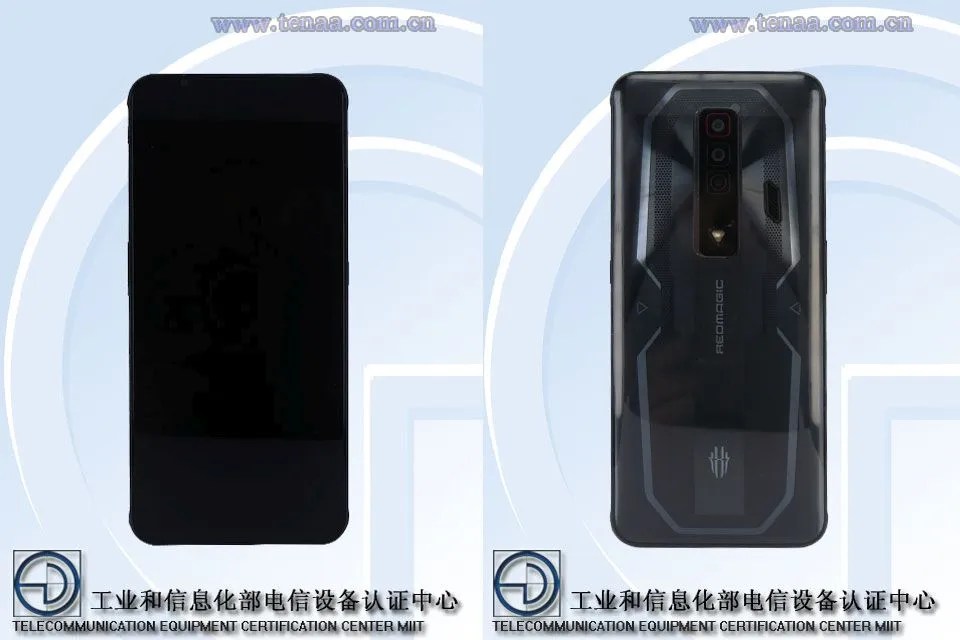
REDMAGIC 7 is expected to launch soon in China. The reason behind it is that it was recently spotted at TENAA. While the certification had revealed its entire specifications, its images were not available yet. Today, the Chinese certification platform updated the listing with its images to reveal its design (via).
The TENAA images of the REDMAGIC 7 shows that it carries the same design language as the predecessor REDMAGIC gaming smartphones. Placed on the front is a full-screen display with symmetrical bezels at the forehead and chin. The device features a massive 6.8-inch OLED screen that offers an in-screen fingerprint scanner. It carries support for a Full HD+ resolution and is speculated to carry support for a 165Hz refresh rate.
RedMagic 7 TENAA images
Moving to the rear side of the device, its triple camera setup and an LED flash can be seen arranged in a straight line at the top centre. It is followed by the “Red Magic” branding in the middle. Towards the bottom is the logo of the brand. The design of the camera module of the REDMAGIC 7 is slightly different from the REDMAGIC 6S series that has a gap between the camera setup and the LED flash.
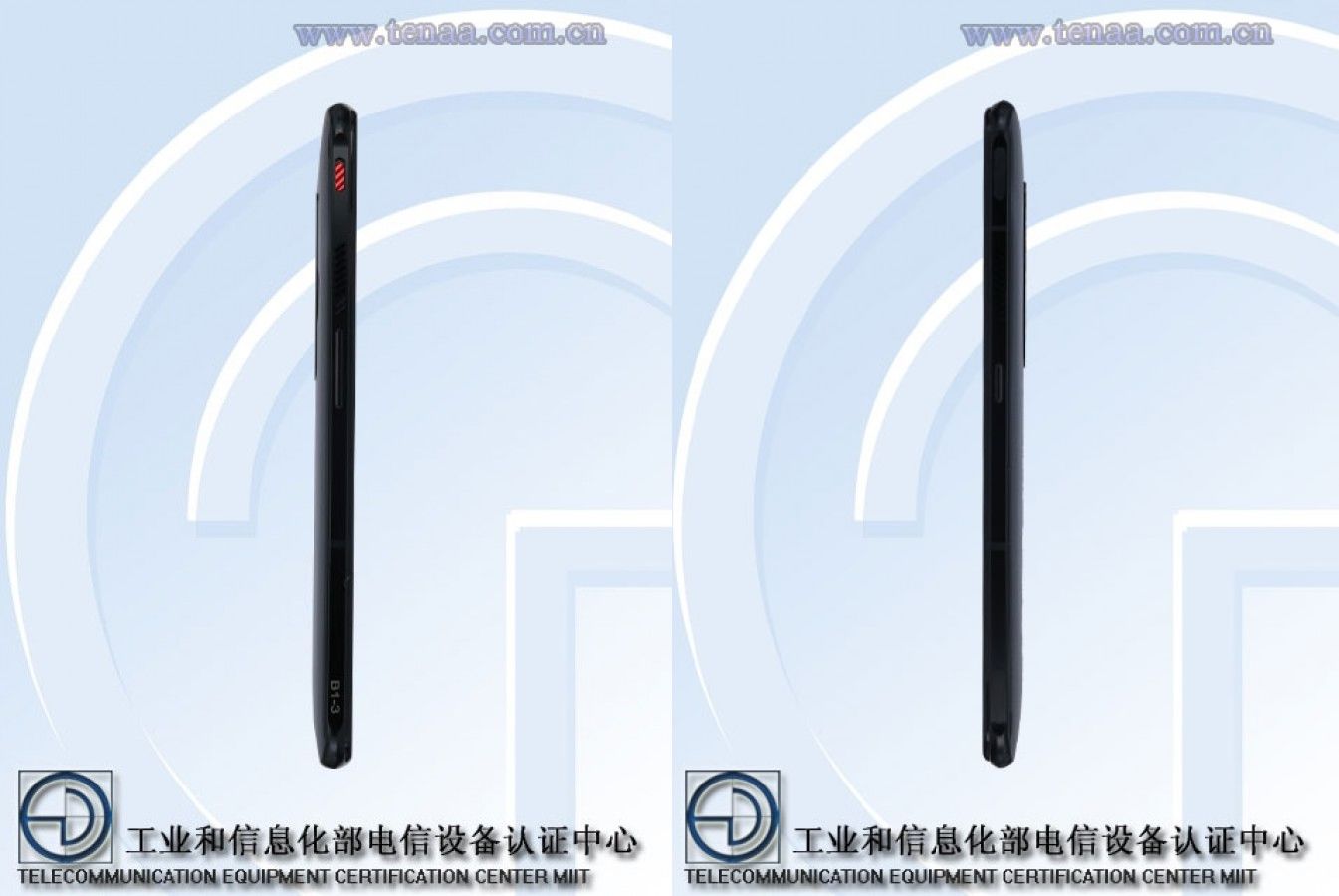
The right edge of the REDMAGIC 7 is fitted with a power key and gaming trigger buttons. On the left side, it has a game mode slider and volume buttons.
The Snapdragon 8 Gen 1 chipset is expected to fuel the REDMAGIC 7. It is likely to arrive with 8 GB, 12 GB, 16 GB, and 18GB of RAM and 128 GB, 256 GB, and 512 GB of storage. It is speculated to house a battery of around 4,500mAh. The 3C certification of the device revealed that it may carry support for 165W rapid charging.
The camera details of the REDMAGIC 7 are not known yet. It has a 64-megapixel primary camera on the back, while there is no word on its front camera. It is speculated to come with Red Magic UI flavored Android 12 OS.
In February 2021, Redmi unveiled the Redmi K40, K40 Prov, and K40 Pro+ smartphones in China. Hence, it appears that the company may unveil multiple Redmi K50 models in the coming month in China. According to a new Weibo post by Digital Chat Station, the K50 lineup will include at least three models such as Redmi K50, K50 Pro, and K50 e-sports edition, which seems to be the Redmi K50 Gaming Edition.
The tipster revealed that the Redmi K50 trio will come equipped with a side-facing fingerprint scanner. Previous reports have claimed that these models will be sporting an OLED display. The leaker added that there is another K50 series model with an in-screen fingerprint scanner. In addition, he revealed that Redmi is currently testing a new phone with shortened L16 / L16U model number. It may arrive in the Chinese market as the Redmi Note series device. Also, there is a 4G Redmi phone with an L19 model number, which is expected to feature a waterdrop notch display.
Redmi K50 Pro render
Redmi K50 Gaming Edition specifications
Another tipster has shared some vital information on the specs of the Redmi K50 e-sports edition. Panda is Bald revealed that the device measures 162 x 76.8 x 8.45mm and weighs 210 grams. It houses a 6.67-inch display, which appears to be an OLED curved edge panel that supports a Full HD+ resolution.
For photography, it will feature a 16-megapixel front camera and a 48-megapixel / 64-megapixel (main) + 13-megapixel + 2-megapixel triple camera unit. The device will be equipped with dual VC colling system and gaming shoulder trigger keys.
The Snapdragon 8 Gen 1 chipset is likely to power the device. It may house a 4,700mAh battery that supports 120W fast charging. There is a possibility that the company may release a variant of the device with a somewhat less powerful chip.
OPPO is set to enter the tablet market with the launch of its OPPO Pad and the device has been leaked a few times in the past. It has also been revealed that the tablet will get launched in the second half of this year.
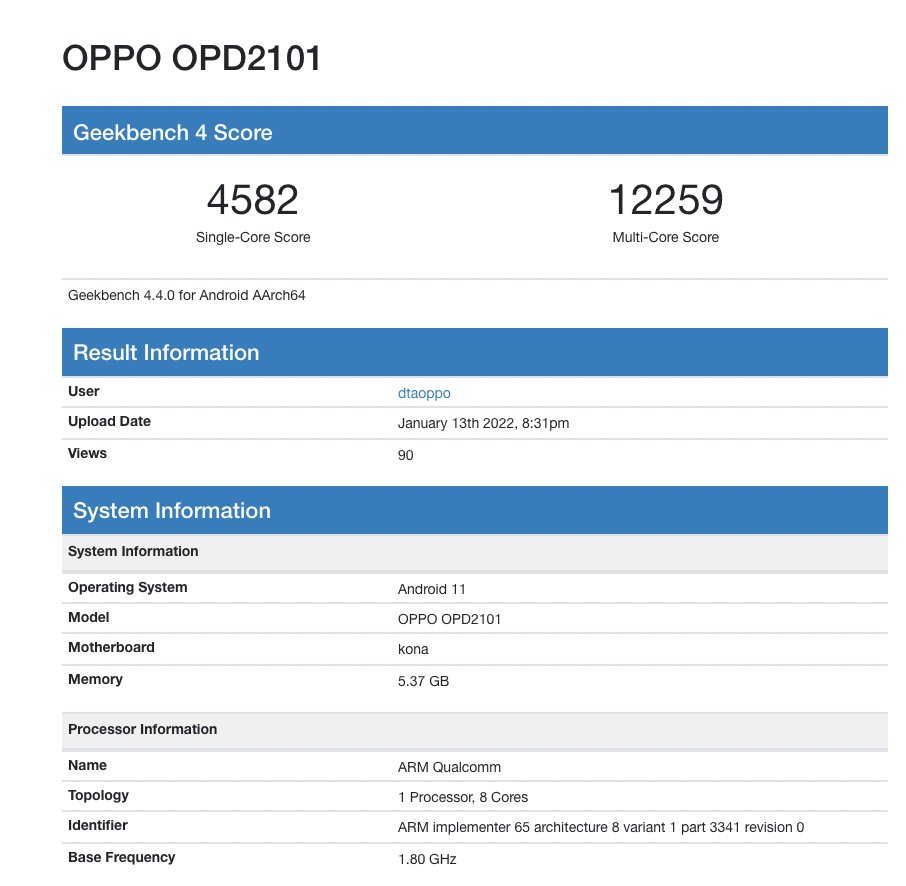
Now, in the latest leak, the OPPO Pad, carrying model number OPD2101 has appeared on the benchmarking platform Geekbench, revealing some key details about the device.
The Geekbench listing, which was shared by tipster Mukul Sharma, reveals that the device will come powered by the Qualcomm Snapdragon 870 quad-core processor clocked at 3.19GHz, coupled with Adreno 650 GPU.
The tested device packs 6GB of RAM but there could be a few other models with different memory configurations. The device managed to score 4,582 points in the single-core test and 12,259 points in the multi-core test.
It is also revealed that the OPPO Pad will run the Android 11 operating system out of the box. Similar to the smartphone from the brand, we expect the upcoming tablet to come with its own ColorOS custom interface on top.
Previous leaks have revealed that the OPPO Pad will come with an LED display that will offer a 120Hz refresh rate. As for the camera, there will be a 13-megapixel primary sensor and an 8-megapixel snapper on the front side for taking selfies and video calling. While the battery capacity is not yet known, the 3C listing has revealed 33W fast charging support.
Nvidia GeForce Now game streaming service, which is already available for web users, is now making its debut on the App Store. And with this, the Fortnite game, owned by Epic Games, will be available for iOS devices.
A closed beta version will be available next week to test server capacity, graphics delivery, and touch controls. The company has already started taking registrations and beta access will be granted to the users in batches over the next few weeks.
Making the announcement, Nvidia said: “While PC games in the GeForce Now library are best experienced on mobile with a gamepad, the introduction of touch controls built by the GeForce NOW team offers more options for players, starting with Fortnite.” The company further added that it plans to offer more touch-friendly games in the future.
Based on the information available right now, it appears that users won’t need a paid GeForce Now membership for this. Those users who have been granted access will be able to play Fortnite through Safari on iOS and the GeForce Now app on Android. So far, an end date for the beta version hasn’t been revealed.
It’s been more than a year since Epic Games’ Fortnite was removed from the Apple App Store and Google Play Store for violating policy as the game introduced its own payment engine, and since then, the companies have been tangled in a legal battle.
Currently, this appears to be the only way to play Fornite on an iOS device until the game is officially available through the App Store. However, on an Android device, as there’s support for third-party app stores, Fortnite is available to download through third-party stores or can be sideloaded or installed directly.
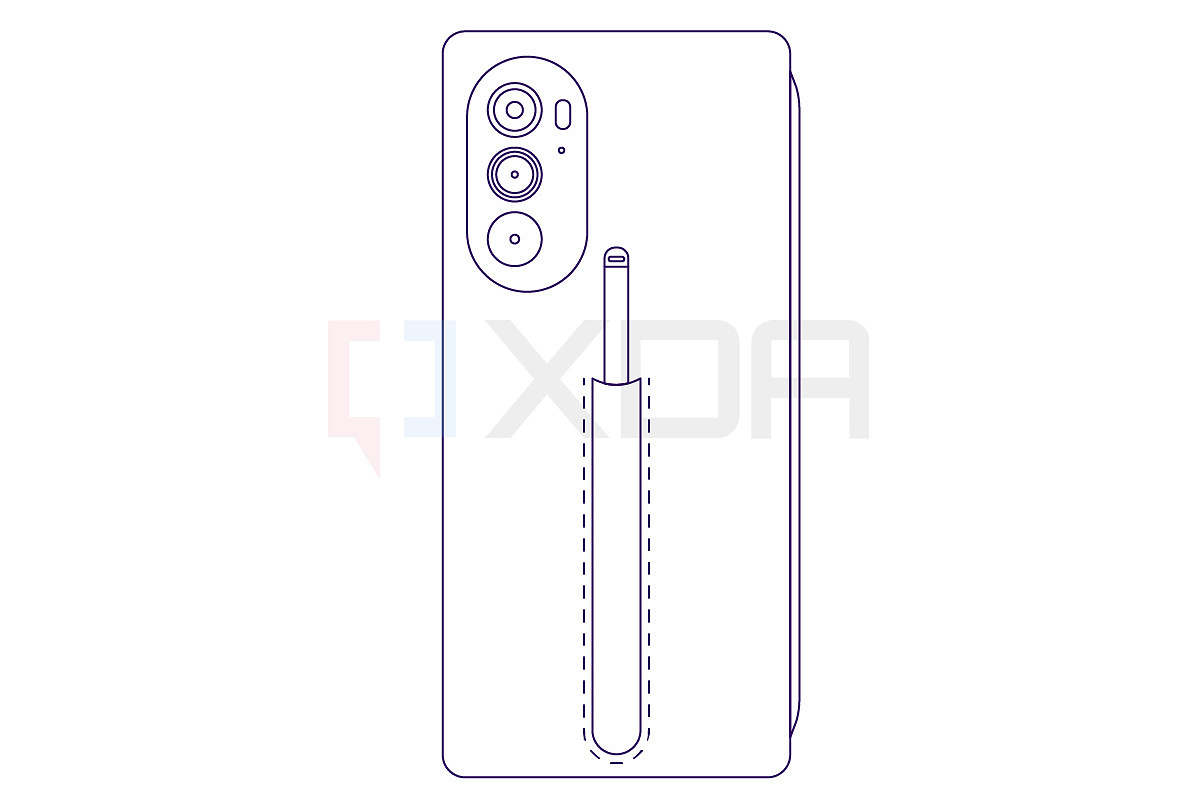
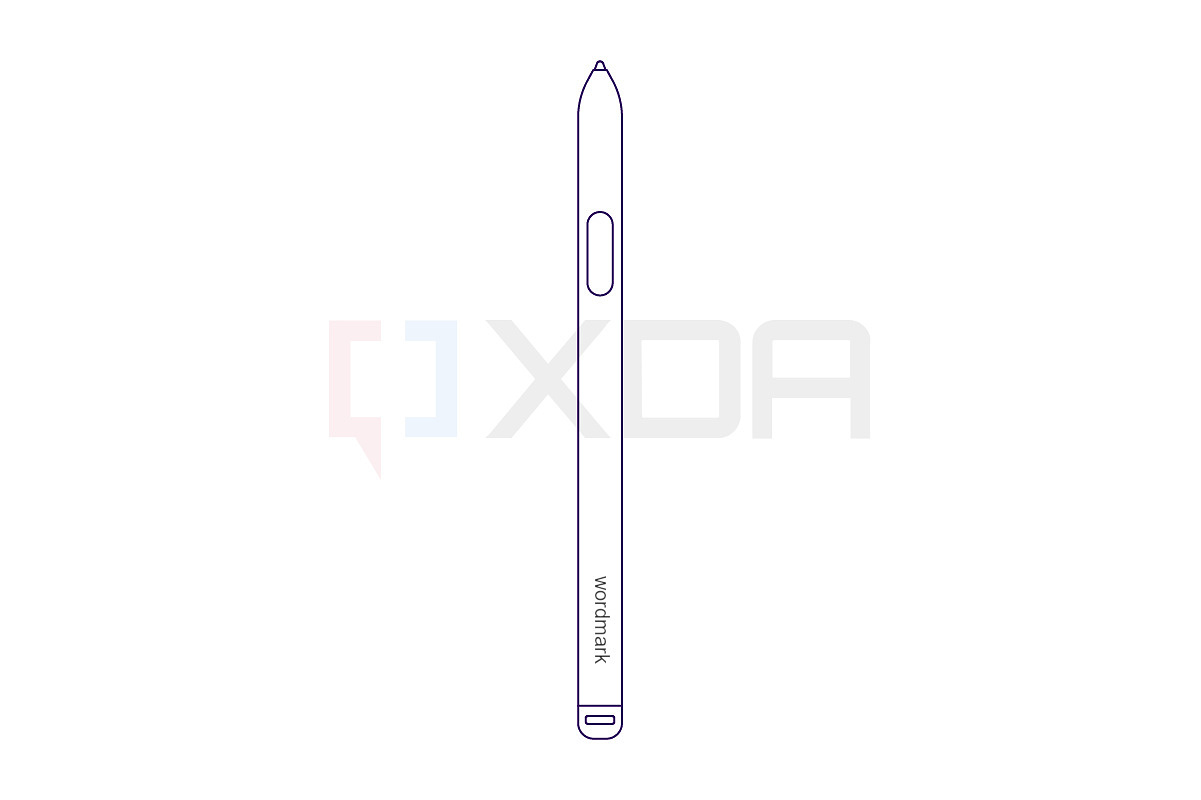
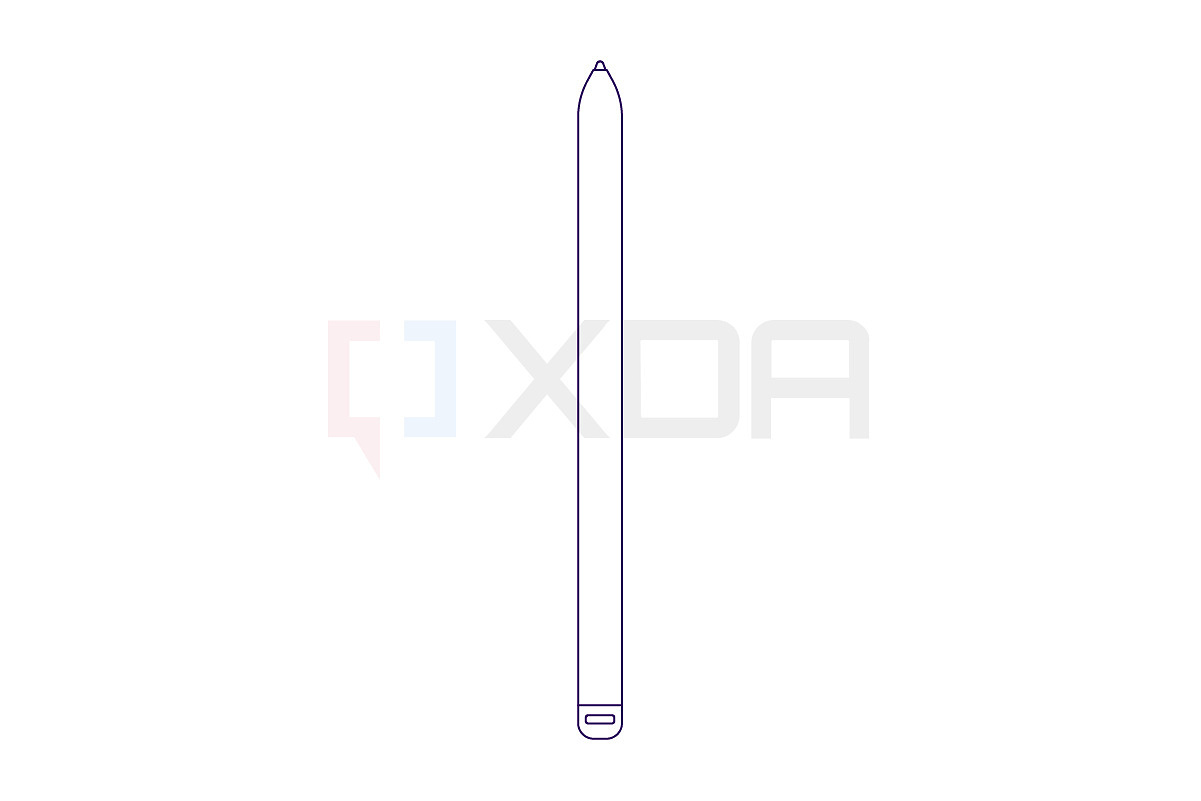
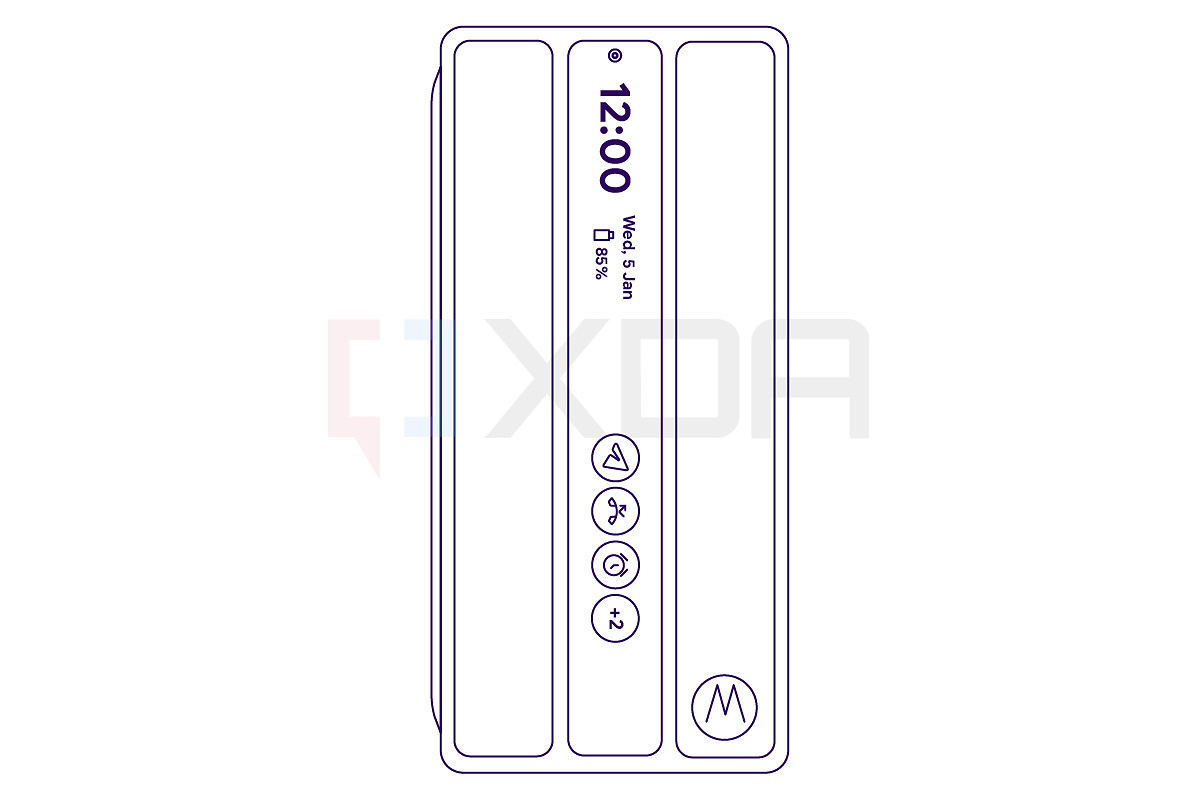
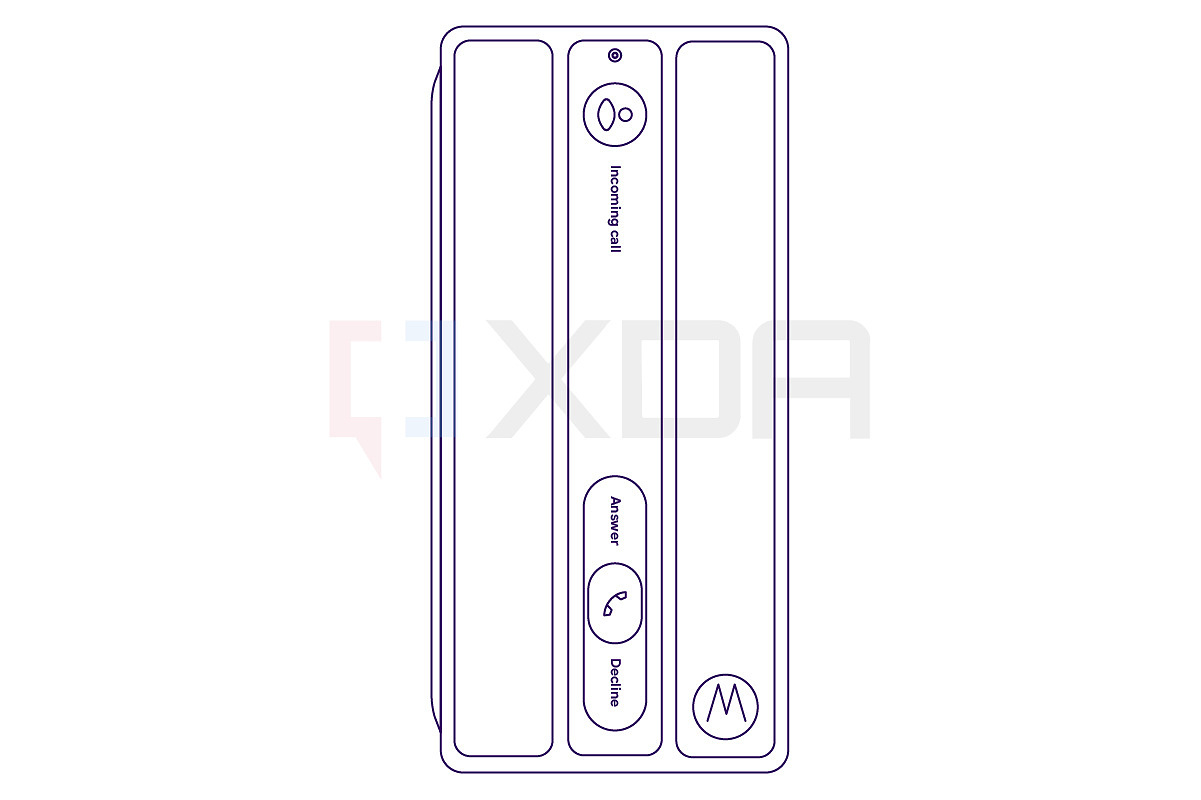
Motorola is reportedly gearing up to launch the Motorola Edge 30 Ultra flagship phones in global markets. Fresh information shared by XDA Developersreveals that the Ultra model will carry support for Motorola Smart Stylus. The report claims that the company has designed a special Folio Case, which can be used for storing the stylus as shown in the schematics image below.
Motorola Smart Stylus
1 of 3
Motorola-white-background-1-watermarked
Motorola-stylus-white-background-1-watermarked
Motorola-stylus-white-background-2-watermarked
According to the publication, the Motorola Smart Stylus pairs with a smartphone through Bluetooth. The stylus carries support for air gestures and wireless charging. In addition, it can be used as an air mouse with an external display. The Smart Stylus will be different from the stylus that will be shipped with the Moto G Stylus 2022 mid-range phone. The Smart Stylus is likely to be an advanced device like the S Pen that is designed for the Samsung Galaxy S21 Ultra.
Motorola Edge 30 Ultra Folio Case
1 of 2
Motorola-white-background-3-watermarked
Motorola-white-background-2-watermarked
The Motorola Edge 30 Ultra Folio Case can be used to house the Smart Stylus on the back. When the stylus is outside the case and not in use for a long time, the device will alert the user. Users can set an app to automatically launch when the stylus is removed from the case. When it is kept inside the case, it charges automatically.
Moving to the front side of the case, it has an open strip at the centre for viewing the display. This strip can show Always-On Display content such as time, date, and notifications. If there is an incoming call, users can answer or decline it through the display strip without opening the case.
The publication claims that the “Folio Case” is not the final marketing name, and the company may introduce it with a different moniker. It is unclear whether the Smart Stylus and Folio Case will be unveiled alongside the Edge 30 Ultra.
Google has been working on a foldable smartphone which is likely to be called Google Pixel Fold. While there have been several leaks and rumors related to this smartphone, the company has not yet officially revealed anything.
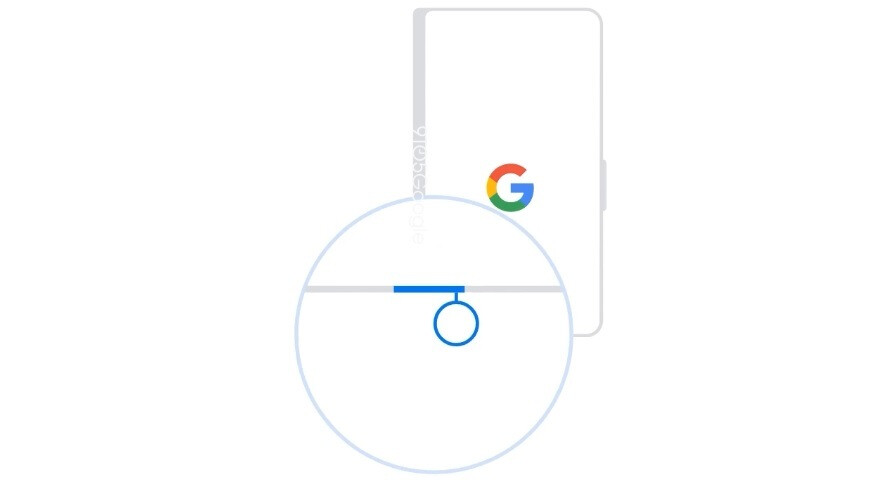
Now, a new beta version of the Android 12L has been revealed which includes an animation that is believed to be the upcoming Google Pixel Fold smartphone. The development was first reported by 9to5Google.
The animations for the SIM setup screen show a smartphone that has a larger foldable display instead of the usual single-screen design. It shows that the SIM card slot is situated at the bottom while the volume rocker keys are at the lower right side.
Based on the design of the smartphone shown in the animations, it appears that the Google Pixel Fold could be similar to the recently launched OPPO Find N instead of the Samsung Galaxy Z Fold3 because of the wider screen when unfolded.
The report mentions that the animations were added between the release of Android 12L Beta 1 and Beta 2 builds and there are also references to the “Pipit” codename which is said to be the foldable Pixel smartphone currently in development.
If the leaks are to be believed, then the Pixel Fold will come with a downgraded camera configuration compared to the Pixel 6 lineup and is also said to be powered by the Google Tensor (GS101) chipset. It is also expected to pack 12GB RAM and up to 512GB storage.
Recently, it was reported that Google was canceling parts orders for the production of the Pixel Fold, suggesting that the device wouldn’t get launched. However, the new information surfacing online indicates the phone may be available in the market.
As for the pricing, reports indicate that Google’s first foldable smartphone could be priced around $1,500 to $1,800 but when the company is demanding such premium pricing, it also needs to deliver a good product and cannot release a buggy device, something that the company did with the Pixel 6 series, which is having several issues.
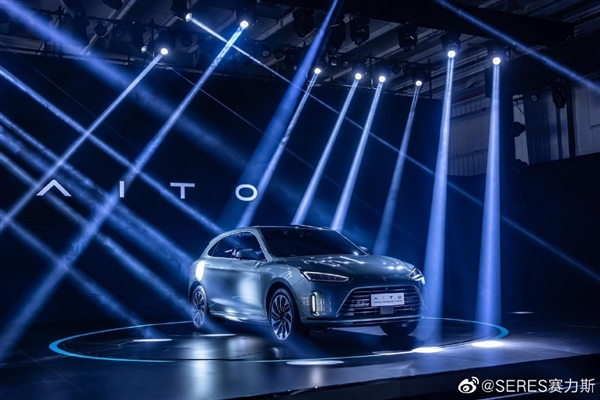
On its 23 December Winter Flagship Launch Event, besides officially announcing its premium foldable, the Huawei P50 Pocket, Huawei also took the opportunity to launch its first-ever HarmonyOS powered electric hybrid car, the Huawei AITO M5.
Huawei x Seres AITO M5 in the spotlight
According to a Chinese business media outlet, the 21st Century Business Herald, Huawei held a press media conference on January 9 at 2 pm CST at its Shenzhen Headquarters to discuss matters related to its growing smart electric car business. The conference was headed by Richard Yu, the executive director and double CEO of Huawei’s consumer business group and the intelligent automotive unit.
“At Huawei, we want our car manufacturing partners to become the industry’s most profitable car manufacturing company. We are saying this here and today to let the future know whether history has been accomplished by Huawei, a smartphone manufacturer.” Yu exclaimed.
Huawei collaborated with the famous car manufacturer, Seres, to launch its premium hybrid electric smart car series, AITO, with the first model being the AITO M5. The production and assembly of the car are handled by Seres, whereas Huawei’s role in the collaboration is in the car’s exterior design, interior comfort as well as in the marketing of the product. Richard Yu emphasized again that Huawei is not a car manufacturer, but the company wants to lend its expertise in marketing and trendsetting design to a rapidly growing car manufacturer like Seres.
Huawei AITO M5 Promo Poster
The public is curious as to why Huawei wanted to venture into selling cars, and in the meeting with the press. Richard Yu said Huawei had 3 major reasons to launch into the car market.
First, after the US sanctions, Huawei’s 5G chipset stock was gradually dwindling, leading to lower revenue from its smartphone business. Richard Yu mentioned that by diversifying Huawei’s product catalog to include cars, its retail business could survive in China, as the profit margins per unit for cars are generally higher than its premium smartphones.
Second, the economic landscape has changed after the pandemic. Customers nowadays use online retailers as their all-in-one center for all their purchasing needs, and if an unknown car manufacturer just came into the scene without building its audience, it will be a challenging task to be accomplished. With Huawei’s retail and sales network across the country, car manufacturers can save on the expensive concept store rentals, human resources as well as product marketing for their cars because Huawei is an established brand in China, and can be the one in charge of these after-sales services.
Third, collaborating with car manufacturers also helps to accelerate the adoption of a fully Huawei smart IoT ecosystem, ensuring convenience for Huawei users in China. Richard Yu mentions the HarmonyOS powered AITO M5 as an example. With HarmonyOS, one can forget the worries of losing their car keys, and unlock their keys anytime with just a tap on their phone; one can connect and sync their phone’s navigation with the car’s navigation system; one can even activate seamless hands-free mode on the car with video calls and voice calls because both are synced to same Huawei account. Richard Yu emphasized again that this is the advantage of HarmonyOS.
“With the appeal of the Huawei AITO M5 smart cars and paired with its countywide sales network, Huawei will be able to sell 300,000 smart cars in 2022.” Richard Yu boldly claims.
“With at least 1000 stores across the country, if each store sells 30 units of smart cars monthly, we can sell at least 30 thousand cars in a month. In about 10 months, Huawei will be able to reach its annual target if the pace keeps up. The car manufacturer would also receive revenues of over 100 billion RMB (~ 15.72 billion USD), and Huawei would have achieved its promise of building the most profitable car manufacturer in the Chinese market.”
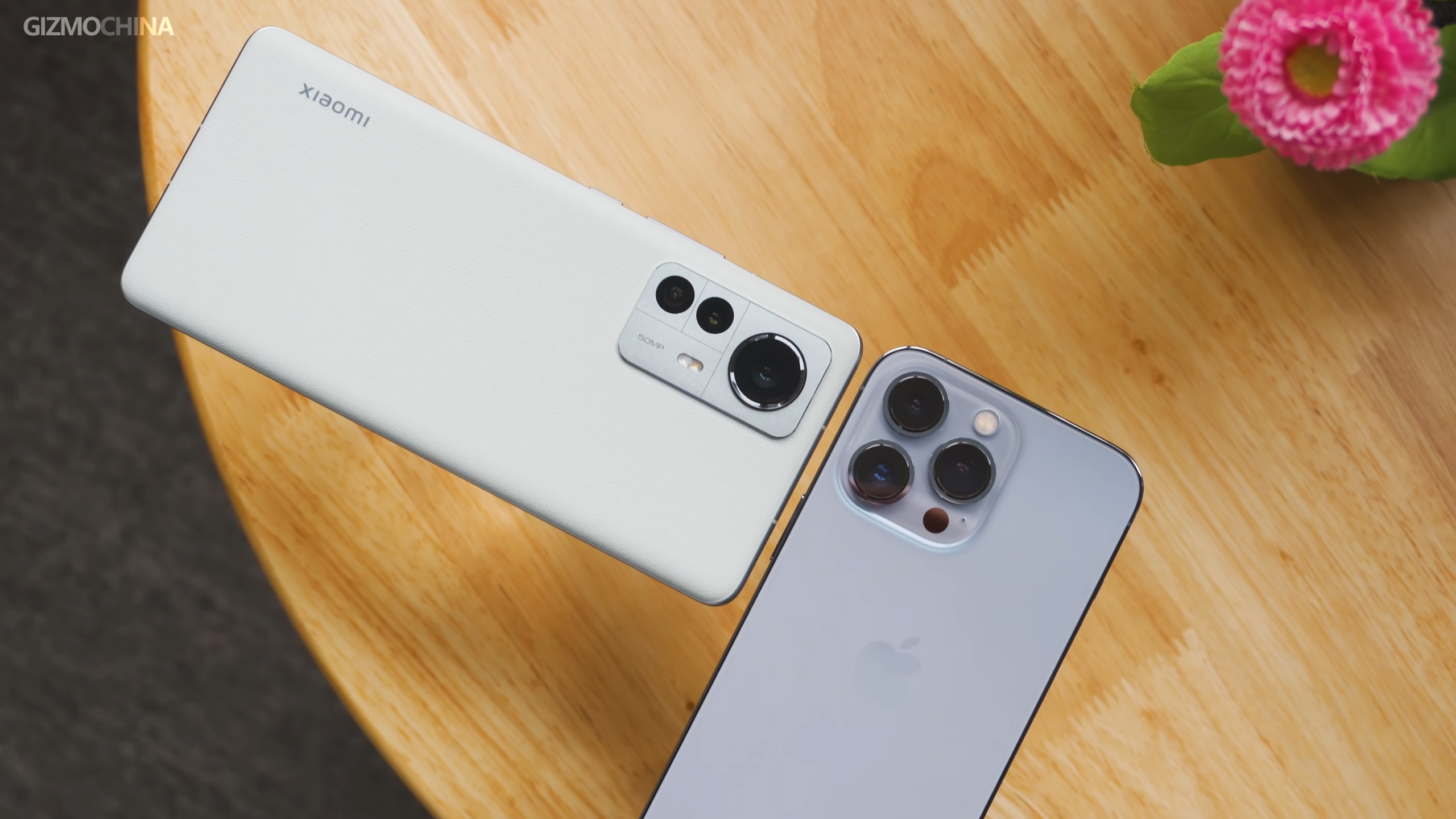
At the launch of Xiaomi 12 series, Lei Jun compared the Xiaomi 12 series with the iPhone 13 series many times. Although we’ve seen a lot of brands compare with the iPhones for references, it’s actually the first time that Xiaomi developed a complete phone line against Apple. The Xiaomi 12 Pro is undoubtedly the most striking model in the series, while its rival, the iPhone 13 Pro also happens to be the most popular iPhone of the year.
So today we’ve brought them together for a camera comparison, and let’s find out why is Xiaomi so proud to take on a rival that costs nearly twice as much as it does.
Well, let’s start with their camera setups.
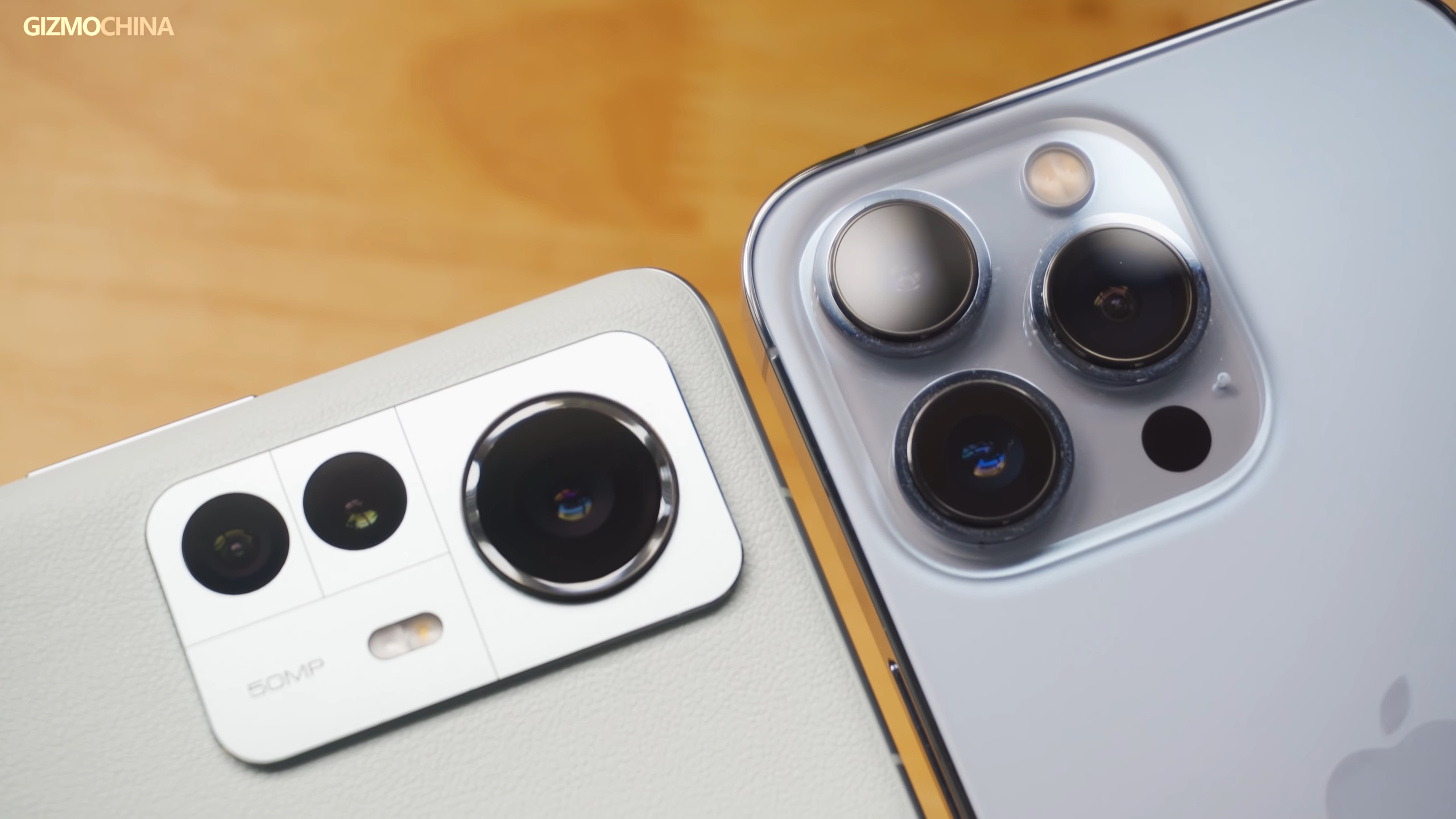
The iPhone 13 Pro is equipped with a triple-lens rear camera system, including a 26mm equivalent f/1.5 primary lens, an 13mm f/1.8 ultra-wide-angle lens, and another 77mm f/2.8 3x telephoto lens. All three cameras feature 12MP resolution. On the other hand, the Xiaomi 12 Pro seems to have a more capable camera setup on paper. It also features a similar triple-lens combination, and all three lenses feature 50MP high resolution, including its main camera, a 2x telephoto camera, and another ultra-wide lens.
Xiaomi 12 Pro vs iPhone 13 Pro – Main Cameras
1 of 12
iPhone 13 Pro
iPhone 13 Pro Main_0364
Xiaomi 12 Pro Night
iPhone 13 Pro Night
iPhone 13 Pro
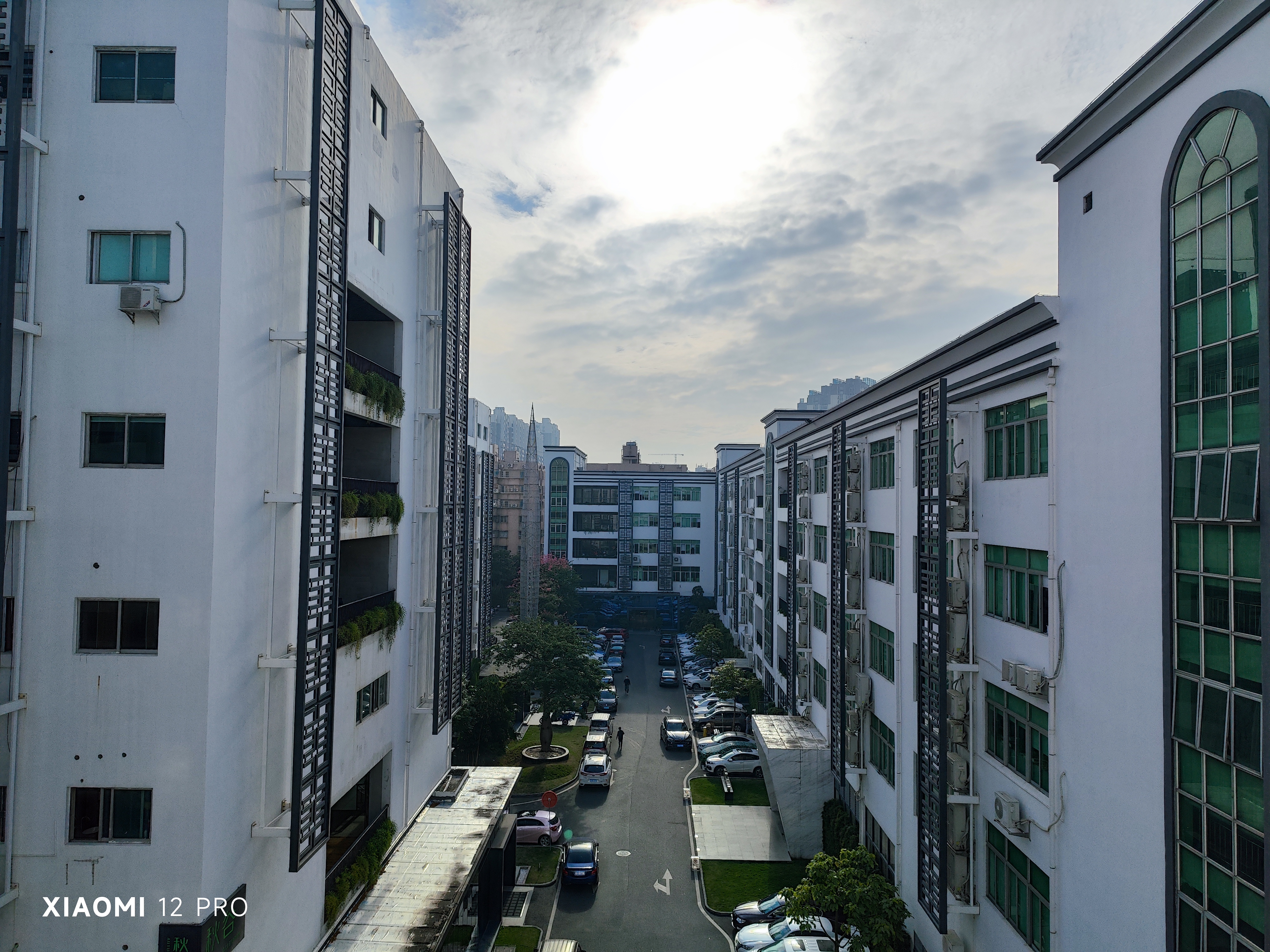
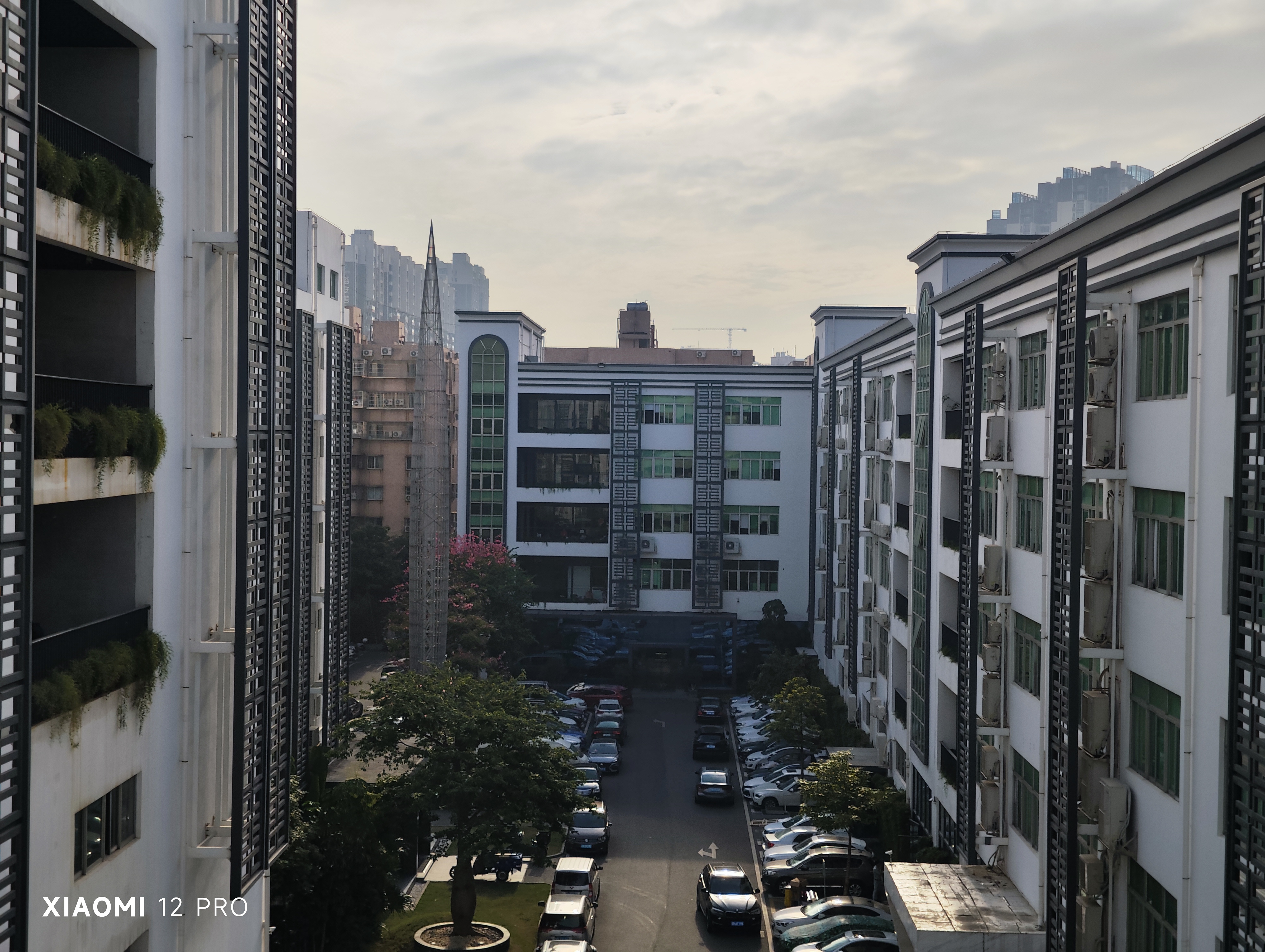
Now let’s start with their main cameras. It’s quite surprising that the Xiaomi 12 Pro applies a more aggressive color tuning, leading to samples having a more vivid color compared to what we see in real life. While the iPhone 13 Pro is good at presenting true colors along with a good white balance that reflects the actual environment. But on the other hand, the Xiaomi 12 Pro is much easier to present brighter colors with high saturation, which at first glance, is more eye-catching.
Under most conditions, the Xiaomi phone’s samples seem to have higher contrast, but if we look closely, they actually have a little gap over dark areas. Especially for high-contrast shooting, both of them didn’t really have good noise control for dark scenes.
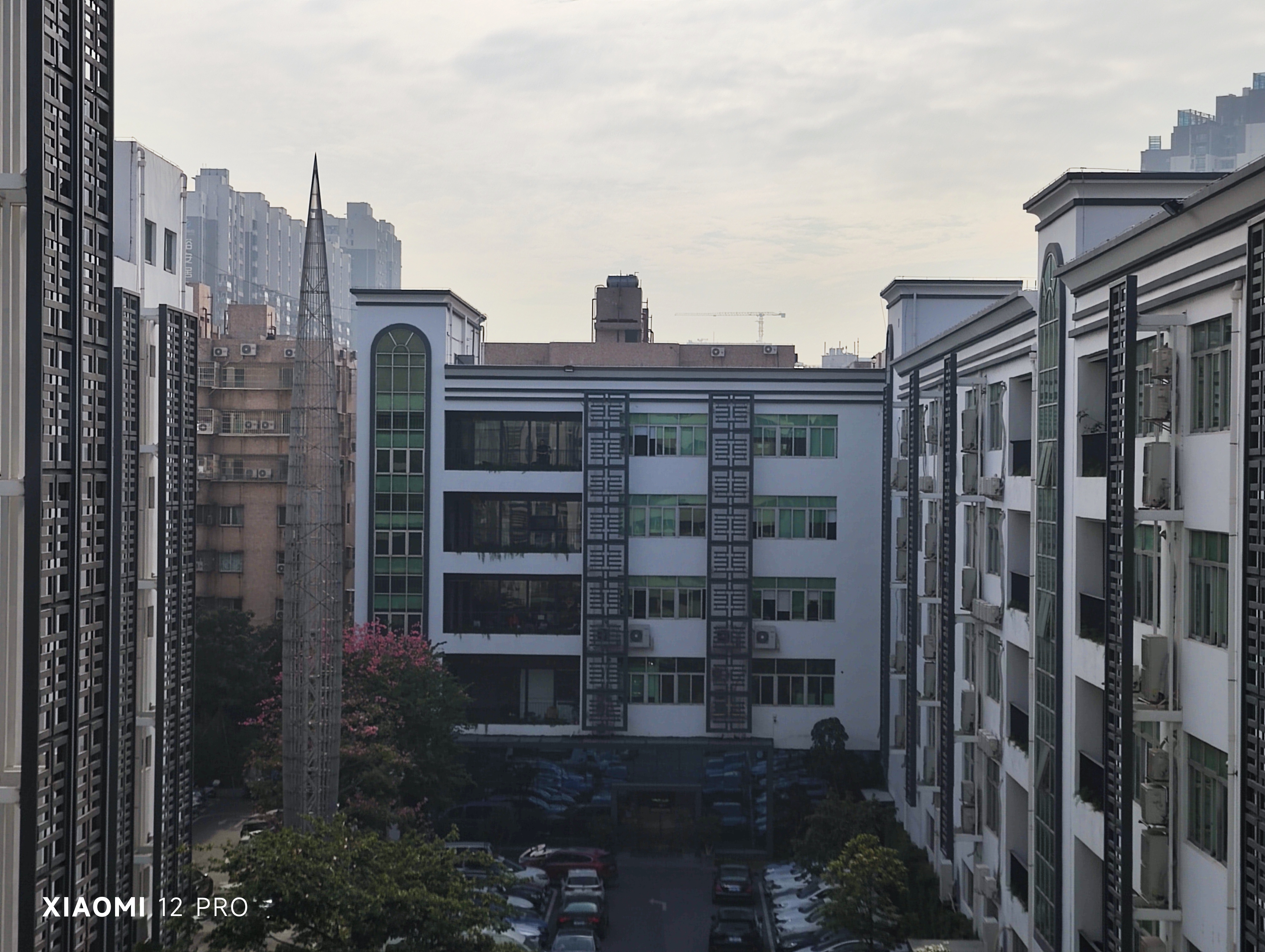
Though the Xiaomi 12 Pro’s main camera supports a 50MP original resolution, it didn’t bring much benefit in terms of image clarity with sharper detail when compared to the iPhone’s samples.
Another common detail shared by these two models is the random lens flares. When shooting towards a light source, we experienced a similar bright reflection on these two phones. To avoid that, you can adjust the camera angle when shooting or use an editing app like Snapseed to remove it. But we also heard that the latest iOS can automatically remove lens flare from photos in certain conditions. Well, obviously, it’s not available yet.
Xiaomi 12 Pro vs iPhone 13 Pro – Ultra-Wide Cameras
1 of 6
iPhone 13 Pro
iPhone 13 Pro
iPhone 13 Pro
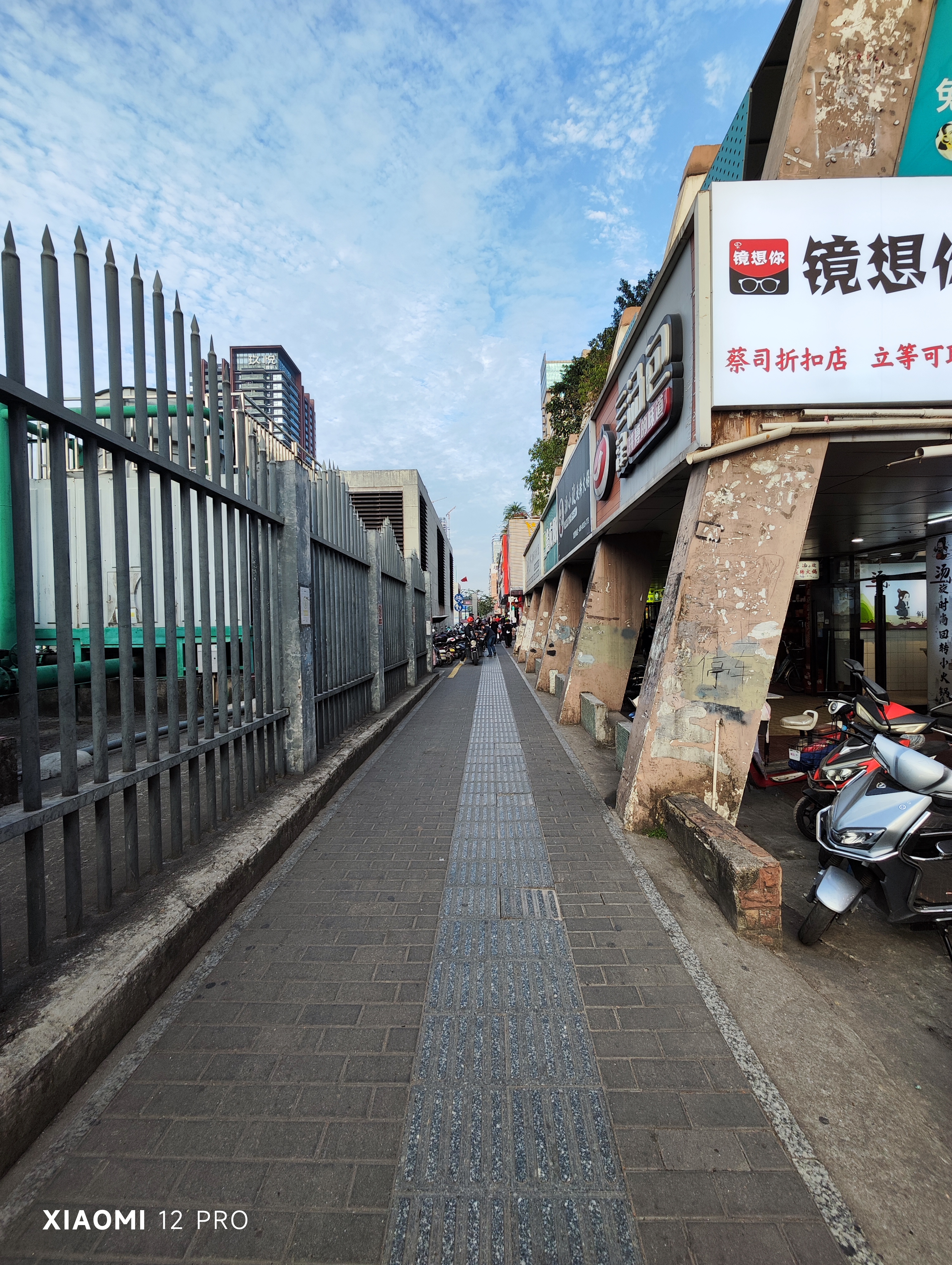
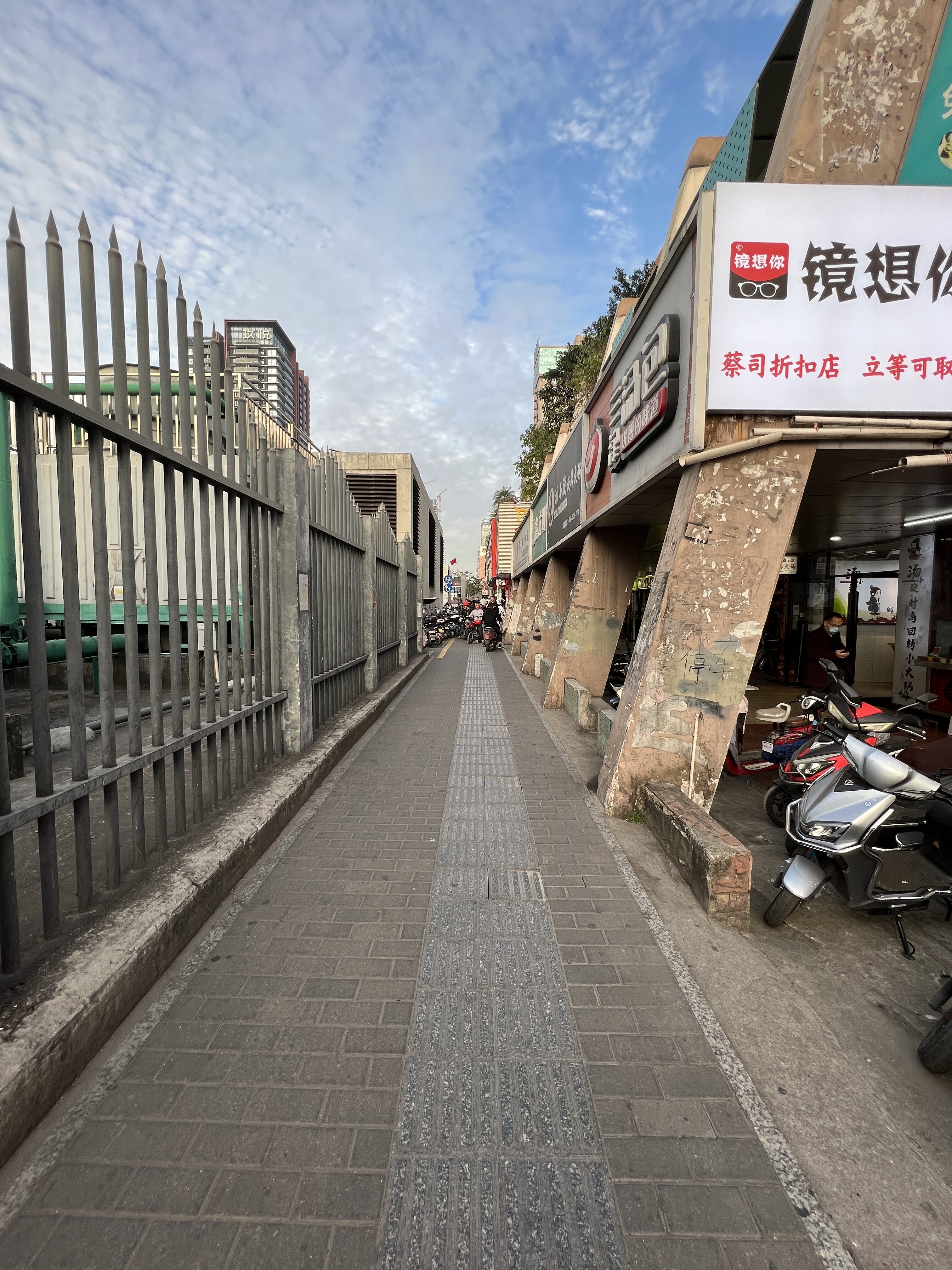
As for their ultra-wide lenses, we have to say both of them have very good picture detail and the image is clear and sharp. Although we can tell that the Xiaomi model is slightly better than the iPhone 13 Pro, the difference is really hard to notice without careful comparison.
The color preference of the two models’ wide-angle lenses is almost the same as what we found on their main cameras. The Xiaomi model’s color is still bright and high-saturated, while the iPhone’s is still more realistic.
And both of them didn’t show much fringing, which is better than most phones’ wide-angle lenses.
Xiaomi 12 Pro vs iPhone 13 Pro – Telephoto (2X,3X,5X)
1 of 14
2X
iPhone 13 Pro 2X
2X
iPhone 13 Pro 2X
2X
iPhone 13 Pro 2X
3X
iPhone 13 Pro 3X
3X
iPhone 13 Pro 3X
5X
iPhone 13 Pro 5X
5X
iPhone 13 Pro 5X
As for their telephoto cameras, since they didn’t feature the same optical focal length. For Xiaomi 12 Pro, it supports 2x optical zoom, while the iPhone 13 Pro offers a 3x optical zoom. So for 2x shooting, the Xiaomi model with a 50MP sensor no doubt presents a purer and sharper image with better noise control. Similarly, the iPhone model offers a better color presentation with richer detail over 3x shooting. But personally, I prefer the iPhone’s telephoto solution. Because it’s not really far behind over the 2x shooting, but meanwhile, the 3x optical zooming supports better telephotography at 3x and above. For example, if we shot at 5x zoom on both models, the iPhone 13 Pro could provide a cropped picture with less image loss and better detail as well. But on the other hand, if you do a lot of portrait shooting, I would say that the optical 2x of the Xiaomi model is an excellent option, even better than the iPhone’s 3x.
Xiaomi 12 Pro vs iPhone 13 Pro – Night Samples
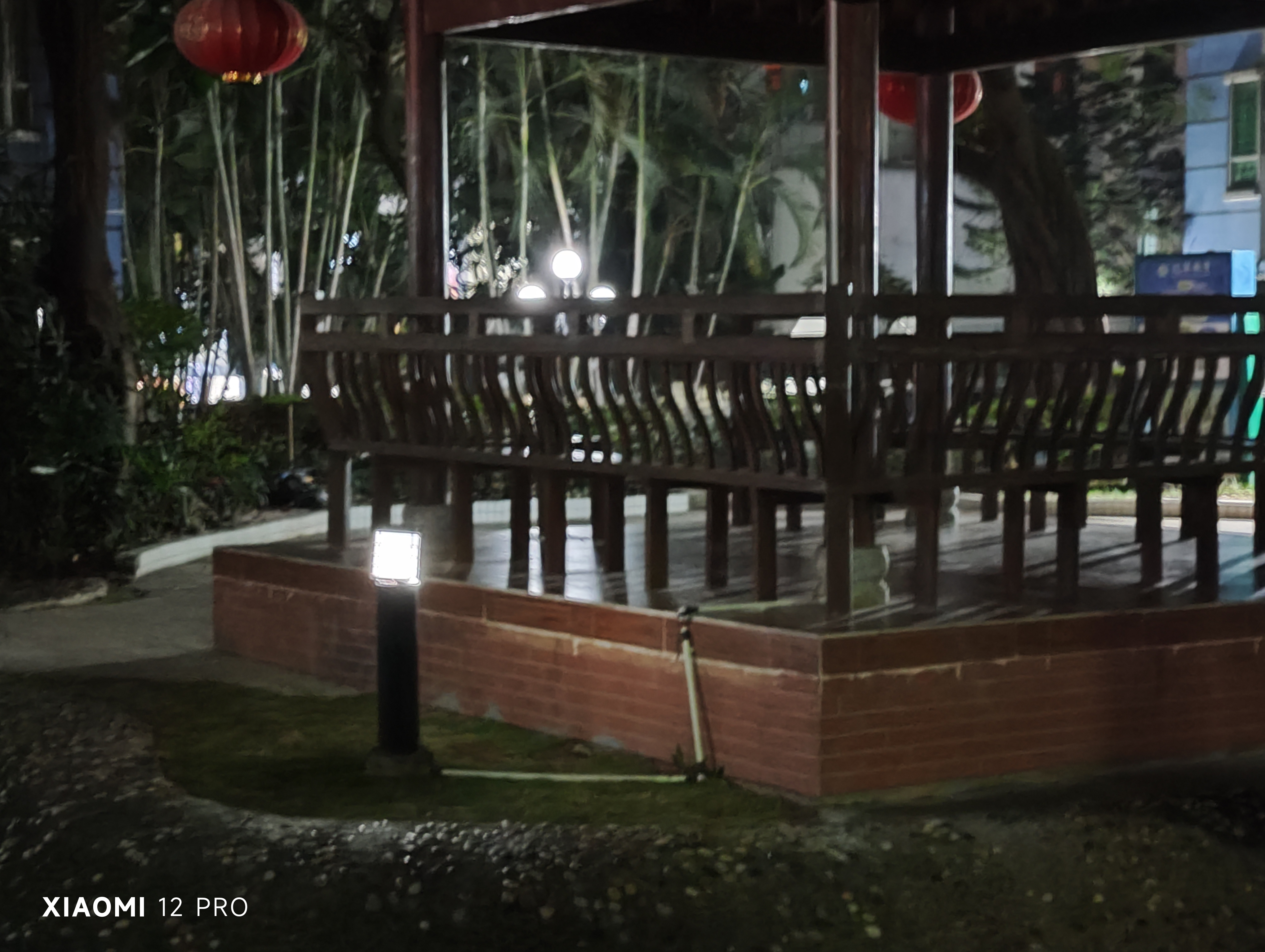
Then we moved on to night shooting. After comparing night shots, this is our conclusion: the improved night performance of the iPhone 13 Pro still doesn’t compare to the Xiaomi 12 Pro.
1 of 10
Xiaomi 12 Pro Night
iPhone 13 Pro Night
iPhone 13 Pro Main Night_0448
Xiaomi 12 Pro Night
iPhone 13 Pro Night
Xiaomi 12 Pro Night
iPhone 13 Pro Night
Xiaomi 12 Pro Night
iPhone 13 Pro Night
Xiaomi 12 Pro UW Night
iPhone 13 Pro UW Night
We all know that in the past few years, some Android phones have been ahead of iPhones in terms of night imaging. Although we can see that on the iPhone 13 Pro, the gap keeps narrowing, the Xiaomi 12 Pro still leading the round of night shooting.
Even though we shot under the auto mode, these two models both could boost the imaging once the AI recognized the night scenes. Apart from the auto mode, they also provide a more aggressive night mode. To access the better night effect, you need to adjust the iPhone’s night effect to the max option, while for the Xiaomi 12 Pro, you have to shift to the night mode.
But this time, I have to admit that the Xiaomi 12 Pro’s camera also provides a more user-friendly experience for night shooting. Thanks to the optimized MIUI software, its night shooting experience has never been this fast and smooth. It only requires us to wait up to 3-second processing under extremely low light conditions. While on the right side is the sample shot on the iPhone, taking 10 seconds for processing, but as you can see, Xiaomi’s sample taking shorter processing is even brighter with sharper detail.
For the main camera, the Xiaomi 12 Pro’s night mode has a better color presentation with a purer image. While it seems that the iPhone’s sample got blurry for less noise, which resulted in a bit more loss of darkness detail. In most night scenes, the Xiaomi model’s auto mode already performed very well, and with night mode on, the photos tend to get a relatively balanced exposure, while also slightly improving image purity.
As for their ultra-wide lenses, the gap is even wider and the iPhone’s performance is hardly satisfactory in night scenes. Its brightness could be over-exposed and the darkness could be a bit noisy.
And both of their telephoto cameras can also apply the night mode.
1 of 17
Xiaomi 12 Pro Night
iPhone 13 Pro Night
iPhone 13 Pro Main Night_0448
Xiaomi 12 Pro Night
iPhone 13 Pro Night
Xiaomi 12 Pro Night
iPhone 13 Pro Night
Xiaomi 12 Pro Night
iPhone 13 Pro Night
iPhone 13 Pro Night
3X
iPhone 13 Pro 3X Night
iPhone 13 Pro 3X Night
3X
3X
iPhone 13 Pro 3X Night
3X
iPhone 13 Pro 3X Night
When using auto mode at extremely low-light conditions, even though we zoom in to 2x on the Xiaomi 12 Pro, or 3x on the iPhone 13 Pro, the working lens would still be the main one instead of the telephoto camera. In this case, we could only have photos that cropped from the main lens, which could be blurry and noisy, no matter for the iPhone or the Xiaomi model. To have nice night zoom photos on these two phones, you need to shift to the night mode on the Xiaomi model, or adjust the night effect to the max level for the iPhone. The photos would look much better.
So please remember to do what we suggested above if you want to shoot nice photos with their telephoto lenses.
And no doubt the Xiaomi 12 Pro is better at 2x night shooting and the iPhone 13 Pro offers better 3x night photos since they each use a separate telephoto lens. But for the Xiaomi 12 Pro, due to the lack of OIS anti-shaking support, you may feel a bit difficult to hold the phone firmly and get a clear image.
Xiaomi 12 Pro vs iPhone 13 Pro – Video shooting
As for video shooting, the cinematic mode on the iPhone is the most impressive feature that we’ve seen for mobile filming. And it did work pretty well with excellent subject portrait focus and blurring effect. But it’s not perfect now. Like the sample, we have shown in our video review, added at the start. It by far only supports 1080P resolution with the main lens and telephoto lens, and the edge recognition wasn’t accurate enough when shooting in complicated scenarios. While for the Xiaomi Phone, the new focusing feature, Cyber-focus, also works well and offers fast focusing in video shooting. It supports up to 4k resolution but is only available on the main lens and 2x telephoto lens. And note that the Xiaomi phone’s wide-angle lens doesn’t support focus tracking in shooting photos or videos. As for video colors, as you can see, the iPhone probably is still the best among all the smartphones. And it seems that the iPhone has slightly better stabilization when filming.
So that’s all about the cameras on the two phones that we want to share with you. The Xiaomi 12 Pro is pretty impressive in taking photos. Especially for night shooting, the phone is much smarter than its predecessors and the whole camera software brings a really smooth and stable experience. There weren’t any crashes either, like we saw on the Xiaomi 11.
On the other hand, the iPhone 13 Pro is still one of the best mobile filming machines. For software, it has a clean and intuitive interface that allows most users to enjoy taking videos with their phones.
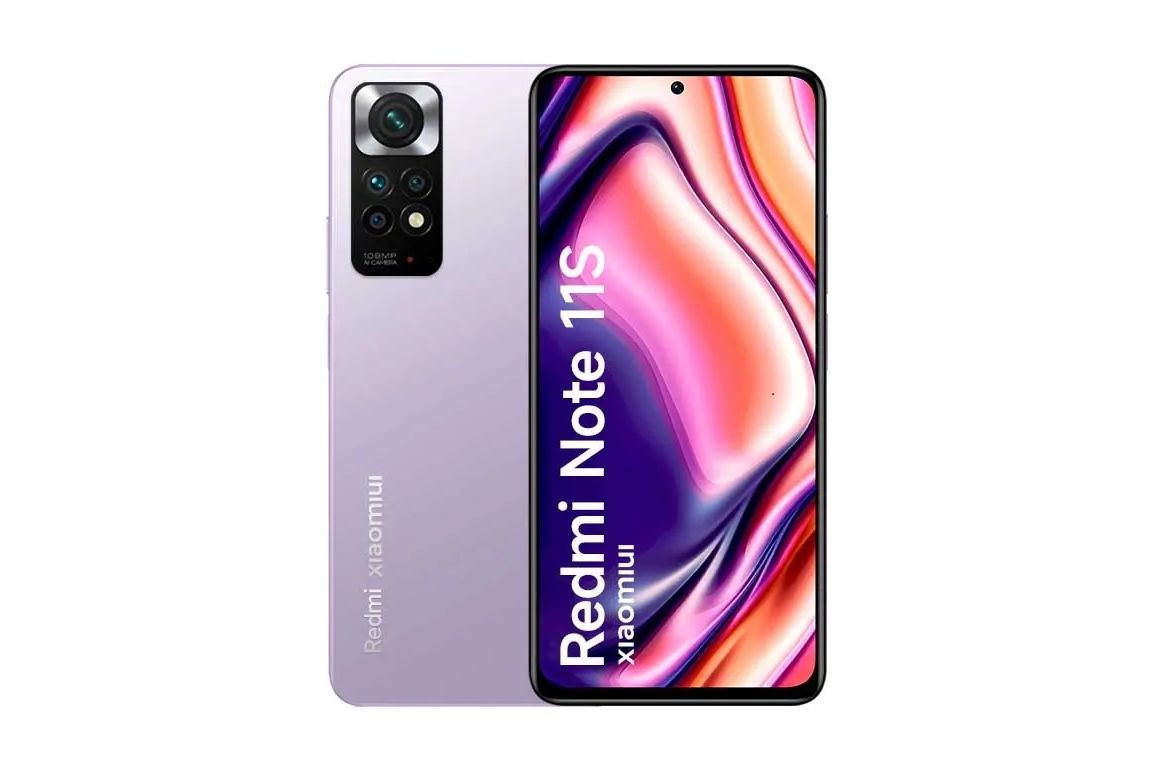
Yesterday, Redmi India released the first teaser of the Redmi Note 11S in India. The smartphone is expected to launch at some point this month. Publication Xiaomiui.nethas released the renders of the Note 11S to reveal its design.
Redmi Note 11S design
As can be seen in the render, the Redmi Note 11S will be sporting a punch-hole display on the front and a quad-camera unit on the back. It seems to be fitted with a side-facing fingerprint scanner. The overall design of the Note 11S is similar to the Note 10S with some changes in the camera module.
Redmi Note 11S render made by xiaomiui
Redmi Note 11S specifications (rumored)
According to the publication, the Redmi Note 11S is codenamed as “miel” and its shortened model number is K7S. The model numbers 2201117SI (Indian) and 2201117SG (global) are associated with the Note 11S.
Past reports have revealed the Redmi Note 11S’ camera setup has a 108-megapixel Samsung HM2 primary camera, an 8-megapixel Sony IMX355 ultrawide lens, a 2-megapixel OV2A macro camera, and a 2-megapixel depth sensor.
The publication had previously reported about the cameras of the Note 11S based on the findings from the Mi code, but at that time it did not mention the depth sensor. The publication claimed that the depth sensor is no longer counted as a camera in Mi code.
Other reports have revealed that it will have a 90Hz AMOLED display, a 13-megapixel front-facing camera, and a MediaTek chipset. It may arrive in three options such as 6 GB RAM + 64 GB storage, 6 GB RAM + 128 GB storage, and 8 GB RAM + 128 GB storage. It may arrive with MIUI 13 preinstalled. A tweaked version of the same phone is expected to arrive with the POCO M4 Pro 4G in Indian and global markets.
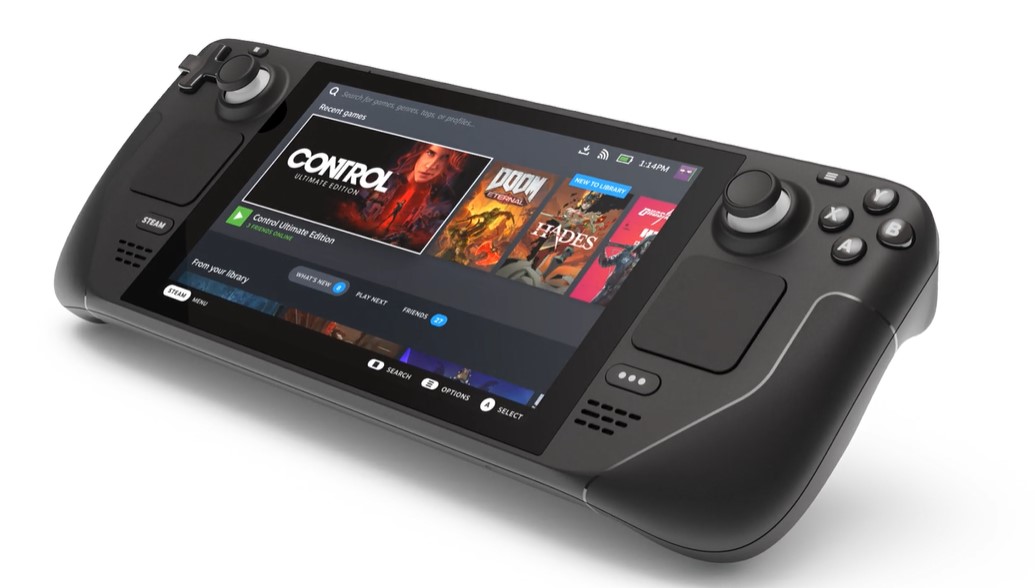
The highly-anticipated handheld gaming console from Valve — Steam Deck has already been delayed once because of the global shortage of components and supply chain issues, but it seems that the device is now on track.
As per the latest updates coming from the company, it expects to start shipping the Steam Deck by the end of February. This is the same timeframe that the company had promised when it first delayed the launch.
Apart from hardware, the company is also trying to make sure that the users have good experience playing games on the device from the get-go. To make sure this happens, Valve has apparently shipped out several Steam Deck units to developers last month to test their games and make sure they are compliant with the hardware and software environment.
Under the Deck Verified program, the company will give a verified checkmark to games in the storefront that satisfy its categories for Steam Deck compatibility, including full controller support, as well as support for the default resolutions of 1280 x 800 pixels or 1280 x 700 pixels with readable text.
Valve’s Steam Deck will come powered by AMD’s quad-core processor based on the Zen 2 architecture and a graphics processor based on AMD RDNA 2 architecture. It packs 16GB of LPDDR5 onboard RAM and offers up to 512GB PCIe NVMe SSD.
It features a 7-inch HD touch display with 1280 x 800 pixels screen resolution and a 16:10 aspect ratio. The company says that it uses an optically bonded IPS LCD for enhanced readability and it offers 400 nits brightness with a 60Hz refresh rate.
As for the connectivity, it supports Bluetooth 5.0 for controllers, accessories, and audio along with Wi-Fi 802.11 a/b/g/n/ac. It runs the company’s own Steam OS 3.0 and is powered by a 40Whr battery that promises up to 8 hours of gameplay.
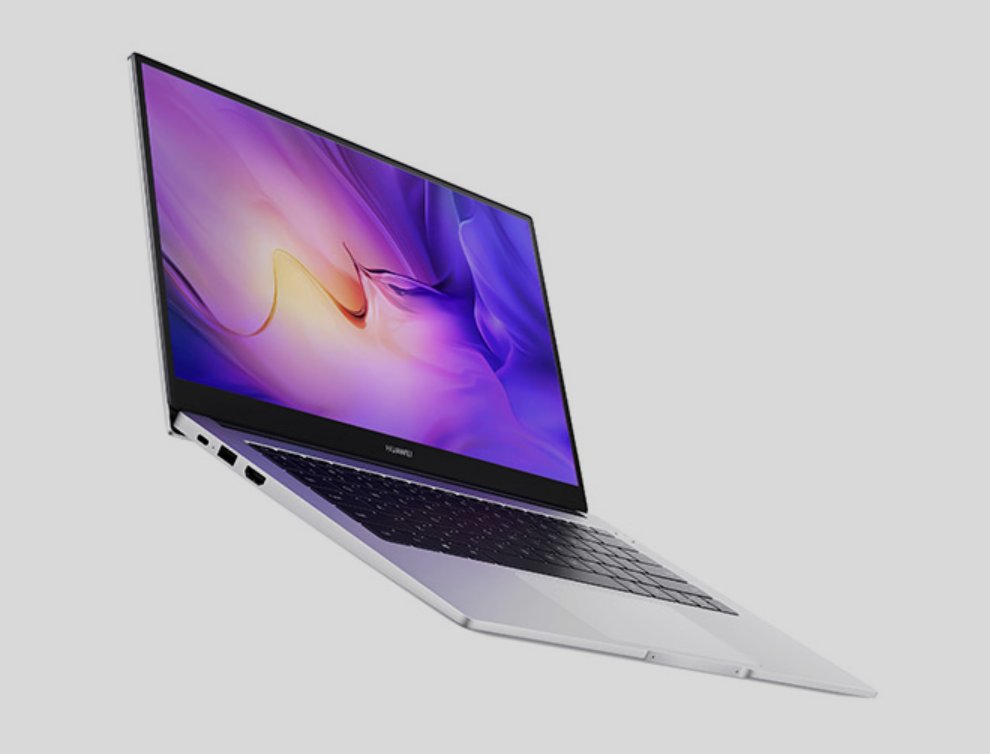
Huawei, which has been actively focusing on its MateBook lineup of laptops, has now launched yet another device in its home country China — Huawei MateBook D 14 SE.
As the name of the laptop indicates, it’s a watered-down model of the Huawei MateBook D14 which was launched last year. It is priced at 3,899 yuan (~$613) and is available for pre-sale from today while the sale will start from 20th January.
The Huawei MateBook D14 SE comes with a 14-inch Full HD display which has 4.8mm bezels on the three sides of the screen, a 45% NTSC color gamut, which is lower than the MateBook D14 that offers 100% sRGB color gamut.
Under the hood, the device comes powered by the Intel Core i5-1155G7 quad-core processor, the same chipset that is powering the standard model. However, there’s a difference in terms of memory configuration.
This new model of the laptop comes packed with 8GB of RAM and 512GB of storage while the D14 comes with 16GB of RAM and 512GB storage.
For connectivity, the device features Bluetooth 5.1 and Wi-Fi 802.11 a/b/g/n/ac/ax. There is a USB 3.2 Gen1 port, USB-A 2.0 port, USB-C port, HDMI port, and a 3.5mm headphone and microphone 2-in-1 jack.
It has a full-size backlit keyboard and features a fingerprint sensor embedded into the power button. As for the software, the device is running Microsoft’s recent Windows 11 operating system out-of-the-box and is powered by a 56Wh battery.
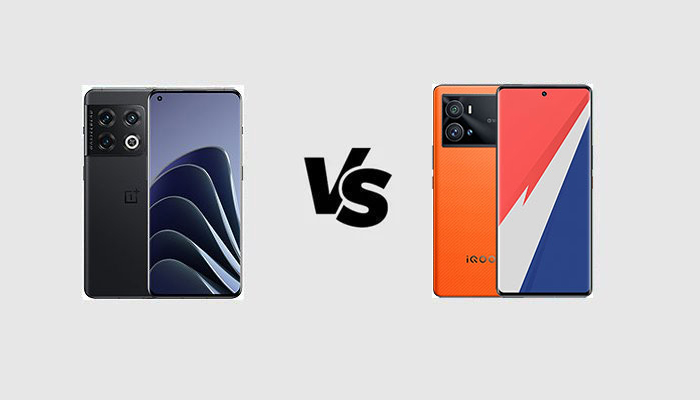
There are just a few phones which can currently compete with the brand new OnePlus 10 Pro, even though soon the number of devices equipped with the new Snapdragon 8 Gen 1 mobile platform will increase a lot. Until now, we compared the specifications of the OnePlus 10 Pro with all the devices at the same level released in the last two months. But there is still one very recent handset we did not compare: the iQOO 9 Pro. Just like the Xiaomi 12 Pro and the Realme GT 2 Pro, the iQOO 9 Pro is a perfect rival for the OnePlus 10 Pro, especially in the Chinese market. Here you will learn the differences between their specifications.
OnePlus 10 Pro vs Vivo iQOO 9 Pro
OnePlus 10 Pro
Vivo iQOO 9 Pro
DIMENSIONS AND WEIGHT
163 x 73.9 x 8.6 mm,
200.5 g
164.8 x 75.2 x 8.8 mm,
204 g
DISPLAY
6.7 inches, 1440 x 3216 pixels (Quad HD+), AMOLED
6.78 inches, 1440 x 3200 pixels (Quad HD+), LTPO AMOLED
Triple 48 + 8 + 50 MP, f/1.8 + f/2.4 + f/2.2
32 MP f/2.2 front camera
Triple 50 + 16 + 50 MP, f/1.8 + f/2.2 + f/2.3
16 MP f/2.5 front camera
BATTERY
5000 mAh, fast charging 80W, fast wireless charging 50W
4700 mAh, Fast Charging 120W, fast wireless charging 50W
ADDITIONAL FEATURES
5G, dual SIM, reverse wireless charging
5G, dual SIM, reverse wireless charging
Design
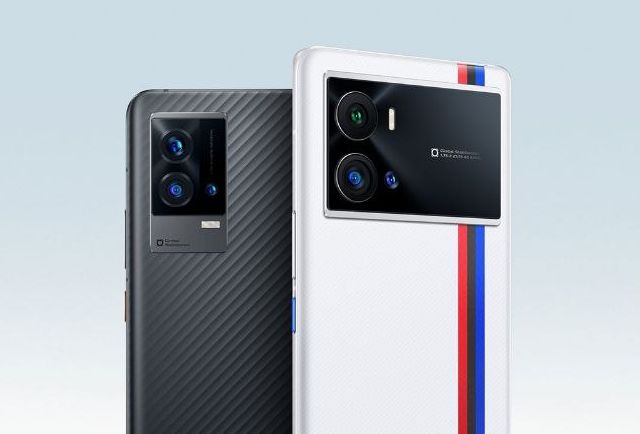
The OnePlus 10 Pro and the iQOO 9 Pro come with very attractive designs. They have glass backs and aluminum frame, with an elegantly curved screen on the front, very narrow bezels, and a single punch-hole on the displays. I personally prefer the design of the OnePlus 10 Pro for two reasons: first of all, it is more compact. Further, it has a smaller camera module which makes the design more polite. On the other hand, the iQOO 9 Pro comes in very catchy color options and the BMW M Motorsport Edition overclasses the OnePlus 10 Pro with its amazing customized aesthetics.
Display
The displays of the OnePlus 10 Pro and the iQOO 9 Pro are more or less at the same level. The former sports a smaller screen with a 6.7-inch diagonal and its LTPO technology is actually better than the one of the iQOO because it is LTPO 2.0 providing lower energy consumption. Both the phones are able to show up to one billion colors with a Quad HD+ resolution, an adaptive refresh rate from 1 to 120 Hz, and the HDR10+ certification. The iQOO 9 Pro adds the Dolby Vision support and both the phones have an in-display fingerprint reader, as well as powerful stereo speakers.
Specs & Software
There are no important differences between these two hardware departments: these devices will provide the same flagship-class performances. They are powered by the Snapdragon 8 Gen 1 processor built at 4 nm and paired with up to 12 GB of RAM and UFS 3.1 internal storage. Note that you can get more storage with the iQOO 9 Pro: up to 512 GB, while the OnePlus 10 Pro stops at 256 GB. These devices run Android 12 out of the box but the OnePlus 10 Pro looks more advanced in terms of software because it is customized by ColorOS 12.1. The iQOO runs OriginOS Ocean which is still great customization.
Camera
Even when it comes to the cameras the levels are similar, but I consider the OnePlus 10 Pro as a more interesting camera phone thanks to its Hasselblad cameras. Its amazing Sony IMX789 main sensor captures a lot of detail and excellent videos, and the phone even features a great telephoto sensor with 3.3x optical zoom. On the other hand, the iQOO 9 Pro has a 50 MP main camera with outstanding gimbal stabilization (optical) and even a telephoto sensor with OIS and 2.5x optical zoom.
The OnePlus 10 Pro has a bigger 5000 mAh battery and it will last more on a single charge thanks to its larger capacity. But the iQOO 9 Pro is able to charge faster thanks to 120W fast charging. Whatever you choose, you will get 50W wireless charging and reverse wireless charging.
Price
You need about €694/$795 to purchase the iQOO 9 Pro in China, while the OnePlus 10 Pro starts from €650/$745 at the actual change. It is very hard to pick a winner for this comparison because these devices are very similar. The OnePlus 10 Pro has a more compact design, a bigger battery, and better zoom capabilities, while the iQOO 9 Pro offers a wider display, an amazing main camera with gimbal stabilization, and faster charging. Which one would you pick?
We use cookies on our website to give you the most relevant experience by remembering your preferences and repeat visits. By clicking “Accept”, you consent to the use of ALL the cookies.
This website uses cookies to improve your experience while you navigate through the website. Out of these, the cookies that are categorized as necessary are stored on your browser as they are essential for the working of basic functionalities of the website. We also use third-party cookies that help us analyze and understand how you use this website. These cookies will be stored in your browser only with your consent. You also have the option to opt-out of these cookies. But opting out of some of these cookies may affect your browsing experience.
Necessary cookies are absolutely essential for the website to function properly. This category only includes cookies that ensures basic functionalities and security features of the website. These cookies do not store any personal information.
Any cookies that may not be particularly necessary for the website to function and is used specifically to collect user personal data via analytics, ads, other embedded contents are termed as non-necessary cookies. It is mandatory to procure user consent prior to running these cookies on your website.