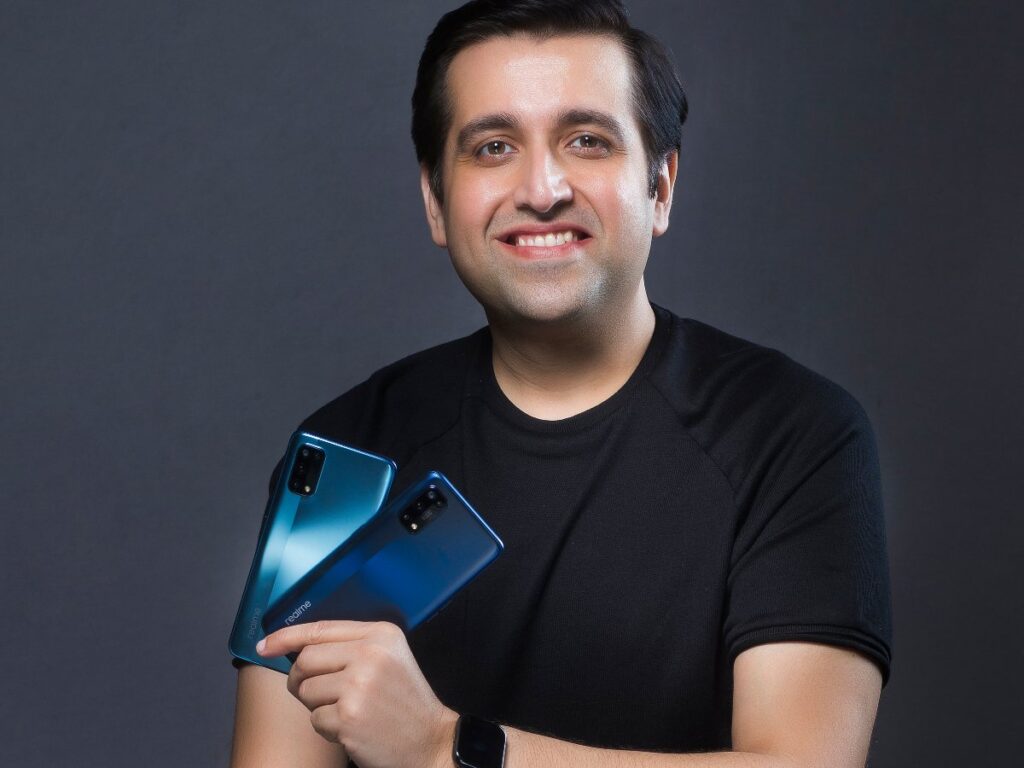
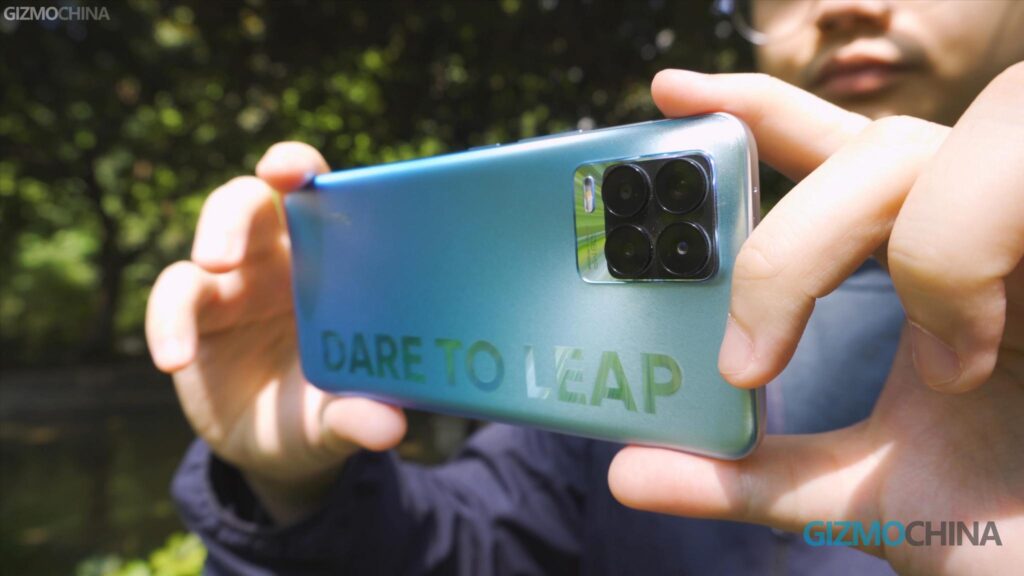
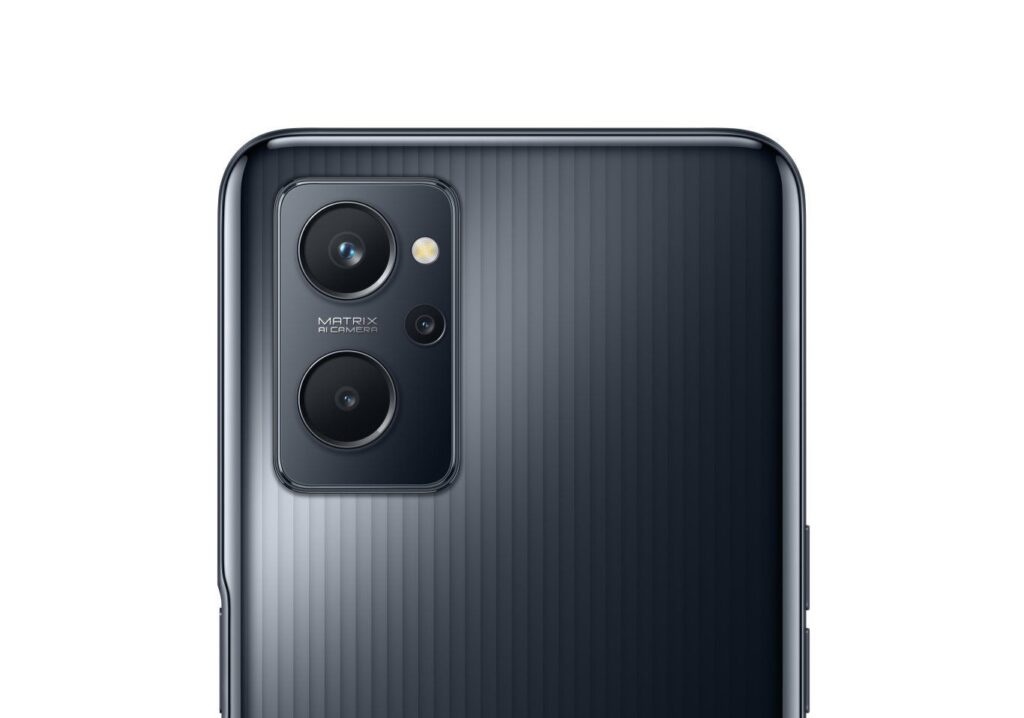
Realme seems to be gearing up for a full-fledged 5G lineup of phones this year as in discussion with folks at BGR, the company CEO Madhav Sheth revealed that Realme is allocating 90% of its R&D in the 5G technology.
Realme’s current portfolio of smartphones is a mixture of budget 4G phones coupled with all the 5G phones in the premium segment. However, this may change. Realme is reportedly investing 90% of its research and development in the 5G technology.
“We are also investing millions of dollars for the beautiful aesthetics of the phones and how are we going to increase the performance on the 5G. We do not want bulky 5 devices. We have set out seven 5G R&D centres including one in India”, said Sheth.
Sheth further said that in future, Realme aims to be the 5G leader in the Indian market. Realme will launch 5G devices above ₹15,000(~$201) in the country. Although not confirmed, this could be mainly because of the rise in budget 5G-enabled chipsets in the market. Some of the trendy chipsets with which Realme may launch its budget 5G phones are the Snapdragon 480, 480 Plus, 690 5G, Dimensity 700, 900, 920 and 810.
To corroborate, Realme is currently gearing for its upcoming Realme 9 series launch in the market. The upcoming Realme 9 and 9 Pro were spotted in certification sites with Dimensity 810 and Dimensity 920 respectively. As per a tipster, the 5G-ready series will launch in February 2022. The phones are expected to get their first release in European markets followed by other regions like India and China.
LG has just announced that it would be showcasing all of its latest display-related innovations under the theme of “Display Your Universe” at CES 2022. These solutions will not only be catering to people’s ever-growing needs but also bring along new experiences set to redefine the way people do ordinary tasks in their daily lives.
OLED.EX technology
This year’s showstopper is LG Display’s new OLED.EX tech for OLED TVs that promises an improved photo quality and viewing experience. OLED.EX is an acronym for ‘Evolution’ and ‘eXperience’ and lives up to it with improvements like a 30% boost in brightness and reduction of bezel width from 6mm to 4mm. The tech will be integrated with every LG OLED TV display starting from the second quarter of 2022.
Transparent OLED displays
LG is also going big on transparent OLED displays with an aim of bridging the gap between online and physical spaces. The company’s Transparent OLED boasts transparency high enough to replace regular glass that too with little to no compromise on picture quality.
LG Display’s Smart Window
Such displays have also been stated to be quite slim and light, allowing for them to get utilized across a wide range of scenarios. There is ‘Show Window’ for shopping malls, ‘Smart Window’ for offices, Transparent OLED for subway trains, and ‘OLED Shelf’ that can transform any home interior into a living space.
Other OLED innovations
Another innovation is ‘Virtual Ride’, which is basically an indoor stationary bicycle with three vertically-curved 55-inch OLED displays in front of and above it. It allows cyclists to carry out their favorite activity while being in the comfort of their homes.
Other tech that will be showcased at CES 2022 includes Gaming OLED displays with response time 10 times faster than regular LCD displays, and of course, the almost entirely crease-free 17-inch Foldable OLED for laptops. The latter comes with the company’s touchscreen solutions, allowing usage by fingers and pen.
IPS Black
The biggest downside of LCD displays, when compared to AMOLED, is that they lack deep blacks. LG has been working on a solution for this and is set to demonstrate its ‘IPS Black’ tech through a 27-inch UHD monitor at CES 2022. The technology promises 35 percent darker blacks than existing IPS products along with lowering the level of blue light significantly. It also comes with a near-borderless design.
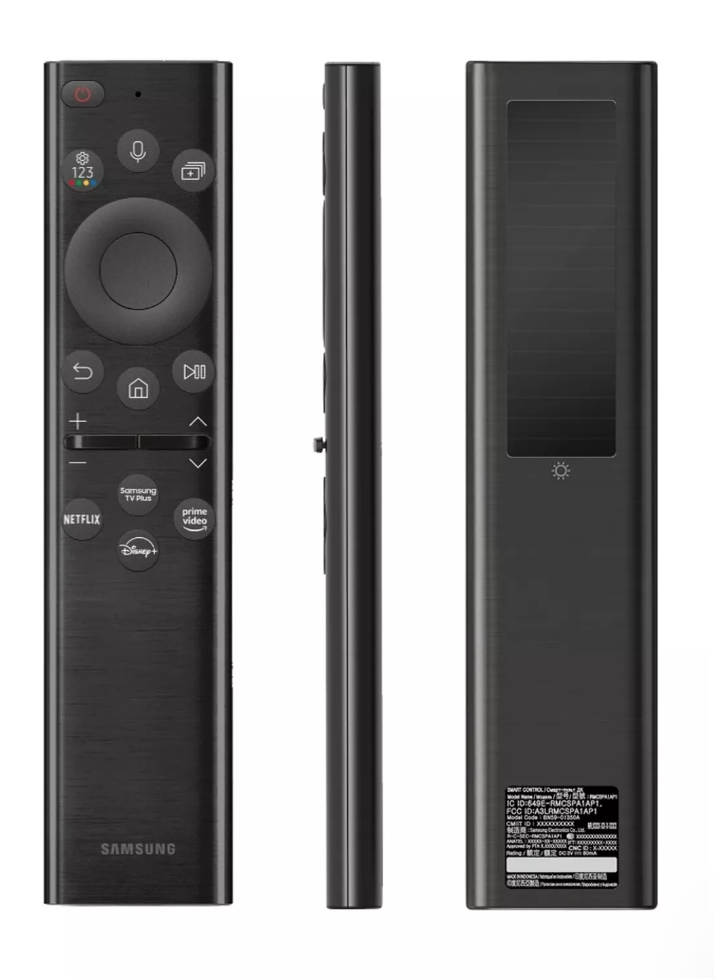
In recent years, Samsung has actively been working on making its TV remotes more and more eco friendly. Now, the company has unveiled its latest Eco Remotes that can draw power from radio waves.
During CES 2022, the South Korean tech giant unveiled the 2022 Eco Remotes. Last year, the brand had featured a large solar panel on these remotes, and now, we have a new way of charging these remotes. The TV controllers can apparently harvest radio frequencies, which sounds quite futuristic. Notably, these remote will still feature solar panels but it will also be powered by radio waves as well. Although, the amount would be small.
The radio frequencies that will help charge the remote include radio waves like your WiFi router. According to Samsung, drawing power from radio frequencies will allow the remote to charge fully while you’re watching TV. In other words, it can passively harvest RF to power up regardless of whether it is day or night. This also hints that it can possibly run for a longer time than previous iterations.
The company further added that will be made with a “recycled material design,” similar to its predecessors. This latest model will also be available in a new white color variant and retains its minimalist design. It even houses a microphone for voice controls along with shortcuts for Netflix, Disney Plus, Amazon Price Video, and Samsung’s TV Plus as well. This new remote will ship with all of its 2022 TV lineups.
As we have entered January 2022, OPPO is back again with the ColorOS 12 update plan for the new month. The company has revealed the list of smartphones that will get access to the stable release this month. At the same time, the firm has also disclosed the list of handsets that will be receiving beta builds in Q1 2022.
According to the official ColorOS Twitter account, the following phones will get the Android 12-based ColorOS 12 stable update in multiple markets.
ColorOS 12 Stable Update Timeline January 2022
From January 17
OPPO Find X3 Neo 5G
France
OPPO Reno5 5G
Hong Kong SAR
China
From January 18
OPPO Reno6 Z 5G
Cambodia
Thailand
Vietnam
UAE
OPPO Reno5 Pro 5G
India
Thailand
OPPO Reno5 Pro
Pakistan
OPPO Reno5 Z 5G
UAE
Saudi Arabia
OPPO F19 Pro+ 5G
India
From January 20
OPPO A73 5G
Italy
Spain
UAE
Saudi Arabia
On the other hand, the following devices will get ColorOS 12 beta update in Q1 2022.
ColorOS 12 Beta Update Timeline Q1 2022
From February 2022
OPPO Reno5 F
OPPO Reno4 Pro
OPPO Reno4
OPPO Reno4 F
OPPO F19 Pro
OPPO F17 Pro
From March 2022
OPPO Reno5 Lite
OPPO Reno4 Pro 5G
OPPO Reno4 Z 5G
OPPO Reno4 Lite
OPPO A94
OPPO A93
OPPO A53s 5G
We will update the readers whenever OPPO rolls out the ColorOS 12 stable/beta update for the aforementioned smartphones. Stay tuned.
JETOUR Motors has just announced a new hybrid vehicle. It is the Jetour X-1 Hybrid SUV crossover, which is powered by the Huawei L3 autonomous driving assistance system and more.
For those unaware, the Chinese company is a sub brand of Chery Automobiles. Now, the automobile maker has launched the X-1 from its Jetour brand. It features its self developed “Kunlun” architecture platform that is powered by Huawei’s high end L3 autonomous driving assistance system along with the latest technologies like the Smart Cockpit 3.0 and Healthy Cockpit 4.0. The new crossover SUV was announced on the 1st of January 2022.
Through the Chinese tech giant’s L3 self driving assistance system, the car can drive on its own in a number of scenarios, although, the drive would still have to take control in some situations like emergencies. Under the hood, the X-1 is equipped with the Chery Kunpeng DHT hybrid system and Chery core fuel powered platform. In other words, it is a hybrid that is powered by both fuel and electricity.
Notably, the four wheel drive version of the car is also equipped with a rear mounted single motor that supports 9 different modes like pure electric drive, extended range mode drive, parallel mode drive, engine direct drive, and more. This enables users to switch between power and fuel efficiency modes based on their requirements. Looking at the car, it features a unique radiator grille, which is part of the bumper along with an angular overall design. Unfortunately, finer details like specifications, pricing, and availability are still unknown at the moment.
Realme was expected to launch the Realme 9i this month in select markets, however, the exact launch date was unknown. Now, a Vietnamese publication reveals that the budget smartphone may get a release on January 10 in Vietnam.
As per the publication, Vietnam will be the first region to get the Realme 9i. Later, it may launch in markets like Indonesia. We also expect to see the phone in other Asian regions soon.
1 of 2
Previously, the Realme 9i was spotted on Geekbench v5 with model number RMX3491. It got a single-core score of points and a multi-core score of 1556 points. It was seen with the Qualcomm Snapdragon 680 SoC paired with 4GB of RAM.
The smartphone’s renders were also surfaced on the Internet confirming it to feature a design similar to the Realme GT Neo 2. The smartphone is expected to come with a 6.6-inch punch-hole LCD screen with a Full-HD+ resolution. It will have a 90Hz refresh rate and boast a 16MP selfie snapper. At the rear, it will feature a vertical camera module with a triple camera setup. It will have a 50MP main lens, an 8MP ultra-wide sensor, and a 2MP macro lens.
It will pack a 5,000mAh battery with support for 33W fast charging support. To recall, the predecessor Realme 8i came with the same battery capacity but with a slower 18W charging speed. The phone will run on Realme UI 2.0 on top of Android 11 OS. As for security, the device will feature a side-facing fingerprint scanner.
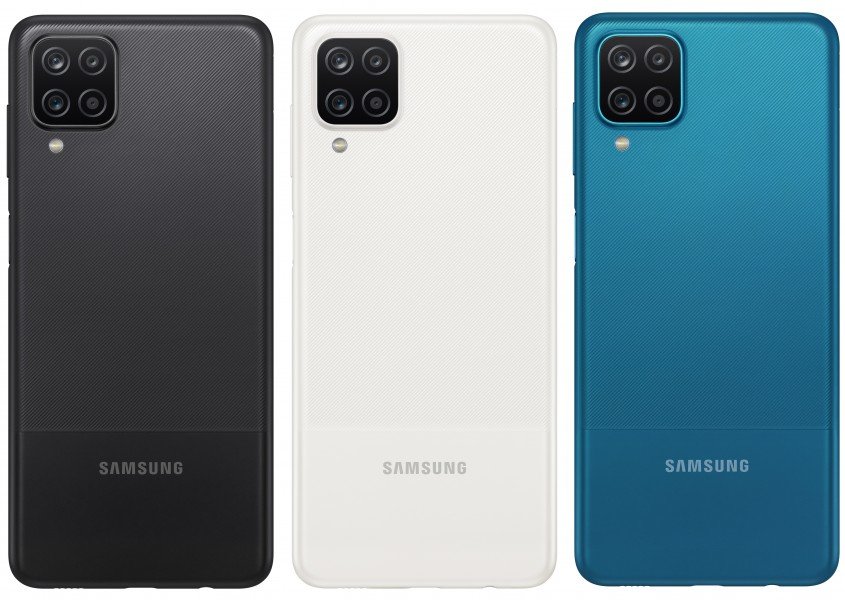
Samsung Galaxy A12 in India has received a price cut of Rs 1,000 in India, ahead of the launch of the Galaxy A13 5G that’s set to go live sometime next month along with the Galaxy A33 5G.
The A12 earlier started at Rs 13,999 for 4GB RAM and 64GB storage variant but the updated price tag now says Rs 12,999 (via 91mobiles). It is joined by another 6GB+128GB option that has also received a price cut of Rs 1,000 and will now cost Rs 15,499.
The Galaxy A12 currently sells through Samsung’s own online store, Amazon, and Flipkart, although Flipkart doesn’t seem to be reflecting on the new prices as of yet. It is likely that offline stores with the phone in stock will also be updating their prices.
The Samsung Galaxy A12 comes with a 6.5-inch HD+ Infinity-V PLS TFT display with a waterdrop notch. On the Samsung online store, the 4GB+64GB variant is powered by the Exynos 850 processor while the beefier 6GB+128GB variant comes with the MediaTek G35 processor. Both are nearly identical in terms of performance, although the Exynos 850 does have a slight edge, or at least that’s what benchmark scores seem to suggest.
For photography, you get four cameras at the rear, with the king of the hill of being a “true” 48MP shooter. The remaining three are 5MP ultrawide, 2MP macro, and 2MP depth cameras. The phone weighs 205g and packs a 5,000mAh battery with support for 15W charging.
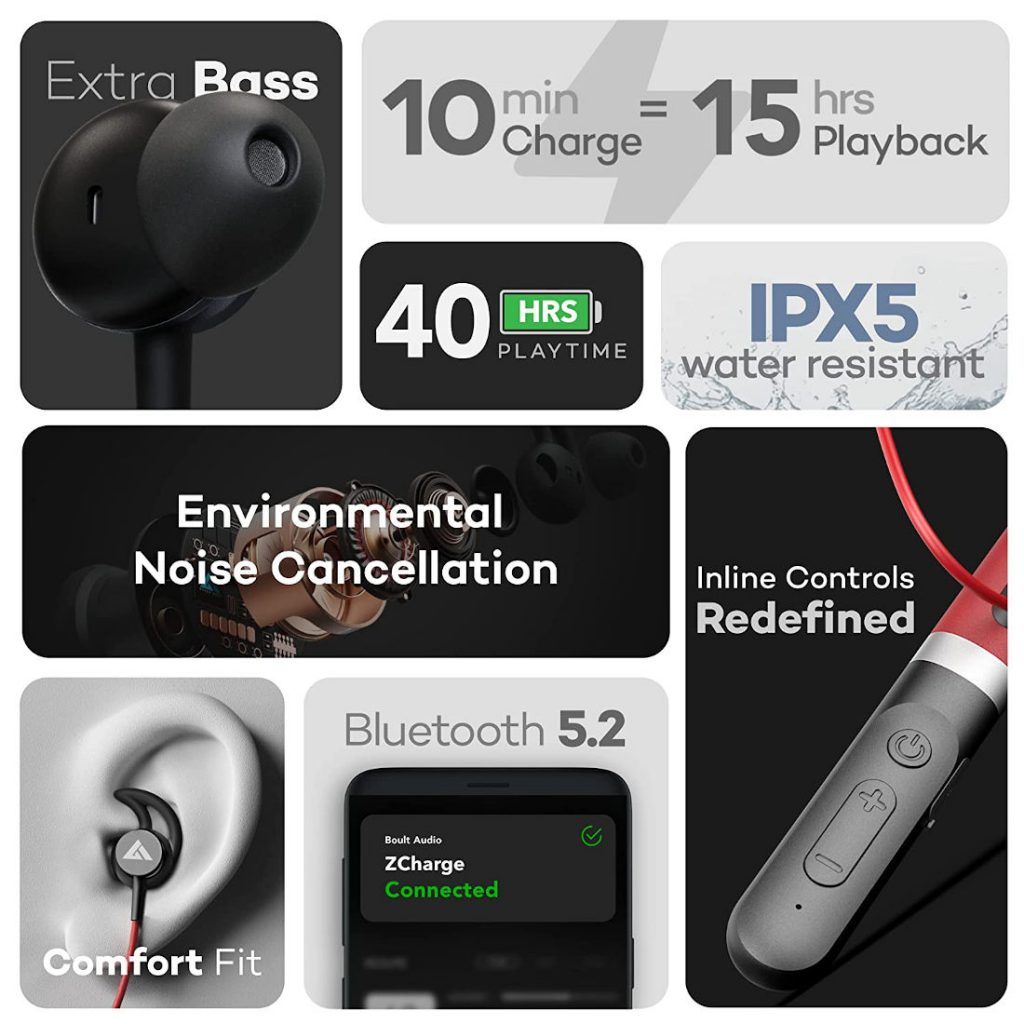
Boult Audio has just launched a new product in India. It is the ProBass ZCharge, which is the latest wireless earphone from the company that adopts a neckband and in ear design.
The known audio products and hearables maker’s ProBass ZCharge is its newest earphones for the Indian market. It offers a sizeable 40 hours battery life and adopts an ergonomic in ear design. Furthermore, the ProBass ZCharge also supports USB Type C fast charging as well, with 10 minutes of charging offering 15 hours of audio playback. It even arrives with IPX5 water resistance and the company ships the earphones with extra soft silicone ear tips and ear fins as well.
Notably, both ear tips can also be magnetically attached to each other to prevent the wires of the neckband earphones from tangling with each other. The earphones house 14.2 mm drivers for punchy bass along with aerospace grade alloy micro woofers to provide users an improved listening experience. Other features include hands free mode with support for Google or Apple voice assistants.
As of right now, the Boult Audio ProBass ZCharge is listed on Amazon India’s official website. It is available in multiple color variants, including Black, Red, and Blue, and arrives with an exclusive price tag of 1,299 INR (roughly 17.5 US Dollars) on Amazon, alongside a 1 year of standard industry warranty.
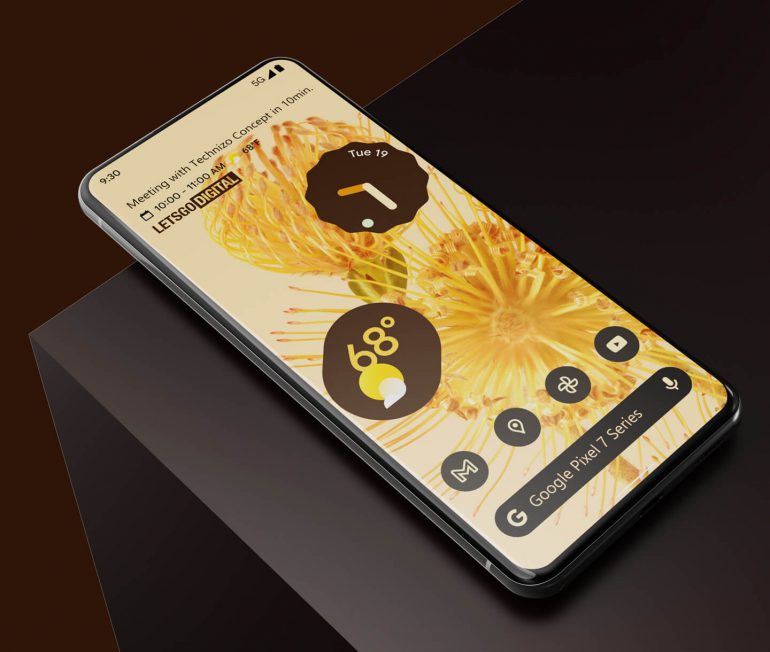
Back in May 2021, a patent filed by Google for an under-display camera technology was surfaced on the Internet. However, it used sub-display technology, where a second screen is placed opposite to the selfie camera and a mirror is placed exactly between both. This type of technology is expensive and it may make the phone’s price hefty. Now, another patent from the company has been filed, but for a different under-display camera technology. Interestingly, the new technology could be cost-effective for Google and we may end up seeing it in the upcoming Google Pixel 7.
According to a report from LetsGoDigital, a patent filed by Google with the USPTO (United States Patent and Trademark Office) on August 31, 2021, was recently published. Reportedly, the patent reveals that in order to offer a large full-screen experience, a new type of under-display camera technology was filed. However, the exact type of solution is not clear. But this time around it is touted to be an emissive display paired with a small non-emissive part(selfie camera cut-out) to allow light to the selfie camera sensor.
For such kind of technology, evidently, an OLED display will be used. The non-emissive screen will let the sensor get sufficient light offering better quality photos. Furthermore, the emissive part of the screen will radiate light, which will end up hiding the camera cut-out.
This type of technology is not new and was used in some already existing phones like the Samsung Galaxy Z Fold 3. Mr Sangmoo Choi is reported to be the inventor of the technology for Google, but the patent was reportedly in conflict with one of Samsung’s older patents.
Apparently, Sangmoo had worked in Samsung a few years back and this could be the reason for the similarities in both the patents. Samsung filed a similar under-display camera patent back in 2017 and it seemed to be materialized in the recent Galaxy Z Fold 3.
Despite the similarities, it remains to be seen, how does the new patent from Google materialize in the upcoming Pixel phones. And who knows, the Google Pixel 7 may come with a full-screen display with this under-display camera technology.
Motorola announced the Moto G71 5G alongside multiple other smartphones in Europe in November. The device made its way to China last week. Now, the handset is said to launch in India very soon.
Motorola Moto G71 5G
According to tipster Yogesh Brar, Motorola has planned a launch for India in the second week of January 2022. He says that the company will be releasing the Moto G71 5G in the country. He also adds that the firm will start teasing the phone by this week.
The Moto G71 5G is a better version of the Moto G51 5G. It offers upgrades in the display, chipset, and charging departments.
Talking about specifications, the Motorola Moto G71 5G arrives with a 6.4-inch FHD+ OLED display, Qualcomm Snapadragon 695 SoC, 50MP (wide) + 8MP (ultra-wide) + 2MP (macro) triple rear camera setup, and 13MP/16MP seflie camera (market dependent).
Other features include a rear-mounted fingerprint sensor, 3.5mm headphone jack, dedicated Google Assistant Key, Android 11, 5,000mAh battery, 30W fast charging, and IP52 rating for splash resistance.
The 6GB + 128GB variant of the smartphone is priced at €300 in Europe. In China, the handset comes in an 8GB + 128GB and costs ¥1,699. India is also said to get the same version as China. Hene, the device could retail at around ₹20,000 in the region.
Giztop is giving a $50 discount on Xiaomi 12 Pro. The latest flagship from Xiaomi which retails for $849 is now available with $50 Off only by using the coupon code: M1250. Please note that this is a limited-time coupon before Jan 20.
Xiaomi 12 Pro features a 6.73″ AMOLED LTPO display with HDR10+ and Dolby Vision and comes in multiple memory variants viz: 8GB / 12GB RAM and 128GB / 256GB ROM.
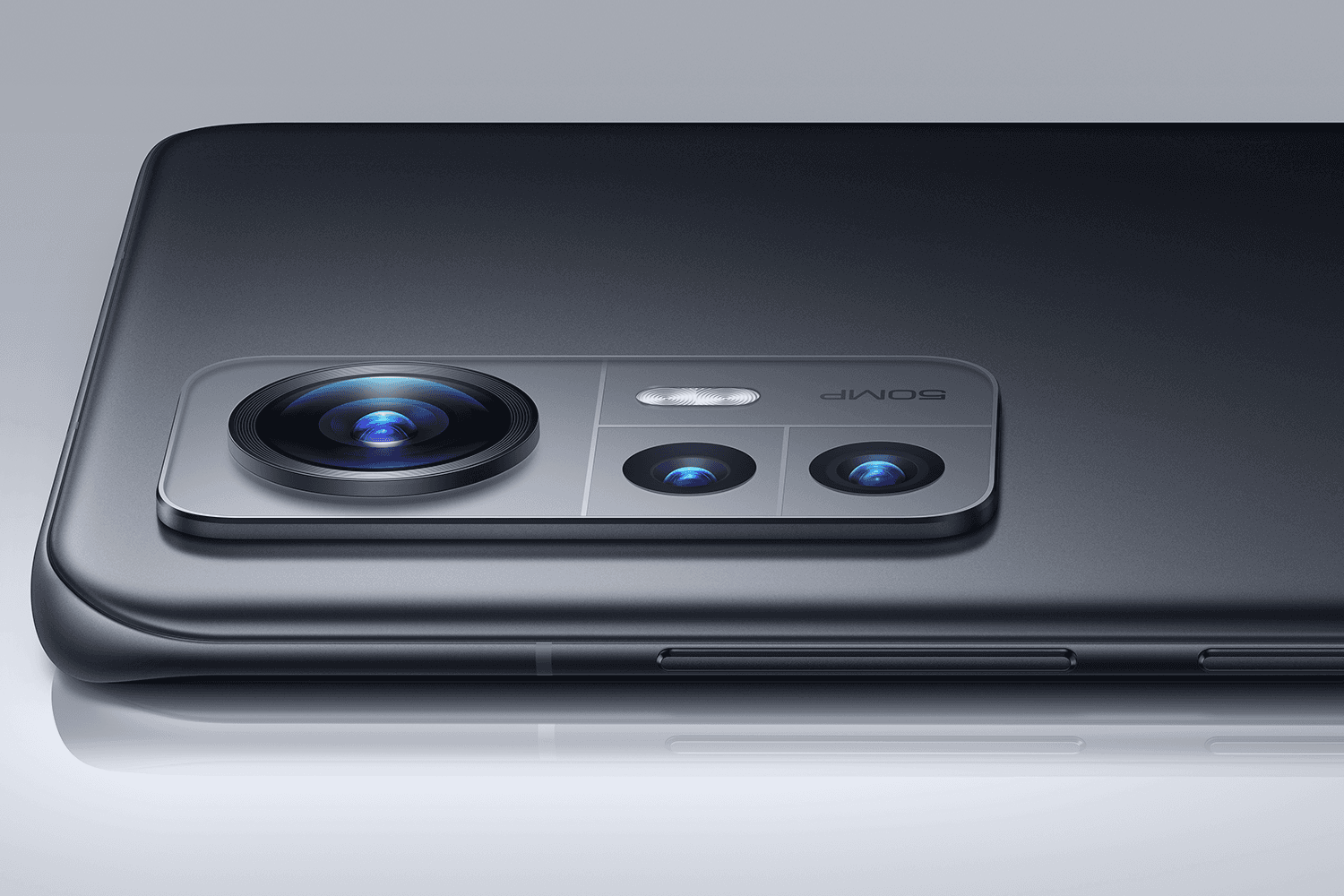
Powered by the Snapdragon 8 Gen1 processor the phone comes with a triple rear camera setup with a 50MP main camera and 50MP + 50 MP secondary cameras. The highlighting feature of the smartphone is its Cyber Focus tracking system which enables you to take fast and quick images. Also with dedicated Night Mode available on all three camera sensors, you can now capture beautiful and clear images even at night in low light. In the front, you have a single 32MP ultra-clear selfie lens.
Xiaomi 12 Pro is fueled by a 4600mAh Li-Po battery and supports 120W wired fast charging 50W wireless charging, and 10W reverse charging. It also supports fast charging protocols like QC4 / QC3+ / PD3.0 fast charge protocol + MI FC2.0 fast charge.
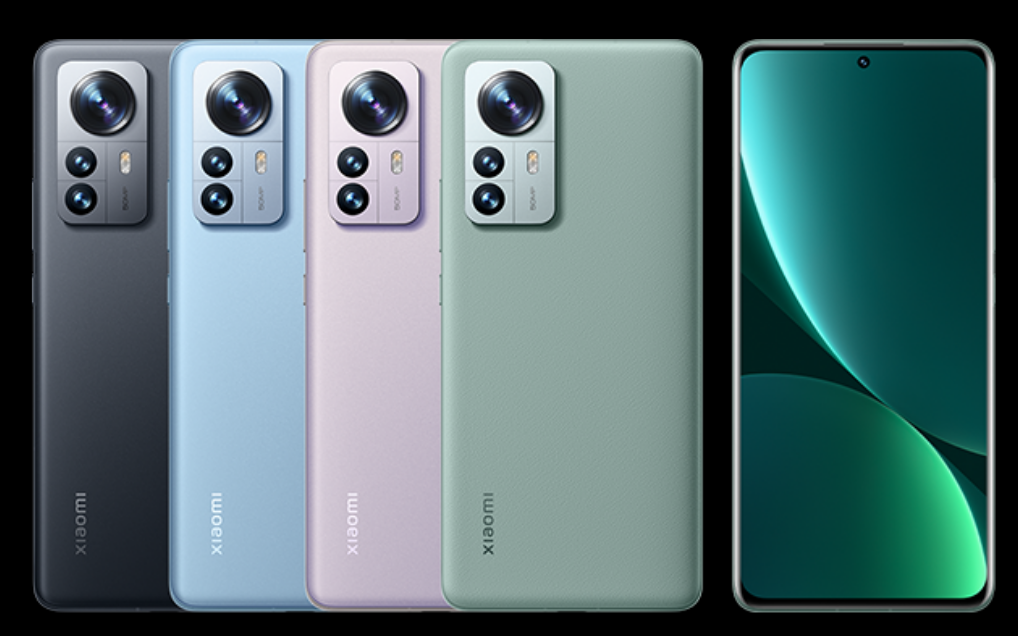
Xiaomi 12 Pro Glass Body variants are available in Black, Blue, and Purple colors while the PU variant comes in a gorgeous Field Green color.
The Xiaomi 12 series had just been announced a few days ago. But while the company unveiled the three models in its new flagship lineup, it did not offer any details related to availability for the new devices.
Now, a new report from MySmartPrice offers us a possible launch timeline for the Xiaomi 12, 12 Pro, and 12X. According to the report, known tipster Mukul Sharma revealed that the Chinese tech giant might be planning on globally launching its premium grade handsets by the end of February or early March 2022. He further added that the Xiaomi 12 series will likely be released in India around the same time or soon after its global launch as well.
Unfortunately, finer details like the exact date of launches outside of China are still unknown. Talking about the flagship smartphone, the base and 12X variant sport a 6.28 inch Full HD+ AMOLED display with a 120Hz refresh rate. On the other hand, the Pro version arrives with a larger 6.73 inch 2K AMOLED panel with a 120Hz refresh rate as well. Under the hood, the Qualcomm Snapdragon 8 Gen 1 SoC powers the vanilla and Pro version, while the 12X houses a Snapdragon 870 chip.
The Xiaomi 12 Pro features a 4,600mAh battery that supports 120W fast charging, while the 12 and 12X have a 4,500mAh battery that supports 67W fast charging. The company is also rumored to be working on an Ultra version as well that will reportedly debut sometime in February. So, the official release for the rest of the three models might be announced during its launch event, although, that is just speculation so take it with a pinch of salt and stick around for more updates.
The realme 9 series is in the news since late August. In fact, the brand itself has confirmed the existence of the lineup in September. A few days from that, the company revealed that the phones will be delayed to 2022. Now, as we have entered the new year, details about their release emerge once again.
realme 8 Pro
According to Mukul Sharma (via 91Mobiles), the realme 9 Pro and the realme 9 Pro+ will launch by February 2022. He claims that these smartphones will first make their debut in Europe. He also says that they will be 5G-ready.
According to certifications, realme 9 Pro and realme 9 Pro+ for Europe will arrive with model numbers RMX3472 and RMX3393 respectively. 91Mobiles suggests that the former could be powered by a MediaTek Dimensity 810 SoC, while the latter could feature a MediaTek Dimensity 920 chipset.
Unfortunately, nothing else is known about these handsets. But we expect to learn about them before their official announcement in the coming days.
For the unaware, the realme 9 is expected to include multiple devices like realme 9, realme 9 Pro, realme 9 Pro+, realme 9i, realme 9A, and realme 9 Prime. These phones could be also accompanied by realme Note 9 and realme Note 9 Prime.
Apple has a very successful lineup of AirPods true wireless earphones and the company keeps on launching successor models at regular intervals with updated features to ensure it remains the market leader for this category.
The company launched the AirPods 3 in October last year and even after multiple reports about the AirPods Pro 2 making rounds for many months, the flagship true wireless earphones from Apple is yet to go, official.
Now, Apple analyst Ming-Chi Kuo has shared some details (via AppleInsider) about the upcoming Apple AirPods Pro 2 and its launch timeline. He said that the AirPods 2 Pro won’t be available for purchase until Q4 2022, which means that they will go on sale for the holiday season this year, somewhere between October and December.
It is also being claimed that the earbuds may support Apple Lossless Audio Codec (ALAC) and if that happens, then it would be the first TWS earphones from the Cupertino-based tech giant to support lossless audio.
Lossless audio basically preserves all of the data in the original audio file which results in higher quality sound. All AirPods from the company launched so far use Bluetooth to deliver audio, which limits to using Advanced Audio Codec (AAC), a lossy form of audio delivery.
Another interesting development is that the charging case of the AirPods Pro 2 could have support for emitting sound. This is to help find the charging case if it’s separated from the AirPods or has been misplaced by the user.
Currently, the AirPods themselves make a noise when trying to locate them via the Find My app. Further, Kuo adds that the earphones may undergo a redesign to focus more on fitness which could include a more rounded shape.
The realme GT2 series will be launched tomorrow, realme vice president Xu Qi has revealed through a post on Weibo, also highlighting some of its specs.
The series is expected to be comprised of the realme GT2 and realme GT2 Pro, and according to the post, at least of the devices will come with a 32MP sensor at the front paired with 50MP dual-cameras at the rear. The duo has been claimed to be capable of flagship-level photography.
Also highlighted with the post was that the realme GT2 will be equipped with a top-of-the-line 2K AMOLED display, surrounded by extremely slim bezels.
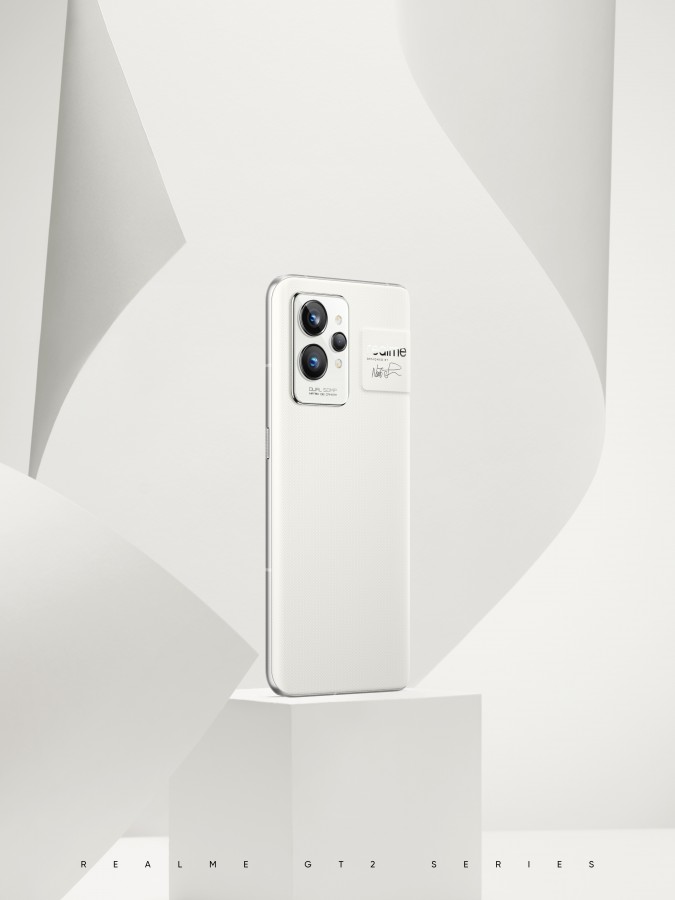
It was earlier learned that the realme GT2 Pro will be powered by Qualcomm’s flagship Snapdragon 8 Gen 1 processor and will come with three rear cameras, two of which will be 50MP sensors. The primary shooter will feature the 50MP Sony IMX766 sensor with optical image stabilization support while the ultrawide lens will capture a 150° angle. The third is a 2MP GC02M1B microscope lens.
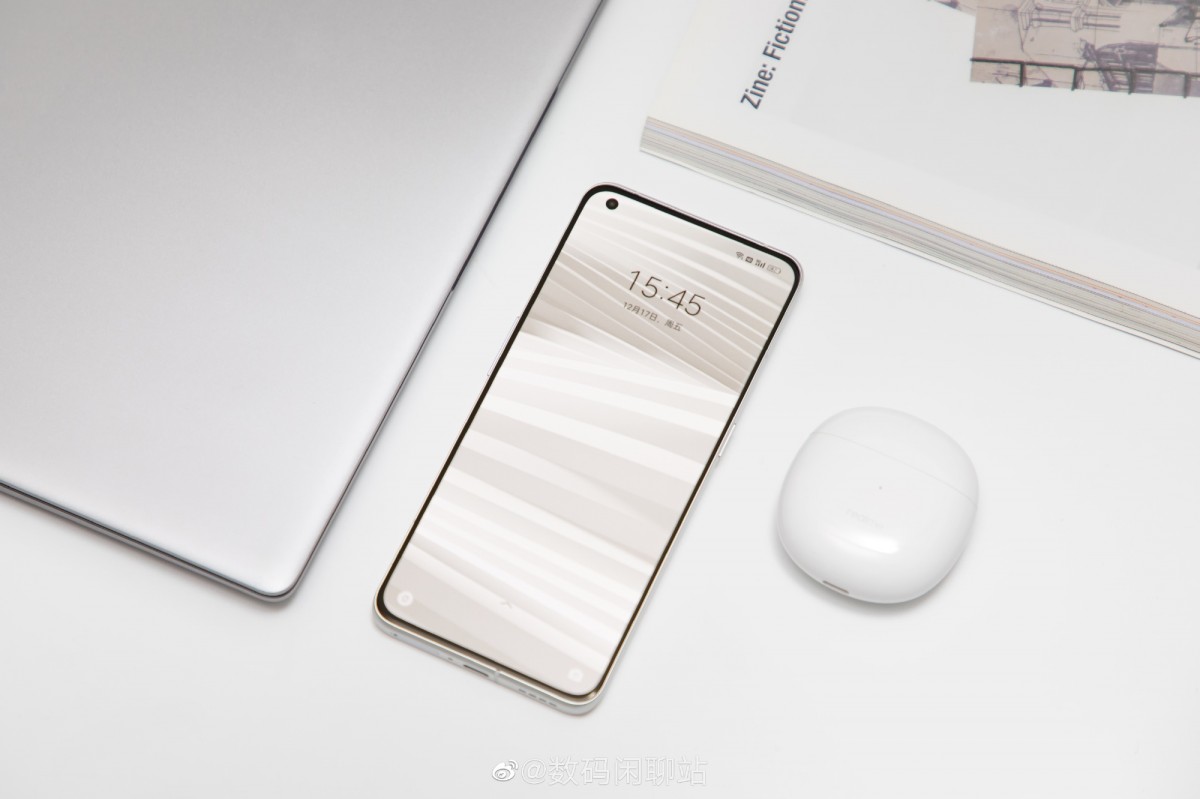
Some officially released images of the device had shown the realme GT2 Pro with a display packing the selfie snapper in the upper left corner and with no plastic frame. The device’s rear looks to be textured and could be made of a unique paper-like material.
Earlier today (3rd January 2022), the Vivo Y21T had been launched in India. The smartphone was previously released in Indonesia and has also hit the shelves in the Indian market as well.
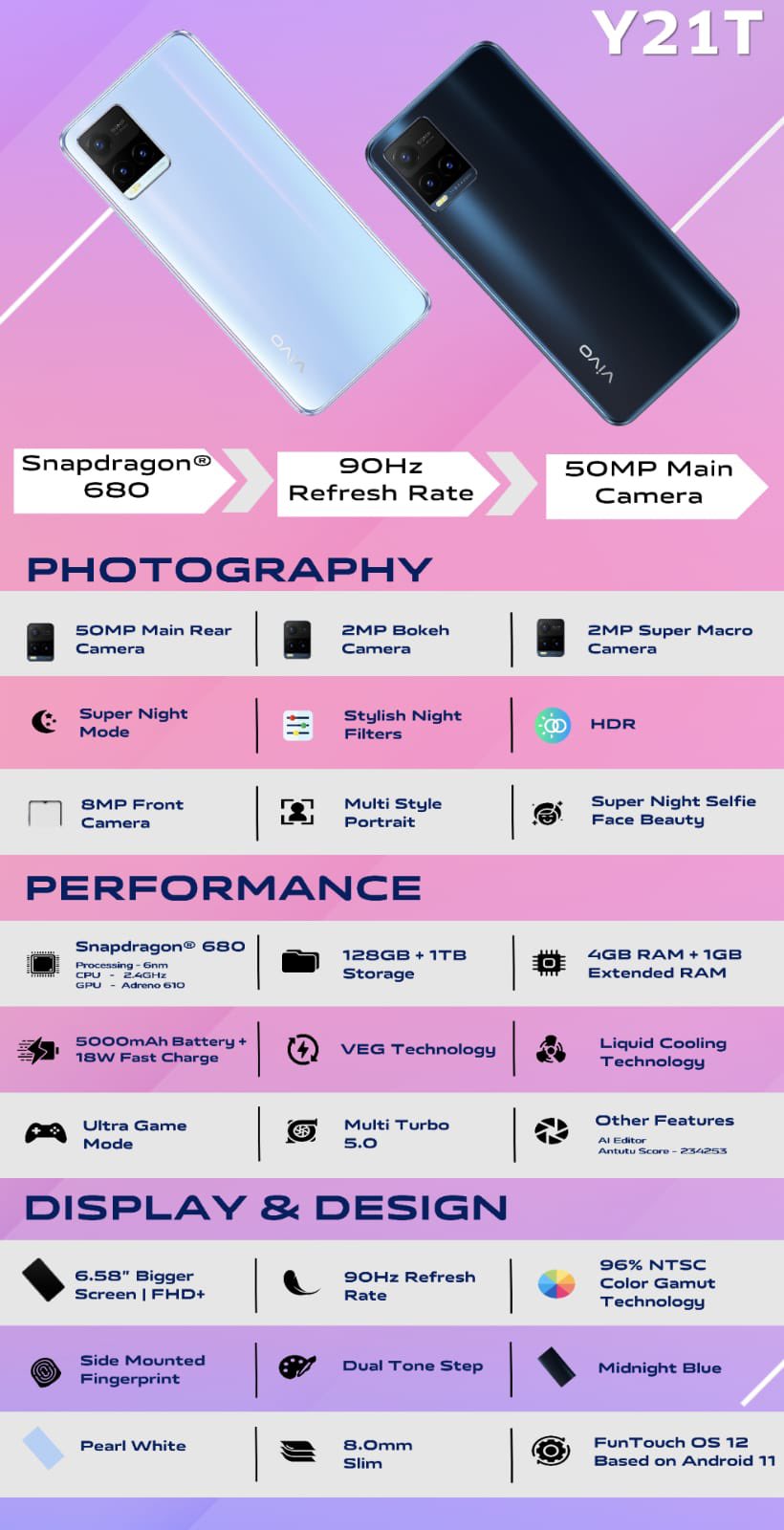
While both the Indonesian and Indian variants have the same name, there are key differences between the two. The most notable difference is the display, with the Indonesian version featuring a 6.51 inch LCD panel with a resolution of 1600 x 720 pixels and a 60Hz refresh rate. On the other hand, the version that was just launched in India sports a larger 6.58 inch FHD+ display, with a 90Hz refresh rate and 96 percent NTSC color gamut.
On the rear, the Vivo Y21T houses a triple camera module with a 50 megapixel primary sensor, paired with a 2 megapixel Bokeh camera, and a 2 megapixel Macro shooter. The front features an 8 megapixel camera for selfies. Under the hood, the smartphone is powered by a large 5,000mAh battery pack that supports 18W fast charging. It also houses a Qualcomm Snapdragon 680 SoC alongside 128GB of internal storage that can be expanded to 1TB and 4GB of RAM that supports virtual expansion by 1GB. Notably, the Indonesian variant offered 6GB of RAM with 2GB virtual expansion.
Other features include a side mounted fingerprint sensor, FunTouch OS 12 based on Android 11, liquid cooling technology, and more. The device is currently available via offline channels in the country and can be purchased in two color variants, namely Midnight Blue and Pearl White. It is available for a price of 16,490 INR (roughly 222 US Dollars) for its single storage variant.
The OnePlus 9RT and OnePlus Buds Z2 made their debut back in October 2021 in the Chinese market but their Indian launch has been riddled with rumors, most of which have now turned out to be untrue. A November launch was expected initially but the first official hint popped up only in December when support pages for the duo made an appearance on the OnePlus site.
Fast forward to January, and it’s now that the launch of the OnePlus 9RT and Buds Z2 has been officially teased for the very first time. The teasers should be especially intriguing for the wannabe cryptographers and sleuths out there since they involve a bit of decrypting.
A couple of tweets with morse code were dropped by OnePlus India on Sunday, decoding which reveals the names of the two devices. The caption for the OnePlus Buds Z2 tweet reads “Get ready to play with silence,” which is an obvious reference to the earbuds’ active noise cancellation capabilities.
But it’s the OnePlus 9RT that’s inarguably the star of the show, with fans and potential buyers from India waiting impatiently to get their hands on it for months. A “Coming soon” on the caption points towards a closer-than-ever launch, meaning we should be seeing more of the teasers in the coming days.
It is most likely that both OnePlus 9RT and OnePlus Buds Z2 will be launched together in the country considering they made their debut on the same day in China as well.
The 9RT sports a 120Hz 6.62-inch FHD+ AMOLED display with a peak brightness of 1300nits and support for HDR10+. It is protected by Gorilla Glass and packs an under-display fingerprint sensor. Under the hood, you get the Snapdragon 888 SoC that should offer a notable performance boost over last year’s Snapdragon 870 on the OnePlus 9R. The photography is handled by a triple camera setup at the rear, the primary lens of which packs an IMX766 50MP sensor.
The OnePlus 9RT is expected to cost between Rs 40,000 and Rs 45,000 while the OnePlus Buds Z2 could be priced at Rs 4,999 in India.
We’re officially in 2022 and the first month of the year, January has begun. This month we expect to see many smartphones launching across the world. Some of the confirmed phone launches are from big brands like Samsung, OnePlus, Xiaomi, Realme, Vivo, and Oppo. We are also expected to see gamer-centric phones from Lenovo, premium devices from iQOO, and a couple of budget phones from brands like Tecno. So without further ado, let’s have a look at the list.
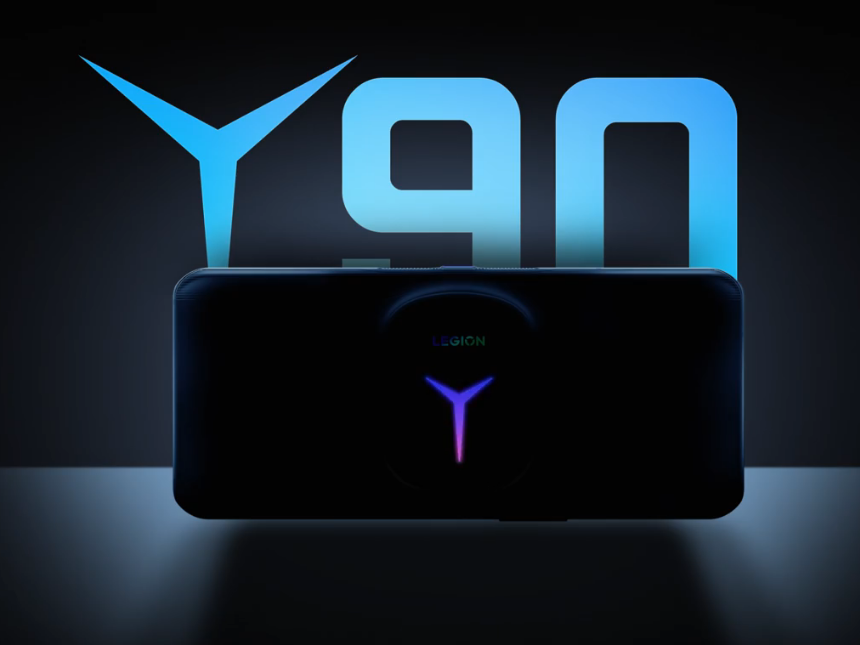
1. Lenovo Legion Y90
Lenovo will launch its Legion Y90 gaming smartphone in China. The smartphone made it to multiple rumors and it revealed its key specs and design. Similar to the company’s previous Legion Phone 2 Pro, the Legion Y90 may come with a landscape form factor. It is expected to feature a 6.92-inch Samsung E4 AMOLED display with a 144Hz refresh rate and 720Hz touch sampling rate.
As teased recently, the phone will come with Double Engine Air Cooling technology, which could be similar to the Double Turbo Fan Supercharged Liquid Cooling technology seen in the Legion Phone 2 Pro. It will keep the internals cool even in intense gaming sessions. The device is rumored to come powered by the Qualcomm Snapdragon 888 SoC paired with LPDDR5 RAM and UFS 3.1 internal storage.
2. Vivo Y21T
Although the company unveiled the Vivo Y21T last month in Indonesia, it was previously scheduled to have its debut in India. The phone will launch on January 3 in India and offer budget-centric specs to the masses.
As per the variant released in Indonesia, the smartphone has a 6.51-inch water-drop notch display with an HD+(1600 x 710 pixels) resolution. It is an LCD panel with a 60Hz refresh rate, 20:9 aspect ratio, and 89% screen-to-body ratio. The Indian variant, however, is slated to come with a slightly larger 6.58-inch FHD+ screen with a 90Hz refresh rate.
It has a 50MP + 2MP + 2MP triple rear camera system at the rear and an 8MP selfie snapper at the front. The smartphone is powered by the Snapdragon 680 SoC and has 6GB RAM + 128GB internal storage. In India, it will have 4GB of RAM with the same 128GB onboard storage. It runs on Android 11 out of the box and has a 5,000mAh battery.
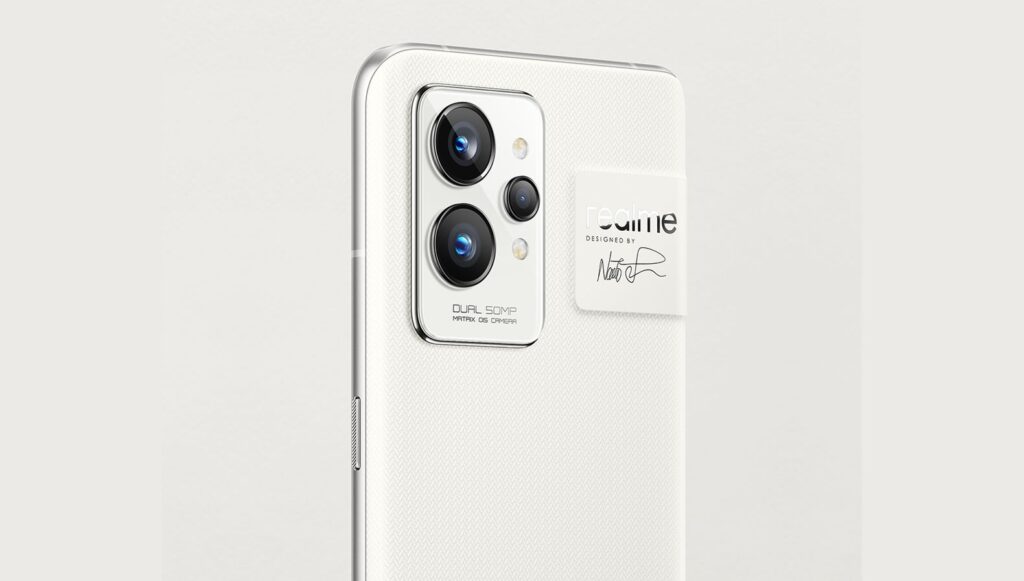
3. Realme GT 2
Realme will have a big launch this month as it is expected to launch its flagship for the year, the Realme GT 2 series. The series will comprise of two major phones, the GT 2 and the GT 2 Pro, the company is also expected to launch the master edition and a camera-focused phone on January 4.
Realme GT2 Pro
The Realme GT 2 was recently spotted on TENAA flaunting a 6.62-inch AMOLED display with an FHD+ resolution and 120Hz refresh rate. The GT 2 Pro was also seen with a 6.7-inch QHD+ AMOLED screen and 120Hz refresh rate. The duo will have an in-display fingerprint scanner.
At the helm, the GT 2 is expected to come powered by the Snapdragon 888 SoC, while the GT 2 Pro will be powered by the Snapdragon 8 Gen 1 chipset. The series is expected to come with a big battery with 65W fast charging support. As for cameras, there will be a 50MP + 50MP + a telephoto sensor on the Pro, whereas the vanilla may have a 50MP + 8MP + 2MP setup.
4. iQOO 9, 9 Pro
iQOO 9 series will be officially launched on January 5 in China. The series comprises the iQOO 9 and 9 Pro, both featuring the latest Snapdragon 8 Gen 1 SoC. The vanilla phone is expected to have a 6.78-inch FHD+ flat-screen AMOLED panel with a 120Hz refresh rate, while the Pro is touted to have a 6.78-inch QHD+ curved edged AMOLED LTPO screen with a 120Hz refresh rate.
iQOO 9
The series will have a Samsung GN5 sensor and may feature a triple camera system. The Pro was recently rumored to have a 50MP Samsung JN1 secondary sensor and a 16MP telephoto lens. The series is expected to pack a 4,700mAh battery with whopping 120W fast charging support.
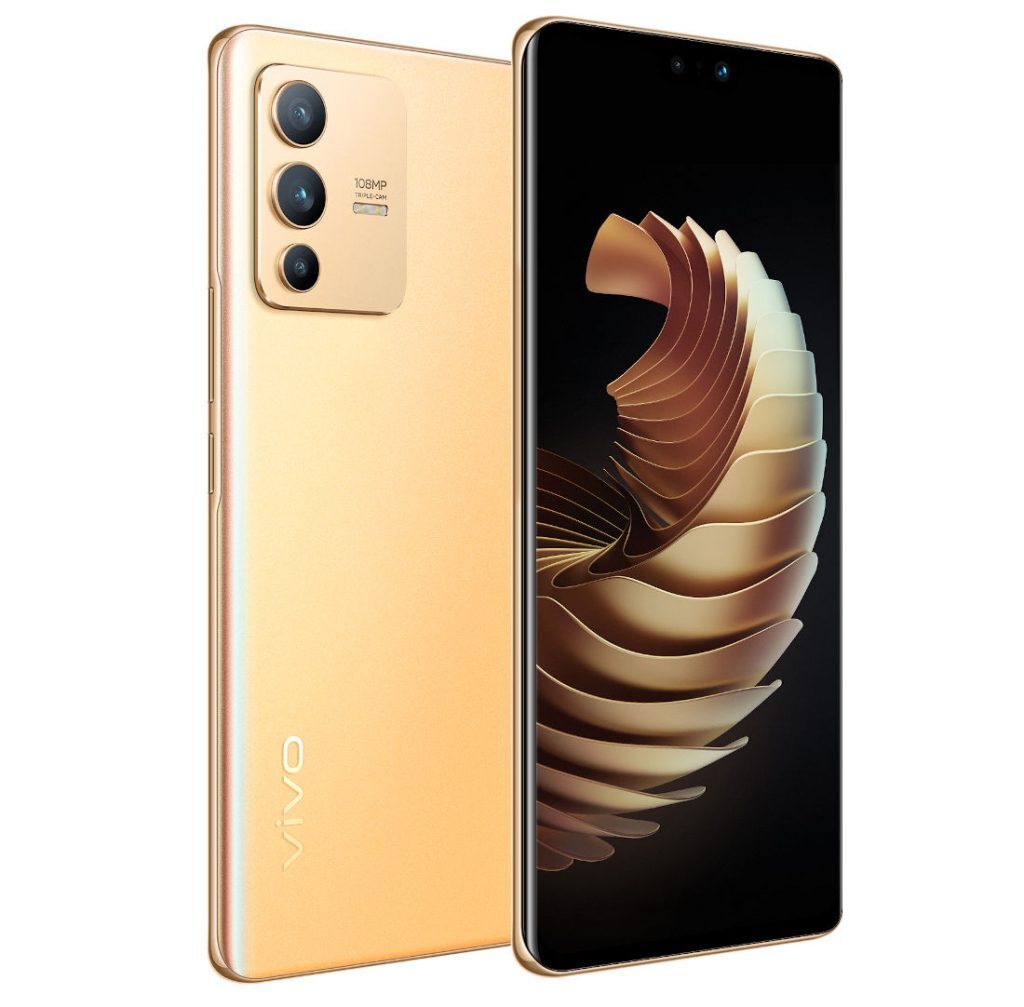
5. Vivo V23
Vivo will unveil India’s first colour-changing phone dubbed Vivo V23 on January 5. Interestingly, the phone’s back color will change in direct sunlight and UV light. The series comprising of the V23 and V23 Pro is expected to launch with a 50MP Autofocus Dual Selfie camera and one of the phones may feature a 108MP lens.
The specs for the phone are scarce but we know that the series will feature an AMOLED panel and have a mid-range processor. The Pro model was spotted on Geekbench with MediaTek Dimensity 1200 SoC.
6. Xiaomi 11i, 11i HyperCharge
Xiaomi will take wraps off the Xiaomi 11i HyperCharge on January 6 in India. Rumors are rife that the phone will be a rebadged model of the Redmi Note 11 Pro+(Chinese model) for the Indian market with slight changes.
The Xiaomi 11i HyperCharge will feature a 6.67-inch Samsung AMOLED screen with an FHD+ resolution and 120Hz refresh rate. It will be powered by the MediaTek Dimensity 920 SoC paired with up to 8GB of LPDDR4x RAM and UFS 2.2 storage. It is expected to have a 108MP + 8MP + 2MP triple camera setup. The phone will have a 4,500mAh battery with a crazy fast 120W fast charging technology.
7. Realme 9i
Realme is expected to launch the Realme 9i on January 10 in Vietnam. The smartphone was spotted on certification sites with Snapdragon 680 SoC and a 5,000mAh battery. It is also expected to have a 33W fast charging support.
Realme 9i
The smartphone will feature a 6.6-inch LCD punch-hole display with an FHD+ resolution and 90Hz refresh rate. It is rumored to have a 50MP + 8MP + 2MP triple camera system and a 16MP selfie snapper. As for security, it will feature a side-facing fingerprint scanner. The device is expected to run on Android 11 out of the box with Realme UI 2.0.
8. OnePlus 10, OnePlus 9RT
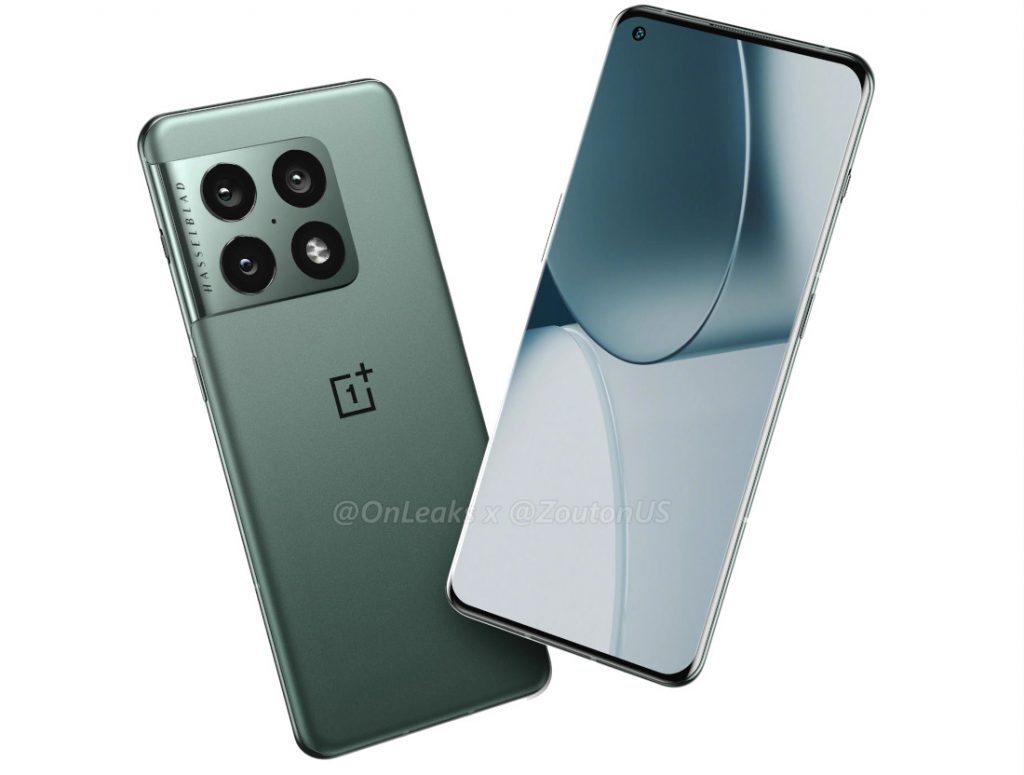
One of the most anticipated phone launches would be the OnePlus 10 series. The company is expected to launch the phone in the second week of this month with flagship-level internals. If we go by the recent news, the series may debut on January 11 in China.
The OnePlus 10 duo is expected to come with an AMOLED screen featuring a high refresh rate. As per leaks, the Pro may come with a 6.7-inch QHD+ AMOLED display with a 120Hz refresh rate. Similar to the predecessor, the 10 series will make use of a punch-hole screen. The series will have Hasselblad powered triple camera system with a 48MP + 50MP + 8MP system on the Pro. The series is rumored to come powered by the latest Snapdragon 8 Gen 1 processor paired with up to 12GB of LPDDR5 RAM and 256GB of UFS 3.1 onboard storage.
OnePlus will launch the OnePlus 9RT on January 14 in India. The OnePlus 9RT is slated to come with a 6.62-inch 120Hz screen, 50MP triple camera system, and Snapdragon 888 SoC.
9. Samsung Galaxy S21 FE
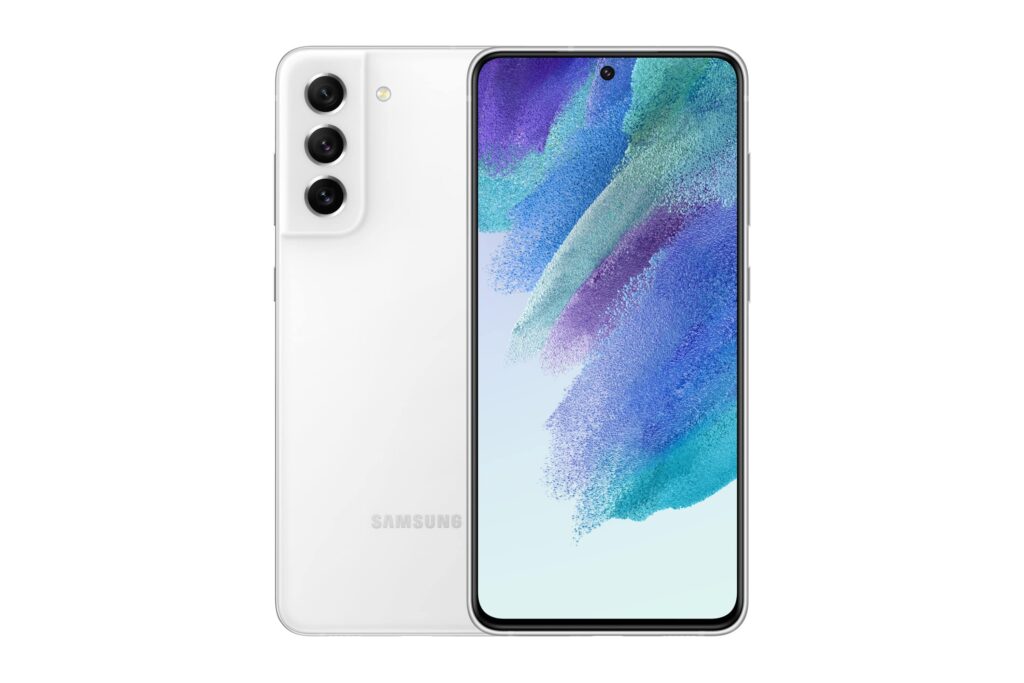
After a heap of leaks, the Samsung Galaxy S21 FE will finally launch this month. Although we don’t have an exact launch date, the phone was listed in multiple retail stores across the world. The phone is also slated to launch in India this month.
The smartphone will feature a 6.4-inch AMOLED display with FHD+ resolution and a 120Hz refresh rate. It will have a 12MP + 12MP + 8MP triple rear camera system and a 32MP selfie lens. It will be powered by the Snapdragon 888 SoC for some markets, while the Indian market will get the Exynos 2100 powered model. It will pack a 4,500mAh battery with 25W fast charging support.
10. Tecno Pova 5G
Recently, Transsion India’s CEO confirmed that the Tecno POVA 5G will be launched in the third or fourth week of January in India. It may debut under ₹20,000(~$269) segment in the country and will have specs like Dimensity 900 SoC and a triple camera system.
The smartphone was recently launched in Nigeria and it has a large 6.95-inch IPS LCD display with a Full-HD+ resolution. It has a 120Hz refresh rate and a 16MP selfie camera. The device features a 50MP + 2MP + AI lens at the rear. One of its highlights will be the big 6,000mAh battery. It will have an 18W fast charging support.
11. Oppo A16K
Oppo is also expected to launch a budget-centric phone in India. The upcoming Oppo A16k is tipped to launch this month with a 6.52-inch HD+ display. It will have a 13MP + 5MP dual-rear camera and a single selfie lens.
The phone is expected to come powered by the MediaTek Helio G35 SoC paired with 3GB of RAM and 32GB of onboard storage. It will pack a 4,230mAh battery with a 10W charging speed. The phone will run on Android 11 OS out of the box with ColorOS on the top.
These are some of the phones launching this month. Which device are you most excited about? Do tell us in the comments.
Xiaomi unveiled MIUI 13 at the Xiaomi 12 series lunch event last week. The company revealed that the first batch of eligible devices will start receiving the stable update from the end of January 2022. Ahead of that, the firm has begun to roll out the stable release for the testers.
Xiaomi Mi 11
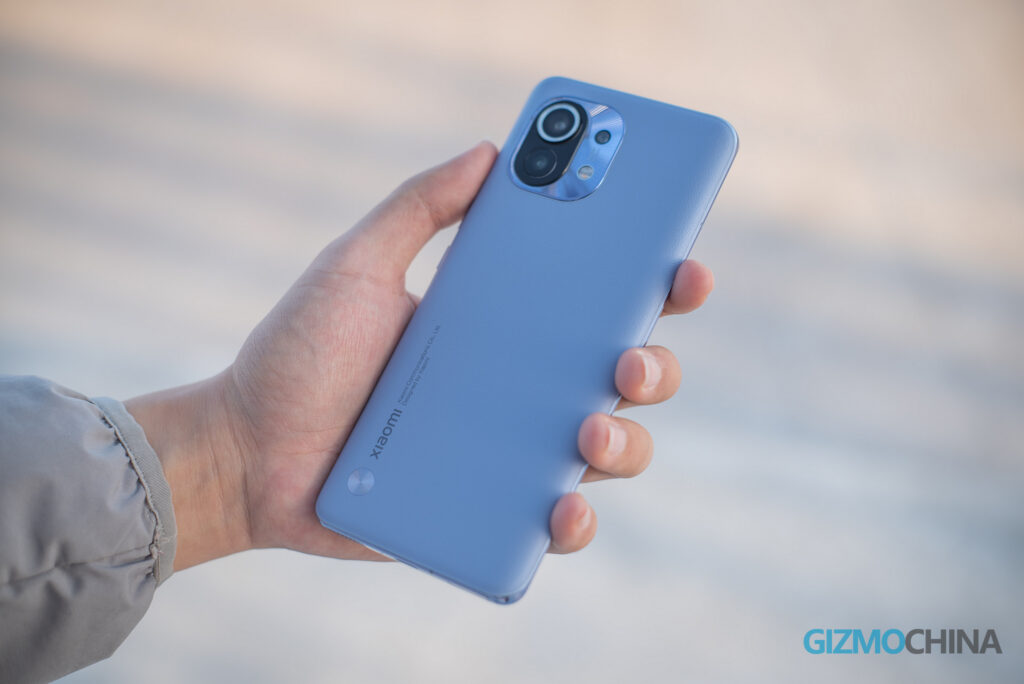
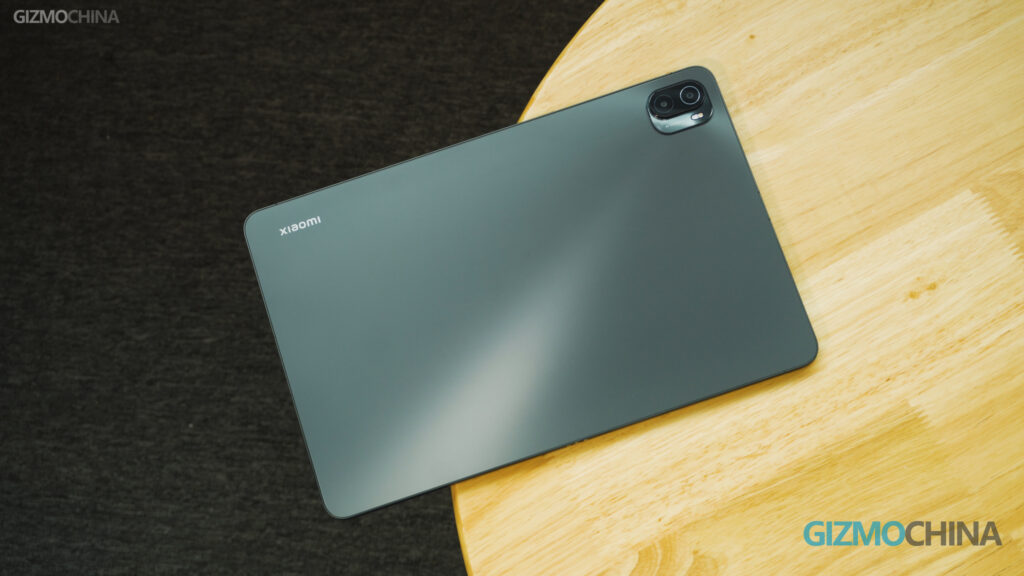
Xiaomi has kickedoff MIUI 13 stable update rollout for users in the closed beta channel. The first devices to bag the update are the Chinese variants of the Xiaomi Pad 5, Xiaomi Pad 5 Pro, and Xiaomi Pad 5 Pro 5G, and Mi 11.
The latest software build for the flagship tablets and the premium handset arrives with the following build numbers.
As you can note, the MIUI 13 stable update for Mi 11 weighs over 4GB in size. Interestingly, the MIUI 13 Pad stable for the Xiaomi Pad 5 Pro weighs only 659MB in size.
Apart from bringing newly introduced MIUI features, the fresh software update for the aforementioned devices also brings along Android 12 and its features.
Having said that, we expect the update to reach regular users by the end of this month, followed by international markets sometime later in Q1 2022.
As we arrive at a new year, various smartphone makers are gearing up to launch their latest flagship grade handsets. Now, a new report has revealed some interesting information regarding the upcoming Oppo Find X5 series.
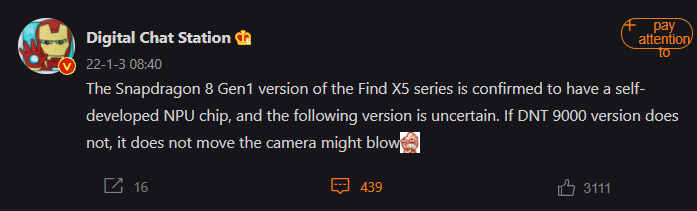
The news comes from @数码闲聊站 on Weibo, a Chinese microblogging website. The tipster claimed that the company’s Find X5 series will feature launch in two variants, namely the Qualcomm Snapdragon 8 Gen 1 and the MediaTek Dimensity 9000 chipset. Furthermore, the Snapdragon variant will also arrive with the Chinese smartphone brand’s new self developed MariSilicon X NPU chipset. Although, it is currently unknown if the MediaTek version of the Find X5 series will also feature their in house NPU.
For those unaware, the MariSilicon X NPU is the brand’s first self developed imaging based chipset. The new chip is manufactured using the 6nm process from TSMC and seeks to improve imaging performance of upcoming Oppo smartphones. Notably, the company had previously announced that its Find X series of flagship phones will feature the new NPU, so the new leak is in line with the company’s actual plans.
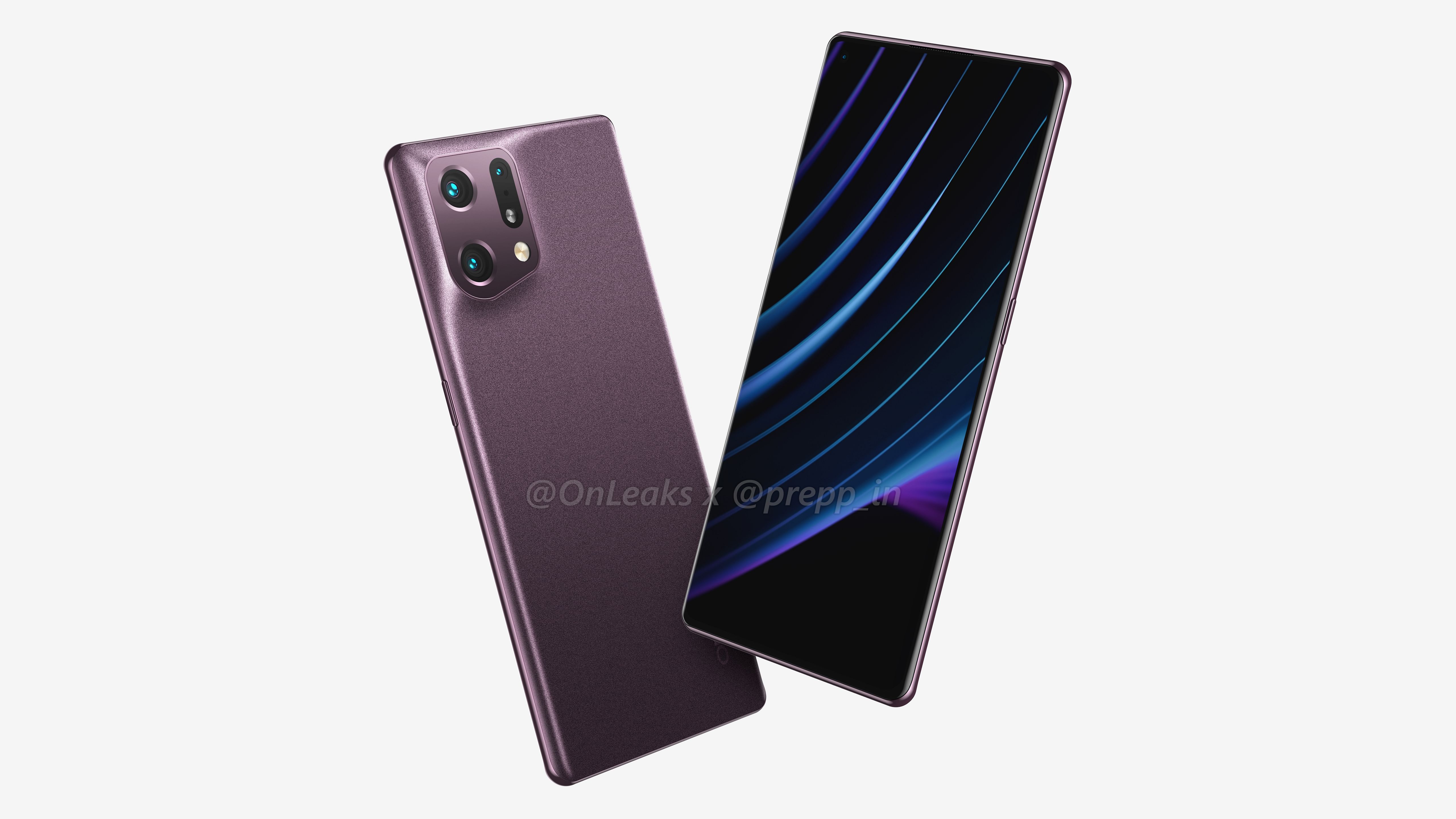
Find X5 / X5 Pro renders by OnLeaks and Prepp.in
However, it is still unclear if the brand will be launching the Find X5 series in two different processor variants. Additionally, if the Dimensity 9000 skips the MariSilicon X NPU, then there will also be a difference in imaging performance between the Qualcomm and MediaTek versions. Keep in mind that this is still an unconfirmed report so take it with a pinch of salt for now and stay tuned for more updates.
We use cookies on our website to give you the most relevant experience by remembering your preferences and repeat visits. By clicking “Accept”, you consent to the use of ALL the cookies.
This website uses cookies to improve your experience while you navigate through the website. Out of these, the cookies that are categorized as necessary are stored on your browser as they are essential for the working of basic functionalities of the website. We also use third-party cookies that help us analyze and understand how you use this website. These cookies will be stored in your browser only with your consent. You also have the option to opt-out of these cookies. But opting out of some of these cookies may affect your browsing experience.
Necessary cookies are absolutely essential for the website to function properly. This category only includes cookies that ensures basic functionalities and security features of the website. These cookies do not store any personal information.
Any cookies that may not be particularly necessary for the website to function and is used specifically to collect user personal data via analytics, ads, other embedded contents are termed as non-necessary cookies. It is mandatory to procure user consent prior to running these cookies on your website.