Advertisement

ZHIYUN SMOOTH 5 REVIEW – A Professional Smartphone Gimbal

Have you ever been in a situation where you need a cell phone to capture relatively professional footage, but it’s hard to do it only with your phone? If you require smooth, shake-free professional footage, the least you can do is get a smartphone gimbal.

But if you browse through the various brands of cell phone gimbals, you will find that they are very difficult to help you to shoot true professional footage. That’s where the ZHIYUN SMOOTH 5 comes in, as it is designed for capturing professional cell phone video.
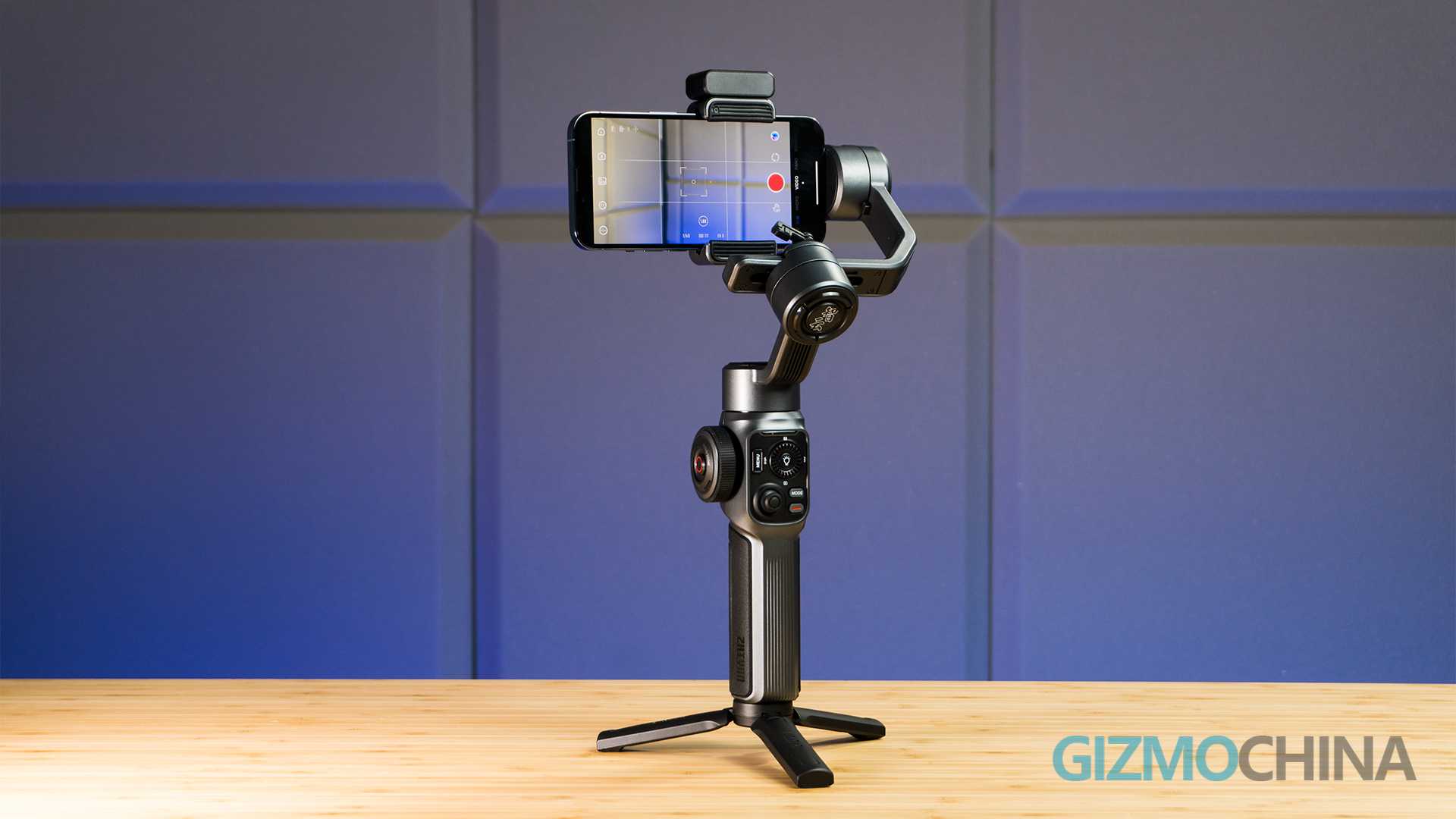
ZHIYUN SMOOTH 5 Review 17

We have got the SMOOTH 5 COMBO set and let’s take a look at how this gimbal performs.

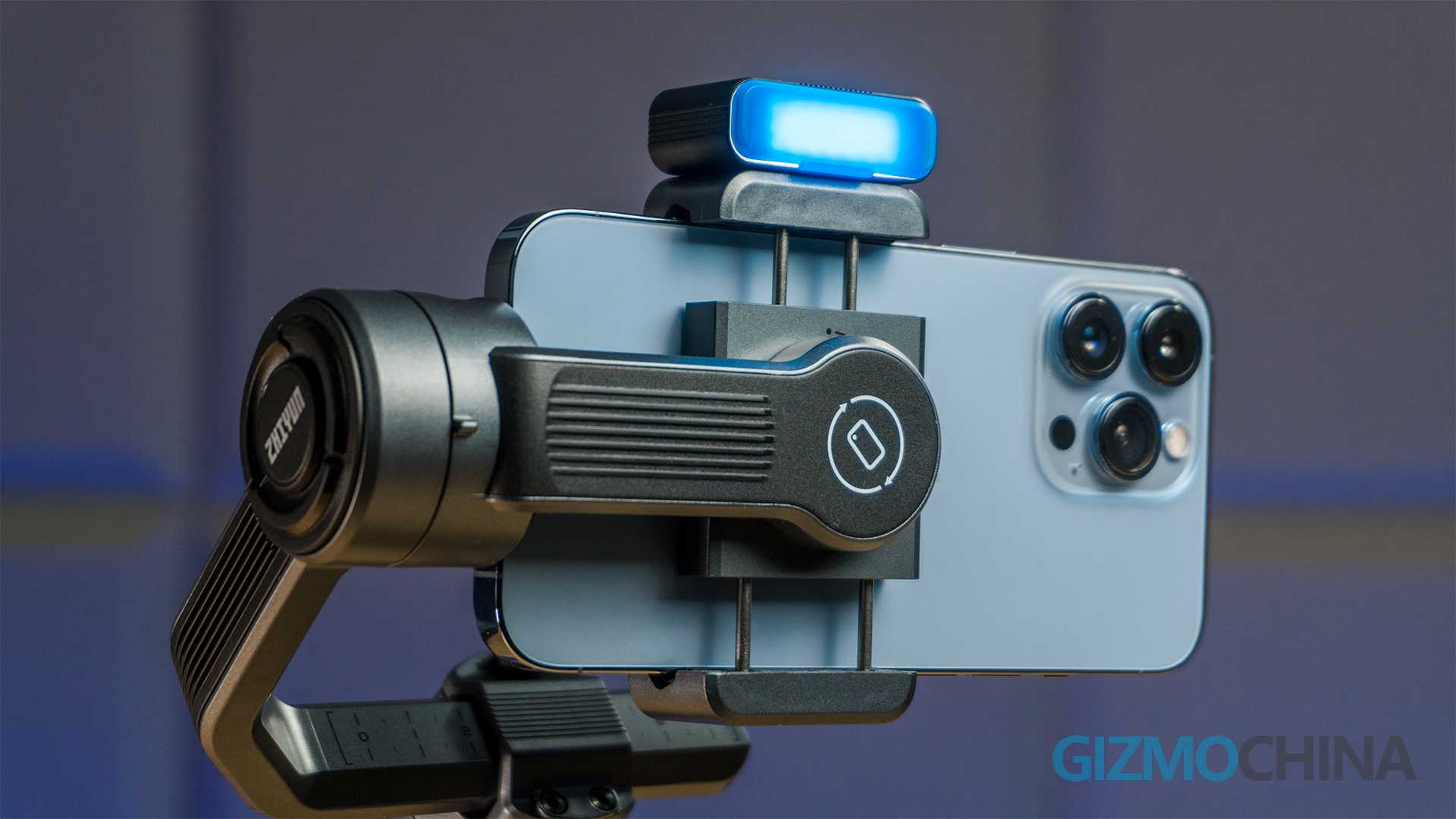
In addition to the Gimbal, Tripod, and Type-C cable, there is a Fill Light and some Fill Light Filters in the package. Of course, the storage bag is also included in the COMBO set. What is the difference between Standard set and COMBO set can be seen in the following picture.
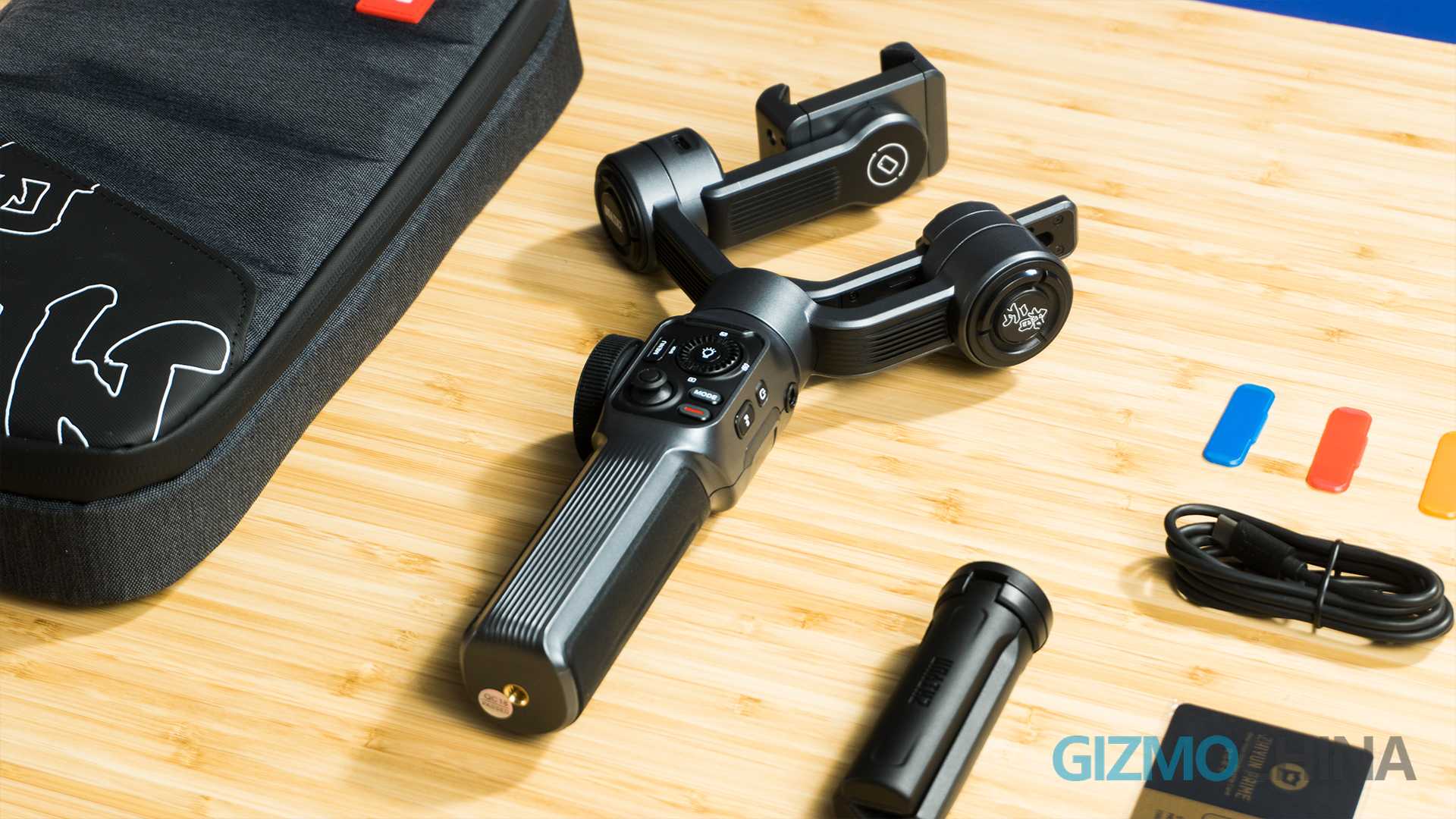
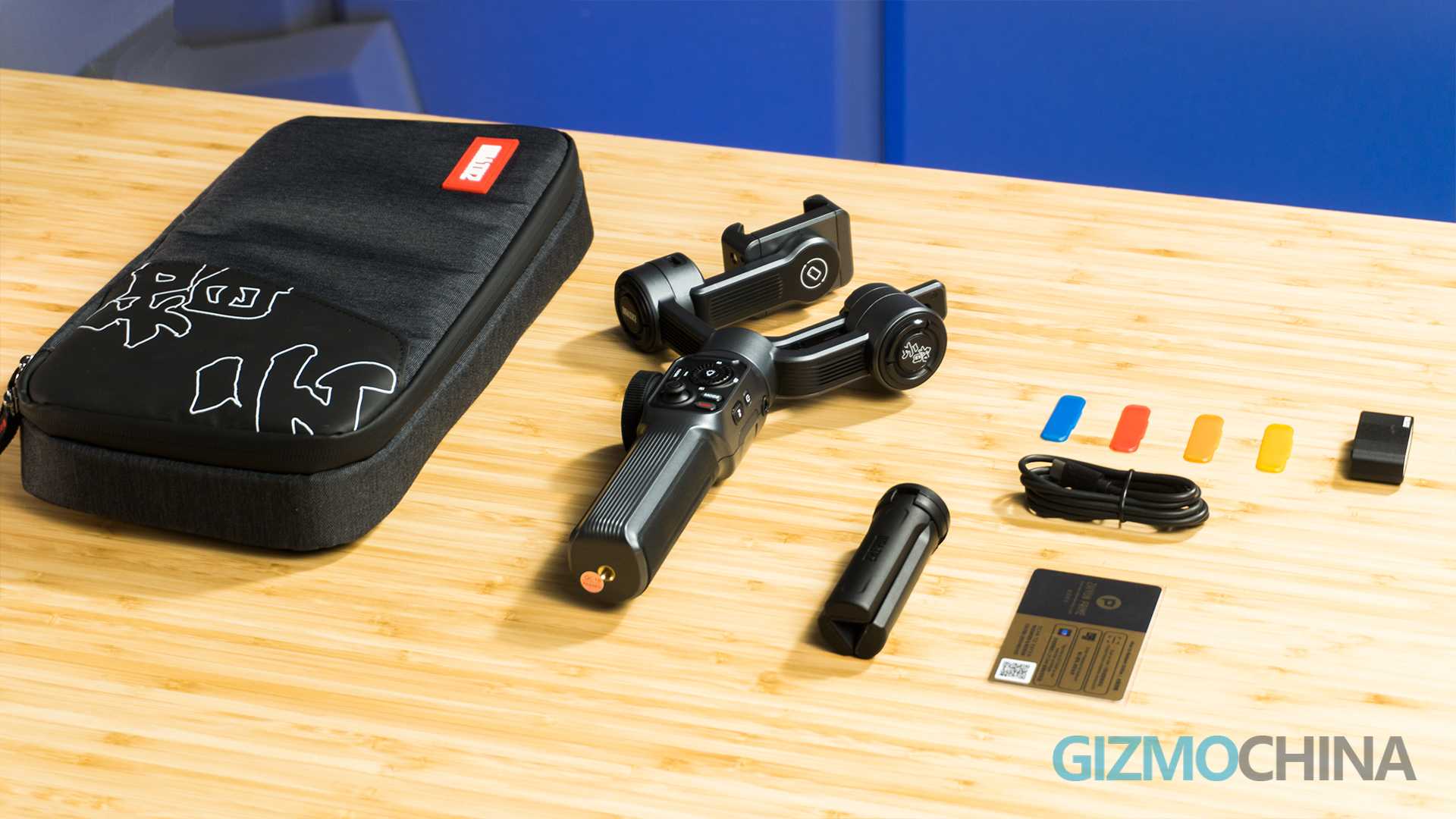
Unlike some cell phone gimbals, SMOOTH 5 is more like a camera gimbal stabilizer, both before and after folding, it comes out to be a bit bigger than other cell phone gimbals. As I said at the beginning, SMOOTH 5 is a professional cell phone gimbal, and it makes sense to have a larger size for a more stable picture and better weight capacity. The SMOOTH 5 Roll Axis Arm has a latch that allows you to quickly adjust the length of the Roll Axis Arm for balancing the gimbal, and to be compatible with more phones of different sizes and weights.
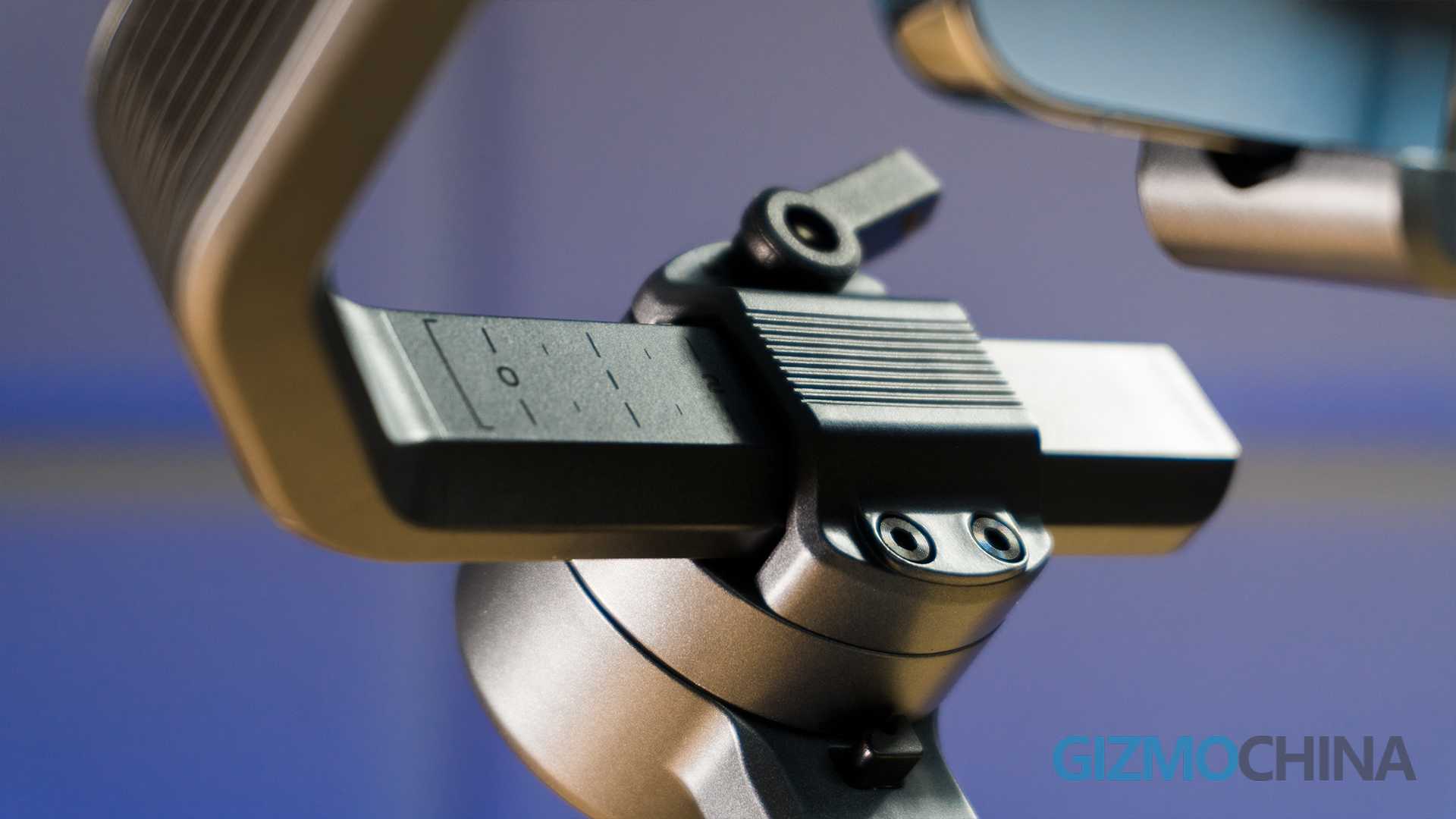
ZHIYUN SMOOTH 5 Review locking mechanism

What I can promise is that the gimbal is very stable. It will be more stable than those foldable phones gimbals in the market. And its Axis Arm changed to this side of the screen to ensure that the Arm does not block the lens. This is especially important because I’ve seen many phone’s Gimbal Roll Axis Arm enter the frame because the phone’s Ultra-wide Camera field of view is too wide. SMOOTH 5 uses the Ultra-wide Camera appropriately and it doesn’t block anything.
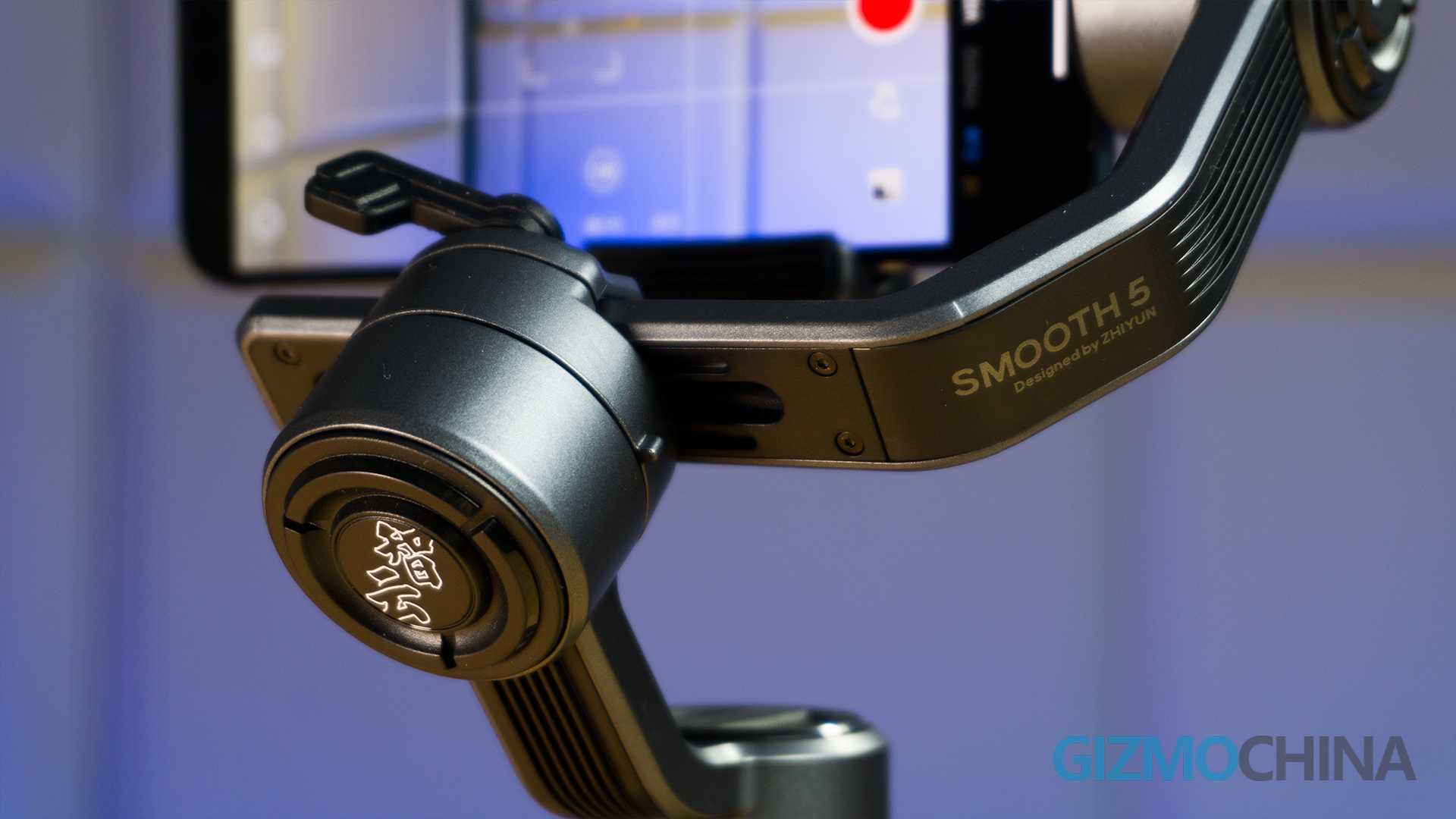
ZHIYUN SMOOTH 5 Review 14

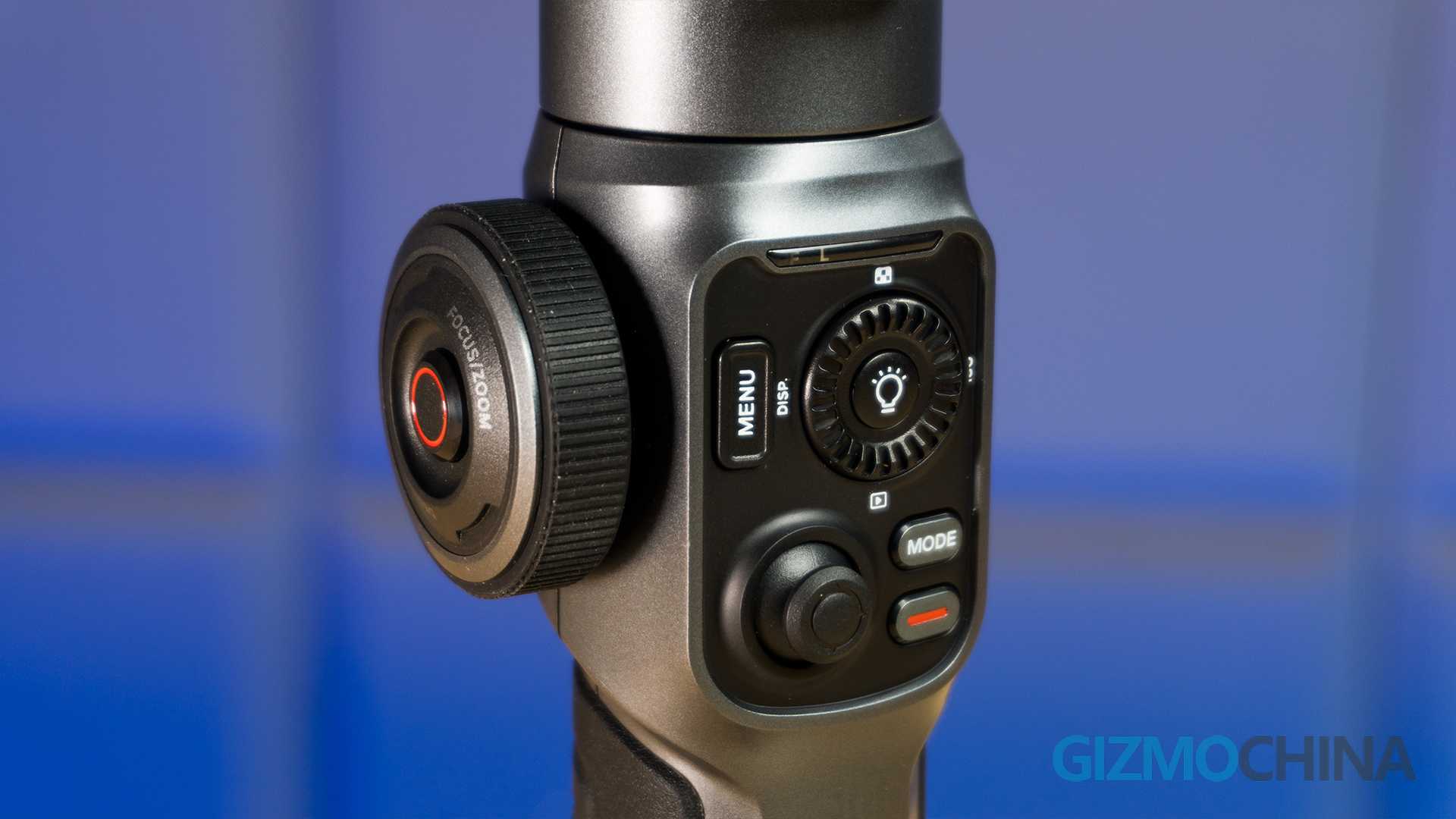
Because your phone is mainly used for shooting. SMOOTH 5’s control section is very well designed in order to allow the head to control most of the functions as far away from the phone as possible.
ZHIYUN SMOOTH 5 Review 15

In addition to the Control Panel and Joystick that can be rotated, the large Focus/Zoom Control Wheel looks very professional. The wheel can be manually controlled by using ZY Cami APP, and you can switch between Focus and Zoom by clicking the button in the middle of the wheel, which is very easy to adjust and feels very good.
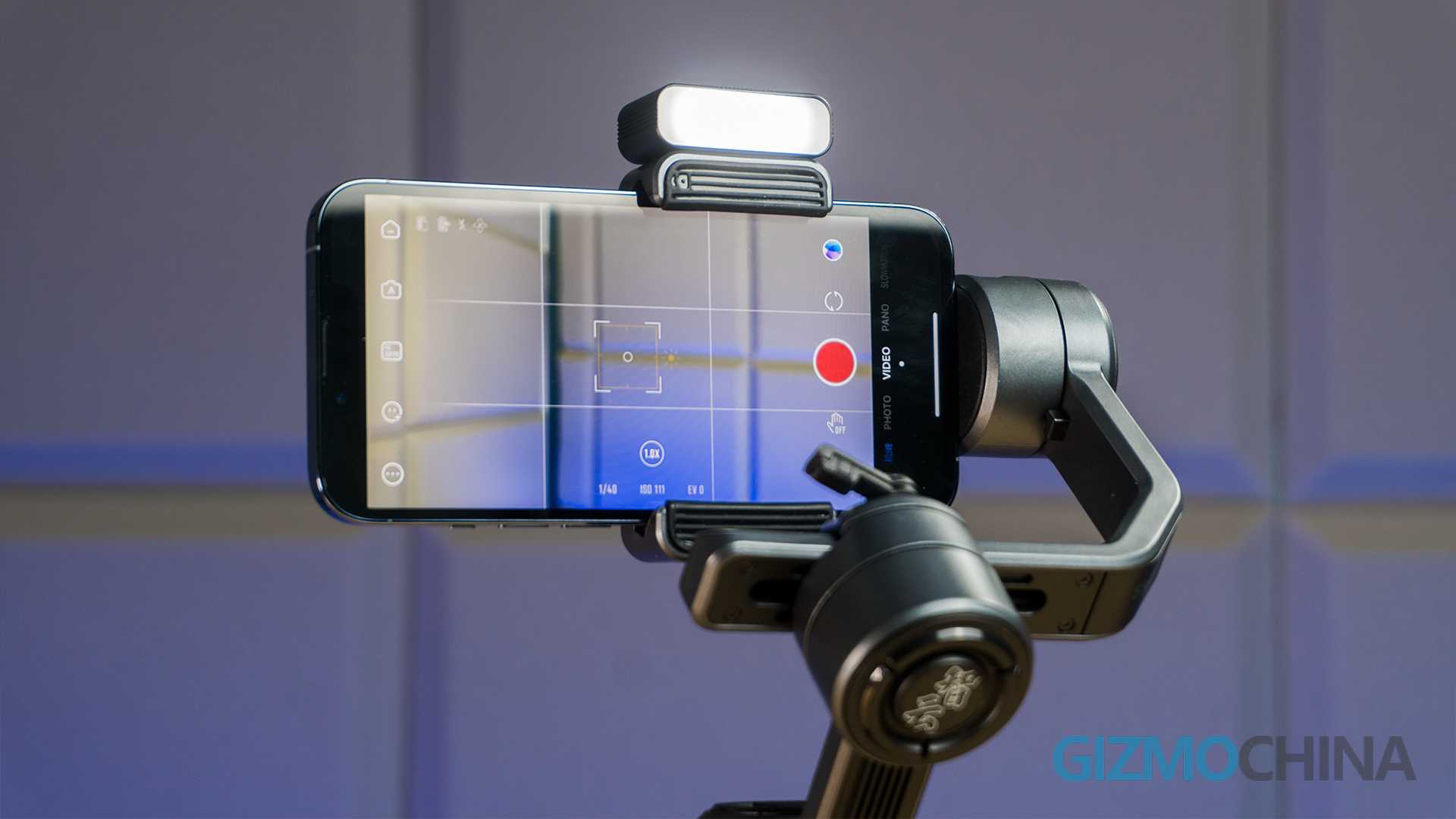
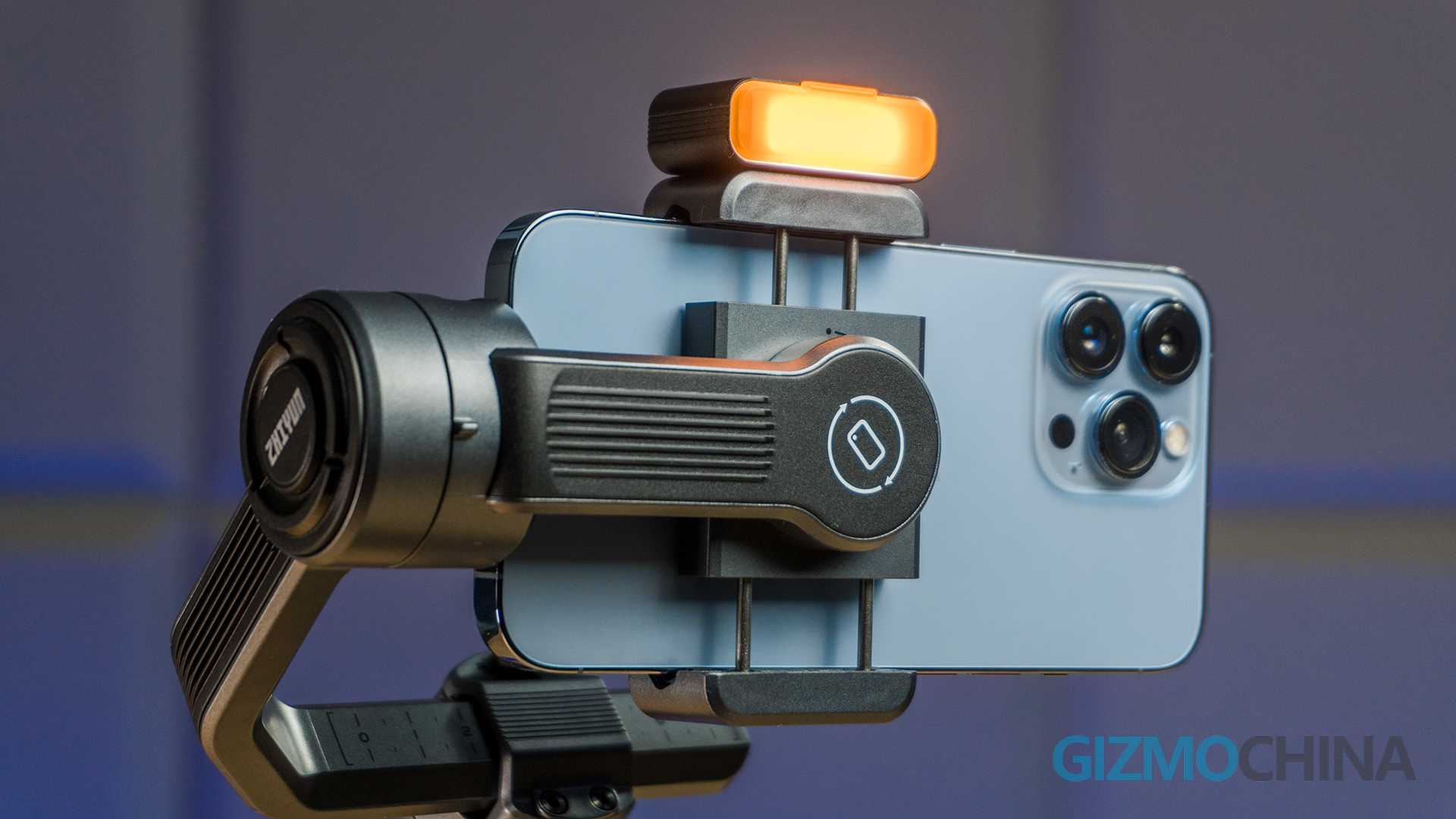
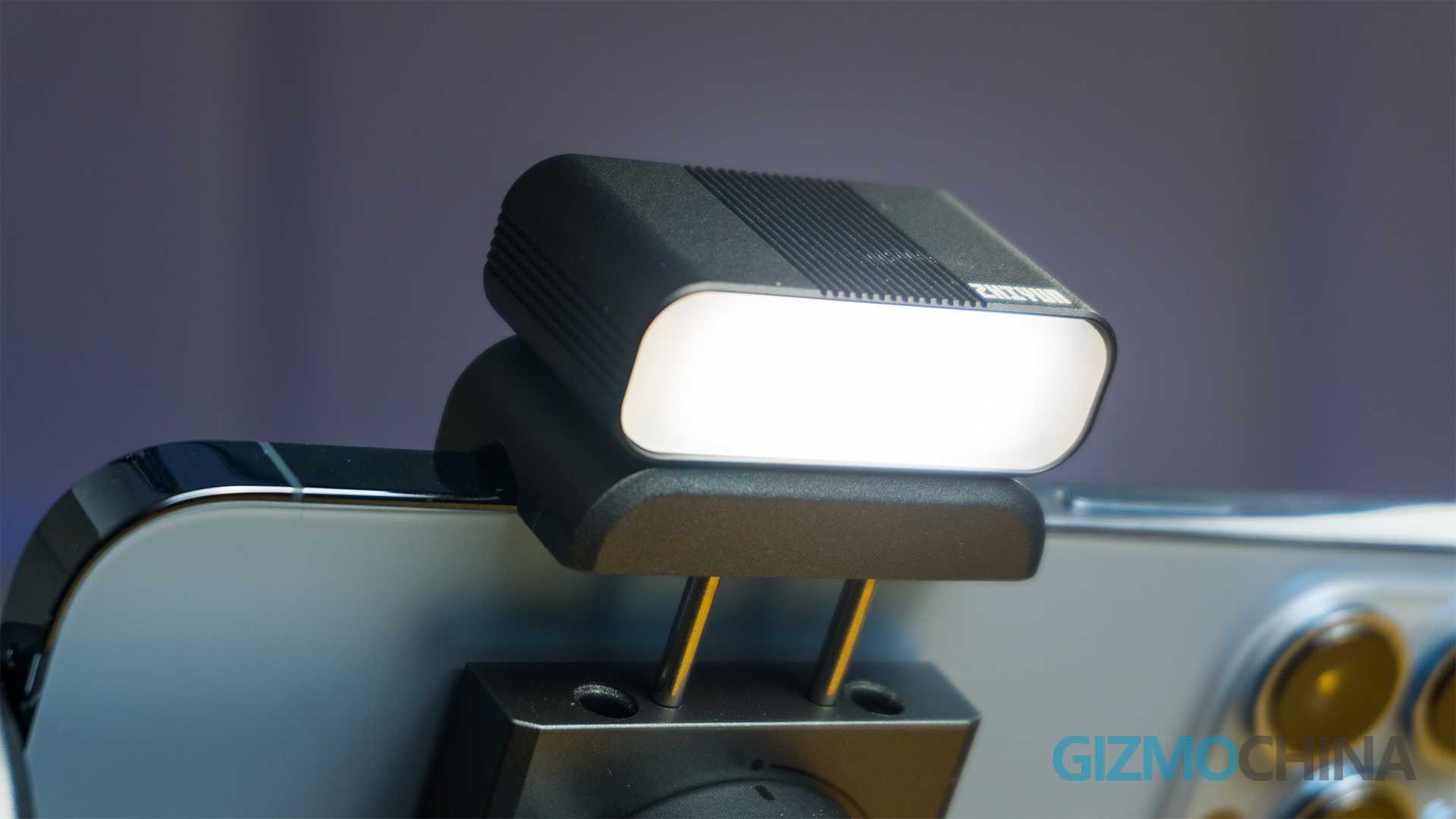
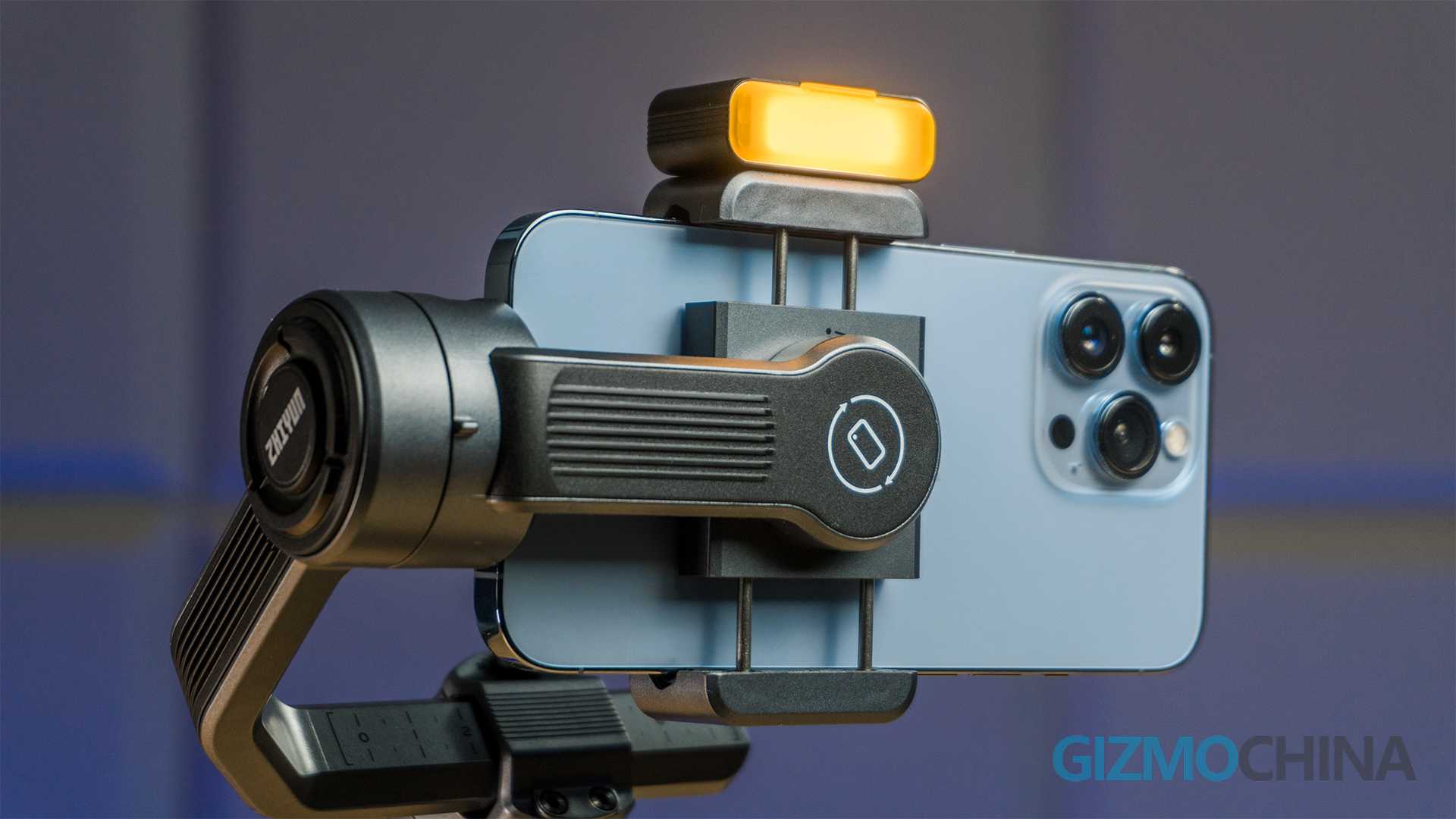
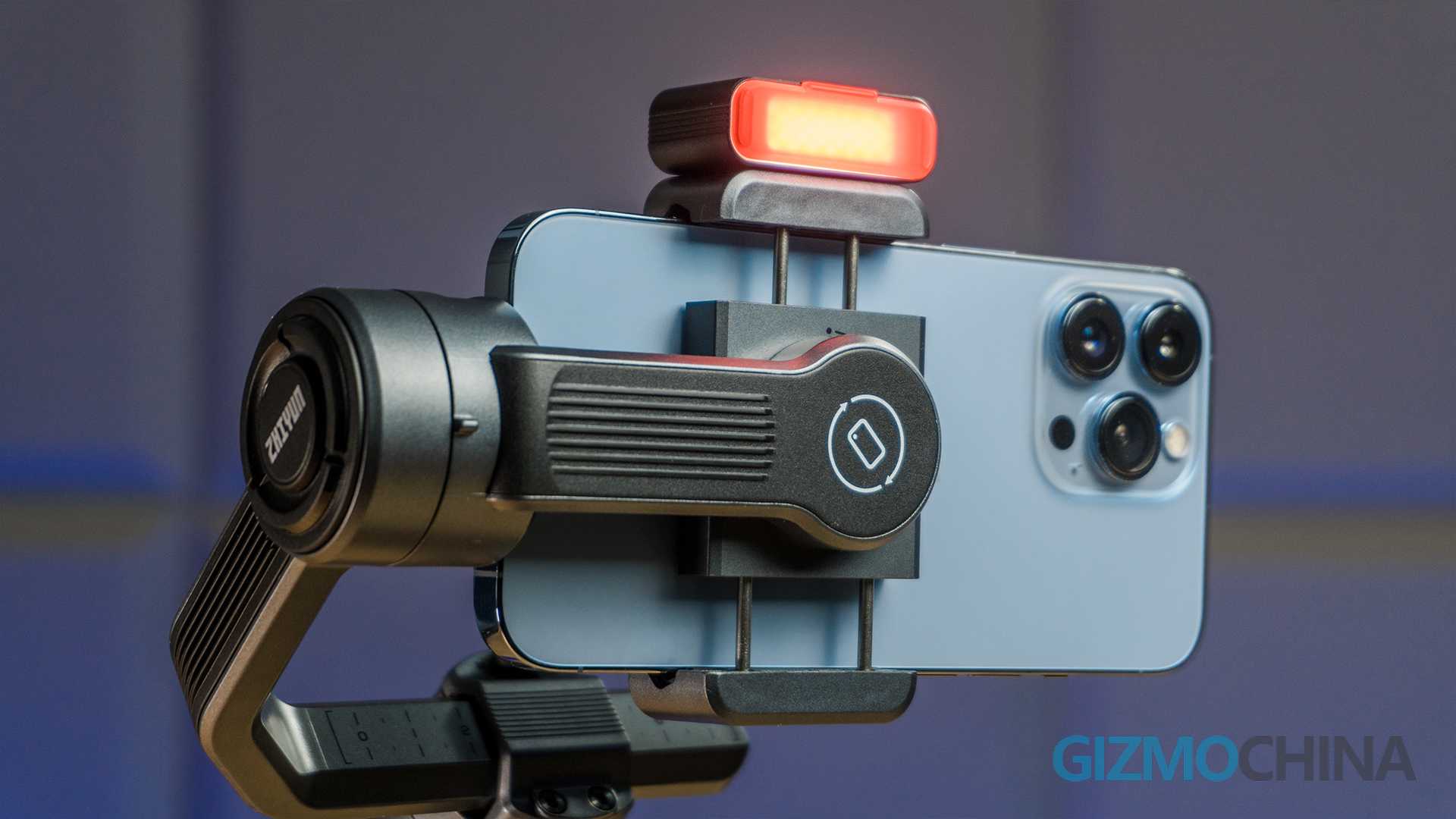
It has a 1/4 Threaded Hole, supports Gesture Control and Smart Follow, and can also be fitted with Magnetic Fill Light, which can be mounted forward, backward, or on the top or bottom. Whether it is vlogging or shooting video can illuminate the front of the lens. Four colors of Fill Light Filters are included to provide you with different colors of light. It can be used continuously for 25 hours with only the phone installed. SMOOTH 5 is like a combination of phone gimbal and camera gimbal, bring professional features and add ons without being too heavy. This is the advantage of SMOOTH 5.
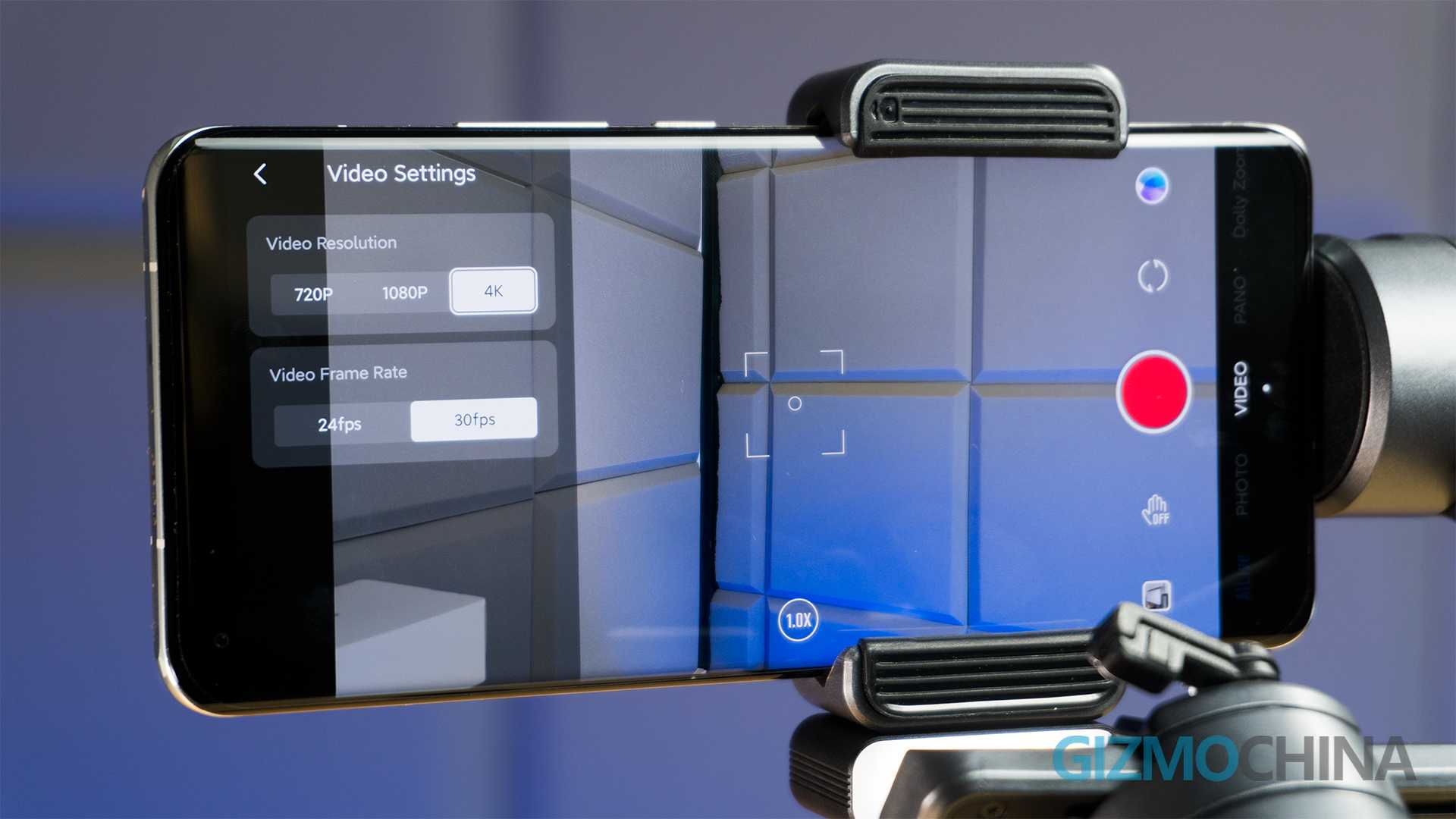
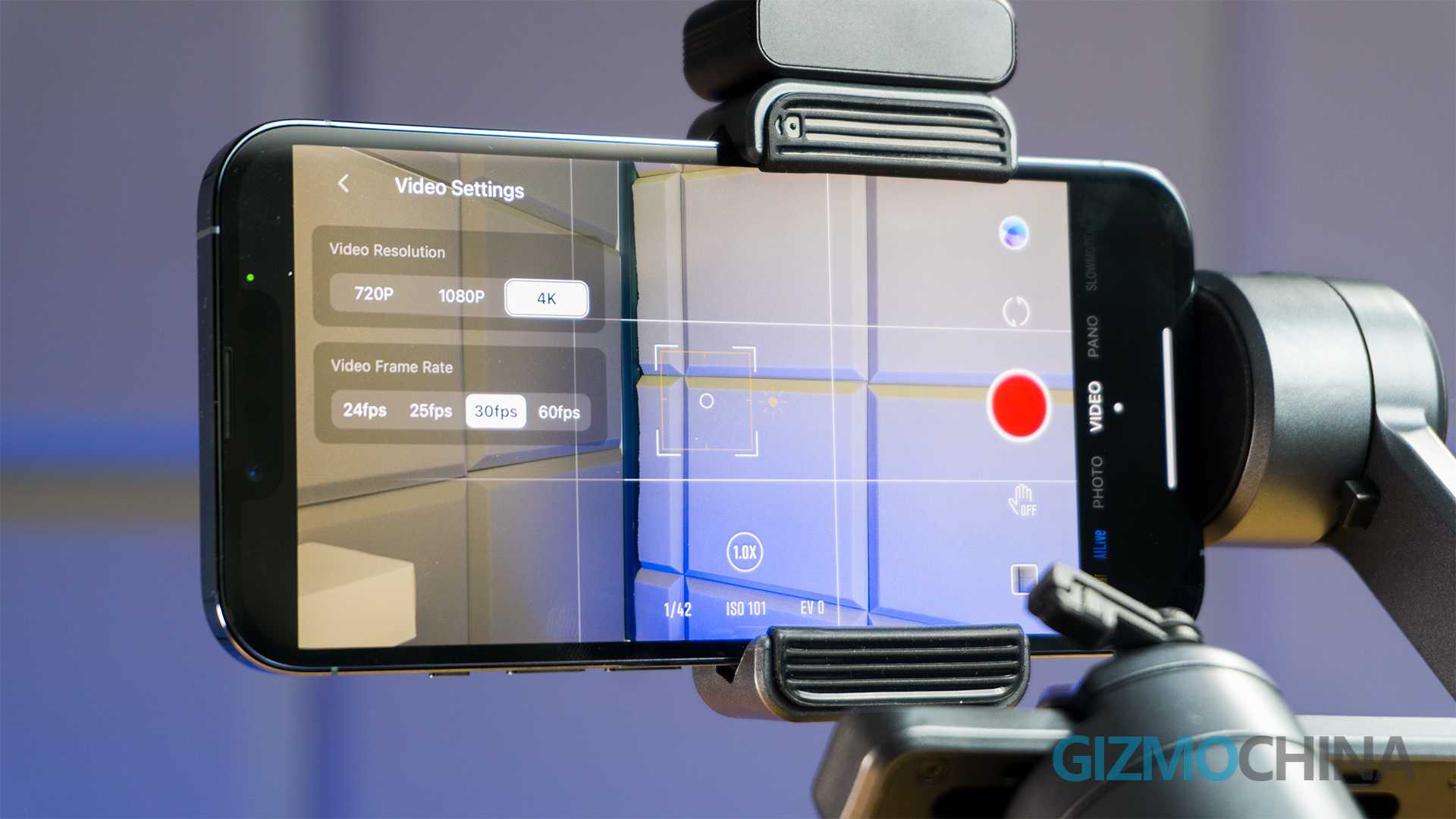
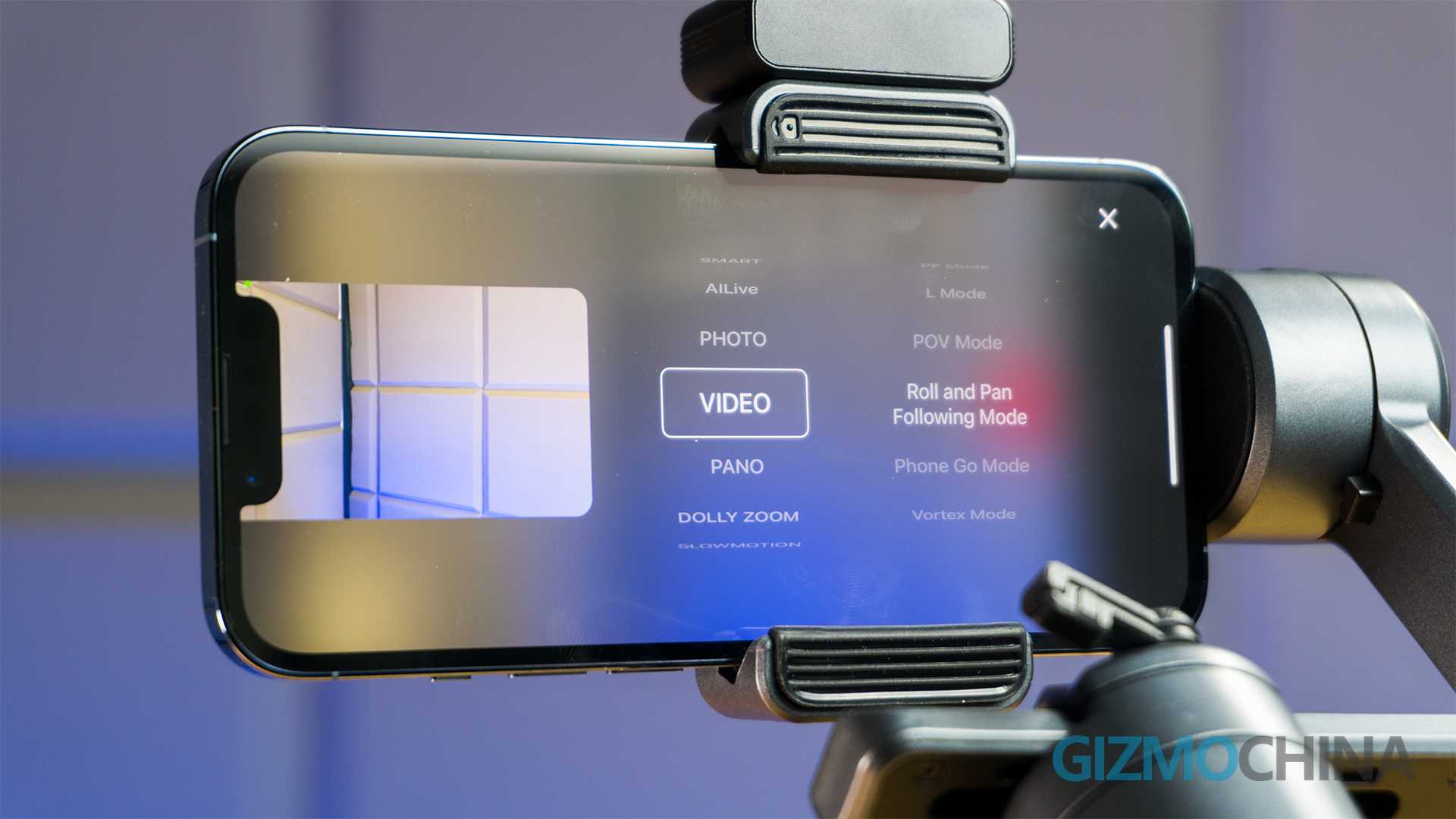
ZY Cami APP experience is also good, but it can’t pull too much gap with other cell phone Gimbal manufacturers. For example Hitchcock zoom mode, POV mode, Smart Follow mode are available. The advantage of ZHIYUN in software is that most of the APP functions can be controlled by the Control Panel without clicking on the phone screen. Like the particularly good Smart Follow mode can be used directly by clicking the Trigger Button. This is still very convenient for us to use. It should be noted that ZY Cami APP, like most other mobile Gimbal APPs, does not support Android phones that well. Many Android phones can only record videos at 30fps with the main camera. But this is the problem of Android phone manufacturers, there is not much that cell phone gimbal manufacturers can do.

SMOOTH 5 is a cell phone gimbal that is very close to a professional camera Gimbal, with features like the rear Axis Arm structure and the large Focus/Zoom Control Wheel that are only found in professional camera gimbals. Further the Magnetic Fill Light is an extremely rare and innovative feature.

If you need a professional cell phone gimbal, I believe ZHIYUN SMOOTH 5 Gimbal Stabilizer can meet most of your needs.
 

Apple Watch might ditch Digital Crown in favor of motion-tracking optical sensors, patent shows

Apple Watch users would swear by the Digital Crown feature that allows them to navigate the watchOS interface effortlessly without having to touch the screen. But as a patent now reveals, Apple appears to be planning on ditching the entire thing in favor of optical sensors that would be fitted right where the crown currently resides.

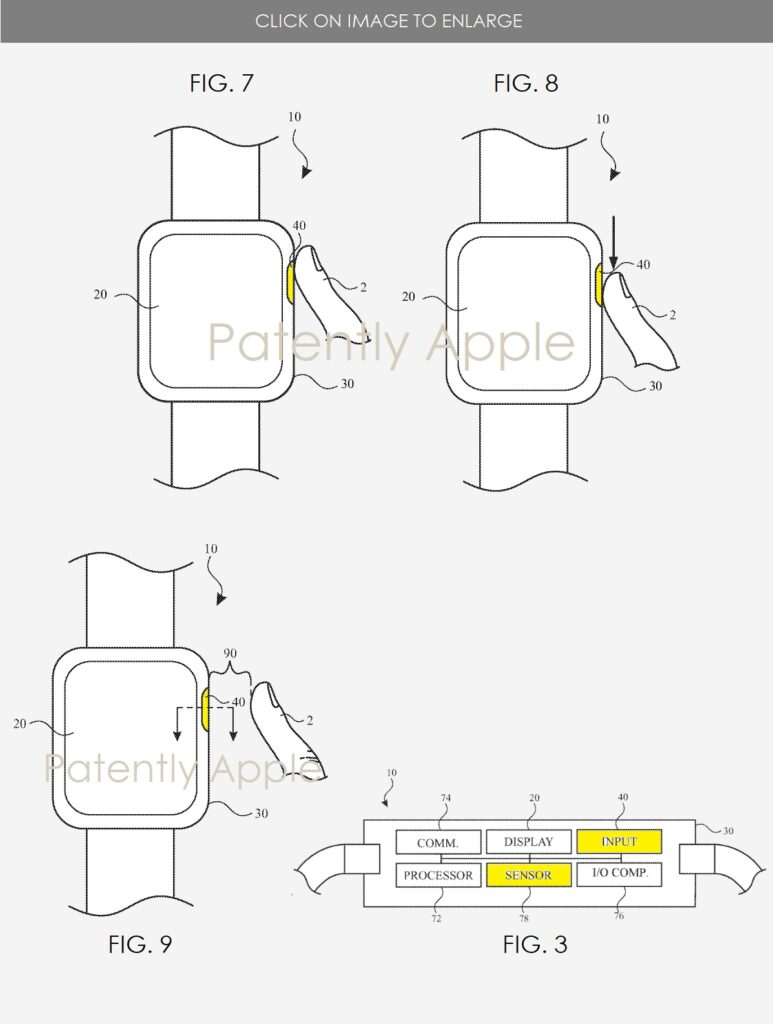
The report comes from Patently Apple and describes a new patent from the Cupertino-based tech giant, published recently by the US Patent & Trademark Office. It is titled “Watch with optical sensor for user input” and shows how new sensors can be used to track user input, effectively doing away with the need for the Digital Crown, and as a result, reducing the number of moving parts in the smartwatch.

apple watch motion tracking optical sensor
Image: Patently Apple

Use cases include users operating the Apple Watch through gestures and motion alone. These gestures will be registered by the optical sensor and converted into inputs to control various stuff within watchOS.

Along with reducing moving parts and lessening the need for physically touching the watch to interact with it, optical sensors can also free up space — space that can then be utilized in other, better ways such as fitting in a larger battery or even additional sensors.

Last but not least, an optical sensor also opens up possibilities for measuring various other biometrics like heart rate, respiration rate, blood oxygenation level, blood volume estimate, and blood pressure.

Do keep in mind here though that all of the above is still currently just an idea limited to paper. Apple may even be developing it but it may take a while before it actually makes its way to a consumer Watch Series model.

RELATED:

Samsung saw more foldable sales in Galaxy Z Fold3 launch month than entire 2020

Samsung has just reported an interesting sales detail related to the foldable smartphone market. Apparently, the company sold more foldable handsets during the launch month of the Galaxy Z Fold3 than its entire shipments last year.

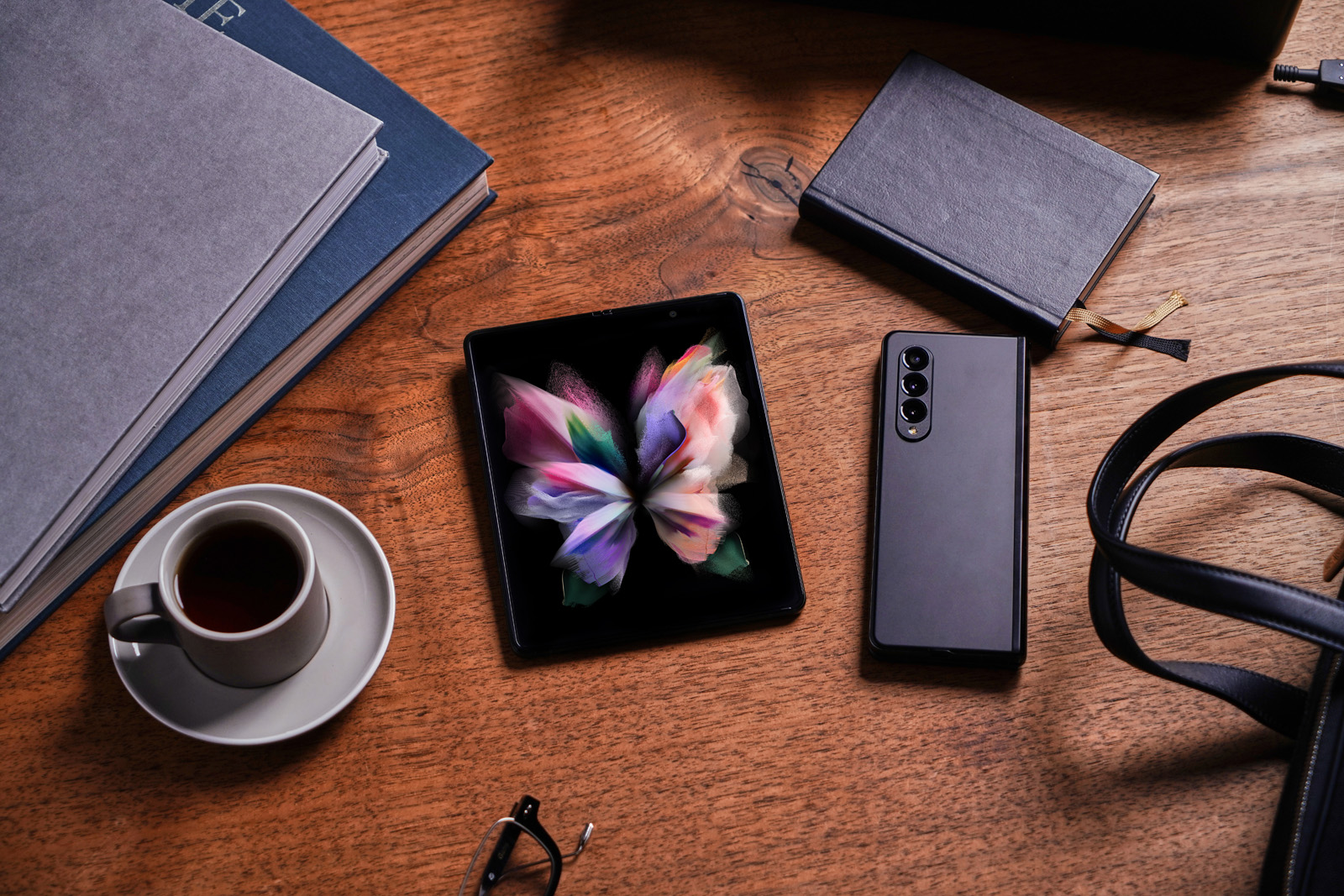
Samsung Galaxy Z Fold 3 Featured 001
Galaxy Z Fold3


According to an official press release (Via CNet), the South Korean tech giant shipped around four times more foldable phones in a month than its entire 2020 shipments. The sizeable jump in sales is solely attributed to the launch of the Galaxy Z Fold3 and Galaxy Z Flip3 back in August 2021. Both models here well received across the globe, which help boost foldable sales eclipse last year’s shipments a couple of times over.

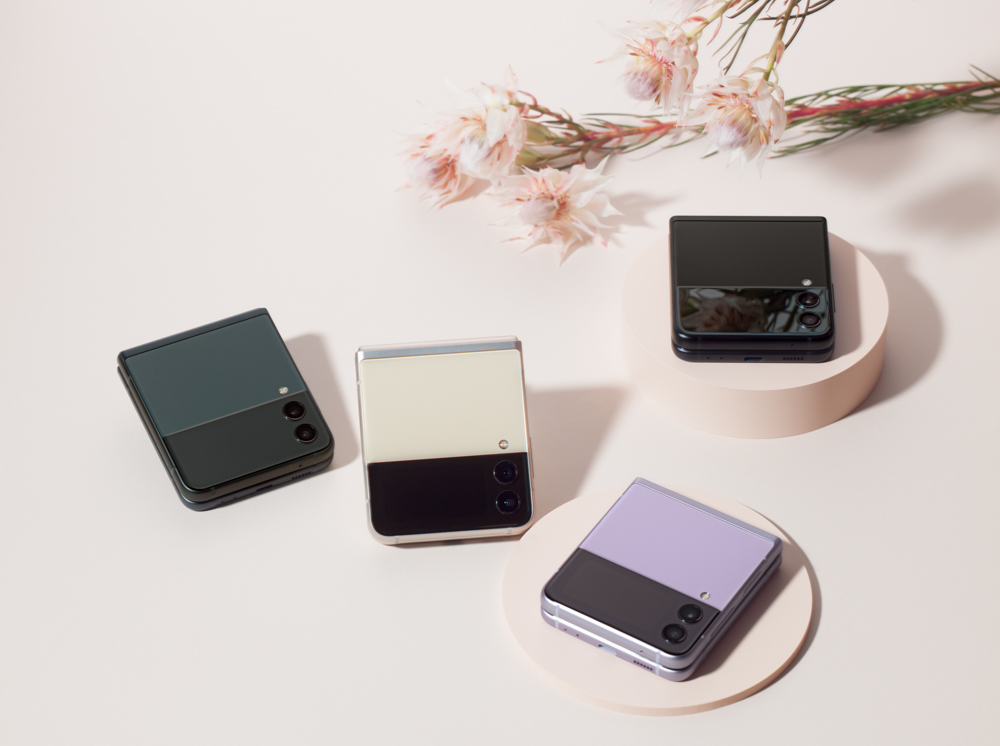
For those unaware, the Galaxy Z Fold3 and Galaxy Z Flip3 are currently the latest foldable models from Samsung and arrive with various improvements over their predecessors. The former is the top end variant that costs around 1,800 US Dollars while the latter is more affordable of the two and usually retails around 999 US Dollars. While the company did not reveal any shipment figures officially, the news is in line with a previous report from Counterpoint Research, which estimated that the company will ship over 9 million foldable units in 2021.

Samsung Galaxy Z Flip 3 Featured C
Galaxy Z Flip3

This figure alone is around three times more than the overall shipments last year. Notably, the company also held dominance over the entire segment, with its foldable phone market share being around 88 percent last year. Its strong presence in the market is expected to carry over this year as well, although, newer foldable models from new rivals entering the market would likely lower this in the coming years. A recent entry in the market includes the Oppo Find N, with Huawei also recently launching its P50 Pocket folding phone as well.

RELATED:


Android 12 stable rollout begins for Galaxy Tab S7, Tab S7+, Z Flip

Samsung was once known for poor software support. But it’s no longer the case with the introduction of One UI. The company is currently ahead of any other Android OEM in terms of Android 12 stable update delivery. After rolling out the One UI 4.0 stable update for the eligible Galaxy S and Galaxy Note models, the company has now started pushing the fresh system update for the Galaxy Tab S7 series alongside the original Galaxy Z Flip.

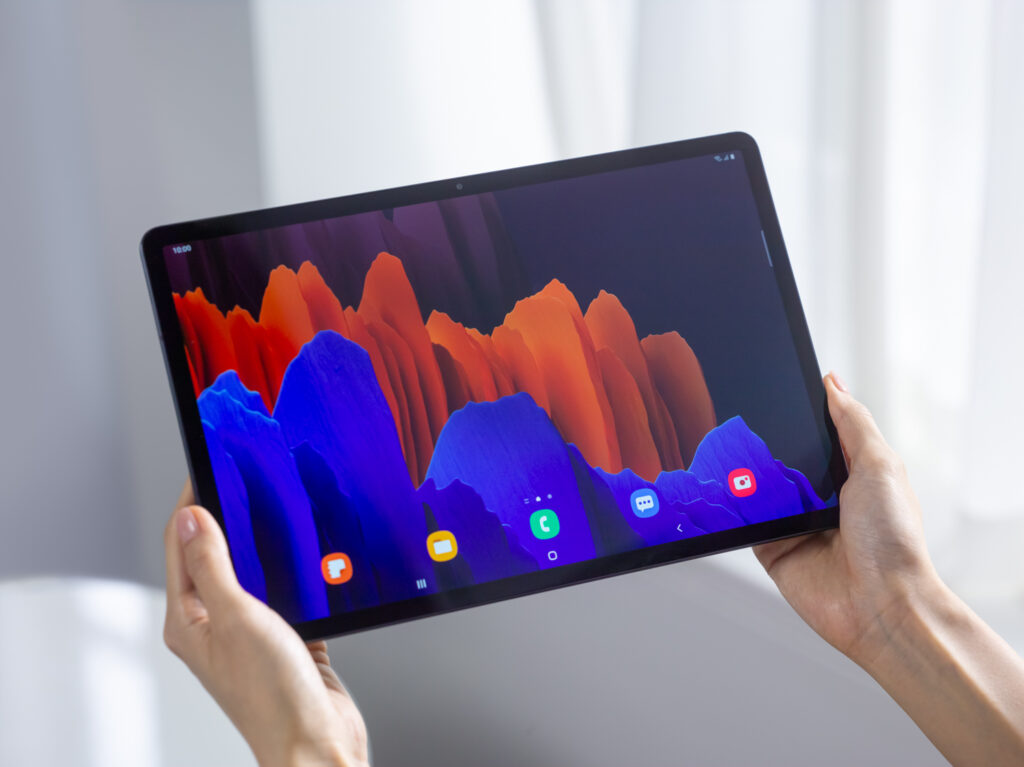
Samsung Galaxy Tab S7 Plus In-Hands Featured
Samsung Galaxy Tab S7+

According to SamMobile, the Android 12-based One UI 4.0 stable update is now available for Galaxy Tab S7, Galaxy Tab S7+, and Galaxy Z Flip in multiple regions. These devices were supposed to start receiving the latest software only in January 2021 in most of the regions.

This means Samsung is seeding out the update ahead of schedule, just like last year. We believe that the update rollout could have been even faster if the Google Play System issue was identified earlier.

Having said that, if you own any of the aforementioned tablets or the foldable phone, then head over to Settings > Software update > Download and install to check whether your unit has received the update.

Don’t worry if it’s still not available for your device. That’s because OTA system updates are pushed in batches. Therefore, they always take some time to reach every unit.


RELATED:


Google Pixel 6 Pro’s slow battery charging issue is an intended feature

Since its launch, the Google Pixel 6 series had been plagued with a number of issues that surfaced one after another. Now, another one of these supposed issues has surfaced that affects the Pixel 6 Pro. However, this time around, it might be a feature that the company intended.

Google

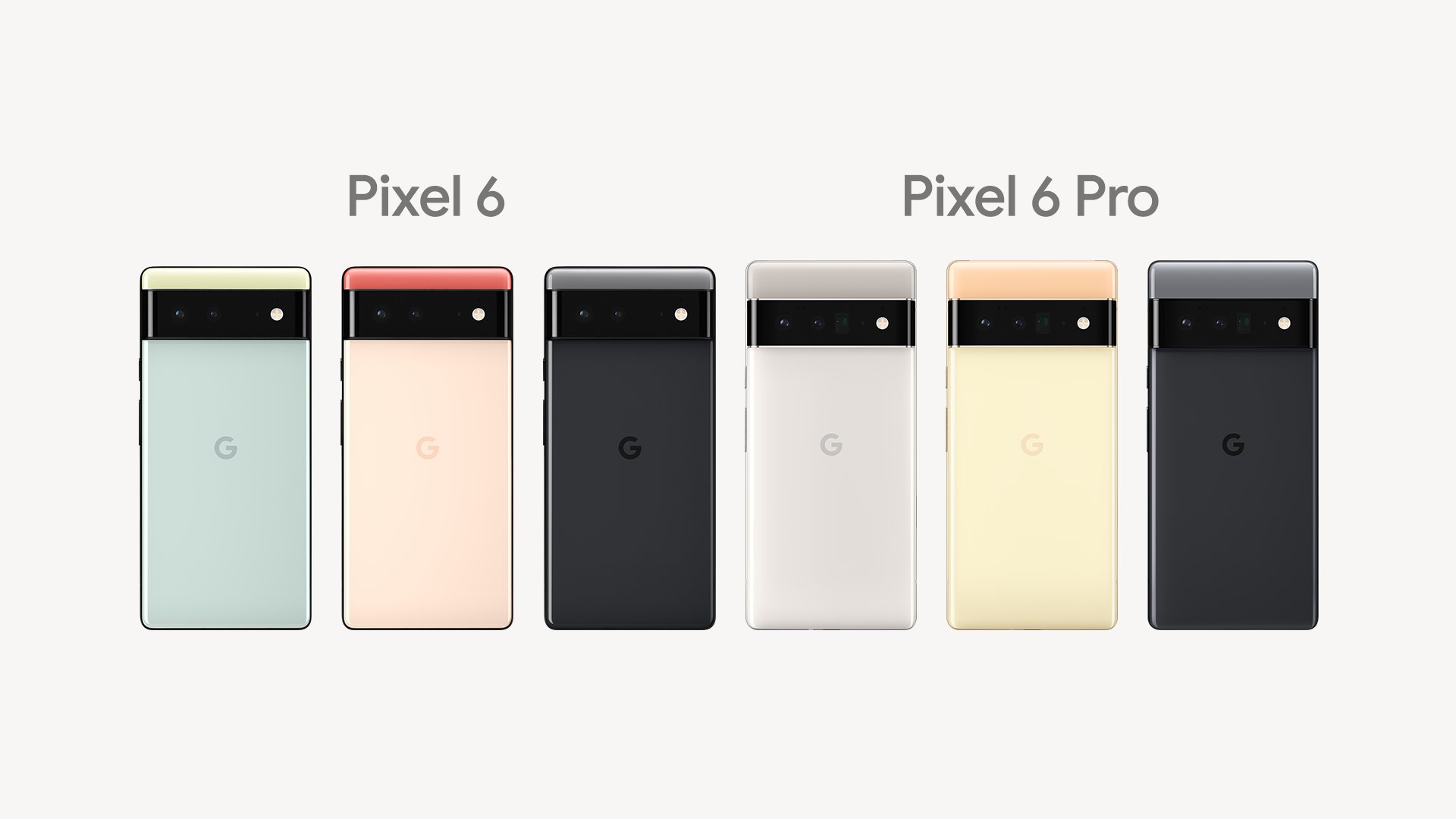
Recently, a Reddit user (Via PhoneArena) shared his experience with the Pro model in a post, in which he asked other Pixel users if their new smartphones are also facing a bug that causes the battery to charge slow. The user said that the Pixel 6 Pro charged at a “snail’s pace” and he even tried restarting the device. Although, neither restarting the phone or changing chargers help. For those unaware, the Pixel 6 Pro is powered by a large 5,003mAh battery pack that supports 30W fast charging.

Notably, other users also joined this thread, with one saying that his new Pixel took 3 hours to charge from 23 percent to 100 percent while another said that his Pixel 6 Pro went from 10 percent to 50 percent in one hour. One common factor most of the users on the Reddit thread noticed was that the range between 80 percent and 100 percent was the slowest to charge. But, it seems like this is intended by the Search Engine giant rather than being a bug.

Google

A feature called Adaptive Charging is believed to be the culprit behind what the users’ are considering a bug. This feature uses AI and Machine Learning to determine the time that a user plugs their Pixel 6 Pro out of their chargers every day. Adaptive Charging is basically to help keep the battery of the smartphone in good health. Thus, charging speeds usually drop around 80 percent while computing how fast it needs to charge to reach 100 percent before the device is unplugged. In other words, users can disable the feature in Settings, although, your battery life might deteriorate faster in the longer run.

RELATED:


Xiaomi donates USD 200,000 to those affected by Typhoon Rai in Philippines and Malaysia

Xiaomi Corporation announced today that Xiaomi Foundation Limited — the company’s own charitable institution — will donate $100,000 to World Vision Philippines and Yayasan Food Bank Malaysia, respectively, to help those affected by Typhoon Rai in the Philippines and Malaysia.

Based on the Philippines’s disaster council, over 870,334 families or around 23,380,167 individuals in the country alone have been impacted by Typhoon Rai, and over 348,642 houses have been damaged. Thousands of volunteers are already working around the clock to assist those affected and to provide survival necessities such as food, water, hygiene kits, cooking sets, emergency shelter kits, and more.

Xiaomi store China

A statement from Xiaomi’s press release read, “As a global company, we believe it is our duty to be responsible, and to give back to communities impacted by situations such as this.”

Typhoon Rai is also known as Typhoon Odette in the Philippines and was a powerful and catastrophic tropical cyclone that struck the country. It became the first Category 5-equivalent super typhoon to develop in December but dissipated on December 22nd.

Xiaomi Corporation was founded in April 2010 and listed on the Main Board of the Hong Kong Stock Exchange on July 9, 2018. It is a consumer electronics and smart manufacturing company with smartphones and smart hardware connected by an IoT platform at its core.

RELATED:

realme GT bags realme UI 3.0 (Android 12) stable update in India

Ahead of Christmas, realme started rolling out Android 12-based realme UI 3.0 stable update for the realme GT in China. A few days from that, this update is now being seeded out in India as well. Thus, the device becomes the first realme phone to get Android 12 in the country.

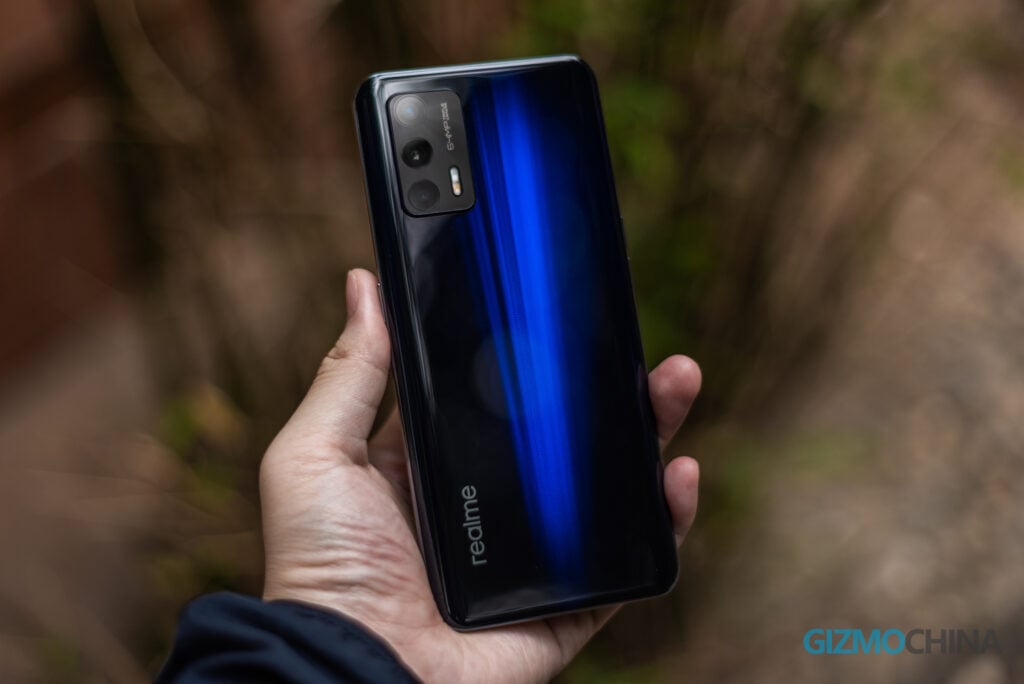
Realme GT
realme GT 5G

According to an official announcement post (via XDA Developers) on realme Community, the realme UI 3.0 stable update for realme GT in India arrives with firmware version RMX2202_11.C.05.

Just like any other OTA software update, this one is also being rolled out in batches. Hence, the brand requests users to be patient as the update will take some to reach every unit across the region.

The official changelog for the latest system update for realme GT in India does not mention the security patches. But we think it should be bundled with December 2021 security patches.

As far as new features are concerned, realme UI 3.0 brings everything that’s included in ColorOS 12. That’s because realme’s Android skin is a fork of OPPO’s mobile software, which is now being also used by OnePlus.

Having said that, as realme has already begun the Android 12 beta program for multiple other devices, they could also start receiving stable releases in the coming days.


RELATED:


Huawei Mate X2 Plain Leather Collector’s Edition goes on sale in China

Huawei Mate X2 smartphone was launched in China earlier this year as a third foldable smartphone from the Chinese tech giant. Last month, the company launched the Plan Leather edition of the same in China.

Now, after waiting for more than a month, the Huawei Mate X2 Plain Leather Collector’s Edition is available for purchase in China. The device is priced at 19,699 yuan, which roughly converts to $3,093.

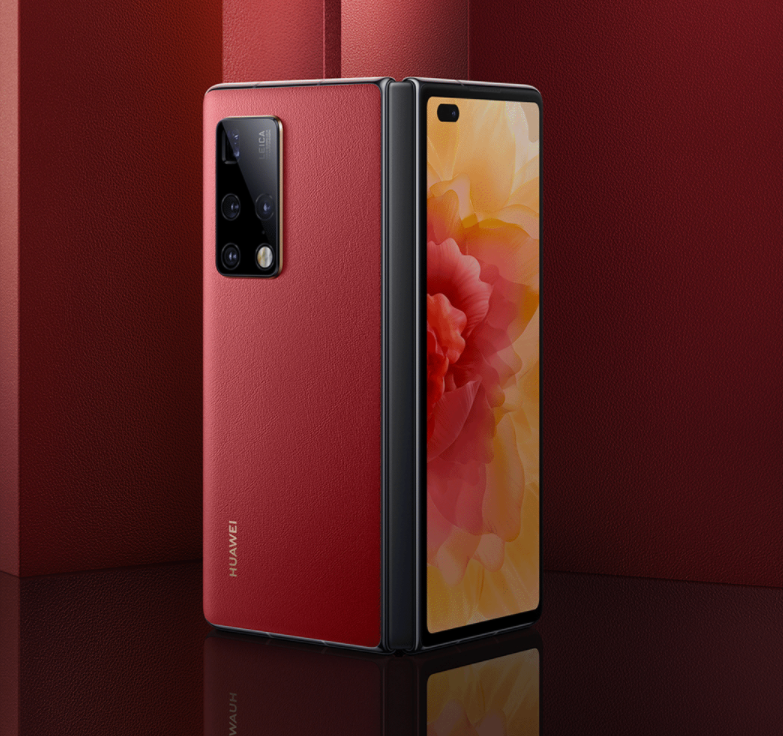
Huawei Mate X2 Plan Leather Collector's Edition

The smartphone comes with a 6.45-inch 90Hz cover OLED display with a pill-shaped cut-out that houses a single 16MP front-facing camera. The foldable display is an 8-inch OLED panel and also has a 90Hz refresh rate.

Interestingly, the device comes powered by the company’s own Kirin 9000 chipset which supports 5G connectivity. Ever since the United States imposed sanctions on Huawei, the company hasn’t been able to launch a smartphone with 5G connectivity support.

It is said that the outer screen uses nano-crystalline glass material which increases the drop resistance by five times. As for the memory, the device comes packed with 12GB of RAM and 512GB of internal storage.

In the camera department, there’s a quad-camera setup that includes a 50-megapixel primary sensor, a 16-megapixel ultra-wide-angle lens, a 12-megapixel telephoto sensor, and an 8-megapixel periscope lens.

For a better user experience, the Huawei Mate X2 Plain Leather Collector’s Edition comes with support for one-step split-screen, one-step small windows, and horizontal screen small windows for applications such as games and videos. The company also says that most of the top 200 apps in the Huawei App Market have been optimized for large-screen usage.

It comes running the company’s own EMUI 11 interface based on the HarmonyOS 2.0 operating system. The smartphone is powered by a 4,500mAh battery and comes with support for 55W fast charging technology.

RELATED: 

OPPO Reno7 passes through BIS and IMDA certification, hinting at imminent launch

OPPO recently launched its Reno7 series smartphones in China and is now expected to release them in other regions. The phones are expected to get launched in the Indian market in January 2022.

In the latest development, tipster Mukul Sharma has shared that the OPPO Reno7 smartphone has been spotted on the BIS certification website for the Indian market and IMDA certification for Singapore.

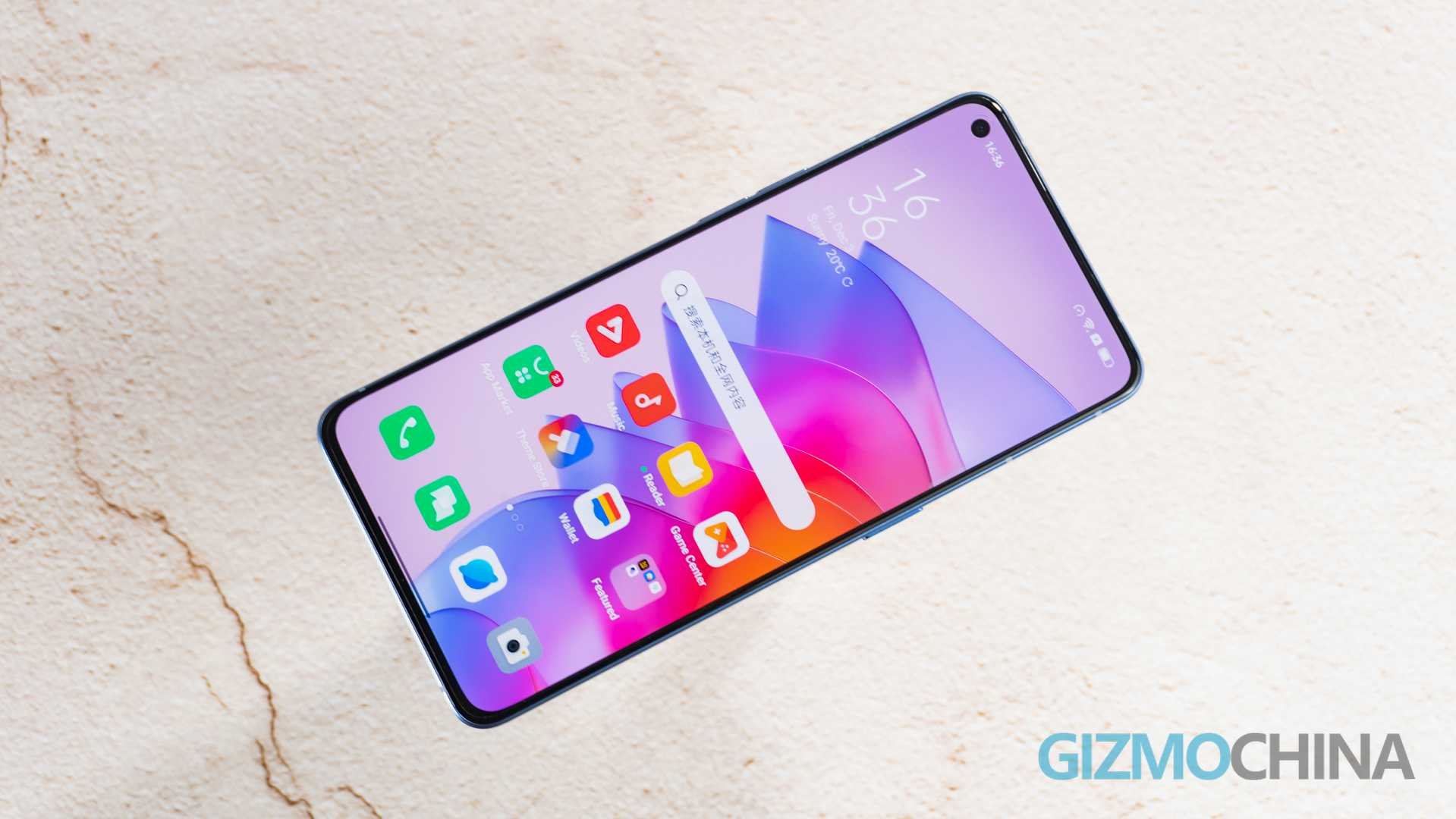
OPPO Reno7 Pro Review display featured

As the device has now passed through the certification process, it is safe to assume that the official launch of the smartphone isn’t far away. In fact, we expect the launch to take place in a couple of weeks.

Coming to the specs, the OPPO Reno7 features a 6.43-inch Full HD+ OLED display with a 90Hz refresh rate. It is powered by the Qualcomm Snapdragon 778G chipset and comes with up to 12GB RAM and 256GB of internal storage.

There’s a 64MP primary camera sensor on the back, coupled with an 8MP ultra-wide lens and a 2MP macro lens. On the front side, it features a 32MP snapper for taking selfies and video calling. The phone packs a 4,500mAh battery with fast charging support.

On the other hand, the OPPO Reno7 Pro features a 6.55-inch Full HD+ OLED display with a refresh rate of 90Hz. Under the hood, this one is powered by MediaTek’s flagship Dimensity 1200-Max chipset. It packs a 4,500mAh battery and supports 65W fast charging.

There’s also an ultra-dense graphite sheet paired with superconducting vacuum VC liquid cooling to keep the phone’s temperature in check. The phone also features an X-axis linear motor and dual stereo speakers.

In the camera department, there’s a 50MP Sony IMX766 primary sensor, joined by an 8MP ultra-wide lens, and a 2MP macro camera. On the front side, the device comes with a 32MP Sony IMX709 sensor for taking selfies and video calling.

RELATED: 

Xiaomi 12X India launch tipped with memory, color variants

Xiaomi launched the Xiaomi 12X alongside the Xiaomi 12 and Xiaomi 12 Pro in China a couple of days back. This smartphone is now being said to debut in India very soon. At the same time, the handset’s memory configurations and color options have been tipped as well.

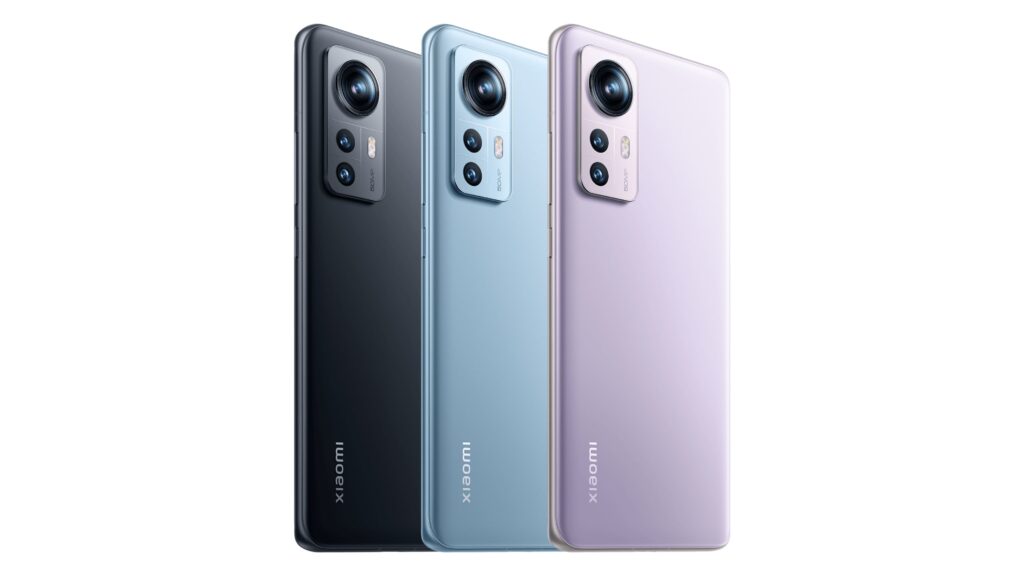
Xiaomi 12X All Colors
Xiaomi 12X

According to the industry sources of 91Mobiles, Xiaomi will soon launch the Xiaomi 12X in India. The phone will be available in the following memory and color variants.

Xiaomi 12X Memory, Color Variants India

  • Memory Configurations

    • 8GB + 128GB
    • 8GB + 256GB
  • Colors

    • Gray
    • Blue
    • Purple

Unfortunately, the information above the device’s price in India is a mystery for now. The publication suggests that it could cost around ₹40,000 in the country.

Talking about specifications, the Xiaomi 12X is near identical to the Xiaomi 12. It comes with a Snapdragon 870 SoC instead of a Snapdragon 8 Gen 1 chipset and lacks support for wireless charging and CyberFocus camera focus technology.

The smartphone features a 6.28-inch FHD+ 120Hz curved OLED display with Dolby Vision, 50MP (wide) + 13MP (ultra-wide) + 5P (telemacro) triple rear camera setup, 32MP selfie camera, stereo speakers tuned by Harmon Kardon, infrared sensor, in-screen fingerprint sensor, MIUI 13 based on Android 12, 4,500mAh battery, and 67W fast charging.


RELATED:


Vivo Y21T renders leaked; reveals 50MP triple rear cameras, color variants

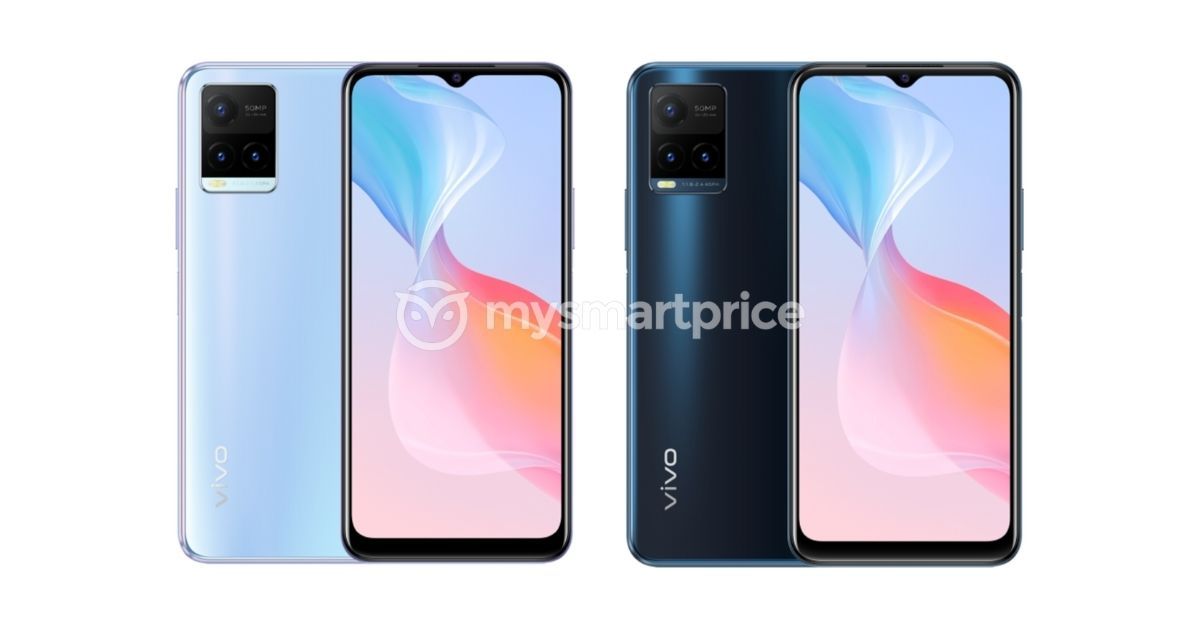
It was reported yesterday that Vivo is gearing up to launch a new Y-series handset called the Vivo Y21T on Jan. 3 in India. The report had revealed the key specifications of the device. Now, a fresh report by My Smart Price has leaked the renders of the Y21T. The leaked images show that it could be a tweaked version of the Vivo Y32, which was announced earlier this month in China.

Vivo Y21T renders

Vivo-Y21T-Renders
Vivo Y21T render by My Smart Price

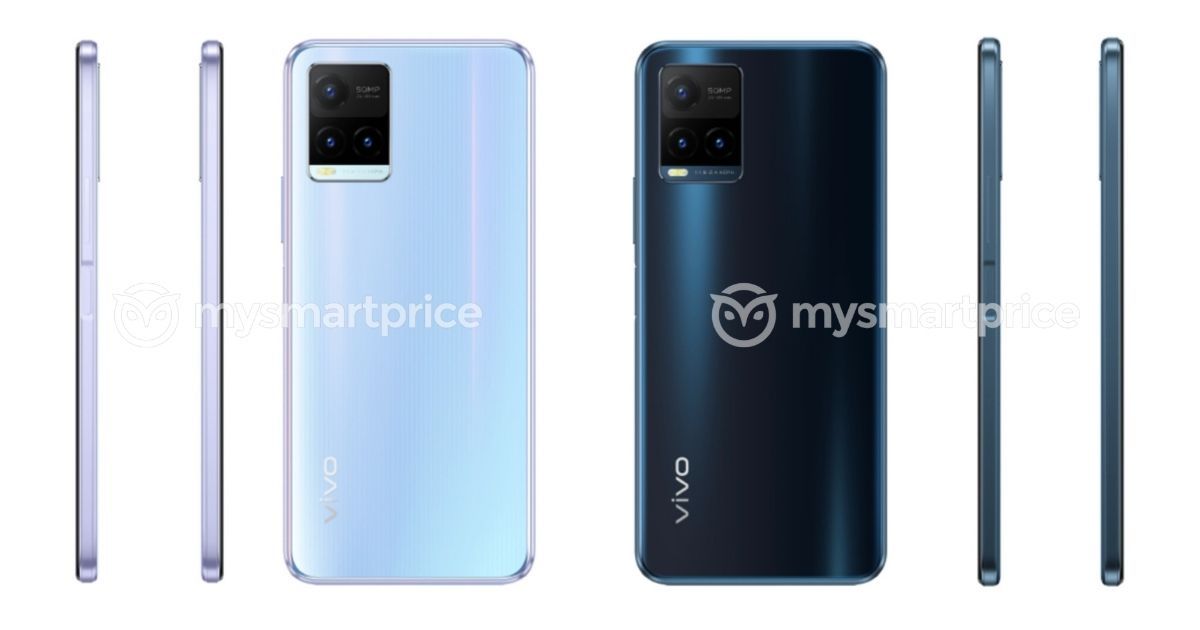
The Vivo Y21T renders show that it will be sporting a waterdrop notch display with a thick chin. The power button available on the right edge of the device is integrated with a fingerprint scanner. The back panel of the device features a square-shaped camera module that houses a 50-megapixel triple camera unit and an LED flash. The renders reveal that the handset will be available in blue and white colors.

Vivo Y21T specifications, price (rumored)

The Vivo Y21T is expected to arrive with a 6.58-inch LCD display that offers a Full HD+ resolution and a regular 60Hz refresh rate. It is expected to debut as India’s first smartphone powered by the Snapdragon 680 mobile platform.

Vivo Y21T render sby My Smart Price

The Y21T is likely to arrive with 4 GB of RAM, 1 GB of extended RAM, and 128 GB of built-in storage. It may come preinstalled with Android 11 OS, which will be customized with FunTouchOS UI. For additional storage, it will feature a microSD card slot.

It has an 8-megapixel camera for capturing selfies. The rear camera setup features a 50-megapixel main camera with an f/1.8 aperture, which could be accompanied by two 2-mgeapixel cameras for depth and macro shots.

The handset will be backed by a 5,000mAh battery that supports 18W fast charging. The device measures 164.26 x 76.08 x 8mm and weighs 182 grams. Probably, it will carry a sub-Rs 20,000 (~$268) pricing in India. In comparison, the Y32 has almost the same specs as the Y21T. The main difference is that it features a 13-megapixel + 2-megapixel dual-camera system instead of the 50-megapixel triple camera system.

(source)

RELATED:

Honor Magic V foldable phone’s key specifications revealed in a new leak

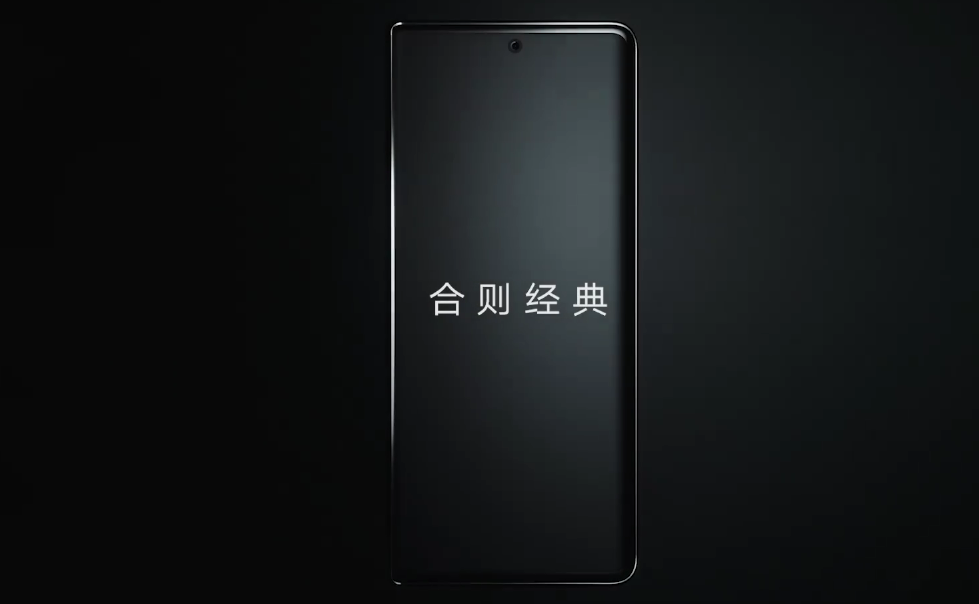
Honor Magic V foldable phone is expected to debut in January 2022 in China. The official teasers have revealed that it will be sporting an in-ward folding design and a punch-hole cover display. Today, reliable tipster Digital Chat Station shared key details of the Magic V’s specifications based on its prototype model.

Honor Magic V specifications (rumored)

Without mentioning the accurate screen sizes, the tipster claimed that the Honor Magic V’s inner foldable screen have a punch-hole positioned at the upper-right corner. The official teaser had revealed that the cover display has slight curvature towards the right edge.

It appears that the Magic V’s front display supports a 90Hz refresh rate, whereas the inner screen offers a 120Hz refresh rate. The device will be running on Android 12, which is likely to be customized with the latest version of Magic UI.

Honor Magic V Design Teaser

Several reports have claimed that the Snapdragon 8 Gen 1 will be powering the Magic V. The new leak also suggests that it will be the world’s first foldable phone driven by the SD8G1 chip. There is no information on the battery size in the new leak, but it mentions that it will carry support for 66W fast charging.

It is likely that the Magic V has a triple camera unit on its rear shell. The Chinese tipster has claimed that the setup will be headlined by a 50-megapixel camera. The details of its other cameras are not mentioned in this leak. Rumors have it that apart from Magic V, the company is working on another foldable device with a clamshell design. It is speculated to debut in Q1 2022 in China.

RELATED:

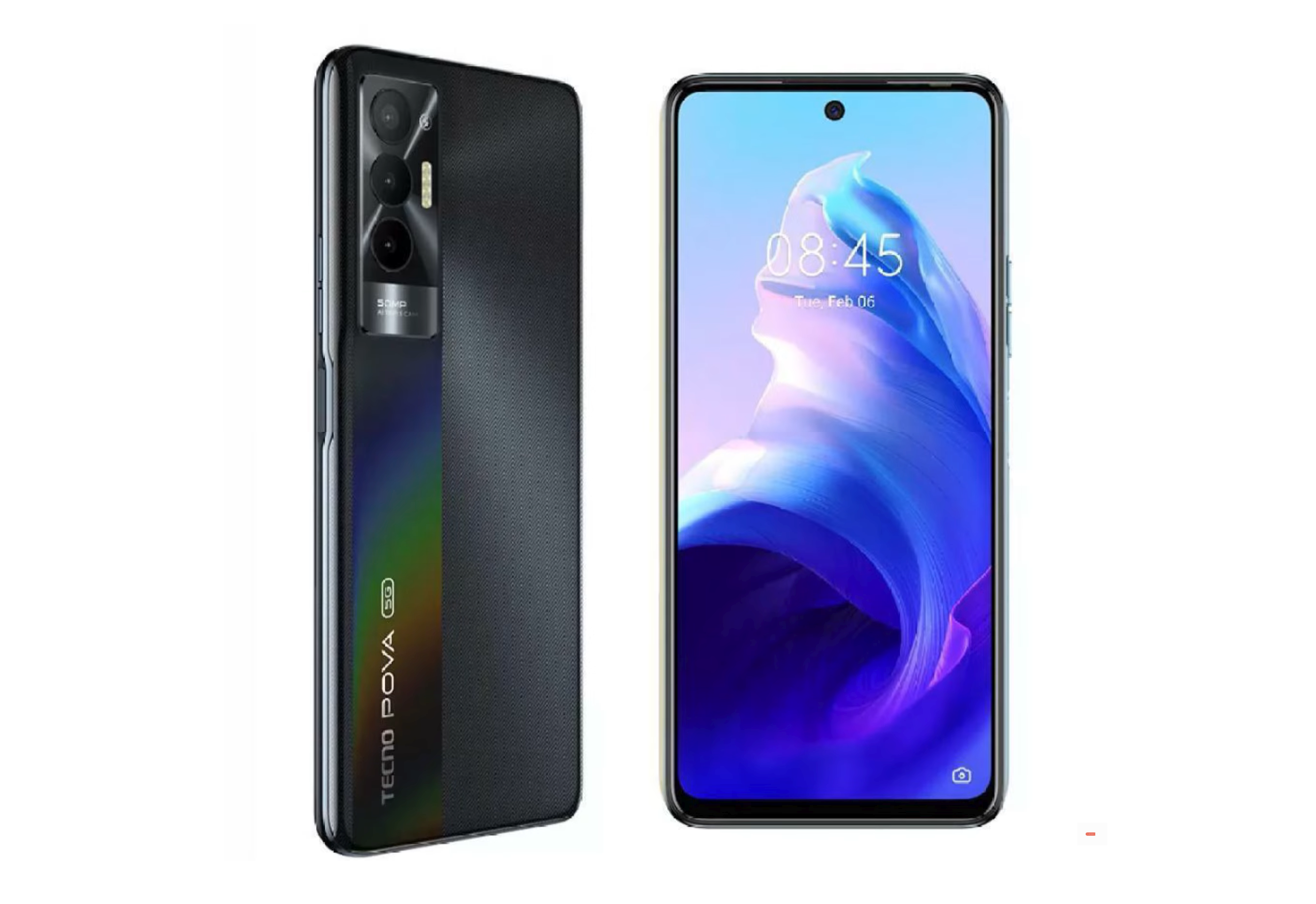
Tecno POVA 5G smartphone tipped to launch in India in January

Tecno recently announced its first-ever 5G smartphone in the form of Tecno POVA 5G. The device has been launched in the Nigerian market and now details about the phone’s launch in the Indian market have surfaced online.

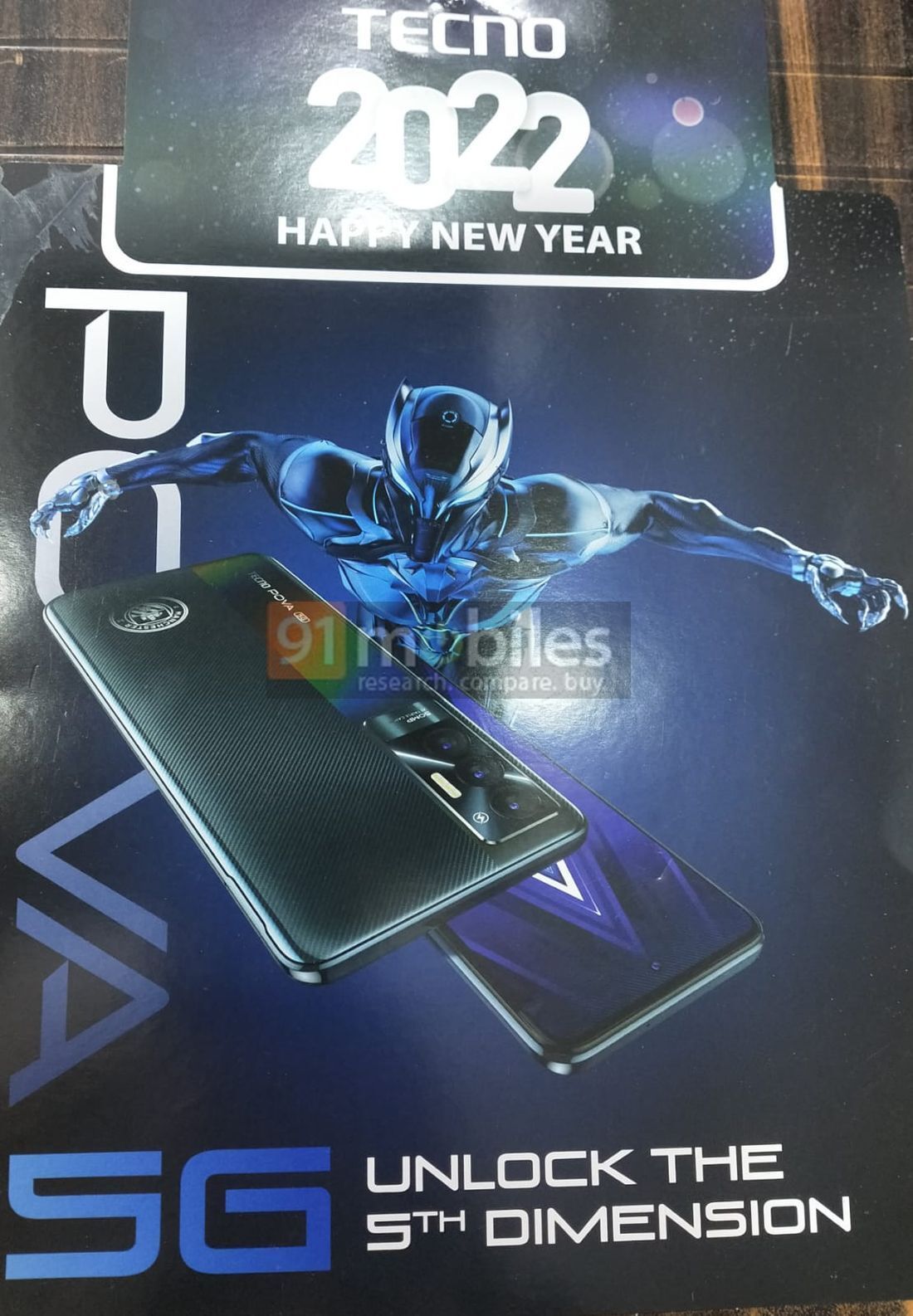
According to tipster Mukul Sharma (via 91Mobiles), the Tecno POVA 5G smartphone will go official in India sometime in January 2022 but the exact launch date is not yet known. Not just that, a promotional marketing poster has also been leaked.

Tecno POVA 5G India Launch Leak

Coming to the specifications, the smartphone features a 6.95-inch IPS LCD Full HD+ display that offers a 1080 x 2460 pixels screen resolution, 480ppi pixel density, and a higher refresh rate of 120Hz.

Under the hood, the device is powered by the MediaTek Dimensity 900 chipset, coupled with 8GB of LPDDR5 RAM and 128GB of UFS 3.1 storage. It also comes with 3GB of virtual RAM. There’s also a side-mounted fingerprint sensor for added security.

Tecno Pova 5G

In the camera department, the phone features a triple-camera setup that includes a 50-megapixel primary sensor, a 2-megapixel secondary sensor, and an AI tertiary lens. On the front side, there’s a 12-megapixel snapper for taking selfies and video calling.

The Tecno POVA 5G is running HiOS custom user interface based on the Android 11 operating system. It is powered by a 6,000mAh battery that supports 18W fast charging that offers 775 hours of standby time, 55 hours of talk time and 11 hours of gaming. The company claims that a 15-minute charge will offer 3 hours of gameplay time.

RELATED: 

Vivo S12 series smartphones now available for purchase in China

A few days ago, Chinese smartphone manufacturer Vivo officially launched its new S-series phones in the market — Vivio S12 and S12 Pro. Both the smartphones are now finally available for purchase in China from today.

The devices are being offered in three color options — Island Blue, Warm Gold, and Shiny Black. As for the pricing, it starts at 2,799 yuan which is about $440.

Vivo S12 Pro

The Vivo S12 8GB RAM model costs 2,799 yuan (~$440) while the 12GB RAM model is priced at 2,999 yuan (~$471). On the other hand, the S12 Pro with 8GB RAM is priced at 3,399 yuan (~$534) while the 12GB RAM model costs 3,699 yuan (~$581).

As for the specifications, the Vivo S12 features a 6.44-inch 90Hz AMOLED display that offers a 180Hz screen sampling rate. Under the hood, it is powered by the MediaTek Dimensity 1100 processor and packs a 4,200mAh battery with 44W fast charging support.

In the camera department, there’s a 108MP primary sensor, an 8MP ultra-wide lens, and a 2MP macro sensor. On the front side, the device has a dual-camera setup that includes 44MP and 8MP sensors.

On the other hand, the Vivo S12 Pro features a 6.56-inch AMOLED HDR10+ display with a 90Hz screen refresh rate and a 240Hz touch sampling rate. The smartphone is powered by the MediaTek Dimensity 1200 chipset.

It has a triple-camera setup on the back, similar to the Vivo S12, featuring a 108MP primary sensor, an 8MP ultra-wide lens, and a 2MP macro sensor. However, on the front side, there’s a 50MP primary sensor and an 8MP ultra-wide secondary lens.

The device is powered by a 4,300mAh battery and comes with support for 44W fast charging technology. Both the phones are running the Origin OS Ocean based on the Android 11 operating system.

RELATED: 

iQOO 9 Pro has LTPO QHD+ curved display, ultrasonic fingerprint sensor; more details confirmed

iQOO 9 series will be launching on Jan. 5 in China. Today, the company released fresh posters to confirm the display details of what appears to be of the iQOO 9 Pro handset.

The iQOO 9 Pro is rumoured to house a 6.78-inch display. The official posters confirm it will be equipped with an AMOLED LTPO panel with curved edges. It has a punch-hole at the top center and is equipped with slim bezels.

iQOO 9 Pro display

The iQOO 9 Pro’s screen supports a 120Hz refresh rate. The company confirmed that the screen offers a 1000Hz instantaneous touch sampling rate, 800000:1 contrast ratio, 1500 nits of brightness, 10-bit colors, and 517ppi pixel density.

The iQOO 9 Pro is equipped with an ultrasonic in-display fingerprint scanner, which will allow users to unlock the device with dirty or wet hands. In addition, it will allow users to conveniently unlock the phone since it features a wide fingerprint scanning area of 578mm2 on the display. The bottom view of the phone shows that it has a SIM card slot, a USB-C port, and a speaker grille.

iQOO 9 Pro ultrasonic in-display fingerprin scanner

Other reports have revealed that the Snapdragon 8 Gen 1 will be powering the iQOO 9 Pro. It will be housing a 4,700mAh battery that supports 120W fast charging and 50W wireless charging. It will come preinstalled with OriginOS Ocean UI flavored Android 12. The device is expected to ship with up to 12 GB of LPDDR5 RAM.

The iQOO 9 Pro’s rear camera module is expected to feature a gimbal-OIS assisted 50-megapixel Samsung GN5 primary camera. 50-megapixel Samsung GN5 main camera. It coudl be accompanied by a 150-degree 50-megapixel Samsung JN1 ultrawide snapper, and an OIS-ready 16-megapixel telephoto camera with 2.5x optical zoom.

RELATED:

GT2 Pro to be Realme’s first phone with OIS-assisted and microscope cameras

Realme GT2 and GT2 Pro are expected to debut on Jan. 4 in China. The brand has been consistently releasing new details about the GT2 Pro, which will be the company’s most premium flagship phone. Today, the company confirmed the details of the triple camera unit of the GT2 Pro.

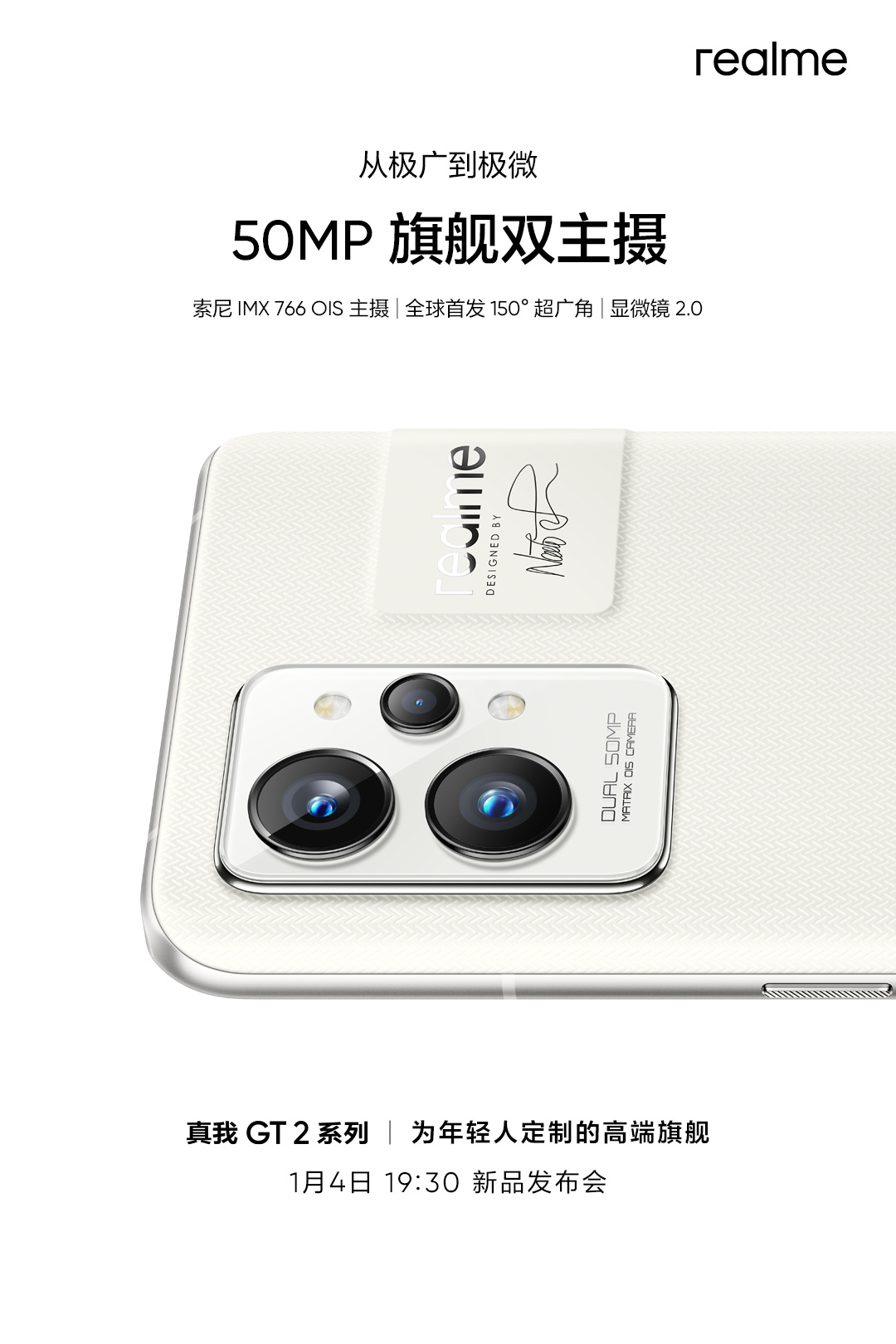
The TENAA listing of the Realme GT2 Pro revealed that it is equipped with a 50-megapixel + 50-megapixel + 2-megapixel triple camera unit. The poster released by the brand today reveals that the GT2 Pro will be equipped with an OIS-assisted 50-megapixel Sony IMX766 primary camera. It will be the company’s first smartphone to arrive with OIS support.

Realme GT2 Pro camera details

It appears that the second 50-megapixel camera available in GT2 Pro’s camera setup will offer an industry-first 150-degree of field-of-view. As the company had confirmed earlier, GT2 Pro will be the world’s first phone to feature a Fisheye mode that produces an ultra-long depth of field effect for creative photography.

The 2-megapixel camera that rounds up the camera setup of the GT2 Pro will be a microscope camera, which appears to be similar to the 3-megapixel microscope camera that was made available on the Find X3 Pro. The microlens on the Find X3 Pro allowed users to capture those objects that cannot be seen by the naked eye. It offered a focal length of about 3mm and 30x magnification.

According to Digital Chat Station, Realme GT2 Pro’s microscope lens has upgraded the depth of field by 4 times and the object distance by nearly 2 times. He added that it can detect content like skin and water.

RELATED:

Vivo V23, V23 Pro price in India tipped, landing page appears on Flipkart

Yesterday, tipster Yogesh Brar shared detailed information on the specifications of the Vivo V23 and Vivo V23 Pro smartphones, which are scheduled to debut on Jan. 5 in India. He had also shared the price range of the V23 duo by claiming that the vanilla model will Rs 26,000 (~$349) to Rs 29,000 (~$389), whereas the Pro model will be priced between Rs 37,000 (~$497) and 40,000 (~$537). A few hours later, the tipster shared an update on the pricing of the Vivo V23 and V23 Pro.

The new update reveals that the entire Vivo V23 series will be priced between Rs 30,000 (~$403) and Rs 45,000 (~$604). Probably, this price range does not include the Vivo V23e handset, which is also speculated to launch alongside the V23 and V23 Pro.

Vivo V23 series poster

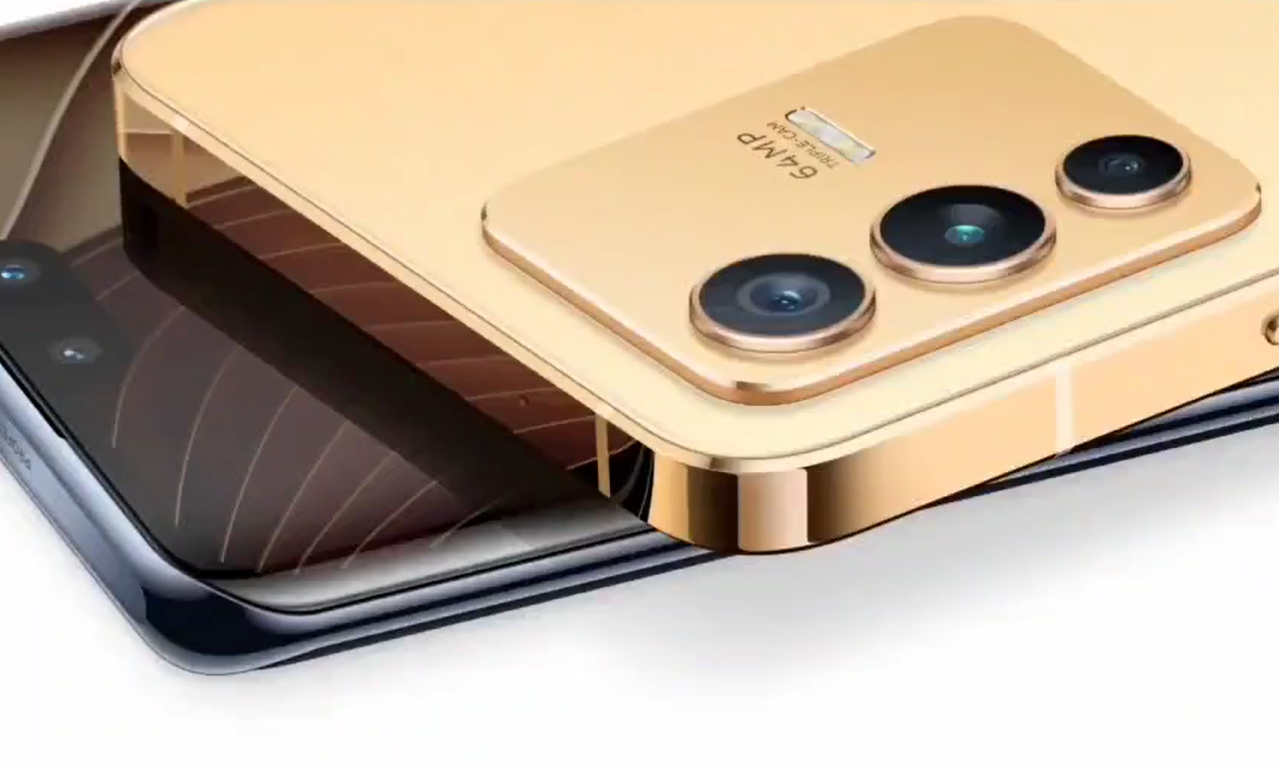
The Vivo V23 is now expected to carry a starting price of Rs 31,000 (~$416) or Rs 32,000 (~$430). On the other side, the Vivo V23 Pro model may begin at Rs 40,000 (~$537) or Rs 42,000 (~$577). Both smartphones are likely to come with 8 GB / 12 GB of RAM and 128 GB / 256 GB of storage. The V23 and V23 Pro will come in Sunshine Gold (color changing edition) and Stardust Black.

The V23 series’ landing page has been live on Vivo India’s website for a couple of days. Now, its microsite has surfaced on Flipkart. Hence, it appears that the Vivo V23 lineup will be available for purchase through Vivo India’s online store, Flipkart, and offline stores.

It appears that the Vivo V23 Pro will be a rebadged version of China’s Vivo S12 Pro. The vanilla model is likely to debut as India’s first phone powered by the Dimensity 920 chipset.

RELATED:

Xiaomi 11i HyperCharge price in India tipped

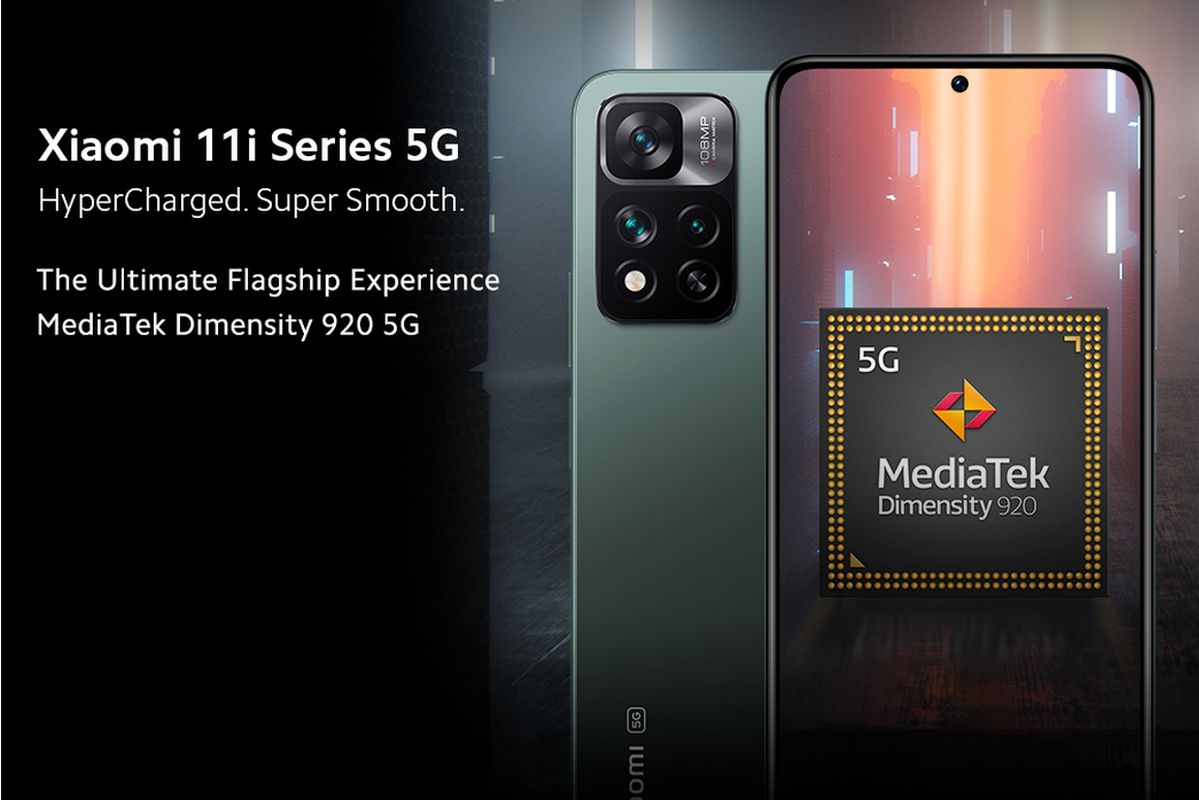
Xiaomi 11i HyperCharge will be launching on Jan. 6 in India. The key specifications of the smartphone are now listed on its landing page available on Xiaomi India’s website. It will be one of the first phones to land in the country with the Dimensity 920 onboard. A report by India Today Tech has tipped the pricing of the device.

According to the publication, Xiaomi India’s Chief Business Officer, Raghu Reddy has confirmed to it that the 11i HyperCharge will be priced between Rs 25,000 (~$336) and Rs 30,000 (~$403). As it is known, one of the major highlights of the so-called ‘HyperCharge’ phone is that it will carry support for 120W fast charging.

Xiaomi 11i series Dimensity 920

The company has been claiming that the 11i HyperCharge can go from 0 to 100 percent in just 15 minutes. Reddy did not share any information on the specs of the device. However, it is being said that the 11i HyperCharge will be a rebranded version of the Redmi Note 11 Pro+ 5G phone that debuted in China back in October.

Past reports have revealed that the 11i HyperCharge will come in 8 GB RAM + 128 GB storage variant only and it will come in two color such as Camo Green and Stealth Black. The device will be equipped with a 6.67-inch AMOLED FHD+ display with a punch-hole design, which will offer a 120Hz refresh rate. It may house a 4,500mAh battery.

For photography, it may feature a 16-megapixel front-facing camera and a 108-megapixel (main) + 8-megapixel (ultrawide) + 2-megapixel (macro) triple camera unit. The vanilla Xiaomi 11i is likely to house a 5,160mAh battery with 67W fast charging supports. It other specs could be identical to the Xiaomi 11i HyperCharge.

RELATED:

Xiaomi 12 Pro first teardown emerges, providing our first look at the internals

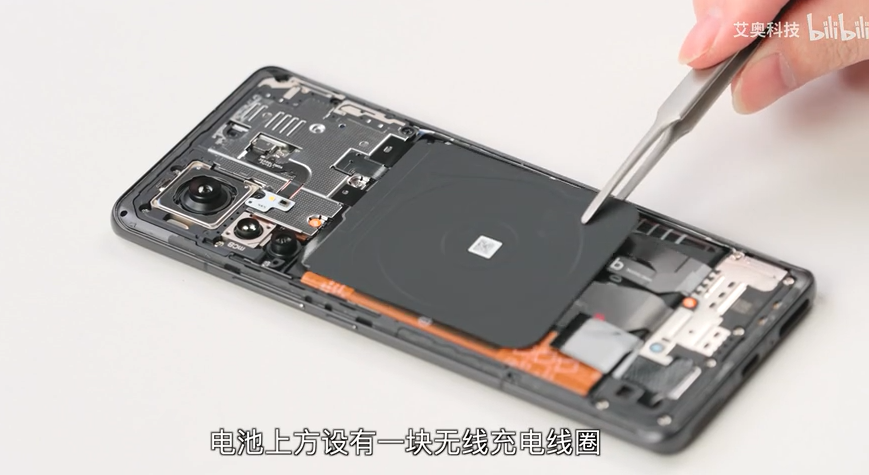
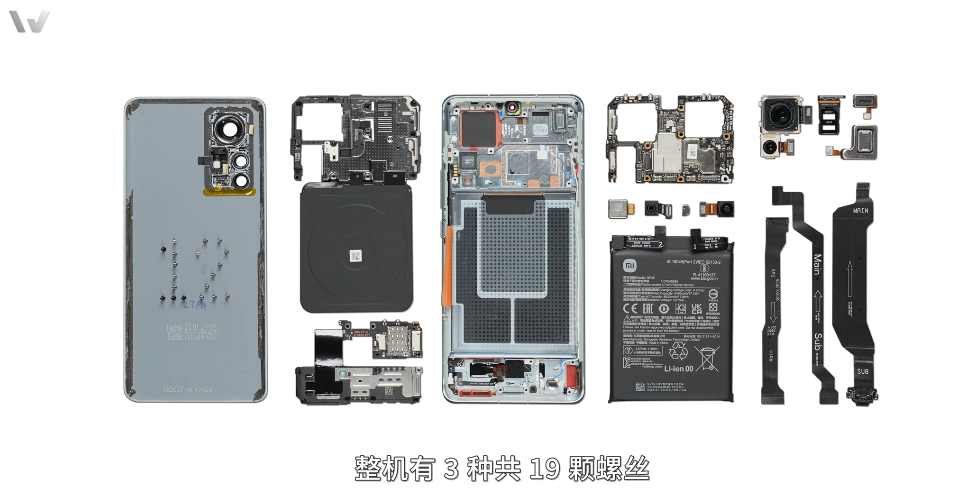
We have just spotted the first-ever teardown of the Xiaomi 12 Pro that was unveiled on Tuesday in China. The premium flagship series is yet to even go on sale but a Chinese blogger has posted a video teardown/review of the Pro model on China’s top video-sharing website Bilibili.Xiaomi 12 Pro teardown

The video provides us with our first look at the internals of the 12 Pro. There is no doubt that the Xiaomi 12 Pro comes with a top-notch design just like the rest of the lineup. The teardown also shows the device equally features well-arranged internals. The device retains a sandwich structure with a three-stage design after the rear cover is removed. Xiaomi also included a heat dissipation film, a copper foil, and silicone grease, as well as a 2900mm2 super VC soaking plate to ensure the Snapdragon 8 Gen 1 doesn’t allow the device to heat up excessively.Xiaomi 12 Pro

The Mi 12 Pro is the first smartphone to pack a Sony IMX 707 sensor with 7P+ Optical image stabilization and we get to see the sensor for the first time. Also, the device features a 50MP Samsung JN1 sensor which is a portrait lens and a 50MP ultra-wide angle sensor.

In terms of flash memory and RAM, the teardown video shows that both the LPDDR5 RAM and UFS 3.1 flash storage are supplied by SK Hynix.Xiaomi 12 Pro

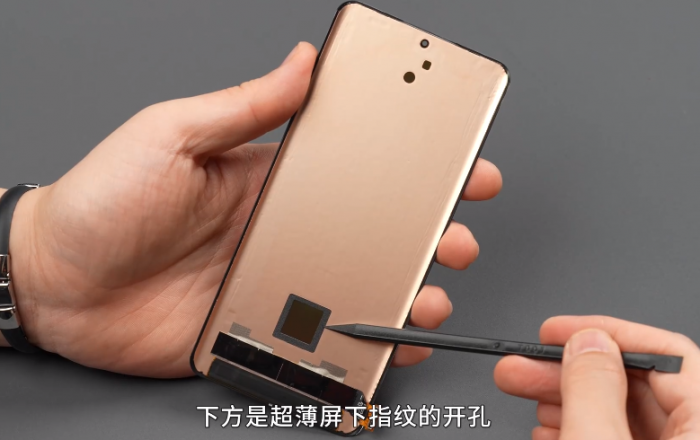
Another impressive hardware feature spotted on the teardown video is the four-unit crossover speakers (high + low) arranged diagonally up and down. At the same time, the X-axis linear motor is also a circle larger than those on most Android phones with a vibration comparable to that of the iPhone. The device is also shown to feature a more expensive ultra-thin under-display fingerprint solution.

You can check out the teardown video from above.

RELATED:


(source)


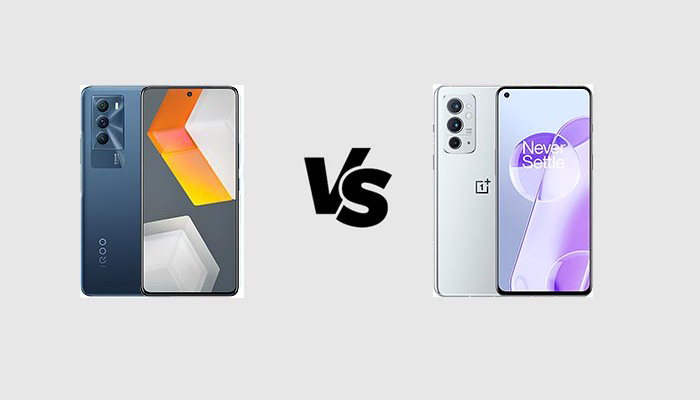
iQOO Neo 5S vs OnePlus 9RT: Specs Comparison

A few days ago, Vivo’s sub-brand released its last flagship killer of 2021. The iQOO Neo 5S debuted alongside the iQOO Neo 5SE with amazing specifications offered at a stunning price. There is one particular handset very similar to the new iQOO flagship and it was released recently as well: the OnePlus 9RT 5G, which is actually an upgrade of the OnePlus 9R released earlier this year. These handsets are not only incredibly similar in terms of specifications but even when it comes to the price range. So which one should you opt for? This is a comparison that will highlight those few differences between the iQOO Neo 5S and the  OnePlus 9RT 5G.

Vivo iQOO Neo 5S vs OnePlus 9RT 5G

Vivo iQOO Neo 5S OnePlus 9RT 5G
DIMENSIONS AND WEIGHT 163.2 x 76.4 x 8.4 mm, 196 grams 162.2 x 74.6 x 8.3 mm, 199 g
DISPLAY  6.62 inches, 1080 x 2400p (Full HD+), AMOLED  6.62 inches, 1080 x 2400p (Full HD+), AMOLED
PROCESSOR Qualcomm Snapdragon 888, octa-core 2.84 GHz Qualcomm Snapdragon 888, octa-core 2.84 GHz
MEMORY  8 GB RAM, 128 GB – 8 GB RAM, 256 GB – 12 GB RAM, 256 GB 8 GB RAM, 128 GB – 8 GB RAM, 256 GB – 12 GB RAM, 256 GB
SOFTWARE  Android 11, Origin OS Ocean  Android 11, ColorOS
CONNECTIVITY  Wi-Fi 802.11 a/b/g/n/ac/ax, Bluetooth 5.2, GPS  Wi-Fi 802.11 a/b/g/n/ac/ax, Bluetooth 5.2, GPS
CAMERA Triple 48 + 13 + 2 MP, f/1.8 + f/2.2 + f/2.4
16 MP f/2.0 front camera
Triple 50 + 16 + 2 MP, f/1.8 + f/2.2 + f/2.4
16 MP f/2.4 front camera
BATTERY 4500 mAh, fast charging 66W  4500 mAh, fast charging 65W
ADDITIONAL FEATURES Dual SIM slot, 5G Dual SIM slot, 5G

Design

The dimensions of the iQOO Neo 5S and the OnePlus 9RT 5G are very similar, as well as their design. They do not have the best build quality in the smartphone world, but they are still well-built. The iQOO Neo 5S has a punch hole placed centrally, while the OnePlus 9RT 5G has a  hole on the upper left corner just like all the other last-generation OnePlus devices. The thickness and the weight are similar as well. In my opinion, the OnePlus 9RT 5G looks a bit more elegant with its minimalistic camera module and great color options, but it is just a matter of taste.


Display

The displays of the iQOO Neo 5S and the OnePlus 9RT 5G have the same main specifications and even the same size: that is the reason why we think they may sport the same panel. Both the phones are equipped with an AMOLED display coming with a diagonal of 6.62 inches, a Full HD+ resolution of 1080 x 2400 pixels, a 120 Hz refresh rate, and the HDR10+ certification. You even get an in-display fingerprint reader and stereo speakers on both phones. Given that they have the same display specifications, the comparison between the panels is obviously a draw. You’d better focus on the rest of the specifications.


Specs & Software

Just like the displays, even the hardware specifications are exactly the same. iQOO Neo 5S and OnePlus 9RT 5G are powered by the amazing Snapdragon 888 mobile platform running at a max frequency of 2.84 GHz. They come in three memory configurations providing at least 8 GB of RAM and up to 12 GB of RAM, as well as 128 or 256 GB of internal storage. The phones run the latest user interfaces released by Vivo and OPPO: OriginOS Ocean and ColorOS 12, respectively. Which UI is the best one? In my opinion, the ColorOS 12 is more complete, but OriginOS Ocean still provides one of the best software experiences.


Camera

If you are looking for a better rear camera setup, then choose the OnePlus 9RT 5G. First of all, it has a better main sensor: we are talking about a 50 MP Sony IMX766 camera with OIS. The iQOO Neo 5S has the OIS as well, but the main sensor is an inferior 48 MP lens. The OnePlus 9RT 5G even provides a better ultrawide camera with a 16 MP resolution. The iQOO Neo 5S should be better when it comes to selfies, thanks to a brighter focal aperture.


Battery

iQOO Neo 5S and OnePlus 9RT 5G have the same battery capacity: 4500 mAh. Given that the components are almost the same, the battery life should be similar. Even the fast charging power is similar: 66W and 65W, respectively. More or less 30 minutes are needed for a full charge of these phones.


Price

The starting price of the iQOO Neo 5S for the Chinese market is €380/$430, while the OnePlus 9RT 5G starts from about €440/$500 at the actual change. The OnePlus 9RT 5G wins this comparison just for a single reason: it has a better rear camera department thanks to a superior main camera and a better ultrawide camera. But the iQOO Neo 5S actually has a higher value for money and, if you do not mind having a slightly inferior camera setup, then you should save money and opt for it.


Vivo iQOO Neo 5S vs OnePlus 9RT 5G: PRO and CONS

Vivo iQOO Neo 5S

PRO

  • Great price
  • Interesting front camera
  • New OriginOS Ocean

CONS

  • Price


OnePlus 9RT 5G

PRO

  • ColorOS 12  out of the box
  • Beautiful design
  • Superior main camera
  • Better ultrawide camera
  • Wider availability

CONS

  • Higher price


RELATED

Check the latest videos from our YouTube channel and subscribe: