Lately, Chinese tech company Lenovo has been teasing multiple devices like laptops and tablets, expected to arrive early next year. One of these devices is Lenovo’s next-gen Legion Y9000P gaming laptop which the brand has now unveiled.
According to a report by ITHome, Lenovo has officially teased the Legion Y9000P laptop which is expected to officially be launched at CES 2022.
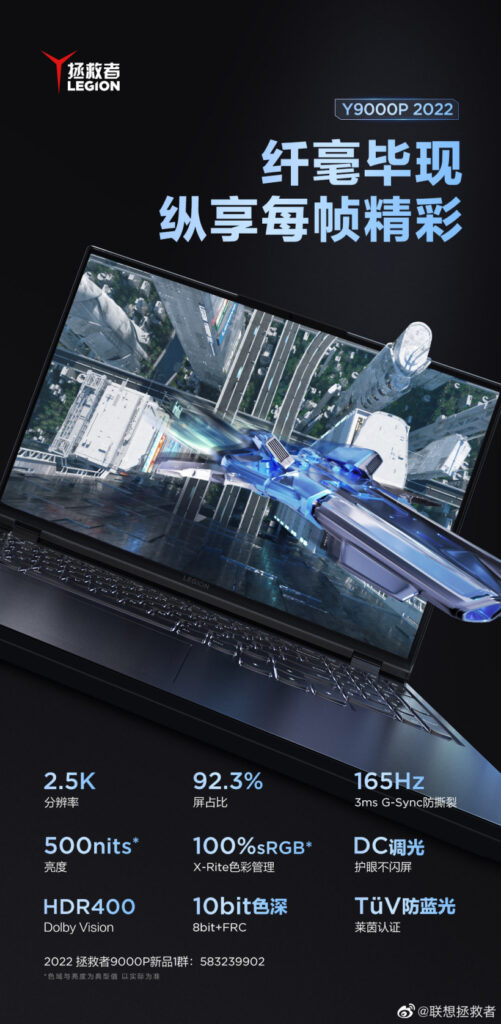
The teaser reveals that the upcoming Lenovo Legion Y9000P gaming laptop will have a rectangular design with 90-degree edges. The device appears to have a moderate thickness when it comes to gaming laptops and features a backlit keyboard.
Coming to the hardware of this design, the unveil dropped information about the device’s screen, which is a QHD+ panel with a 92.3% screen-to-body ratio, 165Hz refresh rate, and 3ms response time. It is capable of brightness up to 500 nits, 100% sRGB color gamut, and 10bit color depth. The screen has also passed HDR400 certification, Rheinland anti-blue light certification, and supports Dolby Vision.
Although the company has not revealed information on the display type of the Legion Y9000P, with the 3ms response time, it is like an IPS panel. However, rumors also suggest that it might house a high-spec mini LED screen.
The device is expected to come with high-performance latest-gen Intel and AMD CPUs accompanied with a high-end Nvidia RTX series GPU, possibly an Nvidia GeForce RTX 3080.
Separately, Lenovo also teased the upcoming Legion Y700 Gaming tablet which has been revealed to feature an 8.8-inch 2560 × 1600p display. The device is revealed to have a 120Hz refresh rate screen with a 240Hz touch sampling rate and supporting 100% DCI-P3 color gamut.
Both these devices are expected to be launched around CES 2022 which will kick off on January 5th, 2022. So stay tuned for more.
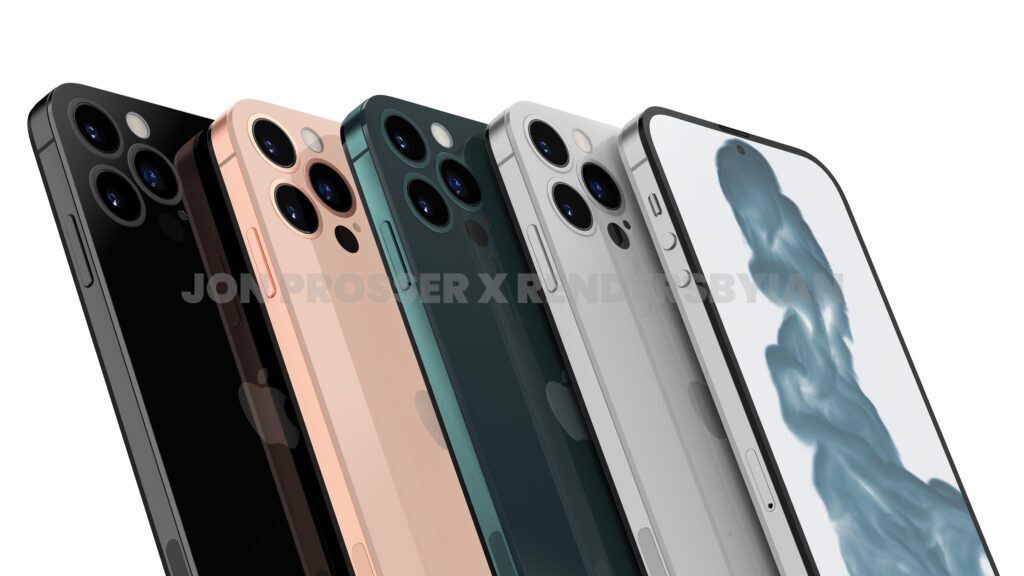
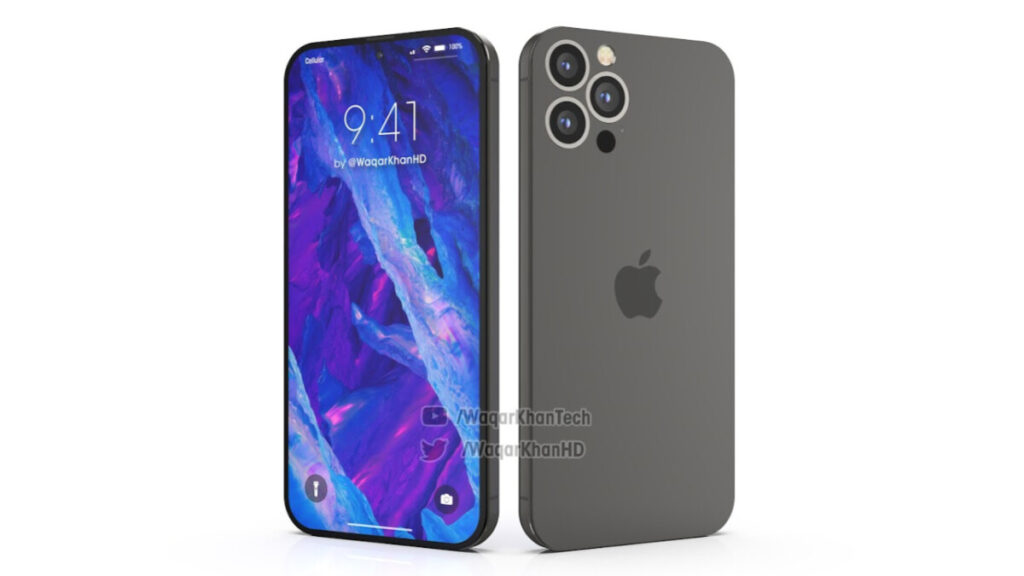
Renders of the upcoming iPhone 14 Pro Max leaked earlier this year, showcasing a punch-hole camera design. Shortly after the leaks, renowned Apple analyst, Kuo, revealed that Apple has plans to replace the current outdated notch design introduced with iPhone X with a “punch-hole display design”, starting with iPhone 14 Pro models. Now, new reports have surfaced that LG and Samsung will supply the punch-hole display for the iPhone 14 series.
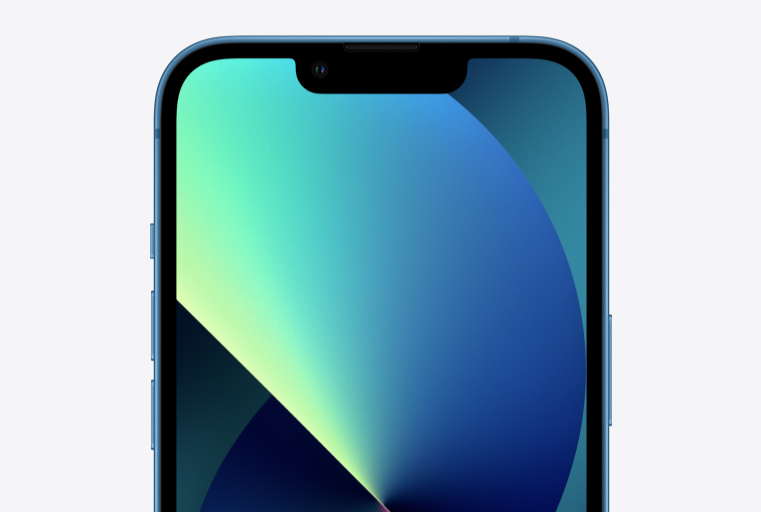
According to a report by The Elec, the South-Korean tech giant Samsung, which is Apple’s dominant OLED panel supplier, will supply all of the hole-punched panels for the 6.1-inch iPhone 14 Pro while sharing orders for the 6.7-inch iPhone 14 Pro Max with LG Display for the first time. However, the base model iPhone 14 is expected to still carry a notch style display along with the Mini variant.
iPhone 14 Pro concept renders by Waqar Khan
The report brings good news to LG who was previously unable to secure any orders for the displays of the iPhone 13 series from apple. Additionally, this move also benefits Apple as it reduced their dependency on Samsung for the display panels of their flagship smartphones.
iPhone 13 notch
Now, the only question that remains is how the Face-ID feature will work with the punch-hole front camera. As we know, Apple uses a multi-sensor setup to power its Face-ID unlock feature. These sensors, namely, the Flood Illuminator, the Dot projector, and the IR camera are neatly tucked away by Apple in the notch of all their devices from iPhone X onwards. With the notch gone, Apple analysts and industry insiders have speculated that the upcoming devices might use an under-display set up to house these sensors.
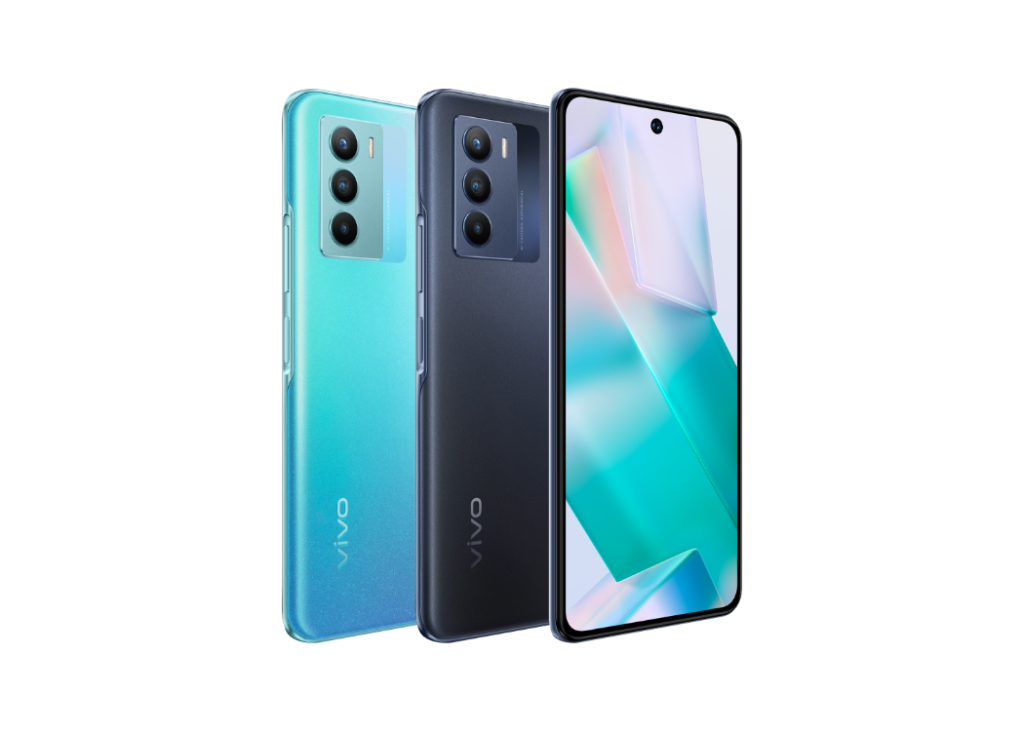
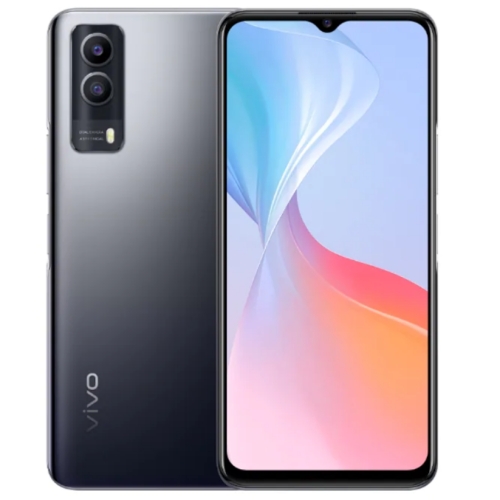
Back in October, vivo introduced the premium mid-range T-series smartphones in China. These included the vivo T1 5G and the vivo T1x 5G. Now, reports have surfaced that this premium midrange series could come to the Indian markets.
Vivo T1
According to a report by 91mobiles, industry sources have revealed that vivo is planning to bring the China-exclusive T series to India. Additionally, the sources even stated that vivo plans to replace its current Y series with the T series in India.
As per the report, vivo might launch the vivo T-series smartphones in India sometime in the first quarter of 2021. However, it remains unclear if the company will introduce the current T series phones namely the T1 and T1x in India or will release completely new models under the T series moniker.
The introduction of the T series in India will most certainly mark the discontinuation of the Y series as vivo would want to avoid the T series competing against the brand’s current premium midrange offering in the market being the Y series.
For those unaware, vivo launched the T1 alongside the T1x model on October 20, 2021. The vivo T1 5G features a 6.67-inch LCD screen and is powered by a Qualcomm Snapdragon 778G processor. The processor is backed by 8GB or 12GB RAM on the T1 5G while for storage, you get a 128GB option and a 256GB option.
For Photography, it packs a triple camera setup with a 64MP main sensor supported by an 8MP ultra-wide-angle and a 2MP macro lens. The cameras are housed within a rectangular module located on the top left corner of the back panel. The device also crams a 5000mAh battery under the hood to guarantee a long battery life.
There have been some rumors surrounding the soon-to-be-released vivo V23 series and the launch date for the Indian market. Earlier rumors had put a December date for the unveiling of the V23 series, which was later reviewed to January 2022. The rumors surrounded the V23 5G and the V23 Pro. There is now some form of confirmation that indeed, Indian customers should expect the V23 series berthing in the subcontinent in January.
Vivo V23 series poster
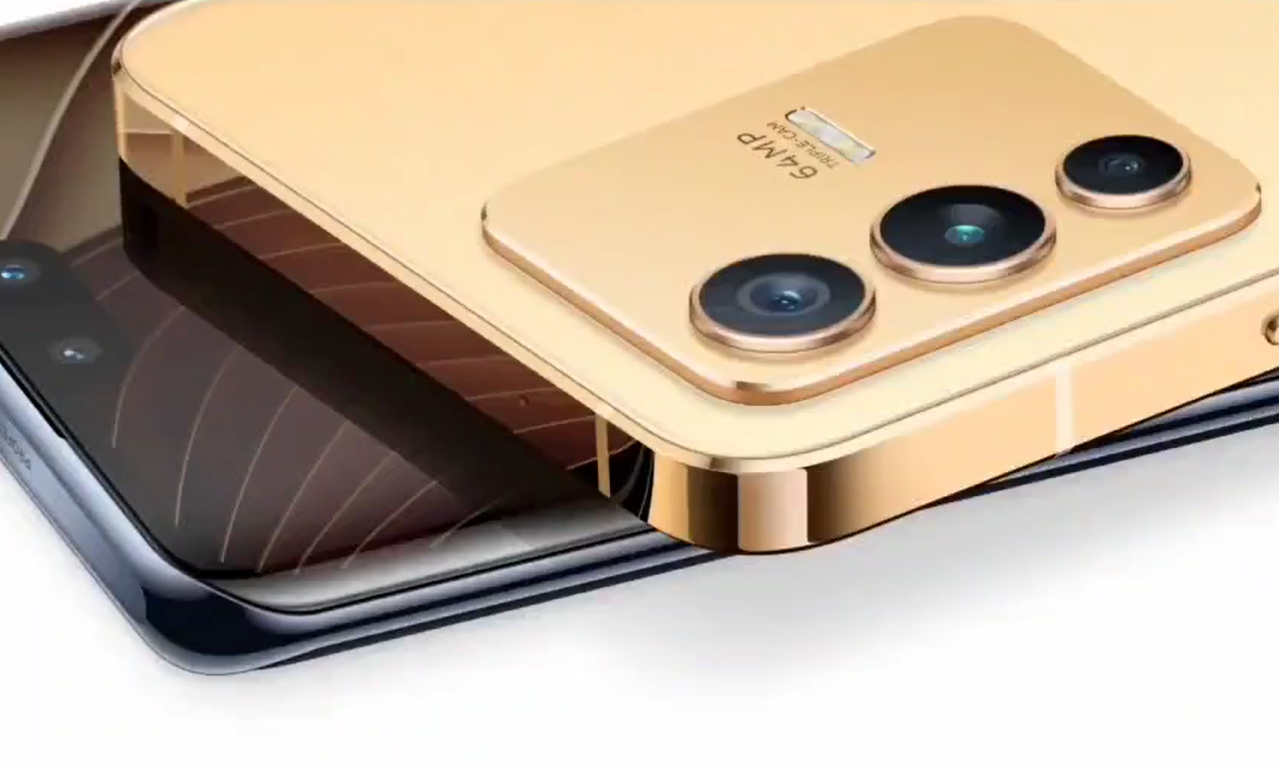
One of the signature features that have been confirmed in the vivo V23 series is the 50MP Eye Autofocus Dual Selfie Camera that will be available in the models for the Indian market. The 50MP dual selfie camera is expressly absent in both the V23e and V23e 5G. The vivo V23 Pro is rumored to be India’s slimmest 3D curve display smartphone at 7.36 mm. There is no word yet on the number of models in the Indian lineup of the vivo V23 series but it is believed to include both the V23 and V23 Pro, as shown from an official vivo teaser in India indicate.
As per the official video teaser, a gold-colored smartphone with a curved screen and three cameras on the rear could be seen. There is no clear indication yet whether the models for the Indian market will be the same with the global models but there will be some changes from the China-only version. We expect the hype to go some notches higher as we inch to the expected January unveiling of the vivo V23 series in India.
With cities around the world trying to save us from the catastrophe that can be caused by global warming, reducing carbon emissions is a must, and studies from around the world have mentioned that private transportation(mainly cars) is one of the many contributors to the increasing greenhouse gas emissions across the globe. Therefore, we can see many countries are now encouraging its citizen to walk, use public transport or cycle to school and work instead of using cars, by improving public transport services and introducing bicycle-friendly infrastructure to their cities instead.
China is no exception to the ongoing trend of reducing its carbon emissions, and it is even the industry leader in the expansion of its high-speed rail network in the past decade in efforts to reduce transportation carbon emissions. And now, the country is introducing an alternative transport to use on the road, hydrogen-powered electric bicycles!
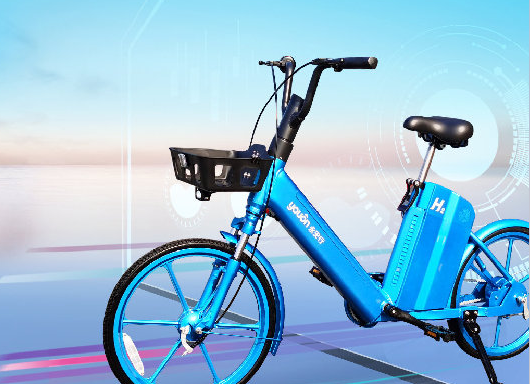
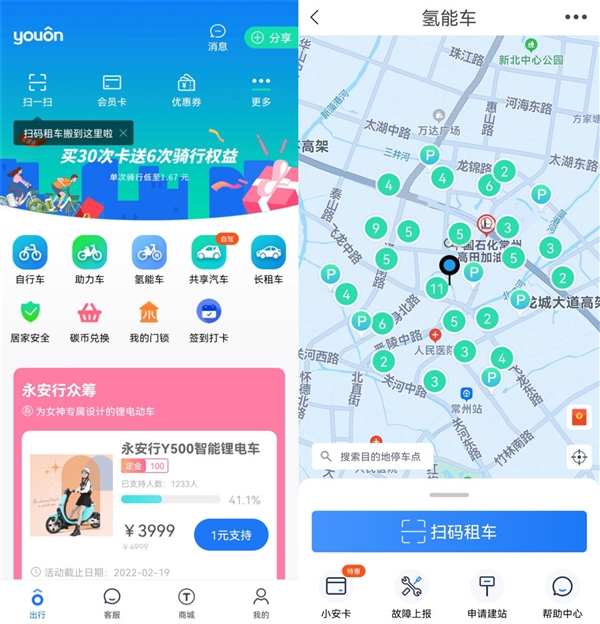
An established Chinese bicycle-sharing platform, YouOn has launched its first in-house hydrogen-powered bicycles to the public on 22 December 2021. Currently, these bicycles are only offered in Changzhou urban city area in the Jiangsu province of China. As of the launch day, there are 1000 of these bicycles offered in the area at a rental price of 2 RMB per 20 minutes.
YouOn bicycle-sharing platform app interface and map for Changzhou area
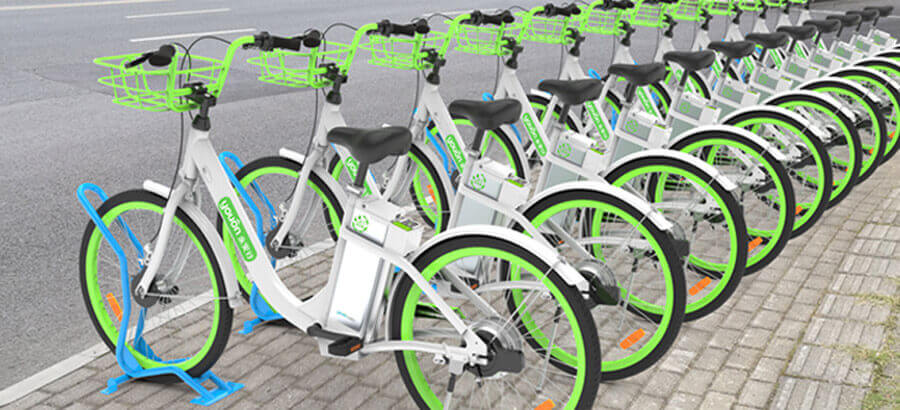
For the build of the bicycle, it is made of strengthened metal painted with bright pastel blue paint. The hydrogen fuel tank is inside the diagonal body of the bicycle, and the hydrogen power transformer/battery pack is located under the cyclist’s seat. Despite its many components, the bicycle is said to be lightweight as well as safe for cyclists to cycle in the city with no worries.
source: youon group
A spokesperson from YouOn highlighted the features of the company’s new hydrogen-powered electric bicycles: an amazing mileage of 70km on full hydrogen power, reaching up to speeds of 23km/h, and the ability for cyclists to save energy when biking on an uphill journey since the electric power can assist the bicycle going against gravity.
It was known that YouOn has been developing the concept of hydrogen-powered electric bicycles since 2017, and it had the first successful trial run of its first prototype back in October 2019. The main concern during research and development was to solve the hydrogen storage problem via engineering. YouOn had to develop a low-pressurized hydrogen fuel tank that could compress 30MPa to 2MPa to allow more mileage for the bicycle on hydrogen power.
With this latest innovation, the mileage of hydrogen-powered electric bicycles has surpassed those of electric bicycles powered by Lithium-ion batteries. As of current, the manufacturing costs of the bicycles are higher than its Lithium-ion counterpart, but YouOn is expecting to expand the availability of these bicycles with 10,000 more of them on the road by the end of 2022 to promote better awareness of our carbon footprint.
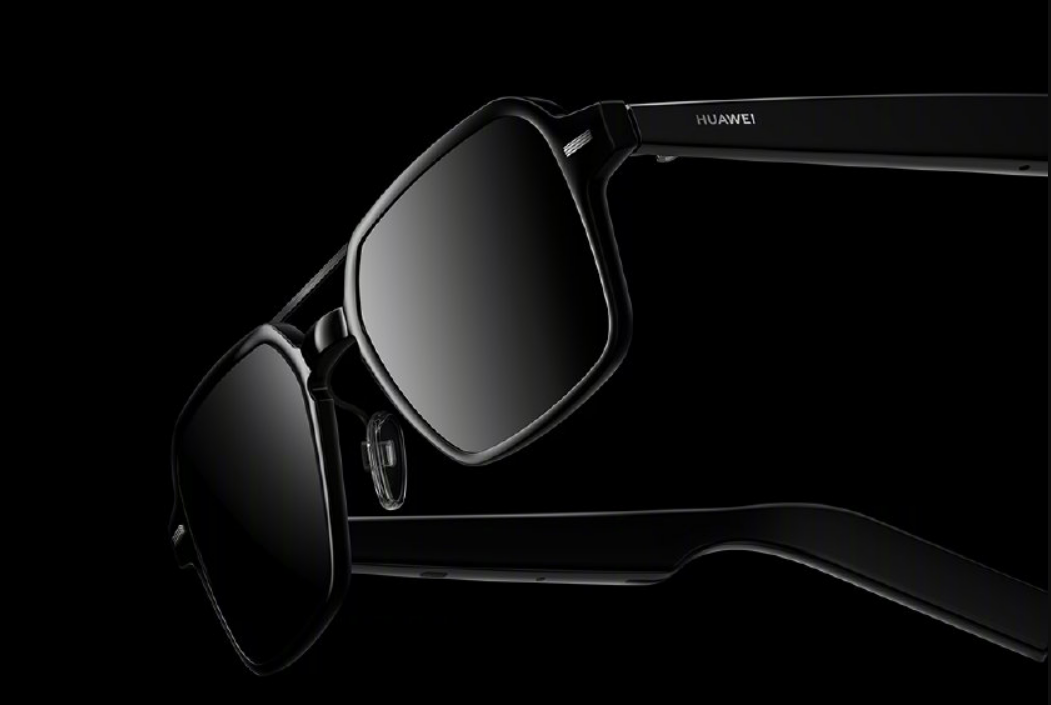
Chinese tech giant Huawei has unveiled a new smart glasses in China aptly named Huawei Smart Glasses. This product stands out from the previous smart glasses the company has launched in that it features a detachable front frame design.
Huawei had previously teamed up with Gentle Monster to launch a couple of smart glasses but these Huawei-branded glasses adopt an innovative detachable front frame design, offering three classic frame types: Classic frame, Stylish pilot, and Retro round frame. It also comes in a variety of colorful frames.
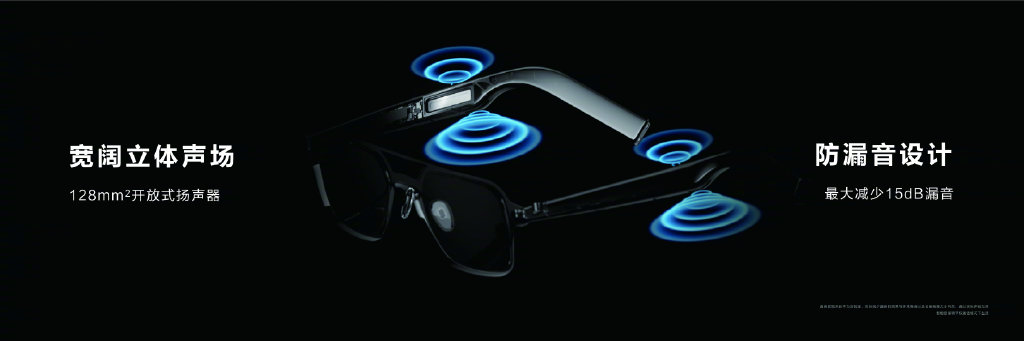
The new Huawei smart glasses use 128mm² large-amplitude high-definition stereo speakers that surround the ears. It also features an inverse sound field acoustic system to reduce sound leakage, a dual microphone anti-wind noise design, and a clearer outdoor sound pickup.
The new Huawei smart glasses are the first glasses equipped with HarmonyOS. The glasses support the simultaneous connection of two devices, one-key switching of multiple devices, and visualized smart connection. It also supports short messages, schedule information, and boarding information. In terms of control, it supports double-tap to play and pause audio, flick to switch audio, press and hold to reject a call, and press to listen to whatever you want.
Furthermore, the Huawei Smart Glasses support the cervical spine health function, help you pay attention to the cervical spine posture. It can track the duration the wearer has had his head down as well as assess the health of the cervical spine, and through joint research and development with the Rehabilitation Medicine Department of the First Affiliated Hospital of Sun Yat-sen University, provide early warning of cervical spine health risks.
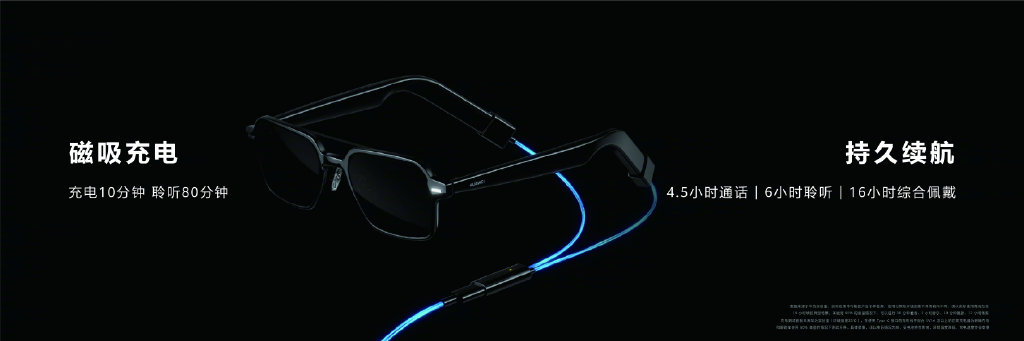
The new smart glasses can last for up to 16 hours of comprehensive wearing when fully charged. It utilizes a magnetic charging mechanism and 10 minutes of charging can provide up to 80 minutes of music playback. It supports IPX4 waterproof level and can be used in the rain.
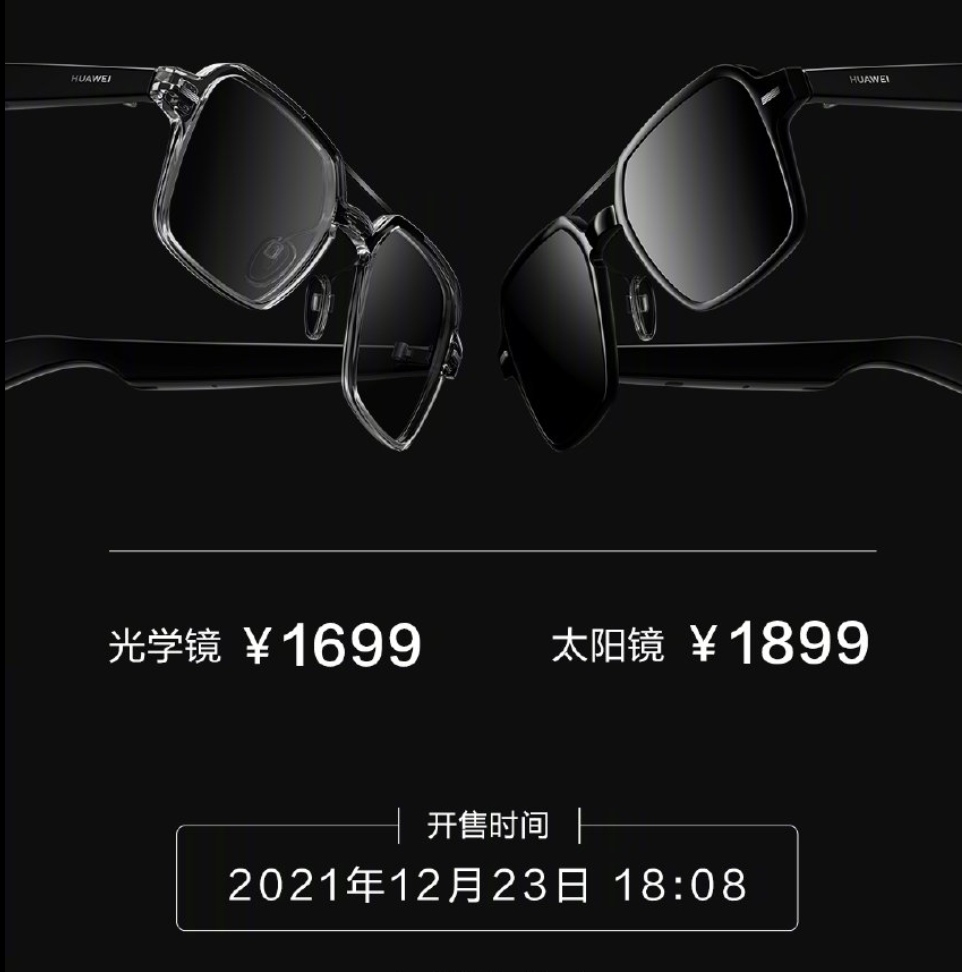
In terms of price, the new Huawei Smart Glasses optical lens version is priced at 1,699 yuan (~$266), and the sunglasses version is priced at 1,899 yuan (~$298).
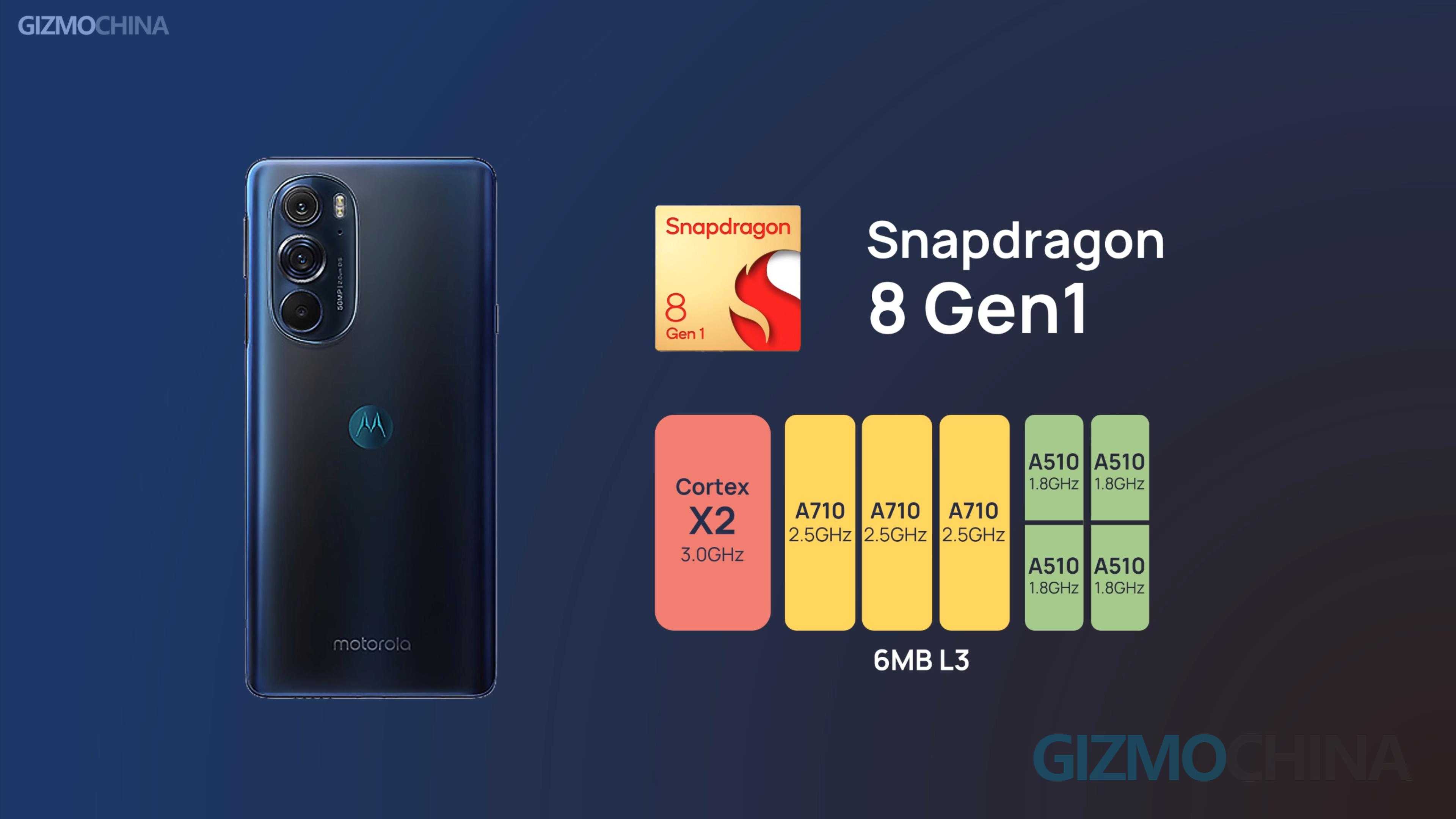
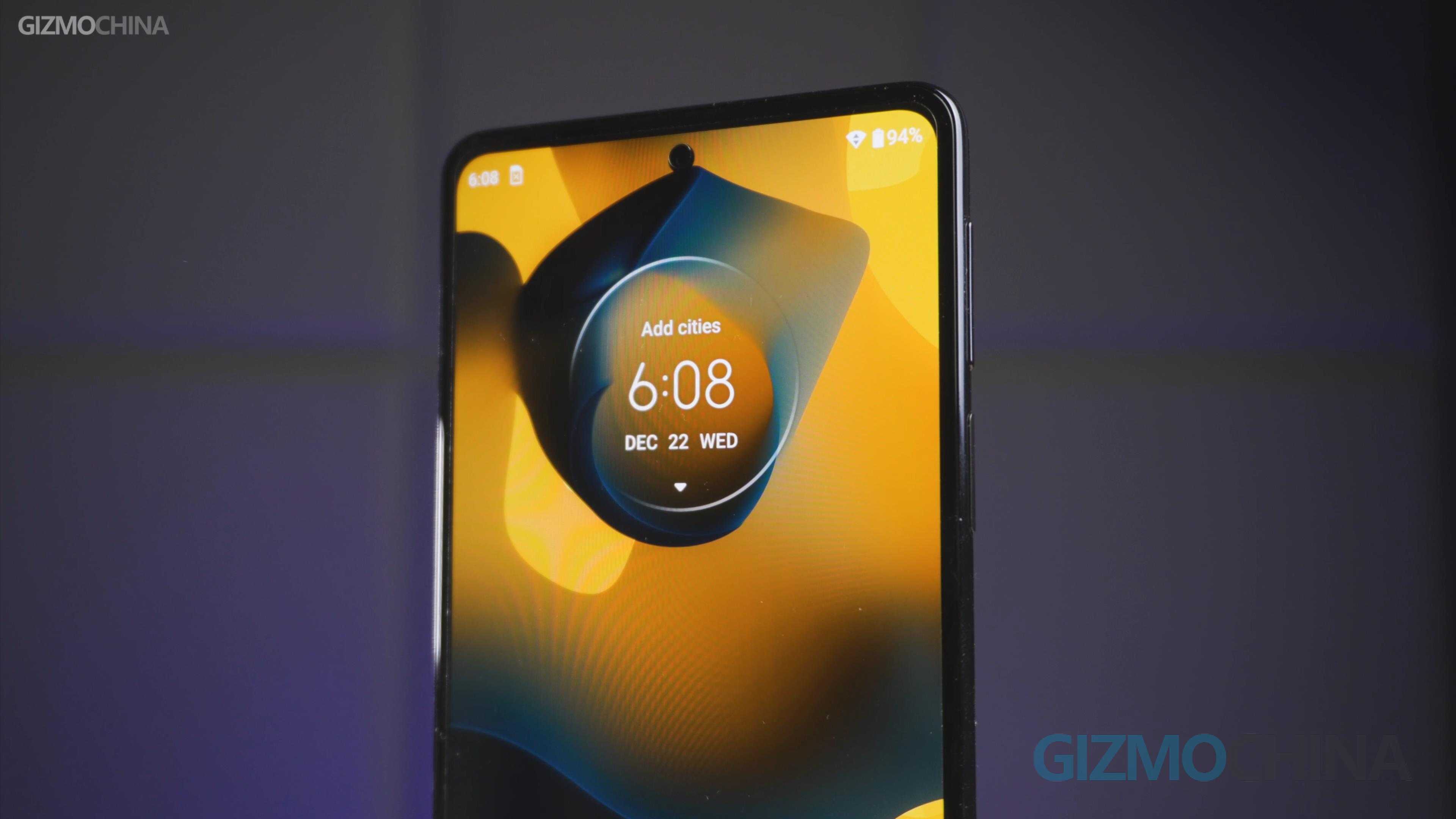
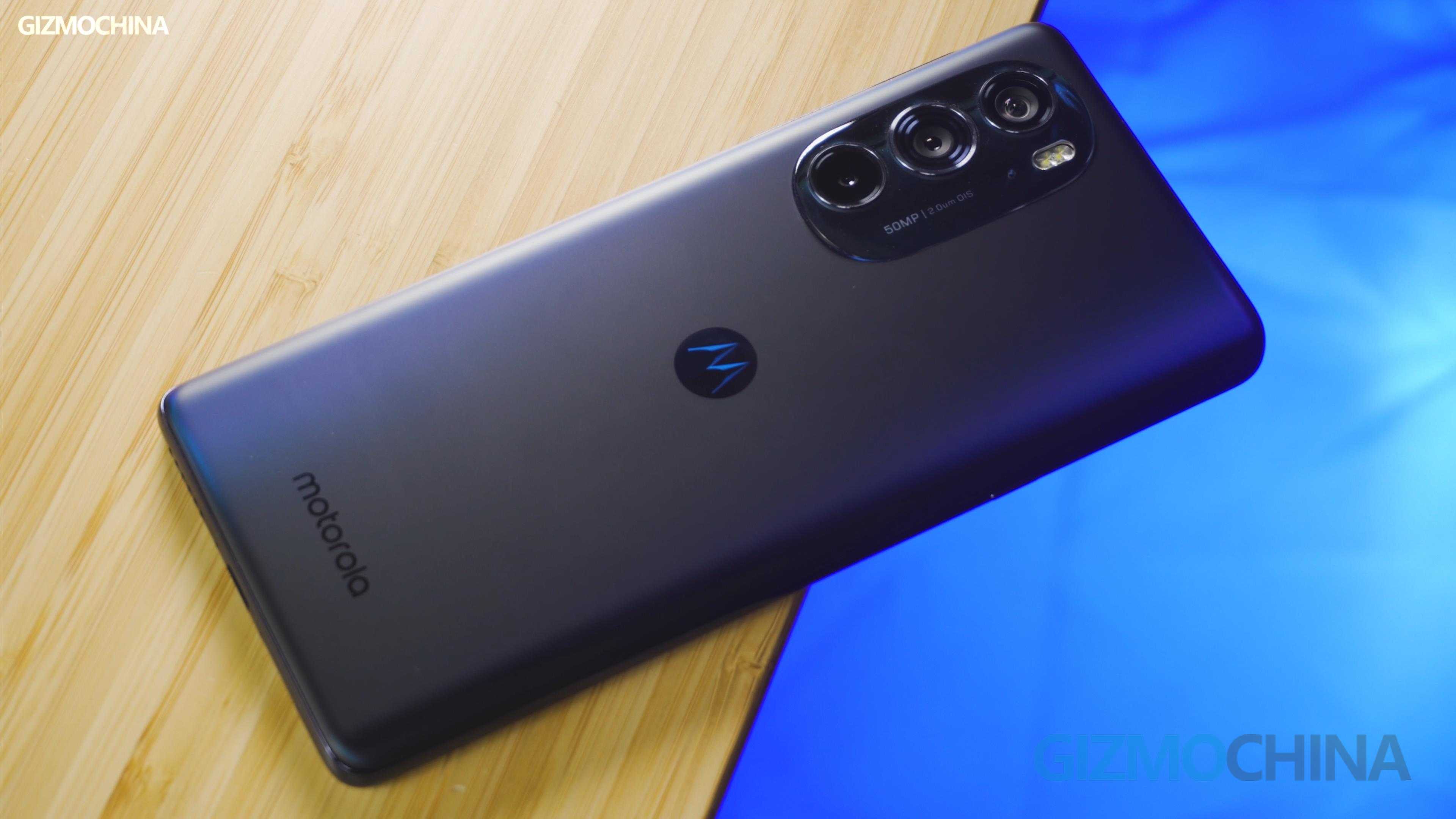
We’ve talked a lot about the Snapdragon 8 Gen1 chipset in our preview video right after launch. Now the chip has finally come to our office inside the Motorola Edge X30, so let’s find out whether the new chip can rebuild the reputation of the Snapdragon flagship series.
We’ll try to test the chip by putting it through a number of benchmark tests, starting with Geekbench 5.
VIDEO
Snapdragon 8 Gen1 – Geekbench 5
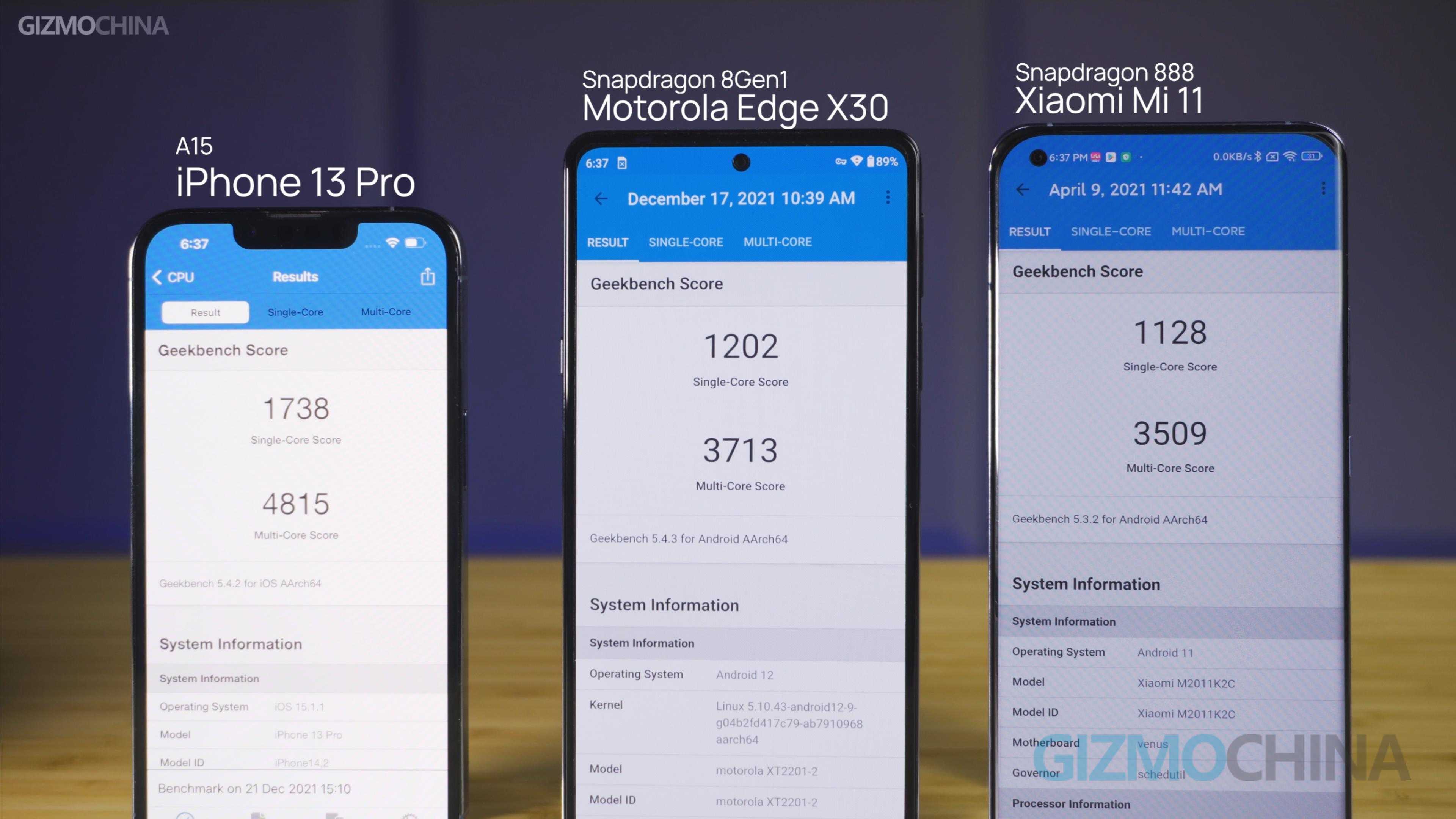
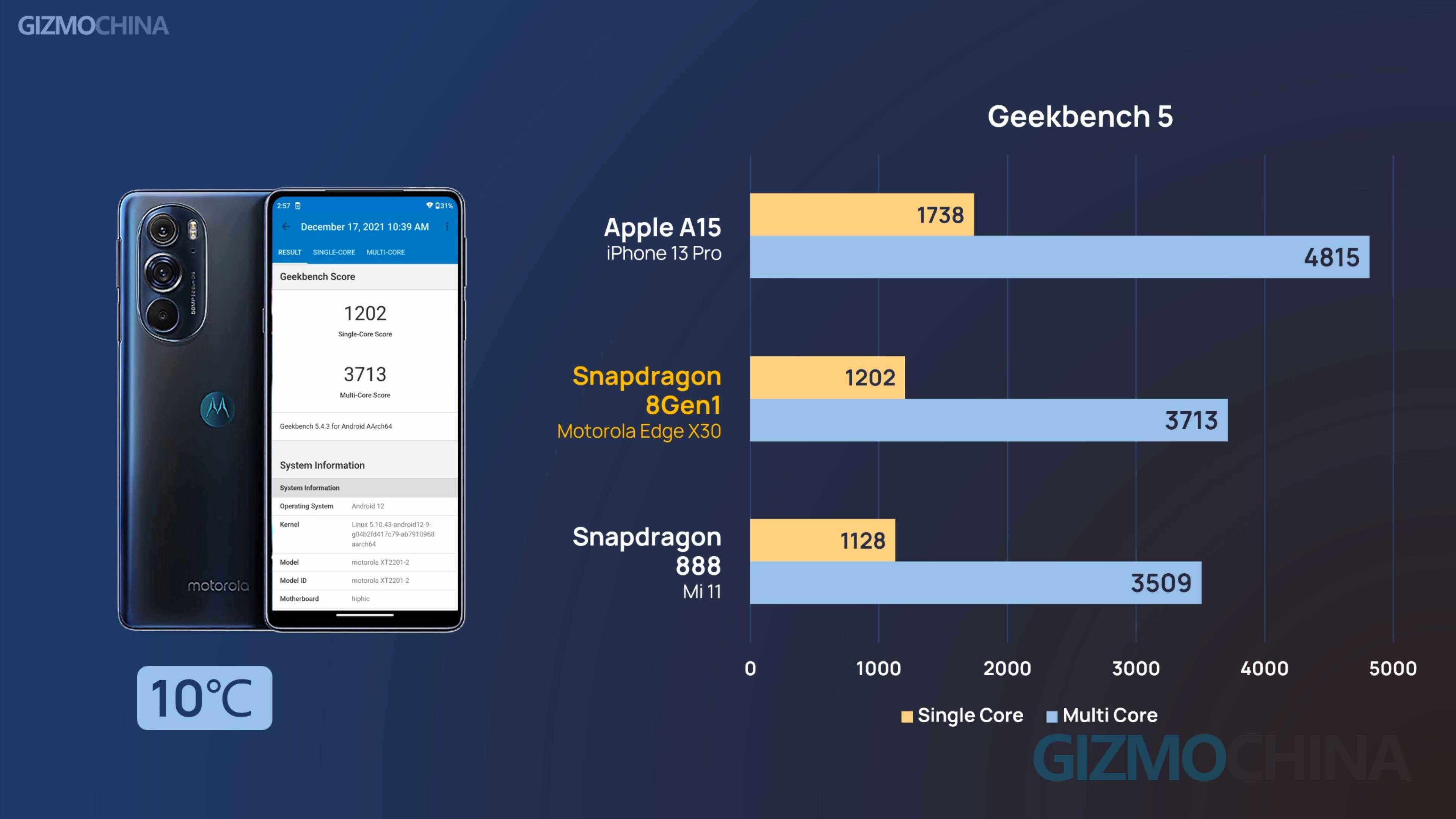
After checking the results of the Geekbench 5 CPU test, you would find that there’s almost no performance improvement compared to the 888 chipset.
We got a score of 1200 for the single-core test, and 3700 for the multi-core test at a temperature of 10℃. While at 20℃, the multi-core result came down to 3500. It seems that the CPU performance might easily be influenced by the temperature.
But at the same time, note that the Geekbench 5 may not have got an update to adapt to the new chipset, and considering the software developed by Motorola is still an early version, the result might be not able to accurately reflect the improvement of 8 Gen1’s performance.
Snapdragon 8 Gen1 – AnTuTu benchmark
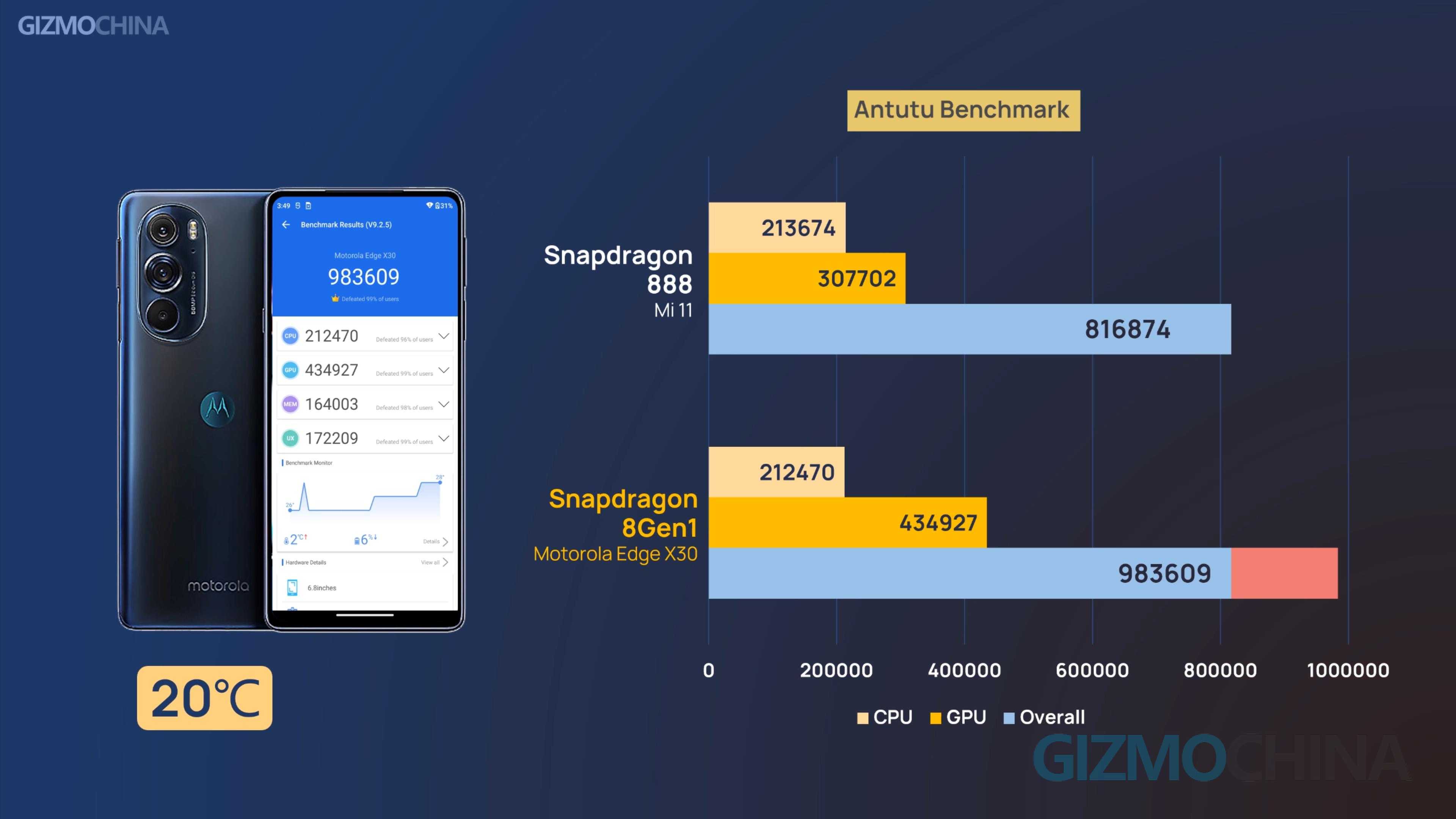
Then we tested it again on Antutu Benchmark. The overall score doesn’t exceed 1 million as we saw in leaked screenshots but remains at around 980000. And there’s a little gap between these two chips’ CPU results. And surprisingly, the old 888 chip sometimes could achieve a better multi-core performance in the benchmark. Also, we learned that the result could be better if you find a way to get a lower testing temperature, like putting it in the fridge…. Alright it sounds a bit funny.
Geekbench 5 power output
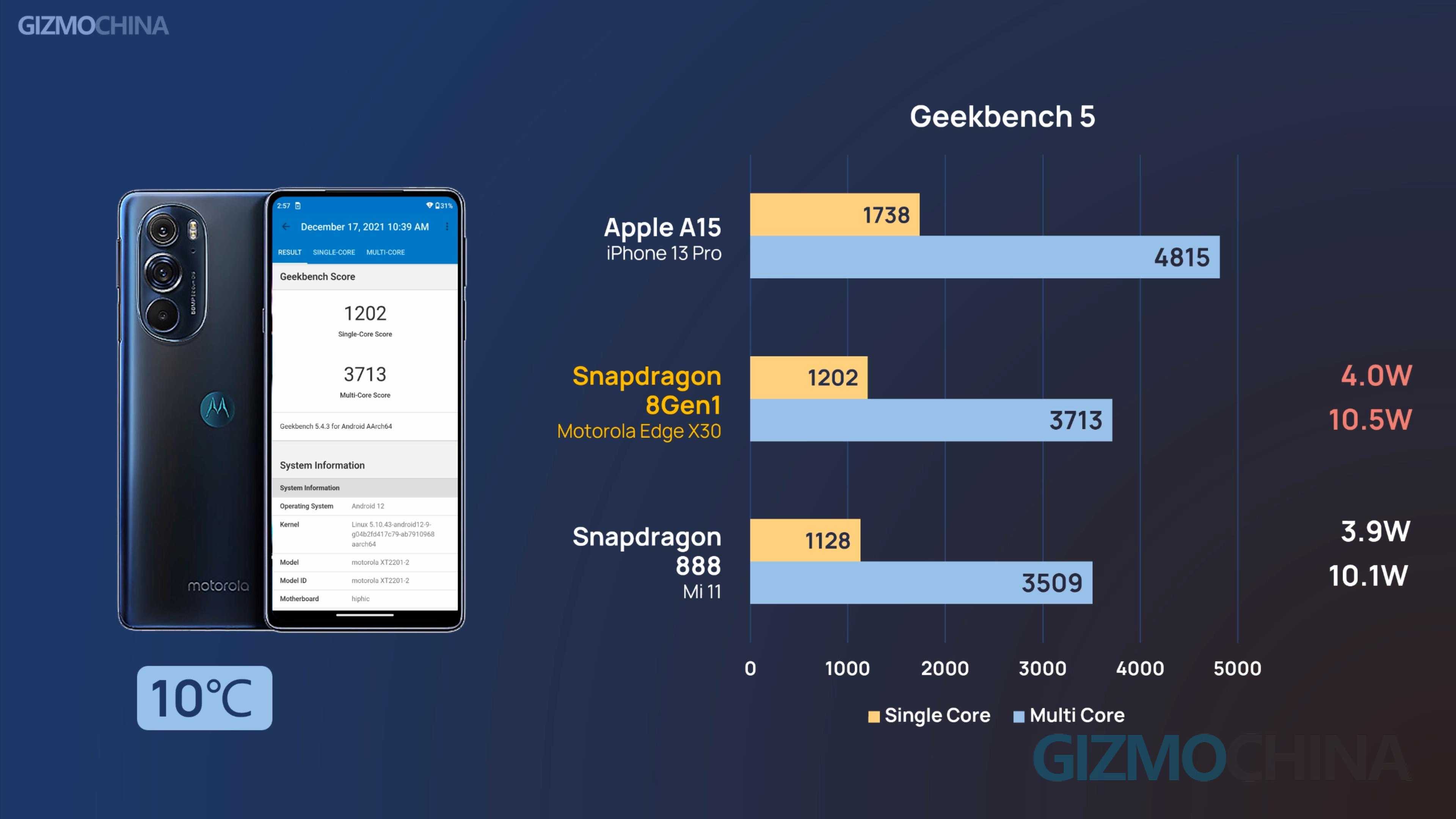
If there is no significant improvement over the CPU performance, how about its power consumption running the benchmark? We all know that the 888 chip doesn’t have good power efficiency on most Android flagship models, and the new 8Gen1 chip was even likely to be worse. At least for now, the power output when running the Geekbench 5 is even higher than what we got on the snapdragon 888 platform. On an average, it went up to 10.5W for multi-core test and 4.0W for single-core test.
No wonder we felt that the battery was dropping quickly during all our tests.
Snapdragon 8 Gen1 – GPU: 3DMark
The first surprise from this chipset came in the 3DMark GPU test.
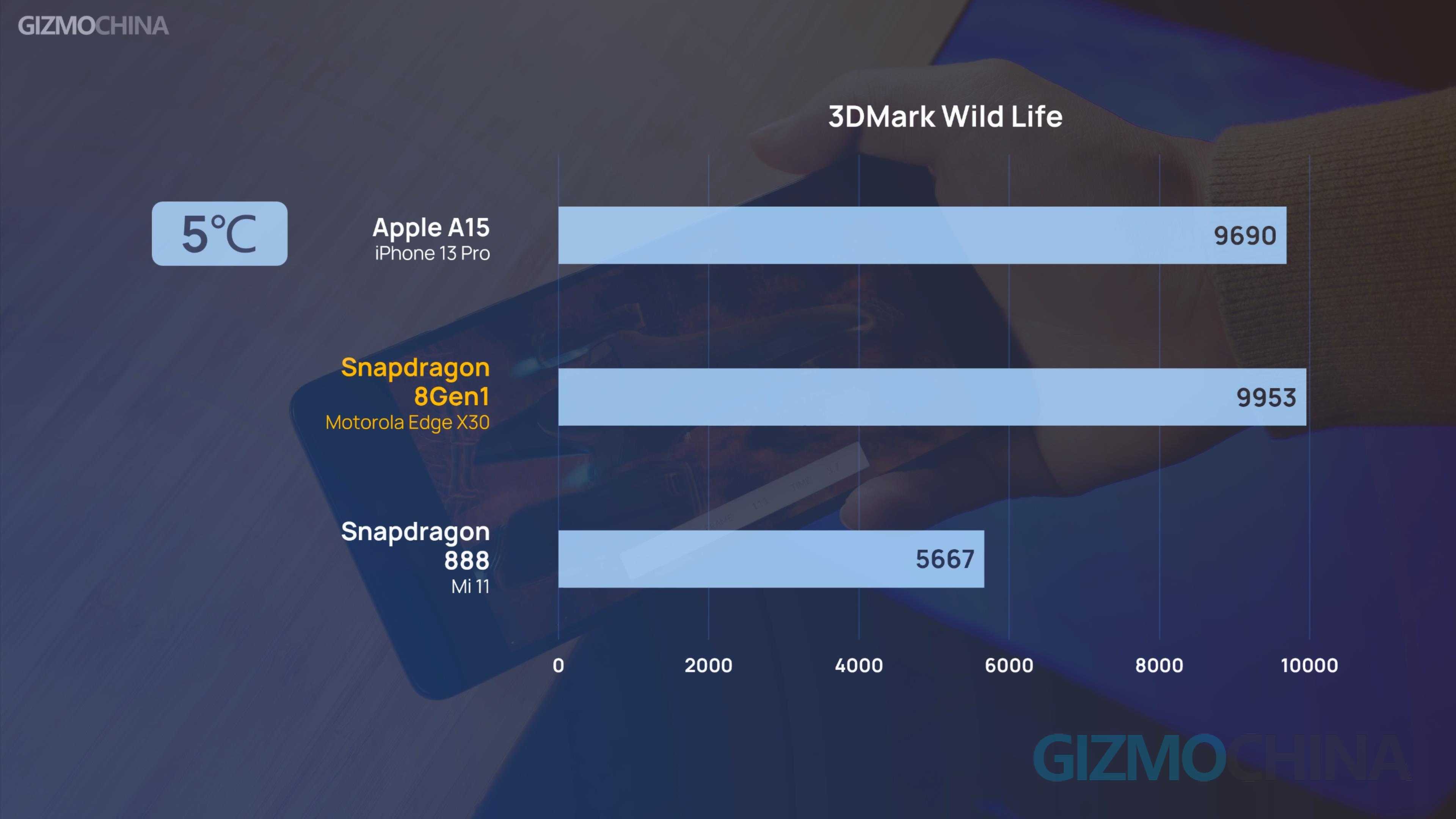
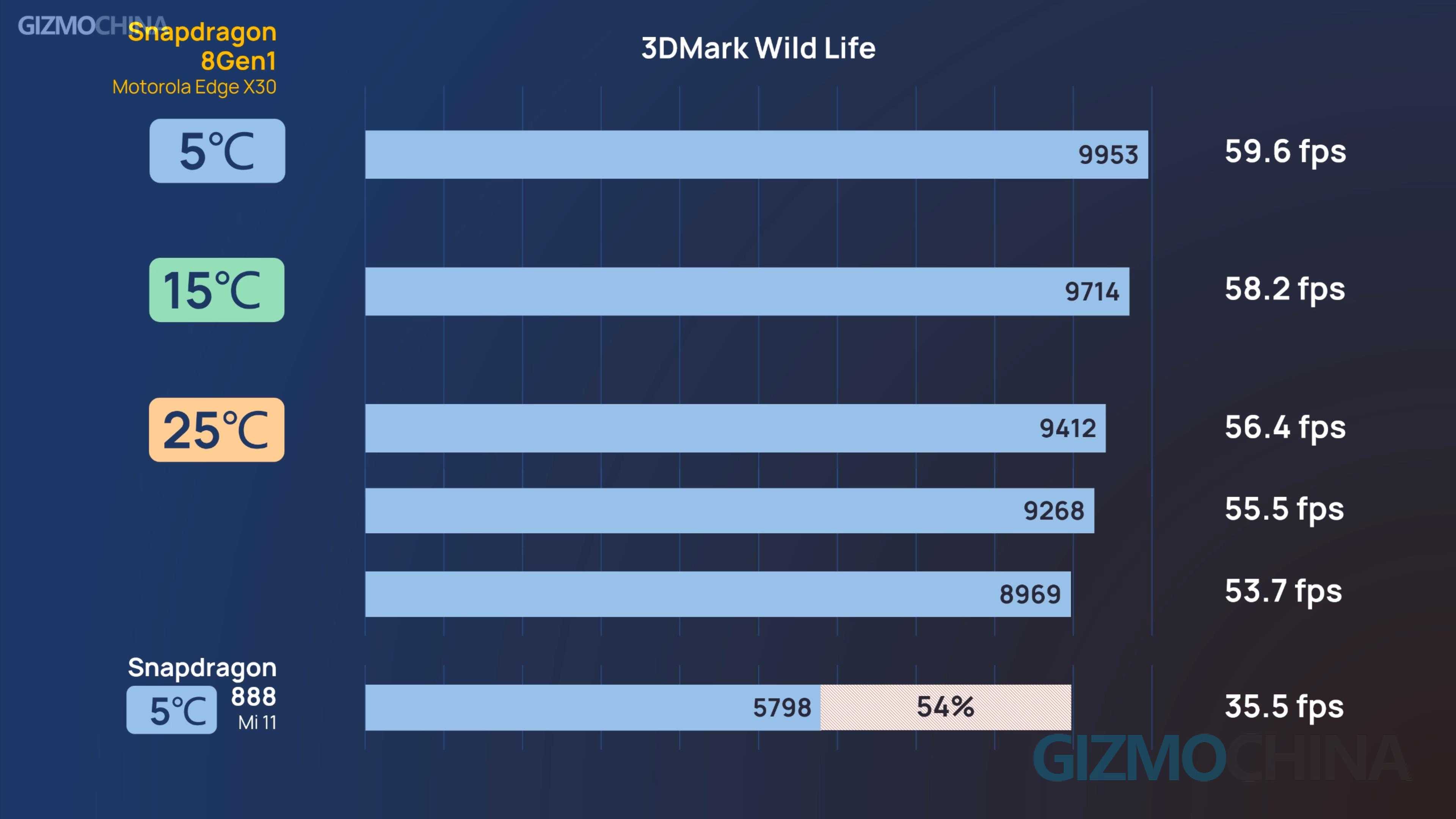
We ran it at various temperatures and then tried to figure out how much of an impact was caused by the temperature factor. At 5℃ room temperature, the Edge X30 can run up to 9900 in the first round of the test, which has exceeded the average score of the latest Apple’s A15 chipset running in the iPhone 13 Pro, which is almost 70% better than most phones powered by the 888 chipset.
And then we brought it to 15℃ room temperature. The result was down to 9700. At 25℃, we ran 3 more rounds and the scores went down to 8900. It seems that the 8 Gen 1 is pretty sensitive to temperature. And in daily use, the peak performance probably will be hard to sustain for a long time gaming or the chip might throttle down due to the heating issue. However, we’re still pretty surprised by its GPU improvement from the 888 chipset. Even when we met the heating issue, the 3DMark result still got 50% increase.
Snapdragon 8 Gen1 – GFXBench
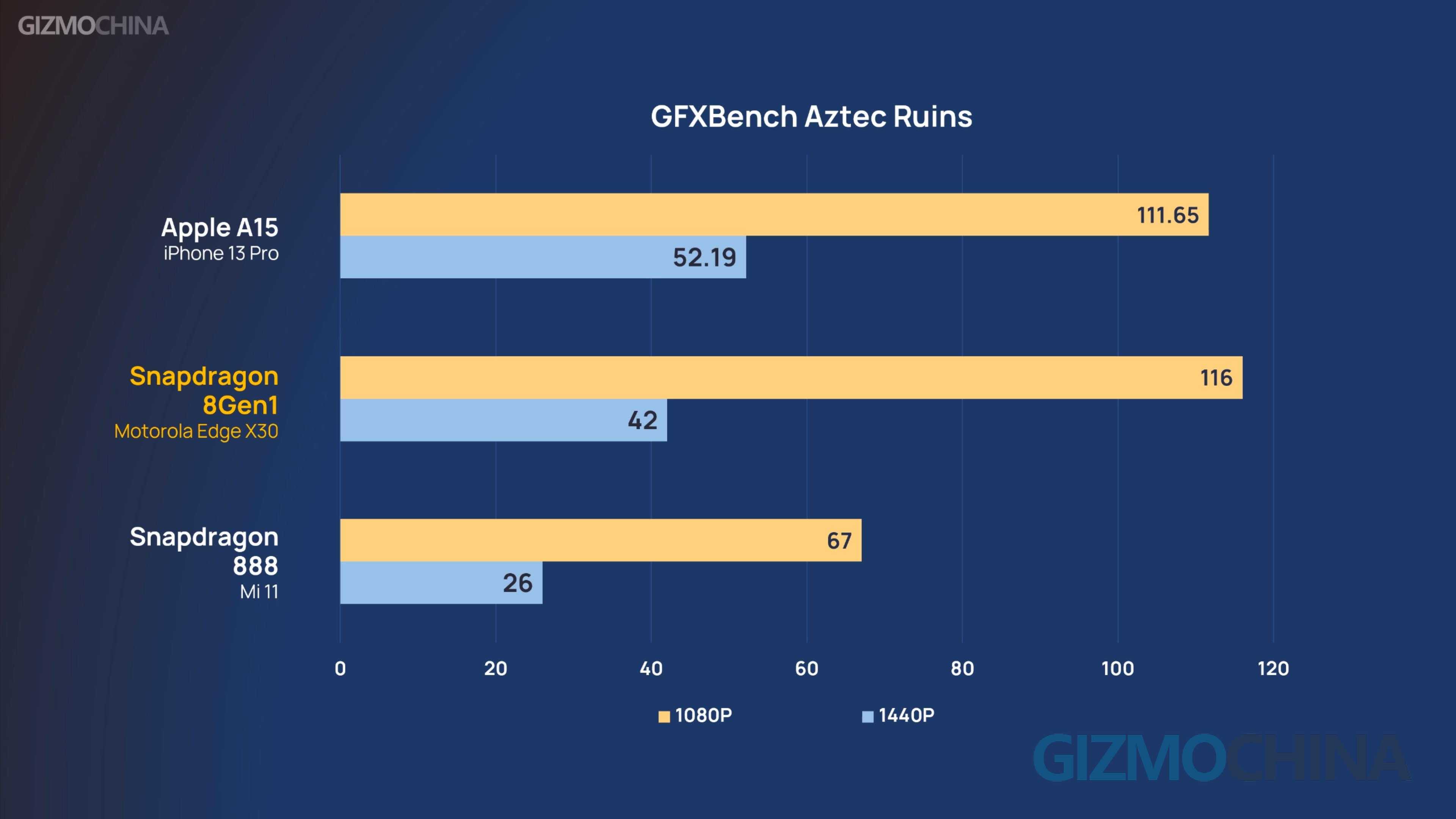
And let’s do another GPU test in GfxBench. The result also proved the significant improvement of the new chip’s GPU. No matter for OpenGL or Vulkan test, the 8Gen1 has performed close to what we tested on iPhone 13 Pro and ran with 60% improvement from the Snapdragon 888 of the Mi 11.
Snapdragon 8 Gen1 Gaming Performance Review
Genshin Impact – Framerate, power, heating
Now let’s test its gaming performance. It’s too easy for this chip to run games like PUBG Mobile. And there’s no perceivable heating being detected.
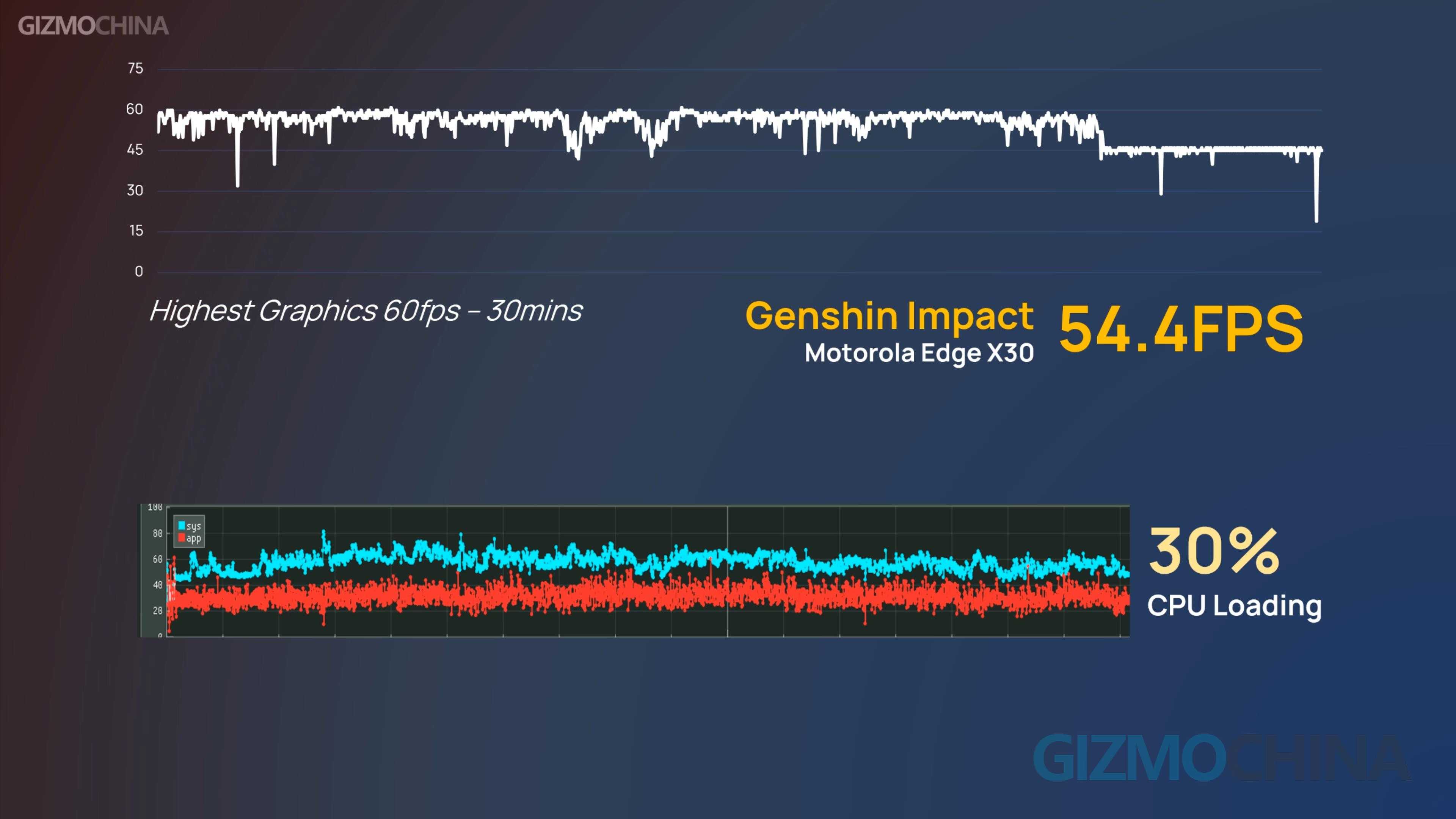
But what about heavy games? We ran Genshin Impact under the highest graphics at 20℃. The result is not bad, and the gaming experience got slightly improved with a pretty high framerate in the first 15 mins.
But since the game hasn’t unlocked the 60fps limit, CPU loading only remained at around 30%, and we were probably not able to access the peak performance of the chipset. However, we still encountered the similar throttling issue found on all the 888-chipset phones. Due to high temperature and high-power consumption, the X3 large core slowed down, and the frame rate fluctuated, eventually stabling down at 54.4fps on an average.
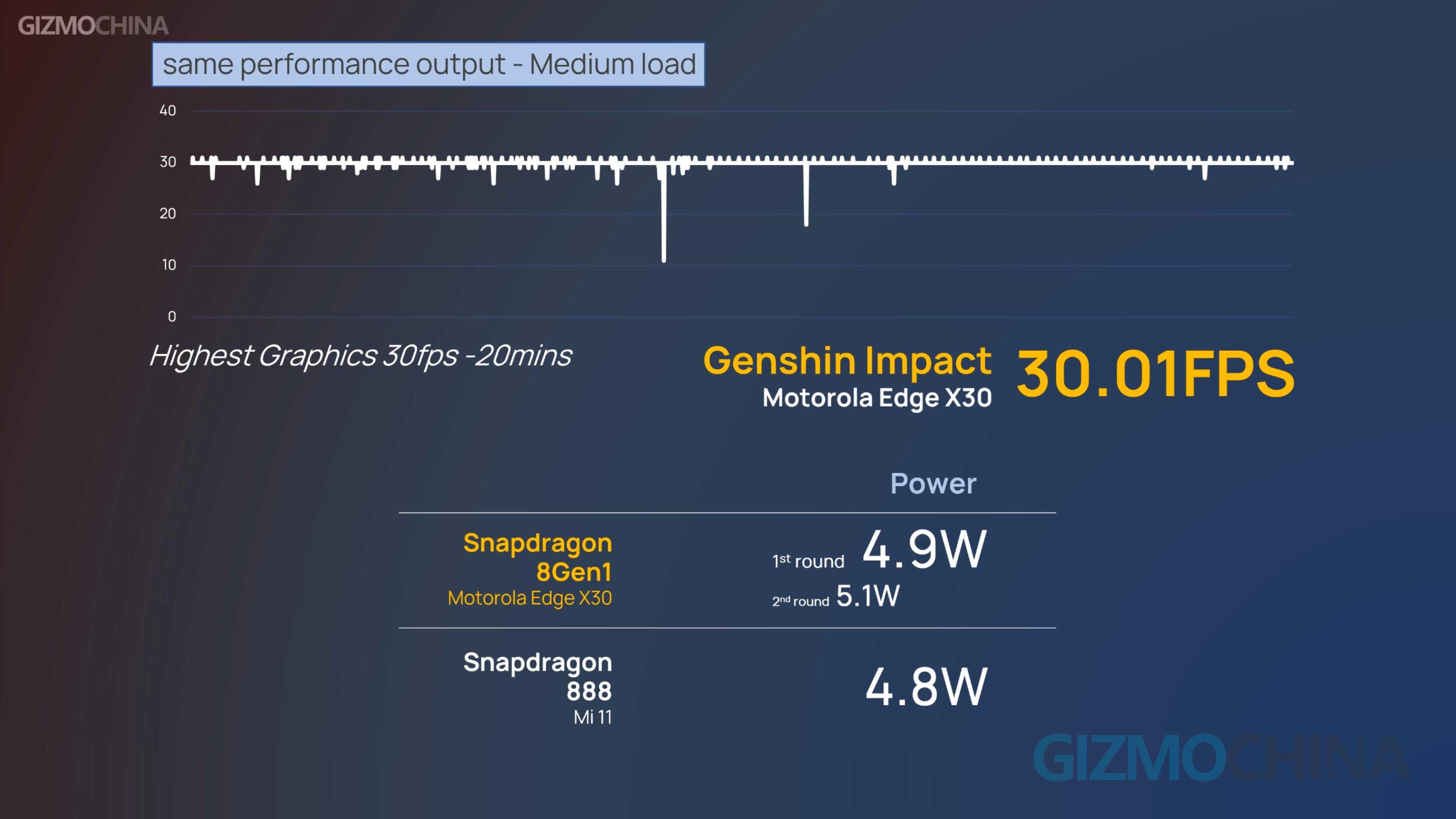
Further, we ran the game again to reveal its power-performance efficiency compared to the Mi 11 running the 888 chipset. We switched the framerate lock down to 30fps on both models and tried to simulate an average loading for most android games. Under such a situation, the power efficiency of the 8Gen 1’s result of 4.9 W didn’t get much better than the 888 chipset. So it looks like gamers may still need to bear the high-power consumption.
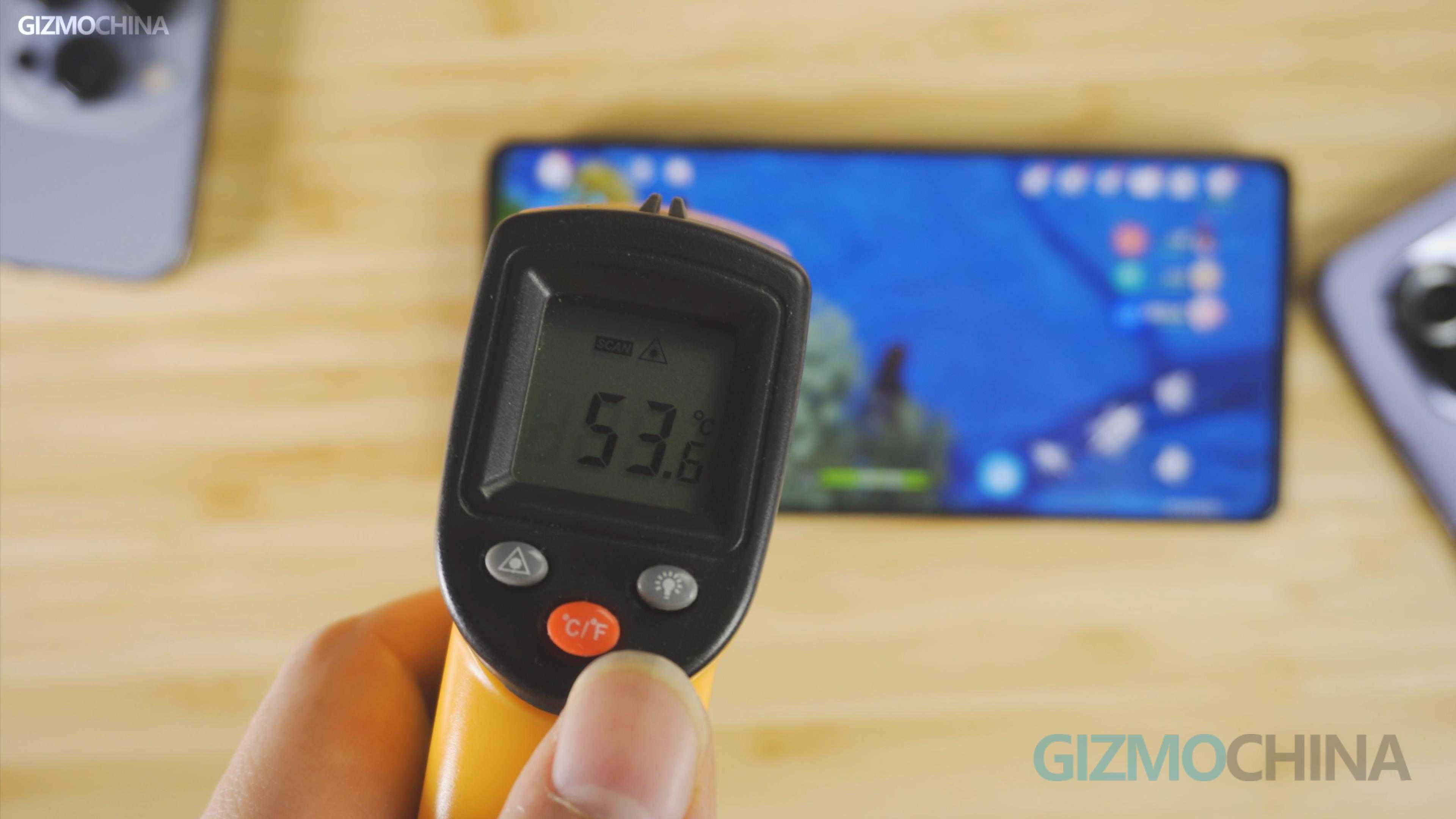
And the surface of the phone also got heated up quickly when running these heavy games. During the 30-min gaming test, the maximum surface temperature went up to around 53℃. So its power and heating performance may still be an issue for gaming, just like the 888 chipset.
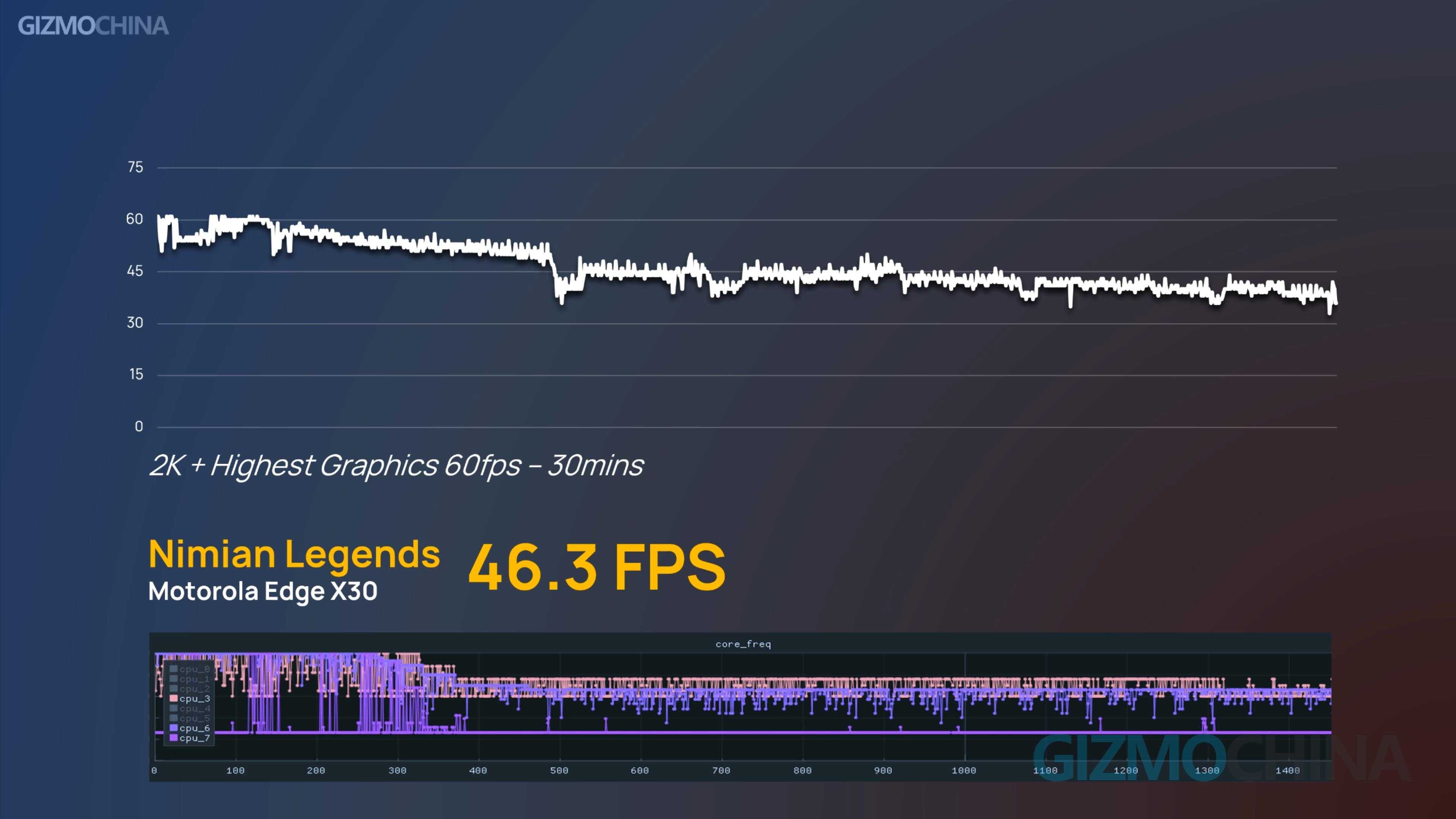
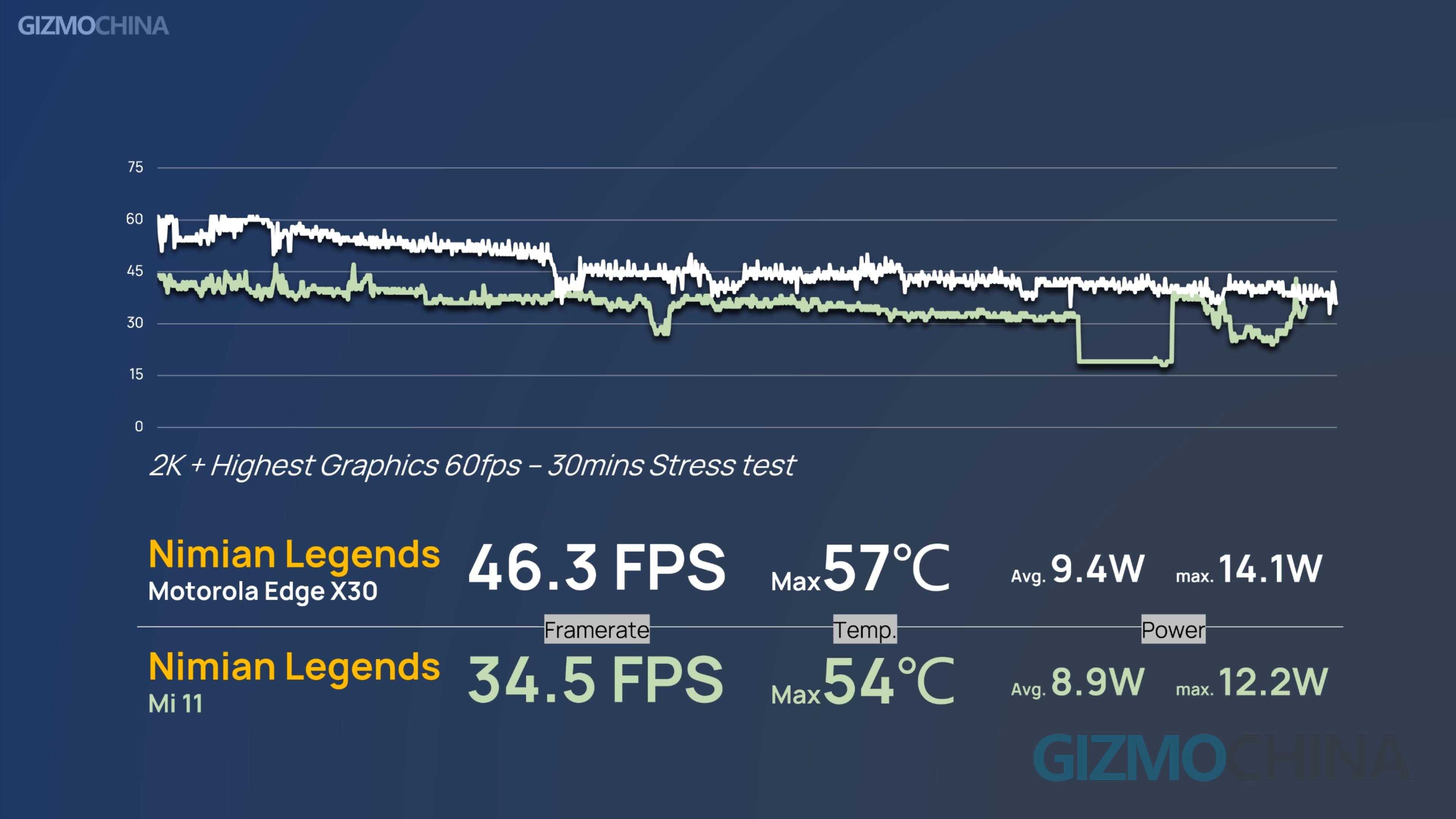
In another game, Nimian Legends, to give it the hardest performance test, we upgraded the gaming resolution to a 2K level with the highest graphics. In the first 5 minutes, the Edge X30 powered by 8 Gen1 did deliver the excellent peak performance as we got in GPU Benchmarks, but it didn’t last long and got throttled down for the rest of the time thanks to the heating issue (46.28fps).
The highest temperature hit at 57℃ and the detected chip temperature went up to around 90℃, which is really insane. And the peak power even reached 14.1W, which is also the highest figure that we’ve tested over a phone’s power output. Eventually, the 30-min test consumed around 30% of power.
But at the same time, one positive thing to note here is that the throttled performance is still at the level that’s close to the Mi 11’s peak performance.
To prove this finding, we also performed a comparison of the 3DMark 4K wildlife stress test. We found that Mi 11 is better at maintaining a stable but lower framerate throughout the 20 loops, which protected the phone from getting over-heated, avoiding fast battery drain. While on the Edge X30, it started with an excellent result, but the performance throttled down with each round. However, just like we found in our gaming test, the new Snapdragon chip’s lowest score in the last loop is still much better than the Mi 11’s result of the first loop. Also, the X30’s surface was extremely hot at around 54℃, and it consumed nearly twice as much power as the Mi 11.
Moto Edge X30 Charging & battery
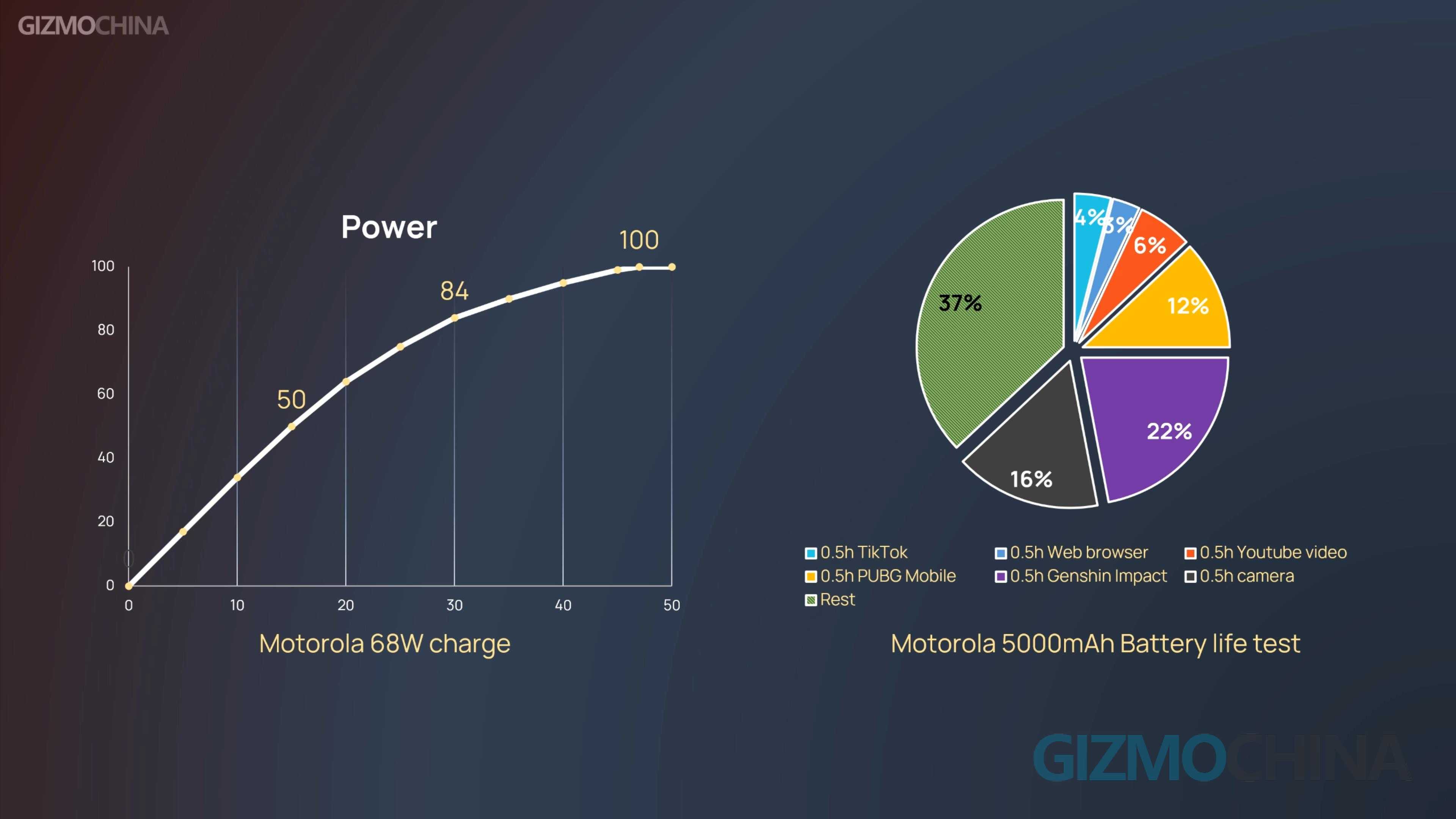
The Edge X30 features a 4500mAh battery and 68W fast charge. For its battery life, the phone didn’t perform well with the chipset. Here are the results of our battery test and charging test.
Snapdragon 8 Gen1 Performance: Verdict
After all the tests we performed, we hope you’ve got an idea of how exactly the 8Gen 1 chip performs.
But at the same time, I also want to tell you another important fact about these two chipsets: After months of optimizations, most flagships powered by the snapdragon 888 chip have used a conservative CPU strategy. On the other hand, being a very early model featuring the Snapdragon 8 Gen1, to avoid over-heating and to seek a balance with battery life, the Edge X30 has still got a lot of work to do with its software optimization.
We do have to add that it achieved better peak performance due to the much better GPU. If you could effectively cool it down, the excellent performance can likely last for much longer.
To conclude, the good message here is that the new snapdragon 8 chip brings an astounding GPU performance upgrade, which even catches up with Apple’s latest A15 chip. As for actual gaming, the 6MB L3 cache also provides better support to access a smoother experience in heavy games like Genshin Impact.But the bad news is that the improvement of CPU is not significant at all. And power consumption and heating are still the main issues that brands are left to deal with, and they haven’t really improved when compared to the 888 chip.
So that’s it for today. We hope our performance review has given you a good overview of what to expect from the new Snapdragon chipset.
The Xiaomi 12 is a compact powerhouse that aims to offer the best that’s possible within a smaller form factor. Its Pro variant, on the other hand, doesn’t just aim, but actually seems to deliver the very best that one expects from a flagship-level device. And as such, it comes with specs like a 2K AMOLED screen with a 120Hz intelligent dynamic refresh rate.
This feature was shown off through a new demonstration video posted by Wei Siqi, product manager of the Xiaomi 12 series. The video isn’t just an ordinary demo, however, as it also shows off the front of the Xiaomi 12 Pro for the very first time.
Extremely slim bezels surround the display and they appear to be of nearly equal width all-around. While the video doesn’t show the selfie camera, a previous officially released photo had shown the Xiaomi 12 Pro with a tiny, centrally-aligned punch-hole. The corners of the device have been trimmed too and do not look as odd as the ones on the Xiaomi Mi 11.
But the real highlight is of course the second-generation low-power 2K screen that adjusts its refresh rate according to touch feedback, operation, and even content. Xiaomi claims that this is better than the ‘traditional’ LTPO tech, developed by Apple and featured on the iPhone 13 Pro.
The demo video shows the Xiaomi 12 Pro’s display running smoothly at 120Hz when social media app Weibo is being scrolled. But when left idle, it immediately falls to just 10Hz. This should help conserve a lot of power when compared to other high refresh rate Android devices that only switch between 60Hz and 90Hz/120Hz based on the foreground app.
However, if the phone detects video content on the display, the refresh rate is adjusted to 60Hz rather than to 10Hz to ensure that the video plays smoothly. All of this seems to be handled rather seamlessly and instantaneously, and a user will likely not even be noticing that the refresh rate is being adjusted constantly.
The Xiaomi 12 Pro is expected to be launched along with the Xiaomi 12 on December 28th running MIUI 13.
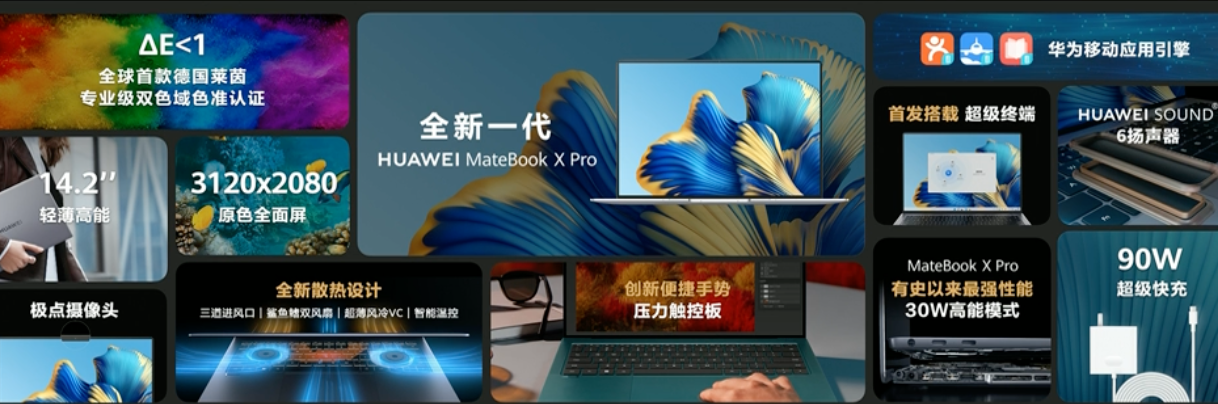
Earlier this year, Huawei launched the MateBook X Pro 2021 notebook with an impressive specs lineup including an Intel Coore i7 chipset. The company has now launched a new MateBook X Pro version with further improvement from its predecessor.
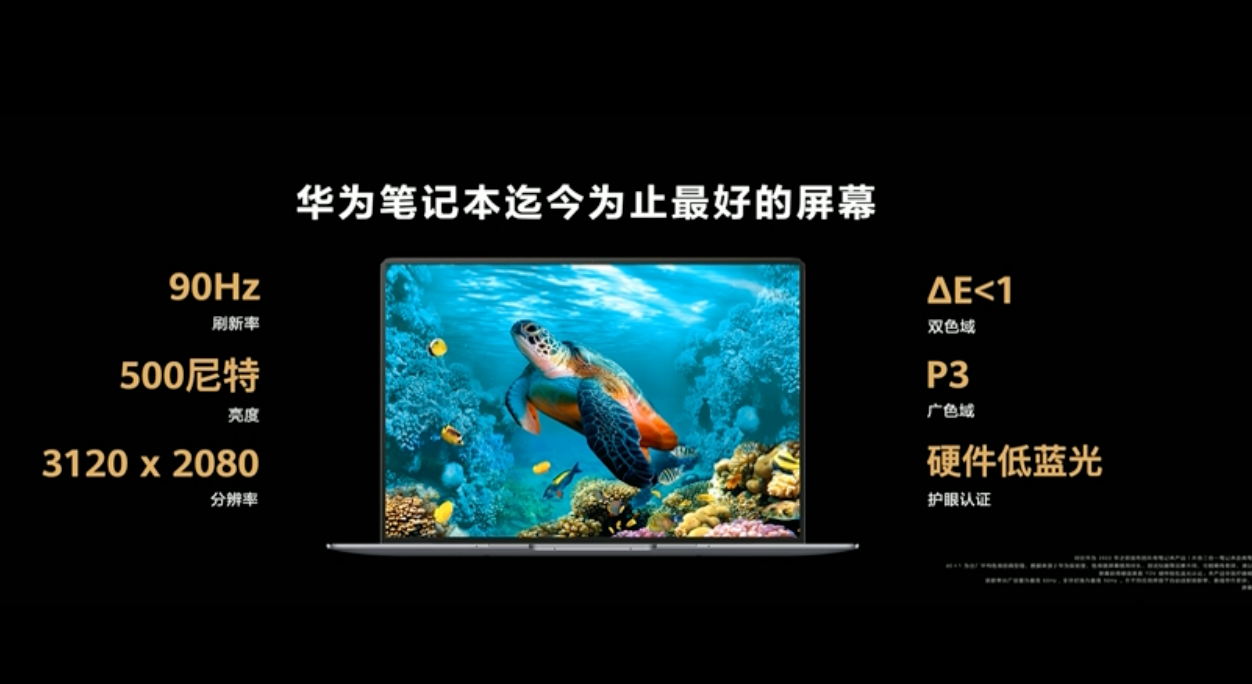
The new Huawei MateBook X Pro model is equipped with a bigger 14.2-inch screen which is slightly bigger than the 13.9-inch screen on the MateBook X Pro 2021. The laptop features a narrow frame design with a high 92.5% screen-to-body ratio. The display also has a resolution of 3120 X 2080 pixels with support for a 90Hz refresh rate, 500nit brightness, and a P3 wide color gamut. According to Huawei, this notebook uses the 3D Lut professional color calibration scheme, TÜV Rheinland’s professional two-color gamut color standard certification, and the color difference Delta E is less than 1.
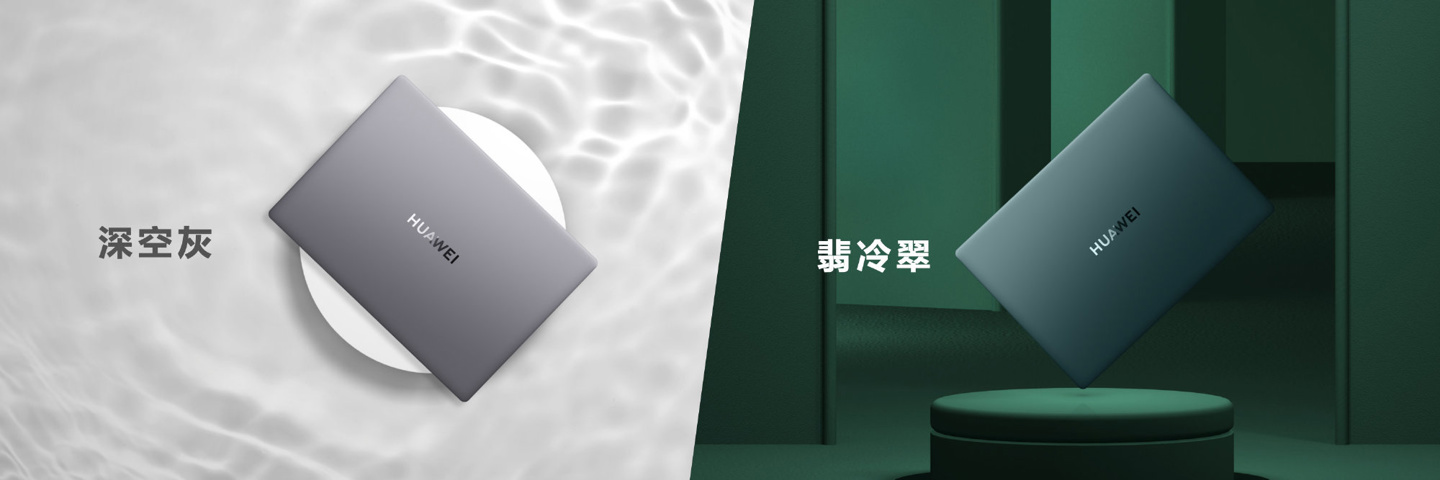
The notebook is equipped with the Intel Core i5-1155G7 and i7-1195G7 processors with 16GB RAM and 512GB/1TB storage options. The new MateBook X Pro is available in Silver, Space Gray, and Emerald colors. It weighs 1.38kg and is 15.5mm thick at its thickest point.
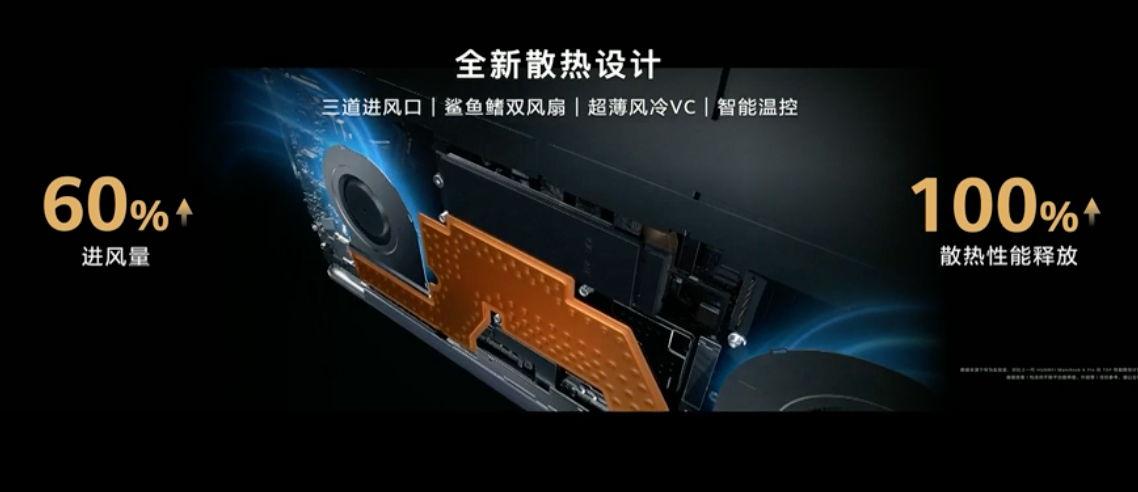
The new MateBook X Pro features some improvements in the design of its internals as it comes with dual fans, three air inlets design, and ultra-thin air-cooled VC, which improves heat dissipation performance by 100% compared to its predecessor. The laptop also comes with support for 30W charging speed which is double what obtains on the MateBook X Pro 2021.
Furthermore, the new MateBook X Pro uses a pressure trackpad, supports a variety of convenient gestures, and can be operated with air gestures. It is also equipped with Huawei Sound 6 speakers. The notebook also ships with a 90W GaN charger.
In terms of the pricing, the new MateBook X Pro Core i5/16GB/512GB version is priced at 9,499 yuan (~$1,490) while the Core i7/16GB/512GB is priced at 10,499 yuan (~$1,647). Finally, the Core i7+16GB+1TB is priced at 12,499 yuan (~$1,961). The notebook is already on pre-sale and will go on sale for the first time on January 6.
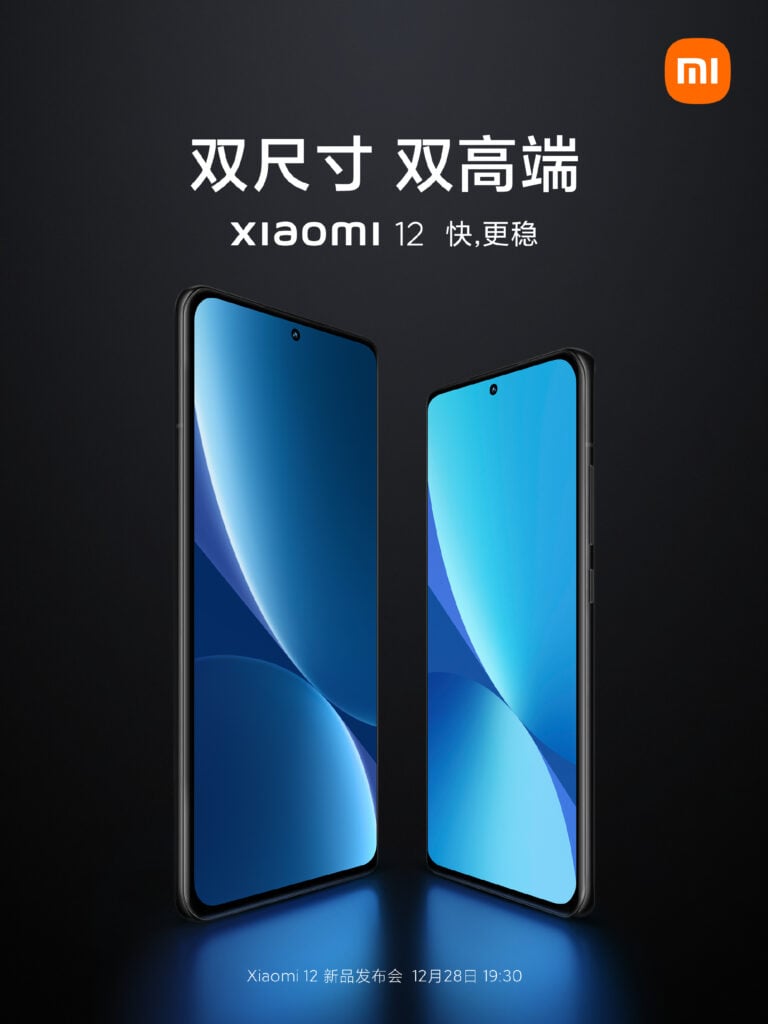
The Xiaomi 12 series has officially been confirmed to launch on December 28th and it is expected that MIUI 13 will make its debut alongside it. The series will be comprised of the Xiaomi 12, Xiaomi 12 Pro, and Xiaomi 12 Ultra, although the lattermost is expected to be launched later, sometime in early 2022.
Ahead of the launch, most of the specifications of the three devices are already known, and Xiaomi yesterday even released official images showcasing the front of the Xiaomi 12 and its Pro variant for the very first time.
And today, Wang Hua, general manager of Xiaomi’s public relations department, posted a new teaser concerning both Xiaomi 12 as well as MIUI 13 saying that “the watermark is gone after the upgrade, it seems…”.
While we admit that the post is rather cryptic, it’s what’s the GM commented underneath it is that’s exciting. Wang Hua says that he’s already used MIUI 13 and the “system should be able to seal the package within these two days.”
From this, it seems that the MIUI 13 stable update for the Xiaomi 12 is under its final stages of testing and will be shipped out with the device when it launches on December 28th. It is safe to also assume that the build will be based on Android 12, making the device the very first from Xiaomi to run the version out of the box.
Recently, a leak revealed the logo of MIUI 13, showing it with an abstract design. Apart from this, little is known about the upcoming update of Xiaomi’s software skin. A tipster had also earlier revealed that MIUI 13 is being tested on both Android 11 and Android 12.
Luxshare, one of the Apple suppliers, is building an enormous new iPhone factory in China. The new factory would help boost its iPhone assembly capabilities to better rival other suppliers like Foxconn and Pegatron.
According to a Nikkei Asia report (Via AppleInsider), the supplier of the Cupertino based giant is apparently setting up a massive 285,000 square meter manufacturing facility in Kunshan City, China. Furthermore, the firm plans to complete the first phase of the new giant site in the middle of next year and production of iPhone models could begin sometime later in the same year. Luxshare is investing a sizeable 1.73 billion US Dollars in this project.
Through the new plant, the company would be able to boost its iPhone assembly even further, with its volume production expected to rise from 6.5 million units to 12 million or even 15 million units by 2022 end. To put things into perspective, the new manufacturing park spans a whopping 40 football fields. Notably, Luxshare has also leased and renovated a nearby plant that was previously owned by an iPad assembler.
With the announcement of this huge plant, Apple’s supply chain might see a major shift as iPhone assembly is seeing a move from Taiwan to China. Earlier this year, Chinese partners accounted for around 33 percent of all the new suppliers that Apple added to its supply chain list. As of right now, the company relies on Taiwanese suppliers like Foxconn and Pegatron for the majority of its iPhone assembly, with the former being responsible for 60 percent of the smartphones and the latter accounting for around 30 percent.
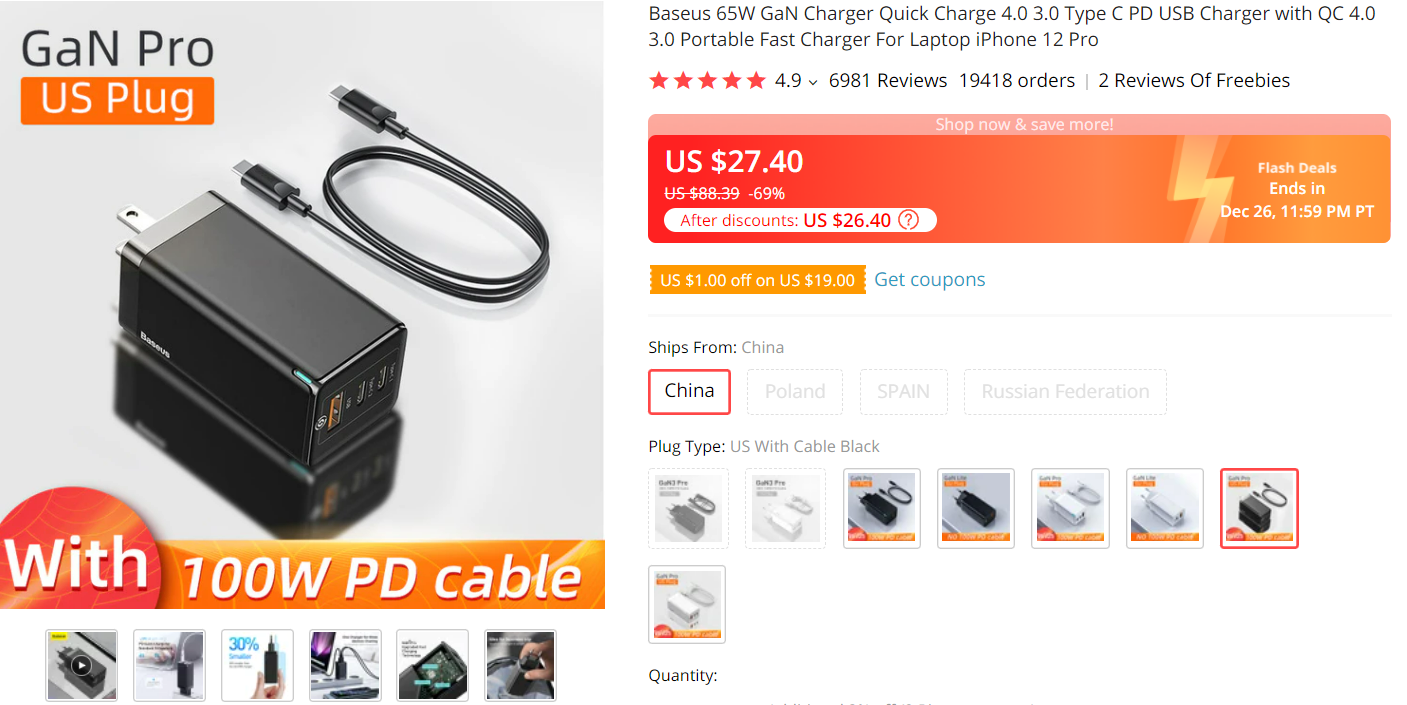
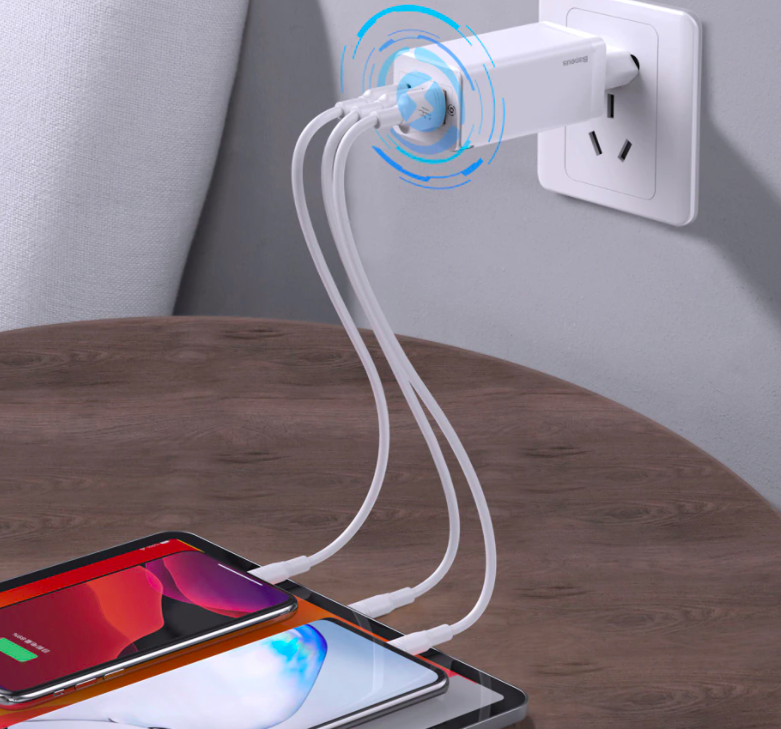
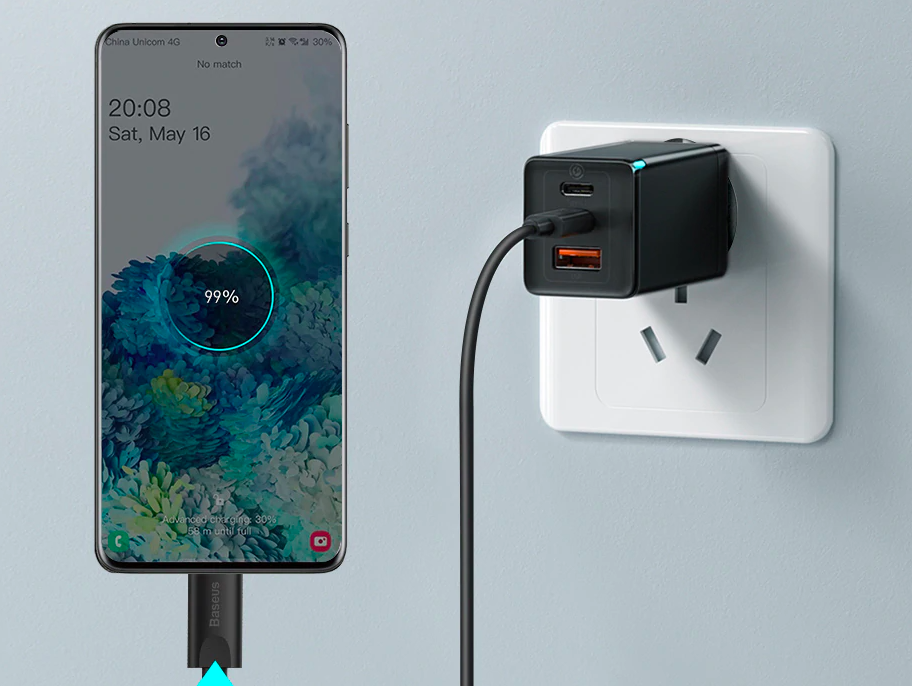
Baseus 65W GaN Pro Charger which generally retails for $45 is now available at a discounted price of $26.40 only at AliExpress. This deal ends on 26 December, 11:59 PM PT. Both EU and US variants are available in this deal.
Multiple safety protocols: Protection from over-voltage, over-current, over-power, etc
Adapt to multiple systems
Universal use over Europe (EU version) / US version
Generally retailing for $45, you can now buy Baseus 65W GaN Pro Charger at a discounted price of $26.40 only at AliExpress. Please note that this price is applicable on 3 Port, EU, and US variants only. However, you can also get single port variants at less cost. So make sure to choose the appropriate variant before you place the order.
Please note that the above price is region-specific and the final price may vary according to your shipping region, warehouse, and regional taxes.
For more information on such exciting deals and offers check out our deals hub.
* Please Note: When you buy something using the links in our articles, we may earn a small commission at no cost to you.
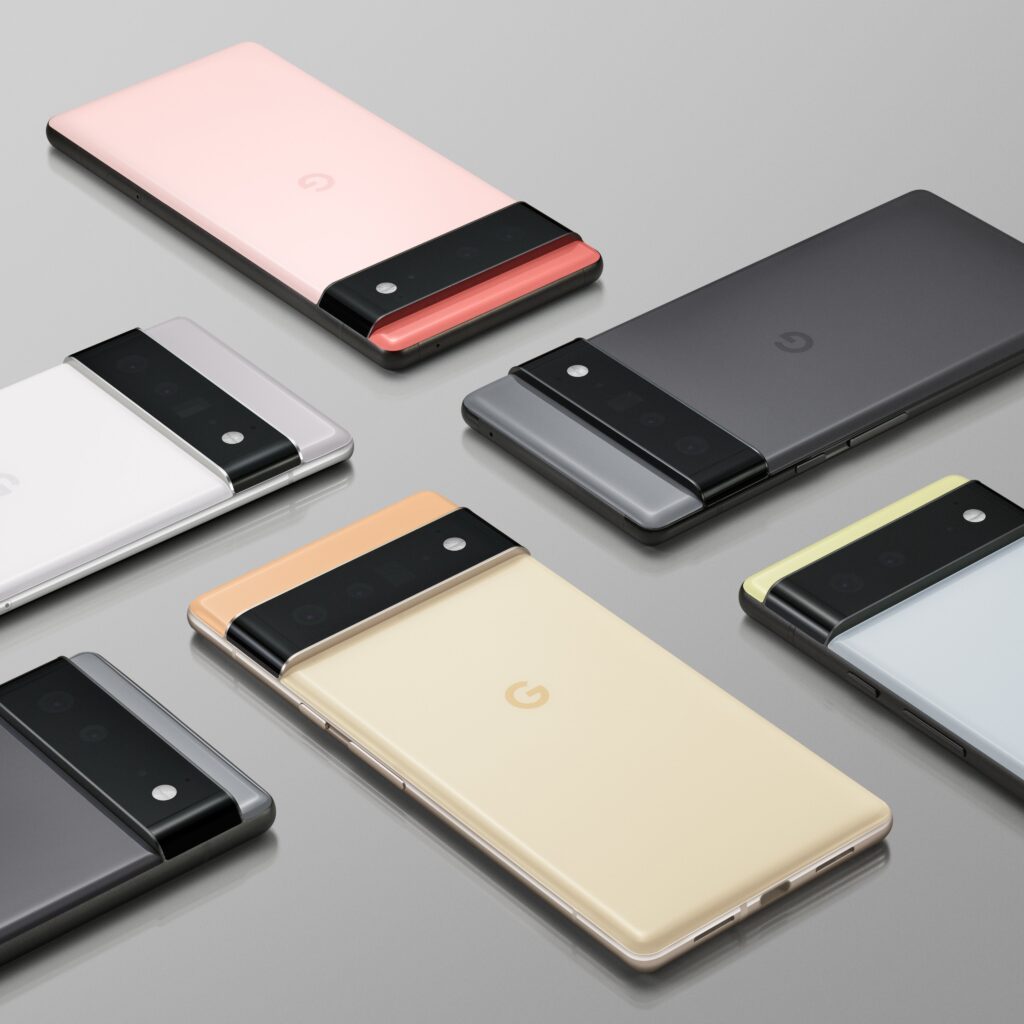
The Google Pixel 6 series has been plagued with a number of issues since its launch. Now, the flagship lineup is suffering from another new problem, but this time, the issue lies with the display.
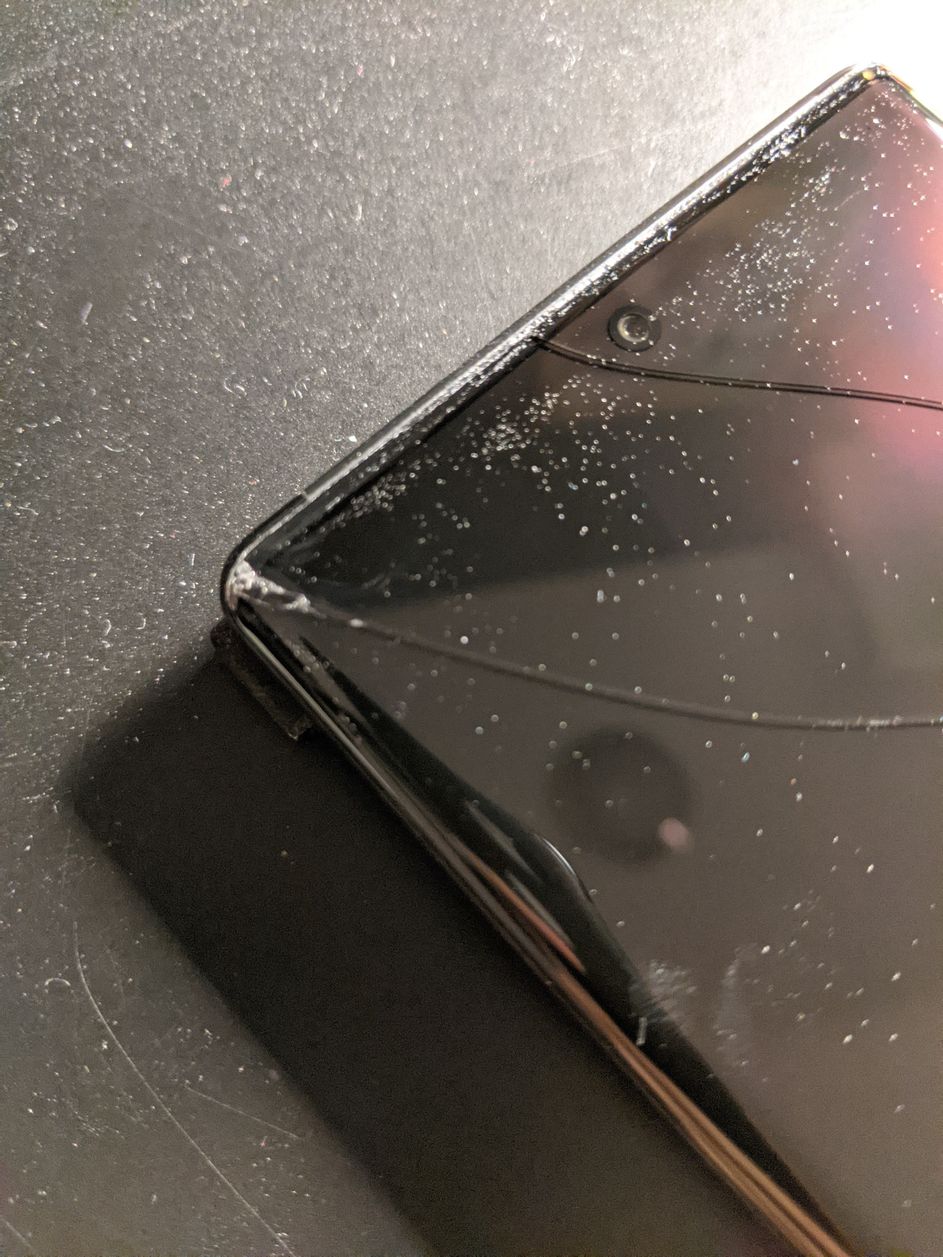
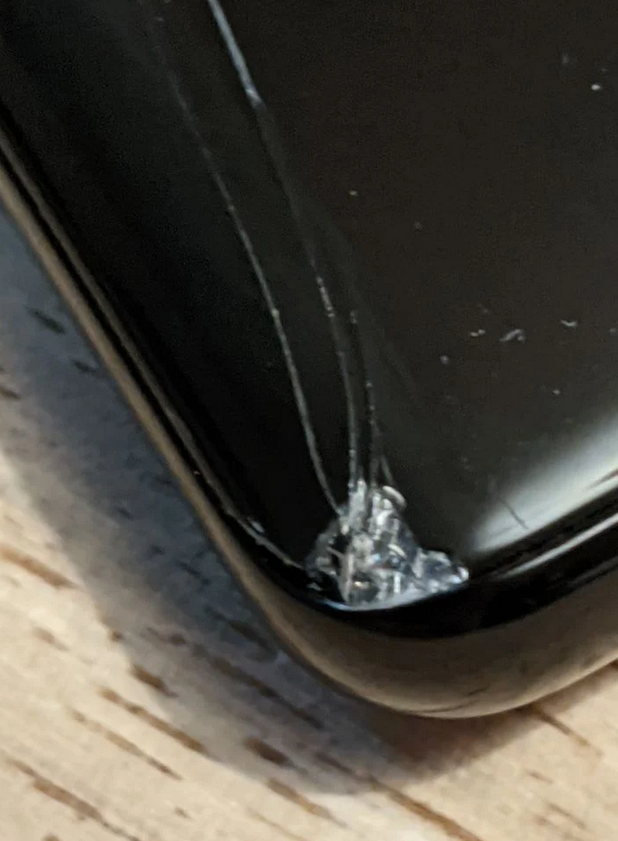
The news arrives from various Pixel owners that have shared their complaints on Reddit and the company’s support forum (via AndroidPolice). Reportedly, owners of the Search Engine giant’s Pixel 6 series have found that cracks have appeared on the front glass of both the base and Pro models. This issue is not entirely new either as early reports are a couple of months old as well. With the Pixel 6 Pro featuring a curved display, it is apparently more prone to suffer from this odd issue.
Notably, both variants feature a Corning Gorilla Glass Victus on the front and back. So, its even more odd that the toughest glass for phones in the market is facing this problem. The cracks first begin appearing on either one of the sides or the corners of the Pixel 6 series’ display, and unfortunately, using a screen protector does not appear to help negate this issue or make it less likely at all. For those unaware, spontaneous screen issues are not unheard off and have been seen before as well.
Although, this usually implies that the smartphone is suffering from a slight manufacturing defect. To put things simply, the small defect can cause pressure to build up in the display that eventually cracks up and possibly even split apart. Significant variations in temperatures also tend to cause this issue as well. However, the exact reasoning for the cracks are still unknown, but thankfully, only a small number of devices are facing this problem at the moment. Google has acknowledged this issue and has confirmed that it is investigating it as well. So stay tuned for more updates.
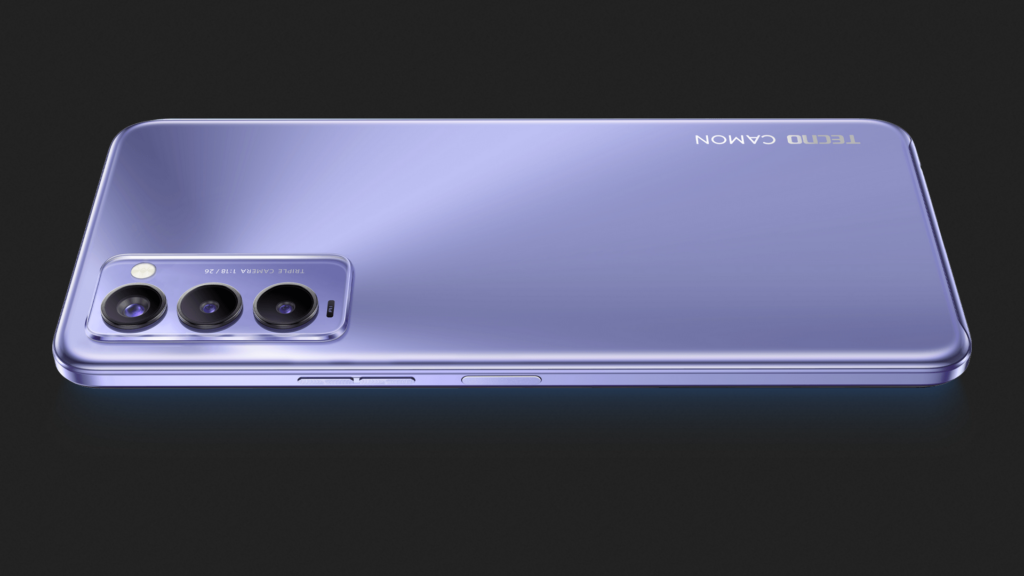
Tecno on Thursday added a new phone to its portfolio of budget offerings in India called the Tecno Camon 18, with a 48MP selfie camera being its highlight feature. The company will also be offering its Tecno Buds 2 TWS earbuds for free with every purchase.
The Tecno Camon 18 is powered by the MediaTek Helio G85 processor and sports a 6.8-inch full-HD+ LCD display with 396PPI density and a maximum brightness of 500nits. The touch sampling rate stands at 120Hz. Its battery is sized 5000mAh and supports 18W charging.
The phone’s cameras are easily the most interesting bit, especially the one on the front with its 48MP resolution sensor. The snappers on the rear are arranged in a vertical array and are comprised of a 48-megapixel primary sensor with an f/1.79 aperture, a 2-megapixel depth sensor, and an AI lens, along with dual flash. 2K video recording and low light photography mode with the company’s TAIVOS technology is supported, along with a bunch of other modes.
Moving on to software, the Tecno Camon 18 boots into Android 11 out of the box, layered atop with the HiOS 8 skin.
The Tecno Camon 18 will be available across online and retail channels in India starting December 27. It will be sold in a single 4GB+128GB RAM and storage variant and in two colors, namely Dusk Grey and Iris Purple. The RAM can be extended to 7GB through a memory-expanding feature.
It’s getting clear now why Google chose to hold back on rolling out the December security patch for all Pixel 6 users. The month is now nearing its end but only a few lucky ones have received it.
But are they really lucky? There have already been multiple reports of network drops and low signal strength following the update. And if that wasn’t enough, it’s now joined by “a bug in the December Android update” that’s caused Hold for Me and Call Screening features to be put on pause.
The info comes from a “Product Support Manager” on the official Google forums who says that both features will be unavailable temporarily and that the Pixel software team is “actively working on resolving this issue.” Nothing was said about when a fix can be expected or when the December security update will be rolling out widely.
For those unaware, Hold for Me works with calls with business and lets your Google Assistant wait on hold for you and notifies when the support representative is ready to speak with you. Pixel 6 Call Screening, on the other hand, lets Google Assistant answer calls from numbers that are not in your contacts and shields against robocallers and spammers.
It appears that the aforementioned features have only been disabled on Pixel 6 devices running on Android S December QPR release. To check if you are on the build, head over to Settings > About Phone > Build Number and check if it starts with SQ1D.
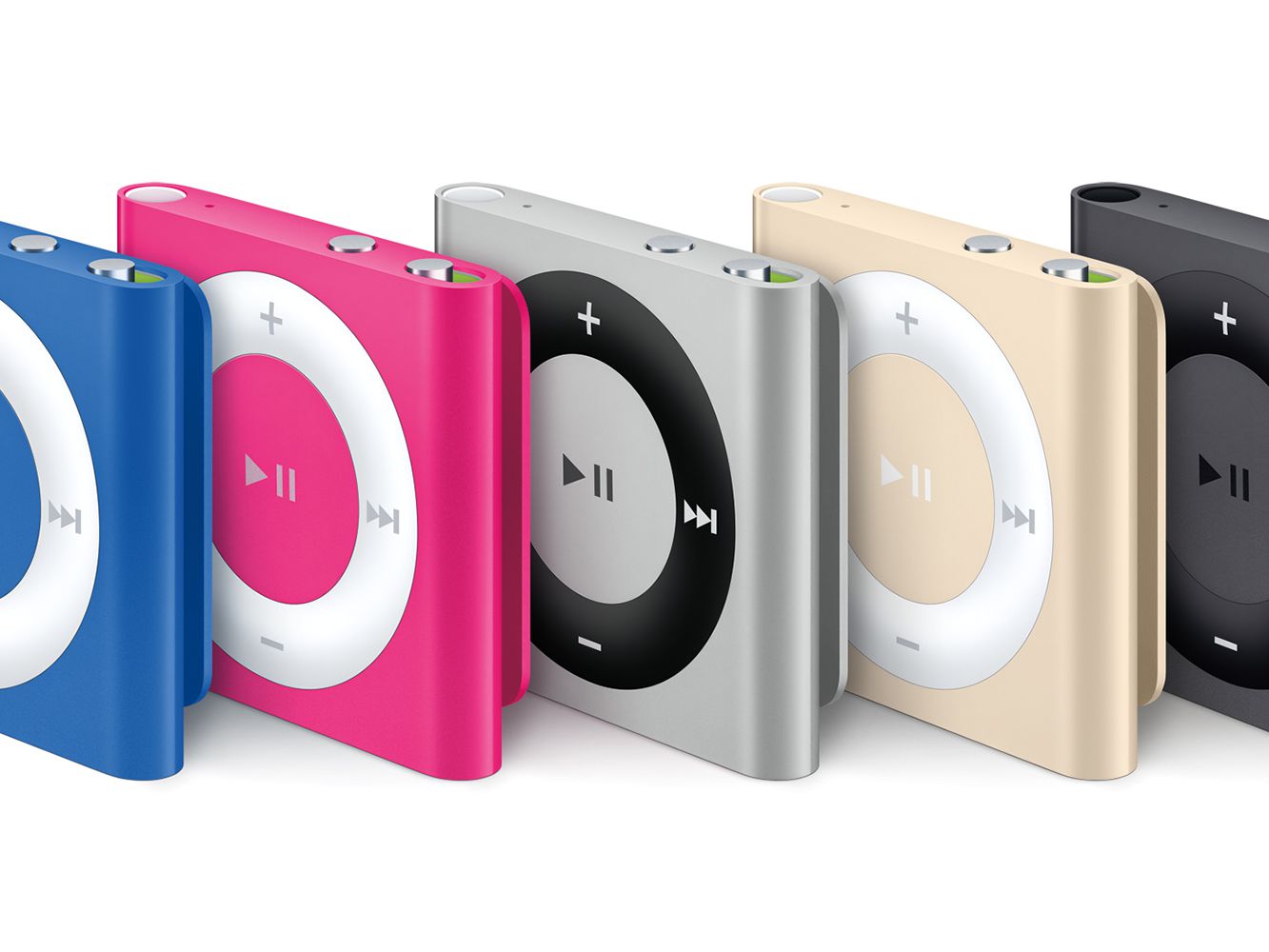
A new video on TikTok is going viral at the moment. Its a short video of a person finding and asking about a “vintage” gadget. The product in question is the old Apple iPod Shuffle.
Looking at this clip from @freckenbats (Via AppleInsider), around two million people have already watched the video on the popular short video sharing platform. In the clip, we can see the user trying to figure out the product that she has in her hand like its an antique from a bygone era. The caption of this post reads “Anyone know what this is?!??!.” She even turns the iPod Shuffle in her hands hands a couple of times to discern its function.
In the video, she says that “I found this old iPod, I don’t know, hair clip thing.” That statement alone could make an entire generation grimace and feel old at the same time. For those unaware, the Cupertino based giant discontinued the iPod Shuffle back in 2017, which is actually a year after TikTok was launched. Now here’s the shocker, rather than using the clip part to place it on the belt or shirt like we used to, she tried to use the shuffle as a hair clip. But, to paint the a clearer picture, it was just a joke and it was her old possession to begin with. She had just uploaded the video to confuse others as a gag.
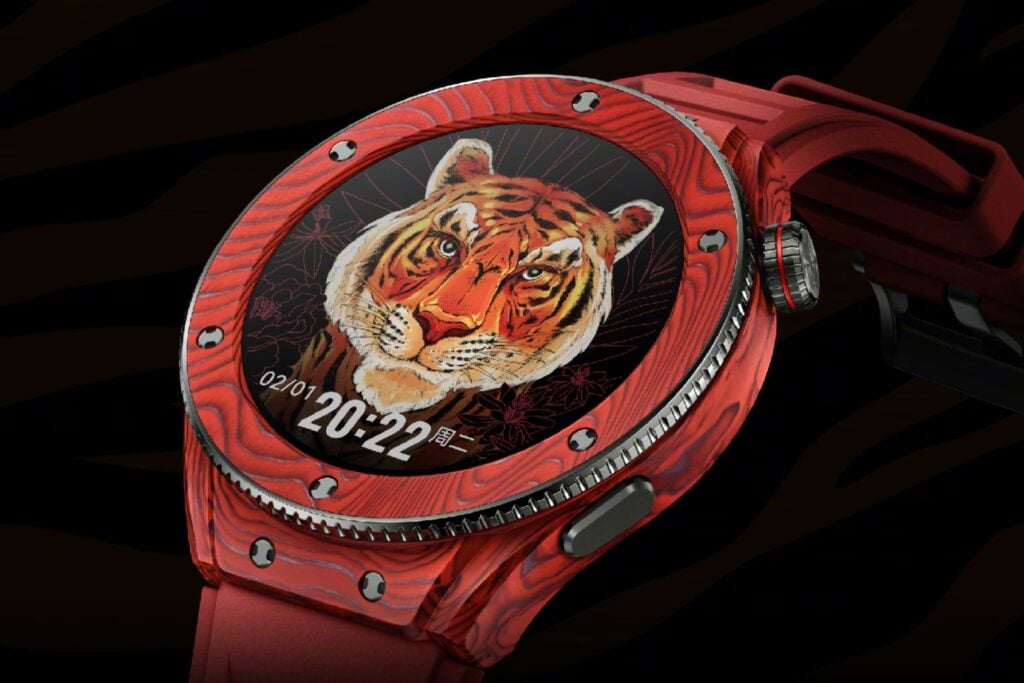
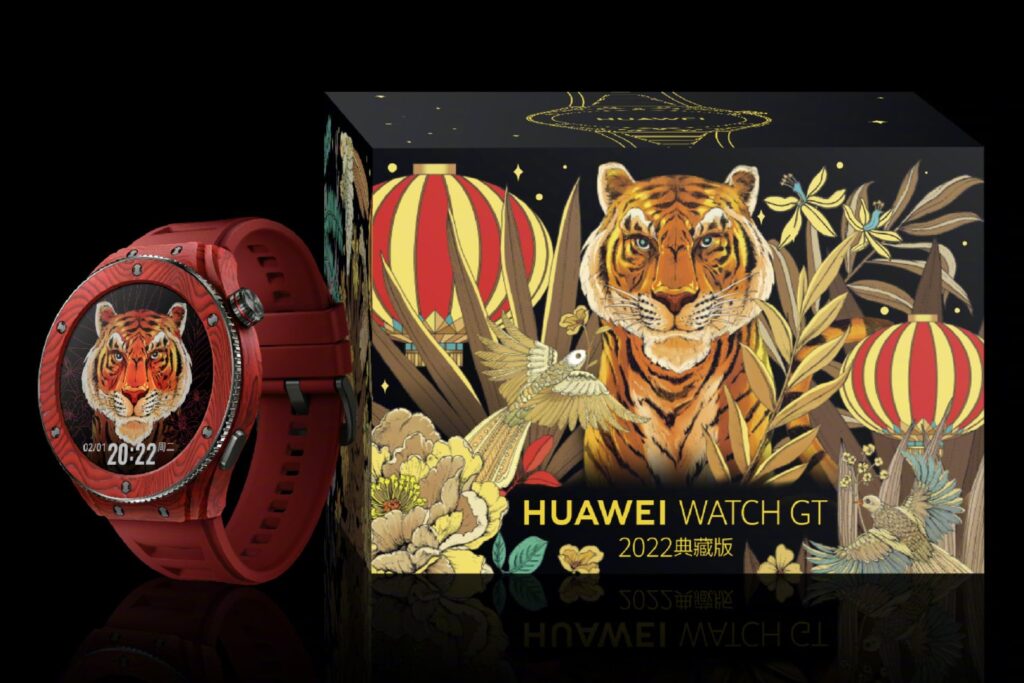
At the HUAWEI P50 Pocket launch event, the company announced a bunch of products. One of them is the HUAWEI Watch GT 2022 Collector’s Edition. Let’s take a look at this wearable.
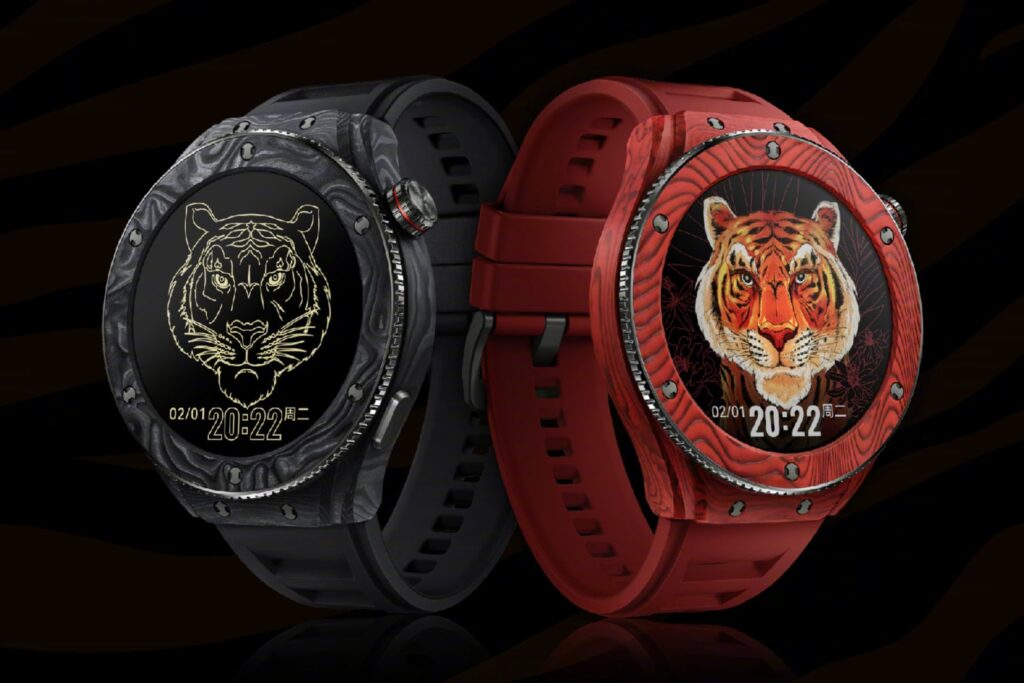
HUAWEI Watch GT 2022 Collector’s Edition is a customized version of the HUAWEI Watch GT 3. It is themed after the year of the Tiger with premium materials.
This model uses a carbon fiber front casing instead of a stainless steel case. The casing is marked with stripes mimicking a tiger’s skin.
The titanium bezel that runs around the casing has patterns imitating a tiger’s teeth. Even the crown has a tiger’s head imprinted on it.
That’s not all, the smartwatch uses sapphire glass for its display rather than regular tempered glass. Further, the back case of the wearable ditches plastic for ceramic.
To match with the customized exterior, the watch also ships with a new watch face and an AOD dial featuring a tiger’s head. Lastly, it comes in two colors (red, black) with a fluoro-rubber strap.
Apart from the aforementioned differences, the smartwatch is a HUAWEI WATCH GT 3 46 mm inside out in terms of specifications. However, its dial size is larger at 49mm.
The HUAWEI WATCH GT 2022 Collector’s Edition is priced at ¥3,688 ($579) in China. It ships in a customized gift box. For comparison, the 46mm variant of the regular model starts at ¥1,588 ($249).
Interested customers can pre-order it starting today at 6:08 PM (local time). It will go on sale at 12 AM on January 6, 2022.
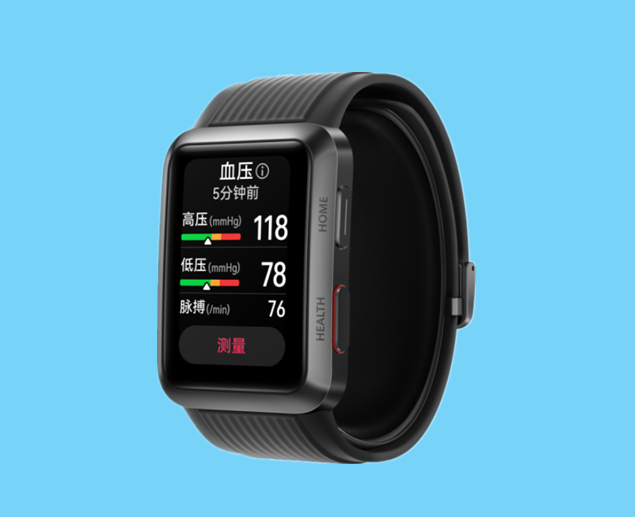
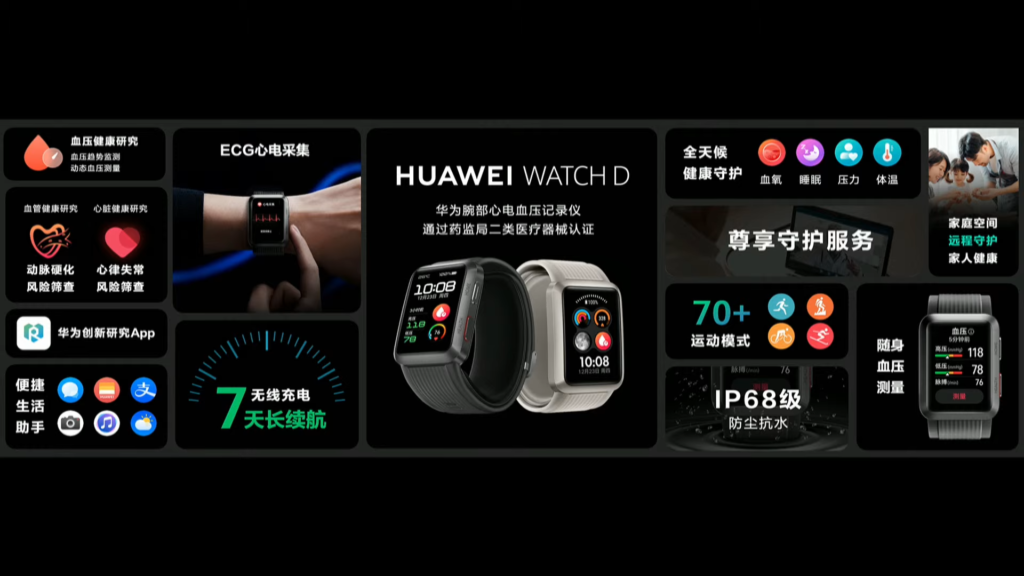
Huawei held a product launch event today, lifting the curtains on multiple devices, with the P50 Pocket and Watch D stealing most of the limelight. We’ll be talking about the latter here and have given all that you need to know about the smartwatch below.
Starting with the design, the Huawei Watch D is made up of a custom-made high hardness aviation aluminum with improved durability and scratch resistance. The display is a squarish one with a size of 1.64-inches and has an HD resolution providing 326 PPI retina-level clarity. The weight has been claimed to be a sixth of a traditional blood pressure monitor.
Huawei also stated that rigorous airtightness testing has granted the Huawei Watch D IP68 water and dust resistance, making it the industry’s first watch with blood pressure monitoring support to come with such a rating. Heart rate detection will be done through an eight-channel high-sensitivity optical sensor and support for 70+ sports modes has been provided.
But it’s the blood pressure monitoring feature that’s undoubtedly the main highlight of the smartwatch. A micropump with a size equal to a dime and with a compression capability of 40kPa has been fitted inside, allowing accurate 40mmHg to 230mmHg blood pressure measurement.
A self-developed hybrid measurement algorithm that makes use of powerful AI computing has also been used to further improve the detection capabilities of the watch. The BP monitoring feature was said to meet standards of the pharmaceutical industry with an extremely small margin for error in measurement.
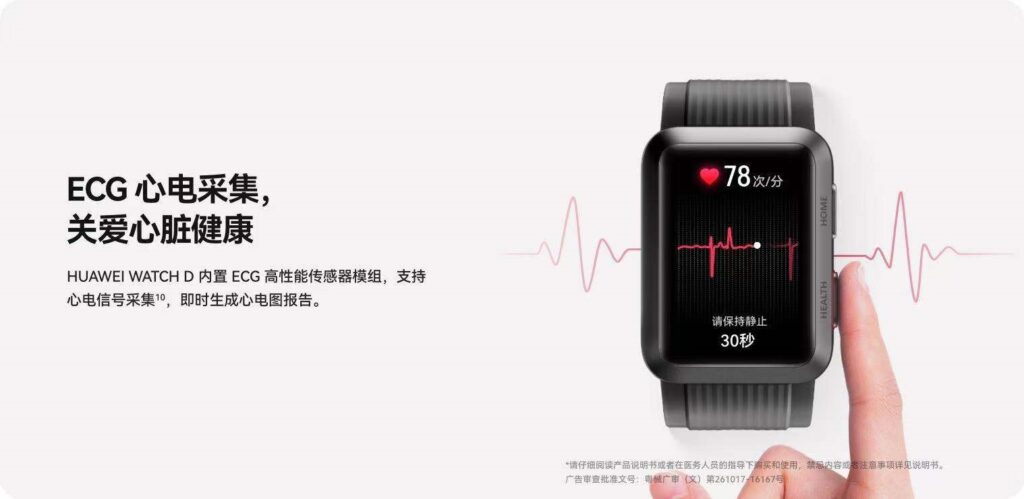
Blood pressure monitoring has been paired with ECG measurement, which is basically a test to check your heart’s rhythm and electrical activity. Huawei says 6 BP and 5 ECG measurements per day still will grant you up to 7 days of battery life. Filling the watch up again is simple enough through a wireless charging function.
Last but not least, Huawei is also offering professional doctor services covering diet, sleep, and exercise using which you can directly share your health data with doctors, who will then provide a health management plan accordingly. It’s possible that this service will be limited to China alone, where it will be costing 599 Yuan or around $94.
The Huawei Watch D is available in Classic Black and Elegant Titanium color options and will cost you 2,988 Yuan or around $469. It will be going on sale from Christmas (December 25th).
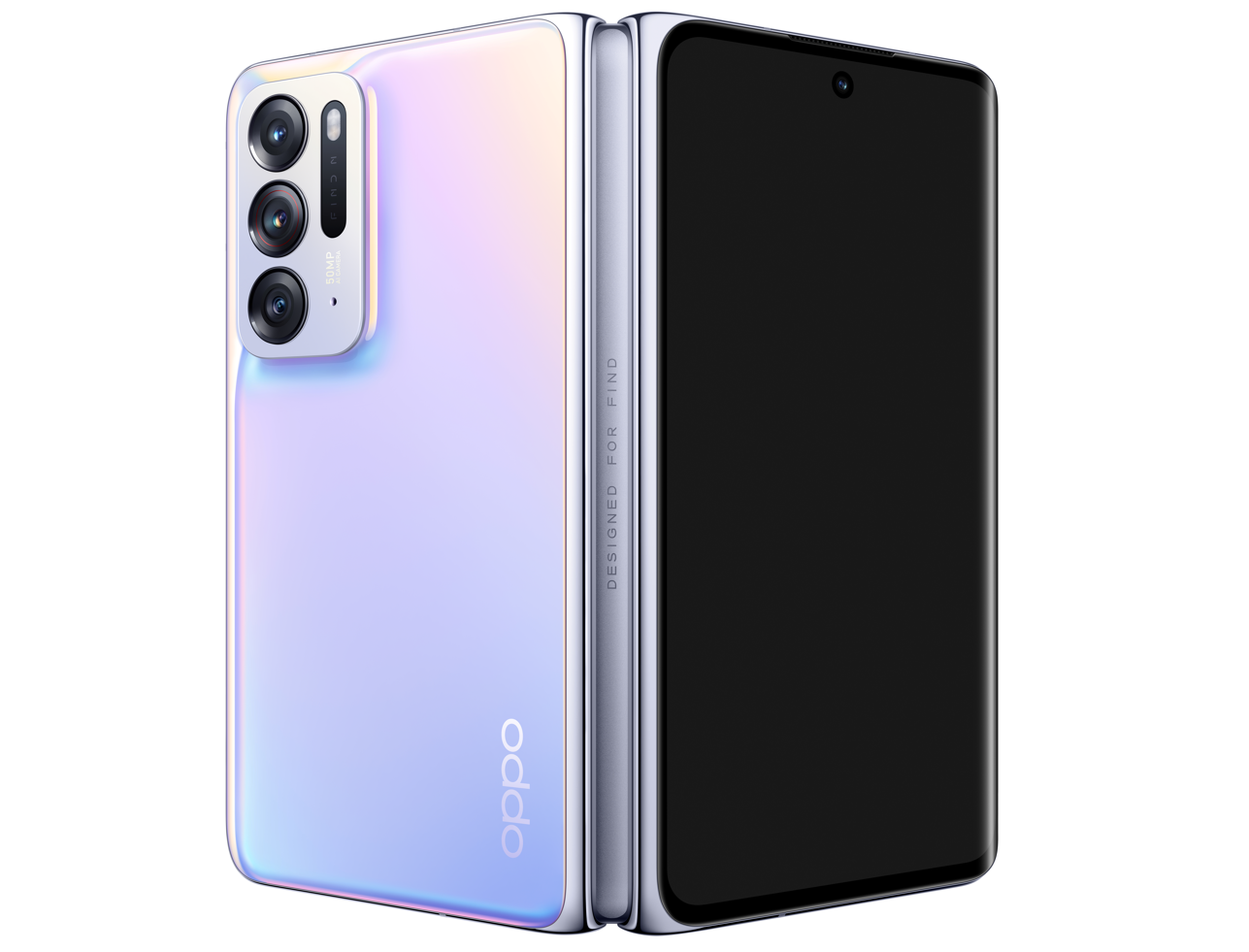
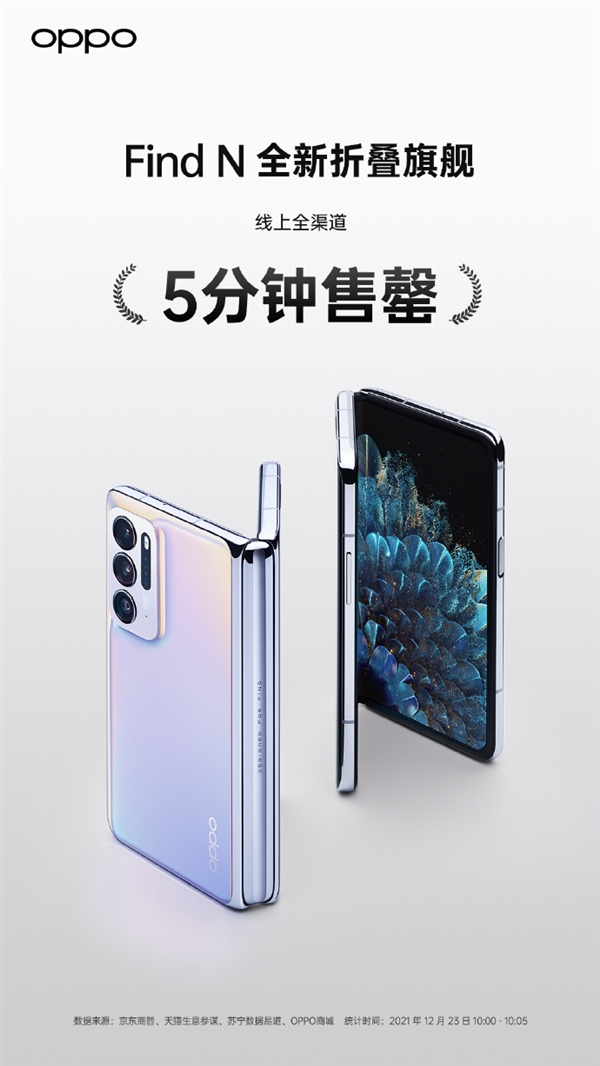
Earlier today (23rd December 2021), the OPPO Find N officially went on sale in its home country of China. But in just 5 minutes, the new foldable smartphone was completely sold out across all online channels.
We had previously also reported on the device selling out in China. However, that was just a small launch and only a limited quantities of the new model were available for purchase. Notably, some of the early buyers even took to second hand and used products selling website to resell the Find N for a higher price. INow, it appears that the first impressions and early reviews of the foldable smartphone was quite good considering its official sales kicked off earlier today, with the device being out of stock in just 5 minutes.
Talking about the device first, Find N is the Chinese brand’s latest flagship product that targets foldable phone category in the market. It is also OPPO’s first commercially available foldable handset. It sports a 7.1 inch E5 AMOLED primary display with 120Hz refresh rate and a 5.49 inch AMOLED external screen. Under the hood, it packs a Qualcomm Snapdragon 888 SoC and is powered by a large 4,500mAh battery pack that supports up to 33W fast charging. For storage, users can opt for either 8GB or 12GB of RAM and 256GB or 512GB of UFS 3.1 storage.
With the first official sale of the Find N beginning today, the device saw an explosive reception as it was sold out on multiple platforms, including JD.com and Tmall in just 5 minutes. Furthermore, these platform also listed this model as one of the best selling phones on their respective platforms within the hour. Notably, the second sale of the device is set to go live on 27th December 2021.
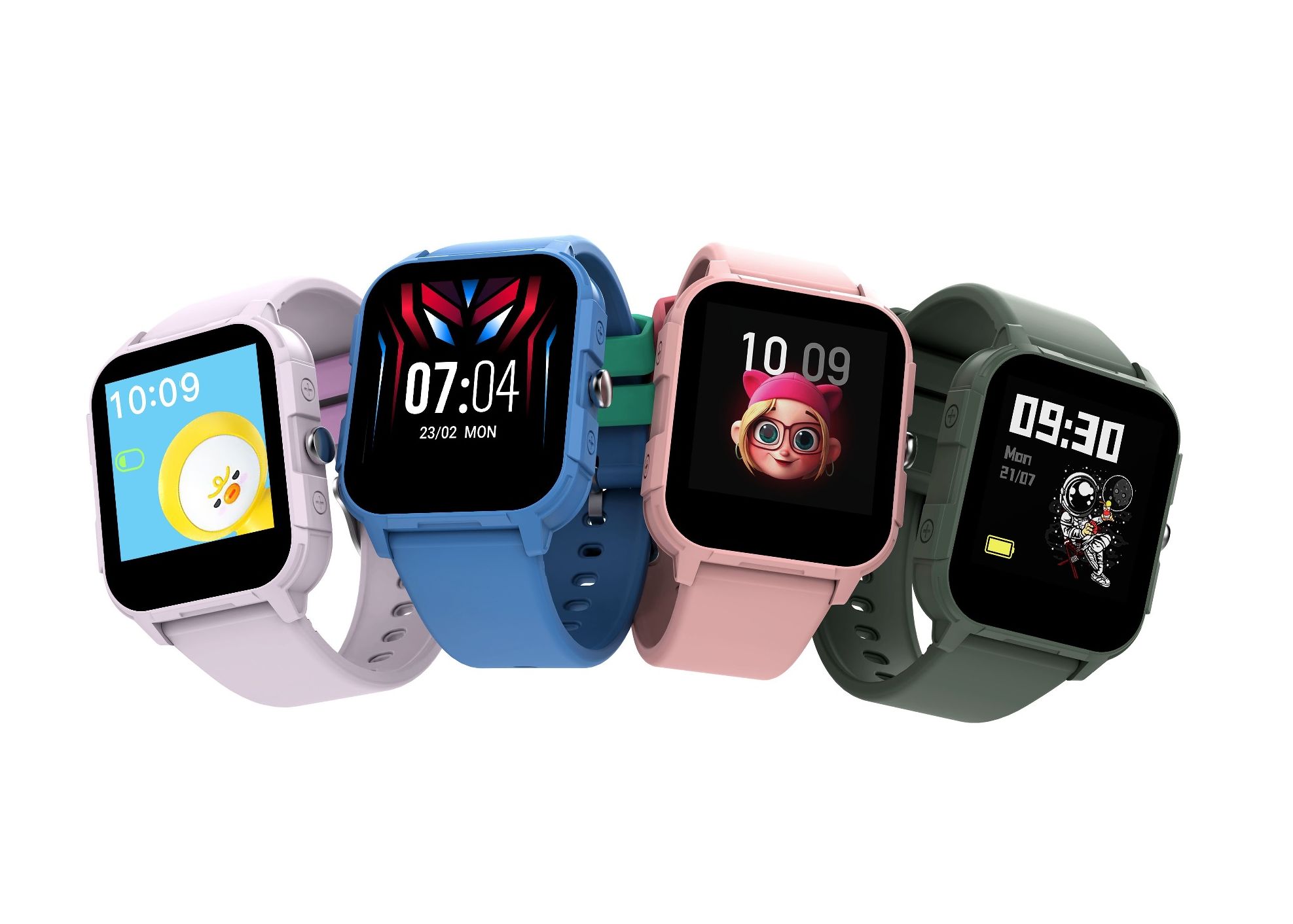
Inbase has launched the Urban Fab smartwatch for kids and teenagers in India. It is designed for children belonging to the 5 to 15 years of age group. The affordably priced smartwatch will be available for purchase from Dec. 25. Here is all the information on the specifications, features, and pricing of the Urban Fab.
Urban Fab smartwatch specifications, features
The Urban Fab smartwatch by Inbase is an IP68-rated water-resistant device to frequent damage from accidental water/juice spills. The device features a square-shaped display, which can be customized with 100+ watch faces.
Inbase Urban Fab Smartwatch
The smartwatch can track heart rate, sleep, walking and running. It allows users to set up to 10 alarms and has built-in games like 2048, Candy Crush, Maze, and Fly a Plane. Once charged, the smartwatch can last for up to 7 days with regular usage. It offers a standby time of around 14 days.
To prevent misuse, the Inbase smartwatch comes with a child lock feature. It means one can set a password lock on the device. Lastly, the smartwatch come with a 12 months warranty.
Urban Fab smartwatch price in India
The Inbase Urban Fab smartwatch is priced at Rs 5,499 (~$73) in India. It first sale will be carried out through Inbase’s official website and leading online/offline stores from Dec. 25. It will be available in colors like Pink, Blue, Light Purple, and Army Green. The company said that it will be selling the Urban Fab at a lowered price of Rs 2,999 (~$40) as a part of the special festive offer.
We use cookies on our website to give you the most relevant experience by remembering your preferences and repeat visits. By clicking “Accept”, you consent to the use of ALL the cookies.
This website uses cookies to improve your experience while you navigate through the website. Out of these, the cookies that are categorized as necessary are stored on your browser as they are essential for the working of basic functionalities of the website. We also use third-party cookies that help us analyze and understand how you use this website. These cookies will be stored in your browser only with your consent. You also have the option to opt-out of these cookies. But opting out of some of these cookies may affect your browsing experience.
Necessary cookies are absolutely essential for the website to function properly. This category only includes cookies that ensures basic functionalities and security features of the website. These cookies do not store any personal information.
Any cookies that may not be particularly necessary for the website to function and is used specifically to collect user personal data via analytics, ads, other embedded contents are termed as non-necessary cookies. It is mandatory to procure user consent prior to running these cookies on your website.