Update: The Realme RMX3475 will be launching as the Realme V25.
Original story continues…
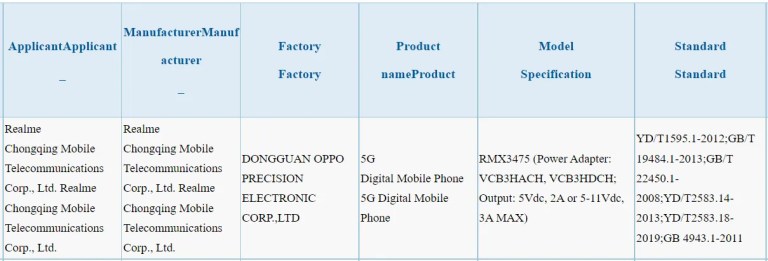
In the previous week, a Realme phone with model number RMX3475 was certified by China’s TENAA telecom authority. At that time, it was speculated that it could be the Realme V25 handset. Now, the device has bagged approval from the country’s 3C regulatory body (via). The certification suggests that the Realme RMX3475 could be arriving in the Chinese market with the Realme V23.
The Realme RMX3475 has been spotted with a 33W charger at the Chinese certification site. Last year, Realme released four V-series phones in Chinas such as Realme V11, V11s, V13, and V15. Except for the V15 that came with 50W charging, the other three phones support 18W charging. Hence, it appears that the Realme RMX3475 could be the successor for the Realme V13 from last year. This indicates that the device may break cover as the Realme V23.
Purported Realme V23 specifications (rumored)
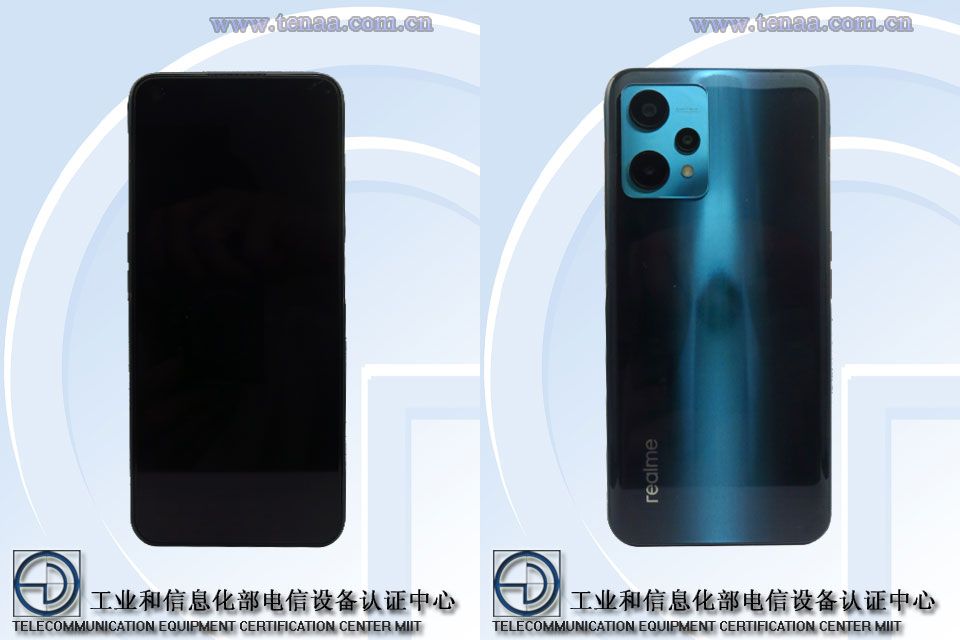
The TENAA listing of the RMX3475 revealed that it has a 6.586-inch LCD panel that offers an FHD+ resolution. It has a front camera of 16-megapixel and a 64-megapixel + 2-megapixel + 2-megapixel triple camera unit on the back.
The RMX3475 is driven by an unknown octa-core processor that clocks at 2.2GHz. It is likely to feature a 5G-ready Snapdragon 6-series chipset. Hence, it could be powered by the Snapdragon 695 or Snapdragon 69v0 chipset. The handset is expected to offer 6 GB / 8 GB / 12 GB of RAM and it will offer 128 GB / 256 GB storage choices.
The Android 12 OS coupled with Realme UI 3.0 will come preinstalled on the device. It is likely to house a 5,000mAh battery. The device measures 8.5mm in thickness and weighs 195 grams. It may arrive in China in colors like Dark Day, Peak Blue, and Aurora.
MediaTek, the company known for making mid-range and affordable chips is now trying to break it into the premium segment and has also revamped its lineup of chipsets to compete against market leaders like Qualcomm.
The Taiwan-based company isn’t only making smartphone chips but has also launched chips for tablets, smart TVs, routers, etc. Now, the company has announced a new chip for premium Chromebooks — MediaTek Kompanio 1380.
While MediaTek already has a presence in the Chromebook segment, it is mostly limited to entry-level or budget products. With this new Kompanio 1380 chip, the company is now trying to set foot in the premium segment.
MediaTek is claiming high performance and low power consumption with the Kompanio 1380 chipset. It features an octa-core CPU with four high-performance Arm Cortex-A78 cores with speeds up to 3GHz for improved responsiveness.
It packs a five-core Arm Mali-G57 GPU that supports fast and vivid visuals, while the quad-channel 2133MHz LPDDR4X ensures plenty of data bandwidth. There’s also a multi-core AI processor that accelerates AI-camera and AI-voice applications.
The chip supports up to two 4K 60Hz displays, or one 4K 60Hz display plus two 4K 30Hz displays. With A1 Hardware Decoding, users can stream 4K movies and TV shows. It also comes with a dedicated audio digital signal processor (DSP) that provides an ultra-low-power voice on wakeup (VoW) capabilities for voice assistants.
The new Acer Chromebook Spin 513 is the first device to come powered by this MediaTek Kompanio 1380 chipset and will go on sale from June. The company has added that more devices powered by this new processor will soon get launched in the market.
Apple, which has had a good year with the launch of the iPhone 13 series models in the market, has now emerged as the leading smartphone brand in the Chinese market for the fourth quarter of 2021.
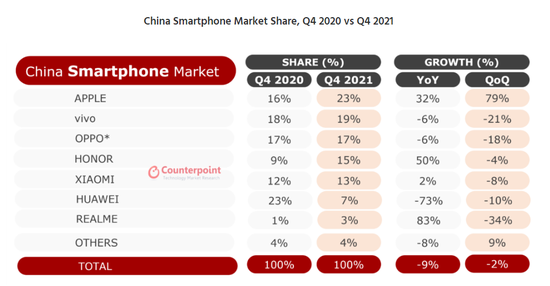
According to the report from market research firm Counterpoint Research, Apple had a record-high market share in China in the fourth quarter of 2021, covering around 23 percent of the total smartphone market.
This indicates a year-on-year growth of 32 percent for the US-based tech giant. The report says that Apple’s pricing strategy helped to perform better in China, along with the exit of Huawei from the premium segment, making room for Apple to capture its market share.
Following Apple is China’s own Vivo with a 19 percent market share. The third spot has been captured by OPPO, having a 17 percent share. Both Vivo and OPPO have witnessed a decline of 6 percent year-on-year.
Honor has rapidly recaptured its position in the market and is now the fourth-largest smartphone brand in China, having a 15 percent share. The company also witnessed an impressive 50 percent YoY growth.
Xiaomi, Huawei, and Realme stand at fifth, sixth, and seventh positions respectively with 13 percent, 7 percent, and 3 percent market share. Other brands make up for the remaining 4 percent market share.
While brands like Apple, Honor, and Realme saw growth in Q4 2021, the overall Chinese smartphone market witnessed a 9 percent decline. However, for the entire year of 2021, Vivo emerged as the leading brand with a 22 percent market share, followed by OPPO, Apple, Xiaomi, Honor, Huawei, and Realme.
For the past 2 years, manufacturers are flooding into the wireless earphones market with their own in-house options. There have been a few wireless headphones options too like from Apple and Sony. And it looks like an upcoming competitor may be entering the scene soon as Huawei has recently published a patent for a technology that could bring forward the future of wireless headphones.
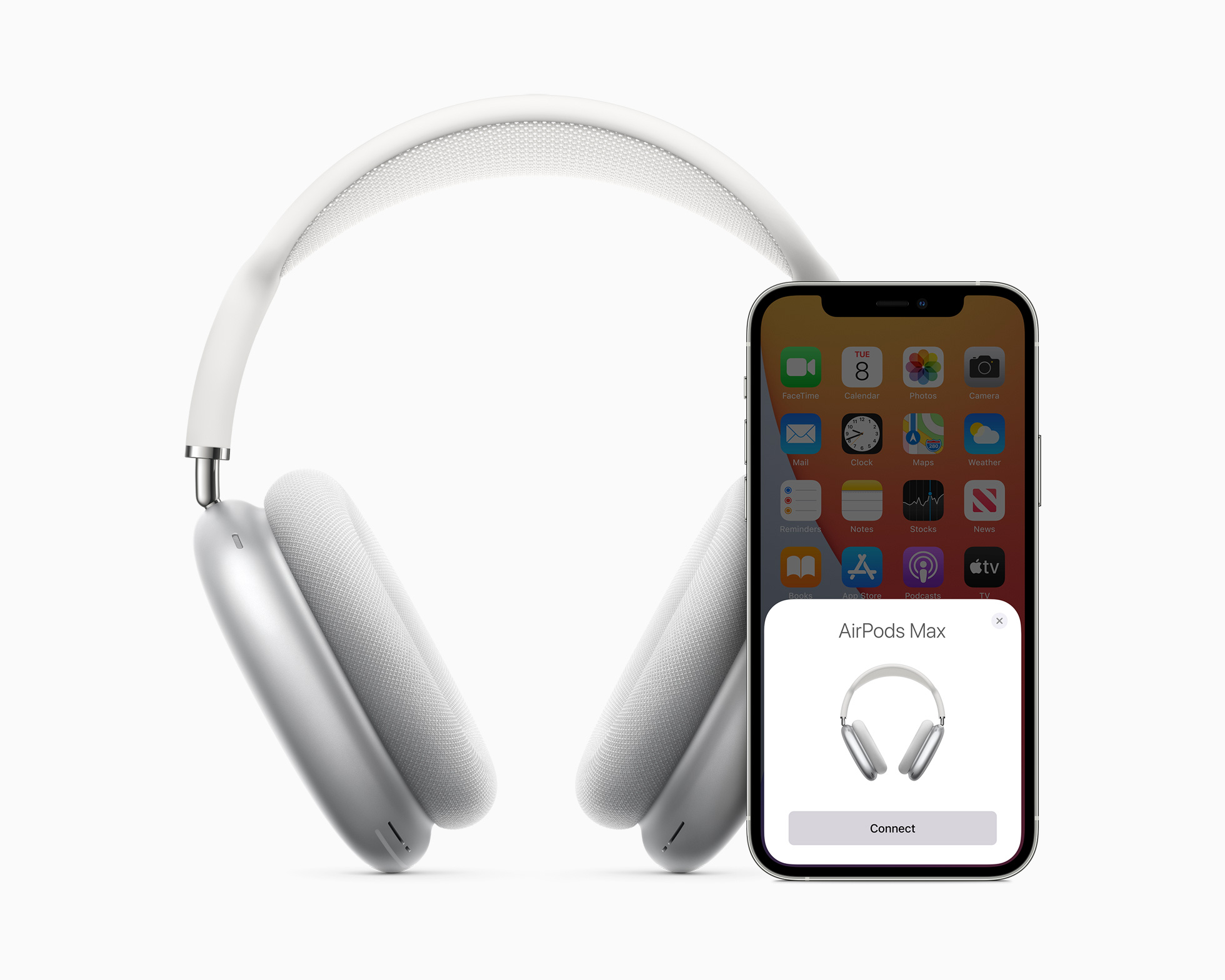
Apple AirPods Max
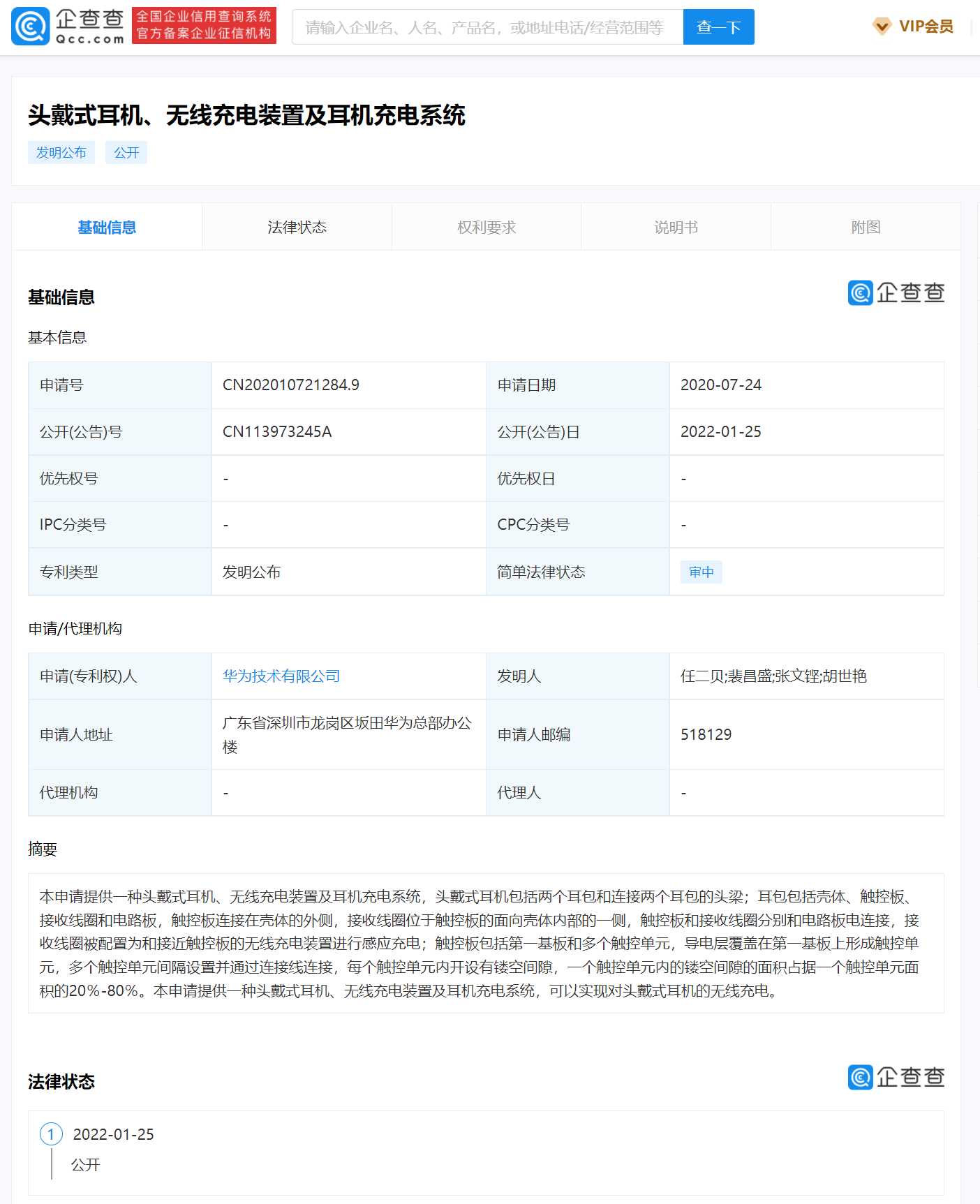
As of January 25, 2022, Huawei has submitted a patent for a wireless charging solution for wireless headphones to the Chinese Regulated Patent Database, QCC.
For context, the AirPods Max and Sony WH-1000XM4 do not support wireless charging, the AirPods Max charges via a Lightning cable, while the Sony WH1000XM4 receives juice forms its USB Type C port. If Huawei were to implement this patent into its upcoming first pair of wireless headphones, it would be an industry first for the company, and it would be the main selling point for users who were planning to buy such wireless headphones that they would like to wirelessly charge.
As for the details on how the wireless charging solution works, Huawei has listed out the patent as follows:
The wireless earphones will include two ear cups, with a headband connecting both ear cups together.
Each ear cup contains its casing, touch controls, its respective wireless charging copper contacts, and its circuitry board connecting to the battery. The copper contacts are located under the casing and in front of the circuitry board. When the ear cup is in contact with a wireless charging pad, the headphones will start charging via the copper contacts n the ear cups.
The copper contacts are conductive to electricity, and the lines on the copper contact pads will be spaced evenly and effectively for maximum induction efficiency(ie for one coil on the copper contact pads, it may have a 20%-80% bigger effective induction area size than its physical area occupied)
Huawei’s Patent Listed on QCC Database
If successfully brought into the market, wireless headphones can finally be truly wireless, as you no longer need a wired cable to charge the headset no more.
As of Huawei’s current lineup of wireless earphones, Huawei currently has the bold yet innovative design of its Huawei Freebuds Lipstick Earbuds. These earbuds are a pair of very light and comfortable with a solid metal build quality. The steel body of both earbuds and the charging case, paired with its gold-accented colourway, gives it a decent sense of luxury. The earbuds also feature active-noise cancellation for those who want to enjoy their music in peace.
The Huawei Freebuds Lipstick is now currently available on Giztop for $329.
Realme India is gearing up to introduce the Realme 9 Pro series of smartphones in multiple markets like India and Europe. Speculations are rife that the Realme 9 Pro 5G and Realme 9 Pro+ 5G will debut in February in the country. A new teaser has confirmed the chipset’s name that will be present under the hood of the Pro+ variant.
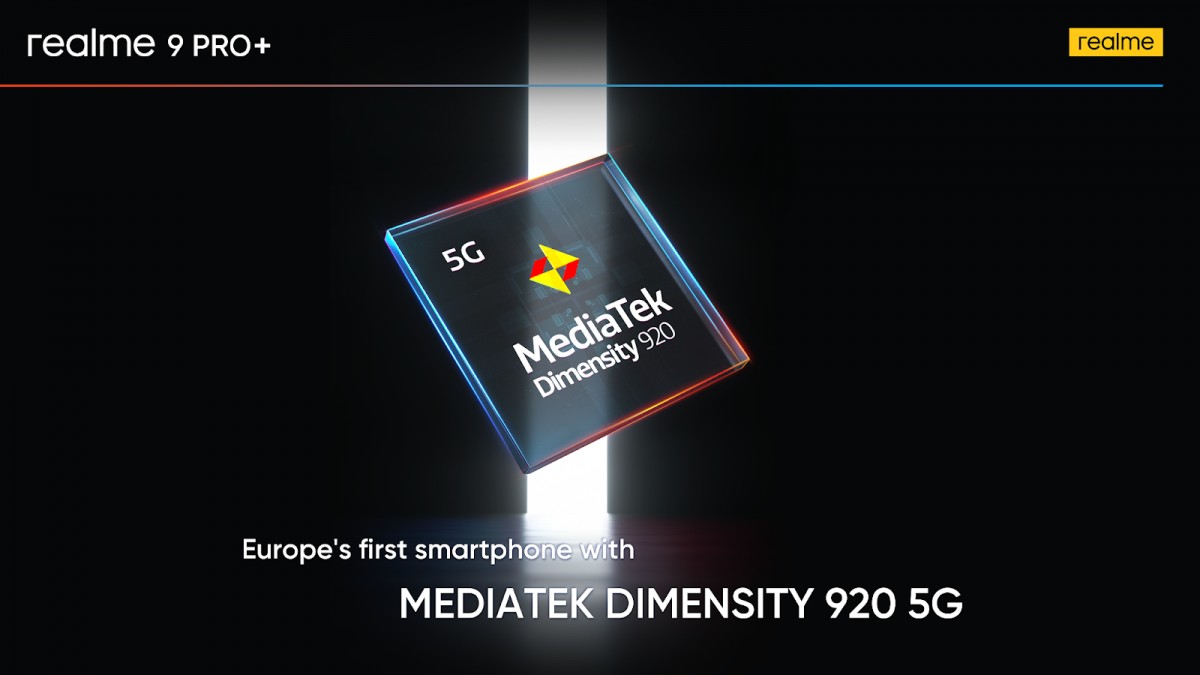
As can be seen in the below image, the Realme 9 Pro+ 5G will be arriving as Europe’s first smartphone driven by the MediaTek Dimensity 920 chipset. To recall, the Realme 9 Pro+ was seen with the D920 chip, 8 GB of RAM, and Android 12 OS at Geekbench recently.
The 6nm chipset two Cortex-A78 cores clocking at 2.5GHz, six Cortex-A55 cores ticking at 2.0GHz, and Mali G-68 MC4 GPU. The 5G-enabled chipset powers the likes of Redmi Note 11 Pro 5G (Chinese edition), Redmi Note 11 Pro + 5G (Chinese edition), and Vivo V23 5G.
Realme 9 Pro+ 5G specifications (rumored)
The Realme 9 Pro+ 5G is expected to feature a 6.43-inch AMOLED display that offers a Full HD+ resolution and a 90Hz refresh rate. It will come with a 16-megapixel front camera and a 50-megapixel + 8-megapixel + 2-megapixel triple camera unit. The main snapper is said to be a custom-made Sony image sensor, which is expected to carry support for Optical Image Stabilization (OIS).
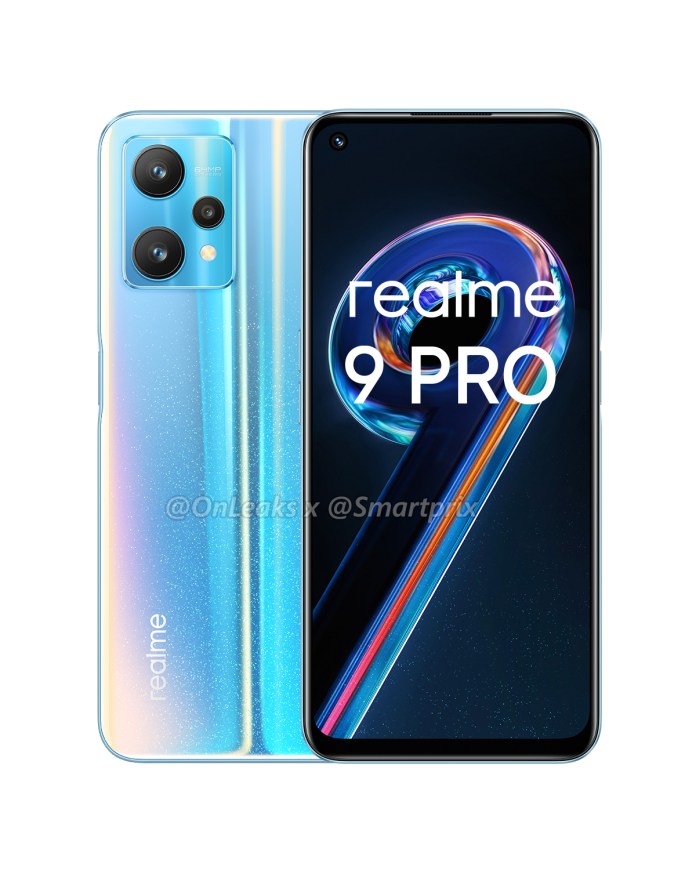
Realme 9 Pro+ 5G render
The device may offer up to 256 Gb of storage and it may house a 4,500mAh battery with 65W fast charging support. For security, it will feature an in-display fingerprint scanner. The handset is expected to arrive in three colors such as Midnight Black, Aurora Green, and Sunrise Blue. Probably, it will be priced around Rs 20,000 (~$266) in India.
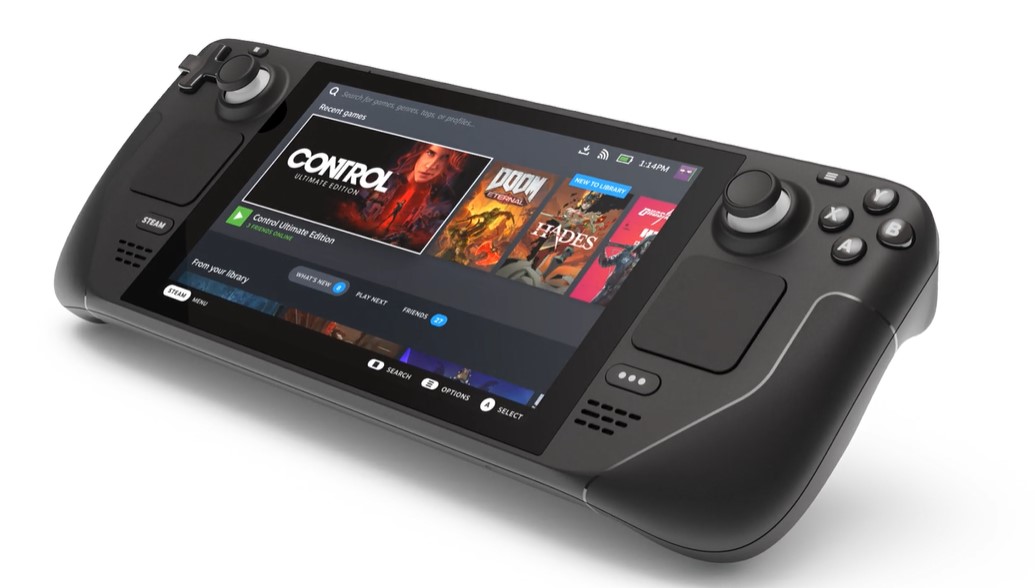
Valve had recently announced that the company is on track to start selling its Steam Deck handheld gaming device from February after it failed to stick to the initial launch timeline because of the global shortage of components and supply chain issues.
Now, the company has confirmed that the Steam Deck will go on sale from 25th December. Those who have reserved the device will get an email invite to place an order within three days, which means that the first batch of devices will start shipping from 28th February.
Valve has also added that it will release new batches on a weekly basis. The company has also clarified that the order emails are sent in the same order that reservations were made and the customers can only order the Steam Deck model that was originally reserved.
The company is allowing customers to still make a reservation for $5. There are three options to choose from — 64GB eMMC model costing $399, 256GB NVMe SSD model priced at $529, and 512GB NVMe SSD model which costs $649.
As for the hardware, Steam Deck will come powered by AMD’s quad-core processor based on the Zen 2 architecture and a graphics processor based on AMD RDNA 2 architecture. It packs 16GB of LPDDR5 onboard RAM and offers up to 512GB PCIe NVMe SSD.
It features a 7-inch HD touch display with 1280 x 800 pixels screen resolution and a 16:10 aspect ratio. The company says that it uses an optically bonded IPS LCD for enhanced readability and it offers 400 nits brightness with a 60Hz refresh rate.
As for the connectivity, it supports Bluetooth 5.0 for controllers, accessories, and audio along with Wi-Fi 802.11 a/b/g/n/ac. It runs the company’s own Steam OS 3.0 and is powered by a 40Whr battery that promises up to 8 hours of gameplay.
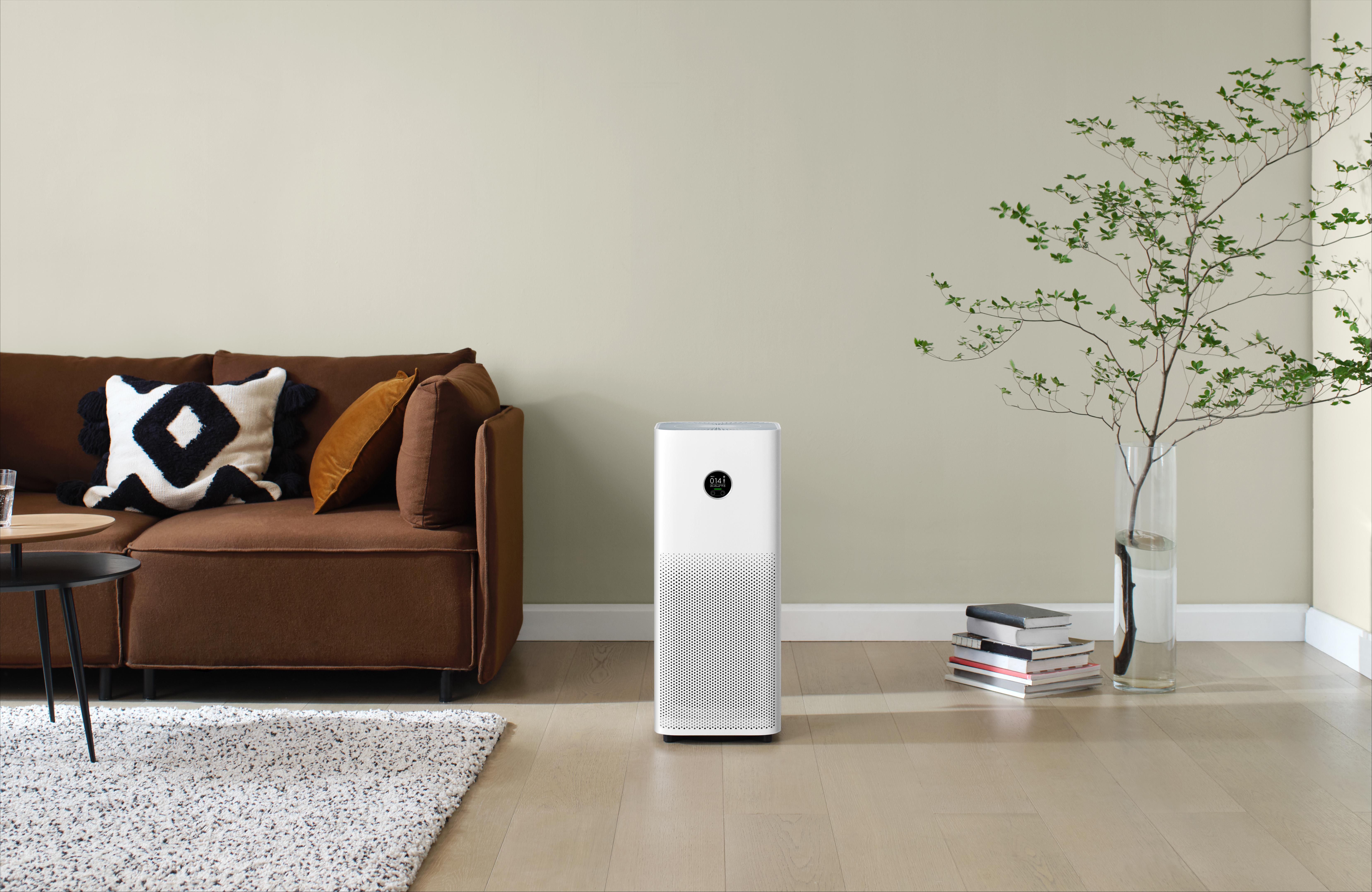
Xiaomi today held a global launch event where the Redmi Note 11 series took the front burner. Apart from the premium mid-range smartphones, the company also unveiled a new air purifier series for the global market. Enters the Xiaomi Smart Air Purifier 4 series. The new series is made up of three models – the Xiaomi Smart Air Purifier 4, Smart Air Purifier 4 Pro, and Smart Air Purifier 4 Lite. The products are designed to cater to the needs of different segments with different price tags.

Among the three, the Xiaomi Smart Air Purifier 4 Pro is the top variant and it packs a 3-in-1 filtration system that combines electrostatic charge and mechanical filtration technologies to trap 99.97% of air pollutants as small as 0.3 microns. The Pro model comes with both PM2.5 and PM10 sensors to precisely detect inhalable particles of different sizes. It also features an ionizer that facilitates the capture of floating pollutants.In addition, Xiaomi Smart Air Purifier 4 Pro offers 500m³/h PCADR and 185m³/h FCADR, meaning it can filter the air of a 40m² living room entirely every 15 minutes.
The Air Purifier 4 Pro features a sleek design and low-noise running mode at night which ensures it blends perfectly into users’ modern homes and life. There is an OLED touch display which allows for quick viewing of various parameters such as AQI, temperature, and humidity statistics. The device can quickly be adjusted with just a few taps.
Further, users can remotely control the device via the Xiaomi Home App. The gadget also supports Google Assistant and Amazon Alexa voice assistant.
As for the prices, the Xiaomi Smart Air Purifier 4 Lite will retail for $199 while the Air Purifier 4 is priced at $299. The top model Air Purifier 4 Pro will retail for $399.
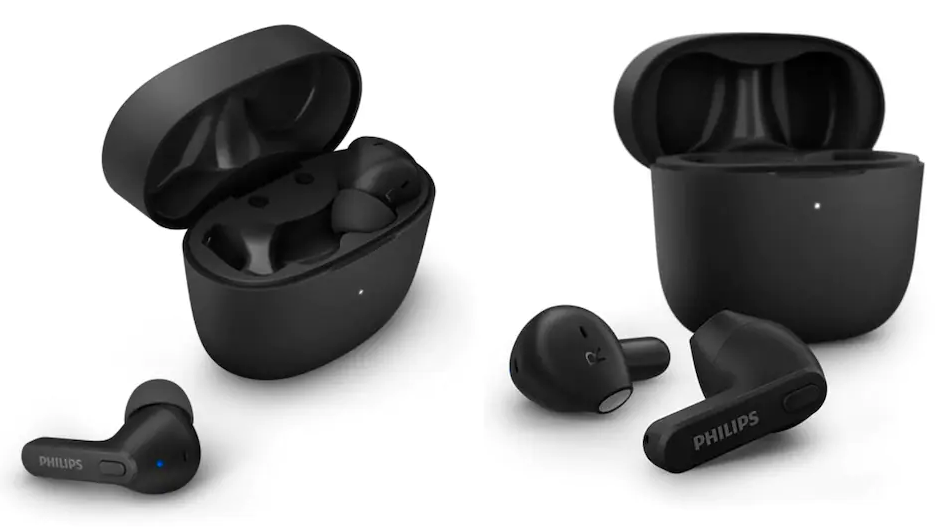
Philips has launched multiple products in their 2022 line of audio products in India. These include the TAT2206 and TAT2236 truly wireless stereo (TWS) earphones, TAA4216 sports headphones, and TAX5206 and TAX3206 party speakers. So let’s take a closer look at what these new audio products have to offer.
Philips TAT2206 and TAT2236 TWS earphones
The two TWS earphones offered by Philips are quite similar in features other than their audio driver size drivers and silicon tip offerings. The TAT2206BK comes with a 6mm dynamic driver and soft silicone tips. On the other hand, the Philips TAT2236BK is equipped with 12mm dynamic drivers and does not feature any cushioning.
Other than this, both TWS earbuds feature a stem design and come equipped with Bluetooth 5.0 for connectivity. The earbuds offer up to 6 hours of playback time on a single charge which could be further extended to 18 hours with the charging case. The earphones also claim to offer 1 hour of playback time with just 15 minutes of charge time via USB Type-C port. The earphones also feature Mono Mode which allows users to use one earbud for calling and come with IPX4 water resistance certification.
The Philips TAT2206 and TAT2236 TWS earphones are priced at Rs. 6,999 (~$93). They will be available at a special sale price of Rs. 3,499 (~$46) and 3,399 (~$45), respectively which is valid till January 31.
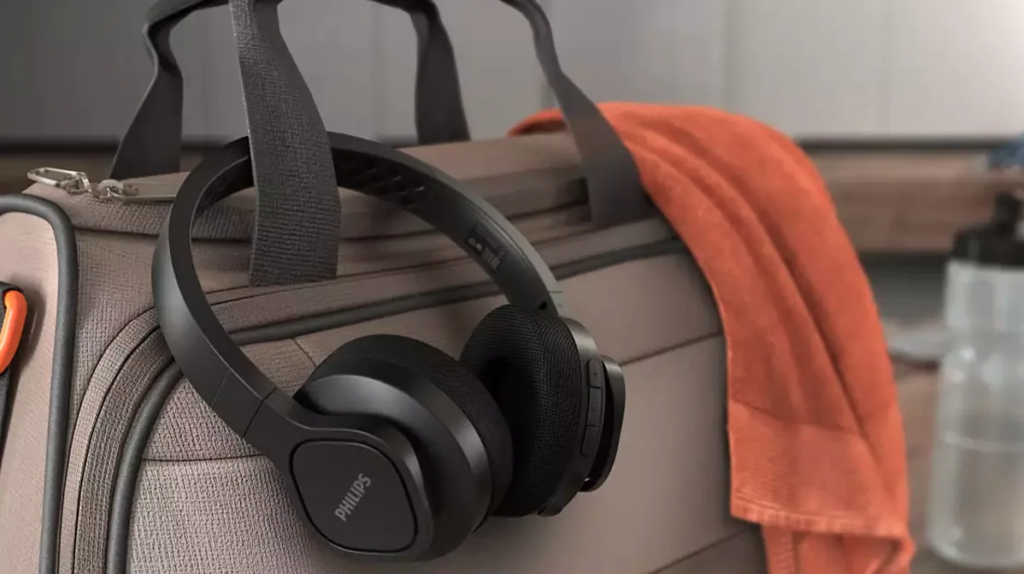
Philips TAA4216BK wireless sports headphones
The new Philips wireless sports headphones come with Bluetooth 5.0 for connectivity and are equipped with 40mm dynamic drivers for punchy bass and clear sound. The headphones offer 35 hours of battery life and take 2 hours to charge completely. Additionally, they also support quick charging which is capable of providing 2 hours of playback time with just 15 minutes of charging.
The headphones also support a wired connection with a 3.5mm audio port. They come with an in-built microphone, and a multifunctional button that offers pause/play music, skip tracks, take calls, control the volume and activate the smartphone’s voice assistant. Philips TAA4216BK wireless sports headphones come with IP55 dust and water resistance certification.
The Philips TAA4216 Sports Headphones price has been set at Rs. 8,999 (~$76) and they will be available at a special sale price of Rs. 4,699 (~$62) which will be valid till January 31.
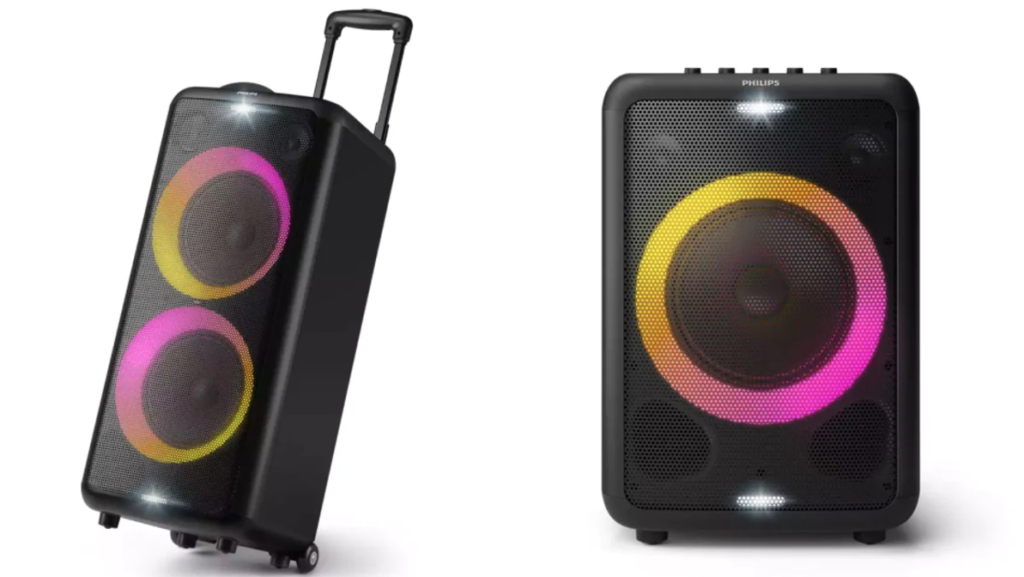
Philips TAX5206 and TAX3206 party speakers
The Philips TAX5206 party speaker house two 8-inch woofers and two 2.5-inch tweeters to deliver a maximum output power of 160W. The speakers offer features like karaoke support, echo control, vocal fader, voice changer, and more. The party speakers offer different inputs for the mic and guitar with their own volume controls on the speaker.
The Philips TAX5206 party speaker uses Bluetooth v5.0 for connectivity and weighs 10.52kg. It has an LED display screen, speaker light effect, strobe lights, and trolley design for portability.
On the other hand, the Philips TAX3206 party speaker has an 8-inch woofer and a 2.5-inch tweeter enabling it to deliver a total output of 80W. It weighs 6.95kg and has a built-in carry handle for portability. Other than the smaller form factor, it has all the features listed above for the Philips TAX5206 party speaker. Both these speakers come with inbuilt batteries and are capable of delivering up to 14 hours of playback on a single charge.
The TAX5206 and TAX3206 Party speakers are priced at Rs. 21,990 (~$292) and 15,990 (~$212), respectively. As per the company, the Philips TAX5206 party speakers will be available at a special sale price of Rs. 17,990(~$239), and Philips TAX3206 party speakers at Rs 11,690 (~$155) which will be valid till January 31.
Last month, Xiaomi had officially announced its latest custom user interface for the smartphone — MIUI 13. Now, along with the global launch of the Redmi Note 11 series, the company has also announced the MIUI 13 for the global markets.
Xiaomi has also revealed that it plans to roll out the new update for the operating system in the first quarter of this year (i.e. Q1 2022) but it has not yet announced the exact date for the release. However, it has shared the list of smartphones that will get the update.
The MIUI 13 comes with a new MiSans font which is a part of Dynamic Font System 2.0. Similar to the iOS 14, this one too comes with support for dynamic widgets, a feature that the company was testing since August 2021.
It brings Liquid Storage which reduces fragmentation and actively manages stored data along with improving defragmentation efficiency by up to 60 percent. There’s also Atomized Memory that brings RAM efficiency.
It also has Focused Algorithms for dynamically allocating system resources based on usage scenarios which help make the interface fluid and responsive. It also prioritizes active apps, allowing the CPU to focus on important tasks.
There’s also a Smart Balance feature to automatically find the balance between performance and power consumption. It is also claimed to extend the battery life by up to 10 percent. Xiaomi is also focusing more on privacy with the MIUI 13.
Here’s the list of smartphones from Xiaomi that are set to receive the new MIUI 13 update in the first quarter of this year:
Do note that the company’s flagship smartphones — Xiaomi 12 and 12 Pro as well the recently launched global version of the Redmi Note 11, Note 11S, and Note 11 Pro come pre-installed with MIUI 13.
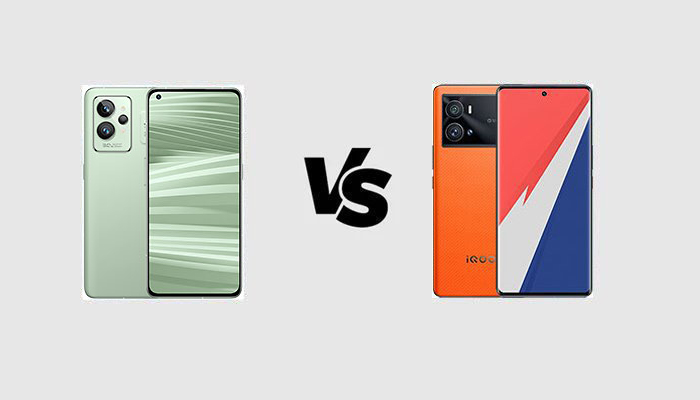
Since this year started, we have been comparing each and every phone equipped with the Snapdragon 8 Gen 1 mobile platform. A lot of interesting devices powered by this chipset made their debut in the Asian market and soon they will head to several other regions as well. Alongside the Xiaomi 12 Pro, the OnePlus 10 Pro, and the Motorola Edge X30, the most advanced handsets with Snapdragon 8 Gen 1 inside are the Realme GT 2 Pro and the iQOO 9 Pro released by Vivo’s sub-brand. Here is a comparison between their specifications that will tell you which is the best one for your current needs and tastes.
Realme GT 2 Pro vs Vivo iQOO 9 Pro
Realme GT 2 Pro
Vivo iQOO 9 Pro
DIMENSIONS AND WEIGHT
163.2 x 74.7 x 8.2 mm,
189 g
164.8 x 75.2 x 8.8 mm,
204 g
DISPLAY
6.7 inches, 1440 x 3216 pixels (Quad HD+), AMOLED
6.78 inches, 1440 x 3200 pixels (Quad HD+), LTPO AMOLED
Triple 50 + 50 + 3 MP, f/1.8 + f/2.2 + f/3.0
32 MP f/2.4 front camera
Triple 50 + 16 + 50 MP, f/1.8 + f/2.2 + f/2.3
16 MP f/2.5 front camera
BATTERY
5000 mAh, fast charging 65W
4700 mAh, Fast Charging 120W, fast wireless charging 50W
ADDITIONAL FEATURES
5G, dual SIM
5G, dual SIM, reverse wireless charging
Design
The Realme GT 2 Pro has a very innovative design. The Paper Green and the Paper White color options are made with a special bio-polymer resembling the look and the tactile feedback of paper: a material that reduces carbon emissions providing a more sustainable device. On the other hand, the iQOO 9 Pro is a stunning phone as well. It is slightly bigger in terms of dimensions, but it has an amazing curved screen with a very high screen to body ratio and it comes in a special edition dedicated to BMW M Motorsport sporting a great customized design. It is bigger and thicker, but at the same time, it is very gorgeous and made of great materials. Which one would you prefer?
Display
The displays of the Realme GT 2 Pro and the iQOO 9 Pro have more or less the same specifications. They are AMOLED panels with the LTPO technology providing an adaptive refresh rate from 1 to 120 Hz. The displays are able to show up to one billion colors with the HDR10+ certification and a high Quad HD+ resolution of 1440 x 3200 pixels. The image quality provided by these displays is similar and definitely amazing. They have a very high level of detail, as well as great color reproduction, a fluid viewing experience, and lower energy consumption. They also come with stereo speakers and in-display fingerprint readers.
Specs & Software
If you do not want any limit when it comes to performance or you are an advanced gamer, then you should definitely choose one of these two handsets because they are powered by the best Qualcomm chipset: the Snapdragon 8 Gen 1. The mobile platform is paired with up to 12 GB of LPDDR5 RAM and up to 512 GB of UFS 3.1 internal storage not expandable. With these devices, you can play every mobile game without lag and with a high, stable frame rate. The Realme GT 2 Pro runs the Realme UI 3.0 which is based on ColorOS, while the iQOO 9 Pro runs OriginOS Ocean which we define a bit inferior to the Realme UI 3.0 as it lacks a few features from the OPPO customization.
Camera
If you are looking for the most advanced rear camera department, the iQOO 9 Pro is the best option for you. It has a 50 MP main camera with gimbal stabilization (OIS), a 50 MP ultrawide camera with a 150° FOV, and a 16 MP telephoto sensor with 2.5x optical zoom and OIS. The Realme GT 2 Pro has a pair of 50 MP sensors as well, but it replaces the amazing telephoto camera found on the iQOO 9 Pro with an inferior 3 MP microscope camera providing 40x magnification. But if you need better selfies, then Realme GT 2 Pro is superior thanks to its 32 MP front camera.
The Realme GT 2 Pro wins the battery comparison simply because it has a bigger 5000 mAh battery. On the other hand, the iQOO 9 Pro wins the charging comparison because it features faster 120W wired charging and, unlike the Realme flagship, it supports wireless charging (with a high 50W power) and reverse wireless charging.
Price
The prices of the Realme GT 2 Pro and the iQOO 9 Pro in the Chinese market are a bit different: the first starts from €542/$609 and the latter begins at €695/$781 at the actual change. The iQOO 9 Pro currently represents a more solid option thanks to its telephoto camera, faster charging, and wireless charging, while the Realme GT 2 Pro offers a bigger battery in a more compact design.
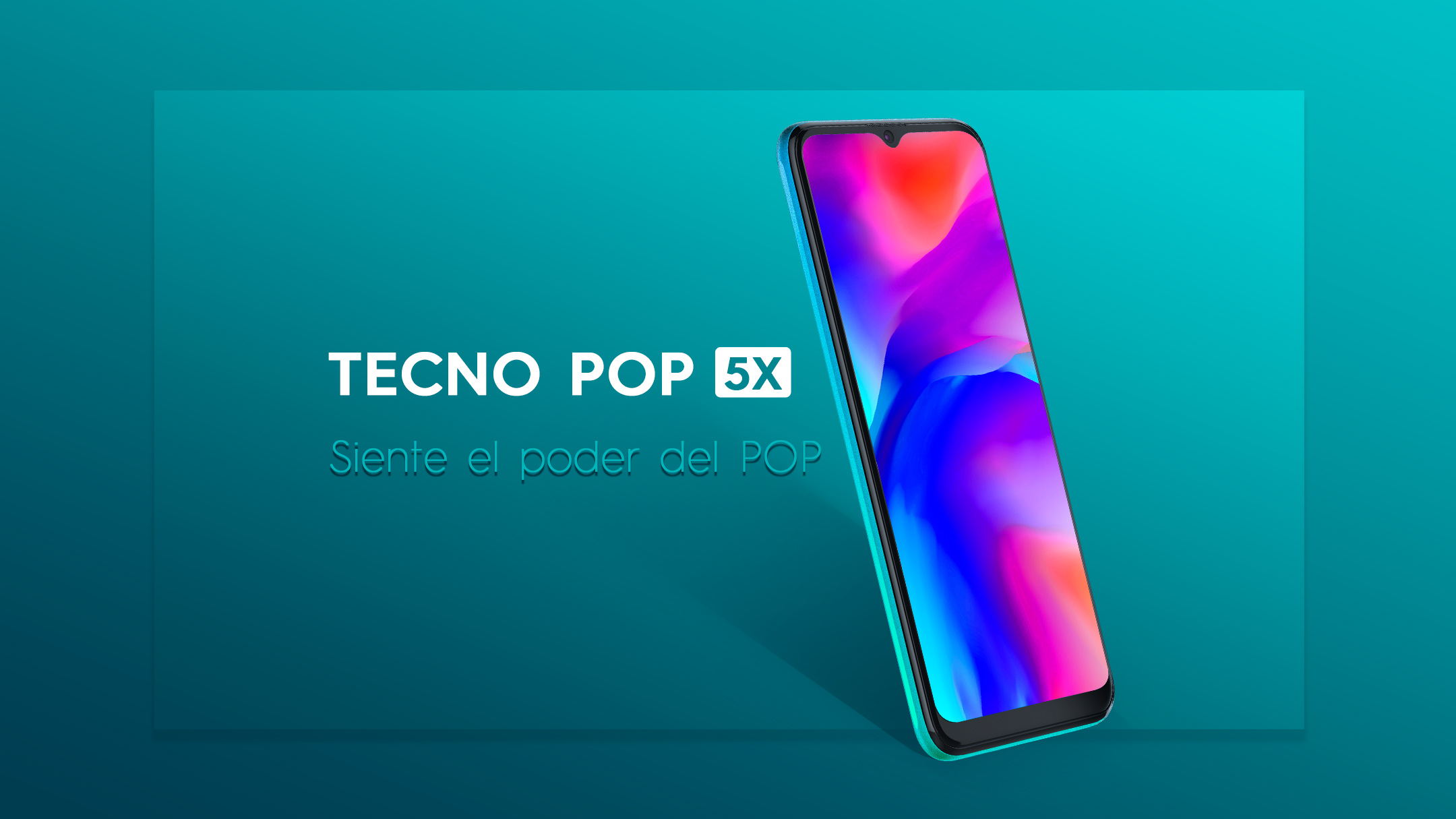
Tecno’s recent Pop-series phone is the Tecno Pop 5 Pro. The device was launched earlier this month in India with a massive 6,000mAh battery at an affordable price of Rs 8,499(~$113). Now, the company seems to have quietly launched the Tecno Pop 5X in Mexico.
The Tecno Pop 5X was listed on the official website. Unfortunately, the pricing of the phone isn’t disclosed. However, we do see the two color variants – Crystal Blue and Cosmic Shine.
Tecno Pop 5X Specifications
Regarding its specifications, the Tecno Pop 5X is a rebranded itel Vision 1 Pro. There’s no surprise there as both these brands come under Transsion holdings. Having said that, the Pop 5X has the same specs as the Vision 1 Pro.
The smartphone sports a 6.5-inch Dot-notch display. It has an HD+(1600 x 720 pixels) resolution. The smartphone has a 2.5D curved glass and a 94% screen-to-body ratio.
It has a 5MP selfie camera at the front and boasts a triple camera system at the rear. The setup goes by an 8MP primary lens and two QVGA sensors.
At the helm, it is powered by an unspecified quad-core chipset, but considering it is a rebranded itel Vision 1 Pro, it could be the UNISOC SC9832CE processor. It has 2GB of RAM and 32GB of internal storage. It also has a microSD card slot. It houses a 4,000mAh battery and boots on the Android 10 Go Edition. It has a fingerprint scanner and supports Face unlock.
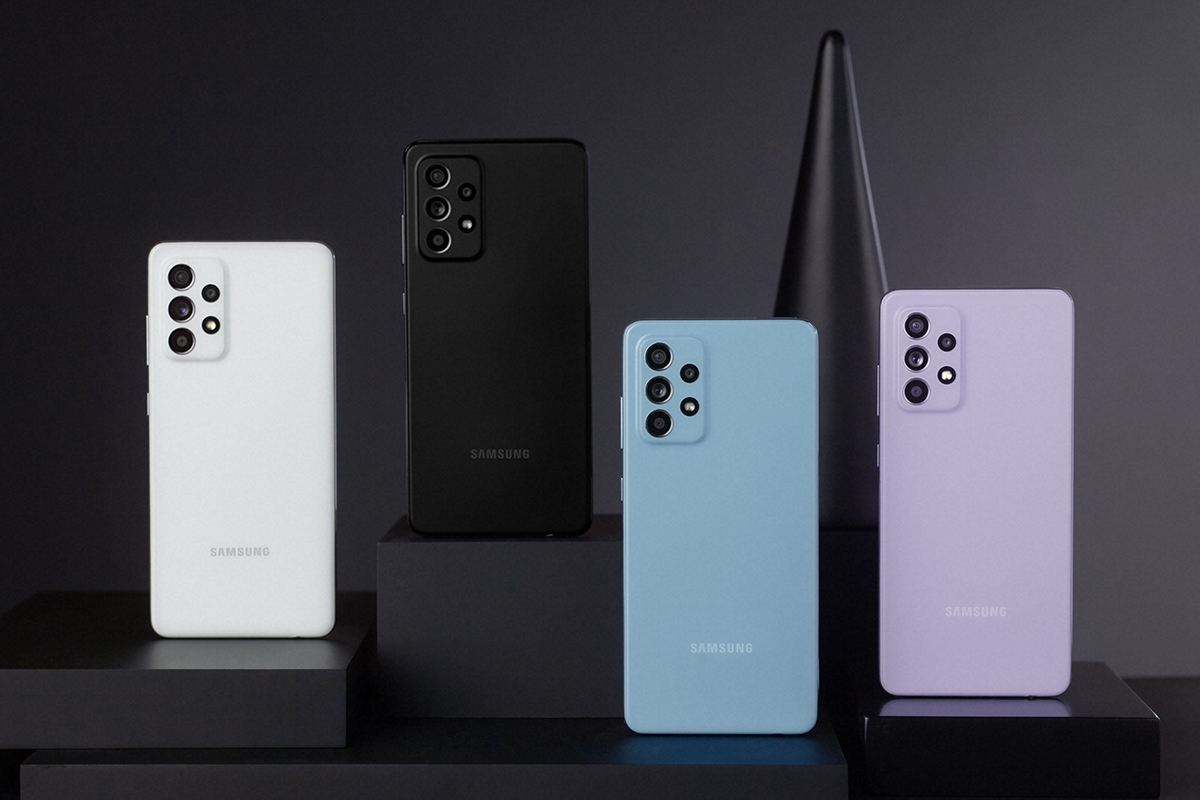
In recent times, Samsung has become quite generous when it comes to pushing Android 12 updates for its mid-range and budget phones. The Samsung Galaxy A5X devices have always been lucky for receiving major Android updates. Last time, the Samsung Galaxy A52s 5G units in South Korea received the Android 12 based One UI 4.0 update, and now, the update has reached the Indian and European markets.
The new One UI 4.0 update based on the Android 12 OS has the firmware version — A528BXXU1BUL7. It has a size of 2.2GB and includes January 1 2022 security patch.
It brings new features like resizable picture-in-picture, quick access to pop-up window options, enhanced edge panels, improved search for the file manager and messages app.
If you are a Galaxy A52s 5G owner, you should’ve received the update notification. If not, then head over to the settings page and look for the software updates tab. Check for the update and install it.
Samsung Galaxy A52s Specifications
The Samsung Galaxy A52s was launched in September 2021. It comes with a 6.5-inch Super AMOLED display with a 120Hz refresh rate and FHD+ resolution. The device is powered by the Snapdragon 778G SoC and has up to 8GB of RAM and 256GB of internal storage.
It is equipped with a quad-camera system at the rear with a 64MP main lens, a 12MP ultra-wide lens, and two 5MP sensors. It has a 32MP selfie shooter. The device packs a 4,500mAh battery and has a 25W fast charging support. The phone was initially launched with One UI 3 based on Android 11 OS out of the box.
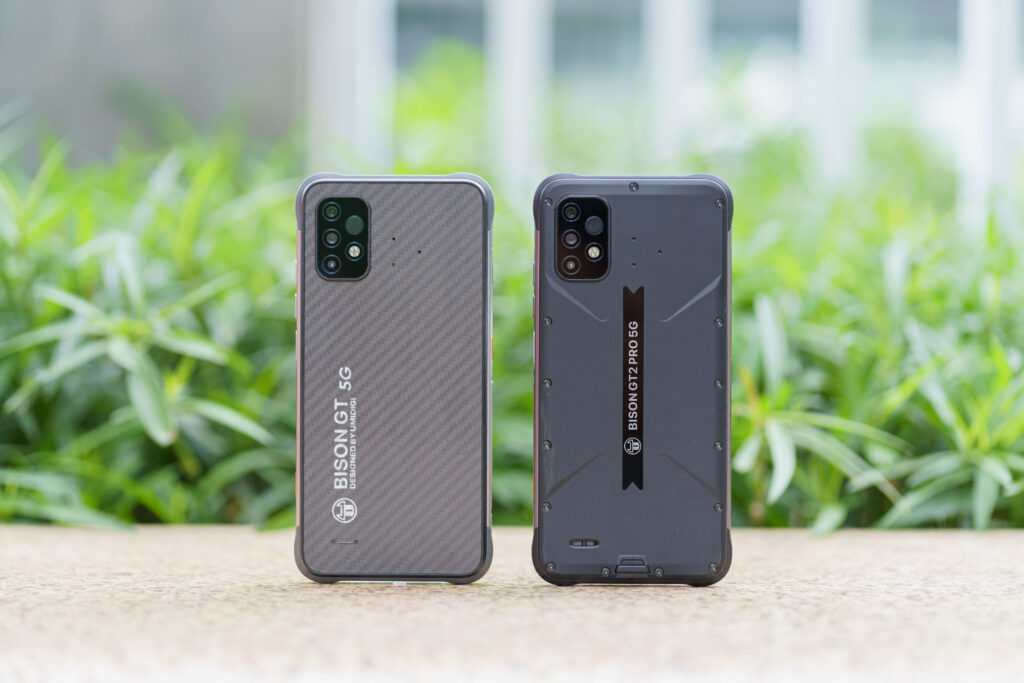
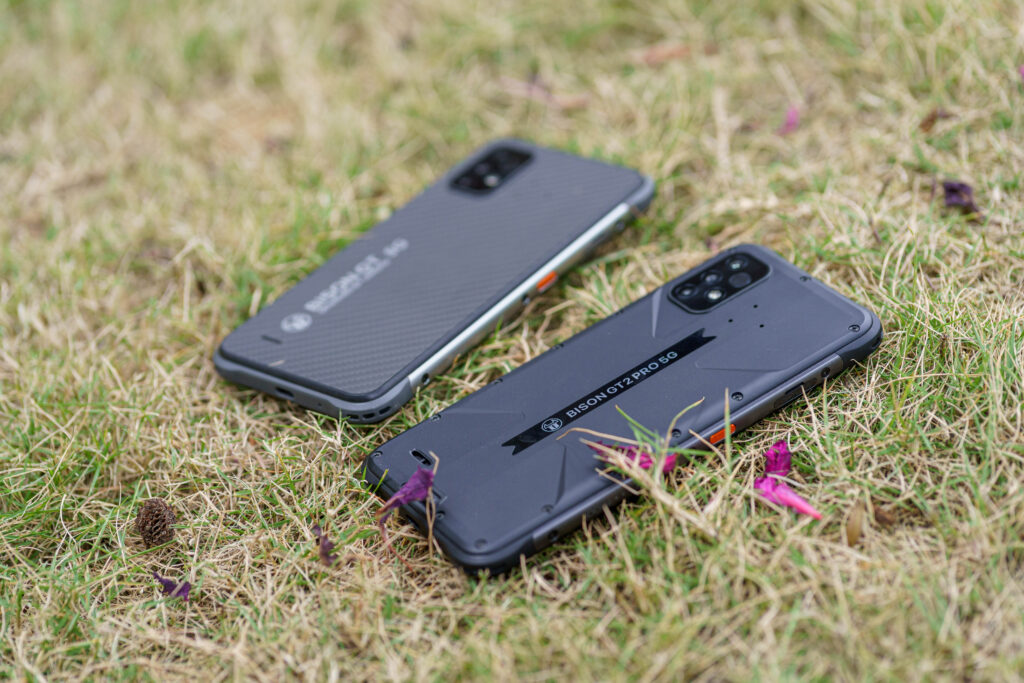
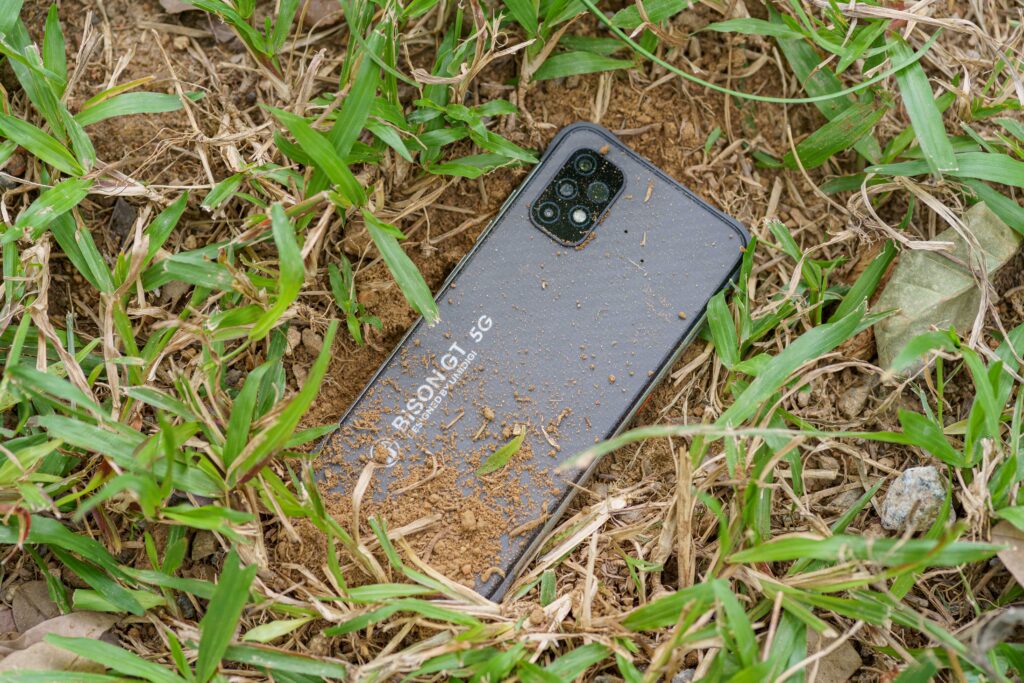
After the overwhelmingly positive reception of the UMIDIGI BISON GT rugged smartphone last year, the Chinese smartphone manufacturer has now released the UMIDIGI BISON GT2 series.
The newly released UMIDIGI rugged smartphone lineup comprises of the BISON GT2 5G and the BISON GT2 Pro 5G. The lineup also offers 4G variants of the devices dubbed the BISON GT2 and BISON GT2 Pro. So let us take a closer look at these new rugged devices.
UMIDIGI BISON GT2 5G and Bison GT2 Pro 5G
Starting off with the much-awaited 5G models, both the BISON GT2 5G and BISON GT2 Pro 5G offer a 6.5-inch FHD+ display with a 90Hz refresh rate, 180Hz touch sampling rate, and a 20:9 aspect ratio.
Both devices come with a triple camera setup at the rear offering a 64MP primary sensor with an f/1.8 lens, an 8MP wide-angle shooter, and a 5MP macro shooter. For selfies, the rugged phones pack a 24MP front-facing snapper.
The devices house a MediaTek Dimensity 900 5G enabled SoC under their hood and coupled with 8GB of LPDDR4X RAM and boot Android 11 out of the box. UMIDIGI has stated that the Android version of this device will be upgraded to Android 12 via an OTA update.
We could say that the only difference between the two models is their internal storage capacity. The BISON GT2 5G offers 128GB internal storage and the BISON GT2 Pro 5G variant offers 256GB internal storage. The storage on both variants can be further increased by 512GB via a TF card.
UMIDIGI has equipped these devices with a big 6150mAh battery that comes supporting 18W fast charging. Being a member of the rugged phone family, the BISON GT2 5G series smartphones come with IP69 and IP69K waterproof and dustproof ratings, and have passed the MIL-STD-810G military standard 1.8m drop-proof test.
Other features included in the BISON GT2 5G and GT2 Pro 5G are NFC, WiFi 6, Bluetooth 5.2, L1+L5 Dual Band (GPS+Glonass+Galileo/Beidou), Side-mounted fingerprint sensor, Barometer, Infrared thermometer sensor, Proximity sensor, Ambient light sensor, Accelerometer, Gyroscope, and Electronic compass.
UMIDIGI BISON GT2 and Bison GT2 Pro
Similar to their 5G siblings, the BISON GT2 and GT2 Pro come with a 6.5-inch FHD+ display with a 90Hz refresh rate, 180Hz touch sampling rate, and a 20:9 aspect ratio.
They also feature the same camera setup with a 64MP primary sensor, an 8MP wide-angle shooter, and a 5MP macro shooter. For selfies, they offer a 24MP front-facing snapper.
The BISON GT2 and GT2 Pro come with a 4G enabled MediaTek Helio G95 coupled with 8GB of LPDDR4X RAM and runs Android 12 out of the box. The 4G variants follow the same naming scheme as the BISON GT2 offers 128GB internal storage and the BISON GT2 Pro comes with 256GB onboard storage. The storage can further be expanded by 512GB with a TF card on both devices.
Both devices come with a 6150mAh battery with 18W fast charging support. These rugged phones carry the IP69 and IP69K waterproof and dustproof ratings and have passed the MIL-STD-810G military standard 1.8m drop-proof test.
Other features of the BISON GT2 and BISON GT2 Pro include NFC, WiFi 5, Bluetooth 5.0, GPS+Glonass+Galileo/Beidou, Side-mounted fingerprint sensor, Barometer, Infrared thermometer sensor, Proximity sensor, Ambient light sensor, Accelerometer, Gyroscope, and Electronic compass.
Global pricing and sale date
UMIDIGI has confirmed that all the new rugged smartphones under the BISON GT2 and BISON GT2 5G series will go on their first sale at the end of February.
UMIDIGI has also revealed that the BISON GT2 (8GB + 128GB) will cost $239.99 and the BISON GT2 Pro (8GB + 256GB) will be priced at $269.99. On the other hand, BISON GT2 5G (8GB + 128GB) will go for $299.99 and the BISON GT2 Pro 5G (8GB + 256GB) will cost $339.99.
In the spirit of the upcoming BISON GT2 series launch, UMIDIGI is hosting a globally giving away for 5 units of BISON GT2 PRO 5G. If you are interested, you can join the giveaway by clicking on this link.
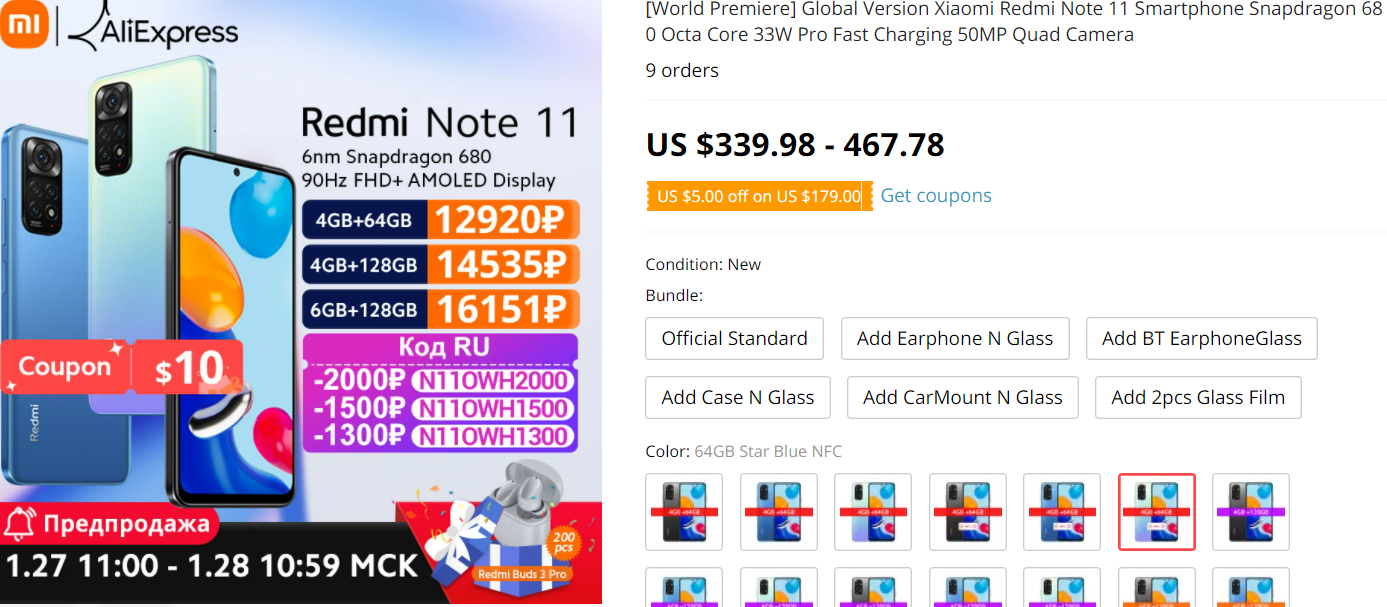
On the occasion of the world premiere of Redmi Note 11S and Note 11, the brand has come up with various discount coupons up to $16, free gifts, and giveaways for all its global customers only at AliExpress.The discount coupons for Russian and Brazilian customers are valid for only 24 hours from 27 to 28 January 2022, 0:00 PSD. However separate discount coupons for all global customers for Redmi Note 11S and Redmi Note 11 will be available from 28 January 0:00 PSD to 29 January 2022, 23:59 PSD.
Redmi Note 11S
Key Features:
Display – 6.43-inch FHD+ AMOLED DotDisplay
Screen features – 90Hz refreash Rate ; 180Hz touch sampling rate; 2400 x 1080p
Memory – 6GB+64GB / 6GB+128GB / 8GB+128GB
Processor – MediaTek Helio G96, Octa Core
AI Quad Rear Camera – 108MP + 8MP + 2MP + 2MP
Selfie camera – 16MP
OS – Global Version, MIUI 13 based on Android 11, Support OTA Update and Multi-Languages
The first 600 orders will get Redmi Bud3 Pro for free, and the next 600 orders will get Xiao Air 2SE for free.
Giveaway:
200 lucky customers selected randomly will get any one of the following:
Xiaomi TV 4a 55″ x 10 pieces
Xiaomi 2 Pro+ Robot Vacuum cleaner x 20 pieces
Redmi Note 11 Smartphone x 20 pieces
Xiaomi Tv Stick x 50 pieces
$10 coupons x 50
$5 coupons x 50
Under this world premiere sale of Redmi Note 11S and Note 11, the brand is giving out great discounts, free gifts, and giveaways. So be sure to place your order before the deals expire.
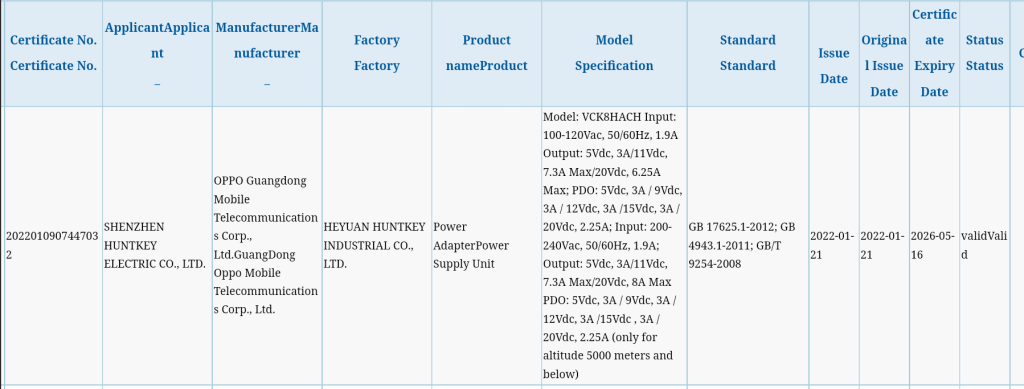
In the past, we’ve seen some crazy fast charging technologies like the 200W HyperCharge by Xiaomi and 160W rapid charging by Infinix. However, these crazy speeds were never commercialized. As per a report earlier, Oppo has begun the process of bringing super-fast charging speeds to the commercial market. Today, Oppo’s 160W fast charging solution passed China’s 3C confirming its existence.
The Oppo fast charging adapter has the model number VCK8HACH model number and is manufactured by Heyuan Huntkey Industrial Co.Ltd. The charging fast adapter has a 20V 8A speed which translates to 160W.
As reported earlier, Oppo this year was touted to mass-produce fast-charging solutions for its phones. This 160W fast charger could be for an upcoming Oppo device. Currently, Oppo has plans for the launch of the Oppo Finx X5 series, however, the device was spotted with 80W fast charging support. Having said that, the Find X5 won’t be the device supporting this technology. So we can expect some other Oppo devices to support this technology in the future.
In the meantime, Nubia’s RedMagic is expected to launch the RedMagic 7 gaming phone next month with a 165W fast charging solution. The adapter was recently leaked. OnePlus has also recently launched the OnePlus 10 Pro with an 80W fast charging speed. Xiaomi and iQOO are already ahead in the game with a 120W fast charging solution.
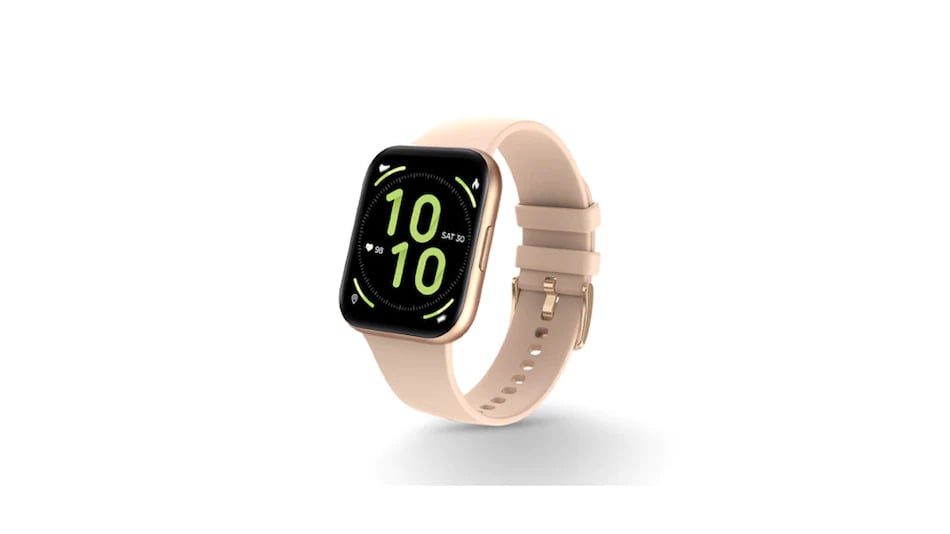
Pebble, a gadget maker in India under the Pebble cart branding, has launched a new smartwatch in India. The newest addition to the company’s portfolio is the Pebble Pace Pro. The smartwatch comes with a large 1.7-inch curved display and has health features like SpO2 and a Blood Pressure monitor.
The Pebble Pace Pro comes at an affordable price of Rs 2,999(~$30) in India. The smartwatch has four color variants – Golden Black, Metallic Blue, and Jet Black. It is currently up for sale on the Amazon India website(via – Gadgets360).
Pebble Pace Pro Specifications
The Pebble Pace Pro has a squarish design with a 1.7-inch curved HD display. It has a physical button on the right spine and has a matte finish all over the sides. It features an alloy body and weighs 46 grams. The smartwatch has 100 watch faces that can be customized from the dedicated app. It also has swappable straps.
It comes with health features like the SpO2 sensor for measuring oxygen levels in the blood. It also has a heart rate and Blood pressure monitoring sensor.
The device comes with sleep tracking and features 8 sports modes. As for the exact modes, the company doesn’t reveal any. Nonetheless, it also has a pedometer and shows calorie burned during workouts.
The smartwatch has 15 days of battery life and is water-resistant. It has in-built games, a sleep tracker, and a weather app. The smartwatch can control music and mute or reject calls. It also has a smart alarm feature.
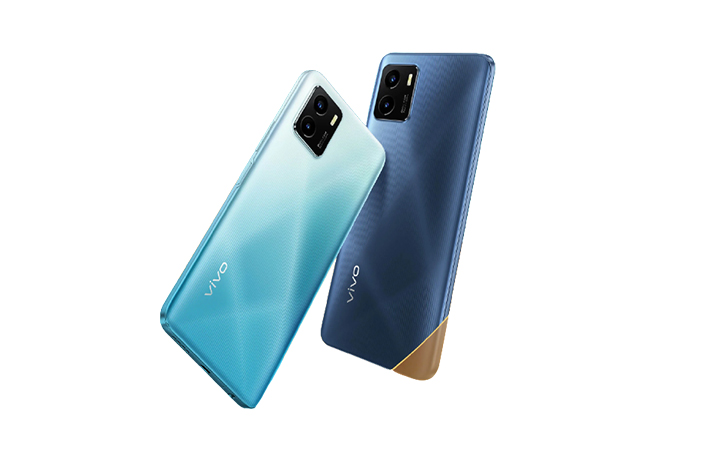
Vivo unveiled the Vivo Y15s last year in November with budget specs like Helio P35 SoC, dual cameras, and Android 11 GO. Now, the device has silently arrived in Pakistan and we spotted it listed on the official Vivo website.
The Vivo Y15s is priced at PKR 23,999(~$136) for the sole 3GB RAM and 32GB storage variant in Pakistan. It comes in two color variants – Wave Green and Mystic Blue colors. It will be available for purchase from authorized Vivo stores in the country.
1 of 2
Wave Green
Mystic Blue
Vivo Y15s Specifications
The Vivo Y15s comes with a plastic build featuring a 6.51-inch HD+ dew-drop notch display. It is an IPS LCD panel with a 20:9 aspect ratio and thin-bezel design. The smartphone has an 8MP selfie camera at the front and a dual-camera system at the rear. It comprises a 13MP main lens and a 2MP depth sensor.
It is powered by the MediaTek Helio P35 SoC paired with 3GB of RAM and 32GB of storage. It has a microSD card slot for additional storage needs. The dual-SIM phone packs a 5,000mAh battery with 10W charging support. Unfortunately, it has the traditional micro-USB port for charging. The 4G device also has a 3.5mm headphone jack for music.
It runs on Funtouch OS 11.1 and has Android 11 GO edition on top of it. The phone features a side-mounted fingerprint scanner and has an 8.28mm thickness. It weighs 179 grams.
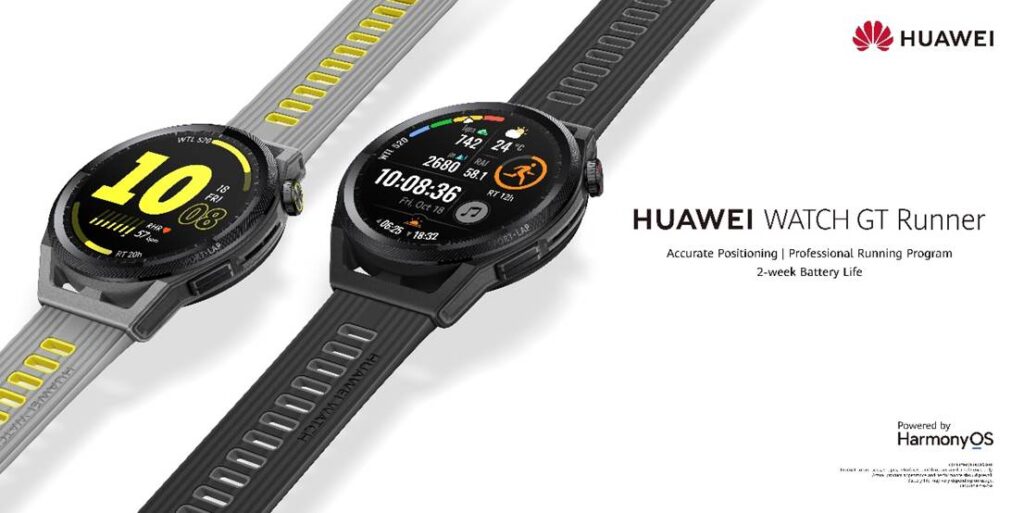
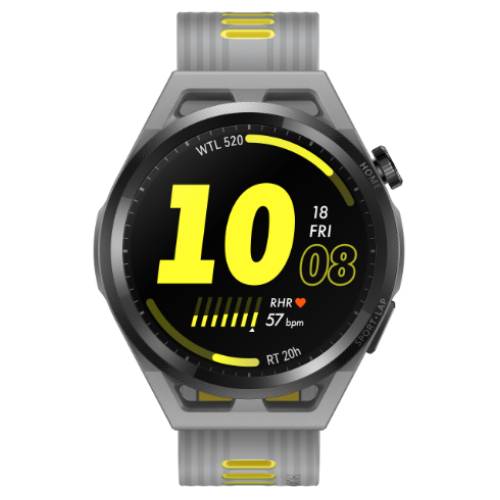
Earlier today (26 January 2022), Huawei announced the global availability of its P50 Pro and P50 Pocket flagship phones. Now, the brand has also announced the Huawei Watch GT Runner smartwatch will be coming to multiple markets around the globe.
The smartwatch was previously released in some countries last year and is now getting a wider global release. The smartwatch adopts a sleek design and as the name implies, it is targeted at sportspersons.
The Watch GT Runner’s stylish body is made from a high-strength composite fiber to create a strong, thin, and wear-resistant case. The watch has a lightweight body coming in at just 38.5g. It also has an antibacterial silicone strap so you won’t have to worry about bacteria accumulation throughout intense training.
The Huawei Watch GT Runner offers a highly accurate positioning function with the industry’s first patented design of floating hidden external antenna. This design hides the positioning antenna in the polymer fiber material. As a result of this, the signal effect is greatly enhanced, and the antenna performance is improved by 135% compared with the traditional design. The watch comes with GPS, Beidou, GLONASS, GALILEO, and QZSS.
The smartwatch features Huawei’s TruSeen 5.0 Plus heart rate sensor, support for 100+ workout modes, all-day SpO2 monitoring, and an AI-driven running coach.
Perhaps, the biggest highlight of the Watch GT Runner is its Huawei TruSport analytics-powered features like the Running Ability Index (RAI) and Professional Running Programme.
The Running Ability Index is a feature that calculates your current limits based on your historical heart rate, pace, distance, frequency, and other data and generates a Running Ability Index score to show you where you are in your training. This feature also provides you with data such as fatigue level, estimated recovery times, aerobic/anaerobic training pressure, and estimated race time predictions to help users better adjust their training program.
Users can make a personalized training plan and set their goals in the Huawei Health app and the Watch GT Runner will act as a running coach by adjusting your training regime based on your running progress over time. It can also determine which training stage you’re in and adjust the training intensity accordingly to ensure you’re training at the correct pace.
Other than these features, the Huawei Watch GT Runner packs a 1.43-inch round AMOLED screen with full-screen touch support. The watch runs on the HarmonyOS which brings support for a variety of third-party application downloads, such as Kugou Music, Himalayas, AutoNavi Maps, Air Travel, etc., covering almost daily life.
It boasts a battery life of up to 14 days with normal use and around 7 days of battery life with heavy use. The Watch GT Runner can store up to 500 songs and supports smartphone notifications and Bluetooth calling thanks to the integrated speaker and microphone.
Huawei has yet to announce the exact date of availability in the global market, but the Watch GT Runner is expected to arrive in Q1 2022 in various parts of Europe, LATAM, and North America (no US launch is planned). The brand has revealed that the smartwatch will cost €299 in the UK, but no pricing for the other regions has been revealed as of yet.
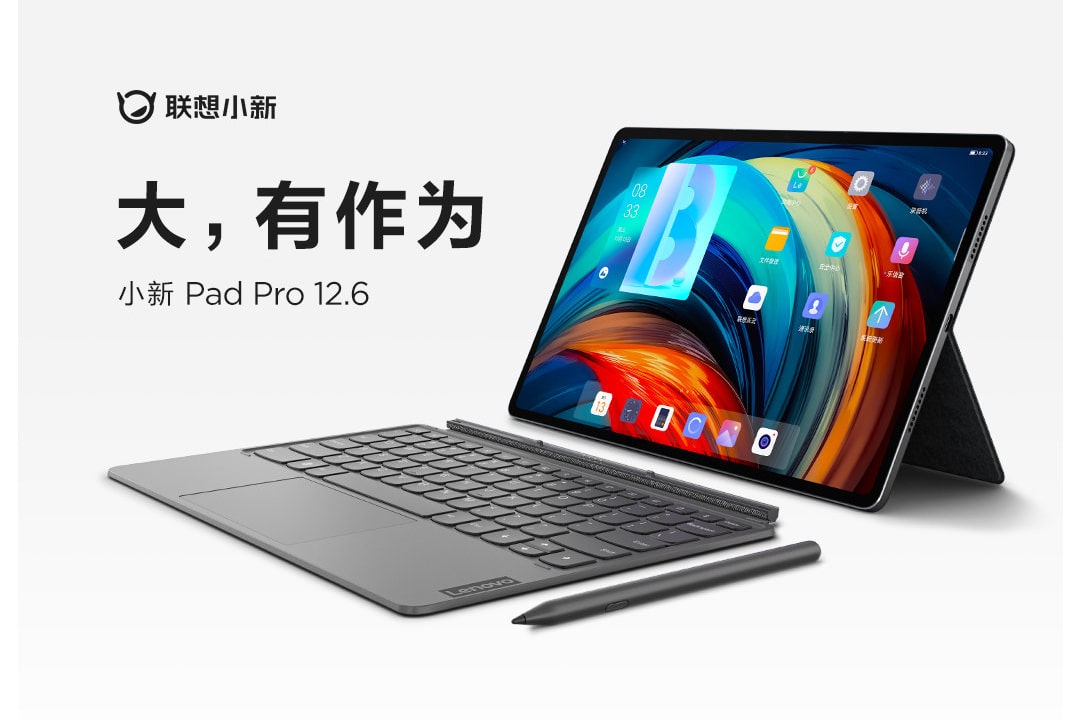
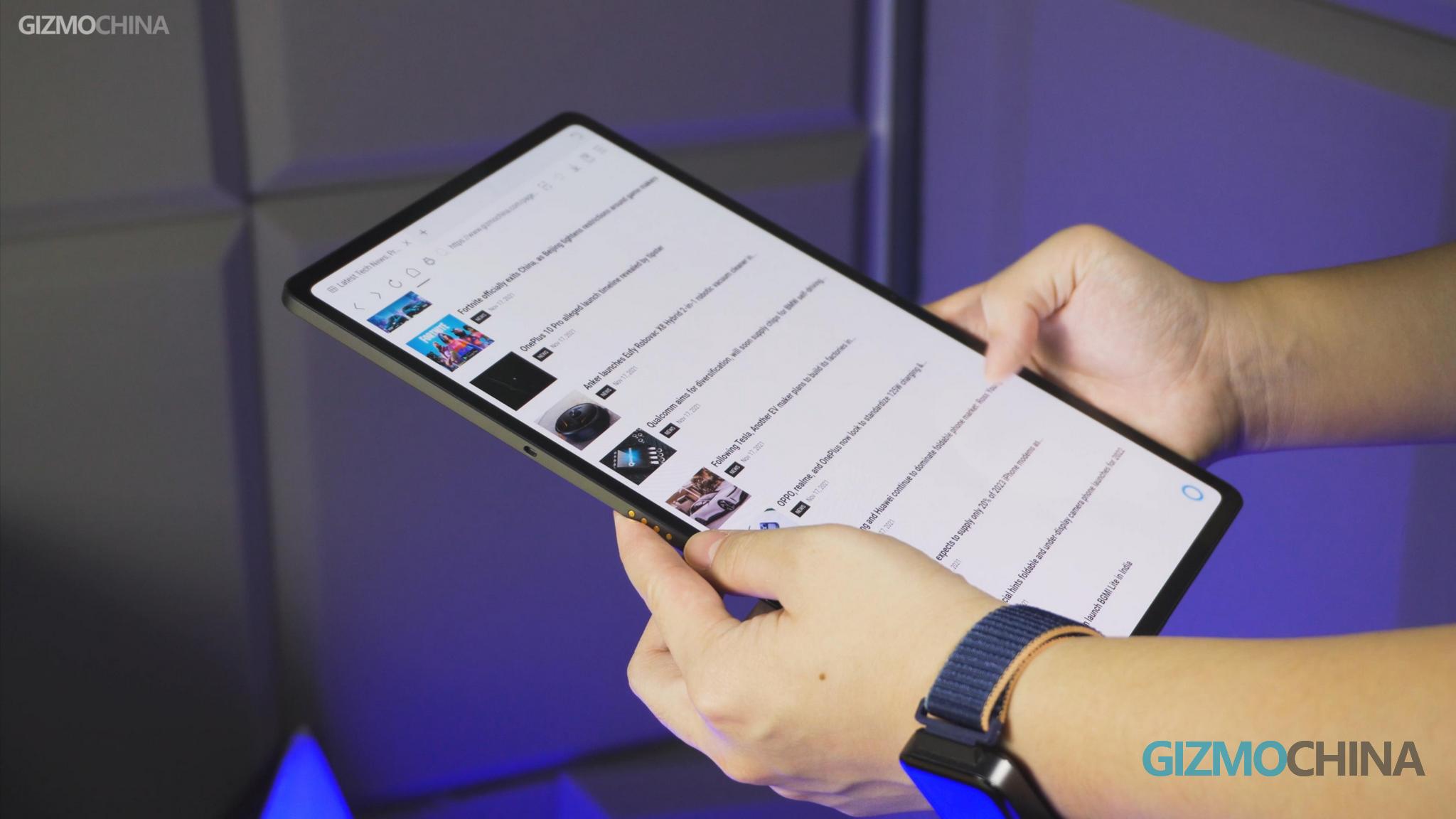
The Lenovo Xiaoxin Pad Pro 12.6 is almost 3 months old as of January 2022 and Lenovo is currently providing a great software support experience overall for the users of the Lenovo Xiaoxin Pro 12.6. On January 24, Lenovo pushed out an OTA2 update for the tablet’s users in China, and the update brings some notable improvements that one would greatly appreciate.
Lenovo Xiaoxin Pad Pro 12.6
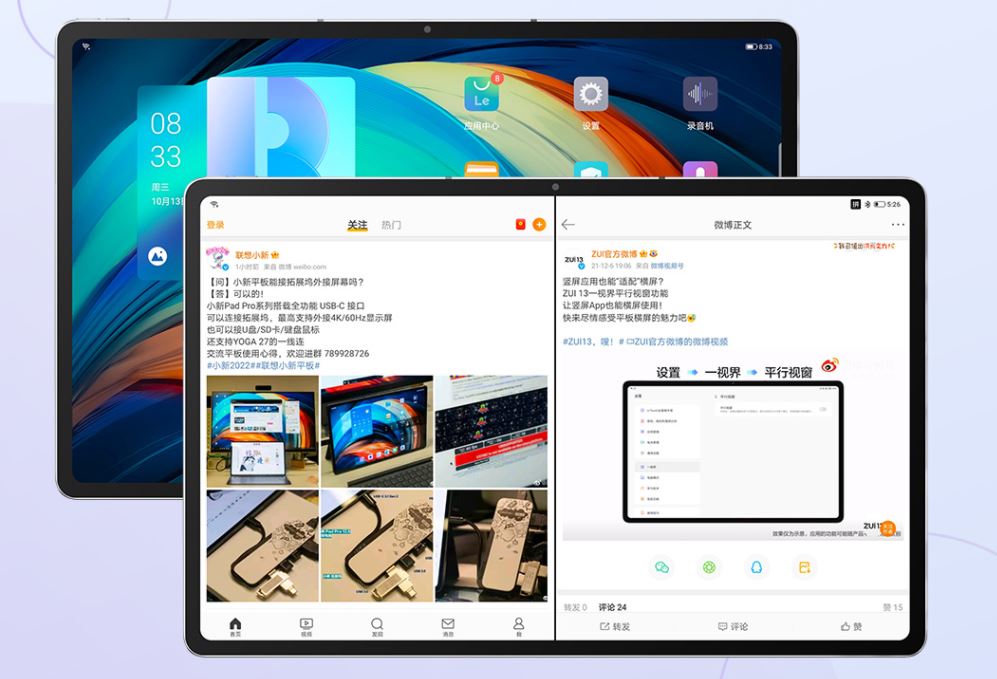
The update is bringing over ZUI 13, Lenovo’s customized software skin for its Android tablets based on Android 11, firmware version number ZUI 13.1.535, to the Lenovo Xiaoxin Pad Pro 12.6 tablet. The update includes 6 highlights that users should take note of:
Improvements towards the interface of split-screen multitasking, more apps are supported for multitasking on the device.
Optimizations towards palm rejection recognition software on a large screen during gaming sessions.
Optimizations towards software supporting the tablet’s included stylus input, and a firmware update to the stylus.
Added button mapping for the Call Of Duty series of Android games.
Optimization towards the animations when switching apps or switching the device’s display orientation from horizontal to vertical and vice versa.
For users who have the Lenovo Xiaoxin Pad Pro 12.6’s smart keyboard, you can now use add up to 10 hot app keyboard shortcuts, by holding down the Win key + number key at the same time to open your favorite apps.
Split-screen multitasking improvements on ZUI 13
For those who are interested in the Lenovo Xiaoxin Pad Pro 12.6, the tablet was released back on November 2, 2021, with a Snapdragon 870 processor under the hood. It features a metal body design and is equipped with four JBL-branded Dolby Atmos-supported speakers spread across top and bottom with two on each side.
It flaunts a 12.6-inch Samsung E4 AMOLED display with a resolution of 2560 x 1600 pixels, a 10,000,000:1 contrast ratio, a 120Hz refresh rate, and a 360Hz touch sampling rate. As for endurance, the tablet is fueled with Li-Po 10200 mAh battery + Quick Charge 3.0 + 20W fast charging.
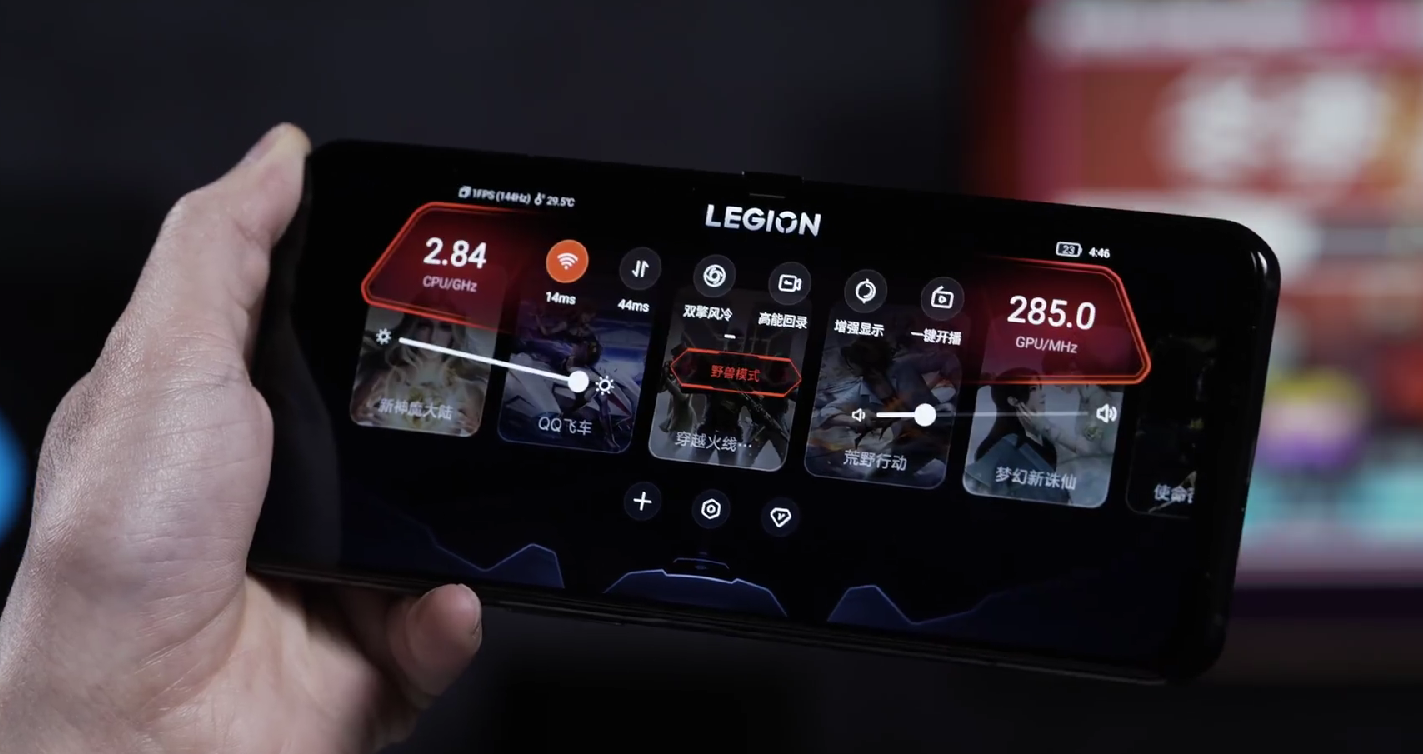
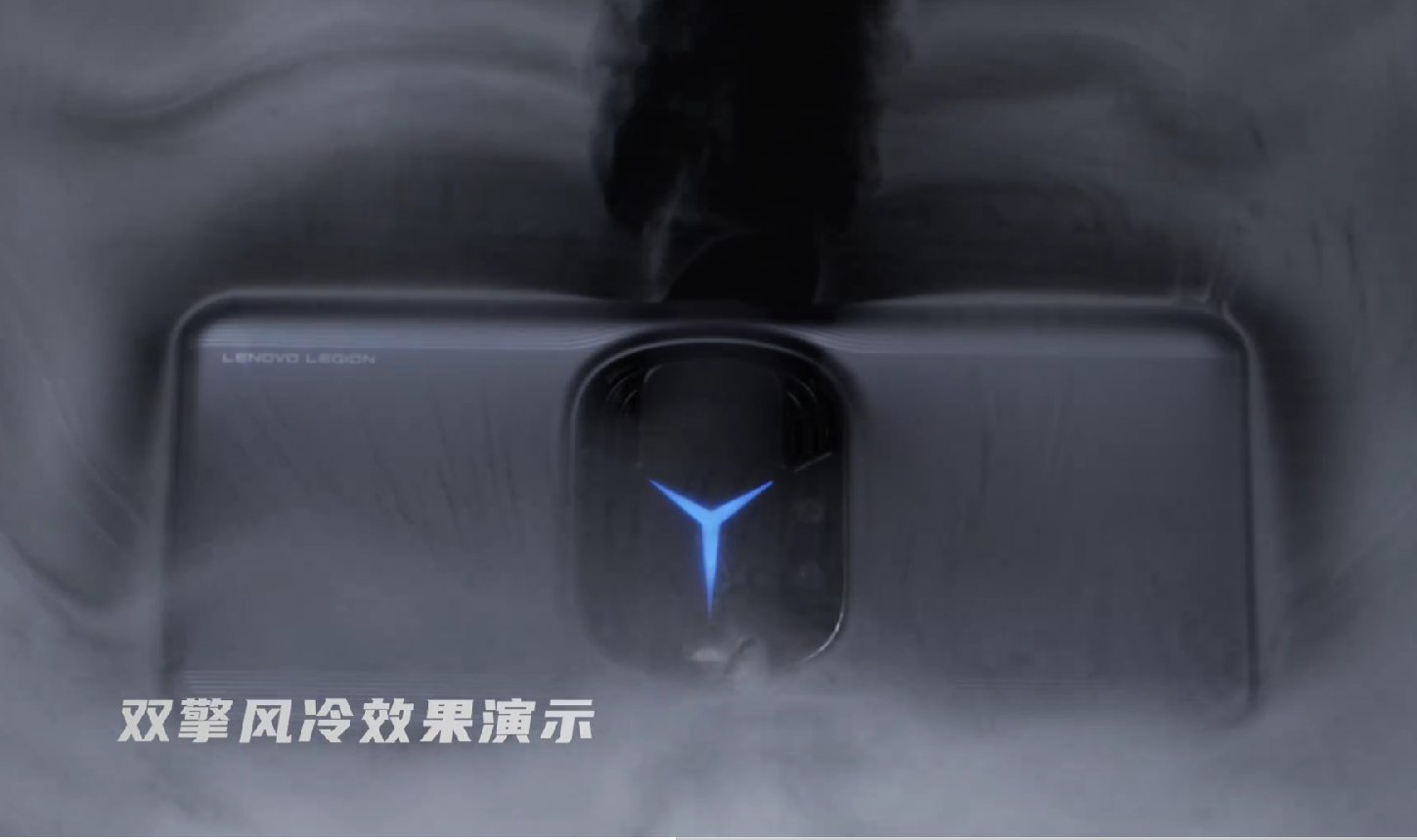
Lenovo Legion Y90‘s launch seems to be drawing near as the teasers have started taking celerity. Earlier, we learned the specs of the gaming phone, and now, Lenovo has shared a teaser video of the smartphone shedding light on its dual-fan air cooling technology.
The teaser video on Weibo showcases the dual fans of the gaming phone. As per the video, when the air cooling technology is turned on, the heat caused during intense gaming gets dissipated. Lenovo reveals that the dual fans in the phone deliver airflow of 180.65cm3/s.
1 of 2
Apart from this, the teaser doesn’t reveal anything new. But we do know some of its specs, thanks to an earlier leak.
Lenovo Legion Y90 Specifications
Previously, the smartphone’s specs were revealed. The Legion Y90 will come with a large 6.92-inch E4 Samsung AMOLED display. It will have a 144Hz refresh rate and a 720Hz touch sampling rate. The device is touted to feature a 64MP OmniVision OV64A 1/1.32 primary sensor and a 16MP secondary lens. The smartphone will have a 44MP Samsung GH1 sensor for selfie shots.
Under the hood, the gaming phone was spotted with Qualcomm Snapdragon 8 Gen 1 SoC paired with 18 GB of LPDDR5 RAM and 512GB of UFS 3.1 internal storage. Interestingly, the device has support for additional 4GB of virtual RAM and 128GB of storage, making the total configuration — 22GB of RAM and 640GB of storage. It was seen with a 5,600mAh battery with a 68W fast charging support.
It will have dedicated gaming buttons, X-axis motors, and the latest Android 12 out of the box. The phone has the following measurements – 176 x 78.8 x 10.5mm. It weighs 268 grams.
We use cookies on our website to give you the most relevant experience by remembering your preferences and repeat visits. By clicking “Accept”, you consent to the use of ALL the cookies.
This website uses cookies to improve your experience while you navigate through the website. Out of these, the cookies that are categorized as necessary are stored on your browser as they are essential for the working of basic functionalities of the website. We also use third-party cookies that help us analyze and understand how you use this website. These cookies will be stored in your browser only with your consent. You also have the option to opt-out of these cookies. But opting out of some of these cookies may affect your browsing experience.
Necessary cookies are absolutely essential for the website to function properly. This category only includes cookies that ensures basic functionalities and security features of the website. These cookies do not store any personal information.
Any cookies that may not be particularly necessary for the website to function and is used specifically to collect user personal data via analytics, ads, other embedded contents are termed as non-necessary cookies. It is mandatory to procure user consent prior to running these cookies on your website.