Google introduced Nearby Share for the public in 2020. Initially, it was only limited to Android devices. Within a year, Chrome OS also added support for it. Now, according to a new finding, the search giant is working on a feature for Chrome OS based on Nearby Share.
A finding by ChromeStory (via Android Police) reveals that Google is developing a new feature for Chrome OS called ‘Nearby Sharing Self Share’. This feature will rely on Nearby Share.
When this feature goes live, users will see an option dubbed as ‘Send to your devices’ in the Nearby Share screen. As the name suggests, by selecting this option, users will be able to share files to all their devices.
This is a nifty feature, especially for those who use multiple devices at a time. Unfortunately, it’s not known when it will be introduced in the ‘Canary’ channel, let alone stable.
Though Nearby Share (stable) is only one and a half years old, it is already proving to be one of the best and most useful features from Google to date. The company has even announced plans to bring it to Windows in the near future.
The AirDrop competitor works across more devices, however, it is not as stable as Apple’s offering. Hopefully, it gets better in the long run.
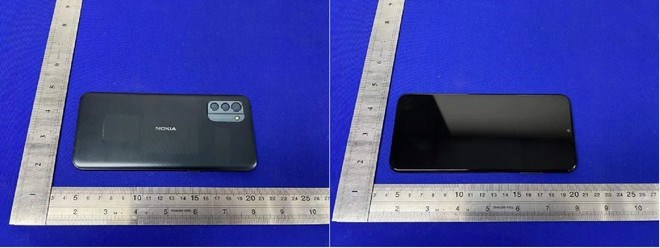
The Nokia G20 was launched in India back in July 2021. This model was a mid range smartphone, and now, new report suggests that the company is working on a successor to this device that might be launching soon.
According to a 91Mobilesreport, the brand is planning on launching the newer Nokia G21 in India soon. This device has recently spotted receiving FCC certification and also made an appearance on Russian retailer ahead of its official launch. Furthermore, known tipster Mukul Sharma revealed the possible launch timeline for the device as well. Reportedly, the G21 will be arriving in India sometime next month, which is February.
We had previously also spotted the G21 on a Russian retail website, which revealed its key specifications. The Nokia G21 will sport a triple camera setup on the rear, with the primary shooter being a 50 megapixel camera paired with a 2 megapixel secondary and another 2 megapixel tertiary lens. On the front, it is expected to feature an 8 megapixel sensor for selfies. The smartphone will also launch in two storage configurations, including a 3GB and 4GB RAM variants.
Nokia G20
Based on our previous report, the Nokia G21 could sport a 6.5 inch HD+ display with 1600 x 720px resolution and a 20:9 aspect ratio. Furthermore, it might house an octa core processor, although, the exact processor is still unknown. However, it might be a 4G Unisoc chipset, which will be paired with 128GB of internal storage that can be expanded via microSD card slot. The mid range device might also be powered by a large 5,050mAh battery pack with quick charging support and is rumored to be available in Black and Dusk color options.
Tecno Pop 5 Pro was launched in India today as the latest entry-level offering from the company. The phone is priced at Rs 8,499 and its highlight feature is its super-large 6,000mAh battery.
The display is sized 6.52-inches with an HD+ resolution, pixel density of 269ppi, and a maximum brightness of 480nits. The touch sampling rate stands at 120Hz and the panel houses a waterdrop notch atop for the front camera. The phone’s frame is plastic with a plastic back and the front has a screen-to-body ratio of 90%.
Tecno has not revealed details of the processor powering Tecno Pop 5 Pro but the chip is supported by 3GB of RAM and 32GB of storage, with the latter being expandable to up to 256GB with an SD card.
For photography, the Tecno Pop 5 Pro is equipped with an 8MP primary rear camera with a secondary AI lens. The camera app offers AI portrait mode, HDR mode, and supports filters. For selfies, you get a 5MP front camera with an f/2.0 aperture lens and front-facing flash.
The Tecno Pop 5 Pro’s battery is sized 6,000mAh and is claimed to offer up to 54 hours of talk time or 120 hours of music playback. There are also multiple software optimizations onboard such as a Battery Lab feature and a dedicated Ultra Power Saving mode.
Support for 14 regional languages is offered and the handset even features an IPX2 rating for splash resistance. Out of the box, it boots into Android 11 Go edition with the company’s HiOS skin on top.
The Tecno Pop 5 Pro comes in a single 3GB+32GB variant that’s priced at Rs 8,499.
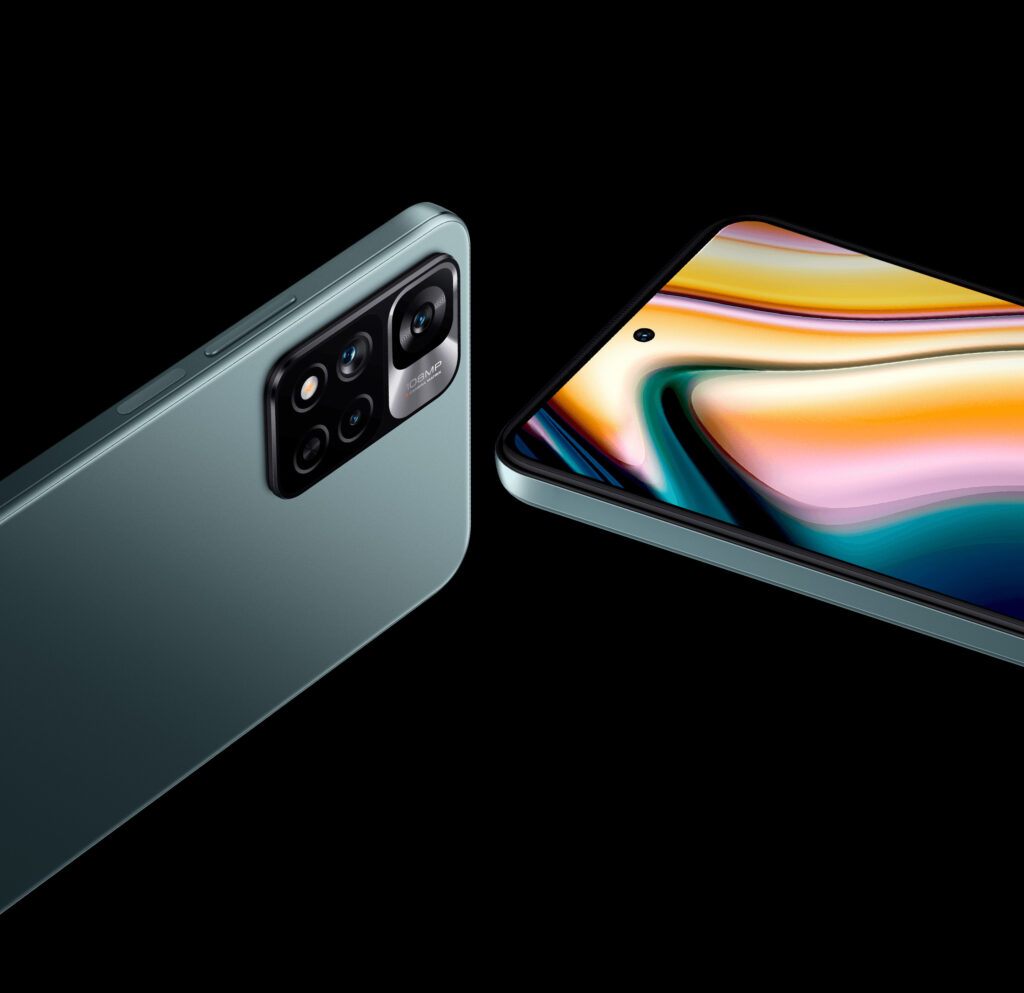
The Xiaomi 11i series was launched in China as the Redmi Note 11 series back in October 2021 but only recently made its way to India, where it apparently has been selling like hotcakes. Xiaomi India’s official Twitter handle today made a post saying that the series has managed to set a new record, selling more on the first day of the sale compared to Mi 10i in a week.
— Xiaomi India | #Xiaomi11TPro 😎 (@XiaomiIndia) January 19, 2022
It’s quite a major feat considering the Mi 10i was an extremely popular device already, being one of the cheapest 5G offerings when it was launched. The phone had registered record-breaking sales of Rs 400 crore in just three weeks, and it now appears that the Xiaomi 11i series will be bringing in even more money.
Xiaomi equates the good figures to a ‘HyperCharge Revolution’, which is quite reasonable considering the Xiaomi 11i HyperCharge is currently one of the fastest charging phones on the Indian market right now. 120W fast charging support is no joke and is claimed to fill up the device’s 4,500mAh battery from 0% to 100% in only 15 minutes. Its more affordable sibling — the vanilla Xiaomi 11i — meanwhile comes with 67W Turbocharge support.
But it’s not the charging and the battery department that the Xiaomi 11i series shines, as the rest of the spec sheet is just as compelling for the price.
Under the hood, you get the fairly powerful MediaTek Dimensity 920 chip. The display is an FHD+ 6.67-inch flat AMOLED panel with a 120Hz refresh rate, 1200 nits peak brightness, and 360Hz touch sampling. For photography, you get a 108MP+8MP+2MP triple camera setup at the rear and a 16MP shooter up front.
The Xiaomi 11i Hypercharge starts at ₹26,999 while the standard Xiaomi 11i starts at ₹24,999 for the 6GB+128GB variants.
Huawei has just officially announced its participation for this year’s Mobile World Congress. The company will announce its latest innovations and technologies during the conference, which is set to begin at the end of February 2022.
For those unaware, the MWC event is one of the largest event within the mobile communications industry. It is organized by GSMA and is held in Barcelona. This year, the major conference is set to kick off from February 28 to March 3. Now, the Chinese tech giant launched a page dedicated to MWC 2022 on its official website to support the development of the event, in which it will host its Day0 conference on 27th February 2022.
So for those interested, you can click here to register to Huawei MWC 2022, which will offer you more information about the upcoming event. Additionally, the company said that the global economy is recovering, with the industry digitization also playing its part to boost economic development. The brand is even focusing on eco development as well, stating that green and low carbon is the common vision of human society as well as ICT technology as well.
Huawei will be working with global operators and its partners to build a minimalist, green, and intelligent ICT infrastructure in the future. In other words, using its technologies for “good” and use innovative solutions to make life,business, and society, better and smarter as well. So stay tuned for more, as we will be covering the upcoming MWC 2022 event and Huawei’s conference as well.
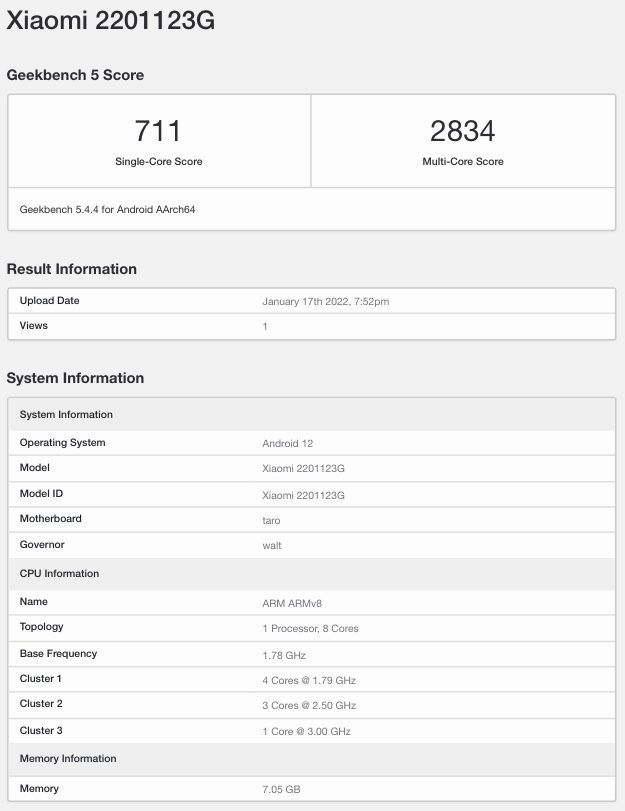
Xiaomi is gearing up for the launch of its latest flagship series in the global markets. But prior to its launch, the company’s Xiaomi 12 has made an appearance on Geekbench, which also revealed some of its key specifications.
According to a MySmartPricereport, the base model of the 12 series has just been spotted on the known benchmarking platform. It lists the device with 8GB of RAM and runs on Android 12 OS out of the box for the global market. The device made an appearance with the model number 2201123G on Geekbench 5 and managed to score 711 points in the single core tests. On the other hand, multi core tests had it achieve a score of 2834 points.
Furthermore, the listing also showcase the Xiaomi 12 global variant being powered by Qualcomm’s latest and greatest Snapdragon 8 Gen 1 SoC as well. Although, the Chinese tech giant might launch the device in RAM configurations outside of just 8GB. For those unaware, the China variant of the flagship handset also featured Android 12. Unfortunately, no finer details were shared in the Geekbench listing, so this is all the information we have to go on as of right now.
The global launch of the new high end series from Xiaomi is expected to be sometime in February or March, with the Indian launch following soon after. In another recent report, we had covered the Xiaomi 12 series being spotted on the Indonesia Telecom Certification database as well, which also hints at its imminent launch. So stick around for more updates regarding this matter.
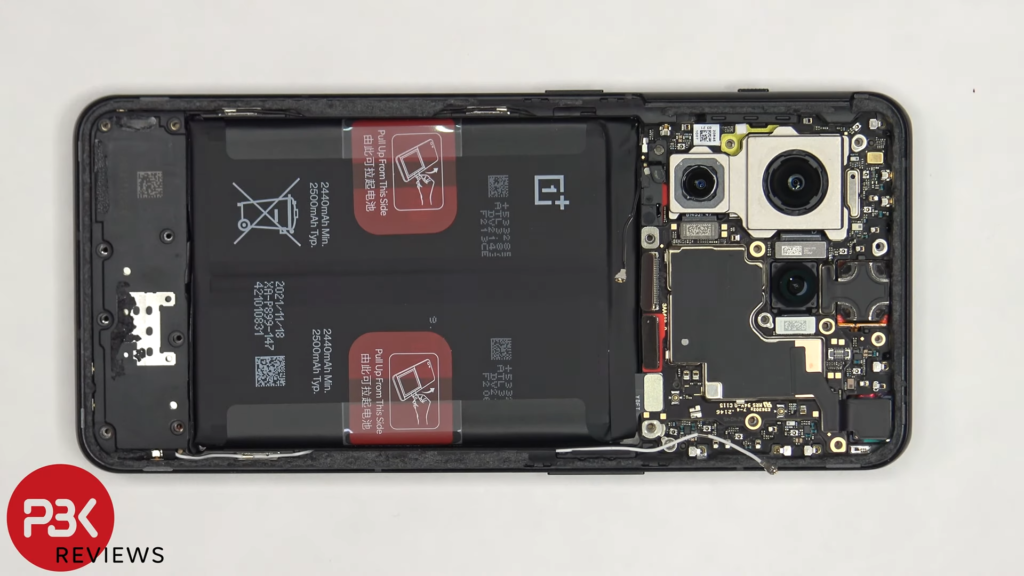
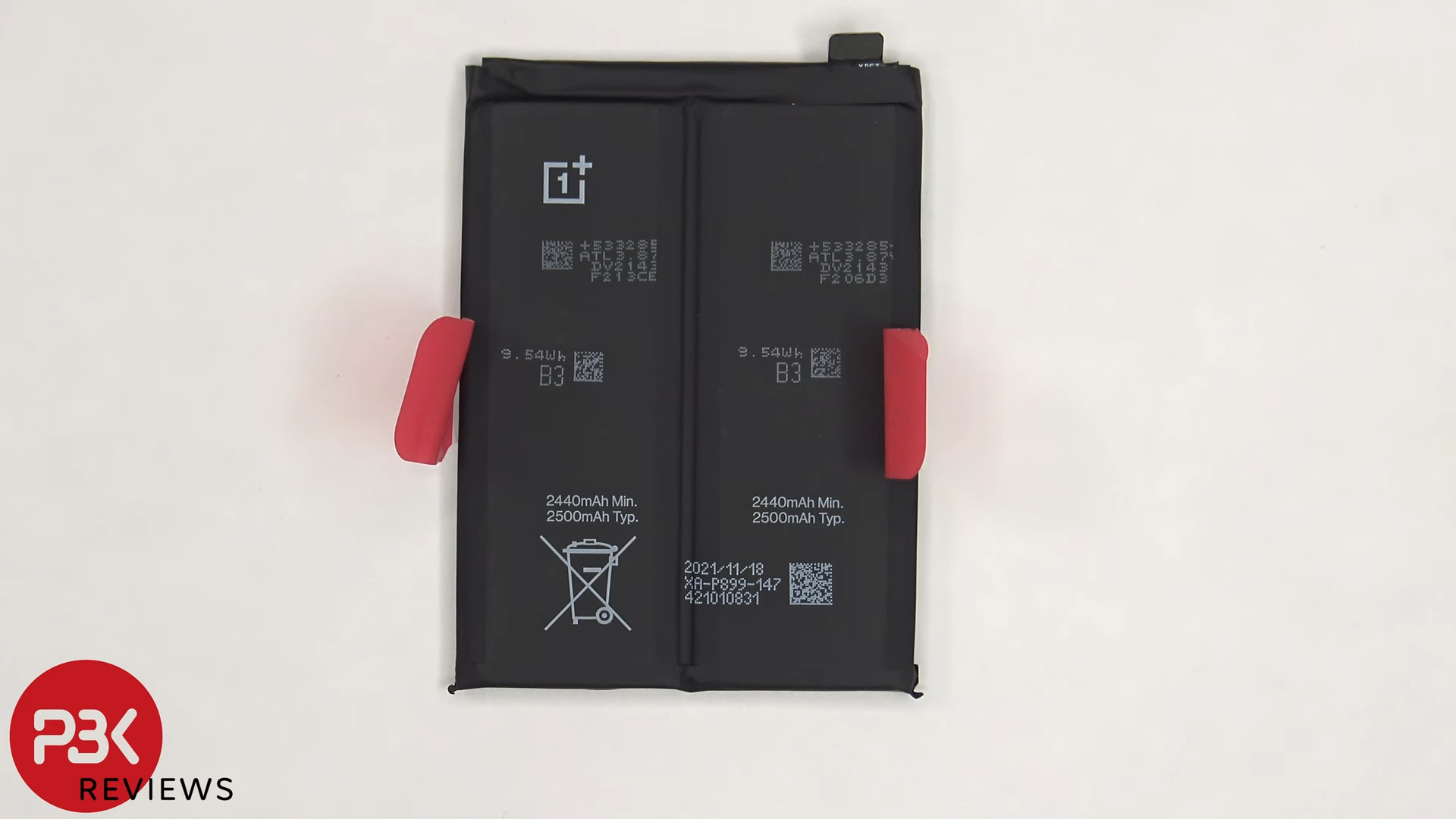
The OnePlus 10 Pro was launched a few days ago and went on sale in China on January 13th, where the first batch got sold out in just a second — a testament to its immense popularity in the region. While its unique design from the outside has been making rounds for a while now, we all know it’s the inside that truly counts, and a new disassembly video allows us to look just into that.
Source: PBKreviews
The video starts off with the removal of the back panel as customary. Its material is glass but can easily be mistaken for some premium kind of plastic because of the matte, texturized finish. A bit of that prying tool and heat gun action uproots the panel easily enough, giving us one of our first looks into the flagship handset’s innards.
Right away, you’ll notice a bit of the extensive heat dissipation components packed into the device, with the first being a large graphite film that also holds the wireless charging coil. OnePlus says that the 10 Pro comes with a 34119.052mm² cooling plate, which is the largest ever on any OnePlus device.
1 of 3
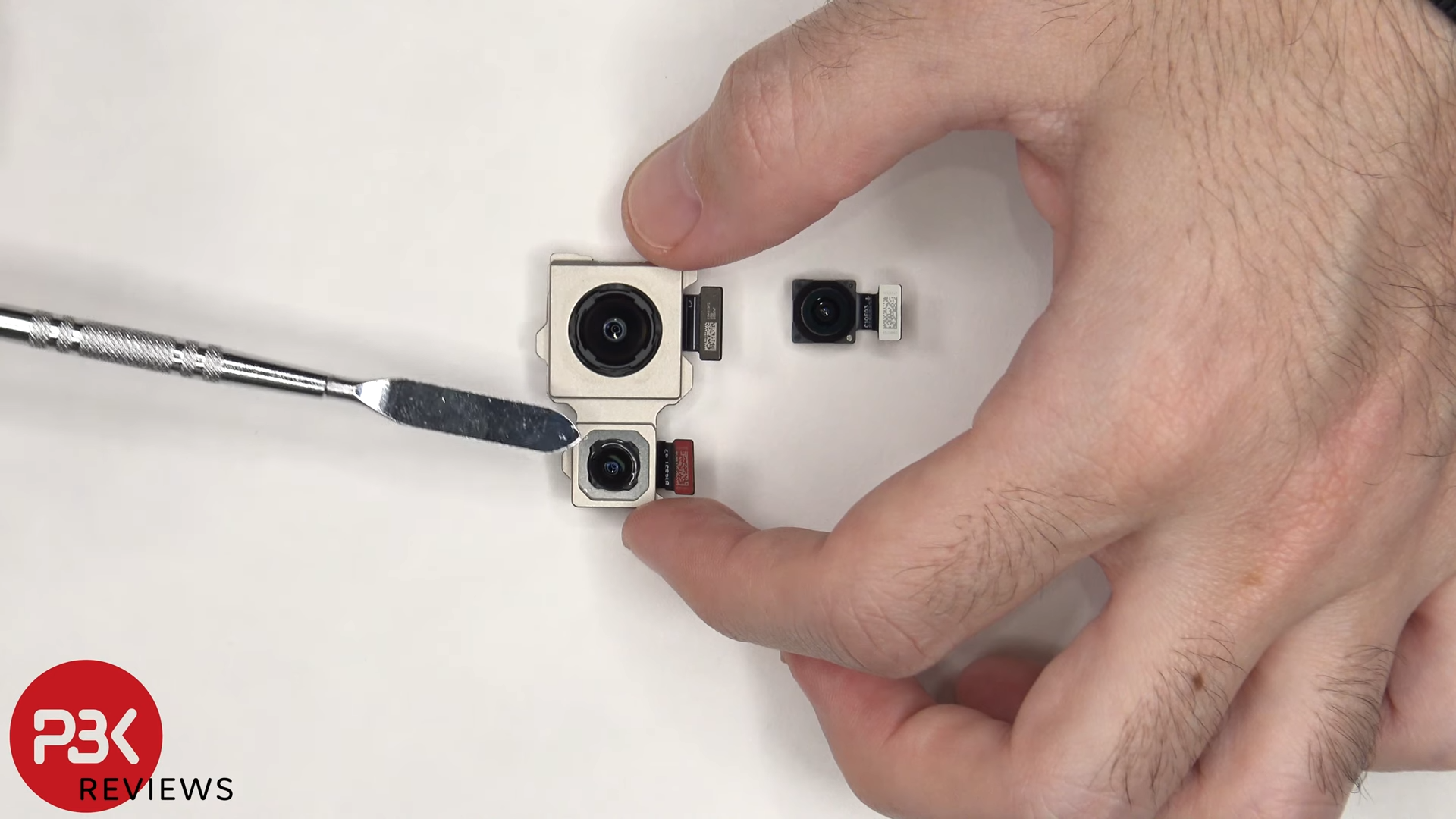
Next up, you get to see the bits that make photography possible, and boy is that 48MP primary camera huge. The primary is complemented by an 8MP telephoto sharing a connector with it and a standalone 50MP ultrawide sensor. But while the huge camera module is justified by the XL sensors it holds, the flash is more of a gimmick. There’s no ring flash as one would believe and you only get an ordinary dual flash setup.
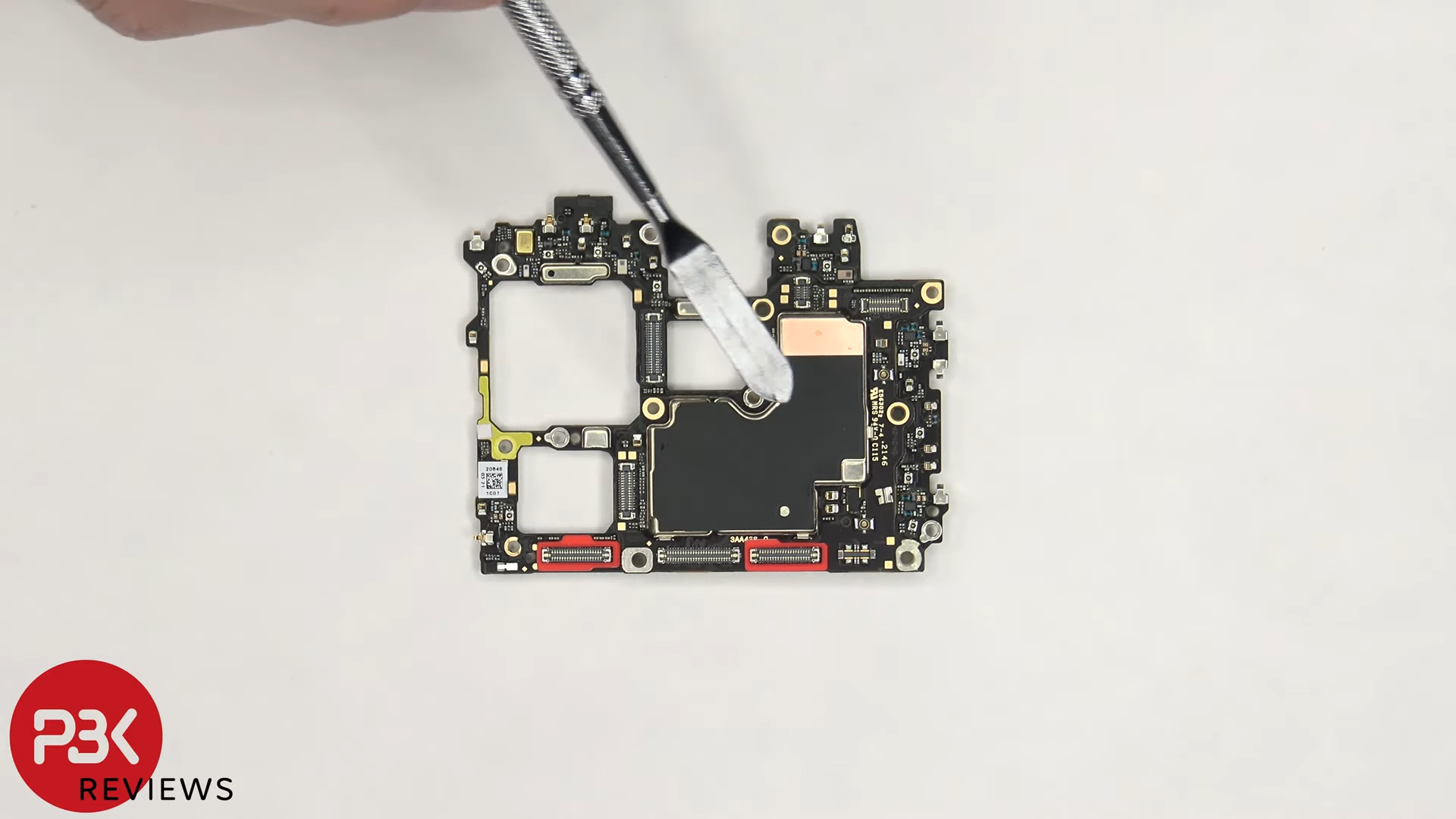
The motherboard features the LPDDR5 RAM, Snapdragon 8 Gen 1 processor, and UFS 3.1 ROM, most of which has been splashed with thermal paste. The battery is of a dual-cell design with each cell having a capacity of around 2,500mAh. A vapor chamber is also present underneath both the battery and the motherboard to aid cooling.
All in all, PBKreviews has given a 6/10 rating for repairability to the OnePlus 10 Pro, which is nothing special but isn’t too bad either by today’s standards.
Earlier today (19th January 2022), the highly anticipated Xiaomi 11T Pro had just been launched in India. During the livestream, the company shared the pricing of the device, and now, we even have some more information regarding offline offers. So lets have a look.
While the Chinese tech giant had announced a flat 5,000 INR (roughly 67 US Dollars) discount on the 11T Pro for online buyers, Xiaomi did not reveal any offers for offline channels in the live event. But now, a company official has revealed details regarding offline retail offers for the device starting from 39,999 INR (roughly 536 US Dollars). One of the highlighting offers include a free Mi Band 5 smart band.
Apart from the free wearable device, the brand is also offering up to 3,000 INR in cashback. This may vary based on the model you are planning to buy. Furthermore, the company is also offering zero down payment based EMI options that also cost no processing fee either. On top of this, prospective buyers can even avail an additional discount of 5,000 INR on Exchange. Notably, sales of the device begins at 2PM IST across all channels.
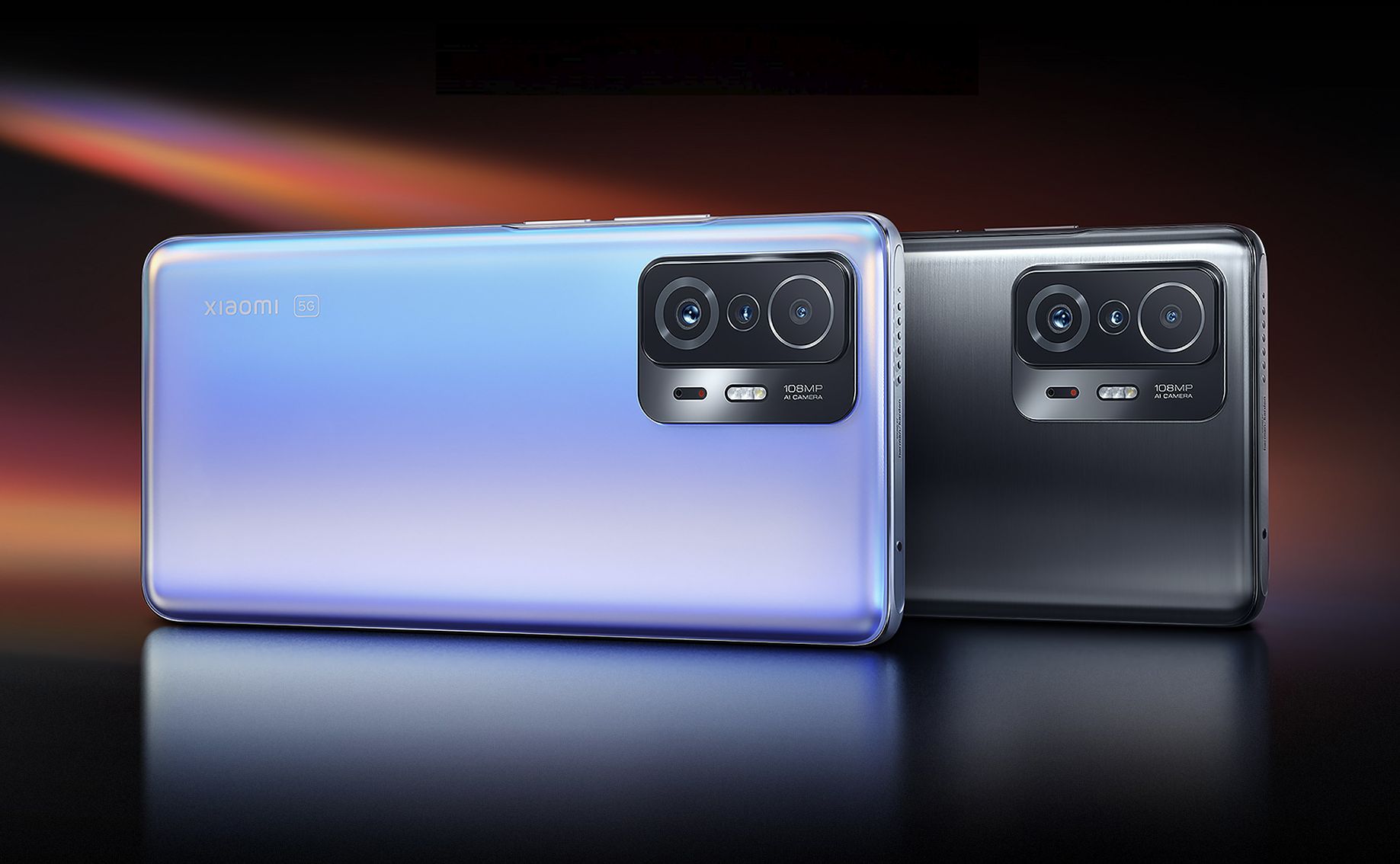
Talking about the Xiaomi 11T Pro, it is referred by the brand as the ‘The Hyperphone’ as it arrives with 120W fast charging support. It sports a 6.67 inch flat AMOLED display with FHD+ resolution and 120Hz refresh rate. Under the hood, it houses a Qualcomm Snapdragon 888 chipset paired with LPDDR5 RAM, UFS 3.1 storage, and liquid cooling technology. It is powered by a large 5,000mAh battery, with the rear featuring a triple camera setup with a 108 megapixel primary camera. On the front, it has a 16 megapixel shooter for selfies.
Honor recently launched its first foldable smartphone, dubbed Honor Magic V and now the device is officially available for purchase in China for a starting price of 9,999 yuan which roughly converts to $1,574.
The company has now announced that those who have purchased the Honor Magic V smartphone will be getting the VIP Plus exclusive services free of cost.
The VIP Plus service includes 24×7 support for the customers and can be used just by dialing the dedicated phone number. Further, the services can be availed by visiting any of the offline service centers.
Honor is also offering door-to-door service to the customers. In this on-site service, the engineers can conduct on-site inspection, maintenance, cleaning, and provision of spare phones for mobile phones. However, this service is currently limited to uses in Beijing, Shanghai, Guangzhou, and Shenzhen.
If the Honor Magic V takes longer for repair, then the company will provide a high-end spare smartphone to the customer but the company has not yet revealed which devices will be offered under this service.
Users can also get the advantage of two free maintenance service in a year that includes memory cleaning, comprehensive testing, software upgrades, mobile phone cleaning, and external screen film. Customers also get a 30 percent discount on the replacement of the nano-optical inner/outer screen each time.
To use the one-to-one service, the user just needs to navigate to the service page in the My Honor application and then the customer can also chat with the service representative after adding through the enterprise WeChat app.
Samsung has been rumored to be working on the Galaxy Tab S8 series for a while now. We had even covered various reports regarding the upcoming tablet lineup. But now, it seems that the company has accidentally revealed an image of the Ultra model.
For those unaware, the South Korean tech giant is reportedly planning on launching the Galaxy Tab S8, Galaxy Tab S8 Plus, and Galaxy Tab S8 Ultra alongside the Galaxy S22. Although, prior to its release, the Galaxy Tab S8 Ultra has been spotted on the company’s official support website. The high end tablet was spotted on the brand’s official website under the Bixby support page, which explains the “talk to Bixby using voice to wake up on the Galaxy devices.”
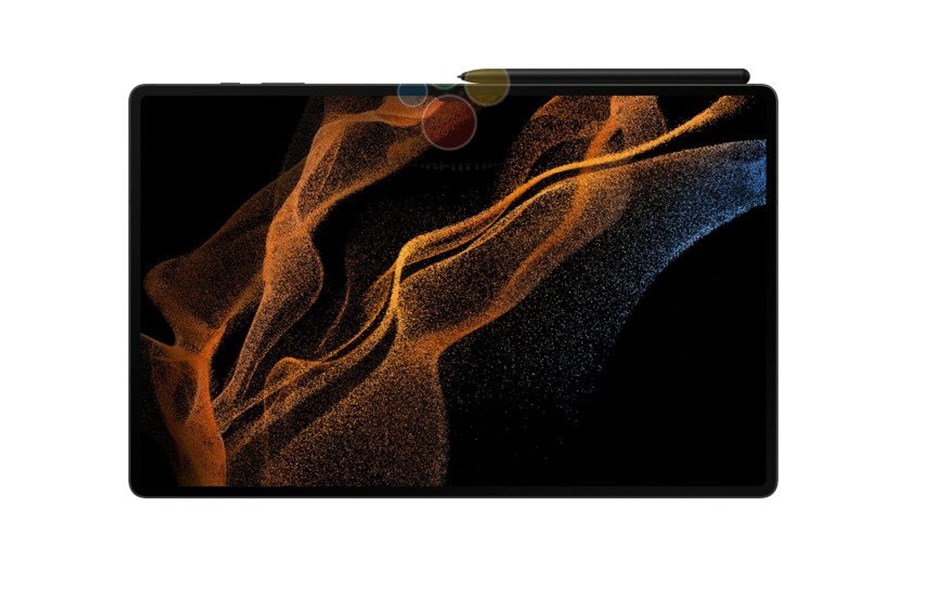
In this support page, an image of the Galaxy tablets can be seen, which is in line with renders that we had previously covered. It even features the tiny notch on the display for its selfie shooter. Furthermore, the tablet is attached to a keyboard that will likely be sold separately. As of right now, the page is still live and the image can still be seen on the website. However, that is all the information that was shared by Samsung on accident.
Galaxy Tab S8 Ultra render by Winfuture
While we have no official information to go on right now, previous reports suggests that the Galaxy Tab S8 Ultra will sport a large 14.6 inch notch Super AMOLED display with a WQXGA+(2980 x 1848 pixels) resolution, 120Hz refresh rate, and a 12MP + 12MP dual selfie camera setup on the front. On the rear, it features another dual camera module, but with a 13 megapixel primary shooter. Under the hood, a Qualcomm Snapdragon 8 Gen 1 SoC is expected to run the device, which is powered by a 11,200mAh battery.
The up-and-coming global robot vacuum manufacturer yeedi has introduced its robot vacuums in many regions including Europe, Russia, the US, and countries of Southeast Asia among others. Their products have had an overwhelmingly positive reception as they provide more value at a lower price point when compared to competitors.
The brand has now introduced three new models dubbed yeedi vac and yeedi vac max and the yeedi vax station. Both the vac and the vac max provide a maximum suction power of 3000 Pa and are upgradable to include new features.
The vac max is capable of vacuuming and mopping at the same time in several operating modes. It also includes a brand-new feature, which is a built-in carpet sensor that enables it to stop mopping when it detects a carpet. The carpet detection sensor smartly identifies your carpet and automatically increases suction. It works seamlessly with the side brushes and main roller brush to catch dirt hidden deep in carpets and crevices.
yeedi vac also maps out your space like a GPS for whole-floor coverage without missing any spots. After mapping your room, yeedi vac robot vacuum will remember your house structure and form an editable map, so you can customize cleaning your room via yeedi’s editable home map.
The most important feature offered with these products is their compatibility with Yeedi vac station, which is a self evacuating station that enables the robot vacuum to automatically remove dust into the station’s container which comes with a 1.5-liter capacity and is able to store dust from 30 days of cleaning.
The Yeedi vac has a battery life of 110 minutes and the vac max offers 200 minutes of battery life. The devices have a low battery level detection feature in which case they stop cleaning to recharge and then continue cleaning.
Both the robot vacuums have unique features like room mapping functions, anti-collision, edge, distance, stair, obstacle, and overload sensors. The devices also support Amazon Alexa and Google Home voice control.
Here are the main features of the Yeedi vac robot vacuum:
1. Automatic carpet detection
Great feature that yeedi vac brings is automatic carpet detectionBuild-in carpet detection sensors will automatically increase suction power up to 3000Pa on carpets. It works seamlessly with the side brushes and main roller brush to catch dirt hidden deep in carpets and crevices.
2. True Mapping
Something else you don’t need to worry about is fiddling around with a complicated map of your home -Gone were the days when haphazard bumpings and missing spots brothers us after the cleaning because using smart mapping and navigational technology will map out your whole floor and clean in a very organized way. No more bumping around or missed spots. So, you don’t need to worry, just kick back and relax.
3. Editable Home Map
After mapping your room, yeedi vac robot vacuum will remember your house structure and form an editable map, so you can customize cleaning your room via yeedi’s editable home map
The yeedi vac series is offered at an enticing starting price of just $209.99 which is significantly lower than other competing brands. Interested readers can check out the yeedi vac, the yeedi vac max, and the yeedi vac station by clicking on these links.
Here is a discount for yeedi vac Robot Vacuum, order it on Amazon:https://amzn.to/3z26apo
Amazon 7DD promotion + $40 coupon + code: CARPENTER
List Price:$299.99
Deal price:$209.99
Start Date 01/17/202212:01 AM PST
End Date 01/23/202211:59 PM PST
After teasing for the last few days, Xiaomi has finally launched the Xiaomi 11T Pro in India. It is exactly the same phone that was first unveiled back in September 2021. The company calls the handset ‘The Hyperphone’ as it arrives with 120W fast charging support. Let’s check out what all it offers and how much it costs in the country.
Xiaomi 11T Pro
Xiaomi 11T Pro Price and Availability in India
The Xiaomi will retail at the following price tags in India starting from 2 PM later today (January 19).
8GB + 128GB – ₹39,999 ($536)
8GB + 256GB – ₹41,999 ($563)
12GB + 256GB – ₹43,999 ($589)
Customers can purchase it in either Celestial Magic, Meteorite Black, or Moonlight White color option. Launch offers on the smartphone include a flat ₹5,000 ($67) discount on Citi bank cards and a ₹5,000 ($67) bonus on exchange.
Xiaomi 11T Pro Specifications and Features
The Xiaomi 11T Pro features a glass sandwich design with a plastic frame. The rear glass has an anti-glare finish, in addition to tapered edges and quad curves. The camera array resembles a vintage film camcorder to complement the multiple video modes available on the smartphone.
The IP53-rated device measures 164.1mm x 76.9mm x 8.8mm in dimensions and weighs 204g. It comes in three colors, namely Celestial Magic, Meteorite Black, and Moonlight White.
The phone sports a 6.67-inch flat AMOLED display with a resolution of 2400 x 1080 pixels (FHD+), over 1 billion colors, 120Hz AdaptiveSync refresh rate, and 480Hz touch sampling. The Corning Gorilla Glass Victus-protected panel has a 5,000,000:1 contrast ratio, 1000 nits peak brightness, 20:9 aspect ratio, and a centered punch-hole.
The screen is rated A+ by DisplayMate. It supports multiple HDR standards (HDR10, Dolby Vision), MEMC, TrueColor, Sunlight Mode 3.0, and Reading Mode 3.0.
The handset is powered by a Qualcomm Snapdragon 888 chipset paired with LPDDR5 RAM, UFS 3.1 storage, and liquid cooling technology. It runs MIUI 12.5 based on Android 11 with guaranteed updates for three generations of Android and four years of security patches.
As for optics, it arrives with a triple camera setup on the rear. The system consists of a 108MP primary sensor, an 8MP ultra-wide unit (120° FOV), and a 5MP telemacro snapper with autofocus. Selfies and video calls are taken care of by a 16MP shooter. The camera app allows users to record videos in 8K 30 fps, 4K 60fps, and HDR10+. The application also offers features like Audio Zoom, Slow Shutter, Parallel World, One-Click AI Cinema, Time Freeze, and Magic Zoom to name a few.
Connectivity options on the smartphone include dual-SIM, 5G (13 5G bands), WiFi 6, Bluetooth 5.2, dual GNSS (GPS, A-GPS, NavIC, GALILEO, GLONASS, BeiDou), NFC, and USB Type-C. It has all the essential sensors like an accelerometer, proximity sensor, gyroscope, 360° ambient light sensor, compass, side-mounted fingerprint sensor, IR blaster, barometer, and a color temperature sensor.
It lacks a 3.5mm headphone but houses Dolby Atmos-supported dual symmetrical stereo speakers tuned by Harman Kardon. There’s also an x-axis linear vibration motor and Hi-Res Audio certifications for both wired as well as wireless.
Finally, the Xiaomi 11T Pro is backed by a 5,000mAh battery with support for 120W Xiaomi HyperCharge technology. The company claims a full charge (100%) from 2% in just 17 minutes. The required power adapter is included in the handset’s retail box.
Xiaomi has scheduled a global launch event for January 26. The company has confirmed to debut the Redmi Note 11 series at this conference. MIUI 13 could also get announced at this event. Ahead of that, names and codenames of the possible models in the Redmi Note 11 family emerge on the internet.
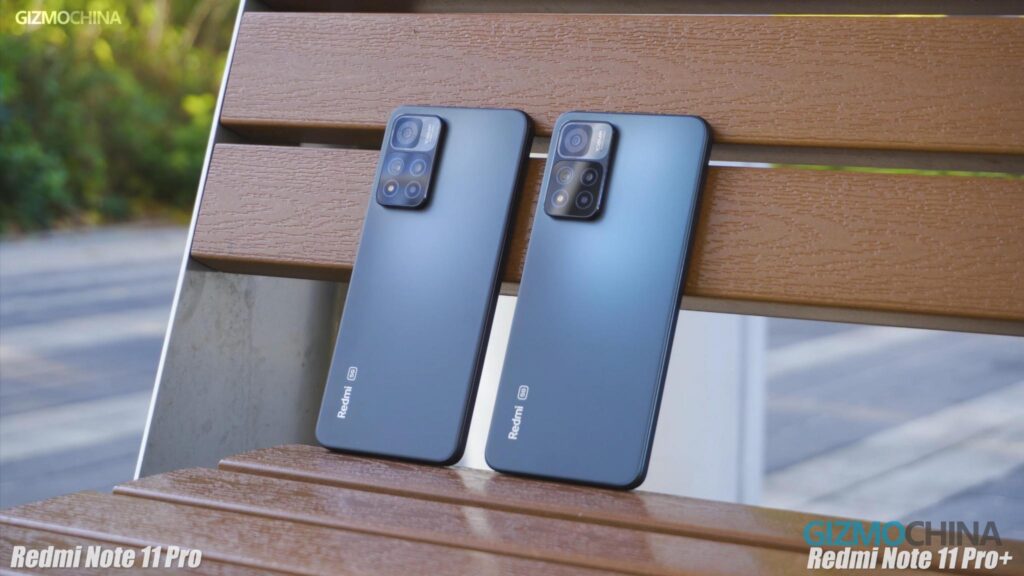
Redmi Note 11 Pro 5G (Pissaro) and Redmi Note 11 Pro+ 5G (Pissaropro)
According to Xiaomiui, the Redmi Note 11 series for international markets will include a total of 5 smartphones. They are listed below along with their codenames.
Redmi Note 11
Spes – India (No NFC)
Spesn – Global (NFC)
Redmi Note 11S
Miel
Redmi Note 11 Pro 4G
Vida – India
Viva – Global
Redmi Note 11 Pro 5G
Veux
Redmi Note 11 Pro+ 5G
Pissaropro – China and other markets (excluding India)
The ‘Global’ in the above list denotes international markets other than India. Further, the Redmi Note 11 Pro+ 5G has already been released in India as Xiaomi 11i HyperCharge.
Finally, the availability of Redmi Note 11S and Redmi Note 11 Pro 5G is not known. However, we know that at least the former will make its way to India as the company has started teasing it.
As we are still days away from the Xiaomi conference, we expect to learn more about the aforementioned phones in the coming days.
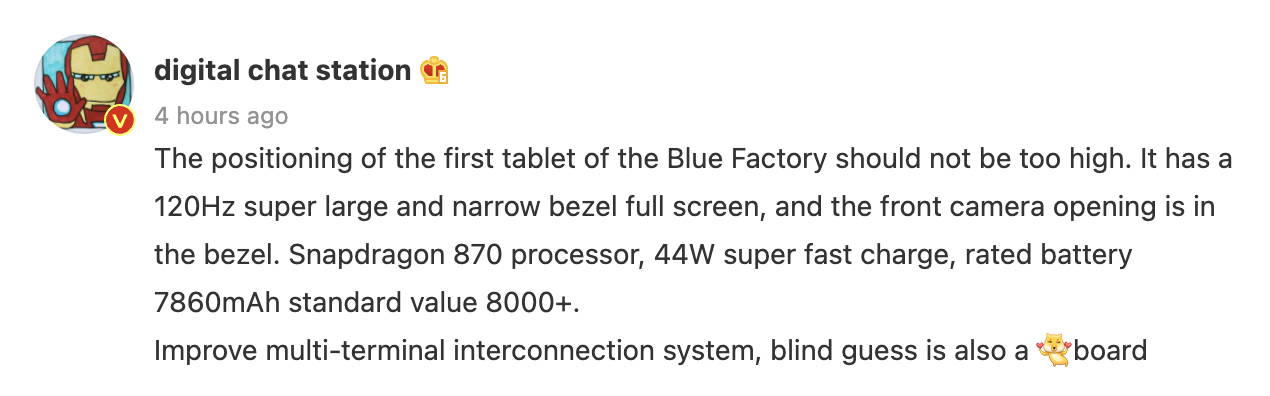
After several leaks and rumors, the Executive Vice President of Vivo had confirmed last year that the brand’s first tablet is in the works and also revealed that it will get officially launched in the first half of 2022.
With the launch timeline approaching, more details about the first tablet from Vivo keep surfacing online. In the latest development, Digital Chat Station has revealed some key features and specifications of the upcoming device.
The new leak reveals that the Vivo tablet will come powered by the Qualcomm Snapdragon 870 processor. This is the same chipset that is powering the premium Xiaomi Pad 5 Pro model as well as the Lenovo Xiaoxin Pad Pro 2021.
It will feature a Full HD+ display with minimal bezels that offers a 120Hz refresh rate and a punch-hole cutout on the top of the screen for housing the front-facing camera. Further, it is said to be powered by a 7,860mAh battery and have 44W fast charging support.
As for the software department, the device is likely to come running the company’s own OriginOS based on the Android operating system out-of-the-box. It will also have a Terminal interconnection feature that can share screen and content across Vivo devices.
Last year, the company registered the “Vivo Pad” trademark but it has not been confirmed yet if the device will be named the same. Given that the tablet should be official by the end of June this year, we expect to know more about the product in the coming months.
Apart from Vivo, its sub-brand iQOO is also expected to launch a tablet while its sister company OPPO is also set to soon launch its first tablet in the market. Given the specifications of the upcoming Vivo tablet, it’s likely to compete against the likes of Xiaomi and Lenovo, which are currently dominating the tablet market in China.
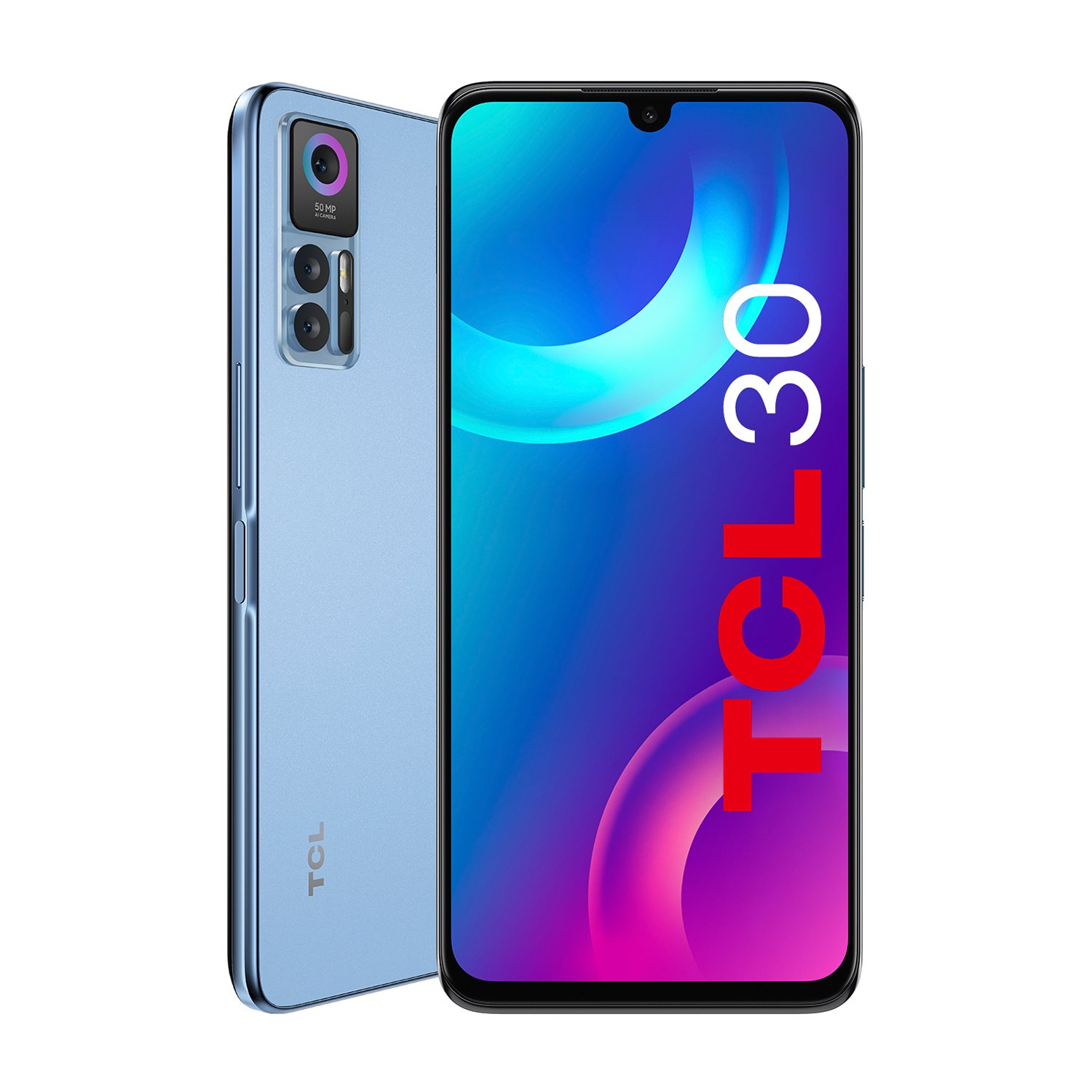
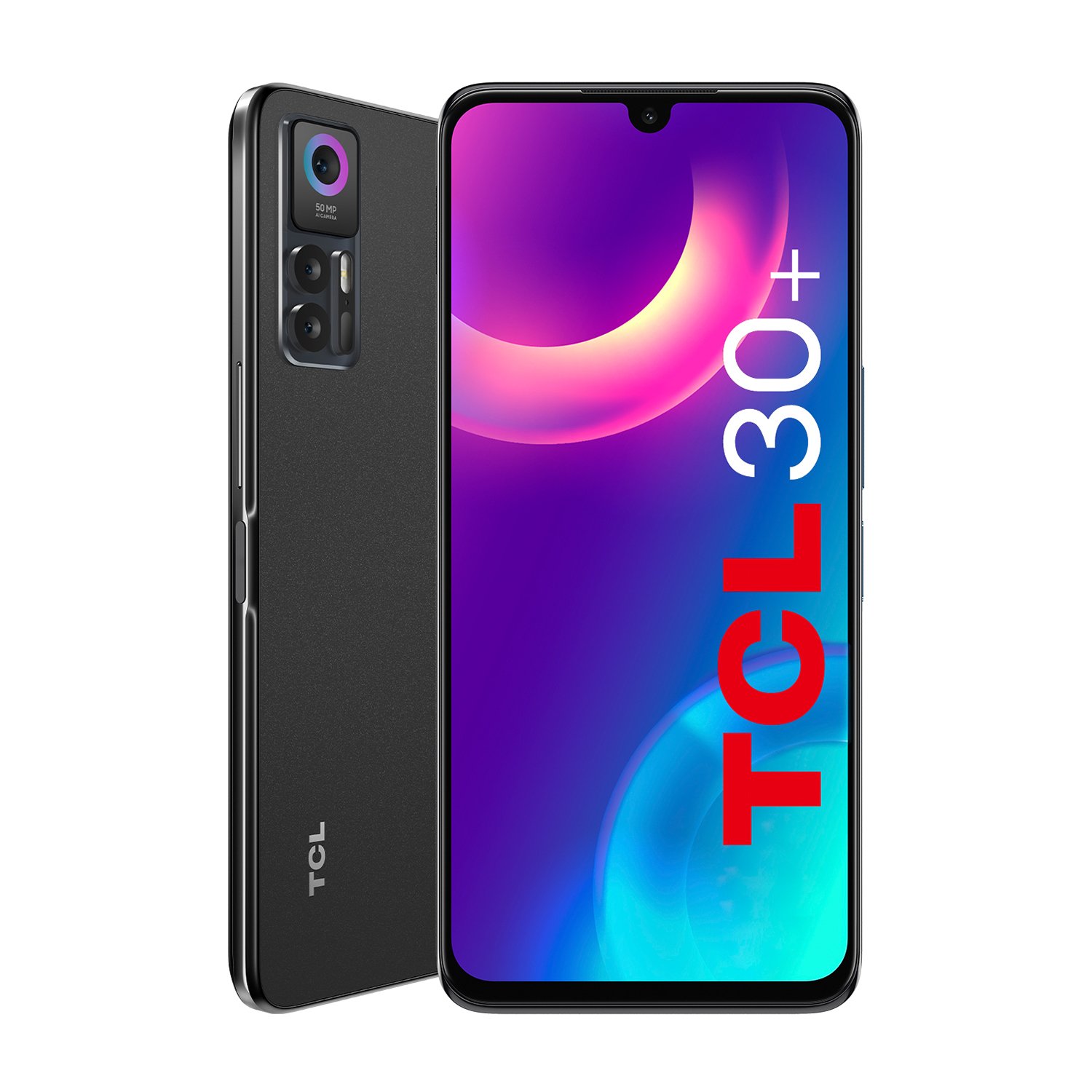
At the Consumer Electronics Show a couple of weeks ago, TCL launched several new products, including two smartphones under the TCL 30 series — TCL 30 XE 5G for T-Mobile and TCL 30 V 5G for Verizon.
It seems that the brand isn’t done with the series yet and has two more smartphones coming up pretty soon — TCL 30 and TCL 30+. Ahead of the phones getting official, Evan Blass has shared high-resolution renders of these two devices.
The smartphones appear to be an upper mid-range offering from TCL and will compete in the United States market against the likes of the Samsung Galaxy A-series phones. The specifications of these upcoming smartphones remain unknown, so it’s hard to say exactly what the company plans to offer.
From the leaked render images, the smartphone features a side-mounted fingerprint sensor for added security. They also have a large display with a waterdrop notch on top for housing the front-facing camera sensor. The phones are said to have a 50-megapixel primary camera sensor on the back.
While not yet confirmed, there’s a possibility that the TCL 30 and 30+ may get picked up by some network carriers in the United States since the earlier devices launched in the lineup are network-exclusive offerings. Whatever be the case, we expect both the smartphones to get launched pretty soon given that they have already been leaked and we’ll soon get to know more about their specs, features, pricing, and availability details.
Microsoft has announced that the company is acquiring Activision Blizzard in an all-cash deal that is worth $68.7 billion. This is by far the highest bid from Microsoft for the acquisition of any company. For instance, it acquired LinkedIn for $26 billion in 2016.
The company says that once the deal goes through, it will be the third-largest gaming company by revenue, just behind the giants Tencent and Sony. Microsoft is paying $95 per share, which is about 45 percent above his company’s stock price.
Microsoft expects this acquisition deal to close in fiscal year 2023” which means that there’s still a long wait of several months. The longer wait could be because of the number of markets for operations, making regulatory approval more complicated.
This acquisition is yet another example of the rapid consolidation happening in the game industry and the reason behind seems to be the race for having a catalogue of exclusive content. Companies, including Microsoft, sometimes makes the games it owns available only on its own gaming consoles and not available for competitive products.
Once the deal closes, Microsoft will be adding Activision’s games to Xbox Game Pass which includes titles like Warcraft, Diablo, Overwatch, Call of Duty, and Candy Crush. Phile Spencer, CEO of Microsoft Gaming, said, “Upon close, we will offer as many Activision Blizzard games as we can within Xbox Game Pass and PC Game Pass, both new titles and games from Activision Blizzard’s incredible catalog.”
The acquisition of Activision Blizzard comes at a time when the company faces accusations senior executives having ignored sexual harassment and discrimination. Its shares fell 27 percent since California sued the company in July over the claims.
Bobby Kotick, CEO of Activision Blizzard will stay in his role and will be reporting to Phil Spencer who is leading Microsoft Gaming. Reports indicate that soon after the transition period, Mr. Kotick could step down or continue in an advisory role.
Microsoft is focusing a lot on the gaming for the past few years and seems like the pandemic has helped the company as more people stay home and using gaming systems. In January 2021, on the heels of massive demand for its Xbox gaming consoles, Microsoft’s gaming revenue surpassed $5 billion for the first time.
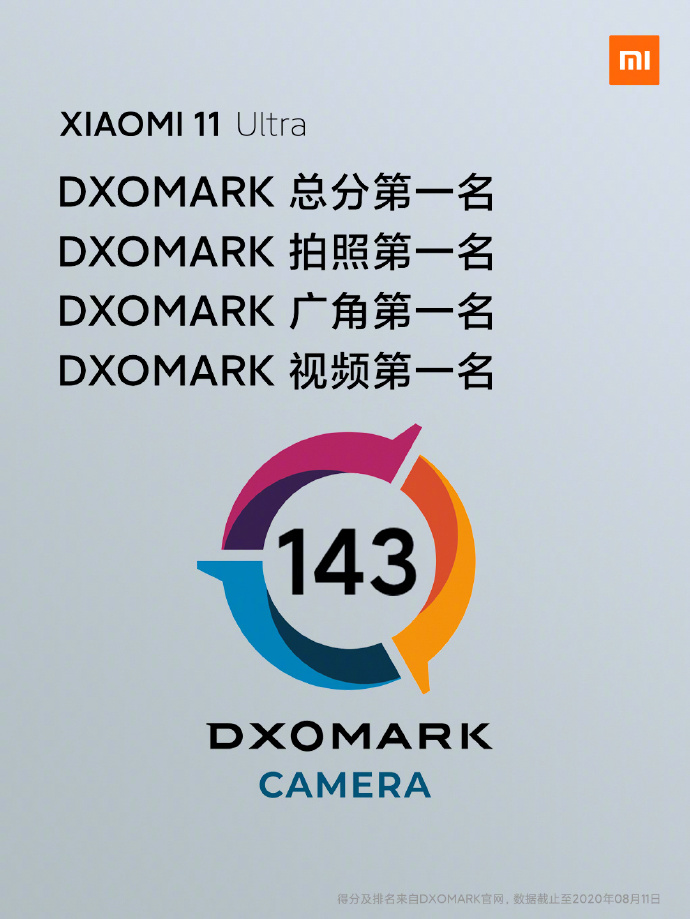
A flagship smartphone nowadays cannot compete based on raw performance alone, as last year, as even the mid-range segment has started using top-of-the-shelf flagship processors. Xiaomi equipped its Redmi K40 series with Qualcomm Snapdragon 870 and Snapdragon 888 processors, Realme equipped its Realme GT with a Snapdragon 888 and its Realme GT 2 Pro with a Snapdragon 8 Gen 1 for a price-to-performance like none other manufacturers. Therefore, the flagship smartphone market has been gradually focusing on photo and video quality for the past few years.
Xiaomi 11 Ultra coming in first in DxOMark ratings
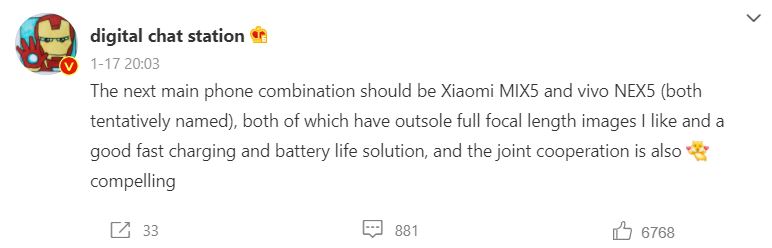
In 2022, both companies are set to be trendsetters in mobile photography once again as a popular leakster and industry insider from China, Digital Chat Station, recently made a comment that Xiaomi and Vivo are to shock the industry again with their camera prowess again with their upcoming flagships, the Xiaomi MIX 5 and the Vivo NEX 5 respectively.
Digital Chat Station on Weibo talking about the Xiaomi MIX 5 and Vivo NEX 5
In the comment, the insider mentioned that they were very fond of both smartphones for their industry-leading camera configuration. Both flagships will feature bigger sensors across all focal lengths, which means brighter photos and videos during low light whether you will be using the ultra-wide, normal, or telephoto lens to capture the scene.
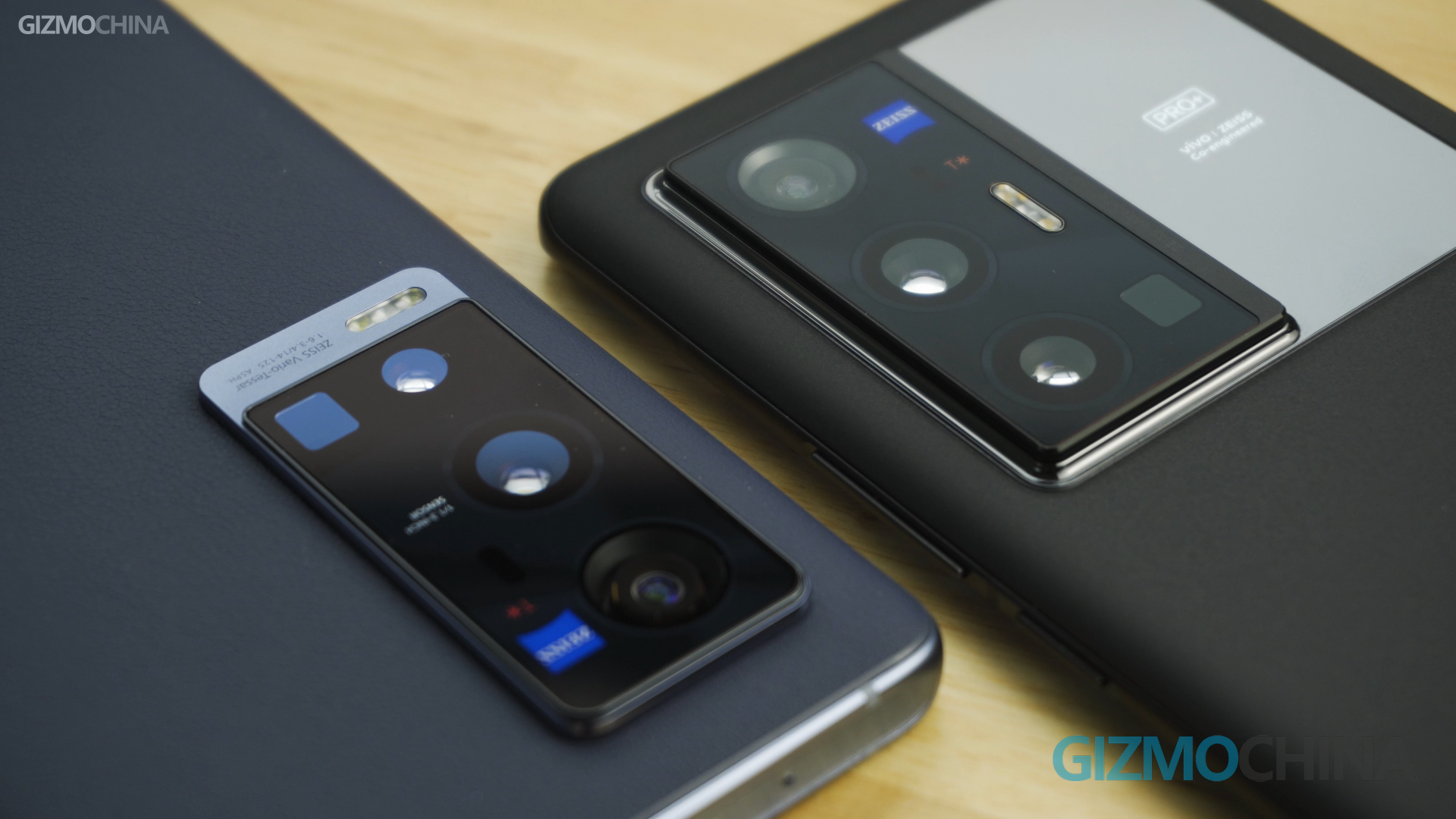
Paired with the rumored upcoming collaborations with high-profile camera giants, such as Leica with Xiaomi, and Zeiss with Vivo, the camera algorithms and scene recognition software also receive a much-needed flare from the camera companies to ensure the user takes the shot just how they like it.
Vivo x Zeiss Collaboration
The insider also mentions that both phones also have the essentials of what makes a flagship as both the Xiaomi MIX 5 and Vivo NEX 5 will include fast charging support and long-lasting battery endurance to keep you doing what you love all day.
The insider further adds that both phones may be the best camera phones of 2022 and that he is considering using both the Xiaomi MIX 5 and Vivo NEX 5 as their daily driver in the year 2022.
No specific camera details or specifications of both phones were leaked but judging by the mention of both flagship model names, it may seem that Xiaomi and Vivo may release more info about the announcement of both flagships soon.
In December 2021, OPPO unveiled the Reno7 SE, Reno7, and Reno7 Pro smartphones in China. The Chinese manufacturer is in the process of bringing the Reno7 series to the global markets. Going by the launch pattern of the Reno lineup in China, the company is expected to announce the Reno8 series of smartphones by mid-2022. Well ahead of the expected launch, leaked official renders of the Reno8 or Reno8 Pro have surfaced on the web.
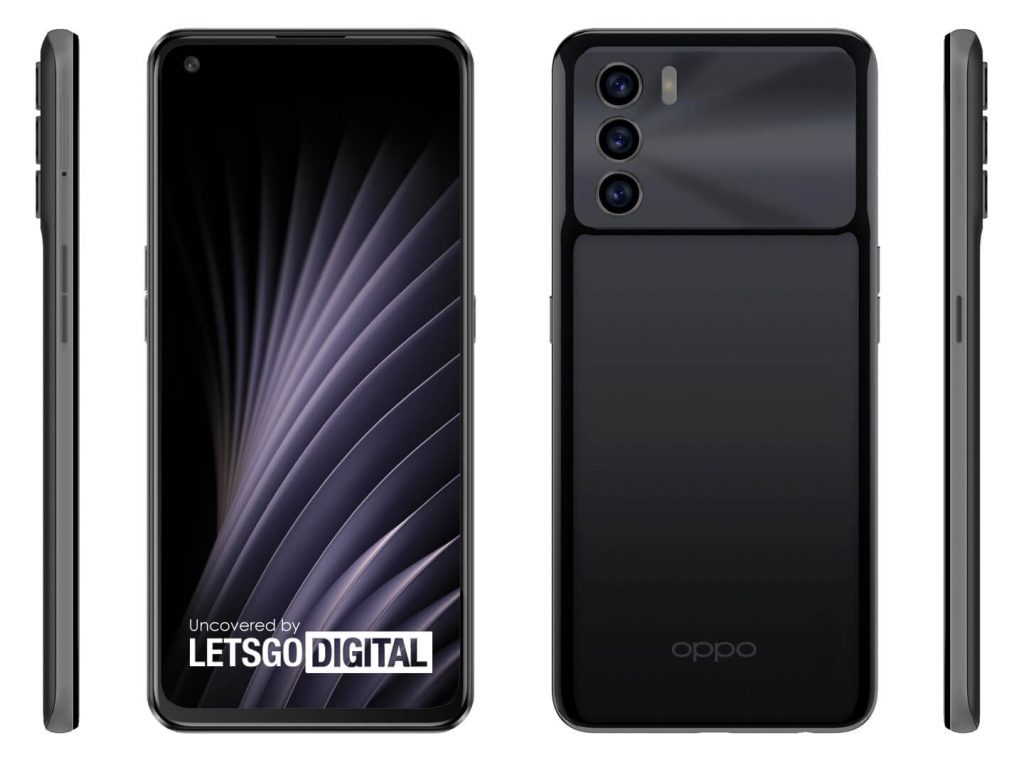
Publication LetsGoDigitalhas received official product images from a patent design that OPPO filed in China. While the images showcase the appearance of the smartphone from the front, rear, as well as from sides, there is no confirmation of its final product name. However, the overall design of the device suggests that it could be the Reno8 or Reno8 Pro smartphone.
Alleged Reno 8 Pro images by LetsGoDigital
The patent images show that the alleged Reno8 Pro will come in three colors such as black, silver, and blue gradient. The front side of the phone features a punch-hole display with minimal bezels
Speaking of the cameras, the handset can be seen sporting a triple camera unit placed in a rectangle-shaped unit. The side views of the phone show that its cameras do not protrude much from the housing. The power button of the device is placed on the right, while the volume keys are on the left.
Alleged Reno 8 Pro images by LetsGoDigital
The rumor mill is yet to spill information on the Reno8 series of smartphones. It is advisable to wait for further reports to see whether the above-shown handset will release as a Reno8 lineup model or a smartphone from some other series.
In related news, OPPO recently unveiled the Reno6 Lite smartphone in Mexico. The handset was unveiled as a rebranded version of the OPPO F19.
Realme is reportedly working on new C-series of smartphones. It was revealed last month that the Realme C31 with RMX3501 model number is in the works. Recently, the Realme C35 with RMX3511 model number was seen at the Geekbench benchmarking site. Fresh information shared by tipster Abhishek Yadav reveals that the device has bagged multiple certifications.
The screenshots shared by the tipster shows that the Realme C35 has been certified in multiple markets. It has been approved by NBTC in Thailand, BIS in India, SDPPI in Indonesia, and 3C in China. These listings have revealed only a few details of the smartphone.
The Realme C35 will be a 4G LTE device and it is likely to carry support for 18W fast charging. The previously seen Geekbench listing of the device revealed that is powered by the Unisoc T616 chipset, 4 GB of RAM, and Android 11 OS. The other details of the C35 are under the wraps.
In related news, Realme recently unveiled the Realme 9i in markets like Vietnam and India. Now, it seems to be working on the launch of the Realme 9 Pro and Realme 9 Pro+ 5G. The Realme 9i has been introduced with a pricing of Rs 13,999 (~$187) in India. A recent report claimed that the Realme 9 Pro series will be priced above Rs 15,000 (~$201) in India.
The Realme 9 Pro series is likely to rival the Redmi Note 11 lineup, which is expected to launch soon in India and Europe. The Realme 9 Pro is expected to arrive with specs like a 6.59-inch FHD+ 120Hz display, a 16-megapixel front camera, 64-megapixel triple rear cameras, Snapdragon 695, 8 GB of RAM, 128 GB of native storage, and a 5,000mAh battery.
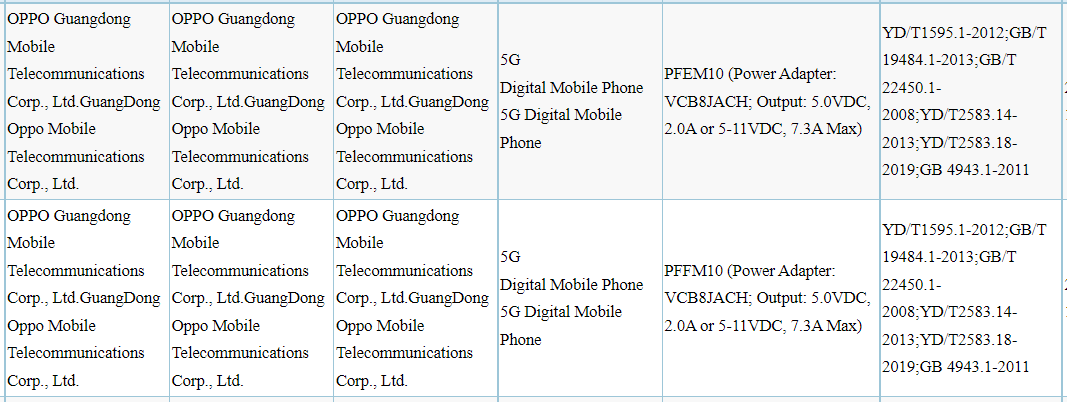
OPPO Find X5 series of smartphones are expected to debut in March this year. The lineup heading to China is expected to include two models such as Find X5 and Find X5 Pro, whereas these devices will be accompanied by the Find X5 Lite in the global markets. Recent reports have revealed that the Find X5 Pro’s model number for the global market is CPH2305, whereas its Chinese edition has a PFEM10 model number. Fresh information reveals that the Chinese variants of the Find X5 and X5 Pro have received approval from the 3C authority of China (via).
Two new OPPO phones with model numbers PFEM10 and PFFM10 have received 3C certifications. While the former is said to be the Find X5 Pro, the latter is expected to break cover as the vanilla Find X5. The 3C listings of both devices reveal that they may arrive with support for 80W wired charging. Rumors surrounding the Find X5 series have claimed that the Pro may model will also offer 50W wireless charging, while the vanilla will lack support for it.
Rumors have it the Find X5 may come equipped with the Dimensity 9000 chipset and its camera setup slightly different from the Pro model. The rumor mill is yet to leak concrete information on the specs of the Find X5.
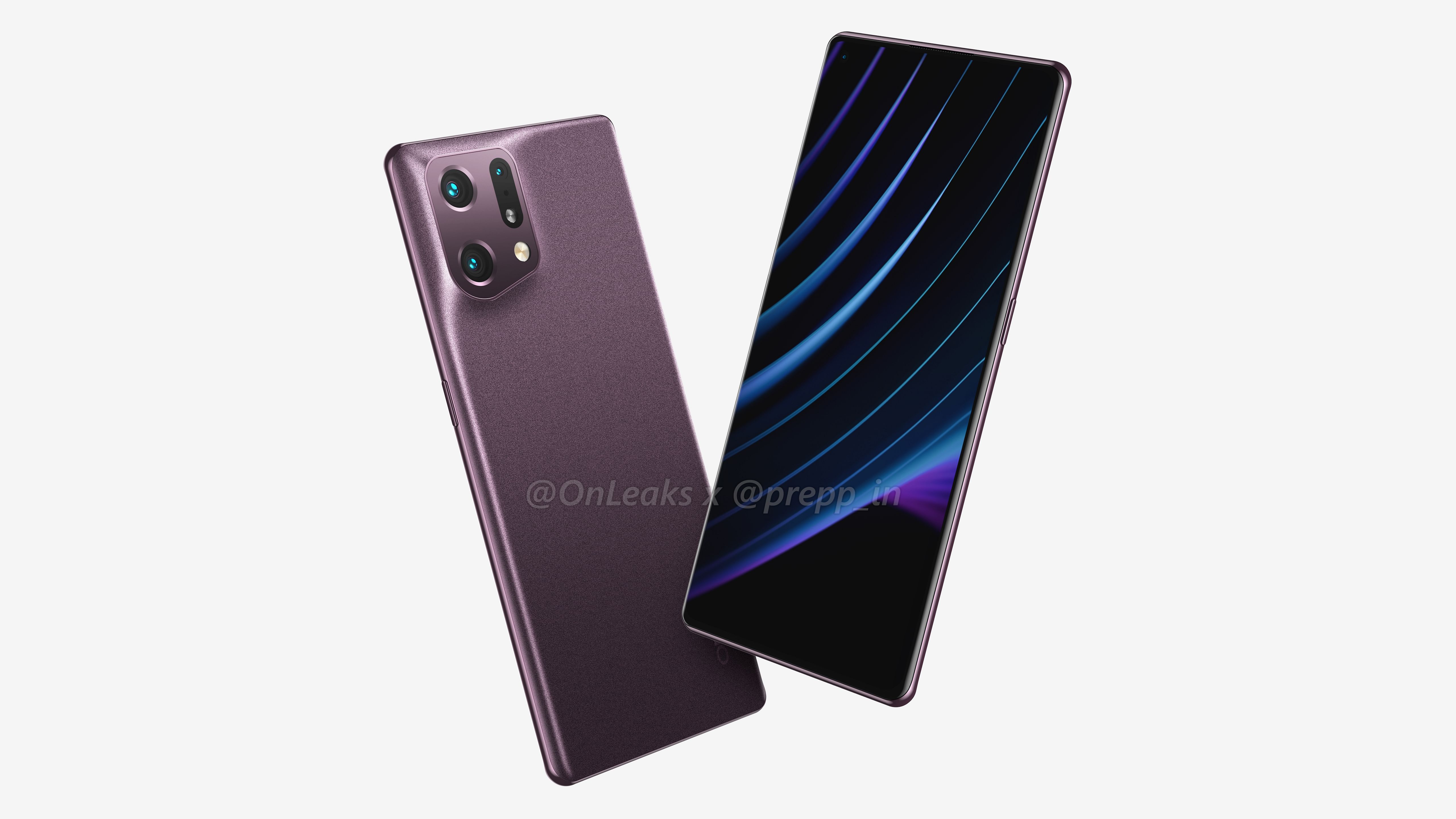
OPPO Find X5 / X5 Pro renders by OnLeaks and Prepp.in
As far as the Find X5 Pro is concerned, it is expected to come with a 6.7-inch AMOLED LTPO 2.0 QHD+ 120Hz display, a 32-megapixel Sony IMX709 front camera, and a 50-megapixel (Sony IMX766, with OIS) + 50-megapixel (ultrawide) + 13-megapixel triple camera unit with MariSilicon X NPU. The Snapdragon 8 Gen 1 powered device is expected to come with up to 12 GB of LPDDR5 RAM, up to 512 GB of UFS 3.1 storage, and a 5,000mAh battery.
The Find X5 Pro may run on Android 12 OS, which will be overlaid with ColorOS 12. For security, it will feature an in-screen fingerprint scanner.
We use cookies on our website to give you the most relevant experience by remembering your preferences and repeat visits. By clicking “Accept”, you consent to the use of ALL the cookies.
This website uses cookies to improve your experience while you navigate through the website. Out of these, the cookies that are categorized as necessary are stored on your browser as they are essential for the working of basic functionalities of the website. We also use third-party cookies that help us analyze and understand how you use this website. These cookies will be stored in your browser only with your consent. You also have the option to opt-out of these cookies. But opting out of some of these cookies may affect your browsing experience.
Necessary cookies are absolutely essential for the website to function properly. This category only includes cookies that ensures basic functionalities and security features of the website. These cookies do not store any personal information.
Any cookies that may not be particularly necessary for the website to function and is used specifically to collect user personal data via analytics, ads, other embedded contents are termed as non-necessary cookies. It is mandatory to procure user consent prior to running these cookies on your website.