With fuel prices on a rise in India, the local Coimbatore-based Boom Motors has launched its first electric scooter in the form of Corbett 14.
Boom Motors, on Thursday, announced the launch of the new Corbett EV, which is claimed to be ‘India’s most durable’ scooter. Boom motors are offering the e-scooter in two variants, namely, the Corbett 14 and Corbett 14-EX. The base model is currently offered at Rs 86,999 ($1170), while the EX trim is going for Rs 1,19,999 ($1600 approx). Both prices are Ex-showroom.
Specs and Features
The base variant of the Boom Corbett 14 offers a range of 100km on a single charge, whereas the EX trim can travel an impressive 200 km once fully charged thanks to its 4.6 kWh battery. The EV maker claims that its portable charger can be plugged into any household socket. The charging time for both variants is between 2.5 and 4 hours (depending on whether you’re using the fast charger or the regular one). Boom also offers portable chargers for increased convenience, which you can plug into any household socket.
The EV can reach a maximum speed of 75 kmph and 65 kmph on the EX and base variant, respectively, while lugging around a maximum load of 200 kgs. The under-seat storage is limited to 30 liters.
Boom Corbett fashions a minimalist old-school moped design with barely any side body panels. It has a circular LED headlamp located below the handle, making for an even appealing design.
The e-scooter features anti-dive 4-point adjustable springs at the front and 4-point adjustable dual springs at the rear with single disk breaks at both ends, making it ideal for Indian roads.
Some additional features built into the EV include a tracking app that provides a ton of information, including petrol savings tracking, CO2 offset tracking, a parental mode for extra safety, and accident/theft detection.
Pricing and Availability
As mentioned above, the base model is currently offered at Rs 86,999 ($1170), while the EX trim is going for Rs 1,19,999 ($1600 approx). However, the company states that these prices are introductory and are set to go up by Rs 3,000 and Rs 5,000 for the base model and the EX variant, respectively. Boom Corbett also claims to be the first e-scooter to come with a 5-year EMI on vehicle purchase which, according to the company, reduces the EMI rates to as low as Rs 1,699.
Bookings for the electric scooter have already commenced online at a token amount of Rs 499 with deliveries expected to start from January 2022.
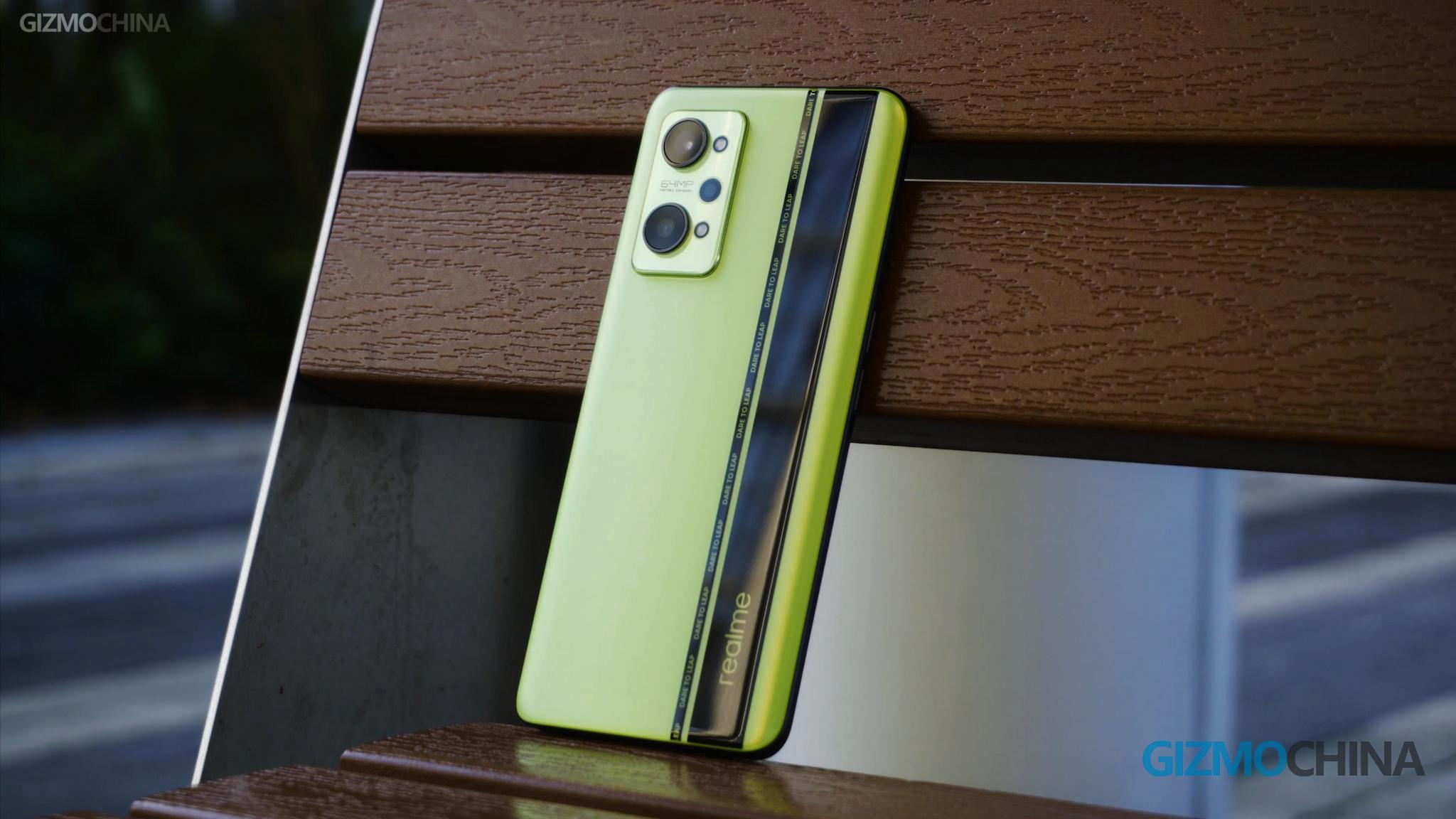
Over the years, Realme has solidified its position as one of the major players in the Budget and mid-range smartphone segment. Earlier this year, Realme successfully entered the flagship killer segment with the release of its GT series.
But its ambitions don’t stop there, as the founder and CEO of Realme, Sky Li, revealed their plan to duke it out with the top dogs in the ultra-premium segment via a tweet.
It's official: realme to advance into high-end market with smartphones over USD800. What do you expect most from realme full flagship phone?
In other words, Realme will be going up against industry giants like Samsung, Apple, and Google in the $800+ smartphone segment. Currently, Realme doesn’t have any device in this segment, and their top offering is the smartphone killer GT Neo 2.
Other than this announcement, no further details were provided as to when the customers can see the ultra-premium smartphone from Realme or what features to expect from it.
Which leaves us to speculate about its highlights and features. Realme has greatly improved its camera performance with the launch of its GT series, so more performance can be expected on the upcoming ultra-premium phone with the inclusion of bigger sensors and better software optimization.
The phone will likely be equipped with a QHD+ resolution display with high refresh rate support, the upcoming Snapdragon 898 SoC and lightning-fast memory. It might also accommodate features like 125W fast charging and a 5000mAh battery. With other major brands extending their software support in recent times, Realme’s ultra-premium phone might also get software support of up to 4 years.
With the year coming to an end, we are sure to hear more about this upcoming phone in early 2022.
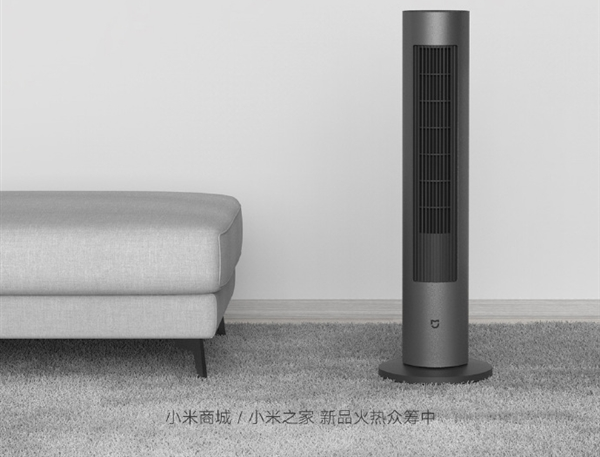
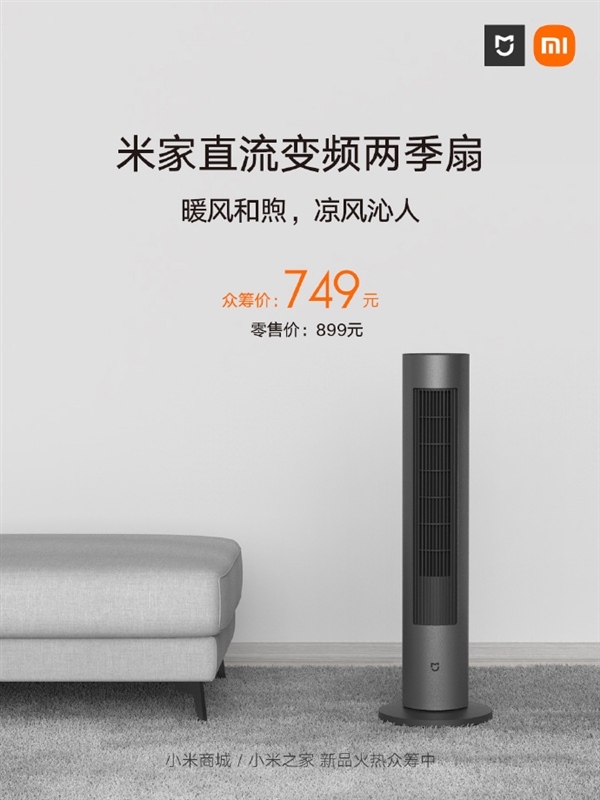
Xiaomi has launched the MIJIA DC Variable Frequency Two-season Fan in China. The floor fan features a unique cone-shaped design and is suitable for use in winter and summer. The product carries a decent price tag of 899 yuan (`$140) and is presently up for backing at Xiaomi Mall.
The Mijia DC variable frequency two-season fan adopts a patented PTC rotating structure that blows warm air when closed and cool breeze when opened. This explains why it is suitable for use both in the Summer and Winter seasons. The fan offers a 150° wide-angle air supply, 3-second rapid heating, and intelligent constant temperature.
Under the hood, it packs a 2200W semiconductor ceramic heating element which provides hot air immediately after it is turned on. From the MIJIA app, the heat level can be adjusted. The fan can deliver warm air up to a distance of 2 meters and within a 20° radius.
Also, the air supply angles can be adjusted between 30° to 150°, covering a larger area. The built-in intelligent temperature control system keeps the indoor temperature within the set range of 18-28°C, continuously maintains a comfortable temperature.
The DC fan has three cooling modes: direct air, natural air, and sleep air. The maximum air volume can reach 357m³/h, and the cooling air supply distance can reach 10 meters.
Furthermore, it is equipped with a high-quality copper wire DC frequency conversion brushless motor that helps to maintain a constant speed, provides a more stable air supply, and produces low noise as low as 38.4dB. Thus, it sure won’t disturb your sleep at night.
In terms of design, the Mijia DC variable frequency two-season fan has a cylindrical design with a chassis diameter of only 30cm, which does not take up space. The whole machine is about 6.9kg, which can be moved around the house holding the body. There is a sliding touch bar on the top from where the wind speed can be controlled and the user can set when the fan will go off. Apart from MIJIA app control, it can also be controlled via XiaoAI voice prompts and can be paired with other MIJIA smart home products.
There is no word on the global release at this time but Xiaomi has been pretty slow in pushing out MIJIA-branded products on the international scene so don’t expect this product outside China anytime soon.
The United States Patent & Trademark Office has published two new patent applications filed by Apple. What is interesting in the latest patent filings by the Cupertino-based tech giant is that they indicate the development of a possible drone device in no distant future. These two new filings in the US Patent Office add to three previous patents relating to a possible Apple drone device.
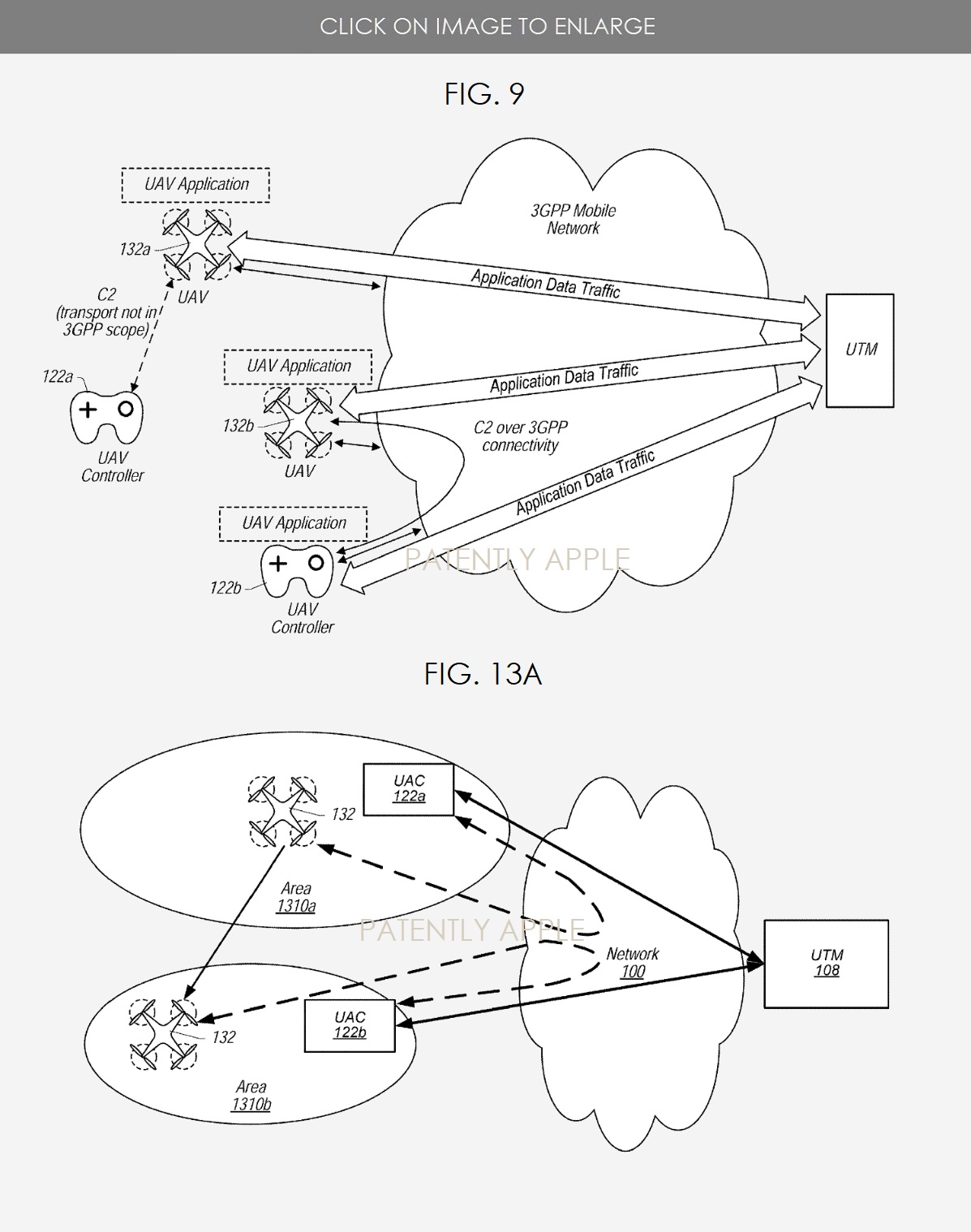
The new applications both relate to drones or unmanned aerial vehicles (UAVs). The first application seems to cover the application and method of interaction between the UAV and a controller. The first patent will thus take care of pairing or connecting and disconnecting the UAV from the controller. It will cover apparatuses, systems, and methods for pairing the drone to a remote wireless controller.
The second patent application is related to the tracking and control of unmanned aerial vehicles. It has a patent application number 20210349458. The second patent concerns how the UAV may be controlled and monitored via a cellular network system. Discreet checks also indicate that the same track/control patent had been filed by Apple in Singapore, with the number 10202002204W. It is unclear whether there are any modifications between the Singapore filing and the one filed in the US.
There are no further hints or leaks that have shown evidence of the level of development of the Apple UAV. It is however correct to hazard a guess that the product if indeed it is already in development, will become visible over time. There is no guarantee however that this Apple drone project will ultimately come out as a finished product for commercial applications.
Chipmaker MediaTek has linked up with Reliance Jio in India to launch an e-gaming sports tournament in India. Tagged the Gaming Masters 2.0 e-sports tournament, it will be played on the Battlegrounds Mobile India (BGMI) game and is open to persons from India. The Gaming Masters 2.0 will hope to have a successful run as the Free Fire competition, with over 14,000 teams registering for the competition.
The Gaming Masters 2.0 tournament will have a total prize pool of Rs. 12.5 lakhs ($168,125) and registration is available for both Jio and non-Jio users using the JioGames platform. Gamers will have a variety of games and competitions to register for including the Play & Win Daily and a variety of exciting tangos. Registrations for the tournament kicked off on November 12 and the excitement is palpable among gaming enthusiasts in the subcontinent. The Gaming Masters 2.0 registration will be open till November 21 on jiogames.com
Three rounds of competition will be done in the tournament culminating in the best among five groups will qualify for the Road to Finale final games on December 21. There will be several games within each round to bring out the best among them. Some of the rounds will involve round-robin matchups with points given for wins. Players will use their online accounts and Gamer Tags, and participation is free.
Reliance Jio and MediaTek will hope that the tournament, which is in its second season, will continue to draw thousands of participants from across India while the prize money will continue to be scaled up. Find out how to participate from the source link below.
Microsoft‘s Xbox Design Lab customization program for the Xbox wireless controller has seen the development of several innovative and beautiful designs for the Xbox controller. The customization program indeed offers numerous options to give users a personal touch to their wireless controllers.
Xbox Design Lab is bringing back rubberized grips, metallic finishes, as well as new color customizations options on the wireless controller. The Xbox Design Lab online community is very innovative and growing as more users tap into the exciting world of customizable controllers for their Xbox Consoles.
The black rubberized grips are available on both the back case and side grips of the controller for better control and an additional layer of comfort even during extended use. There are 19 new metallic colors included for D-Pads and Triggers, while three new colors for controller parts are also part of the additions. The customization will add to the final cost of the controllers which starts at $70. Up to 4 weeks could be taken for delivery from when purchase and customization are completed. It is also possible to have laser engraving with a 16-character message on your new controller.
The Xbox Design Lab is available in a few countries including the United States, Canada, United Kingdom, France, Germany, and Puerto Rico, and the EU. The one-stop online platform for your customization requirements is the Design Lab website.
The Redmi Note 11 was tipped to launch as the Redmi Note 11T 5G in India not long ago. And now, a reliable tipster has given out a release date for the same as well, which has been set for November 30th.
Ishan Agrawal (via 91mobiles) has also confirmed some key specifications of the Redmi Note 10T 5G successor, and the phone appears more or less identical to the Redmi Note 11.
Redmi Note 11 (Image: GSMArena)
The Redmi Note 11T 5G will be powered by the Dimensity 810 chip from MediaTek. This octa-core processor is clocked at a max of 2.4GHz and has been fabricated using the 6nm process. The chip will be paired with up to 8GB of LPDDR4X RAM and 128GB of UFS 2.2 storage. The device will be available in multiple configurations, namely 6GB+64GB, 6GB+128GB, and 8GB+128GB.
As for the display, the Redmi Note 11T 5G will sport a 6.6-inch FHD+ panel with 2400×1080 resolution, 90Hz refresh rate, and 240Hz touch sampling rate. The camera setup of the device at the rear comprises a 50MP at f/1.8 aperture paired with an 8MP ultra-wide camera. Upfront, there’s a 16MP sensor. All of it is powered by a large 5,000mAh battery with 33W charging support.
There hasn’t been any indication as to what to expect with regards to the price but it’s reasonable to assume it will be in line with the Redmi Note 10T 5G’s price tag. As for color options, the Redmi Note 11T 5G will come in three color options – Matte Black, Stardust White, and Aquamarine Blue.
Chinese companies had it tough in the US under Donald Trump’s presidency with Huawei and ZTE emerging as the worse hit. Thus, it was a sigh of relief on the part of the affected Chinese companies when incumbent Joe Biden was declared the winner of a highly contentious election.
Since Biden’s inauguration, there has been absolutely no attempt to relax most of the sanctions imposed on Chinese firms but in a new twist, the US president has now signed into law, new legislation that will further tighten the ability for Chinese firms that are deemed security threats to receive new equipment licenses from U.S. regulators. The law known as the Secure Equipment Act was first approved by the US House of Rep in September in a landslide 420-4 vote. The U.S Senate later on in October unanimously approved the act.
Here’s a summary of what the Secure Equipment Act entails. With the advent of the new law, the US Federal Communications Commission (FCC) will stop reviewing or granting approval to any application for authorization for equipment that is marked as posing an unacceptable risk to national security. Already, the FCC had in March this year designed five Chinese companies – Huawei, ZTE, Hytera Communications Corp, Hangzhou Hikvision, and Zhejiang Dahua Technology Co, a camera equipment manufacturer, as posing a threat to national security. The FCC based its designation on a 2019 law that was enacted to protect US communications networks.
This new law only gives legal backing to what the FCC had been implementing since June when it unanimously voted to ban approvals granted to the listed Chinese companies for equipment in the country’s telecoms network.
The Commissioner of the US FCC Brendan Carr disclosed that the commission had granted over 3000 approvals to Huawei since 2018. With this new law, all such equipment authorizations to Chinese firms will be revoked and basically, any company from China won’t be able to supply communications equipment in the US.
Disassembly and teardown videos for any smartphone typically pop up soon after release, proving people’s obsession with seeing rectangular slabs of metal and glass being torn to shreds. One of such teardowns performed by PBKReviews had earlier revealed that the Google Pixel 6 Pro is rather difficult to repair. But now, another disassembly video by famous screwdriver-brandishing reviewer JerryRigEverything has highlighted that a Pixel 6 Pro screen replacement is the easiest thing ever.
The video shows that swapping the screen out for another on the device is rather straightforward and barely requires any heating. Simply stick a suction cup on the display, use a prying tool to separate it from the rest of the body, and boom! — it pops out in a jiffy. Next, disconnect the display’s ribbon cable and it’s a done deal.
However, the rest of the phone, as already demonstrated by PBKReviews, is no easy feat. There’s plenty of glue used to stick various components to each other, removing which can even result in damage unless you’re absolutely sure of what you’re doing. The battery, for example, holds onto the frame quite firmly due to the usage of copious amounts of adhesive. Replacing it calls for the usage of alcohol to dissolve the glue.
Regardless, most people would only stick to screen replacements considering it’s the most likely part to break in case of drops. And that’s a process proven to be rather easy, so repairs shouldn’t be a problem.
JerryRigEverything had previously uploaded a Google Pixel 6 Pro durability test video where the device had performed quite well. It was found to be resistant enough against scratches and did quite well in bend tests, with the reviewer deeming it a “solid phone.”
In conclusion, Google has not gone soft on durability even after bringing along a complete redesign with this year’s Pixels. The only complaint people seem to be having about the phones’ build is concerning its weight. Hopefully, Google will be addressing it next year.
Android 12 made it to the Google Pixels last month and other OEMs are now racing to update their smartphone offerings to the same as well. Flagship phones have been quick to get beta builds of the Android version this year – the OnePlus 9 series, for example, got it last month itself. There hadn’t been any word about Android 12 for the OnePlus 8 series though, but that has now changed.
OnePlus has launched the Android 12 beta program for the OnePlus 8, OnePlus 8 Pro, and OnePlus 8T with a promise of even providing gifts to users who participate and help out the most. But there’s a catch. The program is a short-term closed beta test (CBT) where participants will be required to sign a non-disclosure agreement. And on top of that, only 400 people in total will be invited, with 200 from the 8T camp and 200 from the 8 and 8 Pro.
Interested? Then just head over to this link to apply after ensuring you meet the following requirements:
You are using a OnePlus 8 series or OnePlus 8T device
You are an active OnePlus Community member
You are willing to regularly communicate and provide feedback to the OnePlus team on Telegram
The CBT version is not the official version, which is still in developing and testing. After updating to CBT version, please be patient and tolerate its instability and accept all risks which might be caused by it
Do keep in mind that the builds to be released through this channel may be highly unstable given the early status of Android 12 for the OnePlus 8 series. Also worth noting is that the program will sometimes require clean flashing certain builds, which means it definitely can’t be used as a daily driver. OnePlus recommends performing data backups from time to time to avoid any unexpected cases of data loss.
And if you’re looking for a more stable Android 12 plus OxygenOS 12 experience, then we’d recommend waiting for the open beta program to commence which shouldn’t take much longer now. Sure, there’s no guarantee of open beta builds being completely free from bugs either but you’ll still fare better.
MIUI 12.5 Enhanced Edition is currently the latest version of Xiaomi’s mobile operating system based on Android. It was announced alongside MIUI for Pad at the Xiaomi Mix 4 and Xiaomi Pad 5 series launch event in August. The company has been rolling out this software to eligible products since then. Three months later, the firm now details the third batch of devices that will be receiving the fresh MIUI version.
According to a Xiaomi executive, more than 25 devices are included in the third batch for MIUI 12.5 Enhanced Edition rollout. The exec has also revealed the following 25 models.
Xiaomi CIVI
Redmi 9
Redmi 10X 4G
Redmi Note 11 Pro
Redmi K30 Ultra
Redmi 10X 5G
Redmi 10X Pro 5G
Redmi Note 11 5G
Xiaomi Pad 5
Redmi K30 5G
Redmi K30i 5G
Redmi K30
Xiaomi Pad 5 Pro 5G
Xiaomi Pad 5 Pro
Mi CC9 Pro
Mi 11 Youth Edition
Redmi K40 Gaming Edition
Redmi K20 Pro
Mi 9
Mi 9 Pro
Redmi Note 8 Pro
Mi CC9
Mi 9 SE
Mi CC9 Meitu Customized Edition
Redmi K20
As per the executive, the update rollout for the above-listed smartphones and tablets will finish by the end of December 2021. Since this timeline is meant for China, it may take even more time for international markets.
Having said that, Xiaomi is also expected to unveil MIUI 13 before the end of this year. Hence, the company will start seeding out the next iteration of MIUI as soon as it completes delivering the current version.
Last month, Sony unveiled the Sony Xperia 5 III compact flagship in China. Today, the device has gone official in the home country – Japan. The major highlights of the smartphone are the compact 6.1-inch display, Snapdragon 888 SoC, and a triple camera system.
The Sony Xperia 5 III is priced at ¥137,520(~$1,207) and is available in Frost Black, Frost Silver, and Green colour variants. The smartphone is listed on Softbank’s and Sony’s official websites.
To recall, the smartphone was launched for a cheaper price of CNY 6,599(~$1,034) in China.
1 of 2
Coming to the specifications, the Sony Xperia 5 III is a compact flagship featuring a 6.1-inch OLED display panel. It has a Full-HD+ resolution and a screen refresh rate of 120Hz. It also has a touch sampling rate of 240Hz and the screen aspect ratio is 21:9. The device brings ZEISS-powered cameras to the table, it has a triple camera system with a 12MP main sensor, a 12MP ultra-wide lens, and lastly a 12MP macro sensor.
Under the hood, it is powered by the Qualcomm Snapdragon 888 SoC paired with 8GB of RAM and 256GB of internal storage. It supports a microSD card for memory expansion up to 1TB. It houses a 4,500mAh battery with support for 30W fast charging technology. The device runs on Android 11 OS. It has an IP6X water-resistant and dust resistant rating.
WhatsApp seems to be on a roll, bringing much requested and long-overdue features to its messaging service.
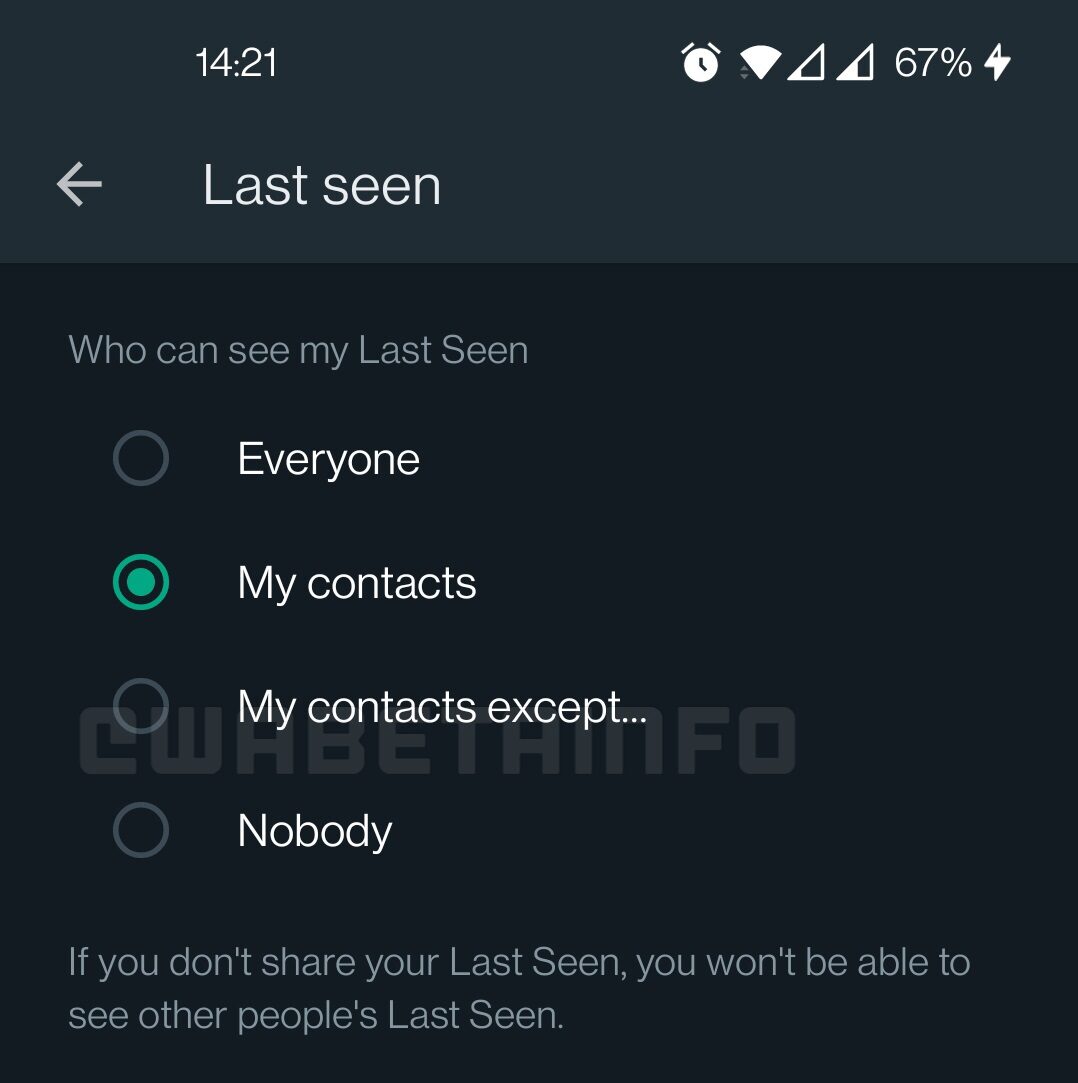
Earlier this week, the Meta-owned messaging platform brought the highly requested functionality, which removes the online connection requirement on your smartphone for the chatting platform to be used on multiple devices. And now, it has announced yet another useful and requested feature of hiding your ‘Last seen’ status from specific contacts.(via)
This function will give its users the option of anonymity. WhatsApp’s users will be able to single out contacts they do not want to share their last seen status with. In the current stable version, WhatsApp only allows for three options; first, you can let everyone with your number see your last seen, second, only people in your contacts, or you can set it to nobody.
This will be a welcome change for people who want to have privacy from their work friends, bosses, overbearing parents, and extended family members. It would also be a relief from the menace of the instant reply culture.
Although this is a step in the right direction, it can be improved by adding functionalities that allow sharing the last scene with specific people instead of filtering out the ones they don’t want to, which could be tedious.
Right now, this change to ‘Last Seen’ status is still being tested by beta testers on a limited number of devices, with no official announcement as to when it will come to the live version of the app.
Huawei is finally back in the global market with an upper-midrange phone: the Huawei Nova 9. Unfortunately, the handset does not come with Google Mobile Services, but it has HarmonyOS on board and great specifications if we consider its listing price. Does it still represent a great choice if compared to the concurrence? In order to understand it, we decided to compare it with the other upper-midrange phones offering a high value for money. This is a comparison between the specifications of Huawei Nova 9, OPPO Reno6 5G, and Realme GT Master Edition.
OPPO Reno6 5G vs Realme GT Master Edition vs Huawei Nova 9
OPPO Reno6 5G
Realme GT Master Edition
Huawei Nova 9
DIMENSIONS AND WEIGHT
156.8 x 72.1 x 7.6 mm, 182 g
159.2 mm x 73.5 mm x 8.7 mm, 180 g
160 x 73.7 x 7.8 mm, 175 g
DISPLAY
6.43 inches, 1080 x 2400p (Full HD+), AMOLED
6.43 inches, 1080 x 2400p (Full HD+), Super AMOLED
6.57 inches, 1080 x 2340p (Full HD+), OLED
PROCESSOR
Mediatek Dimensity 900, octa-core 2.4 GHz
Qualcomm Snapdragon 778G, octa-core 2.4 GHz
Qualcomm Snapdragon 778G, octa-core 2.4 GHz
MEMORY
8 GB RAM, 128 GB – 12 GB RAM, 256 GB
8 GB RAM, 128 GB – 8 GB RAM, 256 GB
8 GB RAM, 128 GB – 8 GB RAM, 256 GB
SOFTWARE
Android 11, ColorOS
Android 11, Realme UI
HarmonyOS 2, One UI
CONNECTIVITY
Wi-Fi 802.11 a/b/g/n/ac/ax, Bluetooth 5.2, GPS
Wi-Fi 802.11 a/b/g/n/ac/ax, Bluetooth 5.2, GPS
Wi-Fi 802.11 a/b/g/n/ac/ax, Bluetooth 5.2, GPS
CAMERA
Triple 64 + 8 + 2 MP camera, f/1.7 + f/2.2 + f/2.4
32 MP f/2.4 front camera
Triple 64 + 8 + 2 MP camera, f/1.8 + f/2.2 + f/2.4
32 MP f/2.5 front camera
Each of these handsets has its original design elements. Which one provides the best design? It is mostly a matter of tastes. The Huawei Nova 9 offers a premium look and feel, as well as a curved screen at the sides which you can usually find only on flagship phones. With the OPPO Reno6 5G, you get a flat display and flat border just like the latest iPhones: currently, just a few handsets have this form factor in the Android world. The Realme GT Master Edition comes in a special variant called Voyager Gray sporting a leather back. Due to its wider display, the Huawei Nova 9 comes with bigger dimensions, while the OPPO Reno6 5G is the thinnest and most compact one.
Display
If you are looking for the most advanced display, you should go for the Huawei Nova 9. It is the only one with an OLED display able to show up to one billion colors and it provides the HDR10 certification, as well as a 120 Hz refresh rate. The Realme GT Master Edition comes right after with an AMOLED display providing a Full HD+ resolution and a 120 Hz refresh rate, but just 16 million colors. The OPPO Reno6 5G is more or less at the same level in terms of image quality, but it has a lower 90 Hz refresh rate. All of the phones are equipped with an in-display fingerprint reader.
Specs & Software
Huawei Nova 9 and Realme GT Master Edition are powered by the same Snapdragon 778G mobile platform paired with up to 8 GB of RAM and up to 256 GB of UFS internal storage. The Snapdragon 778G is a slightly better processor if compared to the Dimensity 900 found on the OPPO Reno6 5G, but this handset has a memory configuration offering 12 GB of RAM in select markets (not Europe). Al the phones run Android 11 but, unfortunately, the Huawei Nova 9 does not have Google Mobile Services due to the limitations of the U.S. ban.
Camera
The most advanced rear camera belongs to the OPPO Reno6 5G: it has a better main camera with a brighter focal aperture. But with the Huawei Nova 9, you get a better front camera.
Battery
The biggest battery is provided by the Realme GT Master Edition which should also provide a longer battery life in most scenarios. OPPO Reno6 5G and Huawei Nova 9 have smaller 4300 mAh batteries, but they provide the same charging speeds as the Realme GT Master Edition thanks to 65W and 66W fast charging.
Price
The price of the OPPO Reno6 5G for the global market is €499/$570, just like the Huawei Nova 9. The Realme GT Master Edition starts from €349/$400 but you can find it for less than €300 thanks to online street prices. Given that there are no important differences between these three handsets, the Realme GT Master is the device offering the highest value for money and it even comes with a bigger battery. Do you agree?
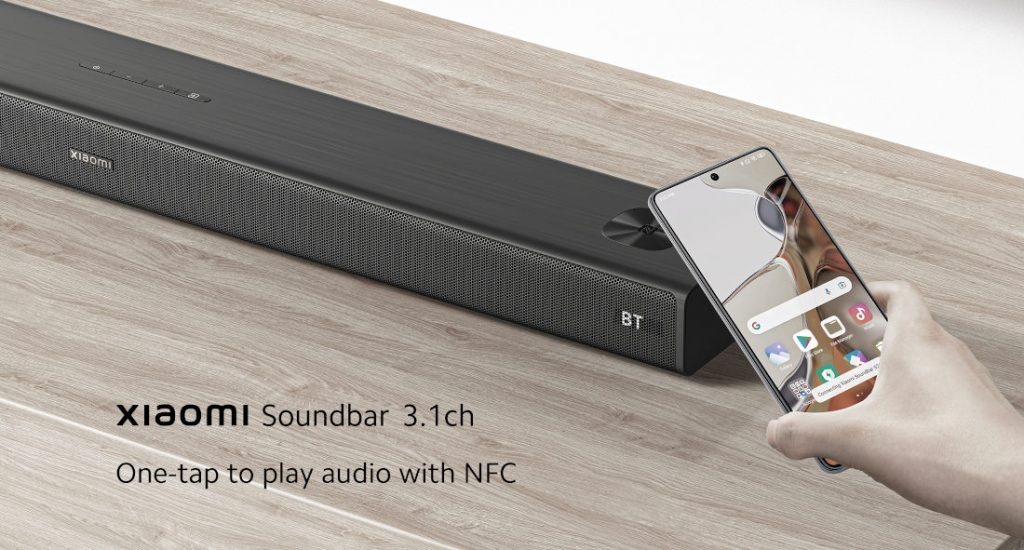
Xiaomi has a record of some impressive soundbars in its home market of China and also in India recently. However, the latest Xiaomi soundbar offering is primed for the global market. The Xiaomi Soundbar 3.1ch comes as part of the Xiaomi Smart Living ecosystem and offers some impressive features.
The new soundbar is the company’s first of its kind for the global market. It supports one-touch NFC pairing, comes with a smart LED panel that shows the status of the device. There are connection toggles at the top, and a power button at the top, as well as volume controls.
On the sound components, the new Xiaomi Soundbar 3.1ch has Dolby audio and DTS Virtual X sound, with a wireless subwoofer for enhanced versatility of the soundbar. You can place the subwoofer anywhere that you desire to have a more powerful sound output. The Soundbar 3.1ch can produce a maximum output of 430W distributed between the subwoofer and the soundbar itself.
There are several other details still lacking for the Xiaomi Soundbar 3.1ch. We are still not in the know of the ports and other features of the new soundbar. We would expect HDMI, AUX, and optical ports on the device and Bluetooth version at par, at least with the existing Xiaomi soundbars. The soundbar will most probably come with a wall mount as an option as well.
Pricing and global availability details will be released subsequently for the Xiaomi Soundbar 3.1ch.
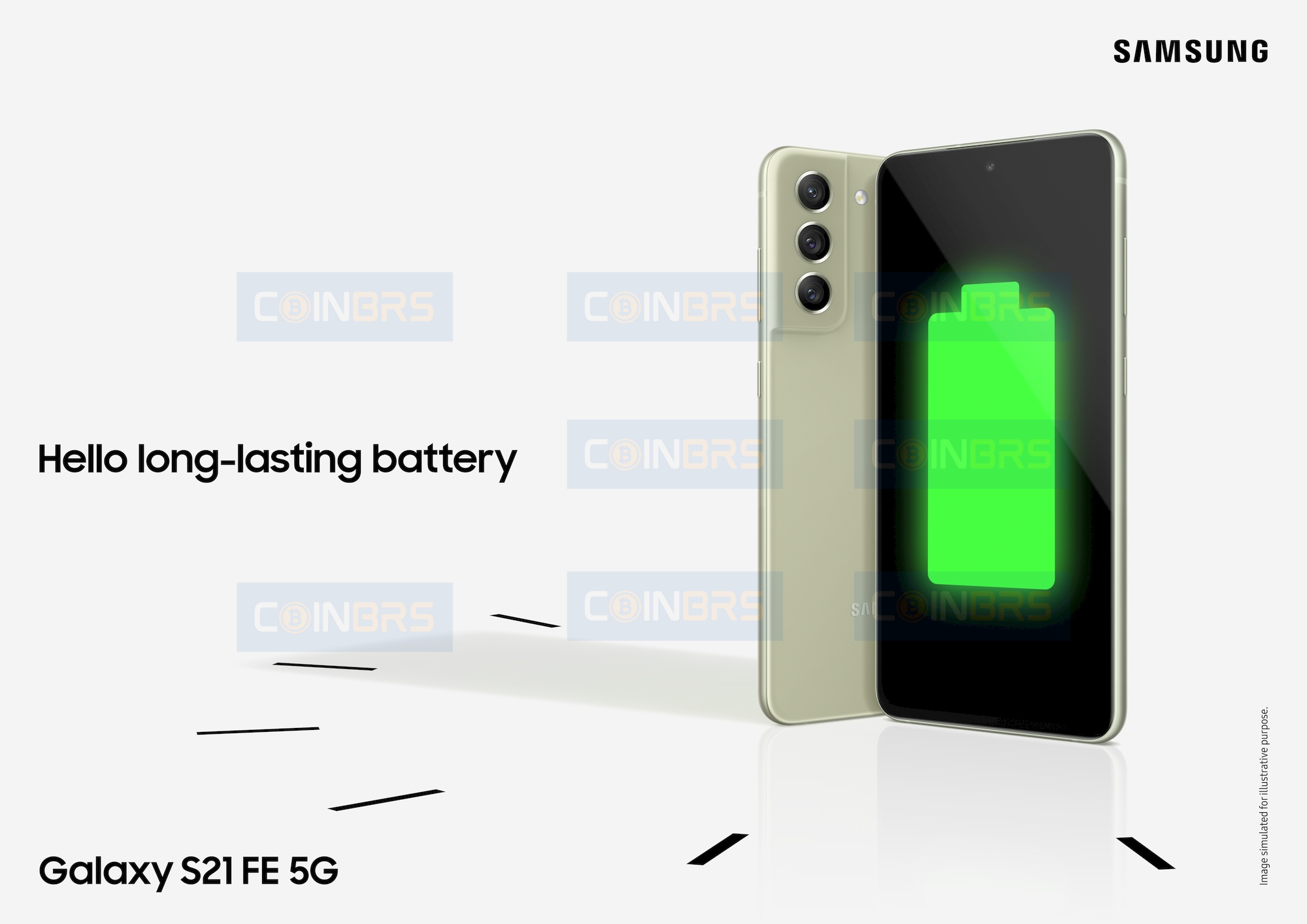
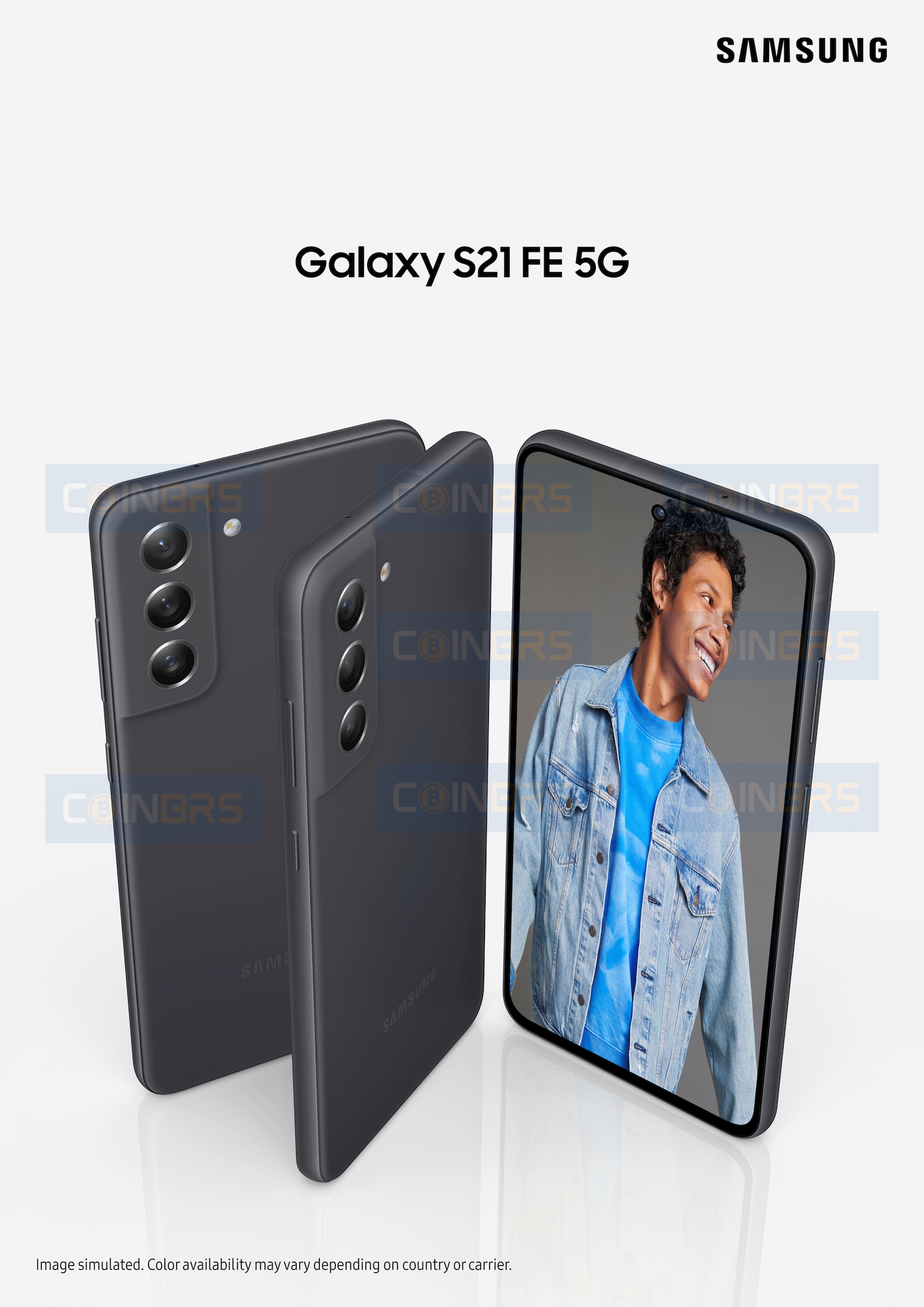
The Samsung Galaxy S21 FE 5G was in the news for a long time. Recently, its Exynos powered variant was leaked on the Internet and it was expected to hit the floors in early 2022. Now, an exclusive report from Coinbrs reveals the Galaxy S21 FE 5G’s official renders and specs leaving use very little to our imagination.
According to the official renders, the Samsung Galaxy S21 FE 5G looks impressive even though it carries the same S21-lineup design. It features a 6.4-inch punch-hole display with slim bezels all around the corners. The screen has a 120Hz refresh rate and a Full-HD+ resolution. It also has a Corning Gorilla Glass protection.
1 of 3
It equips a 32MP single camera at the front and boasts a triple camera system at the rear. The rear setup includes a 64MP primary lens, an ultra-wide-angle lens, and lastly a depth sensor.
Just like the Galaxy S20 FE, the Galaxy S21 FE 5G will also come in two variants. A Snapdragon 888 and an Exynos 2100 variant. The Snapdragon 888 has support for Adreno 660 GPU, whereas, the Exynos 2100 supports Mali G78 graphic processing unit.
Additionally, the Galaxy S21 FE 5G is expected to pack a 4,500mAh battery with fast charging support. Leaks reveal that Samsung may employ a 15W fast charging. The smartphone has a USB Type-C port at the bottom for charging and data transfer.
In terms of pricing and colour variants, the exact price details are yet to be known. But, in terms of colour variants, the Galaxy S21 FE 5G will come in White, Cream, Lavender, Black colours.
After the live images of the OPPO Reno7 Pro were leaked on Weibo in a now-deleted post, more leaks have surfaced from an industry source about the upcoming launch.
Alleged Reno7
The leaks stating a January launch of the OPPO Reno7 lineup were provided via 91mobiles. The leaker states that two models, the Reno7 and Reno7 Pro, will definitely launch in India in January, while no news has surfaced of the Reno7 Pro Plus or the Reno7 SE launch in the country. If the leaks turn out to be accurate, the Reno7 series can be expected to launch in China by December.
While we wait for more information on the smartphones, here are the leaked and rumored specs concerning the Reno7 and Reno7 pro.
OPPO Reno7 Pro rumored specs
Yesterday’s leak (11th November 2020) revealed live images of the OPPO Reno7 Pro’s which has a punch-hole cutout placed in the upper-left corner and the device also has an extremely thin chin. The tipster also revealed some key specs like a 90Hz display and Snapdragon 778G SoC which was in contrast to the previous rumors hinting at a Snapdragon 888.
OPPO Reno7 is rumored to sport a 6.5-inch FHD+ OLED display with 1,080 X 2,400 pixels resolution. The rumors also state that the smartphone may pack up to 12GB RAM, 256GB storage, and a 4500mAh battery with 65W fast charging support.
The Reno 7 Pro is said to get a triple camera setup on the back, with a 50MP primary sensor, a 16MP secondary lens, and a 13MP third sensor. It could have a 32MP lens on the front for selfies and video chats. Connectivity features include 5G, 4G LTE, Wi-Fi 6, Bluetooth, GPS, and USB Type-C.
OPPO Reno7 rumored specs
The vanilla Reno7 is expected to have similar features when it comes to the screen design and display panel, however, it is expected to house a MediaTek Dimensity 1200 or the Dimensity 900 under its hood. The ram and memory variants are also expected to be the same as the Reno7 Pro.
AGM Mobiles Official Store is giving out some fantastic deals at the Double 11 Sale at AliExpress. The discounts on their popular rugged smartphones are especially luring. Their popular AGM H3 Smartphone is now available at a discounted price of $152.49 and AGM M7 4G for $82.08 only at AliExpress. Please note that these offers will end in the next 16 hours.
Also, please check out the AliExpress sitewide coupon before you place the order. The sitewide coupon and store coupons and codes for Double 11 Sale may vary from country to country. So ensure that you check out the specific coupons and discounts available for your region before you place the order.
Please note that the above price is region-specific and the final price may vary according to your shipping region, warehouse, and regional taxes.
For the best Double 11 AliExpress deals and offers check out ourdeals hub here.
* Please Note: When you buy something using the links in our articles, we may earn a small commission at no cost to you.
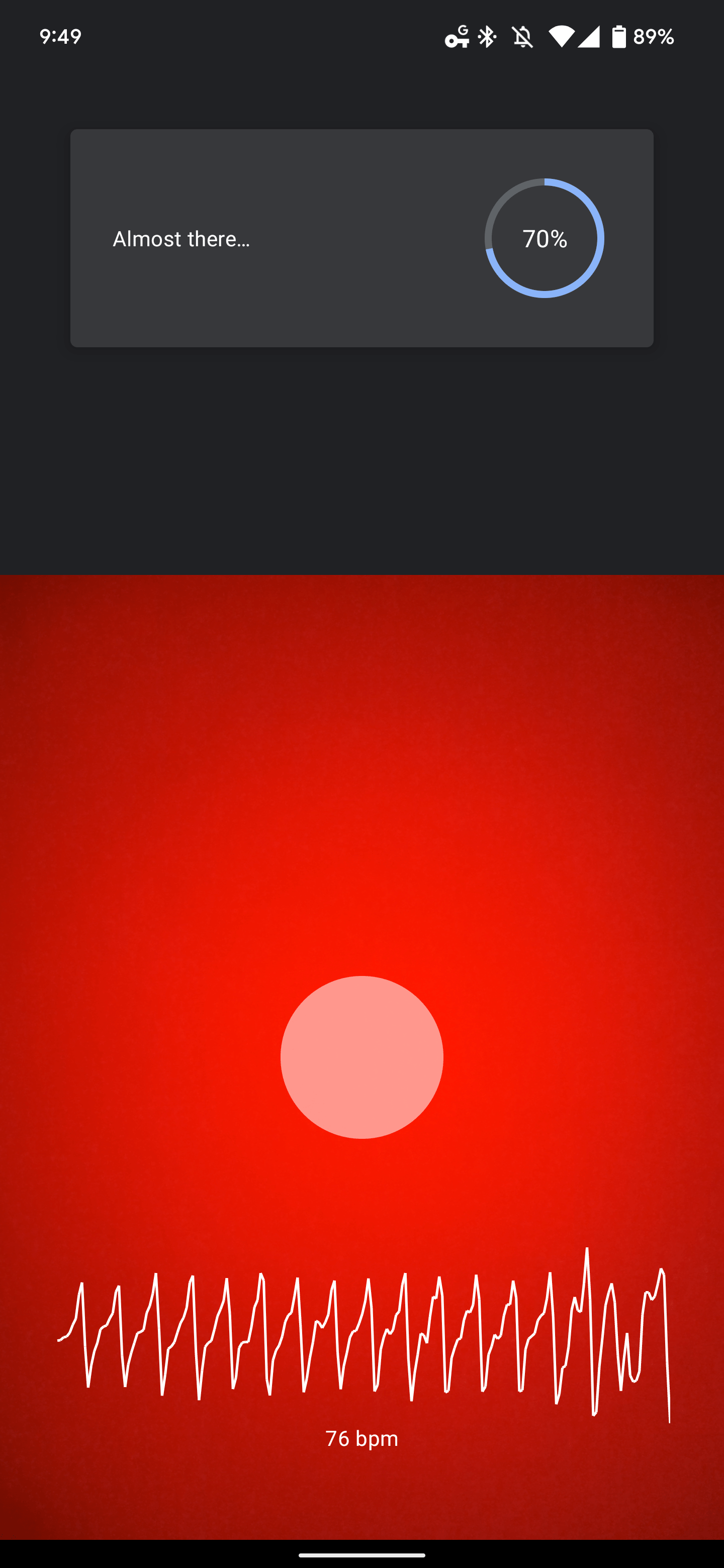
Google has released an update to a limited number of Pixel 6 series devices, bringing the heart rate and respiratory tracking feature to the Google Fit app.
This feature which is present in Pixel 5 and Pixel 4a since march is now being tested for the Pixel 6 series in a limited release.
As the Pixel 6 series does not have dedicated sensors for measuring heart rate and respiratory rate, the feature works using the phone’s cameras. Checking your heart rate with this feature is as simple as placing your finger on the rear camera and waiting a few seconds as the app detects changes in the color of your finger and produces a reading that can be saved to your google fit account.
The process is pretty simple, with on-screen guides correcting you if you place your finger in the wrong place or a pop-up advising you to move to a place with better lighting if you are in a poorly lit environment.
The delayed inclusion of this feature in the Pixel 6 series can be accredited to the new style in which the camera module is set up, placing the primary lens and flash pretty far apart. This design causes a problem, as the feature also utilized the LED flash in the previous generations to take a more accurate reading in low-light environments.
On the other hand, the respiratory tracking feature works by propping up your device with the front camera facing your upper torso to record your chest movements when you breathe.
It was also observed by 9to5Google that “This early access capability is not particularly optimized, with an old Pixel 5-era graphic appears and mentions of being able to turn on the flash in error dialogs.”
It is still too early to tell if this feature will remain in the Pixel 6 as Google warns that tracking your respiratory rate and measuring heart rate “using just your phone” is “being fine-tuned and may be removed.”
You can check out if you got this feature in your Google Fit by seeing if two cards have appeared at the bottom of the Home tab or in Browse > Vitals.
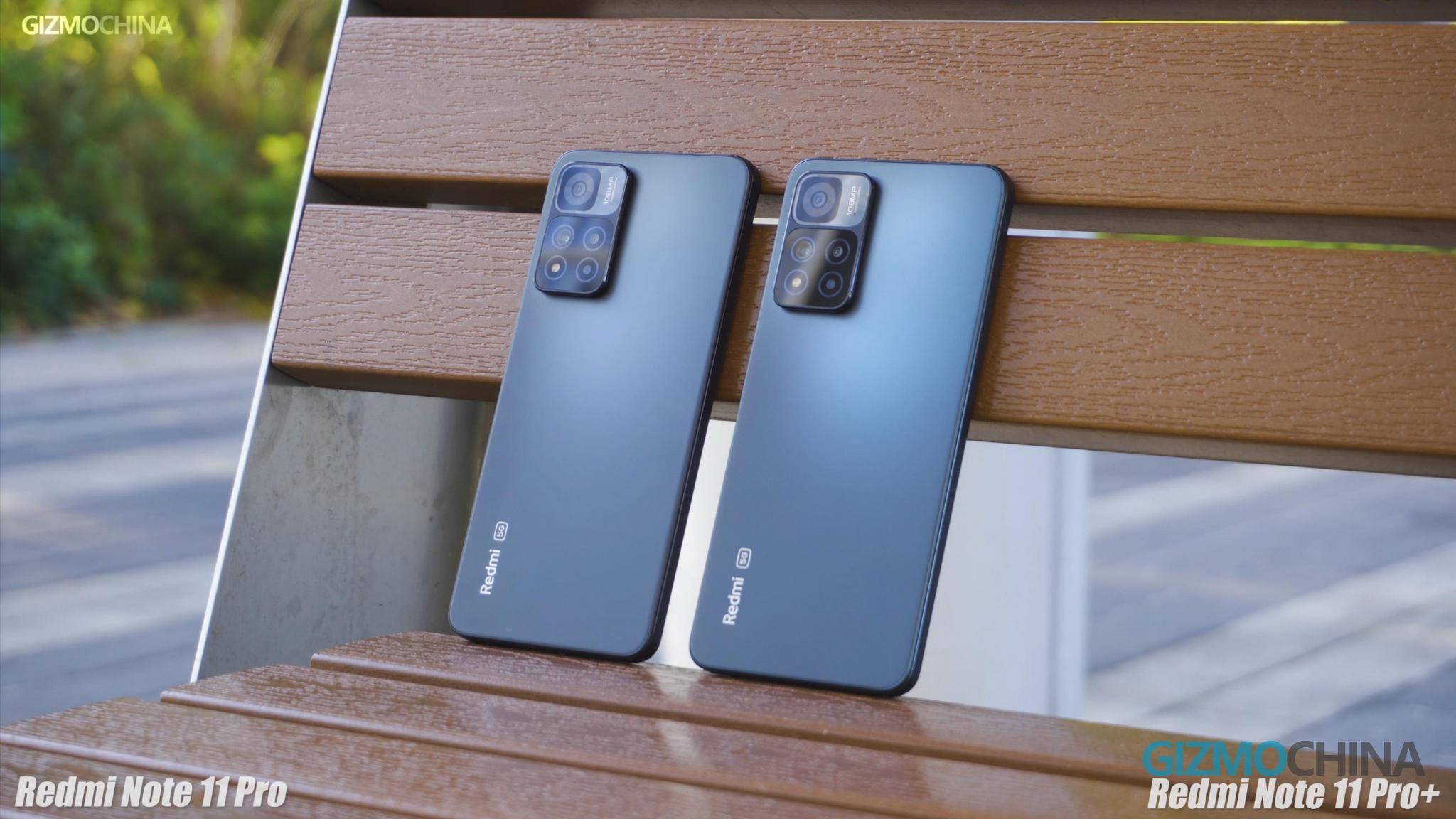
In our last video, we fully reviewed the Redmi Note 11 Pro Plus and particularly talked about how the 108MP sensor performed at this point. Unfortunately, when compared to its predecessor, the Note 11 Pro still had room for improvement in the camera department.
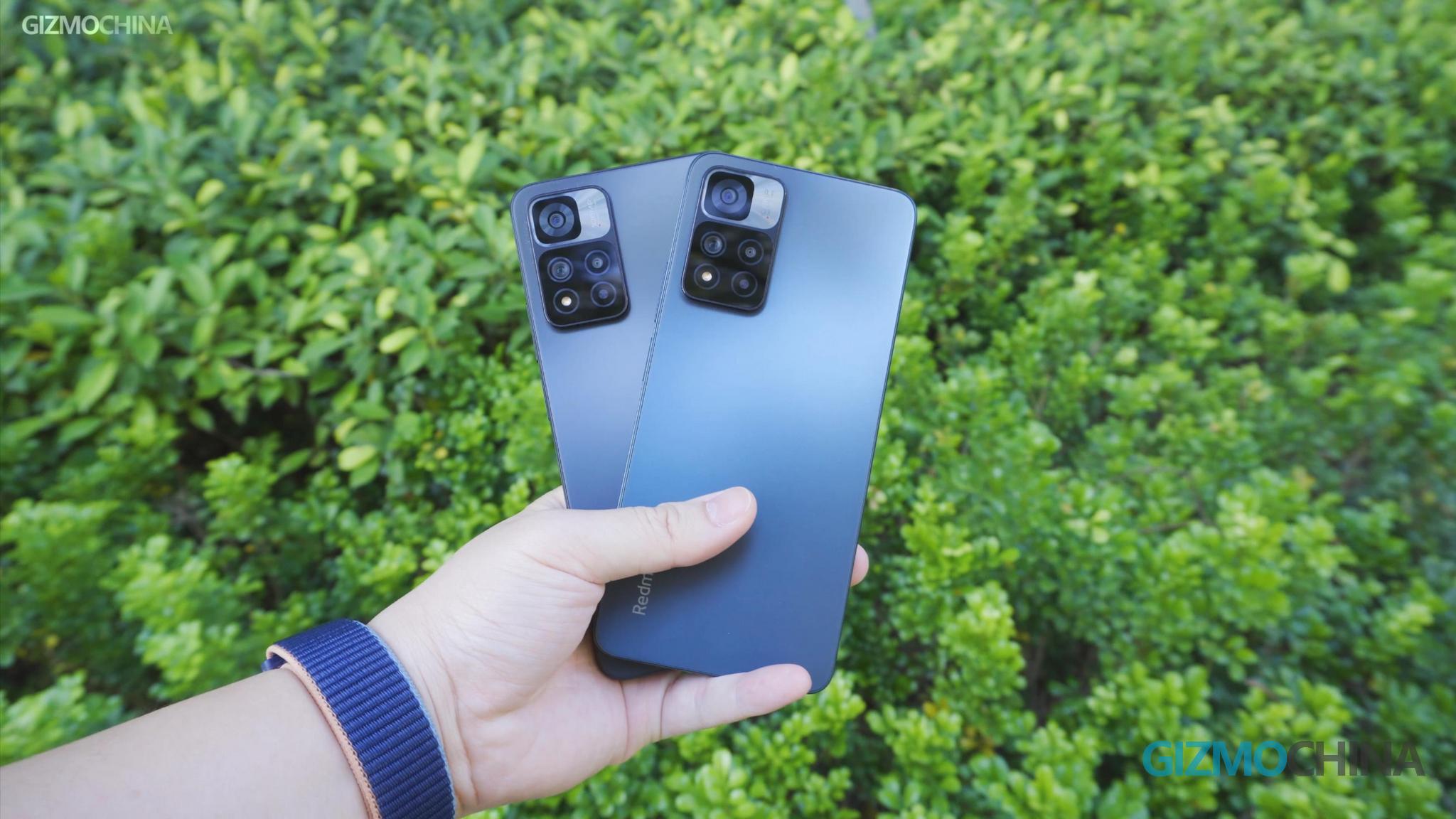
So today, let’s take a deeper look at the Redmi Note 11 series by comparing the Redmi Note 11 Pro with the Note 11 Pro Plus.
And let’s find out which model of the series is more recommendable at their respective price points.
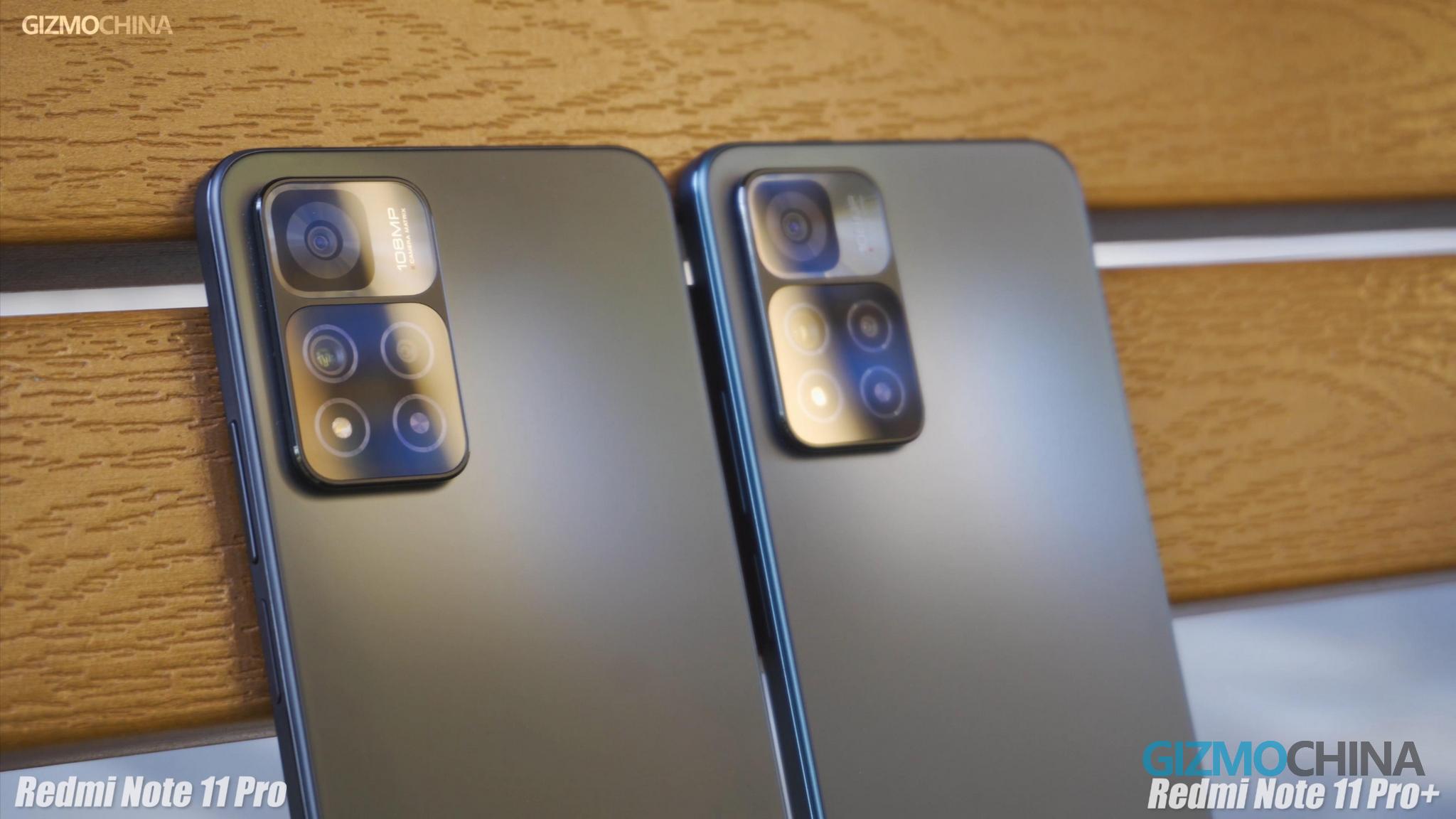
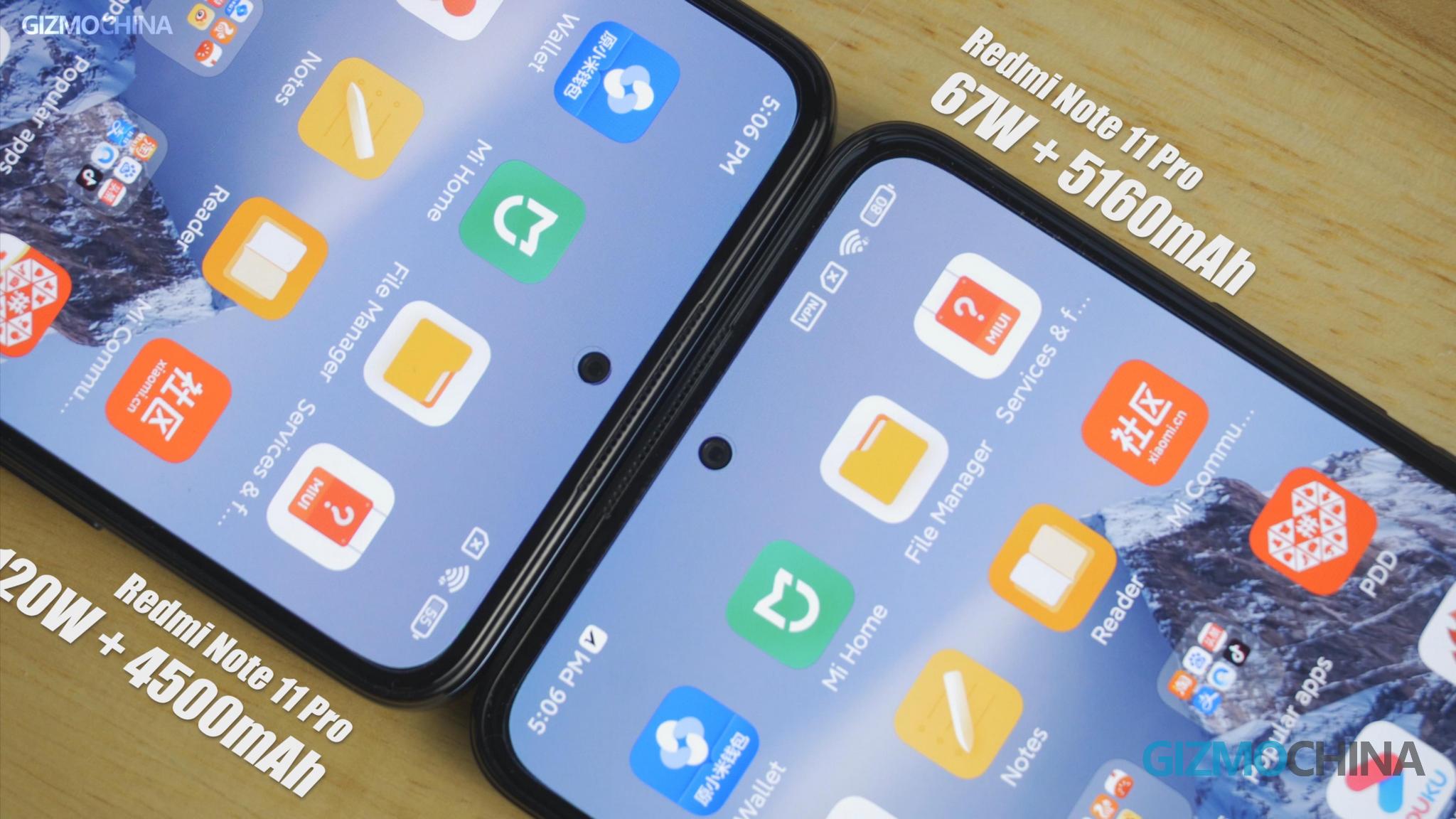
Well, let’s see what differences we got on paper first. It seems that battery and charging are the only two remarkable differences between the Note 11 Pro and the Pro Plus. As we mentioned in the last video, Redmi generously brought the insane charging power of 120W to the Plus version, while the Redmi Note 11 Pro comes with a 67W fast charge but at the same time, features a larger 5160mAh battery. Apart from this, these two models do not look much different from each other.
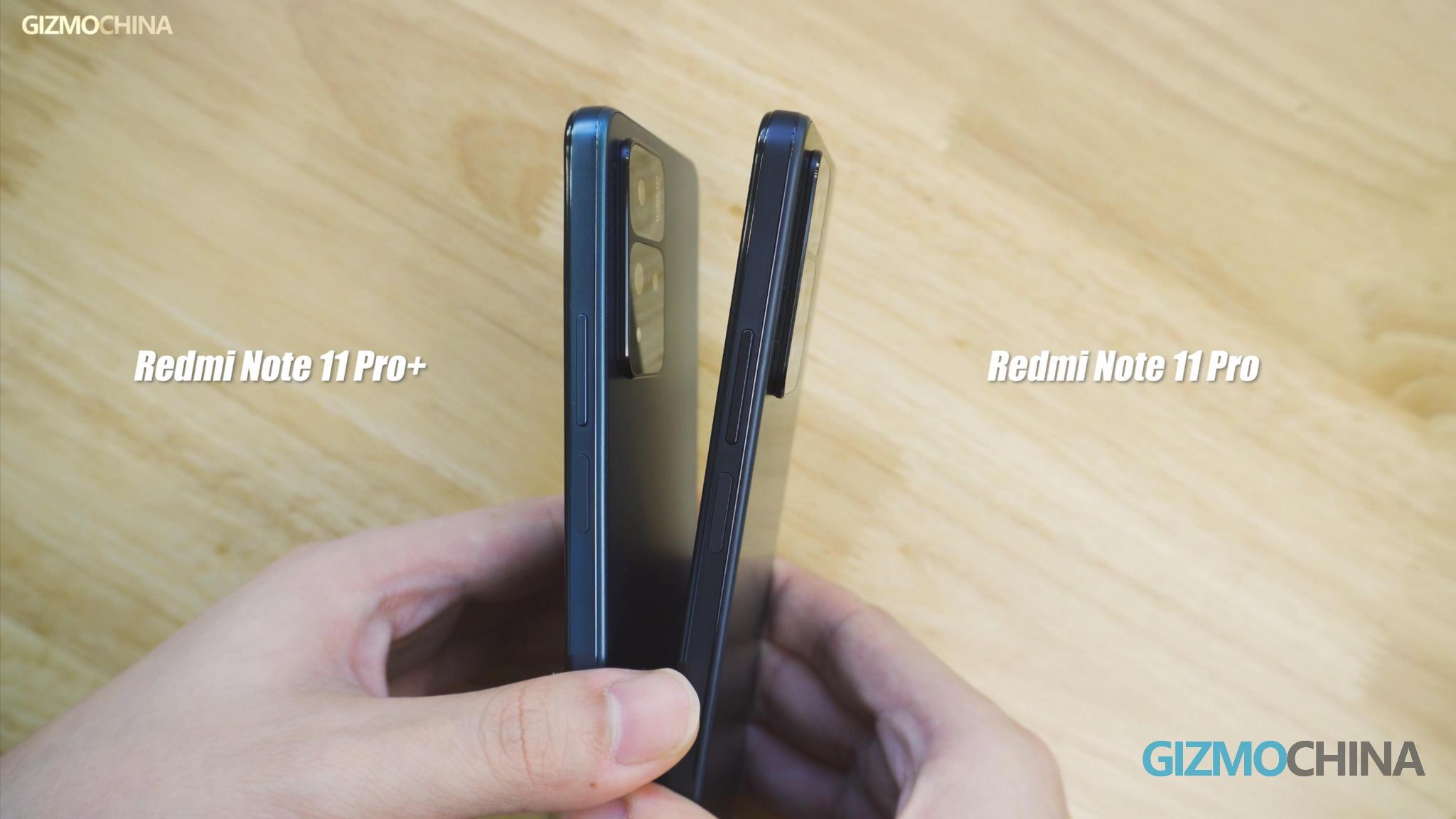
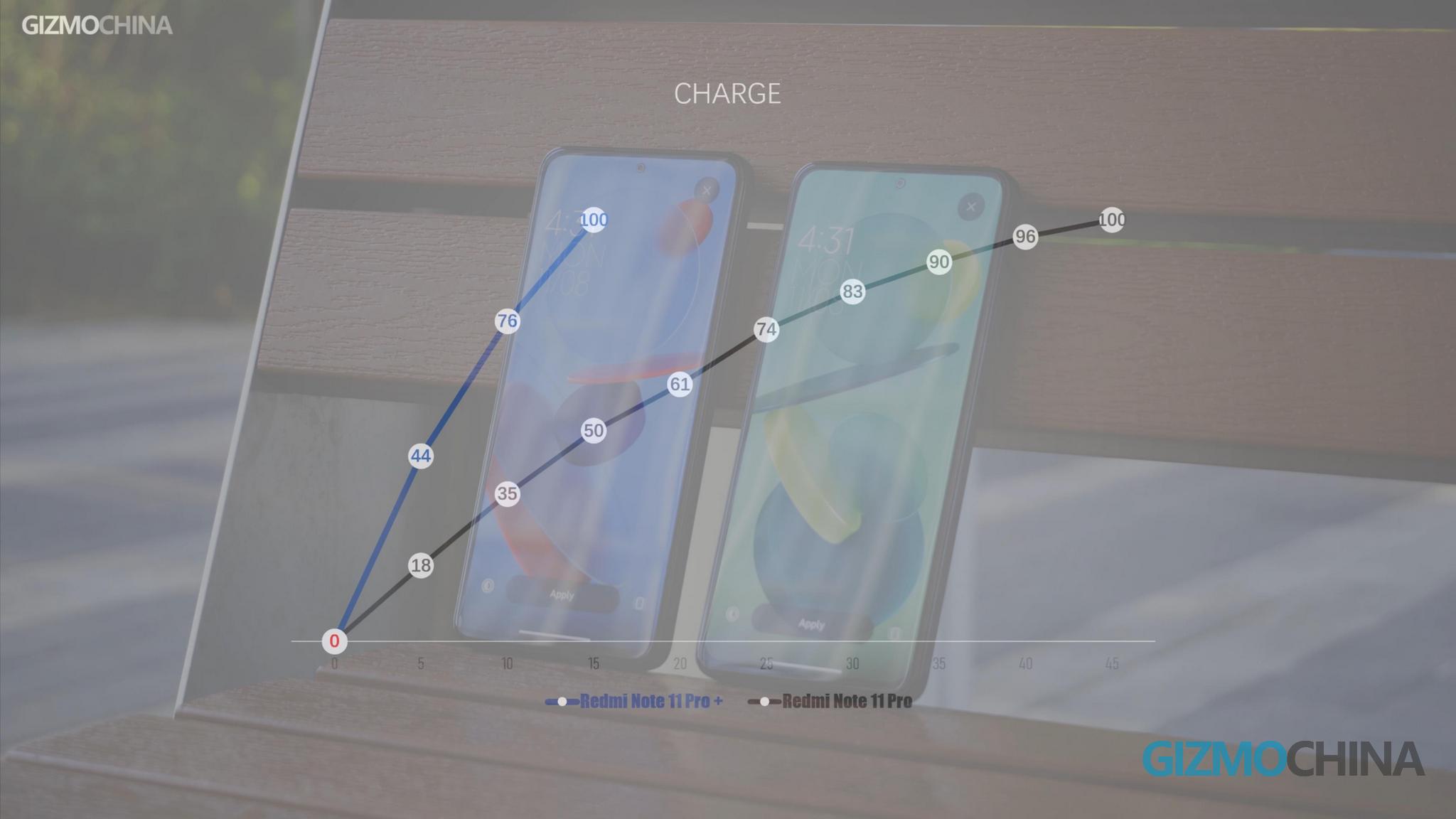
In the Pro Plus review video, we mentioned that 120W fast charging took just 16 mins to get back to 100% of power, which is almost the same result as Xiaomi’s own flagship, the Mi Mix 4. While the full charging test of the Pro version took us around 45 mins, but it’s still faster than some flagships in terms of charging efficiency. Both models are 8.34mm thick, but the Pro weighs 207g, while the Pro Plus’ figure is 204g. You won’t feel any significant difference since it feels almost the same when holding them in your hands. If I didn’t tell you their weights, there would be no way to distinguish one from another. So I would advise you guys to be careful when checking the model and check it from the software end and not from the package you receive. After all, the box is replaceable.
1 of 5
Both the models are powered by the MTK Dimensity 920 5G processor and feature a 120Hz Samsung AMOLED display, the best screen for the Note series to date. They also share the same 108MP camera module.
As for the AMOLED displays, these two models both have a stunning visual experience with the best panel in the budget price range. After comparing the two screens, we are pretty sure that there’s no trick between them, and the two displays bring exactly the same experience.
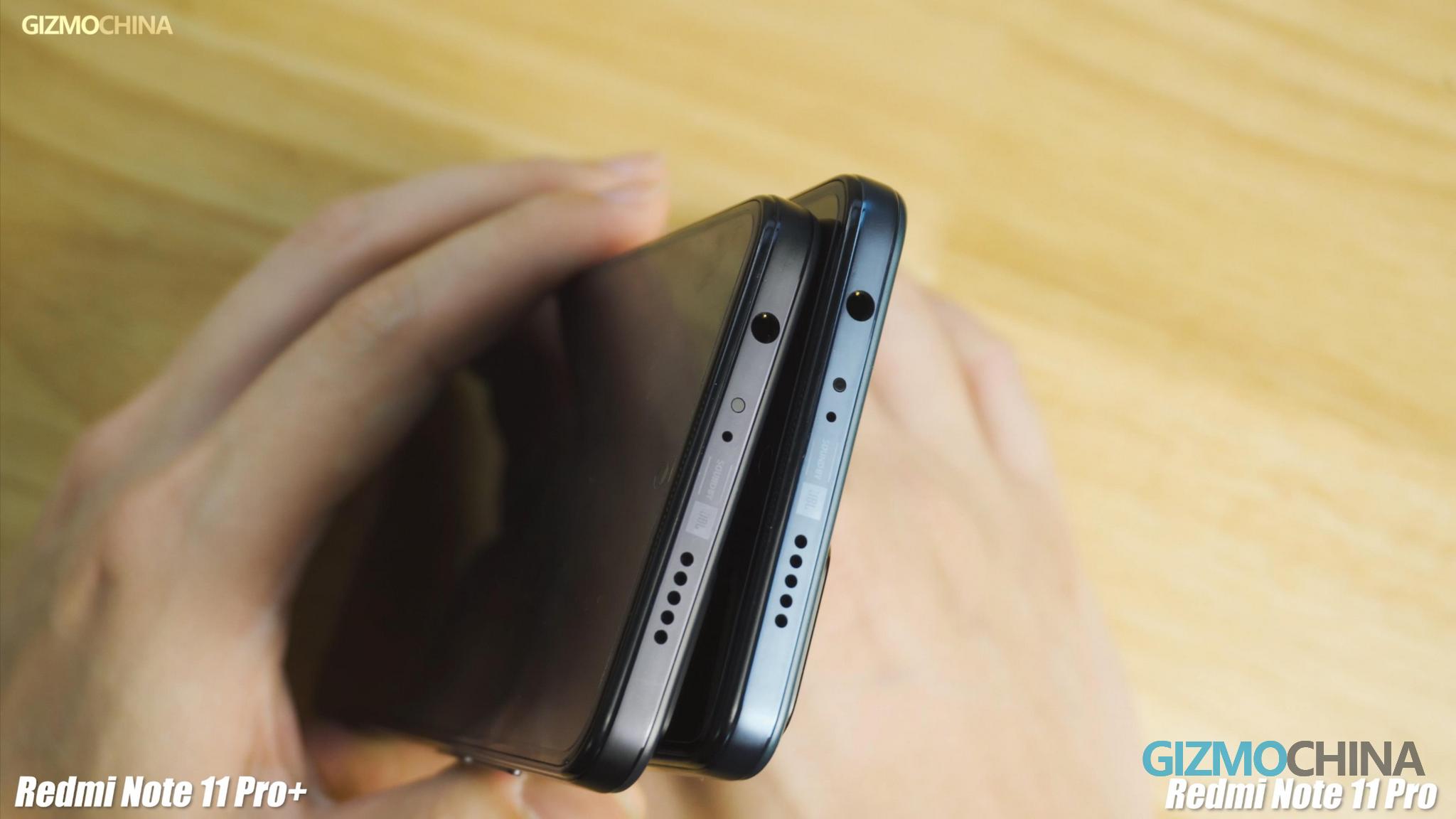
One of the few significant upgrades that made us happy with the entire Note 11 series is the stereo speakers tuned by JBL. But since we really couldn’t find any difference between the Pro and Pro Plus, it’s better for you guys to check our review video of the Pro Plus. In that video, we brought in the Redmi Note 10 Pro for comparison, and you guys will definitely figure out how significant the audio upgrade is.
Redmi Note 11 Pro vs Note 11 Pro Plus: Cameras
Main Camera
1 of 14
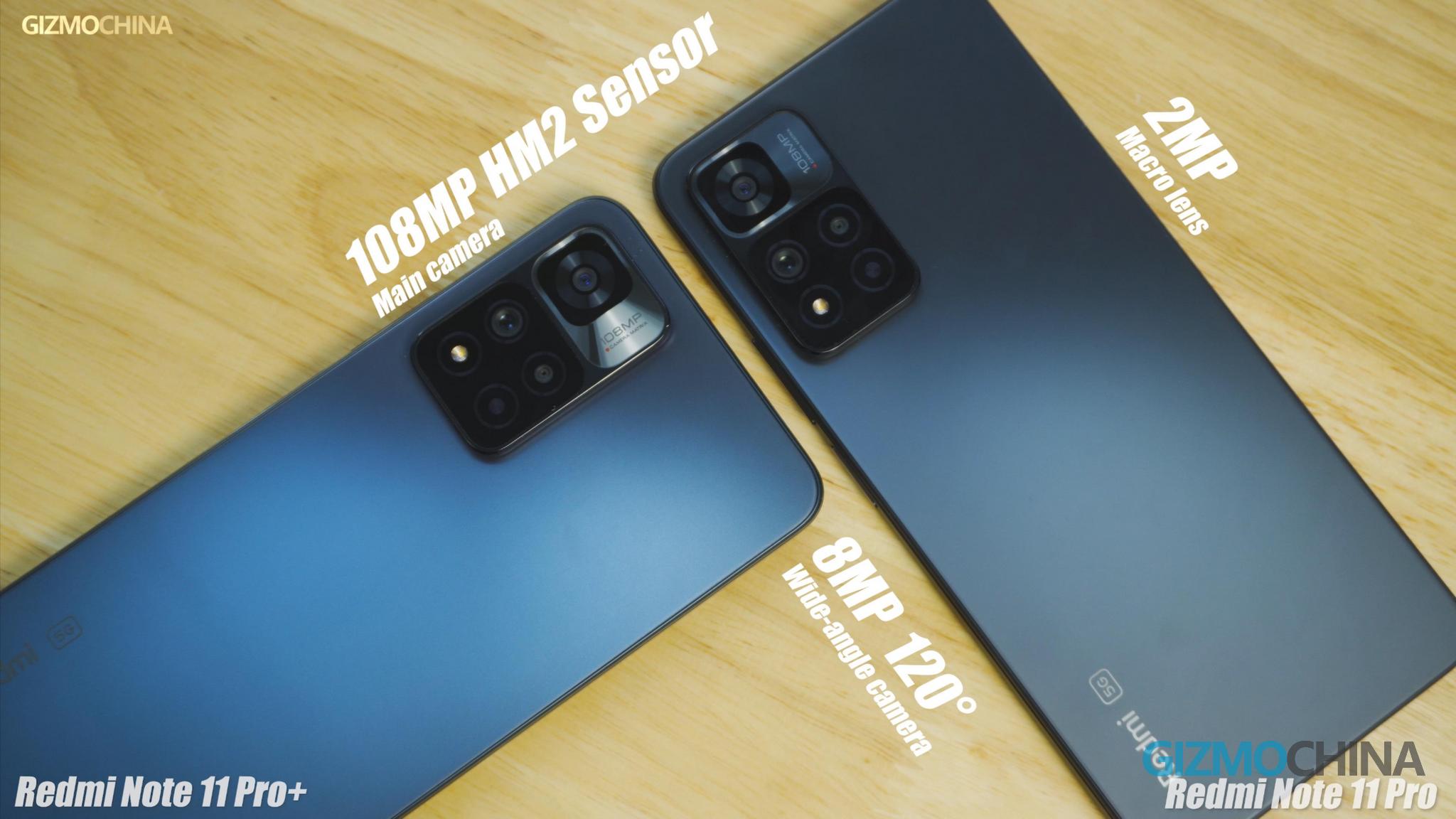
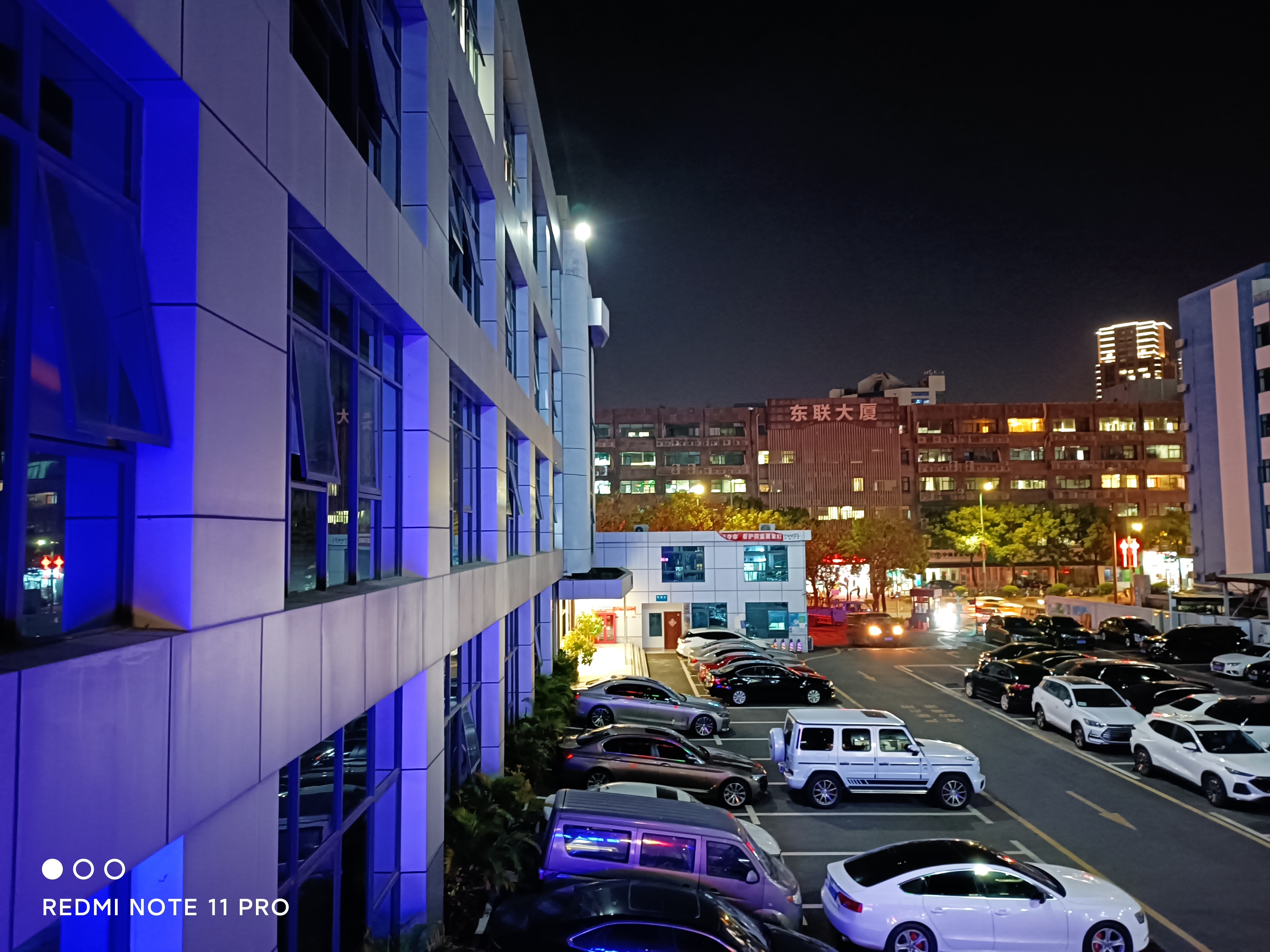
Both of their camera modules are led by a 108MP HM2 sensor, followed by an 8MP ultrawide camera and another 2MP Macro lens. From the samples shot on the Pro and the Pro Plus, we can see that they share the same quality, as well as the same problems. They both present a stable and correct white balance, with a slightly cold color preference. The native 108MP didn’t really help them improve the clarity and sharpness, but on the other hand, they both emphasized relatively good pureness when generating images under low light, which looks so Xiaomi-style. So our conclusion remains the same from the last video — the 108MP mode so far is not being exploited to the native sensor’s potential. But compared to the other models at their price point, no doubt the Redmi Note 11 series is still one of the best options in the market. Especially for the Note 11 Pro, it’s hard to find an opponent that’s close in its strength…….. or is it? Okay, its predecessor, the Redmi Note 10 Pro is also its rival!
Now let’s move on to the night shooting performance. The improvement of night mode is pretty significant for both – Better brightness and noise processing… but there’s still no gap between them.
Ultra Wide Angle Cameras
1 of 8
Let’s move on to the samples shot on their wide-angle cameras. There is still no obvious gap between their samples. They have the same noise issue in dark areas and average sharpness for the 8MP resolution. And night mode slightly optimized the images for both of the models. Apart from that, there are no significant surprises between these two phones.
Macro Cameras
1 of 6
The macro lens of the Pro model basically performs the same way as the Pro Plus. It’s the same camera hardware with the same camera firmware, leading to no difference in imaging.
Performance
1 of 2
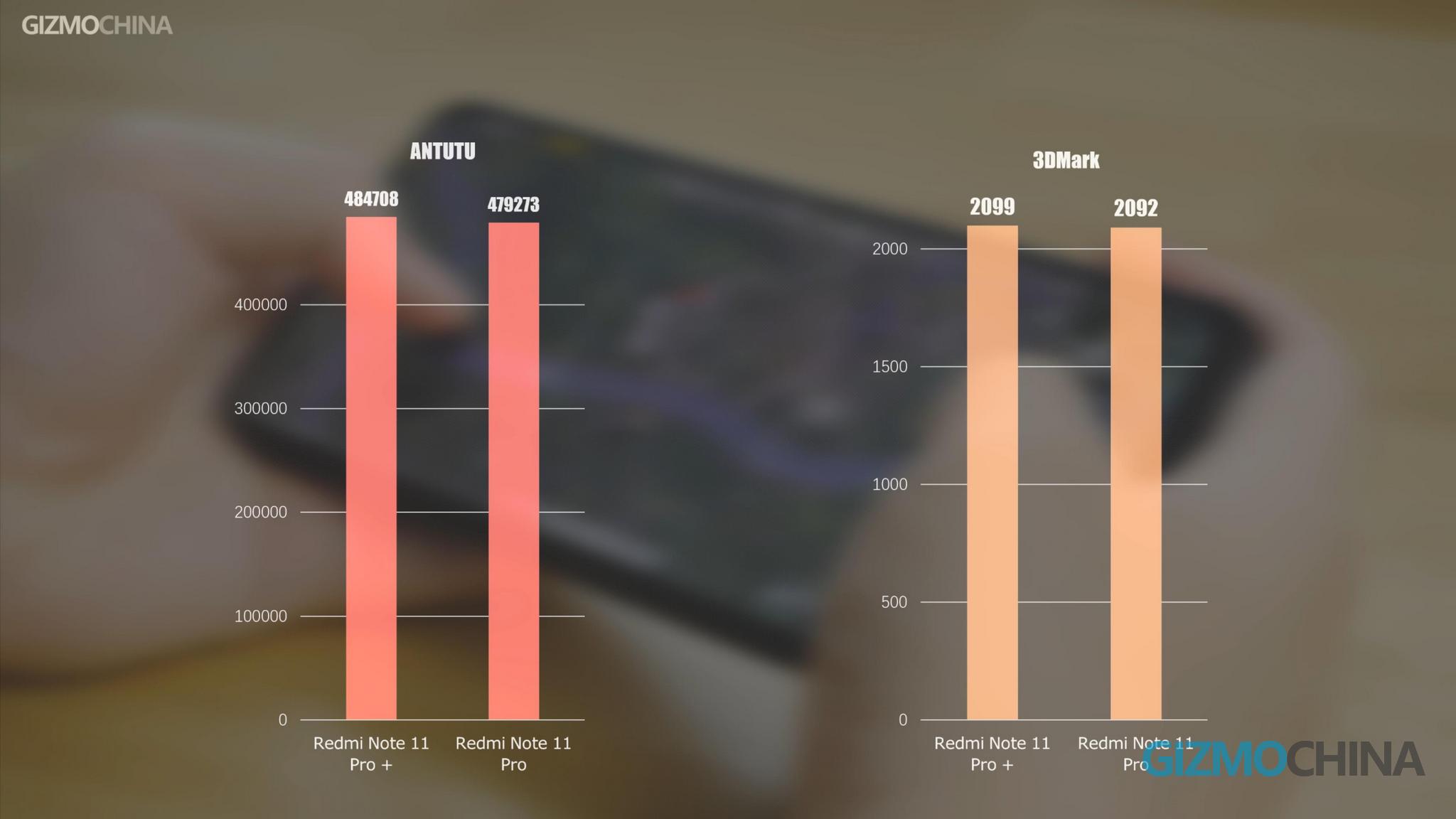
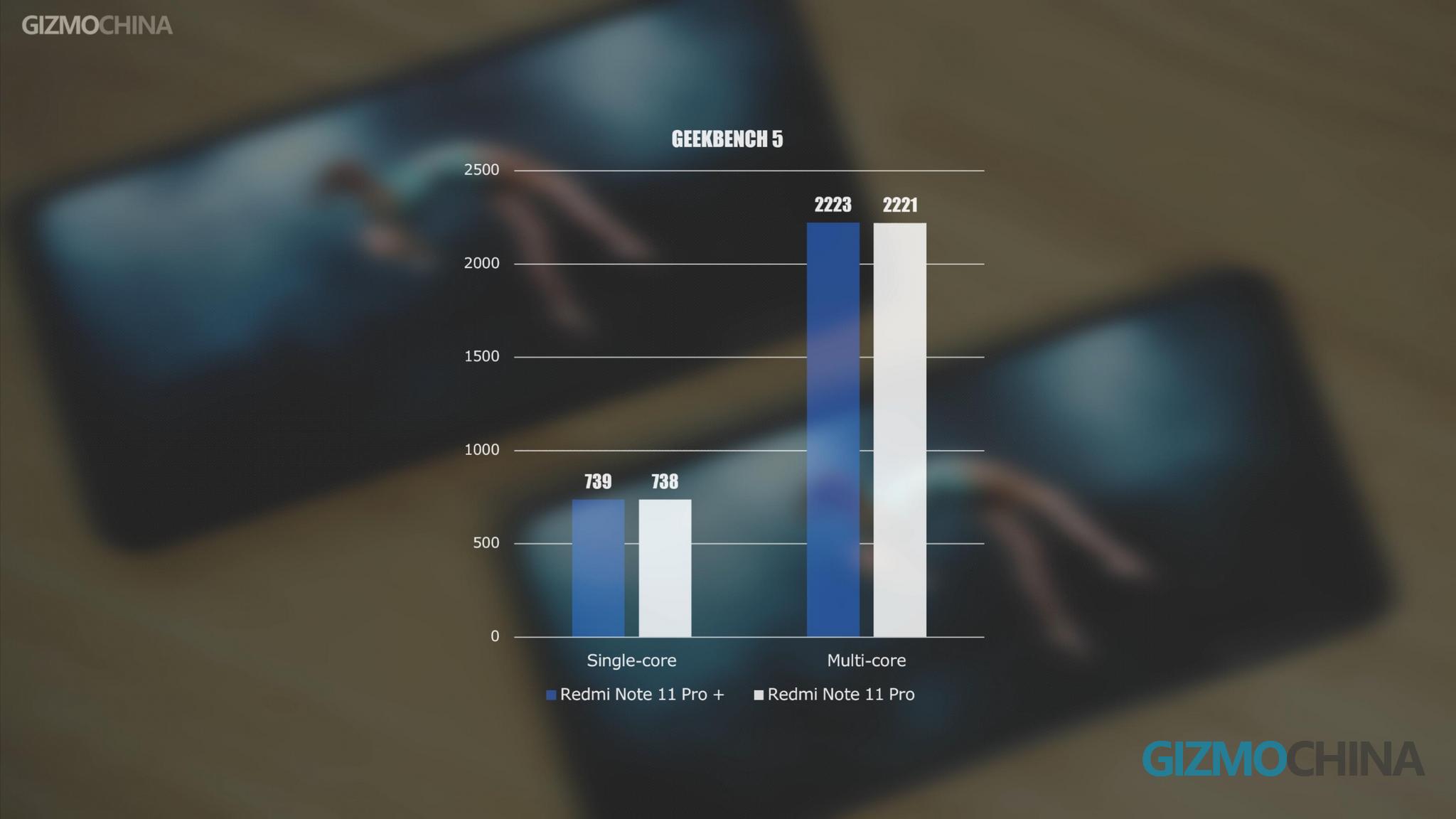
About the performance, the Dimensity 920 chipset is likely to be the least impressive part of the entire Redmi Note 11 series, since we’ve seen a more powerful Dimensity 1100 run on their predecessors. And thank God, the 920-chipset run on the Pro version also got a similar optimization as the Pro Plus variant without any compromises. And similarly, limited by the performance of the Dimensity 920, the Pro model’s main camera does not support EIS stabilization in 1080P 60fps and 4K video shooting either.
Redmi Note 11 Pro vs Note 11 Pro Plus: Battery Life & Charging
1 of 3
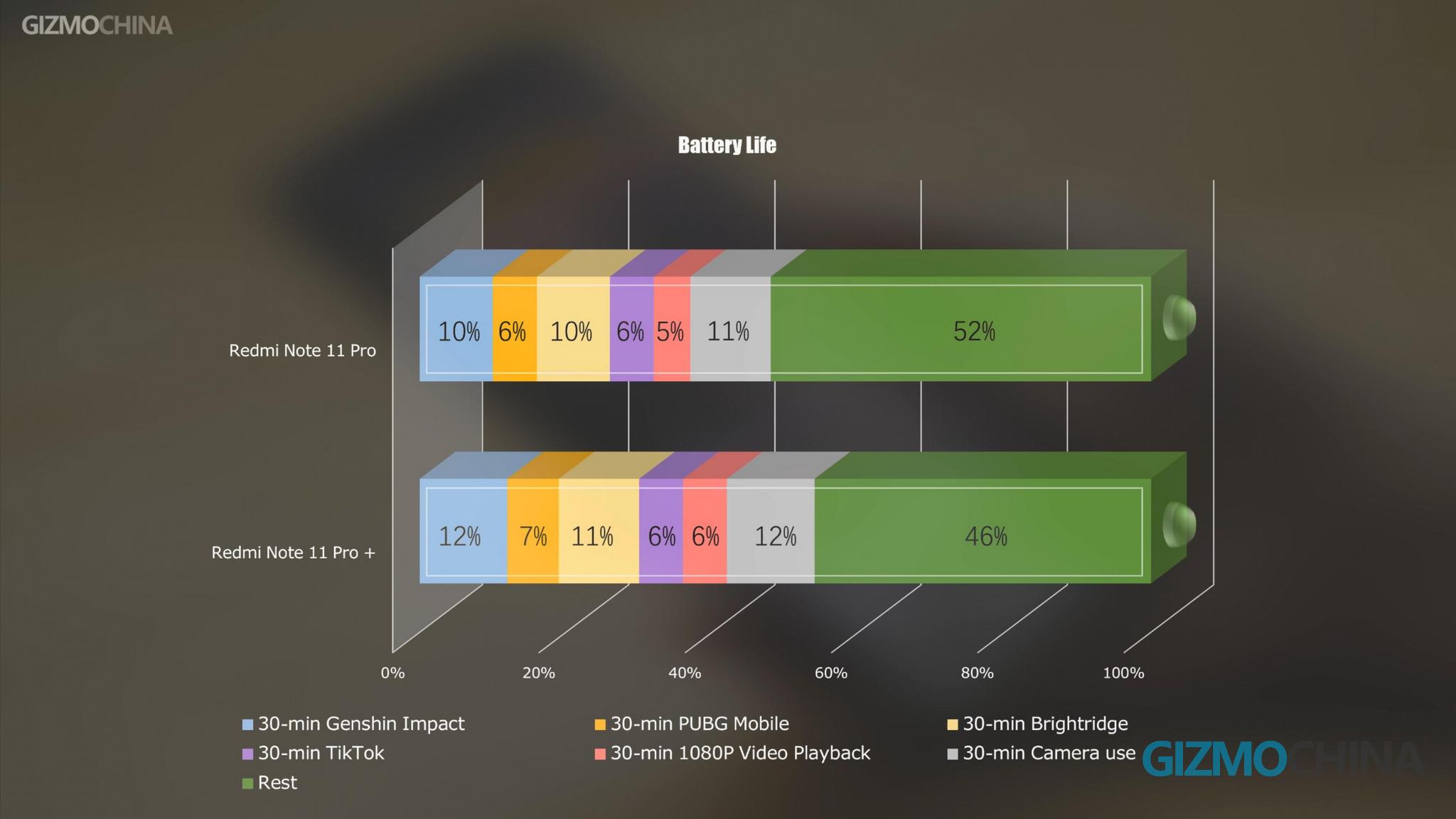
The Pro model has a slightly longer battery life with a larger capacity of 5160mAh. In our battery life test, the Pro model is estimated to save 10% more on power. Or you could pick the Pro Plus to save around 20 mins for each full charge.
If it were you, which model would you choose?
Our Verdict
After completing the comparison, I really miss the Redmi Note 10 Pro more than ever. But the Redmi Note 11 series is still worth its price if you compare the series with other brands’ budget models. It’s most likely to win the title of the best budget series in the market right now.
But after we used both these models for the past few days, we strongly feel that the Pro model is more recommendable. We don’t think it’s worth paying 50 dollars more to get 120W charging speed and shorter battery life. The Pro version features 67W fast charging, which is already a flagship-grade configuration. No matter how indifferent you are to the additional 50 bucks, I’m firmly on the side of the Redmi Note 11 Pro.
So that’s all about the Redmi Note 11 Series. What’s your pick?
We use cookies on our website to give you the most relevant experience by remembering your preferences and repeat visits. By clicking “Accept”, you consent to the use of ALL the cookies.
This website uses cookies to improve your experience while you navigate through the website. Out of these, the cookies that are categorized as necessary are stored on your browser as they are essential for the working of basic functionalities of the website. We also use third-party cookies that help us analyze and understand how you use this website. These cookies will be stored in your browser only with your consent. You also have the option to opt-out of these cookies. But opting out of some of these cookies may affect your browsing experience.
Necessary cookies are absolutely essential for the website to function properly. This category only includes cookies that ensures basic functionalities and security features of the website. These cookies do not store any personal information.
Any cookies that may not be particularly necessary for the website to function and is used specifically to collect user personal data via analytics, ads, other embedded contents are termed as non-necessary cookies. It is mandatory to procure user consent prior to running these cookies on your website.