AT CES 2022, companies announced a wide variety of monitors. The most interesting one was obviously Samsung Odyssey Ark. But earlier today, we came across yet another intriguing monitor that went official at around the same time. This one is a giant OLED monitor from Acer called Predator CG48 Gaming Monitor.
Acer Predator CG48 Gaming Monitor Specifications and Features
Unlike most monitors in the market, the Acer Predator CG48 not only has a 4K OLED panel but also measures 48-inch in size. Hence, the company advertises this product to be a TV replacement for gaming.
Talking about features, the monitor has a contrast ratio of 13K:1 and covers 98% of the DCI-P3 color gamut. The HDR10-enabled screen supports up to 0.1ms GtG response time and AMD FreeSync Premium Pro technology to offer variable refresh rates of up to 138Hz.
As far as ports are concerned, it sports an HDMI 2.1 port, a DisplayPort 1.4, four USB 3.2 ports, and a USB Type-C port.
Acer Predator CG48 Gaming Monitor Price and Availability
The Acer Predator CG48 Gaming Monitor will be available as soon as Q2 2022 in China, followed by Q3 2022 in North America and EMEA.
The monitor carries the following price tags in different regions.
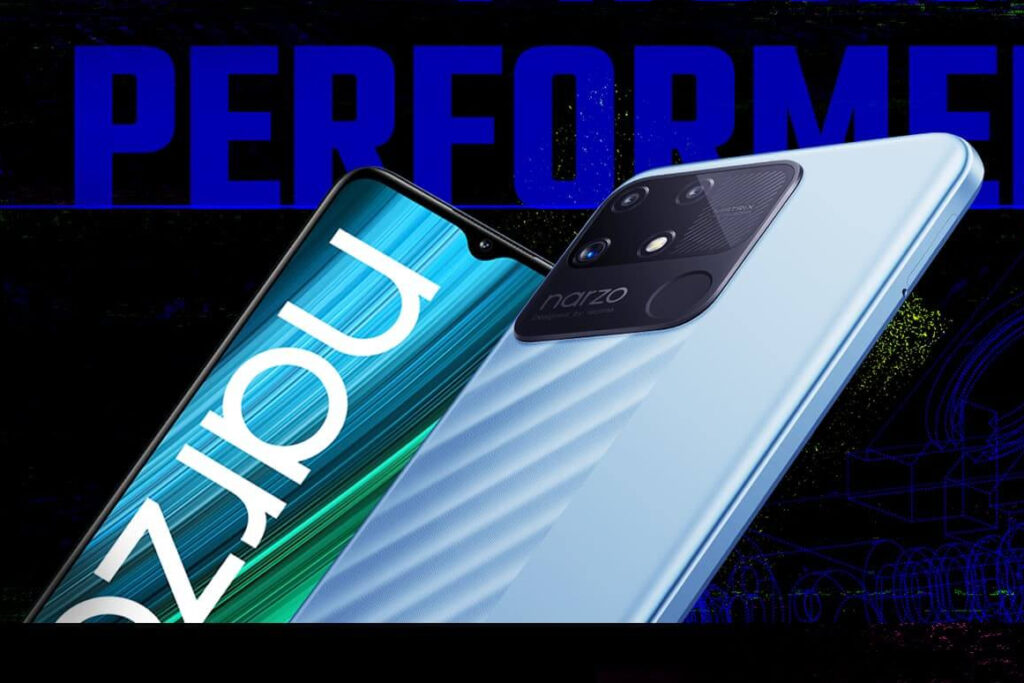
Back in November 2021, Realme Narzo 50A Prime was first revealed via a source code leak. The device was revealed to carry the model number RMX3516. Now, a new leak has surfaced hinting at an imminent release of the device in the Indian market.
Realme Narzo 50A
According to a report by 91mobiles, tipster Mukul Sharma has shared new screenshots featuring the Realme Narzo 50A Prime moniker on Realme India’s website. The screenshot also reveals the Realme 9 series listing, which is yet to launch in the Indian market.
No specifications and features of the upcoming Narzo 50A Prime have been revealed yet. However, the device is expected to have some similar specifications as the Realme Narzo 50A which was launched in India back in September 2021.
Realme Narzo 50A specs and features
The Narzo 50A sports a 6.5-inch display that offers 400 nits of brightness on the front with a waterdrop notch and an 88.7 percent screen-to-body ratio. On the rear, it sports a triple camera setup, which includes a 50 megapixel AI camera, a 2-megapixel portrait lens, and a 2-megapixel macro sensor, while the front houses an 8-megapixel selfie camera. The device is available in two colors, namely Oxygen Blue and Oxygen Green, and two storage variants as well, with 4GB of RAM paired with either 64GB or 128GB of internal storage.
The Narzo 50A packs the MediaTek Helio G85 processor that is optimized for gaming, which is paired with the ARM Mali G52 GPU. The device is powered by a large 6,000mAh battery that supports 18W fast charging along with reverse charge support as well that enables it to charge other products. It also offers a rear-mounted fingerprint reader for security and supports a microSD card slot for memory expansion up to 256GB.
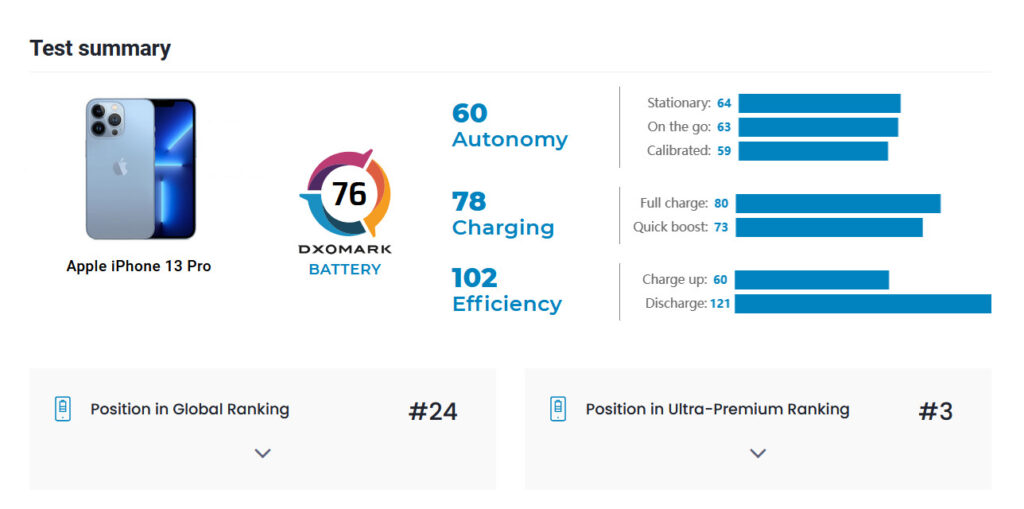
In a new battery test shared by DXOMARK on Monday, the Apple iPhone 13 Pro bagged a score of 76, beating the likes of the Motorola Edge 20 Pro, Galaxy S21 Ultra, and the OnePlus 9 Pro, all with much larger batteries. It still failed to beat the iPhone 13 Pro Max though, which currently ranks third in DXOMARK’s battery charts with a score of 89.
The phone, with its 3,095mAh battery, has managed to achieve more than 2 days of ‘autonomy’ with moderate use. Autonomy is what DXOMARK calls a comprehensive range of tests for measuring battery life in all kinds of real-life scenarios.
Another test was ‘on the go’ that measures battery life while traveling. It makes a lot of sense to dedicate a test to usage while commuting since there are multiple extra demands that eat up battery life, such as the continuous signaling associated with cellphone network selection. In this, the iPhone 13 Pro exhibited “better-than-average performance than Ultra-Premium devices.”
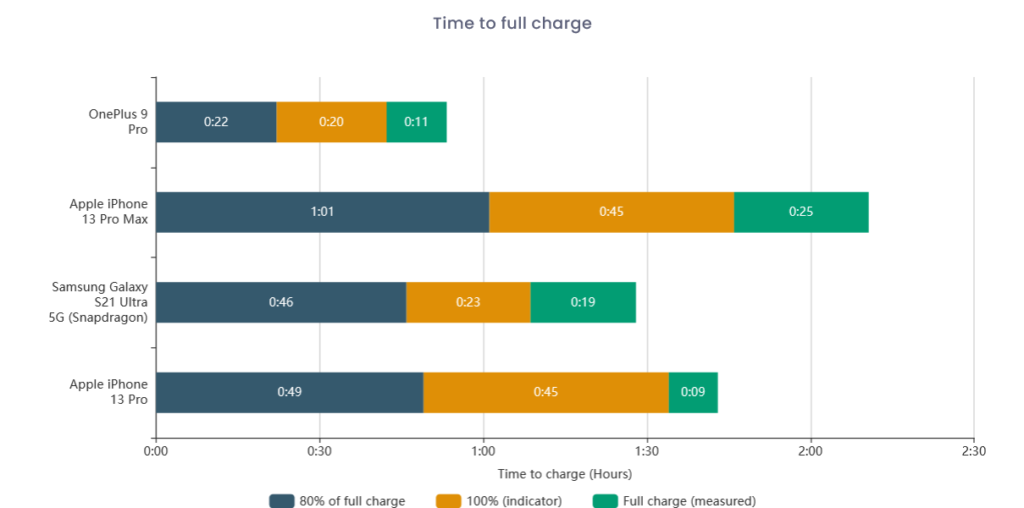
As for charging, the iPhone 13 Pro needs 1 hour 34 minutes to arrive at a 100% charge showing on the battery level indicator, but an additional 9 minutes to get its 3095 mAh battery completely charged. Users will be better off charging to 80% in most scenarios as that only takes 49 minutes.
But it’s efficiency where the iPhone 13 Pro Max truly shines, with its battery exhibiting low consumption across almost every use case. In fact, the consumption is so well managed that the phone has the lowest discharge current for WiFi video streaming and video playback in DXOMARK’s entire database.
To read the full DXOMARK analysis on the iPhone 13 Pro battery, head here.
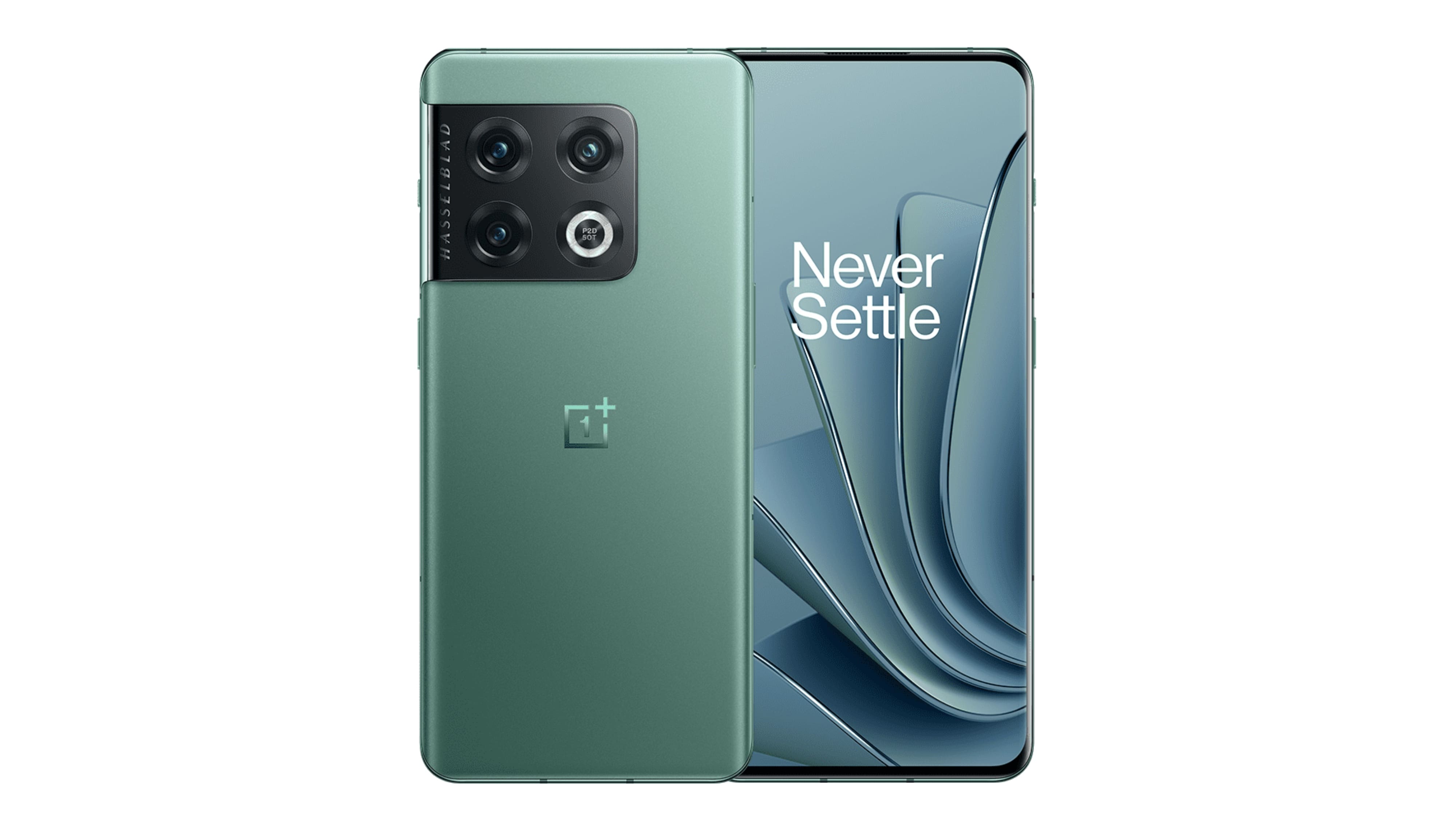
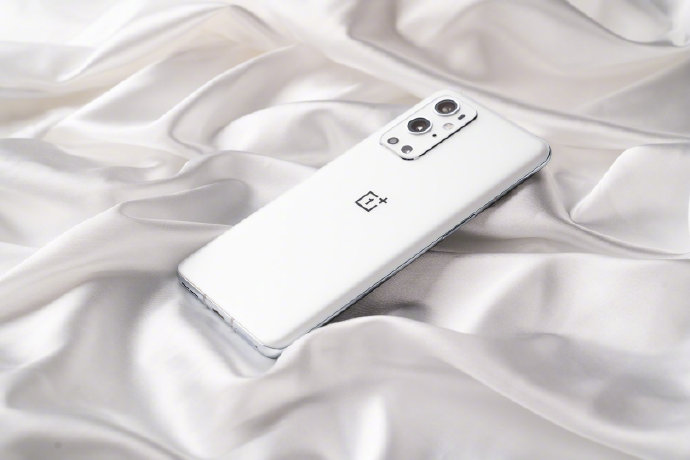
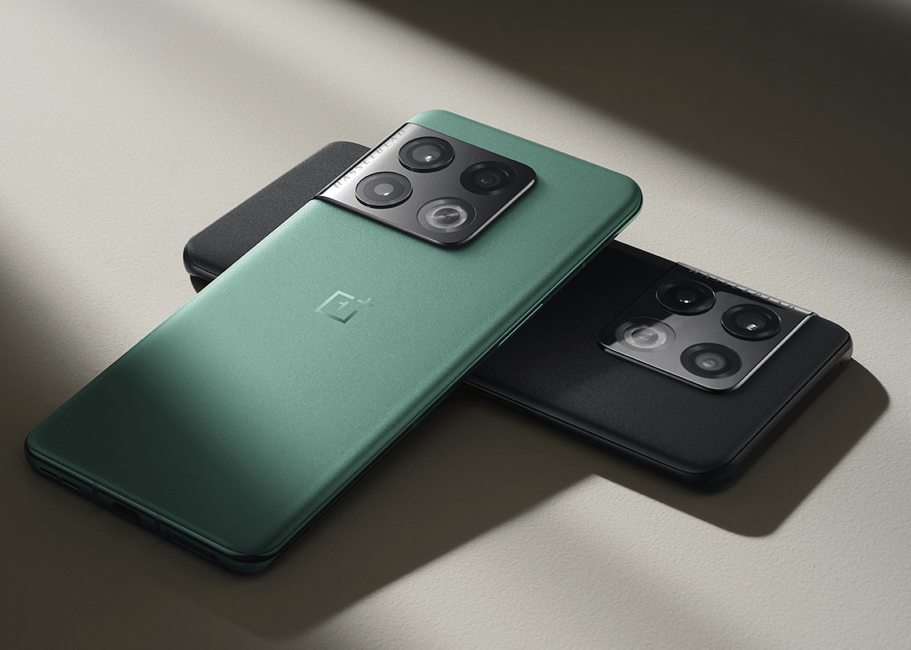
Earlier today (11th January 2022), the highly anticipated OnePlus 10 Pro was finally launched in China. This is the company’s latest flagship entry and is the higher end variant of its new 10 series. But, how does it stack up against last year’s flagship the OnePlus 9 Pro and is it a worthy upgrade? Lets find out.
OnePlus 10 Pro VS OnePlus 9 Pro
OnePlus 10 Pro
OnePlus 9 Pro
DIMENSIONS AND WEIGHT
163 x 73.9 x 8.5mm, 200.5 g
163.2 x 73.6 x 8.7 mm, 197 g
DISPLAY
6.7 inches, 1440 x 3216p (Quad HD+), 2nd Gen LTPO Flexible AMOLED
6.7 inches, 1440 x 3216p (Quad HD+), LTPO Fluid2 AMOLED
5,000mAh, 80W SuperVOOC fast wired charging, 50W AirVOOC fast wireless charging
4500mAh, fast charging 65W, wireless charging 50W
ADDITIONAL FEATURES
5G, x-axis linear vibration motor, dual stereo speakers
Dual SIM slot, 5G, IP68 waterproof
PRICE
~$737
~$766
Design and Display
With the launch of the OnePlus 10 Pro, the company made a major shift in terms of design. While the 9 Pro also featured a redesign over the 8 series, the top end 10 Pro’s rear design is quite a bit different and controversial. Some prefer the large new camera module, while some don’t. But if you’re looking for a smartphone that stands out between the two, the 10 Pro has more of a design impact. Talking about the display, both models feature a 6.7 inch AMOLED panel with the same resolution. Both of these also use LTPO technology with adaptive refresh rate up to 120Hz, but the latest model arrives with a second gen flexible LTPO panel. So, the display isn’t a major factor when considering an upgrade.
Specs & Software
In terms of specifications, both smartphones are quite similar, especially in regards to storage. The OnePlus 10 Pro and 9 Pro are available in either 8GB or 12GB of RAM and up to 256GB of internal storage. The former features Qualcomm’s latest Snapdragon 8 Gen 1 chip while the latter houses the last gen Snapdragon 888 SoC. The new chip is about 20 percent faster and 30 percent more power efficient over the older model while its GPU is quite a lot more powerful than the last gen. So, if you wish to have the latest and greatest device every year, the upgrade seems viable, although, the Snapdragon 888 is still a flagship grade processor that can handle the same tasks as the 8 Gen 1 without a hitch. But, the one aspect that might turn some away from the upgrade is the ColorOS 12.1 on the OnePlus 10 Pro, since many prefer the clean and stock Android like OxygenOS. Meanwhile, gamers might prefer the improved GPU on the new chipset.
Cameras
Apart from the noticeable changes with the camera modules between the two phones, the number of sensors are also different. The OnePlus 9 Pro sports a quad camera setup while the 10 Pro features just three sensors on the rear. The primary camera on both phones are exactly the same so there might not be a large change in photography. The 50 megapixel ultra wide angle lens and 8 megapixel telephoto lens also make a reappearance and are quite similar on paper. Regardless, the latest handset’s sensors are also co-tuned by Hasselblad with features like Hasselblad Natural Color Optimization 2.0, XPan Mode, and more. So, there aren’t a lot of changes to see here either, but only a real life comparison can tell what kind of upgrades the new phone offers in this department.
Battery
The OnePlus 10 Pro is powered by a larger 5,000mAh battery pack while the 9 Pro is powered by a 4,500mAh battery. Although, the newer model supports up to 80W SuperVOOC fast wired charging and 50W AirVOOC fast wireless charging while the predecessor supports 65W Warp Charge and 50W wireless charging called Warp Charge 50 Wireless. In other words, your handset will charge faster and likely last longer owing to its more efficient processor.
Price
The OnePlus 10 Pro starts from 4,699 Yuan (roughly 737 US Dollars). Meanwhile, the OnePlus 9 Pro had started from a higher price tag of 4,999 Yuan (roughly 766 US Dollars). So given the option between the two at their launch prices, the newer model would obviously offer better value considering it features cutting edge hardware and will receive updates for an entire year more as well since it just launched.
Verdict
On paper, the OnePlus 10 Pro doesn’t seem to offer a large enough update to make it a worthwhile upgrade. So, if you already have the OnePlus 9 Pro, we can’t advise an upgrade with these incremental changes. But, if you’re upgrading from any older OnePlus smartphone model like the 8 series, the 10 Pro might be a better option to go for.
Logitech has officially launched the Logitech G435 Lightspeed Wireless Gaming headset in India. The wireless gaming headset is intended to be used with PCs, PlayStation devices, and mobiles phones. It comes with features like DolbyAtmos audio, FSC certification, and is made out of recycled plastic.
The Logitech G435 is priced at Rs 7,495 in India, but it is currently on sale for Rs 6,995 on Amazon. It has three color variants – Black, White, and Blue.
The Logitech G435 is a wireless gaming headset that comes with 40mm drivers. The company claims it to be ultralight coming at 165 grams. The headset comes with an over-ear design that’s suited for small and medium head sizes, as per Logitech(via – MySmartPrice).
The headset comes with dual beamforming mics that are touted to eliminate background noise offering better vocals. It has Dolby Atmos and Windows Sonic surround sound. As for the battery, it has up to 18 hours of playback on a single charge and features a USB Type-C port for charging.
The earbuds have a wireless range of up to 33 feet and come with a 2-year limited hardware warranty. It has the following dimensions – 163 x 170 x 71mm.
Interestingly, the earbuds come with Forest Stewardship Council(FSC) certification making them more sustainable. Logitech claims that the material used in the headset is made from a minimum of 22% post-consumer recycled plastic. That said, the headset is claimed to be Carbon Neutral.
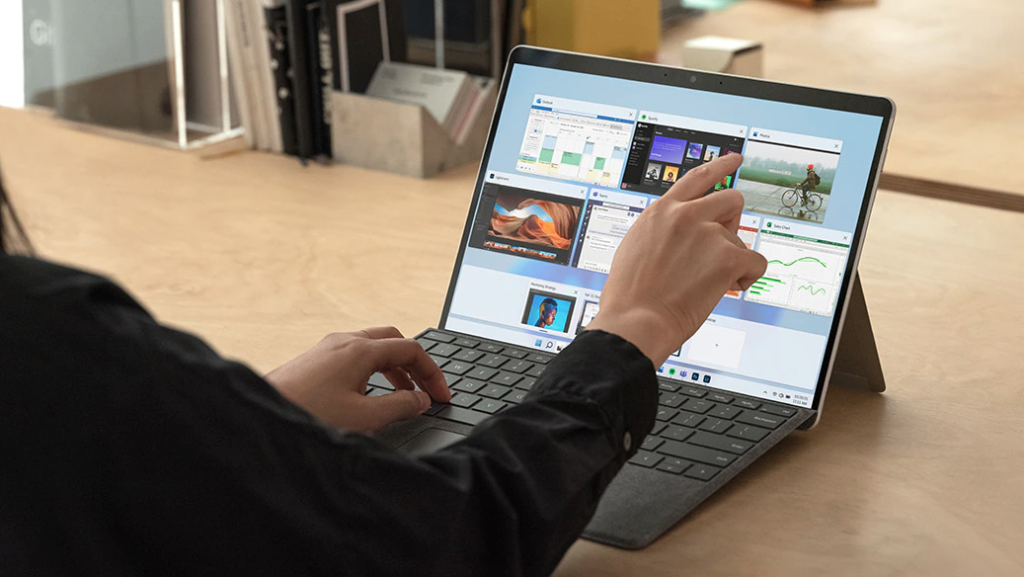
Earlier today, Microsoft launched the Surface Pro X 2021 in India. The Windows 11 powered 2-in-1 tablet comes with the companies own ARM-based SoC and is being offered at a highly competitive price. So let’s take a deeper look at the 2021 Surface Pro X.
Microsoft Surface Pro X specs and Features
For consumers, Microsoft has offered only one variant of the Surface Pro X device. This variant consists of a 13-inch PixelSense display with 2880x1920p resolution and a 3:2 aspect ratio. The screen has a 267 PPI pixel density and offers 10 point multi-touch functionality. The device weighs 774 grams and comes with the Surface Slim Pen 2 with zero-force inking.
The Surface Pro X houses Microsoft’s custom-built SQ1 octa-core ARM processor with 2 teraflops of graphic performance thanks to the Adreno 685 GPU. The 2-in-1 comes with Windows 11 and inbuilt 64-bit emulation for access to more apps. Apps like Microsoft Teams, Office, Adobe Photoshop, and Lightroom are also optimized for Windows on ARM.
The device features a full HD 5MP front camera with Windows Hello face authentication support and an AI-based Eye Contact feature to help adjust the gaze during video calls. It also gets a dual far-field Studio mic setup for high-quality voice input during video calls and 2W stereo speakers with Dolby Audio. It is said to deliver up to 15 hours of battery life on a single charge as well. As for the rear camera, the device has a 10.0MP autofocus camera with 1080p HD and 4k video.
Microsoft has introduced the WiFi-only variant of the Surface Pro X 2021 in India therefore the device only features Wi-Fi 5: 802.11ac, Bluetooth 5.0, a magnetic Surflink, and USB-C for connectivity.
Microsoft Surface Pro X 2021 price in India, availability
For consumers, Microsoft Surface Pro X 2021 8GB + 128GB is now available for purchase for Rs. 93,999 ($1,272). The device comes in a Platinum finish. Additionally, the Surface Pro Keyboard and Signature type covers will be sold separately.
Microsoft has also introduced multiple variants for corporate houses including the Surface Pro X SQ1 with 8GB + 128 which costs Rs. 94,599 (~$1,280). The 8GB RAM and 256GB storage variant costs Rs. 113,299 (~$1,533).
The Surface Pro X with SQ2 Processor and Adreno 690 GPU has also been provided for corporate houses in India which will cost Rs. 131,799 (~$1,784) for the 16GB + 256GB variant and Rs. 150,499 (~$2,037) for the 16GB + 512GB variant.
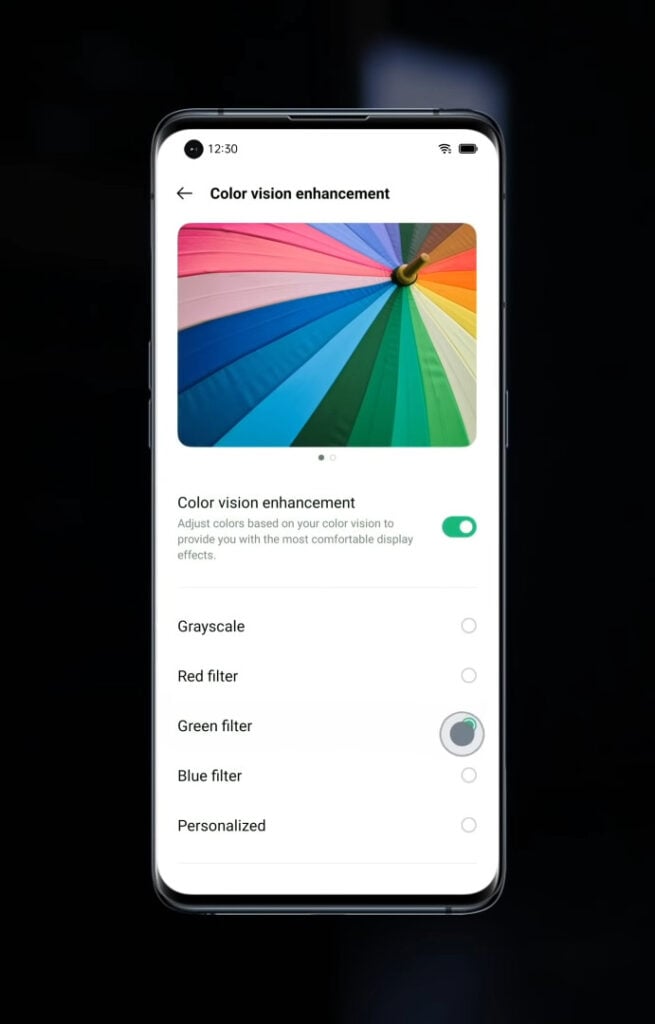
Li Sitong, product manager at OPPO, was invited today to the Tencent Technology Forum for Information Accessibility, where he demonstrated the company’s color vision detection technology, developed for people with color vision deficiency.
Data shows that 16% of the world population is currently colorblind, out of which it is 1 in every 12 males and 1 in every 200 females.
For this, OPPO has successfully developed a color vision enhancement technology and integrated the industry-recognized professional-level visual detection solution “Munsell Color Chess” into mobile phones for the first time. This has been integrated with the capabilities of the matrix mapping method. Based on the LMS color space, a set of detection algorithms that conform to the visual characteristics of the human eye have been constructed, which can meet the needs of most color-impaired people.
The technology has been dubbed “Thousands of People and Thousands of Screens” and its unique bit is that it helps identify both the type and severity of a user’s color blindness. This characteristic has actually helped increase the ability of users to distinguish colors from 20% to 80%.
While the color vision enhancement tech was first unveiled with the OPPO Find X3 series, OPPO more recently completed the development of the 1000-person 1000-screen SDK and has opened it up for the entire industry. All kinds of hardware manufacturers and content providers can now use it on their products, which would be hugely beneficial for the color vision deficient.
Additionally, OPPO has also launched a few other unique accessibility features such as voice subtitles and barrier-free color modes.
Samsung has been rolling out the Android 12-based One UI 4.0 stable update for eligible devices for the last few weeks. The latest handsets to receive the latest version of the company’s mobile software are Galaxy A52s 5G and Galaxy Fold 5G.
According to SamMobile, the Android 12 stable update for the Galaxy A52s 5G is currently live in South Korea, The update arrives with firmware version A528NKSS1BUL7 and December 2021 security patches.
On the other hand, the same update for the Galaxy Fold 5G is live in the UK. For this phone, the update comes with F907BXXU6GULB. Also, the software build brings along the latest January 2022 security patches.
Like any other OTA system update, the new software update for the aforementioned Samsung smartphones is being rolled out in batches. Hence, it may reach earlier for some users, while for others, it could get delayed.
Users in these regions can head over to Settings > Software update > Download and install to check whether their unit has got access to the latest release.
It should be also out in other regions in the coming days. Users in those places can also follow the above-mentioned instructions to check.
Having said that, if you are one of those who have already installed the update on your device, then do let us know your experience in the comment section below.
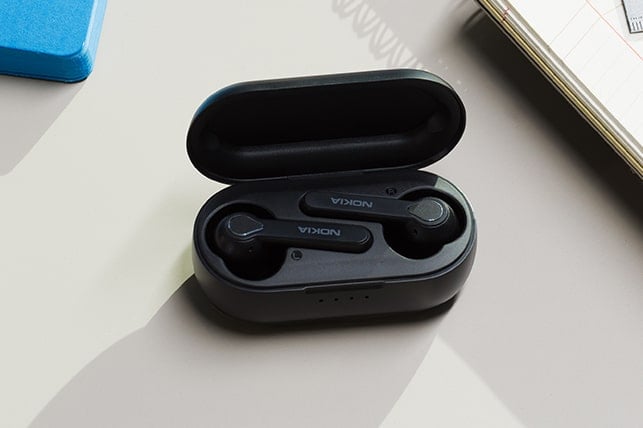
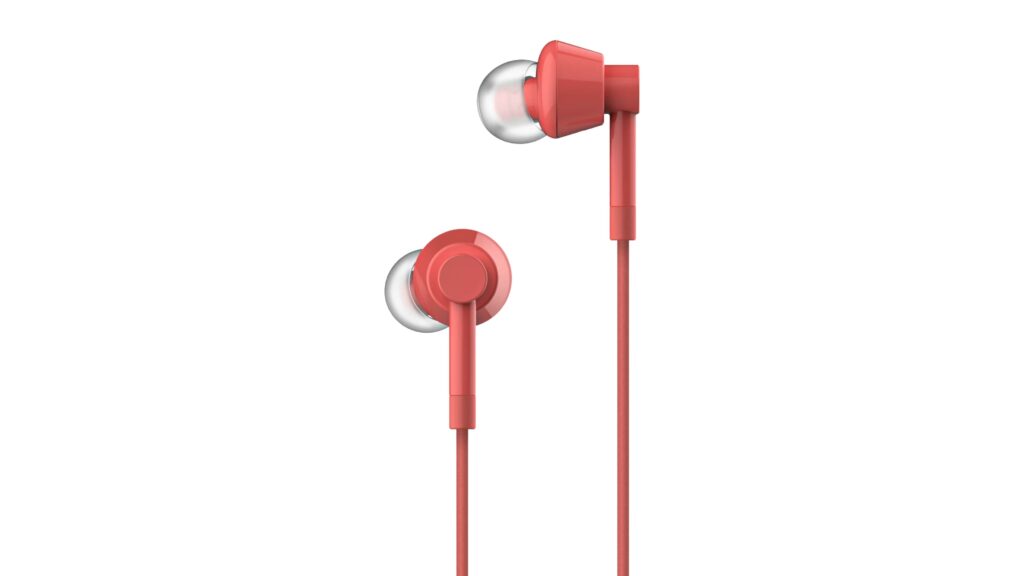
HMD Global has launched two pairs of Nokia-branded earphones in India. One of them is truly wireless, while the second model is wired. They are officially called Nokia Lite Earbuds and Nokia Wired Buds respectively. Both of them wentofficial earlier last year.
Nokia Lite Earbuds
The Nokia Lite Earbuds (aka BH-205) is an affordable pair of TWS. This product is priced at ₹2,799 in India and is already up for sale on the brand’s official website. Unfortunately, it is only available in a single Charcoal color option in the country.
As far as features are concerned, the buds house 6mm drivers and use Bluetooth 5.0 connectivity. They have a frequency range of 20Hz-20KHz and support touch gesture controls.
The charging case LED indicators for battery status and it charges via a USB Type-C port. The brand claims a playback time of 36 hours on a full charge.
Nokia Wired Buds
As the name suggests, the Nokia Wired Buds are a regular pair of wired earphones. They are up for sale on the company’s official website for ₹299. Buyers can avail them in either Blue, Red, White, or Black.
These inexpensive earphones sport 9.4mm drivers. They come with a 1.2m flat cable and a microphone.
They also have a multi-function button and use a 3.5mm connector.
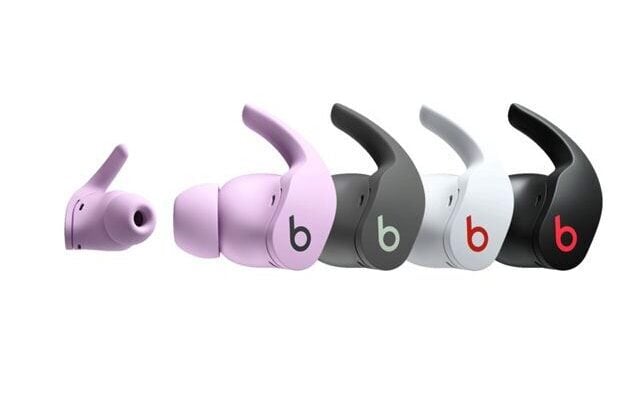
Back in November 2021, Beats officially launched its TWS earbuds dubbed the Apple Beats Fit Pro with Active Noise Cancellation(ANC) and Apple’s H1 chip. However, the earbuds were limited to the US back then. Now, Apple has confirmed that the Beats Fit Pro will launch this month in Canada and Japan.
The Apple Beats Fit Pro will launch on January 24 in Canada, while the Japanese market will get it on January 28. As usual, the earbuds will be up for grabs on the Apple official website. The earbuds are expected to launch in four colors – White, Black, Grey, and Purple/Pink.
The TWS earbuds from Apple’s Beats come with an in-ear design. It has an ear-hook to keep the earbuds glued to your ears offering a good fit. The earphones come with Apple’s H1 chip offering fast pairing and automatic syncing. To remind, this is the same chipset used in Apple’s AirPods Pro.
The Fit Pro has an Active Noise Cancellation feature, again similar to the AirPods Pro. The buds offer up to 7 hours of playback without the charging case and up to 30 hours with the charging case. It has an IPX4-rating making it water and sweat-resistant.
In terms of the pricing, a Canadian publication claims it to launch at a price of CAD $249.95(~$198), while a Japanese publication reveals the price will be JPY 24,800(~$215) in Japan. Just for comparison, the earbuds were launched at a $200 price tag in the US.
Vivo is officially withdrawing from its title sponsor position from the IPL (Indian Premiere League). The decision was taken during the Governing Council meeting of the IPL earlier today (11th January 2022).
For those unaware, the Chinese smartphone maker has been the title sponsor for the IPL for more than five years now. However, the Tata Group will now be the next title sponsor for this year as well as 2023 IPL. This news has also been officially confirmed by the BCCI officials (Board of Control for Cricket in India). Apparently, Vivo has requested to pull out from the IPL sponsorship deal, which was approved by the Governing Council.
Although, the brand currently has a couple of years left in its sponsorship deal with IPL. So, Tata will act as the title sponsor during this period. In other words, the popular cricket league will no longer be referred to as Vivo IPL, rather you will have to get used to calling it Tata IPL. According to a 91Mobilesreport, an official stated that “There was a request from Vivo to exit the IPL sponsorship deal and the GC has approved it. The BCCI will continue to earn the same fee for the title rights.”
Back in 2018, the Chinese brand had acquired the title rights for a cost of 440 crore INR (roughly 60 million US Dollars). But in 2020, the deal was paused for a year due to the Coronavirus pandemic, which even caused relations between India and China to be strained and the title rights being transferred to Dream 11.
Last year, OnePlus officially launched the OnePlus 9RT in China carrying the model number MT2110 and offering specs like a Snapdragon 888 SoC, 50MP triple cameras, and 65W fast charging support. Now, the company is all set to launch it in India on January 14. Ahead of its launch, the OnePlus 9RT India model has now emerged on Geekbench confirming its arrival.
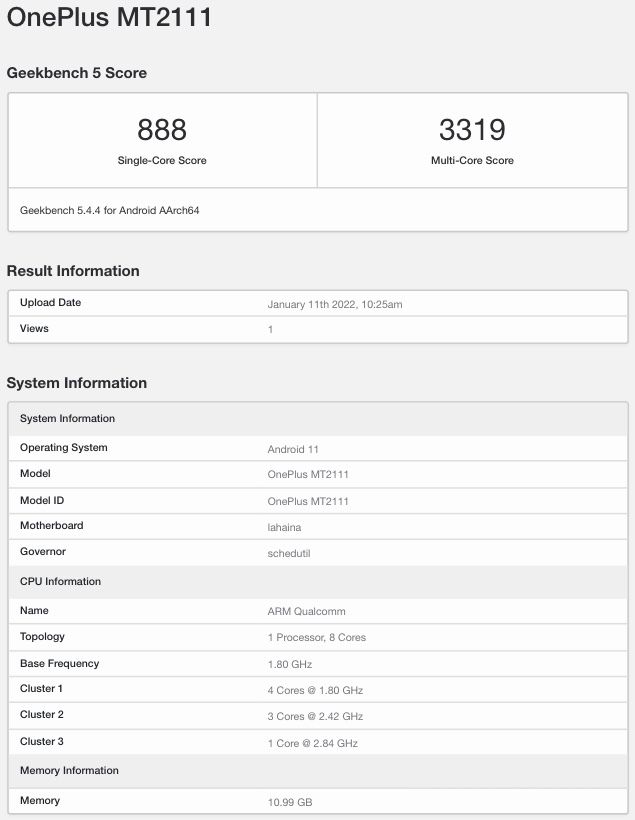
A OnePlus device with model number MT2111 passed the Geekbench v5 certification scoring impressive points. It is believed to be the OnePlus 9RT Indian model since the same device was earlier seen on BIS certification. The Geekbench listing reveals a single-core score of 888 points and a multi-core score of 3319 points.
The smartphone is powered by the Qualcomm Snapdragon 888 octa-core SoC. It has the first four cores clocked at 1.80GHz, the other three cores clocked at 2.42 GHz, and the last core clocked at 2.84GHz. The device has 12GB of RAM but unfortunately, it runs on Android 11. But we expect the company to push the Android 12 update soon after the launch.
Regarding its other specs, the phone was launched with a 6.62-inch AMOLED display with an FHD+ resolution. It has a 120Hz refresh rate and HDR10+ support. The phone has an in-display fingerprint scanner for security.
It sports a 16MP selfie camera and a triple rear camera. The rear setup goes by a 50MP Sony IMX766 main lens, a 16MP ultra-wide sensor, and lastly a 2MP macro lens. The device packs a 4,500mAh battery has support for Warp Charge 65T.
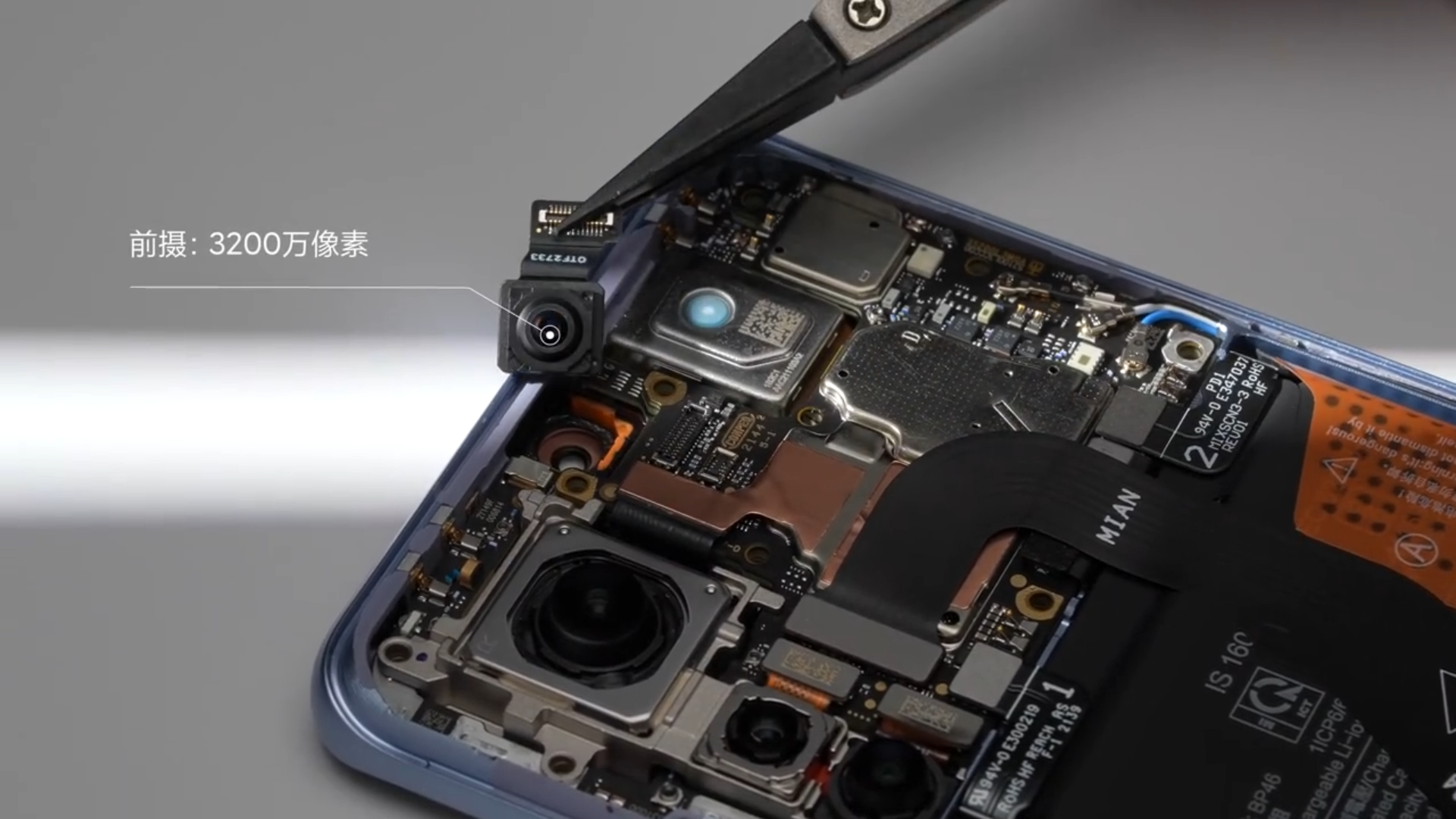
Xiaomi today released a new disassembly video for its compact flagship Xiaomi 12, highlighting its innards comprised of the latest and greatest tech in the smartphone industry.
The video made the process look like a breeze with almost all of the parts looking like they’ve been loosely stuffed inside, although we doubt an actual dismantle will be that simple.
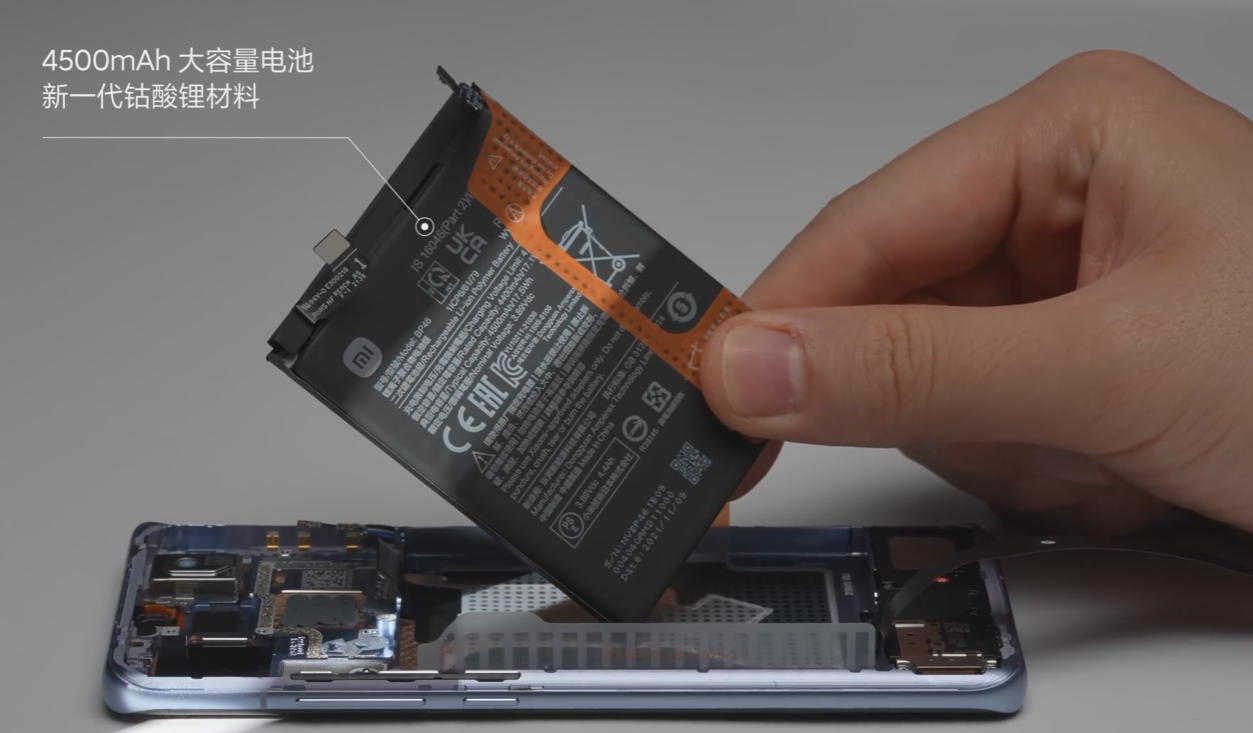
Upon lifting the back cover, the first thing you’ll notice is the circular wireless charging coil that rests atop the 4,500 battery. This coil is capable of quickly filling up the battery at 50W, and a lot of components have been packed into the phone to keep its temps low during charging.
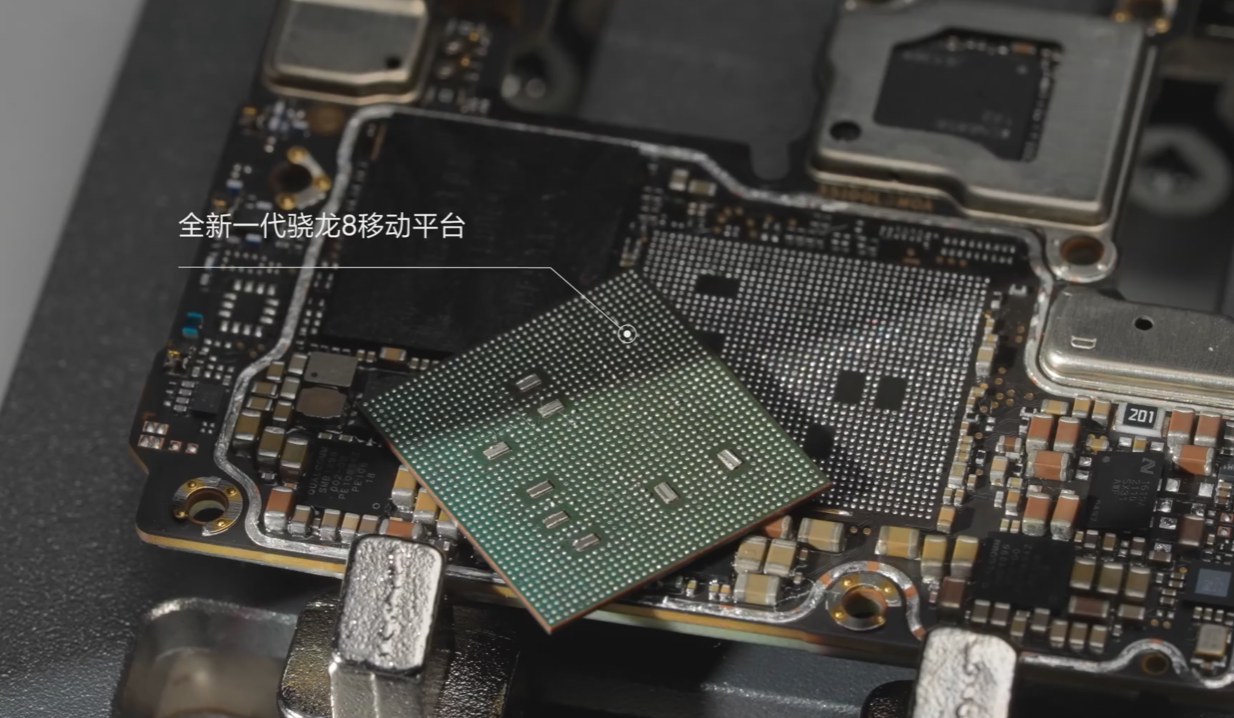
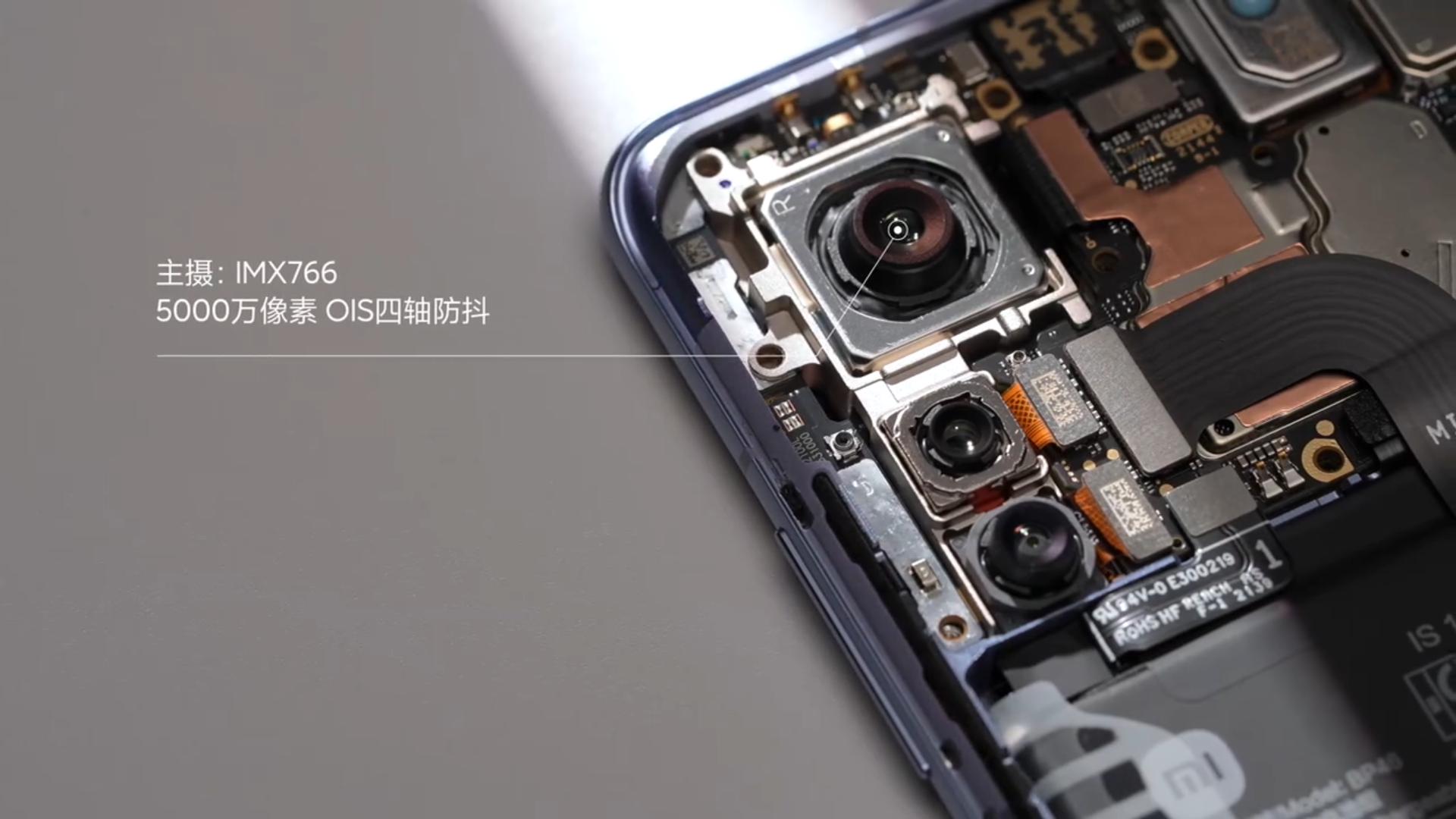
Unscrewing some more parts will then lead you to the cameras and the Snapdragon 8 Gen 1 processor. The primary camera on the Xiaomi 12 has a resolution of 50MP and comes with OIS, as seen in the image below. The front 32MP camera can be removed easily without messing around with the display.
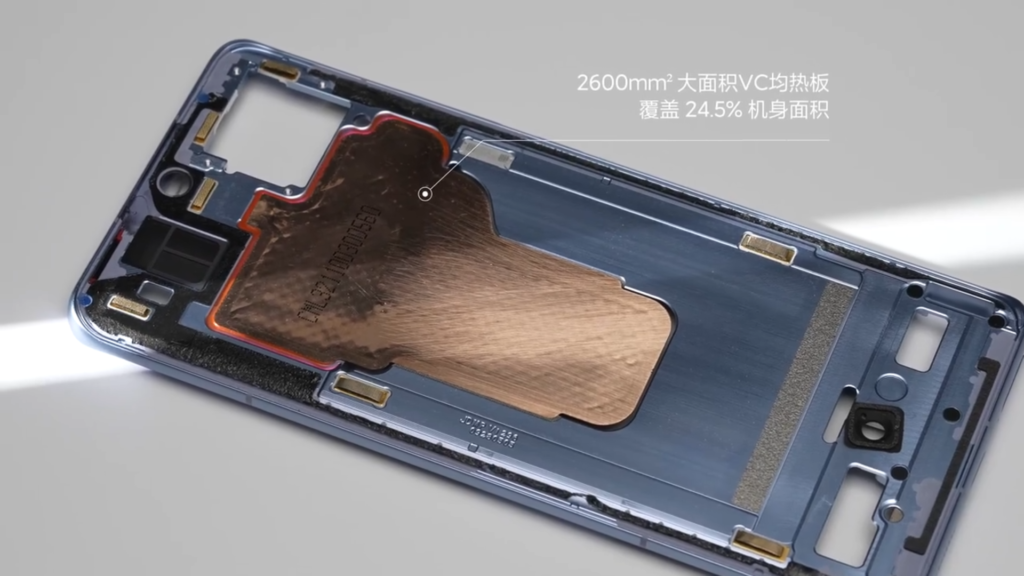
But the most impressive bit is easily the extensive cooling system packed into the device, comprised of 10345 mm² oversized graphite, 226 mm² white graphene, and 2600 mm² Super VC liquid cooling. Of course, all of this is visible in the disassembly video.
Another cool thing that while isn’t featured on the video but is still worth knowing is that the Xiaomi 12 comes with the smallest and highest density 5G motherboard in the history of the company, with 10% more components and a 17% smaller area.
Moreover, the battery of the Xiaomi 12 features a new generation of lithium cobalt oxide, has a cost increase of 14%, and is the highest density fast charge cell in Xiaomi’s history.
The Xiaomi 12 is currently only available in China for a starting price of 3,699 Yuan or around USD 580 and there hasn’t been any announcement yet about a global release. It was launched on the same day as the Xiaomi 12 Pro and Xiaomi 12X.
Last week, Meizu announced that it has scheduled an event on January 12 in China but the company didn’t reveal the products that we’d see at the event. However, the company has slowly started teasing the devices. A day back, Meizu teased its PANDAER desktop Bluetooth speaker, and now, the company has officially teased the Meizu 10 smartphone.
Meizu on its Weibo page shared a teaser poster that revealed its upcoming Meizu 10 series. While now it’s confirmed to debut at the event, the company didn’t reveal any of its specifications. But nothing to worry about, as earlier, a device with the moniker Meizu mblu 10 was spotted on the TENAA certification site.
As per the certification, the Meizu mblu 10 carrying the model number M2110 will be a budget 4G smartphone. The device will feature a 6.5-inch LCD display with an HD+ resolution. It was seen with a dew-drop notch and a triple camera system at the rear.
Under the hood, it will be powered by an octa-core SoC and pack a 5,000mAh battery. The phone won’t boast any fancy fast charge support, rather it will simply have the standard 10W charging speed. The certification confirmed that it weighs 201 grams and has a 9.3mm thickness.
Meizu mblu 10 listed on Suning
To corroborate, back in November, ITHome reported a promotional banner of the phone, which was initially listed on Suning. However, months passed but the phone never got released. Seems like, at tomorrow’s event we will finally see the Meizu 10 a.k.a Meizu mblu 10 in China. The phone will arrive in three colors – White, Black, and Green.
As of now, we aren’t sure if the mblu 10 will be the only phone launching at tomorrow’s event. But we expect the company to launch a few more models in the series. We’re also expecting new gadgets to get unveiled at the event.
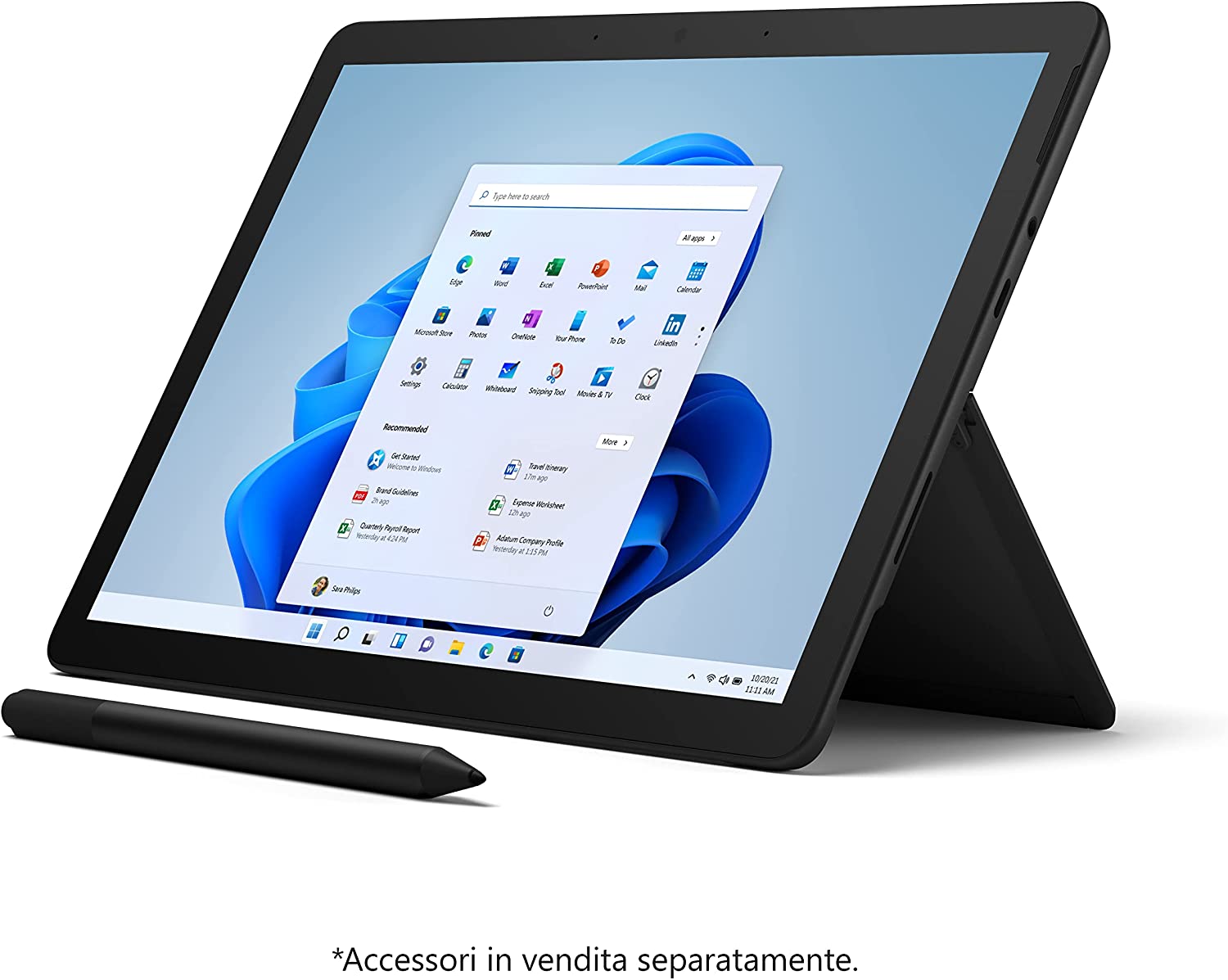
Microsoft has just launched its Surface Go 3 in a new color variant. The company’s latest budget tablet will be available in a Matte Black model and is currently on sale in Europe.
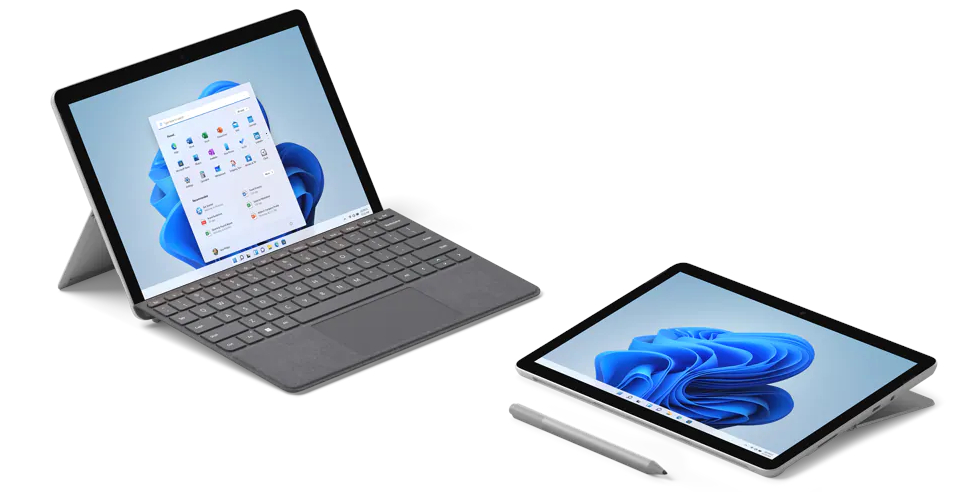
According to an XDADevelopersreport, the news regarding the Matte Black Surface Go 3 was first shared by Aggiornamenti Lumia on Twitter. The tweet shared images of the upcoming variant in various angles as well. For those unaware, the Surface Go 3 was first launched back in October 2021 and arrived with Windows 11. Initially, it was only available in the Platinum color live other Surface products, but similar to the Surface Pro 8, Microsoft has released it in a new color model.
Notably, while the Matte Black version was expected to launch sometime soon, Amazon listings in European regions like Germany revealed its official launch date, which is today (11th January 2021). Furthermore, even the official Microsoft Store have listed the new color model as well. This is a notable shift considering the Surface Go series has traditionally only been available in the signature Platinum color.
Looking at the Matte Black variant, there are no difference compared to the regular model apart from its color scheme. Although, the device does seem quite formal in this version. Previously, users could only customize the Type Cover and the Surface Pen in a few different color options. So this new variant adds a bit more variety to the mix.
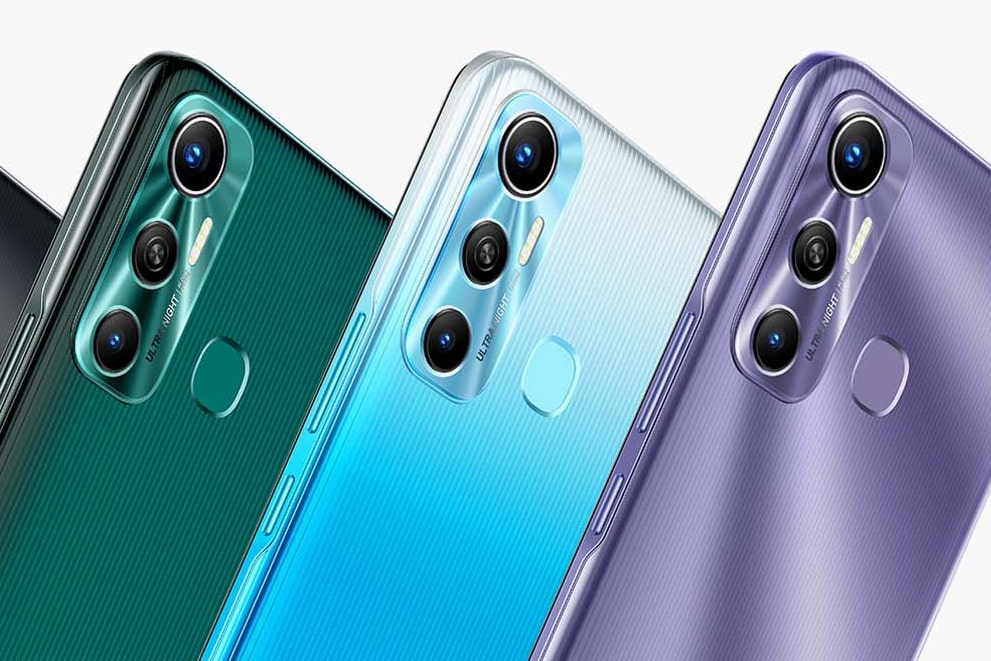
Transsion brand Infinix is well-known for its affordable range of smartphones wherever it has a presence. The company is now being tipped to launch a new handset called Infinix HOT 11 2022. Some of the key features of this phone have been revealed as well.
Infinix HOT 11
According to PassionateGeekz, the Infinix HOT 11 2022 will launch in India in February. The device will carry a price tag of ₹10,999 for the sole 4GB + 64GB memory configuration. It will be available in multiple color options.
The publication has also disclosed the specs of the smartphone. Per their sources, the handset will sport a 6.8-inch FHD+ 90Hz display (LCD). It will be powered by a UNISOC T700 chipset and will run Android 11.
Further, it will house a triple camera setup on the back comprising of a 48MP primary sensor, a 2MP depth sensor, and another 2MP unknown sensor. For selfies and video calls, there will be an 8MP shooter on the front.
Like the newer Xiaomi phones, this one will also include dual stereo speakers but will come with support for DTS Surround Sound instead of Dolby Atmos. There will be also a rear-mounted fingerprint sensor.
Last but not least, the Infinix HOT 11 2022 will draw the required energy from a 5,000mAh battery with support for 18W fast charging.
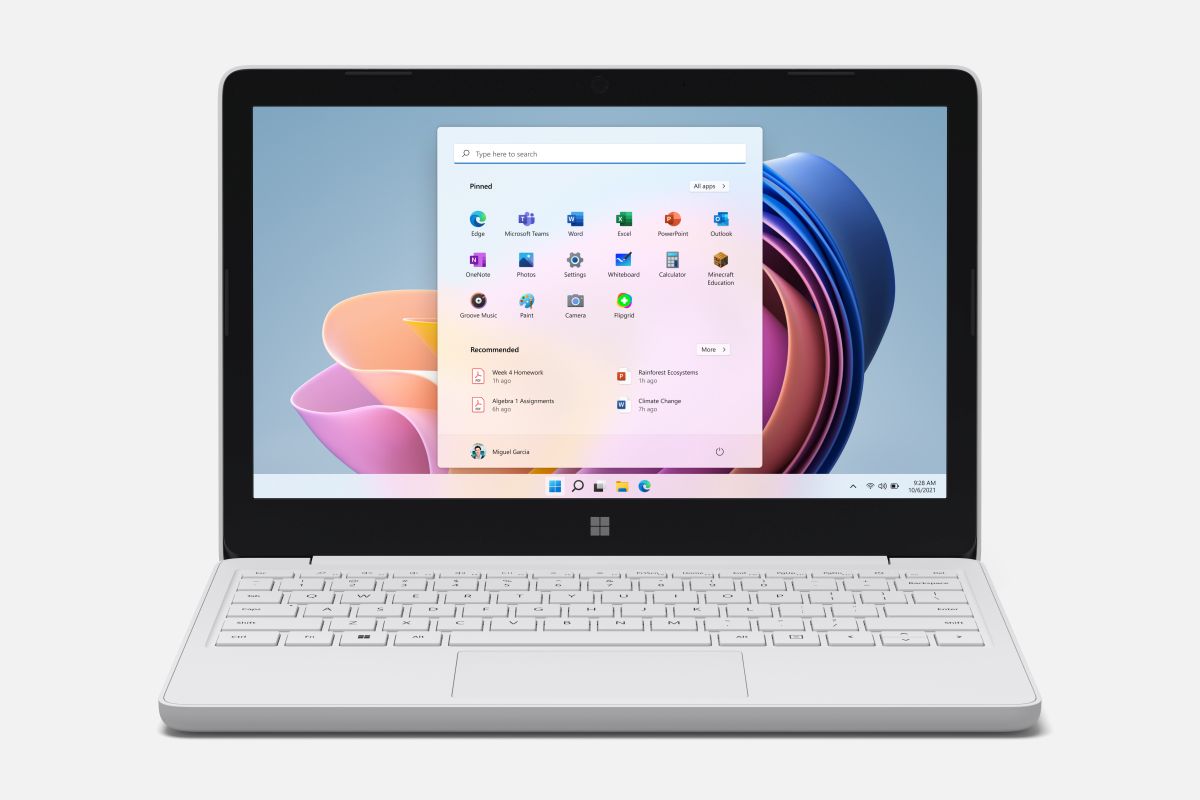
For those looking to repair or tear open your Surface Laptop SE, Microsoft has just released a new video to assist you in the process. The company has shared a new video that showcases the notebook being disassembled (Via XDADevelopers).
Talking about the laptop first, the Surface Laptop SE was unveiled last year and was the first Surface device that was made for kids (K-8: kindergarten through eighth grade). The new notebook is a budget PC from American tech giant that runs its Windows 11 SE, which is a cut down version of Windows 11 OS. In the past, the company received a fair bit of criticism over their bad repairability. But it seems that the brand has taken this into account with the newer models.
In the teardown video, we can see the Surface Laptop SE being opened and disassembled with just a few screwdrivers like Torx T6 and Philips PH0. Although while tearing down isn’t too much of a hassle, but you can’t simply remove and replace every component. The processor, RAM, and storage are soldered on the motherboard, however, the speakers, power connector, battery, and the display assembly can be removed.
Surface Laptop SE
In other words, repairs on these parts are still possible. Furthermore, the company has even partnered with iFixit for the distribution of essential tools for Surface Laptops and Surface Pro devices. This implies that Microsoft is making these products compatible with third party repairs as well.
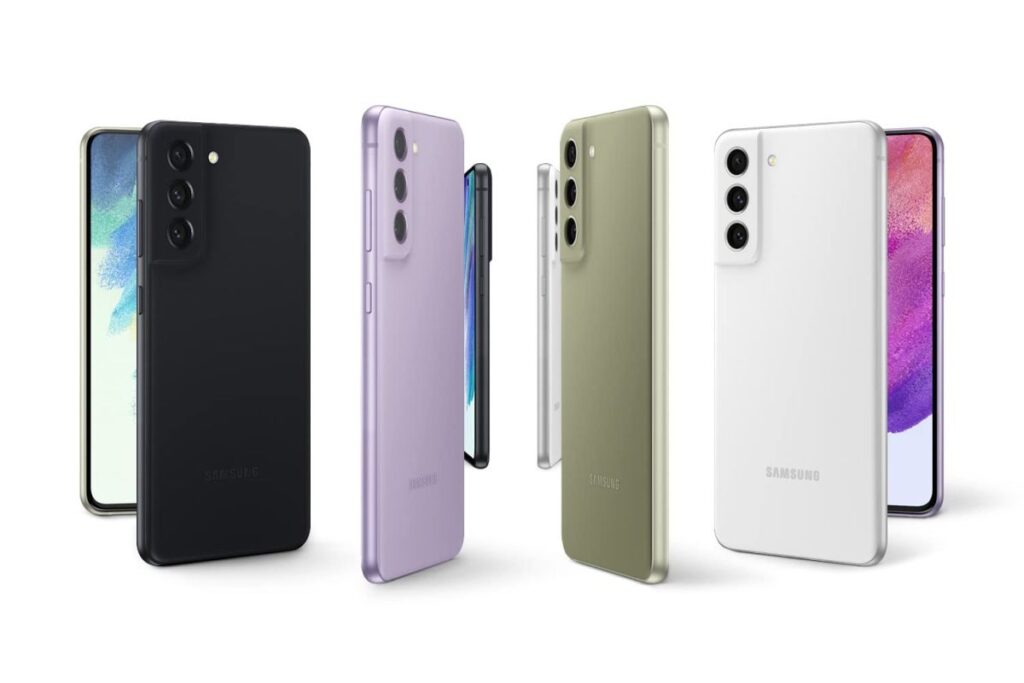
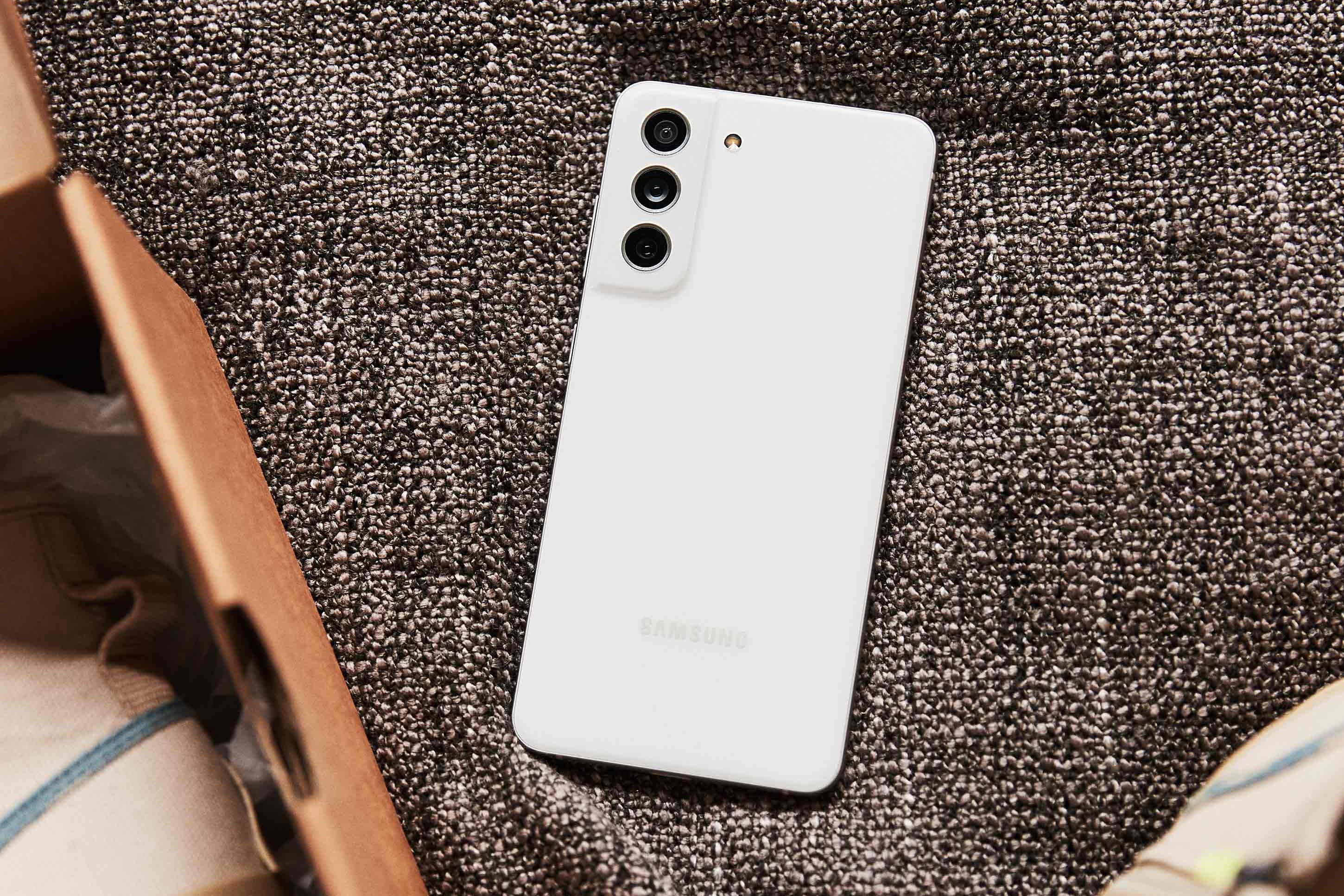
A few days back, Samsung officially announced the much-awaited Galaxy S21 FE 5G in multiple regions including China. The phone was up for pre-orders in China on January 6th and starting today, it will be available for purchase from all the Samsung authorized stores across the region.
The Samsung Galaxy S21 FE 5G has gone on sale starting at CNY 4,599(~$721) for the 8GB RAM + 128GB storage variant and CNY 4,999(~$784) for the 8GB RAM + 256GB storage variant. It is available in White, Graphite, Lavender, and Olive colors.
Samsung Galaxy S21 FE
It has a 6.4-inch punch-hole AMOLED display with a Full-HD+ resolution, a 120Hz refresh rate, and a 240Hz touch sampling rate. It features HDR+ support and has a 20:9 aspect ratio. The screen on the phone doubles up as an in-display fingerprint scanner offering added security.
The phone has a triple camera system at the rear with a 12MP main, 12MP ultra-wide lens, and lastly an 8MP telephoto lens. The tertiary lens offers 30x Space Zoom support. Upfront, it has a 32MP selfie snapper.
Under the hood, the Chinese market gets the Snapdragon 888 octa-core SoC. It is coupled with 8GB of RAM and 128GB, 256GB of internal storage. It packs a 4,500mAh battery and has a 25W wired and 15W wireless fast charging support. The device runs on Android 12 out of the box and has One UI 4 on top of it. Unfortunately, the phone doesn’t have a 3.5mm headphone jack.
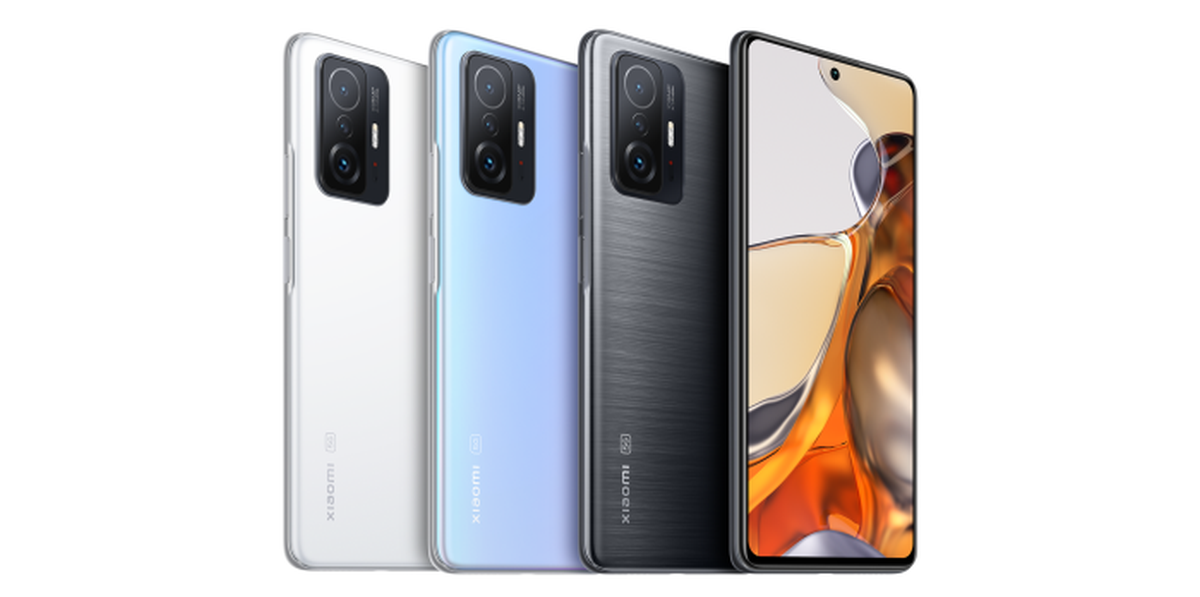
Xiaomi 11T Pro will be launching on Jan. 19 in India. The landing page of the smartphone recently went live on Xiaomi India’s website. Now, its microsite is available on Amazon India’s website. Hence, apart from Xiaomi India’s online store, the 11T Pro will be also available through Amazon India.
The Xiaomi 11T Pro’s Amazon listing reveals that it has a 120Hz AMOLED display that offers 10-bit colors. The Snapdragon 888 mobile platform is present under the hood of the device. It will be supporting a wide range of 5G bands. The official website listing of the 11T Pro shows that it may arrive with support for 13 5G bands.
Xiaomi 11T Pro
Xiaomi 11T Pro specifications
The Xiaomi 11T Pro has a 6.67-inch AMOLED display that offers a Full HD+ resolution and a 120Hz refresh rate. It is equipped with a Gorilla Glass Victus. The device will be running on MIUI 12.5 based Android 11 OS.
The device is equipped with a 16-megapixel front-facing camera. It has a triple camera unit with a 108-megapixel main camera, an 8-megapixel ultrawide sensor, and a 5-megapixel telephoto macro snapper.
The 11T Pro is powered by the Snapdragon 888 mobile platform. The device offers up to 12GB of LPDDR5 RAM and up to 256GB of storage. It has a 5,000mAh battery that offers 120W fast charging. It is expected to arrive in colors like blue, white, and gray.
The Xiaomi 11T is also speculated to launch with the Xiaomi 11T Pro. The device is expected to arrive with identical specs and design as the Pro model. However, the vanilla edition will ship with the Dimensity 1200 chipset, and it will carry support for 67W fast charging. It is likely to arrive with sub-Rs 40,000 (~$542) price tag.
At the OnePlus 10 Pro launch event in China, the brand also announced a special edition of the OnePlus Buds Pro. The new variant of the flagship truly wireless earphones from the company arrives with a silver color paint job, which is officially called ‘Mithril’.
The OnePlus Buds Pro Special Edition is called Mithril as it features a unique lustrous silver metal texture. Even the charging case has the same finish
For the unaware, Mithril is a fictional metal found in J. R. R. Tolkien’s The Lord of the Rings universe. This metal resembles silver, however, it is said to be stronger and lighter than steel.
Apart from the new color, the OnePlus Buds Pro Special Edition does not bring anything new. Hence, the TWS costs the same ¥799 ($125). But for a limited time, it will be sold at a discounted price tag of ¥699 ($110) starting from 4 PM (local time) today.
Talking about features, the OnePlus Buds Pro feature 11mm drivers, Bluetooth 5.2 connectivity, and 3 microphones for ANC (Active Noise Cancellation). The buds are IP55-rated for splash resistance and house a 37mAh battery each for up to 7 hours of music playback without ANC.
The charging case with USB Type-C wired charging and Qi wireless charging includes a 520mAh battery. All three batteries together are rated to last for up to 38 hours with ANC disabled.
We use cookies on our website to give you the most relevant experience by remembering your preferences and repeat visits. By clicking “Accept”, you consent to the use of ALL the cookies.
This website uses cookies to improve your experience while you navigate through the website. Out of these, the cookies that are categorized as necessary are stored on your browser as they are essential for the working of basic functionalities of the website. We also use third-party cookies that help us analyze and understand how you use this website. These cookies will be stored in your browser only with your consent. You also have the option to opt-out of these cookies. But opting out of some of these cookies may affect your browsing experience.
Necessary cookies are absolutely essential for the website to function properly. This category only includes cookies that ensures basic functionalities and security features of the website. These cookies do not store any personal information.
Any cookies that may not be particularly necessary for the website to function and is used specifically to collect user personal data via analytics, ads, other embedded contents are termed as non-necessary cookies. It is mandatory to procure user consent prior to running these cookies on your website.