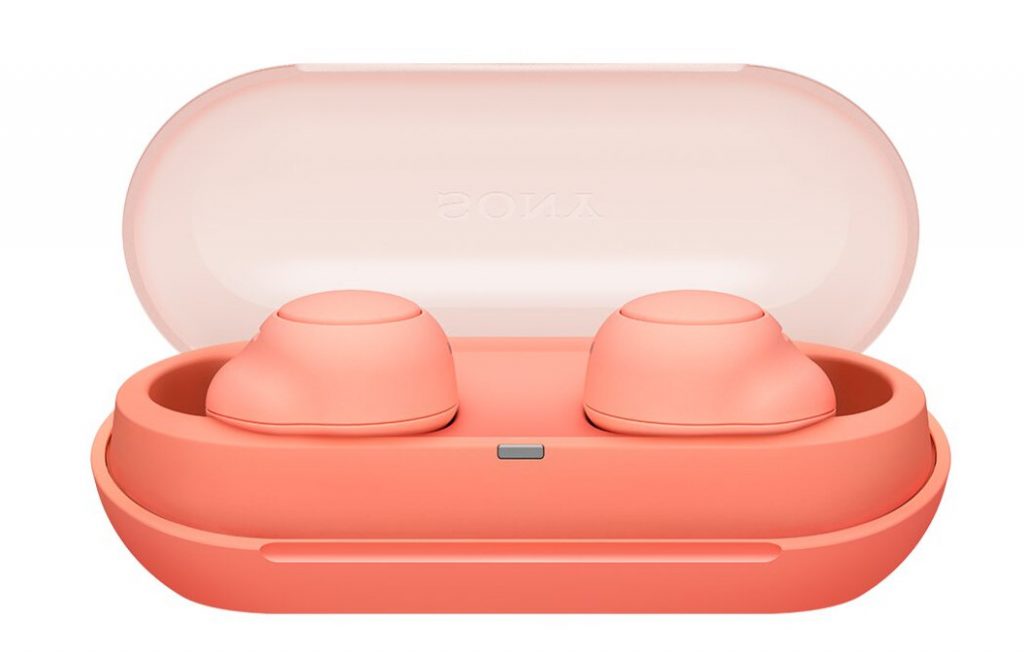
Sony has got several wearable gadgets under its belt but it is difficult to classify the company’s products as cheap. However, Sony has launched a new pair of earbuds for the Indian market that can be regarded as relatively ‘cheap’. The product is the Sony WF-C500 Truly Wireless Earbuds with a price tag of Rs. 5990 (~$81).
Compared to other wearable devices from the tech giant, the WF-C500 can be considered to be cheap. The price is even cheaper than the $100 price tag it adopted in the US when it was first announced in September 2021. Although you can’t compare this entry-level earbud to the high-end models, it adopts a premium-looking design style and several cool features that will surely give users value for their bucks.
The Sony WF-C500 adopts an ergonomic, closed-fit design with the usual silicone tips. The surface design allows for a more stable fit. Each bud is equipped with a control button that can be used for playback or calling up a virtual assistant on a connected smartphone.
The WF-C500 also comes with the Digital Sound Enhancement Engine (DSEE) that is designed to restore high-frequency sounds lost during compression. Apart from that, it features 360 reality Audio aimed at giving users an immersive experience.
The wearable device comes with an IPX4 waterproof rating, making it suitable for use even in the rain and for workouts as they are splash-proof and sweat-proof. When not in use, it can be stored in the carrying case having a translucent lid. The earbud can provide up to 10 hours of battery life which can be extended to 20 hours using the carrying case. The case supports fast charging with 10 minutes of charge capable of delivering 60 minutes of playback.
The WF-C500 can be connected to the Sony Headphones Connect app where users can also customize the audio experience. It equally supports the use of a single earbud.
The Sony WF-C500 will be available from January 16 via Sony retail stores (Sony Center and Sony Exclusive), ShopatSC.com portal, major electronic stores, and other e-commerce websites in India. The device comes in black, white, green, and orange.
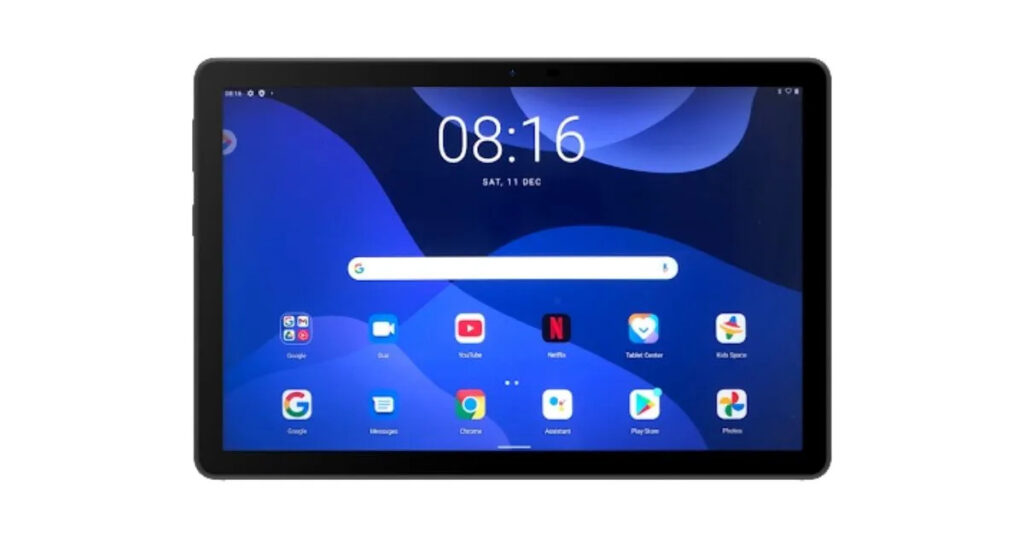
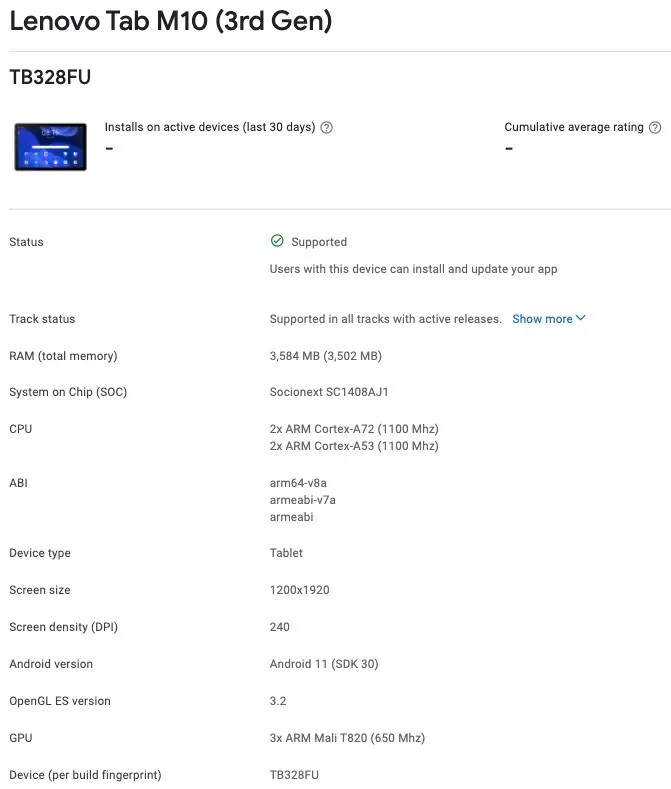
Lenovo’s popular Tab M series is set to get a fresh addition called Lenovo Tab M10 (3rd Gen) pretty soon and the tablet has just made an appearance on Google Play Console, revealing some key specifications.
The listing reveals that the Tab M10 will be coming with an FHD display with a resolution of 1200 x 1920 and a pixel density of 240 DPI. While the display size hasn’t been specified, it looks to be between 9 and 10 inches based on the screen resolution and DPI (via MySmartPrice).
Further, the tablet will be coming with the quad-core Socionext SC1408AJ1 chip that packs 2x Cortex-A72 and 2x Cortex A-53 cores, all of which are clocked at 1.1GHz. It is clear from this that the device will be an entry-level one, focusing on price over power. The graphics are handled by the Mali T820 GPU and the RAM is 4GB, out of which 3.5GB seems to be actually available.
On the software end, you get Android 11 out of the box. The image of the tablet reveals a home screen stuffed with all sorts of Google apps, indicating that Lenovo may be aiming for a more stock-ish Android experience. Some preloaded apps like Netflix can also be expected, although they would likely be the kind that can be uninstalled.
It is worth mentioning here that the previous generation of the Lenovo Tab M10 (3rd Gen) called Tab M10 (2nd Gen) came in both Wi-Fi only and LTE options, so the same can be expected from the newer model as well.
There is no official word on when the Lenovo Tab M10 (3rd Gen) will be making its debut, but considering it has already made it to Play Console, it shouldn’t take much longer.
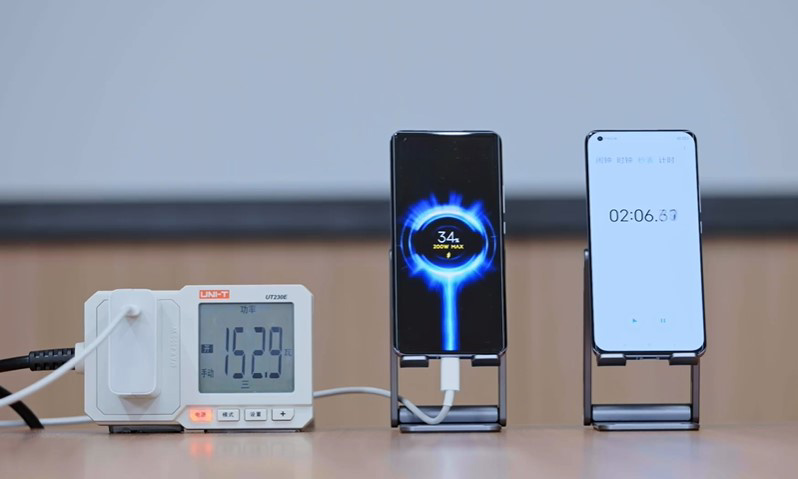
In the past, we’ve seen crazy fast charging technologies from brands like Infinix, which demonstrated its 160W fast charging technology, and Xiaomi, which demonstrated its 200W HyperCharge solution. While these speeds were insane, they were not quite ready for commercial use due to a number of safety prerequisites. However, now, DigitalChatStation reveals that speed as fast as 200W may soon get commercialized.
As per the tipster, Xiaomi and OPPO are experimenting with the 200W fast charging solution at the moment. These companies are expected to bring the 200W solution for commercial use, meaning that you may see your next Xiaomi or Oppo phone bundled with a 200W fast charging adapter. Or, at least will be able to buy a 200W adapter separately.
To recall, Xiaomi’s 200W charging speed demonstration for the Xiaomi Mi 11 Pro proved that the solution could charge the phone’s entire 4,000mAh battery in under 8 minutes. It just took 3 minutes to get to 50% and 44 seconds to get to 10%.
As of now, we don’t have any official confirmation as to when we might see the technology for commercial use. But a past report revealed that Xiaomi may start the mass production of the 200W fast charging solution by Q2 of this year.
As for Oppo, the company earlier started mass producing the 125W wired fast charging technology. It is testing the technology with dual-cell batteries and implementing smart charging technology with the help of battery safety detection chips. Having said that, the company may also start mass-producing the 200W solution and we might see it soon.
The MWC 2022 event in Barcelona is still scheduled to kick off later this year. This news arrives despite the rising concerns over the Omicron variant of COVID-19, as the number of cases for infections are rising all across the globe.
According to John Hoffman, CEO of the GSM Association (GSMA), the previous Mobile World Congress event will still be held, but with a higher health standard to ensure the safety of those attending. The executive shared the news on MWC’s official website and added that the event will bring in help from health experts, scientists, and the government as well to allow people to “convene safely” to the event this year.
As of right now, the major conference is expected to have more than 1,500 exhibitors arriving from around 150 different nations. For those unaware, the MWC Barcelona event is one of the biggest mobile tech expos, with various brands unveiling their latest innovations in smartphone technology to attendees. In the past, the event has brought in over 100,000 people. But while the event is popular with enthusiasts, it has raised concerns due to the rising cases of Coronavirus infections.
According to the New York Times daily tracker for Spain, the region’s COVID cases on 9th January 2022 was 124,309. Notably, the event is also the second major conference to continue its event with live attendees. Back in 2020, the GSMA had postponed the event and eventually canceled it due to the pandemic. So it remains to be seen if MWC 2022 is eventually cancelled later on. So stay tuned for more updates.
The first Android 12 Developer Preview made its way in February last year, so it’s quite likely that previews of its successor — Android 13 — will start rolling out around the same time. A number of features expected with the release have already seeped out including a redesigned output picker and improvements to Bluetooth audio streaming.
These are now joined by yet another audio-related feature that seems to allow users to continue playing media from their phone on other nearby smart devices (via Android Police).
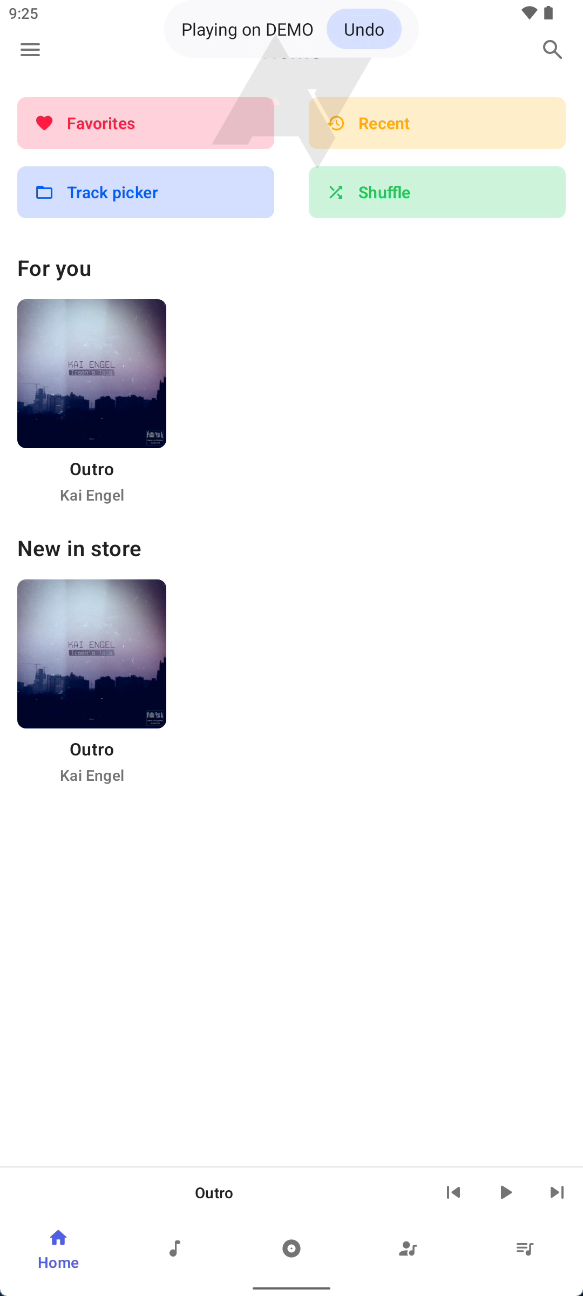
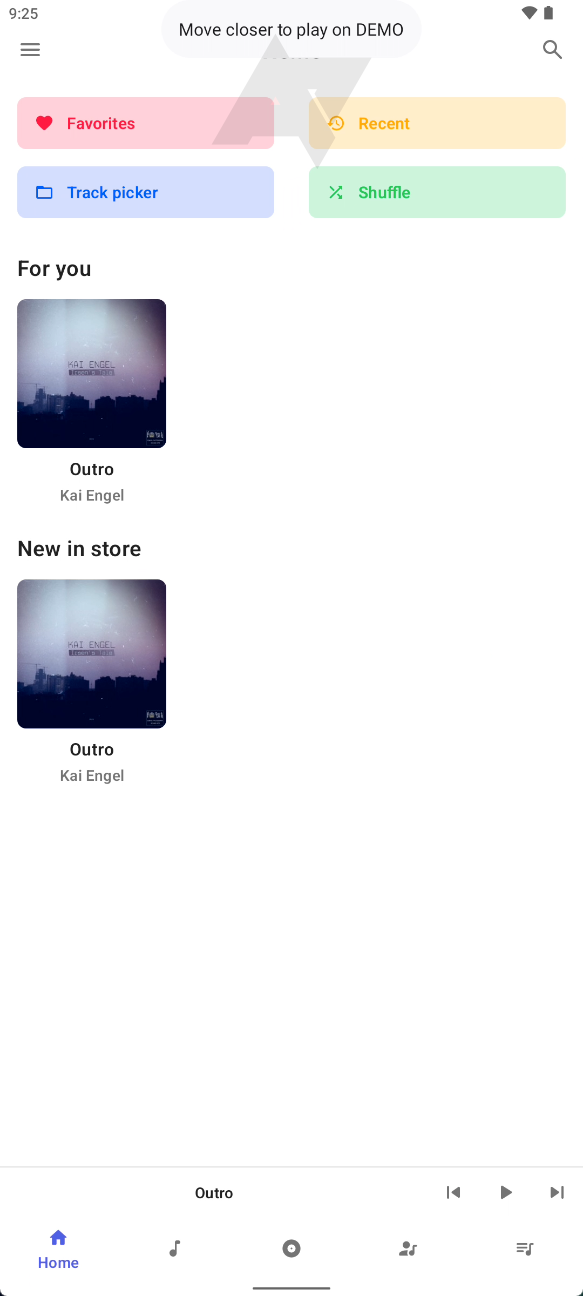
At this point, intricacies about the feature are still in the dark, but there are a couple of screenshots at hand that show it in action. The feature is called “Media TTT”, with TTT standing for “tap to transfer,” and a part of it is a chip notification that pops up with info relating to one’s proximity to a receiver device such as another phone or a Chromecast device.
As seen above, the chip notification asks the user to move closer to the receiver device in order to “play on DEMO”. When they’ve done as requested, media playback will be transferred and another notification with an option to undo it will pop up.
Again, this is all the information currently at hand regarding the Android 13 Media TTT feature and the rest is only speculation. It isn’t clear how the feature is going to work but it would likely be something akin to UWB with enough precision to pick out a specific device from a gadget-filled room.
All in all, it would mean that Android devices will finally have a built-in answer to a similar feature from Apple that lets users hand off audio from an iOS device to a HomePod with nothing but a tap.
Do keep in mind here though, that as with any piece of software under early stages of development, the feature will be going through a lot of changes. We might even get to see some bits of all of the audio-related action with Android 12L so stay tuned.
After teasing for days, OnePlus has officially launched the OnePlus 10 Pro in China. The latest flagship smartphone from the brand is the successor of last year’s OnePlus 9 Pro. However, it does not look like one as it features a revamped design. Let’s check out what all it has to offer.
OnePlus 10 Pro Specifications and Features
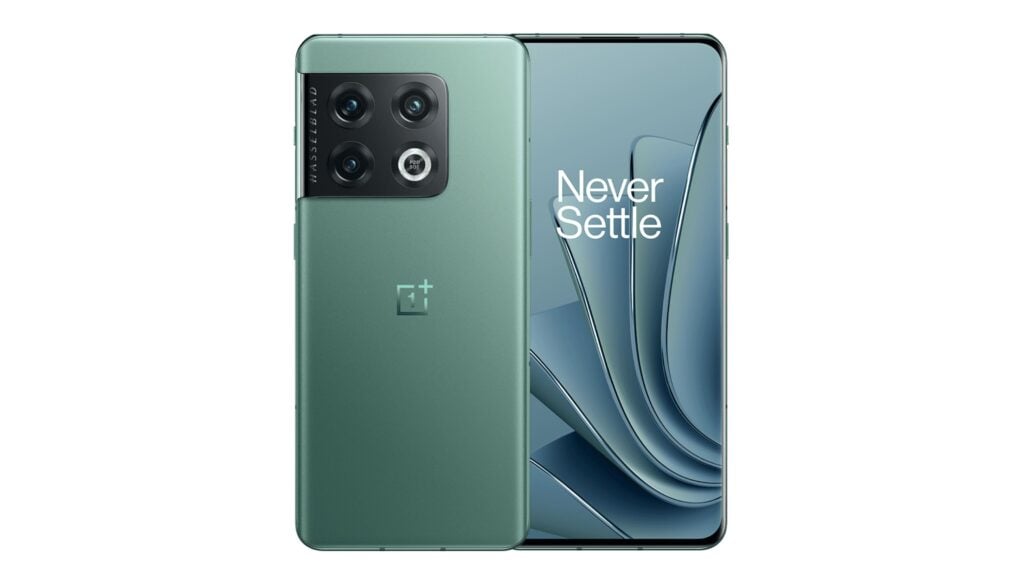
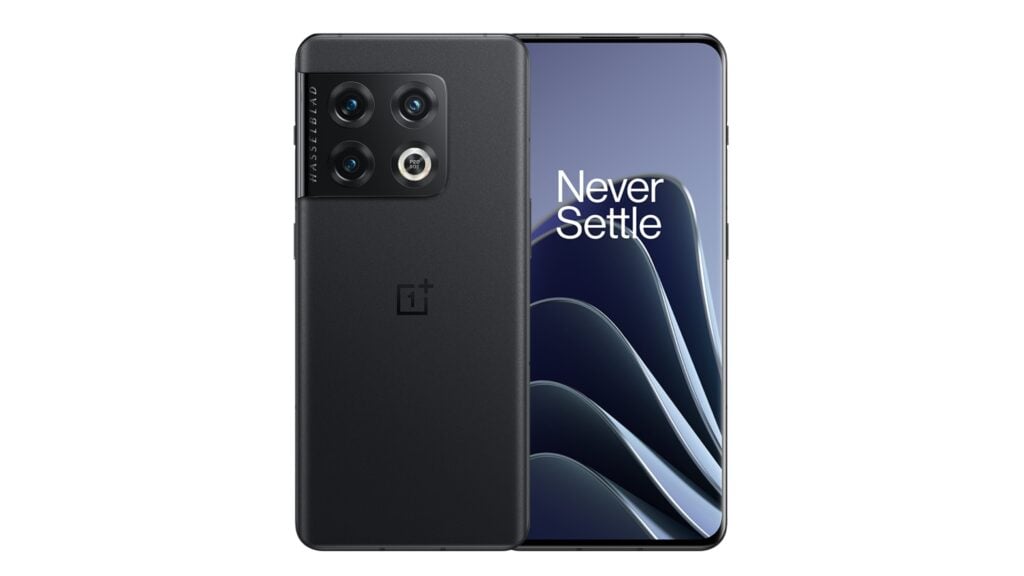
The OnePlus 10 Pro takes design cues from the Samsung Galaxy S21 series and the Xiaomi Mi 11 Ultra. The metal camera housing melts with the frame like on the Samsung. Further, it has large camera sensors as on Xiaomi. It also retains the signature alert slider and matte rear glass panel from its predecessors. Talking about size and weight, the handset measures 163 x 73.9 x 8.5mm in dimensions and weighs 200.5g.
On the front, the device flaunts a 6.7-inch second-generation LTPO AMOLED display (flexible) with support for variable refresh rates (1Hz to 120Hz). This curved panel has a resolution of 3216 x 1440 pixels (QHD+), 525 PPI, a punch-hole at the top left corner, and an in-screen fingerprint sensor. Other specs of the screen include 1300 nits peak brightness, 5000000:1 contrast ratio, 20.1:9 aspect ratio, 92.7% screen-to-body ratio, and Corning Gorilla Glass Victus protection.
The phone is powered by a Qualcomm Snapdragon 8 Gen 1 chipset paired with LPDDR5 RAM and UFS 3.1 storage. It is the debut handset for ColorOS 12.1 based on Android 12. The latest version of OPPO’s mobile operating system brings features such as HyperBoost (for gaming) and more.
As far as optics are concerned, the OnePlus 10 Pro houses a triple camera setup on the rear. This system includes a 48MP Sony IMX789 primary sensor with OIS, a 50MP Samsung ISOCELL JN1 sensor 150° ultra-wide unit, and an 8MP 3.3x telephoto shooter with OIS. For selfies and video calls, there is a 32MP Sony IMX615 sensor on the front. All these cameras are co-tuned by Hasselblad with features like Hasselblad Natural Color Optimization 2.0, XPan Mode, and more.
Other features of the smartphone include 5G connectivity, WiFi 6, Bluetooth 5.2, GNSS, NFC, USB Type-C (USB 3.1), x-axis linear vibration motor, and dual stereo speakers with support for Dolby Atmos.
Last but not least, the device gets its energy from a 5,000mAh battery. This cell can be filled either by 80W SuperVOOC fast wired charging or 50W AirVOOC fast wireless charging. It also has support for reverse wireless charging.
OnePlus 10 Pro Price and Availability
The OnePlus 10 Pro will retail at the following price tags in China.
8GB + 128GB – ¥4,699 ($737)
8GB + 256GB – ¥4,999 ($785)
12GB + 256GB – ¥5,299 ($832)
Buyers can avail the phone in either Black Out or All things Green color option. It will go on sale from 10 AM on January 13.
OnePlus is yet to reveal the global launch date for the OnePlus 10 Pro.
Two Xiaomi devices with model numbers 2201116SR and 2201116PG have been certified by the Federal Communications Commission (FCC). Past reports have revealed that the 2201116SR may arrive as the Redmi Note 11 Pro in the global markets. On the other hand, the 2201116PG may release as the POCO X4 NFC or POCO M4. Reports have revealed that there is an Indian variant of the device with model number 2201116PI.
The FCC listings of the 2201116SR and 2201116PG show that they will come preinstalled with MIUI 13. These devices are likely to run on the latest Android 12 OS. On the connectivity front, these models will carry support for dual-band Wi-Fi and 5G. Unfortunately, the FCC listings have no information on the other specs of these devices.
It appears that the 2201116SC phone, which was recently spotted with a 67W charger at 3C certification could be the Chinese variant of the 2201116SR. It appears that the 201116SR, 22201116SC, and 2201116PG(I) will have a lot of similarities with each other.
A recent report revealed that the 2201116SR will be equipped with a Qualcomm chipset. Its rear camera setup will have a 64-megapixel Samsung GW3 or a 108-megapixel Samsung HM2 main camera, an 8-megapixel Sony IMX35 ultrawide lens, and a 2-megapixel OmniVision OV02A macro lens. The other details of the smartphone are under the wraps.
In related news, Redmi will be launching the Redmi K50 series of smartphones in China next month. It is believed the Xiaomi phone with 21121210C model number may launch in China as the Redmi K50 Gaming Edition. On the other hand, the 22021211RC model is expected to arrive in China with the vanilla Redmi K50 moniker.
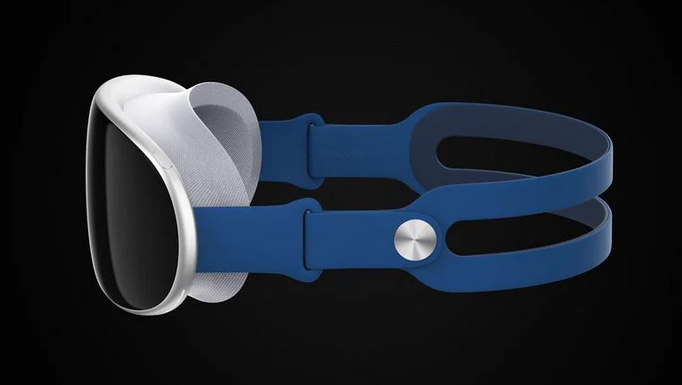
A known analyst has just revealed new information related to the Apple AR/VR headset. Reportedly, the company’s upcoming headset will use the same 96W USB Type C as the 14 inch MacBook Pro.
The news arrives from analyst Ming-Chi Kuo (Via MacRumors) who shared the information in a research note with TF International Securities. The analyst stated that the Cupertino based giant’s headset will use a 96W power adapter, which is indicative of its processing power that rivals a Mac. Notably, we had also covered that the brand’s headset will feature performance that matches M1 Macs. So, this news is in line with our previous report.
Kuo further added that the iPhone maker’s headset will house two processors, one of which is a 5nm based chip while the other is a smaller 4nm based chipset. Both of these processors will be manufactured by the world’s largest contract chipmaker, TSMC. As per our previous report, the higher end chipset will offer computing power that rivals M1 chips in the new Macs, while the lower end processor would be dedicated towards the various sensors and related components of the headset.
Additionally, it is expected that Apple will launch its new headset with an innovative experience with seamless switching between AR (Augmented Reality) and VR (Virtual Reality) modes. The analyst further stated that the headset will be two or three years ahead of the company’s rivals and their offerings in terms of computing power. Kuo had previously claimed that the headset will be launched in the fourth quarter of this year and shipments rising in the first quarter of 2023.
Google recently rolled out the latest Android 12 operating system and the smartphone manufacturers are now releasing an updated version of their custom interfaces or skins based on the new Android version.
While the rollout of Android 12 is still ongoing, the tech giant has already started working on the upcoming version of the Android operating system and some of the features of the Android 13 have already surfaced online.
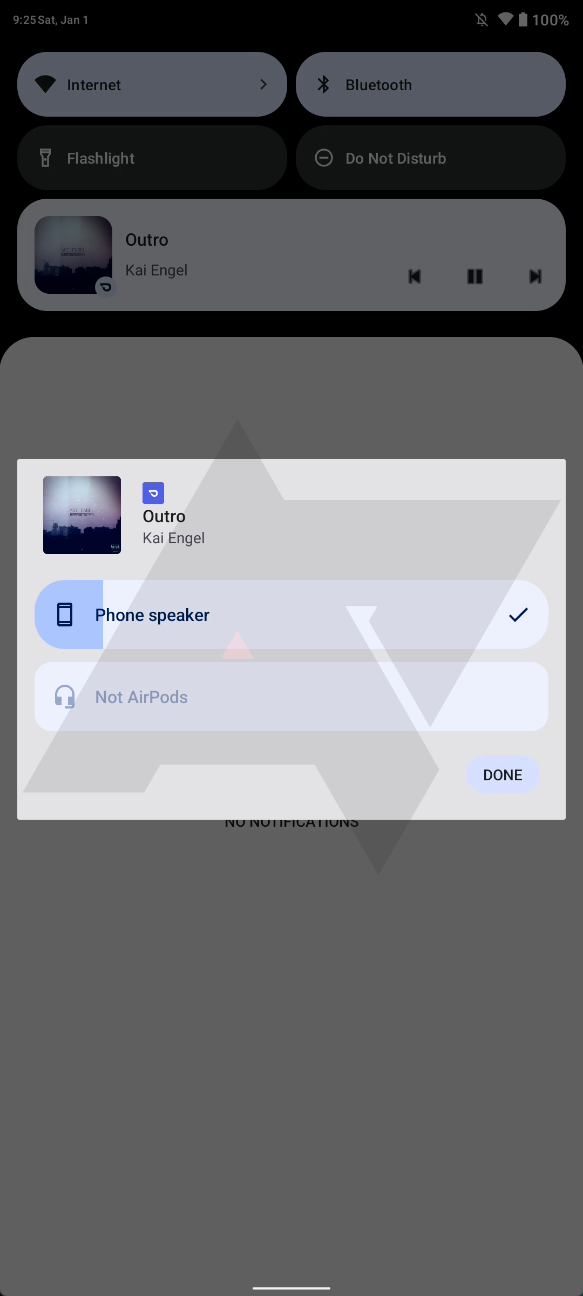
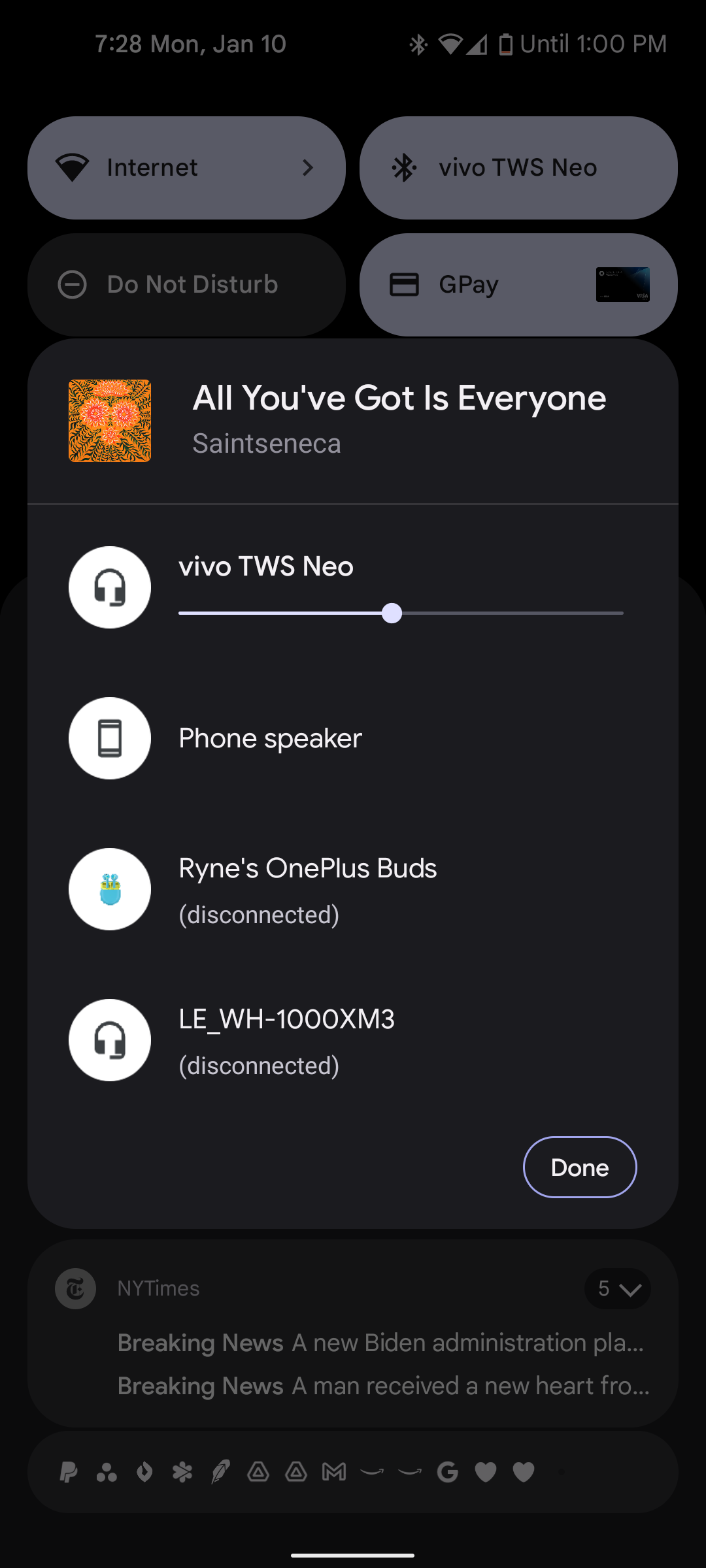
Now, a new report from Android Police reveals that the Android 13 will come with some UI changes apart from the addition of new features. Google could be giving a new look to the output picket menu in the upcoming Android 13.
For those who are unaware, the output picker is a part of the media controls, showing a button at the top-right with information about which device is playing the media such as cast devices, Bluetooth buds, and speakers.
The report further indicates that the functionality of the feature remains the same and while the images don’t show the button, it can be accessed from Settings. The volume sliders have also been replaced by newer thicker ones.
The disconnected devices are now grayed out and are no longer marked as “disconnected.” Round icons have also gone missing and the selected output device now has a checkmark to make it clear which device is active.
The updated design aims to make it cleaner and clearer for improving the user experience keep the design consistent with other elements in the Android operating system. But do note that this is still very early and it could get changed by the time Android 13 launches.
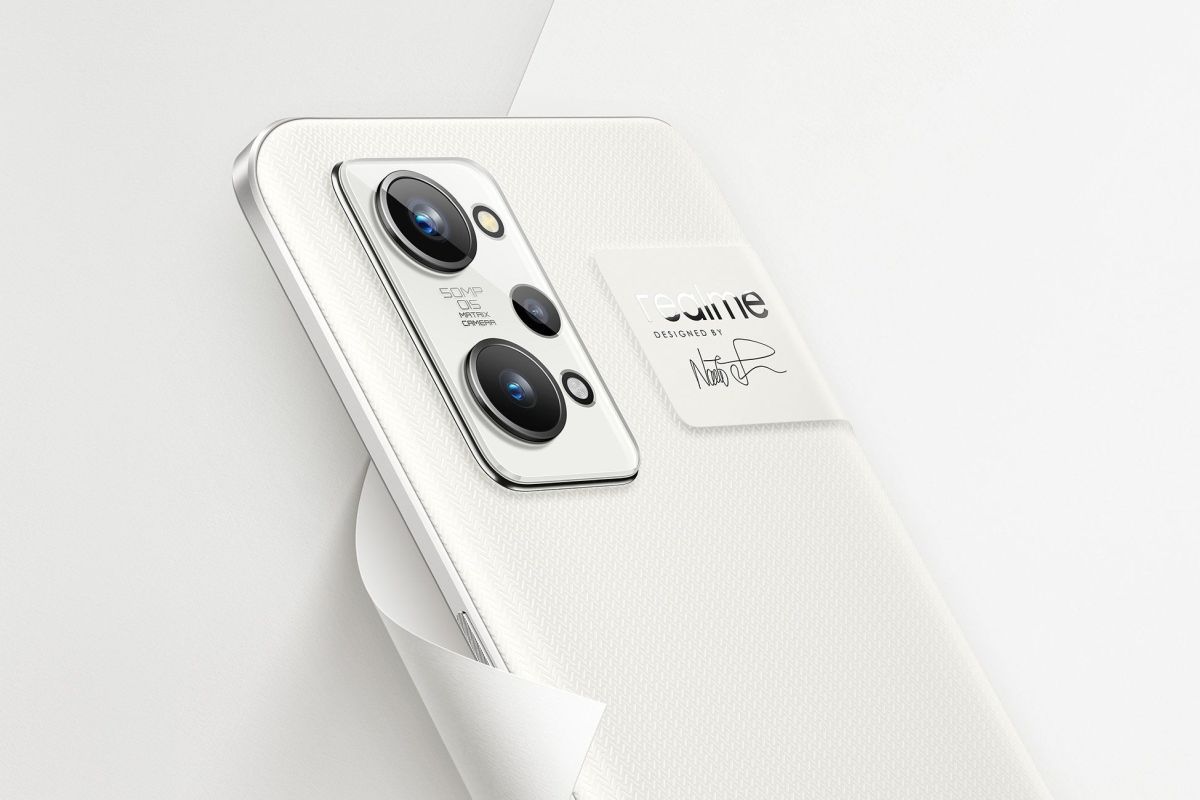
In an interview during the CES 2020, Realme VP and President of Realme International Business Group, Madhav Sheth confirmed that the Realme GT2 series, which recently debuted in China, will be heading to Europe and Indian markets soon. Fresh information reveals that the global and Indian editions of the Realme GT2 have been spotted at the Google Play Console and in the list of Google Supported Devices.
The Realme GT2 that debuted in China has the RMX3310 model number. According to My Smart Price, the RMX3311 model that has appeared on the Play Console and Support Devices list reveals is the global edition of the GT2. On the other hand, the RMX3312 variant is the model number of its Indian variant. While the specs of the phone are already, the listing mentions that it has a Full HD+ display, Snapdragon 888, 12 GB of RAM, and Android 12 OS.
Realme GT2 feautres a 120Hz AMOLED dipslay and Snapdragon 888
Realme GT2 specifications
The Realme GT2 has a 6.62-inch AMOLED FHD+ 120Hz display that offers a 20:9 aspect ratio, an in-screen fingerprint scanner, and Gorilla Glass 5 protection. It run son Realme UI 3.0 based Android 12 OS. The Snapdragon 888 mobile platform powers the device with 8 GB / 12 GB of LPDDR5 RAM and 128 GB / 256 GB of UFS 3.1 storage.
The GT2 has a 16-megapixel front-facing camera. It is equipped with a 50-megapixel Sony IMX766 primary camera, an 8-megapixel ultrawide lens, and a 2-megapixel macro snapper. It houses a 5,000mAh battery that supports 65W fast charging. The GT 2 variants such as 8 GB RAM + 128 GB storage, 8 GB RAM + 256 GB storage, and 12 GB RAM + 256 GB storage are priced at 2,699 Yuan (~$424), 2,899 Yuan (~$455), and 3,199 Yuan (~$502), respectively.
In December 2021, a mysterious Huawei phone with a JLN-AL00 model number and support for 4G connectivity was spotted at the TENAA certification platform of China. The listing of the device is now updated with all its specifications. With TENAA certification under the tow, it appears that the Huawei JLN-AL00 may go official as early as this month in the homeland.
Huawei JLN-AL00 specifications
To begin with, the Huawei JLN-AL00 features a big LCD panel of 6.78 inches, which offers a Full HD+ resolution of 1080 x 2388 pixels. The TENAA listing reveals that the device is equipped with five cameras, which indicates it has a single camera on the front and a quad-camera system on the back.
A 108-megapixel + 8-megapixel + 2-megapixel + 2-megapixel quad-camera unit seems to be available on the backside of the Huawei JLN-AL00. The device will be capable of shooting 4K videos. The front side of the device will feature a 16-megapixel selfie snapper.
An unnamed 2.4GHz octa-core chip fuels the Huawei JLN-AL00 smartphone. It has a 3,900mAh rated battery. The 3C certification of the device has revealed that it may come equipped with support for 66W rapid charging.
One of the major attractions of the Huawei JLN-AL00 is that it runs on HarmonyOS. The device will be equipped with 8 GB of RAM and 128 GB / 256 GB of built-in storage. For security, it seems to be fitted with a side-mounted fingerprint scanner. Its dimensions are 164.64 x 75.55 x 7.94mm and weighs 191 grams. The device can be bought in colors like black, white, and blue.
The TENAA listing of the Huawei JLN-AL00 is yet to be updated with its images. Also, there is no information on the marketing name of the device.
OnePlus has been facing a lot of heat lately because of the Nord series smartphones exploding. There have been a few such reported incidents involving the OnePlus Nord 2 in the past few months.
Now, yet another device from OnePlus has been involved in an explosion incident in India. This time, the smartphone in question isn’t Nord 2 but the OnePlus Nord CE.
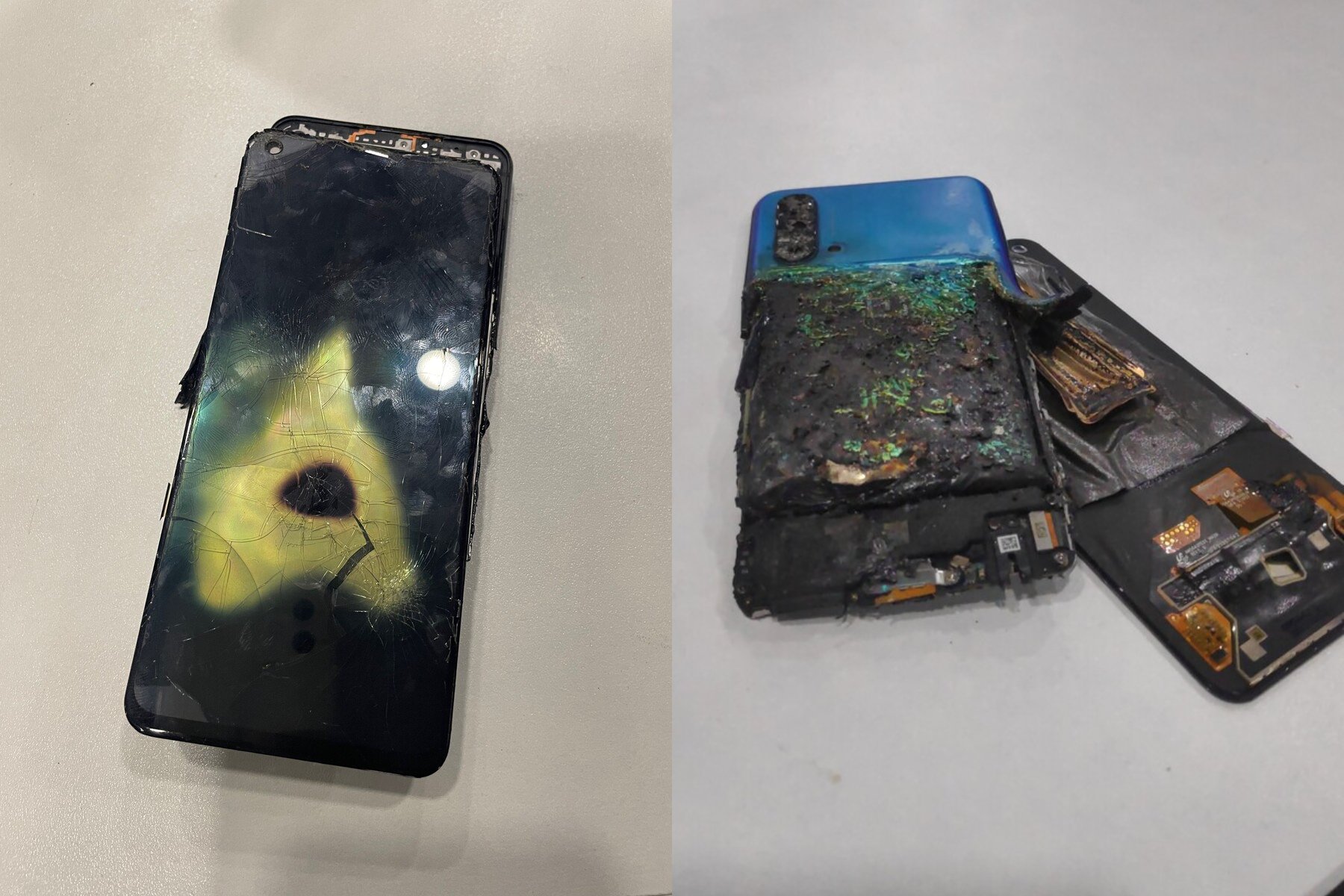
A Twitter user named Dushyant Goswami has shared images of the alleged explosion of the OnePlus Nord CE smartphone while he “pulled it out of the pocket.” He added that the device was purchased around six months ago.
Along with posting this on Twitter, Goswami also posted this incident on LinkedIn. However, the posts related to the incident have now been taken down by the user and he claims that the OnePlus team has promised to send him a new unit.
In the original tweet about the incident (now deleted), he had said: “I own phone from very popular brand ONEPLUS, which promises best quality. My phone is only 6 months old & it literally blasted yesterday, while i just pulled it out from pocket. Its not only bad but fatal. Is brand gonna answerable 4 the accident?”
He had also shared images along with the text, which showcased the completely damaged smartphone from the front and back. All the major parts of the device, including the battery, display, and camera were all completely destroyed.
So far, OnePlus has not given an official statement regarding this incident. As noted above, in the past also, there have been a few instances of the OnePlus Nord 2 smartphone blasts but the company hasn’t shared any specific information about the reason behind it.
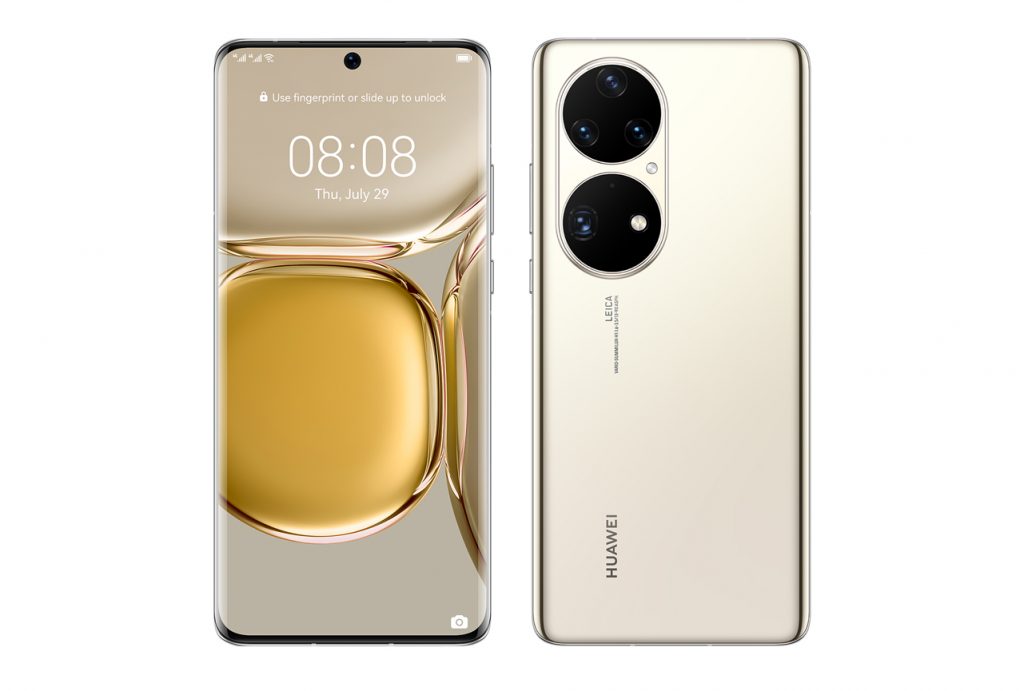
Huawei P50 Pro, the current flagship smartphone from the Chinese technology giant, was first launched in July last year. The device is now all set to make its global debut tomorrow, i.e. on 12th January.
In the latest development, the company has confirmed that the Huawei P50 Pro will get launched in Germany on 26th January. As of now, it’s not known if the device will be available for pre-order from that day or the company will start shipping it.
Given that Huawei is still under sanctions imposed by the United States and barred from using Google’s services, the smartphone will ship without the Google Mobile Services. It is likely to run the company’s own EMUI 12 based on open-source Android. In the Chinese market, the phone is running the company’s own HarmonyOS 2.0 operating system.
Internally, the device is expected to come powered by the Qualcomm Snapdragon 888 chipset with 4G-only connectivity support. This is unlike the Chinese model which is powered by the Kirin 9000 5G SoC.
The Huawei P50 Pro comes with a 6.6-inch OLED display that offers a screen resolution of 1228 x 2700 pixels and a 120Hz refresh rate. As for the memory, the device packs 8GB of RAM and 256GB of internal storage.
In the camera department, there’s a 50-megapixel primary camera with an aperture of f/1.8 and OIS, coupled with a 13-megapixel ultrawide lens, and a 64-megapixel telephoto sensor. On the front, there’s a 13-megapixel snapper for taking selfies and video calling. It is powered by a 4,360mAh battery and supports 66W wired and 50W wirelessly charging.
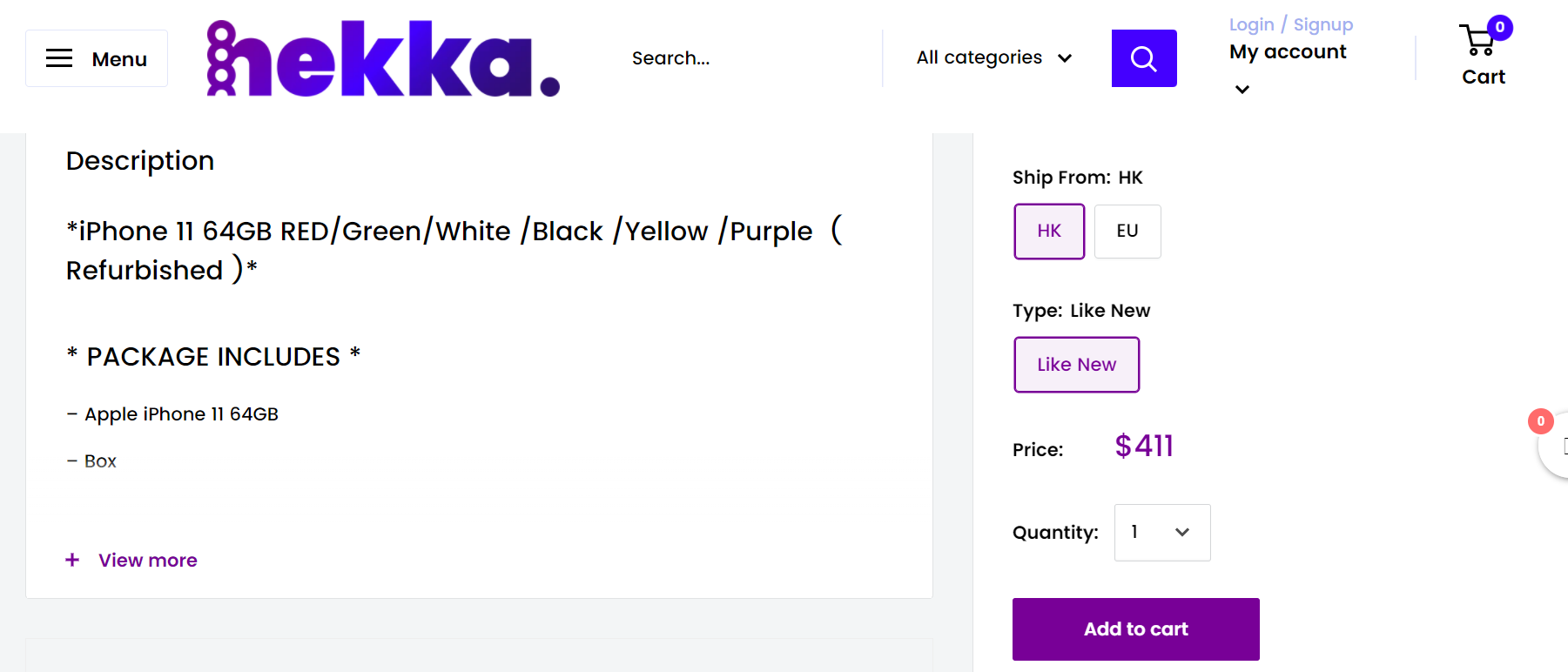
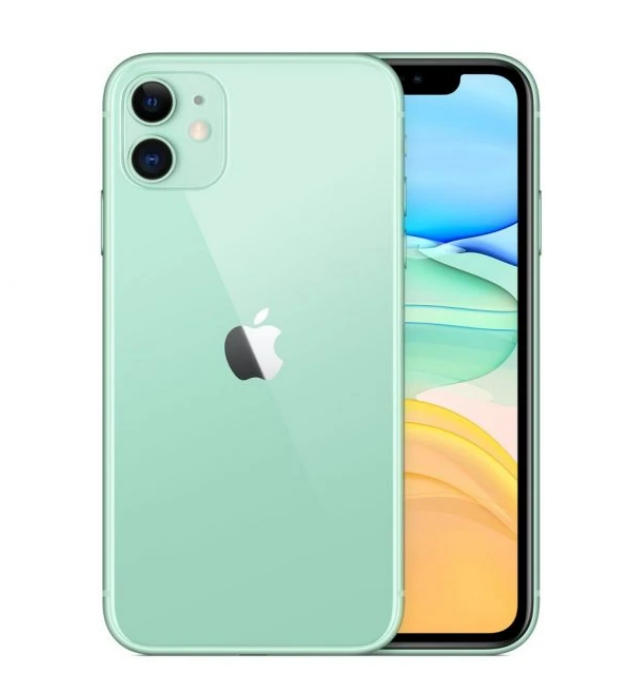
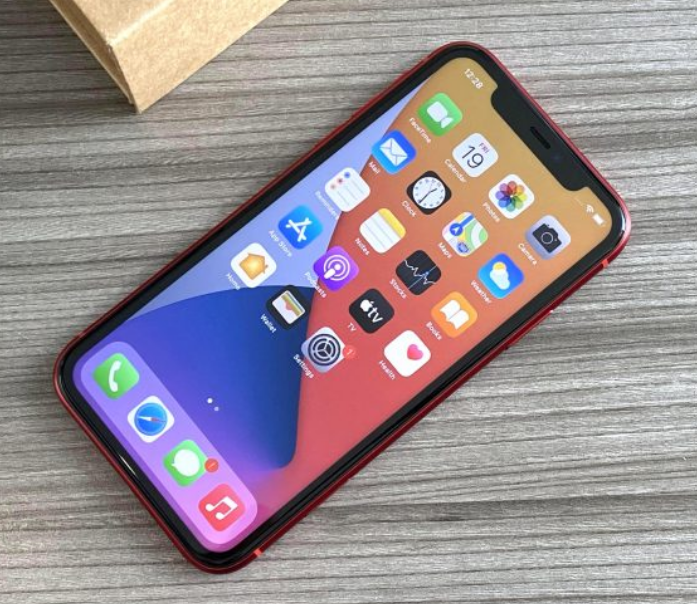
You can now get an iPhone 11 (Refurbished) for a heavily discounted price of $401(Coupon: hekka1225) only at hekka.com. This price is applicable on the 64GB, Red, Green, White, Black, Yellow, and Purple color variants.
Battery:3110mAh Li-ion, 18W fast charging (50% in 30 mins)
USB power delivery 2.0
Qi wireless charging
Colors: Red, Green, White, Black, Yellow, and Purple
Generally retailing at a much higher price you can now buy iPhone 11 (refurbished) at a discounted price of $411 only at hekka.com. Please note that this is a refurbished device and not a brand new product. This is a limited-time offer. So place your order before the deal expires.
Update: Here is an exclusive coupon code: hekka1225, $401, Promo Period: 12.31-2.28.
For more information on such exciting deals and offers check out our deals hub.
* Please Note: When you buy something using the links in our articles, we may earn a small commission at no cost to you.
Samsung Galaxy S22 series flagship smartphones have already been online ahead of the launch but the company has not yet officially revealed anything related to the launch event but it isn’t far away.
Now, a new report coming from South Korea reveals that the company is all set to host its new Galaxy Unpacked event on 8th February where Samsung will officially launch the Galaxy S22 series flagship smartphones.
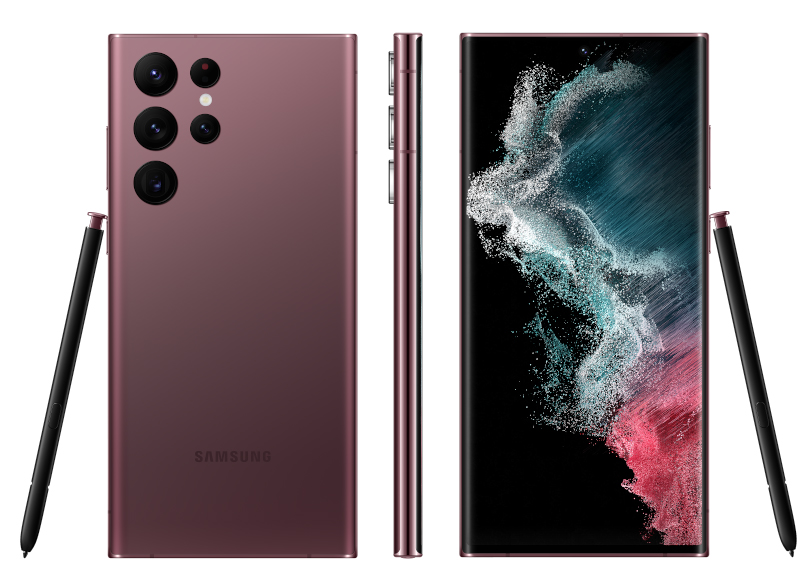
Samsung Galaxy S22 Ultra Render Leak via Evan Blass
This is in line with the previous reports which also indicated a similar timeline for the next-generation smartphones. It is also being reported that the company will send out invitations by the end of this month.
Further, the company is expected to start taking pre-orders for the phones from the very next day, i.e. from 9th February but the actual sale will begin from 24th February.
Samsung will be launching three smartphones — Galaxy S22, S22 Plus, and S22 Ultra. The phones will come powered by the Qualcomm Snapdragon 8 Gen 1 chipset or the company’s own Exynos 2200 processor, depending on the region of availability.
The standard Galaxy S22 is expected to be a compact flagship from the South Korean giant, offering a 6.06-inch display that will have a peak brightness of 1000nits. On the other hand, the S22 Plus and Ultra models will have the highest brightness on phones, offering 1750nits brightness and contrast ratios of 3,000,000:1.
The Samsung Galaxy S22 Plus will reportedly have a 6.55-inch display panel while the Galaxy S22 Ultra’s display measures 6.81-inches. The Ultra model will also come with a slot for holding an S-Pen stylus. For charging, the phones are said to come with a new 45W fast charging support.
Last month, Lenovo China’s General Manager for mobile business Chen Jin confirmed that the company is working on the third generation Razr clamshell device. Yesterday, XDA Developerscarried a report that revealed that the Motorola Razr 3 will be arriving as a flagship device, unlike the predecessor models that were packed with mid-range specs. Now, a fresh report by Technik News has revealed additional information on the specs of the Razr 3.
Motorola Razr 3 specifications (rumoured)
XDA reported that it has learnt through its sources that the Razr 3 will be driven by the Snapdragon 8 Gen 1 chipset. To recollect, the first Motorola Razr flip phone came with Snapdragon 710 and its second-generation model was equipped with the Snapdragon 765G chipset.
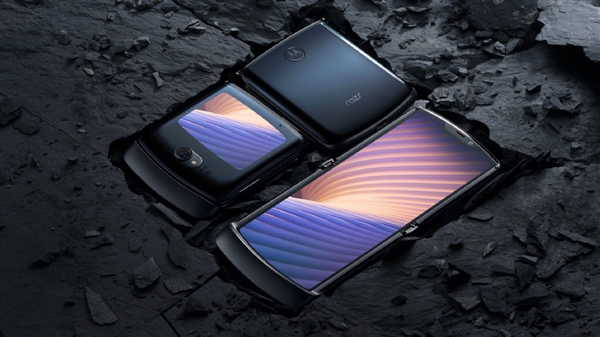
Motorola Razr 5G
The Razr 3 is likely to arrive in RAM options such as 6 GB, 8 GB, and 12 GB. It is likely to arrive in storage choices like 128 GB, 256 GB, and 512 GB. Its display will not have a notch, which was seen on the predecessor models. Instead, it will be sporting a punch-hole design. On the connectivity front, the device is expected to arrive with support for NFC and UWB (ultrawide-band) more accurate positioning. As far as display is concerned, the publication reported that the Razr 3 has a foldable AMOLED panel that offers a 120Hz refresh rate. It will continue to feature a secondary screen, but there is no information on its size and resolution.
Technik Newsrevealed that the Razr 3 is codenamed as ‘Maven’ and it will be housing a Full HD+ foldable display that offers a 20:9 aspect ratio. However, it could verify whether it has an AMOLED screen. The device will be housing a 2,800mAh battery.
Coming to the optics, the rear camera setup of the Razr 3 will house a 50-megapixel OV50A OmniVision primary camera and a 13-megapixel camera for ultrawide and macro shots. For selfies, it will feature a 32-megapixel OmniVision camera. The main and front cameras will be capable at shooting 120fps FHD slow-motion recording and a 60fps 4K UHD video shooting. Lastly, it will come preinstalled with Android 12 OS.
Motorola Razr 3 launch timeframe (rumored)
It is speculated that the Razr 3 may debut in June 2022. Due to the ongoing pandemic and chip shortage issue, its arrival may get postponed by a couple of weeks.
Prior to 2019, there were 4 major SoC brands that you could find in an Android smartphone. They were respectively the Snapdragon series of chips from Qualcomm, the Helio and Dimensity series from MediaTek, the Exynos series from Samsung, and the HiSilicon Kirin series from Huawei.
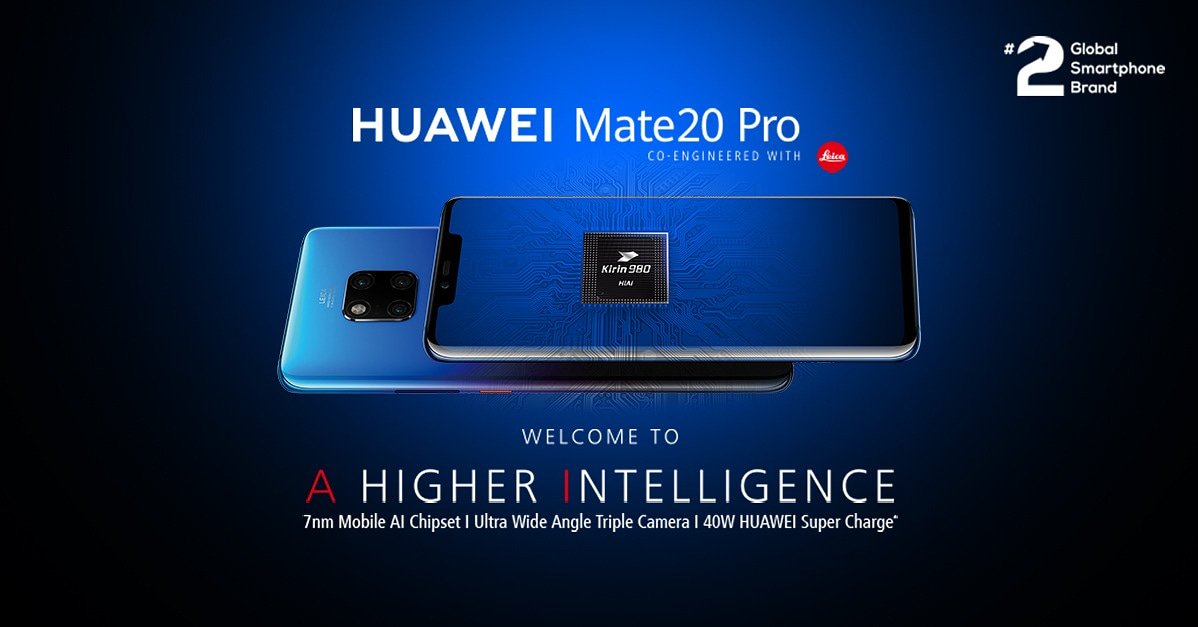
Huawei HiSilicon chips were class-leading at the time, especially the HiSilicon Kirin 980 found in the 2018 Huawei Mate 20 Pro, which outperformed every 2018 Flagship sporting the Snapdragon 845 at the time. The HiSilicon chip also enabled 40W wired fast charging to the phone as well as an ISP that could enable night mode that many reviewers considered outcompeted many flagship camera smartphones released in 2018.
Huawei Mate 20 Pro with Kirin 980
However, after the US sanctions imposed in recent years, Huawei was blocked access to its chip manufacturing partner TSMC, and it could only use its remaining stock of Kirin chips and opt for inferior 4G Snapdragon chips for its smartphones, i.e. Huawei P50 Pocket, as the ban affected Huawei to purchase 5G Snapdragon chips as well.
Well in 2022, after 2 years, Huawei brought great news that it will be bringing back its HiSilicon chips after its 2-year hiatus. In its official poster, Huawei claims it will be moving forward in the chip market once again in 2022, and for fans to stay tuned to the release.
Huawei HiSilicon is coming back in 2022 teaser
Not long after the announcement, rumors were already spreading, specifically in the Bilibili forum, that Huawei’s next HiSilicon chip would be called the HiSilicon Skylight 800.
However, Huawei was quick to respond, and under the forum post, they commented that the rumour was false news.
Huawei Denying The Rumour of the existence of the HiSilicon Skylight 800 SoC
Huawei will be launching a new HiSilicon chip again in 2022 and whether it will still bear the Kirin name or another fancy new one like “Skylight” still remains to be seen.
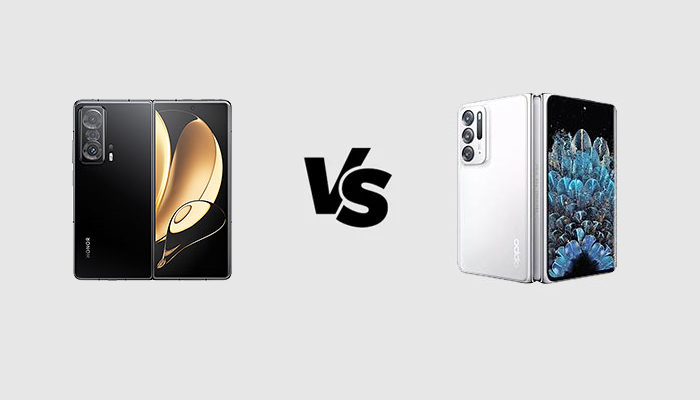
After the comeback in the European market and a lot of rumors, Honor has finally announced its first foldable phone: the Honor Magic V. Just like the Samsung Galaxy Z Fold3 and the OPPO Find N, the Honor Magic V is a foldable smartphone that can turn into a tablet thanks to a big foldable display placed internally. The phone debuted in China about a month after the launch of the OPPO Find N, and it may represent a good alternative to the OPPO flagship since it is going to register the sold out everywhere. This comparison will highlight the differences between Honor Magic V and OPPO Find N: the latest Chinese foldable phones.
Honor Magic V vs OPPO Find N
Honor Magic V
OPPO Find N
THICKNESS
14.3 mm when folded, 6.7 mm when unfolded
15.9 mm when folded, 8 mm when unfolded
DISPLAY
Main display: 7.9 inches, 1984 x 2272p (Quad HD+), 381 ppi, Foldable OLED
External display: 6.45 inches HD+ (1080 x 2560p), OLED
7.1 inches, 1792 x 1920p (Quad HD+), Foldable AMOLED
External display: 5.49 inches, AMOLED, 988 x 1972 pixels (HD+)
PROCESSOR
Qualcomm Snapdragon 8 Gen 1, octa-core 3 GHz
Qualcomm Snapdragon 888, octa-core 2.84 GHz
MEMORY
12 GB RAM, 256 GB – 12 GB RAM, 512 GB
8 GB RAM, 256 GB – 12 GB RAM, 512 GB
SOFTWARE
Android 12, Magic UI
Android 11, ColorOS
CONNECTIVITY
Wi-Fi 802.11 a/b/g/n/ac/ax, Bluetooth 5.2, GPS
Wi-Fi 802.11 a/b/g/n/ac/6, Bluetooth 5.2, GPS
CAMERA
Triple 50 + 50 + 50 MP f/1.9, f/2.0 and f/2.2
42 MP f/2.4 front camera
Triple 50 + 13 + 16 MP, f/1.8, f/2.4 and f/2.2
32 MP f/2.4 selfie camera
32 MP f/2.4 cover camera
BATTERY
4750 mAh
Fast charging 66W
4500 mAh, Fast Charging 33W and wireless charging 15W
Despite the Honor Magic V coming in a special leather variant, I prefer the design of the OPPO Find N and I think most people do. The reason is simple: it has a more compact form factor because it has a much smaller external display. Further, the rear cover reminds of the “impossible surface” of the OPPO Find X3 Pro, with a camera protruding gradually from the cover. The OPPO Find N is made with a glass back protected by Gorilla Glass Victus and an aluminum frame, and it has a side-mounted fingerprint reader. The form factor of the Honor Magic V is the same, but with bigger dimensions and a taller external display. Besides the leather variant, there is also a version with a glass back and an aluminum frame.
Display
The Honor Magic V has the biggest internal display: a 7.9-inch OLED panel that folds in half sporting a Quad HD+ resolution, one billion colors, a 90 Hz refresh rate, and the HDR10+ certification. The OPPO Find N provides a similar image quality but it offers the LTPO technology enabling an adaptive refresh rate from 1 to 120 Hz and, as you probably noticed a higher max refresh rate. When it comes to the external display, the Honor Magic V is the winner: it has an OLED panel with a diagonal of 6.45 inches, one billion colors, a 120 Hz refresh rate, a Full HD+ resolution, and HDR10+. Unfortunately, none of these handsets features an in-display fingerprint reader.
Specs & Software
The Honor Magic V is the most powerful foldable phone ever released because it is equipped with the new Snapdragon 8 Gen 1 mobile platform: an octa-core processor built at 4 nm with a max frequency of 3 GHz. The SoC is paired with 12 GB of RAM and up to 512 GB of internal storage. The Honor Magic V runs Android 12 customized by the new Magic UI 6 and, if the company will decide to launch it in the global market, it will feature Google Mobile Services. The OPPO Find N has a weaker but still flagship-class Snapdragon 888 mobile platform supported by up to 12 GB of RAM and up to 512 GB of UFS 3.1 internal storage, and it runs ColorOS 12 out of the box.
Camera
Which phone features the best cameras? It depends on what you usually do with the cameras, but overall, the OPPO Find N is more interesting. It has a 50 MP Sony IMX766 main camera, a 13 MP telephoto sensor with 2x optical zoom, and a 16 MP ultrawide sensor. Further, it has two 32 MP front cameras: one on the internal display and one on the external display. The Honor Magic V has three 50 MP sensors on the rear: the main camera, an ultrawide sensor (better than the ultrawide camera of the OPPO Find N), and a color spectrum sensor. Further, it has a pair of great 42 MP selfie cameras with 4K video recording.
The battery of the Honor Magic V is bigger with its capacity of 4750 mAh, but it will not always last more on a single charge. The Honor Magic V has a more efficient processor, but also bigger and less efficient displays. Honor Magic V supports faster 66W charging and reverse charging, but unlike the Find N, it lacks wireless charging.
Price
Honor Magic V starts from €1400/$1585, OPPO Find N from €1060/$1200. In my honest opinion, the OPPO Find N is a more interesting device due to its great cameras and its compact dimensions, as well as a few interesting software features. But the Magic V has better hardware and a wider display which may be better for productivity.
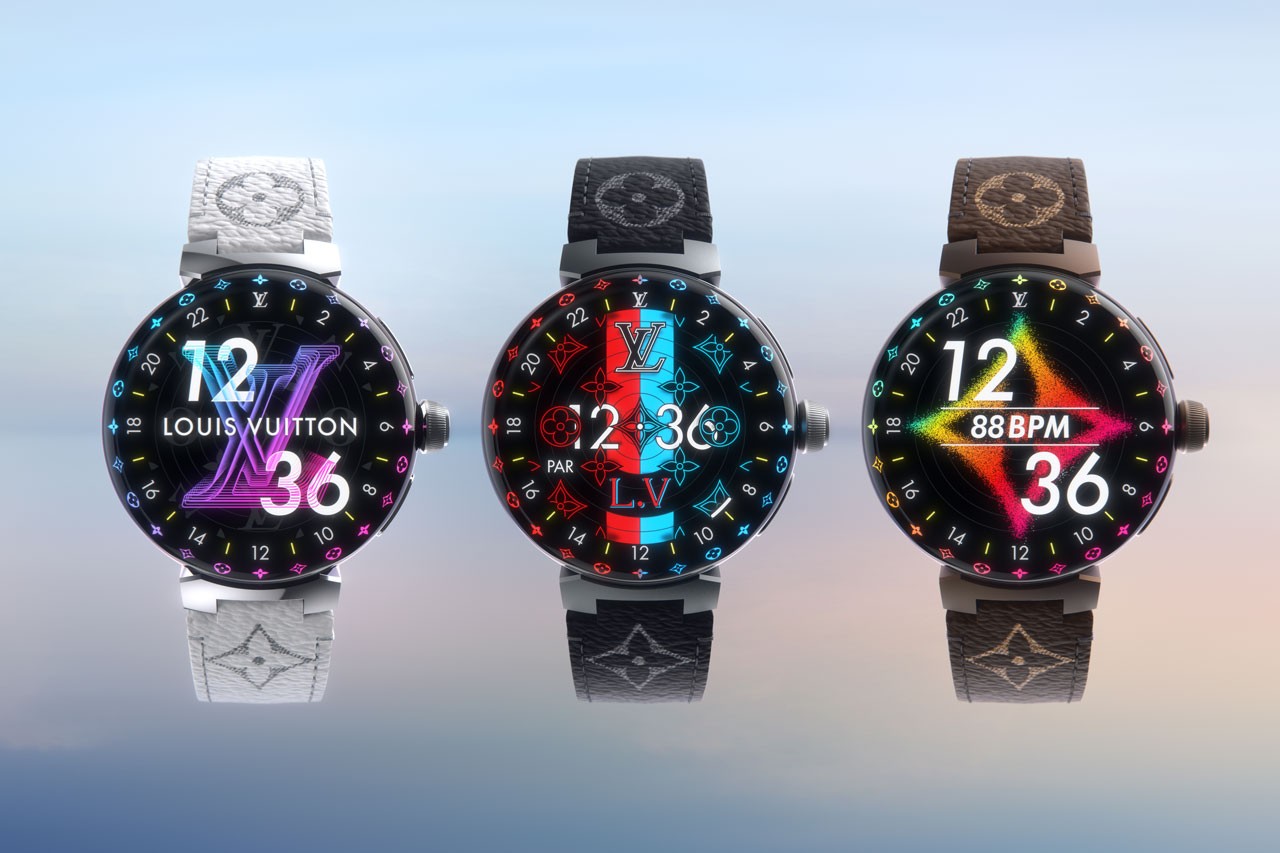
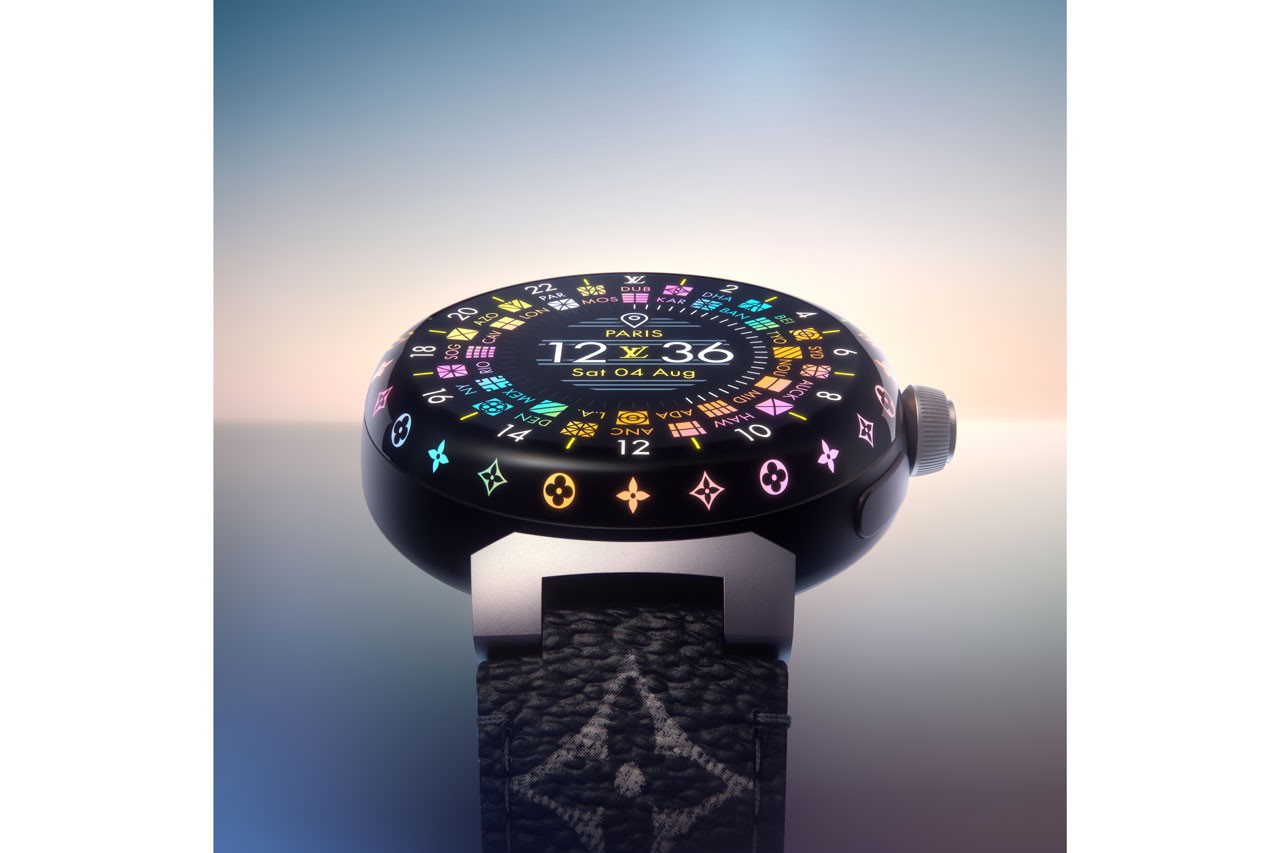
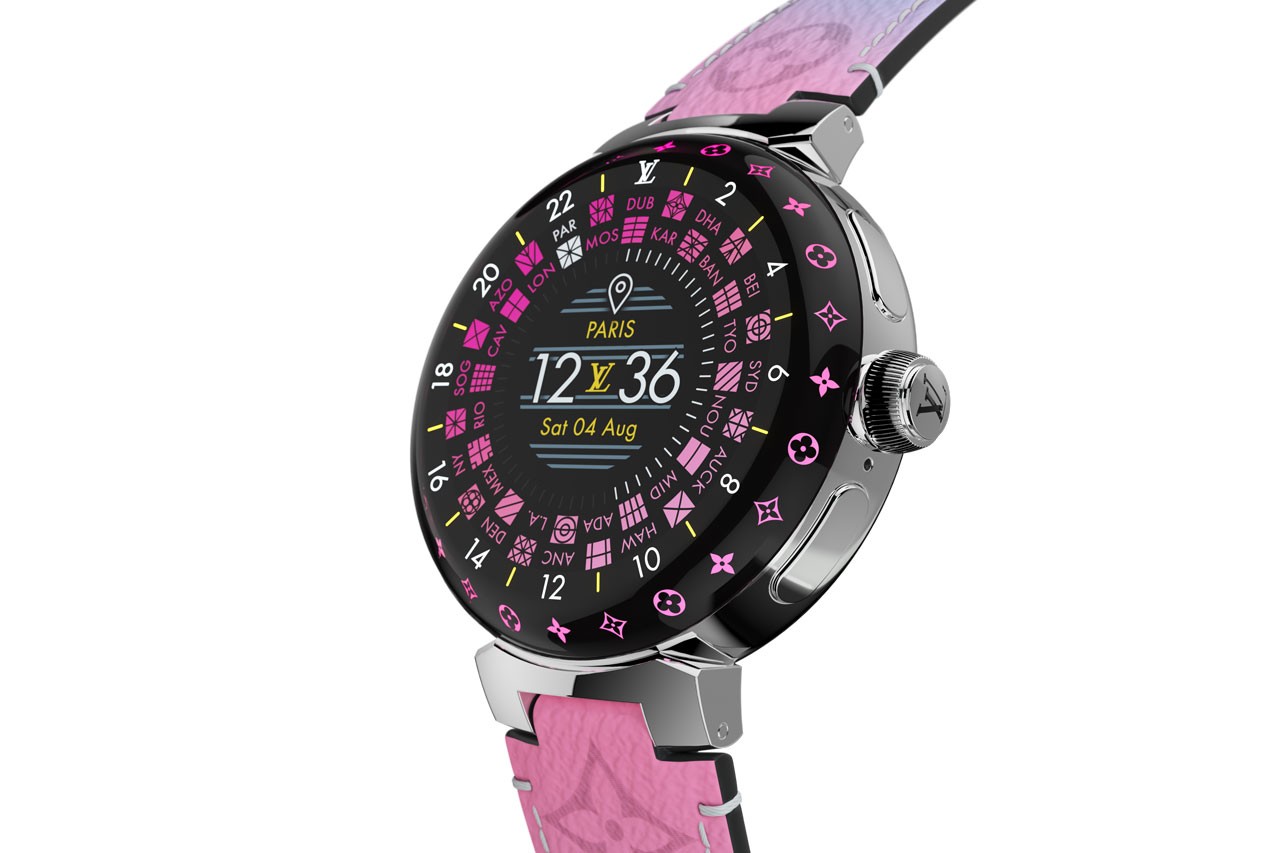
The two worlds of fashion and technology are being gradually bridged by the tech offerings of traditional fashion brands. These companies’ diversification into offering tech products with a mix of its fashion identity has been a mixed bag of success and near hits. Louis Vuitton is straddling the fashion-tech space with its latest smartwatch, the Tambour Horizon Light Up, which is powered by Qualcomm’s Snapdragon Wear 4100 platform.
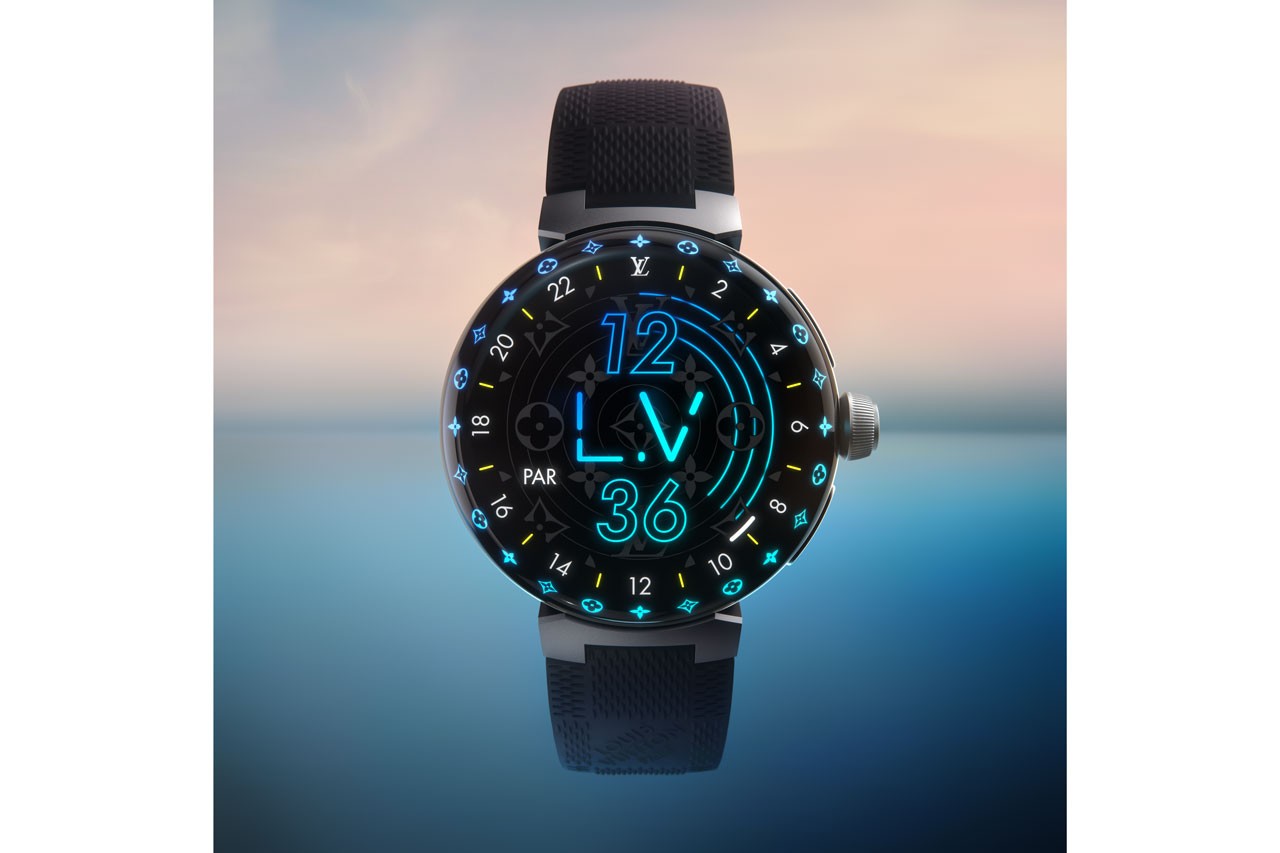
The Louis Vuitton Tambour Horizon Light Up is a luxurious digital timepiece that comes with a price of $3,000. It is a third-generation connected smartwatch with a 1.2-inch circular display designed with sapphire glass, a monogram dial ring, The Tambour Horizon Light Up runs on Louis Vuitton’s proprietary operating system. Louis Vuitton has now joined the growing list of companies developing their own operating systems like Motorola, OnePlus, and Huawei. The implication is that the product will not have software support from Google Play Store. Users can however avail themselves of the Chinese platform Alipay for a rich collection of apps on both Android and iOS devices.
1 of 3
The Louis Vuitton Tambour Horizon Light Up will get a software update on January 14 which could provide some improvements to the model. The smartwatch has several features which have become the basic standard for smart wearables. It is however limited in its functionality when compared with current high-end models. Therefore, it is seen that the Tambour Horizon Light Up is targeting the high-end and big-spending fashionista segment of the market.
Smartwatches have transformed the way health monitoring is carried out. It has been made possible that several body functions and vital statistics could be obtained on the go, as well as provide several fitness regimens for overall wellbeing. Blood glucose monitoring and blood pressure measurements are two important features that have recently been introduced by a few brands. There are reports now that Apple may not incorporate these two features in the immediate feature.
Apple’s next major sensor to be introduced to the Apple Watch, according to insiders, will not contain blood glucose and blood pressure sensors. These two features are very important additions to smartwatches, especially for sufferers of diabetes and high blood pressure medical conditions. Although the trajectory of development of the Apple Watch, has seen a sequential increment in its capabilities and functionalities it is unclear why the two features are not in the line for inclusion in the Apple Watch ecosystem.
As per the rumors, however, there is a likelihood that body temperature measurements could be provided this year. Three models are slated for release this year and an update of the Apple Watch SE.
Despite the setbacks in expectation, the Apple Watch continues to attract fans and users alike. Several stories globally had established the importance of the Apple Watch as a health and fitness device.
We use cookies on our website to give you the most relevant experience by remembering your preferences and repeat visits. By clicking “Accept”, you consent to the use of ALL the cookies.
This website uses cookies to improve your experience while you navigate through the website. Out of these, the cookies that are categorized as necessary are stored on your browser as they are essential for the working of basic functionalities of the website. We also use third-party cookies that help us analyze and understand how you use this website. These cookies will be stored in your browser only with your consent. You also have the option to opt-out of these cookies. But opting out of some of these cookies may affect your browsing experience.
Necessary cookies are absolutely essential for the website to function properly. This category only includes cookies that ensures basic functionalities and security features of the website. These cookies do not store any personal information.
Any cookies that may not be particularly necessary for the website to function and is used specifically to collect user personal data via analytics, ads, other embedded contents are termed as non-necessary cookies. It is mandatory to procure user consent prior to running these cookies on your website.