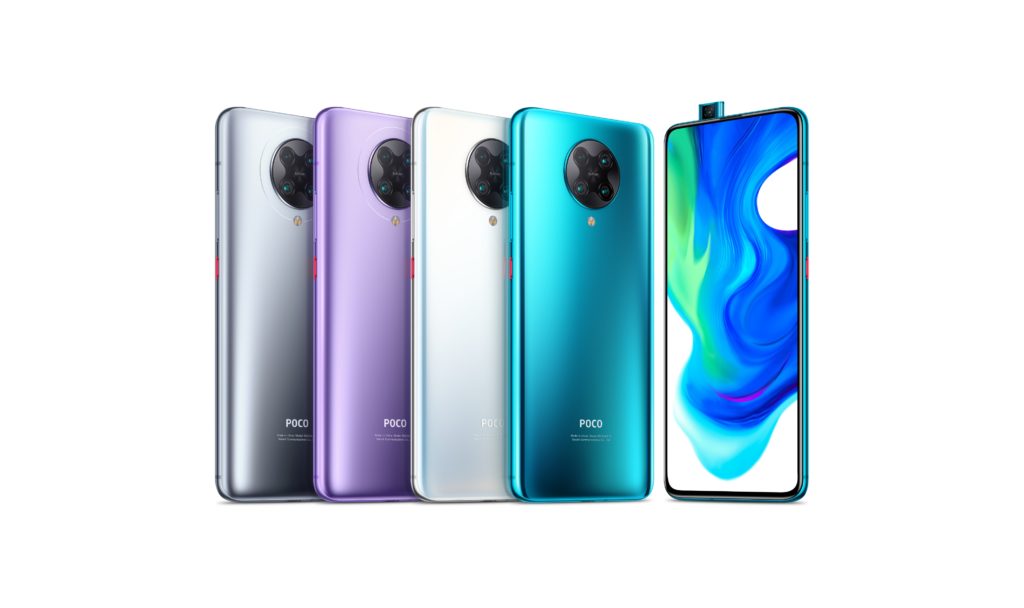
The POCO F2 Pro was updated to MIUI 12.5 in June. Four months later, the smartphone has now started receiving MIUI 12.5 Enhanced Edtion update. This version of MIUI was introduced in August.
POCO F2 Pro
The MIUI 12.5 Enhanced Edition update for POCO F2 Pro is currently live in Indonesia. It arrives with build number V12.5.2.0.RJKIDXM. Apart from bringing new under the hood changes, the latest system update also bumps up the security patch level to October 2021.
As always, the OTA software update is being rolled out in batches. Therefore, it will take days to reach every user. At the same time, the update should be also available for other regional variants like Global, EEA, Russia, and Turkey.
The POCO F2 Pro is known as Redmi K30 Pro. This version of the handset got access to MIUI 12.5 Enhanced Edition in August itself.
Both POCO F2 Pro and Redmi K30 are just one and a half years old. These phones have only received a single major MIUI as well as a sole Android update. Hence, they will likely get Android 12 and MIUI 13 in the near future.
How is your experience with this smartphone so far? Do let us know in the comment section below.
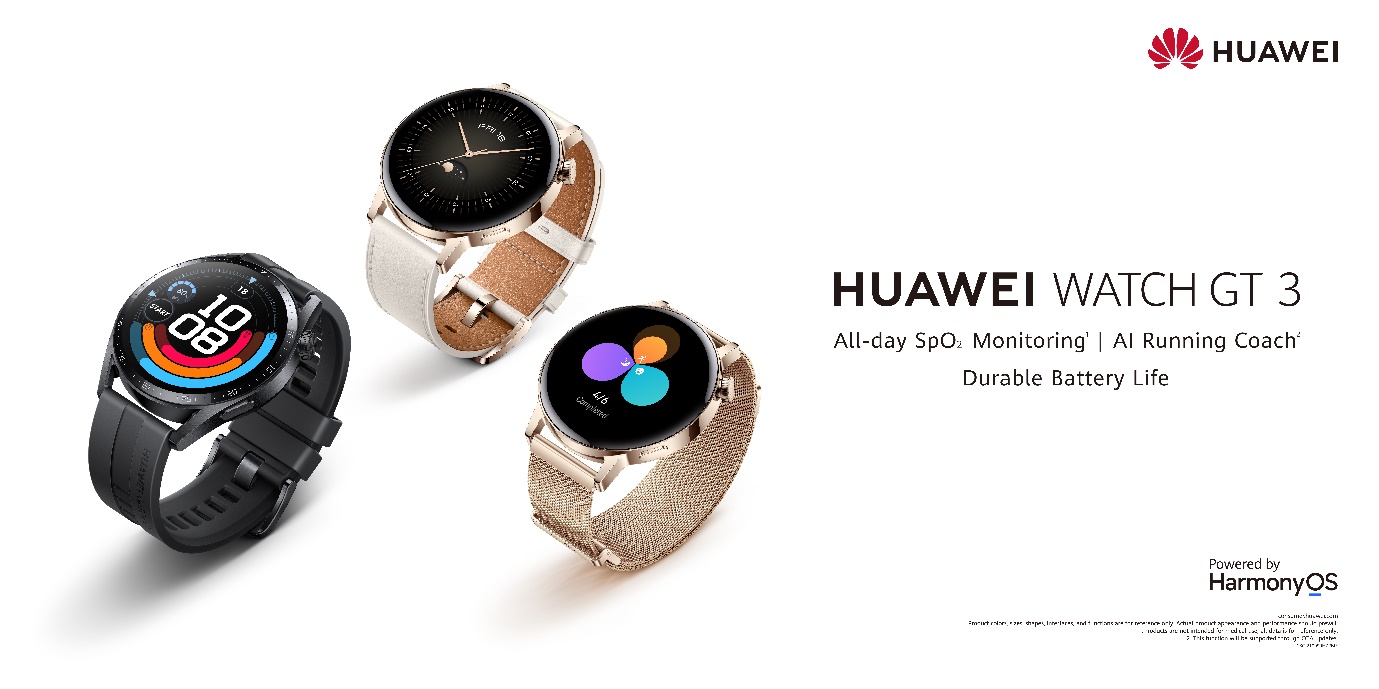
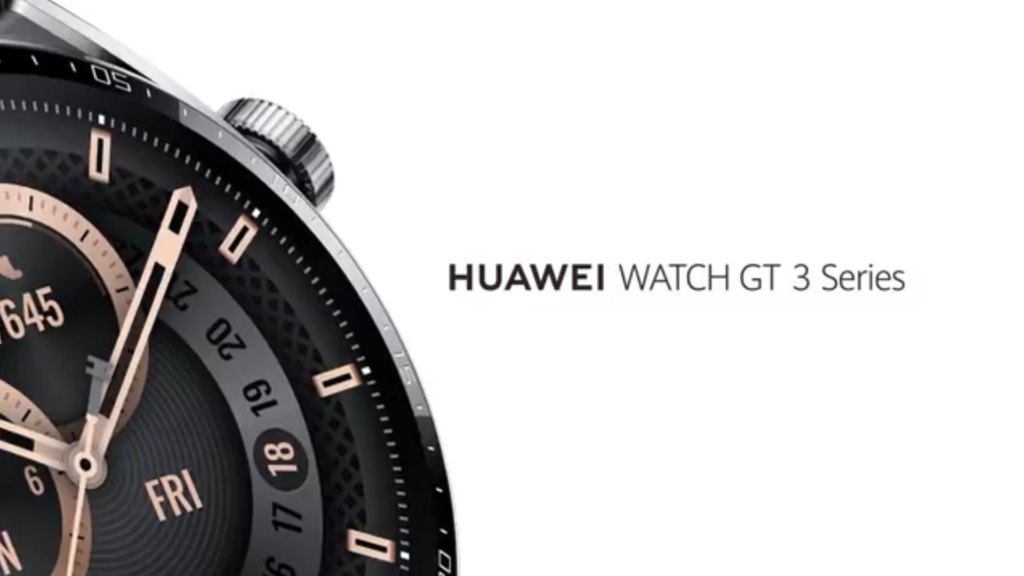
Huawei has taken the wraps off the new Watch GT 3 smartwatch in the U.K. The new watch packs lots of features, some of which have been carried over from the Huawei Watch GT 2 released in 2019.
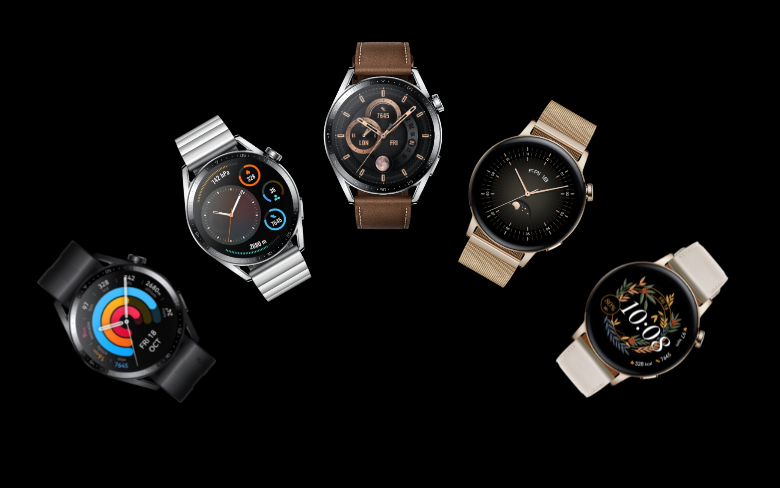
The Huawei Watch GT 3 is available in 42mm and 46mm sizes and four variants: Active, Classic, Elite, and Elegant. The 46mm version has a 1.43-inch 466 x 466 AMOLED display and a case that’s 11mm thick while the 42mm version has a 1.32-inch display with the same resolution and a 10.2mm case. Due to the smaller size, the 42mm version uses 20mm straps while the 46mm version uses a 22mm strap. For those who want to know, the case is stainless steel but the underside is plastic on both watches.
Huawei says the Watch GT 3 has a new PPG 5.0 module for heart rate and blood oxygen level detection includes 8 photodiodes and two sets of light sources. There is also a curved glass lens that makes the watch more comfortable to wear and prevents external light interference. It also says that the AI algorithm has been upgraded to filter out noisy signals and record more accurate data even in fast-changing cases such as when swimming, sprinting, or skipping.
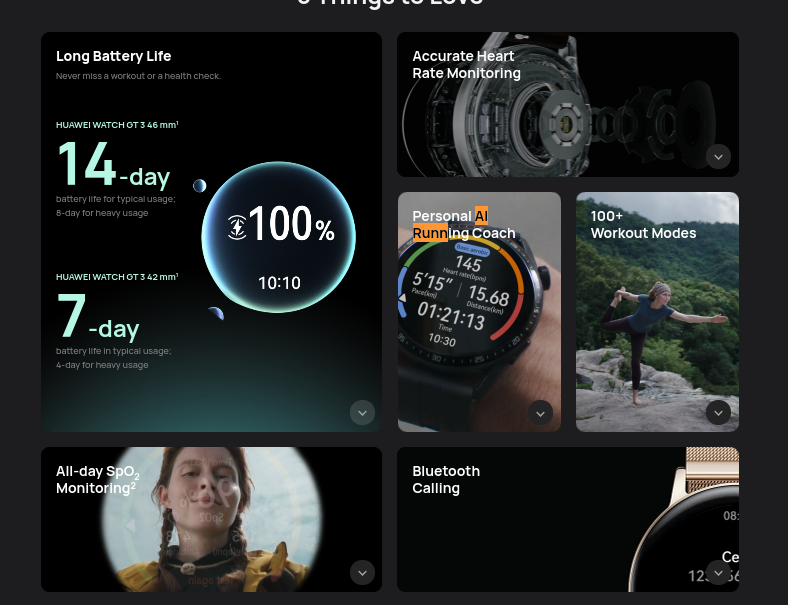
There is TrueSleep 5.0 for sleep tracking and TruSeen 5.0+ for health and fitness monitoring. The watch has support for 100+ workout modes including 18 professional modes and 12 outdoor workouts such as golf and skiing. There is an AI Running Coach that helps create a professional running plan based on your running data. It will also use a feature called Running Ability Index (RAI) to analyze the running performance after each training to help owners understand their progress and improvements.
The Huawei Watch GT 3 has 4GB of ROM and 32MB of RAM. It has an accelerometer, gyroscope, geomagnetic sensor, barometer, dual-band 5-system GNSS, and a temperature sensor. Other features are a built-in assistant, a microphone and speaker for Bluetooth calling, and the ability to sync with compatible sports machines. It is also the first GT watch to run HarmonyOS (2.1) out of the box.
The 46mm version has a 14-day battery life while the 42mm version has a 7-day battery life.
Huawei Watch GT 3 Price and Availability
The prices for the different versions of the Huawei Watch GT 3 are listed below. It is already available for pre-order starting today up until the 9th of November. Those who pre-order will get a free pair of Huawei FreeBuds 4i headphones.
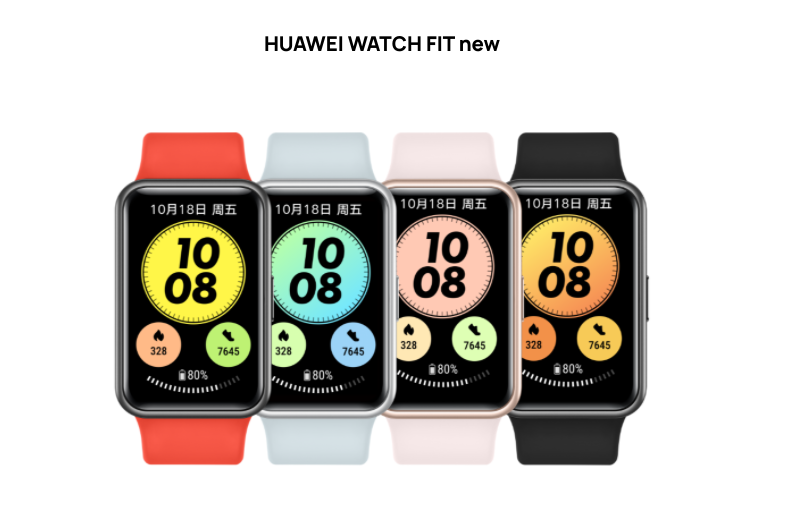
The Huawei Watch Fit New that launched in China last month is also available in the U.K. It is priced at £79.99 and is available in Isle Blue, Sakura Pink, Graphite Black, and Pomelo Red. If you purchase the fitness tracker, you get a free Huawei Smart Scale 3 worth £59.99.
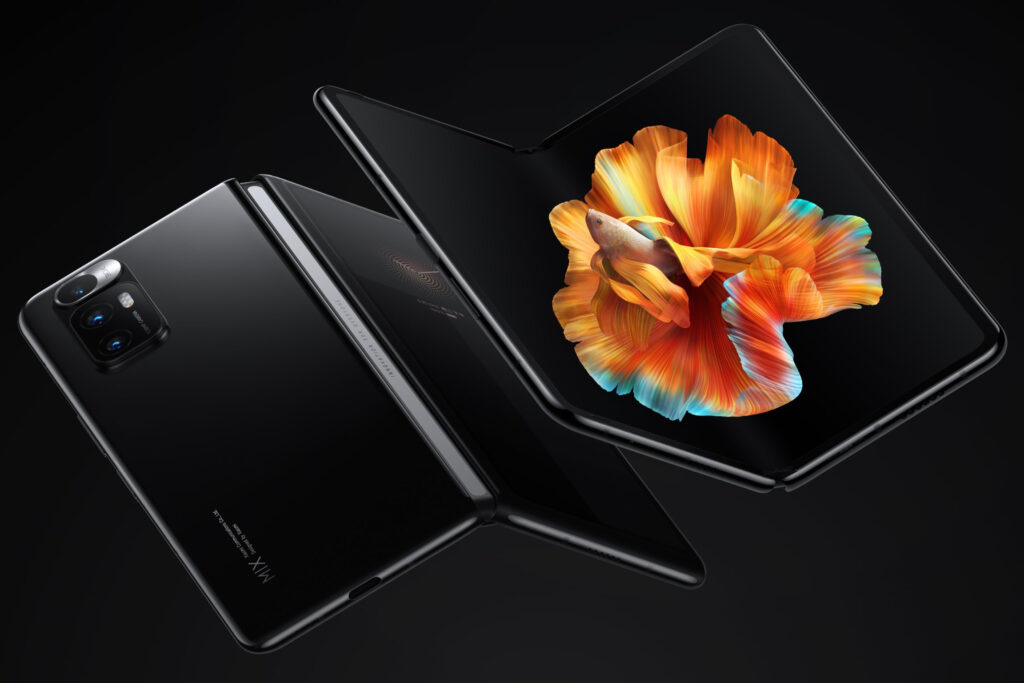
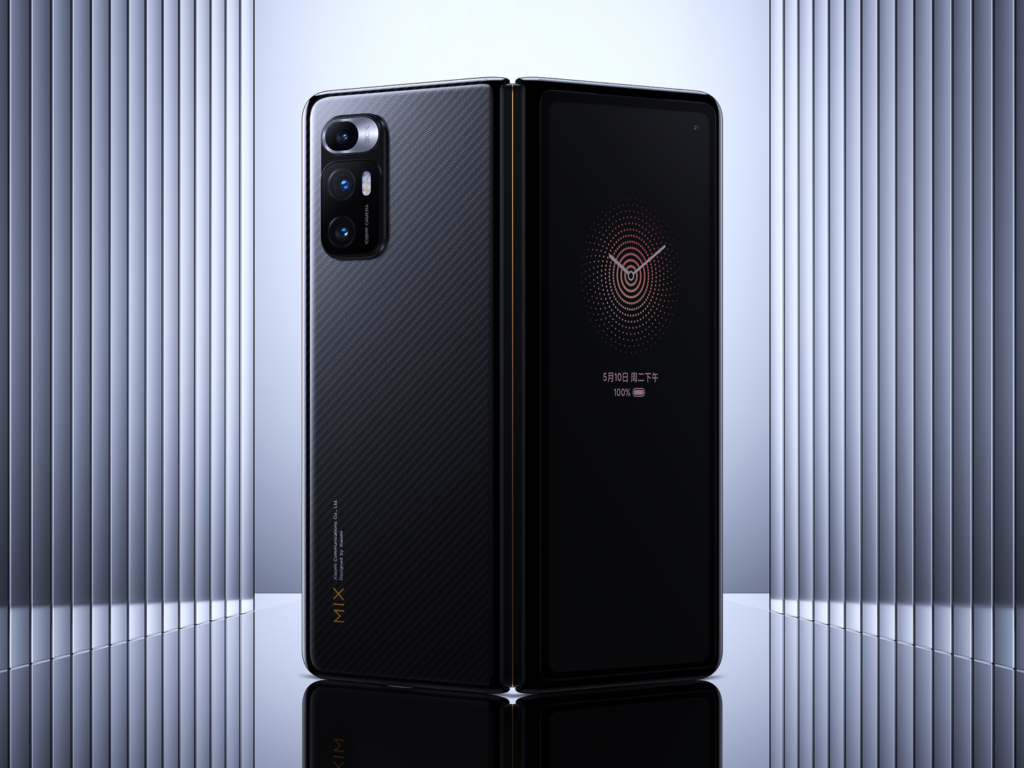
The Mi MIX Fold is Xiaomi’s first and the only foldable smartphone to date. It was unveiled at the end of March has been exclusive to the Chinese market. Back in May, the company rolled out a useful feature called ‘Pocket PC’ to this device. Now, months later, the firm has announced yet another software update that claims to further improve the user experience.
According to the official MIUI Weibo account, the Mi MIX Fold will soon start receiving a new system. This software build brings improvements and features based on the feedback from users.
Xiaomi says that its engineers have worked hard for months to bring this new software build to the public. The latest system update focuses on improving tablet experience, fixing app compatibility issues and dual-screen problems, optimizing Pocket PC mode, integrating MIUI+, and more.
The smartphone maker has also released the full changelog for this update, which arrives with build number V12.0.25.0.RJTCNXM. The list of changes is too long. You can see for yourself by downloading the image shared by Xiaomi.
Thankfully, Chang Cheng, Vice President of Xiaomi Group, has also summarised the important features in a Weibo post.
As per him, applications can now automatically adapt to inner and external screens when folded and unfolded. Further, WeChat now uses tablet UI and even many other apps are optimized for the foldable form factor. He adds that over 4,000 popular apps are now fully compatible with Mi MIX Fold.
Finally, the update also brings MIUI 12.5 improvements and MIUI+. He signs off his post saying that the new system update for Mi MIX Fold has the longest changelog in MIUI history.
The MIUI V12.0.25.0.RJTCNXM update for Xiaomi Mi MIX Fold will be soon rolled out in batches.
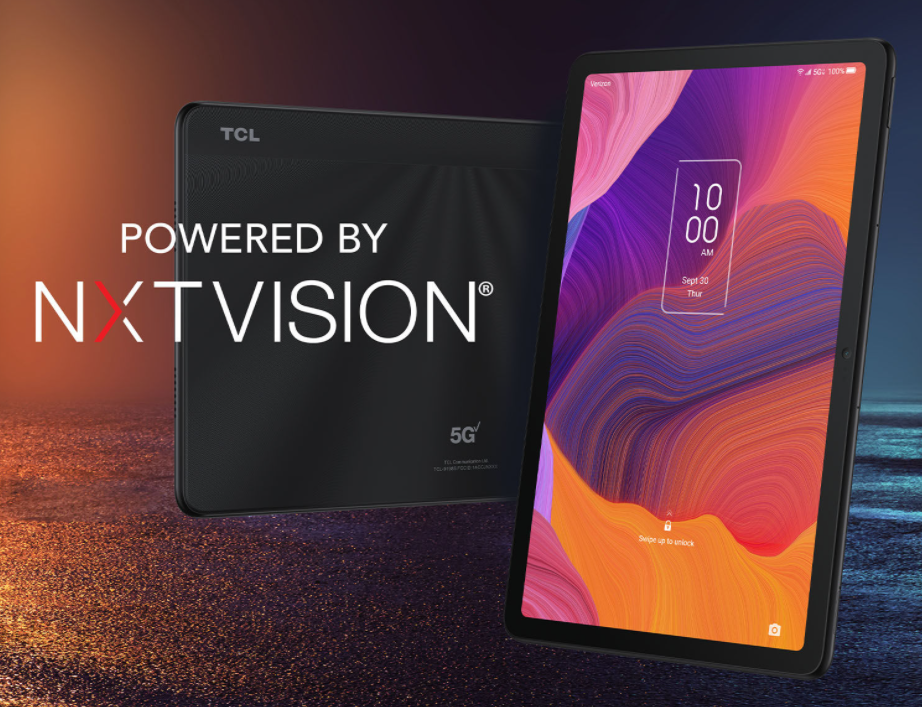
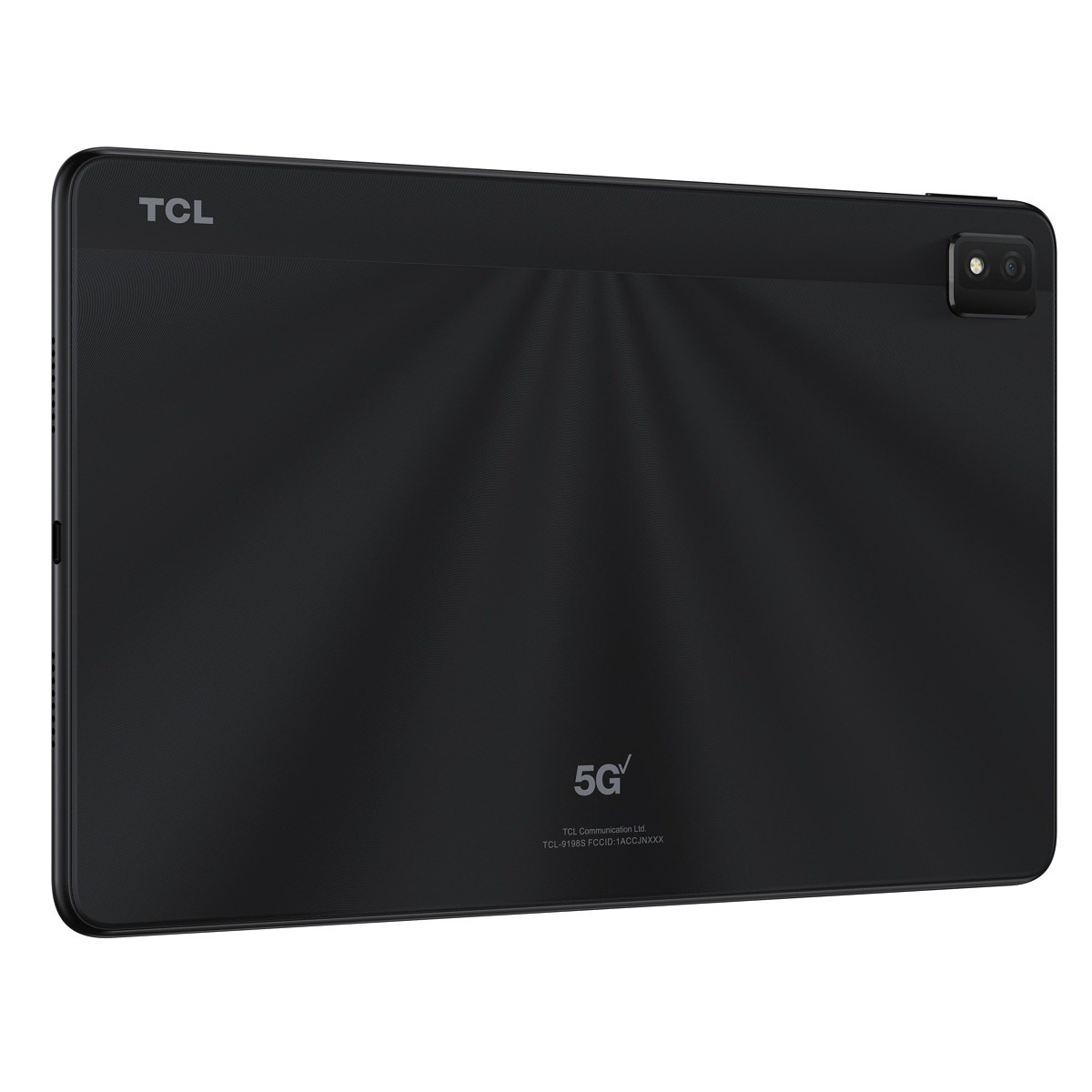
With no shortage of 5G smartphones, manufacturers are now turning to tablets as the next set of devices to stick a 5G modem into. The TCL TAB Pro 5G is one of such 5G tablets and it is powered by the Snapdragon 480 chipset.
The Snapdragon 480 is Qualcomm’s cheapest 5G processor and we have seen it appear in a lot of budget, mid-range, and frankly expensive devices too such as the Nokia XR20 which is priced at ₹46,999 ($638) in India. Thankfully, the TCL Tab Pro 5G isn’t as expensive.
The tablet packs a 10.36-inch NXTVISION display with a 1200 x 2000 resolution and HDR. The bezels are not slim but they are fine for a tablet this size. The corners are rounded and should make it comfortable to hold, although a tablet this size is not one you want to be holding in your hands for long.
The Snapdragon 480 5G is paired with 4GB of RAM and there is 64GB of storage that can be expanded via a MicroSD card slot (1TB max). There is a 13MP camera on the back along with an LED flash while the front-facing camera is an 8MP sensor. TCL has added a fingerprint scanner to the tablet and it is buried under the power button. There is also Face Unlock.
The TCL TAB Pro 5G has Hi-Res dual speakers but no audio jack which is disappointing. The tablet runs Android 11 out of the box. It also has support for mmWave and Sub-6GHz 5G networks. There a five pogo pins at the bottom of the device which may be for attaching to a keyboard accessory.
The tablet packs an 8000mAh battery that should last up to 17 hours based on usage. It charges via USB-C and has support for 18W fast charging. It also supports reverse charging
The tablet will be sold exclusively by Verizon for $399 and it is already available for purchase.
MagSafe is not a new feature but this proprietary magnetic charging technology that first appeared on a MacBook Pro back in 2006 is now making its way to more Apple products.
Earlier this week, Apple announced the AirPods 3rd generation and among the features it brings is a MagSafe-compatible case that allows it to be charged using a MagSafe wireless charger. It turns out the 2019 AirPods Pro has also gotten a MagSafe Charging Case.
New orders of the AirPods Pro will ship with a MagSafe Charging Case instead of the regular wireless charging case that shipped with it when it launched in 2019. Apple has also updated its website to reflect the change. At the moment, there is no listing of the MagSafe Charging Case as a separate purchase for those who want.
The AirPods Pro is Apple’s top-of-the-line wireless earbuds. They have Active Noise Cancellation, Adaptive EQ, and Spatial audio with dynamic head tracking. There is an H1 chip with 10 audio cores for real-time noise cancellation and the force sensor on the stem of the earbud will allow users to switch between Active Noise Cancellation and Transparent Mode.
The AirPods Pro is sweat and water-resistant, has a 4.5-hour battery life on a single charge but with the charging case, users can get more than 24 hours. With the new MagSafe case, owners can charge the AirPods using a MagSafe wireless charger. They can also use a regular Qi wireless charger or a lightning charger.
You can order the AirPods Pro with the MagSafe Charging Case on Apple’s website for $249.
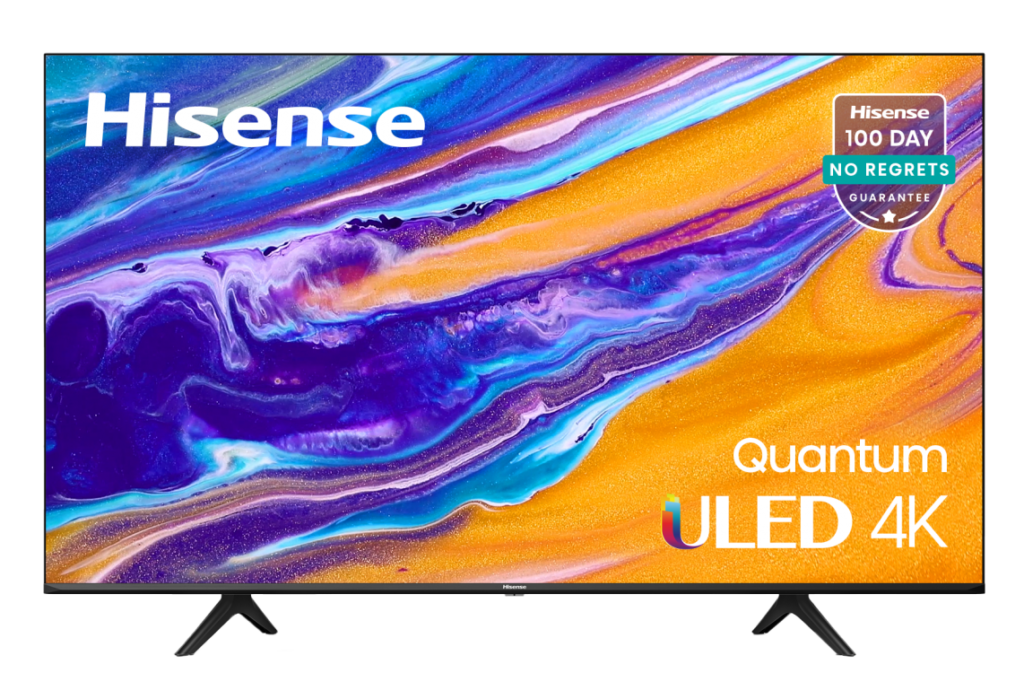
Hisense today released three new QLED TVs in India with full array local dimming plus with Quantum Dot technology. The tech aims to deliver brighter whites and deeper blacks while enhancing the contrast ratio by spreading backlight evenly across the screen. The models are Hisense 55U6G, Hisense 65U6G, and Hisense 75U80G with 55″, 65″, and 75″ display sizes respectively. Android TV 10, Dolby Atmos, and Dolby Vision are standard across the lineup.
Hisense 55U6G QLED TV specifications
The Hisense 55U6G has a 55-inch 4K UHD (3840 x 2160) LED-backlit QLED display with a 60Hz refresh rate and 700 nits of peak brightness. It has Dolby Vision, HDR10, HLG HDR, and HEVC (H.265) decoder support. Its 24W audio output is enhanced by Dolby Audio and Dolby Atmos.
The TV is powered by a quad-core CPU, Mali 470MP GPU, and has 2GB of RAM. It comes with an upscaling technology that ups regular 2K content to 4K while also reducing noise and enhancing details.
The Hisense 55U6G features Google Assistant and Google Play Store support. On the wireless connectivity front, the TV has dual-band Wi-Fi and Bluetooth. Ethernet, HDMI, and USB interfaces are also included.
The TV has been given an inaugural special price of Rs. 59,990 and will be going on sale through all leading e-commerce platforms and retail stores starting this week.
Hisense 65U6G specifications
The Hisense 65U6G offers all of the technologies that the 55U6G packs. It comes with a similar 4K UHD (3840 x 2160) LED-backlit QLED display panel but it is a bit larger at 65-inches.
The TV has been priced at Rs. 84,990 and will be made available from early November.
Hisense 75U80G specifications
The Hisense 75U80G though sports a majorly upgraded display in terms of size, refresh rate, and pixel count. It has a 75-inch 8K UHD (7680 x 4320) QLED display with a 120Hz of refresh rate.
The chipset has been upgraded as well with a quad-core processor paired with Mali G52 MC2 GPU and 5GB of RAM. The audio output is more powerful as well at 36W. Apart from this, the TV’s software and ports are the same as the other two models.
The Hisense 75U80G will be going on sale along with the Hisense 55U6G at a price of Rs. 3,99,990.
Canalys has released its report on India Smartphone Market for Q3 2021. According to the research firm, the shipments dropped by 5% YoY. However, Xiaomi continued to dominate the market. At the same time, the Chinese tech giant tried to increase its share in the premium segment.
Canalys says that vaccination played a key role in the increase of smartphone demand in India in the third quarter of 2021. But unfortunately, the shipments fell short of 5% compared to last year due to the shortage of components.
As the low-end models were in short supply, brands were forced to offer promotions on high-end models to lure in customers. Xiaomi pushed its Mi 11 series heavily to increase its share in the premium smartphone category in India. Apple also offered attractive deals on the iPhone 12 series ahead of the iPhone 13 series launch.
On the other hand, realme took a different approach. It focused more on affordable 5G handsets, and therefore, managed to ship around 1 million units of realme 8 5G. A whopping 70% of the brand’s shipment occurred online. Lastly, Transsion also tried to scale up its sales in the country.
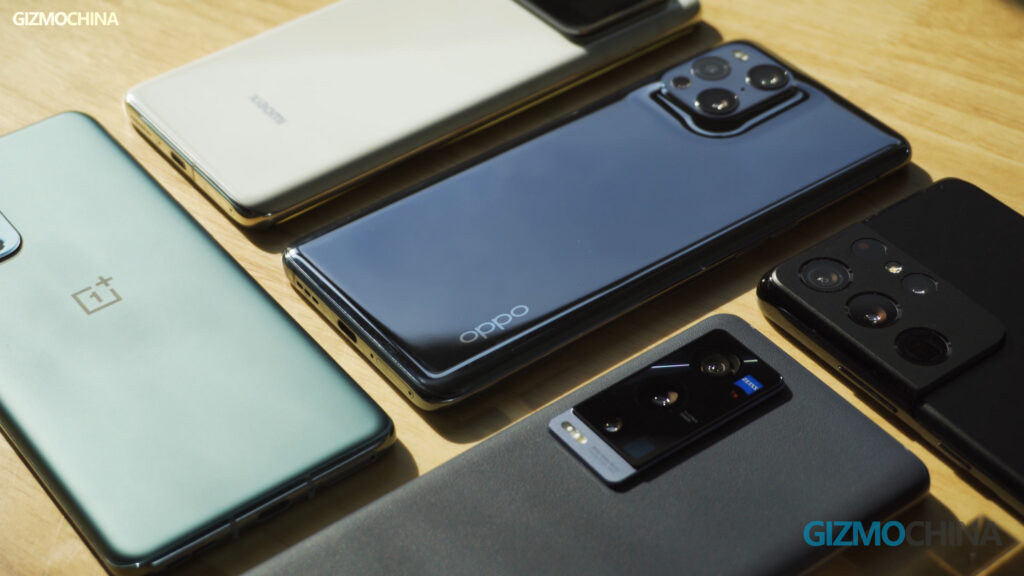
Talking about rankings in terms of shipments, Xiaomi came first with a 24% market share (11.2 million units), followed by Samsung with a 19% share (9.1 million units). Then, vivo acquired third position with a 17% of the market (8.1 million units). It was closely followed by relame with a 16% market share (7.5 million units) and OPPO with a 13% share (6.2 million units).
As far as the whole market is concerned, the demand is said to persist during the upcoming Diwali festive season, in addition to the shortage of supplies. We will have to wait and see how the brands will face the situation.
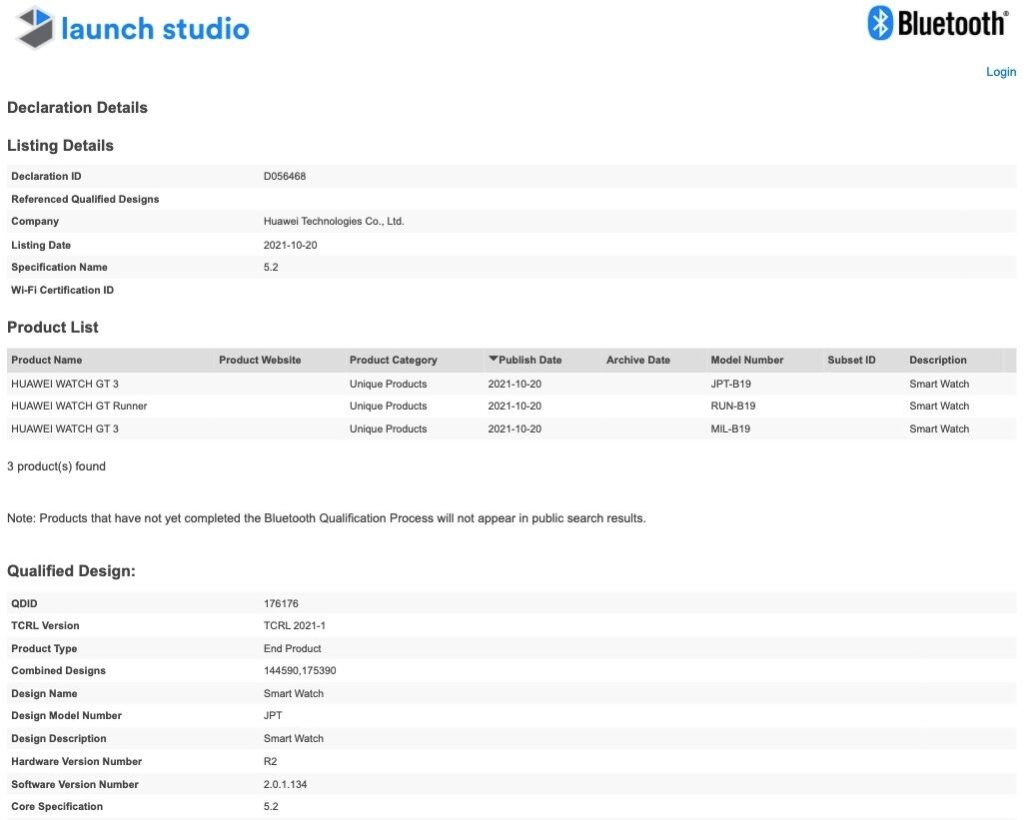
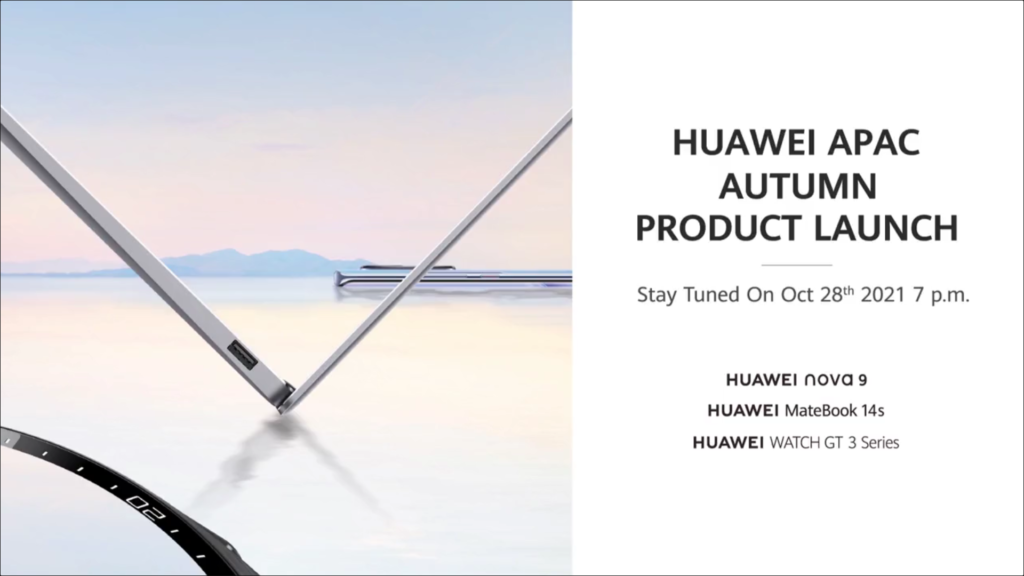
Huawei has shifted its focus from smartphones to other goods such as smartwatches and laptops following the US ban. It has been expanding its Huawei Watch portfolio with back-to-back releases. And ahead of the upcoming Huawei APAC Autumn Launch event, two more models have been spotted on a certification website – Huawei Watch GT 3 and Watch GT Runner.
Image: MySmartPrice, Bluetooth SIG
The Bluetooth SIG certification website (via MySmartPrice) has confirmed a few details about the Huawei Watch GT 3 series including their model number, moniker, and Bluetooth connectivity standards. The Watch GT 3, which has the model number JPT-B19, will support Bluetooth 5.2.
Huawei will also be debuting the GT Runner watch alongside Watch GT 3 on October 28. It has the model number RUN-B19 and is the sports version of the GT 3. It may thus come with a few sports-related features including better durability.
Apart from this, no other details were revealed by the Bluetooth SIG certification website. Huawei’s event teaser, however, had given us a glimpse into what to expect with the Watch GT 3 and showed that it will have a circular dial.
The Huawei APAC Autumn Launch event will also be lifting the curtains on the Huawei Nova 9 series phones and the Huawei MateBook 14s laptop.
The Huawei Nova 9 phone features a 6.57-inch 120Hz OLED display, a Snapdragon 778G SoC, and a 50MP quad-camera setup. Its battery is sized at 4,300mAh and it seemingly supports 66W fast charging.
The Huawei MateBook 14s sports a 2.5K touch FullView Display with an aspect ratio of 3:2. It is powered by the latest 11th Gen Intel Core Processor. It also comes with a set of quad speakers with tweeters and woofers.
Wing, a subsidiary of Google‘s parent company Alphabet, has recently announced that it will be bringing its drone delivery service to the Texas city of Dallas. This marks the first densely populated market that it is launching its service in.
This means that soon you can expect to see drones flying around in Dallas-Fort Worth with small containers that will be filled with products like Tylenol and Band Aids. In other words, Wing is starting its deliveries for small products that will be available in just one Walgreens to the city of Frisco and town of Little Elm. According to the company, it will be using its new operation model to ship small containers parked next to the store act as tiny hangers out of which Wing’s drones will be deployed.
Notably, the Walgreens employees will be trained in how to attach the packages to the company’s packages rather than Wing’s technicians. For those unaware, major tech giants like Amazon and Uber among other brands have been working on launching their own drone delivery services as well. These drones seeks to revolutionize the process of shipping goods and products. As of right now, the technology has mainly focused on small scale experiments like delivering vaccines and blood to remote regions.
In the US, drone delivery has mostly been limited to the smaller towns that are less crowded and less complex. But now, Alphabet owned Wing has seen minor success with its service, with its operations completing its 100,000th delivery while operating in three nations, including the US, Finland, and Australia.
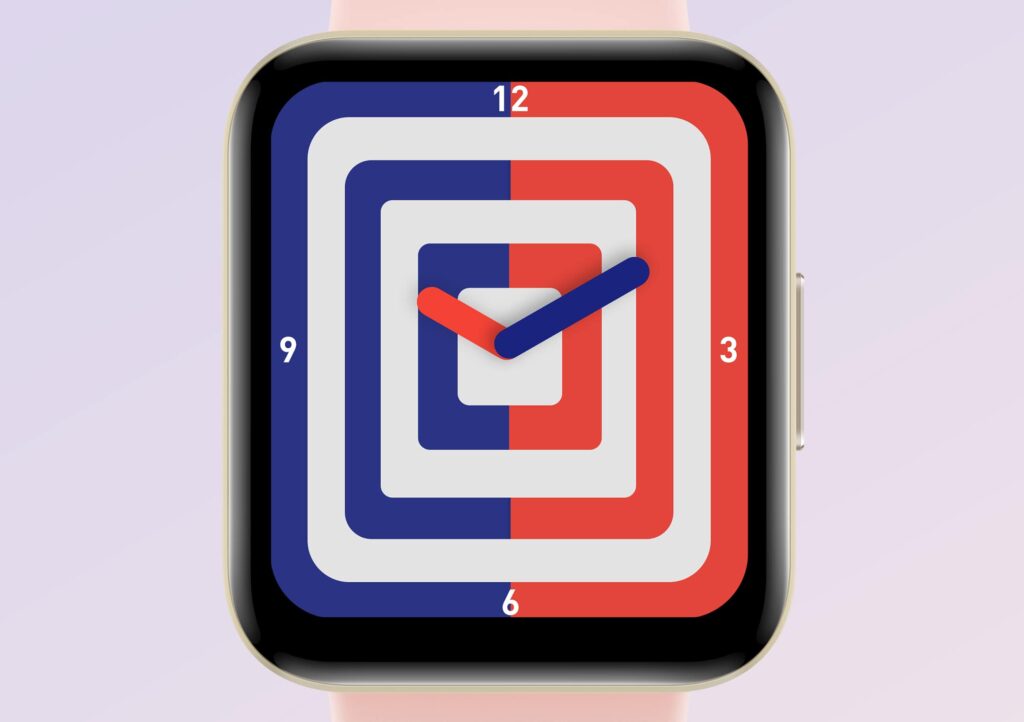
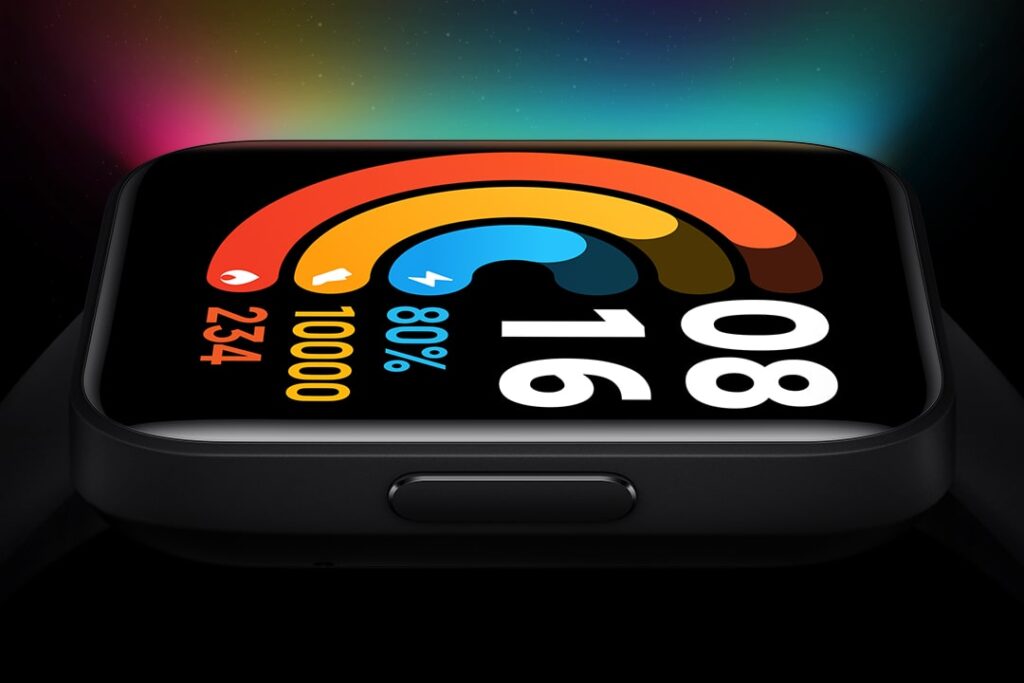
Redmi Watch 2 has been confirmed to launch on October 28 alongside the Redmi Note 11 series in China. Ahead of that, the brand has started teasing the features of its upcoming wearable. The latest teaser reveals the details of the product’s display.
According to the official Redmi Weibo account, the forthcoming Redmi Watch 2 will sport a 1.6-inch AMOLED display with a larger screen-to-body ratio. For comparison, the original Redmi Watch from last year has a smaller 1.4-inch LCD panel.
Further, as per the listing of the smartwatch on JD, it will be available in three colors. These hues are named Elegant Black, Space Blue, and Ivory.
The Redmi Watch 2 is expected to be similar to its predecessor – Redmi Watch. In other words, it will be a fitness tracker disguised as a smartwatch.
It will probably run a customized RTOS like almost every other so-called budget smartwatches in the market. Anyway, it should be a slightly better version than the older model.
We can expect the second-generation Redmi Watch to arrive with features like a heart-rate sensor, SpO2 sensor, GPS, multiple sports modes, sleep monitoring, water resistance, and more.
Having said that, since we are a week away from the official announcement, the company may reveal almost everything about the wearable in the form of teasers in the coming days.
Google recently unveiled its latest Pixel 6 series featuring home-built Google Tensor SoC and high-quality display along with other improved specifications. The amalgamation of the Machine Learning and powerful hardware can be seen in the recently launched Pixel 6 smartphones. However, like other Pixel devices, Google has emphasized a lot on the Pixel 6 series camera features.
Some third-party developers have already ported the Google Camera app from the Pixel 6 series for other smartphones. You can download Google Camera 8.3 app from the link at the bottom.
Stable Google Camera aka GCam 8.3 by BSG is now available for the majority of the Android devices running on Android versions 9, 10, 11, and 12. It is the Google Camera app ported from Android 12 Beta 4 build, and later modded for other Android devices. However, the compatibility is not 100%, but on the majority of the devices, it is installable.
Pixel 6 Camera Features
Both the Pixel 6 and Pixel 6 Pro features a 50MP primary sensor along with pixel binning technology. There’s also a 12-megapixel ultrawide sensor on both smartphones. Pixel 6 Pro additionally packs a 48-megapixel telephoto lens offering 4x optical zoom. Moreover, an 8MP selfie camera is present on the Pixel 6, while the Pro variant offers an 11.1MP camera.
Improving the list of Google Camera magnificent features like Night Sight, Astrophotography, Portrait Mode, and More, Google has made the following additions to the Pixel 6 camera:
Magic Eraser – It is quite a useful feature to get a perfect photo after removing the unnecessary objects from the photo. Magic Eraser effortlessly removes “photobombers”.
Face Deblur – The Machine Learning on the smartphone’s camera automatically rectify the face blurriness across photos. It will help you turn useless photos into useful memory.
Real Tone – It enables the camera to capture most of the skin tones accurately without any manual workaround. It is a native feature of the camera and will be applicable to all the images automatically.
Motion Mode – It is a combination of Long Exposure and Creative Blur features. The Mode comes handly when you capture a moment while in motion or any object is in motion. It applies a motion blur on the moving object to output a beautiful photo. However, the long exposure is useful while capturing moments in the nightlife. Without any tripod, you can easily make light trails.
Download GCAM 8.3 APK
Apart from the new design, the GCAM 8.3 apk offers several new advancements and features. Considering the base code, the GCAM 8.3 might enable the use of auxiliary cameras too. Most of the App features are working on the modded app, but some features may cause issues with some smartphones.
The user just needs a smartphone running on Android 9, 10, 11 or 12 along with Camera2 API support. Separate settings are not required to use the GCAM 8.3 port. However, the settings page can offer additional tweaks and modifications that might be useful in adjusting the quality.
Note: It is unclear whether all the new features of Pixel 6 will work on other devices or not.
Steps to Install Google Camera on your smartphone
Make sure your smartphone runs Android 8, 9, 10, 11 and supports Camera2 API.
Install Gapps (Google Apps and its Services) if already not installed
Enables ‘unknown source installation’.
Download the Compatible package.
Install the APK file, and then enjoy!
Stable Google Camera 8.1 modded apk is already available for download for the past few months. It is also available for the majority of Android smartphones. We hope developers will soon release stable GCAM 8.3 apk for the public.
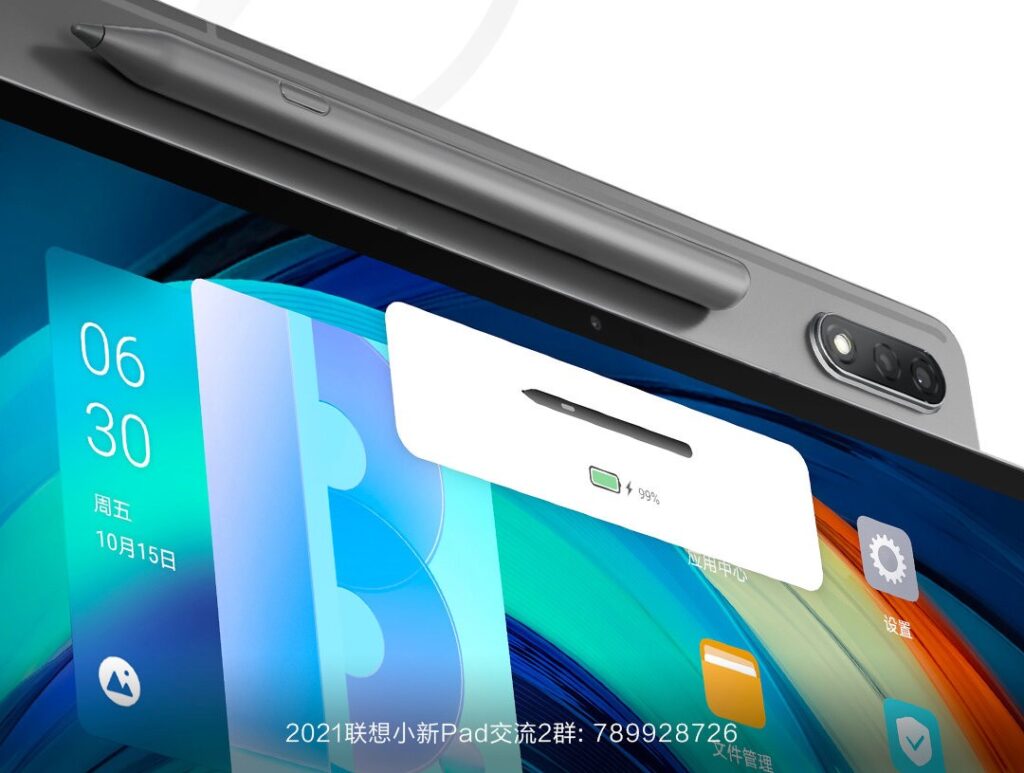
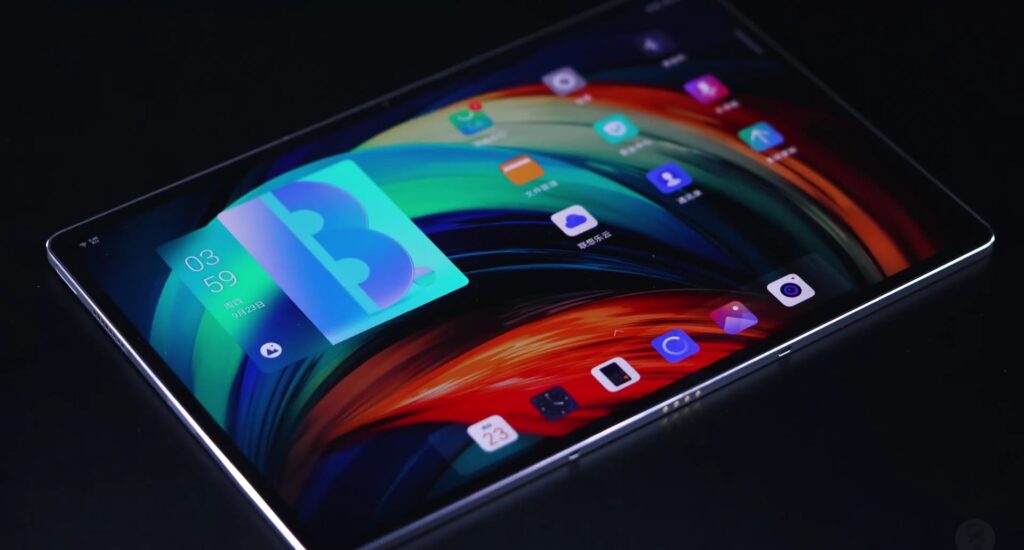
Lenovo has been teasing its upcoming Xiaoxin Pad Pro 12.6 tablet for a while and recently revealed that it will be launched on November 2. And now, the company has dropped some info on the tablet’s stylus accessory.
As per the post, the second-generation stylus supports 4096 levels of pressure sensitivity, increases response speed by 44%, supports magnetic wireless charging, and global handwriting input. The stylus can also be used with Lenovo’s new ZUI 13 notes app and also supports fast text copy.
Apart from this, the tablet itself will feature a 12.6-inch Samsung E4 AMOLED display with a screen resolution of 2560 x 1600 pixels, a 120Hz refresh rate, and a 360Hz touch sampling rate. The display will support tech like HDR10+, DC Dimming, and TUV Rheinland EyeSafe protection.
It will be powered by the Qualcomm Snapdragon 870 processor that will be fed by a massive 10,200mAh battery with support for 45W fast charging.
The tablet will be running the ZUI 13 Android skin based on Android 11 that will come with several tablet-specific features to make its usability easier. The software comes with a new visual language, a new desktop/dock area layout, and an improved PC mode.
As for the pricing, the Lenovo Xiaoxin Pad Pro 12.6 stylus is expected to cost similarly to the older Xiaoxin Pad Pro model, which means that it could be priced in the sub CNY 2,999(~$465) range. The pricing will of course be confirmed really soon with its launch, or perhaps through some other pre-launch teaser.
Foxconn is planning to build a new electric vehicle plant in India, Europe, and either North or South America by the year 2024. This marks a major move for the major iPhone assembler who is diversifying its operations into the growing EV market.
According to a NikkeiAsiareport, the news arrives from the chairman of the world’s largest contract electronics maker. In other words, electric vehicles and its emerging industry is a key part of its growth strategy. Young Liu, Chairman of Foxconn stated that “Regional manufacturing will be a key to developing our EV business globally. We will share details of a European facility, followed by India and then the South American market.”
Liu further added that all of its plans will have it partner up with local government or government recommended enterprises. He said that “In Europe, through collaboration, we will work indirectly with German automakers.” Furthermore, a new America factory would also serve the South American market, with the site possibly ending up being located in Mexico, which is now a crucial hub for automotive supply chains and an important manufacturing base for Foxconn.
As of right now, the company is increasing its efforts to enter the EV segment, with a recent acquisition of a manufacturing plant from Lordstown Motors in the US state of Ohio. This plant will be used to produce full size pickup trucks for the American market from April 2022. The company is even building a production facility in Thailan as well, working with the state backed oil and gas company called PTT for the Southeast Asian region.
Huawei Technologies published a patent on Tuesday revealing that it’s working on a new advanced sports posture correction feature for its wearables.
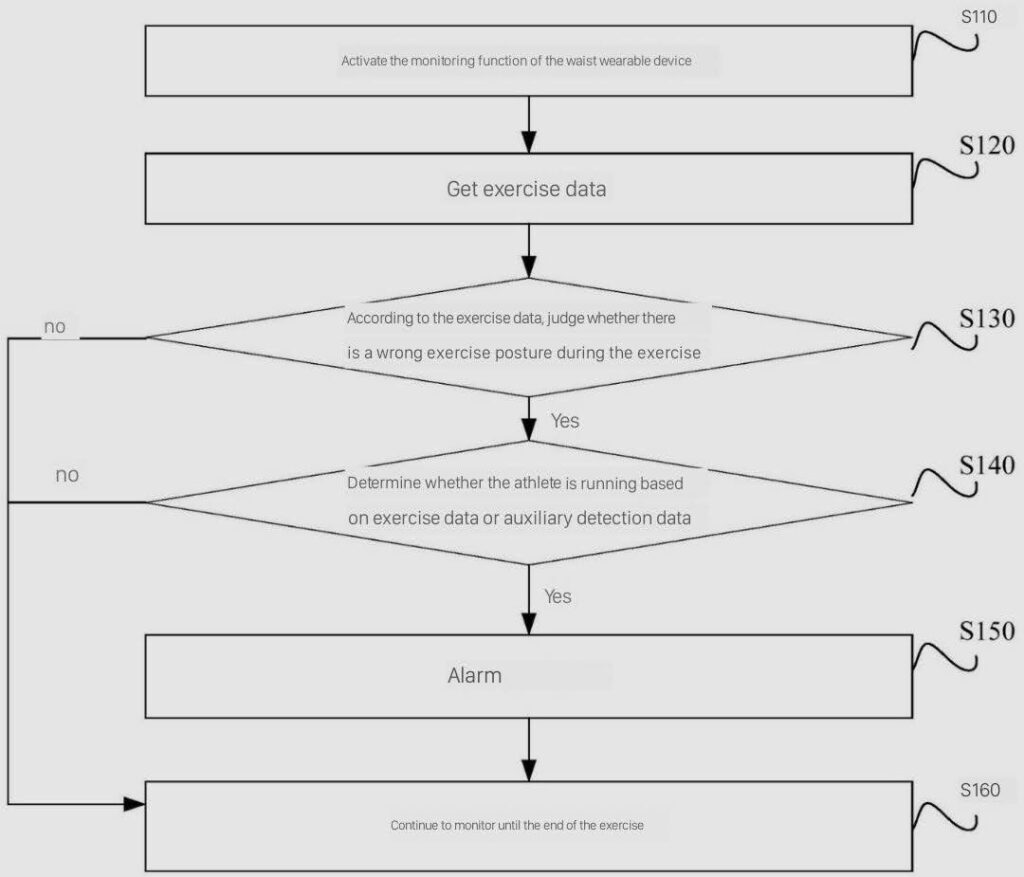
According to the Chinese Intellectual Property Database, the patent is titled “Sports Gesture Recognition Method, Terminal Equipment and Storage Media”, has a publication number of CN113509173A, and was filed back in April 2020 in China (via IT Home).
The feature works by collecting real-time motion data from the accelerometer built into a device. This helps it recognize the motion state of the athlete through the motion data or auxiliary data and analyze it for any incorrect motion postures.
The patent technology aims to provide adequate info to athletes to make them avoid wrong movements. A wearable with this function will be able to not only detect wrong moves but also notify through an alarm or other means about it. It will encourage professionalism in players during workouts and reduce the chances of injuries.
It is unclear if the sports posture correction feature will be making it to any of the Huawei watches given above through an update, or whether it will be shipped with a new smartwatch.
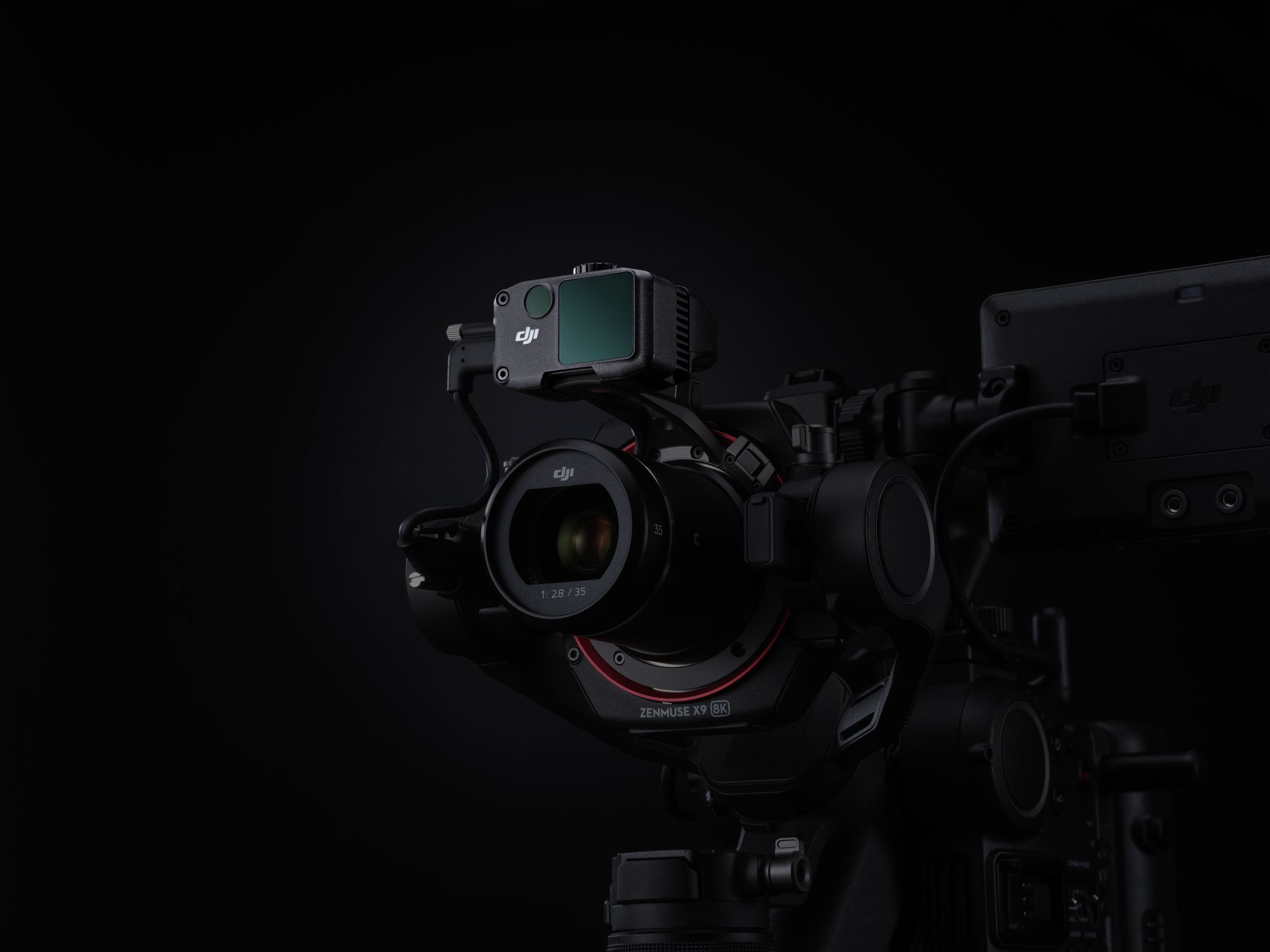
DJI has unveiled a new cinema camera that arrives with an in built gimbal, LiDAR support, and can even shoot at up to 8K resolution. Its LiDAR rangefinder sensor would seek to make the camera’s focus “sharper, faster, and more reliable” even during night scenes.
The new cinema camera is the Ronin 4D, with the target audience primarily being professionals. It arrives with robust features that signifies that the Chinese company is diversifying out of just making drones. The Ronin 4D sports a camera called the Zenmuse X9 that has interchangeable lens mounts for the brand’s DL and Leica’s M systems, while also including a whopping nine built in ND filters to control your exposure in the sun.
The 6K model allows for 6K capture at 60fps and 4K at 120fps. On the other handm, the 8K model is capable of 75fps at its max 8K resolution. Notably, the X9 is capable of shooting RAW, 422HQ, or even H.264 formats as well if users are trying to keep file sizes at a minimum. While the brand is known for its drone, DJI has announced that the new X9 camera is built solely for the Ronin 4D.
According to the company, the 6K variant of the Ronin 4D will be available in December while the 8K version will launch sometime “at a later date.” Buying the Ronin 4D also has the user receiving a bunch of other accessories, including a wireless monitoring system and a focus motor that also allows users to adapt manual focus lenses to use the LiDAR system. The 6K version costs 7,199 US Dollars while the 8K version is set to launch for 11,499 US Dollars.
In September, vivo unveiled Funtouch OS 12 based on Android 11 instead of Android 12. The latest version of the company’s mobile operating system ships with the newly launched vivo X70 series. Just a month later, vivo has now revealed its plans to update select devices to Android 12 in India.
According to a tweet by vivo India official Twitter account, the Chinese smartphone maker will update 31 handsets to Android 12 in the country starting next month. The eligible devices include products from all the lineups sold by the brand like X, V, S, and Y.
Having said that, here’s the list of vivo smartphones that will get access to Android 12 update in India.
vivo Android 12 Beta Update Timeline India
End of November 2021
vivo X70 Pro+
End of December 2021
vivo X60 Pro+
vivo X60 Pro
vivo X60
vivo V21
vivo Y72 5G
End of January 2022
vivo X70 Pro
vivo V21e
vivo V20 2021
vivo V20
vivo Y21
vivo Y51A
vivo Y31
End of March 2022
vivo X50 Pro
vivo X50
vivo V20 Pro
vivo V20 SE
vivo Y33s
vivo Y20G
vivo Y53s
vivo Y12s
Early April 2022
vivo S1
vivo Y19
End of April 2022
vivo V17 Pro
vivo V17
vivo S1 Pro
vivo Y73
vivo Y51
vivo Y20
vivo Y20i
vivo Y30
Since this update schedule is only meant for beta rollout, the actual stable release may take a little more time than this. Anyway, going by the plan, we expect vivo to finish the Android 12 update rollout for all the supported handsets by the first half of 2022.
What are your thoughts on vivo’s Android 12 update plan? Do let us know in the comment section below.
The Galaxy Unpacked Part 2 event was held yesterday and it seemed to focus more on software and Samsung’s ecosystem than anything else. No new hardware was announced – a disappointment once again for those awaiting the Galaxy S21 FE. However, the disappointment was made up for with some pretty cool stuff, starting with a formal One UI 4 unveil, finally.
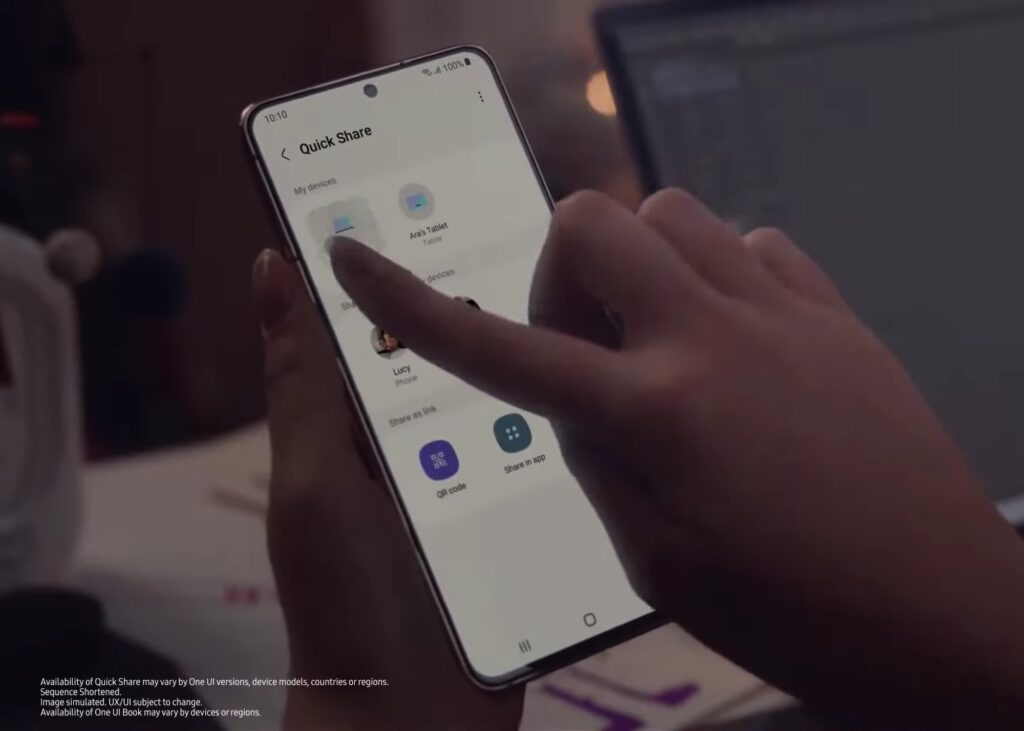
The latest iteration of Samsung’s custom Android skin has gone big on cross-platform interoperability with remarkable features such as Quick Share that allows seamless transfer between Galaxy devices, and much more.
Quick Share allows transfers of images and other files between devices like the S21 series and Galaxy Book. New photo editing tools, for example, can help crop out an object from a photo and that object can be transferred quite easily to another device, effectively keeping a project in sync between devices. Of course, this is only an example use-case and there’s a sea of possibilities to explore.
Samsung also demonstrated One UI’s ability to set health goals with others with Samsung Health Together, so groups can compete in completing training or exercise goals.
Similar to Apple’s Lost Mode, the new One UI update also expands SmartThings Find to stuff such as the Galaxy Buds and S Pens, leveraging up to 1.5 billion instances of data exchange between Samsung devices in a network to help pinpoint a lost accessory’s location.
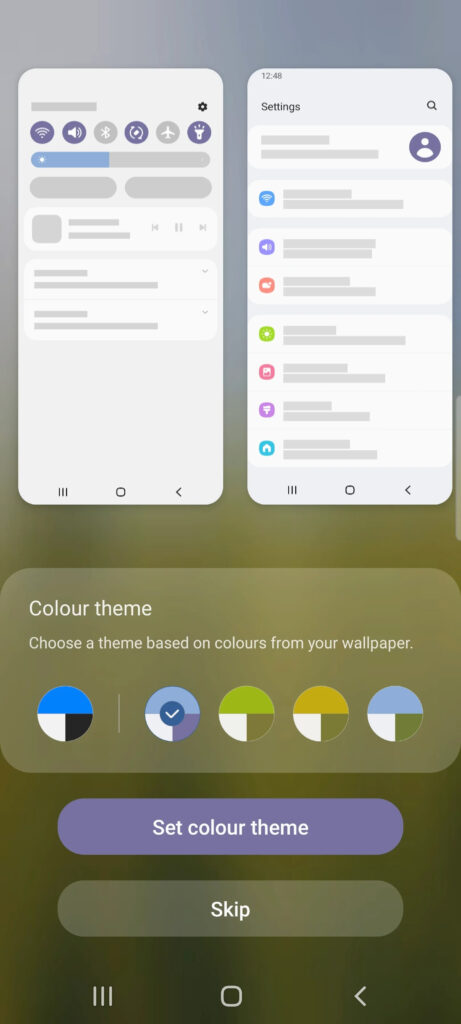
Last but not the least, Samsung showed off its Material You implementation for One UI by demonstrating how a simple wallpaper change can set new colors for the interface, giving it an all-new look. This was paired with added Android 12 widgets support, complete with new animations and rounded corners.
One UI 4 is based on Android 12 and is currently undergoing beta testing. It is limited to users from China, Germany, India, Poland, South Korea, the UK, and the US. Only select handsets are eligible for the program currently namely Samsung Galaxy S21, S21 Plus, and S21 Ultra.
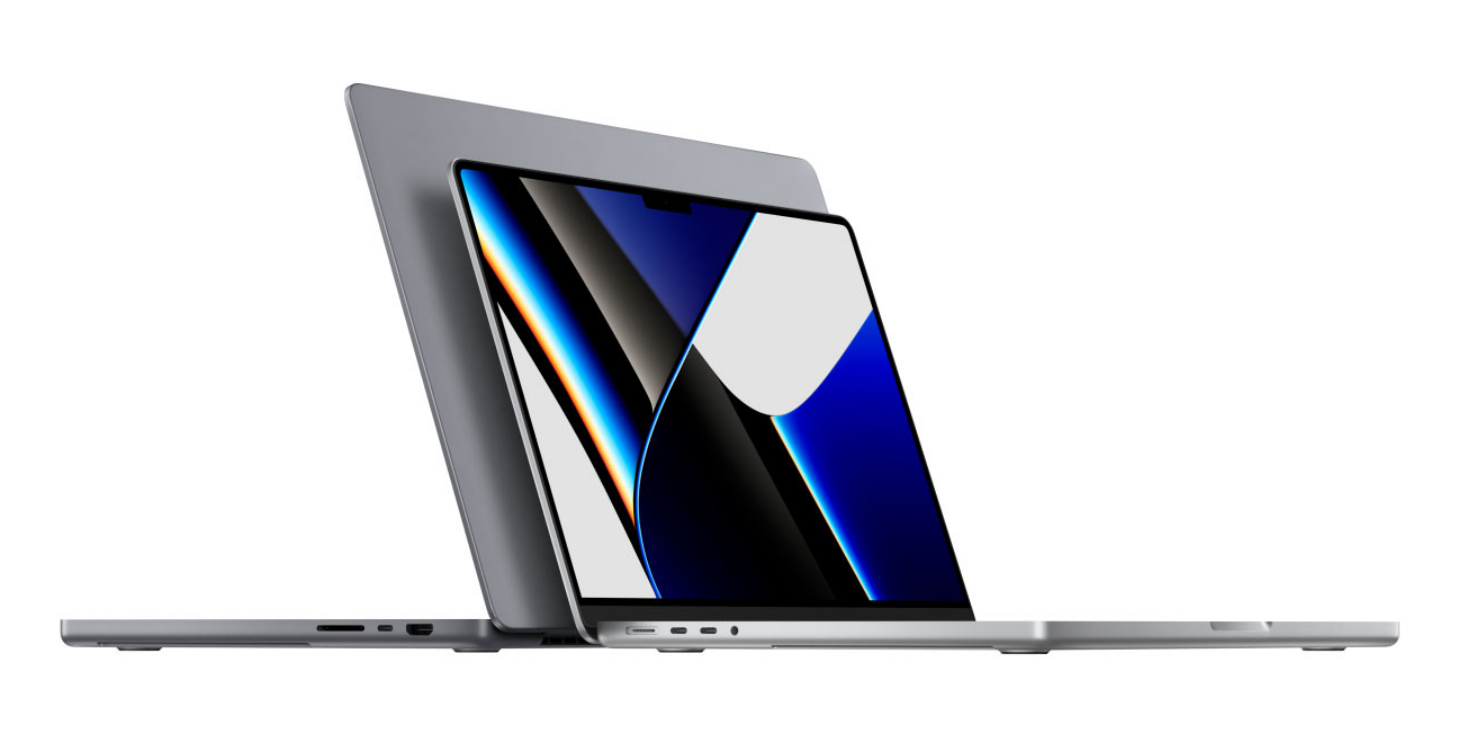
The patent in question was first spotted by PatentlyAppleback in March 2020 and showcased future iMac and MacBook Pro with a notch that appeared similar to the notch on iPhones. While the newly launched MacBook Pros feature a notch that houses its front facing camera, TrueTone sensor, and other sensors, it does not offer any form of biometric authentication based system like Face ID.
However, the patent describes the Macs with Face ID support on their notches. As per the patent, this system enabled the device to capture “face gestures and emotions, video chatting, generating emoji, encrypting data, unlocking the computing device, supplementing passwords, differentiating different users, and the like.” In other words, the newly launched MacBook Pros might have been initially slated to support Face ID as well, but it seems that the feature will likely be included in future iterations of the notebook.
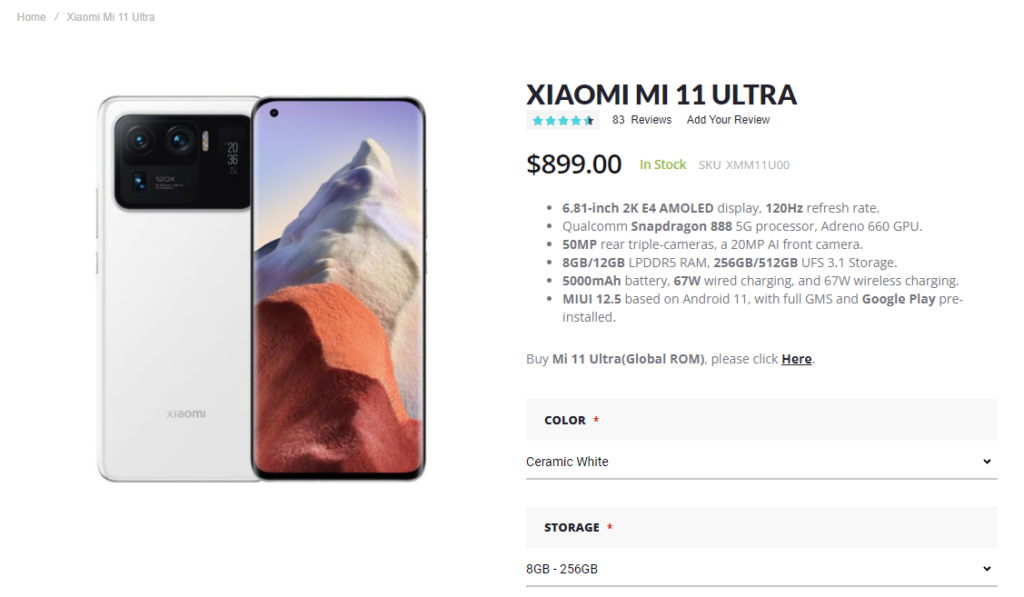
Xiaomi’s flagship device – Mi 11 Ultra has finally received a major discount of $50 via Giztop. Xiaomi’s flagship smartphone is mostly available across the globe with its unmatched powerful specifications. A discount coupon – 50M11U can be used on the checkout page to avail of a $50 discount.
The powerful Mi 11 Ultra is available in Ceramic White and Ceramic Black color options. It is available in 8GB RAM + 256GB, 12GB + 256GB and 12GB + 512GB internal storage variants. The actual retail price post the discount will be $849 for 8GB RAM and 256GB internal storage variant. However, the buyers can also choose Original MIUI 12.5 OS (English) while checking out.
It bundles a 6.81-inch Full HD+ curved Samsung E4 AMOLED display having a 120Hz refresh rate and 180Hz touch sampling rate for enhanced gaming smoothness. The display also supports HDR10+ and high DCI-P3 coverage. Furthermore, there’s an in-display optical fingerprint sensor to easily unlock the smartphone.
Xiaomi Mi 11 Ultra 5G embeds a triple camera module carrying a 50MP Samsung GN2 sensor, a 48MP ultra-wide camera, and a 48MP telemacro lens with 5X optical zoom and 120x digital zoom support. A 20MP selfie camera is present on the front for the user’s convenience.
There’s a 5000 mAh battery on board with support for 67W fast wireless and wired charging technology. It even supports 10W reverse wireless charging. In connectivity, the users will get a WiFi 6, NFC, GPS, and USB Type-C. the smartphone will never disappoint gamers as the smartphone carries Vapour Chamber Lisui-Colling that dissipates heat upon excessive usage.
The excellent deal is limited till 20 October. The interested users can head over to the Giztop to grab the Xiaomi Mi 11 Ultra 5G smartphone at a discounted price.
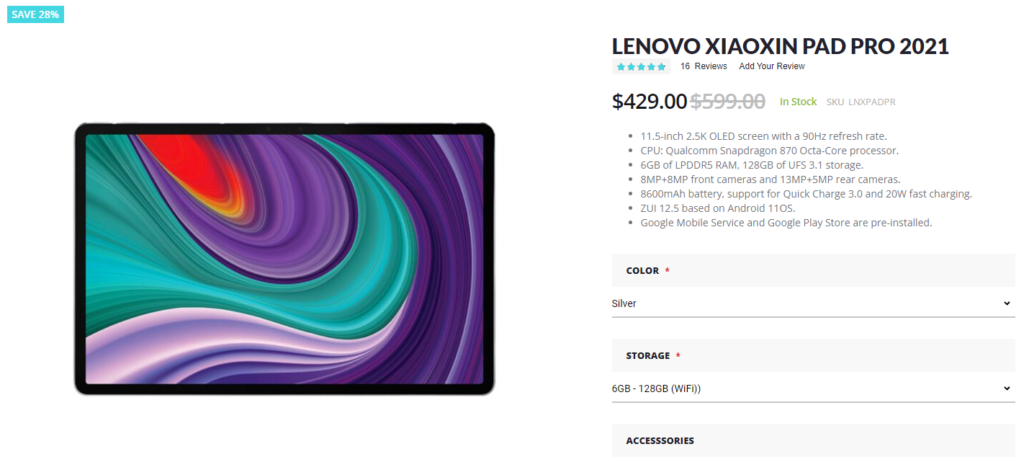
With the onset of the festival season, several retailers have started offering unbelievable discounts on new electronics items. Similarly, Giztop is offering a $30 discount on the powerful Lenovo Xiaoxin Pad Pro 2021 tablet. The interested folks can use the coupon code PADPRO30 to avail the discount on the checkout page.
Lenovo Xiaoxin Pad Pro 2021 Wifi only model is currently available in silver color option while having 6GB RAM and 128GB internal storage. It is a great offer to grab the new tablet at $399 with an internal shipping option.
The powerful new tablet comes with an 11.5-inch OLED display having a 90Hz refresh rate and 2560 x 1600 pixels resolution. The display has an aspect ratio of 16:10 and features support for the DCI-P3 gamut, Dolby Vision, and HDR 10.
It comes bundled with Qualcomm Snapdragon 870 SoC carrying 6GB LPDDR5RAM and 128GB UFS 3.1 storage. However, a MicroSD card slot is also present for storage expansion.
Surprisingly, the smartphone houses a dual-rear camera module consisting of a 13MP primary sensor and a 5MP ultrawide lens. On the front, the smartphone comes with an 8MP main camera and an 8MP IR sensor. A massive 8600mAh battery is present on the board with support for 20W fast charging.
In connectivity, the Lenovo Xiaoxin Pad Pro 2021 offers Bluetooth 5.1, dual-band Wifi, and a USB Type-C 3.1 port.
You can grab the deal before 31 October at a discounted price using coupon code PADPRO30 from Giztop.
We use cookies on our website to give you the most relevant experience by remembering your preferences and repeat visits. By clicking “Accept”, you consent to the use of ALL the cookies.
This website uses cookies to improve your experience while you navigate through the website. Out of these, the cookies that are categorized as necessary are stored on your browser as they are essential for the working of basic functionalities of the website. We also use third-party cookies that help us analyze and understand how you use this website. These cookies will be stored in your browser only with your consent. You also have the option to opt-out of these cookies. But opting out of some of these cookies may affect your browsing experience.
Necessary cookies are absolutely essential for the website to function properly. This category only includes cookies that ensures basic functionalities and security features of the website. These cookies do not store any personal information.
Any cookies that may not be particularly necessary for the website to function and is used specifically to collect user personal data via analytics, ads, other embedded contents are termed as non-necessary cookies. It is mandatory to procure user consent prior to running these cookies on your website.