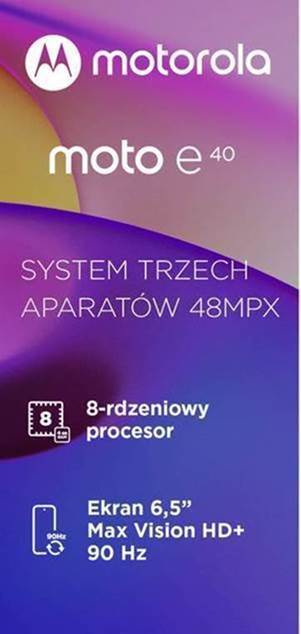
A few days ago, details about the Moto E30 smartphone surfaced online and the Moto E40 was also spotted on benchmarking platform Geekbench. Now, a new leak from tipster Evan Blass confirms the upcoming Moto E40 smartphone’s ket features.
The leak confirms that the smartphone will come with a 6.5-inch HD+ display with a high 90Hz refresh rate. It is also confirmed to be powered by an octa-core processor but the exact variant has not been revealed.
The phone is likely to come packed with a Unisoc chipset. There’s a possibility that it’s Unisoc T606 that’s powering the Moto E20. It is also expected to be running the Android Go Edition operating system.
In the camera department, the Moto E40 will likely have a triple-camera setup with 48-megapixel being the primary sensor. If the details are indeed true, then the phone will be the first to have a 90Hz refresh rate and a 48MP triple camera setup on a device running the Android Go operating system.
A few days ago, the smartphone was spotted on benchmarking platform Geekbench which revealed that it scored 352 and 1352 points respectively, on single-core and multi-core tests. The same listing also revealed that the device will come with a 5,000mAh battery and have support for 10W charging.
When looked closely, the specifications of the upcoming Moto E40 smartphone look quite similar to what the Moto G20 packs. To know for sure what the phone has to offer, we’ll have to wait for the official launch. Given the number of leaks surrounding the device, we expect it to get launched in the coming weeks.
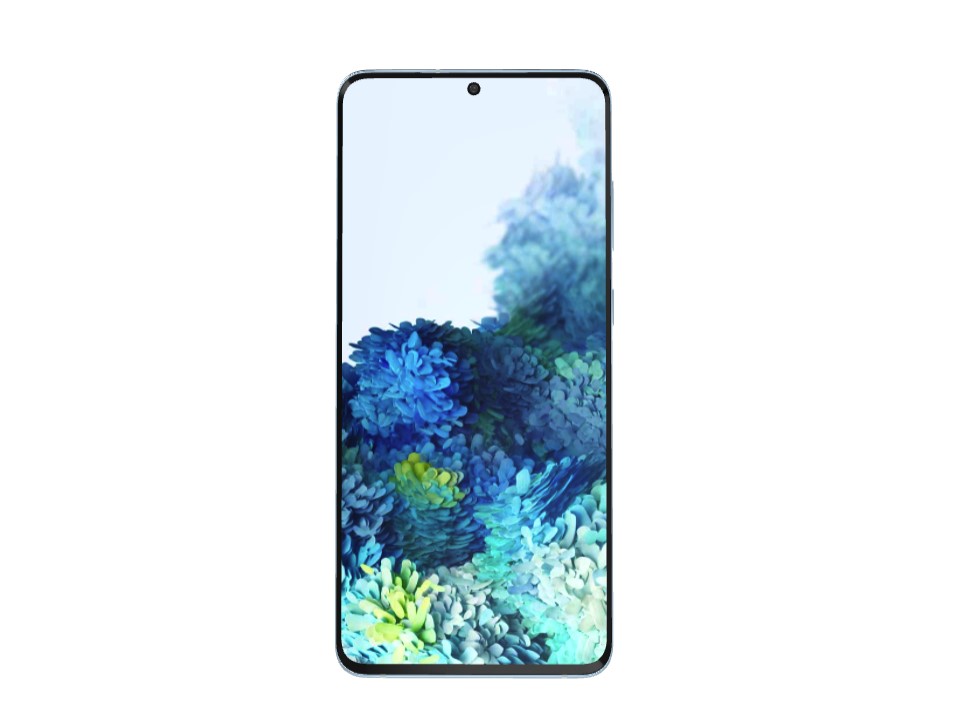
According to the renowned Apple analyst, Kuo, Apple has plans to replace the current outdated notch design introduced with iPhone X with a “punch-hole display design”, starting with iPhone 14 Pro models. This will finally take iPhones closer to what their peers look like, at least in terms of display design.
Samsung punch-hole display
Kuo says Hardware selling points for 2022 iPhones include 1) a new iPhone SE with 5G support (1H22), 2) a new and more affordable 6.7″ iPhone (2H22), and 3) two new high-end models equipped with a punch-hole display (replacing the notch area design) and a 48MP wide camera
Apple is expected to adopt two different screen sizes for the next year’s iPhone 14 lineup, 6.1 inches and 6.7 inches. If Apple decides to stick with the same nomenclature, these could come the iPhone 14 and iPhone 14 Max respectively, and further the iPhone 14 Pro and iPhone 14 Pro Max. While only the iPhone 14 Pro and iPhone 14 Pro Max will get the new hole-punch display, other models are likely to retain the notch.
The next best thing to note from Kuo’s claim is that the top-end non-pro model (iPhone 14 Max) could be priced under the $900 mark. The current iPhone lineup’s “Max” only includes the 6.7-inch iPhone 13 Pro Max, which is priced at $1,099.
However, Kuo no longer believes that an under-display Touch ID could feature in the upcoming iPhones, not until the second half of 2023. This is due to “lower than expected development progress”, which leaves Apple far behind its competitors. There will be a 48MP wide camera, but the images shot with the sensor will still be 12MP in resolution.
Apple did not live up to the hype with this year’s iPhone 13 lineup as literally no major revamp was anywhere to be seen, not to mention the tech giant is already lagging behind its peers in many aspects. But it looks like Apple will finally take a leap in the coming iPhone models and present something fresh to the users.
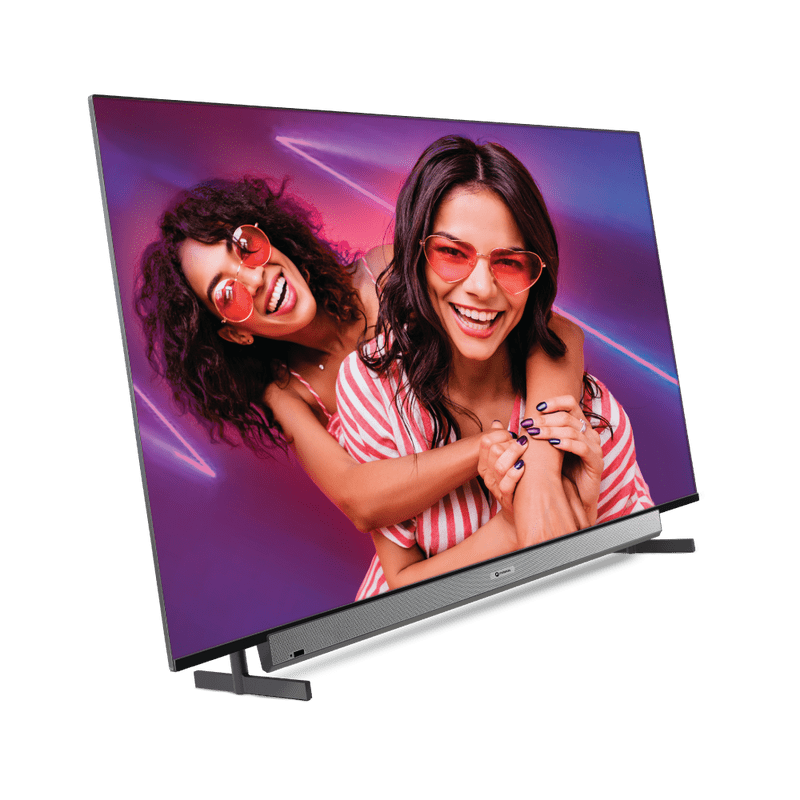
Motorola made its debut in the TV segment in 2019 with its Motorola TV lineup. The company offered some stunning TVs with diverse display size options including 32-inch, 43-inch, 50-inch, 55-inch, 65-inch models with a borderless display, AmphiSoundX technology, and MEMC technology. The TVs came with Android TV Pie OS out-of-the-box and with connectivity options such as 4x HDMI port, USB port, TV input, SPDIF port, built-in Bluetooth, and Wi-Fi. Now, it has been tipped that Motorola is all set to launch a new TV in the Indian market.
Motorola TV
The company has shied away from revealing information related to the TV and any leads on details, specifications, pricing still remains a question. All of which will be answered on October 1 when Flipkart’s Big Billion Days sale goes live. Well, TV isn’t the only new product Motorola has in its bag as Moto Tab 8 will also make its debut on the same day.
However, the upcoming tab shouldn’t surprise us as it is only a rebranded Lenovo Tab M8 FHD aimed at content consumption and education. Therefore, the features are going to remain the same as Lenovo Tab M8 where it will sport an 8-inch FHD display and will be running stock Android. It will draw its juice from the octa-core MediaTek Helio P22T SoC. There will be 4GB RAM and 32GB/64GB ROM options and will be available in both Wi-Fi and cellular variants. The Moto Tab 8 is expected to be equipped with a 13MP rear camera and a 5MP front-facing camera. It is expected to house a 5,000 mAh battery, with support for USB Type-C charging.
Lenovo Tab M8 retails for Rs 13,999 on Flipkart so we expect Moto Tab 8 to be available in a similar price bracket.
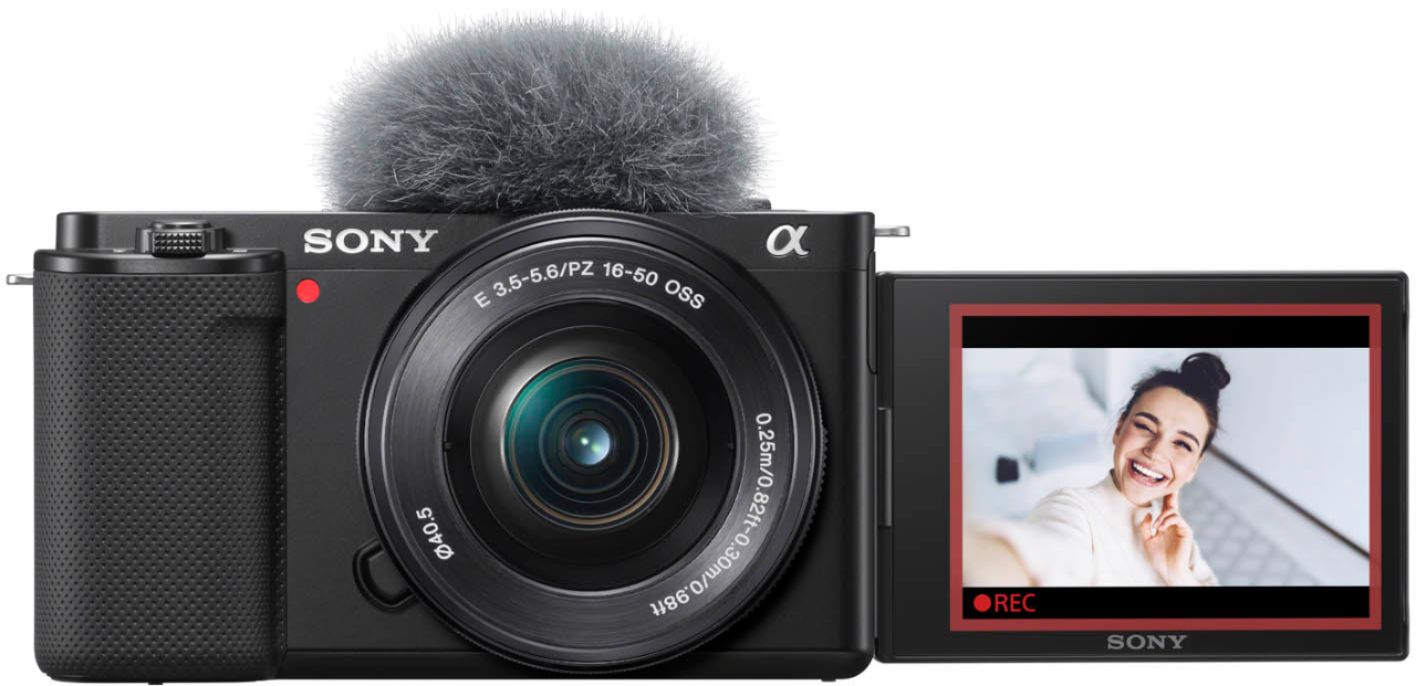
Sony has announced a new portable mirrorless camera named Sony Alpha ZV-E10 which is aimed at bloggers and content creators. The body of the camera is priced at ₹59,490 (~$808) while the camera with lens costs ₹69,990 (~$951).
The Sony Alpha ZV-E10 features a 24.2MP APS-C Exmor CMOS sensor and BIONZ X image processing engine which aims to produce high-quality images with high sensitivity, detailed texture depiction, and beautiful natural bokeh.
It includes advanced video features such as 4K video shooting through full pixel readout without pixel binning, slow and quick motion with full HD recording at 120 fps. It is capable of taking 11 shots every second for up to 116 frames shots in JPEG (Standard) at one time.
It features a video-first design in a lightweight form factor and includes the side-opening Vari-angle LCD Screen that allows creators to connect external mics on top of the camera. The device special functions, including a new Still/Movie/Slow and quick motion button located on the top of the camera to change the shooting mode with just one touch.
Coming to the battery life, the company adds that the Alpha ZV-E10 features long battery performance with enough power to capture up to 125 minutes or 440 images on a full charge. It can be charged via a USB Type-C port and supports external batteries to power the camera for extended battery life.
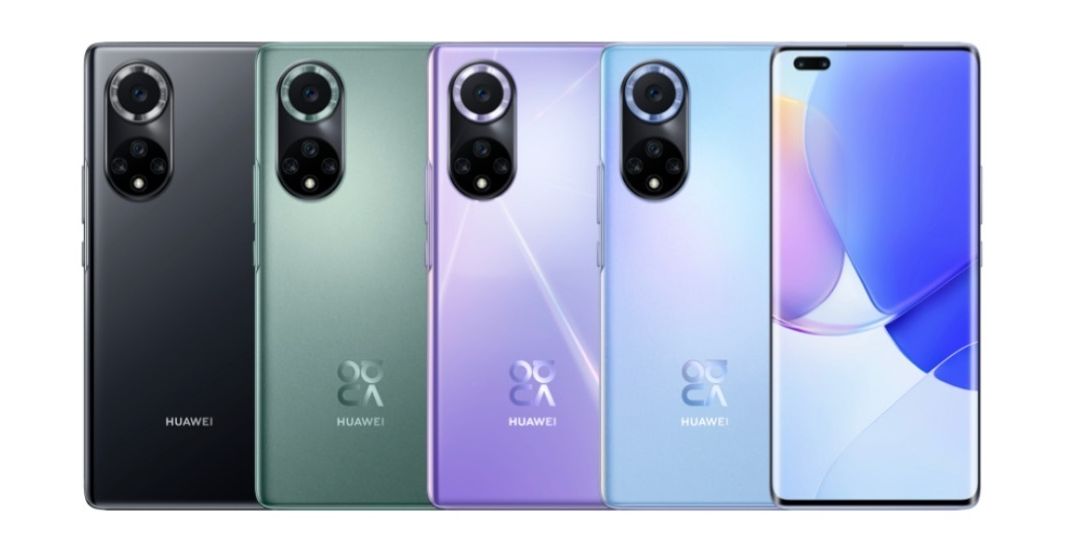
Huawei will be taking off covers from the Nova 9 and Nova 9 Pro smartphones on Sept. 23 in China. A fresh leak that has appeared on Weibo has revealed the entire specs of both devices before launch.
Huawei Nova 9 Pro specifications
The Huawei Nova 9 Pro will be fitted with a 6.72-inch OLED panel with a dual punch-hole design. It will offer a Full HD+ resolution of 1236 x 2676 pixels and a 120Hz refresh rate. The device measures 163.4 x 74.5 x 7.97mm and weighs 186 grams.
Huawei Nova 9 Pro
The Snapdragon 778G 4G will be powering the device. It will be backed by a 4,000mAh battery that will carry support for 100W fast charging. It will feature a front camera of 32-megapixel (main) + 32-megapixel (ultrawide) dual selfie camera system, which will be capable at shooting 4K footages.
Its rear camera setup will consist of a 50-megapixel main camera, an 8-megapixel ultrawide lens, a 2-megapixel macro camera, and a 2-megapixel depth sensor. It will come preinstalled with HarmonyOS 2
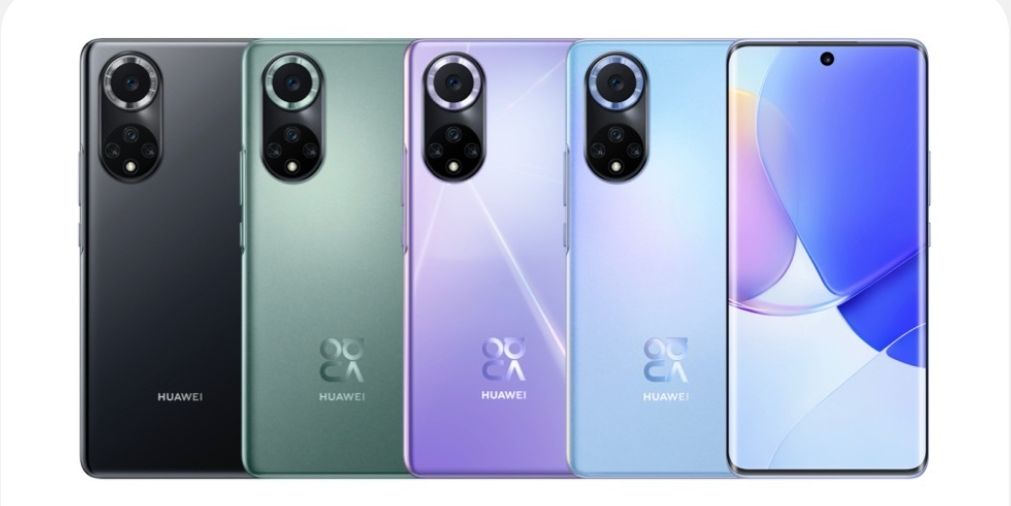
Huawei Nova 9 specifications
The Nova 9 has a smaller 6.57-inch OLED screen with a punch-hole design. It offers a Full HD+ resolution of 1080 x 2340 pixels and a 120Hz refresh rate. Its dimensions are 160 x 73.7 x 7.77mm and weigh 175 grams.
Huawei Nova 9
The Nova 9 borrows the Snapdragon 778G 4G processor and 50-megapixel quad-camera unit from the Nova 9 Pro. For selfies, it has a single 32-megapixel front camera with 4K video shooting support. It houses a smaller 4,300mAh battery that supports 66W rapid charging.
The Nova 9 and Nova 9 Pro will come in two options such as 8 GB RAM + 128 GB storage and 8 GB RAM + 256 GB storage, respectively. The above images show that both smartphones will come in colors like black, green, purple, and blue. There is no information on the pricing of the Nova 9 series.
At its recent California Streaming event, technology giant Apple announced the latest iPhone 13 series, Apple Watch Series 7, and the updated iPad models. Now, the company is expected to launch a few more products in the coming weeks or months.
The latest report coming from Bloomberg indicates that Apple is still on track to launch the new MacBook models as well as the AirPods 3 by the end of this year. However, those waiting for the new iPad Pro as well as the updated AirPods Pro will have to wait until 2022.
Apple AirPods 3 Render
Recently, it was reported that the upcoming Apple AirPods 3 have already entered mass production, hinting at the imminent launch. An image of the upcoming AirPods 3 has already leaked online, revealing the earphones’ design.
The earbuds will come with a short stem and a sensor, as well as a microphone on the front. The image showcases the earbuds in the standard White color shade. It is also expected to come powered by a new chipset and is said to support Lossless Audio.
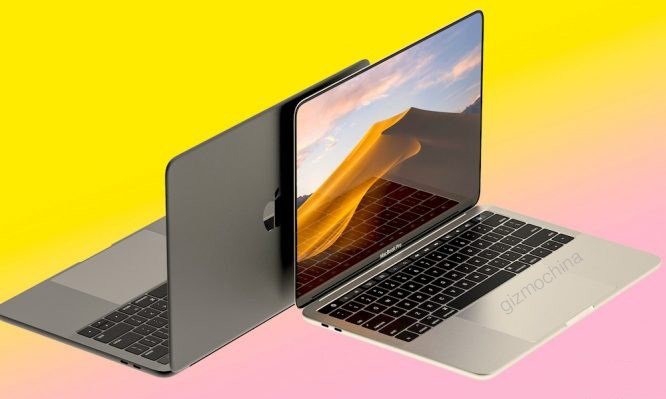
Apple Macbook Pro 16-inch
While Apple has not yet confirmed this, the technology giant is speculated to host a new launch event next month for launching newly updated products, including new Mac devices powered by the M1X chipset. The new MacBook Pro models are expected to come in 14-inch and 16-inch models, offering mini-LED display for the first time in its laptops.
A few other products, including the AirPods Pro 2 and the new iPad Pro models are expected to go official sometime next year. While the launch timeline is not known, we expect the company to hold an event early next year.
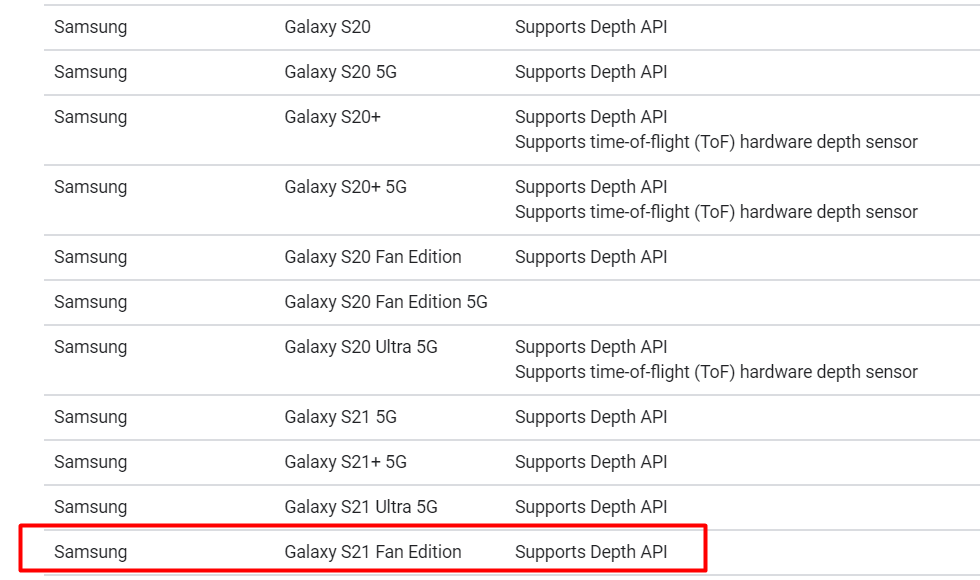
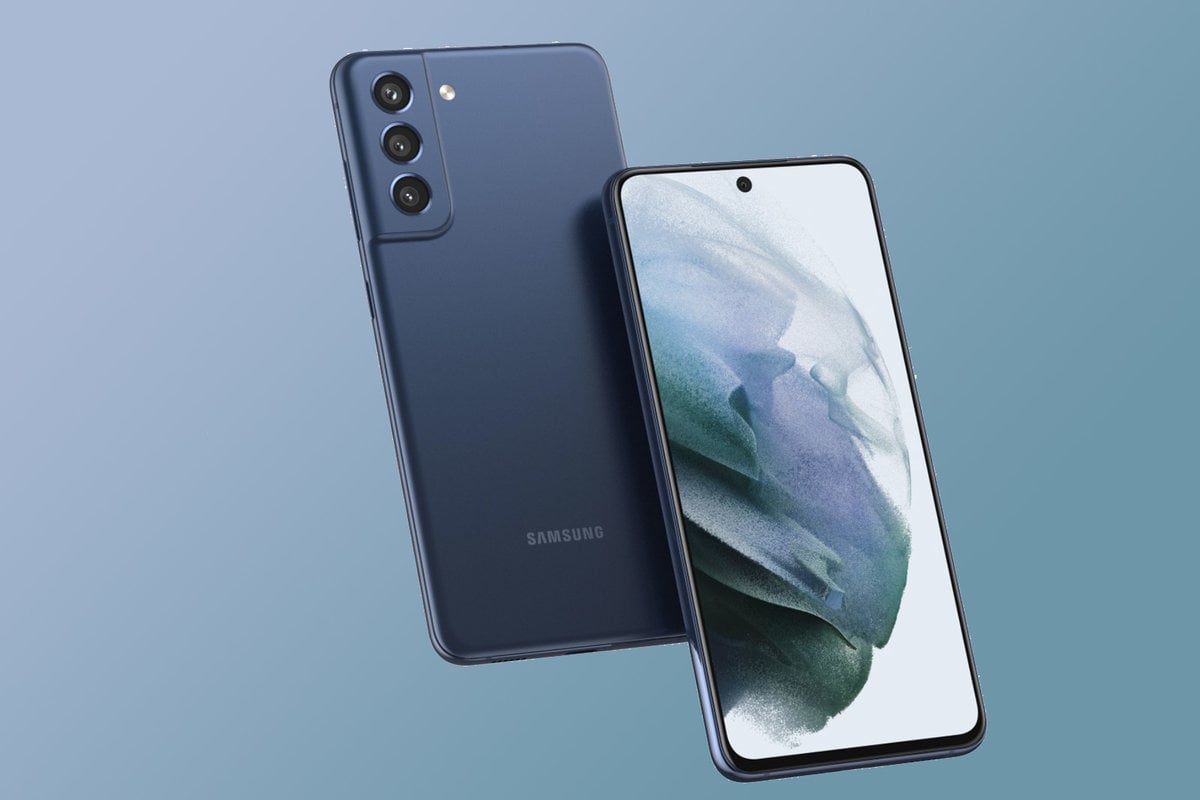
The support page of the upcoming Galaxy S21 FE went live on Samsung Germany’s website last week. Now, an updated support page for Play Services for AR (formerly known as ARCore) includes the Galaxy S21 Fan Edition in the list of supported devices (via). These findings are a good hint that its launch could be near.
There is no information on the specs of the S21 Fan Edition on Google’s page. However, several reports have revealed plenty of information on its specifications and design. Rumors have it that Samsung may unveil it in October.
Samsung Galaxy S21 Fan Edition specifications
The Galaxy F21 FE will be featuring a 6.5-inch AMOLED panel with a centrally positioned punch-hole. It will carry support for FHD+ resolution, a 120Hz refresh rate, and an in-screen fingerprint scanner. The handset will possess a front camera of 32-megapixel.
Samsung Galaxy S21 FE
The rear camera system of the S21 FE will comprise a 12-megapixel primary camera with OIS support, a 12-megapixel ultrawide lens, an 8-megapixel telephoto snapper with 3x optical zoom, and an LED flash. The device will come preinstalled with One UI based Android 11 OS.
Depending on the market, the Galaxy S21 Fan Edition may come with Snapdragon 888 or Exynos 2100 SoC. The budget flagship may include 8 GB of RAM and it may come in 128 GB and 256 GB storage options. It may house a 4,500mAh battery that may carry support for 25W rapid charging, wireless charging, and reverse wireless charging. Reports have revealed that it will come in multiple colors like green, white, blue, violet, and grey.
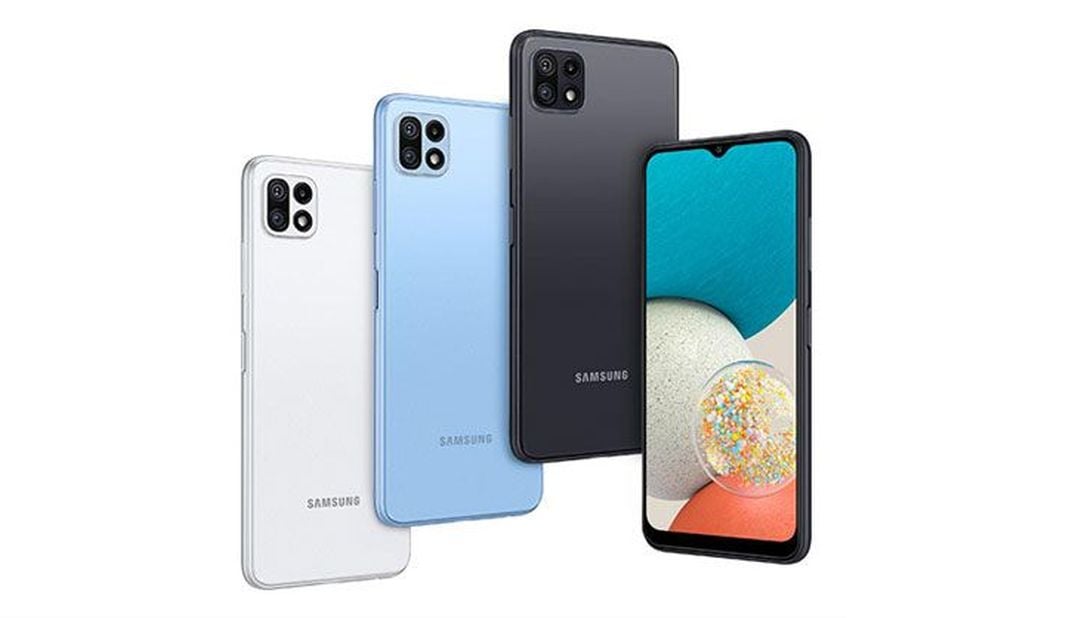
Flipkart retailer site will be soon holding its much-awaited Big Billion Days sale in India. It is being speculated that it will be carried out between Oct. 7 and Oct. 12 in the country. Ahead of the shopping event, it shared a list of upcoming announcements that will be carried out from Sept. 21 and Oct. 1. Samsung is expected to announce a new device on Sept. 29. It can be said based on recent reports that the company could be gearing to launch the Galaxy F42 5G on the said date.
Leaked information that emerged earlier this month revealed that Samsung will be launching two handsets namely, the Galaxy M52 5G and the Galaxy F42 5G on the said date. It was recently confirmed that the South Korean company will be launching the M52 on Sept. 28, which will be made available through Amazon India.
Hence, it is likely that the Galaxy F42 5G may go official on Sept. 29 in India. Samsung is yet to confirm the arrival of the smartphone. Reports have revealed that it could be a rebranded version of the Galaxy Wide5, which debuted in South Korea recently. The Wide5 was found to be a tweaked version of the Galaxy A22 5G.
Samsung Galaxy Wide5
Samsung Galaxy F42 5G specifications (expected)
The Galaxy F42 5G may feature a 6.6-inch FHD+ LCD panel with an Infinity-V notch. It may flaunt a front camera of 8-megapixel and a 64-megapixel (main) + 5-megapixel (ultrawide) + 2-megapixel (depth) triple camera unit.
The Dimensity 700 chip may fuel the device with 6 GB of RAM and a 5,000mAh battery. It will run on One UI based Android 11 OS. It is likely to offer other features such as a microSD card slot, a side-facing fingerprint scanner, and 128 GB of internal storage.
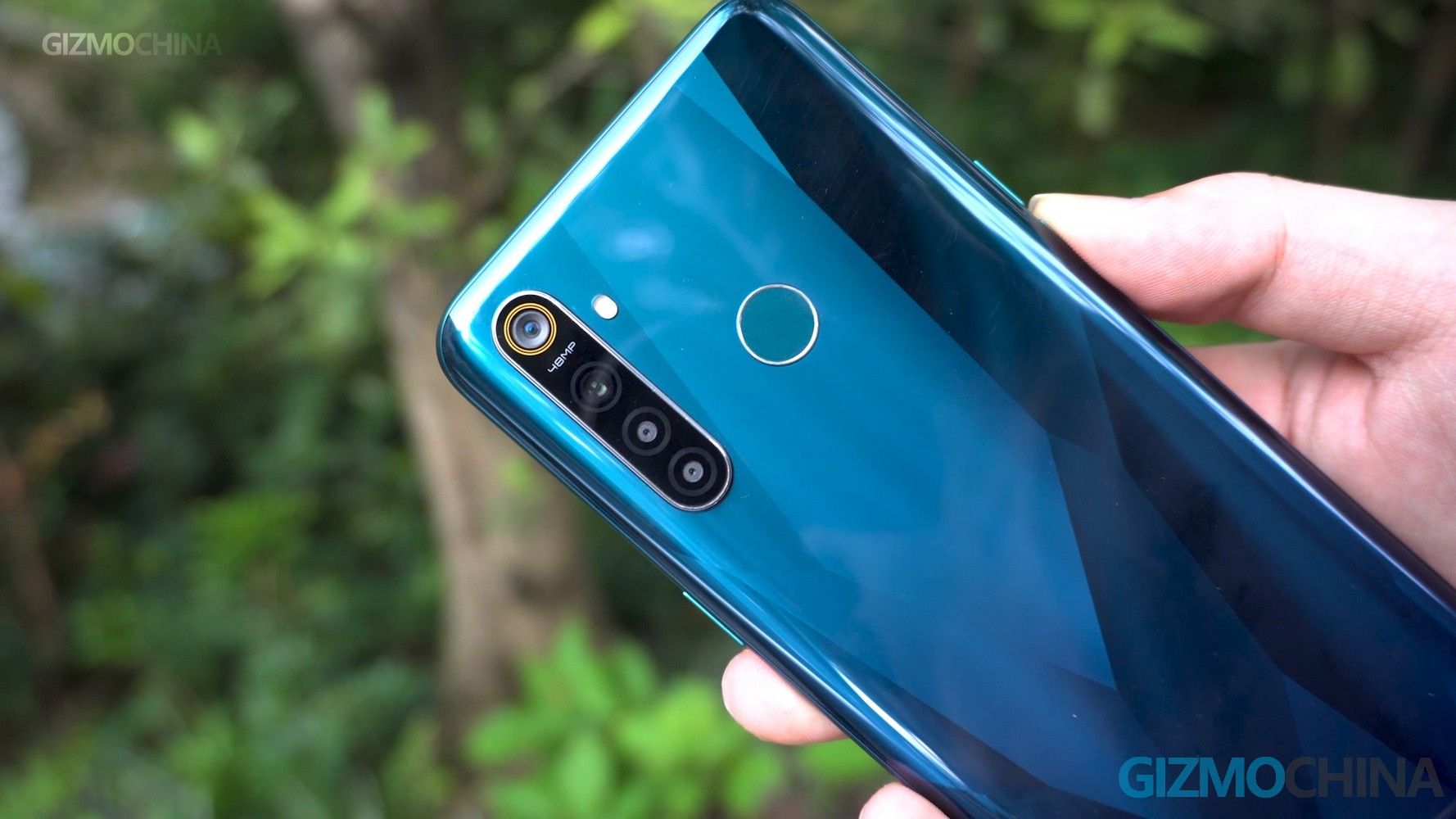
Smartphone maker realme is yet to finish the rollout of the Android 11-based realme UI 2.0 update for eligible devices. The latest phones to receive this update are realme 5 Pro and realme XT. Both these handsets were released in 2019 with Android 9.0 Pie, and therefore, Android 11 is their second major software update.
realme 5 Pro
According to the official announcementposts on realme Community, the realme UI 2.0 update based on Android 11 for the realme 5 Pro and the realme XT is being rolled out in batches.
This means the update is only available for a select few users. Anyway, like any other OTA system update, it should gradually reach every user in the coming days.
Having said that, the latest software update for these smartphones arrives with the following firmware versions.
realme 5 Pro – RMX1971EX_11.F.03
realme XT – RMX1921EX_11.F.03
Going by realme’s update track record, realme UI 2.0 (Android 11) should be the last major system update for these two phones. But they will continue to receive security patches and maintenance updates for a while.
The realme 5 Pro was introduced along with the realme 5 as the first two quad-camera smartphones from the brand. On the other hand, the realme XT launched as the first 64MP smartphone from realme in India.
The realme number series still exists, however, the realme X series has been now replaced by the realme GT series. The realme 9 series, which has been delayed to 2022, will be the next lineup in the number series.
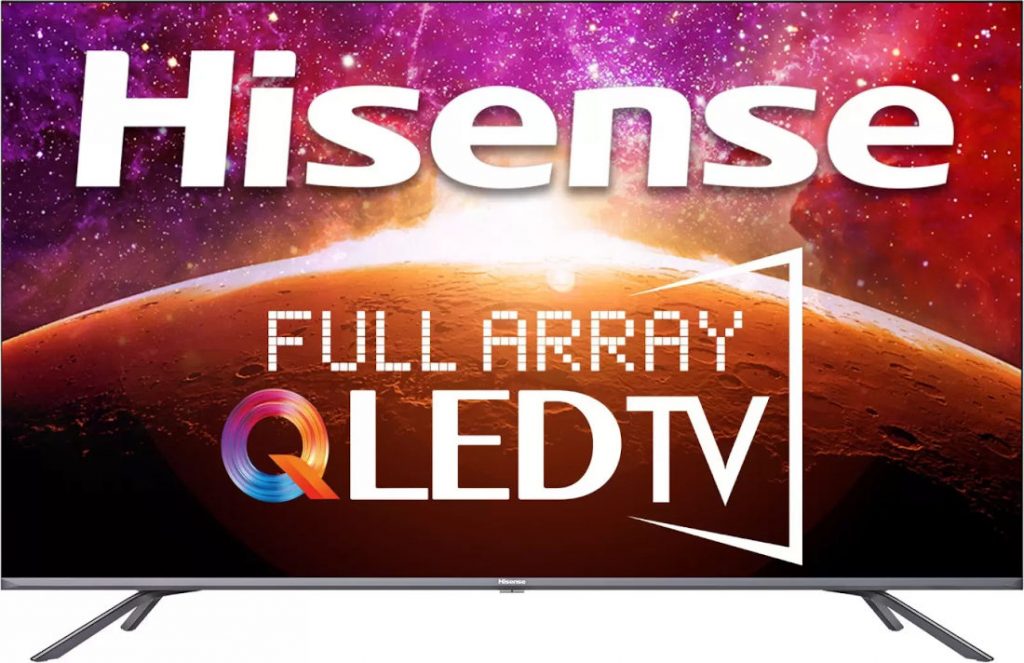
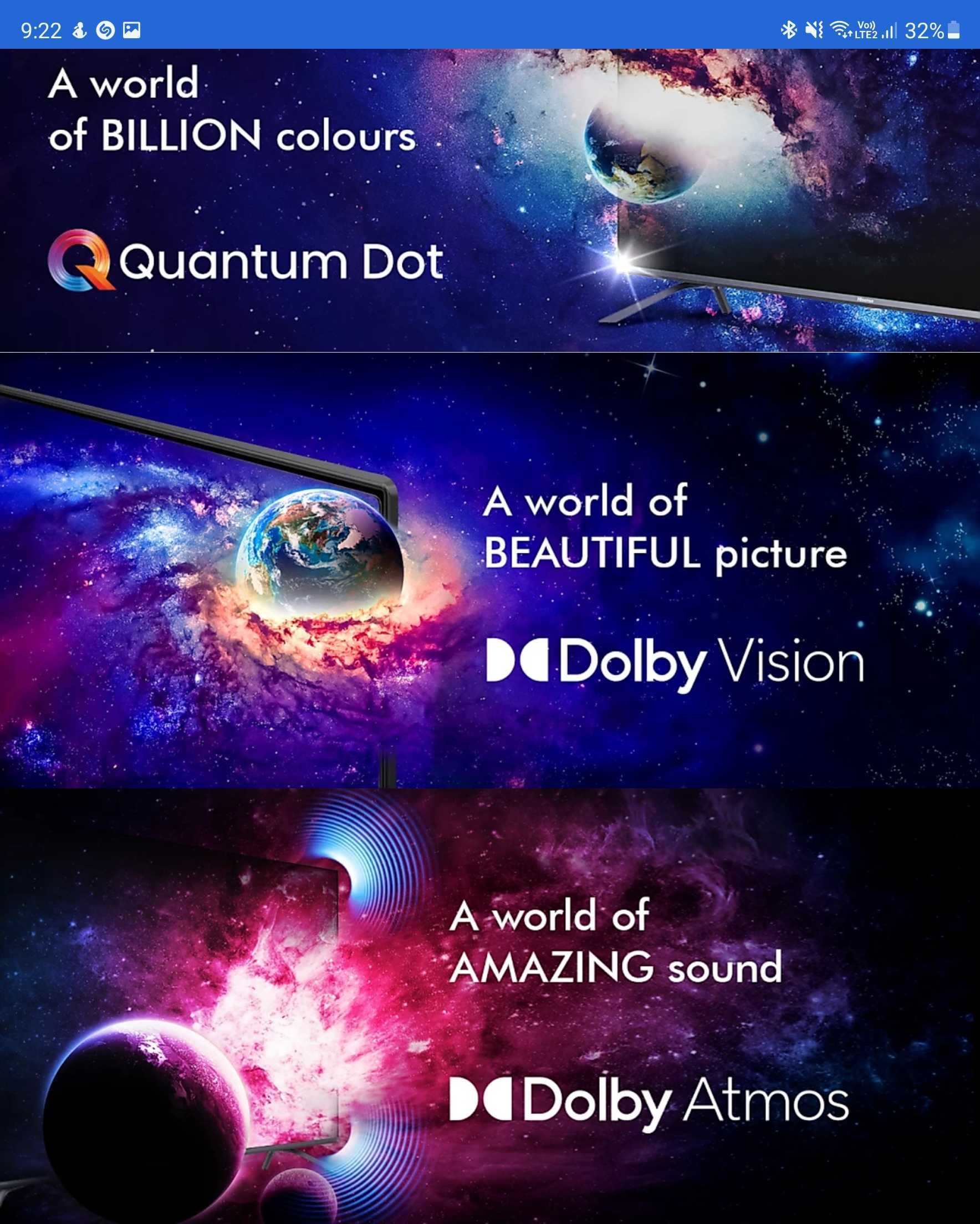
Hisense is further solidifying its presence in the Indian smart TV market with the Hisense 55-inch 4K QLED TV which has just been released. The Hisense 4K QLED TV is available via Flipkart at Rs. 59,999 (~$817).
The Quantum Dot technology offers a rich vein of color clarity and sharpness that yields a truly compelling viewing experience when using the TV. The Hisense 55-inch 4K QLED TV has Dolby Vision and Dolby Atmos, together with the company’s Hi-view Engine which is powered by AI for optimizing the picture quality. The 24W speakers feature Dolby Atmos and Dolby Audio for a solid sound output
The Hisense 55” 4K QLED TV in India offers fine images, clear motion, and minuscule detail of every scene while watching any content. It also has dynamic backlight controls, natural color enhancers, smooth motion, game mode, precision color, and noise reduction. The TV will be powered by a quad-core Cortex A53 CPU and Mali 470MP GPU. The Hisense 55” QLED TV features 2GB of RAM and 16GB of internal storage. The smart TV runs on Android TV 10 and has built-in Chromecast, Google Assistant, Wi-Fi (dual-band).
Some of the pre-loaded applications available in the Hisense 4K QLED TV are Google Play Store, Netflix, YouTube, Amazon, Google Play Movies and TV, and Amazon Prime Video. On the remote, we have some dedicated buttons for controlling the device.
The Hisense 55-inch 4K QLED TV will be available via Flipkart for Rs. 59,999 (~817).
Google seems keen to join the exclusive class of foldable smartphone manufacturers with recent leaks related to two foldable smartphones that are in the works. Tipster Evan Blass had earlier hinted that Google could release a foldable phone before the end of the year. The foldable device was codenamed Passport.
Authoritative inside sources have now also revealed that Google is indeed at the development stage of a second foldable Pixel smartphone codenamed Jumbojack. There are still several gaps in the news, but the few details that can be pieced indicate a double-screen design that combines a smaller external screen with a bigger internal foldable screen which bears close semblance with Samsung’s foldable smartphones.
The larger in-panel display deactivates when the smartphone is folded and the codename, according to sources, could mean that the device will have a folding pattern like the Samsung Galaxy Z Flip. This information doesn’t seem to be definitive, hence may not be reliable. The size of the screen of this in-development smartphone is still not known at this time.
There is no indication when the launch of the new Google will take place. It is also possible that Google does not have any plans of having a commercial rollout of the Jumbojack which was referenced by Google in a version of the Android 12 called Android 12.1. It could well be an internal guide or prototype to help Google develop foldable functionality into future Android OS to enhance multitasking. This seems to be an evolving story and we are sure to keep you posted on further developments.
The respiratory health of individuals and pets in a home is dependent on the ambient temperature and humidity of the home, especially as the seasons alternate from cold to warm, to dry and wet seasons. These changes also bring about allergic diseases and skin conditions.
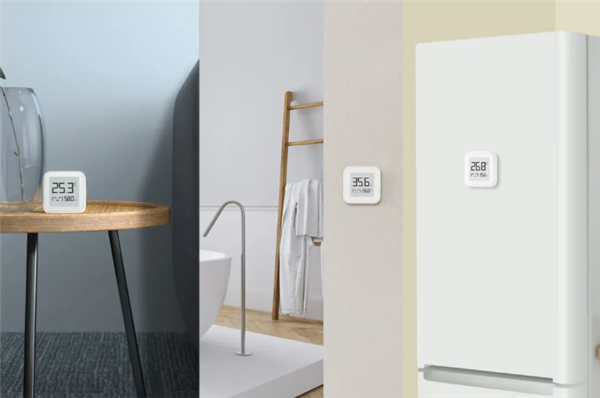
To this end, Xiaomi has unveiled a new electronic thermometer that can also function as a hygrometer. The product dubbed Xiaomi Electronic Thermometer & Hygrometer keeps up with the brand’s minimalist design mantra. It also features the iconic white paint job that has come to be a hallmark of Xiaomi’s smart home products.
Xiaomi Electronic Thermometer & Hygrometer features an electronic ink display with a dimension of 35mmx35mm. The black and white display is clearly close to the paper-like display texture, soft, and does not hurt the eyes. It can be clearly seen from multiple angles.
The device has a built-in Swiss Sensirion high-precision digital sensor. The subtle temperature and humidity changes caused by breathing can also be sensed by the sensor which then reminds the homeowner to adjust the temperature and humidity in time to improve indoor comfort.
The gadget is powered by a single CR2450 button battery that can provide up to 2 years of standby time. Also, the electronic device is embedded with magnets while the back cover has a bracket/wall sticker that can be used to attach the product to different surfaces.
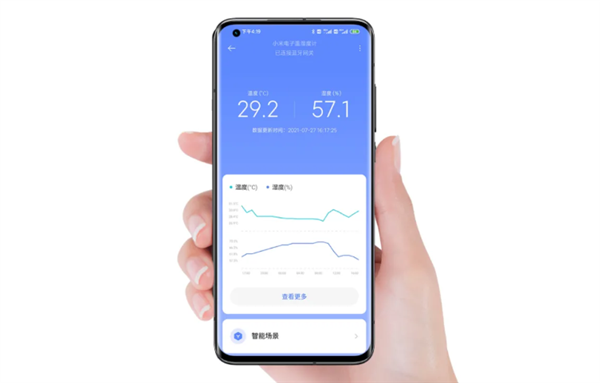
The device also comes with data storage capabilities for temperature and humidity data. The data can then be uploaded to the cloud when the device is paired with the MIJIA app via a movie phone or Bluetooth gateway. The data is displayed in the app in form of a curve which helps in understanding the temperature and humidity changes.
Furthermore, the device also comes with a vital baby guard mode. When the indoor temperature or humidity exceeds the baby’s comfort zone, the Mijia app will automatically remind you. At the same time, it will provide you with suggestions for improvement so that the baby will be more intelligently guarded.
Through the Bluetooth gateway, when a certain temperature/humidity is set in the MIJIA app, other devices are automatically turned on or off to achieve linkage with smart devices such as air conditioners, humidifiers, and electric heaters.
Xiaomi Electronic Thermomenter and Hygrometer will be sold via crowdfunding at 10:00 AM on September 22 simultaneously at Xiaomi Mall and Xiaomi Home. The gadget will retail for 499 yuan (~$8).
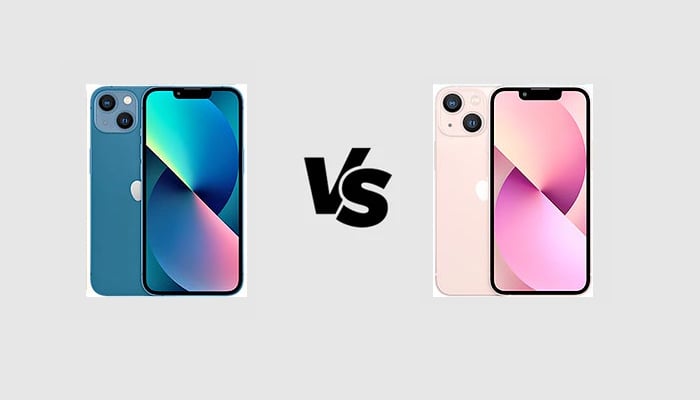
Just like the previous year, Apple launched the new iPhones in four variants: iPhone 13, iPhone 13 mini, iPhone 13 Pro, and iPhone 13 Pro Max. Even this year there is not a big change if we talk about the design, but there are several improvements which could make it worth switching from previous generations. The lower-end variants of the series are iPhone 13 and 13 mini, offered with more affordable price tags if compared to the Pro variants. There are not a lot of differences between these two models and there are definitely more differences in the Pro variants. In order to let you know the few differences and understand which of these two devices fits your needs the most, we decided to publish a comparison between their specifications.
Apple iPhone 13 vs Apple iPhone 13 Mini
Apple iPhone 13
Apple iPhone 13 Mini
DIMENSIONS AND WEIGHT
146.7 x 71.5 x 7.7 mm,
174 g
131.5 x 64.2 x 7.7 mm,
141 g
DISPLAY
6.1 inches, 1170 x 2532 pixels (Full HD+), Super Retina XDR OLED
5.4 inches, 1080 x 2340p (Full HD+), Super Retina XDR OLED
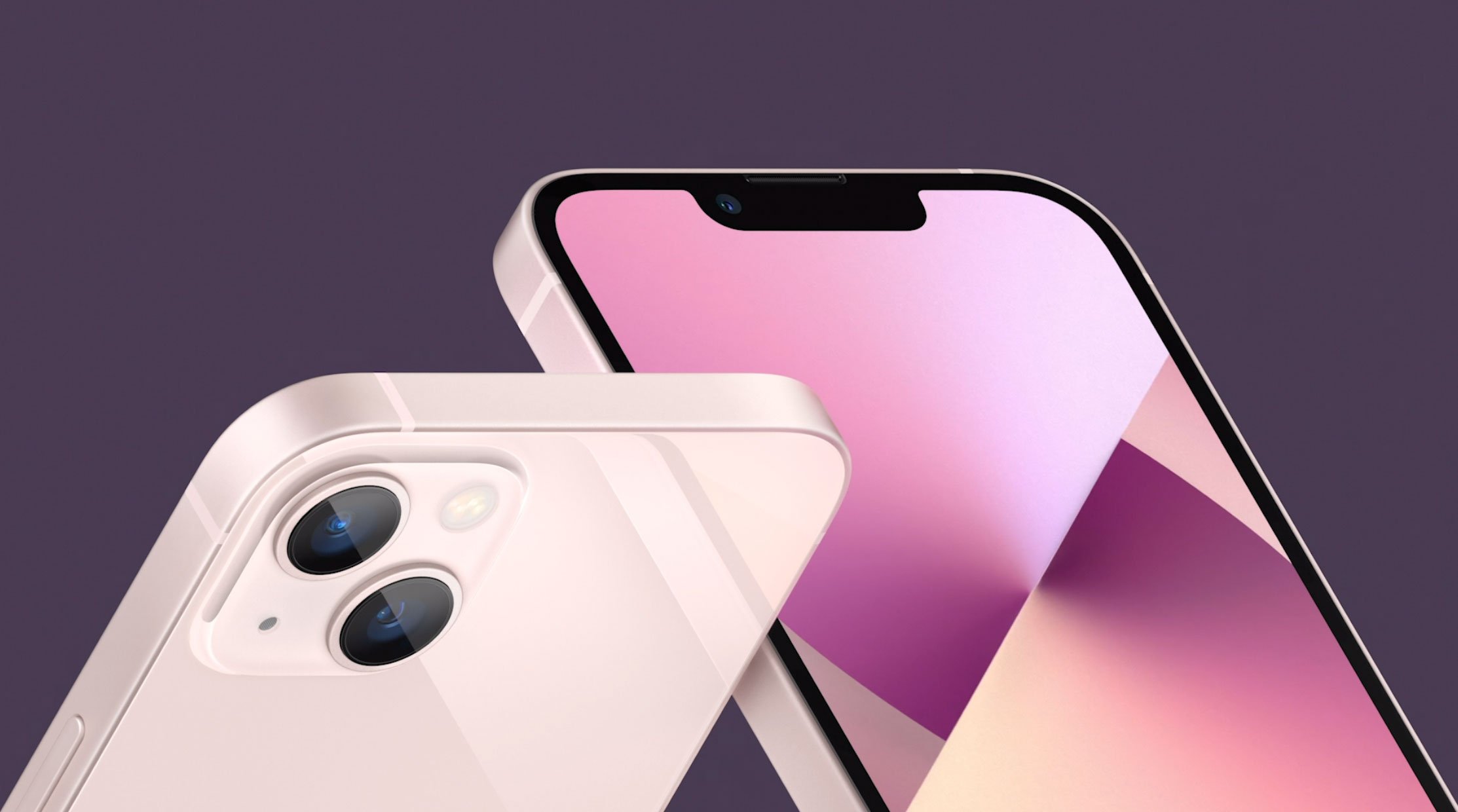
The Apple iPhone 13 and the iPhone 13 mini have exactly the same design: the only different aspect is the dimensions of the phones. The iPhone 13 mini looks more attractive because it is more compact and pocket-friendly, but it has a smaller display, so it is less comfortable for productivity and gaming. The new Apple devices come with a glass back and an aluminum frame, as well as the same flat borders as the iPhone 12 lineup. Both the phones have a front glass and a rear glass protected by Gorilla Glass and they are waterproof and dustproof with the IP68 certification. The notch became smaller if compared to the previous generation: to be accurate, it is 20 percent smaller while still retaining the same sensors.
Display
Even if we talk about the displays, these two devices are almost the same: what changes are the diagonal and the resolution. The vanilla iPhone 13 has a diagonal of 6.1 inches and a resolution of 1170 x 2532 pixels, while the iPhone 13 mini has a 5.4-inch display with a resolution of 1080 x 2340 pixels. For the rest, they are pretty much the same. These devices sport Super Retina XDR OLED panels with the HDR10 certification, Dolby Vision, and a peak brightness of 1200 nits, as well as a wide color gamut and the True-tone technology. There is no fingerprint reader for authentication, but these handsets can rely on Face ID that is the best 3D facial recognition technology.
Specs & Software
You get no changes even when it comes to the hardware department. These devices have the very same Apple A15 Bionic chipset built at 5 nm with a max frequency of 3.22 GHz, paired with 4 GB of RAM and 128, 256, or 512 GB of internal storage depending on the chosen configuration. Note that the Pro variants are able to provide better GPU performance as the processor of the iPhone 13 and 13 mini is toned-down on the GPU side. The iPhone 13 and its mini variant provide a 30 percent improvement in terms of GPU performance, while the Pro variants go up to 50 percent.
Camera
The camera configuration remains unchanged if compared to the previous generations, and it is also the same between these two devices. The iPhone 13 and the 13 mini are equipped with a 12 MP main camera sporting an f/1.6 focal aperture and sensor-shift OIS. The main camera is paired with a 12 MP ultrawide sensor with an f/2.4 focal aperture. The phones are able to record 4K videos at 60 fps with stereo sound and Dolby Vision HDR. On the front panel, there is a 12 MP selfie camera that records 4K videos at 60 fps and an SL 3D sensor for 3D facial recognition and depth calculation.
The battery is the most important difference between iPhone 13 and 13 mini. With a capacity of 3240 mAh, the vanilla version is able to provide up to 19 hours of battery life with multimedia usage, while the mini variant stops at 17 hours due to its smaller 2438 mAh battery. Naturally, the battery life is inferior even in other scenarios.
Price
The prices of the iPhone 13 and the 13 mini vary depending on the market. The vanilla version costs €899 in Europe and $800 in the U.S. while the mini variant starts from €799 in Europe and from $700 in the U.S. While the iPhone 13 mini is more affordable and more compact (one of the most compact flagships out there), the standard iPhone 13 offers a longer battery life and a wider display, but with a more expensive price. Which one would you pick?
Apple iPhone 13 vs Apple iPhone 13 mini: PRO and CONS
A new Nokia device is coming soon, and from the teaser, the device will be the first of a new product category since the brand was licensed to HMD Global.
The event is scheduled for October 6 and will most likely be an online-only event. The teaser shows a number of already announced Nokia products that include the refreshed Nokia 3310, Nokia 8110 4G, Nokia 6.2, and the Nokia XR20. At the far right is a pretty big box that most likely houses a larger device.
That retail box is most likely for the Nokia T20 tablet that has been surfacing in the news since June.
It has been reported that the tablet will have a 10.36-inch display, 4GB of RAM, 64GB of storage, a Unisoc processor, and will be available in Wi-Fi and 4G variants. The Nokia T20 should also run Android 11 out of the box and a listing has revealed it will have support for 10W charging.
HMD Global is joining other manufacturers that have launched a tablet in recent times. The tablet market which suffered a decline in market sales over the years saw a rise in sales during the pandemic. Now new players as well as those who have previously abandoned the tablet market are announcing new models.
The Nokia T20 won’t be the first Nokia-branded tablet though. Back in 2015, a Nokia-branded Android tablet called the Nokia N1 was announced in partnership with Foxconn.
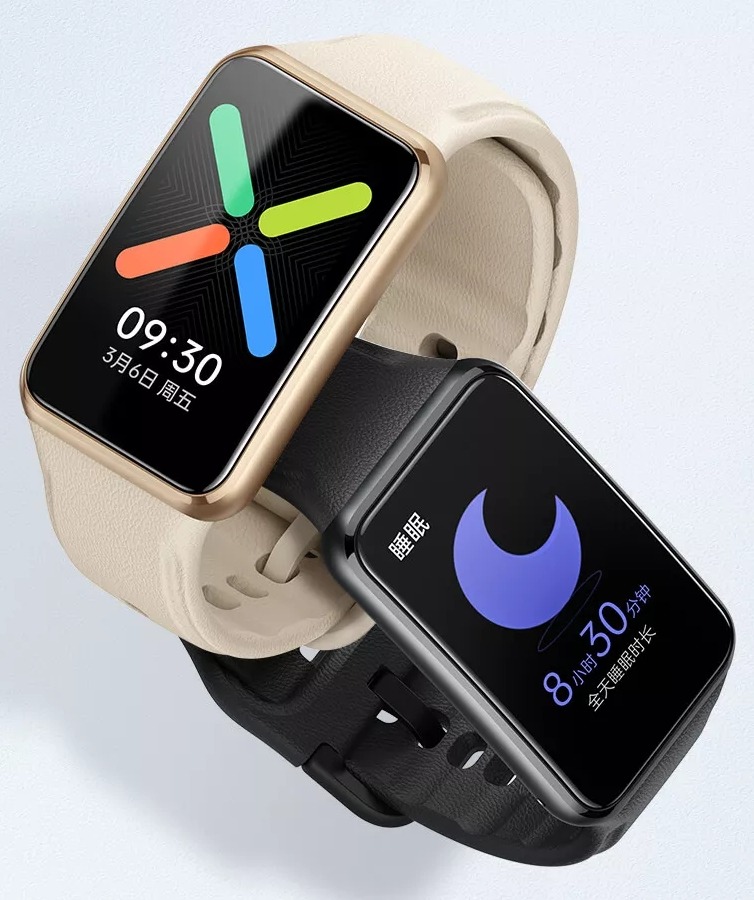
Earlier this month, we reported that one of OPPO’s upcoming products this month is a new wearable that will launch as the OPPO Watch Free. Ahead of the launch, a leak has given us an early look at the device which appears to be more of a fitness tracker than a watch. It also has a familiar design, one that we have seen from multiple manufacturers.
The renders were posted on Twitter by Evan Blass a.k.a. ‘evleaks’, and they not only show the watch from different angles, but also show the two colorways it will be avilable in.
The OPPO Watch Free has a vertically elongated rectangular display similar to that of the Huawei Watch Fit and the more recently announced Realme Band 2. The screen is surrounded by what we believe is a metal frame that is coated black on the black variant and gold on the beige model. Just like the Realme Band 2, this too doesn’t have any physical button which means all operations will be by the touch display.
Attached to the case is a textured rubber strap with ridges for breathability and comfort.
We do not know the specifications of the OPPO Watch Free but it should not pack as many features as the OPPO Watch 2 and will definitely cost less too. OPPO is yet to announce a launch date but it is expected to be unveiled this month.
The iPhone 13 lineup is the latest Apple offerings in the smartphone segment. Apart from the vanilla version of the iPhone 13, we also have the iPhone 13 Mini, the iPhone 13 Pro, and the iPhone 13 Pro models. The iPhone 13 lineup was released a few days back and Apple was silent on the battery capacity of the new models.
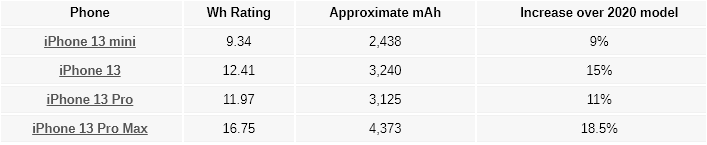
A recently outed “Apple and Beat Product Information Sheet” has however indicated that all the iPhone 13 models sport batteries that are higher than their corresponding predecessors from 2020.
The Apple iPhome 13 Pro Max has the highest percentage improvement in its battery capacity. The iPhone 13 Pro Max has approximately 4,373mAh, which is about 18.5% above the 2020 model. The iPhone 13 Mini has approximately 2,438mAh battery capacity with a 9% increase listed. The iPhone 13 has a 3,240mAh battery (15% increase) while the iPhone 13 Pro comes with a 3,125 battery (11% increase).
It is expected that the increased battery capacity would translate to longer battery life for the models, although the screen size could also limit the amount of juice available for other tasks.
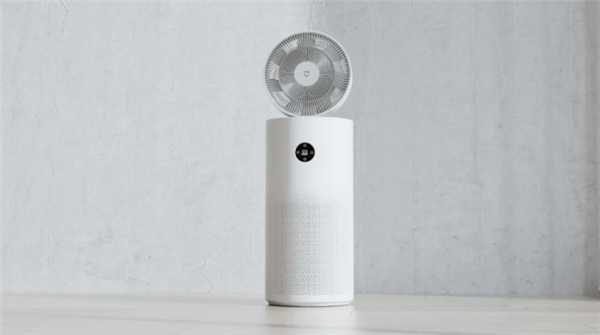
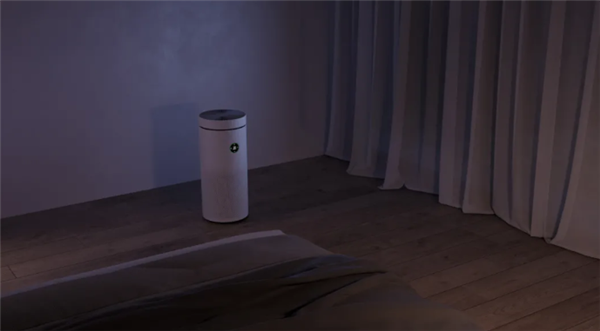
Xiaomi has officially unveiled the MIJIA Circulating Air Purifier in China with a unique, unprecedented design. The product will be up for crowdfunding on September 22 on Xiaomi Mall, Xiaomi Youpin and Xiaomi Home simultaneously. It carries a crowdfunding price of 1999 yuan (~$309) but will retail for 2499 yuan (~$386) after the exercise.
The MIJIA Circulating Air Purifier integrates two other functions in addition to the purification function. It can function as a portable fan and also facilitate air circulation indoors.
The device can push the purified clean air to a distance of 8 meters through the circulating air technology. The head is adjustable to tilt between 0°, 45°, and 85° angulation angle. If it is shaked at 90° left and right, it stimulates the airflow in a larger range to achieve high efficiency.
With the circulating wind technology, the MIJIA Circulating Air Purifier can accelerate and purify the formaldehyde disturbance in a larger area, and its formaldehyde purification efficiency is reportedly increased by 29% compared to previous versions.
In order not to disturb the user’s sleep, many air purifiers will try their best to reduce the working noise during sleep mode, but their purification ability will also be greatly reduced. In sleep mode, the MIJIA Air Purifier can not only maintain a low noise of 35.7dB (A) but also maintain a clean air output of 101.3m³ per hour, with a strong purification effect at night.
The device is equipped with multiple types of precision sensors. Even in the standby state, it can monitor indoor pollutants, temperature, and humidity changes. It also use intelligent algorithms to automatically turn on the purification according to the indoor environment quality, keeping it uninterrupted.
We do hope Xiaomi will launch this product outside China but there is no indication to that effect as of now.
OnePlus has made big changes to its operations in the past year. What started as a merger of a few teams became a full integration with OPPO in June 2021. The following month, OnePlus announced that OxygenOS will share an integrated codebase with ColorOS. Prior to this announcement, new OnePlus phones launched in China this year have dropped HydrogenOS for ColorOS. Today, OnePlus has revealed a big change coming to OnePlus phones and OPPO phones next year, one that brings an end to their individual operating systems.
In a forum post titled OnePlus 2.0, detailing the future of OnePlus, OnePlus founder, Pete Lau, revealed that the OxygenOS and ColorOS teams have been integrated and will be headed by Gary C. the head of OxygenOS.
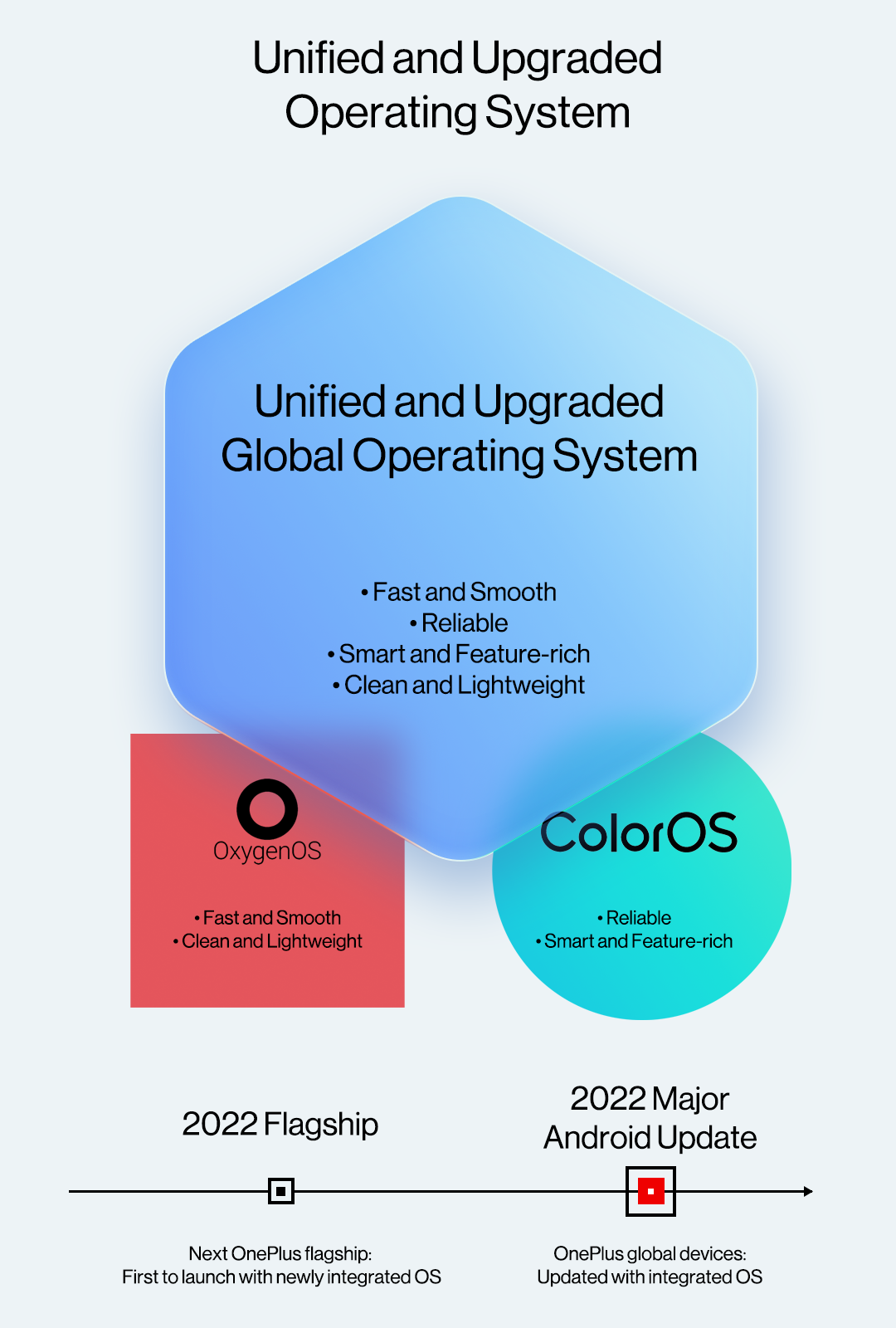
This new team will focus on the development of a unified and upgraded operating system that will power OnePlus and OPPO devices globally. The new operating system will have the fast and smooth, and burdenless experience of OxygenOS, and the stability and rich features of ColorOS.
This new unified operating system doesn’t have a name yet but Pete Lau assured fans of OnePlus that it will keep the “DNA of OxygenOS that many of you love so much, while also giving you an upgraded experience overall.”
The OnePlus CEO, who also doubles as the Chief Product Officer of OPPO, also stated that the new unified operating system will be customized specifically for OnePlus devices so as to meet user expectations. The OS will be clean and lightweight, and OnePlus will continue to support the unlocking of bootloaders.
The new unified operating system will be introduced with the launch of the 2022 flagship series which should launch as the OnePlus 10 series. OnePlus says the integration will be completed by the next major Android update in 2022. This means the new OS should be available with the update to Android 13 for other devices. OnePlus says it will reveal the details about which devices will get the update at a later date.
OnePlus has shifted between operating systems since it launched its first smartphone, the OnePlus One in 2014. The OnePlus One originally launched with CyanogenMod in most markets. Later that year, OnePlus began working on its own operating system which launched as OxygenOS for international markets and HydrogenOS for China. Its phones sold in China have now returned to running ColorOS while those sold globally run OxygenOS.
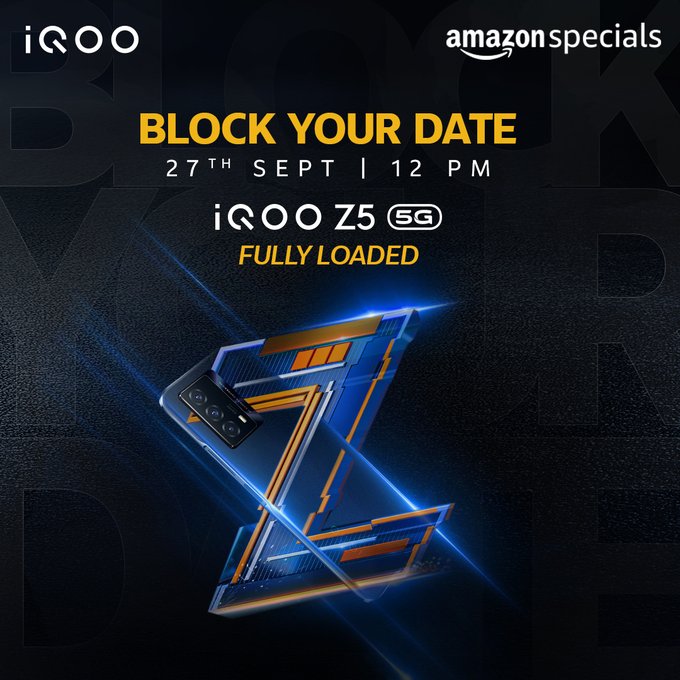
iQOO recently revealed it would launch the iQOO Z5 in China on September 23. The device which is expected to be the brand’s first Snapdragon 778G-powered smartphone was later confirmed to also launch in India this September but the exact launch date wasn’t revealed. iQOO India has now confirmed a September 27 launch date for the iQOO Z5 in India.
The device is teased as a #Fullyloaded smartphone specially designed for Gen Z. A silhouette of the device contained in the teaser poster also shows the rear design with a triple camera setup. Other than that, no other detail of the design is known.
The specifications of the Z5 are still not in the open but the device is expected to pack an LCD screen that delivers a Full HD+ resolution and a 120Hz refresh rate. It is likely to feature a 16-megapixel camera on the front for capturing selfies. The rear camera setup of the device has also been confirmed to be a 64-megapixel camera.
It's time to unveil a #Fullyloaded smartphone specially designed for the Gen Z.
Block your date for the launch event to be held on the 27th September, 12PM.
The Snapdragon 778 G-powered handset will come with LPPDR5 RAM and UFS 3.1 storage. It may house a 5,000mAh battery that supports 44W fast charging. It is expected to offer other features like stereo speakers, Hi-Res Audio, Hi-Res Audio Wireless, and a side-mounted fingerprint scanner. The Z5 is like to be priced at Rs 30,000 (~$407) in India.
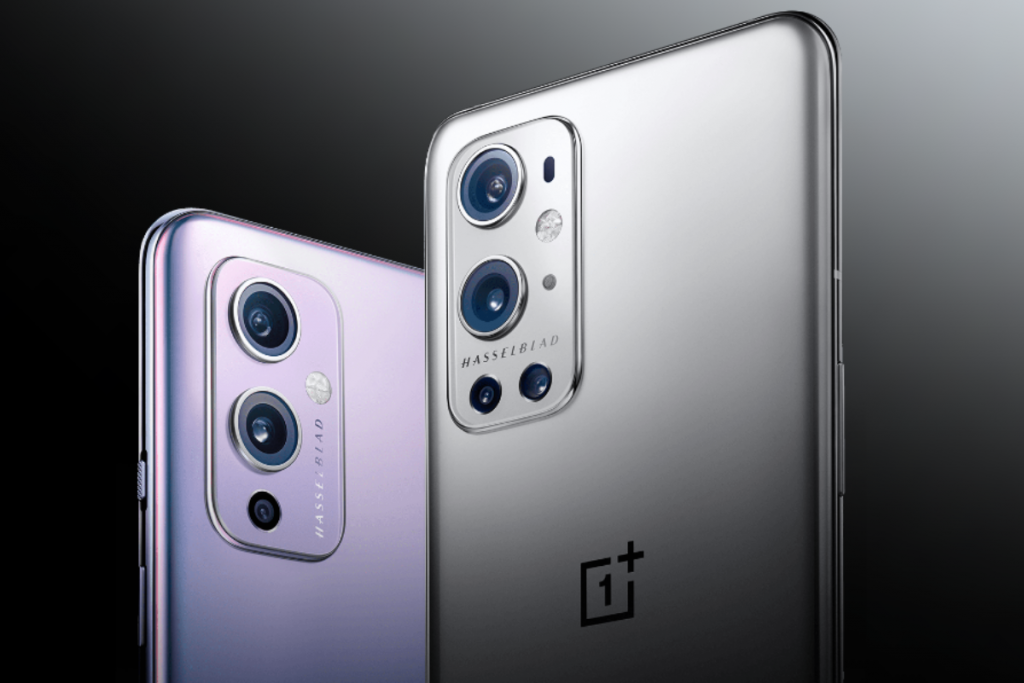
Starting with the OnePlus 3T, OnePlus has made it a tradition to announce a T-variant of its flagship phones. For folks expecting the release of the OnePlus 9T or Oneplus 9T Pro, OnePlus has officially confirmed that no such phones will be launched this year.
The OnePlus 9 series (above) won’t get T-variants
The info was confirmed by OnePlus in a press briefing (Via XDA Developers) detailing its plans for the future. The source reports that OnePlus added that, while there will be no T-variants of the OnePlus 9 and OnePlus 9 Pro, there will be other releases.
Alleged specs of the OnePlus 9 RT mention the phone will have a 6.55-inch AMOLED display with a 120Hz refresh rate, a higher-binned version of the Snapdragon 870 chipset that powers the OnePlus 9R, a Sony IMX766 50MP main camera, a 4500mAh battery, and support for 65W fast charging. It should also have an in-display fingerprint scanner
It has also been reported that it will launch with OxygenOS 12 based on Android 12 out of the box. The new version of OxygenOS will come with new features such as a redesigned UI, floating windows, improved privacy settings, a theme store, and a digital safe for storing sensitive data.
We use cookies on our website to give you the most relevant experience by remembering your preferences and repeat visits. By clicking “Accept”, you consent to the use of ALL the cookies.
This website uses cookies to improve your experience while you navigate through the website. Out of these, the cookies that are categorized as necessary are stored on your browser as they are essential for the working of basic functionalities of the website. We also use third-party cookies that help us analyze and understand how you use this website. These cookies will be stored in your browser only with your consent. You also have the option to opt-out of these cookies. But opting out of some of these cookies may affect your browsing experience.
Necessary cookies are absolutely essential for the website to function properly. This category only includes cookies that ensures basic functionalities and security features of the website. These cookies do not store any personal information.
Any cookies that may not be particularly necessary for the website to function and is used specifically to collect user personal data via analytics, ads, other embedded contents are termed as non-necessary cookies. It is mandatory to procure user consent prior to running these cookies on your website.