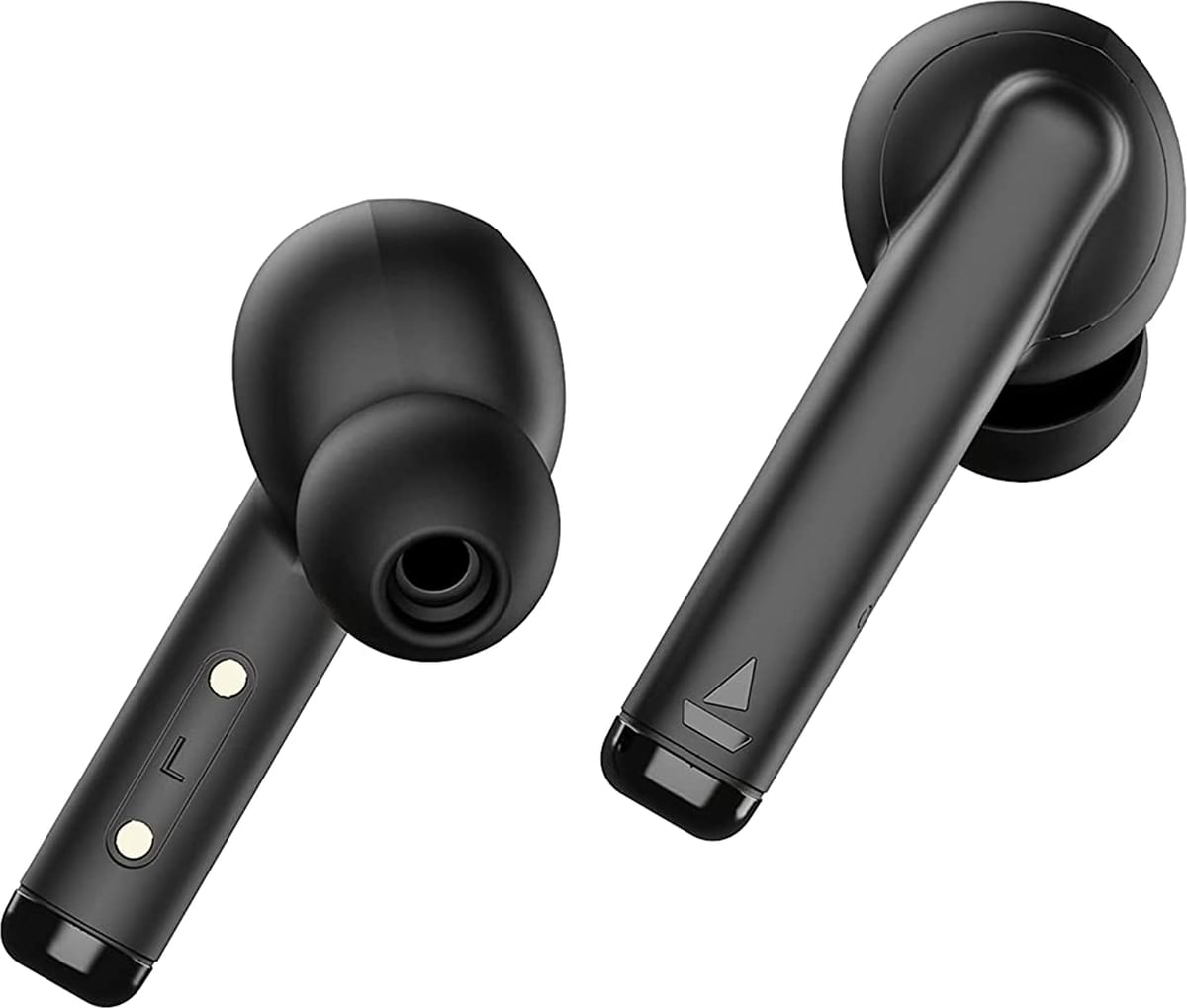
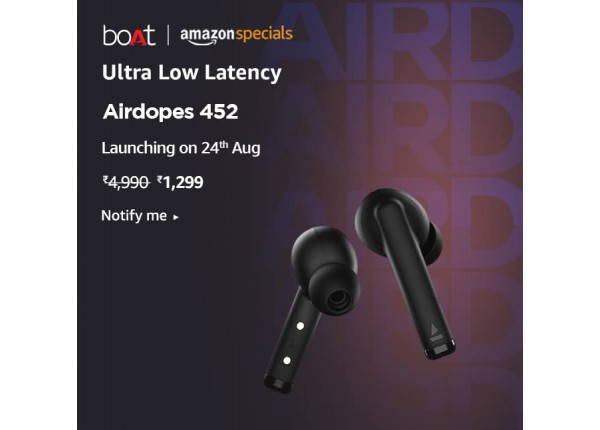
boAt has just revealed the launch date for its upcoming true wireless earbuds. The hearables in question are the new Airdopes 452 earbuds that will be available in India starting from 14th August 2021.
The Airdopes 452 will be the successor to the previously launched Airdopes 451 and arrive with various features common in current generation of TWS earbuds. This includes a new low latency mode along with improvement in audio quality. The boAt Airdopes 452 will offer users 65ms ultra low latency along with 3D Spatial Audio. The new wireless earphones arrive with a familiar design that includes a stem and will support one touch vocie assistant that is compatible with both Apple Siri and Google Assistant.
Other features include Bluetooth 5.2, touch controls, IPX4 water resistance, and a Type C charging interface. The Airdopes 452 is clearly targeted towards a more wider demographic like gamers as the low latency mode helps in reducing any lag between gameplay and audio. The new Airdopes 452 offers up to 20 hours of audio playback in a single full charge when paired with the charging case. Notably, just 10 minutes of charging can offer up to 60 minutes of playback. The earbuds will released in India through Amazonalong with its other retail partners and its own official website for a launch price of 1,299 INR (roughly 17 US Dollars).
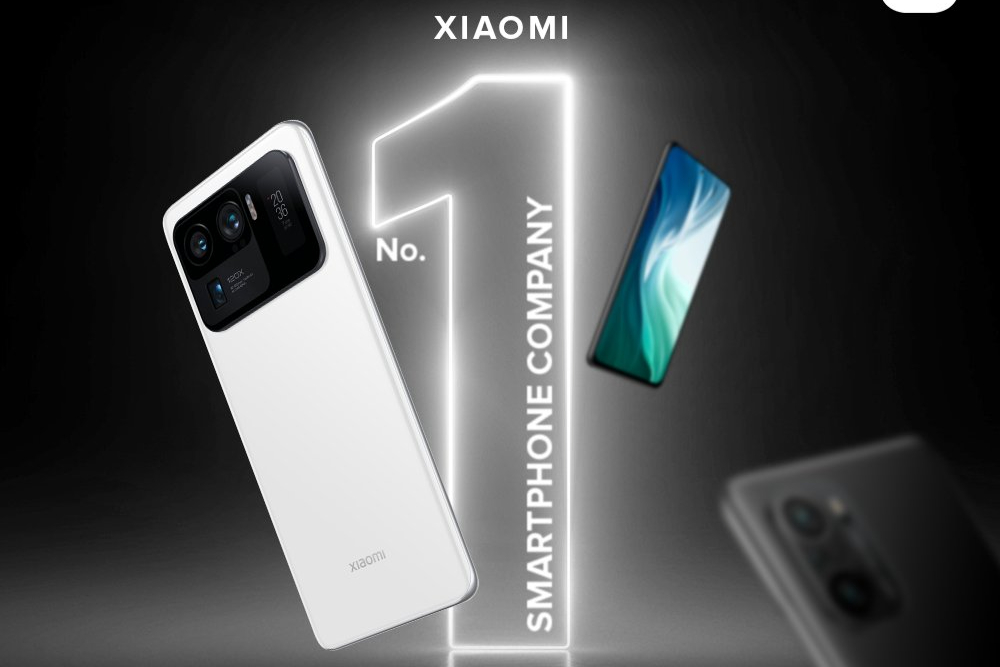
It’s a known fact that Xiaomi is the leading smartphone brand in India. According to a new announcement by the company, it has been India’s largest smartphone brand for the past 4 years. What’s more interesting is that the firm is still registering growth.
As per a tweet by Manu Kumar Jain, Managing Director of Xiaomi India, Xiaomi is India’s largest smartphone brand for the last 4 years (16 quarters). This data comes from research firm IDC.
The tweet also says that the company had a market share of 29.2% in Q2 2021. During the same quarter, the firm registered 84% YoY growth.
The company’s top executive is celebrating this achievement by running a giveaway on his Twitter handle. He says that he will be giving away Mi Smart Band 6, Mi 11X, and the upcoming Mi Notebook on reaching 500, 1000, and 4,000 retweets respectively on the announcement post. Interestingly, he does not mention the number of units for the giveaway.
Recently, Xiaomi also became the world’s largest smartphone brand surpassing both Apple and Samsung. Although the company is expected to hold this place for a short period of time, it clearly has the potential to lead the global smartphone market.
What are your thoughts on Xiaomi’s strong presence in India? Do let us know in the comment section below.
The upcoming release of Microsoft Windows 11 will apparently make the task of switching default browsers even more tedious. The latest build of the OS would make it even harder to switch browsers while also ignoring browser defaults in different areas.
According to a report from TheVerge, the American tech giant is working on bringing a lot of positive changes to the Windows 11 UI to improve user experience. However, the company is making certain changes that makes the default browser even harder to switch out for any other third party browser. In other words, those who use Mozilla Firefox, Opera, Vivaldi, or others might face inconveniences while switching to other browsers on Windows 11.
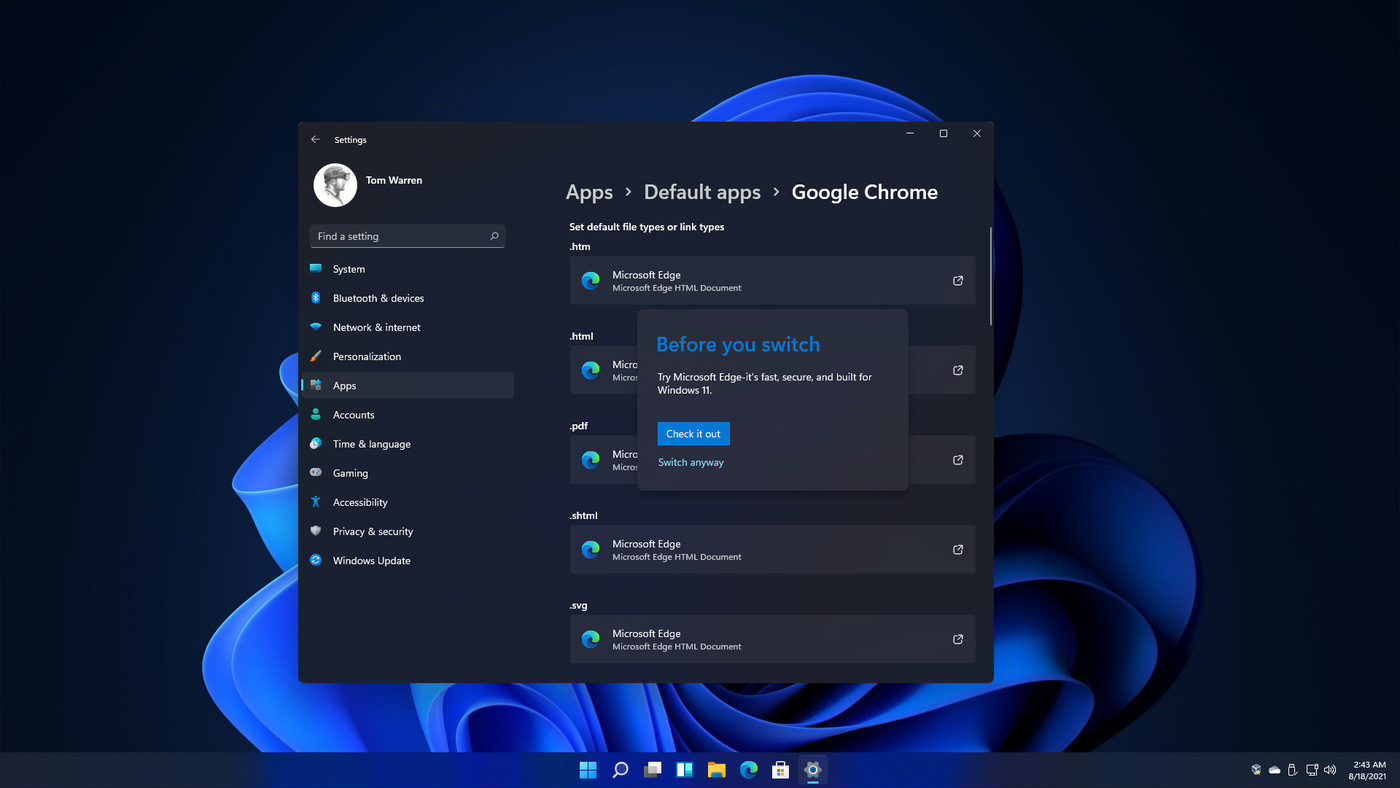
The way that the company made it harder to switch out the default Edge browser is through the OS itself. Similar to Windows 10, installing a new browser and opening a web link for the first time will offers users an easy switch browsers option. Although, this is the only easy way to switch browsers. If a user does not enable the “always use this app,” Microsoft Edge will remain as the default system browser. While in Windows 10, simply forgetting to enable this might have offered you this prompt every time you opened a link, Windows 11 has now changed this and made it even more difficult for the users.
Now, one must go the settings to set defaults by file or link type, instead of a simple single switch. Taking Google Chrome as an example, you have to now change the default file type for HTM, HTML, PDF, SHTML, SVG, WEBP, XHT, XHTML, FTP, HTTP, and HTTPS individually to Chrome rather than a single switch. This makes the process of switching unnecessarily complex and time consuming.
In the last few years, OPPO has been at the forefront of smartphone imaging. The company has invested millions of dollars in smartphone camera R&D, and we have seen the fruits of those investments through technologies like the 10X Hybrid Zoom and Under Screen Camera system. And today, at the 2021 OPPO Future Imaging Technology Launch Event, OPPO has announced three more imaging solutions for smartphones. This includes a brand new RGBW (white) sensor, a system that offers continuous Optical Zoom, and five-axis OIS technology for smartphones.
OPPO RGBW CMOS Sensor
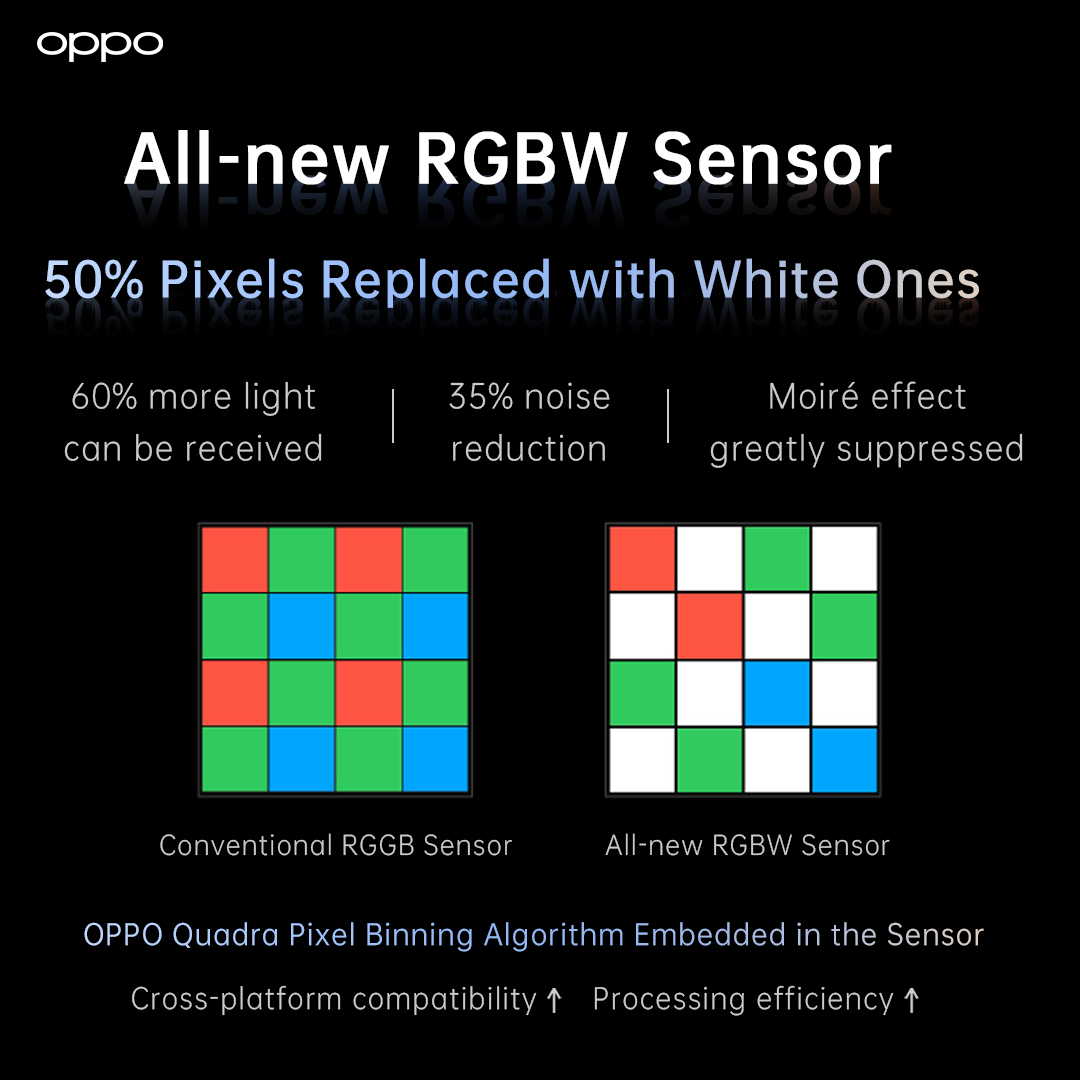
For years, companies have tried to tweak the camera sensors inside your smartphones to improve the overall image quality. Huawei developed its own RYYB sensor which did wonders for the brand and now OPPO is out with its own custom CMOS sensor featuring an additional white sub-pixel (W). The company’s new RGBW sensor will significantly increase the light sensitivity (up to 60% more light) by replacing half of the original pixels with the new white pixels along with changes in the pixel position.
Introducing white pixels to boost the light sensitivity of a CMOS sensor isn’t a novel concept. In fact, back in 2015, OPPO’s R7 series featured a similar custom RGBW pixel arrangement, but the results were less than satisfactory. One of the big reasons being, the additional white pixels can reduce the color accuracy as well add moiré effect in the photos captured, due to an increase in the sub-pixel crosstalk.
OPPO RGBW Sensor
However, after years of development, the company seems to have polished this technology by introducing a new pixel isolation tech called Deep Trench Isolation (DTI). This reportedly reduces signal cross talk and improves the overall image quality.
Further, OPPO says it’s the first smartphone company to embed a self-developed algorithm (Quadra Pixel Binning) inside a CMOS sensor, which greatly improves cross-platform compatibility as well as enhances image processing effectiveness.
How will the new RGBW sensor improve smartphone photography?
OPPO says that the new RGBW sensor will not only improve low-light photography but also enhance skin, texture, and contrast features in both photos and videos.
The OPPO RGBW sensor will be released commercially from Q4 2021.
OPPO’s Five-axis OIS for smartphones
Remember when OPPO revealed the first sensor-based (instead of lens) stabilization technology for smartphones back at MWC 2016?
OPPO Five-axis OIS
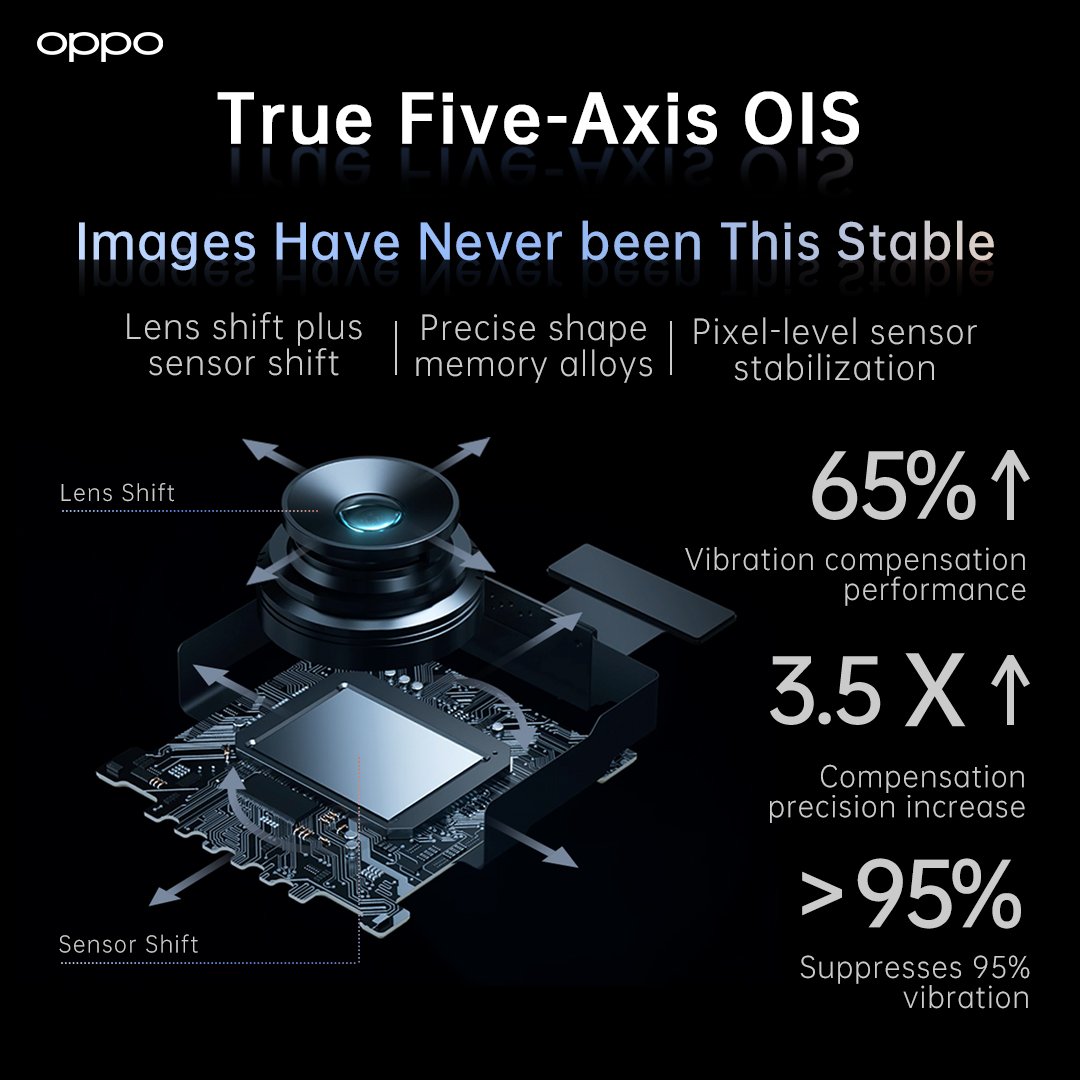
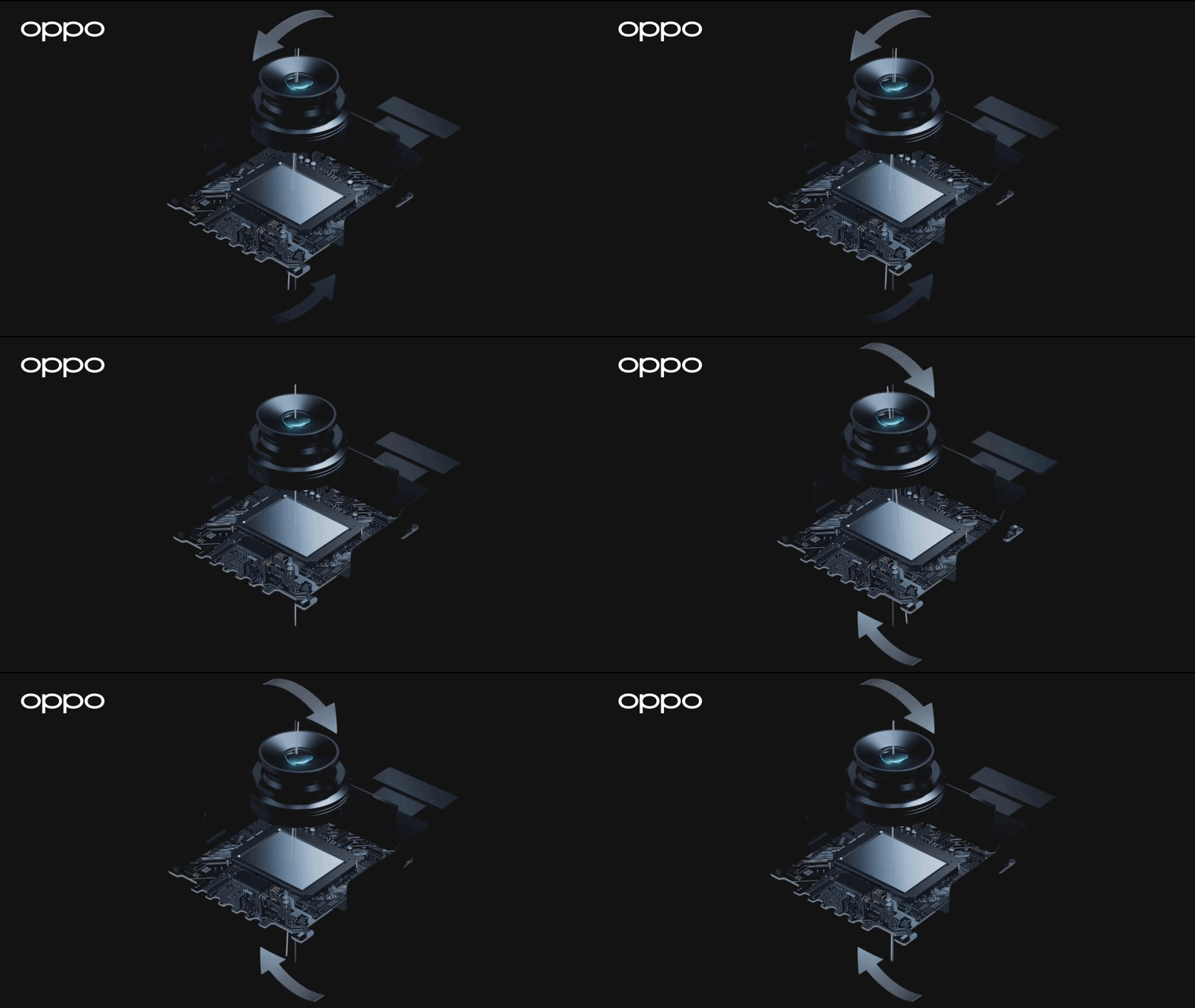
Now the company has announced the world’s first Five-axis stabilization technology for smartphones. This is made possible by using two moveable components in the stabilization system – the lens, and the image sensor. The lens is driven by ball-bearing motors, while the sensor gets shape memory alloys. As the system receives movement data from the gyroscope, it will analyze this data through algorithms and make necessary stabilization movements via its lens and image sensor.
If the movement is relatively small, only the lens-shift OIS comes into the picture, covering horizontal (X) and vertical (Y) shifts. However, when the movement is large, the sensor-shift OIS comes to the aid and covers horizontal (x), vertical (y), and rolling shifts to achieve Five-axis stabilization on the phone.
How will the Five-axis stabilization improve smartphone photography?
OPPO’s Five-axis stabilization allows a maximum angle of ±3° thereby improving OIS capabilities by 65%.
OPPO says this technology can significantly improve the stability, clarity, and color performance of the camera system for night-time or motion shots.
OPPO 85-200mm Continuous Optical Zoom
Current smartphone optical zoom solutions often utilize multiple cameras with different apertures and sensor sizes. As a result, when you are zooming into an object, the smartphone will shift between these sensors. But, as you might have noticed, there’s often a sudden jump in the Field of View, color, and white balance when shifting between two telephoto sensors.
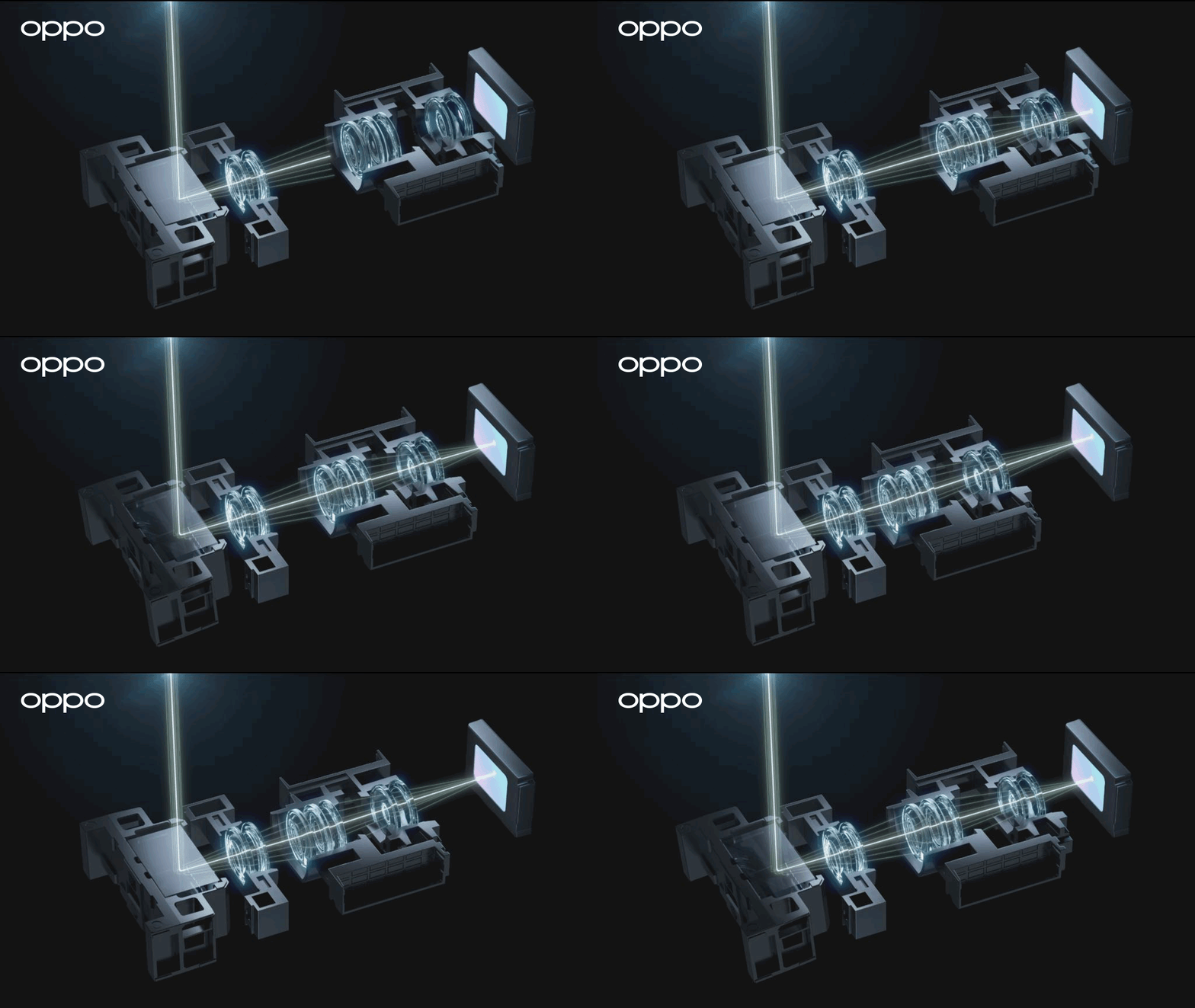
To solve this issue, OPPO has developed a continuous 85-200mm zoom system, which will offer true continuous optical zoom without the need for digital zoom or crops in between. The company utilizes a G+P (glass + plastic) lens technology (for the first time) for better optical effects, as well as a tunnel magnetoresistance sensor (TMR) that allows the lenses to move with better stability and precision. The focal length range is also pretty wide, allowing for a wide range of magnification. In short, with OPPO’s new hardware, smartphones can rely on one single system for the entire optical zoom range.
How will OPPO’s 85-200mm Continuous Optical Zoom system improve smartphone photography?
It solves the major pain point of smartphones that utilizes multiple sensors for their telephoto setup. With this system, smartphones can have a smooth transition throughout the zoom range, offering consistent and better image quality.
Unfortunately, OPPO hasn’t revealed when this technology will be available on commercial smartphones.
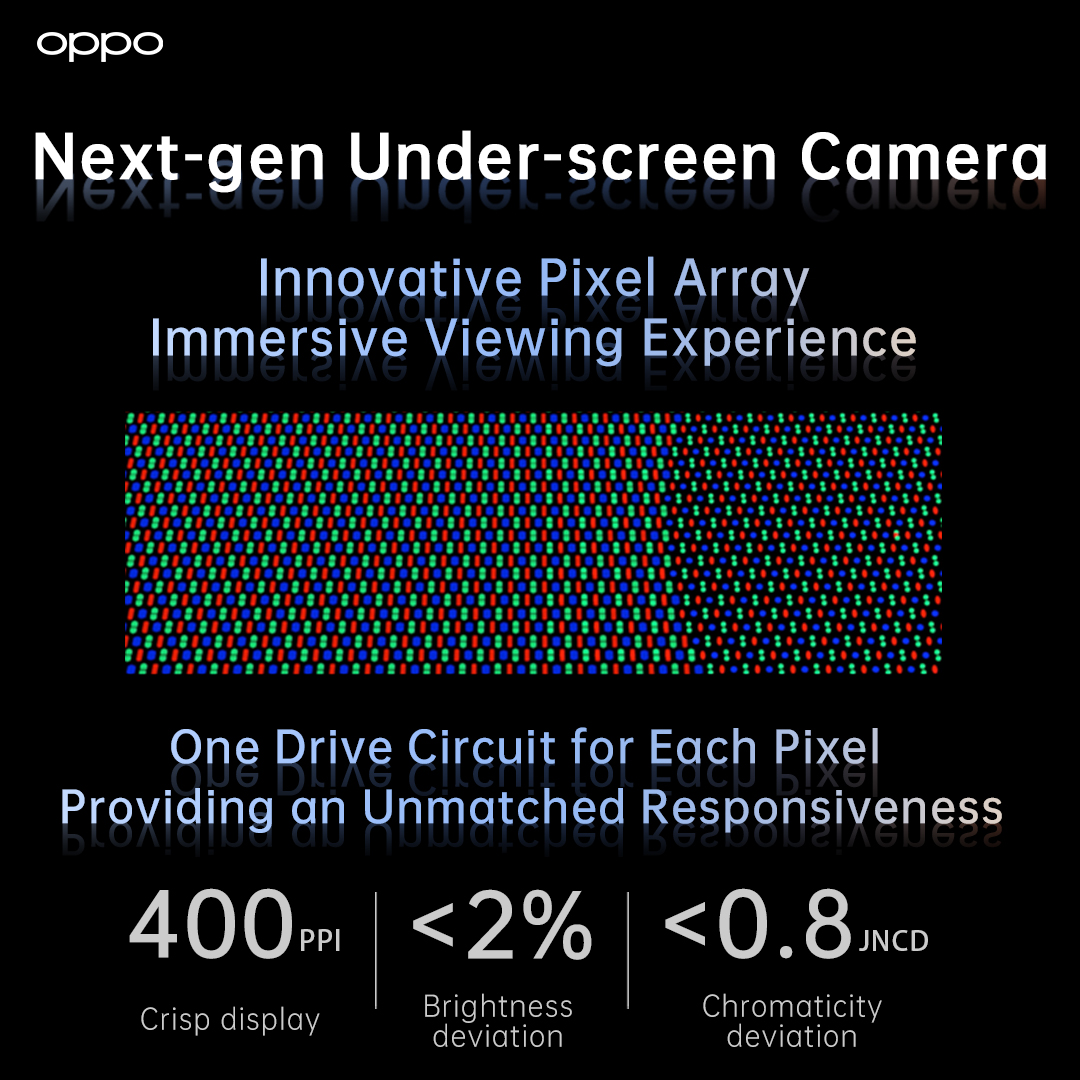
OPPO Next-Gen Under Screen Camera Solution
OPPO had already detailed its under-screen camera solution a couple of weeks ago. Today, the company revealed that its U.S. Research Institute has developed a set of AI algorithms like diffraction reduction, anti-condensation, HDR, and AWB (auto white balance) to optimize its under-screen camera system.
Interestingly, OPPO said in its event video that it has the best under-screen camera solution so far.
However, OPPO hasn’t revealed a time frame for its release. All we know is that the technology will be available on smartphones in the near future.
Amazon has just announced that Amitabh Bachchan will be its first Indian celebrity who’s voice will be available on Alexa earlier today (19th August 2021). Now, Indian users can add the Indian superstar’s voice to their Echo smart displays and smart speakers by pressing the mic icon on the company’s shopping application.
The e-retailing tech giant has just released the voice of one of the most influential actors of Indian cinema for its Echo devices. Keep in mind, this feature is only available for the company’s Android app. To enable this feature, the company has launched this with an introductory price of 149 INR or about roughly 2 US Dollars per year. Furthermore, users can also simply give a command to the company’s voice assistant by saying “Alexa, introduce me to Amitabh Bachchan” to purchase this ‘voice pack’ and start interacting with him through the wake command “Amit Ji.”
Notably, the Amitabh Bachchan voice for Alexa will also arrive with select content that were handpicked by the Indian celebrity himself. Users will be able to listen to stories from his life, a selection of poems from his father, tongue twisters, motivational quotes, and more. Through the “Amit Ji” command, one can also ask to play songs, set alarms, and get weather updates among other features.
Echo devices will even support commands in Hindi as well while you can now also ask the superstar to wish you on your happy birthday by saying “Amit ji, it’s my birthday.” Amitabh Bachchan also stated that “Working with Amazon to introduce my voice on Alexa was a new experience in bringing together the magic of voice technology and artistic creativity. I am excited that my well-wishers can now interact with me via this new medium, and looking forward to hearing how they feel about this.”
Samsung is tipped to launch the Galaxy M52 5G and the Galaxy F42 5G in India in September. Ahead of that, the company has officially confirmed to release the Galaxy M32 5G in the country. In fact, the firm has already revealed all the key features of this handset on Amazon India.
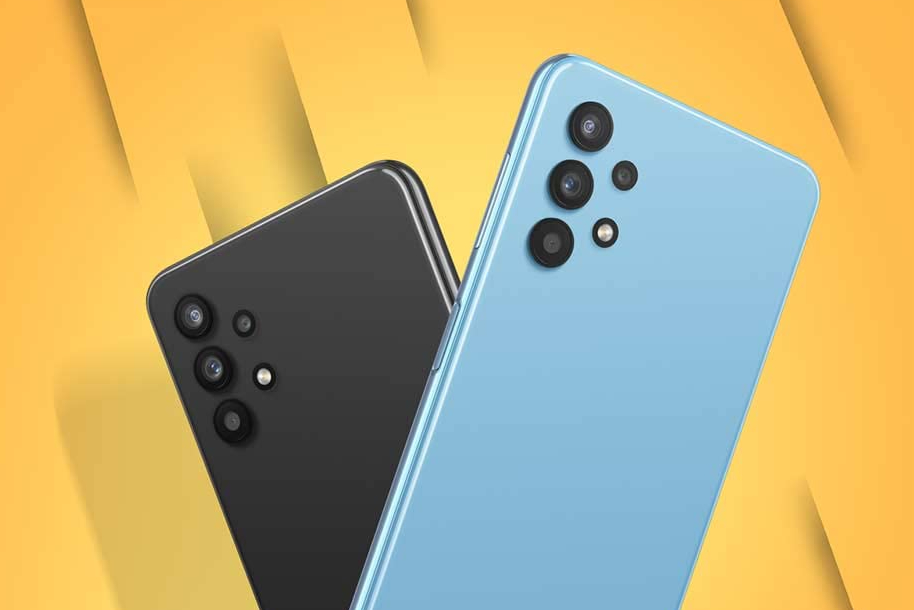
According to a promotional page on Amazon India, the Samsung Galaxy M32 5G will launch in India on August 25 at 12 PM. As per the images of the phone as well as its features, it will be nothing but a rebranded Galaxy A32 5G.
Anyway, the company has confirmed that the device will come with 12 5G bands, 2 years of OS updates, and Knox security, just like the recently launched Galaxy A22 5G in the country.
As far as specs are concerned, the Galaxy M32 5G will sport a 6.5-inch HD+ TFT LCD panel with a dewdrop notch. It will be powered by a MediaTek Dimensity 720 SoC, however, the storage variants for India are a mystery for now.
Further, the handset will have a quad-camera setup consisting of a 48MP primary sensor, an 8MP ultra-wide unit, a 5MP macro shooter, and a 2MP depth sensor. As for selfies and video calls, it will use a 13MP snapper.
Other features of the device will include a side-mounted fingerprint sensor, 3.5mm headphone jack, MicroSD card slot, USB Type-C port, 5,000mAh battery, 15W fast charging, and One UI Core 3.1 based on Android 11.
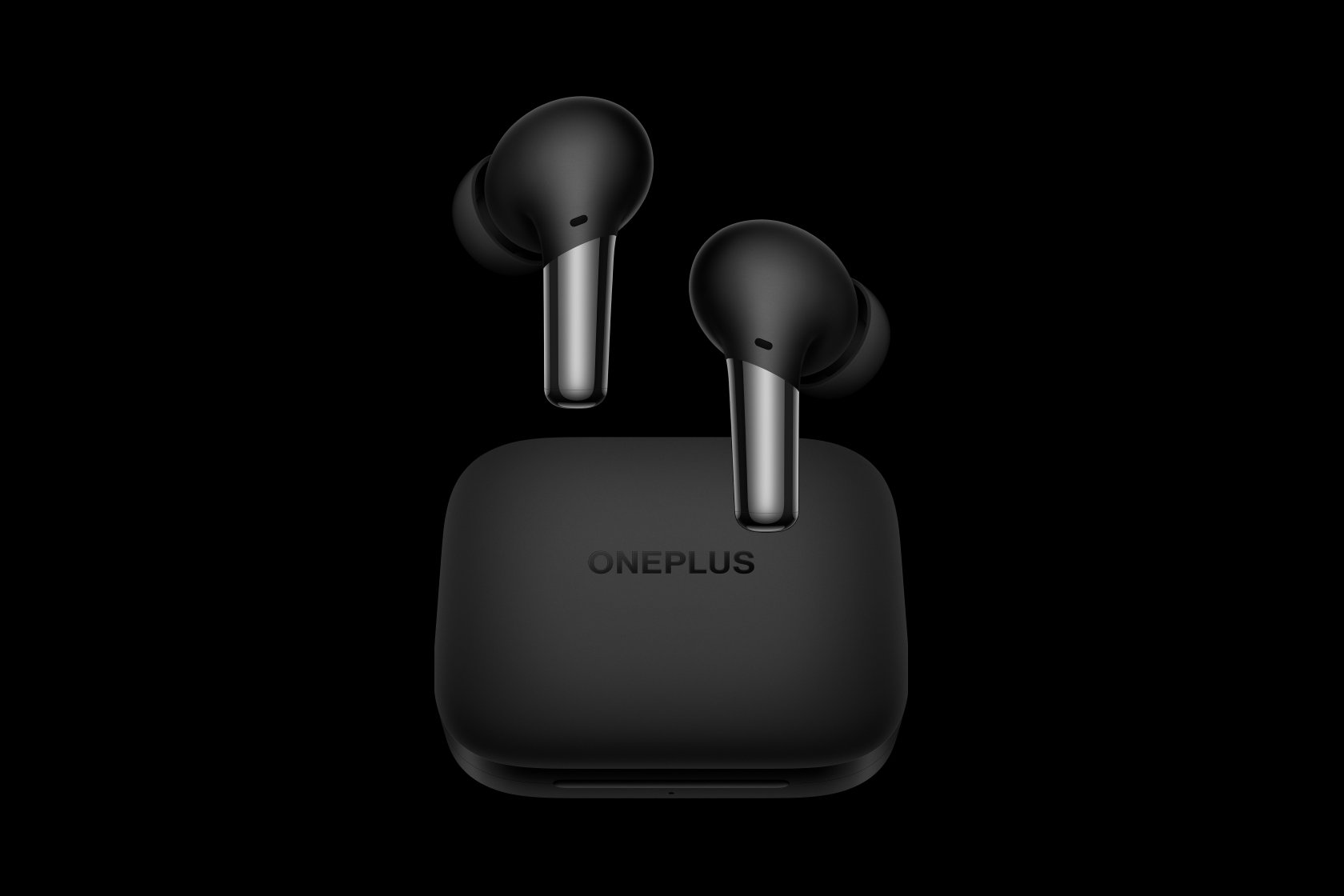
OnePlus Buds Pro, the China-based smartphone manufacturers’ latest true wireless earphones, were launched last month along with the Nord 2 smartphone. The TWS earbuds come as a Pro variant of the OnePlus Buds launched last year.
After launching the true wireless earphones in China a few weeks ago, OnePlus has now made them available for purchase in the UK and Europe. They are priced at £139 in the United Kingdom while they cost €149 in the European market. The earbuds are up for grabs in two color options — Glossy White and Matte Black from the official OnePlus Store.
Design-wise, the OnePlus Buds Pro are shaped similar to the Apple AirPods Pro but to differentiate from Apple’s product, there’s a shiny chrome stem. The earphones pack a pair of 11mm dynamic drivers and come with support for Bluetooth 5.2 connectivity.
It comes with Smart Adaptive Noise Cancellation support that automatically adjusts how much noise cancellation is applied based on the user’s surrounding environment. There’s also support for Low Latency High-Definition Audio Codec (LHDC).
For proper working on the Active Noise Cancellation function, there’s a three-mic setup that is claimed to filter out noise up to 40dB. The company has also added support for the Dolby Atmos audio. It comes with features like and OnePlus Fast Pair as well as OnePlus Audio ID that allows users to customize the audio experience as per their preference.
As for the battery life, the OnePlus Buds Pro are touted to offer up to 38 hours of battery with the charging case. However, without the charging case and with Active Noise Cancellation enabled, the battery life reduces to five hours, and seven hours without ANC.
The charging case for the earphones also comes with support for Warp Charge and is claimed to offer up to 10 hours of playback time with just 10 minutes of charging. Further, it also supports Qi Wireless Charging.
Back in November 2020, WhatsApphas rolled out a new feature that allowed users to send messages that disappear after 7 days. Now, it seems that the company is working on a similar update that will have messages disappear after 90 days.
Previously, the popular messaging application had stated that it is working on view once messages that would disappear forever after just being viewed once. Similarly, its latest Beta build brings a 90 days disappearing message feature that would also have messages removed after around three months. As of right now, this is in the Beta build version 2.21.17.16 that is available for Android.
In other words, the feature is still some time away from making it to the live version of the app. A new report from WaBetaInfoalso shared screenshots that showcased a new menu that lets users customize their ‘Disappearing Messages.’ This menu offers options ranging from 90 days, 7 days, 24 hours, or just completely turning off the feature, which means that it basically offers users more flexibility and options to choose from.
Unfortunately, it is unclear when this feature might be rolled out for the live WhatsApp build since the company is known to test features many weeks or even months before it is finally released to the broader user base. Although, we do know that it will arrive in a future update and that more options is better for the user as well. So stay tuned for more updates.
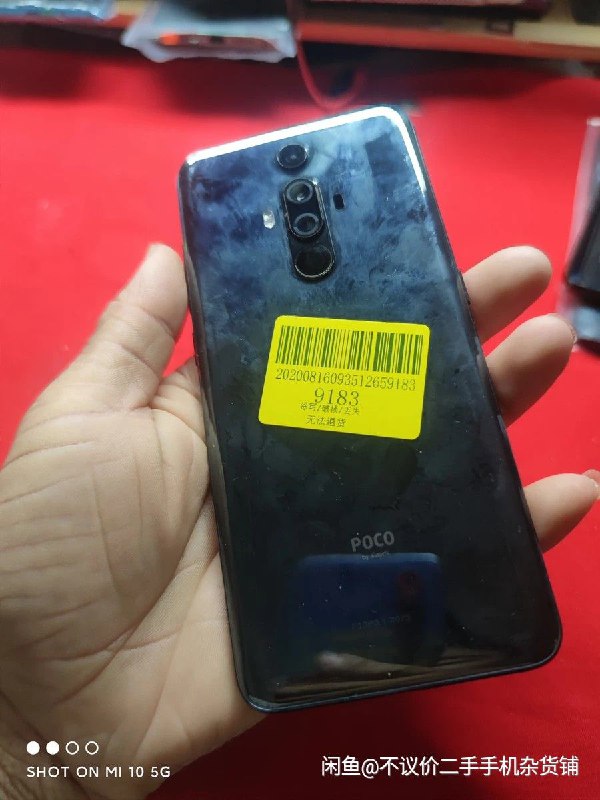
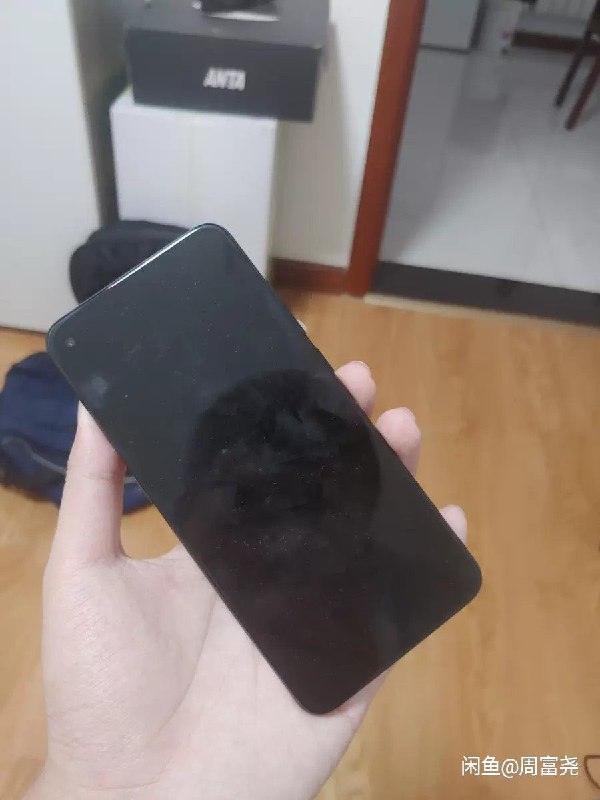
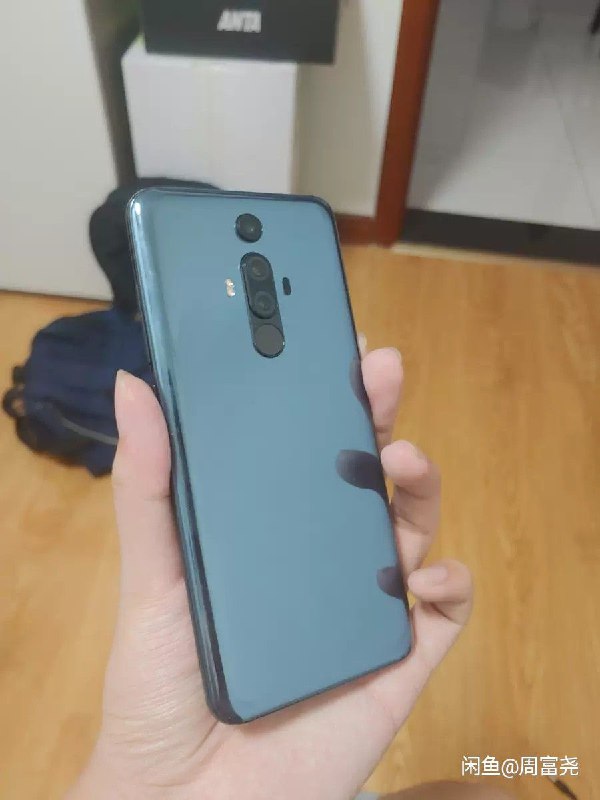
Last year, Xiaomi-backed smartphone maker POCO had launched its POCO F2 Pro smartphone in the market. The company was also working on a standard model of the smartphone, dubbed POCO F2, which was never launched.
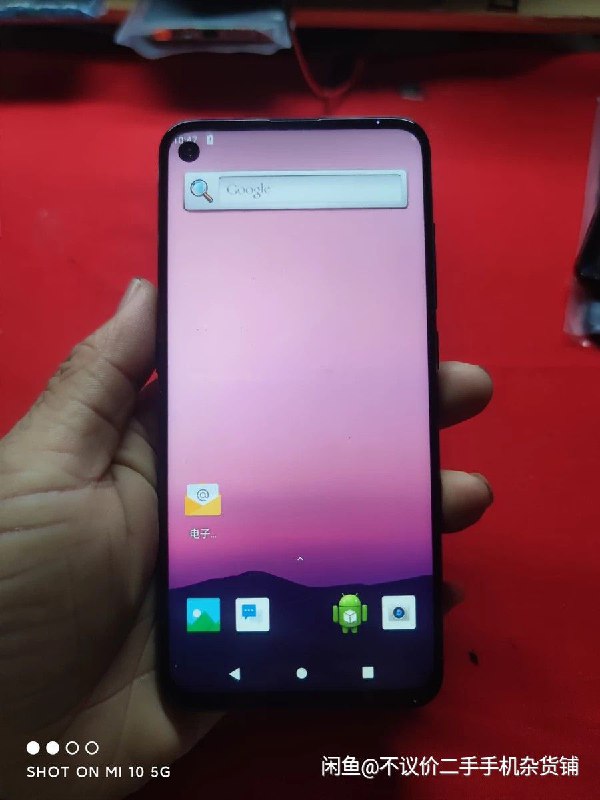
Now, live images of the prototype model of the POCO F2 aka Redmi K20S have leaked online, showcasing how the smartphone, which never made its official debut, looked in terms of design. The phone’s design looks quite similar to the one patented by Xiaomi in 2019 but the patent application was filed in 2018.
It is also being reported that the smartphone is equipped with an AMOLED display offering Full-HD+ screen resolution and having a punch-hole cutout in the top-left corner of the display for housing the front-facing camera sensor.
On the backside, the device has a triple-camera setup but exact details of the sensors are not available. As the smartphone in photos is running Engineering ROM (AOSP) based on the Android 9 operating system, the MIUI build version remains unknown. The phone has a side-mounted fingerprint sensor, likely the same sensor used in POCO F1.
The prototype model is powered by the Qualcomm Snapdragon 855 SoC which indicates that it was a direct successor to the POCO F1 that had taken the market by storm because of the top-of-the-line specs at a very competitive price point.
There were reports about the POCO F2 not being a flagship smartphone and could be powered by the Snapdragon 732G SoC but POCO India Country Director Anuj Sharma refuted those reports without revealing which chipset will be powering the smartphone.
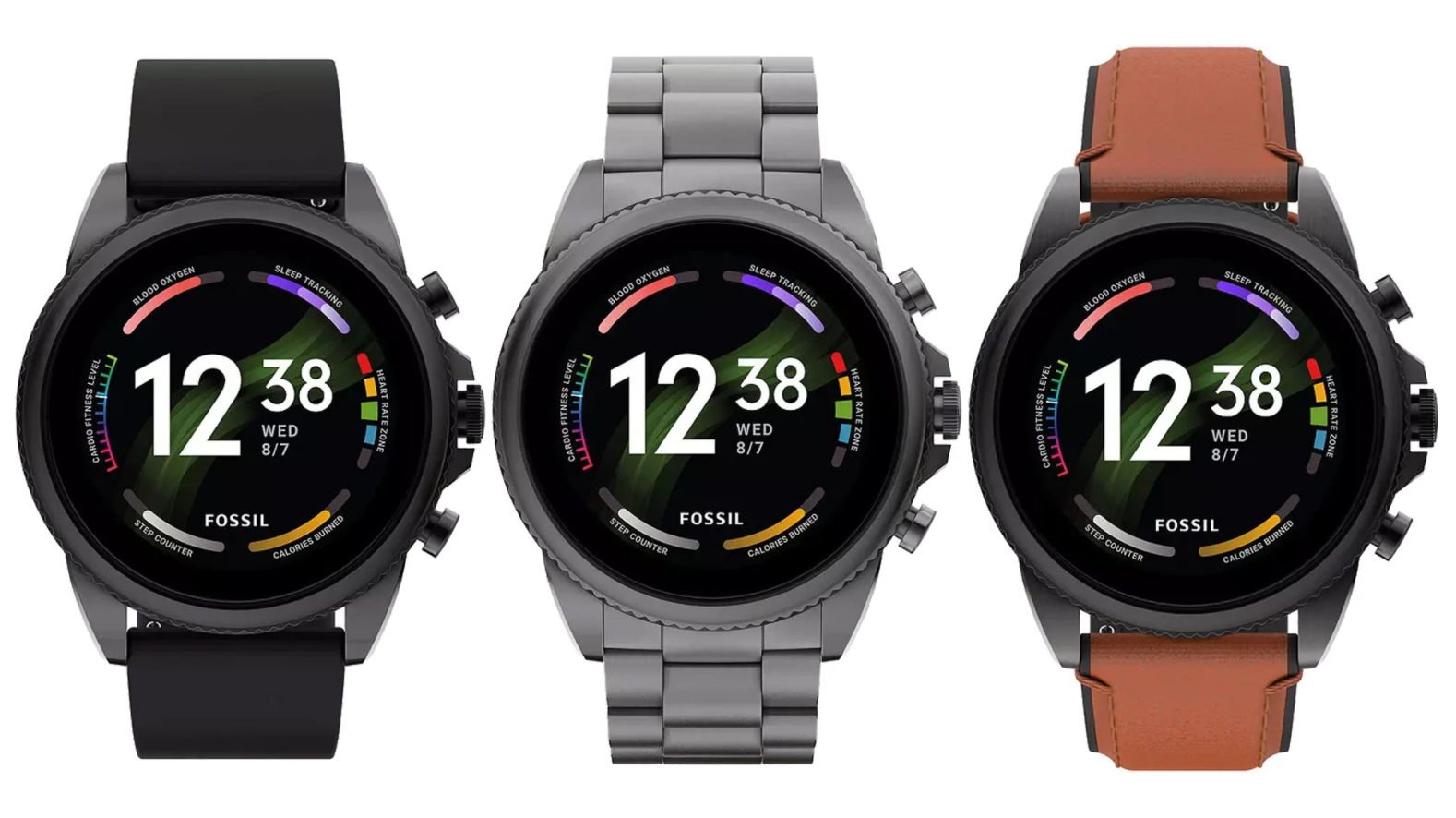
In June, Fossil confirmed that it has no plans to provide a WearOS upgrade to its existing smartwatches. It further said that those who wish to use a Fossil watch with WearOS can opt for the upcoming Fossil Gen 6. A fresh report by Winfuture.de has leaked the entire specs and press renders of the Fossil Gen 6.
Fossil Gen 6 specifications and features
The Fossil Gen 6 is likely to arrive in 44mm and 42mm sizes and it will offer 50-meter water-resistance and it is. As the images reveal, the smartwatch has three buttons including a central crown on its right edge. It may feature wristbands made up of leather, fabric, or metal.
It has a 1.28-inch OLED panel that offers 416 x 416 pixels resolution and an always-on function. It is powered by the Snapdragon Wear 4100+ chipset that features a 1.7GHz ARM Cortex-A53 quad-core CPU and Adreno A504 graphics. It has 1 GB of RAM and 8 GB of built-in storage.
Fossil Gen 6
The Fossil Gen 6 can last for a day on a single charge. With the energy-saving mode enabled, it can last for several days. It takes around 1 hour to fully charge the smartwatch. It can gain 80 percent battery juice by charging it for only 30 minutes. Lastly, it runs on WearOS, which gives access to a wide range of apps.
It is equipped with health-tracking features such as SpO2 tracker, heart rate tracker, sleep monitor, calories burned, step counter, and so on. The leaked renders show that it will be sporting a new watch face. Readers can visit Winfuture.de to see more images of the smartwatch.
Fossil Gen 6 price and availability
The Fossil Gen 6 will be arriving in three versions for women and men. These variants will be available in Germany with a price range of 299 euros and 329 euros. It will be available for purchase from Sept. 27 in the country.
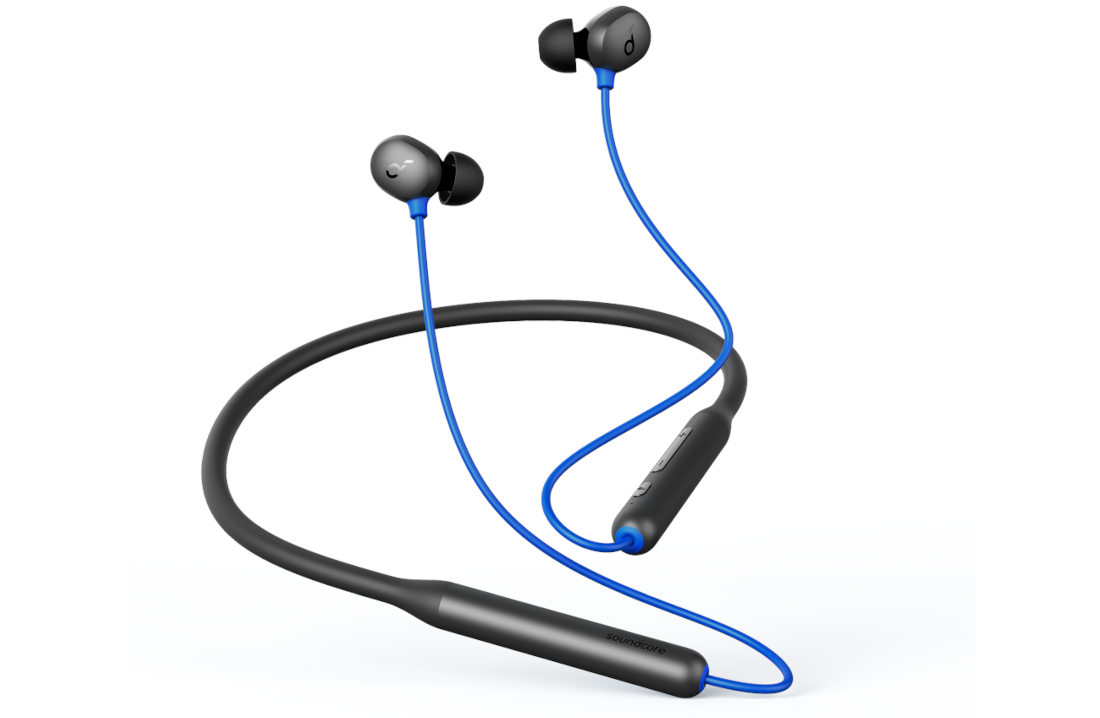
Anker‘s budding audio arm, Soundcore has just added yet another product to its array of affordable audio devices. The Soundcore R500 wireless neckband is available to Indian consumers at Rs. 1,399 (~$19). The ultra-low-priced wireless neckband earphone comes with several properties that make it a worthy buy for a solid sound experience.
Anker Soundcore R500 wireless neckband earphones
The Soundcore R500 is lightweight, flexible, tangle-free, IPX5 rated, and the earphone gives an excellent and balanced bass output. Its 195mAh battery offers up to 20 hours of entertainment on a full charge. The Soundcore R500 also supports USB-C fast charging, Bluetooth 5.0, and has an ultra-flexible and ergonomically sound fit. The Soundcore R500 has AI-enhanced microphones, which combine with the other features to give the user an overall exhilarating sound experience.
Soundcore says that it conceptualized the R500 to offer fans and consumers the freedom to experience high-quality video at an extremely low cost. The Soundcore R500 is available in the Indian subcontinent via Flipkart.
Soundcore hopes that its excellently-priced R500 wireless neckband earphones will have decent reception in India. There are no details yet on the global availability and pricing of the device.
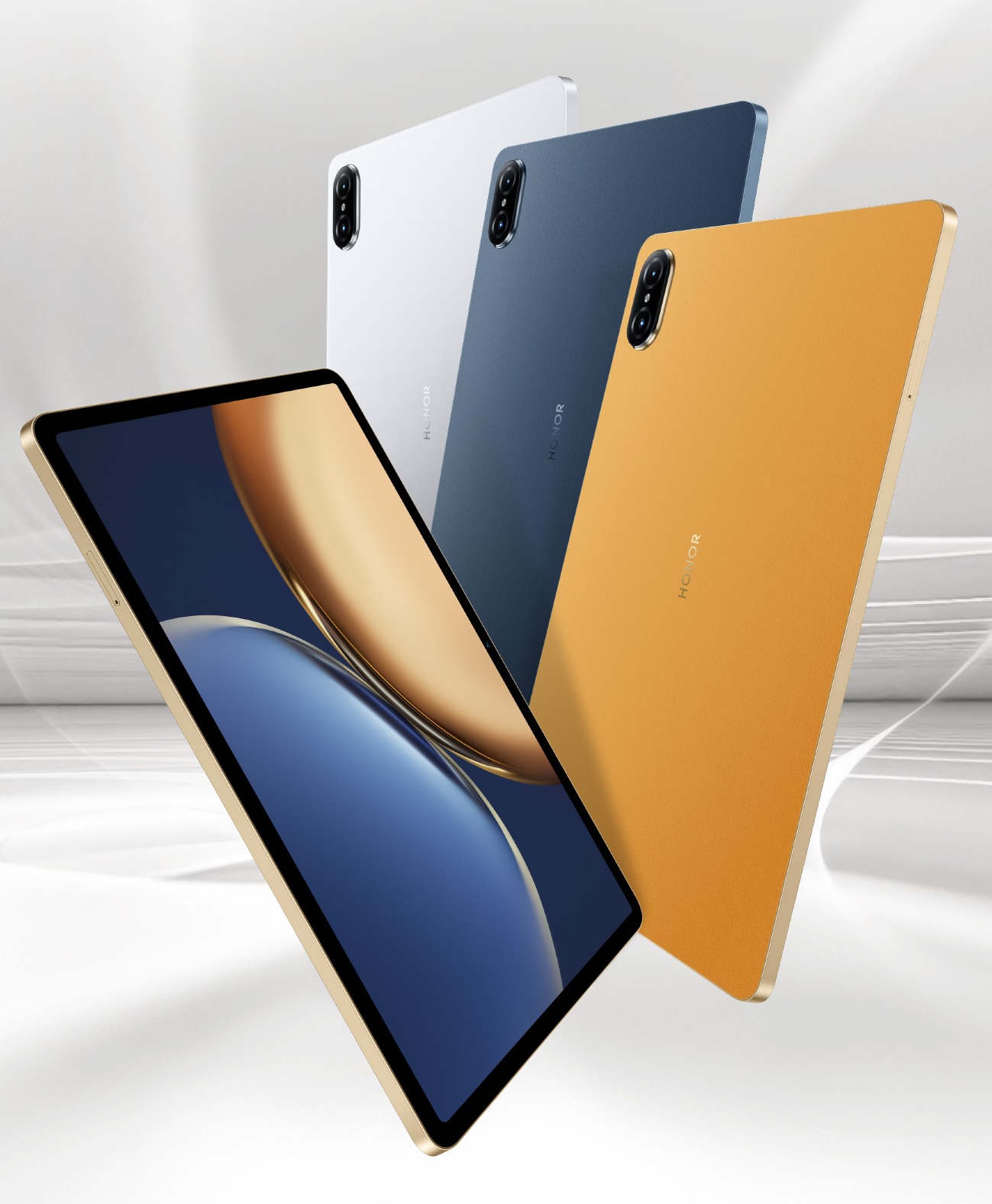
Last week, Honor officially launched its Tab V7 Pro in the Chinese market, along with a few other products from the company, including Honor Magic 3 series flagship phones, Honor X20 5G, and Honor Watch GS smartwatch.
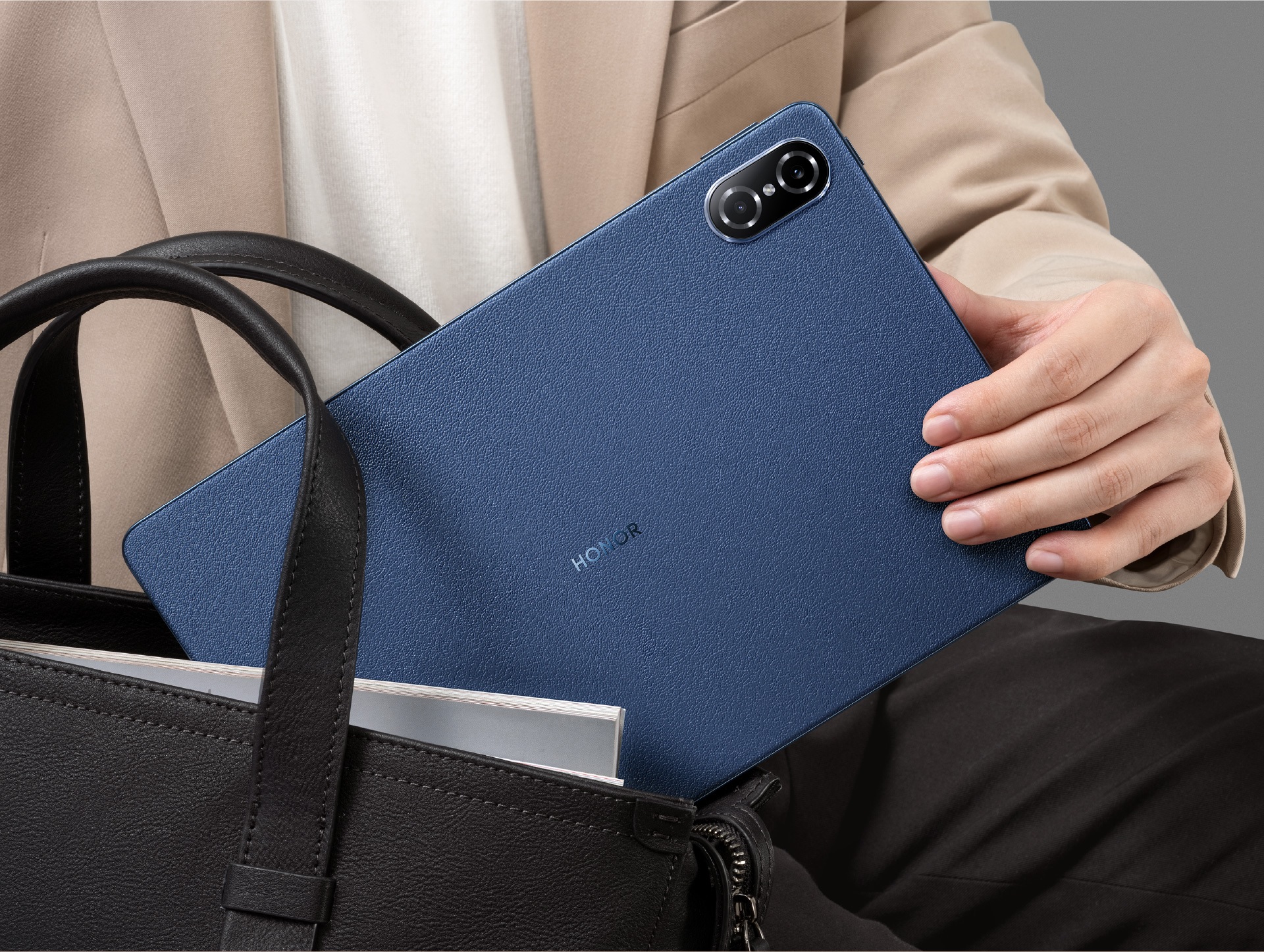
Now, days after its official debut, the Honor Tab V7 Pro is available for purchase in China in three color options — Chenhui Gold, Dawn Blue, and Titanium Silver. Among these three colors, the Chenhui Gold and Dawn Blue are made of calfskin texture plain leather.
As for the pricing, the Wi-Fi-only variants come in three memory options — 6GB RAM with 128 GB storage, 8GB RAM with 128GB storage, and 8GB RAM with 256GB storage, costing 2,599 yuan (~$400), 2,799 yuan (~$431), and 3,299 yuan (~$508) respectively. The 5G supporting model with 8GB RAM and 256GB storage is priced at 3,699 yuan (~$570).
Coming to the specifications, the Honor Tab V7 Pro features an 11-inch LCD screen that offers a 2K screen resolution of 2560 x 1600 pixels, a 16:10 aspect ratio, 276ppi pixel density, a 120Hz refresh rate, and a DCI-P3 color gamut.
Underneath, the device is powered by MediaTek Kompanio 1300T chipset, making it the world’s first device to feature this newly announced SoC. It is equipped with a 7-layer cooling system for heat dissipation. It also carries support for RAM extension technology.
As for the camera department, there’s a 13-megapixel main camera and a 2-megapixel macro lens. The tablet runs the Android 11 operating system with Magic UI 5.0 on top that has been optimized for multi-tasking and offers features like multi-window function, split-screen, drag and drop, and more. The device is powered by a 7,250mAh battery that carries support for 22.5W rapid charging.
Other features on the device include quad speakers, Dual SIM, Wi-Fi 6, 5G, Bluetooth 5.1, and a USB-C port. This newly launched Honor tablet also carries support for the Magic Pencil 2 stylus and a keyboard case for a desktop-like experience.
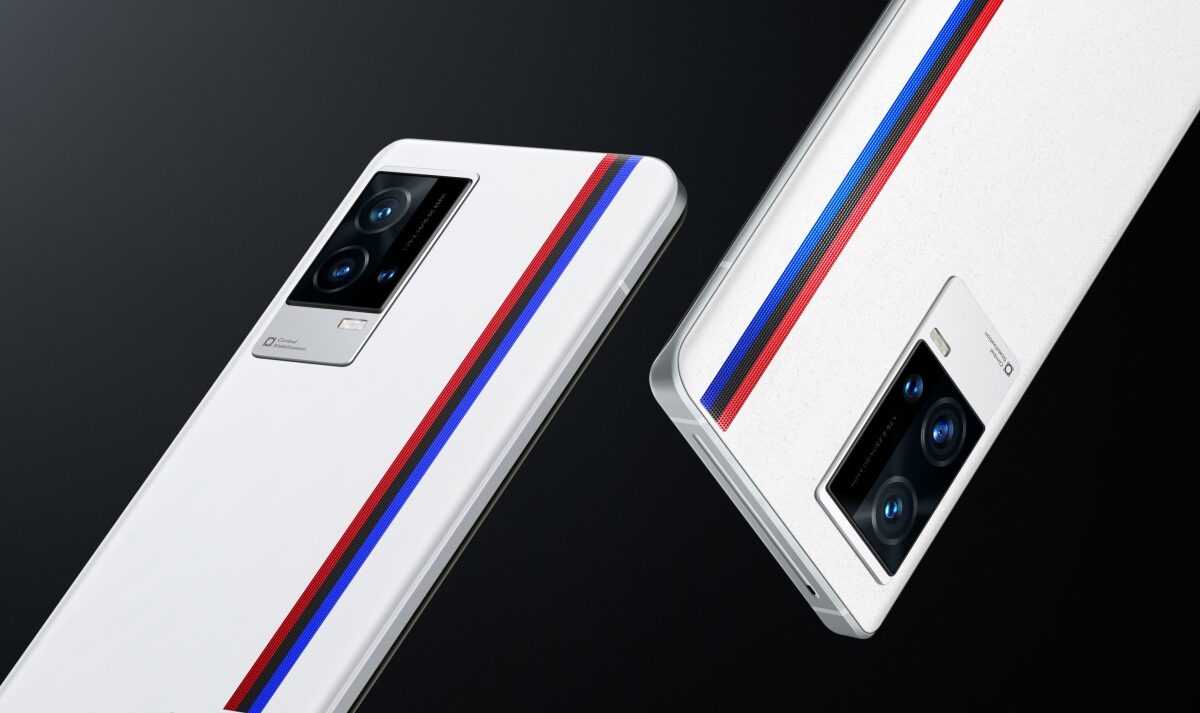
Vivo only a couple of days back took the wraps of the iQOO 8 series made up of the vanilla iQOO 8 and the iQOO 8 Pro. During the unveiling, the company promoted the iQOO 8 Pro as having a 3D Ultrasonic fingerprint scanner. The Chinese company didn’t dilate on the scanner but a Weibo video review of the iQOO 8 Pro’s Ultrasonic fingerprint scanner speed has been carried out, giving us a clear view of the biometric area and other features.
First off, the size is now far bigger than others in the market. The iQOO 8 Pro ultrasonic fingerprint scanner occupies a 578 sq. mm area. The speed test also shows that the scanner’s speed should be among the fastest we’ve seen on a smartphone. Also, vivo has now included the ability to read more than one finger.
It is worthy of note that the features included on the iQOO 8 Pro fingerprint scanner were first demoed on the concept vivo APEX back in 2018. While the APEX never made it to final production, it is impressive to see some of the innovative features showcased on the APEX finding their ways to its commercialized products.
Whie the iQOO 8 also packs a Under display fingerprint scanner as well, its scanner is a regular one and not the 3D Ultrasonic scanner onboard the 8 Pro. However, it is still super fast even though it is no as fast as that of the iQOO 8 Pro.
Apart from the speed, the iQOO 8 Pro’s 3D Ultrasonic fingerprint scanner is also pretty easy to set up. The phone learns the fingerprint with just a one-second-long press. This is a far greater improvement from current solutions (including rear-mounted fingerprint scanner) where you will need to tap the sensor several times with different part of your fingers so that it stores all the positions the fingerprint is placed on it.
Vivo is yet to release details of the iQOO 8 series launch outside China but we expect the models to hit the global market soon where the Ultrasonic fingerprint scanner will be one of the top features.
Earlier this year, Vivo X60 series smartphones were launched and recently the company expanded the X60 family with the launch of X60t and X60t Pro+ flagship smartphones. Now, numerous reports have revealed that Vivo is working on its successor — the Vivo X70 series smartphones.
Not just that, a new report from Digital Chat Station on Weibo reveals that the company is in the process of having an ecology of products, and thus, Vivo will be launching products in the category of tablets, smartwatches, and laptops.
The company has reportedly started mass-production of the Vivo-branded tablet as well as a smartwatch and it’s only a matter of time when Vivo officially launches these products and starts selling in the market. Recently, Vivo had confirmed its entry into the tablet market and added that the first device will go official in Q4 2021.
Additionally, Vivo is also working on a foldable smartphone which is expected to get launched later this year. Vivo has a NEX series for phones that includes devices with experimental technology and thus, it’s likely that the foldable smartphone from Vivo is a part of its NEX lineup. Reports indicate it could be called NEX Fold and based on the trademarks filed by the company, other form-factor including NEX Slide and NEX Roll.
Then there are Vivo’s own laptops which the company seems to have started working on but there’s no information about when it will get launched in the market. It’s likely to be powered by an Intel chipset and run Windows 11 operating system.
Vivo seems to be following the footsteps of its sister company Realme which already has its own ecology of products, including smartphones, wearables, accessories, etc. Just a few days ago, the company also launched its own tablet and laptop after teasing those devices for a few weeks.
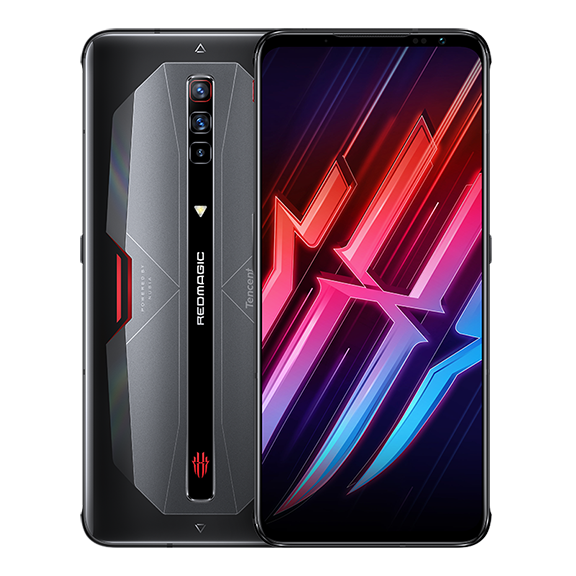
Earlier this year, Nubia unveiled the Red Magic 6 series including the Red Magic 6 and Red Magic 6 Pro smartphones. The phones came with a flagship chipset and gaming-oriented hardware like a 165Hz refresh rate and up to 120W fast charging support. Now, a new phone from the series has arrived on China’s 3C sporting the same 120W fast charging support.
The Nubia phone arrived on 3C certification carrying the model number NX669J-S. It is believed to be the upcoming Red Magic 6S smartphone. It has a crazy fast 120W fast charging support. Unfortunately, the certification does not reveal any other details about its battery.
The Red Magic 6S is expected to come with some upgrades over the predecessor. The smartphone may come with a similar 165Hz high refresh rate display. We speculate it to have a flagship chipset paired with some cooling system. Rumors are rife that it may arrive with the latest Snapdragon 888+ SoC.
Nubia Red Magic 6 series Specifications
The Nubia Red Magic 6 and 6 Pro phones are powered by Qualcomm’s Snapdragon 888 SoC with LPDDR5 RAM and UFS 3.1 onboard storage. The phones boast up to 500Hz touch sampling rate and come with features like RAM Boost and Frame Optimization 2.0.
The series has a 6.8-inch AMOLED display with a 10-bit color depth and 100% DCI-P3 color gamut. The display doubles up as an in-display fingerprint scanner.
The phones boast a triple rear camera system with a 64MP main, an 8MP ultra-wide, and lastly a 2MP macro sensor. The Red Magic 6 has a 5,050mAh battery, whereas the Red Magic 6 Pro has a 4,500mAh battery.
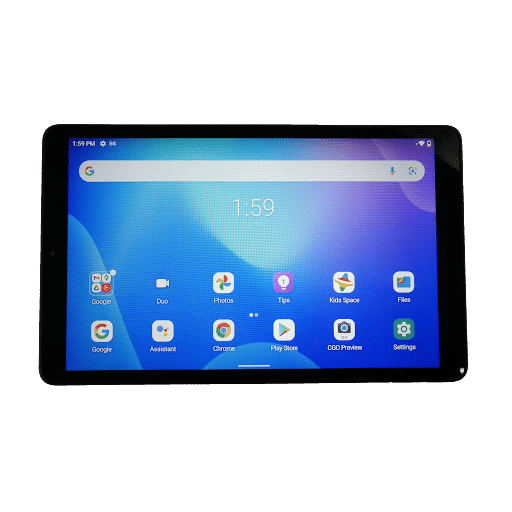
Motorola is reportedly working on a new tablet called the Moto Tab G20. A listing of the device has appeared at the Google Play Console (via) to reveal its design and key specifications. The tablet is likely to go official soon.
The Moto Tab G20’s Play Console listing shows that it supports a resolution of 1280 x 800 pixels. The device is powered by the Helio P22T chipset, which is mentioned as MT8768A in the listing. The device is equipped with 3 GB of RAM.
Moto Tab G20
The device can be seen with thick bezels in the image that has appeared in the Play Console listing. It is expected to come equipped with a near-stock version of Android 11 OS. The Tab G20 appears to be a rebranded version of the Lenovo Tab M8 (3rd Gen), which recently went official in some markets like Japan.
Lenovo Tab M8 (3rd Gen) has an 8-inch IPS LCD panel that offers 1280 x 800 pixels resolution. It features a 2-megapixel front camera and a rear camera of 5-megapixel.
The Helio P22T powered tablet features 3 GB of LPDDR4x RAM and 32 GB of built-in storage. It is backed by a 5,000mAh battery that promises up to 12 hours of usage time. It offers other features such as Dolby Atmos powered speaker, a microSD card slot, Wi-Fi, Bluetooth 5.0, and a 3.5mm microphone/headphone combo jack. It lacks support for LTE connectivity. The device measures 21.1 x 13 x 3.7cm and weighs 305 grams.
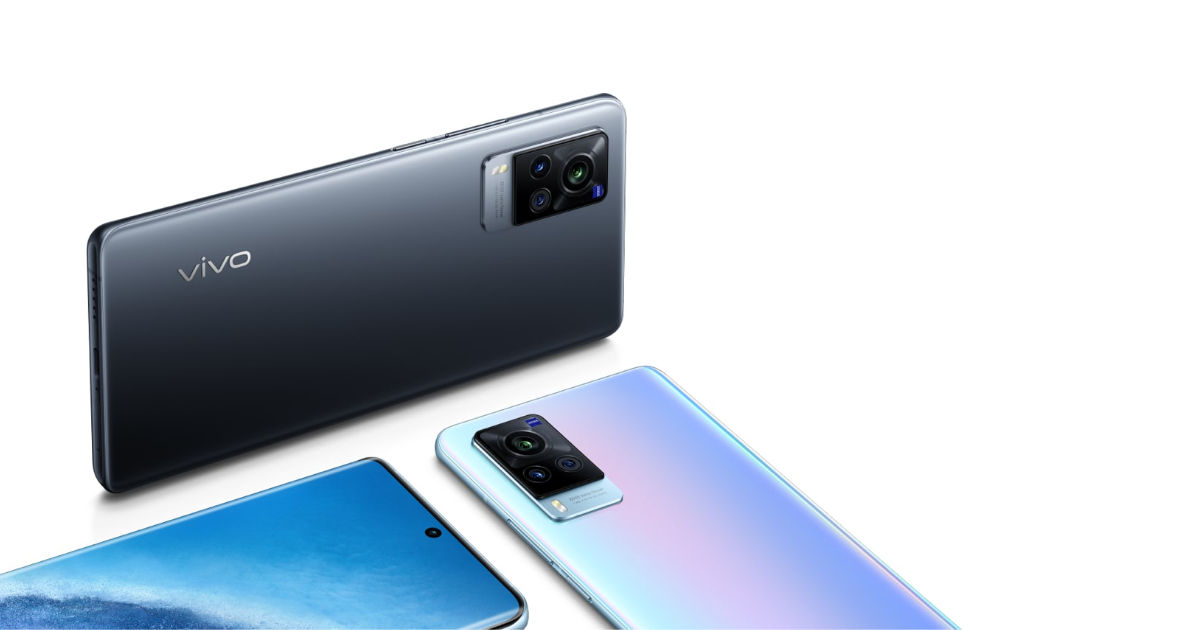
Vivo is expected to launch new X-series phones in the market dubbed Vivo X70, X70 Pro, and X70 Pro+. The series will succeed the current Vivo X60 smartphones. Previously, the Pro and vanilla variant arrived on Geekbench and now, the Vivo X70 Pro+ has reached the 3C certification.
Earlier, the Vivo X70 was seen with model number V2104, whereas, the X70 Pro carried the model number V2015. Now, as per Digital Chat Station, the V2145 which happened to be seen on China’s 3C is none other than the third device in the series, the Vivo X70 Pro+.
According to its 3C certification, the smartphone has support for 66W fast charging. This is an upgrade over the 55W fast charging seen in the predecessor Vivo X60 Pro+.
Although the specs are scarce for the X70 Pro+, the device’s Indian pricing was tipped. The Vivo X70 Pro+ was touted to come at a price tag of ₹70,000(~$941) in India. We expect the phone to cost similarly in other markets.
Vivo X70 series Specifications
The Vivo X70 series is expected to come with a 6.56-inch AMOLED display with a high 120Hz refresh rate and 1080 x 2376 pixels resolution. According to the Geekbench listing, the X70 and X70 Pro will come with up to 12GB of RAM. Both the phones are expected to come powered by Dimensity 1200 SoC in the international markets, whereas, an Exynos 1080 SoC in the Chinese market.
The phones arrived on 3C certification recently, which revealed that the X70 and X70 Pro will have 44W fast charging support. On the other hand, the X70 Pro+ will bag a 66W fast charging support.
The series is expected to come with multiple cameras, the Pro models are expected to feature a micro-gimbal stabilization feature.
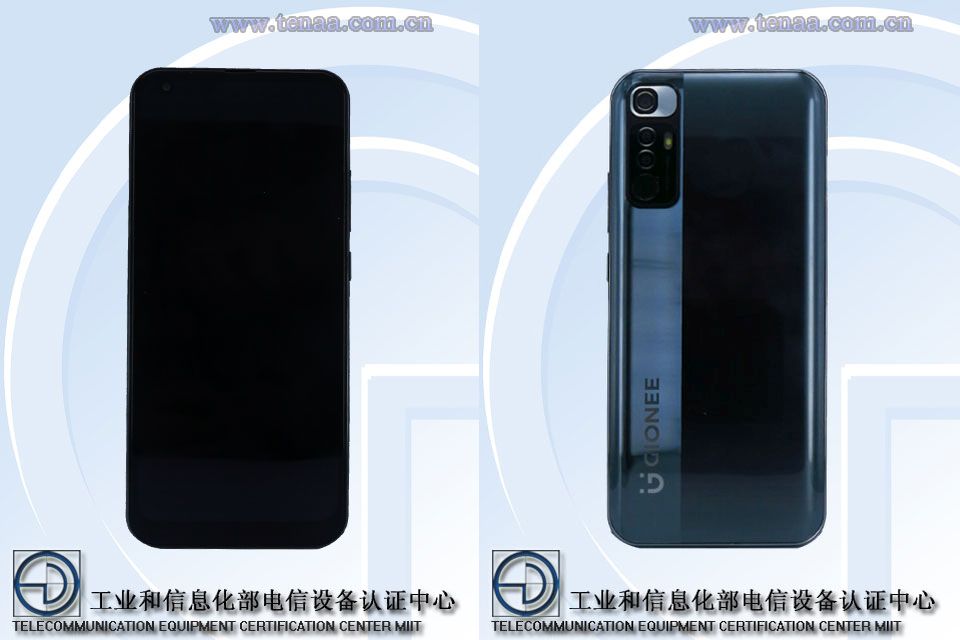
A few days ago, a new Gionee phone with a GNS2112Y model number was certified by the TENAA telecom authority. The listing has all the information on its specs and design. Interestingly, the GNS2112Y phone can be seen sporting a design similar to Xiaomi’s Redmi Note 10 series.
The Gionee GNS2112Y’s TENAA listing shows that it measures 174 x 81 x 11 mm and weighs 214.5 grams. The device is quite thick even though it does not house a massive battery. It is expected to release in China in black, white, blue, and red colors.
The handset houses a massive 6.81-inch punch-hole screen that offers an HD+ resolution of 720 x 1600 pixels. It is a 4G phone powered by a 2.0GHz octa-core processor. Sadly, it runs on the obsolete Android 9 Pie OS, and it is backed by a 3,920mAh rated battery.
The smartphone is likely to arrive in 4 GB and 6 GB RAM variants in China. It may come in storage options like 64 GB, 128 GB, and 256 GB. The device for a microSD card slot for additional storage.
The images of the GNS2112Y suggest that it is equipped with a side-facing fingerprint scanner. The TENAA listing does not clearly mention the details of the front and rear cameras of the smartphone. It seems to be fitted with a triple camera setup. The design of the rear camera setup is similar to Redmi Note 10 series.
There is no information available on the final marketing name of the device. The company may unveil it later this month.
Intel, one of the world’s leading chipset manufacturers, has announced a brand new lineup of high-performance graphics cards — Intel Arc. The first generation product under this new series will be launched in Q1 2022.
The codename of the first upcoming Intel Arc graphics processor is Alchemist and will be based on the Intel Xe HPG microarchitecture, with performance rumored to be capable of taking aim at the Nvidia GeForce RTX 3070.
The company has also announced that the Arc range will cover multiple generations of graphics hardware, with Battlemage, Celestial, and Druid listed as the codenames for future generations of Intel gaming GPUs.
Intel had previously launched DG1 — a card that was released only to system builders which performs a lot like the GDDR5 version of Nvidia’s GeForce GTX 1030.
Currently, there’s no information available about the specifications for the upcoming Intel Arc graphics card but the trailer from the company confirms that it will come with support for modern features like real-time ray tracing and “AI Accelerated Super Sampling” that will compete with Nvidia’s DLSS and AMD‘s FidelityFX upscaling technologies.
If the current shortage of graphics cards extends to next year, then Intel has a unique opportunity of attracting gamers desperately trying to get their hands on anything in the GPU space that they can get their hands on.
As of now, we don’t have any information about the performance, pricing, or availability of any Arc cards yet but we should know more about the new Intel’s dedicated graphics cards before they go official early next year.
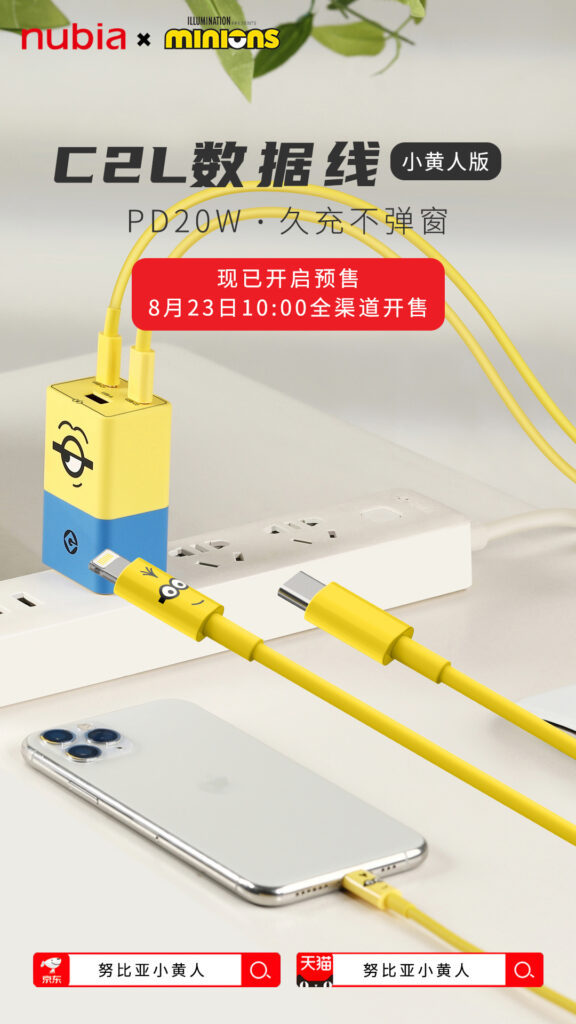
Last month, Nubia announced a bunch of minion cobranded accessories. The brand products such as the new Minion themed 22.5W chargers, 30W gallium nitride chargers, 65W gallium nitride chargers, and more.
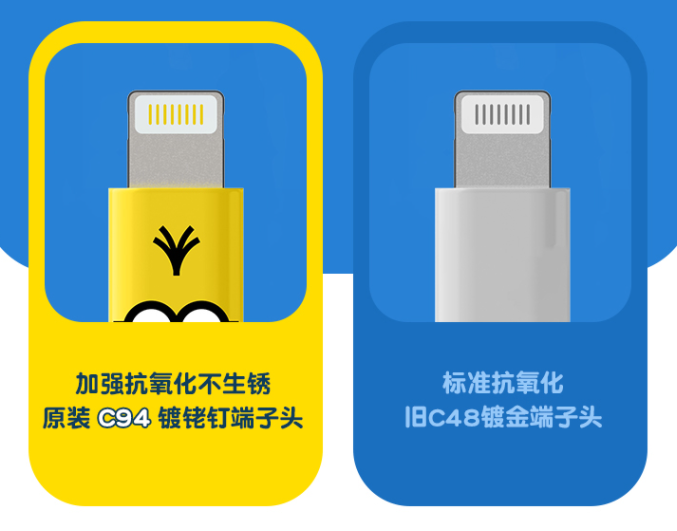
Now, the company has announced a new Minion-themed USB Type C to Lightning cable. The cable is 1 meter long and comes with Apple’s MFi certification. The cable is made out of TPE material, and the ends are made uses the C94 material with an anti-oxidized rhodium-plated nail terminal head.
According to the company, the cable has gone through 15,000 bending tests to ensure its strength. Further, the outer shell comes with an anti-fingerprint coating, and there’s a small Minion eye printed on the lightning end.
The Nubia C2L co-branded cable will retail for 69 yuan (~$11) with introductory pricing of 59 yuan (~$9). The cable is up for preorders, and the final payment has to be made on August 23. The delivery is scheduled to begin on August 26.
Everything you need to know about Apple MFi Certification
Under the MFi program, Apple provides third-party companies with the technical specifications and resources needed to manufacture accessories for Apple products. The MFi program offers a wide range of wireless and wired technologies that third-party brands can use to manufacture accessories for Apple devices.
Manufacturers can apply for the MFi license through Apple and start developing third-party accessories. However, manufacturers dealing with non-electronic accessories, non-MagSafe cases, and Apple Watch bands do not need to apply for MFi certification.
It is always advised to use MFi certified accessories with your Apple products. The MFi program ensures users’ safety as it provides an easy way of finding out counterfeit products. Counterfeit accessories can harm your product. Moreover, non-certified accessories won’t be as durable as the MFi certified ones.
We use cookies on our website to give you the most relevant experience by remembering your preferences and repeat visits. By clicking “Accept”, you consent to the use of ALL the cookies.
This website uses cookies to improve your experience while you navigate through the website. Out of these, the cookies that are categorized as necessary are stored on your browser as they are essential for the working of basic functionalities of the website. We also use third-party cookies that help us analyze and understand how you use this website. These cookies will be stored in your browser only with your consent. You also have the option to opt-out of these cookies. But opting out of some of these cookies may affect your browsing experience.
Necessary cookies are absolutely essential for the website to function properly. This category only includes cookies that ensures basic functionalities and security features of the website. These cookies do not store any personal information.
Any cookies that may not be particularly necessary for the website to function and is used specifically to collect user personal data via analytics, ads, other embedded contents are termed as non-necessary cookies. It is mandatory to procure user consent prior to running these cookies on your website.