Advertisement

Xiaomi to build its electric car from the ground up; announcement could happen next week

Earlier this year, in the month of March, Xiaomi officially announced the commencement of its smart electric vehicle business. It was also confirmed that the new division will be led by the company’s founder and CEO Lei Jun.

Since the official announcement, the Chinese smartphone maker has been in talks with several car manufacturers for a partnership but nothing has been materialized so far. But in the recent development, it was reported that Xiaomi is looking to acquire a stake in China Evergrande’s Electric Vehicle unit.

Now, the latest report coming from Science Innovation Board Daily claims that Xiaomi will be building its own car from scratch, and details about the same will be officially revealed by the Chinese company next week.

Xiaomi Logo Co-founder Lei Jun

A well-known tipster Digital Chat Station has also revealed that the company has been in contact with a world-renowned auto parts and emission technology supplier and is also working on a design plan.

Xiaomi has put out a statement denying rumors of negotiating with the China Evergrande Group to buy a 65 percent stake. The spokesperson adds that the company has talked with several carmakers but has not made any decision regarding any partnership for its electric vehicles business.

While Xiaomi is refuting rumors, China Evergrande Group says that talks with Xiaomi to sell its EV unit are at a very early stage. Earlier, the company had announced that the group was in talks with potential investors to sell part of its stakes, including its EV and property management units.

Last month, Lei Jun, founder, CEO, and chairman of the Xioami Group visited the SAIC headquarters, adding it to the list of other car-making companies that he visited, including BYD, Great Wall, Wuling, and some other well-known automakers.

At the time, it was revealed that in the past 75 days, Xiaomi’s management has had 85 industry visits, in-depth exchanges with more than 200 automotive industry veterans, four internal management discussions, and two formal board meetings.

Xiaomi aims to offer high-quality smart electric vehicles to allow users globally to enjoy ubiquitous smart life, says Lei Jun. For this new wholly-owned subsidiary to work on the electric vehicles and related business, the company plans to invest around 10 billion yuan (~$1.5 billion) over a period of 10 years.

RELATED: 

Xiaomi Mi MIX 4 bags Bluetooth SIG certification, global release could be nearing?

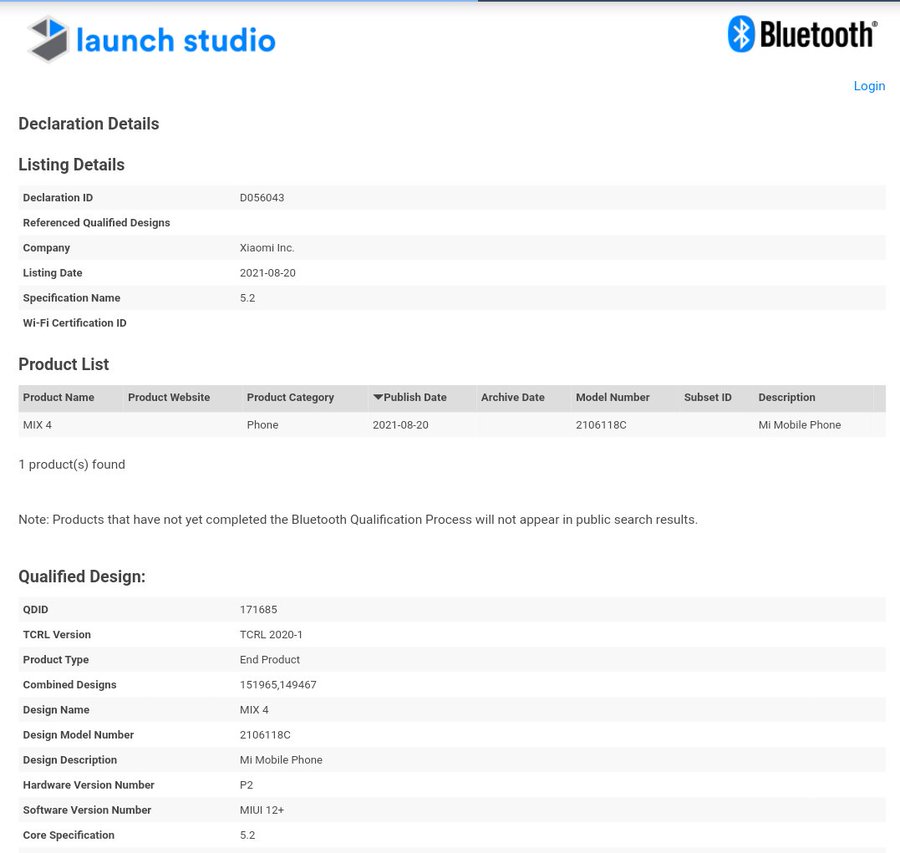
Xiaomi Mi MIX 4 debuted earlier this month as the company’s first flagship phone with an under-display camera. It was reported before its launch that the company may not release in global markets. However, soon after its launch, the handset was spotted at the Google Play Console. Now, it has received approval from the Bluetooth SIG (via). These listings suggest that the company could be planning to launch it in the global market.

The 2106118C, which is the model number of the Chinese variant of the Mi MIX 4 has been approved by the Bluetooth SIG authority. The listing mentions it runs on MIUI and supports Bluetooth 5.2 connectivity. The Bluetooth certification does not necessarily mean that the device is heading to global markets, but the possibility cannot be ruled out.

Xiaomi Mi MIX 4 Bluetooth SIG listing

The Mi MIX 4 that debuted in China does not feature Google Mobile Services (GMS) since it is banned in the country. Therefore, the company does not need to acquire Google Play Console certification to release its devices in China. Now that it has been spotted at Play Console, it does hint that it may arrive in global markets. Hopefully, newer reports will confirm whether the company has any plans to release the Mi MIX 4 outside China.

Xiaomi Mi MIX 4 specifications

The Xiaomi Mi MIX 4 has a 6.7-inch OLED AMOLED FHD+ 120Hz screen with a 20-megapixel under-display camera and an in-screen fingerprint sensor. The Snapdragon 888 Plus powers the smartphone with 12 GB of LPPDR5 RAM and up to 512 GB of UFS 3.1 storage. It runs on MIUI 12.5 based Android 11.

xiaomi mi mix 4
Xiaomi Mi MIX 4

The smartphone features a 108-megapixel main camera with OIS support. It is assisted by a 13-megapixel ultrawide lens and an 8-megapixel periscope telephoto camera. It has a 4,500mAh battery that supports 120W fast charging and 50W wireless charging.

RELATED:

Samsung Galaxy Z Flip3 teardown video provides a close glimpse of the foldable’s internals

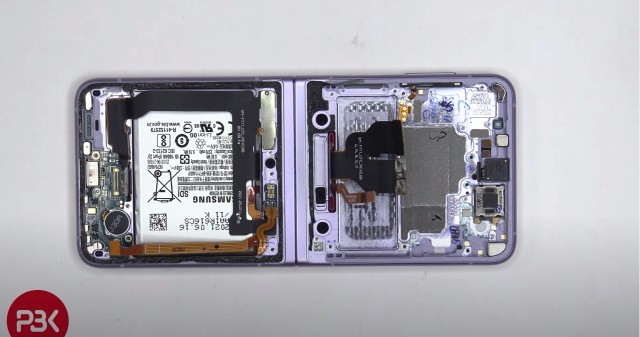
Samsung announced the Galaxy Z Flip3 alongside the Galaxy Z Fold3 and Galaxy Watch 4 series recently. A teardown video by PBK Reviews has provided some great views about the internal workings and make-up of the Z Flip3. The comprehensive and exclusive teardown has provided never-before-seen illumination of the Galaxy Z Flip3, not too long after the Galaxy Z Fold3 got a similar teardown treatment.Samsung Galaxy Z Flip3 teardownThe Galaxy Z Flip3 sports a foldable design and is one of the very few phones that have the foldable feature. The teardown begins with the heat gun applied to the open glass covering of the screen. The elaborate video which extended up to 9 minutes provides the clearest glimpse yet of the Galaxy ZFlip3. Among the features highlighted in the video are the cover screen (1.9 inches wide), a 930mAh battery (there is a second batter one on the inside of the device), and several other components that are visible from the back opening.

The display of the Galaxy Z Flip3 is foldable, and this is shown clearly in the teardown video. The flexible display of the Galaxy Z Flip 3 sits at the top of the new and revamped folding hinge. The delicate internals framework means that the Galaxy Z Flip3 is not a smartphone to be disassembled by just any person. You must have the necessary tools as well as the expertise. The repairability score is put at 4/10.

The Samsung Galaxy Z Flip3 internals also include a 2370mAh battery, a sizeable graphite pad for optimal heat management, the speaker assembly, and the ports.

RELATED:


Xiaomi Mi 11T Pro flagship smartphone’s alleged specs leaks ahead of launch next month

Xiaomi has launched several smartphone models under its flagship Mi 11 lineup this year and now the Chinese tech giant is preparing to launch yet another model — Mi 11T Pro.

There have been a few leaks related to the upcoming smartphone from Xiaomi and now, in the latest development, a Vietnamese Youtube channel has shed more light on what we can expect from the upcoming Mi 11T Pro flagship smartphone.

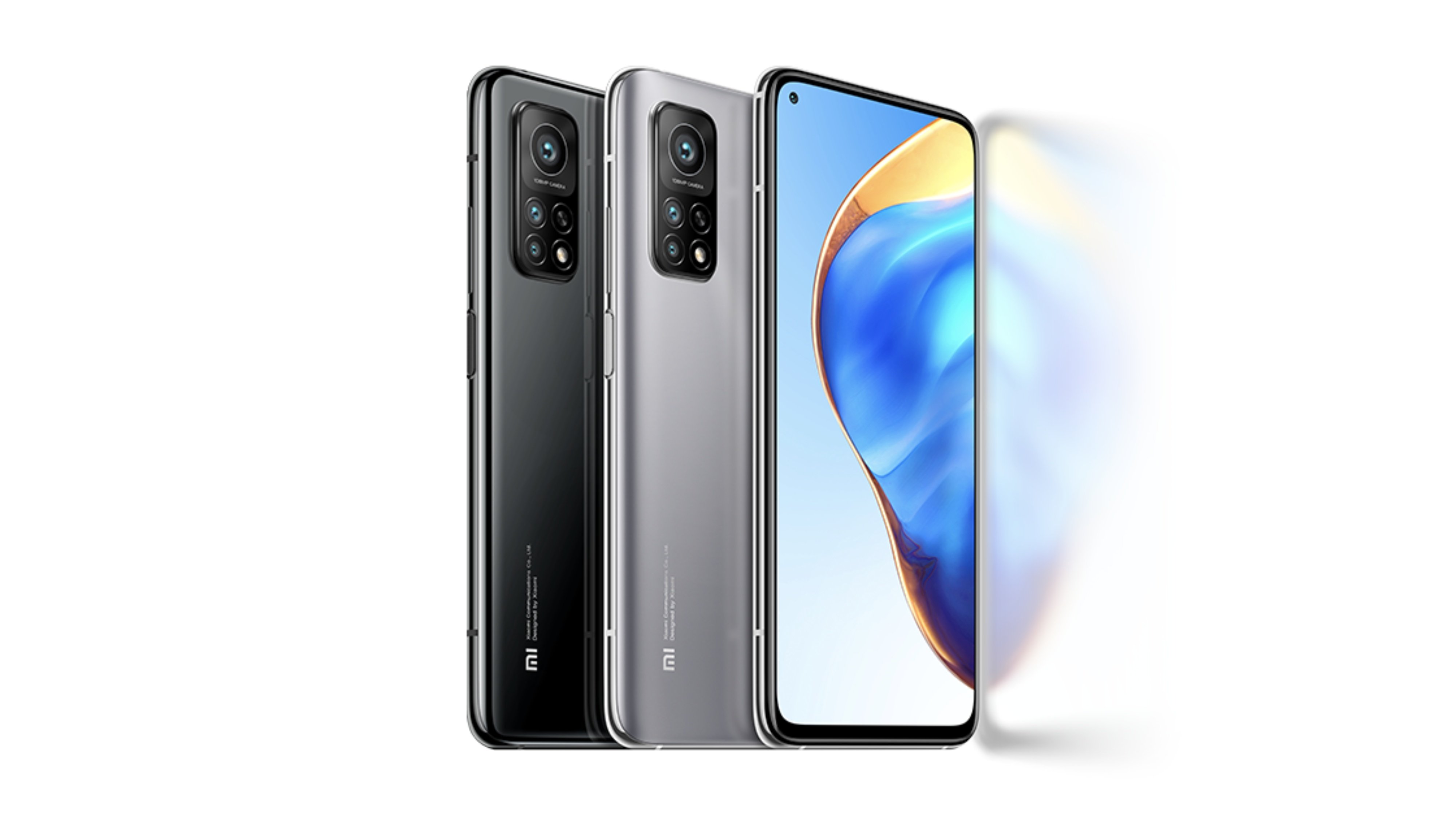
In terms of build, the report says that the phone will come with a glass back panel but the frame will have a metal build to make the phone sturdy. As for housing the front-facing camera, there will be a punch-hole cutout on the display.

Talking about the display, Digital Chat Station recently claimed that compared to its predecessor, Xiaomi will be reducing the screen refresh rate from 144Hz to 120Hz but will offer an AMOLED screen instead of the LCD panel on the Mi 11T series.

Underneath, the smartphone will come powered by the Qualcomm Snapdragon 888 or the Snapdragon 888+ chipset. Recently, a Xiaomi smartphone with model number 2108111RG, powered by MediaTek Dimensity processor was certified and is believed to be the upcoming Mi 11T and the chipset is likely to be the Dimensity 1200 SoC.

Xiaomi Mi 10T Pro Cosmic Black Lunar Silver Featured
Xiaomi Mi 10T Pro

There’s nothing much known about the camera configuration for the Mi 11T Pro. However, for the standard Mi 11T, the company is expected to continue offering the same camera configuration as the Mi 11 Lite. This means that the phone could have a triple-camera setup consisting of a 64-megapixel primary sensor, an 8-megapixel ultra-wide sensor, and a 5-megapixel tele-macro lens. On the front side, the device could have a 16-megapixel snapper for taking selfies and video calling.

The smartphone is expected to be running the Android 11 operating system with the company’s own MIUI 12.5 custom user interface. The device is said to be powered by a 5,000mAh battery and has support for 120W fast charging technology. As for the launch date, we exclusively reported that the Mi 11T series could go official on 23rd September.

Note: The article has been updated to reflect that information related to display and camera configuration mentioned in the video is more of a wishlist. Instead of relying only on this video, we have cited other reports about those claims.

RELATED: 

Micromax In note 1 Pro with Helio G90 chipset appears on Geekbench

There are indications that the launch of the Micromax In Note 1 Pro to the Indian market is close, as the device was spotted on Geekbench, the performance assessment platform. The Geekbench listing revealed a few details including the model number, chipset, and name of the device.

Micromax IN Note 1
Micromax IN Note 1

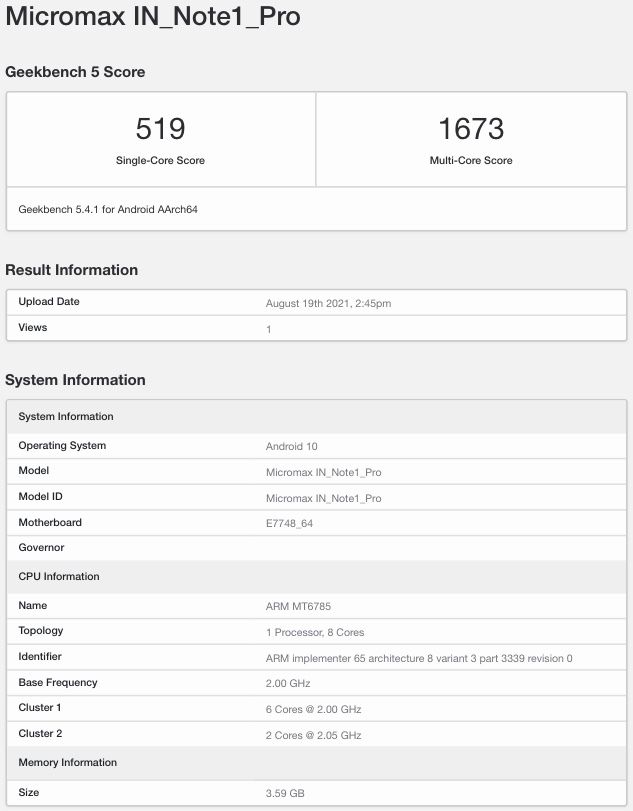
The Micromax In Note 1 Pro will likely be the successor to the Micromax In Note 1 which was launched in India in November 2020. The Geekbench listing indicates that the model number of the device is E7748_64, and it will be powered by MediaTek Helio G90 chipset, which is a positive departure from the In note 1, which spotted a MediaTek Helio G85 chipset. The Helio G90 offers more power and has the higher Mali-G76 MC4 GPU.

The Geekbench results showed that the Micromax In note 1 Pro scored 519 on the single-core performance and 1673 on the multi-core. The stated RAM of the In note 1 Pro was 4GB, which is the same as the vanilla version of the model. It is expected that there could be other variants with higher RAM and internal storage, compared to its predecessor. Amazingly, the unit tested on Geekbench will run on the Android 10 operating system. With a stable version of Android 12 almost here, it remains to be seen how this may affect the acceptance of the device in India.

As we inch towards the imminent launch date, it could be a matter of weeks before we see the Micromax In Note 1 Pro officially unveiled to the Indian market. There are still several details that are lacking for the device at this time. We are yet to have an idea of the camera setup of the device, as well as battery life, charging capability, and several other key features still lacking for the device.

Finally, we are still in the dark on the pricing and exact date of release of the Micromax In note 1 Pro.

RELATED:


(via)


Samsung Galaxy Tab S8, S8+, and S8 Ultra may feature Snapdragon 898

In May, a massive leak had revealed the key specifications of the upcoming Samsung Galaxy Tab S8, Galaxy Tab S8+, and Galaxy Tab S8 Ultra. However, it did not reveal which processor will be present under the hood of the Tab S8 trio. A new leak reveals that the upcoming Tab S-series flagship tablets will be featuring the most powerful Snapdragon chip.

According to the well-known tipster Ice Universe, the Tab S8 trio will feature the Snapdragon 898 mobile platform, which hasn’t even been announced yet. This indicates that the Tab S8 series may not launch this year. The tipster has also claimed that the Tab S8 lineup will not feature the Exynos 2200 chip.

A recent report claimed that the Galaxy Tab S8+ will house a 10,090mAh battery, whereas the Tab S8 Ultra will get a bigger 11,500mAh battery. Probably, the vanilla model may come with an 8,000mAh battery. The tipster also claimed that the Tab S8 trio will carry support for 45W fast charging.

Leaked information that appeared in May revealed that the Tab S8 Ultra has a 14.6-inch OLED 120Hz screen, 8-megapixel + 5-megapixel dual front-facing camera, up to 12 GB of RAM, and up to 512 GB of storage. The Tab S8+ has a 12.4-inch OLED 120Hz screen, an 8-megapixel front camera, 8 GB of RAM, and up to 256 GB of internal storage.

The Tab S8 has an 11-inch TFT 120Hz screen, an 8-megapixel front camera, 8 GB of RAM, and 128 GB of internal storage. The three tablets are expected to offer common features like a 13-megapixel + 5-megapixel dual-camera system with flash, quad-speakers, and support Bluetooth enabled S Pen. The Tab S8 series is expected to launch in early 2022.

RELATED:

Honor Magic3 series goes on sale in China

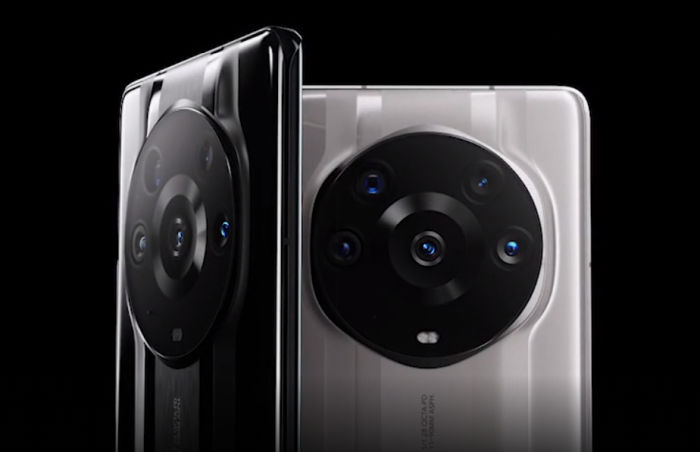
On Aug. 12, Honor announced the Magic3, Magic3 Pro, and Magic3 Pro+ flagship smartphones in China. The trio debuted with Snapdragon 888 Plus and topnotch cameras. The company started receiving the pre-orders of the Magic3 series soon after its launch. As scheduled, all three phones are available for purchase in the home market starting from today.

Honor Magic3 series pricing

The Honor Magic3 with 8 GB RAM + 128 GB storage is priced at 4,599 Yuan (~$707). Its 8 GB RAM + 256 GB storage model costs 4,999 Yuan (~$769). The Magic 3 Pro’s variants such as 8 GB RAM + 256 GB storage and 12 GB RAM + 512 GB storage are priced at 5,799 Yuan (~$892) and 6,799 Yuan (~$1,045), respectively. Lastly, the Magic 3 Pro (also known as Magic 3 Pro Ultimate Edition) with 12 GB RAM + 512 GB storage costs 7,999 Yuan (~$1,230).

Honor-Magic-3-and-Magic-3-Pro
Honor Magic 3 and Magic 3 Pro

These Chinese edition phones are also available for purchase through Giztop. At the launch, the company will be soon confirming the global launch of the Magic3 series.

Honor Magic3 series specifications

The Magic3 and Magic3 Pro feature a 6.67-inch OLED curved edge FHD+ display that offers a 120Hz refresh rate. It has a 13-megapixel main selfie camera coupled with a ToF depth sensor for facial recognition. The Magic3 Pro a 50-megapixel (main) + a 64-megapixel (monochrome) + 64-megapixel (telephoto) + a 13-megapixel (ultrawide) quad-camera unit. The Magic3 has a triple camera setup, which borrows the main, ultrawide, and monochrome lenses available on the Pro model.

Honor Magic 3 Pro Plus

The Magic3 Pro+ camera setup includes a 50-megapixel camera, a 64-megapixel telephoto lens with OIS, a 64-megapixel monochrome lens, and a 64-megapixel ultrawide lens. It features the same display and front camera setup as the other Magic3 phones.

The Magic3 series is powered by the Snapdragon 888+ mobile platform, LPDDR5 RAM, and UFS 3.1 storage. The Magic3 has a 4,300mAh battery, whereas the other two have a 4,600mAh battery. The Magic3 trio offers other features like an in-screen fingerprint scanner and 66W fast charge support. It comes preinstalled with Magic UI-based Android 11, which lacks support for Google apps and services.

RELATED:

Redmi 10 Prime receives Bluetooth SIG certification, lndia launch could be nearing

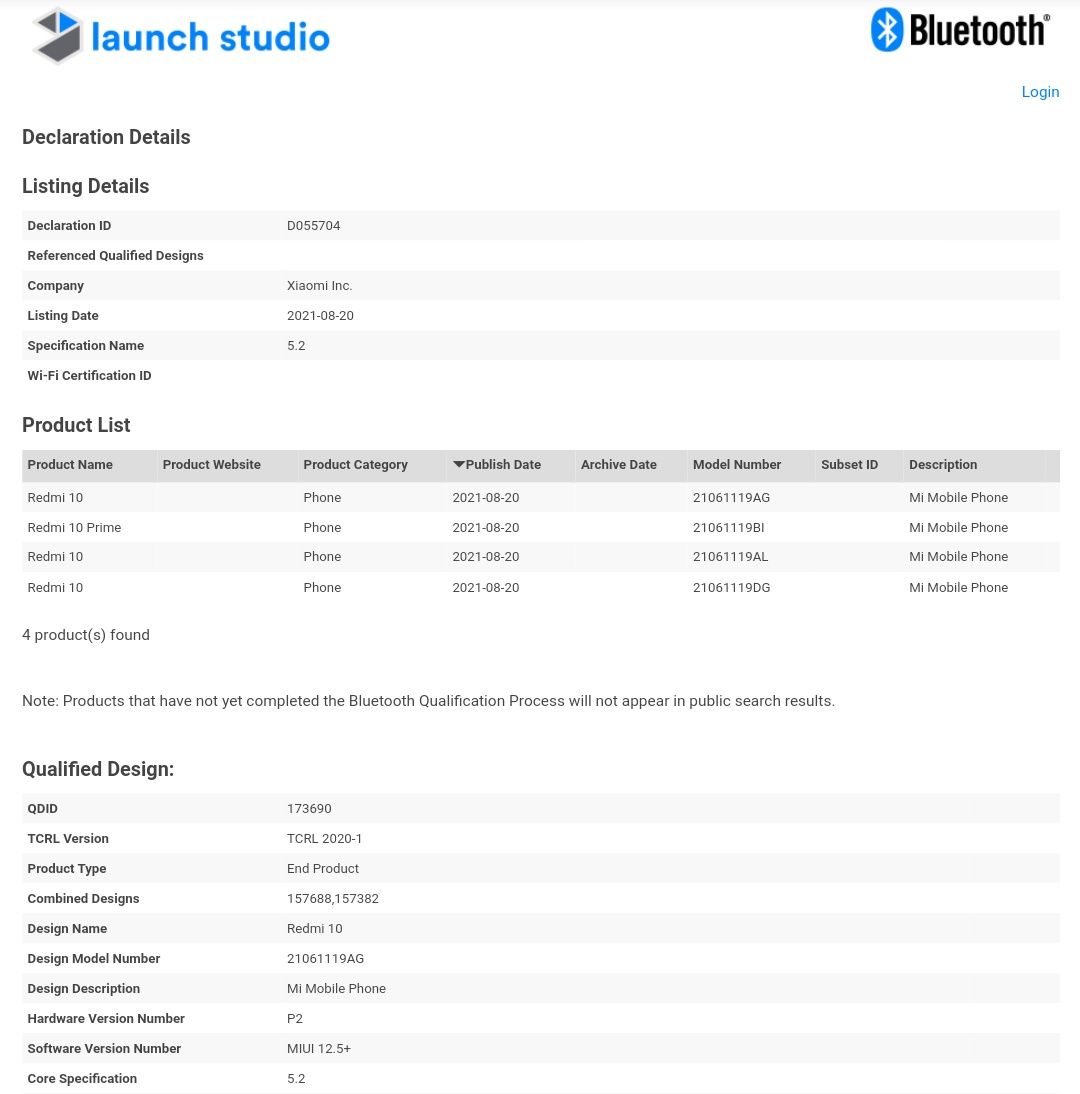
It was recently found through the IMEI database listing that the forthcoming Xiaomi phone with a 21061119BI model number belongs to the Redmi 10 Prime smartphone for India. Now, the Bluetooth SIG certification of the 21061119BI model number (via) confirms that it will be indeed launching in the Indian market with the Redmi 10 Prime moniker.

As can be seen in the screenshot, the Bluetooth SIG certification reveals that the model numbers 21061119AG, 21061119AL, and 21061119DG belong to the Redmi 10 handset. The listing suggests that the same phone will be rebadged as the Redmi 10 Prime in the Indian market.

Redmi 10 Prime Bluetooth SIG

Even tipster Kacper Skrzypek has claimed that the global Redmi 10 will be releasing with Redmi 10 Prime moniker in India. The Bluetooth SIG certification reveals that these devices carry support for Bluetooth 5.2 connectivity and are preinstalled with MIUI 12.5.

The Redmi 10 Prime is likely to feature the same specs that are available on the global Redmi 10. It is likely to feature a 6.5-inch IPS LCD punch-hole panel that delivers a 90Hz refresh rate and a Full HD+ resolution of 1080 x 2400 pixels. For selfies, it may possess a 13-megapixel front-facing camera.

The Helio G88 may power the Redmi 10 Prime and it may ship with 6 GB of RAM and 128 GB of built-in storage. The rear side of the phone may feature a 50-megapixel main camera, an 8-megapixel secondary lens, and a pair of 2-megapixel cameras for macro shots and depth effects. It may house a 5,000mAh battery with 18W fast charging support.

Devices are known to go official around a month after appearing at the Bluetooth SIG platform. Hence, it is likely that the Redmi 10 Prime and Redmi 10 may go official in September in India.

RELATED:

Samsung Galaxy S22 Ultra may not offer major camera upgrade

Samsung is likely to launch the Galaxy S22 series in January. Like the predecessor series, the S22 lineup may include three devices such as Galaxy S22, Galaxy S22+, and Galaxy S22 Ultra. A recent leak revealed the key details on the design, display size, battery size, and camera capabilities of the S22 trio. Now, a new report by GalaxyClub.nl has emerged to specifically talk about the camera specs of the S22 Ultra.

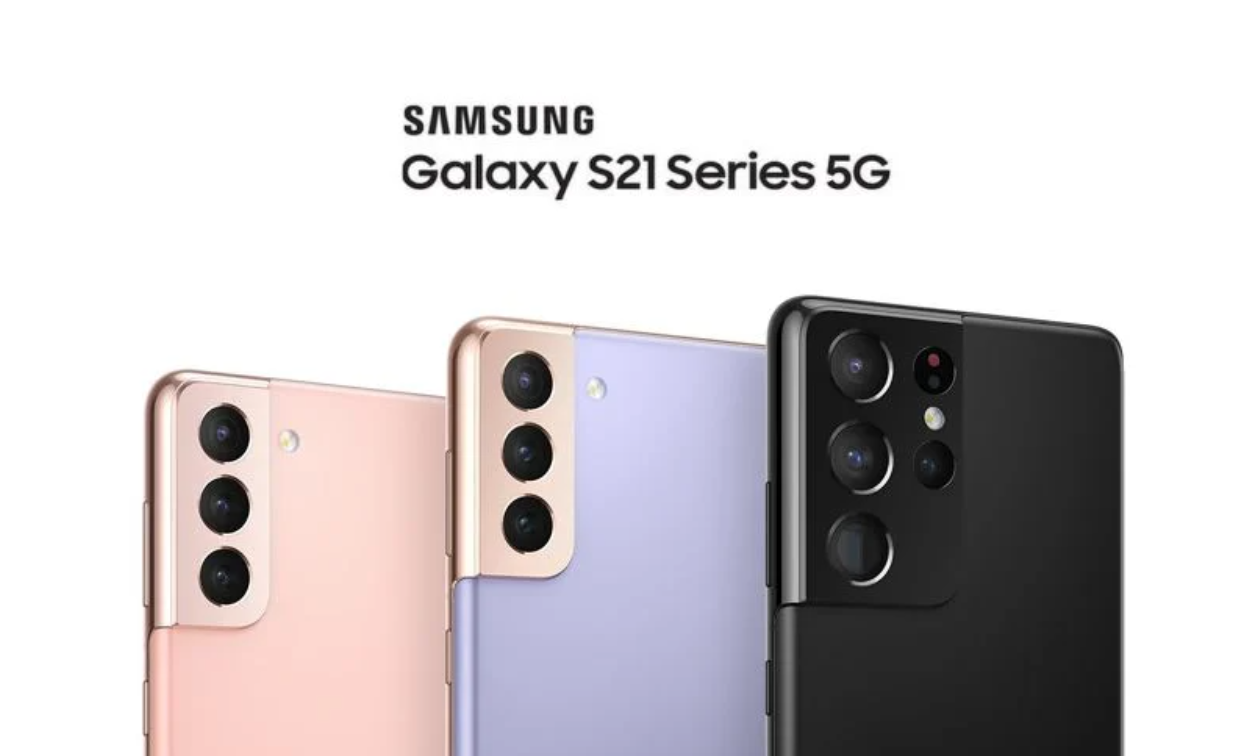
The publication claims that the Galaxy S22 Ultra may come with a pair of 10-megapixel telephoto cameras like the S21 Ultra. One of them will be a periscope lens that will offer 10x optical zoom. The publication is not clear about the zoom factor of the other telephoto lens. Likely, it may just offer 3x optical zoom.

Samsung Galaxy S21 5G series

A recent leak claimed that the S22 Ultra will feature a 108-megapixel main camera and a 12-megapixel ultrawide lens. It is advisable to wait for newer reports to learn about the primary and ultrawide sensors of the S22 Ultra.

The publication further mentioned that the Galaxy S22 and Galaxy S22+ will feature a 50-megapixel primary camera and a 12-megapixel wide-angle lens. For selfies, both smartphones may possess a 10-megapixel front camera.

Rumors have it that the S22, S22+, and S22 Ultra will feature a 6.06 LTPS FHD+ display, a 6.55-inch LTPS FHD+ screen, and a 6.81-inch LTPO QHD+ screen, respectively. The S22 models are expected to support a 120Hz refresh rate. These models may house a 3,800mAh, a 4,600mAh battery, and a 5,000mAh battery. The S22 trio may support 65W rapid charging. The S22 trio could be powered by the upcoming Snapdragon 898 mobile platform. Select markets will receive the S22 trio powered by Exynos 2200 with AMD mRDNA GPU.

RELATED:

Motorola Edge (2021) announced in the U.S. has a Snapdragon 778G processor

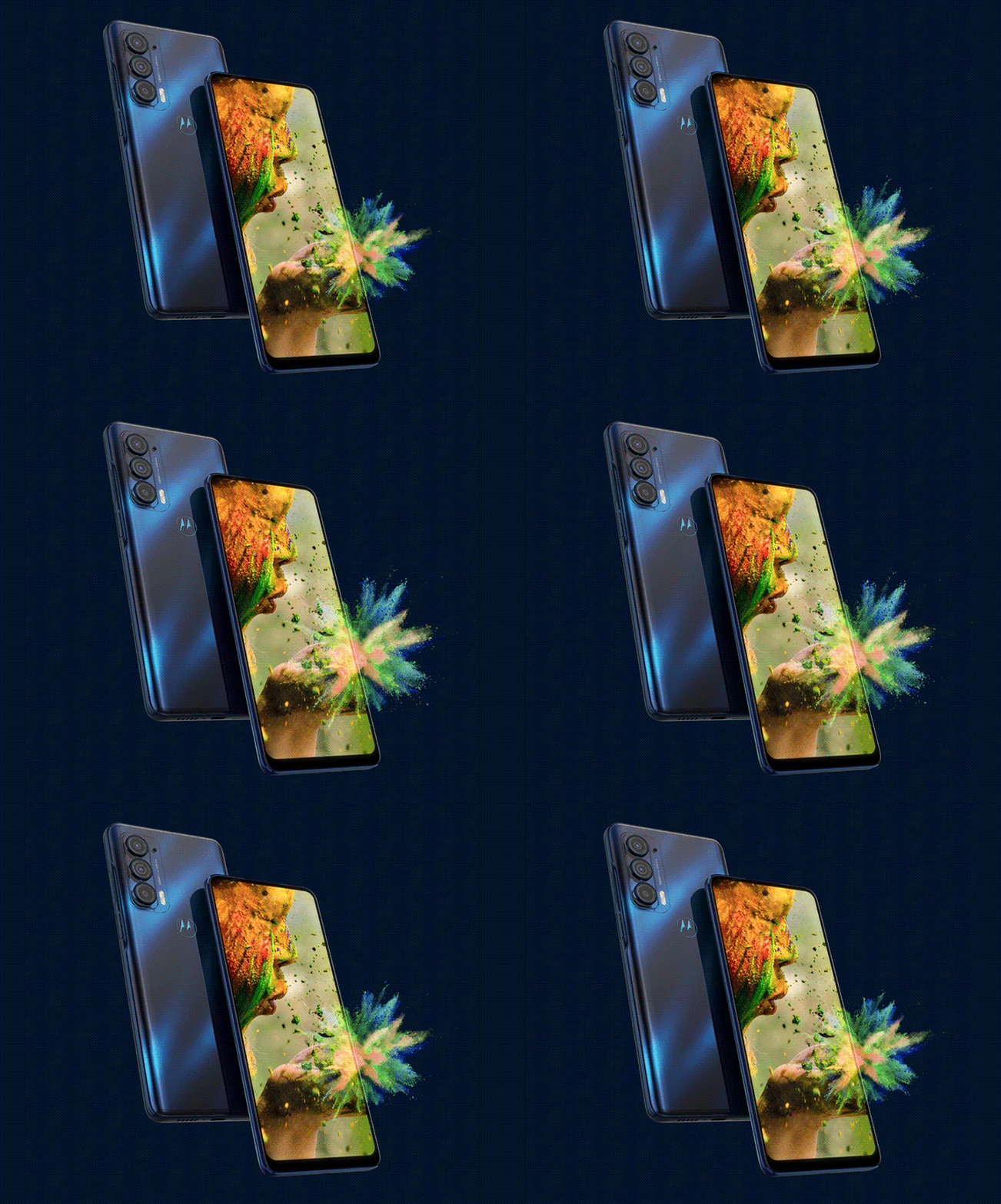
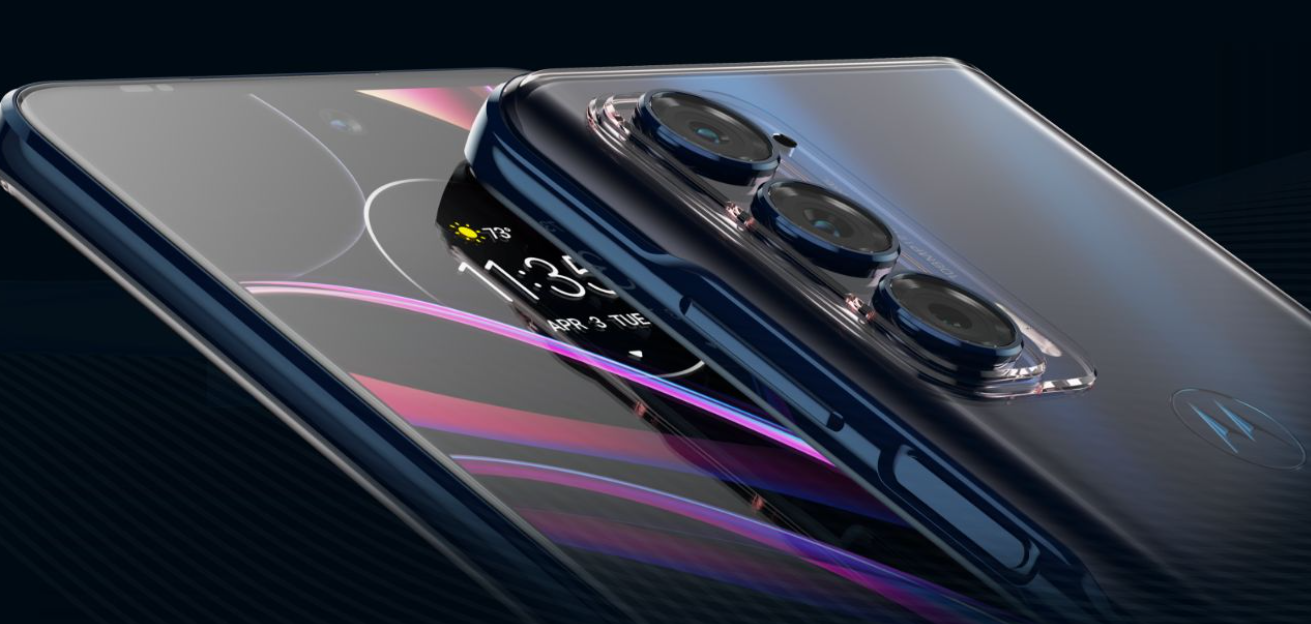
Motorola is on a launch spree. After announcing the Edge 20 series in Europe and India, and the Edge S Pro and Edge Lite in China, it has now unveiled the Motorola Edge in the U.S. Yes, the successor to last year’s Motorola Edge is also called the Motorola Edge, but for the sake of clarity, we will call it the Motorola Edge (2021).

Motorola Edge (2021)

The Motorola Edge (2021) is a weird device. While it looks like the Edge 20/Edge Lite (China), its specifications are actually quite different and it doesn’t have that lightweight and thin design. It also feels like a downgrade in some areas when compared to last year’s model.

The FHD+ display is 6.7-inches or 6.8-inches (the product page says both) but it is an 8-bit LCD and not a 10-bit OLED. It does keep the 576Hz touch response rate and 144Hz refresh rate which it claims is 60% faster than that of the first generation Edge and Edge+. It also has HDR10 and there is a centered punch hole for a 32MP camera.

Powering it is a Snapdragon 778G processor paired with 8GB of RAM and 256GB of non-expandable storage. Surprisingly, it gets a bigger 5000mAh battery with support for 30W TurboPower fast charging with an included charger.

Motorola Edge (2021) cameras.jpg

The Motorola Edge (2021) has a 108MP f/1.9 primary rear camera, an 8MP f/2.2 119° ultrawide angle camera that can shoot macro images, and a 2MP f/2.4 depth camera. There is a single speaker and three microphones but no audio jack. It also has Bluetooth 5.2, NFC, Wi-Fi 6E, mmWave, a single SIM slot, IP52 rating, and a side-mounted fingerprint scanner. It runs My UX based on Android 11 and comes with support for Ready For.

Motorola has put a price tag of $699 on the phone but is running a limited-time offer that brings the price down to $499. Interested buyers will be able to get their hands on it at an undisclosed date. However, you can register on the official Motorola website to be notified when pre-order begins. The Motorola Edge (2021) is available in a single colorway called Nebula Blue.


RELATED:

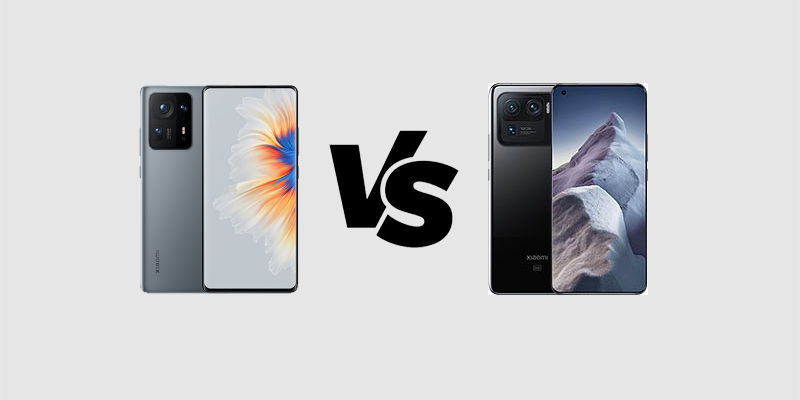
Xiaomi Mi Mix 4 vs Mi 11 Ultra: Specs Comparison

Xiaomi announced an insane number of flagships this year: never seen a company announcing too many flagships in a single year. The last one is the Xiaomi Mi Mix 4, which comes with the 2nd generation under-display camera. Since it packs the best Qualcomm chipset, it is the most powerful Xiaomi device to date. But is it also the most complete flagship of the company? In order to establish this, we decided to compare it to the Xiaomi Mi 11 Ultra as it is the best Mi flagship released this year if we exclude the Mi Mix 4 and the Mi Mix Fold.

Xiaomi Mi Mix 4 vs Xiaomi Mi 11 Ultra

Xiaomi Mi Mix 4 Xiaomi Mi 11 Ultra
DIMENSIONS AND WEIGHT 162.6 x 75.4 x 8 mm, 225 grams 164.3 x 74.6 x 8.4 mm, 234 grams
DISPLAY  6.67 inches, 1080 x 2400p (Full HD+),  AMOLED  6.81 inches, 1440 x 3200p (Quad HD+), AMOLED
PROCESSOR Qualcomm Snapdragon 888+, octa-core 2.99 GHz Qualcomm Snapdragon 888, octa-core 2.84 GHz
MEMORY 8 GB RAM, 128 GB – 8 GB RAM, 256 GB – 12 GB RAM, 256 GB – 12 GB RAM, 512 GB 8 GB RAM, 256 GB – 12 GB RAM, 256 GB – 12 GB RAM, 512 GB
SOFTWARE  Android 11, MIUI  Android 11, MIUI
CONNECTIVITY Wi-Fi 802.11 a/b/g/n/ac/6e, Bluetooth 5.2, GPS Wi-Fi 802.11 a/b/g/n/ac/6e, Bluetooth 5.2, GPS
CAMERA Triple 108 + 8 + 13 MP, f/1.9 + f/4.1 + f/2.2
20 MP front camera
Triple 50 + 48 + 48 MP, f/2.0 + f/4.1 + f/2.2
20 MP f/2.2 front camera
BATTERY 4500 mAh, fast charging 120W, fast wireless charging 50W 5000 mAh, fast charging 67W and fast wireless charging 67W
ADDITIONAL FEATURES Dual SIM slot, 5G, IP53 certification, under-display camera Dual SIM slot, 5G, reverse wireless charging, IP68 waterproof

Design

There is no doubt about the fact that Xiaomi Mi Mix 4 comes with the best design. Thanks to the under-screen camera technology, the display is totally full-screen, without holes and without a notch. And this is not all: the phone is also built with an outstanding ceramic back and it comes with the Gorilla Glass Victus protection for the front glass. Unfortunately, the Xiaomi Mi Mix is not waterproof but only splash resistant, while its internal rival is waterproof with the IP68 certification.


Display

Despite the presence of an under-screen camera on the Xiaomi Mi Mix 4, the Xiaomi Mi 11 Ultra has a superior display. It shows a higher level of detail thanks to a higher 1440p resolution (also known as Quad HD+). The panel is an AMOLED which shows up to one billion colors, with a wider diagonal of 6.81 inches, a 120 Hz refresh rate, the HDR10+ certification, and Dolby Vision support. You also get an in-display fingerprint reader with these handsets, as well as the Gorilla Glass Victus protection for the glass and a curved edge to edge panel.


Specs & Software

You can get a performance boost with the Xiaomi Mi Mix 4 because it sports a slightly better processor: instead of the Snapdragon 888 powering most of the Android flagships released in 2021, this device comes with the Snapdragon 888+ paired with up to 12 GB of RAM and up to 512 GB of UFS 3.1 internal storage. The Xiaomi Mi 11 Ultra has the same memory configuration in its most expensive variant, but it is fueled by the lower-end Snapdragon 888 mobile platform. The phones run Android 11 out of the box, customized by MIUI 12.5. Note that the Mi Mix 4 ships with the Enhanced Edition of the MIUI 12.5.


Camera

If you are looking for the best camera phone, then you should go for the Xiaomi Mi 11 Ultra without thinking twice. The Xiaomi Mi 11 Ultra has a 50 MP main camera, a 48 MP periscope sensor with 5x optical zoom, and a 48 MP ultrawide camera. The Xiaomi Mi Mix 4 has a great 108 MP main camera, but its secondary sensors are inferior: there is an 8 MP periscope camera with 5x optical zoom and a 13 MP ultrawide sensor. Note that Xiaomi Mi Mix 4 has an under-display camera, but it is a camera at the same level as the Xiaomi Mi 11 Ultra.


Battery

The Xiaomi Mi 11 Ultra has a bigger 5000 mAh battery and this means that its battery life can be longer. Xiaomi Mi Mix 4 has just 4500 mAh, but it has a faster charging technology with a max power of 120W. On the other hand, wireless charging has a lower power (50W vs 67W).


Price

The starting price of the Xiaomi Mi 11 Ultra for the Chinese market is 5.999 Yuan, which roughly translates into $914. The Xiaomi Mi Mix 4 starts from $770 and it is a bit more affordable. Overall, the Xiaomi Mi 11 Ultra is a superior device. The Xiaomi Mi Mix 4 is more innovative with its under-screen camera and a better processor (if we exclude the secondary rear display of the Mi 11 Ultra), but the Ultra has better cameras and a bigger battery, so it provides a superior user experience.


Xiaomi Mi Mix 4 vs Xiaomi Mi 11 Ultra: PRO and CONS

Xiaomi Mi Mix 4

PRO

  • Better hardware
  • Under-screen camera
  • Faster charging
  • More compact

CONS

  • Inferior cameras


Xiaomi Mi 11 Ultra

PRO

  • Wider display
  • Superior display
  • Better cameras
  • Bigger battery

CONS

  • Price


RELATED

Check the latest videos from our YouTube channel and subscribe:

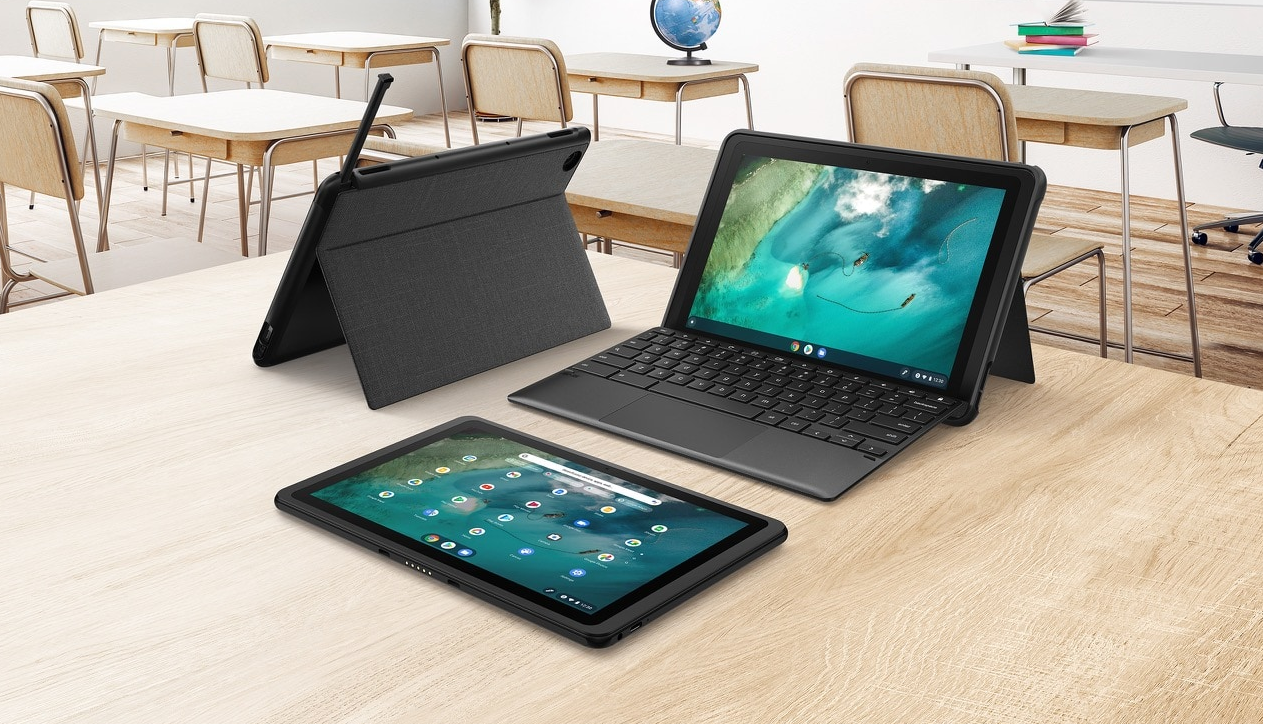
ASUS Chromebook Detachable CZ1 is a rugged Chrome OS tablet for students

ASUS has announced yet another Chrome OS tablet. The new tablet comes just a few months after the launch of the ASUS Chromebook Detachable CM3. However, unlike the CM3, the CZ1 has a rugged design.

ASUS Chromebook Detachable CZ1

The ASUS Chromebook Detachable CZ1 was spotted on the ASUS website by About Chromebooks (via Chrome Unboxed). Though the YouTube video below was uploaded more than two weeks ago which means it was announced at the beginning of the month.

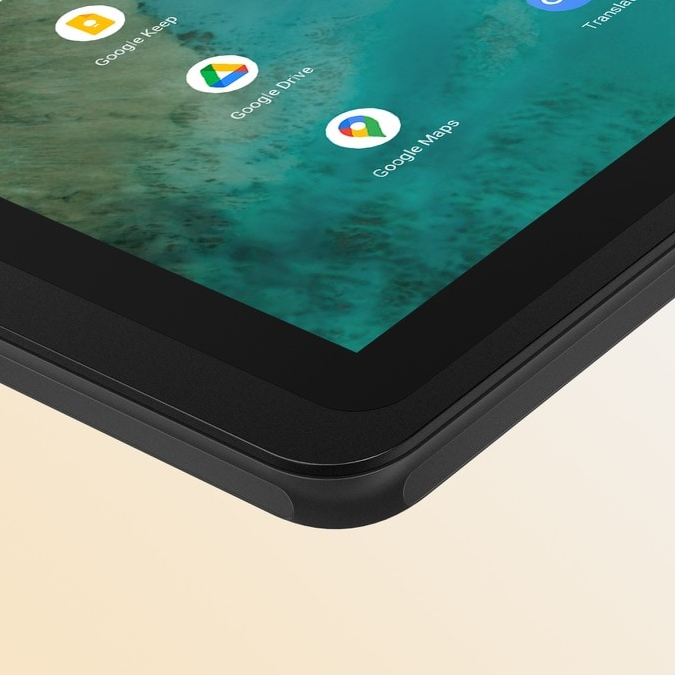
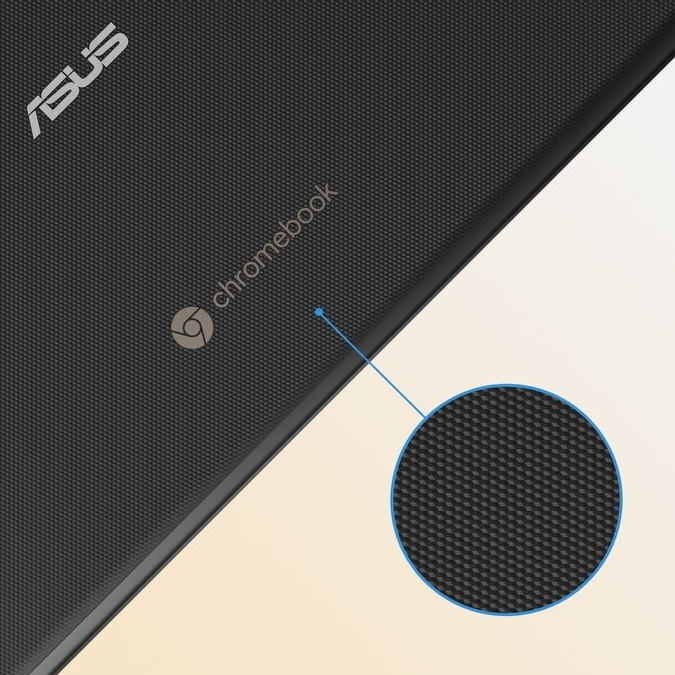
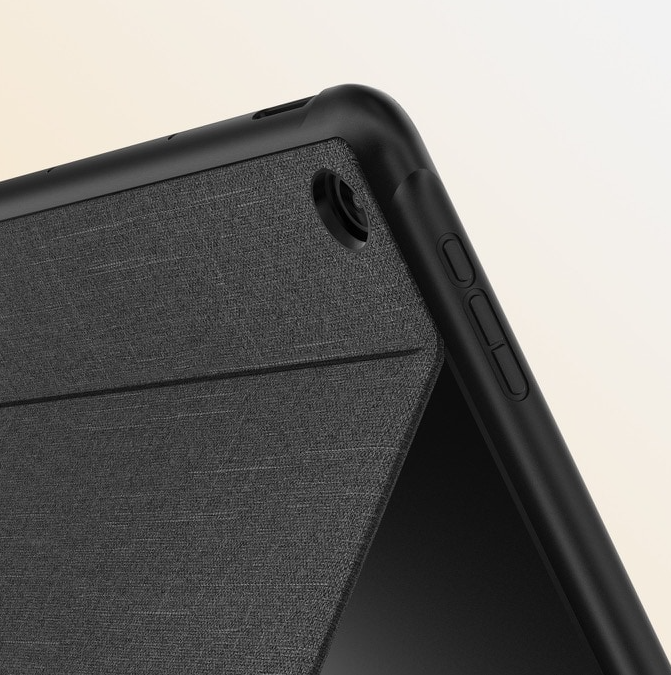
The product page says the tablet is “built to military-grade standards”. Each corner and edge of the tablet has a rubber trim that can absorb shocks such as ”drops from a classroom desk or the dining-room table.”. The back also has a 3D-textured finish that hides fingerprints and doesn’t show scratches. Last but not least is a shockproof cover that adds an extra layer of protection when it drops from heights of up to 150 centimeters. It can also survive up to 15-kilogram force on the lid and bottom without damage to the panel.

Coming to the specs, the ASUS Chromebook Detachable CZ1 is practically identical to the ASUS Chromebook Detachable CM3. It has the same 10.1-inch FHD multitouch display with TÜV Rheinland certification for low blue-light emissions.

There is a MediaTek Kompanio 500 processor a.k.a. MT8183 with 4GB of RAM and 64GB or 128GB of storage. It has an 8MP rear camera and a 2MP front-facing camera. Users also get stereo speakers, an audio jack, a USB-C port, a garaged stylus, and a detachable full-size keyboard with a 1.5mm key travel, a touchpad, and an ErgoLift design. The rugged case also has a free-angle stand.

There is a 27Wh battery inside the device which should last up to 11 hours on a single charge. That should be enough for a day’s use at school. Charging is via a 45W Type-C adapter.

The price and availability details for the ASUS Chromebook Detachable CZ1 are yet to be disclosed by the manufacturer.


RELATED:

OPPO granted patent for Screen sound production method, an alternative to bulky speakers

When it comes to innovative patents, OPPO is one of the Chinese companies with large resources. From camera technology to display technology to sound, we have seen several patents filed by the company, many of which are yet to be commercialized. A new innovative patent filed by OPPO has yet again been spotted.oppo patent

The patent filed by OPPO Guangdong Mobile Communications Co., Ltd. is for a “Screen Sounding Method, Device, Electronic Device, and Storage Medium.” The filing has the patent number CN109062536B and was first filed on July 23, 2018, but received approval from the Chinese Patent Office on August 17, 2021.

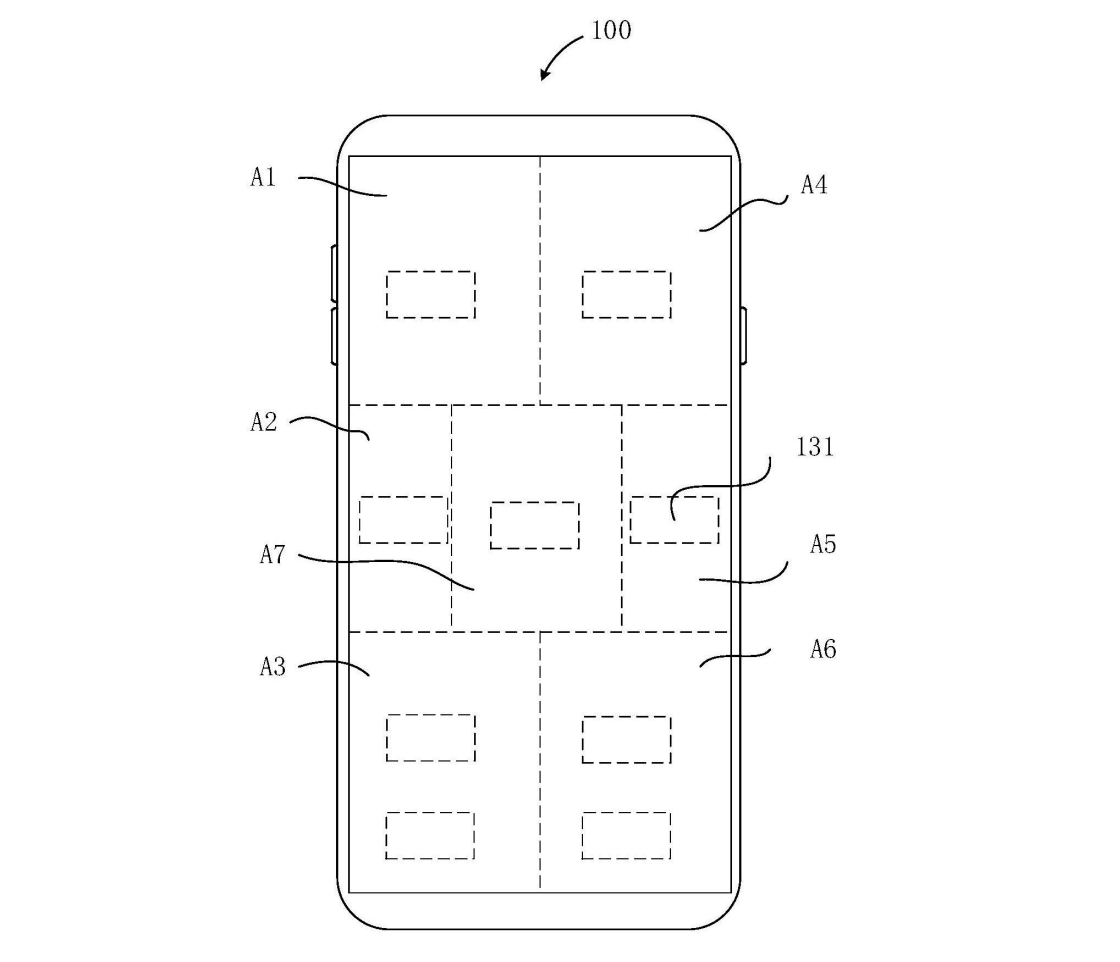
The patent page describes it as a method, device, electronic device, and storage medium for screen sounding, and relates to the technical field of electronic devices. The electronic device includes a screen capable of vibrating and sounding and an exciter for driving the screen to produce sound. The screen features several sound-producing areas each driven by different exciters. A scenario of how this works is given as during video playback, the method monitors whether the video is played in a small window and then selects a target sound area different from the position of the small window of the video. It then drives the target sound area to vibrate and sound through an exciter.

Basically, this is a method for sound production using the screen and without relying on sound-producing devices such as speakers. The patent is likely part of the move to dive smartphones to their thinnest form factor. A couple of years back, bone conduction technology seems to have been a solution, and Xiaomi even utilized it on the first-gen MIX smartphone. That didn’t eventually catch on. We can’t say for sure if this technology will be included in an OPPO phone any time soon.

RELATED:


(source)


Micromax In 2B price hiked by ₹500(~$7) in India

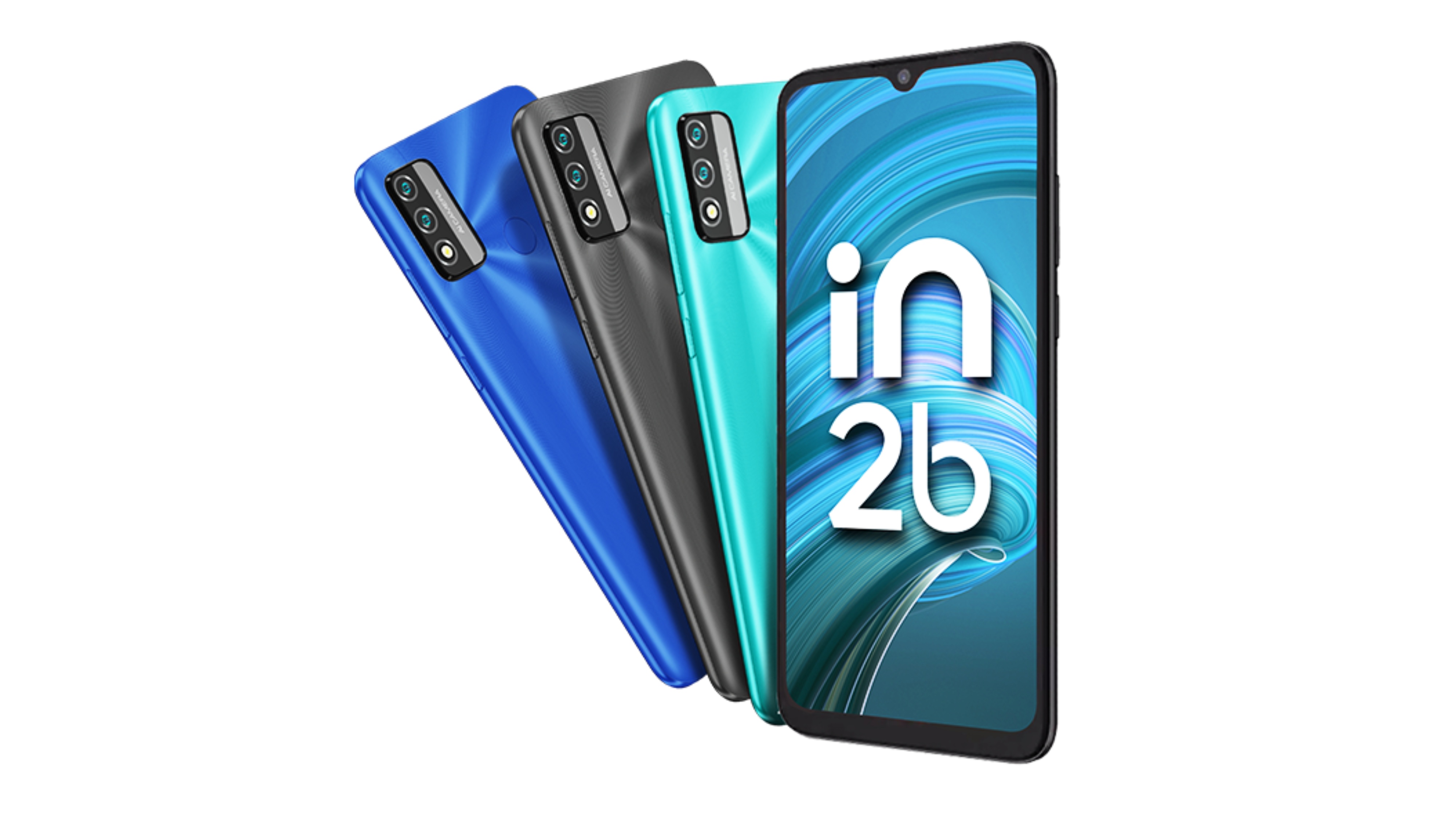
Micromax launched the In 2B entry-level smartphone last month in the Indian market. It arrived with UNISOC T610 SoC and dual rear cameras priced starting at ₹7,999(~$108). Now, just like In Note 1, the Micromax In 2B has also received a price hike in the Indian market.

After almost two weeks of launch, the Micromax In 2B’s price has increased by ₹500(~$7) in India. Now, the base variant with 4GB RAM + 64GB storage variant is available for ₹8,499(~$114) and the top variant with 6GB RAM + 64GB storage is priced at ₹9,499(~$128). The price increase has been reflected on Flipkart and Micromax’s official website.

Micromax IN 2B Featured A

Micromax In 2B Specifications 

The Micromax In 2B sports a 6.52-inch LCD display with an HD+(1600 x 720 pixels) resolution. It has a 60Hz refresh rate and a pixel density of 269 PPI. The display has a 1200:1 contrast ratio, supports 16 million colors, and has a 71% NTSC color gamut.

As for cameras, the smartphone features a vertical camera setup at the rear with a 13MP wide sensor and a 2MP depth lens. It also has an LED flash below the camera lenses. Upfront, it has a 5MP camera for selfies.

Under the hood, it is powered by the UNISOC T610 SoC paired with 6GB of LPDDR4x RAM and 64GB of eMMC 5.1 internal storage. It also has a microSD card slot for additional storage. It packs a 5,000mAh battery with 10W charging support. It has a rear-mounted fingerprint scanner and runs on Android 11 out of the box.

RELATED:

Samsung Galaxy Buds Plus TWS earphones discontinued as Galaxy Buds2 gets launched

About two years ago, Samsung had launched the Galaxy Buds Plus true wireless earphones in the market, as an upgraded variant of the Galaxy Buds earphones. Now, the South Korean giant has launched the latest TWS earphones — Samsung Galaxy Buds2.

With the arrival of the Galaxy Buds2, the company has now discontinued the Samsung Galaxy Buds Plus earbuds. Although Samsung hasn’t officially announced the Galaxy Buds Plus’ discontinuation, they’re no longer for sale on Samsung’s website.

Samsung Galaxy Buds Plus Featured
Samsung Galaxy Buds Plus

Also, David Carnoy of CNET has confirmed with two customer service representatives about the availability of the earphones and both of them said that the buds had been discontinued from the market.

Even though the Galaxy Buds Plus have been discontinued, but similar to most of the discontinued products, they are likely to be available for purchase for some time. We expect them to be available at a discounted price.

The newly launched Samsung Galaxy Buds2 comes with a rounder design that has a low protrusion which minimizes wind disruptions and provides a secure fit. They are touted to be the smallest and lightest in the Galaxy Buds lineup so far.

The earphones are available in four color options — Olive, Graphite, White, and Lavender but all four colorways come in the same white case. Currently up for pre-orders, the Galaxy Buds2 is priced at $149 and will be available for purchase starting August 27th.

RELATED: 

Xiaomi M2103E1 is the company’s upcoming TWS earbuds with an in-ear style design
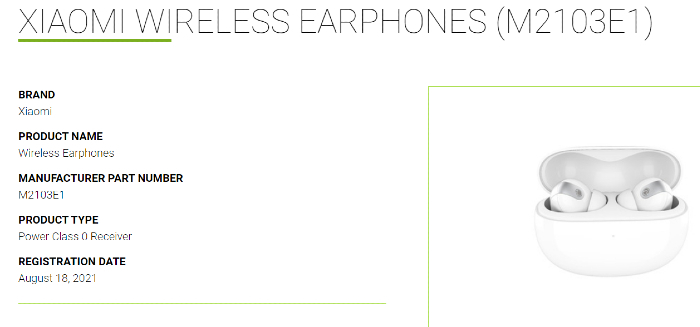
Xiaomi is expected to launch a new pair of truly wireless earbuds in the market as a TWS earphone with model number M2103E1 has arrived on Wireless Power Consortium documentation. The certification leaves us with its design and key features.

According to the Wireless Power Consortium, the upcoming Xiaomi M2103E1 is a pair of in-ear style earbuds. It is a TWS device that comes in an oval-shaped charging case. The charging case seems to have an LED indicator for showing the charging and discharging status. On the other hand, the earbuds have a silver-colored layering on the earpiece that enhances their design. They also have left and right indicators on each earpiece.

Xiaomi M20103E1

The listing also confirms that the earbuds come in a White color variant. We expect it to also arrive in other colorways at the time of launch. Additionally, the earbuds will support Qi wireless charging standards.

As of now, this is the only information we’ve learned about the upcoming TWS earbuds from Xiaomi. But, considering this is just the initial stage of its leaks, we expect more certifications and tips to be in the pipeline.

In related news, today, Xiaomi teased the arrival of its Mi Band 6 for the Indian market. Notably, the company shared a teaser poster revealing its vivid AMOLED panel and bigger display. For those who are unaware, the Mi Band 6 is already available in China, and with its launch in India, we expect the company to expand its reach.

RELATED:

Xiaomi Mi Mix 4 will go on its second sale tomorrow at 10 AM in China

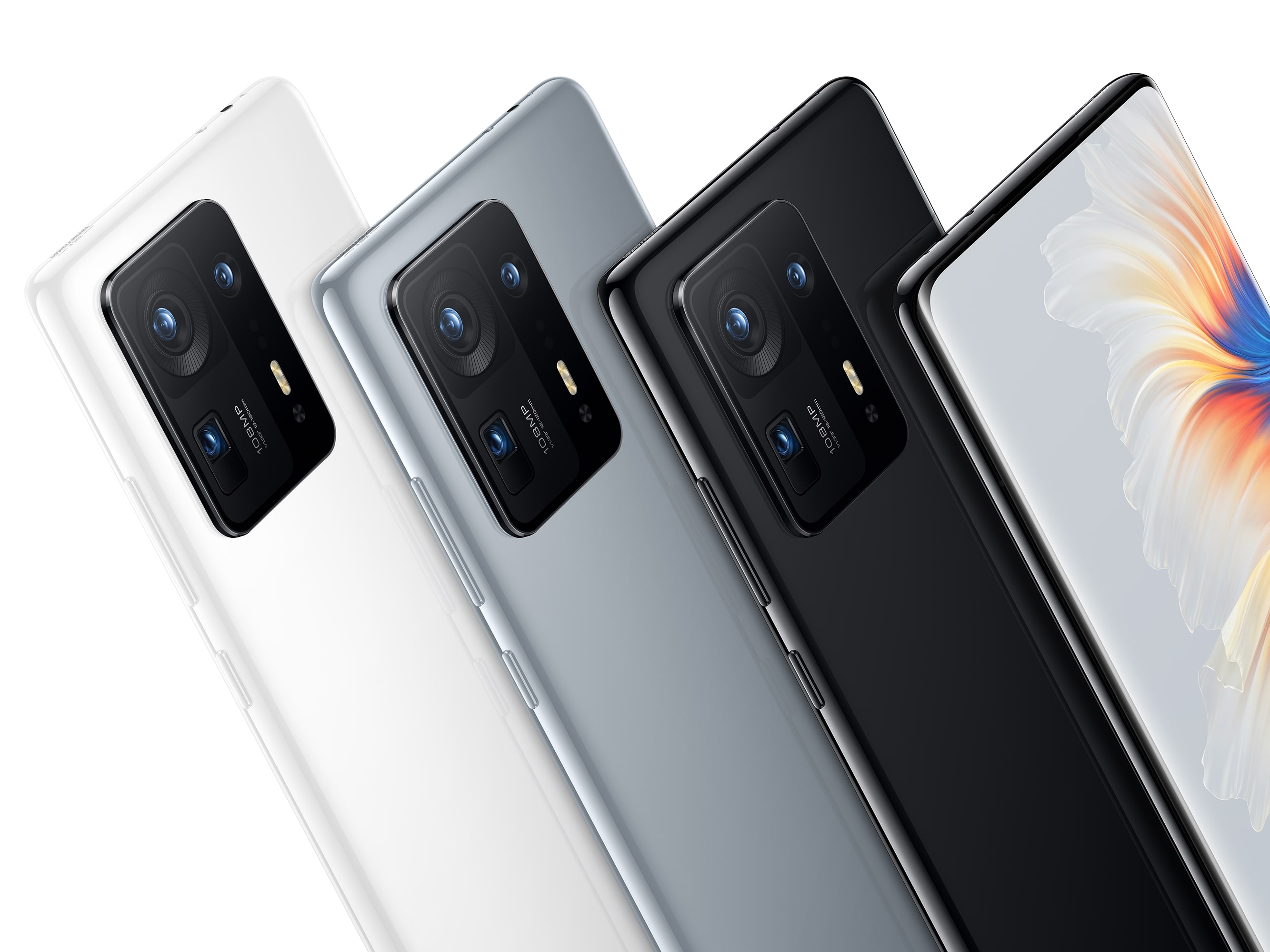
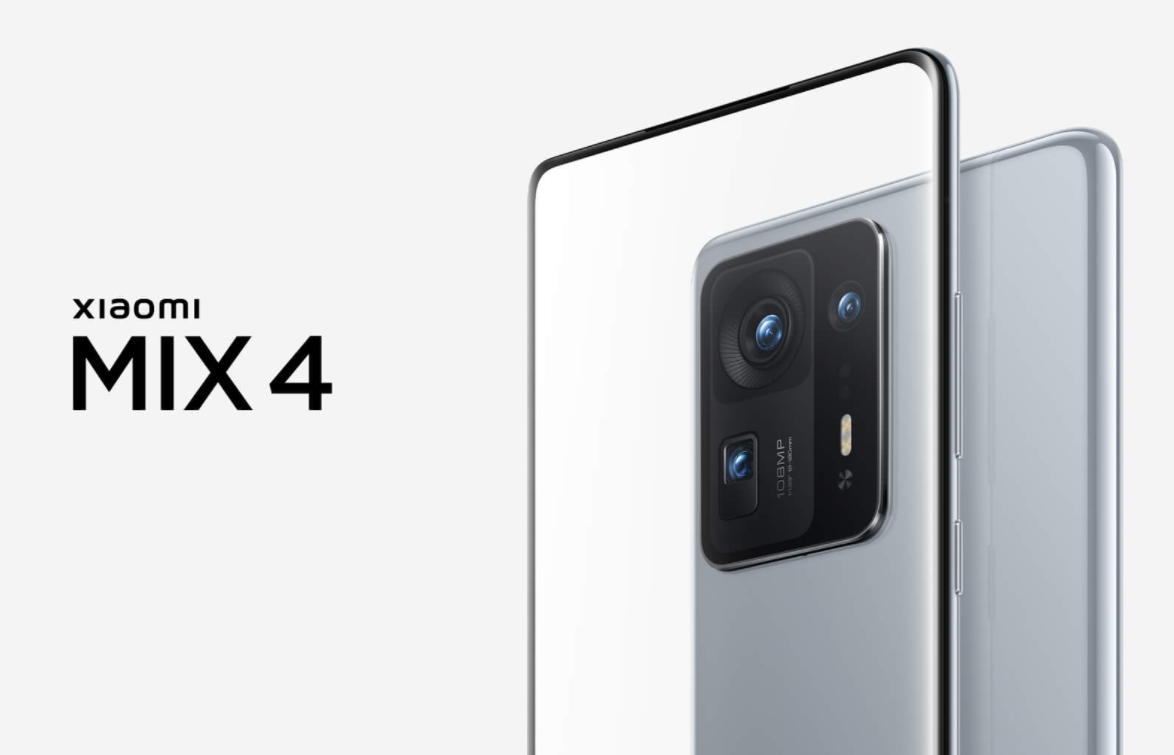
Xiaomi last week launched the Mi Mix 4 smartphone in China with an impressive specs sheet. The device offers an in-display fingerprint scanner, 108MP cameras, and 120W fast charging support for under ~$800. It went on its first sale on August 16 in the region and now, it is scheduled to go on sale again tomorrow at 10 AM China time.

Those who missed buying the device in the first sale can go ahead and pick it up tomorrow from Xiaomi’s official website and other authorized retail stores. The Xiaomi Mi Mix 4 is priced at CNY 4,999(~$770) for the 8GB + 128GB variant and CNY 5,299(~$817) for the 8GB + 256GB variant. The 12GB + 256GB variant costs CNY 5,799(~$894) and the 12GB + 512GB is priced at CNY 6,299(~$972).

xiaomi mi mix 4

It has three color options to choose from Ceramic Black, Ceramic White, and Ceramic Gray.

Xiaomi Mi Mix 4 Specifications 

The Xiaomi Mi Mix 4 comes with a 6.67-inch full-screen AMOLED display with a 10-bit color depth. It is a curved display panel with Gorilla Glass Victus protection. One of its major highlights is the in-display camera. The device features a 20MP CUP(camera under-panel) with a 4-in-1 Super pixel sensor. The display also doubles up as an in-display fingerprint scanner offering added security.

Xiaomi MIX 4 featured

It has a triple camera system at the rear sporting a 108MP HMX primary sensor, an 8MP periscope lens, and lastly a 13MP ultra-wide sensor. It is powered by the Qualcomm Snapdragon 888+ SoC paired with up to 12GB of RAM and 512GB of storage. The device houses a 4,500mAh battery with support for 120W wired charging and 50W wireless fast charging support.

Interestingly, the phone comes with a Harman Kardon-powered Stereo speaker setup and has support for 500Mhz Ultra Wide Band. Xiaomi has also stacked a cooling system inside the device that is claimed to maintain the phone’s cool. It boots on Android 11 out of the box and has MIUI on top of it.

RELATED:

LG reports successful demonstration of 6G data transmission using Terahertz spectrum

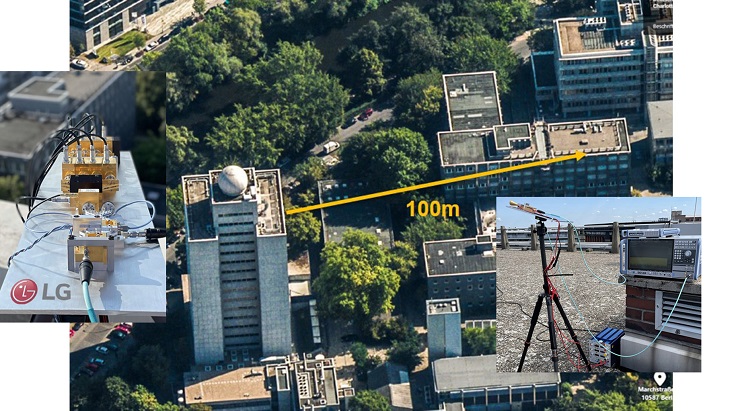
Korean tech powerhouse LG has announced a breakthrough in its research on 6G technology. It says it has successfully demonstrated the 6G data transmission technology using the Terahertz spectrum. The 6G milestone is the culmination of work between LG and one of Europe’s leading research firms, Berlin-based Fraunhoffer-Gesellschaft.LG

LG says the milestone was achieved last week in Berlin, Germany when it successfully transmitted data outdoors for a range of 100 meters. The company has also developed a new power amplifier with Fraunhofer-Gesellschaft which will help to deliver stable 6G signals on the Terahertz spectrum. The power amp, according to LG, can deliver a maximum output signal of 15-decibel milliwatts to achieve stable communication in the 155-175GHz band.

In addition, LG has also developed adaptive beamforming and high-gain antenna switching technologies for 6G communications. The innovations and new products will boost research on 6G network technology, as LG seeks to put some distance between it and its competitors.

Indeed, the pursuit of research on next-generation wireless communication technology has been intense. Huawei has also indicated progress in research on the 6G technology. It is projected that the commercial deployment of the 6G technology will be in 2029, while standardization talks commence by 2025.

The 6G network offers highly reliable, super-fast internet connectivity with lower latency. There are loads of applications that will be achieved seamlessly with 6G networks, which are still difficult even with the 5G.

We expect more activity on 6G as LG has set the pace. Huawei is one of the companies that has made progress in the development of 6G.

RELATED:


(via)


Deal: Buy Xiaomi Mi Recyclable Eco Bag for $11 (Retail Price $15)

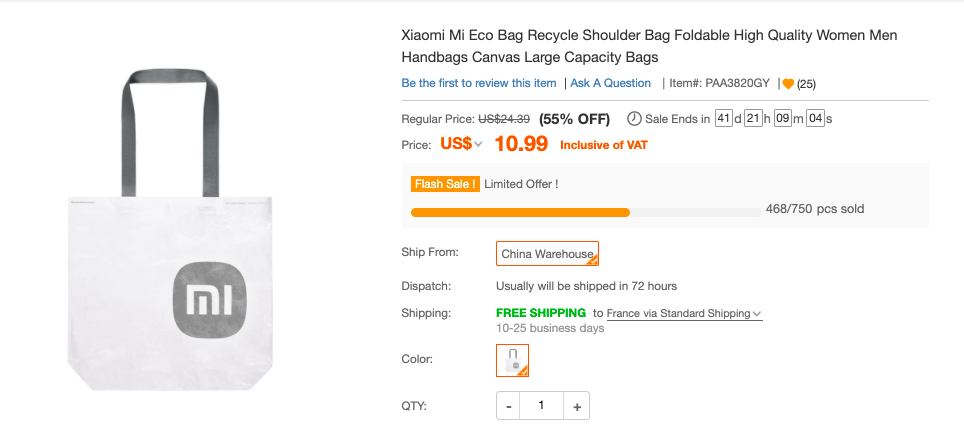
Xiaomi Mi Eco Bag which generally retails for $15 is now available at a discounted price of $10.99 only at tomtop.com. This is a limited-time offer.

WHERE TO BUY
Xiaomi Mi Eco Bag at $10.99 @tomtop.com

Xiaomi Mi Eco Bag

Xiaomi Mi Eco Bag

Xiaomi Mi Eco Bag

Key Features:

  • Recyclable Shoulder Bag
  • Easily Foldable
  • High-quality canvas bag
  • Size: 420 x 380mm
  • Large Print of Xiaomi Label and Logo
  • Perfect for grocery shopping, cafe hopping, outing, rainy days, and outdoor adventures

Xiaomi Mi Eco Bag

Generally retailing for $15 you can now buy Xiaomi Mi Eco Bag at a discounted price of $10.99 only at tomtop.com. Please note that this limited-time offer comes with free shipping. So place your order asap. 

Xiaomi Mi Eco Bag

For more information on such exciting deals and offers check out our deals hub.

* Please Note: When you buy something using the links in our articles, we may earn a small commission at no cost to you.

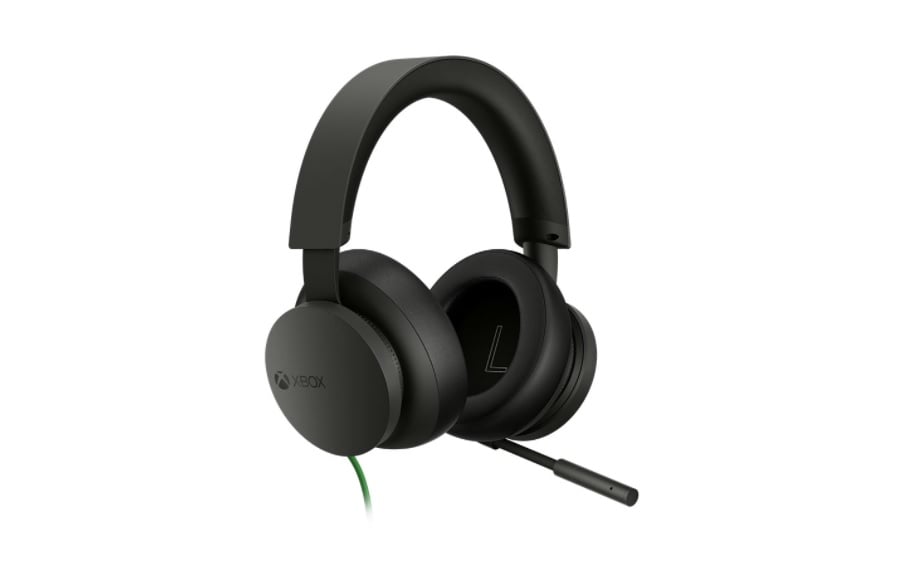
Xbox Wireless Headset gets a cheaper wired version

Back in February, Microsoft announced the Xbox Wireless Headset, a $99 pair of headphones for your new Xbox console. If you prefer wired headphones, Microsoft has got you covered with the new wired model called the Xbox Stereo Headset that is also significantly cheaper.

Xbox Stereo Headset

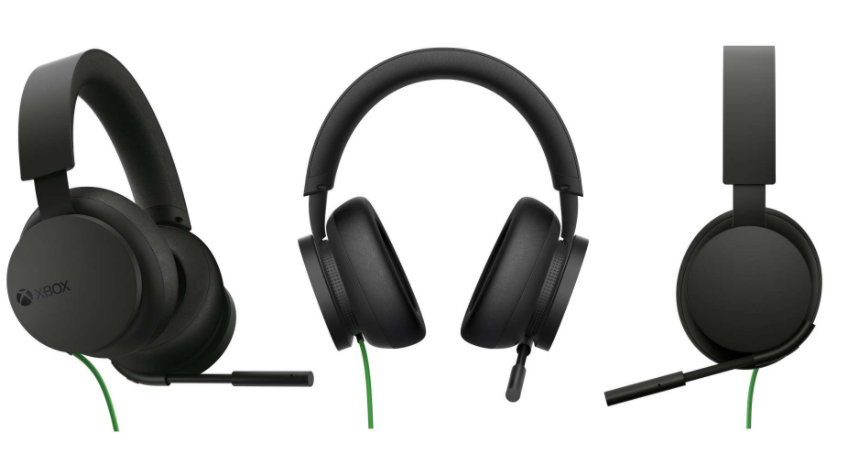
The Xbox Stereo Headset has a similar design to the Xbox Wireless Headset. It comes in black with soft leather-cushioned earcups and on-ear controls. The addition is a neon-green wire that has a 35mm connector at its end.

The product page says it has support for spatial sound including Windows Sonic, Dolby Atmos, and DTS Headphone:X. The microphone is adjustable and can be tucked away when not needed. You can still adjust the volume by turning the dial on the right earcup but The Verge reports that the chat/game audio mixing dial on the left earcup is no longer available.

Xbox Stereo Headset

The Xbox Stereo Headset is priced at $59.99 which is way cheaper than the $99 price tag of the wireless version. It is already available for pre-order ahead of its September 21 release date.


RELATED: