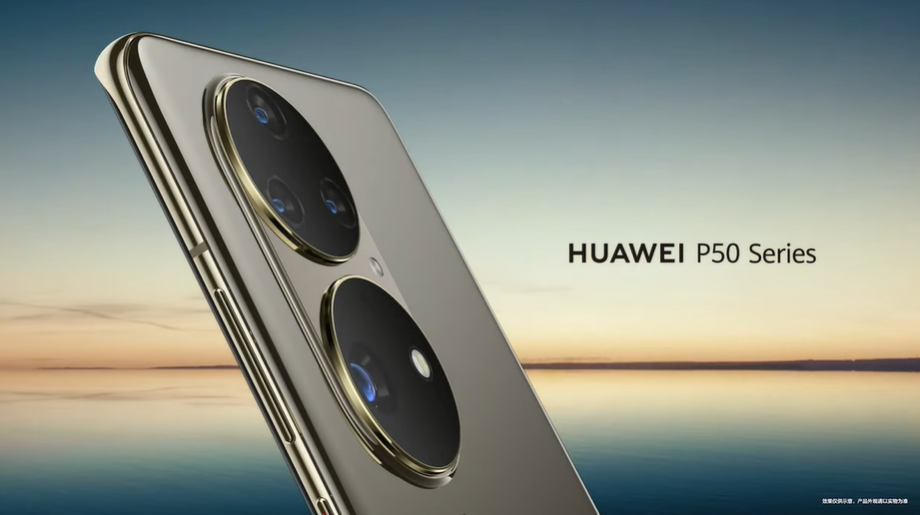
Huawei may announce only two of three models in the Huawei P50 series according to the latest reports. The embattled Chinese phone manufacturer is finding it difficult to launch new products, no thanks to the US ban.
According to the Weibo user @影业君Panda, Huawei may launch the P50 and P50 Pro models first before launching the P50 Pro+. He also mentions that the 4G variants of the smartphone may be announced first before the 5G versions.
Huawei had given us an early look at the Huawei P50 series last month but said it didn’t have a launch date yet. The Huawei P series usually launched in the first quarter of the year but that is not the case this year. Huawei’s troubles have even led it to also delay the Mate series smartphones this year.
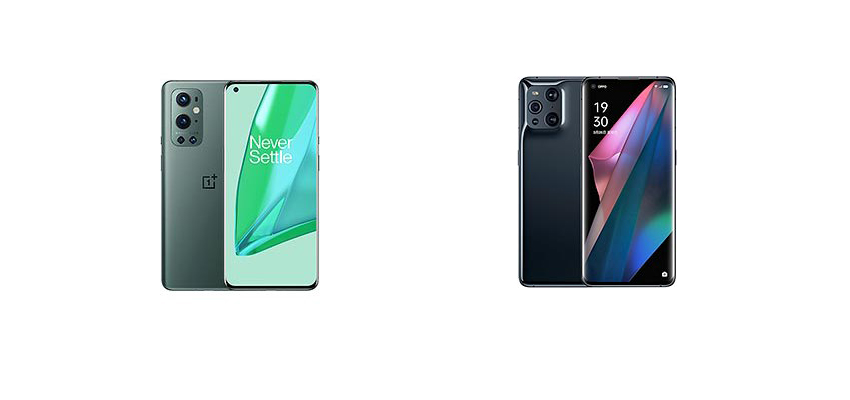
They are often called different twins as they share several things in common and they were released by sister companies. We are talking about the OnePlus 9 Pro and the OPPO Find X3 Pro, respectively the latest most advanced flagships by OnePlus and OPPO. They both come with top-notch specifications, but they are sold in different price ranges. Does it make sense or there is a device that simply comes with a higher value for money? This comparison will highlight the main differences between the OnePlus 9 Pro and Find X3 Pro and try to answer the question.
OnePlus 9 Pro vs OPPO Find X3 Pro
OnePlus 9 Pro
OPPO Find X3 Pro
DIMENSIONS AND WEIGHT
163.2 x 73.6 x 8.7 mm, 197 g
163.6 x 74 x 8.3 mm, 193 g
DISPLAY
6.7 inches, 1440 x 3216p (Quad HD+), LTPO Fluid2 AMOLED
If you are searching for the most original and futuristic design, the OPPO Find X3 Pro is definitely the best choice in the Android world, at least in my opinion. It has a glass back which is entirely curved thanks to a long modeling process involving very high temperatures. The phone is beautiful and it provides a high build quality, as well as the IP68 certification which makes it dustproof and waterproof. It also comes in a special variant with a leather back, but it is for China only. OnePlus 9 Pro still comes with a great design, but definitely less original and suggestive than Find X3 Pro.
Display
The OnePlus 9 Pro and the OPPO Find X3 Pro share exactly the same display. It is an AMOLED panel with the LTPO technology providing an adaptive refresh rate up to 120 Hz. It has the HDR10+ certification, it shows up one billion colors thanks to a real 10-bit color depth and it comes with a high Quad HD+ resolution. Both the phones come with an optical in-display fingerprint reader and a diagonal of 6.7 inches.
Specs & Software
Not only the same display: OnePlus 9 Pro and OPPO Find X3 Pro also share the same chipset: we are referring to the Snapdragon 888 mobile platform which is actually the most advanced SoC by Qualcomm. The Find X3 Pro only comes in a memory configuration with 12 GB of RAM and 256 GB of UFS 3.1 native storage, while with the OnePlus 9 Pro, you can get a more affordable configuration with 8 GB of RAM and 128 GB of storage. Still, the OnePlus 9 Pro can be bought in the 12/256 GB version. Both the OnePlus 9 Pro and the OPPO Find X3 Pro run ColorOS 11 based on Android 11 in China, but in the European market, the OnePlus 9 Pro runs OxygenOS 11 out of the box. OnePlus recently switched to ColorOS 11 for the Chinese market for all of its new devices.
Camera
While the OnePlus 9 Pro offers a better telephoto sensor with a 3.3x optical zoom, OPPO Find X3 Pro is better in all the rest of its camera department. First of all, it has a better main camera: a Sony IMX766 sensor with a 50 MP resolution. The same sensor is used for the ultrawide camera. The OnePlus 9 Pro has that sensor only for ultrawide shots, while the main camera is a 48 MP sensor. The OPPO Find X3 Pro offers an additional microscope camera with 30x optical magnification and 60x hybrid magnification (instead of the useless 2 MP macro camera of the OP9 Pro), as well as a better front camera.
OnePlus 9 Pro and OPPO Find X3 Pro have the same battery capacity: 4500 mAh. The displays and the processors are the same as well, that is why their battery life is similar. The OnePlus 9 Pro offers a faster wireless charging technology with a power of 50W, while the OPPO Find X3 Pro supports reverse wireless charging.
Price
OnePlus 9 Pro has a starting price of €919/$1097 globally, while OPPO Find X3 Pro costs €1149/$1370. The OPPO Find X3 Pro is definitely a better phone and wins this comparison, but the OnePlus 9 Pro has not much to envy compared to its costlier sibling.
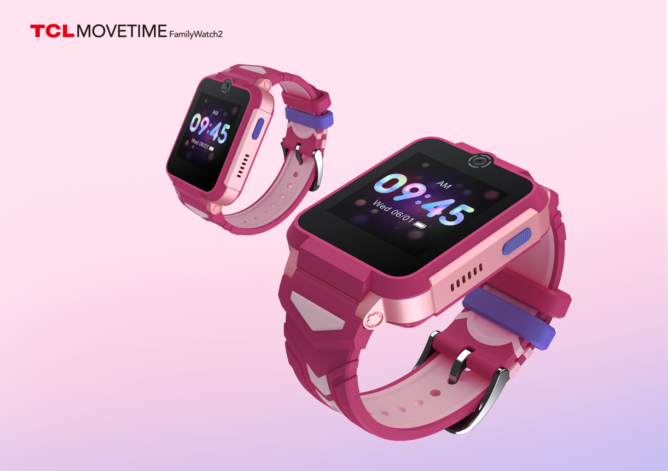
Among the products launched by TCL today is the MOVETIME Family Wach 2. It arrives as the successor to the MOVETIME Family Watch for older citizens that was announced last year. However, this new version is for kids.
The MOVETIME Family Watch 2 has a bigger 1.54-inch screen, though TCL doesn’t say if it is AMOLED like its predecessor’s. It is surrounded by thick bezels and housed in a chunky frame. The smartwatch has a dual-tone pink and rose gold finish with a touch of purple for the button on the side and one of the free loops. The buckle is made of metal and has a silver finish.
TCL says it has developed a dedicated Kids UI for the smartwatch. The camera is also better and the battery capacity has been increased by 40%. There is a nano-SIM card slot for 4G connectivity. Parents will be able to call their kids on the watch either via voice or video. They can also send text messages to the watch.
Safety is one of the key features the smartwatch offers and TCL provides that with real-time geolocation that shows where the child is at all times. It also logs a full location history. Parents can create a safe zone geofence, and when the child leaves this area, they get an alert on their phones. There is also a one-touch SOS button so that kids can reach an emergency contact as fast as possible.
TCL will begin selling the MOVETIME Family Watch 2 in August across Europe for €149. There is no info about availability in other regions.
The TCL 20 5G launched back in January as TCL’s most affordable 5G smartphone with a price tag of under €299. Now TCL is planning to announce an even more affordable smartphone this year along with its first 5G tablet.
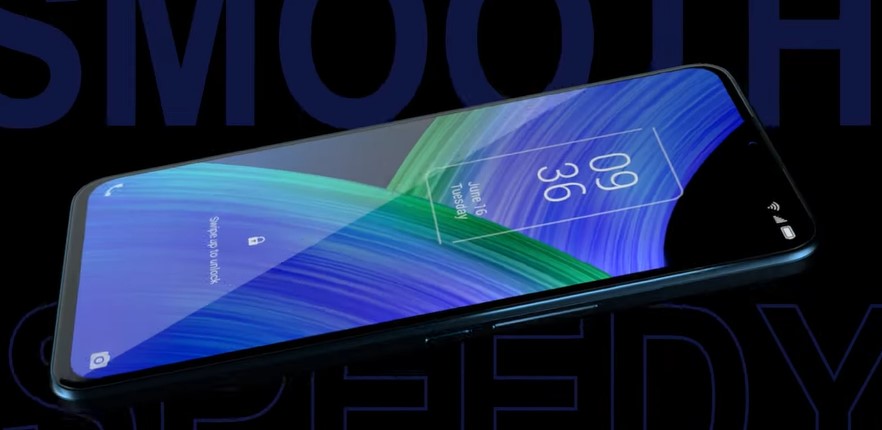
TCL’s most affordable 5G phone is coming later this year
The info was revealed by Stefan Streit, the Chief Marketing Officer of TCL Communication, in the global product announcement video for MWC 2021. TCL says its mission is to bring 5G to everyone and one of the ways to do so is by getting a 5G smartphone into the hands of users.
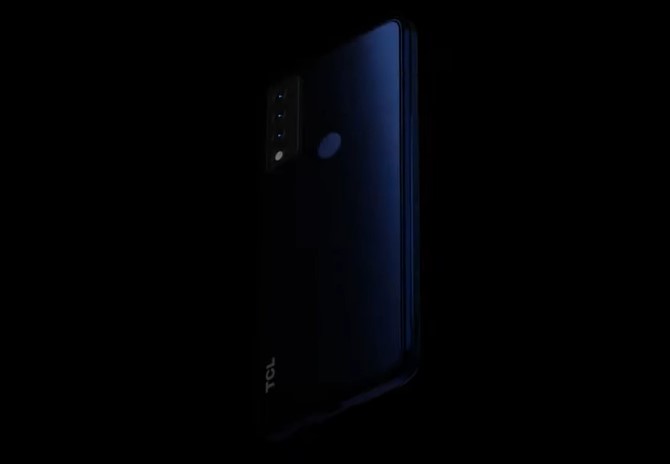
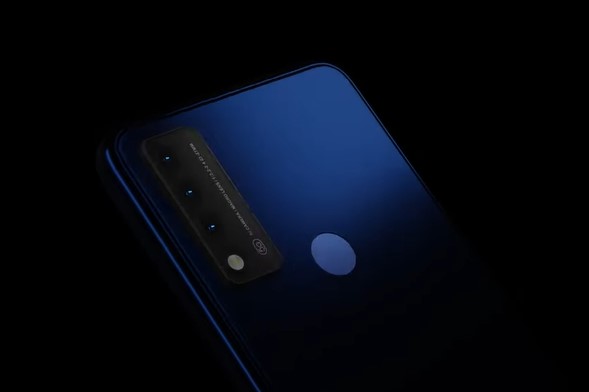
Apart from being its most affordable smartphone yet, the phone will also feature its NXTVISION display technology and have a high-performance refresh rate. A promotional clip of the phone shows it has a waterdrop notch, a headphone jack at the top, triple rear cameras, a rear-mounted fingerprint scanner, and a USB-C port. The phone is shown rocking a dark blue matte paint job. It appears the phone will launch under the TCL 20 series as shown at the end of the clip.
1 of 2
TCL's most affordable 5G phone
TCL's most affordable 5G phone
The TCL 5G smartphone is not the only 5G device to look forward to. TCL has also announced that it will launch a 5G tablet too. Very little was revealed about this product but we can expect it to launch under its TabMax series.
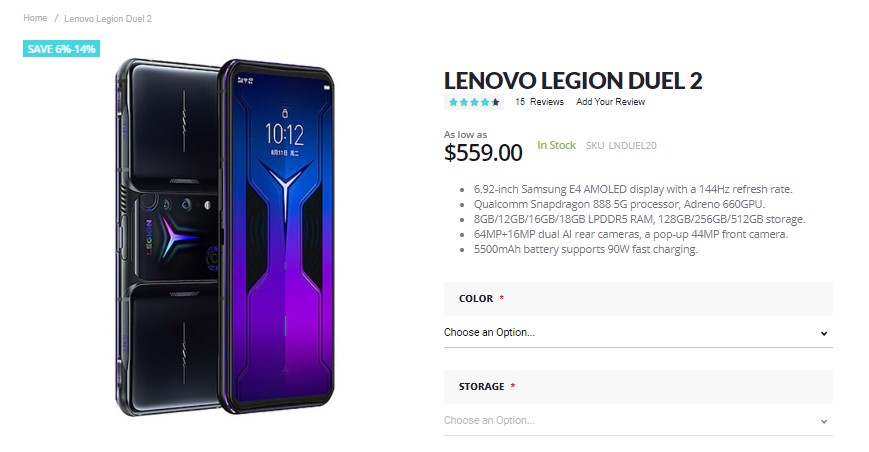
Featuring a bigger battery, faster touch response, and more off-screen triggers than its predecessor, Lenovo’s new Legion Phone Duel 2 phone has been launched a couple of days ago. Being a gaming phone, it carries flagship-level specs with the flagship Qualcomm Snapdragon 888 Mobile Platform at its heart. Days after its release, the device is up on GizTop that too with a huge discount.
The Giztop listing shows the Legion Duel 2 at just $599 for the base variant in Black colour. It’s almost $50 less than the actual price of $649. You can also take the beefy version with about 18GB of RAM and 512GB internal storage. Other storage options include: 16/256GB, 16/512GB, and 18/256GB. You can avail of all these options at a decent discount. In case if we missed it, the White version of the Duel 2 is available too.
As mentioned, the Legion Duel 2 brings gaming-centric features including above-average thermals that are 30% better than Phone Duel 1. And, A smooth, sustained 144Hz refresh rate display coupled with a 720Hz touch sampling rate, which is a substantial improvement from the first Legion Phone’s 240Hz rating. For the unversed, the touch sampling rate is a measure of how fast a screen can detect touches on a screen. Higher the sampling rate more responsive the display to actions or touches. It’ll help in more accurate input while gaming and general navigation overall.
The Duel 2 has a massive 5,500 mAh battery with support of up to 90W fast charging. By all means, the Duel 2 seems to be a good gaming phone and with the $599, the device is much affordable and worthy for the price.
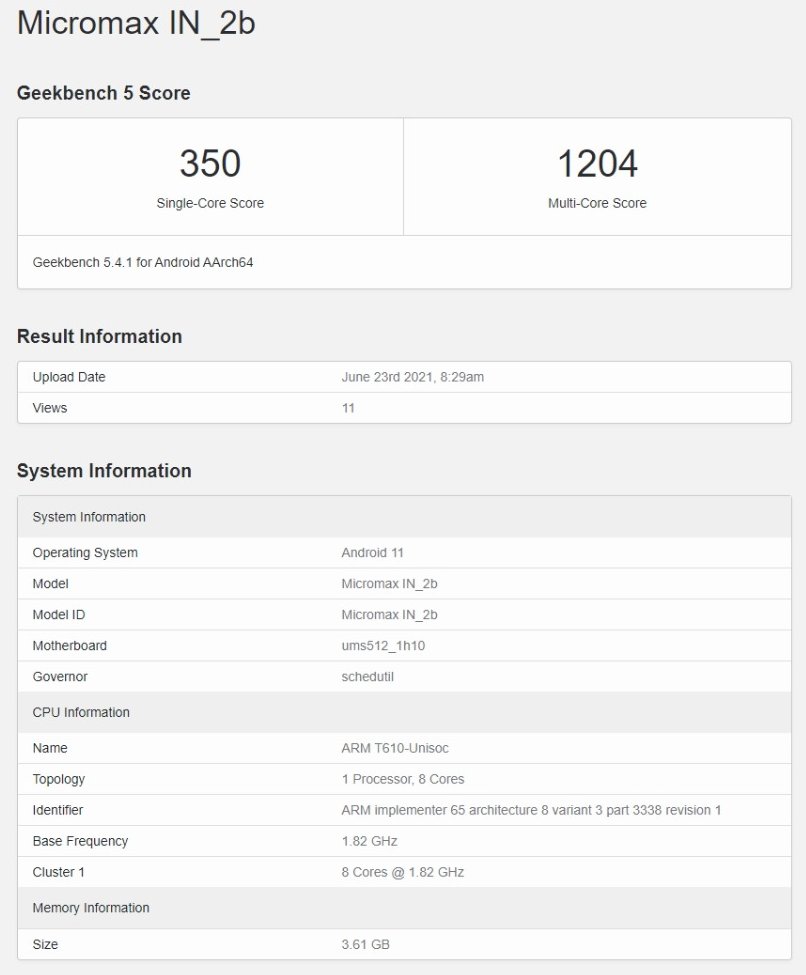
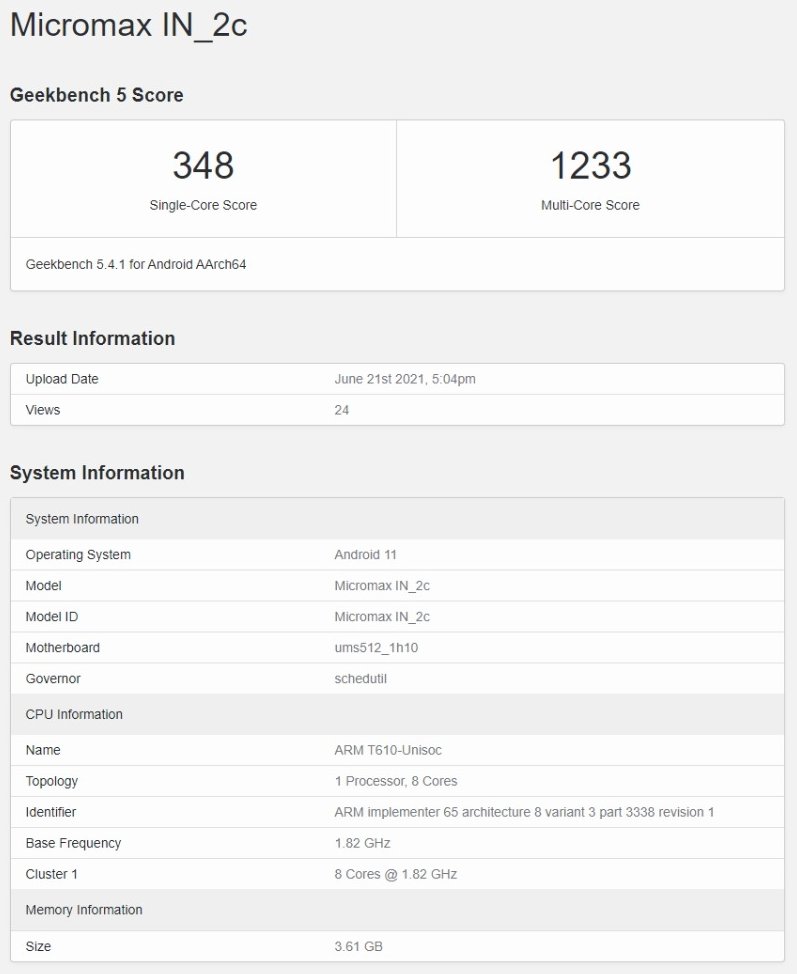
In line with the rollout plans of Micromax to unveil several products in the remaining part of the year, the company may be releasing two models soon. The Micromax ln 2b and Micromax ln 2c have just been listed on Geekbench 5, with some of the features of both devices revealed via the listing.
The two upcoming Micromax models will be powered by the same Unisoc T610 chipset with 4GB of RAM available. Both devices will run on the Android 11 operating system from the box.
The Geekbench single and multiple core test results for the models reveal an impressive performance in comparison with some leading models in the segment. The Micromax ln 2b and ln 2c scored 350 and 248, respectively for the single-core test. The corresponding scores for the multi-core test for both devices were 1204 and 1233, respectively. The Geekbench results indicated that both devices performed below Xiaomi’s Redmi 9 Prime and Samsung Galaxy A32 in both single-core and multi-core tests. However, both the Micromax ln 2b and ln 2c outperformed the Realme C15 on both fronts.
The two possibly upcoming Micromax smartphones could be released soon, although it is known that both models lack 5G support, as the Unisoc chipset only has a 4G modem. The rollout schedule of Micromax could indicate that the company is staging a comeback in the smartphone segment. Some of its earlier models released this year are the Micromax ln 1, ln 1b, and the ln Note 1. The ln 2 series could thus be debuted by the ln 2b and ln 2c anytime soon.
Much information relating to the impending launch will become available moving forward. This would include an official announcement of the launch of the devices and possible pricing information. We also await more specific information regarding the features of the two models.
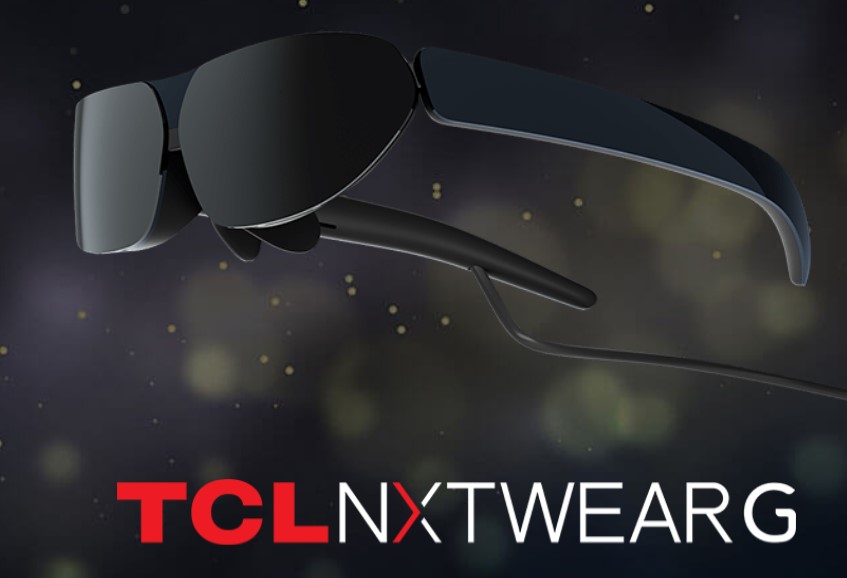
TCL has marked its entrance into the smart glasses space with the launch of the NXTWEAR. The pair of smart glasses which was unveiled during an early MWC 2021 announcement doesn’t have an AI assistant built-in nor is it mixed reality glasses like the Microsoft HoloLens. So how does it work?
The TCL NXTWEAR G works by connecting to your phone or computer or tablet and serving as a display. Think of it as a PlayStation VR headset that connects to your devices. It doesn’t have a built-in battery, so your phone or PC is what powers it.
Each lens of the NXTWEAR G has an FHD Micro OLED panel from Sony and provides an experience similar to watching a 140-inch screen from 4 meters away. TCL says the display follows your motion, allowing you to move freely. There are also stereo speakers integrated into the glasses.
It has a 16:9 aspect ratio, a 47° field of view, and a 60Hz refresh rate. It also has an accelerometer, a gyroscope, compass, and P sensor. The smart glasses work with any smartphone, 2-in-1 notebook, and a computer with a DisplayPort Alternate Mode.
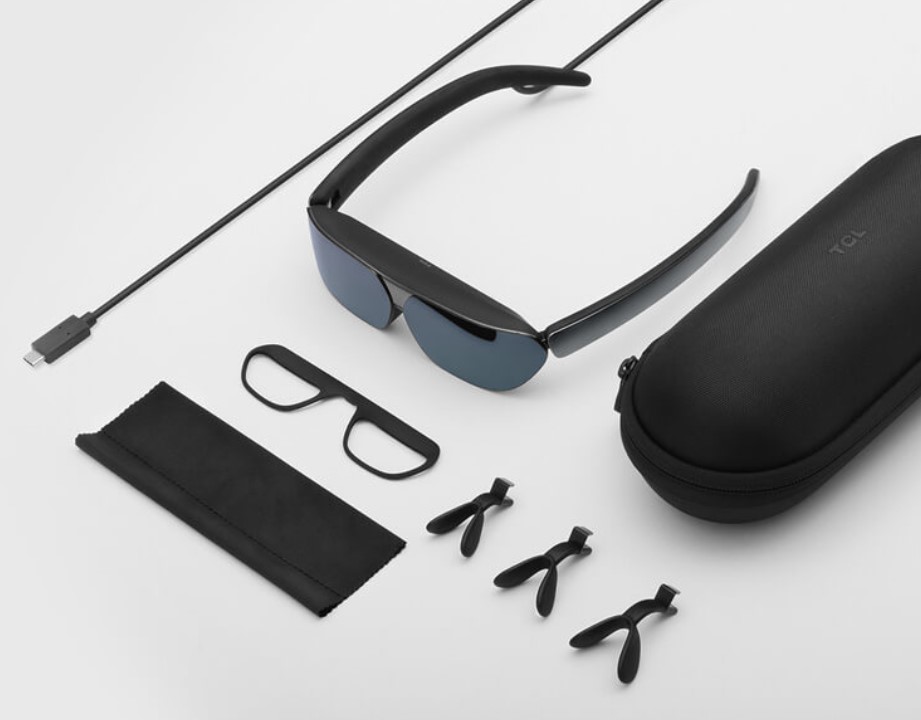
The NXTWEAR G weighs 100 grams and the integrated USB-C cable adds an extra 30 grams. There is no price tag yet but when it ships it will include 3 nose pads, a lens frame for corrective lenses, a cleaning cloth, and a carrying case.
Today, Microsoft announced a new version of Windows, almost six years after Windows 10 was released. Windows 11, as it is called, comes with a new user interface and upgrades under the hood. Here is what is new with the new version of Windows:
UI Changes
The first thing you notice with Windows 11 is the new UI. It has been reported that the new visual changes were carried over from the shuttered Windows 10X. The start menu is now positioned in the middle of the taskbar. Open and pinned apps/programs will appear in the middle too. Windows 11 also drops the search bar next to the Start button for a search icon.
If you didn’t like tiles, then you are in luck. The feature which was introduced with Windows 8 has now been removed. The redesigned Start Menu now has a search box at the top, pinned apps, and a section for recent documents.
While tiles are gone, Widgets are the focus now. A form of widgets is already available with the recent Windows 10 update. Widgets will now slide in from the left side of the screen and can be expanded to take over the whole screen. However, with Windows 11, users will be able to manage them. Microsoft has also switched to rounded corners for open windows.
There are also new themes for both light and dark modes.
Performance Changes
Microsoft says that updates for Windows 11 will be 40% smaller and will happen in the background, which should mean no interruptions while you are working. Microsoft Teams has also been built into Windows 11 just the way Skype was. You will be able to call or chat for free with the integrated app.
Another new feature is DirectStorage, a feature copied from the new Xbox Series X and Series S consoles which allow for faster loading times for games. The feature was first announced last year as coming to Windows. Users will need a DirectStorage capable PC and own a DirectStorage enabled game to enjoy the feature.
Still talking about gaming, Windows 11 will also have Xbox Game Pass integrated along with the xCloud game streaming service.
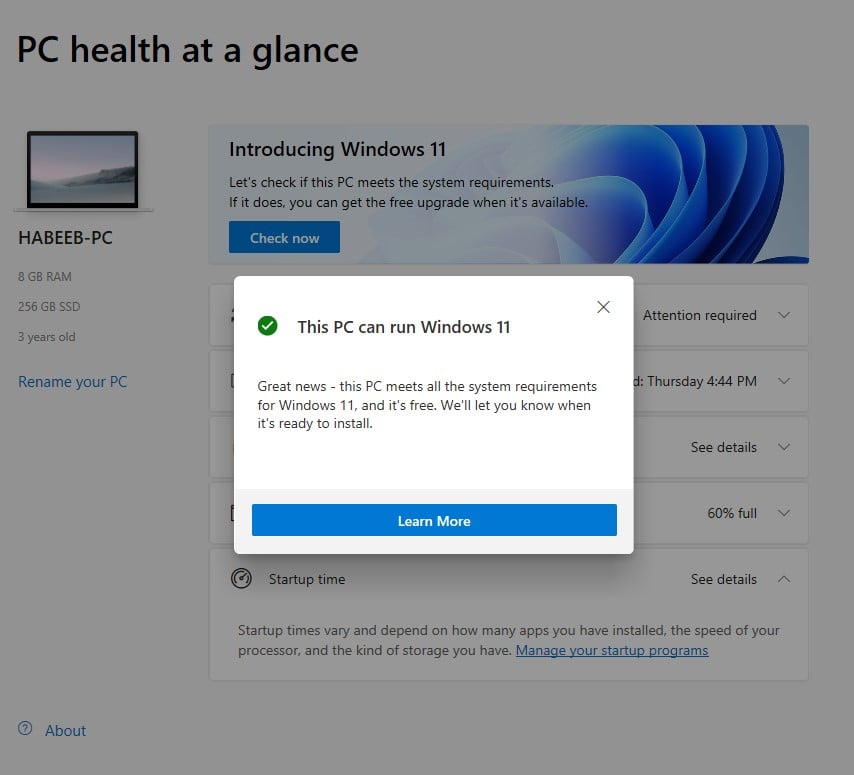
Windows 11 will be available as a free upgrade when it is released later this year. Microsoft says users can use the PC Health Check app to see if their current PC meets the requirements to run Windows 11.
Some of the new devices from Xiaomi are reportedly suffering from touch response issues and the reason behind this issue is not yet clear. Also, the issue isn’t limited to just one device but several devices seem to be having the problem.
A thread on Reddit, which is around two months ago, talks about the following devices facing similar touch screen response problem:
Xiaomi Mi 11
Xiaomi Mi 10 Ultra
Xiaomi Mi 11 Lite
Xiaomi Mi 10T Pro
Redmi Note 10 Pro
Redmi Note 9S
We haven’t independently confirmed issues with these devices listed above but reports indicate that the phones are facing issues fairly recently, that too on a small number of devices running the company’s own MIUI, which is likely the culprit.
Some users have tried to factory reset their smartphone but that has also not fixed the problem. However, rebooting the device seems to be fixing the problem temporarily but crops up again pretty quickly.
Xiaomi has confirmed that the brand is aware of the touch screen response issue on some of the devices and the company has also added that an update with the fix for various devices will be rolled out soon.
Currently, there is no indication about how widespread this issue is as there were very few mentions of touch sensitivity problems online. Nonetheless, the company has acknowledged the issue and has promised to solve it soon.
Transsion Holdings subsidiary Tecno has built a towering reputation for itself in the Middle East, Indian, and African markets with its decently priced and durable offerings. The brand has over the years launched budget and mid-range smartphones as well as feature phones which have propelled it as a leading brand in these markets.
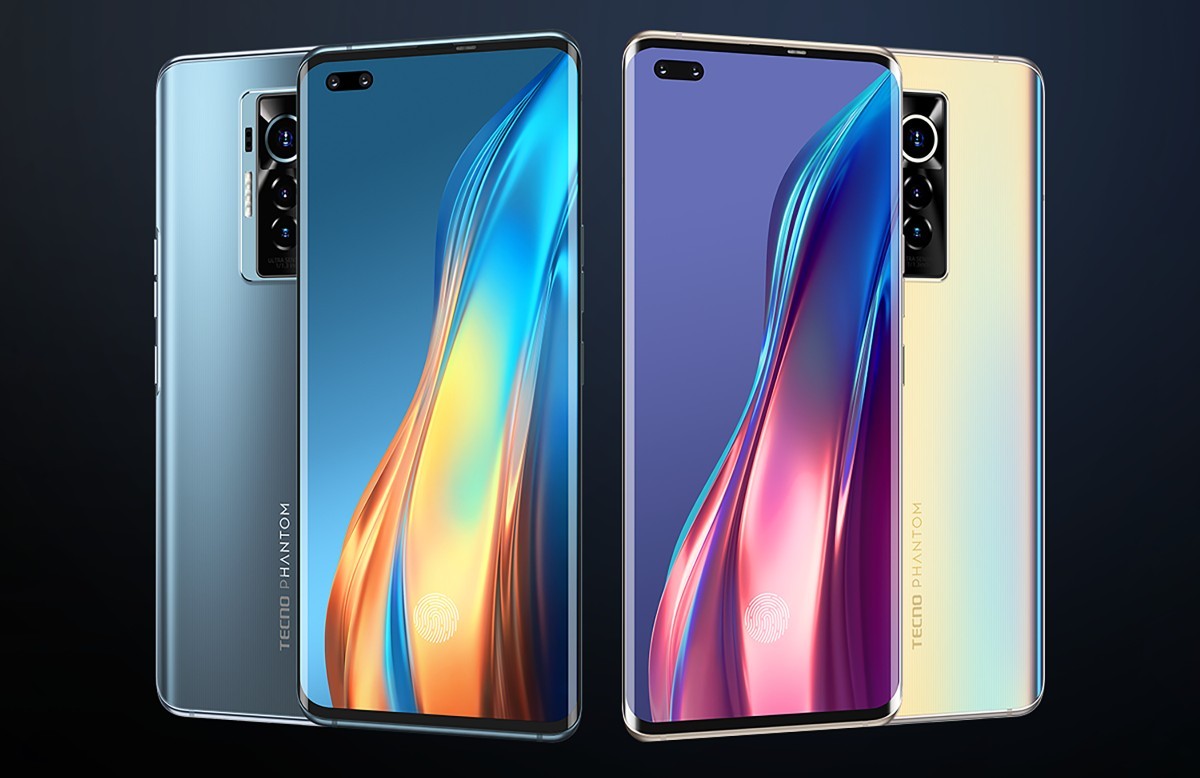
However, the brand is looking to expand its dragnet into the high-end market. To this end, it is relaunching the Phantom series as a separate sub-brand. The Tecno Phantom X has been launched as the first premium smartphone under the new sub-brand. The smartphone features several high-end features, including a powerful front and rear camera setup.
The Tecno Phantom X sports a 6.7-inch Super AMOLED display with a FHD+ resolution and support for a 90Hz refreshrate. The display uses the 19.5:9 aspect ratio and is curved on the sides. The phone also has a Corning Gorilla Glass 5 protection on the front and back panel for protection.
The Phantom X is powered by a MediaTek Helio G95 processor paired with 8GB RAM and 256GB of internal storage. The device also adopts a vapor chamber cooling system attached to the chipset to keep it cooler up to 3-5º.
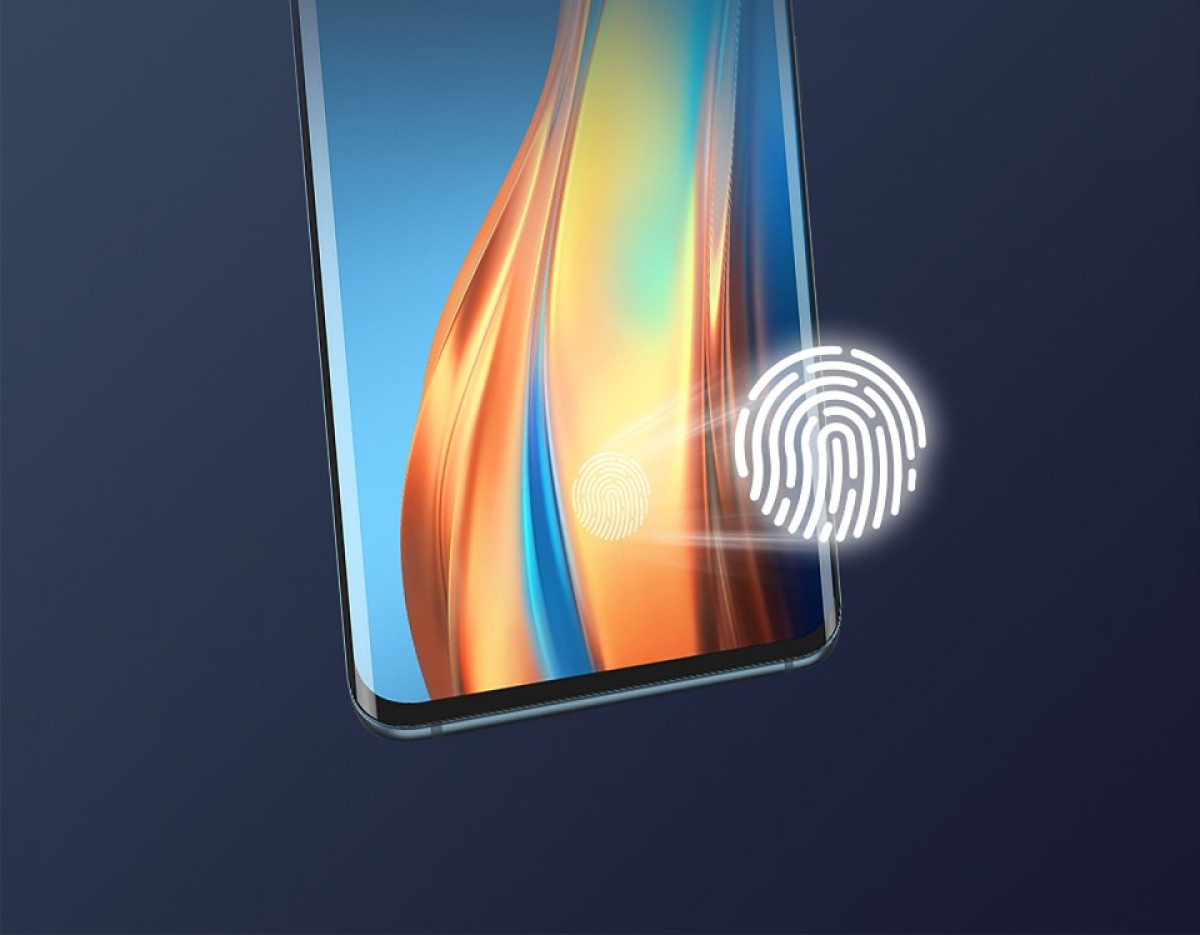
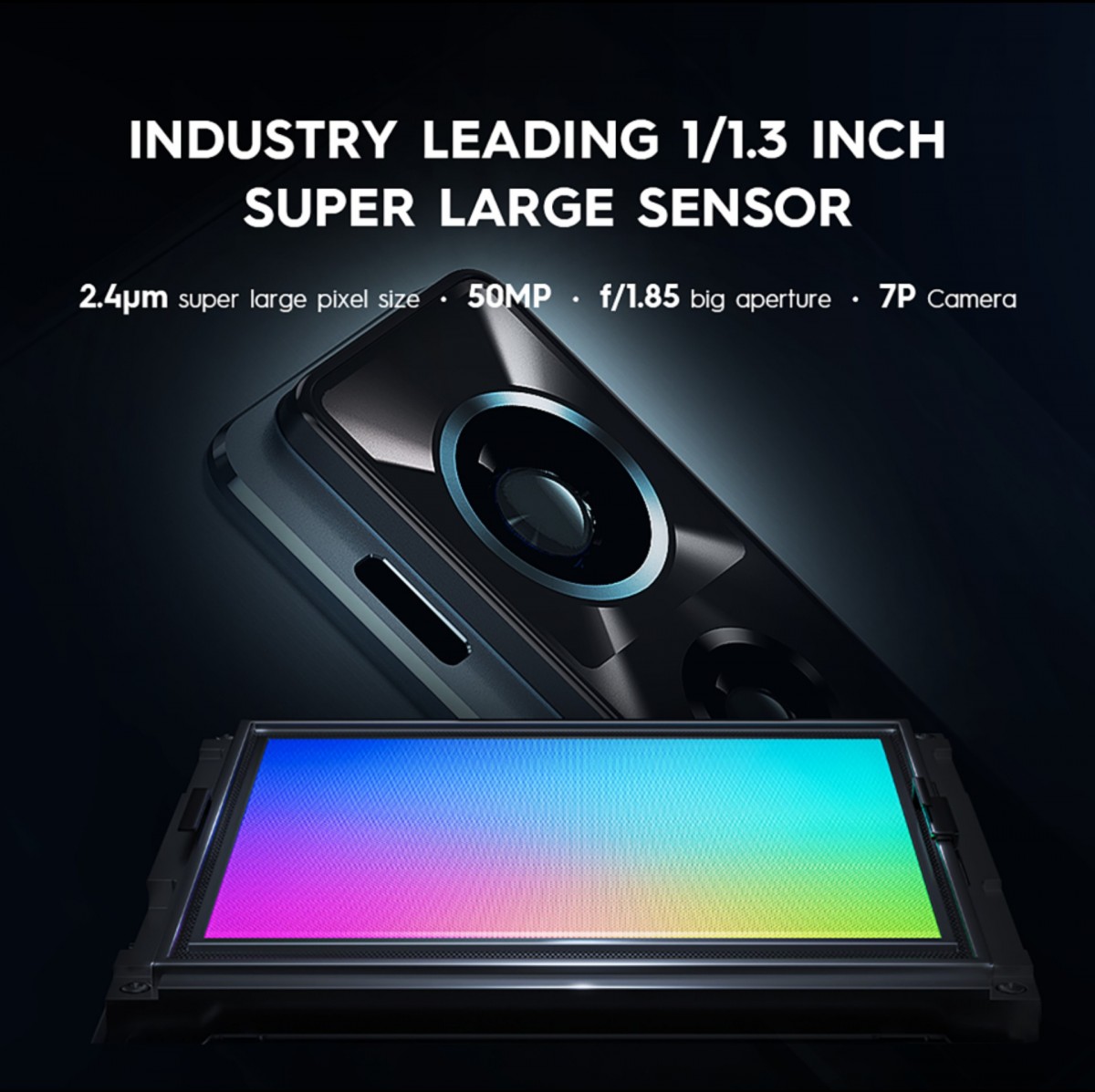
At the rear, the Tecno flagship packs a 50MP main camera with a large 1/1.3” sensor with 1.2µm native pixels that grow to 2.4µm with binning. The sensor utilizes Dual Pixel and Laser autofocus with an f/1.85 aperture. The device also packs a 13MP telephoto lens while the third sensor os an 8MP ultrawide-angle lens. The device also packs a quad-LED flash. The device features a fingerprint reader embedded under the display and is touted to unlock the phone in 0.4 seconds.
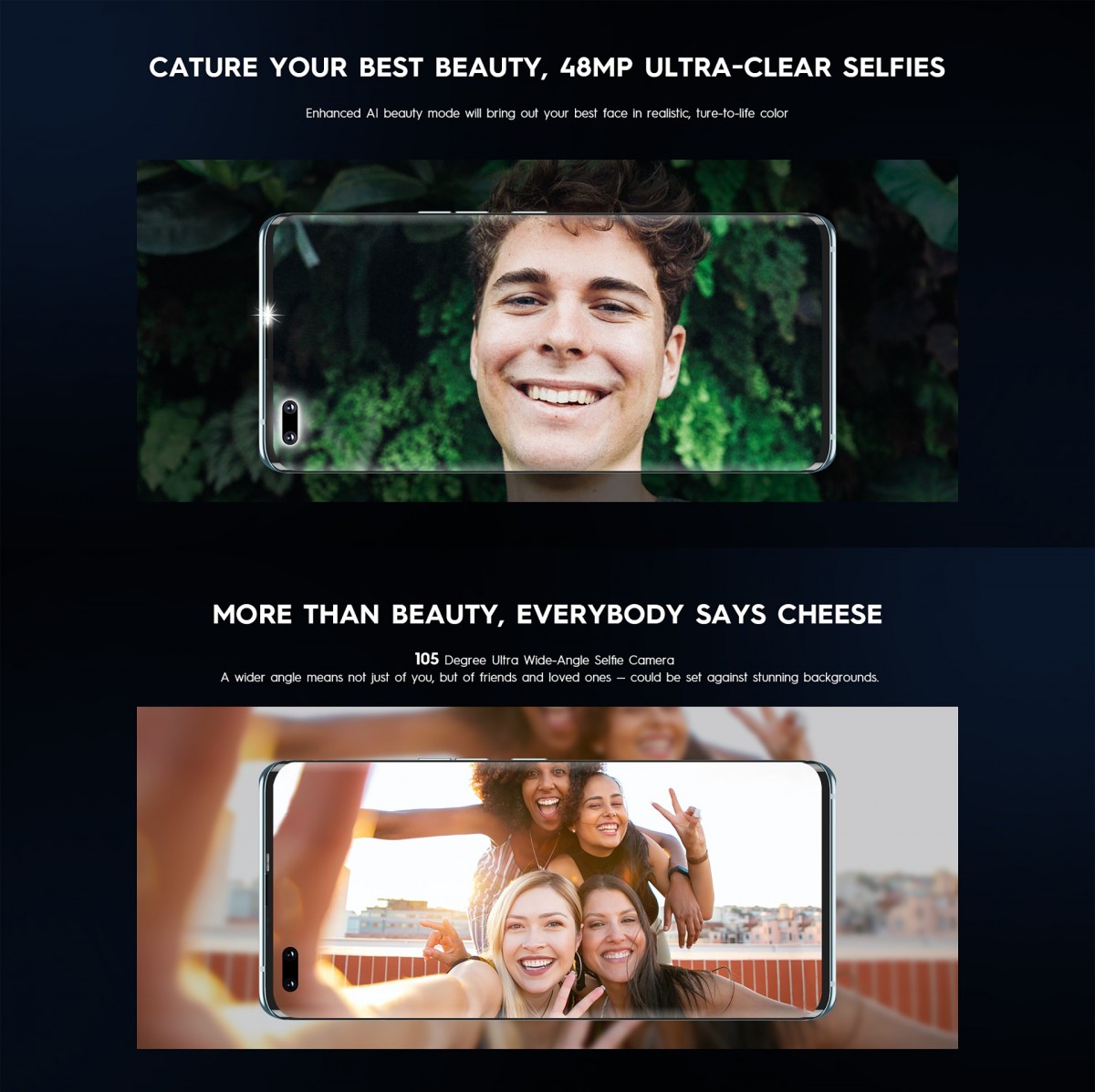
For selfies, the Phantom X packs a dual camera setup embedded inside the dual punch-hole cut-out located at the left corner of the display. The selfie camera includes a 48MP main shooter and an 8MP ultrawide module with a 105º lens. The front camera even has a dual-LED flash.
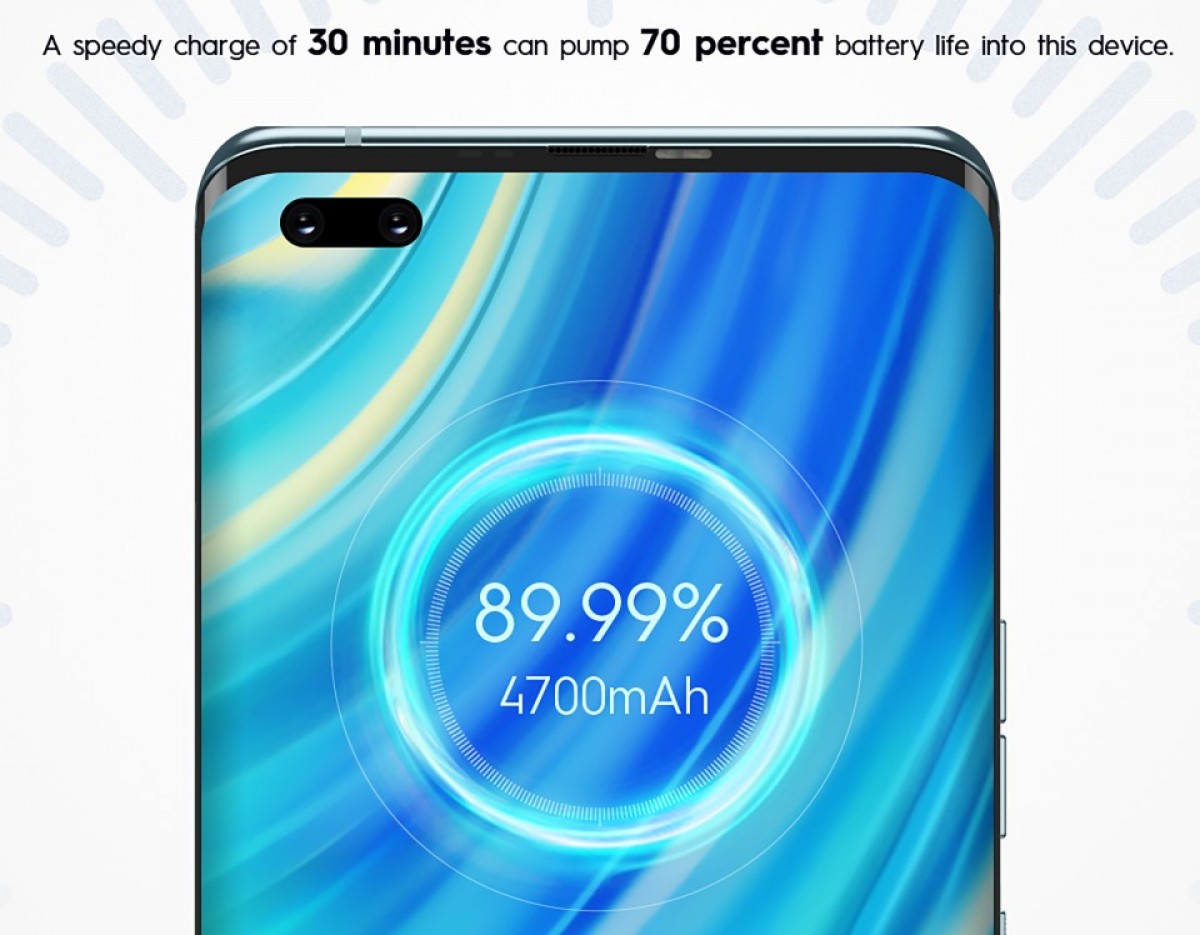
The device packs a 4700mAh battery with support for 33W fast charging. Tecno says a 30 -minute charge will boost a flat battery up to 70%.
Tecno is yet to announce the pricing details of the Phantom X. The flagship is expected to be available next month.
While TVs with built-in cameras have existed for a while, the feature is yet to be mainstream. The built-in camera allows for video calling on the TVs in addition to extra features such as gesture control and face and body recognition. Samsung, Xiaomi, and Huawei are among the manufacturers that offer TVs with built-in cameras, however, none of them have launched a model with two cameras. But that will change when Xiaomi announces its next-gen smart TV, the Mi TV 6.
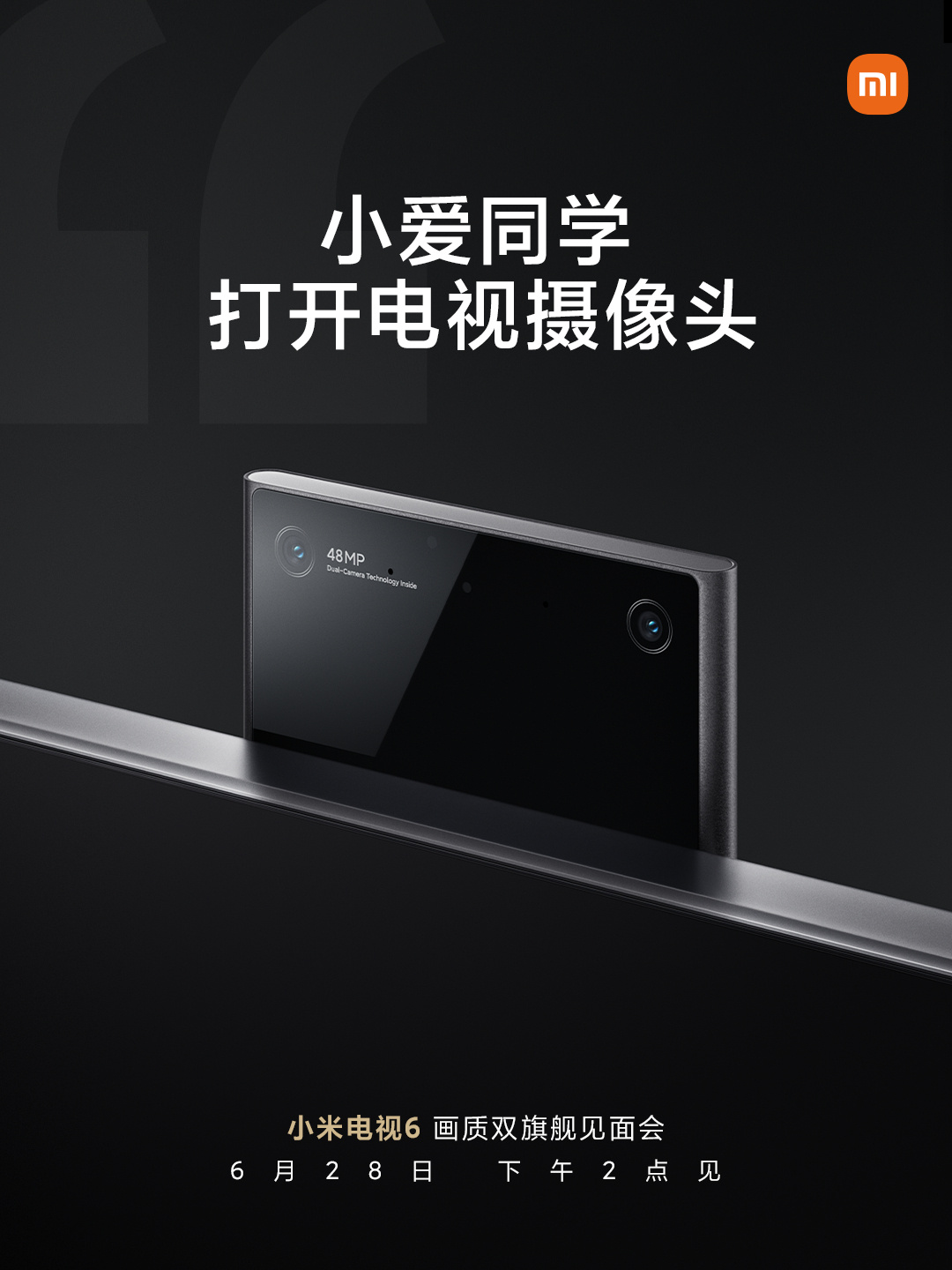
Xiaomi has been revealing key features of its upcoming flagship TV as the launh date draws closer, and today’s feature reveal is that the Mi TV 6 will have dual cameras – 48MP dual cameras to be specific, a first for a TV.
The caption for the poster revealing the feature mentions a “new interactive mode” which will take advantage of the extra camera sensor. While they didn’t say which apps will make use of the technology, we presume games and fitness apps will be among them.
The Mi TV 6 is shaping up to be a really impressive smart TV. So far, it has been revealed that the TV will have 4.2.2 surround sound with spatial audio, 100W built-in speakers, Wi-Fi 6, two HDM 2.1 ports, AMD FreeSync Premium for ultra-low latency while gaming, and a “Designed For Xbox” certification.
Xiaomi has also confirmed that the TV will use QLED Quantum Dot technology for its display and will also have Dolby Vision IQ, a feature that allows the TV automatically adjust to ambient light.
The Mi TV 6 flagship TV is scheduled for launch on June 28 in China. At the moment, we do not know if Xiaomi has plans to launch the TV in other markets.
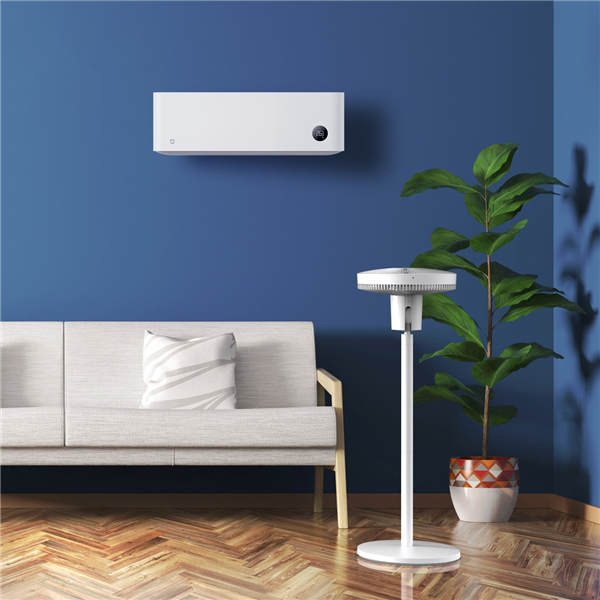
Xiaomi has launched the MIJIA DC Inverter Floor Fan E in China. The smart floor fan comes with low operating noise, low power consumption, gentle wind, and other characteristics. The product is also extremely affordable, coming in at 229 yuan (~$35).
One of the advantages of MIJIA fans is simulating natural wind and the newly launched MIJIA DC Inverter Floor Fan E is no exception. The MIJIA DC Fan E uses 7 large-area wing-shaped profile vanes, combined with an accelerating diversion hood. It also features a new R-angle rear hood, which not only cuts the airflow more evenly and densely but also fits the skin and ensures the air supply distance reaches 14 meters. The fan also has a maximum air output per minute of up to 22.3m³ while the head swings up to a 140° radius.
The motor is the core of the DC fan. The MIJIA DC Inverter Floor Fan E adopts a high-quality copper wire DC inverter brushless motor which reduces power consumption by more than half compared with traditional fans. The motor produces low noise with a minimum operating noise of 29.8 dB(A). The air output is also soft and quiet. It is also easy to install.
The Mijia DC Inverter Floor Fan E adopts a new fan structure design which is self-contained, and the head angle can reach 90°. The strong wind power accelerates the indoor airflow and assists the air circulation in the whole house so as to achieve the purpose of quickly balancing the indoor temperature.
Further, the DC Inverter Floor Fan can be used in consonance with other cooling and hearing systems as well as air purifiers to effectively distribute the air. The gadgets can be linked together to function at the same time.
Like other Xiaomi’s smart home appliances, the MIJIA DC inverter floor fan E can be operated intelligently through a XiaoAI-enabled device and the MIJIA app. The product is presently available in China via Jingdong (JD.com).
After updating newer smartphones to MIUI 12.5, Xiaomi has now begun to roll out this update for older handsets. Today, the company has started seeding out the update for the last Mi Max phone and the seventh generation Redmi number series device.
Xiaomi Mi Max 3
Xiaomi is now rolling out the MIUI 12.5 update for the Redmi 7 and the Mi Max 3 in China. The update arriveswith build numbers V12.5.1.0.QFLCNXM and V12.5.1.0.QEDCNXM respectively.
The latest system update for these smartphones is in the stable Beta phase. In other words, the software builds are only available for a select few users. However, they should reach all the units (including international variants) in the coming days.
The Xiaomi Mi MAX 3 launched in 2018 with MIUI 9 based on Android 8.0 Oreo. After its release, the handset was updated to MIUI 10, MIUI 11, as well as MIUI 12. It even received Android 9.0 Pie and Android 10 upgrades. Now, it is getting its last major update in the form of MIUI 12.5. We don’t think it will receive MIUI 13, as per Xiaomi’s update track record.
On the other hand, the Redmi 7 debuted in 2019 with MIUI 10 based on Android 9.0 Pie. The device was later updated to MIUI 11 and MIUI 12. It even received an Android 10 upgrade. The MIUI 12 update for this phone was initially canceled. But the company delivered it nevertheless, in addition to MIUI 12.5. It will be also not eligible for MIUI 13 update.
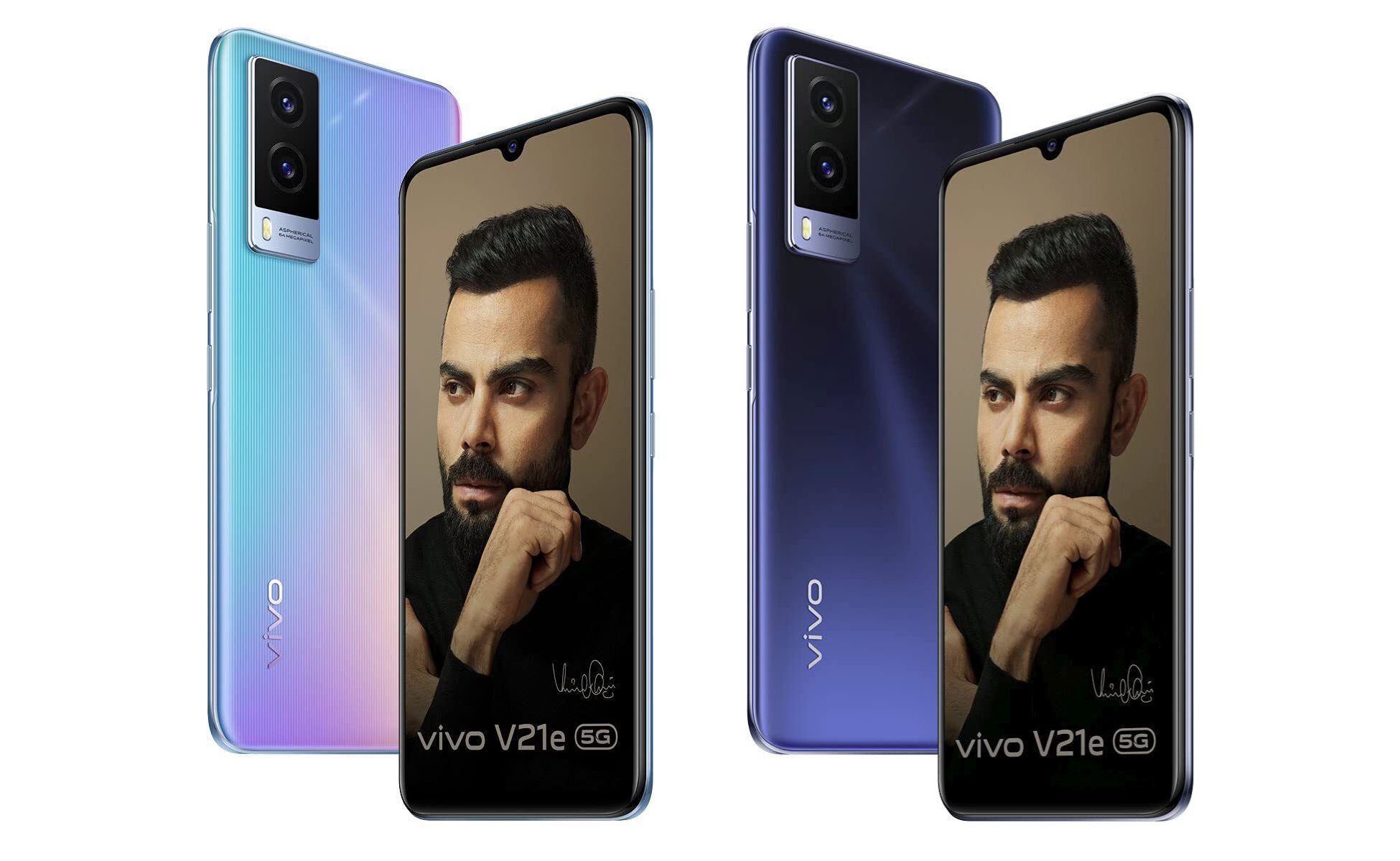
In April, Vivo announced the Vivo V21 5G smartphone in India. Today, the company held an online launch event to unleash the Vivo V21e 5G handset. Some of the major highlights of the handset include Dimensity 700 chip, 64-megapixel dual cameras, and a 32-megapixel selfie camera.
Vivo V21e 5G specifications and features
The Vivo V21e 5G has a 6.44-inch teardrop notch display that offers a Full HD+ resolution of 1080 x 2400 pixels, a 20:9 aspect ratio, 408ppi pixel density, and a 60Hz refresh. The AMOLED panel is integrated with a fingerprint scanner.
For shooting selfies and video calls, the V21e 5G has a front camera of 32-megapixel. The rear panel of the device has a 64-megapixel main camera, which is coupled with an 8-megapixel ultrawide lens. The cameras can capture brighter selfies and enhanced shots in low-light conditions. Other photography features available on the device include dual-view video, double exposure, and ultra-stable video.
Vivo V21e 5G
The Dimensity 700 chipset is present under the hood of the Vivo V21e 5G. Apart from 8 GB of RAM, the handset offers 3 GB of available storage as virtual RAM, which helps in the smooth functioning of apps. The handset comes with 128 GB of UFS 2.1 storage and boots to FunTouch OS 11.1 UI flavored Android 11 OS.
The V21e 5G has a 4,000mAh battery that supports 44W FlashCharge technology. The company claims that 30 minutes of charging allows the phone to reach 72 percent battery power from scratch. One of the major attractions of the V21e 5G is that it superslim chassis that measures 7.67mm in thickness and weighs 165 grams.
Vivo V21e 5G price in India
The Vivo V21e 5G has arrived with a price tag of Rs 24,990 (~$337) in India and it comes in two colors such as Sunset Jazz and Dark Peal. The smartphone can be purchased through Flipkart and Vivo India’s online store.
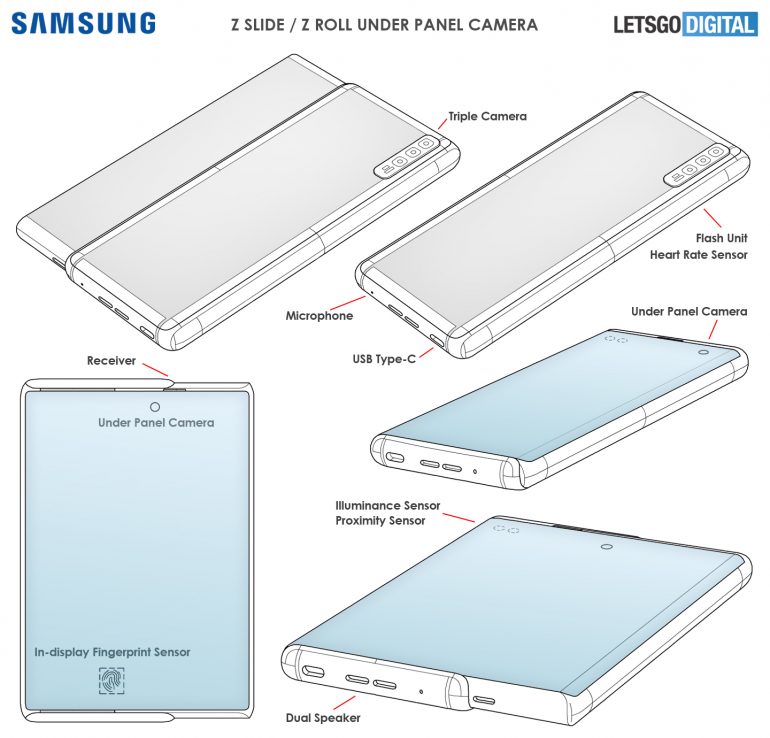
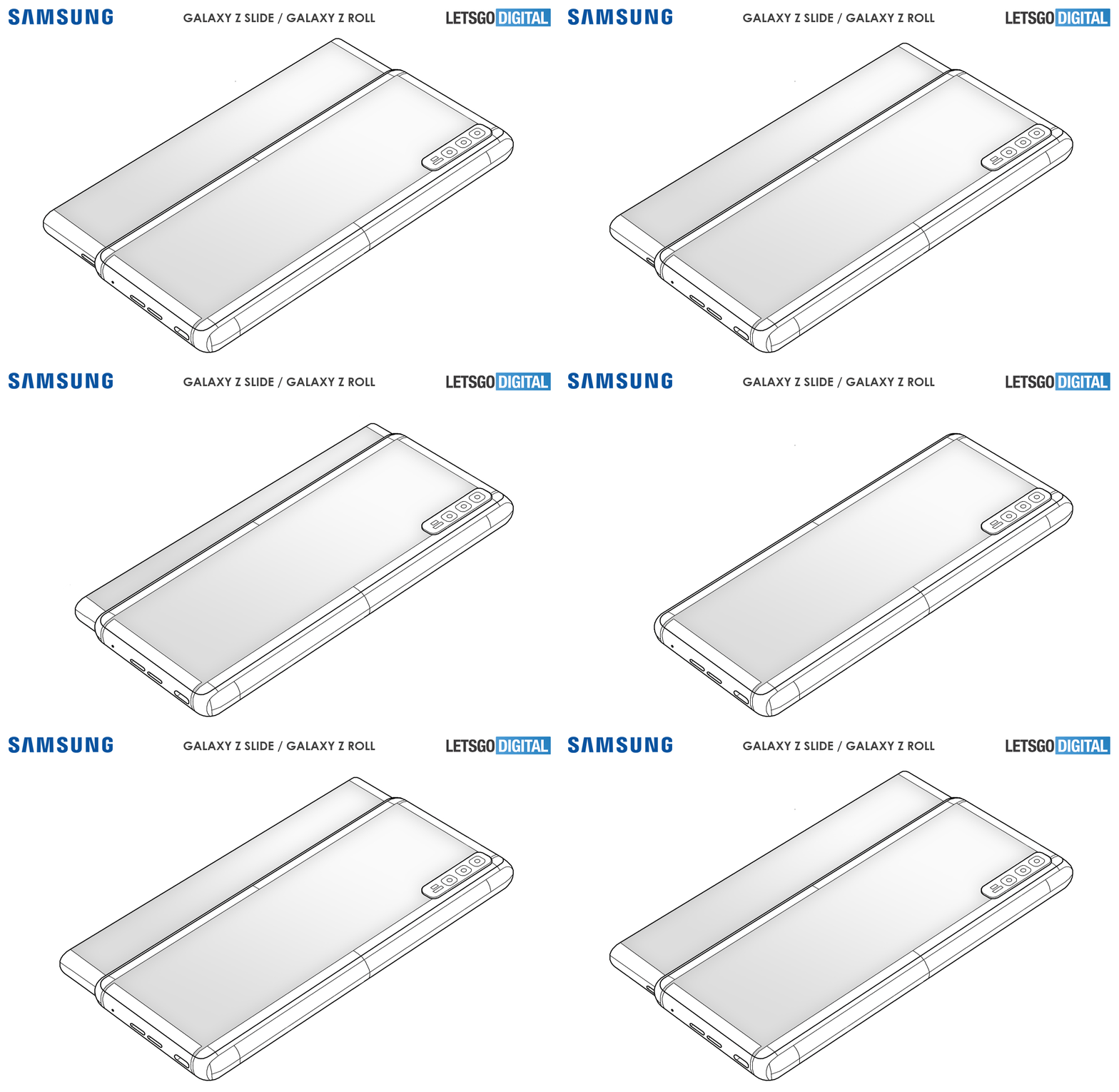
Samsung was recently granted a patent for a new sliding smartphone that features a display that rolls out and extends, which offers us a look at what the Galaxy Z Roll (or possible the Galaxy Z Slide) might look like.
According to a LetsGoDigitalreport, the South Korean tech giant filed for the patent with the United States Patent and Trademark Office (USPTO) back in November 2020. This application was granted earlier this month and showcases a sliding smartphone that has an extending display. In its compact form, the supposed Galaxy Z Roll resembles a conventional smartphone with an under display camera on the front and a triple camera on the rear.
Although, the device also sports a motorized mechanism under the hood that allows it to slide out and extend the display from one side. While the sliding display is undoubtedly its most highlighting feature, the smartphone also sports a heart rate monitor on the rear camera module as well. Meanwhile, the front also houses an in display fingerprint scanner, while the front display also houses an illuminance sensor and proximity sensor underneath the screen.
Unfortunately, it is unknown if Samsung is actually working on such a smartphone or is just covering all bases. But looking at the degree of details in the patent, this might be one of the prototype designs of what could be the Galaxy Z Roll. However, this is just speculation so take this with a pinch of salt for now and stay tuned for more updates regarding this device.
Earlier this month, Huawei officially unveiled HarmonyOS 2 for its smartphones and tablets. Since then, the company has been releasing beta builds for eligible devices gradually. A few weeks later, the firm has finally started seeding stable update for the first batch of devices.
According to the official HarmonyOS Weibo account, Huawei has begun to seed HarmonyOS 2 Stable update for the following 18 devices.
PORSCHE DESIGN HUAWEI Mate40 RS
HUAWEI Mate40 Pro+
HUAWEI Mate40 Pro
HUAWEI Mate40
HUAWEI Mate40 E
HUAWEI Mate X2
HUAWEI P40 Pro+
HUAWEI P40 Pro
HUAWEI P40
HUAWEI P40 4G
PORSCHE DESIGN HUAWEI Mate30 RS
HUAWEI Mate30 Pro 5G
HUAWE Mate30 E Pro 5G
HUAWEI Mate30 Pro
HUAWEI Mate30 5G
HUAWEI Mate30
HUAWEI MatePad Pro 5G
HUAWEI MatePad Pro
Further, the HarmonyOS 2 Open Beta (aka Public Beta) update is currentlyavailable for the following devices.
HUAWEI P30 Pro
HUAWEI P30
HUAWEI Mate X
HUAWEI Mate20 X 5G
HUAWEI nova 5 Pro
HUAWEI nova 5i Pro
HUAWEI nova 5
HUAWEI nova 5z
HUAWEI MediaPad M6 10.8-inch
HUAWEI MediaPad M6 8.4-inch
HUAWEI MediaPad M6 Turbo
HUAWEI nova 8 Pro 5G
HUAWEI nova 8
HUAWEI nova 7 Pro 5G
HUAWEI nova 7 5G
HUAWEI nova 6 5G
HUAWEI nova 6
Unfortunately, HarmonyOS 2 Stable and Open Beta builds for the above-listed devices are only limited to China for now. Huawei is yet to reveal its update rollout plan for global markets.
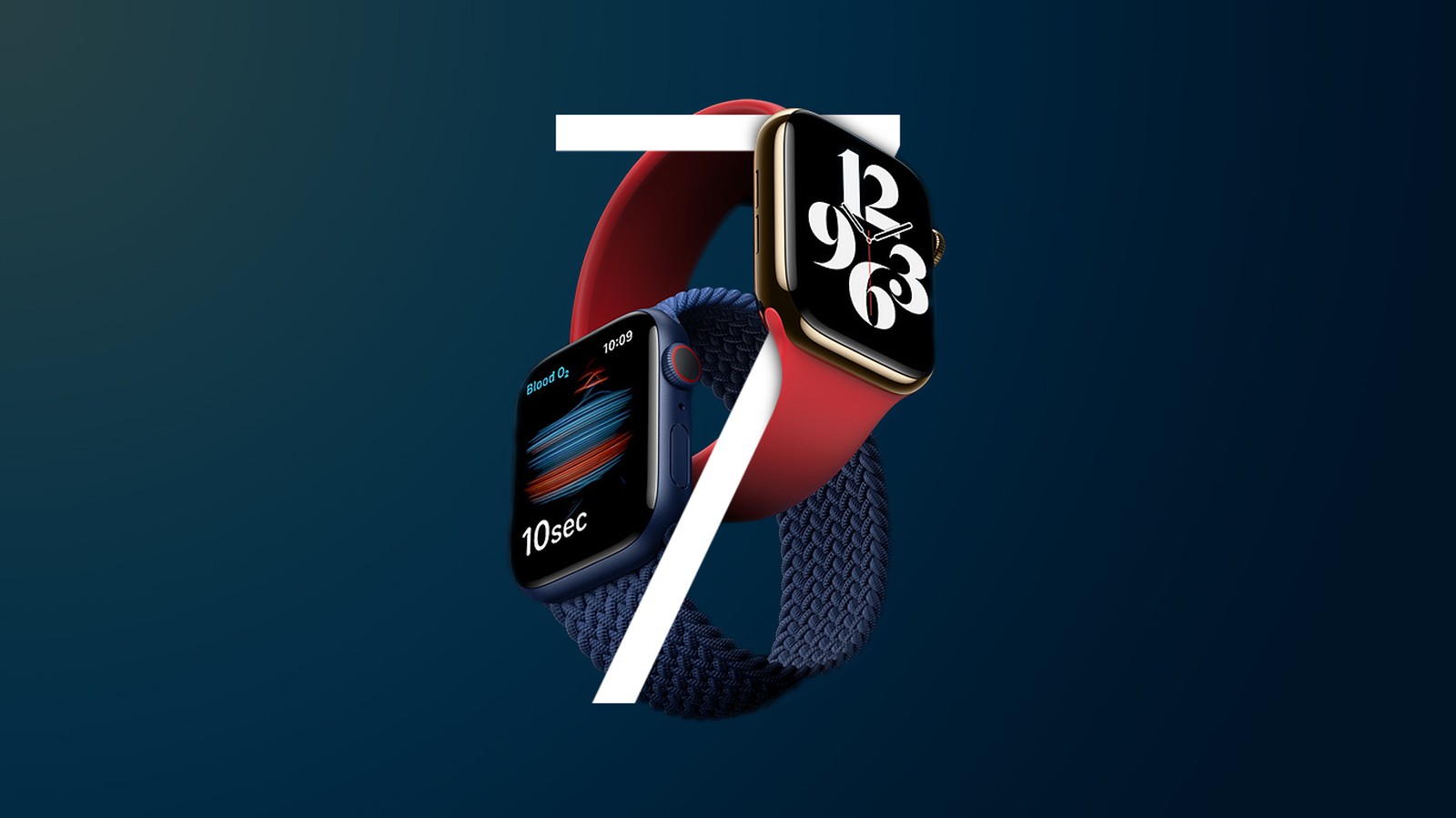
A new report has revealed information regarding the Apple Watch Series 7. The next gen smartwatch from the company will apparently feature a smaller “S7” chipset that will open up more space for other internal components.
According to a paywalled report from DigiTimes (Via MacRumors), the Apple Watch Series 7 from the Cupertino based giant will house a new double sided SiP (System in Package). This new chipset will be built from Taiwanese supplier ASE Technology. On the supplier’s official website, ASE Technology confirmed that its double sided technology will allow for module miniaturization. In other words, the company’s latest smartwatch could sport a smaller “S7” chipset under the hood.
At the moment, the iPhone maker is expected to launch the Series 7 Watch in September of this year. This launch month is in line with its previous generation announcements. Furthermore, the brand is also reported on testing thinner display bezels and a new lamination technique that could bring the display and the front glass cover closer together.
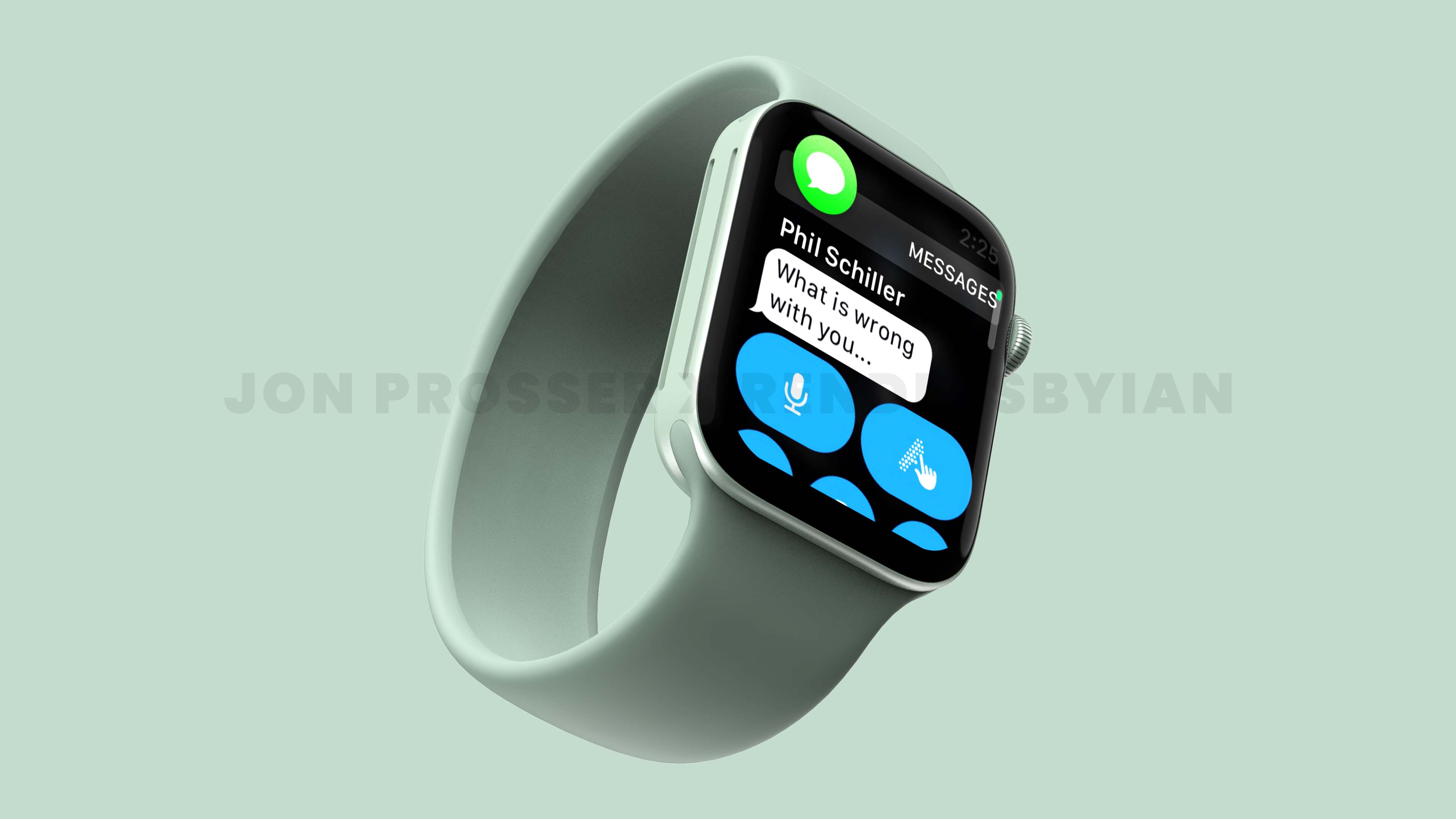
Similarly, we had previously reported on the smartwatch featuring a new flat design along with a new mint green color variant. Previous leaks had also claimed that the upcoming Watch Series 7 will feature a blood glucose level tracking function along with a body temperature tor sensor as well.
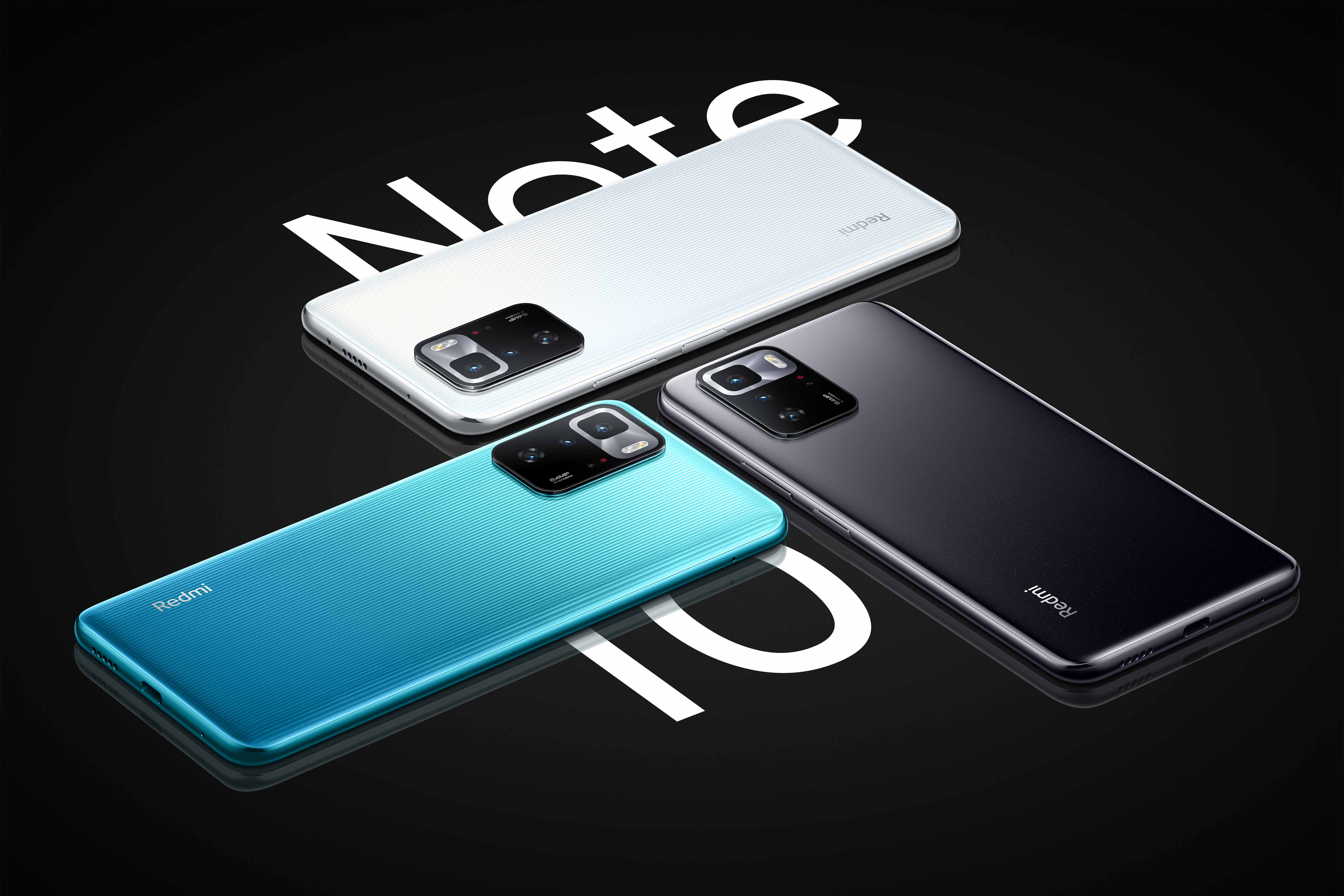
Talking about the X3 GT first, the device is expected to be the rebranded version of the Redmi Note 10 Pro 5G that has just been spotted clearing the SIRIM certification. This certification revealed the device’s model number and also confirmed its name as the POCO X3 GT. As per this listing (Via MySmartPrice), the smartphone carried the model number 21061110AG, which is in line with the FCC certification we had covered before.
On the other hand, the F3 GT, which is believed to be a rebranded version of the Redmi K40 Game Enhanced Edition, was also spotted receiving TUV Rheinland certification. The certification reveals that the model number for the M2012K10C/ M2012K10I. Notably, the “I” in the model number could be a reference to the Indian variant. The listing was spotted by known tipster Mukul Sharma who shared the information along with a screenshot on Twitter.
So yes, Redmi K40 Gaming Indian variant (POCO F3 GT) has now received the TUV Rheinland certification. Will feature the same BM56 battery which I spotted months ago on the Indian BIS. Feel free to retweet.#POCO#POCOF3GTpic.twitter.com/m6gks8K4d4
Both of the aforementioned smartphone are expected to launch in India soon. Although, the exact announcement date is currently unknown. Furthermore, the company has yet to official reveal any finer details regarding these handsets. So stay tuned for more, as we will be providing updates when additional information is available regarding this matter.
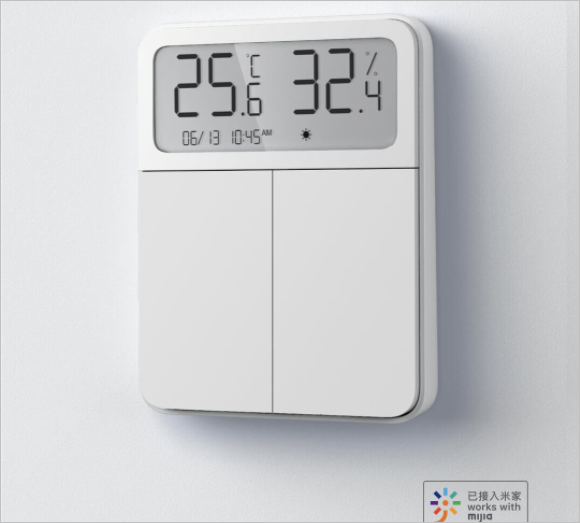
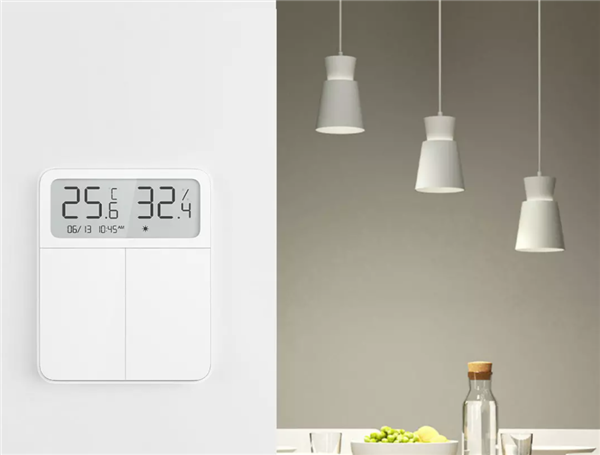
Xiaomi has consistently disclosed its desire to transform most homes into smart homes through the incorporation of smart, interconnected products. Over the years, we have seen the brand’s product offering increase from vacuum robots, smart bulbs, smart switches, and several others. The Chinese tech giant has now launched the MIJIA Screen Display Switch.
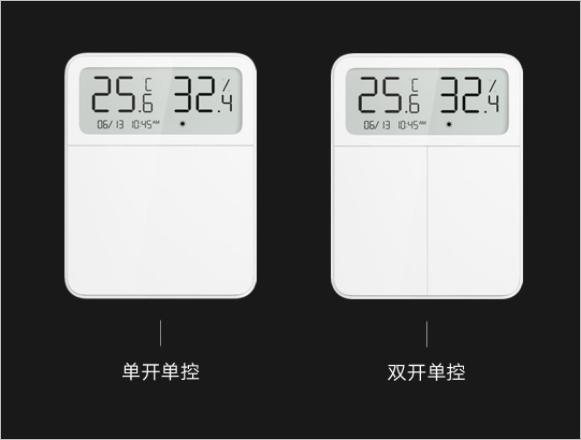
The MIJIA Screen Display Switch is offered in two models; single-key and double-key, priced at 99 yuan (~$15) and 109 yuan (~$17) respectively. The smart switch is capable of realizing smart scenes such as remote switching of lights and XiaoAI voice control without the need for wiring.
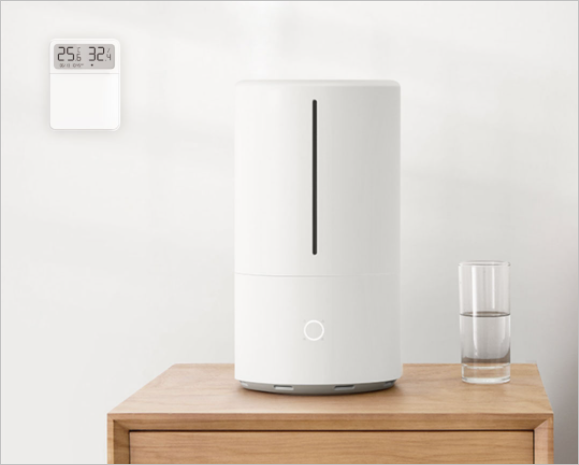
The switch has a built-in temperature and humidity sensor, which allows the user to see the temperature and humidity of the room. There is an LCD screen on the display which can be used to view the temperature and humidity of the room. The switch can be linked with the indoor air conditioner and humidifier.
At the same time, the screen also displays the current time and date, and the outdoor weather. The outdoor weather is represented with different symbols: cloudy, sunny, rain, snow, cloudy, and haze.
In addition, the switch features a built-in Bluetooth Mesh gateway function which allows it to be linked with other smart products to realize whole-house interconnection. You can even customize the buttons from functioning as a light switch. From the MIJIA app, the user can customize any of the buttons as a switch for other smart devices in the home.
The smart switch is durable as it is touted to withstand up to 80,000 presses. It won’t oxidize easily despite using a brass base and sterling silver contacts. The gadget is 110mm long and 86mm wide. The product is presently up for crowdfunding on Xiaomi Youpin and is expected to start shipping on July 4.
According to TheKoreaHeraldreport, the South Korean tech giant is facing backlash from local distributors and a private consensus based panel on shared growth, which stated that LG would be breaking its ‘word’ if it goes ahead with the new plan. Furthermore, the Korea Commission for Corporate Partnership added that the company’s pact with the commission in signed in 2019 that had LG would work to achieve co-prosperity with smaller firms in the industry.
The company had just recently announced that it would be shutting down its smartphone unit. It was also reportedly planning on selling iPhones and other Apple products from its official retail stores in South Korea. But this plan has brought up criticism from the Korea Mobile Distributor Association as well, which is an agency that represents interests of domestic phone distributors.
Now, the organization has sent a letter to the Korea Commission Corporate Partnership and has asked the body to intervene. Back in 2018, LG Electronics and Samsung Electronics had agreed to limit the sale of smartphones from their stores to the ones of their own brand, to prevent competition with smaller phone distributors. An official from the commission added that “LG’s withdrawal of the smartphone business has become an unexpected change to consider. Both sides will need to coordinate and come up with a new agreement on the issue.”
We use cookies on our website to give you the most relevant experience by remembering your preferences and repeat visits. By clicking “Accept”, you consent to the use of ALL the cookies.
This website uses cookies to improve your experience while you navigate through the website. Out of these, the cookies that are categorized as necessary are stored on your browser as they are essential for the working of basic functionalities of the website. We also use third-party cookies that help us analyze and understand how you use this website. These cookies will be stored in your browser only with your consent. You also have the option to opt-out of these cookies. But opting out of some of these cookies may affect your browsing experience.
Necessary cookies are absolutely essential for the website to function properly. This category only includes cookies that ensures basic functionalities and security features of the website. These cookies do not store any personal information.
Any cookies that may not be particularly necessary for the website to function and is used specifically to collect user personal data via analytics, ads, other embedded contents are termed as non-necessary cookies. It is mandatory to procure user consent prior to running these cookies on your website.