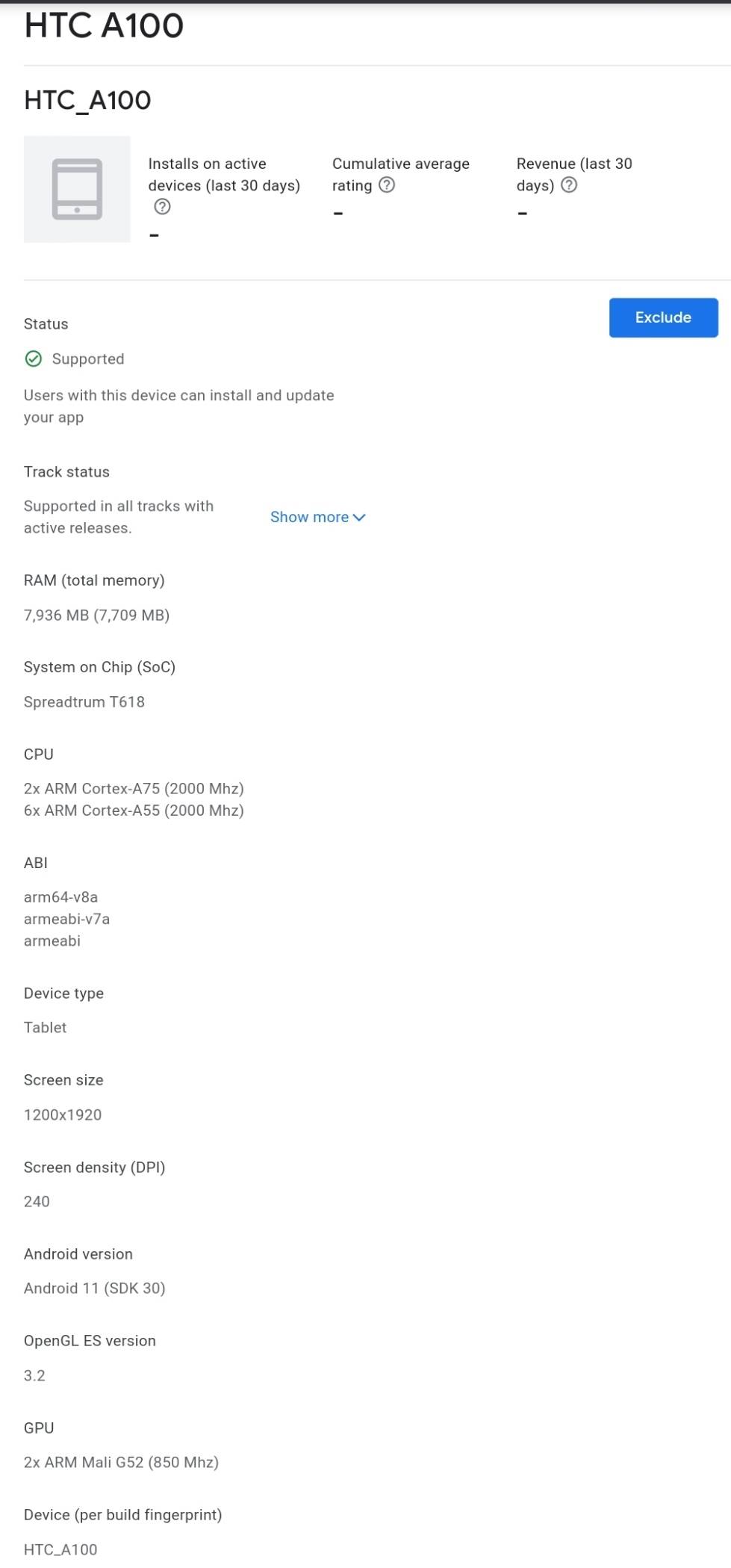
After launching budget smartphones likeWildfire E3 and Wildfire E Lite, HTC is now expected to launch a tablet device. While not being popular for any of its devices in the recent times, the company seems to be still trying to maintain its position in the market. A HTC tablet dubbed HTC A100 has now arrived on Google Play Console listing confirming its existence.
According to the Google Play Console listing(shared by tipster Abhishek Yadav), a new device named HTC A100 is in the works. It is not a smartphone, rather, a tablet device that is expected to come in the budget segment. The listing reveals that the device is powered by a Spreadtrum T618 processor paired with 8GB of RAM. As for storage, the tablet has a 128GB of onboard memory with up to 256GB of storage expandibility option.
The tablet packs a 7,000mAh battery and has a 10.1-inch display with 1200 x 1920 pixels resolution. It has a dual camera setup at the rear with a 13MP main and a 2MP secondary camera sensor. The tablet runs on Android 11 out of the box.
Moreover, the tablet was listed on a retail website with the same specs sheet. The listing has the image of the tablet but we aren’t sure if it is legit. Nonetheless, the page also reveals the price of the HTC A100 to be $200.
Given that the HTC A100 is still in the early stages of leaks, we may anticipate the tablet to appear in more similar leaks before it is officially announced.
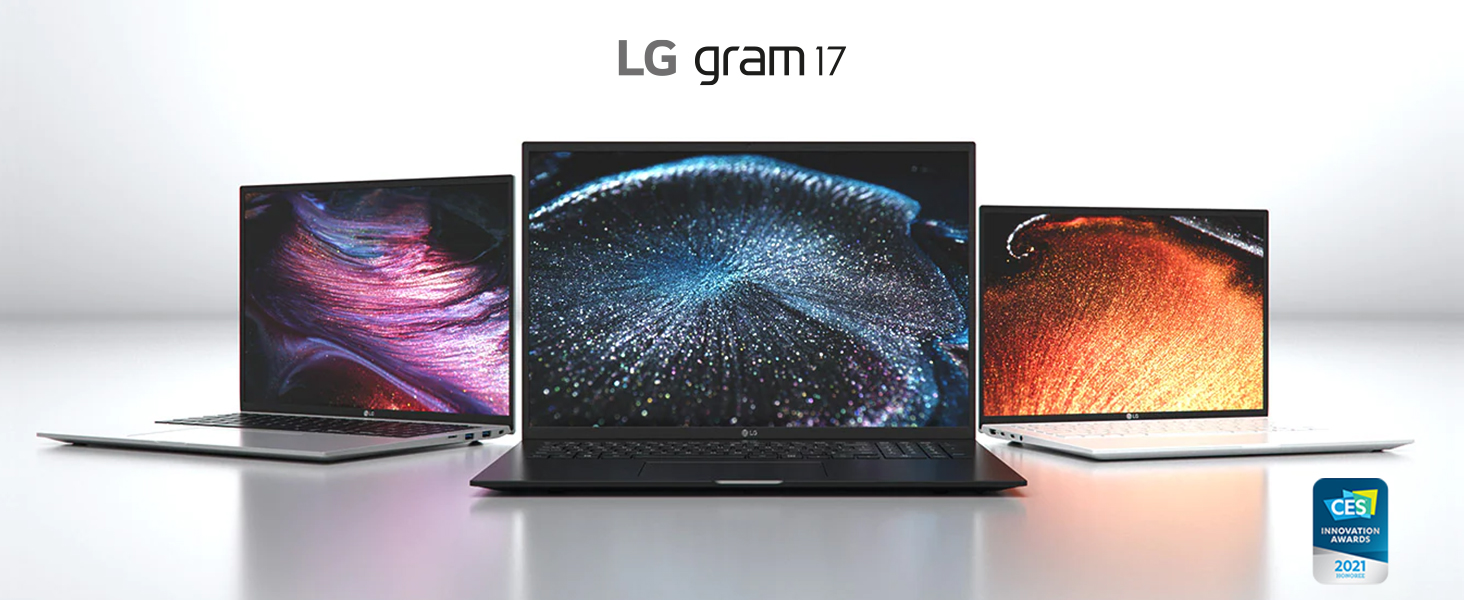
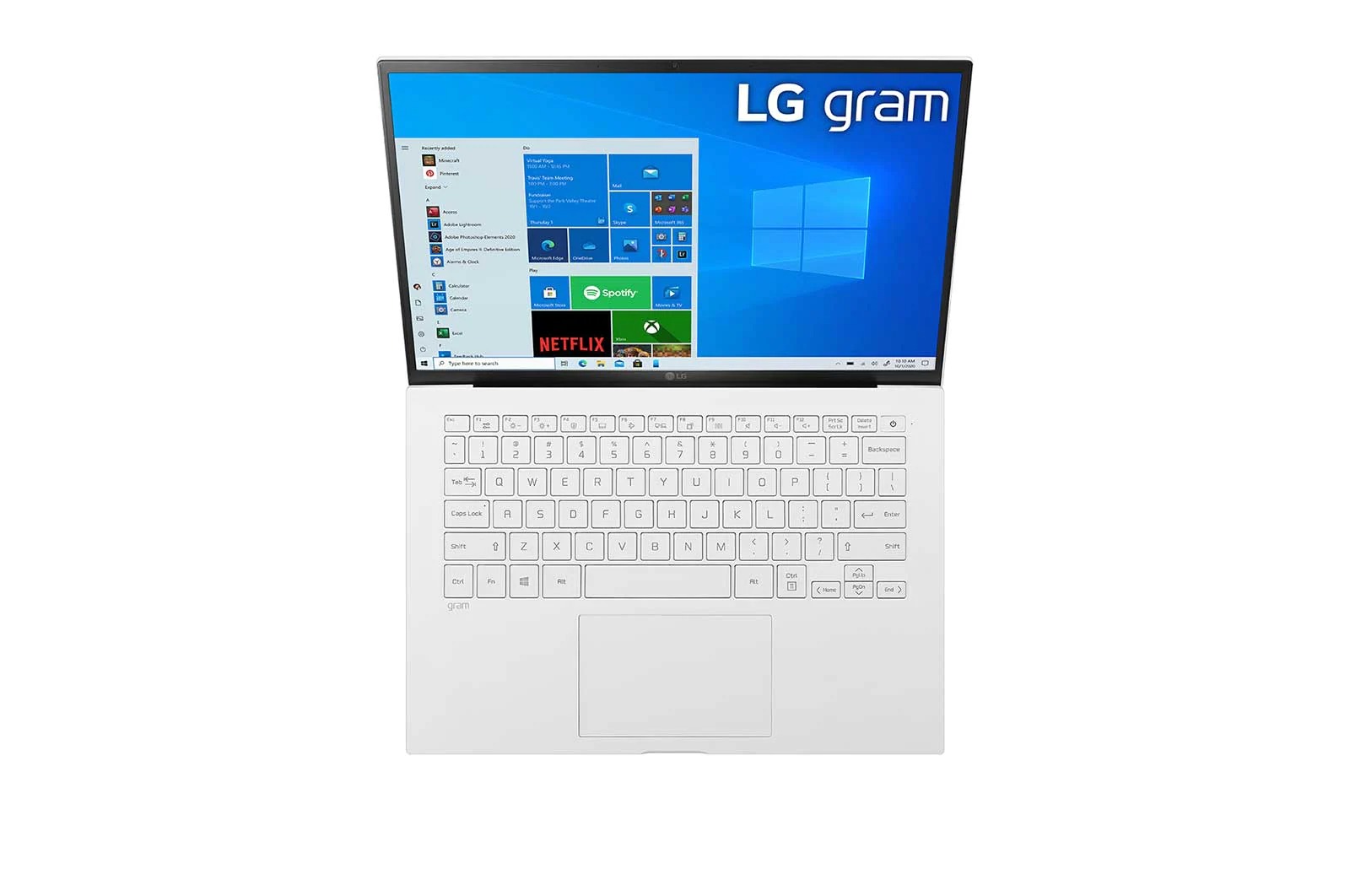
South Korean tech powerhouse LG has introduced three more models from its Gram lineup to the Indian market. They are the LG Gram 14, LG Gram 16, and LG Gram 17 lightweight laptops all coming with the 11th generation Intel Core processor. The company, in unveiling the ultra-light products in India, states that the LG Gram lineup was designed to maximize the usability for the consumers, with superior performance and strong battery life. The LG Gram models are focused on providing the latest technology that enhances their lifestyle.
The LG Gram 17 (17Z90P), the Gram 16 (16Z90P), and the Gram 14 (14Z90P) are the 3 models, and they share several common features. All three models have a 16:10 display, similar processors, Iris Xe Graphics, and LPDDR4X RAM. The Gram 17 and Gram 16 both have a WQXGA (2560 x 1600 pixels) display while the Gram 14 comes with a WUXGA (1920 x 1200 pixels) display.
The three models are USB type 4 compatible, have Thunderbolt 4 ports, and strong battery life. With USB 4 compatibility, each of the models can be charged through the USB Type-C port. Lastly, the LG Gram 17 and Gram 16 each have 80Wh high-density batteries, which are more efficient.
All three LG Gram laptops are available both online and offline outlets across the subcontinent. The starting price for the lowest model is Rs. 74,999 ($1,010). LG hopes the new products will get a great reception in India.
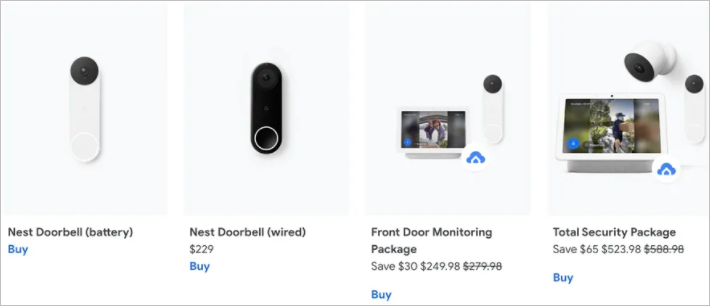
In a move that could indicate their imminent release, Google has provided some of its unreleased Nest security cameras on its online store. A tipster has provided some images indicating that Google apparently listed a few of its yet-to-be-released Google Nest security cameras on its online store. The Nest lineup of incoming security cameras has been expected since January when Google announced it would be releasing the products.
It is unclear whether the products were deliberately released or not. Google is yet to make any definitive statement on the incident, although a similar incident had happened in the past. It inadvertently revealed the Nest Hub Max some weeks before its official announcement.
The new security gadgets include a combined outdoor/indoor battery-powered Nest Cam, an outdoor Nest Cam with floodlight, an indoor wired Nest Cam, and a battery-powered Nest Doorbell. The Google listing for all the unannounced products is yet to be activated as most of the links on the site take you back to the Google Homepage.
The few details provided by Google on the incoming security cameras provide some inkling on the void that is being filled by these devices. When eventually these devices are released, possibly in combination with others that may still be under wraps, they would fill in some big gaps in Google’s security camera architecture and lineup. Some of these devices offer greater depth in the acquisition of data discreetly and efficiently. Amazon’s Ring also developed popular connected floodlight cameras.
The online listing could well be a sneak peek into what is Google’s lineup for the market this year. There was no pricing information and global availability details were absent.
Google continues to provide cutting-edge direction across several domains. Its reach covers both hardware and software solutions.
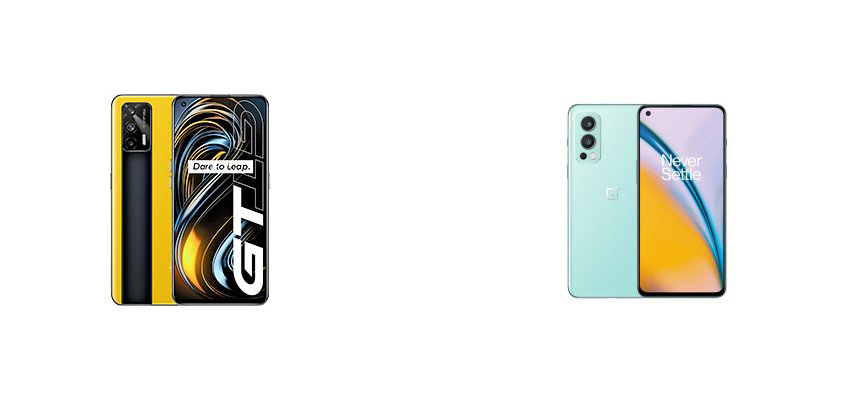
If you need a flagship but you also want the most affordable price, you have two very interesting choices this year, and they are not released by Xiaomi. We are talking about Realme GT and OnePlus Nord 2 5G: these two devices are sold in the global market with the best Qualcomm chipset and the best MediaTek chipset, respectively. Even though they vary depending on the market, their prices are always very similar and if you are not an expert you will most likely have a hard time choosing which one to buy. This comparison will highlight the main differences between Realme GT and OnePlus Nord 2 5G and, hopefully, it will tell you which handset you should opt for.
Realme GT 5G vs OnePlus Nord 2 5G
Realme GT 5G
OnePlus Nord 2 5G
DIMENSIONS AND WEIGHT
158.5 x 73.3 x 8.4 mm, 186 g
158.9 x 73.2 x 8.3 mm, 189 g
DISPLAY
6.43 inches, 1080 x 2400p (Full HD+), Super AMOLED
6.43 inches, 1080 x 2400p (Full HD+), Fluid AMOLED
PROCESSOR
Qualcomm Snapdragon 888, octa-core 2.84 GHz
Mediatek Dimensity 1200, octa-core 3 GHz
MEMORY
8 GB RAM, 128 GB – 12 GB RAM, 256 GB
8 GB RAM, 128 GB – 12 GB RAM, 256 GB
SOFTWARE
Android 11, Realme UI
Android 11, OxygenOS
CONNECTIVITY
Wi-Fi 802.11 a/b/g/n/ac/ax, Bluetooth 5.2, GPS
Wi-Fi 802.11 a/b/g/n/ac, Bluetooth 5.2, GPS
CAMERA
Triple 64 + 8 + 2 MP, f/1.8 + f/2.3 + f/2.4
16 MP f/2.5 front camera
Triple 50 + 8 + 2 MP, f/1.9 + f/2.3 + f/2.4
32 MP f/2.5 front camera
BATTERY
4500 mAh, fast charging 65W
4500 mAh, fast charging 65W
ADDITIONAL FEATURES
Dual SIM slot, 5G
Dual SIM slot, 5G
Design
The Realme GT has a very original and attractive design. There is a color option that includes an eco leather back made of two pieces: the eco leather part and a black glass stripe with a beautiful pattern inside. This phone clearly reminds me of sports cars and that is the reason why its name is GT. The handset also comes in different color options with a traditional glass back. The OnePlus Nord 2 5G is a less unique phone: it has a good design, but it comes with a classic glass back protected by Gorilla Glass 5. The dimensions of the handsets are more or less the same.
Display
The Realme GT and OnePlus Nord 2 5G are similar even when it comes to the displays. With these devices, you get two AMOLED panels with a diagonal of 6.43 inches and a Full HD+ resolution of 1080 x 2400 pixels, as well as the HDR10 certification which improves the image quality. There are also in-display fingerprint readers. The only important difference between these two panels is the refresh rate: the Realme GT is superior because it supports up to 120 Hz, while OnePlus Nord 2 5G stops at 90 Hz. Note that the refresh rate does not impact the image quality but only the smoothness of the display.
Specs & Software
Realme GT has a better hardware department simply because it packs a superior chipset. We are referring to the Snapdragon 888 mobile platform by Qualcomm which is definitely stronger than the Dimensity 1200 by MediaTek found on the OnePlus Nord 2 5G. However, you still get a flagship-class level of performance with the Dimensity 1200 SoC, so having a Snapdragon 888 is not a so big deal. The memory configurations are the same: 8 or 12 GB of RAM and 128 or 256 GB of UFS 3.1 native storage depending on the chosen variant. The phones run Android 11 out of the box with OxygenOS and Realme UI to customize it. As for now, these two user interfaces are very similar as they are both based on ColorOS by OPPO.
Camera
The main advantage of the OnePlus Nord 2 5G is the better camera setup it is able to offer. It has a Sony IMX766 main camera with a 50 MP resolution which can provide a better photo quality and it also comes with OIS. With the Realme GT, you get an inferior 64 MP camera without OIS. The secondary sensor of the rear camera module are the same: an 8 MP ultrawide camera and a 2 MP macro camera. The OnePlus Nord 2 5G also offers a better front camera with a resolution of 32 MP, while Realme GT has an inferior 16 MP lens.
The Realme GT and the OnePlus Nord 2 5G pack the same battery with a capacity of 4500 mAh which supports 65W fast charging. Do they also provide the same battery life? It depends on the usage. If you use the 120 Hz refresh rate on the Realme GT, it will drain more battery compared to the 90 Hz of the OnePlus Nord 2 5G. Further, the Snapdragon 888 is built with a better 5 nm production process, so it is able to offer a lower energy consumption in a few scenarios. But at the end of the day, the battery life should not be so different.
Price
The prices of the Realme GT and the OnePlus Nord 2 5G for the global market are starting from €399/$472. Overall, the OnePlus Nord 2 5G looks a bit more interesting for those who are searching for good camera performance, while Realme GT is more attractive for those who prefer an original design, a higher refresh rate, and a better chipset. For the rest, they are pretty much the same.
It has become a tradition for Samsung to announce s variants of existing Galaxy A series phones. Some of the devices that have launched under this model include the Galaxy A02s, Galaxy A21s, Galaxy A30s, and Galaxy A50s. Now it is set to release the Galaxy A52s 5G, a slightly updated version of the Galaxy A52 5G. Ahead of its release, renders of the phone have been shared online giving us a look at all the colors it will be available in.
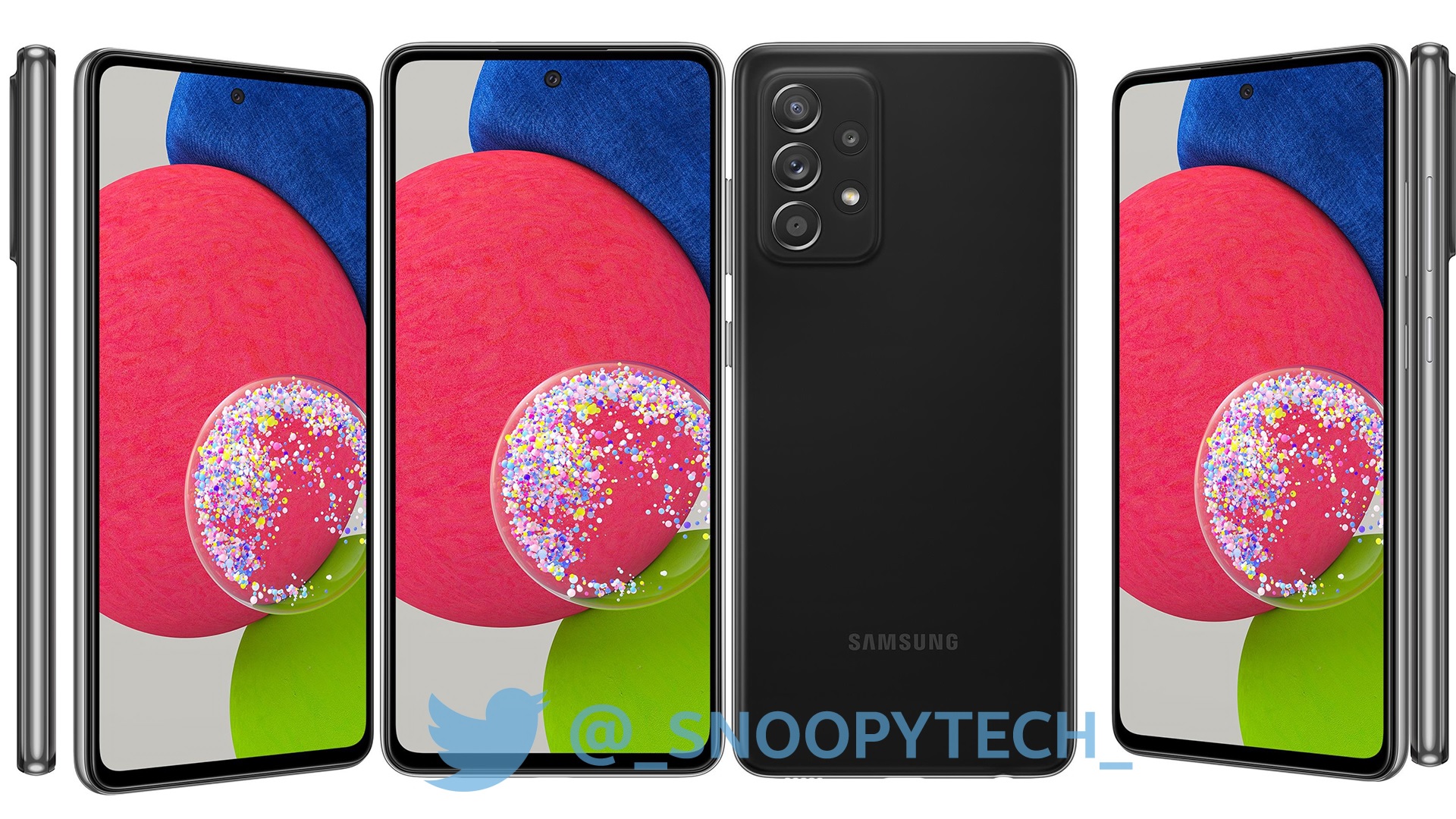
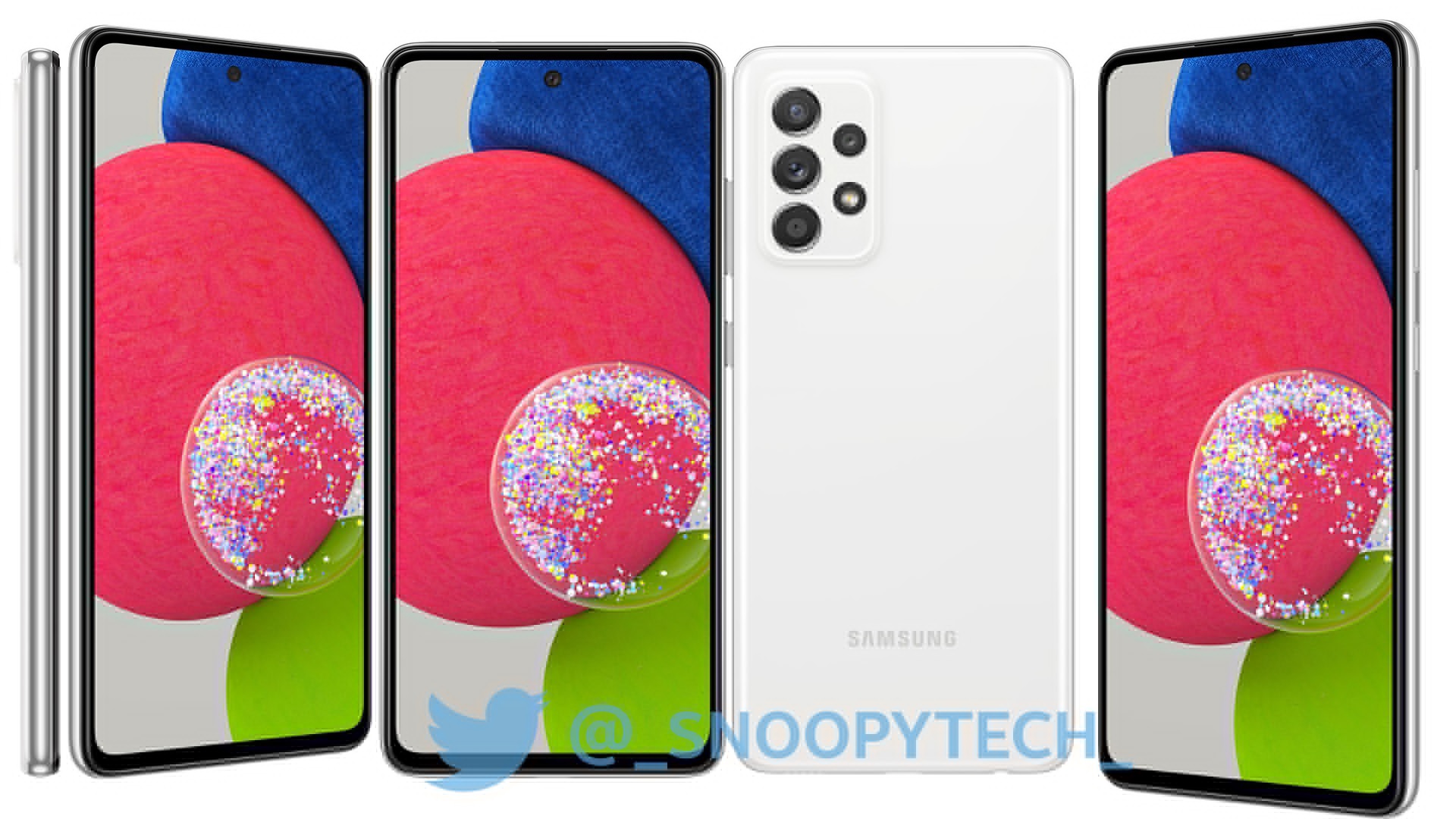
The Galaxy A52s 5G will be available in four colors – Awesome Black, Awesome Mint, Awesome Purple, and Awesome White as reported earlier this week. The press renders below posted on Twitter by the leaker named Snoopy (@_snoopytech_).
1 of 4
Galaxy A52s 5G Awesome Black
Galaxy A52s 5G Awesome Mint
Galaxy A52s 5G Awesome Purple
As seen in the images, Samsung has carried over the design of the Galaxy A52 5G. The Infinity-O display is flat and has a centered punch hole for the front-facing camera. On the back, the quad cameras have the same arrangement and protruding camera housing.
The source also revealed that the Galaxy A52s 5G will be available in only one storage variant and that is 128GB. However, Max Jambor of All About Samsung stated that there is also a 256GB version. Both will have 8GB of RAM.
An earlier reported that the phone will be powered by the Snapdragon 778G, an upgrade over the Snapdragon 750G inside the Galaxy A52 5G. Its price tag is also put at about €450 for the 256GB version.
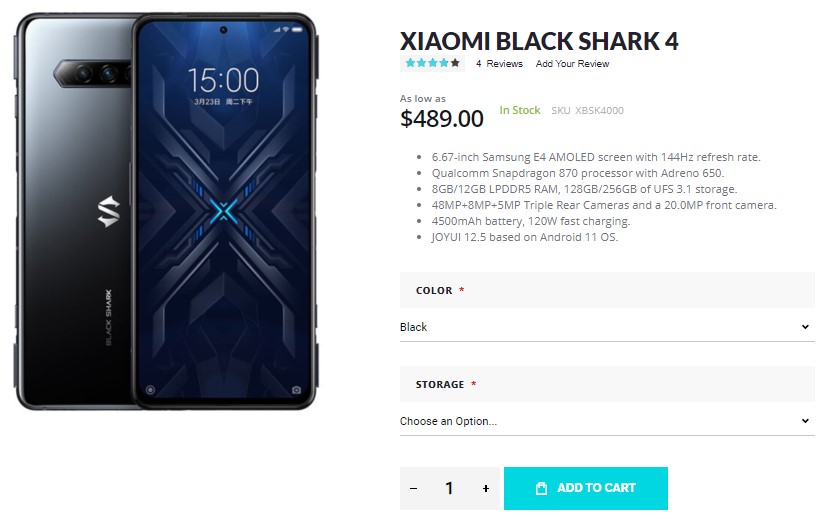
Gaming has evolved from classic gaming boards to PCs, and now from Play Stations to Gaming smartphones. There’s a huge gaming smartphone industry budding parallelly with the mainstream smartphone market. Xiaomi also jumped into the gaming market with the launch of the Xiaomi Black Shark series of smartphones. Xiaomi Black Shark 4 is the latest offering from the company carrying exceptional hardware specifications.
The gaming smartphone is on sale for $449 from Giztop. You can get an additional $40 discount using a coupon code – BK440. It is available in three colour options of Black, Mirror Black and Grey. However, you can choose between different storage options such as 8GB RAM + 128GB storage, 12GB RAM + 256GB storage and 12GB RAM + 128GB storage.
Xiaomi Black Shark 4 smartphone houses a 6.67-inch Samsung E4 AMOLED display with a 144Hz refresh rate for a smooth gaming experience. It is bundled with a Snapdragon 870 SoC coupled with an Adreno 650 GPU. The graphics unit with 8/12GB RAM is a perfect gaming combination for a flawless experience.
A massive 45000 mAh battery with support for 120W fast charging is enough to enjoy gaming without a break. Other gaming-focused features such as shoulder buttons, Black Shark Game Engine, and the sandwich liquid-cooling system makes the device worth every penny.
It is a good offer to grab the smartphone at a discounted price of $449 via Giztop.
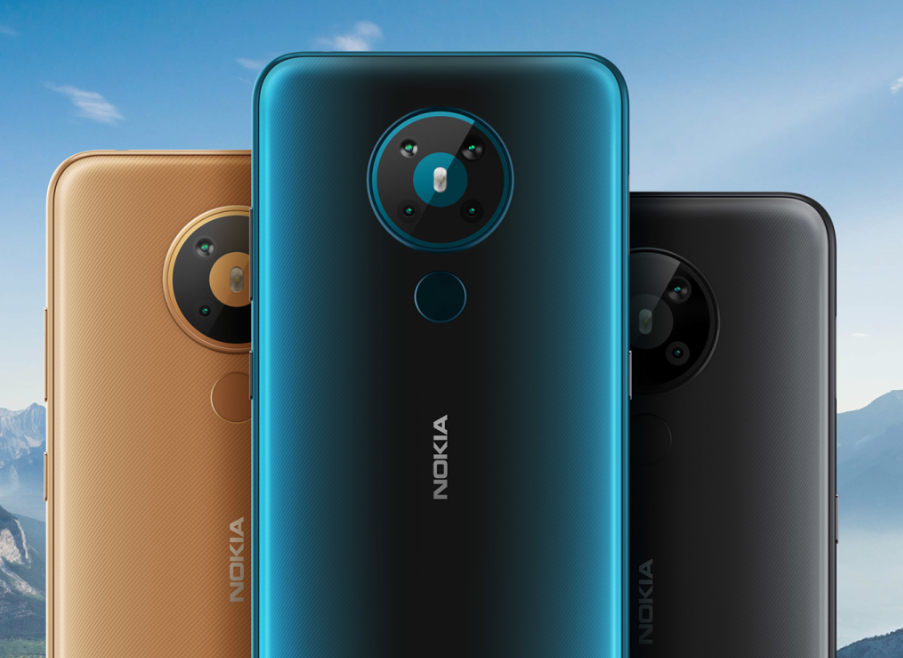
When Android 11 was released last year, HMD Global released a roadmap that showed when its eligible devices will receive the update. The Nokia 5.3 was scheduled to receive the OS upgrade in the fourth quarter of 2020 but that didn’t happen. After more than a six-month delay, the update has finally arrived for the mid-range phone.
The announcement was made on the Nokia Community earlier today by a staff member and he revealed that the Android 11 update for the Nokia 5.3 will be available in waves. The countries under the first wave are listed below and all of them are expected to have received it by August 6:
Cambodia
Hong Kong
India
Indonesia
Laos
Macau
Malaysia
Myanmar
Nepal
Sri Lanka
Switzerland
Taiwan
Vietnam
Below is the changelog for the update:
Manage your conversations: Get all your messages in one place
One-time permissions: Give one-time permissions to apps that need your mic, camera, or location
Google Play system updates: Even more security and privacy fixes sent to your phone, right on Google Play
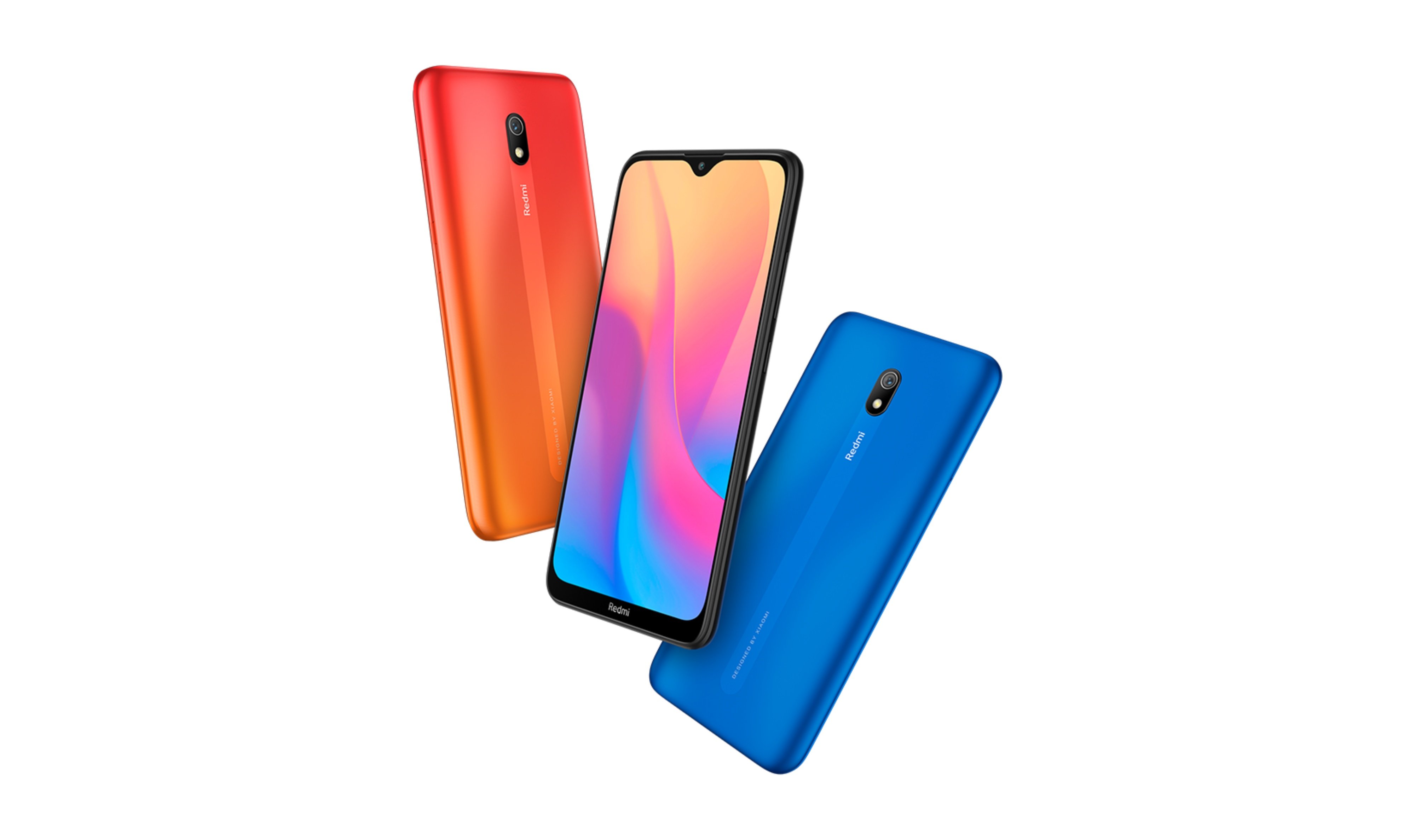
Xiaomin’s Lei Jun has confirmed that MIUI 13 will arrive by the end of 2021. This means MIUI 12.5 continues to be the new version of the company’s Android-based mobile operating system for the time being. It makes sense too as the firm has just started rolling out this version of MIUI for Redmi Note 10, Redmi 8, Redmi 8A and Redmi 7A.
Redmi 8A
The Redmi Note 10 is the most affordable smartphone in the Redmi Note 10 series. However, despite launching in March, the device has begun to receive the MIUI 12.5 update only now.
In fact, the update is currently only live for the ‘Global’ variant of the phone with build number V12.5.2.0.RKGMIXM. Anyway, other regional variants should get this very same update in the coming weeks.
On the other hand, the MIUI 12.5 update for Redmi 8, Redmi 8A, and Redmi 7A is only available in China right now. The update for these devices arrives with build numbers V12.5.1.0.QCNCNXM, V12.5.1.0.QCPCNXM, and V12.5.1.0.QCMCNXM respectively.
The update should gradually reach the remaining variants of these handsets in the near future. That said, MIUI 12.5 could be the last major update for these three phones.
Because Xiaomi is known for providing two MIUI updates and one Android update for its entry-level smartphones, and these handsets have now reached that threshold.
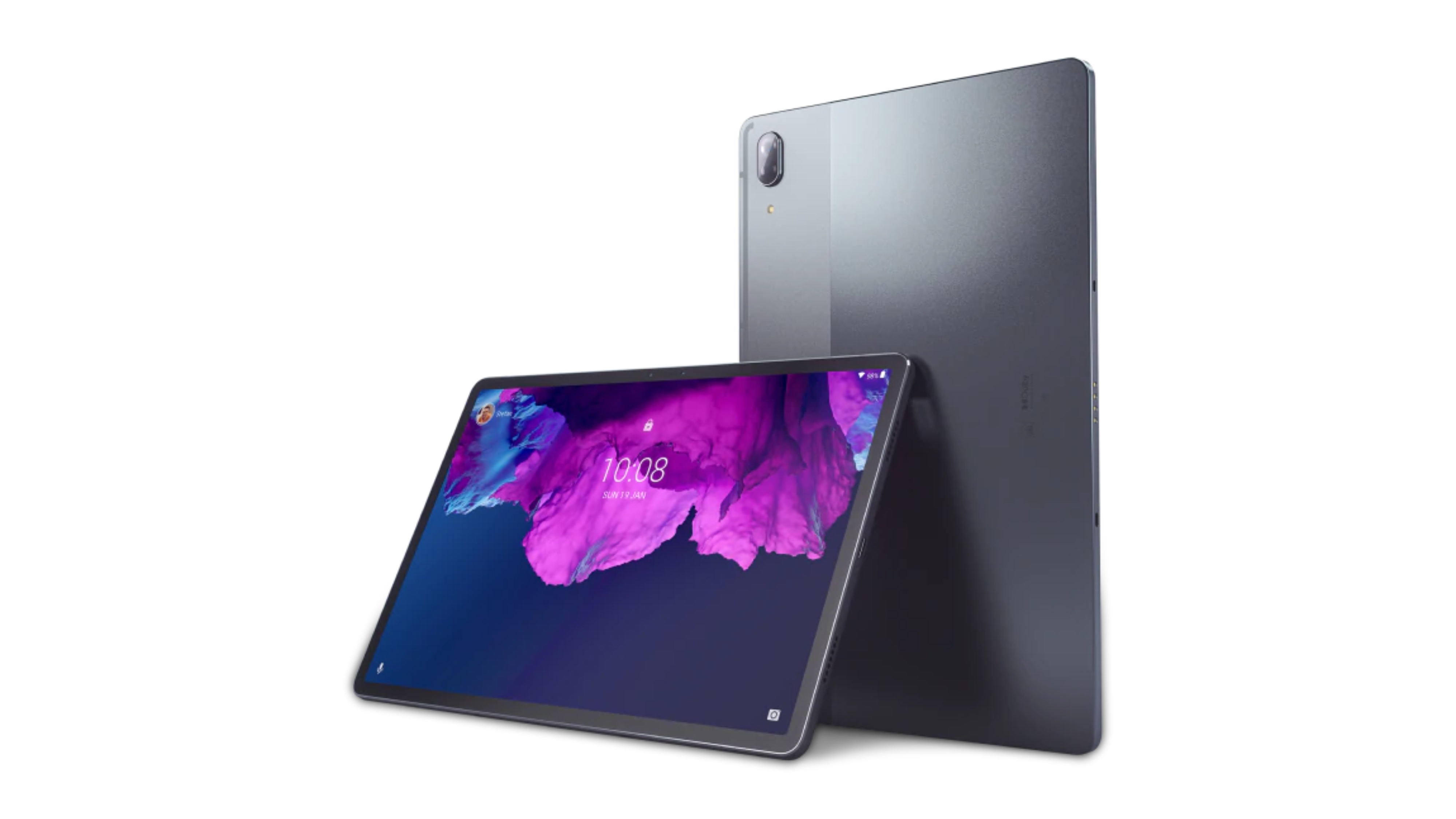
Lenovo is offering a massive discount on Lenovo Tab P11 Pro 2021 via Giztop. the device is also known by the name of Lenovo Xiaoxin Pad Pro in China. The tablet device with Snapdragon 870 is quite popular due to its high-end 11.5-inch 2.5K OLED display. It is currently retailing for the price of $469, but with the coupon code – PAD30 you can get it for $439 with an attractive $30 discount.
Lenovo Tab P11 Pro 2021 is available in silver colour option and in a single 6GB RAM and 128GB internal storage WiFi-only variant. Interested folks can bundle the purchase with an official Smart Keyboard case worth $99. Make sure to grab a tablet if, otherwise the sale will end on August 10.
Lenovo Xiaoxin Pad Pro 2021 aka. Lenovo Tab P11 Pro is powered with Qualcomm Snapdragon 870 SoC, 6GB LPDDR5 RAM, and 128GB UFS 3.1 internal storage. It houses a massive 11.5-inch OLED display having 2.5K resolution with support for a 90Hz refresh rate. It is a phenomenal tablet considering the specifications and the outstanding features.
The tablet comes with ZUI 12.5-based Android 11 OS bundling with all the crafted features for a responsive and clean user experience.
The powerful tablet houses an equally useful camera as it bundles a 13MP autofocus camera on the rear side along with a 5MP 120-degree ultra-wide sensor. An 8 MP primary sensor is fixed on the front side along with another 8MP IR camera for selfies and video calling. The presence of an IR sensor on the front improves the face unlock feature.
A mammoth 8600 mAh battery offers a couple of day’s battery backup upon excessive usage. However, it is bundled with Quick Charge 3.0 and 20W fast charging.
It is a great deal for interested buyers who are looking for a high-end Android tablet. Hurry up and grab a $30 discount using coupon code PAD30 via Giztop.
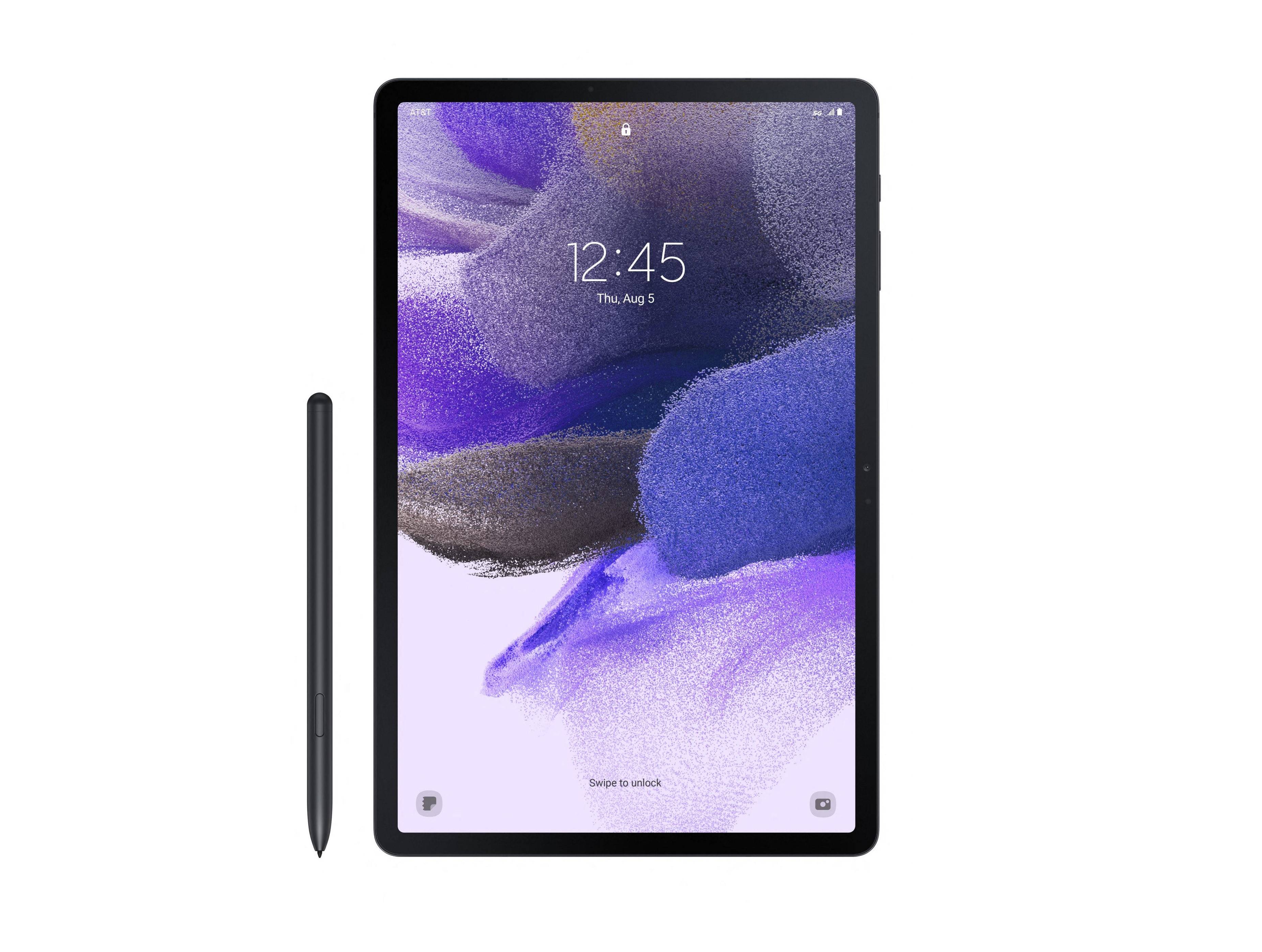
Samsung announced the U.S. arrival of the Galaxy Tab S7 FE in a press release which mentioned that the tablet will be available in 5G and Wi-Fi variants. Both will have the same RAM and storage capacity but the latter won’t be available until September.
The Galaxy Tab S7 FE has a 12.4-inch 2560 x 1600 LCD display. There is a Snapdragon 750G processor under the hood along with 4GB of RAM and 64GB of storage that can be expanded by up to 1TB via a MicroSD card slot.
There is an 8MP AF camera on the back of the tablet while the front-facing camera is a 5MP sensor. The Galaxy Tab S7 FE has stereo AKG speakers and support for Dolby Atmos. It also packs a 10,090mAh battery capacity with support for 45W charging.
The tablet packs lots of very useful features such as Multi-Active Window that allows you to use up to three apps at the same time on a single screen. It also works better with other Galaxy devices such as letting you answer calls on your tablet if your phone is out of reach and automatically switching your earbuds from one device to another.
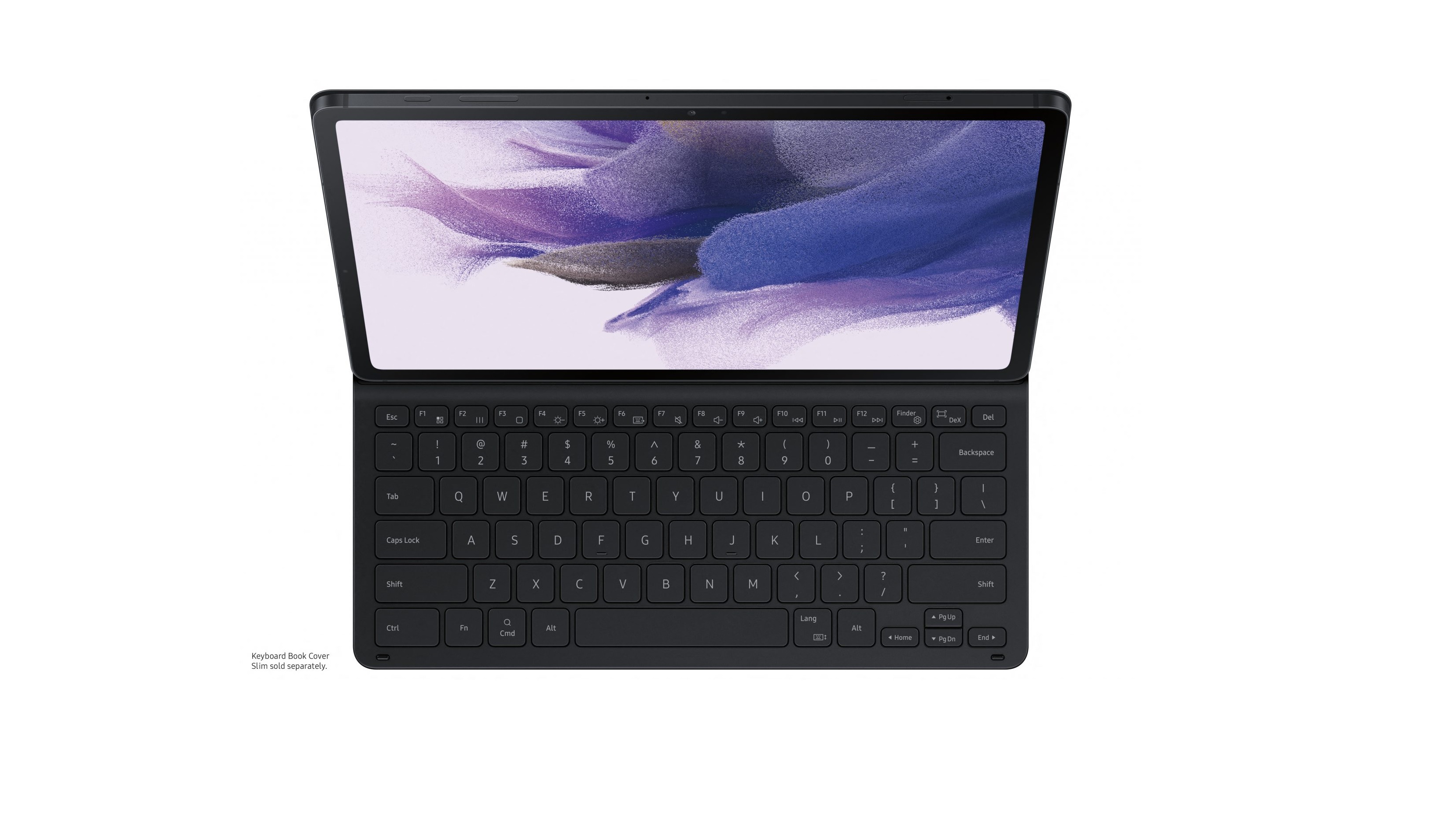
An optional keyboard case will allow you to transform the Galaxy Tab S7 FE into a more productive device. Just like the Galaxy Tab S7 and Galaxy Tab S7+, it also comes with an S Pen and the tablet can work as a second screen for your computer when you use the Second screen feature.
The Galaxy Tab S7 FE 5G will be available for purchase starting tomorrow, August 5, for $669 while the Wi-Fi version will be available for pre-orders tomorrow but will be available for purchase in September. The 5G version will only be sold in Mystic Black by Samsung, AT&T, and Verizon while the Wi-Fi model will be available in Mystic Black, Mystic Silver, Mystic Green, and Mystic Pink.
Smartphone brands that sell computers offer a software feature that enables a connection between these two products. This enables users to do a lot more. Different companies offer different solutions. Some of the notable ones include HUAWEI Multi Screen Collaboration, Microsoft Your Phone, Samsung DeX, and Xiaomi MIUI+. Now, as per a tipster, OPPO will be introducing its own take on this feature with the release of ColorOS 12.
All three Oujia brands, namely OPPO, OnePlus, and realme are growing rapidly in the global markets with the fall of HUAWEI and HONOR. The three brands are also expected to enter new product categories like tablets and laptops.
Hence, ColorOS, the common Android skin used by them is expected to adopt new features as required. Therefore, we are not surprised to learn that OPPO is indeed working on HUAWEI Multi Screen Collaboration clone for its devices.
As per images shared by a leaker on Weibo, OPPO will be calling this feature ‘Cross Screen Interconnection’ (translated) in China. The tipster says that this feature, which is currently under testing will be introduced in ColorOS 12.
1 of 2
ColorOS 12 based on Android 12 will be the next major version of the OPPO group’s mobile operating system. Not much is known about this software at the moment. But we expect to learn more about it before its official release in a month or two.
That being said, ColorOS Cross Screen Interconnection should be initially limited to China as part of beta testing. However, it will most likely make its way to other markets once it becomes stable enough.
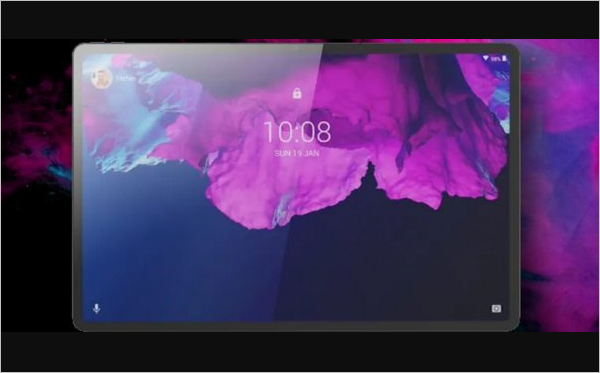
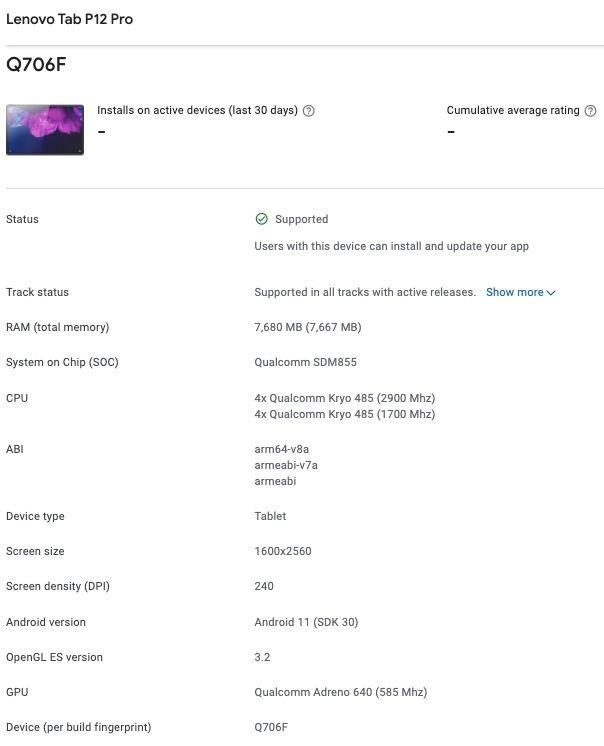
Lenovo Tab P12 Pro has appeared in the Google Play Console, fueling speculation that the launch of the device could be imminent. The Lenovo P12 Pro is a successor to the P11 Pro which was released in 2020. It could sport a more powerful Qualcomm Snapdragon 855 (or 860) chipset ahead of the Snapdragon 730G that powered the P11 Pro.
Back in July, the Lenovo Yoga Tab 13, Yoga Tab 11, and Tab P11 Plus tablets were released globally. The Yoga Tab and Tab P11 models have IPS LCDs, and the P11 Pro has an 11.5-inch OLED display.
The Lenovo P12 Pro (TB-Q706F) still packs less power than the Yoga Tab 13, which is powered by the Snapdragon 870 chipset. It offers 8GB of RAM and comes with Android 11 out of the box. The display may not be significantly different from that of the P11 Pro. Although the Google Play Console listing did not specify the charging capability of the device, we expect it not to fall below 20W. We also expect a decent four-speaker setup, dual rear camera, and a few other features prominent in its predecessors.
The Lenovo P12 Pro could be just weeks away from its launch. We would expect more details about the device as we progress to its eventual unveiling. There are a few specs and features that are yet to be released for the device. The nature and capacity of the battery of the device have not been divulged. Similarly, we are not sure whether wireless charging is employed.
Pricing and global availability information have not been released yet. Indeed the date of unveiling of the Lenovo P12 Pro is also not known. We’ll keep you on the loop for new details on the Lenovo P12 Pro.
Earlier today, Honor confirmed that the Honor X20 5G smartphone will debut on August 12 in China. A few hours after the announcement, renders of the smartphone leaked online. Additionally, renders for another Honor phone dubbed Honor Play5T Pro have also emerged.
According to the high-resolution renders, the Honor X20 5G features a dual-punch-hole display with thin bezels. It has a vertical pill-shaped punch-hole camera unit at the top left-hand side. It is a 6.67-inch FHD+ LCD display with 391 PPI.
Honor X20 5G
On the other hand, the Honor Play 5T Pro sports a single punch-hole display with a Full-HD+ resolution. It has a 6.6-inch LCD panel with thin bezels on the top and sides.
Moving to the rear, the X20 5G has a circular camera island similar to the standard flagship Honor camera design. The camera island holds a triple rear camera system comprising a 64MP primary lens, a 2MP macro sensor, and a 2MP depth sensor. The Play5T Pro has a vertical camera module with a dual rear camera setup. It has a 64MP main lens and a 2MP depth sensor.
Honor Play5T Pro
Other than this, the renders disclose the color variants of the smartphones. The X20 5G has three hues – Night Black, Titanium Silver, and Aurora Blue. The Play5T Pro seems to flaunt Silver and Black color variants.
Specifications of the smartphones
Apart from the renders, the specifications of the smartphones were also surfaced. The X20 5G is expected to come powered by the MediaTek Dimensity 900 5G chipset. The Play5T Pro will be powered by a MediaTek Helio G80 chipset. The duo is expected to be available in up to 8GB of RAM and 256GB of onboard storage.
The X20 5G will pack a 4,300mAh battery with 66W fast charging support. The Play5 T Pro is rumored to have a 4,000mAh battery with 22W fast charging. The phones are expected to run on Android 11 out of the box with Magic UI 4.2 on top of it.
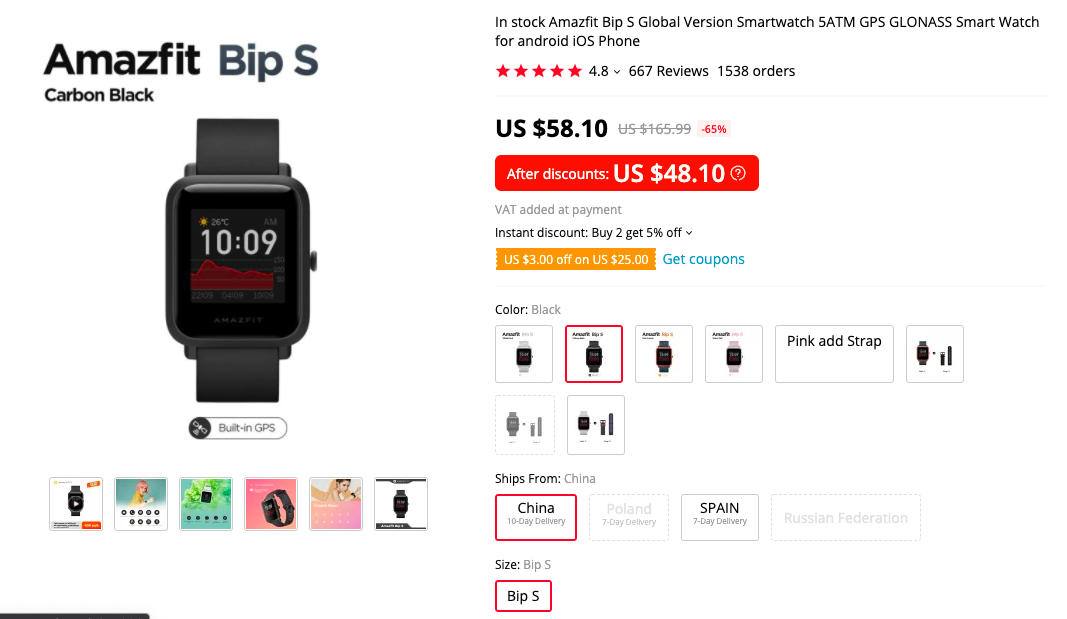
Amazfit BIP S smartwatch features a 1.28” color display. The smartwatch weighs just 31g making it super comfortable to wear all day long. To manage your health and fitness, the smartwatch comes with a PAI health assessment system, 24×7 Heart Rate Monitor, and Bio-Tracking Optical sensor. Moreover, with a 5 ATM water resistance certification, you can easily wear Amazfit BIP S for swimming and other pool activities.
Amazfit BIP S gives you 40 days of battery life. You can now buy Amazfit BIP S for $48.10 only at AliExpress. Please note that this deal is applicable to the white, black, orange, and pink color variant. So place your order asap.
For more information on such exciting deals and offers check out ourdeals hub.
* Please Note: When you buy something using the links in our articles, we may earn a small commission at no cost to you.
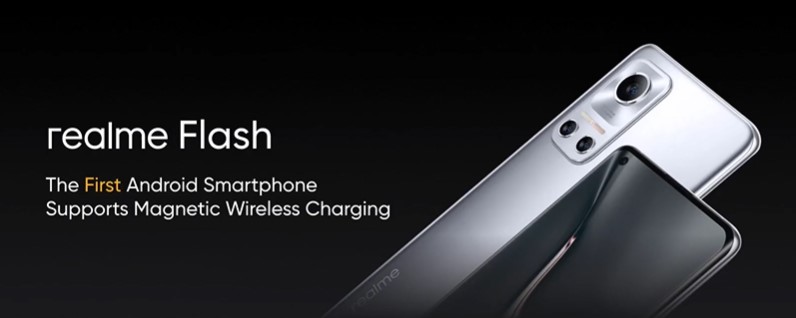
At yesterday’s MagDart event, Realme unveiled the Realme Flash, the world’s first Android phone with support for magnetic wireless charging. However, only a few key details of the phone were revealed. The full spec sheet has now appeared online.
The Realme Flash has a 6.7-inch E4 AMOLED display with a QHD+ resolution and a 120Hz variable refresh rate that can drop to as low as 1Hz. During yesterday’s event, Realme said the phone is powered by the Snapdragon 888 processor but the source of this new spec sheet, Abhishek Yadav, says it has a Snapdragon 888 Plus processor. The phone also has LPDDR5 RAM and UFS 3.1 storage.
With respect to its camera specifications, the Realme Flash is said to have two 50MP cameras both of which are the Sony IMX766 sensor, and one having optical image stabilization (OIS). The third rear camera is a 2MP sensor and in front is a 32MP Sony IMX615 sensor.
The phone packs a dual-cell 4500mAh battery with support for 15W and 50W MagDart charging and 65W fast wired charging. Other features mentioned are NFC, a linear motor, alloy middle frame, and dual speakers.
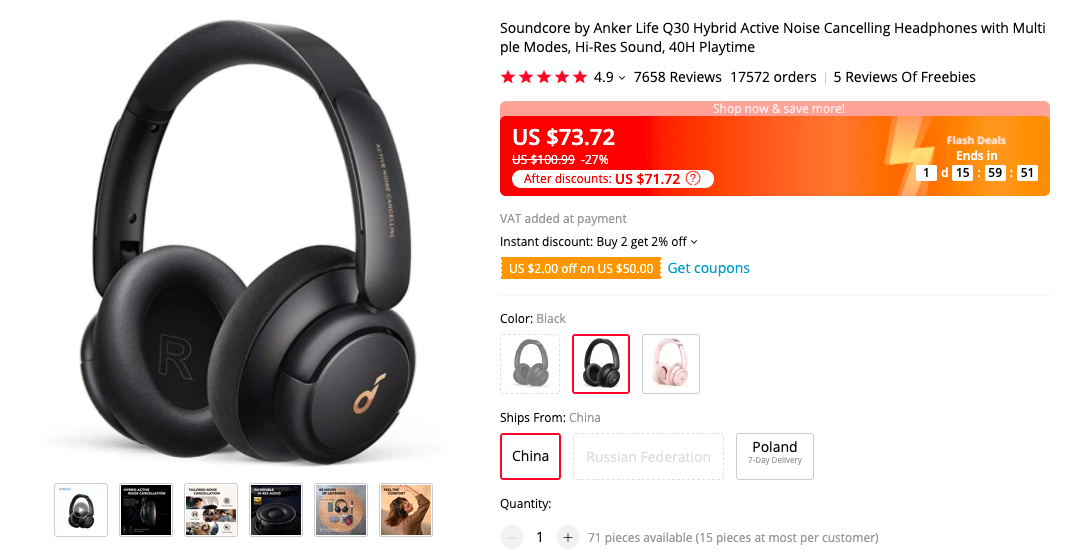
Soundcore by Anker Life Q30 Hybrid ANC Headphone is now available at a discounted price of $71.72 only at AliExpress. The headphone is available in Black and Pink color variants. This deal ends tomorrow.
Soundcore by Anker Life Q30 is an over-the-ear headphone designed specifically for its Hybrid ANC (Active Noise Cancelling ) function. The headphone comes with multiple ANC modes like Transport, Indoor, Outdoor, transparency, etc that help you to navigate and enjoy your music and calls/ videos in different environments.
Built with soft memory foam earcups and a lightweight head frame, Soundcore Anker Life Q30 is perfectly comfortable for long usage. The headphone comes with an NFC function that allows you to quickly pair your headphone with any Android smartphone with a simple tap on the right earcup. The Hi-Res Certified Music headphone gives you highly detailed notes. This means you can enjoy a clear, sharp, and detailed musical experience with your Soundcore Anker Life Q30 headphones. With simultaneous dual device connection and multiple mode access through the Soundcore app, Soundcore Anker Life Q30 is the perfect headphone for both indoor and outdoor usage.
The headphone which generally retails at $100 is available for a heavily discounted price of $71.72 only at AliExpress. This deal ends tomorrow. So place your order asap.
For more information on such exciting deals and offers check out ourdeals hub.
* Please Note: When you buy something using the links in our articles, we may earn a small commission at no cost to you.
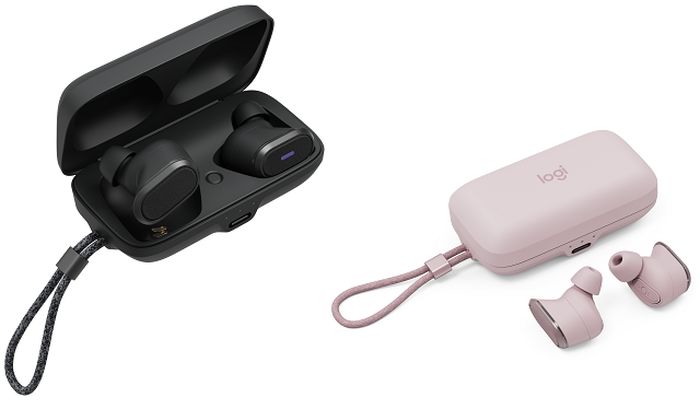
In response to the new normal of virtual meetings and telecommuting, Logitech has launched the Logi Zone True Wireless Earbuds alongside the Zone Wired headsets. The two models come with a comfortable experience and integrated microphones. Among them, the wireless model can be connected through Bluetooth, or through a wireless USB dongle. On the other hand, the Wired model can be connected via a 3.5 mm audio jack, USB-A, and USB-C.
Logitech disclosed that the Zone True Wireless earbuds upgrade video calls with the user’s favorite shape and fit, and combine the powerful audio required by professionals. Zone True Wireless is equipped with high-quality noise-canceling microphones and active noise-canceling functions. It can provide transparent and clear audio regardless of the surrounding environment. Coupled with a simple and modern design, the stylish appearance and high-quality video sound help users to immerse themselves in it.
Logitech also said: “Through Bluetooth or USB receiver, Zone True Wireless can provide a reliable connection between your smartphone and PC, allowing users to effortlessly join video conferencing and telephone conversations.
Logitech Zone True Wireless and Zone Wired earbuds will be available in the fall of 2021. The wireless model will be priced at $299 and comes in two colors- black and pink. The price of the wired model is much more affordable because it will only sell for $99.
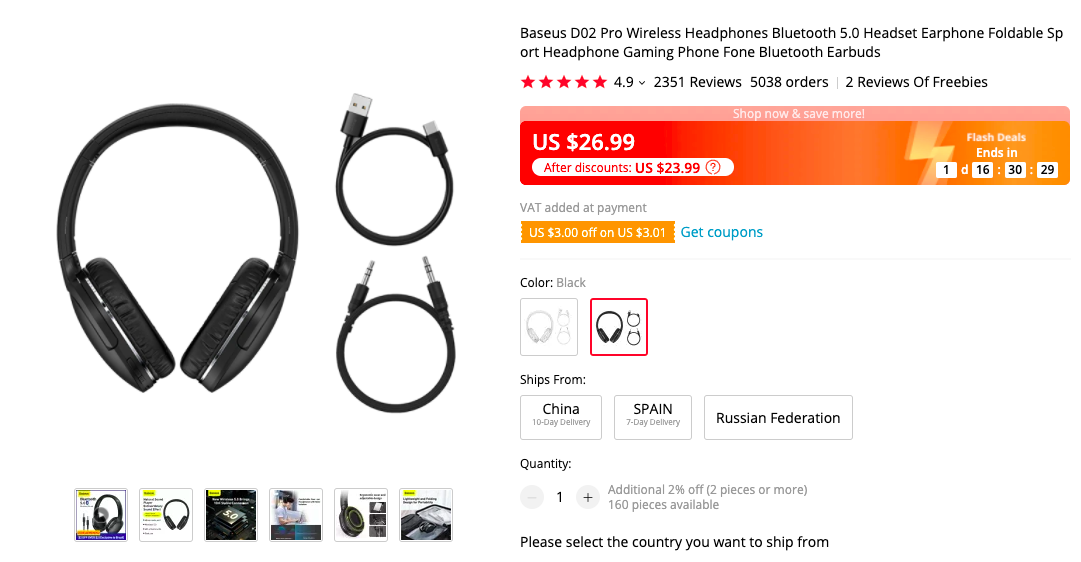
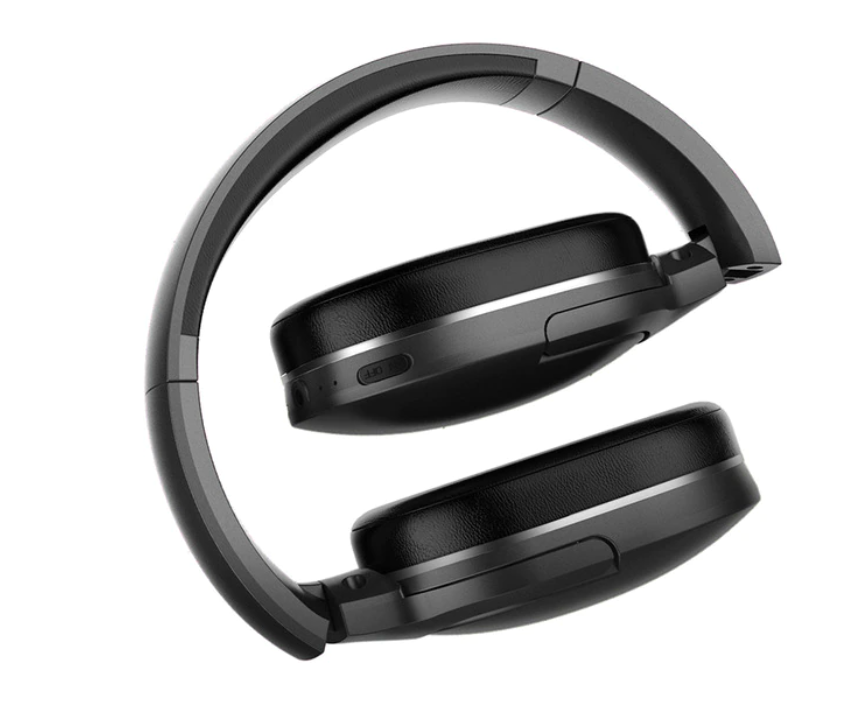
Baseus D02 Pro Wireless Headphone which generally retails for $35 is now available at a discounted price of $23.99 only at AliExpress. This flash deal ends tomorrow.
450mAh battery – 40 hours music time, standby 300 hours
Charging time: 1.5 hours
Dual-use: simultaneously connect and switch between two devices
Stainless steel reinforced telescopic rods for the headband
Adaptive micro-adjustment design for the perfect fit
Over the ear headphone with noise isolation
Lightweight, portable and folding design
Switch between wired or wireless
Colors: Black and White
Generally retailing for $35, you can now buy Baseus D02 Pro Wireless Headphone at a discounted price of $23.99 only at AliExpress. Please note that this flash deal ends tomorrow. So place your order asap.
For more information on such exciting deals and offers check out ourdeals hub.
* Please Note: When you buy something using the links in our articles, we may earn a small commission at no cost to you.
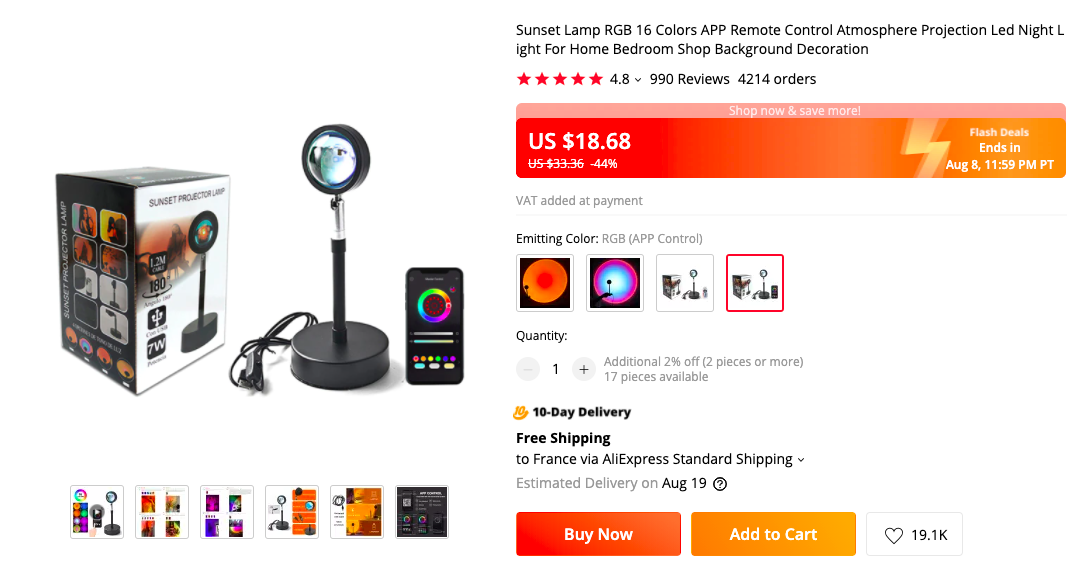
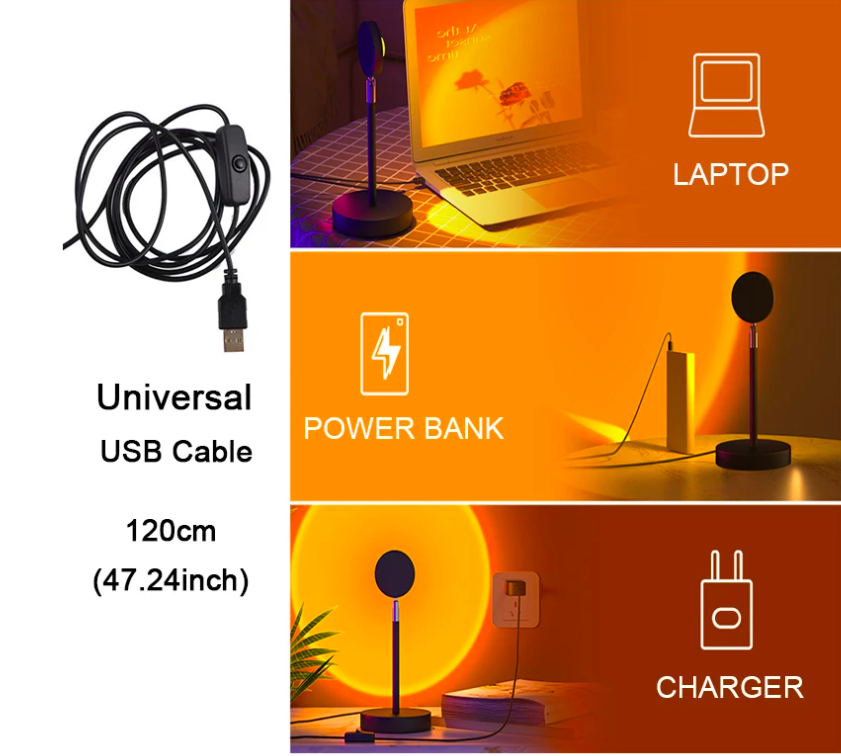
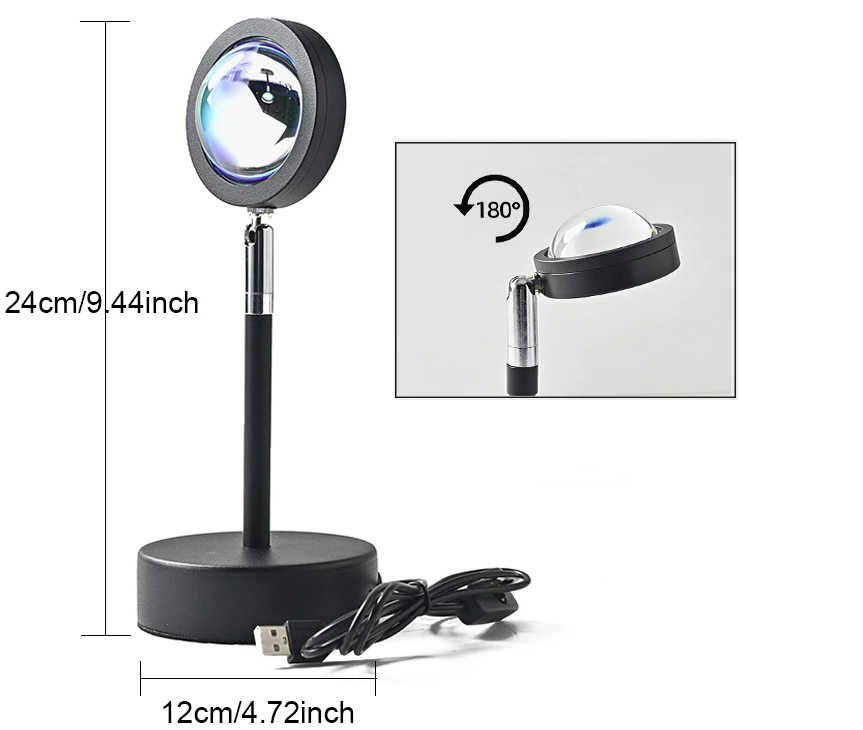
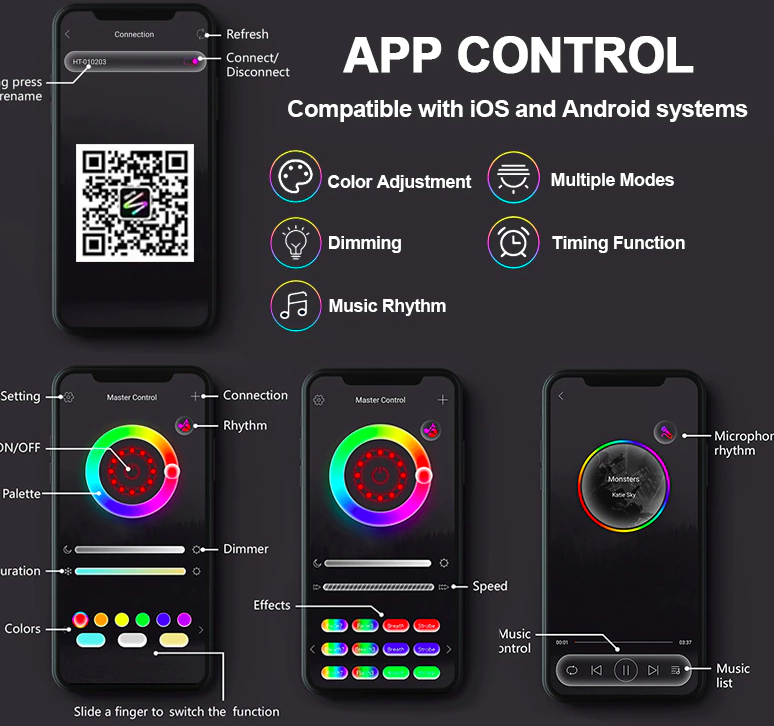
App control: Compatible with iOS and Android systems
Color adjustment
Multiple modes like dimming
Timing function
Music rhythm function
Remote control
Generally retailing for $30, you can now buy Sunset RGB Lamp for $18.68 only at AliExpress. Please note that this price is applicable to the RGB APP control variant. You can also buy this lamp without the APP control function at a lower cost. So make sure to check the variant and price before you place the order. This deal ends on August 8. So place your order asap.
For more information on such exciting deals and offers check out ourdeals hub.
* Please Note: When you buy something using the links in our articles, we may earn a small commission at no cost to you.
The OnePlus 9 Pro is OnePlus’s top-end model so far this year. When it launched, it was announced in three colors – Forest Green, Morning Mist, and Stellar Black but there may be more color options coming soon.
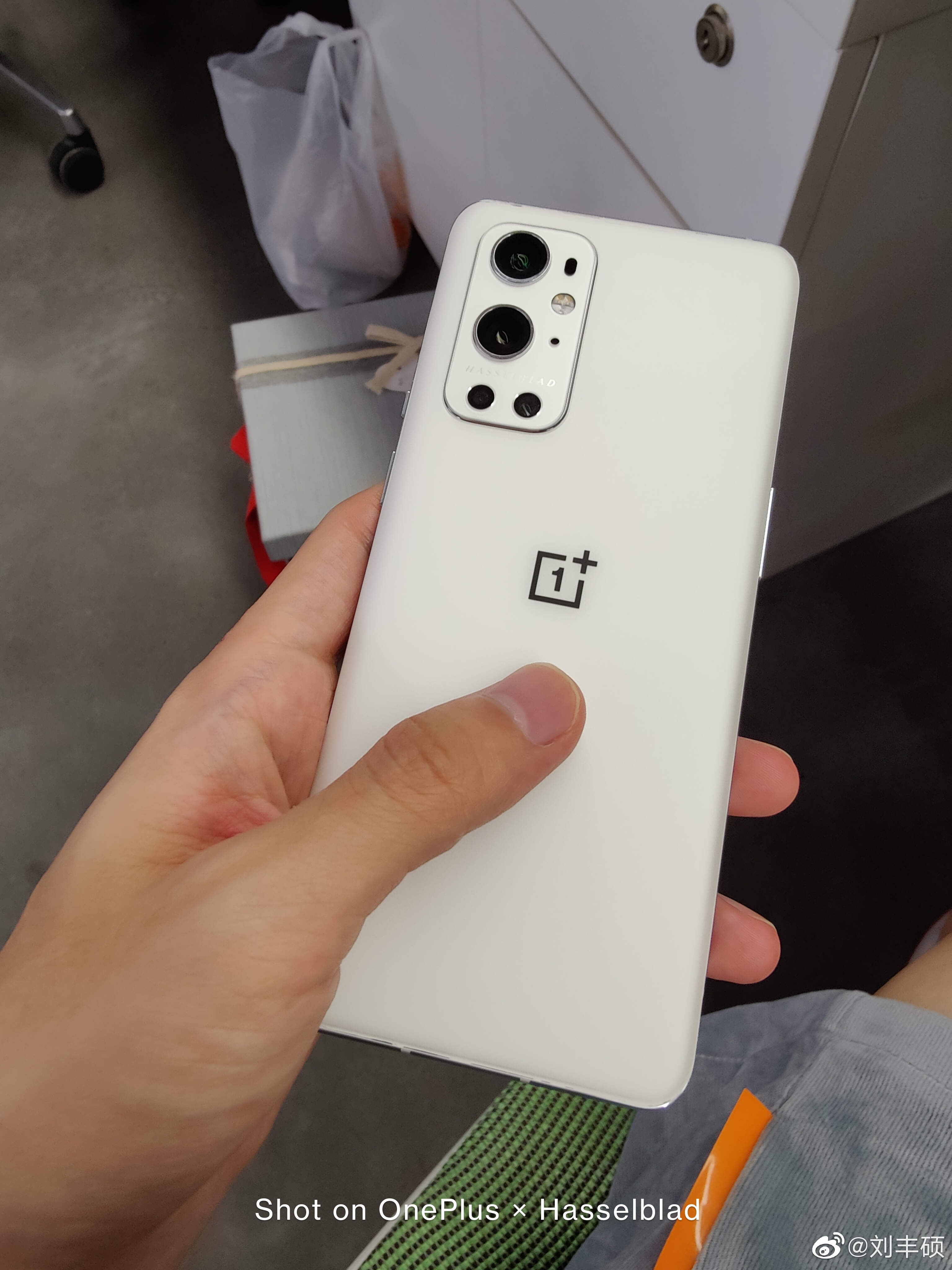
A live photo of a white variant of the flagship has appeared on Weibo courtesy of OnePlus’s own COO, Liu Fengshuo. The top executive posted the new colorway with a caption that loosely translates to “how about it? This color scheme is not bad, right”
The OnePlus 9 Pro appears in white
The white OnePlus 9 Pro looks like it has a matte finish and may be resistant to fingerprint smudges. These are features fans will definitely love.
At the moment, there is no info yet on if and when OnePlus plans to announce this white colorway but we want to believe it will eventually come to market. It has already been reported that OnePlus will not launch T-variants of the OnePlus 9 series, so it makes sense that the phones are refreshed with new colorways.
It is also interesting to see a white color variant of the OnePlus 9 Pro even though I think it is coming a bit late seeing as white has been a pretty popular color for a lot of flagships this year such as the Mi 11 Ultra, the Meizu 18 series, the Galaxy S21 5G, Galaxy S21 Ultra 5G, and the OPPO Find X3 Pro.
We use cookies on our website to give you the most relevant experience by remembering your preferences and repeat visits. By clicking “Accept”, you consent to the use of ALL the cookies.
This website uses cookies to improve your experience while you navigate through the website. Out of these, the cookies that are categorized as necessary are stored on your browser as they are essential for the working of basic functionalities of the website. We also use third-party cookies that help us analyze and understand how you use this website. These cookies will be stored in your browser only with your consent. You also have the option to opt-out of these cookies. But opting out of some of these cookies may affect your browsing experience.
Necessary cookies are absolutely essential for the website to function properly. This category only includes cookies that ensures basic functionalities and security features of the website. These cookies do not store any personal information.
Any cookies that may not be particularly necessary for the website to function and is used specifically to collect user personal data via analytics, ads, other embedded contents are termed as non-necessary cookies. It is mandatory to procure user consent prior to running these cookies on your website.