Honor announced the Honor X10 smartphone in May last year and followed it up with Honor X10 Max in July. According to popular tipster Digital Chat Station, the Honor will be launching the Honor X20 lineup after the Honor X50, which is all set to launch on June 16. The tipster also shared a real-life image of the X20.
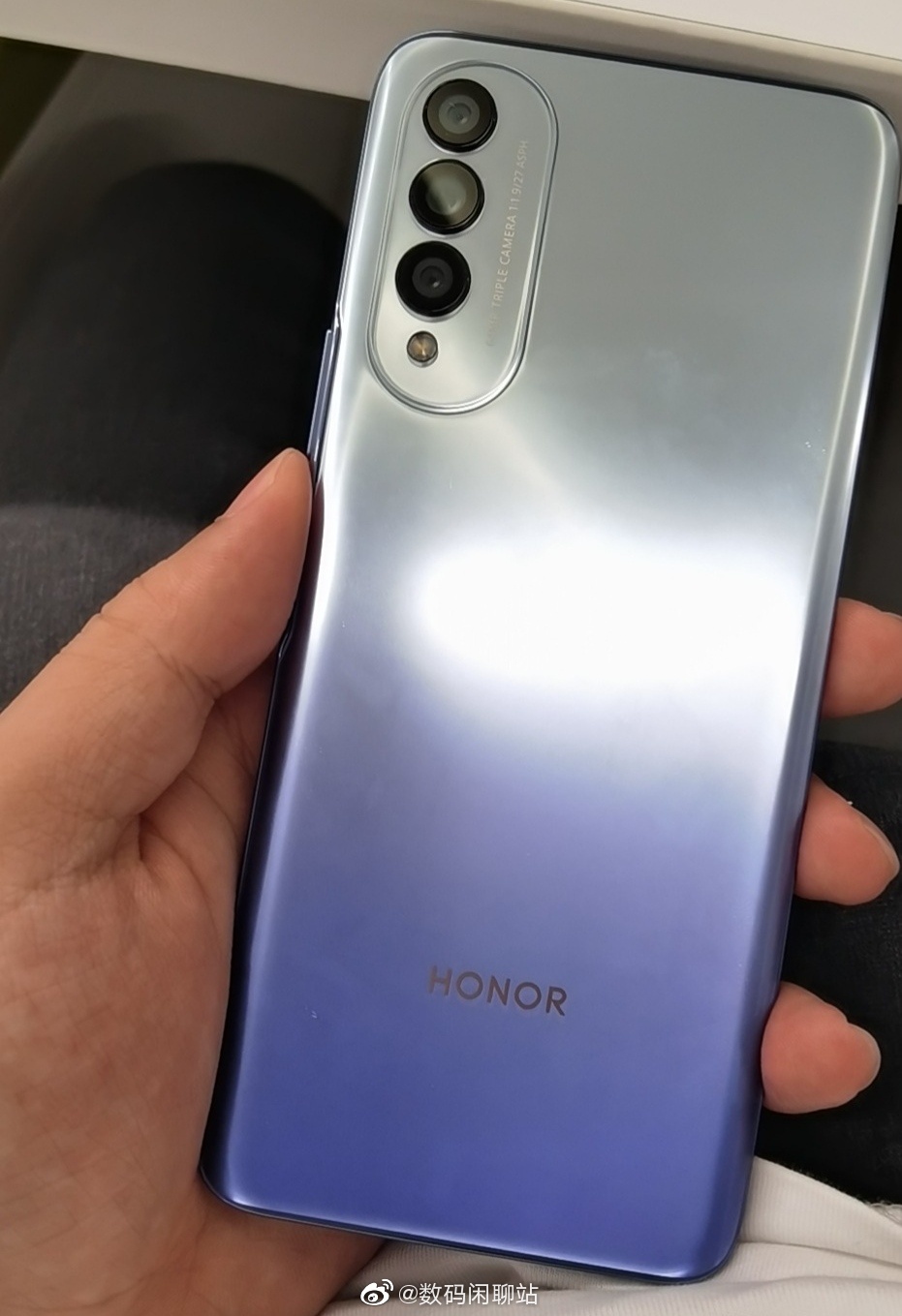
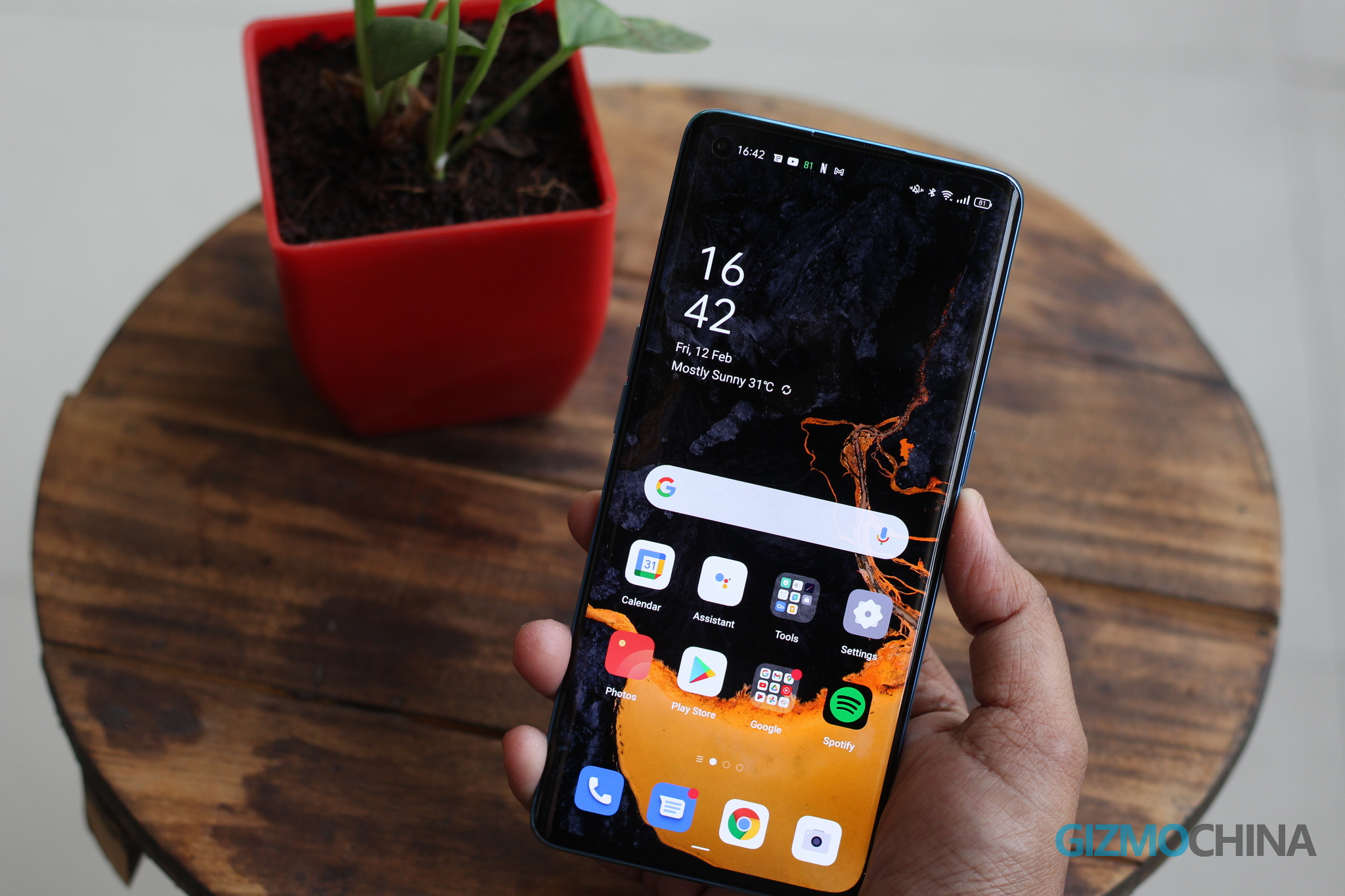
The Honor X20’s live shot shows that it has an attractive gradient-colored back panel. The upper-left corner of the phone’s back has a triple camera system headlined by a 64-megapixel lens. The right edge of the device has a volume rocker.
The predecessor Honor X10 featured a notch-less display and a pop-up selfie camera. There is no word on the front design of the phone. Hence, it remains to be seen whether the successor model continues to feature a notch-less display and a pop-up camera like the predecessor model.
Live shot of the Honor X20
Rumors have it that the Honor X20 could be featuring a 6.67-inch IPS LCD screen that supports a full HD+ resolution. It is likely to carry support for a high refresh rate. A recent leak claimed that it could be equipped with the Dimensity 1200 chipset.
The handset is likely to feature a 4,200mAh battery that supports 66W fast charging. Its other details are yet to appear. Probably, the Honor X20 series which may comprise of handsets like Honor X20, X20 SE, and X20 Pro may debut in July.
The use of item tracking tags is increasingly attractive, and several other manufacturers are known to be working on such devices on their lineup. Samsung and Apple are the trailblazers in this area, but that could change pretty soon. A new patent filing by OnePlus for a device called OnePlusTag provides some hints that the smartphone manufacturer could be planning to join Samsung and Apple in launching a smart item tracking tag.
The OnePlusTag listing does not provide many details about the device. However, we know that a smart tag in the mold of Apple’s and Samsung’s offering would be the most probable device that has now been trademarked by OnePlus. There is no official statement by OnePlus at this time, as the company continues to prepare for the Nord CE 5G unveiling in a few days time.
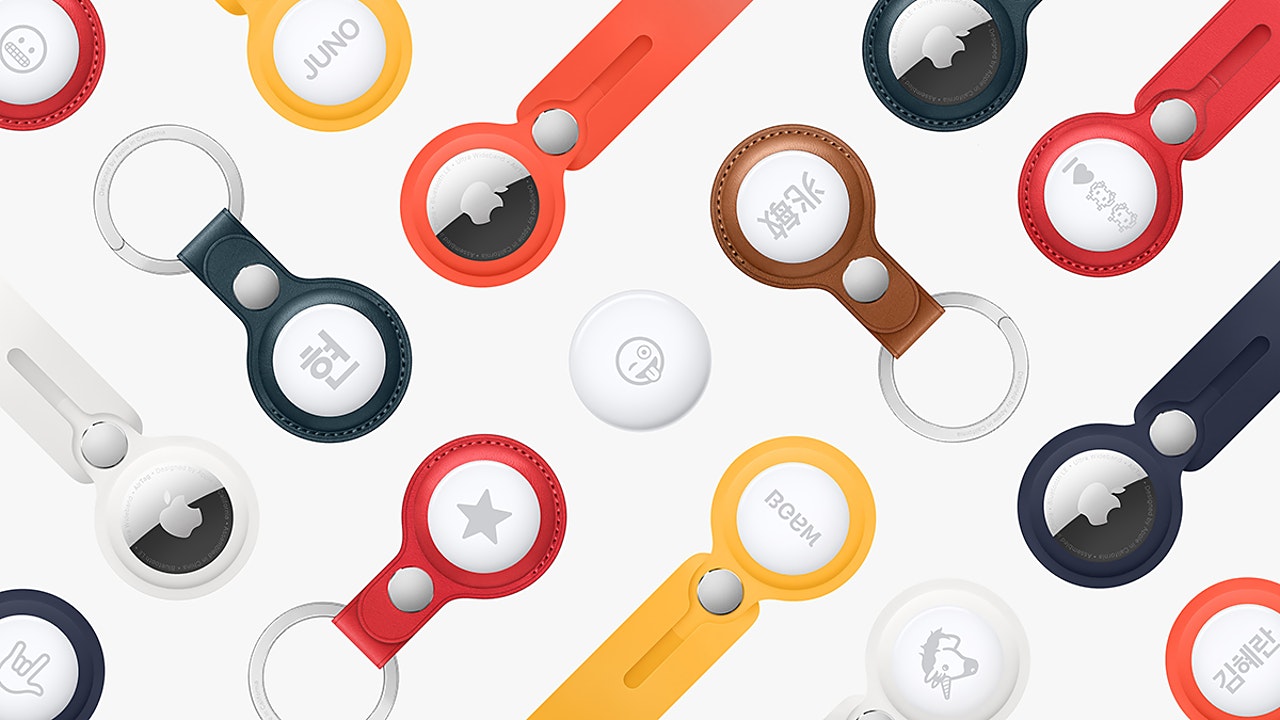
Item tracking devices like Samsung’s SmartTag and Apple’s AirTag deploy innovative technologies to ensure that the tagged device can be located even when it is out of range with its paired Android or iOS smartphone. The devices can be found using the app (for example, the SmartThingsFinder) to draw from the resources of other compatible devices to provide global location capabilities for any tagged object. The deployment of Ultra-Wideband technology has become commonplace. This enables more accurate tracking of a tagged object.
Smartphone manufacturers are increasingly expanding their product offerings to cover diverse products. Recently Samsung introduced a Bespoke Shoe Dresser, which provides deodorization, desiccation, and sterilization solutions to a user’s shoe collection. We are bound to see an expanding and diverse ecosystem of products from OEMs from now on.
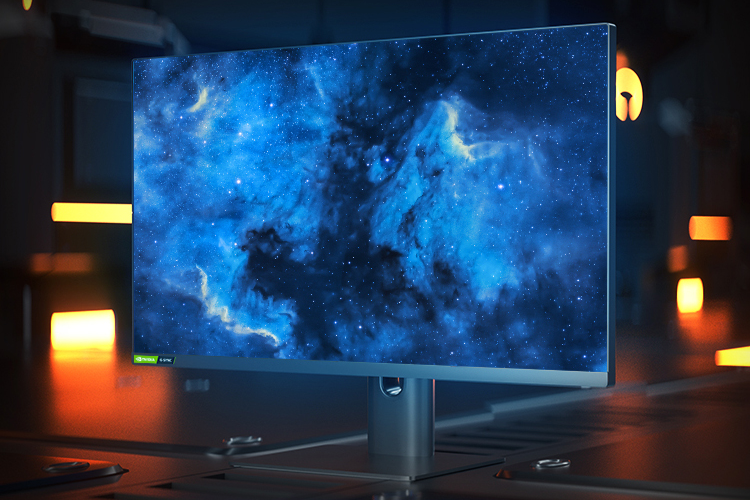
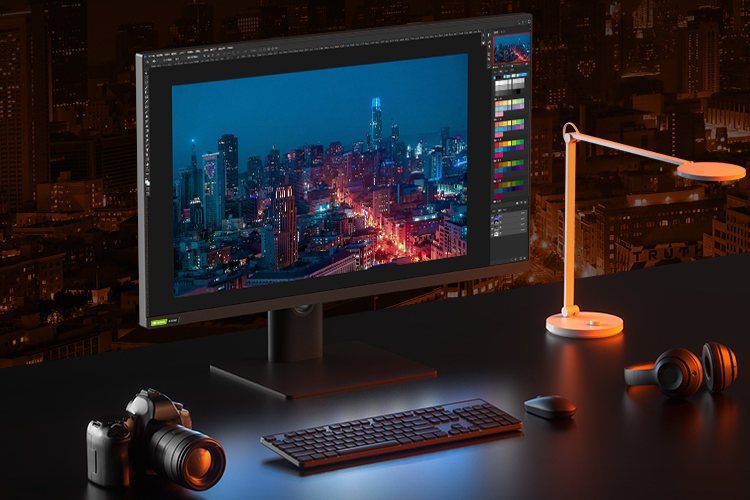
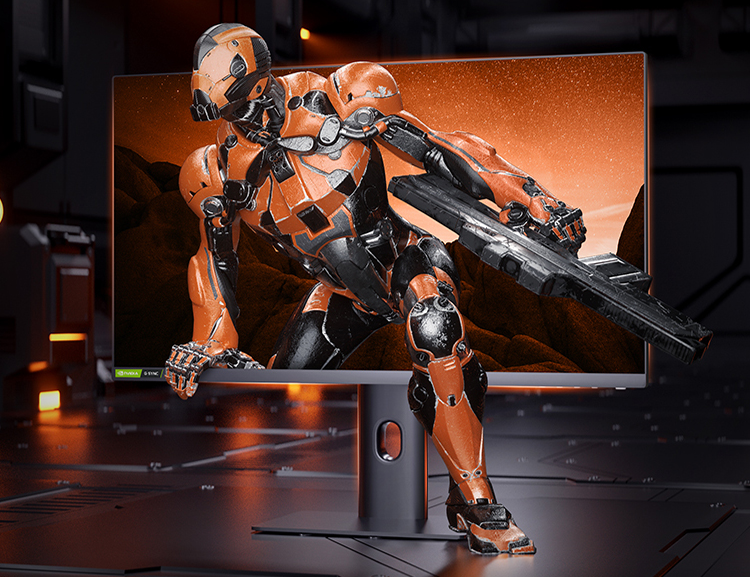
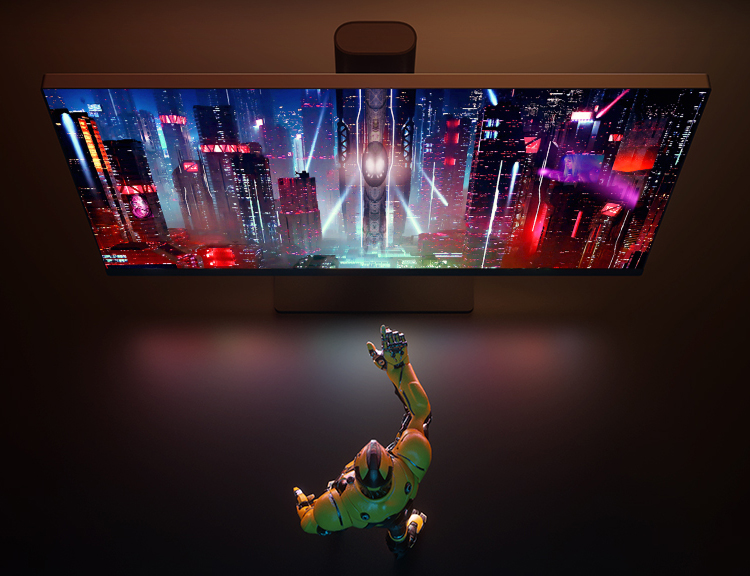
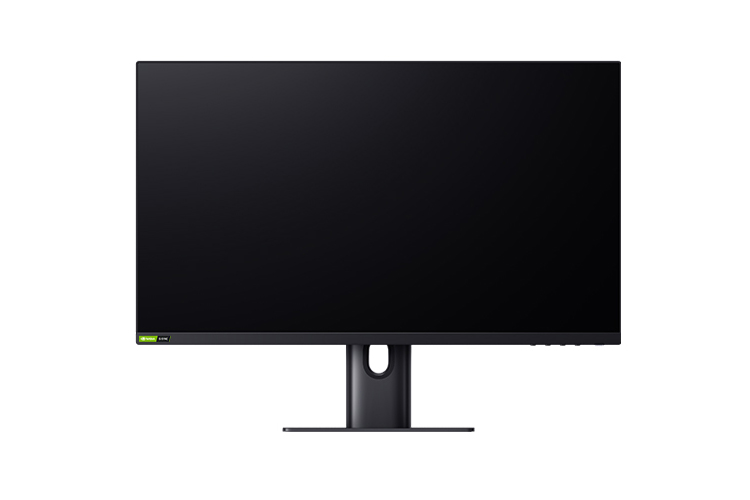
Last October, Xiaomi unveiled a monitor called Mi Fast LCD Monitor 24.5-inch 144Hz (XMMNT245HF) in China. Months later, the company has now released a new version of this product with a 165Hz refresh rate and NVIDIA G-SYNC support. The latest monitor is officially known as Mi Fast LCD Monitor 24.5-inch 165Hz (XMMNT245HF1).
Xiaomi Mi Fast LCD Monitor 24.5-inch 165Hz Specifications and Features
The newly launched Xiaomi monitor flaunts a 24.5-inch IPS LCD panel with a resolution of 1920 x 1080 pixels (FHD), 165Hz refresh rate, 95% DCI-P3 color gamut, 100% sRGB color gamut, 16.7 million colors, and 16:9 aspect ratio.
The screen has a color accuracy of ΔE < 2, 1000:1 contrast ratio, 1000000:1 dynamic contrast ratio, 400 nits typical brightness, 178° viewing angle, and 1.6mm three-sided bezels with a comparatively larger chin.
1 of 3
The display is VESA DisplayHDR 400-certified and is also compatible with NVIDIA G-SYNC. It supports up to 2ms GTG response time, DC Dimming, and is also TÜV Rheinland-certified for low blue light emission.
As for ports, the monitor sports 2 x HDMI 2.0, 1 x DP (DisplayPort) 1.2, an audio jack, and DC in. Last but not least, it can be wall-mounted, rotated, as well as tilted (up-down, back-forth, left-right).
Xiaomi Mi Fast LCD Monitor 24.5-inch 165Hz Price and Availability in India
The Xiaomi Mi Fast LCD Monitor 24.5-inch 165Hz is priced at ¥1,499 ($234) in China. Interestingly, it comes with a 3-year warranty in the country.
Unfortunately, there’s no official word on this monitor’s availability outside mainland China.
Vivo, the Chinese smartphone manufacturer, has today officially launched its new mid-range smartphone in its home market. The device, dubbed as Vivo Y70t, is now available for purchase in China.
The phone features a 6.53-inch Full HD+ display that offers a screen resolution of 2340 x 1080 pixels screen resolution. Underneath, the device is powered by the Samsung Exynos 880 chipset with Mali-G76 MP5 GPU.
Interestingly, Vivo is the only smartphone brand that has launched smartphones powered by the Samsung Exynos 880 SoC, which includes Vivo V51s, and V70s. The newly launched smartphone, Vivo V70t, packs up to 8GB of RAM and 128GB of internal storage.
It also comes with a 90mm liquid-cooled heat pipe and a multi-layer PGS graphite heat sink of nearly 10,000 sq. mm., combined with thermal gel and AI Smart power-saving function, using which the CPU junction temperature drops by 10-degree celsius.
As for the camera department, the phone has a triple-camera setup on the back that includes a 48-megapixel primary sensor, a 2-megapixel secondary lens, and a 2-megapixel macro lens. On the front side, there’s an 8-megapixel snapper for taking selfies.
The smartphone runs the Android 10 operating system out-of-the-box with the company’s own FunTouch OS 10.5 on top with support for Jovi voice assistant. It is powered by a 4,500mAh battery with support for 18W fast charging technology.
The Vivo V70t comes in three color options — Black, White, and Blue. It comes in three memory configurations — 6GB RAM + 128GB Storage, 8GB RAM + 128GB Storage, and 8GB RAM + 256GB storage, with a starting price of 1,699 yuan (approximately $266).
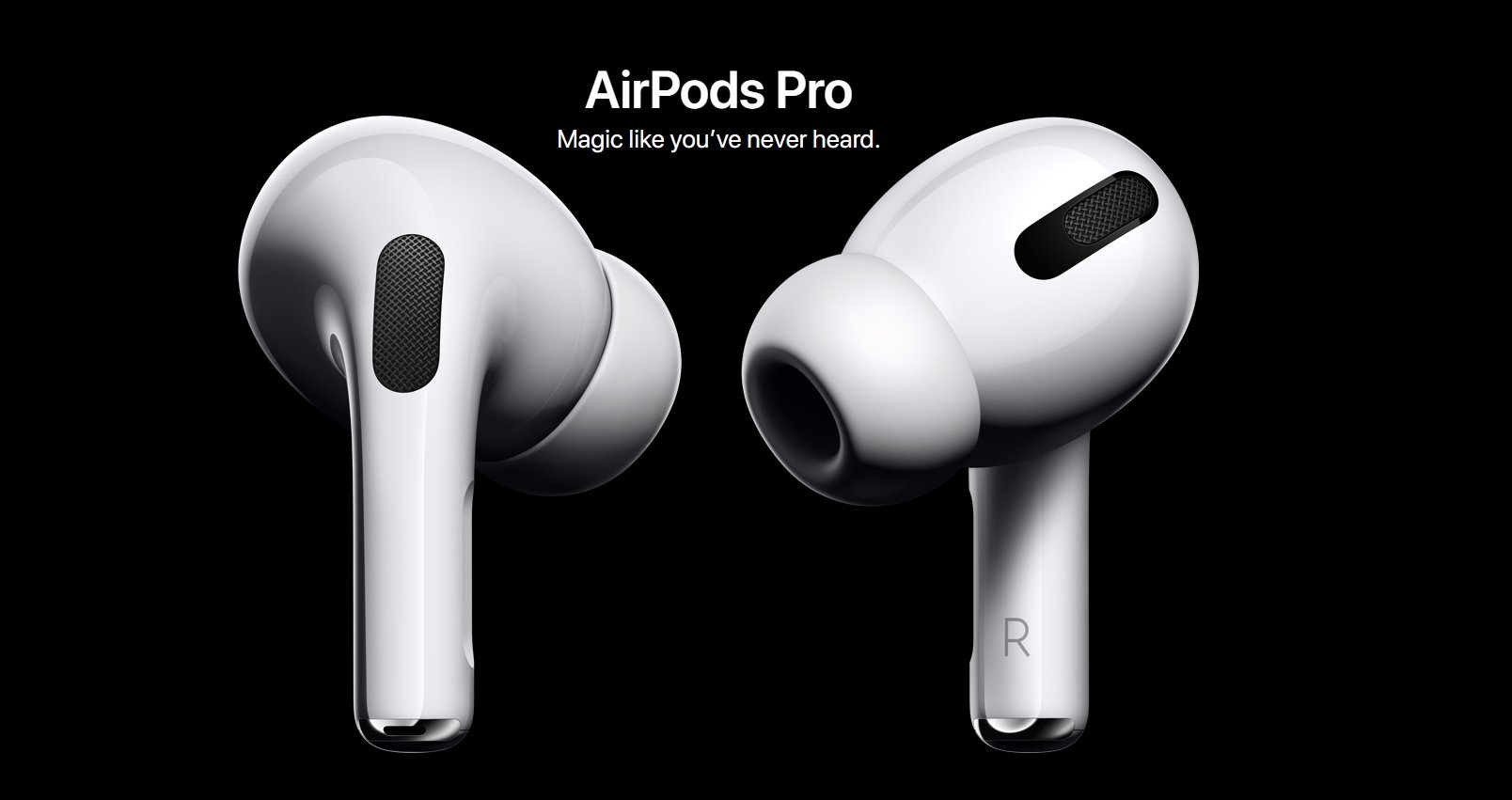
The global true wireless earphones market has maintained its growth trend in the first quarter of this year, with Apple in the lead. This news arrives despite the coronavirus pandemic caused the market to see a decline last year.
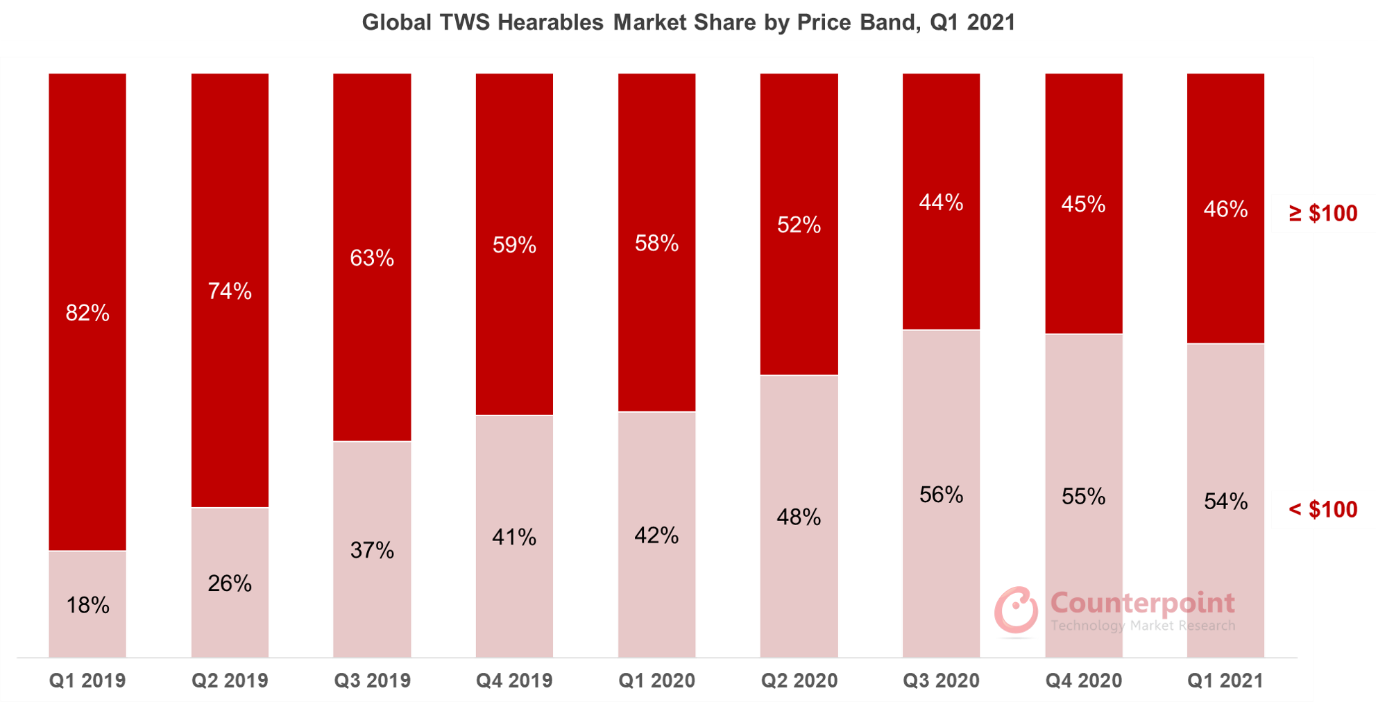
According to a Counterpoint Research report, the TWS hearables segment saw a sales growth of a sizeable 44 percent year on year in the first quarter of this year. In the market, China recorded the highest growth while the North American market still held the highest share. Apple also retained its dominating lead in the market but saw a decline in its market share due to the rise in competition in the market paired with the lack of any new models being launched by the company.
Similarly, Xiaomi arrived second in the market and also saw a slight decline as well, when compared to the previous quarter. On the other hand, Samsung managed to grow its presence in the market and even managed to narrow the gap with Xiaomi in the second spot. Notably, the 100 US Dollar segment in the TWS market saw a drop last year due to the pandemic. But now, the segment has been recovering as the economic impacts of last year subsides.
The Cupertino based giant dominated the over 100 US Dollars segment, with a notable market share of 57 percent. Although, the overall market share of the top 10 brands in the TWS market fell due to the intensifying competition, as more brands have launched their own offerings. Senior Analyst Liz Lee added that “Now is the time for companies to prepare for the change in consumer demand trends as vaccinations are expected to help consumer sentiment improve further in the second half of the year.”
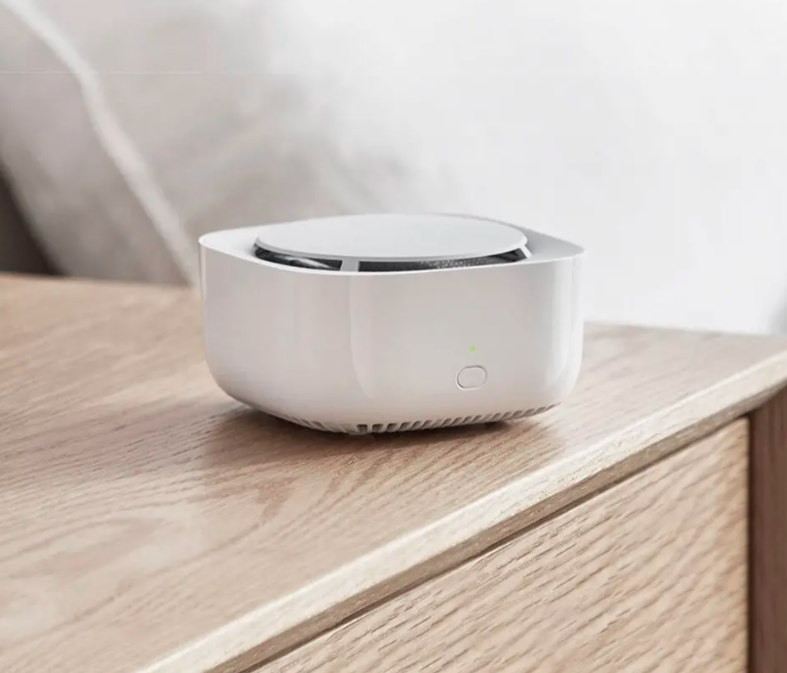
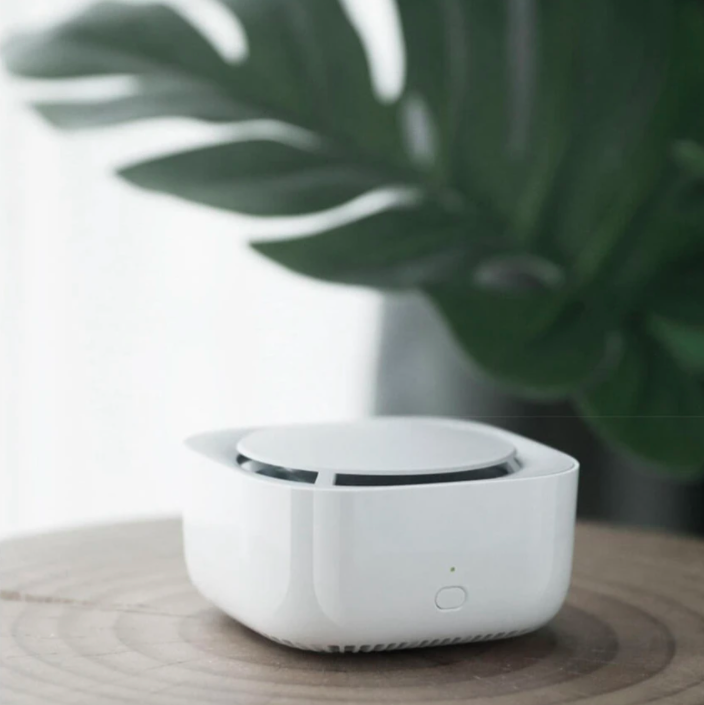
Long-Lasting mosquito repellent mat- made with effective ingredients
One single piece lasts for 90 nights
Single-button timing mode
Automatic shutdown – saves battery
The dispeller works up to 28m³ area
Indicator Light – to know the working status and battery life
Power – 2 x AA batteries
Noiseless design
No heat design – Fan driven volatilization
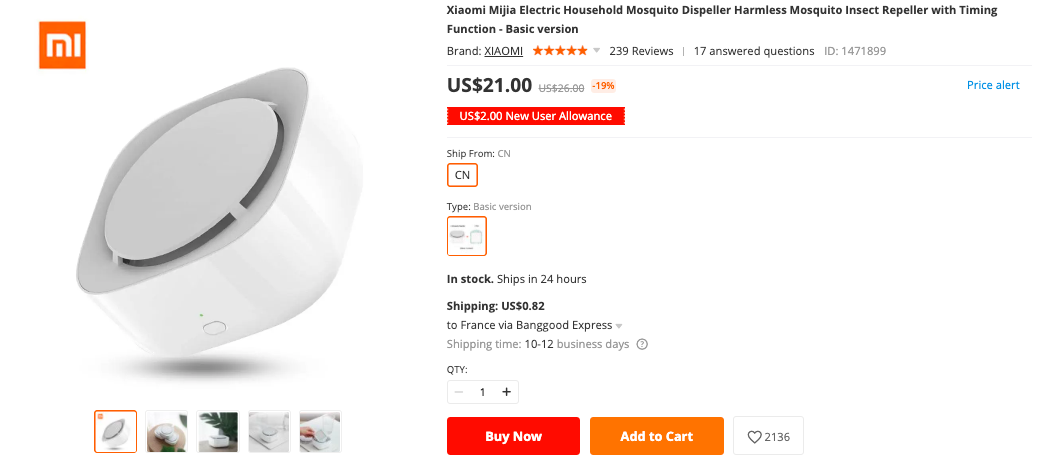
Generally retailing for $26, you can now buy Xiaomi Mijia Mosquito Dispeller for $21 only at Banggood. Please note that this is the basic version of mosquito dispeller. You can also get the smart version but at a higher price. This is a limited-time offer. So place your order asap.
For more information on such exciting deals and offers check out ourdeals hub.
* Please Note: When you buy something using the links in our articles, we may earn a small commission at no cost to you.
Reliance Industries Limited has just announced that Jio Platforms will be working with Qualcomm to set up local manufacturing sites that will produce “critical equipment” for 5G networking in India.
For those unaware, both firms have previously teamed up to develop “open and interoperable” interface compliant architecture based 5G solutions back in 2020. This had the joint effort achieve over a 1Gbps milestone last year on the Jio 5GNR solution that used the US based chipmaking giant’s 5G RAN Platforms. Last year, the company had even invested 97 million US Dollars in Jio platforms as well. Although, Qualcomm has also partnered with a local rival of Jio, namely Bharti Airtel.
Reliance also added that “India is at the forefront of the global digital revolution. Jio is accelerating the rollout of digital platforms and indigenously developed next-generation 5G stack, making it affordable and available everywhere. With 5G technology, Indian subscribers will experience the benefits of higher data rates, low latency communications, and enhanced digital experiences across a wide array of connected devices, from 5G enabled smartphones, enterprise laptops, and AR/VR products to vertical IoT solutions.”
At the moment, Reliance Jio is working on readying 5G field trials through the trial spectrum it has received from the Department of Telecommunications. This will have the firm test its own 5G technology while also working with its 4G partner Samsung, Ericsson, and even Nokia. So, the local production of the 5G equipments in the region is a major step for the nation that is aiming to adopt the newer and faster bandwidth soon.
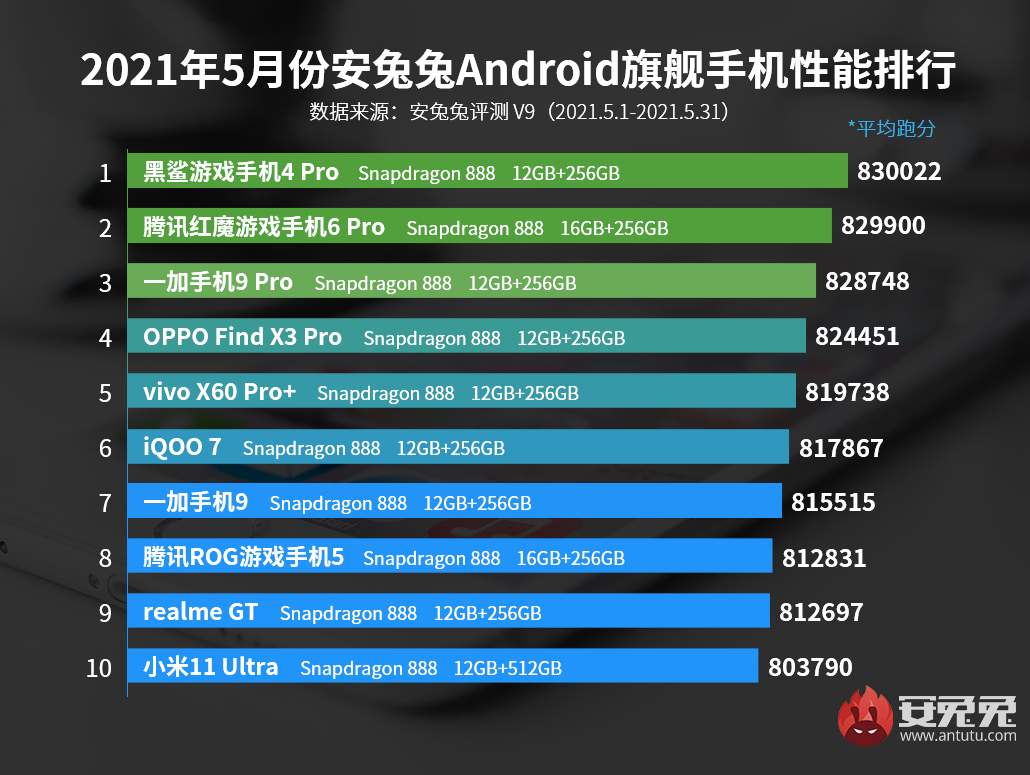
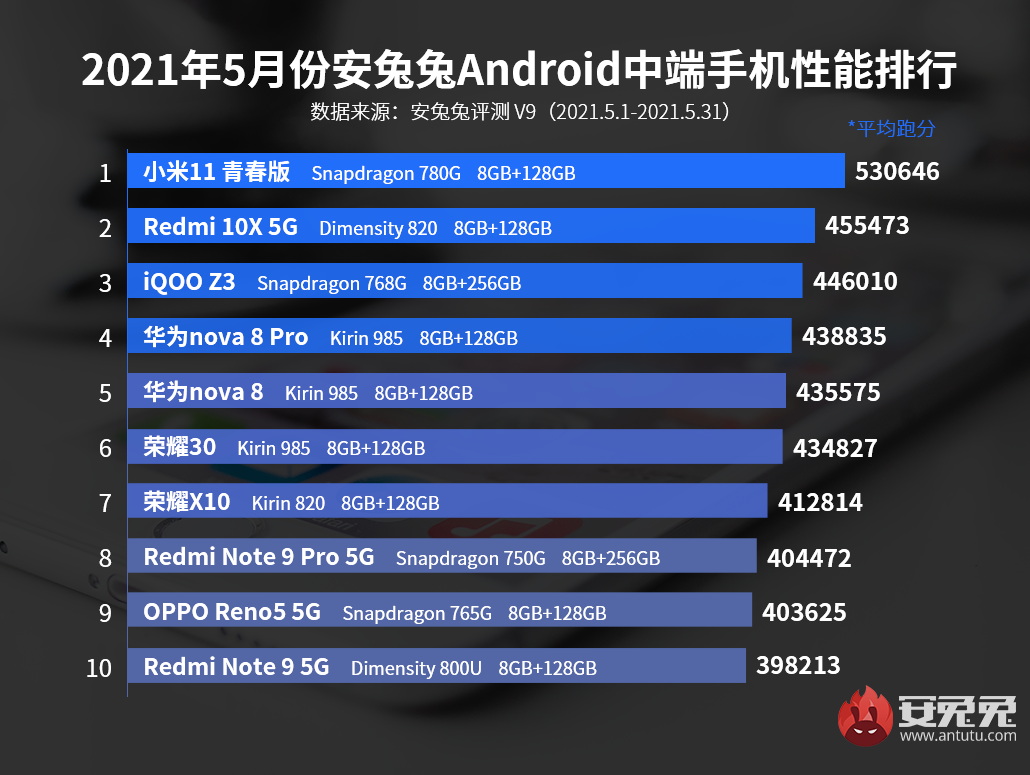
AnTuTu is one of the popular benchmarking platforms for Android devices. The company behind this software is known for publishing lists of best-performing Android flagships and mid-range smartphones every month. As we have entered June, the firm has released its lists for the month of May 2021.
The latest list of best-performing Android flagship smartphones is filled with devices powered by Qualcomm Snapdragon 888 like the previous list (April 2021). The new list no longer includes the Lenovo Legion Phone Duel 2 (aka Lenovo Legion 2 Pro) and the Xiaomi Mi 11.
The above-mentioned phones are replaced by ASUS ROG Phone 5 and realme GT. The Black Shark 4 Pro continues to top the chart, however, the order of other handsets has been jumbled. In a nutshell, there’s no key takeaway.
On the other hand, the best-performing Android mid-range smartphone list has a new winner after 11 months. The Redmi 10X 5G series equipped with a MediaTek Dimensity 820 SoC finally loses its crown to the Xiaomi Mi 11 Lite 5G featuring a Qualcomm Snapdragon 780G.
We can say that the performance of MediaTek Dimensity 820 was ahead of its time for a mid-range silicon. Unfortunately, this chip is only found in vivo S7t 5G, which is yet another China-exclusive smartphone like the Redmi 10X 5G series.
Lastly, unlike the flagship list, the mid-range list includes handsets featuring different chipsets like Qualcomm Snapdragon 768G, HiSilicon Kirin 985, HiSilicon Kirin 820, Qualcomm Snapdragon 750G, Qualcomm Snapdragon 765G, and MediaTek Dimensity 800U.
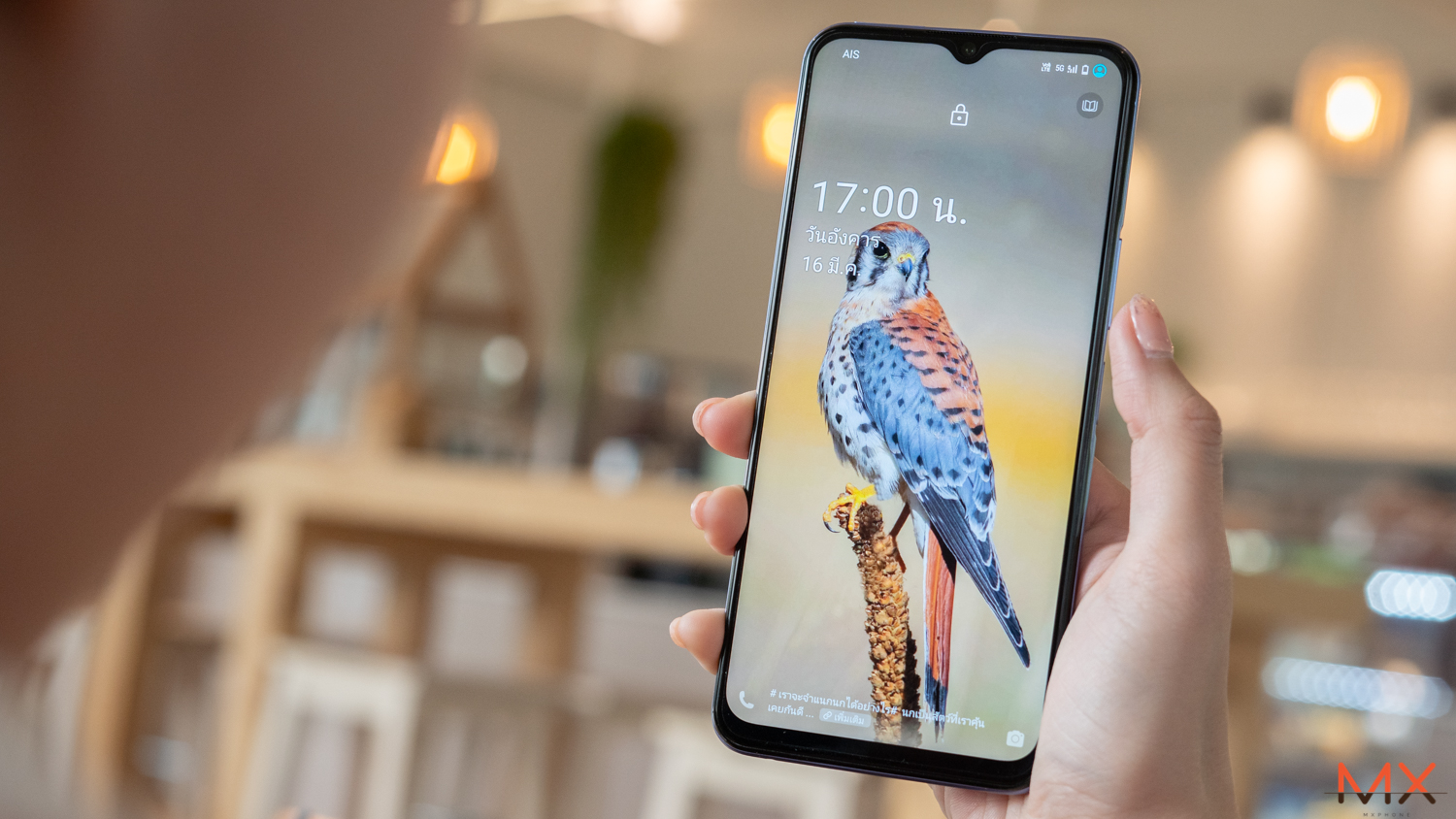
Vivo is gearing up to launch a new mid-range smartphone under its Y-series. As per the reports, the brand will be launching the Vivo Y73 (2021) in the Indian market later this month but the exact launch date is not yet known.
Image: Vivo Y72 5G | Credit: MXPhone
Ahead of the official announcement, the phone’s specifications have also been leaked online by MySmartPrice. It reveals that the device will come with a 6.44-inch Full HD+ AMOLED display, offering a 2400 x 1080 pixels screen resolution, 408PPI pixel density, and HDR10.
It is also said to come with support for an in-display fingerprint sensor for added security. Underneath, the phone will be powered by the MediaTek Helio G95 chipset which is built using the 12nm process. It will come with up to 8GB RAM and 128GB storage.
As for the camera department, the report adds that there will be a triple-camera sensor on the back panel featuring a 64-megapixel primary sensor with f/1.79 aperture, a 2-megapixel macro lens, and a 2-megapixel depth sensor. On the front side, the device will pack a 16-megapixel snapper for taking selfies and video calling.
The device will come with support for Dual SIM, 4G, 2.4GHz Wi-Fi, and Bluetooth 5.0. It will be powered by a 4,000mAh battery with support for 33W fast charging technology. The phone reportedly measures 161.24×74.37×7.38mm and weighs 170 grams.
At its recent launch event, China-based tech giant Huawei has officially launched the latest version of its HarmonyOS, an operating system developed in-house. Along with that, the brand also launched a few devices.
However, the company has not announced any new smartphone at the event. But the company has started pre-sale for a few smartphones. The 4G variants of the Huawei Mate 40 Pro, Mate X2, Mate 40E, and Nova 8 Pro are now available for purchase in China.
All these smartphones come pre-installed with the latest version of HarmonyOS, which is also known as HongMeng OS in China. As noted, the devices are the 4G variant and the company has removed 5G connectivity support on these phones which runs HarmonyOS.
As for the configuration, most of the phone’s specifications remain the same as the original model, except for some changes like removing support for 5G. The Huawei Mate 40 Pro 4G and the Huawei Mate X2 4G come powered by the HiSilicon Kirin 9000 SoC and pack up to 8GB of RAM and 256GB internal storage.
On the other hand, the Huawei Mate 40E 4G is powered by the HiSilicon Kirin 990E chipset while the Huawei Nova 8 Pro 4G is powered by the Kirin 985 SoC. Both the phones are now up for pre-order in China.
Apart from these phones, Huawei has announced that more than 100 devices from the brand, including smartphones, tablets, and other smart devices, will be upgraded to HarmonyOS 2. The company claims that this will bring a brand new user experience to more than 200 million users.
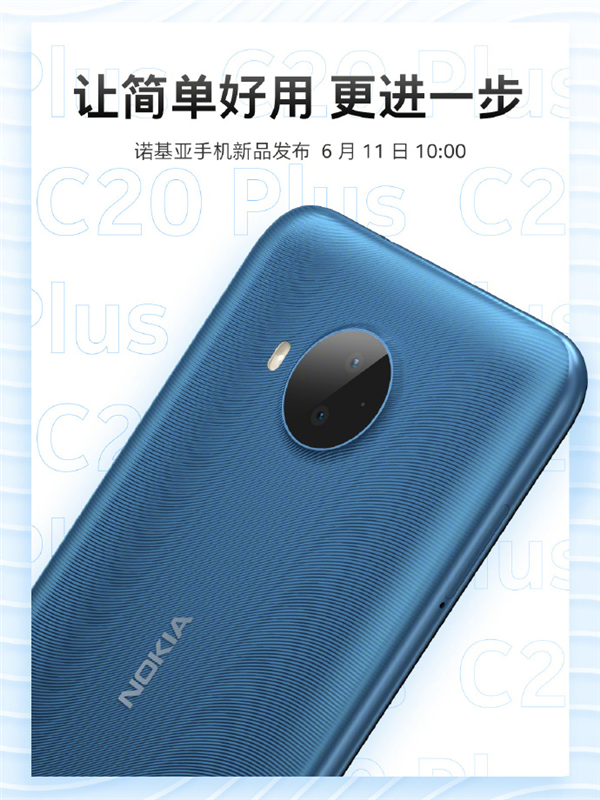
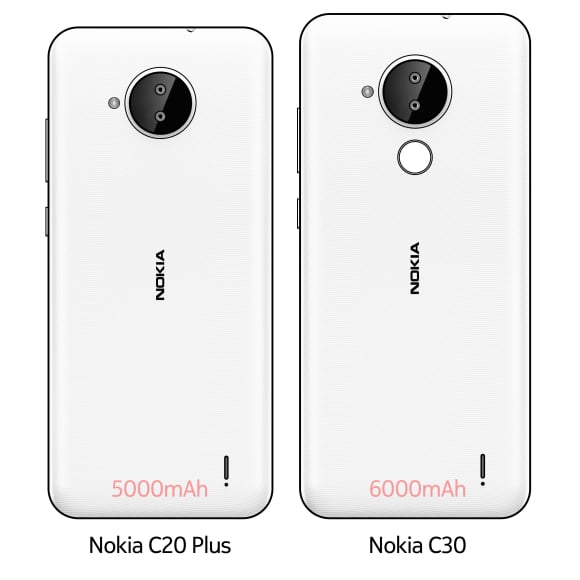
Today, HMD Global officially confirmed that it will be announcing a new smartphone named the Nokia C20 Plus at 10 AM (local time) on June 11 in China. The company has also shared a render of the phone to showcase its rear design.
The poster of the Nokia C20 Plus shows that has a round-shaped camera housing and an LED flash unit on the textured back. It seems to be equipped with a dual-camera setup. The left edge of the device has a SIM slot, whereas its right edge could be featuring a volume rocker and a power button. Its top edge seems to be flanked with a 3.5mm audio jack. The rear design matches with a leaked schematic that had appeared last month.
Schematics of the upcoming Nokia C20 Plus and Nokia C30
The Nokia C20 Plus is believed to be the Nokia phone with TA-1388 model number, which was recently spotted at the 3C and TENAA certification sites of China. The 3C listing of the phone revealed that it is an LTE device that may tag along a 10W charger.
The Geekbench appearance of the C20 Plus revealed that it has 3 GB of RAM and Android 11 OS. The listing also revealed that it is powered by a Unisoc chipset that has four cores clocking at 1.20GHz and the other four cores running at 1.60GHz. Probably, the phone features the entry-level Unisoc SC9863A chip.
It was revealed in the last month that the Nokia C20 Plus will be featuring a 5,000mAh battery. The moniker of the device suggests that it will be arriving as an upgraded version of the Nokia C20, which was announced in April.
The Nokia C20 offers specs such as 6.52-inch IPS LCD HD+ panel, Android 11 Go Edition, 1 GB / 2 GB of RAM, 16 GB / 32 GB storage, Unisoc SC9863A, and a 3,000mAh battery that supports 10W charging. For photography, it has a 5-megapixel camera on the front and another 5-megapixel lens on the back.
Smartphone manufacturers are now moving ahead with the increased usage of OLED screen panels despite the COVID-19 pandemic and sanctions from the United States, as per the report from market research firm UBI Research.
The report adds that about 57 smartphones have been launched in China in the first quarter of this year that uses OLED screen panel. This is double the models launched in the same duration last year.
The UBI Research report adds that companies like OPPO, Vivo, and Xiaomi are launching new smartphones with OLED panels to fill the gap left by the Chinese giant Huawei because of the sanctions from the United States.
With the uptick in the number of such devices, there’s an increase in the sales for the Chinese panel makers. It adds that the smartphone OLED sales have reached $990 million in the first quarter of this year, representing an increase of 38.3 percent YoY.
The growth is attributed to Chinese panel makers manufacturing high-resolution OLED panels, resulting in increased unit prices. However, the report notes that the Chinese panel makers’ use of organic material didn’t increase much. Last year, around 13.8 metric tonnes of organic light-emitting material were used.
Now, more and more China-based smartphone manufacturers are launching smartphones in the mid-to-high-end segment. To meet the demand, the Chinese panel makers are also developing their own foldable OLED panels.
In April, Samsung held a launch event to announce a couple of notebooks such as Galaxy Book, Book Pro, Book Pro 360, and Book Odyssey. The South Korean company was also expected to announce the affordable Galaxy Book Go notebooks at the event, but they were skipped for the reasons best known to the company. Today, the company officially unveiled the Galaxy Book Go and Galaxy Book Go 5G.
Samsung Galaxy Book Go 5G/4G specifications and features
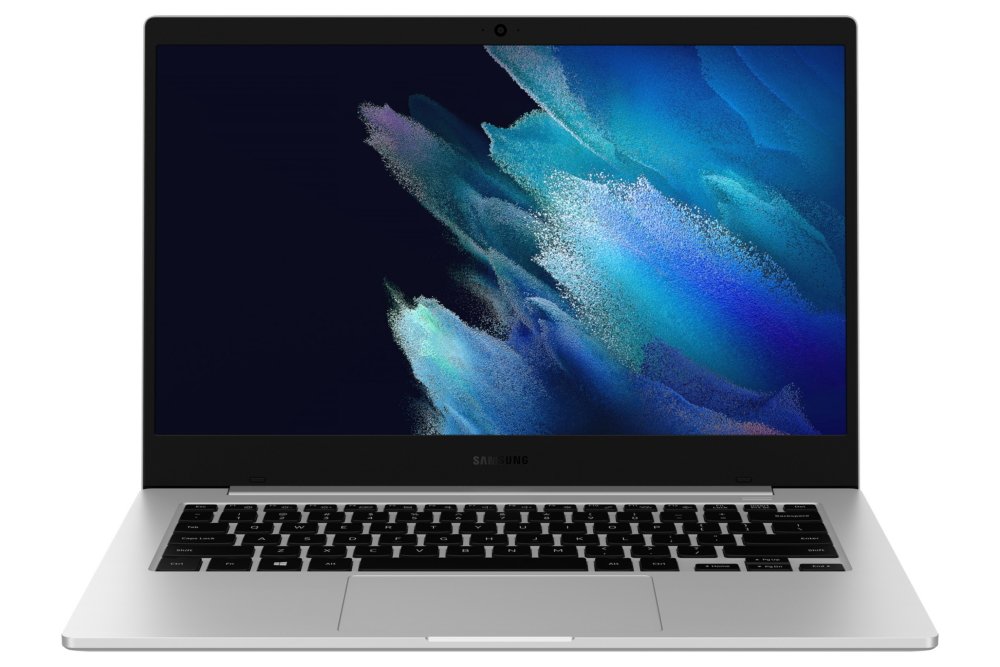
The Samsung Galaxy Book Go 4G and its 5G variant have identical specs, and they only differ in the chipset department. The Galaxy Book Go features a 14-inch TFT display that delivers a Full HD resolution of 1080 x 1920 pixels and a 16:9 aspect ratio.
Samsung Galaxy Book Go
The 4G variant of the Galaxy Book features the 8nm Snapdragon 7c Gen 2 that tags along with Adreno 618 graphics. Its 5G variant has the 7nm Snapdragon 8cx Gen 2.5 chip. Both models come with 6 GB / 8 GB of LPDDR4x RAM. For storage, the Galaxy Book Go offers eUFS storage choices such as 64 GB and 128 GB.
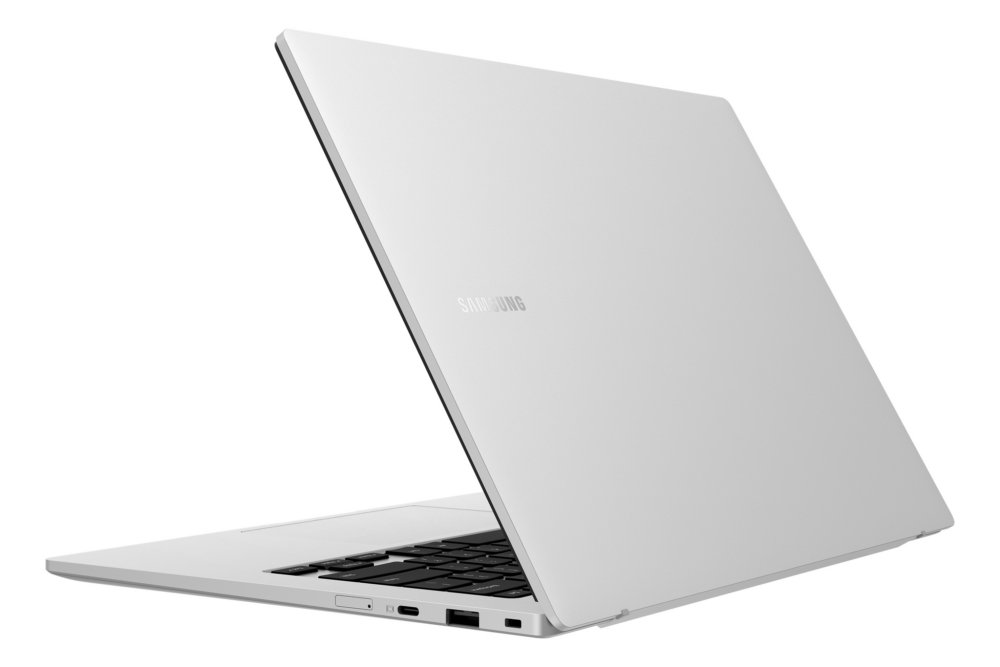
Samsung Galaxy Book Go 5G
The Galaxy Book Go runs on Windows 10 Home/Pro and it is flanked by Dolby Atmos-powered 2 x 1.5W stereo speakers. It promises up to 18 hours of battery life through its 42.3Whr battery, which supports 25W rapid charging. The Galaxy Book Go offers other features such as an HD camera, a microSD card slot, nano-SIM slot, Wi-Fi 802.11ac, 2 x 2 MIMO, Bluetooth 51, USB 2.0, USB-C, and a 3.5mm headphone/mic combo jack.
Samsung Galaxy Book Go 5G/4G pricing and availability
The Wi-Fi only version of the Galaxy Book Go costs $349. There is no word on the pricing of the 5G and LTE variants of the device. The Wi-Fi model will be up for purchase in the U.S. starting from June 10. The 5G variant will arrive in the U.S. by fall 2021.
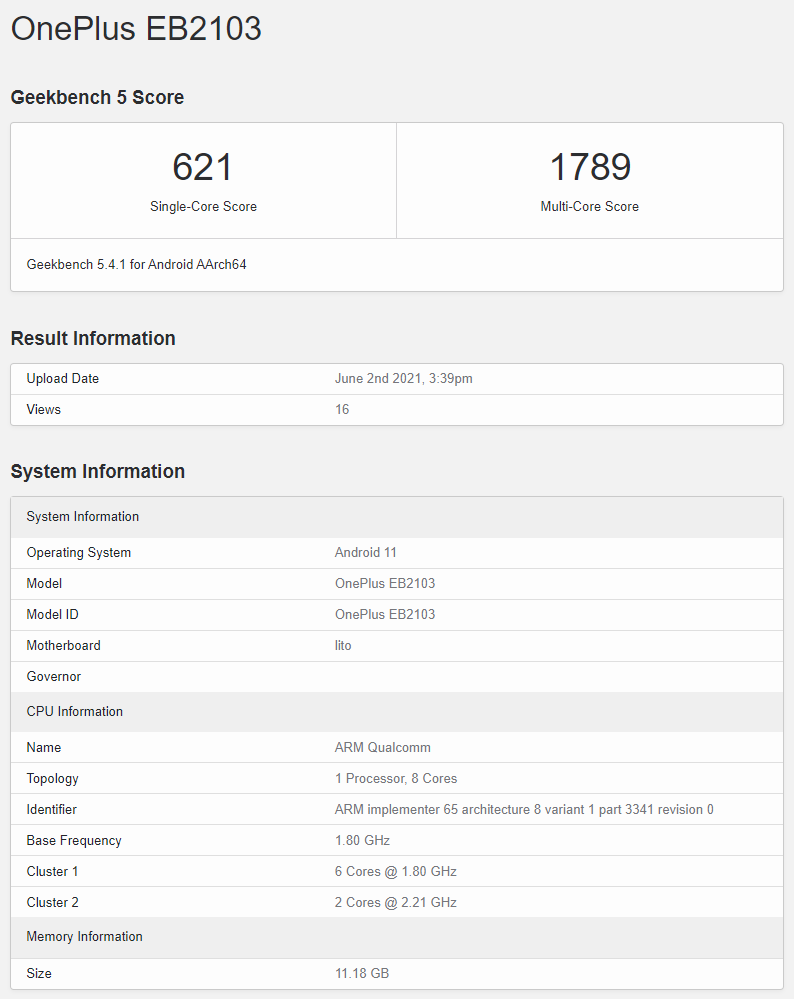
OnePlus will be announcing the OnePlus Nord CE 5G smartphone on June 10 in markets like India and Europe. Ahead of the launch, the handset has paid a visit to the Geekbench benchmarking platform (via). The listing suggests that the highest variant of the OnePlus Nord Core Edition 5G may feature 12 GB of RAM.
The OnePlus Nord CE 5G has appeared with its EB2103 model number at Geekbench. The listing shows that a Qualcomm chip codenamed “lito,” which offers a base frequency of 1.80GHz powers the Nord CE 5G. It can be said based on previous reports that the “lito” chip could be the Snapdragon 750G.
A recent report claimed that the OnePlus Nord CE 5G has 8 GB of RAM. However, the Geekbench listing suggests that there could be a top variant with 12 GB of RAM. In the single-core and multi-core tests of the benchmarking site, the handset recorded 621 and 1789 scores, respectively.
Leaked information that appeared yesterday revealed that the Nord CE 5G will have a punch-hole AMOLED screen that produces an FHD+ resolution and a high refresh rate of 90Hz. For security, it will feature an in-display fingerprint sensor. For selfies, it will feature a front camera of 16-megapixel and its rear may feature a 64-megapixel+ 8-megapixel + 2-megapixel triple camera system.
The Nord CE 5G may draw power from a 450mAh battery and it may tag along Warp Charge 30T. It is speculated to sell in two variants like 6 GB RAM + 64 GB storage and 8 GB RAM + 128 GB storage. The company may not announce the 12 GB RAM variant of the phone at launch. Probably, it may make it available at a later date.
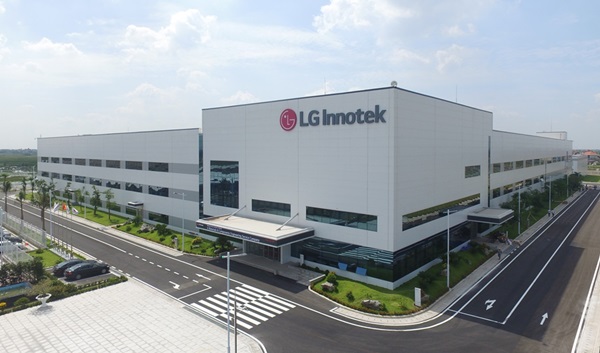
In 2020 LG InnoTek officially exited the LED market. However, the company still has substantial intellectual resources in its enormous trove of LED patents and physical infrastructure, which it intends to sell-off. Chinese start-up Suzhou Lekin Semiconductor, established in March 2021, is reportedly the unlikely buyer of LG’s LED patents and it seems to be on a spree of patent acquisition from LG InnoTek both in the US and elsewhere.
According to TheElec, the total number of patents acquired by Suzhou Lekin in relation to LED technology is reported to be close to 10,000 and could indicate the developmental direction of the Chinese company. According to filings from the United States Patents and Trademark Office (USPTO), up to 1,968 patents relating to LED technology have been transferred from LG InnoTek to Suzhou Lekin.
Lekin may trade on the acquired patents within China and beyond. This could yield significant returns on their investment in LED-related patents. The company could also deploy the needed technology to bring some of these patents to life by creating products that could use some of these innovations.
LG InnoTek is expected to share some of the dividends from the huge sale of its intellectual property with its employees responsible for the patents. The patent regime is well regulated in South Korea, and companies are mandated to share some of the gains from the sale of the patents with the staff responsible for such innovations.
Both companies have not made any official statements at this time concerning the patent deal. The financial details of the sale of patents are also not available. Apart from the patents, LG Innotek still has LED production facilities in South Korea and China, which it intends to sell.
ASUS has announced a new Chrome OS tablet, increasing the options of those who are interested in this form factor by one. The new ASUS Chromebook Detachable CM3 arrives as a competitor to the Lenovo Chromebook Duet, but is it a better choice?
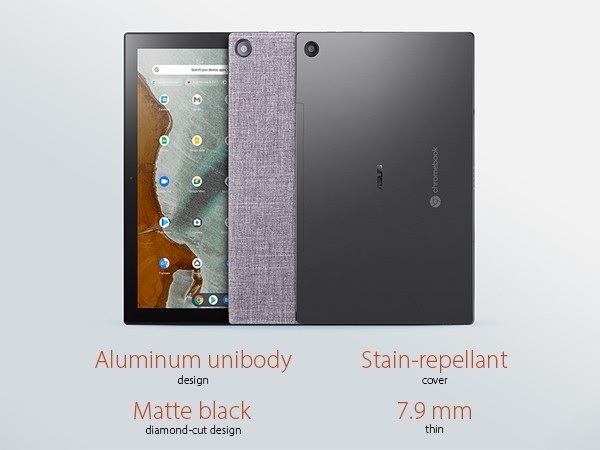
The ASUS Chromebook Detachable CM3 has an aluminum unibody with a matte finish. It is 7.9mm thick and comes with a stain-repellent cover that gives it a classy look. There is only one color variant available called Mineral Gray.
ASUS’s Chrome OS tablet has a 10.5-inch screen with a 16:10 aspect ratio and a 1920 x 1200 resolution. There are thick bezels around the display which is not uncommon for a lot of tablets.
Powering the ASUS Chromebook Detachable CM3 is MediaTek’s MT8183 processor which is practically the Helio P60T but specially designed for entry-level Chromebooks. It is an octa-core chipset with four Cortex-A73 cores and four Cortex-A53 cores clocked at 2.0GHz. It also has an Arm Mali-G72 MP3 GPU clocked at 800MHz.
The processor is paired with 4GB of RAM, and buyers will be able to pick between a 64GB version or a 128GB version. Just like Lenovo’s own tablet, this too is missing a MicroSD card slot, so you can’t expand the storage.
1 of 4
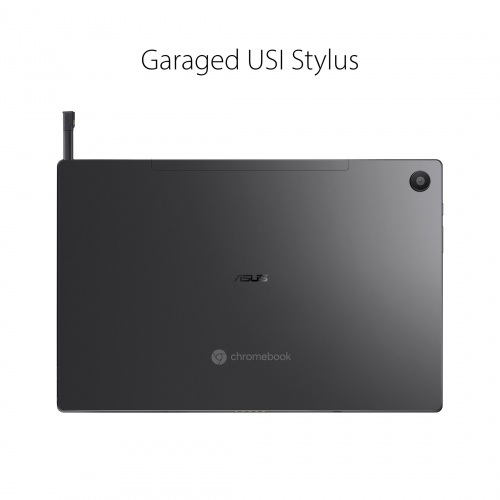
What it does have that the Duet doesn’t is an audio jack and a USI stylus with a silo for storing it. When inserted in the slot, the stylus automatically charges and ASUS says that a 15-second charge will provide 45 minutes of use. Lenovo’s USI Pen has to be purchased separately and it costs $39, though it is much thicker and feels like a regular pen. It also uses a replaceable battery.
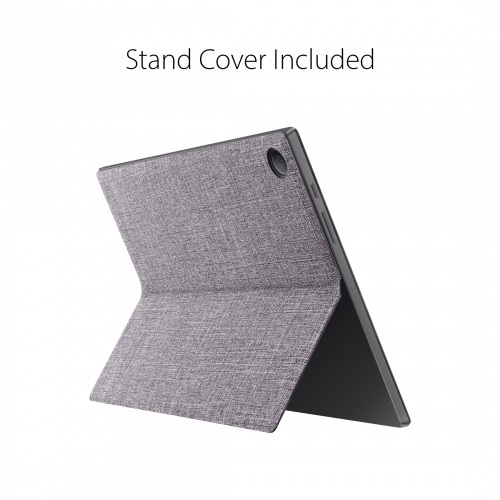
The ASUS Chromebook Detachable CM3 has a keyboard that connects via four pogo pins at the bottom of the tablet. The keyboard has an ErgoLift design, a 1.5m key travel, and a trackpad. The stand cover, which can also be removed can be adjusted to up to 90° when in landscape mode. It can also be used to prop up the tablet in portrait mode.
There is an 8MP camera on the back of the tablet while the front camera is a 2MP sensor. ASUS has packed a 27Whr battery into the tablet which it says should last up to 12 hours on a single charge. A 45W charger is included in the box for charging. The tablet has dual-band WiFi, Bluetooth 4.2, and a USB-C port.
The ASUS Chromebook Detachable CM3 is priced at $350 for the 64GB version and $370 for the 128GB version. Both are currently listed as Coming Soon on the official ASUS store. ASUS states that there is a 1-year Free 100GB Google One trial which expires from Google by the 31st of January 2022.
It has been six years since Microsoft first announced Windows 10. The operating system has received several updates that bring new features since then but Microsoft has stuck to the same name. Come June 24, the tech giant will announce a new version of Windows.
Yes, a new version of Windows is coming at the end of the month according to a quoted tweet by Yusuf Mehdi, the Corporate Vice President, Modern Life, Search & Devices Group, at Microsoft. The executive quoted a tweet by the official Windows account that said there will be an event on June 24. While the original tweet didn’t say what the launch is for, a teaser video included hints at it being related to the Windows operating system. However, it is Mr. Mehdi that lets the cat out of the bag when he reveals that it is for a new version of Windows.
It has been reported that Microsoft has also sent out invites for the event and that CEO, Satya Nadella, as well as Chief Product Officer, Panos Panay, will be presenting at the event.
There are speculations that this new version will launch as Windows 11 citing the teaser in the tweet above and the fact that the event is scheduled for 11 AM. Regardless of what it will be called, the new version is expected to come with visual changes such as new icons, an imprved file explorer, and improved Bluetooth audio support. We should also see some of the features that were said to have been taken from the now killed Windows 10X operating system.
We are excited for this new version of Windows and can’t wait to see what Microsoft has in store for us.
Huawei gave us an official look at the Huawei P50 series at the end of its event today. The reveal which was unexpected confirmed the renders we have seen in the past few weeks.
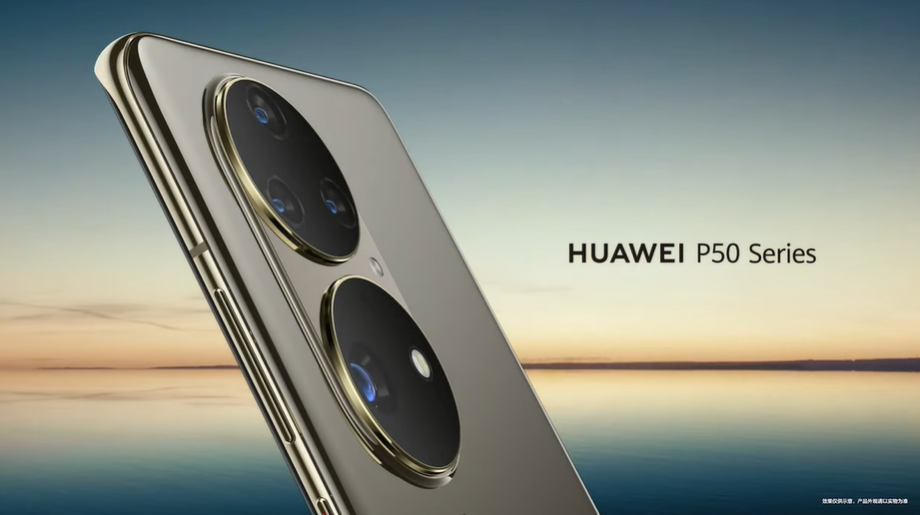
As seen in the image below, the Huawei P50 series will indeed have two pretty large round camera housings that hold the cameras. It is an unusual camera design and the internet is divided about it.
We are not sure which model of the P50 series this is but it is most likely not the standard version. The device has three cameras in the top housing while the second housing holds a periscope zoom lens and an LED flash.
If you watch the video in the tweet below, you should get a glimpse of the LEICA logo, confirming that Huawei is once again partnering with the German camera company for its 2021 flagship phone.
Huawei’s CEO, Yu Chengdong, revealed that the P50 series doesn’t have a launch date yet as a result of “reasons we are aware of”. Nevertheless, they are working on making the device available.
The P50 series is expected to be powered by Huawei’s own Kirin chipsets but there is a possibility we may see the phones come with Qualcomm’s own processors just as we did today with two of the new MatePad tablets.
According to Teme (@RODENT950), there may be a 4G version of the Snapdragon 888 processor and its delay may be the reason why Huawei is yet to choose a launch date (for the P50 series). We can assume this means that Huawei plans to use this version of the chipset for the P50 series.
Actually, this is not the first time we have heard of the Huawei P50 series coming with Snapdragon chips. Back in November, Qualcomm was granted the license to supply Huawei with chips, and it was reported that these chipsets may power the P50. Though it appears that the license limits them to 4G chips which explains why there is no 5G version of the new MatePad Pro 10.8 and the MatePad 11. Since you can’t possibly launch a phone without a modem, Huawei’s best bet is to settle for a 4G version of the Snapdragon 888.
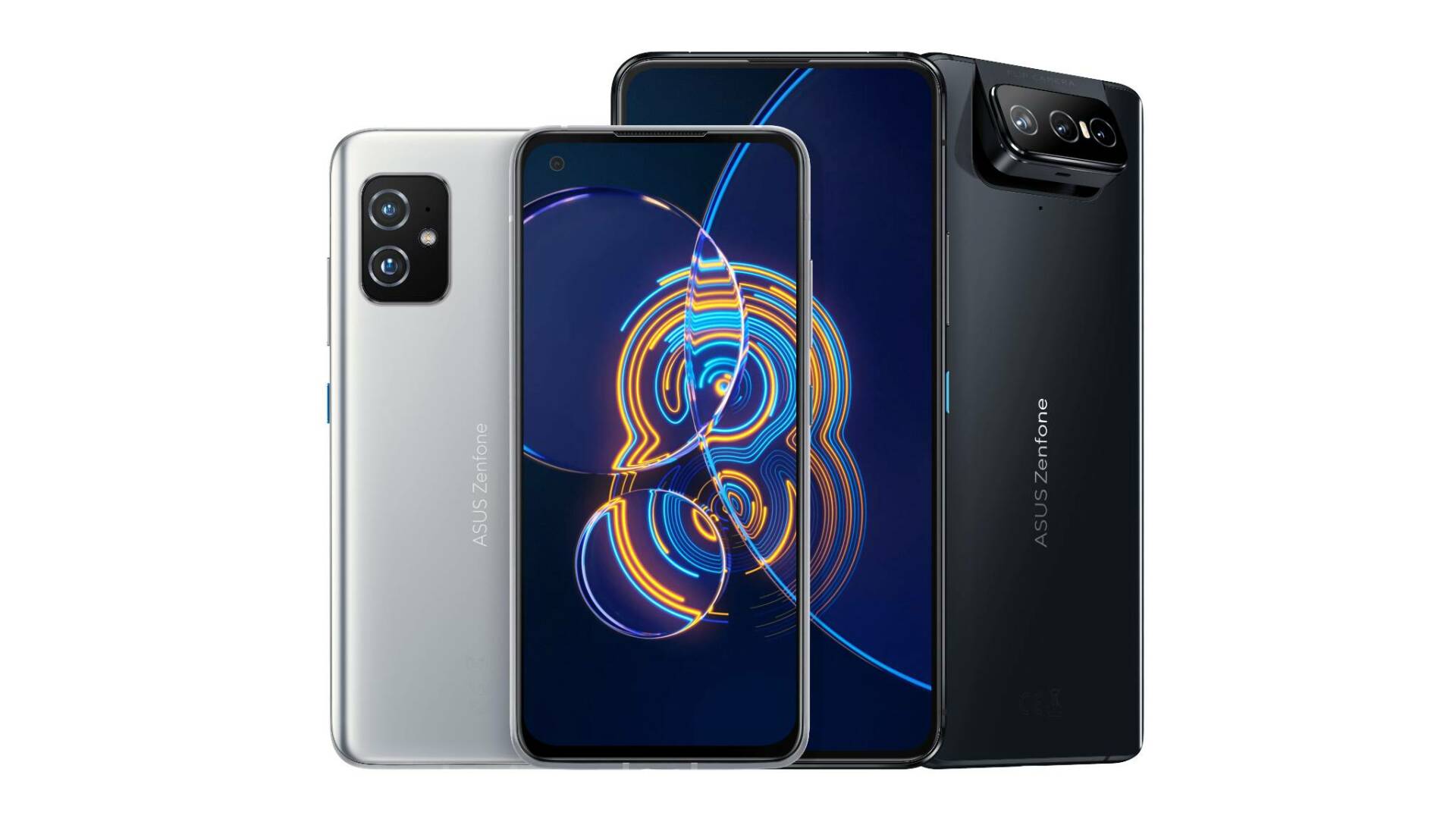
The latest Asus flagship series is a duo and it is composed of Asus Zenfone 8 and Zenfone 8 Flip. Both are very atypical devices: the former is one of the few compact flagships in the market, while the latter is one of the few devices with holeless display and a rear camera that can be used as a front camera as well. Both are sold at very interesting prices and offer amazing flagship-class specifications, but which one should you go for? This comparison will hopefully clear your ideas in regards.
Asus Zenfone 8 vs Asus Zenfone 8 Flip
Asus Zenfone 8
Asus Zenfone 8 Flip
DIMENSIONS AND WEIGHT
148 x 68.5 x 8.9 mm, 169 g
165 x 77.3 x 9.6 mm, 230 g
DISPLAY
5.9 inches, 1080 x 2400p (Full HD+), Super AMOLED
6.67 inches, 1080 x 2400p (Full HD+), Super AMOLED
The Asus Zenfone 8 is my favorite one simply because it is one of the most compact flagships out there: with its small display, it is very comfortable to use with one hand and to keep in a pocket. The handset is also built with premium materials, including a glass back protected by Gorilla Glass Victus and an aluminum frame. Last but not least, it is waterproof and dustproof with the IP68 certification. The Flip is very interesting with its holeless and notch-less display (thanks to its flip-up camera), but it is bigger, thick, and pretty heavy, so it is definitely not the device to look for if you need the most elegant and pocket-friendly phone. But it is still built with premium material (glass sandwich with an aluminum frame).
Display
Despite the Asus Zenfone 8 is more affordable, besides its great aesthetics, it also offers a better display. The main difference between the Asus Zenfone 8 and 8 Flip is the refresh rate: 120 Hz vs 90 Hz. They both come with AMOLED panels boasting a Full HD+ resolution, the HDR10+ certification, and similar brightness levels. You also get an in-display fingerprint reader. But the dimensions play an even more important role than specifications when it comes to the display: the Asus Zenfone 8 has a 5.9-inch panel, one of the smallest displays in the flagship segment. The Asus Flip, instead, sports a standard 6.67-inch display.
Specs & Software
Asus Zenfone 8 and 8 Flip are powered by the same mobile platform: the Snapdragon 888, which is currently the best by Qualcomm. The software is the same too: Android 11 customized by Zen UI 8. But with the Asus Zenfone 8, you can get better memory configurations: it offers up to 16 GB of RAM and up to 256 GB of UFS 3.1 native storage, while Asus Flip has a max of 8 GB of RAM and 256 GB of internal storage.
Camera
The Asus Zenfone 8 Flip is a superior camera phone. On both the phones, you can find a 64 MP main camera and a 12 MP ultrawide sensor, but the Asus Flip adds an 8 MP telephoto sensor with 8x optical zoom. Further, this variant allows using the rear camera as front cameras as we are talking about a flip-up camera department, while Asus Zenfone 8 relies on a 12 MP front camera with 4K video recording for selfies.
Asus Zenfone 8 Flip has a longer battery life thanks to its bigger battery with a capacity of 5000 mAh. The Asus Zenfone 8 has just 4000 mAh because it is one of the most compact phones in the market. Both feature 30W fast charging, but the vanilla version is faster to reach 100% for obvious reasons.
Price
The starting price of the Asus Zenfone 8 is €600/$730, while you need €800/$977 to purchase the Asus Zenfone 8 Flip. If you are ok with very compact phones and you do not mind having a small battery that does not provide an astonishing battery life (the battery has a below-average capacity compared to other 2021 flagships, but it is still sufficient), the vanilla version is a more interesting choice. But the Asus Zenfone 8 Flip actually offers a better user experience with its bigger battery, wider display, and more interesting camera setup.
Asus Zenfone 8 vs Asus Zenfone 8 Flip: PRO and CONS
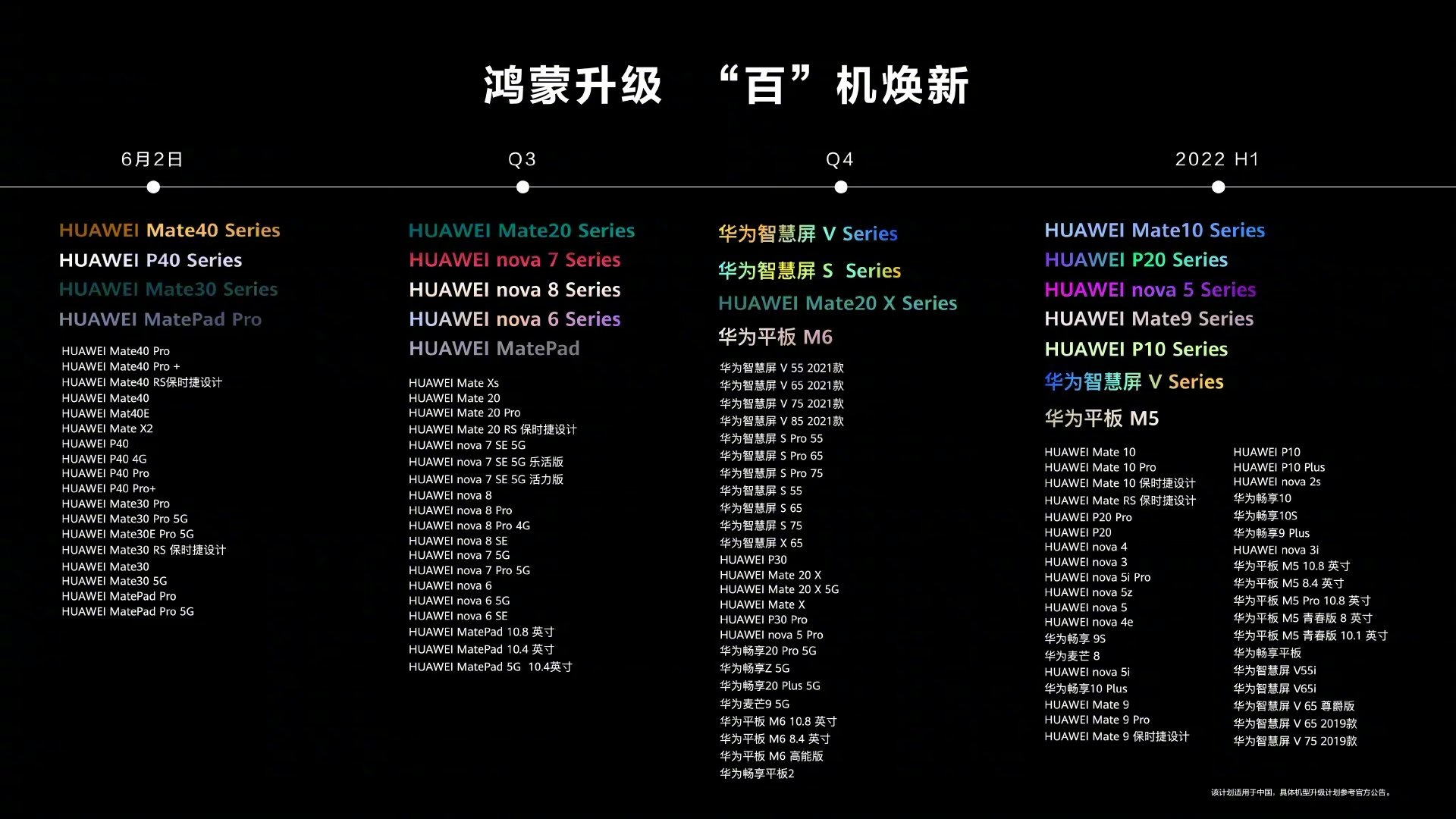
During today’s unveiling of HarmonyOS 2, Huawei revealed that it plans to update 100 devices to the new operating system. That sure is a lot of devices even though Huawei says it will take it until H1 of 2022 to complete the update.
If you want to know which devices are eligible and when they will get the update, then you are at the right place. Below is the full list of the 100 devices that will get HarmonyOS 2:
As you can see, Huawei is updating some of its flagships from as far back as 2016 such as the Mate9 series. With a new update, these old devices are being infused with new life.
HarmonyOS 2 has a ton of features such as Super Service Widgets which brings added functionalities to the standard widgets. Users will be able to perform certain tasks using just the widget of an app instead of opening the app itself. There is also a Control Center that makes it easier to access and control all connected devices or supported devices in range. Huawei has also included a Task Center that allows you to assign tasks to various devices such as from a tablet to a phone and vice versa.
Other features are a new font with an adjustable thickness, cross-device clipboard function, and multi-camera mix which lets you combine footage from the cameras of nearby devices when recording a video to provide you with different angles.
Huawei says HarmonyOS 2 is secure and has been awarded the EAL 4+ certification for security.
We use cookies on our website to give you the most relevant experience by remembering your preferences and repeat visits. By clicking “Accept”, you consent to the use of ALL the cookies.
This website uses cookies to improve your experience while you navigate through the website. Out of these, the cookies that are categorized as necessary are stored on your browser as they are essential for the working of basic functionalities of the website. We also use third-party cookies that help us analyze and understand how you use this website. These cookies will be stored in your browser only with your consent. You also have the option to opt-out of these cookies. But opting out of some of these cookies may affect your browsing experience.
Necessary cookies are absolutely essential for the website to function properly. This category only includes cookies that ensures basic functionalities and security features of the website. These cookies do not store any personal information.
Any cookies that may not be particularly necessary for the website to function and is used specifically to collect user personal data via analytics, ads, other embedded contents are termed as non-necessary cookies. It is mandatory to procure user consent prior to running these cookies on your website.