A few months ago, Tesla announced that it invested $1.5 billion in Bitcoin and had also revealed that it would start accepting Bitcoin as payment for buying its cars. Now, another Elon Musk-led company is following the suit.
SpaceX will be launching the “DOGE-1 Mission to the Moon” in the first quarter of next year and the company will be accepting cryptocurrency dogecoin as payment, revealed Elon Musk in a tweet.
The development follows a tweet by Elon Musk in April that SpaceX was going to put a “literal Dogecoin on the literal moon”.
Canadian engineering firm Geometric Energy Corporation has partnered with SpaceX to launch its DOGE-1 CubeSat to the Moon in the first quarter of 2022. The mission will launch aboard a Falcon 9 rocket. The 88-pound CubeSat will collect “lunar-spatial intelligence” through a combination of cameras and sensors, says the company.
In the statement released by Geometric Energy, SpaceX Vice President of Commercial Sales Tom Ochinero said: “This mission will demonstrate the application of cryptocurrency beyond Earth orbit and set the foundation for interplanetary commerce.”
Dogecoin lost more than a third of its price on Sunday after Musk called it a ‘hustle’ during his guest-host spot on the “Saturday Night Live” comedy sketch TV show.
For those who are unaware, the cryptocurrency dogecoin began as a social media joke, and after Musk’s tweets earlier this year, the almost obscure digital currency came back into the market. It has jumped more than 800% over the last month and is now the fourth-largest digital currency, with a market capitalization of $73 billion.
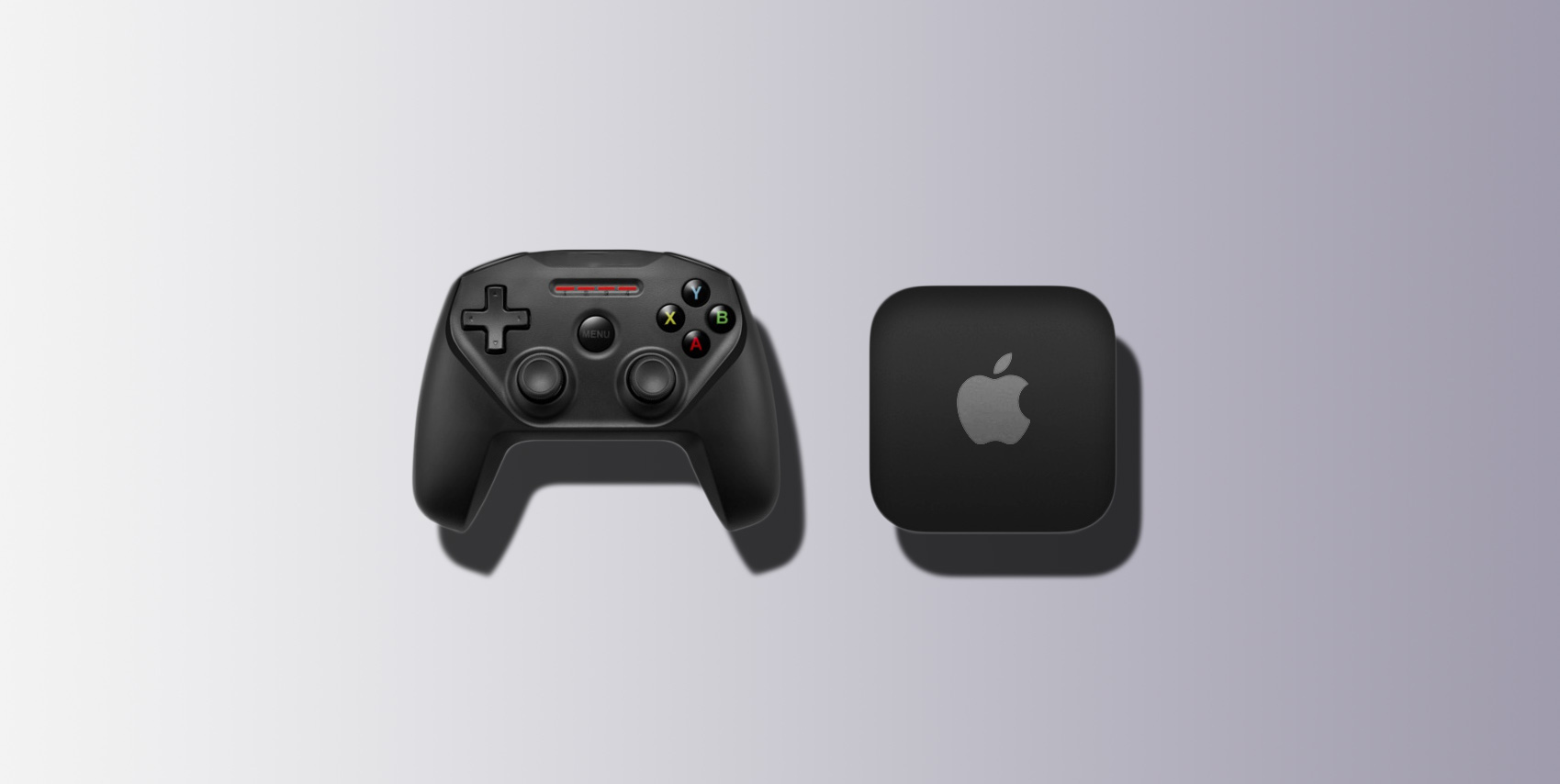
The TV consoles are getting a lot more powerful than earlier as the requirement for gaming keeps on increasing. The newly announced Apple TV 4K powered by the A12 Bionic chipset doesn’t live up to the expectations and indicates that the tech giant isn’t focusing on gaming performance.
However, it now seems that the company is working on a new portal hybrid console for gaming which will be powered by a new chipset with performance improvements and enhanced graphics processing.
The report coming from Wccftech, citing a Korean community website Clien reveals that the upcoming hybrid portal console from Apple will be similar to the Nintendo Switch. This means that Apple is now looking to have a product that directly targets gamers.
The rumored upcoming product might have room for a powerful cooling system that sets it apart from the existing powerful devices from the brand such as iPhone and iPad. Also, the hybrid portal console will also be powered by a new chipset which will be different from the existing A-series and M-series SoC.
Further, the report adds that Apple is negotiating with notable game developers like Ubisoft to bring exclusive games to Apple Arcade. It will be interesting to see how the company integrates the upcoming console with its gaming-focused service Apple Arcade.
Earlier, the company was rumored to launch a Mac device focusing on gaming needs in 2020 but as we all know that didn’t happen. So, we would advise you to take this information about a new portal hybrid console with a pinch of salt.
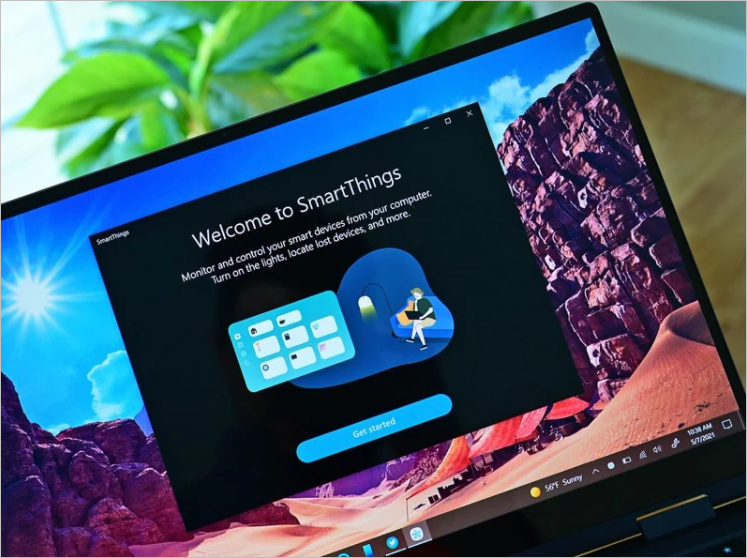
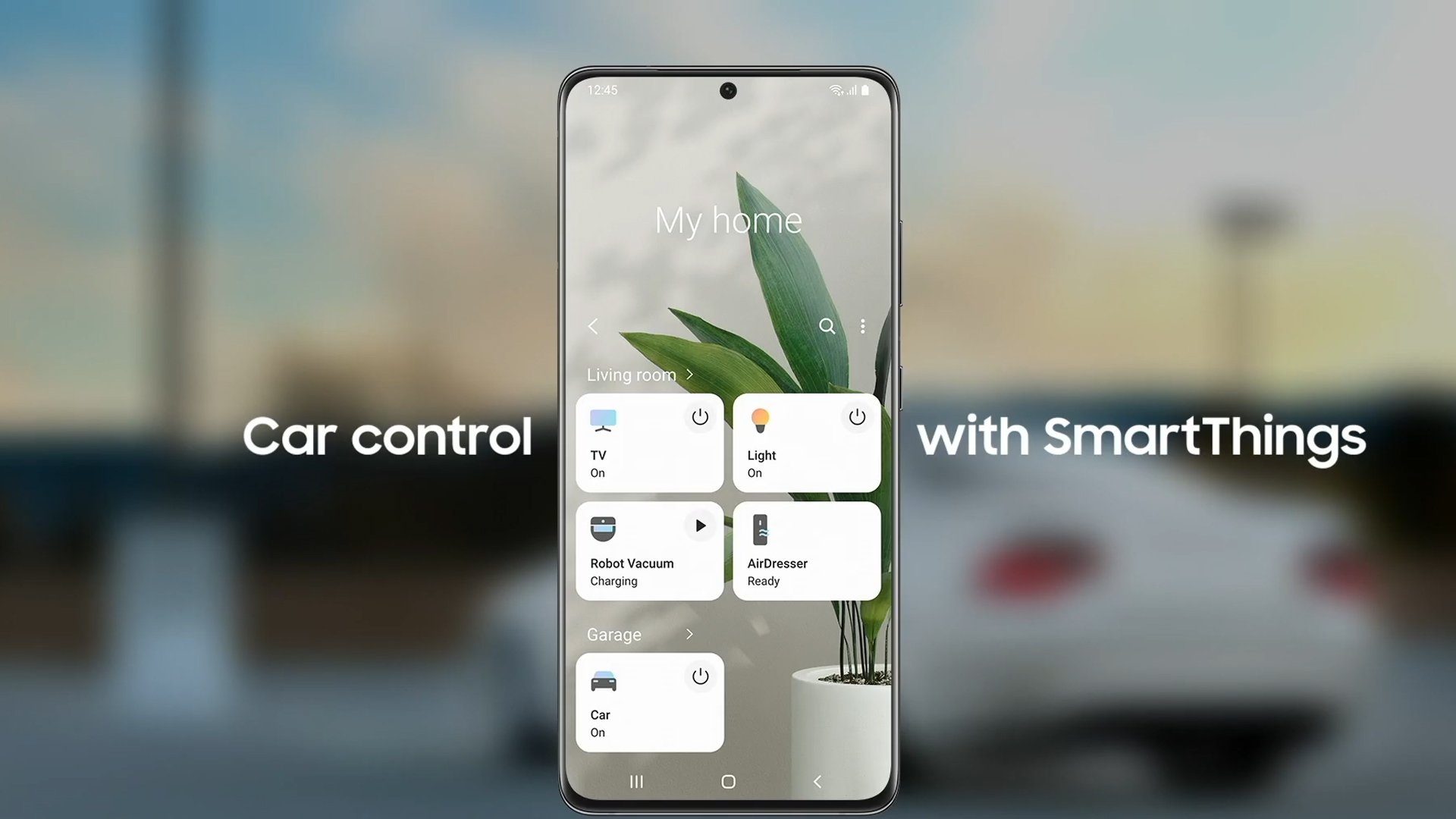
The desktop version of Samsung‘s SmartThings app is now available on Windows 10. The SmartThings app helps users control their smart home gadgets via the app. Google Nest support was recently incorporated into the Android version of the SmartThings app, which further expanded the app’s functionality.
The growing partnership between Samsung and Microsoft has now led to the release of the SmartThings app for Windows 10. This will enable users to sync their Android app with the desktop version and control their connected smart home devices via their PC. With a growing array of compatible smart home devices, the SmartThings app has become an important tool to remotely monitor and control activities in the home.
The SmartThings app for Windows 10 can be downloaded from the Microsoft Store. However, unlike the Android version, the SmartThings app for Windows 10 cannot be used to add new smart devices presently. The Windows app also lacks support for Google Nest devices, which do not even show on the app. While rooms created for Nest devices can be seen in the Windows app, the cameras and thermostats are absent.
It is not known whether the features of the Samsung SmartThings app for Windows 10 would be further expanded. This would now put it at par with the Android version. The SmartThings app provides a broad interface for users to interact seamlessly with their smart home gadgets. It can also be used in combination with other features to locate a lost or stolen Samsung AirTag.
This partnership between Samsung and Microsoft is expected to blossom going forward. We could see further developments in the app segment or new aspects examined by both companies.
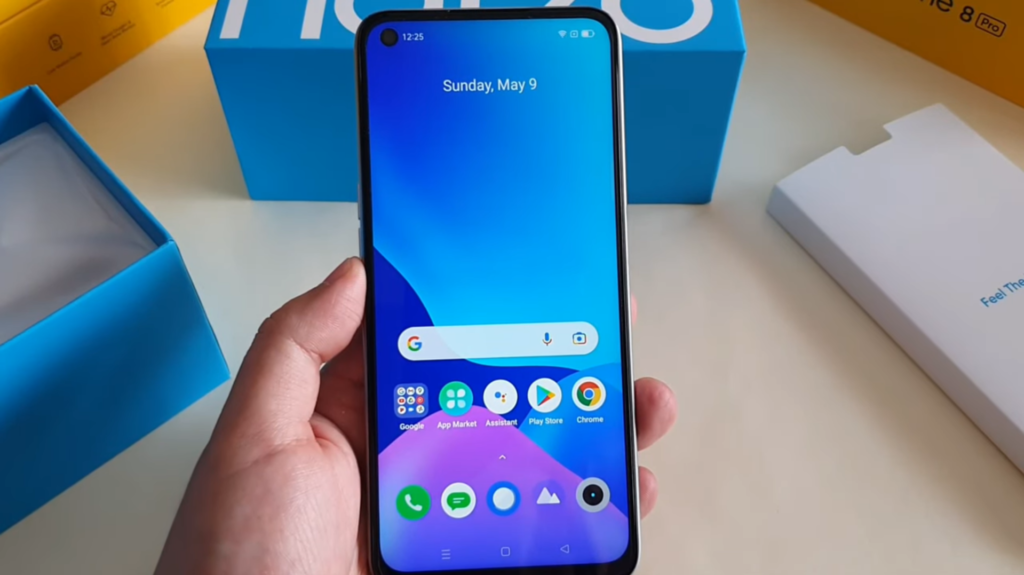
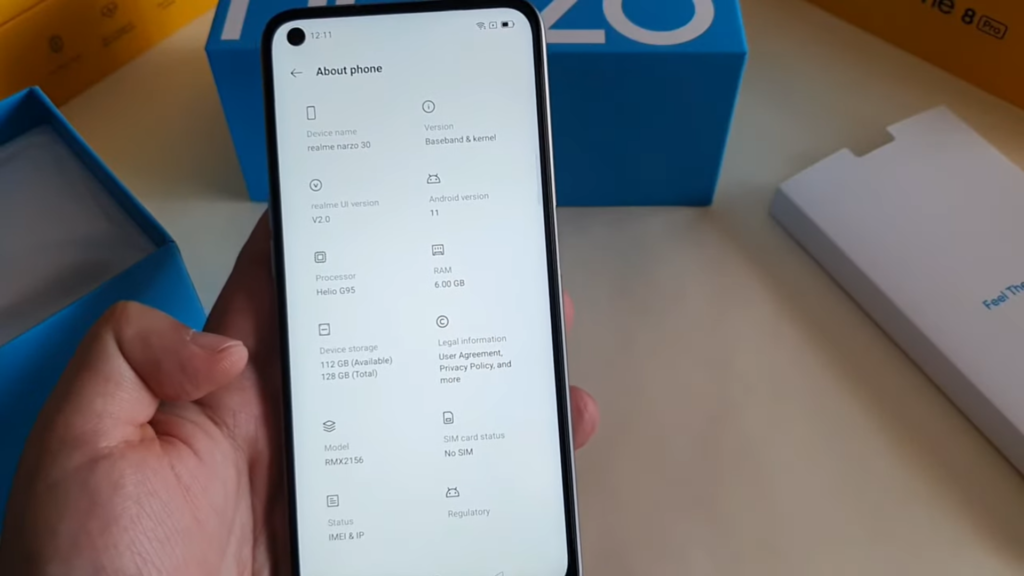
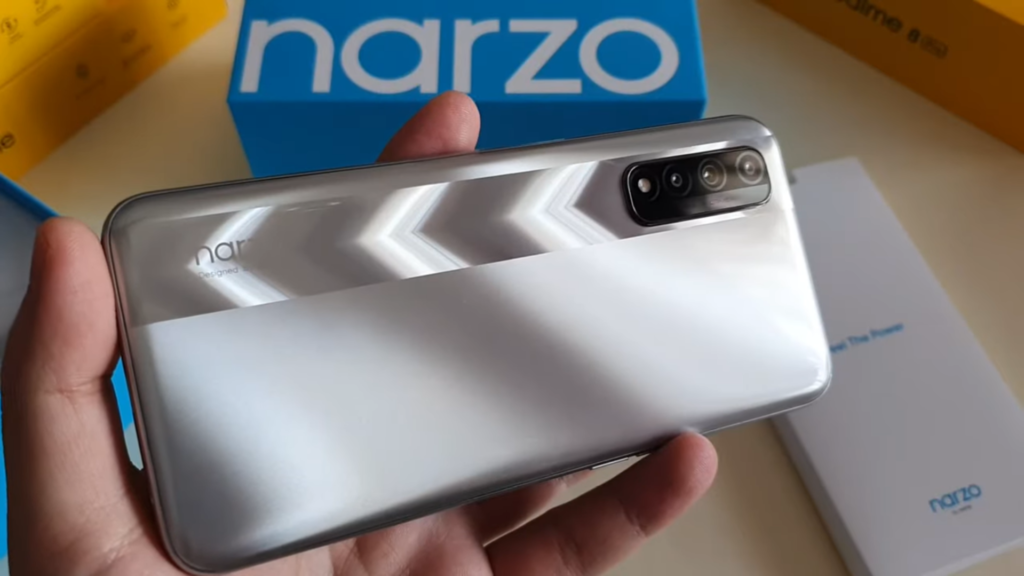
The Realme Narzo 30 series of smartphones has three phones such as the Narzo 30A, Narzo 30, and Narzo 30 Pro 5G. India received the Narzo 30A and 30 Pro 5G in February, but the Narzo 30 was not unveiled. Now, the Malaysian wing of the brand has confirmed that the Narzo 30 will go official on May 18 in the country. Around a week ahead of the launch, YouTuber Marc Yeo Tech Review has released an unboxing video of the Narzo 30.
Realme Narzo 30 design
The Narzo 30’s hands-on video shows that it has a punch-hole display with a slightly thick chin. A side-facing fingerprint scanner is available on the right edge, where its left side has a SIM card tray, volume up, and volume down buttons.
The bottom side of the Narzo 30 has a 3.5mm headphone slot, a pair of microphones, a USB-C port, and an external speaker. The top edge of the device is barren. The polycarbonate back of the phone features a vertical triple camera setup, which is followed by a glossy strip that has an arrow-like pattern on it. Its model number is mentioned as RMX2156 on its blue-colored retail box.
Realme Narzo 30 specifications
The Realme Narzo 30 has a 6.5-inch IPS LCD FHD+ 90Hz display with 580 nits brightness and it has a front camera of 16-megapixel. The rear camera system of the phone has a 48-megapixel main camera, and a pair of 2-megapixel sensors.
The Helio G95 chipset powers the device with 6 GB of RAM and 128 GB of storage. It is backed by a 5,000mAh battery that supports 30W Dart Charge. The phone will be shipping with Realme UI 2.0 based Android 11 OS. The device weighs 192 grams and its thickness is 9.4mm.
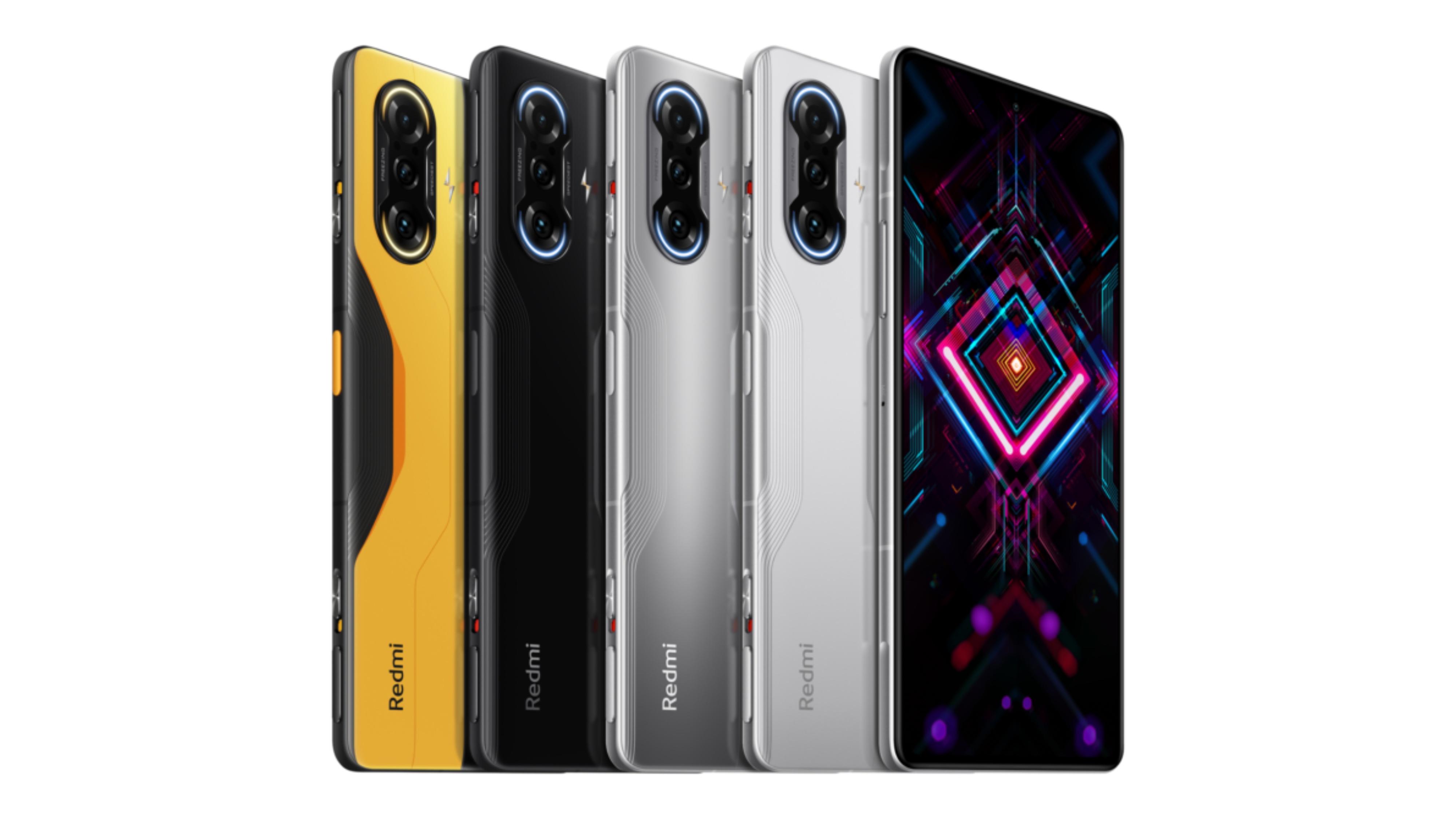
Last month, Redmi announced the Redmi K40 Gaming as its first gaming-focused smartphone. The handset came with mechanical gaming trigger buttons. Before its launch, the rumor mill speculated that there will be another variant of the phone with an inferior chipset. Both models were expected to break cover at the same time, but the company only announced the Redmi K40 Gaming. A tipster from China has shared the key specs of the other model. Probably, Redmi could be planning to launch it this month in China.
In February, Digital Chat Station claimed that the Redmi K40 Gaming phone has two chipset versions that are powered by MT6893 (Dimensity 1200) and MT6891 (Dimensity 1100). While the former has already launched, Redmi is yet to confirm the arrival of the latter.
Redmi K40 Gaming
New information shared by the tipster reveals that the Dimensity 1100 SoC powered edition of the Redmi K40 Gaming phone’s display has a centrally aligned punch-hole, and it supports a Full HD+ resolution of 1080 x 2400 pixels. It has a 64-megapixel main camera on the back, and it carries support for 67W fast charging for its 5,000mAh battery.
Probably, this phone could be hitting the Chinese markets as a Lite version of the Redmi K40 Gaming. The K40 Gaming phone begins at 1,999 Yuan (~$311). Hence, there is a possibility that its Dimensity 1100 SoC variant may start around 1,599 Yuan (~$249) or 1,699 Yuan (~$264).
The model number of the Redmi K40 Gaming is M2104K10C. It appears that the M2104K10AC, which was spotted at places like 3C, TENAA, and Master Lu benchmarks could be the Redmi K40 Gaming Lite. The Master Lu listing revealed that it has an FHD+ display, Dimensity 1100 chipset, 8 GB of RAM, and 256 GB of built-in storage. The alleged Redmi K40 Gaming Lite may debut later this month.
The Honor Play5 will be breaking cover at 7:30 PM (local time) on May 18. The device can be seen in the official poster, featuring a tall aspect ratio display with a waterdrop notch. The phone’s left edge has a SIM card slot, whereas its right spine has a volume controller and a power key. The absence of a side-mounted fingerprint scanner suggests that it could be featuring an in-display fingerprint sensor.
The rear shell of the Play5 has a squarish camera island, which houses a quad-camera setup and an LED flash unit at the center. The design of the back panel is different from a leaked render that had appeared last month.
Honor Play5 specifications (Rumored)
It was revealed by Digital Chat Station last month that the Honor Play5 has a Full HD+ OLED screen of 6.53 inches. The handset has a thickness of only 7.46mm and weighs 179 grams.
The Play5 is powered by the Dimensity 800U chipset and a 3800mAh battery. It is expected to arrive with support for 66W fast charging. The phone is likely to offer an Android 11 OS out-of-the-box experience.
The Honor Play5’s rear camera module has a main camera of 64-megapixel, an ultrawide lens of 8-megapixel, and a pair of 2-megapixel cameras, probably for capturing macro and depth shots.
The Snapdragon 888 is Qualcomm’s flagship chipset. The processor which made its debut in the Xiaomi Mi 11 last December has now appeared in several other phones with more planned to come later.
Prior to the launch of the Snapdragon 888, the chipset was expected to arrive as the Snapdragon 875 if we were to follow Qualcomm’s naming scheme but the San Diego-based company decided to go with a different name.
For this week’s poll, which should be a fun one, we are curious to know how you pronounce the name of this chipset. So do take the poll below and let’s know which group you belong to.
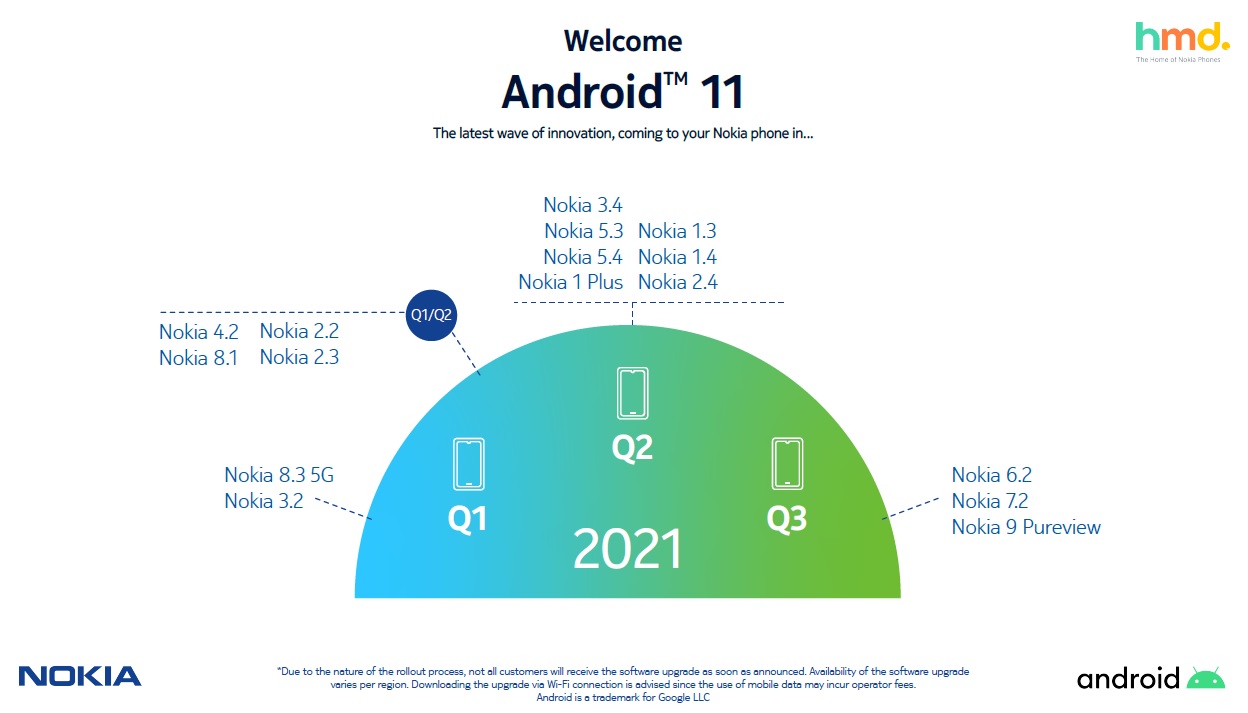
HMD Global has been quite slow with the roll-out of Android 11 to its devices. For a brand that brags about how great it is when it comes to software updates, this is disappointing. Now, a new Android 11 roadmap released by the manufacturers reveals the update will be arriving later for some phones.
According to the roadmap shared on the official Nokia Community forums, the rollout which was originally planned to end by the second quarter of 2021 will now end in the third quarter.
Devices such as the Nokia 9 PureView, the Nokia 7.2, and the Nokia 6.2 will now receive the Android 11 update in the third quarter of the year and it appears it will be towards the end of the quarter.
The Nokia 1 Plus, Nokia 1.3, and Nokia 1.4 which are all Android Go phones will get their updates in the second quarter along with the Nokia 5.3 that was originally supposed to get updated back in Q4 2020. The Nokia 3.4 and Nokia 5.4 are also among the devices getting the update this quarter.
Will HMD Global stick to this adjusted schedule? Only time will tell.
Late last month, OnePlus announced OneLab, a 9-member startup within the company that was created to design for OnePlus’ OS new features that suit users in various markets. The team worked on some of the OxygenOS 11 features such as Insight AOD and the newest version of Zen Mode. However, OneLab isn’t limited to just in-house features seeing as it has announced its first cross-platform app called Clipt.
Clipt is a clipboard tool that also doubles as a file-sharing tool and it is designed to work across different platforms. There is an Android app already while an iOS app is in development, and for PCs and Macs, there is a Chrome extension.
OneLab says the tool allows you to “Seamlessly and safely send text, photos, and files between devices”. Once you have the app installed on your devices, you can copy a text on one (phone or PC) and paste it on others. You can also use it to share files. It is able to do this by creating a link that connects your clipboard between devices. What is important is that you use the same Google account across these devices. This is because Clipt actually uses your Google Drive to transfer data.
Clipt doesn’t have access to your whole drive but creates a silo within it for what you share between your devices. It is also encrypted and can’t read the content of what you send. And when you copy a file or text, the device creates an anonymous File ID that it shares with the linked devices, so they know what text or file to download. To prevent your drive from filling up, Clipt only keeps the last 10 items you copied, anything after that is automatically deleted.
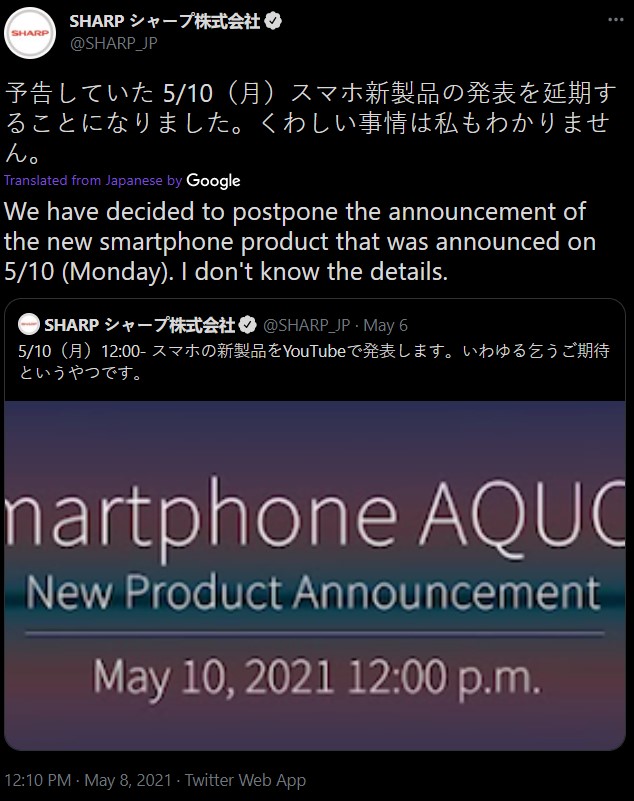
A few days ago, Sharp announced it will have a new product announcement on Monday, May 10. The event was supposed to be for the launch of its latest flagship phone, the Sharp AQUOS R6, but that will no longer be the case.
The Japanese manufacturer’s official Twitter account revealed yesterday that it has decided to postpone the smartphone launch which quite a number of fans were looking forward to. No reason was given for the change in plans neither was a new date announced. Sharp did say in another tweet that it will announce a new date once it has been decided.
Press renders of the Sharp AQUOS R6 flagship were posted on Twitter on Friday, giving us an early look at the flagship phone. From the images, the phone will have a curved display with a centered punch hole for the front-facing camera while the back is home to two cameras, two less than that of its predecessor, the AQUOS R5G. The main camera is a pretty large one and we can’t wait to see what tricks and features it has. One of the press renders even reveals that the phone was co-engineered with Leica.
The AQUOS R6 is expected to have a QHD+ resolution and a high refresh rate with Gorilla Glass protection. A Snapdragon 888 processor should power the device. Like its previous flagships, this too should have an IP68 rating.
A security flaw has been discovered in Qualcomm’s chipsets that make it vulnerable to hackers. A report by Check Point Research says Qualcomm modems can be exploited to listen to conversations by a phone user, steal data and hide malware. Qualcomm’s Mobile Station Modem (MSM) has had a long history dating back to the 1990s, providing wireless connectivity support for mobile devices for several generations, up to 5G. The security firm Check Point Research says the MSM can be hacked remotely as easily as through an SMS.
Smartphones that are powered by Qualcomm chipsets are potential targets of hackers, according to the report. The vulnerability is higher for users without regular updates of their security patches, and regular software updates should be done. When the hackers gain access to a vulnerable device, they may be able to listen to calls, read through messages, and possibly unlock the SIM to gain access to private data for criminal purposes.
According to the security report, hackers can use this vulnerability in the modem to remotely control it and dynamically patch it from the application processor. The jacket could inject malicious code into the modem via Android, and access the smartphone user’s call history, messages, and calls.
However, an official statement from Qualcomm indicates that the security issue has already been fixed since December 2020 with the appropriate software updates. Therefore we believe that subsequent software updates since then could have further enhanced the security of the devices from attackers. There has not been any official response from Google on the flaws relating to Android, although there are rumors that the fix could be addressed shortly.
Following the end of the holidays in China, product launches are expected to pick up next week. One of the key announcements, and a highly anticipated one at that, scheduled for the coming week is that of the ASUS Zenfone 8 series. Here’s a heads up of what’s happening next week:
ASUS will announce the Zenfone 8 series on Wednesday, May 12. The Taiwanese manufacturer is expected to announce two new flagships – the compact Zenfone 8 which will have a 5.92-inch display and the larger Zenfone 8 Flip that will have not only a bigger screen but motorized flip cameras like the Zenfone 6 and Zenfone 7.
The launch will be a global one that will be live-streamed. It will begin at 10:30 PM IST/7:00 PM Berlin Time/6:00 PM Lagos/1:00 PM New York.
Redmi Note 10S
Redmi Note 10S and Redmi Watch India launch – May 13
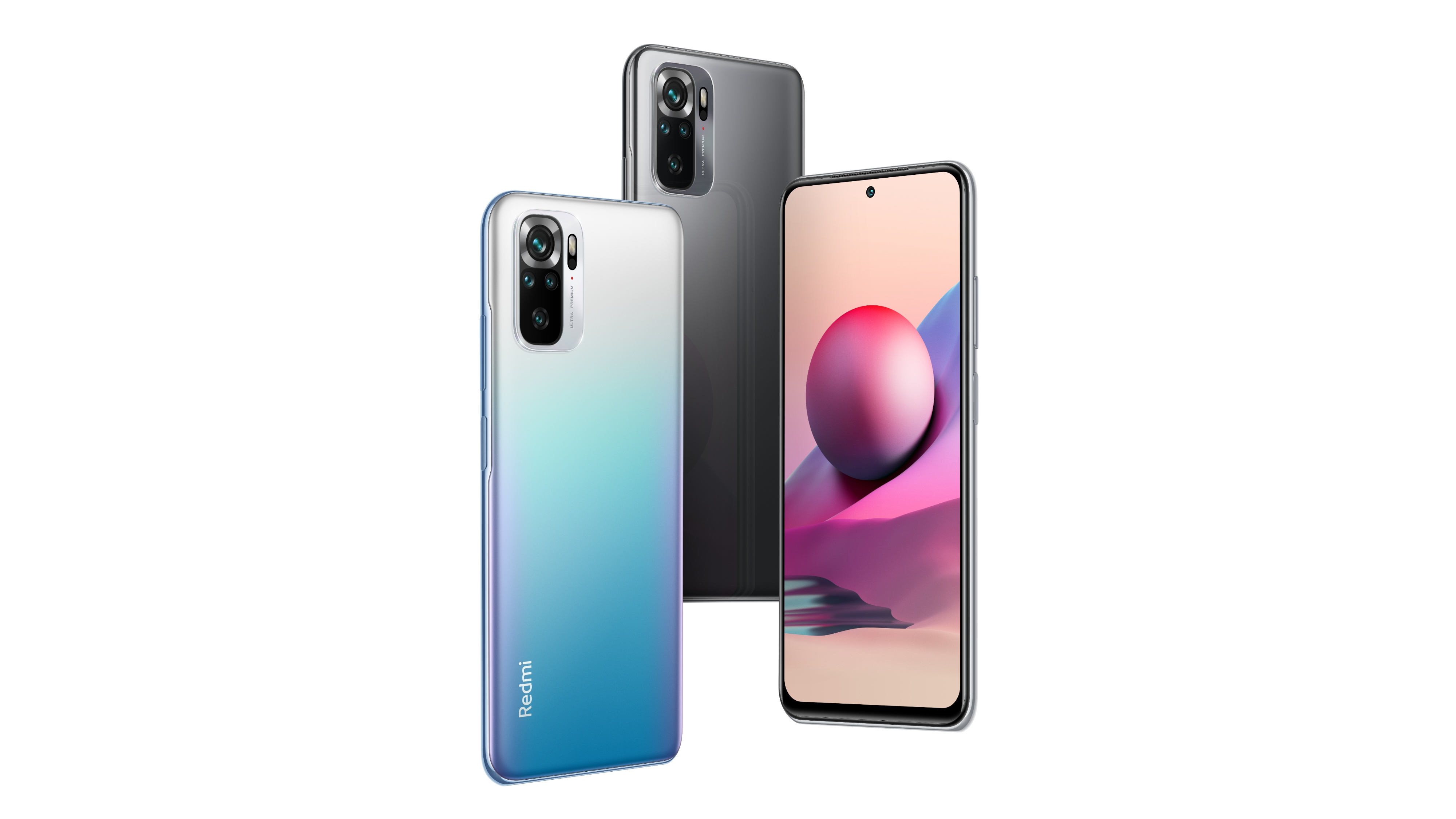
Redmi India has a launch scheduled for May 13. The manufacturer has revealed that it will announce two new products on that day. The first is the Helio G95-powered Redmi Note 10S which already launched in other markets in early March and went on sale in April.
There is also the Redmi Watch, a wearable that launched last year in China. However, it appears that India will be getting a rebadged Mi Watch Lite and not the Chinese version of the Redmi Watch. This is because the promotional page for the Redmi Watch for India says that the smartwatch has built-in GPS, a feature not available on the Redmi Watch sold in China. It also has 11 sports modes (like the Mi Watch Lite) while the Chinese version has 7. Beats us as to why they won’t just launch it as the Mi Watch Lite in India.
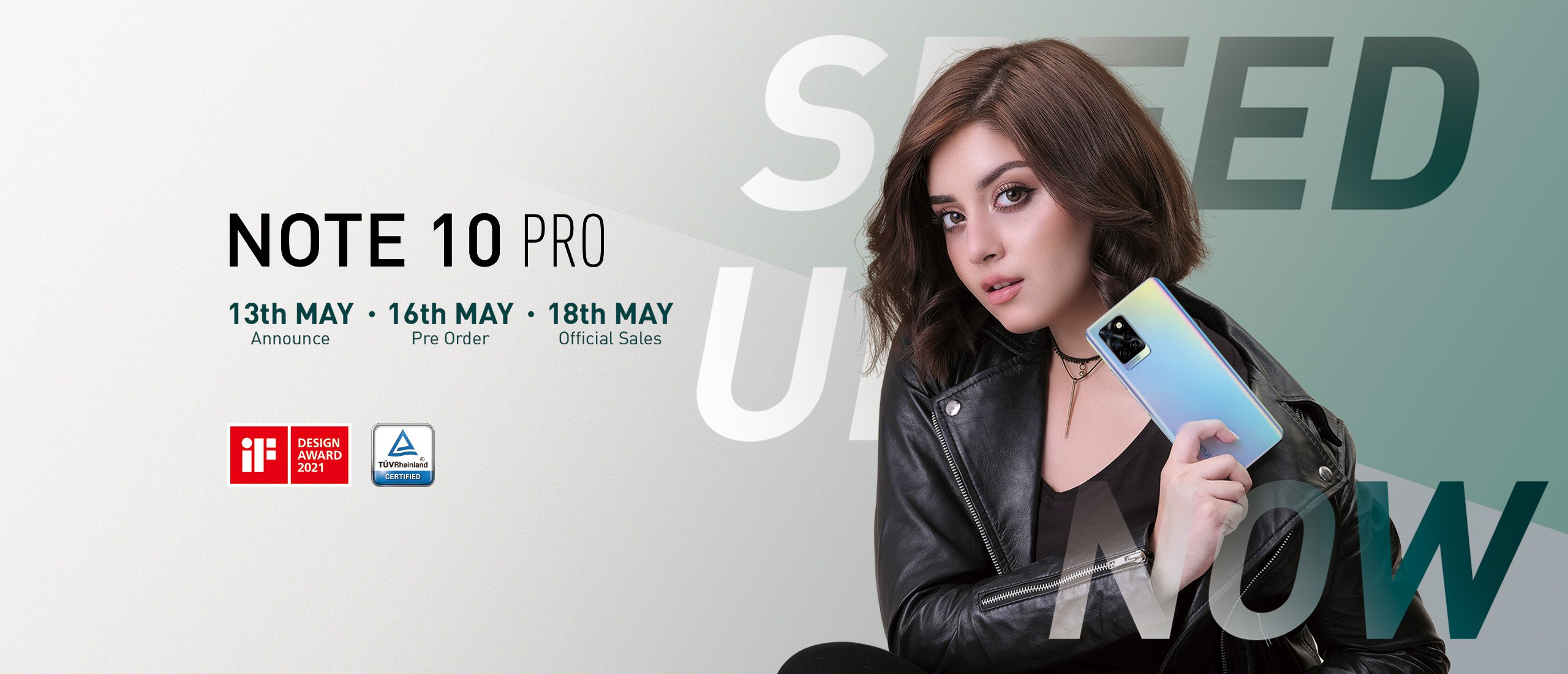
Infinix Note 10 Pro – May 13
On the same day as the Redmi event in India, Infinix will have its own in Pakistan for the Infinix Note 10 Pro. This mid-range phone will also have MediaTek’s Helio G95 processor, a 64MP rear camera, and a 5000mAh battery capacity.
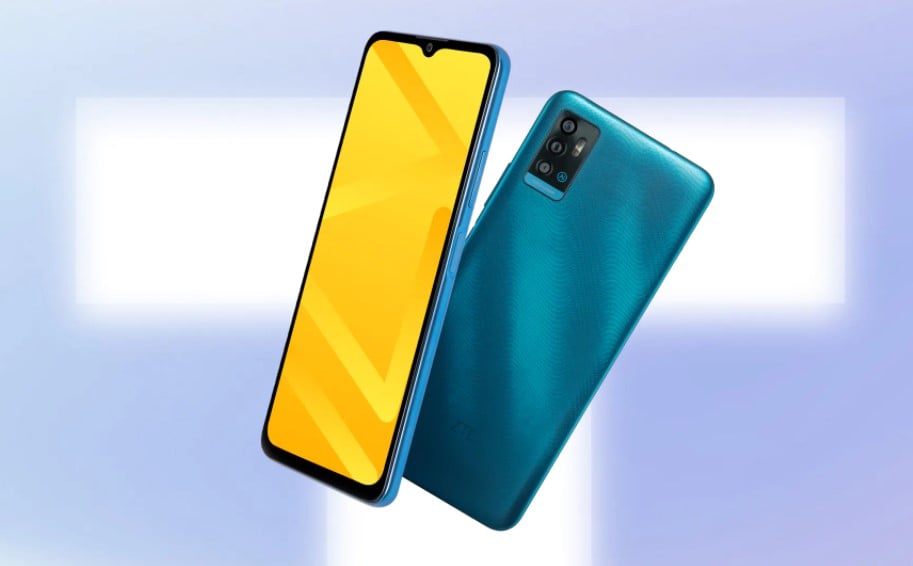
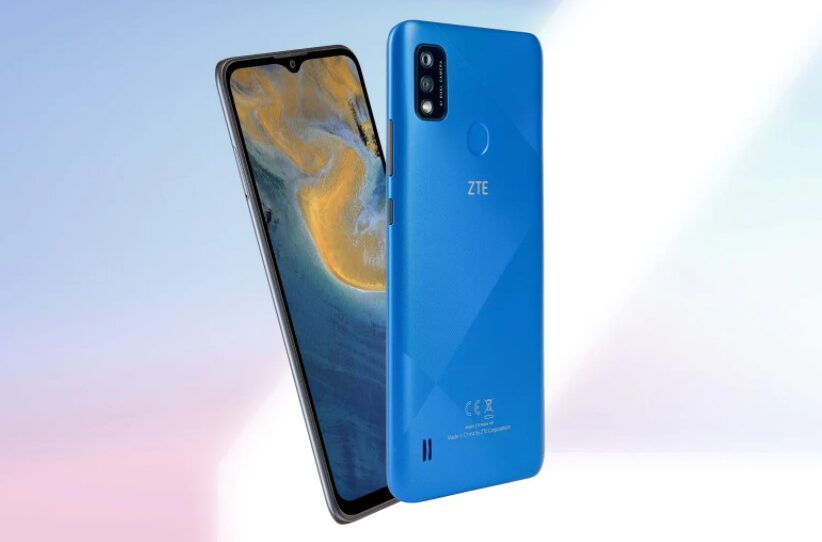
Alongside the listing of the Blade A51 on its official website, ZTE has also published for the Blade A71 smartphone. This phone shares some of its specs with the Blade A51 but differs in other areas.
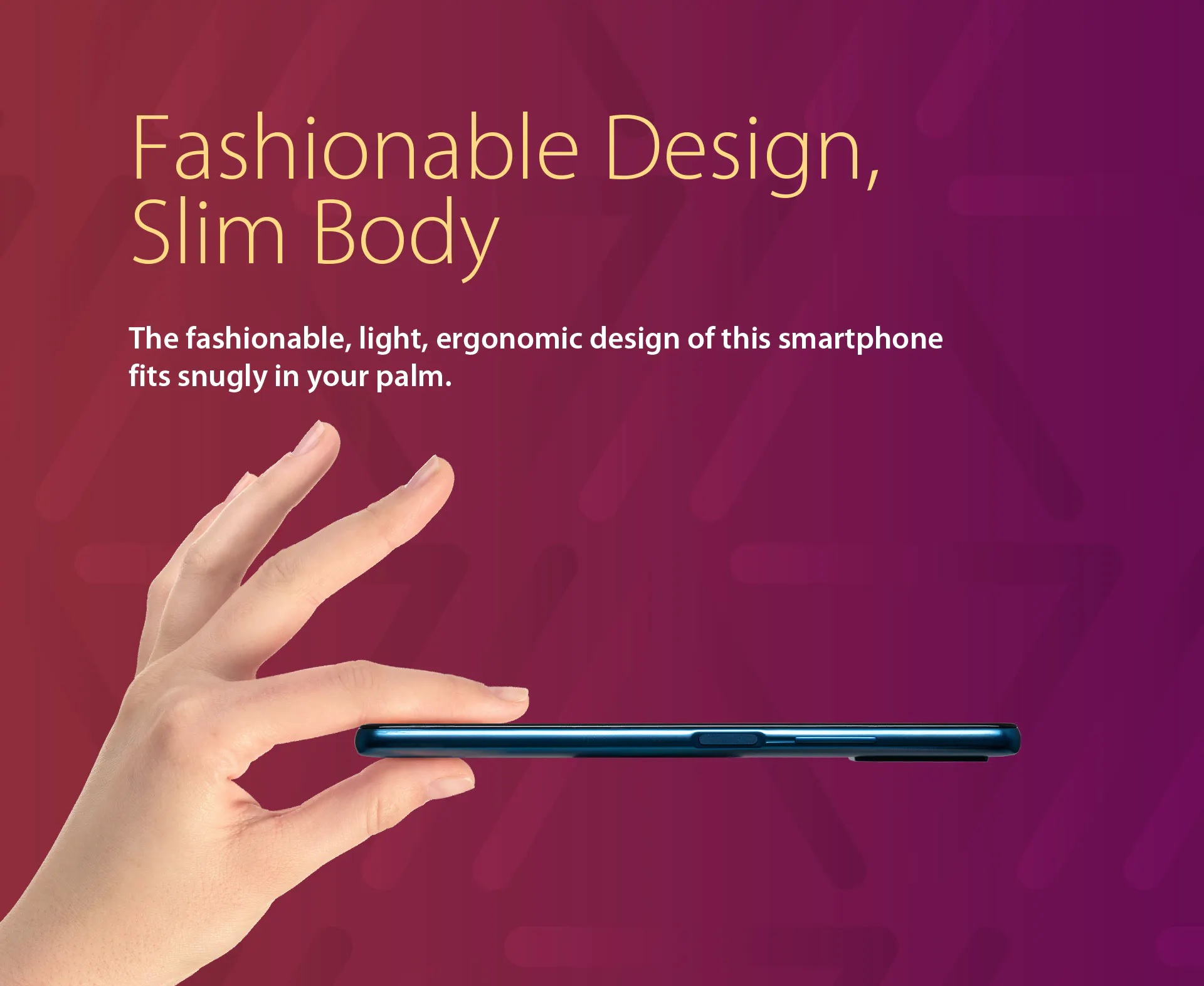
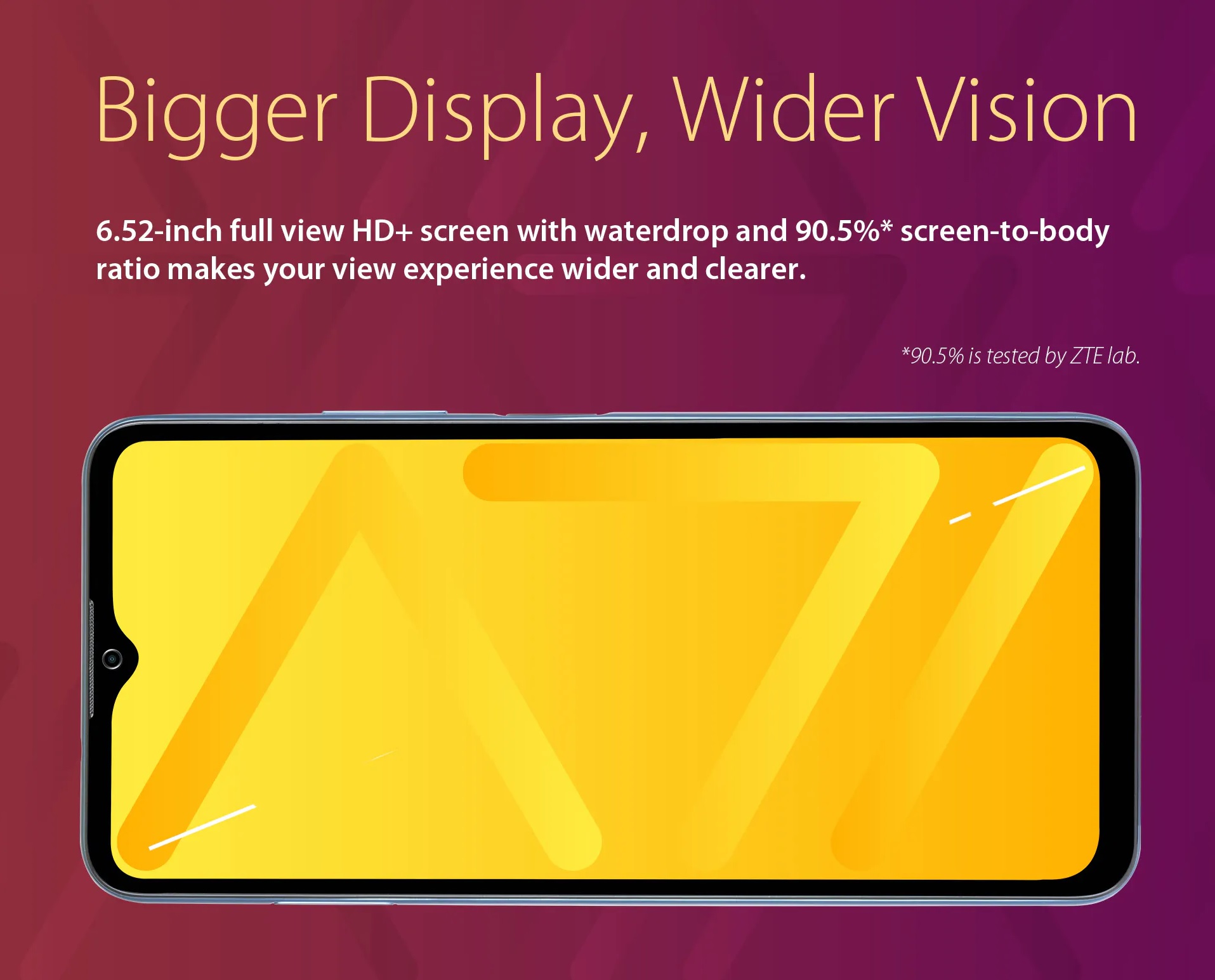
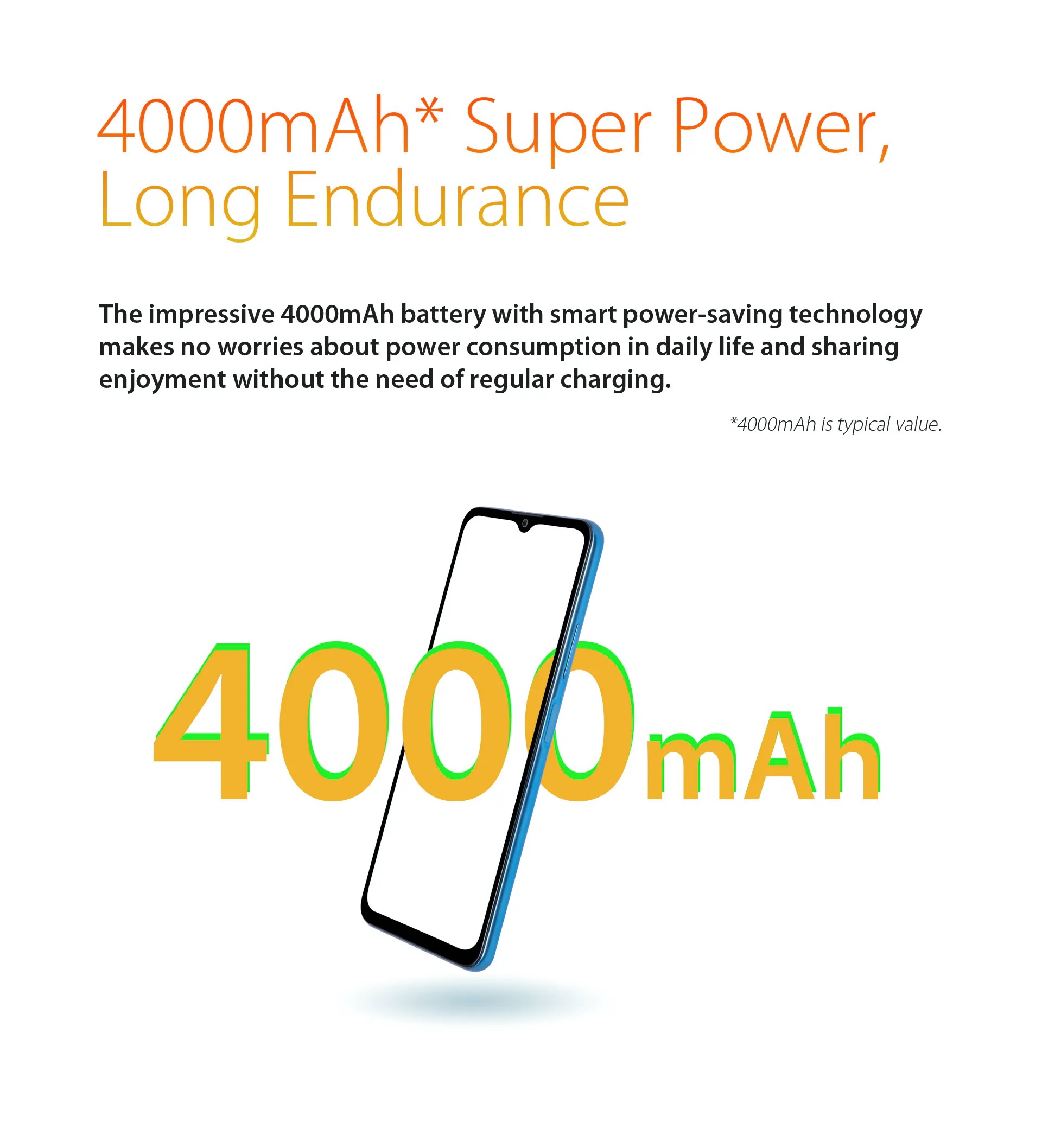
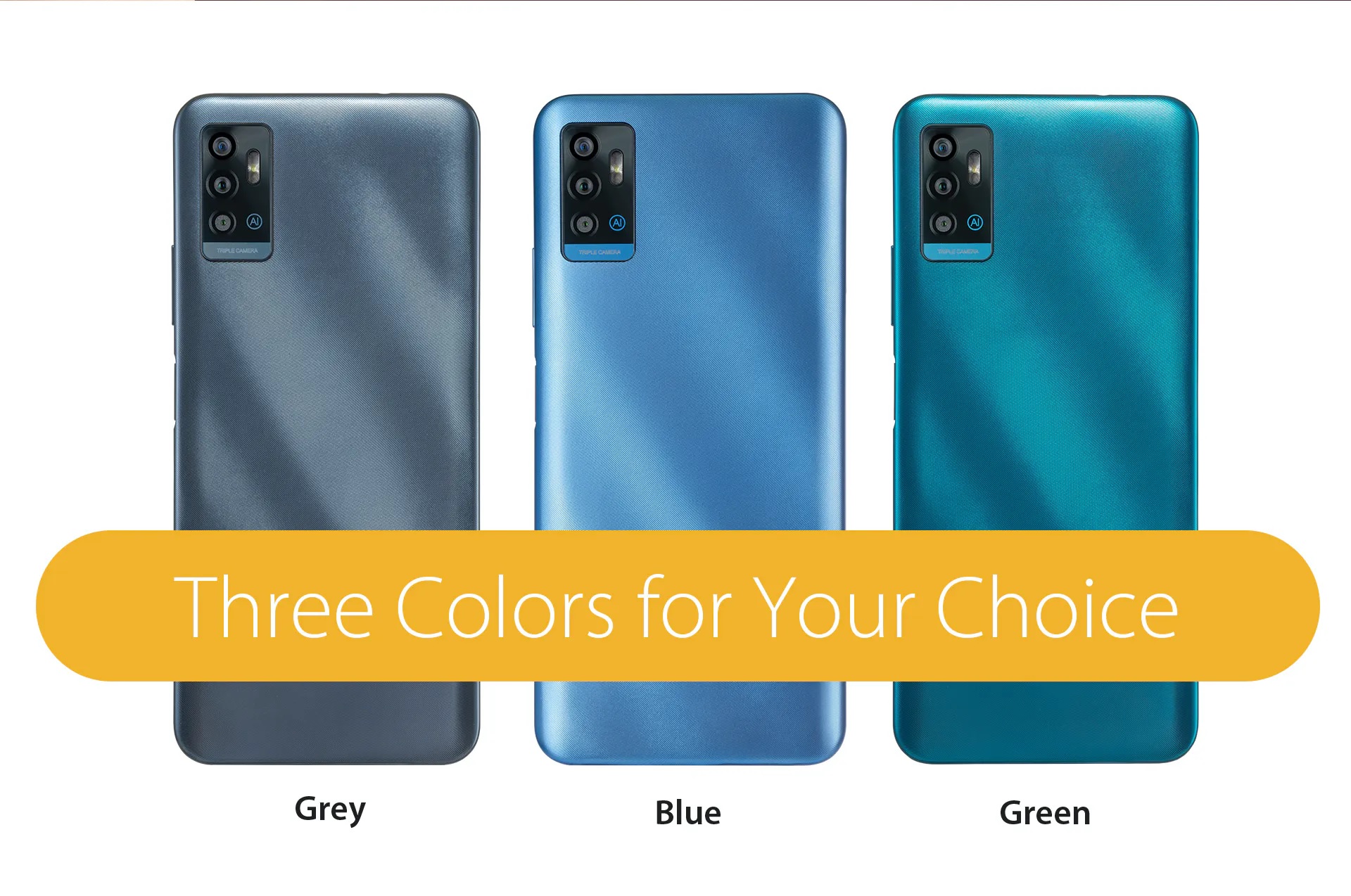
The ZTE Blade A71 has a 6.52-inch display with an HD+ resolution and a waterdrop notch. The textured back panel which appears to be made of polycarbonate hides a 4000mAh battery underneath. Buyers will be able to choose from three color options – Blue, Grey, and Green.
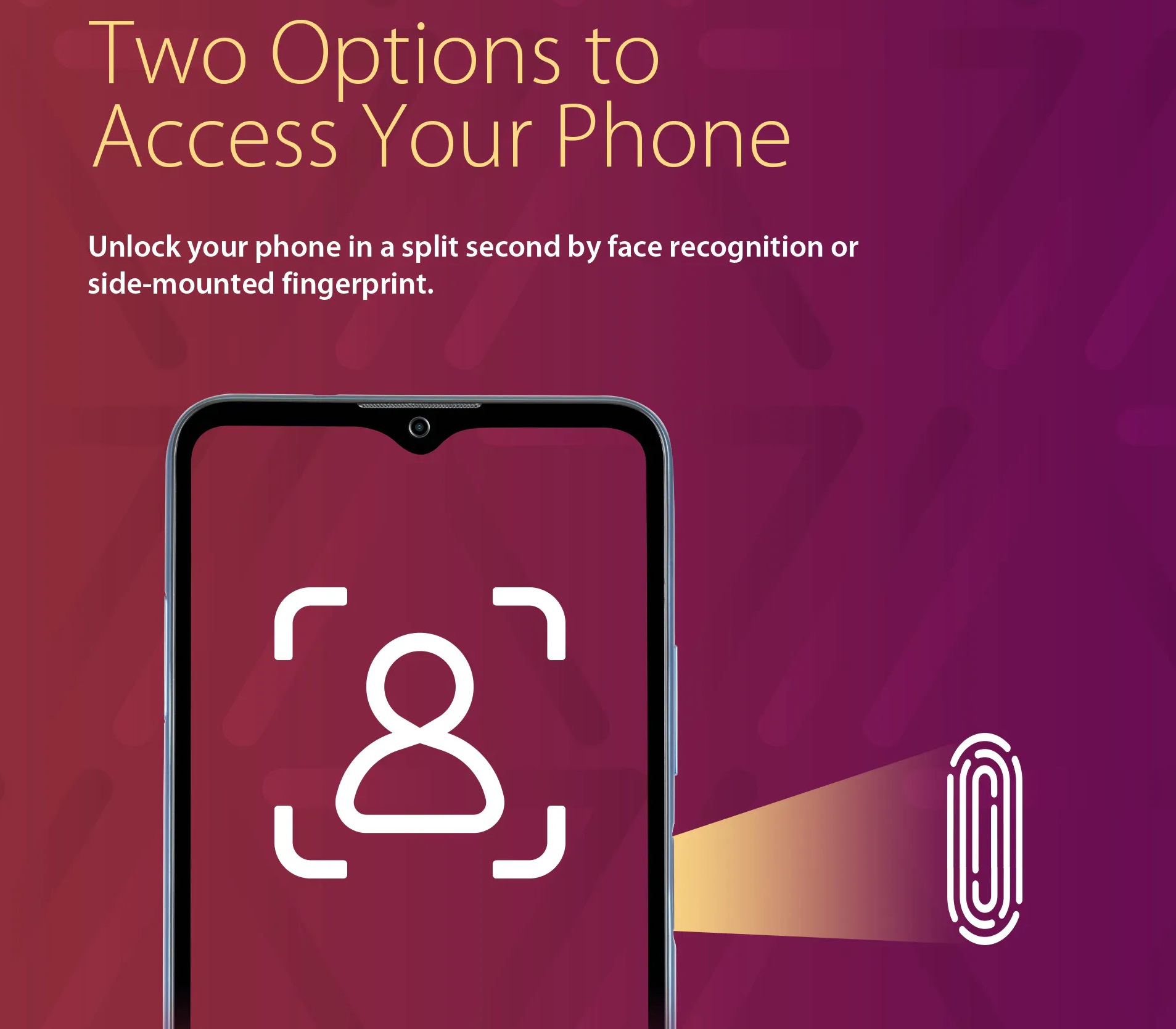
While the Blade A51 has two cameras, the Blade A71 has three. Alongside a 16MP main camera and 2MP depth sensor, there is also an 8MP 120° ultrawide angle camera. The phone has face unlock but swaps the rear-mounted fingerprint scanner on the A51 for a side-mounted one.
1 of 6
There are a lot of unknown specs and while we hope there will be a full listing soon, along with details of its price and availability, the Blade A71 should cost more than the Blade A51.
A few days ago, Vivo renewed its midrange portfolio by launching a new series of selfie phones. The new lineup is composed of three devices: Vivo V21, Vivo V21 5G, and Vivo V21e. All of them share a very important feature in common: a stunning selfie camera. But they are a lot more than selfie phones. In this comparison between their specifications, you will learn for what these devices differ from each other as well as their pros and cons.
Triple 64 + 8 + 2 MP, f/1.8 + f/2.2 + f/2.4
44 MP f/2.0 front camera
Triple 64 + 8 + 2 MP, f/1.8 + f/2.2 + f/2.4
44 MP f/2.0 front camera
Triple 64 + 8 + 2 MP, f/1.9 + f/2.2 + f/2.4
44 MP f/2.0 front camera
BATTERY
4000 mAh, fast charging 33W
4000 mAh, fast charging 33W
4000 mAh, fast charging 33W
ADDITIONAL FEATURES
Dual SIM slot
Dual SIM slot, 5G
Dual SIM slot
Design
At first glance, it looks like Vivo V21, V21 5G, and V21e have the same design, but it is not exactly the truth. The Vivo V21e is slightly less impressive because it comes with thicker bezels around the display, less elegant color variants, and a slightly different camera module. With the Vivo V21 and the V21 5G, you get a more compact design thanks to narrower bezels around the display. Vivo V21 and V21 5G have the same design, but the latter comes in an additional Arctic White color variant besides the Dusk Blue and the Sunset Dazzle color versions.
Display
Besides having the same design, Vivo V21 and V21 5G also share the same display panel. It is a great AMOLED panel with a diagonal of 6.44 inches, a 90 Hz refresh rate, a Full HD resolution of 1080 x 2400 pixels, and the HDR10+ certification. They also feature an above-average 500 nit typical brightness. These are good features for a display, especially in the midrange segment. The Vivo V21e is inferior because it lacks a high refresh rate and it comes with the HDR10 certification instead of HDR10+. All the phones sport an in-display fingerprint scanner.
Hardware/Software
The Vivo V21 and the V21 5G feature the same chipset: we are talking about the Dimensity 800U by MediaTek. Despite that, only the V21 5G supports 5G connectivity. Further, the Vivo V21 5G has a better memory configuration including 8 GB of RAM and up to 256 GB of UFS 2.2 internal storage. The Vivo V21e has inferior hardware and no 5G, but it still comes with a good chipset, suitable even for gaming: the Snapdragon 720G by Qualcomm. The phones run Android 11 out of the box, customized by Funtouch OS.
Camera
The killer feature of the Vivo V21 series is their astonishing 44 MP front camera: the world’s first selfie camera with OIS supported by dual-LED flash. The 44 MP front snapper is able to record 4K videos with OIS and shoot HDR photos as well. On the rear side, Vivo V21 and V21 5G feature a triple camera with a 64 MP main sensor, an 8 MP ultrawide camera, a 2 MP macro camera, and OIS. The Vivo V21e has a 64 MP triple camera as well, but it lacks OIS.
Battery
Vivo V21, V21 5G, and V21e all come with a 4000 mAh battery supporting 33W fast charging. So you get a similar battery life, but consider that the Dimensity 800U found on V21 and V21 5G is built with a better 7 nm production process.
Vivo V21 vs Vivo V21 5G vs Vivo V21e: Price
Vivo V21 starts from €320/$390 in China, Vivo V21 5G is priced €340/$414 in its base variant, and Vivo V21e starts from €240/$292. Despite it is the most expensive one, the Vivo V21 5G offers a very high value for money: the price difference between the V21 5G and the V21 is minimum, but the former has 5G.
The Motorola Edge S launched as the first Snapdragon 870-powered phone in the world. This flagship killer packs some pretty impressive specs at a price tag of just a little over $300. Now, Motorola is rolling out an update that brings new features.
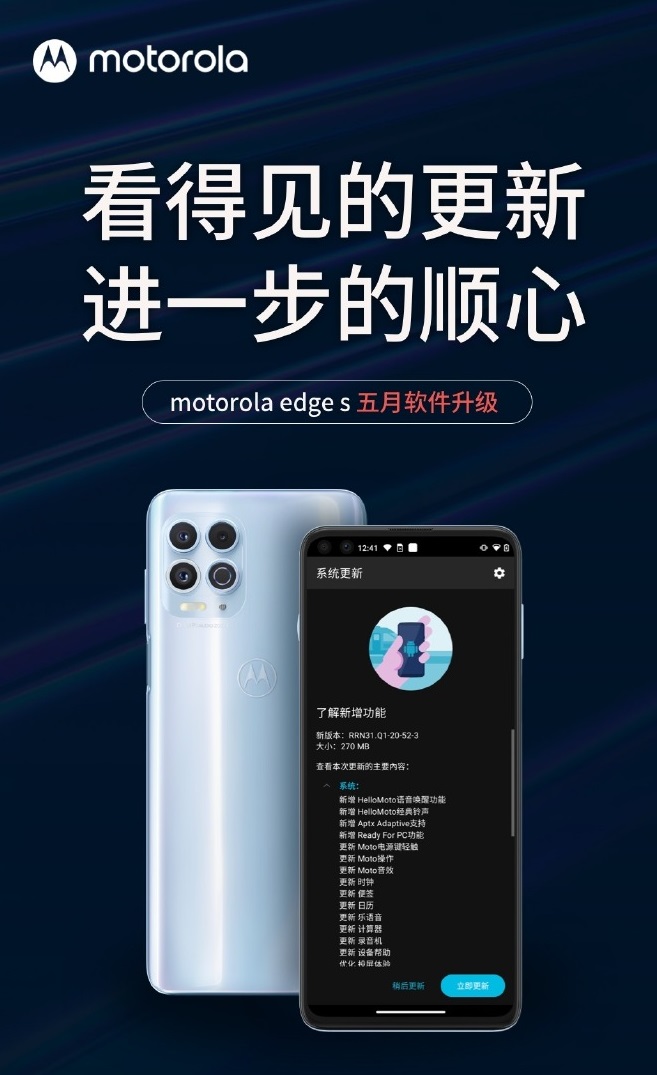
A Weibo post shared by the official Motorola account says that a new update for the month of May is rolling out to the phone. The post highlights four of the key features the 270MB update brings. There are also several optimizations.
Hellomoto voice wake-up function – owners will be able to wake up their device with the “Hello Moto” wake word.
Hellomoto classic ringtones – Motorola has also brought its classic Hellomoto ringtones to the Edge S with this update, so if you are feeling nostalgic, you should check your ringtone settings for these classic tunes.
Qualcomm aptX Adaptive – Qualcomm aptX Adaptive was designed to improve the audio quality when using wireless audio devices. Yes, even though the Motorola Edge S has an audio jack, that doesn’t mean your wireless audio experience should be meh. The feature not only brings hi-res audio quality to wireless audio devices but automatically adjusts depending on if you are watching a video, playing a game, or listening to an audio file. It also adjusts performance based on the environment and has a low-latency mode.
Ready For PC – Ready For is a software feature that Motorola introduced this year. The feature allows users to connect their Motorola Edge S phone to an external display and use it in a variety of ways, one of which is as a desktop computer complete with a desktop UI. Think of it as their answer to Samsung DeX.
If you have not received a notification for the update, you should go check for it under your phone settings.
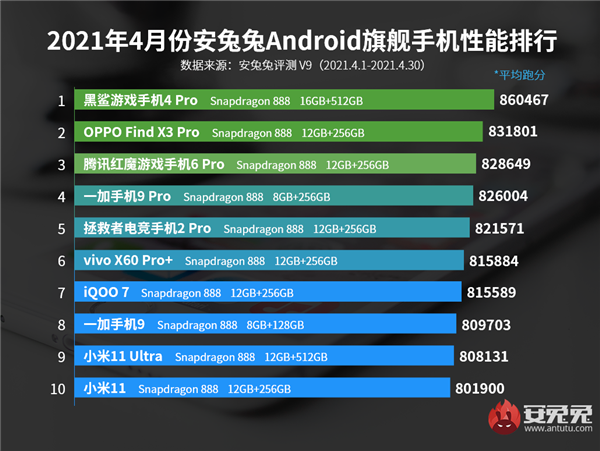
Benchmarking outfit AnTuTu has released the ranking of the top 10 smartphones in the month of April 2021. Just as was announced earlier, the models on the list were benchmark using the new AnTuTu V9 for the first time.
The list is entirely dominated by Snapdragon 888 flagship models which are pretty interesting. The ranking saw the Black Shark 4 Pro retain its number position on top of the chart with an average score of 860467, continuing its strong run-in from last month. However, six of the models that were on the list in March were edged out of the April rankings. The models include the ASUS ROG Phone 5, Vivo X60 Pro+, iQOO 7, Redmi K40 Pro,Meizu 18, and Meizu 18 Pro.
The second spot is occupied by the OPPO Find X3 Pro with an average score of 831801. On the top position is the Nubia Red Magic 6 Pro which averages 828649. Other models on the list include the OnePlus 9 Pro, Lenovo Legion Gaming Phone 2 Pro, Vivo X60 Pro+, iQOO 7, OnePlus 9, Xiaomi Mi 11 Ultra, and the vanilla Mi 11.
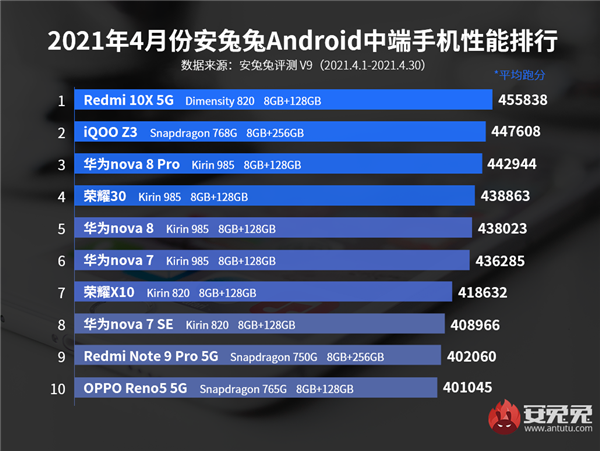
AnTuTu also released a ranking of the top 10 best-performing mid-range smartphones. Just like in March, the Redmi 10X with a MediaTek Dimensity 820 chip leads the pack with an average score of 455,838.
The top 10 mid-range models also include the iQOO 3, Huawei Nova 8 Pro, Honor 30, Huawei Nova 8, Huawei Nova 7, Honor X10, Huawei Nova 7 SE, Redmi Note 9 Pro 5G, and OPPO Reno 5 5G. It is instructive to note that there are six Huawei models on the list of top-performing mid-range models. We expect the ranking to change when that of May is listed, considering the emergence of more premium mid-range models.
ASUS Zenfone 8 series is expected to be launched on May 12 in China. The series is primed as a compact flagship and according to rumors, includes a Zenfone 8 Mini variant. Ahead of the launch, the key specs of the Zenfone 8 Mini have leaked on Twitter, thanks to tipster Mukul Sharma. The leak basically confirms some of the specs that have leaked in the past.
The tipster revealed the Zenfone 8 Mini will pack a 5.9-inch Samsung E4 AMOLED screen with Full HD+ resolution. The display also supports a 120Hz refresh rate and the Under-display fingerprint scanner. There is equally a Gorilla Glass Victus protection onboard. The dimension of the device is given as 148 x 68.5 x 8.9mm and it weighs just 169g.
According to the leak, the Mini will be powered by the flagship Qualcomm Snapdragon 888 processor paired with up to 16GB RAM and 256GB UFS 3.1 flash storage. The phone will get its power supply from a 4000mAh battery with support for 30W fast charging.
For photography, there will be a 64MP Sony IMX686 main sensor onboard. Earlier leaks point to triple camera sensors and these include a 12MP wide-angle camera and a macro sensor. The device will also have a selfie camera and won’t be using the pop-up camera mechanism that heralded the Zenfone 7 series.
The tipster also revealed that the ASUS Zenfone 8 Mini will come with three microphones as well as OZO audio. These details align with previous leaks but we’ll still have to wait until the launch which is just a few days away, for some confirmation.
Last November, a budget ZTE phone called the Blade A51 was spotted on the Bluetooth SIG database and the FCC. While we expected an official announcement shortly after, that didn’t happen. Now, the device has been officially listed on ZTE’s global website along with some key specs.
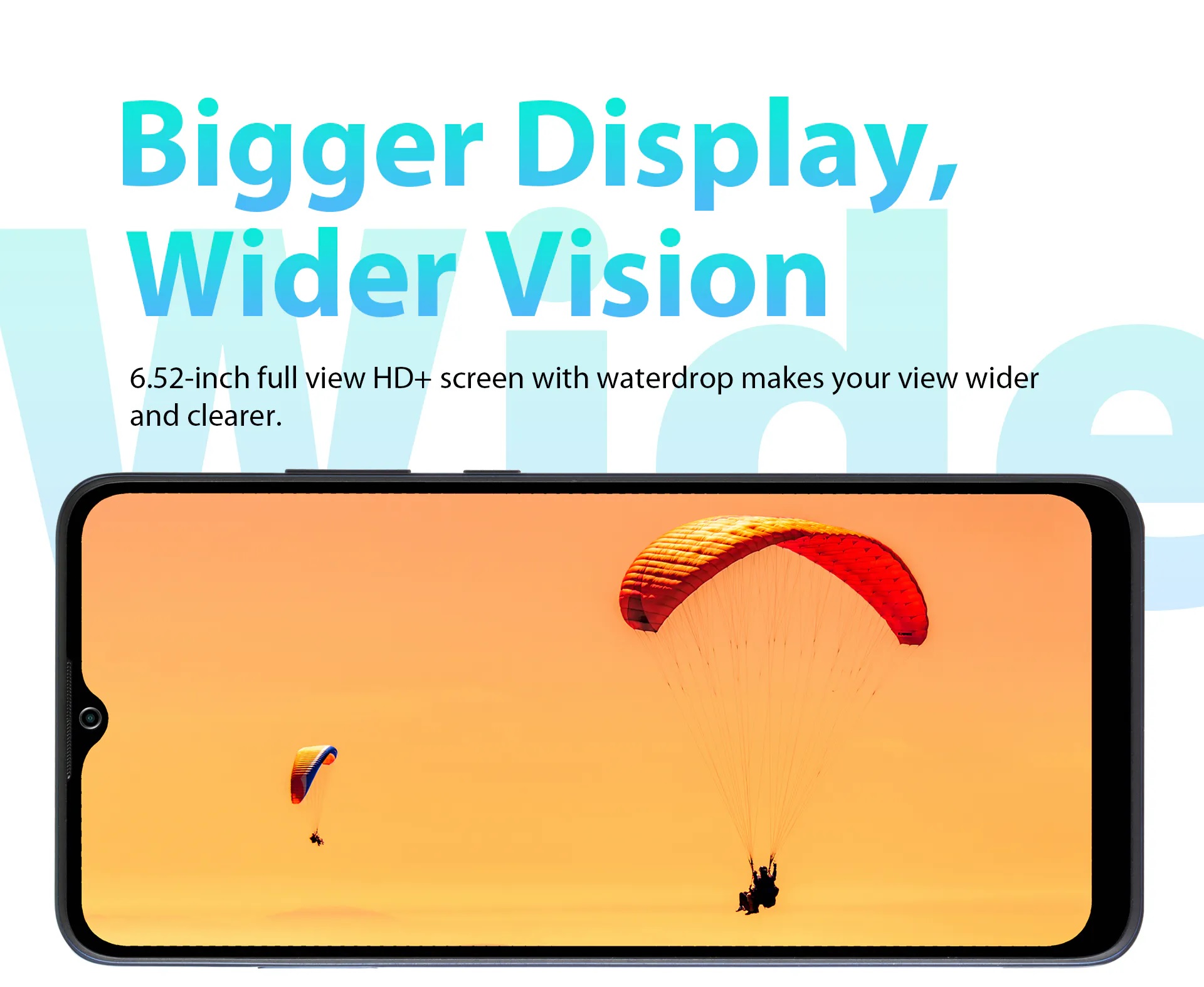
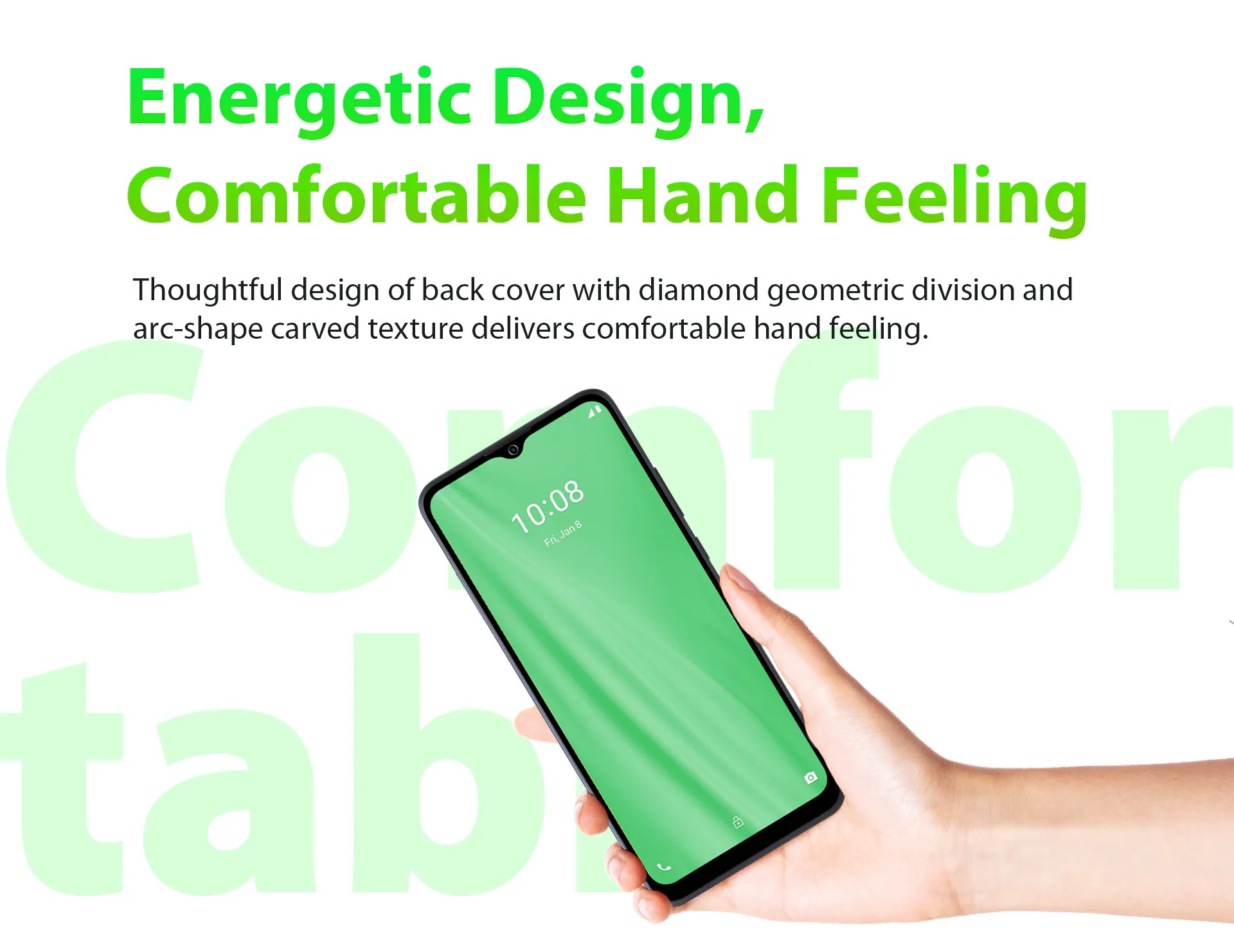
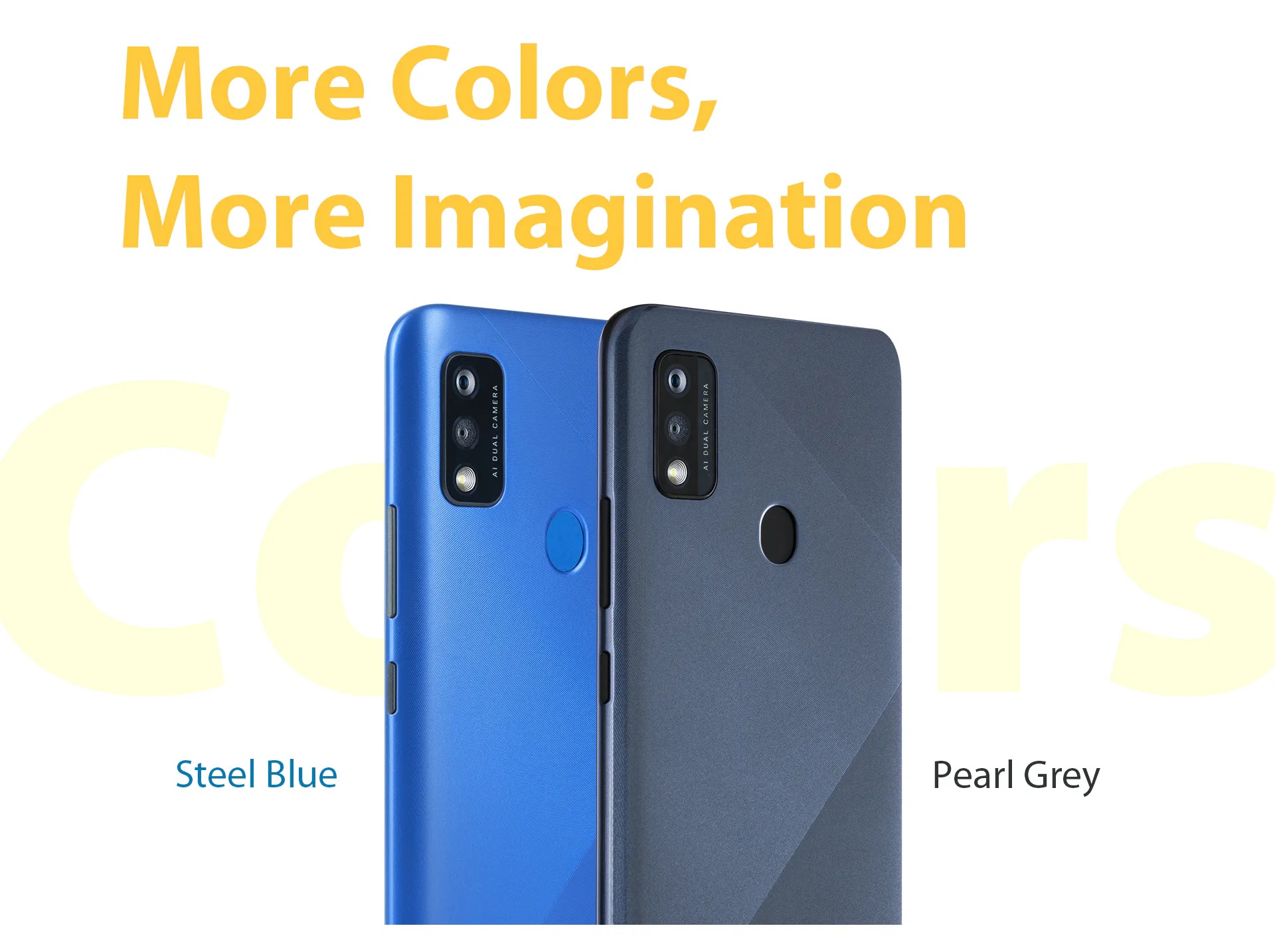
The listing reveals the ZTE Blade A51 has a 6.52-inch full view HD+ display with a waterdrop notch. ZTE has adopted what it calls a diamond geometric division design for the back of the phone and also given it a textured finish for a comfortable feeling and better grip. The phone is available in Steel Blue and Pearl Gray.
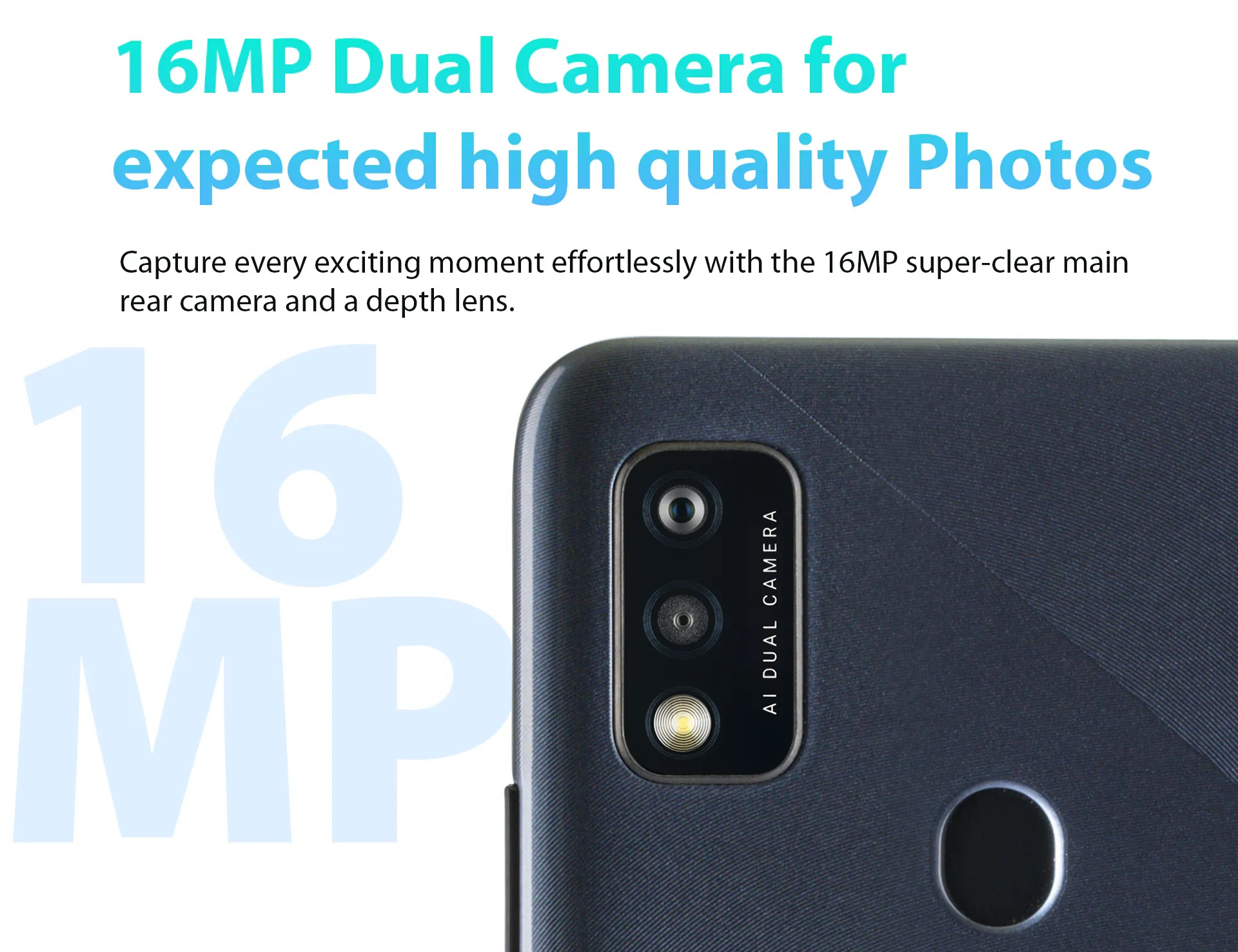
The back of the phone is home to two rear cameras – a 16MP sensor and a depth lens. Both sensors and an LED flash are housed in the same housing. There is a fingerprint scanner on the back of the phone and you also get face recognition.
1 of 5
The listing does not say the chipset powering the phone neither does it state the RAM, storage capacity, and front-facing camera specification. However, it is revealed that the phone has a 4000mAh battery capacity which is different from the 3200mAh capacity the FCC listing.
We don’t know when the Blade A51 will be available for purchase, which countries will get it, and how much it will cost but we hope more details will be revealed soon.
It is a tough call sustaining software support for most smartphones beyond two years due to a raft of issues needed to make the extra update a success. Fast-rising Chinese brand Oppo is staking claims that there will be a minimum of three years of software support for its Find X3 series of premium smartphones. The trend out there in the market is that smartphone manufacturers progressively provide extended support for their models, and Oppo will not be left out
Two years of software updates are available generally, but Oppo says its Find X3 models will have an additional year of support for security patches. According to reports from Android Planet, the Chinese company ultimately says it hopes to further extend software support for the Find X3 series to four years. However, Oppo says that research is still ongoing to see how viable four-year extended software support for the series is.
According to the statement, the Oppo Find X3 series would be viable for up to three Android system updates, although the current Oppo policy remains two updates. Since the high-end Oppo FindX3 series originally came with Android 11, they will get Android 12 and Android 13 updates when available. It is observed that there are sometimes sharp differences between manufacturers on the number of system updates that would be available for their products.
The Find X3 Pro is the current flagship model from Oppo and comes well-kitted to compete with other high-end models from the market leaders. The flagship was unveiled together with the Find X3 Neo and X3 Lite and cost about $1,400. Oppo hopes to square up to its flagship model with Samsung’s Galaxy S21 Ultra, Xiaomi’s Mi 11 Pro, and OnePlus 9 Pro. The Find X3 Pro has an excellent design, powerful hardware and camera system, and other impressive features. Qualcomm’s Snapdragon 888 chipset powers it with 5G support available. The 4500mAh battery of the X3 Pro has 65W super-fast charging and wireless charging.
OnePlus just rolled out OxygenOS 11.2.4.4 update for the OnePlus 9 and the OnePlus 9 Pro. But the company is already pushing another system update with build number OxygenOS 11.2.5.5 for these smartphones. The new software build brings updated security patches, improvements, and a couple of fixes.
OnePlus 9 Pro
The latest system update for the OnePlus 9 and the OnePlus 9 Pro arrives in the form of OxygenOS 11.2.5.5. First and foremost, this update bumps up the security patch level to May 2021.
Secondly, the fresh software build brings improvements for charging performance, HDR effect in some shooting scenes, rear camera white balance performance, network communication stability, and WiFi connection performance.
Last but not least, this OxygenOS update also fixes keyboard lagging issue and other known issues for better system stability.
OnePlus 9/9 Pro OxygenOS 11.2.5.5 Official Changelog
System
Improved charging performance
Fixed the small probability lagging issue of the keyboard
Fixed known issues and improved system stability
Updated Android security patch to 2021.05
Camera
Improved the HDR effect in some shooting scenes
Improved the white balance performance of the rear camera
Network
Improved the stability of network communication
Improved the performance of Wi-Fi connection
Like any other OTA system update, this one is also being seeded out in batches. Hence, it may take some time to reach every unit around the world.
We use cookies on our website to give you the most relevant experience by remembering your preferences and repeat visits. By clicking “Accept”, you consent to the use of ALL the cookies.
This website uses cookies to improve your experience while you navigate through the website. Out of these, the cookies that are categorized as necessary are stored on your browser as they are essential for the working of basic functionalities of the website. We also use third-party cookies that help us analyze and understand how you use this website. These cookies will be stored in your browser only with your consent. You also have the option to opt-out of these cookies. But opting out of some of these cookies may affect your browsing experience.
Necessary cookies are absolutely essential for the website to function properly. This category only includes cookies that ensures basic functionalities and security features of the website. These cookies do not store any personal information.
Any cookies that may not be particularly necessary for the website to function and is used specifically to collect user personal data via analytics, ads, other embedded contents are termed as non-necessary cookies. It is mandatory to procure user consent prior to running these cookies on your website.