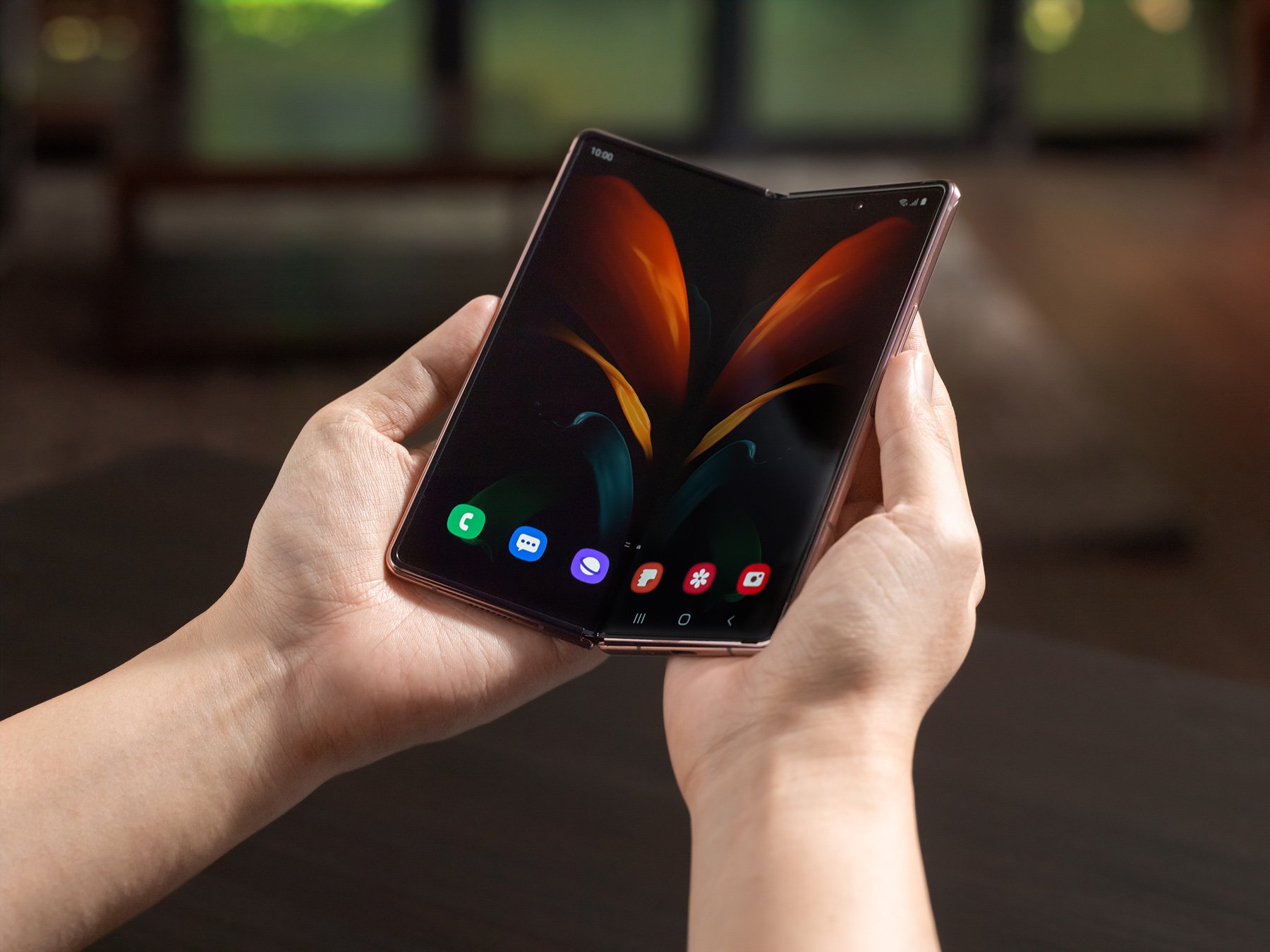
New information has just surfaced regarding the upcoming Samsung Galaxy Z Fold3. The new foldable smartphone will apparently arrive with a smaller outer display in comparison to its predecessor.
As per new rumors, the next gen foldable handset from the South Korean tech giant will sport a smaller 5.4 inch secondary display on the outside, which will have a resolution of 2260x816px. While the resolution of the new device is the same as the previous iteration, it is noticeably smaller than the Galaxy Z Fold2‘s outer display that measured 6.23 inches. Although, this could be a type, and the leak might have tried to imply 6.4 inches, as per a GSMArenareport.
Furthermore, the rumor also revealed the size of the primary display, which is 7.7 inches. This marks a slight growth from 7.6 inches from the inner screen of the previous generation. So, it makes more sense that the outer display’s size would also be increased. Apart from the Galaxy Z Fold3, it seems that Samsung is also sourcing a folding panel for its Z Flip3 handset. This device is said to arrive with a 8.8 inch inner screen and a 1.9 inch outer display.
Except the Z Fold3 outer screen size which I haven't heard just yet, rest are match perfectly with what I heard and leaked (refering to the Z phones, and I haven't heard anything about OPPO/vivo foldable phones) pic.twitter.com/na9lbbtzs8
— CEO of Chun Corp (Tet forever) (@chunvn8888) April 6, 2021
Additionally, the list also includes devices from other Chinese smartphone makers as well. Huawei is reportedly working on a Mate X2 device with BOE for both its inner (8 inch) and outer panel (6.5 inch). Meanwhile, Oppo and Vivo will sport Samsung Display made primary screens and secondary panels from BOE. On other hand, Xiaomi’s first foldable handset, the Mi MIX Fold has a mix of suppliers ranging from Samsung Display and TCL CSOT for the inner display and CSOT solely for the outer one.
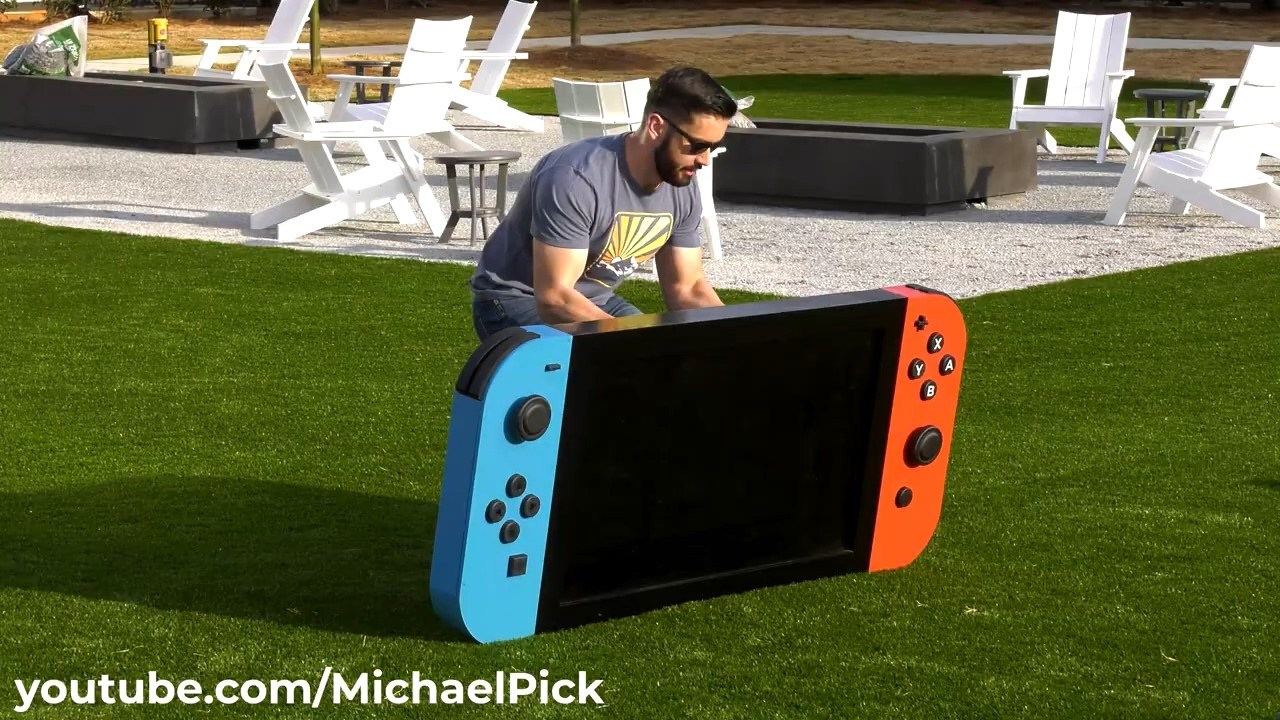
One of the features many people perhaps like about the Nintendo Switch is the portable size which makes it easy to move about with the console so that they can play games anywhere. Apparently, someone has another idea of a bulky Switch console. A YouTuber Michael Pick recently shared a video of a gigantic Nintendo Switch that he manufactured.
The fan-made Switch is way bigger than the original Switch and the manufacturer touts it to be the world’s largest fully functioning Nintendo Switch. Yes, the console is fully functional in all aspects, including the buttons.
Giant Nintendo Switch
In terms of dimension, the mammoth Switch is 30 inches tall and 70 inches wide, making it absolutely impossible to press two buttons on opposite sides of the display without stretching your hands to the extreme. The weight also comes in at 29.48 kg (65 pounds). Thus, this isn’t a handheld device anymore. It is 650% bigger than the Switch manufactured by Nintendo.
What looks really interesting about the entire setup is the 4K LED TV. The buttons, manufactured by 3D printing, all work, and the device can even be used with a regular size Switch and Joy Con which can easily be replaced if there is a need.
The project is for a good course, by the way. Pick donated the mammoth Nintendo Switch to St. Jude’s Children’s Hospital. We are sure the kids who are going to be playing this would absolutely love it. By the way, playing a round of Mario Kart 8 Deluxe on the giant display will be super fun.
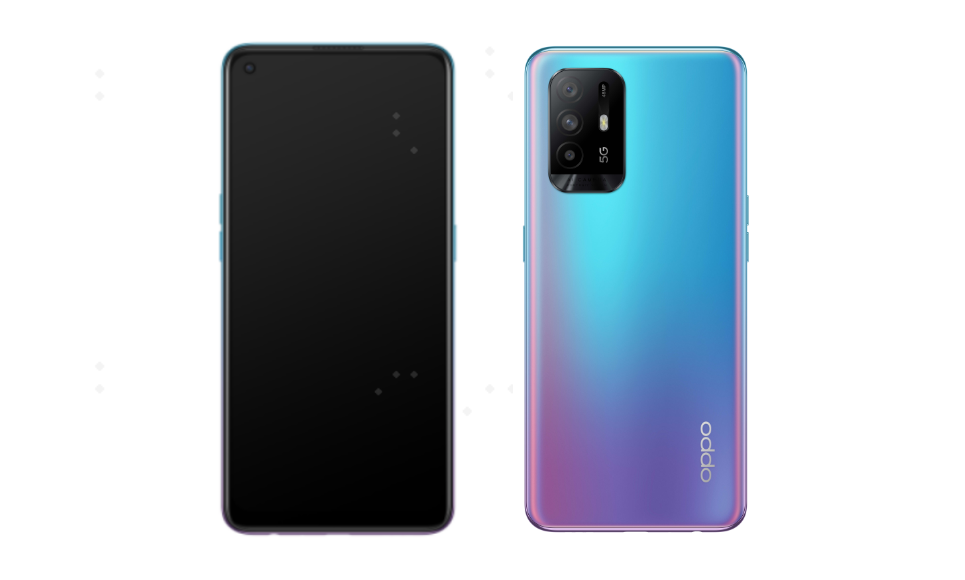
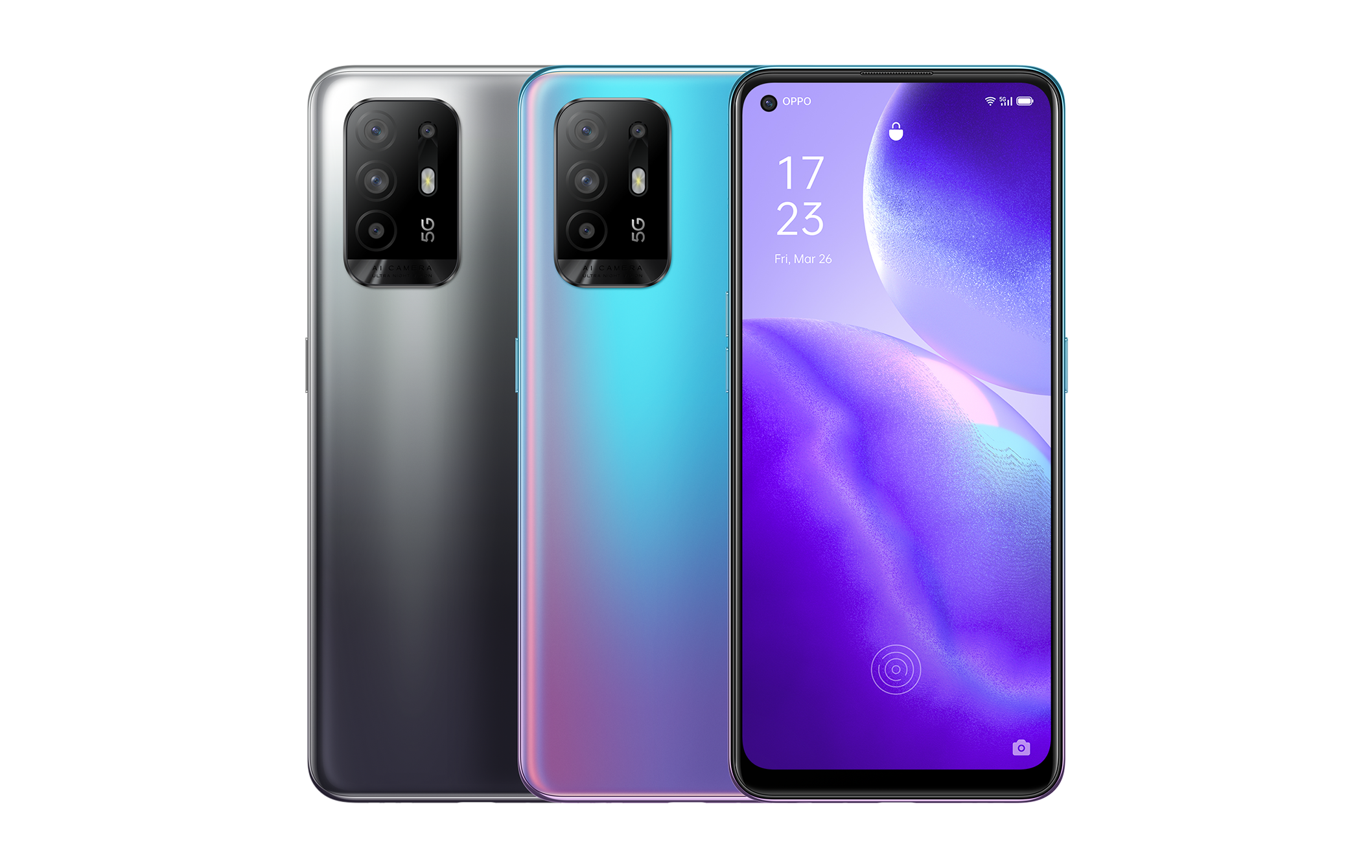
An OPPO phone with model number PELM00 was certified by China’s 3C and TENAA authorities in the recent past. The rumor mill speculated that this device may arrive in the Chinese market as the OPPO Reno5 Lite 5G. A fresh listing of the PELM00 phone in China Telecom’s product library reveals that it will be hitting the Chinese market by April with the OPPO A95 5G moniker.
OPPO A95 5G specifications and price (expected)
The OPPO A95 5G is a glass-bodied smartphone that measures 160.1 x 73.4 x 7.8mm and it weighs 173 grams. The phone has a 6.43-inch display that offers a Full HD+ resolution of 1080 x 2400 pixels. While the display is not mentioned in the listing, it seems to be fitted with an AMOLED screen, which could be embedded with a fingerprint sensor.
The punch-hole on the phone’s screen features a 16-megapixel selfie snapper. The rear camera module has an LED flash, a 48-megapixel main camera, an 8-megapixel lens, and a 2-megapixel camera.
OPPO A95 5G
The Dimensity 800U chipset powers the smartphone with 8 GB of RAM. The phone is expected to arrive in China with up to 256 GB of storage. It will have a microSD card slot for additional storage. The handset has a 4,310mAh battery and it is expected to arrive with 30W fast charging support.
The 8 GB RAM + 128 GB storage version of the OPPO A95 5G may cost 2,399 Yuan (~$367) and the higher 8 GB RAM + 256 GB edition could be priced at 2,599 Yuan (~$397). The handset may arrive in the market in color variants like Dazzling Black, Yayin, and Dawn.
The OPPO A95 5G looks similar to India’s OPPO F19 Pro+ 5G handset. Both devices have identical specs, but the F19 Pro+ 5G features an extra 2-megapixel camera.
Vivo has just announced that it would be signing Virat Kohli, a known Indian Cricketer, as its new brand ambassador. The news arrives just prior to IPL 2021, with the company aiming to reach out to more Millenials and prospective customers.
(Photo by Philip Brown/Popperfoto/Popperfoto via Getty Images)
The Chinese tech giant will be following a 360 degree marketing approach with its association with Virat Kohli, as per BusinessInsider. The popular sports icon will now be seen promoting and spreading awareness of Vivo’s upcoming product series and will also include ATL and BTL activities, such as TV campaigns, print, social media, and other promotional events as well.
Nipun Marya, Director-Brand Strategy, Vivo India stated that “We are thrilled to have Virat Kohli on board. At Vivo, our focus is always on our consumer needs and preferences, and we are committed to bringing joy to our consumers’ lives. Collaborating with someone as effervescent as Virat is a great way to better connect with our young consumers. Along with Aamir Khan and Sara Ali Khan, we wish to widen our brand reach, and we are confident that associating with a sports figure will help us in reaching a wider audience.”
Similarly, Virat Kohli also talked about the new collaboration saying that ” am really looking forward to this association. As a sportsperson, I understand the importance of consistency and commitment in the game. vivo, as a brand, has established itself as one of the leading players in the Indian smartphone market with its consistency towards delivering innovative technology. The way Vivo has brought joy to its customers’ lives through simplified technology, and advancements in mobile photography are game-winning. Associating with such a brand that understands and delivers to the audience is quite exciting.”
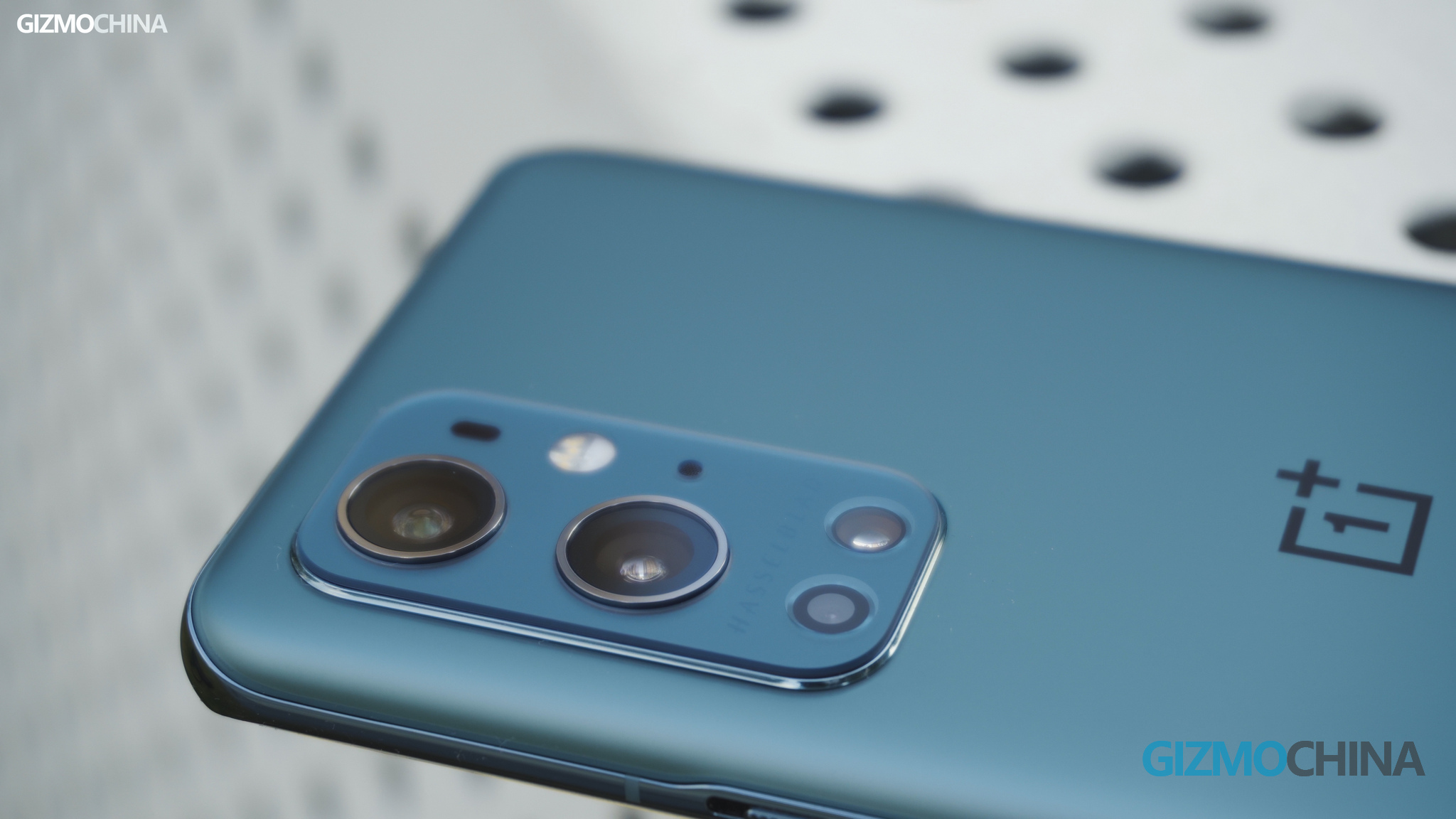
What’s funny is that if you have been following OnePlus over the past few weeks, there was one word that has been associated with the brand name — Hasselblad. Indeed, if OnePlus wanted to attract a wider group of users, it made sense for the brand to announce the cooperation with one of the most well-known luxury camera brands with much fanfare. But the association with Hasselblad isn’t really exaggerated, as this time, the new OnePlus flagship definitely feels different.
In this OnePlus 9 Pro review, we want to keep aside any bias that the Hasselblad logo may add, and want to highlight the qualities of the real phone that other reviewers may not tell you.
OnePlus 9 Pro Review: Design
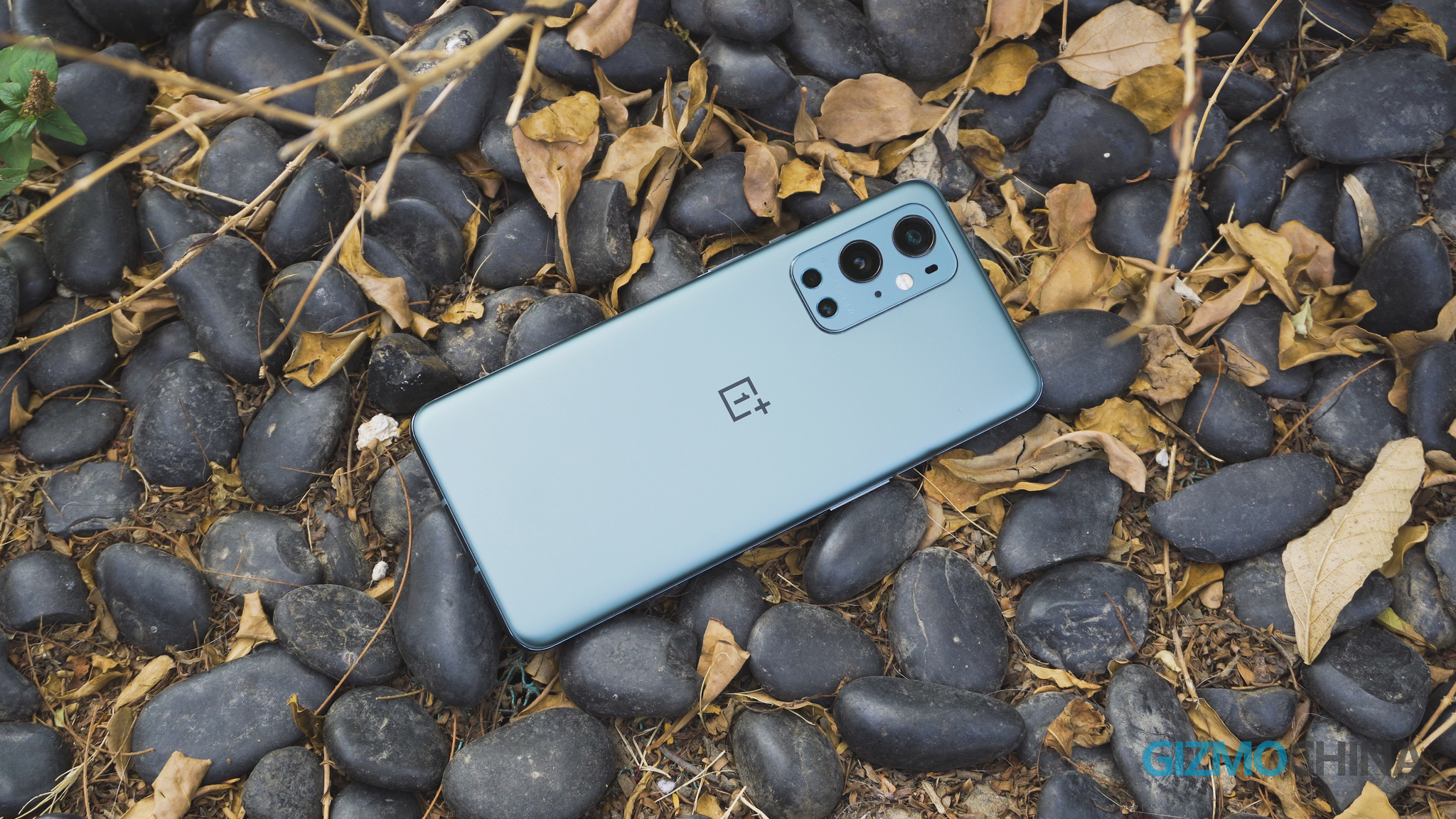
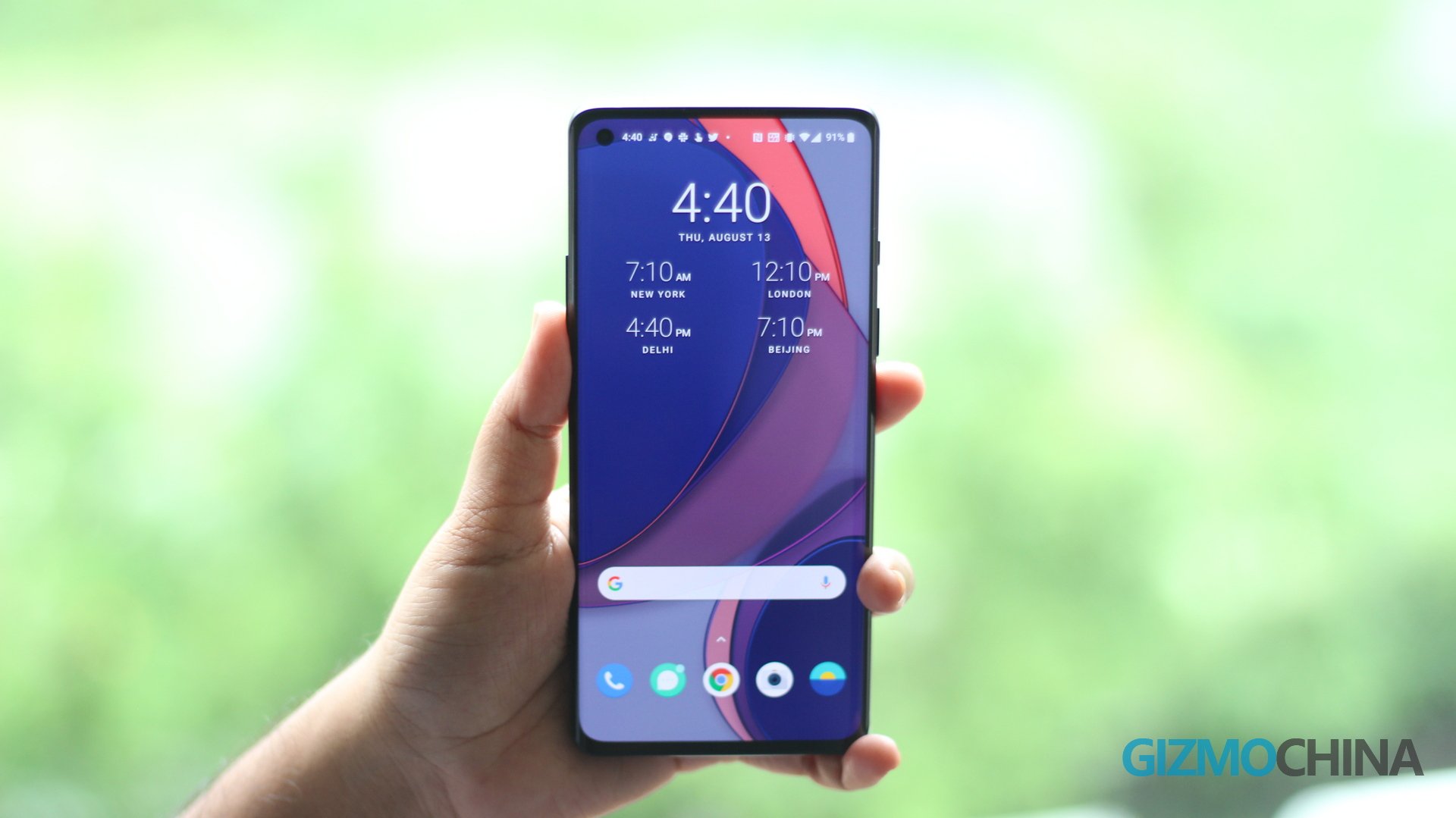
Let’s look at the OnePlus 9 Pro’s design. To be honest, it’s hard to say that the 9 Pro brings us enough surprise over its design. The 8.7mm thickness and the 197g weight are not so outstanding among plenty of new models coming with a more compact body.
But the good news is that the 9 Pro maintains an excellent build quality with OnePlus’ unique AG-glass processing. The camera module doesn’t protrude too much either. After we got our hands on the real model of the OnePlus 9 Pro, we think the Pine Green variant in our hand is the best-looking one among all three colors. By the way, we have one complaint about the position of the fingerprint reader. It’s too close to the bottom, which requires you to access it with a really uncomfortable stretch of your thumb.
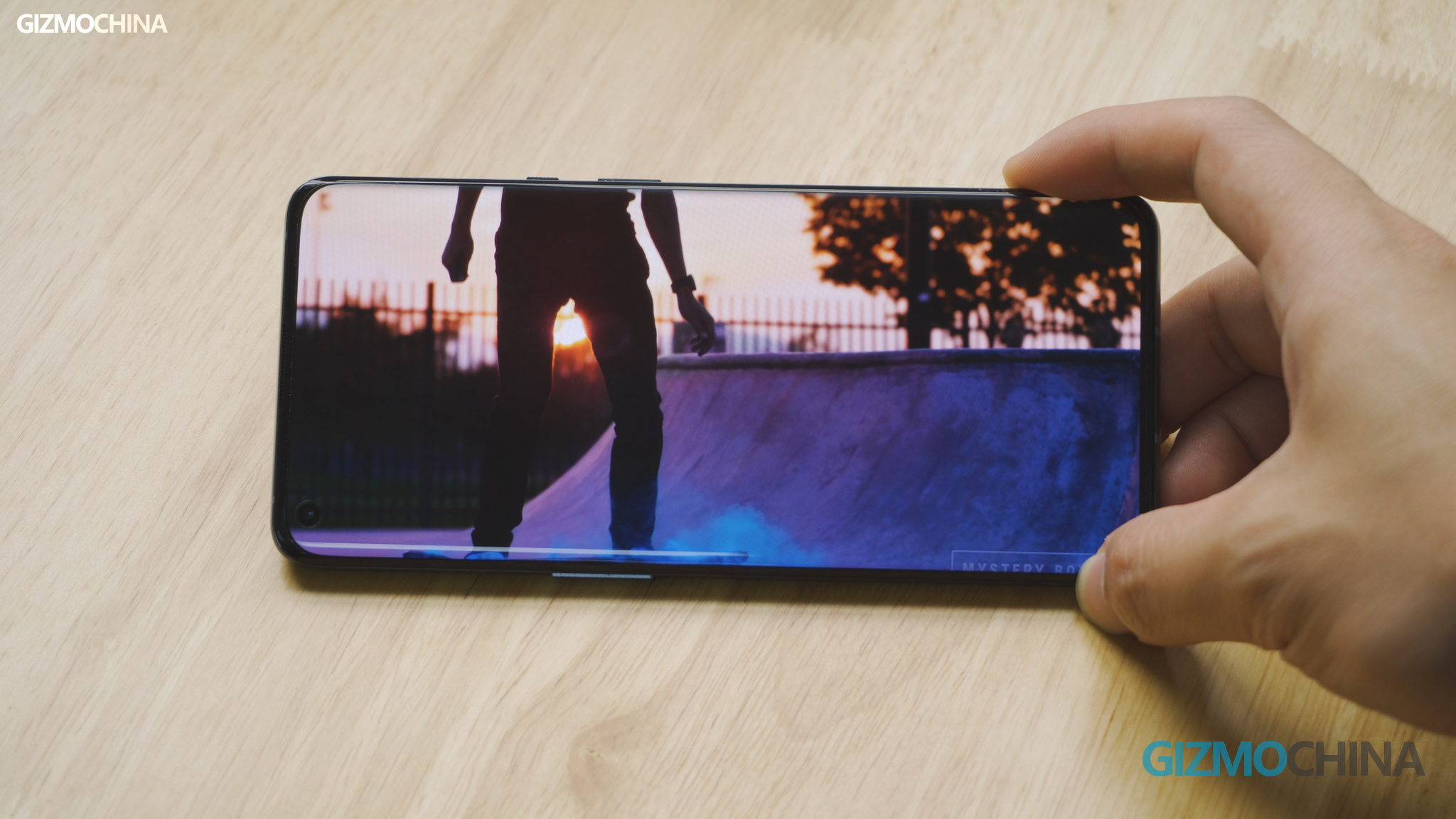
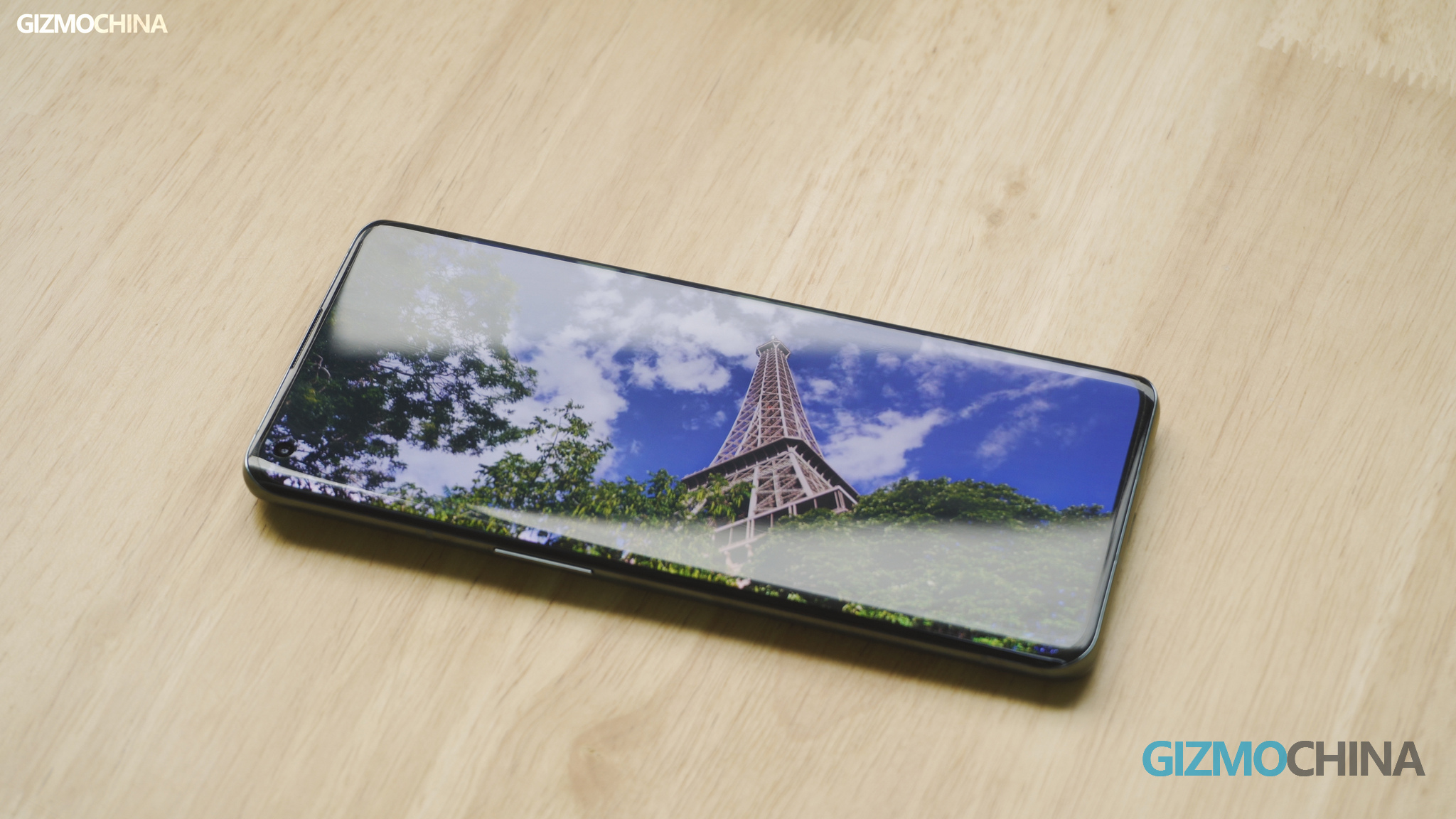
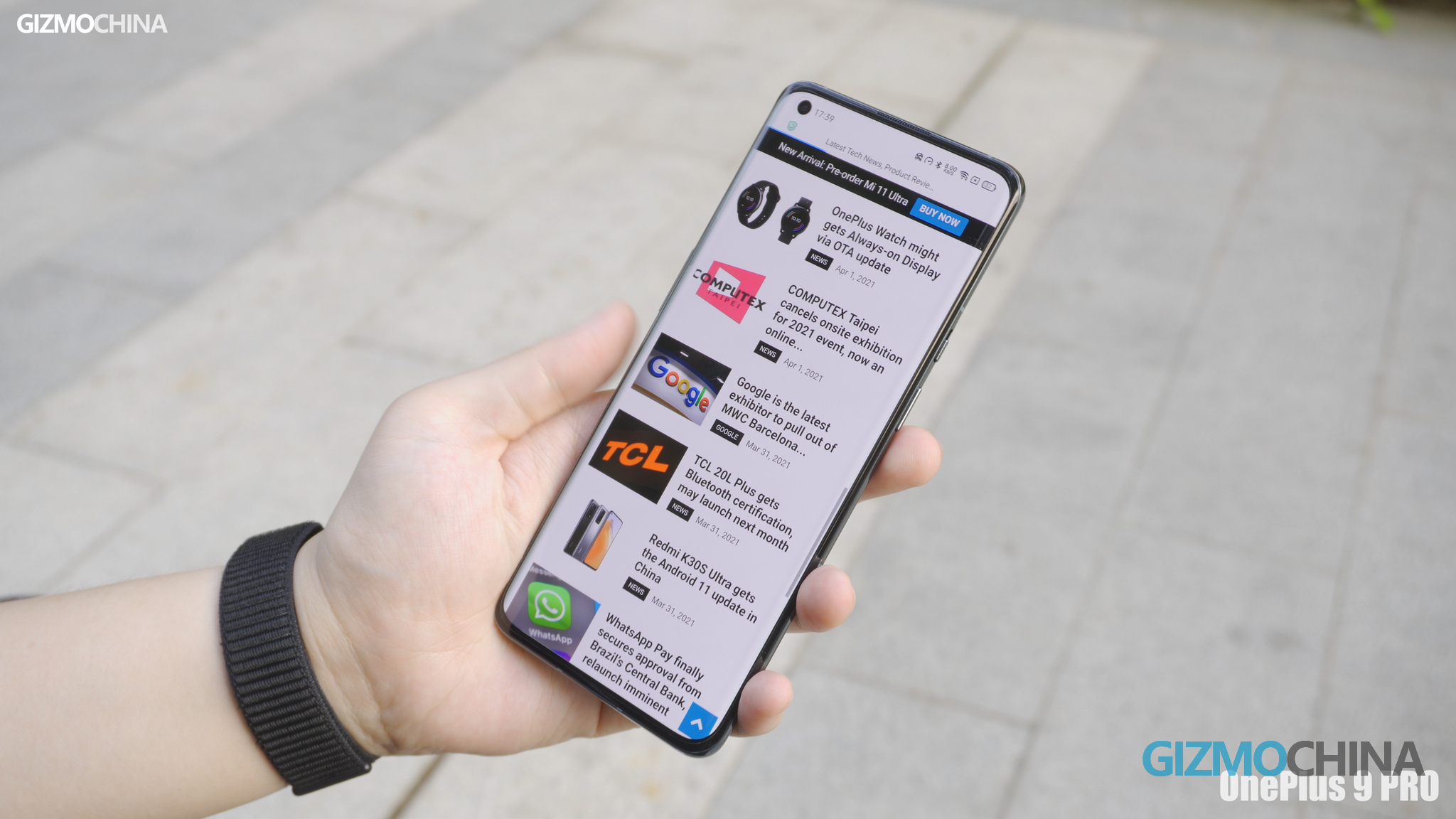
And although OnePlus explained at the launch that it was so proud of the upgrade of the 9 Pro’s display, in actual use, we didn’t really feel the gap. OnePlus claims the 9 Pro’s display is made of LPTO O-Led, a new display material that remarkably reduces the power consumption of the excellent high-refresh-rate display. But in our test, the battery life of the model didn’t see any remarkable improvement. But let’s talk about it later. Anyway, by far this display is still one of the best phone displays on the planet, having the best colors, the 2K resolution, the 120Hz smooth refresh rate, and probably it does consume less power. However, as ordinary users, we cannot really feel the improvement in battery life.
OnePlus 9 Pro Review: Abandoning HydrogenOS in China
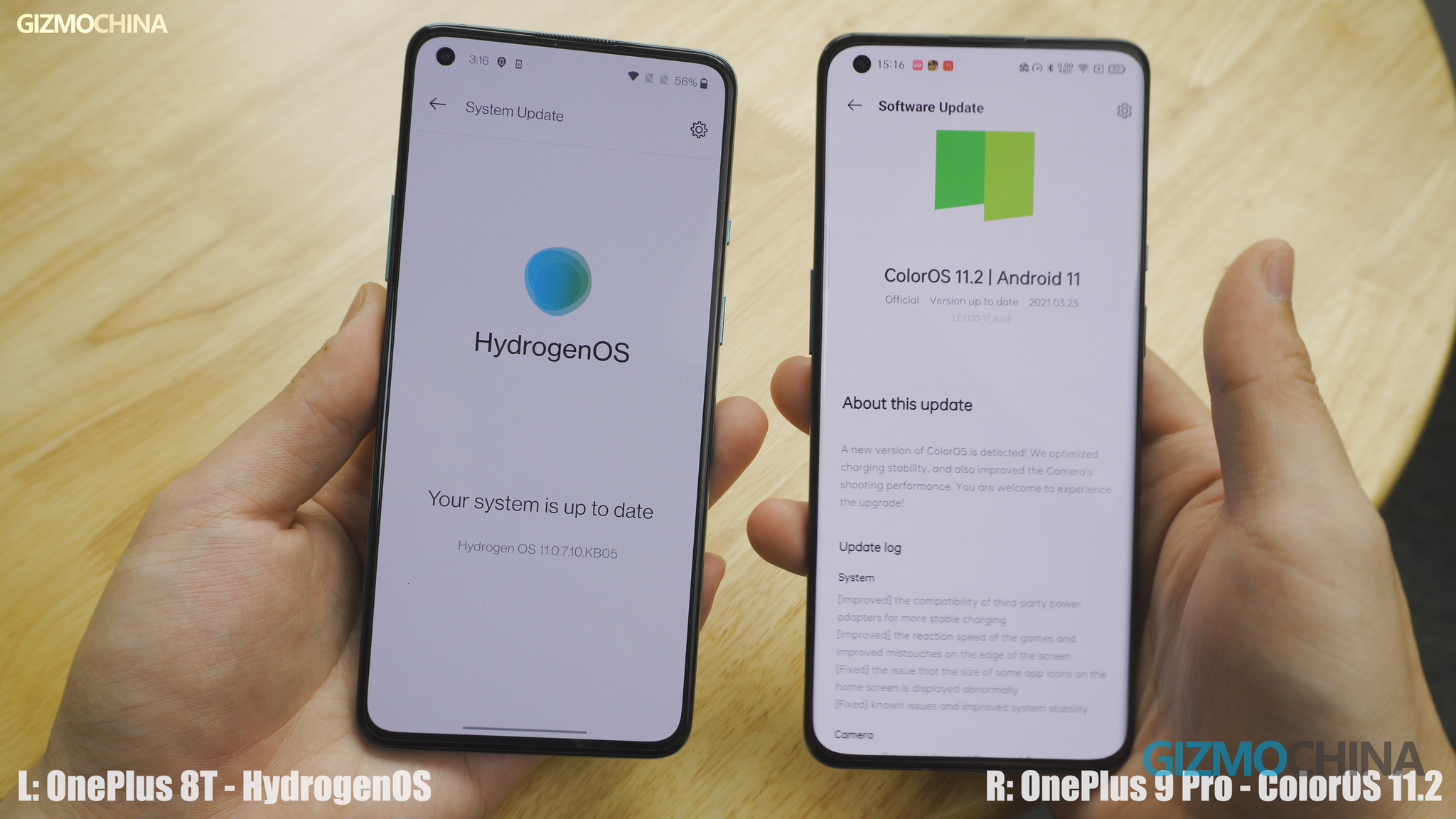
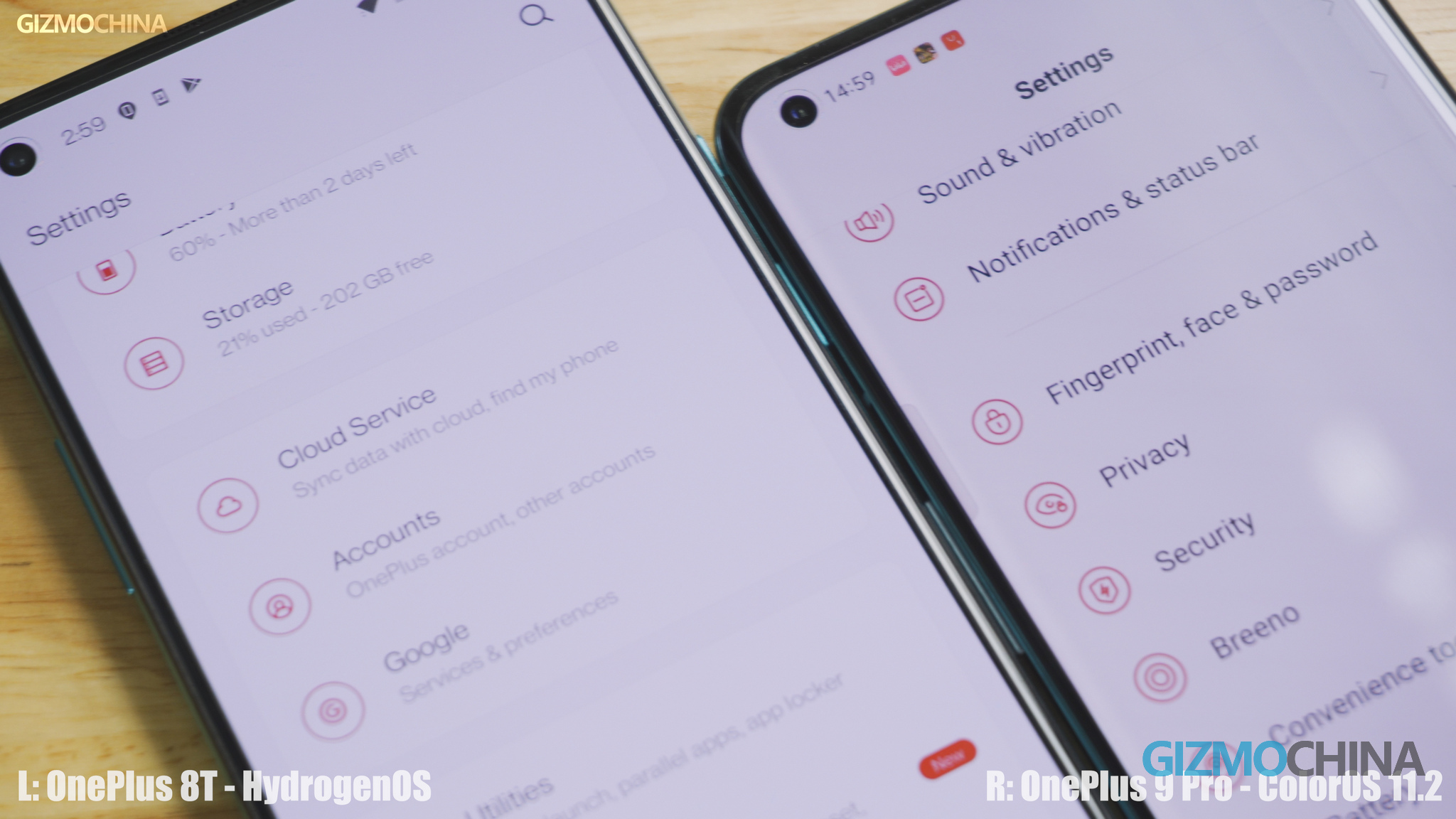
This time, surprisingly, OnePlus decided to abandon Hydrogen OS and replace it with ColorOS in all its new China models. ColorOS is an operating system based on Android developed by its sister brand — OPPO. So is it bad news for Chinese users? Nope. Actually, the Hydrogen OS has been criticized for years and most OnePlus users are happy to see the change.
But the global OnePlus 9 series still runs the Oxygen OS. So there is no need to worry about it. But our concern is, how does Color OS perform? Is it much better than the Hydrogen OS?
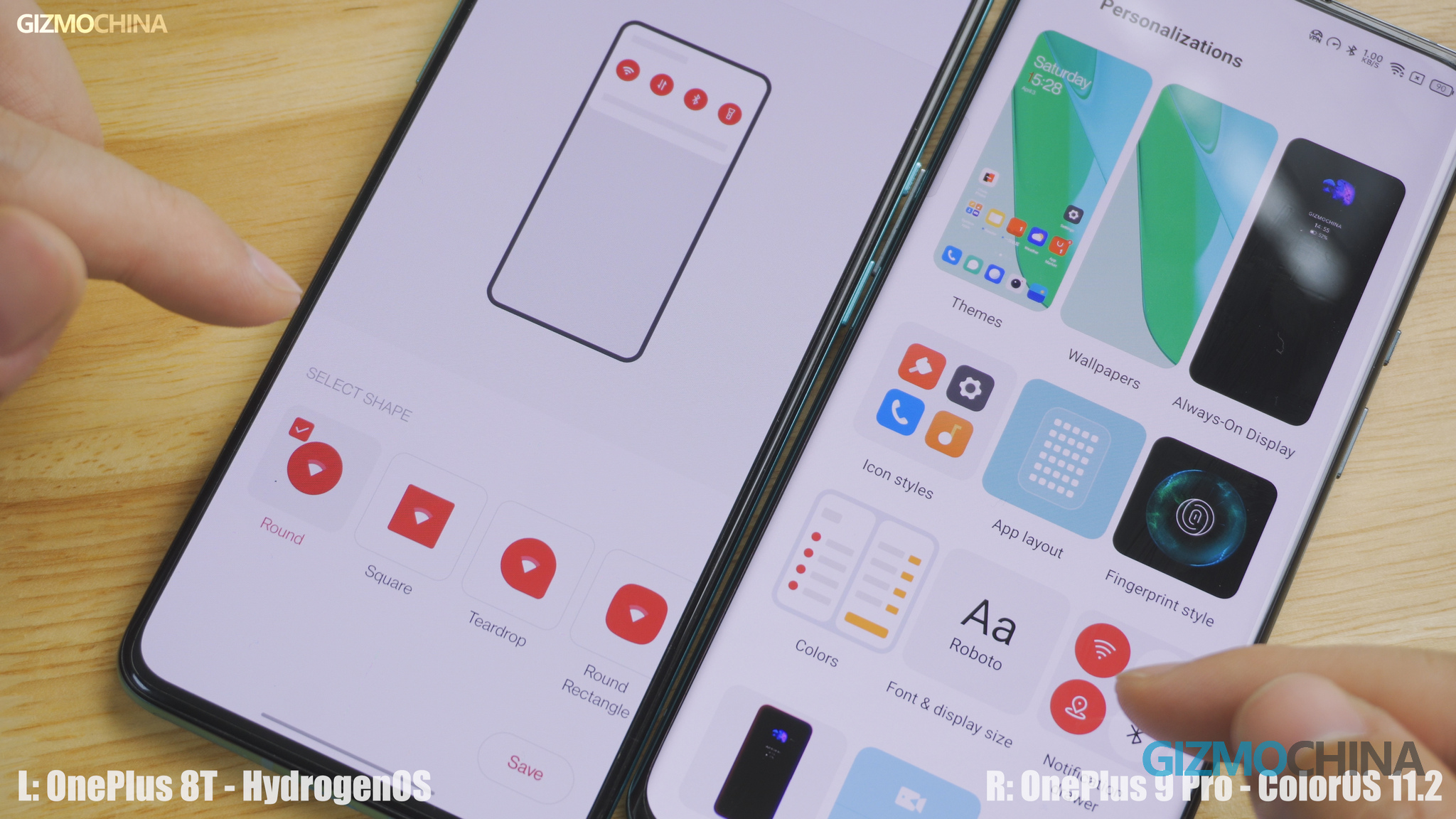
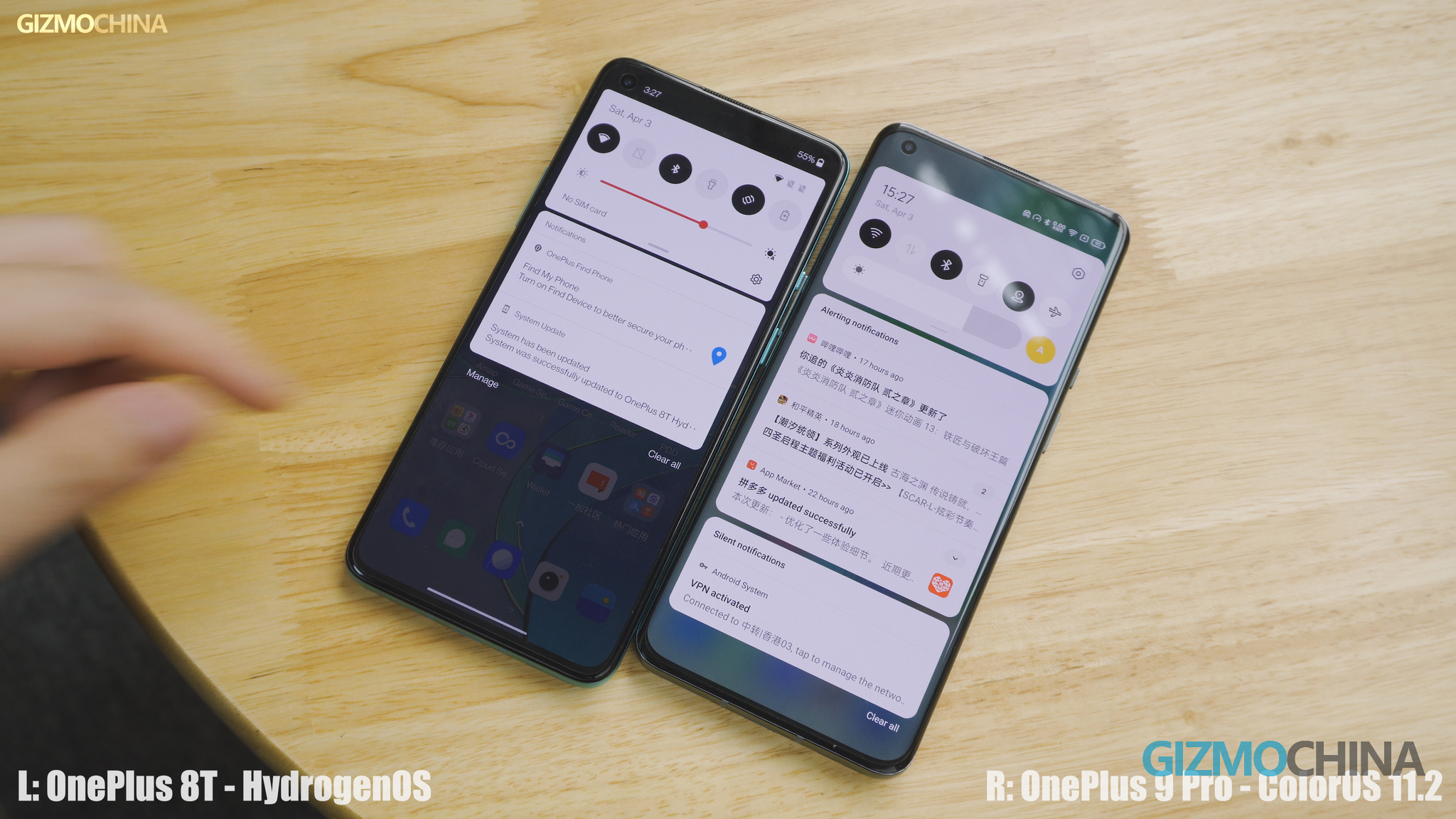
Well at first glance, there is no significant difference on the UI level. OnePlus has copied the basic design of the Hydrogen OS to the new system and preserved the smooth experience with a similar simplified design, so it’s not a problem to get used to it, even if you get the china version.
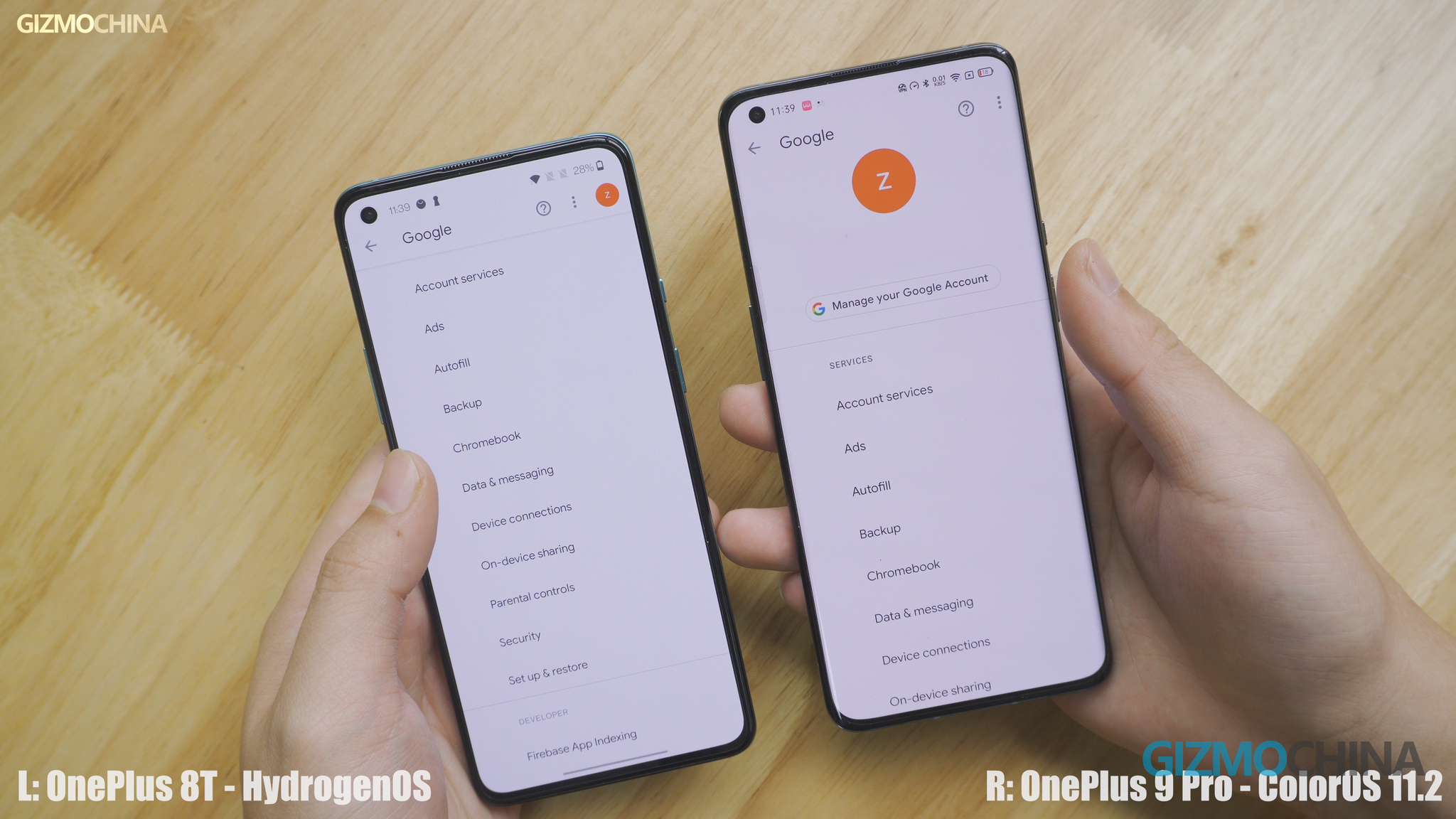
ColorOS possesses the traditional advantages of hydrogen OS i.e. its “light and fast”. Quick response is the foundation of hydrogen OS’s survival, but now this advantage has almost disappeared as others have caught up. Another major feature of Hydrogen OS is that it is completely open and close to the original Android system. And Color OS has always been a GMS-certified system, there is no obstacle to using original Google services, and there is no problem in managing Google accounts. The icon-pack functions that hydrogen-os fans loved were replaced by Color OS’ personalized customization center. You can not only use ART+ icons in the icon style but also those compatible icon packs from the HydrogenOS packs.
Not to mention the optimization of Color OS’ localized services, including game acceleration centers, SoC performance scheduling strategies, energy-saving strategies, the latest LTPO backplane dynamic variable refresh rate algorithm, and localized life services, which are all missing from hydrogen OS. These are indeed the functions urgently needed by domestic users.
Simplicity used to be the main advantage of Hydrogen OS, but at present, it’s turned to be a downside, pushing OnePlus to change. The brand is short of resources to provide as many features as the other systems do. Consequently, the simplified Hydrogen OS wasn’t able to keep up with increasing users’ needs. And OPPO’s Color OS has higher level of completion with an increase in positive rating. So probably it’s time for OnePlus software department to shift their focus to the camera experience and give up struggling with the operating system.
OxygenOS 11 on Oneplus 8
And now, another question comes: What will they do with the Oxygen OS? Will they abandon the slow-evolving Oxygen OS in the same way? Actually we don’t think so in the near future. If OnePlus is to keep a positive image in their global market, the Oxygen OS still got its mission to complete. But what they may do is to integrate some of the features that developed in Color OS into the Oxygen OS, which probably is a good thing for Oxygen OS to solve the same issue that happened on the Hydrogen OS.
OnePlus 9 Pro Review: Benchmarks & Gaming
Well, most reviews wouldn’t really talk about the 9 Pro’s gaming performance. Here is our conclusion: by far it’s not ready for gaming.
In some benchmark tests, the OnePlus 9 Pro’s results couldn’t compare to the other flagship models running the same Snapdragon 888 chipset. And even just for running these benchmarks, the OnePlus 9 Pro easily heated up. Then we weren’t really expecting much on its gaming performance.
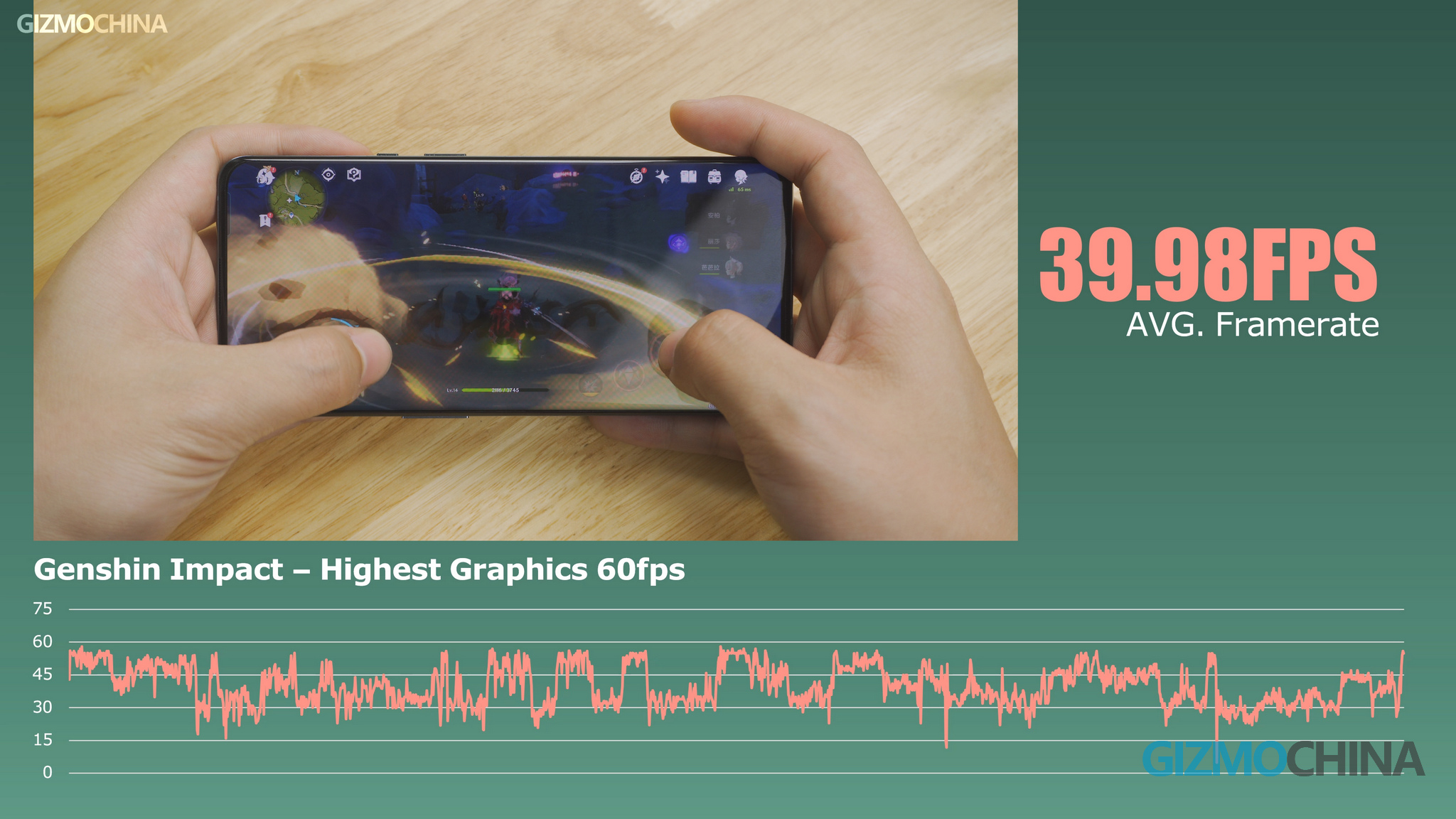
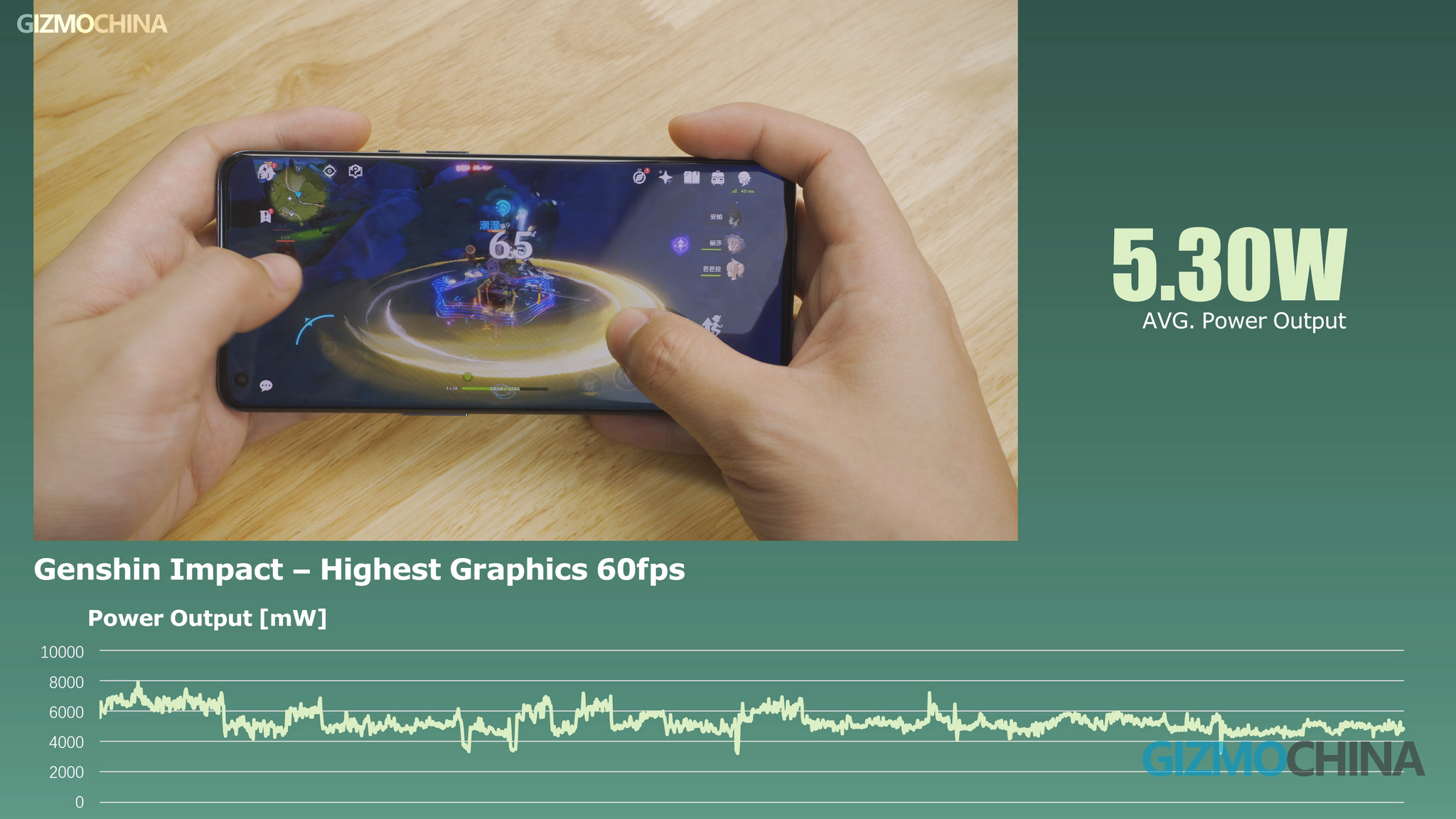
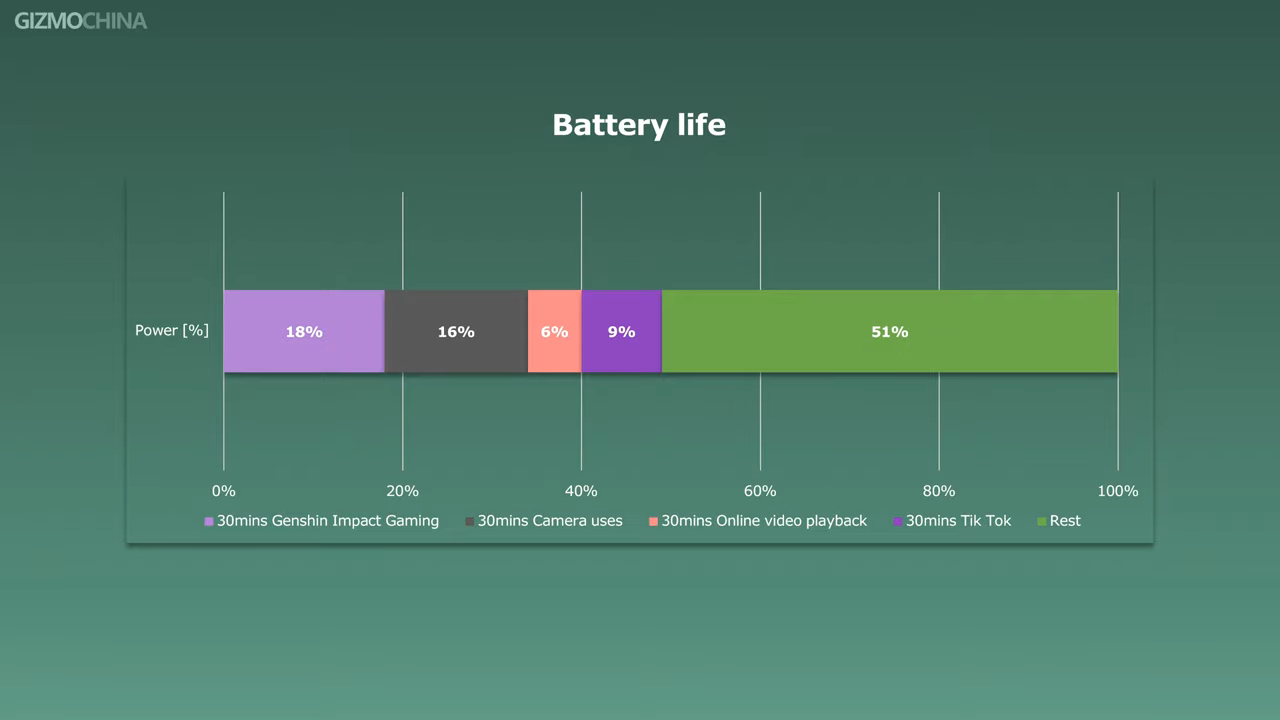
Running Genshin Impact, the average framerate on the 9 Pro is 39.98fps, which is not close to other top flagships from this year. Even if it’s for lower power consumption and CPU thermal-throttling, the CPU strategy seems really conservative. But the fact is that in our battery life test, the 30mins gaming consumed 18% of power, which is not really as good as they claimed.
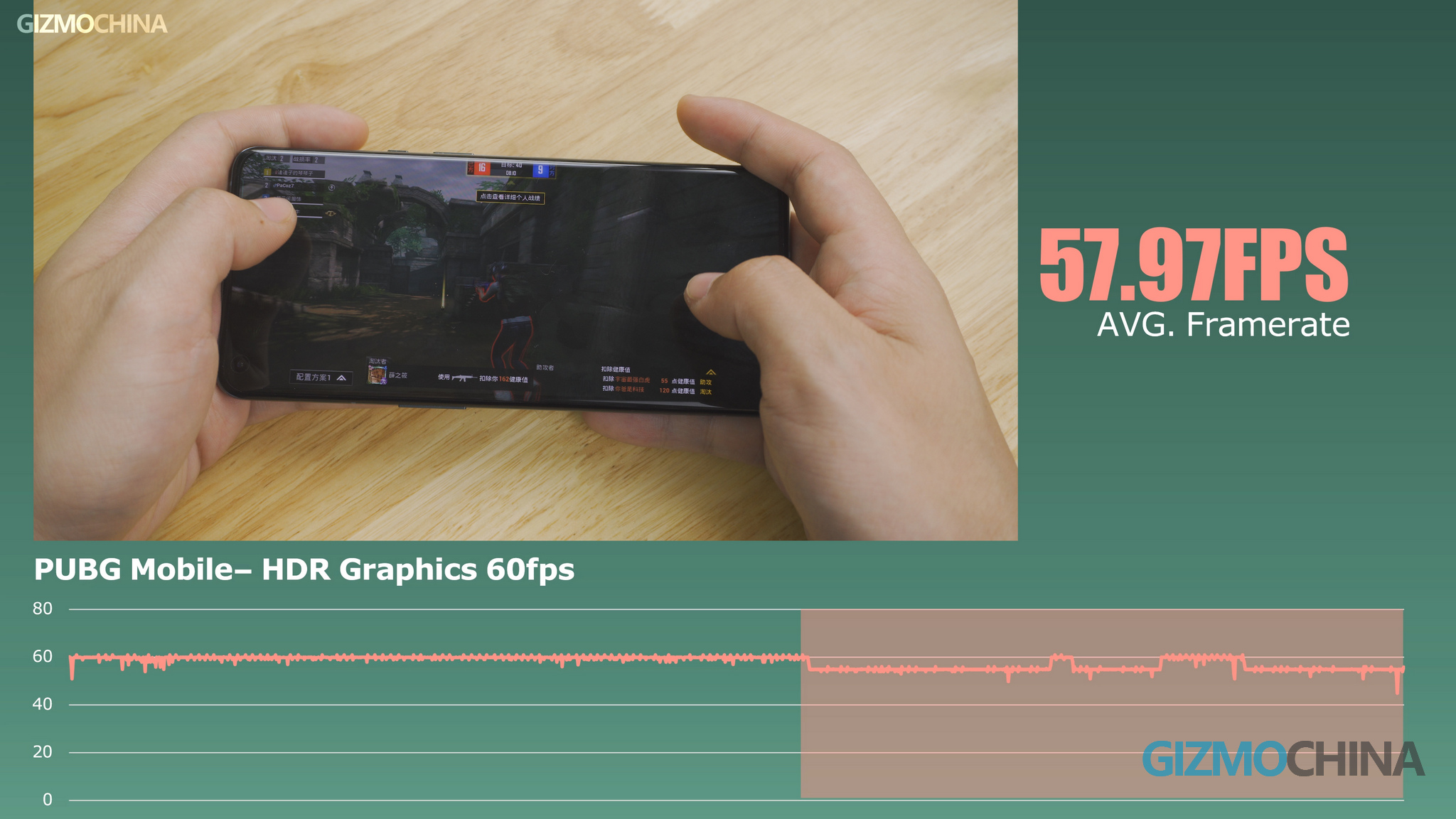
Then we moved on to PUBG Mobile. Since the game has got excellent optimization, we have tested it on so many models. not just flagships but also mid-rangers can perform well without any performance throttling down. However, we still met tiny throttling down on the OnePlus 9 Pro with an average framerate of 57.97fps. But don’t get me wrong. It’s still fluent enough and probably you won’t perceive it during gaming. But is it necessary to throttle down by 5fps in such a light game?
But we also got good news in 2K20 mobile. It’s easy for the 9 Pro to access the best performance at 60fps without any throttling down issues.
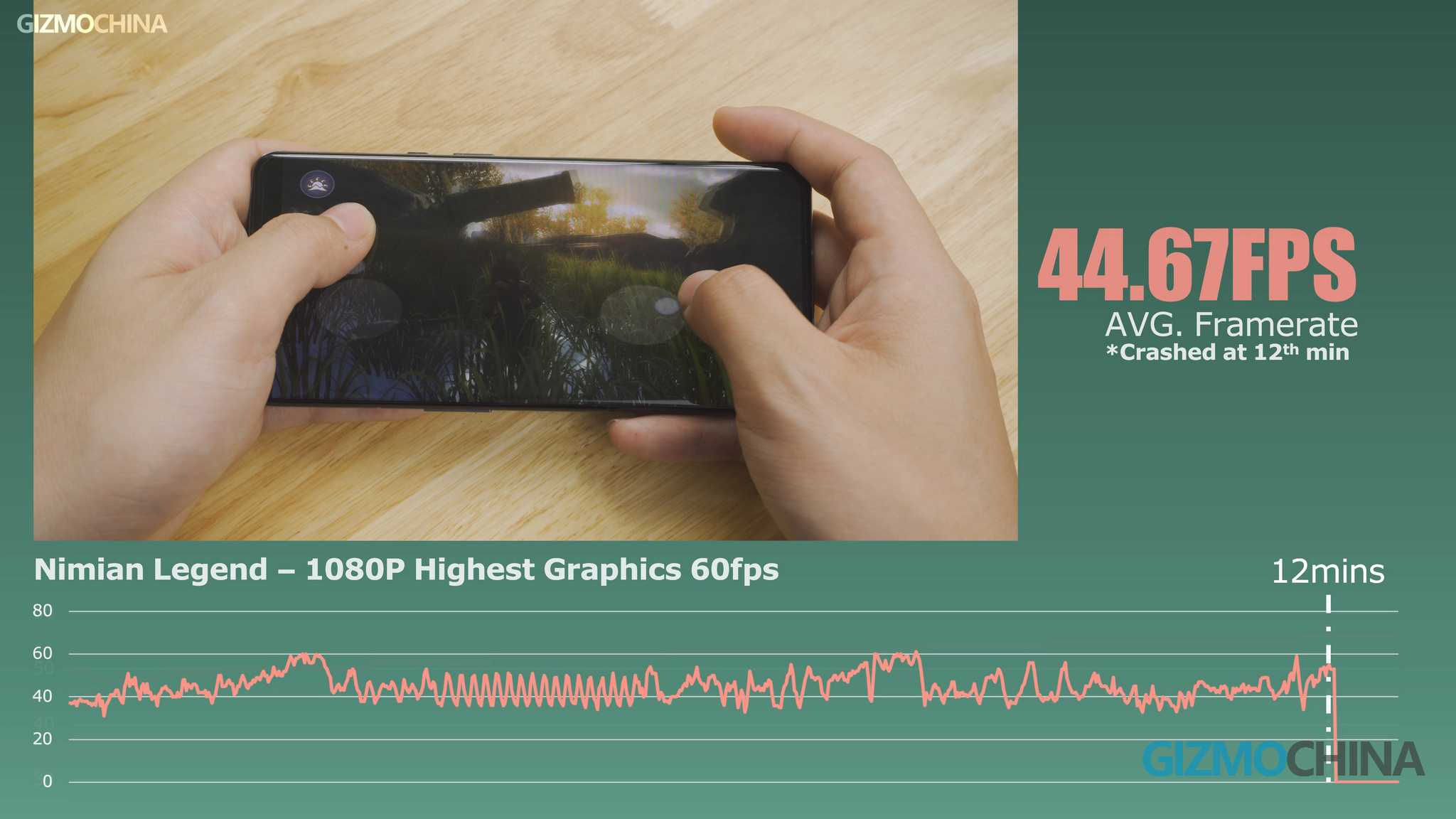
The last game we tested is Nimian Legend. What’s funny is that the OnePlus 9 Pro didn’t finish the 20mins gaming test and the game crashed in the 12th minute, leaving a reminder saying that the model was overheated. Well, then we knew where the issue is. Due to the heating issue, the OnePlus 9 Pro has to apply a pretty conservative strategy to protect the model from being overheated. Even though the phone still easily got heated up and the temperature of the model surface was really perceivably high. We noticed that usually the performance down throttling would happen when the surface temperature reached 47℃.
OnePlus 9 Pro Review: Camera Performance
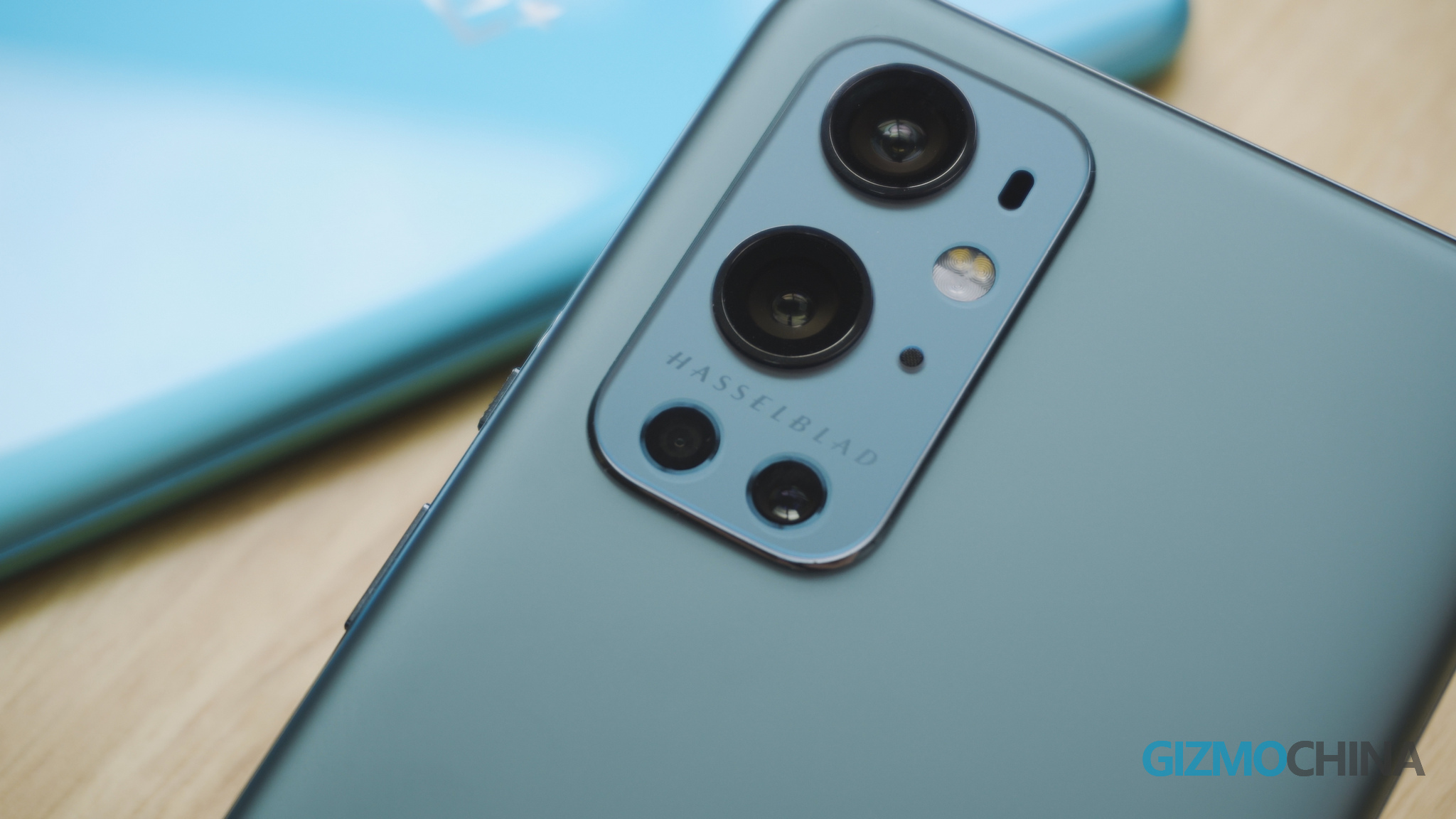
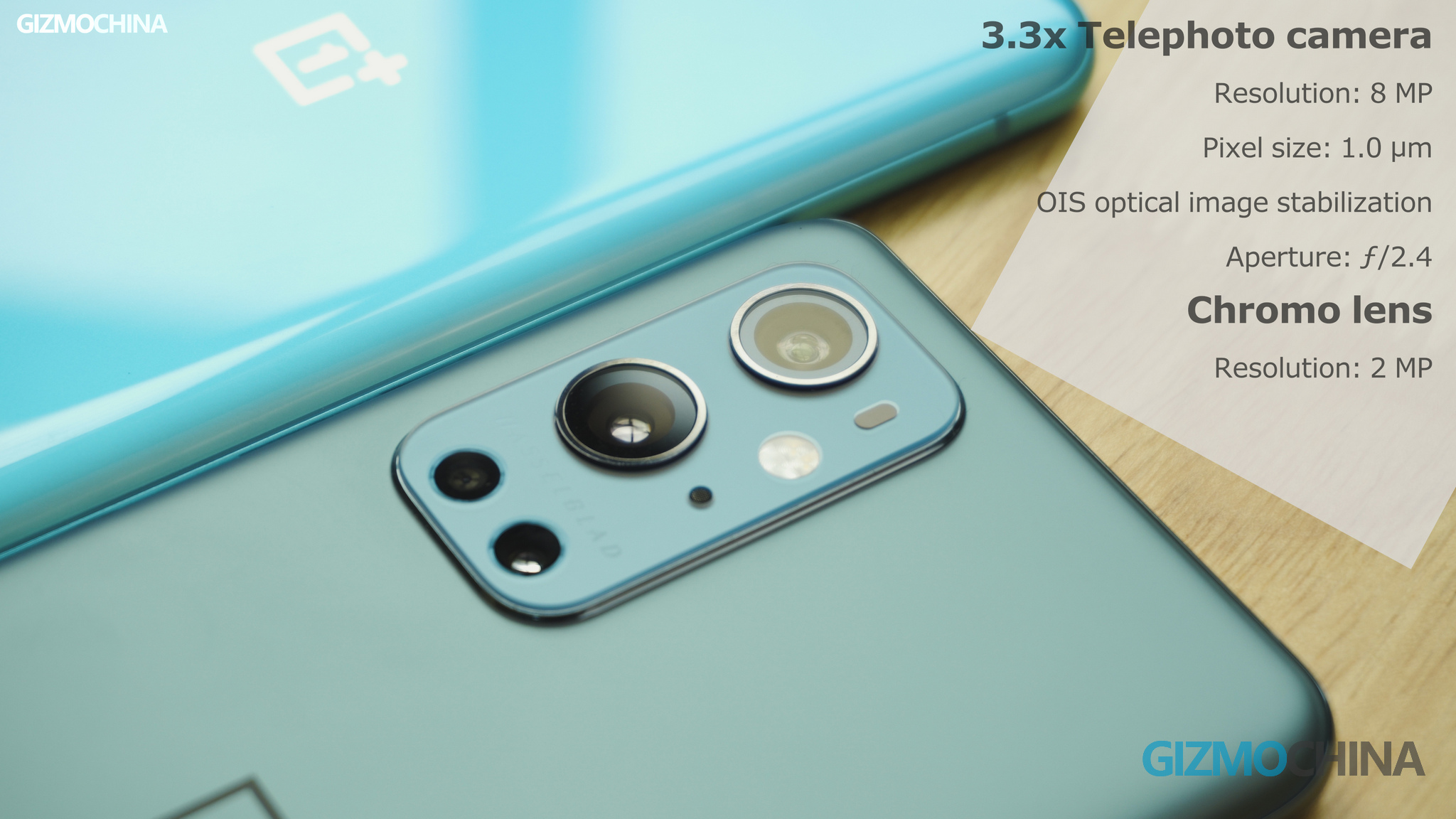
Now let’s see what we got in its camera department. The main camera features a customized 48MP Sony IMX789 sensor; and the wide-angle camera using the latest freeform lens features a 50MP Sony IMX 766 sensor; and along with these two, there is one more 8MP telephoto camera and another chromo lens.
Before we show you camera samples, there are some important details that we wanna share with you. One is that the overheating protection also exists for the camera, and it happened quite frequently when you continuously use the camera for 15 or 20 minutes. When it happened, the phone would not allow you to use the camera to shoot photos or videos. Trust me, you would definitely be frustrated waiting until the phone cools down and gets back to work.
Another one is the strange photo preview issue. When you capture a photo, the preview window in the bottom right corner doesn’t show the exact photo that you’ve clicked. It’s more like the moment when you click the shutter button. And only when it is opened, the real photo shot on cameras will appear. When you go back to the camera interface the preview window eventually will show you the real one. The reason why OnePlus does it probably is to give users an illusion that the phone has fast shutter response and fast image processing. But the fact is that like most other phones, the shutter and processing delay exists on the OnePlus 9 Pro but most of them didn’t cover it up this way.
And the high-resolution option and RAW image option are hidden in the Pro camera mode. About their performance, we will show you some samples later.
Main Camera
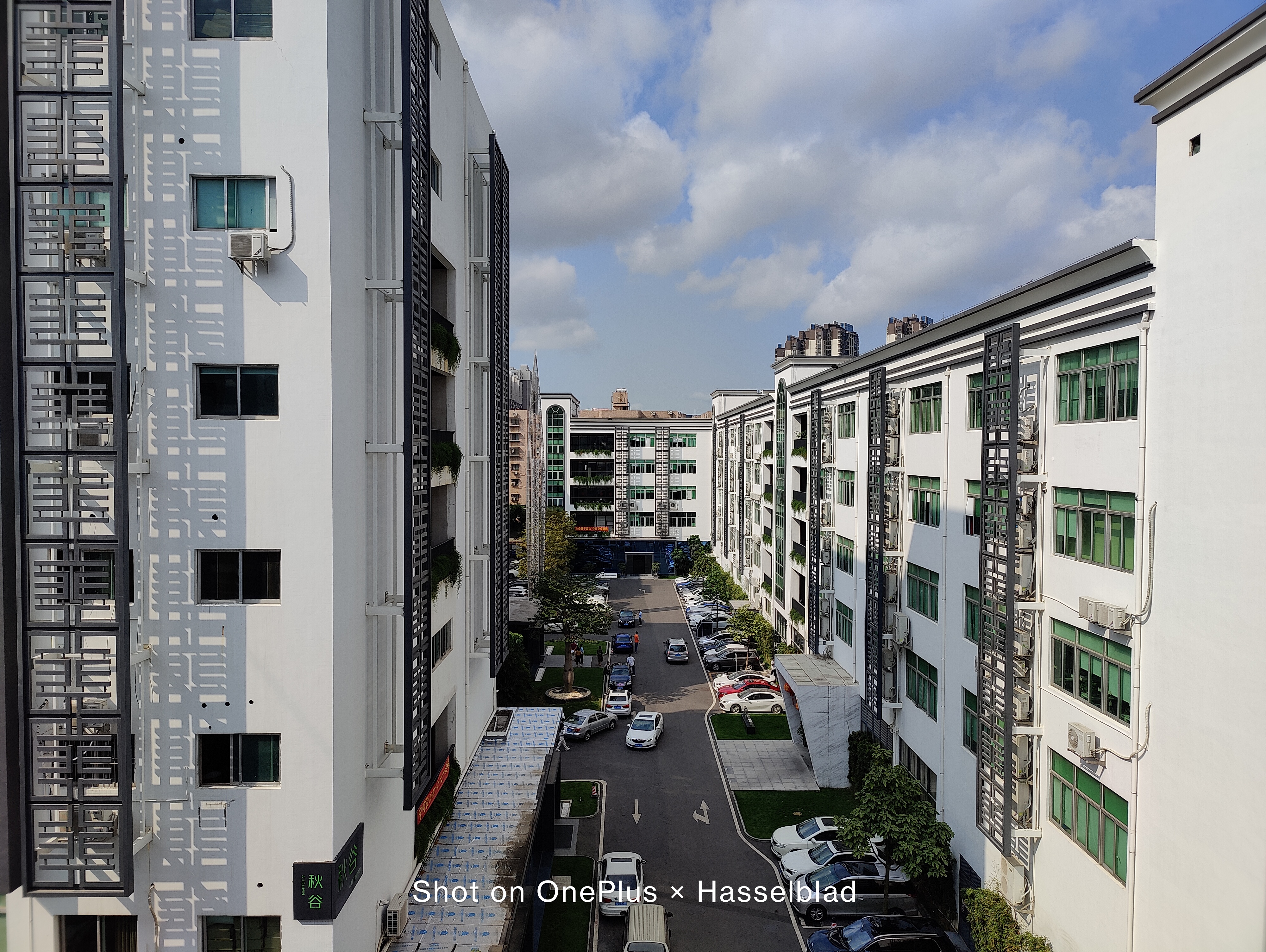
Let’s start with its main camera. we have to admire that the OnePlus 9 Pro is using hybrid focus technologies and has a really quick focusing speed. Most of the samples are impressive with a natural richness of color that is pleasing to the eye but not unrealistic. It did show off a close style of Hasselblad colors. At the same time, the images shot under normal mode also has good contrast detail with accurate exposure. But what surprised us is the Raw image mode collects richer image detail. It allows you to have an excellent image post-creation, provided you are professional enough.
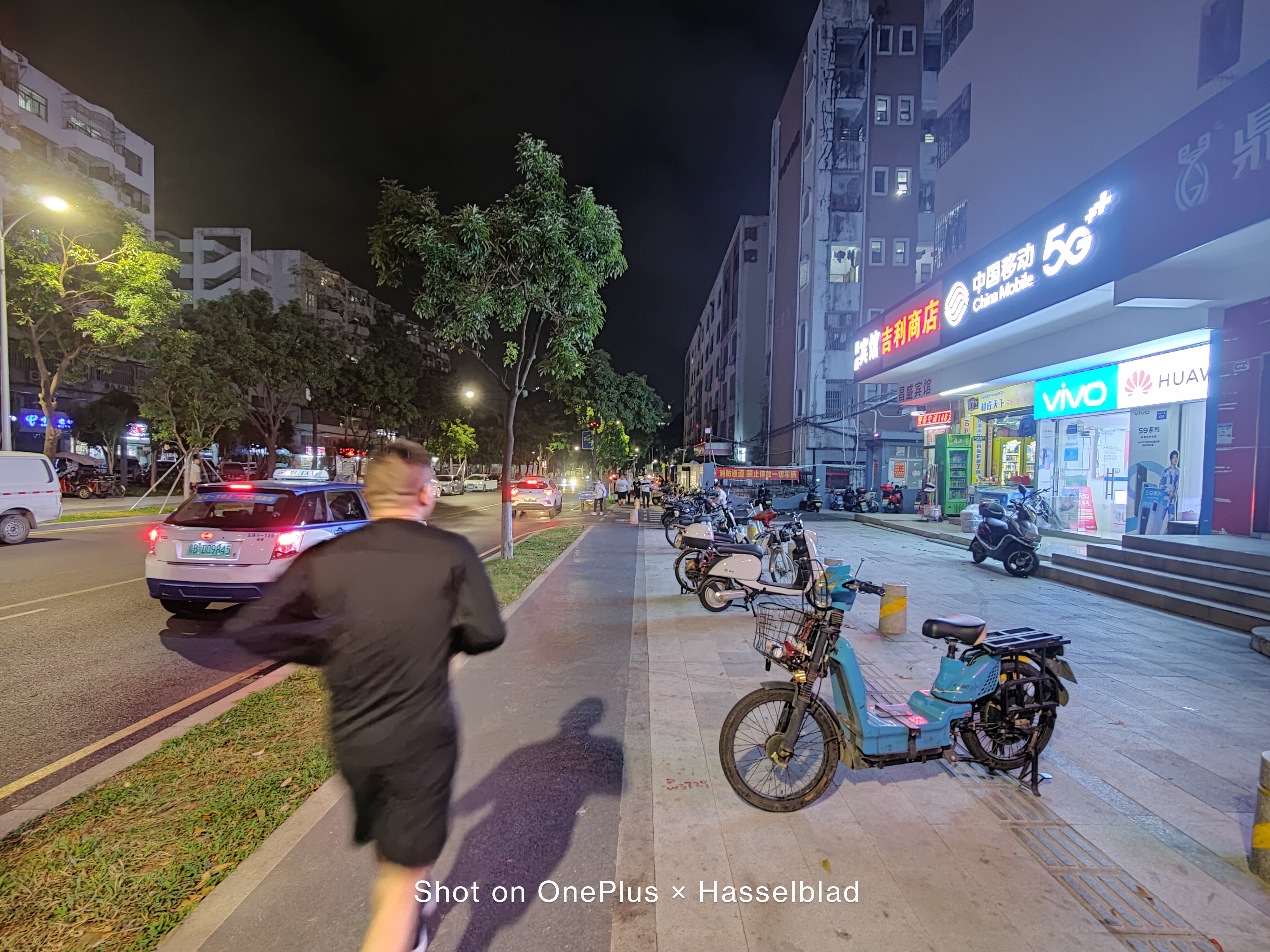
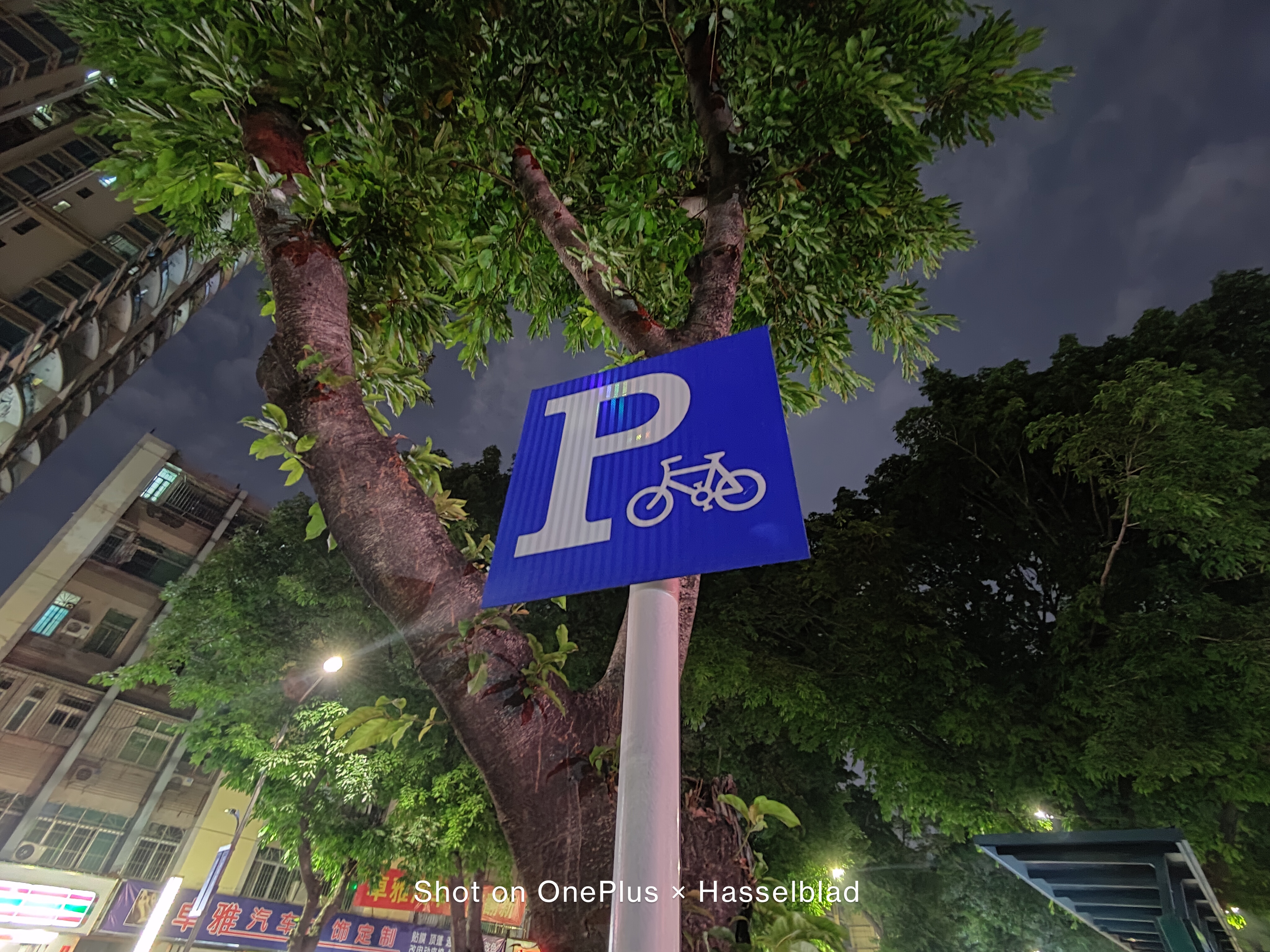
The night samples were also stunning with a great improvement of overall brightness but its noise control is not excellent. And when shooting night photos with a smudged lens cover, we found that sometimes the 9 Pro encountered excess flare issues, which may immediately spoil your sample. So please make sure that you wipe the lenses clean before you begin your shooting, which can reduce the annoying flare to some extent.
Ultra Wide Angle Lens
The biggest surprise should be the wide-angle lens. It’s the best wide-angle lens that we’ve ever seen to effectively solve the issue of distortion and resolution. Its colors were pretty consistent with what we have on the main camera, being natural with rich detail. And there is almost no image distortion on the wide-angle lens. This makes us a bit excited to see how it performs in video shooting. And its night shooting is also not bad but still has the same noise issue, which may get adjusted in future updates.
Both the main camera and the wide-angle camera support high-resolution mode with HDR processing. So if you want a better resolution on your photos, just remember to turn it on.
48MP
regular main camera
50MP
ultra wide cam
Telephoto Lens
The 8MP telephoto camera supports 3.3-time optical zoom and up to 30-time digital zoom with OIS anti-shaking. The image quality is not bad. Not only for good lighting conditions but in night shooting, it also performs pretty well with good colors and exposure.
0.6x (2)
1x (2)
2x (2)
3.3x (2)
5x (2)
10x (2)
30x
Well as for the last chromo lens, we don’t think it’s necessary to equip such an assistant lens for only one filter use. Actually, OnePlus offers 3 black and white filters on the 9 Pro. Two can work without the chromo lens. Except for higher contrast, the one that works with the chromo lens didn’t really show much difference.
Video Shooting
For video shooting, both the main camera and wide-angle one supports up to 8k 30fps filming. Although the 8K video has pretty good resolution and allows you to crop the proper image you want, it also requires a high-performance machine to do the 8K editing. On the other hand, the 4k 120fps filming is a real surprise. It allows users to shoot excellent slo-motion videos with great resolution, which only exists on some expensive professional cameras. Now on the OnePlus 9 Pro, you can create the same work.
OnePlus 9 Pro Review: Camera Performance
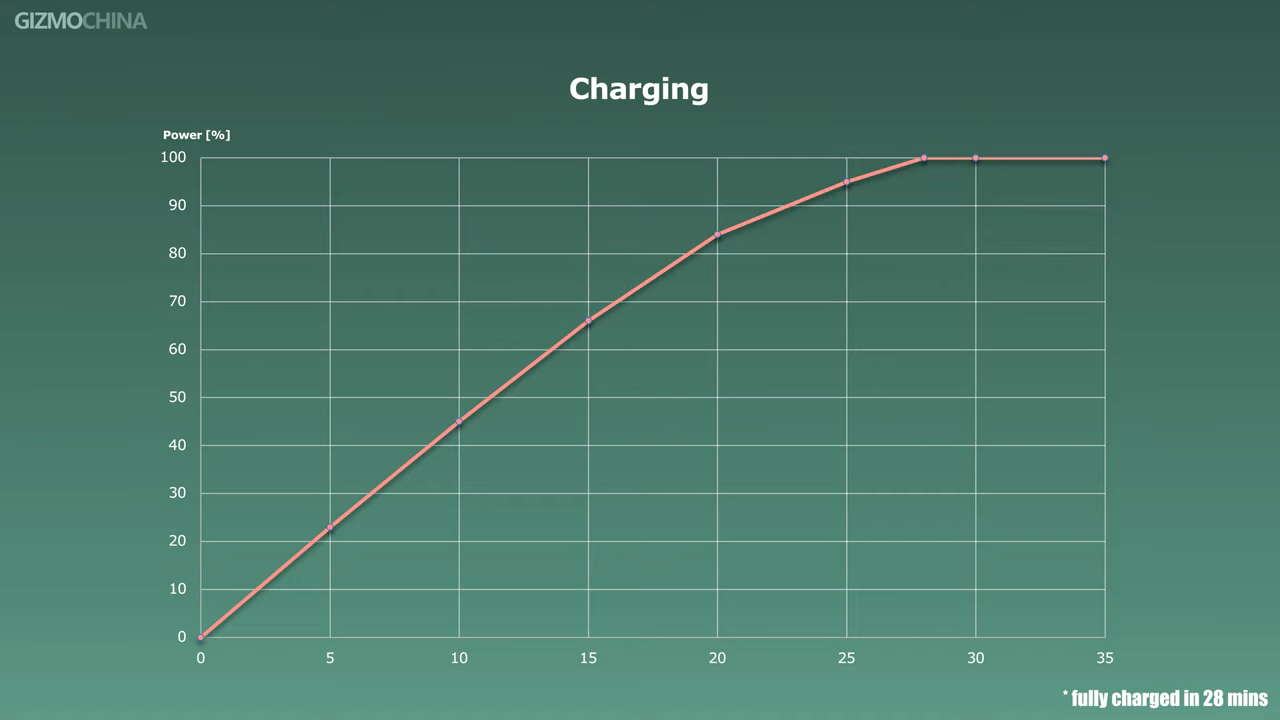
About its charging and battery life, just check the results here.
Based on the battery life test we did, we don’t really think that the battery life of the OnePlus 9 Pro is gonna cheer you up.
OnePlus 9 Pro Review battery life
So that’s all the details we want to share with you.
Is the 9 Pro a flagship model worth buying? No doubt the answer is yes. But if you want to buy a gaming model, however, just skip the 9 Pro. As we said, it’s not yet ready for gaming.
But if you are looking for a unique camera phone, it definitely could be one of your best options. Also please note that the system part we shared with you all is only for the China version. We just want to share why OnePlus was choosing a new path in the Chinese market, and why this time OnePlus is different.
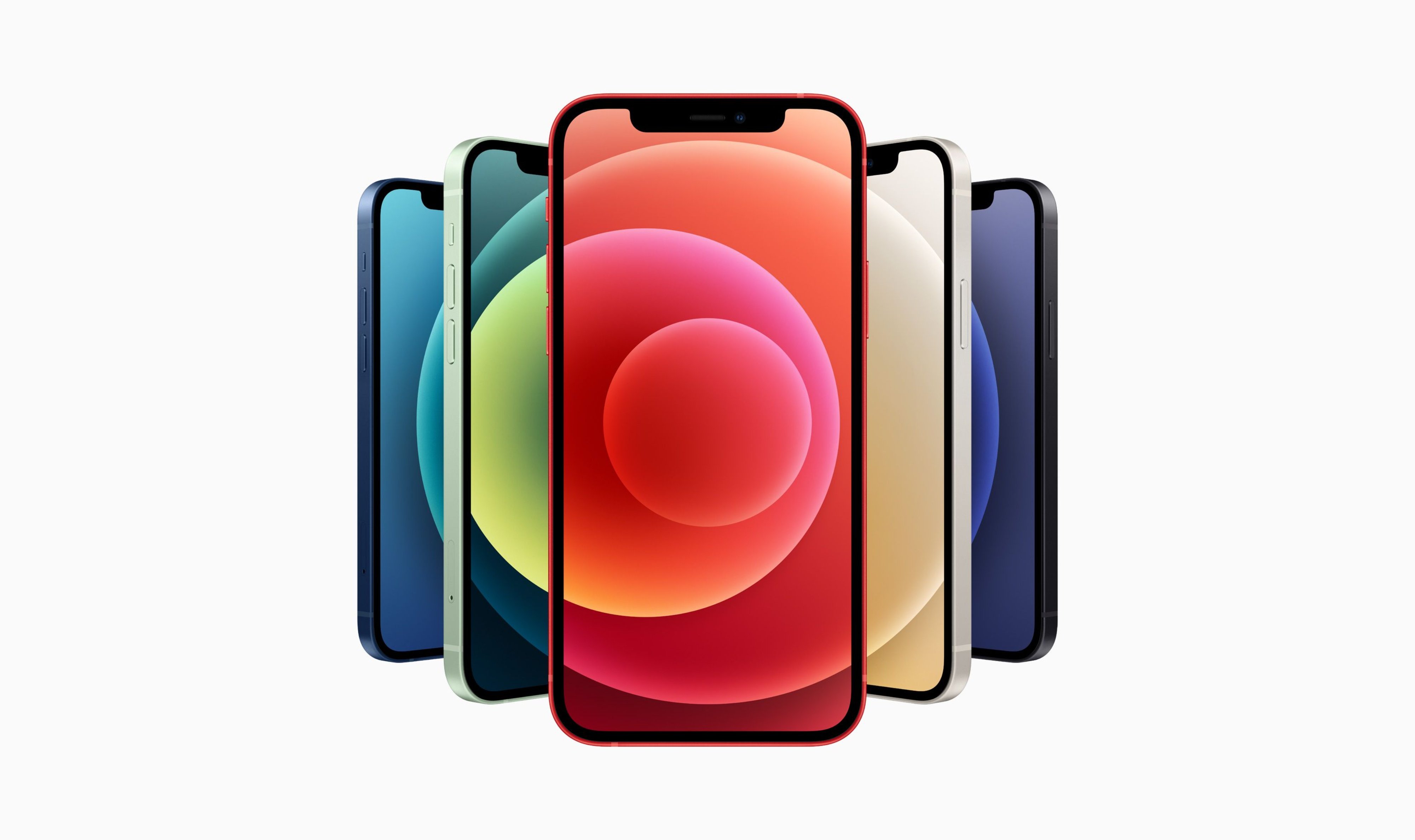
Hon Hai, the parent company of Foxconn (one of the major suppliers of Apple) has registered 47 billion US Dollars in earnings within the first quarter of 2021. This marks a year on year rise of 44 percent, which is apparently due to higher demand for the new iPhone 12 series.
According to an AppleInsiderreport, the high demand for the iPhone 12 lineup from home workers have boosted its earnings within Q1 of this year, with a rise of 44 percent compared to the same period last year. Reportedly, the primary reason for this rise is due to the popularity and high demand of Apple 5G enabled handsets and the growing working from home trend caused by the Coronavirus pandemic.
Notably, the significant rise of 44 percent arrives a year after the supplier reported a major decline of profit due to viral outbreak. Although, in the latest quarter, the company generated 47 billion US Dollars in earnings. Out of this sum 15.43 billion US Dollars were made from sales in March alone. The report further adds that teh sahred in Foxconn’s parent company, Hon Hai, have grown by 57 percent in just the last two quarters.
This rise is also due to the company’s plans for the electric vehicle industry. Additionally, Hon Hai has also warned of component shortages that could last until 2022. This could also affect its shipments by up to 10 percent. For those unaware, the world is suffering from a major shortage of semiconductors, and by its extension, chips, which has impacted various industries across the globe.
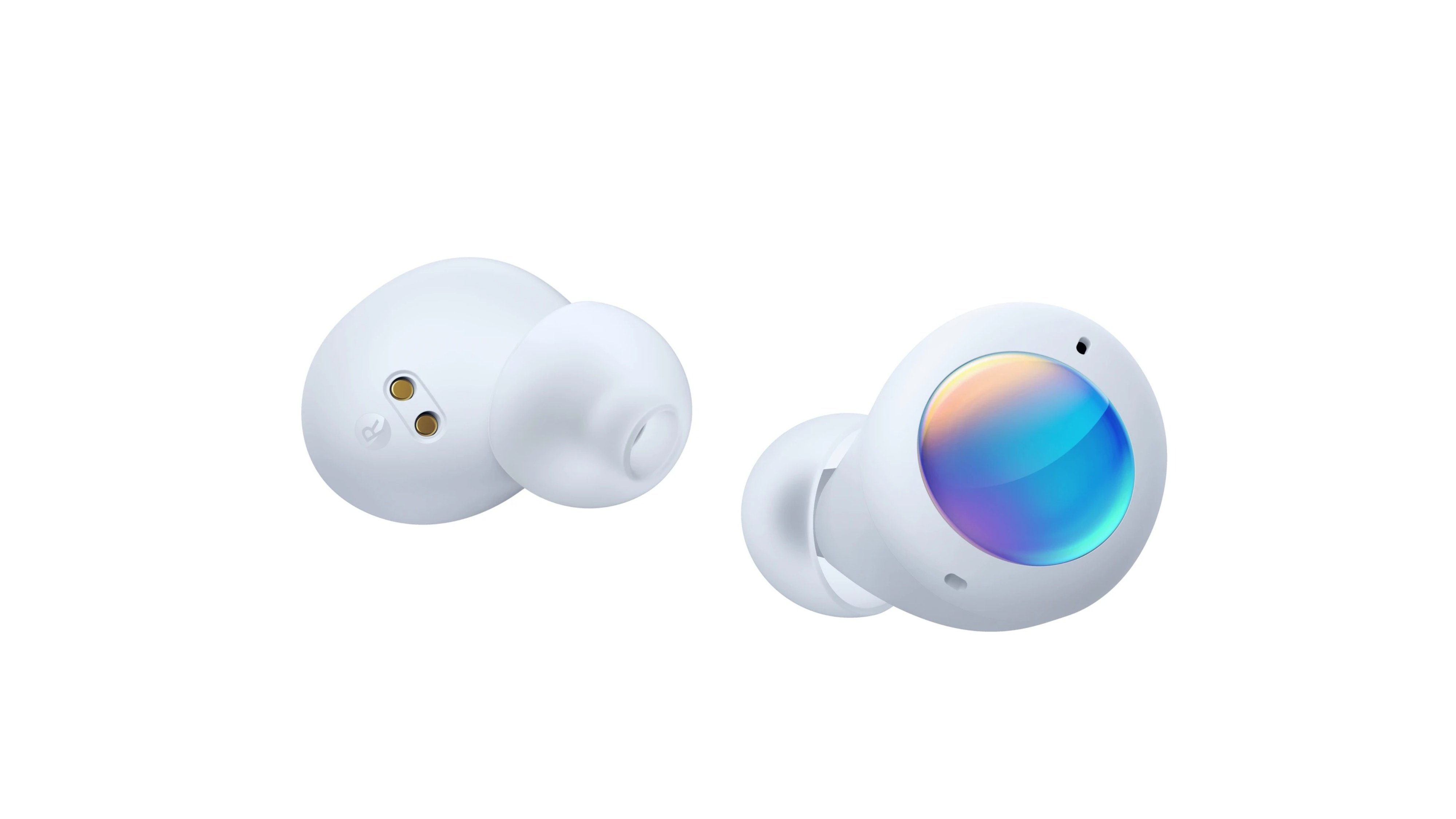
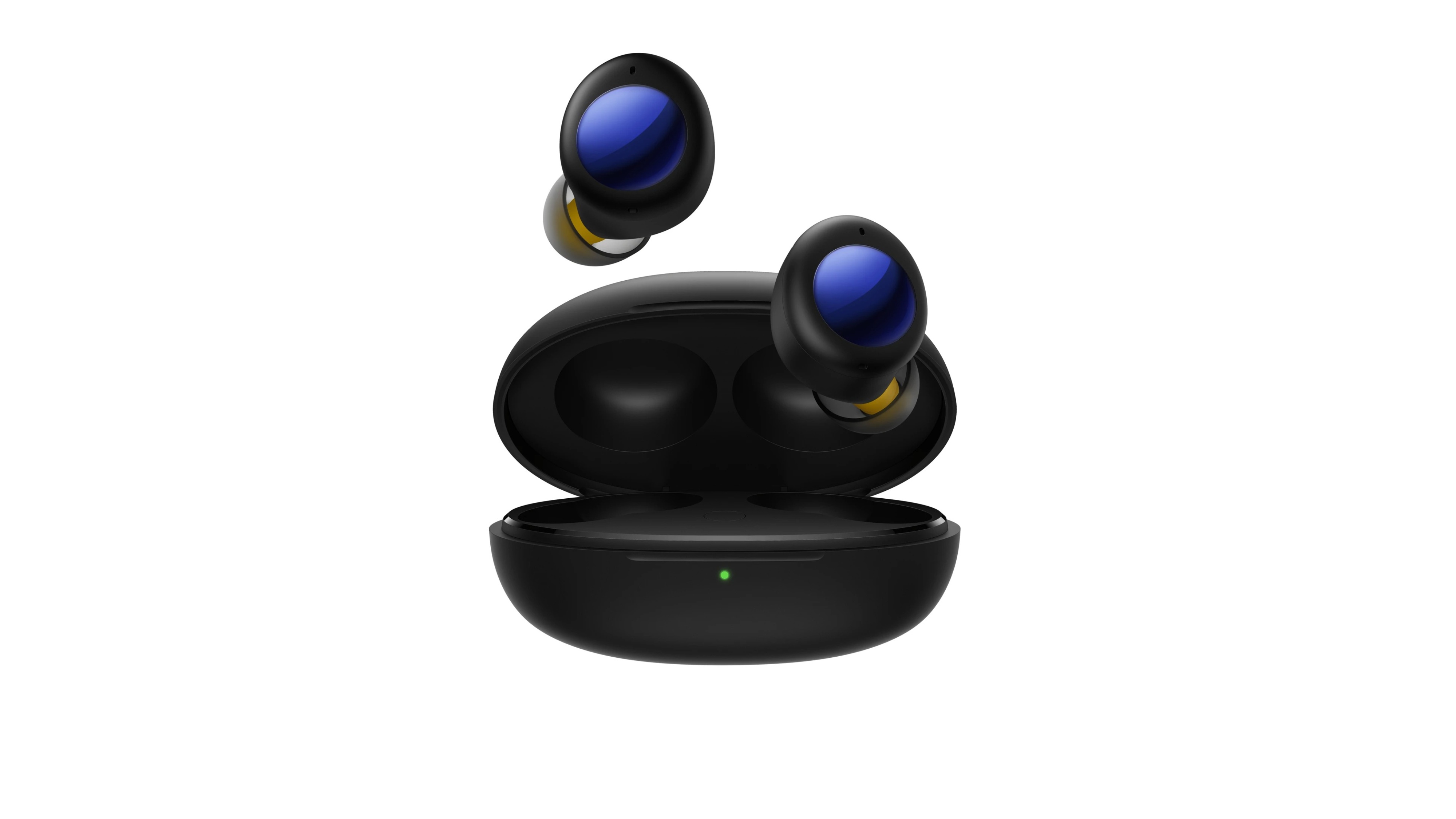
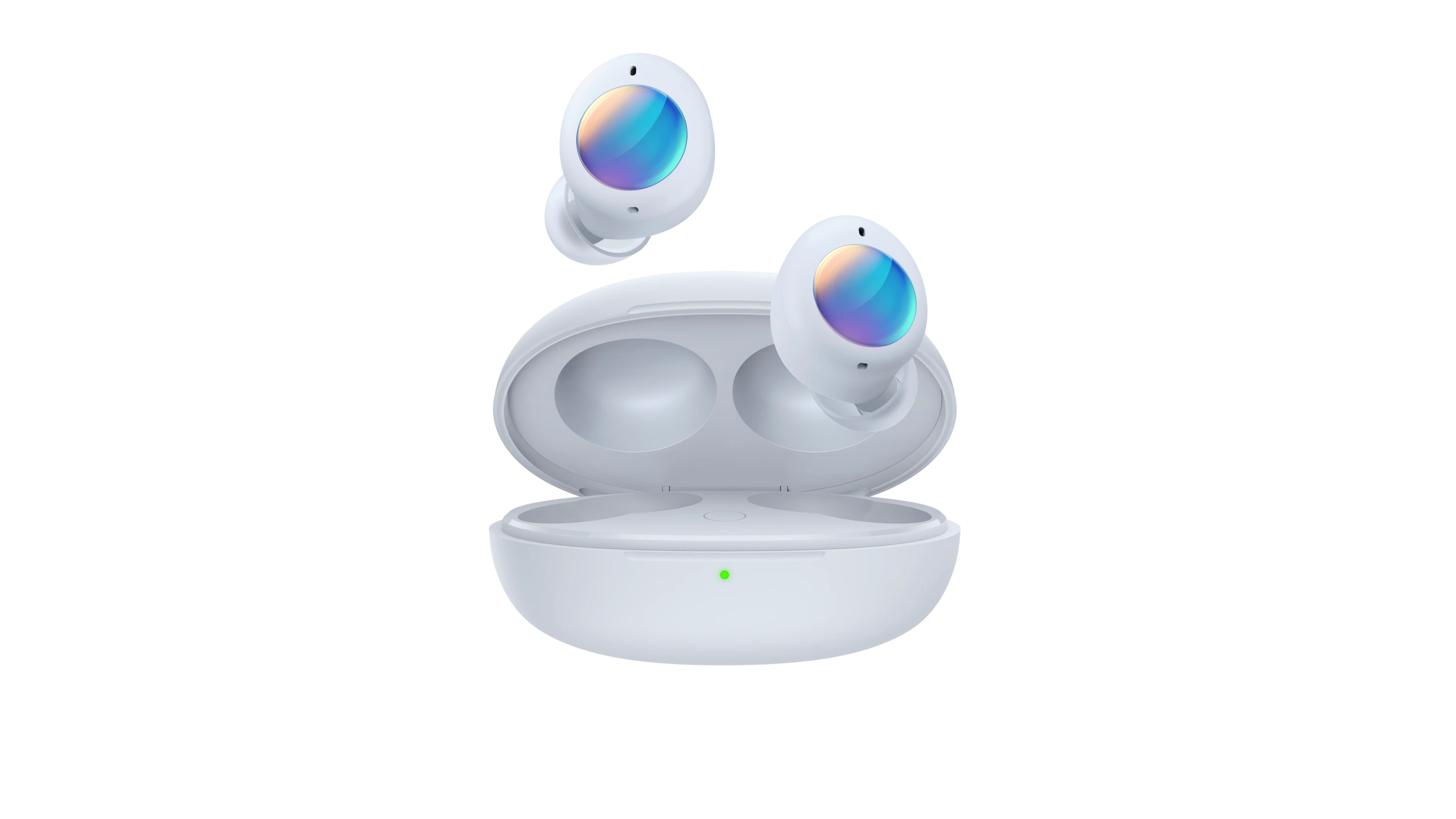
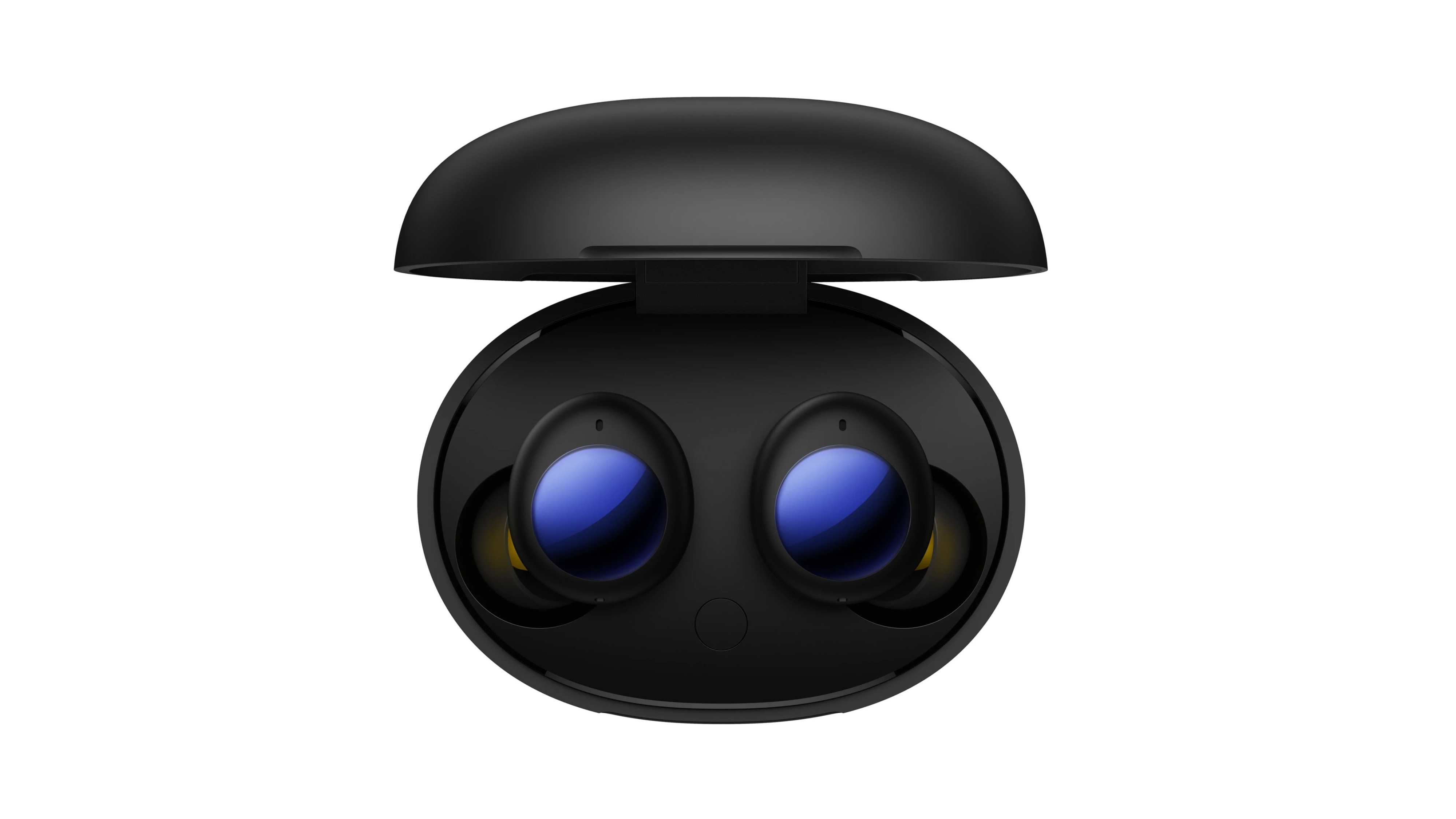
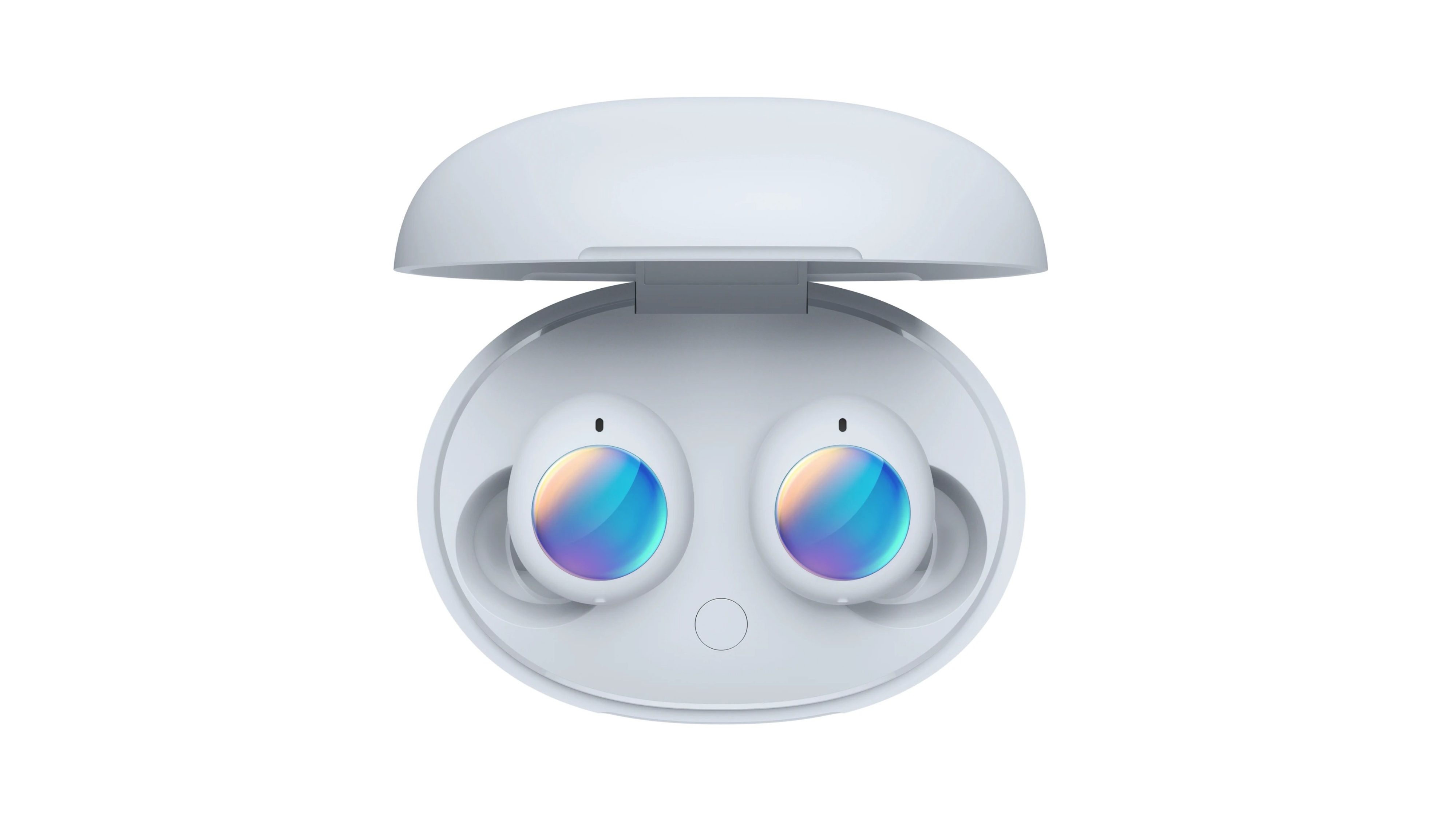
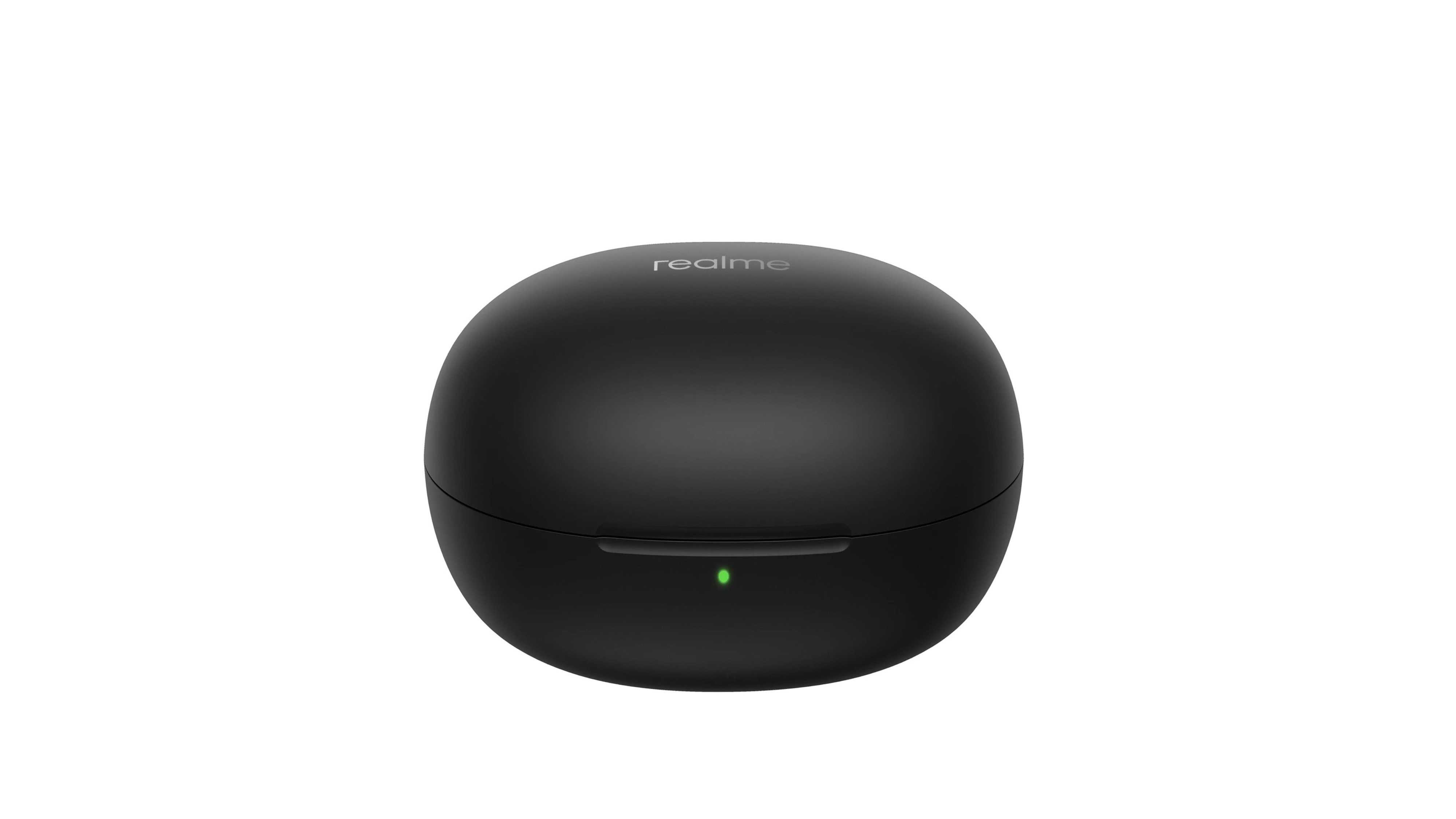
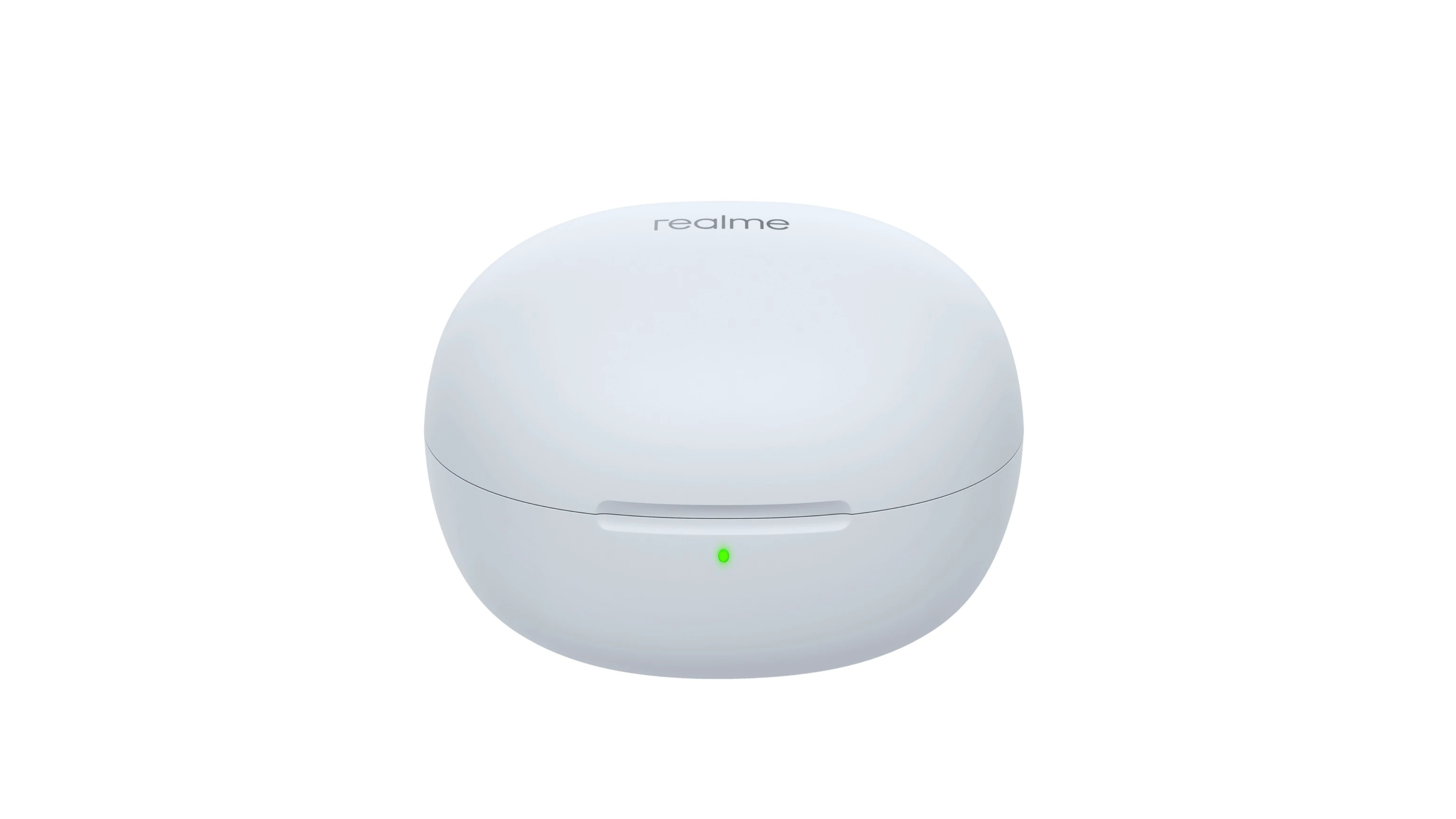
In Late February, realme launched the realme Buds Air 2 in India. This TWS made its way to other markets in the following weeks. Now, the brand has unveiled a cheaper version of these truly wireless earphones called realme Buds Air 2 Neo. The new product has made its global debut in Pakistan.
The latest TWS from the company comes in two colors, namely Active Black and Calm Gray. The earbuds sport 10mm drivers and they are IPX5 splash resistant.
The buds connect with devices via Bluetooth 5.2 and support AAC as well as SBC audio codecs. The main highlight of the new earbuds is the presence of ANC (Active Noise Cancellation) and ENC (Environmental Noise Cancellation), thanks to the realme R2 chip present inside.
The brand claims that the ‘ANC Mode’ on these buds can reduce external noise up to 25dB. Further, apart from ‘Transparency Mode’, the earbuds also come with a low latency mode (up to 88ms) for gaming sessions.
1 of 6
Other features of this TWS include Google Fast Pair. touch gesture controls, realme Link app support.
As far as battery life is concerned, the buds can offer up to 7 hours of playback with ANC turned off and 5 hours with ANC turned on. Whereas, with the charging case that charges via USB Type-C, users can get up to 28-hour battery life with ANC disabled and 20-hour playback with ANC enabled
realme Buds Air 2 Neo Price and Availability
The realme Buds Air 2 Neo truly wireless earphones are priced at ₨ 7,999 ($53) in Pakistan. However, customers can purchase them for only ₨ 5,999 ($39) during the flash sale on Saamaan.
This TWS should be available in other markets in the coming days.
Samsung Electronics launched its flagship S-series smartphones earlier this year than its usual timeframe. The release of the Samsung Galaxy S21 series seems to have helped the company achieve its goal.
According to the report, Samsung likely saw a jump of 45 percent during the months of January to March, i.e. Q1 2021, thanks to the robust sales of the company’s smartphones and home appliances.
Because of the COVID-19 pandemic, people are not spending more time at home and this has resulted in the demand surge for a wide range of high-margin consumer electronics products, helping the company increase revenue.
The demand is so high that it has created a global shortage of chips and other components. However, the company registered a decline in the earnings for the chip division mainly because of the storm that suspended production at its plant in the United States.
The Reuters report, citing several analysts claims that the operating profit for the South Korean tech giant in the quarter is expected to have climbed to 9.3 trillion won, which is approximately $8.2 billion. This would mark Samsung’s highest operating income level for the first quarter since 2018.
Samsung is estimated to have cornered roughly 23% of the global market in the quarter, thanks to that launch and cheaper-than-usual pricing for its premium devices. That compares with a 20% market share in the same quarter a year ago and a 16% market share in the previous quarter when Apple released the iPhone 12.
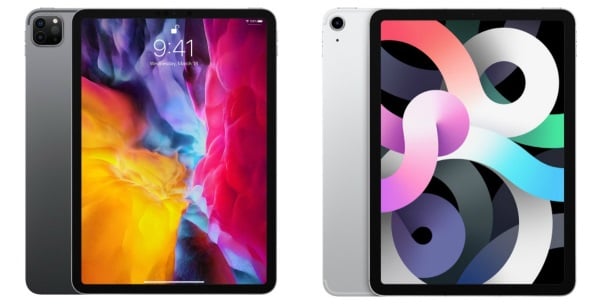
As a part of the “Edinburgh Learns for Life,” every student in Edinburgh, Scotland, will receive an Apple iPad. This would have the company give out about 39,000 tablets in total.
According to an AppleInsiderreport, the initiative, starting from September of this year, will have every student between 10 to 17 years of age receive their own iPad. This was made possible by the government due to a 17.6 million GBP (roughly 24 million US Dollars) grant, which was rolled out via partnership with the city of Edinburgh Council’s ICT services provider CGI. Through this, younger students will now also receive iPads, although, the city has not listed the exact number of units that will be available yet.
Furthermore, the Apple iPads being given away are a part of the Empowered Learning program, which will provide the devices in a phased roll out starting from September 2021 and go on through the end of next year. In the program, 27,000 new iPads will be issued to students and staff, while another 12,000 refreshed iPads will also be given out to both the staff and students as well. These devices will also e backed by the schools in the region expanding their wireless connectivity by adding additional wireless access points.
As per Councillor Ian Perry, Education Convener for the City of Edinburgh Council, “This is a really exciting project which is going to be a real game-changer for the learning and teaching in our schools. Giving pupils their own devices has been shown to improve outcomes and result in increased engagement and motivation for our young people. It will create a learning environment which will drive higher levels of creativity also improve teacher and learner collaboration.”
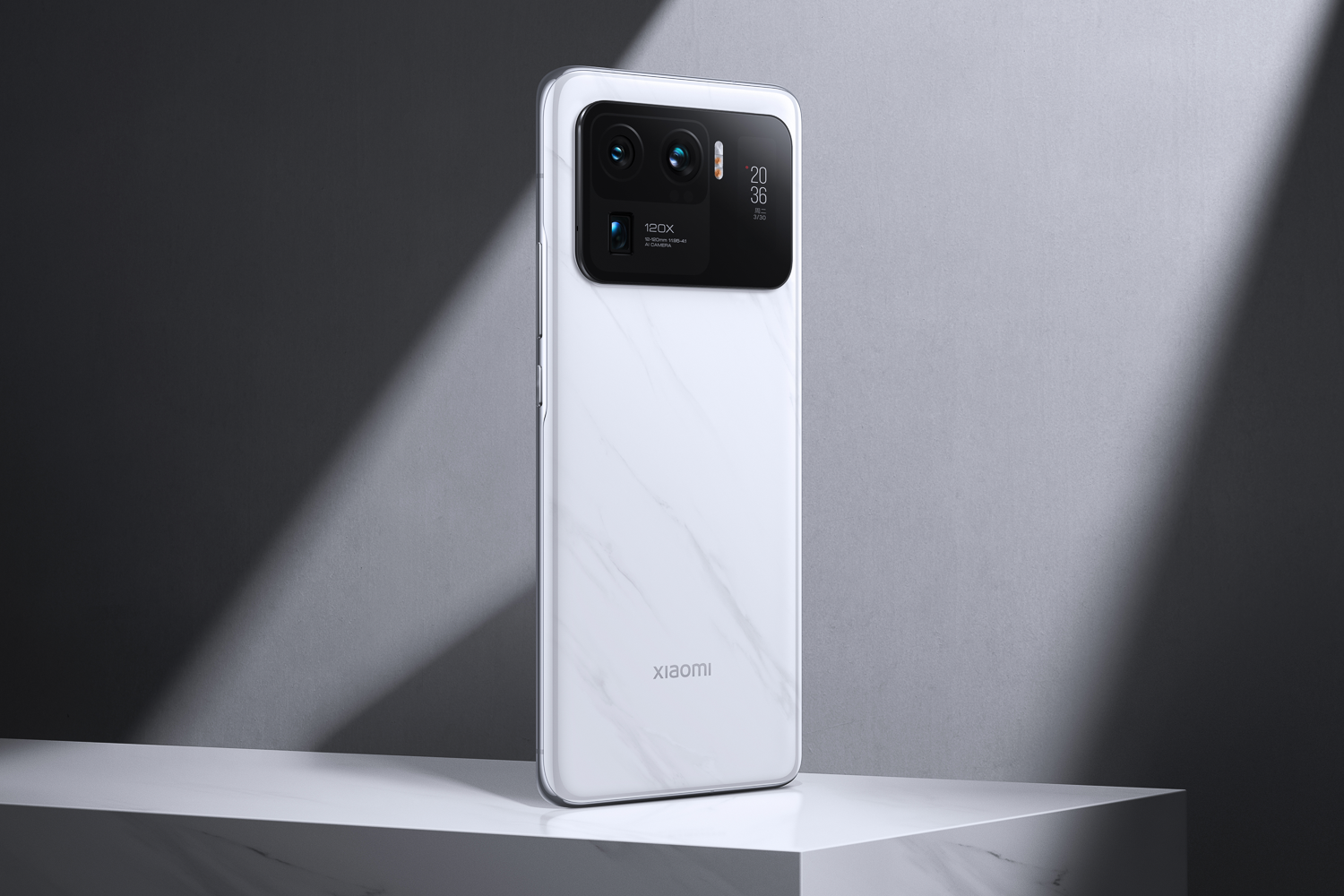
A few days ago, China-based Xiaomi officially launched its much-awaited high-end smartphones — Mi 11 Pro and Mi 11 Ultra. Now, just days after the launch, the company has posted the official teardown video of its premium Mi 11 Ultra smartphone.
The disassembly video of the smartphone shows that there is good space utilization on the device. There is a huge camera module in the upper left corner along with layers of NFC, Wireless Charging coils, and Batteries stacked.
Inside those layers is the mainboard which houses the Qualcomm Snapdragon 888 processor and LPDDR5 RAM along with UFS 3.1 storage and several other components. There’s also a layer of the heat sink and VC cooling system to make sure that the device doesn’t heat up even during heavy usage.
The Xiaomi Mi 11 Ultra comes with a four curved 6.8-inch E4 AMOLED screen on the front with QHD+ resolution and a 120Hz refresh rate. There’s also Gorilla Glass Victus protection and the screen comes with Dolby Vision support.
There’s also a secondary display at the back that allows users to take high-resolution selfies from its rear cameras. Under the hood, the device is powered by the Qualcomm Snapdragon 888 chipset, coupled with LPDDR5 RAM.
On the back, there’s a triple camera module with a Samsung GN2 50MP primary shooter, paired with a 48MP Sony IMX586 Ultra Wide and TeleMacro lens. On the front side, there’s a 20MP snapper for taking selfies and video calling.
In the software department, it runs the Android 11 operating system out-of-the-box along with the company’s MIUI on top. As for the battery, the Mi 11 Ultra features a 5000mAh capacity battery with 67W wired and wireless charging.
Xiaomi launched the Mi 11 Ultra at its ‘Mega Launch’ event at the end of March. As of now, the smartphone is only available for purchase in China. But that’s going to change soon as the company has announced the pre-order date for Malaysia.
Chinese tech company Xiaomi is celebrating its 11th anniversary by offering discounts as part of the Mi Fan Festival 2021 worldwide. On the occasion of this celebration, the company is also debuting its most expensive ‘regular’ smartphone to date in Malaysia.
According to the Xiaomi Malaysia Facebook page, the firm will start taking pre-orders for the Mi 11 Ultra in the country from April 8. Customers who pre-order the phone will get a free Mi Fan Festival Special Edition key chain and a T-shirt.
Most importantly, the Xiaomi Mi 11 Ultra is priced at RM 4,299 ($1,041) in Malaysia for the single 12GB + 256GB variant. In other words, the device is way cheaper than in Europe where it costs €1,199 ($1,424). Anyway, it is still expensive than the China pricing – ¥6,499 ($993).
But what’s worth noting is that Malaysia is the first global market to get the Mi 11 Ultra. Because although Xiaomi has already announced the phone’s pricing for Europe, the company is yet to reveal its availability.
After series of rumors and denials, Xiaomi finally announced the commencement of modalities that would culminate in the launch of its first smart electric vehicle (EV) in China. The electric vehicle was one of the major highlights of a live broadcast by Xiaomi’s founder Lei Jun that was streamed yesterday. The broadcast was part of activities to mark the brand’s 11th anniversary.
Lei Jun
At the live broadcast, Lei Jun disclosed that Xiaomi’s first car will either be a sedan or an SUV. He also disclosed that the car which is expected to be an electric vehicle will retail within the price range of 100,000 yuan (around $15,000) to 300,000 yuan (around $45,000). This means the car won’t be a budget product but will be positioned in the mid-to-high-end range.
Further discussions were made about the use of the new Mi logo on the car and Lei Jun thinks the new design is more suitable for the car than the previous square logo. It is uncertain if the logo won’t be modified on the car considering that it was designed before Xiaomi kickstarted plans for an EV.
Earlier on, Lei Jun conducted a survey poll on Weibo before the live broadcast where he sought the opinions of fans on some key aspects of the EV. Some of the questions include whether fans will prefer a Xiaomi-branded car or if it should be launched in partnership with an established car maker.
The type of cars was also asked with options including cars like SUVs, sedans, sports cars, and RVs. The question on the price range had an option of “Less than 100,000 yuan”. As would be expected, the majority of the brand’s fans prefer a car priced at less than 100,000 yuan (~$15K).
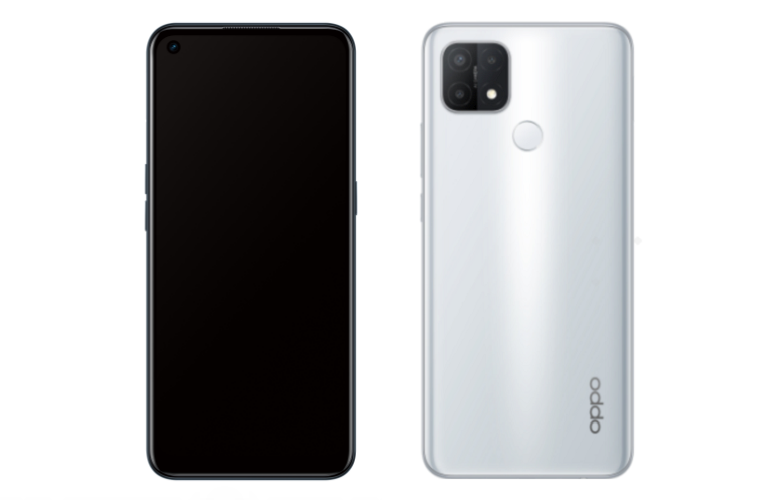
An upcoming OPPO with model number PEFM00 is listed with OPPO A35 in the product library of China Telecom. Here is all the information that is known about the upcoming A-series phone for China.
OPPO A35 specifications and pricing (Unconfirmed)
The OPPO A35 features a 6.52-inch display with a punch-hole placed at the top-left corner. It offers a 20:9 aspect ratio and 720 x 1600 pixels HD+ resolution. The Helio P35 chipset is at the helm of the smartphone, which offers 4 GB of RAM and 128 GB of storage.
The square-shaped camera housing available on the back panel of the phone comprises of a 13-megapixel primary lens and a pair of 2-megapixel shooters. The phone is preinstalled with Android 11 OS, which tags along with ColorOS UI. It has a 4,230mAh battery and it weighs around 208.8 grams. The polycarbonate bodied phone has 164.48 x 75.86 x 9.8mm dimensions.
OPPO A35
In terms of specs, the OPPO A35 resembles the OPPOA 15s, which debuted in December 2020 in India. The only noticeable difference is that the A15s featured a waterdrop notch screen, whereas the A35 has a punch-hole display.
The pricing of the device is mentioned as 1,299 Yuan (~$199), which may not be accurate. It is expected to arrive in China in color options like Glaze Black, Ice Jade White, and Foggy Sea Blue. The handset is expected to break cover in China soon.
China has a long-held affinity for pasta with noodles being an important cultural element of Chinese society and its culture. Noodles are loved by diners all over the country because of their smooth taste and rich nutritional value. However, with the accelerating pace of life, people no longer have the energy to realize tedious hand-made noodles, and more people choose to go to noodle restaurants to satisfy their appetite.
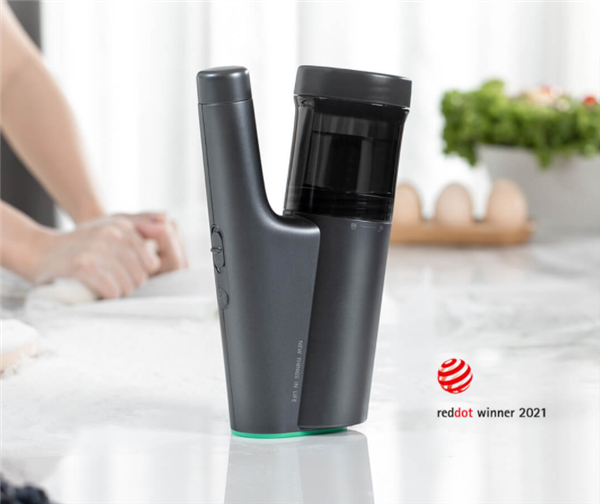
Xiaomi has now launched a hand-held noodle maker under crowdfunding on the Youpin platform. The product is an affordable one, with a price tag of 199 yuan (~$30). The product can simplify the steps of making noodles, allowing consumers to make good noodles at home.
The Kribee Big V Handheld Noodle Maker adopts a German Red Dot 2021 award-winning design with a unique large V shape. The design is ergonomic and it is easy to operate as fatigue won’t happen easily.
The chewy texture of noodles is one of the most important elements for many consumers. The Kribee handheld noodle maker is inspired by ancient noodle pressing technology to reshape the taste of hand-made noodles. Thus achieving a truly realize the smooth, firm, and chewy texture of noodles.
To use the noodle maker, the user only needs to mix flour and water in the right ratio and then pour the dough into a kneading bag for kneading before it is poured into the noodle bucket. After tightening the bucket, the machine is then turned on to make the fresh noodle machine. It can be used to make 200g of the flour mixture at a go.
The noodle maker is also equipped with two different noodle buckets, whether it is a large bowl of wide noodles or capillary noodles, all can be easily completed.
In terms of speed, Kribee Big V Handheld Noodle Maker can quickly push out noodles in 15 seconds without sticking to the bottom, thus getting rid of the slow and complicated traditional noodle-making method.
The Kribee Big V Handheld Noodle Maker is light and compact, and it does not take up any space for storage. The detachable noodle bucket design can be quickly cleaned after use, saving worry and time. The device can be plugged into any socket making it possible to use it anywhere.
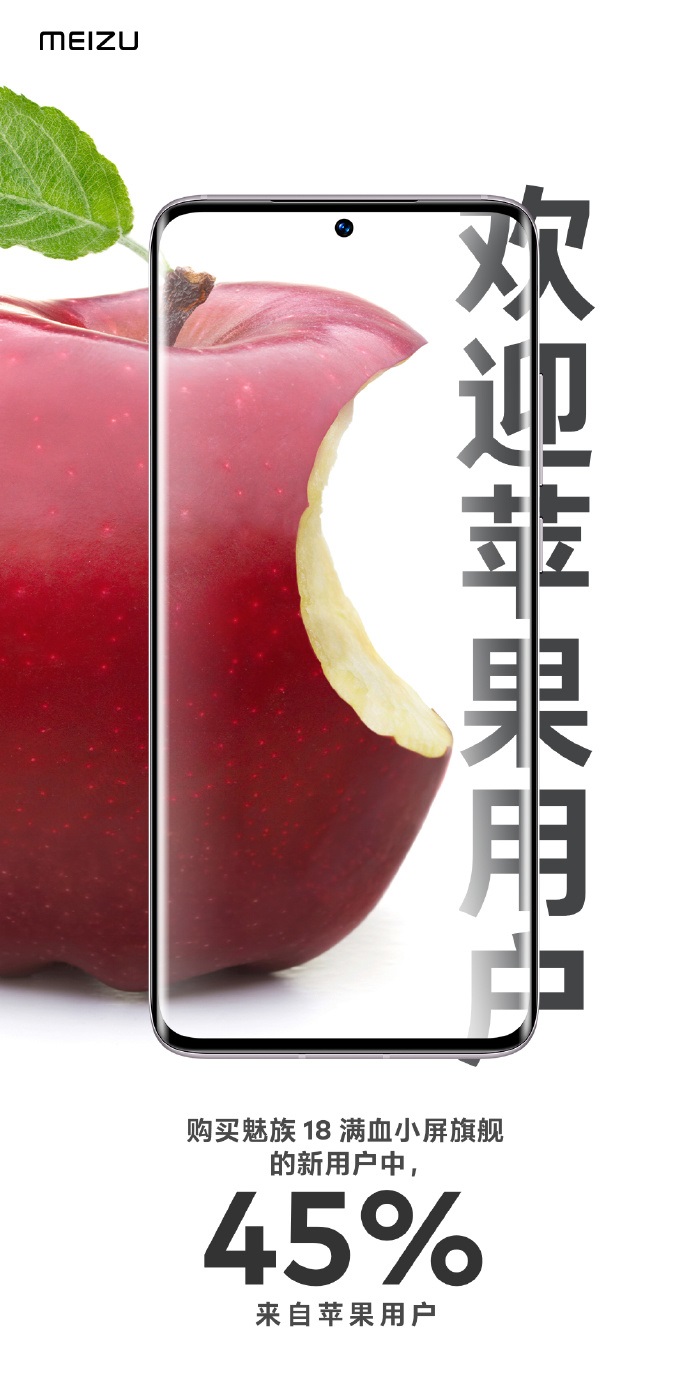
Meizu, the China-based smartphone maker has said that 45 percent of new users who purchased the company’s recent flagship Meizu 18 are Apple iPhone users. This indicates that the company is making inroads into the premium high-end market.
The company is marketing the latest Meizu 18 series flagship smartphones as the “Three Zero Mobile Phones” as the device comes with zero advertisements, zero pre-installed third-party apps, and zero push notifications from the company.
The Meizu 18 and 18 Pro smartphones come with a 2K display with a 120Hz refresh rate. Recently, the company pushed an update that enables users to set the QHD+ (3200 x 1440 pixels) screen resolution and 120Hz refresh rate at the same time.
Under the hood, both the devices are powered by the Qualcomm Snapdragon 888 chipset, coupled with up to 12GB of LPDDR5 RAM and 256GB of UFS 3.1 storage. The Meizu 18 is powered by a 4,000mAh battery while the Pro model packs a 4,500mAh battery.
The standard model features a 64MP+16MP+8MP triple camera on the back while the front side offers a 32MP snapper. On the Pro model, there’s a 50MP primary camera sensor on the back along with a 32MP ultrawide angle camera, an 8MP telephoto camera, and a TOF camera. On the front side, it has a 44MP selfie camera.
The vanilla model supports 36W Super mCharge fast charging, while the Pro model is equipped with 40W charging, 40W Super Wireless mCharge technology, and 10W reverse wireless charging technology. Both the phones run Flyme 9 based on the Android 11 operating system out-of-the-box.
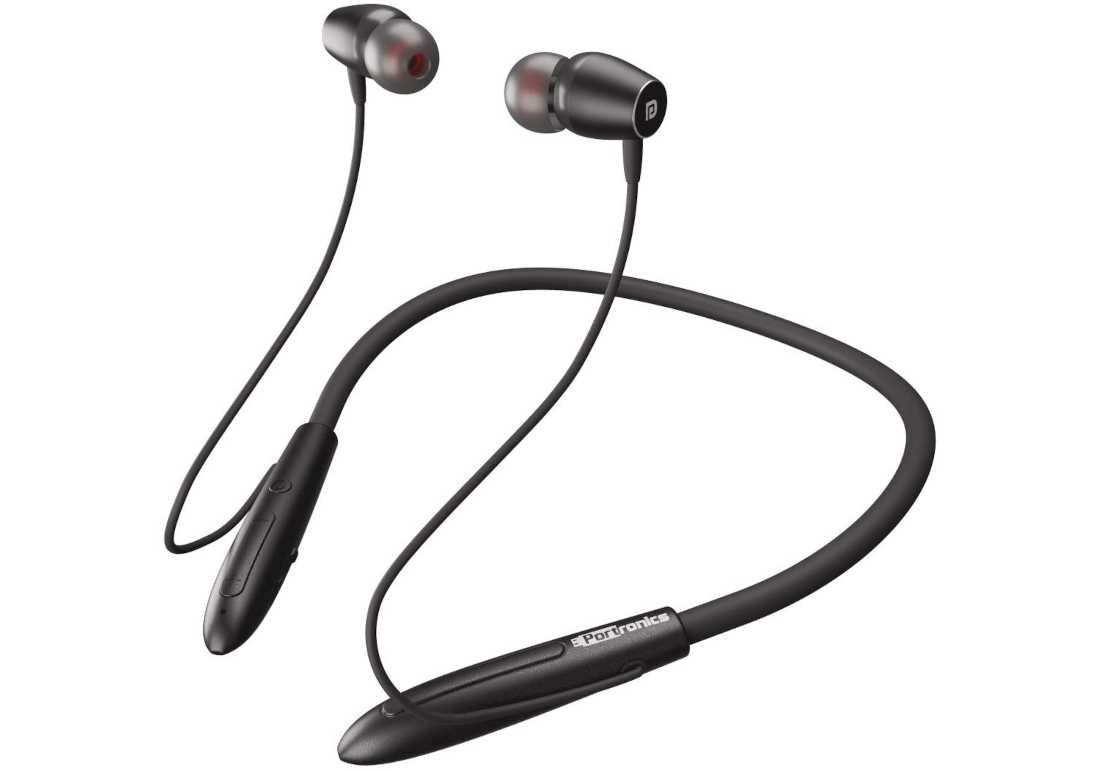
Portronics have unveiled its latest accessory dubbed Harmonics 230 sports neckband with fast charging capability. Portronics has gradually worked its way into the summit as a leading digital and portable electronics manufacturer in India and would expect its latest product to catch its customers’ attention.
The Harmonics 230 wireless sports earphones come in two variants – blue and black colors and are now on sale at Amazon India and Flipkart for a discounted price of Rs. 999 (~$14) Rs. 899 (~$12) respectively, down from its original price of Rs. 1999 (about $28).
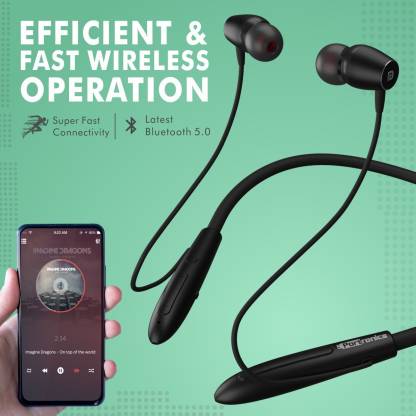
The Portronics Harmonics 230 neckband earphones feature active CVC 6.0 noise modulation technology that enables the device to give the user high-quality audio output without external noise interference. The 10mm drivers in the gadget combine with other features to provide greater clarity in the sound output. Users of these new wireless neckband earphones from Portronics will enjoy extended entertainment and comfort using the earbuds even for long periods. The Harmonics 230 wireless earphones have Bluetooth 5.0 support, the back of the earbuds are magnetic, and the device is lightweight, made from silicone.
The Portronics Harmonics 230 wireless neckband comes with a 110mAh battery that can power the device for up to seven hours of continuous entertainment on a full charge. The device also has fast charging capabilities, as a five-minute charge can yield up to one hour of continuous activity of the wireless earphones.
The neckband will be especially useful for sportsmen and women who may want to continue enjoying their music while engaging in sports without distraction. However, the Portronics Harmonics 230 wireless earphones should be used with greater caution while on the road jogging or even behind the wheels due to its active noise reduction capabilities.
Last month, OnePlus announced the OnePlus 9 series of smartphones in India. The lineup includes three phones such as the OnePlus 9, OnePlus 9 Pro, and OnePlus 9R. The latter was introduced as the India-exclusive model. Fresh information shared by tipster Digital Chat Station reveals that the OnePlus 9R will be heading to the Chinese market soon. The device is expected to be priced lower than its Indian variant.
According to the tipster, the OnePlus 9R will be arriving in China with a sub-3,000 Yuan (~$458) pricing. In comparison, the 9R is available in India with a pricing of Rs 39,999 (~$544) for 8 GB RAM + 128 GB storage version and Rs 43,999 (~$598) for 12 GB RAM + 256 GB storage model. The handset is available in hues like Carbon Black and Lake Blue in India.
OnePlus 9R
OnePlus 9R specifications and features
The OnePlus 9R has a 6.55-inch Fluid AMOLED screen with a punch-hole design. It produces a Full HD+ resolution and a 120Hz refresh rate. The Snapdragon 870 chipset is at the helm of the device with LPDDR4x RAM and UFS 3.1 storage. The phone runs on ColorOS 11 based Android 11 OS.
For selfies, it has a front camera of 16-megapixel. Its rear camera setup has a 48-megapixel main camera, a 16-megapixel ultrawide lens, a 5-megapixel macro camera, and a 2-megapixel depth sensor. The device houses a 4,500mAh battery that supports 65W fast charging.
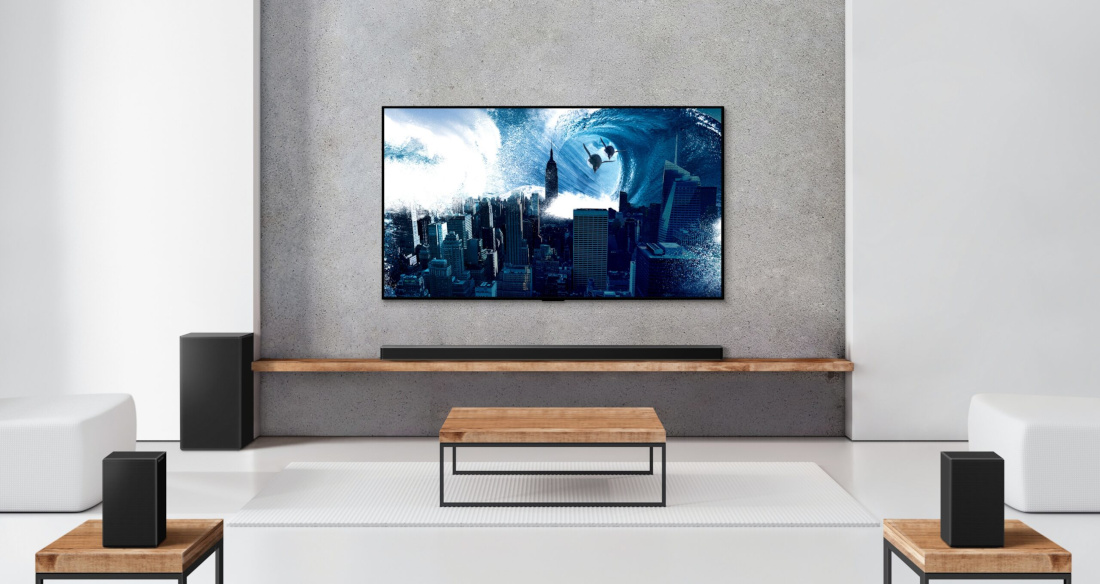
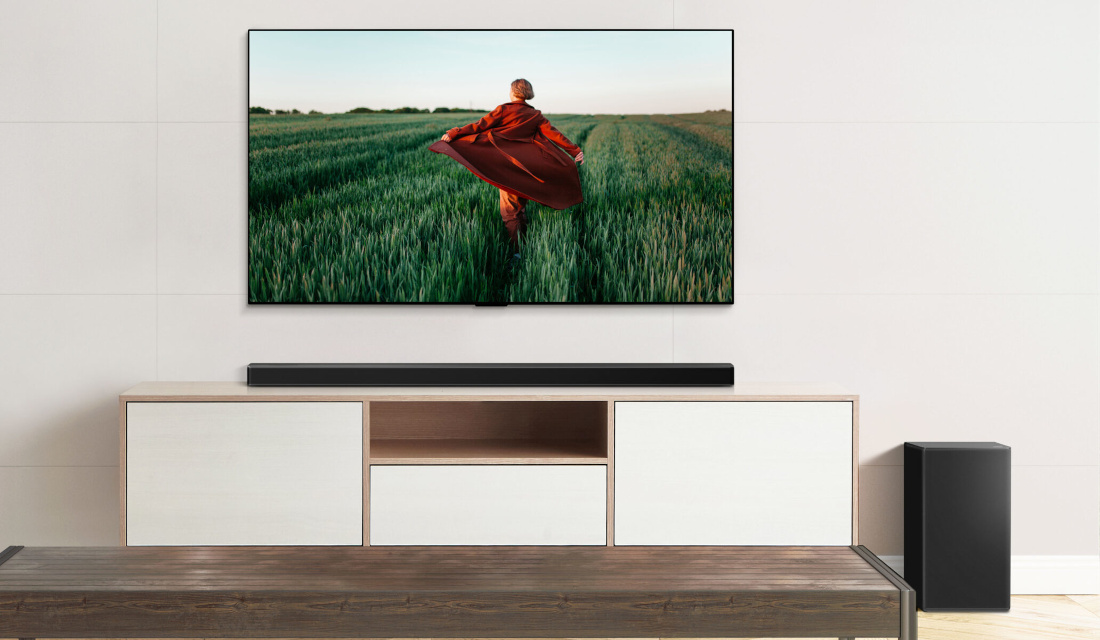
LG recently confirmed that it is out of the smartphone race and we’re going to miss its innovative products but there are other aspects where the company still holds sway. A few of them include the smart display and audio product markets. The South Korean electronics powerhouse has now unveiled its 2021 range of smart speakers featuring high-quality audio support and multiple input options.
The five new LG soundbars offer an improved sound experience, with easy connectivity across various smart devices and an eco-conscious design and packaging. When interfaced with LG smart TV‘s AI Sound Pro technology, the soundbars provide an improved multi-channel immersion. The soundbars also feature in-built support for 3-D audio technology in the form of Dolby Atmos and DTS:X.
The new LG soundbars come in a sleek design and could accentuate the sitting room ambiance when combined with smart TVs to provide a powerful sound output via the soundbars. The devices also support multiple Voice Assistants like Google Assistant, Amazon’s Alexa, Siri, and others, providing versatility in their use.
Some of the models unveiled are Hi-Res Audio certified, and lossless playback is also possible. The soundbars all have Bluetooth 5.0 support in addition to USB and eARC inputs.
According to LG, Europe and North America will be the first markets to have the five new soundbars later this month. Other markets will follow suit after the first rollout of the soundbar models to Europe and North America. We also expect LG to unveil more soundbar models, as it seeks to have a bit of the fast-evolving smart speakers market globally.
The COVID-19 era has seen an exponential increase in the purchase and use of smart home gadgets worldwide. The more significant part of the year 2020 saw millions working from home, as the lockdown ground the global economy to a halt. The home became the only avenue for relaxation and entertainment, and smart devices became the pathway to home entertainment, while also making the workspace entertaining. This is still driving the sales of audio products globally as video conferencing and virtual meetings have replaced physical meetings to a great extent.
The OPPO Reno5 Z smartphone (model number CPH2211) has launched in Singapore. In terms of specs and design, the handset resembles OPPO F19 Pro+ 5G (CPH2213 model number), which debuted in India last month. The major highlights of the Reno5 Z include an AMOLED display, Dimensity 800U chip, 48-megapixel quad cameras, and a decent battery with rapid charging support.
OPPO Reno5 Z specifications and features
The OPPO Reno5 Z smartphone measures 160.1 x 73.4 x 7.8mm and weighs around 173 grams. The phone features a 6.43-inch AMOLED punch-hole display that offers a Full HD+ resolution of 1080 x 2400 pixels, a 20:9 aspect ratio, 430nits brightness, a 60Hz refresh rate, a 135Hz to 180Hz touch sampling rate, and an in-screen fingerprint reader. The phone offers a screen-to-body ratio of 90.8 precent.
The Dimensity 800U chipset is present under the hood of the OPPO Reno5 Z. The SoC is coupled with 8GB of LPDDR4x RAM. It offers 128GB of native storage and it runs on ColorOS 11.1 based Android 11 OS. the device offers a dedicated microSD card slot for additional storage.
OPPO Reno5 Z
The OPPO Reno5 Z has a 16-megapixel camera for capturing selfies. The quad-camera system of the phone features a 48-megapixel primary camera, a 119-degree 8-megapixel ultrawide sensor, a 2-megapixel depth assist lens, and a 2-megapixel macro camera.
The Reno5 Z has a 4,310mAh battery that supports 30W VOOC Flash Charge technology. The other features that can be found on the device include dual SIM support, 5G, Wi-Fi 802.11ac, Bluetooth 5.1, GPS, NFC, USB-C, and a 3.5mm audio jack.
In comparison to the Reno5 Z, the F19 Pro+ 5G lacks supports for NFC connectivity and it is equipped with faster 30W fast charging.
OPPO Reno5 Z pricing and availability
The OPPO Reno5 Z has arrived with a price tag of SGD 529 (~$395) in Singapore. It comes in two colors such as Fluid Black and Cosmo Blue. It is available for purchase through e-commerce sites like Lazada and Shopee.
After building much hype, the Redmi Note 10, Note 10 Pro, and Note 10 Pro Max phones were announced in India in March. While the Note 10 trio are highly popular, buyers have been complaining that are unable to purchase the desired due to flash sales that last for only a few seconds. Customers have also faced difficulties in purchasing Note 10 models through offline stores. Buyers who are looking forward to purchasing the Redmi Note 10 can now rejoice as it is now available on open sale through online and offline platforms.
As it can be seen in the tweet, the 6 GB RAM + 128 GB storage edition of the Redmi Note 10 will be available for purchase through Amazon India, mi.com, Mi Home stores, and retails.
— Redmi India – #RedmiNote10 Series (@RedmiIndia) April 6, 2021
The Redmi Note 10 comes in two options such as 4 GB RAM + 64 Gb storage and 6 GB RAM + 128 GB storage. They are priced at Rs 11,999 (~$161) and Rs 13,999 (~$191), respectively. It comes in colors like Aqua Green, Frost White, and Shadow Black.
Redmi Note 10 specifications and features
The Redmi Note 10 has a 6.43-inch S-AMOLED FHD+ display that comes with features such as FHD+ resolution support, a 60Hz refresh rate, a 20:9 aspect ratio, and Gorilla Glass 3 protection. For security, it features a side-facing fingerprint reader.
It has a selfie camera of 13-megapixel and quad-camera setup featuring a 48-megapixel (main) + 8-megapixel (ultrawide) + 2-megapixel (macro) + 2-megapixel (depth) cameras. The Snapdragon 678v chipset fuels the device with LPDDR4x RAM and UFS 2.2 storage. The 5,000mAh battery of the device supports 33W fast charging.
We use cookies on our website to give you the most relevant experience by remembering your preferences and repeat visits. By clicking “Accept”, you consent to the use of ALL the cookies.
This website uses cookies to improve your experience while you navigate through the website. Out of these, the cookies that are categorized as necessary are stored on your browser as they are essential for the working of basic functionalities of the website. We also use third-party cookies that help us analyze and understand how you use this website. These cookies will be stored in your browser only with your consent. You also have the option to opt-out of these cookies. But opting out of some of these cookies may affect your browsing experience.
Necessary cookies are absolutely essential for the website to function properly. This category only includes cookies that ensures basic functionalities and security features of the website. These cookies do not store any personal information.
Any cookies that may not be particularly necessary for the website to function and is used specifically to collect user personal data via analytics, ads, other embedded contents are termed as non-necessary cookies. It is mandatory to procure user consent prior to running these cookies on your website.