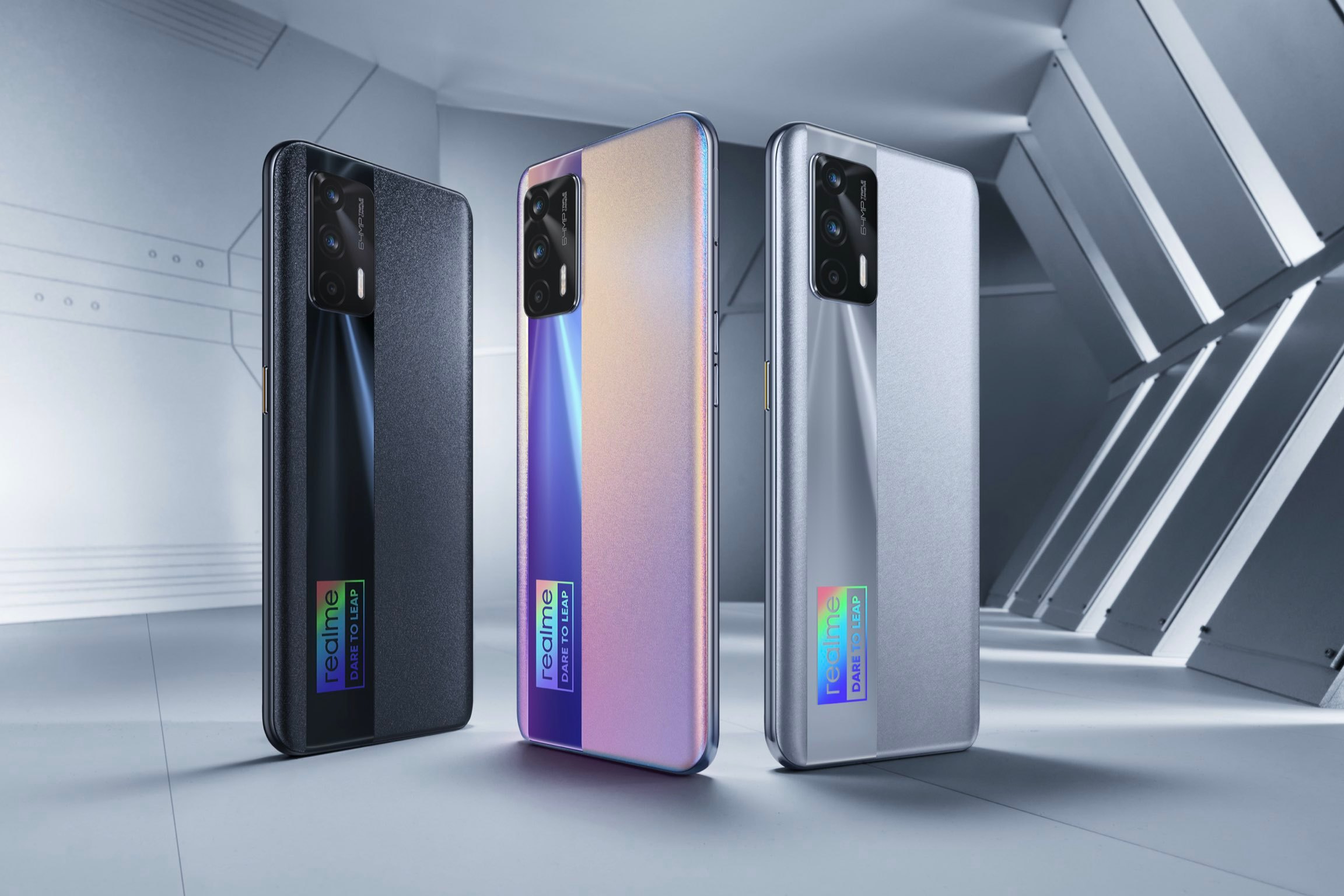
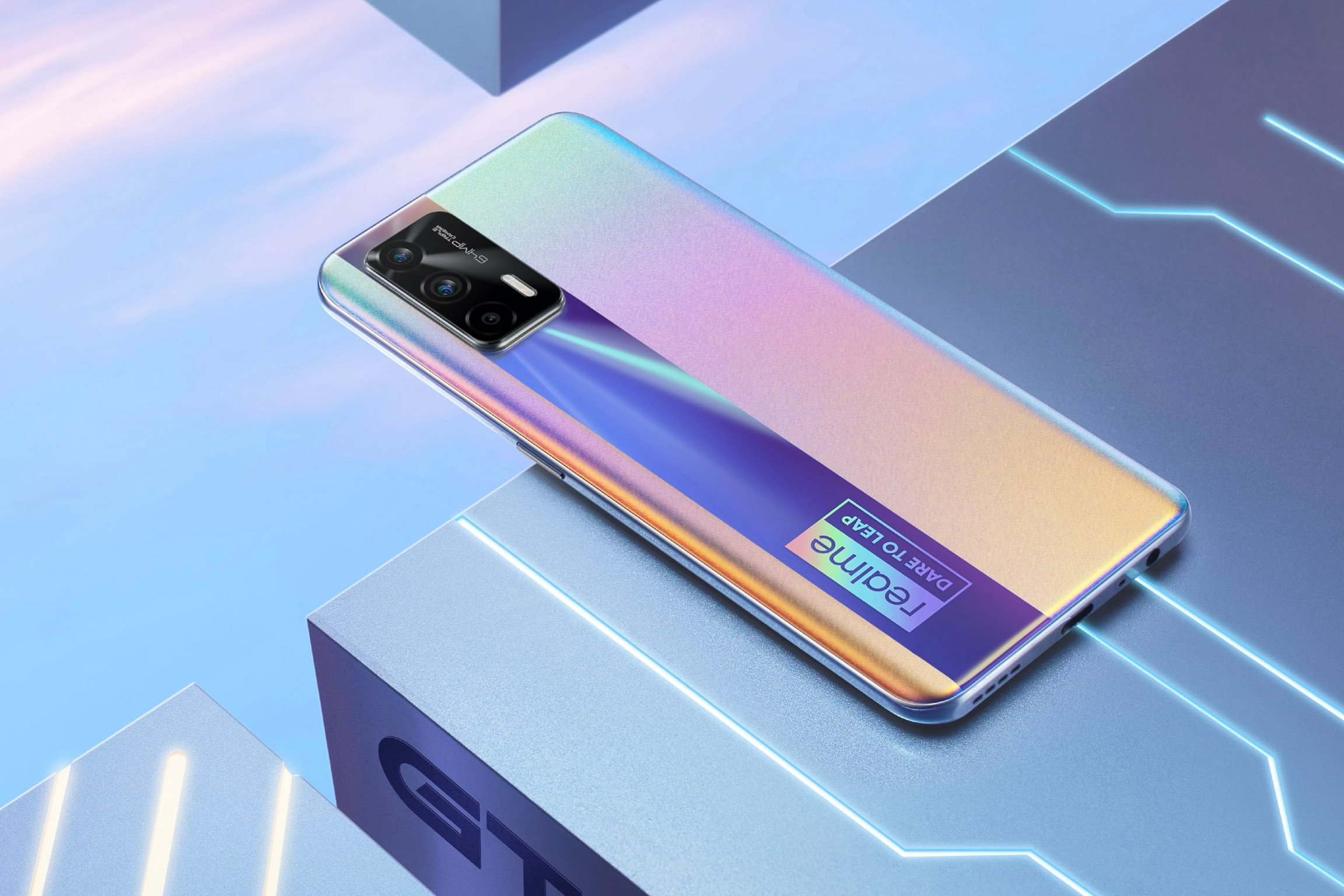
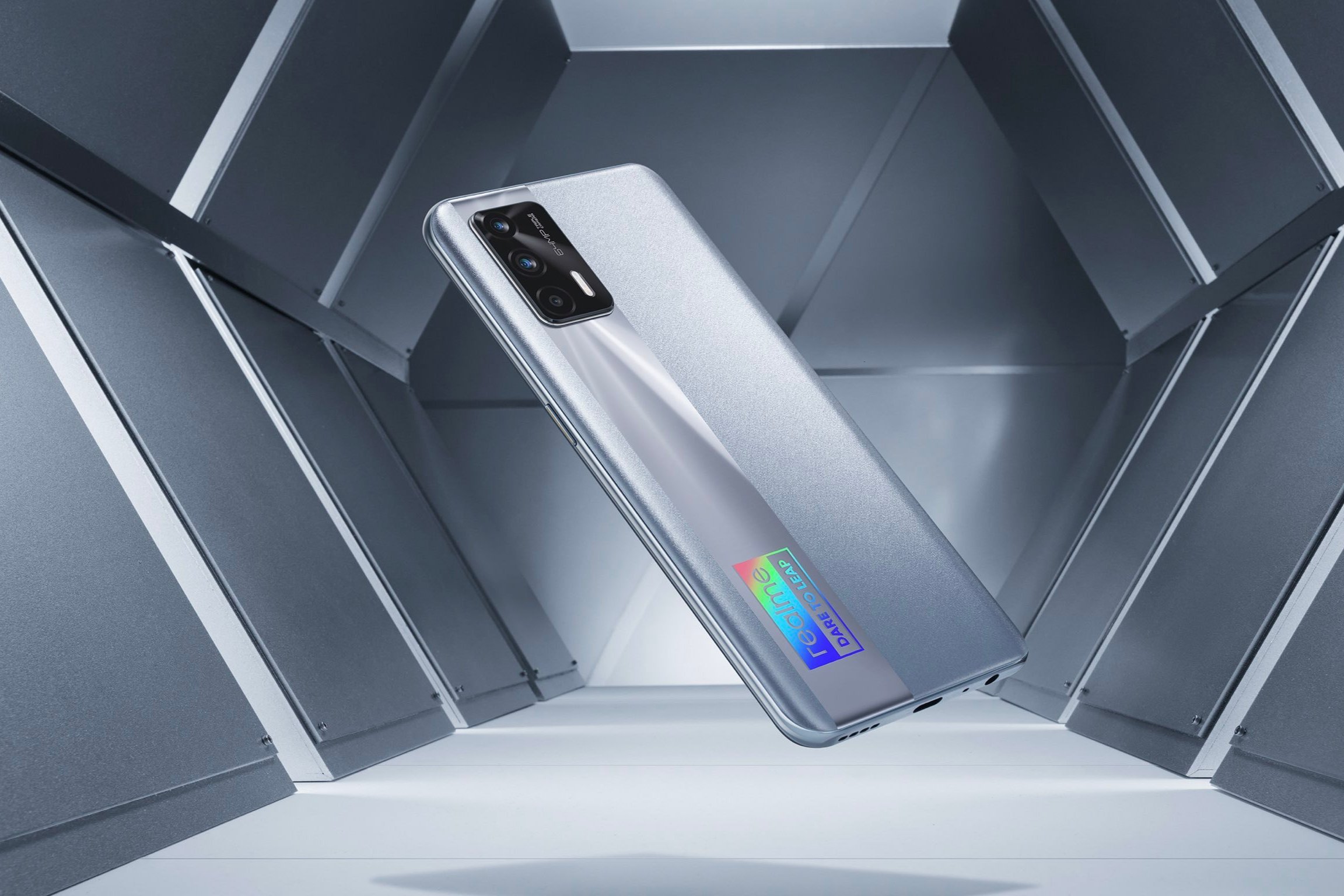
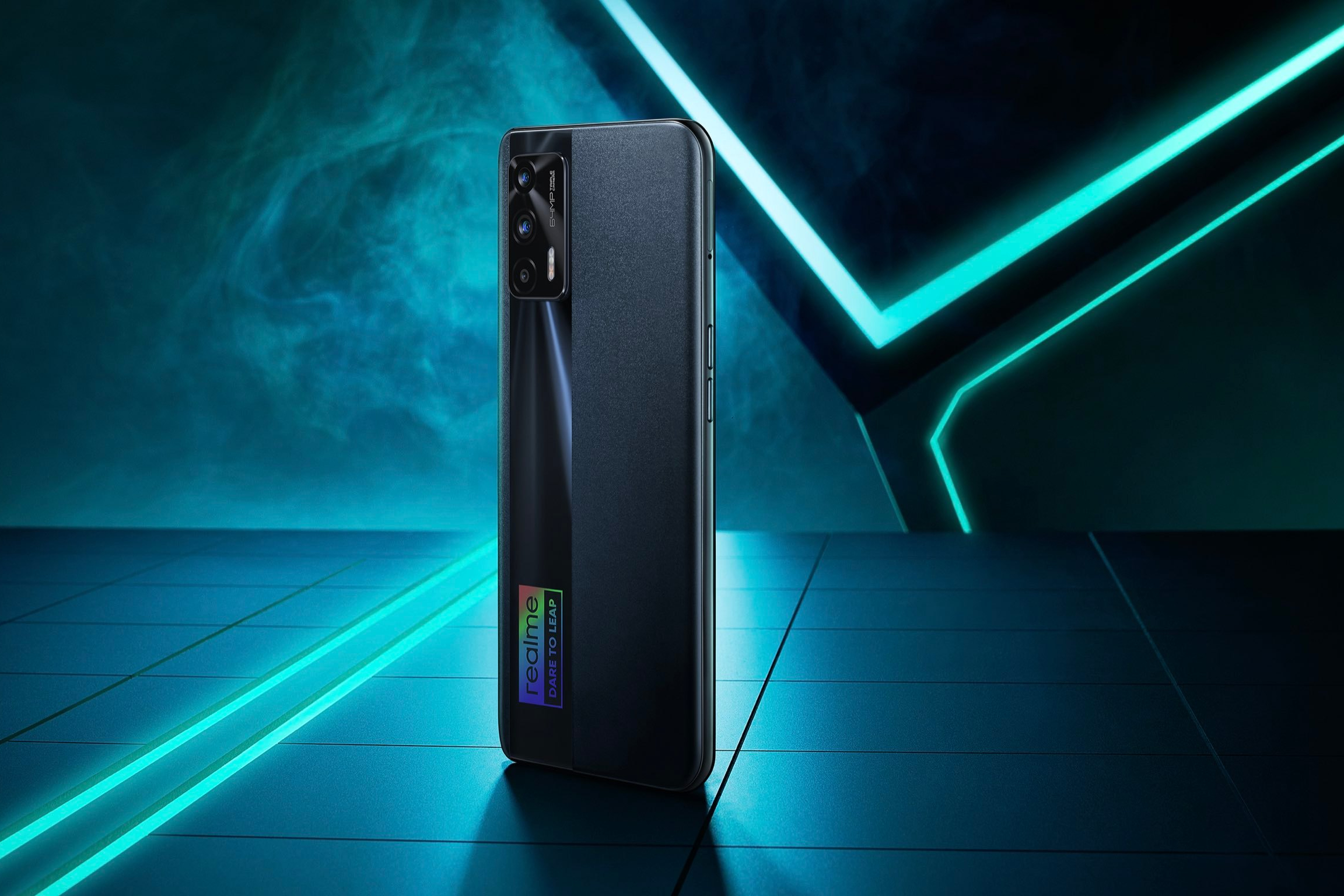
Meizu 18 and Meizu 18 Pro owners will be getting a new update later this week that will bring an interesting new feature and more to their devices.
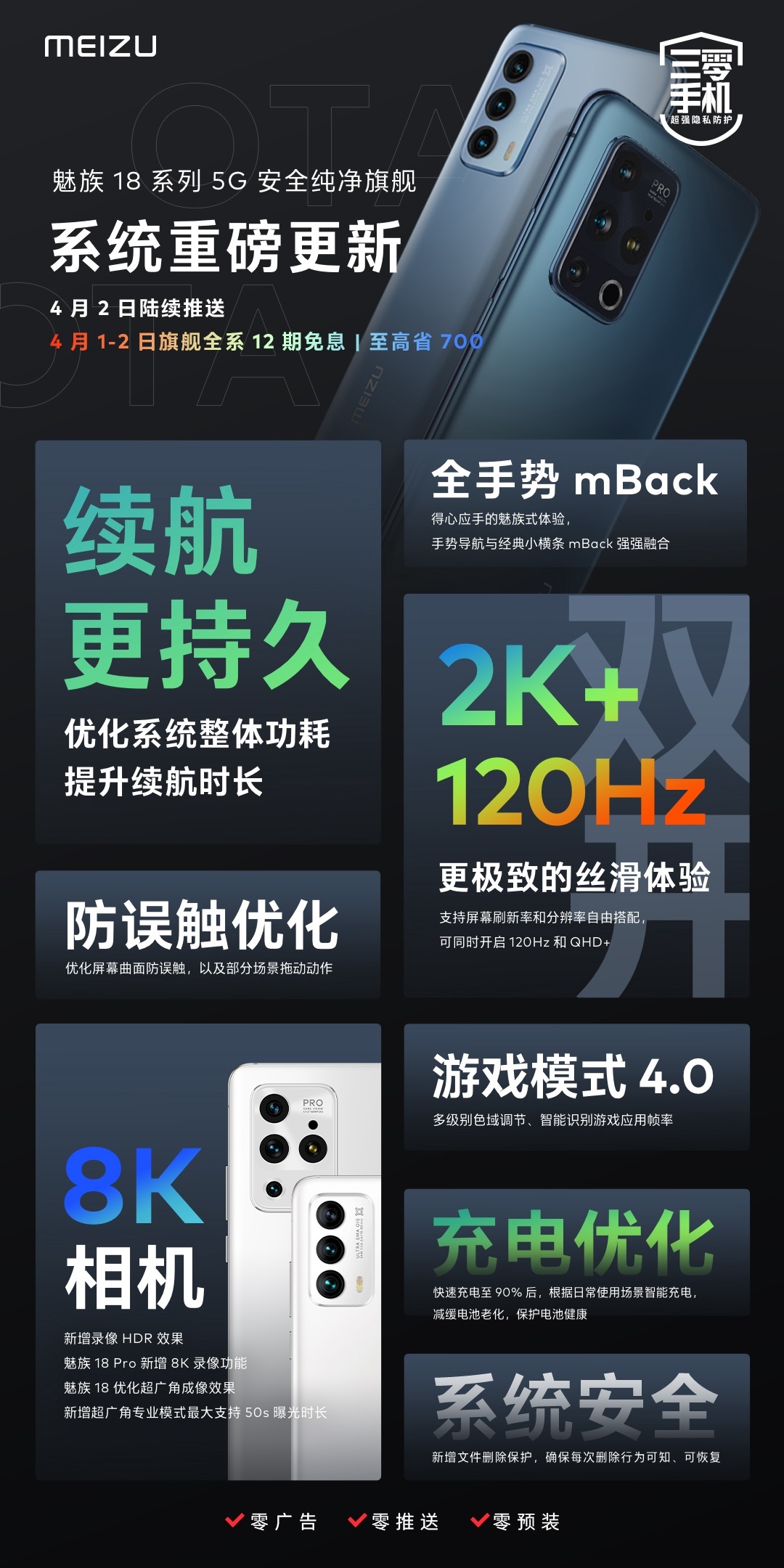
According to an announcement by Meizu, it will be rolling out an update on April 2 that will allow owners to be able to set the display resolution to QHD+ and the refresh rate to 120Hz. Out of the box, owners of the Meizu 18 and Meizu 18 Pro could only choose between having the highest resolution or having the highest refresh rate but with the update, they can have both set to the highest.
The update will also bring optimizations to the two phones’ power consumption and charging mode. Meizu also mentions new camera features such as 8K video recording for the Meizu 18 Pro, HDR for videos, and an optimized ultrawide angle camera. There will also be an optimization for Game Mode 4.0.
The update will be available to all versions of the phone starting on April 2.
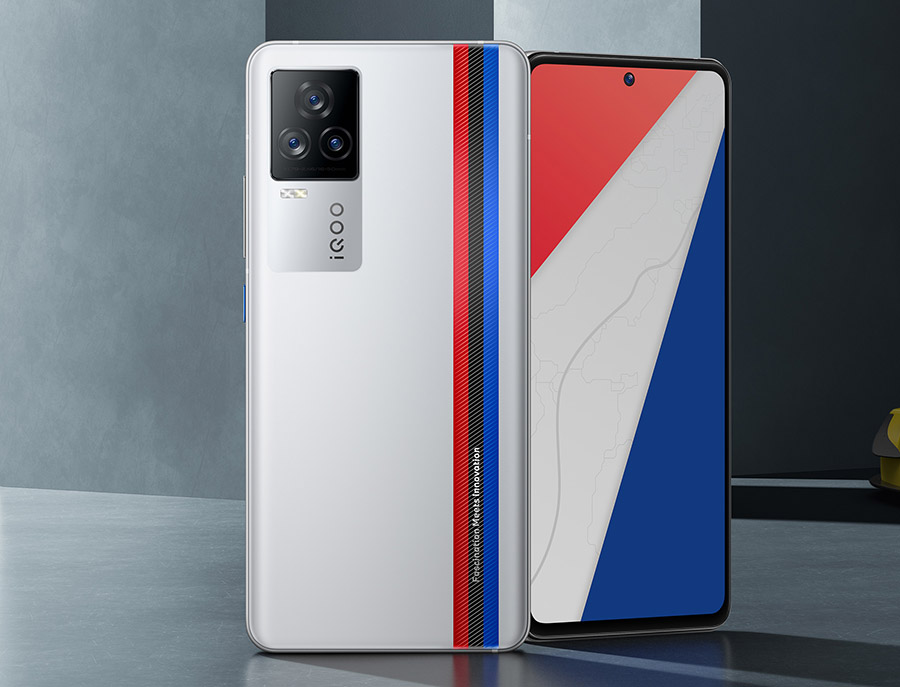
iQOO brought the iQOO 7 flagship smartphone in China in early January 2021. Ahead of an imminent launch in India, Tech influencer Mukul Sharma says that the BMW M Motorsport edition is coming to India as iQOO 7 Legend.
iQOO 7 Legendary BMW Edition likely coming to India as iQOO 7 Legend
iQOO 7 in China has three colors- Black, Latent Blue, and a Legendary Edition. Out of this, the Legendary Edition has white color on the back with stripes of the BMW M Motorsport logo with the “Fascination meets Innovation” slogan.
iQOO has been a partner of BMW Motorsport since last year and the 2021 edition is a continuation of the iQOO 5 Pro BMW Edition. That said, despite the unique design, all the color variants use a Marine Aluminum as a mid-frame for rigidity.
For India, iQOO has been teasing the launch of a new Smartphone with Snapdragon 888 chipset under ₹40,000($547). While the brand is yet to confirm that it’s the iQOO 7, certifications have already revealed it.
[Exclusive] I can confirm that this is the iQOO 7 Legend, confirmed to launch in India in April powered by Qualcomm Snapdragon 888. This will be the BMW M Motorsport edition. Feel free to retweet.#iQOO#iQOO7#iQOO7Legendhttps://t.co/r2eiONV17K
If iQOO doesn’t make any major changes, the iQOO 7 in India should feature a 6.62-inch AMOLED FHD+ centered punch-hole display with a 120Hz refresh rate, 1300 nits max brightness. Under the hood, the flagship Snapdragon 888 is likely to be paired with up to 12GB of RAM and UFS 3.1 storage.
Since iQOO devices are aimed at gaming, the iQOO 7 should carry over many features like Monster touch, Dual Linear motors with 3D vibration, Multi-Turbo 5.0, One-Touch Game Space, L-shaped VC plate for cooling, and more from China.
Other expected specs include a triple-camera setup with a 48MP main lens, 16MP selfie camera, 4,000mAh battery, and Android 11 OS. Let’s wait for more info in the coming days.
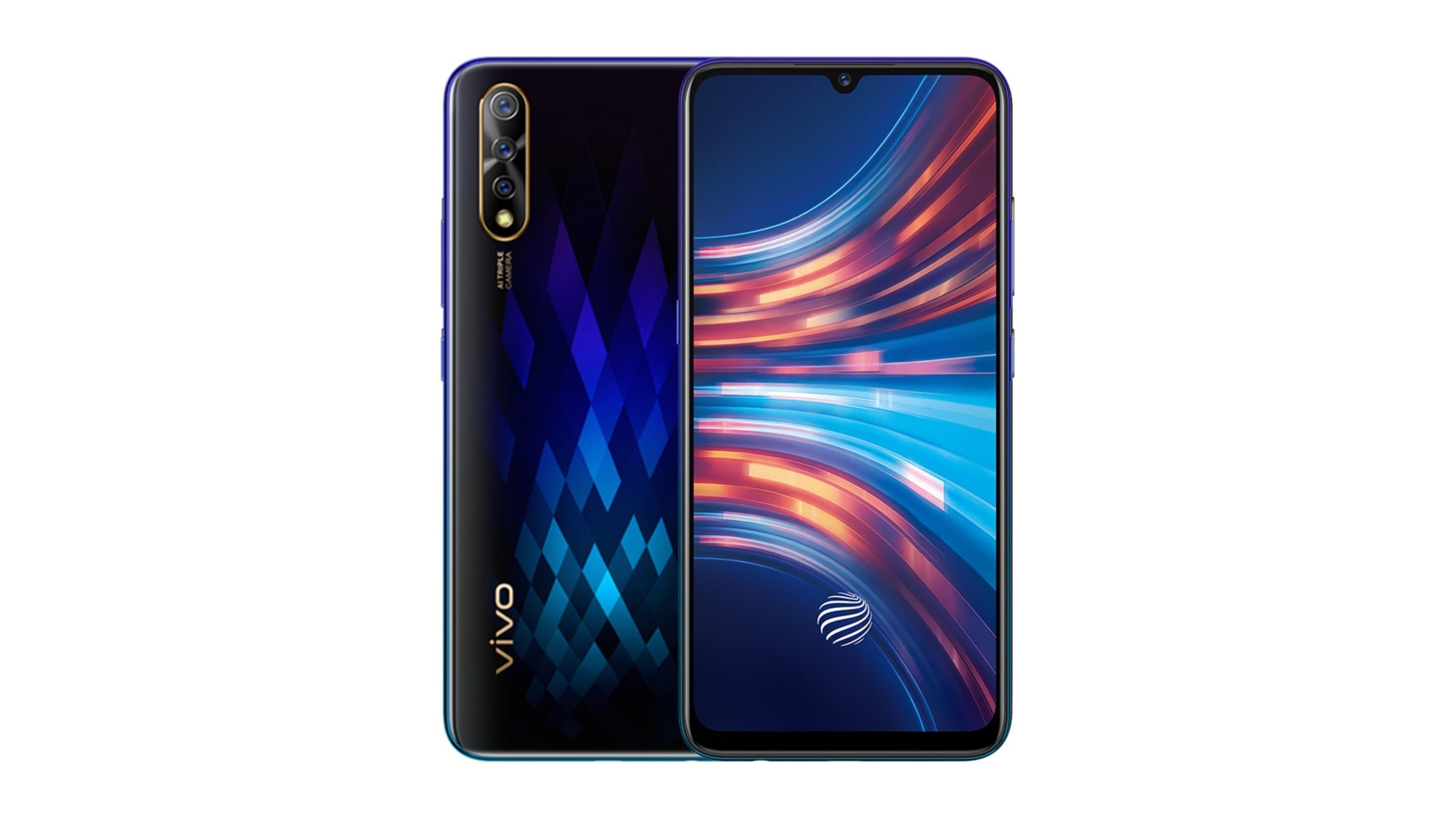
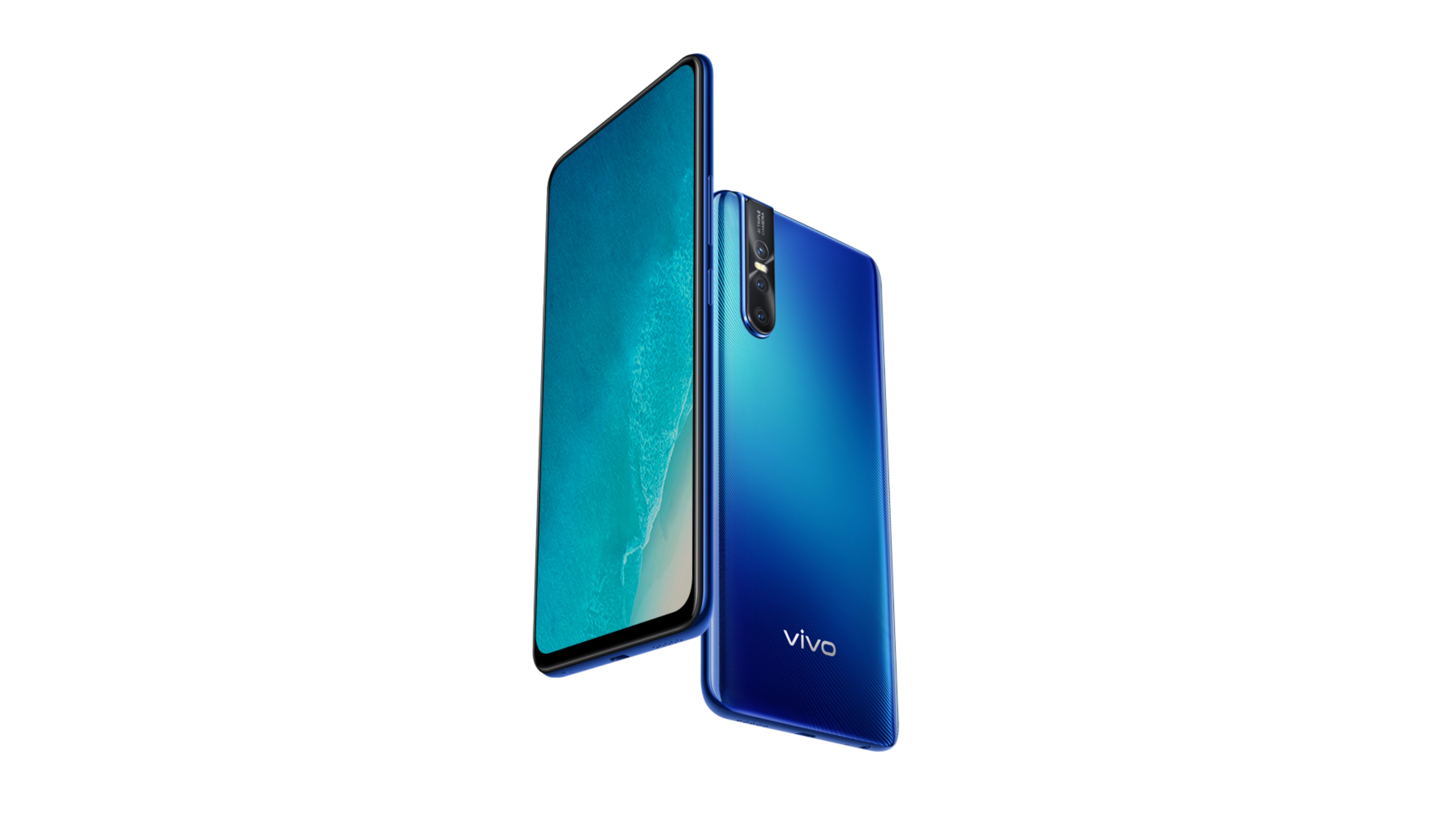
Chinese handset maker vivo has been rolling out the Android 11 (Funtouch OS 11) update to the eligible devices in India since December 2020. With the days passing by, more vivo phones have started receiving this update in the country. The latest models to join this list are vivo S1 and vivo V15 Pro.
vivo S1
In early January, vivo shared Funtouch OS 11 (Android 11) update plan for India. According to the timeline, vivo V17, vivo V17 Pro, vivo V15 Pro, and vivo S1 are supposed to get the update in March. However, the firm only released the update for the vivo V17 and the vivo V17 Pro earlier this month.
But now, according to a report by PiunikaWeb , vivo has also started seeding the Android 11 update for vivo S1 and vivo V15 Pro before the end of March. Just like the other two smartphones, the update for this duo is also under greyscale testing.
In simpler words, the Funtouch OS 11 update for the vivo S1 and the vivo V15 Pro is only rolling out to a select few users across the country. If these early adopters don’t face any major issues, then this very same build will be seeded out to all users via OTA.
vivo V15 Pro
Unfortunately, we are unaware of the build number for the latest system update. But going by the previous vivo devices that have received Android 11, the update should weigh over 3GB in size.
The vivo VS1 and the vivo V15 Pro debuted with Android 9.0 based Funtouch OS 9 and were later updated to Funtouch OS 10 (Android 10). Therefore, Funtouch OS 11 (Android 11) should be the last major update for these smartphones, as per the company’s update track record.
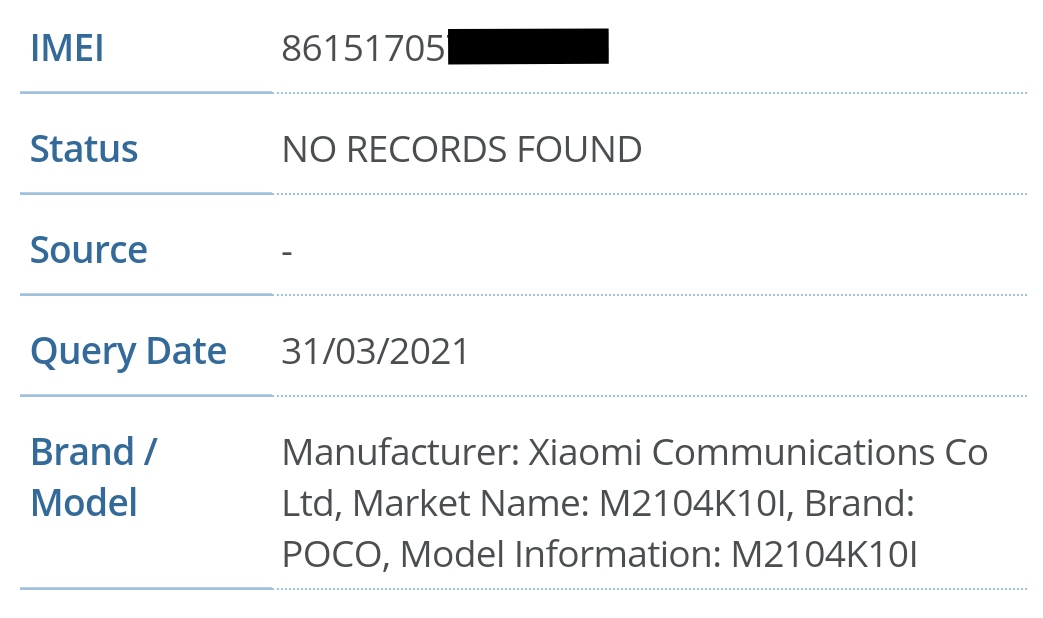
Today, Realme announced the Realme GT Neo as the world’s first phone powered by the 6nm Dimensity 1200 chipset. Redmi is also expected to launch a gaming-focused phone with a D1200 chip. A Chinese tipster revealed today that the model number of the upcoming Redmi gaming phone is M2104K10C. The Indian variant of the same phone may land in India as a POCO branded device.
According to the Chinese tipster, the upcoming Redmi gaming phone is codenamed as Ares. Past reports have suggested that the device could be sporting a quad-camera system led by a Sony IMX686 primary camera.
The Indian variant of the same device has an M2014K10I model number. Shown below is the phone’s listing at the IMEI database of India (via). It reveals that the device may arrive in the country as a POCO branded smartphone.
Since the Dimensity 1200 chipset offers a flagship-level performance like the Snapdragon 870 SoC, it appears the forthcoming Redmi gaming phone could be rebadged as a POCO F-series phone. Unfortunately, no other specs of the phone are known yet.
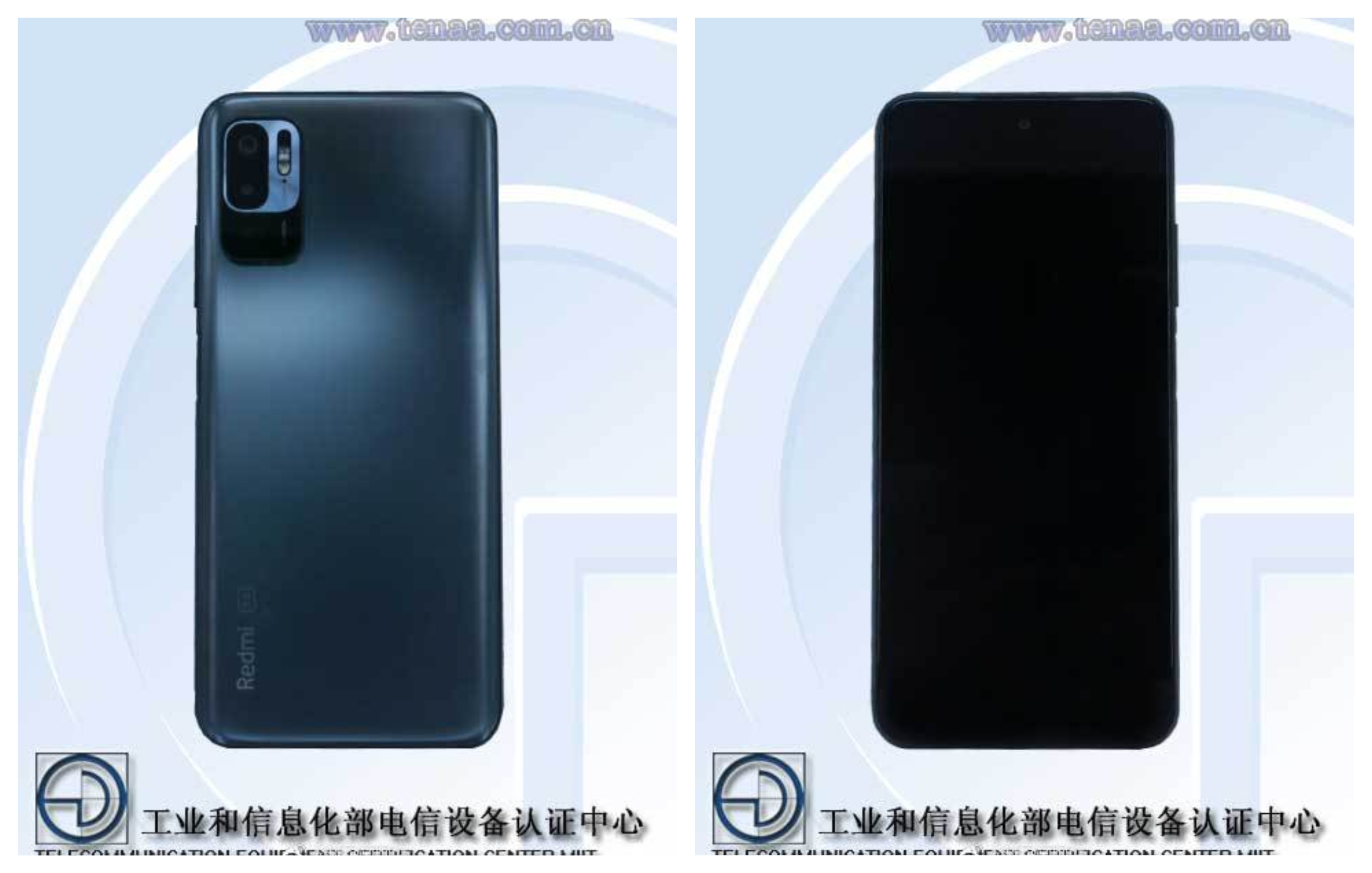
In related news, a Redmi phone with model number M2103K19PC was recently certified by the TENAA regulatory body of China. This phone is said to be equipped with specs like a 90Hz LCD panel with FHD+ resolution support, a 48-megapixel main camera, a side-facing fingerprint camera, and a 5,000mAh battery with 22.5W fast charging support. It is speculated that the India variant of the phone with model number M2103K19PI will also arrive as a POCO device in India.
POCO India is also working on a phone called POCO M2 Reloaded. At present, there is no information available on its specifications.
Chinese smartphone brand realme just launched the realme 8 and the realme 8 Pro in India a few days back. However, the company could soon launch not one but three more phones in the country in the coming days. This information comes from a reliable source.
According to popular tech influencer Mukul Sharma (@stufflistings), realme will be soon launching three realme C series smartphones in India. He says that these handsets could go official in the country in early April.
Along with the text, he also posted a promotional poster for the upcoming realme C series phones for India. In the image, we can clearly see the actor Salman Khan holding a realme C20. That means the other two devices could be the recently unveiled realme C21 and realme C25.
For those unaware, the realme C series handsets are the brand’s best-sellers. These entry-level to budget smartphones are known for offering a large screen and a huge battery.
Samsung launched a TV Plus service about six years ago. Now, the company is finally bringing the Free TV streaming service to India.
In a press release, the company said that all the Samsung Smart TV models (from 2017) will support the Samsung TV Plus service. For the unware, this is a service that works on the internet connection.
It basically allows you to stream free TV content, with ad-supported select live channels and on-demand videos. The best part is you don’t need a separate cable TV connection, a subscription, or any set-top box. Since everything happens with the help of an internet connection, the Samsung TV Plus app serves as a one-stop-shop.
Speaking of which, Samsung says that the support of Samsung TV Plus will also be extended to the Galaxy Smartphones and Tablets. While the exact date is known, the company quotes a rough April 2021 which should be somewhere before the month ends.
After rolling out the service exclusively to the Samsung Smart TVs, the company brought them to the mobile devices last year. While the initial list included select devices, the press release says that in India, most devices running O OS(Android Oreo– internal codename) or higher should support it.
With the rollout for India, the South Korean giant says that Samsung TV Plus is currently supported in about 14 countries around the world. They are the US, India, Canada, Korea, Switzerland, Germany, Austria, UK, Italy, France, Spain, Australia, Brazil, and Mexico.
Anyway, if you own a Samsung Smart TV that is not older than 2017, you can start using the service right away. Users can download the Samsung TV Plus app on either the Samsung Galaxy Store / Google Play Store.
This service will initially include content from 27 global and local channels. However, Samsung says that it will add more Channels and content in the next few months.
The Vivo X60 series for China includes three handsets such as Exynos 1080 powered Vivo X60 and Vivo X60 Pro as well as Vivo X60 Pro+ with Snapdragon 888. A new device named Vivo X60t has appeared in the product library of China Telecom. Here is all the information about the smartphone that has appeared in the listing.
Vivo X60t specifications and features
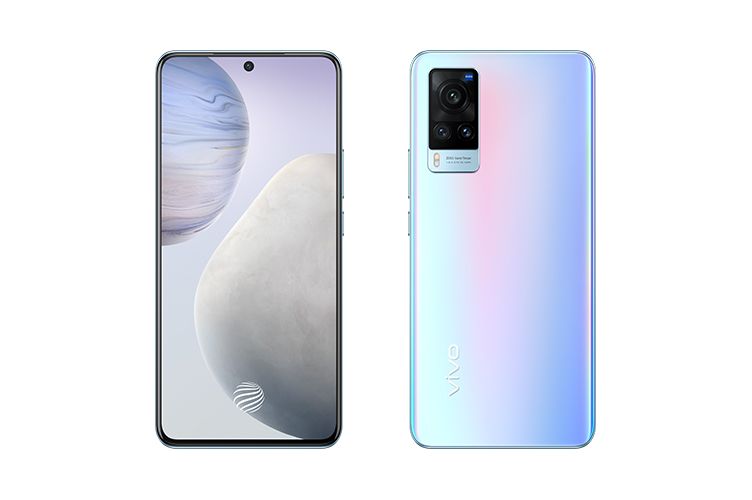
The Vivo X60t (model number V2085A) looks like other Vivo X60 series smartphones. It has an AMOLED display with a top-centered selfie camera, and its rear shell has a rectangle-shaped camera module, which houses three cameras and an LED flash. The ZEISS branding can also be seen inside the camera housing. It has a glass rear and its dimensions are 159.63 x 75.01 x 7.4mm. The device weighs 175.5 grams.
The Vivo X60t has a 6.56-inch screen that offers a Full HD+ resolution of 1080 x 2376 pixels. The Dimensity 1100 chipset is present under the hood of the X60t with 8 GB of RAM. The phone ships with 128 GB of native storage.
Vivo X60t
The X60t draws power from a 4,220mAh battery. The 3C certification of the device had revealed that it may arrive with support for 33W rapid charging. The phone has a front-facing camera of 32-megapixel and its rear side has a 48-megapixel + 13-megapixel + 13-megapixel triple camera system.
The Chine Telecom product listing further states that the Vivo X60t will be priced at 3,698 Yuan (~$565). The pricing may not be correct as the product has not launched yet. Vivo is yet to confirm the existence of the Vivo X60t. However, it appears that the smartphone may go official by early April in China.
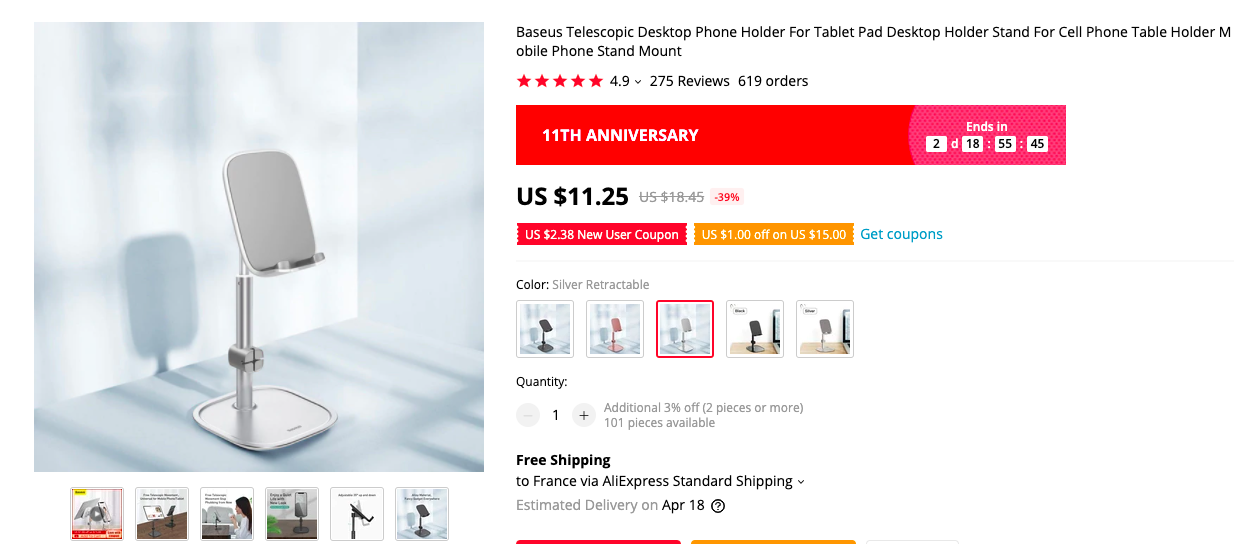
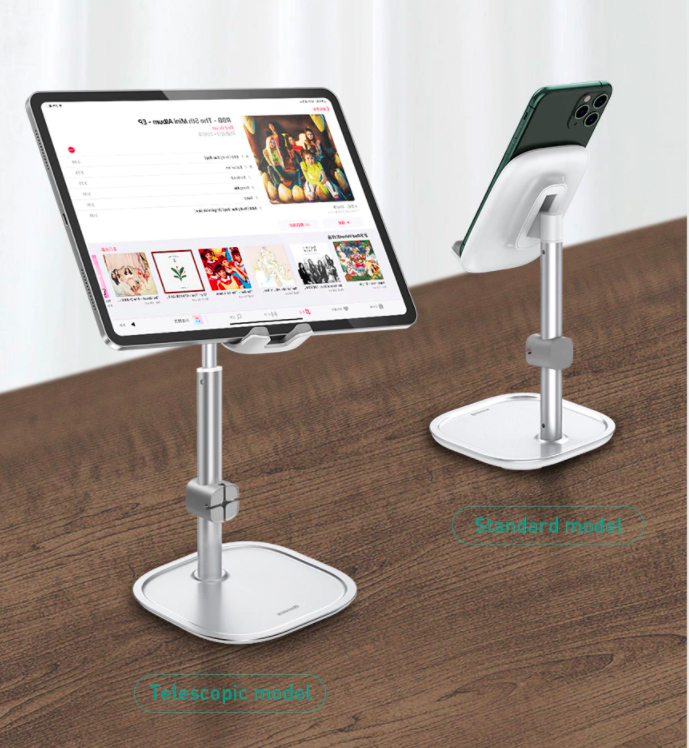
There is an amazing deal on Baseus Telescopic Desktop Phone Holder. The holder which generally retails at $25 is now available at a heavily discounted price of $11.25 onlyat the 11th AliExpress Anniversary Sale.
Baseus Desktop Phone/ Tablet holder is designed to correct your posture issues while watching a video or movie on a phone or tablet. Featuring an ergonomic design the holder comes with a 35-degree adjustable head and free telescopic movement that helps to avoid problems like neck pain, shoulder pain, backache, tired eyes, etc created by an incorrect posture.
The beautifully designed holder is made with an aluminum alloy and silicone material and comes in three lustrous colors viz: black, pink, and silver. It can easily hold any 4” to 7.9” mobile phone and 4” to 12.9” tablet and can adjust the device up to 35 degrees both horizontally and vertically. A cross wire clamp design prevents your charging wire from interfering with your device and a balanced center of gravity ensures that the device won’t fall off as you press and click.
The current retail price of Baseus Telescopic Desktop Phone Holder is around $25. But for the next 2 days, only AliExpress through its 11th Anniversary Sale is giving this holder for just $11.25. With additional new user discounts and free shipping, this is a bargain deal. So go get your phone/ tablet holder asap.
Please note that the abovementioned prices are for the base variants. The final price may vary depending upon the variant and shipping warehouse.
For the best deals from the 2021 Aliexpress Anniversary Sale click here.
For more information on such exciting deals and offers check out ourdeals hub.
* Please Note: When you buy something using the links in our articles, we may earn a small commission at no cost to you.
Earlier today, Huawei announced its financial report for last year, where it revealed its modest growth of 3.2 percent of net profits in 2020. The company even addressed the recent rumors regarding it working on building its own car, which it said again is not the case.
As per the Chinese tech giant, the company is working on smart connected vehicles, but is not building its own car. Rather, it will be helping other automobile manufacturers in building smart connected vehicles. Furthermore, the company also announced that it would also be working on developing next gen computing and communication based technologies. These products will be used in smart connected vehicles, with the company planning on launching more than 30 of smart components.
These components will be launched soon and will arrive one after another. The company also announced that it has plans on working with more than 20 hardware makers and 280 application vendors. Notably, it has also announced that it will launch its proprietary HarmonyOS (also known as HongMengOS in China) for smartphones soon. At the moment, HMS (Huawei Mobile Services) is also the world’s third largest mobile application ecosystem.
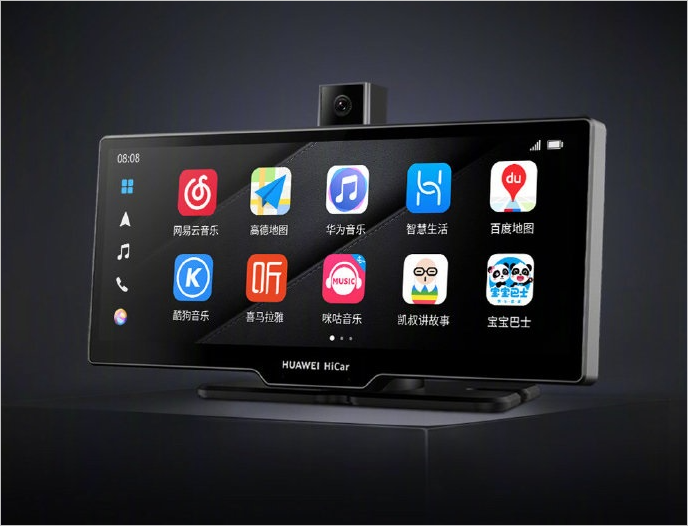
For those unaware, the company is aiming to leverage its communications and mobile services expertise. We had previously also reported on the company working on diversifying to the automobile industry through its HiCar initiative. So, this news is also in line with its plans to make communication based components and other smart features for automobile manufacturers.
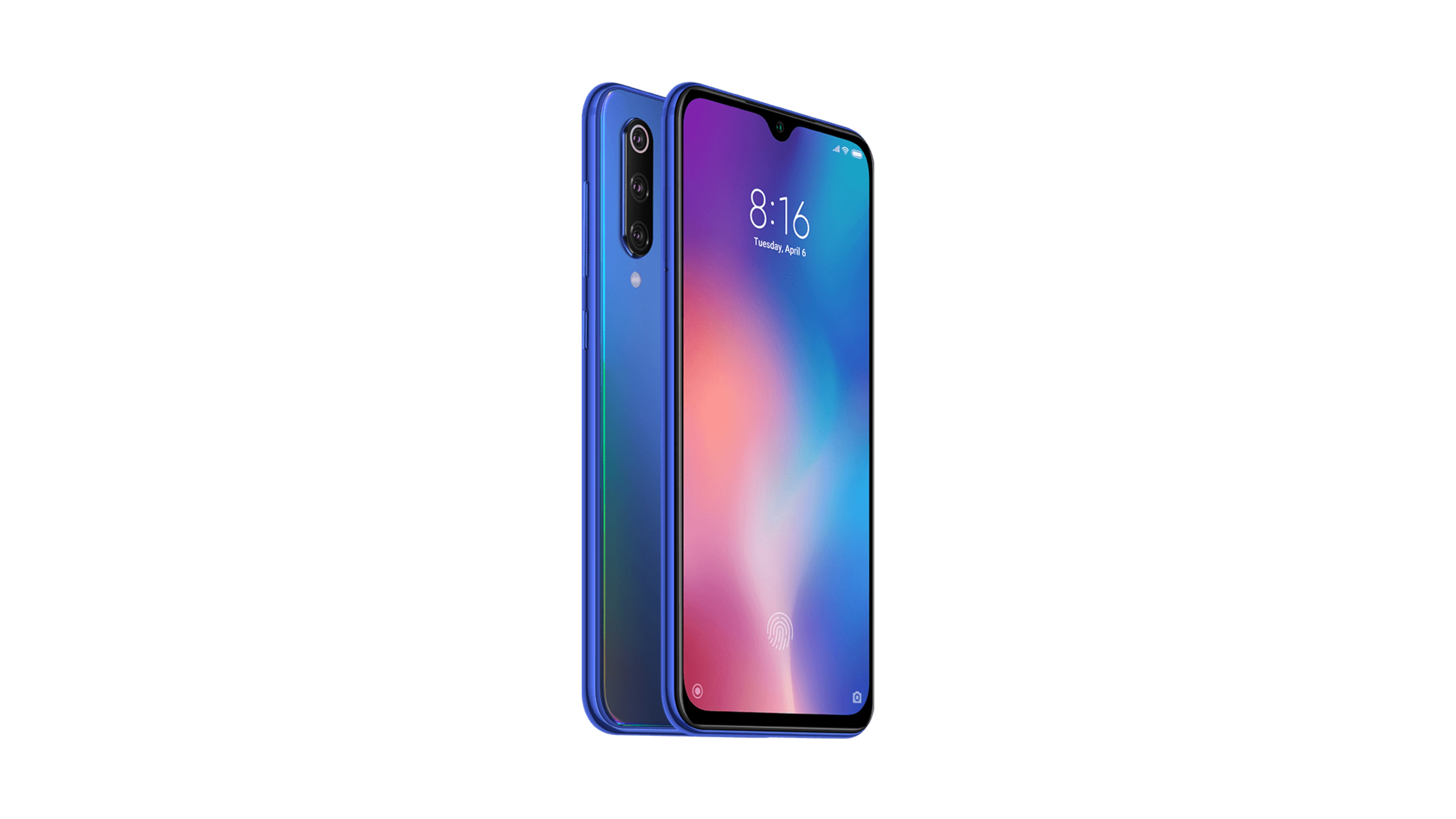
Back in August, Xiaomi rolled out the MIUI 12 stable update to the Xiaomi Mi 9 SE a few months after the official announcement. Similarly, exactly three months later, it seems to be bringing the MIUI 12.5 to the device in China.
A new update with firmware version vI2.5.1.0.RFBCNXM is rolling out to the users of Xiaomi Mi 9 SE in China. The update weighs about 2.4GB in size and brings the latest stable MIUI 12.5 based on Android 11 and March 2021 security patch to the device.
That said, the update brings the latest MIUI 12.5 features like the UI Design improvements, more Super wallpapers, improved privacy, haptics, MIUI+, uninstallable built-in apps, and more. Xiaomi launched this incremental UI back in December 2020.
A few weeks later, it put out a list of eligible devices to get the update in the first batch of rollout in China. Accordingly, the Xiaomi Mi 9 SE is among the first devices to get a stable update in the country. And expect more devices to get it in the coming days.
Anyway, the update is currently in the Stable Beta recovery stage so it will be rolled out to a few and later to everyone after ensuring there are no bugs. Not just the Chinese version, the global version for the Xiaomi Mi 9 SE is also eligible for the Android 11 update.
It is worth noting that the Mi 9 SE launched with Android 9 Pie and had got a major update of Android 10 already. In terms of UI, the Mi 9 SE debuted with older MIUI 10 and has already got two major UI updates(incl. MIUI 11). Hence, this could be the last update for the device.
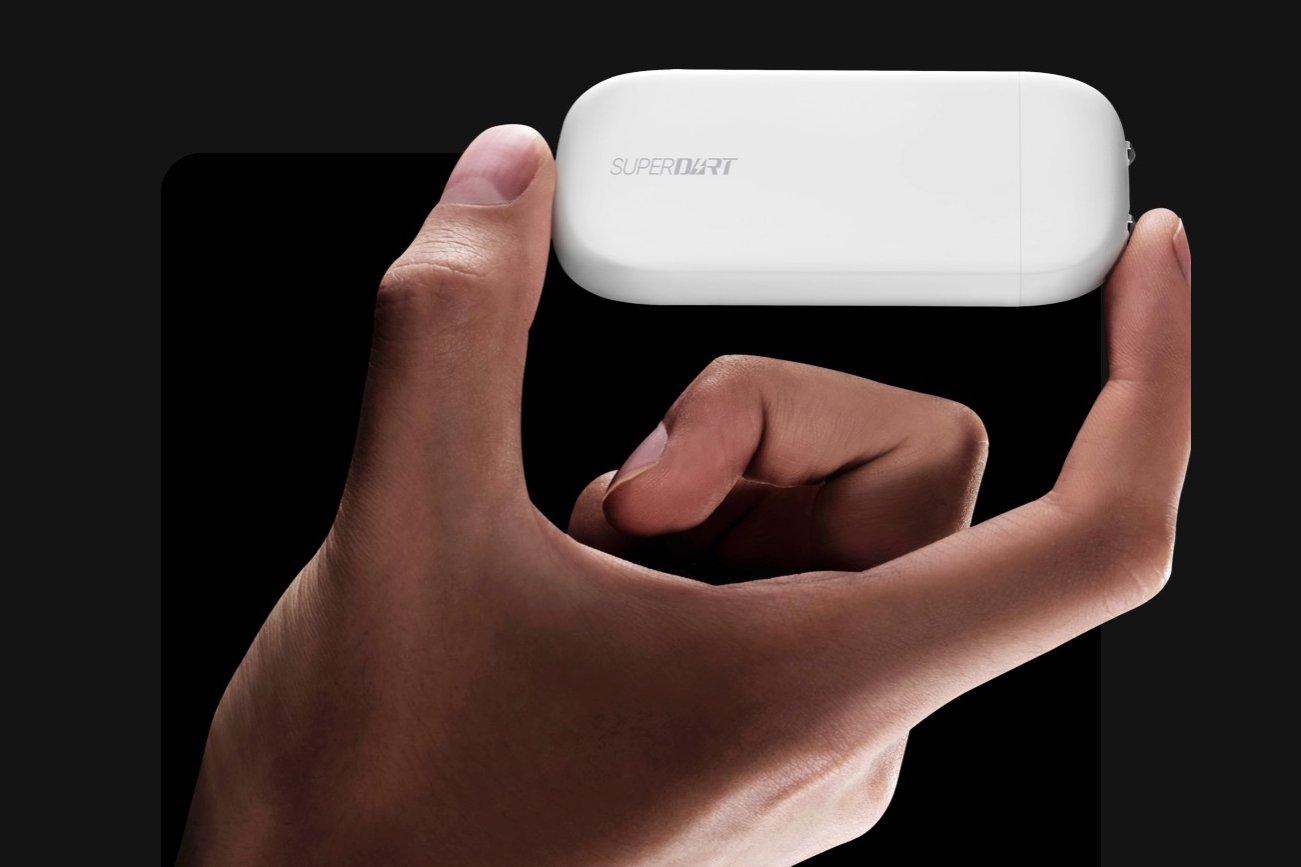
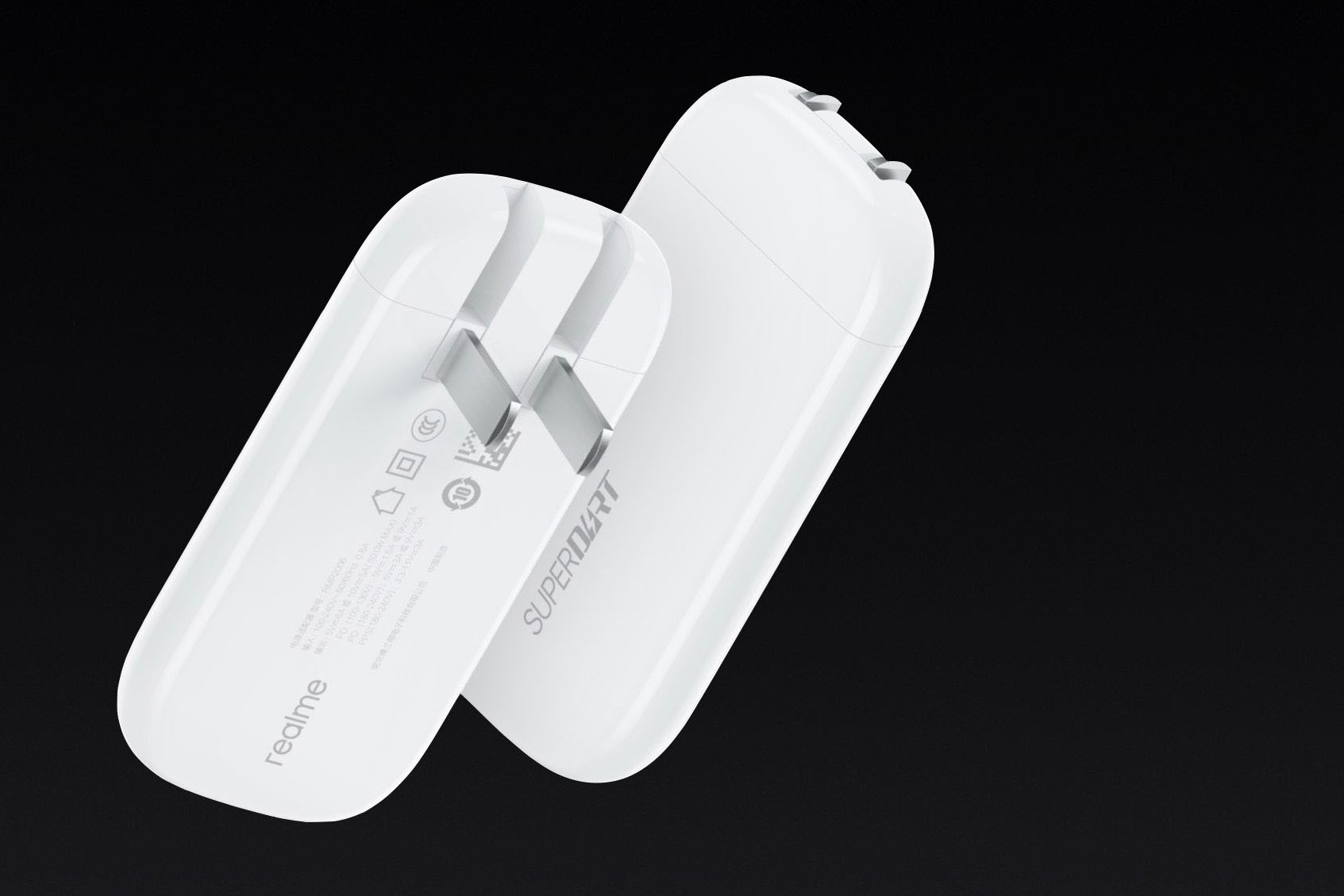
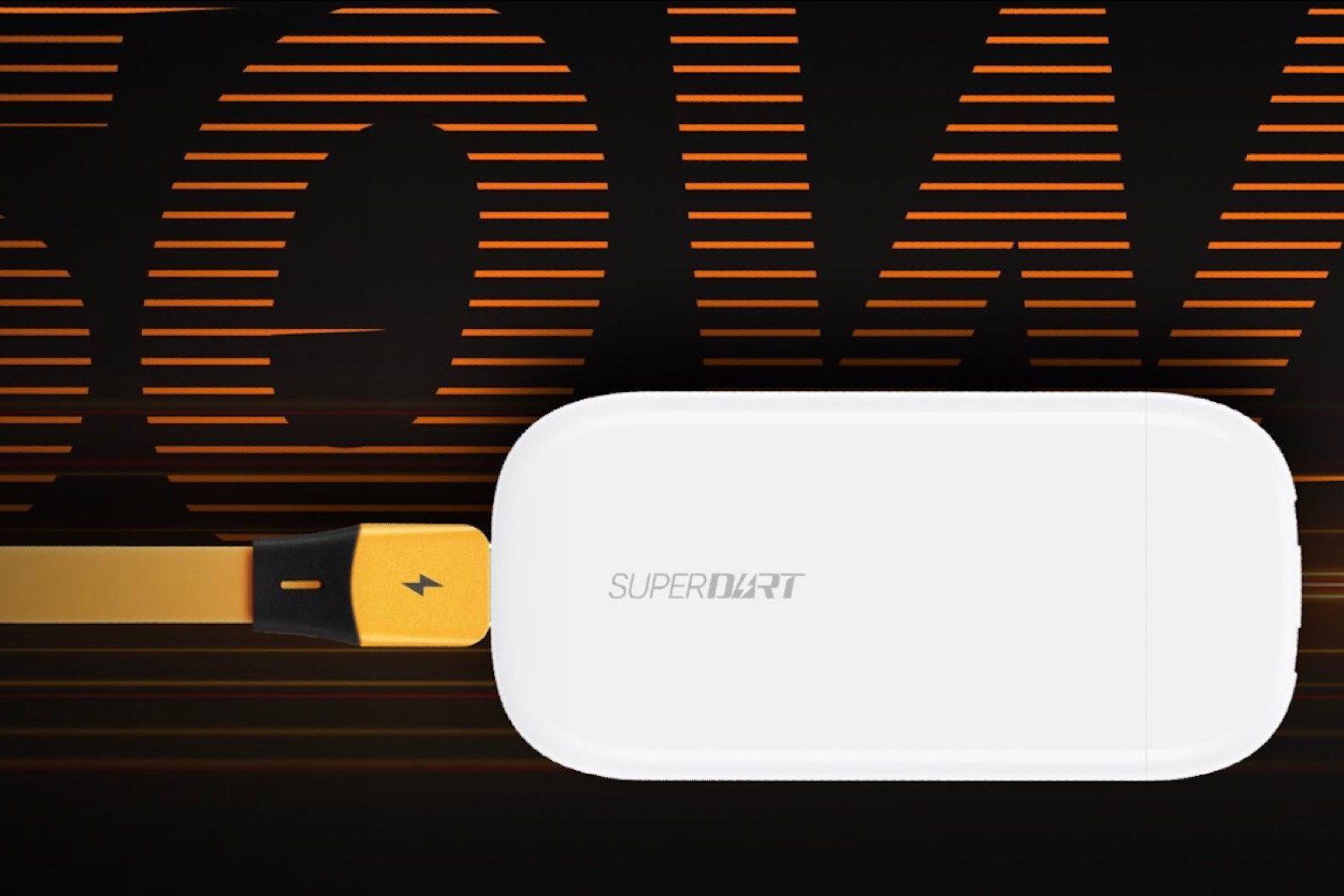
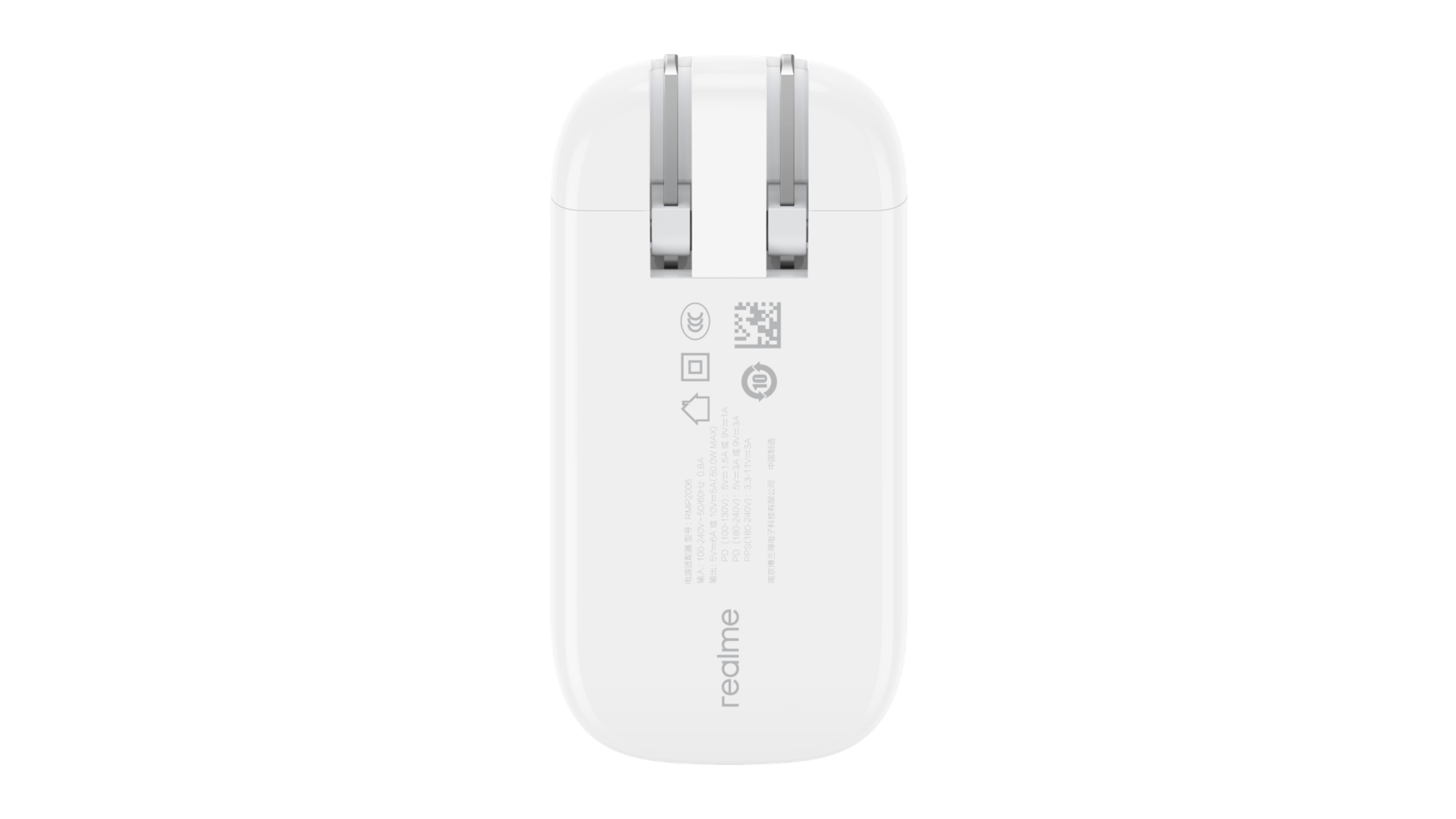
In July 2020, OPPO announced 50W mini SuperVOOC Charger along with a 110W mini flash charger and the company’s 125W flash charge technology. The Chinese smartphone maker also calls this 50W power adapter biscuit charger because of its size and design. It is on sale in China since December. Now, months later, realme has launched this very same product with a different name – realme 50W mini SuperDart Charger.
Earlier today, realme launched realme GT Neo and realme V13 in China. At the same event, the brand also announced realme Buds Air 2 and realme 50W mini SuperDart Charger. We have already covered the phones and the TWS first debuted in India in late February. Hence, let’s take a look at this power adapter in this article.
realme 50W mini SuperDart Charger Specifications and Features
Since the realme 50W mini SuperDart Charger is a rebranded OPPO 50W mini SuperVOOC Charger, it has the exact same set of specifications. The only difference is the product’s name since realme calls SuperVOOC as SuperDart, just like OnePlus which uses Warp branding for the same charging tech.
1 of 2
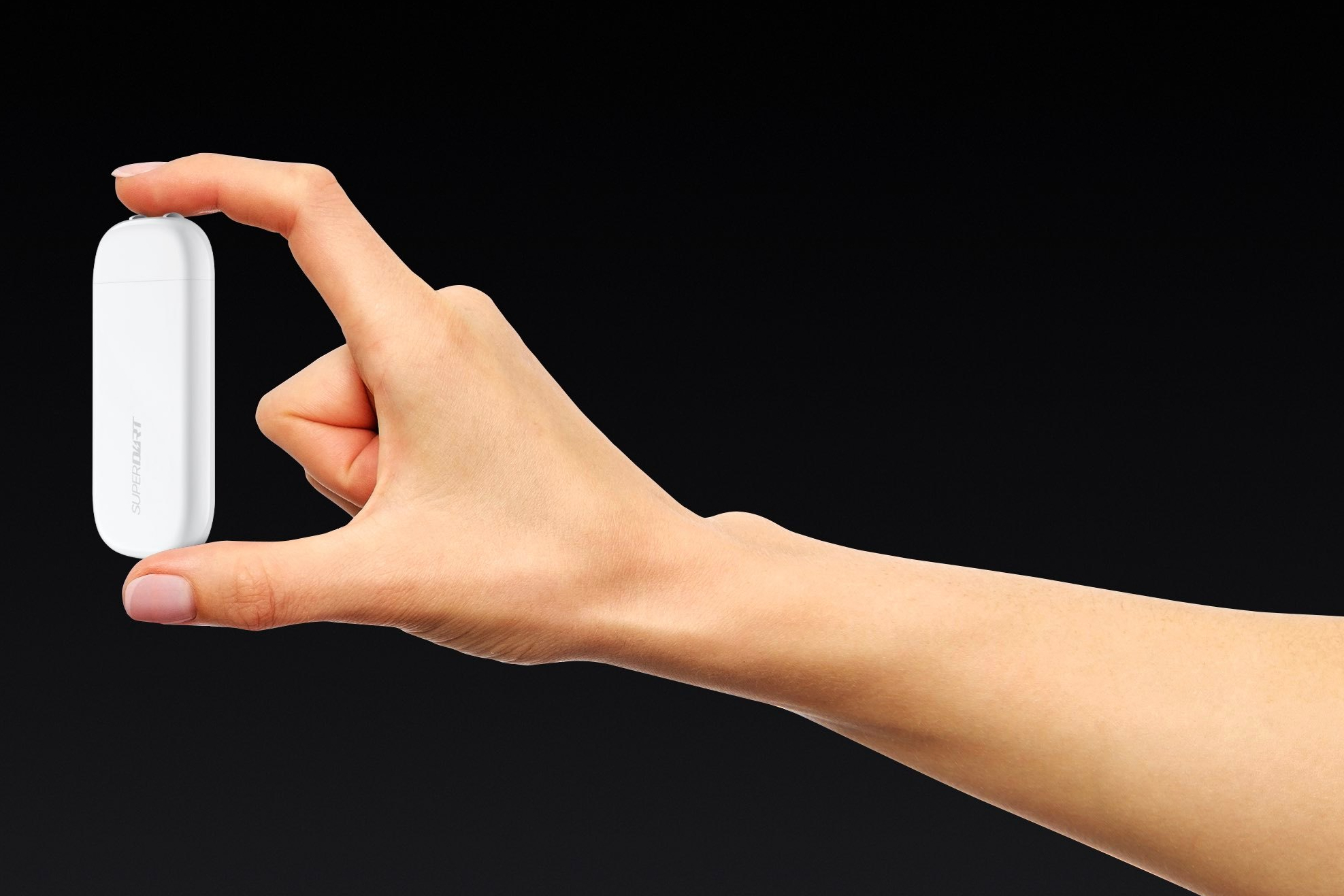
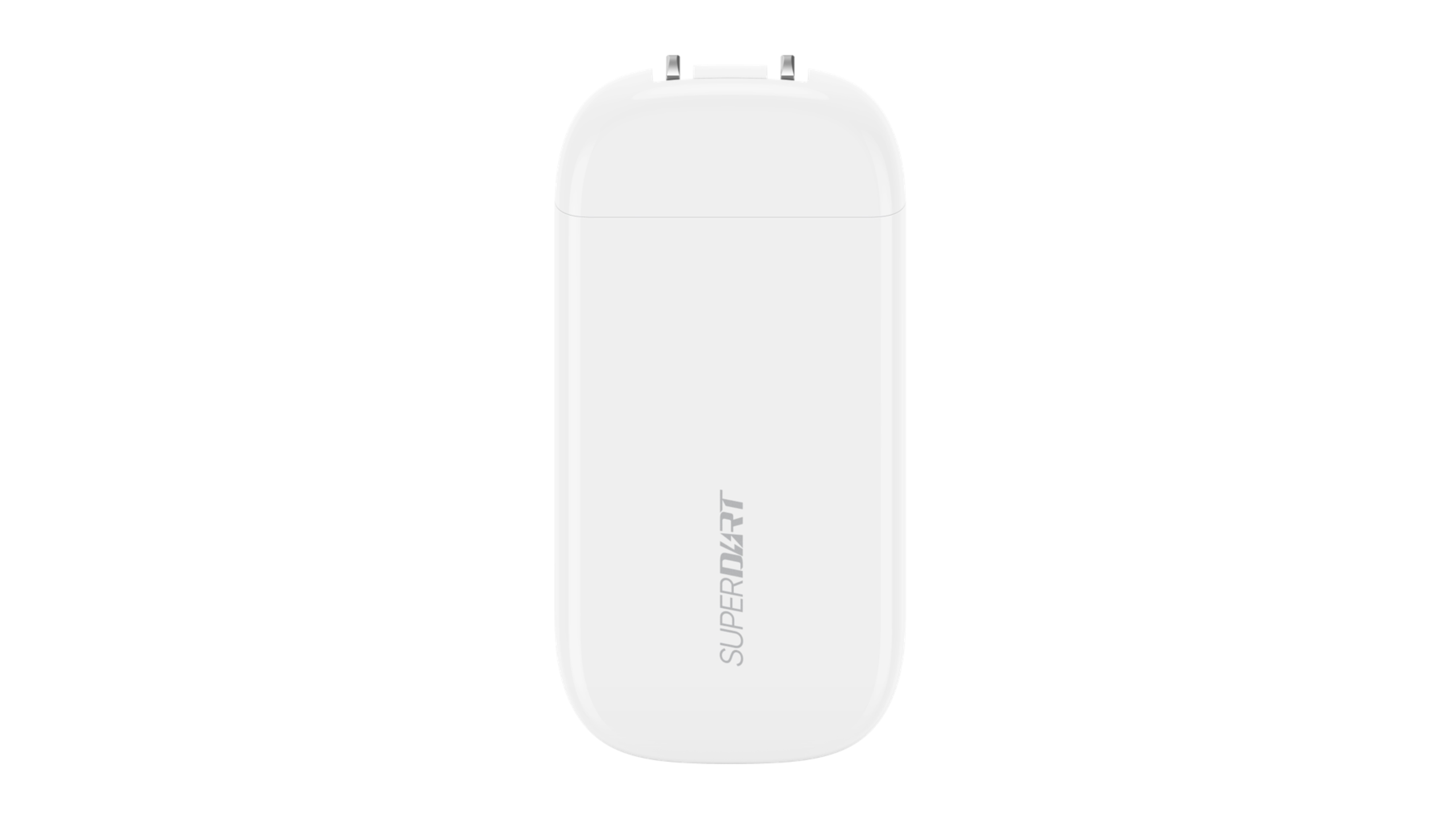
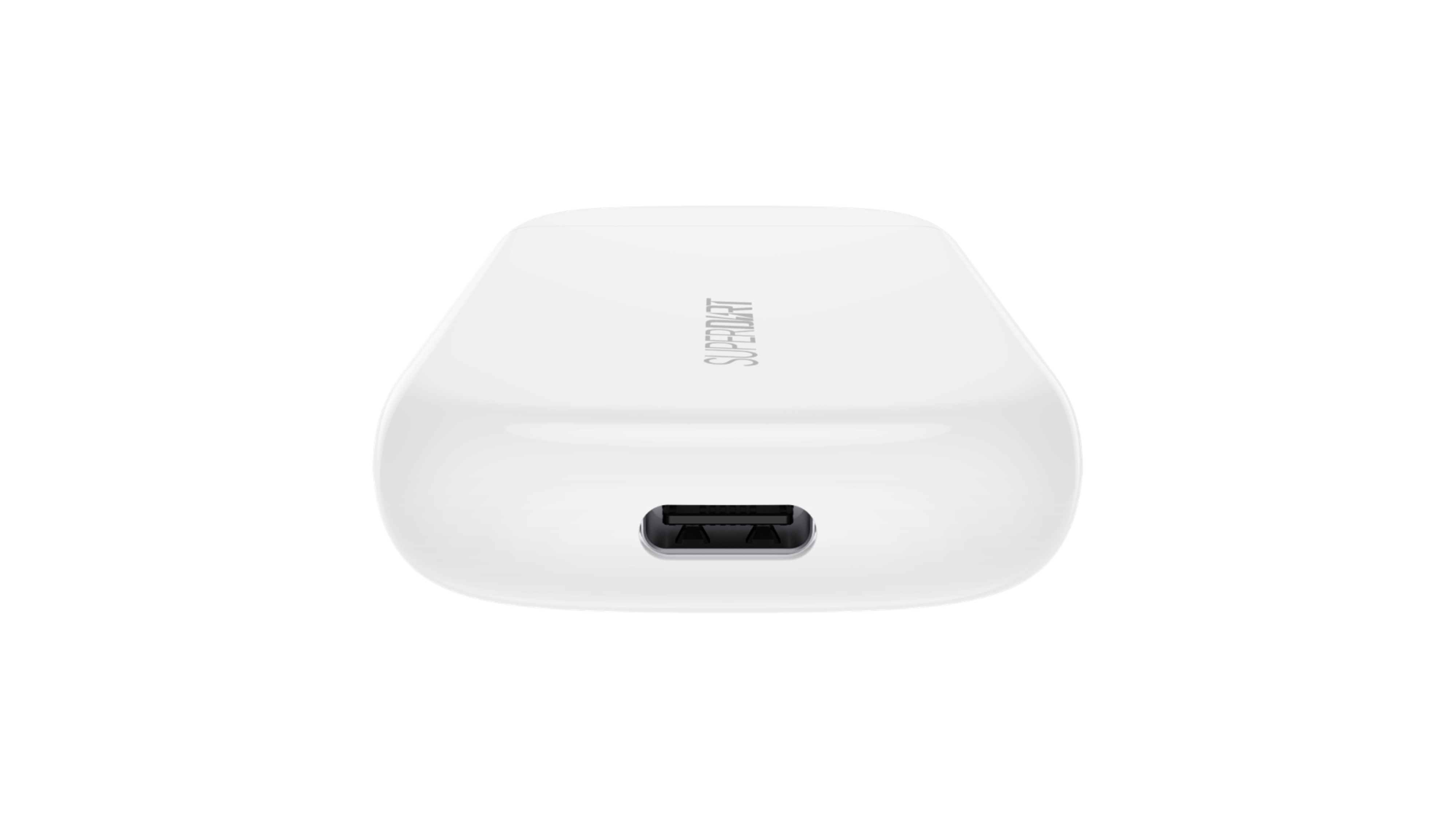
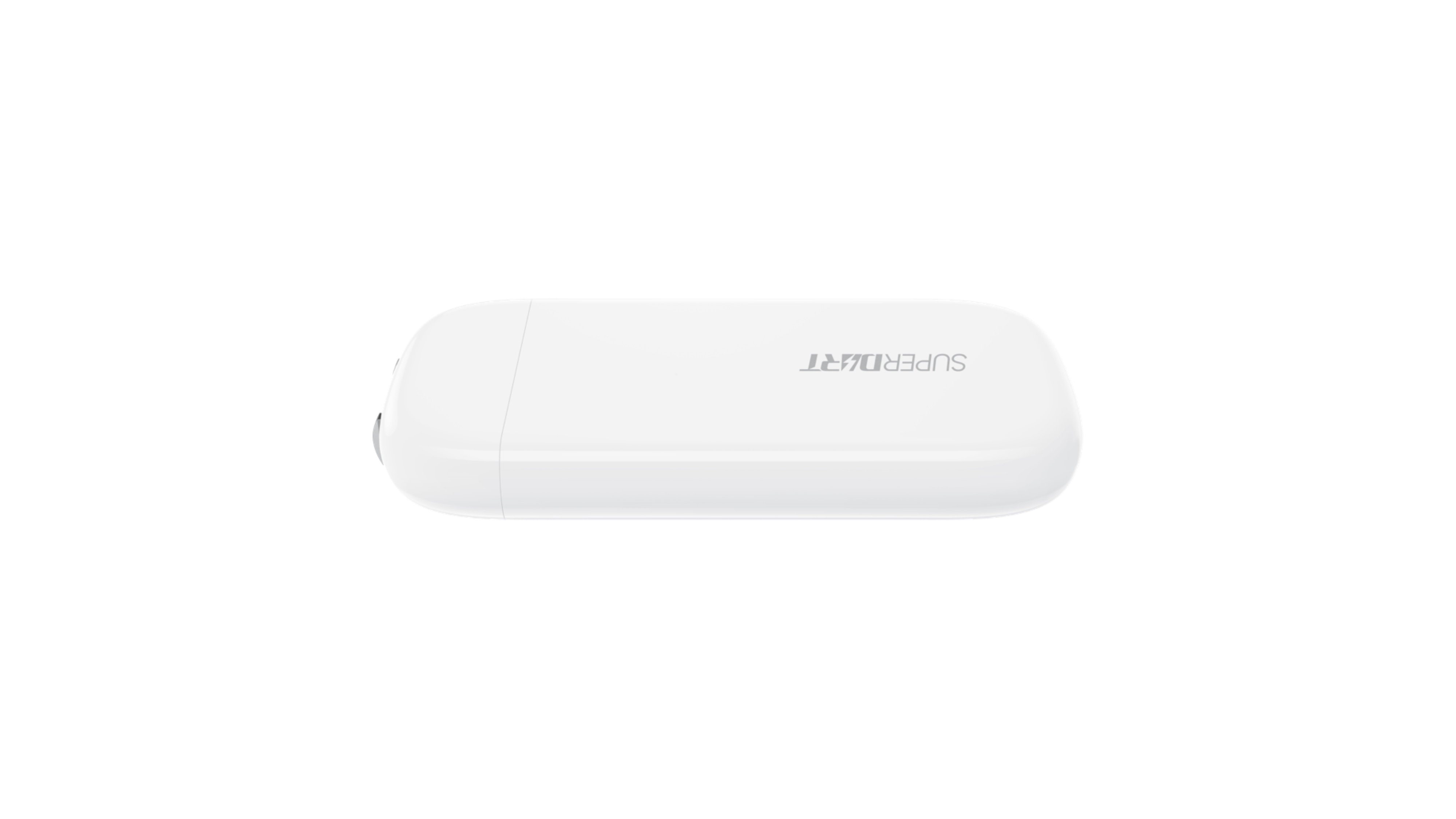
This charging brick is arguably the smallest and slimmest 50W charger available in the market. It measures only 82.2 x 39 x 10.5mm in dimension and weighs about 60g, In other words, this power adapter is merely 1.05cm/10.5mm thin.
OPPO managed to develop such a small high-capacity charger, thanks to the usage of Gallium Nitride (GaN) instead of silicon. Because of its tiny form factor and foldable pin, it can be easily carried anywhere.
Further, apart from SuperDart (SuperVOOC, Warp), this adapter also supports other charging protocols like 27W USB PD (Power Delivery), 50W USB PD with PPS (Programmable Power Supply), and Qualcomm Quick Charge. Also, for safety, it comes with 13 layers of protection, which includes over-current protection, over-voltage protection, and short circuit protection to name a few.
Last but not least, the realme 50W mini SuperDart Charger with model number RMP2006 comes in a single white color option and ships with a yellow-colored USB Type-C to Type-C cable.
1 of 4
realme 50W mini SuperDart Charger Price and Availability
The realme 50W mini SuperDart Charger is priced at only ¥349 ($53) in China. That means it is cheaper than the OPPO’s original offering by ¥50 ($8). This charging brick will be available for purchase starting April 8 in the country.
As of now, it is not known whether if this product will be introduced in other markets where realme has its presence.
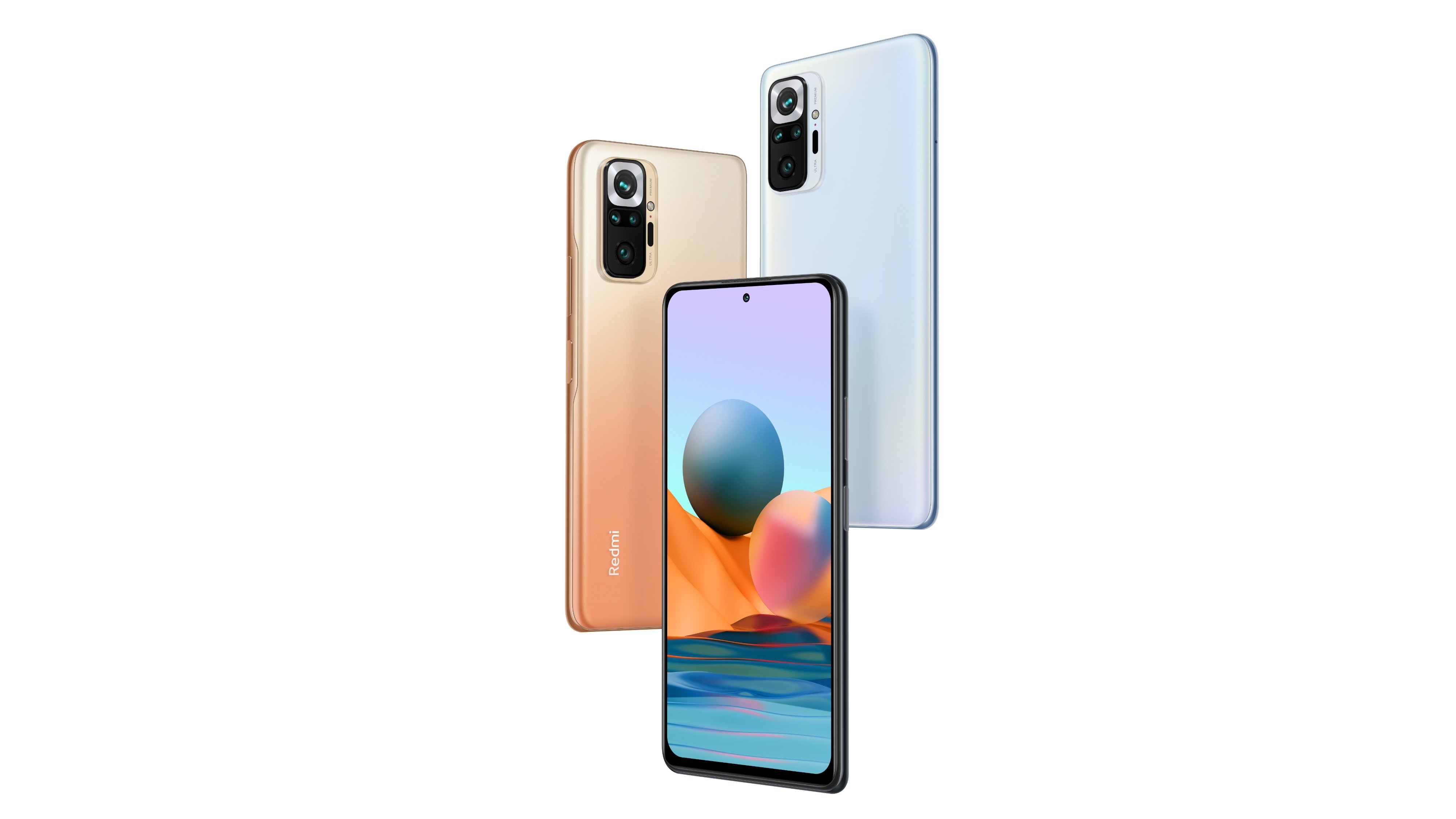
The Redmi Note 10 series has seen great success in India. In just the first two weeks of the lineup beginning sales, the company managed to cross sales worth 500 Crore INR (roughly 68 million US Dollars).
The Chinese tech giant made the announcement regarding the explosive sales of its Note 10, Note 10 Pro, and Note 10 Pro Max. Sneha Tainwala, Business Head of the company’s Indian unit stated that “With each Redmi Note device, we have taken a step forward to bring innovation for everyone. As a result the Note Series continues to be a bonafide choice in the mid-premium segment, for the Indian consumer. We launched our 10th generation of Redmi Note series with an aim to bring a revolutionary change in the segment by taking every important piece of technology.”
The official further added that “With the launch of these devices, we have taken a quantum leap across all important aspects such as camera, display, and performance making this by far the most revolutionary and most demanded smartphones in the country. We are overwhelmed with the response we have received from our Mi fans within the first fifteen days of sale and would like to take this opportunity to thank our Mi Fans for the love they have showered on us. We hope to continue and deliver on our commitment of bringing high-end technologies at affordable price-points.”
The Note 10 series is part of the company’s popular mid range handset lineup. The lineup houses Qualcomm Snapdragon series processors and is an attractive buy for its lucrative pricing. So it arrives as no surprise that the smartphone maker saw great sales of the new devices.
India is apparently planning on offering more than 1 billion US Dollars to each semiconductor based firm that sets up its manufacturing facility within the country. The news arrives as the government seeks to strengthen its electronics supply chain and build on its existing smartphone assembly industry.
According to a Reutersreport, two officials close to the matter the move from the local government is a part of the Prime Minister Narendra Modi’s ‘Make in India’ initiative. This drive has led to the region becoming the world’s second-largest smartphone manufacturer after China. Now, the government believes that the country needs to also seek a similar strategy to bring manufacturing sites from chip-making based firms.
As per a senior government official, “The government will give cash incentives of more than $1 billion to each company which will set up chip fabrication units. We’re assuring them that the government will be a buyer and there will also be mandates in the private market (for companies to buy locally made chips).” Although, it has yet to be decided how these cash incentives will be given out and the government has asked the industry for feedback as well, as per the second source from the government.
At the moment, governments across the globe have been subsidizing the semiconductor industry and the construction of chips making plants. This is especially important during this time when the world is facing a global shortage of semiconductors. The shortage also highlights that the reliance of various nations on Taiwanese suppliers. Notably, the official also added that the chips made locally will be designed as “trusted sources,” which will be used in various equipment ranging from security to networking.
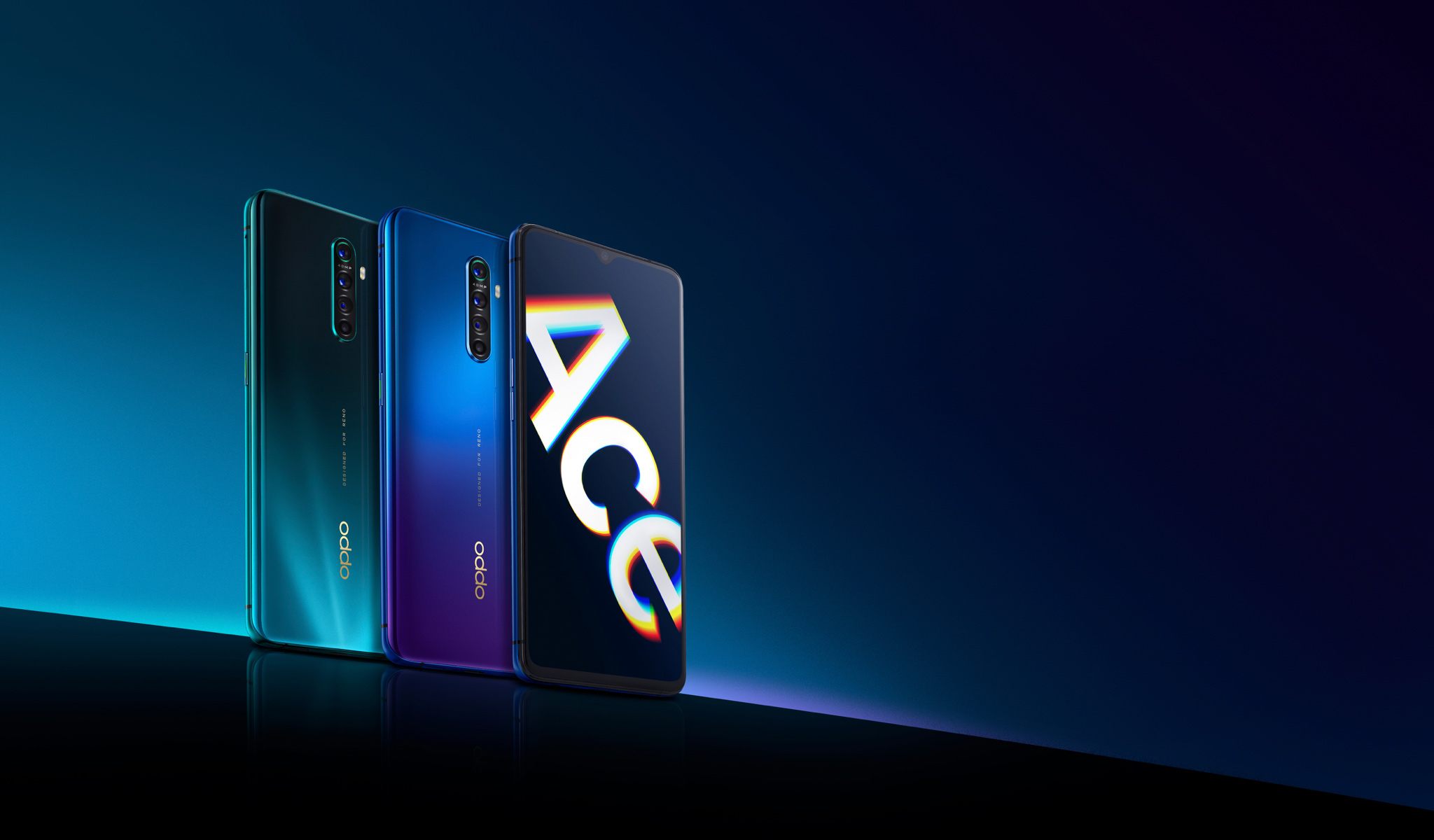
OPPO shared the Q1 2021 rollout plan for the ColorOS 11 update a few months ago. As per the plan, the OPPO Reno Ace was supposed to get it around March, and accordingly, it looks like the update is already rolling out.
A tweet shared by a user a few days ago shows that the device has already got the update in Japan. That is, an OTA update with firmware version PCLM10_11_F.04 brings the Android 11 based ColorOS 11.1 for the OPPO Reno Ace.
OPPO brought the Reno Ace towards the end of 2019 in China and it launched with ColoroS 6.1 based on Android 9 Pie. Later, the device also landed on other markets including Japan. The current ColorOS 11 update for the 2019 flagship smartphone is coming as a second major upgrade after it got the ColorOS 7.
That said, OPPO’s latest version of ColorOS is actually the ColorOS 11.2 and it is running on its top-of-the-line flagships like Find X3 series and its sister brand OnePlus in China. Although OPPO isn’t seeding the latest version to the Reno Ace, it has managed to stand the test of the time when it comes to updating its older devices.
Coming back to the update, you can expect all the ColorOS 11 goodies and if you want to know more, do read our coverage on the same. Also, expect the wider rollout for the device to go live soon.
Huawei Technologies recorded a slight annual profit growth last year. This modest growth arrived as the company saw a decline in its overseas revenue due to the impacts of the coronavirus pandemic and affects of the US sanctions.
According to a Reutersreport, the Chinese tech giant’s net profit for the year 2020 came in at 64.6 billion Yuan (roughly 9.83 billion US Dollars). This marks a rise of about 3.2 percent compared to the smartphone vendor’s 5.6 percent growth from a year prior. Back in 2019, Huawei was placed on the US export blacklist, the Entity List, which banned the company from acquiring crucial technology that originated from the US.
This affected the company’s ability to design its own chip or source components from outside vendors as well. Furthermore, the ban led to increasing pressure against the vendor’s smartphone business, with Huawei even selling off its budget smartphone unit to a Chinese consortium of agents and dealers back in November 2020. Despite the various obstacles, the company still managed to register a 3.3 percent year on year growth in consumer business, which accounted for over half of its revenue.
This growth was partly due to the company’s growth in other product ranges like smartwatches and laptops. Similarly, even its telecommunications unit, which includes its 5G networking equipment, saw a rise of 0.2 percent as well last year. Most of Huawei’s growth was primarily driven by its home market, with revenue from China rising up to 15.4 percent in 2020. Meanwhile, its revenue from Europe, the Middle East and Africa falling by 12.2 percent, while its revenue from Asia falling by 8.7 percent and down by 24.5 percent in the Americas.
Brendan Carr, the FCC Commissioner, is looking to keep the restrictions tight against Chinese 5G equipment makers like Huawei and ZTE. Under the previous Trump administration, these firms were branded as national security threats due to alleged ties with the Chinese Communist government.
For those unaware, the US even went as far as to urge its allies to also ban the use of Huawei’s networking equipment when building their 5G networking. Back in 2020, the FCC even blocked the carriers from using money from the FCC managed USF (Universal Service Fund) to buy equipment from Huawei and ZTE made networking equipment. However, the networking equipment from the two Chinese manufacturers are still used by rural carriers if it is sourced by private funds.
Thus, Carr stated that the FCC needs to close these “glaring loophole … It makes no sense to allow that exact same equipment to get purchased and inserted into our communication network as long as federal dollars are not involved.” Similarly, the President Joe Biden appointed temporary FCC Chairman Jessica Rosenworcel has also “long advocated for reforming the equipment authorization process to better ensure security in new network devices and is pleased to see growing support for this idea. The FCC is already working on addressing many of the issues Commissioner Carr spoke about,” as per an FCC spokesperson.
Commisioner Carr also stated that the organization should do more to publicize China’s abuse of ethnic and religious minorities. Furthermore, the FCC named five Chinese companies as threats the US national security under a law designed to protect the security of US networks earlier this month. Meanwhile, Huawei announced that “extending the FCC’s evaluation and approval process to prohibit equipment that is already accredited by the FCC is misguided and costly to American companies.”
Chinese smartphone maker realme has officially launched the realme GT Neo smartphone in its home country. This handset is a more affordable version of the original realme GT that was released earlier this month. Let us take a look at this phone’s specs, features, price, and availability in this article.
realme GT Neo Specifications and Features
The realme GT Neo features a similar design as the standard realme GT. The only major differences between the design of these two devices are the finishes and pattern on the rear panel.
Unlike the realme GT that comes in glass and vegan leather options, the realme GT Neo seems to sport a plastic rear panel. The finish on the latter’s back resembles the one found on the realme 8 and the realme 8 Pro.
That said, the handset measures 158.5 x 73.3 x 8.4mm in dimensions, weighs 179g, and comes in three colors (Final Fantasy, Geek Silver, Hacker Black).
Talking about specs, the main highlight of this product is the presence of MediaTek Dimensity 1200 SoC. In fact, it is the world’s first smartphone to launch with this chipset. The said silicon is coupled with up to 12GB RAM and 256GB UFS 3.1 storage.
Further, to keep the thermals generated by the chip while performing heavy tasks, the device comes with a 3D tempered VC liquid cooling system. The brand claims that the cooling solution in this phone can reduce the core temperature by up to 15℃.
Another highlight of this handset is its 6.43-inch Samsung Super AMOLED display. This panel has a resolution of 2400 x 1080 pixels (FHD+), 120Hz refresh rate, 360Hz touch sampling rate, 91.7% screen-to-body ratio, in-screen fingerprint sensor, and a punch hole at the top left corner for the front-facing camera.
As for photography and videography, the phone sports a triple camera setup consisting of a 64MP Sony IMX682 primary sensor, an 8MP sensor with a 119° ultra-wide-angle lens, and a 2MP sensor with a macro lens. For selfies and video calls, the device features a 16MP shooter.
On the connectivity front, the handset supports dual-SIM 5G, WiFi 6, Bluetooth 5.1, GNSS (GPS, GLONASS, BeiDou, GALILEO, QZSS), and NFC. It has all the essential sensors, such as an accelerometer, gyroscope, ambient light sensor, compass, and proximity sensor.
Other features include stereo speakers, Dolby Sound, Hi-Res Audio certification, 3.5mm headphone jack, and USB Type-C port. Unfortunately, the phone lacks a MicroSD card slot.
Last but not least, the realme GT Neo runs realme UI 2.0 based on Android 11 and is backed by a 4,500mAh battery with support for 50W charging. However, the device will ship with a 65W fast charger and a transparent case.
realme GT Neo Price and Availability
The newly launched realme GT Neo will retail for the following price tags in China.
6GB + 128GB – ¥1,799 ($274)
8GB + 128GB – ¥1,999 ($305)
12GB + 256GB – ¥2,399 ($366)
The top-end variant (12GB + 256GB) will be available at a discounted price tag of ¥2,299 ($351) during the first sale, which is scheduled to take place on April 8.
As of writing this story, there’s no official word on this smartphone’s international availability.
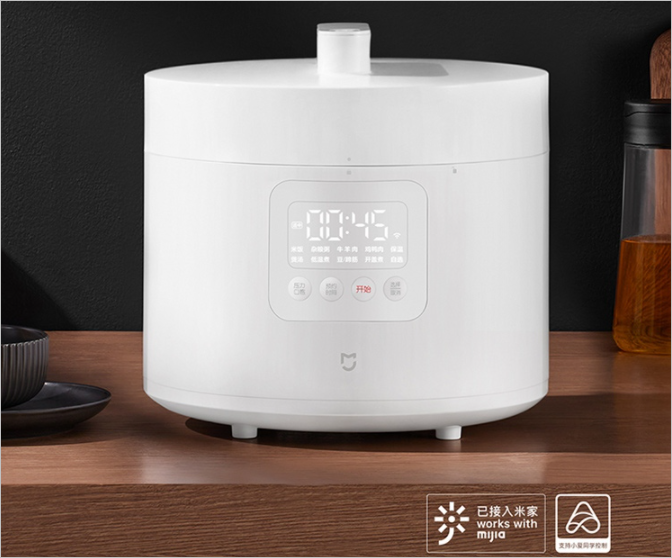
Xiaomi is building an ecosystem of smart home gadgets with an array of exciting and innovative products coming from its stable. In the last 48 hours, we have seen the launch of several products ranging from smartphones, PCs, smart wearables, home cleaning equipment, humidifier, to an innovative, next-generation air conditioner, among other exciting, smart home products. These products are part of the company’s broader objective in providing comfort and innovative solutions to primary home challenges.
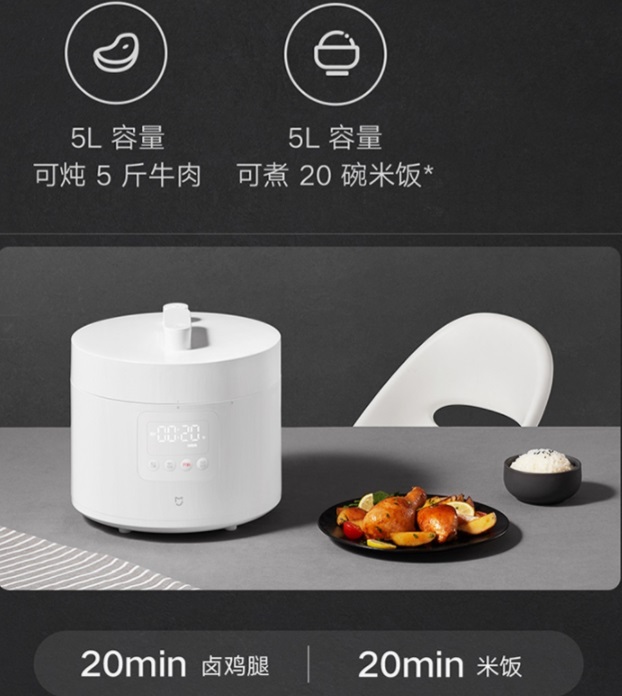
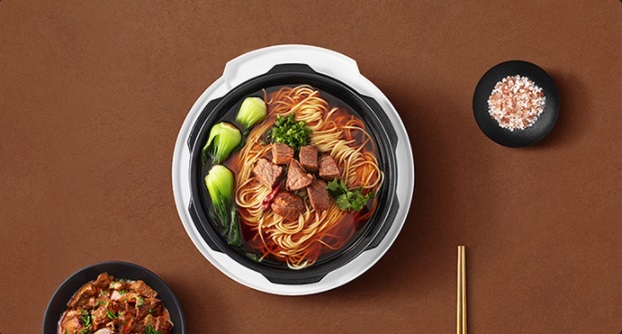
The budding Chinese smartphone manufacturer has also launched a user-friendly smart electric cooker with a five-liter pot that can provide quick cooking for various foods. The product dubbed MIJIA Smart Electric Pressure Cooker 5L can cook 20 bowls of rice within a few minutes. It is in fact, an upgrade of the MIJIA Smart Electric Pressure Cooker 2.5L that was launched in December 2020, with the major difference being the size.
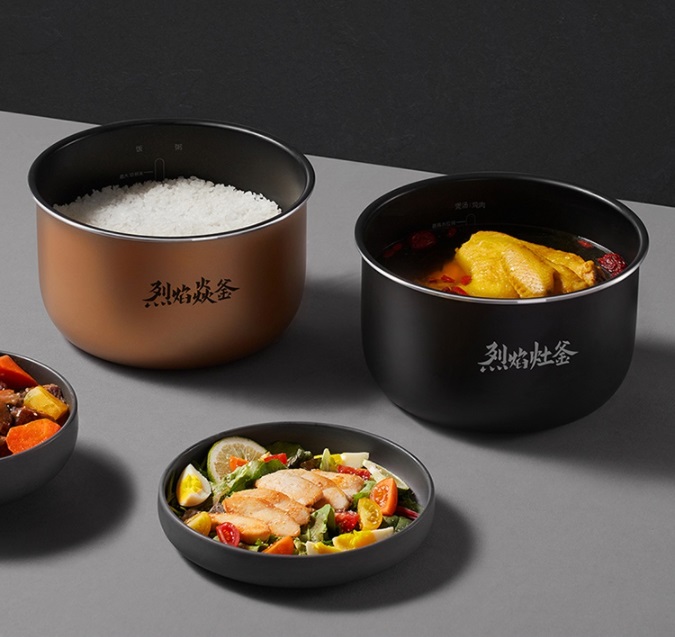
The MIJIA Smart Electric Pressure Cooker is an excellent addition to the home as more people embrace smart home appliances in the aftermath of the COVID-19 pandemic still ravaging the world. The pot of the pressure cooker has dimensions 296mm x 286mm x 288mm. The package comes with two 5-liter inner pots capable of providing cooking for large quantities of food.
The pressure cooker’s multiple inner pots also mean that you can easily switch between cooking two types of food without any hassles. The estimated cooking time using the pressure cooker is significantly reduced and could be as low as 40 minutes or less depending on what is being cooked.
Xiaomi’s Smart Electric Pressure Cooker 5L is capable of a varied array of temperature and pressure modes that cook the food exactly to your taste specifications. The smart pressure cooker has app support that enables the user to choose from hundreds of recipes and allow one-click cooking.
The pot has a power rating of 1000W and even though we don’t know the pressure rating, the 2.5L version is capable of hitting a peak pressure of 70kPa. Thus, this version should be higher due to the larger volume.
Like most MIJIA products, the smart electric pressure cooker can also be connected to the Mijia app via WiFi, allowing operations such as mobile phone remote start and appointment. You can also view several recipes from the app.
Xiaomi’s MIJIA Smart Electric Pressure Cooker 5L is now on pre-sale for 399 Yuan (~$60) in China via Jingdong (JD.com). The product will go on sale on April 1.
Its been known for a while now that iPhones or Android smartphones send user data back to Google or Apple. But now, a new study has revealed that the former receives as much as 20 times more data from Android than the latter from its iOS platform.
According to a ArsTechnicareport, researcher Douglas Leith from Trinity College in Ireland provided side by side comparisons that suggests that Google’s Android collects a lot more information than Apple’s iOS. As per Douglas, transmit telemetry data that are sent to the tech giants collect information like whether a user has logged in or has configured privacy settings to opt out of certain options regarding data collection. Both iOS and Android also send data to the companies when a user does simple tasks like inserting a SIM card or browsing the smartphones screen settings and more.
The study also found that even when the device is idle, these devices connects back to its end server on an average of every 4.5 minutes or so. Collecting data and sending it back to these companies are not strictly restricted to just the operating systems and are also a common occurrence from preinstalled apps and services in smartphones. These apps also made connections even when they hadn’t used or opened.
While, the iOS automatically sent Apple data from Siri, Safari, and iCloud, Android collected data from Chrome, YouTube, Google Docs, Safetyhub, Google Messenger, the device clock, and the Google search bar. Notably, a Google spokesperson has contested these findings and stated that the study was based on faulty methods for measuring the data that’s collected by each OS. The spokesperson added that data collection is a core part of any internet connected device.
Xiaomi recently launched a series of MIJIA-branded portable home appliances on Jingdong Mall in China. One of the products is the MIJIA Portable Juicer and it carries a decent 99 yuan (~$15) price tag.
The juicer cup has a volume of 300mL and is manufactured using a food-contact grade Tritan thickened body. There is also a built-in 1300mAh lithium battery onboard which is said to be capable of extracting 12 cups of juice on a single charge. The rotors can reach a maximum speed of 18,000 rpm. It works for 35 seconds and automatically turns off during which period all the fruits in the container must have been blended. It also comes with multiple safety protection functions.
The Mijia Portable Juicer has a 45W power that can quickly crush the fruits with the 18,000 rpm oscillation helping to separate the juice from the residue. The blend should have less than 6% residue. Further, the juicer utilizes four 304 stainless-steel blades. It also charges via a USB-C interface that can be plugged anywhere.
In addition, the MIJIA Portable Juicer machine is equipped with an IPX6 waterproof rating which ensures that all the parts can be washed under running water. The device also has a self-cleaning capability. This can be activated by adding water and pressing the power button just twice.
Finally, the juicer adopts a 3C digital level charge/discharge and thermal management design. The blender also features the industry’s first double-lock safety switch with triple protection.
The product is presently on pre-sale on Jingdong for 99 yuan ((~$15). It is expected to go on sale on April 2.
We use cookies on our website to give you the most relevant experience by remembering your preferences and repeat visits. By clicking “Accept”, you consent to the use of ALL the cookies.
This website uses cookies to improve your experience while you navigate through the website. Out of these, the cookies that are categorized as necessary are stored on your browser as they are essential for the working of basic functionalities of the website. We also use third-party cookies that help us analyze and understand how you use this website. These cookies will be stored in your browser only with your consent. You also have the option to opt-out of these cookies. But opting out of some of these cookies may affect your browsing experience.
Necessary cookies are absolutely essential for the website to function properly. This category only includes cookies that ensures basic functionalities and security features of the website. These cookies do not store any personal information.
Any cookies that may not be particularly necessary for the website to function and is used specifically to collect user personal data via analytics, ads, other embedded contents are termed as non-necessary cookies. It is mandatory to procure user consent prior to running these cookies on your website.