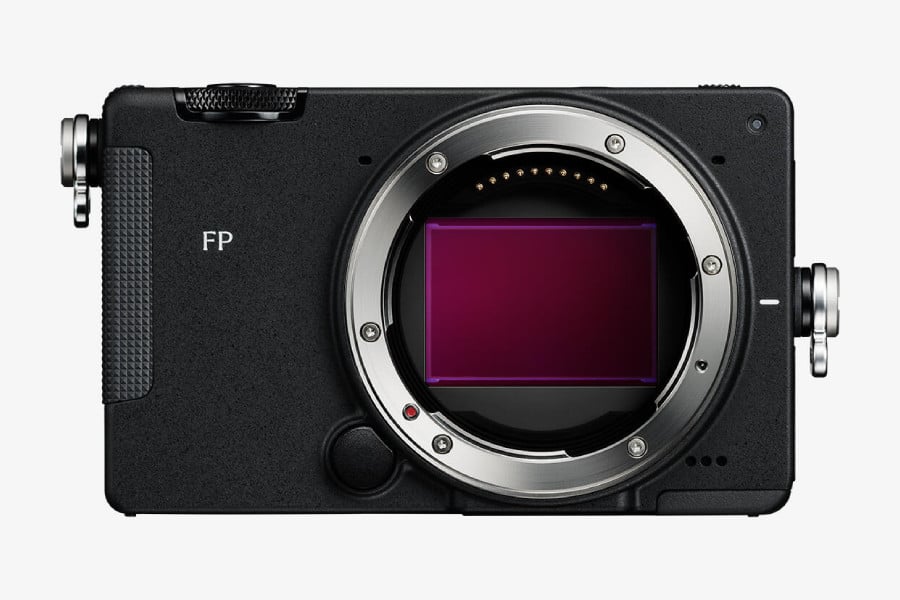
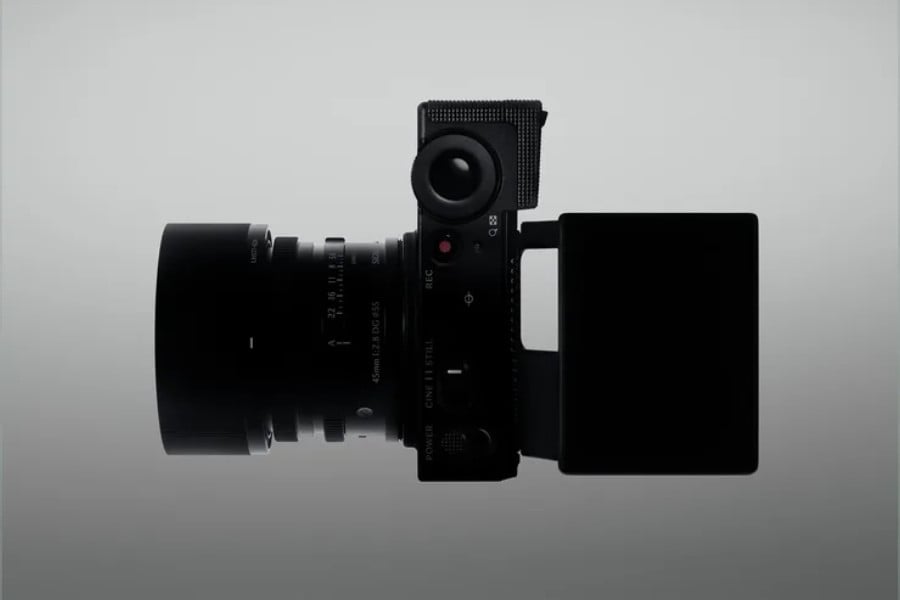
Sigma has launched its second-generation L-mount full-frame camera, the Sigma FP2. The new model retains the compactness of the original FP, weighs 376 grams without a battery and card, 460 grams with both, and is about 4 cm thick.
The FP2 uses a 24.5MP partially stacked back-illuminated sensor, which is to say, some of the readout circuitry is arranged around the edges of the sensor rather than putting a complete additional layer behind it. This arrangement helps improve readout speed without the added complexity of a fully stacked sensor.
The faster readout also comes with practical benefits for photography. The FP2 supports flash synchronization at up to 1/50 second, which Sigma says is nearly twice as fast as the original FP. It can also shoot stills at up to 20fps, with enough buffer space for around 200 JPEG images or 180 DNG RAW files in a burst. Sigma says autofocus is quicker than before, and the camera can now recognize birds for the first time.
The FP2 supports 6K open-gate recording at up to 60p, while 4K footage can reach 60p across the full sensor width or 120p with a crop. It can record 10-bit video internally and supports Leica’s L-Log profile.
The camera also supports ProRes RAW recording at up to 6K/30p, but this requires an external SSD since bitrates reach 5,800Mbps and the UHS-II card slot can’t keep up.
The FP2 has a 3.2-inch tilting display with a resolution of 2.1 million dots and includes 70GB of internal storage. It has two USB-C ports; one operates at USB 2.0 speeds for power and accessories, while the other supports 10Gbps transfers and connects to an external SSD. Sigma has also replaced the original FP’s micro HDMI connector with a full-size HDMI port.
There is no built-in viewfinder, though. You can still opt for the EVF-21 that offers a 5.76-million-dot OLED panel and can plug into the upper USB-C port. The camera also supports the HU-21 hotshoe, which works with OM System and Panasonic flash protocols. It is compatible with Panasonic’s hotshoe microphones as well, allowing the FP2 to record 32-bit float audio.
Sigma also introduced a 50mm F1.4 DG Contemporary prime in silver and black. It fits L-mount and Sony E-mount bodies and weighs 375 grams. Sigma hasn’t announced a price for it yet.
Price and availability
The Sigma FP2 goes on sale on November 11 at $2,199 for the body only. It costs $2,749 bundled with the EVF-21 viewfinder, and the same $2,749 gets you the body with the new I-series 50mm F2 DG lens instead.
If you’re looking for a small full-frame L-mount body, Panasonic has the LUMIX S9 for $1,499 in the US, and it also records 6K open gate.
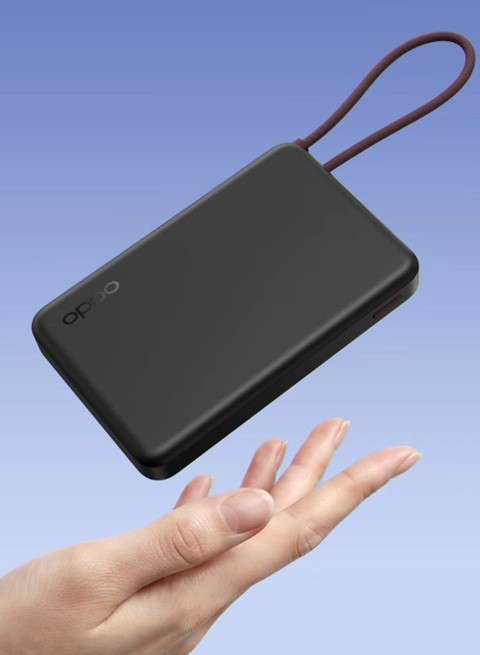
Oppo has introduced a new portable charger in India that takes care of one of the most common travel annoyances — leaving the cable behind. Called the Oppo 22.5W Power Bank 10000 with Built-in Cable, it comes with a USB-C lead permanently attached to its body. The accessory debuted alongside the Find X10 series and the Enco X4 earbuds in the country.
Oppo 22.5W Power Bank specs and price
The power bank packs a 10,000mAh battery with a rated capacity of 5,600mAh (5V/3A) and 37Wh of energy. It delivers up to 22.5W output, while the unit itself recharges at up to 20W. Oppo claims it can fill up an iPhone 16 roughly two times.
Thanks to support for PD, PPS, QC, UFCS and VOOC protocols, the power bank should play nice with phones, tablets and earbuds from multiple brands, including devices like the recently launched Oppo Pad Mini. The standout feature is the 150mm braided USB-C to USB-C cable that stays fixed to the unit and doubles as a carry loop.
There is also a separate USB-C port and a USB-A port, so you can charge three devices at once. A Low Current Mode caters to smaller gadgets such as earbuds and smartwatches, and a four-level LED indicator shows the remaining charge.
The pack measures 110.8 x 70 x 15.9mm and weighs about 185g, and it meets airline carry-on requirements. On the safety front, Oppo has included protection against overvoltage, overcurrent, overheating, short circuits, overcharging, electrostatic discharge and surges, along with cable detection.
The Oppo 22.5W Power Bank 10000 with Built-in Cable is priced at Rs 2,199 (~$26) in India and comes in a single Black color. Pre-orders are already live, and sales start on October 29, 2026. It makes for a handy add-on for those picking up the new Find X10 phones, which launched in India shortly after their global debut.
HP has launched the Star Book Air 14 in China, and you can reserve it now for 5,299 yuan (about $740). It’s a 14-inch laptop with an Intel Core 5 320 processor, an OLED touchscreen, and a battery rated at up to 42.5 hours. Outside China, HP sells the same model as the OmniBook 5 14 for $699.99.
The HP Star Book Air 14 has an aluminum alloy body that is 11.77 mm thick and weighs 1.16 kg. The HP slash logo sits on the lid. The hinge opens a full 180 degrees, so you can lay the screen flat on a table when you need to. You can choose from four colors: starry blue, ash silver, peony pink, and cantaloupe green.
The 14-inch OLED panel runs at 1920×1200 and supports 10-point touch. HP says it carries TÜV hardware low blue light and HP Eye Ease certifications. Both are meant to reduce eye strain if you spend long stretches working on the screen.
Inside, you get the Intel Core 5 320, 16GB of memory, and a 512GB SSD. The chip belongs to Intel’s newer Wildcat Lake family, and it’s turning up in more laptops. Lenovo offers a version in the IdeaPad Slim 5i, and a Geekbench listing recently showed it in the REDMI Book 16 2027 with 16GB of RAM.
The HP Star Book Air 14 has a 60Wh battery rated at up to 42.5 hours. That figure comes from HP, so your own results will depend on how you use the laptop.
You get two full-featured USB-C ports and one HDMI 2.1 output. For video calls, the laptop has an FHD IR camera with dual microphones and supports Windows Hello face recognition. Poly tuned the speakers, and the audio system carries DTS:X Ultra certification.
HP’s JD listing starts at 5,299 yuan (about $740), and reservations are open in China. The OmniBook 5 14 sells for $699.99 internationally, so the China price comes out roughly $40 higher at current exchange rates.
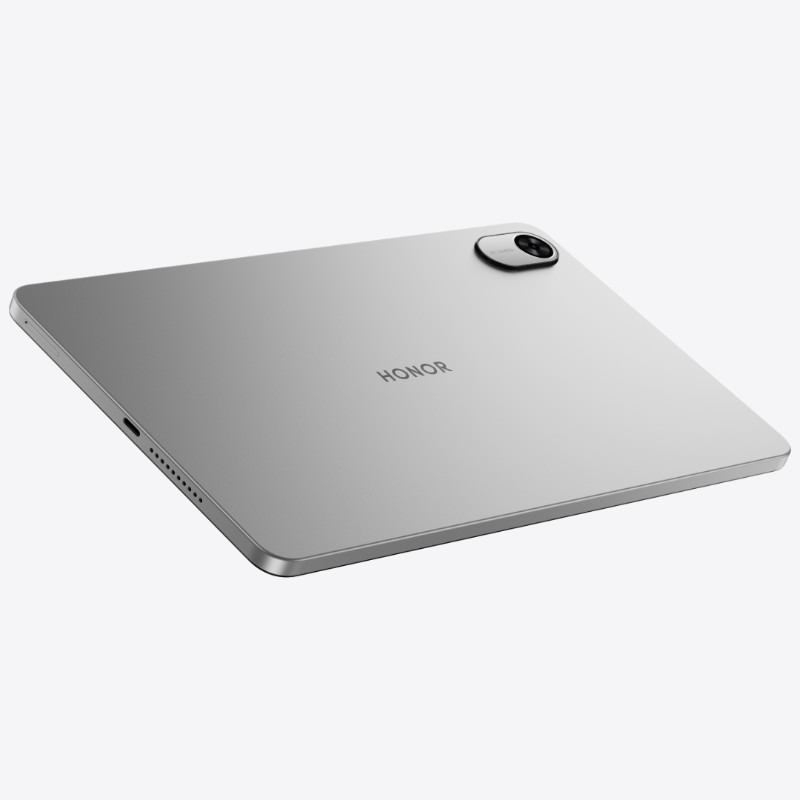
Honor has launched the Pad X10 Mini in China as a compact, family-friendly tablet. It packs a 9.7-inch 90Hz display, an all-metal body, and a large 8,000mAh battery, with prices starting at 1,099 yuan (~$165).
Honor Pad X10 Mini specifications and features
The Honor Pad X10 Mini sports a 9.7-inch LCD panel with a 2052×1152 resolution, a 90Hz refresh rate, 500 nits of brightness, and 100% sRGB color coverage. The screen is protected by secondary strengthened glass.
The tablet features an all-metal unibody design that is 8.48mm thick and weighs 477g. It carries SGS five-star gold certification for drop and pressure resistance and also meets the MIL-STD-810H standard.
Under the hood, the tablet runs on the Snapdragon 685 chipset, paired with up to 6GB of RAM and 128GB of storage. Storage can be expanded up to 2TB via a microSD card. The chip sits well below the flagship silicon in the recently launched Honor Win Pad.
Keeping the lights on is an 8,000mAh battery with 15W charging. Honor claims up to 82 days of standby, 122 hours of music playback, and 16 hours of video playback on a single charge, well short of the 10,100mAh cell in the Honor Win 2. Other features include dual speakers, a 5MP rear camera, and a 5MP front camera.
Honor is also pitching the tablet at young learners. It comes with preschool content, including Octonauts-themed resources, over 2,000 kids’ songs, and more than 17,000 animated videos. It follows the gaming-focused Honor Win RT 2 launch, and Honor had already teased the Win Pad through official renders and a October 21 launch announcement.
The Honor Pad X10 Mini comes in two configurations. The 4GB+128GB model is priced at 1,099 yuan (~$165), while the 6GB+128GB variant costs 1,399 yuan (~$210). With China’s national subsidy, the prices drop to around 934 yuan (~$140) and 1,189 yuan (~$178), respectively.
The Wi-Fi model is listed in Starry Grey, and the box includes a charger, a USB-C cable, a quick start guide, and a SIM ejector tool. The tablet is available now via Honor’s online store in China and major e-commerce platforms like JD.com.
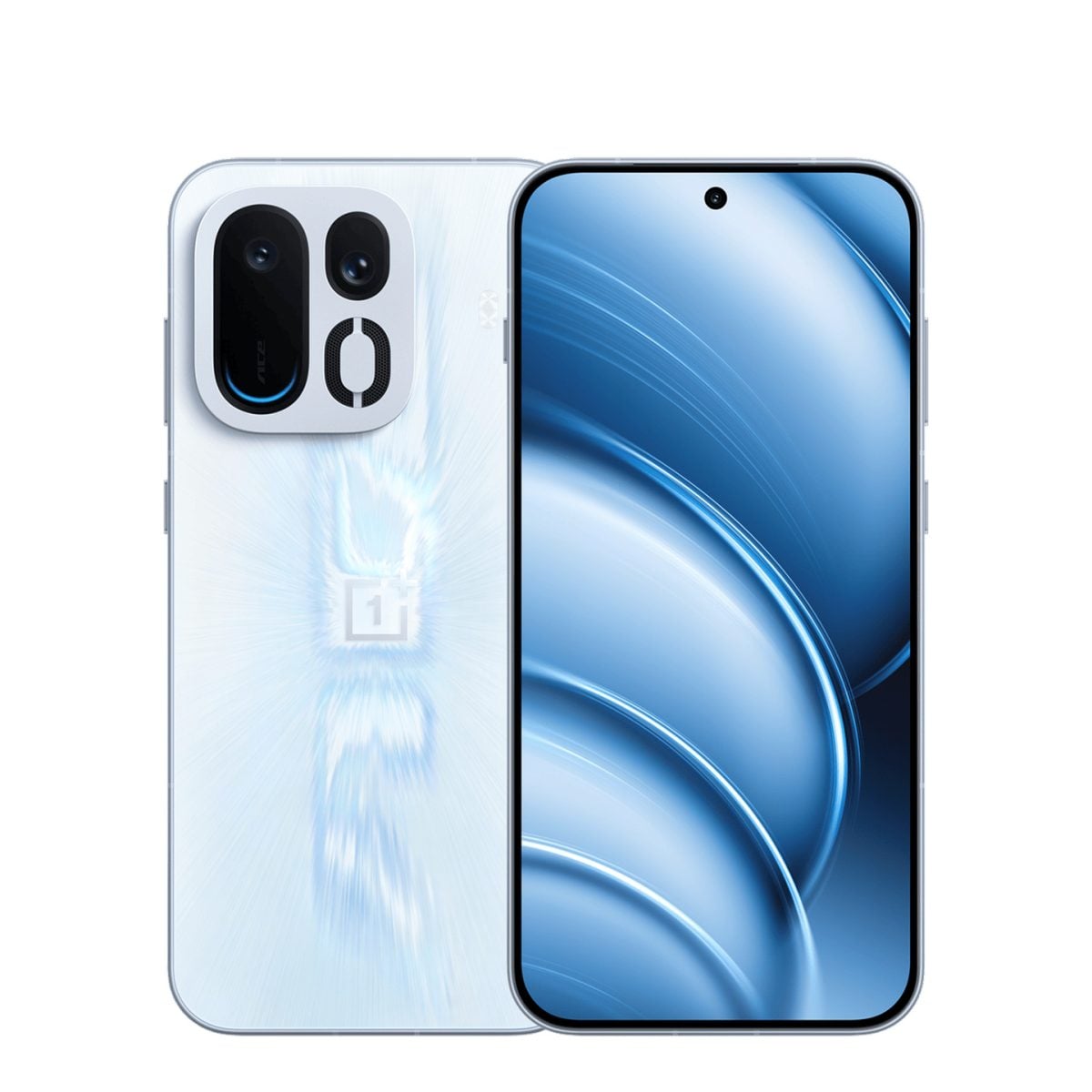
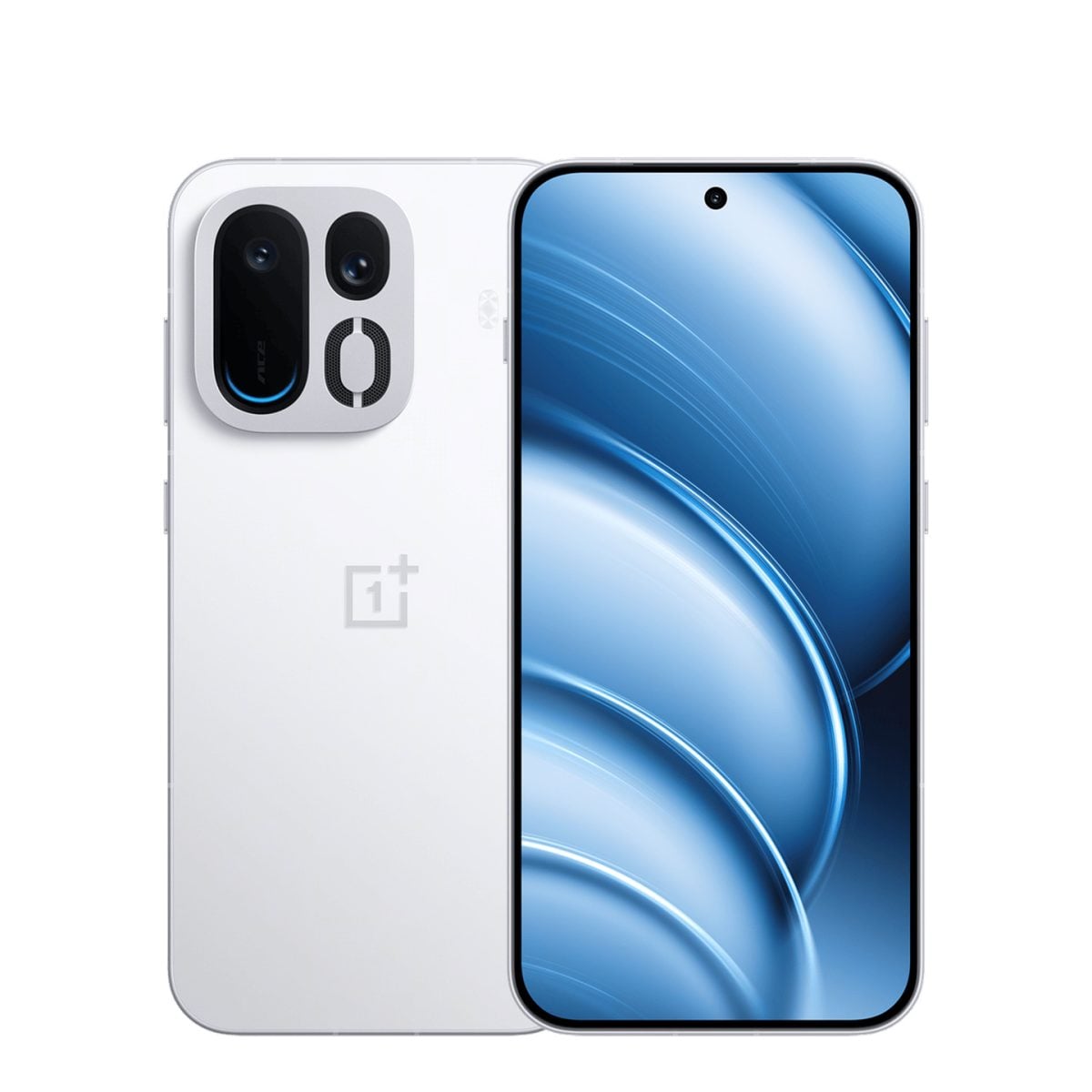
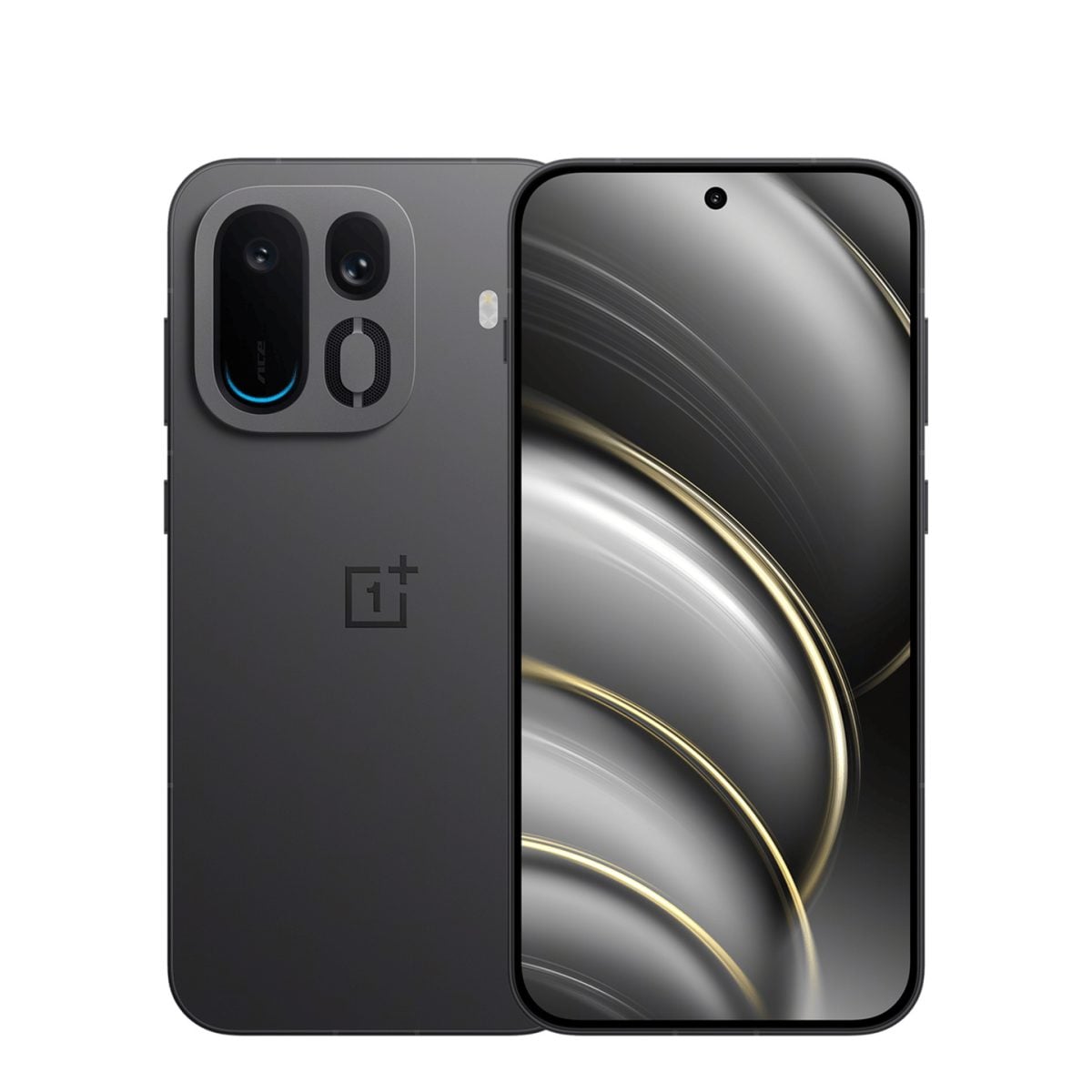
The OnePlus Ace 7 series will make its debut in China later this week, bringing two new smartphones aimed at performance-focused users. Ahead of the launch, the company has revealed key details about the upcoming devices. Their listings also provide a closer look at the available memory configurations and color options.
Battery and charging capabilities
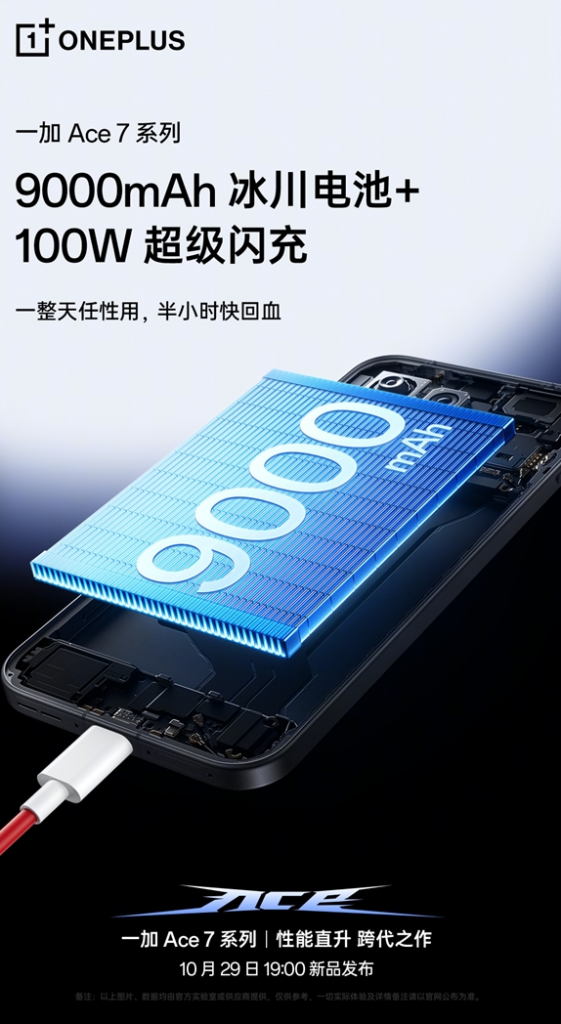
OnePlus Ace 7 series 9,000mAh battery
OnePlus has confirmed that both the Ace 7 and Ace 7 Pro will feature a 9,000mAh Glacier Battery paired with 100W SuperVOOC fast charging. According to OnePlus China president Li Jie, the battery can deliver up to seven hours of gaming at 185fps or 24 hours of continuous video playback. The phones will also feature a dedicated battery management chip designed to maintain performance at low charge levels and help preserve battery health for up to five years.
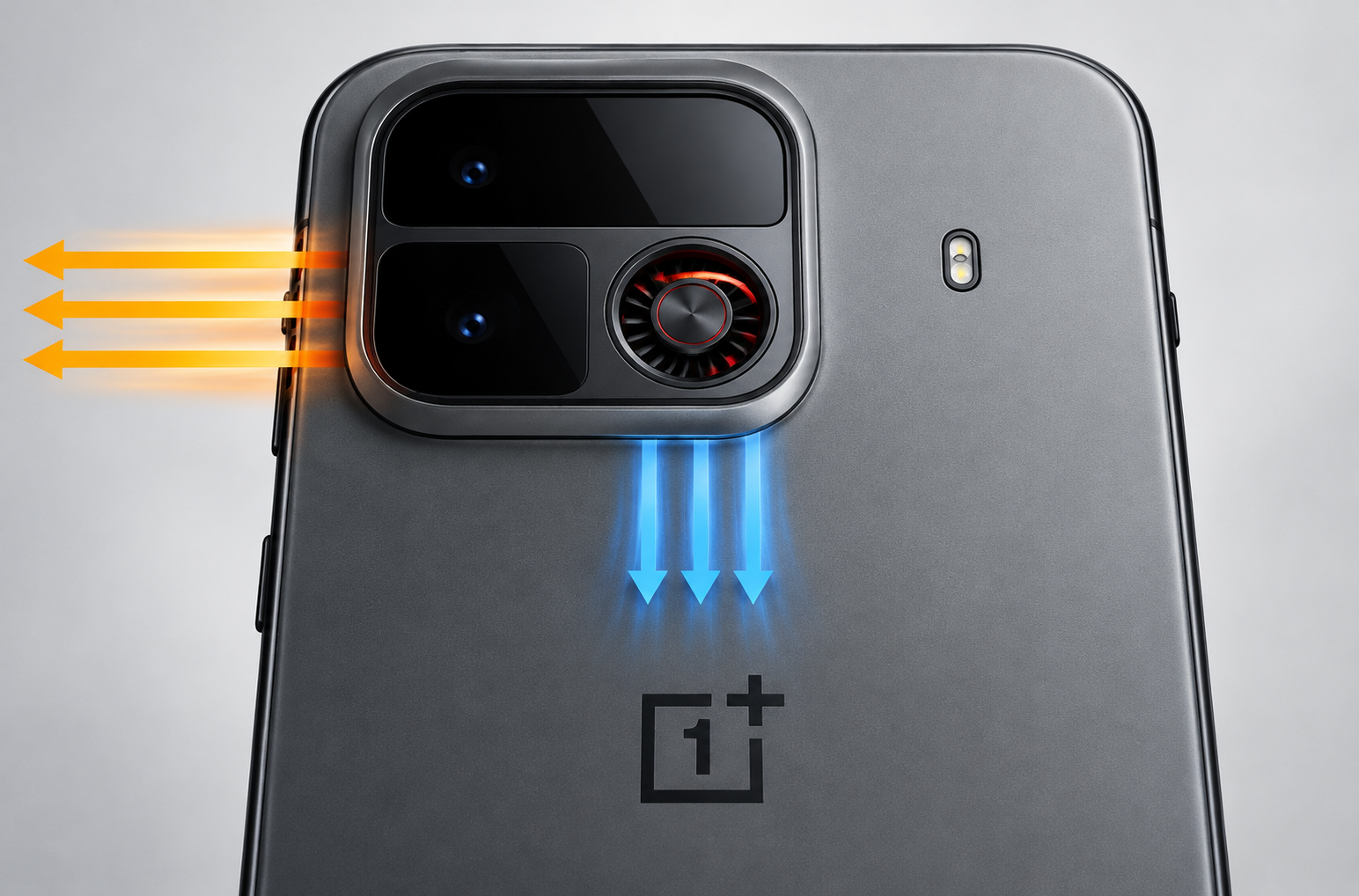
The series will support bypass charging, allowing power to reach the phone directly while gaming instead of repeatedly charging and discharging the battery. This approach is intended to reduce heat generation and improve long-term battery durability. Both models will also feature an integrated fan-based cooling system with dual airflow paths, which OnePlus claims can lower temperatures by up to 10 degrees Celsius during extended gaming sessions.
Variants and color options
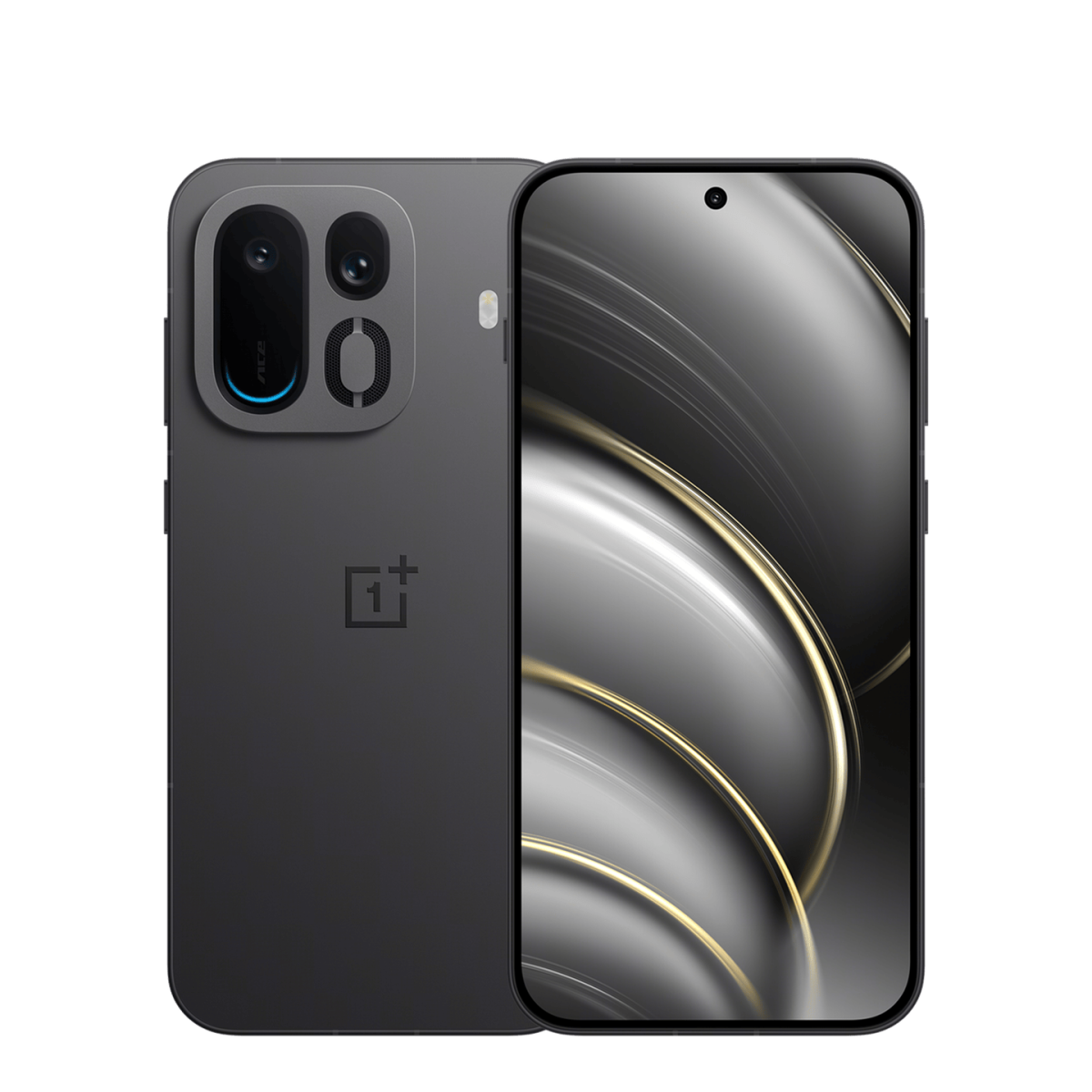
According to the official Chinese store listings, the Ace 7 Pro will be available in 12GB+256GB, 16GB+256GB, 12GB+512GB, 16GB+512GB and 16GB+1TB configurations. Its color options include Polar Night Black, Flowing Light White and Pofeng, a light blue finish. The 1TB variant is listed exclusively in the Pofeng color.
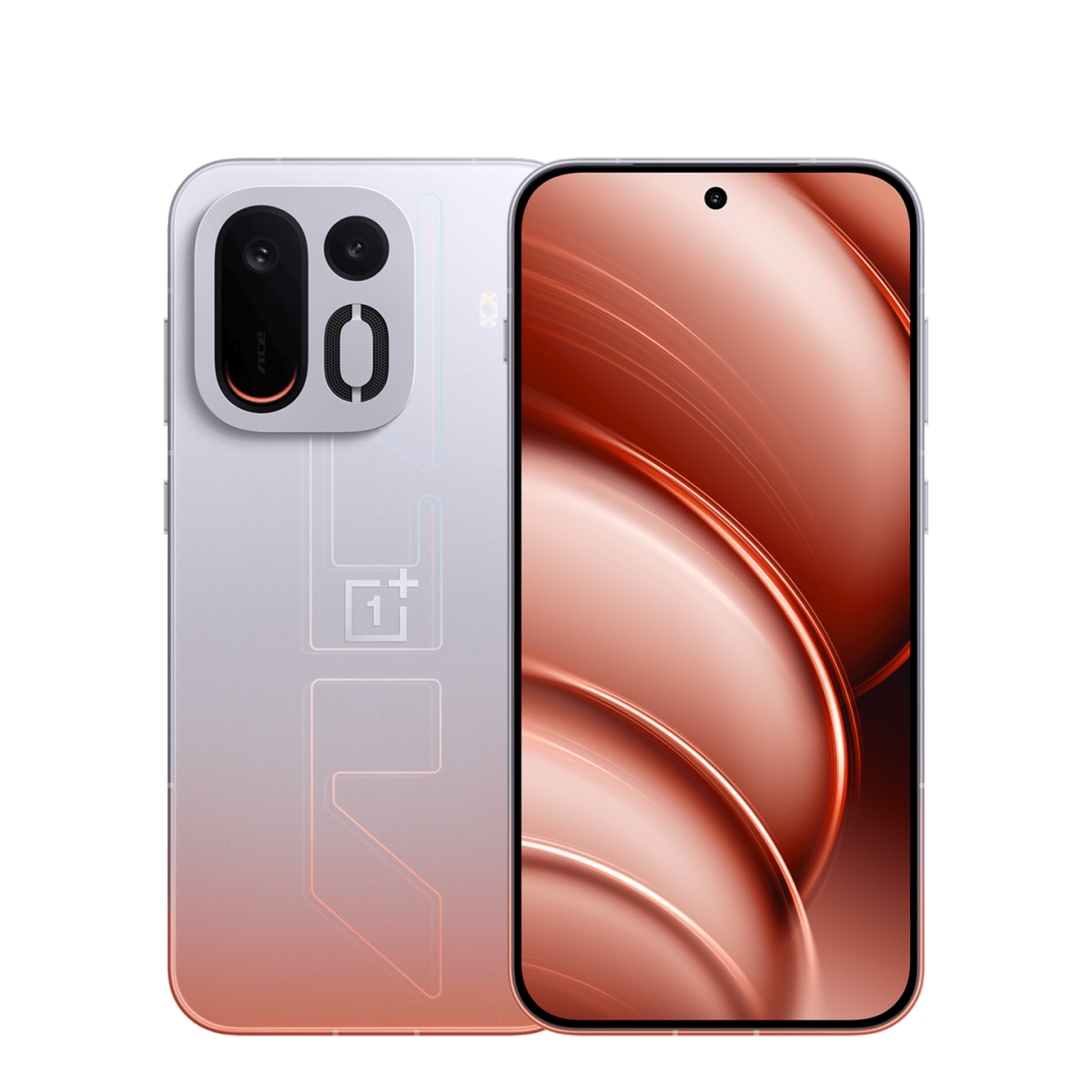
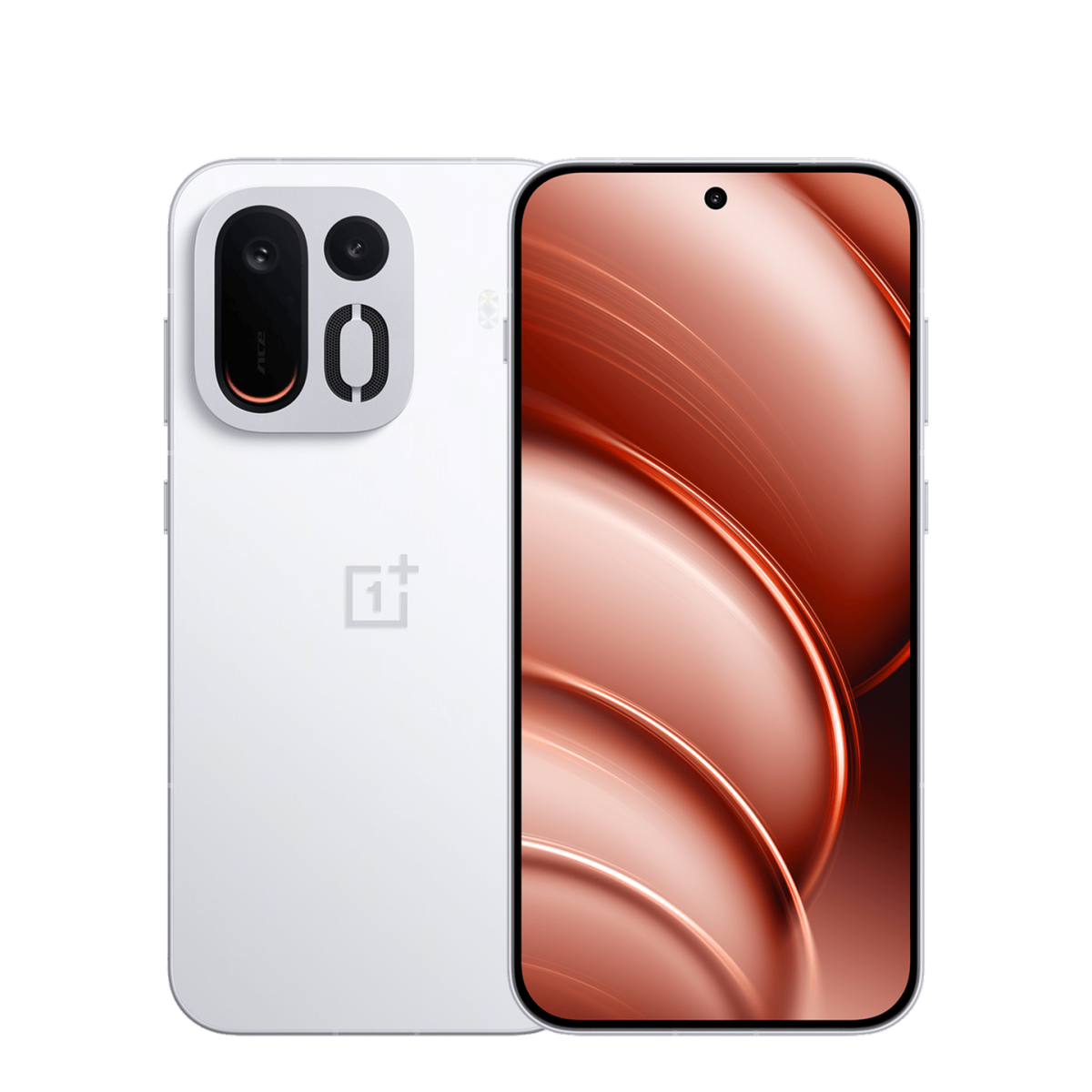
The standard Ace 7 will come in 12GB+256GB, 16GB+256GB, 12GB+512GB and 16GB+512GB configurations. It will be offered in Polar Night Black, Flowing Light White and Cuihuo, a silver-to-orange gradient finish.
Both smartphones are expected to feature a 6.78-inch 1.5K OLED display with a 185Hz refresh rate. The Ace 7 Pro may additionally feature a 200-megapixel main camera and a 50-megapixel periscope telephoto camera with 3.5x optical zoom. The Ace 7, on the other hand, may lack a periscope telephoto camera. The Ace 7 and Ace 7 Pro phones are said to be powered by the Snapdragon 8 Elite Gen 5 V series and Snapdragon 8 Elite Gen 5 chipsets, respectively. For an enhanced gaming experience, both phones are confirmed to feature a dual-airflow cooling system equipped with a built-in fan.
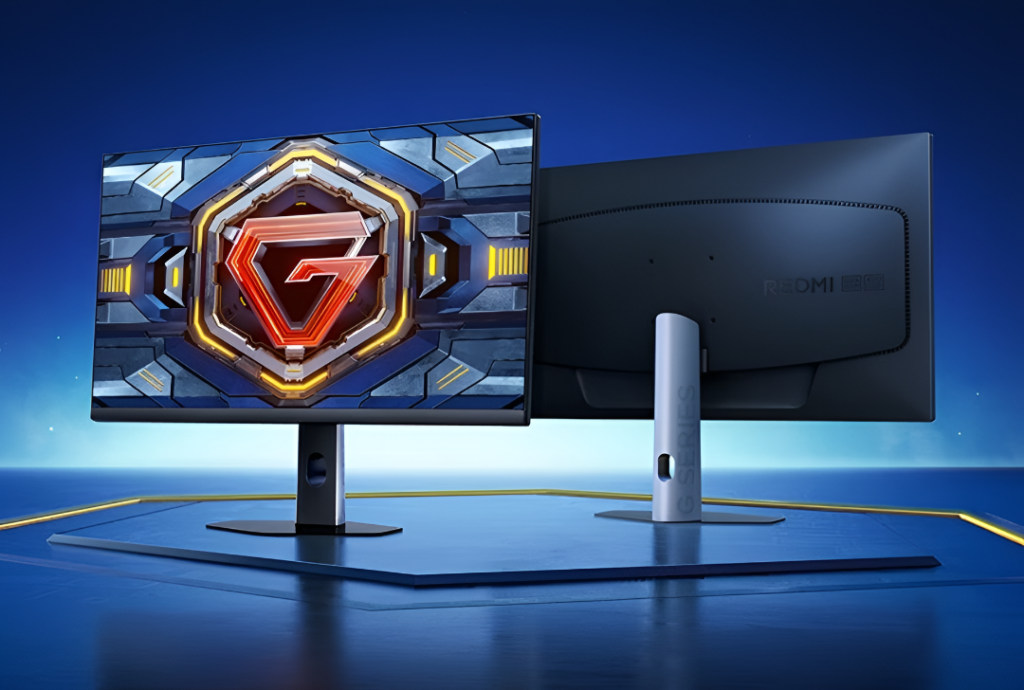
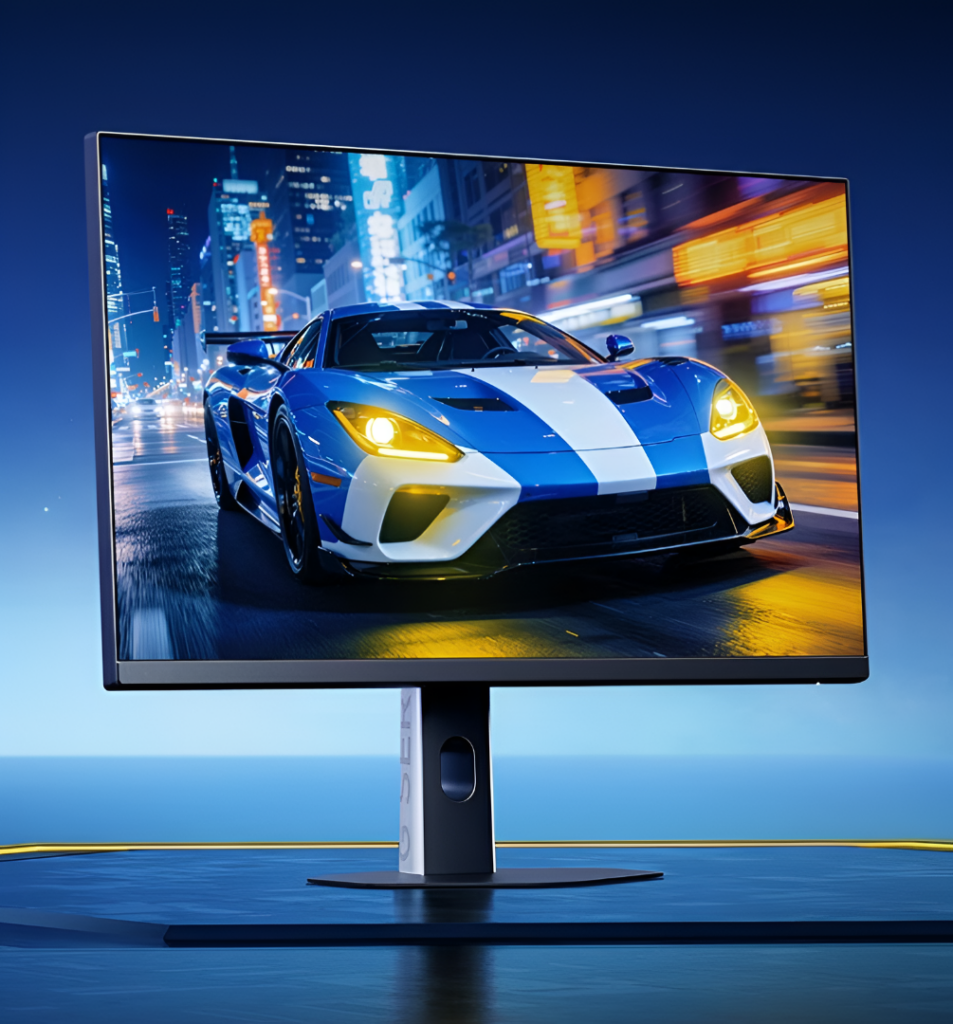
Xiaomi has released a new budget gaming monitor in China. The Redmi G25 2027 is a 24.5-inch display that focuses on high refresh rates, offering a native 300Hz panel for 799 yuan (about $120). It is currently available for purchase on JD.com.
Redmi G25 2027 Specifications
The monitor features a 24.5-inch Fast IPS display with a Full HD resolution of 1920 x 1080 pixels and a 16:9 aspect ratio. It also comes with a native 300Hz refresh rate and a 1ms gray-to-gray (GTG) response time, which help reduce motion blur and ghosting while delivering smoother visuals during fast-paced gaming sessions.
For variable refresh rate support, the Redmi G25 2027 includes AMD FreeSync Premium to prevent screen tearing and stuttering. Xiaomi also added Dynamic Overdrive (OD), a feature that automatically adjusts pixel response speeds based on the current frame rate.
The display software includes standard gaming tools, such as customizable crosshairs with dynamic color adjustment, night vision mode, and a dark enhancement feature that makes shadows more visible without blowing out the rest of the image.
The panel comes with VESA DisplayHDR 400 certification, 400 nits of typical brightness, a 1000:1 contrast ratio, and 8-bit color depth. It covers 100% sRGB and 93% DCI-P3 color gamuts and features TÜV Rheinland-certified hardware-level low blue light technology, which Xiaomi claims reduces harmful blue light emissions by up to 50% without affecting color accuracy.
For connectivity, it includes two DisplayPort 1.4 inputs, two HDMI 2.0 ports, and an audio output jack. To get the full 300Hz refresh rate, you have to use a DisplayPort connection, as the HDMI 2.0 ports cap out at 240Hz at 1080p.
The physical design includes slim bezels on three sides and a joystick on the back for navigating the settings menu. The included stand only allows for basic tilt adjustments from -5 to +15 degrees. However, the monitor supports standard 75 x 75mm VESA mounting if you want to use a separate monitor arm.
In related news, Lenovo has recently launched the affordable Legion 27Q-20 gaming monitor with a 2K resolution, 320Hz refresh rate, and 1ms response time, alongside Xiaomi’s Redmi G27Q 2026, which features a 27-inch 2K display with a 240Hz refresh rate and 1ms response time.
For more daily updates, please visit our News Section.
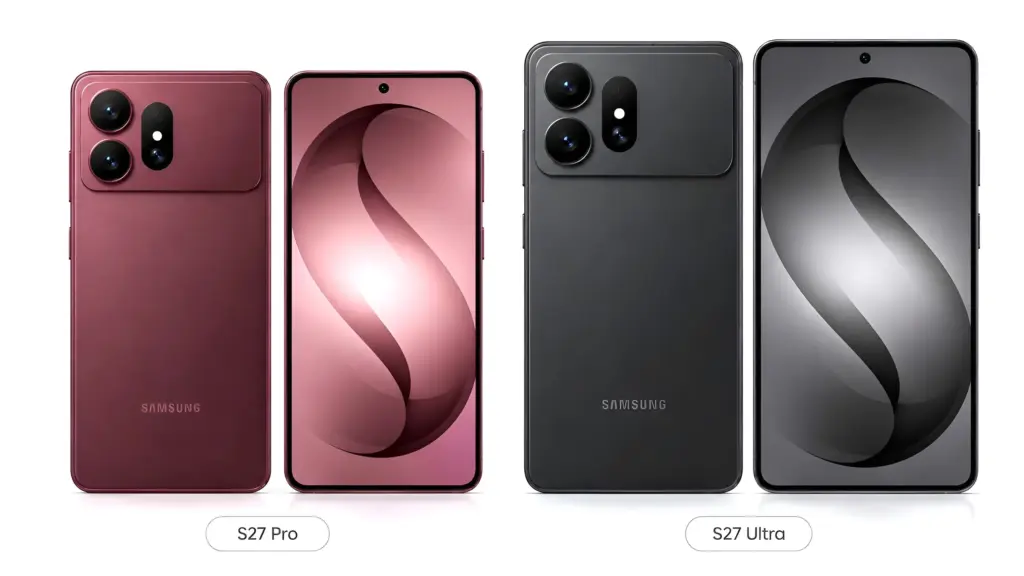
Samsung’s next flagship phones look set for a solid battery bump. Regulatory documents have now spelled out the exact capacities for the Galaxy S27 Pro and S27 Ultra, which are expected sometime in early 2027.
Samsung started using higher-capacity silicon-carbon anode batteries in its recent foldables like the Galaxy Z Fold 8 Ultra. That made people wonder if the regular S-series would get the same treatment. Earlier reports from GalaxyClub had pointed to a 5,700mAh battery for the Ultra and around 5,200mAh for the Pro, numbers that lined up with what most expected.
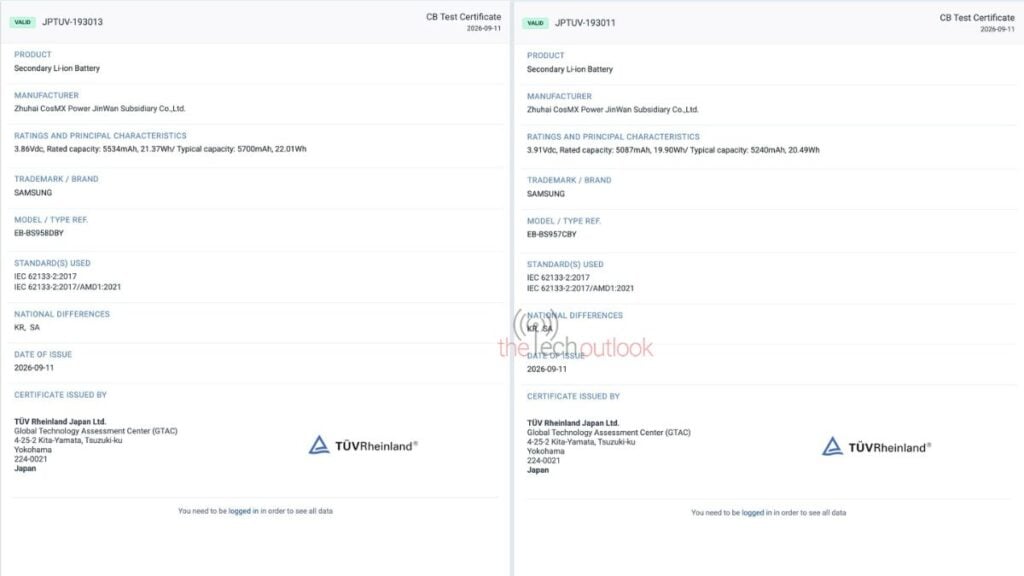
Photos of the actual battery packs later showed up in Safety Korea certification records, but the images were too blurry to read the numbers clearly. TÜV Rheinland filings have now filled in the blanks. The Galaxy S27 Ultra’s EB-BS958DBY cell is listed with a 5,534mAh rated capacity and a 5,700mAh typical capacity. The Galaxy S27 Pro’s EB-BS957CBY cell comes in at 5,087mAh rated and 5,240mAh typical, a bit higher than some of the earlier Pro estimates.
That’s a clear upgrade from the 5,000mAh batteries that have been in recent Galaxy Ultra models. The Ultra’s jump is the more impressive one, giving it roughly 14% more capacity. Both cells are made by Zhuhai CosMX Power in China, and related certifications also show support for 60W wired charging, same as the previous generation.
Samsung is expected to announce the Galaxy S27 series in early 2027, with most reports pointing to a late-January or early-February window. Final retail specs can still shift a little, but these regulatory numbers are the strongest confirmation we’ve had so far on battery size. Pair that with possible efficiency gains from newer processors and the silicon-carbon chemistry, and we could see noticeably better endurance without the phones getting much thicker.
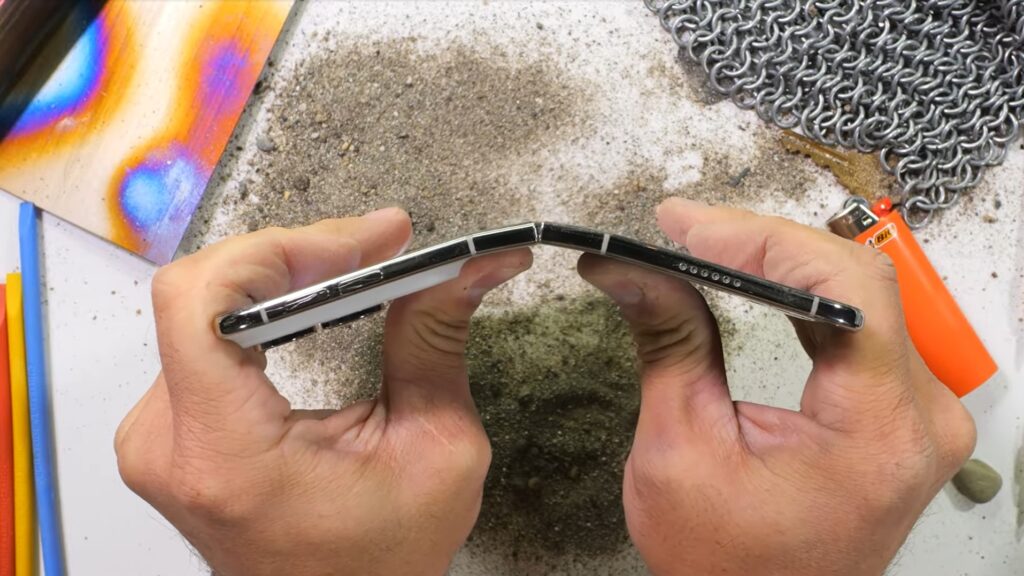
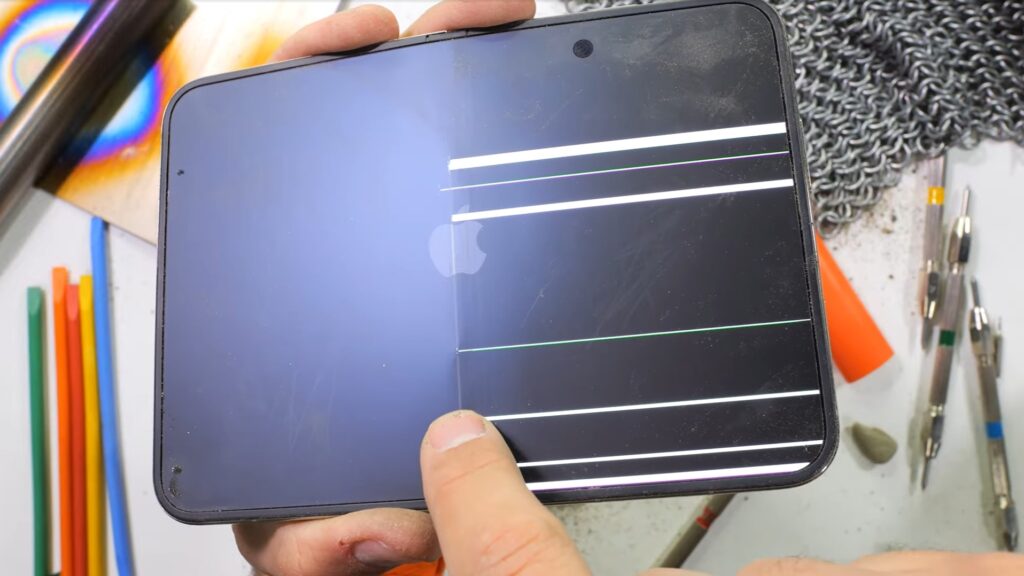
Zack Nelson from JerryRigEverything has given Apple’s first foldable the usual rough treatment, and the results highlight a couple of weak spots that go beyond just forcing the phone to bend the wrong way.
Apple’s IP68 dust and water rating needs a bit of real-world context. In the video, Nelson buried the Duo in sand, dirt, and soil. Afterward, the phone simply wouldn’t close all the way.
Debris had worked its way into the titanium hinge from a few different spots, and even the magnets couldn’t pull the two halves shut against the grit. Heavy contamination like that isn’t an everyday situation, but it does show a potential soft spot for beach days or dusty environments.
The inner flexible display has a nano-texture coating that does a decent job of hiding scratches compared with many glossy foldable screens. Under extreme pressure, though, it’s still fragile.
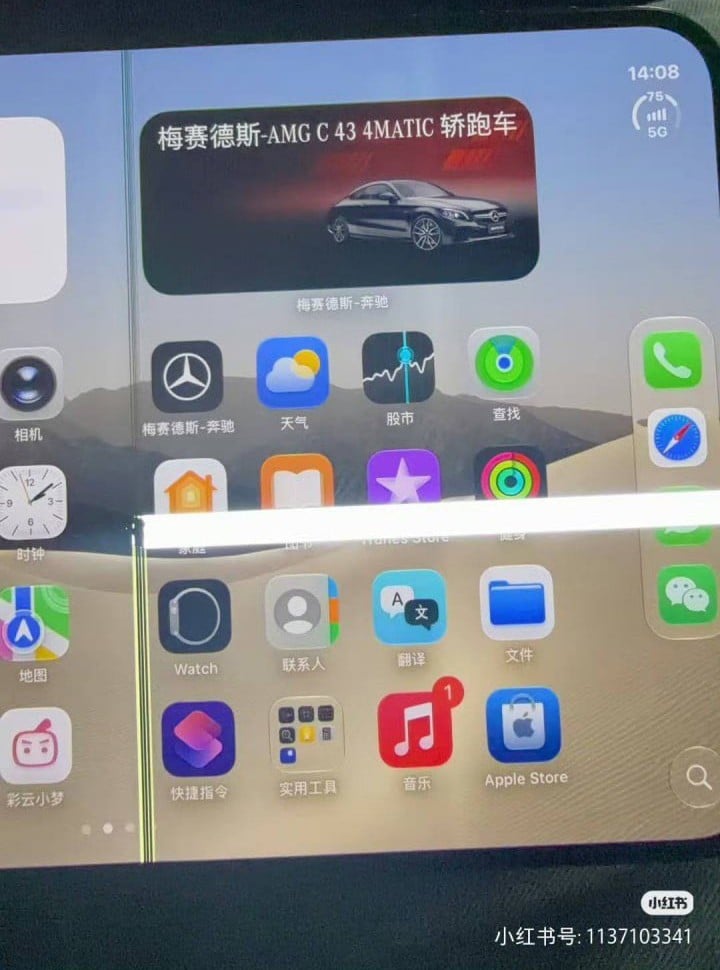
When Nelson bent the open phone against its natural fold direction, the frame itself held up and didn’t snap. The AMOLED panel, however, took permanent damage: first a green line, then more lines, until the screen stopped responding completely. Replacing that inner display is reportedly around $1,000.
Nelson pointed out that he’s been testing foldables since the first generation nearly seven years ago, and most of them survive his routine. The iPhone Duo did not. The outer Ceramic Shield 2 display behaved more like a normal iPhone, picking up only faint marks at the higher Mohs hardness levels.
The combination of a hinge that can let in debris and a flexible screen that doesn’t like being flexed the wrong way means owners will probably want to treat the Duo with a bit more care, especially when it’s open or around sand and dirt.
None of this means the phone is going to fall apart during normal daily use. It just underlines the usual trade-offs that come with foldable designs and why a few extra protective habits are worth considering. The full video with the scratch, dirt, and bend tests is up on the JerryRigEverything channel if you want to see exactly how it played out.
Timex has released a new collaboration with Vontélle, a US-based eyewear brand known for designing frames that accommodate a wider variety of facial structures. The partnership has resulted in two new variations of the Timex Marlin watch: a quartz chronograph gift set priced at $329, and a standard three-hand model available for $199. Both are currently available on the Timex US website.
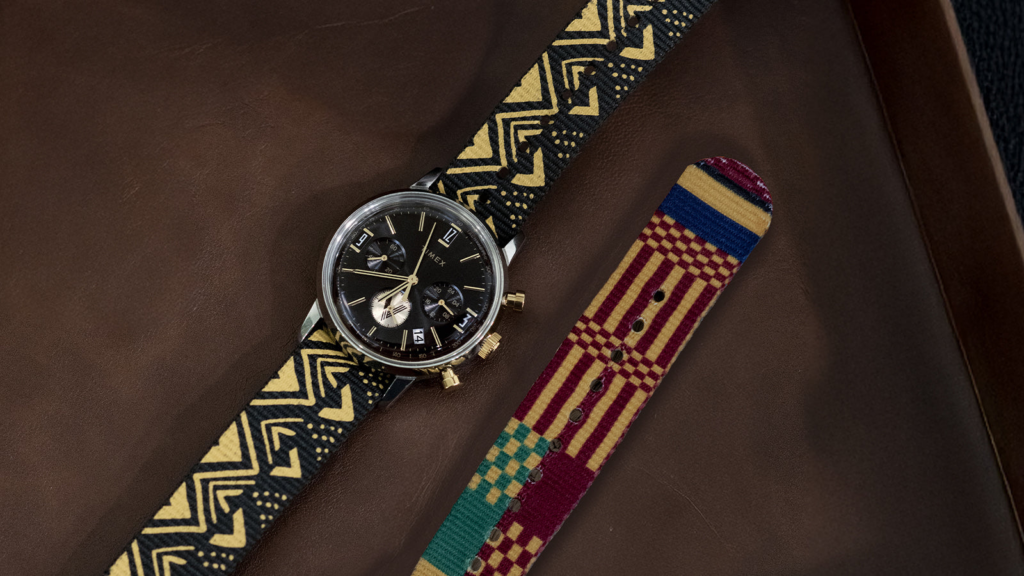
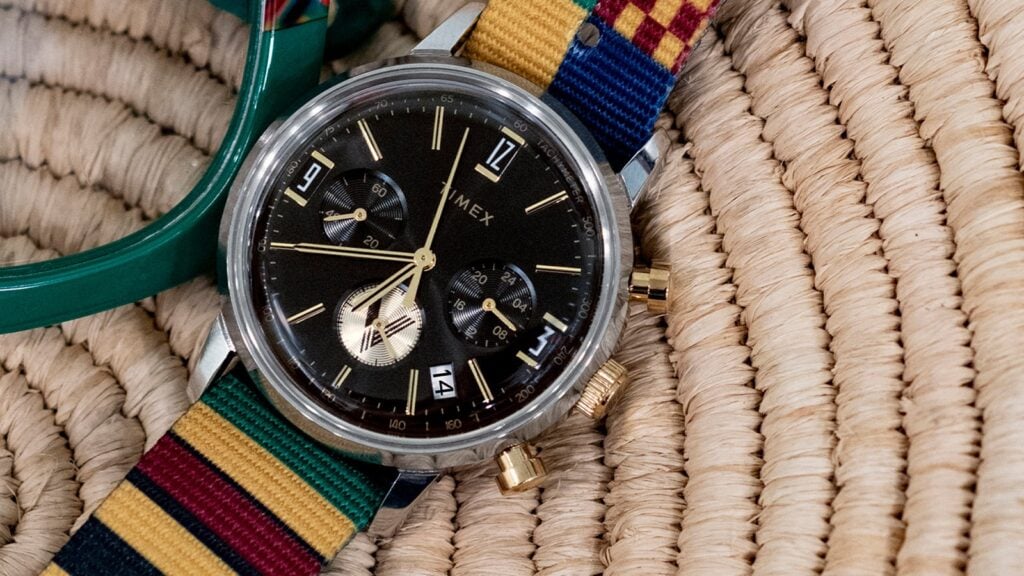
The collaboration focuses on integrating Vontélle’s textile-inspired patterns into the standard Timex Marlin hardware. The more expensive of the two options is the Vontélle x Timex Marlin Quartz Chronograph. It features a 40mm polished stainless-steel case with a 48mm lug-to-lug distance and a thickness of 13mm. The dial is black with gold-tone hands, retro-style partial Arabic numerals, a date window, and an outer tachymeter index.
This chronograph model is sold as a gift set and its main differentiator is the inclusion of two interchangeable 20mm fabric slip-through straps. One strap features a traditional mudcloth pattern, while the other uses a Kente-inspired print. It runs on a standard quartz chronograph movement powered by an SR936SW battery.
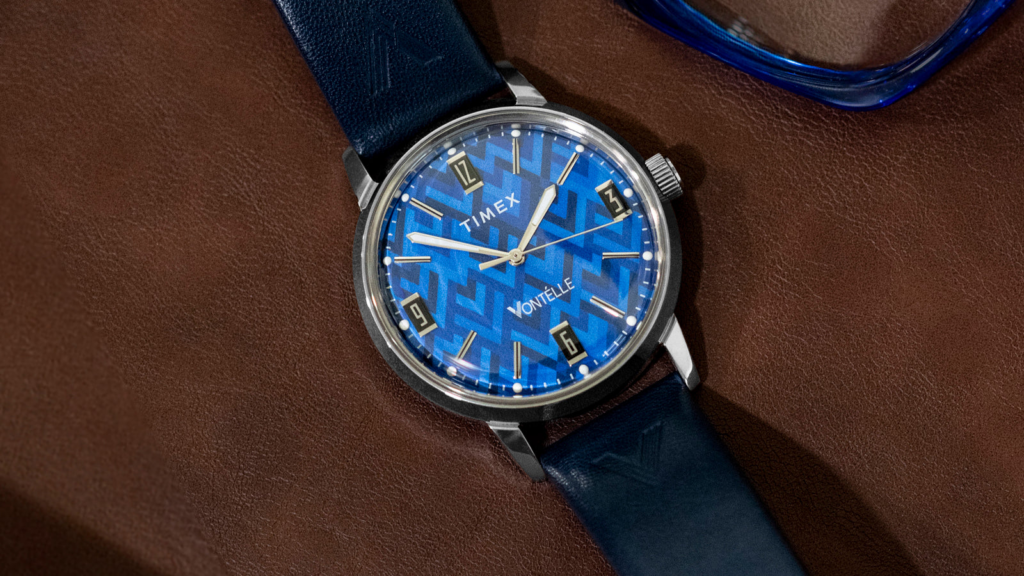
For a simpler layout, the Vontélle x Timex Marlin 40mm Leather Strap Watch drops the chronograph functionality for a standard three-hand quartz movement. Priced at $199, it shares the 40mm polished stainless-steel case but is slightly thicker at 13.5mm.
The dial features a blue chevron pattern, and unlike the chronograph version, it includes luminescent material on the hands and markers for visibility in the dark. This model ships with a blue leather strap equipped with quick-release spring bars, allowing users to swap the band without tools.
Both watches share a few standard specifications. They use a vintage-style domed acrylic crystal over the dial. Acrylic is a lightweight plastic polymer that is prone to scratching, though minor scuffs can generally be polished out. Additionally, both models carry a 50-meter water resistance rating, meaning they can handle light splashes or brief swimming, but are not built for diving or high-pressure water activities.
JBL has launched a Tourmaline Red Special Edition of its Soundgear Clips open-ear earbuds in China, following the Emerald Green Special Edition released in May. The new color IS the second China-exclusive special edition of the earbuds.
The JBL Soundgear Clips Tourmaline Red Special Edition starts at 1,346 yuan (about $198). For comparison, the Emerald Green edition sells for 999 yuan.
Both the earbuds and their charging case have a semi-transparent red finish. JBL is comparing the color to a ruby in its promotional images.
The new edition retains the 11mm dynamic driver of the original model, which JBL introduced at CES 2026. JBL says the red version uses a custom-built driver with a titanium-plated, double-layer diaphragm. It also supports SonicArc directional sound delivery, which directs audio toward the user’s ears to reduce sound leakage to people nearby.
Each earbud weighs 6.5 grams, and the pair together comes in at around 13 grams. The earbuds have a two-part body connected by a flexible C-shaped bridge made from TPU and an IP54 rating for dust and water resistance.
For calls, the Soundgear Clips use four built-in microphones alongside AI noise reduction and an ENC algorithm. Users can also calibrate the microphones through a companion app. JBL rates call time at up to four hours per charge.
The earbuds are rated for up to eight hours of runtime on a single charge. The charging case extends total playback time to 32 hours. A 10-minute quick charge further adds around three hours of playback, while it takes about two hours for a full charge. The earbuds support Bluetooth 5.4, although JBL does not include a charging cable in the box.
The Tourmaline Red Special Edition is currently listed only in China. JBL has yet to announce whether the new color will be available in other markets.
For more daily updates, please visit our News Section.
iQOO confirmed the launch date for the iQOO Neo 12 last week, as we reported at the time. The phone will launch in China on October 28 at 7 PM local time, with sales starting the same evening. For early buyers, though, reservations for the phone have been open through Vivo’s China store since October 10.
Earlier this month, most of the information about the Neo 12 came from leaks. iQOO has since confirmed several key specifications, including its processor, display, and cooling system. Some details, such as the cameras and price, remain unconfirmed, so here’s what we know ahead of the launch.
The iQOO Neo 12 will run on Qualcomm’s Snapdragon 8 Elite Gen 5, paired with iQOO’s Q3 gaming chip and an updated Monster Super Core Engine. This is the same Snapdragon flagship chip used in last year’s lineup, rather than the newer Snapdragon 8 Elite Extreme Gen 6 found in the iQOO 16, which launched in China in late September.
The phone also gets an Ice Dome cooling system with a built-in active fan. Combined with the dedicated gaming chip, the setup is meant to keep performance stable during demanding games.
iQOO says supported titles can run at 2K resolution and 185fps, with super resolution and frame interpolation working simultaneously. This applies to supported games rather than every title. The Neo 12 also uses the same touch chip as the iQOO 16, with instant touch sampling of up to 5,000Hz and multi-touch sampling of up to 500Hz.
2. The display
iQOO Neo 12
The Neo 12 has a flat 2K display from Visionox with a refresh rate of up to 185Hz. According to iQOO’s Neo product manager, this is the highest refresh rate in the brand’s history. The Neo 11 reached 144Hz, while the iQOO 16 tops out at 165Hz.
iQOO developed the panel with Visionox and Tsinghua University. It uses fourth-generation pTSF light-emitting technology, which is intended to reduce power consumption. Other confirmed display features include peak brightness of up to 2,200 nits, XDR dynamic range enhancement, circular polarization, and a 1-nit sleep screen.
According to official teasers, the Neo 12 has a flat screen with thin, even bezels and a centered punch-hole selfie camera. Around the back, the phone has a large rounded-square camera island with two vertically arranged lenses, while a metal frame runs along the sides.
A live photo shared on Weibo shows a pale blue version with a circular mesh grille beside the camera island. It appears to be the fan’s air intake, while a row of slots along the right edge could serve as exhaust vents.
iQOO has confirmed three color options for the Chinese market. One of them has a textured finish that changes its appearance as the phone is tilted. The company developed it in collaboration with the China Academy of Art.
4. Battery and charging
The iQOO Neo 12 is expected to pack a 9,000mAh battery, while its 3C certification listing confirms support for 100W wired charging. iQOO has not yet detailed the battery itself, although one report describes it as a silicon-carbon cell.
If the 9,000mAh capacity is accurate, the Neo 12 will have a considerably larger battery than its predecessor. The iQOO Neo 11 has a 7,500mAh cell, while the iQOO 16 comes with an 8,400mAh battery.
5. What is still unconfirmed
The camera specifications are still a major unknown. According to reports, the phone has a 50MP main camera with optical image stabilization (OIS), an 8MP ultrawide camera, and a 16MP front camera.
However, some listings claim the phone will have a second 50MP rear sensor instead of the 8MP ultrawide. Neither configuration has been confirmed by iQOO, so the official specifications should settle the question. For comparison, the iQOO 16 has three 50MP rear cameras.
Other rumored features include an ultrasonic in-display fingerprint sensor and IP68 and IP69 ratings, but iQOO has not confirmed either yet.
6. Price and availability
iQOO has not announced the iQOO Neo 12’s price or storage configurations. The iQOO Neo 11 launched at CNY 2,599 (about $387) for the 12GB RAM and 256GB storage variant. The iQOO 16, meanwhile, starts at CNY 5,999 (about $894), up from the iQOO 15’s launch price of CNY 4,199 (about $626). The increase has been attributed in part to memory shortages.
The Neo 12’s new display and built-in cooling fan could also affect its price, although there is no confirmed figure yet.
Moreover, the October 28 launch is confirmed only for China. iQOO has not announced an Indian or global release. A previous report suggests the phone could reach select markets as the iQOO 16R, while another claims the 16R is a separate device. The Neo 11 did not launch in India, so the Neo 12’s international availability remains uncertain.
For more daily updates, please visit our News Section.
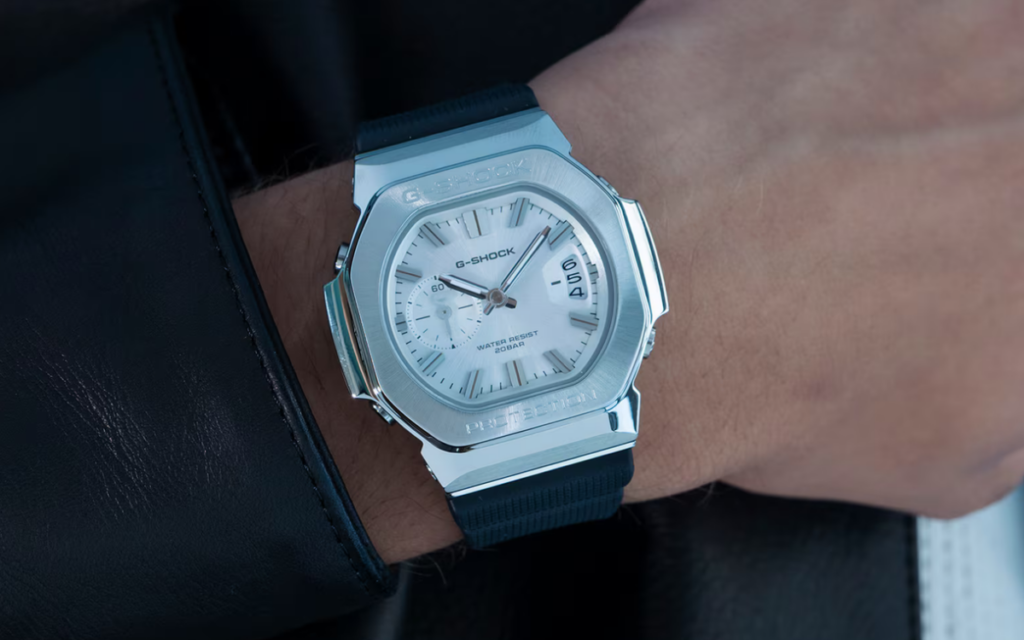
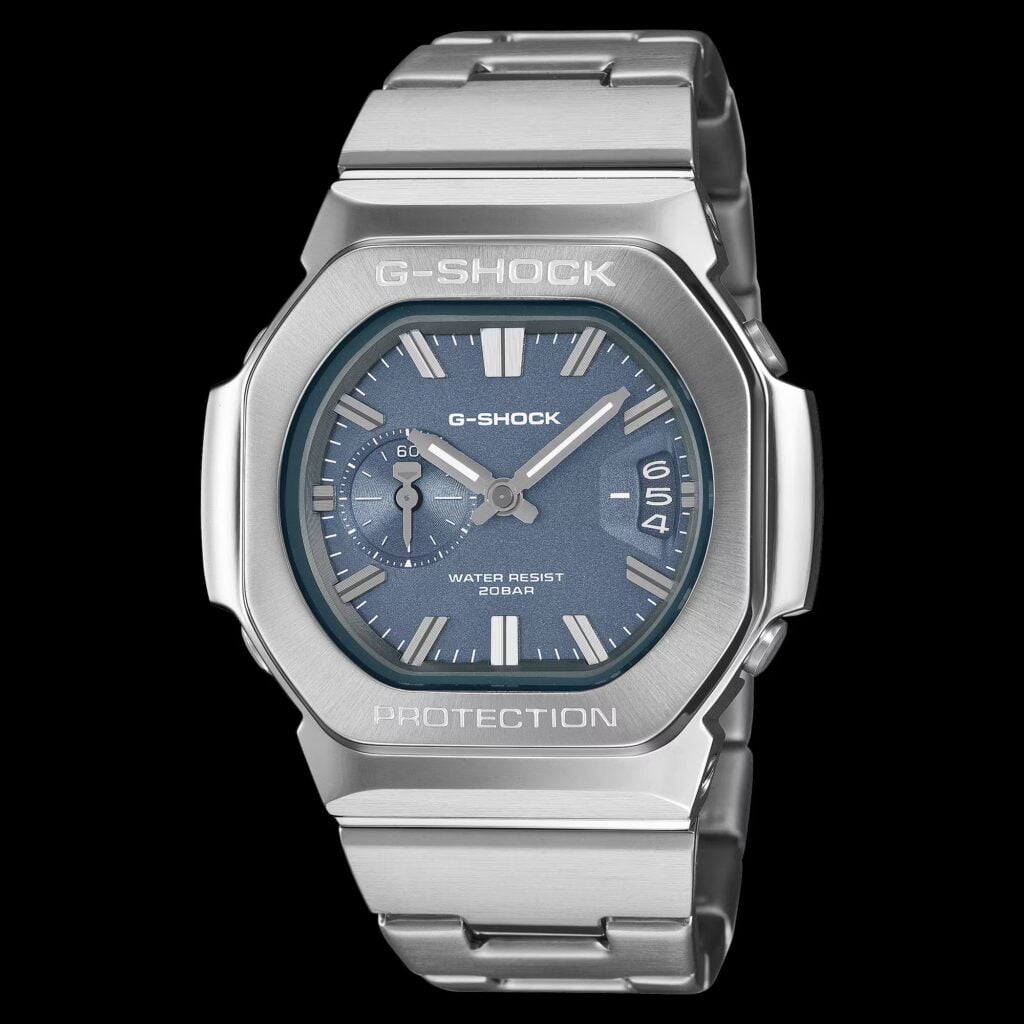
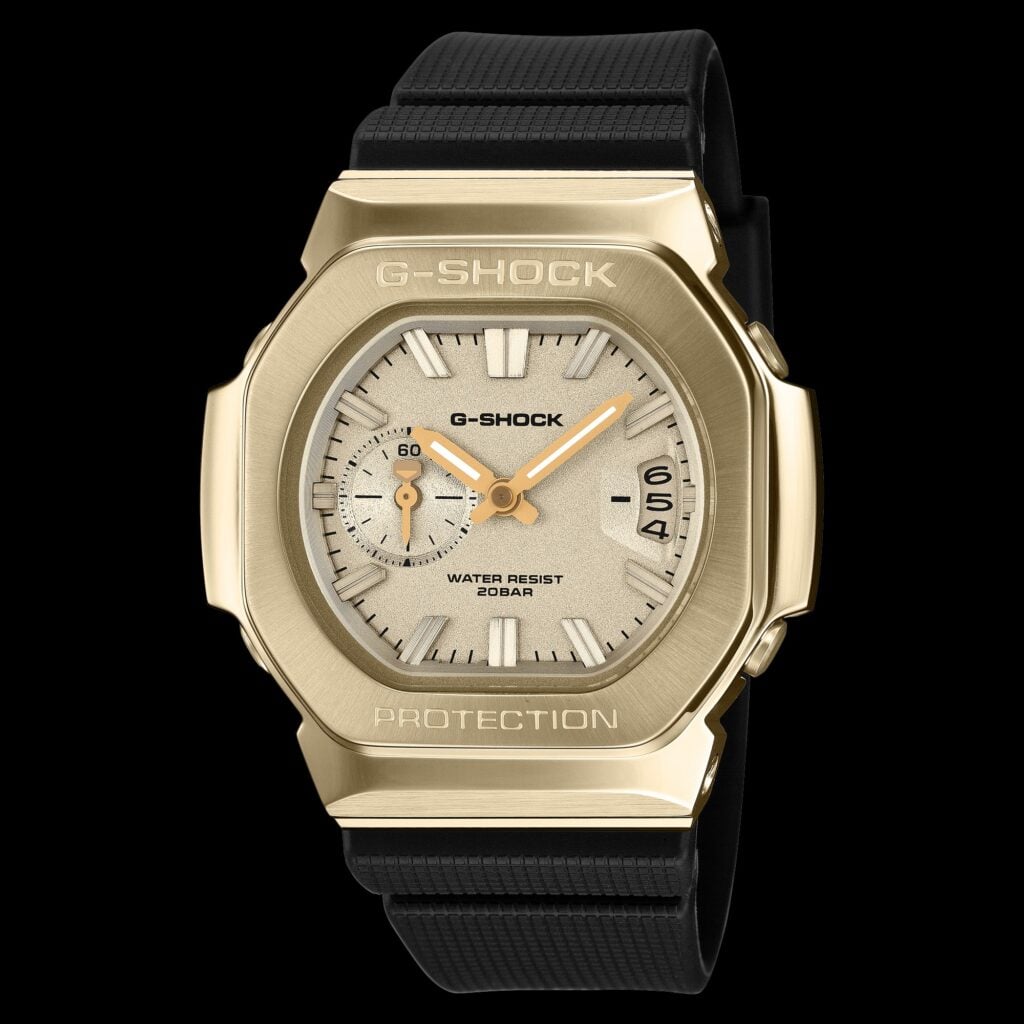
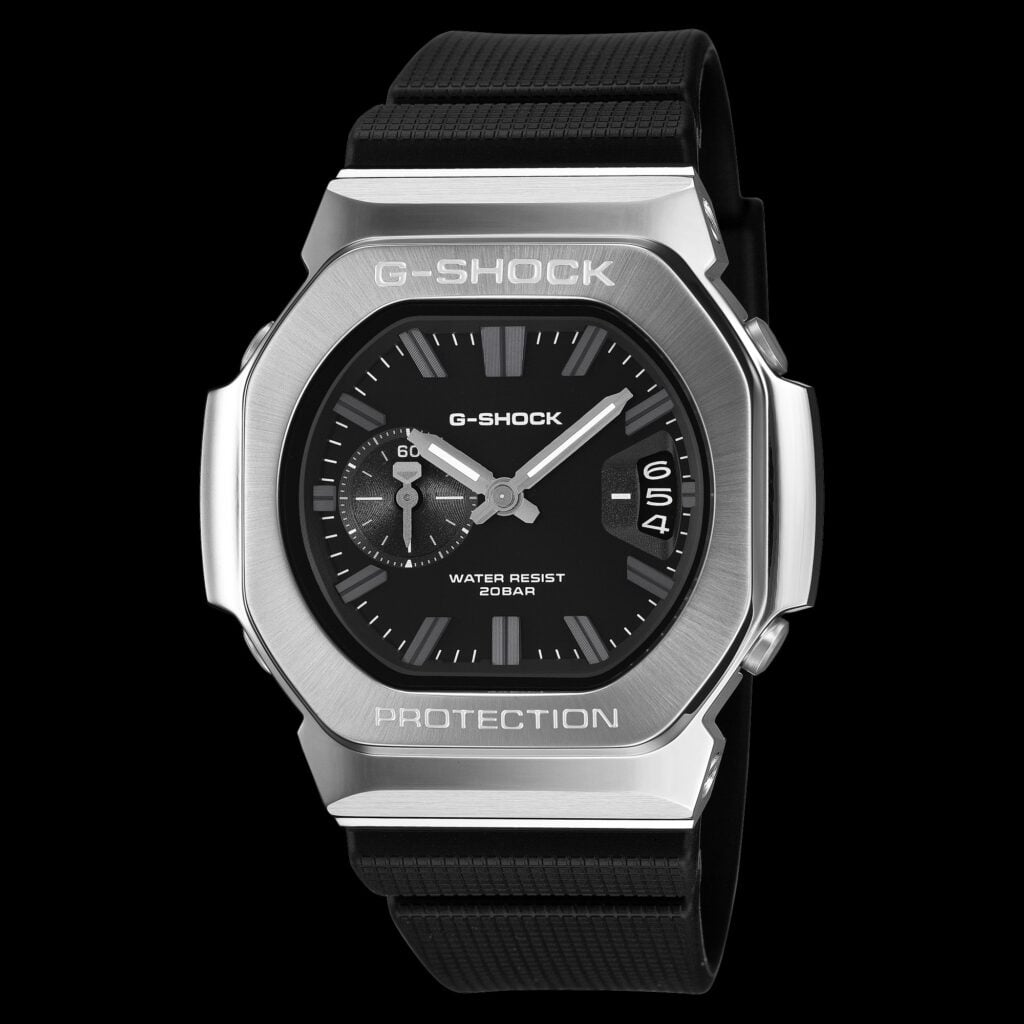
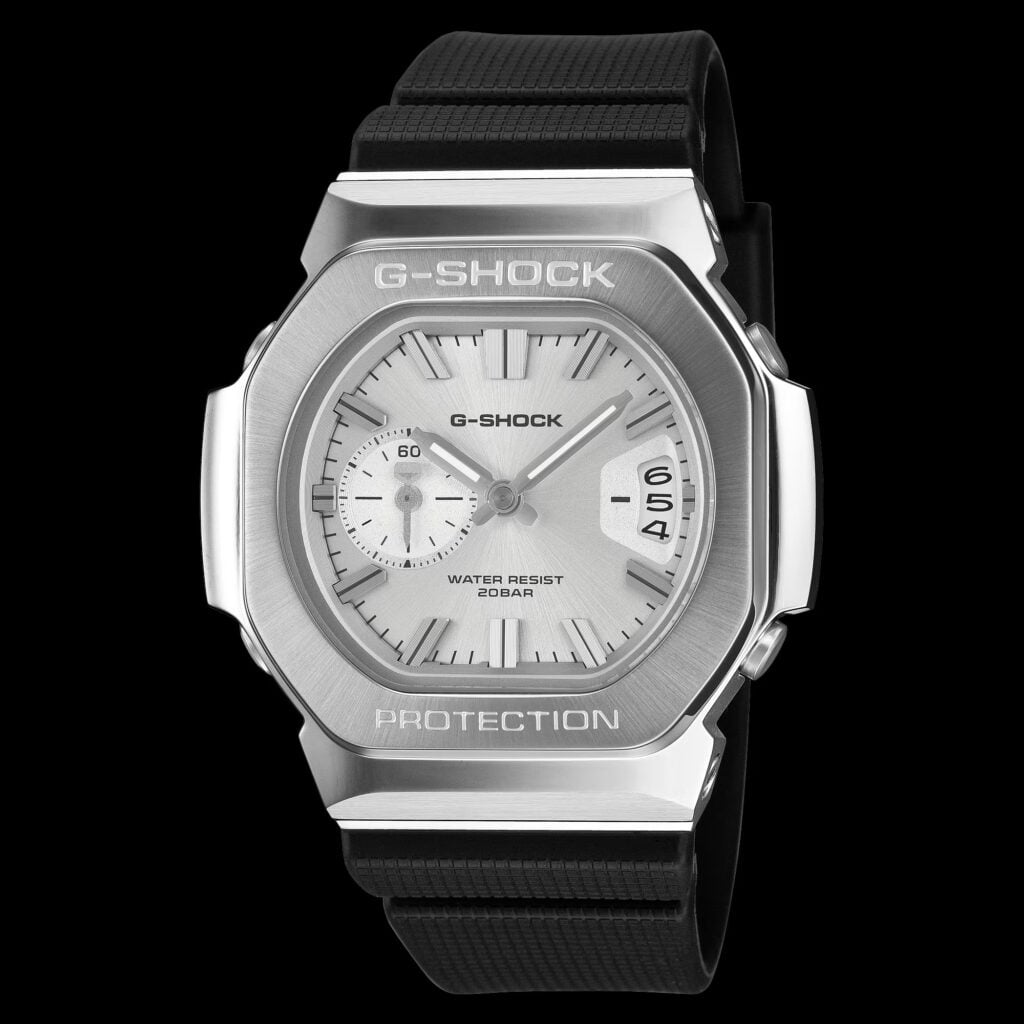
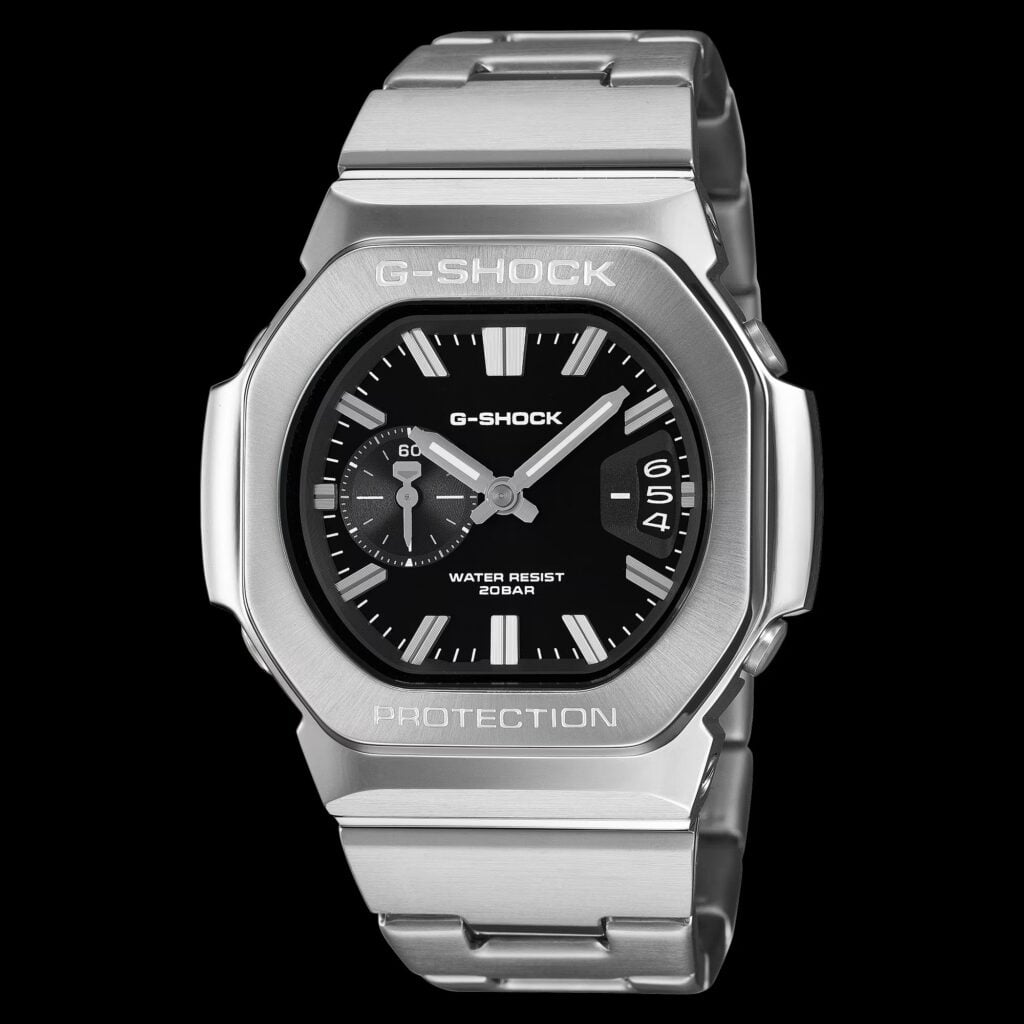
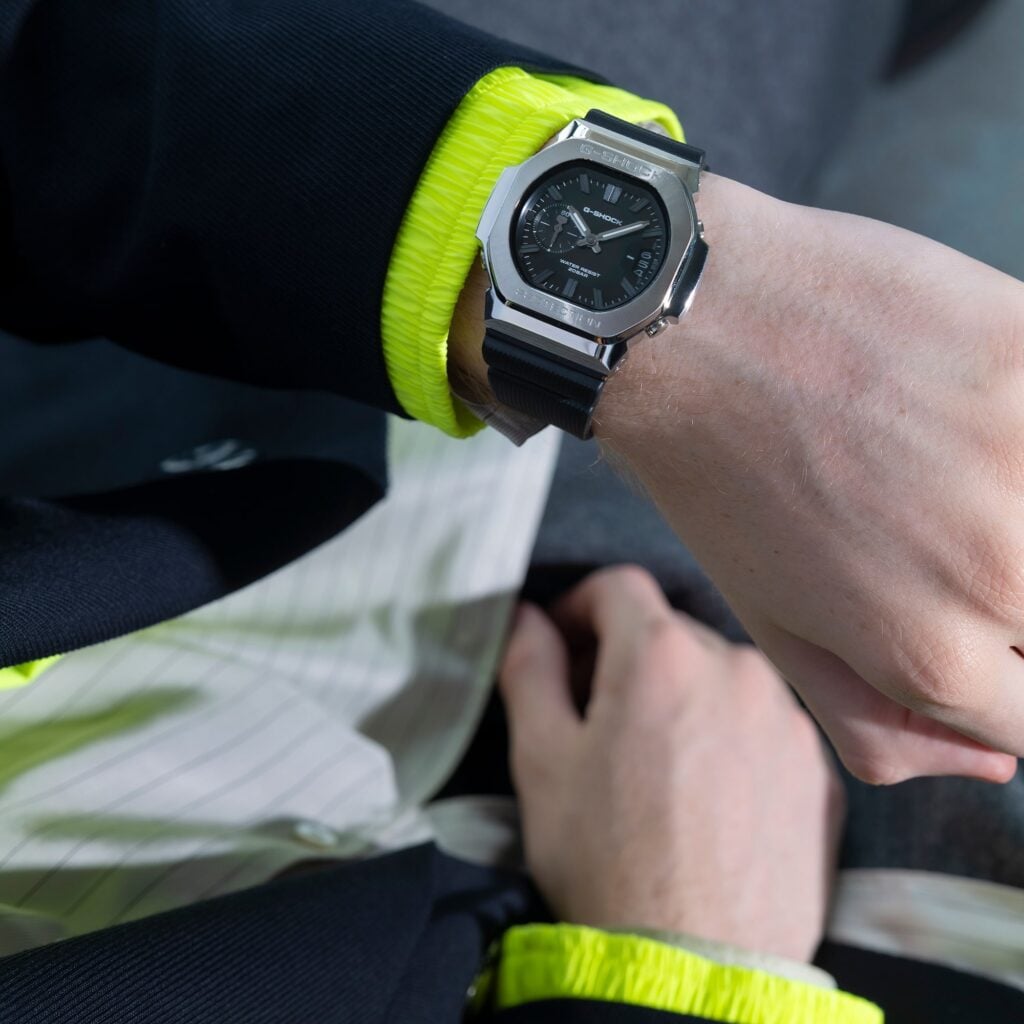
Casio is bringing its GMC2500 series to the US market. After an initial release in Japan, the company has listed five new analog watches under its G-Steel lineup on its US website, with sales expected to begin soon. Prices start at $280.
Design Details
The GMC2500 series uses the octagonal case shape that Casio has heavily favored in recent years, but it drops the digital LCD screens entirely. Instead, these models are strictly analog.
The dial features a two-eye layout, which includes a small seconds subdial and a mode-function date wheel. There is also a three-cell date window designed to blend in with the dial color to keep the watch face looking relatively clean.
Just like the GAC2500 series, these watches also feature Casio’s magnetic holding structure to improve the durability of the analog hands. Unlike conventional watches, where the hands are rigidly attached to the central shaft, this mechanism uses magnetic force to hold the minute hand in place.
During strong impacts or vibrations, the minute hand can temporarily shift from its position to absorb the shock and reduce the risk of damage. The watch then automatically realigns the hand to its correct position within a few minutes.
To help manage battery life, the watches include a sleep function for the seconds hand. You can stop the small subdial hand when you don’t need it, which helps the standard CR1025 battery reach its estimated two-year lifespan.
The five models are separated by their materials and finishes. The GMC2500-1A and GMC2500-1A8 come with bio-based resin bands and are priced at $280. The GMC2500G-9A also uses a resin band but adds a gold ion-plated bezel for $300. If you want a metal bracelet, the GMC2500D-1A and GMC2500D-1A2 feature stainless steel bands and cost $350.
Because of the different bands, the weight varies significantly. The resin models weigh a very light 68 grams, while the stainless steel versions weigh 138 grams. Otherwise, the core specs are identical across the board. They all measure 46.7 x 43.8 x 12.9 mm and include standard G-Shock features like 200-meter water resistance, shock resistance, an amber LED backlight, and a basic stopwatch.
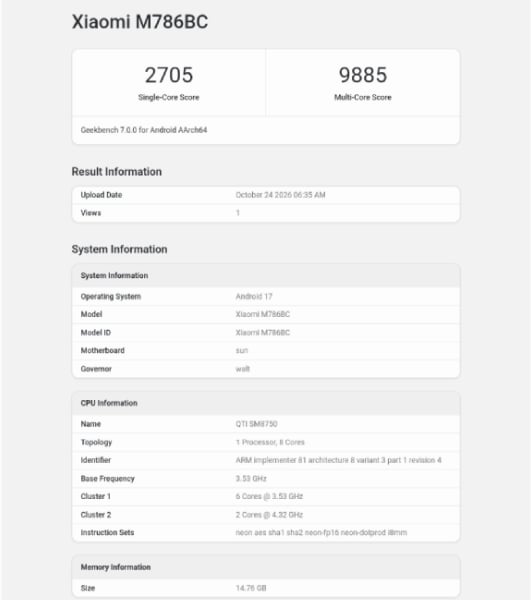
The standard Redmi K100 has appeared on Geekbench just days before its launch in China on October 28. The listing, which carries the model number Xiaomi M786BC, shows the phone’s performance with the Snapdragon chip Redmi has already confirmed.
On Geekbench 7, the phone scored 2,705 in the single-core test and 9,885 in the multi-core test. The listing also shows 16GB of RAM and Android 17, while Redmi has already confirmed the phone will ship with HyperOS 4.
The listing shows the phone running the Snapdragon 8 Elite chip, with two cores clocked at 4.32GHz and six at 3.53GHz, alongside an Adreno 830 GPU. Redmi also used the same chip in last year’s Redmi K90. The newer Redmi K100 Pro and K100 Pro Max, meanwhile, use processors from the Snapdragon 8 Elite Gen 5 family.
Redmi has already revealed several of the phone’s key specifications, including a 6.83-inch AMOLED display with a 165Hz refresh rate and peak brightness of up to 3,500 nits. The company says the high refresh rate is supported in more than 40 games, and the device also has a dedicated D2 display chip to handle additional gaming-related tasks.
The phone has a 10,000mAh battery, bigger than the 8,580mAh cell in the Redmi K100 Pro and the 9,070mAh cell in the Redmi K100 Pro Max.
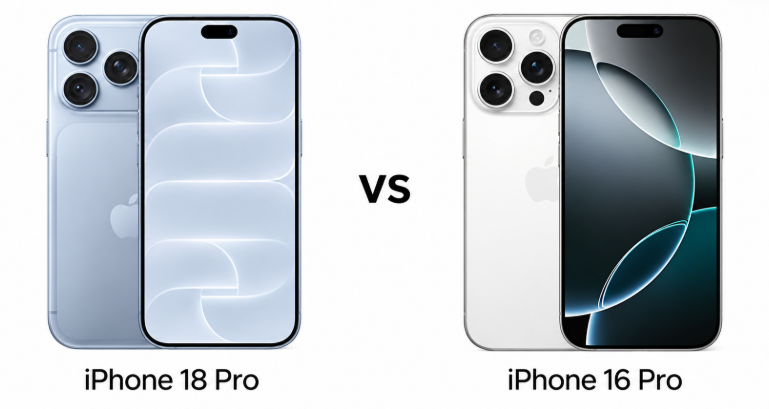
iPhone 18 Pro and iPhone 16 Pro represent two generations of Apple’s premium smartphone lineup, but the newer model brings more than a routine processor upgrade. Improvements to camera versatility, display brightness, battery capacity, and charging could make a meaningful difference in everyday use. However, the iPhone 16 Pro still offers flagship hardware and a capable camera system at a lower price. The key question is whether the iPhone 18 Pro delivers enough practical improvements to justify an upgrade.
The iPhone 18 Pro introduces Ceramic Shield 2 on the front, an aluminum frame, and a glass rear panel, moving away from the titanium frame used by the iPhone 16 Pro. Both phones offer IP68 protection against dust and water, including immersion under specified conditions. While titanium gives the older Pro a more premium material identity, the newer model’s updated construction prioritizes improved screen protection. Neither design represents a dramatic departure from Apple’s established aesthetic, making the choice largely a matter of material preference rather than appearance alone.
Display Quality
Both phones feature a 6.3-inch LTPO Super Retina XDR OLED display with a 120Hz refresh rate, HDR10, and Dolby Vision support. However, the iPhone 18 Pro raises peak brightness to 3,000 nits, compared with 2,000 nits on the iPhone 16 Pro, and adds an anti-reflective coating. These upgrades should improve outdoor visibility and reduce distracting reflections. With matching resolution and pixel density, everyday sharpness remains comparable, but the newer model offers a more advanced viewing experience.
Verdict
The iPhone 18 Pro wins for its brighter display, anti-reflective coating, and updated screen protection. However, the iPhone 16 Pro remains excellent for users who prefer titanium construction.
2. Specifications Including Battery
Performance
The iPhone 18 Pro features Apple’s A20 Pro chipset, built on a 2nm process, alongside a seven-core GPU and 12GB of RAM. The iPhone 16 Pro uses the A18 Pro, manufactured on a 3nm process, with a six-core GPU and 8GB of RAM. The newer hardware should provide stronger processing capabilities, improved graphics potential, and more headroom for demanding applications and future software features. Both run iOS 27, so the older model retains access to the same current operating system. Nevertheless, the A20 Pro gives the newer phone a more compelling foundation for long-term performance.
The iPhone 18 Pro has a listed battery capacity of 4,056mAh in its nano-SIM version, compared with 3,582mAh in the iPhone 16 Pro. Its wired charging can reach 50% in 15 minutes, while the older model takes approximately 30 minutes under the stated conditions. Both support 25W MagSafe/Qi2 wireless charging and 4.5W reverse wired charging. The newer model’s larger battery and faster wired charging make it better equipped for intensive daily use, although actual endurance depends on workload and network conditions.
Verdict
The iPhone 18 Pro wins with its newer chipset, additional RAM, larger listed battery, and faster wired charging. It is the stronger choice for performance-focused buyers.
3. Camera
Main and Secondary Lenses
Both phones feature a 48MP main camera with sensor-shift optical image stabilization, a 48MP ultrawide camera, and a LiDAR scanner for depth sensing. The iPhone 18 Pro upgrades the main aperture to f/1.5 and adds a 48MP periscope telephoto camera with 4x optical zoom. The iPhone 16 Pro instead uses a 12MP periscope telephoto camera offering 5x optical zoom. The newer telephoto sensor should provide greater resolution and flexibility for cropping, while the older phone retains a longer native optical reach. The iPhone 18 Pro also supports Dolby Vision HDR recording at up to 120fps, compared with 60fps on the iPhone 16 Pro, alongside ProRes RAW and Apple Log 2.
Selfie Camera
The iPhone 18 Pro features an 18MP multi-aspect ultrawide front camera, replacing the iPhone 16 Pro’s 12MP front camera. Both include an SL 3D sensor for Face ID and support 4K video recording at up to 60fps. The newer camera’s higher resolution and multi-aspect design should offer greater flexibility for selfies, group shots, and video calls. Its support for Dolby Vision HDR, spatial audio, ProRes RAW, and Apple Log 2 also strengthens its appeal to creators who use the front camera for more than casual social media posts.
Verdict
The iPhone 18 Pro wins with a higher-resolution telephoto camera, a brighter main lens, an upgraded selfie camera, and more advanced video recording options.
4. Pricing
The iPhone 18 Pro is priced around $1,200 / ₹164,900, positioning it firmly in the premium flagship category. The iPhone 16 Pro is priced around $1,000 / ₹120,000, making it the more affordable option. The difference is approximately $200 internationally, while the stated Indian prices differ by ₹44,900. That is a substantial gap for buyers considering an upgrade from an existing Pro model. However, actual retail prices can vary depending on storage configuration, availability, and promotional offers. Buyers should compare equivalent storage variants before making a final decision, particularly because the iPhone 18 Pro starts with 256GB while the iPhone 16 Pro offers a 128GB entry-level configuration.
Verdict
The iPhone 16 Pro offers better value for budget-conscious buyers, while the iPhone 18 Pro is worth the premium for those who will use its camera and performance upgrades.
Disclaimer: Prices are approximate and may vary based on country, region, launch timing, and applicable taxes. Always check whether the listed price is for a China unit or a global/international variant when purchasing.
5. Conclusion
The iPhone 18 Pro distinguishes itself with a 2nm A20 Pro chipset, 12GB RAM, a brighter display with anti-reflective treatment, and a 48MP periscope telephoto camera. Its faster wired charging, larger listed battery, and 18MP front camera further strengthen the upgrade. The iPhone 16 Pro counters with a titanium frame, 5x optical telephoto zoom, and a still-capable camera system that supports professional video formats. It also offers a lower entry price, making it a sensible option for users who want a premium iPhone without paying for the latest generation. The decision ultimately depends on whether newer hardware and camera flexibility matter more than savings and titanium construction.
Verdict
Upgrading is worthwhile for users who prioritize camera versatility, faster charging, and the latest hardware. However, for existing iPhone 16 Pro owners who are satisfied with their phone’s performance and battery life, the improvements do not justify the additional expense. The iPhone 18 Pro wins the comparison, but the iPhone 16 Pro remains the more economical choice.
Disclaimer: Prices, specifications, and availability may vary by region and retailer. Recommendations in this article are based on editorial opinion, feature-based value, and market positioning at the time of writing. Readers are advised to do their own research before making a purchase.
Wireless earbuds have become the default choice for listening to music, taking calls, and watching videos on the go. Among the different types of wireless earbuds, TWS models have become quite popular, thanks to their compact design and sheer convenience. There are no wires to get in the way, and the charging case makes them easy to carry around wherever you go.
If you are also looking for a new pair of TWS earbuds, there are plenty of options to choose from. You get budget earbuds with decent ANC as well as premium options that offer top-notch sound quality and more advanced features. We have curated eight of the best TWS earbuds you can buy across different price segments to suit your music needs.
How to choose the best TWS earbuds in 2026
The first thing to consider while buying a pair of TWS earbuds is the sound quality. Look at the driver size and tuning, but don’t assume a larger driver automatically means better sound. Bass-heavy earbuds can be more enjoyable for certain types of music and movies, while a more balanced tuning is better if you listen to podcasts, vocals, and different genres.
ANC is another important factor if you regularly commute or work in noisy environments. A good ANC system can take the edge off traffic, office chatter, and aircraft noise, making it easier to focus on your audio. Battery life, microphone quality, comfort, and water resistance are also worth considering, particularly if you plan to use your earbuds for calls or workouts.
Realme is a go-to choice for budget TWS earbuds, and the latest Realme Buds T310 is a good pair to consider under Rs 3,000. They offer 46dB hybrid ANC, a 12.4mm dynamic driver, 360-degree spatial audio, dual-device connectivity and up to 40 hours of total playback. They also have an IP55 rating and a low-latency mode, which means you can get a rough use and don’t worry about any noticeable audio lag.
The OnePlus Nord Buds 4 is a step ahead of the Realme Buds T310, and they offer a better ANC support and longer battery life. They use 12mm titanium-coated drivers and offer up to 52dB of active noise cancellation, along with six microphones for calls and up to 54 hours of total playback with ANC switched off. You also get the latest Bluetooth 6.1 support, which means there won’t be any connectivity errors.
Oppo Enco Air 5 Pro
The OPPO Enco Air 5 Pro succeeds the Enco Air 3 Pro, and they get the much-needed improvements. You get up to 54 hours of playback, 55dB ANC, a 12mm titanium-coated driver and triple-mic AI-assisted calling. The earbuds also support dual-device connectivity across Android, iOS and Windows. As for the sound, this time around, Oppo has opted for a bass-heavy audio, however, you get to tune the sound with custom EQ.
OnePlus Buds 4
The OnePlus Buds 4 step things up with a dual-driver setup comprising an 11mm driver and a 6mm driver, along with dual DACs and support for LHDC 5.0. They also offer 55dB adaptive ANC and dual-device connectivity, while battery life reaches up to 45 hours with ANC off. It also has support for 47ms low-latency, which means there won’t be any noticeable audio lag.
Apple AirPods 4
The AirPods 4 make the most sense if you already live inside Apple’s ecosystem. The H2 chip, Voice Isolation, Personalised Spatial Audio, and tight integration with Apple devices make them convenient for iPhone users. The sound quality is pretty good too, and you get ANC and transparency mode with the ANC version. They are also IP54-rated for dust, sweat and water resistance.
Samsung Galaxy Buds 4 Pro
The Galaxy Buds 4 Pro are meant to deliver incredible sound and come with a ton of features including, enhanced 11mm drivers, adaptive ANC, 360 Audio, adaptive EQ, six microphones, and Bluetooth 6.1. They are also IP57-rated, giving them better protection against dust and water than many competing premium earbuds. Battery life reaches up to 30 hours with ANC off, although that drops to 26 hours with ANC enabled.
Apple AirPods Pro 3
The AirPods Pro 3 is one of the most complete earbuds on this list. They offer great sound, strong ANC, and fantastic call quality. The earbuds also feature built-in heart rate sensing, which is quite unique. If you want premium earbuds that handle music, calls, fitness and everyday use, the AirPods Pro 3 are a solid choice. For iPhone users, the AirPods Pro 3 are a no brainer.
Bose QuietComfort Earbuds Gen 2
If you have the budget for AirPods Pro 3 and can stretch it a bit further, you can grab the Bose QuietComfort Earbuds Gen 2. They sound phenomenal, and come with support for Bose’s immersive audio experience, Snapdragon Sound, and aptX Adaptive. However, unlike other earbuds on this list, these are a bit bulkier, but that’s due to the amount of tech packed inside. You get impressive ANC, up to six hours of battery life without the case, and IPX4 rating for water resistance.
What’s the best budget earbuds in 2026?
The Realme Buds T310 are the best budget option in this list, as they feature 12.4mm drivers, 46dB ANC, spatial audio, and 40 hours of battery life at an affordable price.
What’s the best earbuds overall in 2026?
The OnePlus Buds 4 are the best overall choice for most Android users because they balance sound quality, ANC, battery life and connectivity without moving into flagship pricing.
What’s the best premium earbuds in 2026?
The Bose QuietComfort Ultra Earbuds Gen 2 are the best premium earbuds as they prioritise sound and noise cancellation over other features. You can also consider the Apple AirPods Pro 3 as they offer great sound and a fantastic call quality.
Which earbuds have the best battery life?
The OnePlus Nord Buds 4 and Oppo Enco Air 5 Pro are the best earbuds for battery life, as they both offer up to 54 hours of playback with their cases and ANC turned off.
So, which of these earbuds is your pick? Let us know in the comments below.
Vivo is preparing to launch Vivo X500 E as a more affordable option to the otherwise premium X500 lineup. The brand has not announced a launch date or teased anything about the device yet. However, the X500 E has already passed through multiple regulatory checks, thereby hinting at a potential launch soon.
Ahead of the launch, the Vivo X500 E has been through multiple leaks, revealing key capabilities of the device. Plus, the certification websites have revealed some important details about the device. So, we’ve curated this roundup to include everything we know about the Vivo X500 E.
Vivo X500 E specifications (expected)
The Vivo X500 E was recently spotted in Google Play Console listings with a model number ‘V2648’. It revealed that the device is powered by a Qualcomm SM7750 chipset, which refers to the Snapdragon 7 Gen 4 SoC. Plus, the listing shows the device has an 8GB RAM (there’ll be more variants at the launch) and a display resolution of 1260 x 2750.
These specs match with that of Vivo V80, which debuted earlier this month. And so rumors are that the upcoming Vivo X500 E could be a rebranded version of the Vivo V80 — but there could actually be multiple versions of the X500 E.
The X500 E recently appeared on the Bluetooth SIG certification website, but with a different model number ‘V2656’. Rumors say the X500 E may carry a 7,500mAh battery, which doesn’t quite exactly match Vivo V80’s 7,200mAh. It’s possible that Vivo may launch the X500 E in multiple battery versions based on regions.
Recent Amazon listings of third-party cases for the device have put more weight to the rebranding rumor. The cases were spotted on Amazon Italy and claim to be compatible with both the Vivo X500 E and Vivo V80. The camera cutouts in those listings also match with Vivo V80.
third-party cases for Vivo X500 E listed on Amazon Italy
While it’s too early to make a judgment, recent findings point to a much stronger rebranding case. If that’s true, the X500 E will come with a 6.59″ AMOLED screen with 144Hz refresh rate and 5000nits peak brightness. It could have a triple rear camera setup, featuring a 50MP main camera, a 50MP periscope telephoto camera, and an 8MP ultrawide camera, along with a 50MP selfie shooter.
The Vivo X500 E is expected to feature 90W wired charging support. It will likely boot Android 17 out of the box with OriginOS 7 skin and should receive OS updates up to four generations.
Vivo X500 E: Expected launch and price details
Vivo has not announced a launch date for the Vivo X500 E. And the fact that the brand hasn’t even teased about it yet suggests we are still a few months away from the launch, at least not in 2026. We’ll post when an official launch is announced.
The Vivo X500 E is expected to carry the same (or similar) set of specifications as the Vivo V80, and so the pricing should also be similar. Based on that, we expect the X500 E to have a starting price of around INR 63,000 for the base model with 8GB RAM and 128GB storage and could go up to INR 80,000 for the 512GB storage.
Casio is bringing a new set of analog watches to the US market with the release of the G-Shock GAC2500 series. Scheduled to launch on November 6th for $145, the lineup consists of four models that recently debuted in Japan. The series uses the familiar octagonal case shape seen on many of the company’s recent releases, but it relies entirely on a traditional analog layout rather than a digital or hybrid display.
The GAC2500 features a straightforward dial designed for everyday timekeeping. It includes standard hour and minute hands, a small subdial for tracking seconds, and a three-cell date window. Casio has matched the date window’s color to the dial, giving the watch a clean, uniform appearance without unnecessary visual clutter.
The watch will be available in four colors: black (GAC-2500-1A), dark green (GAC-2500-3A), white (GAC-2500-7A), and yellow (GAC-2500-9A). Both the case and the band are manufactured from bio-based resin.
The watch features a magnetic holding mechanism designed to absorb shocks and vibrations. Unlike traditional watches, the minute hand is held in place by magnetic force rather than being rigidly attached to the central shaft.
Casio says that the minute hand may temporarily shift or shake when exposed to strong impacts or heavy vibrations. However, the magnetic system automatically realigns the hand to its correct position within a few minutes.
To help manage battery life, the watch includes a sleep function for the second hand. You can manually stop the small seconds subdial from moving, which helps extend the life of the standard CR1025 battery to an estimated two years.
In terms of physical specs, the GAC2500 measures 46.7 x 44.5 x 12.7 mm and weighs just 47 grams. The watch offers Casio’s signature durability features, including shock resistance and 200 meters of water resistance.
It also comes with an amber LED light for visibility in low-light conditions, a 30-minute stopwatch, and a hand-shift function that temporarily moves the main hands aside when they obstruct the date window or subdial.
Earlier this month, OnePlus and Oppo announced their ColorOS 17 rollout schedule, with the initial devices planned to receive the update on October 29th. However, users have already started to receive the Android 17-based major upgrade with tons of upgrades and new features.
OnePlus 15 gets stable ColorOS 17 update ahead of the schedule
OnePlus has officially confirmed the ColorOS 17 release for the OnePlus 15 via a post on the community forum. The rollout is currently limited to India, which comes with the firmware version CPH2745_17.0.0.102(EX01). For the beta users, the update package is a smaller one — about 540MB, while other users will receive a massive package with over 3.5GB in download size.
If you have a OnePlus 15, navigate to Settings > System & Updates > Software update to manually check for updates if you have yet to receive an update notification.
If you don’t see an update there, try the Release Candidate Program by going to Settings > System & Updates > Software update > Beta Program and tapping the “update now”.
Oppo Find X9 series is also early to the ColorOS 17 party
Alongside the OnePlus 15, Oppo Find X9 series and a couple of other Oppo phones have started to receive the ColorOS 17 update ahead of the scheduled rollout later this month.
Initially, the update will be available in limited regions, and will gradually expand to other regions. As for the Oppo Find N6, the ColorOS 17 update is currently available in Thailand, and for the remaining devices, the update is rolling out in India, Indonesia, and Malaysia.
Oppo is sending updates to both beta and non-beta users. Those who have already installed ColorOS 17 beta should receive a smaller update with a download size just around 500MB, while other users will receive a hefty update, about 3.5GB.
Now, Realme is left to push the ColorOS 17 rollout, which could happen anytime now. We’ll continue to track rollouts and update you on this website.
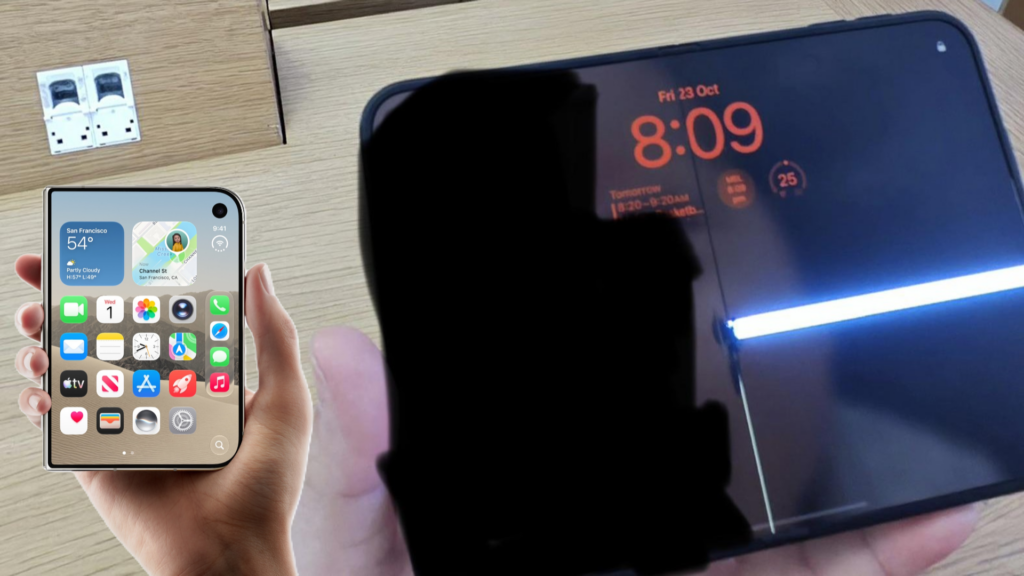
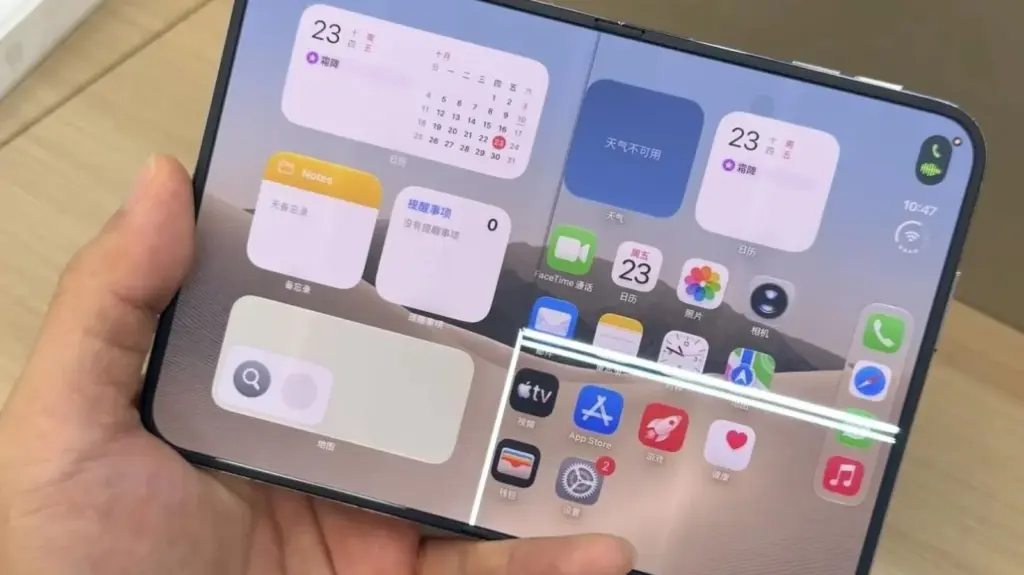
Apple’s first foldable phone only went on sale yesterday (October 23), and a handful of owners are already reporting problems with the inner display.
Photos and posts started showing up on Reddit and X within hours of launch. Almost every case looks the same: a crack or a bright line of dead/bright pixels running right along the fold, near the hinge.
One of the more detailed accounts comes from an owner in Australia. He said he’d only had the phone for about six hours and had opened it fewer than 20 times. While showing it to a friend, he felt something under the screen near the internal hinge, heard a clear crack as he kept opening it, and the display split along the fold. There were no marks on the screen or the outside of the hinge that suggested anything had been caught or damaged. An Apple Store swapped the phone out for him on the spot.
Similar photos have also appeared from China (where the Duo launched a bit earlier). Some of those look like they might be from demo units that get handled a lot, so it’s harder to know exactly what happened. A few early reviewers who deliberately folded their units hundreds of times haven’t reported the same issue, but that sample is still small.
It’s still way too early to say how common this is. And honestly, some early hiccups like this are almost expected with a first-generation foldable. The important part is whether affected owners get their devices fixed or replaced free of cost. Apple hasn’t said anything publicly yet as of writing. They’d probably be collecting the affected units for analysis, which could lead to manufacturing tweaks in later generations.
If the phone fails under normal use, it should be covered by the standard one-year warranty. Anyone who got theirs on launch day also has the usual two-week return window. Outside of that, though, an out-of-warranty inner display replacement is listed at $999, so anyone without AppleCare+ could eventually face a steep bill if the issue appears later.
OnePlus will launch the Ace 7 and Ace 7 Pro in China on October 29 at 7 PM local time (4:30 PM in India). The company confirmed the launch date this week, and reservations for both phones have been open on its Chinese online store since October 16.
OnePlus has confirmed two different processors for the lineup. The Ace 7 will use the Snapdragon 8 Elite Gen 5 V, while the Ace 7 Pro gets the standard Snapdragon 8 Elite Gen 5. Both phones will also include the company’s Wind-Chaser gaming engine and a built-in fan with a dual-airflow cooling system.
OnePlus China president Li Jie explained the cooling setup in a Weibo post. The system uses separate airflow paths to cool the chipset and the rear panel. The air intake is away from the spots where your fingers rest in landscape mode, so you won’t block it while gaming, and the exhaust pushes hot air upward instead of into your palms.
OnePlus calls it an industry-first “Dual-Path Glacier Air Cooling System” and says temperatures stay up to 10 degrees Celsius lower during long gaming sessions.
The phone is tipped to feature a 6.78-inch flat LTPS OLED display with a 1.5K resolution and a 185Hz refresh rate. The device is even tipped to support a 240Hz refresh rate, although 185Hz is said to be the guaranteed minimum.
Powering the phone could be a 9,000mAh cell, with reports pointing to either 100W or 120W wired charging. The built-in cooling fan will reportedly work with an AI temperature sensor to manage heat.
The display is expected to match the Pro model, with a 6.78-inch flat OLED panel offering 1.5K resolution and a 185Hz refresh rate. The standard model is also tipped to feature a 200MP main camera and a 16MP selfie camera, but it is not expected to include the Pro’s periscope telephoto lens.
Some reports mention a 200MP + 50MP rear camera combination for the series, although the identity of the second 50MP sensor on the standard Ace 7 remains unclear.
Like the Pro model, the Ace 7 is expected to pack a battery of around 9,000mAh and support either 100W or 120W wired charging, depending on which report proves accurate. One leak also mentions water resistance but does not provide an official rating.
There was initially some uncertainty about whether the standard model would get the built-in fan. However, OnePlus’ teasers for the series indicate both phones will feature the cooling system.
4. How the cooling fan works
A leaked schematic shared by Digital Chat Station provides a closer look at the cooling system. It shows two separate airflow paths, one for the processor and another for the rear panel.
If the system performs as OnePlus claims, it could help the phones sustain higher performance during longer gaming sessions. Actual temperatures and noise levels will need to be assessed after the devices launch.
5. Design
Both the Ace 7 and Ace 7 Pro share a similar design. The standard Ace 7 comes in Tempered, Midnight Black, and Glossy White. Meanwhile, the higher-end Ace 7 Pro gets Windbreaker, Midnight Black, and Lightning White.
The Tempered version of the Ace 7 has a silver finish that transitions into a warm copper-orange shade near the bottom. The Windbreaker version of the Ace 7 Pro has a light blue color with a frosted, brushed texture. Both feature large Ace lettering and the OnePlus logo on the rear panel.
The camera module sits in the upper-left corner. It consists of a raised metal square with rounded edges, housing a tall pill-shaped cutout, a smaller circular lens, and a ring-shaped element. The flash sits just outside the module.
6. Price and availability
OnePlus has not revealed pricing for the Ace 7 or Ace 7 Pro. The Ace series typically remains exclusive to China, and OnePlus withdrew from the US and European markets this year, so a wider Western release is unlikely.
For India, the Ace 7 Pro could launch as the OnePlus 16R at around Rs 75,000. This remains unconfirmed, though.
We use cookies on our website to give you the most relevant experience by remembering your preferences and repeat visits. By clicking “Accept”, you consent to the use of ALL the cookies.
This website uses cookies to improve your experience while you navigate through the website. Out of these, the cookies that are categorized as necessary are stored on your browser as they are essential for the working of basic functionalities of the website. We also use third-party cookies that help us analyze and understand how you use this website. These cookies will be stored in your browser only with your consent. You also have the option to opt-out of these cookies. But opting out of some of these cookies may affect your browsing experience.
Necessary cookies are absolutely essential for the website to function properly. This category only includes cookies that ensures basic functionalities and security features of the website. These cookies do not store any personal information.
Any cookies that may not be particularly necessary for the website to function and is used specifically to collect user personal data via analytics, ads, other embedded contents are termed as non-necessary cookies. It is mandatory to procure user consent prior to running these cookies on your website.