OnePlus has confirmed the Ace 7 series will use the same 185Hz Oriental Screen as the OnePlus 16. The announcement comes just three days before the new phones launch in China on October 29.
The display is the fourth-generation Oriental Screen developed by OnePlus and BOE. The company first shared details about the panel before the OnePlus 16 launch. OnePlus typically uses different displays for its flagship and performance-focused phones, but the Ace 7 series will break from that pattern by getting the same high-refresh-rate panel as its flagship counterpart.
What the 185Hz display brings
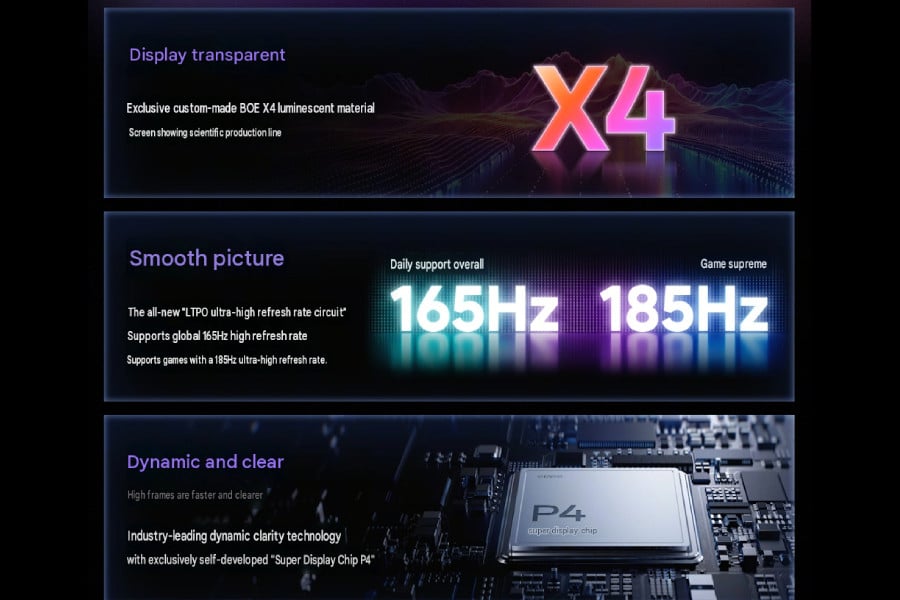
The panel uses X4 luminescent material customized by OnePlus and BOE for this generation. According to OnePlus, the material improves clarity and transparency.
The display supports a global refresh rate of 165Hz across the system, including menus and scrolling, while compatible games can run at up to 185Hz. OnePlus achieved this with a new LTPO ultra-high refresh rate circuit.
The Ace 7 series also includes OnePlus’ Super Display Chip P4, which handles high-frame-rate content to keep motion clear. For eye comfort, the company has added its Bright Eyes Protection feature, developed with MedSight and Vision, to make extended screen use more comfortable.
OnePlus China President Li Jie claims the fourth-generation Oriental Screen is the industry’s only 185Hz LTPO flagship ultra-high-definition display this year.
Reservations for the new phones are already open through OnePlus’ official store in China. The lineup will include two models, the OnePlus Ace 7 and Ace 7 Pro. Both are expected to use chips from the Snapdragon 8 Elite Gen 5 series.
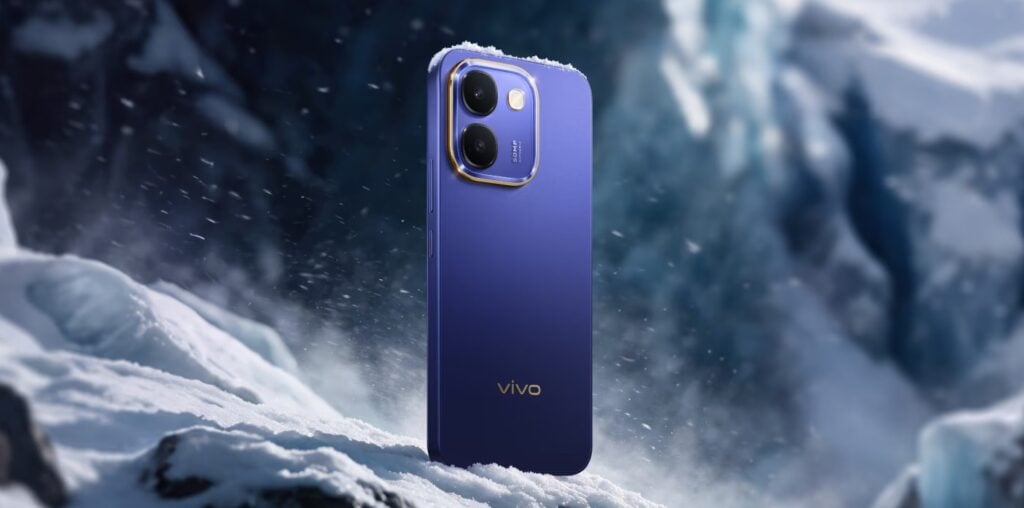
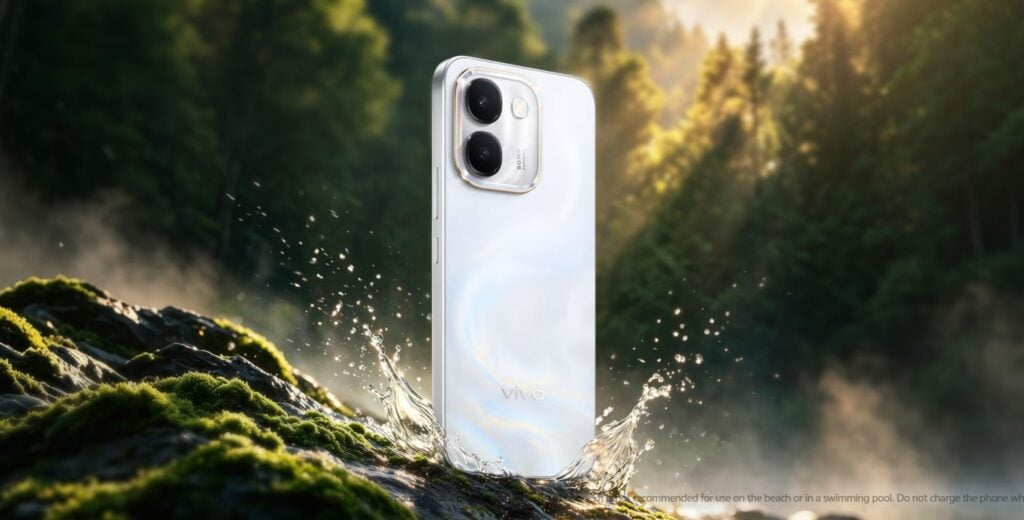
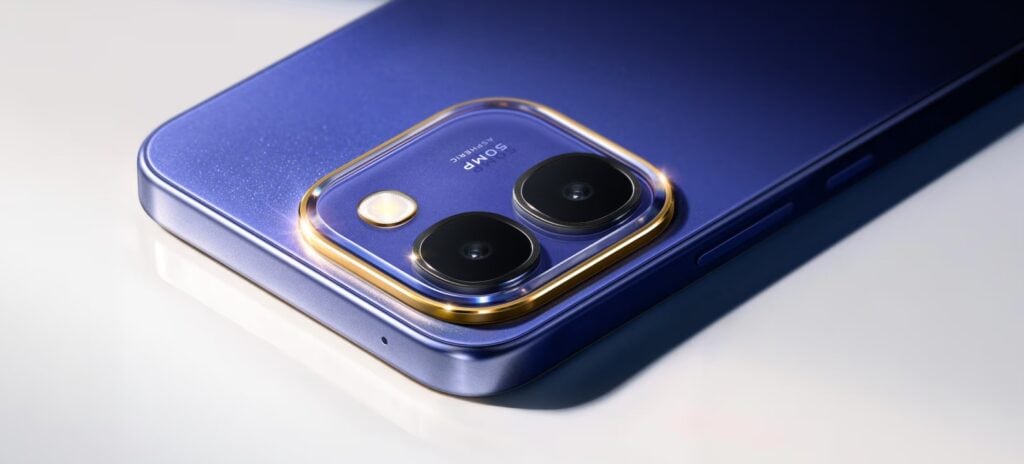
The company has also revealed the design of two phones.
OnePlus has yet to confirm the remaining specifications. Battery capacity and cooling details reported in earlier leaks remain unconfirmed, so we’ll have to wait until the October 29 launch for more information.
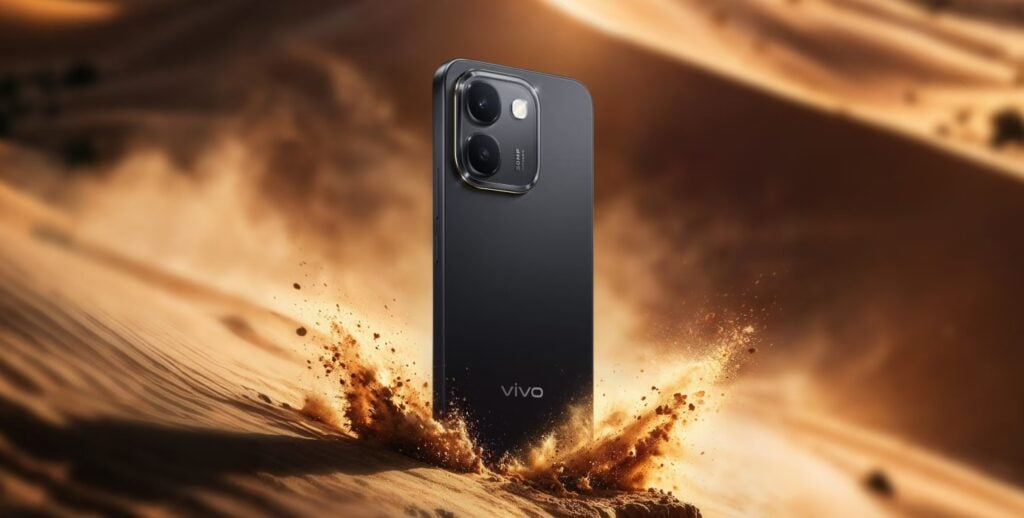
Vivo has launched the Vivo Y600 in China with a massive 10,000mAh battery that helped the smartphone secure a Guinness World Records title. The device reportedly streamed continuously for 32 hours and 37 minutes during a record-setting test conducted in August. Alongside its headline battery capacity, the phone features a 120Hz AMOLED display and a MediaTek Dimensity chipset.
Vivo Y600 specifications and features
The Vivo Y600 features a 6.83-inch AMOLED display with a 2,800 x 1,260-pixel resolution, a 120Hz refresh rate, HDR support, and 10-bit color output. It is powered by MediaTek’s Dimensity 7300e processor, built on a 6nm process, paired with LPDDR4X RAM and UFS 3.1 storage. The phone runs OriginOS 6, Vivo’s Android-based software platform.
Battery capacity is a major highlight, with a 10,000mAh typical-capacity battery and support for up to 44W wired charging. The handset also supports reverse charging through its USB-C port. For photography, it features a 50-megapixel rear camera with an f/1.8 aperture and an 8-megapixel front camera for selfies and video calls.
Other features include an in-display optical fingerprint sensor, face unlock, Bluetooth 5.4, NFC, an infrared remote control, and 5G connectivity. The phone measures 163.9mm in height and weighs 224g or 225g, depending on the color.
The Vivo Y600 has arrived in shades like Sapphire Blue, Diamond Gold, and Obsidian Black finishes. Its 6GB+128GB model costs 1,999 yuan (~$280), while the 8GB+128GB version is priced at 2,099 yuan (~$295).
The 6GB+256GB configuration costs 2,199 yuan (~$310), and the 8GB+256GB variant is available for 2,499 yuan (~$350).
To sum up, the Y600 is a tweaked version of the Vivo V80 Lite and Vivo S2 FE available in other markets.
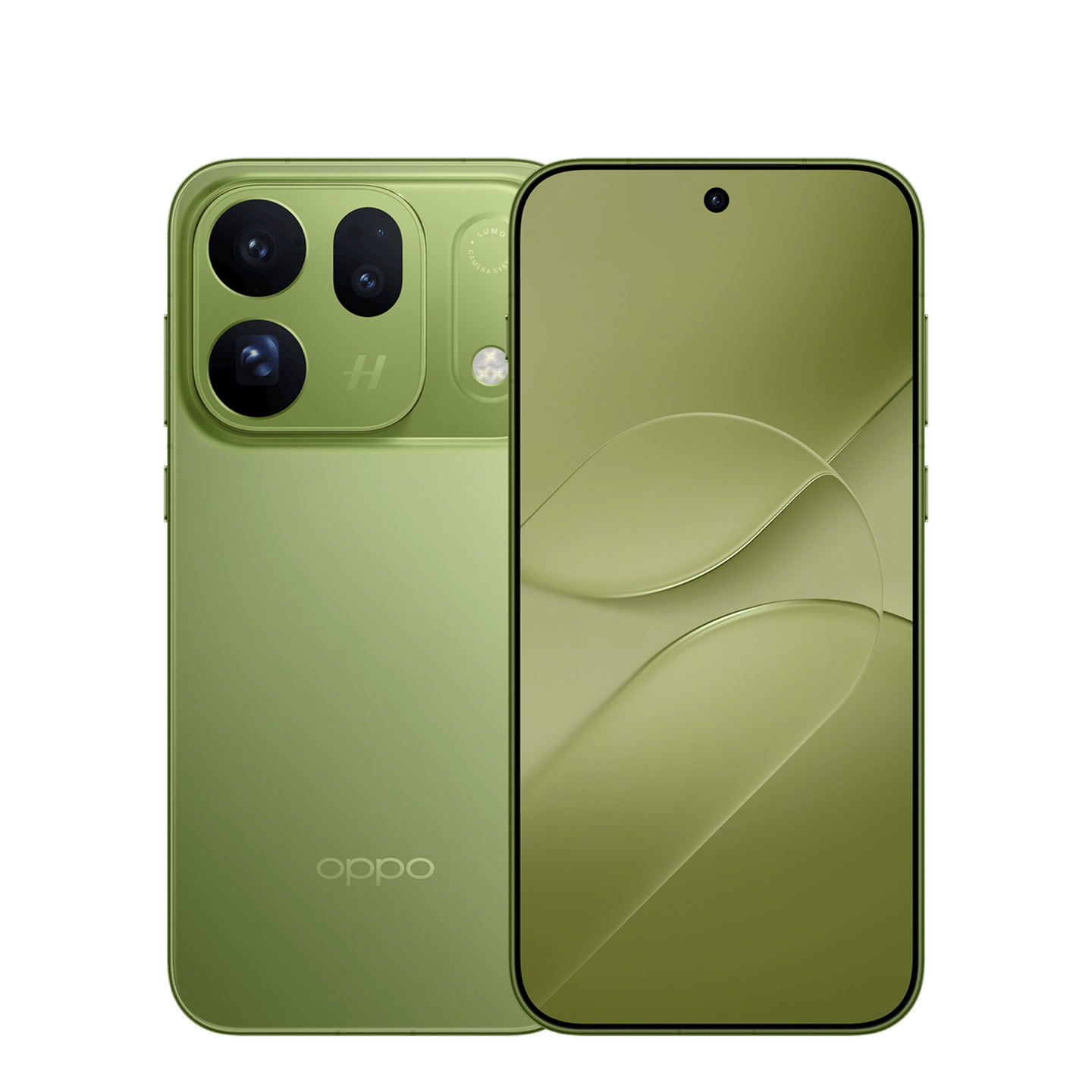
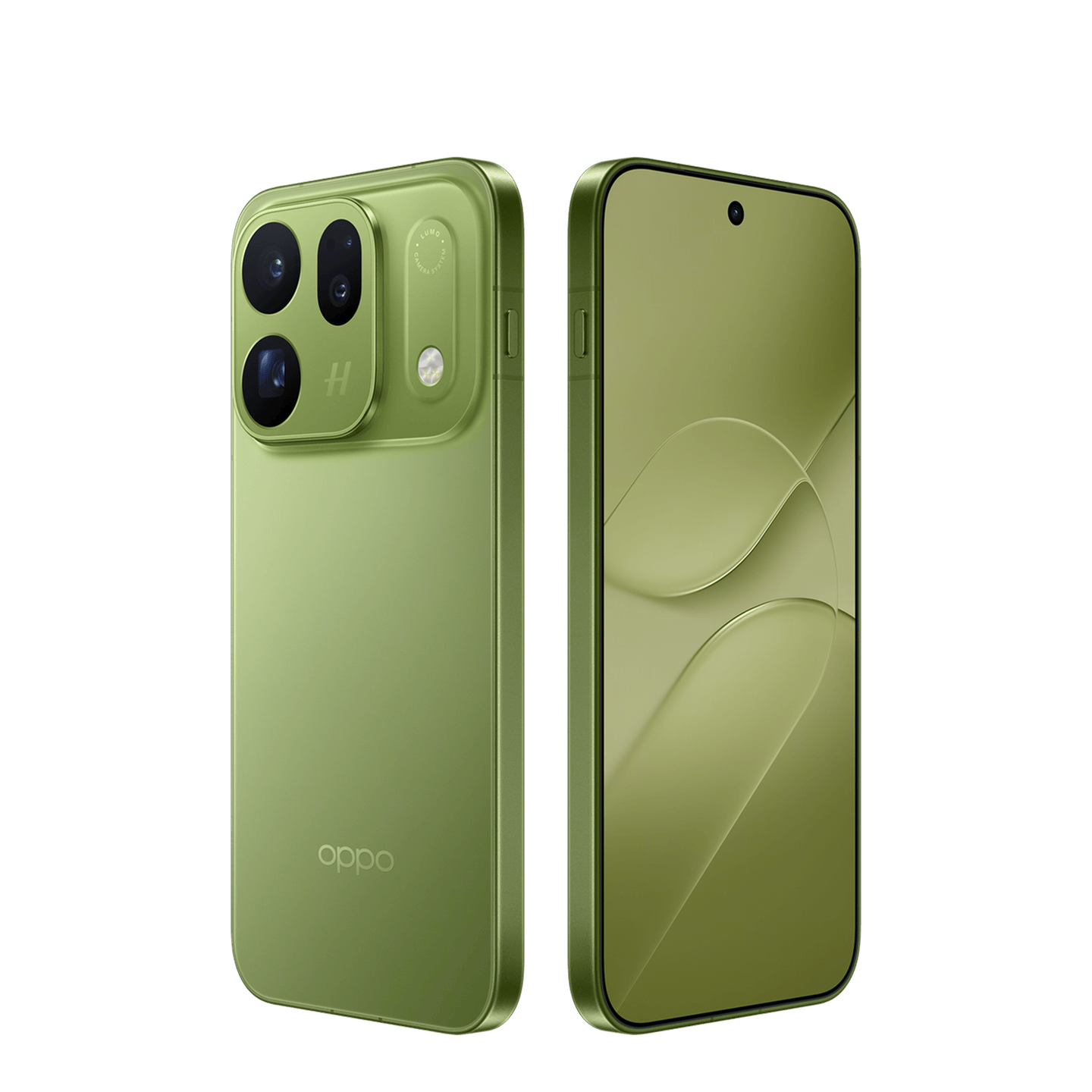
Oppo has unveiled a new color option for the Find X10 flagship, which was officially announced in China last month. The new finish brings an artistic touch to the device’s existing design. However, its availability could remain limited to one market for now.
Oppo Find X10 Forest Green variant and pricing
Oppo Find X10 in Forest Green1Oppo Find X10 in Forest Green
The Oppo Find X10 is getting a Forest Green colorway, developed in collaboration with artist Karlotta Freier. The company has confirmed that the new version will go on sale in China on October 30, although its price has not been announced.
For reference, the existing model starts at 5,499 yuan (approximately $820) for the 12GB+256GB configuration. The 12GB+512GB version costs 5,999 yuan (~$895), while the 16GB+512GB and 16GB+1TB variants are priced at 6,499 yuan (~$970) and 7,499 yuan (~$1,120), respectively. Apart from green, the X10 also comes in other shads, such as Glacier Blue, Mist Titanium, and Coral.
The Find X10 recently joined the Find X10 Pro Max in international markets. However, the Forest Green edition has not been announced for global buyers. Given that the new color was revealed specifically for China, its availability outside the country remains uncertain, and an international release does not appear imminent.
The Oppo Find X10 features a 6.59-inch LTPO AMOLED display with a 2,768 × 1,272-pixel resolution and a refresh rate of up to 144Hz. Its symmetrical bezels measure just 0.99mm, giving the front a clean appearance. The phone runs on MediaTek’s Dimensity 9600M chipset and offers up to 16GB of RAM and 1TB of storage in China.
Imaging is another major highlight, with a 200-megapixel primary camera featuring optical image stabilization, a 200-megapixel periscope telephoto camera, and a 50-megapixel ultrawide shooter. The device also packs an 8,000mAh battery with support for 80W wired and 50W wireless charging. Its premium construction includes a micro-textured metal frame, velvet-finish glass back, and IP66, IP68, and IP69 ratings for dust and water resistance. The phone runs ColorOS 17 based on Android 17.
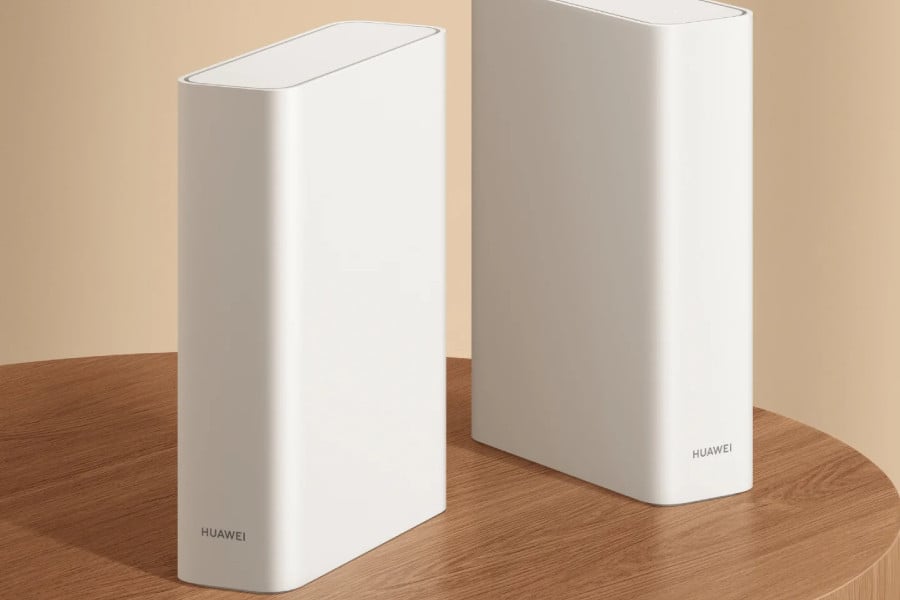
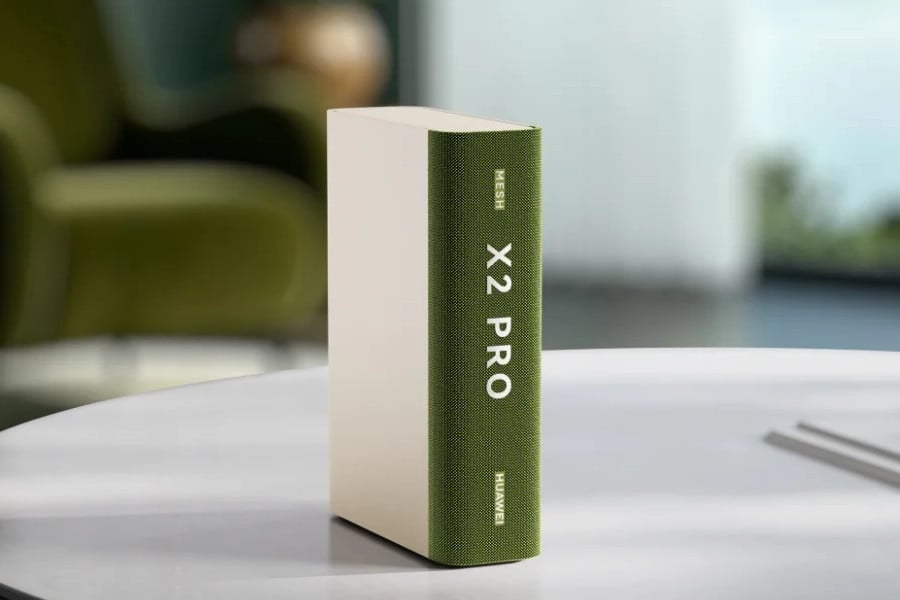
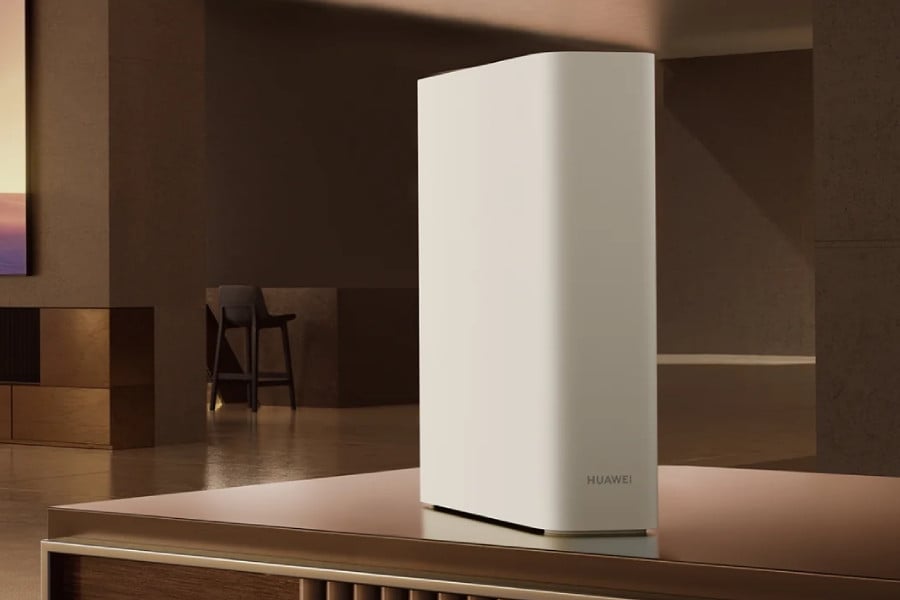
Huawei launched the Router X2 and Router X2 Pro in China today, with sales starting right after. The two routers share the same Wi-Fi 7+ hardware and connectivity features, but there are a few extras on the Pro model, like available colors and removable shells.
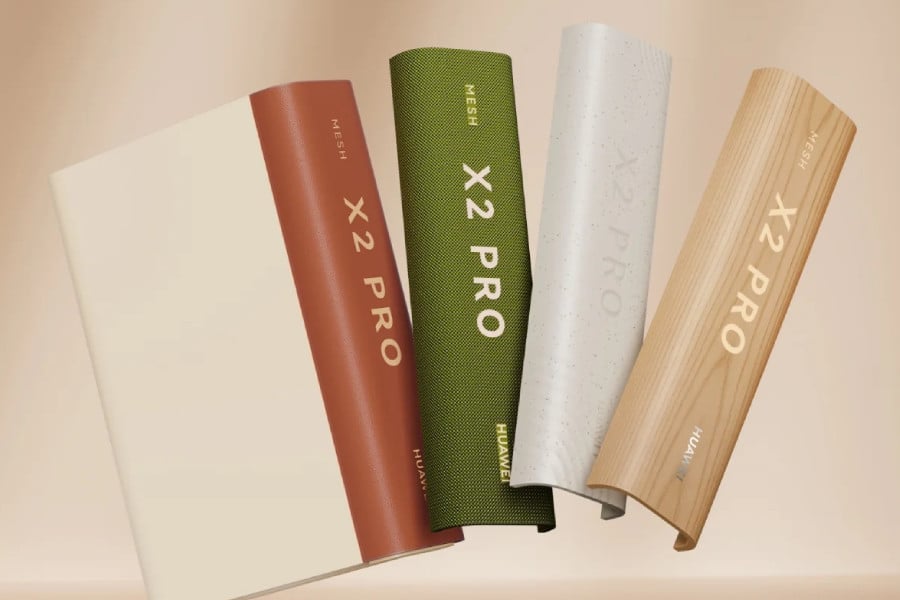
Both models have a book-style design that keeps the antennas out of sight. The standard Huawei Router X2 comes in white, while the X2 Pro is available in Earth Brown, Oak White, and Stone Gray. In fact, the Pro colors are for the magnetic cover, which you can swap as you like. Huawei also showed a Spruce Green version, although it hasn’t announced when it will go on sale.
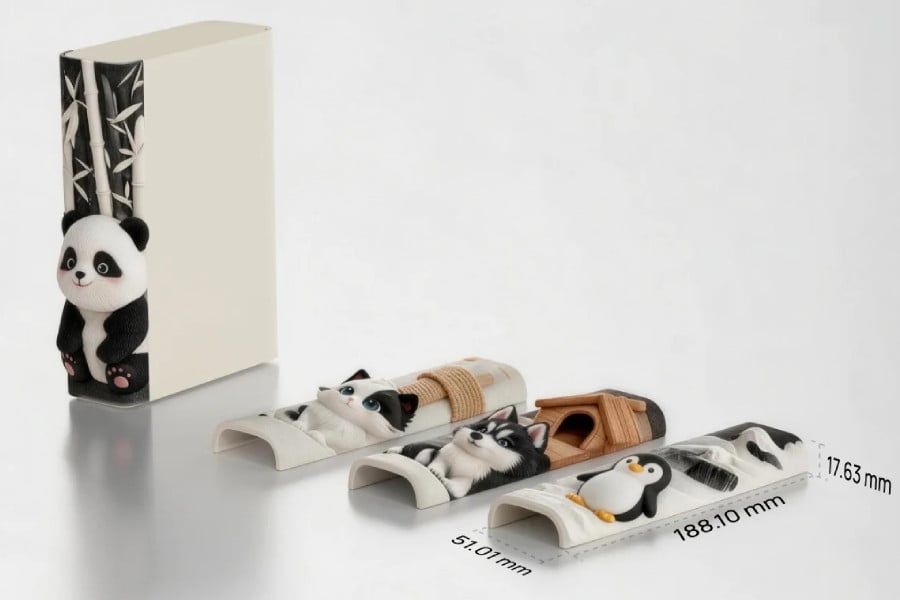
The Pro’s shell even supports 3D printing, which you can download to create your own design.
Both routers measure 191.7 mm tall, 51.1 mm wide, and 141.1 mm long. The standard Router X2 weighs about 440 g, while the X2 Pro weighs about 475 g.
Huawei Router X2 and Router X2 Pro Specifications
Inside, both models use a Lingxiao 760 series chip, which works closely with its phones, tablets, and other devices to reduce compatibility-related performance losses. The chip works alongside four signal amplifiers and a smart antenna, with Huawei’s algorithm selecting the most suitable signal path.
Huawei claims the routers can improve speeds by 100% in weak-signal areas and reduce latency by 80%. The routers support dual-band Wi-Fi 7, with theoretical speeds of up to 688 Mbps on the 2.4 GHz band and 2,882 Mbps on 5 GHz. Combined, the maximum theoretical speed reaches 3,570 Mbps. Neither model supports the 6 GHz band.
For wired connections, both have one 2.5G Ethernet port and three gigabit Ethernet ports. All four ports can automatically switch between WAN and LAN roles. The internal hardware includes 256 MB of RAM and 128 MB of storage, while power consumption stays below 18 W.
AI Mesh and coverage
Huawei includes several features to help users get the best coverage from their routers. Through the Huawei Smart Life app, users can upload a floor plan and let the company’s AI recommend where to place the router.
The routers support mesh networking over both wired and wireless connections. A single router is rated to cover apartments of up to 90 m², while a two-router kit is intended for homes measuring between 90 and 150 m². The two units come pre-paired, so the second router connects automatically when plugged in.
The mesh system also supports dual-band roaming, which allows a compatible device to connect to the new router’s band before disconnecting from the previous one. However, this feature requires a supported Huawei phone.
Huawei has also included a dedicated gaming connection for its own devices. The system uses three parallel channels, with the company claiming up to 50% smoother gameplay. It relies on StarFlash, the Chinese name for NearLink, the short-range wireless technology Huawei introduced in 2023.
Smart home features and security
Beyond networking, both routers include a smart home gateway with support for StarFlash, Bluetooth, and Wi-Fi devices. The routers also include parental controls for managing internet usage. Parents can view usage reports, set time and payment limits, and restrict access to games, video services, and social apps.
Owners of Huawei phones running HarmonyOS 7.0 or later can use the Xiaoyi assistant to check a child’s internet status. The router must first be linked to the user’s Huawei account.
For network security, both models include HomeSec protection against Wi-Fi brute-force attacks, along with WPA2 and WPA3 support. Users can also manage blacklists and whitelists, set up guest Wi-Fi, configure IPv6, and choose between PPPoE and static IP connections.
Huawei says the routers have undergone extensive reliability testing, including more than 48,000 cumulative hours of testing in harsh environments and temperature tests ranging from -20°C to 65°C.
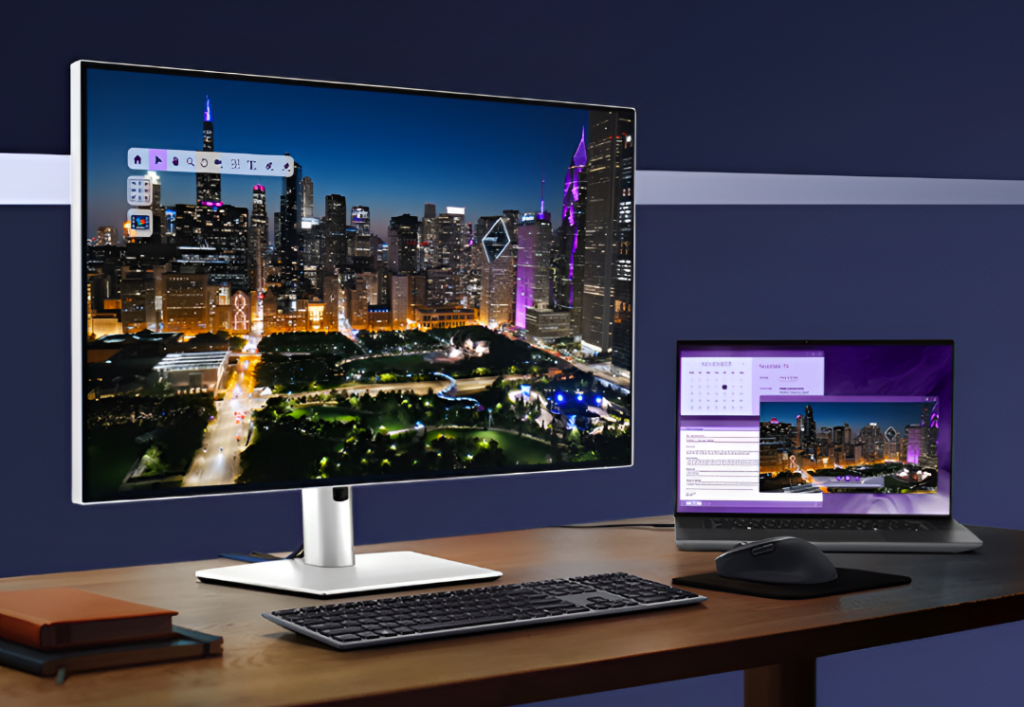
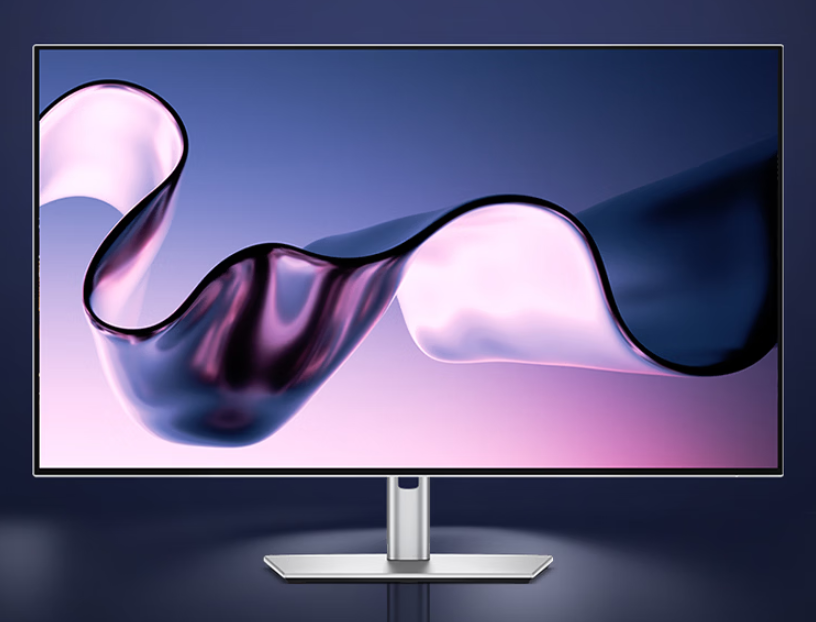
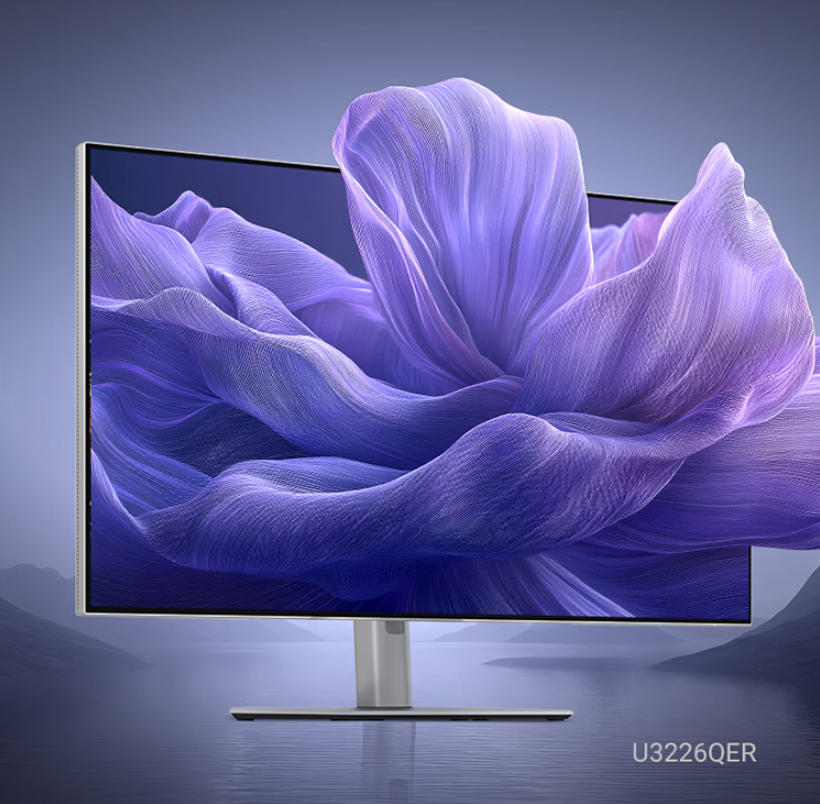
Dell has launched its new UltraSharp U3226QER monitor in China. The 31.5-inch display is now available for purchase through JD.com, priced at 5,199 yuan ($778).
The monitor features a 4K resolution (3840 x 2160) with a 16:9 aspect ratio and IPS Black technology that delivers a 3000:1 contrast ratio, deeper blacks, and improved viewing angles. It supports a 120Hz refresh rate along with a 5ms response time in Fast mode and a low-reflectance coating to reduce glare.
Regarding color and brightness, the U3226QER supports 10-bit color depth, 99% DCI-P3 and Display P3 coverage, and 100% sRGB and BT.709 coverage. It comes factory-calibrated with a Delta E below 1.5 and features VESA DisplayHDR 600 certification, offering 450 nits of typical brightness and 600 nits of peak brightness. It also supports Dell’s Color Management software on Windows and macOS.
The port selection is extensive. The rear of the monitor includes two Thunderbolt 4 ports, one of which can deliver up to 140W of power. This allows you to charge larger laptops while transmitting video and data over a single cable. The monitor also includes one HDMI 2.1 FRL port, two DisplayPort 1.4 inputs, and four 10Gbps USB-A 3.2 ports.
Additionally, a retractable hub on the bottom of the monitor houses one USB-A port and two USB-C ports capable of 15W charging. The display supports KVM switching and daisy-chaining for users with multiple computers or monitors.
The monitor features an ambient light sensor that automatically adjusts brightness and color temperature based on room lighting. It also comes with a hardware-level blue light filter that reduces blue light emissions by 65%, earning TÜV Rheinland’s five-star Eye Comfort certification. It sports a silver finish, an adjustable stand with height, tilt, and swivel support, and VESA mounting compatibility.
In related news, Xiaomi has recently launched the Redmi G25 2027 gaming monitor with a 300Hz refresh rate for just $120, while Lenovo has introduced the affordable Legion 27Q-20 with a 2K resolution, 320Hz refresh rate, and 1ms response time.
For more daily updates, please visit our News Section.
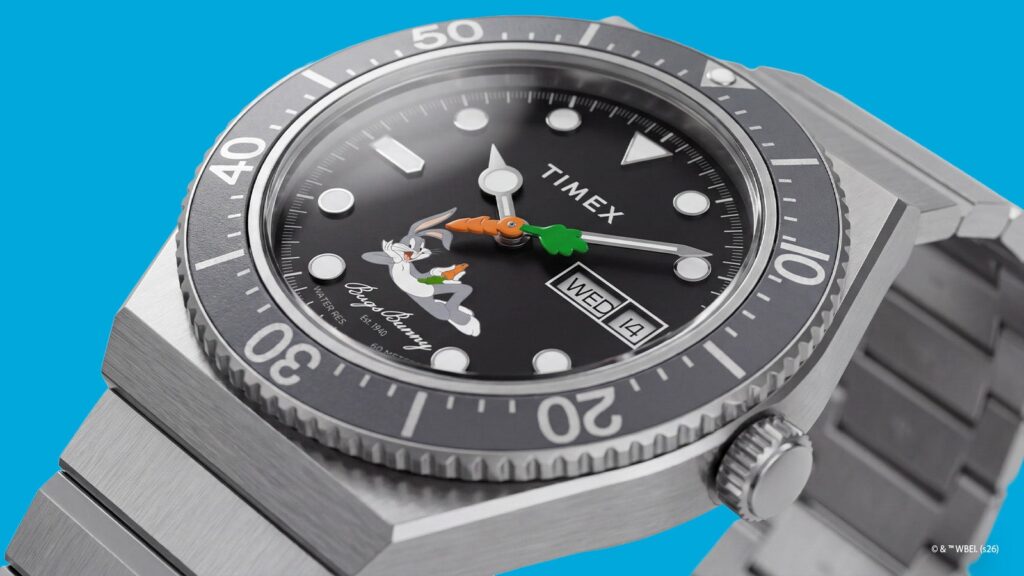
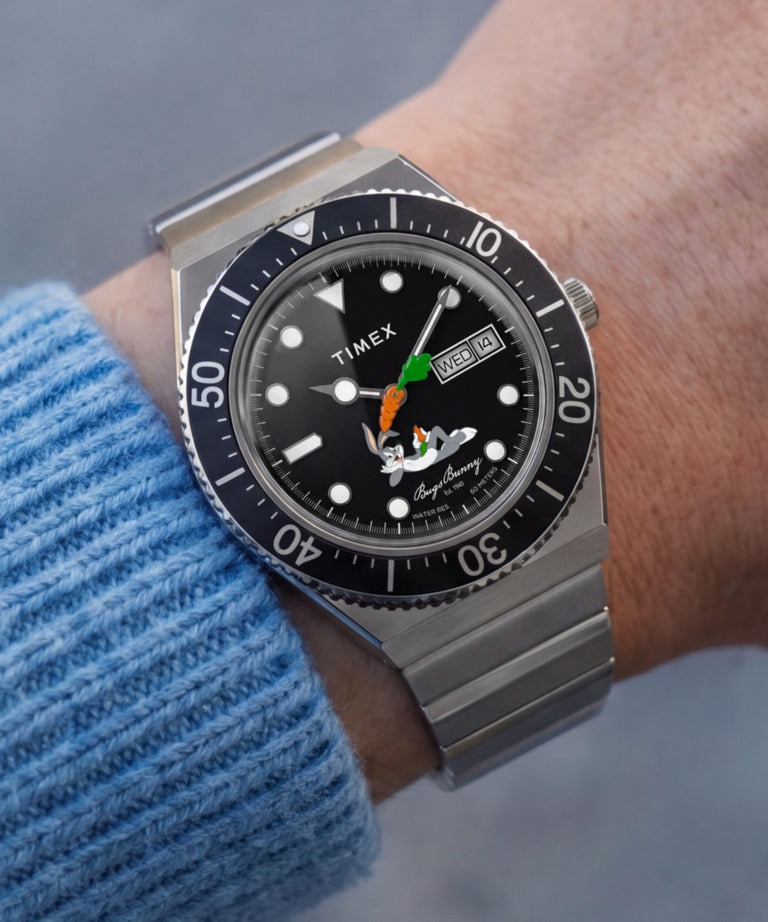
Timex has introduced a new iteration of its M79 Automatic watch, this time featuring a Warner Bros. licensing tie-in. The Looney Tunes Bugs Bunny x Timex M79 Automatic Signature Edition is currently available in the US through the company’s website for $369. The release takes the existing M79 hardware and updates the dial and case back with character-specific branding.
Timex has given the dial a playful design, featuring a Bugs Bunny graphic against a black background with a printed signature just below it. The watch replaces the traditional seconds hand with a rotating carrot, adding a unique touch to the design.
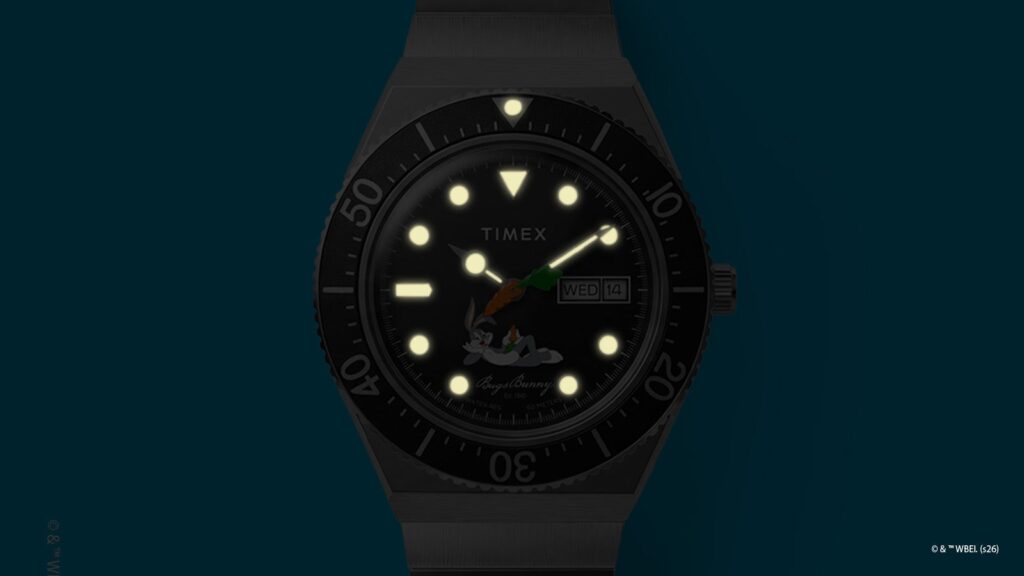
It also features a day-date window at the 3 o’clock position, along with luminous hands and hour markers for better visibility in low-light conditions. The dial is protected by a domed acrylic crystal, which offers good impact resistance but is more susceptible to scratches than sapphire glass. However, minor scratches can generally be polished out.
The watch retains the same hardware as other models in the M79 lineup. It features a 40mm stainless steel case with a combination of brushed and polished finishes. The case measures 14.5mm in thickness and has a 46mm lug-to-lug distance, maintaining the classic proportions of a retro-style dive watch.
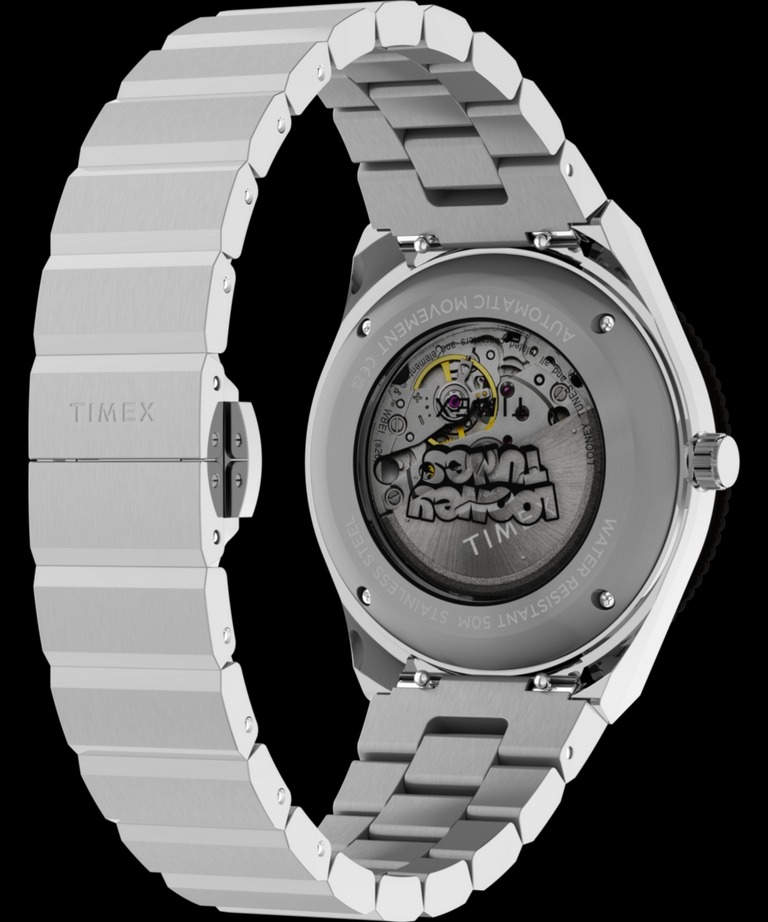
It comes with an 18mm stainless steel bracelet equipped with a butterfly deployant clasp and quick-release spring bars for easy strap replacement. The watch also features a unidirectional ratcheting bezel with a black and grey finish.
The watch is powered by a Japanese Miyota Caliber 8205 automatic movement with 21 jewels, a 42-hour power reserve, and hacking seconds for precise time setting.
It offers an accuracy range of -20 to +40 seconds per day and features an exhibition case back with a Looney Tunes logo. The watch also comes with 50-meter water resistance, making it suitable for everyday splashes and light swimming, but not diving.
For more daily updates, please visit our News Section.
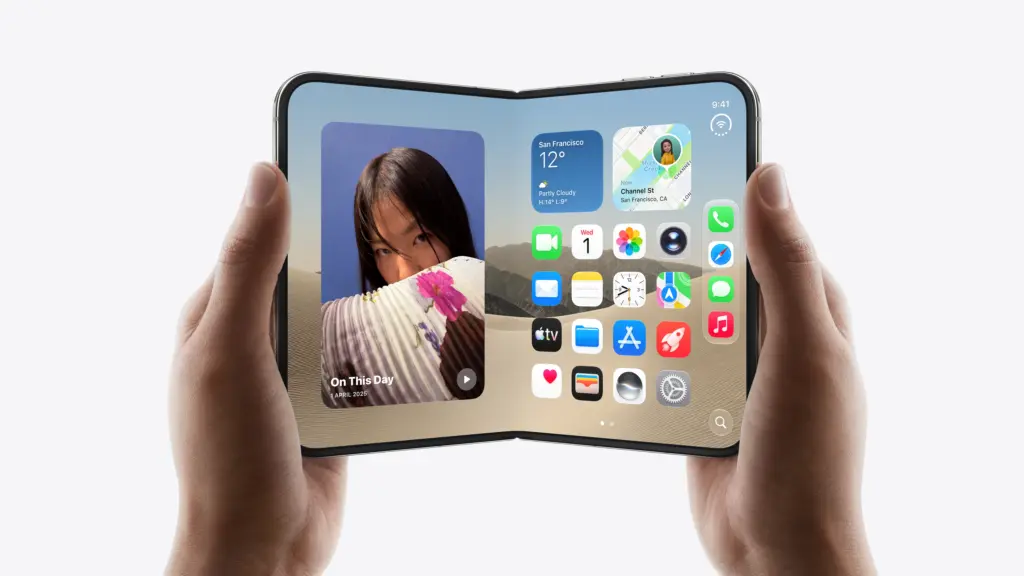
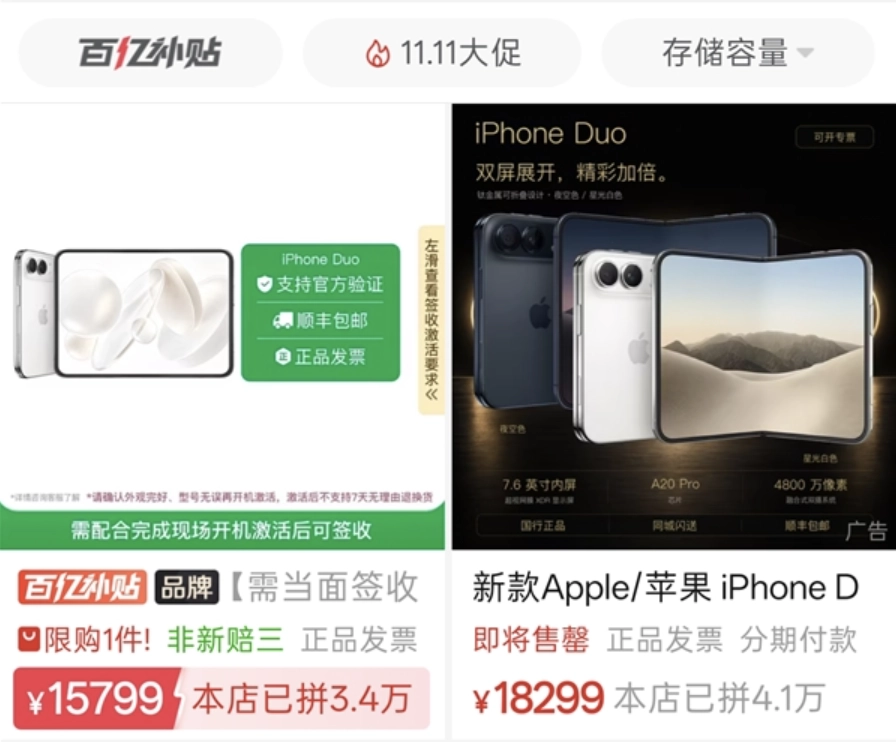
Apple’s first foldable, the iPhone Duo, went from launch-day hype and markups to actual discounts surprisingly fast in some Chinese channels. User reports and platform listings show the phone is now available below its official starting price in certain regions, mainly through big e-commerce subsidy programs.
According to feedback across platforms, the iPhone Duo has dropped under its initial retail price in parts of China. Pinduoduo has added it to its “10 Billion YuanSubsidy” channel (only available in select regions), knocking roughly 200–300 yuan (roughly $30-$45) off the launch price. On launch day the phone was going for 1,500–2,000 yuan (roughly $220-$300) above retail in secondary markets. Just two days later, some listings are already undercutting the official price.
That said, many Apple Stores across the country still have no walk-in stock. And if you try to order from Apple’s official website with delivery, some configurations are still showing wait times stretching into January next year.
The base 256GB model launched at 15,999 yuan in China (roughly $2400), with higher storage options priced up from there. The quick shift from scarcity premiums to modest discounts shows the gap between limited official supply and more flexible availability through e-commerce and authorized retailers in certain areas.
Longer-term demand still looks strong according to analysts. IDC previously estimated Apple’s first foldable could ship more than 10 million units in its debut year and potentially take around 40% of the global foldable market by 2027. Goldman Sachs is similarly upbeat, projecting 13 million units in 2026 and as many as 33 million in 2027.
While official channels remain tight, the early appearance of below-list pricing in eligible regions gives some buyers a slightly easier way in. Exact discounts and availability still vary by location and platform, and the supply situation is still settling as Apple works through the backlog.
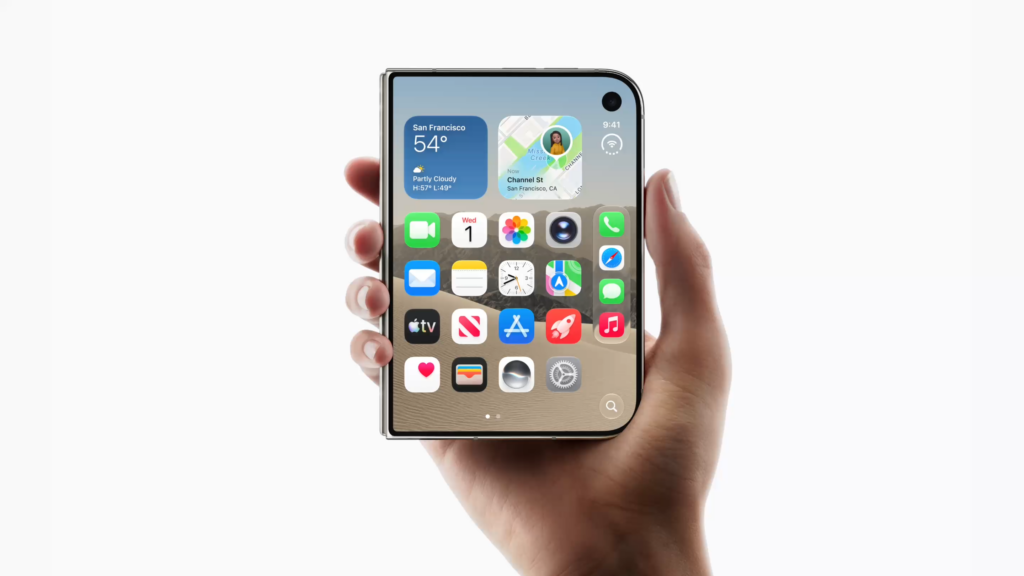
Apple’s first foldable, the iPhone Duo, has people talking about more than just the dual-screen design. How you actually hold and use the thing day to day matters a lot, and Bloomberg’s Mark Gurman says Apple is working on a new “Reachability” feature specifically for it.
The idea is simple: let you shift the main content on the outer screen left or right so it better matches how you naturally grip the phone, including if you’re left-handed.
People were worried that the outer display’s interface and control placement might feel awkward for lefties. Now Gurman suggests those concerns might be overblown. Feedback from some left-handed users apparently shows the outer screen hasn’t really gotten in the way during normal use. On the bigger inner screen the issue is even smaller, since most people just use both hands there anyway.
This new mode is basically an evolution of the Reachability feature Apple has had for years (the one that pulls everything down on tall iPhones so your thumb can reach). For the Duo, it’s focused on horizontal shifting of the primary interface elements on the outer display, giving you more flexibility based on how you hold the phone when it’s folded.
Analysts are still pretty bullish on the product. IDC previously estimated Apple’s first foldable could ship more than 10 million units in its debut year and potentially grab around 40% of the global foldable market by 2027. Goldman Sachs is in a similar ballpark, projecting 13 million units in 2026 and as many as 33 million in 2027.
As the iPhone Duo starts reaching more people, little software refinements like this Reachability update show Apple is still polishing the experience beyond the initial hardware. More details on when it ships and exactly how it works should come out as development continues.
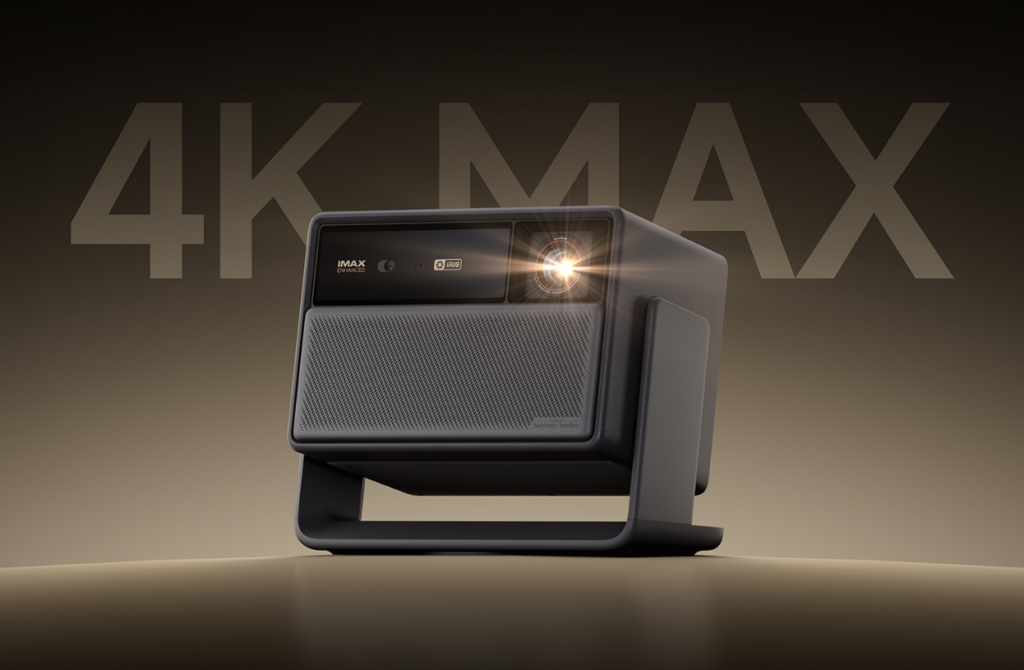
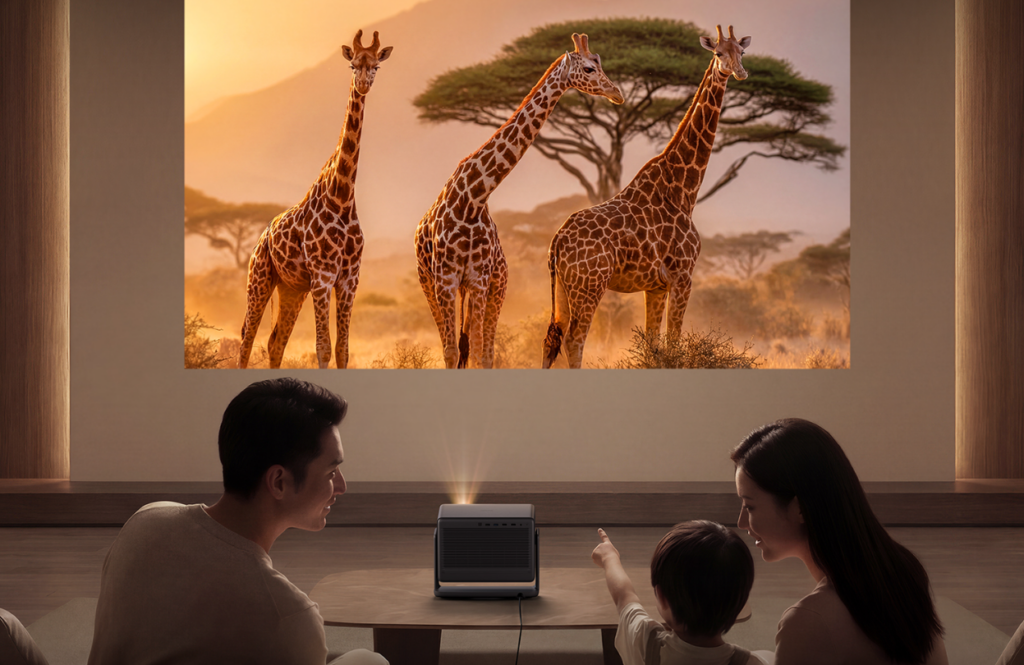
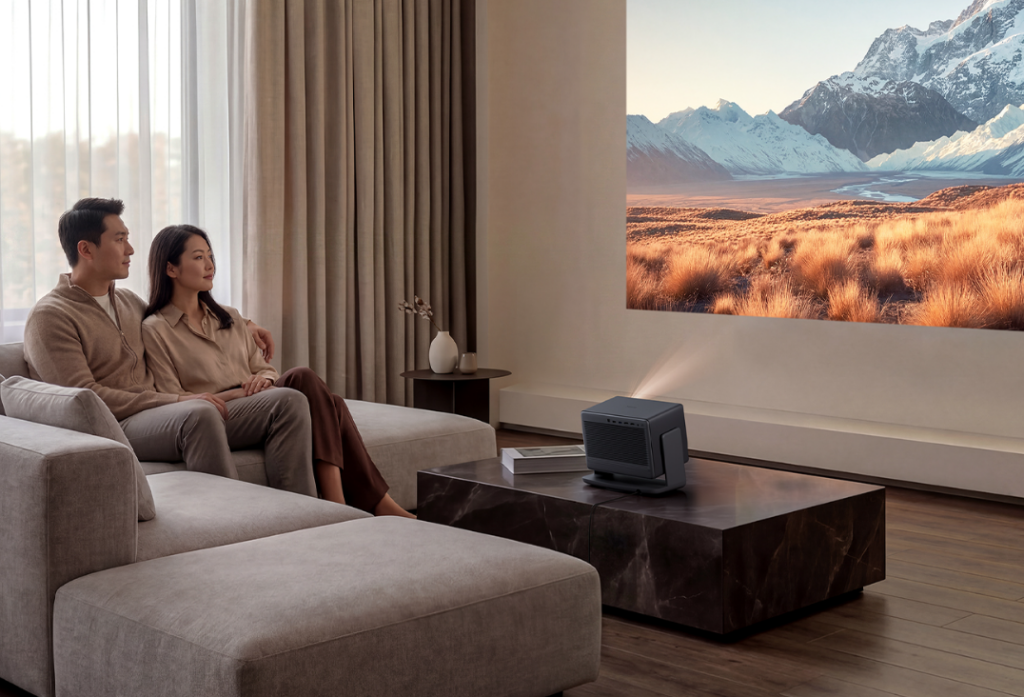
Xgimi has officially launched its RS30 Pro High Brightness Edition projector in China. The new projector is now available for purchase on JD.com, priced at 7,299 yuan ($1,092).
The primary update over the standard RS30 Pro, which launched earlier this year, is an increase in light output. The High Brightness Edition produces 4,500 CVIA lumens, compared to the standard model’s 3,200 CVIA lumens.
The projector uses a 0.47-inch DMD display chip with DLP technology to output a 4K UHD resolution of 3840 x 2160 pixels. Its light source is the QuaLas42 laser system, which incorporates 26 laser chips.
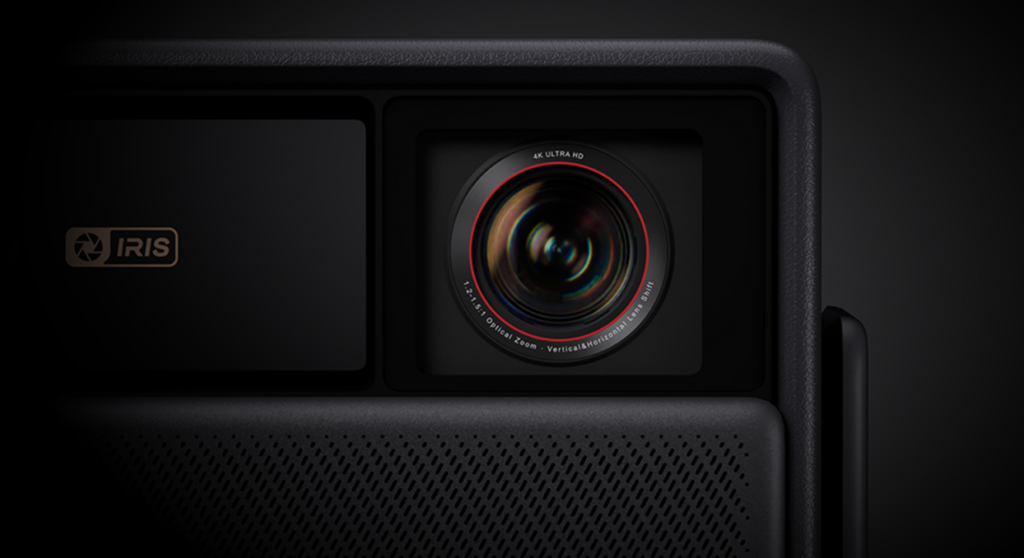
To regulate the light output, the device includes a variable iris that adjusts the aperture between F/2.0 and F/5.0 depending on the ambient room lighting and the on-screen content.
This mechanism provides a native contrast ratio of 4,000:1 and a dynamic contrast ratio of up to 60,000:1. The projector covers 98% of the BT.2020 color gamut and supports HDR formats such as Dolby Vision, HDR10+, and HDR Vivid, as well as IMAX Enhanced certification.
For installation, the RS30 Pro High Brightness Edition comes with a built-in gimbal stand that supports 360-degree horizontal rotation and 135-degree vertical tilt. It offers 1.2-1.5:1 optical zoom and flexible vertical and horizontal lens shift. The projector also features Xgimi’s Eagle-Eye 5.0 system for automatic focus, keystone correction, screen alignment, and obstacle avoidance.
Internally, the projector runs on a MediaTek MT9681 processor with 3GB of RAM and 64GB of storage. It includes two HDMI 2.1 ports (one with eARC support), a USB 3.0 port, and a USB 2.0 port. For gaming, it supports a 4K resolution at a 120Hz refresh rate, VRR, ALLM, and AMD FreeSync Premium.
For audio, the projector features a dual 12W Harman Kardon speaker setup with a total output of 24W and support for Dolby Audio and DTS sound technologies. It also offers Wi-Fi 6 and Bluetooth 5.2 for wireless connectivity. The projector measures 298 x 249 x 190 mm, weighs 4.9 kg, and maintains a noise level of 28dB or less during operation.
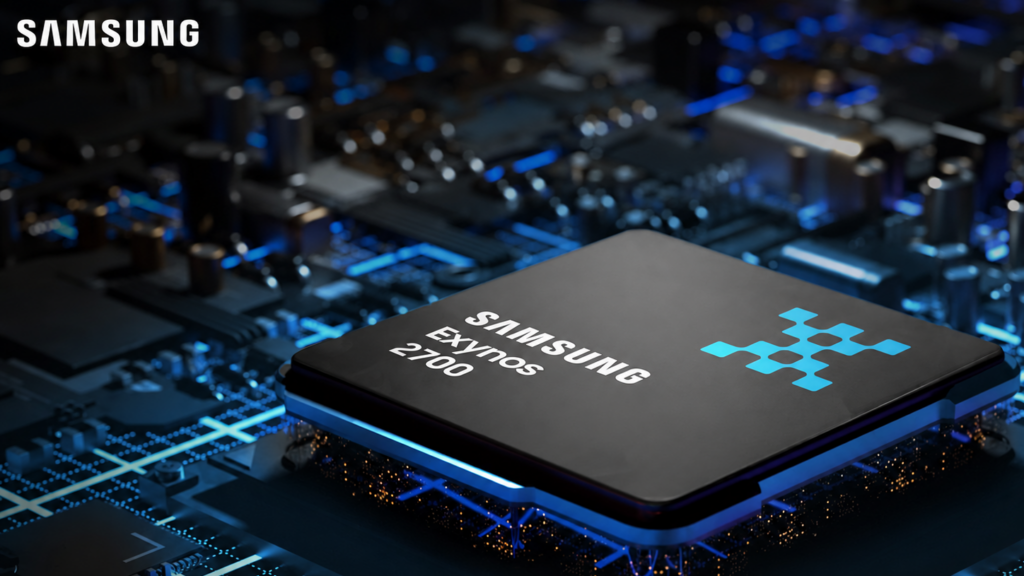
Samsung is getting the Galaxy S27 series ready for an early 2027 launch, and the early numbers on its in-house Exynos 2700 are looking pretty interesting. According to a report from a South Korean outlet on October 25, Samsung ran some internal benchmarks that put the new chip up against Qualcomm’s Snapdragon 8 Elite Extreme Gen 6 inside a Xiaomi 18 Pro Max.
In Geekbench 6.5 multi-core, the Exynos 2700 scored around 13,000 points while the Qualcomm chip sat closer to 11,000, roughly a 20% lead. In Geekbench 7.0 the gap was still solid at about 15%. When they compared it against the regular Snapdragon 8 Elite Gen 6, the difference jumped even higher: 44% and 36% respectively in the two Geekbench versions.
Graphics looked good too. In peak performance tests with demanding games, the Exynos 2700 came out around 20% ahead of Qualcomm’s top chip. In more everyday heavy 3D titles the lead dropped to about 5%, which is still respectable.
The chip is set to be mass-produced on Samsung Foundry’s second-generation 2 nm process (SF2P), and Samsung is also working on improved heatsink packaging to help with heat and sustained performance. For context, the previous Exynos 2600 already showed up in some Galaxy S26 models and the Galaxy Z Flip 8. If the 2700 can keep delivering competitive results, Samsung might finally be able to use its own silicon more consistently across the S27 series instead of relying so heavily on Qualcomm.
Of course, these are still Samsung’s own internal numbers, not independent third-party tests. Real-world performance, thermals, battery life, and how it holds up under long gaming sessions will tell the real story once actual Galaxy S27 units start circulating.
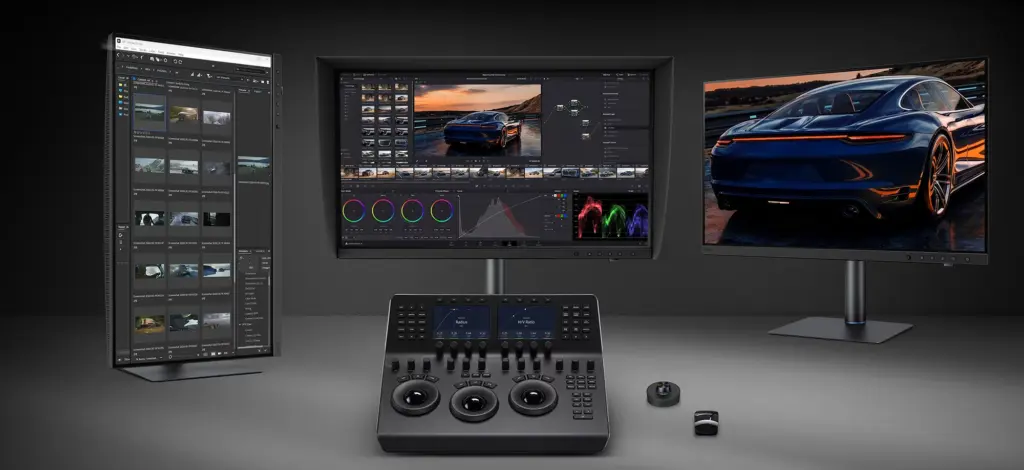
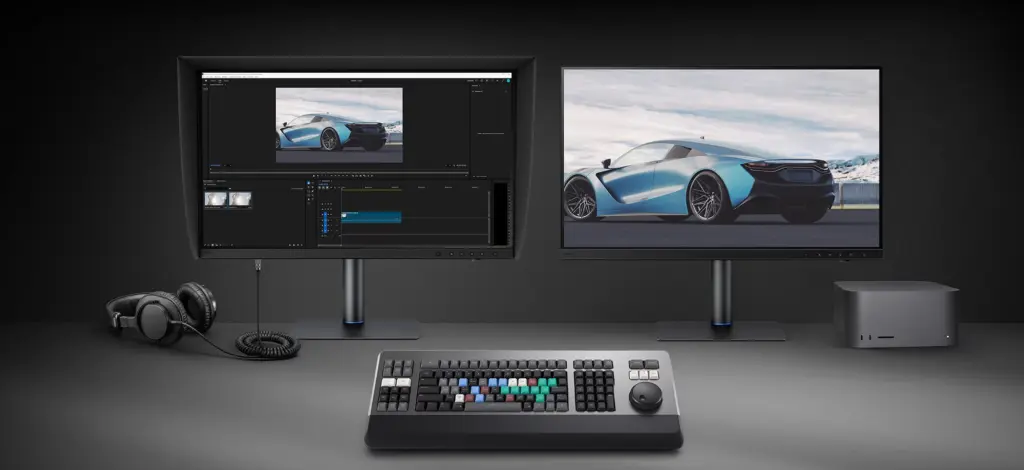
BenQ has launched its new Creative Pro PV3250U monitor in India, unveiling it at Broadcast India 2026. The display targets colorists, video editors, and post-production studios that need reliable grading every day. It arrives as a step up from the PV3200U that went on sale in India last year.
BenQ PV3250U specifications and features
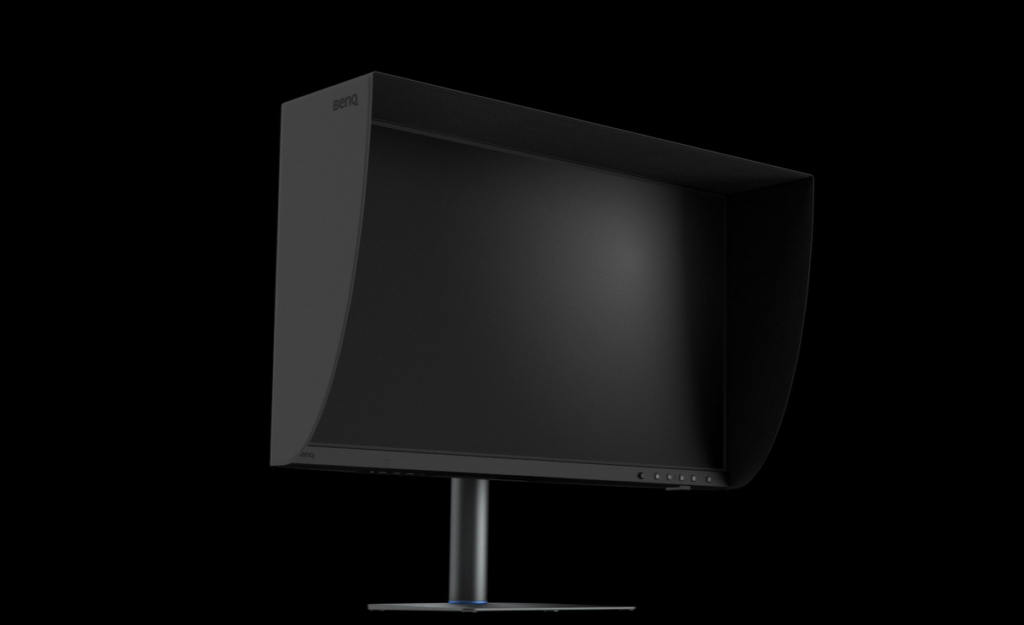
BenQ PV3250U
At its core sits a 31.5-inch 4K UHD (3840 x 2160) IPS panel tuned with AQCOLOR technology. You get 3000:1 native contrast, a 120Hz refresh rate, 99% DCI-P3 and 100% Rec.709 coverage, and Delta E ≤1 color accuracy. Every unit is factory calibrated to gamma 2.4 with dark-tone validation, and AQCOLOR Uniformity corrects brightness across micro zones. HDR10, HLG, and VESA DisplayHDR 600 are supported, with 450 nits typical and a 600-nit HDR peak.
Calibration uses a 16-bit 3D LUT covering roughly 5,000 RGB points, with data stored on an internal IC so profiles stay with the screen. Recalibration runs through AQCOLOR Pilot and an external calibrator. Editors also get Shadow Check, Marker overlays for aspect ratios and crop guides, and a non-destructive Area Zoom.
BenQ PV3250U
Thunderbolt 4 carries video and data at up to 40Gbps along with 96W power delivery, with HDMI 2.1, DisplayPort 1.4, a USB hub, and KVM support rounding things out. Extras include a magnetic shading hood, the Hotkey Puck G4, Display Pilot 2, and a built-in ESS DAC for headphones up to 300 ohms.
The PV3250U carries an MRP of Rs 1,99,000 (~$2,370), with an end-customer price of Rs 1,48,998 (~$1,775) during October 2026. Full details are on the official product page. If you prefer to see BenQ displays in person, the company recently opened its first monitor-exclusive experience center. Would you pick the PV3250U for your editing setup?
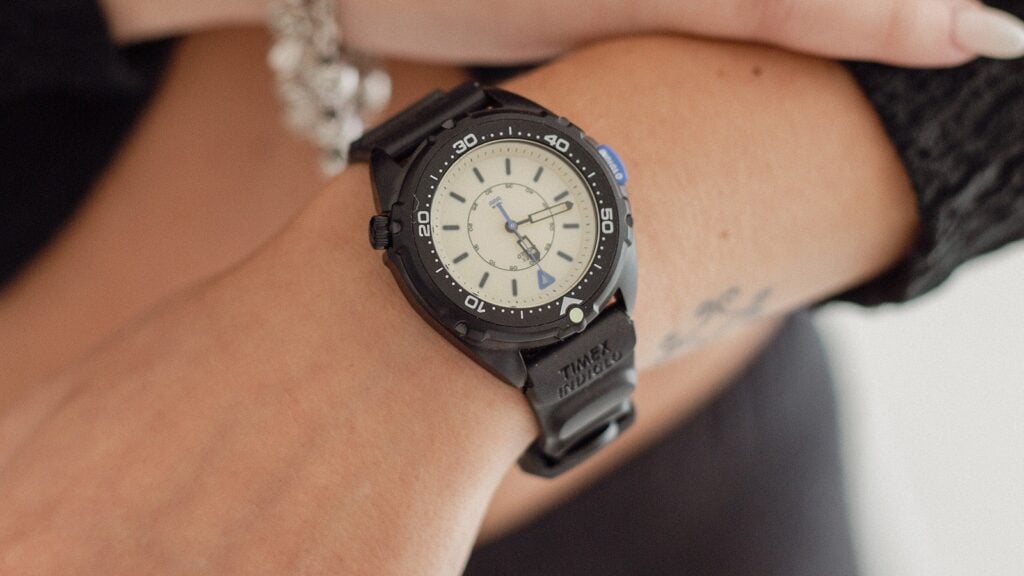
Timex has released a new version of its Intrepid watch, collaborating once again with Dimepiece founder Brynn Wallner and Foundwell’s Alan Bedwell. The new model, called the Timex Intrepid x Dimepiece Blackout Edition, is available now on the Timex US website for $269.
Design Details
This release is a direct follow-up to their previous collaboration, which scaled down the original 1990s Intrepid design into a more compact format. The Blackout Edition keeps those exact dimensions but swaps the earlier colorway for a dark, monochromatic hardware design.
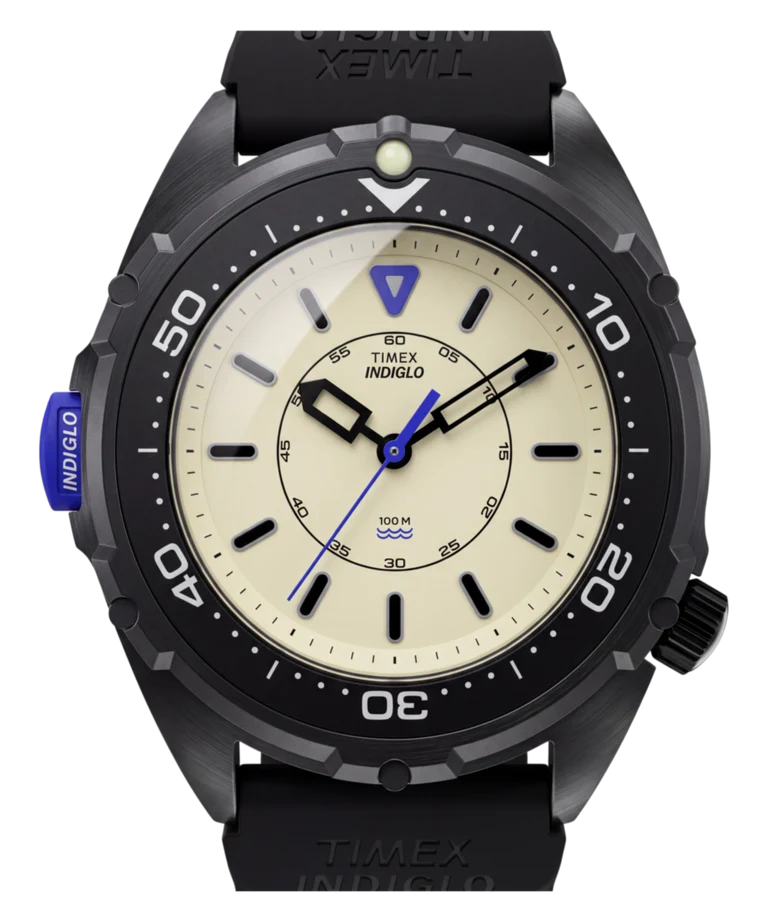
The watch features a 36mm brushed stainless-steel case finished entirely in black. In terms of footprint, it has a 40mm lug-to-lug distance and a 10mm case height, weighing 58.52 grams. The 36mm sizing aligns with a broader trend in the watch market toward smaller, gender-neutral cases that fit a wider variety of wrist sizes without looking bulky.
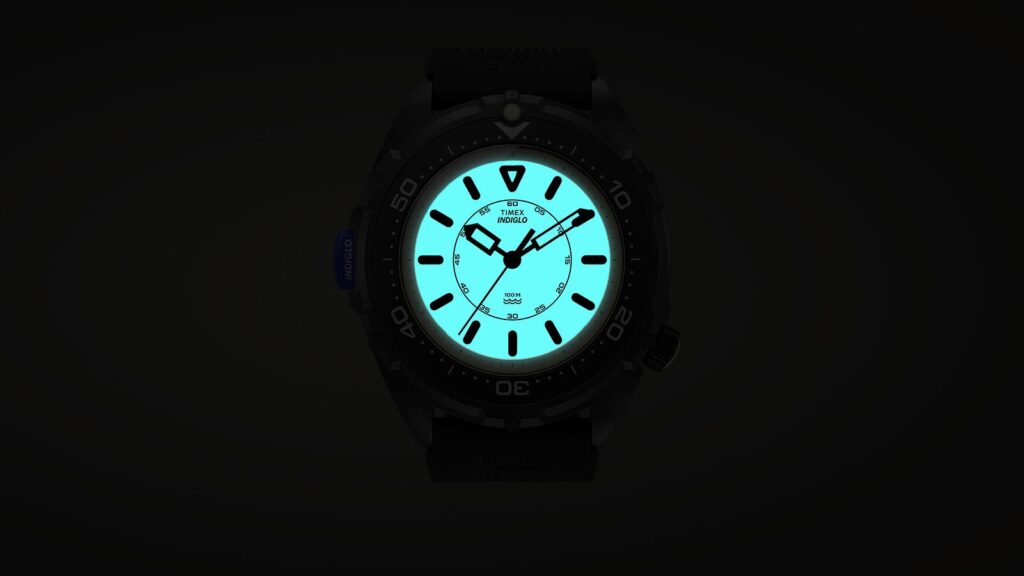
To contrast the dark case, the watch uses a cream-colored dial with skeletonized hour and minute hands. There are a few specific color accents: the second hand, the 12 o’clock marker, and the dedicated INDIGLO pusher are colored in Dimepiece’s signature purple. The hardware also includes a rotating top ring for tracking elapsed time and places the screw-down crown off-center, just beside the 4 o’clock position.
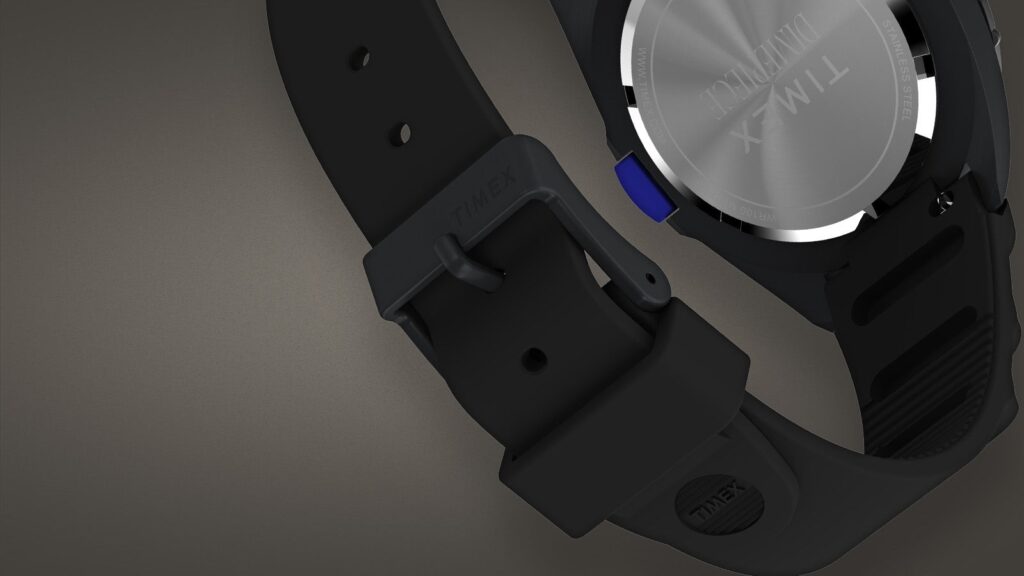
For the strap, Timex opted for black NBR (Nitrile Butadiene Rubber). NBR is a synthetic rubber generally chosen for being more resistant to oils and wear than standard silicone. The 18mm strap has a tonal TIMEX INDIGLO logo debossed into it and uses quick-release spring bars, which let you swap out the band without needing a spring bar tool.
Inside, the watch features a quartz analog movement powered by a CR1216 battery. It comes with a scratch-resistant mineral crystal and a screw-down crown, offering 100-meter water resistance suitable for swimming. The watch also features Timex’s INDIGLO backlight, which illuminates the entire dial in turquoise for better visibility in the dark.
Ugreen has released plenty of travel accessories this year, from high-capacity power banks to slim chargers and portable storage. Several are now available in the US, UK, and Europe, so you can buy them locally rather than importing them from China.
The lineup includes options for charging laptops on long trips, keeping an iPhone topped up, tracking luggage, and carrying files between devices. Here are eight Ugreen gadgets released in 2026, along with their prices and availability.
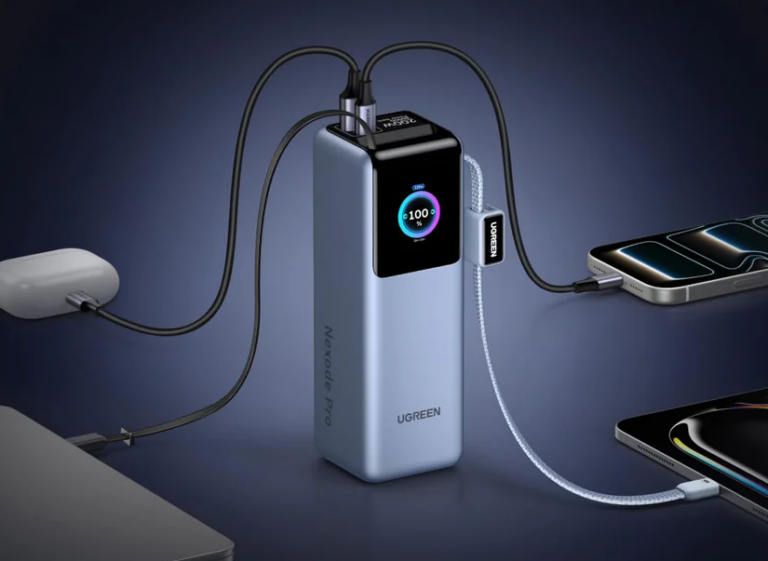
Ugreen launched the Nexode Pro 25,000mAh 200W Power Bank in Europe before bringing it to the US in May under the name Ugreen 200W Power Bank 25000mAh. It packs a 25,000mAh battery with a combined output of up to 200W, making it suitable for charging laptops and other devices while travelling.
It has two built-in USB-C cables, including a 68cm retractable cable and a 35cm cable that doubles as a carrying strap. You also get a standard USB-C port and a USB-A port, allowing you to charge several devices without carrying extra cables.
Each USB-C output can deliver up to 100W when used individually, and the power bank supports Xiaomi’s 90W charging protocol. Using three USB-C outputs simultaneously brings the combined output down to 115W. It has a small TFT screen that displays the power going to each port, remaining battery capacity, and battery health.
The power bank itself supports charging at up to 100W, with Ugreen claiming a full recharge takes around 2.2 hours. It weighs 631 grams and measures 158 x 54 x 50mm, so it is not the lightest option for everyday carry.
The power bank costs €99.99 in Germany and France, £89.99 in the UK, and $139.99 in the US.
2. Best mid-size power bank
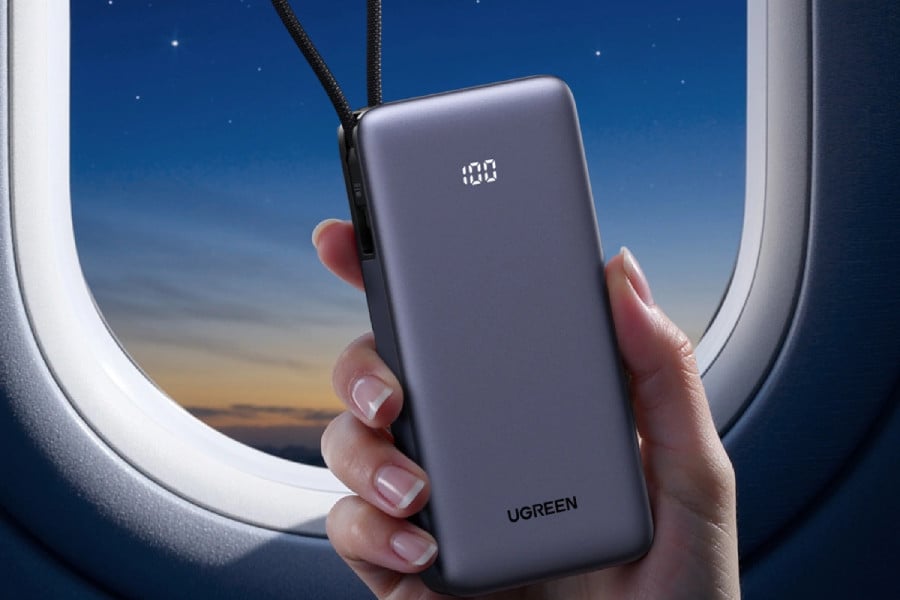
If you don’t need 200W of output, the Ugreen Nexode Power Bank 20,000mAh 55W is a more manageable alternative. It has a built-in 7-inch USB-C cable, alongside a USB-C port and a USB-A port, so you can charge up to three devices at once.
The maximum output from the battery pack is 55W for supported phones, while laptops can draw up to 45W. Like the model above, it also has a built-in display that shows the remaining battery capacity, output power, charging cycles, and temperature.
The unit weighs 389 grams and measures 11.65 x 7.1 x 3cm. It costs £39.99 in the UK and starts at €69.99 in Europe, with listings available on Amazon in the UK, Germany and France.
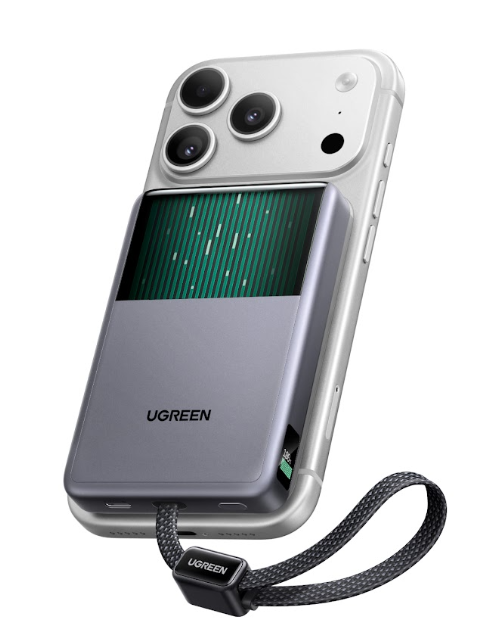
The Ugreen MagFlow Pro Magnetic Power Bank 10000mAh 25W was among Ugreen’s main launches at IFA 2026. It combines a 10,000mAh battery with Qi2 wireless charging at up to 25W, along with wired charging at up to 45W through USB-C.
Its main feature is a liquid-cooling system. A micro-pump circulates coolant to help control heat during wireless charging, while a transparent window lets you see the coolant moving inside. Ugreen says the power bank can charge an iPhone 17 Pro Max to 50% in around 40 minutes.
The cooling system is an unusual addition to a magnetic power bank, although it comes at a price. You can get it for €119.99 in Europe, £109.99 in the UK and $149.99 in the US. Amazon has sold it for around $100 in the US since September.
If you don’t need liquid cooling or would rather get a larger battery for your money, our roundup of the best magnetic power banks of 2026 covers other options.
4. Best for hotel rooms
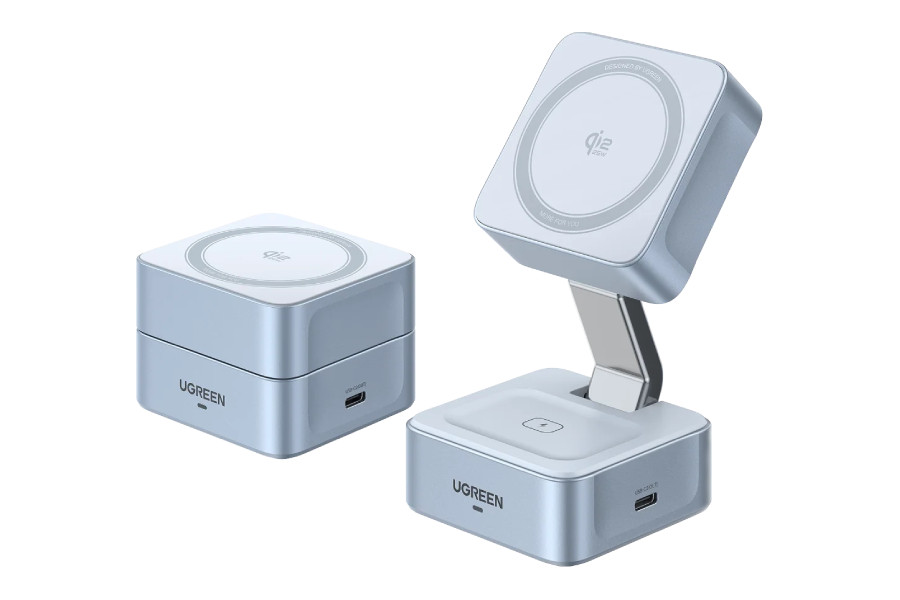
The Ugreen MagFlow 25W 2-in-1 Foldable Wireless Charger is a compact option for travellers who want to charge their phone and earbuds without carrying separate wireless charging pads.
It folds down to 2.36 x 2.96 x 0.52 inches and weighs 3.88 ounces. Unfold it, and you get a Qi2.2 charging pad with up to 25W of output for an iPhone 16 or newer. The iPhone 16 requires iOS 26 or later to use the charger at its supported speeds. A second pad handles AirPods, and the main charging surface can also prop up a phone for video calls.
Unlike a power bank, the MagFlow needs an external power source. Ugreen recommends using a 45W USB-C charger to get the best charging speeds, so you’ll need to pack a suitable wall adapter as well.
The launch prices are €49.99 in Europe, £43.99 in the UK, and $59.99 in the US.
Traditional wall chargers can take up a surprising amount of space in a travel bag, particularly when you’re carrying one powerful enough to charge a laptop. Ugreen’s Nexode Air Slim series takes a different route with a thin design and foldable prongs.
The Ugreen Nexode Air Slim 65W measures just 12mm thick and has two USB-C ports and one USB-A port. It costs $49.99 in the US. When you use all three ports simultaneously, the main USB-C port delivers up to 45W, while the other two share the remaining 15W.
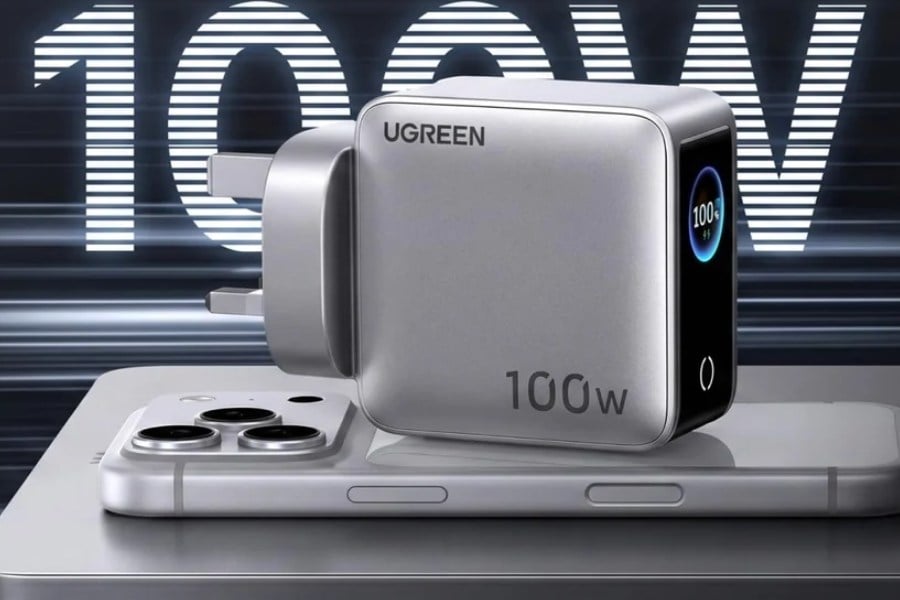
The Ugreen Nexode Air Slim 100W provides more power and has recently become available in the UK for £59.99. Either USB-C port can deliver up to 100W when used alone, while the USB-A port supports up to 22.5W. The UK version also has foldable prongs.
Connecting multiple devices reduces the power available to each port. Ugreen says the first device receives roughly 60W to 80W when more than one device is connected.
The slim design makes the chargers easier to slip into a bag than many conventional laptop adapters, although the 100W model is the better choice if you regularly charge a laptop alongside a phone or tablet. You can also check our roundup of the best 100W and higher GaN chargers to compare it with alternatives.
6. Best charger with a screen
The Ugreen Nexode Pro 100W 4-Port Charger takes a more traditional form than the Air Slim models, but adds a color screen to show charging information. The display reports output power, temperature, voltage and charger health, making it easier to check how connected devices are drawing power.
Measuring 63 x 63 x 63mm, the charger has three USB-C ports and one USB-A port. Two of the USB-C ports can deliver up to 100W individually, while the third supports up to 65W. The USB-A port reaches 22.5W, and total output across all ports is capped at 100W.
Ugreen launched the charger in the UK for £55.99 before bringing it to the US at $64.99. Promotional pricing has brought the US version down to $54.99 on Ugreen’s official store and Amazon.
It’s worth considering if you want one charger for several devices and like having charging information visible at a glance. However, the 100W shared limit means you won’t get the full rated output from multiple ports at the same time.
The Ugreen FineTrack Slim Duo 2 is a thin tracker for people who want to keep tabs on luggage, wallets, or passport holders. It works with both Apple’s Find My network and Google’s Find Hub, making it compatible with iPhones and Android phones.
At just 1.7mm thick, the tracker can slip into places where a conventional tracking tag would be too bulky. It also has an IP68 rating for dust and water resistance. Ugreen rates the battery for up to seven years, compared with five years for the first-generation model.
Prices start at $29.99 in the US and €29.99 in Germany, France and Spain, following an earlier launch in the UK. Check the listing carefully before ordering, as Ugreen sells its trackers in multi-packs.
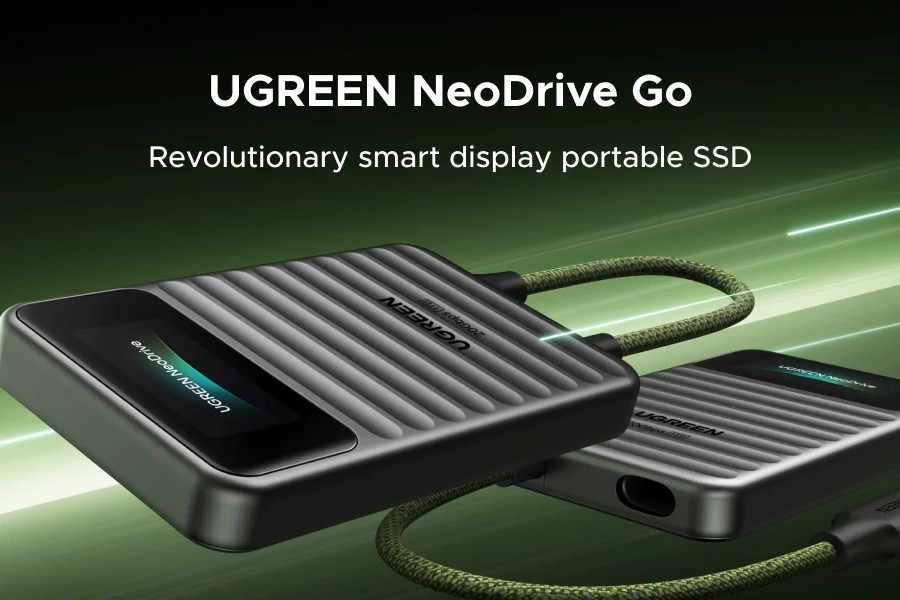
The Ugreen NeoDrive Go is a portable SSD built for people who need fast storage without carrying a conventional external drive. It measures 3.46 x 2.16 x 0.47 inches and weighs 70 grams.
Rather than requiring a separate cable, the drive has a built-in 5.4-inch braided USB4 cable that also works as a lanyard. Ugreen claims transfer speeds of up to 3,800MB/s, while direct iPhone connectivity allows users to record 4K video at 120fps in ProRes.
The 1TB model launched in the US for $499.99. Ugreen’s European store lists it at €399.99, with a 25% discount bringing the price down to €299.99.
Ugreen says the NeoDrive Go can survive drops from around 2.1 metres, although it does not have a water or dust resistance rating. If you’d prefer to assemble your own portable storage, Ugreen also launched M.2 SSD enclosures with built-in USB-C cables this month.
For more daily updates, please visit our News Section.
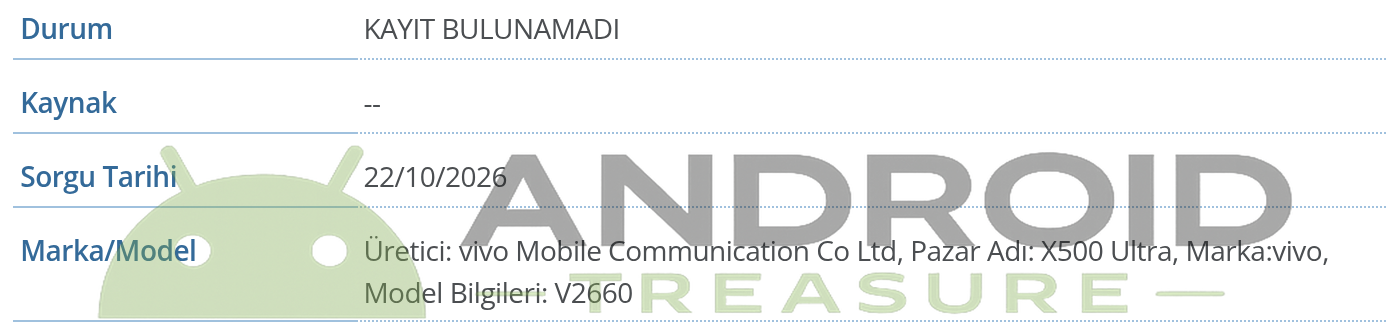
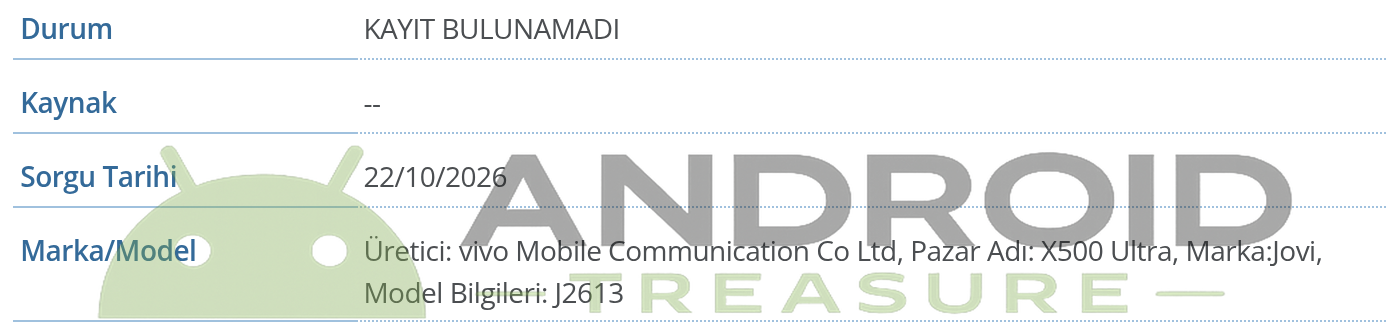
Vivo‘s rumored imaging flagship is no longer looking like a China-only plan. Fresh IMEI database listings point to a global Vivo X500 Ultra variant, alongside a Brazil-bound Jovi model, which strengthens the case for an international rollout after earlier chatter suggested the Ultra might stay domestic.
X500 Ultra: Vivo and Jovi model numbers surface in the IMEI database
According to an AndroidTreasurereport that captured the listings, the international phone is logged as V2660 under the Vivo X500 Ultra marketing name, with Vivo Mobile Communication Co Ltd listed as the manufacturer. A second entry shows a Jovi X500 Ultra under model J2613. Jovi is the brand Vivo uses in Brazil, so that unit lines up with a Latin American path rather than a China SKU.
Those two references matter because they go beyond vague “global” rumors. An IMEI listing does not name every country or set a store date, but it is the kind of paperwork brands usually file when they are preparing devices for markets outside China. That sits in contrast with earlier talk that cost pressure, including memory shortages, might keep ultra-flagships such as this one closer to home, similar to how some are reportedly considering trimming international Ultra plans.
The X500 Ultra still sits above the already launched X500 Pro and X500 Pro Max, which headed to Europe after their China debut. Separate leaks continue to point to a Snapdragon 8 Elite Extreme Gen 6 chip, a roughly 6.85-inch 2K+ LTPO panel, and a China window around March or April 2027. Camera rumors, including a lower-resolution main sensor paired with a larger telephoto, are still fluid and should be treated as tips until Vivo confirms them.
For now, the takeaway is simpler: Vivo appears to be clearing the paperwork for both a standard international X500 Ultra and a Jovi version aimed at Brazil. Whether that becomes a wide global launch or a smaller set of regions will depend on official announcements.
HMD looks like it’s getting ready to refresh its modular Fusion phone for Europe, and this time it’s actually tackling one of the original model’s biggest weak spots. A recent leak points to a noticeably stronger version that keeps the whole accessory system intact while upgrading the important bits.
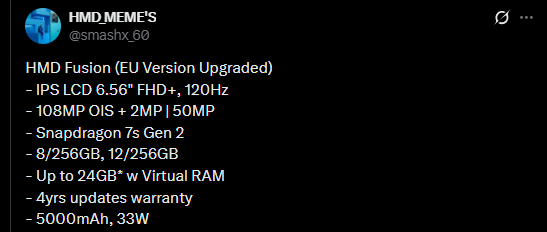
According to the source smashx_60, the European Fusion is ditching the Snapdragon 4 Gen 2 for the more capable Qualcomm Snapdragon 7s Gen 2. Memory options jump to 8 GB or 12 GB of RAM with 256 GB of storage, and there’s virtual RAM expansion too.
The screen also gets a proper upgrade: a 6.56-inch FHD+ IPS LCD running at 120 Hz, instead of the original’s HD+ 90 Hz panel. Cameras stay mostly the same: 108 MP main (now listed with OIS in the leak), a 2 MP secondary on the back, and a 50 MP selfie camera. Battery remains a 5000 mAh unit with 33 W wired charging. The leak also mentions a four-year software update promise.
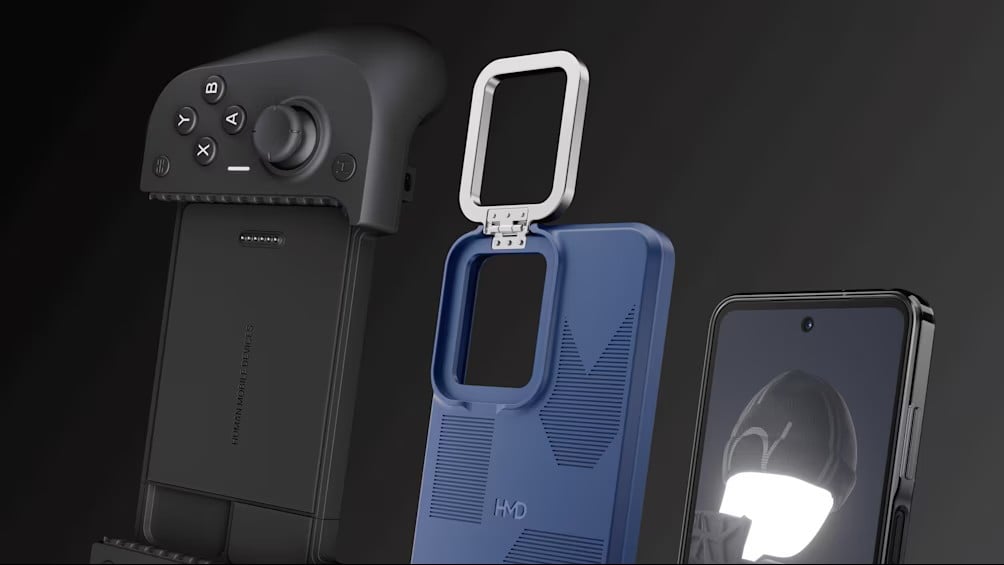
Quick reminder on the original: HMD launched the first Fusion in September 2024 as an affordable modular phone focused on repairability and those customizable “Outfits.” You snap accessories onto the rear Smart Pin for things like wireless charging, extra protection, or a ring light.
There’s even an open-source kit so people can design and 3D-print their own cases. The first model ran on the weaker Snapdragon 4 Gen 2 and a basic 90 Hz display, so the new processor and higher-res 120 Hz screen are the biggest jumps here.
The modular idea still sits at the center of it all. HMD is clearly sticking with the pitch that the Fusion can adapt to different needs instead of being a fixed-spec phone. If the specs hold up, the refreshed European version should feel a lot snappier day-to-day and look sharper on the screen.
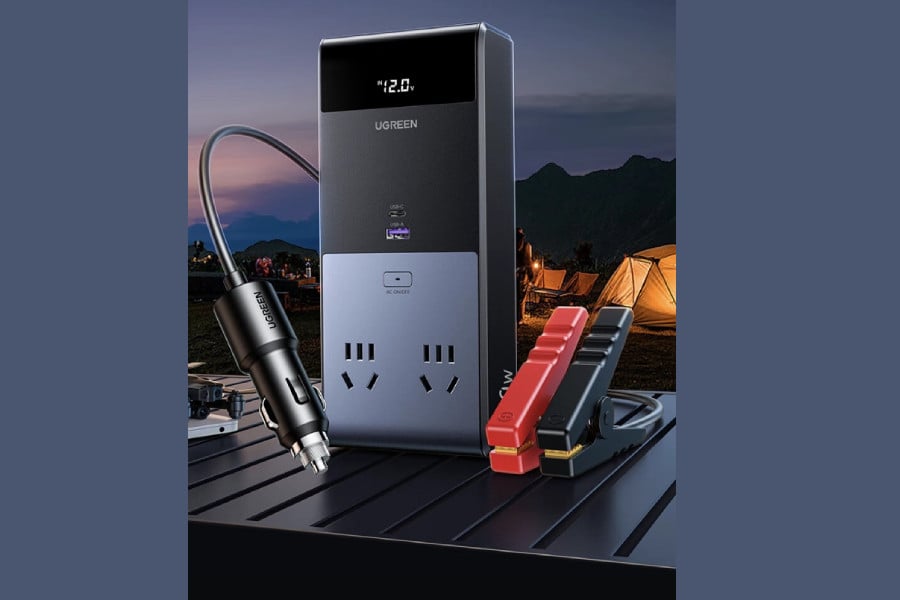
Ugreen has launched a new 500W car inverter in China. The Ugreen 500W Car Inverter (model EP704) has two AC outlets, a USB-C port, and a USB-A port, so you can power everything from a large appliance to a small device from the vehicle itself.
The inverter measures 207.5 x 89 x 54.5 mm and comes in a fire-retardant PC casing with a metallic paint finish. It has a digital display on the front displaying stats like input and output voltage and power in real time.
Ugreen has also added a safety shutter to the AC outlet to prevent accidental activation. According to the company, inserting a plug requires around 45N of force, which is meant to stop accidental activation during everyday use.
Ugreen 500W Car Inverter Specification
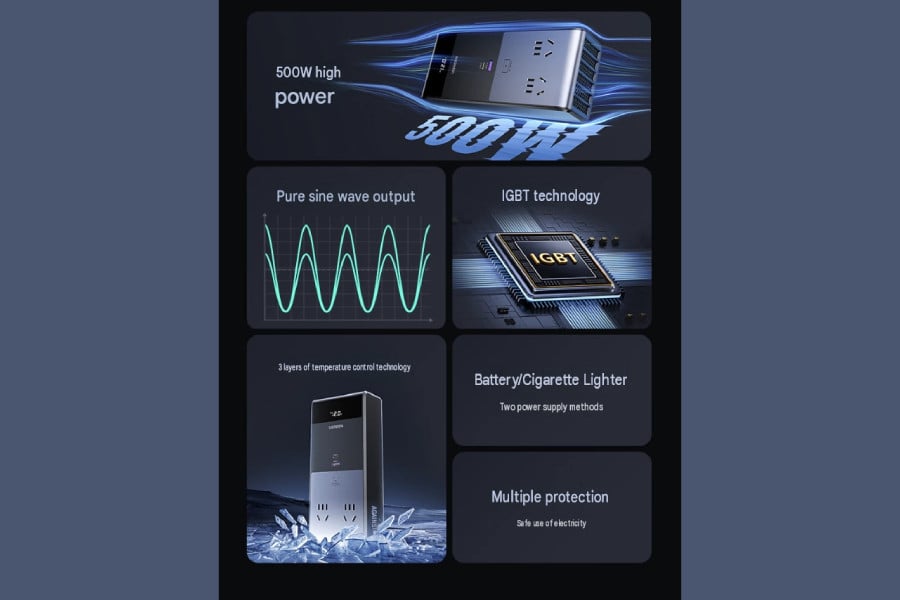
The amount of power available depends on how you connect the inverter to your vehicle. Using the included alligator clip cable to connect directly to a car battery unlocks the full 500W output, which is enough to run devices such as a small rice cooker or projector. The cable measures 0.4 meters, including the clips.
Alternatively, you can connect the inverter to a car’s cigarette lighter socket using the included 1-meter adapter cable. In this setup, the maximum total output drops to 150W, making it more suitable for charging phones and laptops or powering a car refrigerator. The inverter supports 12V vehicles, with an input rating of 12V and up to 40A.
The AC outlets deliver 220V at 50Hz, with a rated current of 2.28A. The inverter also uses a pure sine wave output.
For smaller devices, the USB-C port supports USB Power Delivery (PD) and provides up to 30W. Supported output profiles include 5V/3A, 9V/3A, and 12V/2.5A. The USB-A port supports SCP fast charging at up to 22.5W, with output profiles of 5V/3A, 9V/2A, 12V/1.5A, and 10V/2.25A.
However, the two USB ports share a maximum output of 24W when used simultaneously, so neither can deliver its full rated power while both are active.
Ugreen already sells high-power charging products such as the Nexode 300W five-port desktop charger, which launched at $270. The new 500W car inverter serves a different purpose, allowing users to power appliances and charge devices while on the road.
The Ugreen 500W Car Inverter (EP704) retails in China for 599 yuan (~ $90). International pricing and availability have yet to be confirmed.
Samsung looks like it’s about to expand its audio lineup with a new form factor aimed at people who actually move around a lot. Recent regulatory filings suggest these specialized earbuds are getting closer to launch, and it seems Samsung wants a stronger presence in the fitness space beyond the usual Galaxy Buds.
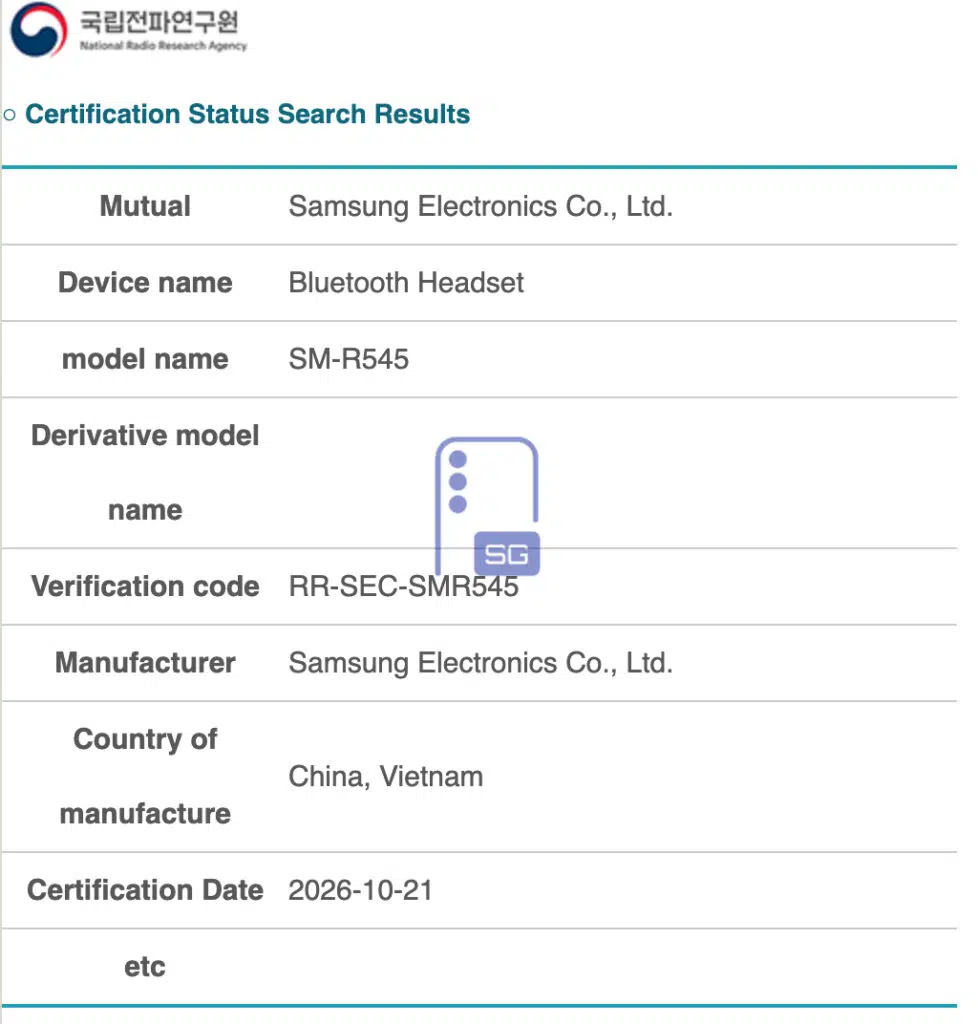
South Korea’s National Radio Research Agency just cleared an unannounced Samsung model called the Galaxy T1 (model number SM-R545). It’s listed as a Bluetooth headset, with production planned in both China and Vietnam. The same device already got approval from China’s Ministry of Industry and Information Technology about a month ago.
Rumors about these ear-hook earbuds have been floating around since June. Early leaks talked about a wrap-around design that should stay put better than regular in-ear buds. At first, supply-chain chatter called the project Galaxy Buds Canal 5, but the T1 name suggests this is its own thing rather than just another Buds variant.
Software references that turned up earlier this year describe a full ear-hook that loops around the outer ear, customizable touch-and-hold controls on each side, and an earbud fit test feature. Battery numbers from the same code put each bud at around 63 mAh, with a 595 mAh case, a bit more than what the Galaxy Buds 4 Pro offer.
This puts the T1 in a different category from Samsung’s recently announced Galaxy Buds On, which use a clip-on open-ear design and are starting with a Korea-only launch. The T1 seems aimed at higher-impact stuff like running and gym sessions, where you need something that stays locked in place and doesn’t rely on deep canal insertion.
Looking at Samsung’s usual schedule, an early 2027 launch alongside the Galaxy S27 series feels possible, though a standalone or holiday drop isn’t out of the question either. Whether they push the fitness angle on its own or pair it with the next flagship phones, the regulatory progress shows the Galaxy T1 is steadily moving forward.
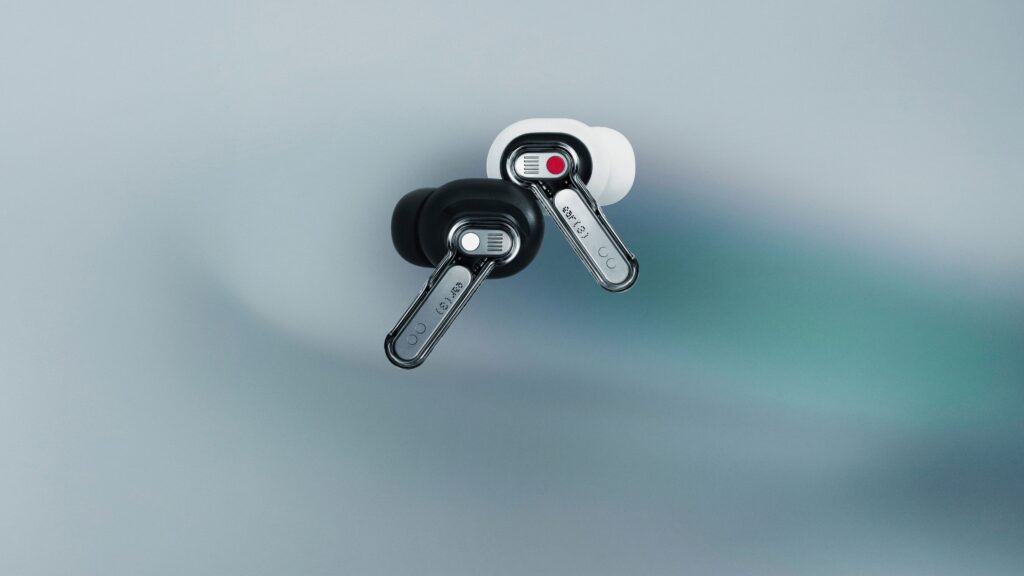
Nothing is at it again with one of its classic cryptic teasers, and the community is already putting the pieces together. This one looks like it could be a pretty big step up for their earbuds lineup.
The company posted on its official community forum with an image of Kingdra (the Water/Dragon Pokémon) rendered in that signature Glyph-style dot matrix look. Underneath it just says “Coming Soon,” along with a line from the Pokémon’s lore: “It sleeps deep on the ocean floor to build its energy. It is said to cause tornadoes as it wakes.”
If you’ve followed Nothing for a while, you already know they love using Pokémon names as internal codenames. So Kingdra showing up like this isn’t random.
What makes it more interesting is something that popped up earlier. Back in September, a Redditor found a temporary support page on Nothing’s site that mentioned the “Nothing Ear (3) Pro.” It even had the internal ID 25253 and the codename Kingdra. The page disappeared pretty quickly, but screenshots and archives stuck around. Now this teaser drops just a few weeks later, and it feels like the pieces are lining up.
For context, Nothing launched the regular Ear (3) in September 2025 as a solid mid-range option. Those have 12 mm drivers, adaptive ANC up to 45 dB, LDAC, Static Spatial Audio, IP54, and about 10 hours of battery life from the buds themselves (plus a case that adds a lot more and supports wireless charging). Then they followed up with the cheaper Ear (3a) in July 2026. A Pro version would sit above both of those and could push harder on noise cancellation, battery life, and overall sound quality, putting it more directly against things like the AirPods Pro 3 and Galaxy Buds 4 Pro.
The teaser is deliberately vague, which is very on-brand for them. But between the community post and that earlier support page leak, a lot of people are pretty convinced something’s coming in the audio space.
If you’re into Nothing’s design language and competitive feature sets, this is definitely one to keep an eye on.
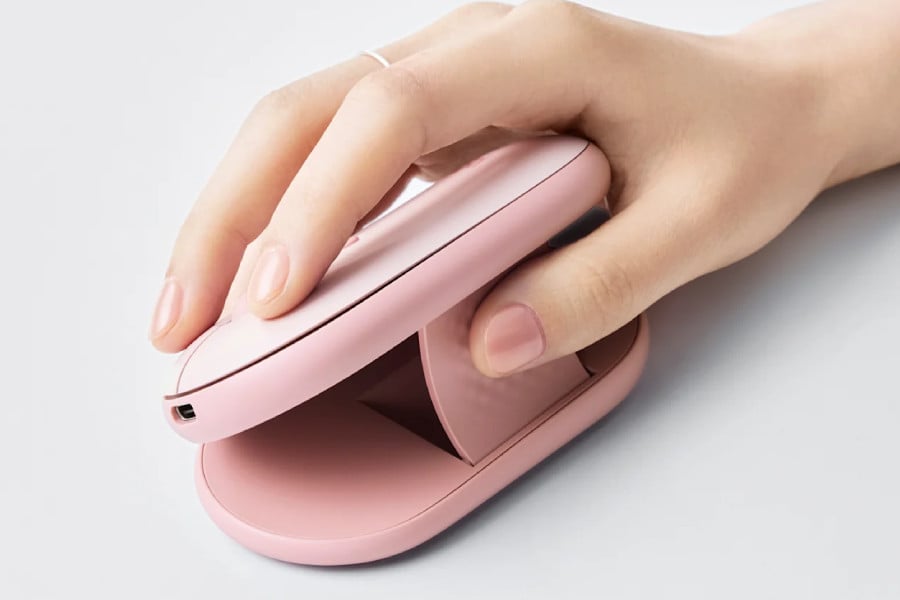
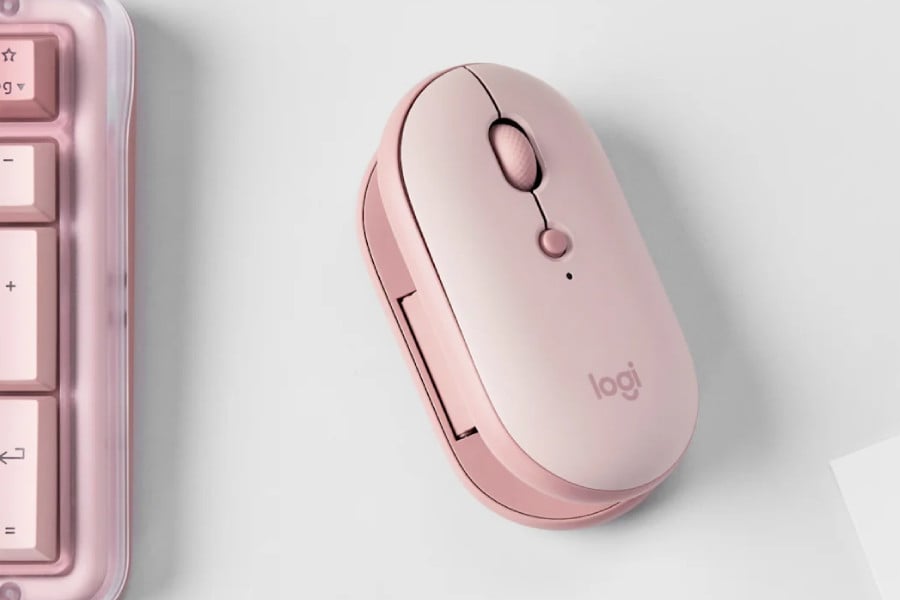
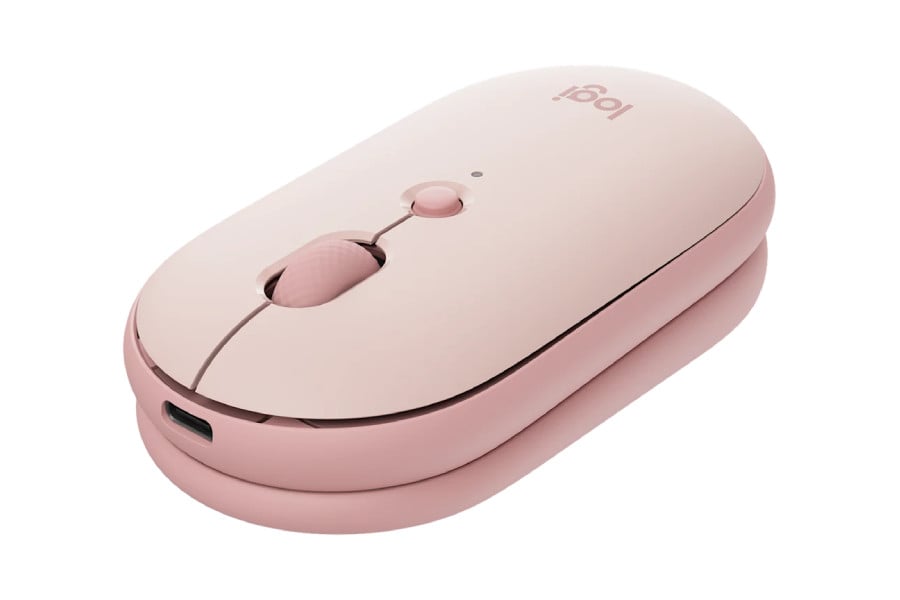
You can now get a slim wireless mouse from Logitech that changes shape. It’s called the Pebble Up, and it can either lie flat or raise the top shell for a more comfortable grip whenever you need it. It follows the Pebble Mouse 2 M350s, which Logitech introduced alongside the Pebble 2 keyboard in 2023.
The Pebble Up measures 105.8 x 59.6 x 30 mm and weighs 79 grams. For comparison, the Pebble Mouse 2 M350s weighs 76 grams, so the extra height and the second form add very little weight.
Logitech Pebble Up Specifications
Inside, you get an optical sensor with 4,200 CPI resolution and an adjustable DPI range of 400 to 4,000. There are four buttons: left click, right click, the scroll wheel button, and a DPI button.
As is expected of a Logitech mouse, you can reprogram the scroll wheel button and the DPI button in the Logi Options+ app, which also supports a gesture function. The scroll wheel is segmented, so it scrolls in steps.
The Pebble Up uses a 290 mAh rechargeable lithium polymer battery that Logitech rates at 90 days per charge. That is a change from the AA battery in the Pebble Mouse 2 M350s.
You can connect it over Bluetooth Low Energy or through a Logi Bolt USB receiver, and you can pair it with up to three devices and switch between them with Logitech’s Easy-Switch. It offers a wireless range of 10 meters.
Logitech is using Logi Options+ for AI tools on this mouse. The app runs on Windows and macOS. On iPadOS, Linux, ChromeOS, and Android, you get the basic mouse functions without customization. Logitech has used the same app for button customization on earlier mice, such as the POP Mouse, which has two programmable Action Buttons.
The Pebble Up comes in Rose Pink, Graphite Gray, and Pearl White. Each color uses certified post-consumer recycled plastic. Rose Pink and Pearl White contain 43% recycled material, and Graphite Gray contains 56%. The mouse comes with a one-year limited hardware warranty.
The Logitech Pebble Up is priced at 250 yuan (~ $37).
Xiaomi is getting ready to refresh its affordable laptop lineup. The REDMI Book 2027 series is set to launch on October 27, and from what we’ve seen so far, it looks like Xiaomi is putting more effort into making these machines feel a bit more polished for everyday work.
The new models will use Intel’s third-generation Core platform (Wildcat Lake), pack a 72Wh battery, come in multiple colors, and get an overall better build.
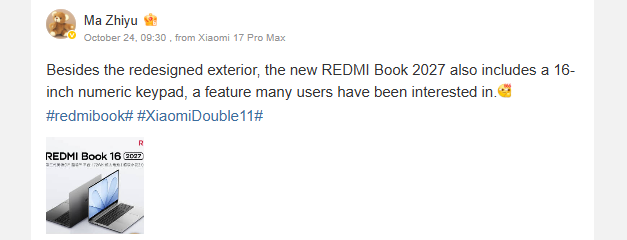
One of the more interesting details comes from Ma Zhiyu, Xiaomi’s Product Marketing Director. He confirmed that the REDMI Book 16 2027 is getting a redesigned look and will finally come with a numeric keypad as standard. Users have been asking for this for a while, and on a 16-inch laptop it’s more of a design decision than a technical challenge.
Leaks suggest the 16-inch version will use an Intel Core 5 320 processor and switch to user-replaceable DDR5 memory (the previous generation had soldered RAM). The 14-inch model is expected to get a 2.8K display and keep the usual ports: dual USB-A, dual USB-C, HDMI, and a 3.5mm jack. All models should include Super AI 2.0 for cross-device collaboration and AI-assisted office features. The 16-inch model is also said to get better cooling with dual fans and a 10mm heat pipe.
For context, last year’s REDMI Book 14 started at 6,499 yuan (~$970) for a 16GB + 512GB config, and promotional pricing often brought it down to around 5,499 yuan (~$820). Exact pricing and full specs for the 2027 series will come at the launch event.
We’ll know the full picture, including performance claims and pricing, when the laptops are officially unveiled on October 27.
We use cookies on our website to give you the most relevant experience by remembering your preferences and repeat visits. By clicking “Accept”, you consent to the use of ALL the cookies.
This website uses cookies to improve your experience while you navigate through the website. Out of these, the cookies that are categorized as necessary are stored on your browser as they are essential for the working of basic functionalities of the website. We also use third-party cookies that help us analyze and understand how you use this website. These cookies will be stored in your browser only with your consent. You also have the option to opt-out of these cookies. But opting out of some of these cookies may affect your browsing experience.
Necessary cookies are absolutely essential for the website to function properly. This category only includes cookies that ensures basic functionalities and security features of the website. These cookies do not store any personal information.
Any cookies that may not be particularly necessary for the website to function and is used specifically to collect user personal data via analytics, ads, other embedded contents are termed as non-necessary cookies. It is mandatory to procure user consent prior to running these cookies on your website.