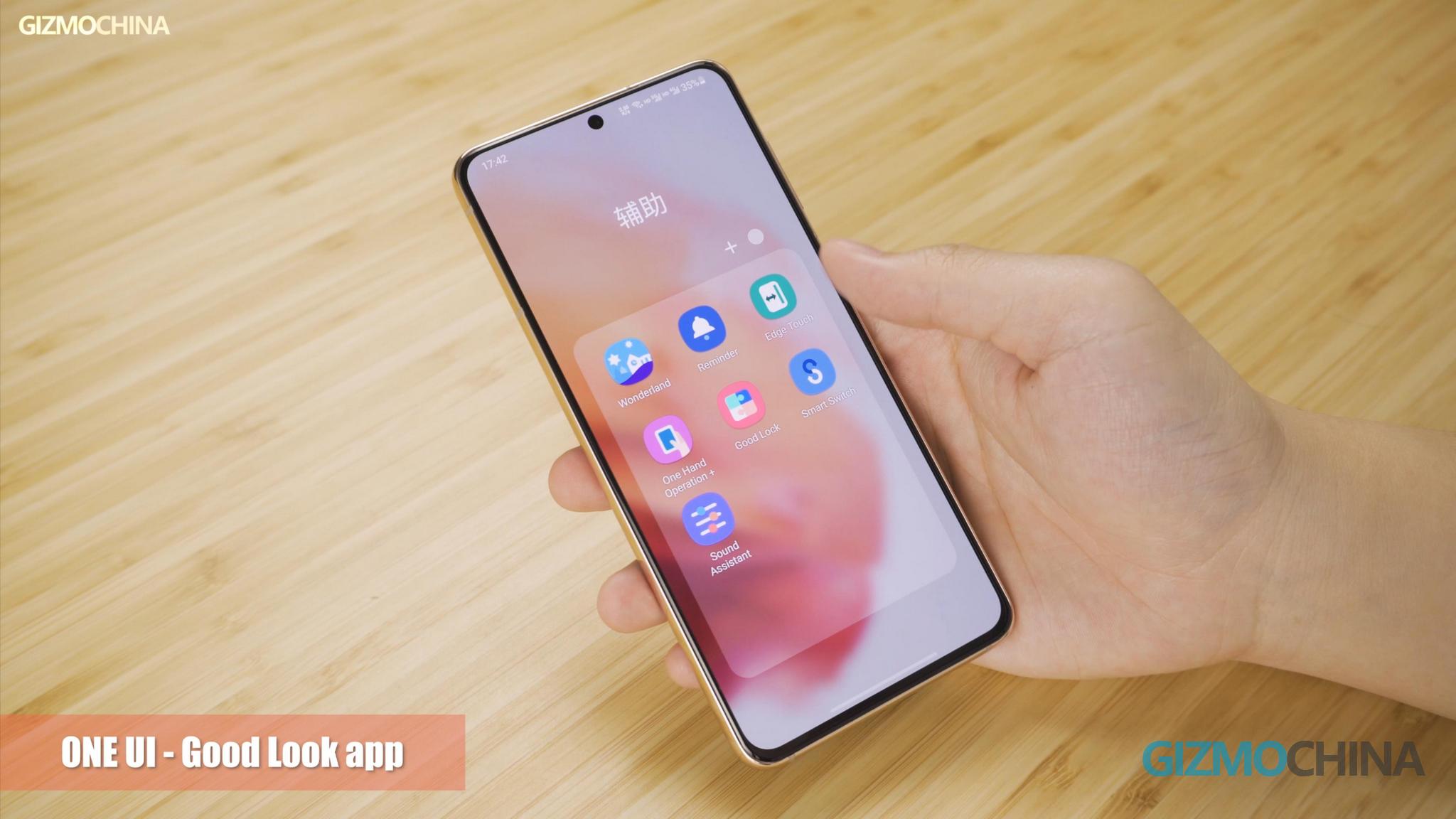
Samsung had recently rolled out an update for the Samsung Galaxy S21 lineup. However, soon after that, several users of the Exynos-powered model started reporting battery drain issues on their smartphones.
Now, the South Korean giant is rolling out a new software update (G99xBXXU1AUB6) which comes with the latest February 2021 security patch. It also comes with improvements in overall performance, security, and camera. While the company doesn’t explicitly mentions it, the update apparently comes with a fix for the battery drain issue.
Samsung Galaxy S21
The new update is currently being rolled out to users in the UK, Switzerland, Belgium, and Germany, and should be available in more markets in the coming days. You can also check for it manually by navigating to the Software Update in the Settings menu.
For those who are unaware, several users of the Samsung Galaxy S21 series reported on Reddit and Community forums above facing significant battery drain issues after updating their smartphones with the latest update.
However, some users reported that putting the phone on Airplane mode fixed the issue, indicating that the problem had something to do with the cellular connectivity. But the problem was only for the Exynos-powered models and not the Snapdragon models.
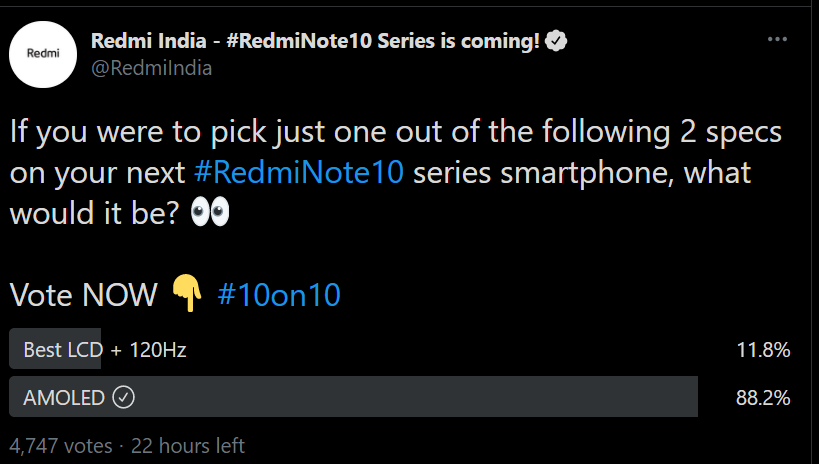
Redmi India has started a new poll that asks its fans to choose from any one of the two options that they would like to see on the Redmi Note 10 series smartphone. The options include a 120Hz refresh rating supporting an LCD screen and an AMOLED display. This poll could be a hint that the Redmi Note 10 series may include a handset with an AMOLED display.
As it can be seen in the screenshot of the poll, around 88 percent of people are interested to see a Redmi Note 10 series phone with an AMOLED display. A recent leak revealed that the Redmi Note 10 series for India will include as many as four phones such as Redmi Note 10 4G, Note 10 5G, Note 10 Pro 4G, and Note 10 Pro 5G. At least one of these phones could be equipped with an AMOLED screen.
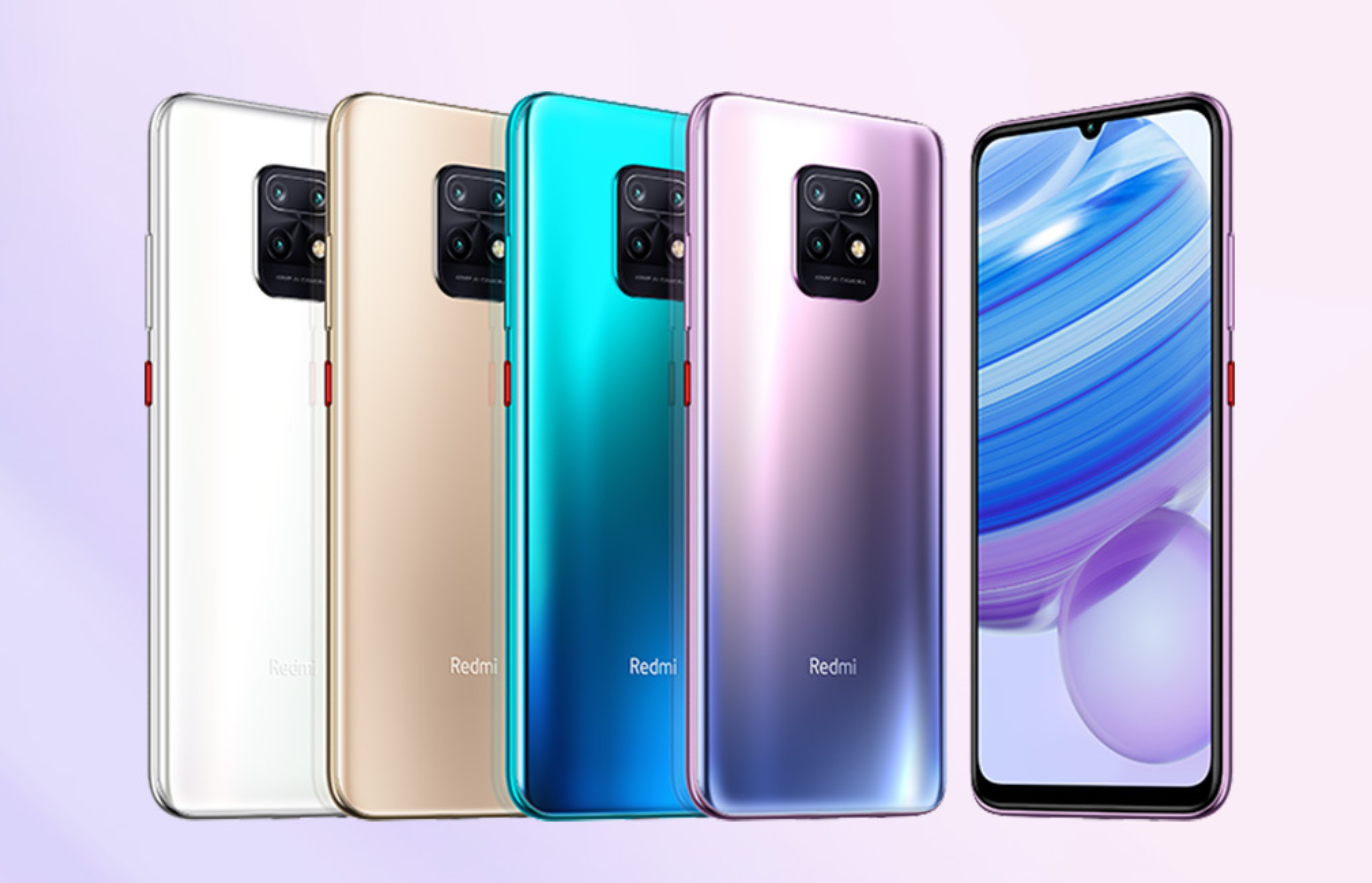
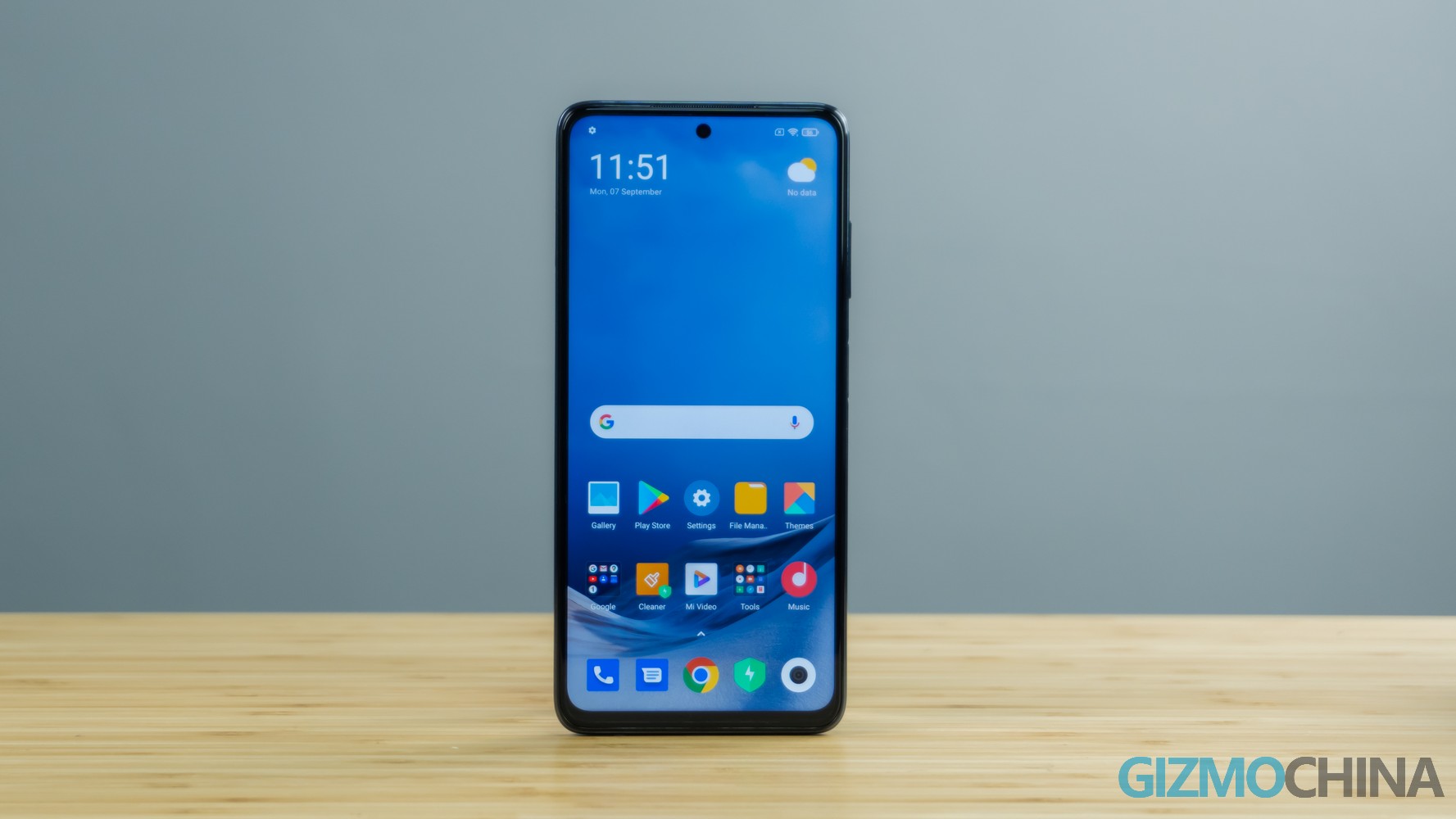
Some rumors that are now doing rounds on social media platforms claim that last year’s RedmI 10X 5G could be rebranded as Redmi Note 10 series phone in the country. The Dimensity 820 powered Redmi 10X 5G that went official in May 2021 is only available for purchase in China.
Redmi 10X 5G
The Redmi 10X 5G has a 6.57-inch AMOLED FHD+ display. The phone shipped with up to 8 GB of LPDDR4x RAM and 128 GB of UFS 2.1 storage. It has a selfie camera of 16-megapixel and its rear camera setup includes a 48-megapixel main shooter, an 8-megapixel ultrawide lens, and a 2-megapixel depth sensor. The 4,520mAh battery of the device supports 22.5W fast charging.
Readers are advised to digest the leak with a grain of salt and wait for further reports to know more about the Note 10 series for India. It is speculated to debut on March 10.
Tesla, one of the leading electric vehicle maker, is finally entering the Indian market. Elon Musk, the Chief Executive Officer of the company had recently confirmed this development.
Now, as per the latest information, Tesla has selected the state of Karnataka for its first production plant in India. The development related to the electric-car manufacturing unit was announced by the Karnataka state’s chief minister B S Yediyurappa.
Last month, Elon Musk had confirmed that Tesla was in talks with several states in India to open its office, showrooms, a factory, and a Research & Development center in India. The new announcement confirms that the company has chosen Karnataka for the factory.
Tesla has already incorporated Tesla Motors India and Energy Private Limited with its registered office in the city of Bengaluru in Karnataka. Bengaluru is a hub for global technology companies and is referred to as “Silicon Vallery of India.”
If the tweets by Elon Musk as to be believed, then Tesla is expected to start selling its cars in the Indian market by the end of this year. Ahead of the launch of the Tesla Model 3, the company had started taking pre-orders in India with a $1,000 deposit but it hasn’t been launched till date in India, after more than three years.
A few days ago, Tesla invested $1.5 billion in bitcoin and Elon Musk has said that the company could soon start accepting cryptocurrency as a form of payment.
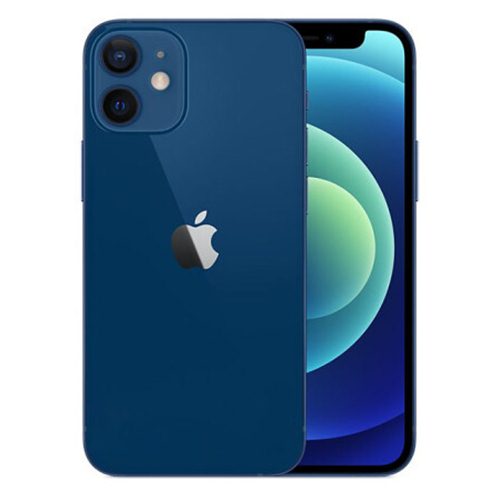
Apple launched the iPhone 12 Mini smartphone along with other iPhone 12 models last year, making it the first lineup to have a ‘Mini’ model. And it seems that it won’t be the last, despite lackluster sales.
According to the latest information coming from Jon Prosser, Apple is planning to launch the iPhone 13 Mini later this year as a part of the iPhone 13 lineup. However, the naming of the lineup could be different, with some reports hinting at iPhone 12S.
Apple iPhone 12 Mini
Recently, it was reported that Apple is halting the production of the iPhone 12 Mini as the company has met the requirements for the whole year. This likely means that the sales of the device are not meeting the company’s projections.
The company is likely to keep selling the iPhone 12 Mini and given its commitment to the smaller form-factor, there will be a successor. However, there’s a possibility that Apple may not launch a successor of the iPhone SE this year as it competes in the same price segment as the iPhone Mini.
But some reports claim that this doesn’t mean that the iPhone SE lineup is coming to an end, at least not this year. Apple is expected to launch an updated iPhone SE smartphone this year, named iPhone SE Plus.
Apple iPhone Mini has accounted for only 5 percent of the total iPhone 12 series sales. Despite such poor sales, the company seems to be committed to this Mini model. It remains to be seen if we will see some drastic changes in the Mini models going forward.
Last year, in the month of September, Xiaomi-backed POCO had launched the POCO X3 smartphone. Now, the company is gearing up to launch a ‘Pro’ variant of the same, which could soon go official.
The POCO X3 Pro smartphone, carrying model number M2102J20SG has passed through the NBTC certification process. This hints that the official launch of the device is just weeks away but there’s no such confirmation from the company yet.
Just a few days ago, the same smartphone had received certificates from the Bureau of Indian Standards (BIS) in India and the Standard and Industrial Research Institute of Malaysia (SIRIM), the regulatory body of Malaysia.
Recently, the phone with model number M2102J20SG was approved by the Eurasian Economic Commission (EEC) in Russia, the Federal Communications Commission (FCC) in the U.S, the Infocomm Media Development Authority (IMDA) of Singapore, as well as the TUV Rheinland authorities.
POCO X3 NFC
As of now, nothing is known about the specifications of the smartphone but some reports indicate the device will be powered by the SM8150 chipset. It is a chipset family that belongs to Snapdragon 855 and Snapdragon 855+. But there are also rumors that the Snapdragon 860 will also be launched under the same family.
The device is expected to come with a quad-camera setup on the back. It could be featuring a 48-megapixel primary camera sensor with a wide-angle lens, and the other three sensors could be an ultrawide lens, a macro shooter, and a depth sensor. We expect more details about the POCO X3 Pro to surface online in the coming days.
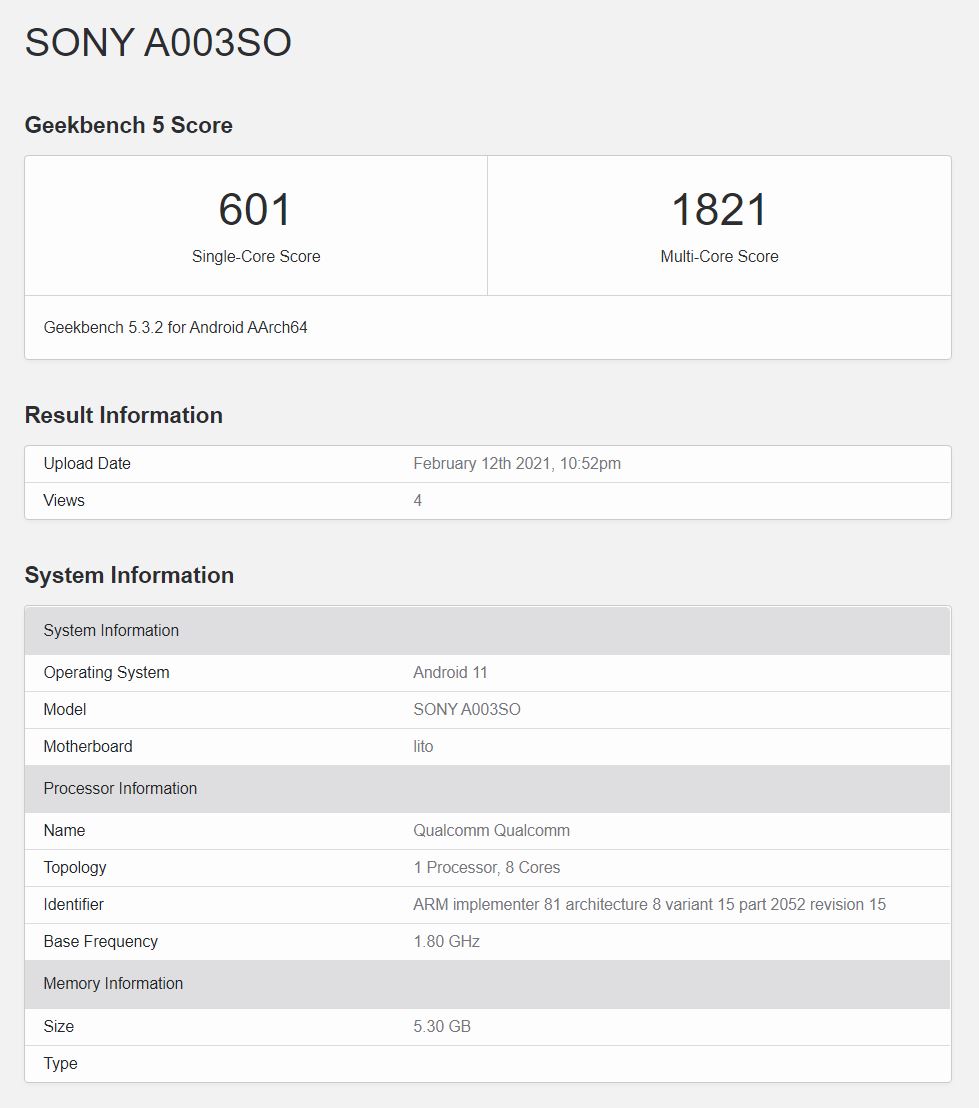
A new Sony smartphone labeled “Sony A003SO” has appeared in the database of the Geekbench benchmarking platform. The listing suggests that it could be the Japanese variant of the rumored Xperia 10 III.
The Geekbench listing reveals that the mysterious Sony A003SO smartphone is equipped with 6 GB of RAM and Android 11 OS. The phone is powered by a Qualcomm chipset that is mentioned with its ‘lito’ codename and 1.80GHz base frequency. It scored 601 and 1821 in single-core and multi-core tests of Geekbench, respectively.
According to Sumahoinfo, the Sony A003O could be the model number of the Japanese version of the rumored Xperia 10 III. It is not easy to identify the chipset with its ‘lito’ codename, but there is a possibility that it could be a Snapdragon 600 chipset. Recent reports have claimed that the upcoming Xperia 10 III will arrive with Snapdragon 690 5G chipset. Hence, there is a possibility that A003S0 could be the Xperia 10 III handset.
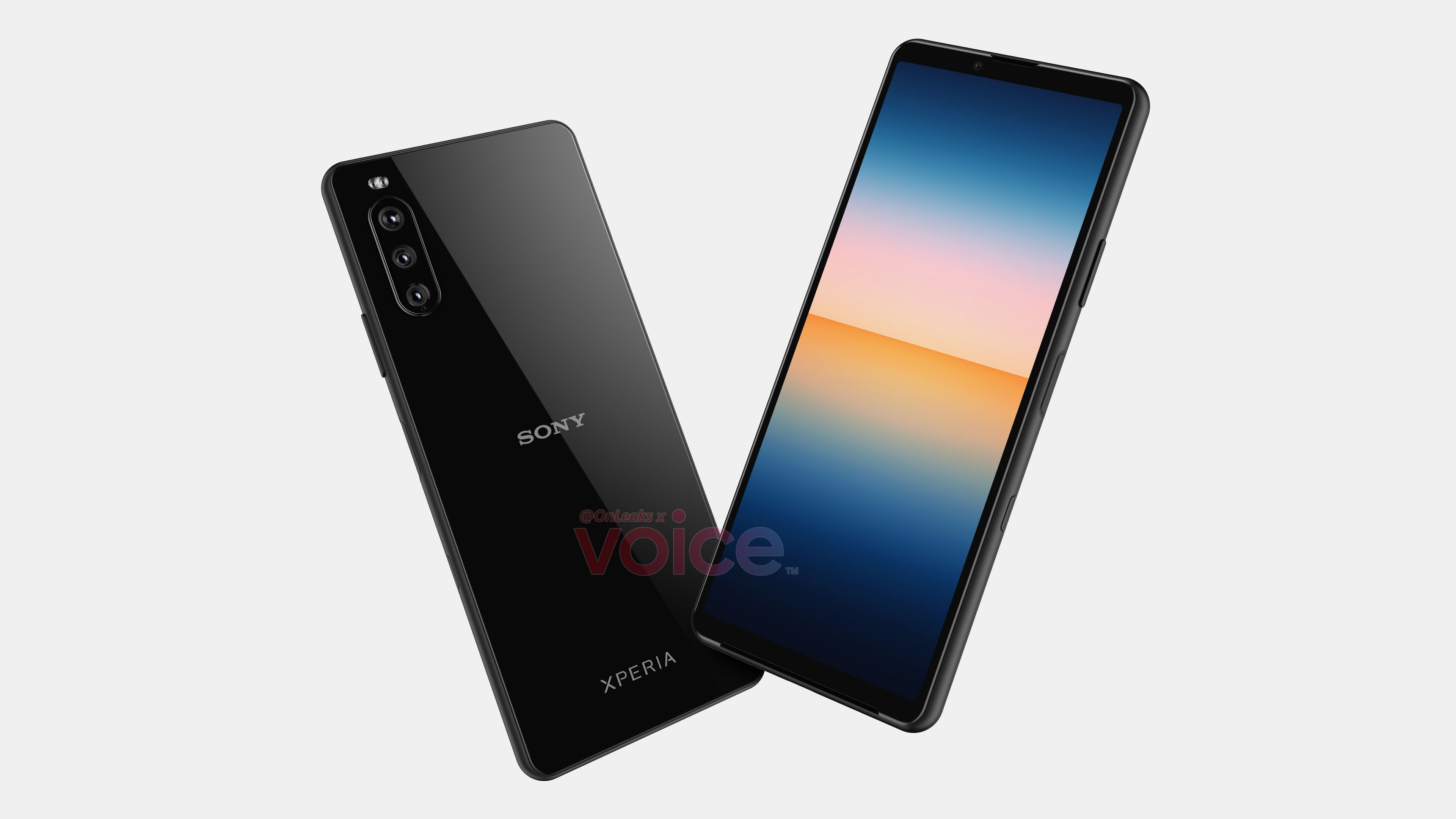
Last month, reliable tipster Steve Hemmerstoffer released the CAD renders of the Xperia 10 III handset. The renders revealed that it measures 154.4 x 68.4 x 8.3mm and it houses a 6-inch screen with sizeable bezels around it. The phone will be sporting two front-facing speakers and a side-mounted fingerprint reader. The design of the Xperia 10 III will not be vastly different from the predecessor Xperia 10 II.
Sony Xperia 10 III CAD renders by Steve Hemmerstoffer
The rear camera setup of the Xperia 10 III has a 12-megapixel main camera, an 8-megapixel telephoto snapper, and an 8-megapixel superwide sensor. Sony is expected to announce the Xperia 10 III in February. It is likely that the company may announce the Snapdragon 888 powered Xperia I 111 flagship and the Xperia L5 mid-ranger with Helio P35v chipset alongside the Xperia 10 III.
Huawei is known for announcing its P-series of smartphones by the first quarter of the year. While the Chinese manufacturer is silent on its arrival, it may debut as early as next month. A Chinese tipster who is known for Huawei leaks claimed that the upcoming Huawei P50 series will come with an overhaul improvement in industrial design and a significantly enhanced imaging system.
According to the tipster, when more and more smartphone manufacturers are paying attention to the design of the rear cameras of their phones, the Huawei P50 series will take a different approach. He claimed that in addition to considering photography abilities, the P50 lineup will come with a drastically improved industrial design.
The Huawei P50 series will be equipped with a new generation of the super imaging system, and it will continue to sport Leica engineered cameras. The tipster did not share any concrete information on the specs of the Huawei P50 lineup.
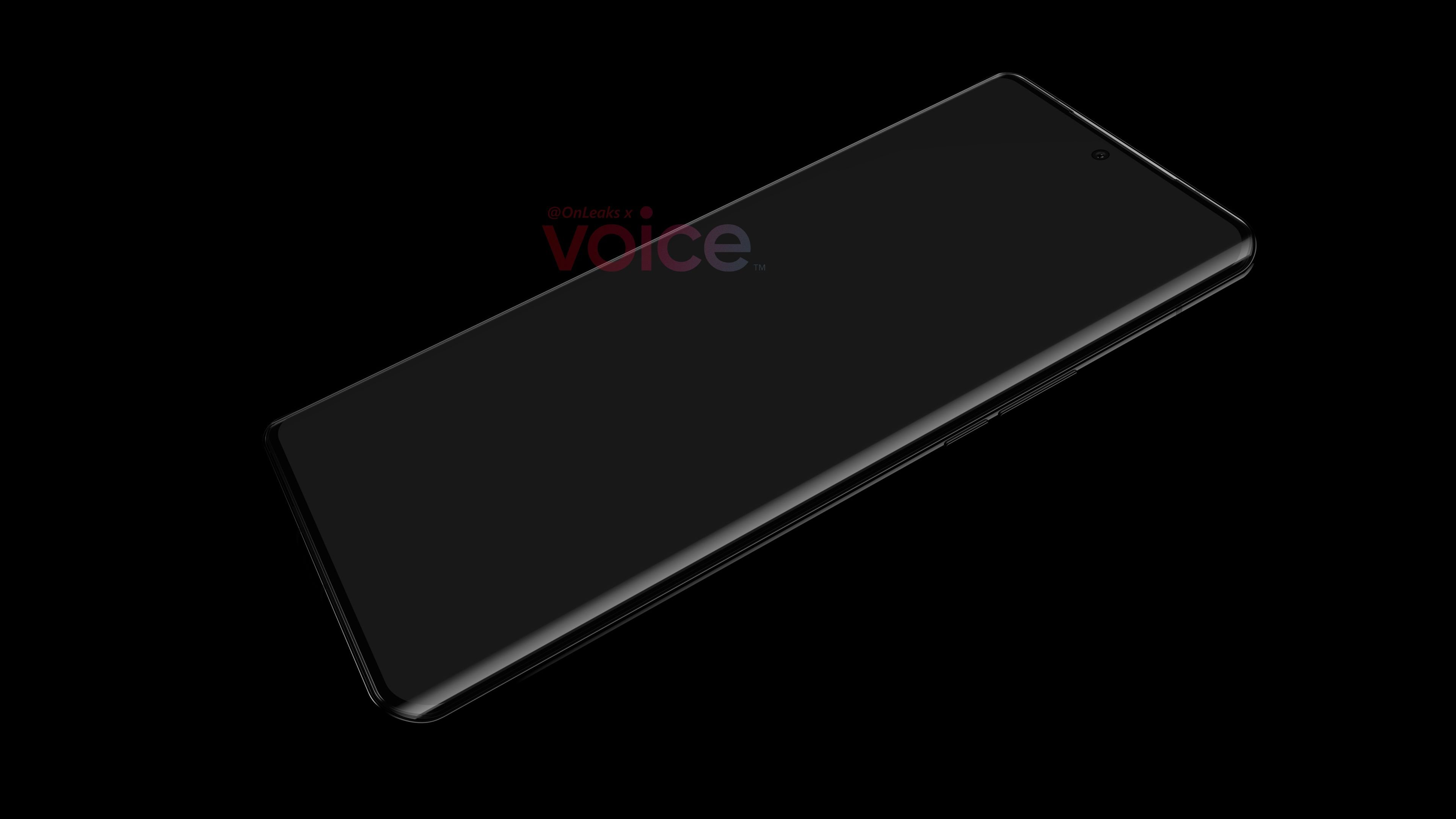
HUAWEI P50 Pro 3D CAD Render | Source: OnLeaks
At the end of December, reliable tipster Steve Hemmerstoffer shared a CAD render of the front side of the Huawei P50 Pro. The vague render revealed the presence of a single punch-hole camera. Last month, leakster Teme revealed that the P50 / P50 Pro+ phones have a 6.6-inch / 6.7-inch quad-curved display with a 120Hz refresh rate support. He further shared both phones will arrive with a slimmer glass/ceramic design, new gestures support, EMU 11 based Android 11 OS, and Leica branded quad/penta lens with new super zoom that can offer up to 200x digital zoom. The P50 / P50 Pro+ is expected to come with Kirin 9000 / Kirin 9000 chipset, 4,200mAh / 4,300mAh batteries, and 66W / 50W fast charging support.
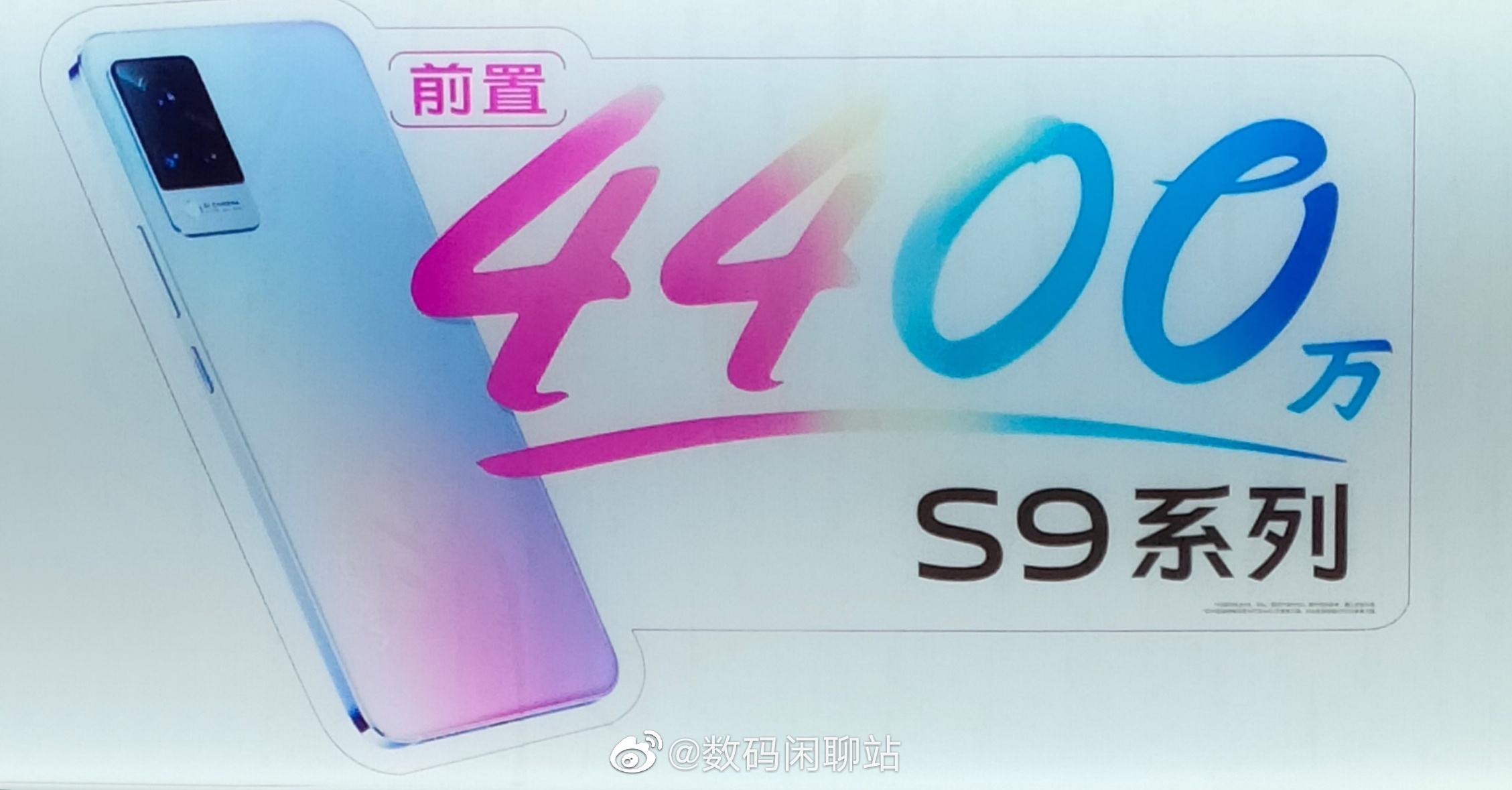
Recent reports have claimed that Vivo is working on the Vivo S9 5G smartphone. It is expected to replace the selfie-focused Vivo S7 5G smartphone from last year. While Vivo is yet to release any confirmation on the existence of the Vivo S9 5G through its social channels in China, a recent leak claimed that the Vivo S9 5G will break cover on March 6. Over the weekend, a reliable tipster shared an offline poster of the Vivo S9 series to reveal its rear design.
The new poster confirms that the Vivo S9 5G will have a 44-megapixel front-facing camera. Speculations are rife that the handset will have a notched screen like the Vivo S7 5G and it will inherit its 44-megapixel (main) + 8-megapixel (ultrawide) dual selfie camera system.
The image reveals that the Vivo S9 5G’s rear design is almost identical to the Vivo S7 5G. A rectangle camera module featuring a triple camera system can be seen on the back panel. Since the machine-translated text reads “S9 series,” it appears that Vivo S9 5G could be accompanied by another handset.
The tipster added that the major highlight of the Vivo S9 5G is that it will be featuring the world’s first 6nm chipset. Past reports have revealed that the Vivo S9 5G will be equipped with the Dimensity 1100 5G chipset which went official last month, a 64-megapixel primary camera, and a 90Hz display.
It seems that the Vivo V2072A phone that was recently seen at the Google Play Console and China’s 3C certification platform could be the Vivo S9 5G phone. These listings revealed that the handset is equipped with specs like a Full HD+ display, 12 GB of RAM, Dimensity 1100 chipset, Android 11 OS, around 4,000mAh battery, and 33W fast charging. If the Vivo S9 5G is truly set to launch on March 6, the Chinese manufacturer may soon start teasing its arrival in the coming days.
In one of our polls last year, we asked our readers which browser they use on their mobile devices. The results showed that Google’s Chrome browser was the most popular one as it had the most votes. For this week’s poll, we want to know which browser you use on your computer.
There are several desktop browsers, some are bundled with the computer right from the manufacturer while others have to be manually installed by the user. Some of the popular ones even have a mobile equivalent but it is possible that a user may prefer the desktop version of a particular browser over the mobile version or vice versa.
So, please take the poll below and tell us which desktop browser you use. You can also drop a comment telling us why you prefer one over the other and also tell us what features you like most in the browser you use.
Apple Watch was first unveiled by Tim Cook in September 2014 but it wasn’t until April 2015 before the first version of Apple’s wearable started shipping. Since the birth of the wearable, the Apple Watch has evolved tremendously with the addition of several features that have turned out to be lifesavers. The sales have also been remarkable.
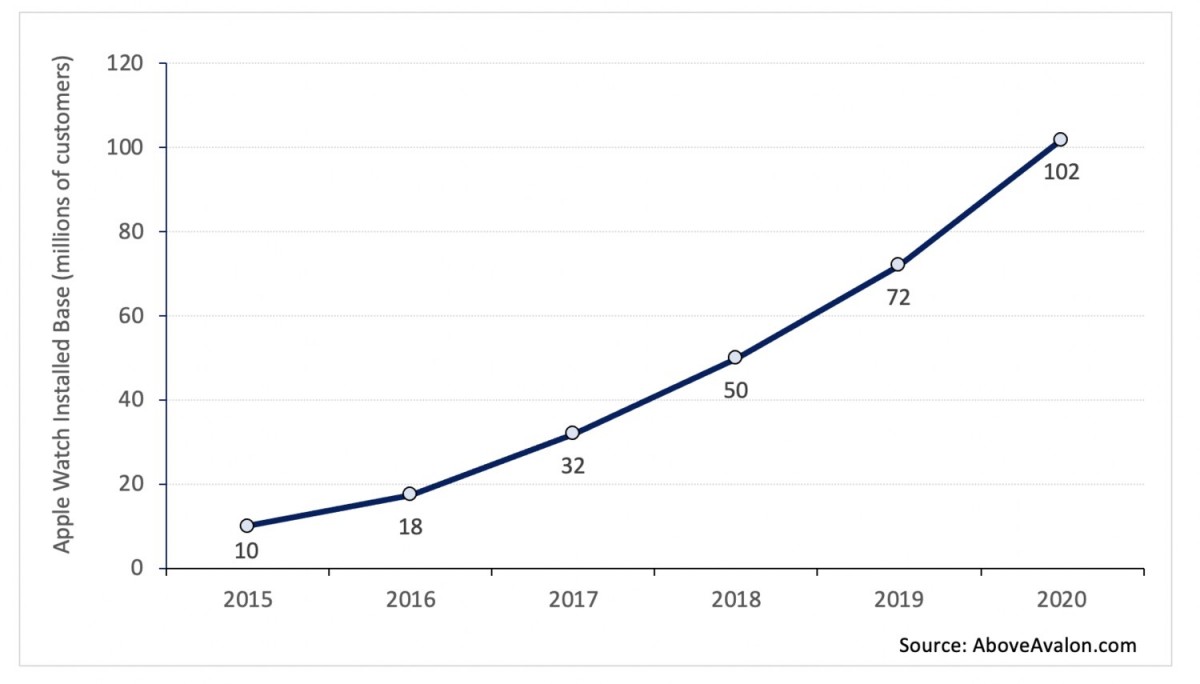
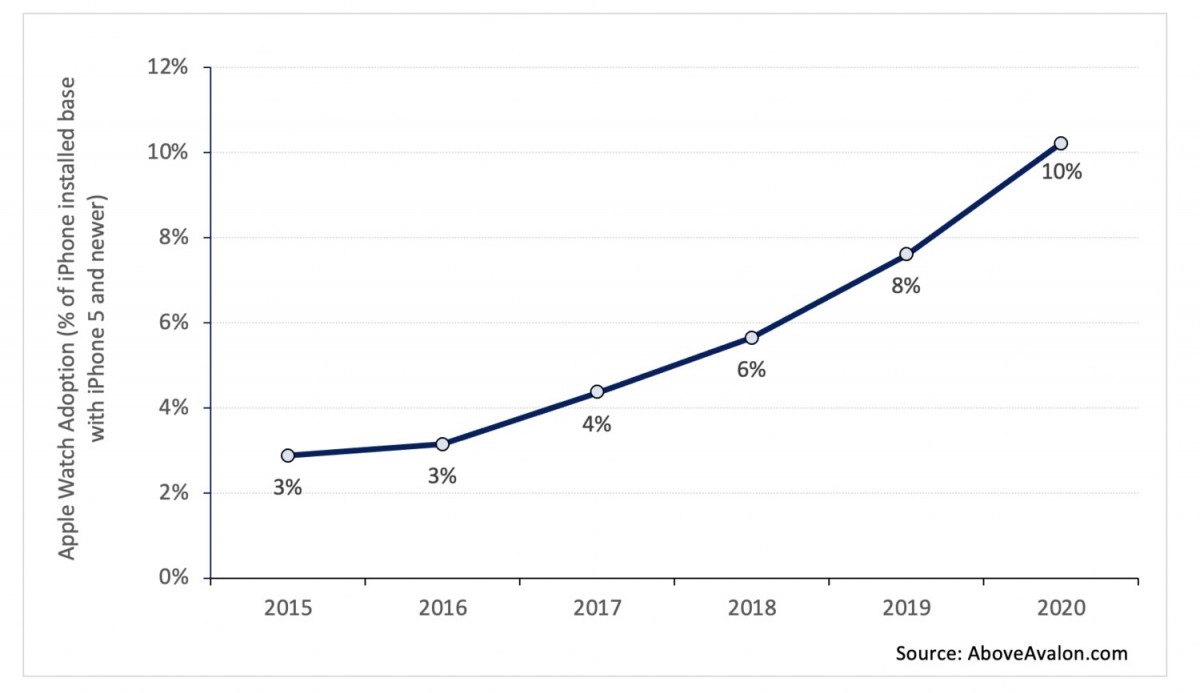
According to a chart posted by Above Avalon, Apple has shipped in excess of 100 million Apple Watch devices worldwide since 2015, making it the number one best-selling piece of wearable tech on the planet. This is no mean feat considering that the watch is one of the most expensive products in its category right from when it was launched.
The data also shows that the smartwatch’s adoption level stands at only 10% of the active iPhone users. Presently, the number of iPhone users globally is around 1 billion.
The figures were propelled by the shipment for 2020 which is estimated to be 30 million units. This is shown to be higher than what the company shipped in 2015, 2016, and 2017. Also, the US market is the most dominant in terms of the adoption of the smart wearable lifestyle. The data shows that about 35% of the iPhone users pairing their iPhones with an Apple Watch.
Further, the Apple Watch ranks number four on the list of best-selling products by Apple, behind the iPhone, iPad, and Mac. Estimations by analysts show that Apple Watch will likely displace the Mac from the fourth position in 2022.
Xiaomi India Managing Director and Global VP Manu Kumar Jain officially confirmed last week that the Redmi Note 10 series will be launched early in March. Apparently, by “Early in March”, Jain meant 10 days into the new month, going by the latest leak about the device.
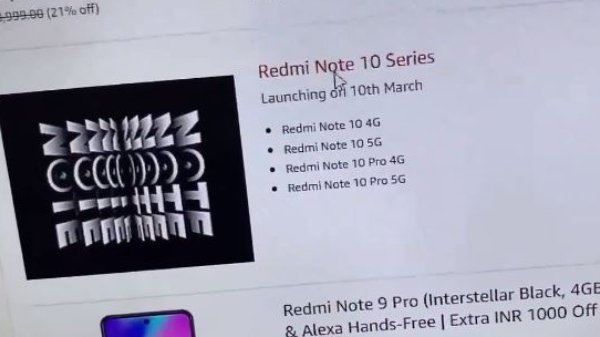
A leaked Amazon India listing has now revealed that the Redmi Note 10 series will be unveiled in India on March 10. The leak shows that the series will be available in four variants which include the Redmi Note 10 5G, Note 10 4G, Note 10 Pro 5G, and a 4G variant of the Note 10 Pro.
We can’t say for sure if the leak is authentic but it makes sense to expect the Redmi Note 10 series on March 10 for the very reason that it is the Note 10 series launching on the 10th and the official announcement of a March launch was done on February 10th. We expect the company to officially announce the exact launch date in no distant time. The Redmi Note 10 series is expected to debut as a worth upgrade over the equally impressive Redmi Note 9 series both in design and configuration. We also expect the prices of the models to be a slight bump over the Note 9 series.
Xiaomi has already confirmed that the models will be sold exclusively on Amazon India just like the Redmi Note 9 Pro and the Redmi Note 9 Pro Max. We also expect the models to be made available on multiple channels after a few months.
We’ll bring you more details about the Redmi Note 10 series here on Gizmochina as they emerge.
Phones with 100MP+ rear cameras have been available for more than a year now, and while selfie cameras have also gotten an upgrade, the highest pixel count for a front-facing camera is 44MP. However, that might change soon.
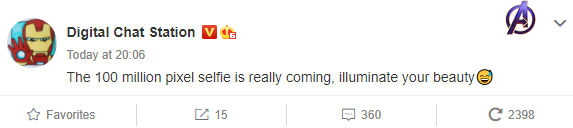
According to the leaker, Digital Chat Station, a phone with a 100MP (read 108MP) selfie camera is coming. Unfortunately, he didn’t say who the manufacturer is, though we want to believe it is a Chinese one.
While a 100MP+ selfie camera is exciting, we are curious to know how it will be implemented. The available 108MP sensors are quite big and take up a lot of space on the back of phones, so putting one in front is going to mean the phone will either have a large notch or a large hole punch. However, we think there are two ways to pull it off without ending up with an unsightly notch or hole punch.
The first is via the pop-up design as the pop-up mechanism can be made bigger to accommodate the large sensor. The other way is to use motorized flip cameras just like the Zenfone 6 and Zenfone 7 by ASUS. This method allows you to put a 100MP camera on the back that doubles as the selfie camera when flipped up.
We look forward to seeing the first phone with a 100MP launch soon and we are pretty sure more manufacturers will jump on the train once the first device launches.
An industry expert has weighed in on the global semiconductor shortage that has affected the auto industry gravely, leading to loss of jobs and significantly reduced earnings. According to an exec of equipment maker ASML, the surge in the demand for chips leading to supply dislocations and a dip in car production numbers are indicative of a wider problem that is placing strains on suppliers across the semiconductor sector.
Ron Kool, executive vice president at ASML stated that there had been a higher demand for lower technology computer chips, a bit stronger and beyond the expectations of most chipmakers and industry watchers in the coronavirus pandemic era.
ASML has shown a solid growth pattern in recent years and is presently Europe’s largest in the industrial tech segment, by market value. ASML is a major supplier of machinery to some of the leading global chipmakers like Samsung, TSMC, and Intel.
The impact of the shortage has been quite evident in the auto industry, as semiconductors shortages have forced several carmakers to review downwards their production benchmarks even in the face of rising demand for cars globally.
Kool feels that the global chip shortage, therefore, goes beyond supply logistics and other extraneous factors but could indicate a shift in demand patterns for chips. According to Kool, it is looking increasingly likely that indeed a wide range of emerging and traditional outlets will underpin the demand trajectory for chips, stressing that short-term mitigation of the shortages being contemplated by a number of governments may just be tokenistic.
The shift towards previous generation chipmaking technology was reflected in the Q4 earnings numbers of ASML, which saw a spike in the demand for previous-generation chip producing machinery, driving the impressive revenue figures of the company.
However, Kool says that the strong Q4 performance of the company may not be sustainable except there is substantial demand for cutting-edge machinery for the production of next-generation semiconductors.
Last week was a pretty eventful one. Xiaomi finally announced its flagship for the global market, and while it didn’t come with a Pro model or lite version, a leak gave us a first look at what is believed to be the Mi 11 Ultra. The smartwatch market is also expected to get bigger with new players such as Facebook and ZTE’s Red Magic gaming smartphone brand. Here is a recap of the top stories from last week:
Mi 11 arrives on the global scene, Lite and Pro models MIA
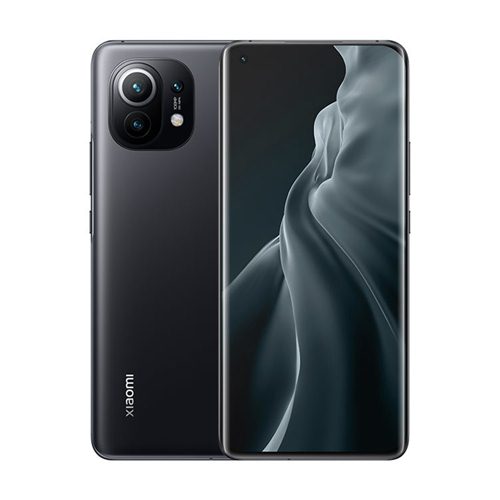
The Xiaomi Mi 11 was unveiled for the global market at a pre-recorded event that was live-streamed. The phone which was launched in China in December has a starting price of €749 and comes with a 55W GaN charger in the box.
Mi 11 Ultra first look shows Xiaomi’s late entry into the dual-display niche
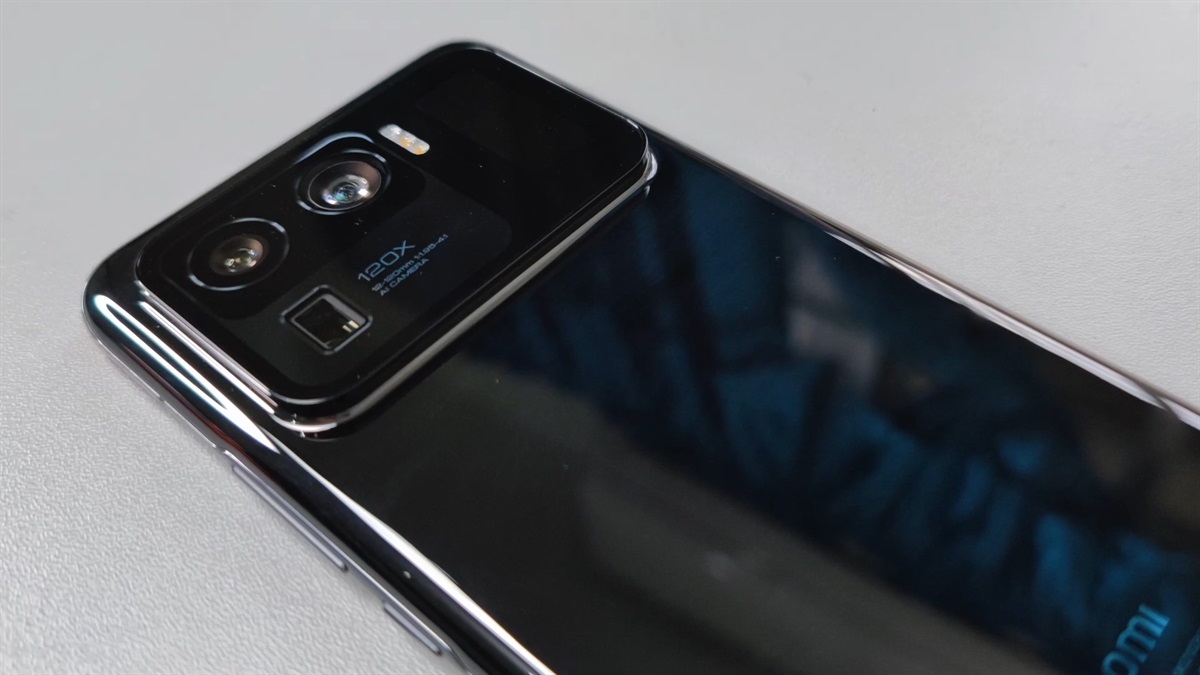
We were disappointed that Xiaomi didn’t announce a Mi 11 Lite and a Mi 11 Pro but a few days after the launch, a hands-on video of the Mi 11 Ultra was posted on the internet.
The video by a Filipino YouTuber that goes by TechBuff shows the Mi 11 Ultra has a curved AMOLED display and a rear design similar to the POCO M3. The flagship not only has impressive cameras with 120x zoom, but it also has a second display right next to the camera array!
Facebook is making a smartwatch but the Red Magic Watch is coming first
Remember when Facebook sort of made phones in partnership with HTC? That era gave us the HTC ChaCha, HTC Salsa, and the HTC First. While these phones didn’t record the success both parties must have envisaged, it was one of the social network’s early attempts into making hardware designed for its platform.
While Facebook has put its phone-making era behind it, the tech giant is still in the hardware business with devices such as its Portal line of smart displays and VR headsets under the Oculus brand. Now, it has been reported that a smartwatch is also on the way. The smartwatch will focus on messaging features and will have support for WhatsApp and Messenger. It will also have cellular connectivity when it goes on sale next year.
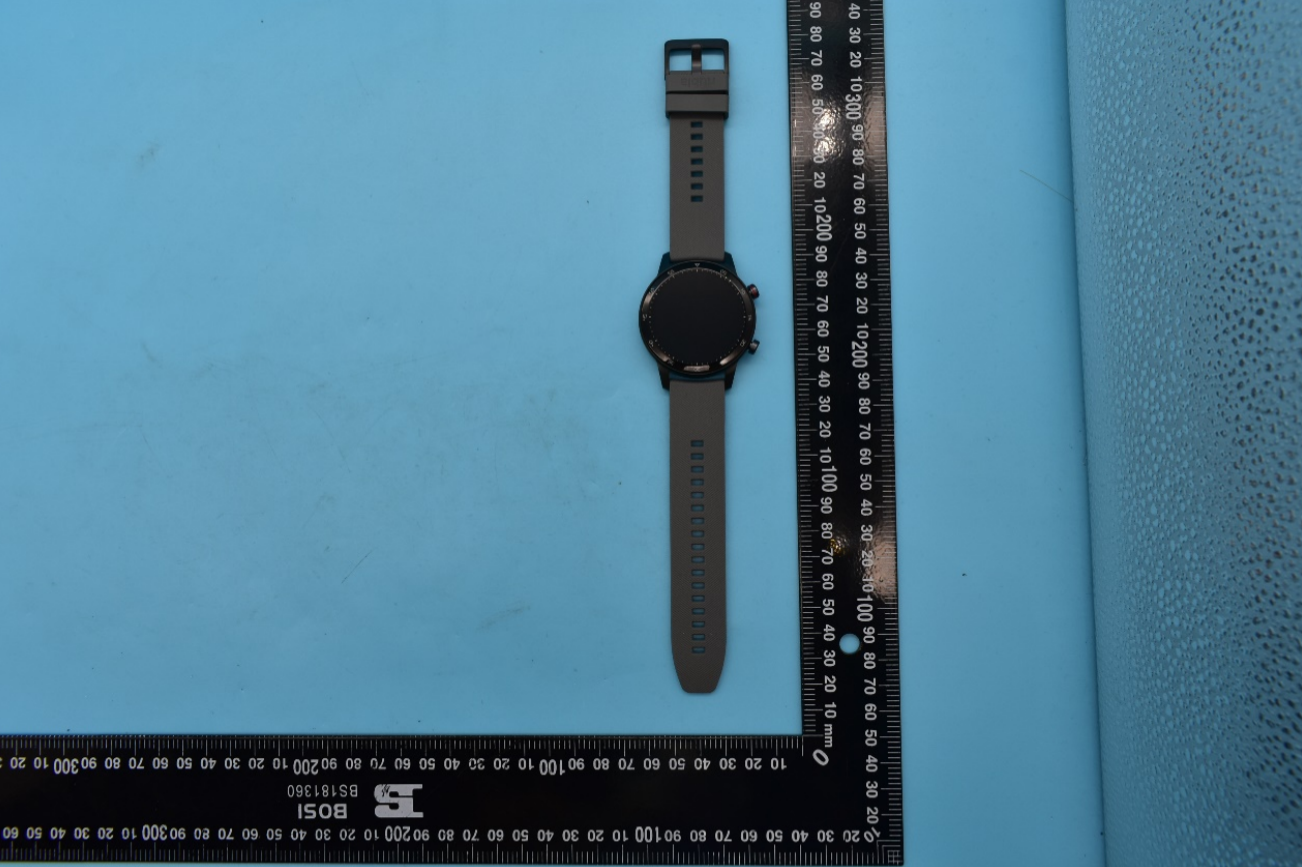
Red Magic Watch
There is still a bit of waiting to be done before Facebook’s watch arrives but there is another player with a watch that should launch this year. ZTE’s Red Magic has a smartwatch coming and it has been spotted at the FCC. The watch will have a round display, GPS, and quick-release straps.
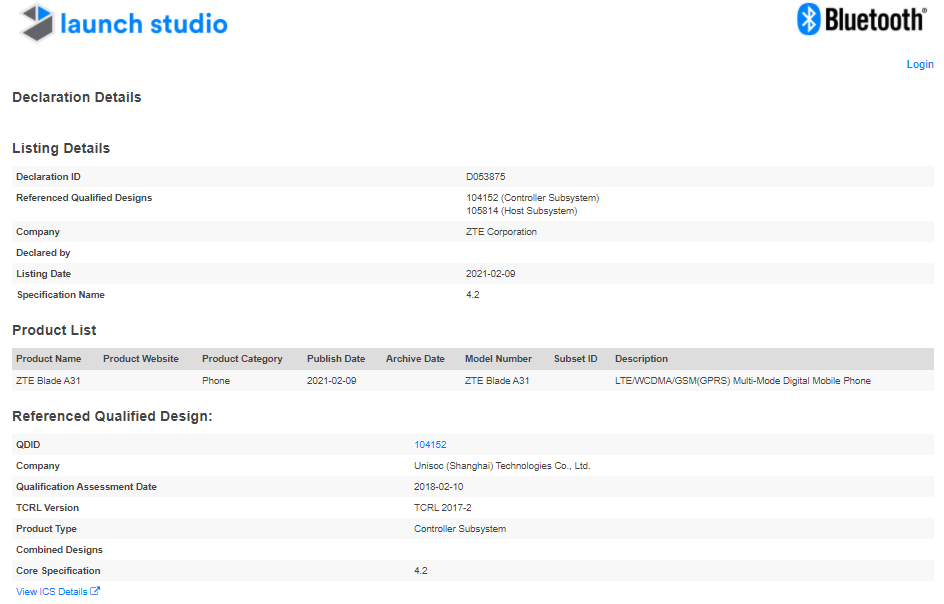
A Bluetooth certification listing has revealed that ZTE has a new smartphone for its Blade series on the way. The listing has shown that the device will launch as the ZTE Blade A31 which means it should be positioned under the ZTE Blade A51 that was spotted at the FCC back in November.
According to the Bluetooth SIG listing, the ZTE Blade A31 will have Bluetooth 4.2 and LTE. It will also be powered by a UNISOC processor.
The design of the phone should be similar to that of the ZTE Blade A51. So expect a polycarbonate phone with multiple rear cameras, a fingerprint scanner, and an LCD display. It should run Android 10 out of the box when it launches.
ZTE is yet to announce the Blade A51 even though it has been a few months since it was seen at the FCC. Nevertheless, we won’t be surprised if both devices are announced at the same time.
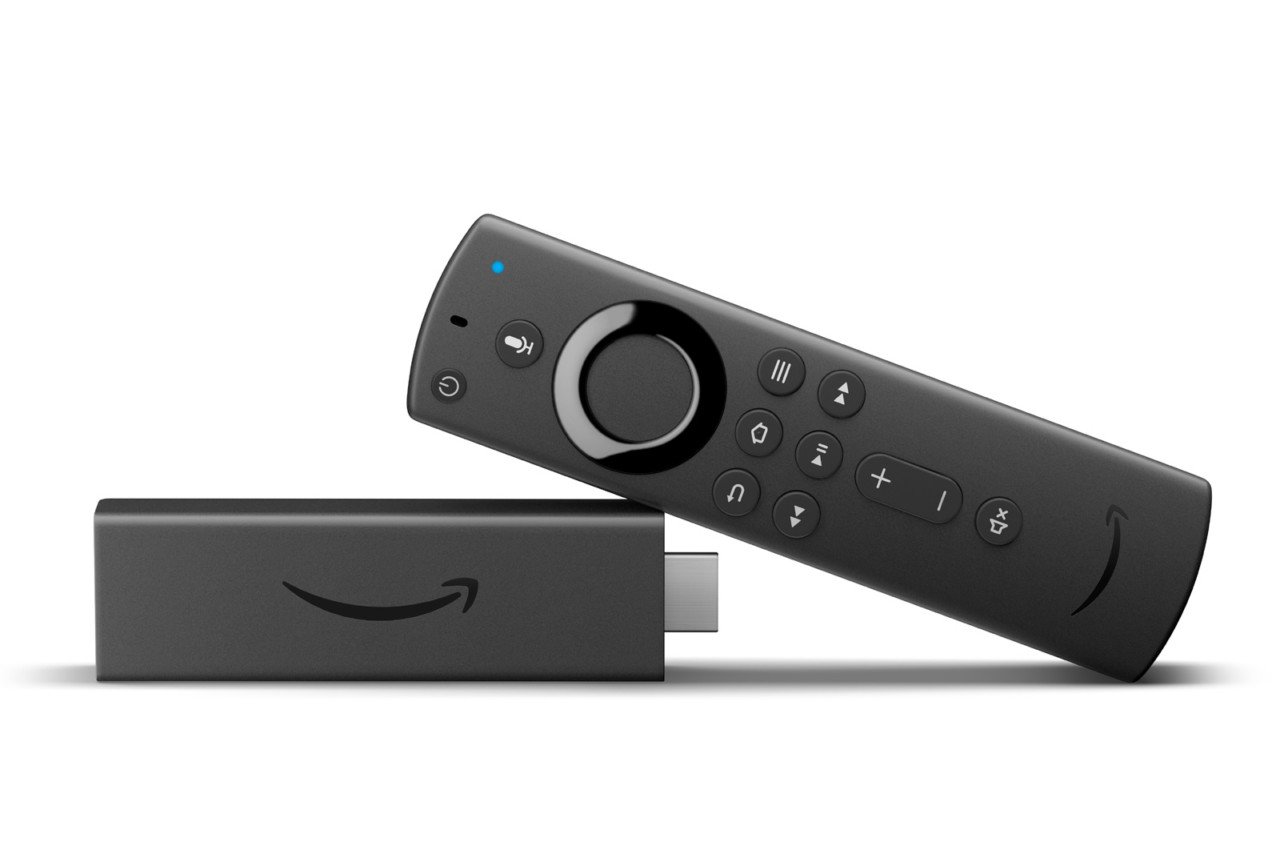
The Fire TV Stick 4K runs Fire OS which is actually based on Android but different from Android TV. Users don’t get Google’s Play Services and Play Store but get Amazon’s own app store and services. However, while you can sideload apps from other sources, having access to Google services saves you the hassle, and now there is a way to get the Android TV UI along with Google Services on Amazon’s streaming stick.
To get the Android TV user interface on the Fire TV Stick, you have to follow the procedure put together by the XDA-Developer member ”burcbuluku”. The steps which are listed below will transform your Fire TV Stick 4K into an Android TV device with the addition of certain Google services while still keeping Amazon’s own services such as Alexa and the Amazon Appstore.
To get started, you need a Fire TV Stick 4K (2018), a TV or monitor, a Fat32-formatted USB drive, a keyboard, a mouse, and an OTG adapter. Do note that the procedure voids your warranty. Below are the steps outlined by ”burcbuluku”:
Backup your files.
Unlock the bootloader and install TWRP using this guide.
Do a factory reset via TWRP (use the OTG adapter and keyboard/mouse to navigate)
Restore from the TWRP backup that you prepared.
Reboot to system.
Connect to Wi-Fi and log in to your Amazon account. (still using keyboard or mouse to navigate)
Go to Settings > Fire OS > Controllers and Bluetooth Devices and pair your Fire TV remote. (now you can ditch the keyboard)
Everything pretty much works fine save for the Google Assistant and Google Voice Search which are confirmed are not working.
We expect a procedure for other models of the Fire TV Stick will surface in the near future. We also won’t be surprised if a tool is developed that makes the procedure much easier.
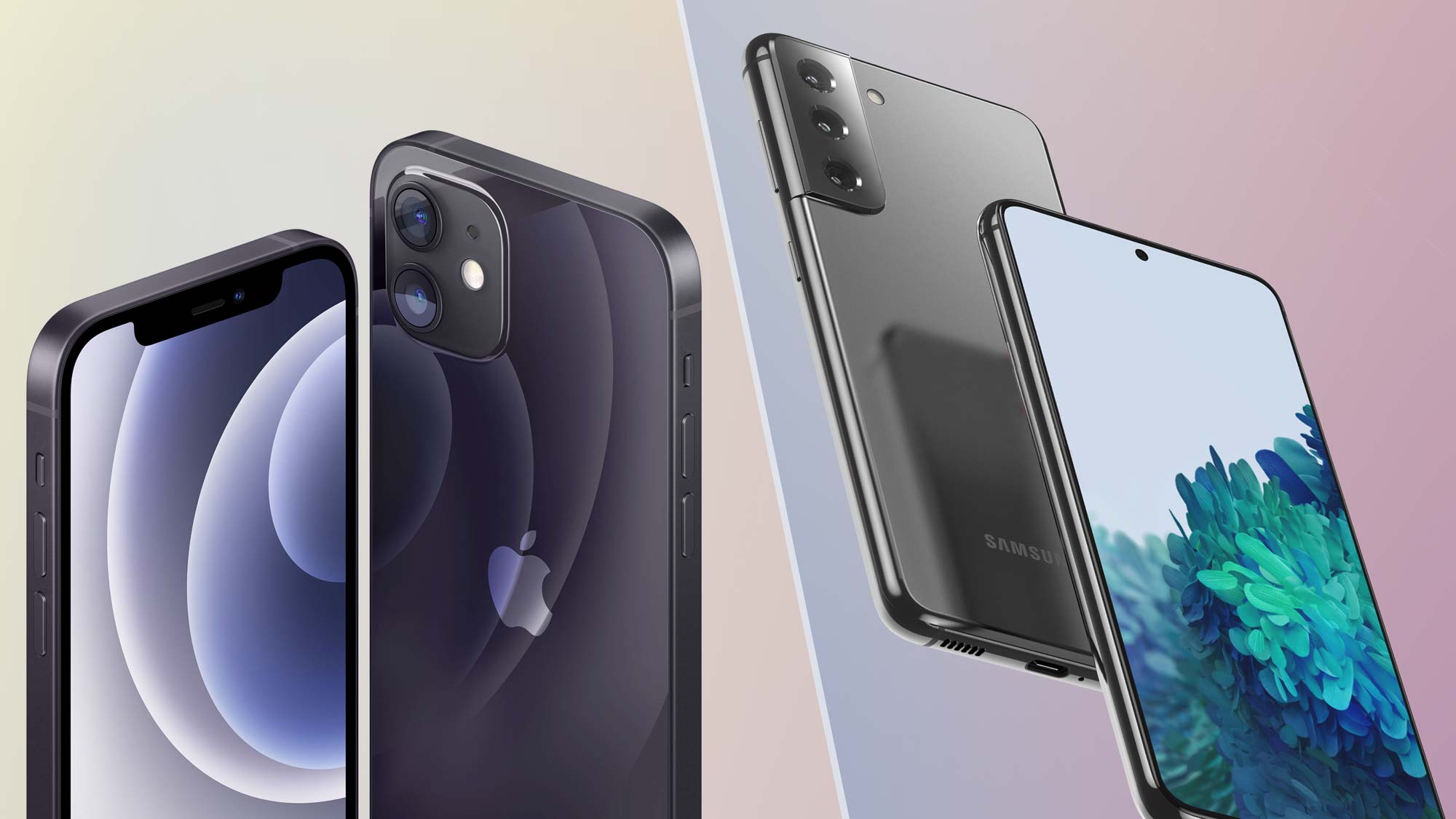
If you are looking for a compact phone and you need a flagship at the same time, you have two very interesting options: Apple iPhone 12 and Samsung Galaxy S21. They are the vanilla versions of the latest flagship series released by Apple and Samsung, that is what makes this comparison very intriguing. Here you will learn the major differences between iPhone 12 and Samsung Galaxy S21, as well as which device you should go for depending on your actual needs. After checking the comparison, you can tell us our opinion by using the comment box below the post.
Apple iPhone 12 vs Samsung Galaxy S21
Apple iPhone 12
Samsung Galaxy S21
DIMENSIONS AND WEIGHT
146.7 x 71.5 x 7.4 mm, 164 g
151.7 x 71.2 x 7.9 mm, 169 g
DISPLAY
6.1 inches, 1170 x 2532p (Full HD+), Super Retina XDR OLED
6.2 inches, 1080 x 2400p (Full HD+), Dynamic AMOLED 2X
Dual 12 + 12 MP, f/1.6 + f/2.4
Dual 12 MP + SL 3D front camera
Triple 12 + 64 + 12 MP, f/1.8 + f/2.0 + f/2.2
10 MP f/2.2 front camera
BATTERY
2815 mAh, fast charging 20W, wireless charging 15W
4000 mAh, fast charging 25W and wireless charging 15W
ADDITIONAL FEATURES
Dual SIM slot, 5G, Face ID, water resistant (IP68), MagSafe
Dual SIM slot, 5G, water resistant (IP68), reverse wireless charging
Design
Apple iPhone 12 and Samsung Galaxy S21 are built with sturdy and premium materials. Their bodies are composed of a glass back and an aluminum frame and both the phones are waterproof with the IP68 certification, but the iPhone 12 is actually better as it withstands immersions up to 6 meters deep. The iPhone 12 is actually more compact than the Samsung Galaxy S21 and it looks very original with its brick-like design. On the other hand, Samsung Galaxy S21 offers a slightly wider display and an original rear side. Both have a flat display, but the Samsung Galaxy S21 has a punch hole placed centrally instead of that big notch of the iPhone 12.
Display
The display of the Samsung Galaxy S21 may not offer the best reproduction out there, but it is more convincing than the iPhone 12 in terms of versatility. The big difference is the high refresh rate: a trendy feature that is still absent on Apple devices. The Samsung Galaxy S21 goes up to 120 Hz, while iPhone 12 stops at 60 Hz. iPhone 12 and Samsung Galaxy S21 have a very nice color reproduction, provide great quality in every scenario, and very high brightness. Samsung Galaxy S21 has an in-display fingerprint scanner, while Apple iPhone 12 relies on Face ID (3D facial recognition) for authentication.
Specs & Software
On the paper, the Samsung Galaxy S21 has a hardware department with higher numbers: you get the Snapdragon 888 mobile platform (Samsung Exynos 2100 in some regions), 8 GB of RAM, and up to 256 GB of UFS 3.1 native storage. But despite that, the iPhone 12 is able to achieve better performance thanks to the amazing software optimization of the iOS operating system and the powerful Apple A14 Bionic SoC built at 5 nm. Samsung Galaxy S21 is based on Android 11, a less performing operating system with a heavily-customized user interface.
Camera
The cameras of these handsets have their pro and cons. The Samsung Galaxy S21 has better zoom capabilities due to its telephoto sensor boasting optical zoom. But overall, the iPhone 12 looks more convincing with its 12 MP camera boasting a bright f/1.6 focal aperture and its excellent performance at video recording. However, you should note that they are not so far in terms of camera performance. Even the selfie cameras are close, both supporting 4K video recording.
The iPhone 12 has a way smaller battery than the Samsung Galaxy S21: you get just 2815 mAh against 4000 mAh. But it does not matter like the software optimization allowing the iPhone to achieve similar results to the Samsung Galaxy S21 when it comes to battery life. The Galaxy S21 is still slightly better, but the iPhone 12 has a satisfying battery life as well. Both support wireless charging, but only the Samsung Galaxy S21 gets reverse charging.
Price
The prices of Samsung Galaxy S21 and iPhone 12 are similar, but they vary depending on the market. In Europe, for example, they cost €879 and €839 respectively (prices referred to their base variants). Unless the price of the Galaxy S21 drops, we believe the iPhone represents a better choice thanks to iOS optimization and its great cameras. But the Samsung Galaxy S21 is very close with its great specifications.
Apple iPhone 12 vs Samsung Galaxy S21: PRO and CONS
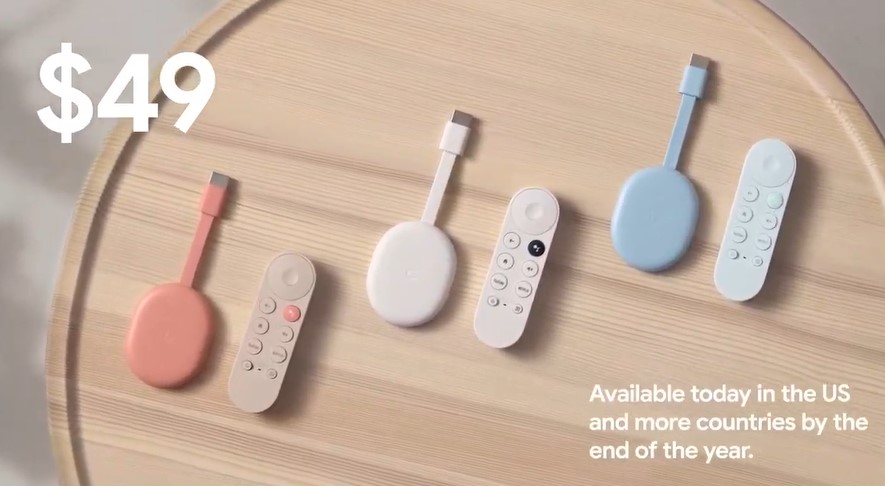
One of the major complaints of users of Android TV is the lack of multiple users support. This means that all the favorite content of a household with multiple users are mashed together. Folks expected Google to address the issue with the launch of Google TV but that wasn’t the case. Now, it has been reported that the Chromecast with Google TV will be getting a Kids Profile soon.
Chromecast with Google TV
This is technically not multi-user support but it means parents or guardians will be able to create a separate interface for kids. With a separate profile for kids, parents will be able to restrict kids from certain content that would otherwise be accessible via the main profile.
The news of a Kids Profile for the device was posted in a support thread by a Google spokesperson, reports XDA-Developers. The statement said that the feature should begin rolling out to users “in the next month (or so)”. It also adds that the feature will allow a safe space to be created for kids in Google TV.
Parents or guardians will be able to choose what apps should be made available to kids, however, there will be some default apps such as YouTube Kids. The Kids Profile will require a PIN if a user wants to exit it. This is to prevent kids from accessing a parent or guardian’s account.
Hi Rob, thanks for reaching out. Regarding multiple user profiles in Chromecast with Google TV, not at this time, but it’s top of mind for us. We are unable to share details on our road-map. Stay tuned to our social media channels for news and updates.
Google still plans to bring multi-user support to the Chromecast with Google TV. Last October, it said in a reply to a user’s tweet that the feature was a top priority for them but didn’t say when to expect it. We hope it arrives soon and is made available to devices running Android TV too.
Samsung has begun rolling out the One UI 3.1 update that shipped with the Galaxy S21 series to its older devices. One of the devices that recently got the update is the Galaxy S20 FE but it appears that Samsung has temporarily suspended the rollout.
While there has been no official statement from Samsung regarding the halt of the rollout, it has been reported by SamMobile that the update is no longer via OTA or through Smart Switch. There are speculations that Samsung may have stopped the rollout due to bugs. Some users are said to have reported performance and battery-related issues.
Samsung should resume the rollout once the issues have been resolved. So if you own a Galaxy S20 FE and you are yet to receive the update, then you should be patient.
The new update brings Google Discover to the home screen, the ability to remove location data when sharing photos, Google Home device controls in quick settings, and the ability to add video call effects to third-party apps. It also comes with February 2021′ security patch.
The Galaxy S20 FE launched last year with Android 10 out of the box. It received the Android 11-based One UI 3.0 update in December and is among the Samsung devices that will get OS upgrades and security updates for three years.
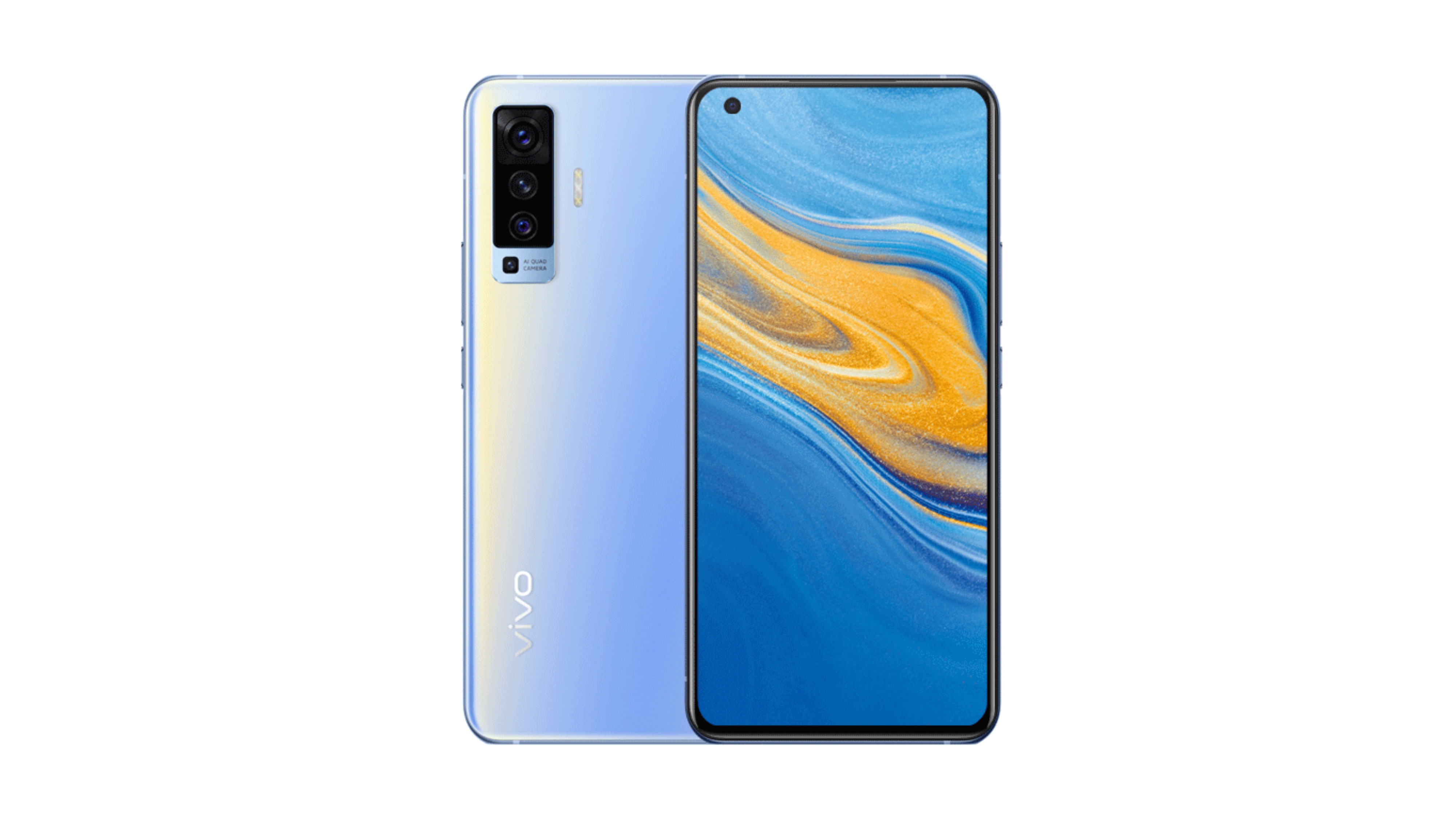
Back in January, vivo revealed Funtouch OS 11 (Android 11) update timeline for its smartphones in India. According to the schedule, vivo X50 and vivo V19 were supposed to start receiving the update at the end of that month itself. However, that did not happen as the latter device got the update last week and the former has begun to receive it only now.
According to a report by PiunikaWeb, the Android 11-based Funtouch OS 11 update for vivo X50 in India is currently under greyscale testing. In simpler words, it is only available for select users in the country. This initiative is similar to Xiaomi’s Stable Beta MIUI updates.
For those unaware, these types of builds are basically stable. However, they are only made available for select few users to test them out in public. If the early adopters don’t face any major issue like the recent Mi A3 Android 11 update fiasco, the build is soon released for more users.
Hence, vivo X50’s Funtouch OS 11 update is not available for all the users in India right now. But that should change soon in the coming days. The situation is the same for vivo V19, which got the update last week.
That said, as per the plan, vivo V17, vivo V17 Pro, vivo V15 Pro, and vivo S1 should be next in line to get the update starting by the end of March 2021.
We use cookies on our website to give you the most relevant experience by remembering your preferences and repeat visits. By clicking “Accept”, you consent to the use of ALL the cookies.
This website uses cookies to improve your experience while you navigate through the website. Out of these, the cookies that are categorized as necessary are stored on your browser as they are essential for the working of basic functionalities of the website. We also use third-party cookies that help us analyze and understand how you use this website. These cookies will be stored in your browser only with your consent. You also have the option to opt-out of these cookies. But opting out of some of these cookies may affect your browsing experience.
Necessary cookies are absolutely essential for the website to function properly. This category only includes cookies that ensures basic functionalities and security features of the website. These cookies do not store any personal information.
Any cookies that may not be particularly necessary for the website to function and is used specifically to collect user personal data via analytics, ads, other embedded contents are termed as non-necessary cookies. It is mandatory to procure user consent prior to running these cookies on your website.