Advertisement

realme Narzo 30 Series Specs revealed by Madhav Sheth

realme is gearing up to launch the Narzo 30 series in India. The company has already confirmed its availability on Flipkart. Now, in an Interview with XDADevelopers, Madhav Sheth confirms the specs of one of the devices. And it could be the Narzo 30 Pro 5G.

Realme Narzo 30 Pro 5G rear view
Credit: Madhav Sheth, Twitter: @MadhavSheth1

Madhav Sheth, VP, Realme, and CEO, Realme India and Europe, has confirmed that one of the Narzo 30 series devices will feature MediaTek Dimensity 800U 5G chipset(mostly Narzo 30 Pro 5G). If you recall, Madhav Sheth had already teased about launching a cheaper 5G device a while ago. Ascertaining that, he says that the company aims to democratize 5G even more in India.

Last month, realme brought the realme X7 series, and with it came the Dimensity series of chipsets. Following this, the company had said that half of the devices launching in India this year would have 5G support. If we connect the dots, the “Never-before-Seen price” works out well.

Speaking of which, Madhav hasn’t explicitly revealed the pricing but we can guess that it would definitely be below the realme X7 that launched at ₹19,999($275). Also, regarding the rumors of Narzo spinning-off into a separate brand, Madhav says that it is not a sub-brand and will continue to be a part of realme as before.

realme Narzo 30 Series Specs(Expected)

Leaked posters have revealed that realme plans to release only the Narzo 30A and Narzo 30 Pro 5G this time in India. The Narzo 30 Pro 5G as the name suggests will be a 5G-ready device. As the rumors say, a rear image that Madhav recently revealed suggests that the Narzo 30 Pro could be a rebadged realme Q2 from China.

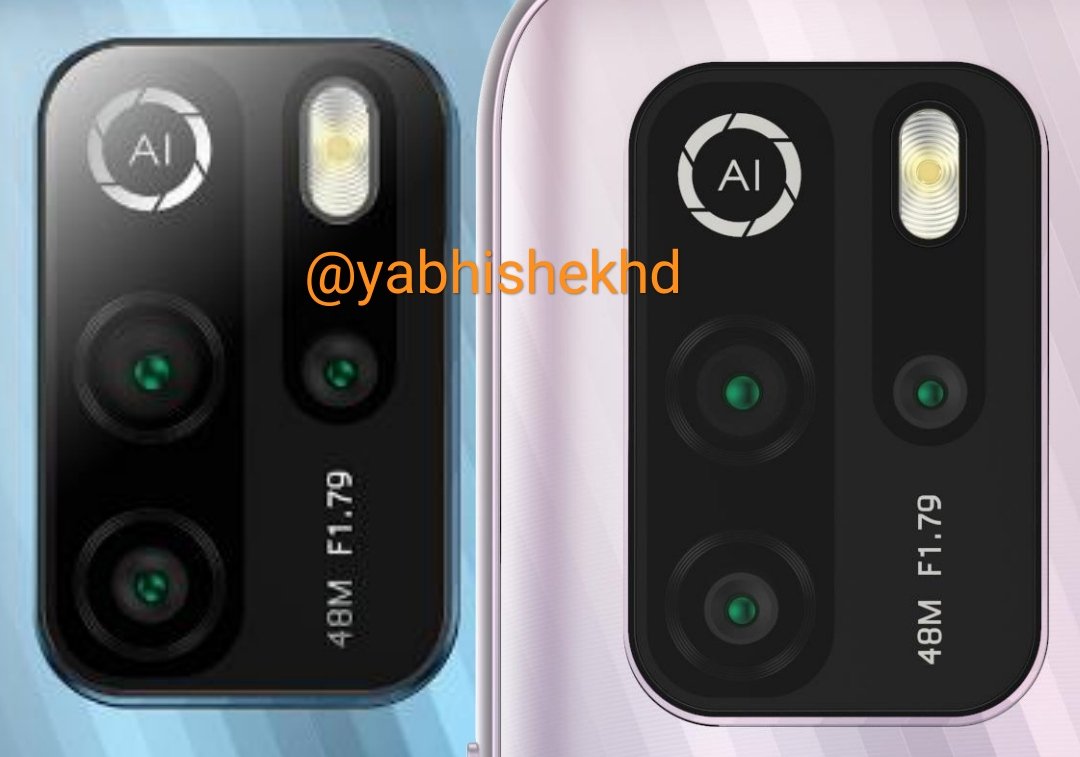
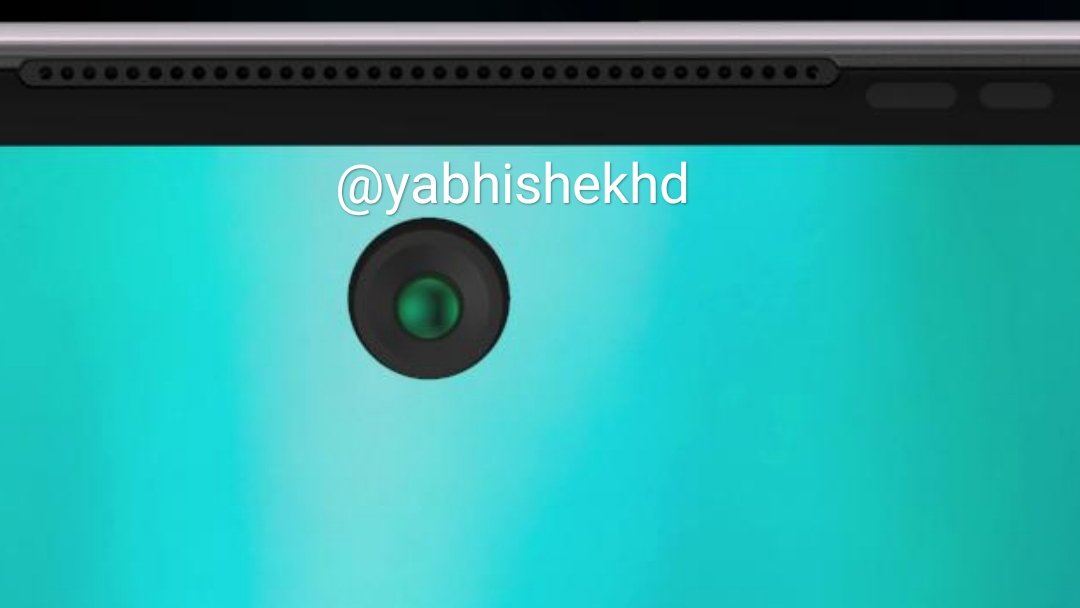
If this is indeed true, the device will sport a 6.5-inch IPS LCD top-left punch-hole FHD+ display, 4 GB / 6 GB of LPPDR4x RAM, and 128 GB of UFS 2.1 storage with microSD card support, rounded-rectangle Triple-camera layout with 48MP+8MP+2MP sensors,  4,880mAh battery side-mounted fingerprint sensor.

The watered-down sibling, Narzo 30A moniker so far appeared on certifications like NBTC, SIRIM but nothing much is known about it. Leaked posters reveal that it will have a square-shaped module with Three cameras and an LED flash. Let’s wait for more details as we close in on the reported February 24 launch.

RELATED:


OPPO Find X3 with Snapdragon 870 benchmarked on Geekbench

A couple of screengrabs of benchmarking apps revealed the key specifications of the upcoming OPPO Find X3 smartphone. The device had appeared with PEDM00 model number at AIDA64 and AnTuTu. Now, the handset has been spotted at the Geekbench’s database.

The Geekbench listing of the OPPO PEDM00 has ‘kona’ mentioned in the motherboard field. This codename is associated with the Snapdragon 865 mobile platform. However, the screenshot of the About Phone page of the device revealed that it is powered by the Snapdragon 870 mobile platform, which is an upgraded version of the SD865 with 3.2GHz processing speeds.

With 8 GB of RAM, the Find X3 has scored 4280 in the single-core test and 12,843 in the multi-core test. The phone can be seen running on Android 11 OS. The appearance of the Find X3 at different benchmarking sites suggests that the company could be testing its performance before the official announcement.

While the Find X3 Pro is expected to sport a punch-hole OLED screen with a Quad HD+ resolution, the vanilla model may support a Full HD+ resolution of 1080 x 2412 pixels. It is also expected to flaunt a punch-hole OLED panel.

The OPPO Find X3 is expected to arrive with other features like 256 GB of inbuilt storage, ColorOS 11.2, and a 12.6-megapixel camera. Its rear design is not known yet. There is a possibility that it may sport the same rear design as the Find X3 Pro. Reports have suggested that the Find X3 series which includes at least four smartphones such as Find X3, X3 Pro, X3 Neo, and X3 Lite will debut in March.

RELATED:

How to remove IDP.Generic Virus Warning in an easy way

We know that most of you guys will be in trouble with the IDP.Generic threat. We have seen many posts on social media, which says that many users are getting the IDP.Generic virus detection on their files. Most of them receive notification from their antivirus software, stating that they caught files with the same. According to reports, both Avast and AVG antivirus users receive a notice like these.

remove ip.generic virus

Must See: TikTok surpasses 2 billion downloads, Coronavirus pandemic helps surge user base

The term virus has come across a long journey in the digital world. Being developed for replicating programs initially, the virus or different malware or adware have become a headache for digital users around the globe. Some advanced technology enthusiasts or hackers develop these viruses to gain access to data unauthenticatedly. Mostly the virus attacks are done for monetary purposes but sometimes the sole reason might vary. There are different type of viruses in the form of malware, adware, or spyware

Microsoft Windows is most prone to viruses due to its vast userbase across the globe. In order to prevent such viruses from entering your system, there are anti-virus programs. These programs first delimit the virus and contain them, but in case the virus has already infected the PC they can even neutralize them. Moreover, the Anti Virus manufacturers have gone a step ahead and now provide full-proof security software. It reduces the chances of getting infected by introducing new protection policies, and fully secures the network.

Sometimes these security software malfunctions and prompts unnecessary dialogues and windows. Similarly IDP.Generic threat is mostly seen on PCs using Avast Antivirus. We have detailed each aspect of the threat below.

What is IDP.Generic threat as seen on your PC?

The threat isn’t limited to a single file, but it’ll affect a lot of files. IDP.Generic threat is a detection file that is designed to detect a Trojan horse virus. If you don’t understand what Trojan horse is, it’s malicious code that looks legit. But the same can take control of your PC. These codes are designed to steal your data from your PC or other devices in the network.

Trojan horse viruses usually can be seen on crack software, and you will never know that it’s initially a virus. But as soon as you install it, it will start hacking your data. There are different types of Trojan horse viruses. Some of them include Infostealer Trojan, Game-thief Trojan, Fake AV Trojan, Downloader Trojan, Distributed Denial of Service (DDoS) attack Trojan, Rootkit Trojan, Remote Access Trojan, Backdoor Trojan, Ransom Trojan, Mailfinder Trojan, Trojan IM, Trojan banker, an SMS Trojan. We would love to explain these different Trojans types, but it isn’t the right article to describe the same. 

Coming back to the threat, most of the users who receive the threat are Avast users. As we said since most of the game files are prone to IDP.Generic threat, then you won’t be able to play those games. Some users are still in confusion if this threat is for real or just a gimmick. In most cases, the danger would be a gimmick, but it isn’t the case every time. If the error is for sure, then there will be some symptoms like

Symptoms

  • The performance of your computer will slow down.
  • Your PC will crash every time.
  • Another one is pop-up windows, which occur frequently.
  • Your PC will not perform like it used to initially.
  • Random spam software opening up during Windows startup.
  • A lot of spam emails will be sent from your PC to an unknown address.
  • The virus may hack your saved passwords. Gradually other accounts will be at risk.
  • You will lose your data, and you may be asked to pay to retrieve those files.

Precautions which you should follow

As we said, these viruses mostly come from cracked games which you download online. It can also be from pieces of music, photos, videos that you guys download from unknown sources. Finally, it can also be from spam emails and websites which you open. To protect your computer from affecting these kinds of viruses, you can follow these methods.

  • Install any antivirus which protects you and enables firewall security. If your PC is running on Windows 10, then Windows Defender itself is enough.
  • Avoid downloading software from unsafe websites. Always download from official websites and forums like XDA.
  • In case if you want to use pirate software, then use any antispyware software to check for viruses on installed software.
  • Never open any attachments which you receive through spam emails. Also, just delete those spam emails without opening them.
  • Always update your Windows to the latest version along with the Windows Defender or your third-party Antivirus software.
  • Never download songs, movies, and other kinds of stuff from unsafe websites.
  • Also, never tap on the pop-ups which you receive on your screen.
  • Uninstall cracked applications that you have downloaded from dangerous websites.

How to remove IDP.Generic viruses from your PC

There are a lot of ways to remove viruses from your PC. We are here in a few ways which you can use on your PC. Today, we will be introducing two different software that you can trust and help you guys remove the virus. But before that, we will recommend you guys make a Disk cleanup, a default application in Windows 10. If you don’t know how to do the same, follow the below-mentioned instructions.

Using Disk Cleanup Feature

  • For this, type Disk Cleanup in the Windows search and then press the Enter key on your keyboard.
  • Once it opens, select the drive which you want to clean. Since C: is the main drive by default in every system, it is likely to be that one that will contain the malicious files.
  • Now, scroll through the Files to delete the list and select the following ones.
  1. Temporary Internet Files
  2. Downloads
  3. Recycle Bin
  4. Temporary files
  • If you have selected these files, now tap on the Cleanup system files option.
  • Once you finish that, you can also look for other malicious or virus-containing files hidden in the following folders, and for this open, Run by pressing Windows Key + R and type these folder names in the dialogue box.
  1. %AppData%
  2. %LocalAppData%
  3. %ProgramData%
  4. %WinDir%
  • After entering these folder names one by one, press Enter so it will open the folders. Once it opens, delete every file which you find inside the same.
  • If everything is done, restart your PC. Then you are good to go.
  • Sometimes the above method will not be efficient to deal with malicious files, so use the following software to remove those things from your PC.

Using Malwarebytes Free version

  • For this, first, download the software from their official website.
  • Once it has been downloaded, install the same on your PC. It will ask for permissions to modify the system, and you should permit that.
  • There will be many on-screen instructions, and you can install them by following those things. The setup will ask if it’s your Work computer or personal computer.
  • Select according to your wish and then continue the installation process.
  • Once the program opens, tap on the Get Started button to start the process. It will ask for you to choose between free and premium versions. You can buy the premium version if you can afford it. But for our use, the free version is more than enough. So tap on the free button.
  • Now tap on the Scan button to start scanning, and the application will scan the entire files on your PC.
  • Like any other app, it will take some time to scan the whole file. It’ll show a Quarantine button if it has found any viruses after reviewing. Tap on the same to delete those viruses. It will delete those malicious files and registry keys.
  • Restart your PC to complete the process.

HitmanPro: You can use the same to scan for malware and other unwanted programs

As the name suggests, it’s a Pro application which you need to purchase. However, you can scan things without the Pro version. And if you guys find any viruses on your device, you can remove the same by activating the trial for 30 days.

  • You can download HitmanPro.
  • Like the above process, install the same on your PC.
  • Follow the on-screen instructions and finally tap on Next to start scanning.
  • Wait for a few minutes to complete the scan and then tap on Next to remove the malicious files.
  • You can activate the free license for 30 days from here.
  • After activating the free license, it will start the process of removing those files.
  • Restart your PC after the process ends.

How to fix IDP.Generic false alert?

We hope you guys remember what we said initially, and there will be a false alert by your Antivirus software. Even after doing the above steps, you may receive a warning from your Antivirus software because the above software and steps will only work if your device has been affected. It will not deal with false alerts. So, as we said, mostly Avast users get these kinds of wrong positive signals. You can follow the steps mentioned below to solve the same.

  • Before the process, launch the Avast Antivirus on your PC.
  • Once it opens, you can see a protection icon to the left side of the App interface. Tap on the same to continue.
  • Now, you guys should search and find Virus Chest’s option, which you can see under the Protection tab.
  • Finally, please give it a right-click on the file which has been detected with IDP.Generic virus and then tap on the “Restore and add to exclusion” option. It will unlock your file, and the file will be restored to the original location.

We guess that you guys have got an idea about what IDP.Generic virus is and the symptoms if your device has been infected. Apart from that, we have also included ways to delete those malicious files from your system. And finally, we included the steps to solve the false positive alert shown by the third-party antivirus software. Do share the article so that if anyone’s PC has been affected, they can solve it.

Related: Baidu Antivirus Detection comes as new security in WinRAR file

Google Pixel devices may suffer from hardware defect, as more users face camera issues

Recently, the Google Camera app, which is an exclusive app for the company’s Pixel series of smartphones, has been suffering from negative reviews and feedback. But it seems that the issue might not be with the software but rather failure in camera components of the Pixel devices.

Google

AndroidPolice reported on the matter after the search engine giant recently stated that there aren’t any major software related issues in the application. This implies that the users that are facing the camera issues might be suffering from a defect in the hardware on their Pixel smartphones. For those unaware, the number of reports regarding issues with Pixel 2 and Pixel 3 series cameras have been on the rise and the nature of these problems do not point at a software related bug or glitch.

Certain users are having troubles with their device’s rear facing camera, which reportedly stop functioning at times, crash, display just a black screen, or even display an error message to the users. These issues might occur on a regular basis or may even appear on random occasions and has even affected both the first party Google camera app and third party apps as well, like Snapchat or Duo, when these apps try to switch to the rear cameras.

Google Pixel 3 XL rear all colors
Pixel 3 XL

At the moment, wiping app data, factory resets, and even rolling back system software has proven to be ineffective in fixing the issue. Various customers had initially believed that a software change had triggered the problem, but the inconsistencies in these cases and timings indicate otherwise. Meaning, it is likely that the issue is related to the internal components of the Pixel smartphones. Although, we have no way of confirming this right, so take this report with a pinch of salt and stay tuned for more updates.

RELATED:


Samsung is the top tablet seller in Europe, Middle East, and Africa in Q4 2020

Samsung Electronics has emerged as the top brand for tablets in Europe, Middle East, and Africa (EMEA) in the fourth quarter of last year. This arrives as the pandemic has caused a growth in popularity for devices with larger screens as the world shifts to the digital spheres for work and education.

Samsung Galaxy Tab S7 Mystic Navy

According to a BusinessStandard report, the South Korean tech giant shipped over 4 million tablets in the EMEA regions in the period between October and December 2020. The company held a market share of 28.1 percent in the region, as per an industry analytics based firm, IDC. These figures are up from a year prior, when the company only shipped 3.2 million units of tablets and had a market share of 24.8 percent. As per IDC, “Samsung held first position in EMEA due to its positive and strong growth across the region and mainly driven by its presence in digitization projects in schools in Central and Eastern European countries.”

Furthermore, the tablet market in Central and Eastern European regions also saw a market growth of 32.3 percent year on year. This surge was higher than the one witnessed in both Middle East and Africa, which saw just a 10.3 percent growth. Meanwhile, the Western Europe’s tablet market only saw a growth of 7.7 percent year on year. In the tablet market, Samsung was closely followed by Apple, which shipped 3.5 million tablets in the EMEA markets within the final quarter of last year.

Samsung Galaxy Tab S7 Plus Featured A

This also marked a rise of 17.1 percent from a year ago and had the company hold a market share of 24.6 percent in the region. As per Nikolina Jurisic, a senior research manager at IDC Europe, “Shortages and price increases in notebooks are urging consumers to shift their focus to tablets as lockdowns and stay at home measures remained in place. Online schooling and digitalization projects in education are visible across the region, with the largest recorded in Romania, Kazakhstan, Turkey, and South Africa.”

RELATED:


Samsung Galaxy A52 and Galaxy A72 reported to launch in India in mid-March

Samsung is expected to officially announce the Galaxy A52 and the Galaxy A72 very soon. Ahead of it, these two smartphones have leaked extensively in the past few days. In fact, there’s nothing new left to learn about them. Now, the duo’s launch timeline for India has been tipped as well.

Samsung Galaxy A52 A72 Render Leak

According to the industry sources of 91Mobiles, Samsung will be launching the Galaxy A52 and Galaxy A72 in India in mid-March. But it is not sure if the 5G variants will be released in the country since their predecessors’ 5G version did not make their way to the region last year.

However, it is worth noting that despite launching a 4G-only Galaxy S20 FE in India, the South Korean tech giant may also bring the 5G model, as per BIS certification and support page. So there’s a chance that Galaxy A52 5G and Galaxy A72 5G could also debut in the country later if not next month.

Talking about specs, both these smartphones share almost everything except for display size, camera setup, and battery capacity. Some of their highlights include a 90Hz (4G)/120Hz (5G) FHD+ AMOLED display, IP67 certification for dust and water resistance, Qualcomm Snapdragon 720G (4G)/750G (5G), 25W fast charging, plastic build, 3.5mm headphone jack, microSD card slot, four colors (Black, White, Blue, Violet, One UI 3.1 based on Android 11, and more.

To know more about these handsets, do click on their appropriate names listed below.


RELATED:


ASUS ROG Phone 5 India launch could be in March

The upcoming ASUS ROG Phone 5 has received TENAA and 3C approvals in China in recent weeks. These certifications have suggested that the ROG Phone 5 may debut in China as early as this month or March. According to a new leak by popular tipster Mukul Sharma, ASUS may announce the ROG Phone 5 in India in March.

The tipster did not share any information on the specifications of the ASUS ROG Phone 5. If the company has really planned to launch it in the coming, it may soon rollout its official teasers in the coming week.

ASUS ROG Phone 5 (ASUS_I005DA) images at TENAA

Recent reports have revealed that there are two variants of the ROG Phone 5 with model numbers ASUS_I005DA and ASUS_I005DB. Both smartphones have been spotted with identical preliminary specifications at TENAA.

The ASUS_I005DA has 172.834 x 77.252 x 10.29mm dimensions and it is packed with other specs such as a 6.78-inch display, a 6,000mAh dual-cell battery, and Android 11 OS. These specifications are also available on the ASUS_I005DB smartphone.

ASUS ROG Phone 5 I005DB
ASUS ROG Phone 5 (ASUS_I005DB) images at TENAA

In terms of appearance, the ASUS_I005DA has a horizontally aligned triple camera setup. Its rear shell seems to feature a secondary screen, RGB-lit ROG logo, and a logo of Tencent Games. On the other side, the ASUS_I005DB has a very plain rear featuring only a horizontal camera housing.

The Snapdragon 888 mobile platform powers the ASUS_I005DA and it is expected to sport a 64-megapixel triple camera system. Other reports have revealed that the handset may support up to 144 refresh rate and it will come with 65W rapid charging. The other specs of the ASUS_I005DB are under wraps. It is speculated that the I005DB could be an affordable gaming phone.

RELATED:

MediaTek revenue surges by nearly 80% in January 2021

MediaTek has just registered a significant surge in its revenue for the month of January this year. The tech giant saw a rise of nearly 80 percent from the same month back in 2019, marking its second highest monthly level of revenue in the company’s entire history.

According to a DigiTimes report, the company registered a revenue of 35.33 billion New Taiwan Dollars (roughly 1.26 billion US Dollars) for the month of January 2021, which is up by 78.3 percent from a year earlier and 9 percent rise sequentially as well. Furthermore, the chip maker is also expecting to see revenue growth of up to 8 percent, somewhere between 96.4 billion to 104.1 billion New Taiwan Dollars (roughly 3.44 to 3.71 billion US Dollars) for the first quarter of this year.

MediaTek

The growth was primarily backed by the surge in demand and popularity for 5G chips that powered smartphones, along with the growth in shipments of 4G smartphones as well as Chromebooks. The company’s overall mobile chip shipments are expected to see a substantial rise as well in this quarter, compared to the fourth and final quarter of last year, as per MediaTek CEO, Rick Tsai. MediaTek will also see its revenue surge in 2021 with its gross profit margin ranging somewhere between 43 percent to 44 percent. Notably, the company even generated a revenue of 322.15 billion New Taiwan Dollars (roughly 11.5 billion US Dollars) last year, marking a rcord high rise of 30.8 percent.

RELATED:


Redmi Note 10 Teaser page confirms centered punch-hole display, IP52 water resistance, & more

Redmi has already confirmed that its Note 10 series will get a global debut in India on March 4. Although the launch is at least a couple of weeks away, the company has started teasing the features coming with the devices.

Redmi Note 10

In a Teaser page that’s on mi.com, Xiaomi confirms several features that will be present on the Redmi Note 10 series of devices. First off, the company is seen crediting “Qualcomm Snapdragon” processors Built for GAMING. Since there isn’t a sign of MediaTek on the page yet, we assume both the Redmi Note 10 and Redmi Note 10 Pro will feature Qualcomm chipsets.

Redmi Note 10 – What is Confirmed So far?

Regarding the processors, vague rumors say that the 4G variant will have Snapdragon 720G chipset while a rumored 5G variant will feature Snapdragon 750G. Nothing regarding this is confirmed yet.

However, an Image on the page below confirms that the device will have a Centered punch-hole display.

We aren’t sure if both will have the same design of display but at least one should have it. Once again, the type of display here isn’t confirmed yet but there is a possibility that non-Pro will have an IPS LCD with a 120Hz refresh rate while the Pro variant could have an AMOLED display.

Anyway, it will also have Gorilla Glass Protection on ‘Front'(Maybe Plastic Back panel?) and IP52-Rated Water and Dust resistance. To recall, the Redmi Note 9 Pro Max in India had Gorilla Glass 5 protection so we can expect similar if not lesser on the successor.

Other features confirmed are Hi-Res Audio, Better Haptics, Faster Charging(could at least be 5,050mAh with 33W).

As for the expectations, Xiaomi is teasing Camera as one of the USP of the Note 10 series. Details regarding the camera aren’t confirmed yet but vague rumors say that one of the variants might sport a 108MP camera sensor.

We can also say that Redmi Note 10 will come in come in White, Green, or Grey colors and 4/6GB RAM, 64GB storage while the Note 10 Pro will have 6/8GB RAM, 64/128GB in Bronze, Blue, and Grey options courtesy of Ishan Agarwal.

RELATED:


Chip shortage to impact production of nearly 1 million vehicles in Q1 2021: Report

The automobile industry is expected to be impacted by the chip shortages in the first quarter of this year. A new report has revealed that the production of nearly 1 million vehicles could be affected due to the shortages.

Chip

According to a Reuters report, IHS Markit, a known data firm, believes that the the recent supply issue regarding semiconductors could affect the production of automobiles. As of 3rd February 2021, the firm estimated that the issue could impact over 672,000 vehicles through 30th March 2021. Although, the report also states that it is likely that the majority of the volume can be recovered in the remainder of 2021.

For those unaware, the global chip supply is facing a shortage at the moment. Major chip makers are currently strained with their production lines running at full capacity. While the shortage isn’t expected to last for the entire year, various industries will likely be affected in the first quarter of this year. Previously, we had reported on known equipment maker AMSL’s VP stating that the surge in demand for chips has led to supply dislocations and a decline in car production.

Chip

For those unaware, chip shortages have forced several carmakers to review downwards their production benchmarks even in the face of rising demand for cars globally. Similarly, the Chinese government has even lobbied local chip makers too ramp up the supply to China based car makers as well, to boost automobile production in the region. This is indicative of the issue that has impacted the industry in the global scale.

RELATED:


OmniVision unveils its first image sensor with 100% Phase Detection, will debut in flagship smartphones

OmniVision has just unveiled the new OV50A image sensor, just ahead of Mobile World Congress Shanghai (MWC). This sensor features a 50 megapixel resolution, and is the first image sensor from the company with 100 percent phase detection for superior autofocus that will debut in high end flagship smartphones.

OmniVision

As per an official announcement from the known image sensor maker, the new image sensor features a 1.0 micron pixel size, selective conversion gain and a 1/1.5” optical format with quad phase detection (QPD) autofocus technology and on-chip remosaic. According to Arun Jayaseelan, staff marketing manager at OmniVision, “One of the biggest selling points for mobile phones is camera performance, and they have been steadily closing the gap with DSLR cameras for years. Our QPD autofocus technology now makes that gap even smaller, by bringing DSLR level autofocus performance to smartphone cameras.”

In simpler terms, the new QPD technology enables better distance calculation, faster autofocus, and better low light performance, offering an overall better image quality for the wide and ultrawide primary sensor. These sensors would be found in upcoming premium grade flagship handsets. Previously, the company had also launched the 40 megapixel OV40A sensor, which that offered superior HDR options for both photography and videography.

OmniVision

Now, the new OmniVision sensor arrives with the company’s PureCel Plus-S stacked die technology. Paired with the QPD color filter array and hardware remosaic, the sensor can output significantly improved autofocus performance along with high quality 50 megapixel Bayer output or 8K videos in real time. The sensor can capture 50 megapxiel 8K videos with QPD autofocus at 30 fps, 12.5 megapixel 8K videos at 60fps, and 4K/2K videos at 90 fps.

RELATED:


Huawei accounts for 5% of the PC market in Russia: IDC

A new report has revealed that Huawei holds a market share of just over 5 percent in Russia. As of 2020, about 1.66 million desktop and laptop computers were delivered to the nation, out of which over 80,000 units were shipped from the Chinese tech giant.

Huawei

According to an IDC report, the Russian PC market saw an overall decline of 3.3 percent year on year in 2020. Dmitry Ilyin, senior analyst at IDC stated that “The share of consumer laptop models declined 1.5%, while consumer desktop models grew 18.0% compared to the fourth quarter of 2019. These indicators correlate well with the increased demand of the population for gaming desktops, the growing popularity of all-in-one and the interest in small desktop PCs.

Furthermore, the IDC revealed the five leaders of the Russian personal computer market, which included HP with an 18.3 percent market share, Lenovo with 18 percent, Acer with 17.1 percent. Asus with 11.8 percent, an Huawei with 5.4 percent. The Chinese brand was also among the top five companies for the laptop segment. Dmitry further added that, “In the first quarter of 2021, the personal computer market is likely to see an increase in shipments year-on-year due to logistics problems and incomplete shipment of orders in the third and fourth quarters of 2020.”

Huawei

For those unaware, Huawei is a major brand in the telecom and smartphone industries. Although it is also known to make laptops and, more recently, desktop PCs as well for enterprises and businesses. At the moment, the company is focusing more on expanding its presence in the cloud computing services market and other segments as its smartphone business has been impacted by the US sanctions.

RELATED:


OnePlus Nord devices are a big hit at Metro by T-Mobile in the US

The OnePlus Nord line of smartphones that target the upper mid range segment in the market have seen great success at Metro by T-Mobile. This has even boosted the company’s sales share at Metro to nearly 15 percent.

OnePlus Nord N100 N10 5G Featured
Nord N100 and Nord N10 5G

According to a PCMag report, this marks the highest share the Chinese smartphone maker has ever seen with a US carrier. As per the Wave7 Research analyst, Metro sells about 15 to 16 million handsets per year, which means that the Nord devices could account for more than 2 million units in this year alone. Jeff Moore, Wave7 Principal stated that “OnePlus is getting back to its fundamentals, offering good specs at an affordable price.” For those unaware, the OnePlus Nord N10 has become a hit in the US, being quite popular due to its relatively affordable price tag.

At the moment, Metro offers the Nord N10 and Nord N100 free for people switching from another carrier. The former is priced at 299.99 US Dollars while the latter costs just 179.99 US Dollars. Notably, the company has seen its market share rise at T-Mobile, with it also having a display space for unlocked Nord N10 devices at Best Buy as well. Wave7 believes that the company could see higher sales if it had a better distribution channel, since stores only receive “minor shipments” that tend to sell out quickly.

OnePlus Nord N100 featured

Interestingly, the success of OnePlus arrives at the cost of Motorola, which has seen its share drop from around 20 percent last year to less than 10 percent right now. This was also due to the company rolled off the Moto G Stylus devices from the shelves and the brand no longer holding a strong position in the segment by offering affordable but capable smartphones in the price range of OnePlus.

RELATED:


Realme Narzo 30 Pro 5G officially revealed by Realme India CEO

It was confirmed yesterday by Realme India that it will be revealing important information on the Realme Narzo 30 series on Feb. 18. Today, the Realme India CEO Madhav Sheth took to the official community site to reveal the Narzo 30 Pro 5G in reality.

On the community page, Sheth can be seen holding a Narzo 30 series handset. Since ‘Narzo 30 Pro 5G’ is mentioned in the blue-colored retail boxes, it appears that he could be holding the same handset. The device has a rectangle-shaped camera module with three cameras and an LED flash.

The Narzo branding can also be towards the bottom of the back panel. Recent reports have claimed that the Narzo 30 Pro 5G has a side-mounted fingerprint scanner. Since the image on the community page is not clear, it is difficult to tell whether the device shown by Sheth has a side-facing fingerprint sensor.

Realme Narzo 30 Pro 5G rear view

The community post by Sheth states that the company will be letting selected community members try its unreleased products before launch to share their experience. The company has chosen five highly active community members to try the new Narzo phones.

Rumors have it that the Narzo 30 Pro 5G will be a rebadged edition of the Realme Q2 that was announced in China last year. The Realme Q2 has a 6.5-inch IPS LCD punch-hole display that produces a Full HD+ resolution of 1080 x 2400 pixels and a 20:9 aspect ratio. The Realme UI-based Android 10 OS comes preinstalled on the phone.

The handset has a Dimensity 800U chipset, 4 GB / 6 GB of LPPDR4x RAM, and 128 GB of UFS 2.1 storage. It has a microSD card slot for more storage. It has a front camera of 16-megapixel and a 48-megapixel + 8-megapixel (ultrawide) + 2-megapixel (macro) triple camera system. It has a side-facing fingerprint scanner.

The Realme X7 5G is currently available as the cheapest 5G phone in India. It is said that the Narzo 30 Pro 5G will soon take over the title from X7 5G as it is expected to come with a cheaper price tag.

RELATED:

OPPO CPH2219 could be the company’s first 33W fast charging smartphone

OPPO is one of the many popular Chinese smartphone makers. The company is mostly known for its upper mid-range and premium handsets that are targeted at offline channels with heavy advertising. It is expected to announce its next-gen flagship models in the form of the OPPO Find X3 series in March. In addition to that, the firm may also launch another device, which has cleared two necessary certifications.

OPPO Reno5 Pro 5G

Earlier this month, Indian tech influencer Mukul Sharma revealed that a new OPPO smartphone with model number CPH2219 had been certified by Indonesia’s TKDN regulatory. Now, almost two weeks later, the same phone has been also certified by China Quality Certification Center (CQC) with 33W fast charging.

Based on these two certifications, we can expect OPPO CPH2219 to launch in Indonesia and China. The handset could be available in other regions as well but we cannot tell that for sure as of now. Above all, the device’s official branding is still a mystery. However, we may learn it soon once this phone gets certified by either FCC or NBTC.

That said, the most interesting thing about this smartphone is that it will support 33W fast charging. For those unaware, there’s not a single smartphone from the Oujia group (OPPO, OnePlus, realme) with this charging speed.

However, it is worth noting that a 33W OnePlus charger had already been certified by TÜV Rheinland in December 2020. Hence, though the upcoming OPPO CPH2219 could be the first 33W fast charging smartphone from the company, it may not be the first from the group as OnePlus also has a chance of announcing a phone with the same tech.


RELATED:


Alleged Apple M1X chipset specifications leaked online through benchmarking

Apple recently launched its M1 chipset, the company’s first processor under the Apple Silicon lineup which is based on ARM architecture. It also launched three Mac devices powered by the M1 chipset, kicking off the transition from Intel to its own chipsets.

This year, the company is expected to launch another Apple Silicon chipset and a few other Mac devices. While Apple has not yet officially revealed anything, a new leak seems to have spilled the beans of the upcoming chipset.

Apple m1 chip
Apple M1 Chipset

The successor of the Apple M1 has reportedly been spotted online on a benchmarking platform. However, it seems that the specifications of the chipsets are more of protection rather than results, so take this information with a pinch of salt.

As per the report, the chipset, which is named “M1X”, will come with a 12-core CPU, an upgrade over the M1’s eight-core CPU. The internal GPU is also expected to have 16 cores instead of an 8-core GPU in M1. It is expected to have been clocked at 3.2GHz and will be based on a 5nm process, just likes its predecessor.

The benchmark results that appeared on CPU Monkey have revealed “pre-sample” specifications of the “M1X” chipset. We haven’t been able to confirm its authenticity so as noted earlier, we advise you to take this with a pinch of salt.

The new Apple Silicon chipset is expected to power the upcoming 14-inch MacBook Pro, a 16-inch MacBook Pro, and 27-inch iMac devices. Apple is also reportedly working on other chips with 16-core and 32-core graphics processing.

RELATED: 

Amazon acquires Selz, a platform allowing users to launch online stores

Amazon, the world’s leading online retailer, has announced the acquisition of Selz, which makes tools to help businesses launch their own online stores. With this, the retail giant has now entered the territory of Shopify.

A blog post published by Selz to announce this new deal reveals that Amazon had bought the e-commerce platform last month, on 15th January. However, the deal wasn’t publicly announced by Amazon at the time.

Amazon Logo

Confirming the acquisition, Martin Rushe, Founder and CEO of Selz, said: “We have signed an agreement to be acquired by Amazon and are looking forward to working with them as we continue to build easy-to-use tools for entrepreneurs.”

While Amazon has also confirmed the deal, the company has not revealed terms or financial information related to this acquisition. Selz founder said that “nothing is changing” for the customers as a result of the Amazon acquisition.

It remains to be seen how Amazon is planning to utilize Selz. The company’s tools could give the U.S. e-commerce giant a competitive edge against the likes of Shopify and BigCommerce, among others.

Selz was founded in 2013 and is based in Sydney, Australia. The company provides small- and medium-sized businesses a platform to launch their own online stores and add online payment options to existing websites, among other tools.

RELATED: 

Apple patent hints at variable high refresh rate for the iPhone 13 display

As most of the smartphone makers are now trying to offer a higher refresh rate display, it seems like Apple is also planning to join the bandwagon. The Cupertino-based tech giant has applied for a patent of an iPhone display with a variable refresh rate.

The patent published by the U.S. Patent and Trademark Office (via Patently Apple) describes an iPhone display that, with high refresh mode enabled, may be capable of updating content at two times, three times, or even four times the native refresh rate.

Apple iPhone 12 All Colors Featured
Apple iPhone 12

The refresh rate of the display can be changed from 60Hz to 120Hz, 180Hz, and 240Hz automatically. It’s noteworthy that all current iPhone models come with a 60Hz refresh rate but the iPad Pro with ProMotion technology has a variable refresh rate of up to 120Hz.

Earlier, there were rumors that the Apple iPhone 12 will come with a 120Hz refresh rate but that proved to be untrue. However, it seems like there is a higher possibility that the iPhone 13 models will have a ProMotion display.

One of the reasons Apple may have stayed away from offering a higher refresh rate on its iPhones despite its competitors offering such high-end features is that offering a 120Hz or 240Hz refresh rate could affect the battery performance.

But now it is being reported that to solve the battery performance issue with a higher refresh rate, the company could be adopting low-power LTPO display technology for the upcoming iPhone 13 models.

RELATED: 

Garmin Enduro smartwatch with up to 65 days battery life, solar charging launched

Smartwatches are fast becoming a daily driver for a lot of persons. As the popularity grows, so does the number of new features you’ll find on them. US watch maker Garmin has added a new smartwatch to its line up stuffed with some unique features you won’t find on many of the smartwatches around. The watch dubbed Garmin Enduro is deigned not only to endure the most extreme of weather conditions but also the most rigorous usage with an extended battery life stretching up to 65 days!Garmin Enduro

The Garmin Enduro smartwatch is described as a new “ultraperformance GPS watch”. It packs a 1.4-inch OLED display that is said to be optimized for use under sunlight with a resolution of 280 x 280 pixels. The watch is said to come with solar charging feature

The battery capacity wasn’t revealed but despite the long usage time touted, the watch still is an lightweight device, weighing just 72g for the steel variant and 58g for the titanium model. There are several modes and the 65 days usage is possible in “smartwatch mode” whne it is used with solar. On the battery saver mode, the watch is said to last up to 1 year with solar charging. Garmin Enduro

The watch comes with GPS and all the top features you’ll find on a regular smartwatch. Features like continuous heart rate monitoring, advanced sleep tracking, blood oxygen saturation level, and several other sensors and tools tailored towards enhancing health and wellbeing of the user. The watch can be paired with a smartphone and is compatible with Android and iOS.Garmin Enduro

The Garmin Enduro smartwatch surprising comes with a staggering price tag of $799.99 for the steel model. If you’d like to go for the titanium variant that one will set you apart $899.99. The wearble device is already on sale on Garmin‘s website.

RELATED;


Lumiford launches three Bluetooth headphones boasting up to 12 hours of playback
For several consecutive quarters, the hearable market has continued to grow, fuelled by the true wireless earbuds. Manufacturers are looking to capitalise on that growth as new models apcked with impressive features get released regularly. Indian consumer electronics brand, Lumiford isn’t left out as it strives to grab a piece of the pie with its latest products. The brand unveiled not one, but three new headphones in India. lumifold HD headphones

The products include the Lumiford HD50, HD60 and HD70 headphones and are all part of its Long Drive HD series. All three models come packing an impressive features including a foldable headband design, 40mm HD True-Bass Drivers, passive noise cancellation, and several other impressive features. Sadly, there is no Active Noise Cancellation (ANC) on any of them.

The three Lumiford HD headphones utilise an over-the-ear design with the sound driven by 40mm HD True Bass drivers with a frequency response range of 20Hz to 20KHz tailored to deliver a rich and robust sound output. The headphones also come with Bluetooth 5.0 connectivity and supports Dual phone connectivity. The headbands are not just foldable, they can be adjusted to suit the head size and the ultra-soft cushions allow for long listening sessions.Lumiford HD60

We can’t figure if the headphones have other differences apart from some slight design modifications because all three headphones are crammed with a 400mAh apiece and support for fast charging. However, the battery will last for 10 hours on the HD50 whie it can support up to 12 hours of playback on the HD60 and HD70. The headphones also come AUX port, MicroSD card, and FM Radio.

As for the prices, the HD50 is priced at Rs. 2599 (~$35) while the HD60 comes in at Rs. 2999 (~$41) and finally, the HD70 carries a retail price of Rs. 3699 (~$50).

RELATED;