Advertisement

BlackBerry to power Baidu’s mapping technology used in Chinese EVs

While BlackBerry is no longer a major player in the mobile market, it is continuing to expand its presence in the automobile market. The company will be powering the mapping technology of Baidu, the Chinese counterpart and rival of Google, that will power future electric vehicles in China.
blackberry

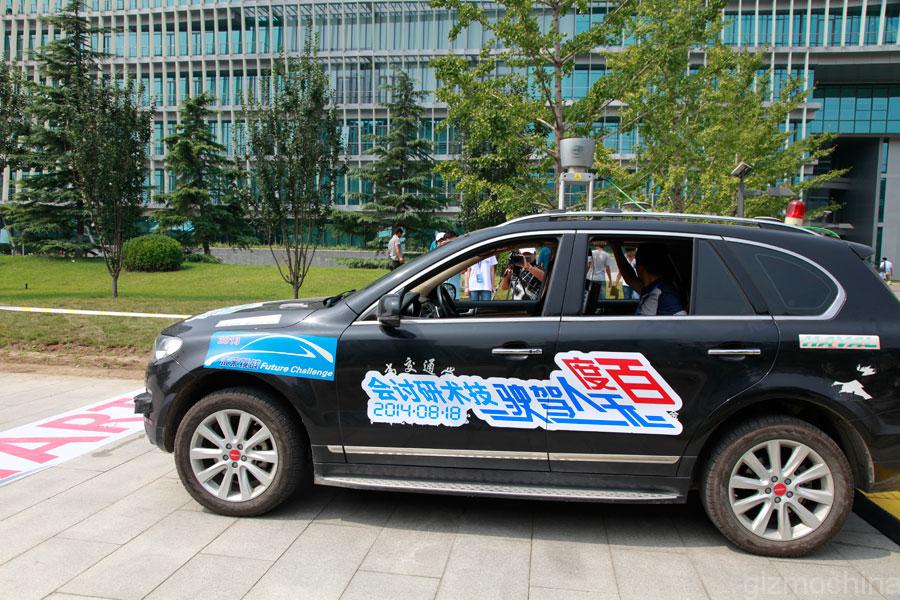
According to a CNET report, Baidu’s high definition mapping technology for automobiles will run on BlackBerry’s QNX Neutrino real time operating system. This technology will be used by Guangzhou Automobile Group and future electric vehicles from the Chinese company, which will feature the BlackBerry/Baidu technology. This marks another step for BlackBerry in its efforts to grow in China, arriving after it closed a deal with Baidu to provide its software to the company’s Apollo self driving car program as well.

At the moment, the software from BlackBerry only acts as a supporting system towards driver assisting technology. However, the company aims on launching a fully automated driving system sometime in the future. Furthermore, the company stated that its software technology is already used in over 175 million cars across the globe that feature active safety or driver assist capabilities.
Baidu

Unfortunately, this is all the information available regarding the matter. We have yet to see if this partnership with Baidu involves other undertakings and new deals also forming for BlackBerry. Notably, Baidu is also working on building its own cars through a partnership with Geely as well. So stay tuned for more updates.

RELATED:


Mysterious Vivo V2072A phone with all-new Dimensity 1100 chip spotted

A mysterious Vivo phone with model number V2072A has been spotted for the first time on Google Play Console. The listing has revealed the key specs of the phone and an image that showcases its front design. The listing reveals that the V2072A could be debuting as the first phone powered by the newly announced Dimensity 1100 chipset.

The Google Play Console listing states that the Vivo V2072A is powered by the MediaTek MT6891 chipset. This model number confirms that it is powered by the Dimensity 1100 chipset. As it can be seen in the screenshot, the D1100 chipset has 4 core of ARM Cortex-A78 CPU clocked at 2.6GHz and 4 cores of ARM Cortex-A55 CPU working at 2.0GHz. The SoC includes ARM Mali-G77 graphics.

The image of the Vivo V2072A shows that it has a wider notch like the ones found on Vivo S7 5G, which is also known as Vivo V20 Pro 5G outside China. Probably, the handset could be equipped with a dual selfie camera system.

The display size of the Vivo V2072A is not mentioned in the Google Play Console listing. It only states that the V2072A’s screen offers a 1080 x 2400 pixels Full HD+ resolution, a 20:9 aspect ratio, and 480ppi pixel density.

The D1100 SoC of the Vivo V2072A is coupled with 12 GB of RAM. The device can be seen running on Android 11 OS. Devices are known to go official soon after its appearance at the Google Play Console. Probably, the V2072A phone will break cover in February. It is unclear which markets will be treated with the V2072A phone.

In related news, Vivo is reportedly working on a phone named Vivo S7t. The handset is expected to arrive as a new chipset version of the Vivo S7 5G that debuted last year. The S7t is speculated to feature the Dimensity 820 chipset.

RELATED:

Humanoid robot “Sophia” will start rolling out of factories in the first half of this year

In 2016, Hong Kong-based robotics company Hanson Robotics first unveiled Sophia, a humanoid robot. The robot soon became an internet sensation as it went viral after unveiling. Hanson Robotics is now planning to commence mass production of the robots before the end of the year.Sophia

The Hong Kong-based company hinted that plans are in top gear to release four models, including Sophia. These models would start rolling out of factories in the first half of 2021. This news is coming as researchers predict the pandemic will open new opportunities for the robotics industry.

“The world of COVID-19 is going to need more and more automation to keep people safe,” founder and chief executive of Handon Robotics, David Hanson said. We ghve seen robots deployed in the healthcare and delivery industry  but Hanson CEO holds the believe that robotic solutions to the pandemic are not limited to healthcare but could assist customers in industries such as retail and airlines too.

“Sophia and Hanson robots are unique by being so human-like,” he added. “That can be so useful during these times where people are terribly lonely and socially isolated.” He rolled out plans to sell “thousands” of robots in 2021, both large and small” but failed to disclose the specufuc number the company us targeting.

Social robotics professor Johan Hoorn, whose research has included work with Sophia, said that although the technology is still in relative infancy, the pandemic could accelerate a relationship between humans and robots.

Humanoid robot Sophia developed by Hanson Robotics makes a facial expression at the company’s lab in Hong Kong, China January 12, 2021. Picture taken January 12, 2021. REUTERS/Tyrone Siu

Hanson Robotics is also planning to launch a robot this year developed for the healthcare sector and called Grace.
Products from other big players in the industry are helping fight the pandemic as well. SoftBank Robotics’ Pepper robot was deployed to detect people who weren’t wearing masks. In China, robotics company CloudMinds helped set up a robot-run field hospital during the coronavirus outbreak in Wuhan.

The use of robots was on the rise before the pandemic. According to a report by the International Federation of Robotics, worldwide sales of professional-service robots had already jumped 32% to $11.2 billion between 2018 and 2019.

(source)


Huawei has no plans of exiting premium smartphone business

Huawei, which was on its way to dominating the smartphone market globally, is now struggling to keep its smartphone business afloat after the United States imposed several sanctions on the company.

With the restrictions, effectively banning the company from doing business with American firms and using its technology, the Chinese giant is practically out of the premium smartphone business. However, the company is still hoping for a revival.

Huawei Logo MWC 2019

According to the latest report, Huawei isn’t planning to divest its premium smartphone business except as a “last resort”. The company has denied reports about it planning to sell its flagship P-series and Mate-series brands. In a statement, the company added that “we remain fully committed to our smartphone business, and will continue to deliver world-leading products and experiences for consumers around the world.”

The development comes just a couple of months after Huawei sold off its sub-brand Honor to Shenzhen Zhixin New Information Technology, a consortium of more than 30 agents and dealers of the company.

Huawei’s statement confirms that the company has not yet given up on reviving its premium smartphone business, including the P-series and Mate-series phones as well as its HiSilicon Kirin chipset products.

Recently, Huawei founder Ren Zhengfei said that the company must decentralize its operations, simplify product lines, focus on generating profit, and maintain pay levels for three to five years to survive US trade restrictions.

RELATED: 

Meizu smartwatch patent reveals the wearable device’s design

A few years ago, Meizu had launched its first hybrid smartwatch but after that, the company hasn’t released anything else in that category. But it seems like that is about to change pretty soon.

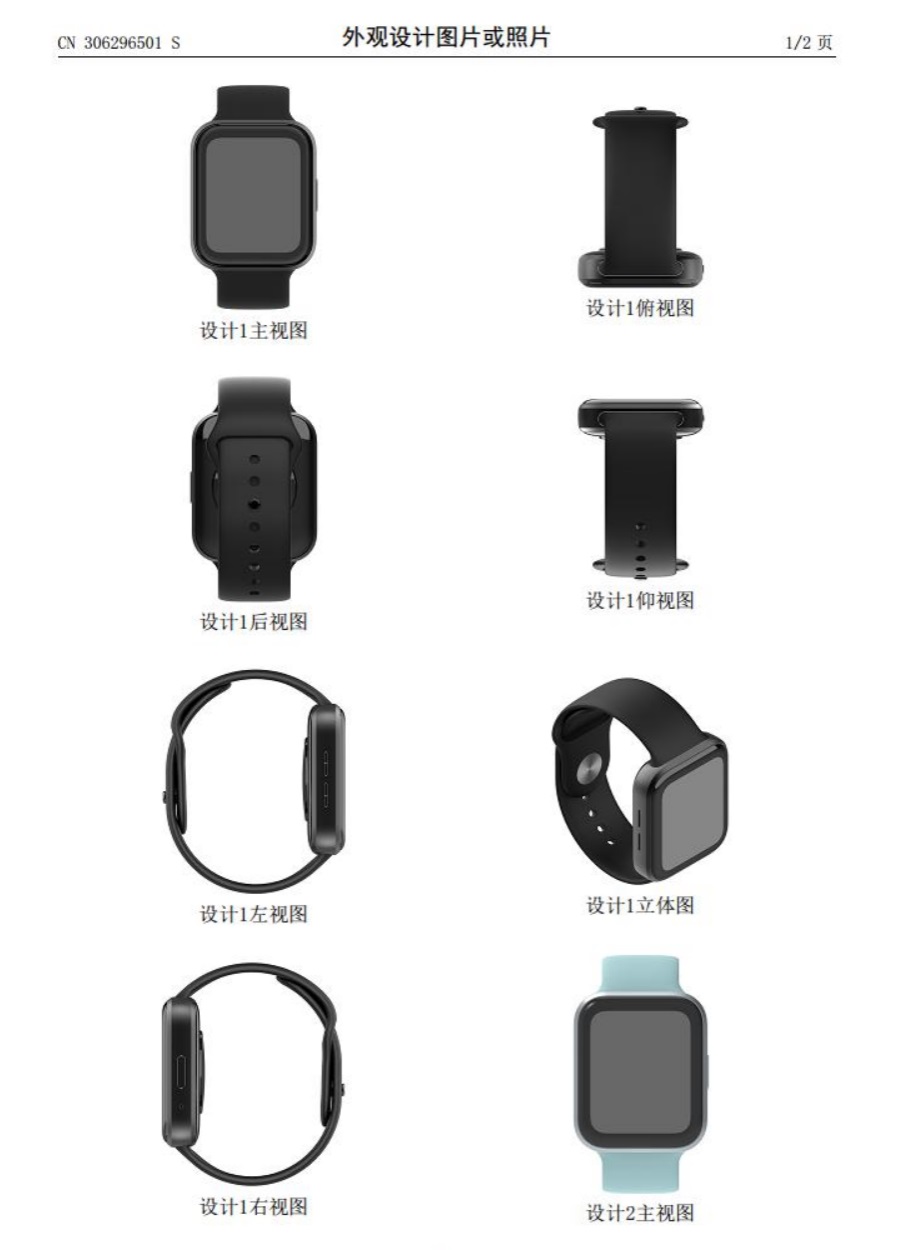
A patent application filed by Meizu for a smartwatch has surfaced online with publication number CN306296501S which was filed by the company a few months ago. The abstract shows that the device intends to display time, run programs, and enable users to use communication tools.

Meizu Watch Patent

The purpose of the patent application is said to be the combination of the shapes and color of the device. While the patent doesn’t reveal much about the smartwatch’s specs and features, it does gives a look at its design.

Recently, a Meizu Smartwatch carrying model number M007W was spotted on Compulsory Certification of China a.k.a. 3C Certificate, which is expected to go official at the Meizu Watch and supports 7.5W charging.

We expect the smartwatch to come with an AMOLED display, heart rate tracking, SpO2 level measurement, and support for tracking various sports. The device is also said to have LTE connectivity support, confirming that it will either have a SIM card slot or support for eSIM. In the software department, it is expected to be running the “Flyme For Watch”, which is a special version of its Flyme OS.

As of now, there’s no information available about the launch of this Meizu Watch. However, we expect the wearable device to soon get launched, in the coming weeks or months

RELATED: 

Realme X7 series launch date for India is February 4

Realme has been teasing the arrival of Realme X7 series in India since December. Hence, it was speculated that the company may announce it in the country at some point in January. Finally, the company began sending out invites for Realme X7 series launch event starting from today in India. The invite confirms that the Realme X7 lineup will land in India on Feb. 4.

The launch invites states that the Realme X7 series launch event will be held at 12:30 PM (local time) on Feb. 4 in India. The event will be streamed through YouTube and other social media accounts. To recollect, the Dimensity 800U powered Realme X7 and Dimensity 1000+ powered Realme X7 Pro was made official first in China in September last year.

As it can be seen in Ishan Agarwal’s tweet, the launch invite includes a MediaTek chip with MT6853V text on it. The “TN” identifier mentioned on it is a giveaway that one of the Realme phones debuting on Feb. 4 in India is fueled by the Dimensity 800U. Hence, it appears that the Realme X7 could be landing in India as the company’s first Dimensity 800U powered smartphone in the country.

The Realme X7 has a 6.4-inch AMOLED display and a 4,300mAh battery. It has a 32-megapixel selfie camera and a 64-megapixel (Samsung GW1) + 8-megapixel (ultrawide) + 2-megapixel (macro) + 2-megapixel (depth) rear-mounted quad-camera system.

The Realme X7 Pro has a 6.55-iinch AMOLED screen with a 120Hz refresh rate and a 4,500mAh battery. It is fitted with the same cameras that are found on the X7 model. However, it features a Sony IMX682 lens as the primary shooter. Both phones support 65W fast charging and are fitted with in-screen fingerprint sensors.

RELATED:

TSMC to reportedly manufacture 3nm chips for Intel in 2022

Intel has been struggling for some time despite being the leader in the computer chipset market and blaming that on the CEO, the company announced the appointment of current VMWare CEO Pat Gelsinger who will take control next month.

Now, another major development related to the company has surfaced online. As per the report from Taiwanese media, Intel has given an outsourcing contract to Taiwan Semiconductor Manufacturing Company (TSMC) for manufacturing 3nm chips.

Intel Logo

The report claims that Intel’s upcoming chips designed with a 3nm process will go into mass production in the second half of 2022. With this, Intel will become the second-largest customer for TSMC’s 3nm process after Apple.

Earlier, it was reported that Intel has been in talks with TSMC and Samsung as the company is exploring the possibility of outsourcing some of its high-end chipset manufacturing. While the report claims that it has reached an agreement with TSMC, the talks with Samsung are said to be in the preliminary stage.

Intel has been a giant player in the semiconductor market that is worth over $4 trillion. The American company is valued at around $230 billion but seems to have losing its grip over the market and competitors have taken the approach of designing chips and outsourcing productions to third-party manufacturers.

The company is also facing stiff competition from the likes of AMD and NVIDIA. While AMD has acquired Xiling for $35 billion, NVIDIA recently announced the acquisition of ARM for $40 billion, putting Intel’s current position in the market at risk.

RELATED: 

Meizu 18 series’ display and battery details emerge in a new leak ahead of rumored Q1 launch

Meizu is reportedly working on the Meizu 18 series. While the Chinese manufacturer announced the Meizu 17 in May last year, it is speculated that the Meizu 18 lineup may break cover in Q1 this year. Ahead of the rumored launch, a reliable tipster rom China has revealed the battery capacities of the Meizu 18 and Meizu 18 Pro.

It can be said based on the Weibo post of the leakster that the Meizu 18 will be arriving with a rated battery of 3,910mAh capacity (typical value around 4000mAh). The handset is likely to arrive with support for 30W fast charging.

On the other side, the Meizu 18 Pro could be coming with a 4,410mAh rated battery (typical value around 4,500mAh). The device could be coupled with a 40W charger. Meizu could be the next company to join the trend of not providing a charger in the retail package of the Meizu 18 series.

The above-mentioned devices are said to be powered by Qualcomm processors. Since they belong to the flagship line, they are highly likely to feature the Snapdragon 888 mobile platform.

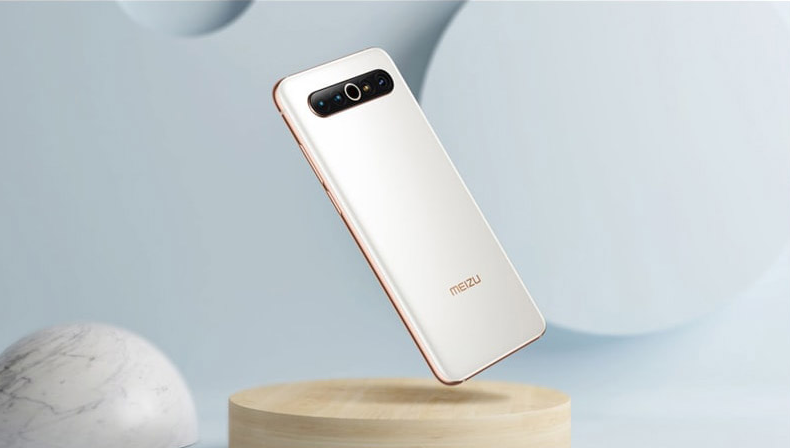
meizu 17 featured

The leakster also revealed part from battery and charging capabilities, the other major upgrade on the Meizu 18 series will be in the display department. The Meizu 18 duo is expected to arrive with Samsung E4 OLED flexible screen with a punch-hole design that produces a Full HD+ resolution and a 120Hz refresh rate.

A previous leak claimed that the Meizu 18 Pro could be sporting a quad-camera system that will include a periscope telephoto lens that will offer 5x optical zoom. It may arrive with a starting price of 4,699 Yuan (~$727).

RELATED:

The latest Chrome OS update turns your device into a sort of smart display

Chrome OS devices are known to receive updates for way longer than an Android device. A typical Chrome OS device will get software support for about 6½ years. That sure is a pretty long time, right? Google is rolling out a new update out to Chrome OS devices that brings some interesting and useful features, one of which sort of turns your device into a smart display.

Chrome OS 88 update featured

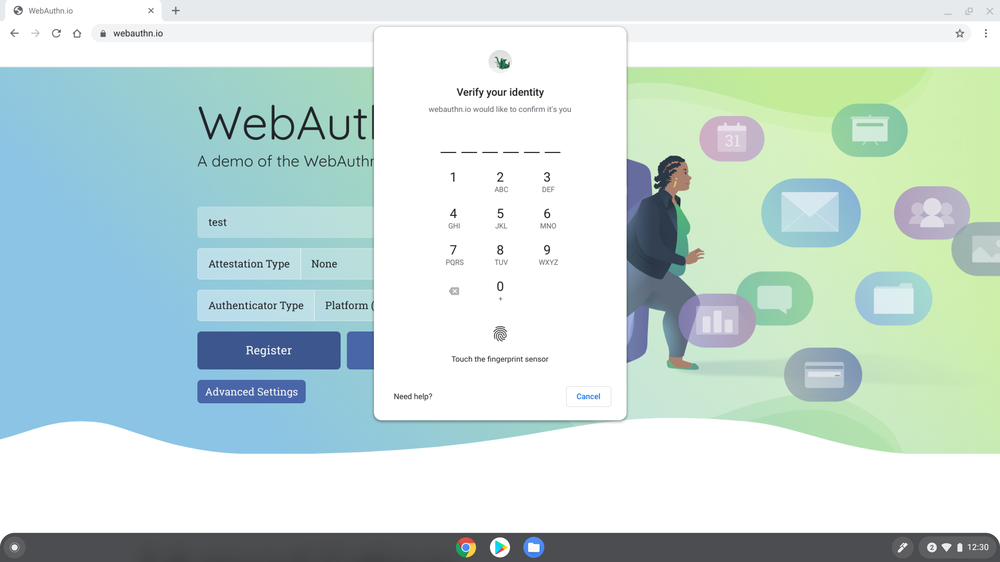
The update arrives as Chrome OS 88 and one of the features it brings is support for web sign-in using a PIN or fingerprint that you’ve set up to unlock your Chromebook. This is a useful feature that makes it easier and faster to sign in to a website, provided the site supports WebAuthn. Some of the supported sites are Dropbox, GitHub, and Okta.

Chrome OS 88 WebAuthN

Google says that you can also use your PIN or fingerprint as the second factor if you use 2-step verification.

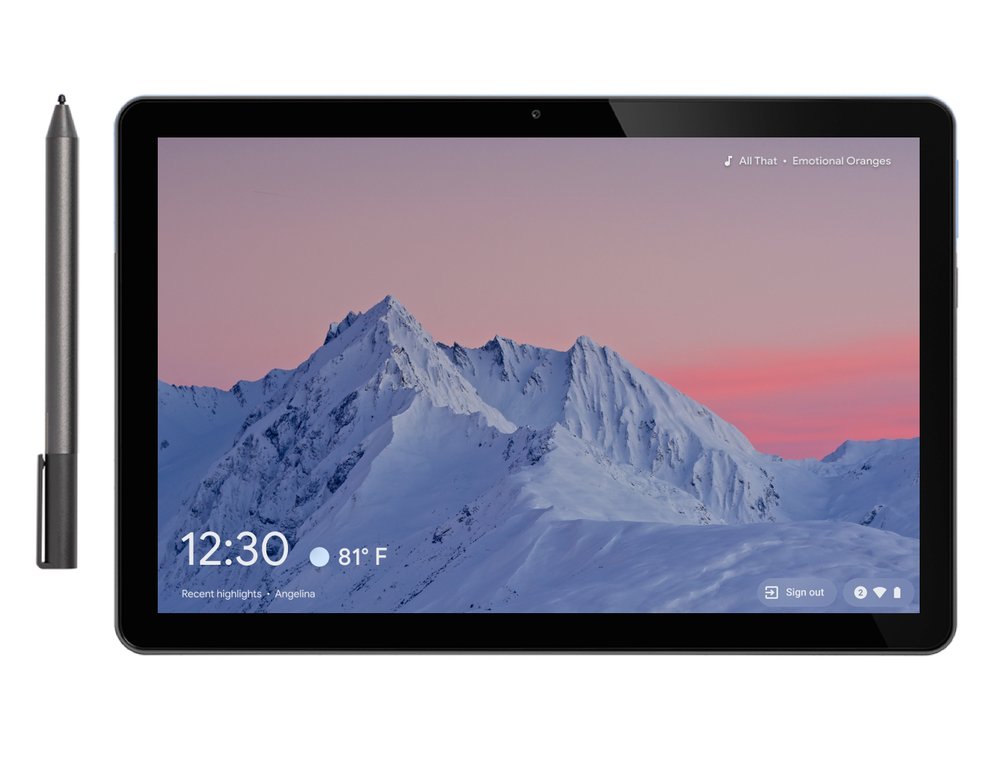
The other major feature that comes with the update is a personalization feature that transforms your Chromebook into a personalized smart display. Just as you can choose to have your Google Nest Hub display photos from your photo album on the lockscreen, you will now be able to show off photos from your Google Photo album or from an art gallery on your Chromebook’s lockscreen too.

Chrome OS 88 Lock screen

Your lockscreen will also show information such as the current weather and what is currently playing. You also would not need to unlock your device to control playback. This setting can be activated under Settings > Personalisation > Screen saver.


RELATED:

Xiaomi launches the Roidmi Self-collecting Robot Vacuum for 2,999 yuan (~$463)

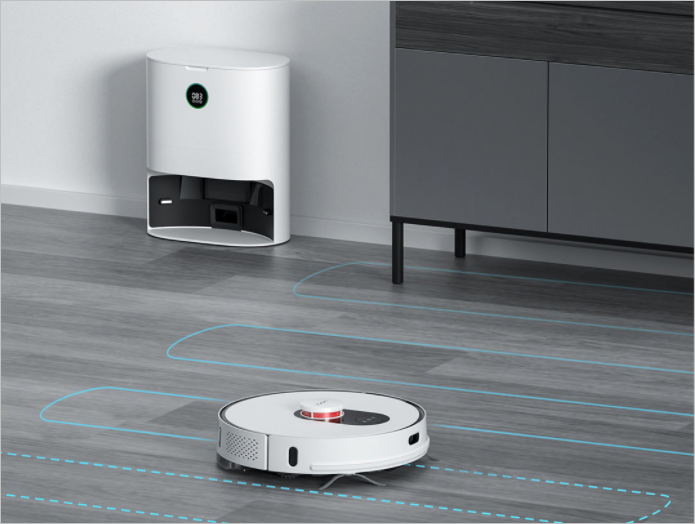
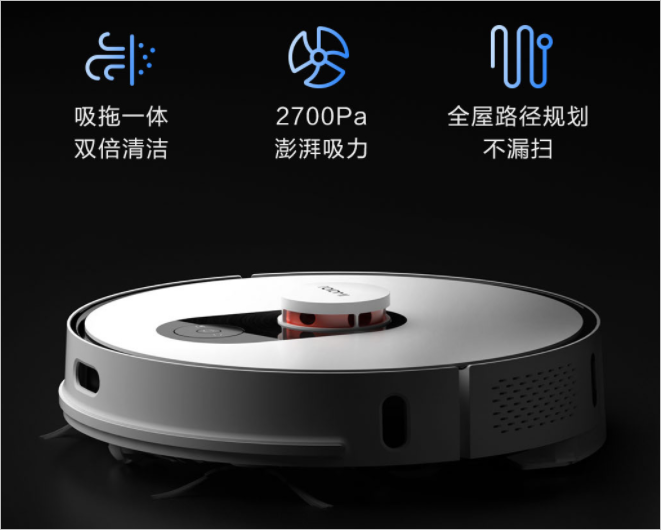
Xiaomi Youpin is home to yet another interesting product coming from the stable of Roidmi, a Xiaomi ecological chain company. The product is dubbed Roidmi Self-collecting Robot Vacuum and its standout feature is the ability to automatically empty the dust box. The robot vacuum cleaner carries a decent price tag of 2,999 yuan (~$463).Roidmi Self-collecting Robot Vacuum

The Roidmi Self-collecting Robot Vacuum is equipped with a rear suction dust collection cleaning station, which automatically empties the dust box after cleaning, automatically packs the dust, and has an original ozone antibacterial and deodorant technology. The dust bag has a large capacity of 3 liters which can automatically pack and not leak dust.

Roidmi Self-collecting Robot Vacuum

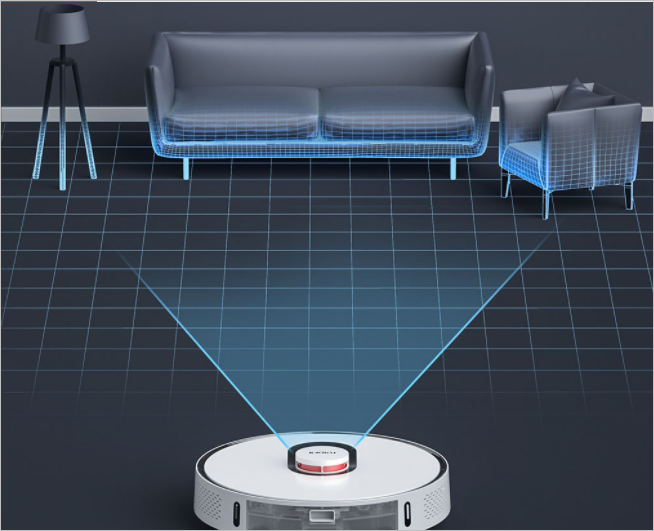
According to the company, the Roidmi Self-collecting Robot Vacuum is equipped with a new generation of super-sensing LDS (lidar technology) which can quickly scan the whole house and automatically draw a map and plan the route through the SLAM algorithm.

Furthermore, the Roidmi Robot Vacuum cleaner adopts an integrated design of suction and drag and is equipped with a smart micro-control water tank, which can intelligently control and release uniform water output through the micro-control chip. The volume of the water tank is 250ml, and it can cover an area of 300 square meters in one go.

The

RELATED:

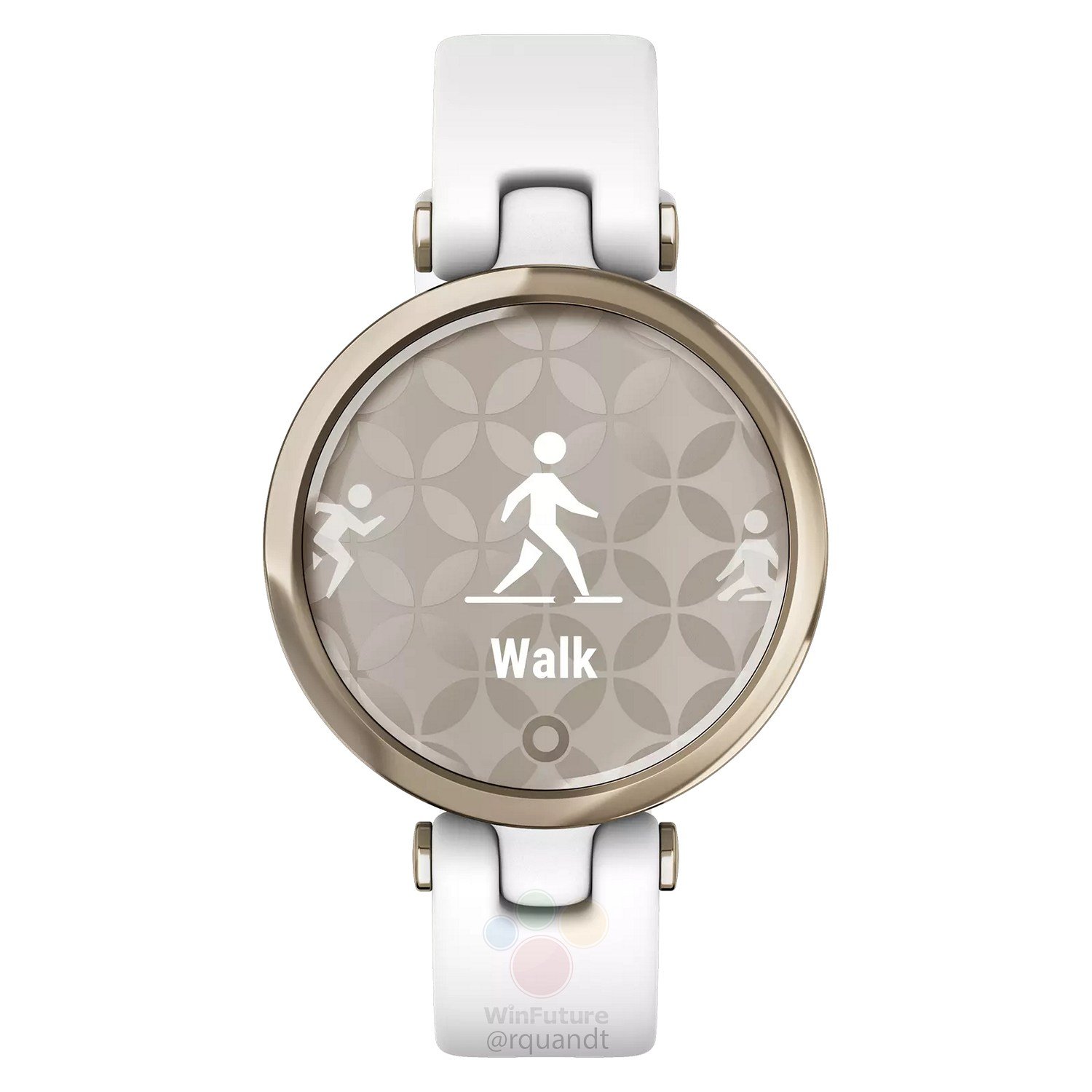
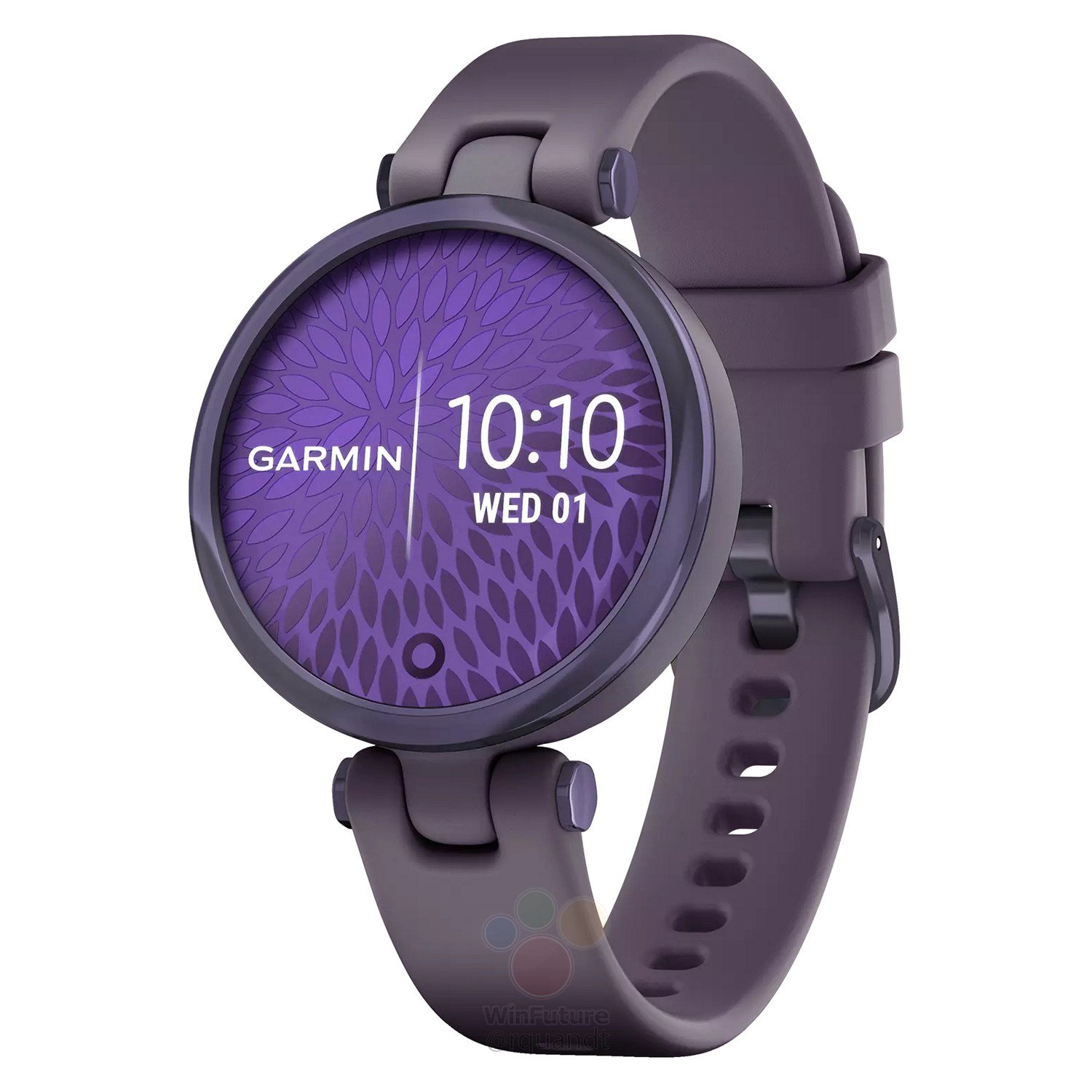
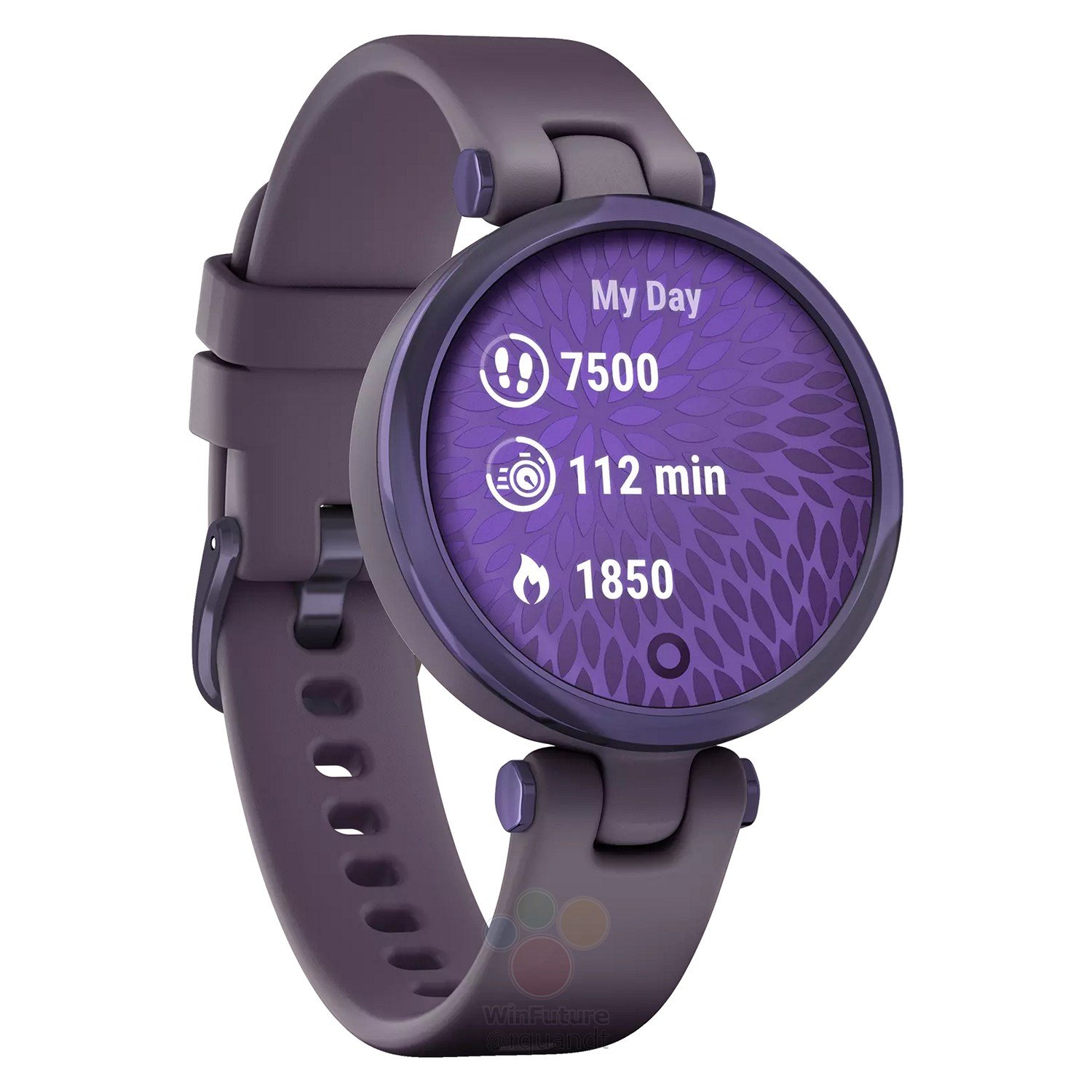
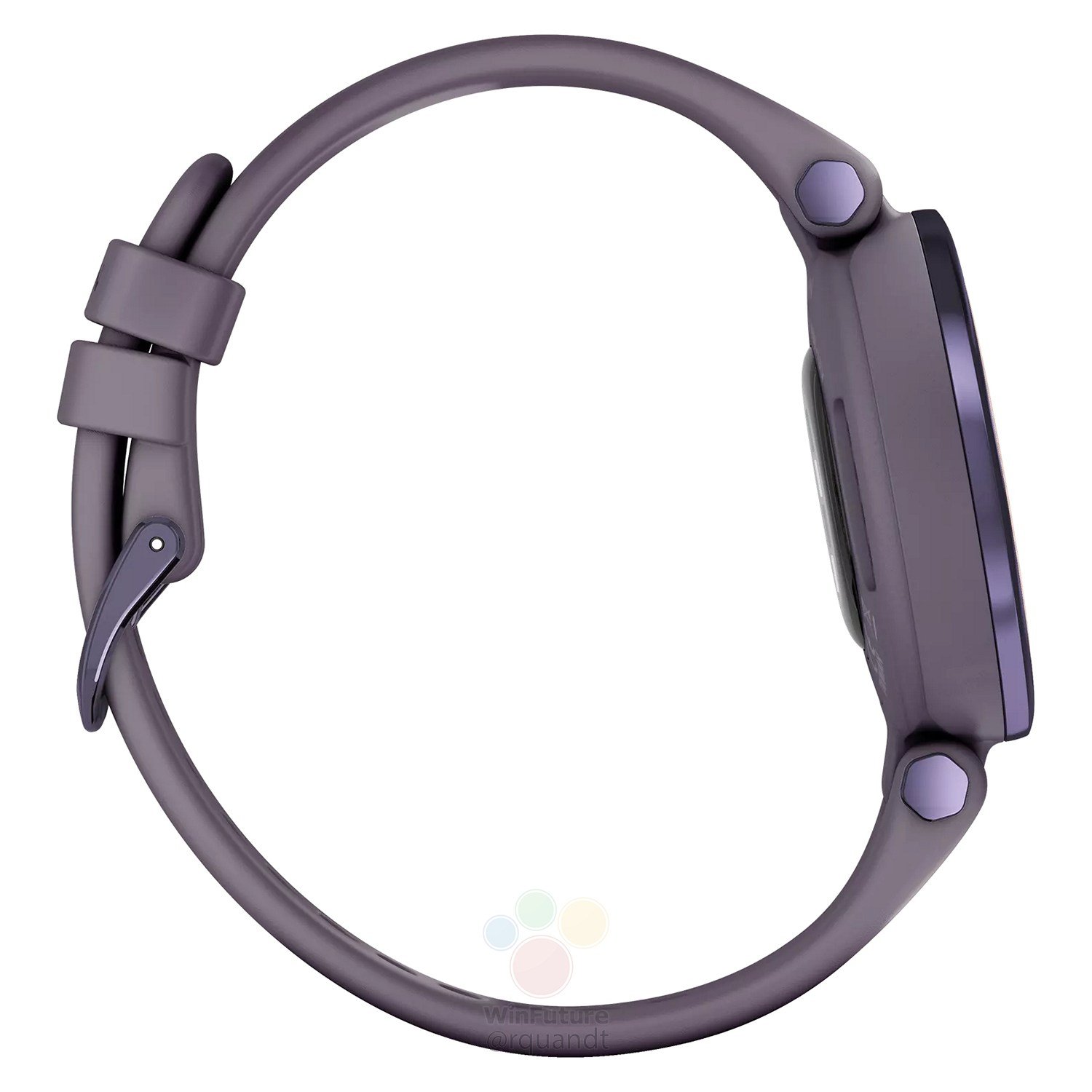
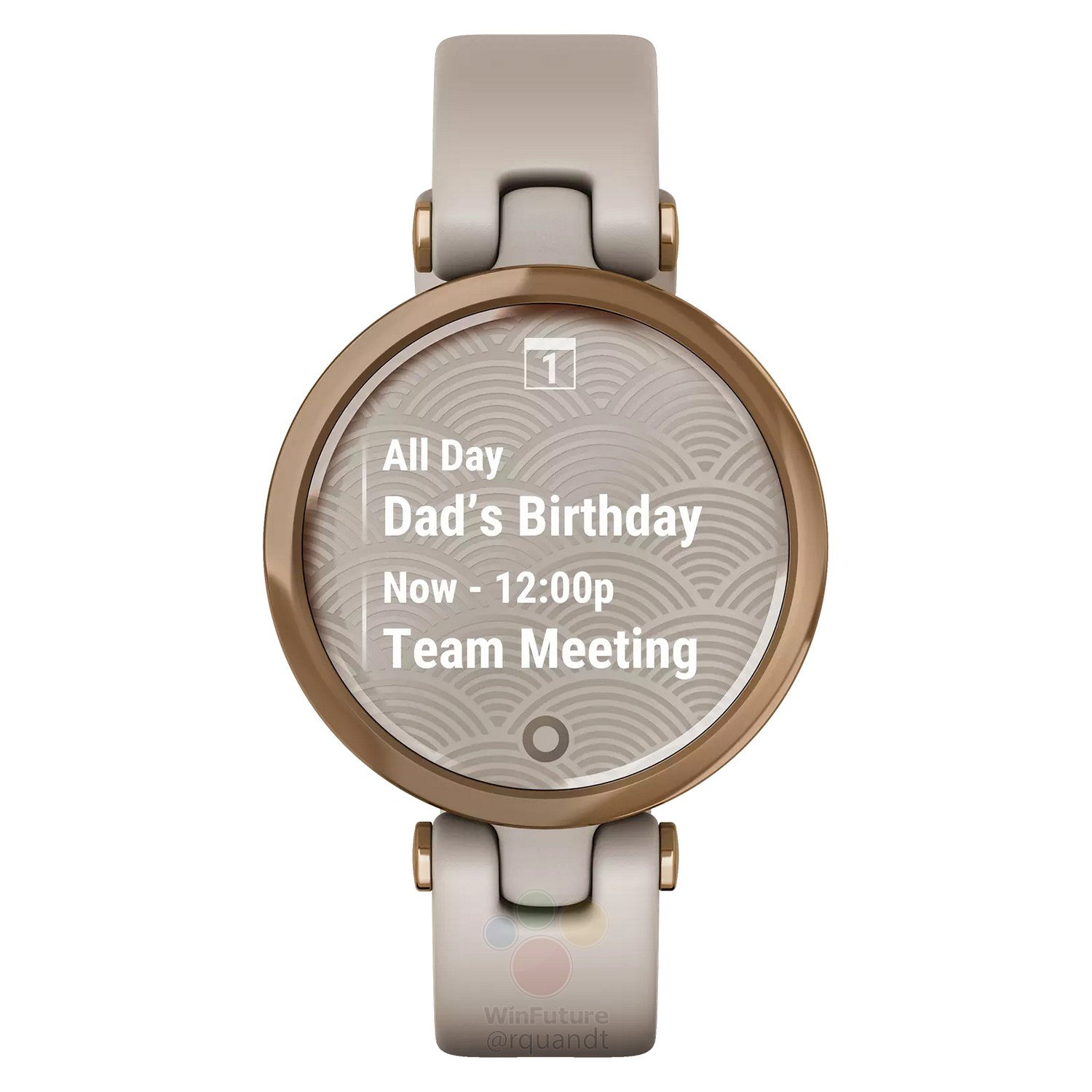
The Garmin Lily series of smartwatches is targeted at women; starts at €199

Some smartwatch manufacturers usually release some of their products in two sizes, with the smaller one indirectly targeted at women. But it is rare to see a manufacturer make a smartwatch specifically for women which is what Garmin is doing with its new Lily series. The Garmin Lily series is yet to launch but a leak has revealed details of the first two models.

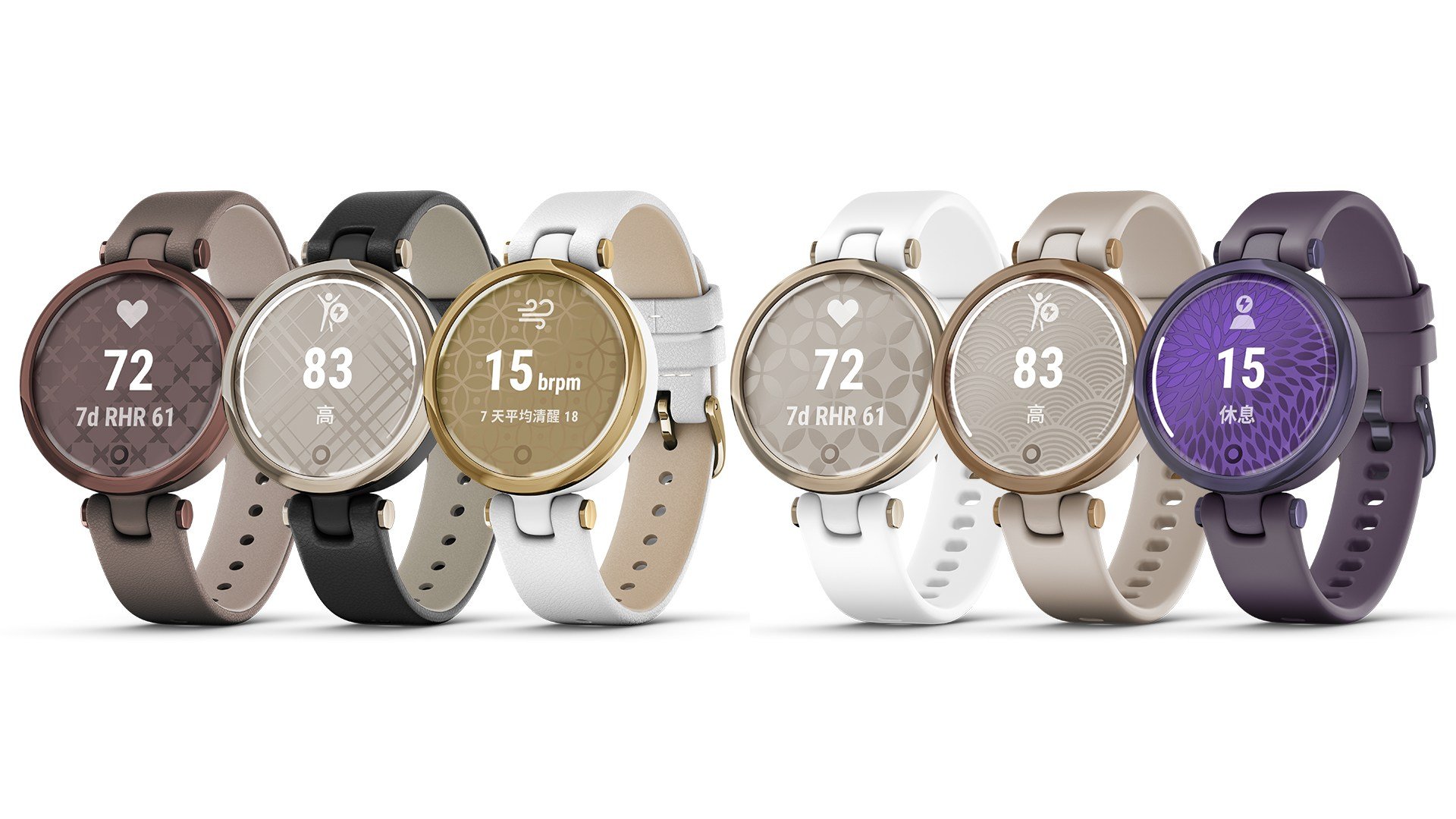
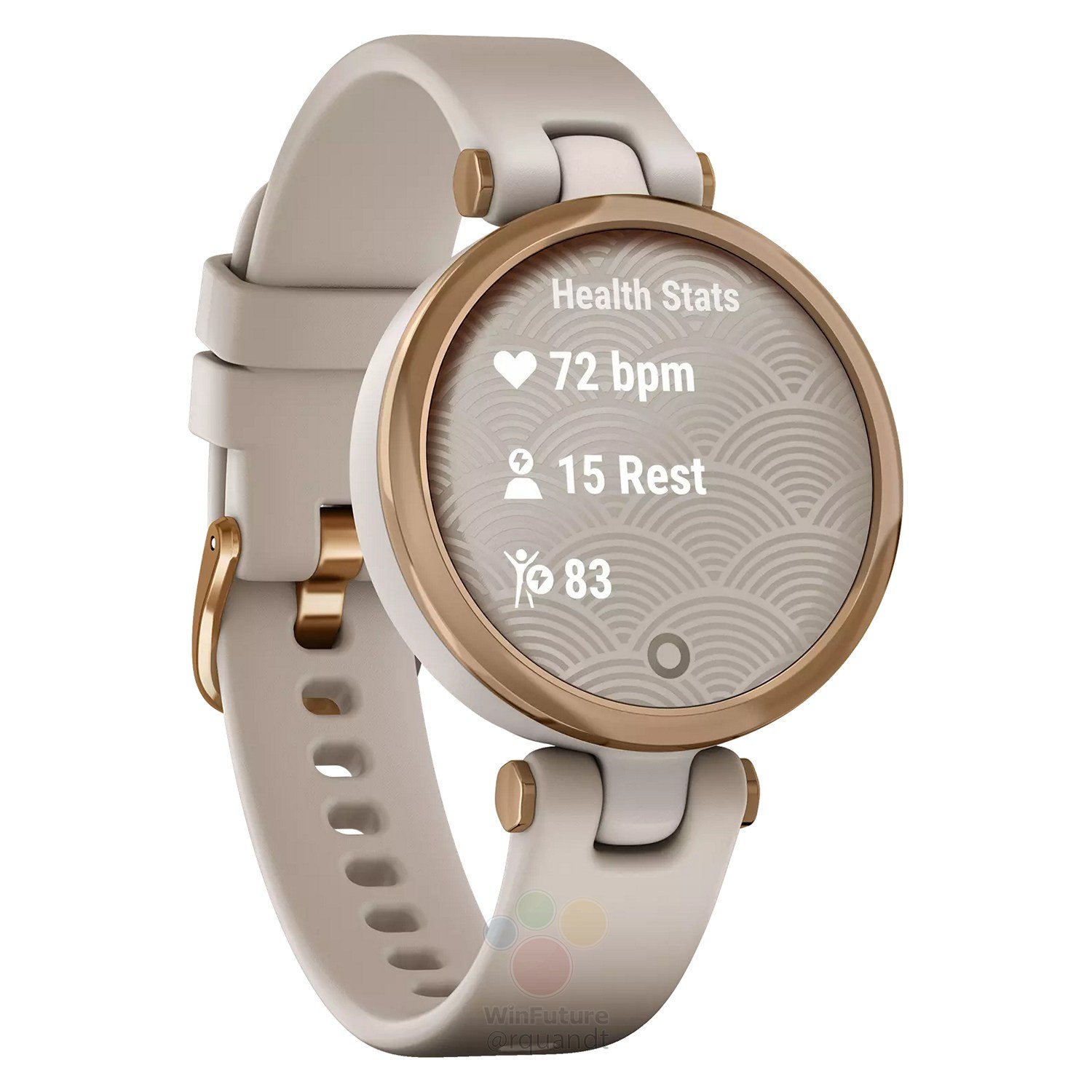
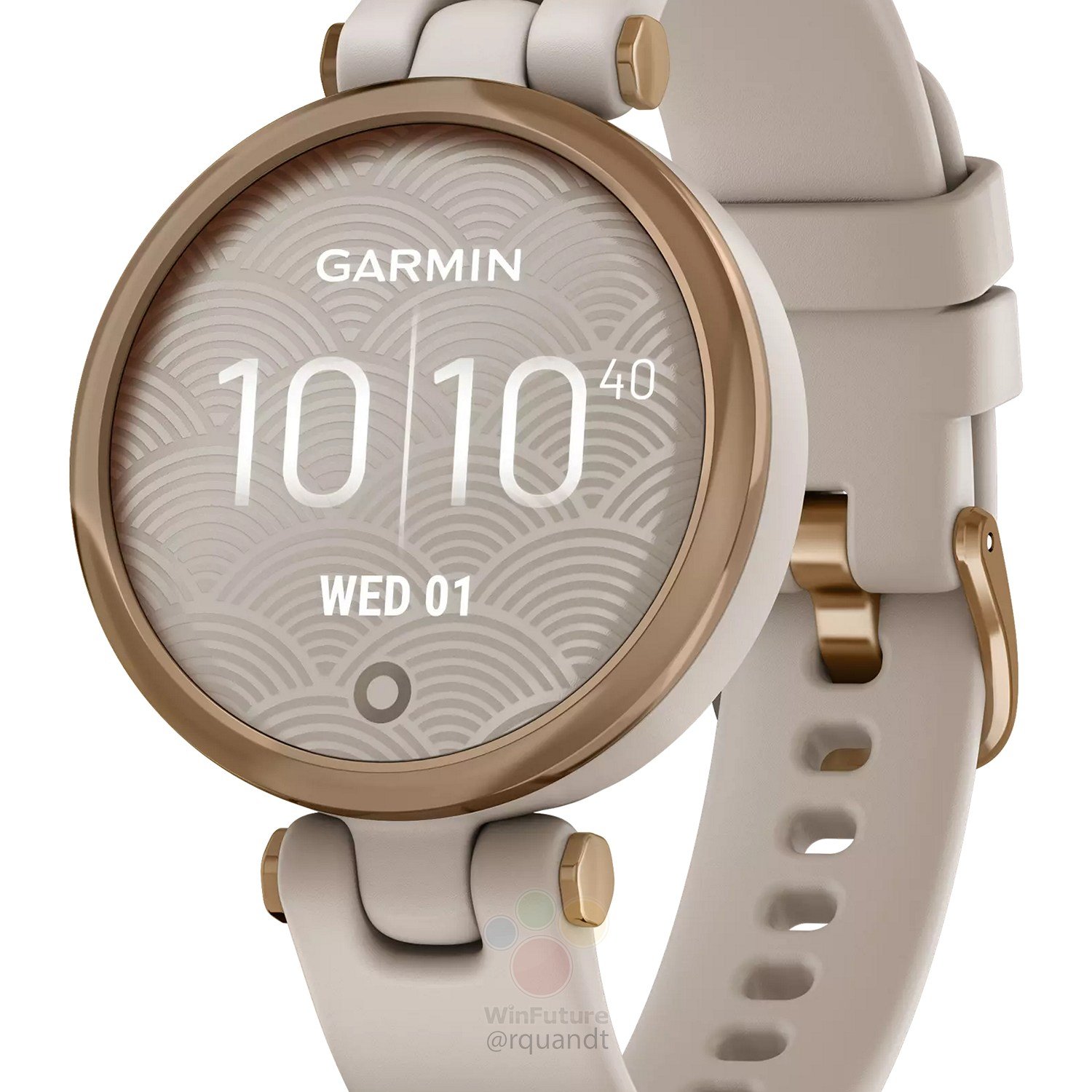
Garmin Lily Classic and Garmin Lily Sports

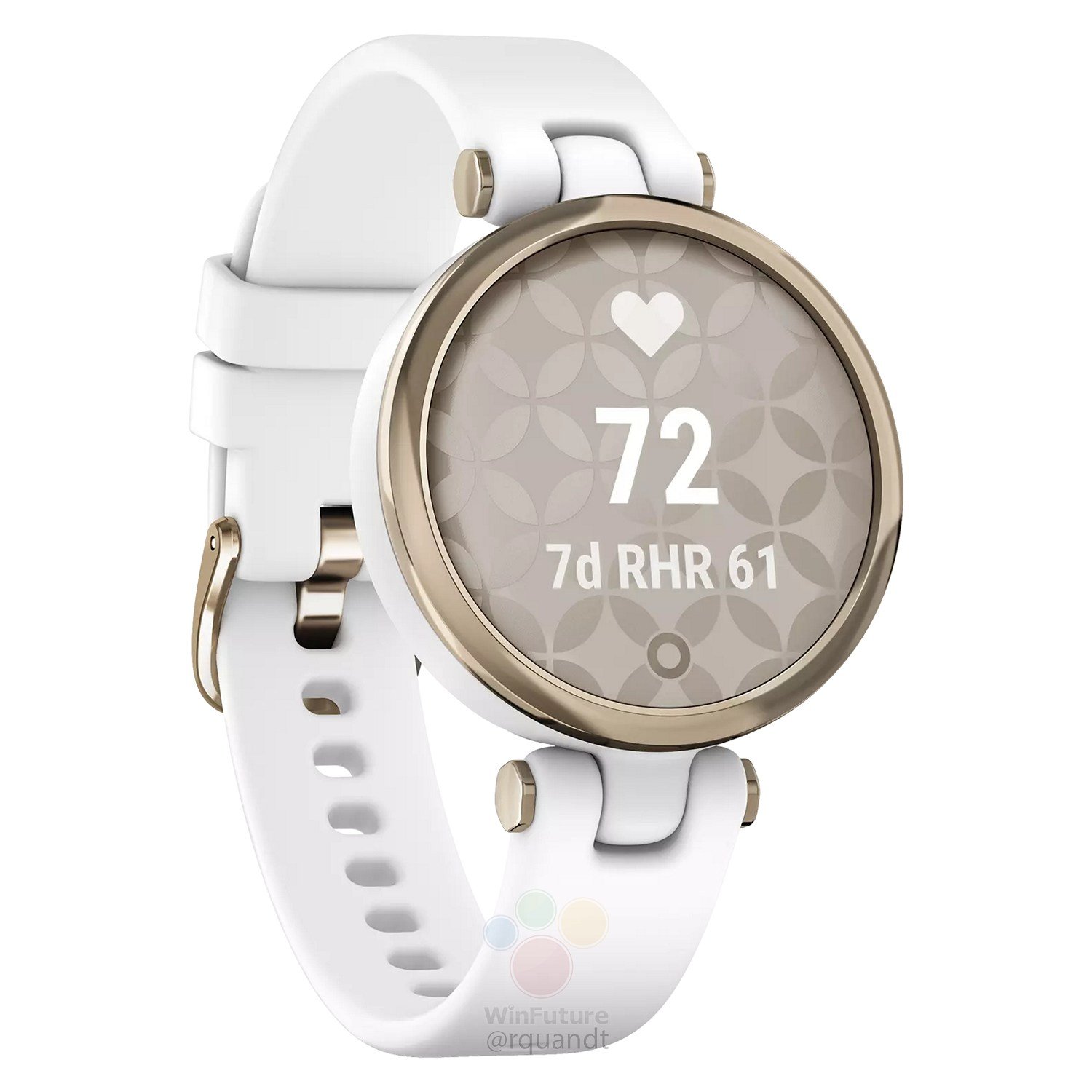
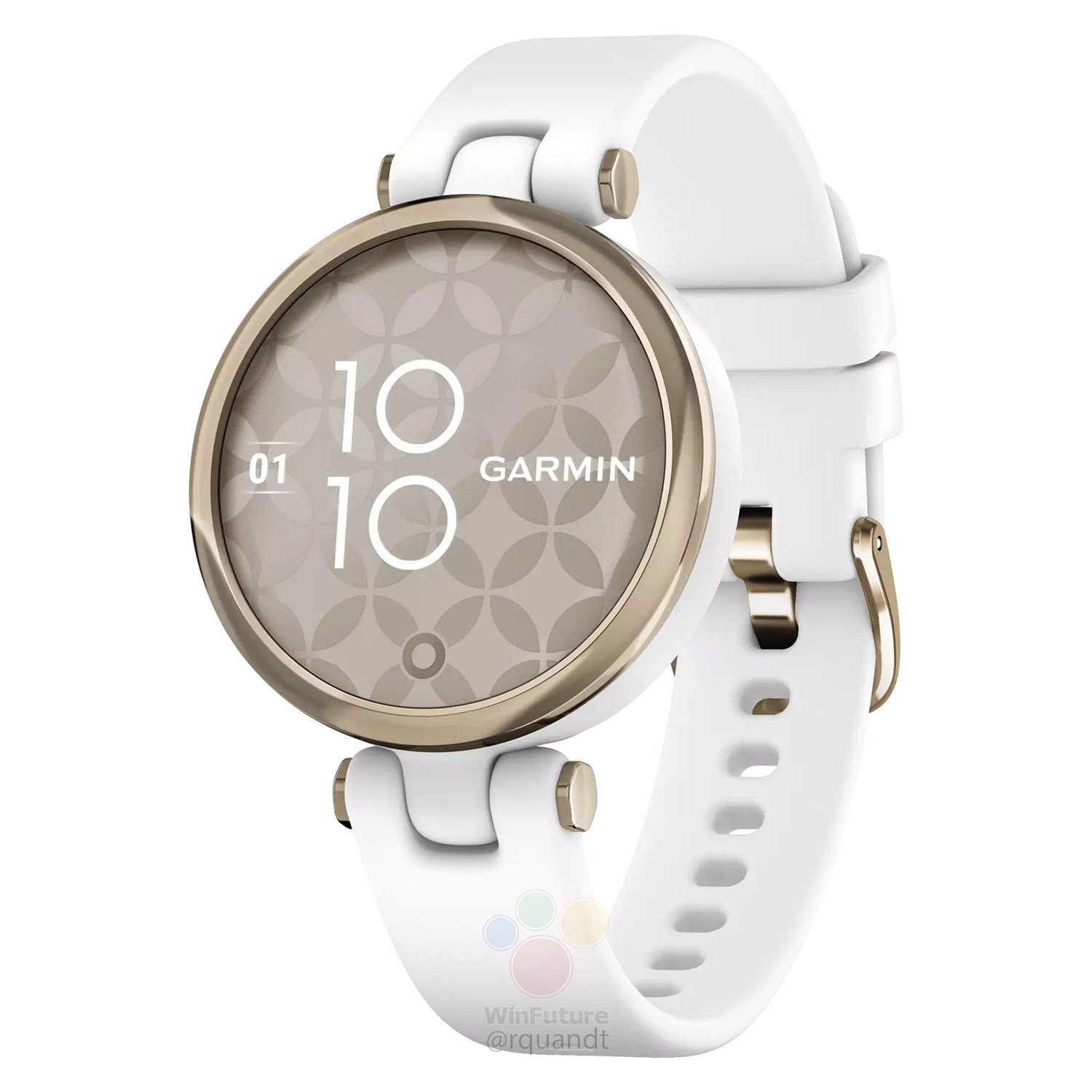
The Garmin Lily will come in two variants according to WinFuture.de. There is the Classic version and the Sport version. The only difference between both watches is the choice of material. The classic version has a metal casing with leather straps while the sport version has a fiber-reinforced plastic casing with silicone straps. The rest of their specs and features are said to be the same.

The Garmin Lily watches each have a 1.3-inch LCD display with a resolution of 240 x 201 and Gorilla Glass protection. There are no buttons on the watch which means operating it is entirely via the touch display. The display is attached to a 14mm proprietary strap.

The smartwatch can measure heart rate and also has support for blood oxygen level detection (SpO2) thanks to the PulseOx sensor. The Garmin Lily has support for tracking sports modes and exercises that include yoga, pilates, and running. The underside of the watch says it has GPS but the source says that it has to be connected to your phone and Garmin’s own app to record running routes. The watch will also display the total steps and calories burnt per day and alert you when you receive notifications on your phone.

The battery life of the Garmin Lily is put at five days which seems pretty small but since we don’t know the battery capacity, we won’t knock it for that. It charges via a USB adapter which should be included in the box.

The Garmin Lily Classic is shown in the topmost image above in coffee, black, and white while the Garmin Lily Sports comes in white, beige, and purple (exact names may be different). The price of the classic version is not known but the sports version is said to be the cheaper model with a €199 price tag. Garmin is expected to announce the smartwatches soon.


RELATED:


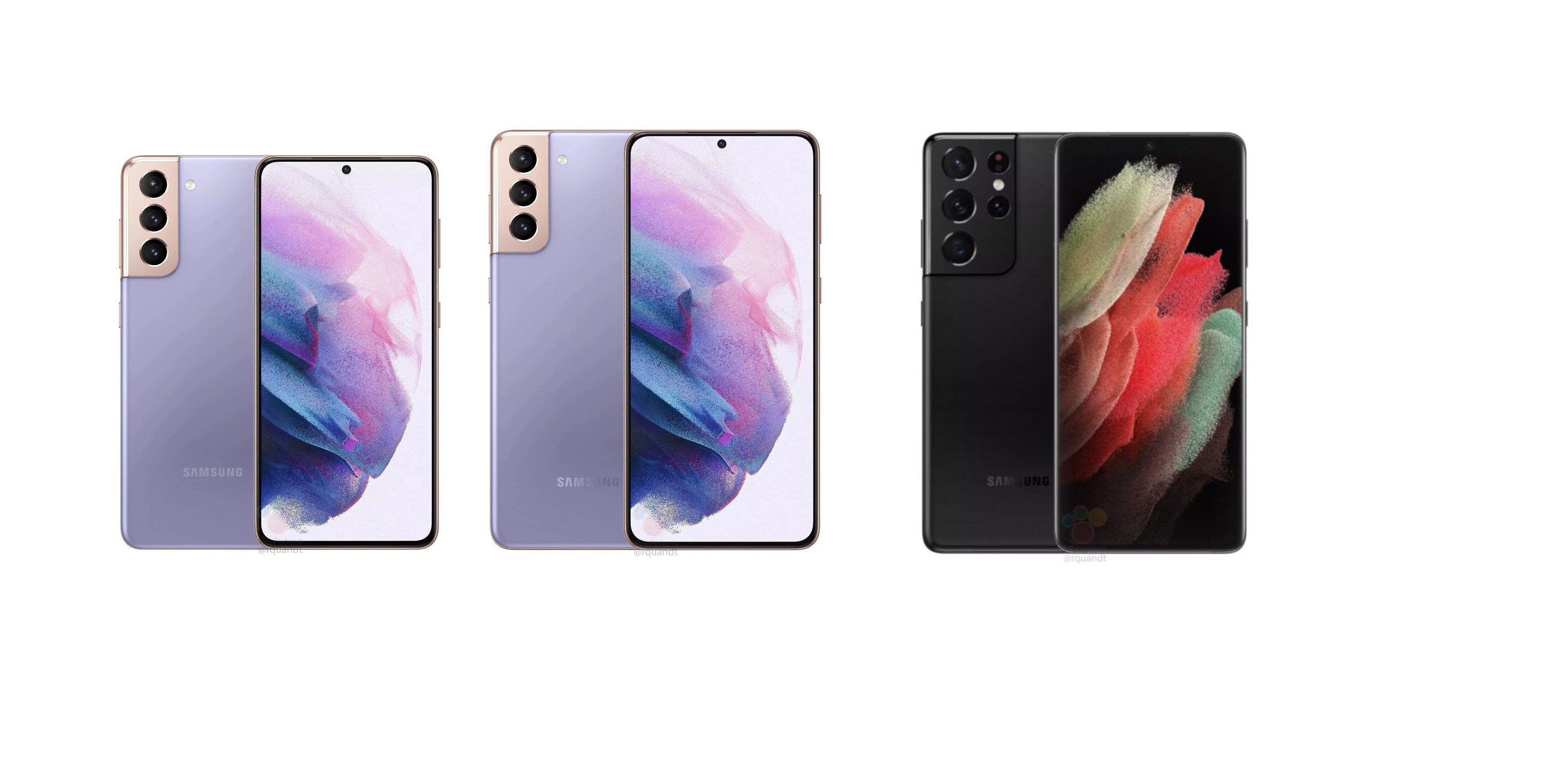
Samsung Galaxy S21 vs Galaxy S21+ vs Galaxy S21 Ultra: Specs Comparison

Samsung released its 2021 flagship series all around the world and brought a lot of exciting new features for the S series to the market. Samsung Galaxy S21, Galaxy S21 Plus, and Galaxy S21 Ultra are on the shelves, all with amazing specifications, but with a lot of important differences, especially if we look at the Ultra variant. This comparison will highlight the main differences between their specifications in order to let you understand which one is the best for your actual needs.

Samsung Galaxy S21 vs Samsung Galaxy S21+ vs Samsung Galaxy S21 Ultra

Samsung Galaxy S21 Samsung Galaxy S21+ Samsung Galaxy S21 Ultra
DIMENSIONS AND WEIGHT 151.7 x 71.2 x 7.9 mm, 169 g 161.5 x 75.6 x 7.8 mm, 200 grams 165.1 x 75.6 x 8.9 mm, 227 g
DISPLAY 6.2 inches, 1080 x 2400p (Full HD+), Dynamic AMOLED 2X 6.7 inches, 1080 x 2400p (Full HD+), 394 ppi, Dynamic AMOLED 2X 6.8 inches, 1440 x 3200p (Quad HD+), Dynamic AMOLED 2X
PROCESSOR Samsung Exynos 2100, octa-core 2.9 GHz
Qualcomm Snapdragon 888, octa-core 2.84 GHz
Samsung Exynos 2100, octa-core 2.9 GHz
Qualcomm Snapdragon 888, octa-core 2.84 GHz
Samsung Exynos 2100, octa-core 2.9 GHz
Qualcomm Snapdragon 888, octa-core 2.84 GHz
MEMORY 8 GB RAM, 128 GB – 8 GB RAM, 256 GB 8 GB RAM, 128 GB – 8 GB RAM, 256 GB 12 GB RAM, 128 GB – 12 GB RAM, 256 GB – 16 GB RAM, 512 GB
SOFTWARE Android 11, One UI Android 11, One UI Android 11, One UI
CONNECTIVITY  Wi-Fi 802.11 a/b/g/n/ac/ax, Bluetooth 5.0, GPS Wi-Fi 802.11 a/b/g/n/ac/ax, Bluetooth 5.0, GPS  Wi-Fi 802.11 a/b/g/n/ac/ax, Bluetooth 5.2, GPS
CAMERA Triple 12 + 64 + 12 MP, f/1.8 + f/2.0 + f/2.2
10 MP f/2.2 front camera
Triple 12 + 64 + 12 MP, f/1.8 + f/2.0 + f/2.2
10 MP f/2.2 front camera
Quad 108 + 10 + 10 + 12 MP, f/1.8 + f/4.9 + f/2.4 + f/2.2
40 MP f/2.2 front camera
BATTERY 4000 mAh, fast charging 25W, Fast wireless charging 15W 4800 mAh
Fast charging 25W and wireless charging 15W
5000 mAh, fast charging 25W, Fast wireless charging 15W
ADDITIONAL FEATURES Hybrid Dual SIM slot, reverse wireless charging 4.5W, waterproof IP68, 5G Hybrid Dual SIM slot, IP68 waterproof, reverse wireless charging 4.5W, 5G Hybrid Dual SIM slot, reverse wireless charging 4.5W, waterproof IP68, 5G

Design

Samsung Galaxy S21 and S21+ have the same design, with the only difference being their dimensions and the screen-to-body ratio (slightly higher on the S21 Plus). They both come with flat displays and a camera module with a triple camera inside. Instead, the Samsung Galaxy S21 Ultra is different due to the presence of a curved screen and a bigger camera module. While the camera module is definitely more invasive and the phone sports bigger dimensions, the front panel is undoubtedly more attractive due to the curved edges and the highest screen-to-body ratio.


Display

This year, Samsung opted for a Full HD+ resolution in regards to the vanilla version and the Plus variant of its latest flagship lineup. That is one of the reasons why the Samsung Galaxy S21 Ultra is the winner of the display comparison. It has a higher Quad HD+ resolution, and it is not all: the Galaxy S21 Ultra is also the only one to support the S Pen just like the Galaxy Note lineup. It is the first time in Samsung’s history that a phone from the S series supports the S Pen.


Hardware/Software

Samsung Galaxy S21, S21 Plus, and S21 Ultra come with exactly the same processors: either a Samsung Exynos 2100 or a Qualcomm Snapdragon 888 depending on the reason. What makes the differences is the memory configuration: with the Samsung Galaxy S21 Ultra, you can get up to 16 GB of RAM and up to 512 GB of internal storage, while Galaxy S21 and S21+ are only available with 8 GB of RAM and up to 256 GB of native storage. All of the phones are based on the same Android 11 customization.


Camera

Samsung Galaxy S21 and S21+ also come with the same camera department, which is inferior to the one found on the Galaxy S21 Ultra. The Ultra variant has a better main camera and even better secondary sensors, as well as a higher-end selfie camera.


Battery

The battery is actually different on each of the devices. Samsung Galaxy S21 is pretty disappointing with its 4000 mAh battery. Despite it has a smaller 4800 mAh battery than the S21 Ultra (which offers 5000 mAh), the Plus variant is the best in terms of battery life in a lot of scenarios because it has a smaller and more efficient 1080p display.


Price

Samsung Galaxy S21 is priced €849/$799 in its base variant, S21+ starts from €1049/$999, and S21 Ultra starts at €1249/€1199. Due to the presence of the S Pen support, a better display, and better cameras, the S21 Ultra is the most interesting device of the comparison despite its higher price tag. Unless you want a compact phone, you should not opt for the vanilla S21 due to its small battery: we believe you should spend $200 more and go for the S21+ instead.


Samsung Galaxy S21 vs Samsung Galaxy S21+ vs Samsung Galaxy S21 Ultra: PRO and CONS

Samsung Galaxy S21

PROS

  • More compact
  • More affordable
  • Thinner and lighter

CONS

  • Smallest battery


Samsung Galaxy S21 Plus

PROS

  • Good quality price ratio
  • More compact than S20 Ultra
  • Bigger battery than S20

CONS

  • Nothing particular


Samsung Galaxy S21 Ultra

PROS

  • Best cameras
  • Better display
  • Wider panel
  • Biggest battery
  • S Pen

CONS

  • Price
  • Dimensions


RELATED

Check the latest videos from our YouTube channel and subscribe:

Meizu Watch gets certified; has support for LTE

Back in 2016, Meizu launched its first smartwatch, or rather, a hybrid smartwatch similar to one from Withings. The Meizu Light Smartwatch didn’t get a successor neither did Meizu release any other watch or even a fitness tracker afterward. Almost five years later, the Chinese manufacturer is back with a full-fledged smartwatch that will launch soon as the Meizu Watch. Ahead of the announcement, the watch has been spotted at a Chinese certification agency.

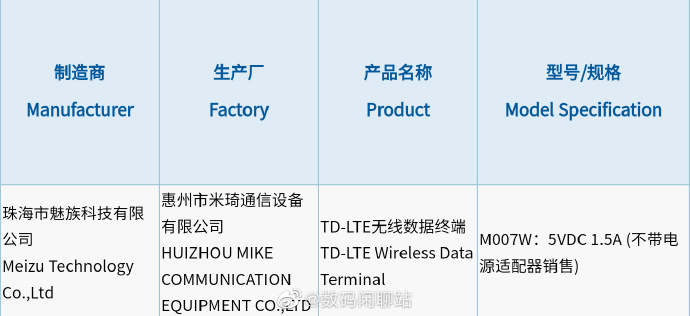
The Meizu Watch was seen on the website of the China Quality Certification Centre which issues the popular Compulsory Certification of China a.k.a. 3C Certificate.  The certificate shows that the watch has model number M007W and has support for 7.5W (5V 1.5A) charging.

Meizu Watch 3C certificate
Image via: Digital Chat Station

It also states that it has LTE support which means it either has a space for a SIM card or has an eSIM. With LTE support, those who pick up the Meizu Watch will be able to make and receive calls without the need o be tethered to a phone. Users will also be able to connect to the internet to use apps and features that require an internet connection.

The Meizu Watch will run “Flyme For Watch”, a special version of its Flyme OS designed for smartwatches when it launches this spring. A poster released for the operating system shows a smartwatch with a square face alongside a larger circle. Our guess is that Meizu may launch both a square-faced watch and one with a round dial.

We expect the smartwatch to have an AMOLED display, heart rate tracking, SpO2 level measurement, and support for tracking various sports.

The Meizu Watch will be announced in China. We do not know if there will be an international release seeing as Meizu is yet to launch a new phone for global markets in more than a year.


RELATED:

Grab Xiaomi Mi Watch Sports Edition for $119 via Giztop

Xiaomi Mi Watch is on sale via Giztop for the price of $119. The retailer is offering a $20 discount on the smartwatch carrying a round display. It is a limited-time discount and the interested users can head over to Giztop to grab the smartwatch.

Must See: Grab $20 discount for Mi Watch Lite-on GizTop

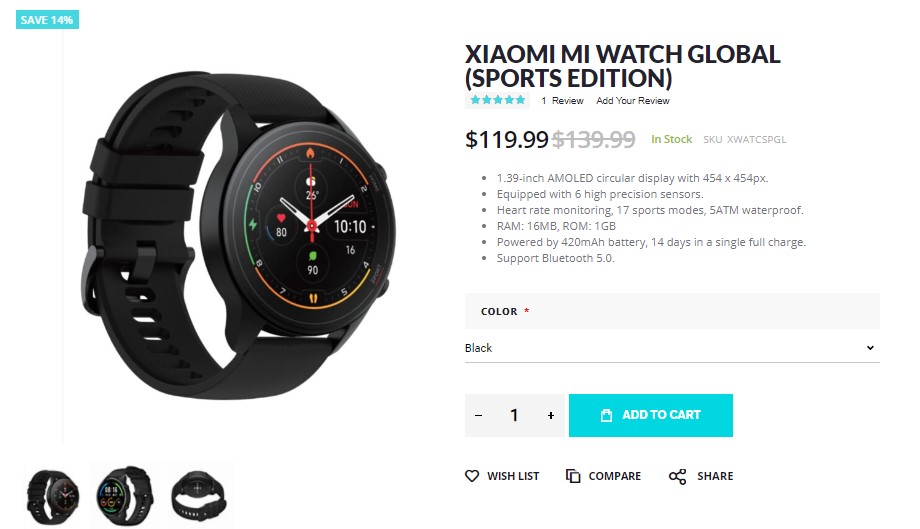
Xiaomi Mi Watch Sports Edition carries a 1.39-inch AMOLED round display featuring 454 x 454 pixels resolution. The beautiful dials and UI elements further boost the overall look of the smartwatch. Moreover, the device offers heart rate monitoring by bringing vital health stats such as SPo2 level, stress-level monitoring, breath training, heart rate monitoring and much more.

It incorporates support for 17 support modes including running, cycling, mountain climbing, swimming, and indoor cycling. It is 5ATM waterproof to keep it safe from sweat and other water sprinkles. Xiaomi Mi Watch Sports Edition houses a built-in GPS, geomagnetic compass, and air pressure and elevation. The device is fueled with 420 mAh battery which supports up to 16 days of long battery life.

Such a beautiful watch with a leather strap is available on sale for $119 in six different colours.

Buy Now

Related: Mi Watch Lite gets BIS Certification; India launch imminent

Nokia 1.4 Price leaked via a UK retailer listing ahead of launch

Nokia is expected to launch several budget smartphones this year and some of them will likely be 5G handsets. The Nokia 1.4, which is the supposed entry-level smartphone, is also on the list. Today, the price of the handset has been leaked as per a report by Nokia Power User.
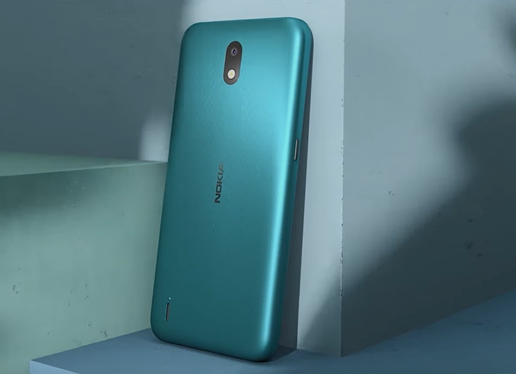
Nokia 1.3
Nokia 1.3

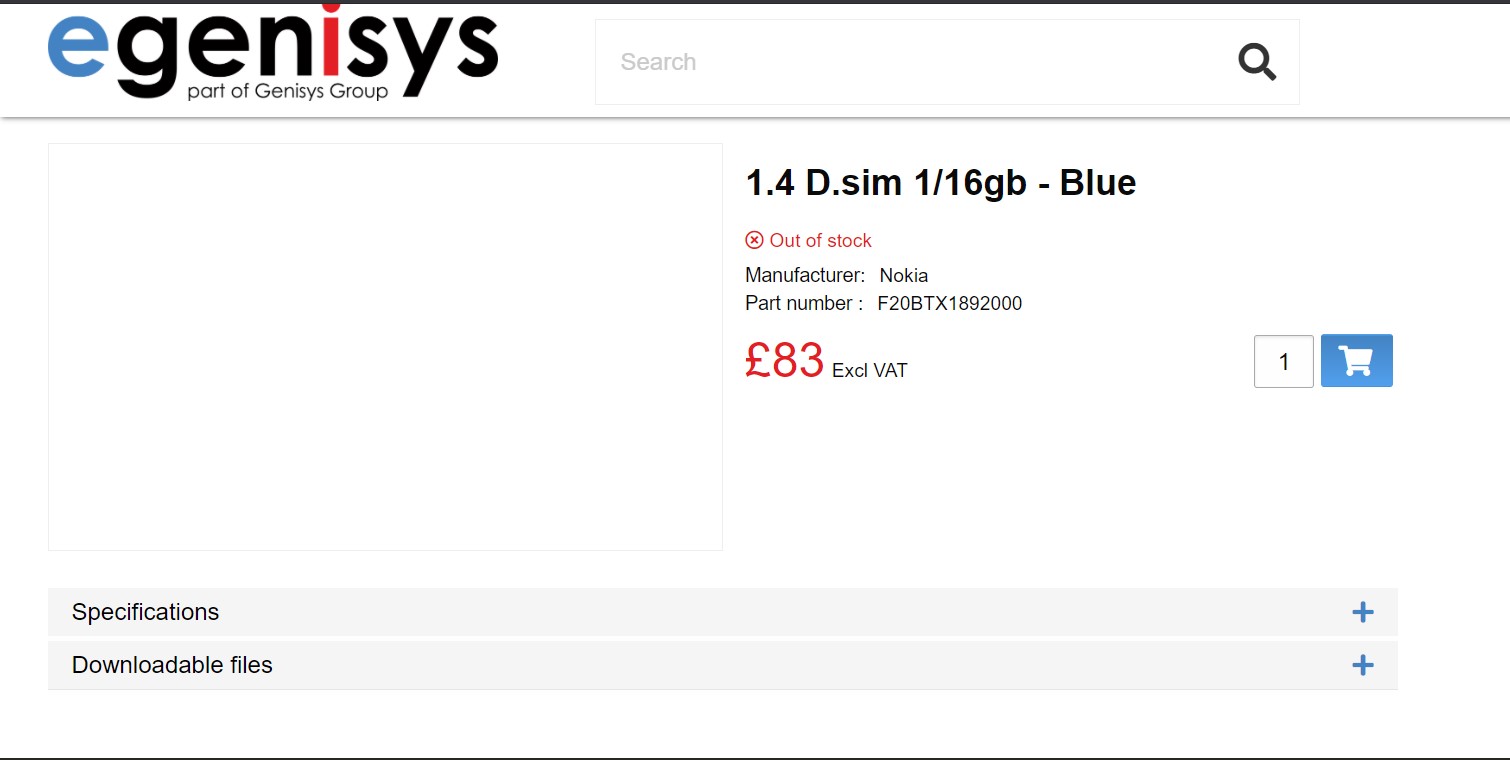
A Nokia 1.4 listing has appeared on a UK retailer egenisys. It shows that the device has a 1GB RAM, and 16GB storage variant. This corroborates with a leak that came out a few days ago. The device also seems to have a Blue Color variant which is one of the two expected colors(Blue, Grey).

The price, as you can see below appears as £83 which roughly translates to 94 euros. If this is true, the Nokia 1.4 will retail for under 100 euros and about $114 / 737 Chinese Yuan. To recall, its predecessor, the Nokia 1.3 launched at $99 in the US. Anyway, we will have to wait till the official launch to know the exact price.

Apart from the price, the Nokia 1.4 with model number TA-1322 appears on Thailand’s NBTC certification suggesting that it would come to Asian markets as well.

Nokia 1.4 Price Leak


Nokia 1.4 Specs – Expected

Nokia’s next entry-level Nokia 1.4 device is expected to feature a 6.5-inch LCD display. This display will supposedly have HD+ resolution like the 1.3. However, the chipset so far is unknown but will likely be a 1.3GHz quad-core processor.

While we can’t compare the chipset without knowing about it, the display is indeed bigger than 5.7-inch on the 1.3-inches. As for cameras, the Nokia 1.4 is said to get an upgraded dual-lens setup with an 8MP + 2MP combo lens. Upfront, it will have a 5MP selfie shooter.

Other expected specs include a 4,000mAh battery, dual SIM(4G + 2G), 4G LTE, 2.4GHz Wi-Fi, Bluetooth 4.2, micro-USB 2.0, and a 3.5mm audio jack for connectivity, fingerprint sensor, and run Android 10 Go edition.

RELATED:


Sony Xperia Pro launched as the brand’s first 5G phone in the U.S

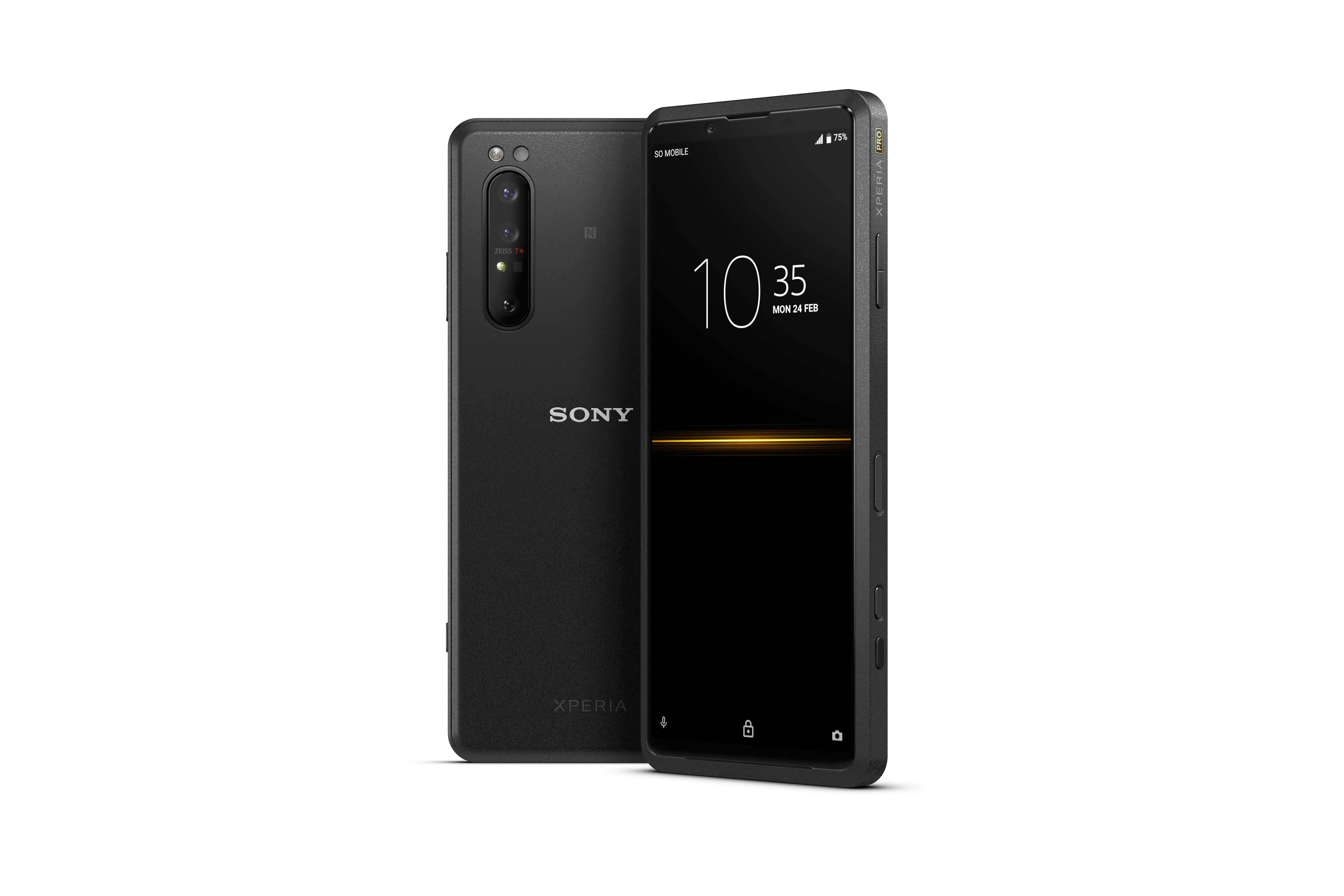
Sony first announced the Xperia Pro alongside the Xperia 1II and Xperia 10II in February last year but the phone wasn’t available. The brand has now officially launched the Xperia Pro in the U.S. The phone arrives as Sony’s first 5G phone for the U.S market and it won’t come cheap. The premium smartphone carries a hefty price tag of $2,499.99.Sony Xperia Pro
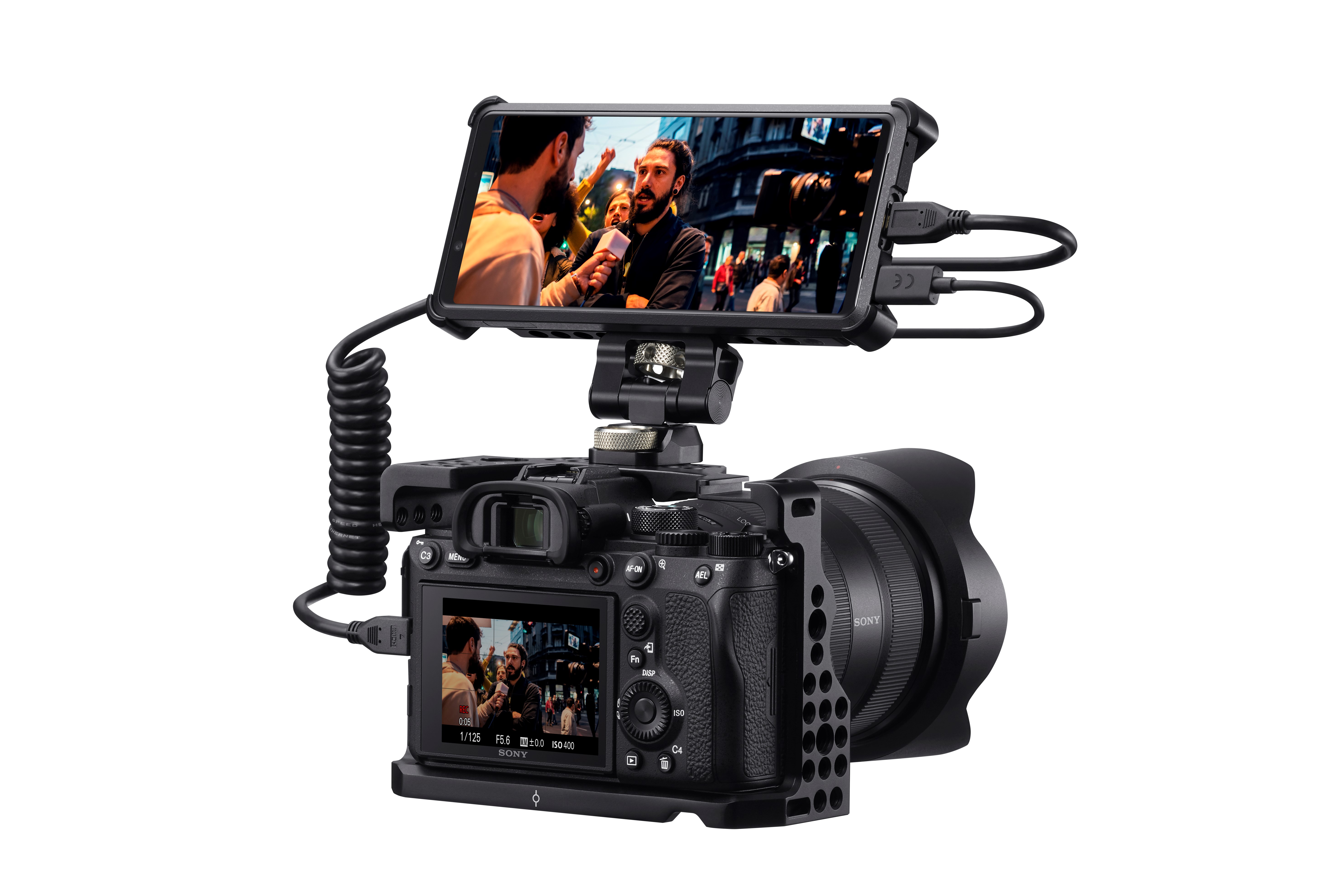
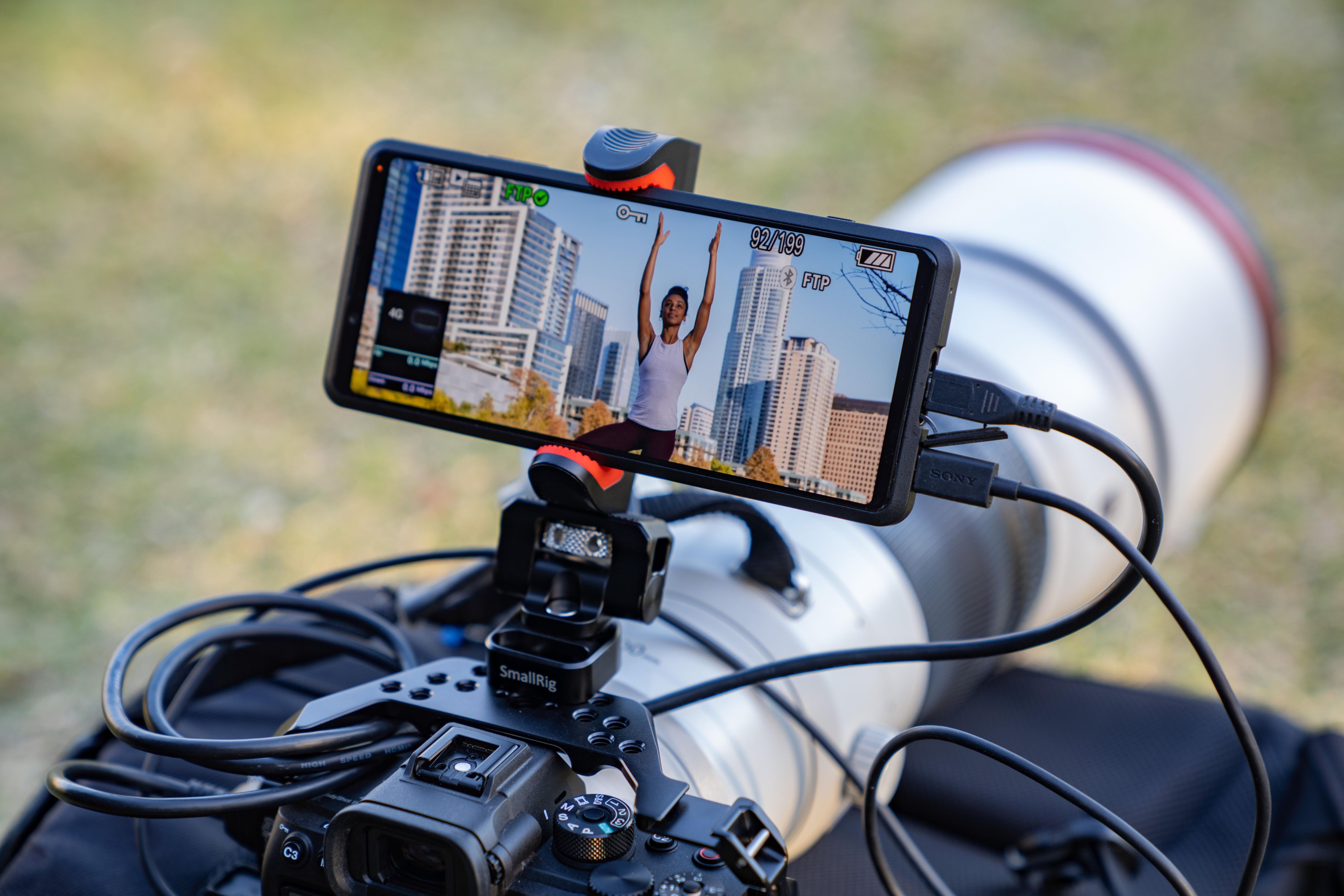
The hefty price means the phone isn’t for everyone. Sony is targeting professional; users who can deploy the phone’s HDMI input to turn the device into an external camera monitor. Also, the 5G connectivity can be used to quickly upload or live-stream footage.

Apart from the HDMI input and US 5G support, the Xperia Pro’s hardware is no different from that of the Xperia 1 II. The Xperia 1II launched in the US with 4G only while in Europe, it came with 5G support. This model will subsequently not be launched in Europe, according to Sony. Sony Xperia Pro

Specs-wise, the Xperia Pro features a 6.5-inch  OLED display with a tall 21:9 aspect ratio and sub-4K resolution of 3840 x 1644 pixels. The device is powered by the good old Snapdragon 865 processor and packs a decent 4,000mAh battery. At the rear aspect, the phone features 12-megapixel wide, telephoto, and ultrawide cameras.
The HDMI input is located on the bottom of the phone while the USB-C port is shifted to the left to ensure the HDMI port is centered. Sony says it’s capable of taking up to a 4K 60fps HDR video stream and should work with any cameras that have an HDMI output to give you a clearer view of what is being photographed.Sony Xperia Pro

Further, the Xperia Pro supports both Sub-6GHz and mmWave 5G, and Sony claims that it has a unique four-way mmWave antenna array to maximize reception. There’s also a built-in network visualizer app that can be assigned to its shortcut key to helping you find the best position to get a signal.

RELATED;


Samsung restarts Android 11-based One UI 3.0 update for Galaxy S10 devices

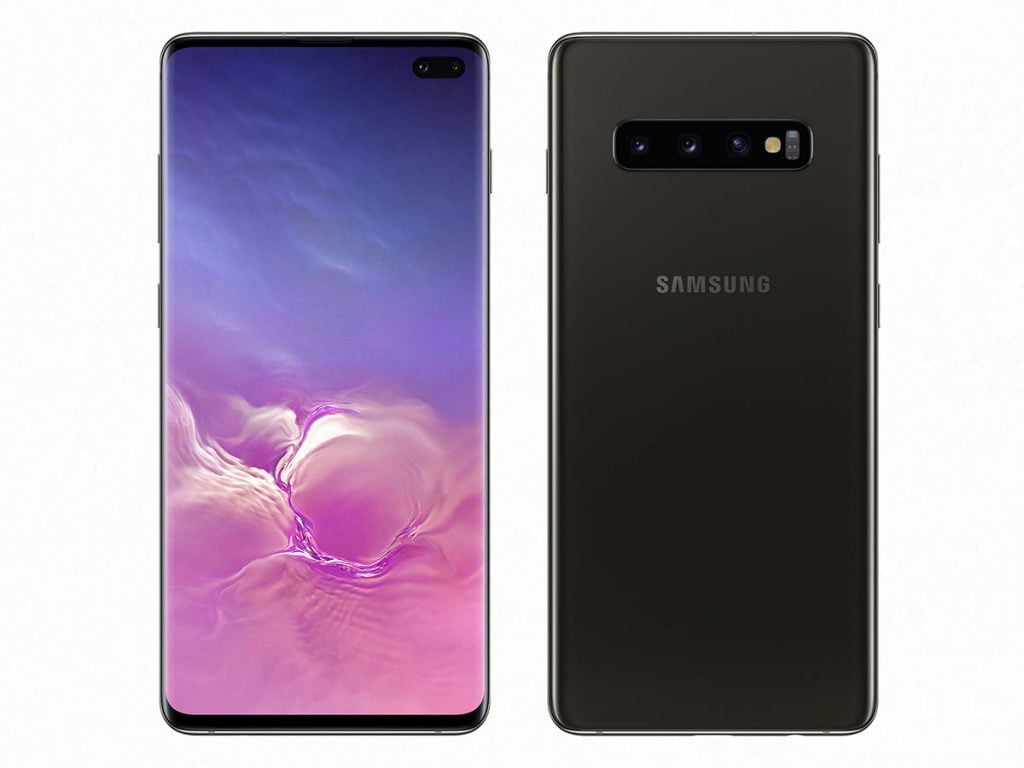
Samsung started the rollout of One UI 3.0 based on the Android 11 update for the Galaxy S10 series earlier this month. Amidst reports of heating and camera issues, the company abruptly stopped it last week. Today, it has resumed the update again according to a Sammobile report.

galaxy s10 plus

Samsung Galaxy S10, S10+ users in Switzerland are getting the update with firmware version G975FXXU9EUA4 via OTA(Over-The-Air). This latest firmware comes a few days after the company pulled the plug on a buggy firmware rollout. Apparently, users who tried the initial Android 11 rollout, were facing issues like Overheating and Camera Blur.

That said, Samsung seems to have solved all the shortcomings as it has restarted the update in Europe. If you are someone who is living in Switzerland, try out the new firmware by navigating to Settings-> Software Update->Download and install. For those new, the update will upgrade your device to the latest Android 11.

Additionally, it increments the One UI to 3.0. Meanwhile, Samsung has already moved on to One UI 3.1 with Galaxy S21 launch. There are rumors that the Galaxy S10 series, along with other older flagships(up to 2019) will get the new UI for sure.

Anyway, with this update, you can expect features of Android 11 like chat bubbles(conversations), media controls, improved permission management, and organized notifications. Plus, you can get the taste of One UI 3.0 features as well.

The update is sure to expand to other regions in the coming days. If you find any issue with the new update, you can always report on Samsung community forums or down in the comments below.

RELATED:


Huawei launches the Dynacare Turbo Six-Blade Shaver for ¥199 (~$30)

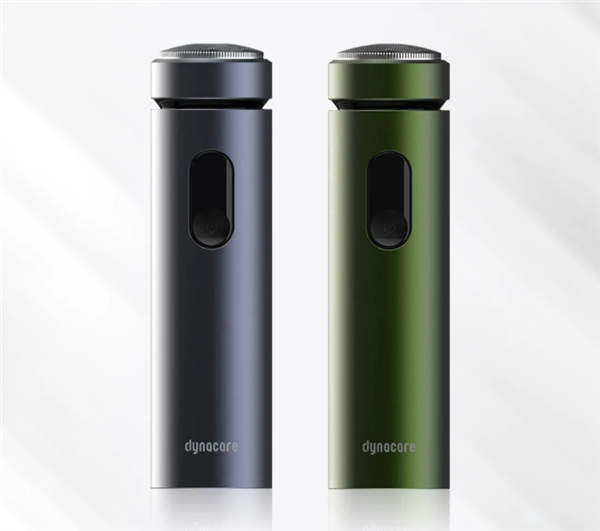
Huawei has announced a new product in China. The product is not a smartphone but it is a smart home gadget nonetheless. Dubbed Dynacare Turbo Six-Blade Shaver, the electric razor can be connected to Huawei HiLink app. It carries a decent price tag of 199 yuan (~$30) and is on sale on Vmall presently.Dynacare Turbo Six-Blade Shaver

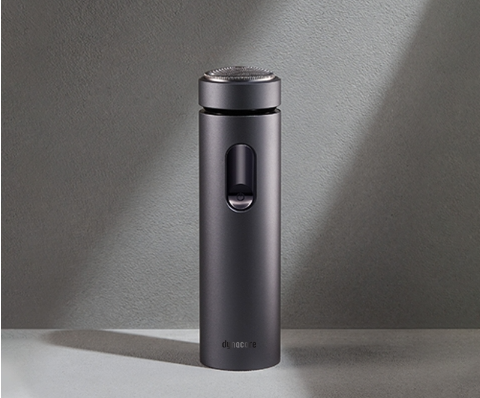
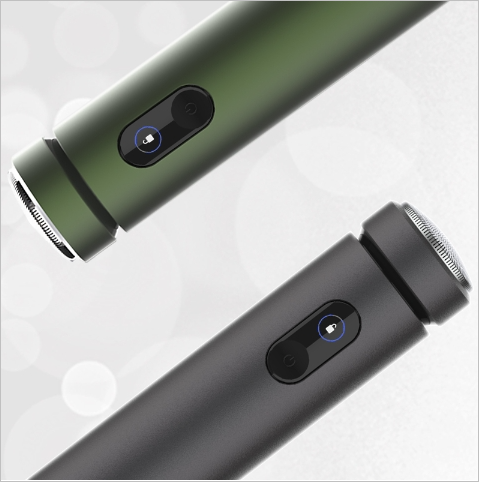
The Huawei Dynacare Turbo Six-Blade Shaver has an all-metal body and is compact and portable.The device has a dimension of 121x33x33mm and is ultralightweight at just 122g, which is said to be the weight of two eggs. The surface is frosted and has two color schemes: space gray and ink daisy green. The matte finish of the fuselage is more stable and elegant. Dynacare Turbo Six-Blade Shaver

It also utilises an innovative six-leaf blade which can be used under wet or dry conditions, thanks to the IPX7 waterproof rating. Its innovatively designed six-leaf blades select high-quality steel to extend the life of the cutter head. Using ECM precision machining, the blade is said to be as thin as a cicada wing and sharp as a shark.

The razor is equipped with a motor with a maximum speed of 6500 rpm and an intelligent algorithm of the electronic control system. When encountering a thick beard, it can automatically accelerate, reducing stuttering, beard pinching, pulling, and other troubles.

The whole body is IPX7 high-level waterproof, even when it is turned on, it can run normally even if it is washed with water, and even if shower and shaving are performed simultaneously.Huawei Dynacare Turbo Six-Blade Shaver

The electric shaver supports USB-C fast charging technology, which can charge 100% in just 1 hour, meeting the needs of one month of grooming, and quickly replenishing the battery when you are in a hurry.

What’s interesting is that this razor also supports Huawei HiLink smart life interconnection. You can check the status of the razor, the remaining length of the blade, and the selection of beard types through the app.

RELATED;


Samsung extends ECG, Blood Pressure monitoring on Galaxy Watch 3/Watch Active 2 to 31 more countries

Samsung introduced the Galaxy Watch 3 and Watch Active 2 with ECG hardware. However, the functionality was available only to South Korean users. Finally, that ends today as Samsung has expanded the ECG and Blood Pressure tracking to 31 more countries.

Credits: Samsung

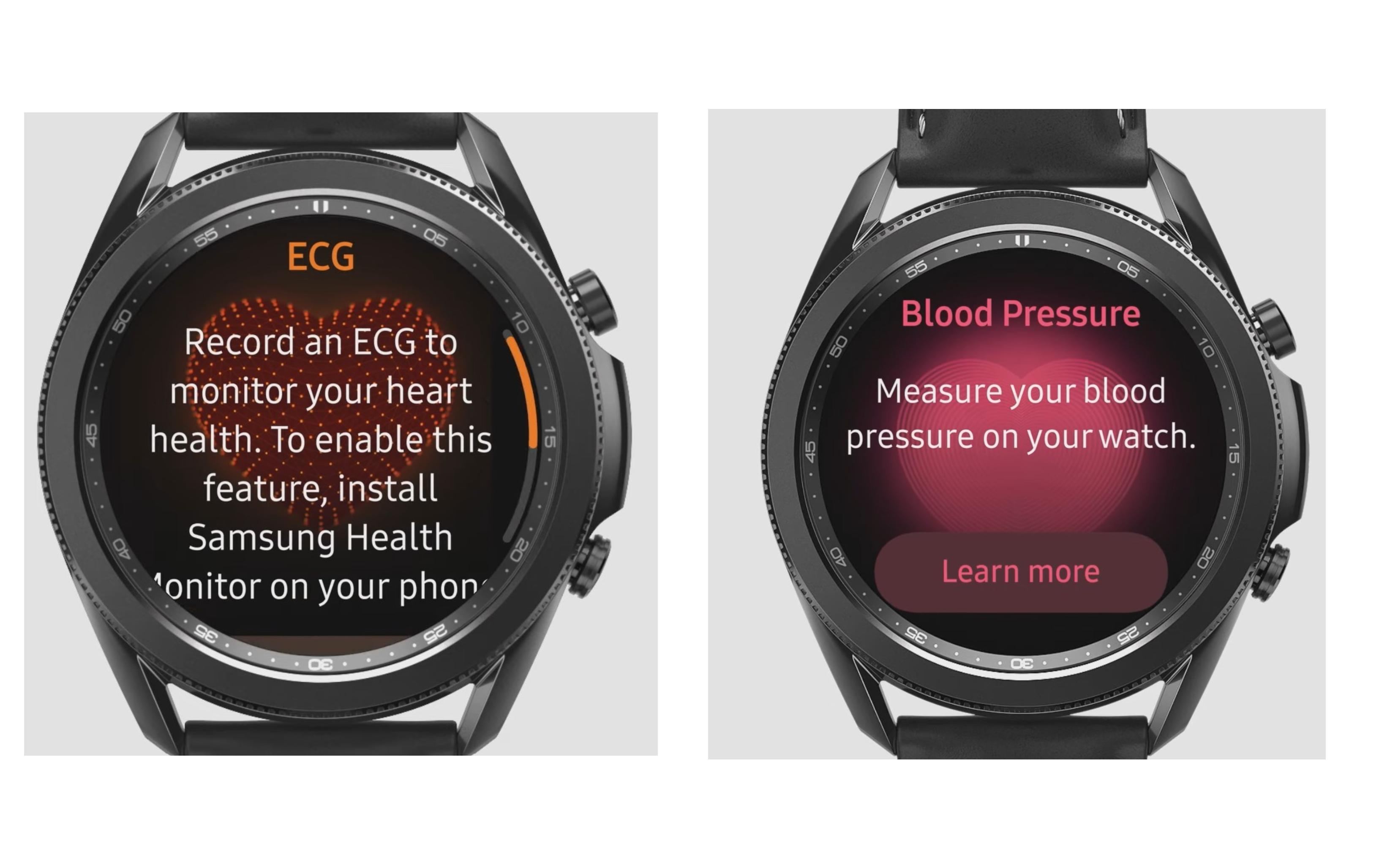
Samsung, through a press release, announced that the Samsung Health Monitor app will now be available across 31 more countries. For the unware, users of Samsung should install this App on both their Smartphones and Wearables. Using this, they can avail the Blood pressure and Electrocardiogram(ECG) tracking feature.

First off, the above-mentioned features will be available for 28 new European countries, in addition to Chile, Indonesia, and the UAE. The rollout will be a staged process starting from February 4.

Samsung says that it is able to expand to EU nations after receiving the CE-marking in December 2020. This marking is for complying with health, safety, and environmental protection standards within European Economic Area(EEA).

Hence, the Samsung Health Monitor App will now enable the features in the 28 European countries as follows: Austria, Belgium, Bulgaria, Croatia, Czech Republic, Denmark, Estonia, Finland, France, Germany, Greece, Hungary, Iceland, Ireland, Italy, Latvia, Lithuania, the Netherlands, Norway, Poland, Portugal, Romania, Slovakia, Slovenia, Spain, Sweden, Switzerland, and the UK.

Talking about the features, the Heartrate monitoring sensors use the pulse wave analysis to track the Blood Pressure of the users. The difference between the calibration value and the change in blood pressure will show the result.

As for ECG, the Galaxy Watch 3 / Watch Active2 have a dedicated sensor to study the heart’s electrical activity. Any inconsistent results are interpolated to show if the person is having the risk of Atrial Fibrillation (AFib) and duly notified.

To measure, rest your forearm on a flat surface and place a fingertip from the opposite hand on the top button on the smartwatch for 30 seconds. You can also watch the tutorial videos of Blood Pressure and ECG to get an idea.

RELATED:


(via)

Qualcomm seals deal with auto tech firm Veoneer for advanced driving assistance

Automotive technology fast-rising firm Veoneer says it has just signed a collaborative agreement with U.S. chipmaker Qualcomm to jointly partner to develop a software and chip platform that could be deployed for advanced driver assistance mobility systems.

Qualcomm Snapdragon 855

The moves that have now culminated in the new partnership between Veoneer, who prides itself as a worldwide leader in automotive technology, and Qualcomm, a global leader in the chip industry, began around August 2020 when both companies communicated their plans to join forces and provide much-needed technology in terms of both hardware and software that would continue to develop mobility systems with enhanced driver assistance. The new partnership is expected to rival some other established companies in the industry for a piece of the cake.

Veoneer stated that already has in place a dedicated software arm called Arriiver, that will focus on the development of relevant enablers via software to enhance the operation of such driver assistance systems. CEO, Jan Carlson, in a statement, said that both the agreement with Qualcomm and the creation of the Arriver arm are important milestones in the company’s overall development. In addition, the Arriver software, according to CEO, Jan Carlson, is already functional on Qualcomm’s Snapdragon Ride Platform, which could get to customers in the automotive industry in a few months.

The Swedish company’s shares have been on a surge in the Stockholm exchange since preliminary plans were unveiled to collaborate with Qualcomm last year, having doubled since then. Veoneer’s shares rose by 2.8% in response to the news of the collaboration with Qualcomm.

Veoneer said it has gotten positive feedback from its potential automotive customers on the application of its technology.

While Veoneer retains full ownership of Arriver, the unit is expected to operate under specific information handling protocols and reporting structures, as part of its collaboration with Qualcomm Technologies.

RELATED;