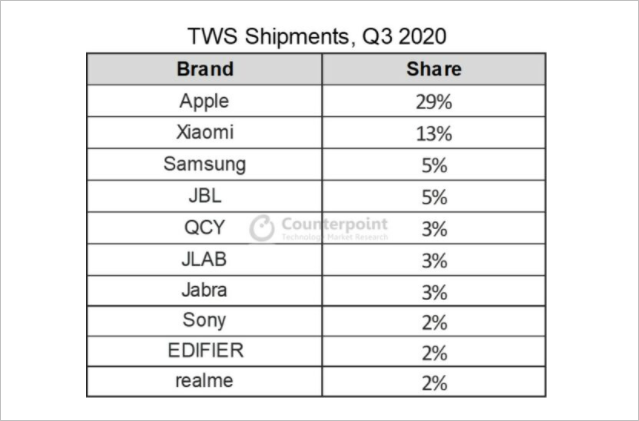
Apple continued its dominance of the true wireless headset market in 2020, a report by Counterpoint Research has shown. The report shows the AirPods accounts for more than a quarter of all TWS shipments.
Specifically, in Q3 2020, Apple products accounted for 29% of True Wireless Stereo (TWS) headset shipments, while its Apple Watch accounted for 28% of all smartwatch shipments.
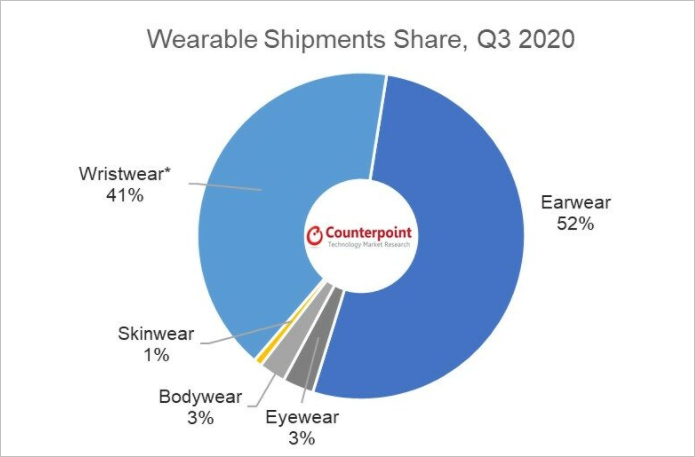
The wearable device market can be divided into five market segments, of which ear-worn and wrist-worn devices account for the majority. Apple’s performance has always been better than its competitors, although the purchase cost of its products is usually higher than that of products by other competitors.
“Apple’s powerful iOS ecosystem, typically comprised of consumers with larger disposable incomes, has been the main driver for growth – especially in terms of revenues. High-end stalwart Samsung has also performed consistently,” said Sujeong Lim, a senior analyst at Counterpoint.
Despite this, budget-level products still show great potential. Xiaomi has consolidated its second position with a market share of 13%. Half of the top ten are budget-level brands, and their products are generally priced below $50 or even below $20.
Counterpoint Research expects the wireless headset industry to grow by 83 percent, reaching 238 million units, due in part to smartphones lack the headphone jack. Also, the removal of earphones from the retail box is yet another driving force.
“The trend around removing jacks and earphones from devices and boxes is becoming a big driver for TWS segment growth,” Counterpoint Research senior analyst Liz Lee noted. “It also helps that mobile media consumption continues to grow, making TWS the next must-have accessory,” she added.
Counterpoint believes that the global health crisis has prompted consumers to increase their interest in health and fitness, which may help the smartwatch market to grow further. “We expect double-digit low-speed growth in the medium term-if the average selling price drops rapidly, it may be even higher,” Lim stated.
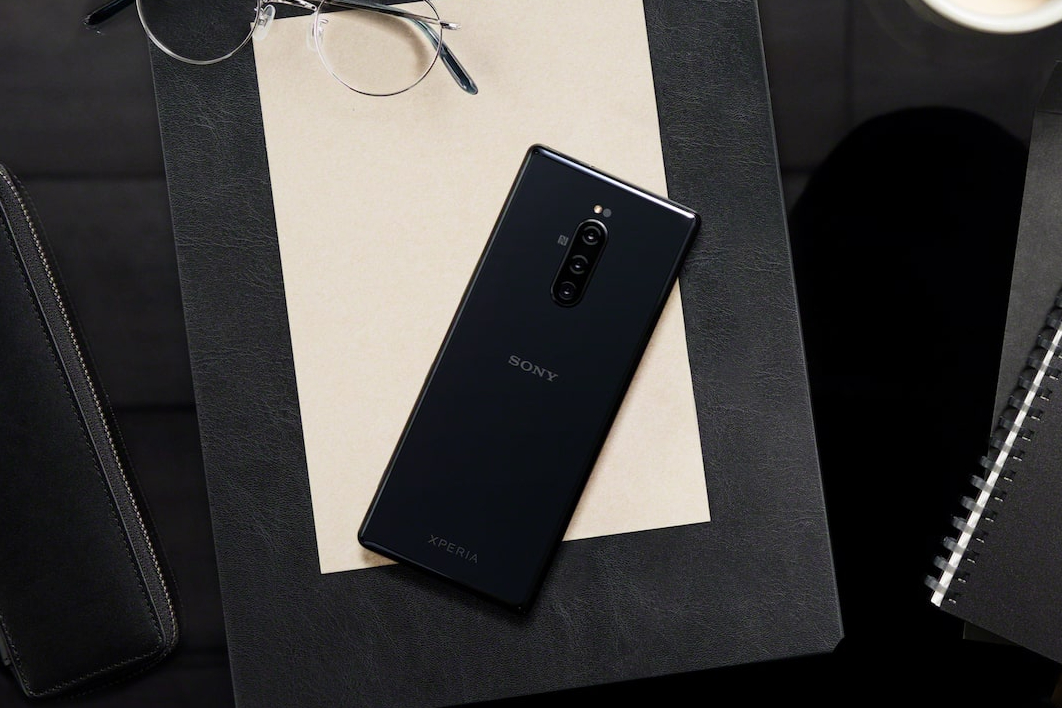
Back in late November 2020, Sony revealed the Android 11 update rollout plan for its Xperia smartphones. Unsurprisingly, only four Sony phones are eligible for the update. That said, according to the timeline, the current-gen Xperia 1 II and Xperia 5 II are supposed to get the update at the end of January, however, the former has already started receiving the update last month itself. Now, the company has begun to roll out the Android 11 update for the original Xperia 5 and Xperia 1 as well.
According to several users, the Android 11 update for the 2019 Xperia 5 and Xperia 1 come with build number 55.2.A.0.630 and weighs about 1GB. Interestingly, the changelog does not mention anything except for the fact that the data will be unaffected, and once updated, users will not be able to revert to the previous version of the software.
Users who have successfully updated their device, found the Android security level to be December 2020. Also, they were sad to know that Sony hasn’t provided the new Photography Pro features from the new Xperia II models.
Anyway, the update is currently live in European regions only. It is not sure when units in the other markets will begin to get the update but you can check for it manually by heading over to the software update screen in your handset’s Settings app.
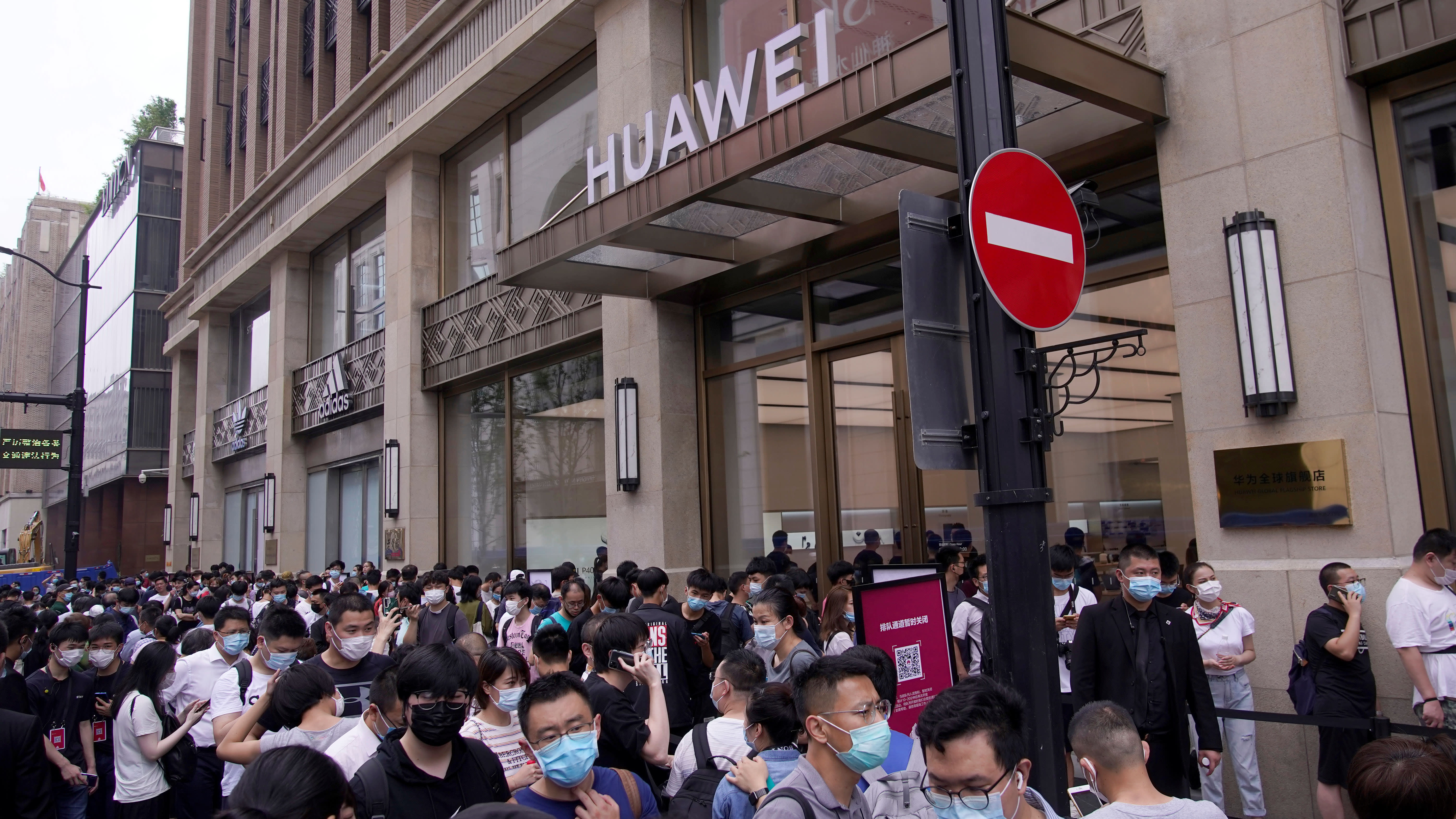
It seems like the Chinese smartphone giant Huawei wants to cement its global presence stronger amidst a tussle with the US. A report by Reuters says that it is planning to build its largest store outside of China in Saudi Arabia.
Representative Image, Courtesy: Reuters
The Saudi government says that Huawei has signed a leasing contract with Saudi Arabia’s Kaden Investment. Apparently, this contract is for the new flagship store that the company plans to open in Riyadh. On successful implementation, this could be the largest store of Huawei outside China.
Back in June 2020, the company opened its world’s largest Huawei flagship store in Shanghai, China. This store is located in Nanjing Building with a business area of nearly 5000 square meters. Prior to that, the company also opened its “first Global flagship store” in Shenzhen, China in 2019.
Anyway, the latest report doesn’t specify any data on how large the store is going to be or its launch date. Either way, this development comes at a time when there is a grave demand for digital products and services in the Arabian Kingdom. Saudi’s internet usage will reportedly be accessible to 82.6% of the population by 2022 which is a 9.4% up from 2017.
Hence, Huawei’s store could serve as a bridge for selling products directly to customers. This is not the first time Saudi is welcoming Huawei’s investments in the region. After saying that it’s open to use Huawei’s technology, Saudi Arabia signed an MOU with Huawei in October 2020. This was a joint effort to recognize Arabic language and characters using AI technology.
Huawei is facing a lot of challenges in retaining the sales figures outside of China thanks to the US’ pressure. The company has already lost its position as the world’s largest smartphone brand to Samsung after briefly capturing it in Q2. It is also facing a lot of stress in providing its 5G technology to other countries as the US is pressuring them not to encourage Huawei.
That said, it is really appreciative of the Saudi Arabian government to act against the will and strengthen ties with the Chinese giant. To ascertain this, the Gulf countries, including Zain’s Saudi unit Zain KSA, have reportedly signed deals to use Huawei’s 5G tech.
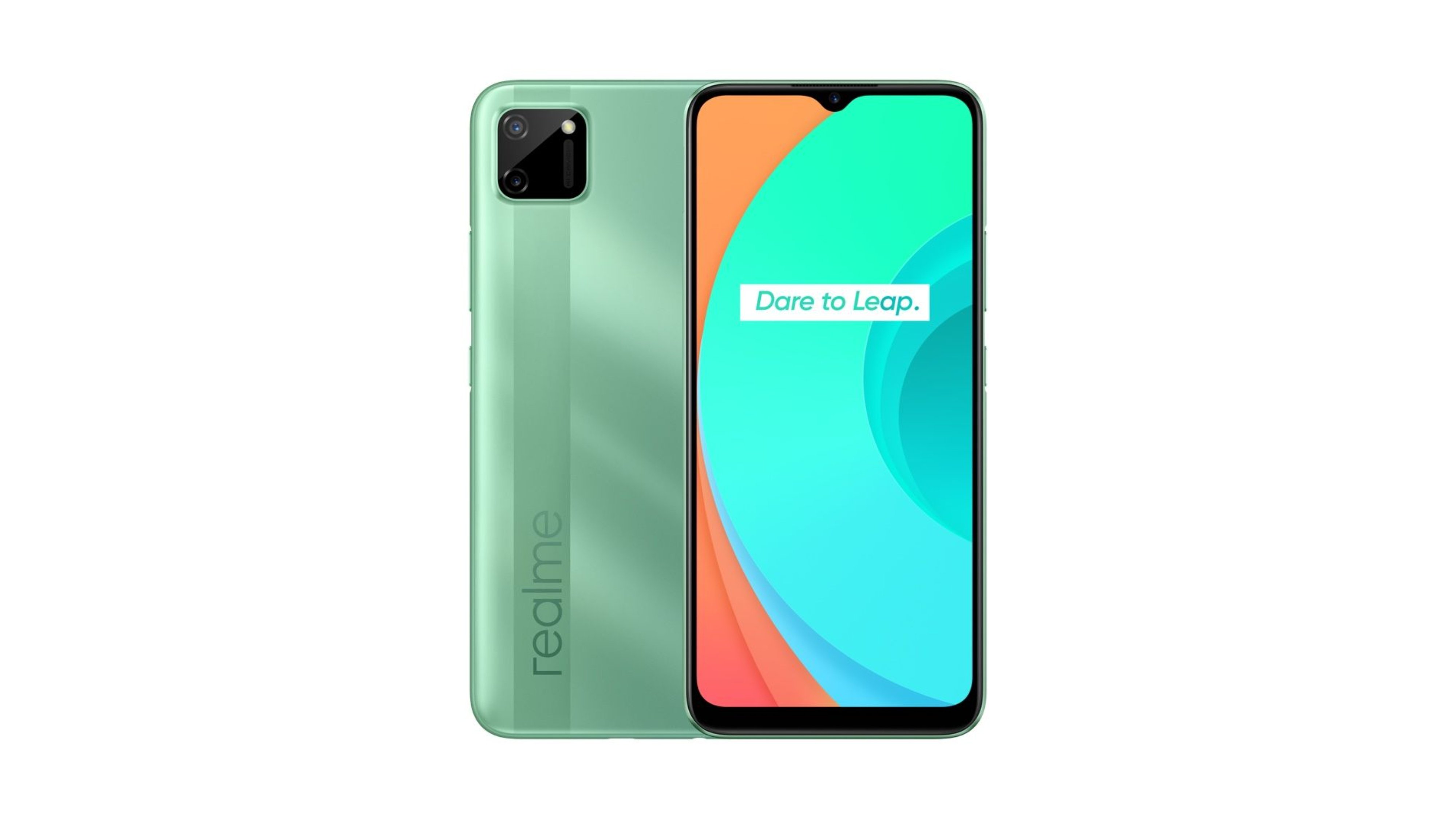
Last week, a realme smartphone with model number RMX3201 was spotted on India’s BIS certification bureau. It was the first appearance of this handset online. Now, this device’s branding has been confirmed to be ‘realme C21’, thanks to its NBTC certification.
realme C11
The upcoming realme C21 has not only cleared Thailand’s NBTC certification but also others, like Wi-Fi Alliance, TKDN, EEC, and China Quality Certification (CQC), in addition to BIS. Despite being listed on these many portals, we do not know much about this phone.
The only specs that are known (as of now) are 2.4GHz single-band WiFi, Android 10 (should be running realme UI), and 10W fast charging. Going by these features, we can expect it to be the successor of last year’s realme C11.
For those unaware, in 2020, realme went double down on the realme C series with a launch of multiple devices in a short period of time. The realme C11 was the cheapest phone in the series last year. Since the forthcoming realme C21 is expected to be its successor, we think it will take the crown of the most affordable realme C series phone this year.
Hence, we believe that it will arrive with a similar set of specifications. That said, just like any other smartphone, we expect its specs to leak in the coming days ahead of its official launch.
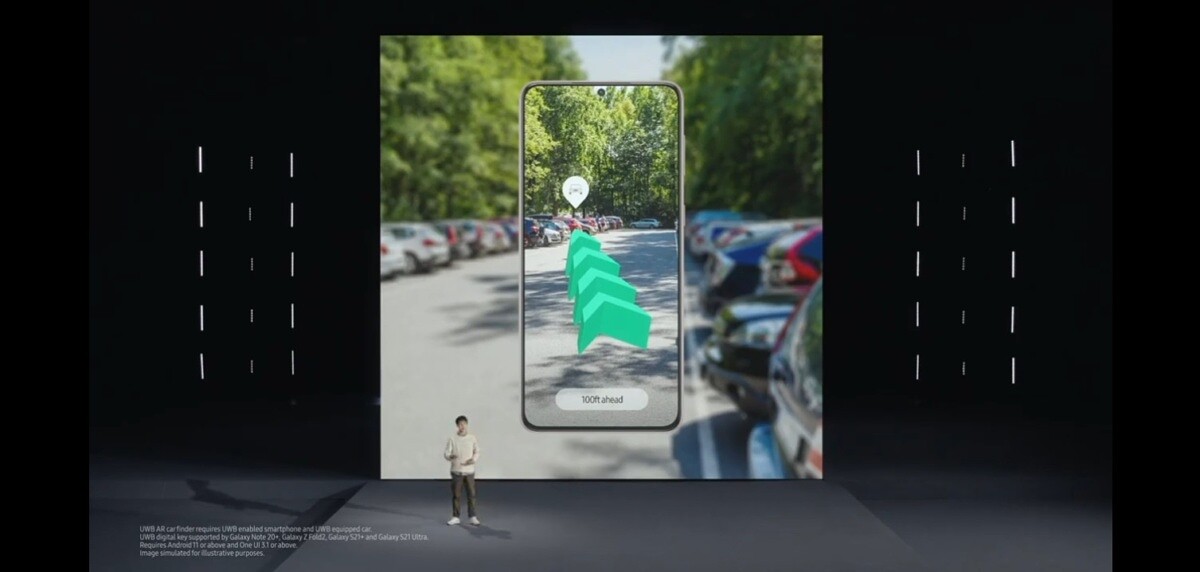
The versatility of our smartphone has grown over the years and it is still growing. It has all but replaced your physical wallet, and it seems it will soon replace your car keys. Samsung yesterday announced plans to partner with some car manufacturers to enable the Galaxy S flagship products to double as a digital key for the selected cars.
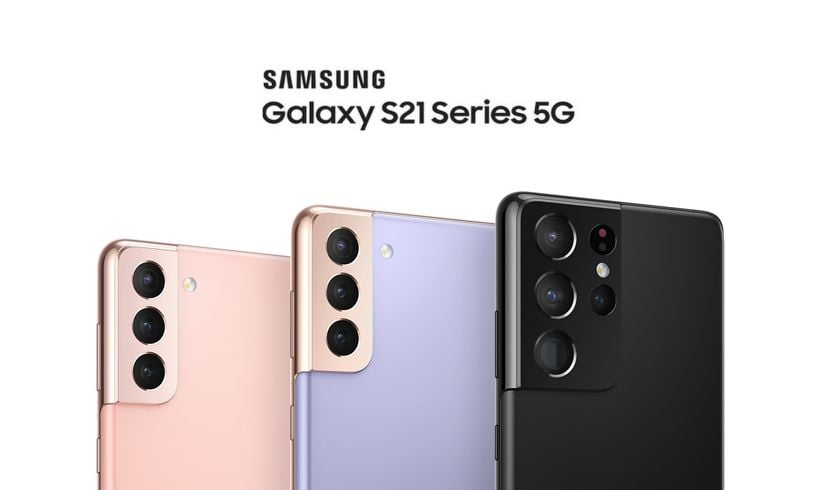
Samsung said it has begun a partnership with some carmakers namely Audi, BMW, Ford, and Genesis to allow Galaxy S21 series owners to unlock their car door with their phone when they approach the vehicle.
Samsung said that, with precise distance calculation, its UWB-enabled digital key sends short pulses between the smartphone and the paired car, unlocking the door once you reach it. Samsung also said that NFC technology also provides another option for use of digital keys, although less precise.
Samsung’s products that presently have UWB technology are the Galaxy S21 Plus, Galaxy S21 Ultra, and Galaxy Note 20. The Galaxy S21 does not have UWB but can also serve as a key via NFC technology.
Samsung is presently working with a number of industry-wide consortia to standardize UWB and digital key technology that could be used across several smartphone brands. Thus this technology won’t be exclusive to Samsung devices alone.
Apple had previously chosen a digital key feature in partnership with BMW that operated on the NFC technology, but it was based on only one BMW car model. BMW today announced a new Digital Key Plus feature that will support UWB on the BMW iX, which is an electric car.
Once UWB becomes commercially more available, then we could have more smartphones and vehicles to support digital keys, and providing an additional layer of protection when the traditional key is lost.
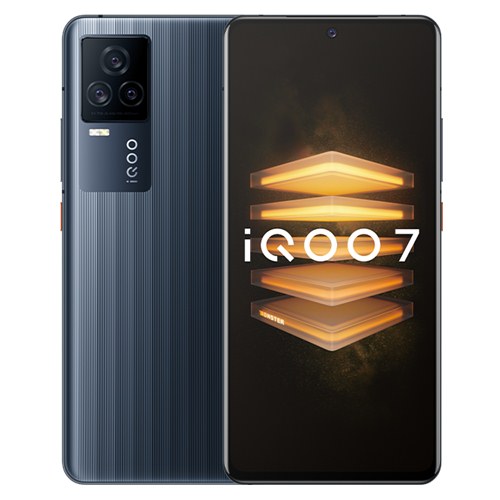
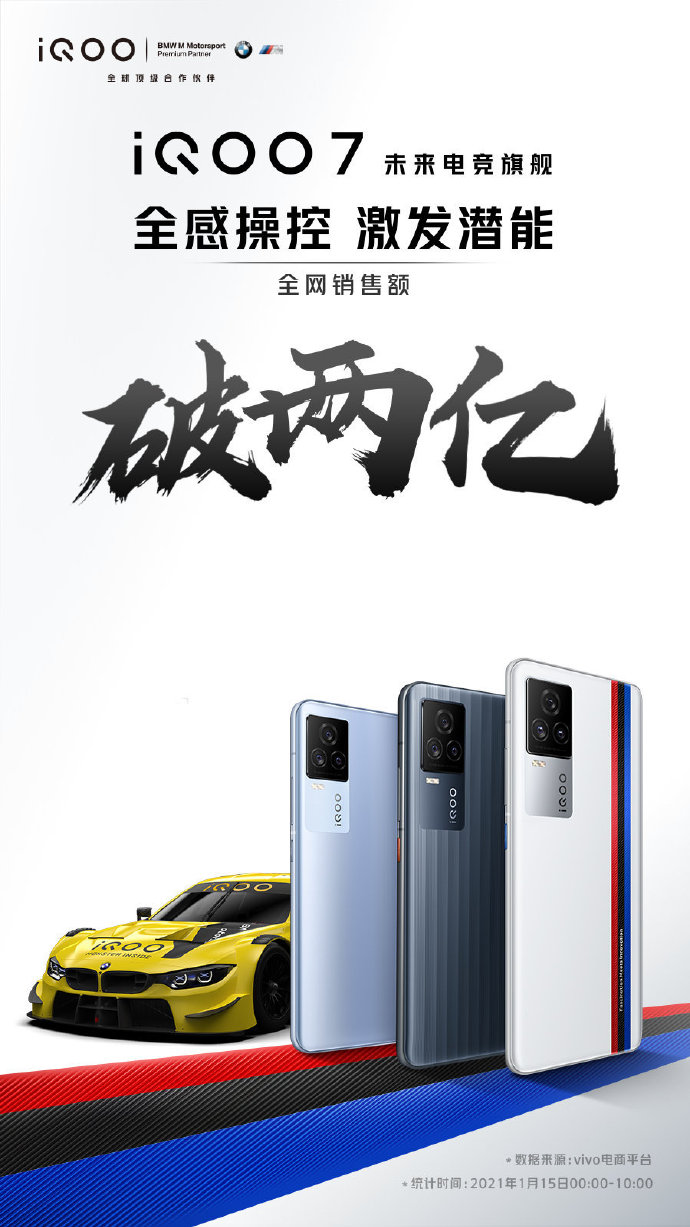
iQOO launched the iQOO 7 gaming-centric flagship smartphone in China on January 11. The device went on pre-orders ahead of the first sale that happened today, January 15. Soon after the sale ended, iQOO has officially confirmed the sale figures on Weibo.
According to iQOO’s official post, iQOO 7 sale figures (as of 11:11 China time) have exceeded CNY 200 million. The company held the first sale from January 15 at 0:00 to 10:00 Beijing time(UTC+08:00). iQOO, however, hasn’t specified how many units it has sold in the first sale. iQOO’s VP Feng Yufei thanked the fans for supporting a less than two-year established brand.
If you recall, iQOO’s first gaming Smartphone launched way back in March 2019. It’s still more than a month away from celebrating the two-year anniversary. However, the company has gone ahead and launched several devices and has landed on iQOO 7 recently on January 11. Anyway, Feng Yufei says that the company will improve and live up to the expectations.
iQOO 7 Specifications
iQOO 7 features a marine aluminum mid-frame and is covered by AG glass construction for rigidity and ergonomics. It sports a 6.62-inch AMOLED FHD+ HDR10+ display with a 120Hz refresh rate and 1000Hz touch sampling rate.
A report on Weibo says that iQOO has already rolled out firmware for this 1000Hz support. Under the hood, the latest Snapdragon 888 SoC powers the device which is paired with enhanced versions of 8/12GB DDR5RAM(6400Mbps) and 128/256GB UFS 3.1 storage.
The device has a lot of gaming features like Monster Beat Hi-Res certified Dual Speakers, Dual-Linear Motors for 3D vibration, Monster Touch Pressure-sensitive screen to act as a virtual Gamepad(w/ Monster Engine), and a 4096 sq. mm head spreader and L-shaped VC cooling plate inside.
Other features include a 48MP triple-camera setup on the back with 0x digital Zoom, OIS anti-shake, 16MP selfie shooter up front, 4,000mAh battery with 120W FlashCharge support, NFC, Bluetooth 5.2, and OriginOS based on Android 11.
Automakers around the world are now feeling the pinch from the restrictions on Semiconductors from China put in place by the Donald Trump administration. It has now been reported that many car manufacturers are shutting assembly lines because of the mainly Trump-induced global shortage of semiconductors as a result of the Trump administration’s extended actions against several Chinese chipmakers.
Source: Wikimedia
The shortage, which obviously came unexpectedly in some quarters, may not abate in the next few months and has led some major car makers like Ford Motor Co, Subaru Corp, and Toyota Motor Corp to scale down their production quota in the United States. In Europe and Asia, the problem also persists and some automakers affected include Volkswagen, Nissan Motor Co Ltd, and Fiat Chrysler Automobiles.
The shortages could be traced to a combination of factors as carmakers compete against the electronics industry for the supply of chips from chipmakers, some of whom are experiencing grave problems as a result of what they see as unfair restrictions by the US government. There had been a surge in the acquisition of laptops, gaming consoles, and other electronic products during the period of the lockdown due to the Coronavirus pandemic, and this has seemingly tilted the demand-supply balance towards demand, thereby creating tight chip supplies throughout last year.
However, in at least one case, the shortage could be directly linked to President Trump’s policies which had stymied business and technology transfers between US and Chinese companies.
One automaker moved chip production from China’s SMIC, which was hit with U.S. government restrictions in December, to Taiwan Semiconductor Manufacturing Co in Taiwan, which in turn was unable to meet demand because it was overbooked.
TSMC Chief Executive C.C. Wei, in a statement on Thursday, said that the company was taking steps to mitigate the impact of the shortages on its customers.
To put in proper perspective the importance of these little marvels of technology, it only takes the tiniest of chips to bring production to a grinding halt. It was reported that a Ford plant in Kentucky idled because of a shortage of a chip in the vehicle’s brake system. Similar stories abound in various manufacturing plants across the US and other parts of the world.
The situation is unlikely to improve quickly, since all chips, irrespective of the use it will be put to, begins as a silicon wafer that takes about 90 days to process into a chip.
Huawei and SMIC are at the heart of the restrictive policies by the Trump Administration that may have led to this shortage of chips, as Huawei had stockpiled US chips before the ban came into force and SMIC production expectations were damaged with the restriction on their business with American supplies of some components of their chips.
The Supreme Administrative Court of Sweden, yesterday dismissed an appeal filed by Chinese tech company Huawei against its exclusion from the country’s 5G network rollout. The ruling has thus removed all barriers to the planned 5G spectrum auction scheduled for next week.
Huawei had filed an appeal earlier this month against a decision by the lower court, the Administrative Court of Appeal that allowed the country’s telecoms regulator PTS to resume 5G spectrum auctions without removing a previous ban on Huawei.
The court’s statement, in dismissing Huawei’s appeal, further pointed out that its ruling is final and therefore cannot be appealed.
Huawei said it was still awaiting decisions on two other appeals it filed in November last year in relation to what it felt was an unjustifiable ban by PTS. Huawei had claimed that there would be serious consequences if PTS went ahead to hold the 5G auction while PTS conditions are subject to legal review.
Huawei, I’m a statement on Friday said it had hoped that the Supreme Court would take a broader approach to the issue of law and consider the appeal on other grounds put forward by Huawei.
Sweden had said in October 2020 that it would ban Huawei and Chinese rival ZTE from its 5G rollout due to security concerns and risks. It gave companies taking part in 5G auctions until January 1, 2025, to remove both Huawei and ZTE”s gear from existing infrastructure and core functions.
Earlier last month, an Appeals Court had backed an appeal by PTS against a ruling by a lower court to stop the 5G auctions, but also said Huawei could pursue a legal challenge over its exclusion. PTS then said that it would resume the 5G spectrum auction on January 19. They have now reaffirmed that the auction will start as planned on Tuesday 19 January.
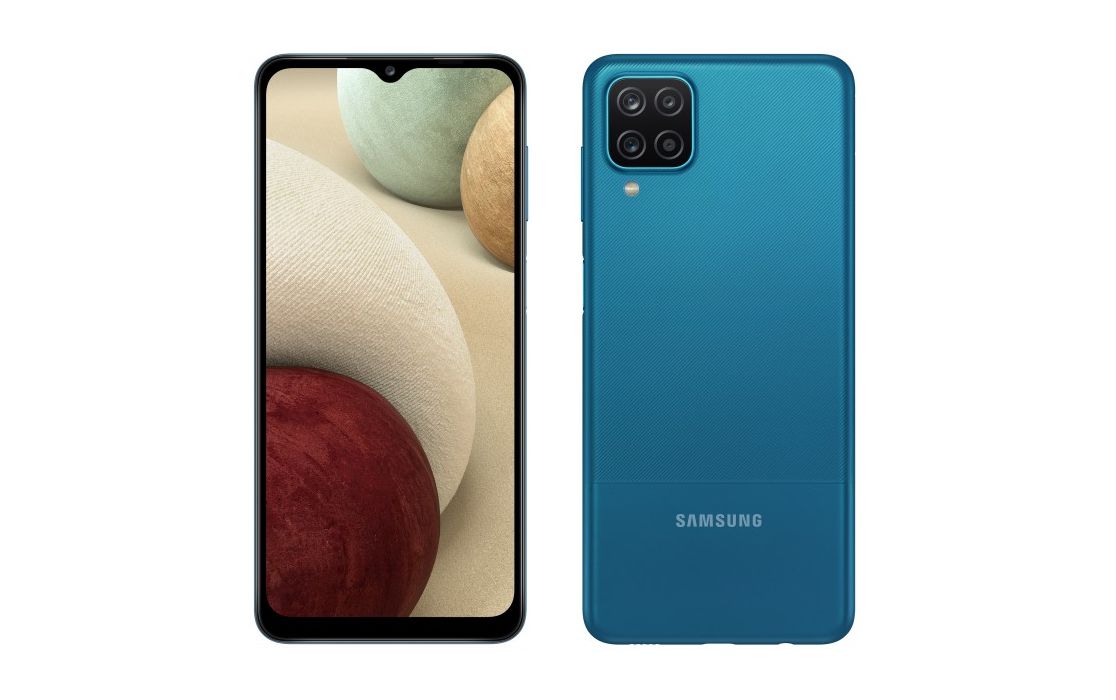
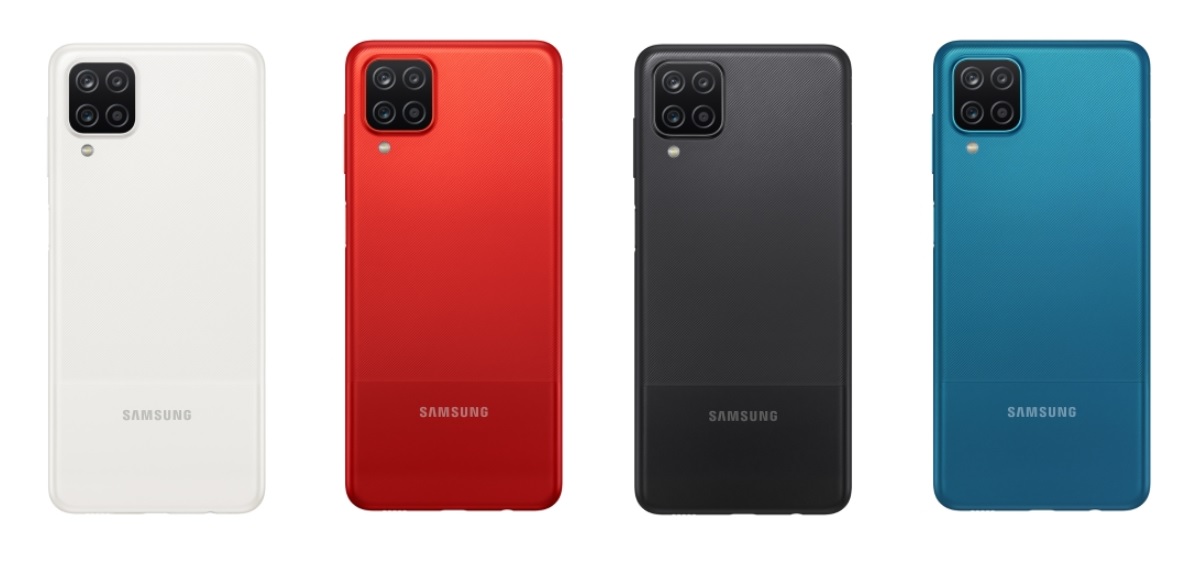
Samsung recently launched its S-series flagship devices for 2021. Usually, the company will focus on the A-series next. Accordingly, multiple devices like Galaxy A32, A52, A72 are on the radar of leaks. Now, a new BIS listing suggests that the recently announced Galaxy A12 could also be heading to India soon.
Samsung Galaxy A12
A Samsung device with model number SM-A125F has seemingly appeared on the BIS database. If you recall, this model number belongs to the recently announced Galaxy A12. Before the official announcement, an official Samsung Russia support page gave away the model number.
If that doesn’t satisfy you, the device, along with Helio P35 SoC, had appeared on a Geekbench listing way before the launch with the same SM-A125F model number. Anyway, the listing suggests that the launch could be anytime now.
Samsung made a transition from Qualcomm to MediaTek on the Galaxy A12. Thanks to an early launch in November we know what to expect on the Indian variant. Besides, the device has already hit markets like Singapore, Malaysia and is currently retailing for a starting price of $172.
The Samsung Galaxy A12 features a 6.5-inch LCD display with an Infinity-V notch. This is a TFT display with a resolution of 1600×720 pixels and a 20:9 aspect ratio. At the back, it has a polycarbonate panel that has a dual-tone finish with 3/4th of it having textured patterns.
Under the hood, we get a MTK6765(Helio P35) chipset paired with either 3/4/6GB RAM and 32/64/128GB storage. For cameras, we get a quad rear camera with a 48MP main lens, a 5MP ultrawide, two 2MP macro and depth sensors. Upfront, there is an 8MP selfie shooter.
Other features include a 5,000mAh battery with 15W charging, side-mounted fingerprint sensor, MicroSD slot, 3.5mm audio jack, and One UI based on Android 10 OS.
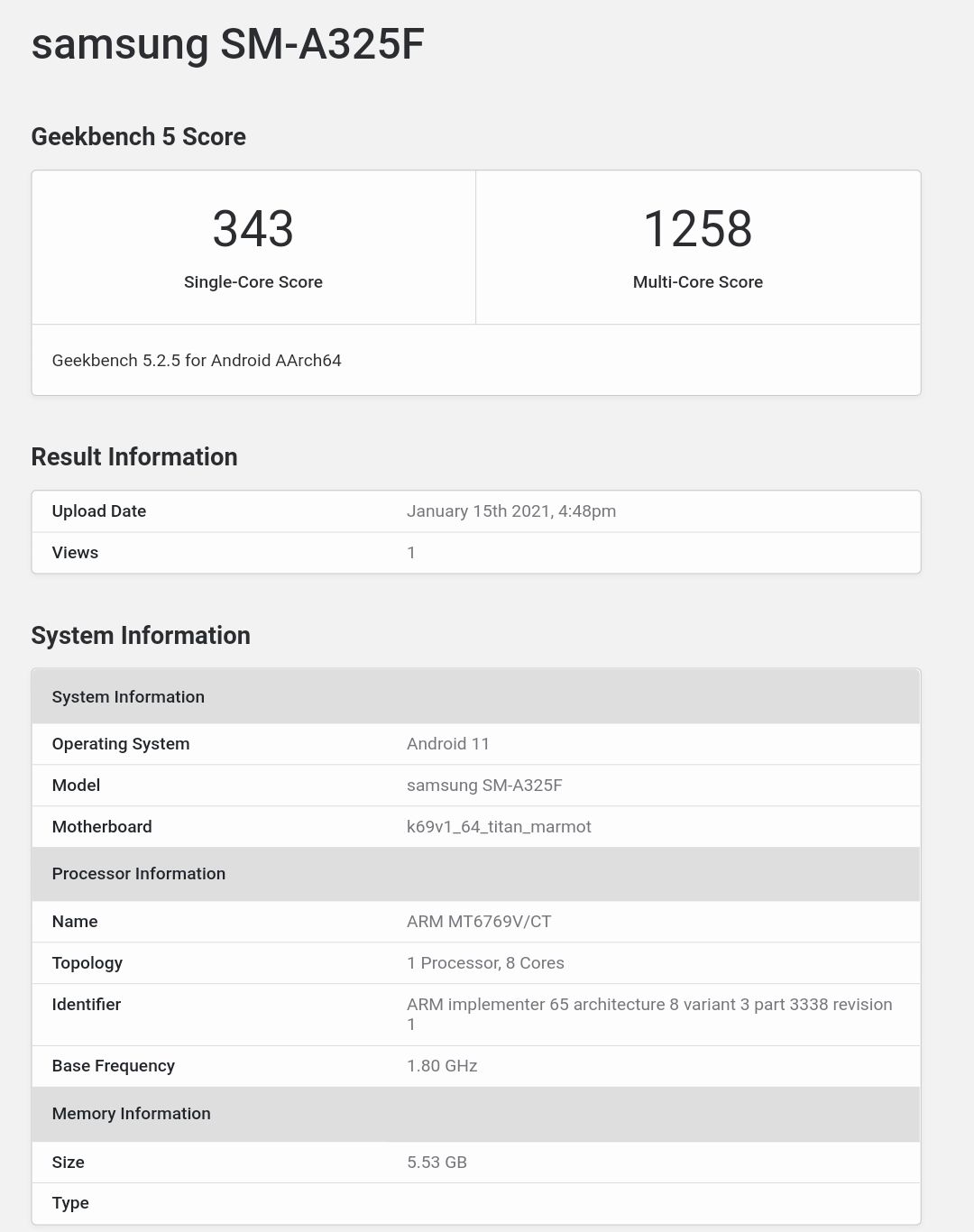
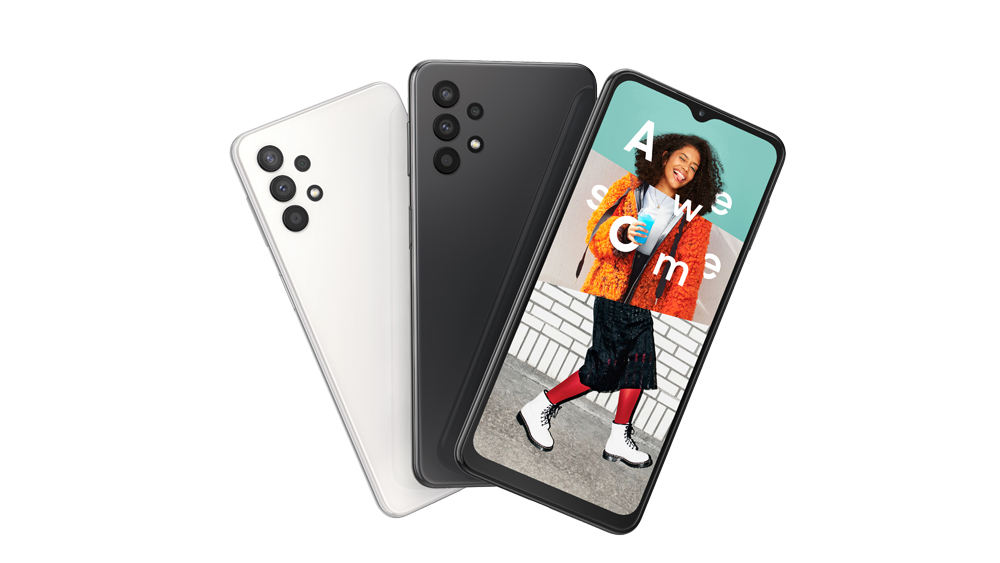
Earlier this week, Samsung announced the Galaxy A32 5G phone in European markets. It debuted as the most affordable 5G phone from the brand. Recently, the 4G version of the Galaxy A32 with model number SM-A325F/DS was spotted at the Bureau of Indian Standards (BIS) certification platform. The listing indicated that India could be receiving the 4G edition of the Galaxy A32. The same model has appeared on the Geekbench benchmarking platform with key specs.
The Galaxy A32 4G phone’s Geekbench 5 listing reveals that it is powered by the MediaTek MT6769V/CT, which could be the Helio G85 SoC. The chipset is coupled with 6 GB of RAM and it is loaded with Android 11 OS. In the single-core and multi-core tests, the Galaxy A32 4G scored 343 and 1258 points, respectively.
The Geekbench listing is a good hint that the company could be testing the Galaxy A32 4G before its official announcement. It remains to be seen whether the A32 goes official within Q1 this year.
Priced at €279, the Samsung Galaxy A32 5G has a 6.5-inch ISP LCD display with a waterdrop notch. It has a 13-megapixel selfie camera and a quad-camera module that has a 48-megapixel primary camera, an 8-megapixel superwide lens, a 5-megapixel macro shooter, and a 2-megapixel depth sensor.
Samsung Galaxy A32 5G
The Galaxy A32 5G comes with up to 8 GB of RAM and up to 128 GB of storage. It has a microSD card slot and comes loaded with Android 11 OS. The 5,000mah battery of the phone is equipped with 15W fast charging technology. It will go on sale from next month in color editions such as Awesome Blue, Awesome Violet, and Awesome White.
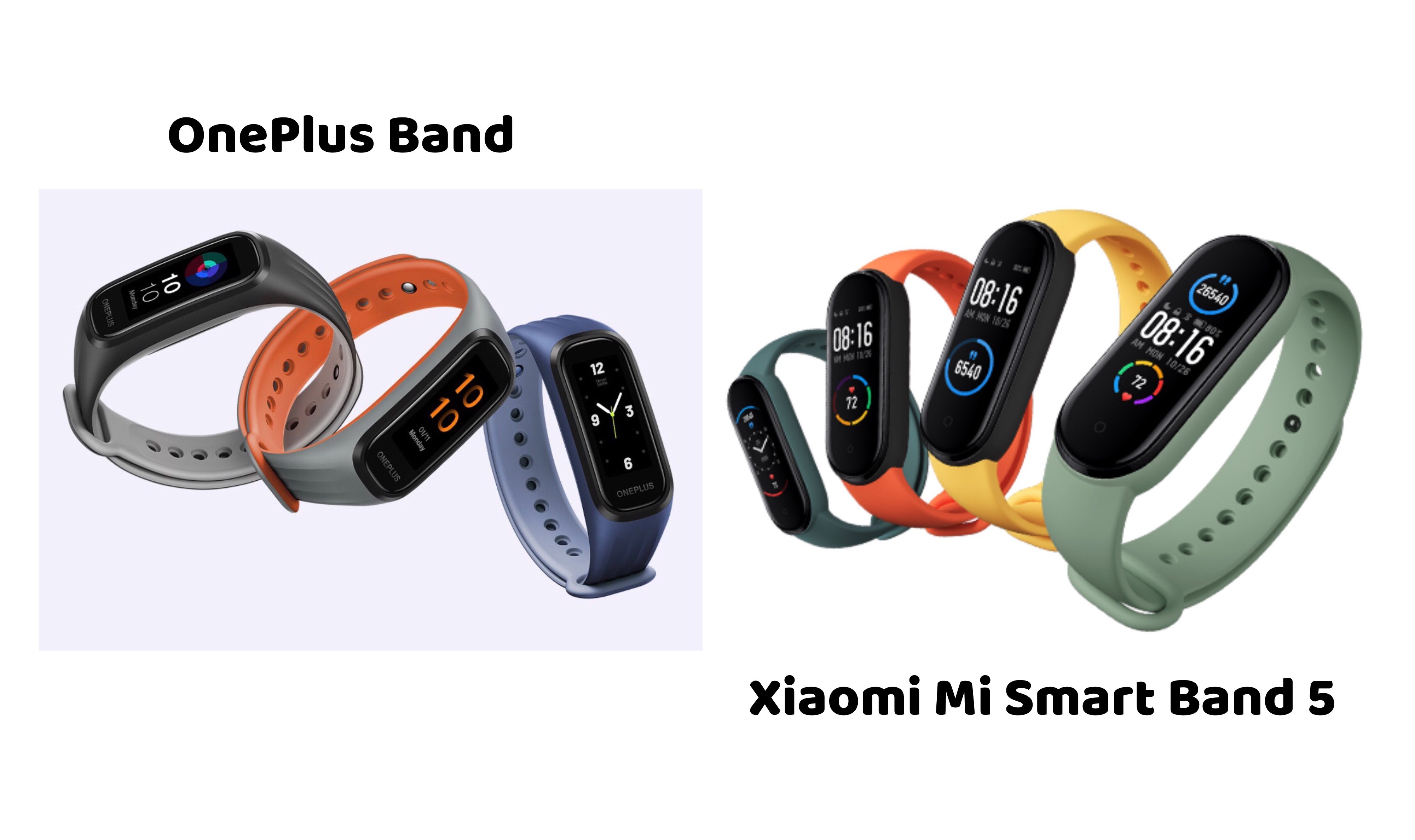
OnePlus has finally entered the wearable market with the launch of the OnePlus Band. The brand’s first fitness tracker is exclusive to India, priced at ₹2,499. It goes head to head with the popular Xiaomi Mi Smart Band 5, in terms of both, specifications and price.
Let us compare these products in detail in this article.
OnePlus Band vs Xiaomi Mi Smart Band 5: Specs Comparison
Limited Band Faces, Message Notifications, Incoming Call Notifications, App Notifications, Music Playback Controls, Stopwatch, Alarm, Camera Shutter Controls, Find My Phone, Weather Forecast, Zen Mode Synchronization with select OnePlus phones, Charging Status, OTA Upgrades
Unlimited Band Faces, Music Control, Camera Shutter, Unlock Phone (only MIUI), Find My Phone, Mute Phone (only Android), Call Alerts, Message Alerts, App Alerts, Weather Forecast, Stopwatch, Alarm, Charging Status, OTA Upgrades
OnePlus Band vs Xiaomi Mi Smart Band 5: How they differ from each other?
Now, as we have listed the specs of these fitness trackers in detail, let us go through the differences between them.
Design
Although the OnePlus Band and Mi Smart Band 5 feature a same-sized AMOLED display, their designs are quite different from each other. The former has a boxy structure, whereas the latter is curvier. Further, OnePlus’ offering features a thicker strap with a dual-tone finish while Xiaomi’s latest fitness tracker comes with a thinner single-colored strap similar to its predecessors.
Sensors
Both of them have a 3-axis accelerometer, a 3-axis gyroscope, and an optical heart rate sensor (PPG). But the OnePlus Band also features a SpO2 sensor to monitor blood oxygen levels, which is useful in the current scenario.
Sports Modes
OnePlus Band also wins here with 13 sports modes, instead of 11 on the Mi Smart Band 5. They both have almost identical sports modes, except that the former gets two additional modes in the form of Cricket and Badminton. Also, the OnePlus’ product comes with a special Fat Burn Run mode, instead of the Walking mode, which is found on the Mi Band 5.
Health
The Mi Smart Band 5 offers more health-related functions than the OnePlus Band in the form of Stress Monitoring, Menstrual Cycle Monitoring, Idle Alerts, and PAI (Personal Activity Intelligence). Further, the common factors include 24-hour Heart Rate Monitoring, Sleep Monitoring, Breathing Exercises, Step Counter, and Daily Goals.
Other Features
Just like the Health features, the Xiaomi Mi Smart Band 5 comes with more additional features than its new competitor. These include Unlimited Band Faces, Unlock Phone (only MIUI), and Mute Phone (only Android). However, although the OnePlus Band lacks these three features, it does come with Zen Mode Synchronization (supported on select OnePlus phones).
Battery
The OnePlus band gets a smaller 100mAh but it has an official rated battery of 14 days, which is the same as the Mi Smart Band 5. Note that Xiaomi’s fitness band comes with a larger 125mAh battery and delivers similar battery life in the normal mode. But you can squeeze a whopping 21-day battery life in Power Saving Mode. Also, the latter supports a magnetic charger, which is better than the former’s cradle charger.
Compatibility
Since OnePlus is a new entrant in the wearable category, the company’s companion app, OnePlus Health, is only available on Android as of now. Whereas, since Xiaomi is an established player, its companion app, Mi Fit, is available for both Android and iOS.
OnePlus Band vs Xiaomi Mi Smart Band 5: Conclusion
Despite lacking a SpO2 sensor for blood oxygen level monitoring, the Xiaomi Mi Smart Band 5 is an overall better option than the OnePlus Band, based on its specifications.
Do you feel the same or have any different opinion? Let us know in the comment section below.
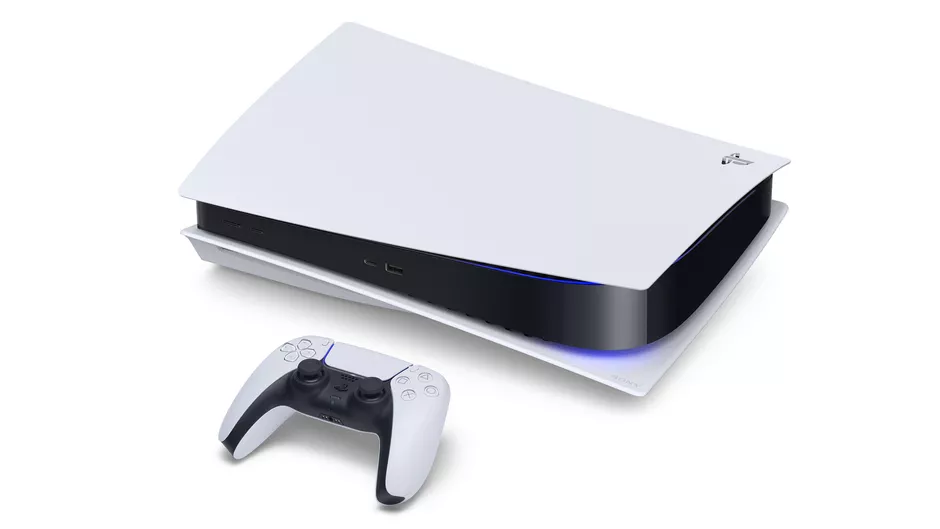
Sony seems to have done another oopsie with respect to India’s PlayStation 5 launch. The first pre-order, which happened on January 12, didn’t go well with fans. Apparently, the stocks vanished in a flash leaving many customers disappointed which was visible on social media comments. Now, Sony has given another shocker regarding the PS5 pre-orders.
According to a Twitter post(via Gadgets360), Sony has confirmed that there won’t be any more pre-orders for the PS5 before February 2 launch. Back on January 12, customers were fuming regarding the less pre-order time and stocks planned by Sony. However, they were at least hoping that another pre-order would set things right.
Sony has now shattered those dreams at least that’s what the report says. It says that it’s not planning pre-orders before the first launch that is on February 2. This means disheartened fans will have to wait for another two weeks to know when will the next sale/pre-order be.
PS5 will not be available for pre-order again before launch. They have basically taken back their previous statement.
"We are not planning pre-order for PS5 before 2nd February. Please stay in touch with retailers for future pre-order updates." https://t.co/mU0hWTszoV
— Is PS5 Out For Delivery in India Yet? (@PS5India) January 14, 2021
Sony’s PS5 fans in India have been in a bit of rollercoaster emotions right from the price announcement. Although the latter came way back in October, Sony had reportedly canceled the launch multiple times one of which was allegedly on November 19. The frustration was so much that people started buying the imported units for as high as ₹90,000($1230).
Even after the official announcement on the first day of this year, Sony shocked the audience by confirming the absence of Digital Edition during the pre-orders. That said, we are yet to get an official number on how many units were exactly reserved for January 12.
Either way, it has officially requested us to stay in touch with retailers for the next phase of pre-orders. Hence, if you are planning to get a PS5 in India, the best you can do is contact a retailer near you to know what’s going on right now.
In case you don’t know, PS5 in India is priced at ₹49,990($684) for 4K Blue-ray Disc Drive Edition and ₹39,990($547) for Digital Edition. Also, as stated before, only the Disc Drive edition along with Dual Sense Wireless Controller(₹5,990), and Media Remote(₹2,590) will be available on February 2.
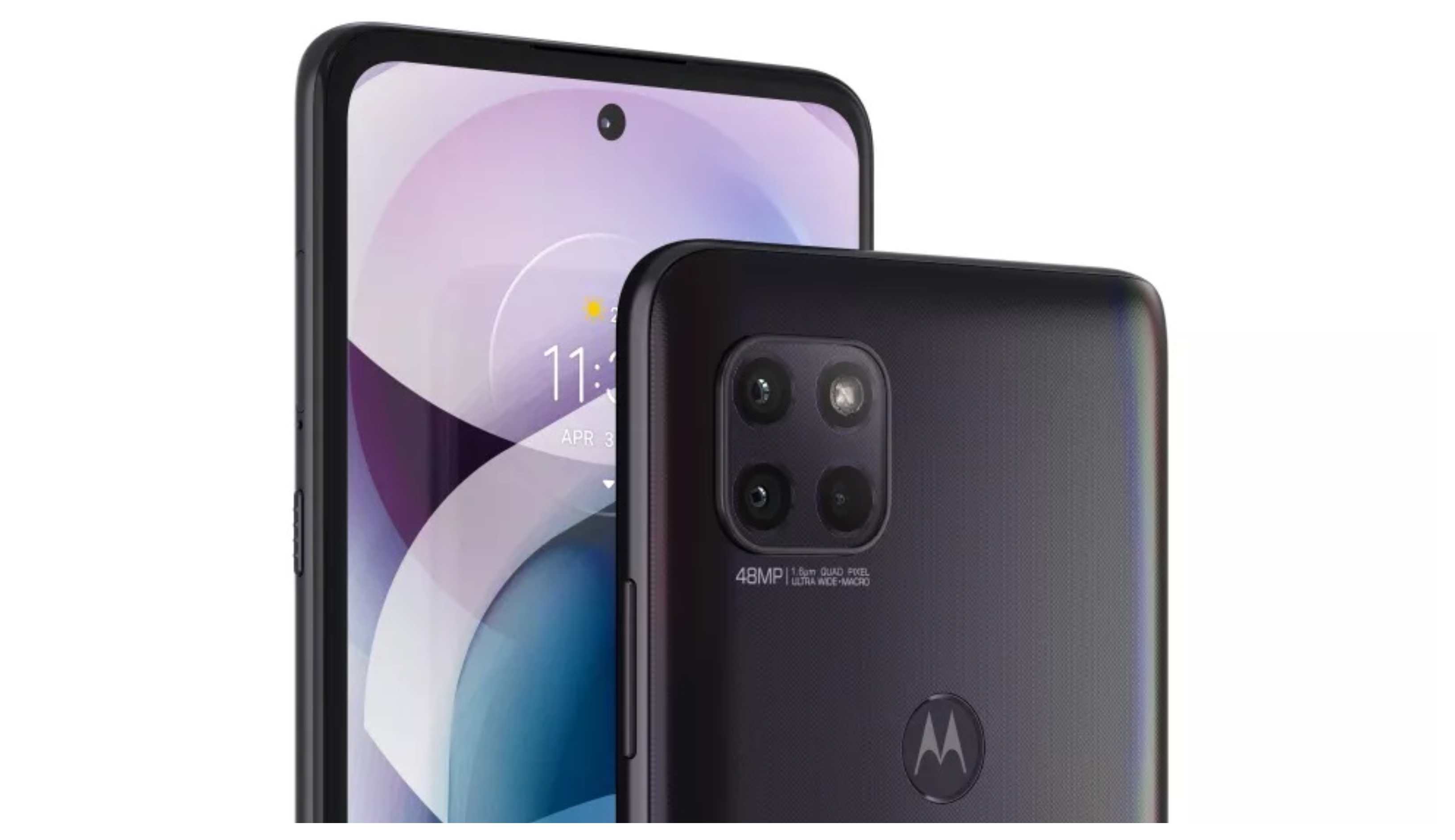
Between Jan. 20 and Jan. 24, Flipkart will be carrying out the Big Saving Days sale. As usual, the retailer giant will be offering attractive discounts on smartphones during the 4-day sale. The Moto G 5G will be one of the phones that the buyer would like to purchase during the sale as it will be available with a discount of Rs 2,000.
The Moto G 5G went official in India with a price tag of Rs 20,999. It arrived as India’s first Snapdragon 750G powered handset. While 5G networks are yet to begin in India, the Moto G 5G has been selling as the cheapest 5G smartphone in the country. The landing page of Flipkart’s Big Savings Day sale mentions that the Moto G 5G will be available for Rs 18,999. It means that the phone will be selling with a price cut of Rs 2,000 during the sale.
Moreover, customers will be able to take advantage of a 10 percent instant discount on HDFC Bank cards and EMI transactions on smartphones during the Big Savings Day sale. While the sale stats on Jan. 20, Flipkart Plus members will have early access to the sale starting from 12 AM on Jan. 19.
The Moto G 5G has an IP52-rated splash-resistant body and a 6.7-inch IPS LTPS LCD screen that offers Full HD+ resolution. It has a 16-megapixel selfie camera, and its rear-mounted quad-camera module has a 48-megapixel main camera, an 8-megapixel ultrawide lens with 118-degree FOV, and a 2-megapixel macro lens.
The moto G 5G carries support 20W charging for its 5,000mAh battery. It comes with 6 GB of LPPDR4x RAM and 128 GB of UFS 2.1 storage. It runs on Android 10 OS and has a shared SIM slot for more storage.
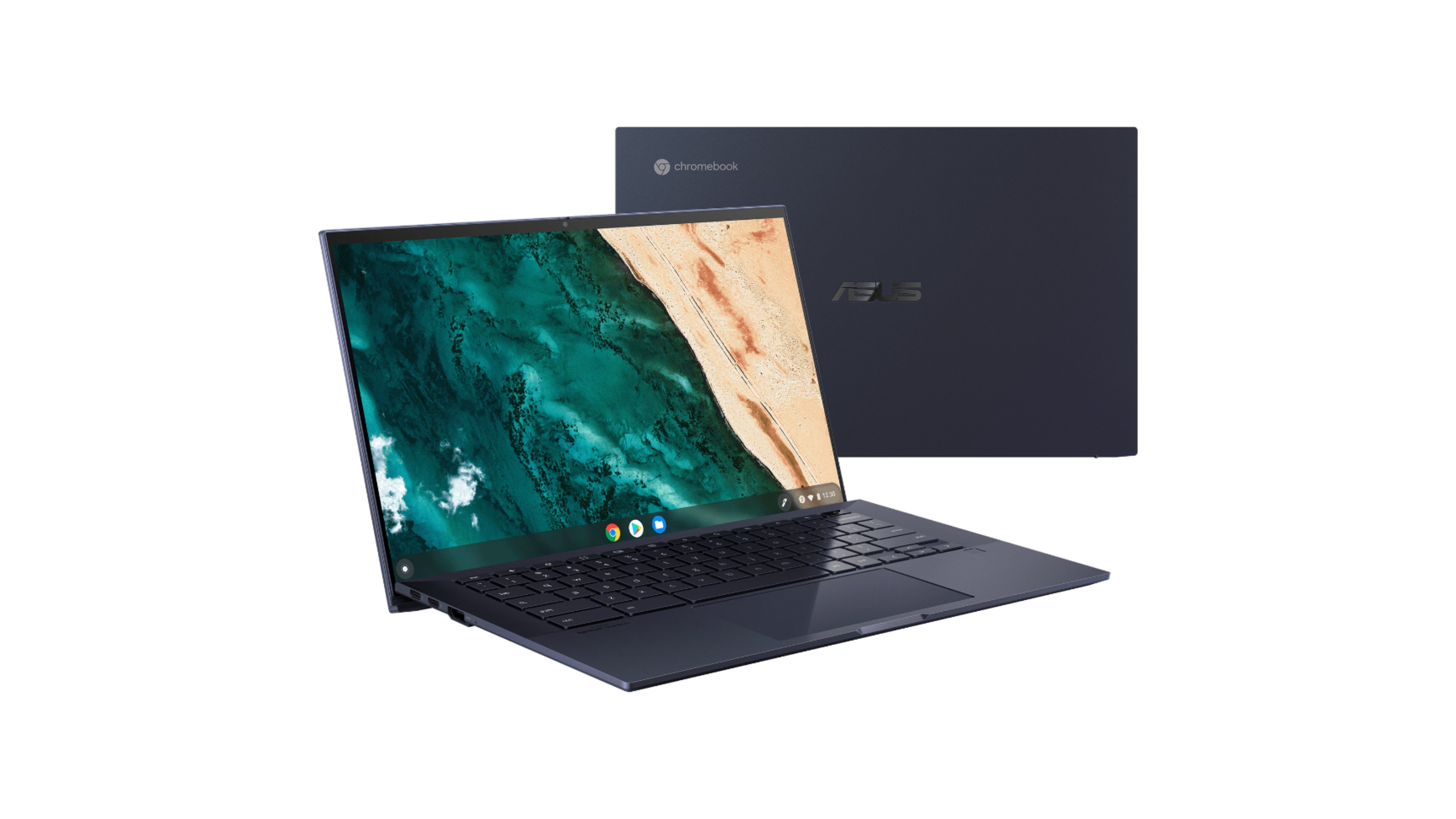
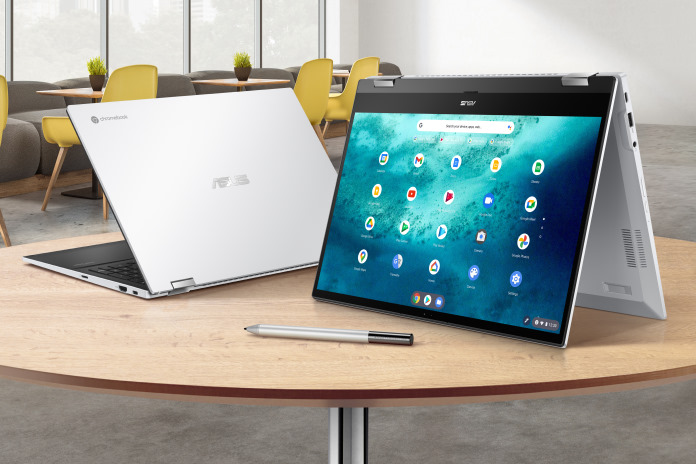
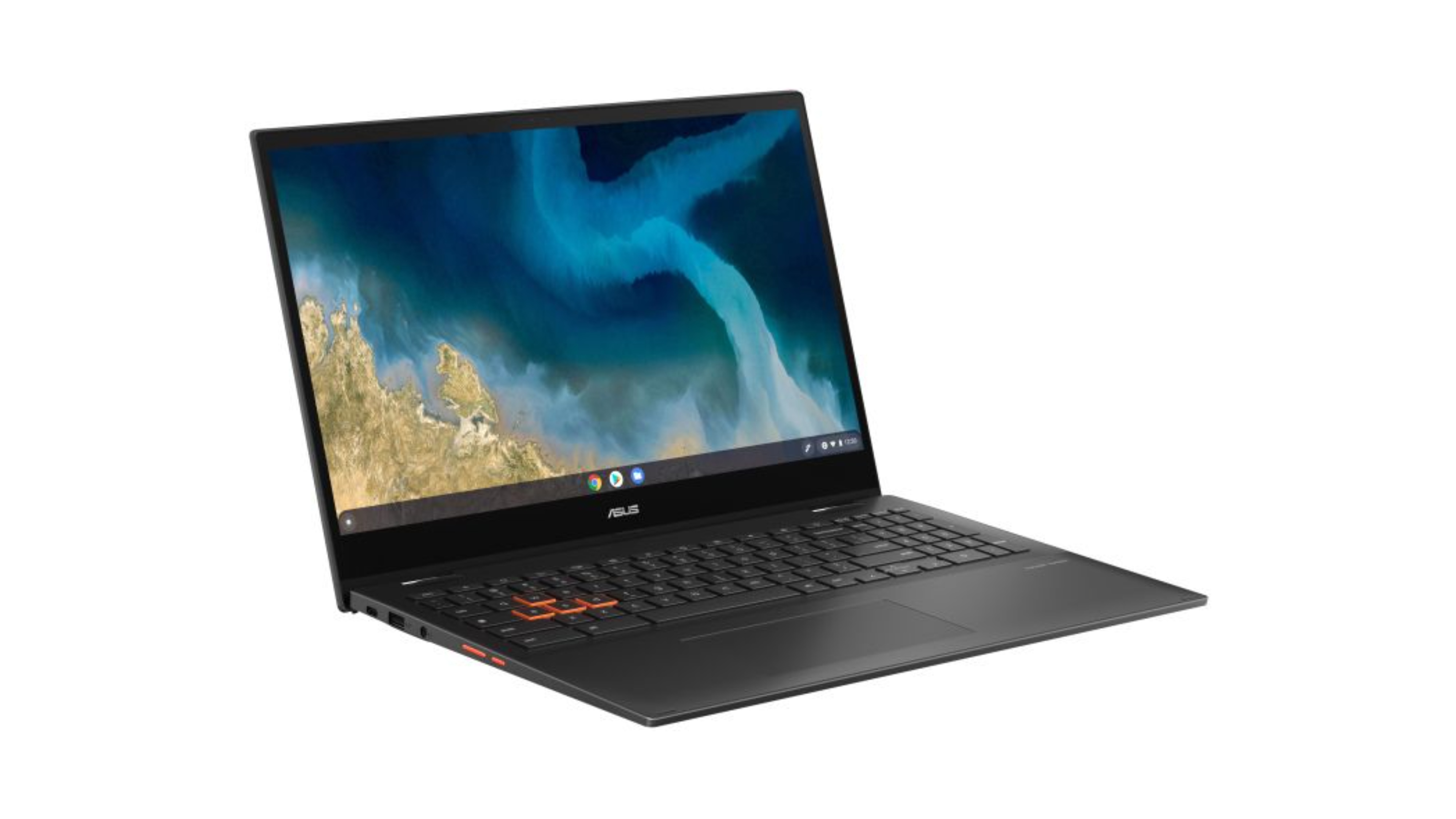
ASUS has announced three Google Chrome OS-powered laptops at CES 2021. These three models are targeted at a different consumer group, namely enterprises, general consumers, and gamers. They are called Chromebook CX9, Chromebook Flip C536/CX5, and Chromebook Flip CM5 respectively. As you can notice from their names, the latter two are convertibles but the former notebook is not. That said, the company has revealed the key specs of these products, however, their price and availability are a mystery as of now.
ASUS Chromebook CX9
This ASUS Chromebook meant for enterprises is MIL-STD 810H-certified for durability, weighs around 1KG, measures 16mm in thickness. It is powered by up to 11th Generation Intel Core i7 processor with Intel Iris Xe graphics and features Titan C security for storing sensitive information such as passwords and encryption keys.
Other notable features include a 14-inch NanoEdge display, magnesium-alloy chassis, Thunderbolt 4, fingerprint sensor, webcam shield, WiFi 6, Harman Kardon speakers, and up to 4TB storage.
Unlike the former model, this 15.6-inch convertible Chromebook is targeted at general consumers. But just like the previous laptop, this one also features up to 11th Generation Intel Core processor with Intel Iris Xe graphics, WiFi 6, and Harman Kardon speakers.
Further, it comes with USI Stylus support, USB 3.2 Gen 2 (Type-C), and up to 16GB LPDDR4X RAM a well as 512GB NVMe SSD.
ASUS Chromebook Flip C536/CX5 Specs
CPU
Intel Core i3-1115G4
Intel Core i5-1135G7
Intel Core i7-1165G7
GPU
Intel UHD, Intel Iris Xe
RAM
8GB, 16GB
Storage
128GB, 256GB, 512GB (NVMe SSD)
Display
15.6-inch IPS LCD
FHD (1920x1080 pixels)
Touchscreen
250 Nits Brightness
USI Stylus Support
Camera
720p
Battery
57Wh
Connectivity
WiFi 6
Ports
2 x USB 3.2 Gen 2 Type-C
1 x USB 3.2 Gen 2 Type-A
1 x HDMI 2.0
1 x 3.5mm Audio Combo Jack
1 x MicroSD Card Reader
ASUS Chromebook Flip CM5
Lastly, this notebook is designed for gamers in mind with a stealthy black color paintjob and red-colored WASD keys. However, the specs are modest as the high-end model only features an AMD Ryzen 5 35000C processor but does come with WiFi 6.
Anyway, it is more than enough for Google Stadia gaming on its 15.6-inch FHD display with Harman Kardon speakers.
UPDATE:
The original report stated inaccurately that Micromax was manufacturing Smart TVs for the below-mentioned brands. That report has since been rectified to reflect the correct information and accordingly, we have updated this article.
Updated Story below.
The smart TV segment is booming in India. Affordable realme and Redmi branded TVs’ popularity is an example of it. Recently, they have achieved exceptional sales during the festive season in the country. As a result, apart from other players like OnePlus, TCL, BPL, we also witnessed brands like Inifinix foray into the Smart TV segment. Now, a report by the Mobile Indian says these TVs are going to be manufactured by an Indian company, Bhagwati Products Ltd.
Citing its sources, the report says that Bhagwati Products Limited has started making TVs for realme, OnePlus, Infinix, TCL, and BPL in India. In case you don’t know, Bhagwati Products makes Mobile Phones, Smart TVs, ACs, PCBs, and more. It manufactures products for Micromax too, which recently made a come back in India.
Notably, another Indian company, Lava started manufacturing smartphones for brands like Nokia and Motorola. Anyway, this move by brands like realme, OnePlus, Infinix could be to further leverage the benefits of the ‘Make in India‘ initiative whilst providing a hand for its partner(Bhagwati) in the PLI scheme in return.
Also, if you take giants like Xiaomi, which is in the smart TV business longer than realme and OnePlus, already makes its TVs in the country by itself. That said, this new partnership could also be an extension of localized production what the spin-off brands had already planned.
Coming back, currently operating with three factories at Bhiwadi, Telangana, and Rudrapur across India, Bhagwati Products has an HQ in New Delhi since 2002. According to the report, it has so far made 40 Million Mobile Phones including Smart Phones & Feature Phones, and 3 Million LED TVs, Mobile Charger, Li-Ion Batteries, and more.
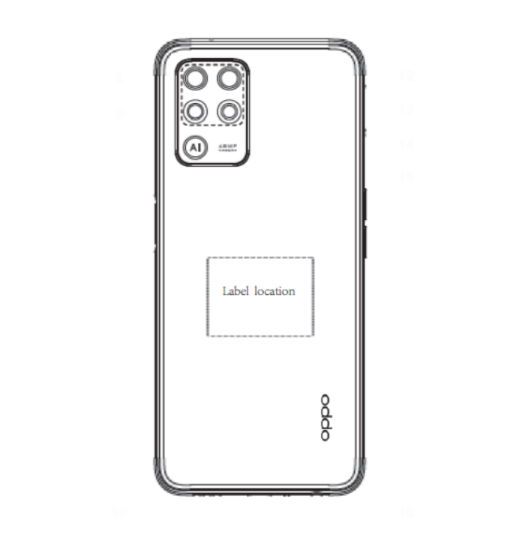
A mysterious OPPO phone with a CPH2205 model number has received approval from the Federal Communications Commission (FCC) in the U.S. The FCC listing has revealed the rear design of the smartphone along with a few key details.
The OPPO CPH2205 was approved by the Eurasian Economic Commission (EEC) in December and it has now popped up at FCC. The EEC did not reveal any information on its specifications. A schematic of the phone’s rear has been found in its FCC documents. The image reveals that the device has a large-sized camera module at the top-left corner.
The camera housing of the OPPO CPH2205 seems to house three cameras and an LED flash. The blurry text in the camera housing suggests that it could be featuring a 48-megapixel primary lens. The OPPO branding can be seen at the bottom-right of the phone’s back. The handset measures 160.1 x 73.32mm and it measures 170mm diagonally. The screen of the CPH2205 measures 159mm diagonally, which indicates that it is equipped with a 6.2-inch screen.
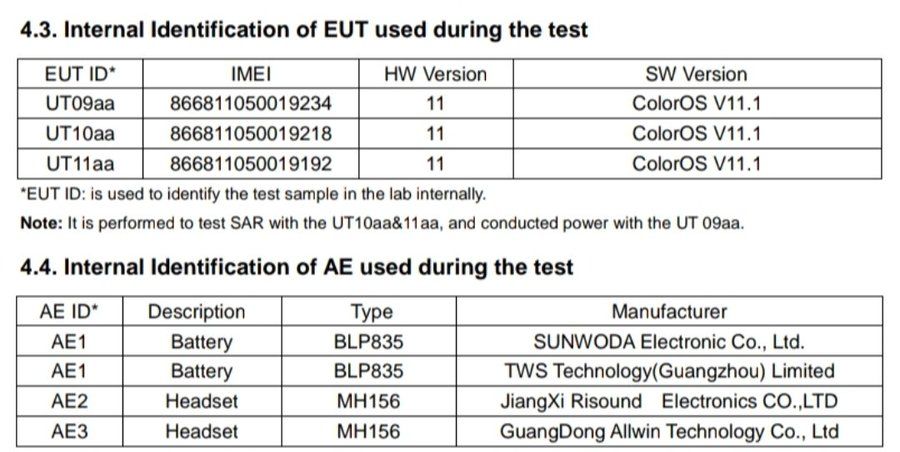
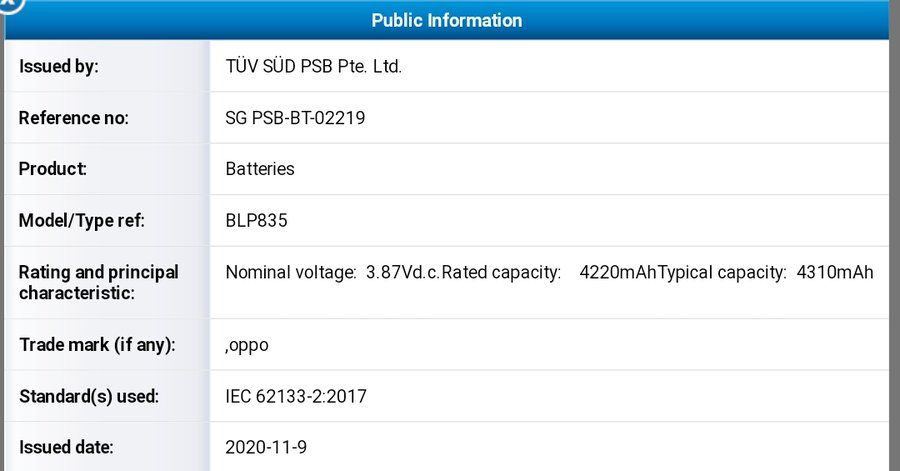
The OPPO CPH2205 is preinstalled with ColorOS 11.1 based Android 11 OS. FCC only mentions the model number of the phone’s battery as BLP835. It is found through the TUV Rheinland listing that the BLP835 battery has a rated size of 4,220mAh and its typical capacity is 4,310mAh. The other details of the smartphone are currently under wraps.
In related news, OPPO today unveiled the OPPO A93 5G with a price tag of 1,999 Yuan (~$308). The handset comes with specs like a 6.5-inch 90Hz LCD display, Snapdragon 480, 48MP triple camera, and a 5,000mAh battery with 18W fast charging support.
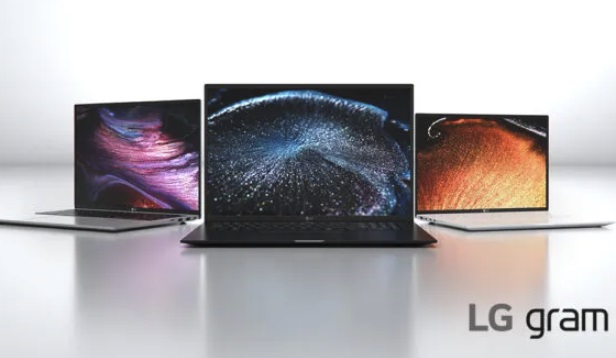
Earlier today (15th January 2021), LG officially announced that its Gram lineup of lightweight notebooks are launching in China in February 2021. The new ultrabooks were announced during CES 2021.
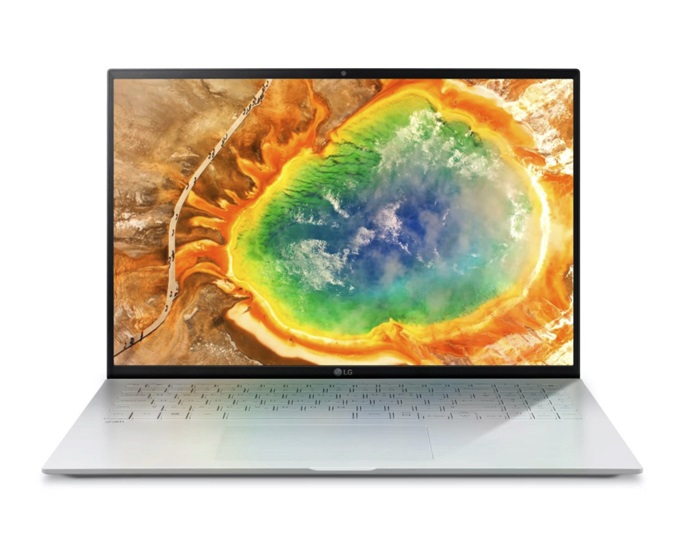
The new LG Gram notebooks are the company’s latest offerings in the lightweight ultrabook categories and will feature Intel’s latest 11th Gen mobile processors. Furthermore, these laptops will also feature a 16:10 aspect ratio, with an enlarged keyboard and trackpad for more convenient productivity. The new laptops from the South Korean tech giant include the LG Gram 17 (model 17Z90P), LG Gram 16 (model 16Z90P), LG Gram 14 (model 14Z90P), LG Gram 2 in 1 16 (model 16T90P), and LG Fram 2 in 1 14 (model 14T90P).
Under the hood, the 2021 lineup of the LG Gram notebooks will also feature Intel’s EVO platform certification along with its 11th Gen Core processors. In other word, the laptops will feature Iris Xe graphics as well, paired with LPDDR4X memory. Notably, despite the LG Gram 17 featuring a large 17 inch display, the notebook only weighs 1.35 kilograms.
Similarly, the other laptops are even lighter, with the gram 16 and Gram 14 weighing just 1.2 kilograms and 999 grams respectively. Furthermore, in terms of dimensions, both laptops measure less than 1.68 cm in thickness, with the Gram 14 and 16 inch 2 in 1 thin and light notebook also being shipped with a Wacom AES 2.0 compatible stylus.
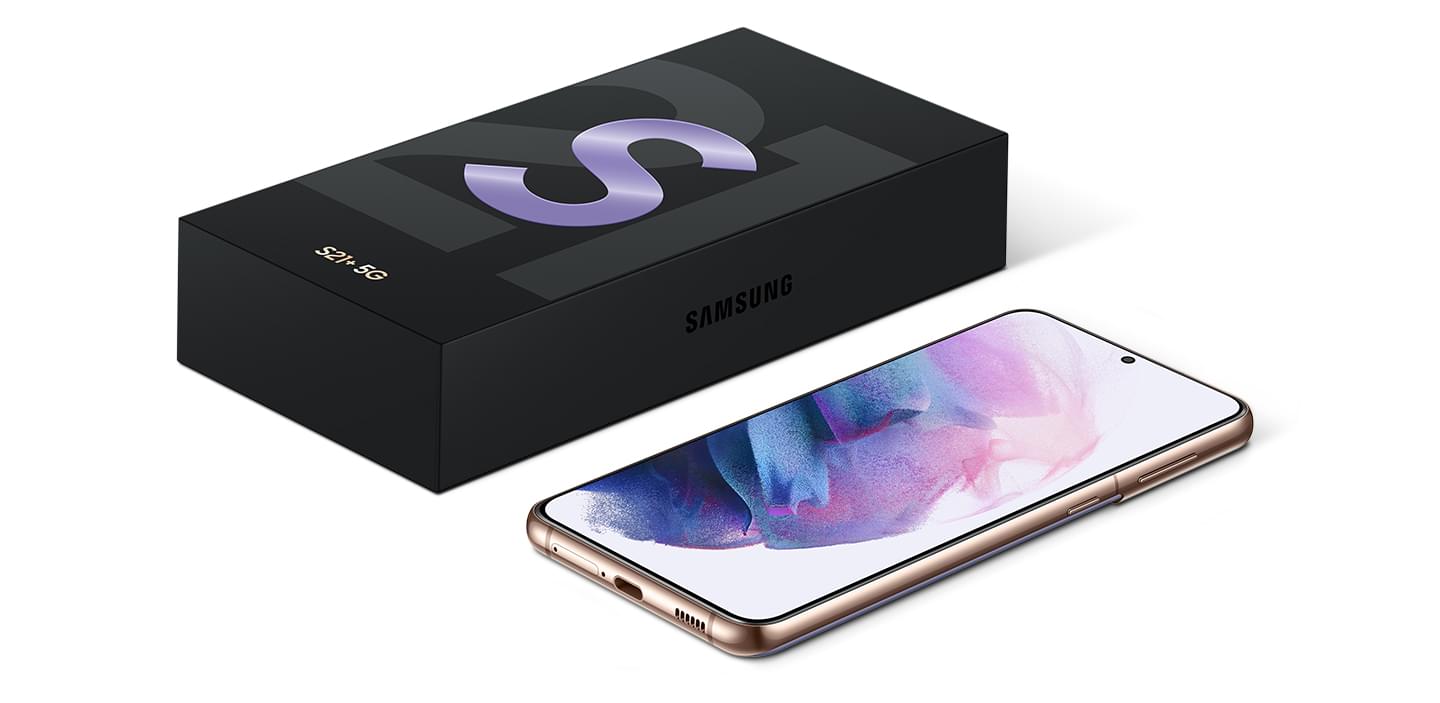
According to an Android Authority report, the South Korean tech giant might gradually remove shipping the in box chargers and earphones with its smartphone offerings. Similar to Apple, Samsung also cited environmental concerns as the primary reason for removing these accessories from the retail box. While this may now only be for the newest premium grade flagship, the practice might extend to its other upcoming lineup as well.
Recently, the company published a set of FAQs about its new flagship handsets and the items that it ships with them. Along with this set of questions, Samsung even hinted at its possible future plans regarding the accessories it provides with its retails boxes. The company stated that “We believe that the gradual removal of charger plugs and earphones from our in-box device packaging can help address sustainable consumption issues and remove any pressure that consumers may feel towards continually receiving unnecessary charger accessories with new phones.”
Samsung further added that it first introduced USB Type C charging ports back in 2017. Meaning, there are plenty of older and compatible chargers that its Galaxy S21 series buyers can use. Keep in mind, the company hasn’t directly stated that it will remove these accessories completely, although, the move might be permanent for its Galaxy S series of flagship smartphones. In other words, the Galaxy A, M, and F family of devices might still continue to ship with these accessories in the future.
The upcoming Motorola Nio is in the news for a while now, all thanks to certification listings and leaks. This device is expected to launch as Motorola Edge S in China and a Moto G series device globally. Ahead of its official announcement, the handset has now cleared WiFi certification.
The Motorola Nio’s (XT2125) listing on WiFi Alliance does not reveal anything new. But its certification confirms that the device may launch soon. Because the company has already started teasing this phone in China.
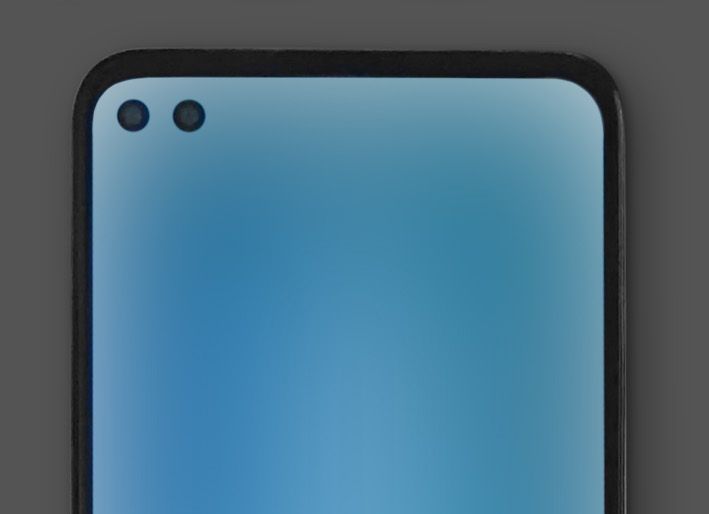
Further, the handset is expected to sport an FHD+ (1080 x 2520 pixels) display with an unusual 105Hz refresh rate and dual punch-hole cutout (separate) for selfie cameras. Talking about the cameras, it will feature a 64MP (primary) + 16MP (ultra-wide) + 2MP (depth) triple rear camera setup and a a 16MP (primary + 8MP (ultra-wide) dual front camera setup.
Other expected features are Android 11, 8GB/12GB RAM, and 256GB inernal storage. That said, Motorola is yet to officially announce the launch date for this phone.
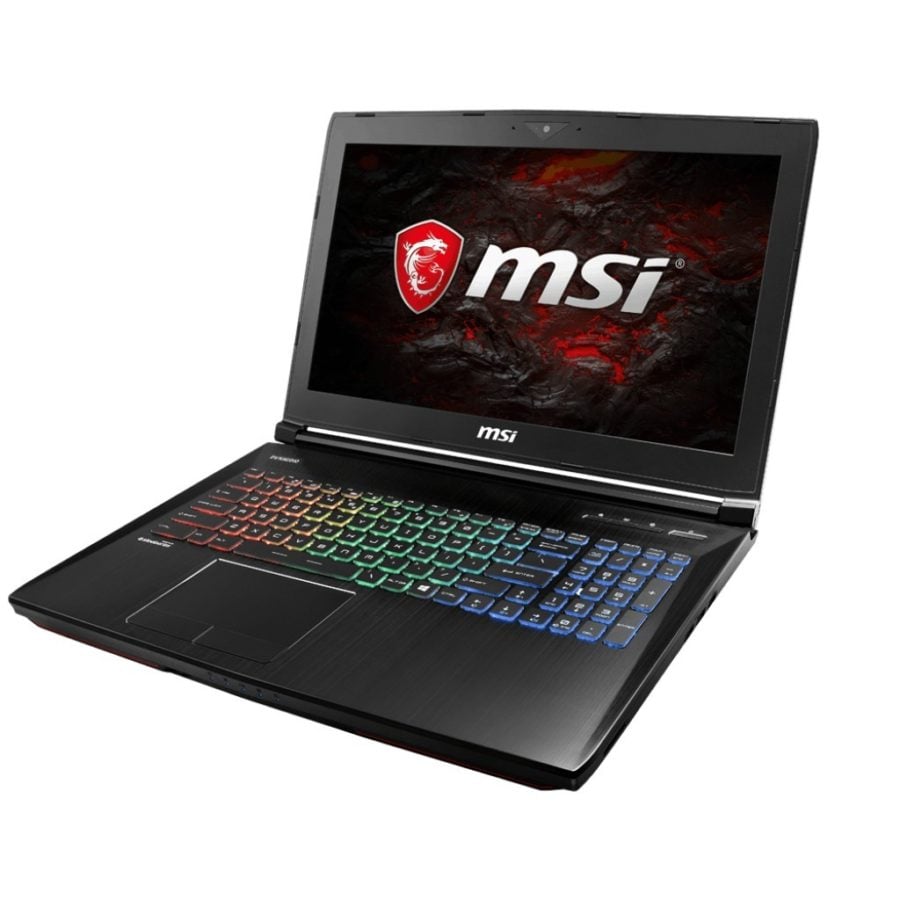
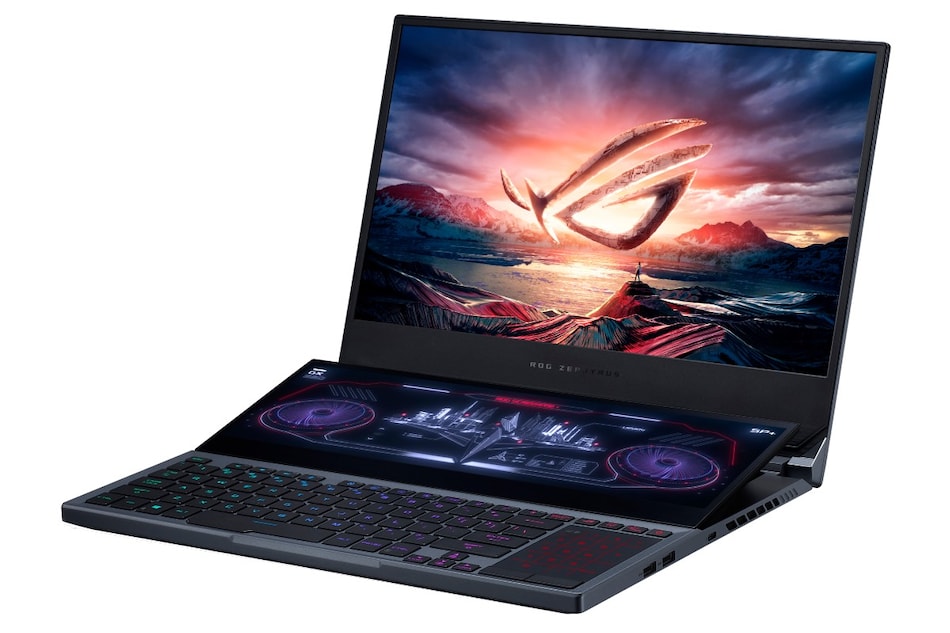
Asustek Computer and Micro Star International (MSI) have both seen robust sales for their gaming laptop offerings back in 2020. The laptop makers saw record high shipments of their high end gaming notebooks during this time.
According to a DigiTimes report, industry sources close to both companies saw stronger than expected demand for their gaming laptops last year. As per sources, both firms are estimated to have seen at least a 20 percent rise in shipments in comparison to 2019. This also marked the first time either company saw shipments cross 200 million units. The momentum, which is expected to carry forward to the second half of this year as well, is said to be backed by the Coronavirus pandemic.
For those unaware, PC and laptop shipments saw growth despite the viral outbreak, owing to the growing popularity of work from home and remote working situations. The pandemic has also led to an increase in competition in the gaming laptop market. The first half of this year is expected to see a boost in performance as well, especially with the launch of NVIDIA’s RTX 30 series GPUs for laptops and new notebooks. In other words, the first quarter of 2021 might have the market see the strongest performance.
Apart from just work from home, the entire desktop gaming market has also seen a sudden rise in popularity as well. Competitive esports titles have also led to gaming machines becoming a lot more popular during the lockdowns, which were enforced across the globe. Both MSI and Asus are estimated to have shipped over 1.4 million units in market segments over 899 US Dollars. This marks a 30 to 40 percent rise in shipments in comparison to 2019.
We use cookies on our website to give you the most relevant experience by remembering your preferences and repeat visits. By clicking “Accept”, you consent to the use of ALL the cookies.
This website uses cookies to improve your experience while you navigate through the website. Out of these, the cookies that are categorized as necessary are stored on your browser as they are essential for the working of basic functionalities of the website. We also use third-party cookies that help us analyze and understand how you use this website. These cookies will be stored in your browser only with your consent. You also have the option to opt-out of these cookies. But opting out of some of these cookies may affect your browsing experience.
Necessary cookies are absolutely essential for the website to function properly. This category only includes cookies that ensures basic functionalities and security features of the website. These cookies do not store any personal information.
Any cookies that may not be particularly necessary for the website to function and is used specifically to collect user personal data via analytics, ads, other embedded contents are termed as non-necessary cookies. It is mandatory to procure user consent prior to running these cookies on your website.