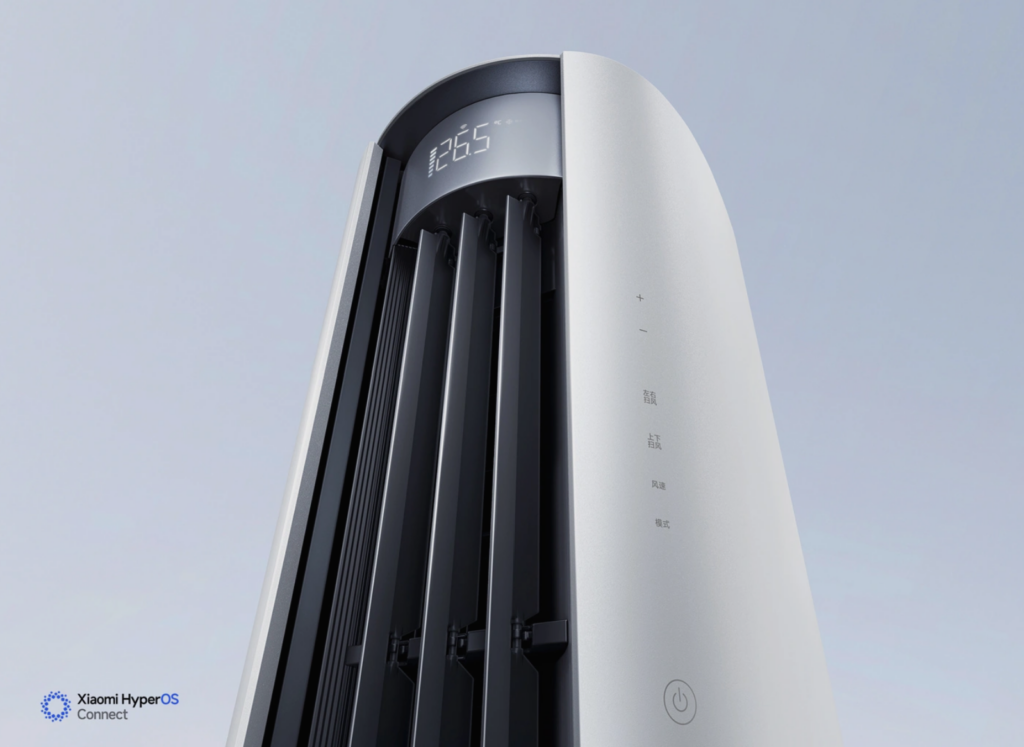
Xiaomi is expanding its smart home appliance lineup with two new AI powered air conditioners. The company just released the Mi Home Super Energy 1.5HP Air Conditioner, and now, the brand has released the Mi Home Super Energy Air Conditioner 2HP and 3HP models in China. So let’s check it out.
Xiaomi’s Latest Air Conditioners Leverage AI
Unlike the 1.5HP variant that is wall mounted, the Chinese tech giant built the 2HP and 3HP as floor standing air conditioners that are positioned vertically. As per official notes, the two new models have a 115 degree airflow angle, providing both heating and cooling air. Xiaomi claims that it can begin cooling in just 30 seconds, while heating a room only needs around a minute.
Xiaomi Mi Home Air Conditioner Super Energy Saving 2HP and 3HP
The differentiating factor between these two models is the airflow rate. The Mi Home Super Energy 3HP Air Conditioner has a higher 1,755m³/h airflow rate, while the 2HP model has a slower 1,520m³/h rate. As the name suggests, the highlighting aspect of the two air conditioners is built with energy efficiency in mind. The official notes claim that the AI algorithm on the Mi Home Air Conditioner helps deliver an energy saving rate of 30 percent.
Both models are also rated as Level 1 efficiency in China. Users can control these air conditioners via Xiaomi’s app, which also brings access to the finer settings and OTA updates. Thanks to HyperConnect, the new air conditioners integrate seamlessly with the Xiaomi smart home ecosystem. The Xiaomi Mi Home 2HP Super Energy Air Conditioner is priced at 4,599 Yuan (roughly 650 US Dollars), while the 3HP model costs 5,299 Yuan (roughly 750 US Dollars).
For more daily updates, please visit our News Section.
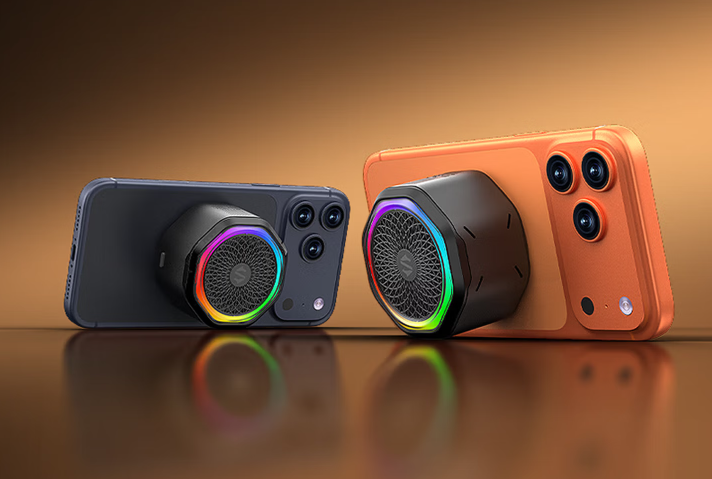
Black Shark has announced a new magnetic Bluetooth speaker in the Chinese market. The speaker is priced at 129 yuan ($18) and is now available on JD.com for reservation.
Black Shark Magnetic Speaker Specs
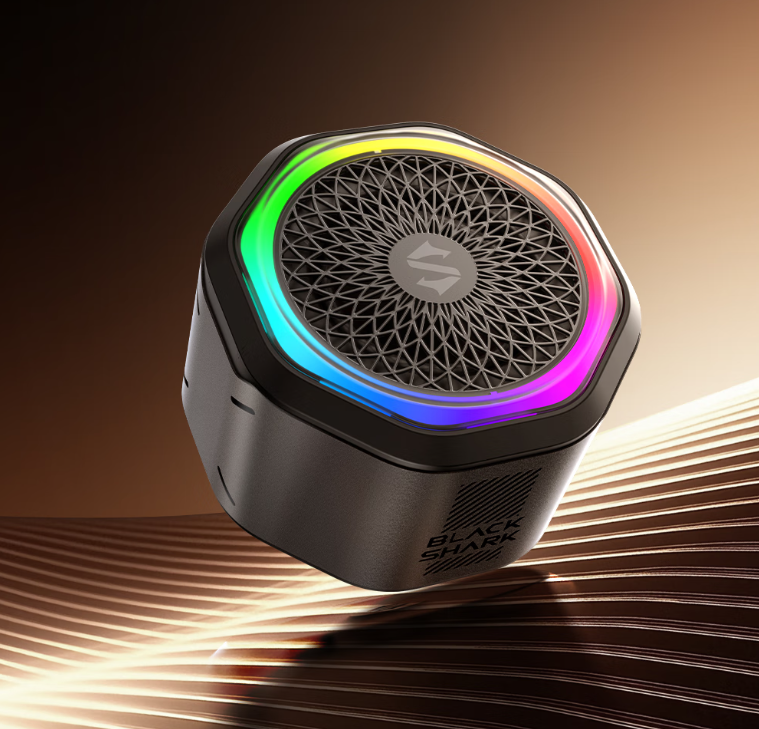
The speaker uses a 1.45-inch full-range driver with a rated power output of 4W. It can reach a peak loudness of up to 90dB. Black Shark has paired the speaker with a Red Red Shark-branded driver unit and equipped it with a DSP Pro 2.0 algorithm. This audio engine helps reduce distortion and enhances bass response, which improves clarity during music and gaming playback.
The speaker has a metal and ABS build and supports magnetic attachment using an N52-grade magnet. It can stick directly to smartphones that support magnetic accessories, including iPhones. When placed horizontally, it can also act as a phone stand.
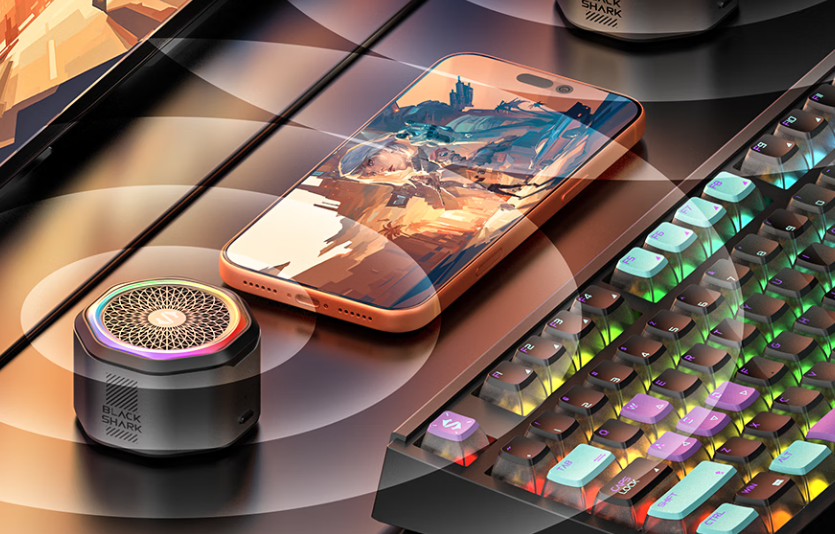
The top of the speaker features RGB lighting designed to create a soft, candle-like glow in dim environments. The speaker supports multiple usage scenarios, including work desks, bedside tables, outdoor use, and travel. It supports TWS pairing, allowing two units to connect wirelessly for stereo sound output.
Connectivity is handled via Bluetooth 6.0, which offers faster pairing and more stable performance. The speaker also carries an IPX4 water-resistance rating, making it suitable for daily use and protection against light splashes.
The device is powered by a 750mAh battery, which supports between 6 to 16 hours of playback depending on usage and volume. The battery charges through a USB Type-C port and requires about 2.5 hours for a full charge. The standby time is rated at up to 90 days.
In related news, Black Shark has recently introduced the GS3 Ultra rugged smartwatch built to withstand heavy use, and the company has also launched a 25W magnetic cooling accessory designed to keep iPhones chilled during gaming sessions.
For more daily updates, please visit our News Section.
Over the last couple of weeks, Xiaomi has been busy slowly rolling out the major HyperOS 3 update for smartphones across the globe, starting in China and now rolling out in various markets. The company has already released the Android 16 OS based HyperOS 3 update for various smartphone models. But now, it is rolling out a special version of the HyperOS 3, which is still based on the older Android 15. So here’s what you need to know and which devices are eligible for the update.
The internal test builds were spotted by XiaomiTime recently confirmed that there are stable internal test builds of the HyperOS 3 running on around 16 models. Just like the regular Android 16 based build, the Android 15 HyperOS 3 update brings the same new UI changes, new features, improved cross device integration, and a fresh new look.
HyperOS 3 (Android 15) Eligible Devices
Xiaomi Pad 6 Max: OS3.0.0.2
Xiaomi Pad 6 Pro: OS3.0.0.2
Xiaomi MIX Fold 2: OS3.0.0.1
Xiaomi 13 Lite: EEA OS3.0.0.2, Other regions OS3.0.0.1
Xiaomi Civi 3: OS3.0.0.1
Xiaomi 12 Pro: OS3.0.0.2
Xiaomi 12 Pro: OS3.0.0.1
Xiaomi 12S Pro: Internal Alpha
Xiaomi 12S: Internal Alpha
REDMI K60 Pro: OS3.0.0.3
REDMI Note 13 5G: All regions under stable internal test, Global OS3.0.0.5
REDMI Note 12T Pro: OS3.0.0.2
POCO F5: OS3.0.0.1
POCO F5 Pro: OS3.0.0.1
For more daily updates, please visit our News Section.
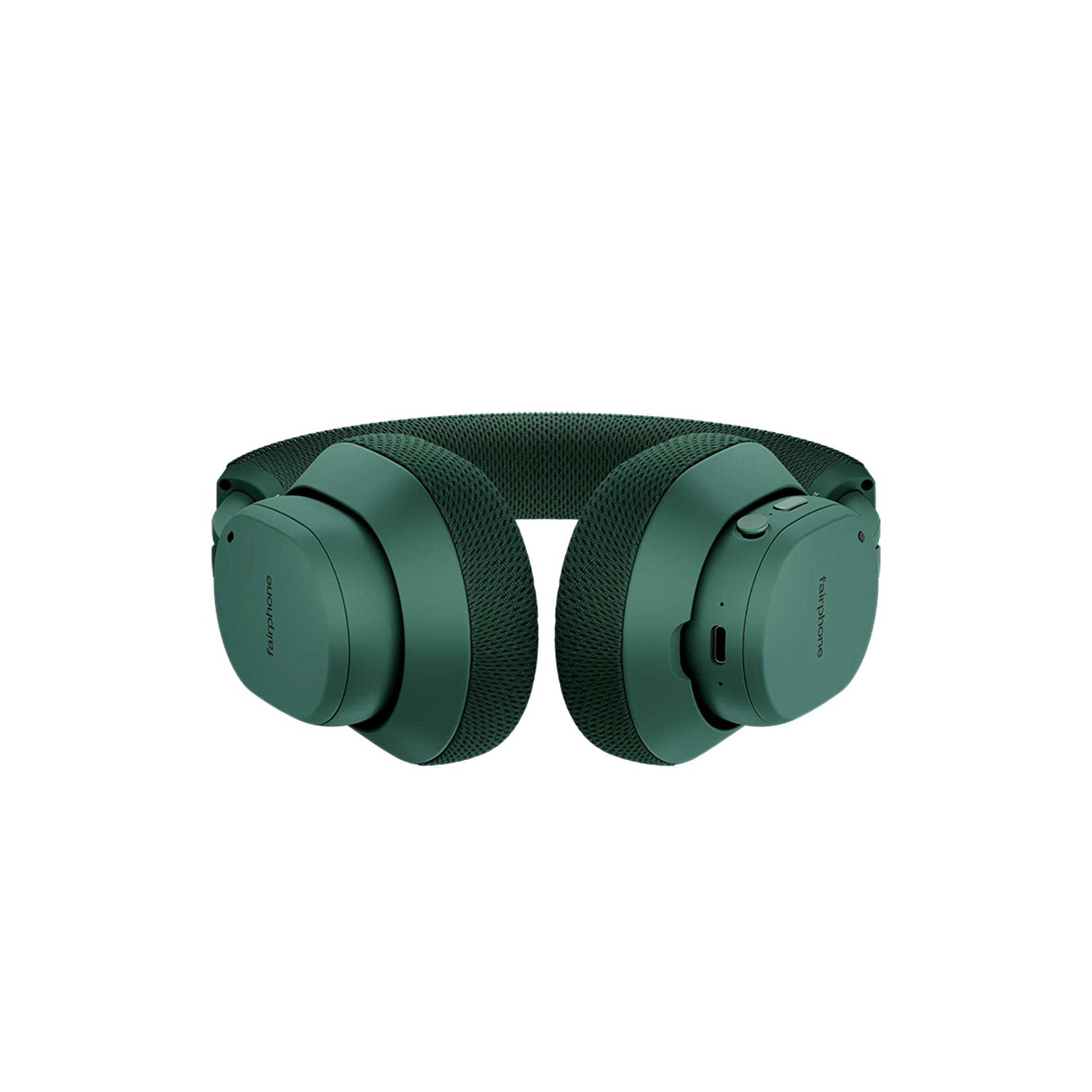
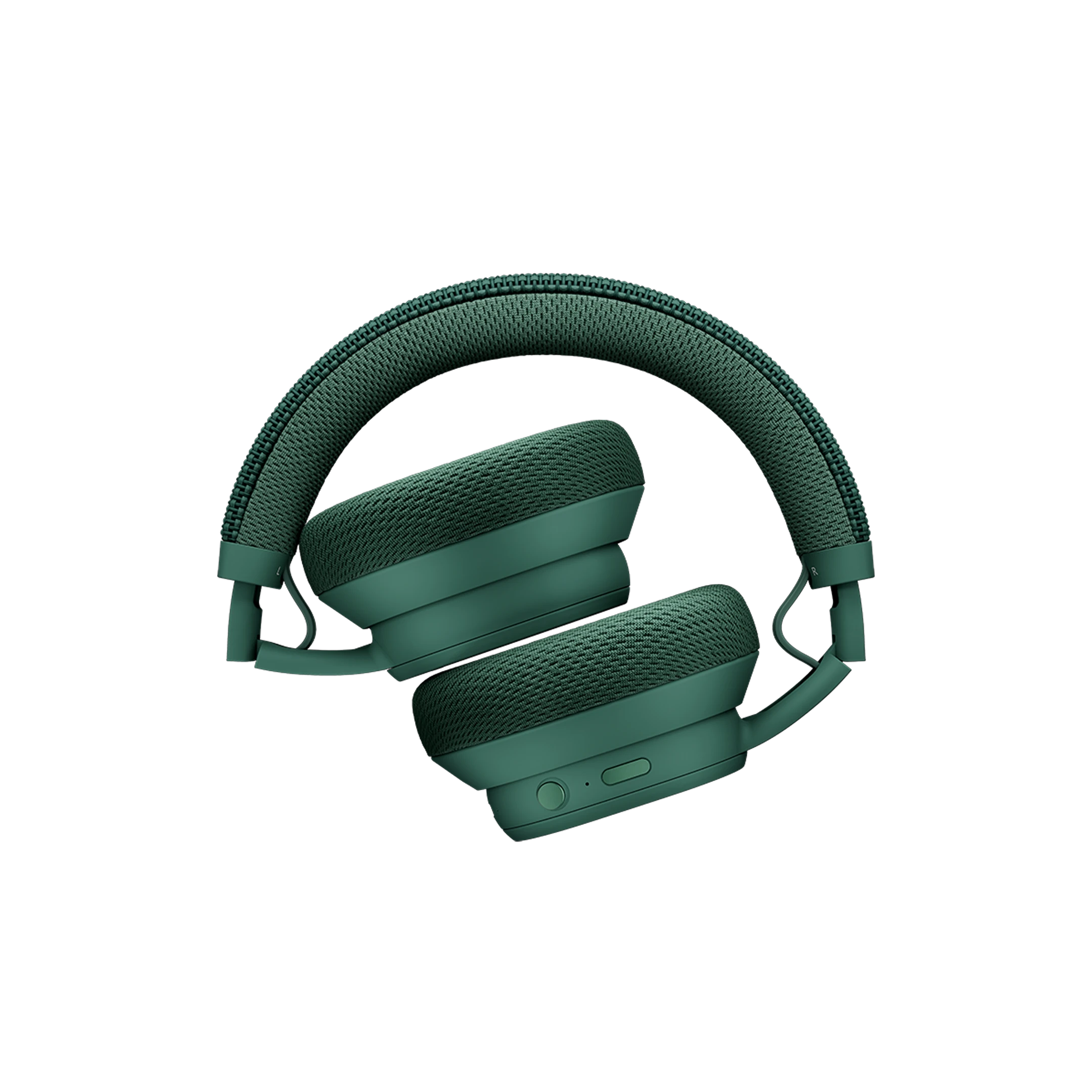
Fairphone has officially launched the Fairbuds XL, its latest over-ear headphones focused on long-term use, repairability, and improved audio performance. The new model builds on the original Fairbuds XL with changes to sound quality, comfort, materials, and overall durability.
The Fairbuds XL is equipped with newly developed 40 mm dynamic drivers and refined audio tuning to deliver clearer and more balanced sound. The headphones support aptX HD over Bluetooth for high-resolution wireless audio and offer dual-point connectivity, allowing users to stay connected to two devices at the same time. Fairphone claims a battery life of up to 30 hours of continuous listening.
Design updates focus on everyday comfort and usability. The headband uses a breathable net fabric, while the ear cushions feature a soft birdseye mesh intended for extended wear. The headphones are foldable for easier storage and transport. Fairphone is offering the Fairbuds XL in two colors, Forest Green and Horizon Black.
Repairability remains central to the product. The Fairbuds XL features a modular design with nine user-replaceable parts, including the battery, ear cushions, headband, and speaker drivers. The battery can be removed and replaced easily, addressing common battery-related failures. The headphones carry an IP54 rating for dust and water resistance and come with up to a three-year warranty. They are also the only consumer headphones certified with the LONGTIME label for durability and repairability.
Existing Fairbuds XL owners can upgrade their headphones by replacing only the speaker drivers instead of buying a new unit. Fairphone is offering a discounted bundle with new drivers, ear cushions, and speaker covers. This upgrade option will be available in Europe toward the end of Q1 2026.
On the sustainability side, the Fairbuds XL is made using about 50 percent fair and recycled materials by total weight. This includes 100 percent recycled rare earth materials in the speaker magnets, more than 90 percent recycled aluminum, over 80 percent recycled plastics, and fair-mined copper, cobalt, and silver through credits. Assembly is done using solar energy, and the product is fully e-waste neutral.
Pricing & availability
The Fairbuds XL will be available from December 9, 2025. Pricing is set at €249 in the EU, £219 in the UK, and $229 in the US.
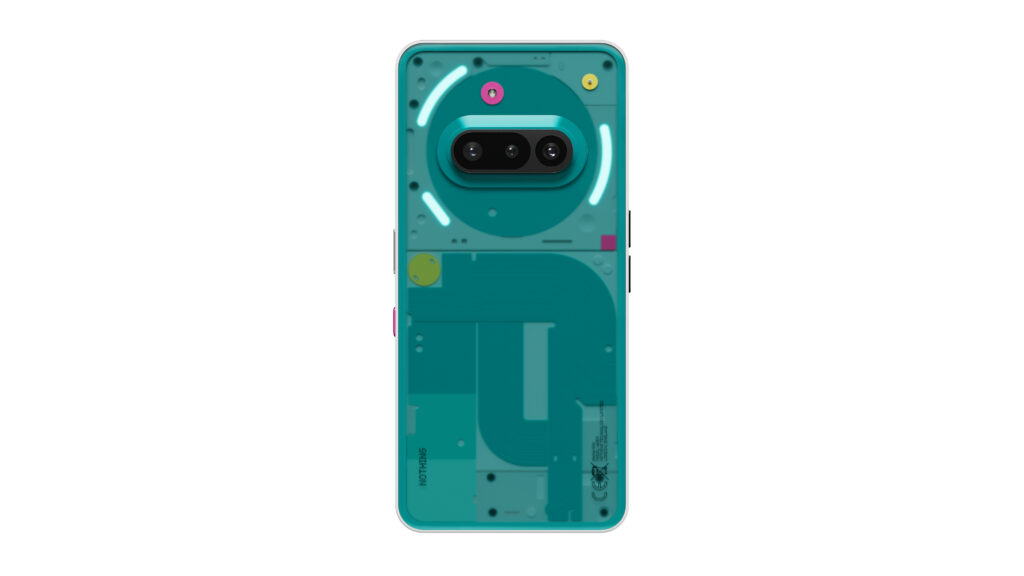
Nothing has officially launched the Phone (3a) Community Edition in India under its Community Edition Project. The limited-run model was developed with four fan creators from different regions. The project unfolded over nine months and drew more than 700 submissions, setting the tone for a device shaped directly by Nothing’s global community.
What’s New
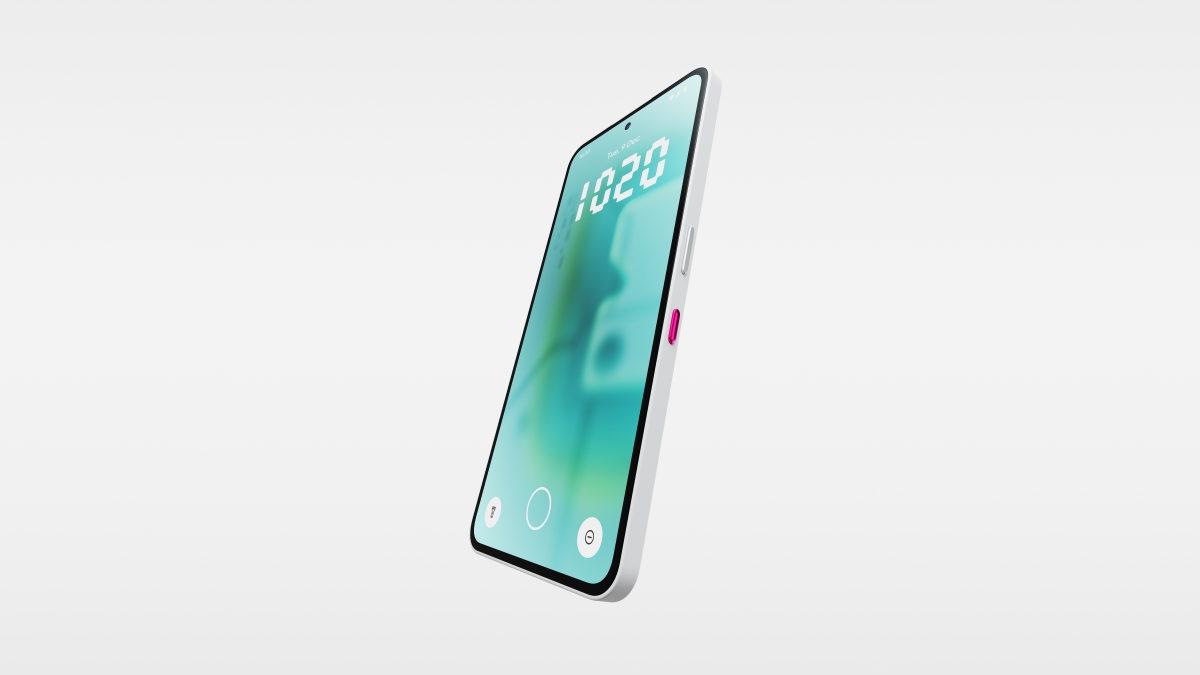
The device is based on the standard 12GB+256GB model but introduces several custom elements created by the winners. The hardware design leans into a nostalgic late 90s and early 2000s aesthetic with transparent accents inspired by retro gaming gear.
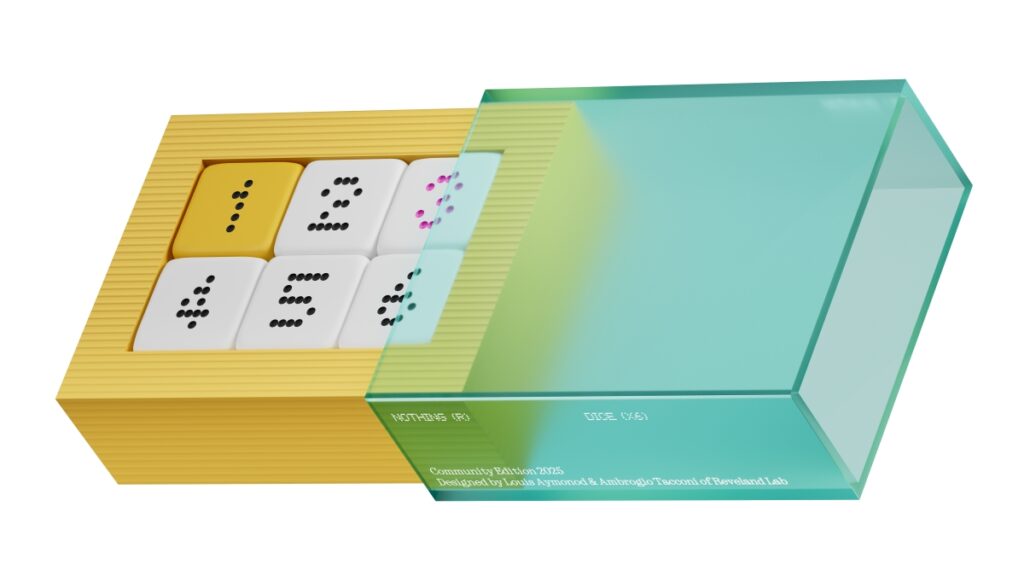
The new accessory category debuts with custom Dice that use Nothing’s Ndot 55 font, designed to merge playful design with the company’s clean visual identity. The software layer adds a redesigned lock screen clock that reduces visual clutter through varied font weights, paired with wallpapers that tie the exterior look to the internal interface.
Specifications
The device retains the same 6.77-inch flexible AMOLED display as the standard version, with a 1080 x 2392 resolution, HDR10+ support, 10-bit color, and a 3000 nit peak brightness. It runs at 30 to 120Hz with adaptive refresh support, offers a 480Hz touch sampling rate, uses 2160Hz PWM dimming, and includes Panda Glass protection.
Under the hood, the device is powered by the Snapdragon 7s Gen 3 processor paired with an Adreno 720 GPU. It comes preloaded with Android 15 and Nothing OS 3.2 and has already received an OTA update that upgrades it to Android 16 with Nothing OS 4.
The Phone (3a) Community Edition carries a versatile triple camera setup. It includes a 50MP main sensor with OIS, an 8MP ultra-wide sensor with a 114° field of view, and a 50MP 2x telephoto sensor. On the front, there’s a 32MP selfie camera capable of 1080p video. The rear camera can shoot 4K at up to 30fps and features Action Mode for stabilized video capture.
The device features a 5000mAh battery with 50W wired fast charging. It includes stereo speakers, an in-display fingerprint sensor, and IP64-rated splash resistance.
Pricing & Availability
Nothing will produce only 1,000 units of the Phone (3a) Community Edition globally. In India, the phone is priced at ₹28,999 and comes in a single 12GB+256GB variant.
It will be sold exclusively at a one-day offline drop event scheduled for December 13, 2025, at 33&Brew, Prestige Technostar, Brookefield, Bengaluru, between 2 PM and 6 PM IST.
For more daily updates, please visit our News Section.
LG has just pulled the curtains on a new UltraGear monitor for gamers. But this model stands out with its ludicrously fast refresh rate. The new LG UltraGear 27GX790B gaming monitor has an absurd max refresh rate of 720Hz, making it one of the smoothest gaming monitors in the market.
Meet LG’s UltraGear 27GX790B: The World’s Fastest Gaming Monitor Yet?
While tech companies are already working on prototype monitors that hit an insane 1,000Hz refresh rate, some of the best gaming monitors currently available in the market only hit around 540Hz. So what sets the new UltraGear 27GX790B apart? a whopping 720Hz refresh rate. But there’s a catch: the monitor can only hit this figure when the resolution set is 720p, which is basically HD resolution.
LG UltraGear 27GX790B Gaming Monitor
However, if you don’t wish to compromise on the image quality, the 27GX790B supports 1440p resolution at 540Hz refresh rate. LG’s latest gaming monitor has a 27-inch Primary RGB Tandem WOLED panel. Such a high refresh rate basically benefits competitive esports titles, especially first person shooters like Counter-Strike 2. The LG UltraGear 27GX790B also offers 0.02ms response time, 335 nits of peak brightness in SDR and 1500 nits in HDR.
It also arrives with DisplayHDR True Black 500 certification and 99.5 percent DCI P3 color gamut. The monitor has an adjustable stand along with RGB lighting on the rear. Connectivity options include HDMI 2.1, DisplayPort 2.1, 1x USB-C port, 2x USB-A ports, and a 3.5mm audio jack.
For more daily updates, please visit our News Section.
Xiaomi has quietly unveiled a new grooming gadget in China called the Mijia Electric Shaver Pro. There’s still no official release date, but the device is now up for free testing via the Xiaomi Community platform.
Xiaomi Mijia Electric Shaver Pro Specifications
The headline feature here is a double-ring corrugated blade system, paired with a stainless steel inner blade. Xiaomi claims this setup improves shaving efficiency by about 48%, while also reducing that uncomfortable pulling feeling by 70%. These numbers are obviously ideal-scenario estimates, but they tell you can get a clean shave without feeling like the razor is tugging at your skin.
Inside the blade head, Xiaomi is using a high-speed motor backed by a smart chip that adjusts power output based on beard density. So, if you’re shaving after a few days of growth, it should automatically kick things up without you fiddling with modes.
For comfort, the blade holder is coated with roughly 1.76 million silicon-based microbeads. Xiaomi says this helps reduce friction, and the low-nickel steel is meant to make the shaver more friendly to people with sensitive skin. The head also floats in 360 degrees, which should help it stay in contact with curved areas around the chin and jaw.
There are a few smart-ish touches, too. It has a three-color light ring that monitors shaving pressure so you don’t accidentally press too hard or leave patches behind. Then, there’s a color display that shows the current status.
The Mijia Electric Shaver Pro is rated for up to 90 days of run time, and it charges over USB-C. It also has an IPX8 waterproof rating, meaning you can use it for both wet and dry shaving. Xiaomi includes a travel lock and a storage bag in the box.
For now, the shaver is limited to testers, but Xiaomi will likely share pricing and availability once the trial phase wraps up.
For more daily updates, please visit our News Section.
Tata Group and Intel Corporation have signed a Memorandum of Understanding to explore a strategic collaboration focused on semiconductor manufacturing, advanced packaging, and hardware enablement for consumer and enterprise markets. The partnership aims to strengthen India’s domestic semiconductor ecosystem and build a stable and geo resilient electronics supply chain based in India.
As part of the MoU, Intel and Tata will explore the manufacturing and packaging of Intel products for the local market at Tata Electronics’ upcoming semiconductor fabrication plant and OSAT facilities in India. The two companies will also evaluate opportunities for advanced semiconductor packaging within the country. These efforts are aligned with India’s long term goal of building local capabilities across the semiconductor value chain, including high value manufacturing and assembly.
The collaboration also includes plans to scale AI PC solutions designed specifically for Indian consumers and enterprises. India is projected to become one of the top five PC markets globally by 2030, supported by rising enterprise digitisation, consumer demand, and rapid adoption of AI based computing. Intel and Tata plan to combine Intel’s AI compute reference designs with Tata Electronics’ electronics manufacturing services expertise. Tata Group’s wide presence across industries and strong access to the Indian market will support distribution and adoption.
N Chandrasekaran, Chairman of Tata Sons, said the Tata Group is committed to building a strong and sustainable semiconductor industry in India. He stated that working with Intel would help accelerate this effort, support the growth of a broader technology ecosystem, and position India to benefit from the growing demand for AI driven computing.
Intel CEO Lip Bu Tan said India represents one of the world’s fastest growing compute markets. He highlighted increasing PC demand and rapid AI adoption as key drivers. He added that the collaboration with Tata would help Intel expand its presence, scale faster, and deliver greater value to customers in India.
Dr Randhir Thakur, CEO and Managing Director of Tata Electronics, said the MoU supports Tata Electronics’ plans across EMS, OSAT, and semiconductor fabrication. He noted that local manufacturing and packaging could improve cost efficiency, shorten time to market, and build a more reliable supply chain while meeting rising demand for next generation AI compute products in India.
For more daily updates, please visit our News Section.
AI makes ISS robot navigation 50–60% faster, marking the first in-orbit demonstration of machine-learning-based motion control.
The system handles the station’s cluttered, narrow interior, where traditional algorithms struggle due to limited onboard computing.
NASA validates the technology at TRL-5, paving the way for autonomous robots on future Moon and Mars missions.
Source: news.standford.edu – Astrobee : NASA’s Free Flying Robotic System
Autonomous Robotics in Space
Researchers at Stanford University have achieved a major milestone in space robotics by enabling a robot aboard the International Space Station (ISS) to navigate significantly faster using artificial intelligence.
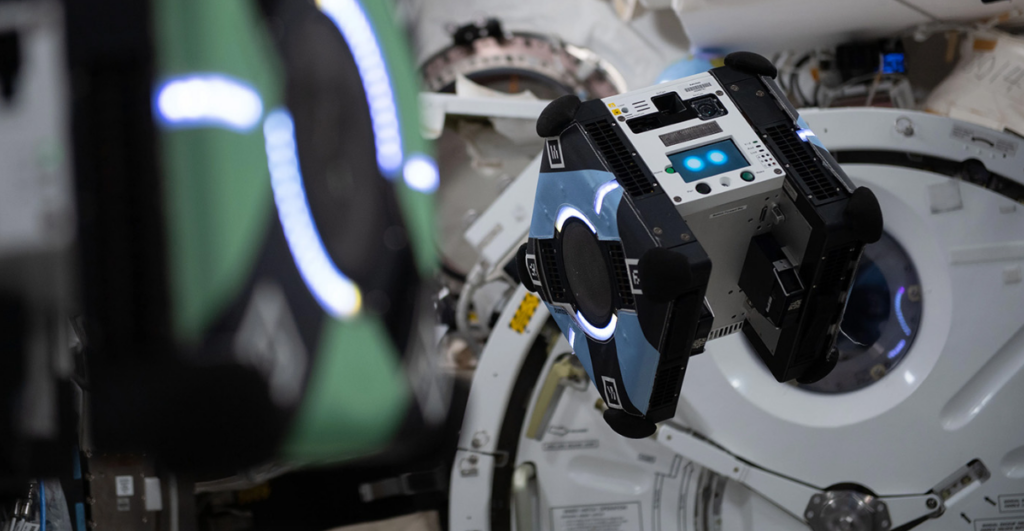
The breakthrough, conducted with NASA’s Astrobee, marks the first-ever use of machine-learning-based motion control in orbit, demonstrating that robots can learn from past experience to move more safely and efficiently.
For astronauts who already rely on robots for routine tasks, this development signals a future where machines handle more operations independently, especially in environments too dangerous or complex for humans.
Why Navigation on the ISS Is So Difficult
The interior of the ISS is notoriously cluttered. Walls are lined with experiment racks, laptops, wiring bundles, cameras, and storage units. Imagine trying to guide a drone through a narrow corridor filled with shelves and cables, and now place that drone in microgravity. That’s the challenge Astrobee faces.
Traditional path-planning algorithms used on Earth require heavy computation, but space-qualified flight computers are far less powerful. Robots also face unexpected disturbances, such as airflow from vents or crew movement, making safe navigation even more complex.
How AI Made Navigation Faster
To solve this, the research team trained a machine-learning model on thousands of previously solved navigation paths inside the ISS. This allowed the system to generate a “warm start,” an educated guess of the robot’s path before running a full optimization algorithm.
This hybrid approach keeps all NASA safety constraints intact while dramatically speeding up planning. In the hardest navigation cases, such as tight passages or sequences requiring complex rotations, the AI-driven method delivered 50–60% faster performance.
Without AI, Astrobee might slowly compute how to slip past two experiments mounted opposite each other in a narrow module. With AI, it starts with a rough idea based on similar past paths and finishes the calculation in nearly half the time.
Testing on Earth and in Orbit
Before flying to the ISS, the system was tested on a microgravity-simulating air table at NASA Ames. Once in space, astronauts, including Sunita Williams, assisted only with setup. The actual operations were run remotely from Earth, with commands flowing from Stanford to NASA Johnson Space Center and finally to the ISS. Each of the 18 test trajectories was executed twice: once with a traditional cold start and once with the AI warm start. The speed improvement was consistent and most notable in cluttered areas of the station.
NASA Approval and Future Applications
The technology has now reached Technology Readiness Level 5, meaning it has been validated in a real operational environment. This significantly reduces risk for future mission proposals that rely on autonomous robots.
Looking ahead, the team plans to integrate more advanced AI models, similar to those used in self-driving cars and large language models, to enable robots that can reason, plan, and explore with far greater independence.
For future Moon and Mars missions, where communication delays make remote control impractical, such autonomy will be essential. Robots may soon map caves, scout landing zones, or assist astronauts in habitats millions of miles from Earth, all using AI foundations proven today aboard the ISS.
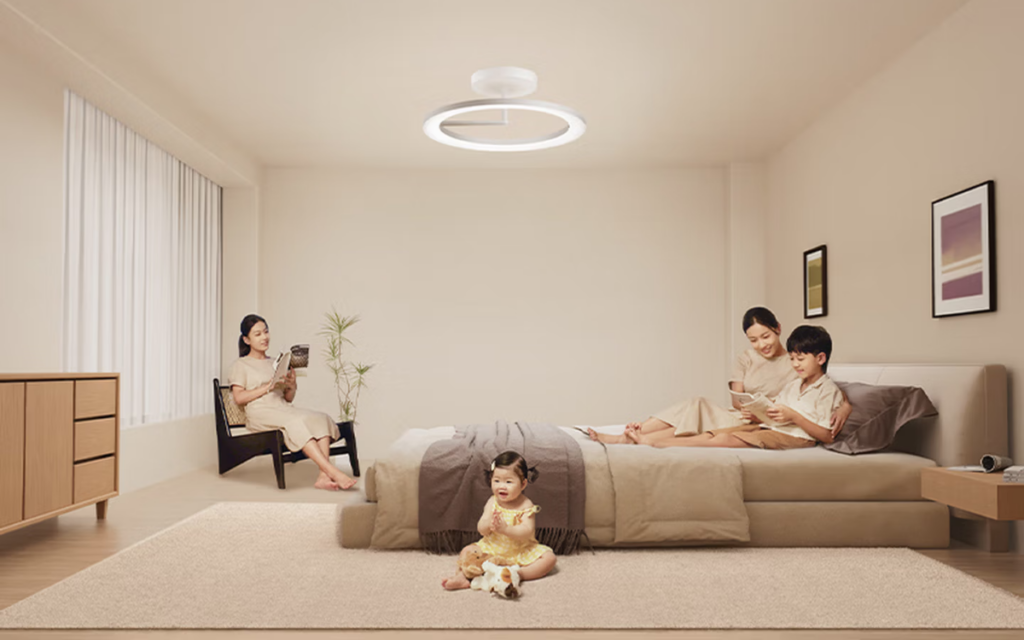
Xiaomi has officially launched the Mijia Diffuse Reflection Ceiling Light in China, priced at 1899 yuan ($268). This is currently the most expensive ceiling light in Xiaomi’s Mijia lineup and introduces a new optical system designed for even, eye-friendly lighting across an entire room.
Mijia Diffuse Reflection Ceiling Light Specs
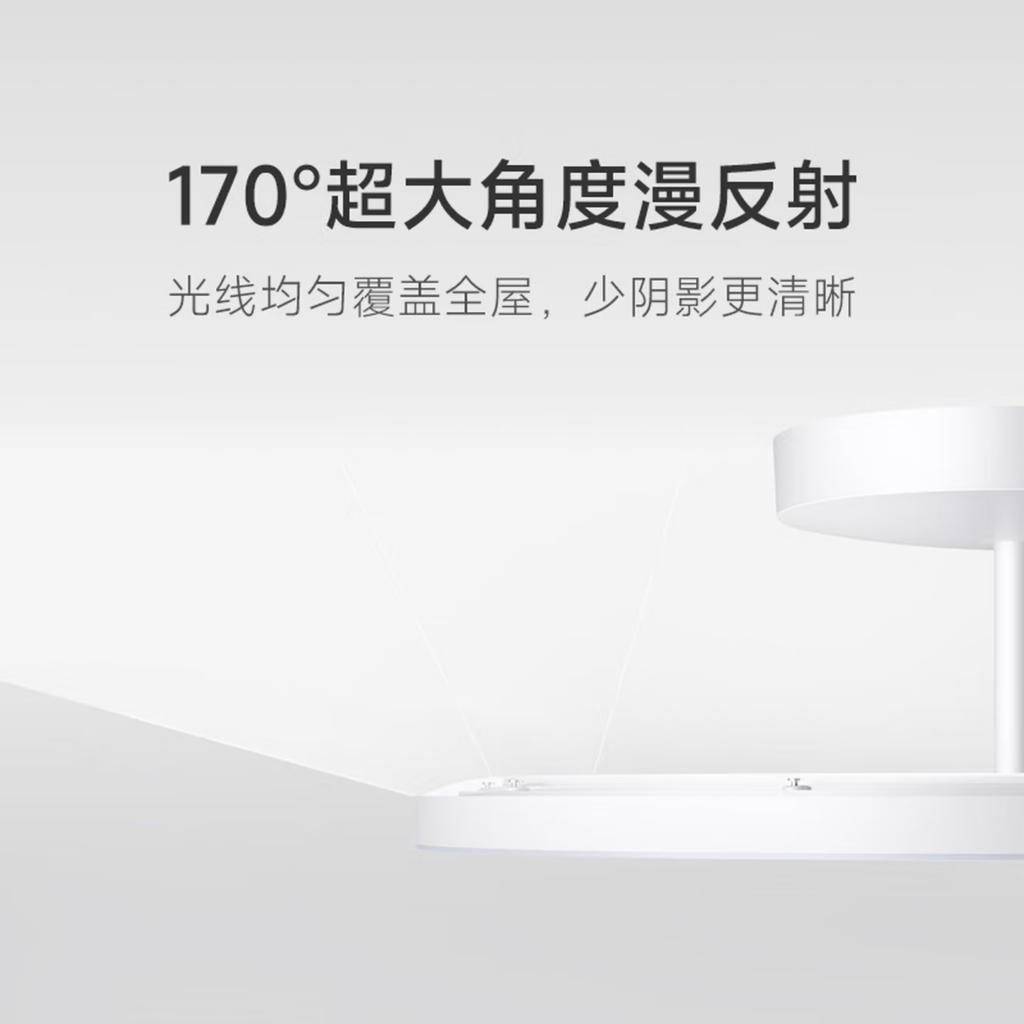
The Xiaomi lamp features an ultra-thin 20cm body that maintains a clean, open ceiling look. It comes with Xiaomi’s custom wide-angle diffuse reflection technology, which directs light at an ultra-wide 170-degree angle. This design helps brighten walls, ceilings, and floors more evenly than conventional ceiling lights.
It supports a peak output of 10000 lumens through a dual light source structure that uses 350 LEDs on the upper panel and 200 LEDs on the lower panel, arranged in a high-density pattern to reduce shadows and maintain clarity during reading, studying, and detailed tasks. Xiaomi says a 16 square meter room reaches an average illuminance of 569 lux.
The light equips TÜV SÜD Zero Glare certification, a photobiological safety exemption rating, and mother and baby grade lighting certification. It sports Xiaomi’s Qingshan Eye Care solution, using full-spectrum lamp beads with a high color rendering index of Ra97, an R9 value of 92, and a color quality score of 97. The spectral profile reaches a sunlight fitting coefficient above 0.985.
The light also comes with a flicker-free design and an RG0 low blue light rating to reduce visual fatigue for children and adults. The micro-structured diffuser softens light output, while the concave optical lower panel filters harsh stray light for a more comfortable viewing experience.
For smart control, it supports Xiaomi HyperOS Connect and integrates with the Mi Home app for brightness control, color temperature adjustments between 2700K and 5700K, personalized wake-up and sleep lighting routines, and voice commands through Xiaomi smart speakers.
It comes with independent upper and lower light control, preset lighting modes, and full scene customization. The ceiling light also equips a night-light mode that produces low, gentle illumination without disturbing sleep.
The lamp supports Wi-Fi and Bluetooth 4.2 connectivity and carries a rated input of 220V at 50Hz with a 130W maximum power draw. The product measures 580 by 200 millimeters and weighs around 4 kilograms.
In related news, Xiaomi has recently launched the Mijia Washer Dryer Set Pro with 12kg + 12kg capacity and HyperOS support, along with a $50 upright vacuum with 22,000Pa suction power.
For more daily updates, please visit our News Section.
Infinix has launched the XPad Edge tablet in the Malaysian market. The tablet is now available for purchase through Shopee and comes in a single storage variant and one color option.
The Infinix XPad Edge is powered by the Qualcomm Snapdragon 685 processor and runs Android 15 out of the box. It features 8GB of RAM and 256GB of internal storage. Storage can be expanded using a microSD card, with support of up to 2TB. The tablet sports a 13.2-inch eye care display with 2.4K resolution and a 90Hz refresh rate, offering a large and smooth viewing experience for work and entertainment.
For cameras, the device includes an 8MP rear camera and an 8MP front camera. These are designed for video calls, online classes, and basic photography. The tablet packs an 8000mAh battery and supports 18W wired fast charging for quicker top ups.
Audio is handled by a quad speaker setup. Infinix claims the speakers deliver immersive theater sound with output up to 300 percent louder than standard configurations. For connectivity, the XPad Edge supports 4G LTE and WiFi, allowing users to stay connected at home or on the move.
In terms of design, the tablet features a thin metal body and weighs 588 grams, which Infinix claims makes it ultra light. It is available only in the Celestial Ink Gray color option in Malaysia.
Pricing & availability
The Infinix XPad Edge is priced at MYR 1,329 ($323) in Malaysia via Shopee, while the listed price is MYR 1,999 ($486). The standard retail box includes the tablet, a charging adapter, a USB Type C cable, a quick start guide, and a SIM eject tool. Infinix Malaysia is offering a one year official warranty with the device.
For more daily updates, please visit our News Section.
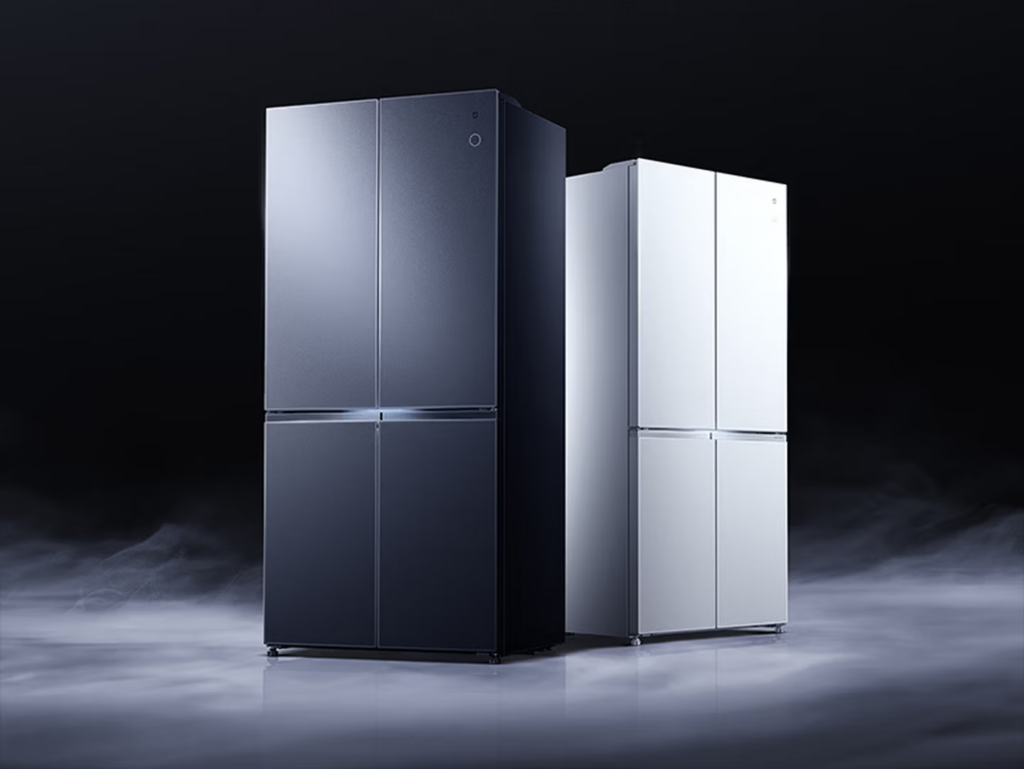
Xiaomi has introduced the Mijia Refrigerator Pro Cross Embedded 560L in China, highlighting its new micro ice fresh technology, upgraded purification system, efficient energy performance and refined storage layout. Here’s a look at all the features of this new refrigerator.
Mijia Refrigerator Pro Cross Embedded 560L specifications and features
Xiaomi Mijia Refrigerator Pro Cross Embedded 560L
The refrigerator features a cross-door structure designed to integrate neatly with modern kitchen cabinetry. It provides a total capacity of 560 litres with a well-arranged interior that allows food items to be stored methodically. The flush fit structure supports embedded installation, creating a more streamlined appearance within home interiors.
Inside, Xiaomi’s micro ice fresh system enables meat to be kept at sub-zero temperatures without becoming frozen. This is achieved through precise temperature control that helps preserve moisture, texture and overall freshness for longer durations. The appliance also includes a whole area ion purification system that works to minimize bacterial growth and maintain a hygienic storage environment. The built-in ice maker can produce ice efficiently, with its water route certified to meet cleanliness standards.
Xiaomi Mijia Refrigerator Pro Cross Embedded 560L
The refrigerator carries an ultra-efficient energy rating and supports uniform cooling through accurate temperature management. Smart features such as whole chamber sterilisation, rapid cooling functions and remote monitoring through Xiaomi’s connected ecosystem add convenience for users. The layout inside includes eighteen different zones created for structured food organisation.
Mijia Refrigerator Pro Cross Embedded 560L price and availability
Xiaomi has priced the Mijia Refrigerator Pro Cross Embedded 560L at 6999 Yuan (~$989) on JD.com. It is offered in three colour options that include Ice Crystal White, Star Forged Silver and Apricot Glass. Pre-bookings are currently live across Xiaomi’s official online platforms, and early buyers may receive additional promotional benefits depending on the channel.
For more daily updates, please visit our News Section.
Rollme has officially introduced the Rollme G6 smartwatch in global markets, bringing strong outdoor-focused features to users who prioritize accuracy, toughness and independent navigation. Some of its key features include dual-band six-satellite positioning, offline map support, a rugged military-grade construction and long battery endurance. Read on to know more in detail about the Rollme G6.
Rollme G6 specifications and features
Rollme G6
The Rollme G6 comes with a 1.43-inch AMOLED display and a sturdy frame built to withstand rough environments. It is certified to U.S. military durability standards and features 5ATM water resistance. The smartwatch includes sensors such as an altimeter, barometer and compass, allowing users to stay aware of environmental conditions during outdoor activities.
Inside, the G6 is equipped with a 550mAh battery that delivers extended usage with up to 30 days of standby capability. It has 4GB of onboard storage for MP3 and MP4 playback and supports pairing with TWS earbuds for listening without a phone. The device also offers Bluetooth calling for convenient hands-free communication.
The Rollme G6 runs on a custom smartwatch interface with downloadable watch faces and health tracking options. It supports heart rate monitoring, SpO2 measurement, sleep tracking and stress monitoring.
For navigation, the G6 supports L1 and L5 dual-frequency positioning along with six satellite systems, which include GPS, GLONASS, Galileo, BeiDou, QZSS and NAVIC. Connectivity features include Bluetooth, Wi-Fi syncing through the companion app, GPS with offline maps and support for wireless earbuds.
Rollme G6 price and availability
The Rollme G6 is priced at USD 79.99 on its official store and is available through the official Rollme online store. It comes in Charcoal Black and Blaze Orange colour options. Buyers will also receive a silicone strap, a stainless-steel strap, wireless earbuds and a festive card as part of a limited-time introductory offer for the first 200 orders.
For more daily updates, please visit our News Section.
Samsung has completed the One UI 8.0 rollout to its Galaxy devices and is now moving towards the release of its next iteration, One UI 8.5. This one is also based on Android 16, but it’s more than just an incremental upgrade. The beta program is already live, showcasing numerous improvements and some new features.
Unlike One UI x.1 updates, the beta availability for One UI 8.5 isn’t restricted to Galaxy Z smartphones. That means the update will reach a wider audience. Here’s everything you need to know about the One UI 8.5 beta program, including the eligible devices, supported regions, installation steps, and the new features.
One UI 8.5 beta update: List of eligible devices
The beta program supports these Galaxy devices:
Galaxy S25
Galaxy S25+
Galaxy S25 Ultra
The list is quite short at the moment, as the One UI 8.5 beta program has just kicked off. We hope to see the list getting bigger in the coming days and weeks.
Also, you’d notice that the Galaxy S25 FE and Galaxy S25 Edge are missing from the list. They will unlikely receive the beta update as Samsung restricts the beta program to the original three Galaxy S-series models.
We’ll update the list as and when the beta program extends to more Galaxy devices.
One UI 8.5 beta update: List of supported regions
Samsung has confirmed that the One UI 8.5 beta program will be available in select regions. These include:
Germany
India
Korea
Poland
The UK
The US
If you have an eligible Samsung device and live in one of these beta-supported regions, you can sign up for the beta program and get early access to the latest features and upgrades.
How to sign up for One UI 8.5 beta and install the update
To receive the beta update, you must first sign up for the beta program. The steps are simple as follows:
Open the Samsung Members app. If you don’t have it on your Galaxy device, get it from the Google Play Store.
Make sure you’re signed in to the app with your Samsung account.
Open the Samsung Members app and tap the One UI 8.5 beta program banner.
Follow the on-screen instructions to complete your beta registration.
Once you’re enrolled in the beta program, follow these steps to download and install the beta update.
Open the Settings app on your Samsung device.
Go to Software update and tap Download and install.
Download the update.
Tap Install now to begin installation.
The installation can take a few minutes. The device should automatically boot into One UI 8.5 with all the latest features and improvements.
Note that the battery consumption may be higher in the initial few days as the device undergoes heavy background optimizations. You may need to charge your device more frequently during that period.
Here are the major upgrades in One UI 8.5
The beta update introduces a host of useful upgrades across the system. The Quick Panel has received significant improvements, now allowing users to change the layout, size, and even remove nearly everything. Every toggle can now be added, removed, reordered, or freely rearranged with far fewer restrictions. Brightness and volume can be split into independent sliders instead of a single combined control.
The lock screen gains an automatic layout for people/pet wallpapers. The clock and widgets on the lock screen are also adjusted automatically to work well with the background photo.
The first beta also improves Galaxy AI. Photo Assist now supports continuous AI editing and image generation, eliminating the need to save each step. So, you can keep working without interruption. Furthermore, the update enhances AI processing for images, text, and voice input in system apps such as Gallery and Notes.
One UI 8.5 allows you to browse and access files from other Galaxy phones, tablets, PCs, and select Samsung TVs directly in My Files. The Quick Share feature now allows you to enable file transfer only from devices logged in with your Samsung or Google accounts.
Samsung has also improved theft protection tools that automatically lock the device after repeated failed unlock attempts. Additionally, more sensitive settings are now protected by an identity verification feature, further strengthening the security.
One UI 8.5 beta also brings improvements to the battery usage information page, power saving mode, accessibility features, reminders, screen recording, and more.
Don’t forget to visit our Samsung section regularly for the latest One UI updates. Or, if you prefer your news instant and on the go, hop into our Telegram channel for instant notification about the latest software updates and all the biggest tech headlines.
The Redmi Note 15 Pro 5G has quietly made its way to Europe ahead of an official announcement. Before the official launch, the retailer has already listed the smartphone for orders, giving us a look at Xiaomi’s next mid range contender in the European market. The device seems to be getting some changes over its Chinese variant, so here are all the details.
Redmi Note 15 Pro 5G Quietly Listed in Europe
Ahead of the official release, the Chinese tech giant’s new mid range phone surfaced in an online retailer listing. The Redmi Note 15 Pro 5G model was spotted on the Smartmobil platform in Germany. So despite the global release being right around the corner, we got a look at the device’s design and a bunch of its key specs and features.
Redmi Note 15 Pro 5G
Looking at the online listing, the Redmi Note 15 Pro 5G will arrive in three color options, namely Titanium (Gray), Glacier Blue, and Black. The overall look is identical to its Chinese counterpart with Corning’s Gorilla Glass Victus 2 for protection and an IP68 rating for water and dust resistance. The display is a tall 6.83-inch AMOLED panel with a 1.5K resolution and a 120Hz refresh rate.
Under the hood, the Redmi Note 15 Pro 5G model in Europe is also equipped with the MediaTek Dimensity 7400 Ultra SoC, which could be paired with 8GB of RAM and 256GB of internal storage. However, Xiaomi is apparently downgrading the battery capacity. The Redmi Note 15 Pro packs a massive 7,000mAh cell, but the European variant has a smaller (but still respectable) 6,580mAh battery.
Other notable features include a 200MP main camera, 8MP ultra wide angle lens, 20MP selfie shooter, a slim 7.78mm body, and 210 grams weight. This model will reportedly go on sale in Europe for around 399 Euros. So stick around for more.
For more daily updates, please visit our News Section.
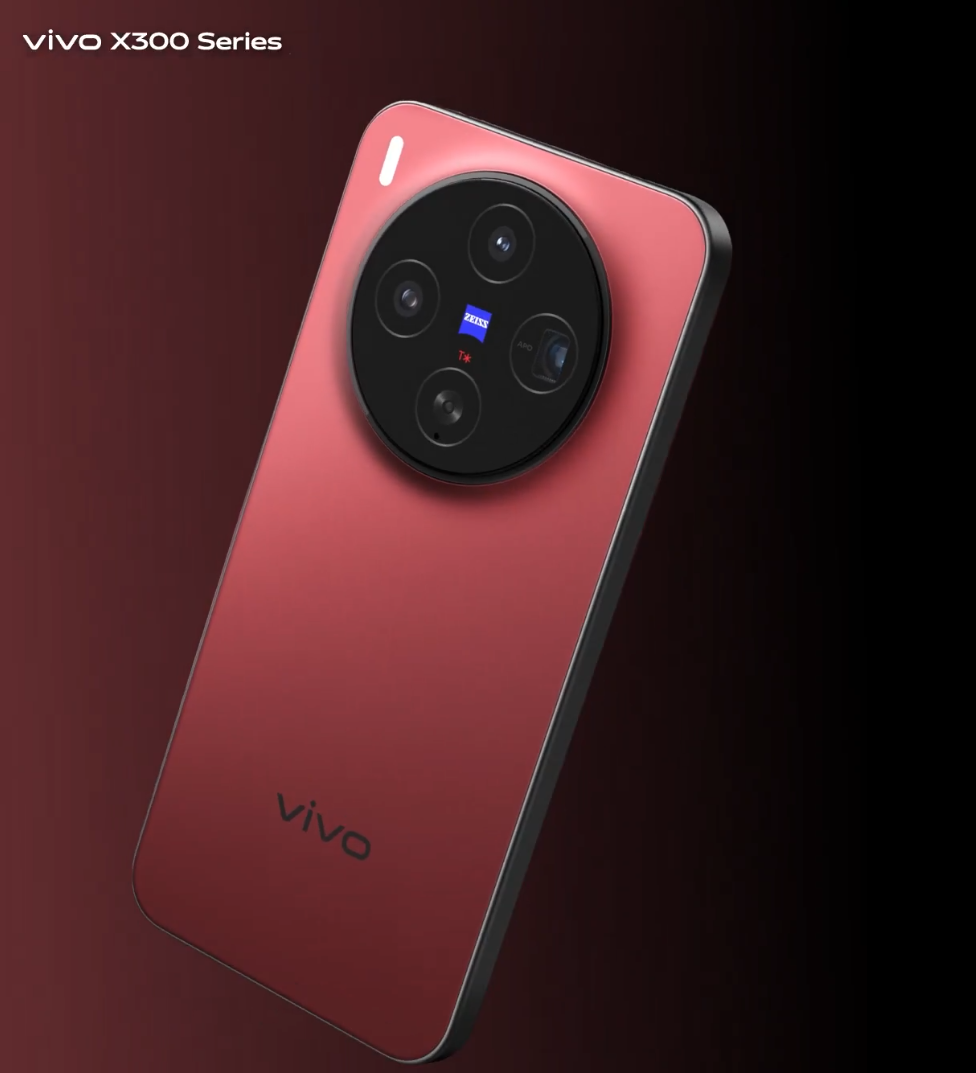
Vivo‘s latest generation of premium smartphones has finally arrived in the global markets like India. The Vivo X300 series brings two compelling flagship choices to choose from, including the compact Vivo X300 (Review) and the top-of-the-line flagship Vivo X300 Pro. Both share similar features and hardware, but have distinct strengths. So here’s a quick breakdown to help you figure out which one makes more sense for you.
Both the X300 and X300 Pro are powered by MediaTek’s cutting edge 3nm Dimensity 9500 SoC. This is one of the fastest mobile chips in the market, bringing top tier CPU and GPU performance as well as upgrades to the AI processing power. Pairing the high end processor with the new OriginOS 6 (Android 16) custom skin, the phones feel snappy and smooth. But while the performance is similar, the actual feel of the devices is much different.
Where the experience diverges is in size, display, and ergonomics. The X300 packs a 6.31-inch 1.5K LTPO AMOLED display, making it compact, lighter (around 190g) and easier to handle with one hand. The X300 Pro ups the ante with a 6.78-inch panel, offering more screen real estate. This makes it ideal for media, gaming, and multitasking, but at the cost of size and heft (about 226g) and a larger footprint.
So if you prefer a lighter, more pocket friendly phone that’s easy to operate with one hand, the standard X300 is clearly the winner. Although, many see the value in larger screens and don’t mind a larger device in general. The X300 Pro is a clear choice for those who want a better watching experience with smartphones as well.
2. Camera
Vivo X300 Pro
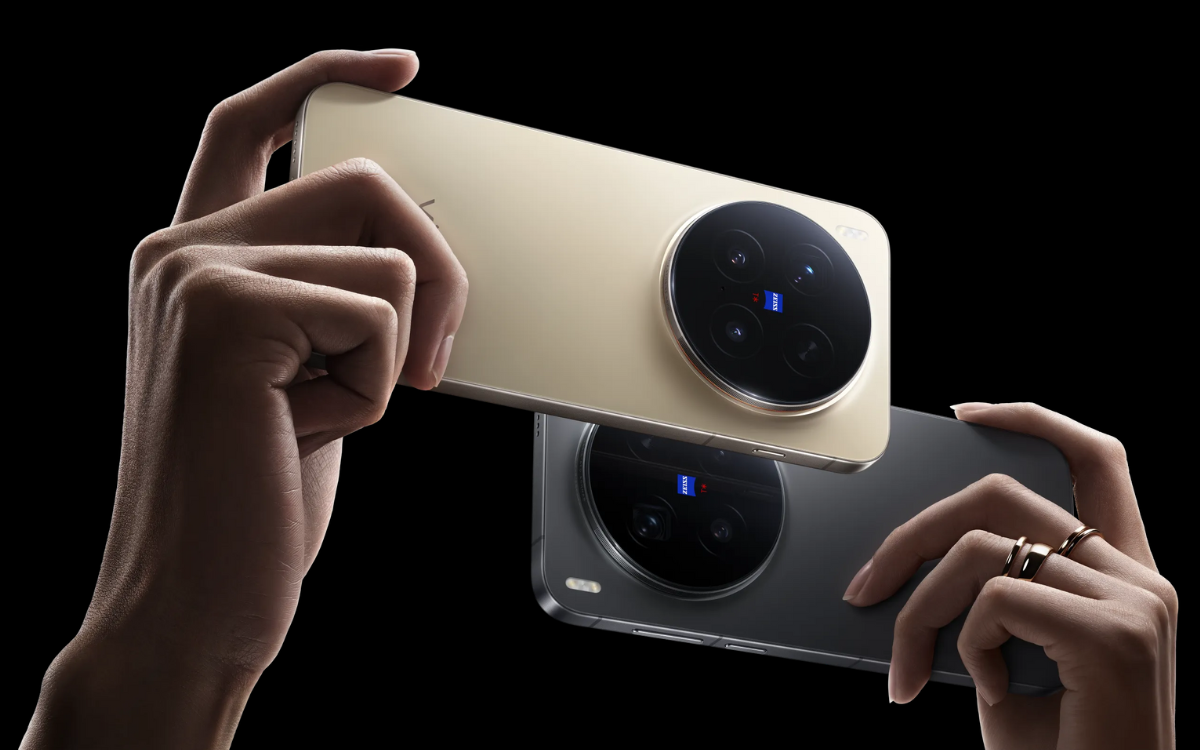
Here’s where the differences get pretty apparent. Both smartphones carry an advanced camera setup with Zeiss lenses and tuning. However, the X300 Pro is one of the class leaders when it comes to photography. So here’s why:
Vivo X300: The standard model uses the 200MP Samsung HPB main camera (1/1.4″, OIS), along with a 50MP ultra wide angle lens, and a 50MP periscope telephoto shooter with 3x optical zoom.
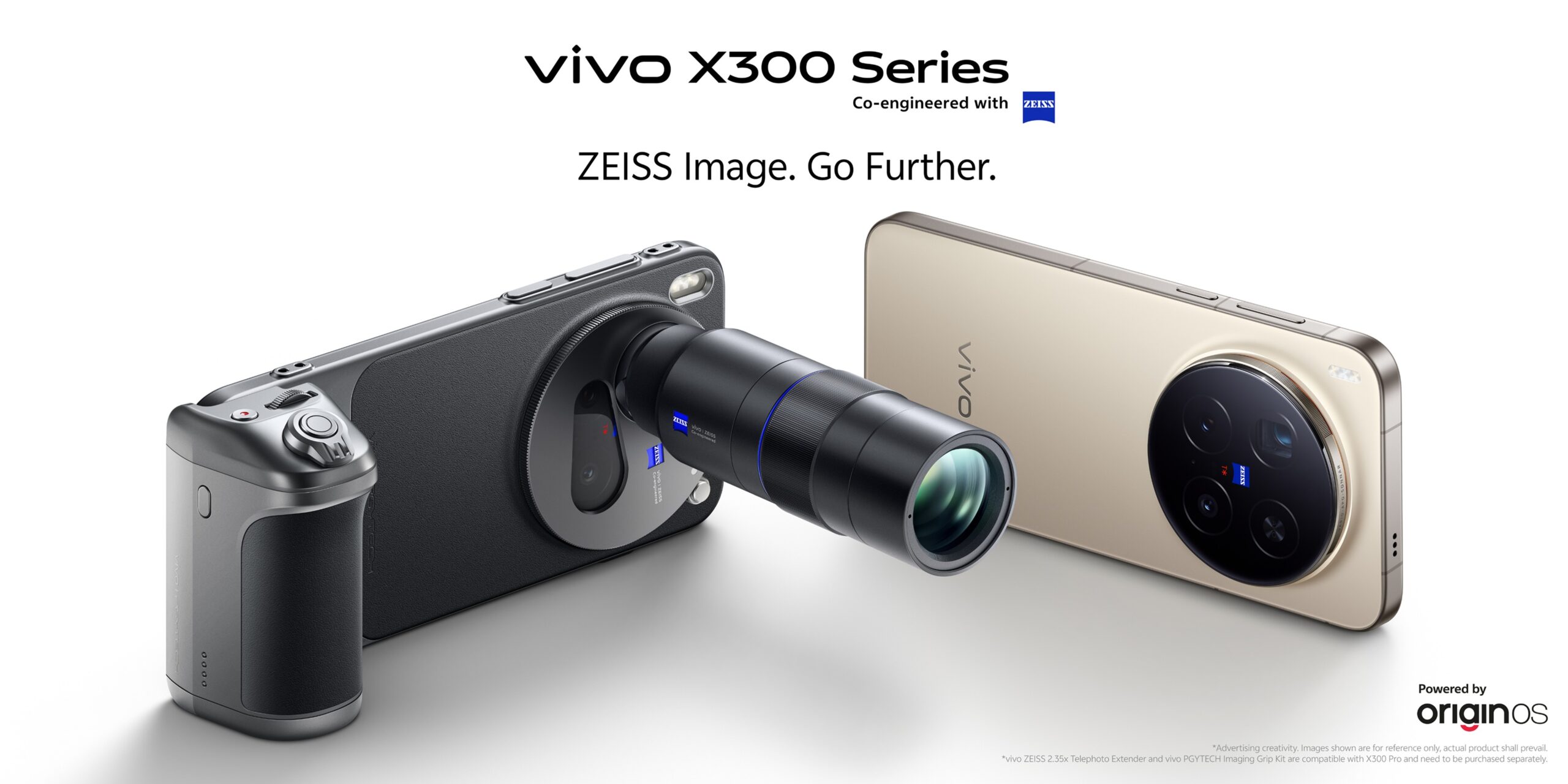
Vivo X300 Pro: Meanwhile, the Pro variant takes the X300’s main camera and turns it into a 3.5x 200MP periscope telephoto shooter. Even the primary sensor is a larger new 50MP sensor (1/1.28″). The ultra wide angle lens and selfie shooter remain the same.
So while the Vivo X300 still offers an all around good camera versatility and experience, the X300 Pro is simply the more powerful camera flagship. This is further enhanced by the telephoto extender kit.
3. Battery & Charging
Battery and charging are still impressive on the Vivo X300 series, but the larger body does give the Pro model slight advantages. The main difference is in battery capacity. The Vivo X300 houses a massive 6,040mAh cell, while the X300 Pro is powered by an even larger 6,510mAh battery. Both phones have 90W wired fast charging and 40W wireless fast charging.
4. Which One Should You Choose?
Taking all of these factors into mind, let’s see which one suits you best:
Choose vivo X300 if you value compact size, easy one-handed use, balanced camera versatility, and a lower price. It’s the phone for someone who wants a flagship feel without a bulky device.
Choose vivo X300 Pro if you prioritise maximum imaging capabilities, a larger display, more battery capacity, and a “power user / camera enthusiast” experience.
For more daily updates, please visit our News Section.
Amazfit only introduced the Active 2 earlier this year, but it looks like the company has another model lined up before the year’s end.
A new leak from well-known tipster Roland Quandt has given us an early look at what appears to be the Amazfit Active Max, including renders and most of the core specifications.
Amazfit Active Max Specifications (Leak)
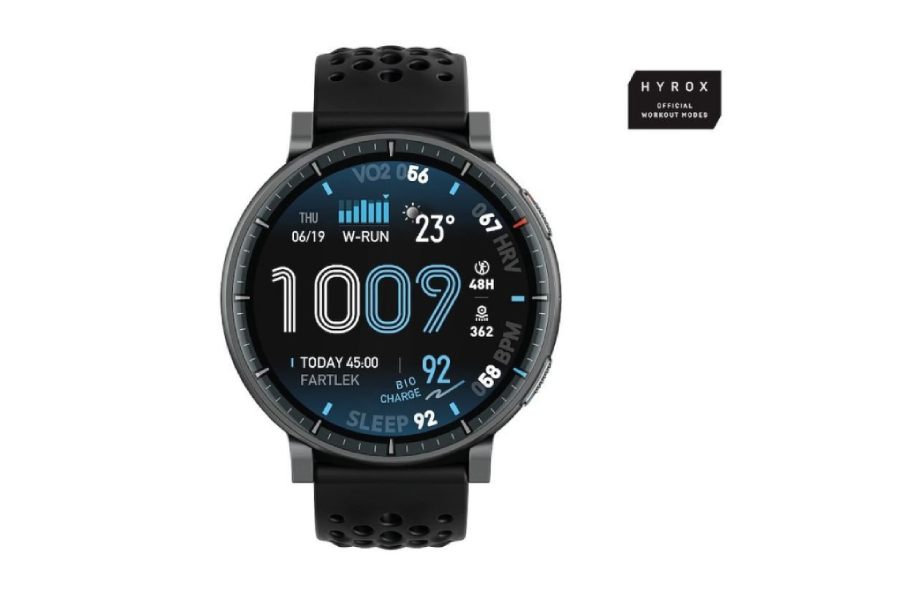
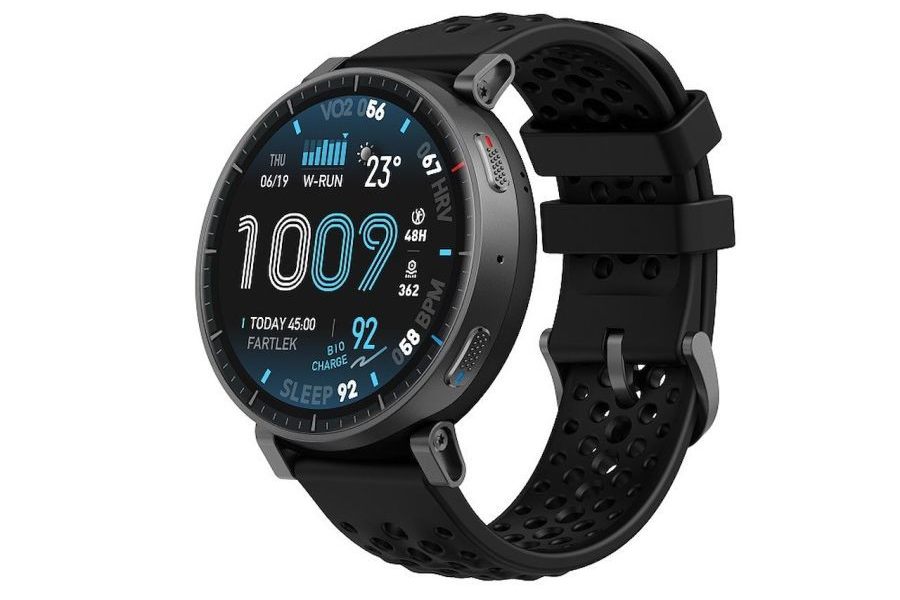
As you can see, the watch has a round dial with minimal display bezels and two buttons on the side. According to the leak, the Active Max will feature a 1.5-inch OLED display with a 480 x 480 pixel resolution.
The battery is where the biggest upgrade seems to be. The Active Max is rumored to house a 576mAh cell, the largest we’ve seen in the Amazfit Active lineup so far. And given that Amazfit’s proprietary OS already squeezes a solid 7-day endurance out of the 270mAh battery in the Active 2, it’s safe to expect an even longer runtime on the Max model.
Quandt also notes that it will feature a 50-metre water resistance rating. You can also expect standard connectivity options like Bluetooth 5.3, onboard GPS, and NFC. The watch will have 4 GB of internal storage for music or app data.
As for pricing, Quandt reports that Amazfit may launch the device at €169.90 in Europe. If Amazfit follows its usual pattern, a U.S. launch price of around $169.99 seems likely.
Amazfit hasn’t announced a launch date yet, but Qunadt likely pulled these details from an early retail listing. If that’s the case, the official debut probably isn’t too far off.
For more daily updates, please visit our News Section.
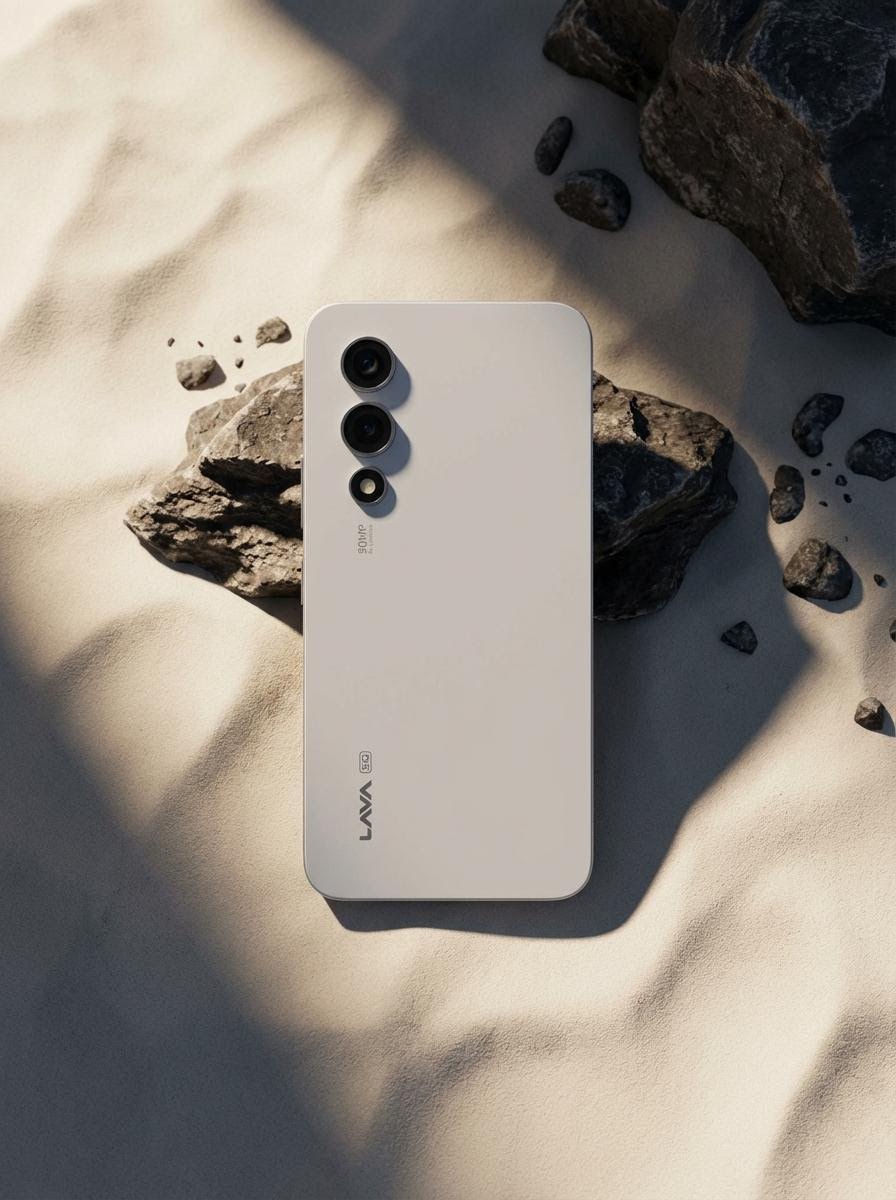
Lava has launched the Play Max smartphone in India as the newest addition to its Play series. The device is aimed at young users and highlights features such as a 120Hz display, a Dimensity 7300 chipset, vapor chamber cooling, and a clean Android interface. With a focus on smooth performance during study, entertainment and gaming sessions, the handset packs enough upgrades to draw attention. Readers can explore the complete specifications, features and pricing details below.
Lava Play Max specifications and features
Lava Play Max
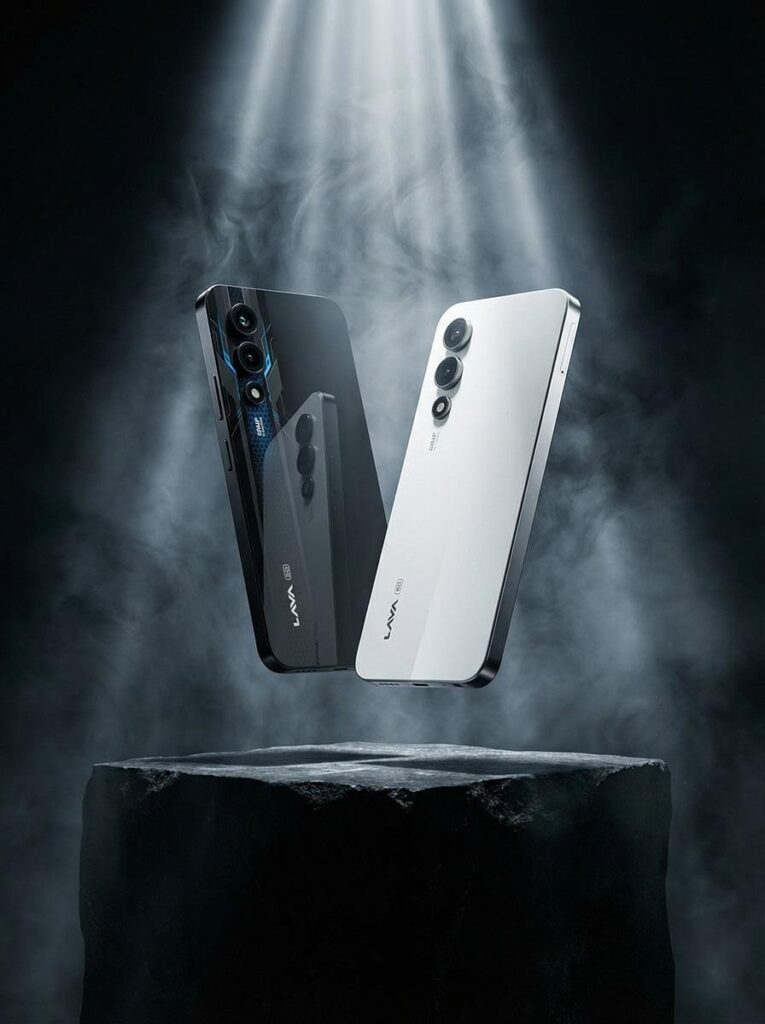
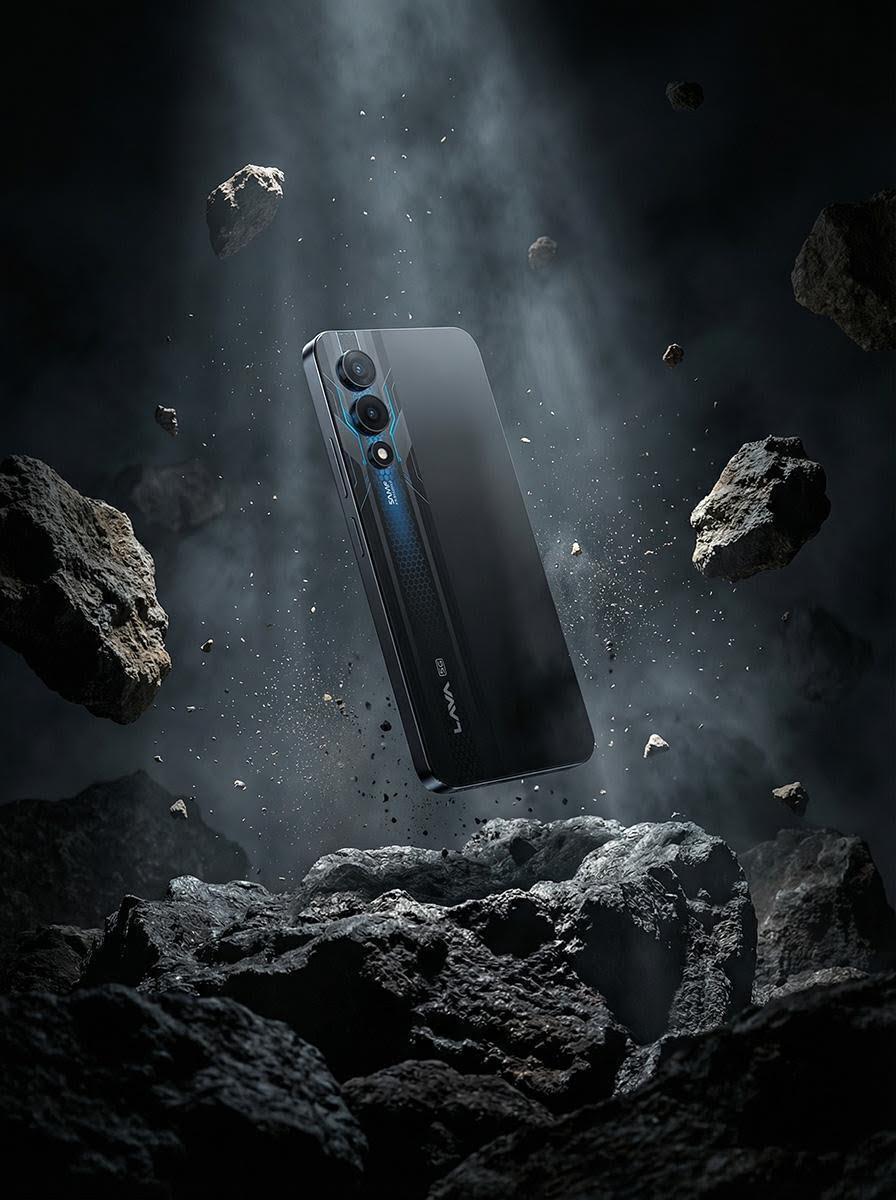
The Lava Play Max comes with a premium glossy build and is offered in two colour options. It carries a 6.72-inch FHD+ screen with a 120Hz refresh rate. The handset runs Android 15 with a clean software experience that avoids ads, preloaded apps and unwanted notifications.
Powering the device is the 2.5GHz MediaTek Dimensity 7300 chipset paired with LPDDR4X RAM options of 6GB plus 6GB virtual memory or 8GB plus 8GB virtual memory. It includes 128GB of UFS 3.1 storage, which can be expanded up to 1TB.
Lava Play Max – Deccan BlackLava Play Max – Himalayan White
A 5,000mAh battery with 33W fast charging ensures reliable endurance throughout the day. The vapor chamber cooling system helps maintain thermal stability during long gaming sessions.
For photos and videos, it features a 50-megapixel main camera with EIS support and an 8-megapixel front camera. The phone can record videos at up to 4K at 30fps. Other features include IP54 resistance, GPS, Bluetooth, dual-band Wi-Fi, USB Type C port, and dual SIM support.
Lava Play Max price and availability
The Lava Play Max is available in Deccan Black and Himalayan White. It will go on sale across Lava’s retail network later this month. The 6GB+128GB variant is priced at Rs 12,999 (~$145), while the 8GB+128GB model is priced at Rs 14,999 (~$166). Customers will also have access to financing options through major banks.
For more daily updates, please visit our News Section.
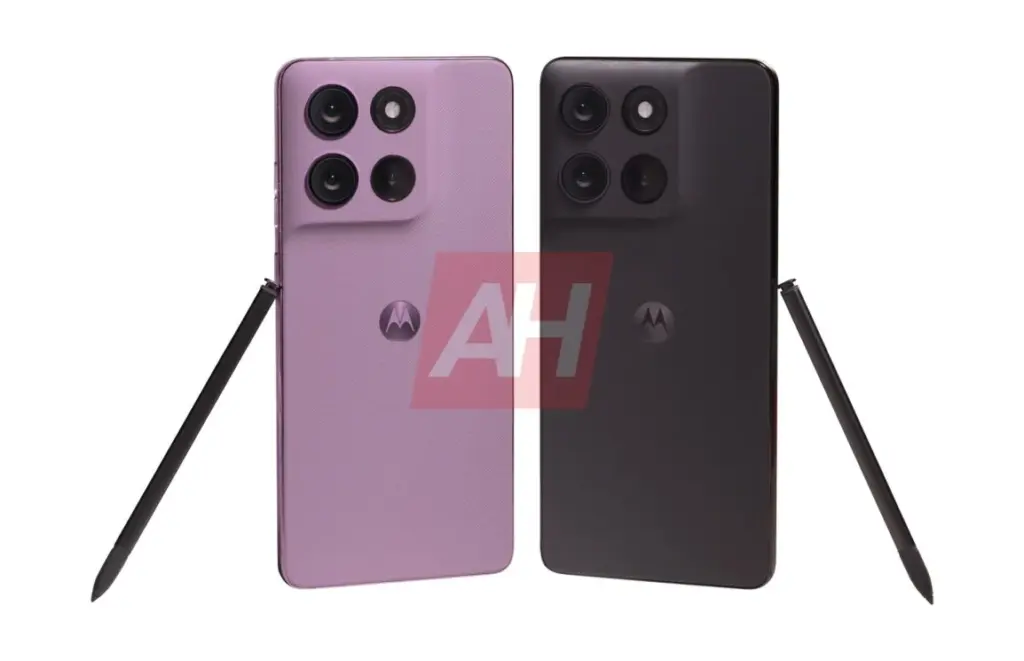
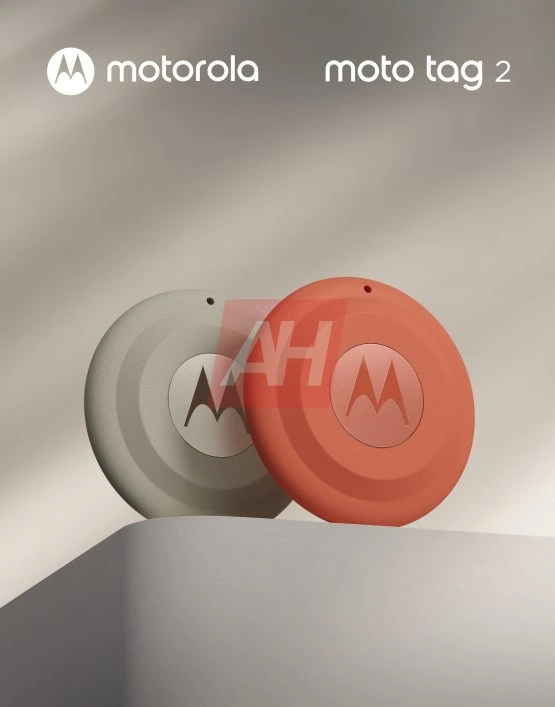
Motorola’s next stylus-toting mid-ranger and its updated Bluetooth tracker just leaked, giving us a first look at the Moto G Stylus 2026 and Moto Tag 2 months ahead of launch.
The images — published by Android Headlines — clear up the confusion from late last year, when a similar render was mistakenly linked to the wrong device. This time, the built-in stylus leaves no doubt: it’s the true Moto G Stylus successor.
At a glance, Motorola isn’t changing much. The camera layout is almost identical to the current model, and the overall design sticks to familiar lines. Two finishes are shown so far: a dark gray option and a soft lavender, with styluses that match the body color.
Specs weren’t shared with the leak, but given the current model’s Snapdragon 6 Gen 3 and mid-range positioning, any upgrades this year are likely to be iterative rather than dramatic.
The Moto Tag 2 also appears in the leak in beige and bright orange. It looks a lot like the first-gen tracker, though the source claims Motorola has improved button feel and battery life. UWB support, IP67 protection, and compatibility with Google’s Find My Device network are all expected to remain.
Nothing groundbreaking here — but that might be the point. Motorola seems happy to refine what’s already working: a solid budget stylus phone and a reliable tracker that fits neatly into the Android ecosystem. For fans of the Moto G Stylus line, a quiet evolution could be just what they’re hoping for in 2026.
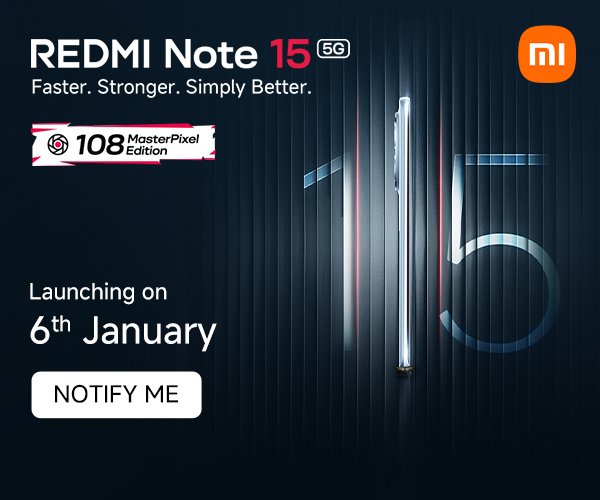
Redmi has confirmed the Redmi Note 15 5G launch date for India. Its landing page on Amazon states that the device will be announced on Jan. 6, 2026. The official teaser gives a quick look at the design and confirms the primary camera, setting the stage for what the brand appears to be positioning as a significant upgrade. More details are expected in the coming days as the company continues to share additional information.
Redmi Note 15 5G’s first teaser released
Redmi Note 15 launch date
The first Redmi Note 15 teaser for India highlights its side profile, hinting at a slim frame that aligns with what the brand typically aims for in the Note series. The teaser also confirms a 108-megapixel main camera, which is a notable step up from the previous generation.
While the teaser focuses largely on the silhouette and camera, it subtly suggests a refined build that could include a curved screen and possibly a metal frame.
Redmi Note 15 5G leaked specs
Redmi Note 15 5G
A leak from tipster Abhishek Yadav indicates that the global version of the Redmi Note 15 5G, including the Indian model, will differ from the variant introduced in China in August. Reports claim the device will come with a 6.83-inch AMOLED FHD Plus 120Hz display, a Snapdragon 6s Gen 3 chipset, up to 8GB RAM, 256GB of internal storage, and a 5,520mAh battery with 45W charging and
The leak further adds that the Redmi Note 15 Pro and Note 15 Pro Plus will not appear alongside the standard edition on January 6. Instead, both models may launch separately in February in India.
In related news, Xiaomi is said to be working on the global launch of the Xiaomi 17 series. Likely, the Xiaomi 17 and 17 Ultra will be announced in the first quarter of 2026 after the Note 15 Pro lineup. Before that, the Xiaomi 17 Ultra is expected to launch this month in China.
For more daily updates, please visit our News Section.
We use cookies on our website to give you the most relevant experience by remembering your preferences and repeat visits. By clicking “Accept”, you consent to the use of ALL the cookies.
This website uses cookies to improve your experience while you navigate through the website. Out of these, the cookies that are categorized as necessary are stored on your browser as they are essential for the working of basic functionalities of the website. We also use third-party cookies that help us analyze and understand how you use this website. These cookies will be stored in your browser only with your consent. You also have the option to opt-out of these cookies. But opting out of some of these cookies may affect your browsing experience.
Necessary cookies are absolutely essential for the website to function properly. This category only includes cookies that ensures basic functionalities and security features of the website. These cookies do not store any personal information.
Any cookies that may not be particularly necessary for the website to function and is used specifically to collect user personal data via analytics, ads, other embedded contents are termed as non-necessary cookies. It is mandatory to procure user consent prior to running these cookies on your website.