The prices of semiconductors are expected to rise due to shortages in production capacity in comparison to their demand. This has already caused certain companies to inform their customers about the increase in prices.
According to TheElecreport, the world’s largest contract chip maker, TSMC, recently reversed its price cut policy for its major customers, due to the higher demands. Furthermore, this is also reflected in the actions of other foundry based firms like GlobalFounderies, which reportedly is operating all of its fabs at near 100 percent capacity. The South Korean tech giant, Samsung Electronics, is apparently also in a similar position at the moment.
Other chipmakers in Taiwan, including UMC and VIS, have also increased chip production prices, and in the case of DB HiTek from South Korea, prices have hiked as high as 20 percent despite their fabs running at 100 percent capacity. Thus, the shortages of supply in the market are expected to cause a rise in memory and semiconductor systems prices.
Similarly, the fixed prices of DRAMs are also expected to rise by around 5 percent in the first quarter of 2021. These chips spot prices were around 3.46 US Dollars back in December 2020, marking a rise of 30 percent from November 2020. This price hike also being witnessed by Chinese companies like Goodix, and LCD components makers like Novatek.
Ahead of the launch of the Xiaomi Mi 10i tomorrow, listings for the phone have appeared on Amazon India and they reveal the price tags of the variants that will be sold in the country. However, there is a possibility that the prices may be different when they are announced tomorrow.
As seen in the video below, shared on Twitter by Sudhanshu Ambhore, the phone will be available in two configurations – 6GB RAM + 128GB and 8GB RAM + 128GB. The former will be available in Atlantic Blue and Pacific Sunrise while the 8GB RAM version will come in the aforementioned colors and Midnight Black.
Seems like Amazon has accidently leaked the pricing of Mi 10i. -6GB+128GB: ₹24,999 -8GB+128GB: ₹27,999#Mi10ipic.twitter.com/V2fFSHIo8P
The listing shows that the 6GB RAM variant will be sold for INR 24,999 (~$342) while the 8GB RAM variant will go for INR 27,999 (~$384). When compared to the Redmi Note 9 Pro 5G’s price tag in China (¥1599/~$247 and ¥1799/~$278), the Mi 10i is about $100 more expensive.
While these prices do go in line with the CEO’s under INR 30,000 price tag, the phone may sell for a lesser price tag. Xiaomi is known to offer discounts on its new products immediately after they are launched, and as you can see, these prices have no discounts. So, we are keeping our fingers crossed and expecting the final prices to be about INR 2000 (~$27) less.
The Mi 10i will be going against other 5G phones in the sub INR 30,000 category such as the OnePlus Nord which starts at INR 24,999 (~$343), has a 90Hz AMOLED display, and a Snapdragon 765G processor but 48MP quad rear cameras and a smaller battery with a slightly slower charging technology.
There is also the Moto G 5G that has the same Snapdragon 750G processor as the Mi 10i, a bigger 5000mAh battery but with 20W slower charging, 48MP quad rear cameras, and a price tag of INR 20,999 (~$288) for the 6+128GB version.
The Mi 10i is a new phone scheduled to launch in India tomorrow. The Pacific Sunrise color variant of the device has already appeared in several hands-on photos online. If you are wondering if that is the only color variant that will be sold in the country, that will not be the case.
Xiaomi has confirmed that the Mi 10i will also be available in Atlantic Blue and Midnight Black colors.
The Mi 10i is a rebadged Redmi Note 9 Pro 5G but Xiaomi India says it will have some region-specific features. Nevertheless, we expect it to have a 6.67-inch 1080 x 2400 display with a centered punch hole for the selfie camera. Powering the phone should be a Snapdragon 750G processor with 6GB or 8GB of RAM and 128GB or 256GB of storage. However, we won’t be surprised if Xiaomi were to announce a 64GB version for India. The Redmi Note 9 Pro 5G has a MicroSD card slot, so this should too.
It has already been confirmed that the phone has a 108MP quad-camera system. It should also have a 16MP selfie camera. There is a side-mounted fingerprint scanner, a 4820mAh battery with support for 33W fast wired charging, stereo speakers, IR blaster, and NFC. The Mi 10i should also ship with MIUI 12 based on Android 10 out of the box.
With respect to the price, Manu Kumar Jain, the CEO of Xiaomi India, has said the phone will be priced under INR 30,000 (~$410).
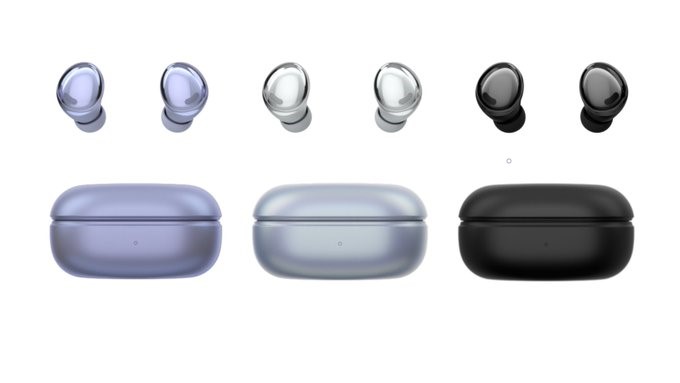
Samsung has confirmed to host the first-ever Galaxy Unpacked event of 2021 on January 14. The company is expected to announce the Galaxy S21 series at this conference. Along with these smartphones, the firm is also reported to unveil a new pair of truly wireless earphones called Galaxy Buds Pro. Ahead of their official announcement, these earbuds get an unboxing and first impressions treatment on YouTube.
The Galaxy Buds series of truly wireless earphones is one of the popular TWS products in the market. The first model in the series simply called Galaxy Buds were introduced alongside the Galaxy S10 series. The second model known as Galaxy Buds+ debuted with the Galaxy S20 series. Then, came the Galaxy Buds Live with the Galaxy Note20 series.
Next week, the company is all set to announce the Galaxy Buds Pro at the Galaxy S21 series launch event on January 14. Almost everything about this product is now known, thanks to multiple leaks. Now, we even get to see them in real life in an unboxing and first impressions video on YouTube (embedded above).
The video confirms all the leaked specs but it does not say anything about their price. According to previous reports, Samsung’s new pair of truly wireless earphones will cost about $199 in the US and €229 in Europe. Anyway, we will know the official pricing next week at the launch conference.
Recent reports have revealed that the Redmi Note 9T phone has passed several certifications such as Malaysia’s SIRIM, Thailand’s NBTC, and TUV Rheinland certification. The handset was also recently seen at Geekbench benchmarking platform with the Dimensity 800U chipset. Rumors surrounding it have revealed that it could be a global version of the Redmi Note 9 5G that launched in China in November. Earlier today, Xiaomi Spain released a tweet that confirmed Jan. 8 as the launch date of Redmi Note 9T. The official tweet that was first spotted by tipster Abhishek Yadav is no longer accessible as it has been taken down.
The deleted tweet carried the below-shown poster. It mentioned that the Redmi Note 9T will be breaking cover at 11:00 AM (GMT+1) on Jan. 8 in Spain. The handset is expected to arrive in Spain as one of the most affordable 5G-ready smartphones. While the tweet has been deleted, the official Twitter handle of Xiaomi global has claimed that the Redmi Note 9T is coming soon.
The Redmi Note 9T is likely to arrive with a 6.53-inch IPS LCD panel with a punch-hole design. It may support a Full HD+ resolution and a 19.5:9 aspect ratio. The Dimensity 800U chip could be equipped with up to 8 GB of LPPDR4x RAM and up to 256 GB of UFS 2.2 storage.
The MIUI 12 based Android 10 OS may come preinstalled on the Redmi Note 9T. It may sport a front camera of 13-megapixel and its rear shell could be fitted with a triple camera setup. The latter may include a 48-megapixel main camera, an 8-megapixel ultrawide lens, and a 2-megapixel depth sensor.
The Redmi Note 9T carries support for 18W fast charging for its 5,000mAh battery. It is fitted with a side-facing fingerprint reader. There is no word on the pricing of Note 9T for the European markets.
Late last week, a tipster claimed Samsung to launch a Galaxy M series smartphone with a big screen in India this week. Yesterday, this device’s names, specs, and price were revealed by a report. And today, the South Korean tech giant has officially confirmed to announce this handset on January 7 in the country.
When Mukul Sharma shared a teaser poster with the text #MAXUP, we thought this phone could be either the Galaxy M62 phablet or the most leaked Galaxy M12. But this smartphone turns out to be Galaxy M02s, a rebadged Galaxy A02s with more RAM and storage, as per its Google Play Console listing, an IANS report as well as official teasers by the company.
This handset has been confirmed to flaunt a 6.5-inch IPS LCD panel with a V-shaped notch at the top center (aka Infinity-V Display). It will be powered by Qualcomm Snapdragon 450 SoC paired with 3GB/4GB RAM and 32GB/64GB internal storage.
On the back, the device will sport a vertically aligned triple camera setup consisting of a 13MP primary sensor, 2MP macro shooter, and a 2MP depth sensor accompanied by an LED flash. Whereas, for selfies and video calls, the phone will use a 5MP sensor.
Last but not least, the handset will be backed by a 5,000mAh battery. Also, since it is expected to be the same as Galaxy A02s, it should also feature USB Type-C, 3.5mm headphone jack, and a dedicated microSD card slot. But unfortunately, it won’t come with a fingerprint sensor.
Anyway, the main highlight of the Galaxy M02s will be its price. That’s because it is reported to be the first Samsung smartphone with 4GB RAM under ₹10,000 in India.
Xiaomi’s latest 2021 flagship, the Xiaomi Mi 11 offers tremendous value for your money. It starts at just 3999 RMB (~$613) yet offers premium performance and display with the brand new Snapdragon 888 processor and an excellent 2K 120Hz AMOLED display
The phone recently went on sale in China and will soon be available globally as well. Despite being a standard edition (non-Pro), the Mi 11 has enough premium features to be called a full-fledged flagship model in 2021. So, let’s take a look at what the phone has to offer in this Xiaomi Mi 11 hands-on.
Xiaomi Mi 11 Hands-on: Design & Display
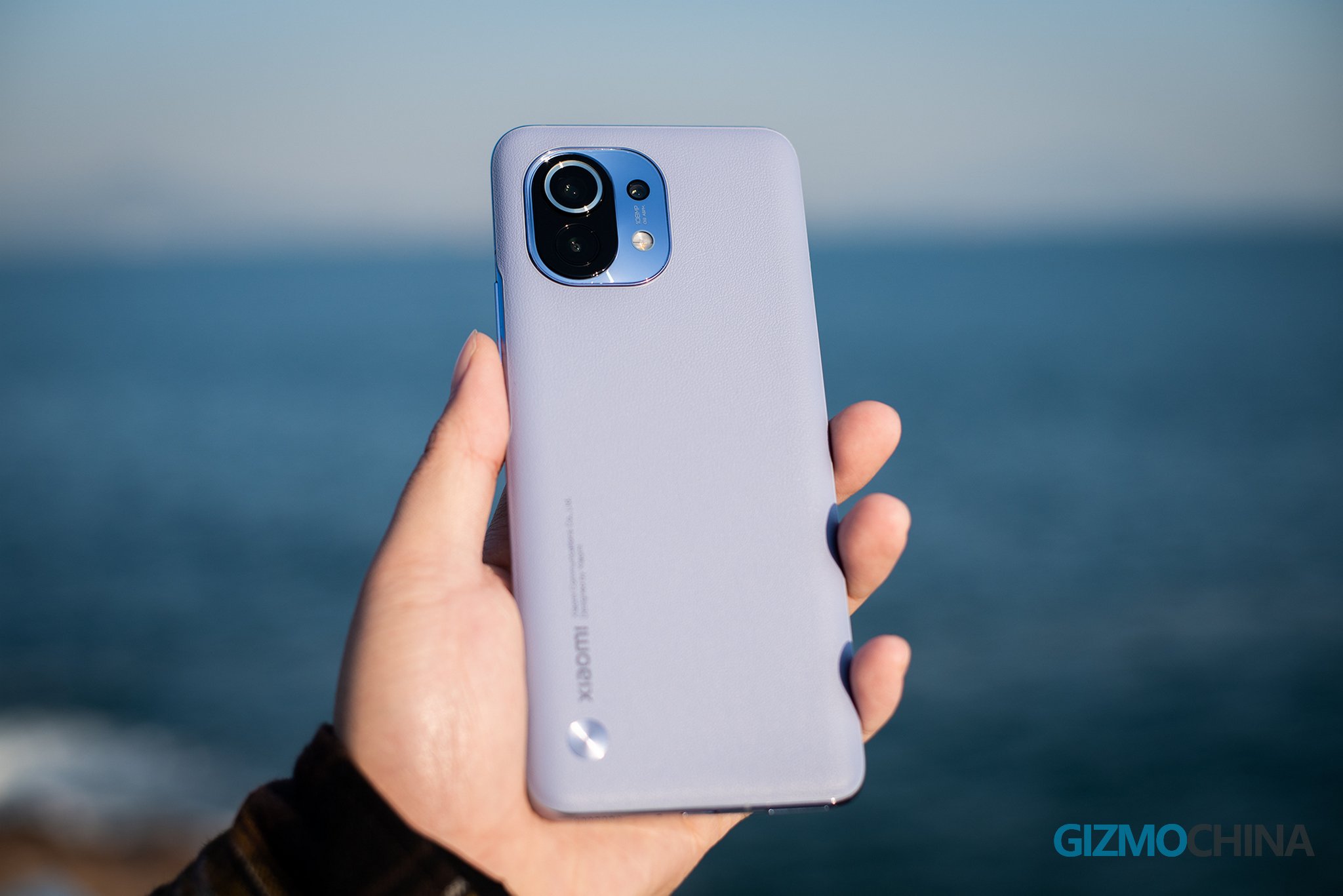
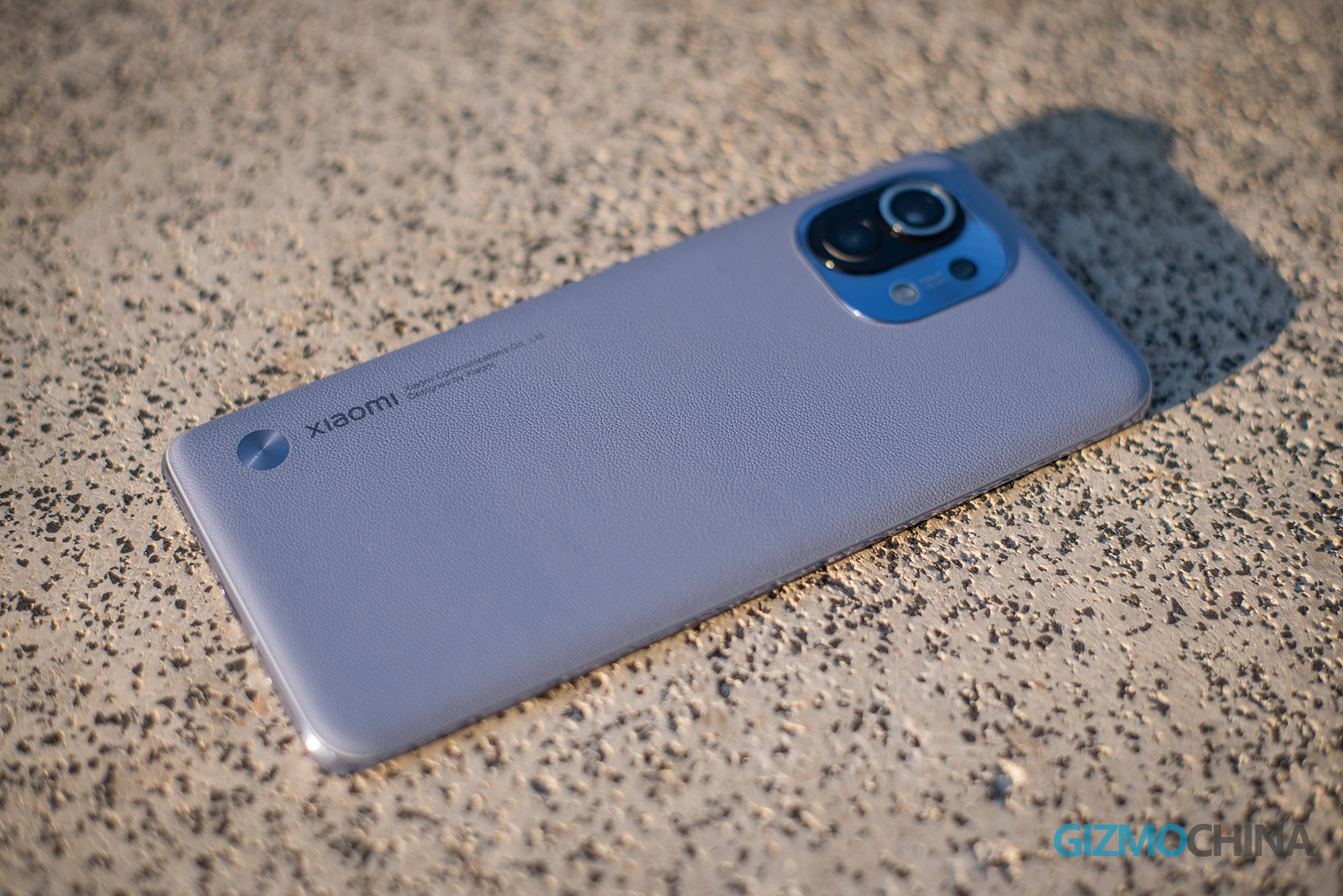
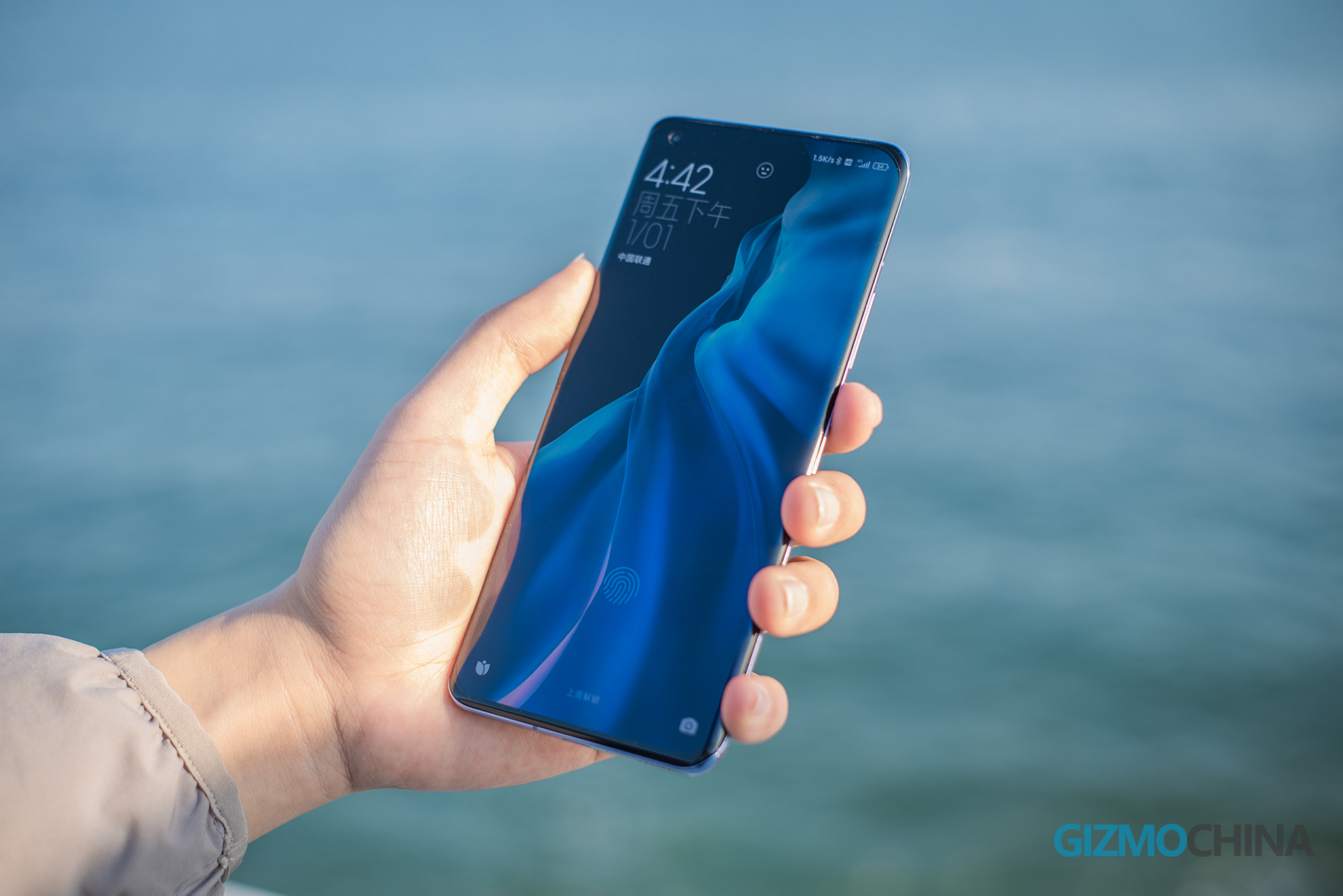
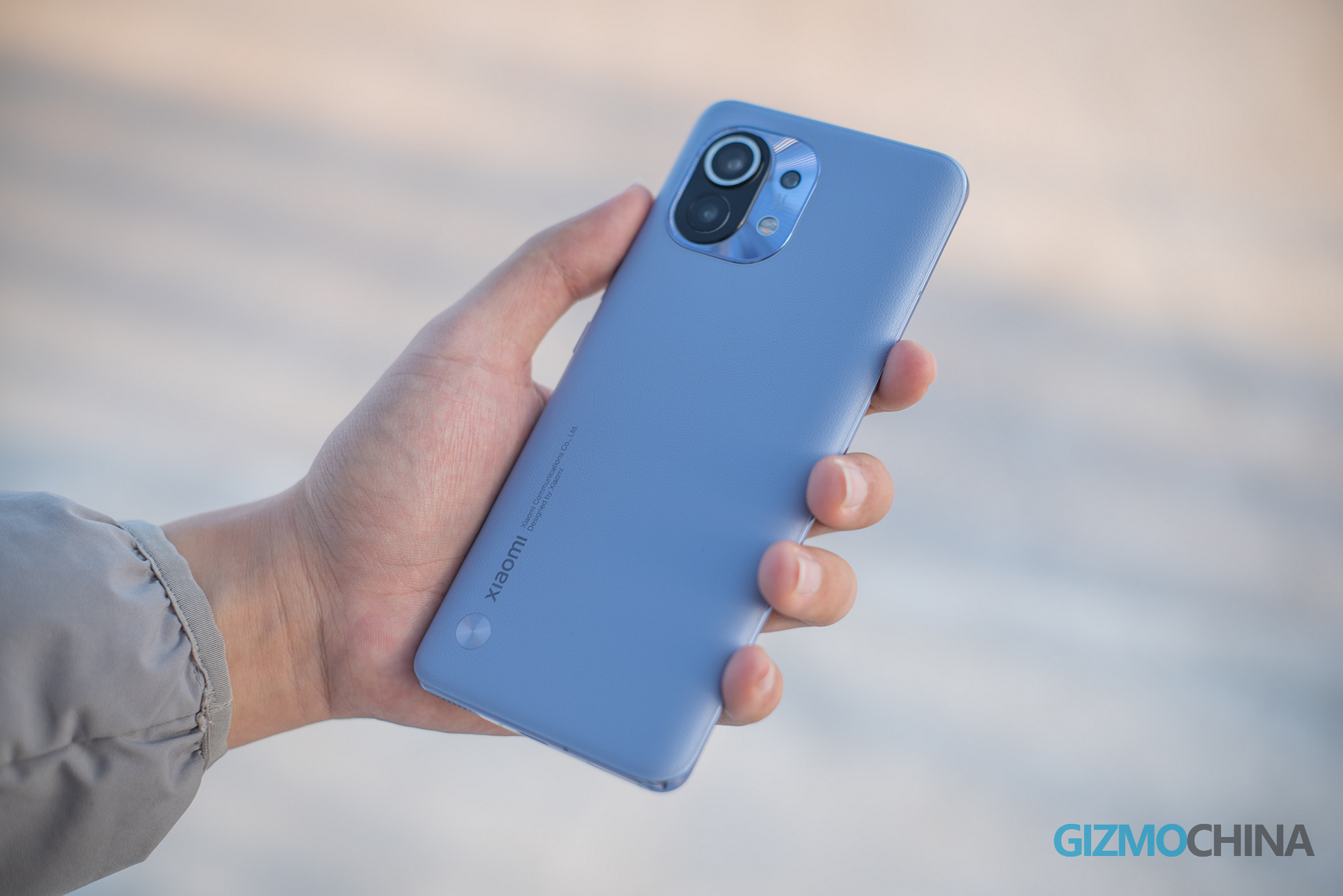
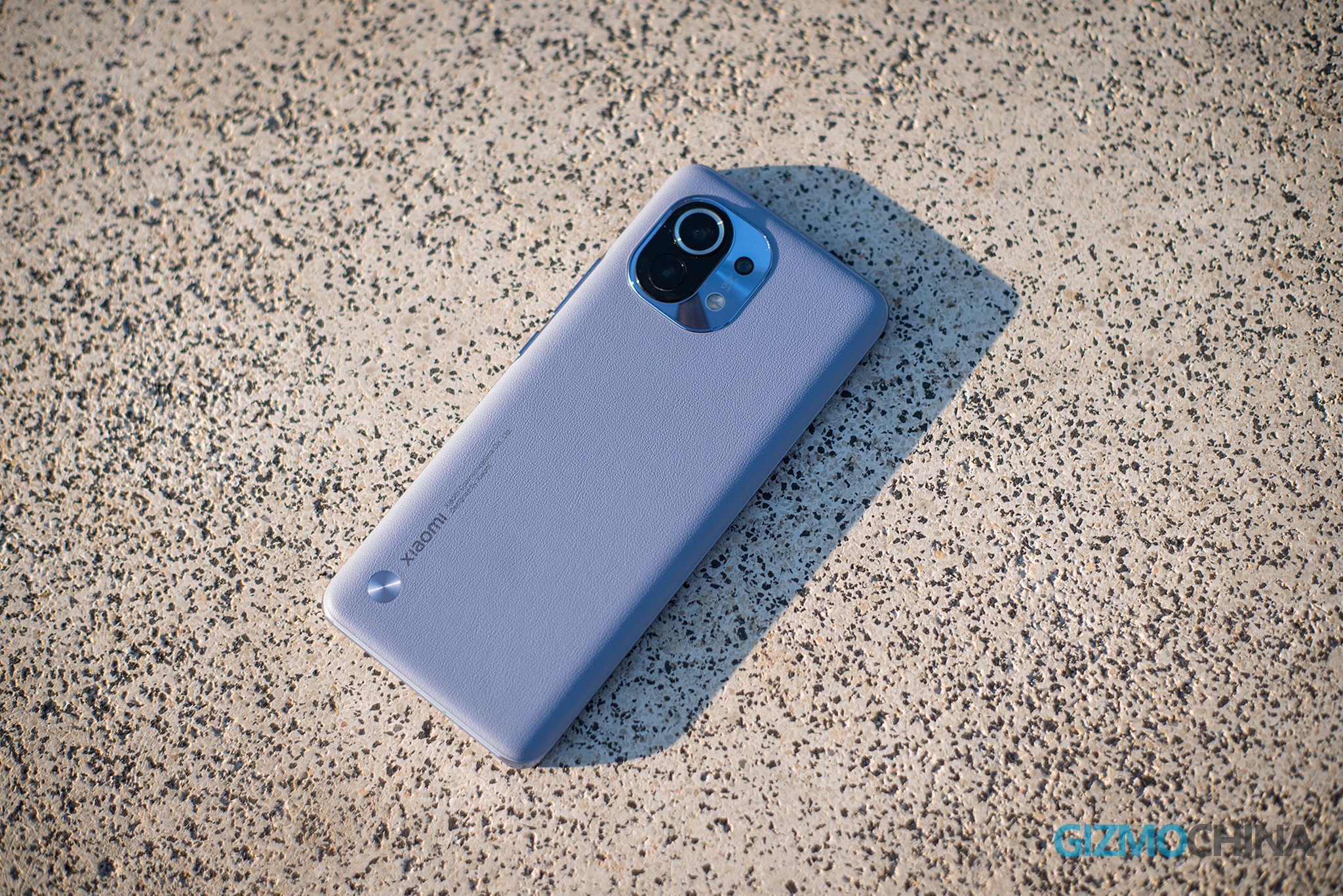
The Xiaomi Mi 11 comes in two variants – an AG matte finish variant and a vegan leather one. The AG matte model comes with a metal and glass sandwich design while the vegan leather model, unsurprisingly, has a leather finish on the back.
Xiaomi Mi 11 – Vegan Leather
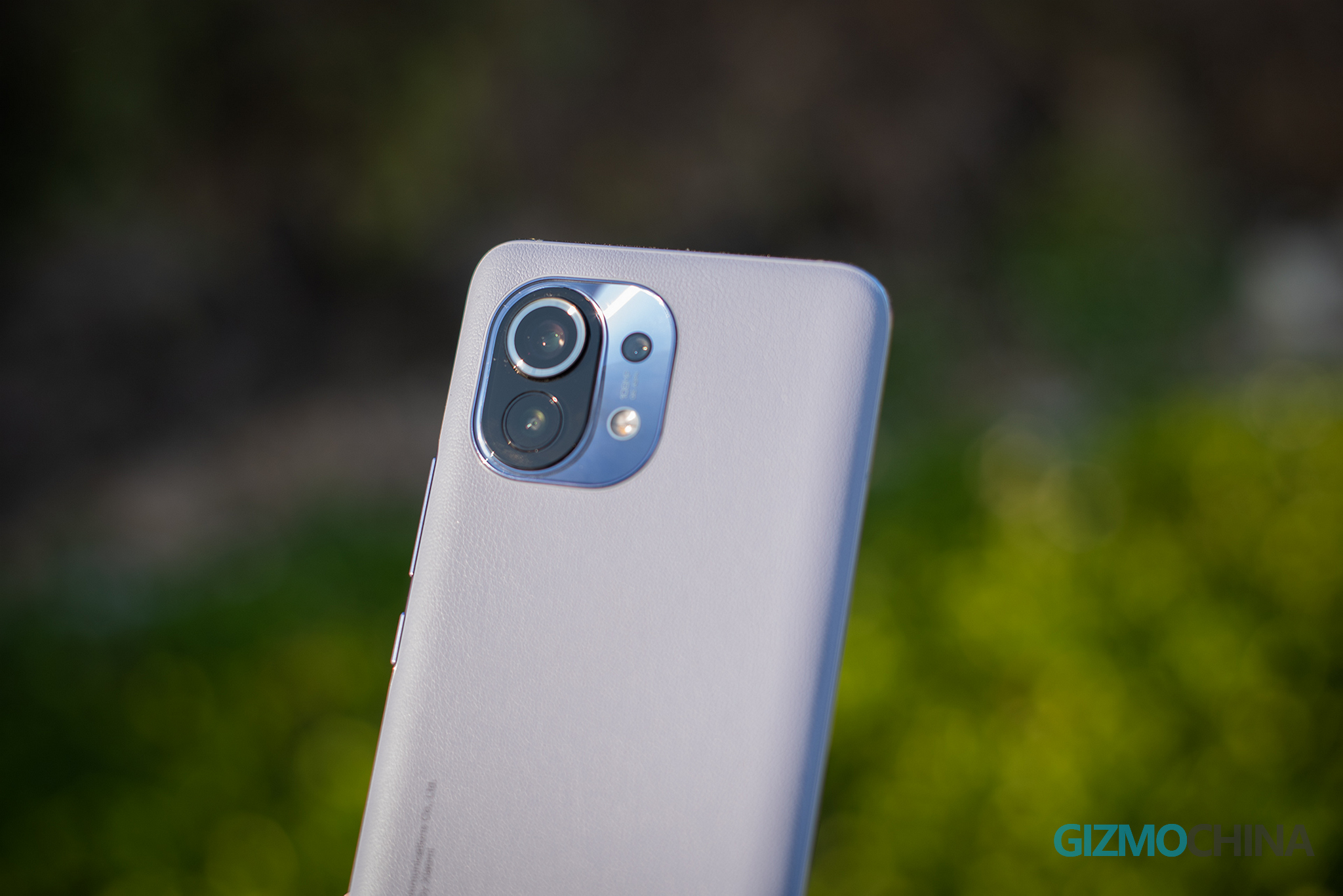
We got the Vegan Leather Xiaomi Mi 11 model for our review and we have to tell you that the back cover feels pretty premium. Another slight advantage of this leather variant is that the square rear camera module doesn’t protrude as much as the AG matte finish variant. This is because the vegan leather model is slightly thicker (194g, 8.56mm) as compared to the AG matte variant (196g, 8.06mm).
Despite weighing 194grams, the phone feels pretty lightweight. On closer analysis, we found that the overall body weight is well balanced which enables a much better hands-on feel on the Mi 11 as compared to its predecessor – the Mi 10. Also, the four curved design with smooth corners looks and feels very premium and makes it very comfortable to hold, even with one hand.
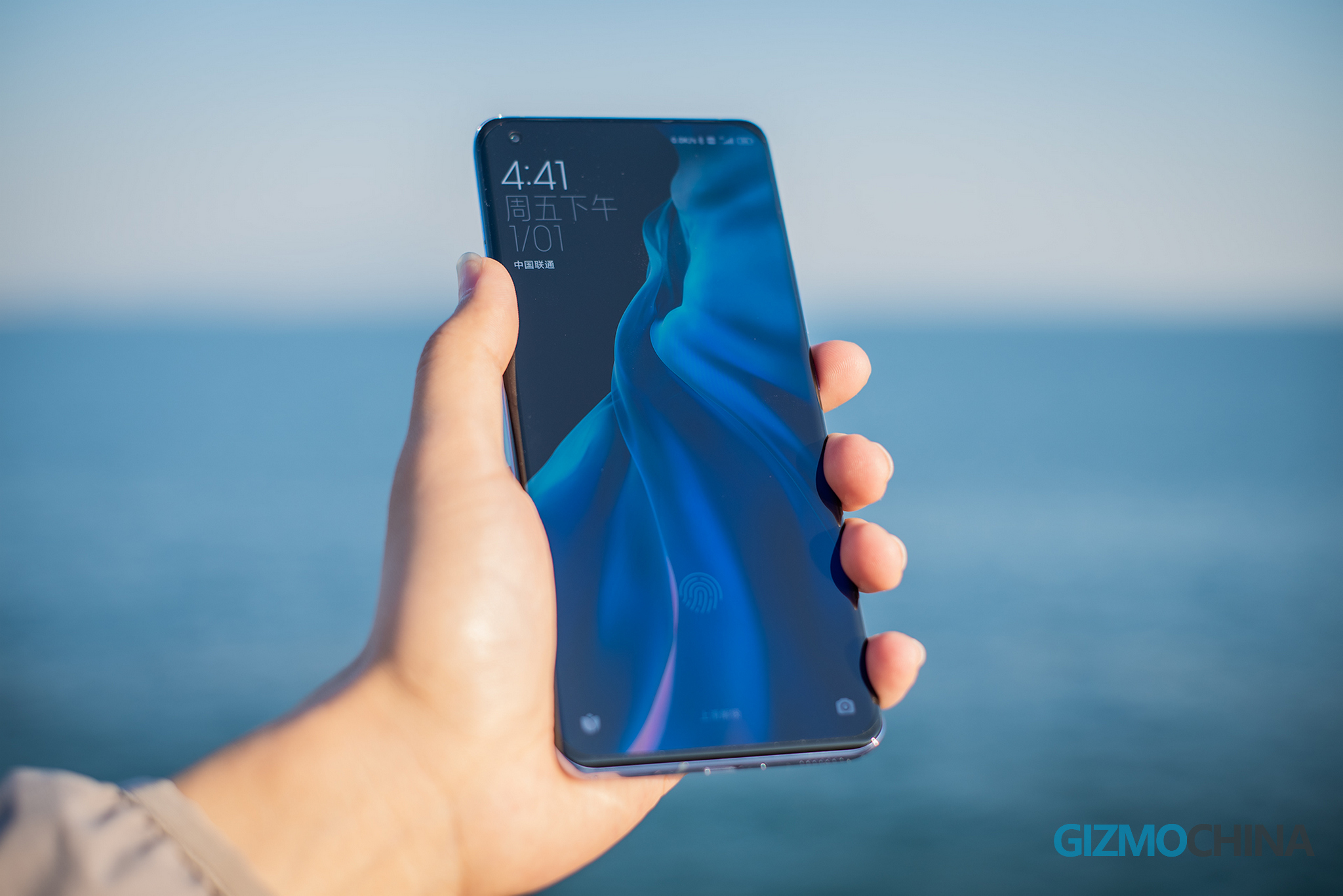
The Mi 11 comes with a larger and better display than its predecessor, featuring a 6.81-inch 2K 120Hz AMOLED panel. The display is definitely the biggest highlight of the new flagship and it’s probably the BEST OLED screen we’ve seen on a smartphone so far. Notably, the Mi 11 supports a 120Hz high screen refresh rate even at 2K WQHD+ resolution. The curved edges on the phone don’t come in between your user experience and there wasn’t any visible color shift either. Note that the new flagship has also reduced the size of the front selfie punch-hole camera.
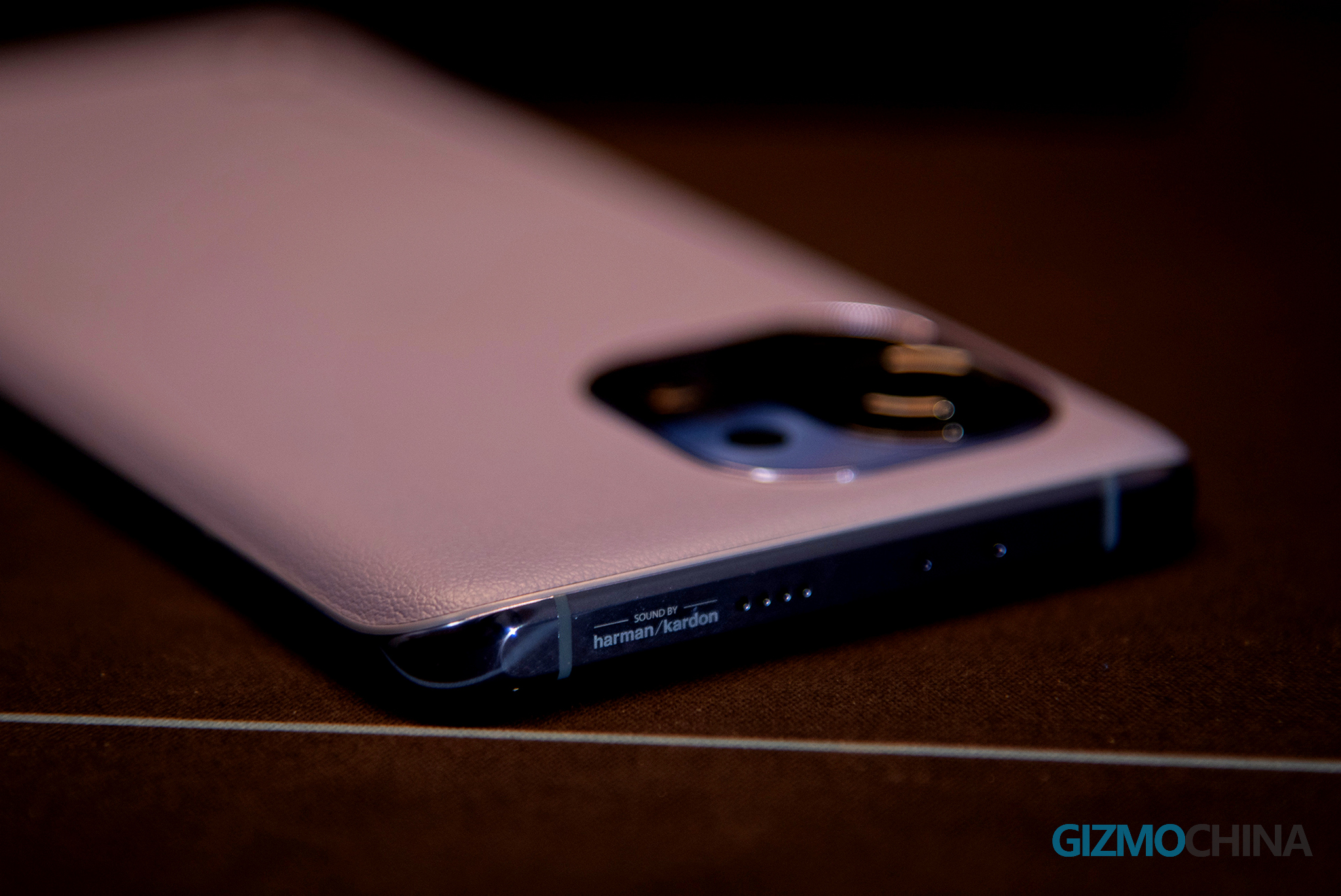
Coming to the specs, the Xiaomi 11 is the world’s first Snapdragon 888 smartphone to launch in the market. The new chip ensures that the phone is extremely fast and fluid and it can register AnTuTu scores upwards of 700,000. Another important highlight of the Mi 11 is the Harmon Kardon tuned audio and there’s a perceived improvement in the sound quality. In our initial tests, we found the stereo speakers on the new flagship had excellent audio output.
Harmon Kardon Xiaomi Mi 11
While the Mi 11 is heavy on performance, design, and display, Xiaomi has taken a toned-down approach for its camera setup. Don’t get us wrong, the 108MP primary camera will give you pretty good shots especially in daylight conditions. But know that the triple camera setup that includes a 13MP ultra-wide-angle shooter and a 5MP macro lens doesn’t bring a whole lot of improvement in the camera department as compared to the Xiaomi Mi 10. Upfront, you get a 20MP selfie shooter.
The Mi 11 also features a pretty large 4600mAh battery on board with 55W wired charging support. However, the most impressive battery feature is the support for high-speed 50W wireless charging and 10W reverse wireless charging. The phone also supports Quick Charge 4 plus, QC3 plus, and PD3.0 fast charging protocols. Finally, it supports 5G and the new generation Wi-Fi 6E standard.
Xiaomi’s strategy for the Mi 11 is pretty clear. Focus on a few key areas of the flagship by adding top-notch specs while toning down certain areas like the camera department for the ideal price to performance ratio.
We’ll be releasing our full review of the Xiaomi Mi 11 pretty soon, so stay tuned for that!
So what do you think of the new Xiaomi Mi 11? If you have any questions about the Mi 11, let us know in the comments down below.
If you are looking to purchase the new Xiaomi Mi 11 5G, it is currently available on Giztop.
Ren Zhengfei, the CEO and founder of Huawei Technologies has stated that the company has to scale back on its enterprise businesses and focus more on its strategic areas.
According to a GlobalTimesreport, the senior official of the Chinese tech giant stated this to the staff through a recent internal email. This indicates that the company might further adjust its strategies to better face the challenges and competition. Ren said that “Because we are a company with limited power, we must do well and fine-tune the projects we are going to do. We must seize opportunities in the areas where we can, focus our energies, and do a good job in a down-to-earth manner. Only then can we truly find a better solution than others.”
The founder also discussed the company’s cloud computing businesses and even said that the company must learn from the likes of Amazon and Microsoft. As per the founder, Huawei must use its 30 years’ worth of network experience as a unique advantage in the cloud computing market and stand out in the industry. Although, he further added that “But Huawei can’t take the same path as Alibaba and Amazon, since we don’t have ‘endless money’ from the US stock market like them.”
According to Jiang Junmu, chief writer at C114.com, “Huawei’s enterprise is still limited in size and faces barriers to develop on a bigger scale, the points Ren mentioned are also some attempts the firm is going to make to try to break through the bottleneck.” Furthermore, Ren said that Huawei is currently discussing on “how to seize the opportunity of digitalization of government and enterprises, how to achieve better development in both, and how to achieve the world’s leading position.”
Ren Zhengfei, CEO and Founder of Huawei
In other words, the founder believes that the company must “go all out” to build a large application ecosystem like Amazon to grow its Huawei Cloud business. It also has to downscale on its enterprise businesses and focus more on strengthening its software and application ecosystems that would be more beneficial to the brand at the moment.
Despite 5G smartphones becoming a lot more common in recent times, most affordable 5G handsets still arrive in the mid range segments. This might now soon change as Qualcomm is apparently planning on announcing its Snapdragon 480 5G chipset today (4th January 2020), bringing the newer and faster bandwidth to more affordable devices.
[Exclusive] In all likelihood, Qualcomm will unveil its Snapdragon 480 5G processor today. 8nm octa-core Kryo 460, up to 2GHz 100% improvement over Snapdragon 460 Adreno 619 Support for up to 120Hz displays Wi-Fi 6 ready
According to a Tweet by known tipster Mukul Sharma (@stufflistings), the chip making giant is reportedly going to unveil the Snapdragon 480 5G processor today. The new chip is based on an 8nm process and features the Kyro 460 octa cores that can clock up to 2GHz. As per the tweet, the new chipset offers a 100 percent improvement in performance over the previous generation’s Snapdragon 460 and the Adreno 619 GPU.
The leakster also added that the new chipset will support up to 120Hz refresh rate displays. Meaning, we might soon possibly see certain affordable handsets launching with high refresh rate display panels as well. And lastly, the Twitter post also mentioned that the new chip will also support Wi-Fi 6 standards as well. If the report is true, then we can expect to see a shift in the affordable smartphone segments, with more OEMs offering 5G networking in cheap handsets.
Unfortunately, this is still an unconfirmed report so take it with a pinch of salt for now. Although, StuffListings leaks have been accurate in the past so stay tuned for more, as we will be providing more updates when additional information is available.
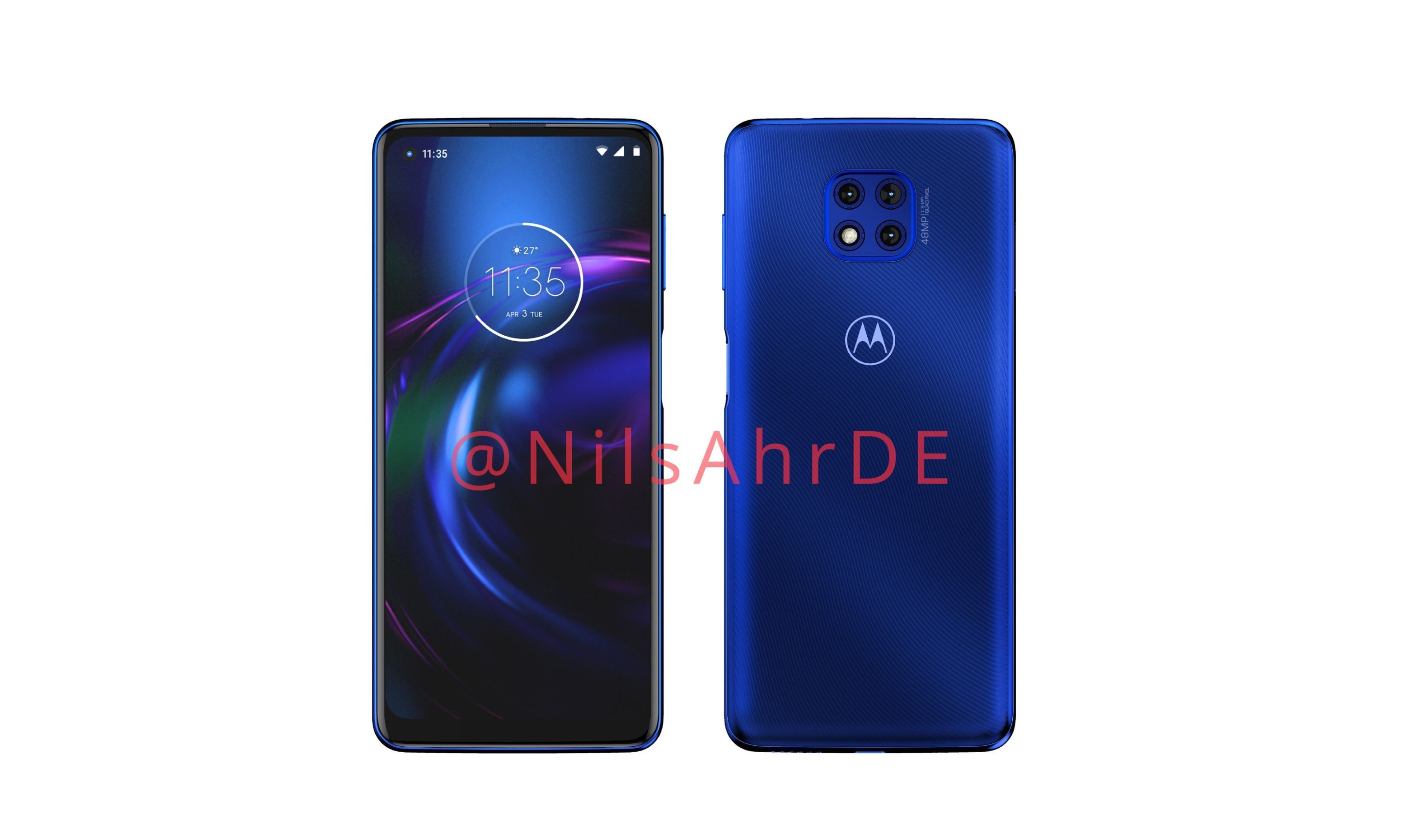
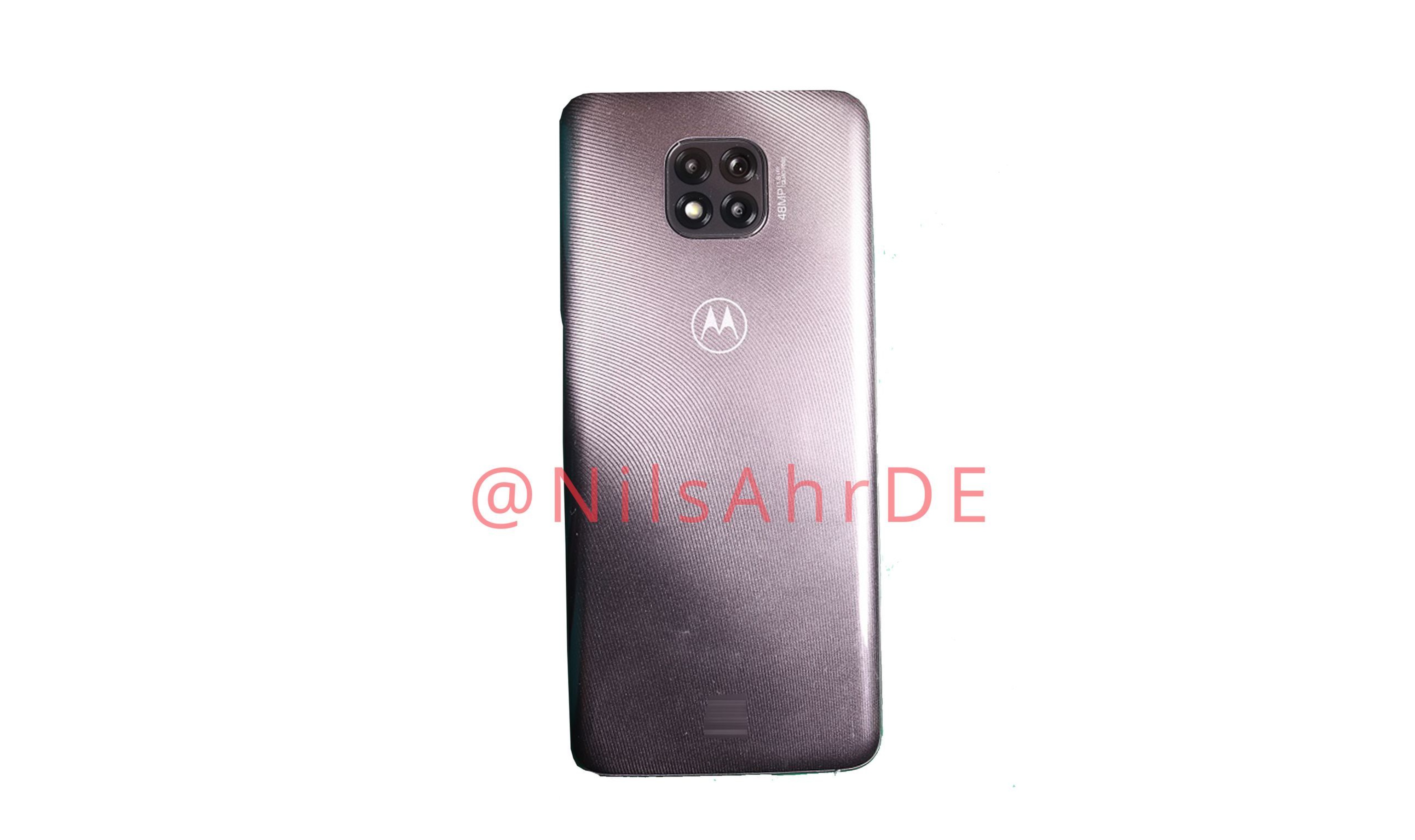
Lately, Lenovo has been releasing the same smartphones with different brandings (Motorola and Lenovo) and specifications in various regions. Back in November, a device said to be the successor of Moto G9 Play leaked in 3D CAD renders. Now, the very same phone has leaked once again as Moto G Power 2021.
The Moto G Power 2021 leak comes from Nils Ahrensmeier of TechnikNews. The tipster shared a render, a live image, and some specs on Voice.
According to him, this smartphone will be releasing in the US. He did not say anything about other regions. But we believe it could go official as Moto G Play 2021 in those markets.
This handset with model number XT2117 will be powered by Qualcomm Snapdragon 662 chipset paired with 3GB/4GB RAM and 32GB/64GB internal storage. It will come with a triple camera setup consisting of a 48MP primary sensor, a 2MP macro shooter, and a 2MP depth sensor.
Interestingly, despite featuring ‘Power’ in its name, the phone will be backed by a not so high capacity 4,850mAh battery. Lastly, it will be available in three colors namely Gray, Blue, and Silver respectively.
Further, going by the renders shared by both Nils and @OnLeaks, the upcoming Moto G Power/Play 2021 will sport a punch-hole (top left-aligned) display, matrix camera alignment, side-mounted fingerprint sensor, USB Type-C, and 3.5mm headphone jack.
That said, the launch dates of these Motorola phones are not known as of now. But they could go official anytime now in the coming days
It was reported in December that Honor has postponed the arrival of the Honor V40 phone to January 2021. Tipsters from China have been recently claiming that the Honor V40 will be launching on Jan. 12. However, fresh information reveals that its launch has been further pushed back. It is now speculated that Honor V40 may debut on Jan. 18.
According to a reliable leakster who is known for Huawei and Honor leaks, the launch event of the Honor V40 has been delayed. Another tipster has claimed that the Chinese brand had previously planned to debut the smartphone around the annual fan meeting event that was expected to take place on Jan. 13. The tipster claimed that the annual fan meeting will be now held online and the press conference of V40 has also been postponed.
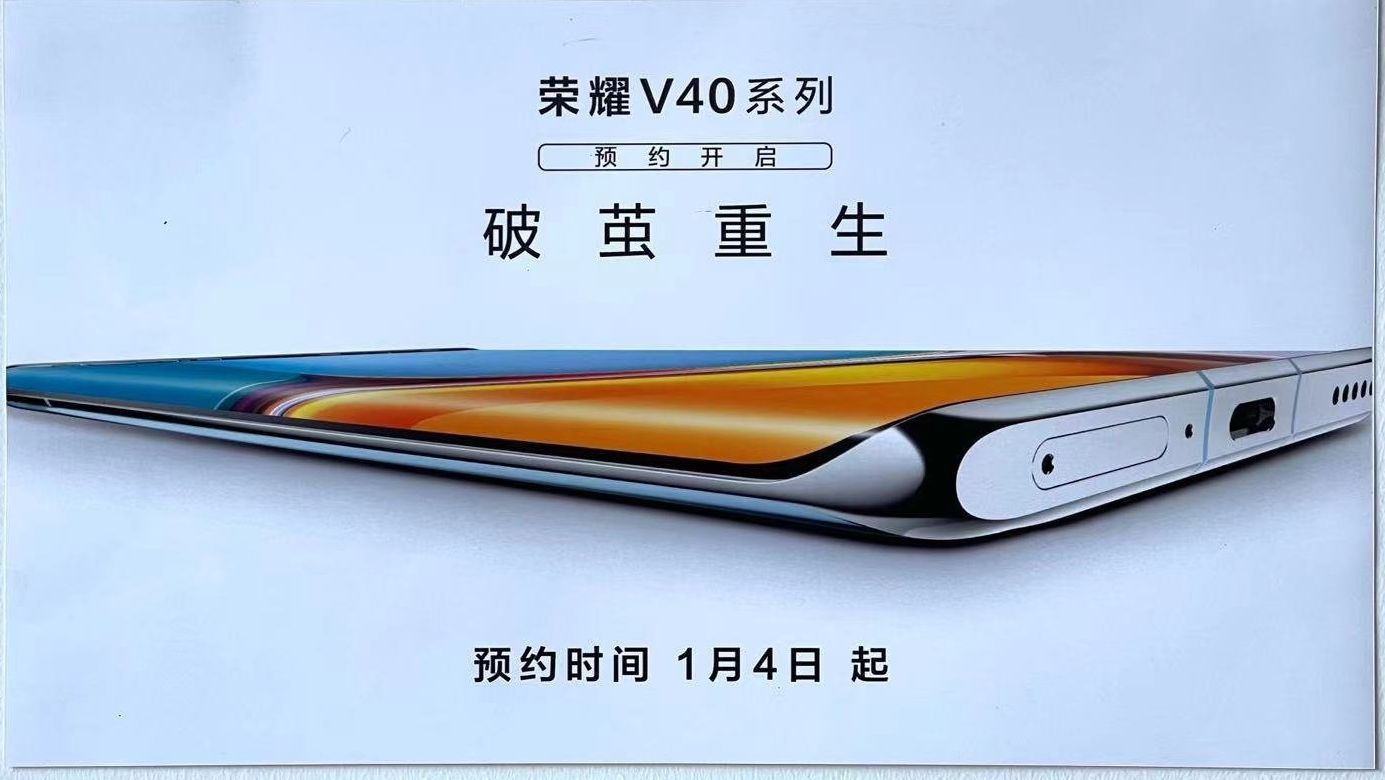
He claimed that the Honor V40 is highly likely to debut on Jan. 18. The tipster also shared a poster of the device. A snapshot of the poster shared by the tipster reveals that the V40 ‘s reservation has started in China. The China texts mentioned above the phone’s image reads “Honor V40 series”, “appointment open”, and “Rebirth.”
Since the poster mentions the Honor V40 series, it appears that there more could at least two V40 models. Recent reports have revealed that the model numbers of the V40 models could be NWE-AN10 and YOK-AN10. The series will mark the rebirth of the brand after its separation from Huawei, which was confirmed in November.
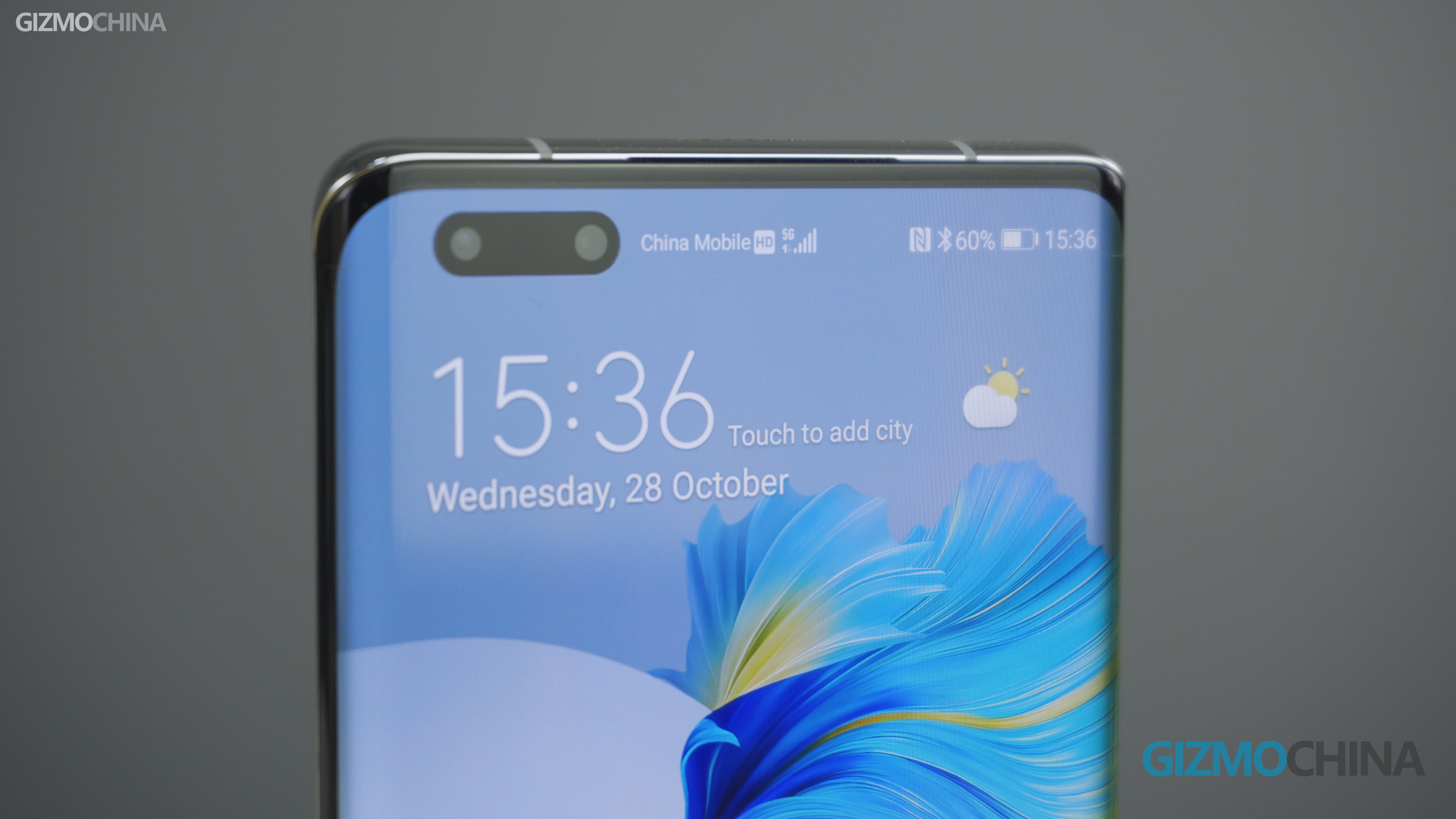
DxOMark, the known camera testing brand, has just crowned the Huawei Mate 40 Pro for having the best selfie camera in a smartphone. The firm made the decision after various tests and ranking it against smartphones from other brands as well.
The Huawei Mate 40 Pro has a dual selfie camera module on the front. It sports a 13 megapixel 1/2.8″ sensor, which arrives alongside a fixed focus lens and a time of flight sensor that helps with depth sensing for bokeh mode shots. Despite only having a 13 megapixel shooter, the Chinese tech giant’s engineers had surprisingly managed to “squeeze an awful lot of image quality out of the front camera module,” as per DxOMark. The device leads in the selfie category and holds the crown for Photography with 110 points, “thanks to class-leading performance across many attributes, and very few obvious flaws.”
As per the testings, DxOMark found that the camera offered great exposure even during low light scenarios, with a wide dynamic range as well. This helped the device quite a bit in well lit scenes, especially when the background was brighter than the subject. The tests also revealed that colors were fairly accurate, and the device offered good white balance in night scenes. Although it had a fixed focus lens, the Mate 40 Pro’s selfie shooter performed well in the tests, including the Bokeh shots.
Furthermore, the fash on the Mate 40 Pro also helped illuminate the subject during the dark conditions and provided good exposure. While it was crowned the best, the device still had a few areas to improve upon, namely with the few image artifacts, certain instabilities, color inconsistencies at times, and inaccurate white balancing issues on skin tones. Although, these were still minor issues compared to its otherwise great performance.
Xiaomi recently launched its latest flagship smartphone — Mi 11, which went on sale a couple of days ago. Apart from being the first phone in the world to come powered by the SD888 chipset, it is also the company’s first smartphone to come without a charger.
As the company is not offering a charger in the box, some users are using the Mi 65W GaN charger that the company sells separately, to charge the phone. However, many of them are reporting an issue.
Although the charger was withdrawn from sale in China a few months ago, users who had purchased it prior to that are using it to charge the newly launched Mi 11. But on connecting that charger, the phone reboots and enters into an infinite loop cycle.
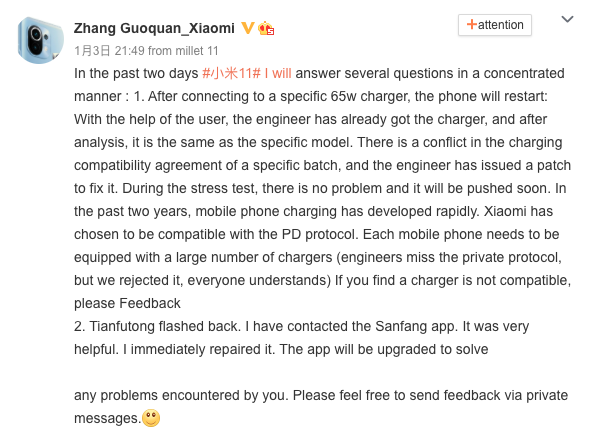
Zhang Guoquan, Director of Xiaomi‘s Mobile System Software Department has said in a Weibo post that the company’s engineers have obtained the charger creating the issue. After analysis, the team found that the problem is with the specific model and batch of the charger because of the charging compatibility conflicts.
The Chinese company is now expected to push out an over-the-air (OTA) update that will fix the issue with the Xiaomi Mi 11 smartphone getting affected by the 65W GaN chargers. However, as of now, there is no timeline for this fix.
Last week, OnePlus Band, the brand’s first wearable was reported to launch in India sometime in Q1 2021. Today, the company has started teasing it officially. Additionally, a well-known reliable leaker has not only tipped its launch date but also some of its specs as well as price.
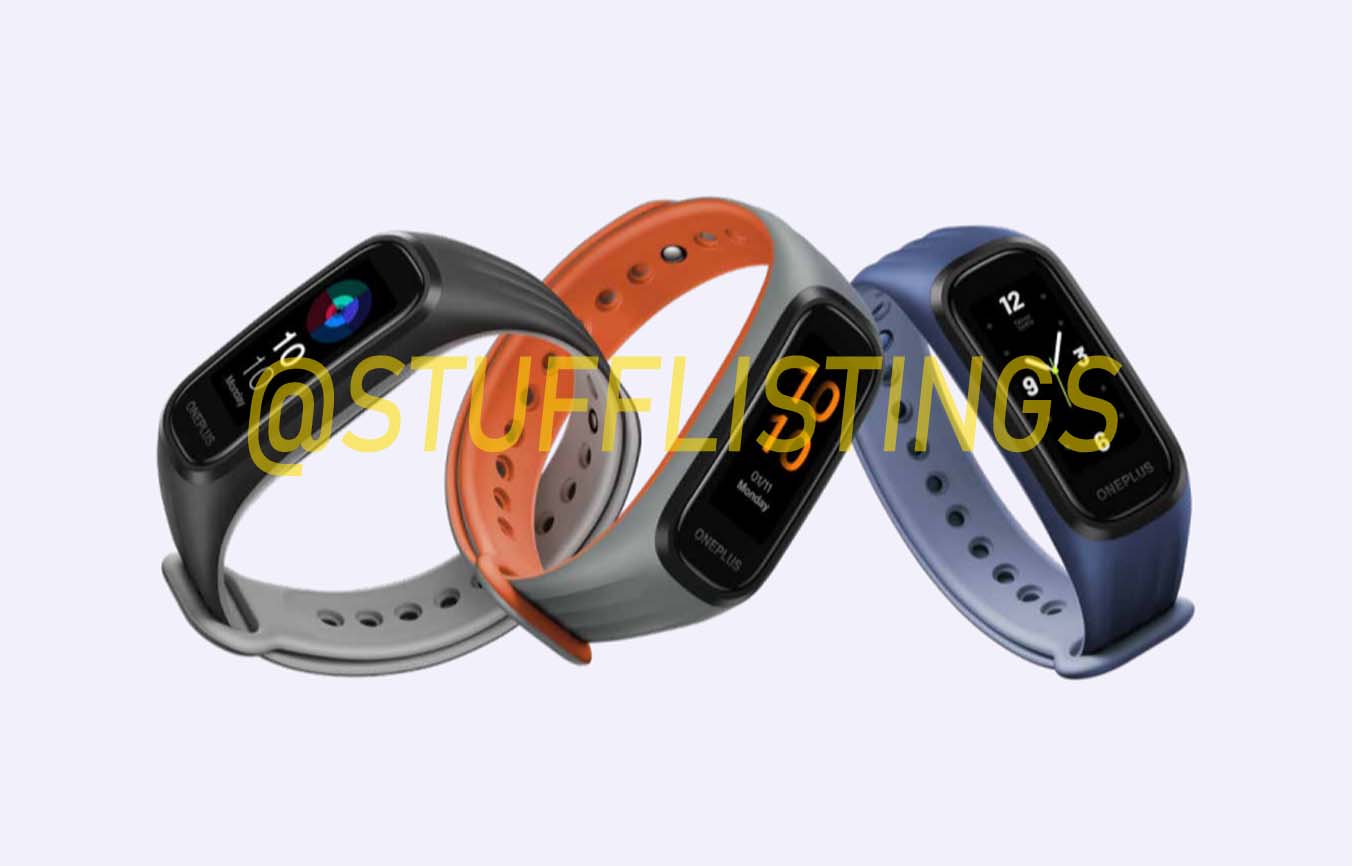
The latest information regarding the OnePlus Band comes from Ishan Agarwal, a popular teenage leaker on Twitter. According to him, OnePlus’ first fitness tracker will be launching in India on January 11 priced around ₹2,499.
Further, as per him, the wearable will sport a 1.1-inch AMOLED display (touch input). It will come equipped with a heart rate sensor, a SpO2 sensor for blood oxygen level monitoring, and will also support sleep monitoring.
That’s not all, it will feature 13 exercise (sports) modes and will be even IP68-certified dust and water-resistant. Last but not least, the fitness tracker will offer up to 14-day battery life.
If these specifications sound similar, then you aren’t wrong, Because they are identical to those of the OPPO Band. We already knew it last week when the product’s first poster was leaked. Anyway, now we can confirm that the upcoming OnePlus Band is nothing but a rebadged OPPO Band.
That said, it will be competing against Mi Smart Band 5 and Mi Smart Band 4 in India. The only standout feature of the OnePlus Band is the presence of a SpO2 sensor, which is absent on Xiaomi’s popular fitness trackers.
Back in 2017, Adobe had announced that it would be ending the support of its Flash browser plug in by the end of 2020. Now, the company has officially ended the software’s support and will begin blocking content running on Flash Player on 12th January 2020.
Keep in mind, that most people would not be affected by the discontinuation of the Adobe Flash player as most major websites have already switched to other platforms. Notably, Apple users in particular, namely with iPhones and iPads, as both iOS and iPads never supported Flash, to begin with. Steve Jobs, the co founder and former CEO of Apple, had also shared his “Thoughts on Flash” back in 2010. He criticized Adobe software’s reliability, incompatibility issues, and battery drain on mobile devices. He even called it “painfully slow to adopt enhancements to Apple’s platforms,” as per a MacRumorsreport.
For those unaware, one of the reasons major websites shifted away from Adobe Flash was due to the platform suffering from various vulnerabilities. This exposed many PC and Mac users to malware and various other security risks as well. This caused many companies like Microsoft and Apple to constantly work to fix the numerous security issues. Thus, many eventually made the shift to other formats.
Since Adobe Flash is no longer being officially supported and has reached the end of its lifespan, the company has recommended users to uninstall and remove the software from their devices completely, “to help protect their systems.” So it is advised to do so, to avoid any potential vulnerability from being exploited on your desktop or laptop PCs.
Samsung has officially confirmed its upcoming Galaxy Unpacked event where the company will be launching the next-generation Galaxy S21 series flagship smartphones. Along with that, the company is also expected to launch the Galaxy Buds Pro.
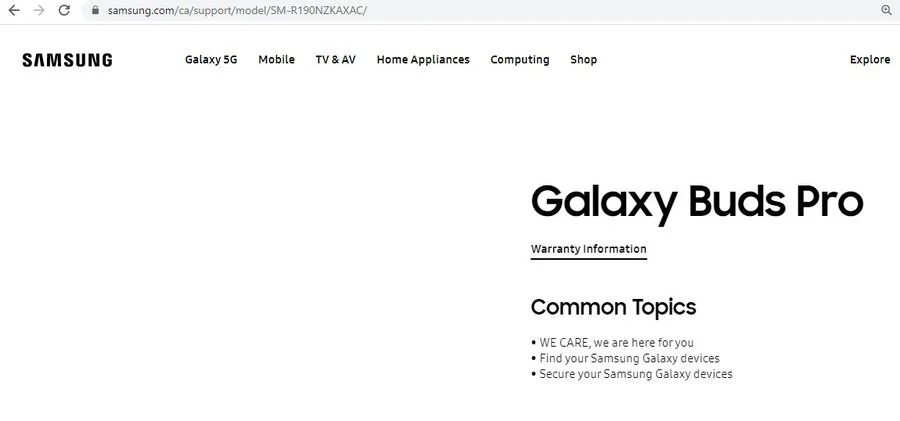
The Samsung Galaxy Buds Pro true wireless earphones have been in the news for quite some time and now it seems that the company may have confirmed it. The device appeared on the South Korean giant’s official website.
Folks at Sammobile spotted that Samsung Canada had put up information about the Galaxy Buds Pro wireless earphones but the listing no longer appears. For those who are unaware, the upcoming earbuds are said to be the competitor of the Apple AirPods Pro.
Based on the leaks so far, it appears that the Galaxy Buds Pro will come with a 2-way speaker, similar to the Galaxy Buds Plus. There will also be a more powerful active noise cancellation feature, which the company is calling Intelligent Noise Cancellation.
It is also said to provide users with greater control over the experience. The earphones will reportedly have three modes — Conversation Mode, Ambient Sound Mode, and Active Noise Cancellation Mode, which will also have level controls.
They will also have Spatial Audio and an IPX7 rating for water resistance. There’s something mentioned about the Galaxy Buds widget for Samsung devices but currently, nothing is known about this.
In the battery department, the Samsung Galaxy Buds Pro are expected to offer eight hours of playback time and 4.5 hours of talk time on a single charge. With the charging case, the talk time can be increased to 15 hours while the playtime can be upped to 28 hours.
As for the pricing, the earphones are expected to be priced at $199 — the most expensive in the lineup, $50 less than the AirPods Pro. For comparison, the Galaxy Buds Plus and the Galaxy Buds Live are priced at $149 and $169 respectively.
Qualcomm and Samsung are two of the biggest mobile chipmakers and the companies keep advancing their technologies with each new iteration. They have announced their latest 5nm chipsets and devices powered by them are now making their way to the market.
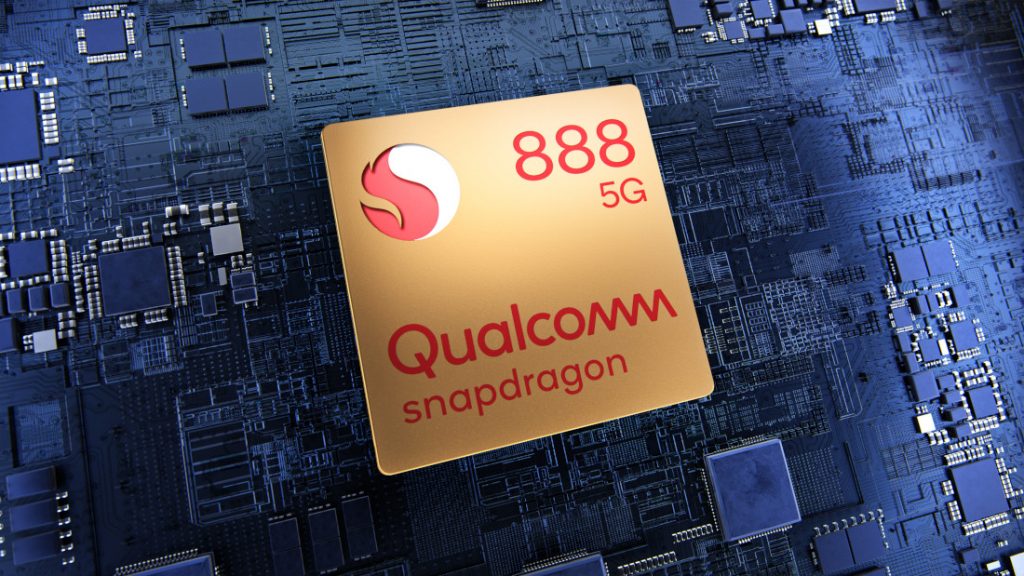
While Qualcomm had announced its latest Snapdragon 888 chipset last month, smartphones powered by the same are now getting launched. Xiaomi Mi 11, the first phone powered by the SD888 went on sale a few days ago and another device, iQOO 7, is all set to go official this week.
On the other hand, the Samsung Exynos 1080 is manufactured using the 5nm process, and the recently launched Vivo X60 series smartphones powered by the same. The company is also working on Exynos 2100.
Samsung is set to launch its next-generation flagship smartphone — Galaxy S21 lineup on 14th January and those phones are expected to come powered by the Exynos 2100 chipset, which is believed to be revealed at the same event.
Qualcomm and Samsung are trying their best to capitalize on the hills of Huawei’s absence because of the newly imposed sanctions on the Chinese giant by the United States. Samsung, which so far used to reserve its chipset only for its own smartphones, is now giving it to other mobile makers.
However, in terms of total chipset shipments in the third quarter of 2020, MediaTek emerged as the leading brand with a 31 percent market. Qualcomm and Huawei HiSilicon followed the suite with 29 percent and 12 percent market share. Samsung and Apple came in fourth and fifth with a 12 percent market share each.
Borje Ekholm, the CEO of Ericsson, had apparently lobbied to overturn the ban on Huawei in Sweden, which prevented the company from participating in the roll out of 5G networking in the region.
According to a Bloombergreport, the Ericsson CEO had pressured a Swedish minister to reverse the ban on Huawei and ZTE as well. Reportedly, Ekholm had lobbied Foreign Trade Minister Anna Hallberg via a series of phone messages to review an order by the Swedish Post and Telecom Authority (PTS). For those unaware, this order was to operators that were required to remove networking equipment that was bought from the Chinese companies and replacing it from their infrastructure by January 2025.
An Ericsson spokesperson has confirmed the news that Ekholm was in contact with the minister. Furthermore, the news also arrives after Hallberg said that she did not have any contact with PTS and would never step in as minister and influence the decisions made by individual authorities. Halberg further added that she had never met with Ekholm regarding the matter. Similarly, Jacob Wallenberg, deputy chair of Ericsson’s board of directors, had previously said that “stopping Huawei is definitely not good.”
At the moment, Ericsson brings in 10 percent of its total sales from China, with Huawei being one of its biggest rivals as a telecommunications equipment provider. Notably, China had even warned that the Swedish companies would also see “negative impacts” from the ban if the decision wasn’t reversed. Although, the Swedish Prime Minister, Stefan Lofven is standing by the decision of the authority.
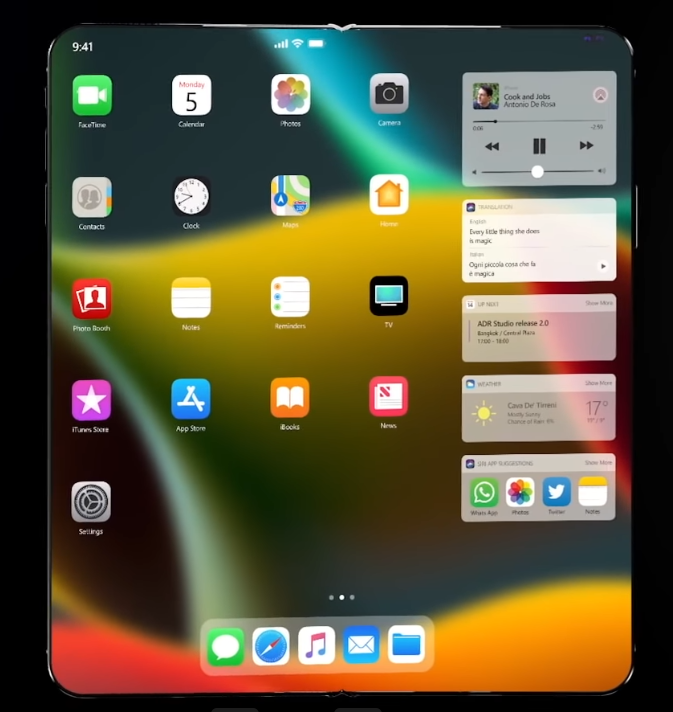
Samsung and Huawei are currently a few of the only companies that have commercially launched foldable devices in the market. But it seems that Apple might soon join their ranks as two of its foldable device prototypes have passed the durability test at Foxconn.
According to a UDNreport, the supplier of the Cupertino based giant has passed two distinct foldable devices through its durability test. Both variants are unique and feature a folding mechanism similar to the Galaxy Z Fold 2 and the Galaxy Z Flip. In other words, one bends horizontally, while the other folds vertically. As per the report, both foldable iPhones are not fully functional at the moment, and only the chassis and display components were tested.
Notably, these two areas are the crucial aspects, which had also proved to be the biggest launch challenge to Samsung’s first foldable device, the Galaxy Fold. So, it is reassuring to hear that Apple designs have passed quality control and durability checks for both parts. Furthermore, UDN also stated that now, the company would begin to evaluate both devices and will drop one of the designs and go forward with the other one.
Unfortunately, we have no solid idea when the company might actually launch a foldable device, but we can expect it to arrive most likely in 2022. It is also expected that Apple would ship an iOS/iPadOS hybrid software on this device to bring the functionality of both a tablet and a smartphone on the foldable device. Keep in mind, that this is still an unconfirmed report, so take it with a grain of salt for now and stay tuned for more updates that should arrive soon.
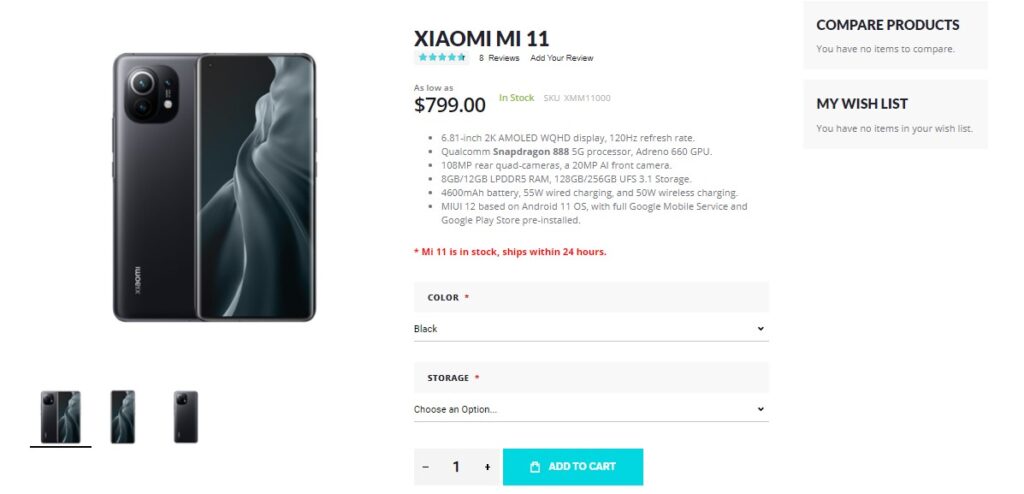
Just before the year-end, Xiaomi announced its new flagship smartphone – Mi 11. The smartphone comprises the latest Qualcomm Snapdragon 888 SoC, 108 MP rear-triple camera module and several other upliftments in comparison with its predecessor. However, the smartphone is already on sale in China and later will launch globally. But, the international users can grab the device from Giztop for $799 starting today.
Giztop will start shipping the device within 24 hours. The smartphone is available in all three colours of Black, White and Blue. Moreover, the customers can opt from different storage variants of 8GB + 128GB, 8GB + 256GB and 12GB + 256GB storage variants.
However, it will take at least a month or two before the international audience gets their hand-on the new beast officially. It is better to ship internationally and enjoy the exciting performance of the device.
Xiaomi Mi 11 comes with a 6.81-inch AMOLED display featuring 1440 x 3200 pixels resolution. The display supports 120Hz refresh rate and 1500-nits brightness to aid better gaming experience. Qualcomm Snapdragon 888 sits inside the device coupled with Adreno 660 GPU. There’s a triple-rear camera module comprising a 108MP primary camera, 13MP ultrawide sensor and a 5MP macro lens. A single 20MP sits on the front side for selfies. The smartphone ships with 5.2 Bluetooth, NFC, GPS, Wifi and USB Type-C 2.0.
A massive 4600 mAh battery with support for 55W fast charging, 50W fast wireless charging is present.
Grab the Xiaomi’s flagship device at a great price of $799 from Giztop via the button below.
We use cookies on our website to give you the most relevant experience by remembering your preferences and repeat visits. By clicking “Accept”, you consent to the use of ALL the cookies.
This website uses cookies to improve your experience while you navigate through the website. Out of these, the cookies that are categorized as necessary are stored on your browser as they are essential for the working of basic functionalities of the website. We also use third-party cookies that help us analyze and understand how you use this website. These cookies will be stored in your browser only with your consent. You also have the option to opt-out of these cookies. But opting out of some of these cookies may affect your browsing experience.
Necessary cookies are absolutely essential for the website to function properly. This category only includes cookies that ensures basic functionalities and security features of the website. These cookies do not store any personal information.
Any cookies that may not be particularly necessary for the website to function and is used specifically to collect user personal data via analytics, ads, other embedded contents are termed as non-necessary cookies. It is mandatory to procure user consent prior to running these cookies on your website.


 Similarly, the fixed prices of DRAMs are also expected to rise by around 5 percent in the first quarter of 2021. These chips spot prices were around 3.46 US Dollars back in December 2020, marking a rise of 30 percent from November 2020. This price hike also being witnessed by Chinese companies like Goodix, and LCD components makers like Novatek.




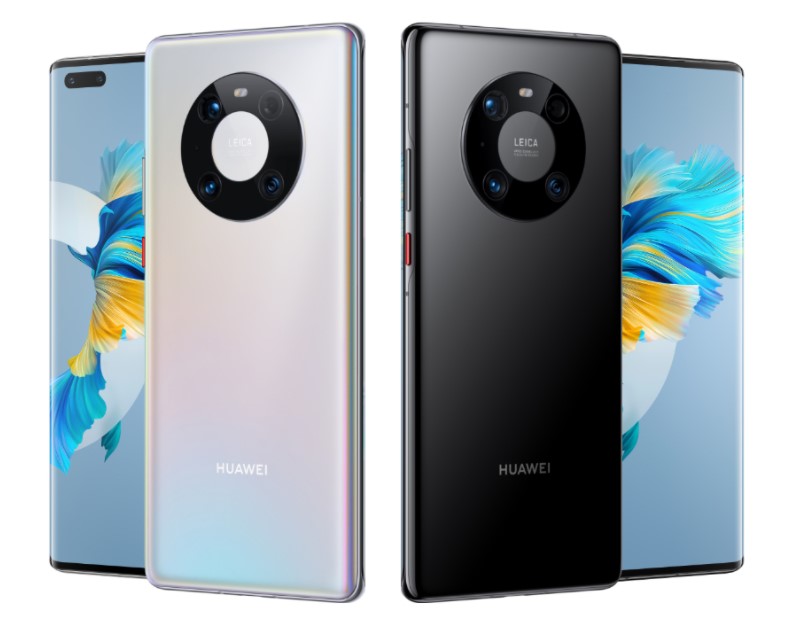 The Huawei Mate 40 Pro has a dual selfie camera module on the front. It sports a 13 megapixel 1/2.8″ sensor, which arrives alongside a fixed focus lens and a time of flight sensor that helps with depth sensing for bokeh mode shots. Despite only having a 13 megapixel shooter, the Chinese tech giant’s engineers had surprisingly managed to “squeeze an awful lot of image quality out of the front camera module,” as per