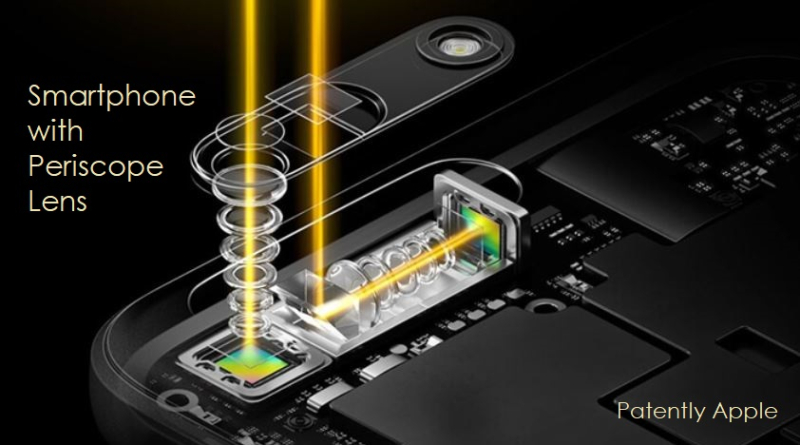
While Apple had previously been rumored to include a periscopic zoom lens in its iPhones last year, the company has yet to launch a smartphone with a dedicated camera with magnification capabilities. But, it seems that the technology is still in the works as the company patented a ‘Periscopic Camera Module’.
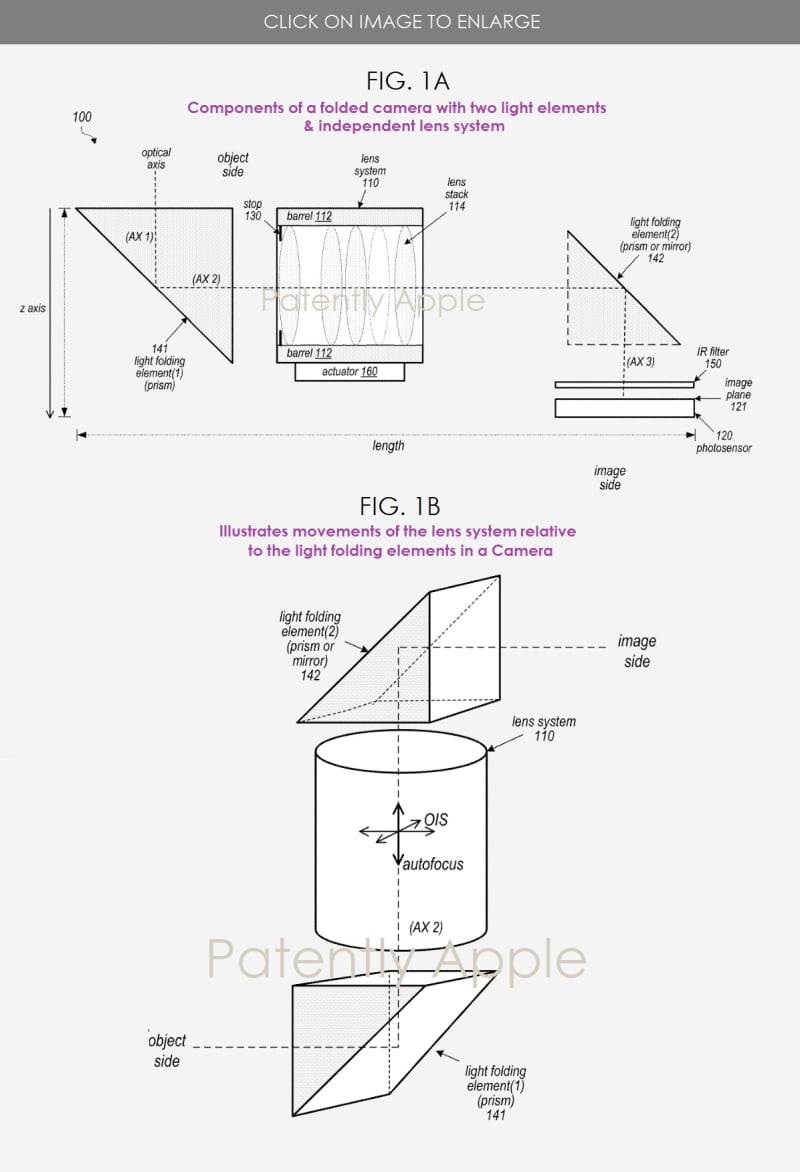
According to a PatentlyApplereport, the US Patent and Trademark Office published a new patent application, earlier today (29th January 2021). In the documents, the Cupertino based giant’s invention is for a folding camera technology with a range of 85 to 165mm. This folded camera could perhaps be used in a small form factor camera module. The patented camera features two light folding elements and a lens system located between these two elements.
Furthermore, the lens system itself may be independent from the light folding elements and it may also include an aperture stop and lens element with a refractive power mounted in a lens barrel. In simpler terms, the camera system could essentially offer superior optical zoom capabilities paired with additional digital zoom functionality as well. We can expect this technology to arrive in future iPhones, although, it is currently unknown if the new camera lens would ship with the 2021 iPhone lineup.
Notably, the patent document also added that this camera lens is not just limited to the iPhone and we could even see it debut in a “a personal computer system, desktop computer, laptop, notebook, tablet or pad device, slate, or netbook computer, mainframe computer system, handheld computer, workstation,” and many other such devices. Meaning, this could just be Apple covering all bases at the moment. So stay tuned for more updates.
Transsion India’s phone brand named itel will be launching a new smartphone named itel A47 in India on Feb. 1. The microsite of the upcoming smartphone is now live on Amazon India. According to 91mobiles, the itel A47 will be priced under Rs 6,000 (~$82) in India.
The microsite states that the itel A47 will offer users a big display, better storage, and the best security. The silhouette of the phone suggests that it could be sporting an 18:9 aspect ratio supporting display with thick bezels.
The phone will offer users 32 GB of native storage and its rear shell seems to feature a dual-camera setup. For security, the handset will come equipped with a fingerprint scanner.
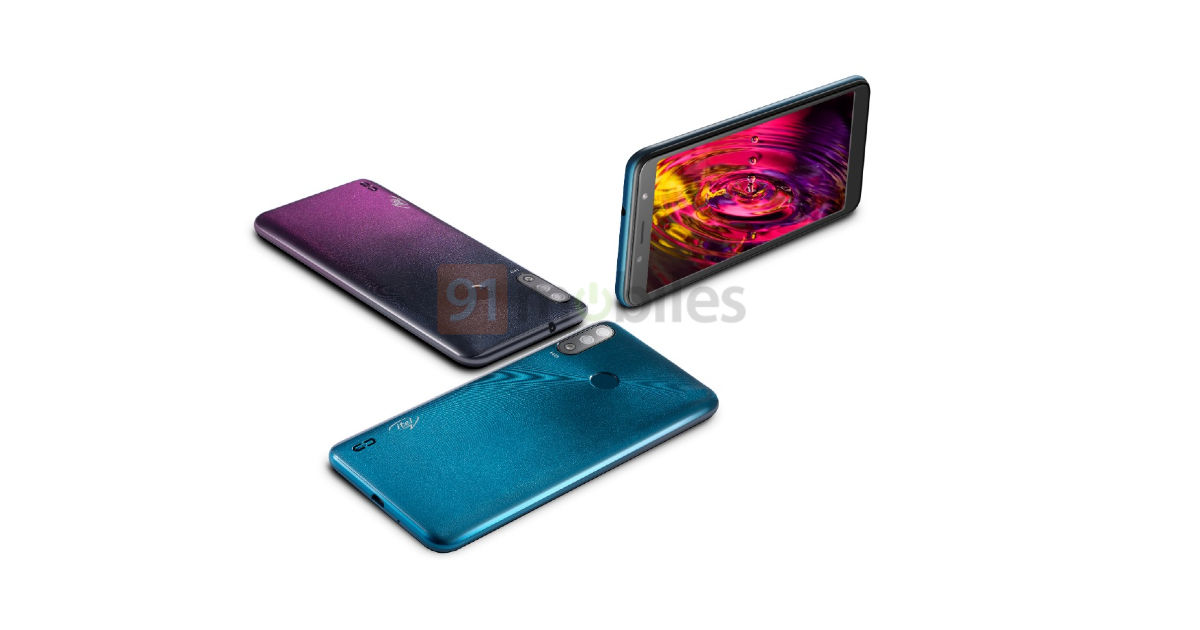
91mobileshas learned through industry insiders that it will be priced under Rs 6,000. The publication has also shared a leaked image of the device. The handset can be seen in two gradient color variants in the leaked render.
The image reveals that the itel A47 has a textured back panel. Apart from the fingerprint scanner and a camera module, the rear shell also features a speaker grille. Its bottom edge has a microUSB port and a volume rocker can be seen on its right spine. At the front, the handset has an earpiece and a selfie camera placed in the top bezel.
The publication also shared some of the leaked specs of the itel A47. The device will come with a 5.5-inch HD+ display and 2 GB of RAM. For photography, the handset will have a primary camera of 8-megapixel on its back and a selfie snapper of 5-megapixel. It will run on Android 10 (Go Edition) and it will carry support for LTE connectivity.
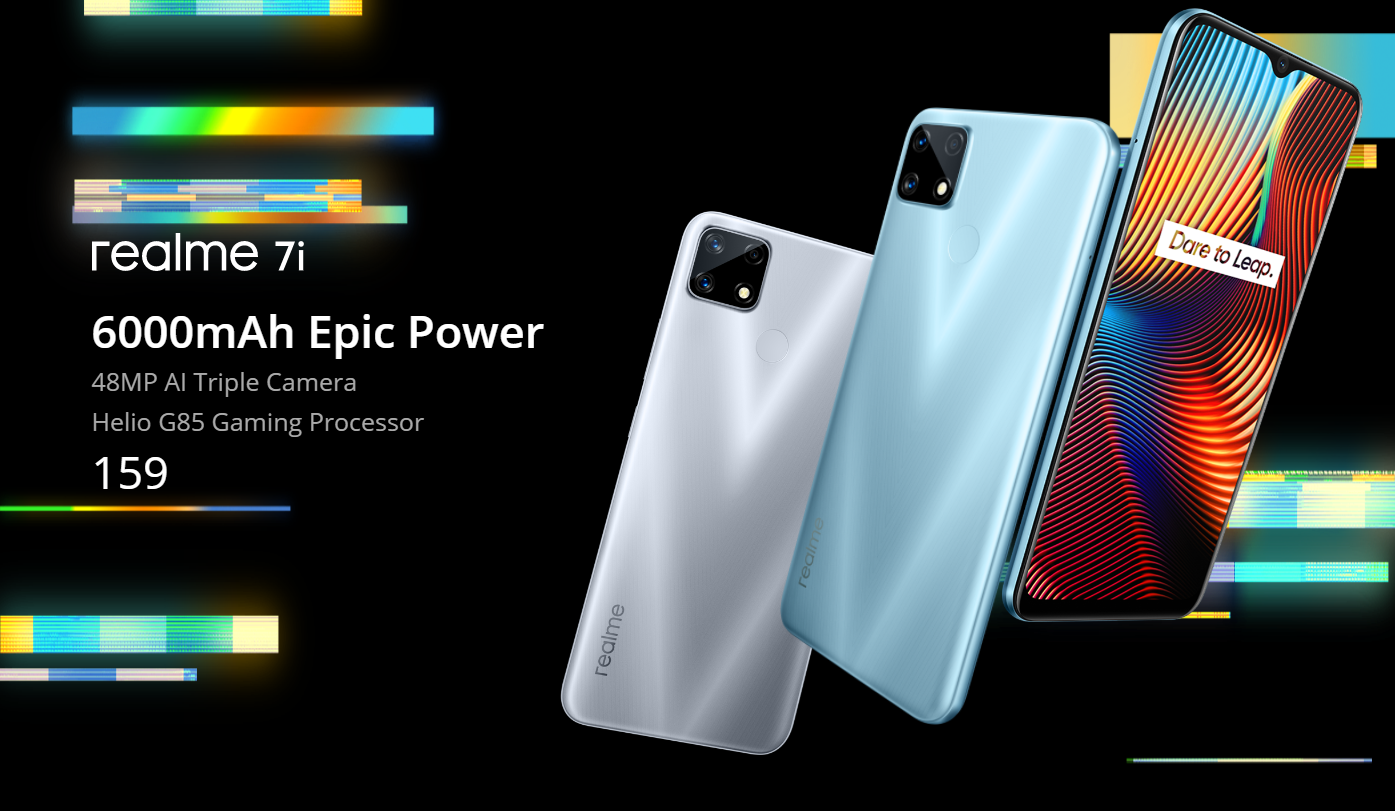
The Realme 7i has a 6.5-inch HD+ resolution supporting LCD screen. The teardrop notch display offers a screen space of 88.7 percent. The Helio G85 chipset by MediaTek is present under the hood of the Realme 7i along with 4 GB of RAM.
The smartphone ships with a native storage of 64 GB and it has a dedicated microSD card slot for additional storage. The Realme UI based Android 10 OS comes preloaded on the smartphone.
The Realme 7i has a 6,000mAh battery that supports 18W fast charging. The handset supports the reverse charging function. Placed on the front is an 8-megapixel AI selfie camera with f/2.0 aperture. The back panel of the device has a triple camera system that includes a 48-megapixel main lens with f/1.8 aperture, an 8-megapixel ultrawide shooter, and a 2-megapixel camera with a 4cm focal length.
A rear-mounted fingerprint scanner is available on the Realme 7i. It is packed with other features such as dual 4G VoLTE, Wi-Fi 802.11 b/g/n, Bluetooth 5.0, GPS, USB-C, and a 3.5mm audio jack.
Realme 7i pricing and availability
The Realme 7i is priced at 159 euros (~$192) in Europe and its color variants are Glory Silver and Victory Blue. The official listing states that the Realme 7i is heading to markets like Belgium, Germany, Luxembourg, Netherlands, and Portugal.
Xiaomi recently launched its Mi 11 flagship smartphone, powered by the latest Qualcomm Snapdragon 888 SoC. Now, the company is gearing up to launch an upgraded variant of the same, dubbed Mi 11 Pro.
The smartphone is expected to get launched after the Spring Festival in China, most likely in the last week of February. Now, ahead of the launch, details about the device are surfacing online, the latest being information about its battery.
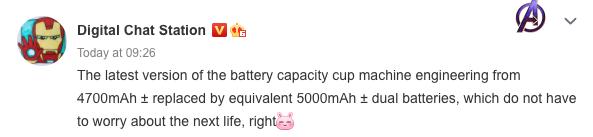
As per the report, the upcoming Xiaomi Mi 11 Pro will come powered by a 5,000mAh battery. It is also said that the company has opted for a dual-call battery configuration, enabling a more effective faster-charging solution.
It is said that the company could be offering a monstrous 200W fast charging support on the Mi 11 Pro along with 67W wireless charging. There’s a possibility that the phone may come with 120W fast charging and 80W wireless charging.
As for the other specifications, the device is expected to feature a 6.81-inch AMOLED panel — the same screen that is available on the Xiaomi Mi 11. However, it is expected to have a Quad HD+ resolution, a 120Hz refresh rate support, and a 480Hz touch sampling rate.
Under the hood, the device will be powered by the Qualcomm Snapdragon 888 chipset. In the camera department, there will be a quad-camera setup on the back, likely with Sony IMX766 as the main sensor and 120x zoom support.
In the software department, the phone is likely to be running the latest Android 11 operating system along with the company’s own MIUI custom user interface on top. With just a few weeks to go before it gets launched officially, we expect to know more about the smartphone in the coming days.
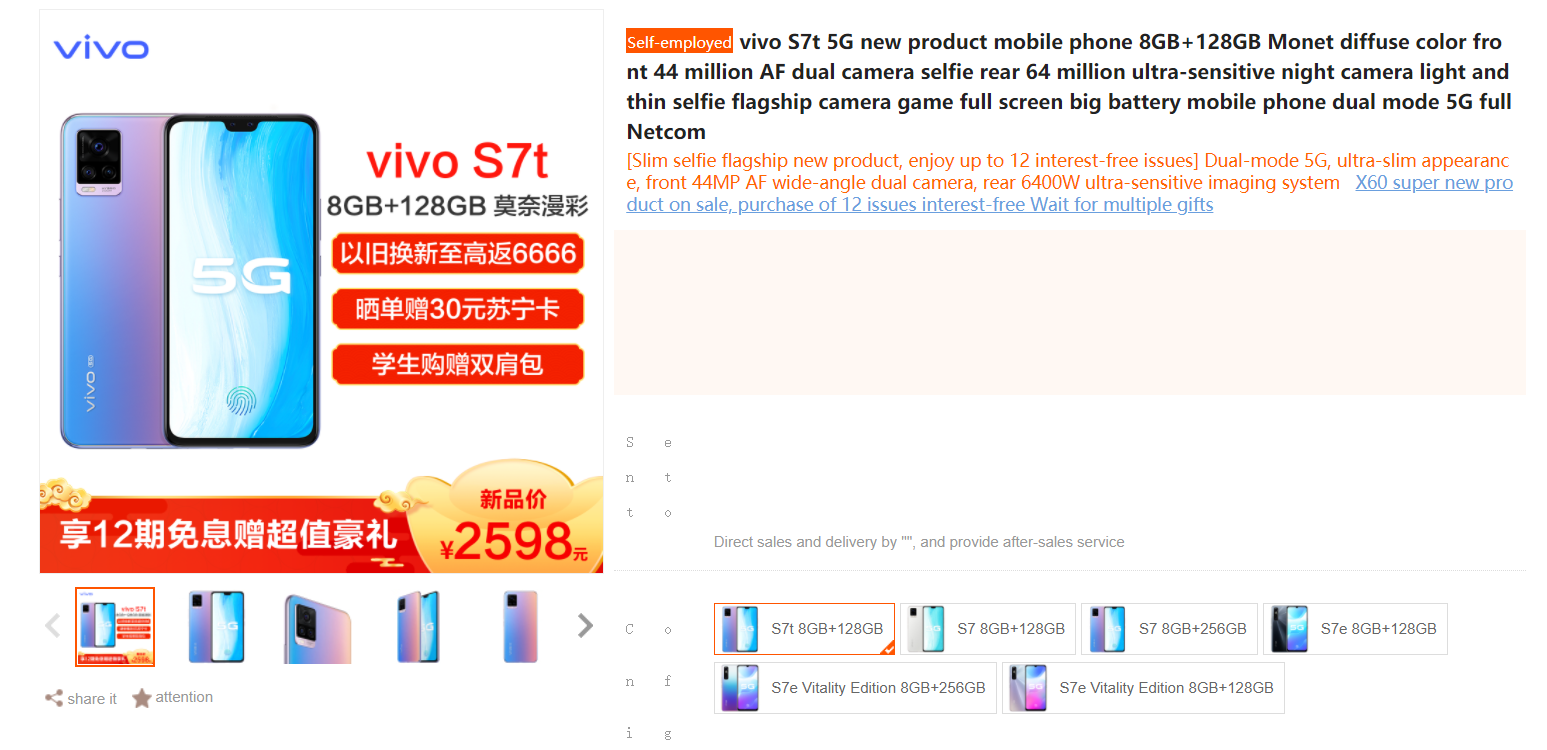
Last year, Vivo unveiled two selfie-centric S-series phones in China such as Vivo S7 5G and Vivo S7e 5G. New reports have revealed that the company is gearing up to launch another S7 model named the Vivo S7t 5G in China. While Vivo is yet to confirm its existence, the handset has appeared on Suning (a Chinese retailer site) with full specs and pricing.
Vivo S7t 5G pricing (Unconfirmed)
At Suning, the Vivo S7t 5G is listed with a pricing of 2,598 Yuan (~$402) for its sole version with 8 GB of RAM and 128 GB storage. Its three color variants are Moonlight Silver, Jazz Black, and Monet. The handset can be seen sporting a wide notch display and a rear design like the Vivo VS7 5G. Speaking of S7 5G, its 8GB+128GB and 8GB+256GB editions are selling for 2,698 Yuan (~$418) and 2,898 Yuan (~$448), respectively.
The dual selfie camera setup of the Vivo S7t 5G has a 44-megapixel main camera and an 8-megapixel superwide lens. Its back panel has a 64-megapixel main lens, an 8-megapixel superwide sensor, and the third camera of 2-megapixel.
The Vivo S7t 5G draws power from a 4,000mAh battery. Its 3C appearance had revealed that it could be shipping with a 33W fast charger. Other specs that are mentioned in the listing include Wi-Fi, Bluetooth 5.1, USB Type-C, and an in-display fingerprint scanner.
The alleged Vivo S7t 5G was seen at Google Play Console yesterday. An image present in the listing revealed that it has a teardrop notch screen. Probably, it could be a placeholder image. Since there are conflicting reports about the smartphone, it is recommended to digest the information that has appeared through its retailer listing with a pinch of salt.
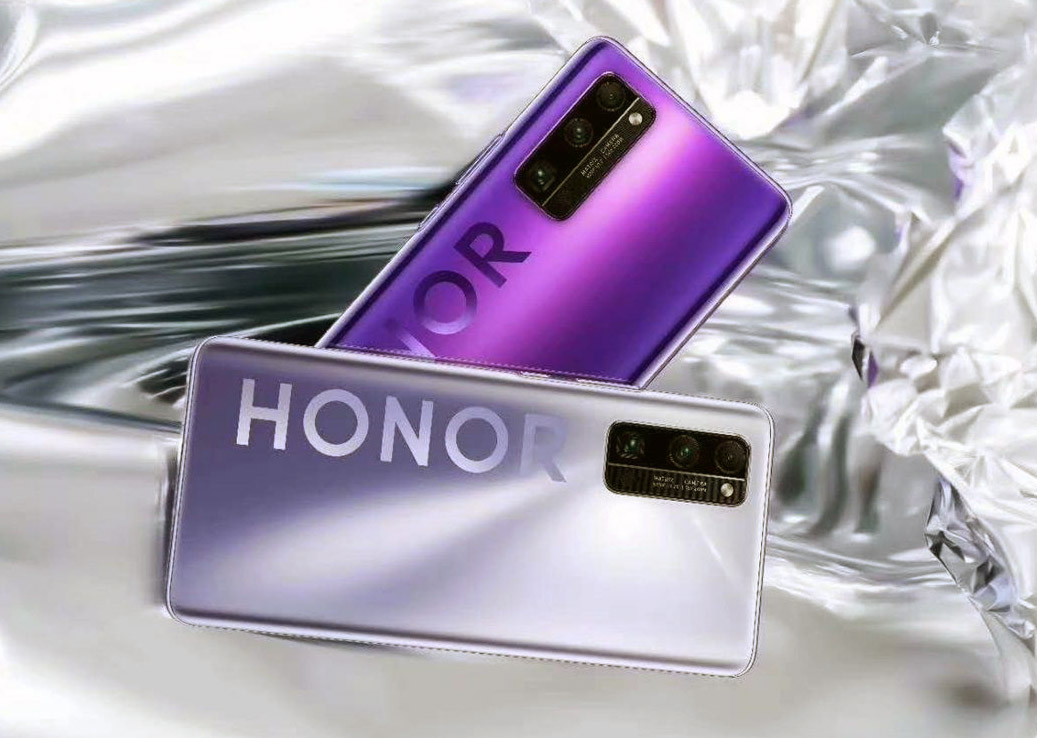
Huawei Technologies, the Chinese giant which was once the leading smartphone brand in the world (in Q2 2020), is now practically out of the smartphone business because of the trade restrictions imposed by the United States.
To ensure that its sub-brand Honor survives, the company sold it off to Zhixin New Information Technology Co. Ltd. After its split, it retained almost all of its employees, which are over 8,000, including some of the company’s executives.
The company is now in talks with several companies to streamline its supply chain and production. Now, Honor CEO George Zhao Ming has confirmed that it is in talks with Google and will soon have Google Mobile Services (GMS) support for its devices.
Given that Honor is no longer a part of Huawei, the company will be able to get access to Google’s software and services. For those who are unaware, Huawei was banned from using Google’s services because of the sanctions imposed by the United and since Honor was a sub-brand of Huawei, it too wasn’t permitted to use Google‘s offerings.
Honor’s CEO has also reiterated what he said when the company was becoming independent — to become a leader in the market. Honor is looking to compete against its former parent company Huawei as well as Apple, as it is eying for the pole position in the Chinese smartphone market.
Apart from Google, the company is also in talks with other companies for the needed components, including Qualcomm for chipsets. It recently launched its own online storage named Honor Mall and is in the process of setting up several new offline stores.
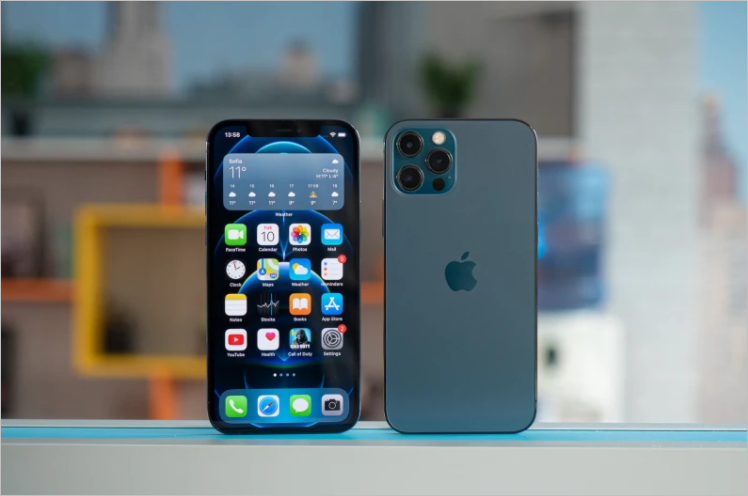
Apple recently launched its iPhone 12 series models in the market and the lineup has been so successful that the company managed to break all the records, shipping 90 million units of iPhones in Q4 2020.
The iPhone 12 series is the first from the company to come with support for 5G communication and now the company is gearing up for the iPhone 13 models. While details about this upcoming lineup have been making rounds for some time, the latest information hints about the massive storage upgrade.
As per the latest report, Apple could launch a 1TB storage variant of the iPhone 13 Pro next year. This is twice the storage capacity when compared to the highest capacity model in the current iPhone 12 lineup.
The Apple iPhone XS was the first smartphone from the Cupertino-based giant to come with 512GB internal storage and since then, the company has not added more storage options in its successors, which include iPhone 11 and iPhone 12.
It is being reported that only the Pro models could have a 1TB storage capacity. It is also not confirmed if the company plans to increase the storage capacity in the base model, which is currently at 128GB.
If the previous reports are to be believed, then the upcoming iPhone 13 models will come with a smaller notch on top of the display. The company is also rumored to include an in-display fingerprint in the iPhone 13 models, along with support for Wi-Fi 6E.
It is still early to get confirmation about all these reports but there’s a high possibility of them turning out to be true. We expect to know more about these upcoming phones in the coming months, ahead of their launch in September this year.
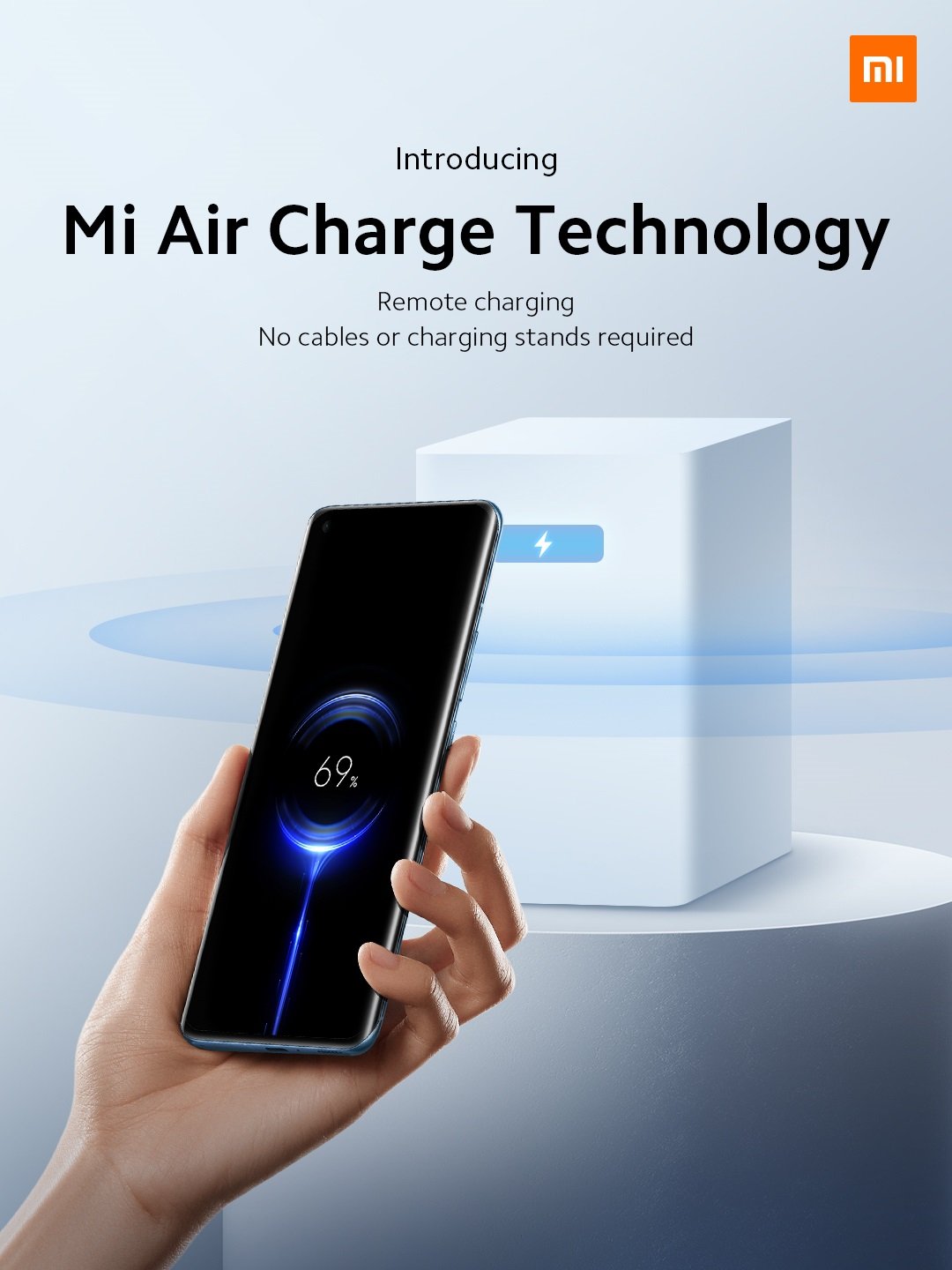
In the past few years, Xiaomi has been one of the few phone companies setting the pace in terms of new technologies. For example, the Mi MIX was the phone that ignited the bezel-less craze. Xiaomi has also proved that it is one of the pioneers in charging technology with announcements such as its 80W wireless charging technology. Today, it has taken it to another level with its Mi Air Charge Technology which allows you to charge multiple devices simultaneously without the need for cables or a wireless charging stand.
Xiaomi says that its patented Mi Air Charge Technology makes use of a special self-developed tower/box-like device that uses beamforming technology to send millimeter waves directly to a device. These waves are converted to electric power that charges the device.
The tower is said to have 5 phase-detection antennas that help it locate the position of a smartphone (or compatible device) in a room in milliseconds. It also has 144 beamforming antennas that transfer millimeter waves.
The phone itself is fitted with two antenna arrays similar to the ones in the charging device but much smaller in size. The first is the beacon array that communicates with the charging tower and the other is the receiving antenna array made up of 14 antennas that receive the millimeter waves which are then converted into electric power via a special circuit and used to charge the device.
Xiaomi has released a short video that shows the new technology in action. The video also gives us a better look at the box-like device behind the technology.
Xiaomi says that at the moment, Mi Air Charge Technology supports the charging of multiple devices simultaneously at long-range at a maximum power of 5W (per device). While that is so much slower than its 80W wireless technology for phones, Xiaomi’s main goal doesn’t seem to be phones but smaller devices and home appliances.
According to a Weibo post by Adam Zeng Xuezhong, the new head of Xiaomi’s mobile division who took over from Lin Bin last year, the plan is to have Mi Air Charge Technology charge wearable devices such as smartwatches and fitness trackers in the future. It is also expected that it will be able to power other small devices in the homes such as speakers and desk lamps. The ultimate goal is to eliminate the need for wires which have become a menace in most households.
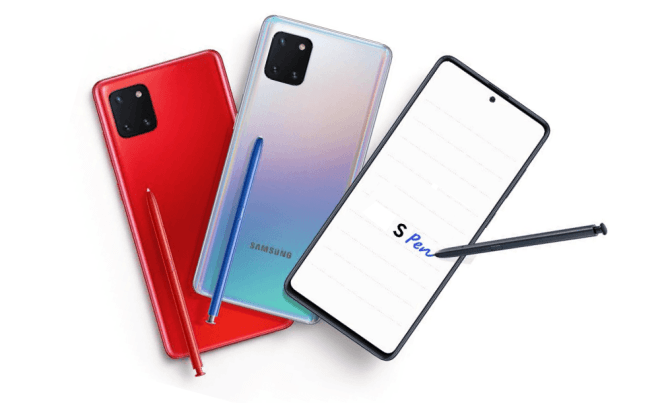
Samsung is continuing its streak of updating its devices to Android 11 faster than most manufacturers. The latest device to get the update is the 2020 Galaxy Note 10 Lite.
Galaxy Note 10 Lite
The update is rolling out to users in France already as software version N770FXXU7DUA8. It has been reported by SamMobile that the update also comes with January 2021’s security patch. It is expected to arrive in the coming weeks in more regions.
Android 11 is the first major OS upgrade for the phone which launched in January 2020 with Android 10 pre-installed. The update includes the new One UI 3.0 which brings a new user interface, new camera features, and a redesigned Quick Settings among others.
The Galaxy Note 10 Lite is one of the devices that Samsung said will get three Android OS upgrades, so owners of this phone should expect it to get updated to Android 12 and Android 13 in the future.
The Galaxy Note 10 Lite has a 6.7-inch 2400 x 1080 display with a centered punch hole for a 32MP camera. Inside the phone is the 10nm Exynos 9810 processor and it is paired with 6GB of 8GB of RAM. The storage capacity for both variants is 128GB but a MicroSDXC card slot allows for storage expansion.
Samsung has put three 12MP cameras on the back of the phone. One is the main sensor, another is a telephoto camera that has OIS and 2x optical zoom, and the third is the ultrawide camera.
The Galaxy Note 10 Lite packs a 4500mAh battery with support for 25W fast wired charging. Samsung has skipped wireless charging and reverse wireless charging support which is available on its siblings, the Galaxy Note 10 and Galaxy Note 10 Plus. You do get an audio jack, NFC, and an in-display fingerprint scanner.
Unfortunately, those looking forward to a successor will most likely not get one as there are multiple reports that Samsung has terminated the Galaxy Note series.
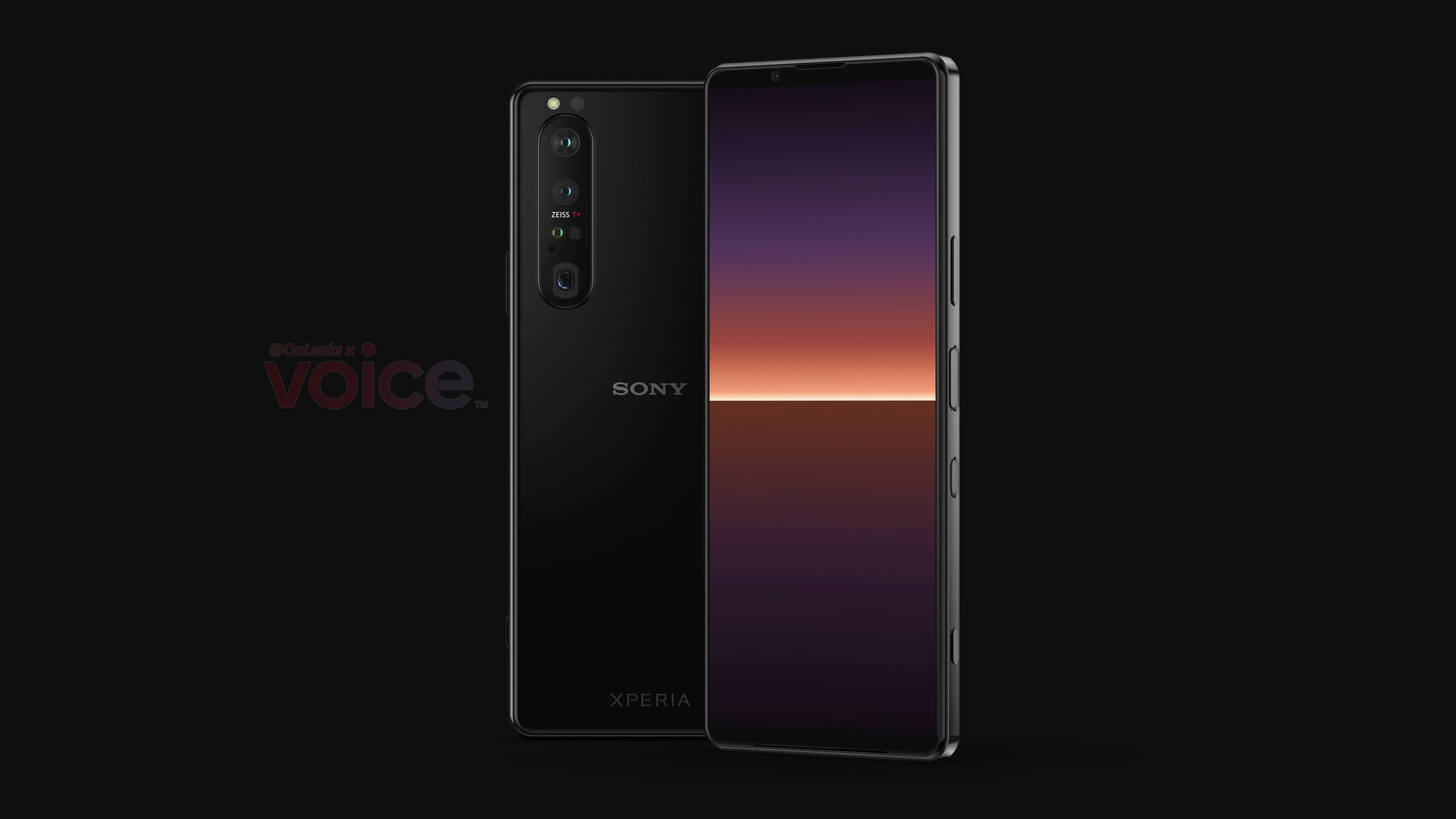
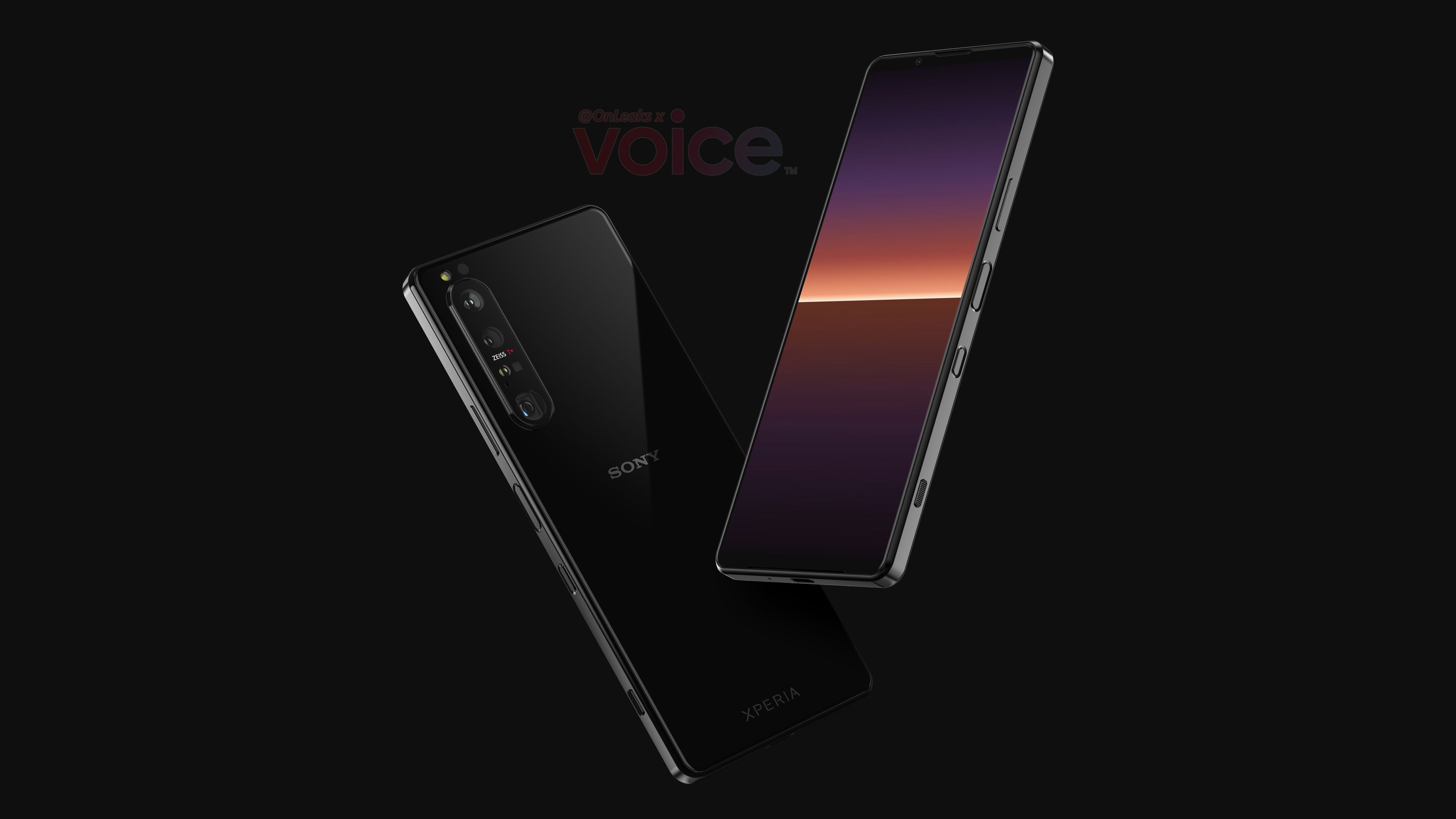
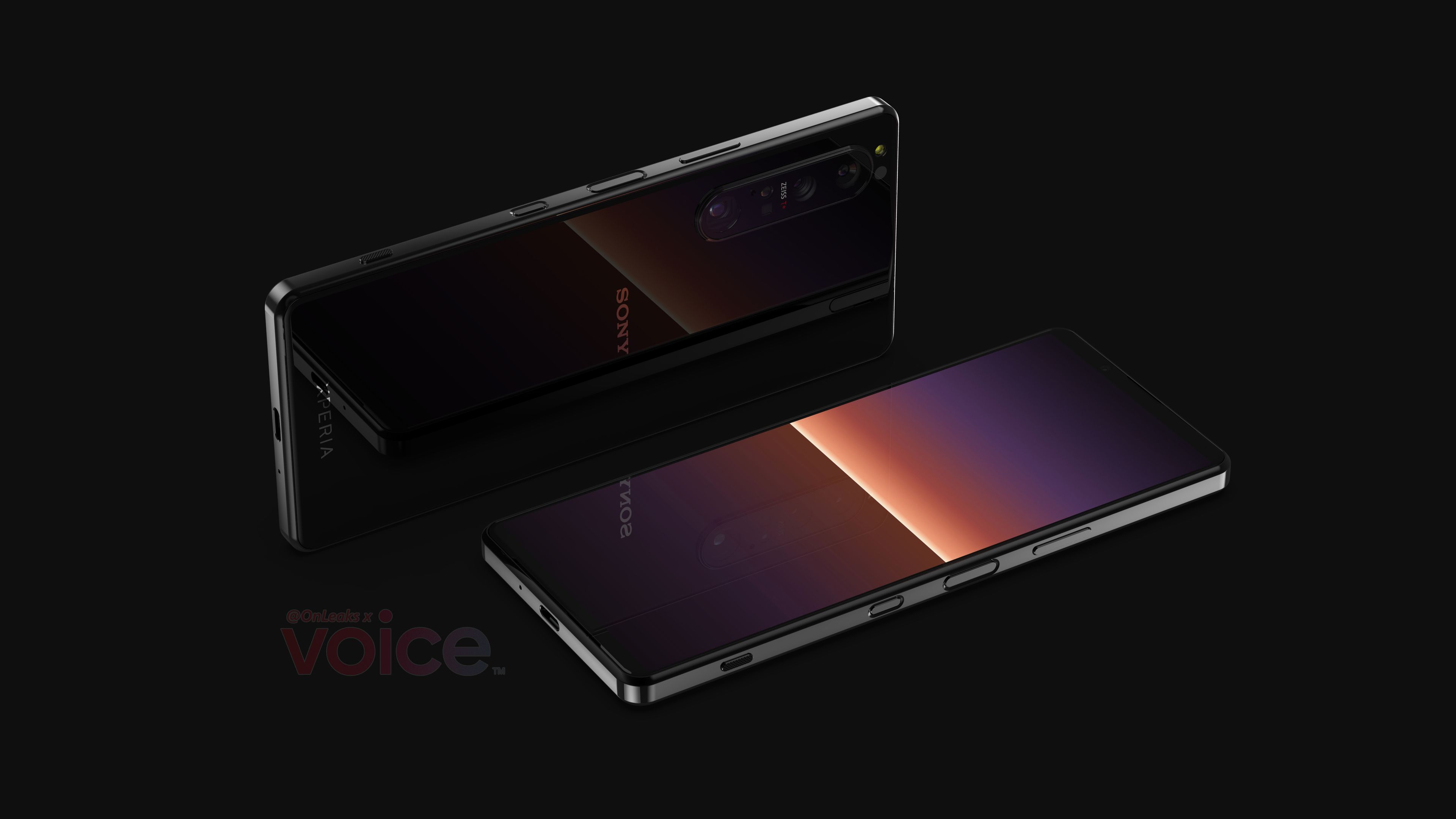
The Xperia 1 II was one of two flagships that Sony launched last year; the other being the Xperia 5 II. Now, a new leak has given us our first look at the upcoming Xperia 1 III and it looks like Sony is sticking to the same design as its predecessor.
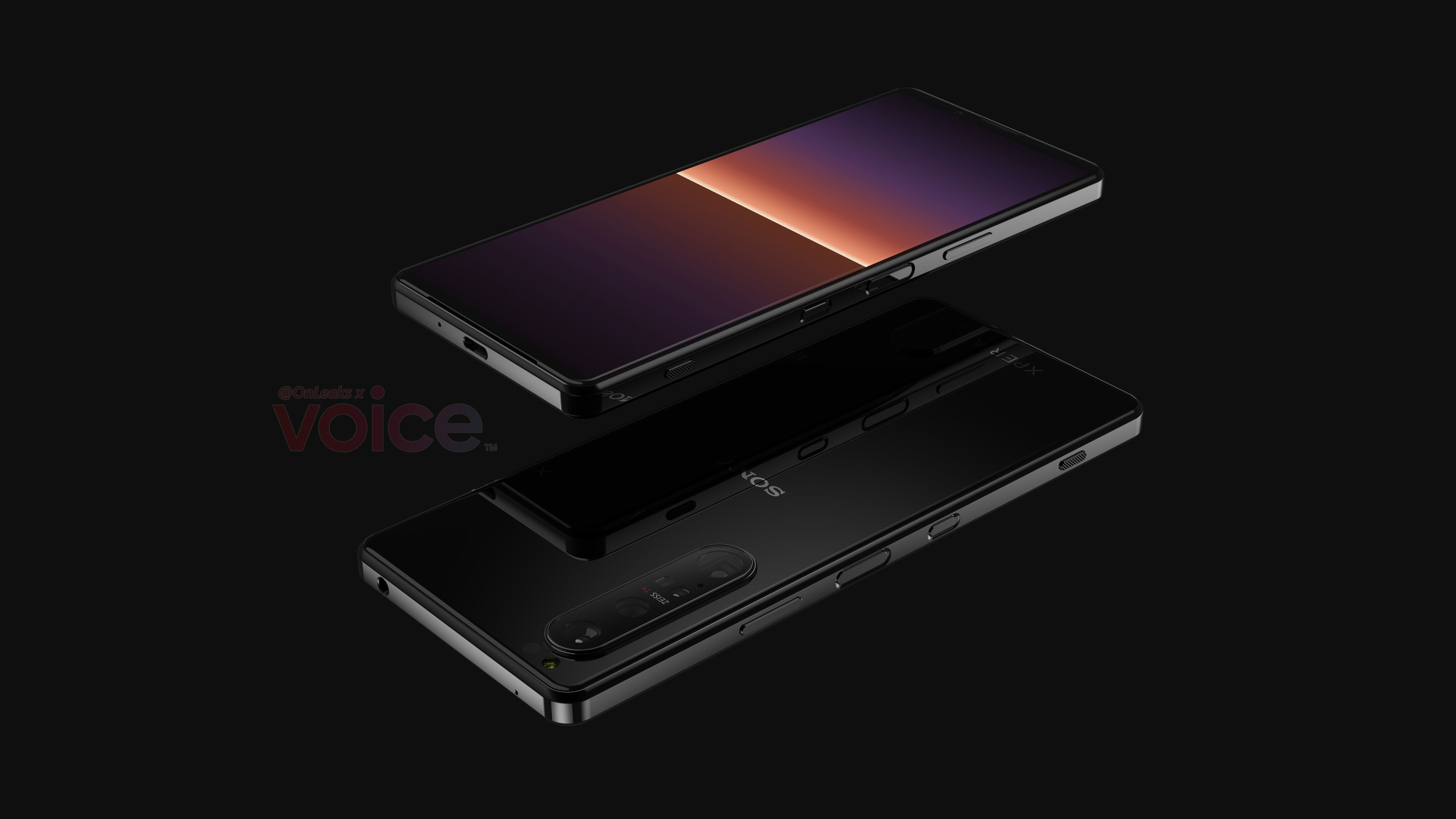
The renders were first posted on the web by the reliable leaker, Steve Hemmerstoffer, who is popularly known as OnLeaks. According to him, the phone’s overall size has shrunk but the size of the display has remained unchanged. This should make the phone even more comfortable to hold.
The 6.5-inch display is a 4K HDR OLED panel with a 21:9 asect ratio. While we expect the resolution should remain 3840 x 1644, we can’t say if the refresh rate is still 60Hz. Last year, Sony said that the Motion Blur Reduction feature produces the same experience you will get from a 90Hz screen. That is why the Xperia 1 II doesn’t have a higher refresh rate. There is a chance that will be the case again with the .
The bezels are slim but the forehead still houses the selfie camera and one of the stereo speakers while the chin has the second speaker. The screen should be covered with Corning’s Gorilla Glass 6 just like its predecessor or the new Gorilla Glass Victus. The back is also covered in glass and the camera housing is at the same spot as that of the Xperia 1 II.
There are four cameras on the back of the phone but this is not the exact setup as last year’s model. Sony has swapped the regular telephoto camera for one with a periscope lens. This should give the Xperia 1 III a fighting chance with respect to zoom against phones like the Galaxy S21 Ultra.
The phone still has a 3D iTOF sensor and the other two cameras should be the main sensor and ultrawide camera. Of course, there is ZEISS T coating.
The phone has its volume rocker on the right side along with the power button which doubles as a fingerprint scanner. However, alongside the textured shutter button at the bottom, the Xperia 1 III gets an extra button just like the Xperia 5 II. This should be a dedicated Google Assistant button.
The bottom of the phone is home to the USB-C charging port and microphone. The top of the phone has an audio jack and another microphone while the left side of the phone should be where the SIM tray/MicroSD card sits. The Xperia 1 III measures 161.6 x 67.3 x 8.4mm (9.6mm with the camera bump).
Going by last year’s model, the Xperia 1 III should launch next month but we hope folks don’t have to wait until May before they get their hands on it.
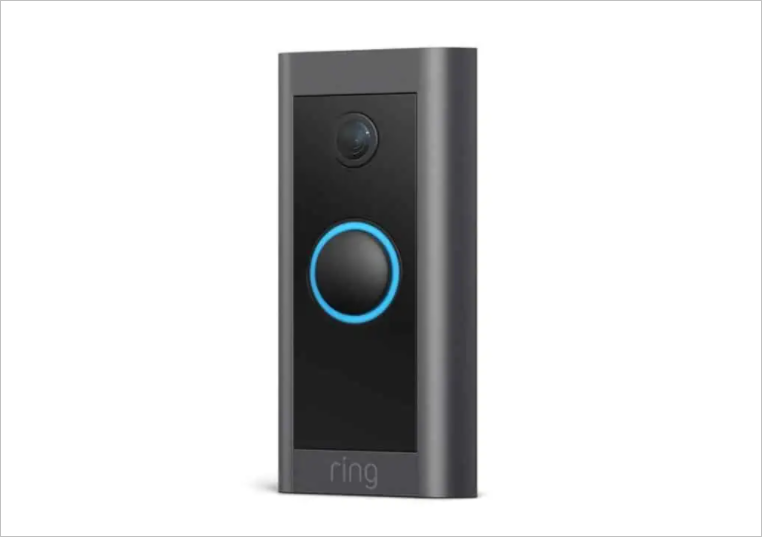
Amazon‘s video doorbell arm, Ring has launched its latest video doorbell dubbed Ring Video Doorbell Wired. The doorbell happens to be the brand’s smallest and cheapest video doorbell, priced at $59.99.The affordable Ring Video Doorbell is available now for preorder and will begin shipping from February 24, 2021.
The Ring Video Doorbell Wired features several new features but also misses out on a couple of others. First, it can only be used as a hard-wired doorbell. The device doesn’t feature the basic option of using a battery.
The new video doorbell comes at a compact form factor and is the first security device from Ring that is priced below the $100 mark. It comes with two-way audio, live streaming, advanced motion detection, motion and privacy zones, night vision, etc.
Further, users can also opt for a $3 /month subscription service. This subscription service offers a better notification system and also different video storage options. The Ring Video Doorbell wired also works with other smart home devices such as Alexa supported Amazon Echo speakers and displays, lights, and alarms.
The product is already up for pre-order on Ring’s official website, and also on Amazon’s website. It costs only $60 online, and the price is the same at Home Depot stores as well. It is expected to start shipping from February 24, 2021, whereas it will arrive at other stores starting March 26.
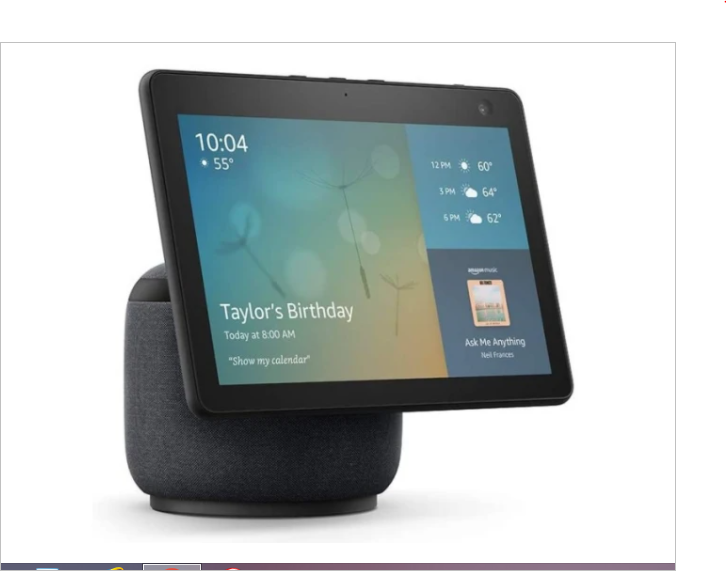
Amazon announced the Echo Show 10 (3rd Gen) alongside the Echo and Echo Plus in September last year. While the two models have been on sale, the Echo Show 10 has been missing in action. Although the feature-rich smart display is still not ready to ship right away, it is now up for pre-order in the U.S on Amazon for $249.99. the product is expected to start shipping from February 25.
Also, Amazon is offering a discount of $100 if two units are ordered. You can access this offer using the coupon code “SHOW102PACK” at checkout. Alternatively, you can order the third-gen Echo Show 10 alongside a $35-worth Blink Mini indoor smart security camera at only a $5 extra charge.
The Amazon Echo Show 10 features an improved design. The device packs a unique rotating display that automatically turns to face you when you speak to it. The display can also track your movements and keep the screen facing towards you during video calls, recipes, or watching videos.
The smart gadget packs a 10.1-inch display and triple speaker assembly which is placed on a rotating body that can spin 360-degrees using a brushless motor. There is a 13MP camera on the front to keep track of your movement and moves the display to face your direction. This feature is only active when the user is performing an activity on the device that requires your attention. Also, when a voice command is given, the device will recognize the direction the voice command came from and turn the display in that direction.
You also get a built-in smart home hub for connecting your devices on the Echo Show 10. The smart display comes with support for Spotify, Hulu, Apple Music, Prime Video and Music, and more based on the region. Amazon has also announced that support for Netflix and Zoom is coming later this year.
WhatsApp faced a backlash recently after it changed its privacy policy and terms of service. As a result, people started moving to other platforms and alternatives like Telegram witnessed a surge in downloads. In a bid to sustain and seize the opportunity, the latter is now rolling an update to import chat history from other apps.
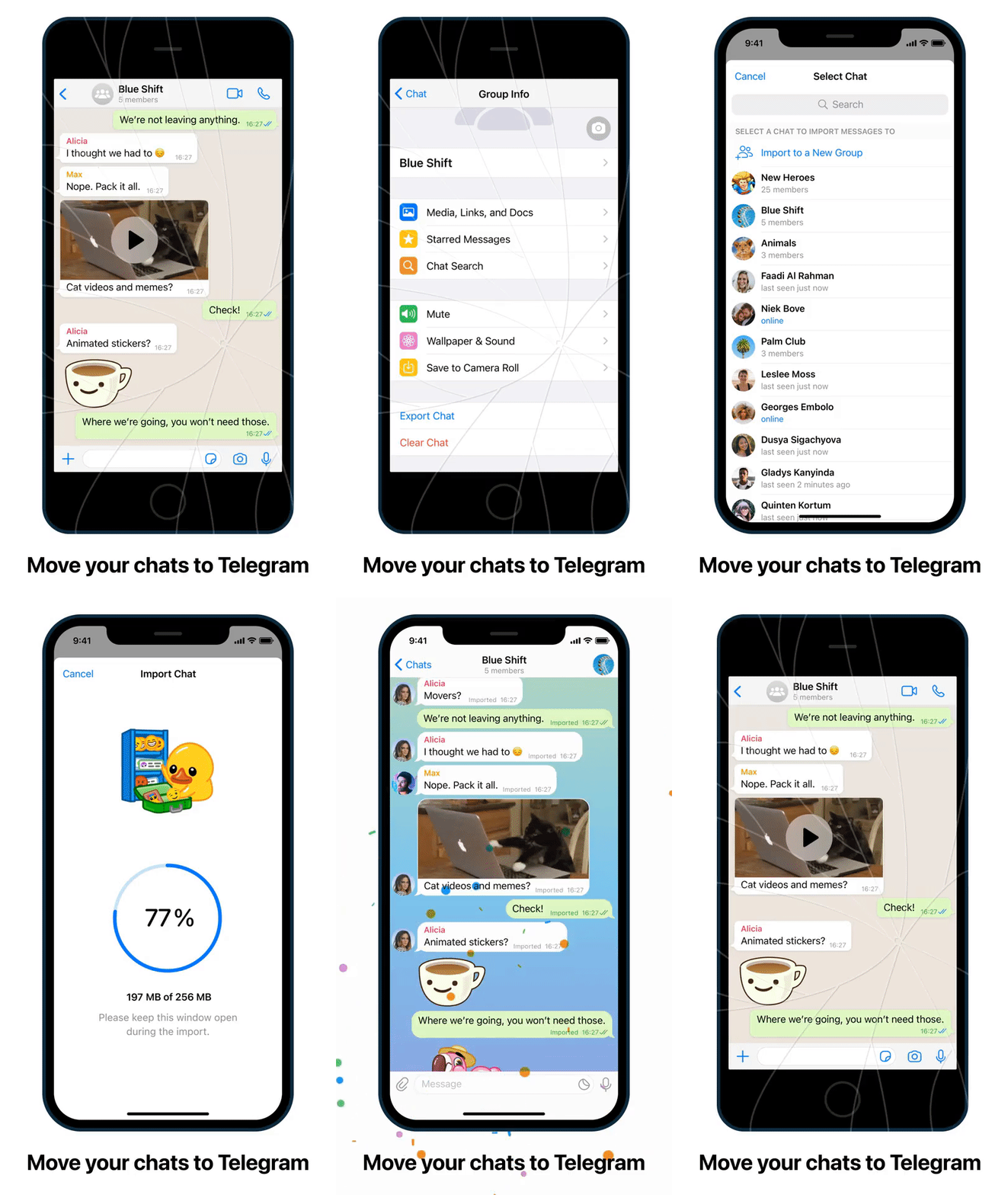
In a blog post, Telegramshares how to migrate the chats from other social media Apps. The company, which has witnessed 100 million downloads in January, says users can import the chat including videos, documents. Currently, supported apps include WhatsApp, Line, and KakaoTalk.
To move a Chat across the App on Android/iOS, just press export Chats and select Telegram on the Share menu that appears. Precisely, you can follow the steps below:
Android: Open the Donor App(eg. WhatsApp)-> Individual Chat/Group->tap ⋮ > More > Export Chat, then choose Telegram on Share Menu.
iOS: Similarly, Open the WhatsApp->Contact Info/Group Info page in WhatsApp, tap Export Chat, then choose Telegram in the Share menu.
Note: In iOS, you can also export chats directly by swiping left on Chat->Export
As soon as you do this, the messages will get migrated to Telegram including Timestamps to the current day. This means the same User/Group, whose chat is migrated will be notified and can see the messages.
Telegram, which stores all the data in Cloud, saves Space too as you can delete the local storage(incl. Messages, Doc, Videos) and re-download it whenever needed.
Apart from the migration feature, Telegram’s new update also brings other improvements to Privacy. For instance, you can now delete groups, secret chats, and call history for everyone at the same time.
Other features like improved audio players, voice chats with volume controls for each chat, improved accessibility with TalkBack and VoiceOver, report fake channels/groups(Profile->tap ‘…’ > Report > Fake Account), Greeting stickers for new chats, and more.
Android users get better animations when downloading files, playing music, or loading chats. If we recall, the last update brought voice chats, with revamped animations and SD card support.
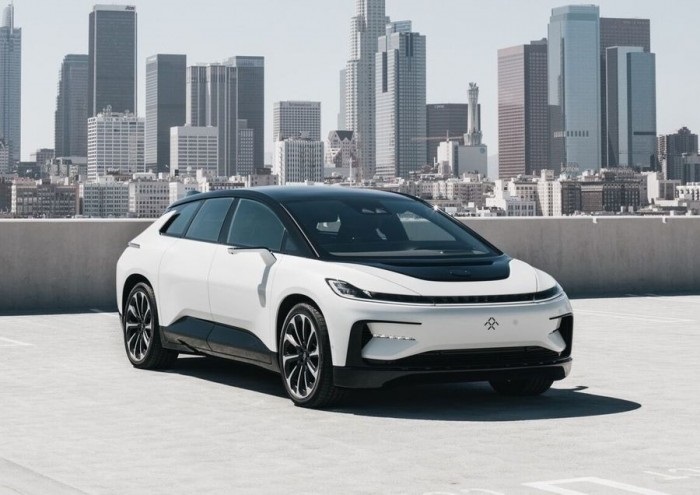
Electric-vehicle maker, Faraday Future will soon become a publicly-traded company when its merger with Property Solutions Acquisition Corp scales through all regulatory issues and both parties agree on terms. The net worth of the combined new entity is estimated to be around $3.4 billion, and Faraday now joins the group of electric vehicle companies that have been involved in a merger or acquisition, as they shore up their potentials for greater profit-making.
Faraday Future may still be far from the heavy hitters in the industry like Tesla, but it is indeed growing at an explosive pace, drawing attention from investors and automakers who are rushing to tap the initial public offering (IPO).
Other prominent players in the EV sector like Fisker Inc and Nikola Corp had also gone public through mergers using the special purpose acquisition companies (SPACs) model in 2020.
In a statement on Thursday, Faraday and Property Solutions said that the deal is supported by a private investment of $775 million, and is expected to yield for Faraday Future about $1 billion in gross proceeds.
Some inside sources say that Chinese automaker Geely is the anchor investor in the private placement. In addition, Faraday plans to set up a base in China and interface with Geely for contract manufacturing services.
SPACs have been a very popular model for companies going public in recent times, partly because of little regulatory scrutiny and greater certainty about valuation, unlike a conventional IPO.
The SPAC, Property Solutions is a shell company tasked with raising money through the IPO within two years. In 2020, Property Solutions raised about $200 million in its own IPO.
The combined company is expected to be listed on NASDAQ with the ticker “FFIE”, according to the joint statement by both companies.
This investment is a major boost for Faraday Future which was founded by former LeEco boss Jia Yueting. The investment led to the eventual collapse of the once boisterous LeEco empire and left Jia filing for bankruptcy in China.
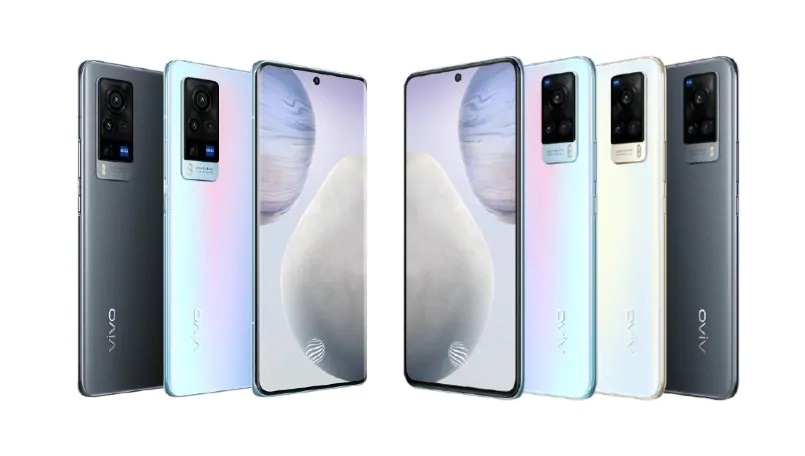
Last month Vivo launched its new flagship lineup for 2021. It is composed of three models: Vivo X60, Vivo X60 Pro, and Vivo X60 Pro+. All of them come with high-end specifications and 5G connectivity, so in each case, you get at least a flagship killer. But is it worth spending more on the Pro+ variant or the X60 and the X60 Pro are enough powerful for every kind of user? This internal comparison will highlight all the main differences between the specifications of the new Vivo series for the most demanding users.
Quad 50 + 8 + 32 + 48 MP, f/1.6 + f/3.4 + f/2.1
32 MP f/2.5 front camera
BATTERY
4300 mAh, fast charging 33W
4200 mAh, fast charging 33W
4200 mAh, fast charging 55W
ADDITIONAL FEATURES
Dual SIM slot, 5G
Dual SIM slot, 5G
Dual SIM slot, 5G
Design
The Vivo X60 Pro+ has the most raffinate design: it is the only one to come with a leather back (it is eco leather, though). The design of the X60 Pro is identical, with the exception of the leather back: it has a glass back just like most of the flagships out there. The X60 differs from the X60 Pro and the X60 Pro+ due to its flat display: it does not have curved edges and, while this might make the phone a bit more comfortable to use, it makes it less elegant at first glance.
Display
Vivo X60, X60 Pro, and X60 Pro+ feature the same display specifications. In each case, you get a Full HD+ panel with the AMOLED technology and a 120 Hz refresh rate, as well as the HDR10+ certification improving the image quality. Whatever you choose, you should get the same display quality, so go ahead and focus on the other specifications.
Hardware/Software
Vivo X60 and X60 Pro sport the same chipset: an Exynos 1080 by Samsung. Not the most powerful chipset by Samsung, but still a flagship-class SoC built with a 5 nm production process. The X60 Pro+ is actually superior thanks to its Snapdragon 888 mobile platform which is actually the best processor in the Android world and naturally the best Qualcomm’s SoC for mobile devices.
Camera
Besides providing the best hardware experience, the Vivo X60 Pro+ has the best camera department. It comes with a 50 MP main sensor with a bright f/1.6 focal aperture, a periscope sensor with 5x optical zoom, a 32 MP telephoto sensor for portraits, a 48 MP ultrawide sensor, dual OIS, laser autofocus, and gimbal stabilization. It is one of the best camera phones in the market. The X60 Pro has the same sensors as the X60 but it adds an 8 MP periscope sensor with 5x optical zoom. For the rest, X60 and X60 Pro have the same cameras, inferior to the X60 Pro+.
Battery
Despite it is the lower-end variant, the Vivo X60 has a bigger 4300 mAh battery and it should provide a slightly longer battery life. But the X60 Pro+ supports faster 55W charging. However, X60 and X60 Pro still charge quickly thanks to their 33W fast charging technology.
Price
Vivo X60 is priced at about €440/$534, X60 Pro starts from less than €560/$680, and X60 Pro+ begins at €640/$775. They are actually available in China. If we exclude the periscope camera and the design, the X60 offers the same experience as the X60 Pro. That is why we believe its value for money is higher. X60 Pro+ is a lot better than both the other variants thanks to a better chipset, cameras, and faster charging, but not a lot of people need this superiority.
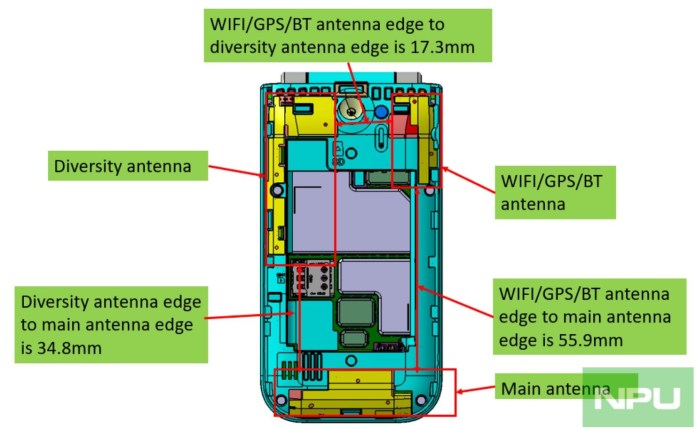
HMD Global, which got the license to launch Nokia-branded phones in 2016, has been launching feature phones in addition to smartphones. Occasionally, it launches interesting devices like the Flip phones too and we already have a Nokia 2720 retailing. Now, renders of Nokia’s other clamshell device has appeared on FCC.
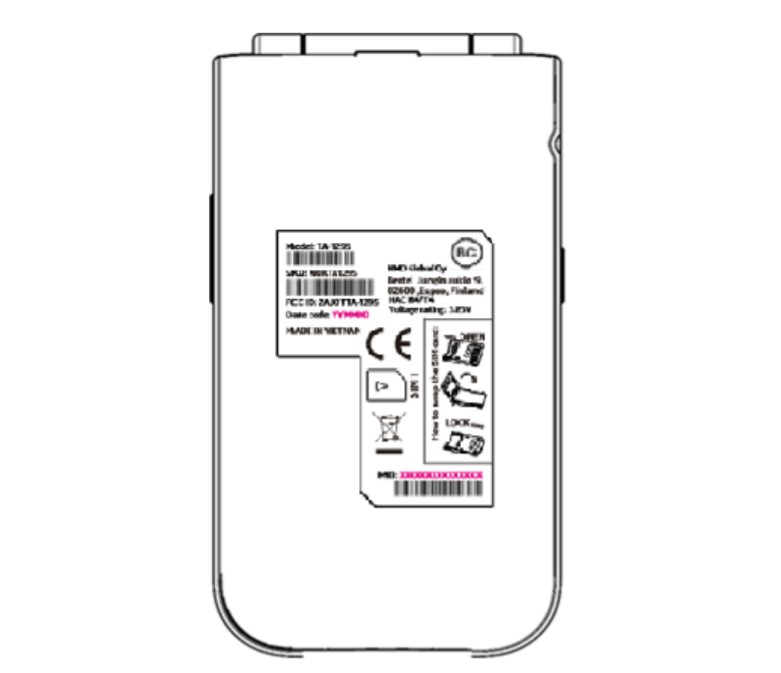
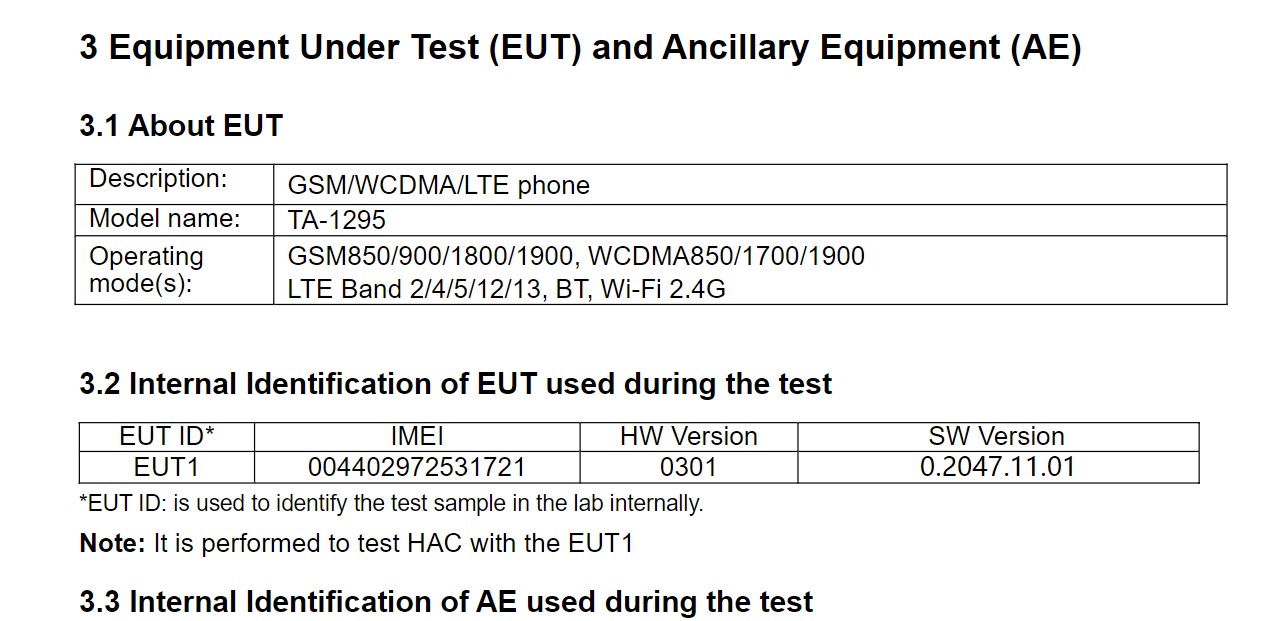
A Nokia device with model number TA-1295 has received USA’s FCC certification. Applied under HMD Global Oy, the Label location shows a diagram that has a design of a clamshell device. Further, the certifications also reveal that the device will have a nano-SIM slot and support 4G LTE, and Wi-Fi 2.4GHz connectivity.
If you recall, HMD Global brought the Nokia 2720 flip phone back in 2019 with a 1.3-inch display, LTE, GPS with Google Maps for connectivity. Just like the 2720, which had support for Kai App Store, the new Nokia TA-1295 flip phone also supports KaiOS.
1 of 6
Nokia TA-1295 Flip Phone FCC
CC: Nokia Power User
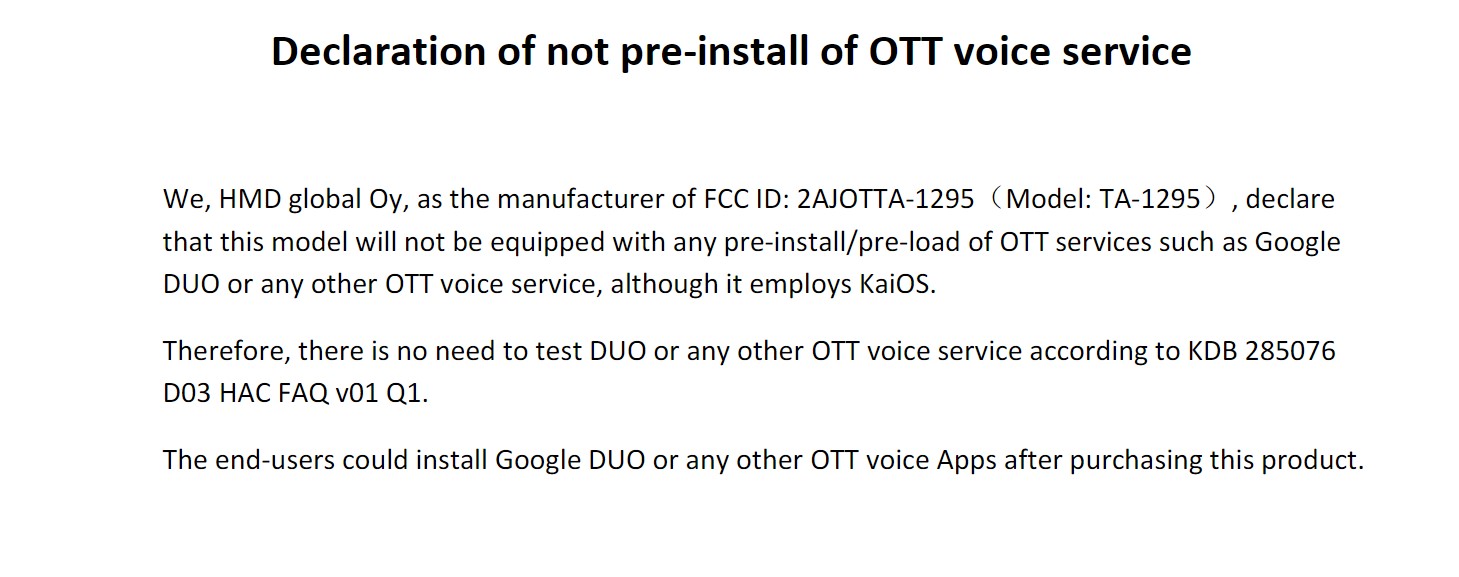
In fact, the report shows that the version in testing is 0.2047.11.01 and a declaration explicitly mentions KaiOS and says that this phone, unlike any other KaiOS device, won’t come with a pre-installed OTT service like Google DUO. Still, the device supports it meaning you can install it by yourself.
Hence, you can expect it to launch in markets like China where Google Apps are banned. Anyway, as nokiapoweruser reports, the listing also shows the hinge, single Camera, and Antenna placements.
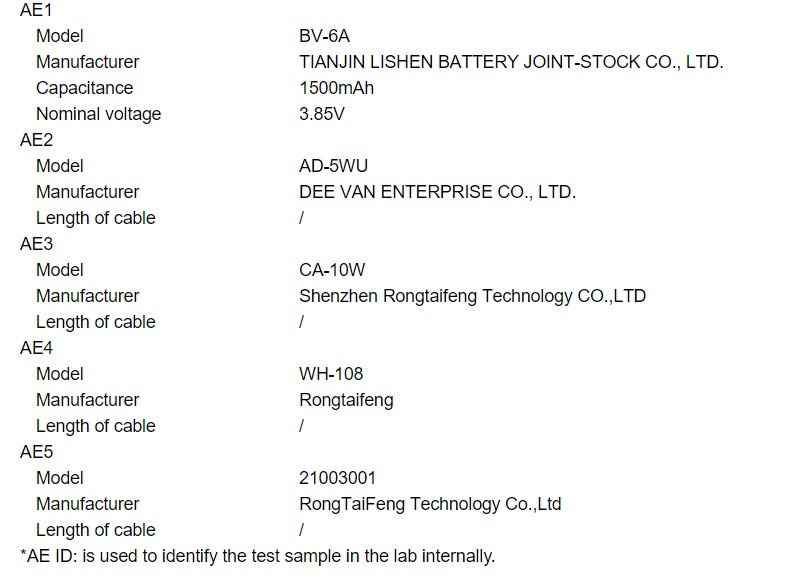
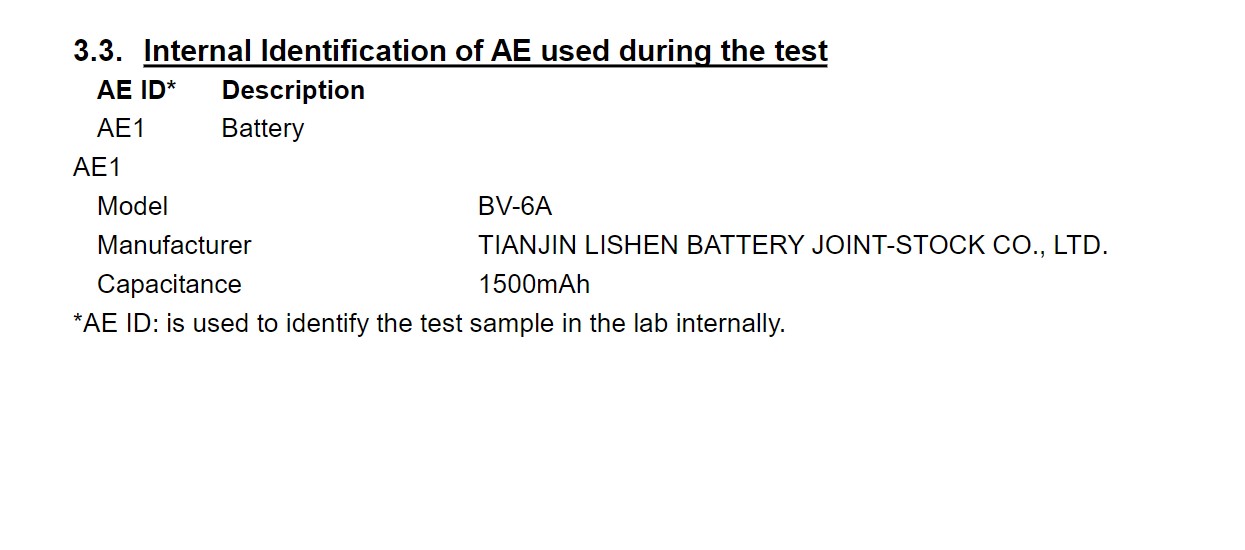
Other information includes a BV-6A battery that has a capacity of up to 1,500mAh, bundled with a 5W charger, micro-USB cable, and a WH-108 headset. We are sure to get more leaks in the coming days as launch doesn’t seem far now.
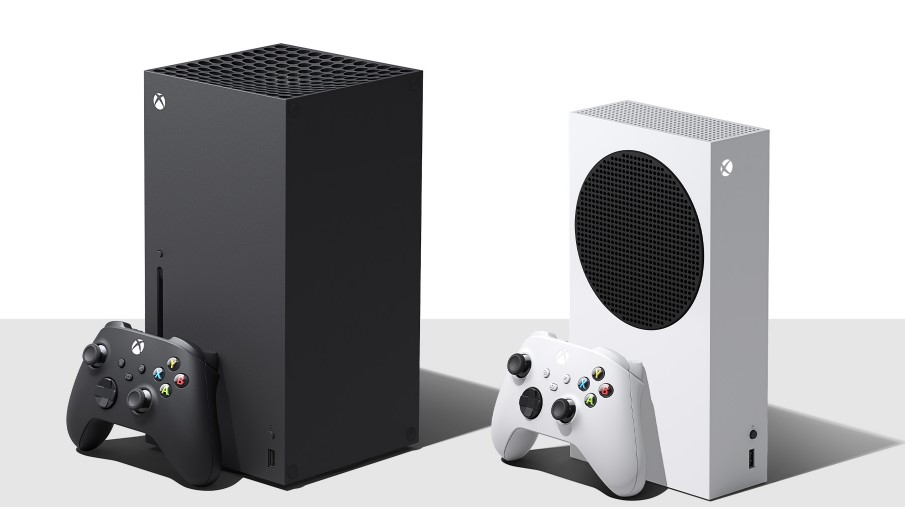
Microsoft says that the Xbox Series X has now outsold all previous editions of its gaming console and is now Microsoft’s most successful gaming console ever.
CEO Satya Nadella made the announcement in an earnings report this week and also reported that the Xbox Series X and Xbox Series S had stronger launch months than any other Xbox console the company has ever produced and sold.
The task before the company is to sustain the momentum so that both consoles will continue to gain users, although they have had a very impressive start so far.
The Xbox Series X launch may have been significantly boosted by the Xbox Game Pass subscriptions, as subscriber numbers have been on an upswing. Presently, Xbox Game Pass has up to 18 million subscribers spread across various subscription packages, between $10 and $15 monthly subscription fees.
The premium subscription package, Xbox Game Pass Ultimate is likely to be what is drawing droves of new subscribers. This could also be part of the reason for increased sales of the Xbox Series X and Xbox Series S, with additional perks put for new console buyers by Microsoft via a promo.
It has to be stated that Xbox has large and quite loyal followership. That certainly adds to the mix of impressive results coming from Microsoft.
The gaming pass package is becoming quite popular, attracting many users especially now with the incorporation of cloud gaming services into it. It is now possible to play your Xbox games even without having the console.
At the moment, it is possible to enjoy the Xbox Game Pass Ultimate at least for three months, as new subscribers could hop in with just $1 for the trial period before a full monthly access fee of $14.99 will be charged.
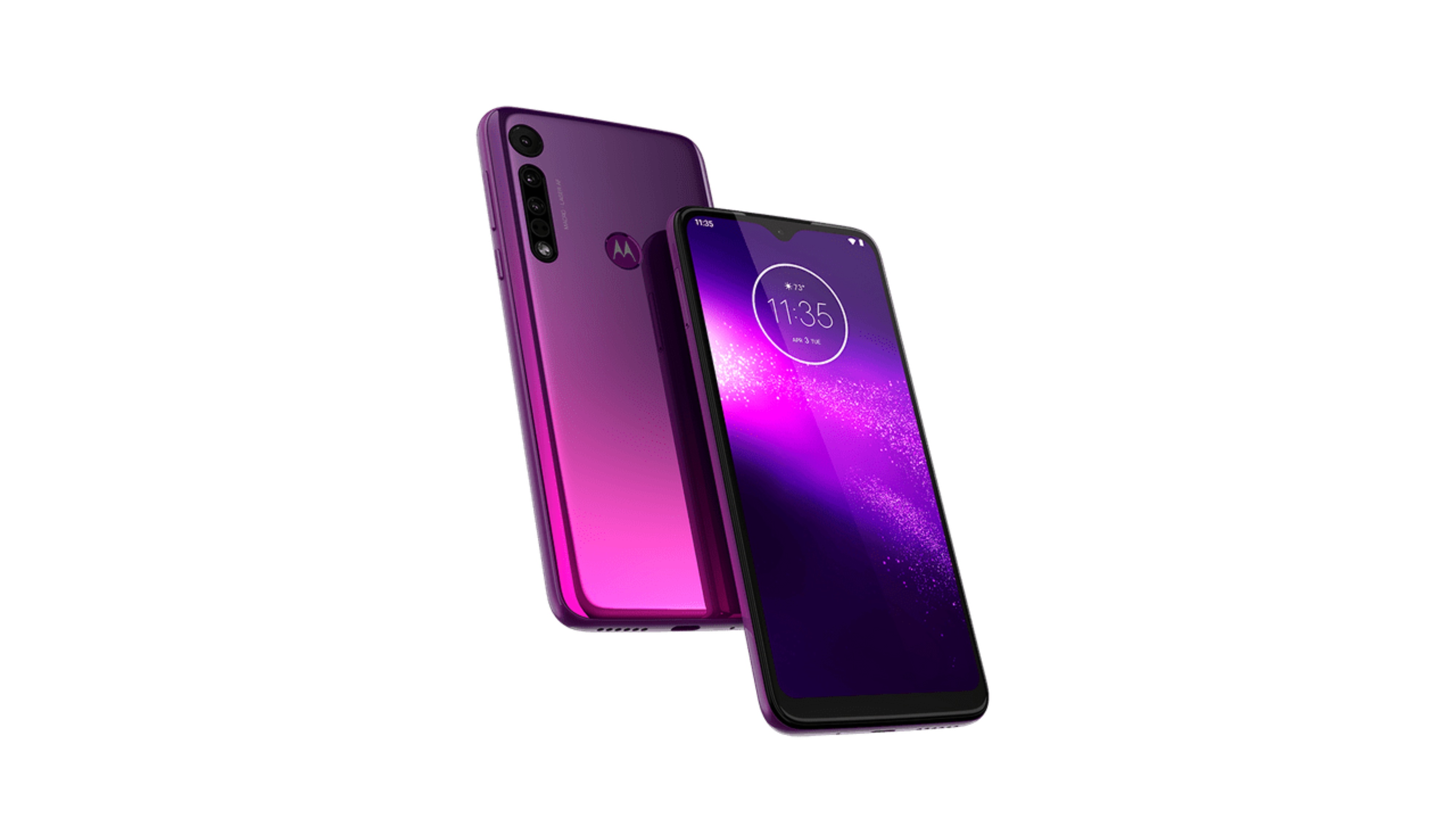
Back in October 2019, Lenovo-owned Motorola launched a budget smartphone called Motorola One Macro in India. This handset debuted with Android 9.0 Pie when Android 10 was already out. Now, more than a year later from its release, the phone is finally receiving the Android 10 update when other devices have started getting Android 11.
Motorola was once known for rolling out faster updates. At times, the company used to deliver monthly security patches even before Google. But with time, the firm’s update delivery degraded over the years. Sadly, OnePlus is also turning towards the same fate.
That said, the brand had been delaying the Android 10 update for the Motorola One Macro for a very long time. But now, finally, the update is live in India with build number QMD30.47-19.
It weighs around 1.46GB in size and is being seeded out in batches. As of now., it seems to be only available for users who were part of the beta program (soak testing). But the build should be available for other users in the coming days.
Anyway, if you own this handset, then head over to Settings to check whether your unit has received the Android 10 update.
OnePlus started as the flagship killer company but that era seems like a lifetime ago now. The Chinese manufacturer which used to be a favorite among tech enthusiasts is no longer the brand many people fell in love with when it entered the mobile phone market seven years ago.
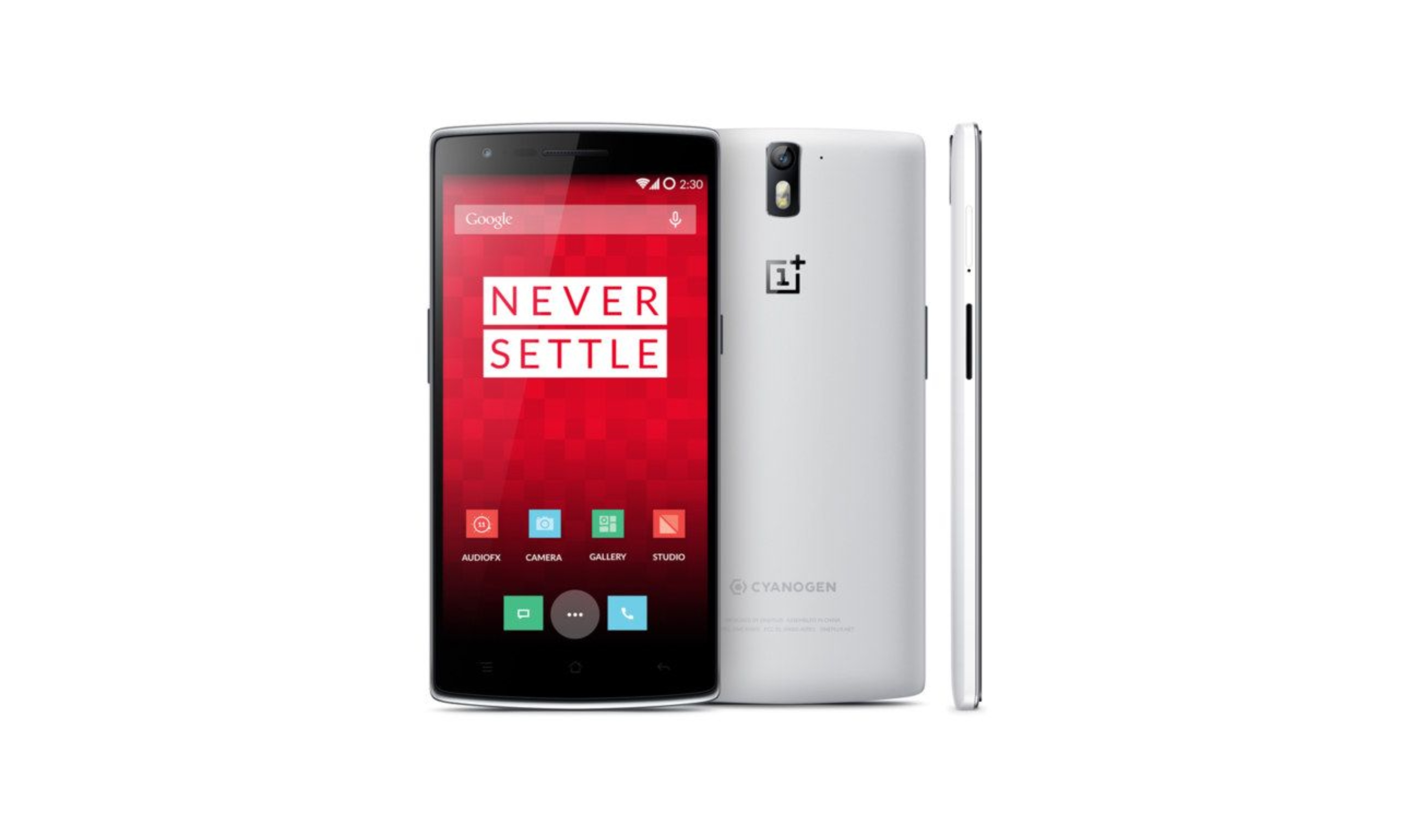
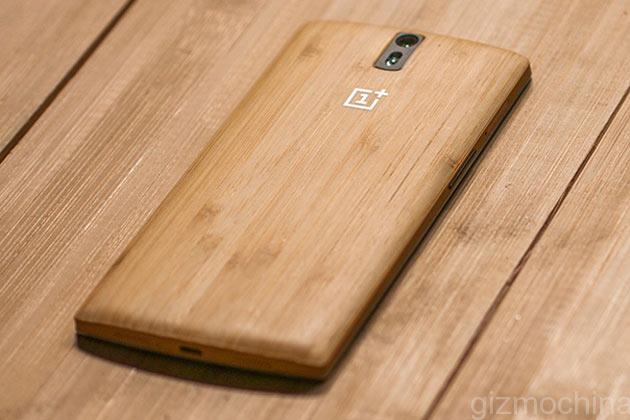
OnePlus One – The OG flagship killer
Its phones are now more expensive, and while it has started to offer cheaper models in the mid-range category under a new series called Nord, these phones have a handful of tradeoffs and even lack some of the features that are associated with OnePlus phones. However, all is not lost for OnePlus, as we believe it has a shot at redemption – at winning back the hearts of dissatisfied fans with its upcoming phone, the OnePlus 9 Lite.
The OnePlus 9 Lite – A new hope
OnePlus is expected to launch the OnePlus 9 series later this quarter and leaks have revealed that there will be not two but three phones in the series. Alongside the OnePlus 9 and OnePlus 9 Pro, it has been reported by multiple sources that there is a third model that will be sold as the OnePlus 9 Lite.
It is a given that the OnePlus 9 Pro will be a premium category phone with a starting price tag that will either be equal to or greater than $899. The OnePlus 9 will follow suit with a price tag that is at most $200 less and with fewer or toned down features. This means the “Lite” model should be the cheapest of the three.
With the right specs and price tag, the OnePlus 9 Lite should prove that OnePlus has not yet lost its flagship killer roots, thus bringing new hope to fans.
OnePlus 9 Lite – Specs and Price that will make it a flagship killer phone
To make a flagship killer, you have to offer certain features, usually, performance-wise, normally found in the premium category but at a much more affordable price tag. Of course, tradeoffs in certain areas such as choice of materials, camera configuration, and display type and resolution are expected. We have considered these factors before coming up with specs we expect the OnePlus 9 Lite to have. Below are what we came up with:
Display
We would like to see the OnePlus 9 Lite sport a display that is no more than 6.5-inches, if it is smaller, the better for it, as that will mean a higher PPI seeing as its resolution will be 1080p.
While we know some of you will want AMOLED for the screen, a good LCD panel will suffice. The Nokia 8.3 5G and Mi 10T are examples of phones with great IPS LCD screens. The latter even has an adaptive refresh rate of 144Hz.
Nevertheless, we will be happy with either of these two choices for the display – 90Hz AMOLED or 120Hz LCD.
What would be your choice?
Processor, RAM, and Storage
It has been reported that the OnePlus 9 Lite will not have a Snapdragon 888 processor. OnePlus is also one of those who plan to launch a phone with the Snapdragon 870 5G SoC, a processor practically made for flagship killers. We expect this will be the chipset inside the OnePlus 9 Lite.
For RAM, the OnePlus 9 Lite is best available in two variants – a base model with 6GB and a higher configuration with 8GB, both being LPDDR5. We would like to see two variants with 128GB of UFS 3.0/UFS 3.1 storage. These configurations will ensure the phone is affordable.
Cameras
For the cameras, OnePlus can go with a similar configuration as that of the OnePlus 8. So a 48MP main camera, a 16MP ultrawide camera, and a 5MP macro camera instead of the 2MP the OnePlus 8 has. We won’t push our luck and ask for a telephoto camera which we know is more useful than the macro camera. The selfie camera can remain a 16MP sensor.
Battery capacity and Fast charging
For the battery capacity, the one inside the OnePlus 8 will suffice which is a 4300mAh battery and it can be paired with Warp Charge 30T (30W fast charging).
This is a flagship killer, so wireless charging is not a feature you will find in this category.
Other features
To keep the price low, the OnePlus 9 Lite should have a plastic back panel rather than glass. Not only will glass increase the cost of the phone, but it is also expensive to repair in a situation where it breaks.
OnePlus should use a plastic panel with a textured matte finish that not only provides a firm grip but also hides fingerprint smudges. It will also be nice to borrow a leaf from the Galaxy S20 FE and offer it in attractive colors or maybe even one variant with a faux bamboo-like rear.
We know OnePlus will not bring back the audio jack for its main series, so we don’t expect the OnePlus 9 Lite to have one but we would love to see stereo speakers.
Also, we expect it to have an in-display fingerprint scanner if it is an AMOLED screen or a rear/side-mounted one if it is LCD. 5G, NFC, Dual SIM support, Bluetooth 5.1, Wi-Fi 6, and Android 11 are all expected too. We don’t expect an official IP rating but it can at least be splashproof.
Price
Motorola has already set a high bar with the Motorola Edge S which has a starting price that converts to about $310. It will be wishful thinking to expect the OnePlus 9 Lite to beat that. Same reason for anyone that expects the $299 launch price of the OnePlus One. However, the launch price of the OnePlus 3 and the OnePlus 3T are more realistic.
So if OnePlus plans to win over lost fans while gaining new ones, it will do so with a price tag of $399 for the base model (6+128GB) of the OnePlus 9 Lite while the 8GB RAM version with 128GB of storage should sell for $439.
Plastic back Dual SIM, Rear/Side-mounted fingerprint scanner, NFC, Bluetooth 5.1, Splashproof
Android 11
Our expectations are pretty reasonable so we hope the OnePlus 9 Lite meets them when it finally launches.
OnePlus practically birthed the concept of flagship killers and we would definitely like to see the brand return to its roots. The Nord series may be OnePlus’s answer to providing affordable phones for those who want them but they are not the flagship killers that enticed the early OnePlus fans. However, the OnePlus 9 Lite might just do the trick.
So what are your expectations from a flagship killer from OnePlus in 2021? Would you be happy with the OnePlus 9 Lite if it sports the above set of specs or would you like to change anything specific in this configuration?
A few days back, the Galaxy M31 became the first Samsung budget smartphone to receive the One UI Core 3.0 update based on Android 11. Now, the same update has started rolling out to an even cheaper Galaxy M21 and Galaxy F41 handsets.
Samsung Galaxy M21
Samsung has been seeding the One UI 3.0 stable update to the eligible devices since December. Up until the last few days, the update was only available for the flagship smartphones and tablets. But now, the South Korean tech giant has begun to release the update for budget phones as well.
The first affordable Samsung handset to get the stripped-down One UI Core 3.0 update was Galaxy M31. Now, this update is also live for Galaxy M21 and Galaxy F41 in India.
The Android 11 update for these devices comes with firmware version M215FXXU2BUAC and F415FXXU1BUAC respectively. Apart from bringing new features, the latest update also bumps up the security patch level to January 2021
The Galaxy M21 and the Galaxy F41 are receiving the One UI Core 3.0 update at the same time as they are basically the same phone with a different primary sensor. Also, the Galaxy F41 is known as Galaxy M21s in Brazil, and therefore, it should also get the update soon along with other regional variants of Galaxy M21.
Anyway, if you own any of these smartphones, then head over to Settings > Software update > Download and install to check whether your unit has got the update yet.
We use cookies on our website to give you the most relevant experience by remembering your preferences and repeat visits. By clicking “Accept”, you consent to the use of ALL the cookies.
This website uses cookies to improve your experience while you navigate through the website. Out of these, the cookies that are categorized as necessary are stored on your browser as they are essential for the working of basic functionalities of the website. We also use third-party cookies that help us analyze and understand how you use this website. These cookies will be stored in your browser only with your consent. You also have the option to opt-out of these cookies. But opting out of some of these cookies may affect your browsing experience.
Necessary cookies are absolutely essential for the website to function properly. This category only includes cookies that ensures basic functionalities and security features of the website. These cookies do not store any personal information.
Any cookies that may not be particularly necessary for the website to function and is used specifically to collect user personal data via analytics, ads, other embedded contents are termed as non-necessary cookies. It is mandatory to procure user consent prior to running these cookies on your website.