Facebook-owned instant messaging platform WhatsApp recently updated its terms and conditions as well as the privacy policy, detailing the sharing of data with Facebook and other partner companies. The users need to accept the terms by 8th February or else they won’t be able to access the app. Now, this move from the company has put it in trouble.
Competition Board in Turkey has launched an antitrust investigation into Facebook and WhatsApp soon after the company updated its privacy policy. The move comes after concerns were raised by local users, who are now looking at alternatives.
The authorities have also called for the new terms to be “suspended” pending its findings. Now, it would assess whether the policy change violated Turkish competition laws designed to prevent companies from abusing positions of market dominance.
On top of that, several government ministers have asked citizens to use other locally-developed messaging applications instead of WhatsApp. As a result, the BiP application received more than two million new users within 48 hours of the WhatsApp update.
Globally, rival messaging applications of WhatsApp, such as Signal and Telegram, have witnessed a sudden rise in demand. While Signal doesn’t collect any metadata, Telegram collects much less data than the Facebook-owned service.
WhatsApp has been widely criticized for the updated privacy policy which states that it now reserves the right to share data it collects about users with the broader Facebook network, including Instagram, regardless of whether the user has an account or profile there.
Vivo has recently launched the Vivo Y51A smartphone in India and is also expected to announce the Vivo Y12s phone soon in the country. Leaked posters of another Y-series phone called the Vivo Y31 has appeared. According to My Smart Pricehas learned through its retail sources that the Vivo Y31 will launch soon in India.
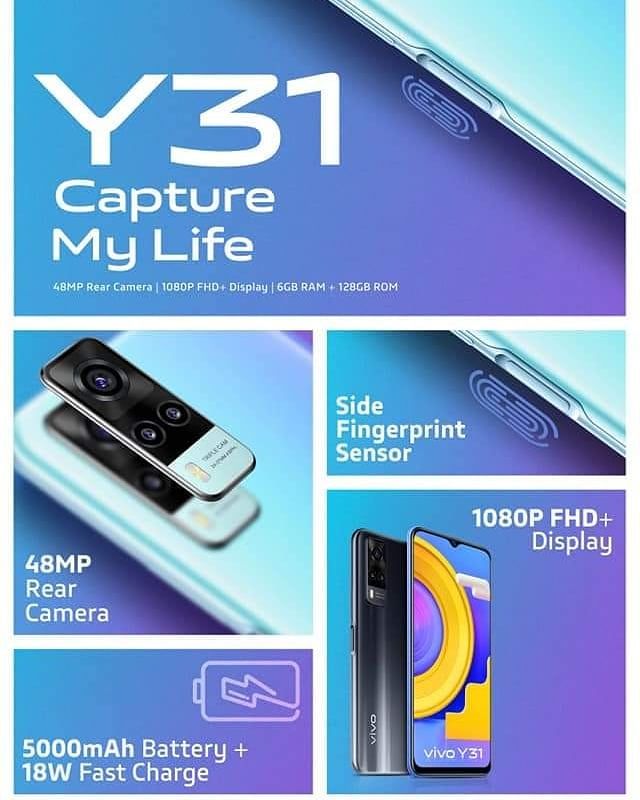
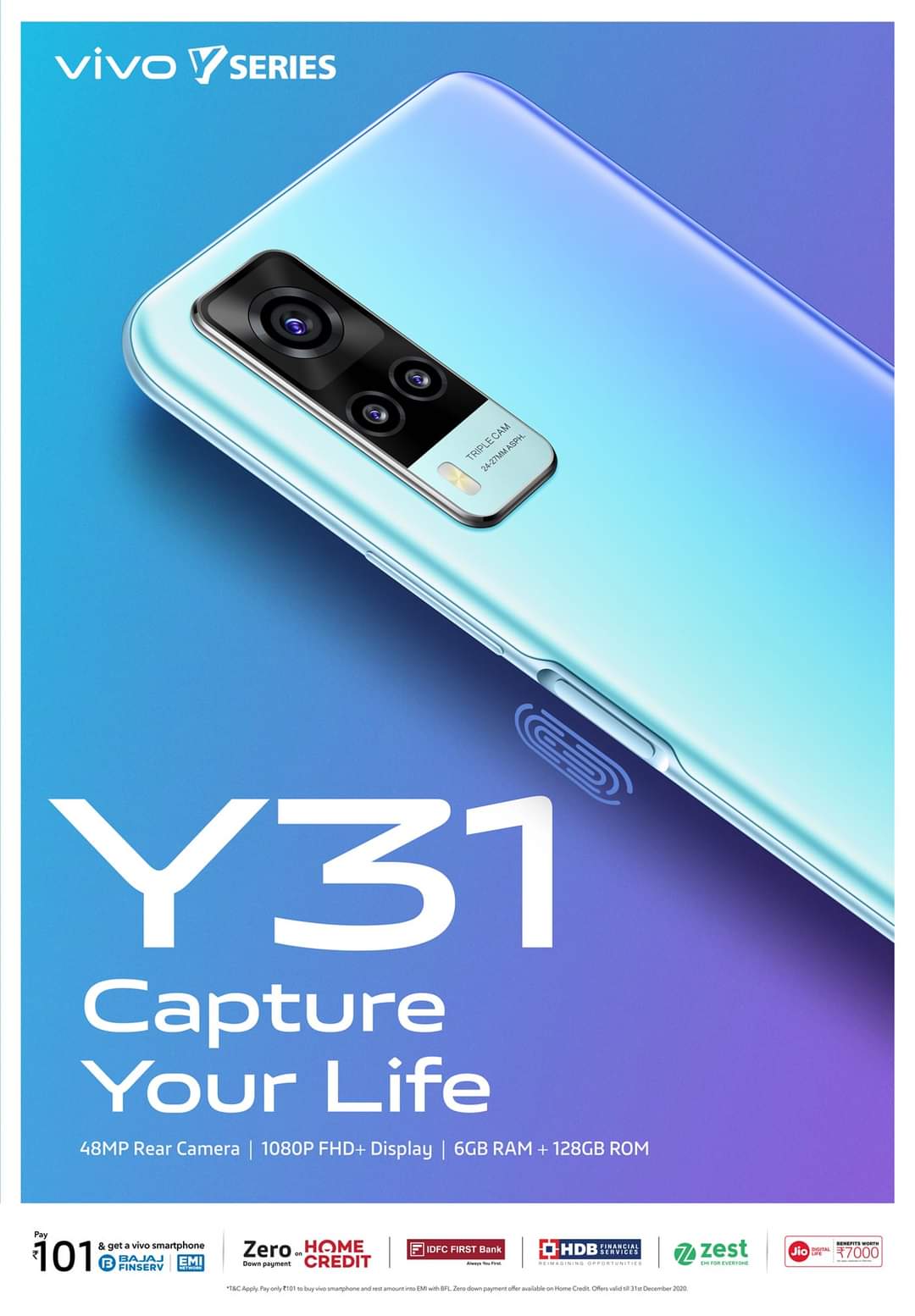
The Vivo Y31’s leaked poster shows that the phone features a waterdrop notch display that offers a Full HD+ resolution. The handset houses a 5,000mAh battery that supports 18W rapid charging.
The back panel of the phone has a triple camera system that is led by a 48-megapixel main shooter. It is unclear which processor is present under the hood of the device. It will offer users 6 GB of RAM and 128 GB of storage.
The Vivo Y31 draws power from a 5,000mAh battery and it will support 18W rapid charging. The device is equipped with a side-mounted fingerprint reader. The second poster mentions some of the launch\ offers that will be available for the buyers of the Vivo Y31 smartphone.
The Vivo Y31 was spotted at the Google Play Console in December. The listing had revealed that it supports a Full HD+ resolution of 1080 x 2408 pixels and it is powered by the Snapdragon 662 SoC. The listing also revealed that the device is equipped with Snapdragon 662 SoC and it runs on Android 11 OS. The variant that appeared at Google Play Console had 4 GB of RAM.
Apart from India, the Vivo Y31 is also expected to arrive in other markets since it has been approved by the NBTC authority of Thailand, the IMDA agency of Singapore, and the EEC body of Russia.
Honor, a former sub-brand of Huawei which recently became independent, has confirmed hosting a launch event on 18th January in China. At the event, the company will unveil its first major smartphone after separating from Huawei — the Honor V40.
Now, days ahead of the official launch, the company has shared a new teaser of the upcoming Honor V40 on social media. The teaser shows that the smartphone is equipped with a billion color retina-level super-sensing screen and a 50MP super-sensing lens matrix for the camera configuration.
The smartphone features a screen with curved edges and has a punch-hole cutout in the top-left corner for housing two camera sensors. It is expected to have a 6.72-inch OLED panel and may support a 120Hz refresh rate along with an in-display fingerprint scanner.
It will be powered by the MediaTek Dimensity 1000+ chipset with support for 5G connectivity. The processor will be coupled with 8GB of LPDDR4x RAM and the phone will have two storage options — 128GB and 256GB UFS 2.1.
In the camera department, the device is expected to pack a quad-camera setup that could include a 64MP primary sensor, an 8MP secondary lens, and two 2MP sensors. A report claims that the company could swap 64MP snapper for Sony IMX766 50MP sensor. On the front side, there will be a 32MP + 16MP setup for taking selfies and video calling.
The device will be running the Android 10 operating system out-of-the-box with the company’s own Magic UI 4.0 custom interface on top. It is expected to pack a 4,000mAh battery with support for 45W fast charging as well as wireless charging technology.
Ahead of the launch, the company has already started taking reservations for the Honor V40 through offline and online platforms such as JD.com, Tmall, Suning, and the all-new Honor Mall in China.
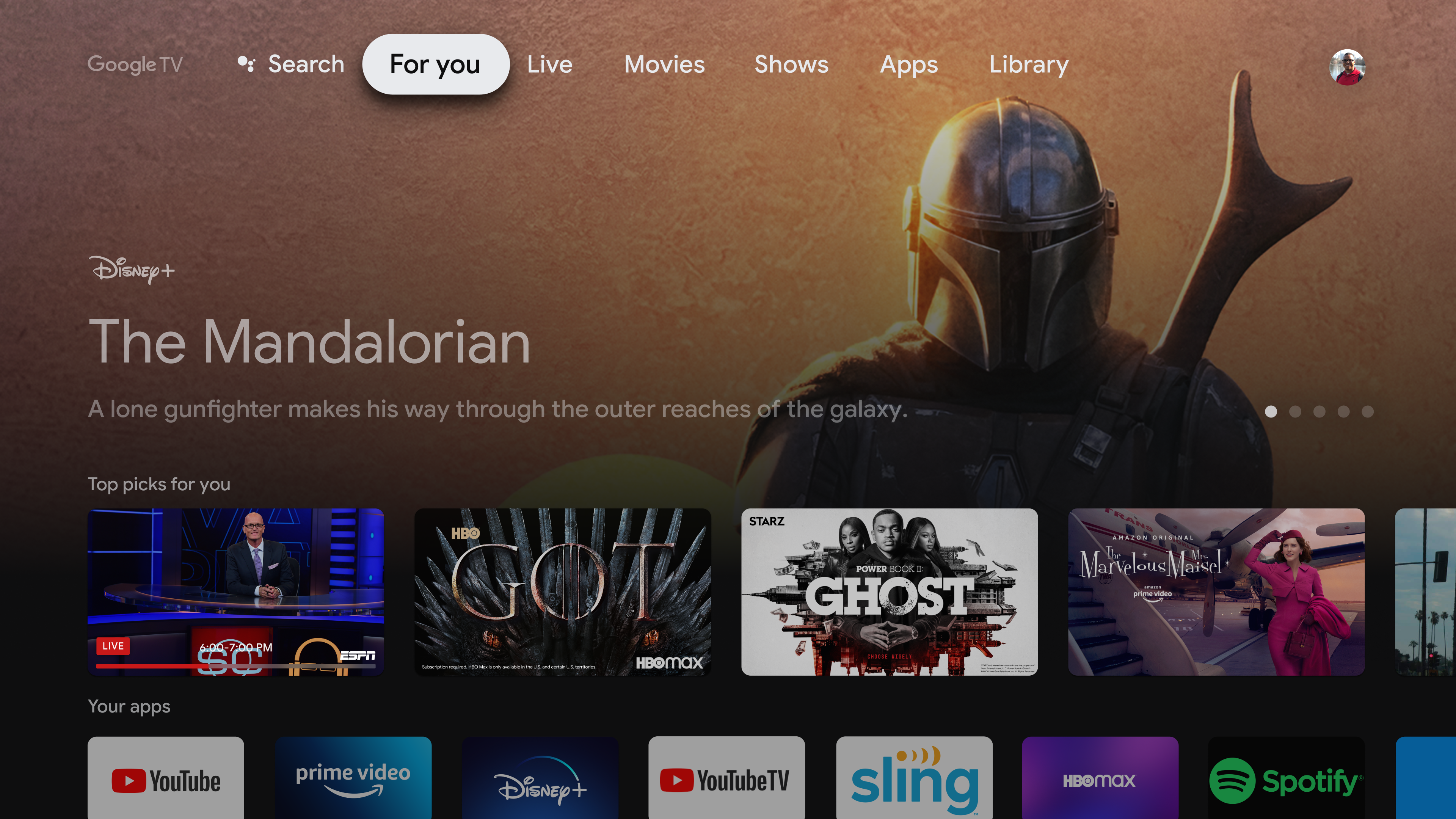
TCL, which is one of the biggest companies in the Smart TVs market, has announced at CES 2021 that the company will launch the TCL Google TV series in the United States this year and will soon be rolled out to other regions.
The company adds that they will combine Google’s new entertainment experience, Google TV, with its own display technologies such as Mini-LED, 8K, and QLED. It is aiming to offer users a stunning media consumption experience with better access to content.
This is quite a change for TCL which has so far been using Roku TV as the platform in most of the devices, including the recently launched 6-Series and 8-Series of high-end Smart TVs. However, the company adopted Android TV for some models in the 3-Series and 4-Series in the US last year.
For those who are unaware, Google TV, which was introduced last year along with the Chromecast with Google TV, comes with a revamped user interface that better integrates with the system and makes it easier for the users to find shows and movies from different apps and services.
Currently, the company has not revealed which series of Smart TVs will be getting the option of Google TV and if the previous Android TV models will be eligible for an update. We expect to know more about this from the company in the coming weeks or months.
It’s been a few months since Intel teased its new Rocket Lake S desktop CPUs and now the company has unveiled more details about the same. The company also claims that the new chipset is up to 19 percent faster than the predecessor.
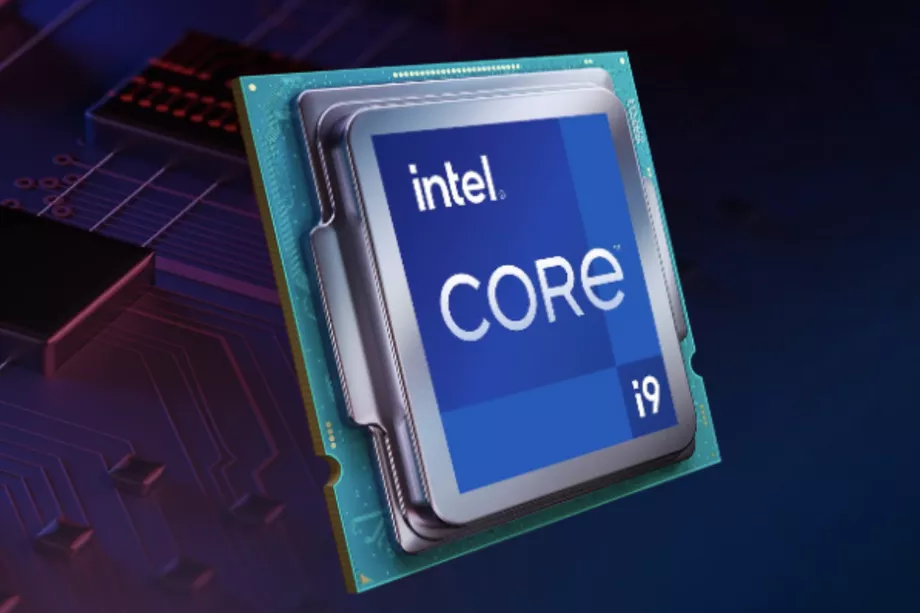
The Intel Core i9-11900K, the flagship chipset, is set to be available in the first quarter of 2021 and has also provided the latest preview of this series as CES 2021. Apart from faster performance, the company is also promising better integrated graphics and better AI.
The top-end model in the lineup — Intel Core i9 features an eight-core, 16-thread chipset that supports a boosted clock speed of up to 5.3GHz. It also has support for DDR4 RAM at 3200MHz, a total of 20 PCIe 4.0 lanes, and also supports backward compatibility with the Intel 400 series chipsets.
Although these are the 11th generation chipset from Intel, the Rocket Lake-S lineup is still a 14nm chips and don’t use the company’s latest 10nm process. But, the new chips do come with Intel’s Cypress Cove cores, which brings improvements from the 10nm design to 14nm for faster speeds.
It’s noteworthy that the new Rocket Lake-S chips core count has dropped to eight compared to 10 cores in its predecessors. Despite that, the company promises that the overall performance will be better in the 11th generation models.
While the company has shared these details, more information still remains to be revealed. We expect the company to share more in the coming weeks, including the chipset models, their specs and features, as well as pricing and availability details.
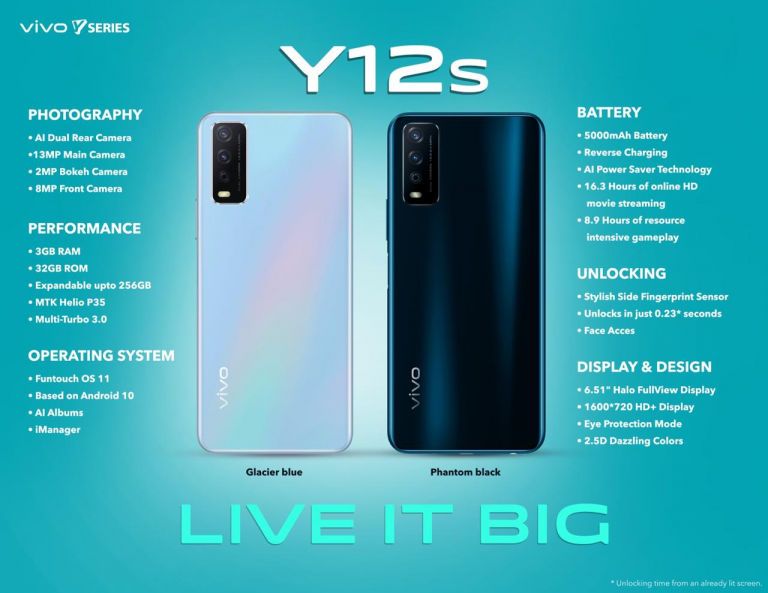
In November, Vivo announced the Vivo Y12s smartphone in some of the Southeast Asian markets. The device was spotted in the database of the Bureau of Indian Standards (BIS) in December, which indicated that its launch in India may not be far away. Fresh information reveals that the handset will soon go official in India.
The Vivo Y12s is expected to arrive in colors like Glacier Blue and Phantom Black in India. There is no information available on its pricing yet. While a special launch timeframe for the Vivo Y12s is not known for India, it may launch this month.
The Vivo Y12s is equipped with a 6.51-inch Halo FullView display that produces an HD+ resolution of 720 x 1600 pixels and a 20:9 aspect ratio. The Helio P35 chipset is present under the hood of the device. The SoC is coupled with 3 GB of RAM and it has an internal storage of 32 GB. For additional storage, the device has a microSD card slot.
The polycarbonate rear of the phone has a vertical camera module that includes a 13-megapixel main camera and a 2-megapixel depth sensor. For snapping selfies, the device possesses a front camera of 8-megapixel.
The FunTouchOS 11 along with Android 11 OS comes preinstalled on the Vivo Y12s smartphone. The handset draws power from a 5,000mAh battery and it carries support for reverse charging. The big battery promises 8.9 hours of resource-intensive gameplay and 16.3 hours of online HD movie streaming. For security, the device is equipped with a side-facing fingerprint reader. It also supports face unlock.
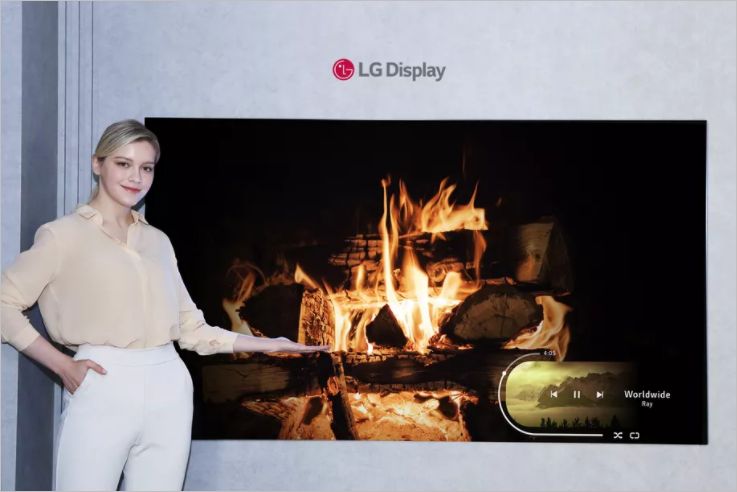
Korean tech giant LG Display has continued to improve on its display technology, one of its main strongholds. The company held an event yesterday at the virtual CES 2021 where it announced a number of products and new display technology. The display maker equally took the wraps off a 42-inch, the smallest OLED smart TV and a new 83-inch panel size that likely features in the Bravia lineup that Sony unveiled a few days ago.
The announcement throws up the possibility of getting OLED TVs this year in sizes such as 42, 48, 55, 65, 77, 83, and 88 inches. The display maker also hinted that it is shipping a “next-generation” 77-inch panel that’s said to be around 20 percent more efficient and therefore capable of higher brightness than before, which has been a relative disadvantage of OLED TVs to date.
LG Display is a components manufacturer and doesn’t release consumer products itself, so it’s unclear who’s actually going to put a 42-inch TV on sale this year. The larger LG Electronics company is yet to fully unveil its 2021 range of OLED TVs, but according to a report in the Korean website Yonhap, it’ll be using “OLED evo” branding for the new panels in its 2021 “G1” series.
LG Display equally announced several headline-grabbing products at CES 2021 such as the “Smart Bed” concept with a transparent OLED panel that rises out of the foot, along with a 48-inch flexible panel that can shift from a flatscreen TV into a curved gaming monitor. The company also teased its upcoming rollable smartphone dubbed LG Rollable.
Around July last year when Corning announced the Gorilla Glass Victus, speculations were rife that the technology will feature on the Galaxy Note 20 first. Indeed, the Samsung Galaxy Note 20 was launched with the latest screen protection technology. The same scenario is about to play out with the Galaxy S21. Qualcomm has officially announced the latest version of its ultrasonic in-display fingerprint sensor dubbed 3D Sonic Sensor Gen 2.
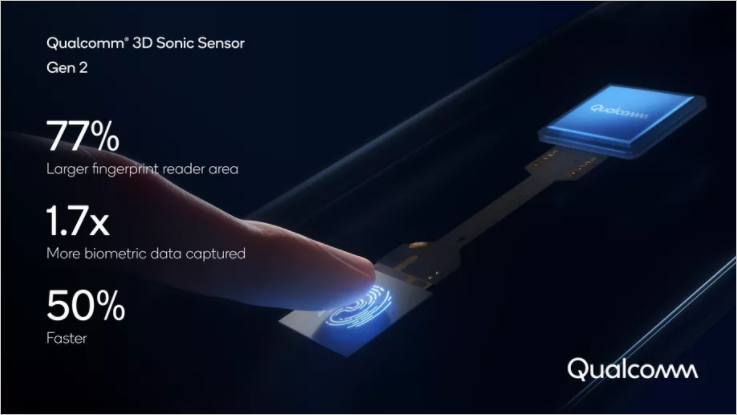
The new technology looks to improve on the original model in several ways. It also offers a larger surface area for the sensor as well as faster processing, making it possible to deploy the sensor to unlock phones even quicker.
According to Qualcomm, the new 3D Sonic Sensor Gen 2 measures 8mm x 8mm as against the 4mm x 9mm surface area of the first-generation model. This means users get up to 77 percent more surface area. On usage, the wider surface area means it’ll be easier to accurately place your finger on the sensor. It also allows the sensor to collect more data with each scan. When the larger sensor is combined with faster processing, Qualcomm promises that scanning a fingerprint to unlock a phone will go 50 percent faster with the 3D Sonic Sensor Gen 2.
As a reminder, Qualcomm’s first-generation ultrasonic sensor known as 3D Sonic Sensor made its debut in the Galaxy S10 flagship smartphone lineup in 2018. At the time, nearly every other in-display reader used an optical scanner, which was said to be slower and less reliable than the new ultrasonic one.
The sensor, however, encountered several issues, including a highly problematic security flaw that caused the readers to unlock phones with almost any fingerprint when used with some screen protectors. Samsung would later fix this issue through a software update.
Later in 2019, Qualcomm announced the 3D Sonic Max which happens to be just a much larger version of the first-gen sensor with a 20mm x 30mm surface area.
Qualcomm disclosed that the first phones to feature that new 3D Sonic Sensor Gen 2 should be available in “early 2021.” The company left out any specific release details but there are speculations that it will be on the Galaxy S21 which is expected to launch on January 14.
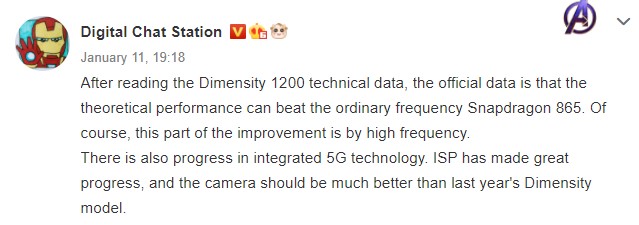
MediaTek is expected to announce a new chipset later this month, and while official details are scant, leaks have given us an early insight as to what to expect. Now, a fresh leak has provided more info such as the name of the chipset which is said to be called Dimensity 1200, among other details.
The upcoming processor is a 6nm chipset, a first for the manufacturer. The shift to a smaller node size should definitely bring an increase in performance and efficiency, and that it does according to Digital Chat Station.
The Chinese leaker revealed via a Weibo post that he has seen the specification sheet and from what he saw, it is a more powerful chipset than the Snapdragon 865. The increased performance is said to be (partly) due to having a higher frequency. This should mean that the chipset is clocked higher than the Snapdragon 865 whose clock speed is 2.84GHz.
Other details mentioned by the leaker reveal that CPU performance is not the only upgrade MediaTek’s new chipset has got. He also mentioned a better 5G modem and an improved Image Signal Processor (ISP) which should help phones capture better photos than the previous generation chipset.
We expect the Dimensity 1200 to appear in phones from Vivo, OPPO, realme, and iQOO after it is announced. We may even see the chipset power phones from Honor and Huawei.
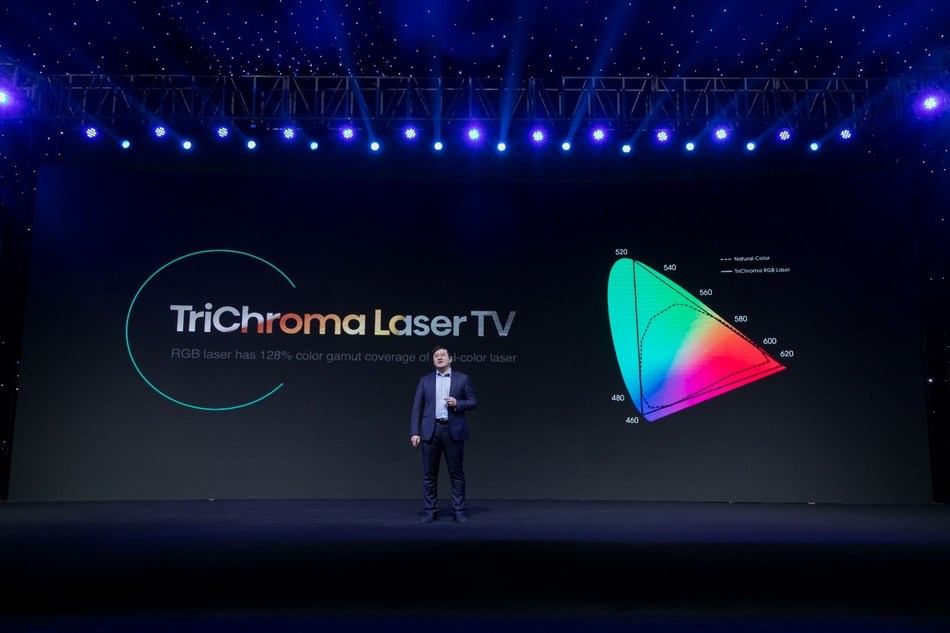
Chinese tech giant Hisense today (Monday) kicked off its exhibition at CES 2021, the first-ever virtual Consumer Electronics Show, with the unveiling of a new era of TriChroma Laser TV, a state-of-the-art display technology. This new technology will apply to multiple devices, aiming at reconnecting people, nature, and society in the new normal.
Dr. Liu Xianrong, the Chief Scientist of Hisense Laser Display explained in a keynote address that the technology is packaging and controlling separate lasers to get purer colors for display. A 128% improvement is achieved in the original RGB color. TriChroma also attains 20% brightness enhancement at the pixel-level with a 430-nit picture brightness, exceeding that of a regular TV.
With TriChroma laser technology, new TV product lines include various screen sizes, from 75-inch to 100-inch giant screen will eliminate ambient lighting. Since the color gamut coverage reaches up to 151% of the DCI-P3 film color standard, it is almost 50% beyond high-end cinema. Audiences can enjoy a strong sense of presence and a stunning in-cinema viewing experience at home.
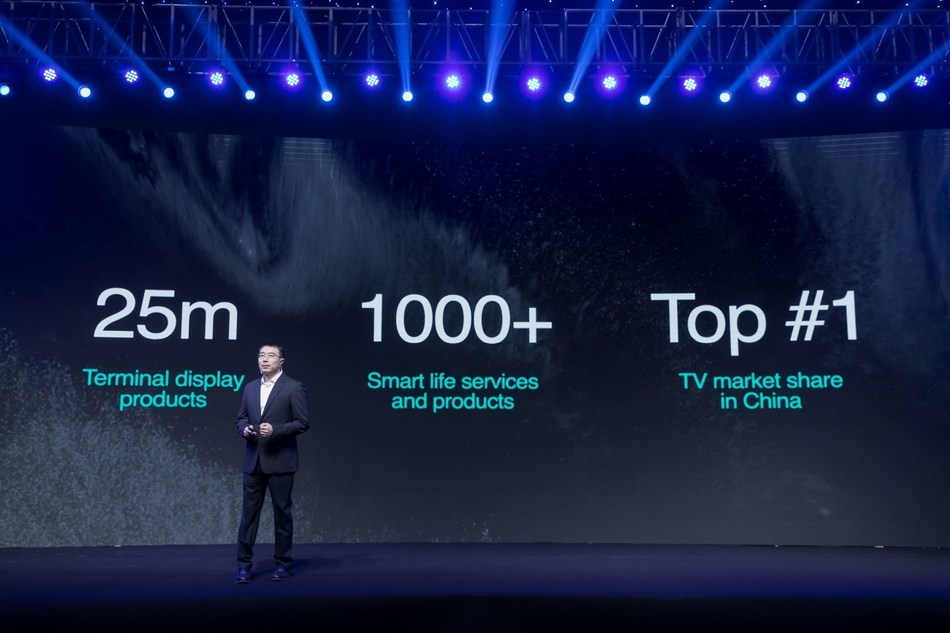
The brand promised to release more Laser TV models this year, enriching consumers with more options than ever and projecting a promising market share in 2021.
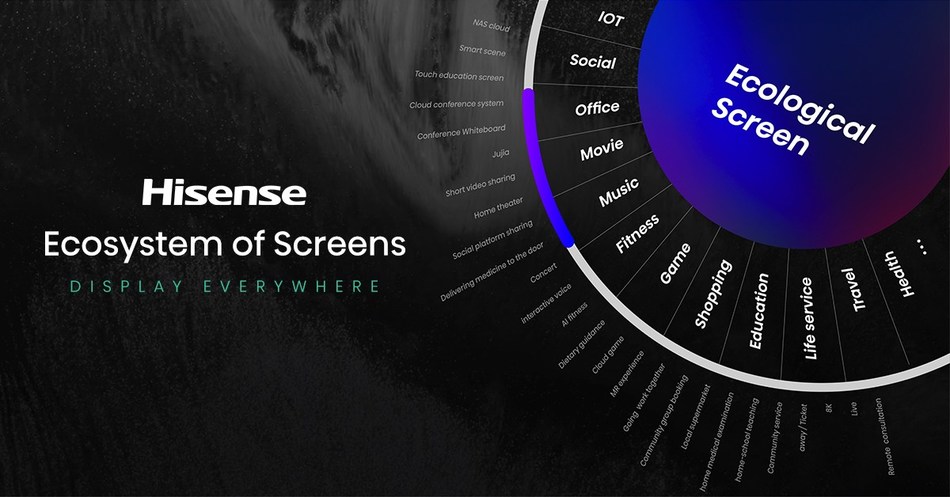
The electronics manufacturer showed its ambition as a leading ecosystem screen builder with various interactive devices for different life scenarios. Three core technology were mentioned at CES to achieve the ecosystem – display technology, artificial intelligence of things (AIoT) technology, and a cloud service.
Living in the new normal requires not only more sanitizers, but also higher standards for remote learning, working, and more. Hisense provides customized solutions for the future. The touch screen can be used for family education. Home fitness screen embedded with customized fitness courses and workout data synchronization gets ready for a healthier work-from-home lifestyle. Hisense also offers more professional options for different industries, including top-level professional broadcast monitors and eco-screen assisted with community services – medical consultation, community facilities management, etc.
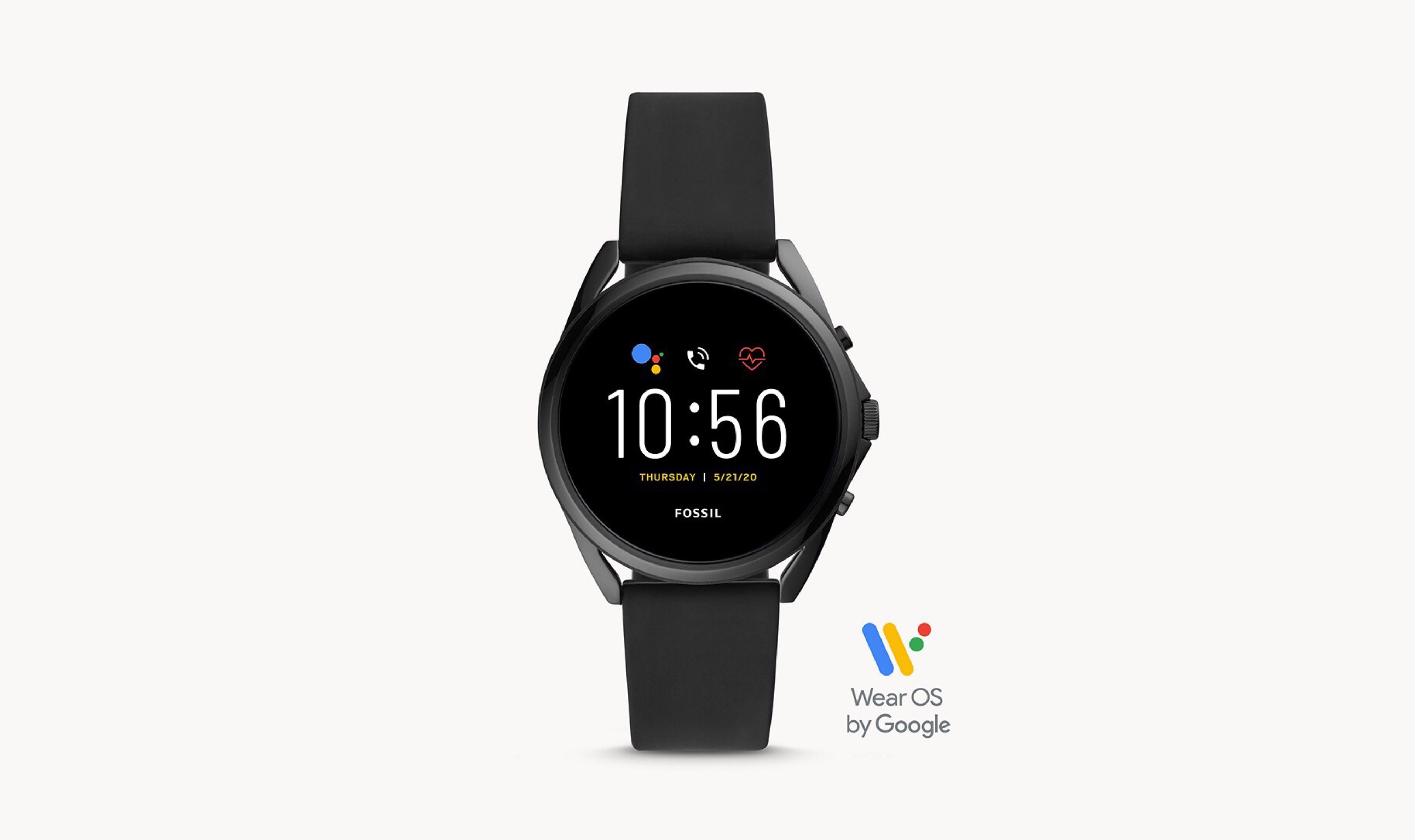
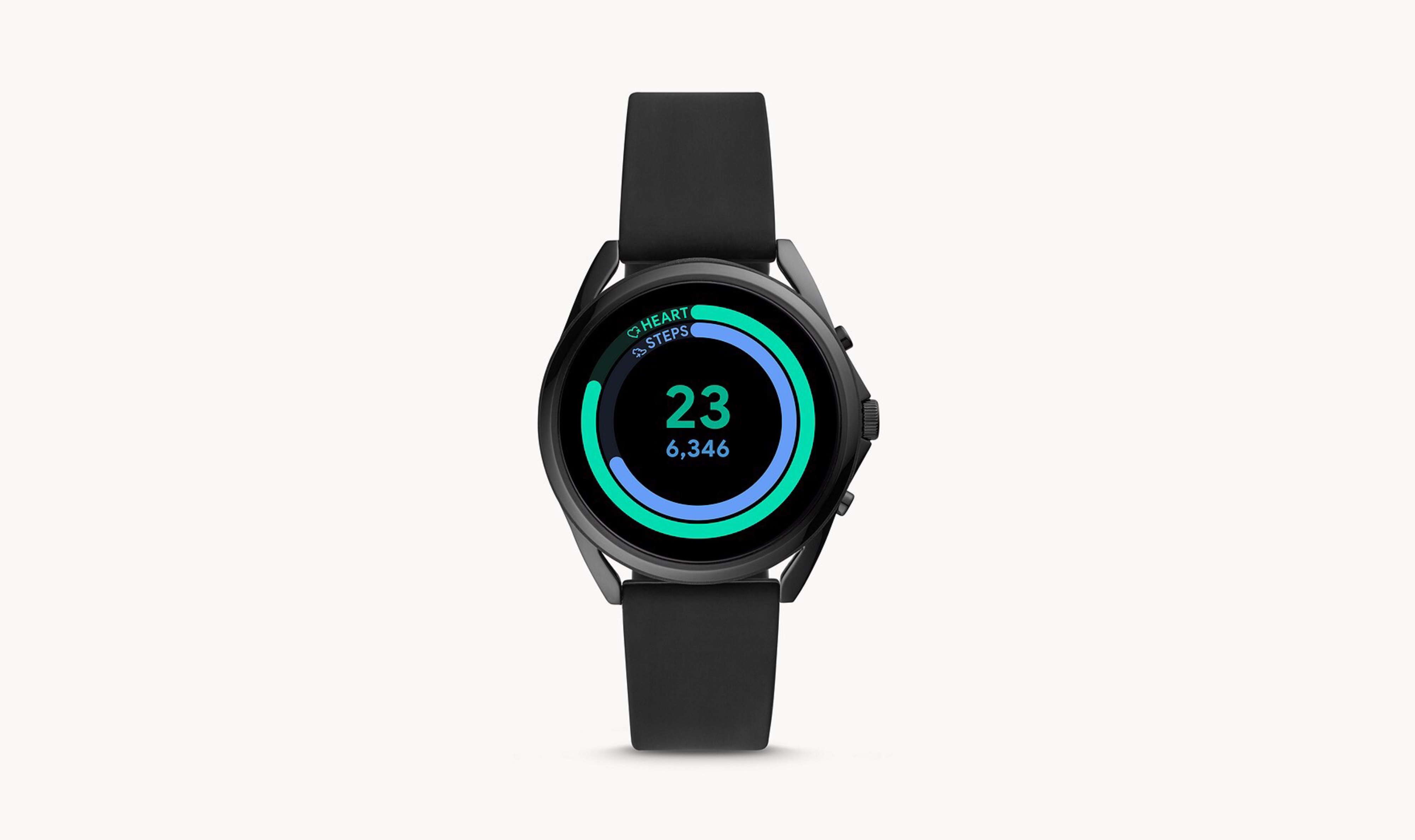
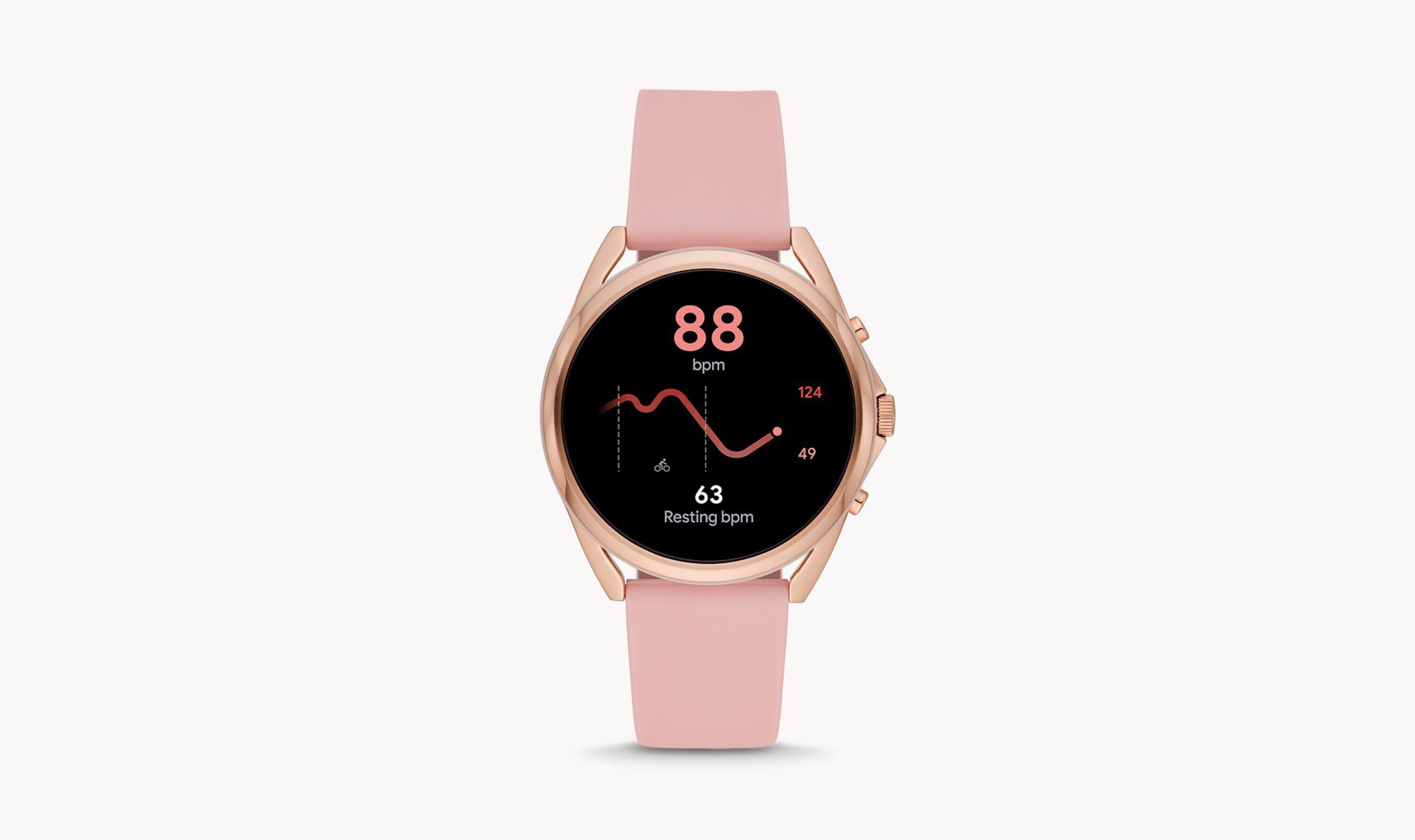
At CES 2021, Fossil has announced its first LTE-enabled Wear OS smartwatch in the form of Fossil Gen 5 LTE. But unfortunately, it only supports Verizon Wireless in the US. Also, this could be the same watch that was recently spotted on FCC and was thought to be Fossil Gen 6.
The new Fossil Gen 5 LTE does not bring any new features apart from LTE connectivity. It is powered by the same old Qualcomm Snapdragon Wear 3100 chipset paired with 1GB RAM and 8GB internal storage.
It sports a 1.28-inch circular AMOLED display with a resolution of 416 x 416 pixels and 328 ppi. The watch comes with a rotating home button and two additional customizable push buttons. It includes all the necessary sensors such as accelerometer, altimeter, compass, gyroscope, off-body IR, and PPG heart rate sensor.
For connectivity, other than 4G, it also supports WiFi, Bluetooth 4.2 LE, GPS, and NFC. Other features include a loudspeaker, microphone, 5ATM water resistance, and magnetic charging.
1 of 2
As for software, the wearable runs Google Wear OS and is compatible with Android 6.0+ and iOS 12.0+ smartphones. Last but not least, it comes in two colors (Black, Pink) and is priced at $349 ($50 more than the regular model). It is already up for pre-order on Fossil’s official website and will start shipping around January 20.
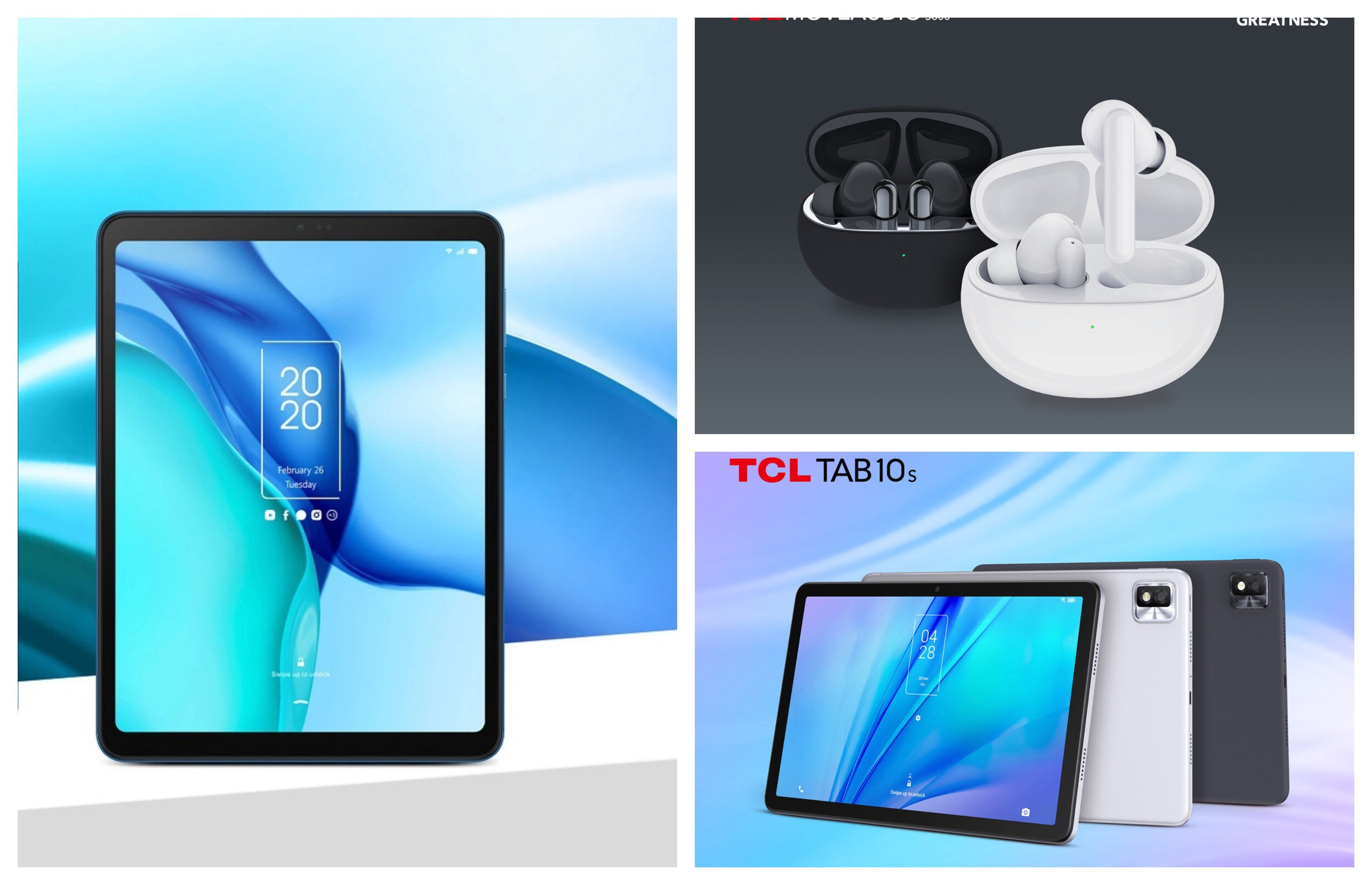
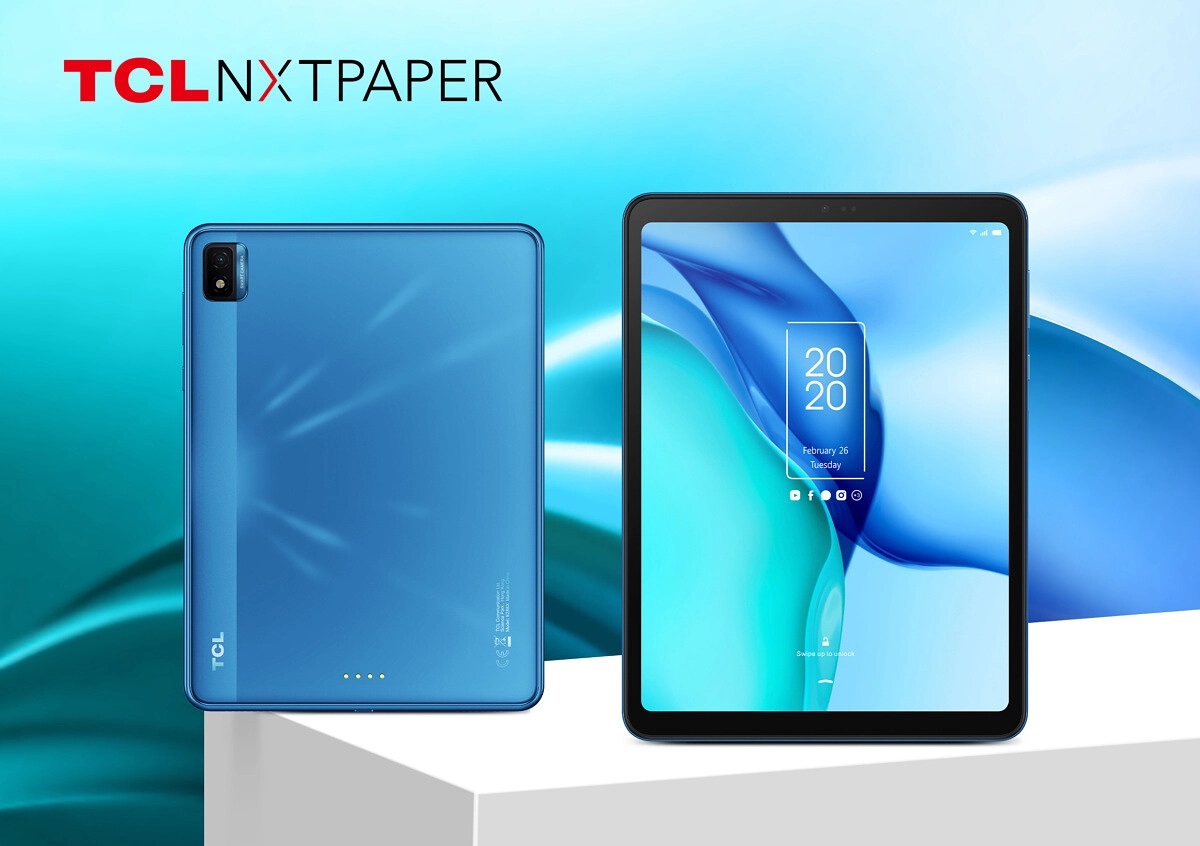
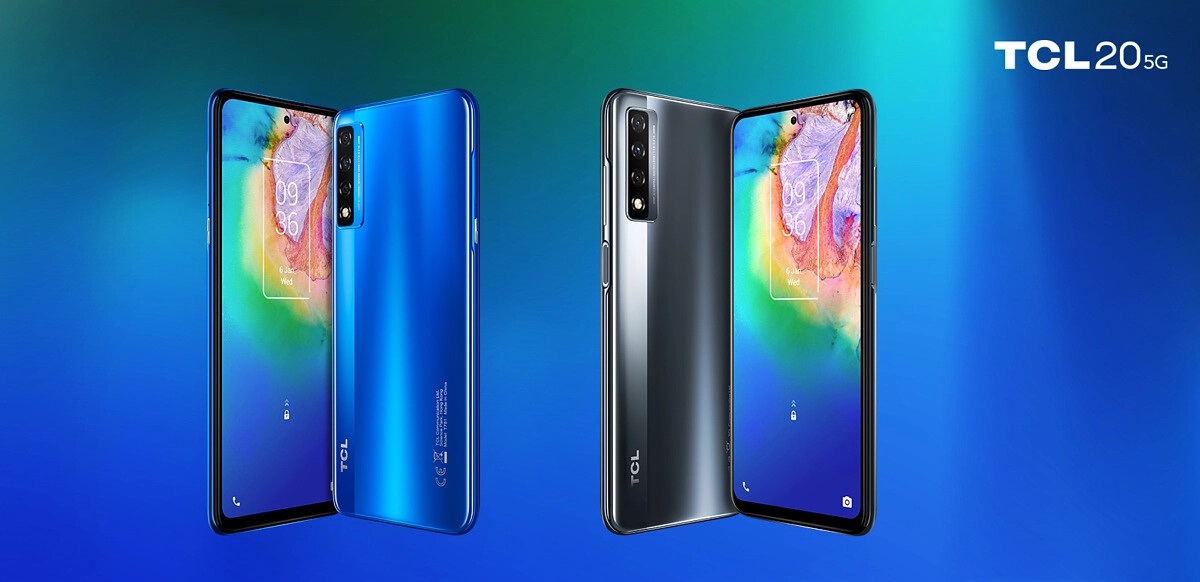
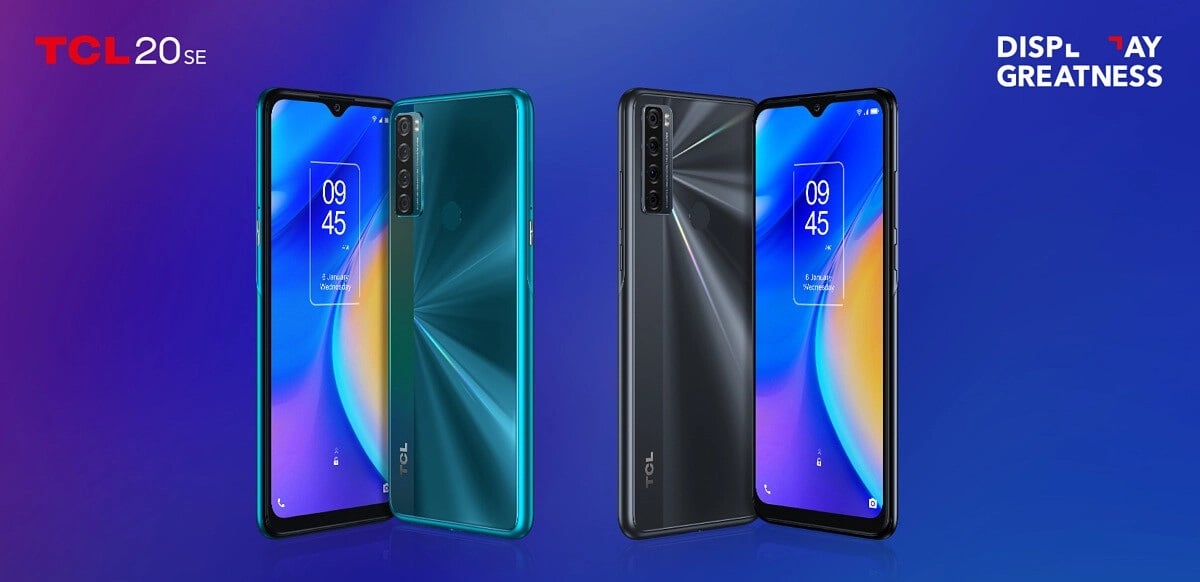
TCL unveiled the TCL 20 series starting with TCL 20 5G and TCL 20 SE smartphones at CES 2021. At the event, the company also unveiled its TCL NXTPAPER, TAB 10s, and a MOVIEAUDIO S600 TWS.
TCL NXTPAPAER and TAB 10s are the latest addition to the tally of many tablets of TCL. Similarly, it is extending the MOVEAUDIO TWS earbuds with the S600. The sole 4GB + 64GB version of NXTPAPER is priced at €349. It will be available in Europe, Middle East, Africa, Latin America, and Asia Pacific from April of 2021.
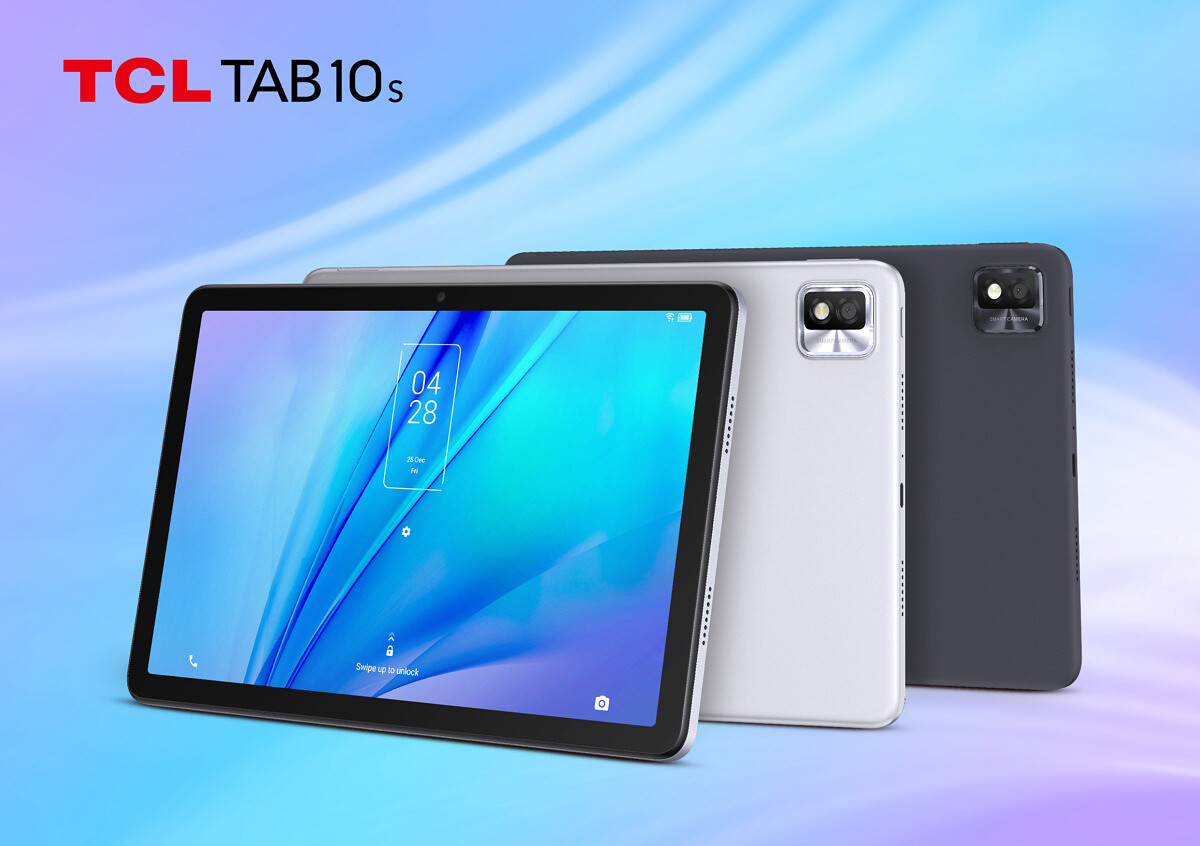
However, the TAB 10s comes in Wi-Fi only and 4G LTE variants. It starts at €199 for the Wi-Fi model whereas the 4G LTE version costs from €249. Unlike NXTPAPER, TAB 10s will be available in North America and China in addition to other regions above.
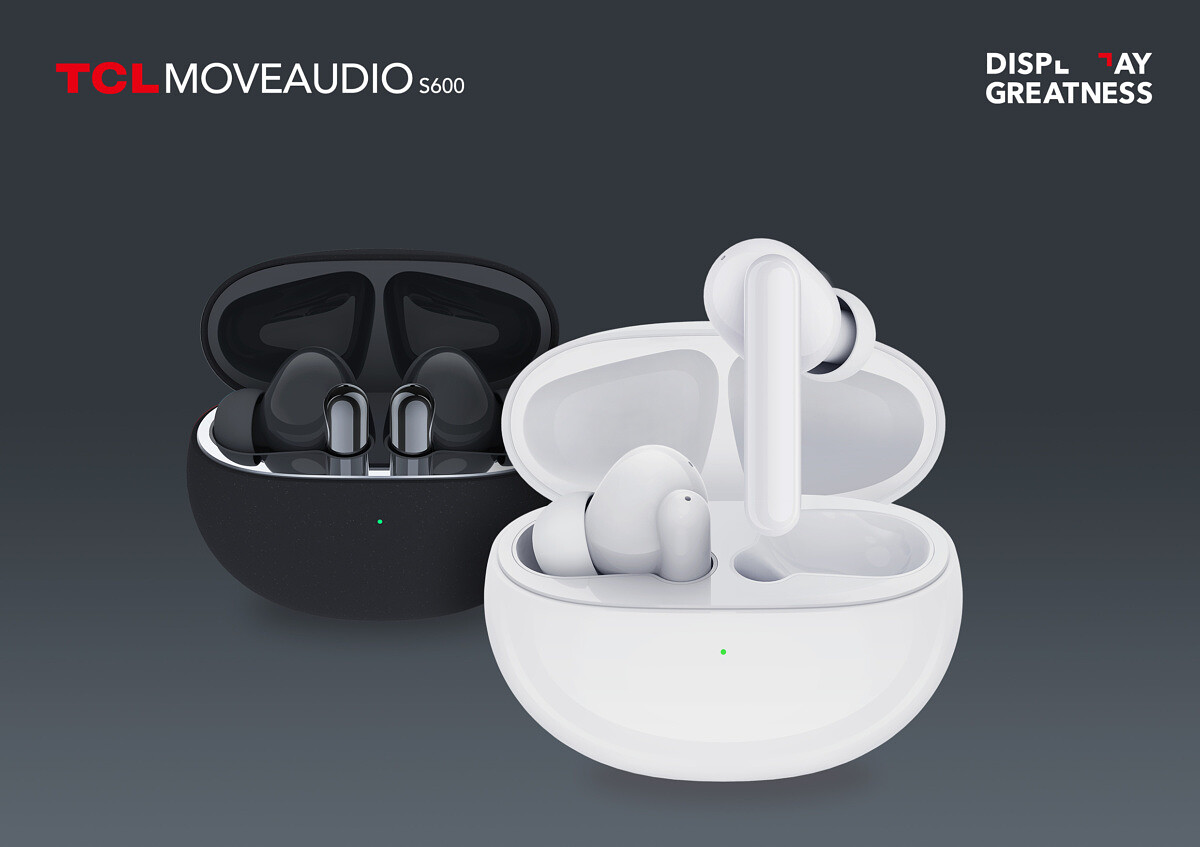
For the MOVEAUDIO S600 is priced at €149. TCL says that the Truly Wireless Earbuds will be available starting February 2021. Considering it’s an audio product, you can expect it to launch in multiple markets around the globe.
TCL NXTPAPER Specifications and Features
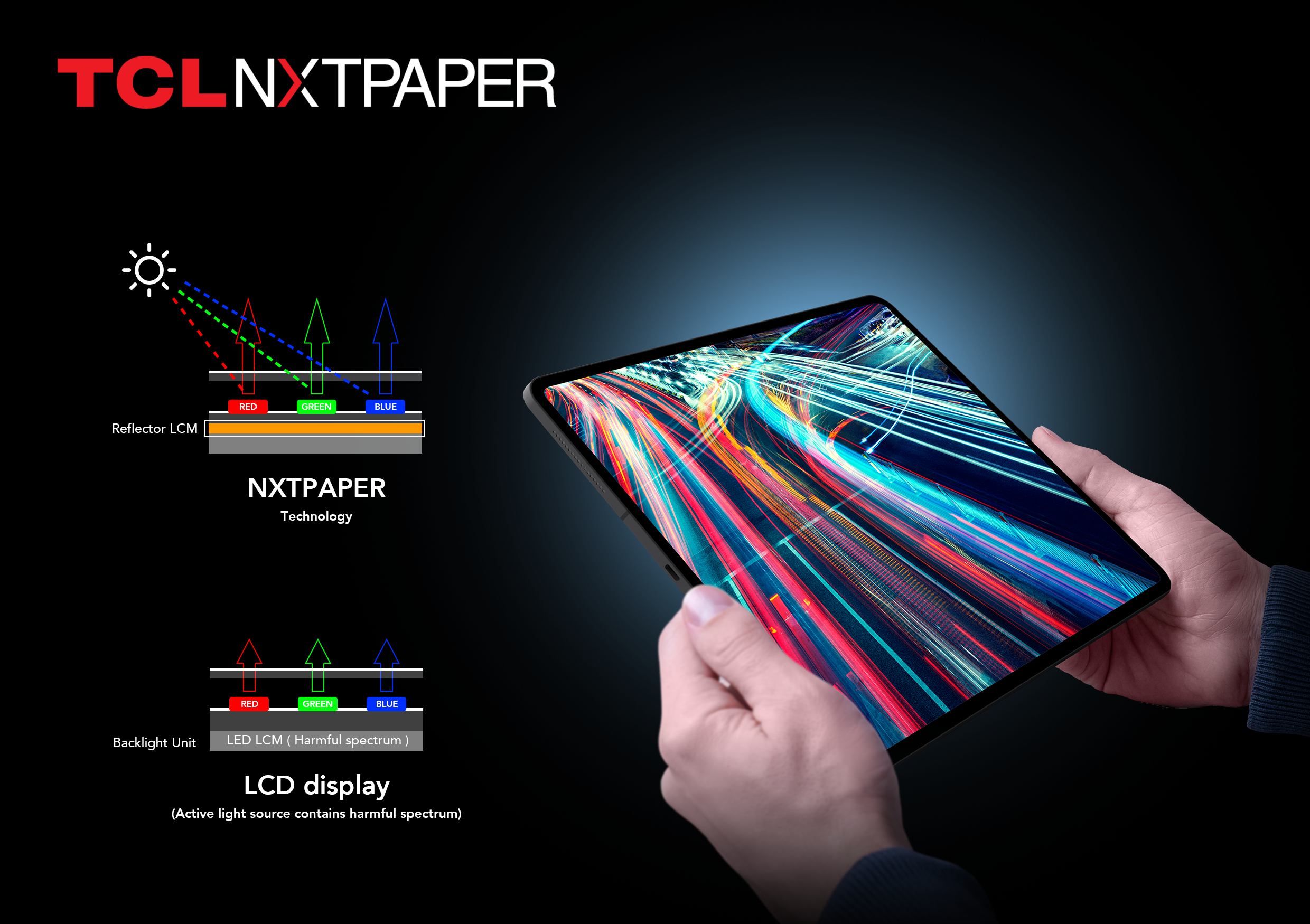
NXTPAPER tech isn’t new to us. TCL unveiled the next-gen alternative color e-ink display at IFA 2020. However, the company said that it eliminated issues of e-ink displays like reduced pixel density, slow refresh rate etc. That is, it offers a 25% higher contrast than e-ink displays, and also consumers 65% less power than LCD.
This highly reflective IPS screen reuses natural light and is a FHD+ display with a 1440×1080 pixels. The NXTPAPER tablet’s display also gets TÜV Rheinland safety and provides less fatigue and strain to the eyes according to TCL.
As for specs, it features a 8.88-inch IPS display, MediaTek MT8768E SoC paired with 4GB RAM, 64GB storage, microSD slot, 8MP rear and 5MP front camera, 5,500mAh battery with 18W charging, IP52 rating, Wi-Fi 5GHz, 4G LTE, Bluetooth 5.0, and Android 10.
TCL didn’t stop at the next-gen display tablet. It has launched an LCD affordable TAB 10s as well. The device measures 241 x 158.6 x 9.3 mm and weighs 488 grams. Accordingly, the display is bigger than NXTPAPER at 10.1-inch and has a resolution of 2000x1920p(FHD+).
Under the hood, this tablet is powered by MediaTek MT8768 SoC that also has GE8320 GPU onboard. It has two memory variants- 3GB RAM, 32 GB storage, and 4GB RAM, 64GB storage. For cameras, you get the same 8MP rear and 5MP front sensors.
Other specs include an 8,000mAh battery with 18W charging, MicroSD slot, USB-C and 3.5mm audio jack ports, POGO pin connectors(for Third Party accessories like TCL T-Pen), Parental and Remote Controls, Wi-Fi 5GHz, Bluetooth 5.0, 4G network support(only on LTE version), and Android 10.
TCL TAB 10s
MoveAudio S600 TWS Features
Just like the MOVEAUDIO S200 that launched at the IFA 2020, the S600 also has a stem design. However, it features in-ear earbuds with silicone ear tips. It comes in Black and White color options. As for the design, this is a ubiquitous design of every TWS earbuds that are inspired by Apple’s AirPod Pro.
However, here the earbuds are angled a bit from the stem for better comfort. The charging case is like a hemisphere and has a charging LED indicator upfront. Speaking of which, the earbuds and charging measures 18.2 x 17 x 38.5 mm, and 65 x 54.8 x 28.8 mm respectively.
As for specs, it features a 10mm audio driver unit, Hybrid Active Noise Cancellation, Transparency Mode(Ambient Mode), Smart Wear detection, Touch Controls for play/pause, hands-free calling, etc. It also supports Google Fast Pair, IP54 rating, and wireless charging.
For battery life, it has 55mAh on the earbuds and 500mAh on the charging case. You can get a max battery life of 7hrs with ANC ON, and 5hrs with ANC OFF. TCL says that a total of 32hrs(with a charging case) is plausible if you don’t use the ANC. Other features include Bluetooth 5.0, Bluetooth Low-Energy, SBC, and AAC audio codec support.
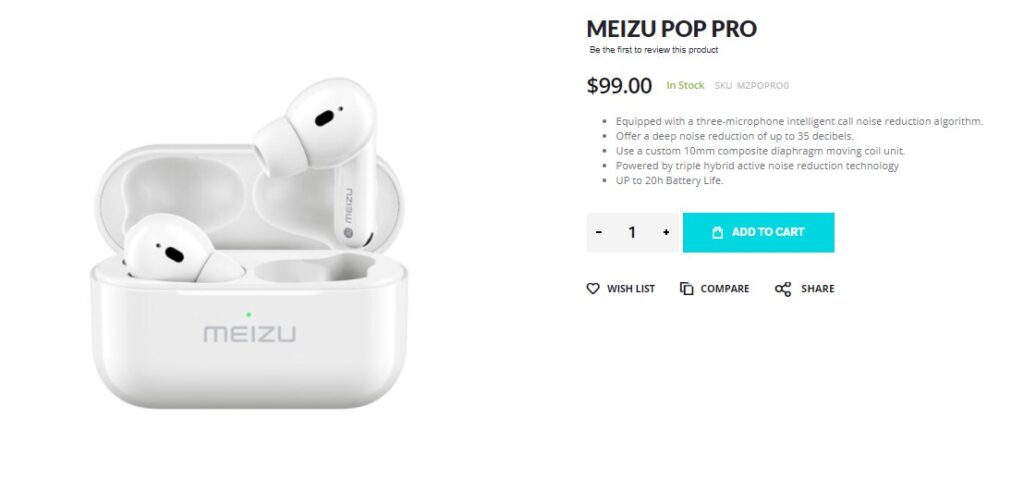
It’s been just a few hours since the Meizu Pop Pro debuted in China. The new Active noise cancellation headphones offer a lot of improved functions in comparison with the PPOP 2 and POP 2s which was launched in 2020. The TWS earbuds are currently limited in China, but the international fans can get it via Giztop for $99. It would be a nice addition for the Meizu fans who want to get it before anyone else.
However, the Meizu Pop Pro TWS carries a three-microphone intelligent call noise reduction algorithm to suppress the external noise. The ANC (Active Noise Cancellation) algorithm improves the music listening experience and even aids in making noise-free calls. The advanced ANC algorithm is capable to reduce noise up to 35 decibels.
There’s a 10mm diaphragm to process mid-to-high frequency sounds with a blend of bass and treble. The earbuds offer a 20 hours battery life with a charging life – 6.5 hours of normal usage, 4 hours with noise reduction enabled. It is sweat and rainproof and can carry a one-click connection. Meizu Pop Pro TWS comes with Bluetooth 5.0 chip for flawless connectivity.
Ulefone is a popular Chinese rugged smartphone maker. The company’s Armor series is globally acknowledged smartphone series for its ruggedness and quality. There are several Ulefone smartphones which have garnered excessive sales due to their excellent specifications and pricing. To make pricing more attractive, Ulefone is here with its Winter Sale extravaganza offering massive discounts of upto 50% on various popular models.
The sale consists several latest models including Ulefone Armor 10 5G, Armor 9 and Armor 8. There are several other smartphones which the buyers can get at the best prices. Below is the list of devices along with the offer price and other standard details about the product.
Ulefone Armor 10 5G
Ulefone Armor 10 5G is the latest offering from the rugged smartphone maker, It was launched late last year featuring MediaTek Dimensity 800 5G SoC coupled with 8GB RAM and 128GB storage. The smartphone features a 6.67-inch punch-hole display, 64MP quad-rear camera system and a 16MP front camera. A 5800 mAh battery is present onboard. It even features NFC for wireless payments.
It is predecessor to Armor 10 5G, and is pwoered with Helio P90 AI SoC. Ulefone Armor 9 smartphone carries a 6.3-inch FHD+ waterdrop display, a 6600 mAh battery, a 64MP primary camera. It is available with 8GB RAM and 128GB internal storage. The smartphone runs on Android 10 OS. The smartphone features an imaging camera by FLIR.
Ulefone Armor 8 houses a MediaTek Helio P60 SoC coupled with 4GB RAM and 64GB internal storage. The device carries a 6.1-inch waterdrop display carrying 19.5:9 aspect ratio. There’s a 16MP triple-rear camera and a 5MP macro lens. Ulefone Armor 8 features a 5580 mAh battery and runs on Android 10 OS.
Are you looking for an entry-level rugged smartphone? Then Armor X7 Pro and Armor X5 can be your favourite choice as it offers true value-for-money. The Armor X7 Pro features a 12nm MediaTek Helio A20 SoC, 4GB RAM and 32GB internal storage. There’s a 13MP rear camera nd a 5MP front camera. The users houses NFC and runs on Android 10 OS.
On the other hand, Armor X5 is pwoered with MT6762 octa-core processor and carries a 3GB RAM and 32GB storage. There’s a 5.45-inch HD display, a 5000 mAh abttery, NFC and Google Pay, a 13MP dual-camera on board.
There are several other models that are on sale amid the ongoing Winter Sale. The interested users can head over to the Ulefone official store until January 15th.
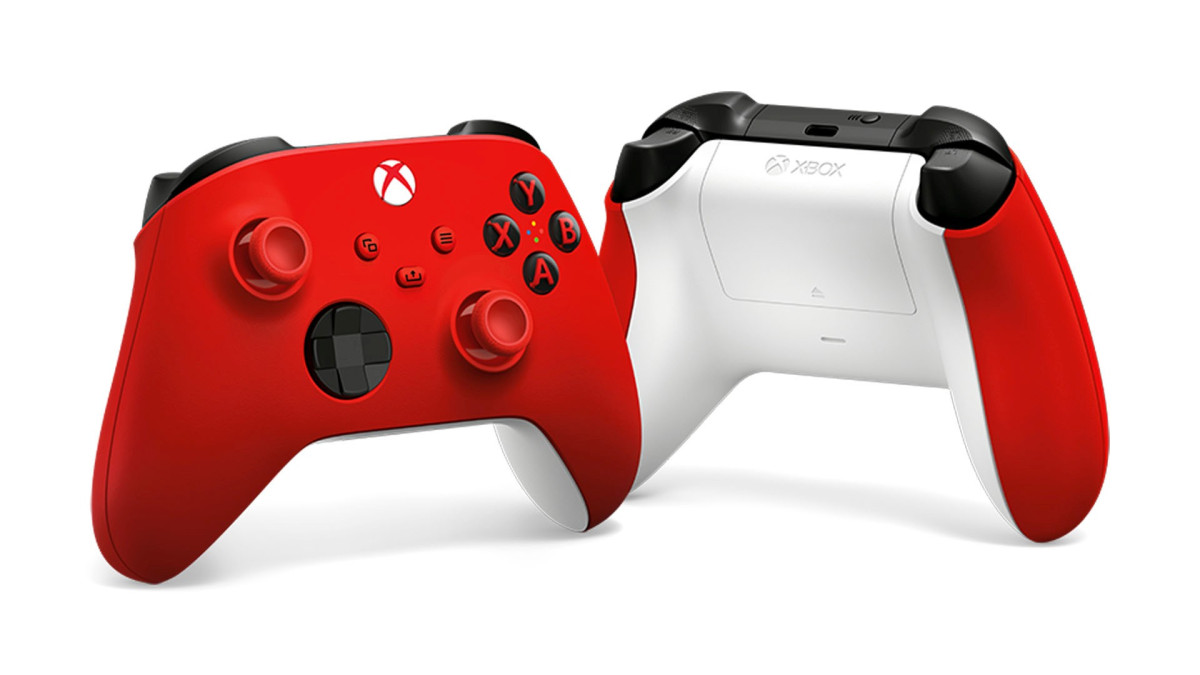
Microsoft announced a new colorway for the Xbox Series S/X Wireless Controller. The controller which already comes in Carbon Black, Shock Blue, and Robot White now adds a fourth color – Pulse Red – and it is a beauty.
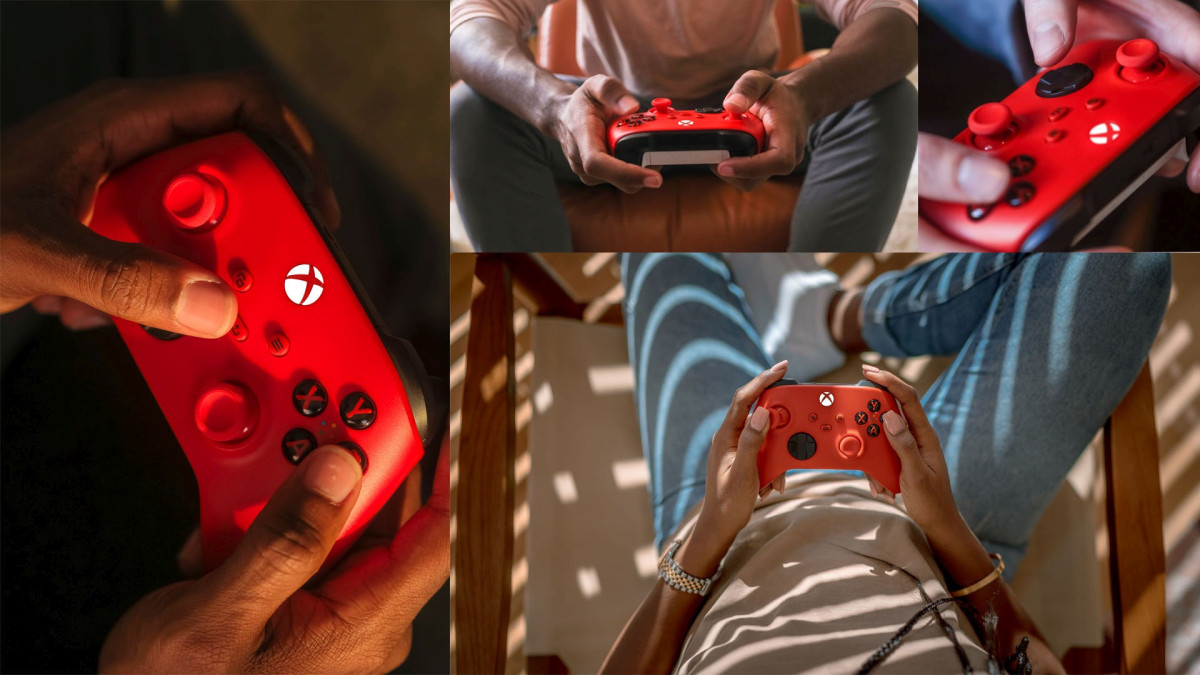
The controller has a bright red top with black and red buttons and a white underside. The action buttons are black but the markings are red which makes them stand out. The D-Pad and triggers are also black while the joysticks are red. Another button that sticks out is the Xbox button which is red and white.
Just like the other color variants, the triggers and bumpers have a textured dot pattern for better grip. Dynamic Latency Input allows for a more responsive gaming experience.
The Xbox Wireless Controller can be used with the Xbox Series S and Series X as well as the Xbox One. It can also be connected wirelessly to Windows 10 PCs and Android devices via Bluetooth Low Energy. Microsoft says that the controller remembers multiple devices and allows for quick and seamless switching between previously connected devices. There is also support for USB connection to a PC or your console. There is an audio jack for connecting a headset and you can purchase a rechargeable battery for it if you wish.
The Pulse Red Xbox Wireless Controller will go on sale first in China starting tomorrow and in other countries where the Xbox is sold for $64.99. In select markets, the controller will come with a 2-week free trial for Xbox Game Pass Ultimate.
Samsung is one of the world’s largest electronics companies. The firm sells a wide variety of products across the world. Like any other tech giant, it has also announced certain cutting-edge home products at the virtual CES 2021 trade show. Let us take a look at a few interesting ones in this article
Samsung Home Robots
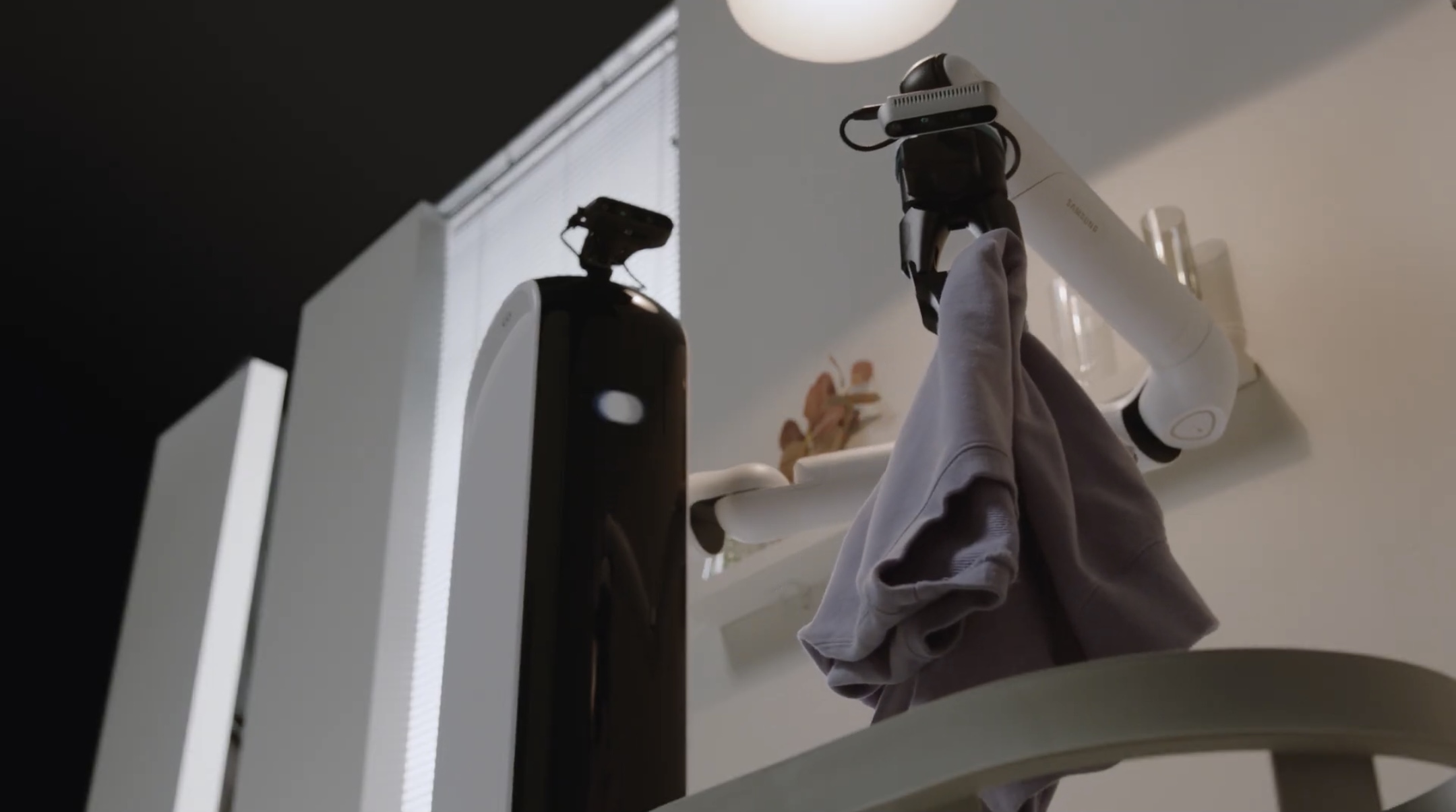
Samsung showcased three new home robots at CES 2021. Out of which, one of them will be available for purchase in the first half of this year in the US. Whereas, the other two don’t have any release dates.
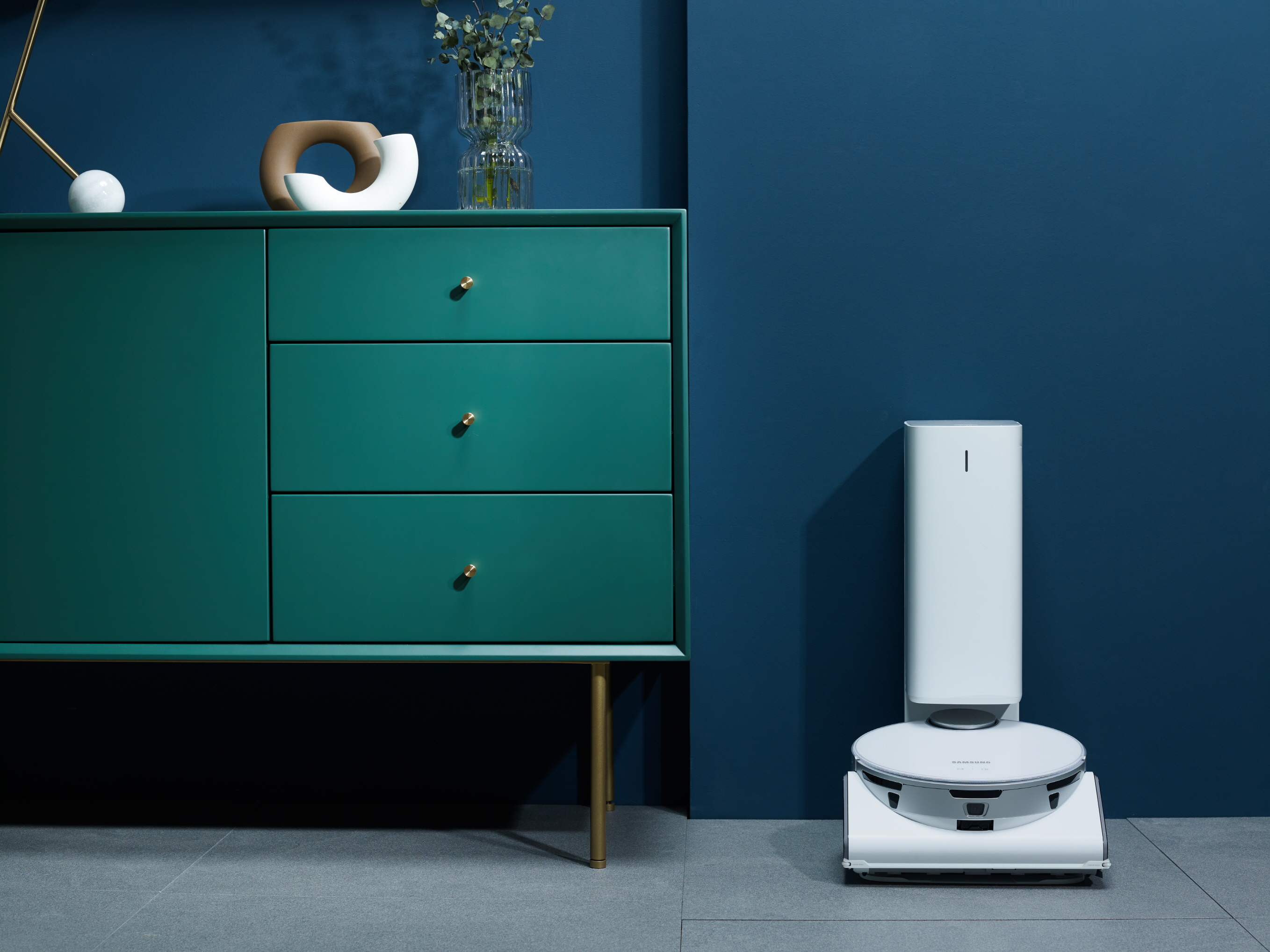
Samsung JetBot 90 AI+
This robot is a vacuum cleaner with LiDAR and 3D sensors for location tracking and object recognition. Powered by Intel AI, it uses a digital inverter motor for 30W suction power. It has a self-cleaning brush and automatically returns to the Clean Station, a disposal system with a bag to empty the dust, dirt, and whatever it has collected. This bag needs to be replaced only every two to three months.
1 of 2
The Samsung JetBot 90 AI+ can be controlled via the Samsung SmartThings app. Unlike the below-mentioned robots, this one will go on sale in the US in H1 2021.
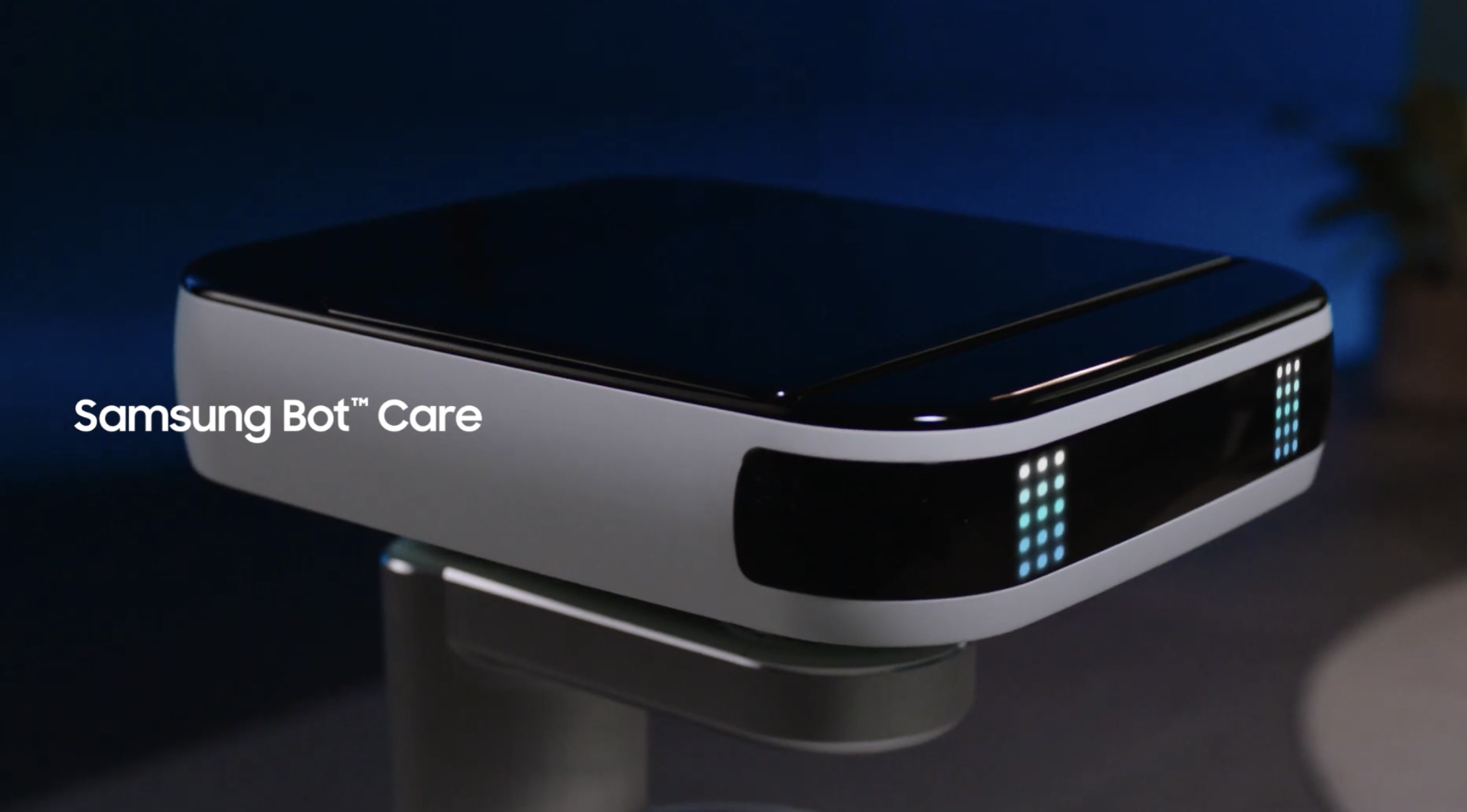
Samsung Bot Care
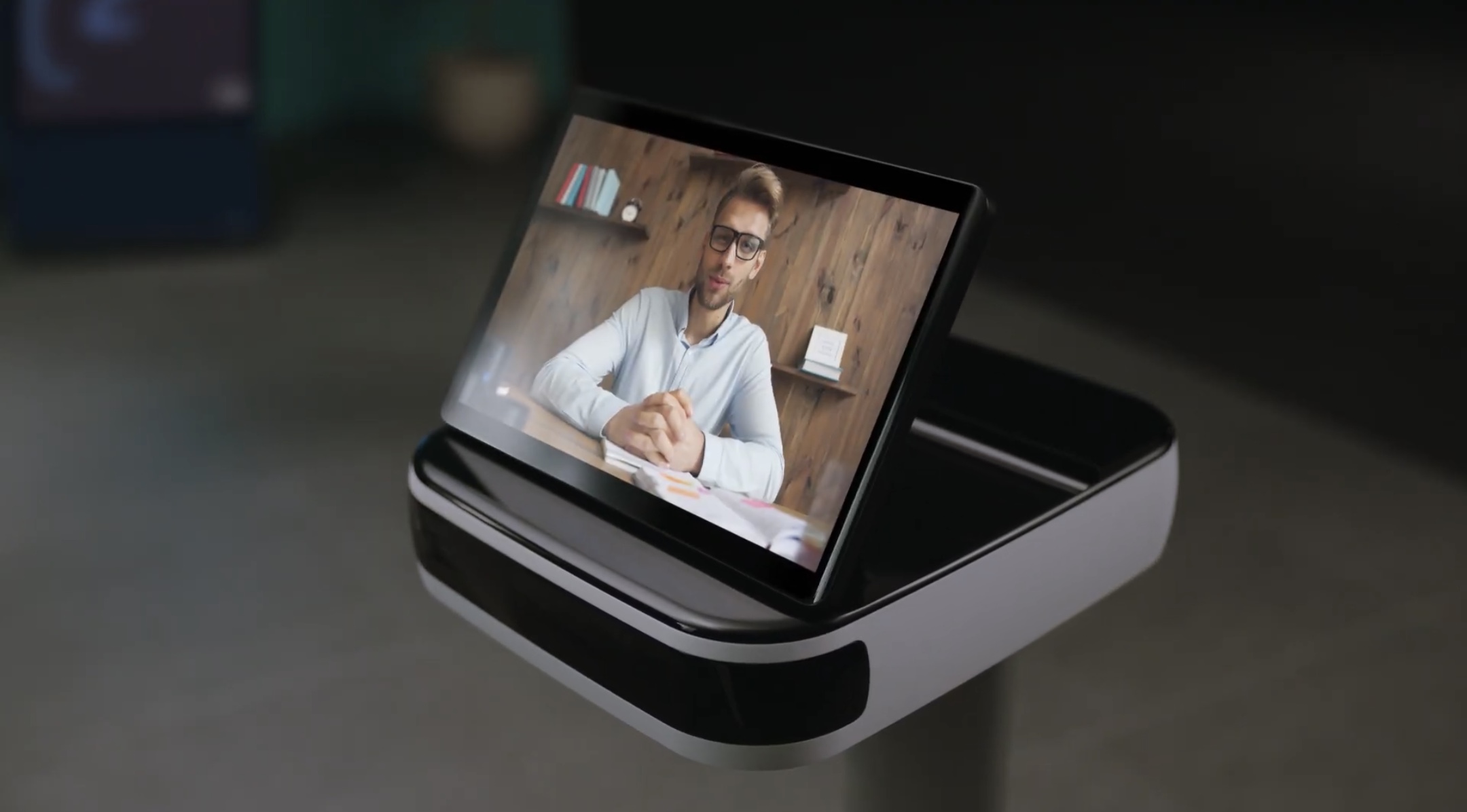
As the name suggests, this robot is designed to be the user’s assistant and companion. It not only learns the user’s schedule, habits and helps them with reminders throughout the day but also has a display for attending video conferences and more.
1 of 4
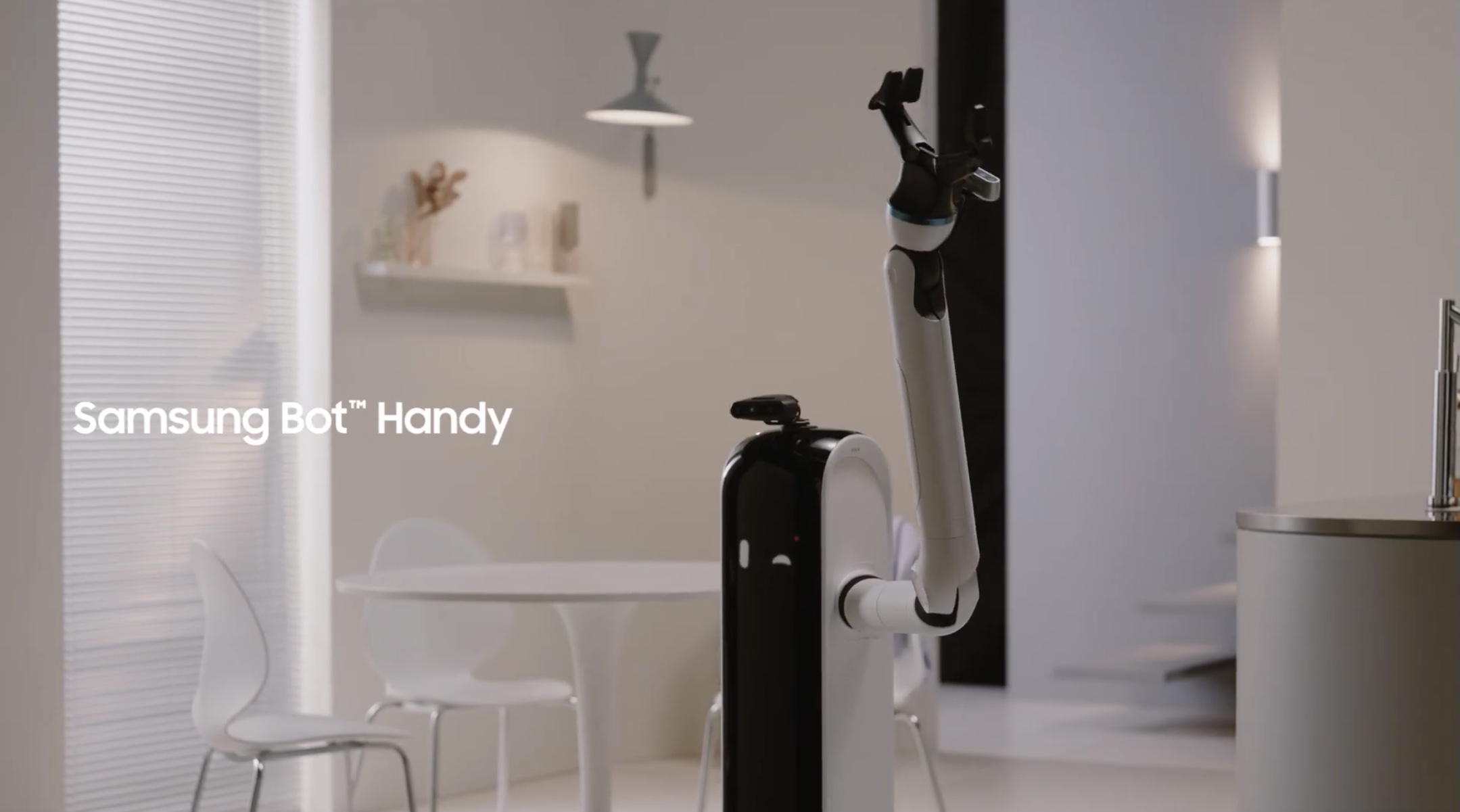
Samsung Bot Handy
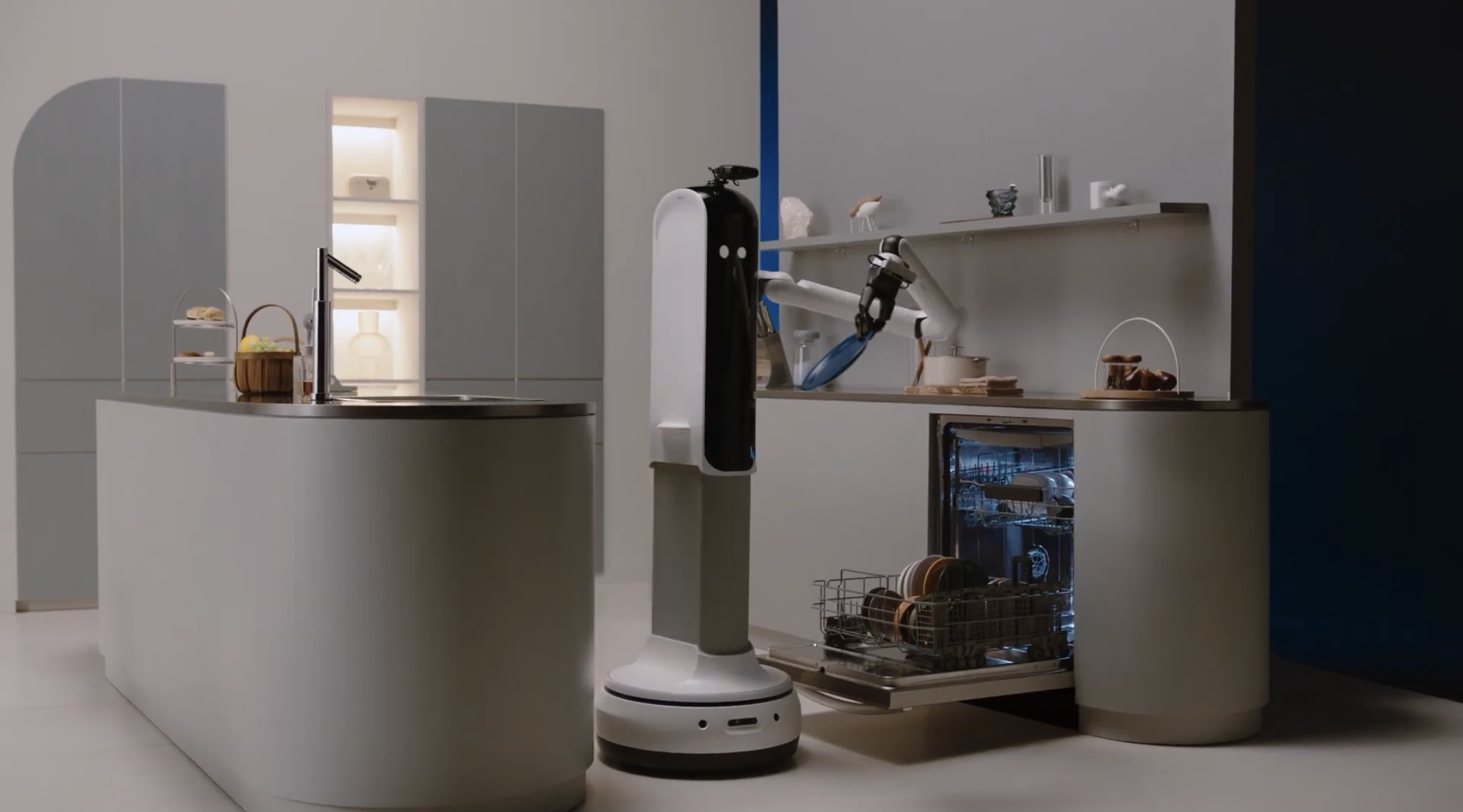
Just like the previous model, this one’s name reveals its function. This robot can pick up objects of varying sizes, shapes, and weight. Samsung says that it can help the users in doing dishes, laundry, clearing rooms, setting the tablet, and more. The company says that it becomes an extension of the user to help them with work around the house.
1 of 4
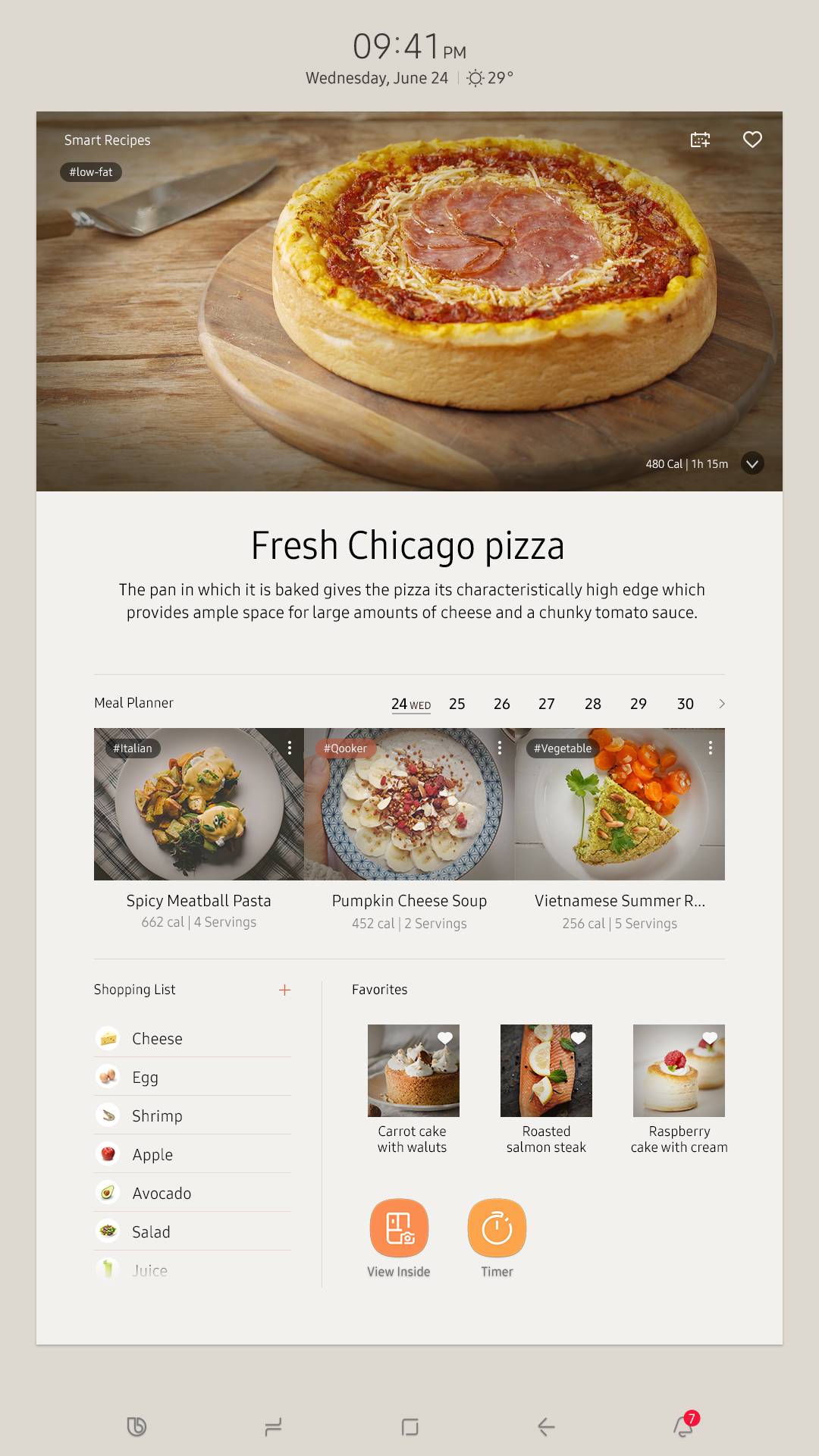
SmartThings Cooking
SmartThings Cooking is a new standalone service available via the SmartThings app. It allows Samsung Family Hub series refrigerator owners to access an automatic meal planner powered by Whisk, a smart food platform acquired by Samsung NEXT in 2019.
This service not only recommends meals for the whole week but also automatically creates shopping lists with the ingredients needed. It even offers an option to connect to grocery retailers like Walmart, Kroger, Instacart, and Amazon Fresh for one-stop shopping.
1 of 2
Talking about the recipe function, it helps users step by step in preparation and even supports sending recipe instructions directly to synced Samsung cooking devices.
A few years ago, there were speculations that flexible display which would feature on foldable phones were the next big thing waiting to happen in the industry. Since then, a number of flexible display-packing models have hit the ground running but the technology is still in its infancy. Display maker LG is working on several solutions to fast track the adoption of the technology.
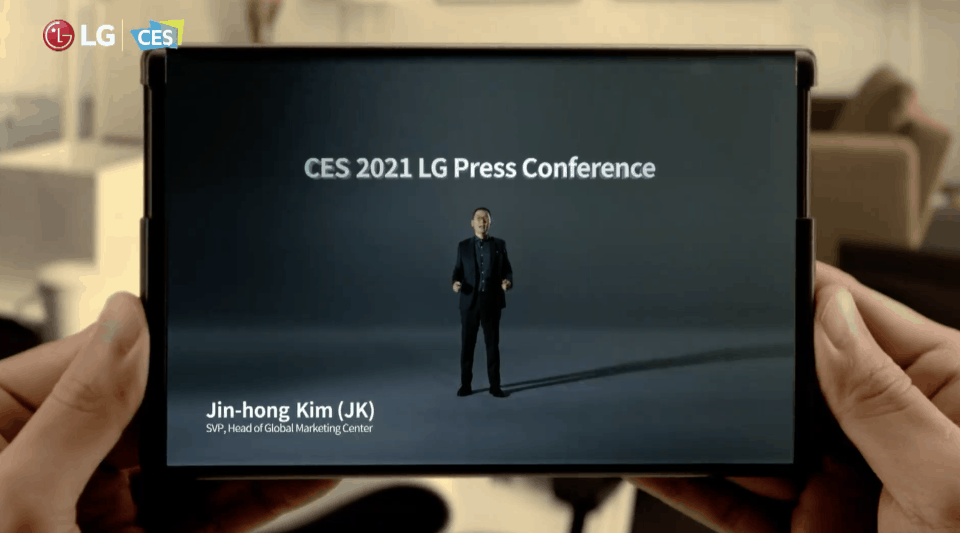
At the Consumer Electronics Show (CES) 2021, LG has teased the much-touted rollable smartphone. Rollable smartphones are gradually becoming a thing and although LG doesn’t have one yet, there have been several leaks surrounding an upcoming foldable from the tech giant.
LG basically used the rollable smartphone seemingly held by someone to project the “virtual” stage at its event with Jin-hong Kim who is the SVP and Head of Global Marketing at LG speaking at the event.
It is just what it is, a teaser, and nothing more. LG didn’t mention anything about the rollable smartphone at the event. That isn’t a surprise, though, as CES is not typically where LG announces its smartphones. LG usually keeps any smartphone announcement at CES to mid-range and entry-level models and not flagships. The company may unveil the rollable smartphone later this year, perhaps at MWC.
LG has a rollable OLED TV that is actually available to buy, so seeing a rollable smartphone is not a big surprise. It’s essentially the same thing but in a smaller package.
This isn’t the first time that we’ve seen a rollable smartphone though. Last year at CES, TCL showed off a rollable smartphone. However, it was a non-working prototype. It basically had a printed screen on it. So you could roll and unroll it, but couldn’t open Twitter and other apps on it. OPPO also showed off a rollable phone last year, which actually worked.
So rollable phones are likely to be the next big thing, in the world of smartphones. And it’s going to be impressive to see how this works.
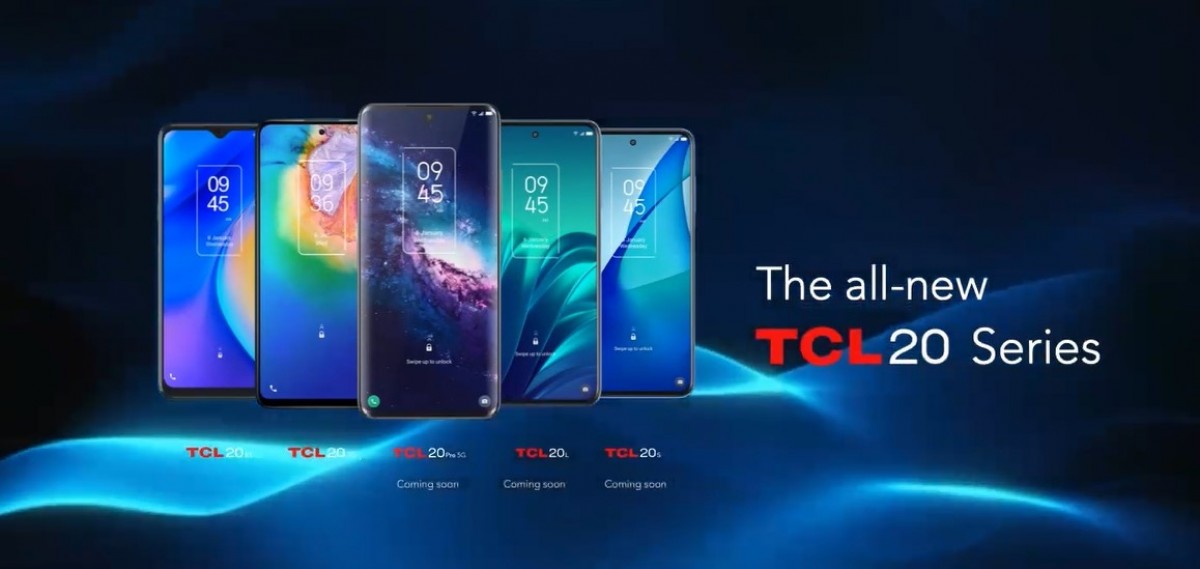
The first virtual-event of the CES 2021 has started and TCL, which is popular as a Smart TV brand, begins its year with a bang. The company has launched the successors of the TCL 10 smartphones from last year.
TCL 20 5G, 20 SE Price, Availability
TCL’s new smartphones will comprise of the TCL 20 SE, TCL 20 5G, TCL 20 Pro 5G, TCL 20L, and TCL 20S. Among these, the company is currently launching two devices- TCL 20 5G and TCL 20 SE.
You can get the TCL 20 5G in 6GB + 128GB variant for a price of €299. The device will be available in Europe following which you can expect in other regions in the coming months. The TCL 20 SE, on the other hand, will be an entry-level device retailing at €149. It will be available in Asia Pacific, LATAM later in 2021.
TCL 20 5G, 20 SE Specifications and Features
Talking about the TCL 20 5G first, it has a Glass Build on both sides. Sporting either a Mist Gray or Placid Blue color, the device measures 166.2 x 76.8 x 9.1 mm and weighs 206g. As the name goes, it is the successor to the TCL 10 5G but it sports a mid-range SoC. Besides, it features a 6.67-inch FHD+ LCD display.
Barring the SoC, TCL hasn’t compromised on premium features as the 20:9 punch-hole display supports HDR10. Under the hood, you get the Snapdragon 690 5G SoC. This is paired with Adreno 619L GPU, DDR4x RAM, and UFS 2.1 storage.
For the Triple-cameras, it has a 48MP f/1.8 main, 8MP f/2.2 ultra-wide, and a 2MP macro. Upfront, you get an 8MP f/2.0 selfie shooter. Other features include a 4,500mAh battery with 18W charging, USB-C port, 3.5mm audio jack, microSD slot, Wi-Fi 5GHz, Bluetooth 5.1, side-mounted fingerprint, and Android 10(11 via OTA).
TCL 20 SE is an out-of-nowhere entry-level device from the company. It’s a bit bigger than the TCL 20 but has inferior specs. Measuring 172.08 x 77.14 x 9.1mm and weighing the same as the 206g, TCL would have probably balanced it on the build material.
The device features a 6.82-inch HD+ LCD display with a waterdrop notch. Since it’s taller, it has a 20.5:9 aspect ratio. Under the hood, Snapdragon 460 SoC powers the device paired with 4GB RAM, 64GB eMMC/128GB UFS 2.1 storage.
As for the optics, it has a quad-camera layout with 48MP f/2.0/16MP f/1.8 main, 5MP wide-angle, and two 2MP sensor. Upfront, there is either a 13MP f/2.2/8MP f/2.0 sensor for selfies. Other features include a 5,000mAh battery with 18W charging, rear fingerprint, microSD(up to 256GB), Bluetooth 5.0, USB-C, FM Radio, NFC, and Android 11.
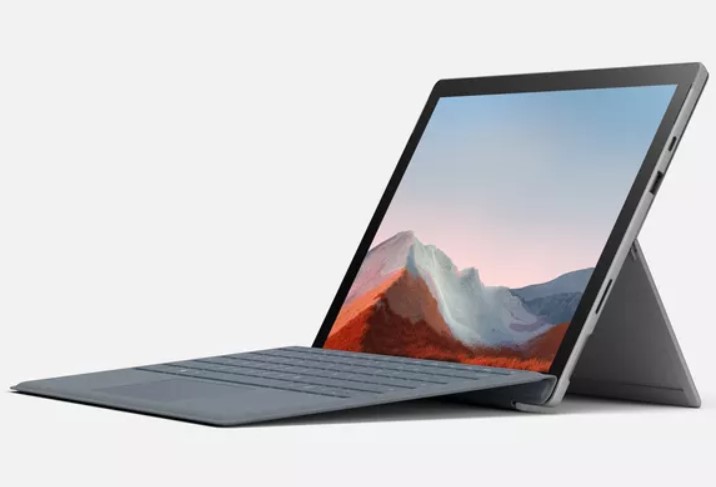
Microsoft announced a new Surface 2-in-1 computer today. While a lot of people expected the new model to arrive as the Surface Pro 8, Microsoft has decided to call it the Surface Pro 7 Plus. Don’t be fooled by the name, this is not a bigger model but there are some really significant upgrades over the Surface Pro 7 from 2019.
The Surface Pro 7 Plus has a similar design to the original, so you get the same 12.3-inch with a 2736 x 1824 resolution and not the thinnest of bezels, same connectivity ports (a single USB-C port, a single USB-A port, a Surface Connect port, and an audio jack). There is an LTE version that has a nano-SIM tray but on the Wi-Fi version, you get a MicroSD card reader.
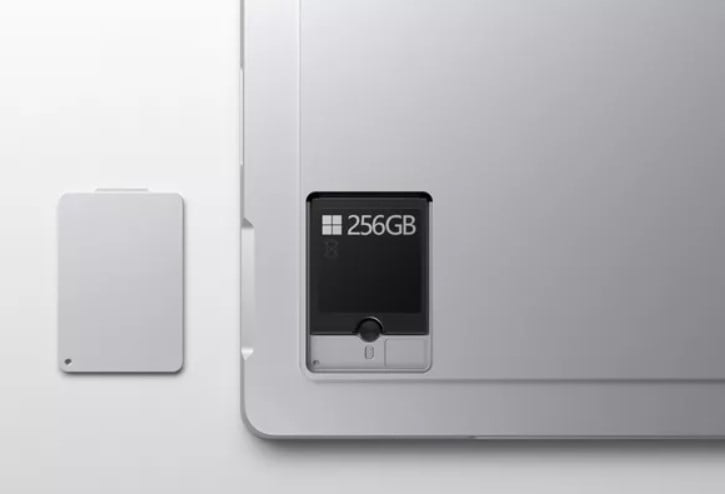
Powering the Surface Pro 7 Plus is an Intel 11th-Gen processor. It can be configured up to Core i7, up to 32GB of RAM, and up to 1TB of SSD storage. However, only the Core i5 model has optional LTE. One big upgrade that the Surface Pro 7 Plus boasts of is a removable SSD. Microsoft had to redesign the internals so that the SSD can be easily accessible.
Battery life has improved from 10 hours on the Surface Pro 7 to 15 hours thanks to the bigger 50.4Wh battery inside it. Robin Seiler, the company’s VP, told The Verge in an interview that they updated the Thermal Design Module to make space for the bigger battery.
If you like the Surface Pro 7 Plus, you may not be able to get it as Microsoft says that it will be made available only for businesses and schools. It will begin shipping on January 15 for a starting price of $899 for the base model that has a Core-i3 processor, 8GB of RAM, and 128GB of storage.
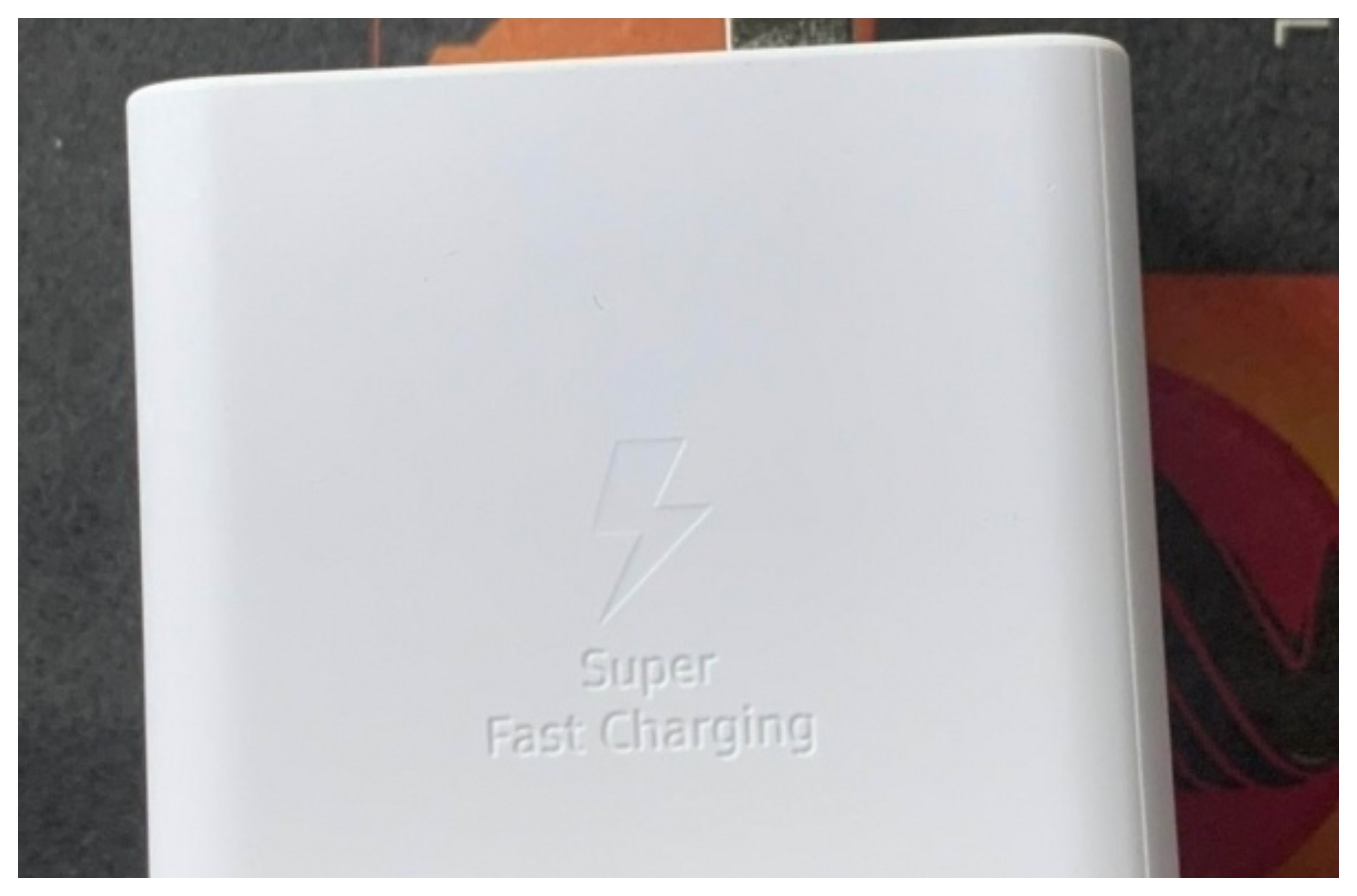
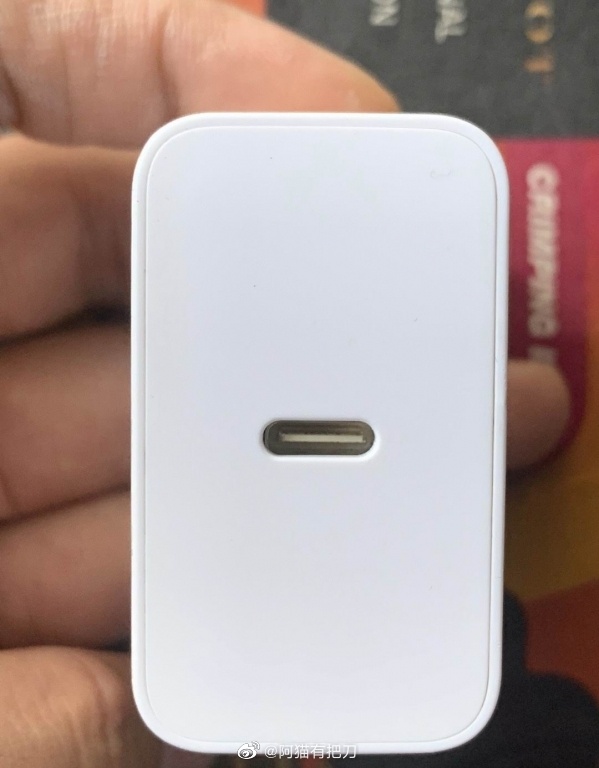
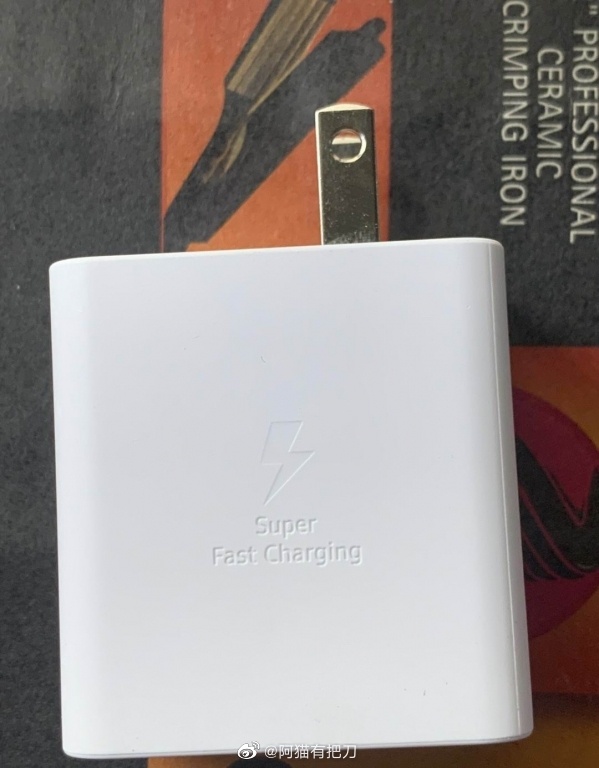
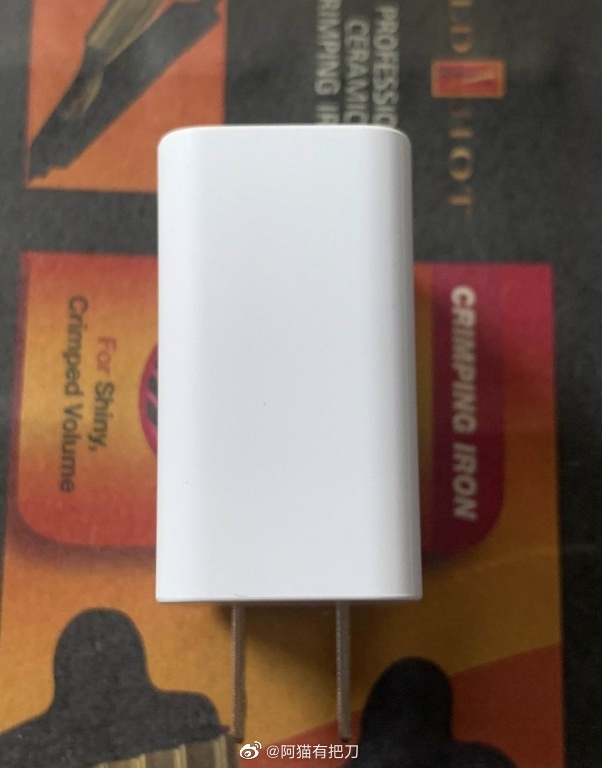
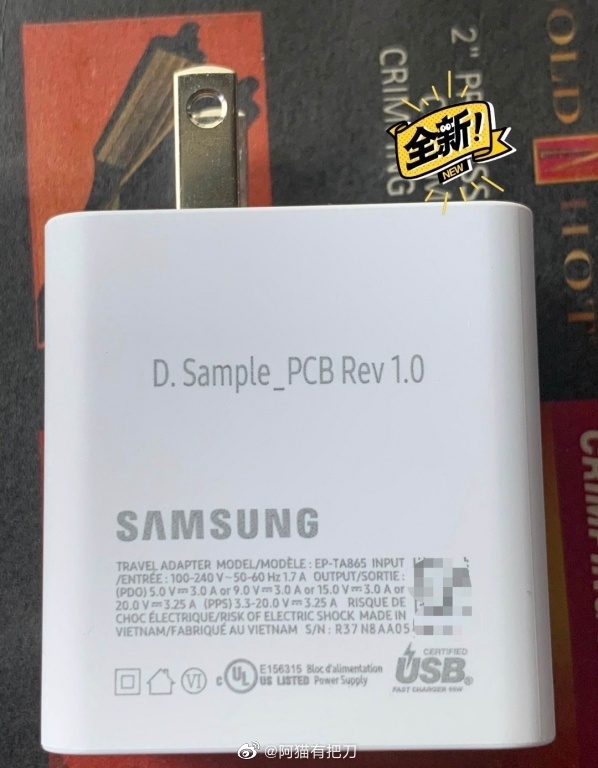
Samsung is gearing up to launch the Galaxy S21 series on January 14. Ahead of the event, a 65W Samsung charging brick has appeared online and the Galaxy S21 Ultra might support it.
Samsung 65w Charger Leak
As posted by Twitter users, @Chunvn888 and @diogofer777(via LetsGoDigital), a Samsung Charger appears in White Color. If you look closely, it has a model number EP-TA865. Recall, a charger with the same model number cleared Korea’s NRRA certification back in September.
The listing designated it as a Travel Adapter suggesting that could be a charging brick. Secondly, it showed Vietnam’s Solum Vina Co Ltd., as the manufacturer. Coming back, this charging brick also has both the Vietnam and Model number info confirming it’s that same charger.
The images show that the Charger has a maximum output of [email protected]= 65W. Additionally, it has a Type-C in port which means the cable you have to use is a USB-C to USB-C. The image also shows that it’s PD(Power Delivery) and PPS(Programmable Power Supply) certified.
Now, one might wonder how the Galaxy S21 Ultra let alone the entire series will support this charging tech. That’s cos early reports strongly indicate that they will support 45W charging at max. However, if we recall, an early rumor said that Samsung’s upcoming Exynos will be equipped to support charging up to 65W. And the S21 Ultra might get it as an exclusive.
Also, with Samsung excluding the chargers in the box for the S21 Series, this would be a great time to launch an exclusive fast charging adapter. Either way, we will have to wait and see if Samsung unveils this on Thursday or reserves it for the Galaxy Note 21(Tentative).
We use cookies on our website to give you the most relevant experience by remembering your preferences and repeat visits. By clicking “Accept”, you consent to the use of ALL the cookies.
This website uses cookies to improve your experience while you navigate through the website. Out of these, the cookies that are categorized as necessary are stored on your browser as they are essential for the working of basic functionalities of the website. We also use third-party cookies that help us analyze and understand how you use this website. These cookies will be stored in your browser only with your consent. You also have the option to opt-out of these cookies. But opting out of some of these cookies may affect your browsing experience.
Necessary cookies are absolutely essential for the website to function properly. This category only includes cookies that ensures basic functionalities and security features of the website. These cookies do not store any personal information.
Any cookies that may not be particularly necessary for the website to function and is used specifically to collect user personal data via analytics, ads, other embedded contents are termed as non-necessary cookies. It is mandatory to procure user consent prior to running these cookies on your website.