Advertisement

Sony denies claims of January 2021 launch for PlayStation 5 in India

Sony’s PlayStation 5(PS5) is the talk of the town lately. The next-gen console went officially on sale in two phases: One on November 12(US, Japan), and on November 19(Europe). However, India is yet to get a pre-order and launch date. And it looks like we might have to wait a bit longer as Sony has denied claims of a January 2021 launch.
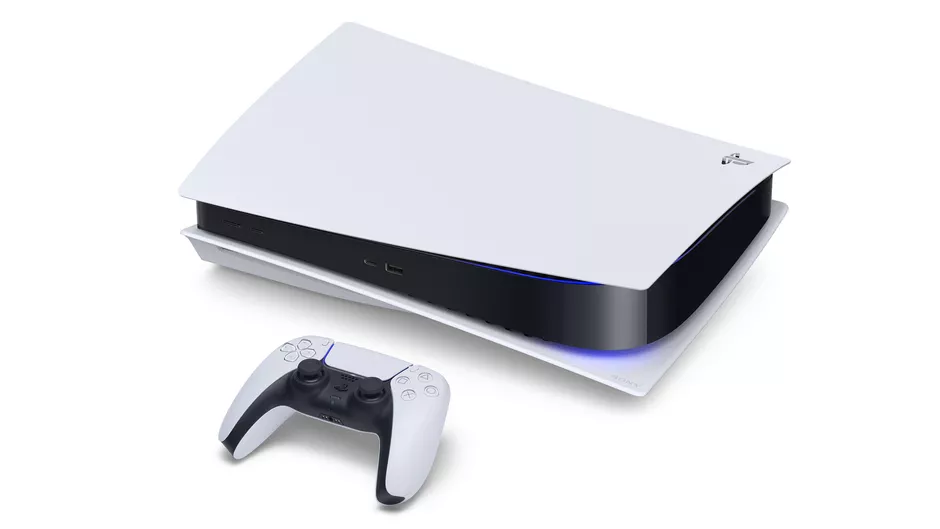
Sony PlayStation 5

According to The Mako Reactor, a Sony representative confirmed through email that Sony Interactive Entertainment hasn’t announced a date yet. The response comes at a time when rumors of a January 2021 launch are floating around everywhere. After rounds of November launch rumors, certain retail stores in India reportedly got verbal word from Sony that PS5 will be available by Jan 2021.

Apparently, some of its employees told retailers about a Jan 2021 launch informally but declined to confirm it via email. This is reportedly due to vent off the pressure that the company is facing ever since the launch. However, the Sony representative’s official response says otherwise. He further adds that Sony will share more information as and when available. And seeks everyone to look out for official channels’ news.

This suggests that Sony is not yet firm on the Indian launch. Sony’s PlayStation 5 is getting a lot of reception globally and the company is trying its best to maintain stocks. And, people in India are so eager that they are ready to buy it unofficially for as high as ₹90,000. Still, Sony has confirmed that these units would be devoid of warranty and recommends waiting for the official launch.

Coming back, according to Supply Chain sources, several complexities lie ahead for the Indian launch. And apparently, only about 12,000 to 15,000 units would be available initially. Before you relax, PS5’s Digital Edition units are likely to be in very short numbers too.

Back in October, when Sony India released the pricing of PS5, it got a great response. That is because the PS5 Digital Edition is priced(₹39,999) close to Xbox Series S(₹34,999) which is inferior to the former. Anyway, it looks like PS5 fans in India will have to be patient for a couple of more months.

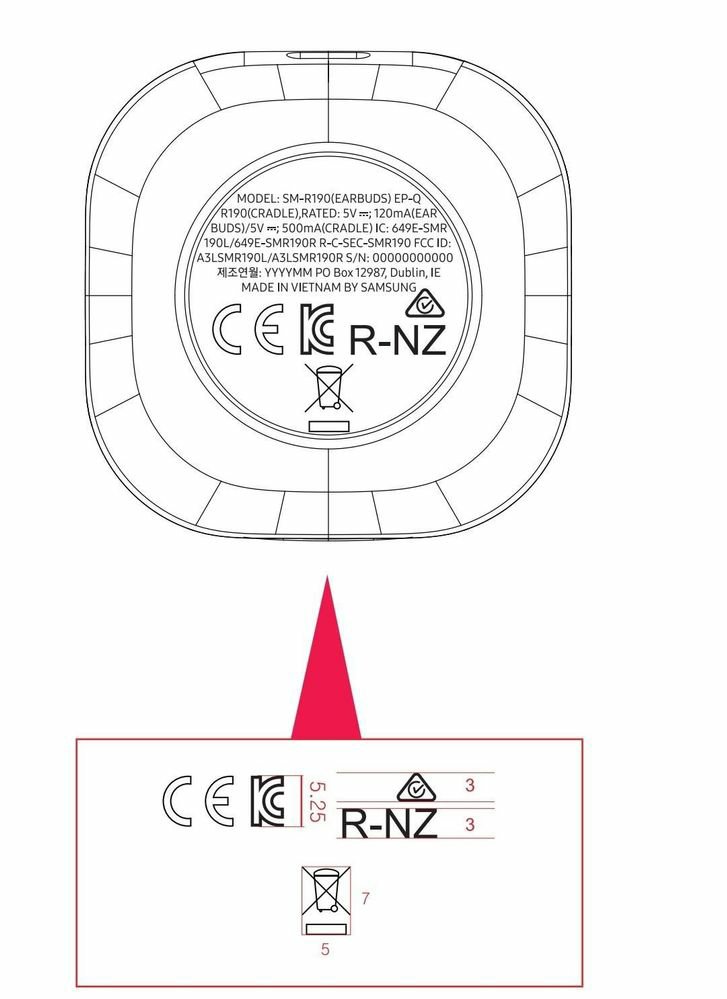
Samsung Galaxy Buds Pro’s FCC certification reveals ‘Squircle’ Charging Case design

Samsung is gearing up to launch the Galaxy S21 series of smartphones in January 2021. Alongside the flagships, it will likely unveil the new Galaxy Buds Truly Wireless Earbuds succeeding the Buds+. And a recent Indonesian certification confirmed that it will be called Galaxy Buds Pro. Now, it has passed FCC, SGS certifications.

Samsung Galaxy Buds Plus Earbuds Featured
Samsung Galaxy Buds+

As reported by Tizenhelp, Samsung‘s FCC listing follows the same SM-R190 model number. Along with this, the listing yet again confirms that the next wireless earbuds will indeed darn the “Buds Pro” moniker. Besides, the FCC listing also bottom images of the charging case.

Accordingly, the design reveals a squircle(square shape with rounded corners) shape similar to the Galaxy Buds Live. And it is different from the rectangular design of the Buds+. The cradle(case) has a model number EP-QR190 that also appeared on Korea’s NRRA certification. That said, the design of the earbuds is still a mystery but reports say it will adopt Buds+ “in-ear” design and not the bean-shape of Galaxy Buds Live.

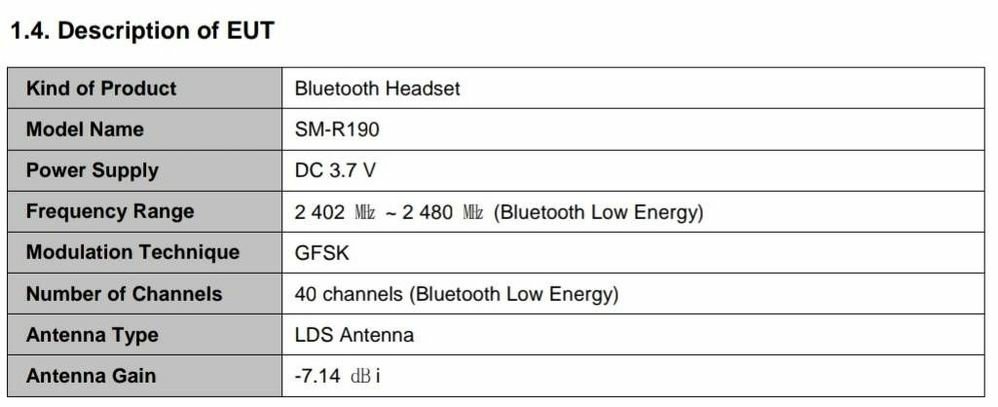
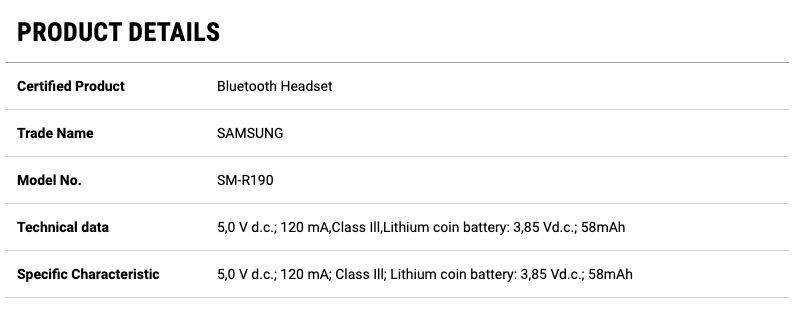
Coming back, as per the report(MSP), the Buds Pro has also received SGS certification. It shows a similar model number SM-R190 but has it listed with a 58mAh battery. This is probably the capacity of each earbuds as the early 3C certification of China hinted at a 472mAh on the charging case. To compare, the Galaxy Buds Live’s charging case has a similar battery capacity but it’s earbuds have 60mAh each.

The Galaxy ‘Buds Pro’ from all these leaks looks to have a similar charging case like the Buds Live but will reportedly have an in-ear design like the older Buds TWS(Buds, Buds+) models. Anyway, we don’t have a lot of info on the earbuds but reports say that it will have ANC(Active Noise Cancellation), improved ‘Ambient Mode’. However, I’m pretty sure that we will be getting more details in the coming days.

Galaxy Smart Tag may also launch alongside the Galaxy S21 series

Samsung is expected to launch the Galaxy S21 series in mid-January. The three smartphones in the series have been leaking more in the past few days in the form of renders, certifications, benchmarks, and whatnot. These phones are also reported to be accompanied by Galaxy Buds Pro. Now, according to a newly spotted certification, one more product could be unveiled at the same event.

Samsung SmartThings Tracker

Earlier today, Mukul Sharma (@stufflistings), a popular Indian tech influencer tweeted that a product going by the name of ‘Galaxy Smart Tag’ has been certified by Indonesia’s Telecom bureau with model number EI-T5300. Going by the name, we can certainly assume this product to be some sort of tracker.

Anyway, this will be not the first tracker from Samsung. Because the company had already released a similar product called ‘SmartThings Tracker’ based on LTE two years back in September 2018. A few months back at the Galaxy Note20 series launch event, the tech giant also unveiled an app called ‘SmartThings Find’ to located Samsung products using Bluetooth and UWB.

That said, as per the timing of Galaxy Smart Tag’s certification, we can speculate it to be announced at the Galaxy S21 series event just like the Galaxy Buds Pro. Since Samsung’s future flagship smartphones are now expected to come with UWB just like the iPhones, the upcoming tracker may also have support for UWB.

Currently, Tile is the market leader in the trackers’ category. But that could change soon since apart from Samsung, Apple is also reported to launch its own tracker called ‘AirTags’. These two tech giants have a chance to take over this niche market, all thanks to their ecosystem.


Xiaomi launches new MIJIA refrigerator with a large 540L capacity, starts from 2999 Yuan ($456)

Earlier today (30th November 2020), Xiaomi announced a new MIJIA refrigerator, which sports a large storage capacity of 540 liters. It will start pre bookings starting from 1st December 2020 at 12 am in China.

Xiaomi

The new MIJIA refrigerator arrives as one of the largest offering within the company’s refriegerator lineup and will be placed on top of the previously launched 160 liters, 170 liters, and 450 liters MIJIA Smart off-door refrigerator models. The newly launched refrigerator is priced at 3,699 Yuan (roughly 562 US Dollars), but will initially be available for a discounted price of 2,999 Yuan (roughly 456 US Dollars).

As per the official notes, the new large capacity MIJIA refrigerator features built in double row straight opening drawers, which can store a wide range of food items like meat, fruits, and vegetables, separately and prevent any leakage or spread of the different foods’ odor. The fridge also sports 8 built in door shelves, with the height of these shelves being adjustable. The total volume of the refrigerator is 540 liters, with the primary compartments being capable of storing up to 351 liters, while the freezer region can store up to 189 liters as well.

Xiaomi

Since it is a smart product under the MIJIA brand, it can also be paired with the MIJIA smart home app and can be controlled remotely as well. It sports a relatively minimalistic design and arrives in a Gray color variant. The left door also houses a small interactive display as well. Xiaomi has advertised the product as an energy efficient home appliance that offers top notch yet silent cooling. So for those interested, you can check out the new product by clicking this link here.


New OnePlus 9 Pro renders showcase the design in detail

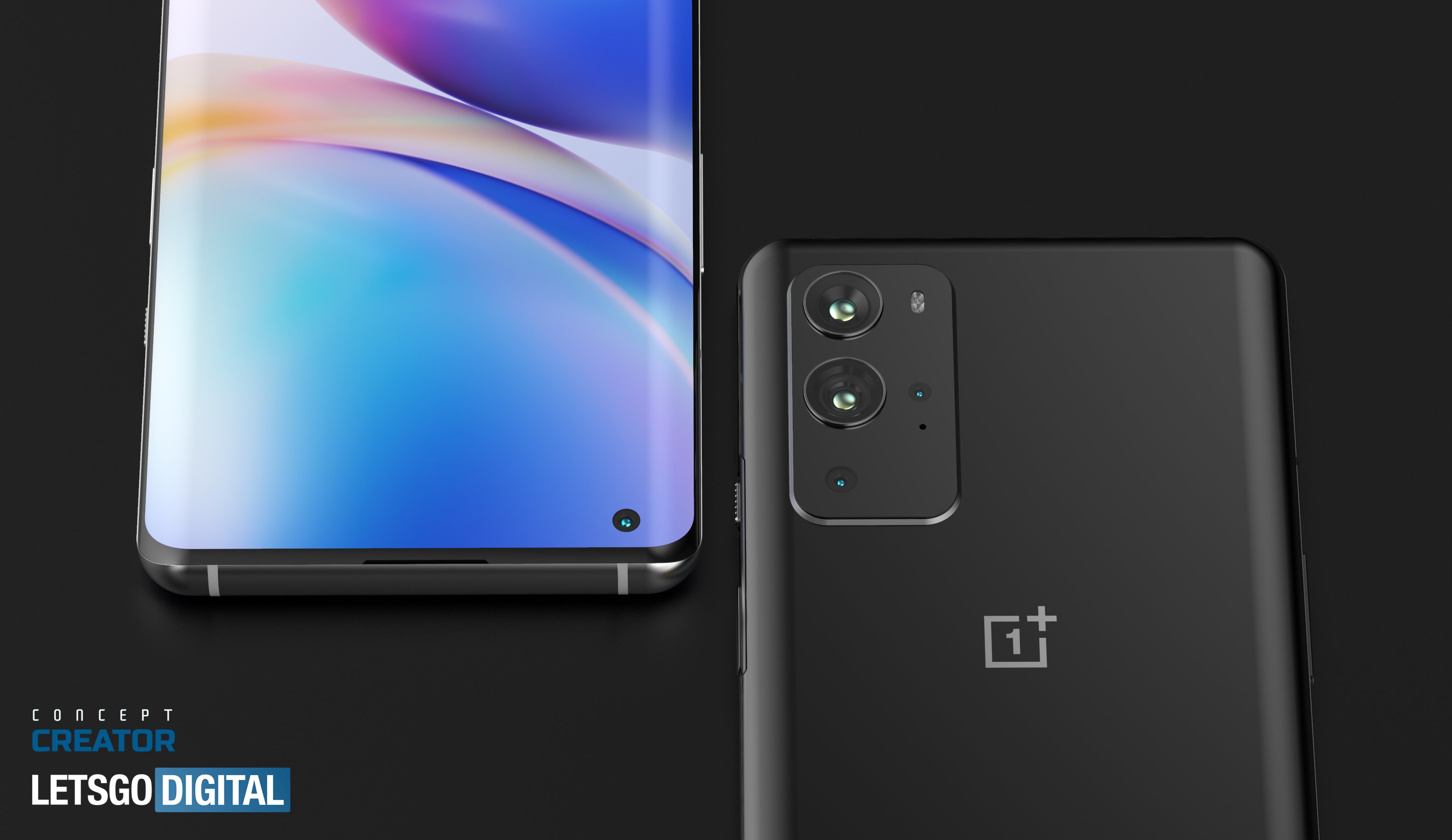
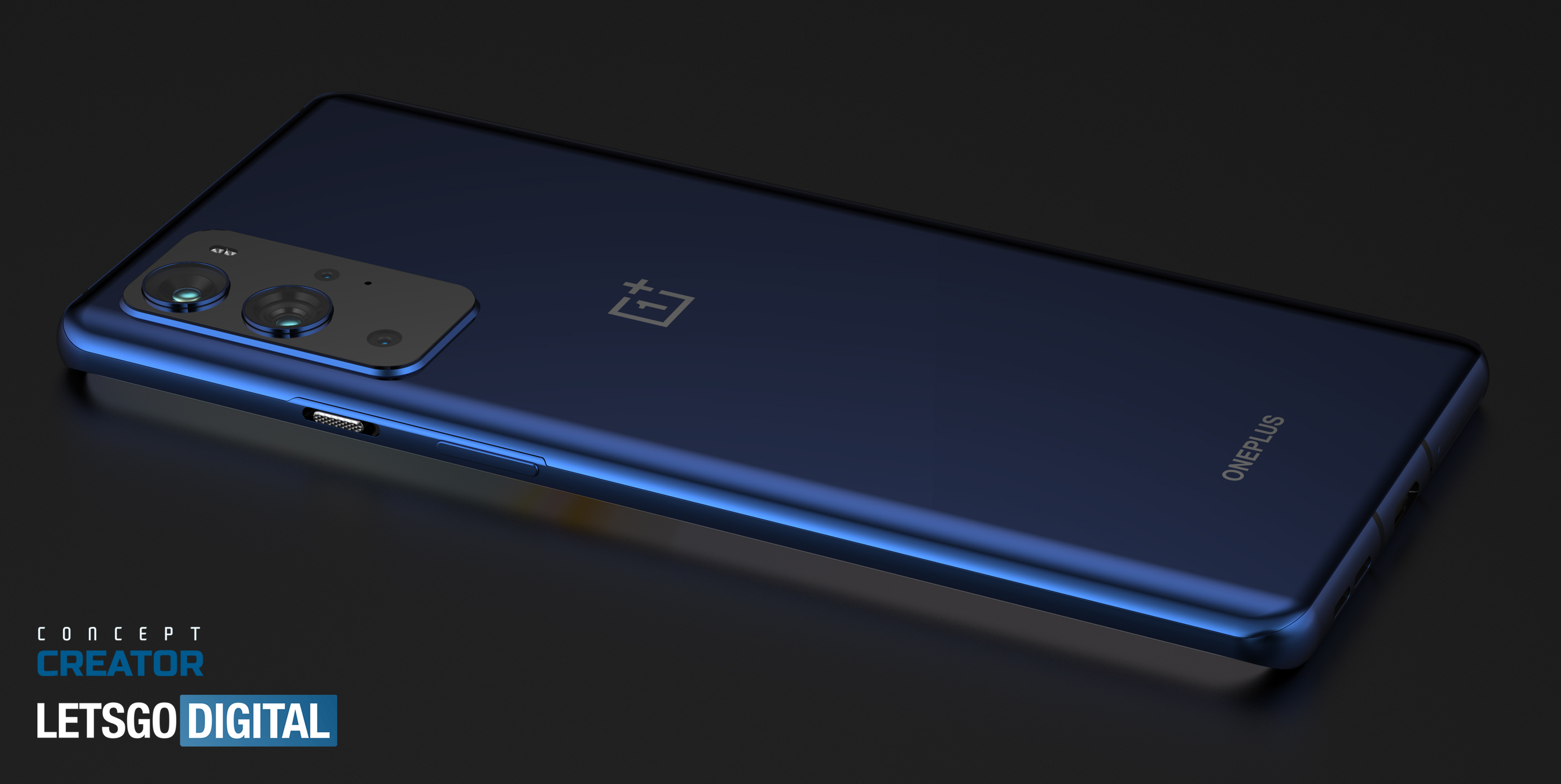
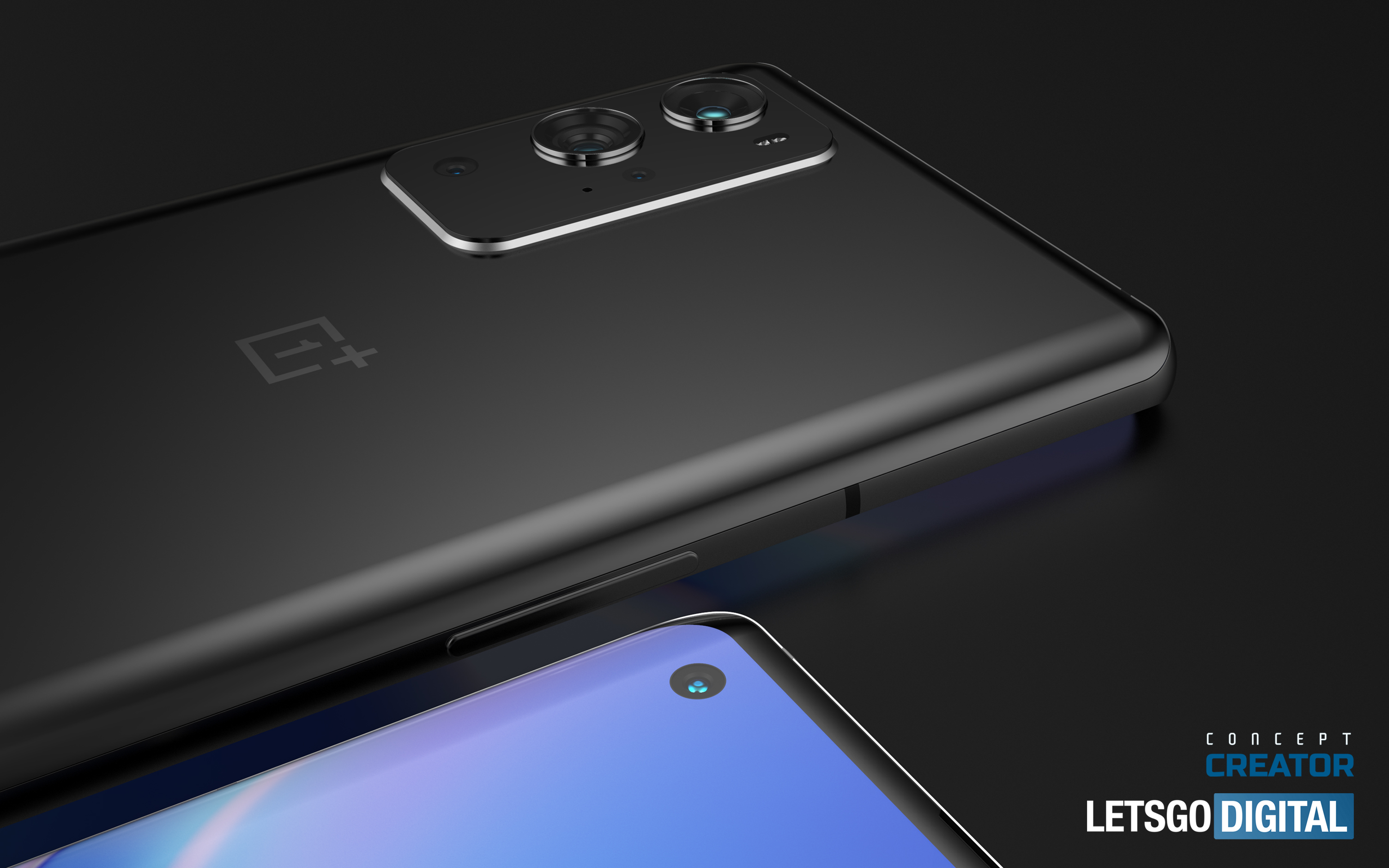
OnePlus is said to announce the OnePlus 9 series earlier than its predecessor in March 2021. Ahead of it, the designs of the OnePlus 9 and the OnePlus 9 pro have leaked in the form of 3D CAD renders. Now, LetsGoDigitial, a publication known for patents and trademarks-related coverage has partnered with Concept Creator (Jermaine Smit) for a new set of OnePlus 9 Pro renders based on leaks.OnePlus 9 Pro 3D CAD Render based on Leaks 02

The new renders of the OnePlus 9 Pro are based on the leak by @OnLeaks (Steve Hemmerstoffer). Unlike the original, these renders are more detailed and look as good as promotional renders released by the companies.

Talking about the design, OnePlus’s next flagship smartphone will look identical to the Galaxy S20 FE from the rear but with a quad-camera setup. It will include two large-sized sensors and two small sensors along with an LED flash and a secondary microphone on a rectangular bump at the top left corner.


The latter two could be mostly for macro, depth, color filter, or monochrome. On the other hand, one of the two large sensors should be the primary wide camera and another one could be either an ultra-wide unit or telephoto camera.

Further, the back panel of the handset will also house the OnePlus logo at the center and ‘ONEPLUS’ branding at the bottom. As for buttons, the volume rockers will sit on the left side, whereas the power key and alert side will be located on the right side.

As for the front, the phone will sport a 6.7-inch curved display with a punch-hole on the top left side and an earpiece above the screen in the top bezel. Lastly, a USB Type-C port will be at the bottom side with a speaker grille on one end and a primary microphone on the other end.

The exact launch date of the OnePlus 9 Pro is still a mystery just like its specs. Anyway, we expect the latter to leak in the coming days.


Huawei HiSilicon’s new self developed 28nm OLED driver chip will begin mass production this year

While Chinese companies account for about half of the LCD market, the OLED panels and its driver chips are dominated by South Korean companies like Samsung. But now, Huawei has entered into OLED driver chip development with its new self developed OLED driver chip.

Huawei HiSilicon FHD Chip for Smart TVs

Notably, China’s driver ICs for displays account for less than 1 percent of the total market share. So, the Chinese tech giant entering into the field could significantly boost the presence of China in the market. For those unaware, a driver IC chip acts as the main control panel in a system, which manages the image quality being displayed by the screen and its energy efficiency as well. In other words, these driver chips are a core technology that are used in electronic gadgets like smartphones and TVs with a large screen.

Traditionally, driver chip technology is based around the ARM architecture, which is also subject to the US technology restriction against Huawei. So, the new chip arrives as a custom built chip made by the company. At the moment, the OLED driver chip market is dominated by South Korean companies like Samsung, which accounts for nearly 75 percent of market, and Magnachip accounting for about 20 percent, as per a MyDrivers report.

Huawei

With the growth in display technology demands, many companies have strengthened research into driver ICs; and it seems that Huawei has also joined seeking to expand its presence in the segment with its chip designing sub brand, HiSilicon. According to Huawei CEO, Yu Chengdong, the new chips are taped out, and will begin mass production within the year. These chips are expected to be equipped in both Huawei smartphones and TVs that will launch next year. Analysts believe that the chips might already be in mass production and could help reduce China’s reliance on foreign driver chips.


UK bans installation of new Huawei 5G gear from September 2021

Telecom operators in the UK can no longer install any new 5G equipment made from Huawei after September 2021. The government announced the new rule earlier today (30th November 2020) as a means to remove gear from the Chinese tech giant from its 5G infrastructure.

5G

For those unaware, the UK has already ordered the removal of all Huawei telecommunications equipment from carriers and their systems by 2027. The reason for this rule was to remove the potential security risk from the nation’s networking infrastructure, as per the UK intelligence agencies. Notably, China has been against the decision has even criticized the UK government for following a similar path as the US.

The announcement today arrives just before a debate, which will be over new telecom laws in the parliament that will map the timeline for the removal of Chinese equipment from the infrastructure. According to Digital Minister, Oliver Dowden, “I am setting out a clear path for the complete removal of high risk vendors from our 5G networks. This will be done through new and unprecedented powers to identify and ban telecoms equipment which poses a threat to our national security.”

Huawei Logo MWC 2019

The British government also unveiled its strategy to diversify the 5G supply chain. This will have the chain consist of an initial 250 million pound investment. The trials will have the government collaborate with NEC, a Japanese firm, to establish new research facilities as well, as per a Reuters report. At the moment, the UK has already banned buying new Huawei 5G gear after the end of this year and is still working out the finer details.


realme patents a smartphone design with unique oval-shaped camera bump

Chinese tech company realme currently holds the title of the world’s fastest-growing smartphone brand. The brand hit 50 million shipments a little over two years from its establishment. The company is successful because of its affordable value for money devices and a robust supply chain, thanks to its former parent and present sister brand OPPO

However, the design of realme smartphones has always been identical. Most of them feature the same vertically aligned camera placement on the top left side of the back panel. They only differ by color gradients and shades. But that may change soon as the company has now filed a patent design with unique camera placement.

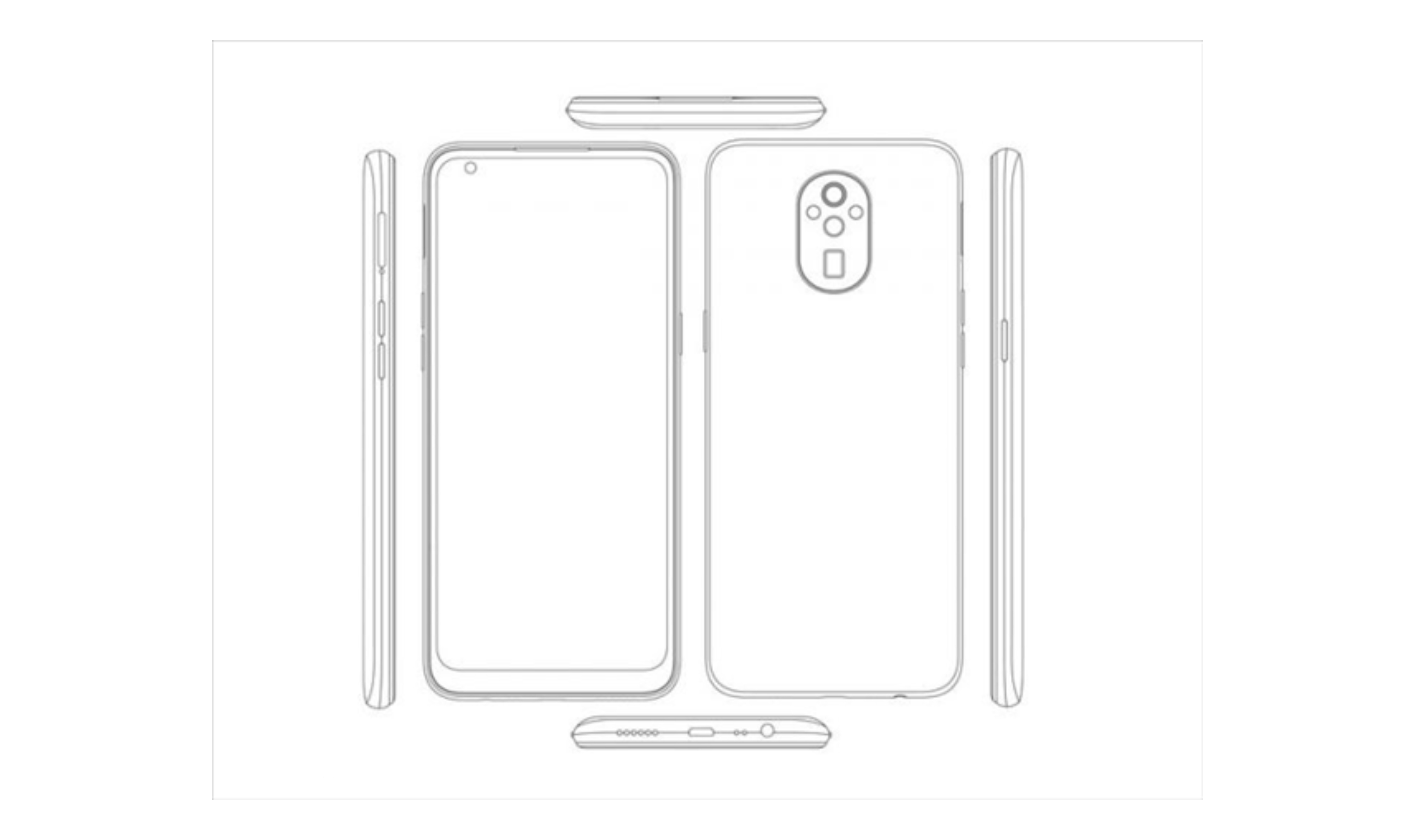
realme Smartphone Design Patent Oval Camera Bump Punch-hole

This realme design patent was first shared by an unknown blogger on the internet (via ITHome). We tried to find this patent in the database but unfortunately, we could not get hold of it. Hence, the description of this design mentioned below is purely based on what we think from its appearance.

First and foremost, the design includes a punch-hole display. But weirdly, this camera hole lacks symmetry as it is not properly located at the top left corner. Also, there’s a huge chin at the bottom. All of these indicate this device to be a budget smartphone.


However, the rear side of the handset tells another story. The camera placement on this handset is unlike on any other realme smartphones that have released so far. Since we haven’t got access to the patent documents yet, we are confused so confused regarding it.

The oval-shaped bump includes four circular holes and a rectangular opening. The circular holes on the left-right side are smaller than the top-bottom openings. Hence, the former two or at least one of them could be for LED flash. 

Further, the rectangular cut could be either for periscope lens, laser auto-focus, or LED flash. We think it could be mostly for the latter two as the device seems to be a budget smartphone since it not only has a large chin on the front but a MicroUSB port at the bottom as well.

Realme Logo Featured

The charging/data transfer port is further flanked by speakers on the one side and microphone as well as a 3.5mm headphone jack on the other end. Last but not least, the design includes a power key on the right side and volume buttons on the left side along with a SIM card slot.

Having said that, we are not sure if realme will ever incorporate this design in a consumer-ready smartphone. But we hope that they do as it is refreshing like the design of the newly launched POCO M3.


Samsung may not discontinue Galaxy Note series in 2021

The Samsung Galaxy S21 Ultra that is expected to break cover in January could be the first S-series phone from the brand to arrive with support for the S Pen stylus. Recent reports have also claimed that the Galaxy Z Fold 3 arriving in the second half of 2021 could be the first Fold series device to come with an S Pen. These reports have also suggested that Samsung may not launch the Galaxy Note series phones next year since the S Pen support will be available on the aforementioned devices. A contradictory article that appeared on the South Korean publication – ET News yesterday revealed Samsung will launch the Galaxy Note 21 next year.

Since the past few years, Samsung has been launching two versions of its S Pen-based Note series flagship. However, the new report that cites information from the industry source claims that Samsung will only launch one model of the Galaxy Note 21. It is still unclear whether the Galaxy Note 21 that is reportedly arriving next year will be the last Note series smartphone.

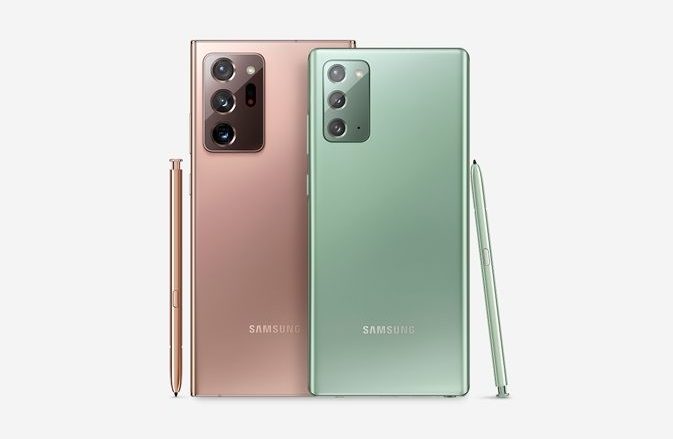
Samsung Galaxy Note 20 and Galaxy Note 20 Ultra

The new report corroborates with recent claims that the Galaxy Z Fold 3 will have S Pen support. Speculations are rife that there will be a dedicated storage slot for the stylus on the Z Fold 3. It appears that the South Korean tech giant is aiming to migrate its Note users to the Z Fold range.

The Galaxy S21 and Galaxy S21+ may not support the S Pen stylus. While the S21 Ultra will reportedly come with stylus support, it is unlikely to feature a storage slot for it. Since Samsung is known for launching Note series handsets in the second half of the year, it is advisable to wait for further reports to know more about the Galaxy Note 21.


Trump to add China’s SMIC and CNOOC to its blacklist: Report

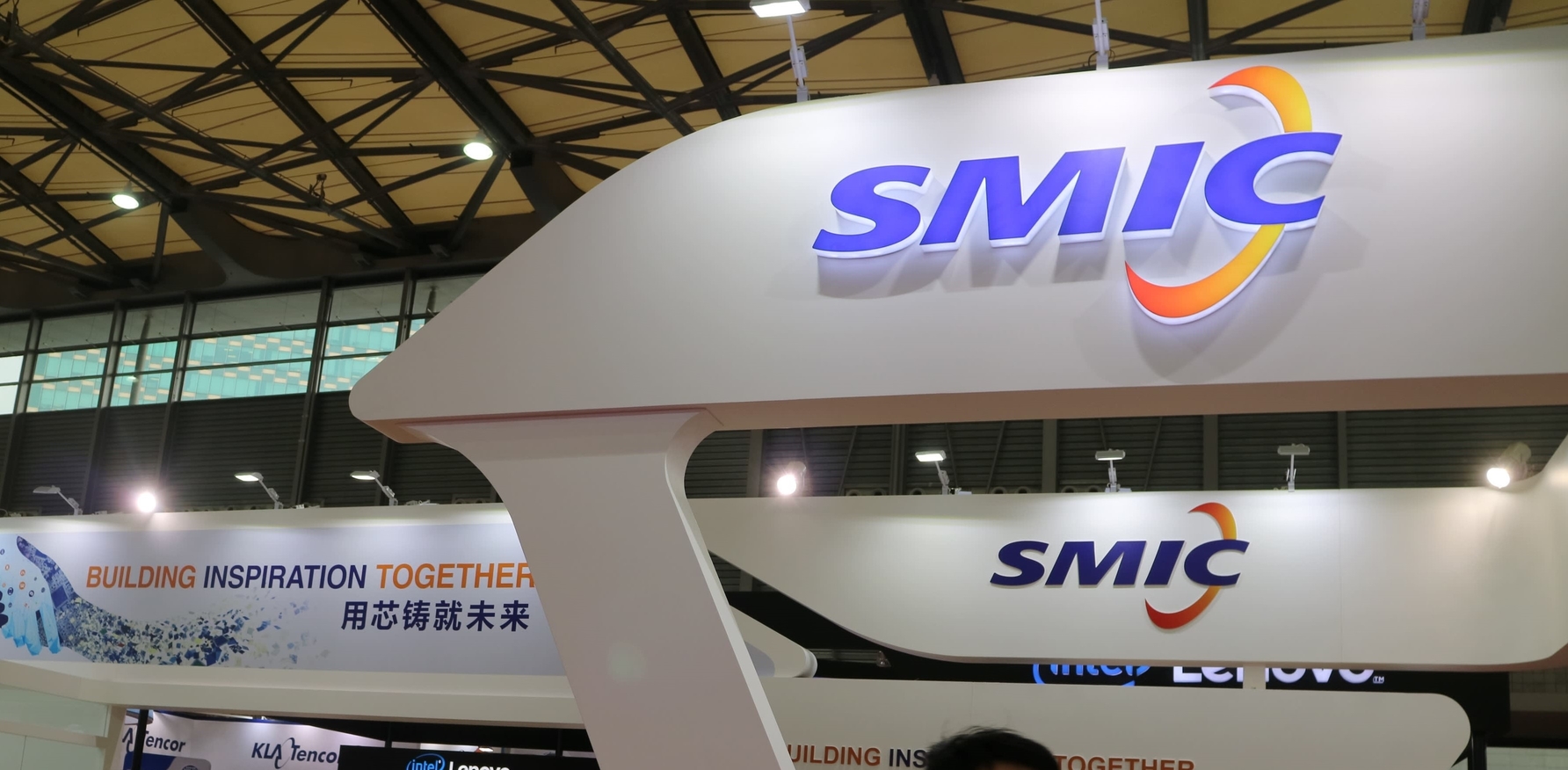
The Trump administration is apparently planning on making another move against Chinese corporations. This time, the President seeks to add SMIC and CNOOC to its blacklist of alleged Chinese military companies.

According to a Reuters report, documents and sources have surfaced, which claim that Donald Trump is aiming to add to new companies to the blacklist over alleged ties with the Chinese government. Reportedly, the administration plans on cutting their access to US investors, which will likely raise the tensions between Beijing and Washington. This also arrives weeks before the President-elect Joe Biden takes office as the next president of the United States.

Trump

Previously, it was reported that the DOD (Department of Defense) was planning on designating four more Chinese firms as owned or controlled by the Chinese military. The new companies being added to the blacklist would bring the number of Chinese companies affected to 35 in total. For those unaware, SMIC is the top chipmaker in China while CNOOC is a known Chinese offshore oil and gas producer.

Furthermore, a recent executive order issued by the President Trump would prevent US investors from buying securities of the listed firms starting next year. While it is unclear when the administration will add both firms to the list, documents and three sources have pointed at SMIC (Semiconductor Manufacturing International Corp) and CNOOC (China National Offshore Oil Corp) being added soon to the Federal Register.

Trump

SMIC has since stated that it will continue “to engage constructively and openly with the U.S. government,” and even refuted the allegations and saying that its products and services were solely for civilian and commercial use rather than military. It further added that it “has no relationship with the Chinese military and does not manufacture for any military end-users or end-uses.” SMIC heavily relies on equipment from US suppliers, so facing scrutiny by the Trump administration might create significant obstacles in its operations.


Apple could partner with Samsung for upcoming iPhone’s periscope lens

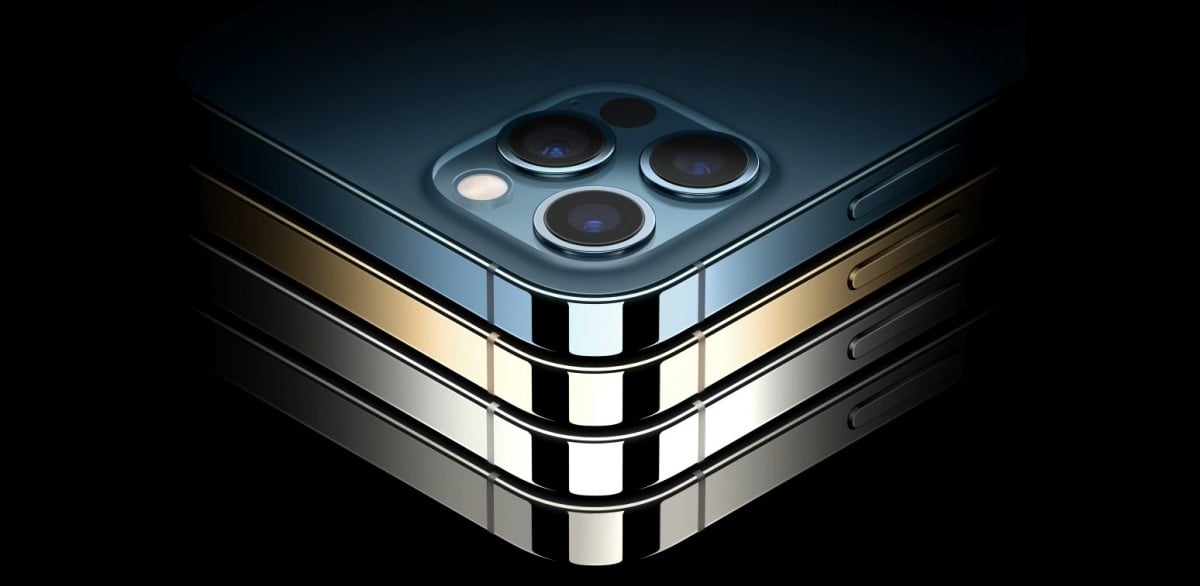
It’s been a few weeks since Apple launched its new iPhone 12 series in the market and now reports about the next-generation smartphones from the tech giant, the iPhone 13 lineup, have already started surfacing online.

A report from DigiTimes (via sina) claims that Apple is now looking to cooperate with South Korean companies for the periscope lens as it is trying to strengthen the optical zoom performance on the upcoming iPhones.

iPhone 12 Pro Max

While it has not been finalized yet but the report indicates that the partner companies for this could be Samsung. The South Korean giant has also used the periscope lens on its flagship smartphones, enabling a massive 100x zoom.

Currently, a few flagship smartphones in the market come with a periscope lens for better photography features, including the Samsung Galaxy S20 Ultra, Huawei P40 Pro, Vivo X50 Pro+, OPPO Find X2 Pro, Huawei Mate40 Pro, and more.

EDITOR’S PICK: EU seeks to prevent online platforms from growing too strong and dominating the market

As of now, there’s no indication that both companies have reached a deal for this periscope lens. Even if both Apple and Samsung partner for this, it remains to be seen if the iPhone 13 series gets the feature or not.

Another interesting point going in favor of Samsung is that the South Korean giant has acquired Corephotonis that developed zoom technology for smartphones. The Israeli company had sued Samsung and Apple for patent infringement on telephoto zoom tech but as it has now been acquired by Samsung, the South Korean company holds the patents and Apple will have to partner to get the technology for its products.


EU seeks to prevent online platforms from growing too strong and dominating the market

The EU (European Union) is trying to pass a new law that could help it prevent online platforms from becoming too large or strong enough to surpass their rivals, as per the bloc’s competition chief.

According to Margrethe Vestager, these competition law enforcement seem “backward looking,” and regulators are calling for investigations into past behavior, fines, and suspension of “illegal” behavior by major businesses. Rivals of major corporations also face various obstacles, with complains taking too long to spot and sanction an anti competitive behavior. This delay can cause the rival to face irreparable damage towards their own business operations, as per a FinancialTimes report.

EU

Furthermore, Brussels is set to publish proposals next week, which will allow ‘regulators to go after fast-growing companies,’ which are able to reach a kind of market dominance. Best examples of such cases include giants like Google and Facebook. While the goal is known, it is currently unsure what guidelines or step the EU will take to measure the company’s growth or take action.

EU’s executive vice-president in charge of the EU’s digital policy, Vestager stated that “It’s a way of introducing a forward-looking dynamic to complement what we do vigorously in enforcing competition law.” In other words, the larger corporations will be subject to a stricter list of obligations than their smaller rivals in terms of public listing. The new obligations may even have major firms be required to share data with their competitors or to the EU ‘gatekeepers’.

EU

Vestager also added that she expects “a lot of pushback from this regulation when we table it because obviously it will restrict some market players and it will put on them new obligations.” She even stated that “this is not about the flag that you are flying” after Booking.com chief executive, Glenn Fogel, called the new regulations a “handcuff” on one of the “very, very, very few tech successes in Europe.”


OPPO Reno5 series massive leak reveals specs and pricing; Likely to launch on December 10

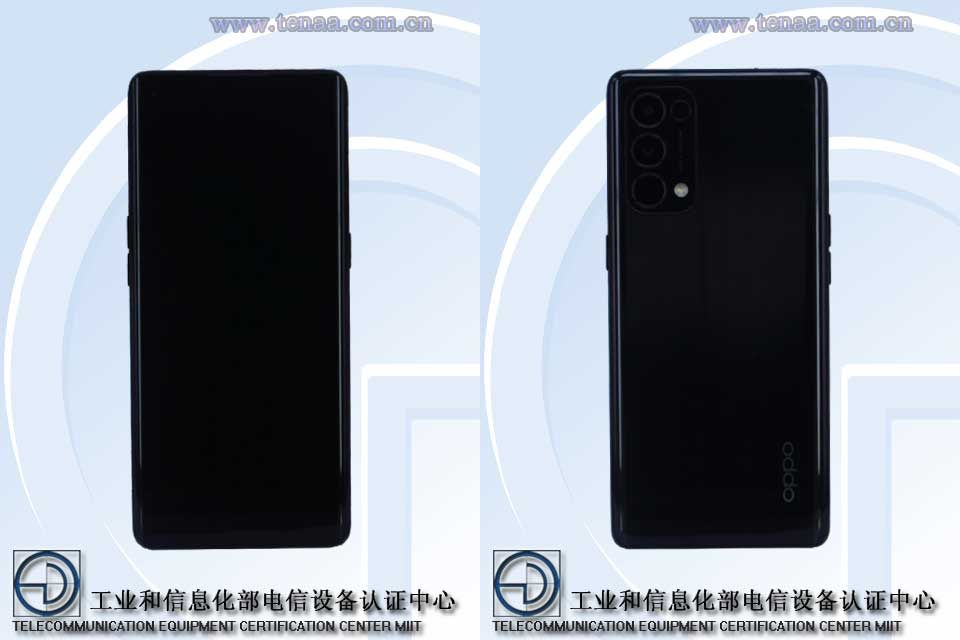
Multiple reports have claimed that OPPO will be announcing the Reno5 series of smartphones in December. The alleged Reno5 5G and Reno5 Pro 5G smartphones have appeared in the database of TENAA with full specifications and images. Unlike predecessor models, the upcoming Reno5 series will have a third model with flagship specs. It is likely to break cover as the Reno5 Pro+ 5G. New rumors suggest that the Reno5 will break cover on Dec. 10. Also, a new leak (via) carrying the specs of the Reno5, Reno5 Pro, and Reno5 Pro+ have surfaced on Weibo to reveal their capabilities.

OPPO Reno5 series specifications (Unconfirmed)

The leak reveals that the Reno5 has a 6.43-inch AMOLED display, whereas the Reno5 Pro and Reno5 Pro+ are both fitted with 6.55-inch AMOLED panels with curved edges. All three phones support 1080p resolution, a 90Hz refresh rate, and have a punch-hole placed at the top-left corner.

The Reno5 is powered by the Snapdragon 765G chipset, while the Reno5 Pro gets the Dimensity 1000+ SoC. The Snapdragon 865 fuels the Reno5 Pro+. All three phones are preloaded with ColorOS 11 based Android1 11 OS. These phones carry support for 65W fast charging. The leak has revealed that the Reno5, Reno5 Pro, and Pro+ are equipped with 4,300mAh, 4,350mAh, and 4,500mAh batteries.

OPPO PDSM00, PDST00 Reno5 Pro TENAA
Alleged Reno5 Pro

The Reno5 series is fitted with 32-megapixel front-facing cameras. As per the leak, the Reno 5 has a quad-camera setup that includes a Sony IMX686 64-megapixel primary camera, an 8-megapixel ultrawide lens, and a pair of 2-megapixel lens.

The Reno5 Pro is equipped with the same quad-camera available on the vanilla model. The quad-camera setup is led by a mysterious Sony IMX7XX 50-megapixel main lens, a 16-megapixel ultrawide lens, a 12-megapixel telephoto sensor with 2x optical zoom and 20x digital zoom support, and a 2-megapixel macro lens.

OPPO Reno5 series pricing (Unconfirmed)

The Reno5, Reno5 Pro, and Reno5 Pro+ are priced at 2,999 Yuan (~$455), 3,799 Yuan (~$576), and 4,499 Yuan (~$683). The color variants of the Reno5 series are Starry Dream, Aurora Blue, Moonlight Black, Star Wish Red, and Leather. After the Dec. 10 announcement, the Reno5 models will go on sale on Dec. 25. The leak states that the Reno5 Pro+ will not be available for purchase this year.

Since everything about the Reno5 series is currently under wraps, it is advisable to digest the above leak with a grain of salt.


Amazfit Pop Pro to support high-precision GPS, 24-hour heart rate monitoring and more

Huami’s Amazfit had launched a new smartwatch named Amazfit Pop last month and now the company is gearing up to launch an upgraded variant of the same, dubbed as Amazfit Pop Pro, which is set to go official tomorrow, i.e. on 1st December.

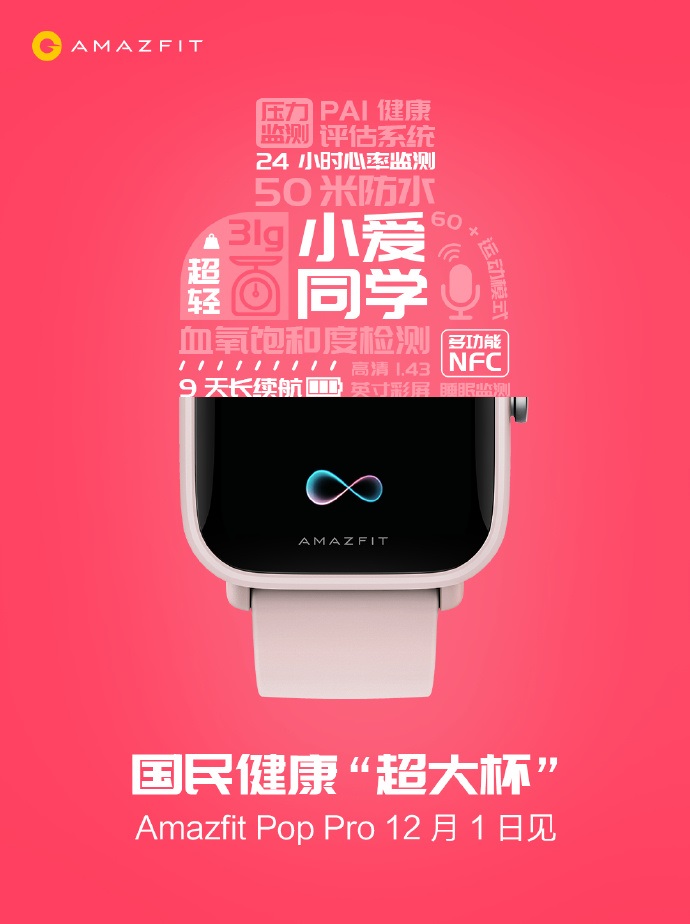
Just a day ahead of the launch, the company has shared a new teaser poster which has revealed that the smartwatch will come with support for high-precision GPS as well as 24-hour heart rate monitoring.

Amazfit Pop Pro Teaser

It also supports blood oxygen level (SpO2) tracking. Apart from that, it has already been revealed that the device will offer a battery life of about nine days on a single charge. There are 60 different sports modes and support for water resistance.

Earlier, it was revealed that the device has a 1.43-inch OLED screen and is expected to come with support for NFC. It is also said that there will be Amazfit’s PAI algorithm that keeps the user active and motivated.

EDITOR’S PICK: Apple M1-powered MacBook successfully runs Windows 10

As for the pricing, the Amazfit Pop Pro is expected to be priced a bit higher than the Amazfit Pop’s price of 349 yuan (~$54). The device should be available in multiple color options and the teasers so far have confirmed two — Green and Light Pink.

We will know everything about the device, including its pricing and availability once it goes official tomorrow. Along with the Amazfit Pop Pro, Huami is also set to launch its GTS 2 Mini smartwatch in China tomorrow.


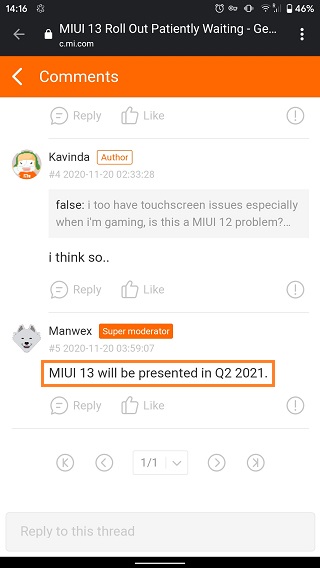
Xiaomi MIUI 13 update to arrive by Q2 2021, as per a forum moderator

While Xiaomi is still working on MIUI 12, there have been rumors going around for its next major update, the MIUI 13. The company had even taken a survey earlier this year regarding features users wish to see in the new update. Now, a forum moderator has revealed that the MIUI 13 updates could arrive for smartphones by second quarter of 2021.

Xiaomi

Back in October, The Chinese tech giant was expected to showcase the MIUI 13 platform during the Mi Developer Conference (MIDC), which was held between November 5 and November 7. However, there was no mention of the latest iteration of MIUI at the event. But now, the latest information regarding the next version of the custom skin arrives by a Mi Community super moderator who clearly stated that the MIUI 13 will be showcased in the second quarter of next year, as per a PiunikaWeb report.

Notably, the MIUI 12 update was revealed in the first quarter of 2020, so the timeline does seem to be around similar dates, albeit a bit delayed. Although, despite being launched nearly a year ago, there are still devices that have yet to receive the update to the latest custom skin from Xiaomi. So, we might see the update arrive around the time the moderator mentioned or even earlier.

Xiaomi

Unfortunately, while the information was given out by a moderator, these members usually are not particularly close to the inner workings of the company. So, we can’t be completely sure as of yet if the company does actually plan on presenting the MIUI 13 in Q2 2021. Thus, it is advised to take this report with a pinch of salt for now and stay tuned for more updates.


Gizmochina Latest Video: OPPO X 2021 rollable phone on OPPO INNO Day:

Chinese investors are shifting from India to Indonesia due to new regulations

India is making it harder for Chinese investors to invest money in its companies after the rising tensions at the India-China border. With India closing doors to Chinese venture capital firms, they are now shifting focus towards Indonesia.

The report adds that funds like Shunwei Capital from the founders of Xiaomi and BAce Capital backed by the Ant Group are now pivoting from India to Indonesia. Shunwei Capital, which runs funds worth $3 billion, is planning to close more deals in Indonesia and said that it is not making new investments in India for now.

India

Instead of making new investments in India, the fund says that it will focus on managing its existing portfolio of companies. On the other hand, the FT report adds that BAce Capital is also making the move but will not be much active as the market is less developed.

Chinese investors have powered India’s tech boom, investing heavily in some of the leading startups, including fin-tech platform Paytm, food delivery service provider Zomato, and the ed-tech giant Byju’s.

However, earlier this year, the Indian government revealed new rules targeted towards Chinese investors over concerns of opportunistic takeovers, which has now led to investors cutting off funding.

EDITOR’S PICK: Realme Ace with Snapdragon 875 chipset and superfast charging in works, reveals leak

Apart from that, the Indian government has been banning Chinese applications in the country for months now, citing national security issues but without offering any proof of such claims. So far, India has banned more than 170 Chinese apps, including Aliexpres, PUBG Mobile, CamScanner, etc.

With investors facing several issues with the regulations in India, other startups in Southeast Asia will get benefits. Indonesia is ranked fourth in the world in terms of population and the country already has a few billion-dollar companies.

At a time when new startups and trying to raise millions of dollars for growth, several prominent companies and investors are now shifting focus towards Indonesia, including the likes of Google and Facebook. Just to put that into perspective, a report revealed that investments in Southeast Asia in H1 2020 grew by 55 percent compared to last year.


South Korea records nearly 10 million 5G users in October

Many nations have been rushing to adopt 5G networking, which was also become the hallmark of a developed nation. Now, a new report has revealed that South Korea is making strides in this regard as it recorded nearly 10 million 5G users in the month of October 2020.

South Korea

According to TheKoreaHerald report, the South Korean Ministry of Science and ICT revealed that the number of 5G subscribers stood at 9.98 million as of the end of October. This marks a sizeable bump of 735,113 from the previous month. Furthermore, these 5G users also accounted for 14,2 percent of the nation’s entire mobile subscriptions, which were around 70.4 million units.

For those unaware, South Korea was one of the first to adopt 5G networking and had introduced the newer and faster bandwidth back in April 2019. Since then, the country has accounted for a large chunk of the overall global 5G userbase. Notably, the jump also arrives just as Apple launches its latest iPhone 12 lineup on October 30. The latest flagship from the Cupertino based giant is its first to support 5G networking, and is also expected to help boost the number of 5G handset users in the region.

South Korea
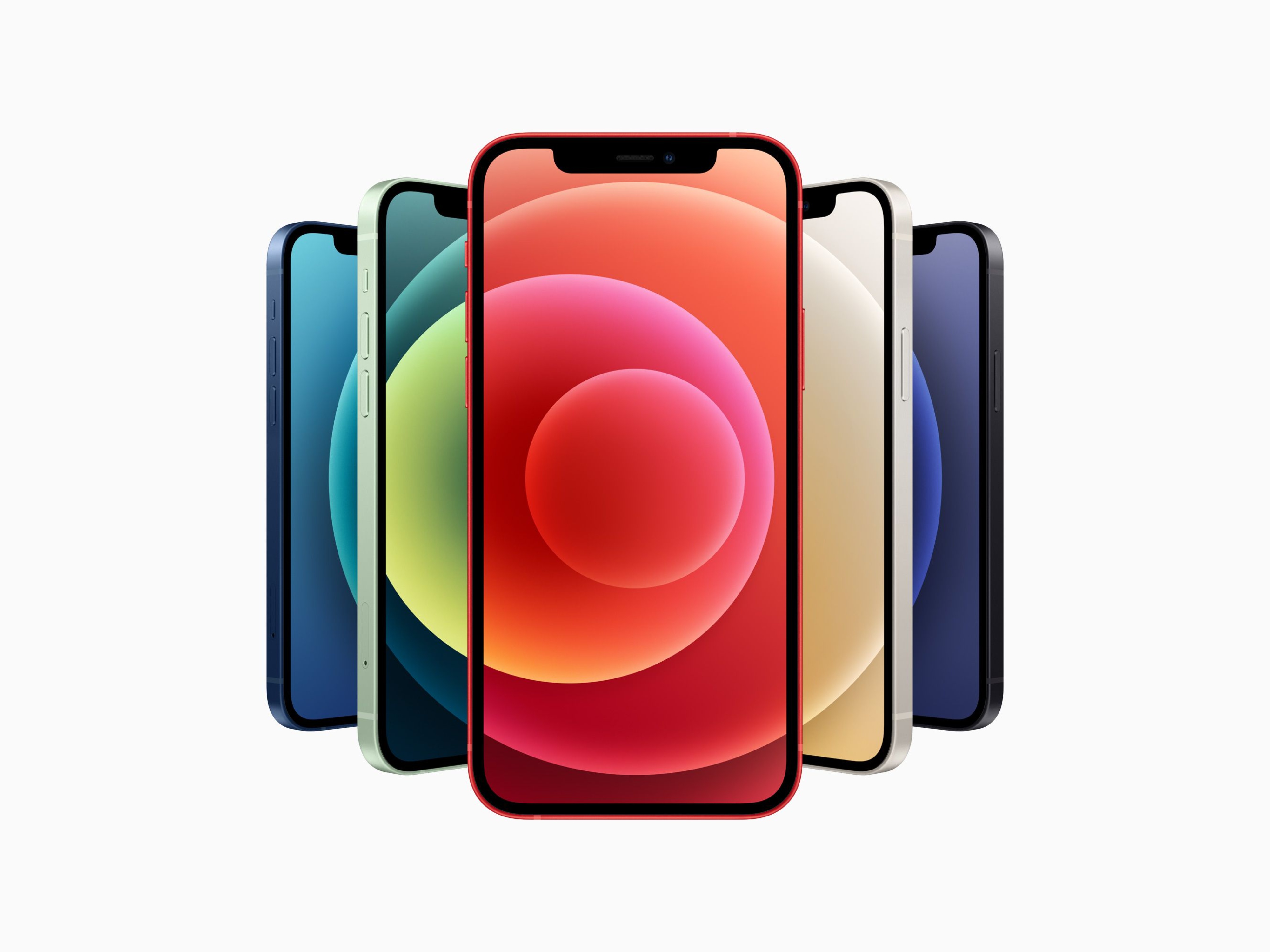
Apple iPhone 12

At the moment, it is estimated that Apple has already sold over 600,000 iPhone 12 models in the South Korean market since its launch. The rise in 5G users have also led to a steady decline in 4G subscriptions as well. Currently, South Korea has 53.9 million 4G users, which is down from previous month by 397,118 users. Similar to South Korea, China is one of the few other countries that have commercially adopted 5G networking and is about the only one similar to South Korea in terms of coverage and availability.


Moto G 5G with 6.7-inch display, Snapdragon 750G, 5,000mAh battery and 48MP quad cameras launched in India

Today, Motorola unveiled the Moto G 5G as its first 5G-ready phone for India. It is also the first phone to arrive in the country with Snapdragon 750G SoC. The phone offers users other exciting features such as a big-sized screen, a 48-megapixel triple camera system, a decent selfie camera, and a huge battery that is coupled with rapid charging technology.

Moto G 5G specifications and features

The Motorola Moto G 5G features an IP52 rated splash-resistant chassis that safeguards it from spills and splashes. The polycarbonate-bodied smartphone measures 166.1 x 76.1 x 9.9mm and it weighs 212 grams. The handset is fitted with a big display of 6.7 inches. The Max Vision screen is an IPS LTPS LCD panel that offers a Full HD+ resolution of 1080 x 2400 pixels, a 20:9 aspect ratio, and HDR10 support. The Lenovo-owned firm claims that the phone offers a screen-to-body ratio of 85 percent. As far as display design is concerned, it has a small hole for the selfie camera at the top-center.

The Moto G 5G has a 16-megapixel front-facing with f/2.2 aperture. The rear side of the phone has a square-shaped camera housing. It comprises a 48-megapixel main camera with f/1.8 aperture, an 8-megapixel superwide lens with 118-degree FOV, a 2-megapixel macro camera, and an LED flash. The rear cameras offer supports photography features such as Night Vision, shot optimization, portrait mode, HDR, cinemagraph, Google Lens, EIS, timelapse video, hyper-lapse video, slow-motion video shooting, and 30fps 4K video recording.

Moto G 5G in Volcanic Gray and Frosted Silver

The 8nm Snapdragon 750G octa-core processor that works at 2.2GHz is present under the hood of the Moto G 5G. The phone comes with 6GB of LPDDR4x RAM and 128GB of UFS 2.1 storage. There is a shared SIM slot on the device that can be used for adding a microSD card.

The Moto G 5G smartphone ships with a massive battery of 5,000mAh capacity that promises a 2-day battery life. It supports 20W TurboPower charging technology. The MyUX flavored Android 10 OS brings few customizations and mostly offers a stock Android-like experience. The other features available on the Moto G 5G are a dual SIM slot, Wi-Fi 802.11ac, Bluetooth 5.1, GPS, NFC, USB-C, a rear-mounted fingerprint sensor, a dedicated hardware key for summoning the Google Assistant, and a 3.5mm audio jack.

Moto G 5G pricing and availability

The Moto G 5G has arrived in India with a price tag of Rs 20,999 (~$238). The handset can be bought in two colors like Frosted Silver and Volcanic Grey. It will be available for purchase through the Flipkart retailer site starting from Dec. 7. Customers with HDFC Bank credit and debit cards can Rs 1,000 instant discount.

The Motorola Moto G 5G has dethroned OnePlus Nord 5G to become the cheapest 5G phone in India. The Nord is currently available with a starting price of Rs 24,999 (~$337). What is your opinion on the Moto G 5G? Share your thoughts by posting your comments below.


Xiaomi launches Mi Human (motion) Sensor 2; available through crowdfunding for 49 yuan ($7)

Continuing to launch new products in its home market, Xiaomi has today launched its new device — Mi Human Sensor 2. While the retail price of the product is set at 59 yuan (~$9), it is currently available for 49 yuan (~$7) through a crowdfunding campaign which is set to kick off from 2nd December.

The new Mi Human Sensor 2 can be placed anywhere — rooms, corridors, etc. It tracks the movements of the user and triggers the actions set by the user. The device can be connected to other smart home devices and actions can be set up on the Mijia App.

Xiaomi Mi Human Sensor 2

EDITOR’S PICK: Apple M1-powered MacBook successfully runs Windows 10

Xiaomi claims that it can smartly track the movements regardless of conditions — either it is facing bright sunlight or is placed in the dark. It also provides information about light linkage and safety in different scenarios.

Since it can be connected with other smart home devices, it has a wide range of use cases. For instance, the user can set it up to turn the light ON during night time when it senses a motion. It can be configured to record a video through a smart camera during a break-in and push the video to the Mijia App.

The Mi Human Sensor 2 uses low-power technology and comes with a standard CR2450 battery, which the company claims can last for about a year. When the battery capacity gets low, it reminds users of the same. When connected with the Mijia App, the user can check the battery status, Bluetooth signal strength, product logs, and more.


Apple M1-powered MacBook successfully runs Windows 10

Apple’s newly launched Mac devices powered by the company’s new ARM-based M1 chipset have been well received. Everyone, including Apple fanboys and skeptics, are surprised by the performance improvements offered by this new Apple Silicon-powered devices.

However, one of the drawbacks of the new devices is the ability to run the Windows operating system and even Apple’s official method to do so, using Bootcamp, isn’t possible at this time. This is because the Windows OS is built for x86 chipsets while the new Apple M1 is based on ARM.

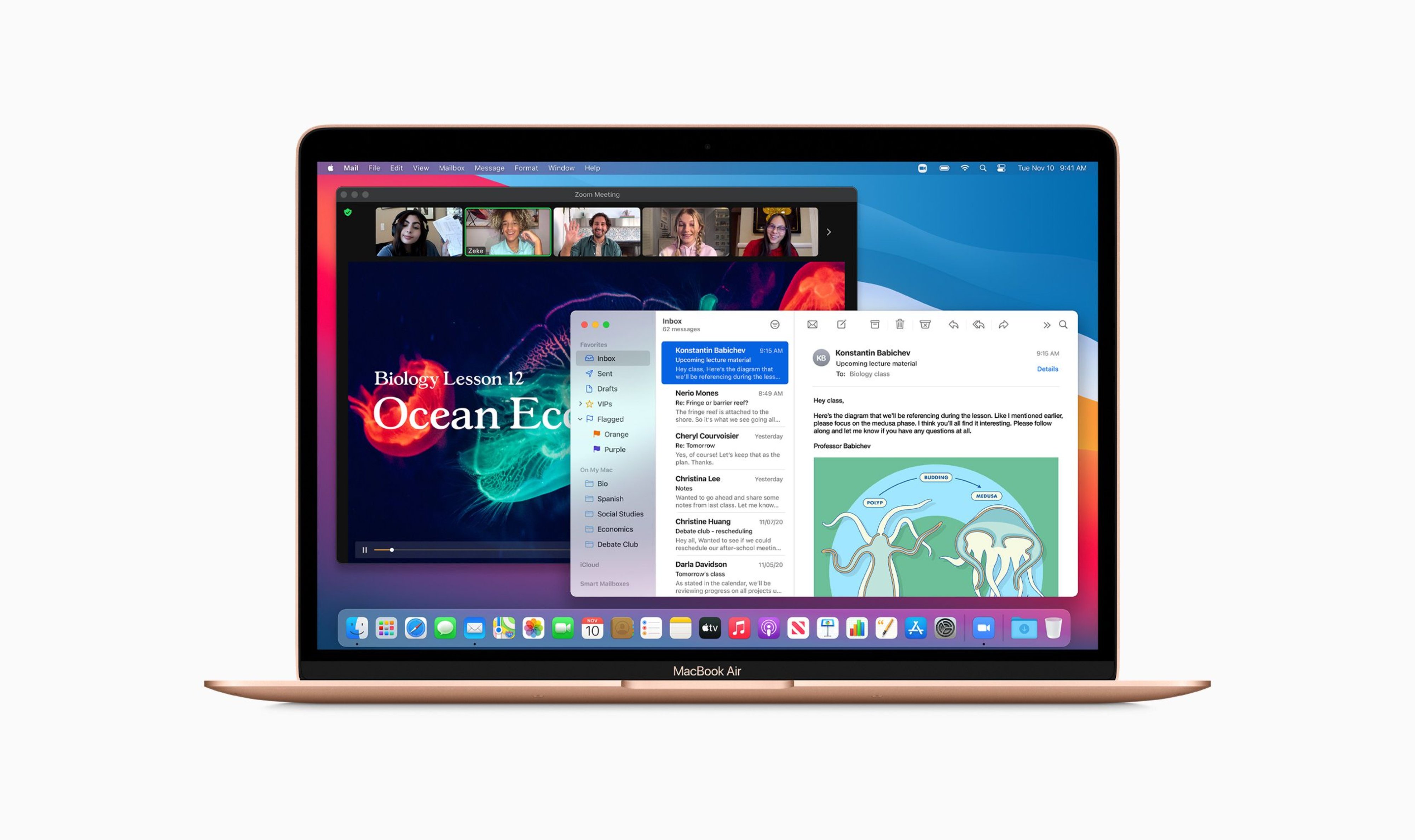
13-inch MacBook Air with M1 Chip Gold

But surprisingly, a developer named Alexander Graf has managed to successfully run virtualized Windows 10 on ARM on the new M1-powered MacBook. He used a modified version of QEMU, open-source virtualization and machine emulation software, to run an Insider Preview of Windows 10 ARM. He also utilized Apple’s own Hypervisor framework which is designed for virtualization purposes.

EDITOR’S PICK: Magfaster Magnetic Touchpad Introduced by Kickstarter offers Seamless Wireless Charging

Alexander Graf is claiming snappy and smooth performance of the Windows operating system on his MacBook but other users who tried to replicate the same have reported some issues. There were issues related to connectivity, which now seems to have been fixed.

This is a really interesting development and we expect more such work to keep surfacing online until we get an official solution, either from Apple or Microsoft.

Another interesting outcome is performance. The benchmark result of the Windows 10 ARM running on the Apple M1-powered MacBooks indicates that it is performing better than Microsoft’s own Surface Pro X. Based on the scores, it seems that the M1 is about 60% to 85% faster than the fastest Windows on ARM devices available right now.