Advertisement

Lenovo Legion 5 Gaming laptop launched for the Indian market

Chinese tech giant Lenovo has launched the Legion 5 gaming laptop for the Indian market. The Legion 5 comes on the heels of the recent launch of the Gaming 3i, Legion 5i, and Legion 7i which are all powered by the 10th-gen Intel mobile processors. What sets this apart from the others is the AMD Ryzen chipset onboard which is amassing quite a number of backers in recent times. Lenovo Legion 5 Gaming laptop

The Lenovo Legion 5 Gaming laptop available in India is powered by the Ryzen 5 4600H processor. Recall that the laptop was first unveiled for the global market in July this year and is available in a higher variant powered by an AMD Ryzen 7 4800 H-Series Mobile Processor. This Ryzen 5 model will retail for Rs.75,990 ($1,030)  in India but on the Lenovo India website, the price is listed as Rs.79,990 ($1,080) for the Phantom Black color option.

In terms of the design, the Legion 5 adopts the same design language which features on the Legion 7i. However, it lacks the flashy RGB lighting that makes the high-end Legion 7i stand out.

As for the specs, the gaming notebook packs a 15.6-inch IPS anti-glare display which has a Full-HD resolution of 1920 x 1080 pixels. The display also supports a 120Hz refresh rate. The processor is backed by 8GB of DDR4 RAM clocked at 3200MHz. Powering the graphics is the NVIDIA GeForce GTX 1650 Ti GPU which has 4GB of GDDR6 memory.
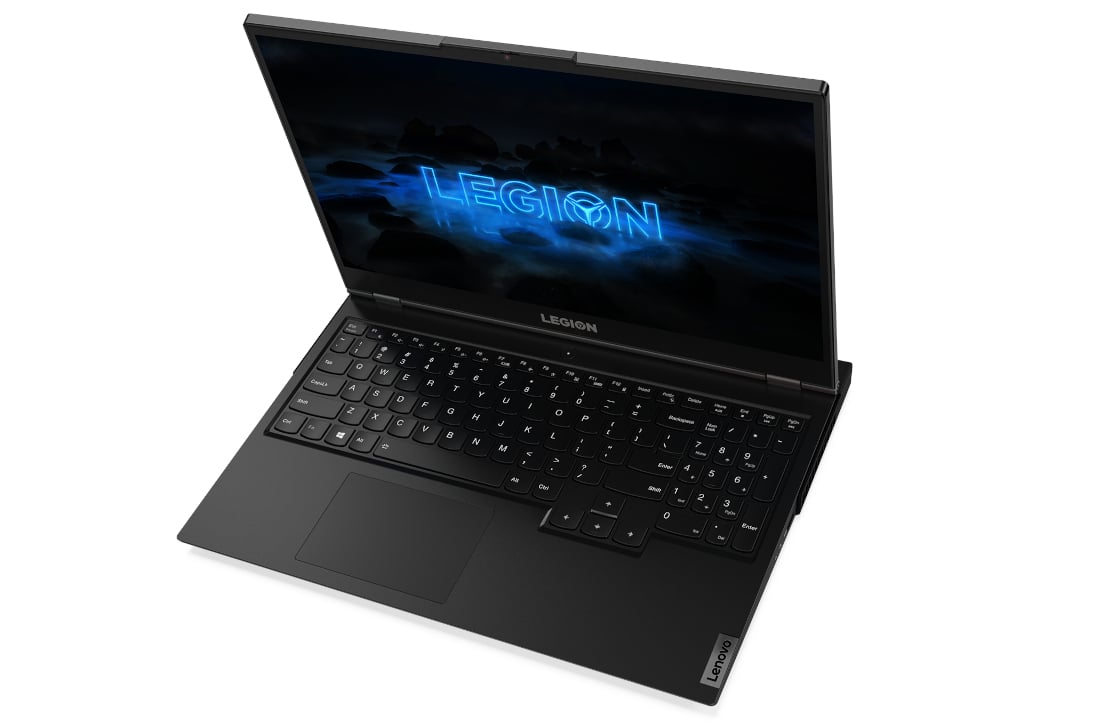
For storage, the Legion 5 packs a 256GB M.2 PCIe 3.0×4 NVMe SSD as well as a 1TB HDD. In terms of the ports and connectivity, the laptop comes with four USB 3.2 Gen 1 Type-A ports, one USB 3.2 Gen 1 Type-C port, an Ethernet (RJ-45), and a headphone/microphone combo jack. The notebook also comes with standard Wi-Fi 6 and Bluetooth 5.0. Lenovo also touts the laptop to offer up to 8 hours of battery life when used in ‘Hybrid Mode.’

The Legion 5 gaming laptop can be bought from Lenovo.com and Lenovo Exclusive Stores. Lenovo equally promised to make the gaming laptop available across other online partner platforms and retail stores, soon.

UP NEXT: Oppo X 2021 unveiled as the world’s first smartphone concept with an extending display
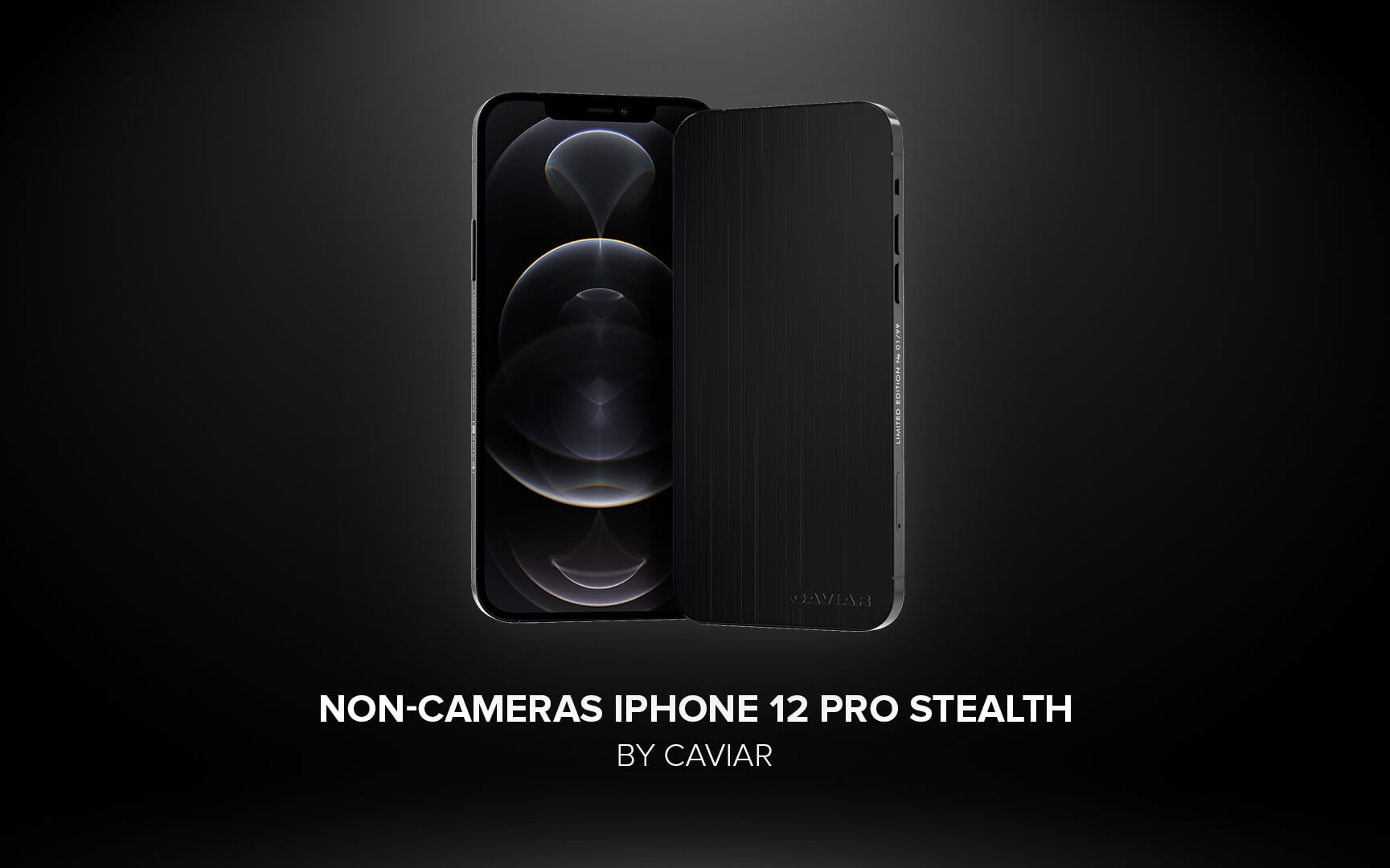


Caviar’s iPhone 12 Pro Stealth has no cameras for security reasons

You most likely have seen someone put tape over their computer’s webcam when not in use as a security measure. Heck, manufacturers have now even begun putting camera shutters on some of their devices such as laptops and smart displays. However, when it comes to smartphones, the best you can do is to manage your permission settings and choose which apps have access to your camera or you can just buy a smartphone without cameras such as the Caviar iPhone 12 Pro Stealth.

iPhone 12 Pro Stealth

This custom iPhone 12 Pro by the Russian company has no rear cameras while the front-camera, save for the infrared camera for Face ID, is disabled. Caviar says that this “Non-cameras iPhone 12 Pro Stealth” is for those who want a higher level of privacy, probably someone who works in a highly-secure place where smartphones with cameras are not allowed.

The iPhone 12 Pro Stealth comes in two variants. There is one which has its rear covered in “hardened titanium with vertical guilloche on durable black laser coating” and there is the gold version which has a PVD gold coating on the hardened titanium. Caviar says that the iPhone 12 Pro Stealth starts at $4990.

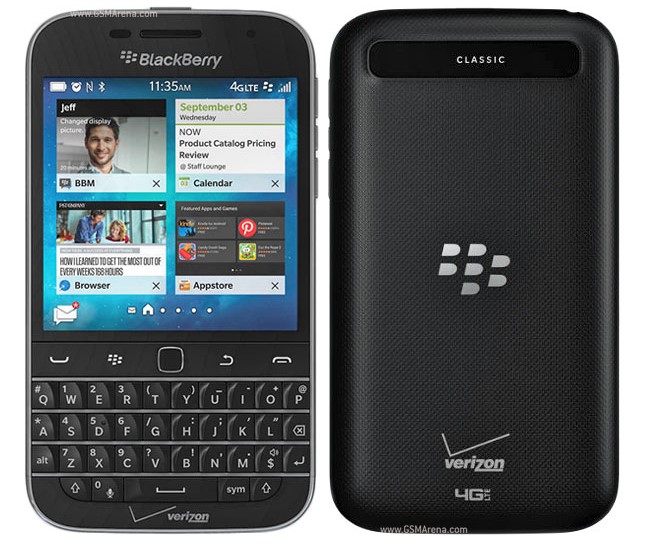
BlackBerry Classic Non Camera
BlackBerry Classic Non Camera | Image source: GSMArena

While a smartphone with no cameras may be surprising for a lot of people, it turns out that it is not unusual. Apparently, manufacturers used to make non-camera versions of their phones. GSMArena cites the example of the 2015 BlackBerry Classic Non Camera which drops the 2MP front camera and 8MP camera of the regular version. A much older example is the Nokia E51 camera-free which doesn’t have the 2MP rear camera of the standard model.

It is no surprise why smartphones without cameras are not common. It caters to a very small percentage of users and it will be easier for an organization to specifically request phones without cameras from a manufacturer than for a manufacturer to announce a phone without a camera.


Honor V40 series launch reported to have been postponed to January

Honor’s V-series is supposed to get new models this month but a new report says that will not be the case. The launch of the new phones, which should arrive as the Honor V40 and Honor V40 Pro, has now been postponed to January 2021.

The info comes from the leaker Teme (@RODENT950) who is known for his Huawei and Honor-related leaks. In a tweet posted earlier today, he says that the Honor V40 series has been postponed to next month. He also mentions that the upcoming V40 phones and even the Honor 40 series, which is expected to launch in the first half of next year, are developed by Huawei.

The Huawei subsidiary was sold to new owners a few weeks ago but development for phones such as the Honor V40 and the Honor 40 series would have been well underway before the change in ownership, so there is no surprise therein that they are developed by Huawei. However, now that they are no longer affiliated with Huawei, we may see some changes, most especially in the area of software, to show that the brand is no longer tied to its former owner.

The Honor V40 series should launch in countries outside China as the Honor View 40 series. If the launch had not been postponed, the View 40 series should launch in a few months in markets such as Europe but now that the launch has been delayed, the View 40 series should arrive a bit later.

Unlike the previous Honor V series smartphones which use the same flagship Kirin processor as the Huawei Mate flagship launched a few months before, it has been reported that the V40 series will not be powered by the Kirin 9000 processor. There is no news on the processor that will be found in the new phones but there are rumors it may come from MediaTek.


Apple patents a Watch band design with the battery embedded inside the band

It seems plans are at an advanced stage for Apple to introduce a longer-lasting battery band to its smartwatches. The Apple Watch is a really nice smartwatch, fitted with numerous features but is generally lacking in battery life. Most of the Apple watches boast battery life ranging from 18 hours to a maximum of 24 hours of continuous standard use.

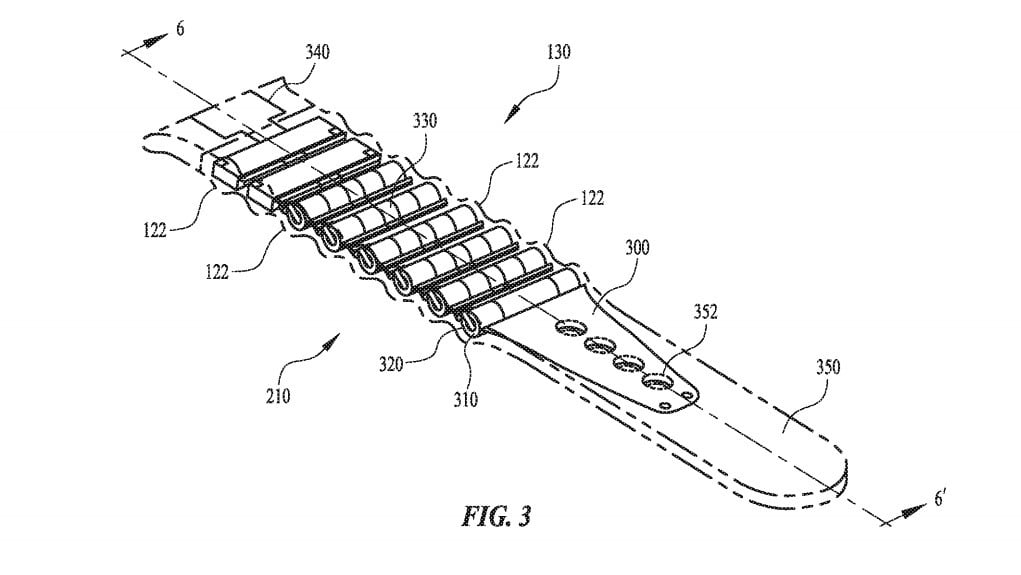
However, a dramatic change may be in the offing for the tech giant. Information gleaned from the US Patents Office shows that the latest patents filed by Apple provide insights on the progress made by the company in providing a solution for the battery life drawback for its smartwatches. The two recent patents granted by the US Patent and Trademark Office to Apple on Tuesday, highlight the possibility of putting batteries in Apple Watch’s band. The idea is simple enough – The band itself would have an inner frame with openings for the battery elements, which will be individually insulated and easily replaceable.

The Battery Band (which is the name of the new patent) will be connected to the watch via pins and will recharge wirelessly through induction coils, wrapped around one of the battery elements. The patent filings also describe a rubber band but the same concept could be used in a metal watchband as well, using an appropriate insulation mechanism.

While we await the breakthrough, it should be stated that there are no guarantees that such a product would become reality, although, as is the case with a huge proportion of patent filings, it may just indicate an area of ongoing research.  Apple has previously tinkered with the idea of the battery band, suggesting that various sensors and batteries could be put inside each element in its Link band but they are yet to come up with a final product having this feature. (via)

UP NEXT: Oppo X 2021 unveiled as the world’s first smartphone concept with an extending display
 

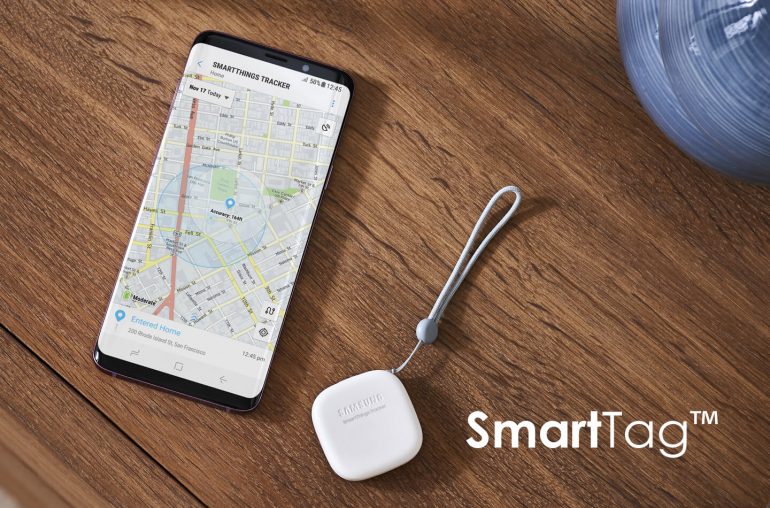
Samsung Smart Tag object tracker trademark filing spotted on EUIPO website

South Korean tech powerhouse Samsung may be working on a Smart Tag object tracker if feelers from the European Union Patent Office (EUIPO) are to be countenanced.

The craze for smart object trackers has been on an increase in recent times and Samsung may be taking the initiative in that direction. It would seem Samsung is not willing to be undone by its fierce competitor Apple who hugged the headlines recently with the yet-to-be-confirmed Apple AirTags.

Samsung may be possibly working on a similar device. A trademark filing by Samsung with the EUIPO (European Union Intellectual Property Office) for the name “Samsung Smart Tag”, has just been revealed (via). The trademark was filed on the last day of November 2020 and comes shortly after certification from Indonesian Telecom for a Galaxy Smart Tag device with model number EI-T5300.

The Samsung Smart Tag trademark filing provided a comprehensive listing of the components of the proposed gadget. They include electronic tags; computer hardware for NFC tag identification data and object location tracking; radio-frequency identification (RFID) tags; computer software for tracking, biometric identification, and authentication.

Some details gleaned from the filing shows that the Smart Tag device will be employed in object tracking, interfacing with NFC, and RFID. The Smart Tag can also be used as an authentication device. Carrying the Smart Tag around will likely enable users to log in to various Samsung services and unlock phones and other devices with little difficulty.

However, the expectation should be tempered with reality – a trademark filing does not necessarily translate to a final product anytime soon. It may just be a reflection of the possible research direction of the company. Nevertheless, there is a real chance that Samsung will indeed launch the SmartTag device at the next Galaxy Unpacked program slated to take place within the first quarter of 2021.

UP NEXT: Oppo X 2021 unveiled as the world’s first smartphone concept with an extending display
 

POCO M3 vs Moto G9 Power vs Realme 7: Specs Comparison

Xiaomi came up with an amazing entry-level offering launched in the global market: the POCO M3. It is an astonishing device if we consider its specifications and the listing price decided by Xiaomi for Europe. You get a huge battery and pretty good hardware for a ridiculous price if compared to most of the concurrence. But is it a ridiculous price even if we compare it with the best value for money phones out there? In this comparison, we will highlight the differences between the POCO M3 and two other great handsets sold in the same price range: the Motorola Moto G9 Power and the Realme 7.

Xiaomi POCO M3 vs Motorola Moto G9 Power vs Realme 7

Xiaomi POCO M3 Motorola Moto G9 Power Realme 7
DIMENSIONS AND WEIGHT 162.3 x 77.3 x 9.6 mm, 198 g 172.1 x 76.8 x 9.7 mm, 221 g 160.9 x 74.4 x 8.1 mm, 175 g
DISPLAY  6.53 inches, 1080 x 2340p (Full HD+), IPS LCD 6.8 inches, 720 x 1640p (HD+), IPS LCD  6.4 inches, 1080 x 2400p (Full HD+), IPS LCD
PROCESSOR Qualcomm Snapdragon 662, octa-core 2.0 GHz Qualcomm Snapdragon 662, octa-core 2 GHz Mediatek Helio G95, octa-core 2.05 GHz
MEMORY  4 GB RAM, 64 GB – 4 GB RAM, 128 GB –  micro SD dedicated slot 4 GB RAM, 128 GB – micro SD slot  6 GB RAM, 64 GB – 8 GB RAM, 128 GB – micro SD dedicated slot
SOFTWARE  Android 10, MIUI Android 10 Android 10, Realme UI
CONNECTIVITY  Wi-Fi 802.11 a/b/g/n/ac, Bluetooth 5, GPS  Wi-Fi 802.11 a/b/g/n/ac, Bluetooth 5, GPS  Wi-Fi 802.11 a/b/g/n/ac, Bluetooth 5, GPS
CAMERA  Triple 48 + 8 + 2  MP, f/1.8 + f/2.4 + f/2.4
8 MP f/2.1 front camera
Triple 64 + 2 + 2 MP, f/1.8 + f/2.4 + f/2.4
16 MP f/2.2 front camera
Quad 64 + 8 + 2 + 2 MP, f/1.8 + f/2.3 + f/2.4 + f/2.4
16 MP f/2.1 front camera
BATTERY  6000 mAh, fast charging 18W 6000 mAh, fast charging 20W  5000 mAh, fast charging 30W
ADDITIONAL FEATURES Dual SIM slot Dual SIM slot Dual SIM slot

Design

With its huge camera module taking a big part of the rear side, the POCO M3 offers a very original design, but not everyone may like it. Instead, the Realme 7 looks more elegant with its less invasive camera module, great color variants, and a punch-hole display with a high screen-to-body ratio. The Realme 7 is even more compact because it features a smaller display and a smaller battery than its rivals. The Motorola Moto G9 Power is pretty nice too, but its rear-mounted fingerprint reader is not the most elegant and comfortable choice. On the other hand, it is water-repellent. If I had to choose the best design, I would go for the Realme 7.


Display

The display champion is the Realme 7 and the reason is simple: it offers a higher refresh rate. With 90 Hz, you can already feel the difference in smoothness if compared to the 60 Hz panels of the POCO M3 and the Motorola Moto G9 Power. All of these devices feature an IPS panel, but the Motorola Moto G9 Power is more disappointing because it has an HD+ resolution, while Realme 7 and POCO M3 have Full HD+ displays with a higher level of detail. So the ranking is the following: Realme 7, POCO M3, and Motorola Moto G9 Power.


Hardware/Software

The MediaTek Helio G95 chipset found on the Realme 7 is actually built with a worse production process (12 nm vs 11 nm) but it offers higher performance compared to the Snapdragon 662 chipset found on the POCO M3 and the Motorola Moto G9 Power. Further, the Realme 7 offers up to 8 GB of RAM, while you get just 4 GB of RAM with Motorola Moto G9 Power and Xiaomi POCO M3. That is why Realme 7 wins the hardware comparison. In each case, you get Android 10 already installed, but the Moto G9 Power offers a nearly-stock user experience.


Camera

Motorola Moto G9 Power provides the best photo quality because it has a better sensor in the rear camera setup: we are talking about its 64 MP main sensor with f/1.8 focal aperture. The silver medal goes to the Realme 7 with a 48 MP quad camera including an 8 MP ultrawide lens and a pair of 2 MP sensors for macro and depth. But the POCO M3 is not so far with its 48 MP triple camera: it just lacks the dedicated macro sensor if compared to the Realme 7.


Battery

POCO M3 and Motorola Moto G9 Power feature the same huge 6000 mAh battery capacity, but the battery king here is the Motorola Moto G9 Power because it is equipped with an HD+ display consuming less energy. The Realme 7 has a smaller 5000 mAh battery but it is still a battery phone and it charges way faster with its 30W power.


Price

Realme 7 is priced €179/$215 in the global market, POCO M3 was launched with a starting price of just €129/$155 (promo), and Motorola Moto G9 Power is priced at €199/$240. The best device in this comparison is the Realme 7 thanks to its high refresh rate and better hardware, but if you are looking for the best value for money, then you would better go for the POCO M3. The Moto G9 Power is the best camera phone.


Xiaomi POCO M3 vs Motorola Moto G9 Power vs Realme 7: PRO and CONS

Realme 7

PROS

  • 90 Hz
  • Great chipset
  • 30W fast charging
  • Up to 8/128 GB

CONS

  • Smaller battery


Xiaomi POCO M3

PROS

  • Huge battery
  • Very affordable price
  • UFS 2.2 storage
  • Stereo speakers
  • Reverse charging

CONS

  • Nothing particular


Motorola Moto G9 Power

PROS

  • Huge battery
  • Water-repellent
  • Wide display
  • Good camera

CONS

  • Dimensions

Xiaomi Mi TVs 4A, 4A Pro, and Horizon Editions get a permanent price hike in India

Xiaomi has a great presence in the Smart TV segment in India. Accordingly, it recently announced a milestone of selling 5 million Smart TVs in the country. Weeks later, it has now hiked the prizes of its 4A, 4A Pro, and Horizon Edition Mi TVs permanently in India. All these Smart TV models have been selling for quite a while in the country. The new hike starts as low as ₹500($6.8) for the base(32-inch) model.

Xiaomi Mi TV 4A 43 Horizon Edition

As reported by 91mobiles, the prices of Mi TV 4A(40-inch), 4A Pro(32-inch), Mi TV Horizon Edition(32, 43-inch) series have been hiked in India. Further, the report adds that the new prices will have an effect across all the offline retail stores in the country starting December 1. You can take a look at the entire price changes below:

TV Model & Name OLD PRICE( in ₹) NEW PRICE(in ₹)
Mi TV 4A Pro(32-inch) 13,499 13,999
Mi TV 4A Horizon Edition(32-inch) 13,999 14,499
Mi TV 4A(40-inch) 18,999 19,999
Mi TV 4A Horizon Edition(43-inch)* 22,999 23,499

*- The report hasn’t mentioned the 43-inch price. The price has been updated as per the listing on mi.com

Besides, looking at the table, it looks like the Mi TV 4A Pro and Horizon edition get a ₹500($6.8) hike but the Mi TV 4A 40-inch gets a ₹1,000($13.6) price hike. Subsequently, the new prices have also been updated on mi.com. Still, the company has many online offers like No Cost EMI, Mi TV Extended warranty at reduced price(varies between ₹399-₹699 according to the model).

Mi TV 4A, 4A Pro, Horizon Edition Features

However, we aren’t sure if the same offers would be available at all retail stores. Anyway,  among the models, the Mi TV 4A(40-inch) launched back in September 2019 while the Mi TV 4A Pro made its debut in Feb 2019. While both are Android 9.0 TVs and come with 20W speakers, 4A Pro has an HD display(1366×768 pixels) but 4A(40-inch) has Full HD(1920×1080 pixels) resolution.

The Horizon Edition, on the other hand, launched as successors to the 4A Pro(32), 4A Pro(43) series of TVs in 32-inch, and 43-inches. However, apart from a slimmer bezel and a few design changes, they have the same features as the 4A series.

Snapdragon 888-powered realme “Race” officially confirmed; specs and image leaked too

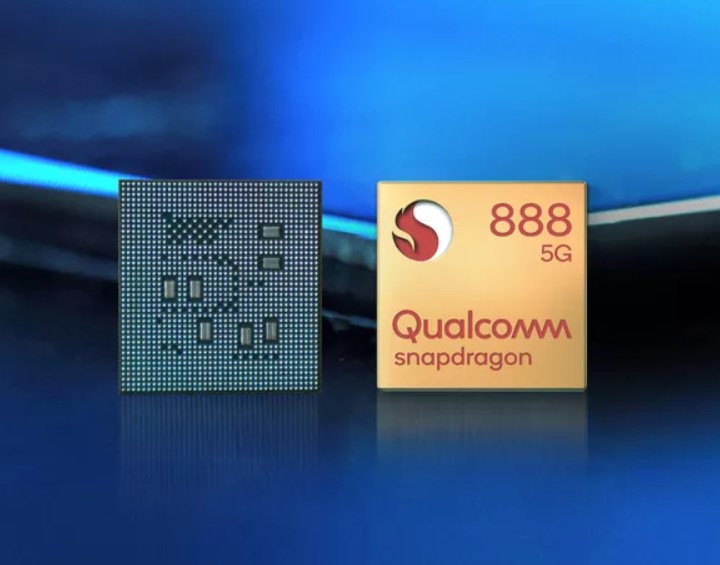
Following the announcement of the Snapdragon 888 mobile platform, realme has announced that it has a new smartphone in development that is codenamed “Race” and it says it will be powered by the new processor.

According to a tweet by the official realme UK account, the realme Race will be one of the first flagships powered by the new premium chipset. This means the phone should launch in January or February of next year.

If you have been following news related to realme then you should know that the codename “Race” wasn’t randomly picked. To the best of our knowledge “Race” is short for “realme Ace”. Yes, Ace. If you remember, we reported back in September that the OPPO Ace series has been ceded to realme.

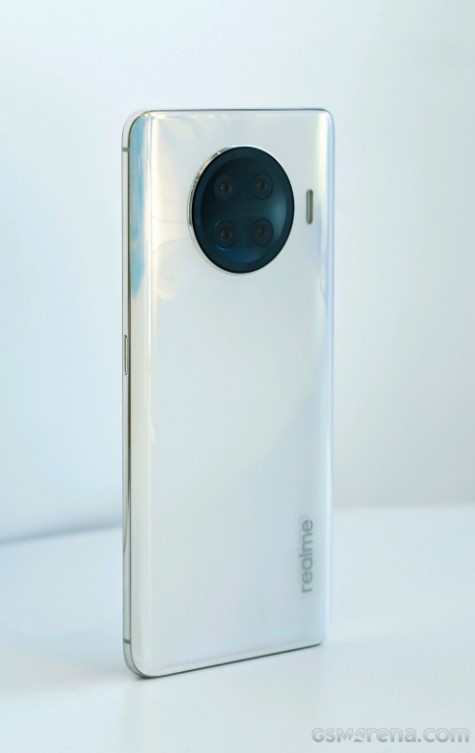
Alongside the confirmation from realme, a leak has also revealed key details and an image of the phone, and it appears realme will be sticking to the design of the OPPO Ace2.

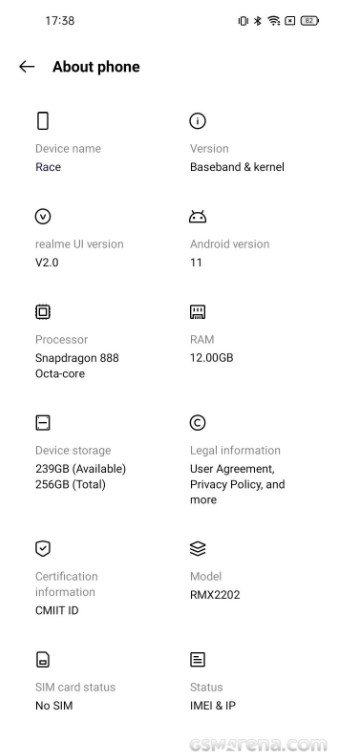
The leak which was released exclusively to GSMArena reveals that the phone will have the model number RMX2202. A screenshot of the About Phone section of the upcoming device shows that the phone will run Android 11 with realme UI 2.0 on top. It will have 12GB of RAM and 256GB of storage, though we expect there will be other configurations too. The image also shows that the phone has a Snapdragon 888 processor under the hood.

There is also an image of the phone’s rear and it shows that the realme Race will have four rear cameras inside a round camera housing. Flanking the sensors on the right is an LED flash. The phone has a curved glass back and the design is very similar to that of the OPPO Ace2 that launched in April.

Unfortunately, there are no details of the camera specifications. We also don’t know the screen size, its resolution, and the design. Nevertheless, we already know more about the phone than we did yesterday.

It is also important to mention that since the announcement was made by realme UK, we expect the realme Race will launch in Europe when it arrives next year. We won’t be surprised if it even launches in the Old Continent first before making its way to other markets.


Galaxy A32 5G could be one of the first Samsung devices to get Android 11 out of the box

It’s that time of the year when Samsung starts launching its A series of devices. Last week, it launched the budget Galaxy A12 and A02s. Now, the “wannabe cheapest 5G smartphone” of Samsung, the upcoming Galaxy A32, has been spotted running Android 11.

Samsung Galaxy A32 5G CAD renders

As reported by GalaxyClub.nl, a Samsung device with model number SM-A326B has been tested with Android 11. Now, this looks like it’s just a variant of the upcoming Galaxy A32 5G. This is because early reports stated that the device will have a similar model number SM-A326. Anyway, the Galaxy A32 with Android 11 indicates that Samsung is a step closer to the stable rollout of its One UI 3.0 based on Android 11.

After announcing the One UI 3.0 Beta for developers early, Samsung has been subsequently running a beta program for various flagships to test out the One UI 3.0 features. That said, we aren’t sure if the Galaxy A32 5G will be the first device to debut with One UI 3.0 based on Android 11 out of the box. Considering the company is also expected to launch the Galaxy A52, Galaxy A72 smartphones round about Dec-Jan, they might take over the crown.

That is, if they pass the Galaxy A32 5G to launch first in the market. Either way, the report also mentions the possibility of the device running One UI 3.0 while it’s upcoming flagship Galaxy S21 will likely debut with an upgraded One UI 3.1. This is definitely a speculation but it’s possible in a sense where Samsung has maintained the exclusivity of its UI with every flagship at launch.

Further, as per the test, the report mentions that the Galaxy A32 5G’s display will have an aspect ratio of 20:9. The Galaxy A32 5G is under the limelight right from the first leak in July. As per the recent reports, it will sport a polycarbonate body, a camera layout like the OPPO Reno4 Pro, infinity V-notch display.

And if leaks are true, it will have a 9.1mm thickness(a bit thicker than A31’s 8.6mm), 3.5mm audio jack, USB-C port, 48MP main camera, and more. Let’s wait for more leaks as we get closer to launch.

Nokia and Togo Telecom launch West Africa’s first commercial 5G network

Nokia has announced that it has deployed the first commercial 5G network in West Africa. The 5G network was rolled out in Togo and the project is part of Nokia’s three-year contract with Togo Telecom.

Nokia said in a statement that this milestone was achieved in Lomé, the capital of Togo. In the bid of Togo Telecom to build a “future-oriented” next-generation digital service infrastructure, the traditional 2G, 3G, and 4G networks will also be enhanced.Nokia

Nokia said that in addition to its AirScale product portfolio including base stations, adaptive antennas, RRHs, etc., it will also deploy products that cover data management and digital operation software so that Togo Communications “can seize new 5G revenue opportunities, improve business speed and agility” and simplify network operations.

Paulin Alazard, CEO of Togo Communications, stated that he is proud of Togo being a pioneer in providing “unbelievable 5G connectivity” in West Africa, calling it “a game of new services and opportunities for Togolese citizens and a rule changer”.

Nokia is a long-term partner of Togo Communications and previously provided it with 3G and 4G equipment. On its part, Togo Telecom is the largest operator in Togo. According to GSMA estimates, as of the third quarter of this year, the carrier has a 3.5 million user base.

Recall that the first 5G test-run in West Africa was carried out earlier this year by ZTE and carrier MTN. The team equally replicated the same test run in the East African country of Uganda. Togo is a relatively small country and that may have aided the deployment. We expect 5G to roll out in more countries in Africa next year even though the present 4G network is still plagued by network challenges in some areas. We can’t say if the deployment of 5G will bring a solution to poor connectivity but it will surely boost internet speed wherever it is deployed. Considering the size of most African countries, full coverage will take several years to materialize.

UP NEXT: Oppo X 2021 unveiled as the world’s first smartphone concept with an extending display
 

Chuwi SurPad Android Tablet fares well in performance test

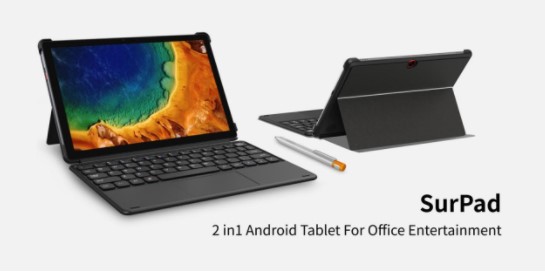
SurPad is a new thin and light Android Tablet launched by Chuwi. The high-performance tablet is structurally solid and comes with a magnetically attachable keyboard which could greatly improve functionality in many areas.

The SurPad has a textured metallic body and comes with a 10.1” display with very minimal bezels. Being an FHD+ display with a resolution of 1920X1080, which has become a standard for all devices, the Tablet should offer a pretty fair viewing experience. The SurPad comes with an 8 core processor that can handle most of everything you throw at it. Combined with a blazing fast UFS storage the device feels as smooth as butter.

Must See: Chuwi Hi10 XR is the World’s First 10.1-inch Intel N4120 Tablet

The key attraction of the SurPad will be the magnetically attachable keyboard which always remained an add-on only for the premium tablets like the iPad or the Surface tablet from Microsoft. Since the SurPad is sporting an Helio processor, it is no surprise that it will support Dual 4G.

Before we proceed to the benchmark scores of the tablet let’s have a look at the hardware specifications of the SurPad.

Hardware Specifications

  • Helio 8 core MT677V processor
  • Mali G72 GPU
  • 128 GB UFS storage
  • RAM: 4GB DDR4 memory
  • 10.1” FHD+ (1920X1200) IPS Display
  • 542G Lightweight metal body
  • Dual 4G support

Performance benchmark

CPU

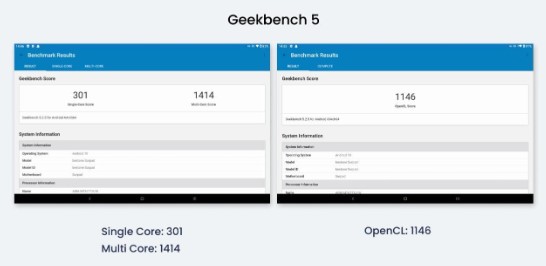
The 8 core CPU of the SurPad scored 301 for single-core and 1414 for multi-core in Geekbench 5 which if you are familiar with the software will agree that is a decent processor that could handle most of your daily tasks you throw at it.

GPU

GFXBench is a tool used by most tech enthusiasts to benchmark their GPU and the software runs large-scale scenes from games to test the performance of the GPU. The SurPad’s GPU performed well and gave high frames per second (fps) in HD resolution which is a good indication that it could handle demanding games. Also, games including Minecraft and Wild Speed 9 was smooth and didn’t experience any overheating. The Mali G72 GPU decoded a 4K video very smoothly and certain that the included UFS storage also had its part in it.

Storage

Most tablets available in the market use eMMC storage which is not a bad thing, but if we compare it with the modern UFS storage we could see that UFS clearly has its lead. This is why modern Samsung tablets feel smooth and fast. The SurPad also sports 128 GB UFS storage which not only means more space but faster read/write speeds. In the benchmark result, the SurPad scored an average data transfer speed of 463.29MB/s, and sometimes it was able to peak at as high as 552.35MB/s.

Display

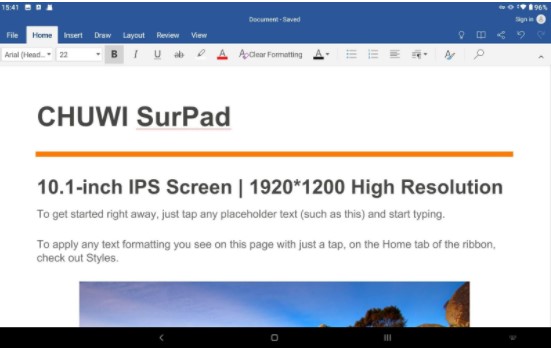
The SurPad comes with a 10.1’’ FHD+ IPS display. With a resolution of 1920X1080, the viewing experience was great on the SurPad. It offered decent color reproduction and better blacks for an IPS display.

The included keyboard will be a game-changer for the SurPad. The kickstand is always is a must-have for every tablet. The typing experience with the keyboard was good, it had decent key travel for its form factor. The keyboard gave the tablet the feel of a 2 in 1. Combined with the keyboard the tablet is a good choice for productivity scenarios such as an office tablet. It can be used for preparing PPTs or DOC files using the Microsoft Office suite for Android.

To conclude, the SurfPad is a productive Tab with enough power to get your work delivered on time. What do you guys gave to say?

Related: Chuwi CoreBox Pro with 10th Gen Intel Core chip Will Be Up for Sale on Their Website for Just $399

Xiaomi Mi 11 will be the first to use the new Snapdragon 888, Lei Jun confirms

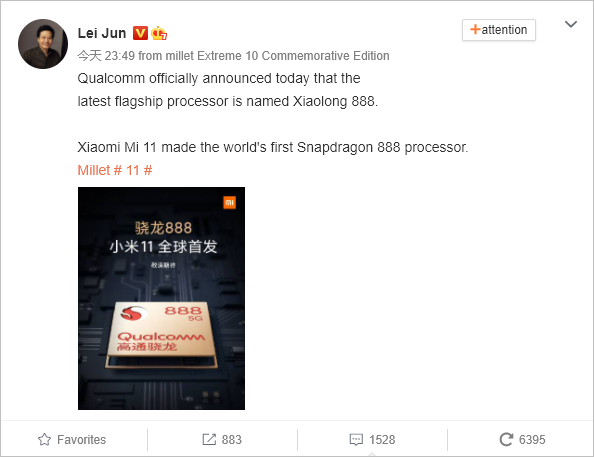
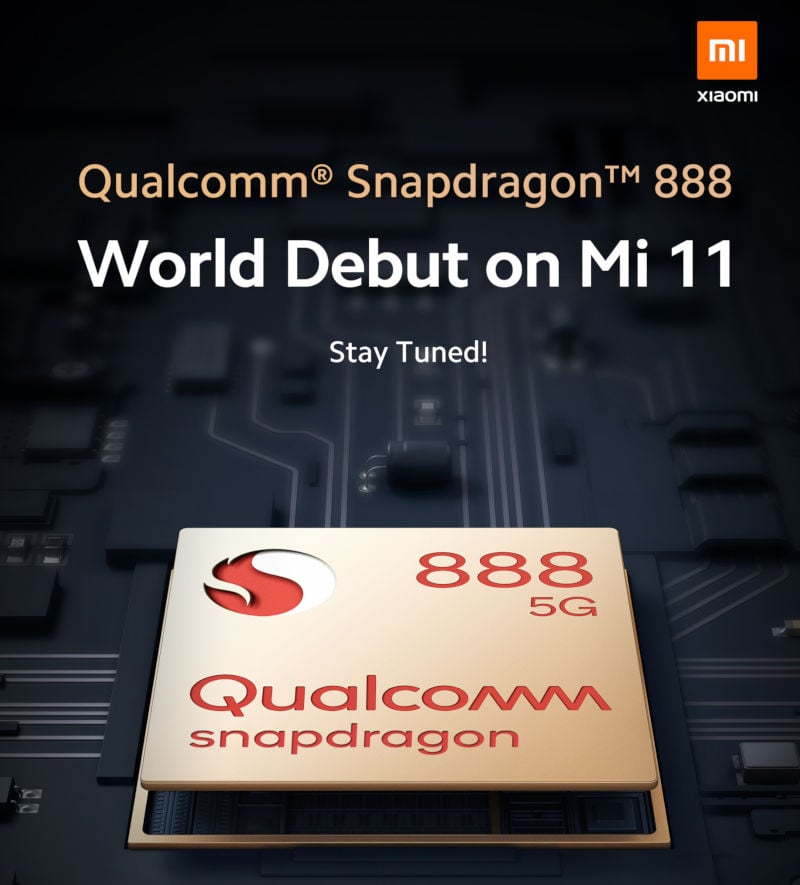
U.S fabless semiconductor manufacturer Qualcomm held the 2020 edition of the Snapdragon Summit today. The company during the event unveiled the Snapdragon 888, its next-gen flagship mobile platform. While it did provide a list of OEMs that would utilize the chipset on their phones next year, Qualcomm didn’t indicate the model we’ll be seeing with an SD888 SoC. However,  Xiaomi’s CEO Lei Jun has disclosed via a Weibo post that the Mi 11 will be the first model to launch with a Snapdragon 888.

The 5nm Snapdragon 888 teams up with the 3rd generation Qualcomm Snapdragon X60 5G modem which enables global compatibility as it offers mmWave and sub-6 across all major bands worldwide. The modem also supports 5G carrier aggregation, global multi-SIM, standalone, non-standalone, and Dynamic Spectrum Sharing.

Further, the SDM888 flagship processor also comes with the new 6th-gen AI Engine. The hexagon processor brings a considerable leap in AI performance, 26 tera operations per second (TOPS) compared to the last generation. It also comes with a 2nd generation Qualcomm Sensing Hub which “incorporates low-power always-on AI processing for intuitive intelligent features.”

Apart from Xiaomi with the Mi 11, other brands such as Black Shark, Nubia RedMagic, OPPO Find X series, Realme, LG, Vivo, and iQOO as well as OnePlus are expected to launch models with Snapdragon 888 in the first half of 2021.

UP NEXT: Oppo X 2021 unveiled as the world’s first smartphone concept with an extending display

 

Elephone Black Friday Sale extended with upto 50% discount

The Chinese smartphone maker is here with an extended Black Friday Sale offering up to 50% sale on most of its smartphones and other accessories. The users can even get an additional 20% discount if the total order is over $200. Elephone Elepods S is available for $10, while the Elephone U5 is available for $50 which usually retails for $189.99.

Must See: ELEPHONE Discounts on Earphones, Smartphones, & Smartwatches for Black Friday Sale

Elephone U5 is a entry level smartphone which carries a 6.4-inch FHD+ display and screen-to-body ratio for better viewing experience. The smartphones comes with a Helio P60 SoC coupled with an octa-core chipset and pwoerful GPU. There’s a quad-rear camera with 48-megapixel primary camera. A 4000 mAh battery is present on board which supports NFC and Google Payments.

Grab Now

Meanwhile, Elepods S TWS earphones is available for $10 featuring some splendid features. It carries a dual-chip and dual microphone for Active Noise Cancellation. It can provide decent sound quality thanks to HiFi diaphgram and dual-core and dual-controller. The support for Bluetooth 5.0 and low-latency mode makes the device more comopetitive and easy to use.

Grab Now

There are plenty of disount on other smartphones and earbuds. The user can get Elephone R8 for $49.99. Elephone U3H is available for the price of $169.99 on the eve of Black Friday. Moreover, don’t forget to get $20 off if you shop for $200 or more.

Related: Elephone ElePods S with Waterproof Design Launched on Banggood for Just $14.99

Huawei begins EMUI 11 Beta program recruitments for P30/P30 Pro in China and Turkey

Back in September at Huawei Developer Conference(HDC 2020), Huawei announced the new EMUI 11. The company has already announced the release timeline for the Global and China markets. After rounds of Beta program for its latest flagships, the company has opened the Beta program for the yesteryear P30 series.

HUAWEI EMUI 11 Logo Featured

As reported by ITHome, Huawei has now opened the Beta Program Huawei P30, Huawei P30 Pro in China. If we recall, these flagships launched way back on April 11, 2019, in China. Both the devices launched with EMUI 9.1 based on Android Pie. Thus, with the new update, they are getting two generations of EMUI upgrade.

This is appreciable since the company is facing several issues including missing out on Android 11 at EMUI 11 launch due to the US ban.  In addition to China, a report by Huawei Ailesi says that the company has begun a beta program for P30, P30 Pro in Turkey. Anyway, the update requires registration on Huawei Club to try out the new features of EMUI 11. To signup for the update, follow the steps below:

  • on Huawei Club(App)
    • Open Huawei Club App -> Forum -> right corner ->㗊 ->EMUI Area ->Beta Program.
  • using a PC,
    • Huawei Club website->section->EMUI->Beta program

Besides, the company has started pushing stable EMUI 11 updates for devices like the P40, P40 Pro, and Mate 30 Pro devices. That said, the stable update for the 2019 flagships will arrive sometime in Q1 2021. That is, a report on China and Global timeline said that the Closed Beta would begin only by end of October before switching over to the Beta.

Today, with the EMUI 11 Beta Program, the company is signaling that the stable update for the device is already on course and one can expect it to arrive on time. Anyway, we will keep you updated on the further development regarding the EMUI 11 updates from Huawei.

Qualcomm announces Snapdragon 888 Mobile Platform with an integrated 5G modem

Qualcomm’s annual tech summit kicked off today and the biggest announcement is the launch of the Snapdragon 888 Mobile Platform. The new processor will power the flagships of 2021 from a host of manufacturers including Xiaomi, Samsung, LG, and Sony.

Qualcomm Snapdragon 888

The Snapdragon 888 is a 5nm processor and unlike Qualcomm’s previous 800 series 5G processors, this one comes with an integrated modem, the 3rd generation 5nm Snapdragon X60 5G. Qualcomm says that the new modem brings 5G global compatibility for mmWave and sub-6 bands across the globe. It also supports global multi-SIM, SA and NSA networks, and Dynamic Spectrum Sharing.

The flagship processor also comes with the new 6th-gen AI Engine. The hexagon processor brings a considerable leap in AI performance, 26 tera operations per second (TOPS) compared to the last generation. It also comes with a 2nd generation Qualcomm Sensing Hub which “incorporates low-power always-on AI processing for intuitive intelligent features.”

Snapdragon 888 featured

The Snapdragon 888 also brings improvements in computational photography. It has a new Spectra ISP with gigapixel speed that can capture photos and videos at 2.7 gigapixels per second or roughly 120 photos at 12MP. This is said to be up to 35% faster than the previous generation.

The full spec sheet of the Snapdragon 888 should be revealed at tomorrow’s event. However, the press release does mention that the following manufacturers provided support for the Snapdragon 888:

While Qualcomm didn’t specifically say, all of the aforementioned manufacturers should announce phones powered by the Snapdragon 888 in the coming year.


Xiaomi set to open its 1,000th Mi Home in China on Dec. 6

Xiaomi‘s Mi Home official Weibo page has released a teaser which shows that the brand will be opening its 1000th Mi Home store in China on December 6. The store will be the brand’s 1000th store in China and is located in Chengdu’s Vientiane City. Xiaomi will be offering discounts of up to 10% on some products as well as souvenirs on the launch day.

Xiaomi has its iconic Mi Home stores opened in 25 cities across China, including Haikou, Guangzhou, Suzhou and Jiaozuo, including 13 in Chongqing and 15 in Shaanxi. Currently, there are six Mi Homes in Chengdu. As of the end of 2019, the number of Mi Homes in Mainland China has exceeded 630.

The Mi Home is the official retail experience store directly operated by Xiaomi, which can provide users with services such as product sales, self-pickup, and laser engraving. In addition, Xiaomi Home can provide consumers with humanized services, including a stress-free return policy within 7 days without any reason (Xiaomi core retail stores), valet repair (Xiaomi products are delivered to the store, and the clerk will send it to the after-sales center. After repairing, send it back to the designated place), valet orders (for large repairs, you can find a clerk in the store to make an order, and the engineer makes an appointment to visit) and other services.

At the Redmi Note 9 series conference last month, Lu Weibing, Vice President of Xiaomi Group, President of China, and General Manager of Redmi Brand, said that in the coming year, every county will have a Xiaomi home and every Mi fan will have Xiaomi around his/her home.

The current Mi Homes are mainly deployed in first, second, and third-tier cities. For counties, towns, or remote areas, the number of Mi Homes is very small. Previously, Lu Weibing stated that the coverage of Mi Homes in the county-level market is less than 30%. In the future, Xiaomi plans to accelerate expansion into the county-level market. Within one year, Mi Home will cover every county in the country.

More Xiaomi homes mean that consumers will experience Xiaomi’s better and more convenient purchase or after-sales service. Sadly, there are not so many Xiaomi Home stores outside China. Xiaomi already has over 1000 service centers across 600 cities in India but the experience stores are still scanty.

UP NEXT: Oppo X 2021 unveiled as the world’s first smartphone concept with an extending display

 

Upcoming Smartphones in December 2020: Huawei, OPPO, Lenovo, Samsung, & more!

November had quite a bit of launches from companies like ZTE, Samsung, OPPO, and the most expected Redmi’s Note9 series. Although we are officially into the last month of 2020, companies aren’t holding back or relaxing a bit. Thus, let’s look at the upcoming smartphones in December 2020. The list has names from biggies like Huawei, Lenovo, Samsung, OPPO, Vivo, and more. As always we have included few devices that are speculated to arrive this month at the end.

1OPPO Reno5 series

Alleged Reno5 front renders
Representative image of Reno4 Series. Leaks say that the Reno5 series will be similar

Perhaps, the next big launch in China would be the Reno5 series of smartphones. It is rumored to launch on December 10 in China. Anyway, the lineup will likely have three devices- Reno5 5G, Reno5 Pro 5G, Reno5 Pro+ 5G. The entire specs of the device have been leaked ahead of launch.

Reno5 5G will probably have a 6.43-inch 90Hz AMOLED FHD+(1080p) display, Qualcomm Snapdragon 765G 5G SoC, 4,300mAh battery with 65W charging, ColorOS 11. As for the optics, it will likely feature a quad-camera setup with 64MP main, 8MP ultra-wide, two 2MP sensors, and a 32MP selfie shooter.

Reno5 Pro will have similar specs as the Reno5 but a bigger 6.55-inch display, Dimensity 1000+ SoC, and a slightly larger 4,350mAh battery. And as per leaks, the difference between Reno5 Pro and Reno5 Pro+ is a bigger 4,500mAh battery, Snapdragon 865 SoC, and rear cameras. Accordingly, it will most likely include a mysterious Sony IMX7xx 50MP lens, 16MP ultra-wide, 12MP telephoto with 2x optical zoom, and a 2MP macro sensor.

2Lenovo Lemon K12 Series 

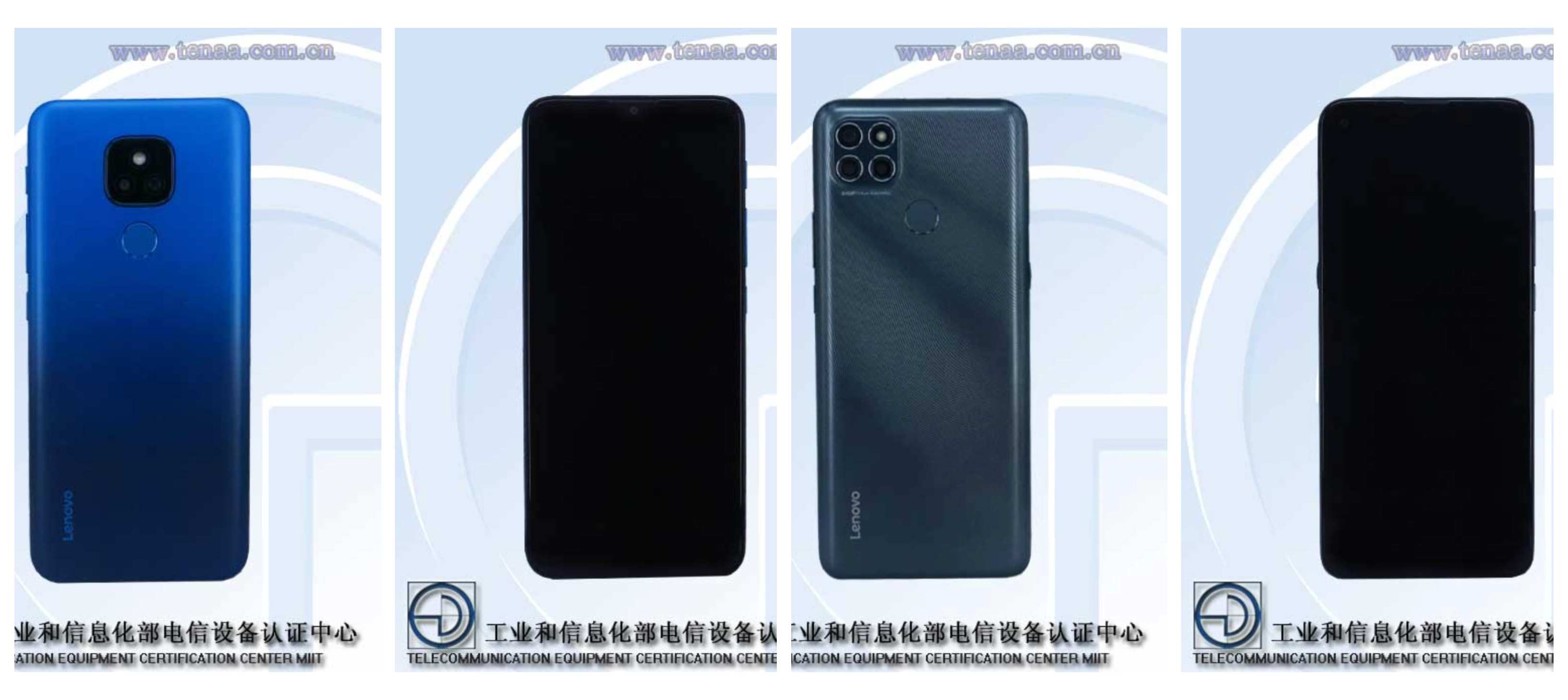
TENAA Images Left: Lenovo K12 Right: Lenovo K12 Pro

After confirming the arrival of Lemon brand smartphones, Lenovo has confirmed that the Lemon K12 series of smartphones will launch on December 9 in China. The devices are likely rebranded Motorola phones from Global markets. Accordingly, the Lenovo K12 Pro will be a rebranded version of Moto G9, while the K12 will be a rebrand of Moto E7.

Thus, Lenovo K12 Pro will likely feature a 6.8-inch LCD HD+ display, Qualcomm Snapdragon 662 SoC, 4GB RAM, 128GB storage, triple-camera with 64MP main, two 2MP macro& depth sensors, 16MP selfie shooter, 6,000mAh battery with 20W fast charging. The Lenovo K12 will probably have a 6.5-inch LCD HD+ display, Snapdragon 460 SoC, triple camera with 48MP main, and two 2MP sensors, 8MP selfie camera, 5,000mAh battery with 10W charging.

3Huawei Nova8, Honor V40 series

honor v40 series

Huawei launched the Nova 8 SE back in November. The company is expected to expand the Nova8 lineup and if reports are true it will happen this month. Certifications received an earlier hint that the lineup will include two more devices- Nova8, and Nova8 Pro. The Pro model will likely feature a dual punch-hole display with curved edges. Sadly, not much is known about the series but the Nova 8 could sport Dimensity 820 SoC, rectangular layout with quad-cameras, while the Pro model will have Dimensity 1000+ SoC.

The Honor V40 series was expected to launch last month. However, a lot happened in December and now Honor is no longer a sub-brand of Huawei. Hence, the V40 series could be the first Honor Smartphones after the split. Although it is rumored to launch in December along with the Nova8 series, some reports say that it might get skipped to Jan 2021. The series will have V40 Pro, V40 Pro+. Reports say that both the devices will have a 6.72-inch FHD+ 120Hz display, 50MP Sony IMX700 RYYB camera, 66W wired & 40W wireless charging, 5G, Dimensity 1000+ SoC(V40), and more.

4Vivo X60 series, V20 Pro

Vivo V20 pro pre-order offers

After a lot of delays, Vivo has finally confirmed that V20 Pro will launch in India on December 2. To recall, the device launched back in September in China. The Vivo V20 Pro features a 6.44-inch FHD+ AMOLED display, Qualcomm Snapdragon 765G 5G SoC, 8GB RAM, 256GB storage, triple-camera with 64MP, 8MP, 2MP lenses, and a dual-front camera with 44MP main, and 8MP ultra-wide lens, 4,100mAh with 33W fast charging.

Vivo recently launched the OriginOS in China. It is expected to power the new Vivo smartphones going forward. While the company has opened beta registrations for existing devices, its upcoming Vivo X60 series will likely get it out of the box. Reports say that the series will have Vivo X60, X60 Pro, likely feature Samsung Exynos 1080 SoC, and start around 3,500 yuan($532).

5Other Expected launches

 realme RMX3063 device

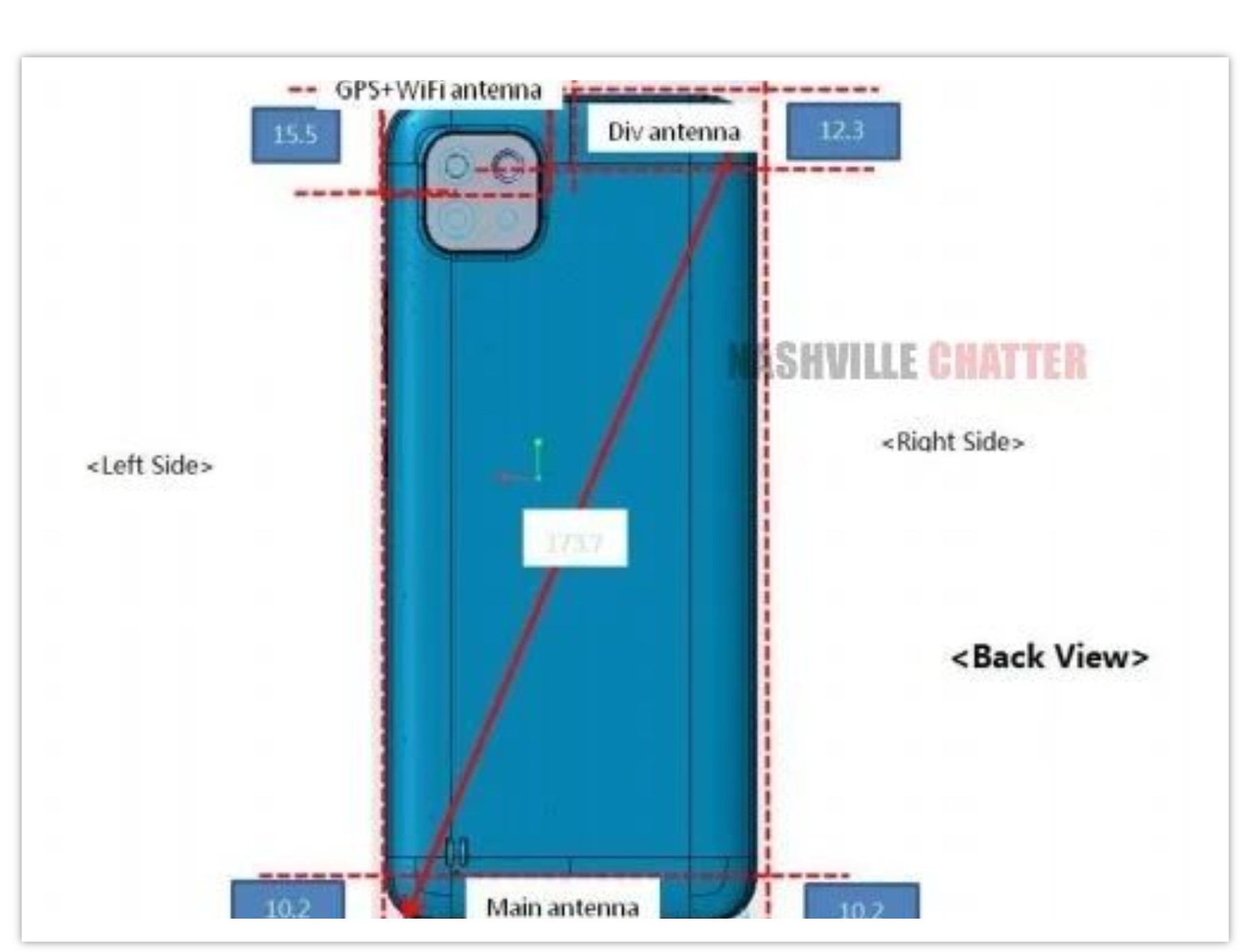
realme’s mysterious RMX3063 device has been spotted on FCC, BIS, EEC certification websites suggesting an imminent launch. It will have a design similar to devices like realme C12, C15, and realme Q2i. It will likely feature a 5,000mAh battery, Bluetooth 4.2, 4G, Wi-Fi 802.11ac support.

Moto G9 Plus(India)

Moto G9 Plus

Motorola announced the Moto G9 Plus in Brazil, UK back in September. And a recent BIS listing suggests the launch in India is imminent. It features a 6.8-inch FHD+ LCD display, Snapdragon 730G SoC, 4GB RAM, 128GB storage, quad-camera with 64MP sensor, 16MP selfie camera, 5,000mAh battery with 30W TurboPower Charging, Android 10.

Nokia 7.3, 5.4
Left: Nokia 7.3 Right: Nokia 5.4(representative image)

After a long delay, Nokia 7.3, and budget Nokia 5.4 are likely to debut before the year ends. Nokia 5.4 will likely be a successor to Nokia 7.2 with 5G support, 6.3-inch FHD+ display, Snapdragon 690 SoC, 48/64MP primary camera, 24MP selfie camera, 4,000mAh battery with 18W charging. Nokia 5.4 will probably boast a 6.39-inch HD+ display, SoC faster than Snapdragon 665, 4GB RAM, 64/128GB storage, Wi-Fi, Bluetooth, USB-C port, and sport Blue, Purple colors.

Samsung M02, A52, A72

Samsung is gearing up to announce the next entry-level M02 very soon in India. And if reports are anything to go by, it might happen this month. The support page for SM-M025F/DS, likely the M02, has already gone live. Considering the early launches, it is speculated that the upcoming Galaxy A02 will land as M02 in India. So far, the Geekbench listing shows it will likely have Snapdragon 450 SoC, 3GB of RAM, Android 10.

Last year, Samsung announced the Galaxy A51, A71 in December. Similarly, the company could launch the next iteration this year as well. So far, the Galaxy A52 and A72 are likely succeeding those devices. Galaxy A52 is expected to feature Snapdragon 750G 5G, 64MP main camera, 8MP unknown sensor, and 3x Telephoto lens. The Galaxy A72, on the other hand, will feature a Penta-camera setup with 64MP main, 12MP ultra-wide, 8MP Telephoto(3x zoom), and two 5Mp sensors, 32MP front camera.

Xiaomi Mi 11, Mi 10i, Redmi 9 Power

Xiaomi is expected to announce the Mi 11 series- Mi 11, Mi 11 Pro soon after the Qualcomm Summit that will happen on December 1. The device will likely be the first in China to sport the next flagship SoC(likely: Snapdragon 888) of Qualcomm. The Pro device will mostly feature a curved display with QHD+ resolution, 120Hz refresh rate, main camera to take 50MP shots, 48MP ultra-wide, 100W fast charging, and more. Although it is tipped to launch in January, chances are it might get announced in December.

The Mi 10i and Redmi 9 Power are likely rebadged versions of Mi 10T Lite, and Redmi Note9 4G for the Indian markets. Anyway, the Mi 10i will feature a  6.67-inch FHD+ 120Hz LCD display, Qualcomm Snapdragon 750G 5G SoC, circular rear camera layout, 16MP selfie shooter, 4,820mAh battery with 33W fast charging. The Redmi 9 Power will have a 6.53-inch display, Snapdragon 662 SoC, 6,000mAh battery with 18W charging.

The latest leak reveals that Mi 10i will come in Black, Blue, Orange-Green gradient colors with 6/8GB RAM, 128GB storage. The Redmi 9 Power will come in Black, Blue, Green colors and have 4GB RAM, 64/128GB storage.

So these were the expected smartphones in December 2020. Which phone are you most excited for?

Storage and color variants of Mi 10i and Redmi 9 Power for India leaked

Xiaomi debuted the  Mi 10T Lite in late September in Europe alongside Mi 10T and Mi 10T Pro. The latter two smartphones made their way to India but the former did not. Similarly, Redmi announced Redmi Note 9 4G last week in China. As per multiple findings, these two handsets will be unveiled as Mi 10i and Redmi 9 Power in India. Ahead of their official launch, the storage variants and color options of these phones have leaked.

Xiaomi Mi 10T Lite Featured

The new leak regarding Mi 10i and Redmi 9 Power comes from Ishan Agarwal who has partnered with 91Mobiles for its distribution. According to him, these two handsets will be available in India in two storage configurations and three colors each.

Xiaomi Mi 10i

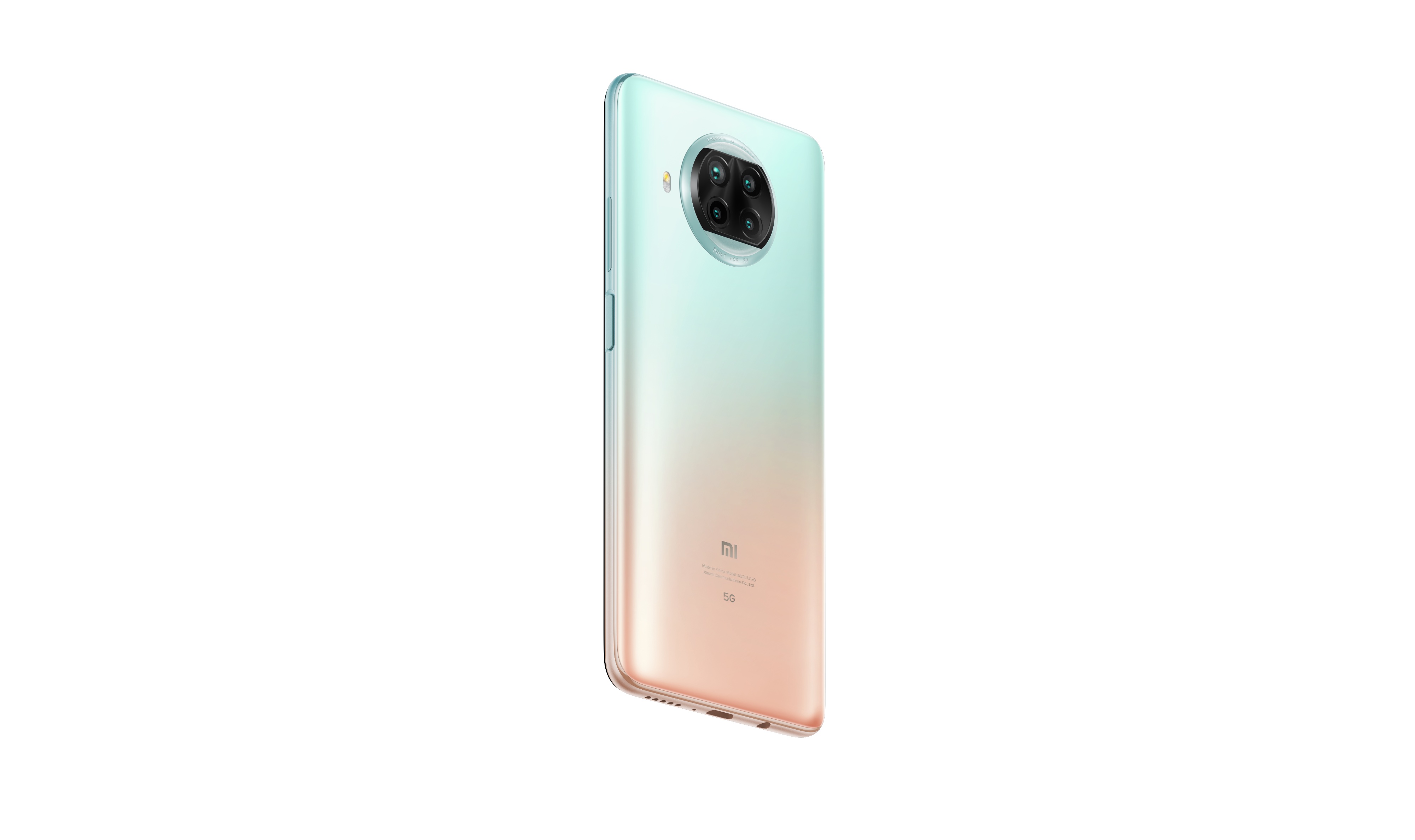
The upcoming Mi 10i is codenamed ‘gauguininpro’ and will bear the model number M2007J17I. It is expected to be a rebranded Mi 10T Lite with Qualcomm Snapdragon 750G, 120Hz display, and 64MP quad-camera. As per the new tip, it will be available in the following storage variants and colors.

Xiaomi Mi 10T Lite Rose Gold Beach

Mi 10i Storage Variants

  • 6GB + 128GB
  • 8GB + 128GB

Mi 10i Colors

  • Black
  • Blue
  • Orange – Green Gradient


Redmi 9 Power

On the other hand, the forthcoming Redmi 9 Power is reported to be a rebadged Redmi Note 9 4G with a quad-camera setup, Qualcomm Snapdragon 662, and 6,000mAh battery. It is codenamed ‘lime’ and will come with model number M2010J19SI. The phone will be sold in the following memory versions and colors.

Redmi Note 9 4G Green Featured

Redmi 9 Power Storage Variants

  • 4GB + 64GB
  • 4GB + 128GB

Redmi 9 Power Colors

  • Black
  • Blue
  • Green

Having said that, the Indian divisions of Xiaomi and Redmi are yet to officially reveal the launch dates for Mi 10i and Redmi 9 Power respectively.


TicWatch Pro 3 gets an LTE version in Europe; coming to other markets later

The TicWatch 3 Pro GPS was announced at the end of September as the first smartwatch to be powered by the Snapdragon Wear 4100. However, the lack of an LTE variant at launch may have disappointed some fans of the brand. Two months later, Mobvoi has now announced the TicWatch Pro 3 with LTE.

The new smartwatch has made its debut in Europe with a price tag of €359.99 in Spain and Germany and £329.99 in the UK. Mobvoi says they are working on expanding to more countries.

The TicWatch Pro 3 with LTE allows users to connect to the internet, make calls, and receive and send texts on their watch without the need to connect to a smartphone. The product page says Vodafone subscribers will be able to use their existing mobile number and plan on their watch.

It shares practically all of its specs with the TicWatch 3 Pro GPS, save for the addition of an LTE modem. The smartwatch has a 1.4-inch AMOLED display with a 400 x 400 resolution. There is also a low power consuming screen on top of the AMOLED one that helps to conserve battery.
The TicWatch Pro 3’s Snapdragon Wear 4100 processor is paired with 1GB of RAM and 8GB of storage. It can track a variety of sports including cycling, running, mountaineering, yoga, and swimming.
The watch runs WearOS and users can download compatible apps on to it. It also has NFC, a SpO2 sensor, a barometer, and an IP68 rating. The TicWatch Pro 3 with LTE has a 595mAh battery capacity that will last up to 72 hours on a single charge in smart mode. If you switch to the essential mode, which makes use of the low-power screen, the battery life goes up to 45 days.

The TicWatch Pro 3 can be purchased right now on Mobvoi’s website.


Amazfit Pop Pro launched in China with built-in GPS, compass, and Xiao AI voice assistant

Earlier today, Huami announced two new smartwatches in China. One of them is Aamzfit GTS 2 Mini, which we have already covered. Here in this article, we will take a closer at the second model called Amazfit Pop Pro. As the name suggests, this new wearable is a higher variant of the recently launched Amazfit Pop.

Huami Amazfit Pop Pro Featured
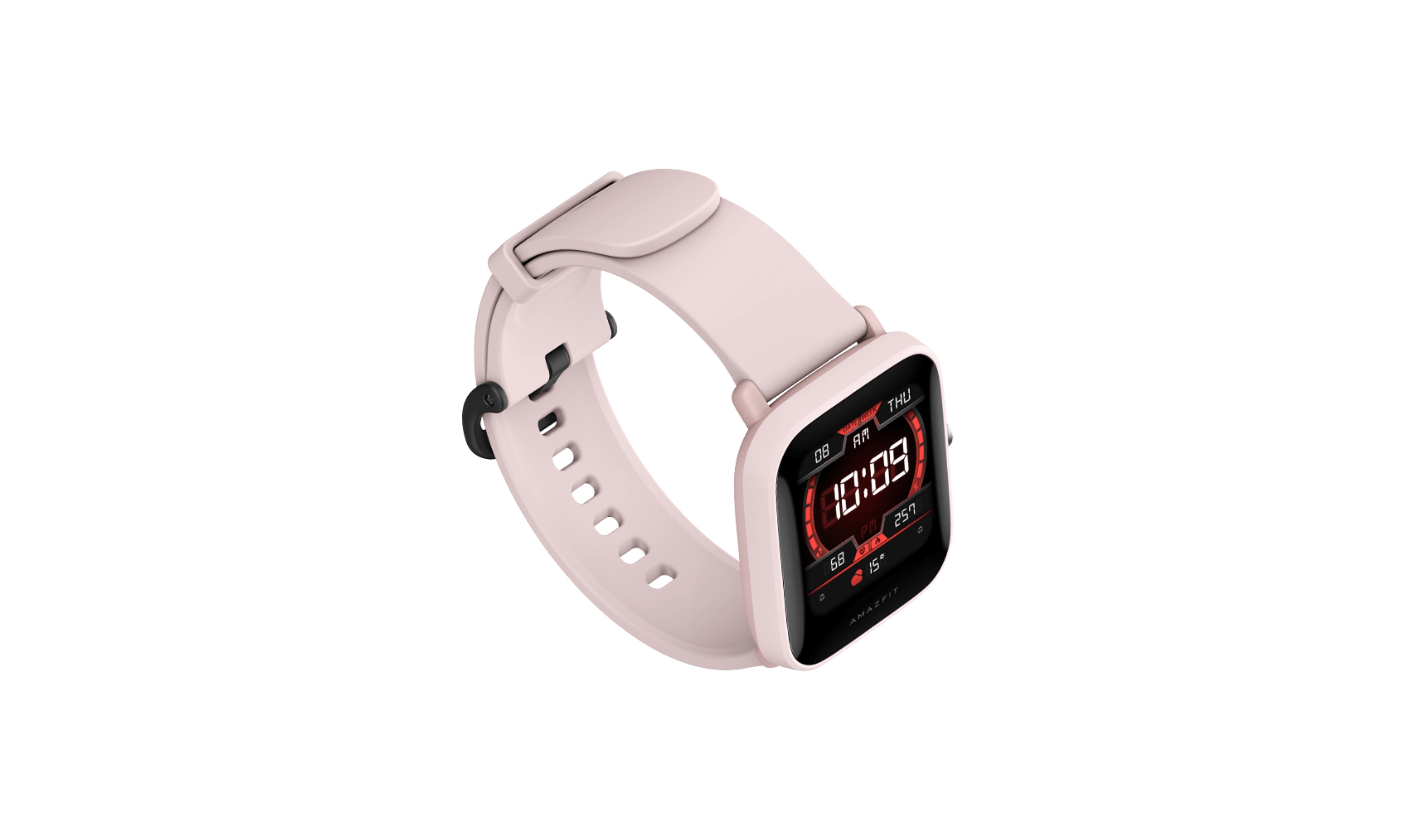
Amazfit Pop Pro

Amazfit Pop Pro Specifications and Features

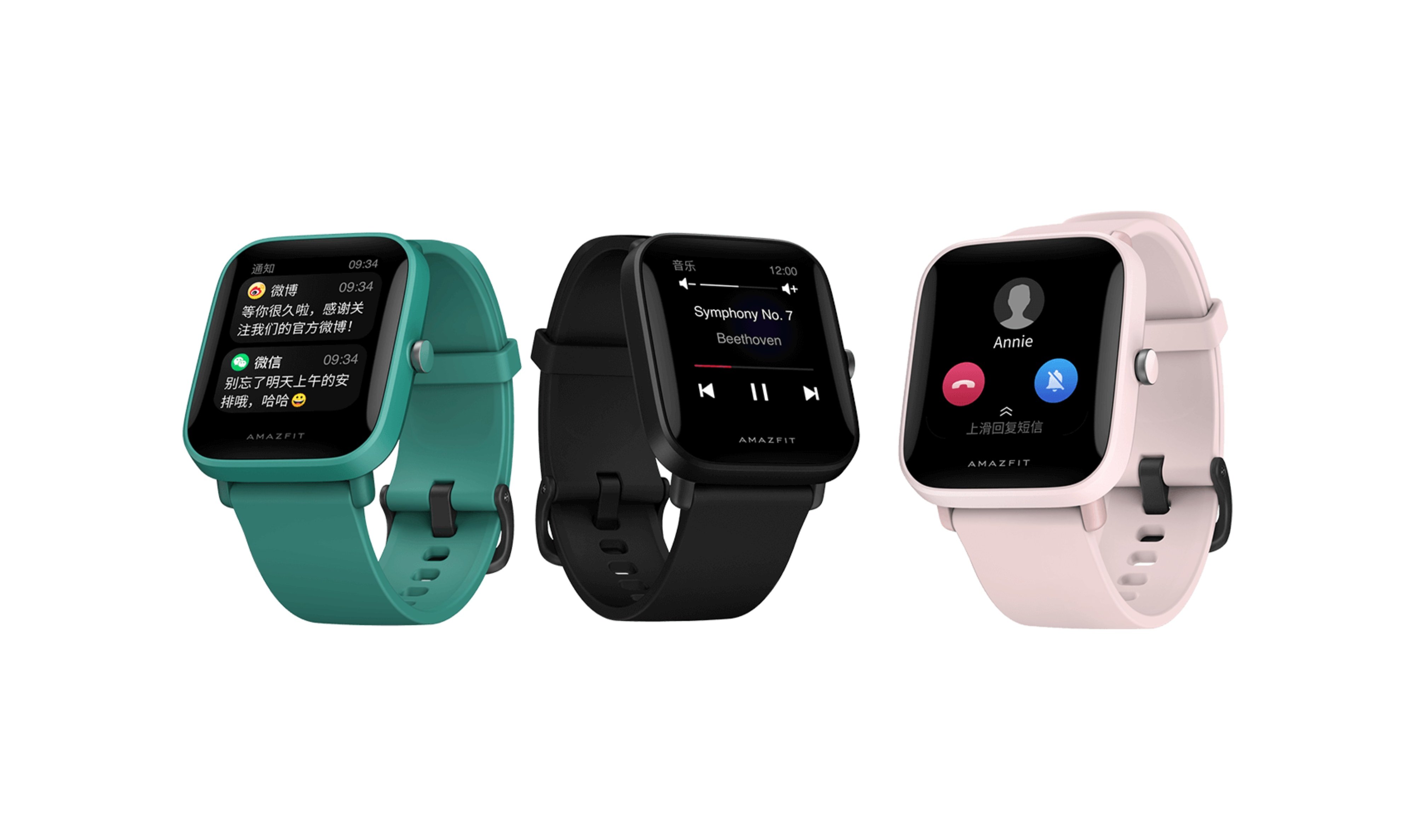
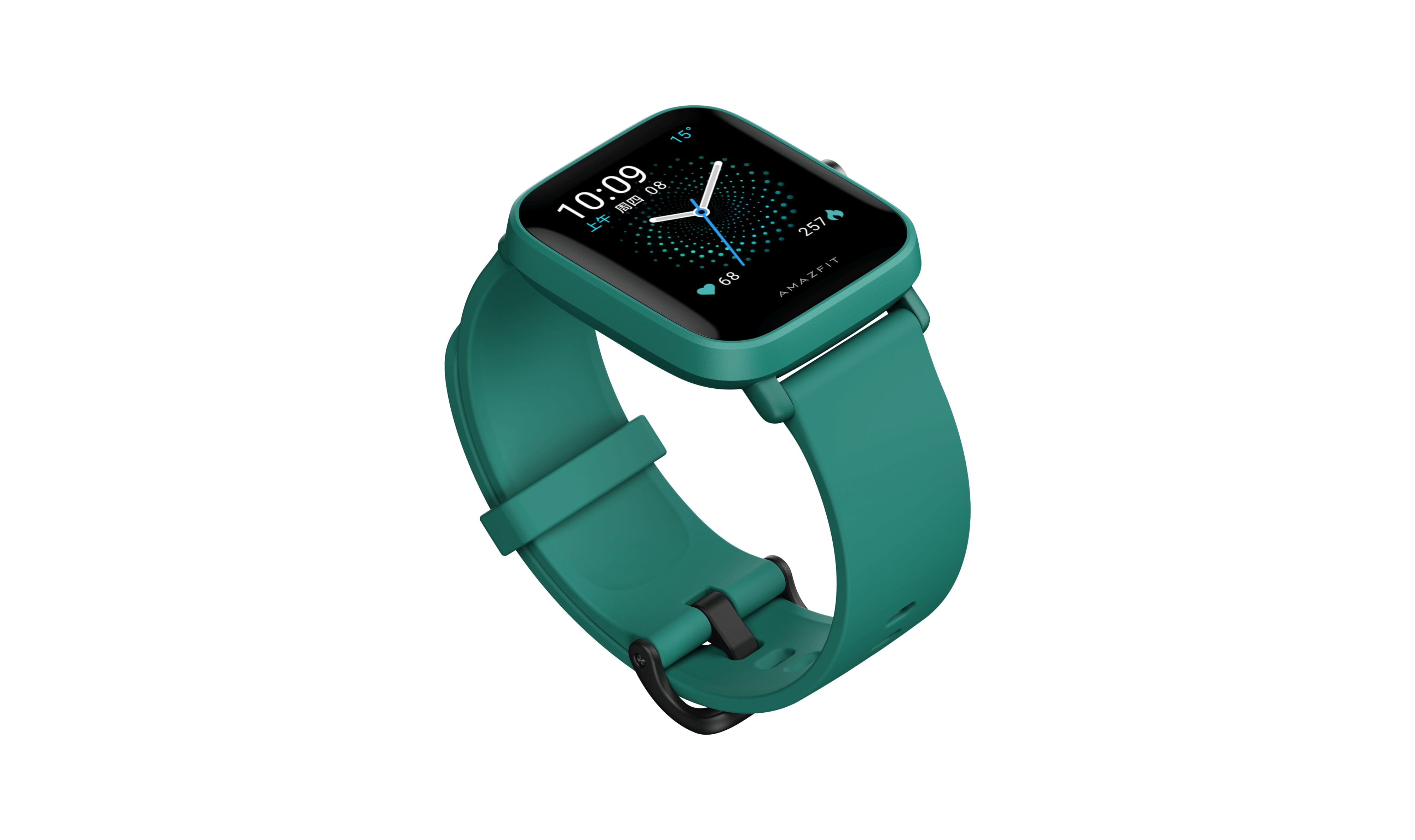
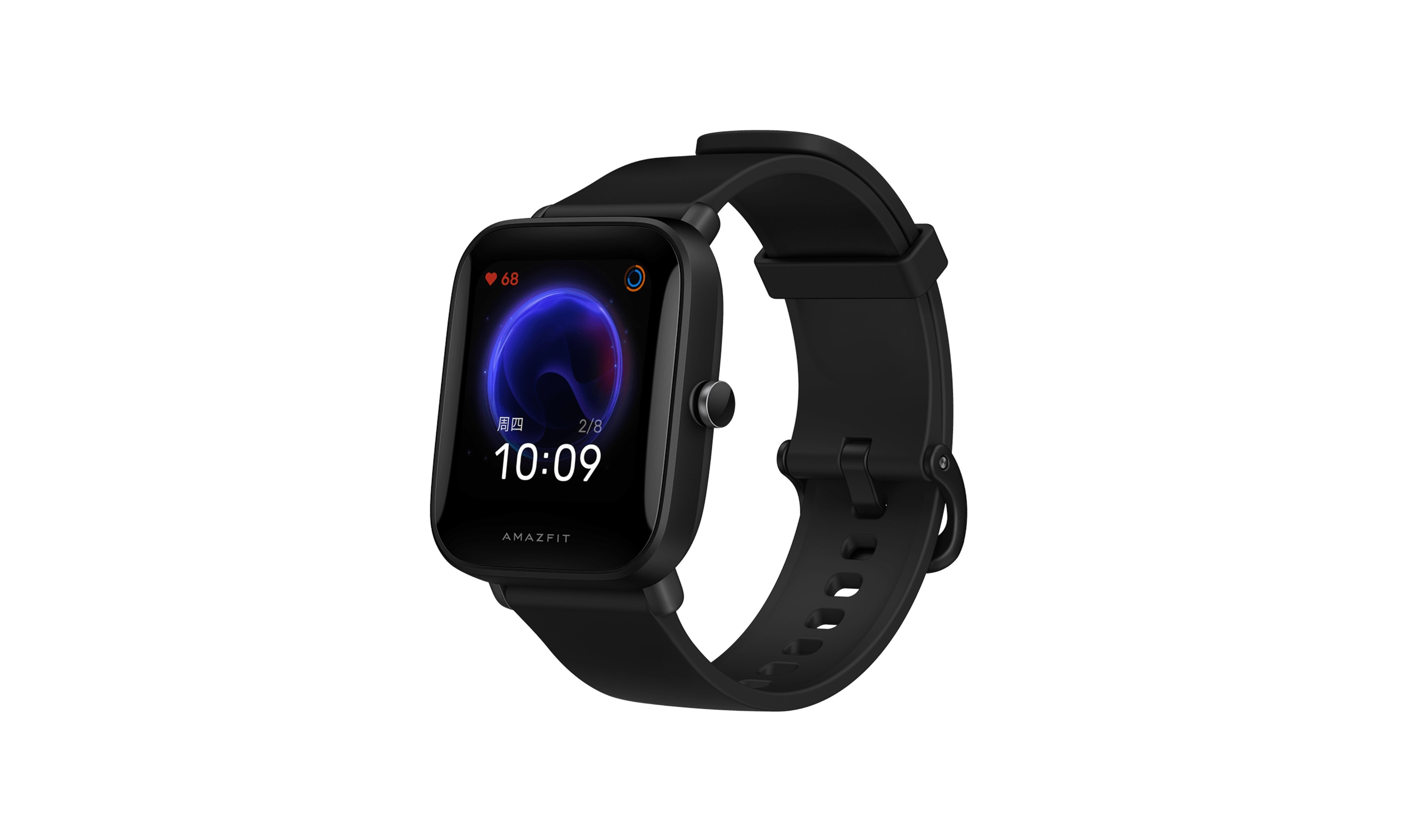
The Amazfit Pop that launched in China is nothing but Amazfit Bip U that is available in global markets. Similarly, the newly unveiled Amazfit Pop Pro is actually the unreleased Amazfit Bip U Pro.

The Pro variant features the exact same specs as the regular model with some bonus features like built-in GPS for activity tracking, compass (geomagnetic sensor), and microphone for Xiaomi Xiao AI voice assistant (Amazon Alexa in international markets).

Apart from the above-mentioned dissimilarities, the latest wearable from Huami is Amazfit Pop inside out. That means it sports a 1.43-inch TFT LCD panel with a resolution of 320 x 302 pixels and 305 ppi. This screen is further protected by a 2.D glass with an anti-fingerprint coating.


The body of the watch is made of polycarbonate and ships with a silicone strap. It measures 40.9 x 35.5 x 11.4mm in dimensions and weighs 31g (with strap). Just like other smartwatches from the company, this model is also water-resistant up to 5ATM.

The device comes with Huami BioTracker 2™ PPG Biological Optical Sensor (heart rate sensor and SpO2 sensor), accelerometer, and, gyro sensor. It uses Bluetooth 5.0 BLE to connect with smartphones via the Zepp app and also sports NFC for contactless payments and transit passes.

As far as features are concerned, it supports 60+ sports modes, 50+ watch faces, heart rate monitoring, blood oxygen level monitoring, sleep monitoring, stress monitoring, menstrual cycle monitoring, automatic exercise detection, and PAI score.

Other common features include clock, alarm, stopwatch, camera shutter, app notifications, call & message alerts, music playback control, weather, and find my phone.

Last but not least, the wearable is backed by a 225mAh battery, which takes about 2 hours to charge via an included magnetic charging base. The company claims the watch to offer up to 9 days of battery life on a full charge.

Amazfit Pop Pro Pricing and Availability

The Amazfit Pop Pro costs ¥399 ($61) and is already available for pre-order in China. It comes in three colors namely Carbon Black, Cherry Powder, and Pine Green.

The smartwatch will go on sale in the country from December 10 and should hit international markets as Amazfit Bip U Pro as it has already cleared Bluetooth certification.