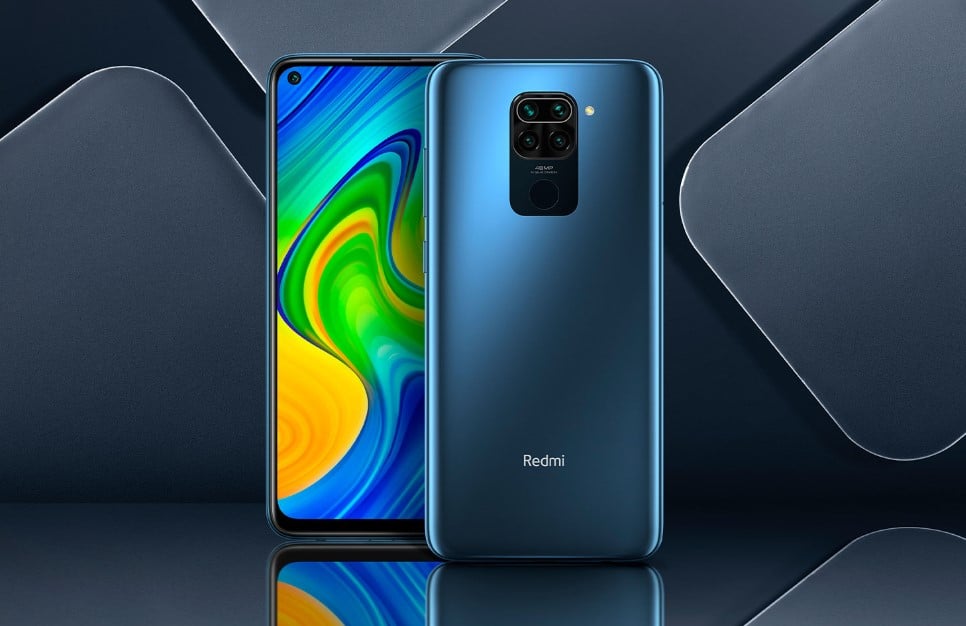
A recent leak has aoppeared on Weibo fuelling speculations that Xiaomi will launch a budget phone with a powerful display and other impressive features soon. The model is said to belong to the Redmi Note 9 series and according to a fresh Weibo leak by noted tipster Digital Chat Station, the model will be known as Redmi Note 9 High-end version.
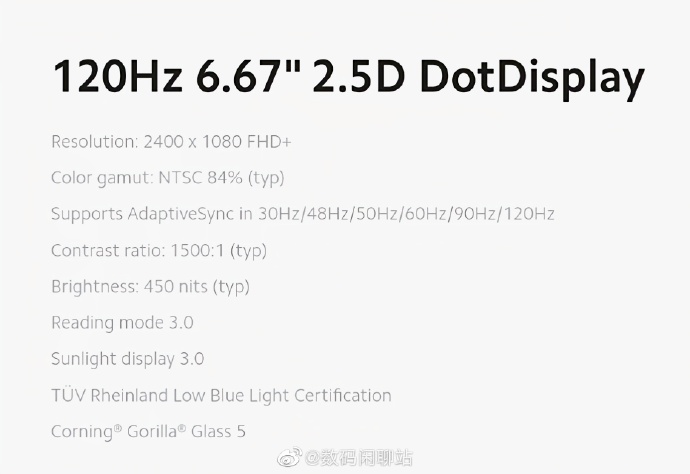
The Redmi Note 9 series are basically mid-range models but it looks like Xiaomi is planning to tweak things a bit. The leak shows that the Redmi Note 9 high version will support adaptive LCD screen refresh rate. The refresh rate will range from 30Hz to 120Hz. What this means is that the smartphone’s display will automatically switch between different refresh rates depending on the task being performed. Hard core gaming with see the display running at 120Hz refresh rate while actions such as watching movies may come down to 60Hz or 30Hz to conserve battery.
Further, the smartphone is expected tp pack a generous 4800mAh battery and with adaptive display tech, we expect some prolonged battery life. The device supports up to 33W wired charging speeds.
Specs-wise, the tipster hints that the device will have a 6.67-inch 2.5D Dot display with an FHD+ resolution of 2400 x 1080 pixels. The display is covered by a layer of Gorilla Glass 5 protection. Another interesting revelation is that the device will have a 108 MP main camera, said to be Samsung’s ISOCELL HM2 sensor which was announced in September.
If you live in India, we are sure you tired of streaming YouTube in standard definition a.k.a. 480P on your mobile phone. There is good news now as YouTube has now restored HD streaming after more than 6 months.
It has been reported that 1080p streaming was already being enabled back for those on mobile networks back in September but for a few people. However, a lot more users now have it enabled for them.
The feature should remain for the foreseeable future but we won’t be surprised if a restriction is announced in case there is another round of lockdown.
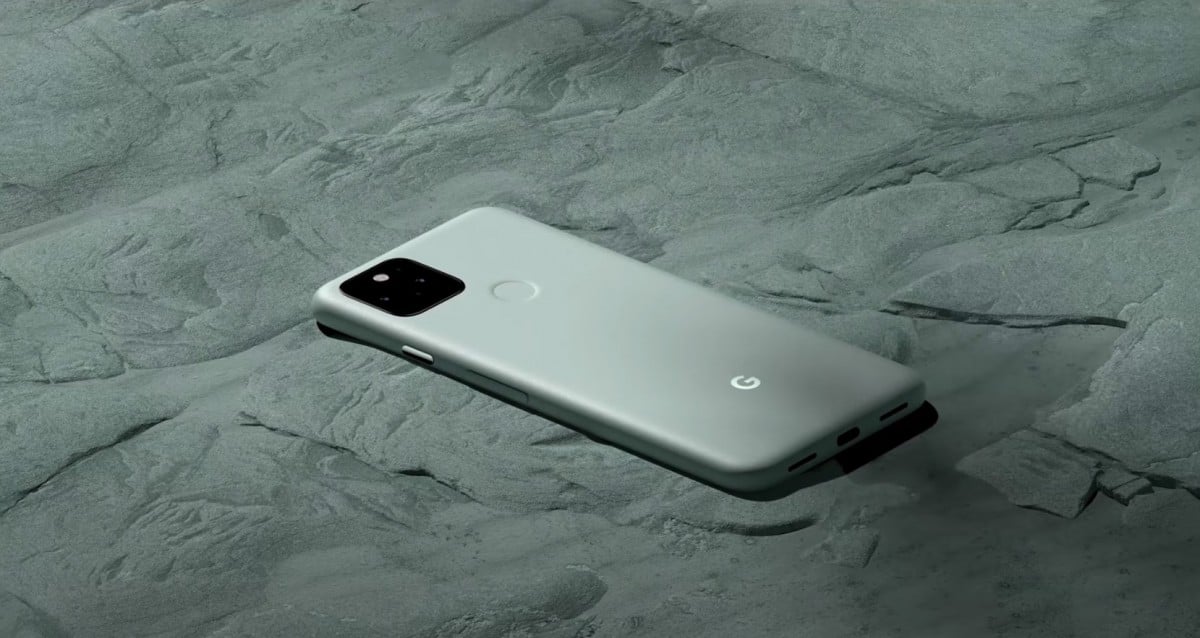
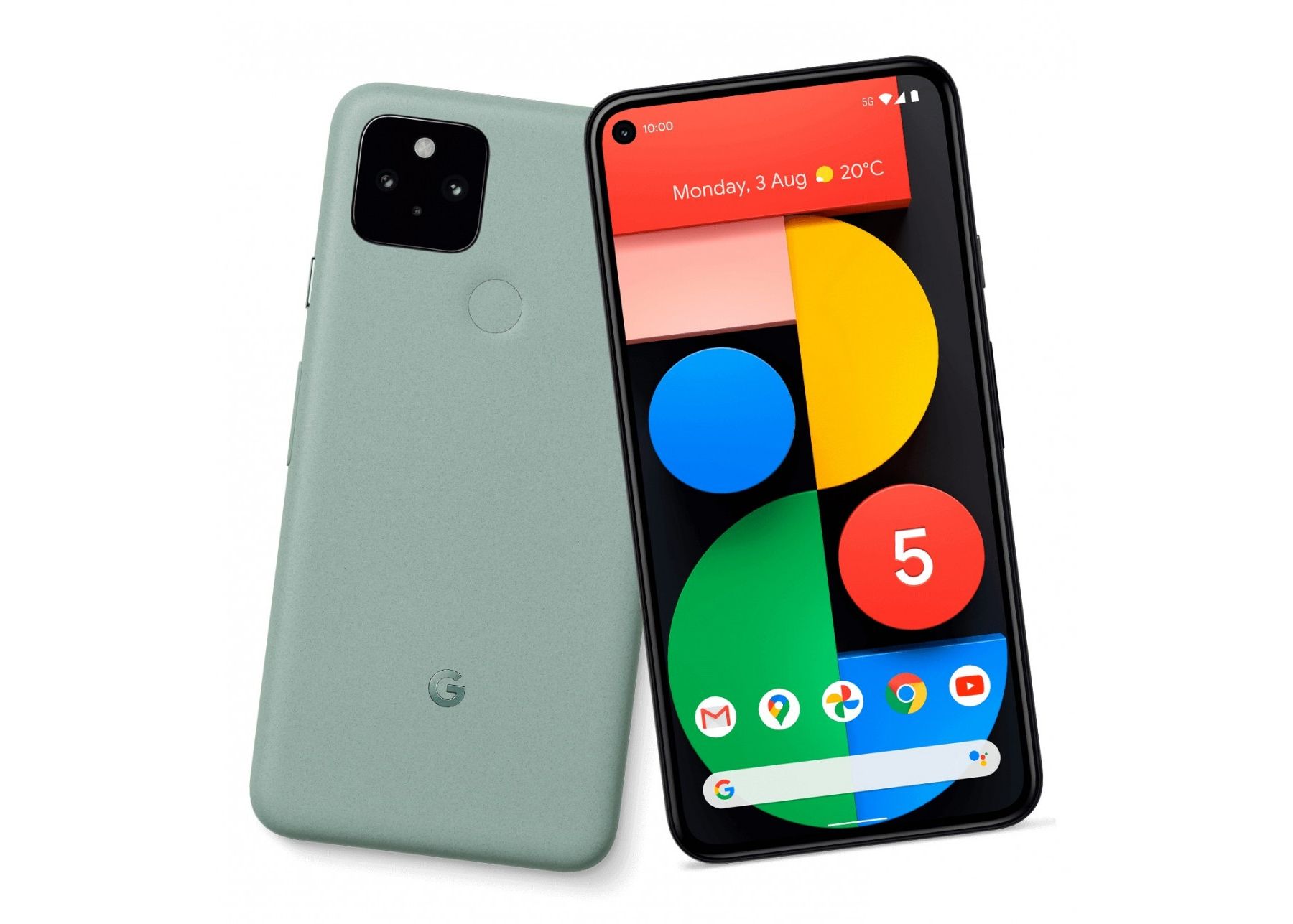
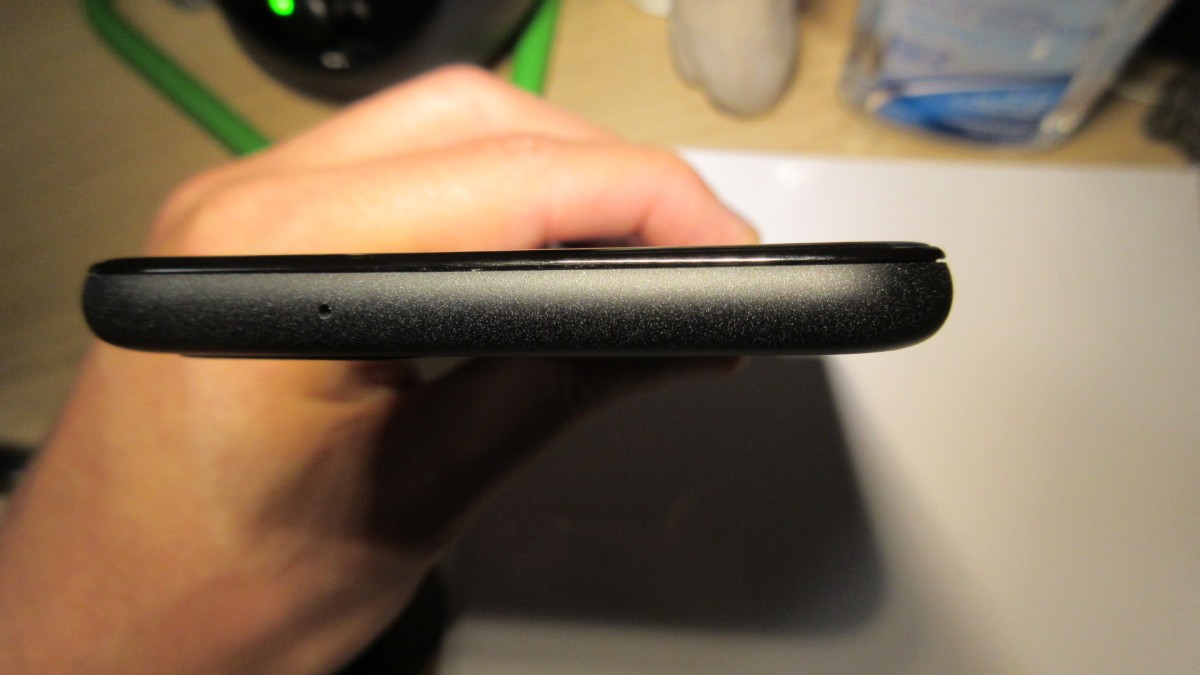
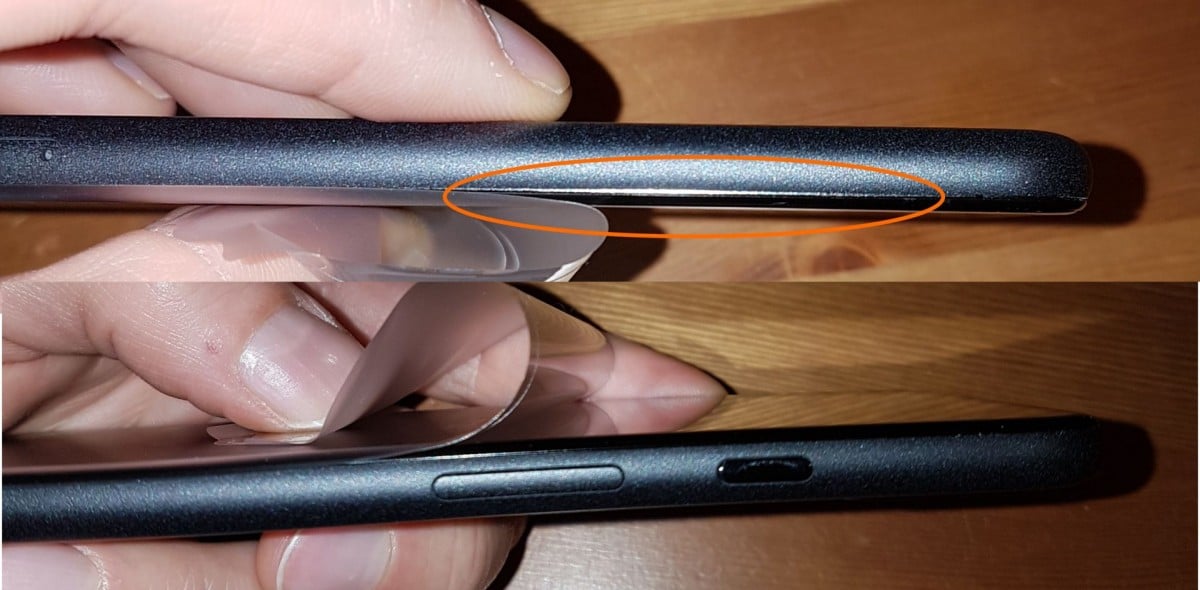
Google Pixel 5 is definitely a good offering from the company in a long time. However, it didn’t escape the usual theme of Pixel devices having concerns. Few users of Pixel 5 have been reporting a condition where a gap exists between the display and frame of the device. And now, a Community specialist on the Google support page says it’s normal.
The Community specialist going by the name David Pop has replied to a query regarding the Pixel 5 Gap issue. Accordingly, On the Google support page(via PhoneArena), he says that the company investigated customer complaints. Along with this and their QC(Quality Control) data, he confirms that the gap between screen and body is normal. In fact, he goes on to say that it doesn’t have an effect on the IP68 water and dust resistance of the device.
However, his comment has drawn a lot of replies from users who express concerns about the design in long term. Contrary to what the Specialist claims, a user says that his unit has the same gap and dust gets piled up inside. He adds that on trying to press it near the front camera section it sits flush but a gap appears again on releasing the pressure.
That said, a teardown video earlier revealed that Pixel 5 is a well-built phone despite the gap between screen and body. And that the gap doesn’t pose any threat to the internals inside as a strong adhesive. And clips hold the device screen firm with the body. Still, the gap issue might have popped up due to poor Quality Control checks.
Besides, a few users say that the replacement units also have a similar problem. Having that said, users who are disappointed with this design flaw can try using the device. And see if the gap poses an issue in the long-term, or get a refund.
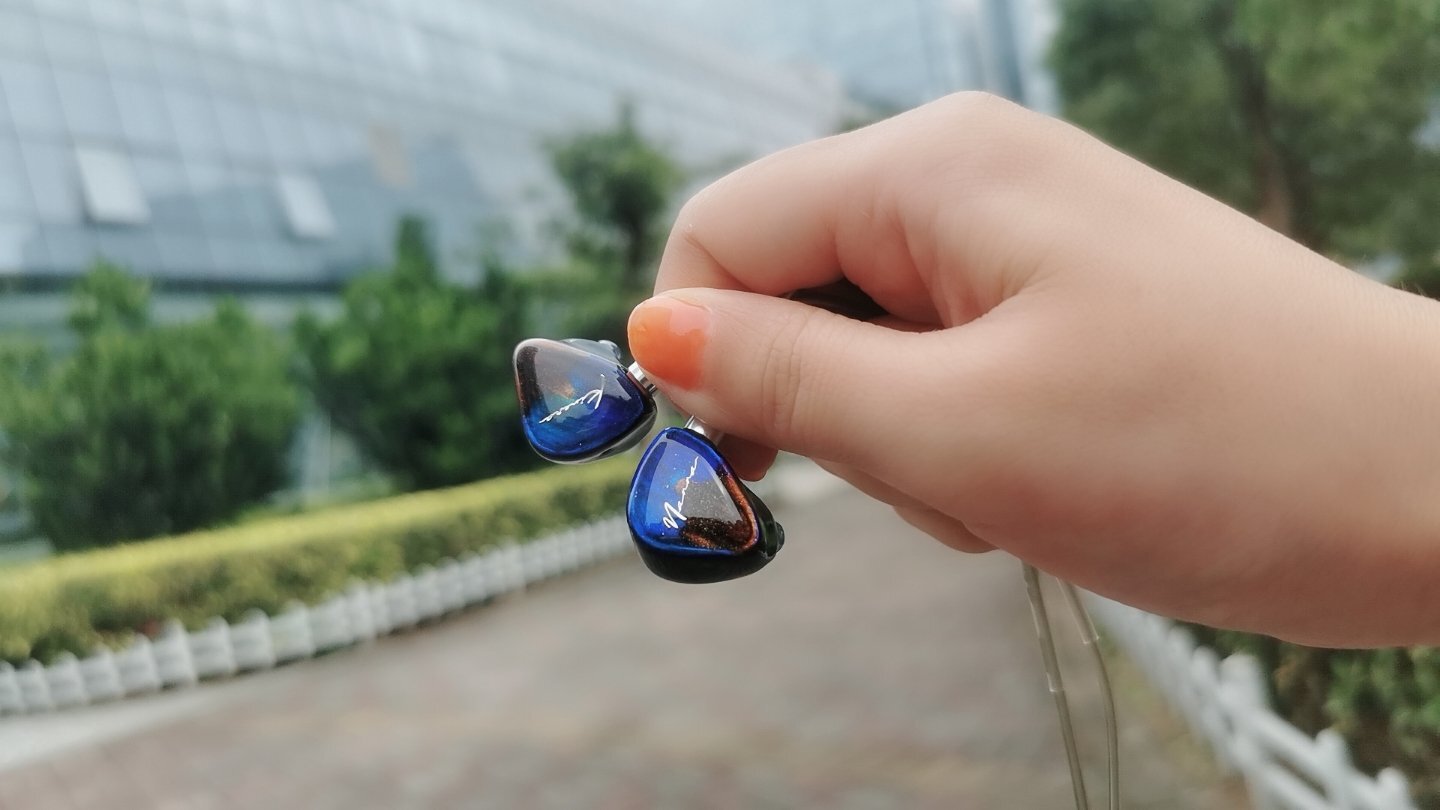
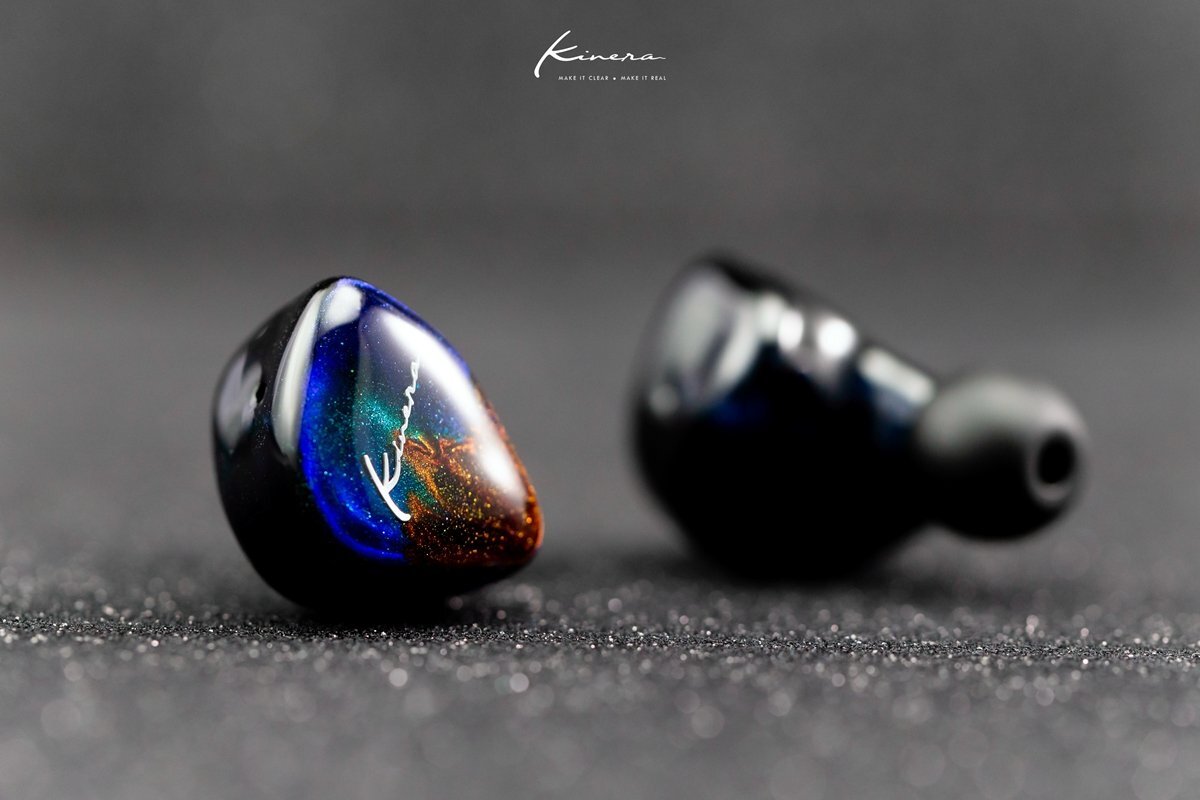
Kinera is a brand that should be higher up on everyone’s radar. It is an electronics company established in 2010 that focuses on developing a new generation of high–tech products for the consumer market. This year the company introduced a few different IEMs, each of which has been nothing short of high quality. Their latest introduction is, however, is a variant of an existing product, Kinera Nanna. The only difference this variant boasts is that of the color; its specifications remain the same.
The Kinera flagship is namedMount Nanna, and since the company is known to derive the product names from mythology, this pair is no exception. Nanna is a wife of the god Baldr and goddess of moon and wisdom. The new color variant of these electrostatic IEM earphones will officially launch on November 6th with an $899 price tag. Its sales and shipping are expected to start soon after the launch.
New Look
Mount Nanna comes in a mountain blue tone that gives it an appealing look and has a color contrast of a bright mountain sky. Even in terms of design, this new shade is different from its predecessors that had strokes of colors like red, brown, and blue on the faceplates.
Sound Quality
The Mount Nanna has a four-driver hybrid setup that produces decent sound output with a neutral sound signature. With defined tuning, this piece delivers warm and natural mids. Furthermore, its tuning has no peakiness, making it an ideal accessory for watching movies and having long music sessions. Its dynamic driver helps the bass deliver thumpy music while the balanced armature and electrostatic drivers ensure there are natural mids and smooth treble response with no peaks.
Extensions at Lower and Higher End
The driver setup provides good extensions at the lower and higher-end, providing good quick bass and smooth instrument details.
Pure Copper Braided Wire
The Mount Nanna comes with a pure copper braided wire, which gives smooth sound reproduction and also ensures a crisp and wide soundstage that terminates at a 3.5mm plug. The wire uses a 0.78mm 2-pin connector type.
Ergonomic Build Quality
The earpieces of Mount Nanna are well built with resin covered faceplates and are ergonomically designed to provide a comfortable fit.
Mount Nanna IEMs are perfect for people looking to mix high-sound quality with style. This pair is launching on November 6th with an $899 price tag. To know more about these earpieces, click here.
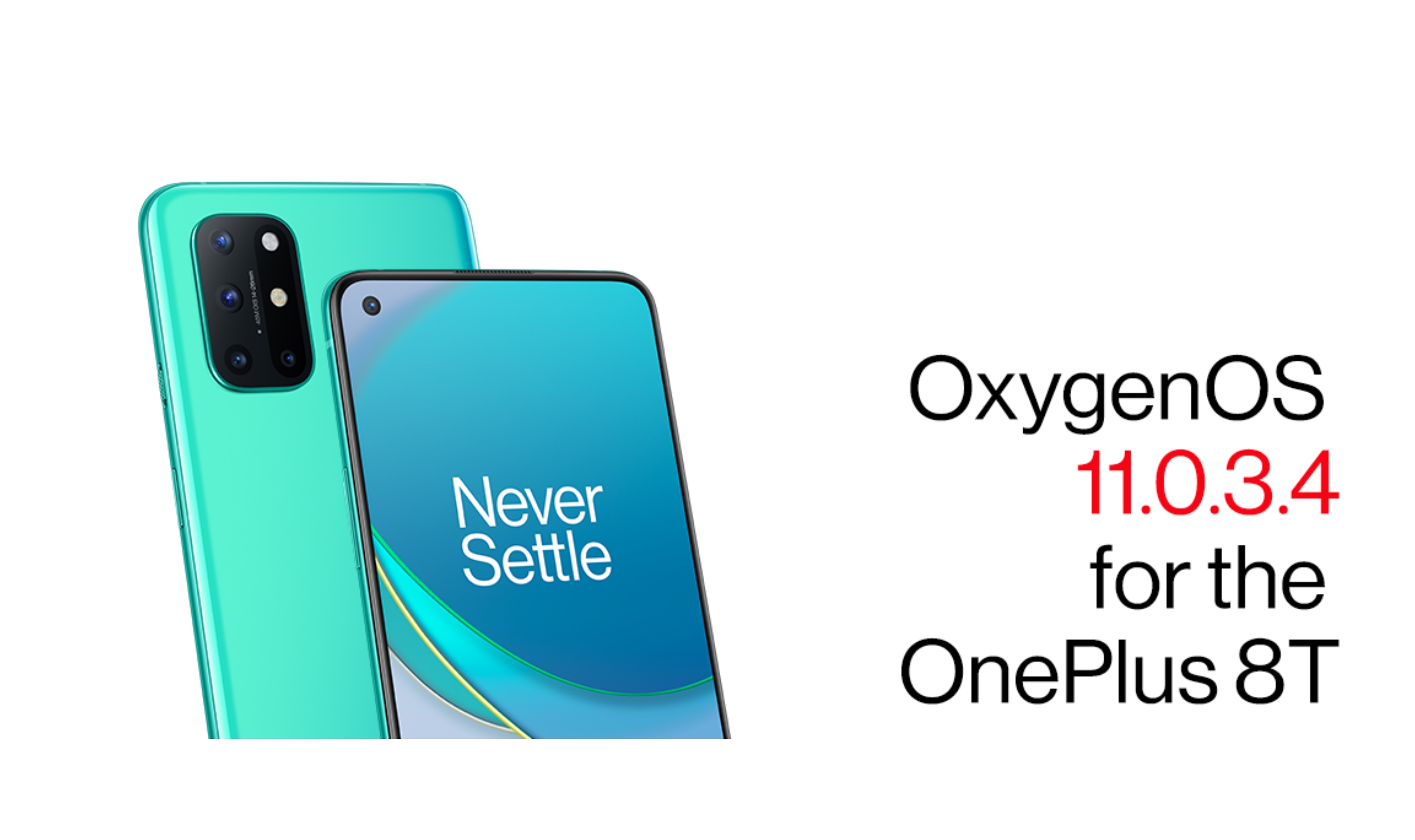
Last week, OnePlus rolled out the second system update for OnePlus 8T in the form of OxygenOS 11.0.2.3. Now, within a few days, the smartphone is receiving its third-ever update with version OxygenOS 11.0.3.4. Just like the previous release, this one too brings a number of fixes, optimization, and improvements.
The OxygenOS 11.0.3.4 update for OnePlus 8T comes with the following build numbers based on regions.
India (IN) – 11.0.3.4.KB05DA
Europe (EU) – 11.0.3.4.KB05BA
North America (NA) – 11.0.3.4.KB05AA
The changelog for the update mentions it to bring improvements for power consumption to reduce heat generation, mis-touch prevention, and camera stability. It also brings optimizations for fluidity in some games, imaging effect, mobile network connection, and also adds toast messages to indicate users while switching between sound profiles using the alert slider.
Lastly, the update brings fixes for status bar hovering in landscape mode, Play Store could not install apps, and network interruption while playing games.
OnePlus 8T OxygenOS 11.0.3.4 Official Changelog
System
Improved system power consumption performance to reduce heating
Improved mis-touch prevention to offer a better gaming experience
Optimized fluidity with some mainstream games to reduce lagging risks
Optimized user experience with Alert Slider by adding toast messages when switching among the 3 modes
Fixed the issue that the status bar kept hovering on the screen in landscape mode
Fixed the issue that Play Store could not install the app
Camera
Optimized the imaging effect to bring you with better shooting experience
Improved camera stability
Network
Optimized mobile network connection to improve the network intensity with signal
Fixed the small probability issue with network interruption while playing games
Like all OTA system updates, the latest release for the OnePlus 8T is being rolled out in batches. Hene, it may take time to reach every unit out there.
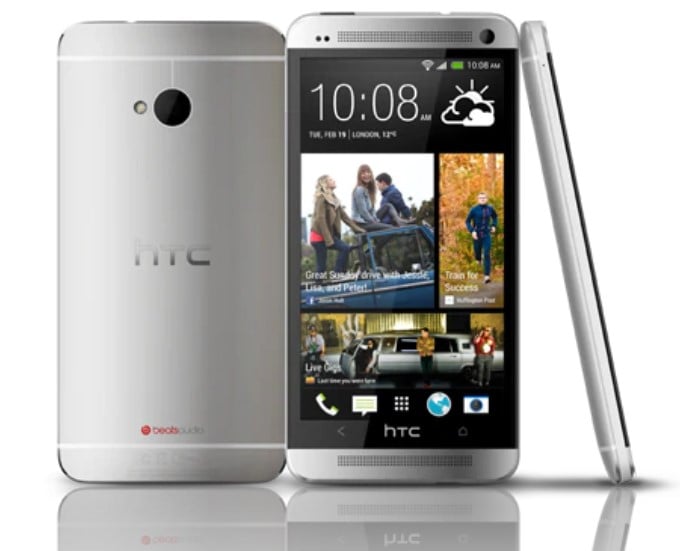
There was a time most phones had a metal back, and some notable ones such as the HTC One M7 and the Huawei-made Nexus 6P had a standout design. However, things have changed, and these days, several phones in the mid-range segment and most in the flagship category are covered in glass on both sides. But there is a chance that phones with metal back housing may make a return, thanks to the Google Pixel 5.
HTC One
Google’s Pixel 5 – first of the new age metal-clad phones?
Google took a different route with the launch of the Pixel 5. Unlike its predecessors, the phone is not a flagship but falls in the premium mid-range category. However, that is not the only change. The Pixel 5 also drops the Gorilla Glass back of its predecessors for an aluminum one while still retaining support for wireless charging, thus putting an end to the age-long belief that phones with wireless charging support can’t have a metal back cover.
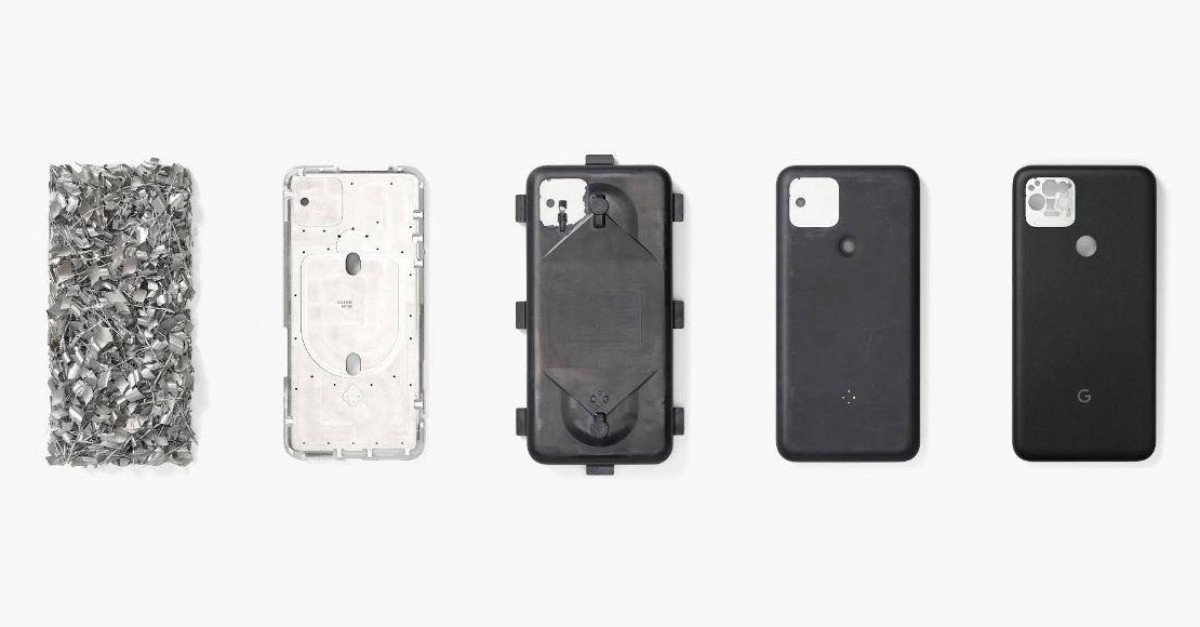
Pixel 5’s rear housing design process | Image source: GSMArena
Google did explain how it was able to achieve wireless charging on the Pixel 5. It turns out that the back panel has a cut-out where the wireless charging coil is placed. They then coated the panel with a layer of bio-resin and smoothened it out, thus hiding the coil before applying the final coat of paint. Smooth, right?
The big question now is will we see more manufacturers adopt a similar technique, thus marking the return of metal phones? First, let us look at the advantages and disadvantages of metal.
Affordable – Metal is more affordable, especially in the long run, unlike glass which is expensive to replace when damaged. Take for example the iPhone 11 and Galaxy S20 series whose rear glass housing costs $129 and $99 respectively to replace. Other phones are less expensive to repair such as that of the OnePlus 8T which costs $38 to replace its rear glass housing.
Durable – Metal is more durable than plastic and glass. It can take a beating and survive drops better than other materials.
Lightweight – Just because a phone is made of metal doesn’t mean it is going to weigh a ton. The Pixel 5 weighs 151 grams even with its 4080mAh battery compared to the iPhone 12 Pro which weighs 189 grams and has a smaller 2815mAh battery.
Disadvantages of Metal
Heating – this is one of the main problems of metal phones even though metal is supposed to better help with heat dissipation. However, in the last few years, manufacturers have come up with better cooling methods such as liquid cooling, air cooling, use of graphite sheets, and cooling accessories which should help lower the temperature better than before.
Interference – Metal is known to block frequency waves which is why metal phones usually have the antenna area covered in a different material or have antenna bands that allow signals to reach the antennas inside the device. However, manufacturers have found ways to solve this, so it is no longer a problem.
Seeing as the issues associated with metal phones already have solutions, there is nothing stopping manufacturers from switching to metal.
Conclusion
While we don’t expect every manufacturer to ditch glass and jump back to metal just because there is now a way to add wireless charging to phones with metal back housings, Google has shown with the Pixel 5’s that there is more than one way to do things. And if manufacturers are trying to make more durable phones that don’t break the bank, they can switch to metal and come up with creative finishes that also accentuate the appearance of the phone.
After a busy Techtober, you might have thought it’s the end of new launches in 2020. But you are in for a bunch of new phones this month. Here we are with another edition of upcoming Smartphones for the month of November 2020. The list includes Huawei, Redmi, Vivo, Realme, Moto, and more. We are just 5 days into the month, and a bunch of devices have already been announced. So, stick around till the end to find out what phones are launching in the next few weeks.
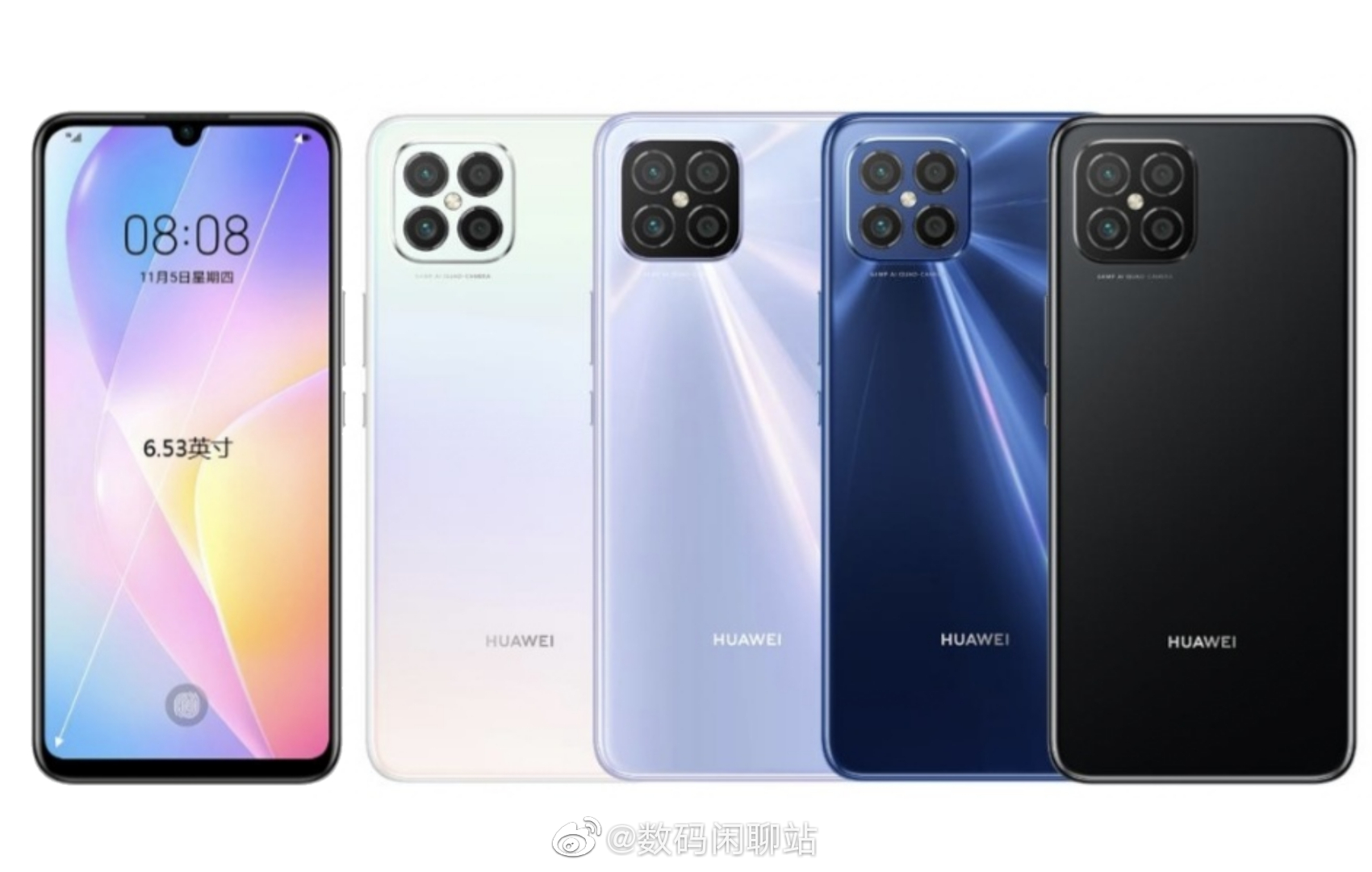
Huawei Nova 8 SE
Huawei will launch the Nova 8 SE in China on November 5. As reported earlier, the device is likely to come in two variants. A recently leaked spec-sheet shows that the device will have two editions- One with Dimensity 720 SoC, and Dimensity 800U SoC. The former has 5G+4G SIM, while the latter has dual-5G support. Other expected features include a 6.5-inch OLED display, quad-camera with 64MP main lens, 16MP selfie shooter, 8GB RAM, 128GB storage, 3,800mAh battery with 66W fast charging. It will likely run EMUI 10.1 based on Android 10.
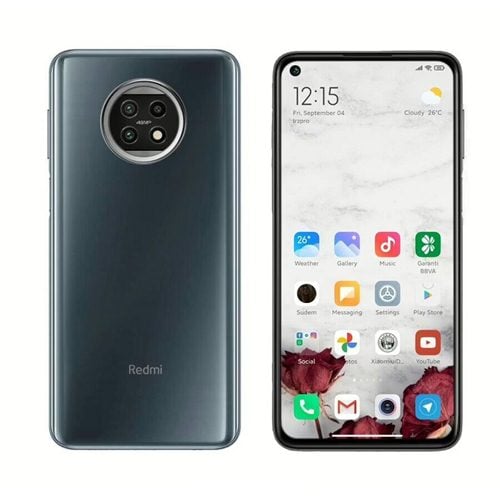
Redmi Note 9 series
Previously rumored to be the Redmi Note 10 series, three new Smartphones(M2007J17C, M2007J22C, M2007J19C) are expected to be added to the Redmi Note 9 lineup in China. Before you get confused, as of now, the new devices are likely headed to China. And doesn’t seem to resemble the already available ones. One of them likely has an LCD panel while the other has a high-refresh-rate screen. And likely have brightness up to 450 nits, NTSC 84%, 1500:1 contrast ratio. As of now, we don’t have an exact date but they are expected to go official later this month.
Honor V40 Series
Although rumors point to a December launch, Honor might jump the gun and bring it a month earlier as nothing is official yet. That said, the series will likely have two devices- V40 Pro, V40 Pro+. Expected features include a 6.72-inch FHD+ dual punch-hole curved display, 120Hz refresh rate, Dimensity 1000+SoC(V40 Pro), Kirin 9000 SoC(V40 Pro+), 50MP Sony IMX700 RYYB camera, 66W Wired SuperCharge, and 40W Wireless Charging.
Realme C17, X7 Pro
Realme has been mum for a while in India which is very unlike the company. However, it is likely coming back with new devices- Realme C17 for India, and Realme X7 Pro for India, and the Global market. The devices will likely launch this month(at least the C17). Realme C17 from Bangladesh features a 6.5-inch HD+ display, Snapdragon 460 SoC, quad-cameras, 6GB/128GB storage, and more. Realme X7 Pro is likely heading for a wider Global launch from China. It features a 6.55-inch AMOLED FHD+ 120Hz display, Dimensity 1000+ SoC, 64MP rear and 32MP front cameras, 5G, 65W SuperDart charging, and more.
Vivo X60 Series, V20 Pro
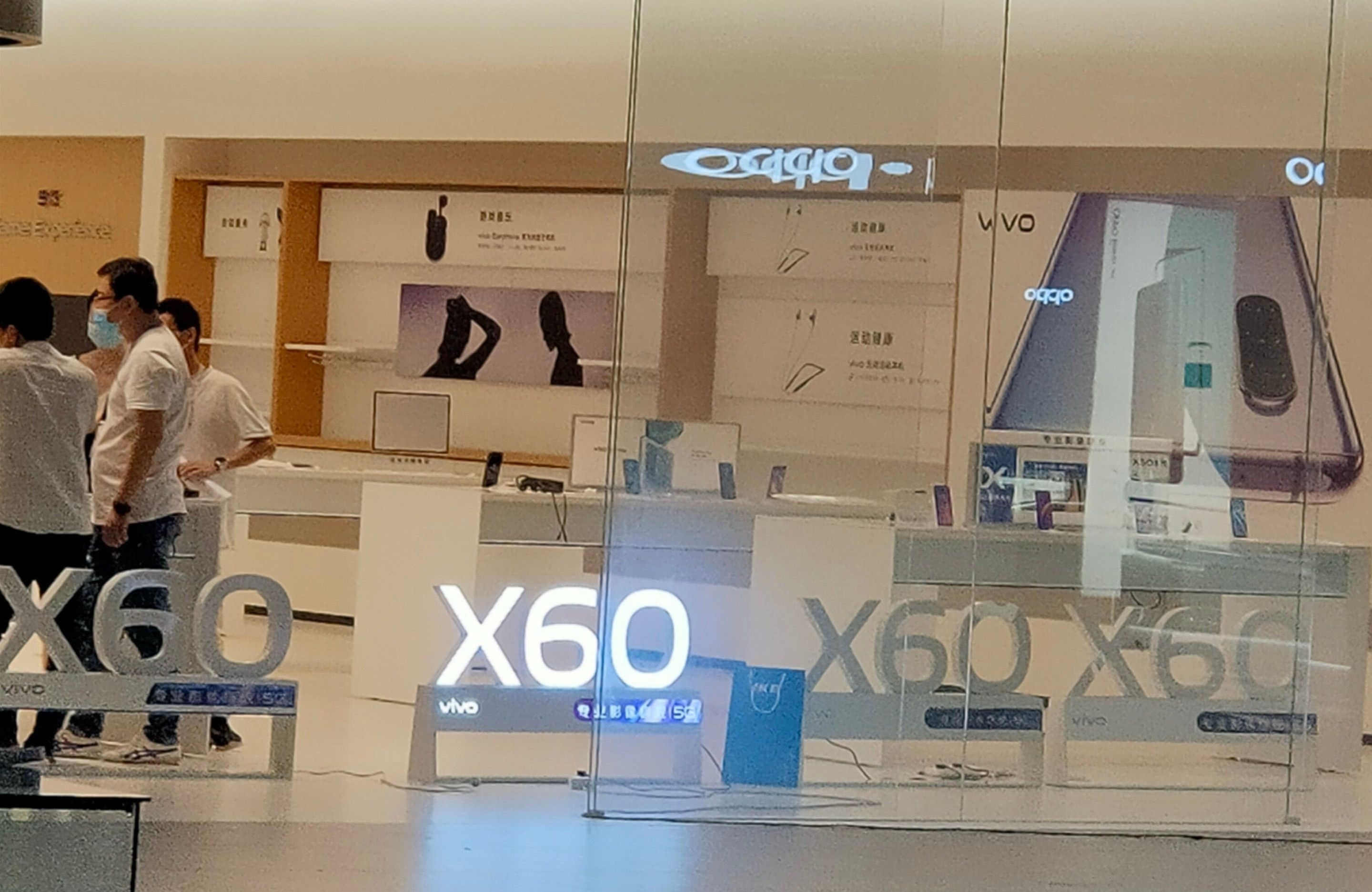
Vivo recently announced a transition to Origin OS for its smartphones. This new UI is expected to debut with the Vivo X60 series in November/December. Apart from a leaked naming(X60) on the advertisement hoarding from an Official Store, we don’t have any other info just yet. Vivo V20 Pro, which launched in China back in September, will debut by November End as revealed by its CEO in India. The device features a 6.44-inch AMOLED display, Snapdragon 765G, 64MP camera, 33W fast charging, and more.
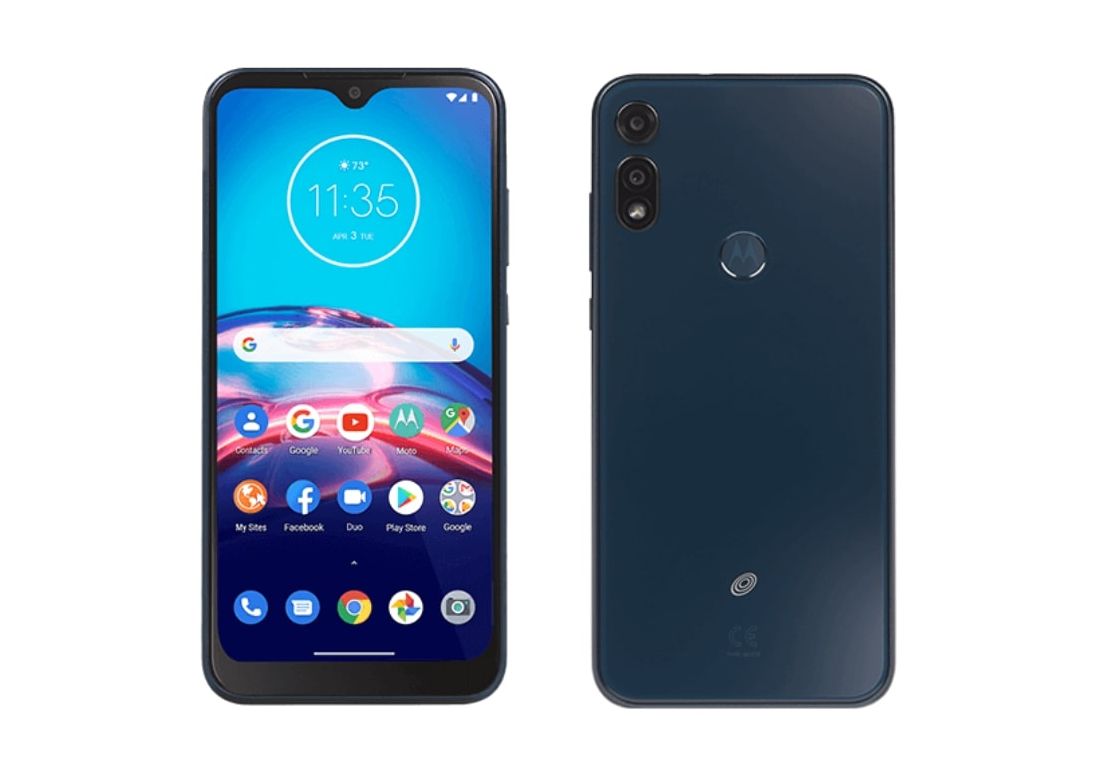
Moto E7, G10 Play
Motorola is expected to break covers of the budget E7, and G10 Play very soon. The entry-level Moto E7 has bagged several certifications(FCC, NBTC, TUV) with model number X2095-3. It is likely to feature a 6.2-inch LCD HD+ display, Snapdragon 632 SoC, 2GB RAM/32GB storage, 13MP rear and 5MP front cameras, 4G, 3,550mAh battery, and more. The G10 Play is supposed to come out in a few weeks. Boasting a model number of XT-2117, it likely has a 6.5-inch screen with a single punch-hole at top left, side-fingerprint, USB-C, 3.5mm jack, 4,850mAh battery, and more.
Other Expected Launches – LAVA BE U
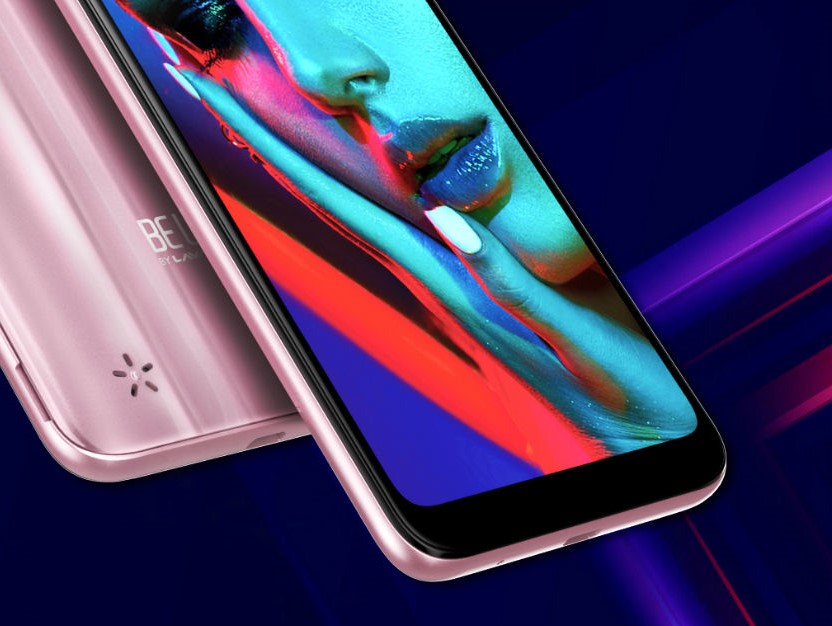
LAVA, an Indian Smartphone brand is likely to launch a women-centric BE U Smartphone around the Diwali period in India. Expected to debut around ₹10,000($135), the device might have a glossy finish with Pink Accents at the back. Although the specifications are not known yet, we can expect it to be designed completely in India considering it is an Indian company.
Samsung Galaxy M02
Samsung is expected to launch another entry-level smartphone, the Galaxy M02. This will likely succeed in the Galaxy M01 from July. Recently, it has passed both India’s BIS, and Bluetooth SIG certifications reveal it will likely have a Snapdragon 450 SoC, 2GB RAM, Bluetooth 4.2, and run on Android 10 OS. That said, there isn’t a specific launch date but considering the recent certification, it might go live anytime soon.
Devices Already launched so far (as of November 5)
Few companies squeezed the trigger before we could get our story out. Hence, here is the list of devices that launched very recently(a few days back).
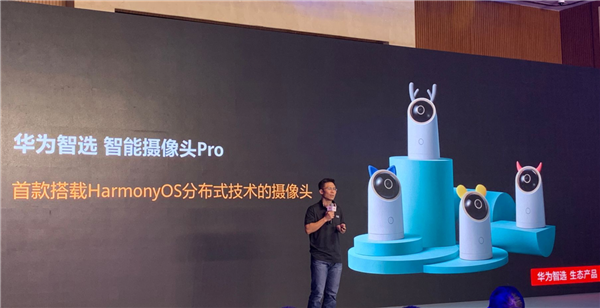
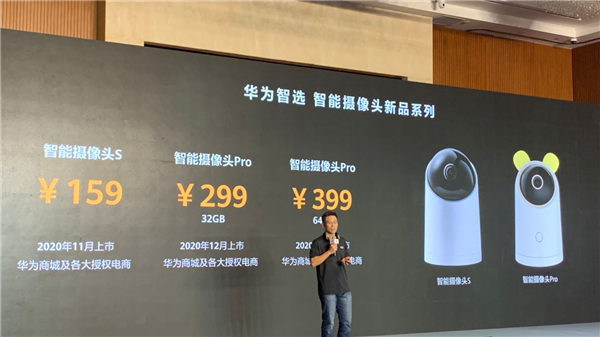
Huawei held a conference today where it released a couple of smart products including the Huawei Smart Choice Camera Pro series. The camera is the first that supports the brand propriety Hongmeng OS.
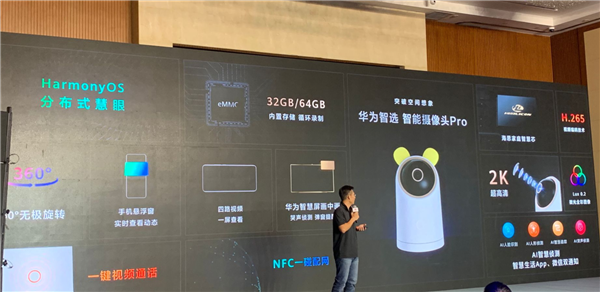
Huawei Smart Choice Camera Pro is a surveillance camera which can be placed in the child’s room. The camera can achieve a 360-degree portrait automatically tracks the child’s movement. The camera can be connected to a screen in the living room or in the parent’s bedroom.
In addition, the Huawei Smart Camera Pro also supports one-click video calls, and NFC tags which support one-touch fast network distribution. The smart camera is equipped with a 32GB and 64GB eMMC flash memory. The read and write life is 5 times that of ordinary SD cards, and the speed is 10 times that of SD cards.
In terms of security, the HiLink SDK of Huawei Smart Camera Pro has obtained the highest security certification in the IoT field, which can ensure camera security and prevent intrusion.
The Huawei Smart Choice Camera Pro carries a starting price tag of 299 yuan (~$45) for the 32GB storage version and the 64GB storage version is priced at 399 yuan ($60). There is also a smart camera S starting at 159 yuan (~$24).
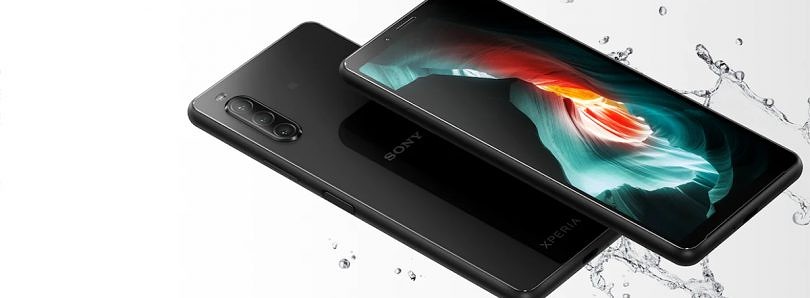
Sony has reportedly canceled the idea of refreshing the Xperia 10 Plus with a 10 II Plus. A Chinese tipster says the company is going to launch Xperia devices with 5G support in the future.
The report comes from a Chinese Tipster going by the name Caybule(via GSMArena)who says that Sony Xperia 10 II Plus(or a 10 Plus II) is canceled. Apparently, Sony decided that all the new Xperia models in the future should get 5G support. And hence, it has canceled the idea of launching a mid-range device with Snapdragon 720(Probably the 720G) SoC.
The report further says that if such Xperia existed, it would have popped up on the leak radar more by now. That’s understandable considering the Xperia 10 Plus got announced way back in MWC 2019. And a successor, if true, was already long overdue.
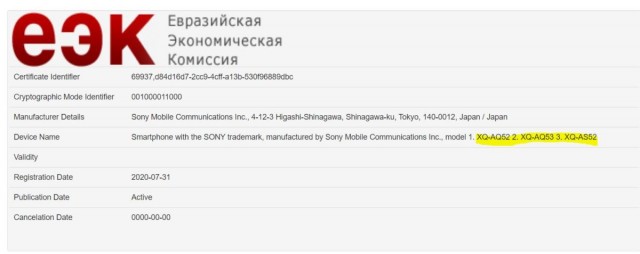
Anyway, a device with model number XQ-AQ52/53, believed to be the Xperia 10 II Plus, was spotted on EEC. The certification has a registration date of July 31, 2020, but we haven’t heard anything regarding the device since then.
Leap to 5G on mid-range devices
In case you don’t know, Sony announced Xperia 1 II and 10 II back in Feb this year. The 10 II is sort of the next iteration to the Xperia 10 that launched along with the 10 Plus. Adding a 10 II Plus(10 Plus II) to the tally would have fitted perfectly with upgrades in Processor, Camera, and more. This is because the 10 Plus has a Snapdragon 636 SoC while the 10 II Plus was rumored to get a Snapdragon 7 series SoC.
Besides, the report says two other models with OEM IDs PM-134X-BV and PM-135X-BV have been found on Sony servers. It is likely the Xperia 1 III and 10 III that’s due for 2021 but nothing’s certain yet. That said, if the tipster is true, Sony’s mid-range Smartphones will support 5G connectivity from 2021. But we will have to wait for the official word to confirm it.
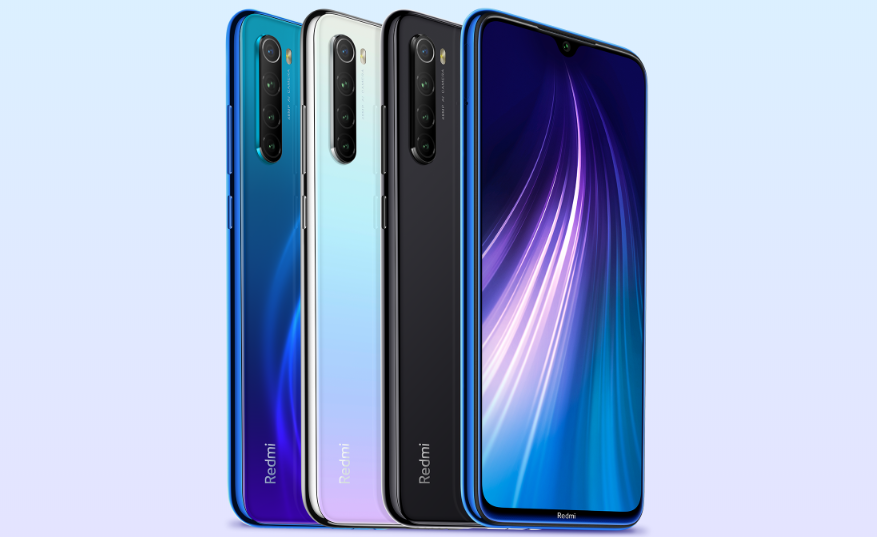
Xiaomi has been continuously seeding MIUI 12 updates to its smartphones since the official announcement in April. But the Redmi Note 8 from last year only began to receive the update along with Android 10 in late September in China. Now, a similar build is finally live for the global variant of the handset.
For those unaware, the Redmi Note 8 international version has three types of builds and they are Global, India, and Indonesia respectively. However, the update is currently only available for the Global variant.
That means Redmi Note 8 users outside India and Indonesia can update their phone to MIUI 12 from the Settings app. Whereas, the customers in the two excluded countries will have to wait for more as even a single stable beta build is yet to go live for those regions.
That said, the MIUI 12 stable update for Redmi Note 8 global variant comes with build number V12.0.1.0.QCOMIXM. As mentioned in the beginning, this release also brings the long-awaited Android 10 upgrade as well.
Anyway, although Xiaomi has confirmed that they have rolled out the update to all the units out there, it may take time in certain cases. Hence, do not worry if you haven’t received the update yet.
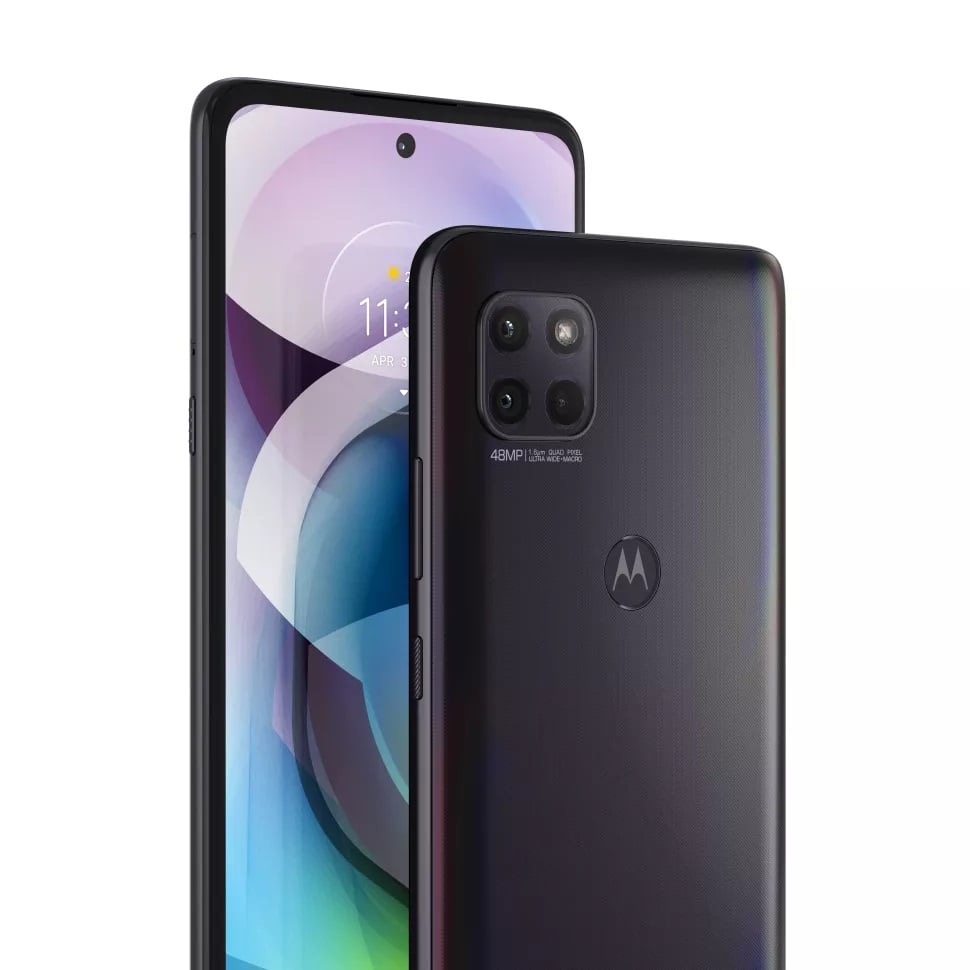
Motorola has finally launched the Moto G 5G Smartphone today(November 5). The device starts below 300 euros in Europe. And brings features like 5G, 48MP camera, bigger battery to the table.
Motorola Moto G 5G Price, Availability
The new Motorola Moto G 5G will be available in two variants- 4GB RAM, 64GB storage. And 6GB RAM, 128GB storage. The base variant costs €299.99 while the higher 6GB RAM variant is priced at €349.99.
As for availability, the device will reportedly be ready for sale in European countries like Belgium. And the Netherlands by end of December. Several retailers are expected to begin the pre-orders as early as this month.
Motorola Moto G 5G Specifications
As Expected, the “Motorola Kiev” launched as the Moto G 5G today(via TechRadar) in Europe. The device has a similar rear panel to the higher-priced sibling, Moto G 5G Plus. The latter launched almost four months back at 349 euros. The front, however as a single centered punch-hole display compared to the double punch-hole on the Moto G 5G Plus.
There are power, volume buttons to the right, and a Google Assistant button to the left. The camera array on the rear is a squircle design and also has a Motorola logo that sits inside the fingerprint sensor.
As speculated, the display is a 6.7-inch FHD+(2400x1080p) which is similar to the Plus variant. But it has a lesser 60Hz refresh rate screen. Under the hood, we have the Qualcomm Snapdragon 750G SoC. For cameras, there is a Samsung GM1 48MP main lens, 8MP ultra-wide, 2MP macro lens on the rear, and 16MP front camera. The difference from the Plus variant is that its sibling doesn’t have a second front lens.
All this is backed up by a 5,000mAh battery with support for 20W fast charging. However, the device runs Android 10 and not 11 out of the box.
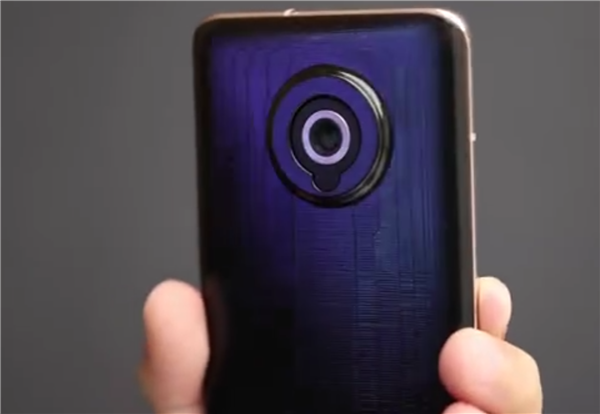
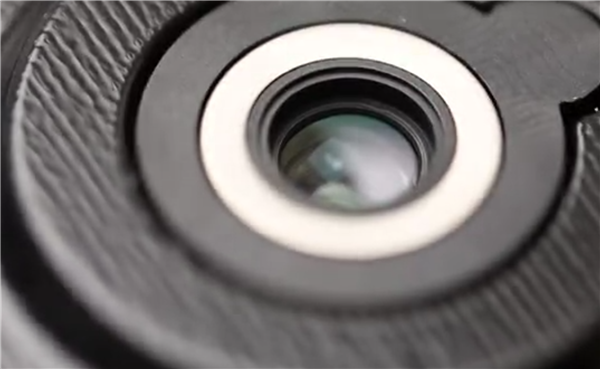
Xiaomi‘s Mi Developers Conference (MiDC) is presently ongoing and the innovative tech giant has unveiled a number of new technologies. Camera technology seems to be the focus as the company announced a new camera team. Xiaomi also announced a new telescopic camera developed by the brand’s research and development team.
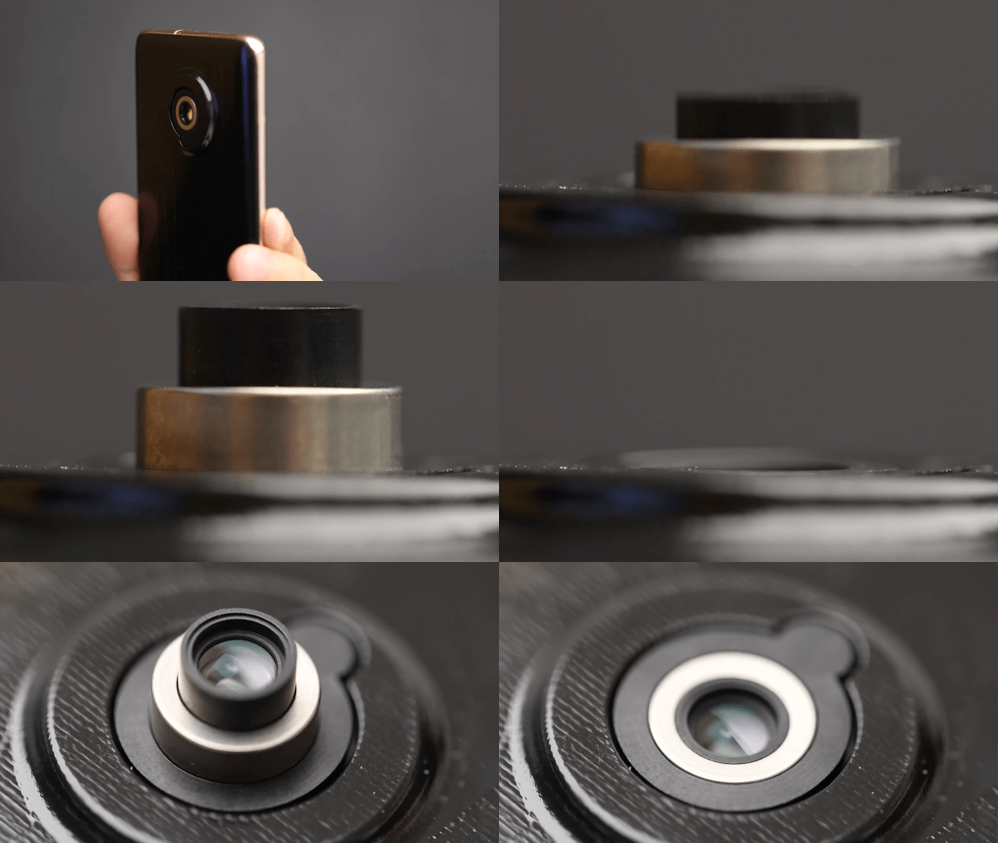
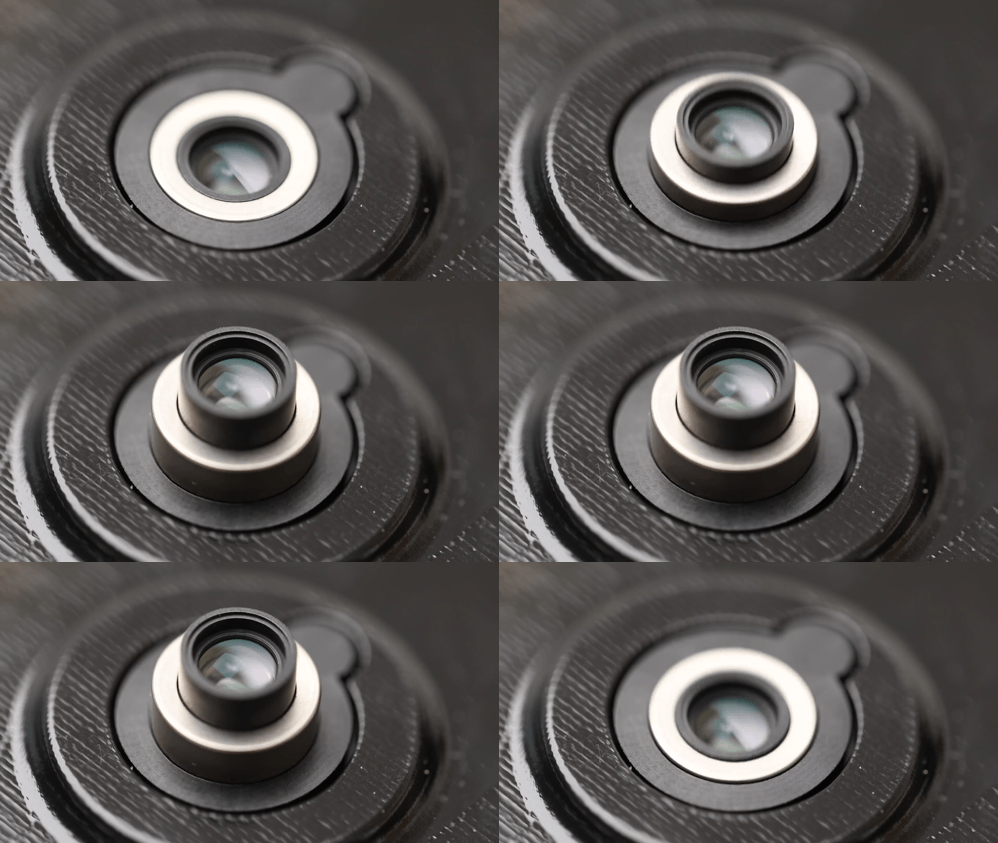
The camera technology features a retractable design with the periscopic lens capable of achieving a 300% increase in light input and a 20% increase in clarity. According to Zeng Xuezhong, vice president of Xiaomi Group and president of the mobile phone department, this is Xiaomi taking inspiration from traditional cameras and independently developing new retractable lens technology. The new lens is said to have two major advantages. One is a large aperture, which increases the amount of light received by 300%, which can bring better night scene photography effects.
Secondly, the camera comes with a new anti-shake technology which offers better image stability. Thus, the sharpness of the image is increased by 20% and you get to capture a clear shot that isn’t affected even if the hand shakes while trying to take a shot.
From the demo videos shared by a Weibo user @Xiao1u, the telescopic lens will retract into the phone when not taking pictures, and will automatically extend when taking pictures, the whole process responds very quickly. Xiaomi has not announced when the technology will be released, and it is not clear which mobile phone will be the first to utilise the mechanism but this mechanical structure will have new problems to be solved, and it should take a long time to complete.
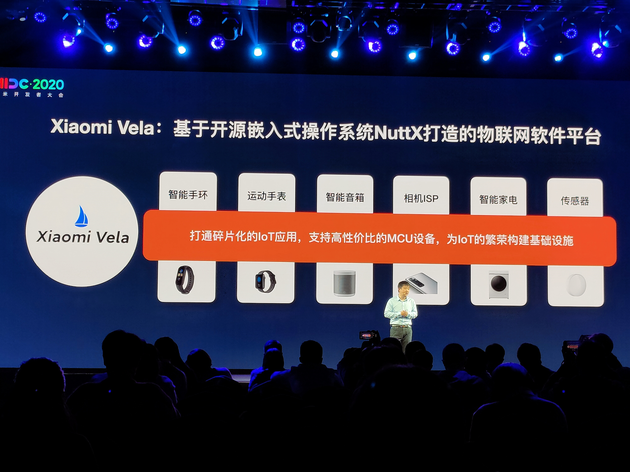
Xiaomi has launched a new IoT Software Platform called “Xiaomi Vela” at MIDC 2020 today(November 5) in China. Through this, Xiaomi aims to bring all the fragmented AIoT(Internet of Things) technologies under one roof.
Xiaomi’s General Manager of IoT Platform, Fan Dian says “Vela” in Latin means “Sail”. Accordingly, the company is willing to work with developers of different platforms. And sail through hurdles for a better future in the AIoT industry. Further, he adds(via ITHome) that the platform will extend to Smartwatches, Fitness Trackers, Smart speakers. And other Smart Home Appliances, camera ISPs, and sensors in the future.
What is Xiaomi Vela?
Xiaomi Vela is an IoT Software platform based on Open Source Embedded Operating System NuttX. It mainly has three parts/layers:
Bottom Layer- NuttX Kernel
Developer Tools
Upper Layer- Vela Application Framework
NuttX Kernel
Here, the underlying NuttX Kernel performs the basic task scheduling, cross-platform communication, file system, and other basic OS functions. Additionally, it contains device drivers, TCP/IP Protocol stacks, Power Management Component, and more.
Xiaomi Vela Framework
Xiaomi’s Vela Application Framework has two layers of its own. Accordingly, its Upper layer differs for different IoT platforms. However, the lower layer has system services including OTA(Over-The-Air), GUI, Local Storage, Scripting languages.
Preview Program Begins
That said, Xiaomi Vela can run on various chip platforms especially IoT devices. Thus it can unite different MCU hardware, software, communication protocols. The company mainly aims to support all application scenarios, and build an infrastructure for the IoT industry.
At the speech, Fan Dian also announced that Xioami’s IoT devices exceed 271 million. Including Mijia, 3800 partners are working on the company’s AIoT platform. The company has officially opened the preview program of Xiaomi Vela starting today. Accordingly, IoT companies including chip/equipment vendors. And developers are welcome to join the program.
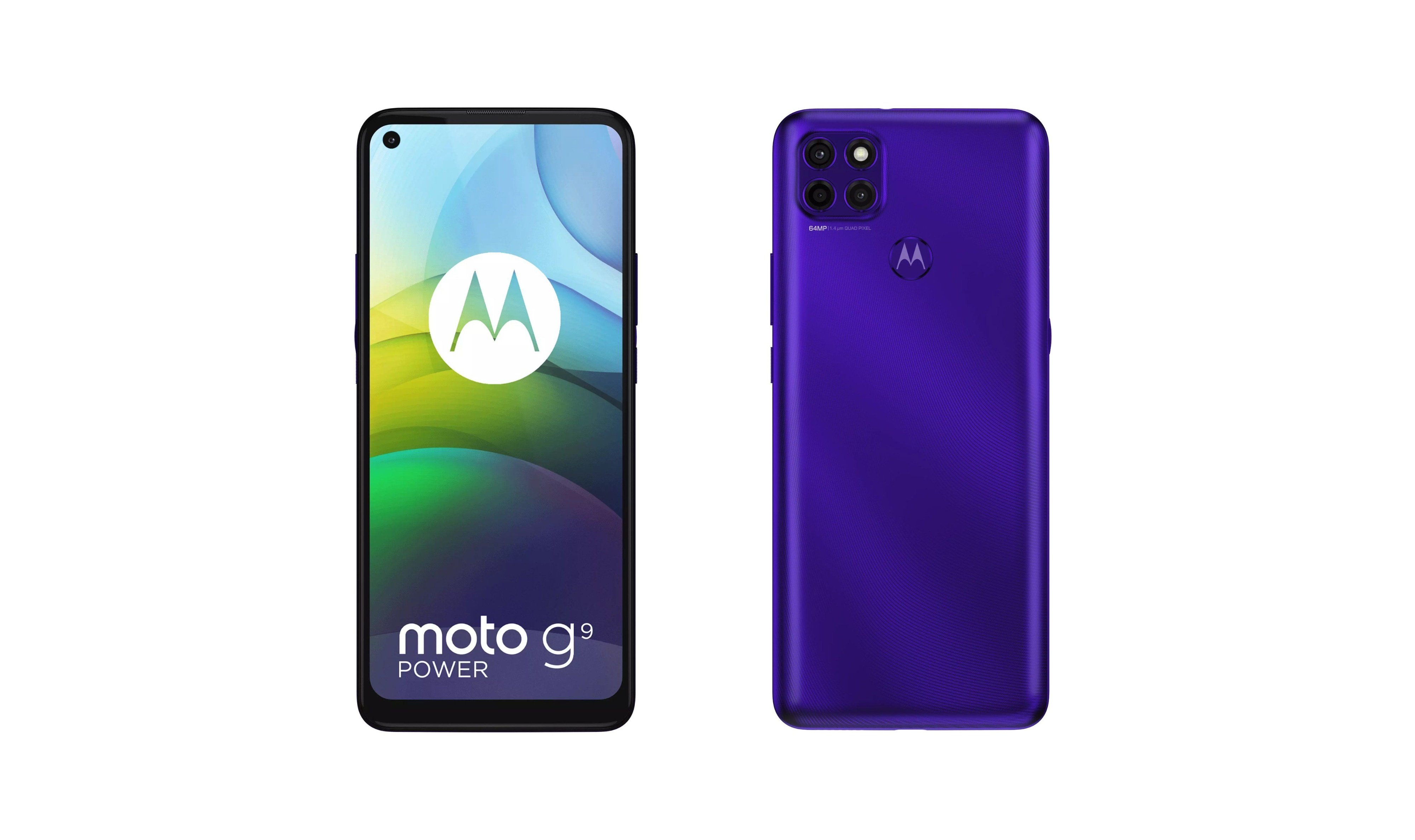
In early to mid-October, a Motorola smartphone with model number XT2091 was spotted on multiple certification bureaus. This device was said to launch as Moto G9 Power. Now, this handset goes official in Europe for €200.
As the name suggests, the Motorola Moto G9 Power is all about its battery. This smartphone is backed by a massive 6,000mAh battery, which is common in a number of Galaxy M series phones.
However, those Samsung devices max out at 15W charging, whereas the Motorola handset supports 20W charging. Anyway, it still lags behind the Galaxy M51’s 7,000mAh battery and 25W fast charging.
That said, apart from the battery, the other specs of this device are mediocre. It is powered by Qualcomm Snapdragon 662 chipset paired with 4GB RAM and 128GB internal storage. If required, the memory space can be further expanded up to 512GB using a microSD card.
On the front, the phone sports a 6.8-inch IPS LCD panel with a resolution of 1640 x 720 pixels (HD+) and a punch-hole cutout at the top left corner housing a 16MP selfie camera.
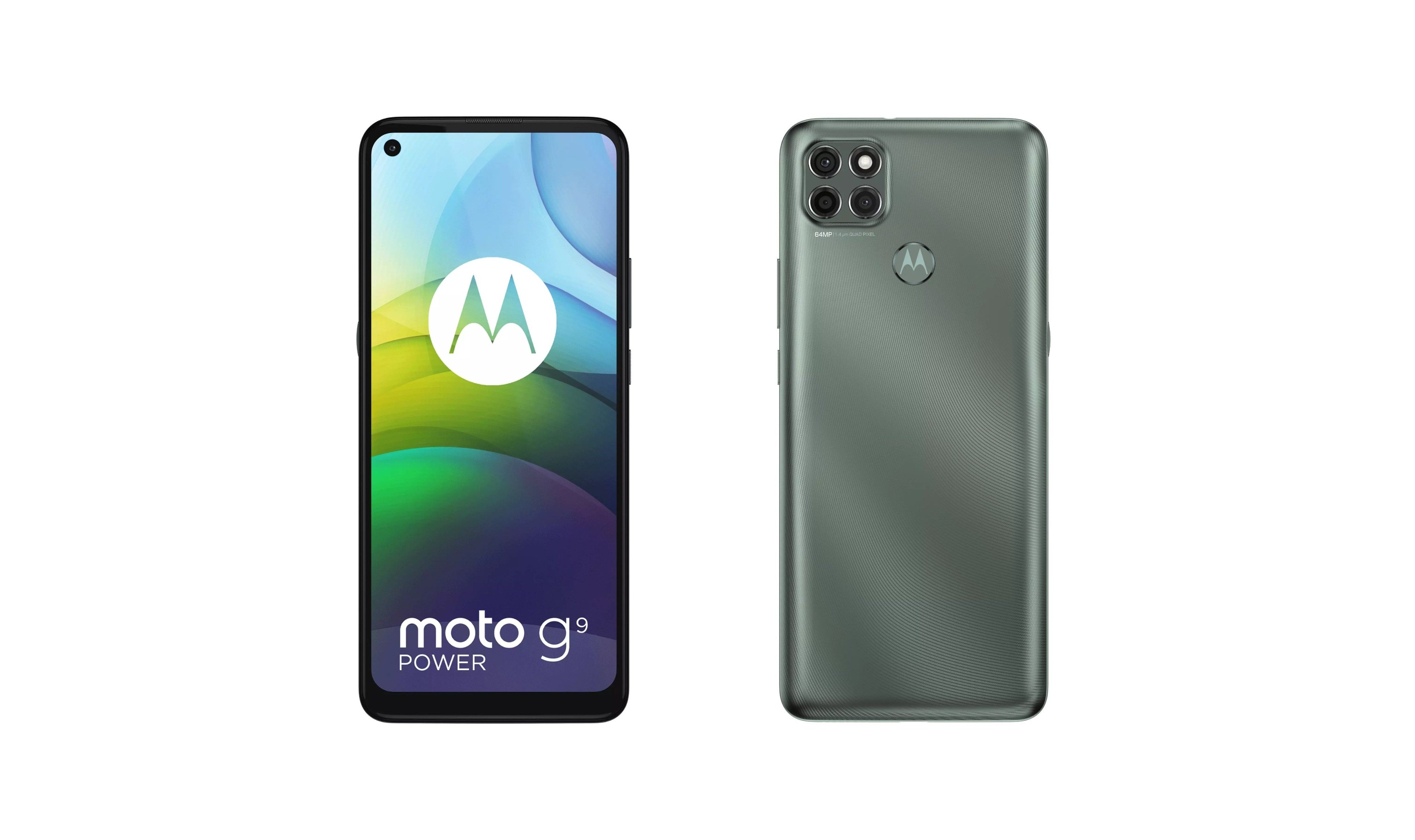
Whereas, the back of the device features a square-shaped camera bump consisting of a 64MP primary snapper paired with a 2MP macro shooter and a 2MP depth sensor. The rear panel also includes a capacitive fingerprint sensor hidden underneath the classic Motorola batwing logo.
Other features of the Motorola Moto G9 Power include dual-SIM support, USB Type-C, 3.5mm headphone jack, NFC, dual-band WiFi 5, Bluetooth 5.0, Android 10 operating system, and two colors – Purple & Green.
It will be available in selected countries in Asia, Latin America, and the Middle East in the coming weeks. Last but not least. this smartphone is also expected to launch as Lenovo K12 Power just like the Lenovo K12 Note, which is basically a rebadged Moto G9 Play.
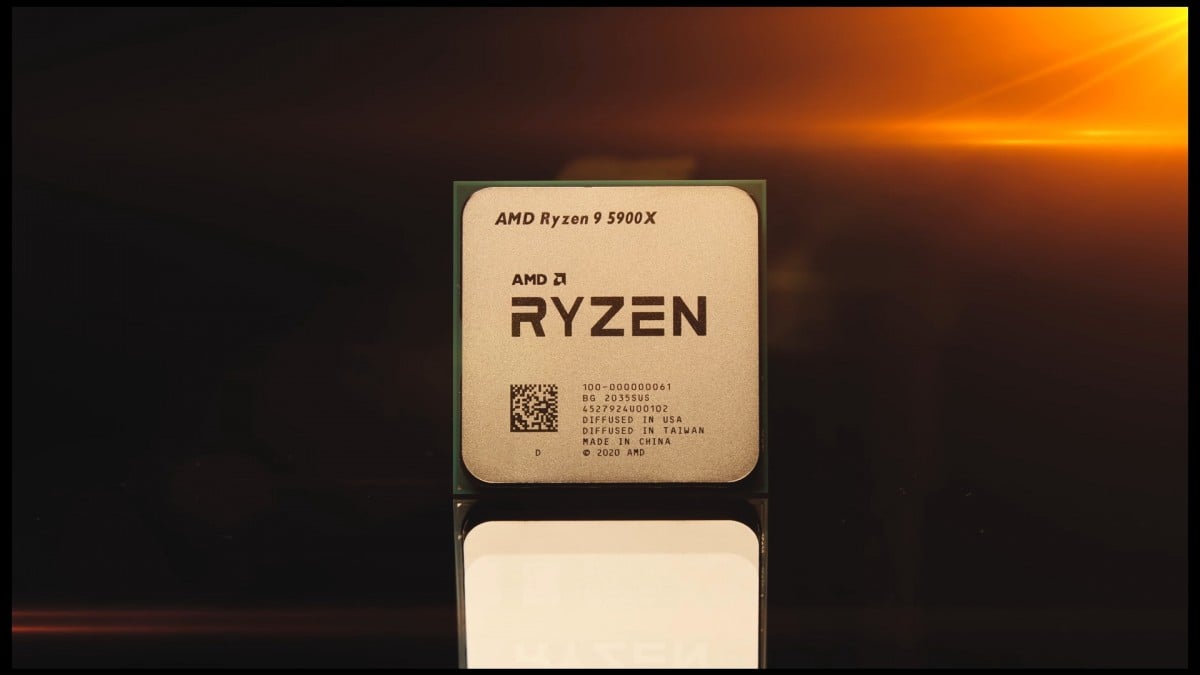
The AMD Ryzen 5000 series chipsets were recently announced to the world. The company’s new lineup had it showcase its improvement in a single core performance to trump its rival Intel, and now, the first real gaming benchmarks have showcased that Team Red may have managed to achieve this.
According to a TechnoSportsreport, a YouTube channel named Pichau has recently uploaded a video that benchmark the new Ryzen 5000 series processors. These are effectively the first real gaming benchmarks we have seen of the new chips and showcases some very interesting results. In the gaming benchmarks, the new AMD processors beat the currently gen Intel flagship processor in almost every game, which included AAA titles and competitive games as well.
While the Ryzen 9 5900X was showed great results, the Ryzen 5600X is what showed the most impressive results. The mid range chip from AMD managed to beat the Intel flagship i9-10900K in a few titles and traded blows in other games as well. What’s more surprising is that games that were generally known to favor Intel chips like Counter Strike: Global Offensive, showed better results on the new Ryzen processors by a margin of up to 20 percent.
AMD Ryzen 5900X
All of the benchmarks had Pichau use an NVIDIA GeForce RTX 3070, which ran every game at 1080p. At this resolution, the CPU and its per core performance is what matters. So if the budget Ryzen 5600X can beat the consumer flagship Intel chip already, we can expect it to blow past other 10th Gen Intel chips already. Although, it would be better to reign in expectations despite the impressive performance and wait for additional benchmarks before celebrating too early.
Earlier today (5th November 2020), DxOMark announced a new benchmark to test the sound quality of wireless speakers. The new benchmark would be called DxOMark Speaker and will have the firm test a variety of speakers.
For those unaware, DxOMark is a known brand that reviews and tests professional grade and consumer grade cameras as well as the cameras found in smartphones. The ratings it provides are known to be taken with great regards in the industry, so the expansion will also open up more avenues for the firm. The company will use scientific rating and aggregate hundreds of test results for each speaker that they test.
According to Nicolas Touchard, VP Marketing at DxOMark, “the speaker market offers a wide range of products and audio technologies. Consumers purchasing speakers require more information beyond what is communicated by manufacturers. With our new performance benchmark, we provide relevant objective information that helps buyers make more informed purchasing decisions, similar to what we have been providing for smartphone and camera consumers across the world.”
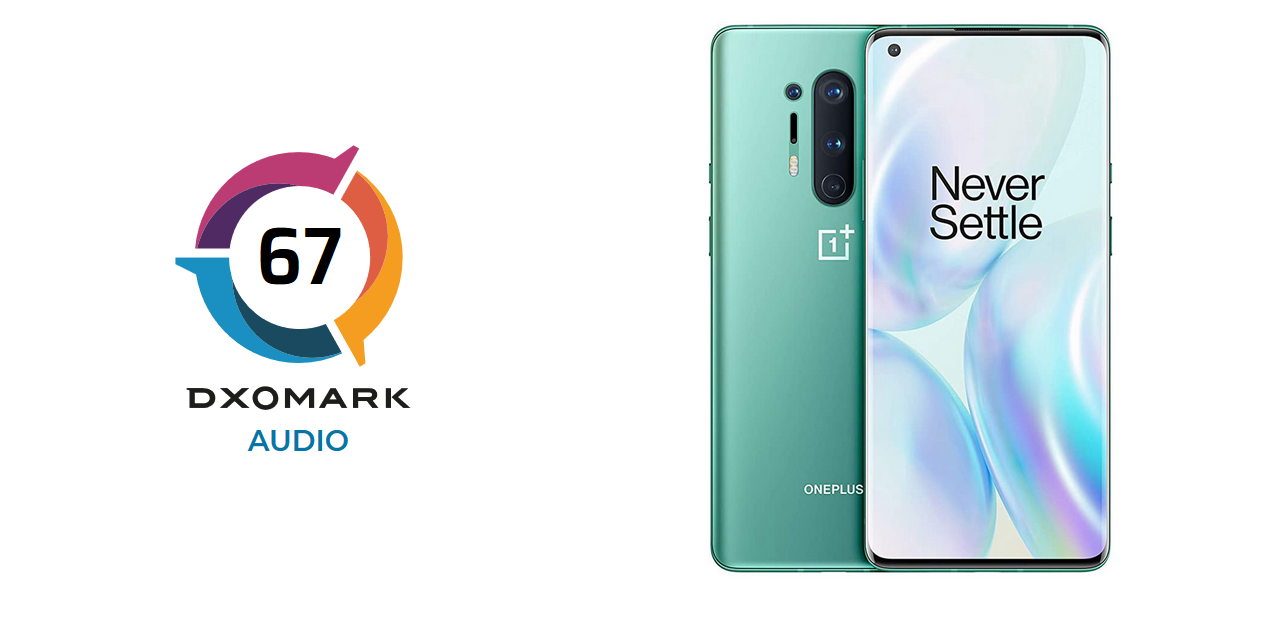
Audio Rating for the OnePlus 8 Pro
Notably DxOMark has performed audio testings since 2018 and even included smartphones in this category by 2019. Now, the firm will have a dedicated team of sound engineers perform tests for wireless speakers using state-of-the-art lab systems and proprietary test protocols, which will be based around the consumers’ experience.
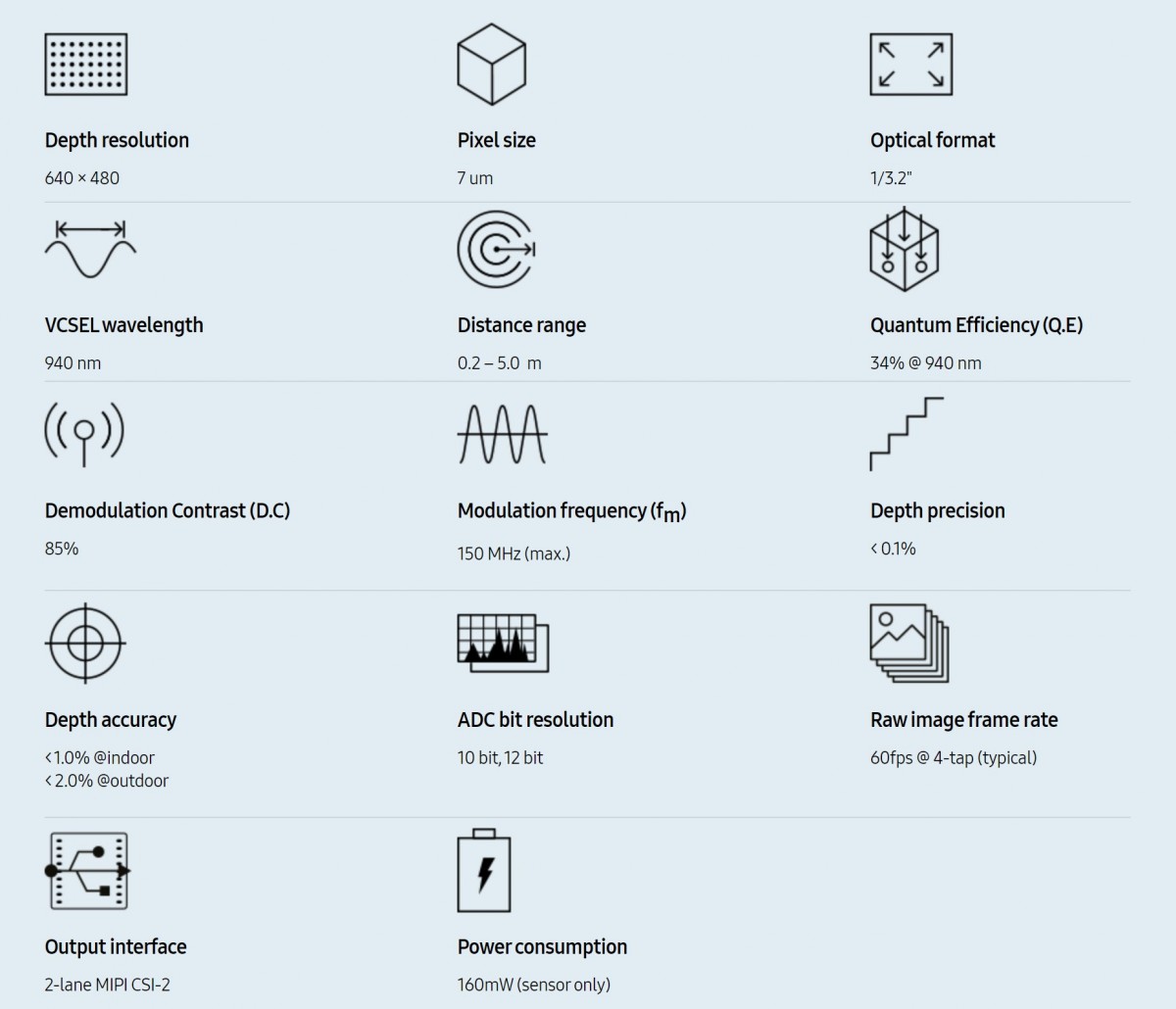
The new Samsung ISOCELL Vizion 33D is a ToF (Time of Flight) 3D sensor, which can accurately map the distance and even track fast moving with faster autofocus and video bokeh effects as well.
The new sensor from the South Korean tech giant can produce depth maps with 640 x 480 px resolution and can even measure the distance between 0.2 meters to up to 5 meters with 10 or 12 bit resolution. Furthermore, another notable aspect of the sensor is that it can go up to 120 frames per second when capturing for low latency tracking, as per a GSMArenareport.
The Samsung ISOCELL Vizion 33D sensor only requires 200 mW of power when used as an autofocus assist (both for sensor and IR illumination). Although, it does require up to 400mW of power when being used for continuous tracking, AR games, and for video bokeh rendering. But regardless, this amount still shouldn’t noticeably impact the smartphone’s battery life.
Interestingly, this new sensor can also be used to serve as a Face ID component. In other words, it can be used for biometric security to make secure payments through apps. So we might see this sensor being placed on the front as well as the back in future Samsung devices. The previously launched Galaxy S20 Ultra also uses a ToF sensor, so additional future Galaxy devices might soon sport this new sensor as well.
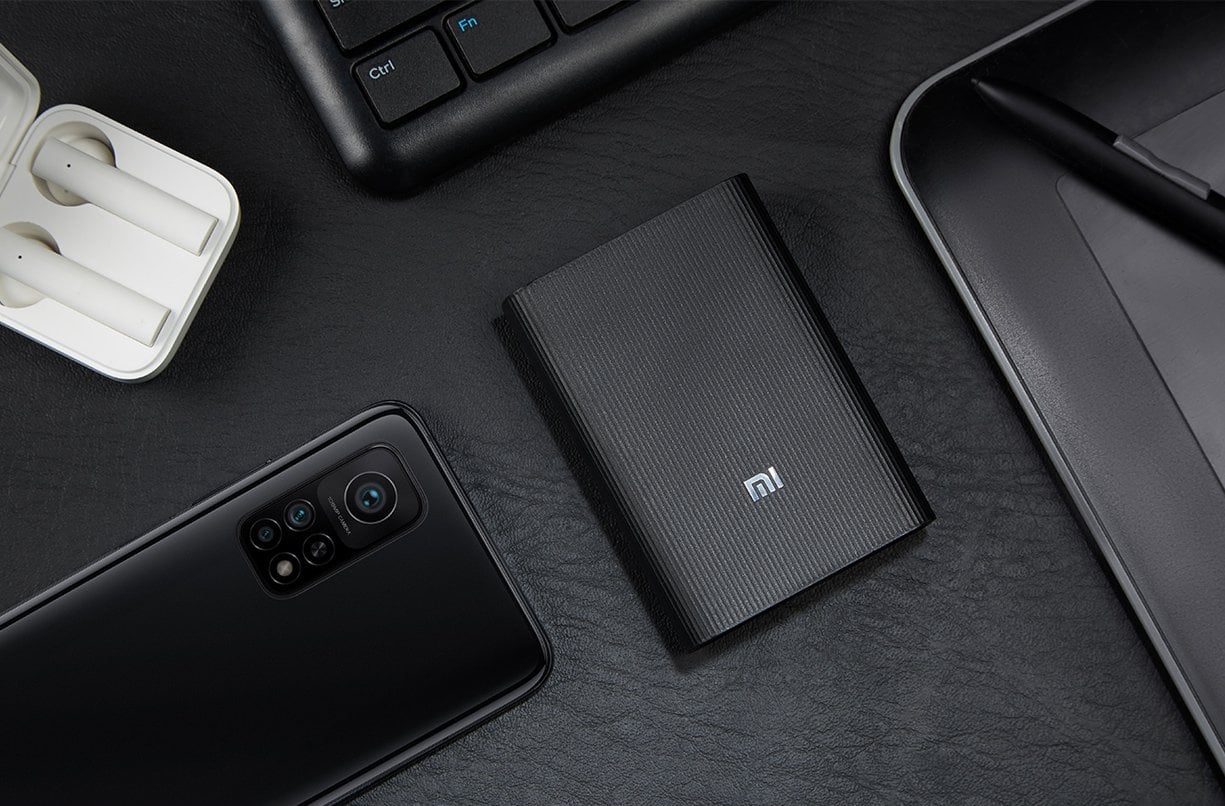
Apart from Mi Notebook 14 e-Learning Edition, Xiaomi has also launched Mi Pocket Power Bank Pro in India. As we predicted, it is a rebranded Mi Power Bank 3 Pocket Edition, which debuted in China recently. However, unlike the original, the version announced for India features a black color paint job and is assembled in the country itself.
Mi Pocket Power Bank Pro Specifications & Features
The newly launched Xiaomi power bank in India is the company’s smallest as well as fast charging power bank ever in the country. But it comes with the standard 10,000mAh capacity and the body is made of PC (Polycarbonate) + ABS (Acrylonitrile Butadiene Styrene) material.
It can output current at a maximum rate of 22.5W and also supports other charging speeds such as 22.2W, 15W, 12W (only via Type-A), and a minimal charging mode for accessories like TWS, fitness trackers, and similar products.
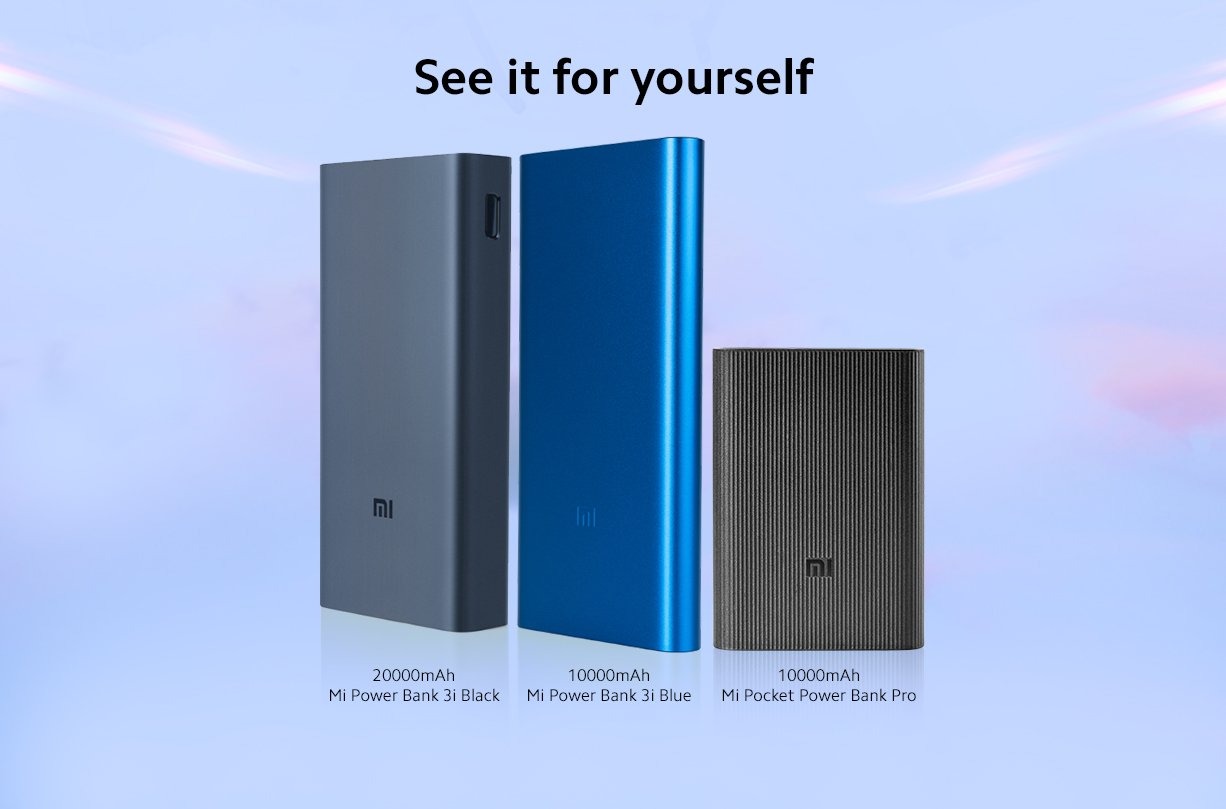
Xiaomi Mi Pocket Power Bank Pro Size Comparison with Mi Power Bank 3i
As for input, the power bank charges at a rate of up to 22.W via Type-C but also supports 15W, as well as, 18W and 10W via MicroUSB. Since it works over USB Power Delivery (PD), it can be used to charge a wide variety of devices and any high power PD charger can fill it up at the maximum rate.
Last but not least, the power bank bears model number PB1022ZM, measures 9.0 x 6.39 x 2.44cm in dimensions, weighs about 200g, and ships with a USB Type-C cable.
Mi Pocket Power Bank Pro Pricing & Availability
The Xiaomi Mi Pocket Power Bank Pro is priced at ₹1,099 ($15) and is already up for sale on Mi.com. Customers can also buy it from Mi Home retail stores across India.
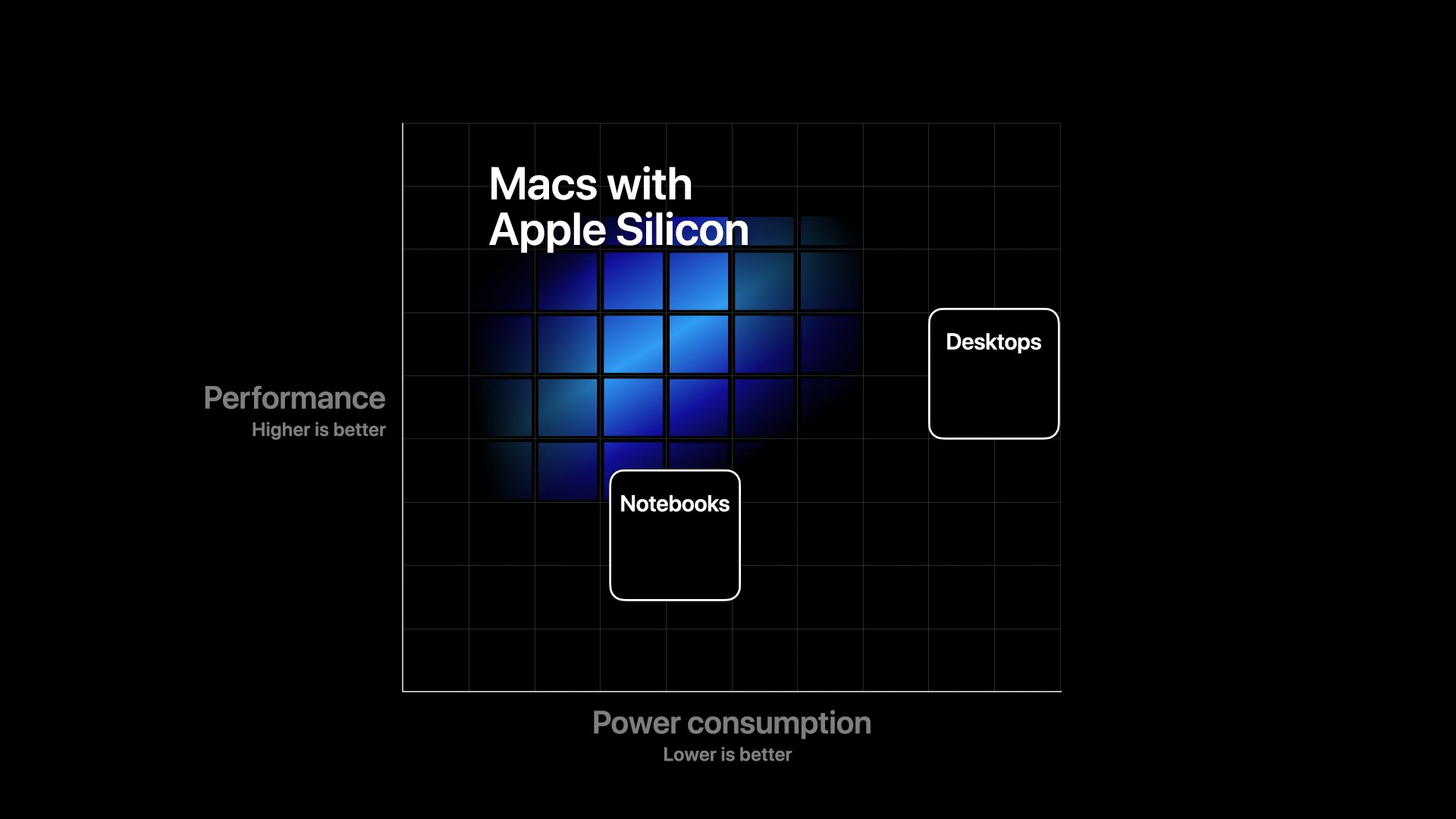
Apple is planning on making about 2.5 million MacBook laptops powered by its in house CPUs by February 2021. The Cupertino based giant has asked its suppliers to produce the amount and is looking to rapidly shift away from its reliance on Intel processors.
According to an AsiaNikkeireport, the company is giving out these initial orders for the first MacBooks that will be powered by the new Apple Silicon processors. The figure amounts to about 20 percent of the total MacBook shipments from 2019, which had a total of 12.6 million units being shipped, as per sources. Furthermore, Apple has already placed orders for its previous gen iPhones as they are expected to see robust sales during the holiday season since its 2020 flagship has already seen a month long delay due to the pandemic.
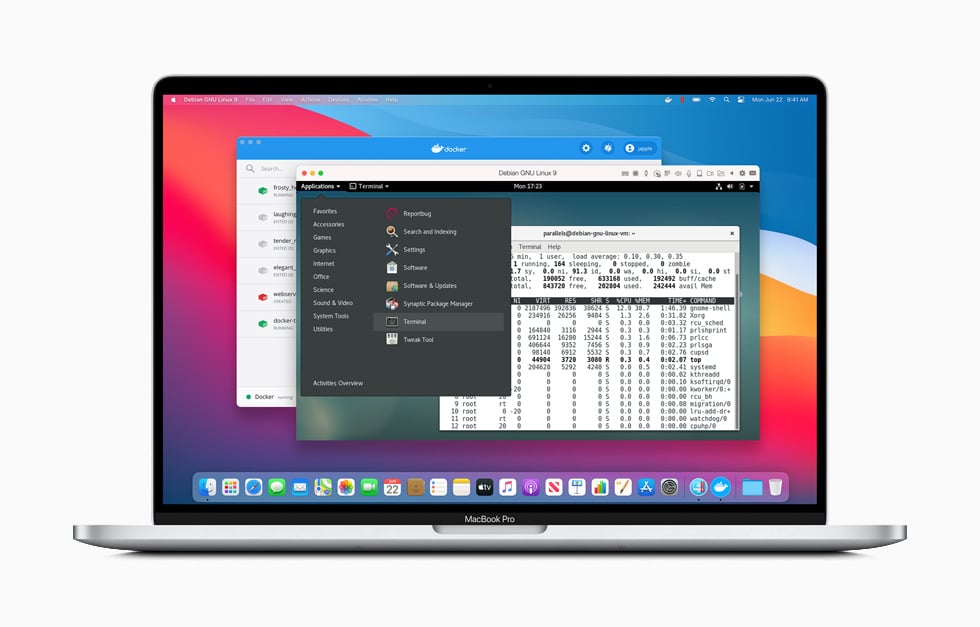
For those unaware, Apple announced that it would be shifting to a proprietary chip design for its laptops and desktops earlier this year. The move would essentially have the company reduce its reliance on Intel and bring it more in line with its other products like the iPhone, which have always used proprietary chips. Apple is scheduled to host an online launch event on 10th November 2020, in which, the company will announce the MacBooks with Apple Silicon CPUs.
Additionally, next week is also when the iPhone 12 Mini and iPhone 12 Pro Max also start shipping after their initial delay. The company is already seeing higher than expected demand for its latest iPhone lineup, which has also caused it to struggle due to supply constraints. Thus, Apple is also reallocating resources from iPads towards iPhone 12 Pro, as per sources close to the matter.
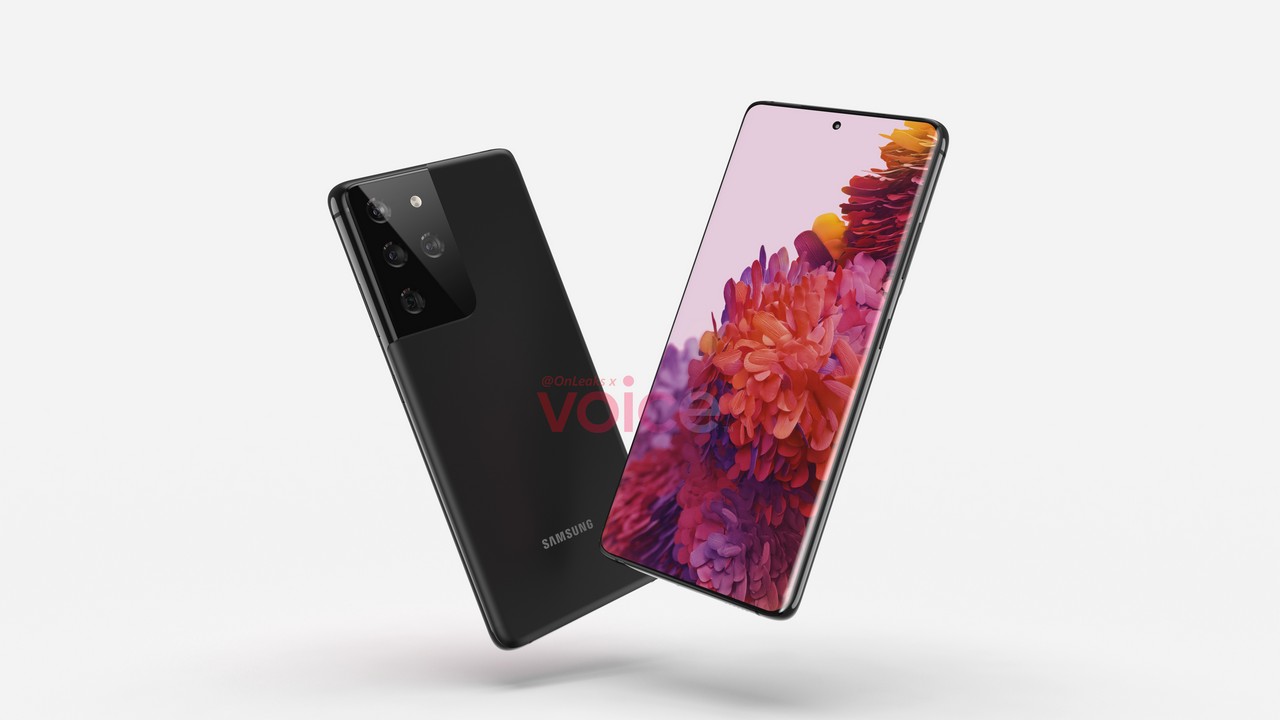
Multiple reports have claimed that Samsung is gearing up to launch the Samsung Galaxy S21 series in January. It was revealed in July that the lineup includes three models such as the Galaxy S21, Galaxy S21+, and Galaxy S21 Ultra. The report also revealed that the SM-G991, SM-G996, and SM-G998 are the model number of three models. Today, the Galaxy S21 Ultra bagged certification by the NFC Forum. This certification serves as another hint the Galaxy S21 series will debuting earlier next year in January.
Except for the SM-G998U model number, the NFC listing has no information on the specs of the Galaxy S21 Ultra. A battery of the device with model number EB-BG998ABY was approved by the TUV Rheinland certification platform in September. It revealed that the S21 Ultra will arrive with a 5,000mAh battery.
Recent reports have also revealed plenty of vital information on the specs of the S21 Ultra. The handset is expected to house a 6.8-inch AMOLED screen with a punch-hole design and curved edges. The display will offer Quad HD+ resolution and a 120Hz or 144Hz refresh rate.
Based on the region, the S21 Ultra will either feature the Snapdragon 875 or Exynos 2100 chipset. The Android 10 OS with One UI 3.0 will come preloaded on the device. The smartphone is expected to arrive with a 108-megapixel quad camera setup. Some leaks have claimed that it has five rear-facing cameras. It may arrive with 60W or 66W fast charging support.
The Galaxy S21 Ultra may come in black, silver, and violet. The handset along with its Galaxy S21 and Galaxy S21 Plus siblings are rumored to launch on Jan. 14 followed by a market release on Jan. 29.
We use cookies on our website to give you the most relevant experience by remembering your preferences and repeat visits. By clicking “Accept”, you consent to the use of ALL the cookies.
This website uses cookies to improve your experience while you navigate through the website. Out of these, the cookies that are categorized as necessary are stored on your browser as they are essential for the working of basic functionalities of the website. We also use third-party cookies that help us analyze and understand how you use this website. These cookies will be stored in your browser only with your consent. You also have the option to opt-out of these cookies. But opting out of some of these cookies may affect your browsing experience.
Necessary cookies are absolutely essential for the website to function properly. This category only includes cookies that ensures basic functionalities and security features of the website. These cookies do not store any personal information.
Any cookies that may not be particularly necessary for the website to function and is used specifically to collect user personal data via analytics, ads, other embedded contents are termed as non-necessary cookies. It is mandatory to procure user consent prior to running these cookies on your website.


 Kinera