Huawei has just launched another open-ear clip-on TWS earbuds. The FreeClip 2 arrives as the successor to the original FreeClip that brings various new upgrades. Chief among them are a Harmony AI Ear Assistant, dual-engine drivers for enhanced sound, and a lightweight design. So here’s everything you need to know.
Huawei FreeClip 2: What makes it special?
The Chinese tech giant brings back the loop design on the second gen FreeClip with search earbuds weighing just 5.1 grams. This makes it lighter than its predecessor. Huawei’s new open ear TWS feature an IP57 rating while the charging case is IP54 rated for water and dust resistance. The FreeClip 2 features dual 10.8mm dynamic drivers, Bluetooth 6 with SBC, AAC, and L2HC support.
Huawei FreeClip 2
But one of the biggest new additions is the third gen AI chip and NPU that powers HarmonyOS AI. So users get access to useful features like real time translation, voice assistant, audio based navigation pormpots, device control, and much more. You also get spatial audio support, adaptive volume controls, and a three microphone setup for noise reduction during calls.
Other notable features include drop detection within 50 meters, proximity search and anti loss alerts, 9 hours of audio playback (38 hours with the charging case, and quick charging support that offers 3 hours of battery life with just 30 minutes of charging. Huawei unveiled the FreeClip 2 in three color options, namely Blue, Sand White, and Black. It was announced for 1,299 yuan in China, which is roughly around 182 US Dollars. These earbuds will be available for purchase starting on October 20, with pre-sales going live on October 14.
For more daily updates, please visit our News Section.
Lloyd, a Havells India sub-brand, has announced that its Kolors Refrigerator is now available for purchase in India through Flipkart and other distribution channels. The new model combines vibrant pastel designs with practical features such as Auto Defrost sensors, Rapid Freeze Technology, inverter compatibility, and Bactshield hygiene protection. Here’s a look at all the key features of the Kolors refrigerator.
Lloyd Kolors Refrigerator features and specifications
Llyod Kolors fridge
According to Lloyd, the Kolors refrigerator has been designed to address the everyday needs of modern households with a strong emphasis on freshness, hygiene, and energy efficiency. Its Auto Defrost function relies on sensors for light, motion, and temperature to decide when defrosting is required, eliminating manual maintenance.
It features an interactive display located directly on the door, which allows users to easily monitor and adjust various settings of the refrigerator without having to open the door.` A powerful Inverter Compressor maintains stable cooling while conserving energy, and Rapid Freeze Technology can deliver ice in just 29 minutes with the support of a hybrid evaporator and extra insulation.
For safety and hygiene, the refrigerator features Bactshield technology that reduces up to 99 percent of bacterial growth. The Viruzsafe-coated handle neutralises 100+ microbes and most common viruses for added protection.
Storage is optimized with Fleximax adjustable glass shelves, while the Honeycomb Crisper ensures fruits and vegetables retain moisture and remain fresh longer. The refrigerator is also designed to automatically connect to a home inverter during power outages, keeping food cool without disruption.
Lloyd Kolors Refrigerator price and availability
The Kolors Refrigerator is available in three sizes: 195L, 216L, and 240L. Customers can choose from pastel shades such as Sunkissed Yellow and Minty Green, complemented by designer handles for a modern look. Prices start at Rs 18,990, and the models are available through Flipkart, Lloyd’s online store, and offline retail partners across India.
For more daily updates, please visit our News Section.
A fresh leak has revealed some concerning details regarding the OnePlus 15. While it is an upcoming flagship model from the brand, the disappointing downgrades are stacking up. First, it was the display on the front, and now, even the camera system on the rear is getting worse.
OnePlus 15 Steps Back on Camera & Haptics
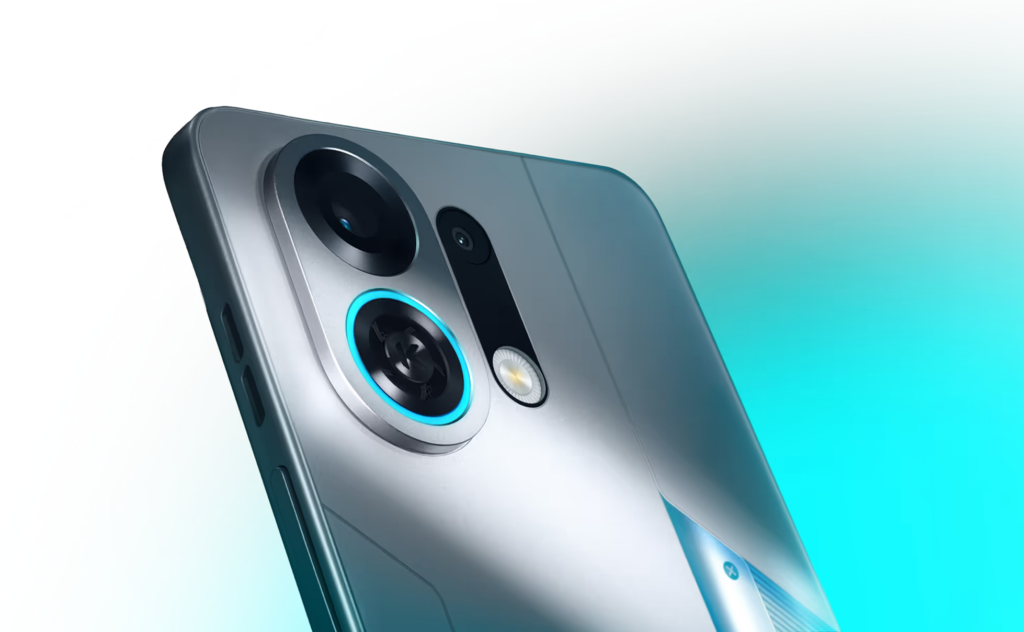
According to fresh tweets from OnePlus Club, the brand’s next flagship might not impress in camera performance like its predecessor. Apart from the ultra wide angle lens, the periscope telephoto shooter and main camera are getting a notable downgrade. The primary shooter will reportedly be a 50MP 1/1.56-inch shooter with an f/1.8 aperture, while the zoom lens is a 50MP Samsung JN5 1/2.75-inch sensor with a 3x optical zoom.
OnePlus 15
To recall, the OnePlus 13’s main camera was a larger 1/1.43-inch sensor with an f/1.6 aperture. A larger sensor with a wider aperture allows for better low light performance and sharper images. Meanwhile, the telephoto shoot retains the same optical zoom but has its sensor size drop from the OnePlus 13’s 50MP Sony IMX882 sensor, which had a 1/1.95-inch sensor size. OnePlus has already confirmed that it is moving away from Hasselblad, in favor of its in house DetailMax engine.
Even the haptics are allegedly getting weaker. The OnePlus 15 seems to be switching from the AAC CSA+0916Turbo (602 mm²) used in OnePlus 13 to a smaller AAC ESA1016 (560 mm²) component. This could mean less punch, less crisp feedback, which was something praised on the OnePlus 13. Based on what we know so far, these changes are in line with the company’s plans to make the OnePlus 15 a flagship gaming device similar to the iQOO 13 that is quite popular in the Chinese market.
For more daily updates, please visit our News Section.
Samsung has rolled out two major festive campaigns in India, highlighting offers across both its premium Vision AI television range and Bespoke AI home appliances. The announcements cover cashback deals, free products, extended warranties, and finance options designed to attract buyers looking to upgrade during the festive season.
Vision AI TVs under ‘Super Big Celebrations’
Samsung’s Super Big Celebrations
Under this campaign, Samsung is offering attractive finance plans starting at Rs 990 per month for up to 30 months, with additional options such as zero down payment and one EMI waived. Shoppers can save more with up to 20% cashback on select bank cards.
Buyers of select large-screen models will also receive a complimentary Samsung Soundbar worth up to Rs 92,990 or a Vision AI TV valued at Rs 1,40,490. The entire TV range, from 55-inch up to 115-inch models, is covered with a three-year warranty. Vision AI features include gesture control, AI-driven picture enhancement, generative art wallpapers, and real-time home insights, while Samsung QLED TVs are certified for colour accuracy and safety.
Bespoke AI appliances under ‘Big Bespoke AI Festival’
Samsung BeSpoke AI festival
Samsung has extended festive deals to its digital appliances, with cashback offers of up to Rs 50,000 and discounts reaching 47% on refrigerators, washing machines, microwaves, and air conditioners. The Bespoke AI AC line comes with savings of up to Rs 21,000 along with benefits such as GST reductions, extended warranty, and free installation. Customers also receive a Borosil Kit with select microwave models.
Appliances such as refrigerators and washing machines are backed by a 20-year warranty on digital inverter technology, giving buyers long-term assurance. These offers are valid until late October and early November across Samsung.com, major online platforms, and retail outlets nationwide.
For more daily updates, please visit our News Section.
Samsung has just announced the One UI 8 rollout schedule for India, and it looks very impressive. According to the official timeline, most Galaxy devices will receive the major upgrade in October, and the remaining few will get it in November.
The stable rollout of One UI 8 is already live in India. For now, it’s available for the Galaxy S25 series (including Galaxy S25 Edge), and will expand to other devices from next month. Take a look at the timeline below and find out when it’s your turn to hit the download button.
Here’s One UI 8 rollout schedule for India
October 2025
Galaxy A56 5G
Galaxy S24
Galaxy S24 FE
Galaxy S24 Ultra
Galaxy S24+
Galaxy Z Flip 6
Galaxy Z Fold 6
Galaxy A36 5G
Galaxy S23
Galaxy S23 Ultra
Galaxy S23+
Galaxy A15 5G
Galaxy A26 5G
Galaxy A34 5G
Galaxy A35 5G
Galaxy A54 5G
Galaxy A55 5G
Galaxy F15 5G
Galaxy M15 5G
Galaxy M35 5G
Galaxy S23 FE
Galaxy Tab S10 FE
Galaxy Tab S10 FE 5G
Galaxy Tab S10 FE+
Galaxy Tab S10 FE+ 5G
Galaxy Tab S10 Lite 5G
Galaxy Tab S10 Ultra 5G
Galaxy Tab S10+ 5G
Galaxy Tab S9
Galaxy Tab S9 5G
Galaxy Tab S9 FE
Galaxy Tab S9 FE 5G
Galaxy Tab S9 FE+
Galaxy Tab S9 FE+ 5G
Galaxy Z Flip 4
Galaxy Z Fold 4
Galaxy M36 5G
Galaxy Z Flip 5
Galaxy Z Fold 5
Galaxy A16 5G
Galaxy F16 5G
Galaxy M16 5G
Galaxy Tab A11
Galaxy Tab Active 5 5G
Galaxy Tab S10 Lite
Galaxy Tab S10 Ultra
Galaxy Tab S9 Ultra
Galaxy Tab S9 Ultra 5G
Galaxy Tab S9+
Galaxy Tab S9+ 5G
Galaxy F34 5G
Galaxy F56 5G
Galaxy M34 5G
Galaxy M56 5G
Galaxy XCover 7
Galaxy F36 5G
Galaxy Tab S8
Galaxy Tab S8 5G
Galaxy Tab S8 Ultra
Galaxy Tab S8 Ultra 5G
Galaxy Tab S8+
Galaxy Tab S8+ 5G
Galaxy A06
Galaxy A06 5G
Galaxy A33 5G
Galaxy A73 5G
Galaxy F06 5G
Galaxy F07
Galaxy F17 5G
Galaxy F54 5G
Galaxy F55 5G
Galaxy M06 5G
Galaxy M07
Galaxy M33 5G
Galaxy M55s 5G
Galaxy S21 FE 5G (Snapdragon)
Galaxy S21 FE 5G (Exynos)
Galaxy S22
Galaxy S22 Ultra
Galaxy S22+
November 2025
Galaxy A25 5G
Galaxy F05
Galaxy M05
Galaxy Tab S10+
Galaxy A53 5G
Galaxy M53 5G
Galaxy Tab A9
Galaxy Tab A9+
Galaxy Tab A9+ 5G
Galaxy Tab A11
Samsung will unlikely release the update to these devices in the order in which they are mentioned in the official timeline. That’s because of some weird positioning of several Galaxy devices on the list. For example, the Galaxy Z Fold 5 and Z Flip 5 are placed below the Galaxy Z Fold 4 and Z Flip 4. Another instance where the non-5G variants of Galaxy Tab S10 and Tab S9 models are placed much below their 5G siblings. They typically receive the update around the same time.
While Samsung is unlikely to follow the device order for One UI 8 release, the update should arrive as promised. If things go as planned, this will be one of the fastest rollouts in Samsung’s history for a major upgrade.
The Galaxy S24, Galaxy Z Fold 6, and Galaxy Z Flip 6 users may be disappointed from this rollout timeline, as they won’t receive the update this month. These devices have already received the stable One UI 8 update in South Korea.
Remember to regularly visit our One UI section for the latest news and updates. You can also join our Telegram channel to never miss big breakthroughs and product launches in tech.
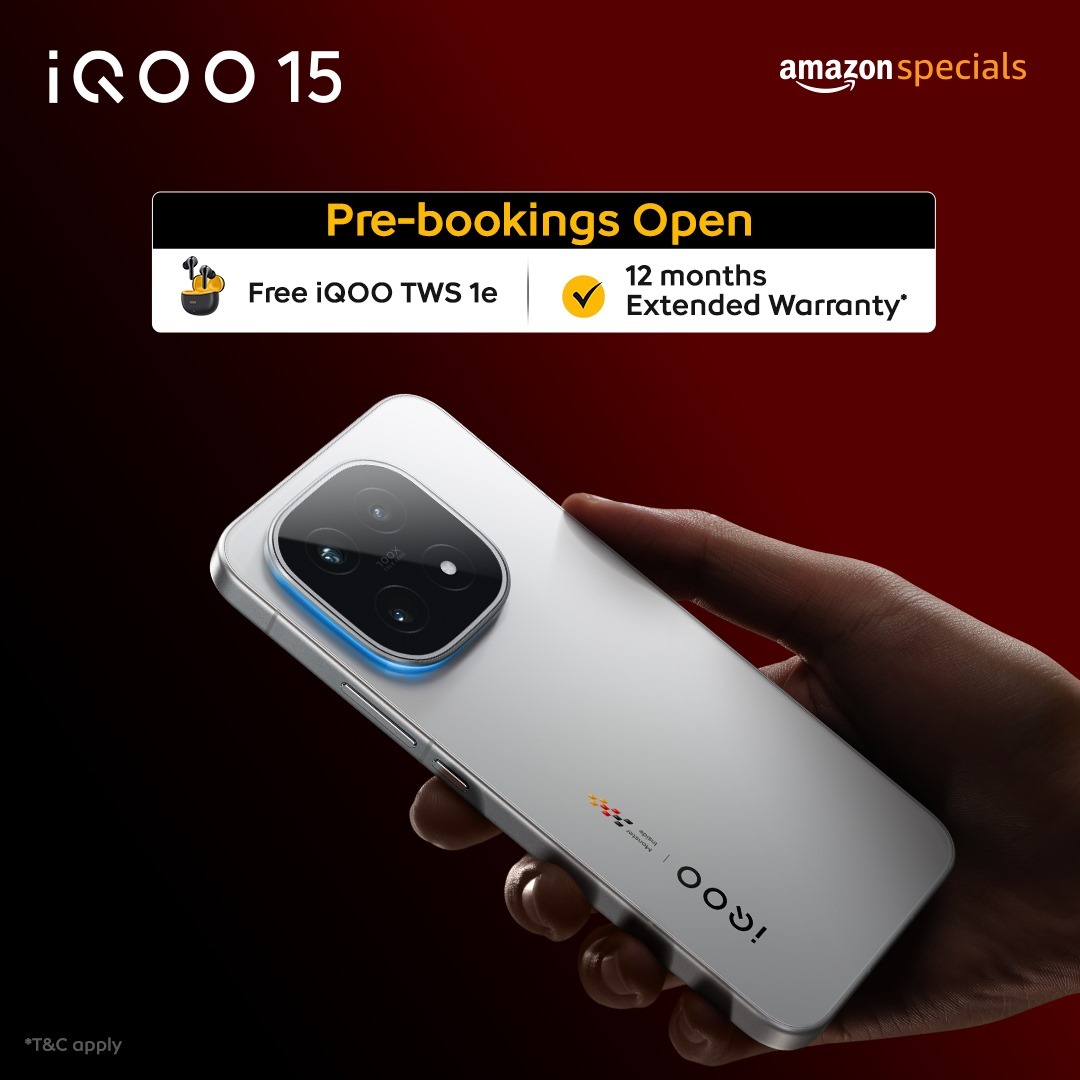
iQOO has held a press event in China confirming the arrival of the iQOO 15, and at the same time, also revealed that the iQOO Neo 11 will share the stage. Meanwhile, well-known tipster Digital Chat Station has posted several details on Weibo, offering a deeper look into how the Neo series will evolve.
iQOO Neo 11 Pro scrapped
iQOO Neo 11 Pro and OnePlus Ace 6 Pro reportedly scrapped, reveals DCS
According to Digital Chat Station, several smartphone makers are reshaping their year-end lineups. For iQOO, the Neo 11 Pro has reportedly been cancelled, leaving just the Neo 11, which is expected to launch alongside the iQOO 15 in October in China. The two phones will differ in chipsets, with the iQOO 15 will feature the Snapdragon 8 Elite Gen 5, while the Neo 11 will use last year’s Snapdragon 8 Elite.
These devices will compete directly with upcoming sub-flagship offerings from Redmi, OnePlus, and Realme. The Redmi K90 series is tipped to include two models, one powered by the Snapdragon 8 Elite Gen 5 and the other by the Snapdragon 8 Elite.
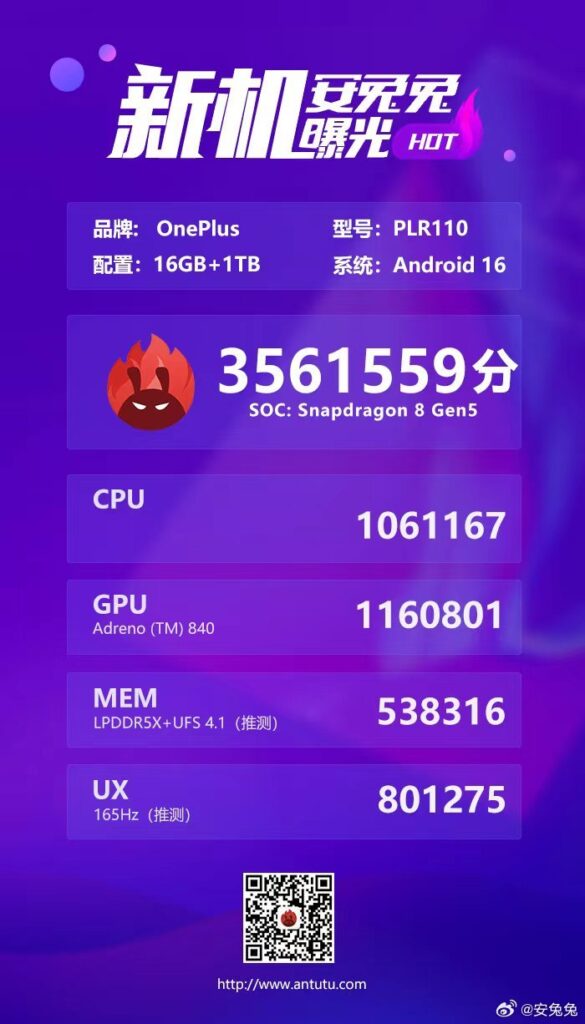
OnePlus is expected to introduce the OnePlus 15 with the Snapdragon 8 Elite Gen 5 and the OnePlus Ace 6 with the Snapdragon 8 Elite, while the previously planned OnePlus Ace 6 Pro has reportedly been dropped. Realme, on the other hand, is said to be preparing the GT 8 Pro with the Snapdragon 8 Elite Gen 5 and the GT 8 with the Snapdragon 8 Elite.
iQOO Neo 11 specifications (rumored)
iQOO Neo 11 key specifications tipped
According to DCS, the Neo 11 is expected to feature a large 2K flat display, the Snapdragon 8 Elite chipset, a sturdy metal frame, and an ultrasonic fingerprint sensor. A huge 7,500mAh battery is part of the package, and durability is further enhanced with IP68-rated dust and water resistance. Its 3C certification has already revealed that it will support 100W charging.
The tipster added that the Neo 11 will ship with the same Monster performance engine as the iQOO 15, positioning the two as a flagship pair in different sizes. This approach makes the Neo 11 arguably one of the strongest standard editions in the 2,500 Yuan (~$345) segment. The combination of a high-resolution display, a large-capacity battery, and a premium build positions the Neo 11 as a serious alternative for those seeking performance without going for the topmost variant.
For more daily updates, please visit our News Section.
After a slightly longer wait, considering Android 16 was released in June, Samsung finally began rolling out the stable One UI 8 update last week. However, it’s still the first brand after Google to release the stable version of Android 16. The rollout started with the Galaxy S25 series, and Samsung didn’t take long to expand to other models.
The stable One UI 8 update is now available for a dozen Galaxy devices, with most of them being the high-end Galaxy S-series phones. It’s also available for a couple of Galaxy foldables and the Galaxy A56 midranger. Here’s the complete list of Samsung devices that have started receiving the One UI 8 stable update.
Stable One UI 8 update is rolling out to these Samsung devices
Galaxy S series
Galaxy S25
Galaxy S25+
Galaxy S25 Ultra
Galaxy S25 Edge
Galaxy S24
Galaxy S24+
Galaxy S24 Ultra
Galaxy S24 FE
Galaxy S23
Galaxy S23+
Galaxy S23 Ultra
Galaxy S23 FE
Galaxy S22
Galaxy S22+
Galaxy S22 Ultra
Galaxy Z series
Galaxy Z Fold 6
Galaxy Z Flip 6
Galaxy Z Fold SE (Special Edition)
Galaxy Z Fold 5
Galaxy Z Flip 5
Galaxy Z Fold 4
Galaxy Z Flip 4
Galaxy Tab series
Galaxy Tab S10
Galaxy Tab S10 Plus
Galaxy Tab S10 Ultra
Galaxy Tab S10 FE
Galaxy Tab S10 FE+
Galaxy Tab S9
Galaxy Tab S9+
Galaxy Tab S9 Ultra
Galaxy A series
Galaxy A73
Galaxy A56
Galaxy A55
Galaxy A54
Galaxy A53
Galaxy A36
Galaxy A35
Galaxy A34
Galaxy A33
Galaxy A26
Galaxy A25
Galaxy A17
Galaxy A16
Galaxy A15
Galaxy A06
Galaxy M series
Galaxy M56
Galaxy M54
Galaxy M53
Galaxy M36
Galaxy M35
Galaxy M33
Galaxy M16
Galaxy M15
Galaxy M06
Galaxy F series
Galaxy F56
Galaxy F54
Galaxy F36
Galaxy F34
Galaxy F17
Galaxy F06
Galaxy XCover series
Galaxy XCover 7
Galaxy XCover 7 Pro
The list is currently short as Samsung has begun rolling out the One UI 8 update only recently. It will grow as more devices get the update in the coming weeks and months. We’ll update the list regularly, so that you don’t see an outdated one.
It’s also important to note that the update doesn’t go live in all countries at the same time. It usually happens in batches, and thus can take a few days to reach all the regions. For example, Samsung took two days to expand the One UI 8 update for the Galaxy S25 series outside of Korea.
So, if your Samsung device is on the list above, but you don’t see an update, it means the update could reach you anytime soon. You should manually check for updates by going to Settings > Software update > Download and install.
One UI 8 is a major upgrade and thus requires downloading an update package of a few gigabytes. It’s best to connect to a reliable Wi-Fi network to download a large update package, and before you hit the Install now button, ensure that the device has at least 30% battery, so that it doesn’t power off even if the installation takes a little longer.
Remember to regularly visit our One UI section for the latest news and updates. You can also join our Telegram channel to never miss big breakthroughs and product launches in tech.
Recently, Realme confirmed that the Realme GT 8 and GT 8 Pro will be unveiled in October in China. A leaked poster that surfaced yesterday gave the first look at the phone’s rear design. Today, Realme executive Derek highlighted the major upgrades coming to the Realme GT 8 Pro’s display.
Realme GT 8 Pro display and battery details
Realme GT 8 Pro 2K display teaserRealme GT 8 Pro 200MP perisocpe telephoto camera
According to Derrek, the Realme GT 8 Pro’s display resolution has been increased from 1.5K to 2K, the refresh rate increased from 120Hz to 144Hz, and peak brightness pushed from 6,000nits to 7,000nits. The design also shifts from a curved screen with small corners to a flat display with larger R-corners.
Eye comfort features have been strengthened with global full-brightness DC dimming enabled by default, a 1-nit eye-care mode, and circular polarisation protection. Colour accuracy has also been upgraded from software-level calibration to hardware-level chip calibration.
Derek explained that although a 2K screen demands more power, advances in battery energy density have allowed Realme to equip the GT 8 Pro with a 7,000mAh-class battery. He added that beyond resolution, Realme has enhanced multiple aspects like refresh rate, design, brightness, and eye protection, making the GT 8 Pro’s screen one of the best available in its price segment.
The other poster released by the brand confirms that the Realme GT 8 Pro will feature a 200-megapixel periscope telephoto. The company’s Marketing Communication Director, Aric Song, revealed that the camera will support 3x optical zoom and 12x lossless zoom.
For more daily updates, please visit our News Section.
Honor is all set to launch the Honor Magic 8 series of flagship phones in October in China. Like the Vivo X300 Pro and Oppo Find X9 Pro, the Honor Magic 8 Pro will also sport a 200-megapixel periscope telephoto camera. At the same time, reliable tipster Digital Chat Station has shared some details about the said periscope camera.
Honor Magic 8 Pro camera samples
Apart from sharing the camera samples captured using Honor Magic 8 Pro’s 200-megapixel periscope telephoto camera, digital blogger Ouyang Tongxuan shared some insights from a 4-hour closed-door session on Honor’s imaging technology, attended by Honor CEO Li Jian and key teams.
He highlights Honor’s openness to feedback, which has driven rapid progress in mobile photography over the past two years. In blind tests across 50+ scenarios, Honor’s phones won over 90% of the time, especially in night telephoto shots, where they balanced highlights, shadows and colours better than rivals.
Early use of the upcoming Honor Magic8 Pro shows it delivers stunning results in all conditions, with its 200-megapixel ultra-night telephoto, AI night mode, and stage mode with strong stabilisation, making handheld 10x shots in low light sharp and detailed.
Honor Magic 8 Pro camera sample 5
According to DCS, the Honor Magic 8 Pro is equipped with a 200-megapixel 1/1.4-inch periscope telephoto camera featuring an 85mm focal length, f/2.6 aperture, and 3.7x optical zoom, with support for 10x hybrid zoom and CIPA-grade optical stabilisation. There’s no clarity whether it features the 200-megapixel Samsung HP5 or HP9 camera sensor.
The main camera, reported elsewhere to be a 50-megapixel sensor, has a 23mm lens with an f/1.6 aperture. This imaging setup is being promoted under the nickname “Night God”, emphasising its powerful night photography performance. As per other reports, the camera setup will also include a 50-megapixel Samsung JN5 ultra-wide snapper.
For more daily updates, please visit our News Section.
Apple recently dropped its 2025 smartwatch trio: the all-powerful Apple Watch Ultra 3, the refined Apple Watch Series 11, and the upgraded budget-friendly Apple Watch SE 3. All three run the new watchOS 26, support Apple Intelligence, and bring enhanced health, fitness, and connectivity features. But with prices ranging from $249 to $799, which Apple Watch is right for you?
Let’s break it down.
Apple Watch Ultra 3
If you want the absolute best Apple has to offer, no compromises, this is it.
The Ultra 3 isn’t just a smartwatch. It’s a rugged satellite-connected survival tool, high-performance fitness companion, and luxury watch in one titanium-clad package. It features Apple’s largest and brightest display yet, thanks to a new LTPO3 and wide-angle OLED panel with 24 percent thinner bezels. The always-on display now updates once per second, meaning you actually see a real ticking second hand, stopwatch, or timer at a glance.
It’s the first Apple Watch to integrate two-way satellite communications, so you can send texts and your location while off the grid. Perfect for hikers, skiers, and endurance athletes. Add 5G cellular, 42 to 72 hour battery life, 20 hour GPS workouts, and advanced health tools like hypertension notifications and sleep score, and you’re looking at a beast built for anything.
Buy it if: You need extreme battery life, outdoor navigation, adventure-ready durability, satellite messaging, or just want the most overengineered smartwatch ever made.
Sitting squarely in the middle, the Series 11 hits the sweet spot for most people.
It brings the same hypertension notifications and sleep score as the Ultra 3 but packages them into a sleeker, lighter body with improved Ion X cover glass that’s twice as scratch-resistant. You still get 5G cellular, a redesigned Workout app, and the new Workout Buddy experience powered by Apple Intelligence.
Battery life is solid at 24 hours, and fast charging means 15 minutes gets you 8 more hours. Perfect for overnight sleep tracking. It even supports wrist flick gestures and Live Translation in Messages, thanks to Apple Intelligence.
What you miss from the Ultra 3 are satellite communications, extreme battery life, and ultra-premium build. But for most, that’s a fair trade-off.
Buy it if: You want all the core health, fitness, and smart features in a lighter, more wearable, and less rugged design.
Please Note: When you buy something using the links in our articles, we may earn a small commission at no cost to you.
Apple Watch SE 3
The new Apple Watch SE 3 is no longer just the cheap option. It’s a surprisingly capable smartwatch in its own right.
Thanks to the S10 chip, it now supports an Always-On display, fast charging, 5G, and even some Apple Intelligence features like Workout Buddy and the wrist flick gesture. You still get the new Sleep Score, wrist temperature sensing, sleep apnea notifications, and a surprisingly durable Ion X glass build.
There’s no hypertension detection, no blood oxygen sensor, and no ECG, but for many users, these are bonuses, not essentials. The SE 3 also supports Apple Watch for Kids, making it an excellent family-friendly option.
Buy it if: You’re new to Apple Watch, don’t need deep health features, or want an affordable model with all-day battery life, a solid display, and fast performance.
OnePlus has started rolling out OxygenOS 15.0.0.860 for the OnePlus 11 in India, Europe, and global regions. The update is being released in batches and will first reach a small percentage of users before expanding to more devices in the coming days.
The software versions are CPH2447_15.0.0.860(EX01) for India and CPH2449_15.0.0.860(EX01) for Europe and global users.
The update includes several improvements and new features. Animations for Live Alerts and notifications on the lock screen have been improved for smoother interaction.
In the Photos app, a new map album lets users view all images with location data directly on a map. When photos from the Private album are made public again, they will return to their original locations for easier access. Users can now change their privacy password on each secondary page of Private Safe and also in the Locked album.
Phone Manager now shows daily and weekly screen time under App Management, giving users more visibility into device usage. At the system level, the update brings the September 2025 Android security patch, which improves overall system security.
The rollout is incremental, so not all users will receive the update right away. A wider rollout will follow in the next few days. Users can also check for the update manually in system settings if they have not received the notification.
For more daily updates, please visit our News Section.
Picture this: a computer sitting in a lab, essentially “thinking up” brand new forms of life from scratch. That’s exactly what just happened at Stanford and the Arc Institute, where researchers used artificial intelligence to design viruses that can actually kill bacteria. And yes, these AI-created viruses work in real life.
Here’s how wild this is, it’s the first time anyone has used AI to dream up an entire viral genome from nothing. No copying nature’s homework, no tweaking existing designs. Pure digital creativity turned into living biology.
The AI system, called Evo, works kind of like ChatGPT, except instead of being trained on books and articles, it learned from 2 million different virus genomes. When researchers asked it to design new versions of a simple virus called phiX174, Evo created 302 completely original genetic blueprints. The kicker? Sixteen of them actually came to life in the lab and successfully infected E. coli bacteria.
“This was like watching digital code become biology,” said Brian Hie, who runs the lab. You can practically hear the excitement, and maybe a little nervousness, in his voice.
The potential upside is huge. We’re talking about supercharged treatments for antibiotic-resistant infections, which kill hundreds of thousands of people every year. Imagine having an AI design custom viruses to hunt down specific bacteria that antibiotics can’t touch anymore. Or think about gene therapy, using these designer viruses as tiny delivery trucks to fix genetic diseases.
But here’s where things get uncomfortable. J. Craig Venter, basically the godfather of synthetic biology, didn’t sugarcoat his concerns. He called this “a faster version of trial and error” and warned that the same technology could potentially be misused to create much nastier viruses than simple bacteria killers.
Right now, Evo only knows about viruses that don’t harm humans. But the underlying technology? That could theoretically be retrained on more dangerous stuff. It’s like having a recipe generator that currently only knows how to make cookies, but could learn to make dynamite if someone fed it the wrong cookbook.
We’re still years away from AI creating entire synthetic cells, those would need millions of genetic letters instead of the thousands in these simple viruses. But companies like Ginkgo Bioworks are already working on fully automated systems that could go from AI design to living organism without human hands touching the process.
It’s honestly breathtaking and unsettling at the same time. We might be witnessing the moment when life itself becomes programmable, when the line between digital code and biological reality finally disappears. The question isn’t whether this technology will change everything, it’s whether we’re ready for what comes next.
DJI has officially launched the Osmo Nano, a modular action camera designed for portable content creation and outdoor shooting. The camera features a dual-sided magnetic design that allows users to switch between selfie mode and forward-facing shooting instantly.
DJI Osmo Nano Specifications
The camera weighs 52 grams and includes a 1/1.3-inch CMOS sensor with a 143° ultra-wide field of view. It supports video recording at up to 4K/60fps and can shoot slow-motion video at 4K/120fps. DJI also provides advanced stabilization modes such as RockSteady 3.0 and HorizonBalancing for smoother footage. The device supports 10-bit D-Log M color recording and offers a dynamic range of up to 13.5 stops.
DJI has equipped the Osmo Nano with a 530mAh internal battery and a 1,300mAh battery inside the included Multifunctional Vision Dock. The combined setup can record up to 200 minutes of 1080p video. The Vision Dock also supports fast charging, with the main camera reaching 80 percent charge in 20 minutes. DJI states the camera can shoot continuously at 4K/60fps for over 50 minutes in endurance mode.
The camera body is waterproof up to 10 meters without a housing. When attached to the Vision Dock, the setup offers IPX4 splash resistance. The device includes dual microphones for stereo audio and supports direct wireless connection with two microphone transmitters via DJI’s OsmoAudio system.
The 1.96-inch OLED touchscreen on the Vision Dock enables real-time preview and remote control. The Osmo Nano supports USB 3.1 for wired data transfer and Wi-Fi 6 for high-speed wireless transfers. The DJI Mimo app offers editing templates, filters, and motion overlays.
Pricing and Availability
DJI has confirmed that the Osmo Nano will not launch in the U.S. through official channels at this time. The camera is, however, available in Canada, the UK, and Europe through DJI’s online store and authorized retailers.
In Canada, the 64GB version is priced at $419 CAD, while the 128GB version costs $459 CAD. In the UK, both models are priced at £239 and £259. In China, the Osmo Nano is sold in two storage options, 64GB and 128GB, priced at 1,998 yuan and 2,298 yuan, respectively.
Samsung has launched a new kind of smart TV in its home market, and it’s designed to move with you. The 2025 The Movingstyle Smart TV is a 27-inch display mounted on a wheeled, height-adjustable stand, allowing it to be rolled from one room to another.
The device is priced at 1,440,000 won (around $1,035) and follows the Movingstyle Edge, which went on sale a few weeks earlier. Samsung is aiming this model at users who want more flexibility than a traditional, wall-mounted set offers.
The TV features a 27-inch QHD touchscreen with a resolution of 2,560 x 1,440 pixels and a 120Hz refresh rate. It can be rotated between portrait and landscape orientations depending on the task, whether that’s streaming video, browsing social apps, or making video calls.
One of the standout features is that the display detaches from the stand. Once removed, it works like a portable monitor with a built-in handle and kickstand. A rechargeable battery provides up to three hours of use, and charging is handled through USB-C.
Other hardware includes 10W stereo speakers, Wi-Fi 5, Bluetooth 5.3, HDMI, and dual USB-C ports. Buyers can also add Samsung’s slim-fit camera accessory for video calls. On the software side, the TV runs Tizen OS with Bixby and Google Assistant support for voice commands.
The Movingstyle Smart TV takes a similar approach to LG’s StanbyME, but Samsung has added a touchscreen and detachable design to broaden its use cases. For now, the product is limited to South Korea, and the company hasn’t confirmed if or when it will be sold in other markets.
ASUS has refreshed its ExpertBook P3 lineup, this time packing AMD’s newly announced Ryzen AI Pro 300 series processors. The updated launch offers a solid blend of performance and efficiency on the latest Ryzen CPUs that also feature a dedicated NPU. So here’s everything you need to know.
ASUS ExpertBook P3: What’s new?
The brand just unveiled the ExpertBook P3 in two size variants, namely a 14-inch and a 16-inch model. Both models are equipped with AMD’s latest Krackan Point CPUs. So buyers can opt for either the Ryzen AI Pro 7 350 (eight cores) or the Ryzen AI Pro 5 330 (four cores). On the front, you get a WUXGA (2100 x 1920) resolution panel that have anti glare and a 144Hz refresh rate.
ASUS ExpertBook P3 Series with AMD Ryzen AI 300 Pro Processors
A 70Wh battery pack powers both models. Connectivity options include triple band WiFi 7, Bluetooth 5.4, two USB 3.2 Gen 2 Type-C ports, two USB Type-A ports, an HDMI port, and a 3.5mm headphone jack. ASUS’s new ExpertBook P3 arrive with military grade durability (MIL-STD-810H), which offers protection against drops of up to 100mm. Other notable features included a Kensington lock slot and a backlit chiclet keyboard.
ASUS announced the 14-inch and 16-inch variants in two storage configurations. The Ryzen AI Pro 5 330 option with 16GB of RAM and a 512GB SSD is priced at 1,149.99 US Dollars for the 14-inch laptop, while the 16-inch version costs 1,179.99 US Dollars. On the other hand, the Ryzen AI Pro 7 350 with 32GB of RAM and 1TB of SSD storage is priced at 1,479.99 US Dollars and 1,509.99 US Dollars, respectively. The duo will go on sale in Q4 2025.
For more daily updates, please visit our News Section.
Baseus has launched the EnerFill FN11 Mini Cube GaN charger in China. The charger is listed on JD.com at 199 yuan (around $28) and includes a 1.5-meter USB-C cable.
Baseus EnerFill FN11 Specifications
The charger delivers up to 100W of power from a single USB-C port, enough to charge a 14-inch MacBook Pro with M3 Pro in about 1 hour 40 minutes. It comes with two USB-C ports and one USB-A port, allowing up to three devices to charge at the same time.
The USB-A port supports up to 22.5W output. When multiple devices are connected, the charger distributes power intelligently. The setup supports 70W + 30W across both USB-C ports, or 60W, 22W, and 18W when all three ports are in use.
Baseus has added support for major fast charging protocols, including PD 3.0. The charger works with laptops, tablets, smartphones, cameras, and handheld consoles. The company claims it can deliver up to 55 percent charge in 30 minutes for the iPhone 16 Pro Max and up to 47 percent for the Huawei Mate 60 Pro.
The charger uses Baseus Cooling Technology (BCT) to keep temperatures under control. It applies nano-infrared resonance to accelerate heat dissipation. The device also features eight protection layers against overcurrent, overvoltage, overheating, static interference, and short circuits.
The Mini Cube has a compact design that measures 65 × 43 × 44 mm and weighs 183 grams. It uses foldable prongs for easier portability. The charger supports 100-240V wide-range voltage input, making it suitable for global travel.
In related news, Baseus has recently launched the PicoGo 100W fast charger featuring three ports and a mini display, alongside the PrimeTrip VD1 Pro dash cam with solar power and 14-day parking monitoring.
For more daily updates, please visit our News Section.
MediaTek followed up the launch of its flagship Dimensity 9500 with a new mid-range chip, called the Dimensity 7360. Despite the new name, this one isn’t exactly a ground-up design. It’s more of a refresh of last year’s Dimensity 7300.
At its core, the Dimensity 7360 is built on a familiar setup of four Arm Cortex-A78 performance cores running up to 2.5GHz, paired with four Cortex-A55 efficiency cores.
That’s a fairly standard layout for this segment, but MediaTek is leaning on its software optimizations to make the difference. The chip now supports Adaptive Gaming Technology 3.0, which promises smoother frame rates by balancing visuals and performance while keeping battery drain in check.
The company claims the chip can deliver up to 20 percent better frame rates and efficiency compared to rival platforms, though those numbers will ultimately depend on how it performs in real-world devices.
On the imaging front, the Imagiq 950 ISP supports cameras up to 200 megapixels, with features like real-time HDR video recording, motion-compensated noise reduction, and faster live focus processing. MediaTek says its HDR video can achieve over 50 percent wider dynamic range than competitors.
The chip also includes MiraVision 955 for improved display rendering on WFHD+ panels with 10-bit color support. The connectivity option includes 5G with up to 3CC carrier aggregation, VoNR, WiFi 6E, Bluetooth LE Audio, Dual Link stereo, and what MediaTek calls Lightning Connect, which essentially speeds up Bluetooth connections.
For AI, the chip has NPU 655, which brings support for mixed precision data types to help with efficiency in visual and camera-related tasks. It supports LPDDR4x and LPDDR5 RAM, alongside UFS 3.1 storage.
For more daily updates, please visit ourNews Section.
Hisense has officially announced the G7 Ultra gaming monitor. The company has confirmed that it will launch on September 26. Pre-orders are now open across major platforms in China.
Hisense G7 Ultra Specifications
The Hisense G7 Ultra features a 27-inch 4K flat Fast IPS panel with 1152 local dimming zones powered by Mini LED backlighting. Each dimming zone is managed by an AM driving chip, which reduces blooming and ensures consistent contrast. The same halo-control algorithm used in Hisense’s premium Mini LED TVs has also been applied to enhance picture quality.
It achieves a peak brightness of 2000 nits and carries HDR1400 certification. The screen uses a custom “Obsidian Screen” layer that reduces glare to 1.8% and enhances viewing clarity in bright rooms. The panel supports 178-degree STW viewing angles and a 1000:1 contrast ratio.
Hisense has added dual refresh rate modes, giving the monitor the ability to run at 160Hz in 4K resolution or 320Hz in Full HD. This allows players to choose between sharper visuals and faster gameplay. The display supports FreeSync Premium and achieves a 1ms GTG response time.
The G7 Ultra covers 99% of DCI-P3, 100% of Adobe RGB, 99% of sRGB, and 85% of the BT.2020 color gamut. It delivers a color accuracy of ΔE<2 and supports 10-bit color depth (8-bit + FRC). The panel also features a QD quantum dot layer to improve color reproduction across different lighting conditions.
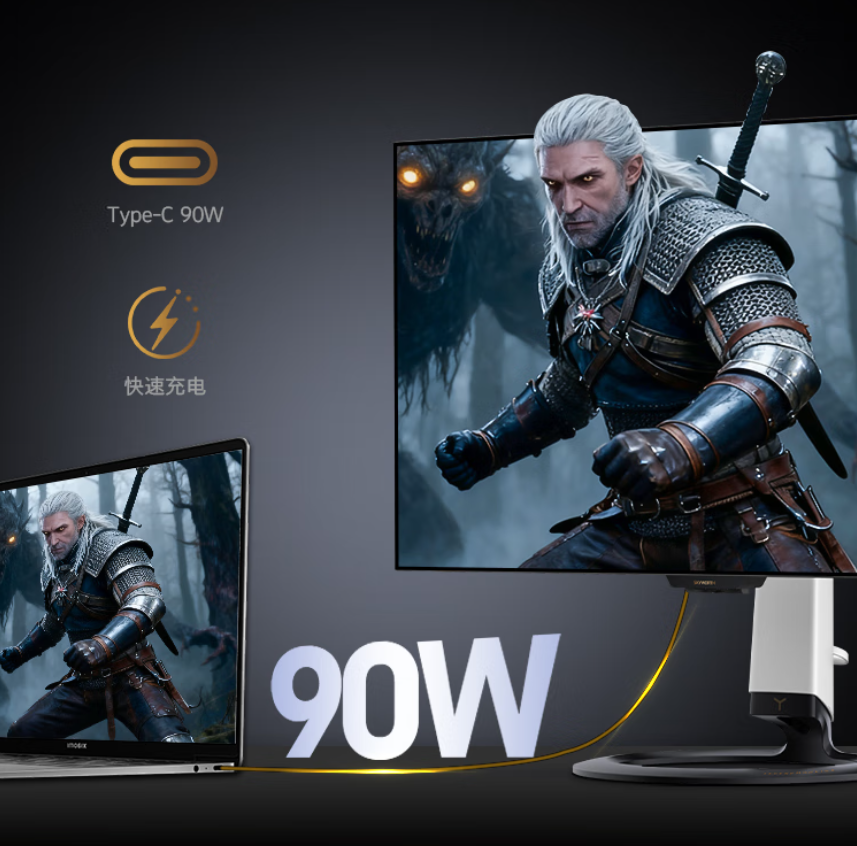
For connectivity, the monitor includes DP 2.1, HDMI 2.1, and USB-C with 90W power delivery. The USB-C port supports reverse charging and KVM switching for controlling two devices with one set of peripherals. It also includes USB-A, USB-B, and a headphone jack. Eye comfort features include DC dimming and a dedicated low blue light mode.
The monitor comes in a Moon Shadow Grey color with a slim three-sided bezel. The stand supports tilt, swivel, height, and pivot adjustments and includes VESA mount compatibility.
Hisense also includes several gaming features such as customizable crosshairs, timers, dark detail enhancement, and game-specific picture modes, including one optimized for Black Myth: Wukong.
Luxury audio just got a whole new meaning. Bang & Olufsen has unveiled the Beo Grace that carries a jaw dropping price tag that makes every other premium TWS, like the new AirPods Pro 3, feel a lot more affordable. So here’s everything you get for earbuds that cost more than the iPhone 17 Pro Max.
Bang & Olufsen Beo Grace: A True Audiophile Statement?
Bang & Olufsen Beo Grace TWS Earbuds
With the new Beo Grace, Bang & Olufsen aims to offer a true high end audio experience. These are the brand’s most expensive pair of earbuds yet, bringing premium build quality and advanced sound tech. The changing case alone is built with high quality aluminum with an IP57 rating for water and dust resistance. This also gets a pearl finish that can be paired with a bespoke leather pouch for an additional $400.
For $1500, the Beo Grace features Spatial Audio tech optimized by Dolby Atmos and an advanced Adaptive Active Noise Cancellation technology, which is apparently four times more effective than the previous flagship earbuds. The ANC is powered by six studio grade microphones that adjust the ANC levels in real time. One interesting feature is tactile controls that allow users to press the earbuds for quick access to music controls and volume levels.
Bang & Olufsen is also advertising a TrueTransparency mode that claims to offer a more natural transparency mode for improved environmental awareness. The earbuds connect via Bluetooth via the earbuds or USB-C/AUX with the charging case. Other notable features include 12mm titanium drivers, AAC and SBC audio codecs support, and 4.5 hours of playback with ANC enabled, which can be bumped up to 17 hours with the charging case. These earbuds will go on sale on 17th November 2025.
For more daily updates, please visit our News Section.
There are already plenty rumors going around regarding the various upgrades in Samsung‘s upcoming Galaxy S26 series of flagship smartphones. But all of this might come at a cost (literally). A recent leak has revealed that many of the changes could come with a heftier price tag.
Brace for a Price Jump on the Samsung Galaxy S26
MediaTek just unveiled its flagship Dimensity 9500 SoC, which is based on TSMC’s third-generation 3nm process node (N3P). Similarly, even Qualcomm is using the same line from TSMC for its next gen Snapdragon 8 Elite Gen 5 chip. A large chunk of these new chips will be dedicated to Samsung’s Galaxy S26 series, bringing a more power efficient chip despite offering performance gains. However, this will be one of the major reasons for the Galaxy S26 series’ price hike.
Samsung Galaxy S26 Edge
According to a China Times report, Qualcomm and MediaTek are paying around 24 percent and 16 percent higher rates (respectively) to TSMC for the new chips. So the brands receiving the latest processors will likely have the customers bear the cost of these pricier components. Apart from this, the various new upgrades will also cause the Galaxy S26 models to become more expensive.
In our recent report, the Galaxy S26 Ultra could finally use Samsung’s M14 OLED panel alongside the CoE display tech. These devices might also be getting new cameras for an improved photography experience. That’s not all, the Galaxy S26 and Galaxy S26 Pro models might feature the new Exynos 2600 SoC, which is expected to be based on Samsung Foundry’s cutting edge 2nm process.
For more daily updates, please visit our News Section.
We use cookies on our website to give you the most relevant experience by remembering your preferences and repeat visits. By clicking “Accept”, you consent to the use of ALL the cookies.
This website uses cookies to improve your experience while you navigate through the website. Out of these, the cookies that are categorized as necessary are stored on your browser as they are essential for the working of basic functionalities of the website. We also use third-party cookies that help us analyze and understand how you use this website. These cookies will be stored in your browser only with your consent. You also have the option to opt-out of these cookies. But opting out of some of these cookies may affect your browsing experience.
Necessary cookies are absolutely essential for the website to function properly. This category only includes cookies that ensures basic functionalities and security features of the website. These cookies do not store any personal information.
Any cookies that may not be particularly necessary for the website to function and is used specifically to collect user personal data via analytics, ads, other embedded contents are termed as non-necessary cookies. It is mandatory to procure user consent prior to running these cookies on your website.