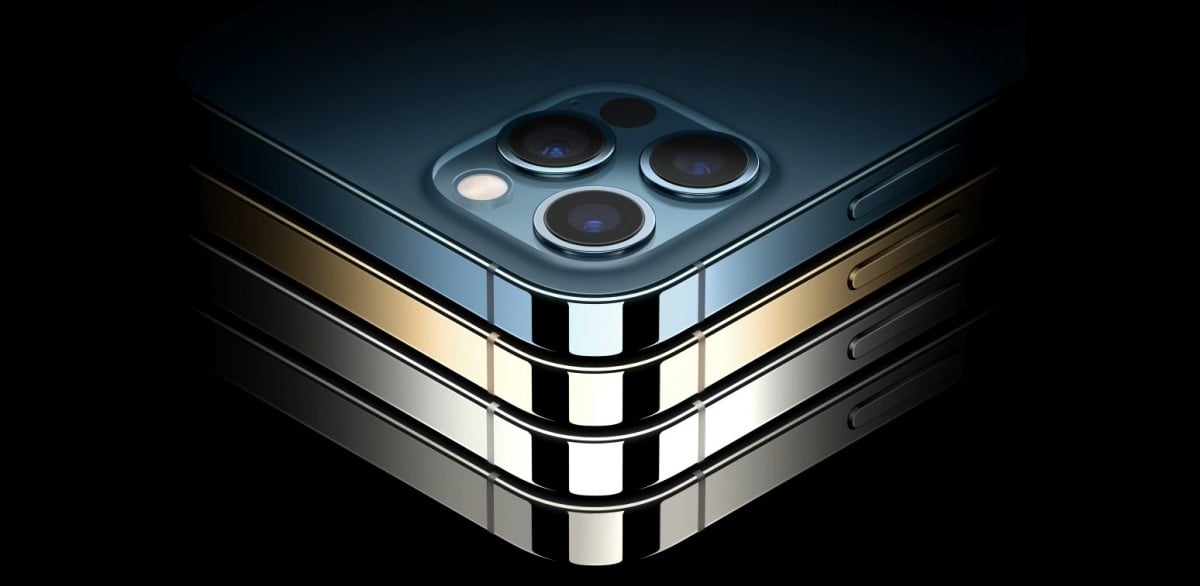
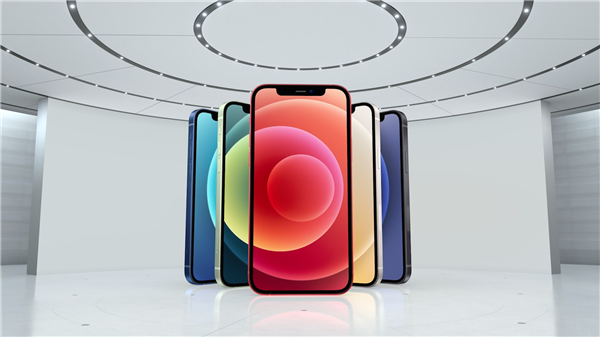
Yesterday(October 22), a teardown of Apple iPhone 12 revealed Qualcomm’s 5G modem inside. Now, a document of Apple reveals that it will continue to use Qualcomm’s 5G modems at least until 2024.
First reported by Macrumors(via GSMArena), page 71 of the document that was pointed out on Twitter, shows the details of the Apple-Qualcomm settlement from 2019. Apple’s statement reportedly begins with the intent to launch some commercial products with Qualcomm X55 5G modems between June 1, 2020, to May 31, 2021. If we recall, a recent teardown of the Apple iPhone 12 revealed that Qualcomm X55 5G modem on it.
By now, Apple has already kickstarted the agreement. Also, since it has mentioned the end date till May of 2021, we might see them on iPad Pros if Apple decides to launch one with 5G connectivity.
Apple’s commitment will continue at least until 2024
As per the agreement, Apple intends to use Qualcomm X60 5G modem in some models between June 1, 2021, to May 31, 2022. If we were to guess, it could be on the next iPhones, and subsequently on other products. Additionally, Apple is also committed to use the upcoming modems of Qualcomm. The agreement mentions unannounced modems like X65 and X70. If we take the X60 5G modem, it is built on an improved 5nm process instead of 7nm on the predecessor, i.e., X55.
Hence, the upcoming modems should have improved battery efficiency, cover more bandwidth, etc. Besides, not only did the statement spill beans about the new modem, but it might have confirmed the naming as well. That said, Apple will use the X65 and X70 modems from June 1, 2022, to May 31, 2024. Although it’s a long way up from now, the statement does strongly hint that Apple’s future products will carry Qualcomm chipsets and transition to 5G.
For the unware, Apple and Qualcomm entered into a legal battle over royalty payment dues last year. However, before the case filing could gain steam, they settled over an agreement and withdrew the plea. As per the settlement, Apple paid a certain amount and signed an agreement with Qualcomm to procure its 5G chips.
The US chip ban on Huawei in September was the final nail in the coffin for the brand’s smartphone business. Even though the Chinese smartphone giant has reportedly stockpiled chipsets for the next few months, it still won’t be enough to sustain the level of production and sales it has managed to achieve over the past few years. Considering the ban affects both its smartphone brands – Huawei and Honor, it will be difficult for the parent company to continue managing them with these constraints in place.
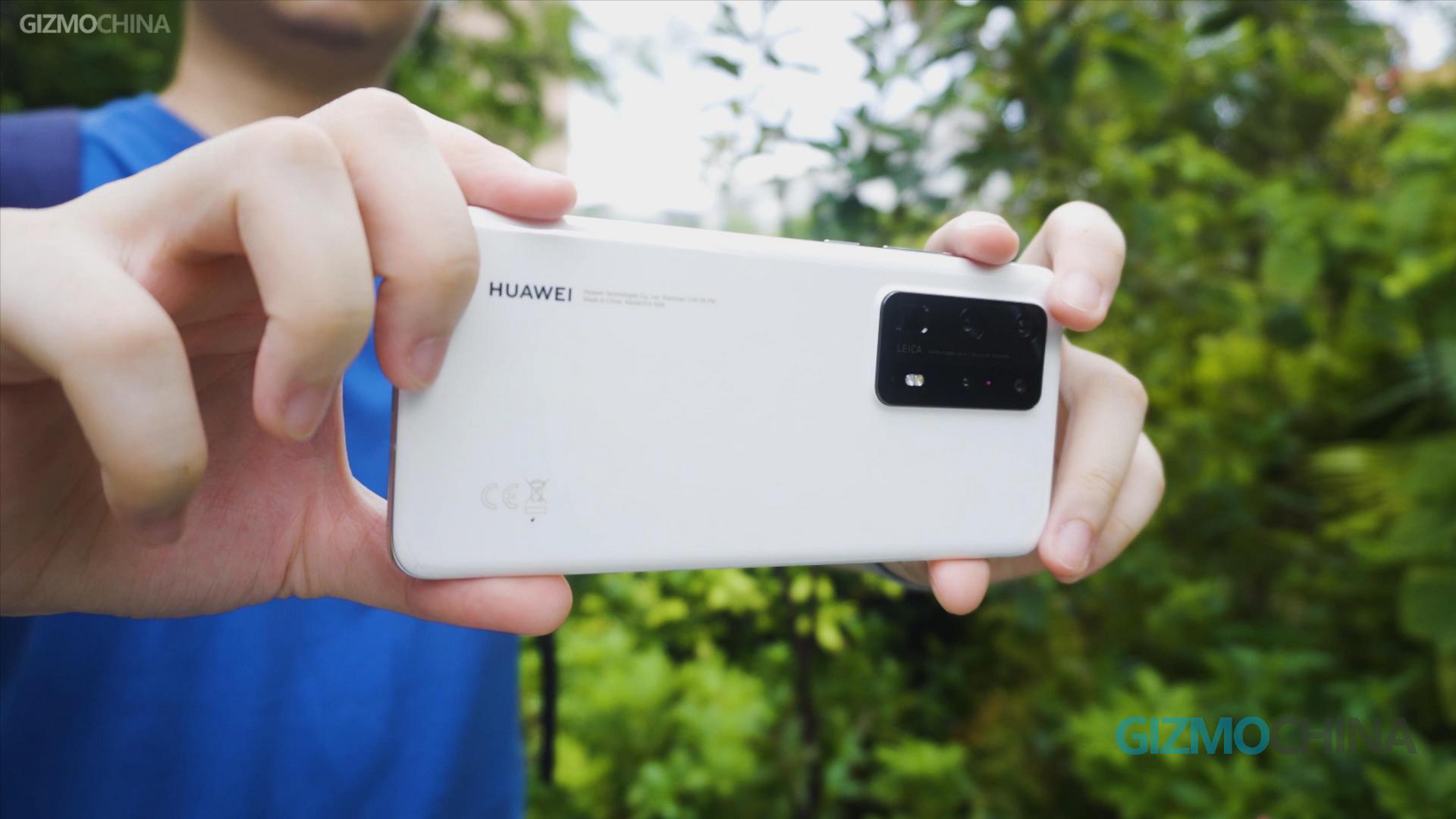
Huawei P40 Pro+
One viable option for Huawei would be to sell off its Honor business to someone who is not under the US’ radar. And according to Reuters, Huawei is in talks with several companies for the same. One of the likely candidates is a company called the Digital China Group. Other potential buyers include Xiaomi and even TCL.
While we have very little information on what’s happening behind the scenes, the Reuters report states that Digital China is one of the favorites to acquire a part of Honor’s smartphone business.
But who is Digital China and why would Huawei consider selling its booming Honor business to a company that’s relatively unknown in the international markets?
Who is Digital China Group?
Digital China Group is a popular name in the IT industry in China but has little presence outside of the domestic market.
Digital China Group was established in 1981 and is headquartered in Beijing, China. It is listed on the Shenzhen Stock Exchange. The company has a close relationship with Lenovo as it was once a part of its parent entity (Legend Holdings) before splitting off as an independent company in 2001.
Lenovo and Digital China were part of the Legend Holdings in the 80s. The parent company started off its business working as an agency for top PC companies like IBM, AST, and HP before rolling out its own Lenovo PC brand in 1990.
By 2000, Legend (Lenovo) was the No.1 PC brand in both China and the Asia Pacific. The company had grown to such an extent that it became necessary to split it off into two separate entities, one handling the Lenovo PC business and the other one, called Digital China Holding, focused on its agency and IT service businesses. The company’s agency business had tie-ups with hundreds of international brands. So the parent company decided to establish the agency division as a separate company to avoid internal conflicts with its own Lenovo PC brand.
In 2015, Digital China Holding sold its sales and distribution business to Shenzhen Shenxin Taifeng Co Ltd for 4.01 billion yuan ($645.87 million). The resulting company was renamed as the Digital China Group Co Ltd in April 2016.
The Shenzhen listed Digital China Group Co. Ltd is China’s largest reseller of computers, servers, and network equipment. This includes the responsibility of distributing PC and smartphones for brands like Honor in the domestic market. The group has over 4000 employees and offices in over 50 cities across China.
According to Bloomberg, “Digital China Group Co., Ltd. engages in the communication service operation; research, development, production, and sale of communication equipment; and software development businesses. It also provides data and voice, cloud computing and digital transformation, IT distribution, and value-added services.”
Reuters report confirmed that Digital China is one of the main distributors of Honor smartphones in China. But the company’s relationship with Huawei goes a lot deeper, spread across multiple businesses.
Digital China is Very Close to Huawei
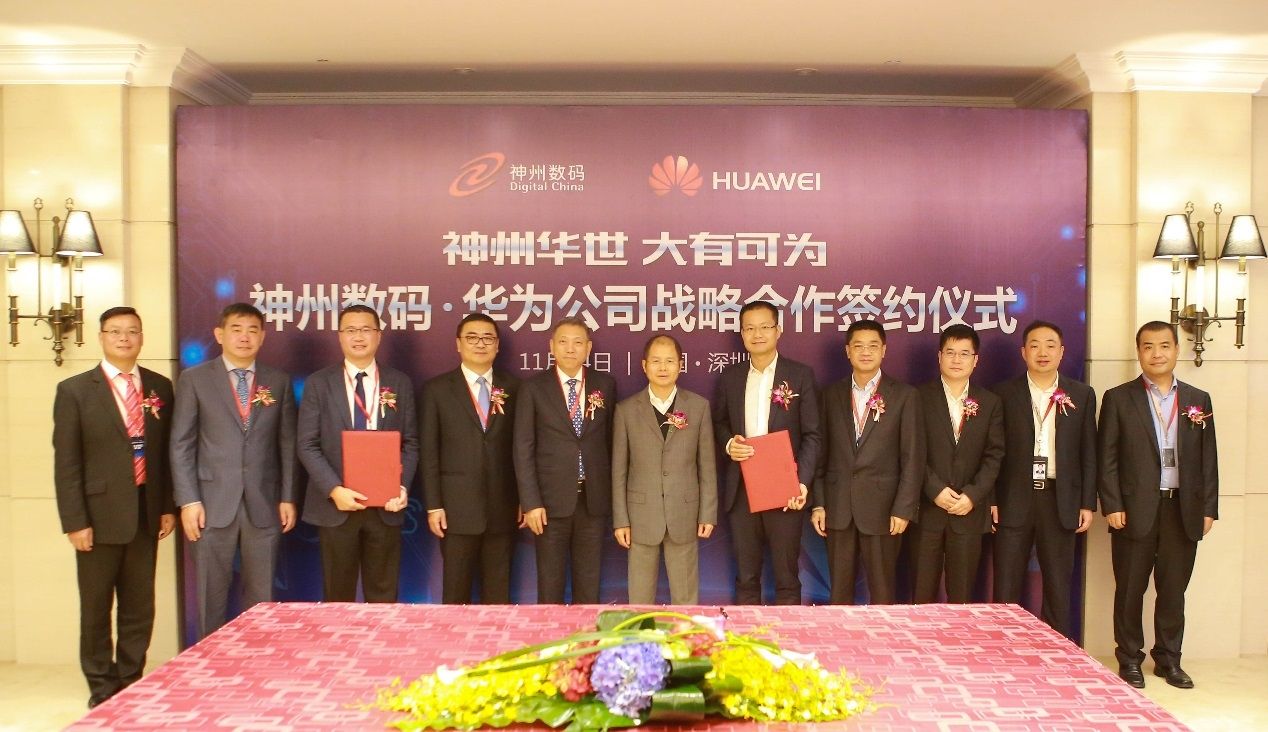
Digital China has been Huawei’s distribution partner for over a decade. The company has been the general distributor of Huawei’s enterprise products since 2011. And Huawei and Digital China have further deepened their partnership in the past couple of years.
Digital China Huawei Joint Event in 2016
In fact, Canalys reports that Huawei Enterprise Business Group (EBG) accounted for 25% of Digital China’s overall enterprise distribution business in 2016. In 2018, the two companies announced a joint strategy called ”Greater Huawei” to further strengthen its relationship in a number of emerging fields.
It is also worth mentioning that Digital China was one of the only two partners of Huawei Business Group to have exceeded sales worth 10 billion yuan ($1.49 billion) in 2018. The two companies work together in a variety of fields like smart agriculture, smart medical care, smart city development, and enterprise cloud services.
The deep relationship with Digital china could be one of the big reasons why Huawei might consider selling of a part of its Honor business to the company.
Why Digital China Group would want to buy Honor’s smartphone business?
While Digital China Group is primarily engaged in sales and distribution of enterprise and network products, it has shifted its focus on other businesses too. The company revamped its strategy recently, aggressively expanding into newer fields like smart city development and cloud services.
Digital China’s close relationship with Huawei is another reason why it could be interested in this acquisition. Instead of selling off Honor to rival companies like Xiaomi or even TCL, Huawei would be more likely to accept a bid from someone who has experience dealing with the Honor brand and is close to the parent company.
The Reuters report states that the deal could be valued anywhere between 15 billion yuan to 25 billion yuan (US$2.24-$3.7 billion). If Digital China is successful in its bid for Honor, it plans to finance this acquisition with bank loans in the coming weeks.
Win-Win for both the Companies
Honor is a very popular smartphone brand in China and is known in the international markets too. The brand has the ability to develop value for money smartphones targeted at the younger generation. If the company which purchases the brand manages to procure SoCs from chipmakers like MediaTek and Qualcomm, it could keep on selling a lot of Honor branded smartphones in China and abroad. Further, it could also reestablish the partnership with Google for GMS for Honor branded smartphones, opening up possibilities in the international market.
As for Huawei, it will be relieved to see that the Honor brand stays alive. Huawei along with Honor has captured 40% of the Chinese smartphone market. And Honor accounted for over 25% of Huawei’s sales in the second quarter of 2020 (14.6 million) according to Canalys.
Selling off Honor is probably the right move for Huawei. Even Ming-Chi Kuo, the popular analyst from TF International Securities says so. In his research note published last week, he mentioned, “If Honor is independent from Huawei, its purchase of components will no longer be subject to the U.S. ban on Huawei. This will help Honor’s smartphone business and the suppliers.”
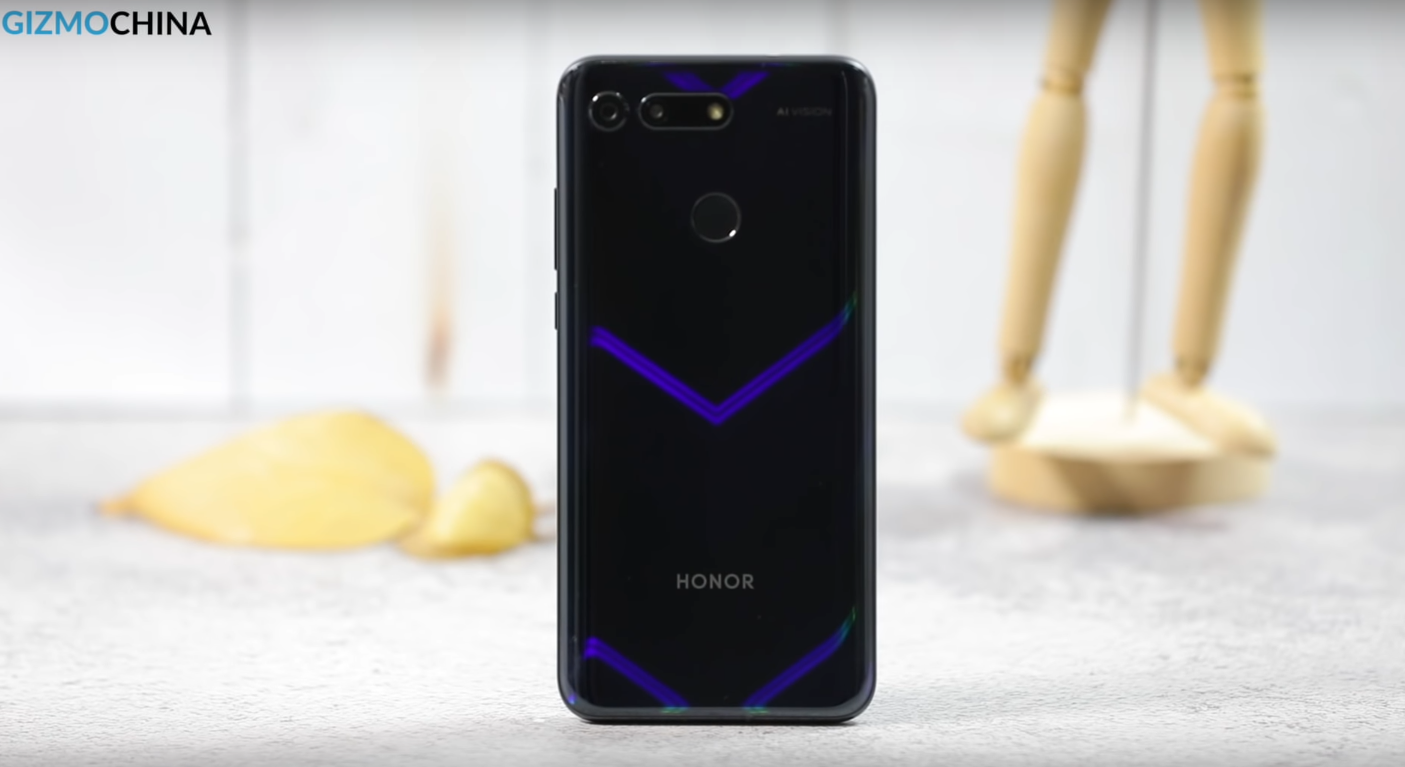
Honor logo – Gizmochina
But there are still a lot of questions regarding the potential sale of Honor. The biggest one is whether a change of ownership will allow Honor to procure components and software from US brands like Google and Qualcomm.
The Digital China Group has worked closely with state-owned clients in China to integrate IT services in the past couple of decades. But then it’s also close to Lenovo which so far has had a good relationship with the US. So it remains to be seen if a company like Digital China can be considered as the right candidate to bring Honor back into the market.
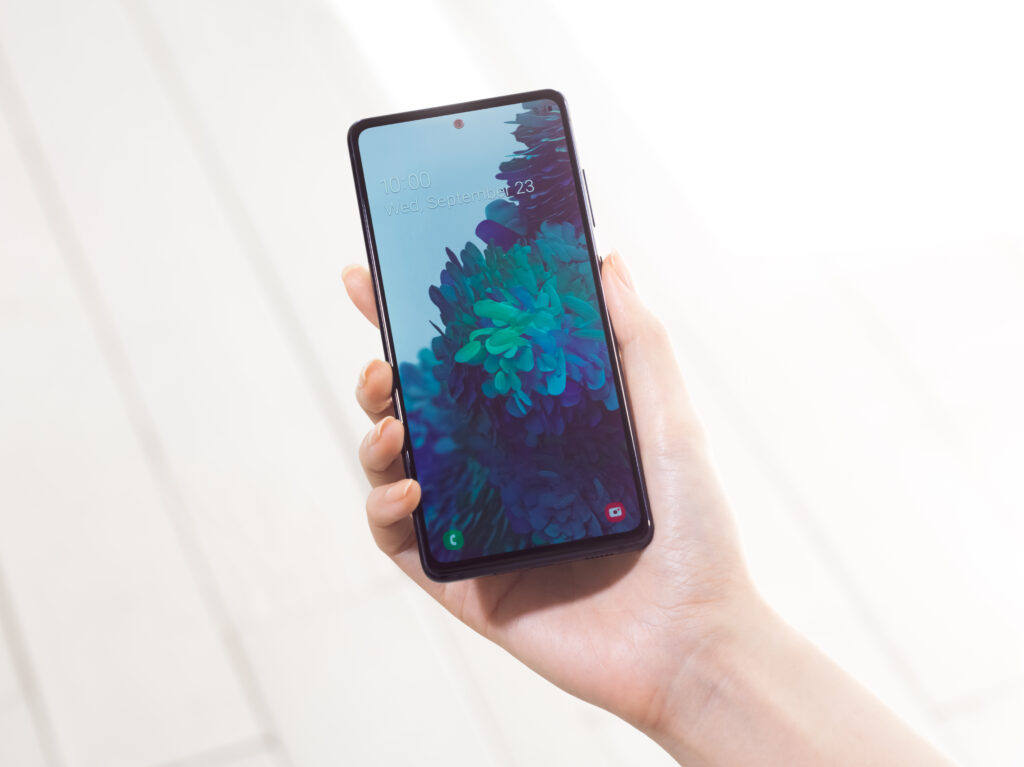
The Galaxy S20 FE is the most affordable Galaxy S series smartphone released this year. It features all the core features of its expensive siblings with some minor shortcomings allowing Samsung to sell it for a cheaper price. Unfortunately, certain early adopters began to face display touch issues. But now, the South Koream tech giant has fixed it via a software update.
Last week, we reported that a few sets of Galaxy S20 FE users were experiencing issues related to touch input on their unit. The problems faced by users included ghost touches, inability to difference between tap and gesture, and not responding to touch at all.
Now, according to SamMobile, Samsung is rolling out a new software build for this device worldwide fixing the issues related to the display. The update is available for both 4G Exynos 990 version (SM-G780F) and 5G Snapdragon 865 version (SM-G781B) of the handset.
The firmware version of the new software build is G78xxXXU1ATJ5. The publication says that the changelog for this update does not mention the fix for display touch issues. However, as per users who have updated to the latest build, the issues have been now resolved.
Therefore, if you own a Galaxy S20 FE or about to buy one, then make sure to download and install the latest available software build from Settings > Software update.
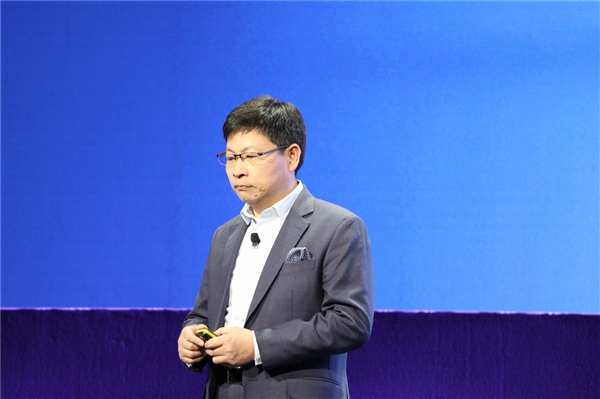
During yesterday’s Mate 40 series launch conference, Huawei‘s Consumer Business CEO Yu Chengdong spent some time talking about the US ban and how Huawei was coping with this third round of ban. He admitted that this was indeed a difficult time for the Chinese tech giant, describing the ban as unfair.
However, Yu Chengdong emphasized that Huawei will continue to innovate and will not give up. “For Huawei, no matter how difficult the situation is, we promise to continue to carry out technological innovation, bring the best technology and innovation to consumers, improve people’s lives, and improve everyone’s work efficiency. We will keep our promise, thank you Everyone’s trust and support,” he reportedly said.
The U.S government effectively cut off Huawei from the supply of System-on-Chips, memory, flash memory and other components manufactured using US tech in its latest ban which took effect on September 15. This is the third round of ban the company was suffering. Even Japanese and Korean suppliers will have to apply for licenses in the U.S.
With the current situation, Huawei may not have access to chip for its flagship mobile phones in six months time. The Huawei CEO did not specifically outline the company’s plan in this regard.
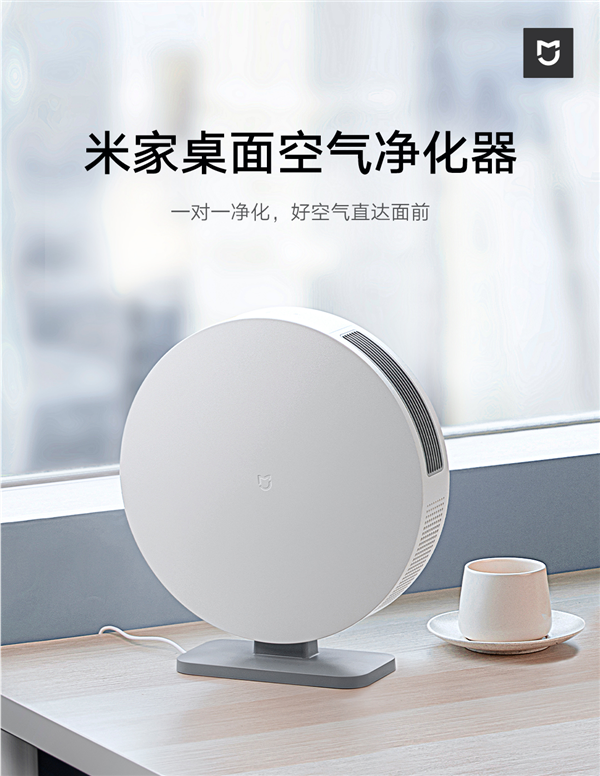
Xiaomi has launched the MIJIA Desktop Air Purifier under crowdfunding on Xiaomi Mall app. The air purifier comes with a crowdfunding price of 349 yuan ($52) but will retail for 399 yuan ($59) after the exercise.
Unlike previous large-scale air purifiers that purify the whole house, the MIJIA Desktop Air Purifier released this time aims to purify the private space of the open office area and achieve one-to-one precise purification. It uses a front wide-angle air outlet to cover the facial breathing area. It also supports up and down rotation to adjust the angle according to the user’s sitting height to ensure that the clean air can be sent directly to the front and accurately purify the personal breathing circle.
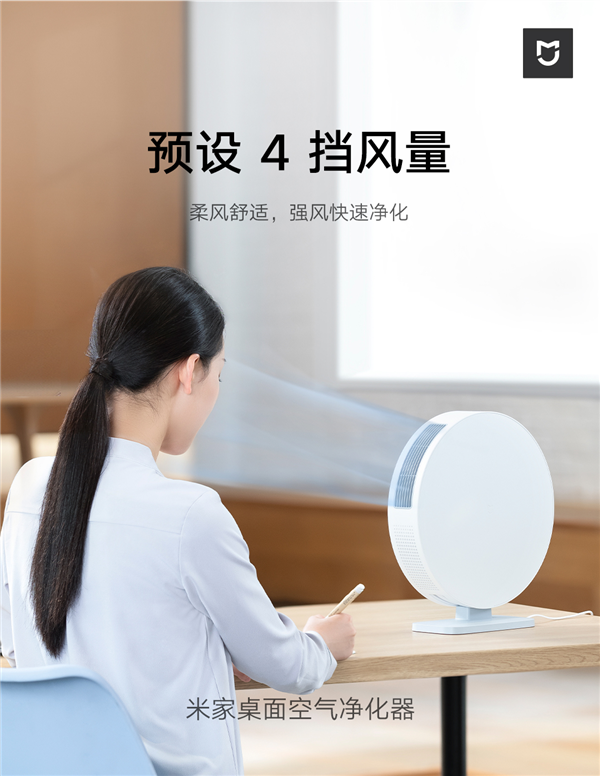
At the same time, the MIJIA Desktop Air Purifier can preset a comfortable air volume of 4 blocks, the wind feels soft, and there is no obvious discomfort when blowing directly on the nose and mouth. The air duct is also optimized in order to reduce the running wind noise, and use it on the desk without being disturbed.
The portable air purifier utilises a magnetic induction cover which is convenient to remove and replace the filter element. The device will automatically stop running when it senses that the cover is removed.
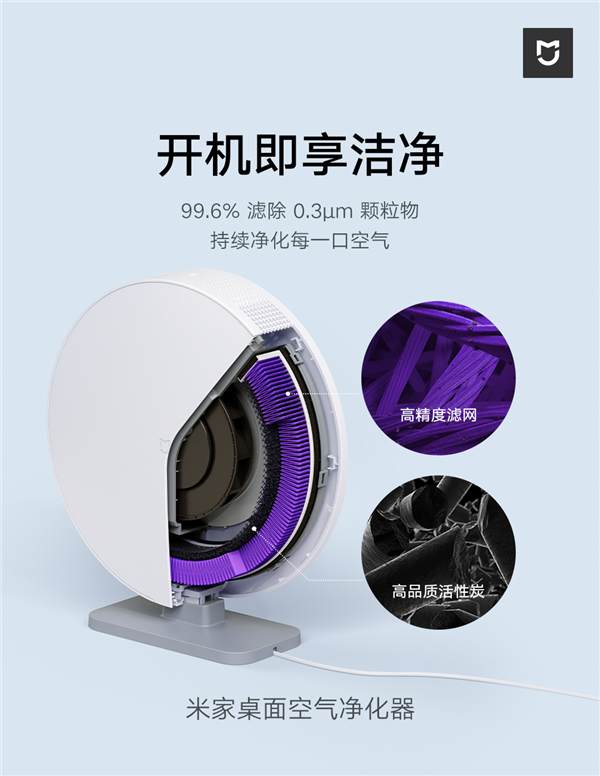
In addition, the MIJIA Desktop Air Purifier also has a good cleaning ability against common pollutants in the office. The filtration system uses a high-precision filter, which can filter 99.6% of particles with a particle size of 0.3μm or more, and deal with PM2.5, pollen allergens, dust, second-hand smoke and other pollutants in the office air.
In addition, antibacterial and antiviral coatings are used to inactivate some common bacteria and viruses. The inactivation rate of bacteria and viruses can reach 99.99%, avoiding secondary pollution of the air by filtered viruses and bacteria, and reducing the risk of infection for office workers during the flu season. It also absorbs formaldehyde molecules through high-quality activated carbon, which also purifies some odors and provides air cleanliness.
At the same time, the desktop air purifier supports Wi-Fi to connect to the MIJIA app. From the phone app, you can check the life of the filter element at any time and can also remotely control and switch on/off the purifier. If you forget to turn off the air purifier after work, you can turn it off from the phone.
At the same time, it supports linkage with other Mijia smart devices as well as voice control via a XiaoAI-enabled device.
In shocking news, the USA Government agencies say that hackers from Russia have been trying to get into many of the USA’ State Government computer networks. Unfortunately, they have already stolen data from two of them.
A Reuters report quotes US agencies mentioning a Russian group called Berserk Bear or Dragonfly by researchers. Apparently, they were after dozens of state, local, tribal and territorial US governments. The list, which also includes aviation networks, is unspecified in total. Further, the FBI, and Homeland Security Dept. says a Russian state-sponsored actor has conducted a campaign. He has been targeting the US since September 2020.
And out of the vulnerable, they reportedly broke into two of the governments and stole the data. But we don’t know the names of the governments and details of the attack yet. However, the Russian Embassy, when contacted, has rejected these claims as groundless. The attack comes amidst a nearing “US Presidential election 2020” that is scheduled on November 3.
Further, US Director of National Intelligence John Ratcliffe says Russia and Iran are trying to interfere with the Presidential election. He adds that Russia has already obtained a few voters’ information, and Iran sent spoof emails to confuse users. Previously, in 2016, US agencies had said that hackers allegedly working for Russia’s military intelligence accessed emails of various US Democrats and other political figures, and exposed them.
Coming back, the US officials didn’t exactly say if this attack will disrupt elections or the government’s business. But they didn’t rule out the possibility of such motive in the future either.
Earlier this month, OnePllus rolled out September 2020 security patch for the OnePlus 7 and Oneplus 7T series along with OnePlus Nord worldwide. Now, once again, the company is seeding a new build for four of these smartphones with bug fixes. It is interesting to see OnePlus rolling out two stable builds in a month as they are reserved for only once per month.
The new system update for OnePlus’ last year’s flagship smartphone series comes with a similar changelog with some minor differences. It still comes with the previous month’s security patch although October is about to end.
Talking about the builds, the new software update for OnePlus 7 and OnePlus 7 Pro comes with build numbers OxygenOS 10.3.6 for Global/India and OxygenOS 10.0.9 for EU respectively.
OnePlus 7/7 Pro OxygenOS 10.3.6 / 10.0.9 Official Changelog
System
Newly added user assistance feature to help user master usage skills quickly (Route: Settings>OnePlus Tips&Support)
Optimized power consumption of the system and improve user experience (OP7 Pro Only)
Fixed the flashback issue with some third-party apps
Fixed known issues and improved system stability
Updated Android Security Patch to 2020.09
As for the OnePlus 7T, the new update bears build number OxygenOS 10.0.14 for the Global variant, OxygenOS 10.3.6 for India, and OxygenOS 10.0.14 for EU respectively.
Similarly, the update for OnePlus 7T Pro comes with OxygenOS 10.0.12 for the Global version, OxygenOS 10.3.6 for the Indian model, and OxygenOS 10.0.12 for the EU variant.
OnePlus 7T/7T Pro OxygenOS 10.0.14 / 10.3.6 / 10.0.12 Official Changelog
System
Newly added user assistance feature to help user master usage skills quickly(Route: Settings>OnePlus Tips&Support)
Optimized power consumption of the system and improve user experience
Fixed the issue that the alarm clock does not ring in certain scenarios
Fixed the unstable issue with Messages in special cases
Fixed the flashback issue with some third-party apps
Apple launched the iPhone 12 series exactly ten days back. People have already started pre-ordering some of the models. However, in Taiwan, there seems to be a shortage of iPhone 12 supply initially, and looks like the shipment of pre-orders might get affected.
A report from Digitimes says Taiwan’s telecom and channel operators will face a shortage of supply. They will face it more when delivering the outstanding orders of the iPhone 12 from October 24. Market sources reportedly say that the deficit will continue but likely solved in two weeks. Unfortunately, the said telecom and channel operators have received less quota for this year’s iPhones. And if reports are true, it’s about 10-15% less than the quota for iPhone 11 in 2019.
The reason for the delay in the consignments is obvious. Coronavirus has disrupted the entire world including the smartphone industry. Accordingly, the slack of newer iPhones is due to labor shortages. And in turn, affecting the ramp in production and yield. Forecasts already predict a decline in smartphone shipments this year albeit 5G trying to revive it. If we look from a similar perspective, it seems like Apple faced a sudden surge in demand for iPhone 12 series.
Add to this, the pandemic had already triggered a supply disruption everywhere. Further, Apple could have its own distribution priority list. All of this means the magnitude of shortages for the initial phase has only increased, says the report. That being said, sources do point out that Apple has reduced the delayed cycle of shipments by working on the logistic issues. It is apparently trying its best to make sure all distributors receive their units every week.
If we recall, Pegatron and Foxconn, who are the vendors of Apple, are working day in and out amidst concerns of missing the target. Also, the report says they are offering more wages in their factories to attract workers and ramp up production in China.
Apple has just been hit by another lawsuit. This legal action arrives after a woman filed a lawsuit against the Cupertino based giant for hosting gambling apps, on which she spent thousands of dollars for in game currency.
Earlier this week, the lawsuit was filed in the U.S. District Court for the District of Connecticut, which claimed that Apple “promotes, enables, and profits” from gambling games on the App Store. The case was against the free to play games in the app store, which is allegedly considered illegal gambling. The plaintiff, Karen Workman, stated that she downloaded the app called “Jackpot Mania” back in 2017.
Since then she “began purchasing coins through the app so he/she could continue to play for a chance to win free coins that would enable him/her to enjoy the game(s) for a longer period of time.” Just six months prior to the lawsuit being filed, Workman had spent over 3,312 US Dollars on in game currency. The argument being presented here is that apps with in game currency also fall under the “gambling” category, which is banned on the App Store.
According to an AppleInsiderreport, the lawsuit alleged that the game is still considered if the users have “the ability to win and therefore acquire more playing time.” It further argues that credits that are “recorded and allow one to extend play” are a thing of value.” Furthermore, the complaint also read that “Apple is not some minor or incidental participant in these illegal gambling games. It is the principal promoter and facilitator of the illegal activity. Apple maintains dictatorial control over what apps can be downloaded from the App Store, and the payment method to purchase in-app items.”
At the moment, the lawsuit is seeking a class status and has also asked for a whole refund of “all money paid through the illegal gambling games described herein.” This payout would also include the attorney’s fees and an award for the plaintiff for “his/her services in this case on behalf of the class.” That is all we have to go on for now, and we’ll add more updates to the story, so stay tuned.
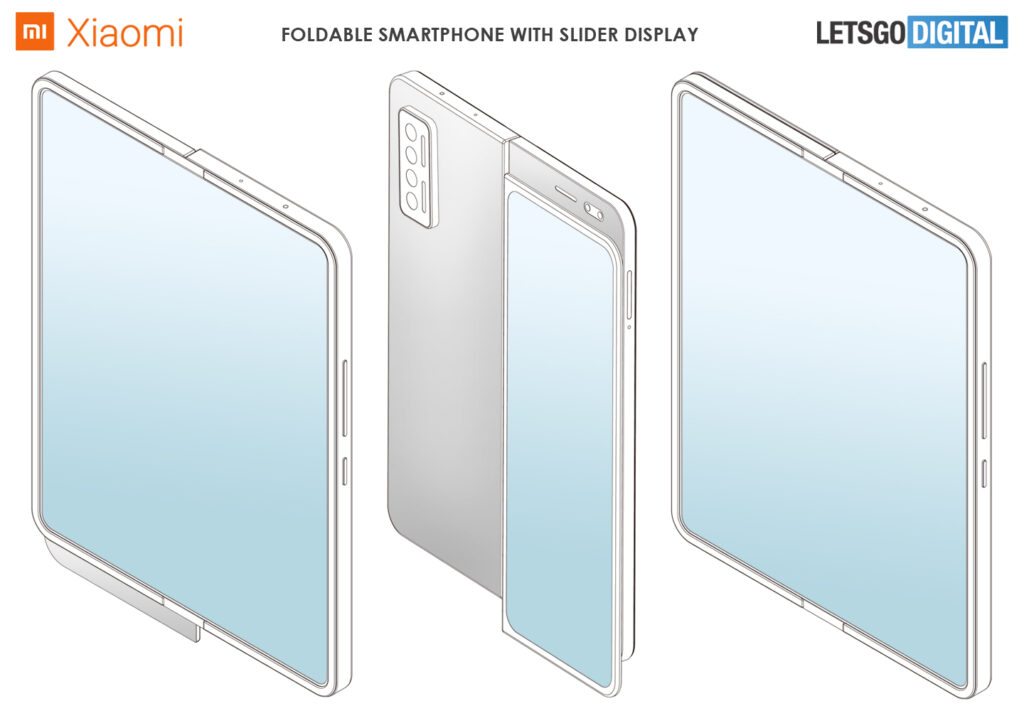
Samsung is ahead of any other company in terms of foldables and it continues to patent new designs and utilities. Similarly, companies that haven’t released any foldable device yet are also patenting for a while now. One of those firms is Xiaomi and its software department has filed another design patent for a foldable smartphone.
This new foldable smartphone design patent was filed by Beijing Xiaomi Mobile Software with the CNIPA (China National Intellectual Property Administration) in April. It got approved and published on October 23. As usual, it was spotted by none other than LetsGoDigital.
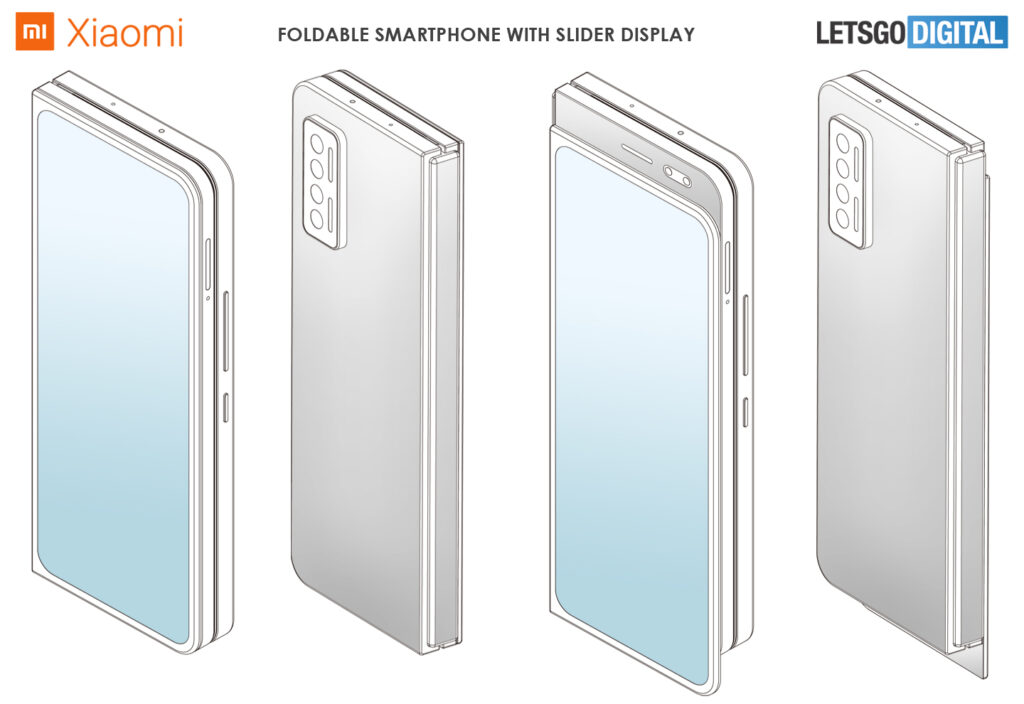
The documentation for the new Xiaomi patent describes an inward folding foldable smartphone with a slider cover display. In other words, this design is a fusion of Galaxy Z Fold2 and Mi Mix 3.
First of all, the design looks identical to the Samsung Galaxy Z Fold series. However, the inward folding display does not have any notch or punch hole. Even the outer cover screen lacks them because the front-facing dual-camera and earpiece are hidden below the slider panel.
Further, the back of the device includes a quad-camera setup, power key and volume rockers on the right side, and a microphone as well as a SIM card slot on the top. Since none of the diagrams show the bottom of the phone, we are not sure what else that holds.
Having said that, we don’t think Xiaomi will ever launch this kind of foldable smartphone. Because foldables are already costly and adding a slider display will further increase the cost as well as weight.
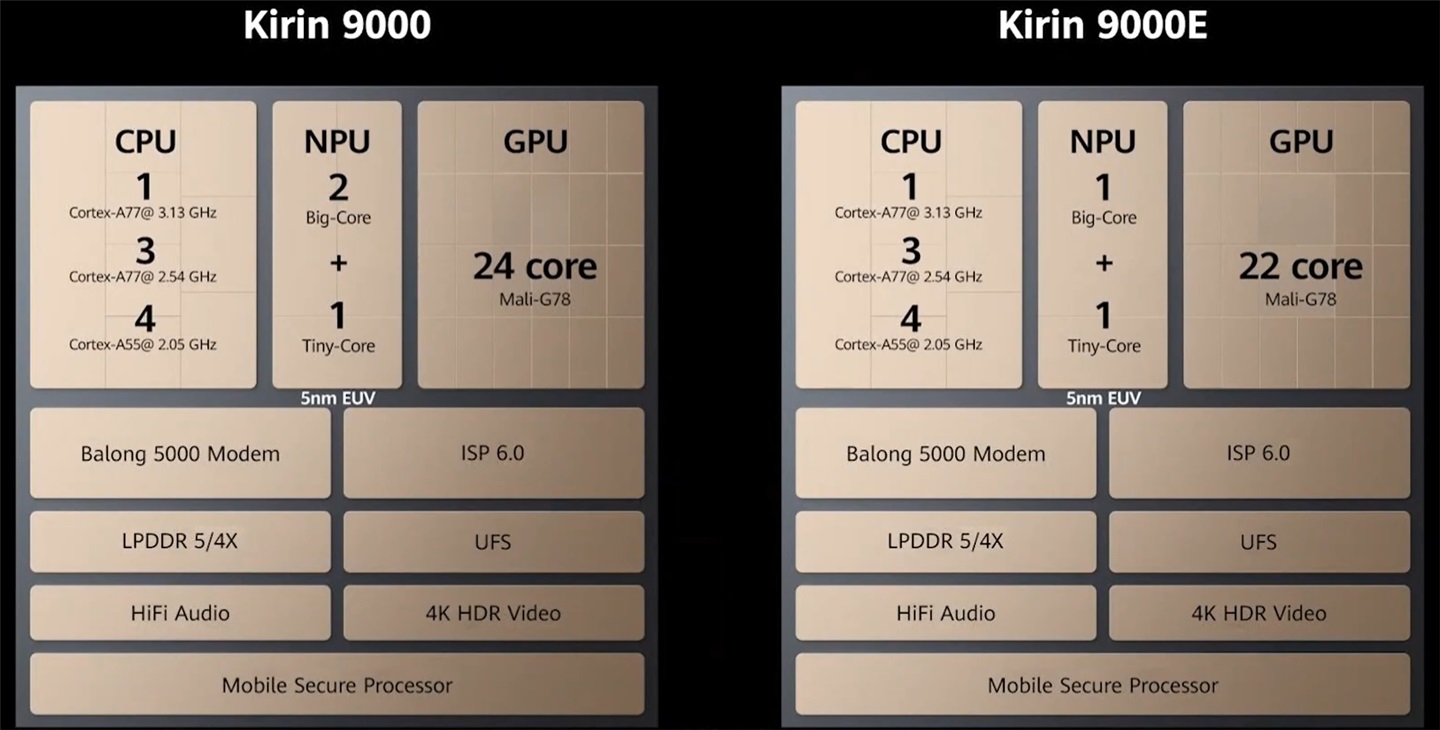
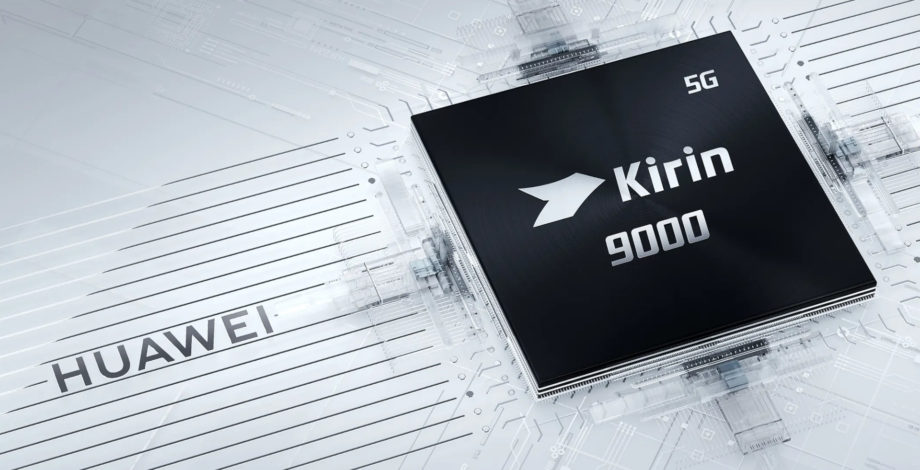
The Chinese tech giant has also officially unveiled its new Kirin 9000 chips earlier this week. These were built on the new 5nm process from TSMC and boasts improvements in performance and energy efficiency over its predecessor. Furthermore, while the company had stated that the NPU has also been greatly improved with the new chips, no official figures were revealed. But now, the AI Benchmarklist of ETH Zurich has the Huawei Mate 40 Pro take the top spot with the Kirin 9000 SoC.
In the list, the HiSilicon Kirin 9000 is in the 1st position with a total of 216.6 points, beating both the MediaTek Dimensity 1000+ chip and even the Qualcomm Snapdragon 865+ SoC. For those unaware, the Kirin 9000 from Huawei is an 8 core CPU with a 24 core Mali-G78 GPU, alongside a 2 Big and 1 Tiny core NPU. It also houses Huawei’s most advanced ISP technology to date.
According to Huawei, the Kirin 9000 is by far one of the most powerful mobile processors in the market. It consists of 30 percent more transistors that Apple’s A14 chip and its CPU performs 10 percent faster than the Snapdragon 865+ as well. Furthermore, it beats its Qualcomm rival by a large margin of 240 percent in terms of NPU performance and offers double the network download speeds than the Snapdragon X55 5G Modem as well.
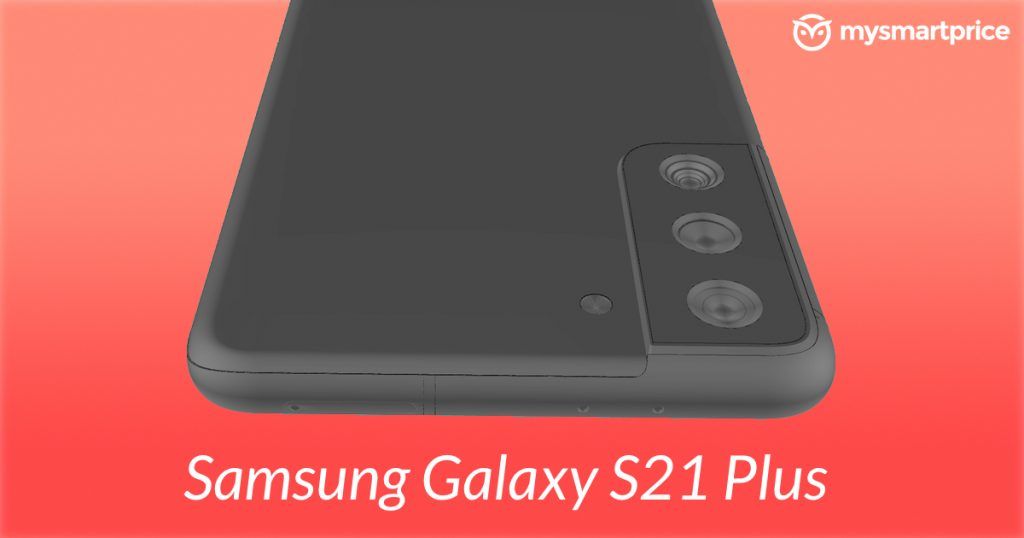
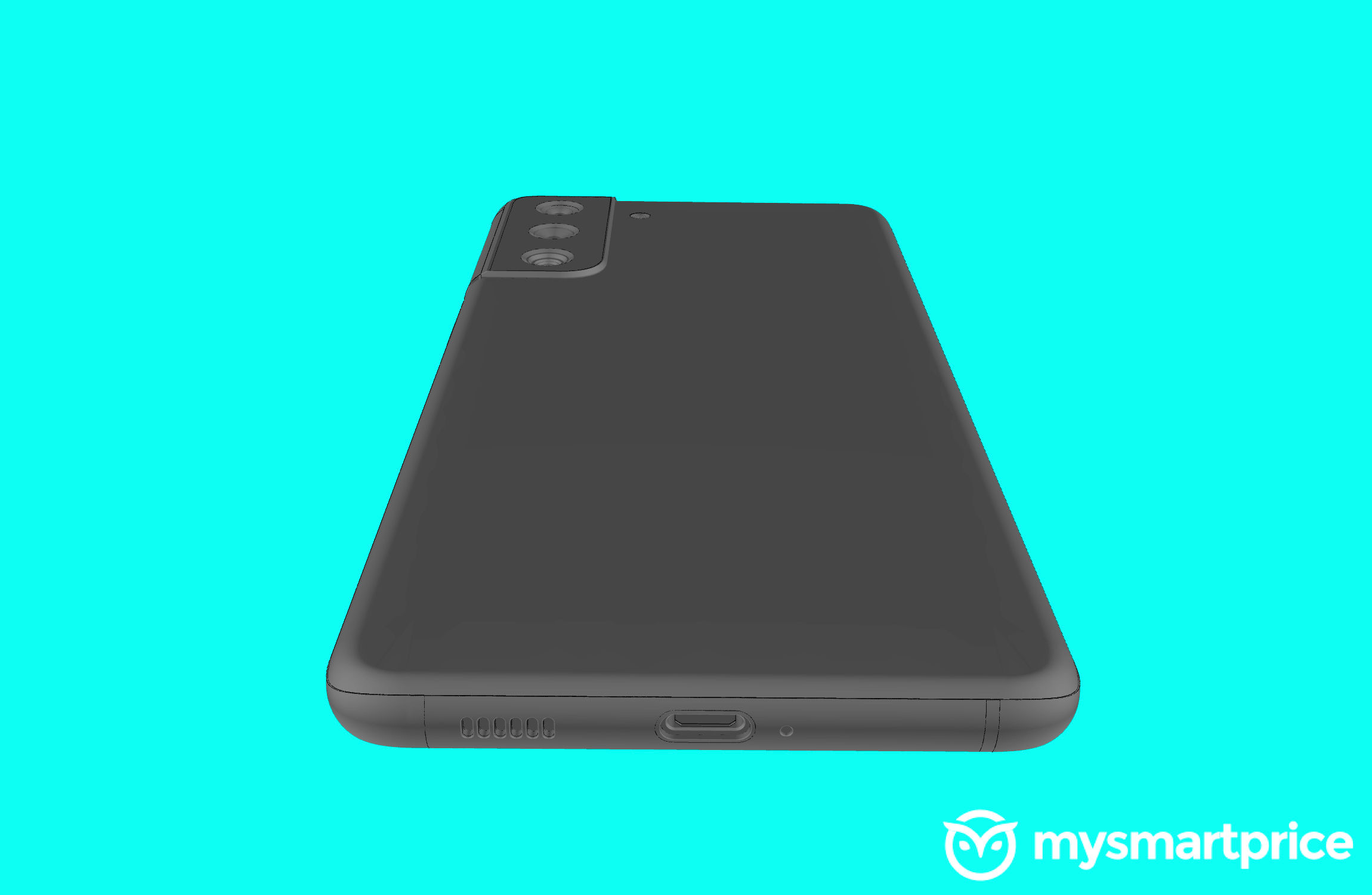
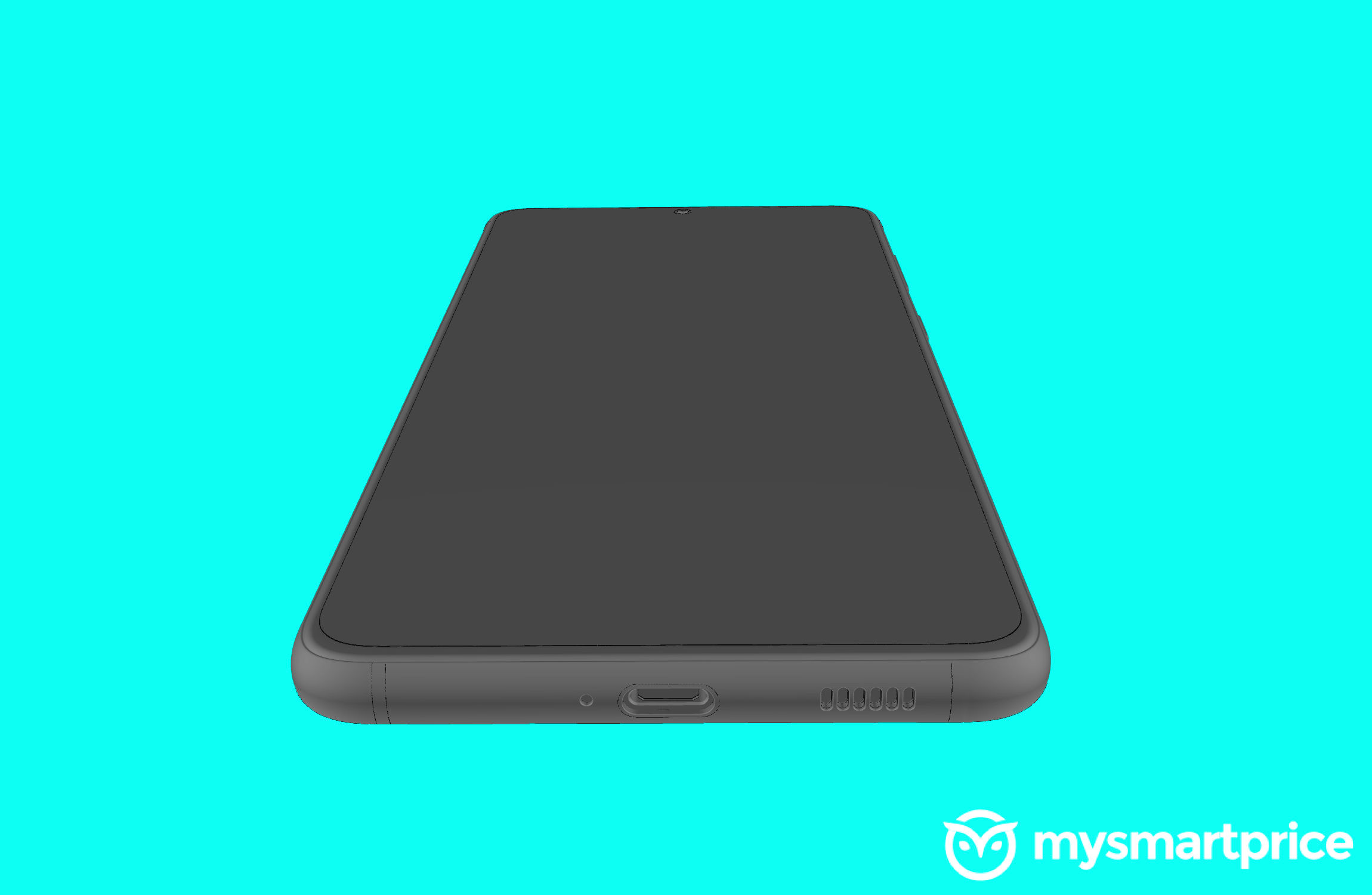
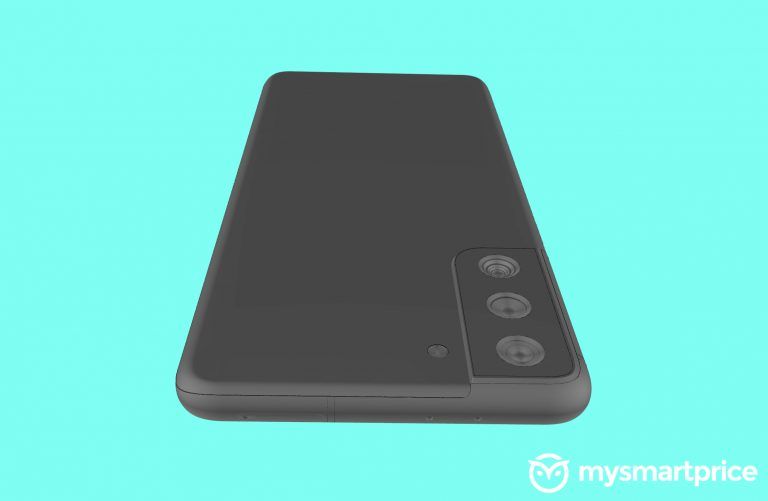
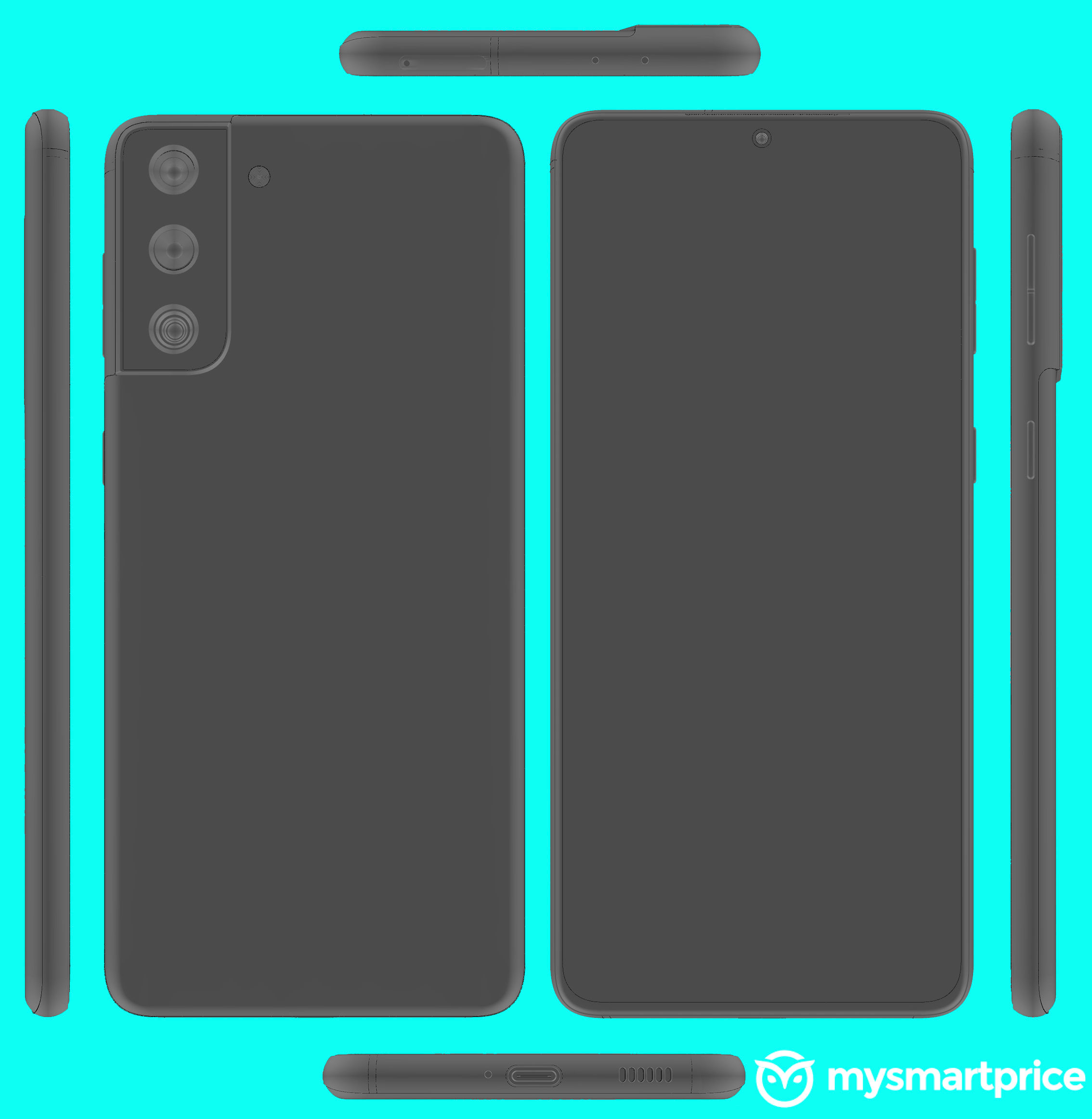
The rumor mill is actively leaking details of the Galaxy S21 series. This could be in line with the recent report that claimed Samsung is planning to launch the Galaxy S21 series in January 2021. The CAD renders of the Galaxy S21 and Galaxy S21 Ultra were leaked recently and today, MySmartPricehas shared the RAW CAD images of the Galaxy S21+.
In terms of design, the Galaxy S21 Plus appears similar to the S21 and S21 Ultra smartphones. It has an Infinity-O AMOLED display and its rear features a triple camera setup. Like the other S21 models, the camera housing of the S21+ begins from its edge and appears as if it is fused to the frame.
1 of 7
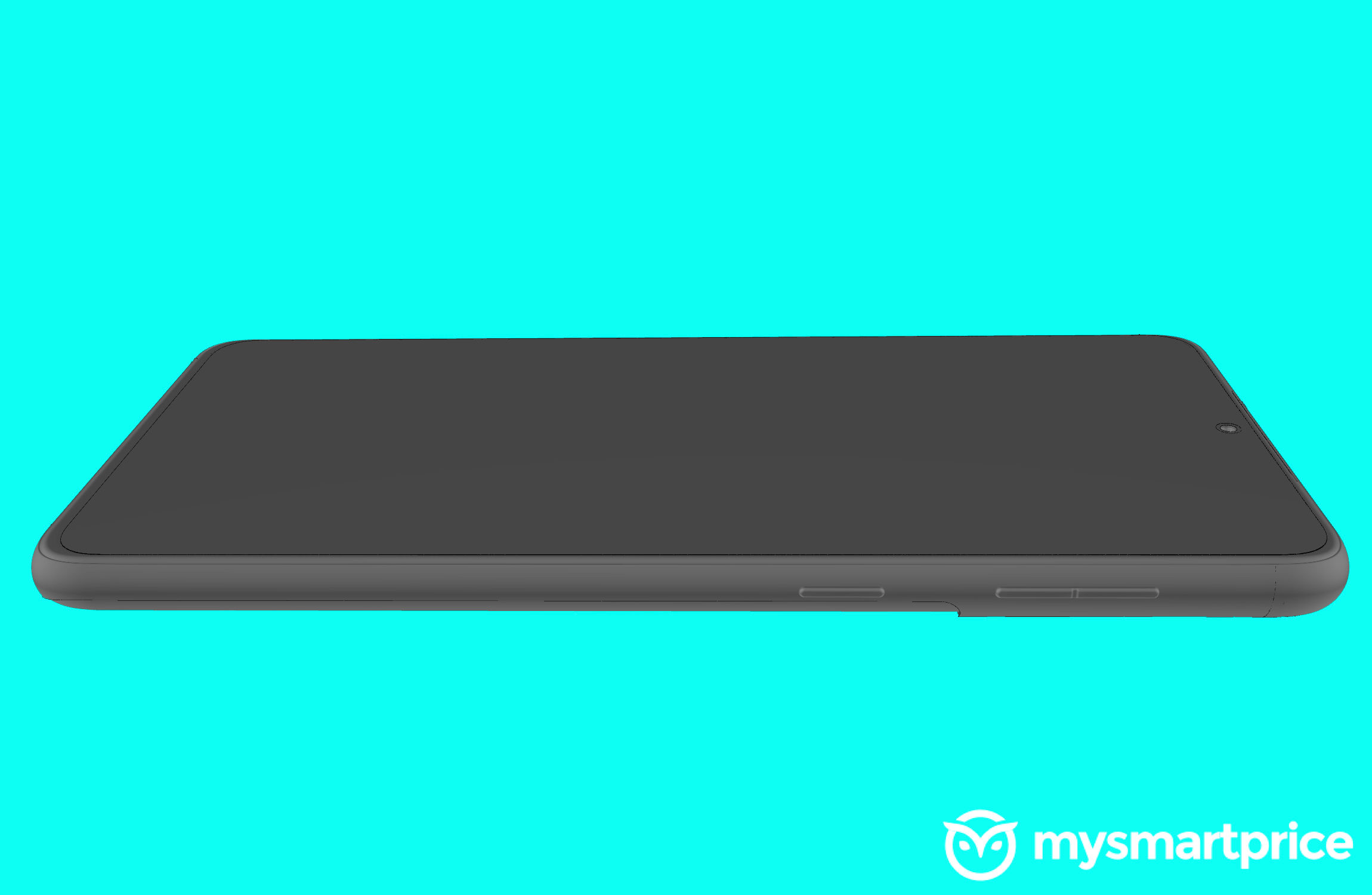
However, one striking change on the Galaxy S21+ is that its display does not have curved edges like the predecessor Galaxy S20+ phone. So, the S21 and S21+ phones will feature flat displays, whereas the S21 Ultra will have a curved screen.
The publication revealed that the Galaxy S21+ has 161.5 x 75.6 x 7.85mm dimensions and it has a 6.7-inch display. In comparison, the Galaxy S20+ which also features a 6.7-inch display measures 161.9 x 73.7 x 7.8mm. Tipster Ice Universe claimed the Galaxy S21+ slim bezels around the screen.
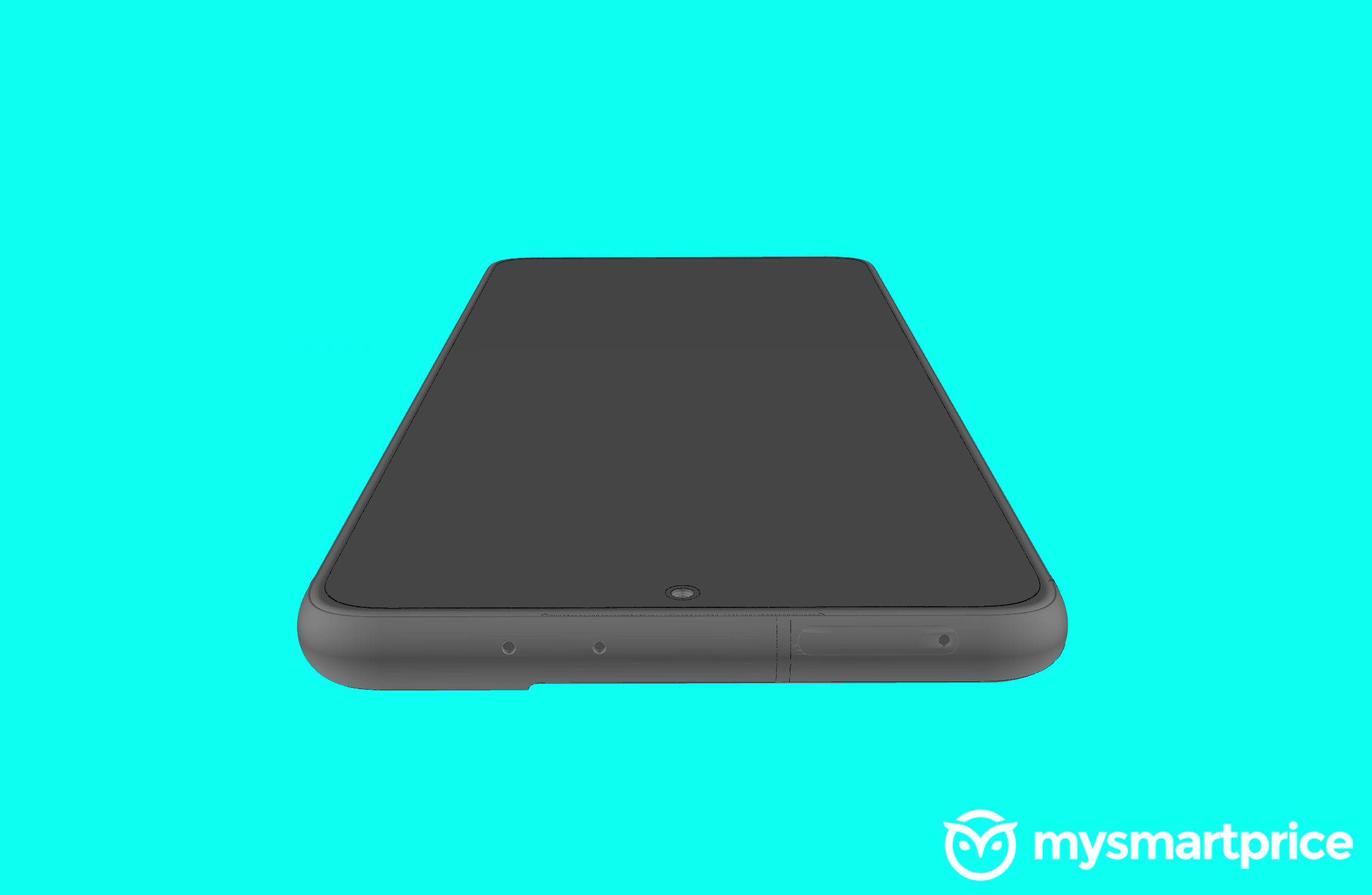
The topside of the Galaxy S21+ has a SIM tray and a microphone and its left edge is barren. The power key and volume up and down buttons are available on the right edge. A microphone, a USB-C connectivity port, and a microphone can be found on the bottom edge of the phone.
Nothing much is known about the specs of the Galaxy S21. Depending on the market, it will come with Snapdragon 875 or Exynos 2100 chipset. It could be housing a 4,660mAh battery with 25W fast charging support. There are rumors that the S21 series will arrive with S Pens stylus support.
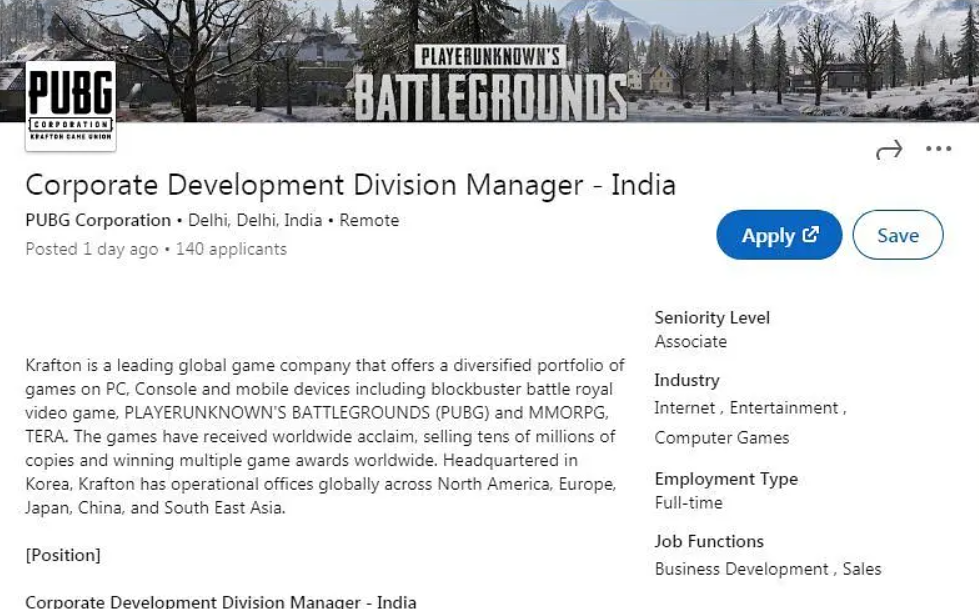
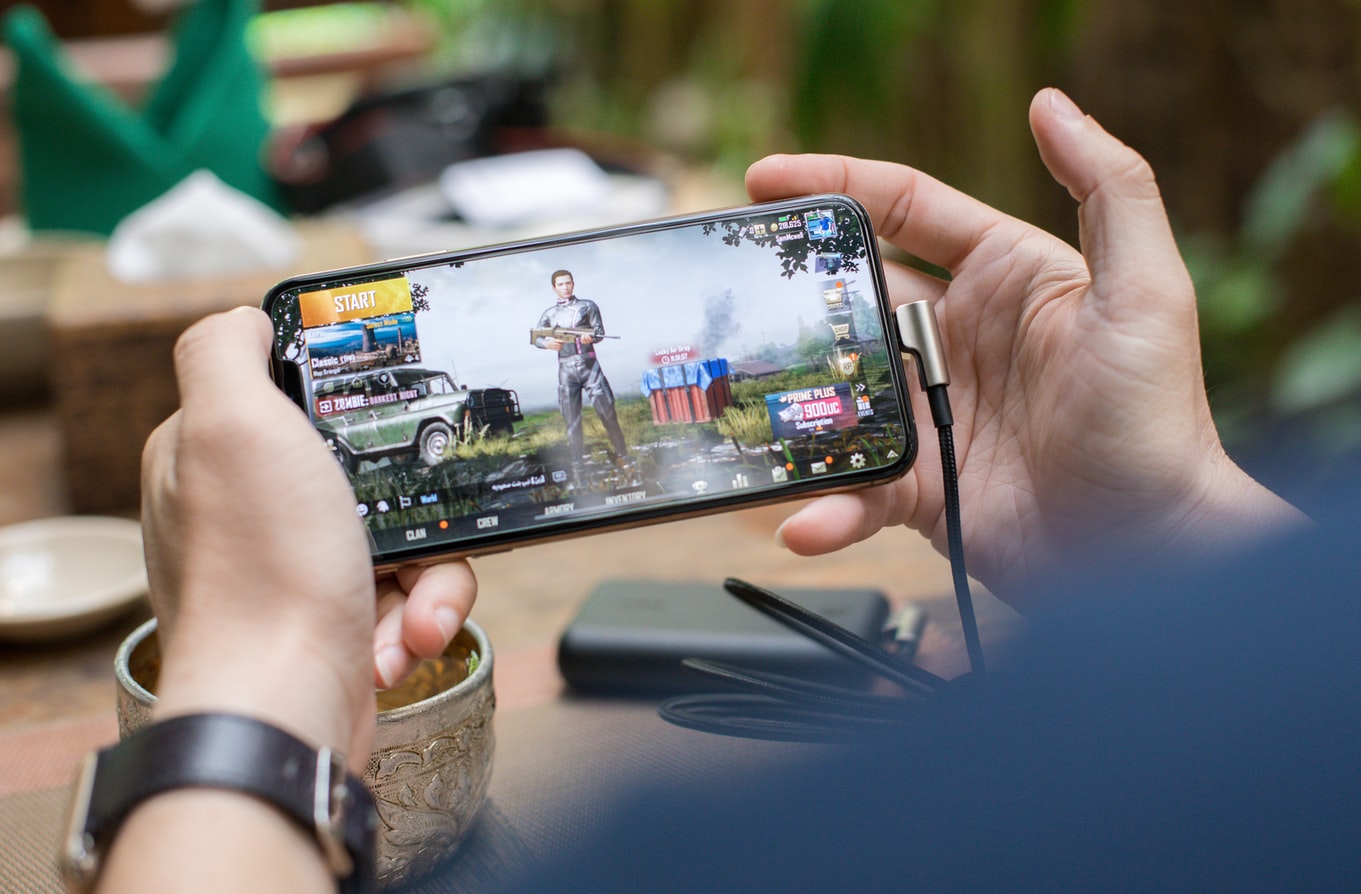
It’s been over a month since PUBG Mobile had gotten banned in India. The battle royale title was by far one of the most popular mobile games in the region but was recently banned by the local government. Although now, the game might soon be back as a new job listing on LinkedIn suggests that the game might be back with a new name, PUBG Corporation.
Over the last couple of weeks, there had been reports and rumors floating around regarding the possible return of PUBG Mobile in India. However, this was almost confirmed after PUBG Corporation put up a recruitment notice on its official LinkedIn profile for the role of a Corporate Development Division Manager for the Indian subcontinent. The job required someone who can “support the setup process of PUBG India with guidance from HQ.”
According to a SportsKeedareport, this might be a requirement for operating PUBG Mobile in India after the ban. For those unaware, the game alongside 118 other Chinese applications were banned in India by the IT Ministry. This arrives amid growing frictions between India and China, which even led to military clashes among the Indo-China borders.
This, in turn, meant that the company lost nearly a quarter of the entire player base of the game, while even Indian content creators were suffering from losing out, monetarily, if a length suspension was put into place. Since the ban, PUBG Mobile has had its revenue from 221 million US Dollars in August 2020 to 198 million US Dollars in September 2020. This also led to a drop in player numbers overall as well.
It is a known fact that HUAWEI and HONOR smartphones launched after the US ban do not ship with GMS (Google Mobile Services). Instead, they come with the company’s own HMS (HUAWEI Mobile Services). Although it now includes alternatives for almost all the services offered by Google, they are not yet up to the mark.
Hence, HUAWEI/Honor Android devices have become a good piece of hardware with crippled software in international markets. However, there a few ways to install GMS but the methods are not straightforward for a regular consumer. Thus, a developer came up with an app called Googlefier.
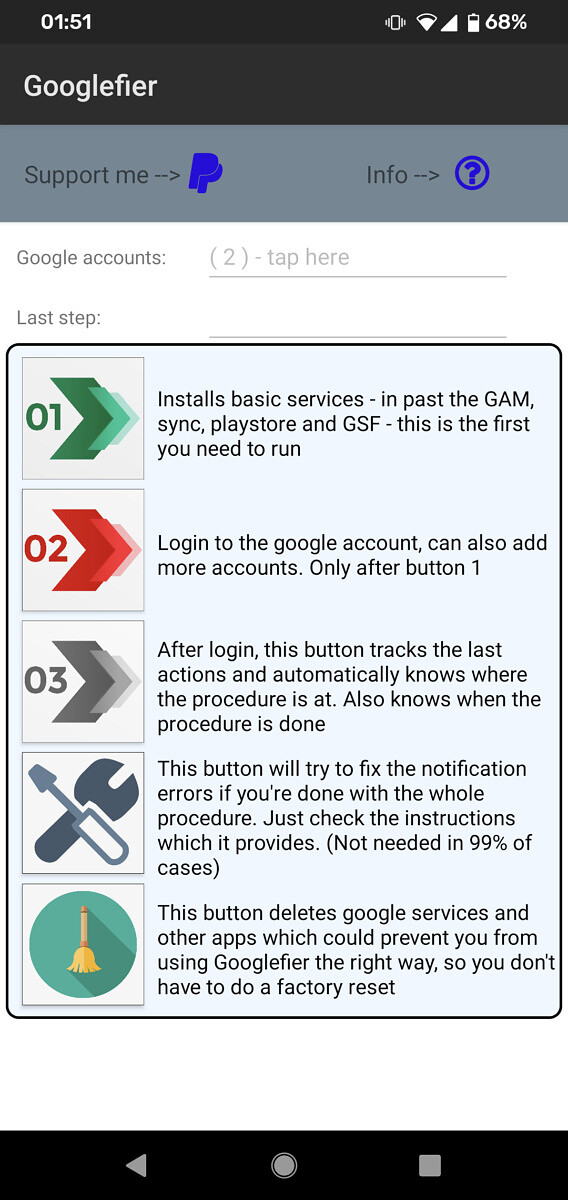
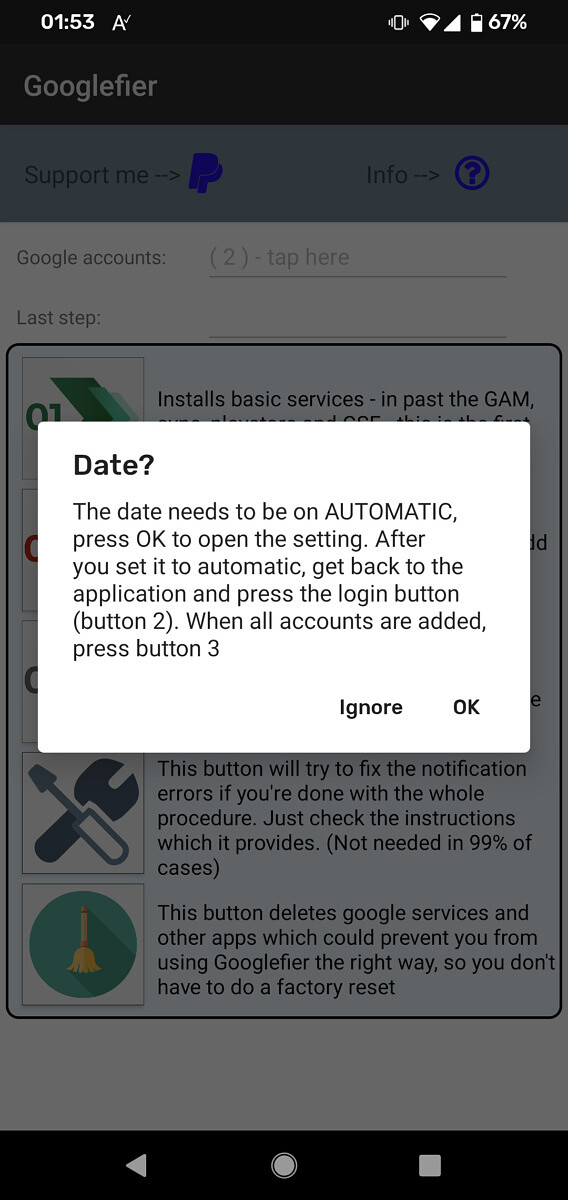
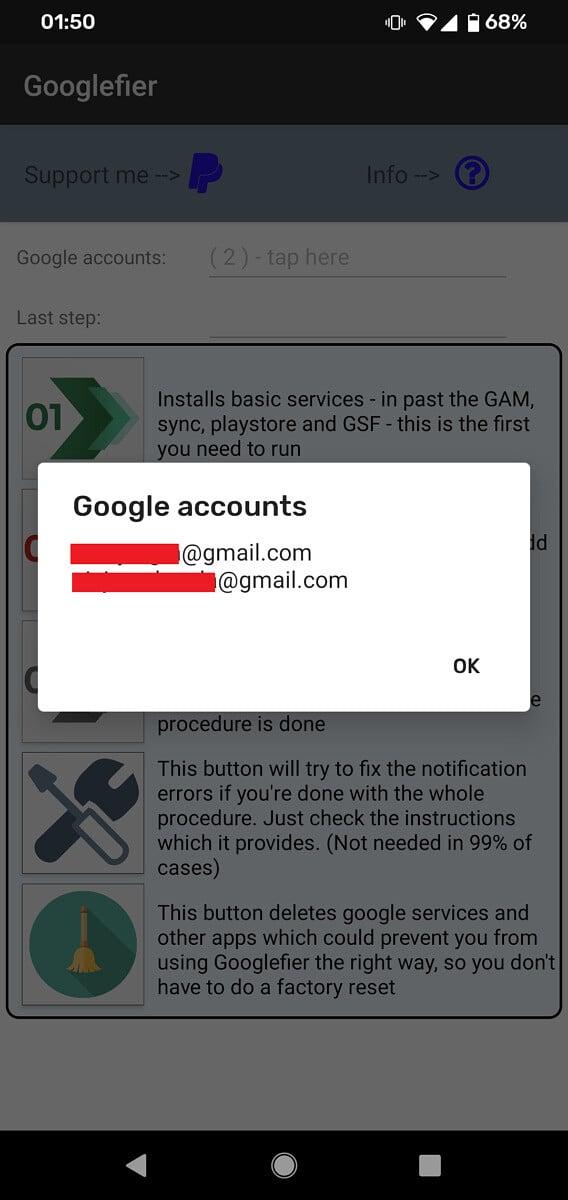
Googlefier is a third-party GMS installer app developed by XDA Senior Member bender_007. This app enables users to install Google Mobile Services on any HUAWEI/HONOR branded smartphones and tablets running EMUI 10 / EMUI 10.1 or lower.
It does not support EMUI 11 as of now. Therefore, if you have already updated your device to the latest version of Huawei’s Android skin, then you are unfortunately out of luck.
Having said that, to use this application, all you have to do is download its APK file from the XDA forum thread linked below and install it like any Android application by turning on allow installation from external sources in security settings.
1 of 4
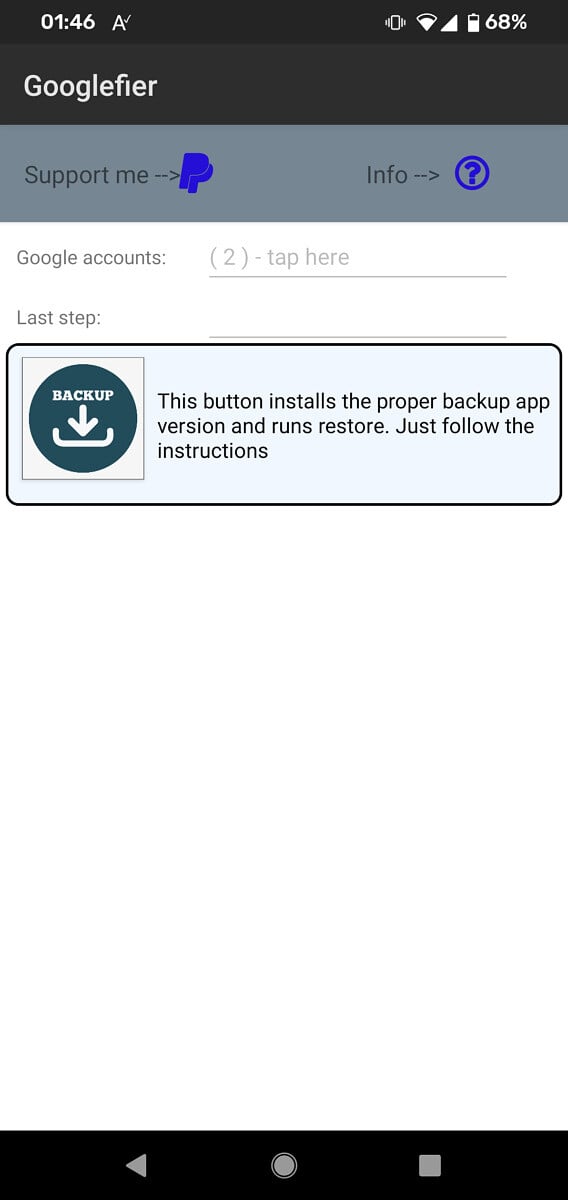
Once installed, launch the Googlefier application by tapping on the appropriate icon. Then, simply follow the on-screen instructions and allow permissions when prompted.
If you followed the instructions properly, you will have GMS installed on your device successfully. Anyway, if you are facing any issue, then share them in the respective XDA thread to get a solution.
Earlier this week, LG Display revealed a new financial report, which saw the company turn over a profit for the period between July to September 2020. This marked the end of a six quarter streak of losses.
According to a Reutersreport, the shipments made to Apple for their latest iPhone 12 series was a part of the reason for the positive growth. Furthermore, the new norm of working from home and staying indoors had also boosted the sales of various TVs, laptops, and other large screen devices that the company manufactures. The South Korean display maker is also expecting the panel shipments to rise along with sales in the current quarter as well.
Apple’s new iPhone 12 series have apparently helped the company offset the suspension of sales to China’s Huawei, due to US sanctions. Notably, LG Display saw an operating profit of 164 billion won (roughly 145 million US Dollars) in the third quarter, which is in stark contrast to the 437 billion won loss from back in 2019. This figure also surpassed the estimated 64 billion won profit that was expected by analysts by a large margin.
The company’s overall revenue also rose by 16 percent to 6.7 trillion won, as per a recent regulatory filing. For those unaware, the OLED panels on the iPhone 12 lineup are from LG Displays, which is a huge deal considering it helps the company find a strategic partner in North America and will help lift its earnings while utilizing its full production capacity as well.
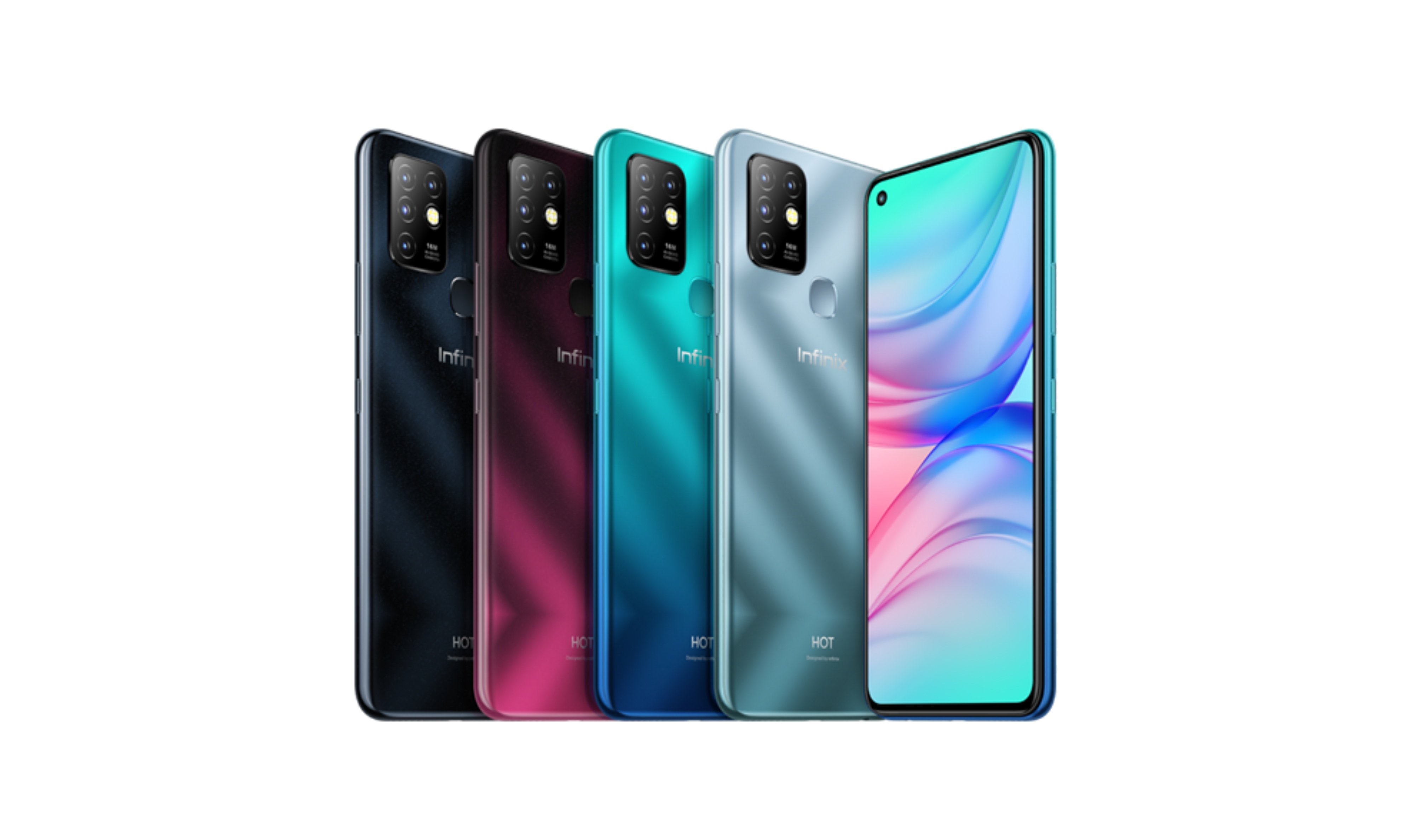
At the beginning of this month, Infinix announced the Infinix Hot 10 smartphone in India. The handset came in a sole trim of 6 GB of RAM and 128 GB of storage priced at Rs 9,999 (~$136). Today, the company has announced a lower variant of the Hot 10 in the Indian market.
Hot 10’s new variant offers users with 4 GB of RAM and internal storage of 64 GB. It has arrived with a price tag of Rs 8,999 (~$122). The first sale of the new variant will be carried out on Oct. 29 through Flipkart. It can be availed in colors like Ocean Wave, Amber Red, Moonlight Jade, and Obsidian Black.
The Infinix Hot 10 has a massive 6.78-inch IPS LCD punch-hole screen that produces a 20.5:9 aspect ratio and an HD+ resolution of 720 x 1640 pixels. The device is preinstalled with Android 10 OS that is overlaid with XOS 7.0 UI.
The gaming-focused Helio G70 chipset is at the helm of the Infinix Hot 10. The phone comes with support for 18W fast charging for its 5,200mAh battery. It has a rear-facing fingerprint reader.
For shooting selfies, the Infinix Hot 10 possesses a front-facing camera of 8-megapixel. The backside of the phone has four cameras that are coupled with a quad-LED flash unit. The setup includes a 16-megapixel primary shooter, a 2-megapixel macro lens, a 2-megapixel depth sensor, and a low-light lens.
The Huawei X Gentle Monster Eyewear II is the second iteration within the eyewear series that has the Chinese tech giant collaborate with the known luxury accessories maker. It combines the signature fashion from the latter while arriving with practical features from the former.
We had previously covered the Singaporean launch of the Eyewear II, and now we have finally had details regarding the official global launch as well. The new Huawei X Gentle Monster collaboration brings Bluetooth 5.2 support on the Eyewear II, along with 128mm diaphragms that are designed to offer great audio quality, which is also an inverse sound wave to prevent any audio bleeding to offer better privacy as well.
The newly launched Eyewear II arrive in multiple versions and are also compatible with prescription based lenses that one may need. All of them feature the same semi open speakers on the side alongside various control gestures support like a tap, swipe, and even pinch. The Huawei X Gentle Monster Eyewear II arrives with a price tag of 300 Euros (or roughly 355 US Dollars).
Tencent’s Call of Duty: Mobile was launched officially on October 1, 2019 for the international market. The game has now been launched in China and even before the official launch on October 29, had received nearly 50 million pre-registered users. Tencent has also signed an endorsement deal with Chinese King of Pop Jay Chou to help build momentum for the game.
Call of Duty: Mobile is developed by Tencent and licensed by Activision Blizzard and is presently available in China via a public beta test. This follows the receipt of approval from the Chinese government back in August.
The game has been a sensation on the international turf right from when it was released last year. China is the world’s biggest gaming market and the response so far shows the game will be a sensation. The game generated close to US$500 million in player spending in its first year, making it the 22nd most profitable mobile game in the world during that time, according to a new report from app tracking firm Sensor Tower.
Sensor Tower had earlier predicted in June that the game could surpass Tencent’s own PUBG Mobile to emerge as the world’s biggest mobile game after its China release. Already, Call of Duty: Mobile reached the 250 million downloads milestone faster than PUBG Mobile.
A report by Niko Partners shows that mobile and PC games revenue in China reached US$33.1 billion in 2019 and is projected to pass US$46.7 billion by 2024. The number of gamers in China has reached 685 million in 2019, representing 25% of the entire world’s mobile games market. That figure is expected to rise to 772 million by 2024. An estimated 637 million of the total gamers play games on mobile devices.
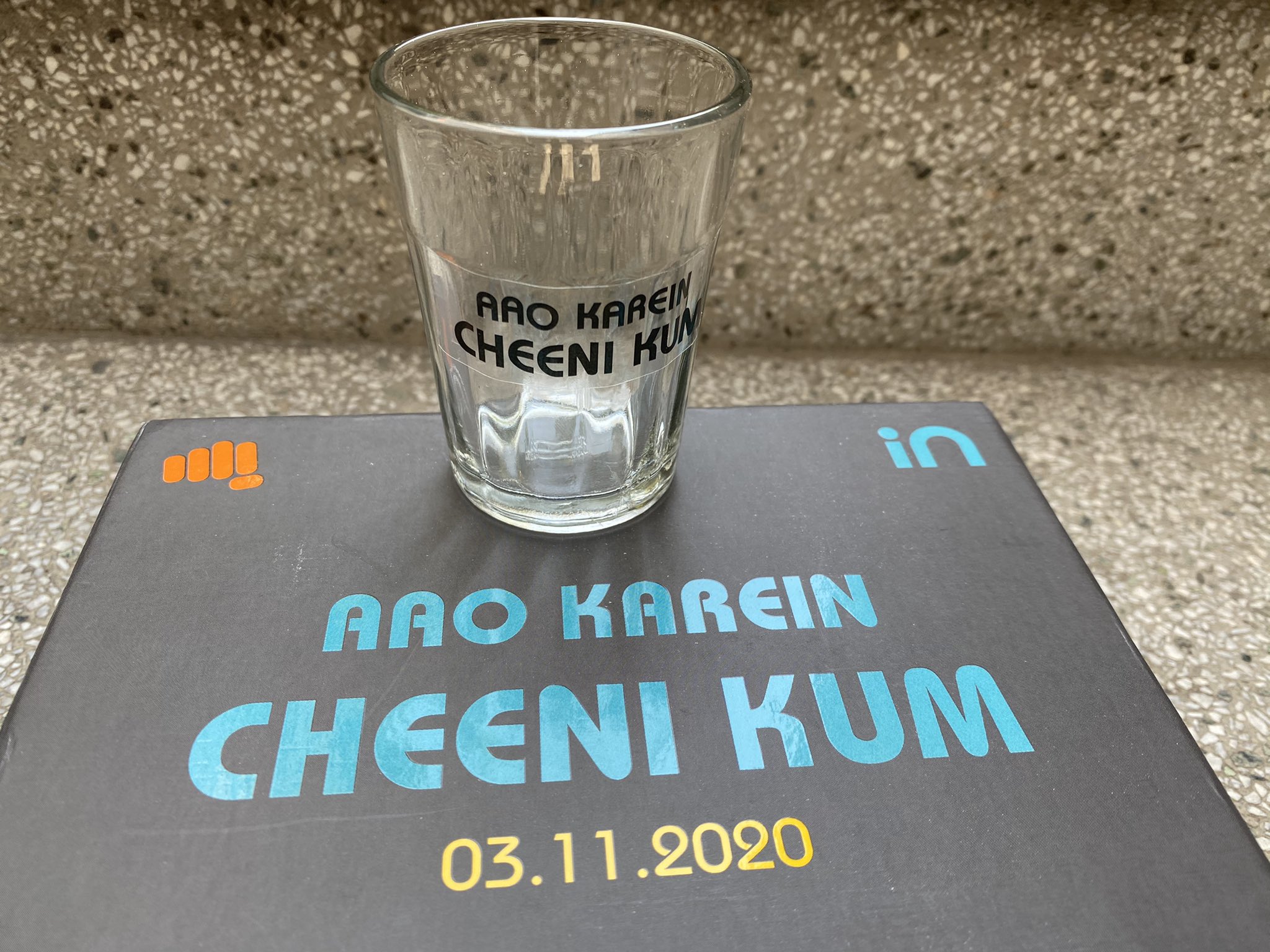
Seeing the Chinese brands dominate the Indian smartphone market for the past few years, fans of Indian-brand Micromax have been eagerly waiting for the company to launch new phones. In the previous week, Micromax revealed that it is all set to make a comeback in India. There have been rumors that it will be launching new phones in the first week of November. Today, the company confirmed that it will be announcing all-new “In” series of smartphones on Nov. 3.
Micromax’s launch event will be held at 12 PM IST on Nov. 3. The launch teasers (shown below) released by the brand takes a jibe at the Chinese phone brands that are very popular in India. The company is yet to reveal the names of the phones that will be announced on Nov. 3.
Recently, a smartphone labeled as Micromax In 1A had surfaced on the Geekbench benchmarking platform. The listing revealed that the phone runs on Android 10 OS and it has an Helio P35 chipset and 4 GB of RAM.
A recent report by The Mobile India had claimed that Micromax will be launching two In-series phones powered by Helio G85 and Helio G35 chipsets. The specs of the former are not known yet, but the latter is expected to arrive in two variants.
The base variant of the Helio G35 powered In-series phone will have 2 GB of RAM, 32 GB of native storage, an 8-megapixel front camera, and a 13-megapixel + 2-megapixel dual-camera system. Its higher model will be equipped with 3 GB of RAM, internal storage of 32 GB, a front-facing camera of 13-megapixel, and a 13-megapixel + 5-megapixel + 2-megapixel triple camera system. Both models will have common features like an HD+ display of 6.5 inches, stock Android 10 OS, and a 5,000mAh battery. These phones are expected to be aggressively priced between Rs 7,000 (~$95) and Rs 15,000 (~$208).
Huawei is seeing a sharp decline in its growth as the impacts of the US sanctions take hold. In the third quarter, the company saw its margins dip as the reinforced regulation disrupt its operations.
According to a CNBCreport, the Chinese tech giant had brought in 217.3 billion yuan (roughly 31.91 billion US Dollars) in revenue in September 2020. This marks a slight growth of 3.7 percent from 209.5 billion yuan from last year (roughly 31 billion US Dollars). The first nine months combined had the company bring in 671 billion yuan (roughly 98.57 billion US Dollars) in revenue, which marks a growth of 9.9 percent from the same period last year.
This showcases a significant slowdown in growth as the first nine months of 2019 had the Chinese smartphone maker sees revenue growth of 24.4 percent over 2018. Furthermore, Huawei’s net profit margins were 8 percent for the first nine months, which was also lower than the 8.7 percent from back in 2019. The effects of the recent US sanctions are clearly showing its effects on the consumer electronics brand.
For those unaware, Huawei was placed on the Entity List back in 2019, and since then faced various pressures from Washington. The ban had also caused the company to lose Google support for its Android smartphones. This meant that its overseas smartphone business fell sharply during, despite its home market still thriving. Additionally, losing its primary chip supplier TSMC was another major blow to the company earlier this year.
We use cookies on our website to give you the most relevant experience by remembering your preferences and repeat visits. By clicking “Accept”, you consent to the use of ALL the cookies.
This website uses cookies to improve your experience while you navigate through the website. Out of these, the cookies that are categorized as necessary are stored on your browser as they are essential for the working of basic functionalities of the website. We also use third-party cookies that help us analyze and understand how you use this website. These cookies will be stored in your browser only with your consent. You also have the option to opt-out of these cookies. But opting out of some of these cookies may affect your browsing experience.
Necessary cookies are absolutely essential for the website to function properly. This category only includes cookies that ensures basic functionalities and security features of the website. These cookies do not store any personal information.
Any cookies that may not be particularly necessary for the website to function and is used specifically to collect user personal data via analytics, ads, other embedded contents are termed as non-necessary cookies. It is mandatory to procure user consent prior to running these cookies on your website.