Qualcomm has sent out invites to the press for its annual tech summit. Unlike previous editions, this year’s own will be a digital event, no thanks to COVID-19. The summit will be a 2-day event scheduled to begin on December 1 and end on December 2.
The event should also see Qualcomm announce new processors, chief of them being the Snapdragon 875 processor that will power next year’s flagship phones. There may also be a new Snapdragon 700 series processor, probably the Snapdragon 775G; and a new processor(s) for Windows 10 on Arm.
Image source: Android Authority
The Snapdragon 875 will be a 5nm chipset and will be Qualcomm’s most powerful processor yet. It will feature new cores in a 1+3+4 arrangement, with rumors saying the prime core may be Arm’s Cortex X1. It has also been reported that it will feature the Snapdragon X60 5G modem but we do not know if it will be an integrated modem.
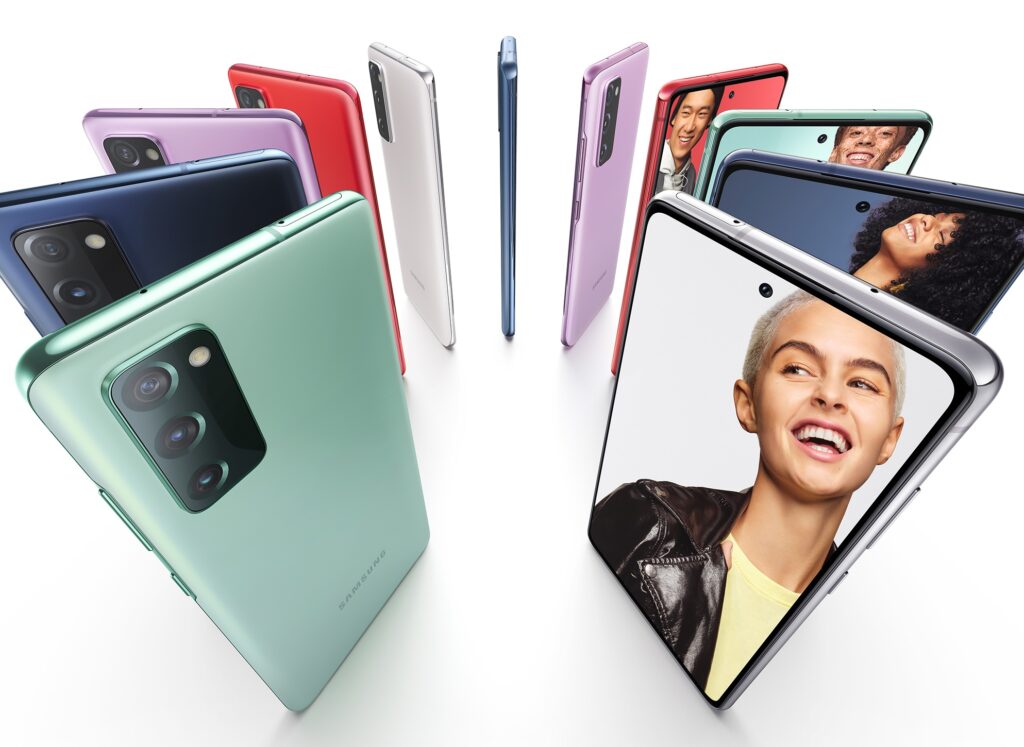
Samsung has confirmed to launch Galaxy S20 FE in India on October 6 (tomorrow). If the below-mentioned leak is true, it will indeed start at ₹49,999 ($682) in the country. Anyway, we will know the exact price tomorrow.
Original Story
Due to pandemic and costlier price tags, the Galaxy S20 series did not sell well. Samsung predicted it quickly when the COVID-19 virus started spreading globally and begun to develop Galaxy S20 FE, a stripped-down version of its flagship smartphones at an affordable price tag of $699. It was unveiled in September for western markets and is expected to launch this month in India. Ahead of it, its starting price for the Indian market leaks.
The Galaxy S20 FE comes in two variants primarily. The standard Galaxy S20 FE (LTE) with Exynos 990 and Galaxy S20 FE 5G with Snapdragon 865. The latter variant is sold only in the markets where 5G is a thing, whereas the other markets get the 4G variant.
Further, talking about storage configurations, the device can be once again divided into three versions – 6GB +128GB, 8GB + 128GB, and 8GB + 256GB. However, it is worth noting that not all three variants are available in all the regions.
That said, according to an exclusive leak by 91Mobiles citing retail sources, the base variant for India will sell for ₹49,999 ($682). It is not sure which of the first two storage configurations will be sold as a base variant in India but still, the price is on-par with western markets
Anyway, it is worth noting that the model coming to India will be powered by Exynos which is not bad per se but it does fall behind its Qualcomm counterpart in terms of overall performance and battery life.
In case you are not aware of, Samsung sells an exclusive premium series of phones in China going by the name of Galaxy W. Up until 2018, the devices in this series featured flip phone form factor but the company replaced it with foldable in 2019 with its Galaxy Fold 5G.
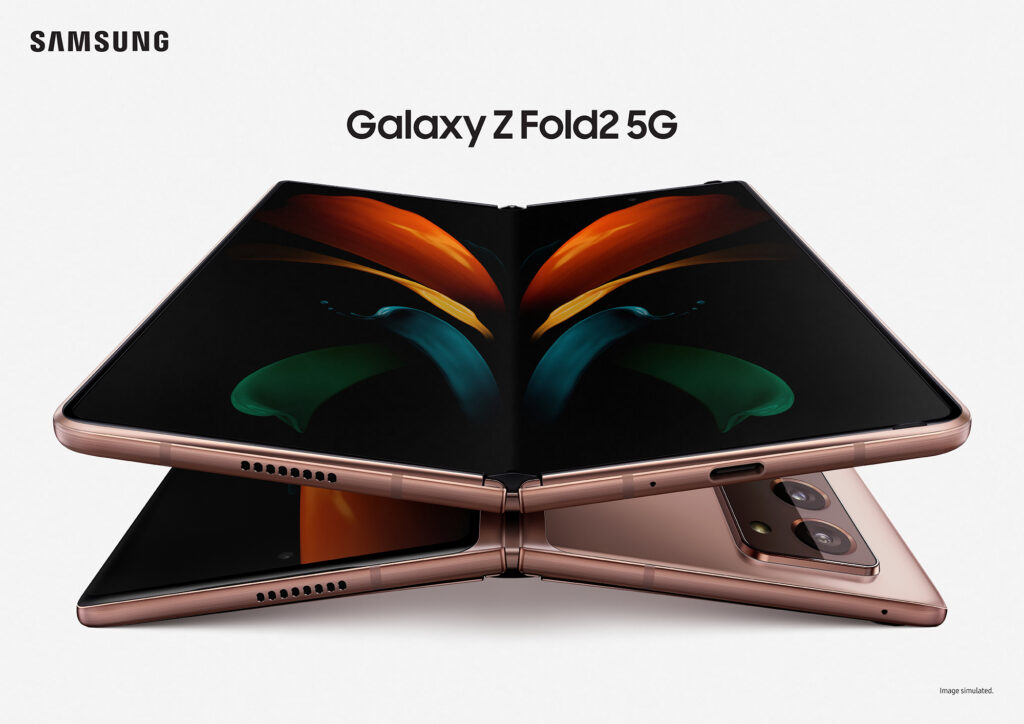
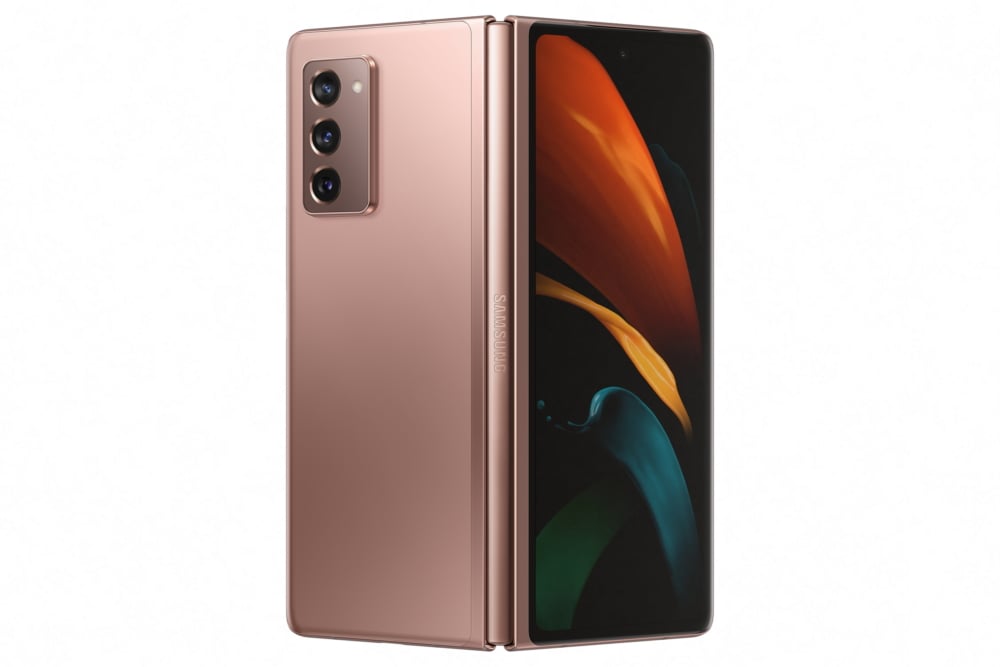
This version of Galaxy Fold 5G came in White color and was powered by Qualcomm Snapdragon 855+ unlike the regular version with Snapdragon 855. Now, according to a new report, the South Korean tech giant will be soon launching Galaxy W21 as a custom edition of 2020 Galaxy Z Fold2 in an exclusive gold color paint job.
Every year, Samsung releases a premium smartphone exclusively for the Chinese market in limited quantity in collaboration with China Telecom. These devices bear the Galaxy W branding and is known as 心系天下 in Chinese.
According to a report by The Elec, this year’s edition of Galaxy W series phone will be called Galaxy W21 and it will be based on Galaxy Z Fold2. It will come in gold color and the company will only produce around 30,000 units.
The upcoming Galaxy W21 is codenamed “victory” mocking Chinese companies like Huawei’s inability to make a foldable smartphone in gold color, which the Chinese customers adore, said a person familiar with the matter
Anyway, Samsung has been having a negligible market share (around 1%) in China smartphone market since 2017 due to the rise of domestic brands. So a victory in making an expensive phone that only elite people can buy cannot be termed as success.
That said, like last year’s Galaxy W20, we can expect the 2020 Galaxy W21 to be at least $1,000 costlier than the standard Galaxy Z Fold2 sold around the world. Last but not least, this handset was recently certified by TENAA and 3C. Hence, it should launch very soon.
Realme’s October 7 launch event is going to big as the manufacturer plans to announce a handful of products. Alongside two new earphones including new TWS earbuds; a SLED TV; and a home security camera; Realme has now revealed that it will also announce an electric toothbrush, a new power bank, and the soundbar it teased a few months ago.
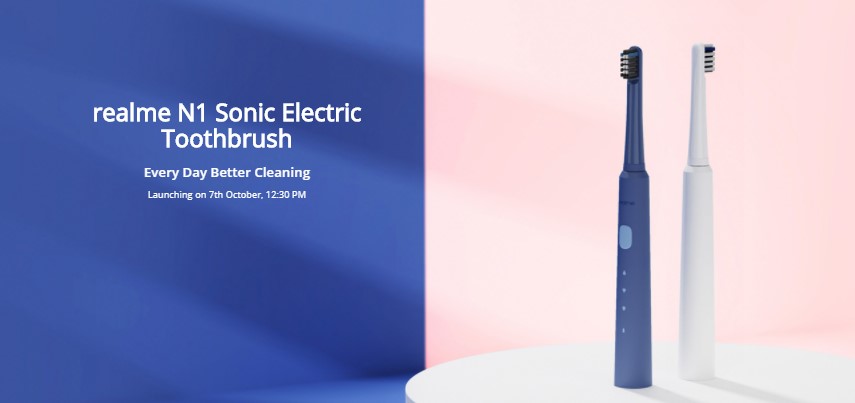
Realme N1 Sonic Electric Toothbrush
Realme’s first electric toothbrush will launch as the Realme N1 Sonic Electric Toothbrush. The teaser poster shows the brush will come in two colors – Blue and White. It also shows it has a power button and LEDs (for battery level indication) on the stem.
We do not know if the toothbrush will support USB charging or inductive charging as a charging port is not visible. Nevertheless, it should be quite affordable.
Realme 20000mAh Power Bank 2
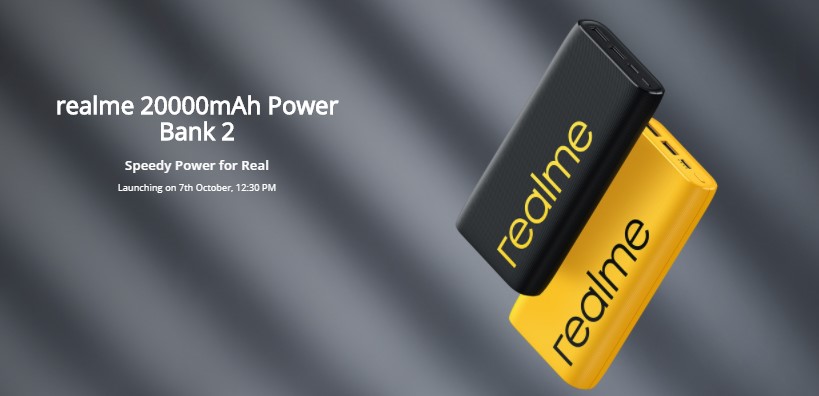
Back in May, Realme launched the Realme 10000mAh Power Bank 2 in India. The power bank has 18W two-way fast charging and is available in yellow and black colorways. On Wednesday, the manufacturer will announce a version with a 20000mAh battery capacity for those who want one with a bigger capacity.
As seen in the image, this version is thicker but comes in yellow and black just like the 10000mAh variant. It has two USB-A ports and a USB-C port. We expect it to also support 18W two-way fast charging.
The 10000mAh version has a price tag of INR 999 (~$14). We presume this should sell for nothing less than INR 1,299 (~$18).
Realme 100W Soundbar
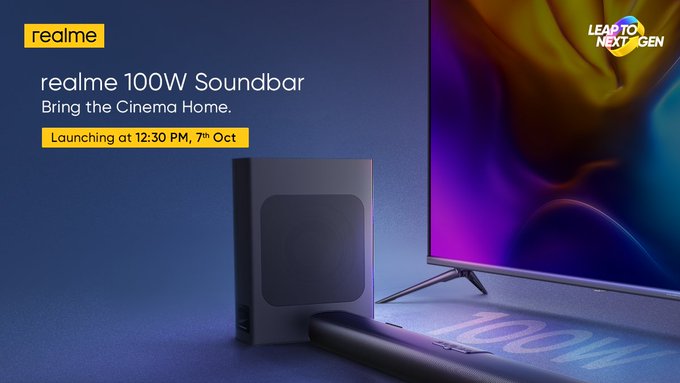
A few months ago, Realme revealed it has a soundbar on the way. It has now confirmed that it will launch the 100W Soundbar at its event on Wednesday. A poster shared on Twitter by the CEO, Madhav Sheth, shows the soundbar will have a separate subwoofer that is quite tall. Expect it to cost more than Xiaomi’s Mi Soundbar which is priced at INR 4,999 (~$68).
German optoelectronics manufacturer ZEISS‘s full-frame Digital camera, the ZX1 could be finally hitting the retail stores soon. Announced way back in 2018, the fixed lens camera running on Android is priced at $6000.
A report from DPReview (via The Verge) says that B&H Photo Video sent emails regarding the price and availability. For the unware, B&H Photo Video is an electronics retailer in the US. As per the report, the camera would be available soon. The exact date is, however, not revealed yet. Also, the pre-order page has neither the price or availability but just a ‘coming soon’ tag. This suggests that it might take a bit longer for it to hit the stores.
Carl Zeiss, a company from Germany which holds the ZEISS branding, launched a full-frame fixed-lens camera that runs on Android back in September 2018. As described by the company, an overview of the pre-order website has a tagline, “Shoot, Edit, Share”.
Zeiss ZX1 camera Specifications
The Zeiss ZX1 has a 37.4MP CMOS sensor with a maximum resolution of 7488×4992 pixels. Having an aspect ratio of 3:2, it is a full-frame sensor and supports DNG, JPEG formats. IT also has Zeiss’ own T* 35mm f/2 lens for better low-light focus, sharpness, and illumination. Other features include a 255-area AF system, three physical dials for ISO, Shutter speed, and Aperture. It also has a 0.7-inch OLED viewfinder with FHD resolution and 0.74x magnification.
As per the specifications listed on B&H, the Android-powered camera has an ISO sensitivity from 80 to 51200, shutter speed up to 1/8000 to 30 seconds, continuous shooting at 37.4MP up to 3fps. And modes like Aperture Priority, Manual, Program, Shutter Priority are also present. It can record 4K UHD(3840×2160) at 30fps and FHD(1920×1080) videos at 60fps.
Apart from this, there is a rear 4.34-inch LCD HD(1280×720) touch screen display with a 338ppi. It even has an Adobe Photoshop Lightroom CC integrated so users can shoot and edit videos on the go. Other features like 512GB storage, Wi-Fi, NFC, Bluetooth, USB-C, 3.5mm audio&mic jack are present. While the price is a bit higher compared to Sony’s RX1($3,300) and Leica’s Q2($4,995) cameras, we will have to wait and see how Zeiss has made the ZX1 unique to others.
South Korean giant LG is not done with the Q series of devices yet. A report says that the company has filed three new trademarks that could be the names of the upcoming Q series of mid-range smartphones.
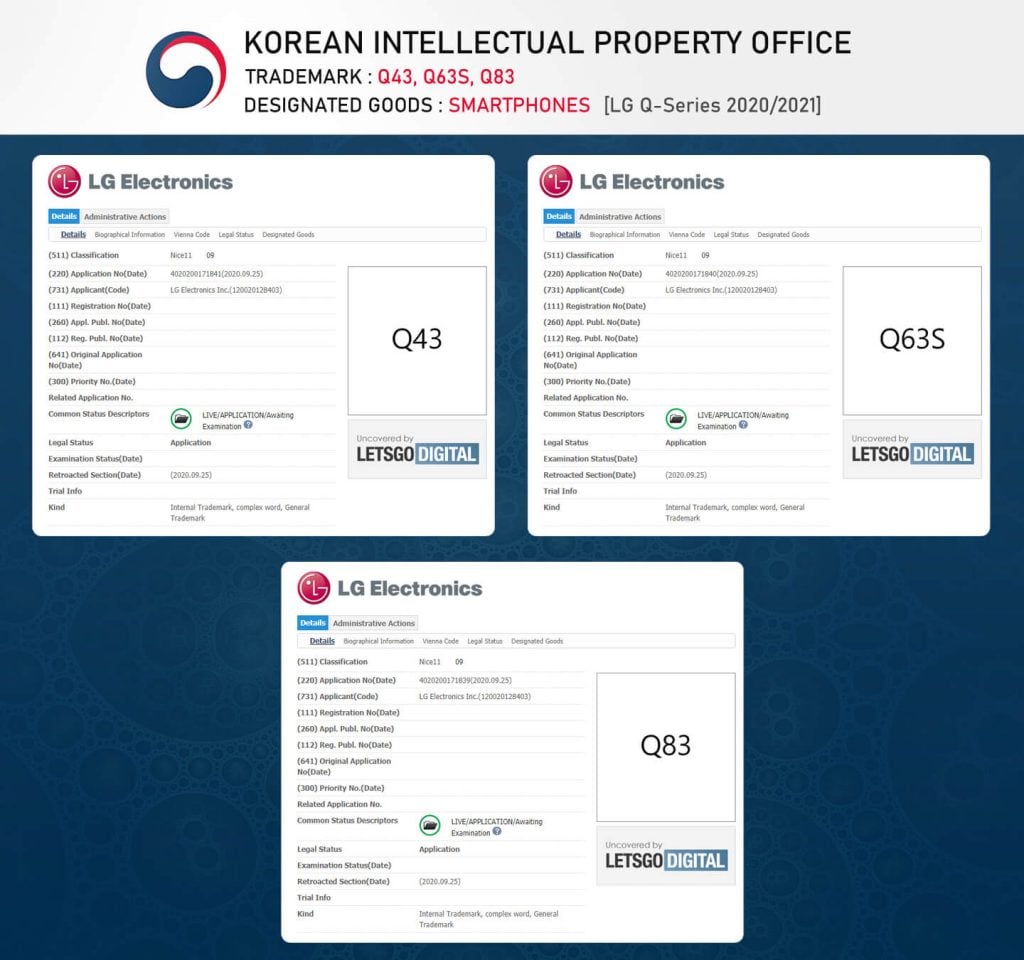
A report from LetsGoDigital, who are experts at spotting patents, says that LG has filed three new trademarks. Those are Q43, Q63S, and Q83. The trademarks are under Class 9 which lists electronic devices including Smartphones as well. LG has applied this trademark on September 25, at KIPRIS. It stands for Korean Intellectual Property Rights Information Service, an authority that grants patents for companies in Korea.
For the unware, LG, which pre-dominantly launches innovative devices like LG Wing in South Korea, focuses equally on its mid-range Q and K series of devices. For instance, its Q70 debuted as the first LG punch-hole smartphone in 2019. Similarly, it has other devices like the LG Q60 that launched in India back in September.
LG new trademark Credits: LetsGoDigital
Following these, LG launched successors like the Q61, Q51 a few months back. While many other devices are due for an update, LG’s previous trademark on Q indicates many devices like Q31, Q32, Q33, Q51, Q51S, Q52, Q53, Q61, Q62, Q63, Q91, Q92, and Q93 are in the pipeline. However, it’s new trademark has the number ‘3’. This suggests that this might come once LG is done updating the models with ‘2’ on it. Further, the report also says the ‘S’ in Q63S indicates it could be a watered-down variant of the Q63 in terms of performance. But come with a big display and battery. That said, these are early guesses, and hence, we advise you to take it with a pinch of salt.
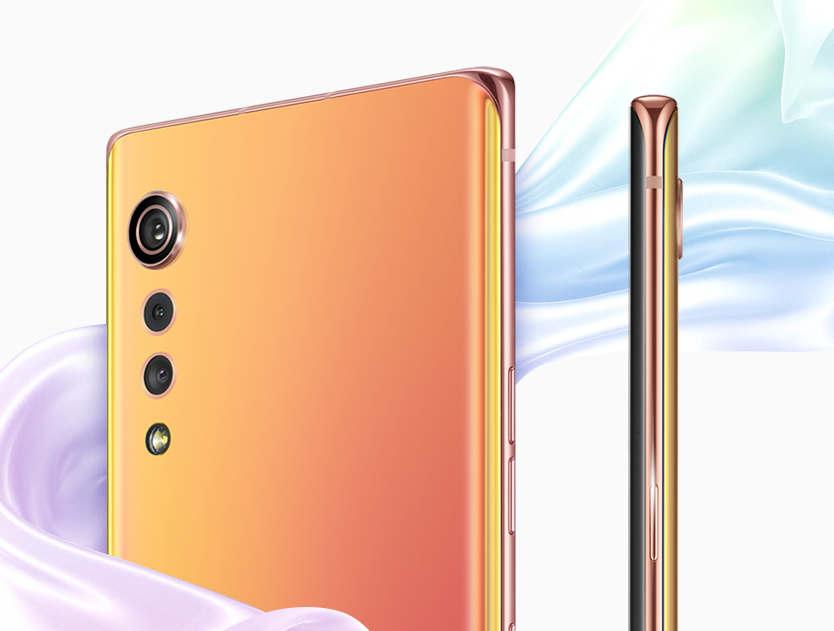
LG recently launched the first 5G smartphone in Q series, the Q92 5G. It is the first 5G smartphone in the Q series and is priced at KRW 499,000 (~$420). While this looks like a toned-down variant of the LG Velvet 5G, LG also launched the budget Q31 smartphone at KRW 2,09,000 (~$178). Let’s wait and see if LG brings the upcoming Q series of devices to other markets apart from Korea in the future.
Xiaomi has been continuously rolling out MIUI 12 beta builds to eligible devices ever since the company officially unveiled the latest version of its Android skin in late April. With every new build, the firm has been introducing new features like heart rate monitoring using phone’s camera and LED flash, device frame screenshots, OCR in Gallery app, long exposure shots, new sky replacement filter, paper reading mode, and more. Now, the smartphone maker has updated the MIUI Notes app with support for sketches.
Just like any other major Android skin, MIUI also comes with a bunch of first-party apps. One of them is MIUI Notes. As the name suggests, users can use this app to take quick notes and can even record audio notes.
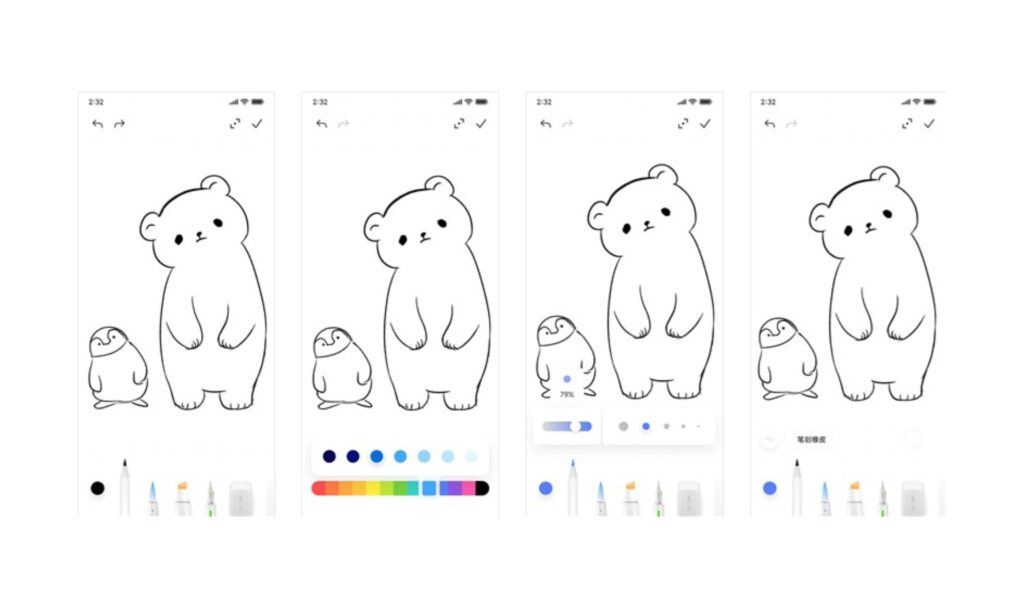
With the latest closed beta version, which is currently being rolled out in China (via ITHome), users can now even sketch in the app. It is interesting to see Xiaomi adding support for sketch since none of its devices comes with a stylus. Maybe the company is preparing a smartphone or tablet with digitizer but that’s just a speculation from our end.
Anyway, users can sketch in MIUI Notes with their fingers or standard stylus accessory available in the market. But that’s not an ideal experience, however, it’s better than nothing.
That said, Xiaomi is not the first Chinese smartphone maker to introduce this feature as OPPO ColorOS and Meizu Flyme already offer this option.
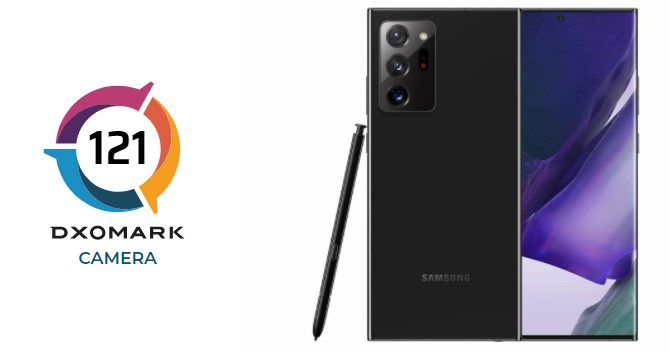
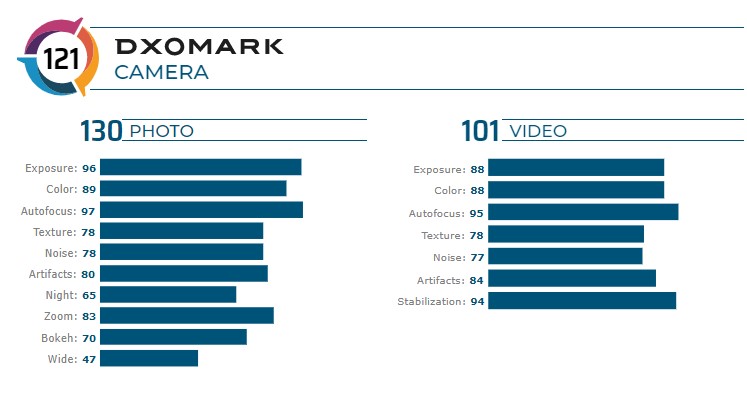
For photos, the stylus-toting smartphone scored 130 points. DxOMark says the phone has similar photo capabilities to the Galaxy S20 Ultra and praises its “vivid color rendering, fast autofocusing, and generally accurate exposure”.
The review says that the telephoto lens of the phone performs well at long range and it records good detail both indoors and outdoors. The exposure and color are also praised, however, issues begin cropping up in medium-range shots as lots of artifacts become visible and there is a “strong loss of texture and detail occurs in the outer field”.
The ultra-wide-angle camera also gets praised even though its field of view is not as wide as that of other phones such as the Mi 10 Ultra. The portrait mode is another strong area as DxOMark says the bokeh quality is very good and the depth-of-field effect is strong. However, there are times it falls short, and its depth estimation is said to not be as good as that of the S20 Ultra. The full review explains in detail the camera performance.
For video, the Galaxy Note 20 Ultra scored 101 points. DxOMark said that the test was done in 4K/30fps mode and that the phone captures bright and well-contrasted videos in simulated low light (20 lux) and bright light (1000 lux). However, its videos are darker than those of the S20 Ultra and Mi 10 Ultra in simulated low-light conditions (between 5 and 20 lux).
The phone scores are high with respect to the level of detail in bright light. The stabilization system also gets praise and autofocus is also great but there are some focus breathing issues that DxOMark says is also evident in photo mode.
Organic light emitting diode or OLED display panels are expected to face a major bump in sales in the second half of this year. A new report has suggested that the display technology will see a rise in sales of 107 percent in the latter half.
According to TheElecreport, a UBI Research analysis has revealed that the OLED panel shipments will reach 383 million units and sales worth 28 billion US Dollars in the second half od 2020. This marks a significant rise of 66 percent and 107 percent respectively when compared to the first half. It is also indicative of the growing OLED market, which has already surpassed the LCD panels.
In the first half of 2020, OLED shipments arrived at just 231 million units, which marked a drop of 29 percent when compared to the shipments from the second half of last year. The sales during this period also fell by 36 percent in comparison to 2019, with the overall sales value coming in at just 13.53 billion US Dollars. Notably, the rise in the second half of 2020 would likely also be influenced by major smartphone launches like the Huawei Mate 40 series and Apple iPhone 12 series as well.
Furthermore, smartphone OLED display panel shipments accounted for 190 million units in the first half of 2020. In other words, smartphone displays amounted to 82.2 percent of all OLED panel sales across the globe. For sales, this was evaluated at 11.26 billion US Dollars or 83.3 percent of the total sales in the entire OLED display market. These panels were also used in smartwatches, which was the second highest in terms of shipment volumes, with 33.48 million units or 14.4 percent of the total shipments.
Samsung has reportedly scrapped the idea of introducing Under Display Camera tech with the upcoming Galaxy S21 series. According to the latest report, the low production yield rate is the reason for dropping the idea.
South Korean media TheElec, in a report, says that Samsung will try to finally adopt it in the next iteration of the foldable device, allegedly called the Z Fold 3 in Q2 2021. Just like Galaxy S20 or Fold 2, early rumors said Galaxy S21 will include the UDC technology. But now, it seems like Samsung has done away with the idea as reported earlier.
As per the report, Samsung Display, which is the manufacturer of many Samsung smartphones’ displays has been trying the HIAA process for UDC technology. HIAA refers to Hole In Active Area. Introduced with the S10 series, it uses high-precision lasers to cut through the display to make way for cameras. The report says the process, which lowers the defect on adjacent electronic parts, has two methods- HIAA 1 and HIAA 2.
In the first method, Samsung punches a hole in a single shot whereas, in the second method, it does it with multiple micro holes. Out of this, HIAA 2, which was commissioned last year by Samsung, uses Wonik IPS’ vacuum chamber, and Philoptics laser. The company apparently tried to use HIAA 2 and also a transparent film method. However, it has reportedly faced low production yield-rates. It generally means the rate of undefective items out of total items produced.
For the unaware, UDC is a new technology that aims to remove the concept of drilling holes on displays. Instead, the part of the display that is covering the camera turns transparent as the camera operates eliminating punch-holes/notches.
Companies like Oppo, Xiaomi, Vivo have already been working on improving the technology. However, ZTE has come out with a first commercial device, Axon 20 5G. The technology behind all these companies’ prototypes is like the low-reflective glass covering the camera with high transmittance. When selfie is triggered, it becomes transparent allowing light to enter.
However, the Polyimide(PI) substrate that is predominant in OLED screens has a problem of distortion when allowing the light to pass through. Hence, it needs a camera tech that is both thinner and converts the distorted light with yellow tints to normal color for best results. From the looks of it, Samsung is yet to perfect the issues and hence, it will reportedly use the same punch-hole displays on the next S21 series.
Huawei is one of the largest and most popular smartphone brands in the world, especially in its home country, China, where it leads the local market. However, its popularity led a group to cash in on the company’s success as they were recently caught having sold over 7,000 smartphones that were rebranded as Huawei devices.
According to a MyDriversreport, Huawei smartphones have become more popular in China, despite the various issues it faces overseas. Due to this, a group seemingly faked the company’s branding to sell a large number of smartphones made from another Chinese smartphone maker. A recent bust revealed that a group was manufacturing and selling fake Huawei devices that were built using an inferior and more affordable device.
Reports have found three criminal suspects that are charged with counterfeit manufacturing and fraud. The authorities have discovered their base of operations and have frozen assets worth over 2 million Yuan (roughly 300,000 US Dollars). The police from the Jiangxi Province got a clue back in August 2020 regarding the suspected production and selling of counterfeit products, and in September 2020, the arrests were finally made.
At the moment, the police have seized over 1,300 counterfeit Huawei smartphones and a number of other gadgets like laptops, desktop computers, and more that were used to flashing the custom ROM onto the cheaper device that was only worth 40 Yuan (roughly 6 US Dollars). These devices were bought in large numbers and were resold online through various e-retailing websites at a price ranging from either 170 Yuan to 270 Yuan, attracting buyers through these special discounts/low prices promotion.
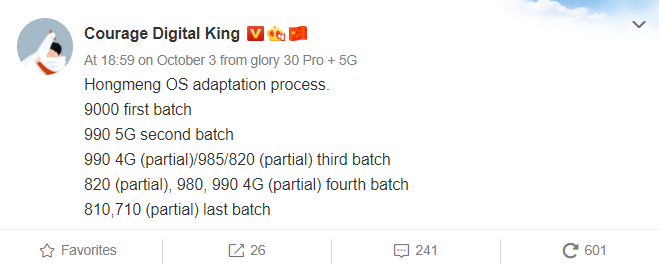
Huawei is already working on bringing its proprietary operating system, HarmonyOS (HongMengOS in China) to smartphones. Earlier, the company confirmed that it will arrive in smartphones sometime in 2021 and a recent report has now revealed that the Kirin 9000 5G powered smartphones will be the first to feature the new OS.
According to a new leak from @勇气数码君 on Weibo, the Chinese microblogging website, the first batch of devices that run HarmonyOS will be smartphones powered by the Kirin 9000 5G. Furthermore, the subsequent batches will include handsets that feature the Kirin 990 5G, followed by the 4G variant of the Kirin 990 and other processors like the Kirin 985, 980, 820, 810, and even 710 later down the road.
The fact that the Kirin 9000 5G powered smartphones will be the first to feature the company’s own OS, indicates that the Huawei Mate 40 series may be the first lineup to feature the proprietary operating system. Similarly, other assumptions can also be made, with the Huawei P40 Pro being possibly the second to receive the new OS as it sports the Kirin 990 5G chipset as well. This process of updates might take place gradually over the course of a few months and may soon include most smartphone models from the company.
Unfortunately, this is still an unconfirmed report so take it with a pinch of salt for now. Furthermore, it is also unknown which devices the company is planning on including for the HarmonyOS update. So stay tuned for more updates, which should arrive soon as we grow closer to the Mate 40 series launch.
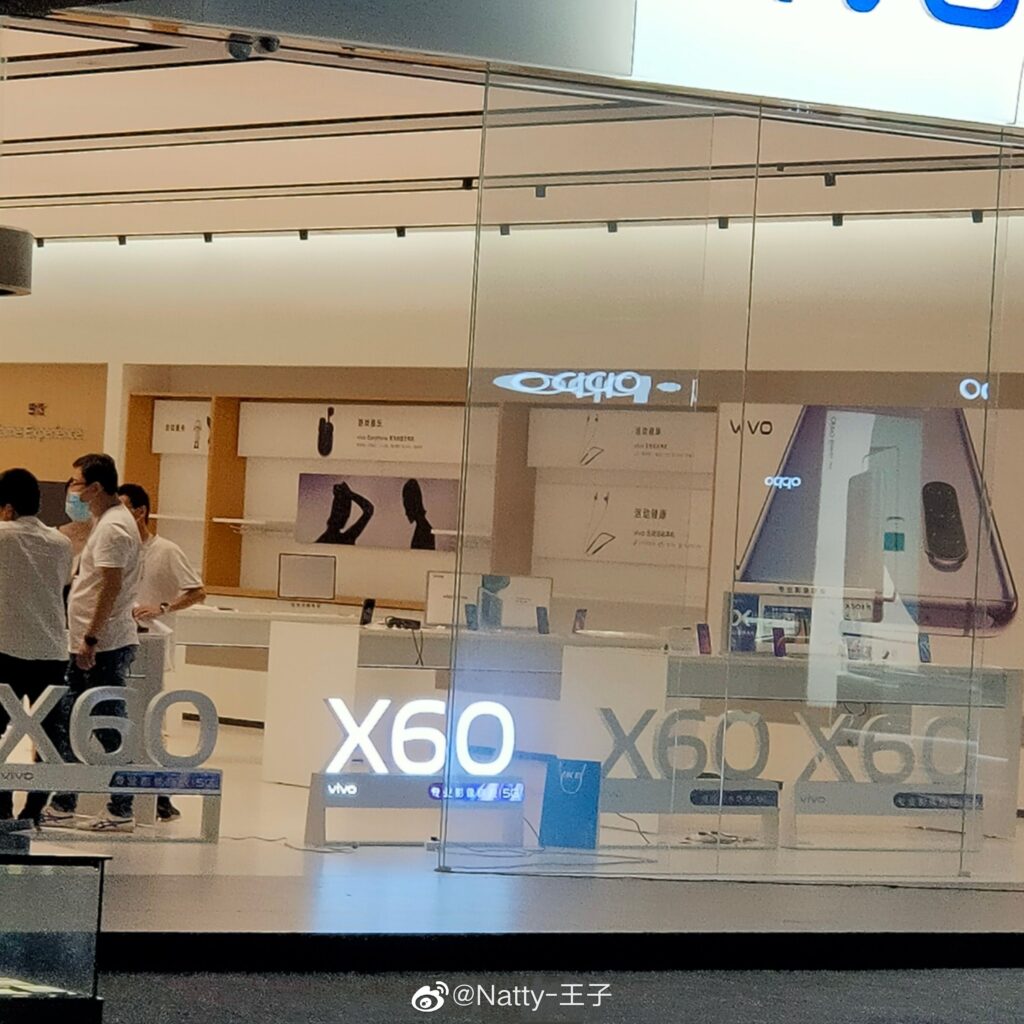
Popular smartphone maker vivo makes one of a kind devices targeted at fashionable and photography enthusiasts. The company’s X series combines both of these traits in a single package. The current-gen vivo X50 series includes some amazing features such as gimbal OIS system. The three devices in the series were unveiled back in June. Now, according to an alleged picture circulating on Weibo, their successors – vivo X60 series may launch very soon.
Chinese smartphone makers are known to update their smartphones within two quarters. Previously, they used to launch a new phone in a series within an interval of four quarters (one year) but not anymore.
Therefore, this viral picture (via MySmartPrice) showing vivo X60 advertising stands in an official retail store could be indeed legit. The tagline of this series will be “Professional Imaging Flagship” (translated). That means these handsets will come with similar features as their predecessors.
In case you are not aware of, a similar alleged picture of OPPO Reno4 circulated in May before its launch in June. At that time, we thought it to be mostly fake as Chinese companies are not known for launching products with “4” moniker.
Anyway, if this picture is true, we can expect vivo to announce vivo X60 series sometime later in November or December. Similarly, OPPO might also launch Reno5 series at around the same time as the company unveiled Reno3 series last year in late December.
Just recently, the Xiaomi Youpin platform listed a new product from ONEBOT, which is a toy race car. The ONEBOT Race Car Drift Edition is priced at 299 Yuan (roughly 44 US Dollars), with a special coupon also offering an additional 10 Yuan (roughly 1.5 US Dollars) discount at checkout.
The new toy race car has a rather complicated process of building, which is to make it as real to an actual race car. When finished, the ONEBOT race car spans a total length of 30 cm, and features a racing aerodynamic design, with various aspects reflecting the same. It also features a small but powerful motor that runs the toy car and is even offered along with precise controls.
The ONEBOT Race Car Drift Edition is made out of a number of 680+ PCS building blocks with the materials being safe, which also meets European and American RoHS standards. These building blocks also have a fine texture with good strength and are made with precision technology that fits well without any issues. Notably, ONEBOT is a brand of AIQI technology, which is backed by Xiaomi and Shunwei Capital (Xiaomi founders’ investment fund).
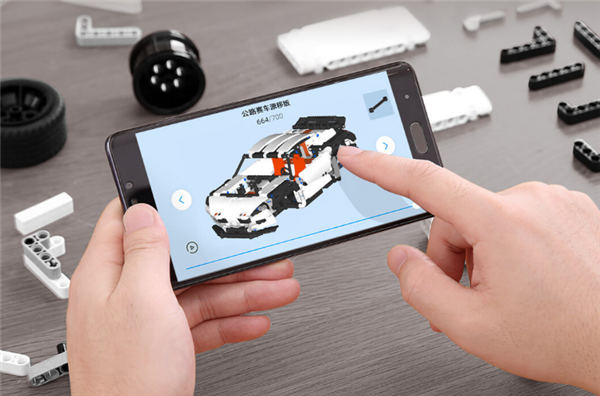
It also arrives with a dedicated smartphone app that displays the car in 3D, which allows for deconstruction and building of the car in the virtual space, while also offering a step by step guide for the entire process. Under the hood, a built in high capacity 2,000mAh battery that runs its powerful motor with 1700r/min. This battery is charged via a USB Type C charging port. So for those interested in getting a new toy racing car for young ones, you can definitely check out this one on Xiaomi Youpin.
LG recently announced that it will continue to assemble its smartphones in India despite the recent import duty hike on components shipped from overseas. However, this is also causing the company to expect a rise in prices for its smartphones in the region.
According to Advait Vaidya, Mobile Communications Business Head at LG India, “We are totally committed to MAKE IN INDIA vision & will continue to manufacture in India. In the long term, this situation will also create possibilities of local production by vendors including display & other components.” In other words, the move from the Indian government is aimed to boost the local production of such components.
For those unaware, from 1st October 2020, the central government has levied a 10 percent basic customs duty on imports of various components like display assembly, touch panel/cover glass assembly, and more. This arrives despite various requests to the government to delay the levy by a year since these components aren’t currently made in India at the moment, which may lead to prices going up in the smartphone market by at least 3 to 5 percent as per industry estimates.
LG Velvet
Vaidya further added that “we are closely monitoring the situation, it may have an impact on prices,” when reached out to by ET. LG is assembling its smartphone through its Pune factory and only holds less than 1 percent of the total Indian market. The components that are facing the import duty hike also make up for 25 percent of the smartphone’s cost, and it may take at least two years to establish a dedicated display fab unit in India if the company does decide to invest 300 to 400 crores on a single unit.
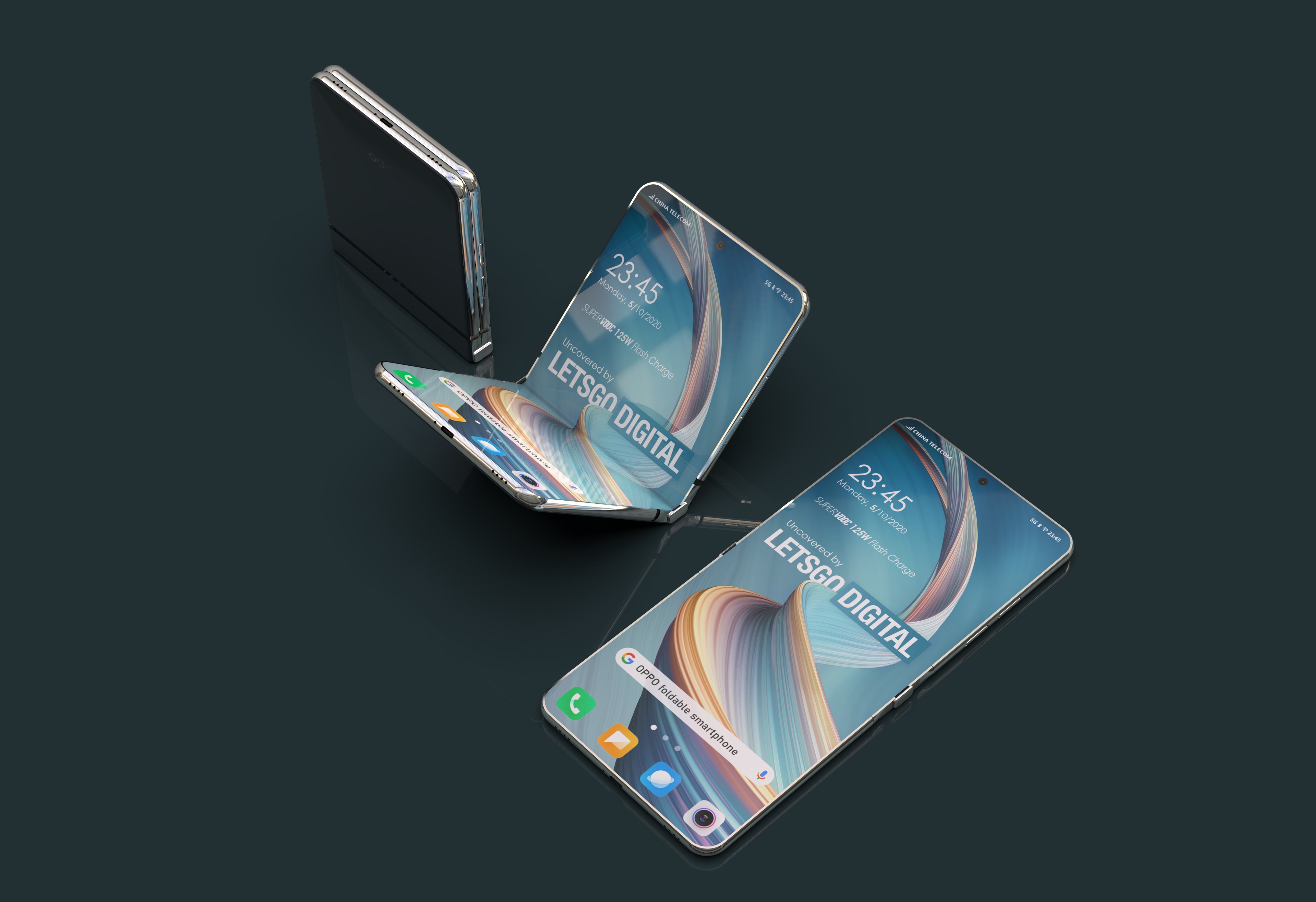
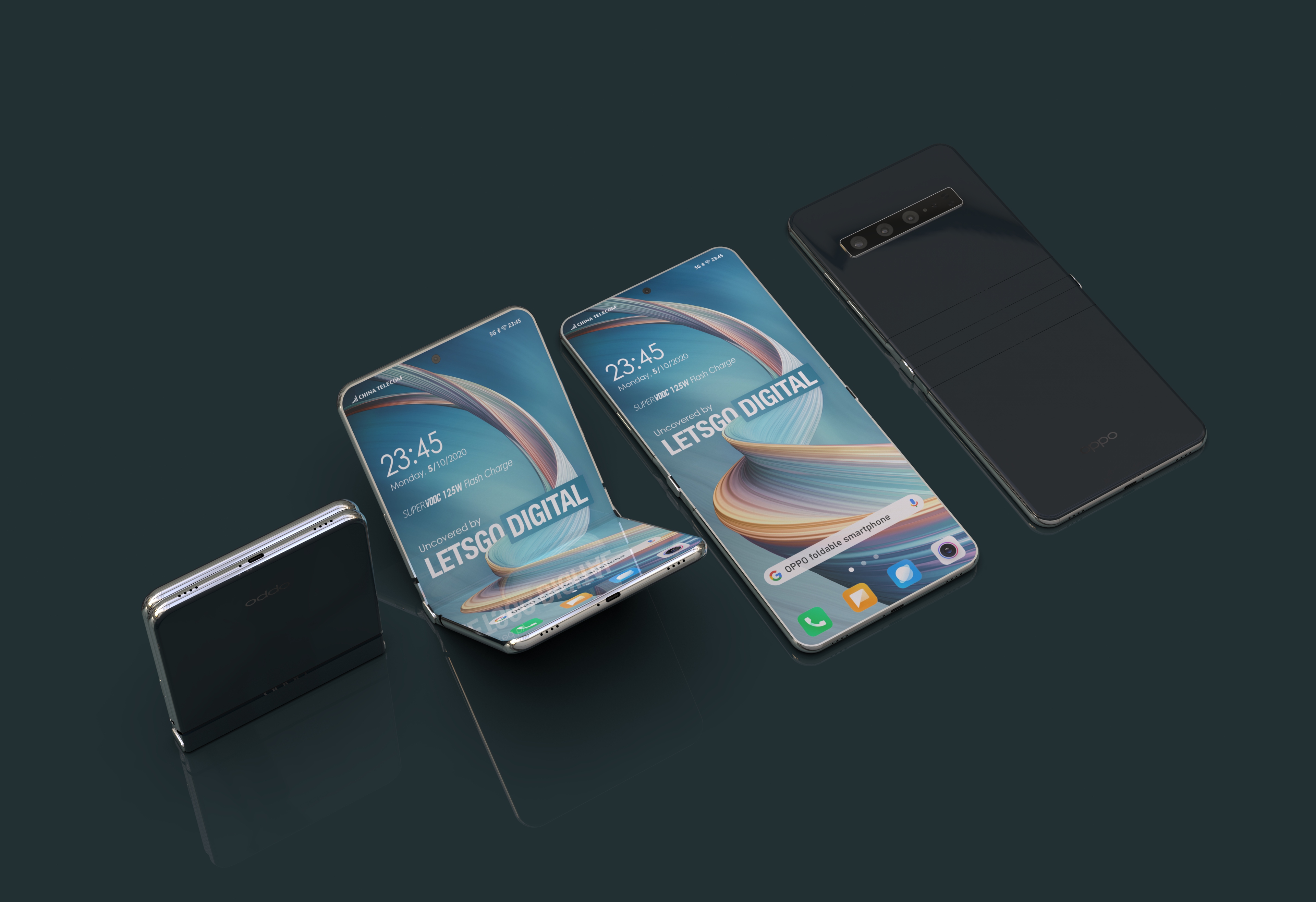
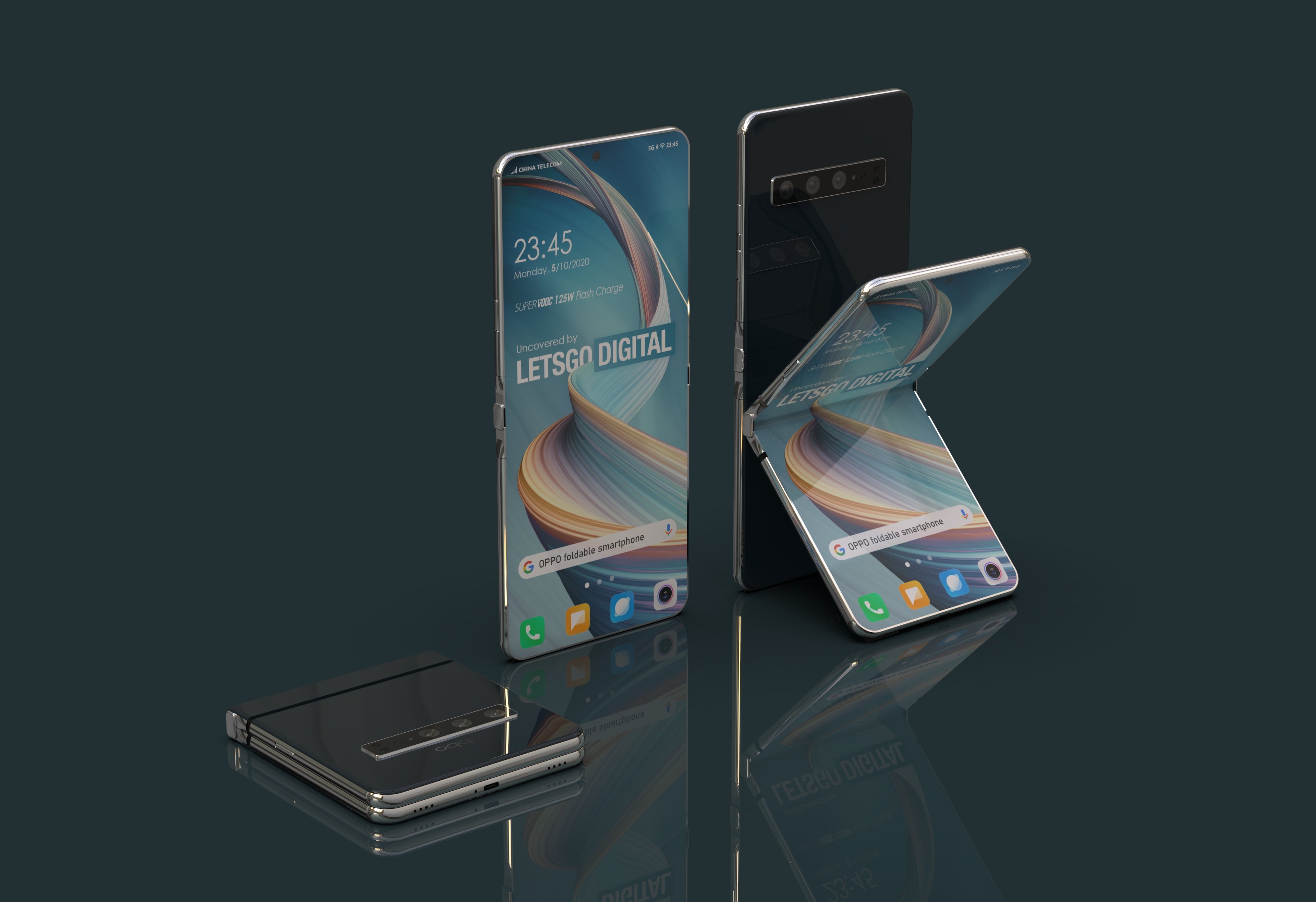
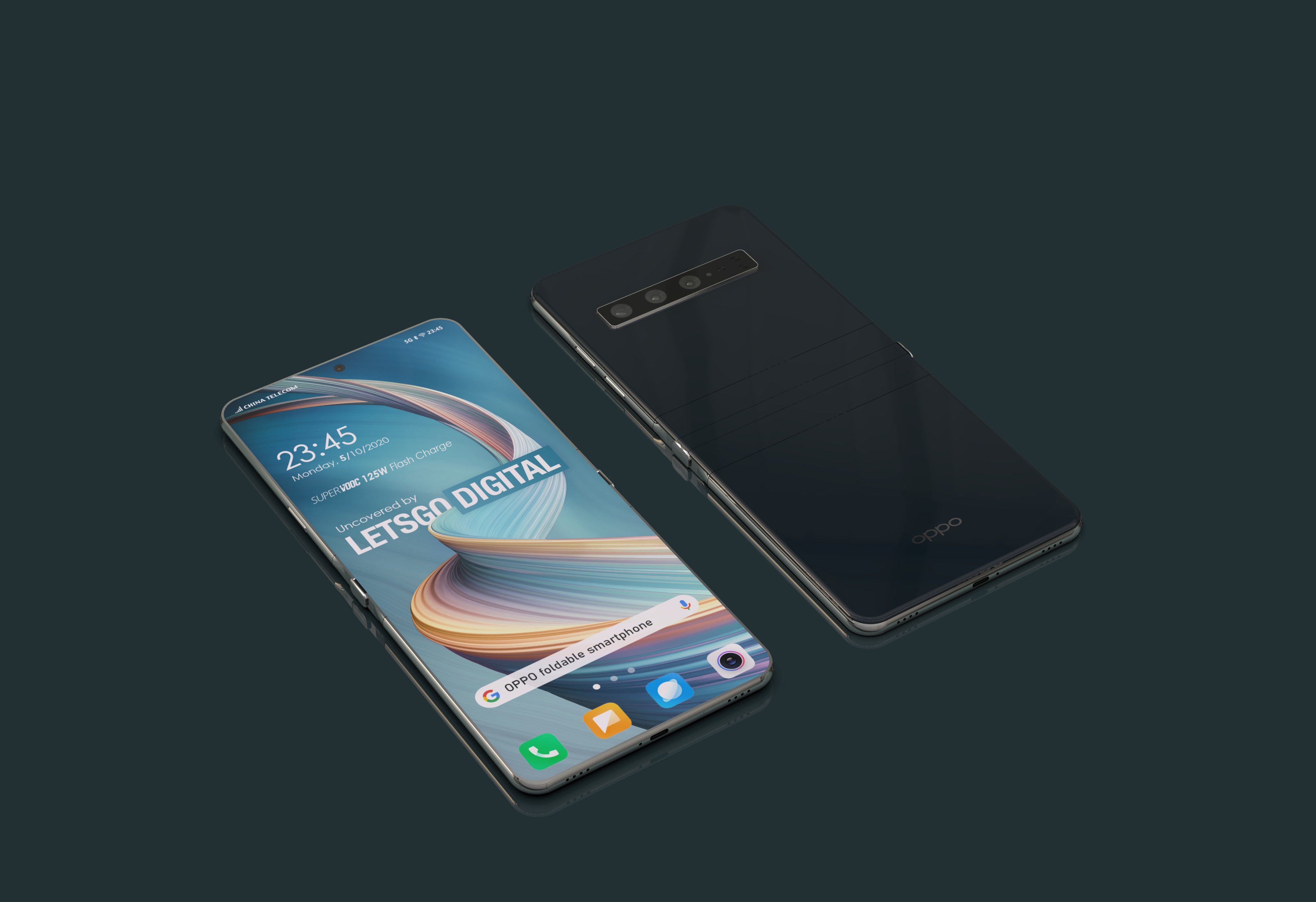
Electronics companies around the world are looking to introduce foldable smartphones. So far, only four companies have managed to achieve this feat and they are Samsung, Huawei, Motorola, and Royole. On the other hand, the remaining popular smartphone makers have been applying for patents related to this tech for the past few quarters. One of those companies is OPPO and it has applied for one more.
Chinese smartphone maker OPPO is known for its SuperVOOC fast charging technology and uniquely designed phones. But the company is yet to release a foldable smartphone. Anyway, it has been patenting design for such devices for a while now. Hence, we can expect the company to soon launch a commercial foldable smartphone.
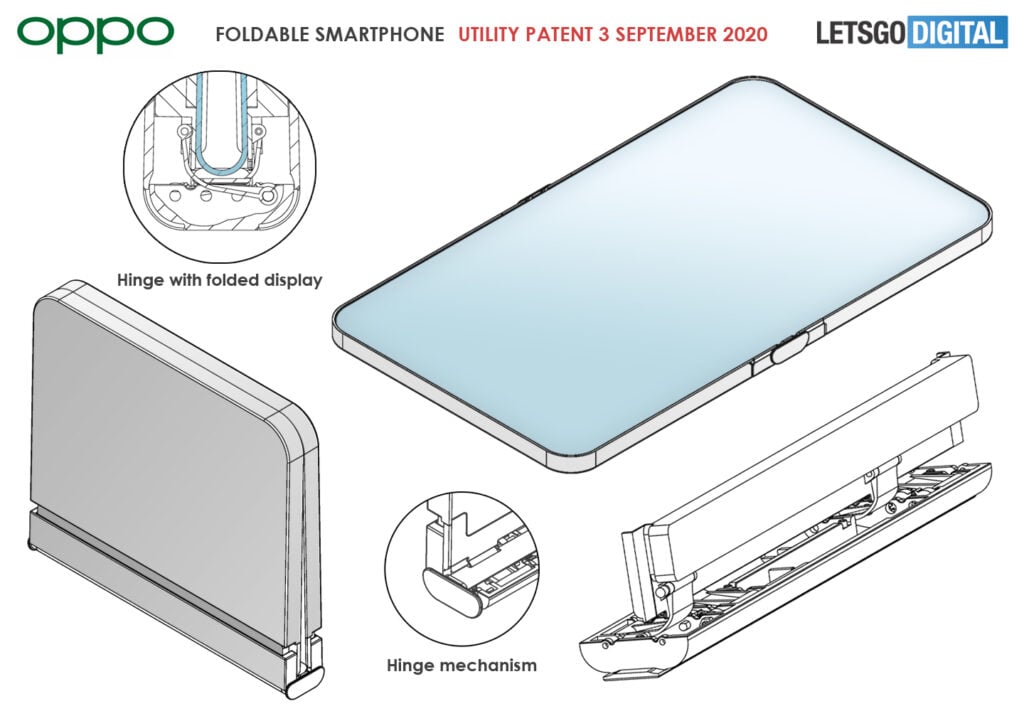
That said, the new patent filed by Guangdong Oppo Mobile Telecommunications with the WIPO (World Intellectual Property Organization) is a utility patent for hinge and not design like the company’s previous foldable patents.
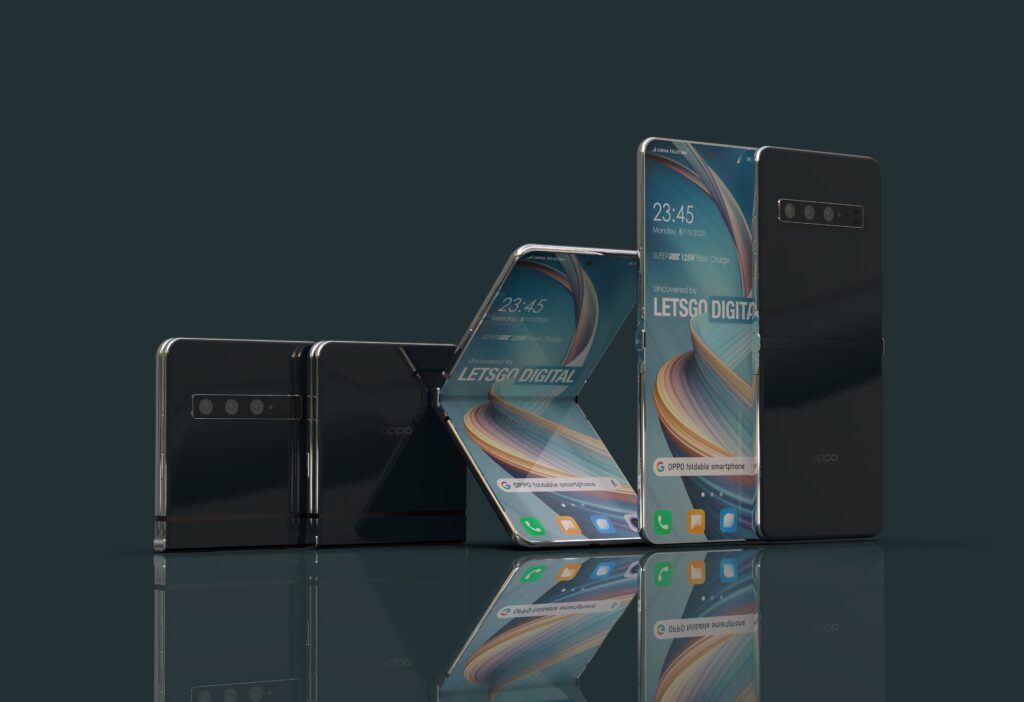
This patent was filed by OPPO in February but was only approved and published on September 3. As usual, the documents for this patent was unearthed by none other than LetsGoDigital and the publication even imagined the final design of a smartphone with this hinge in 3D renders.
According to the patent diagrams and documents, this hinge is wider than any other hinge present in currently available foldable smartphones. It features a pair of rotatable cover plates coupled to the support plate to mitigate the length between the screen and the housing while folding and unfolding.
This hinge also allows the users to fix the display of the phone at four points – 30°, 60°, 90°, and 190° respectively. Since this hinge is meant for clamshell foldable, we cam imagine use cases like Flex Mode on Galaxy Z Flip.
1 of 4
Interestingly, one of the documents also mentions that this hinge will enable crease-free display experience, which is a bold claim. Anway, patents are patents and not all come into fruition. Hopefully, this one does.
The US Justice Department recently announced that it is appealing a judge’s ruling to block the government from banning Apple and Google from offering the popular Chinese app, WeChat, through their respective app stores.
Initially, the Justice Department stated that Beeler’s orders were in error and “permits the continued, unfettered use of WeChat, a mobile application that the Executive Branch has determined constitutes a threat to the national security and foreign policy of the United States.” On the other hand, WeChat Users Alliance, the group that is fighting the legal battles against the WeChat ban said that the department “has still presented no compelling national security interest to justify such an unprecedented ban.”
Furthermore, the group also added that Tencent had tried to negotiate a settlement with the Commerce Department as well, offering numerous mitigation measures and even to address any data security concerns. Judge Beeler also added that WeChat users have “have shown serious questions going to the merits of the First Amendment claim,” which guarantees freedom of speech. The app has millions of daily active users in the country and plays an integral role in many lives, especially Chinese students living in America. Although, it remains to be seen just how the entire situation plays out. So stay tuned for more updates.
India has imposed a customs duty of 5 percent on the import of key components used in manufacturing LCD and LED TVs. The notification was issued by the Finance Ministry and the duty went into effect from 1st October.
Earlier, the Ministry of Electronics and IT had proposed to impose a duty of 5 percent on open cell panels and bring the pure cell to zero percent in a bid to encourage the process of polariser film and COF bonding for open-cell.
ICEA, which is representing companies like LG, Xiaomi, and Micromax among others, has been opposing the move claiming concerns about the implementation as the anomaly in the differentiation of open-cell with bonding and open-cell without bonding — pure cell — still remains a challenge.
Last month, the body had written a letter to Revenue Secretary seeking an extension on zero duty on the open cell imports for three more years. It argued that the policy has given a huge fillip to domestic manufacturing of LED televisions and has also led to a reduction in imports from ASEAN countries.
It has also warned of the growth of the grey market on imposing 5 percent duty. It also claims that there will be a rise in imports of LED TVs, giving a major blow to the government’s ambitious Make In India initiative.
The Indian Smart TV market is poised to grow further as the Internet is penetrating at a faster pace and OTT consumption is growing in the market. Currently, Xiaomi is leading the Smart TV market in India, followed by LG and Samsung.
As the United States imposed new sanctions on Chinese giant Huawei, more and more companies are facing the heat. With new restrictions, Japan-based companies that supply chips to Huawei, are facing the risk of losing billions of dollars in revenue.
Now, as per the latest report, in order to avoid losing money, Japanese companies Sony and Kioxia have applied for approval from the United States to continue doing business with Huawei. It’s noteworthy that Intel has already been granted a license to supply chipsets to the Chinese giant.
Huawei is one of the top buyers of image sensors from Sony while Kioxia is one of the world’s leading flash memory chip makers and is also a major supplier to the Chinese telecom giant, which was also the leading smartphone brand in Q2 2020.
Since the U.S. government added new sanctions on the Chinese giant, Sony trimmed its capital spending plan for three years, as there’s now a gap of billions of dollars in sales from supplying image sensors to Huawei.
On the other hand, Kioxia, which is a Toshiba spinoff, has warned that restricting supply to Huawei could trigger memory chip oversupply and thus lower the prices. Because of the uncertainty, the company has shelved its plan for a multi-billion dollar listing.
However, these Japanese companies are not the only ones in line to get a license from the U.S. South Korean companies like Samsung Electronics and SK Hynix have also applied to get a green signal to continue supplying components to Huawei.
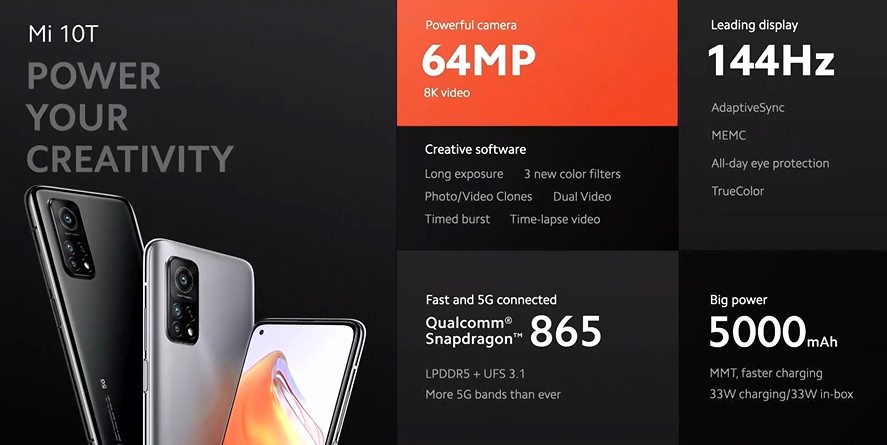
The Xiaomi Mi 10T series, the current flagship lineup from the Chinese tech giant, is making its way to the Indian market. The announcement was shared by the company earlier today (5th October 2020) through social media.
Xiaomi India’s official Twitter handle shared a tweet about the upcoming flagship lineup, which includes the Mi 10T 5G and Mi 10T Pro 5G. Back in September, the company had officially launched the new series that arrived with a few upgrades to the previously launched flagship, Mi 10 series. Notably, the Mi 10 Lite, which was also recently found receiving the SIG certification was also expected to make its way to the Indian market, however, the tweet failed to have any mention of the mid range level handset.
For those unaware, the Mi 10T series sports one of the highest refresh rate displays ever found in a smartphone, with 144Hz panels. Although to achieve this, the company had to use IPS LCD screens, which Xiaomi claims is one of the best in the industry. The series sports the Qualcomm Snapdragon 865 processor that also arrives with support for 5G, so it is future proofed in a manner since the newer standard of networking has yet to be commercially rolled out in the region. You can even check out our comparison between the Mi 10T Pro to the Mi 10 Ultra, which had some very interesting differences.
We use cookies on our website to give you the most relevant experience by remembering your preferences and repeat visits. By clicking “Accept”, you consent to the use of ALL the cookies.
This website uses cookies to improve your experience while you navigate through the website. Out of these, the cookies that are categorized as necessary are stored on your browser as they are essential for the working of basic functionalities of the website. We also use third-party cookies that help us analyze and understand how you use this website. These cookies will be stored in your browser only with your consent. You also have the option to opt-out of these cookies. But opting out of some of these cookies may affect your browsing experience.
Necessary cookies are absolutely essential for the website to function properly. This category only includes cookies that ensures basic functionalities and security features of the website. These cookies do not store any personal information.
Any cookies that may not be particularly necessary for the website to function and is used specifically to collect user personal data via analytics, ads, other embedded contents are termed as non-necessary cookies. It is mandatory to procure user consent prior to running these cookies on your website.