Microsoft has today announced a partnership with Qualcomm under which the company will extend the App Assure with FastTrack testing platform to developers working on developing apps to run well on ARM-based Windows 10.
The App Assure with FastTrack program from Microsoft is available to qualify developers or customers without any cost. For those who are unaware, App Assure is a program designed to help customers, developers, and independent software vendors address application compatibility issues.
With this Microsoft and Qualcomm partnership, it seems that the focus will now be on engaging software vendors to come with a version that’s compatible with Windows 10 running on Snapdragon compute platform.
Keith Kressin, SVP & GM, Computing & Edge Cloud, Qualcomm, said: “The future of mobile computing is powerful, thin and light PCs equipped with 4G/5G connectivity, and offer multi-day battery life… We are pleased that the expansion of Microsoft’s App Assure program will help ensure great user experiences across Snapdragon-powered Windows laptops and 2-in-1s.”
This is a major development from Microsoft and Qualcomm given that more PCs are planning to move towards ARM-based chipsets. However, app compatibility issues remain one of the biggest roadblocks but this could help to address those issues.
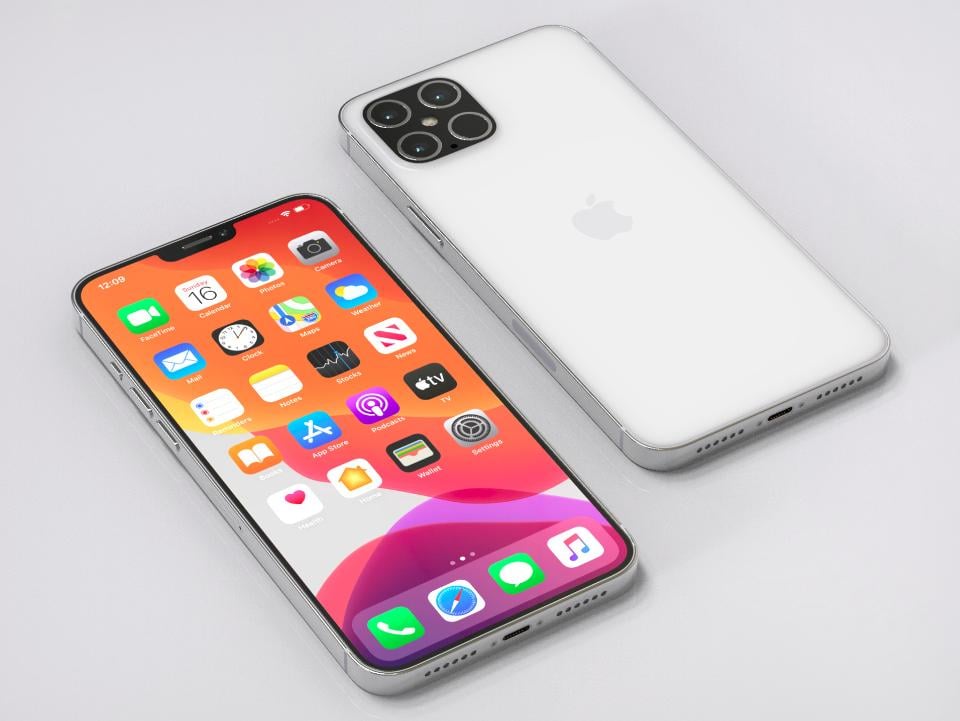
With Apple iPhone 12 series launch being just around the corner, a number of reports and leaks have started surfacing online. The latest one arrives with a rather last minute bad news as the upcoming iPhone 12 model, might be dubbed as the iPhone 12 mini and could possibly be the least powerful handset in the upcoming lineup.
Apple B14 chip
They have a midrange chip ready 👀 idk if its the battery-saving-but-less-powerful A14 i´ve leaked before, or a whole new chip for the iPhone 12 Mini maybe? SE2 Plus? SE3? idk i´ve had it for months but #AppleEvent in 14 hours.. cant risk it
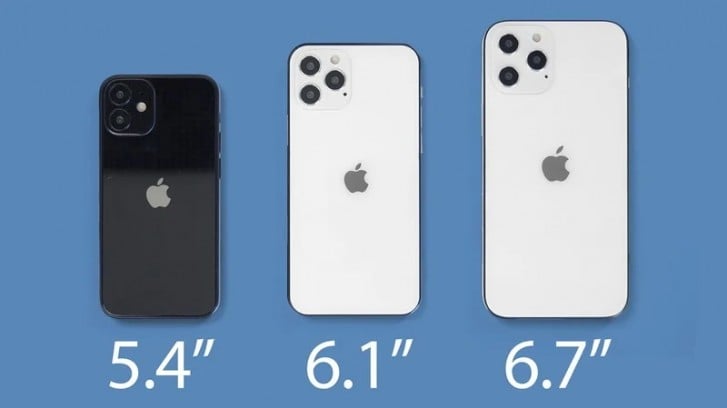
The iPhone 12 model in question is the 5.4 inch model that would apparently house a new mid range chip called the Apple B14 SoC. This news was first shared by MauriQHD on Twitter and a Tom’sGuidereport, which details that the iPhone 12 mini will have a “battery-saving-but-less-powerful A14.” However, this is still an unconfirmed report and the leakster did state that this chip might be seen later down the road on the iPhone SE Plus or iPhone SE 3.
Notably, the use of a less powerful energy efficient chip could also mean the iPhone 12 mini would be a bit more affordable than previously speculated. While previous reports had suggested that the upcoming handset will be more expensive than the base iPhone 11 due to the addition of 5G support, but the iPhone 12 mini could skip the newer and faster bandwidth and adopt a similar price point as last gens iPhone 11.
If this is true, then the 6.1 inch variant could be the actual iPhone 12 base model and would be the true successor of the iPhone 11. Although, the rumor arrives quite close to the launch. Meaning, we would generally have heard more from regarding the new chip by now. Although, nothing is certain at the moment, so take this report with a pinch of salt and stay tuned for more updates, which should arrive soon.
IoTEX in partnership with Tenvis announced the new UCAM which is the world’s first Blockchain-powered home security camera. Let’s delve into the features of the device. If you have some basic understanding about Blockchain then go ahead. In case if you’ve hearing blockchain for the first time, no worry, we’ve explained briefly below in this article.
Wikipedia has a simple definition of Blockchain. “A blockchain originally blocks chain, is a growing list of records, called blocks, that are linked using cryptography”. A blockchain is a decentralized, distributed, and most public. The invention of the blockchain for bitcoin made it the first digital currency to solve the double-spending problem without the need for a trusted authority or central server.
IoTEX and Tenvis UCAM Security Camera
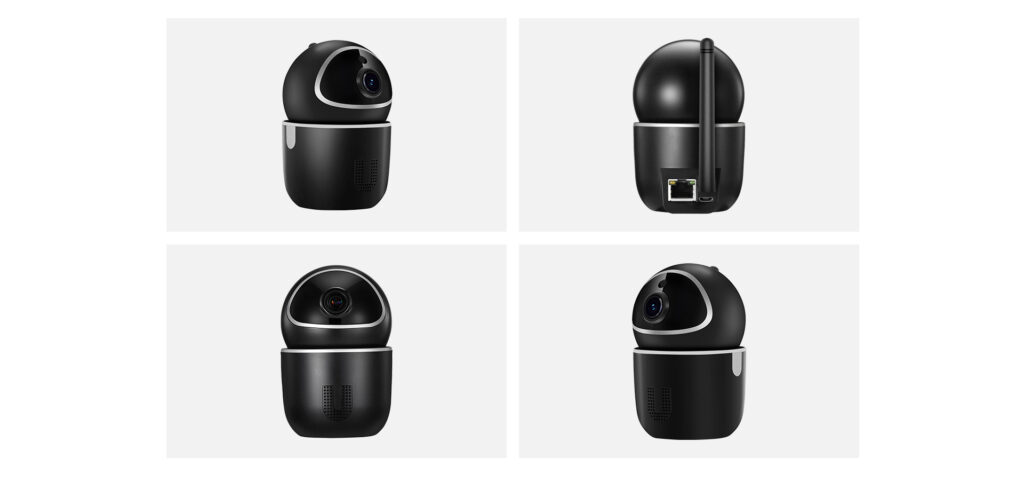
The UCAM functions very much similar to that of any home security camera except with some added benefits which will be discussed below. UCAM comes with most premium features such as Full-HD 1080p video recording and playback, 360 ° coverage, night vision, motion detection alerts, and two-way audio.
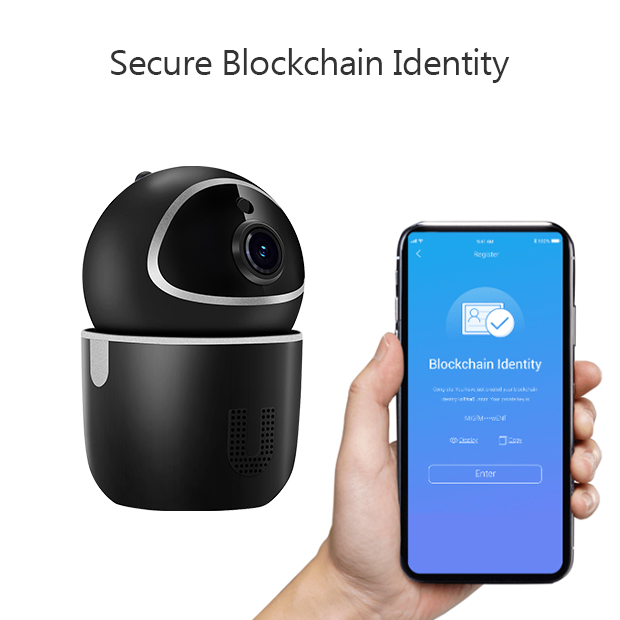
What really makes the UCAM unique from other security cameras is the built-in privacy features. End-to-end encryption makes the data accessible only to the users at either end. No one can access it during transmission because of encryption. The UCAM uses the IoTeX blockchain and decentralized identity to authorize who can view what content and for how long. Furthermore, all the content acquired by UCAM is the exclusive property of the user. No one will be able to access it, not even IoTeX or Tenvis.
IoTeX and Tenvis are introducing an exciting new paradigm for privacy: their new cameras including the UCAM will be user-centric, allowing consumers to own their data. No one else has tried this before making it a versatile product. Interested users can visit their official website for more information on the product and avail the best offers. However, it is retailing at the discount price of $44.99. The product is even facilitated with CES 2020 Award in the cybersecurity and personal privacy category.
Key Features
Enhanced Privacy and Security
1080p HD Video recording
360-degree coverage
Motion Detection
Night Vision
Two-way Audio
Lifetime Technical Support
4.2″ x 2.6″ x 3.4″ size and 8.0 ounces weight
3.6mm Lens with f/2.0 aperture
Flip and Mirror Image
Infrared LED: 8x IR-LEDs
5Watt Power consumpetion
5V/1A Power Supply
Ethernet port, SD Card and Cloud Service
2.4GHz WiFI
Blockchain
Blockchain can be defined as a digital ledger consisting of digital records called Blocks. Blocks are used to record transactions across many computers so that any involved block cannot be altered retroactively, without the alteration of all subsequent blocks and requires consensus of the network majority. By design, a blockchain is resistant to modification of the data. This allows the participants to verify and audit transactions independently and at a much lower cost. A blockchain database is managed autonomously using a peer-to-peer network and distributed timestamping server.
Block
Blocks hold batches of valid transactions that are hashed and encoded into a Merkle tree. Each and every block includes the cryptographic hash of the previous block in the blockchain, which links the two. The linked blocks form a chain. This iterative process confirms the integrity of the previous block, all the way back to the original genesis block.
Block Time
It is the average time it takes for the network to generate one extra block in the blockchain. For example, in the case of Bitcoin, it takes on an average of 10 minutes to generate a new block.
Decentralization
This is an important security feature of blockchain. By storing data across the peer-to-peer network, blockchain eliminates risks that come with data being held centrally. The decentralized blockchain uses ad hoc message passing and distributed networking. These blockchain networks lack centralized points of vulnerability that computer crackers can exploit also one thing to note is that it has no central point of failure.
Blockchain security methods include the use of public-key cryptography. A public key is a long, string of numbers that looks random. It is an address on the blockchain. Value tokens sent across the network are recorded as belonging to that address. A private key is like a password that gives its owner access to their digital assets or the means to otherwise interact with the various capabilities that blockchains now support.
Well, that’s a lot of information. Hope you enjoyed reading about the UCAM and blockchain in general.
Motorola has just launched the latest iteration of its budget entry level smartphone, the Moto E7 Plus. The E series is best known for its affordability and the company is offering some notable specs for an under 10,000 INR price point (roughly 135 US Dollars).
Moto E7 Plus
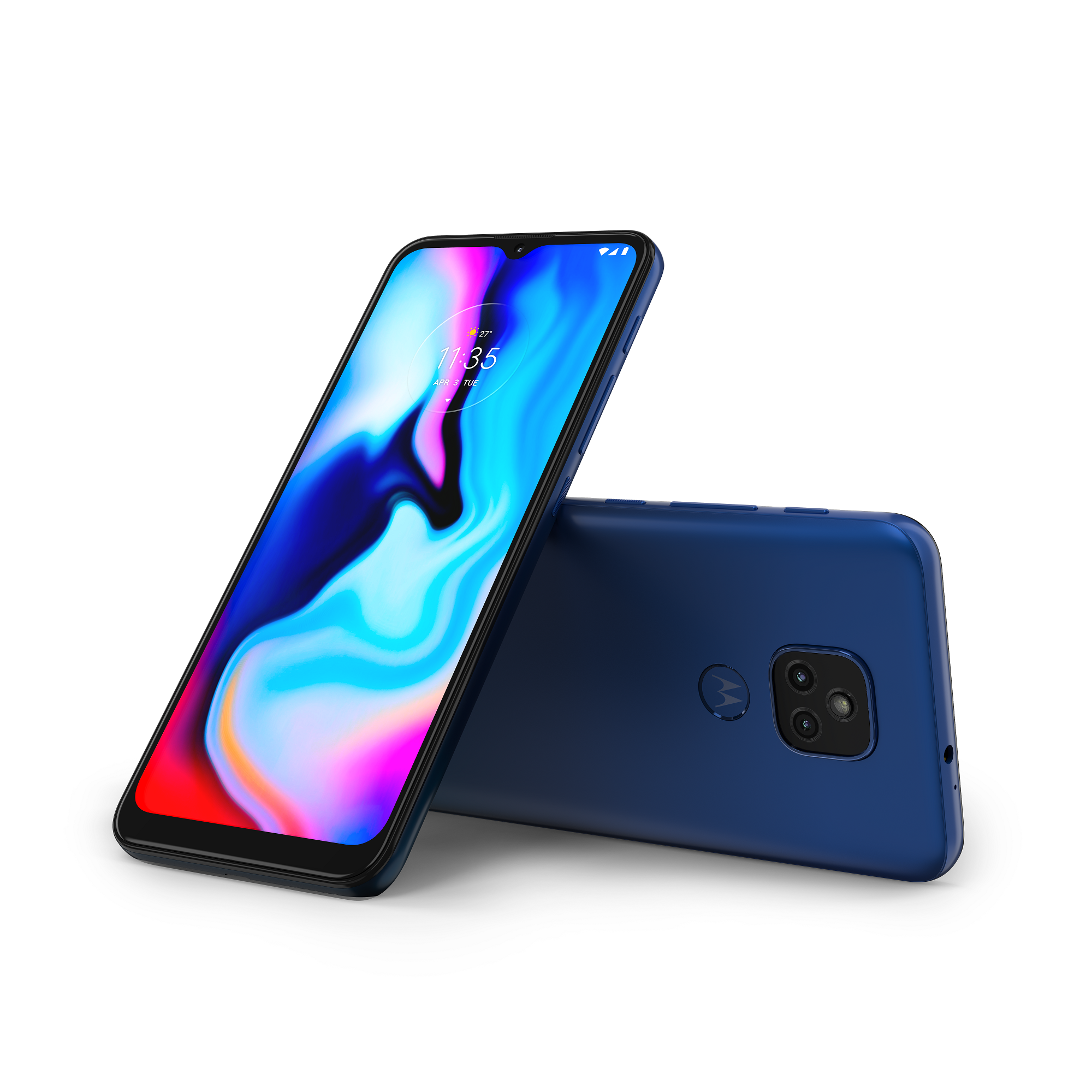
Despite being an entry level device, the Moto E7 Plus features a 48 megapixel dual cameras. While dual cameras aren’t very uncommon in this price range, Motorola has heavily focused on its f/1.7 primary camera, claiming that it would offer one of the best camera performance in the sub 10K INR price range. It features a 6.5 inch HD+ Max Vision HD Display and offers a Stock Android experience as well. Notably, the Moto E7 Plus powered by a large 5,000mAh battery that claims 21 hours of video streaming and 15 hours of web browsing endurance.
The display has an aspect ratio of 20:9 with a large screen to body ratio. Under the hood, a Qualcomm Snapdragon 460 SoC runs the device, which is a 1.8GHz processor octa core processor. For memory, 4Gb of RAM is offered along with 64GB of internal storage that can be expanded up to 512GB via a microSD card and the Moto E7 Plus runs Android 10 OS out of the box, with the promise of 2 years worth of security updates. Furthermore, the device is water repellent just as an added safety measure while face unlock is also offered to the user.
On the rear, a 48 megapixel primary sensor is housed in the square shaped camera module, which also features the 2 megapixel depth sensor and an LED flash. Below the camera system, a rear mounted fingerprint scanner can be seen that also sports the signature batwing ‘M’ logo of the company. Motorola has heavily emphasized on its camera performance, with a special focus on its Night Vision mode that lets users take bright pictures even in low light scenarios. Other features like slow motion videos and timelapse are also offered that are powered by its AI algorithms.
Price and Availability
The Moto E7 Plus has been built completely in India and arrives at a price of just 9,499 INR (roughly 129 US Dollars). It will be available exclusively through Flipkart, which is a major e-retailer in the country and starts sale from 30th September 2020 from 12 pm onwards. The device arrives in two color variants, namely Misty Blue and Twilight Orange, so for those that are looking for an affordable new handset, this might be a worthwhile to pick to consider.
A few days ago, Apple announced its new Watch Series 6, Watch SE as well as new iPad and iPad Air models at a special ‘Time Flies’ event. Now, the company is gearing up to hold a new special event in the coming weeks to launch iPhone 12 models.
While the company has not yet confirmed when the next event will take place, the latest report indicates that the Apple iPhone 12 launch event could happen on 13th October. It also adds that pre-orders for the devices could start as soon as 16th October.
Another report claims that Apple is gearing up for a product launch event and in an internal presentation for BT and EE by British Telecom CEO Marc Allera revealed that Apple is close to launching the new 5G iPhones within days.
Apple is anticipated to launch four iPhone models this time and their names have been leaked online. The 5.4-inch model of the device will be called Apple iPhone 12 Mini. The model with a 6.7-inch display will be called iPhone 12 Pro Max while the two devices with a 6.1-inch display will be called iPhone 12 and iPhone 12 Pro.
Reports indicate that the 6.1-inch and 6.7-inch models of the iPhone 12 will have the same display notch as the iPhone 11 models. However, the 5.4-inch model will have a slightly narrow notch to show more information on the screen at the top edges.
Recently, it was revealed that the upcoming iPhone 12 could cost somewhere between $699 to $749 while the iPhone 12 Max could be priced around $799-849. The Pro and Pro Max models are expected to be priced between $1,100 to $1,200. To know for sure, we will have to wait for the official announcement from the company.
Smartphone manufacturers have been trying to come up with a perfect solution for a full-screen device. After offering a pop-up camera module, manufacturers are now working on under-display camera technology.
While ZTE has already launched the world’s first smartphone with an under-display camera — ZTE Axon 20 5G, other manufacturers like OPPO and Xiaomi are working on the same. Now, it seems that Realme has also joined the list.
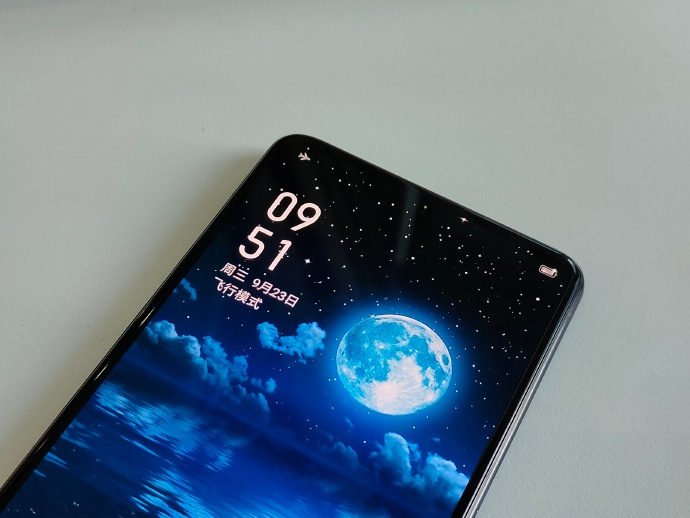
Realme’s Vice President and President of Global Marketing Xu Qi has today shared a photo on Weibo which shows a smartphone without any notch on top of the display. This hints that the company is gearing up to launch a device with under-display camera technology.
However, do note that the Xu Qi has not explicitly confirmed that this is the company’s upcoming smartphone using in-display camera technology. But going by his comments on the same post, he has teased selfies and confirmed there’s no pop-up camera, hinting that the phone is using under-display camera technology.
Huawei, which was ranked as the world’s leading smartphone brand for the second quarter of this year, is now struggling to keep its business afloat. The company is now battling for the survival against the US sanctions and has a few tricks up its sleeves.
Guo Ping, Huawei’s rotating chairman, has said that the company is now focusing on the development of its HMS ecosystem. After getting banned from using Google services last year, the company developed its own Huawei Mobile Services (HMS) and made it available for all, as a replacement for Google.
He has also added that the company will continue to invest in connectivity, high-performance computing, cloud technology, and artificial intelligence. Guo also added that the company will continue to support supply chain partners who still work with Huawei.
It is also confirmed that Huawei has sufficient chips for the telecom equipment, server, and cloud business, as we previously reported. However, Guo Ping said that the company is still looking for solutions for the smartphone chipsets, which the company needs hundreds of millions every year. He added that the company is willing to procure chips from U.S.-based companies who receive the license from the government, including its rival Qualcomm.
Zhang Ping An, President of Huawei’s Consumer Cloud Services said that the company is in talks with Chinese vendors to expand the usage of HarmonyOS. If the Chinese giant manages to convince smartphone makers to adopt HarmonyOS, even only for the Chinese market, then it could be a major blow to Google’s Android.
Recently, AMD and Intel confirmed that they have been granted a license by the United States to continue doing business with Huawei, but the scope is not yet known. Apart from them, MediaTek and SMIC have also applied for a license to supply chipsets to Huawei.
Currently, all the major suppliers of Huawei, including TSMC, Samsung Electronics, SK Hynix, Kioxia, Sharp, Micron, and Sony have stopped doing business with Huawei in order to comply with the new U.S. regulations.
After launching the Mi 10 Ultra and Redmi K30 Ultra smartphone to commemorate the company’s 10 year anniversary, Xiaomi is now set to launch its new TV in China.
The company has today confirmed that the Xiaomi TV Master Ultra Edition will be made official in China on 28th September. It is also confirmed that the TV will have support for 8K display and 5G connectivity.
However, Xiaomi has not yet announced the size of the TV. For that, it seems like we will have to wait for the official launch event on 28th September. It could be related to the Xiaomi Mi TV Master series that was recently launched in a 65-inch OLED version.
The Xiaomi Mi TV Master 65-inch OLED model comes with support for 4K display with a 120Hz refresh rate and offers a screen-to-body ratio of 98.8 percent. It has support for features like high-speed motion compensation, AI image quality engine, and Dolby Vision, among others.
Recently, an 82-inch Smart TV from Xiaomi with support for 8K and 4K resolutions were spotted on 3C certification. The 82-inch Mi TV 8K has a model number L82M6-8K and is reportedly using a panel from LG Display.
The smart TV has an integrated 5G modem for streaming 8K content. As for the pricing, it is said that the television will be super expensive but will be cheaper than the company’s 49,999 yuan ($7,330) transparent TV.
Lenovo is no longer a popular player in the smartphone market. Ever since the company acquired Motorola, it has been focussing more on that brand rather than its own due to nostalgia and brand power associated with its subsidiary. The Chinese company has now reached a certain point that it is rebranding Motorola devices as its own. The newly certified Lenovo K12 Note is nothing but a rebadged Moto G9 Play/Moto G9 (India).
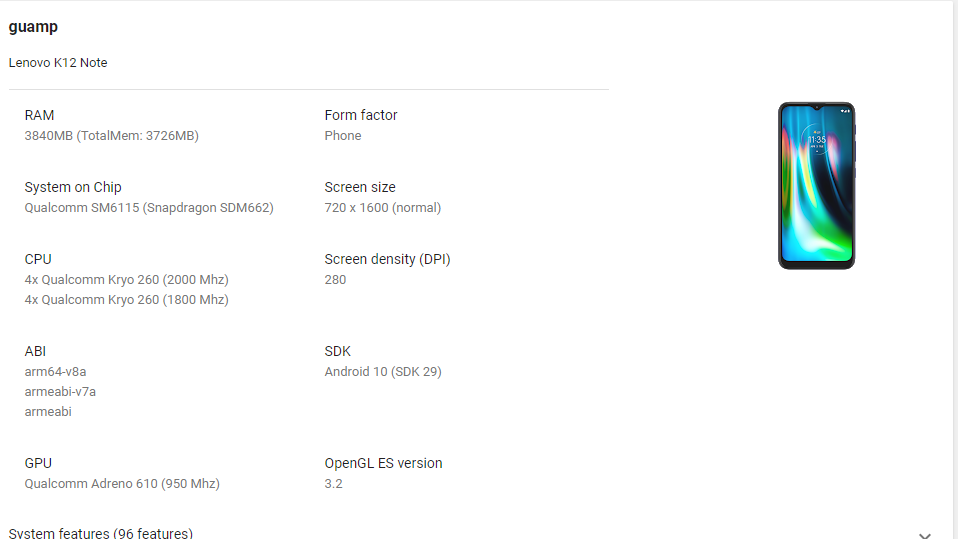
According to Google Play Console, the upcoming Lenovo K12 Note is codenamed guamp. It will sport an HD+ (720 x 1600 pixels) with 280 DPI. Under the hood, it will feature Qualcomm Snapdragon 662 chipset and 4GB RAM. Last but not least, it will run Android 10 out of the box.
The above mentioned specs and the image included in the listing confirms that this phone is indeed a rebranded Moto G9 Play. This Motorola device debuted in late August in Europe and last week in the UK.
What’s even more interesting is that this very same Moto G9 Play handset is sold as the vanilla Moto G9 in India. That means Lenovo is selling it with three different names across the world. That said, we are not certain where the K12 Note will launch first.
A few years back, Lenovo K series smartphones were one of the best budget phones available in the market. Those devices would compete directly with Xiaomi Redmi series phones. Unfortunately, slowly and steadily, the company not only gave up on this popular series but also its entire smartphone lineup.
Back in July, Lenovo released its first gaming smartphone called Legion Duel. Sadly, it is still limited to China and the company is yet to confirm if it will ever hit global markets.
Samsung recently confirmed that it will be introducing the new Galaxy F-series of smartphones soon in India. Reports surrounding it have claimed that the first Galaxy F-series smartphone could be called the Galaxy F41. The support page of the smartphone, which confirms SM-F415F/DS as its model number, is now live on Samsung India’s website. A microsite for the Galaxy F-series has appeared on Flipkart. The microsite has information on the specs of the device yet, but it hints that the company will confirm its launch date tomorrow (Sept. 24).
Probably, the Galaxy F-series could be exclusively available through Flipkart since the Galaxy M-series are only available through Amazon India. In recent days, the Galaxy F41 phone has appeared in Google Play Console and Geekbench benchmarking platform through which some of its key specs have been revealed.
Rumors have it that the Galaxy F41 could be a rebadged version of the Galaxy M31 smartphone that debuted earlier this year. The two phones may only differ in the camera department. The Galaxy M31 has a quad-camera system on its back. It is speculated that the F41 will be equipped with triple rear cameras.
The Galaxy F41 is expected to arrive with specs like Full HD+ display with Infinity-U notch, Exynos 9611 chipset, 6 GB of RAM, and Android 10 OS. It also features a rear-mounted fingerprint scanner and a 3.5mm audio jack. It will come in two storage versions and three color variants such as blue, black, and green.
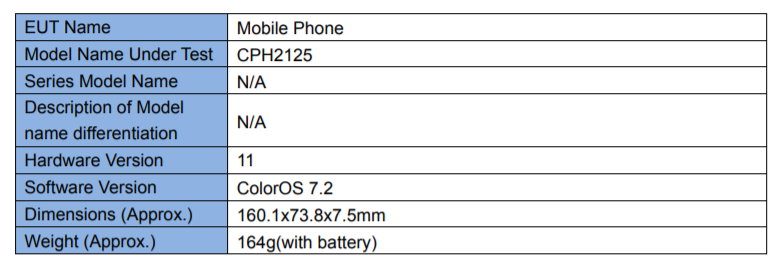
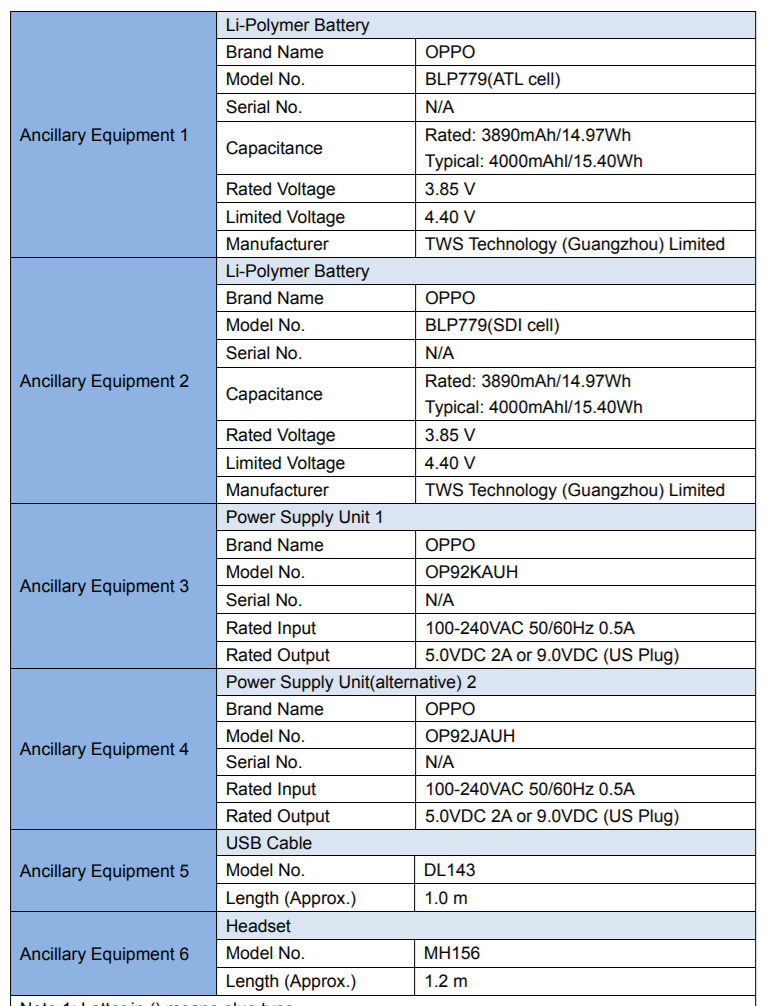
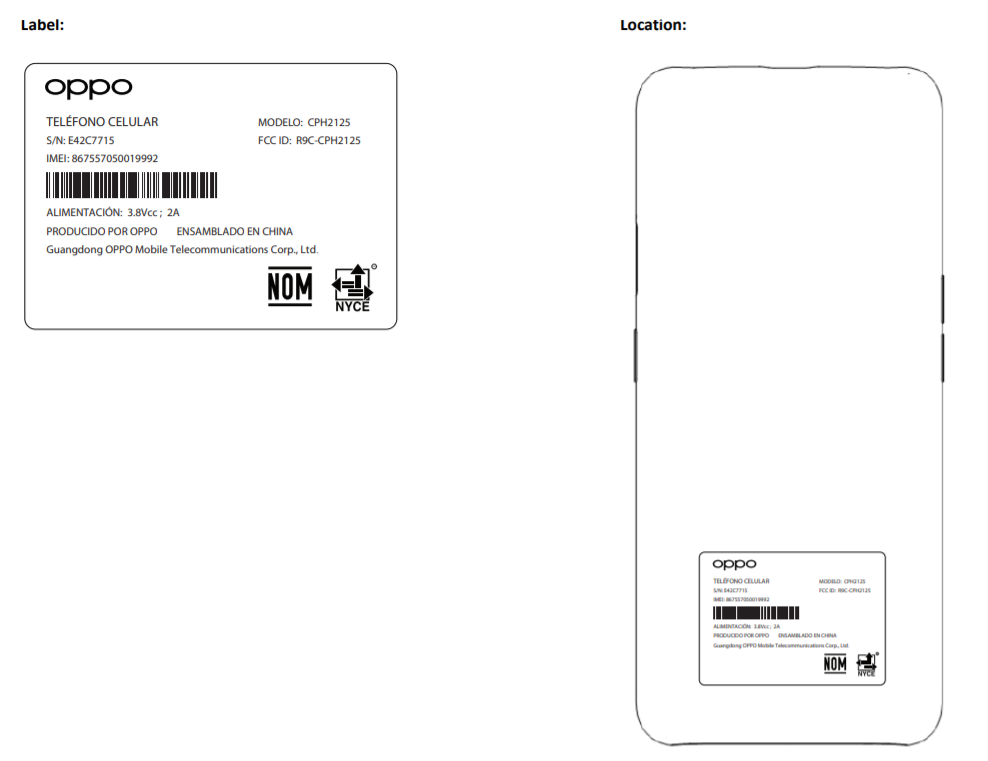
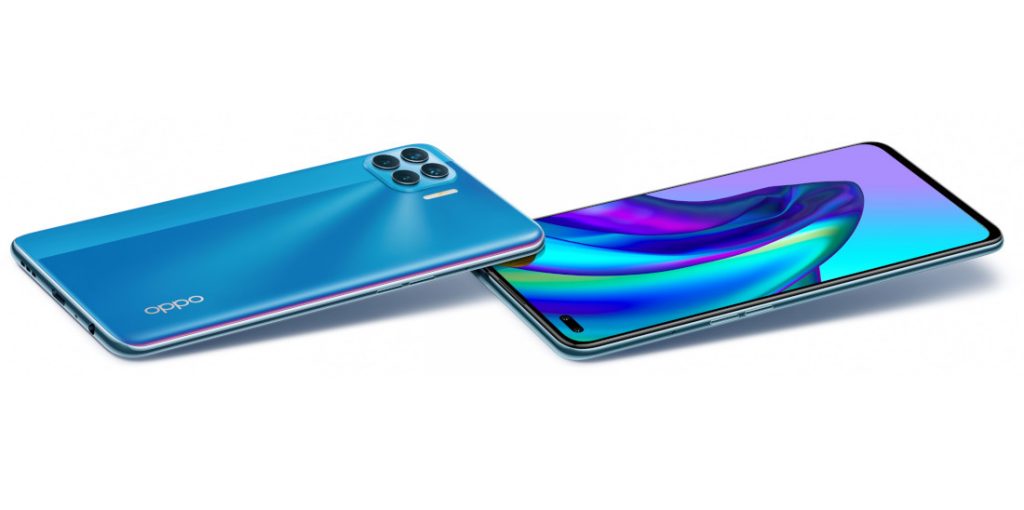
An upcoming OPPO phone with CPH2125 model number was certified by the Global Certification Forum (GCF) as OPPO Reno4 Lite. In the past, the phone was also approved by the Bluetooth SIG authority through which some of its key details were revealed. The Reno4 Lite has now received certification from the Federal Communications Commission (FCC) through which some more details. It appears that the Reno4 Lite may arrive in the global market as the rebranded version of the OPPO F17 Pro that went official in India recently.
1 of 3
The FCC certification has revealed that the Reno4 Lite (CPH2125) has 160.1 x 73.8 x 7.5mm and it weighs 164 grams. The phone is loaded with ColorOS 7.2 and its driven by a 4,000mAh battery. The handset may ship with an 18W charger. A diagram of the phone’s rear was also found in the FCC documents. The Bluetooth listing of the Reno4 Lite had revealed it has a 6.43-inch display, a 2.0GHz MediaTek processor, Bluetooth 5.1, and a 4,000mAh battery.
The dimensions and specs of the Reno4 Lite match with the OPPO F17 Pro that debuted earlier this month. While the F17 Pro is likely to arrive in global markets as F17 Pro, some markets are rumored to receive it as OPPO A93.
The OPPO F17 Pro has a 6.43-inch S-AMOLED FHD+ with a dual punch-hole design. It has a 16-megapixel + 2-megapixel (depth) dual selfie camera system and its rear sports a 48-megapixel main camera, an 8-megapixel superwide sensor, a pair of 2-megapixel depth sensors. The 4,015mAh battery of the phone is coupled with 30W VOOC charging tech. The Helio P95 powered phone comes with 8 GB of LPPDR4x RAM and 128 GB of UFS 2.1 built-in storage and it is priced at Rs 22,990 (~$313).
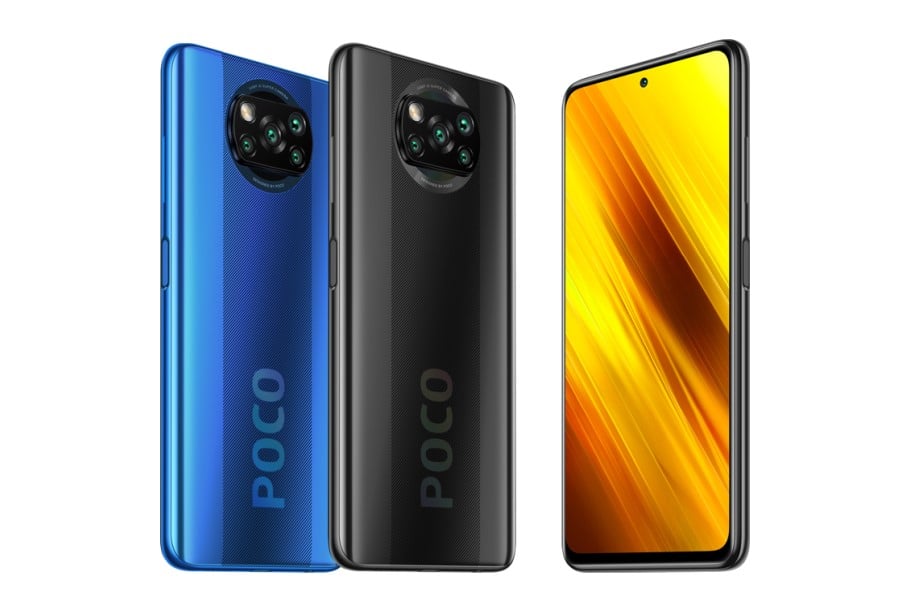
Yesterday, POCO announced the POCO X3 smartphone in India. In the global markets, the smartphone is known as POCO X3 NFC. In India, it is simply called POCO X3 as it lacks NFC connectivity. In a recent interview, POCO India General Manager C Manmohan revealed that the removal of the NFC feature allowed the company to offer a larger battery on the Indian version of the POCO X3.
The POCO X3 NFC (global version) has a 5,160mAh battery, whereas the Indian model ships with a 6,000mAh battery. In an interview with 91mobiles, C Manmohan revealed that the company decided to drop the NFC feature on the Indian version because it is not an important feature for the Indian audience. Since UPI and QR code-based payments are more popular than contactless payments through NFC in India, eliminating the feature allowed the firm to offer a 16 percent larger battery on the Indian edition of POCO X3.
The POCO X3 will be for purchase for the first time at 12 PM IST on Sept. 29. The 6 GB RAM + 64 GB storage, 6 GB RAM + 128 GB storage, and 8 GB RAM + 128 GB storage editions of the POCO X3 are priced at Rs 16,999 (~$231), Rs 18,499 (~$251), and Rs 19,999 (~$274) in India. The handset comes in Cobalt Blue and Shadow Grey colors.
The POCO X3 has a 6.67-inch 120Hz IPS LCD FHD+ display with a punch-hole design. It has a 20-megapixel front camera and a 64-megapixel (Sony IMX682) + 13-megapixel (ultrawide) + 2-megapixel (macro) + 2-megapixel (depth) quad-camera system. The Snapdragon 732G chipset fuels the device with LPPDR4x RAM and UFS 2.1 storage. The 6,000mAh battery of the POCO X3 supports 33W fast charging. It comes with other features like dual 4G VoLTE, Wi-Fi, Bluetooth, GPS, USB-C, IR blaster, stereo speakers, a 3.5mm audio jack, and a side-facing fingerprint scanner. It runs on MIUI 12 based Android 10 OS.
LG recently announced the LG K42 low-end smartphone in markets like Costa Rica, Dominican Republic, El Salvador, Guatemala, Honduras, Miami, Nicaragua, and Panama. The South Korean company also unveiled another phone called LG K71 in these markets. The K71 sports a massive display, 32-megapixel selfie camera, 48-megapixel triple rear cameras, and it comes with a built-in stylus.
LG K71 specifications and features
The LG K71 measures 171.4 x 77.7 x 8.7mm and it weighs 220 grams. The phone sports a massive 6.8-inch FullVision IPS LCD panel with a U-shaped notch. It supports FHD+ resolution and 20.5:9 aspect ratio. There is a built-in spring-loaded stylus pen onboard that can be used for writing, editing, doodling, sketching, coloring, and taking notes on the massive screen of the K71.
The LG K71 is powered by the modest Helio P35 chipset and 4 GB of RAM. It has 128 GB of internal storage and a microSD card slot. The Android 10 OS with LG UX comes preinstalled on the device. A 4,000mAh battery with 10W charging support powers the LG K71.
The LG K71 has a 32-megapixel selfie camera and its rear-facing camera setup includes a 48-megapixel main lens with PDAF, a 5-megapixel ultrawide lens, and a 5-megapixel depth sensor. The K71 offers users with other features such as a dual SIM slot, 4G VoLTE, Wi-Fi, Bluetooth 5.0, GPS, USB-C, a Google Assistant hardware key, a rear-facing fingerprint scanner, DTS:3D Surround Sound support and a 3.5mm audio jack.
LG K71 pricing and availability
While LG has announced the K71 smartphone, it has revealed its pricing yet. However, it is known that it will be available in colors like Holo Titan and Holo White.
ALLDOCUBE, probably is the computer brand that is most similar to Xiaomi. Their products are generally super affordable with excellent cost performance. As their latest Ultrabook product in 2020, i7Book is no exception.
For most students and business people, an Ultrabook with a fashion look and great convenience would be the first choice to meet their essential uses. The i7Book was definitely born for the segments. More importantly, it’s one of the few models with the most powerful hardware in its price range (US$499.99).
Design
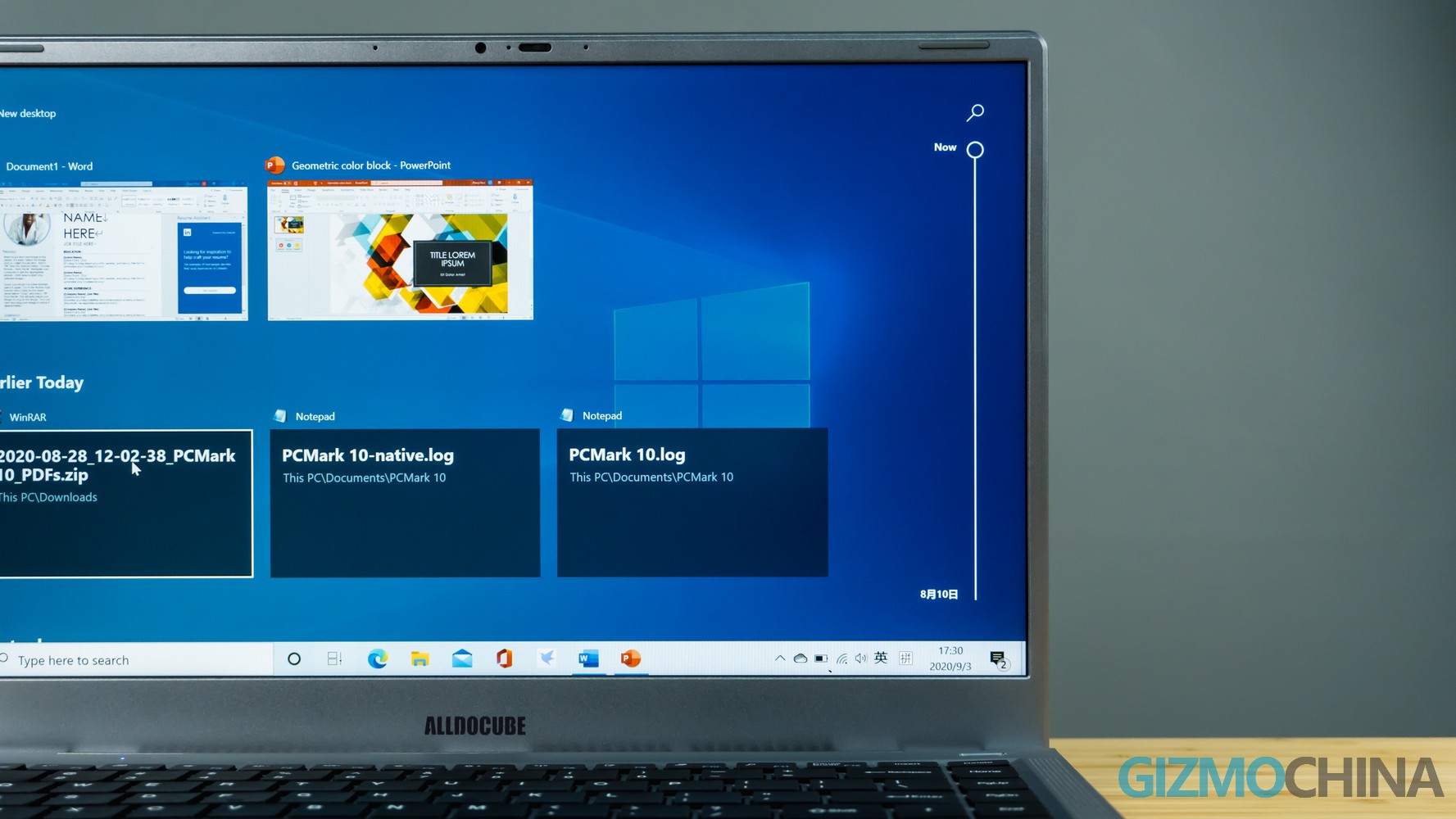
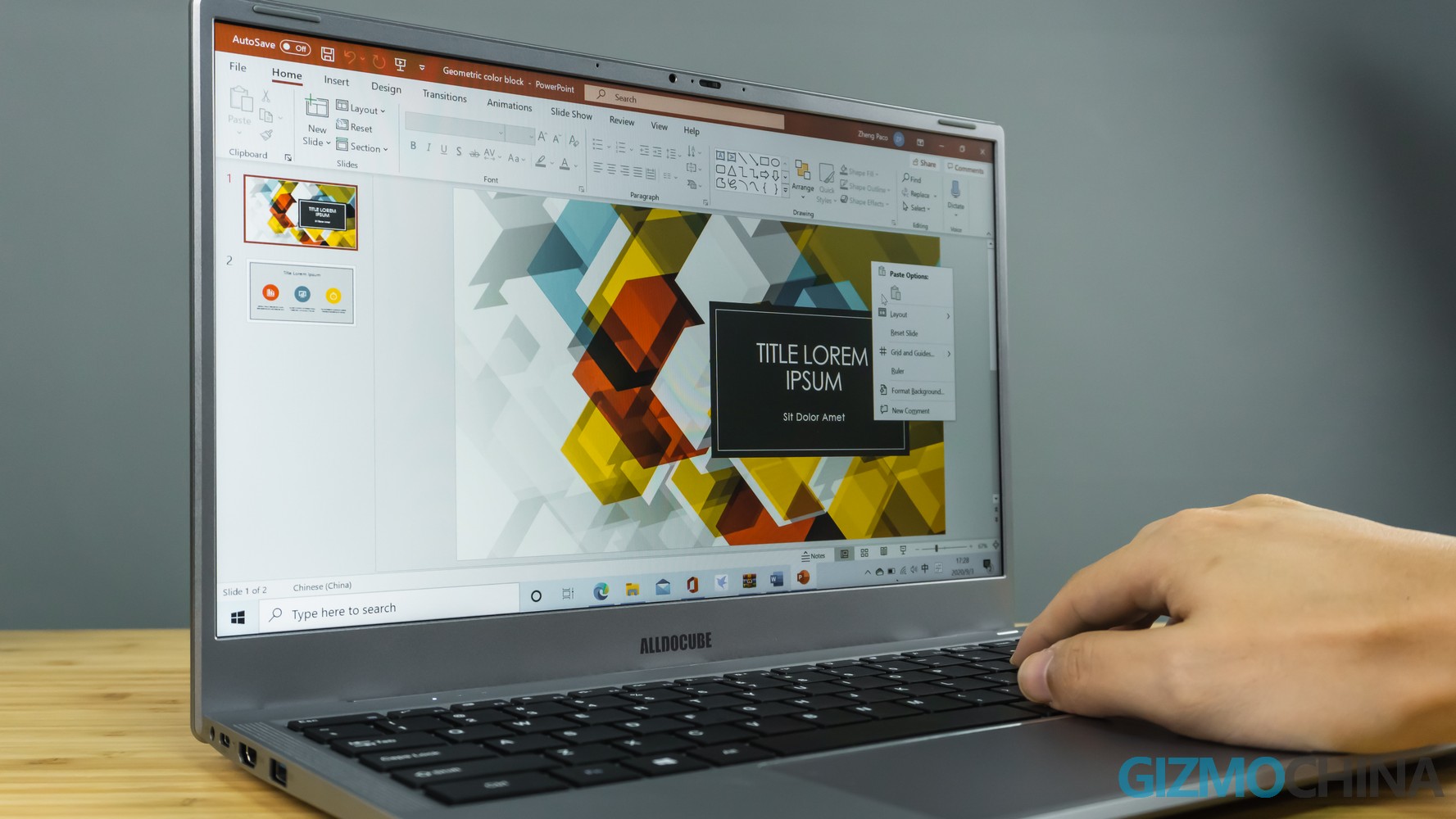
Despite the cheap selling price, the design of ALLDOCUBE i7Book did remind us of those expensive high-end Ultrabooks. The i7Book body (32.20 x 21.20 x 1.59 cm) is so compact with a great 14.1-inch IPS display with a FullHD resolution of 1920 x 1080 pixels, but only leaves thin bezels of 5mm.
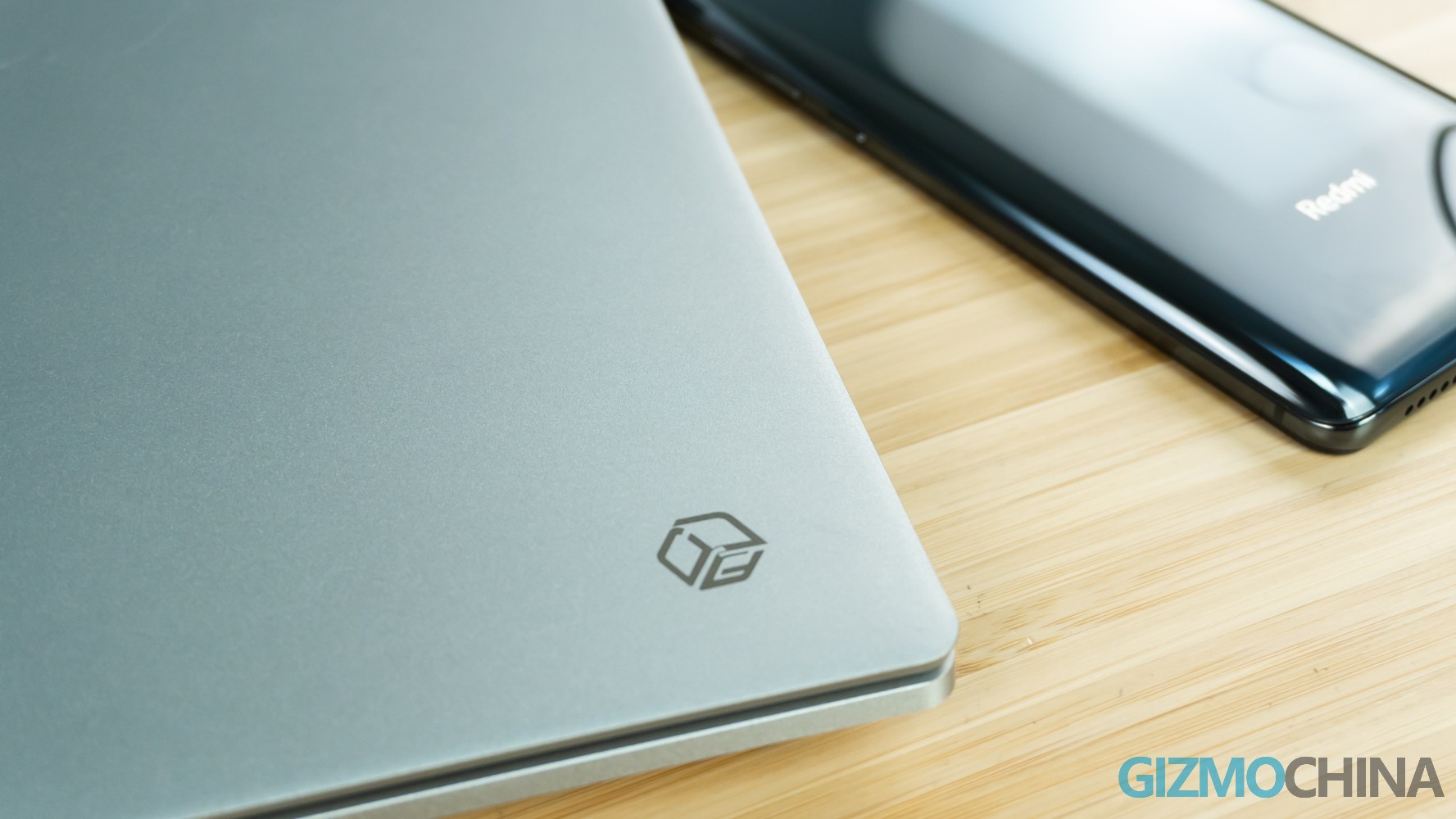
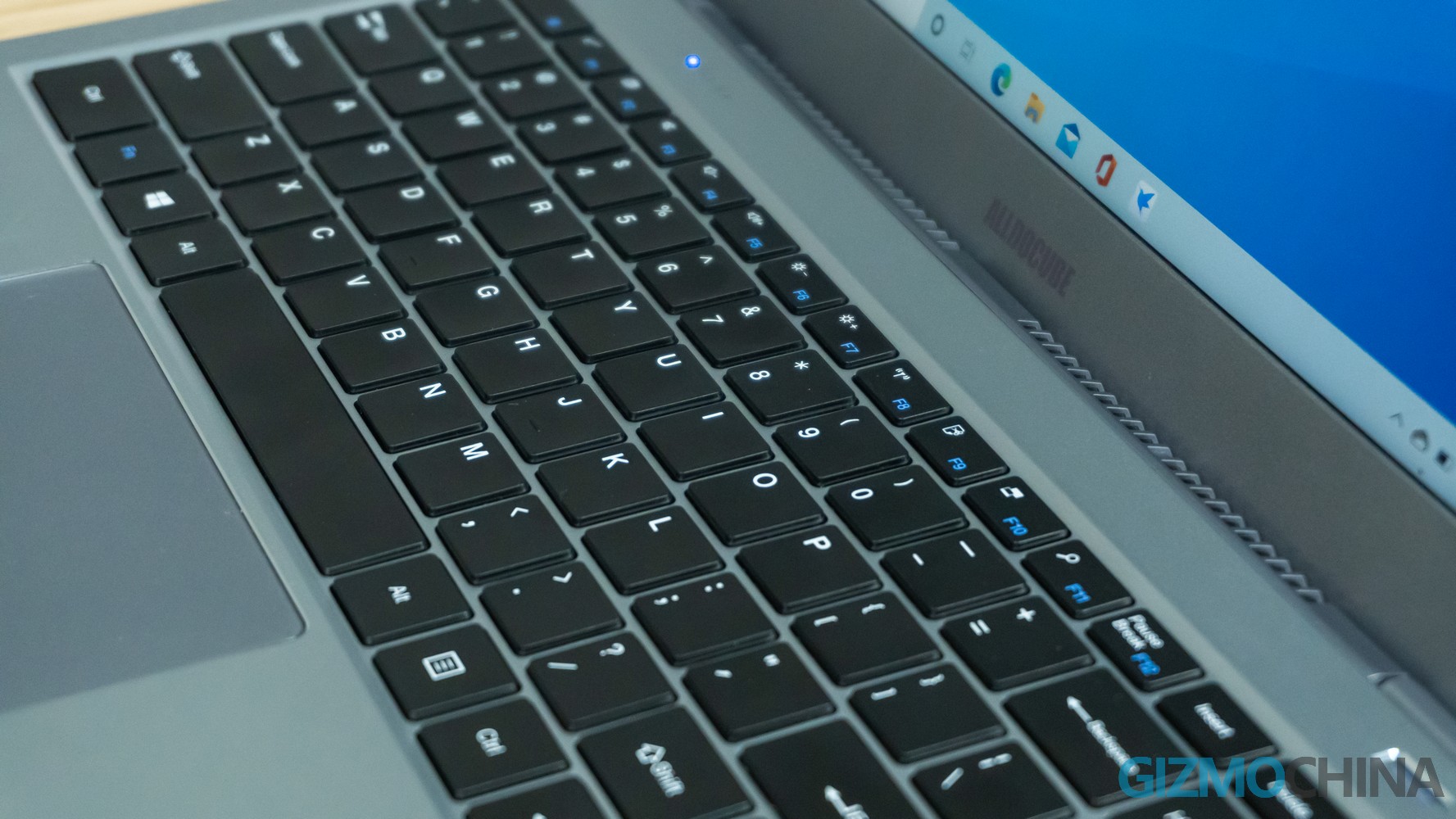
It’s made with a magnesium and aluminum alloy frame, which delivers a pleasant sense of great solidity as we touched the metal shell with a matt gray finish. Another delightful design is the full-size keyboard. As a most-frequently-used component, the matt-finish keyboard manages to return good typing feedback and a proper strock for such a light Ultrabook. Thinking of the compact body of the i7Book, the keys are relatively large and well-located. The original layout is US type, and if you order an i7Book from Banggood, a free keyboard sticker package including 9-language stickers will be sent to you after ordering.
However, over the trackpad, operations are not as pleasant as we have on the keyboard. Although it looks great and well-designed with good size, the physical tap may need users to press hard but delivers no surprising feedback. But as used for common productivity, the operating system still provides precise pointing and fast response.
For excellent audio performance, the i7Book is equipped with dual-symmetrical speakers. The stereo sounds great with a proper listening volume. For watching TV series or YouTube videos, the excellent reproduced highs and mids remarkably enhanced immersion. But the bass is a bit left behind especially for music play.
1 of 2
right
ALLDOCUBE-i7Book
dual speakers
Display & Camera
Look back to the display. The screen to body ratio is up to 90%, which it’s more common for those expensive Ultrabook rather than an affordable one. The 14.1-inch screen with matte finish supports a great viewing angle of 178°. And the peak brightness also supports users to have a good visual experience.
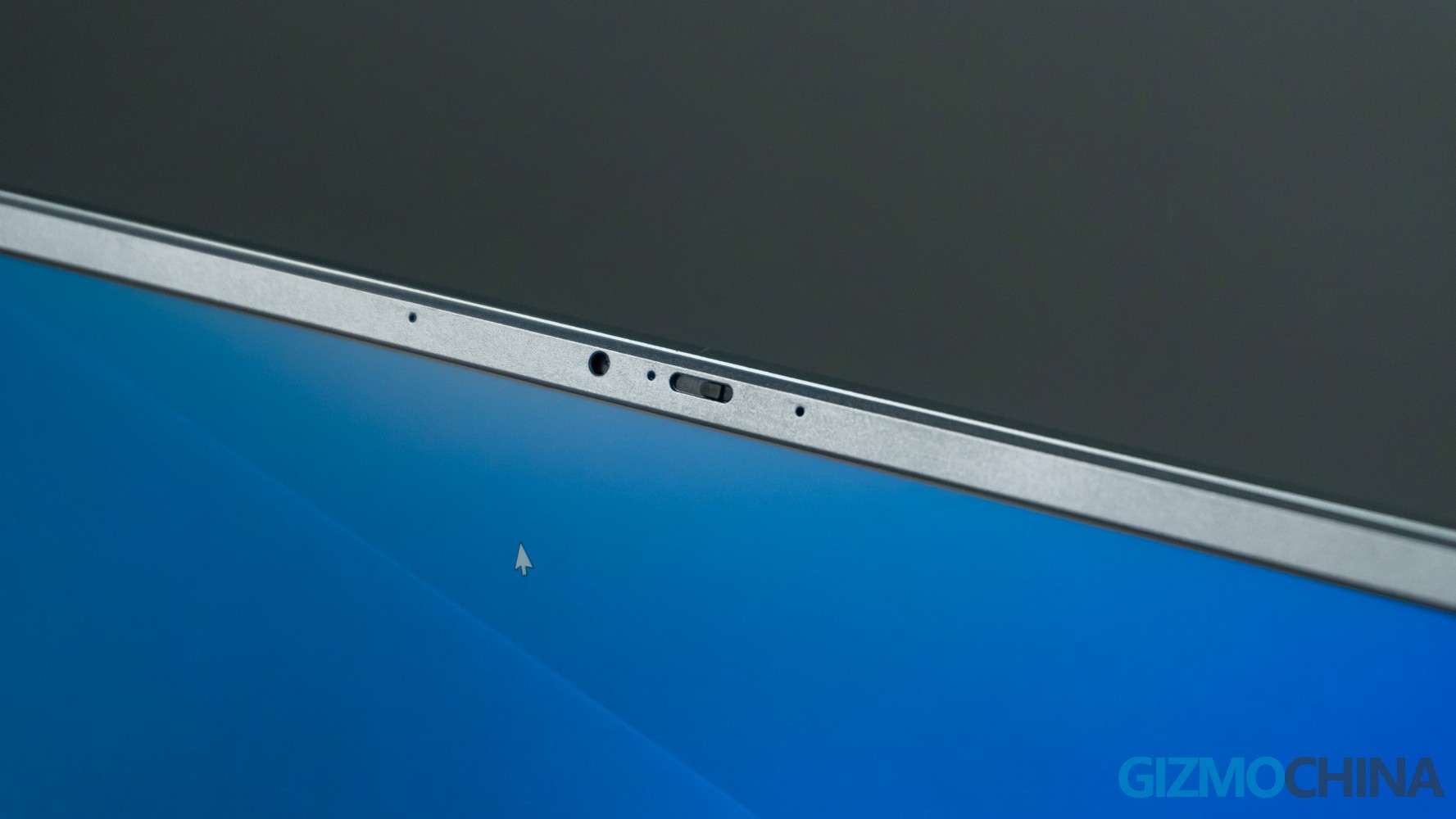
Above the display, there is a 2MP front camera for videoconferencing. The image quality shot by the camera is not so satisfying, but there is no problem to use it for video calls. And a related user-friendly design is the physical switch nearby the camera. users can push it to the left to block the camera, which could be better to protect individual privacy.
Rich interfaces
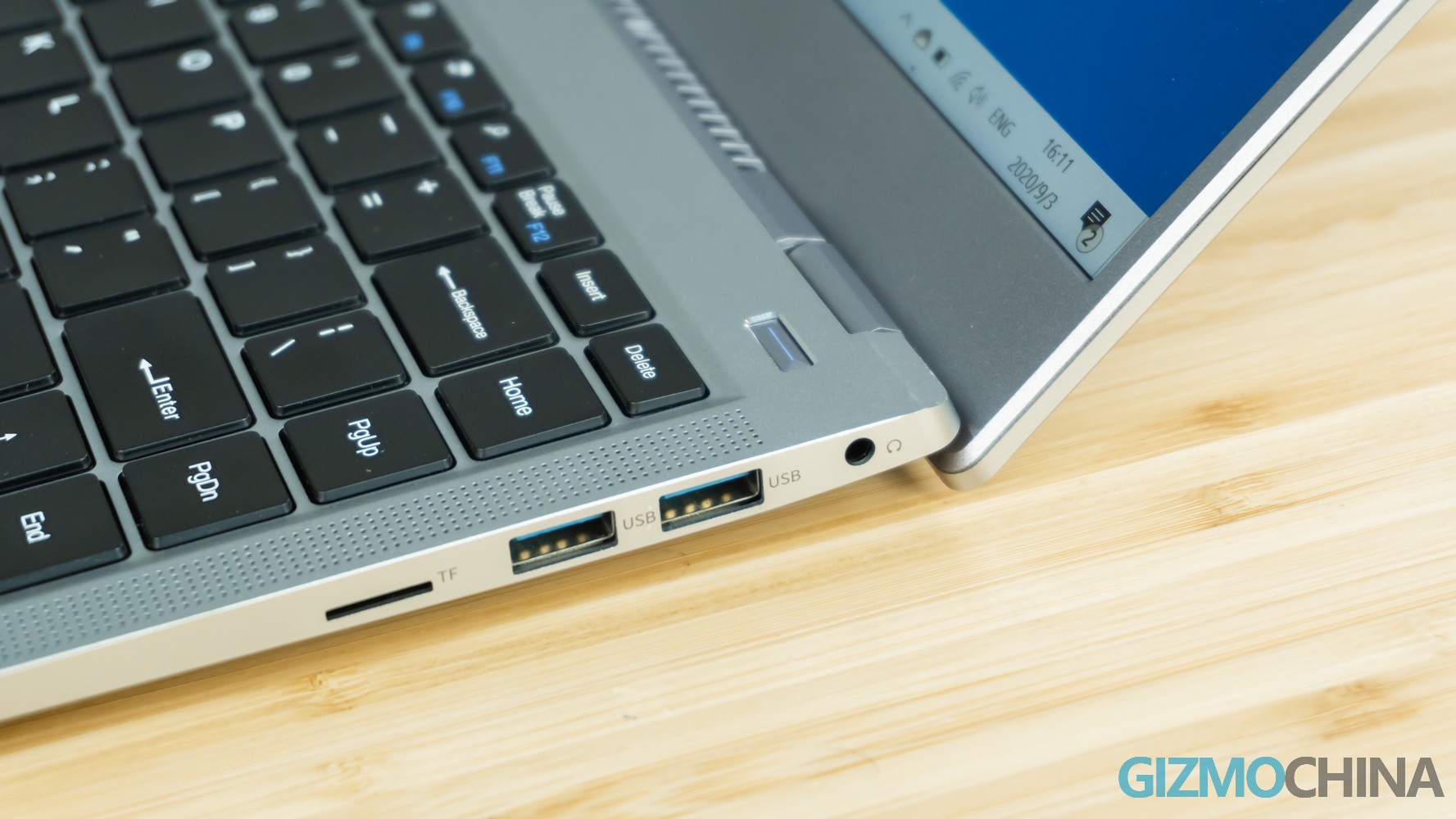
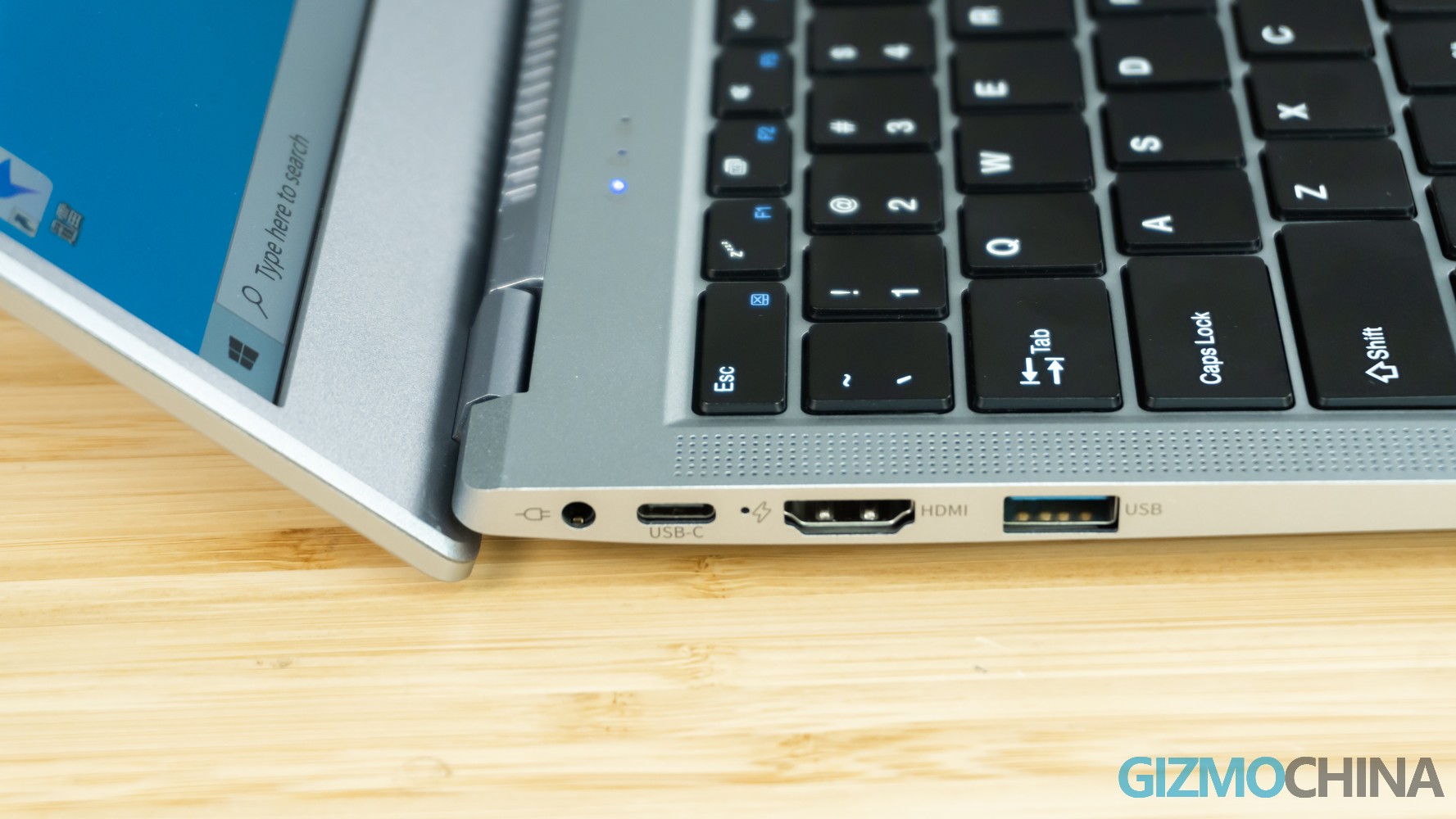
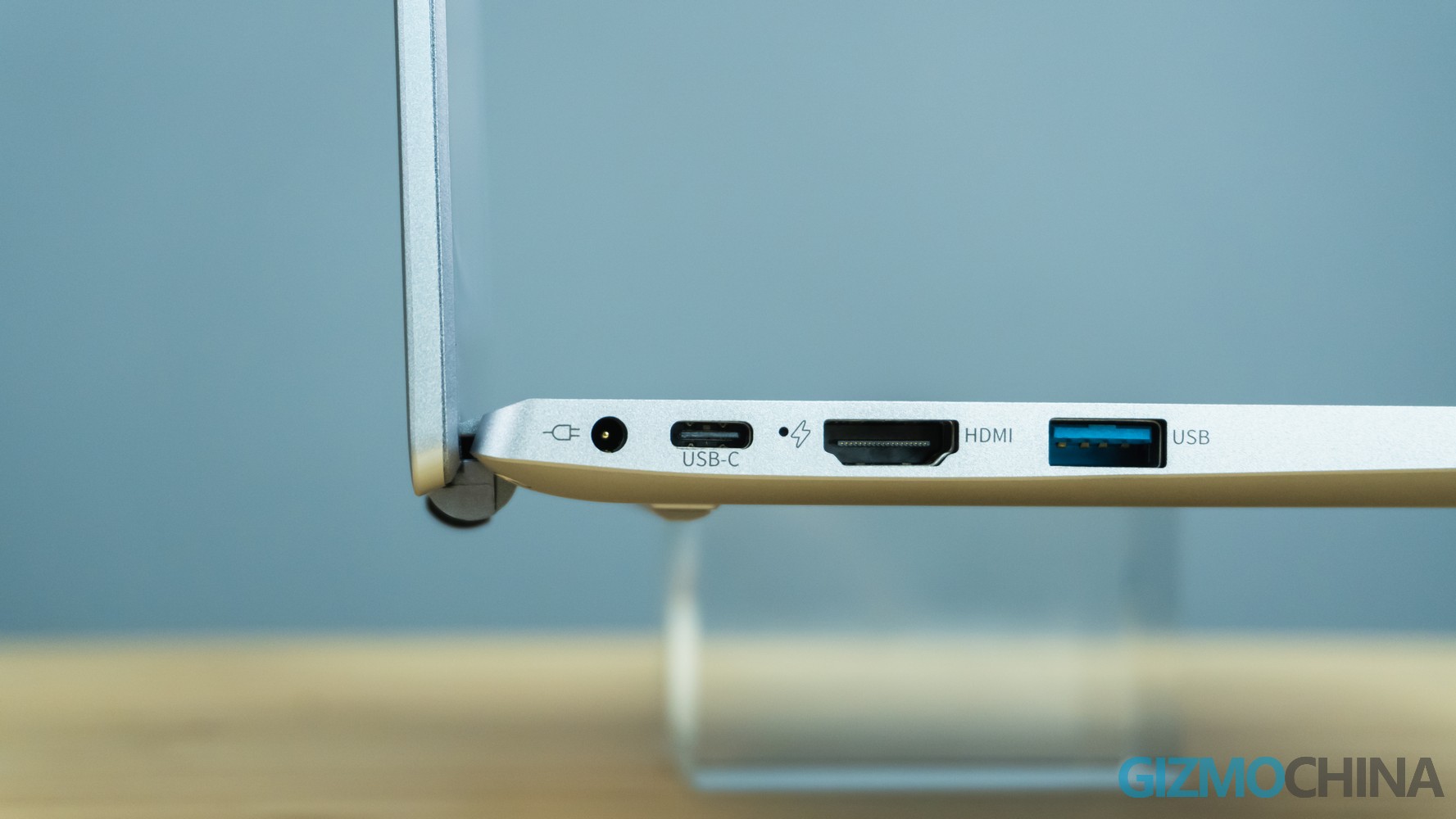
The i7Book has a wide array of ports or extended options. On the left side, there are 1 USB 3.0 port, 1 USB-c port, an HDMI output, and the power jack; on the right side, it’s another 2 USB 3.0 ports, a 3.5mm audio jack, and one more TF storage slot.
1 of 2
left
ALLDOCUBE-i7Book
right
ALLDOCUBE-i7Book
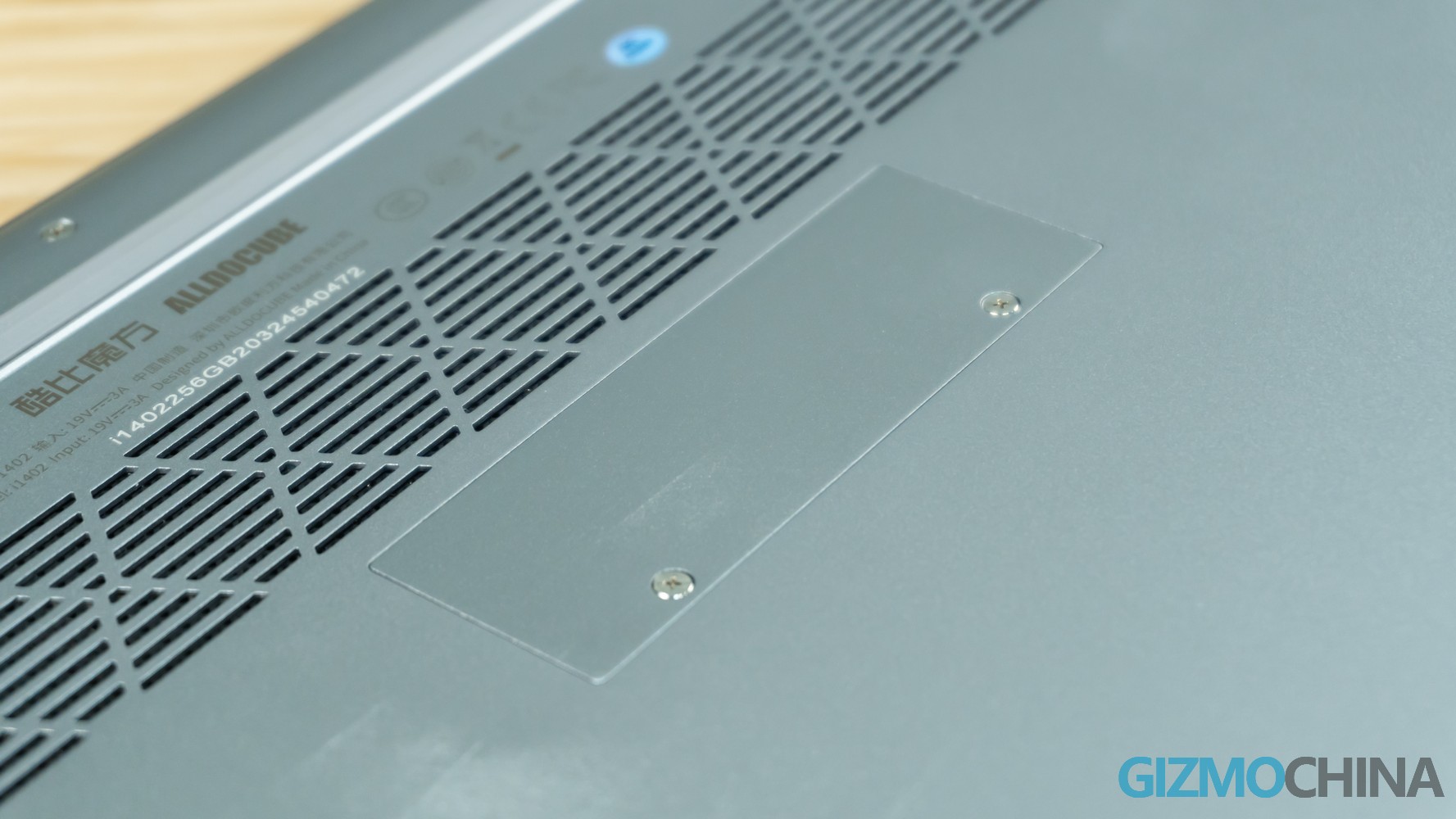
The i7Book was equipped with 8GB of DDR4 memory and a 256GB SSD storage. In addition, on the back of the notebook, you can find another SSD slot (M.2 2280, SAT3.0, and PCI-E SSD) for up to 1TB extended storage.
M.2 SSD slot
Performance
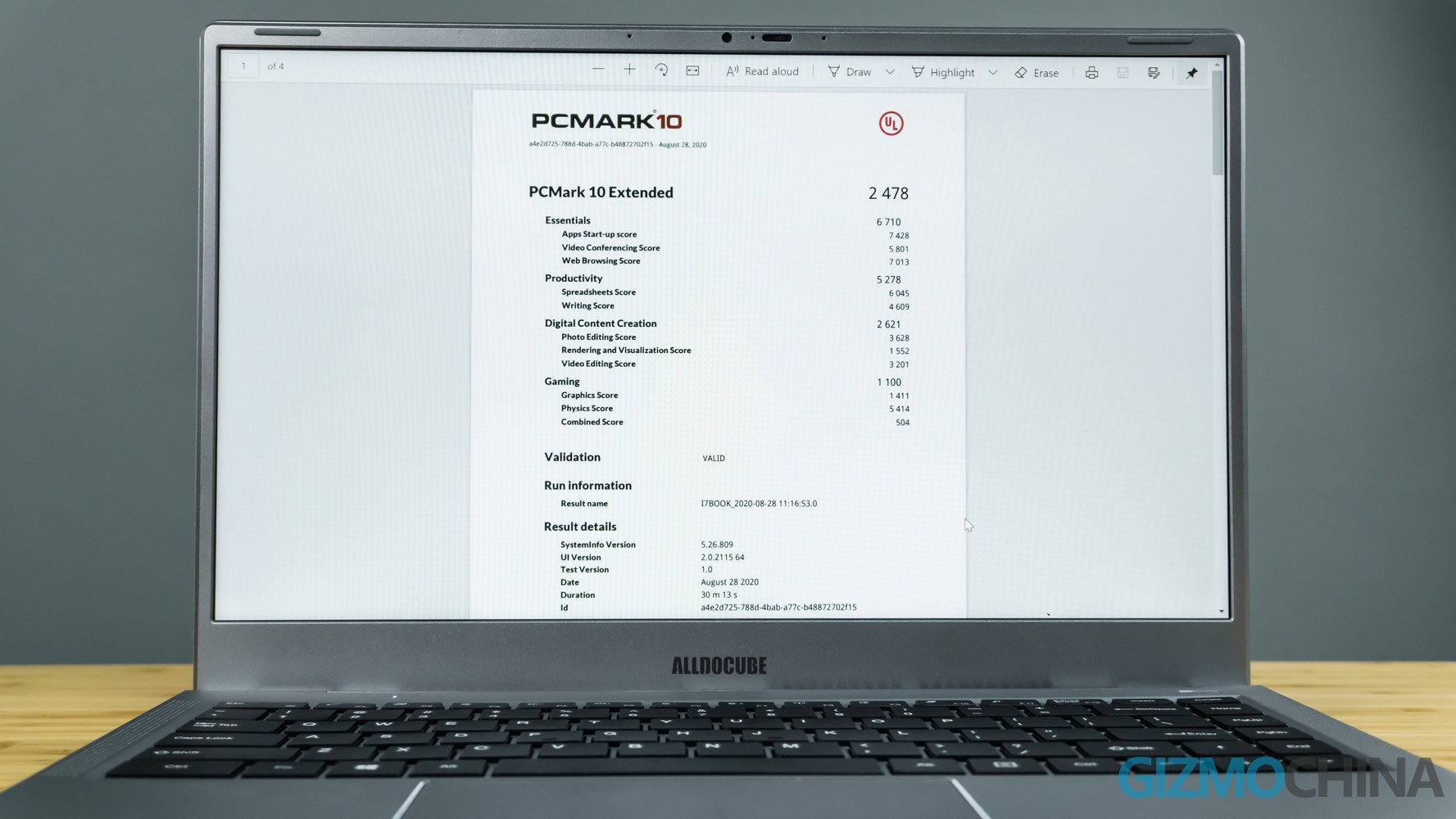
The i7Book includes an Intel i7-6660U processor, which is a chip manufactured in 14nm. It works at a base frequency of 2.4GHz but can reach the maximum speed of 3.4GHz, incorporates an Intel UHD Graphics 540 GPU. The chipset is basically the reason why it stands out from most competing notebooks. But as an Ultrabook targeted at official and basic productivity operations, it’s not for main-stream gaming. We run the PCMark 10 benchmark on the i7Book. The results showed that the i7Book is absolutely sufficient to deal well with heavy productivity operations in business and entertainment and even can handle some digital content creations like photo editing or simple video editing.
1 of 2
PCMark10-i7BOOK
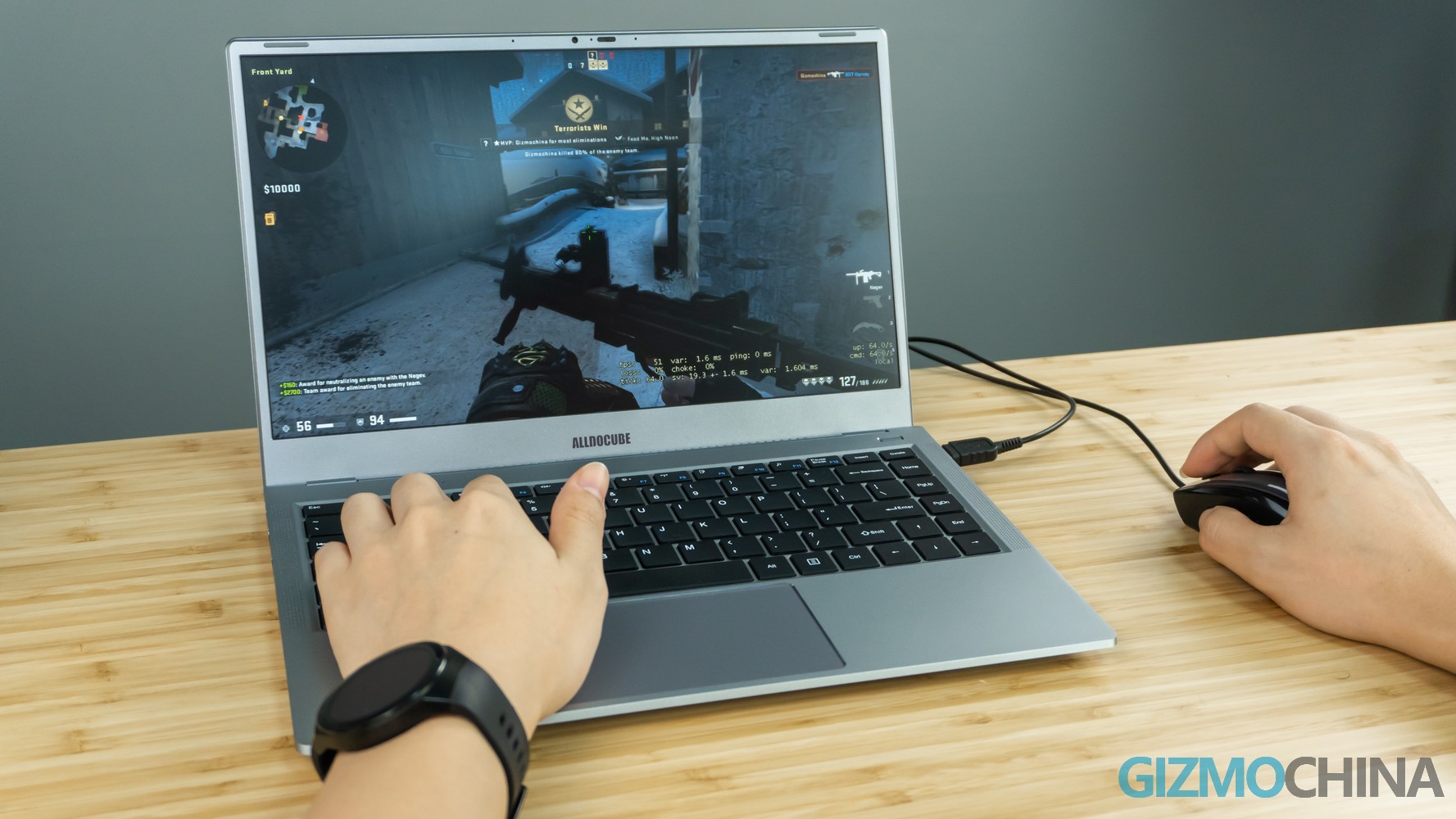
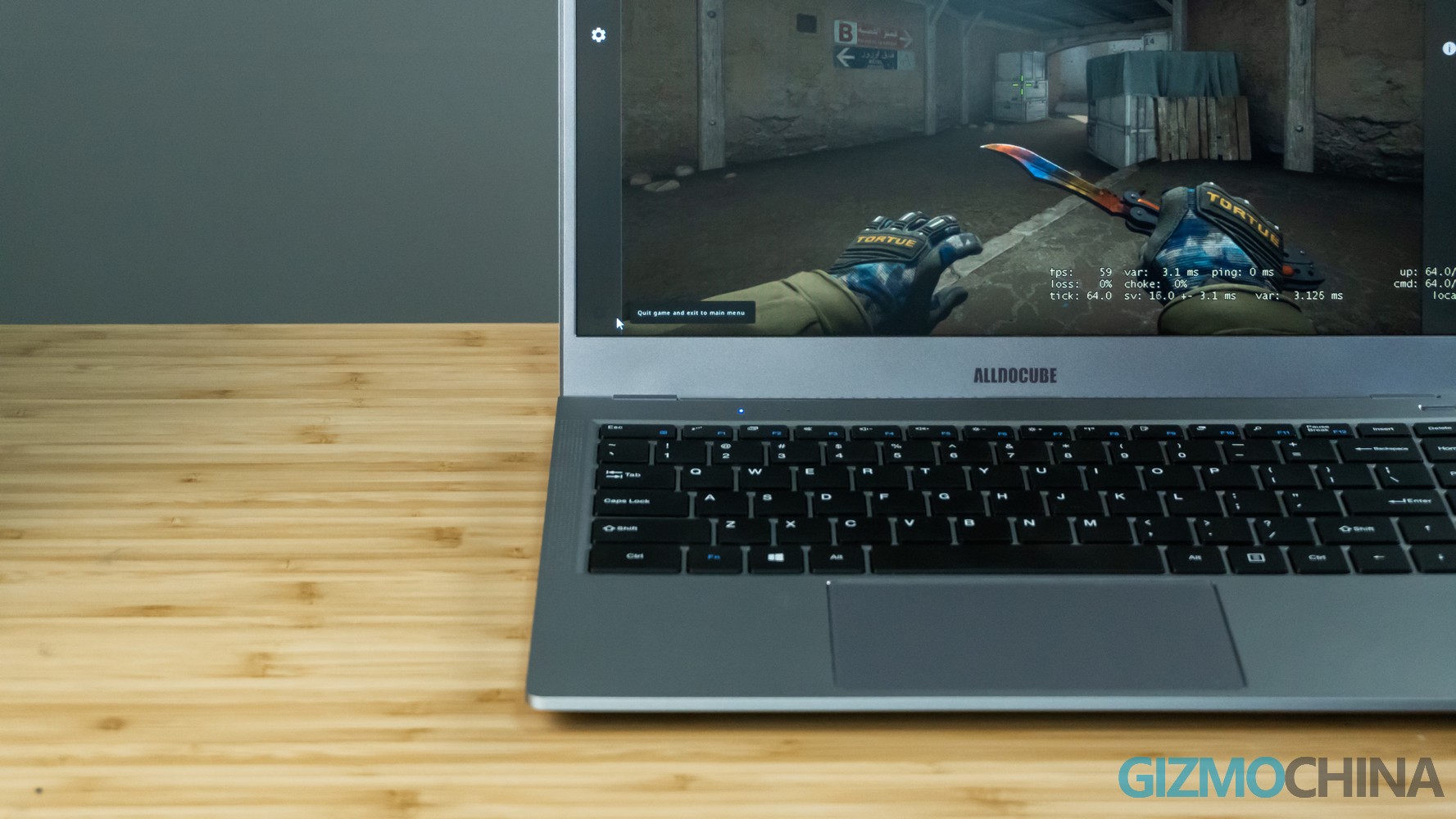
It’s not an excellent choice for mainstream gaming as it only equips an integrated graphics, Graphics 540. But playing light games on the i7Book is not a bad idea: it even smoothly run CS: GO under 720P resolution.
1 of 5
Game-i7BOOK
Game-i7BOOK
Game-i7BOOK
Game-i7BOOK
Battery
The i7Book has a built-in 4500mAh battery (51.3Whr), which lasted over 5 hours for high-performance entertainment use. And under the power-saving mode, the notebook even lasted over 9 hours for general official works. In addition, the included power adapter supports up to 57W fast charging, which can give a full charge within 1.5 hours. And the Type-C port also supports PD fast charging. So, during traveling, you could only carry a smartphone PD charger with a cable to support charging for both your notebook and smartphone. If you are a person who travels a lot, you must have been experienced the pain that multiple cables with heavy chargers occupy your luggage.
Charging ports
Conclusion
From the perspective of fine design and attractive pricing, the ALLDOCUBE i7Book is definitely one of the best choices in its price range. Although the CPU used is just a Sixth-generation Intel i7, the performance is still sufficient to meet the needs of most targeted users. if you are looking for a traveling Ultrabook with excellent battery life but probably won’t pay much on it, the i7Book is strongly recommended.
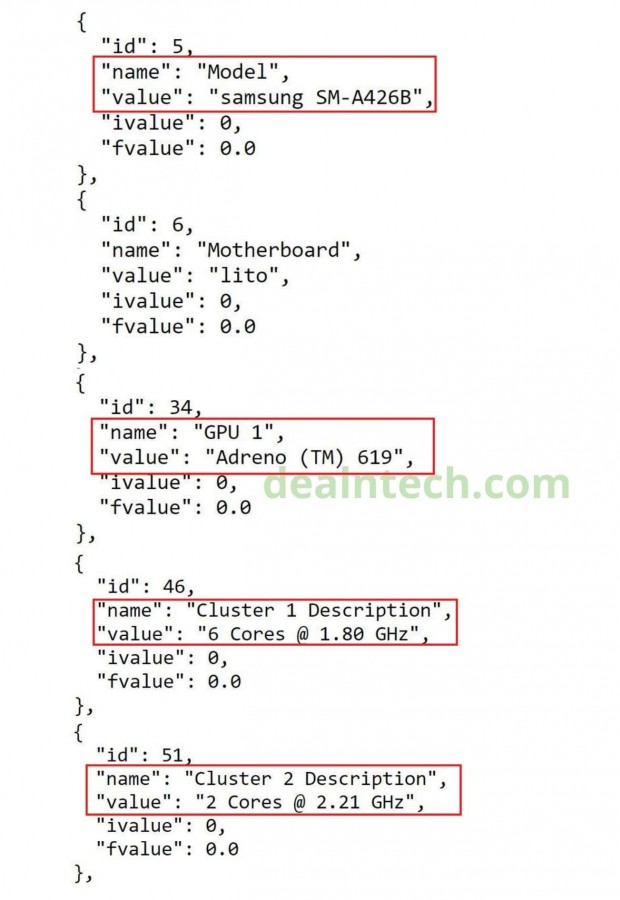
Dealntech has shared a screenshot of the source code of the Galaxy A42 5G’s Geekbench benchmark. In the screengrab shown below, the handset is mentioned with its SM-A426B model number. The source code revealed that the chipset that powers the Galaxy A42 5G has an octa-core that includes two cores running at 2.21 GHz and six cores clocking at 1.80 GHz. It also revealed that the SoC includes Adreno 619 graphics.
Previous speculations claimed that the Galaxy A42 5G is driven by the Snapdragon 690 5G that went official last month. However, the configurations of the processor cores and CPU that has surfaced on the benchmarking platform matches with the newly unveiled Snapdragon 750G chipset. Hence, the publication has claimed that the Galaxy A42 5G could be the first phone to feature the SD750G chipset.
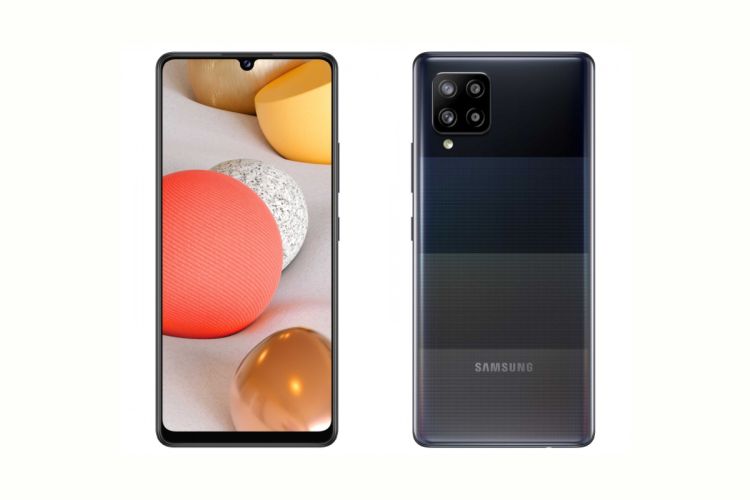
Priced at 369 euros, the Samsung Galaxy A42 5G is scheduled to be available for purchase in Europe in November. It will come in colors like black, white, and gray. The smartphone features a 6.6-inch S-AMOLED display with FHD+ resolution support. The display is embedded with a fingerprint scanner. It has a 20-megapixel front camera and a 48-megapixel + 8-megapixel (ultrawide) + 5-megapixel (macro) + 5-megapixel (depth) quad-camera system. The device is backed by a 5,000mAh battery.
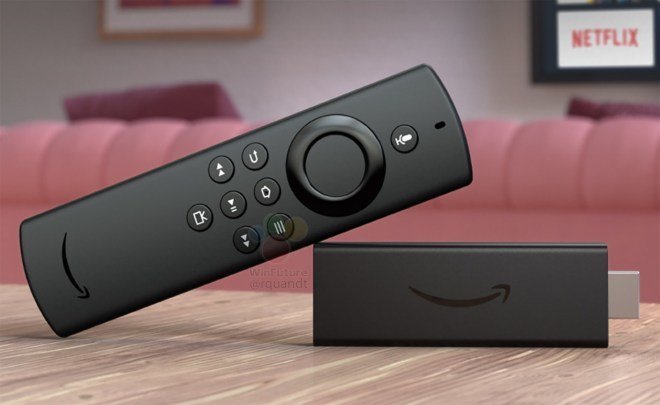
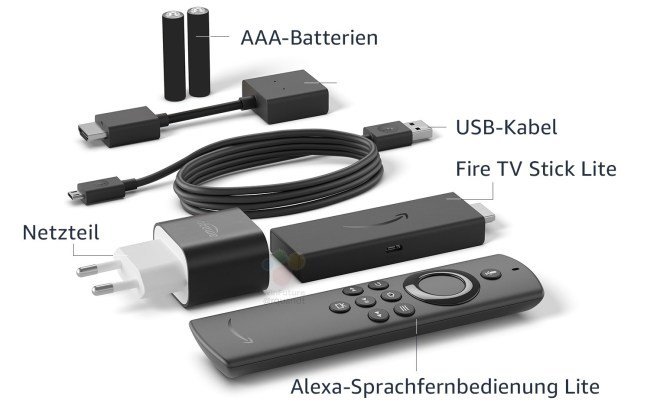
Amazon has an event scheduled for September 24 and it is expected to announce a handful of new products. A leak has revealed details including renders of a new streaming stick that will launch as the Fire TV Stick Lite.
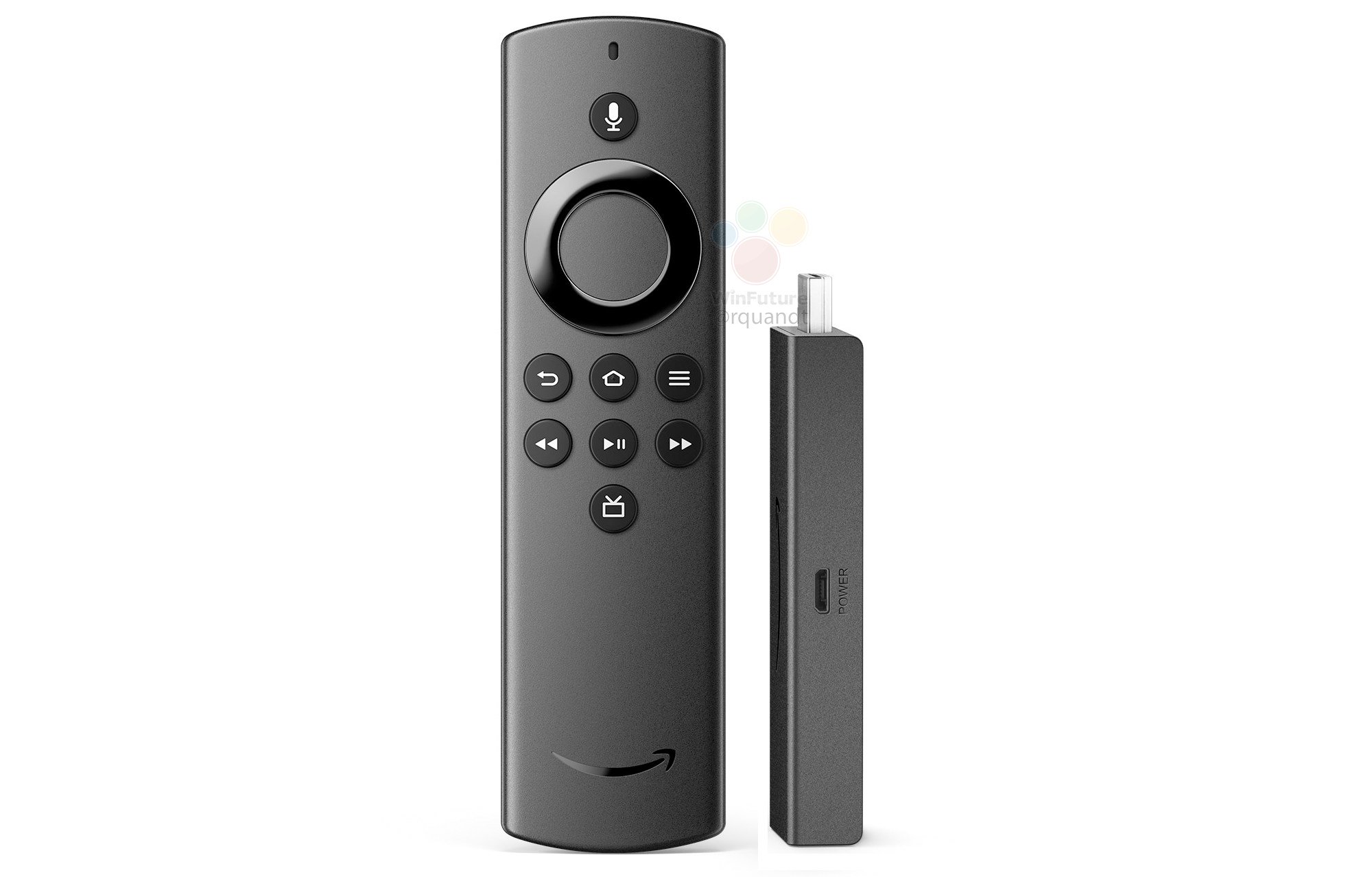
The new streaming stick looks just like the previous model but comes with a new Alexa Voice Remote. The new remote keeps the navigation, back, home, menu, previous, play/pause, and next buttons in the same positions as the remote of the 2019 Fire TV Stick. However, gone are the power, volume, and mute buttons. There is also no LED at the top right corner. Amazon has also added a new button with a TV icon which we believe may be a dedicated button for live TV.
Another of the images leaked by Winfuture.de shows the package will include a power brick, a pretty long MicroUSB cable for power, an HDMI extender, and two AAA batteries for the remote.
Unfortunately, the specs of the new streaming stick are still unknown. Nevertheless, the streaming quality most likely maxes out at 1080p. There is also no info on the price but we expect it to launch for about $39.99/€39.99 which is the price of the Mi TV Stick.
The Fire TV Stick Lite should also make its way to India where it will battle it out with Xiaomi’s own streaming stick and the Android TV-powered Nokia Media Streamer.
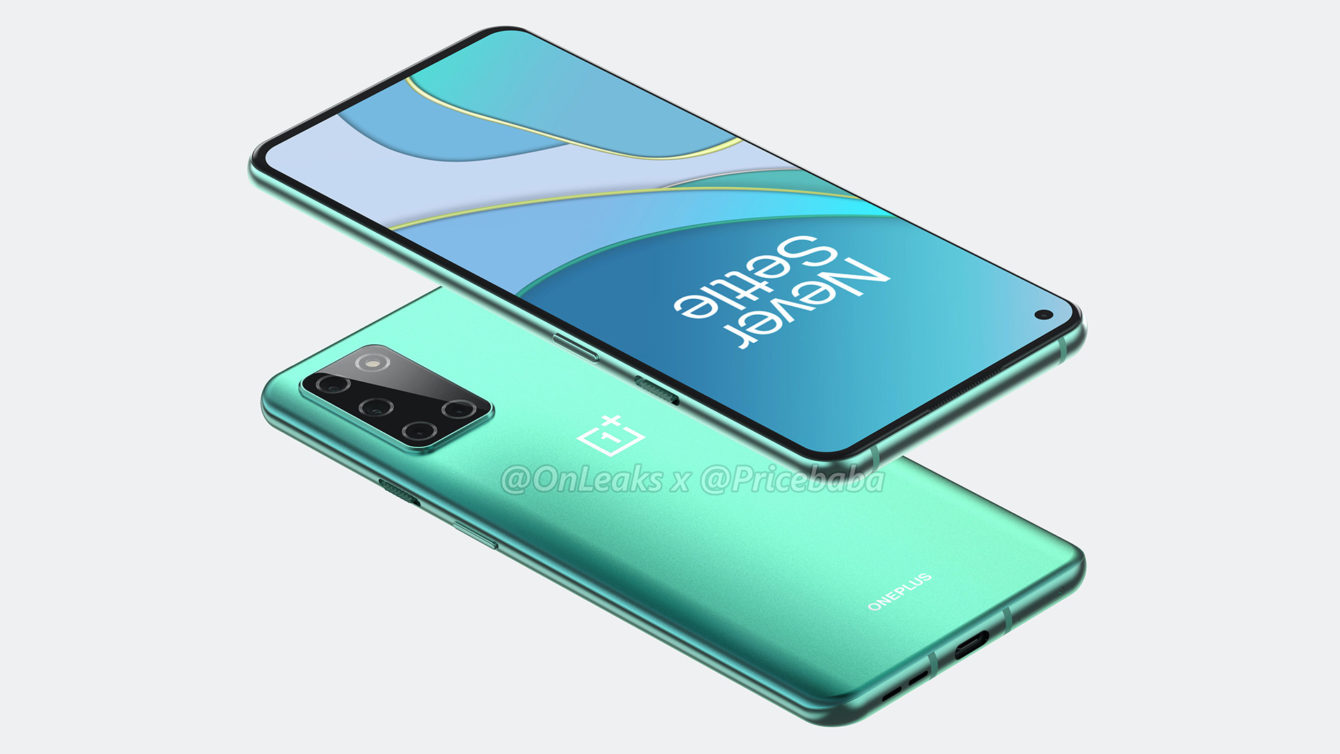
It was recently revealed by a tipster that the OnePlus 8T variants such as 8 GB RAM + 128 GB storage and 12 GB RAM + 256 GB storage will be priced at 799 euros and 899 euros, respectively. However, a new screengrab of the Amazon Germany listing of the OnePlus 8T revealed that its 12 GB RAM + 256 GB storage edition is priced at 693 euros.
Hence, Agarwal has claimed that the 12 GB RAM + 256 GB storage edition of the OnePlus 8T will be priced at 699 euros and the lower 8 GB RAM + 128 GB storage version will cost 599 euros. In comparison, the same variants of the OnePlus 8 were introduced with respective price tags of 799 euros and 699 euros. So, will OnePlus price the upgraded OnePlus 8T 100 euros lower than the OnePlus 8? Readers are advisable to digest the new pricing leak of the OnePlus 8T with a grain of salt as the tipster himself does not seem to be very sure about them. The Amazon listing also revealed some of the key specifications of the OnePlus 8T.
The OnePlus 8T measures 160.7 x 74.1 x 8.4mm and weighs 188 grams. The device is equipped with a 6.5-inch AMOLED display with a punch-hole design. It supports Full HD+ resolution and 120Hz refresh rate. The screen of the 8T is integrated with a fingerprint sensor. It is driven by the Snapdragon 865 mobile platform. It is backed by a 4,500mAh battery that supports 65W Warp Charge technology.
The OnePlus 8T features a 16-megapixel front-facing camera. Its rear is fitted with a 48-megapixel main camera with OIS, a 16-megapixel ultrawide lens, a 5-megapixel macro lens, and a 2-megapixel monochrome sensor. The Android 11 OS skinned with the OxygenOS 11 UI will come preinstalled on the device. It will be available in Aquamarine Green and Lunar Silver color options.
This year, Qualcomm launched just one entry-level chipset: the Snapdragon 460. But it is a very interesting chip and it started powering several new entry-level phones launched by mainstream smartphone manufacturers. The latest one is the Realme C17 launched a bunch of hours ago at a very affordable price. In order to establish if it is really the most interesting entry-level phone out there, we think it is worth comparing with the other devices powered by the same chipset: the Motorola Moto E7 Plus and the OPPO A53. Let’s discover together which is the best and which carries the highest value for money.
The most beautiful device of this trio is the OPPO A53. Just like the Realme C17 (and unlike the Motorola Moto E7 Plus which comes with a waterdrop notch), it sports an elegant punch-hole display. But it is more compact than the Realme C17, despite having the same display diagonal and the same battery capacity. This is the reason why we would go for the OPPO A53. But you should consider that the Realme C17 offers some kind of protection against water because it has weather-sealed ports and loudspeakers. The Motorola Moto E7 Plus is uglier and chunkier, so it loses the design comparison.
Display
With each of these devices, do not expect a great display quality. They are all equipped with IPS displays coming with a below-average HD+ resolution. The Realme C17 and the Oppo A53 are actually superior because they offer a 90 Hz refresh rate instead of the standard refresh rate of the Motorola Moto E7 Plus. Between Realme C17 and Oppo A53, the differences in terms of display quality are just marginal, so you should not focus so much on the display while making a choice between these two devices.
Specs & Software
As we told you in the intro of this comparison, all of these handsets are powered by the Snapdragon 460 which is the latest entry-level chipset by Qualcomm and the only one from the Snapdragon 4xx series launched this year. The Motorola Moto E7 Plus loses the comparison because of its eMMC native storage and just 4 GB of RAM. With the Realme C17 and the Oppo A53, you get up to 6 GB of RAM and up to 128 GB of internal storage which you can furtherly expand with a micro SD. Realme C17 and Oppo A53 come with exactly the same hardware and very similar software, so it is essentially a draw.
Camera
If you are looking for the best photo quality, then you should go for the Motorola Moto E7 Plus. It sports the best main camera: a 48 MP sensor with a bright f/1.7 focal aperture. With the Motorola Moto E7 Plus, you can shoot better photos in most of the conditions. But it has just one secondary sensor for depth info. If you need more versatility, then you should go for the Realme C17 because it offers an ultrawide sensor (unlike Oppo A53 and Moto E7 Plus) and a dedicated macro camera, besides its depth sensor. The king of selfies is the Oppo A53 thanks to its 16 MP front camera.
Battery
All of these devices feature the same 5000 mAh battery capacity, but the Motorola Moto E7 Plus has a longer battery life because it does not feature a high refresh rate. On the other hand, it lacks fast charging, which is present on the Realme C17 and the Oppo A53.
Price
Realme C17, Oppo A53, and Motorola Moto E7 Plus are all sold with starting prices of about €150/$175 at the actual change. The Oppo A53 wins this comparison because it features a 90 Hz display, better memory configuration than Moto E7 Plus, stereo speakers, and a better selfie camera. But if you need a device closer to a camera phone, you should go for the Moto E7 Plus and its 48 MP main camera. Realme C17 is an Oppo A53 with an additional ultrawide sensor, inferior front camera, bigger dimensions, and no stereo speakers.
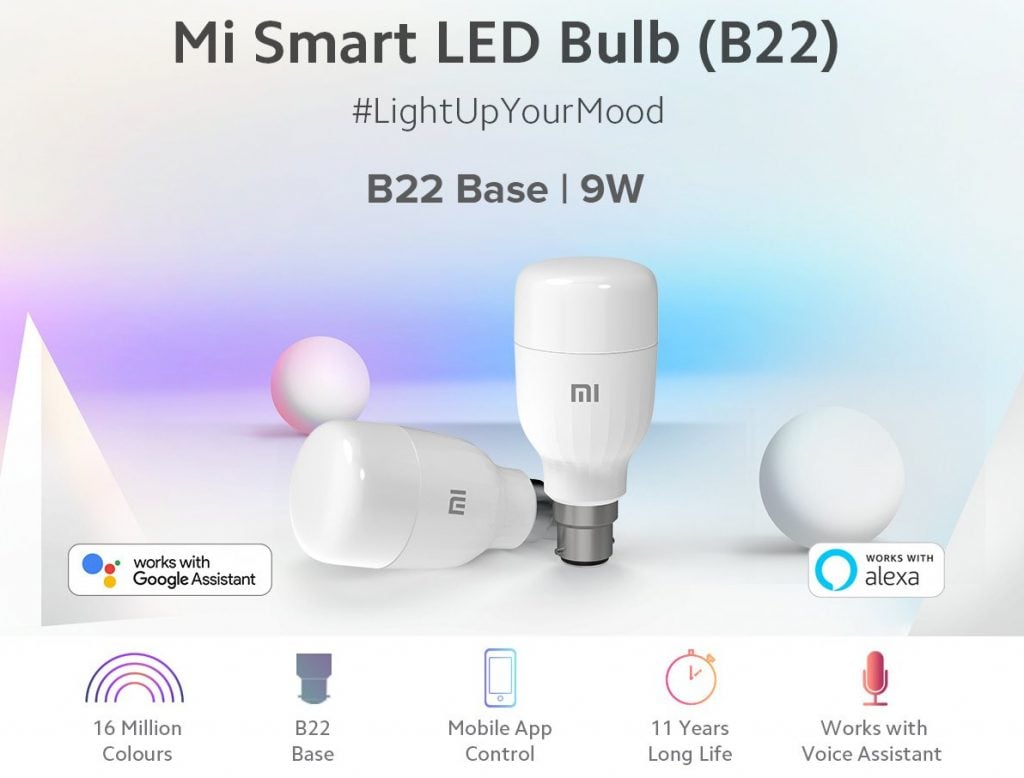
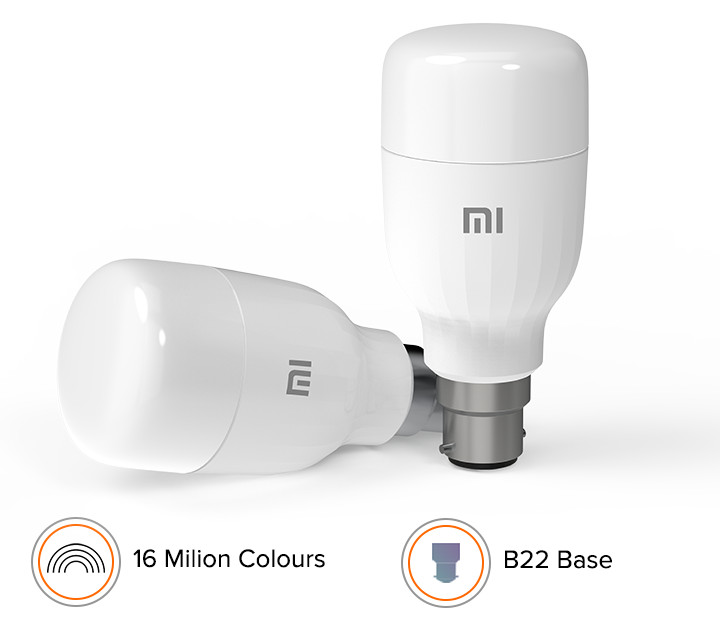
Xiaomi today (Tuesday) officially took the wraps off a new product in India dubbed Mi Smart LED Bulb (B22). The product is a smart bulb with a 9W rating and having a peak brightness of 900 Lumens. comes with support for Amazon Alexa as well as Google Assistant, and doesn’t require a separate bridge. It comes with B22 socket so that you don’t need a separate E27 to B22 converter that was required for the first generation model which made its debut in India last year.
Among the features, the smart bulb comes with 16 million colors, a colour temperature range of 1700k to 6500k, and a peak brightness of up to 900 lumens, scheduling, power on or off through the app. You can also choose between Sunrise mode which imitates the sunrise to gently ease you awake and Sunset mode which creates snug atmosphere before bed. You can equally turn the light on or off, adjust the brightness, color or color temperature through Amazon Alexa or Google Assistant.
The MIJIA Smart LED Bulb doesn’t require a hub as it can be connected directly to Wi-Fi via Mi Home App.
The smart bulb has a luminous polycarbonate surface with a high refractive index and high transparency casting a gentle yet bright light. It operates at an ambient temperature and the lightweight material provides uniform heat dissipation. The bulb isdesigned to deliver over 11 years or 25,000 hours of long life span assuming it is used a maximum of around 6 hours per day.
The Mi LED Smart Bulb (B22) is priced at Rs. 799 (~$10) and is up for grabs on Mi.com.
It seems like Samsung is a bit zealous about the upcoming Galaxy S20 FE. According to Korean media reports, the company is planning to produce around 10 Million units of the Galaxy S20 FE this year.
Galaxy S20 FE White
A report by TheElec says that the aim is to secure the market share for the rest of the 2020. This is understandable considering Huawei recently overtook Samsung to become the leading Smartphone brand. That said, Huawei is now facing a lot of heat due to the US sanctions and this could play in favour of Samsung.
In fact, it has already topped the Korean market charts with a 67% market share in Q2 2020. This will only give them a boost to improve overall share in 2020 and beyond. Hence, it totally makes sense to categorise the products at difference price points so that it can capture a majority of the segment. That said, it will be interesting to see if Samsung manages to sell the Galaxy S20 FE well given the market situation is heavily focused on sub-$600 segment.
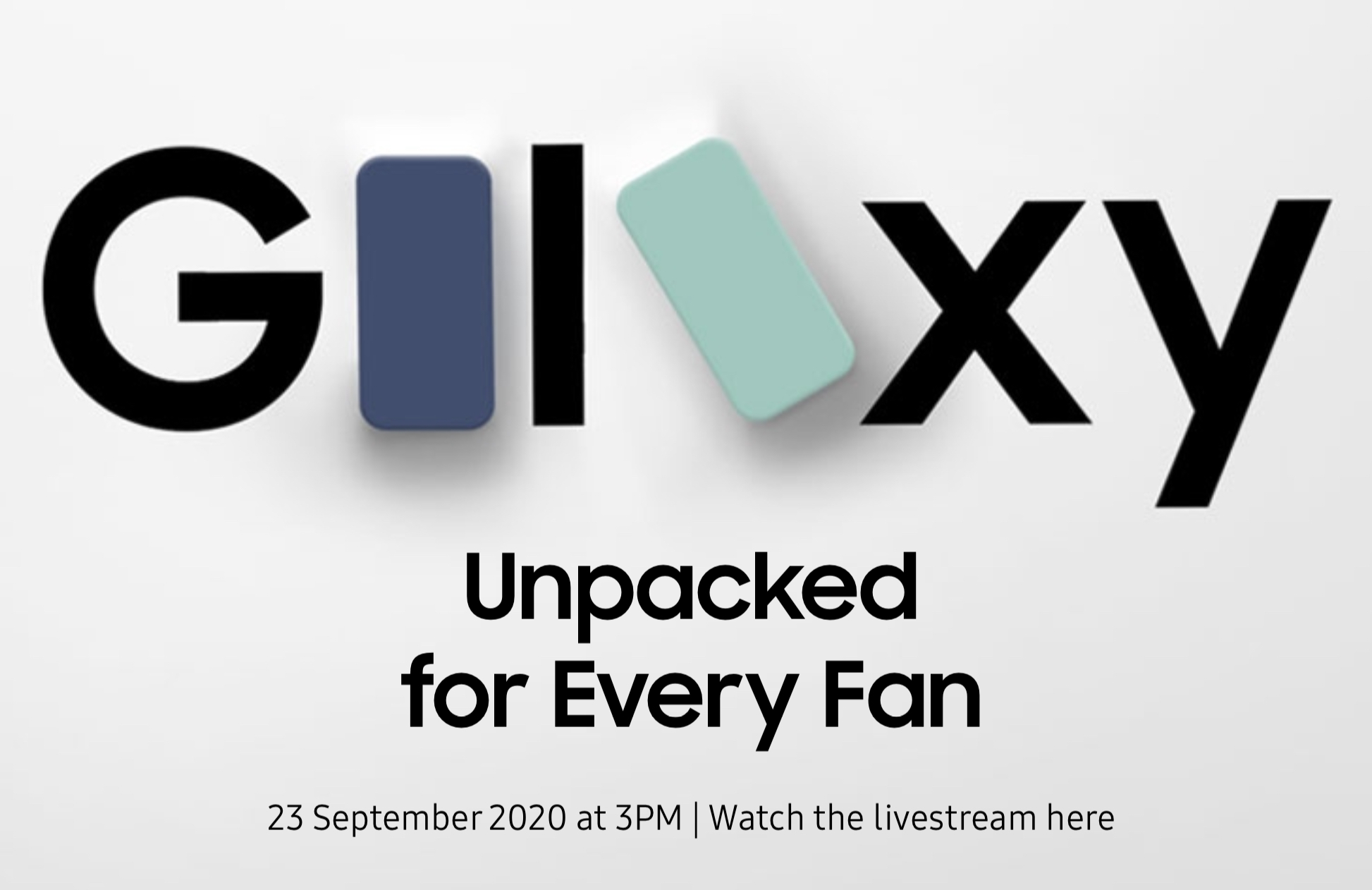
In all likelihood, the upcoming Samsung Galaxy S20 FE will borrow most of its features from the earlier launched S20 series. The company has already set an unpacking event to launch the device on Wednedsay(September 23). We can expect it to debut in both 4G and 5G variants depending on the market.
As per a previous leak, the Samsung Galaxy S20 FE is likely to come with a 6.5-inch FHD+ S-AMOLED display with a resolution of 2400×1080 pixels and 407ppi. The device is likely to be powered by Exynos 990 SoC in markets like Asia, Korea. However, we can expect Qualcomm Snapdragon 865 in USA, and Europe.
Camera-wise, it will probably have a 12MP main lens and an 8MP Telephoto with OIS. The other 12MP sensor is an ultra-wide lens with 123-degree FOV. Upfront, the punch-hole will have a 32MP selfie shooter. We can expect other features like WiFi 6, Bluetooth 5.0, NFC, 4,500mAh battery with 15W charging, One UI 2.5 to be present.
Expected Price
As for the price, recent leaks suggest that the device will retail for €699 in Europe. Further, TheElec says that the device could start at 800,000 won in Korea which is closer to the earlier leaks. However, let’s wait for a few more hours to confirm them.
We use cookies on our website to give you the most relevant experience by remembering your preferences and repeat visits. By clicking “Accept”, you consent to the use of ALL the cookies.
This website uses cookies to improve your experience while you navigate through the website. Out of these, the cookies that are categorized as necessary are stored on your browser as they are essential for the working of basic functionalities of the website. We also use third-party cookies that help us analyze and understand how you use this website. These cookies will be stored in your browser only with your consent. You also have the option to opt-out of these cookies. But opting out of some of these cookies may affect your browsing experience.
Necessary cookies are absolutely essential for the website to function properly. This category only includes cookies that ensures basic functionalities and security features of the website. These cookies do not store any personal information.
Any cookies that may not be particularly necessary for the website to function and is used specifically to collect user personal data via analytics, ads, other embedded contents are termed as non-necessary cookies. It is mandatory to procure user consent prior to running these cookies on your website.