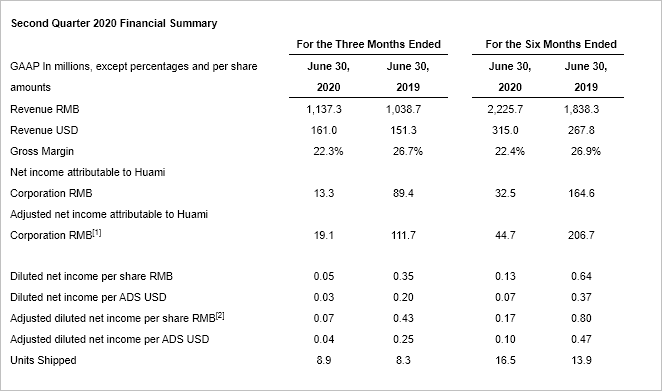
Xiaomi’s ecological chain partner Huami has announced its quarterly financial report for the second quarter of the year. The company reported revenue of RMB1.137 billion, or US$161.0 million for the second quarter which ended on June 30, 2020.
The revenue is slightly higher than what the company posted in the first quarter which is RMB 1.0885 billion ($153.7 million) but the net profit of 13.3 million for Q2 is 85% lower than the 89.4 million yuan profit posted in Q2 2019. That means the company spent a higher amount on operational costs, perhaps as a result of the COVID 19 pandemic.
“I am proud of our teams and our brands that generated revenue growth of 9.5% in the second quarter and 21.1% for the first half of 2020, with the challenges of the worldwide pandemic,” said Wang Huang, Chairman and CEO of Huami.
“New products introduced in the first half of the year, including smartwatches, earbuds and other smart health devices helped our growth, although the pandemic did alter the magnitude of our and the industry’s growth. Interest in our new smart health devices and the recent success in the application of our proprietary health data analysis tools for healthcare insurers and providers give us confidence in our strategy, growth and future guidance,” he added.
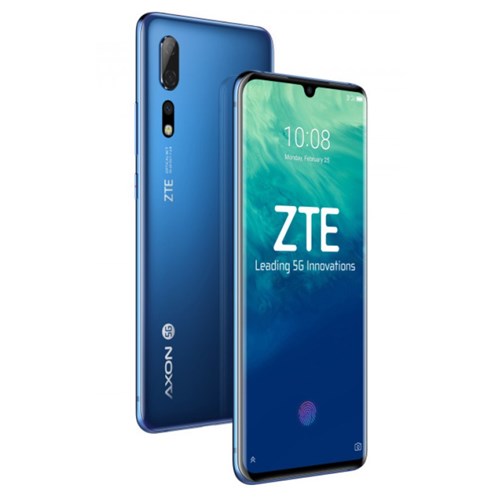
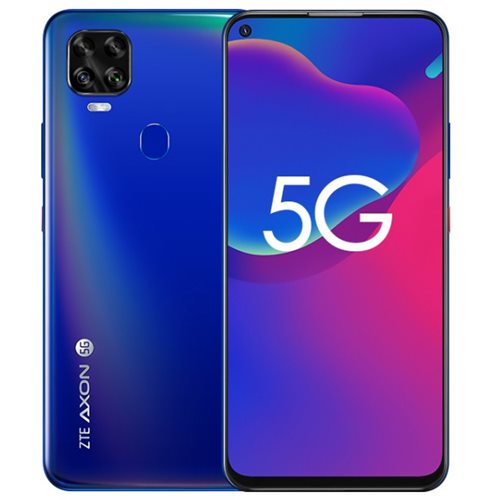
ZTE’s upcoming Axon 20 5G will be the world’s first commercially-available smartphone with an in-display selfie camera when it launches on September 1. Today, the Chinese manufacturer released a special post highlighting all the other technologies it brought to the market first.
ZTE Grand S II
Grand S II – World’s first phone with voice control technology
Nowadays, it is easy to call on the voice assistant on your phone to carry out certain functions such as making a call, turning on/off Bluetooth, or launching an app. However, before Google Assistant and Siri became mainstream, ZTE was the first manufacturer to announce a phone you could operate simply by voice. This phone was called the ZTE Grand S II and it was announced in late 2014. You could even unlock the phone with your voice.
ZTE Grand S III
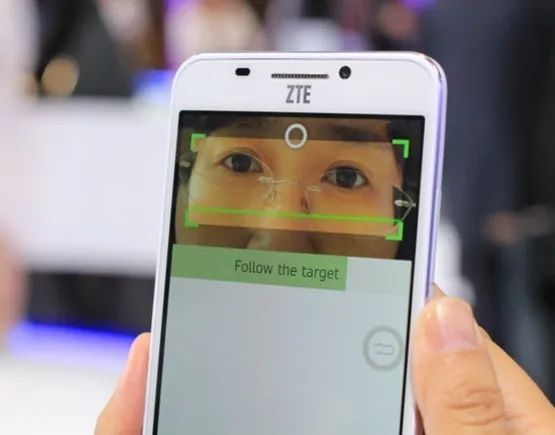
Grand S III – World’s first smartphone” with an eye-based biometric solution
A few months after announcing the Grand S II, ZTE set another record when it launched the Grand S III at the 2015 edition of the Mobile World Congress. The phone was the first in the world with an eye-based biometric solution. The technology dubbed Eyeprint ID was able to unlock the phone by scanning the user’s eyes and the pattern of the blood vessels in them. It was a secure solution that could be used for payment as it was unique to each person.
ZTE Axon Mini
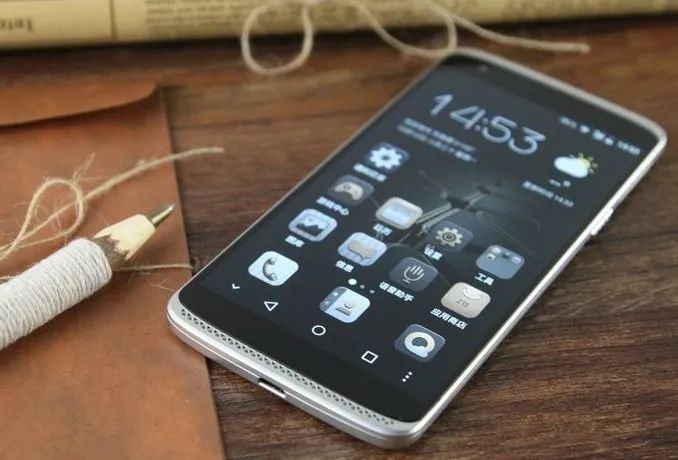
Axon Mini – World’s first smartphone with a pressure-sensitive screen
The Axon Mini launched as the first phone with a pressure-sensitive screen. Announced in July of 2015, the phone had a force touch display which means certain menus and options would become available depending on how much pressure you applied when pressing the display.
ZTE Axon M
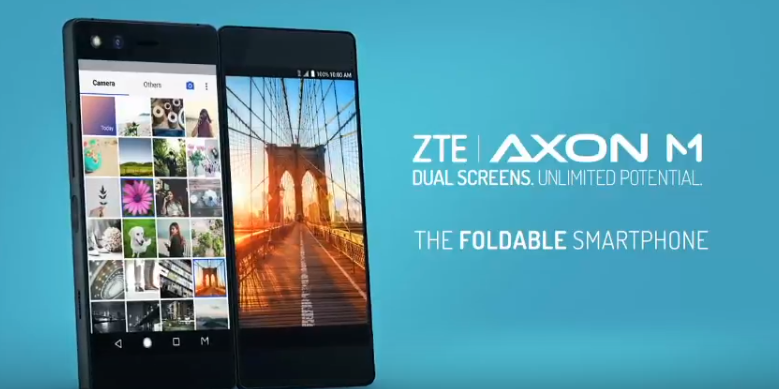
Axon M – World’s first foldable dual-screen phone (actually not true!)
Before the Surface Duo, there was the Axon M. Just like Microsoft’s Android-powered device, the 2017 ZTE Axon M also launched with dual displays. ZTE claims it is the world’s first foldable dual-screen phone but that is not true. The 2011 Kyocera Echo and the 2012 Sony Tablet P arrived well before it did and with dual-displays too.
ZTE Axon 10 Pro 5G
Axon 10 Pro 5G – First commercially-available 5G phone in China
The Axon 10 Pro 5G launched as the first 5G commercially-available 5G phone in China. It was also the first 5G smartphone in Northern Europe and the Middle East.
ZTE Axon 11 SE 5G
Axon 11 SE 5G – First 5G phone to support all 4 major Chinese operators
The Axon 11 SE 5G launched as the first smartphone in China to be compatible with 5G networks from all of China’s four major carriers.
ZTE has sure made its mark in the mobile industry and we are pretty excited to see how great the Axon 20 5G is at taking pictures and recording videos with its in-display camera.
A report that emerged in January this year indicated that Huawei was planning to launch a desktop PC and had already begun market research. Tech giant, Huawei has got several products under its belt ranging from smartphones, laptops, tablets, smartwatch, fitness band, to routers. But the company is yet to launch a desktop PC.
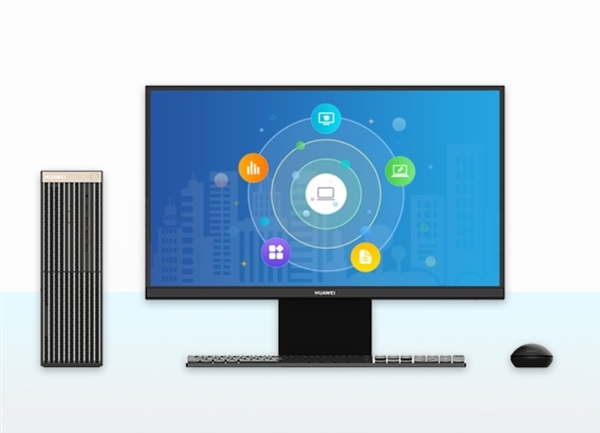
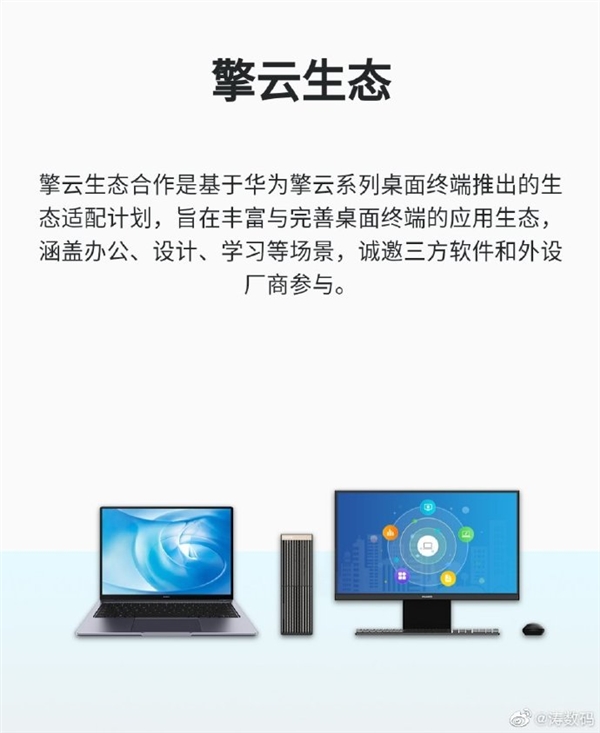
Right now, renders of what is said to be the rumoured Huawei desktop PC has appeared online. The desktop PC is said to have appeared on the official website of Huawei’s developers. It is reported that the PC is called Qingyun W510 and is manufactured by Foxconn.
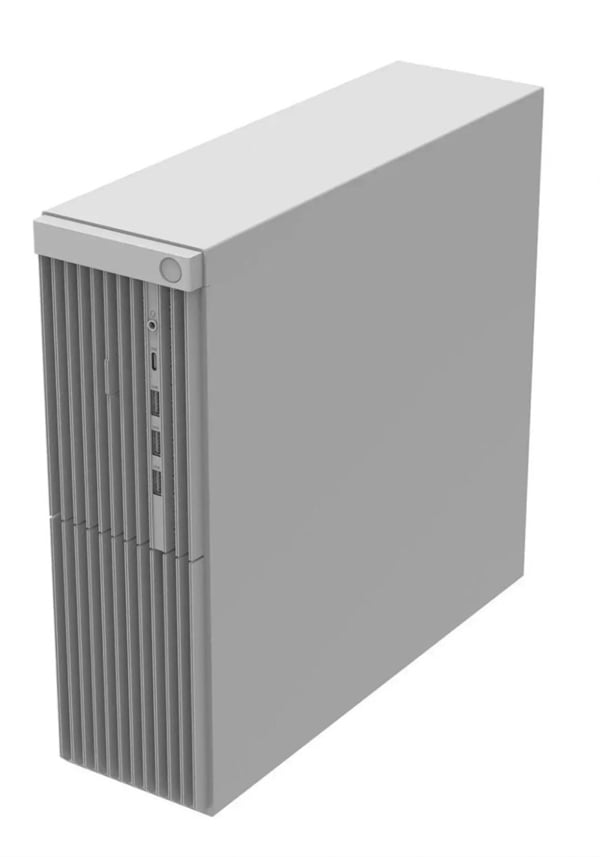
Going by the renders, the desktop PC is equipped with a complete host, a display, keyboard and a mouse. The front of the main unit adopts a straight grid design, and the appearance is relatively simple.
According to previous reports, Huawei’s desktop is expected to be equipped with Kunpeng 920 3211K, with a 24-core specification, a frequency of up to 2.6GHz, and a non-removable CPU board. The desktop PC is said to have been designed for government and enterprise customers and is equipped with China-made UOS and so Windows cannot be installed.
Not long ago, UOS V20 Professional Edition (1021) was released. Compared to the previous version, UOS Desktop V20 Professional Edition has a new style of launcher and many powerful self-developed applications, including scan management, backup and restore, installer, file security function.
In July of this year, leakster @_rogame once exposed the appearance of a new Huawei desktop PC. The image is consistent with the design of the new image exposed this time. The PC comes with 3 USB-A and 1 USB-C port and a headphone port on the front of the device. Further, the PC is said to be equipped with an optical drive, and on the back are 4 USB-A ports, network cable ports, etc.
We don’t have any idea of when Huawei will launch this model. We also expect more detailed specs will emerge soon.
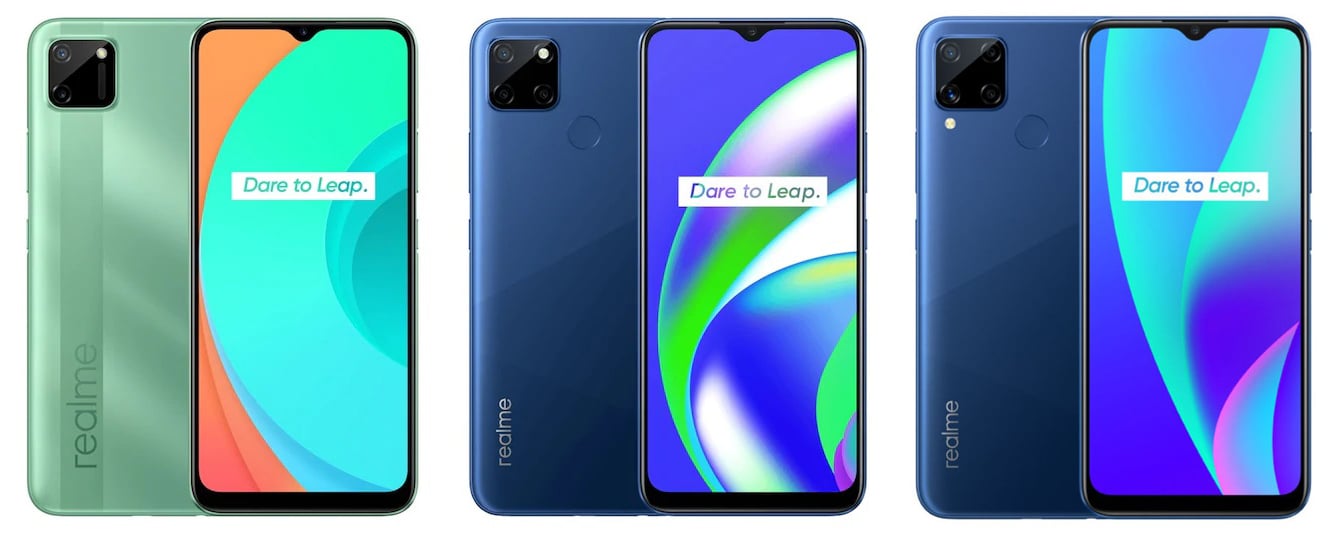
Realme’s C series is Realme’s entry-level lineup and it is having a huge success in the Asian market thanks to its devices carrying a very high value for money and a very affordable price if compared with their specifications. The Chinese company launched three new devices from the C lineup in the last period: Realme C11, C12, and C15. They come with similar specifications and similar aesthetics, so it is not easy for inexperienced people to understand which one is the best for their actual needs. This comparison will highlight all the main differences between Realme C11, C12, and C15, besides telling you which is the most interesting handset from the trio.
Dual 13 + 2 MP f/2.2 and f/2.4
5 MP f/2.4 front camera
Quad 13 + 2 + 2 MP f/2.2, f/2.4 and f/2.4
5 MP f/2.0 front camera
Quad 13 + 8 + 2 + 2 MP f/2.2, f/2.3, f/2.4 and f/2.4
8 MP f/2.0 front camera
BATTERY
5000 mAh, 10W charging
6000 mAh
6000 mAh, 18W fast charging
ADDITIONAL FEATURES
Dual SIM slot
Dual SIM slot, reverse charging
Dual SIM slot
Design
Realme C11, C12, and C15 are almost identical when it comes to the design. They all come with a polycarbonate body, a square-shaped camera module, and a borderless display with a waterdrop notch. It is a cool design for an entry-level, despite it is made of polycarbonate. Even though it is the most affordable, the Realme C11 looks more interesting because its color variants are slightly more original and the phone is thinner and lighter. It is a more compact device because it has a smaller battery than its costlier siblings. The bigger is the battery, the more is the space needed to house it inside the phone.
Display
With Realme C11, C12 and C15, you get essentially the same display. It is a below-average 6.5-inch panel with an HD+ resolution and a diagonal of 6.5 inches. As we said, it is a below-average display due to its resolution and overall quality, but in the actual market, you can not find better display in the entry-level segment, unless you move to the price range above €150. So these devices are cool.
Specs & Software
Realme C11, C12, and C15 all feature the same Helio G35 SoC by MediaTek. It is the most powerful entry-level chipset in the market, so it provides very nice CPU and GPU performance. It is even meant for gaming, thanks to HyperEngine technology. The only thing which changes in the hardware departments of these devices is the memory configuration. With Realme C11, you get just 2 GB of RAM and 32 GB of internal storage, while with the Realme C12 you can get 3 GB of RAM which is definitely better not only for advanced users but for daily use too. The Realme C15 comes with up to 4 GB of RAM and up to 64 GB of RAM and it represents the best option for power users. In each case, you get a micro SD dedicated slot, a dual SIM slot, and Android 10 out of the box customized by Realme UI.
Camera
The camera setup changes depending on the model, but all you get with the costlier ones is a higher number of sensors. Indeed, the main camera is always a 13 MP f/2.2 sensor. With the Realme C11, you only get one additional depth sensor. With Realme C12, you get two additional sensors, including the 2 MP depth sensor found on the Realme C11 and a 2 MP monochromatic camera. With Realme C15 you get all these sensors plus an 8 MP ultrawide camera. Further, it has a better 8 MP front camera than Realme C11 and C12. If you do not care about ultrawide shots and selfies, then Realme C11 and C12 are enough for you. But if you do, you’d better go for the Realme C15.
Battery
In each case, we are talking about amazing battery phones. Thanks to their huge batteries, these devices are able to last a lot of time on a single charge. But Realme C12 and C15 are superior to the Realme C11 due to their bigger 6000 mAh battery (instead of 5000 mAh). Besides offering a bigger battery than Realme C11, the C15 also comes with 18W fast charging, which is not present on the C11 and the C12.
Price
Given that these devices are still not global, we will only mention the prices for the Indian market. Realme C11 costs about €84/$100 (Rs. 7,499) at the actual change, Realme C12 is priced €100/$120 (Rs. 8,999), and Realme C15 costs €123/$147 (Rs. 10,999). The Realme C15 is naturally the best, but with the Realme C12 you can save money with a limited number of compromises: you only have to renounce two better camera sensors, fast charging, and a higher-end memory configuration. Unless you are a really basic user, we do not recommend the Realme C11 since it has just 2 GB of RAM. Further, it has a smaller battery.
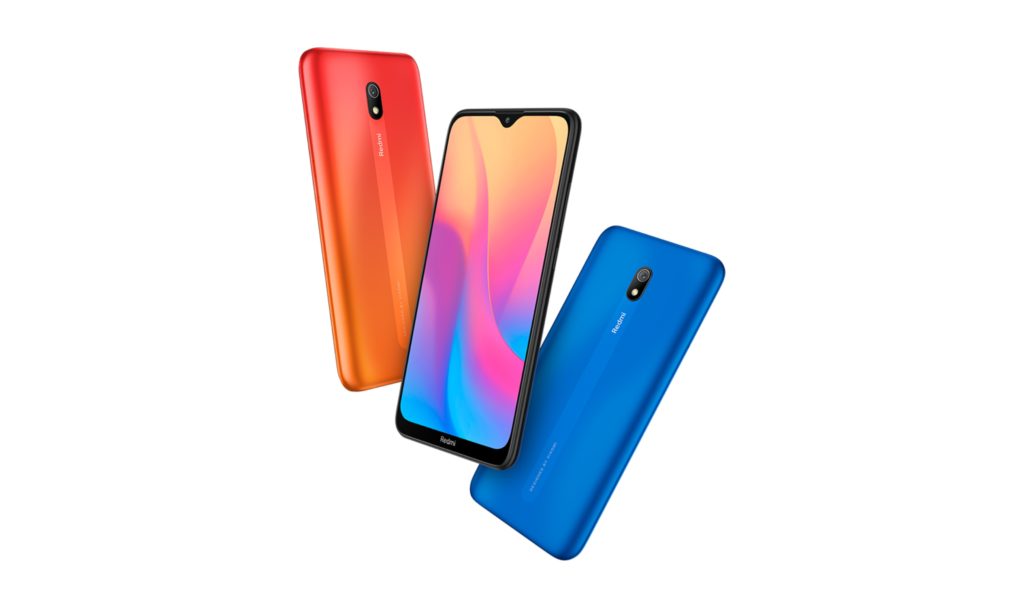
Xiaomi has been updating its smartphones to MIUI 12 for the past few months. Additionally, the company has been also rolling out Android 10 update to its 2019 Redmi budget smartphones. Redmi 8A, the second cheapest handset launched by the company last year is now receiving this update worldwide.
Just like any other Xiaomi device, the Redmi 8A first received Android 10 update in China, It was rolled out late last month. Slowly, the update has now made it to all the international versions of the handsets except Indonesia, which we believe will be receiving it soon.
Here are all the build numbers of Redmi 8A Android 10 update for all the regions.
Region
Build Number
China
V11.0.2.0.QCPCNXM
Global
V11.0.1.0.QCPMIXM
India
V11.0.1.0.QCPINXM
EEA (Europe)
V11.0.1.0.QCPEUXM
Russia
V11.0.1.0.QCPRUXM
Since the Chinese variant got the update in July, the build for that variant comes with July 2020 security patch. Similarity, the Global Variant also gets the same patch as its update was rolled in the first week of August. On the other hand, all other variants of Redmi 8A are receiving Android 10 update with August 2020 security patch.
Having said that, the Redmi 8A is also eligible for MIUI 12 but it won’t be getting Android 11 like other 2019 budget smartphones.
Xiaomi Youpin has launched the Ningmei Soul GI6 desktop computer which is powered by an AMD Ryzen R5 2600 processors. The desktop PC comes with a starting price tag of 1799 yuan (~$260).
The Ningmei Soul GI6 desktop computer comes in three version – a Share version, Fun edition, and Enjoy edition. The desktop PC is powered by an AMD Ryzen R5 2600 processor and an RX550 4G graphics card. The processor is paired with 8GB of RAM and 180GB of solid-state drive. It can achieve 160FPS with high LOL characteristics.
The fun edition is also equipped with a Ryzen R5 2600 processor but packs an RX590 8G graphics card. It equally packs 8GB memory and a bigger 256GB storage. This version can achieve 110FPS with high special effects for PlayerUnknown’s Battlegrounds. It carries a higher price tag of 2,599 yuan due to the improved graphics card and larger storage
Finally, the Enjoy edition which is priced at 2999 yuan has an RX590 8G graphics card just like the fun edition. However, the processor pairs with 16GB of memory and 512GB solid-state drive. It can also achieve 110FPS with high special effects for PlayerUnknown’s Battlegrounds.
In terms of the design, the Ningmei Soul GI6 desktop computer adopts a high-value appearance consisting of a transparent outer cover. It also features a dual-fan design which has a relatively good heat dissipation performance. Thanks to the solid-state hard drive, the boot time of the computer is only 9 seconds.
Further, the Ningmei desktop PC is equipped with ASUS Master Series A320 high-spec motherboard. It equally comes with five-fold hardware protection using channel layered isolation and audio shielding technology, so that the sound output is pure in an undisturbed environment, making it easier to capture sound when playing games.
Meizu is seeding out a new system update to its flagship smartphones – Meizu 17 and Meizu 17 Pro in China. The new update, apart from adding new features, also fixes a large number of bugs reported by users. The company calls this an “important update” as it brings an overall improved experience.
Like the company claims, the new Flyme update for Meizu 17 and Meizu 17 Pro indeed brings a number of small changes here and there as per the changelog.
Some of the new features that this OTA update adds to Meizu 17 series are as listed below.
Haptic feedback support for third-party applications like WeChat and Alipay
Smart screen timeout which extends screen dimming time when a face is detected
Optimized multi-tasking view with a new swipe up gesture to exit.
Revamped Meizu Pay app
New Game Center and various customizations in Game Mode
That said, do you know why Meizu is calling it an “important update:? Because according to the official changelog, the latest system update for Meizu 17 and Meizu 17 Pro fixes a total of 23 known bugs. This is insane as companies usually fix a small number of issues at a time.
The Meizu 17 series is not available outside China. But if you are using an imported unit or a Chinese citizen using it in another country, make sure to download and install this new Flyme update to get all the benefits.
Last but not least, it is worth noting that last month’s system update for these handsets added support for stabilization while recording videos from all the cameras.
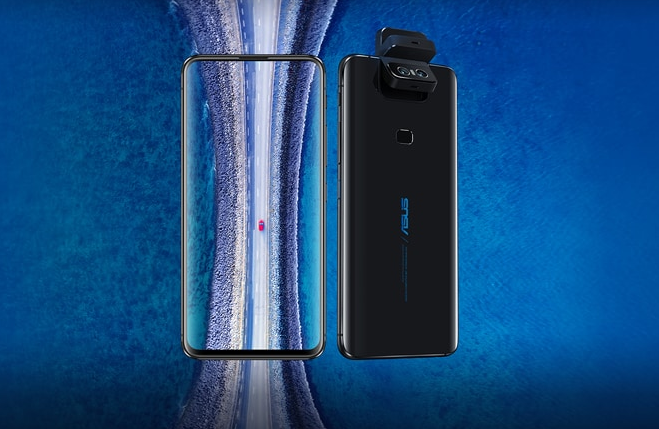
The ASUS Zenfone 6 was one of the more interesting smartphones announced last year. It not only had impressive specs but it was also pretty affordable with a starting price of $499 for the base model with 6GB of RAM and 64GB of storage. The phone will be getting a successor on August 26, and ahead of the event, its pricing details have leaked which reveals the Zenfone 7 will also be a lot more affordable compared to other flagships.
The source of the info is Roland Quandt (@rquandt) and according to a tweet posted earlier today, the ASUS Zenfone 7 will be priced at €549 for the 8GB RAM + 256GB version. That sure is a great price for a phone powered by the Snapdragon 865+ and with a 5000mAh battery.
If your budget is a bit lower, you will be able to pick up the 6GB RAM + 128GB version of the phone for €499 according to the leaker.
It has been reported that the Zenfone 7 will keep the flip camera design of its predecessor. This means the display will be devoid of a notch or punch hole. Other reported features include support for 30W fast charging, NFC, and Wi-Fi 6.
Realme launched the Realme C12 and C15 smartphones in India earlier today. Along with the two smartphones, the company also took the wraps off a new wired earphone in India. The headphones carry a price tag of Rs. 399 (~$5).
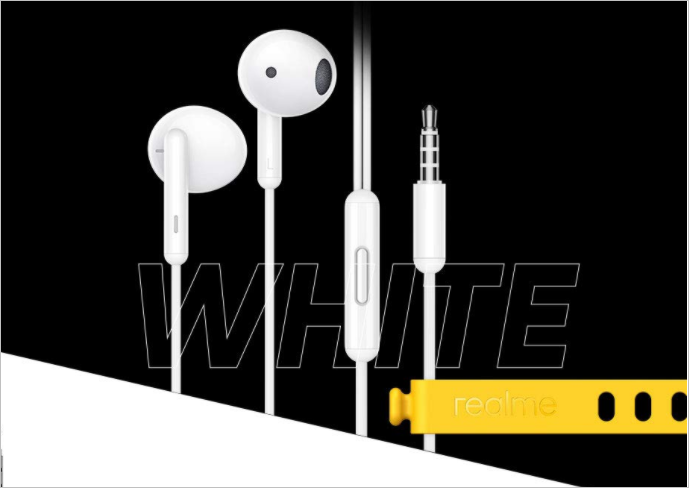
realme Buds Classic
The Realme Buds Classic adopts a half in-ear design instead of an in-ear design which was utilised on the earlier models. The earphones also feature large 14.2mm drivers.
There is a single button remote for call and music control, in-line HD microphone and has built-in cable organizer in yellow colour to keep in tangle-free. The earphones feature a half-in design with a rounded shape to fit the ear canal comfortably, and the 14.2mm drivers with a diaphragm made from premium nanoparticle composite material promise deeper bass and clear vocals.
The Realme Buds Classic comes in Black and White colours. The gadget will be available on Amazon.in and realme.com from August 24th. It will also be available from offline stores in no distant time.
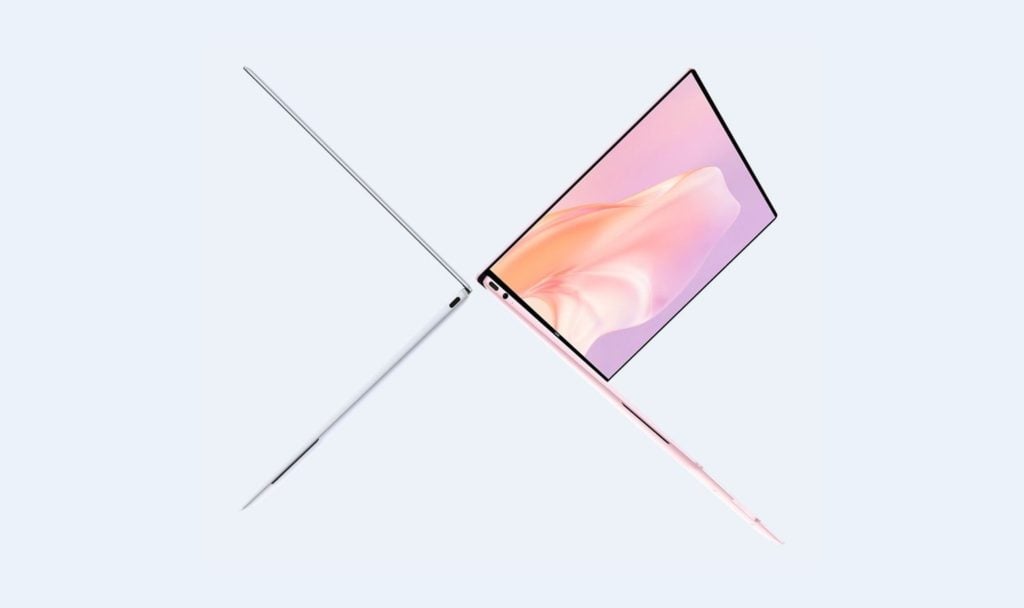
Huawei will be hosting an event tomorrow (August 19) to launch MateBook X 2020. This thin and light laptop is said to be the direct successor to the first model in the series launched back in 2017. The company has been teasing the design of this notebook for the past few days. Today’s teaser poster reveals it to come in at least two colors.
The internals of the upcoming HUAWEI MateBook X 2020 is a mystery. However, the company has revealed its design in a series of teasers. In a nutshell, it looks similar to the HUAWEI MateBook X Pro 2020 from earlier this year.
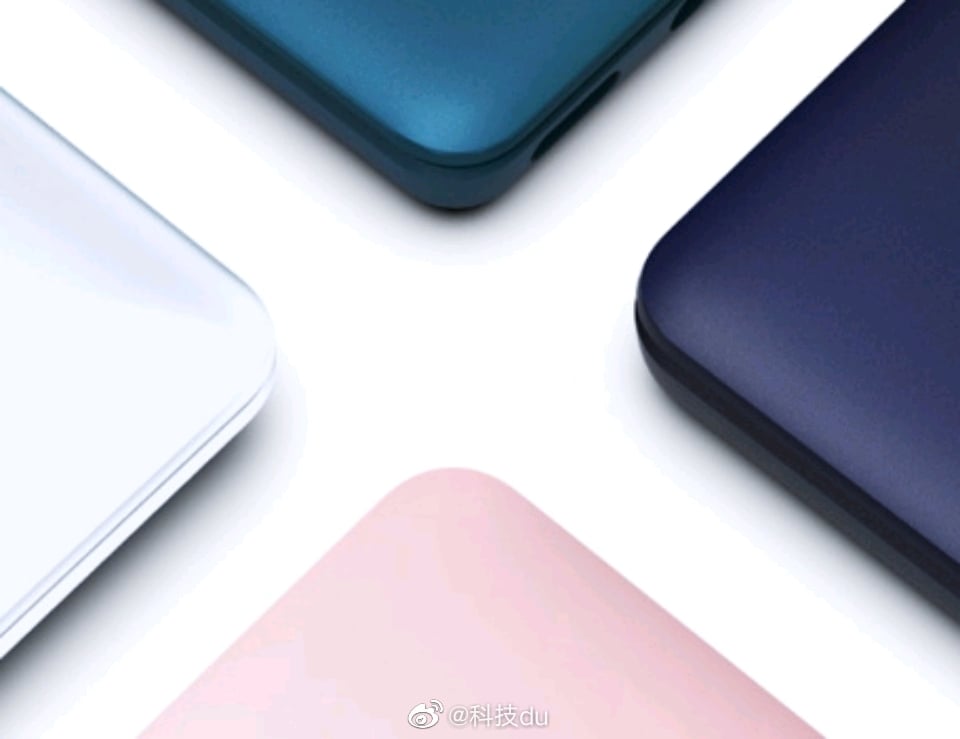
Having said that, the new teaser poster shared by the company confirms at least two colors for this forthcoming notebook – Silver and Pink. We are saying “at least” and that’s because a leaked render shows this laptop in four colors.
According to that leak (via Notebook Check), the HUAWEI MateBook X 2020 will be available in four colors and they are as listed below.
Frost Silver
Interstellar Blue
Green Mountain Daisy
Cherry Blossom Powder
Anyway, we would recommend you to consider this leak with a pinch of salt. Because these are exactly the same colors that MateBook X Pro 2020 is available in. If Huawei is indeed launching the MateBook X 2020 in the same four colors why would it only tease two in the poster?
Apart from this, the upcoming Huawei laptop is also reported to be the first Windows laptop to ship with a pressure-sensitive trackpad.
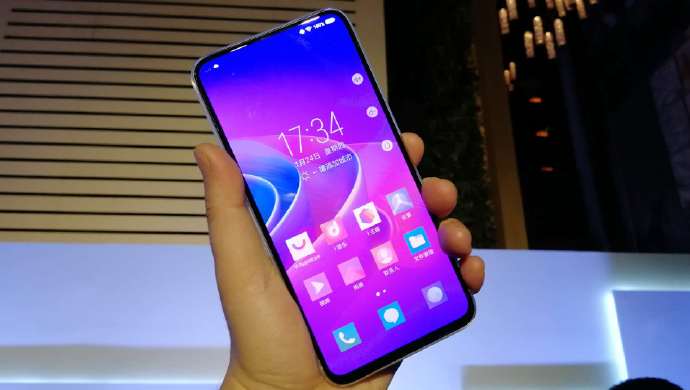
Vivo APEX 2019 featured an all screen fingerprint unlock display
When the company was reached out regarding a possible co-existence of both technology by Android Authority, Huawei responded by saying, “We are working to make it (all-screen fingerprint reader) co-exist with in-display selfie cameras.” In other words, we can expect a device in the near future to arrive with two of the most highly anticipated feature of next generation smartphones.
Although, how exactly the Chinese tech giant plan on achieving this is currently unknown. OEMs face various difficulties with all screen fingerprint scanners, like its requirement of having multiple biometric sensors instead of just a single one that is placed at a particular spot. However, Huawei said that it is working to “cut down the cost of sensors” to make the technology more viable for the market.
In theory, multiple sensors also translate to high power draw, but the company said that it is using machine learning to only deliver power to the part of the screen users’ touch, while the others remain dormant. According to Huawei, the availability of the technology in the market is still a couple of generations off, so we will likely not see it in the upcoming Mate 40 series, and maybe not even in 2021.
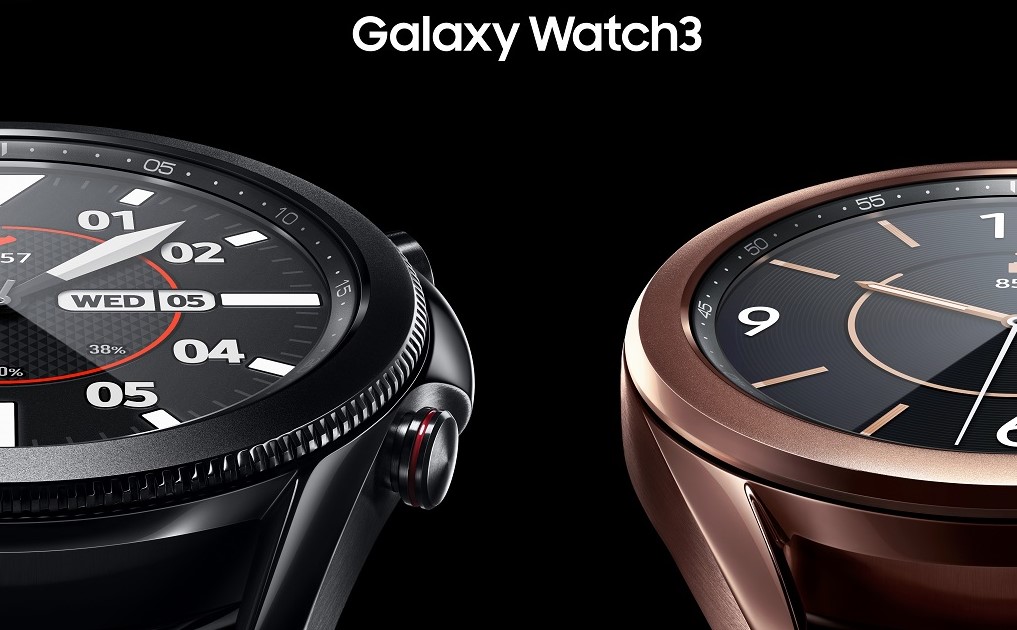
While wearables market has come a long way to include more than just smartwatches, it has yet to stop growing. With the number of peripherals increasing and innovation guiding the industry, the wearables market is expected to see huge growth in the near future.
According to a Global Data report, the wearables market is heading into a boom, despite smartwatches seeing a decline in 2020. The report stated that by 2024, the wearables market will be doubled in comparison to 2019. In 2019, the wearable industry is said to have brought in 27 Billion US Dollars. Although, that high sum might not be reflected in 2020, due to the Coronavirus pandemic, which has caused the market to decline (especially for smartwatches).
While 2020 has been harsh on various industries, it seems like there is a silver lining just around the corner. 2021 and beyond are expected to be a booming phase for the smartwatch segments, which will uplift the overall market as well. Global Data estimates that the market as a whole could be worth 64 Billion US Dollars by 2024. Furthermore, smartwatch sales are expected to recover in 2021. But keep in mind, that the industry also includes other peripherals like TWS earbuds, which have become very popular recently.
After launching the ROG Phone 3 gaming smartphone worldwide last month, ASUS schedules an event for August 26 to unveil Zenfone 7 series in its home country Taiwan. Ahead of it, this smartphone was benchmarked by someone on Geekbench earlier today revealing it to come with Snapdragon 865+ (Plus) chipset and 8GB RAM.
ASUS Zenfone 6
Last year’s Zenfone 6 aka ASUS 6Z is one of a kind smartphone with a motorized flip camera. Also, it debuted at a much lower price tag than flagship smartphones from other companies. Hence, its successor is one of the most anticipated smartphones by a niche audience.
Unlike the previous generation, the Zenfone 7 series is expected to have two models – regular and pro. These devices were spotted on multiple certification bureaus in the past few weeks. However, their design is still a mystery, which is kind of odd in today’s world of leaks.
Anyway, today’s Geekbench listings of the handset with model number ASUS_I002D, which could be either Zenfone 7 or Zenfone 7 Pro based on certifications confirms it to be powered by Qualcomm Snapdragon 865+ (Plus) paired with 8GB RAM.
The listings were first spotted by 91Mobiles and they were also the one to confirm the chipset to be Snapdragon 865+ (Plus) and not the standard variant by digging inside the source code. This makes us believe this model be Zenfone 7 Pro and not the regular model.
That said, as per previous reports, the Zenfone 7 (Pro) will retain the flip camera and will feature WiFi 6, Bluetooth 5.0, NFC, 5,000mAh battery, and 30W fast charging.
Xiaomi is facing another patent infringement lawsuit. This time in Germany as HEVC Advance Licensors brings the Chinese tech giant to Düsseldorf Regional Court. The company was recently sued in India after InterDigital alleged it had infringed on three of its H.265/HEVC Indian patents.
HEVC advanced announced earlier this week that patent owners in HEVC Advance HEVC/H.265 Patent Pool has filed patent infringement lawsuits in the Düsseldorf Regional Court against Xiaomi and Vestel Germany, a known European consumer electronics manufacturer. They have accused Xiaomi of infringing on HEVC/H.265 digital video coding standard.
According to the Cisionreport, the complaints have alleged that Vestel sells television and set top boxes in Germany which use HEVC/H.265 technology, while Xiaomi offers smartphone products with the same standards as well. It remains to be seen what stance the Chinese smartphone manufacturer takes regarding this accusation. Notably, HEVC Advance also announced that it recently settled another similar dispute in Düsseldorf Regional Court with a different firm. So, we will have to wait and see how the situation develops.
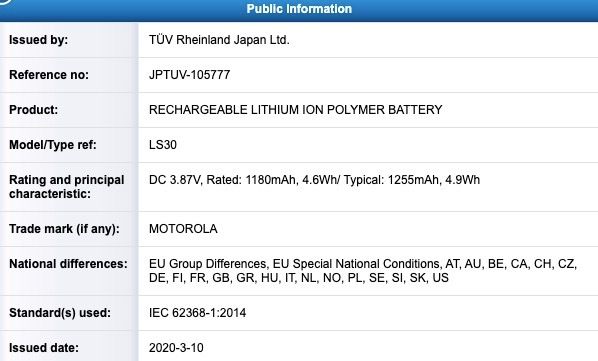
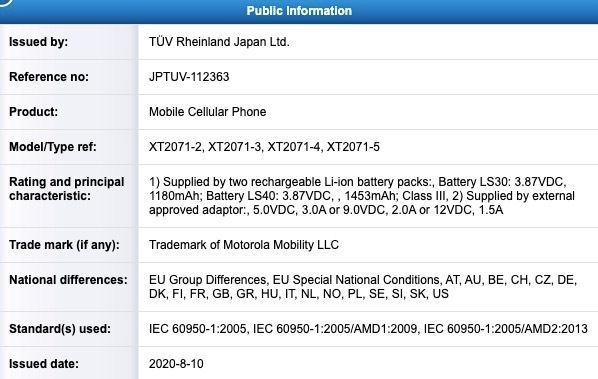
Motorola will be launching the Motorola Razr 5G on Sept. 9. It will be arriving as a 5G version of the Motorola Razr clamshell phone that debuted in November 2019. Four model numbers such as XT2071-2, XT2071-3, XT2071-4, and XT2071-5 have appeared in the database of the TUV Rheinland certification platform. Based on past reports, it can be said that these model numbers belong to the country variants of the upcoming Motorola Razr 5G. The TUV certification has revealed that the battery size and fast charging capabilities of the Razr 5G.
The TUV listings reveal that the Razr 5G has a dual-cell battery system. The smaller battery has LS30 model number offers 1,180mAh rated capacity and 1,255mAh typical value.
1 of 3
The larger battery that LS40 model number has 1,453mAh rated value. Its typical value is not mentioned. The total rated value of both batteries is 2,633mAh. Its combined typical value could be more than 2,800mAh. A past leak had revealed that the Razr 5G will come with a 2,845mAh dual-cell battery. The TUV listings reveal support for 18W fast charging on the device.
The Motorola Razr 5G is expected to house a 6.2-inch inner P-OLED display and a 2.7-inch exterior screen. The Snapdragon 765G SoC may fuel the device with 8 GB of RAM. It may come with 256 GB of internal storage.
The Razr 5G may come with a main camera of 48-megapixel. For selfies, it may feature a 20-megapixel snapper. The Android 10 OS will come preloaded on the flip phone. Its fingerprint scanner could be relocated to the right side of the device. The phone may come in a Mercury Silver color.
The US government is facing another major accusation regarding data breach. This time regarding its Secret Service, who have allegedly paid for location data to illegally track down people without legal warrants or court orders.
According to a report from Motherboard, a Freedom of Information Act request has revealed that the Secret Service paid Babel Street to use Locate X, a service that supplies location data from common smartphone applications. Although the document didn’t clearly reveal the exact purpose of the tool the secret service used, but it was reported that it was utilized to create a virtual fence around a region and track devices in that area.
The contract with Locate X was between the period of September 2018 and September 2018 and had a sum transaction of 2 million US Dollars. It is speculated that the service was only used for just a few cases, however, it is also likely to have been for just one as well. At the moment, it is unknown where Babel Street sources its data from and who it is sold to. Babel nor the Secret Service has yet to comment on the matter.
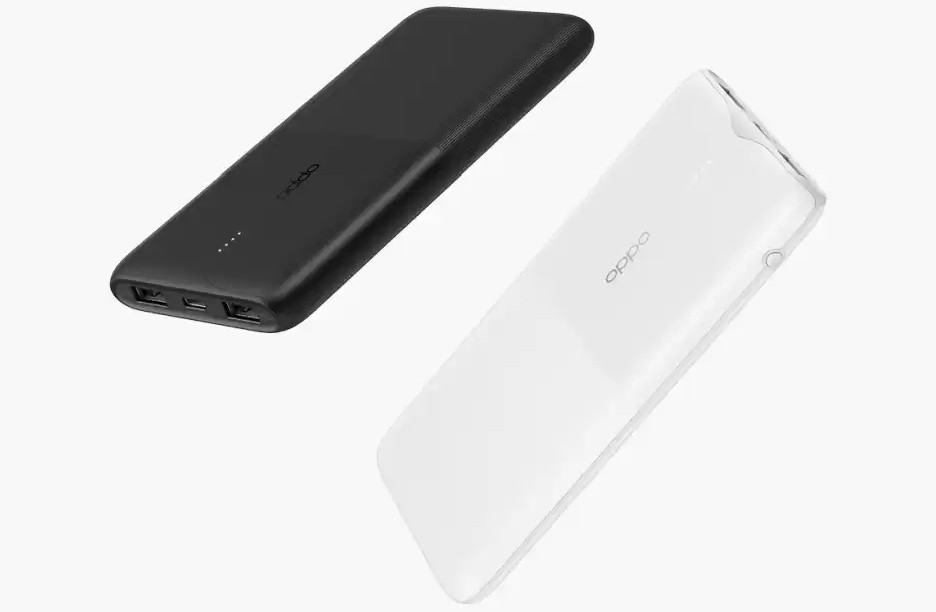
The new Oppo Power Bank 2 has just been launched in India. It is a new product from the Chinese smartphone maker, which expands the company’s electronic peripherals portfolio. The new power bank has a large battery capacity of 10,000mAh and offers fast charging solutions as well.
Oppo Power Bank 2 is available for purchase starting today (18th August 2020), and offers 18W fast charging on both directions, a low charging mode, and a 12 factor safety assurance as well. The new power bank is the latest IoT product from the company and allows users to “never run out of battery,” thanks to the power bank which is “large and in charge.’ According to official notes, the 18W fast charging allows the Oppo Power Bank2 to charge a 4,200mAh battery 16 percent faster than a regular power bank.
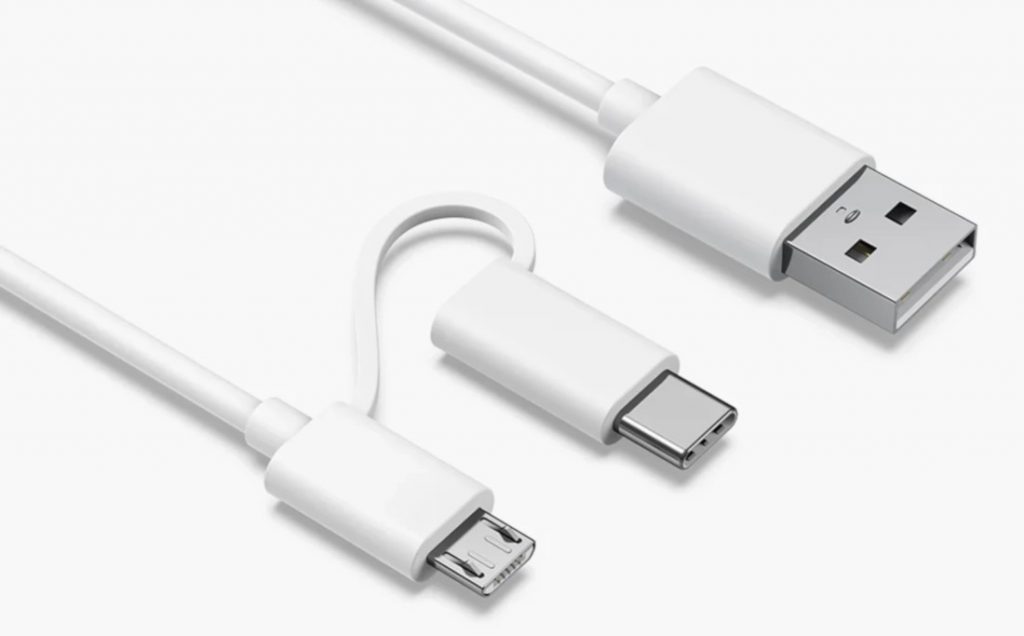
Furthermore, it is also compatible with PD, QC, and other mainstream charging protocols. The Power Bank 2 can charge smartphones and other peripherals like TWS earphones as well and thanks to its two way fast charging support, it can quickly charge a smartphone and itself. The gadget is also offered with a dual connector cable which provides both micro USB and USB Type C compatibility. Meaning, users would not have to worry about different ports being an issue.
The Oppo Power Bank 2 follows a sleek and simple aesthetic and is available in either black or white. It has a 3D curved design with a matte finish and ridged textures that offer a better grip as well. At the moment, it is available for purchase on Flipkart.com and is priced at 1,299 INR (roughly 17 US Dollars).
OPPO announced the Snapdragon 665 powered OPPO A52 phone in April this year. My Smart Pricehas carried a report on the leaked specs of the upcoming OPPO A53. The phone may debut as the first smartphone powered by the Snapdragon 460 chipset.
OPPO A53 specifications (Rumored)
The OPPO A53 is rumored to arrive with a punch-hole LCD display of 6.5 inches. The screen resolution is not mentioned in the leak. Considering that the OPPO A52 came with Full HD+ resolution support, it is likely that the A53 will also feature an FHD+ display. The screen of the OPPO A53 will support 90Hz refresh rate.
The Snapdragon 665 SoC that powered the A52 came with four Kryo 260 Gold cores clocking at 2GHz and four Kryo 260 Silver cores working at 1.8GHz. The SoC includes Adreno 610 GPU. The Snapdragon 460 SoC that is rumored to fuel the A53 also features Adreno 610 GPU and four Kryo 240 Gold cores clocking at 1.8GHz along with four Kryo 240 Silver cores working at 1.8GHz
The OPPO A53 has a 16-megapixel selfie camera and a 13-megapixel (main) + 2-megapixel (macro) + 2-megapixel (depth) triple camera system. The phone will come with 18W fast charging for its 5,000mAh battery.
The OPPO A53 may come in variants such as 4 GB RAM + 64 GB storage and 6 GB RAM +128 GB storage. Some of the markets that are expected to receive the A53 are India, Thailand, Indonesia, and Europe.
At the Galaxy Unpacked event in the first week of August, Samsung promised three (3) generations of Android updates for its flagship series – Galaxy S, Galaxy Note, Galaxy Z, and Galaxy Tab S A week later, a report suggested certain Galaxy A series devices will be also eligible for this benefit. Now, the company officially releases the list of supported Galaxy smartphones and tablets for this program.
For years, Samsung had been long known for updating its Android devices slower than other OEMs. With strong criticisms, the company improved its mobile software by a long shot. At present, One UI is arguably one of the best Android skins out there.
That said, at the Galaxy Note20 series launch event, Samsung surprised everyone by extending Android OS upgrade by one more year for its flagships. It even opened registrations for One UI 3 (Android 11) Developer Beta for Galaxy S20 series much earlier than One UI 2.0 last year.
What’s more interesting is Samsung’s inclusion of its mid-range Galaxy A series for three Android updates. It was merely speculation last week but now, the South Korean tech giant breaks the ice by officially releasing the list of Galaxy devices eligible for three (3) generations of Android updates.
With that being said, here’s the official list of Samsung smartphones and tablets eligible/supported for three generations of Android updates.
Galaxy S Series
Galaxy S20 Ultra 5G
Galaxy S20 Ultra
Galaxy S20+ 5G
Galaxy S20+
Galaxy S20 5G
Galaxy S20
Galaxy S10 5G
Galaxy S10+
Galaxy S10
Galaxy S10e
Galaxy S10 Lite
And other upcoming new Galaxy S series smartphones.
Galaxy Note Series
Galaxy Note20 Ultra 5G
Galaxy Note20 Ultra
Galaxy Note20 5G
Galaxy Note20
Galaxy Note10+ 5G
Galaxy Note10+
Galaxy Note10 5G
Galaxy Note10
Galaxy Note10 Lite
And other upcoming Galaxy Note series smartphones
Galaxy Z Series (Foldables)
Galaxy Z Fold2 5G
Galaxy Z Fold2
Galaxy Z Flip 5G
Galaxy Z Flip
Galaxy Fold 5G
Galaxy Fold
And other upcoming Galaxy Z series foldable devices.
Galaxy A Series
Galaxy A71 5G
Galaxy A71
Galaxy A51 5G
Galaxy A51
Galaxy A90 5G
And other select upcoming Galaxy A series smartphones.
Galaxy Tab S Series
Galaxy Tab S7+ 5G
Galaxy Tab S7+
Galaxy Tab S7 5G
Galaxy Tab S7
Galaxy Tab S6 5G
Galaxy Tab S6
Galaxy Tab S6 Lite
And other upcoming Galaxy Tab S series tablets.
Though the list is long enough, we wish Samsung to have added Galaxy Tab A series as well. Since people tend to use tablets for a longer period of time than smartphones, the budget Samsung tablets also deserve one more generation of Android update.
Rumors have it that the Samsung Galaxy S20 Fan Edition will go official in Q4 2020 as the successor to the Galaxy S10 Lite that went official at the beginning of this year. There is a possibility that it may get an early Q4 launch as recent leaks have revealed almost a lot of information about the Galaxy S20 FE (Fan Edition). At the beginning of this month, reputed tipster Evan Blass shared a front render of the Galaxy S20 FE. Last week, popular leakster OnLeaks shared the CAD renders of the phone. Now, Blass is back with a new image of the phone. The image gives a good look at the color variants of the Galaxy S20 FE.
As can be seen in the image, the Galaxy S20 FE will possibly come in vibrant colors like dark blue/prism blue, red, peach, white, mint, and light violet. The official names of the color variants are not known yet.
As far as design is concerned, the front side of the Galaxy S20 FE looks a lot similar to the Galaxy S20 series thanks to Infinity-O punch-hole display design.Pricebaba that had exclusively carried the CAD renders of the Galaxy S20 FE had claimed that the phone could be sporting a frosted/matte plastic.
The Galaxy S20 FE reportedly measures 161 x 73 x 8mm and houses a 6.4-inch or 6.5-inch S-AMOLED display. The display is rumored to support 120Hz refresh rate. The rear-facing triple camera system of the phone may feature a Sony IMX555 12-megapixel main camera, a 12-megapixel ultrawide sensor, and an 8-megapixel telephoto sensor with 3x optical zoom. For selfies, it may feature a 32-megapixel front camera. The device could be housing a 4,500mAh battery.
The Snapdragon 865 mobile platform may power the phone with 6 GB of RAM. It may come with 128 GB native storage and a dedicated microSD card slot. It is expected to arrive in Exynos 990 chipset version in India. The One UI 2.5 Android 10 OS is expected to come preinstalled on the smartphone. It is expected to sport an IP68 rated chassis. The Galaxy S20 FE could be priced around ~$750 in South Korea. The phone is expected to arrive in LTE and 5G flavors.
We use cookies on our website to give you the most relevant experience by remembering your preferences and repeat visits. By clicking “Accept”, you consent to the use of ALL the cookies.
This website uses cookies to improve your experience while you navigate through the website. Out of these, the cookies that are categorized as necessary are stored on your browser as they are essential for the working of basic functionalities of the website. We also use third-party cookies that help us analyze and understand how you use this website. These cookies will be stored in your browser only with your consent. You also have the option to opt-out of these cookies. But opting out of some of these cookies may affect your browsing experience.
Necessary cookies are absolutely essential for the website to function properly. This category only includes cookies that ensures basic functionalities and security features of the website. These cookies do not store any personal information.
Any cookies that may not be particularly necessary for the website to function and is used specifically to collect user personal data via analytics, ads, other embedded contents are termed as non-necessary cookies. It is mandatory to procure user consent prior to running these cookies on your website.