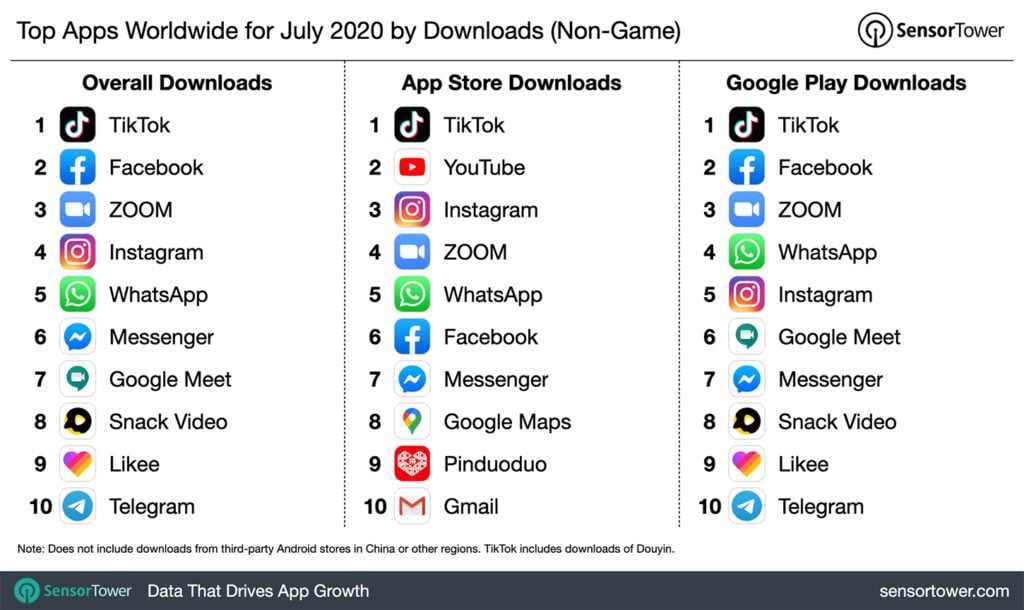
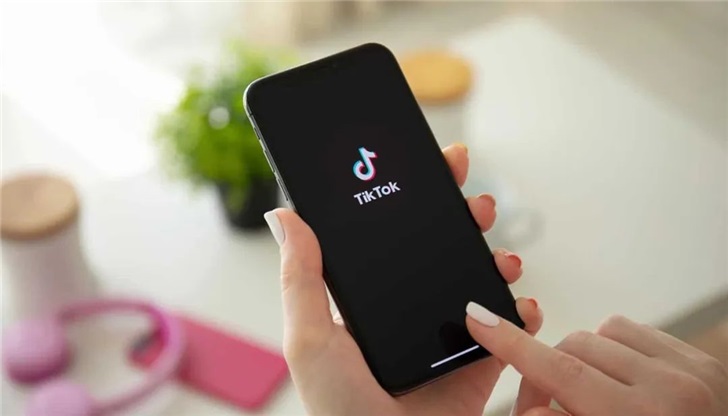
Apps have become a fundamental part of our daily life. We have apps for almost everything on our smartphones. Due to lockdowns, people around the world are spending more time on their handsets than ever before. This has led to the rise of app downloads. According to a new report, despite stresses from various governments, TikTok was still the most downloaded app on both the Apple App Store and Google Play Store in July 2020.
Sensor Tower is a well-known app analytical research firm. It releases a public report on top app downloads every month. The report for July 2020 is out and it mimics the previous month’s report with some minor changes.
The top 5 overall app downloads still include the same apps from last month and they are TikTok, Facebook, Zoom, Instagram, and WhatsApp respectively. Also, TikTok led the chart on both App Store and Play Store with more than 65.2 million downloads (combined).
Due to the ban of TikTok by the Indian government, its alternatives are on the rise since then but only two of them reached the top 10 chart. The first one is Likee at the ninth position and it has been part of the top 10 before.
The second one is Snatch Video with about 28.8 million downloads securing the eighth position. This app managed to enter the elite list for the very first time. For comparison, it was only downloaded 7.8 million times in June, which is 3.5 times lower than its July count.
Having said that, it is not sure how long TikTok will continue to lead the chart as it is expected to be banned by the US government if no American company buys it.
Last year, Huawei announced the Kirin 990 5G chipset in September. The company has used the chipset to power many of its flagship phones such as Huawei Mate 30 series, Huawei P40 series, Honor 30 series, and more. Rumors have it that the upcoming Huawei Mate 40 will be driven by the all-new Kirin 1000 chipset. A reliable tipster from China has claimed that the Kirin 1000 5G will break cover on Sept. 5.
The Sept. 5 date that the leakster has claimed coincides with the upcoming IFA 2020 tech trade show that will be held between Sept. 3 and Sept. 5. Hence, it appears that the Chinese manufacturer will possibly unleash the Kirin 1000 5G chipset at the IFA 2020 event.
The Kirin 1000 will be Huawei’s weapon to rival with upcoming chipsets from rival brands such as A4 chip from Apple, Qualcomm’s next chipset that could be called Snapdragon 875, and the Samsung’s forthcoming flagship chip. The leak by the tipster suggests that Huawei will produce 15 million units of the Kirin 1000 SoC.
It seems that there is no worry with the Mate 40 series when it comes to Kirin1000 processors, latest report said that there is 15milj units.
It was reported in June that the Huawei Mate 40 series debuting in October could be the first Kirin 1000 powered chipset. The Kirin 1000 is expected to debut as the world’s first 5nm chipset for mobile devices. The leakster had previously claimed that the SoC is manufactured by TSMC.
Rumors are rife that the 5G chipset is equipped with ARM Cortex-A78 CPU cores. The chip area of the Kirin 1000 is said to 113.31 sq. mm and is said to have 171.3 million transistors per mm.
Coming back to the Mate 40 series, rumors have it that the Mate 40 series may not be equipped with Kirin chipset outside China. It is being said that the Mate 40 models in global markets may feature MediaTek’s flagship chipset.
The South Korean government is planning on launching the pilot project for 6G networking in 2026. The upcoming mobile networking generation is touted to be 50 times faster than 5G and the nation plans on commercializing the service between 2028 to 2030, according to a report from Business Korea.
Earlier this week, Chung Se-kyun, Prime Minister of South Korea, finalized the government’s strategy to promote research and development for the next generation of telecommunications at a science and technology meet. The strategy involves preemptive development of future technology alongside securing standard and high value patents and laying R&D and industry foundations.
The South Korean government is planning on investing 200 billion won (roughly 169 million US Dollars) over five years for this project, starting from 2021, to secure high risk basic 6G technology. It will start by pushing 10 strategic tasks in 6 key areas which include hyper-performance, hyper-bandwidth, hyper-precision, hyper-space, hyper-intelligence, and hyper-trust.
This project aims to reach one-terabyte-per-second data transmission speed, which is five times faster than 5G, and reduce latency to a tenth of 5G services, down to 0.1ms for its wireless services. Notably, the government is also planning on making6G networking available up to 10 km above the ground. After securing the supporting infrastructure and technology, the government will begin the 6G pilot project by 2026 which will also have far reaching applications in various industries like healthcare, self driving cars, and construction of smart cities.
1) None of the blocked apps will be available 2) MIUI Cleaner app is not using Clean Master app banned by Indian Govt. 3) 100% of Indian user data stays in India
In a Twitter post that was shared earlier today (7th August 2020), Xiaomi India stated that it will comply with the local government’s mandate and not have any of the blocked apps available. However, it also pointed out that its “MIUI Cleaner app is not using Clean Master app banned by Indian Govt,” and that “100 percent of Indian user data stays in India.”
The Chinese tech giant also shared a message with its userbase as well, in which it further clarified and elaborated on the aforementioned points. The company is working on developing a “new version of MIUI that will be built without pre-installation of any of the blocked apps.” This will be available in the next coming few weeks. Xiaomi stated that it uses its own Cleaner app and not the banned Cleaner Master app that has been blocked.
Furthermore, the company also said that it complies and adheres to a strict data privacy policy that meets the security requirements under Indian law. Xiaomi mentioned that before it was mandated, Xiaomi had already “pioneered” data localization for all of Xiaomi India apps and users. In other words, the smartphone maker has stores data for Indian users in servers located within the country since 2018 and has not shared it with anyone outside of the region.
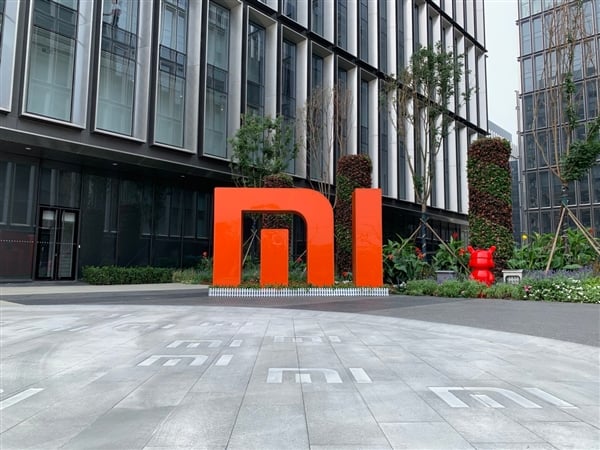
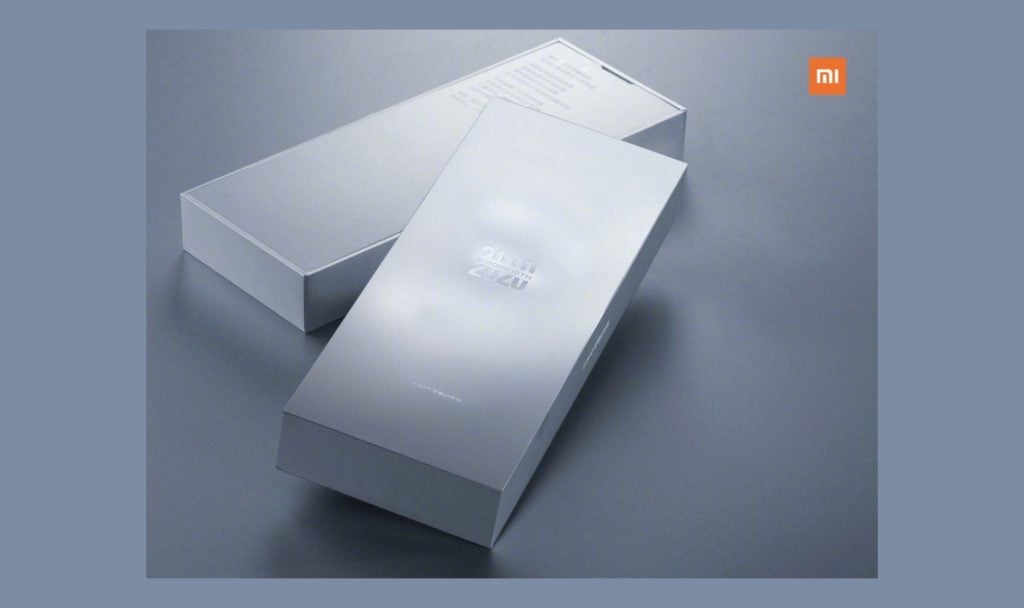
Xiaomi has scheduled an event for August 11 in China to launch a number of products celebrating the 10th anniversary of the company. The star of the show will be Mi 10 Extreme Commemorative Edition aka Mi 10 Ultra. Last night, Lei Jun, the CEO and co-founder of the firm revealed the motive behind this unique branding.
But there is a commotion among netizens regarding why the device is not called Mi 10 Pro Plus like P40 Pro Plus, which is Huawei’s ultimate flagship smartphone of H1 2020. To clear everyone’s doubts, the CEO of Xiaomi posted an FAQ on Weibo explaining the branding, availability, and price.
Why Mi 10 Extreme Commemorative Edition (Mi 10 Ultra)?
Lei Jun has been describing the forthcoming Mi 10 series phone as a “超大杯” (super big cup/oversized cup). In China, this term is used for premium flagship smartphones. Secondly, the company is launching it to celebrate its 10th year anniversary. Also, they wanted to give it a Chinese name.
Hence, he chose two names for the device and combined them. The first part of the branding says “至尊” (Extreme/Supreme) as it will be a powerful smartphone (super big cup). Whereas, the second-word “纪念” (commemorate/celebrate) is being used to describe it as the product for the 10th year anniversary.
Further, he revealed that they will be simply calling it “Mi 10 Ultra” for global markets. Probably because the original branding it too long and confusing for international customers.
Talking about availability, he said that they have enough stock to fulfil the demand but still asks fans to pre-order just in case to get first dibs on it. Lastly, he hinted the pricing to be premium.
So don’t expect Xiaomi’s powerful smartphone to be cheaper compared to premium handsets from its competitors as well as its own lineup.
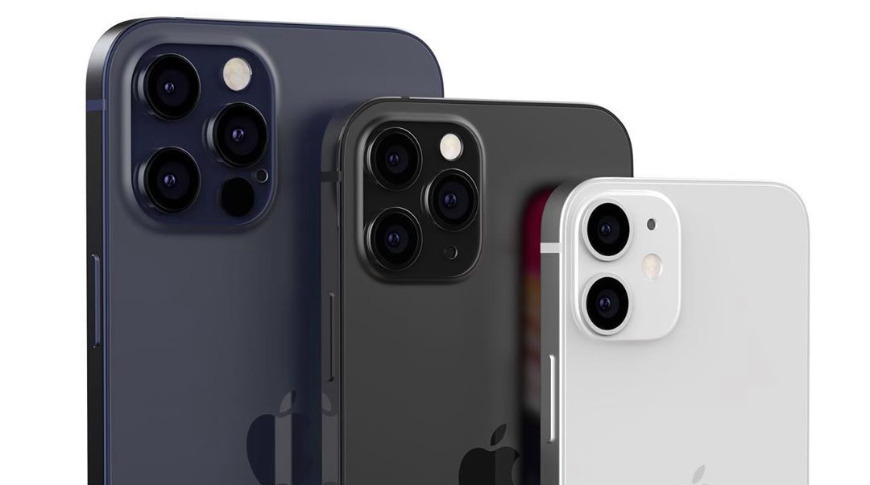
One of the camera lens suppliers for the upcoming Apple iPhone 12 series is apparently facing quality issues. However, this won’t be affecting the company’s launch schedule, which is already delayed, according to known analyst Ming-Chi Kuo.
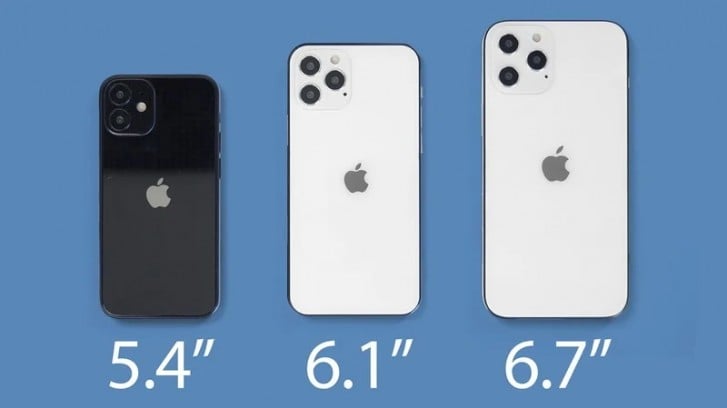
Kuo’s latest report revealed that Genius Electronic Optical has found issues with cracking coating on the wide angle camera lens, which was designed for the 5.4 inch and 6.1 inch iPhone 12 models. These problems were found in the high-temperature/high-humidity (HTHH) testing and will hamper the Genius’s ability to supply the upcoming 2020 iPhone flagship.
The report also stated that it “estimates that the low-end 7P wide-angle lens, CCM, and final assembly mass production of the 5.4-inch and 6.1-inch aluminum frame iPhone will be in mid-to-late August, mid-to-late September, and early October, respectively. We believe that in the uncertain timetable for [Genius] to solve the quality problem of film cracking, Apple will give priority to purchasing Largan’s low-end 1/2.6” 7P wide-angle lens at least in the initial supply stage to ensure that the two aluminum-framed iPhone 12 can be as scheduled.”
Furthermore, Genius will probably have to slash its prices down by about 30 percent. This would act as an incentive for the issue and still keep it relevant while not have it lose its shares to Largan, who is not facing a similar issue at the moment. Apple has already confirmed that the launch of the iPhone 12 series will be delayed by a few weeks, with a staggered launch which would have the two 6.1-inch models (non-Pro and Pro) arriving first and the 5.4-inch non-Pro and 6.7-inch Pro models launching after.
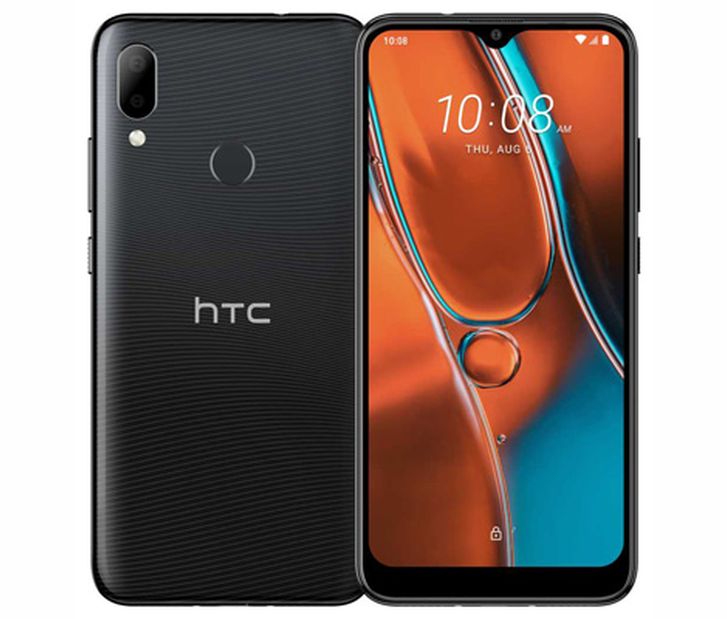
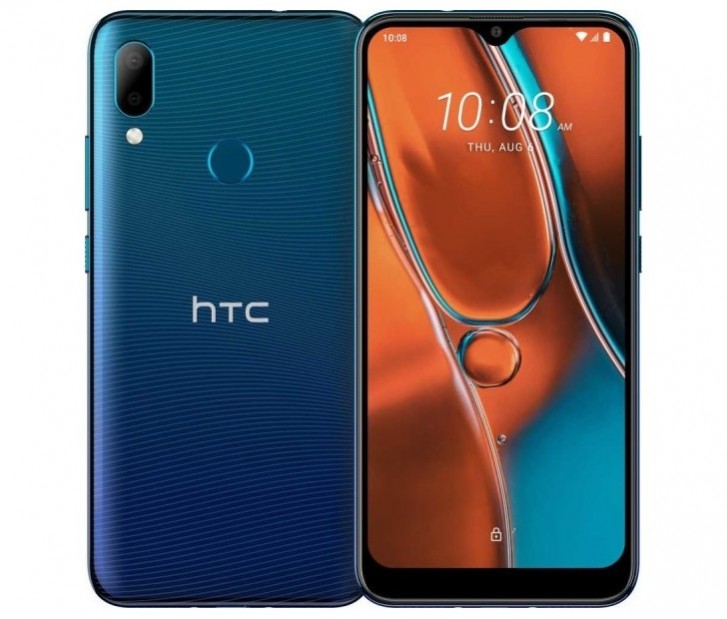
HTC has silently announced a new smartphone called HTC Wildfire E2 in Russia. It is a new mid-ranger from the brand that comes with a tall aspect ratio display, a modest chipset, a big battery, and triple rear cameras.
HTC Wildfire E2 specifications and features
The HTC Wildfire E2 comes with a polycarbonate construction measures 154 x 75.9 x 8.59mm and it weighs 173.5 grams. The rear side of the device has a textured appeal. The handset houses a 6.2-inch IPS LCD display that produces HD+ resolution of 720 x 1560 pixels. The Wildfire E2 has an 8-megapixel selfie camera. The rear-facing camera setup that is assisted by an LED flash includes a 16-megapixel main sensor and a 2-megapixel lens. The Wildfire E2 is capable of recording 1080p videos and it coffers photography features like autofocus, beauty mode, and face detection.
The Wildfire E2 is powered by Helio P22 chipset. It is coupled with 4 GB of RAM and 64 GB of internal storage. The device is equipped with a hybrid SIM slot for adding a microSD card. The phone comes preinstalled with Android 10 OS.
The HTC Wildfire E2 is backed with a 4,000mAh battery. Once charged, the phone can offer up to 20 hours of talk time, 25 hours of music playback, and 6 hours of video playback. It has a rear-mounted fingerprint reader. The other features that are available on the Wildfire E2 include dual SIM slot, 4G VoLTE, Wi-Fi, Bluetooth, GPS, micro USB, FRM radio, Dictaphone, and 3.5mm audio jack.
HTC Wildfire E2 pricing and availability
The HTC Wildfire E22 is priced at RUB 9,990 (~$135). The phone comes in two colors like black and blue. There is no word on which other markets will be receiving the Wildfire E2.
It is believed that the iQOO 5 series launching on Aug. 17 has two models. One could be a standard model whereas the other one could be a top model. A Vivo phone with model number V2024A was certified by the 3C authority of China. The 5G phone was spotted with a 55W charger. This model number is mentioned in the iQOO 5 reservations page on JD.com. It indicates that the model number belongs to the standard version of the iQOO 5. A new smartphone with a V2025A model number has received approval from the 3C certification platform. Since it has been spotted with a 120W charger, it seems to the top variant of the iQOO 5.
The V2025A’s 3C listing shows that it is a 5G phone and it is accompanied with a charger that has a V12060L0C0-CN model number. It supports maximum charging rates of 20V/6A (120W).
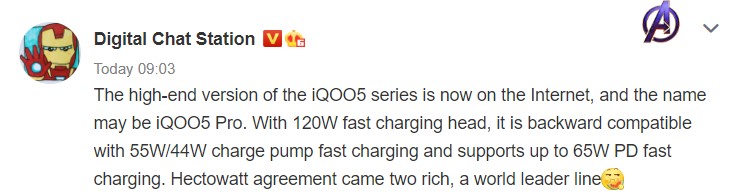
According to a Chinese tipster, the V2025A will be made official as iQOO 5 Pro. He added that its charging port is backward compatible with 55W/44W fast charging technology and it also supports 65W PD fast charging. It is speculated that the handset has a 4,000mAh battery. With 120W charging tech, the phone can fully charge in 15 minutes, claims the company.
iQOO has revealed that the iQOO 5 series is powered by Snapdragon 865 mobile platform. The SoC is coupled with LPDDR5 RAM and UFS 3.1 storage. It is known that the iQOO 5 houses an AMOLED display with punch-hole design. The screen curves impressively towards the left and right edges. It supports a 120Hz refresh rate and a 240Hz touch sampling rate.
A poster released by the company today states that the iQOO 5 has a 120db high dynamic Hi-Fi audio chip and stereo speakers. It supports Hi-Res audio. However, a video commercial of the phone that is doing rounds on Weibo shows that it lacks a 3.5mm audio jack. The video also suggests that the phone’s rear is equipped with a Vivo X50 Pro-like camera setup with a large-sized main camera sensor.
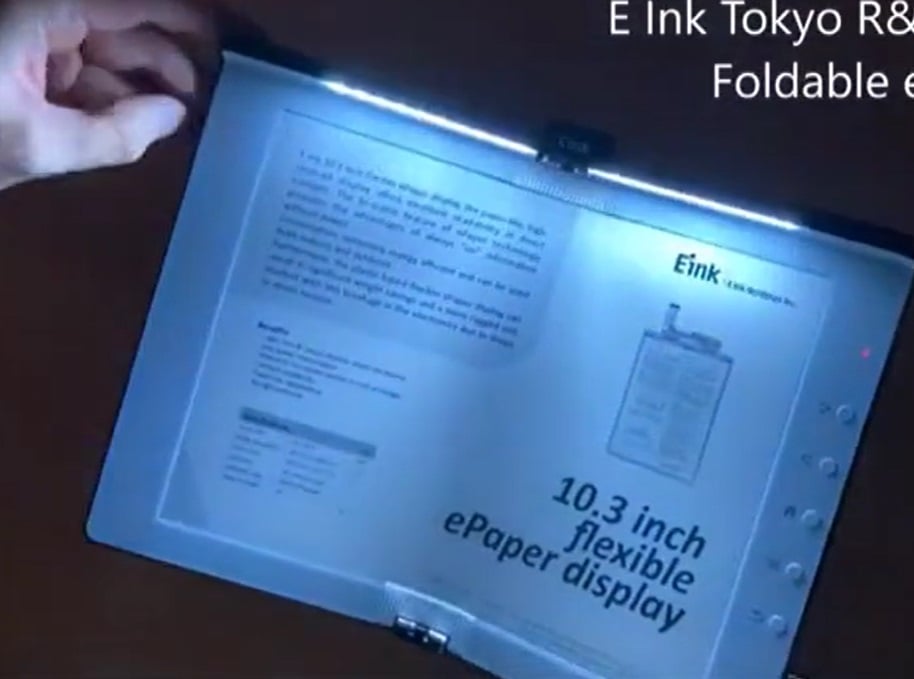
If you want a smartphone with a foldable display, you can actually purchase one this very minute. Manufacturers such as Samsung, Huawei, Motorola, and Flexpai have announced commercially available foldable devices with flexible OLED panels. However, OLED panels are not the only type of screens that have been made foldable. There are also flexible e-ink displays and E Ink just announced a new one.
Image source: ITHome
The new E Ink display is the 10.3-inch flexible ePaper display and it seems to have been announced very recently. It is just 0.1-inches larger than the version announced back in 2017. The main difference between the two seems to be the addition of a backlight to the new model, to make it easier to see even in low-light.
The flexible ePaper display will find good use in eReaders, e-ink notebooks, eNewspapers, and even small-sized signage boards. At the moment, there isn’t any commercially-available eReader that uses a flexible ePaper display and we are not sure we will see one soon. Wearable manufacturers also do not seem too keen to adopt flexible e-ink displays for use in their products.
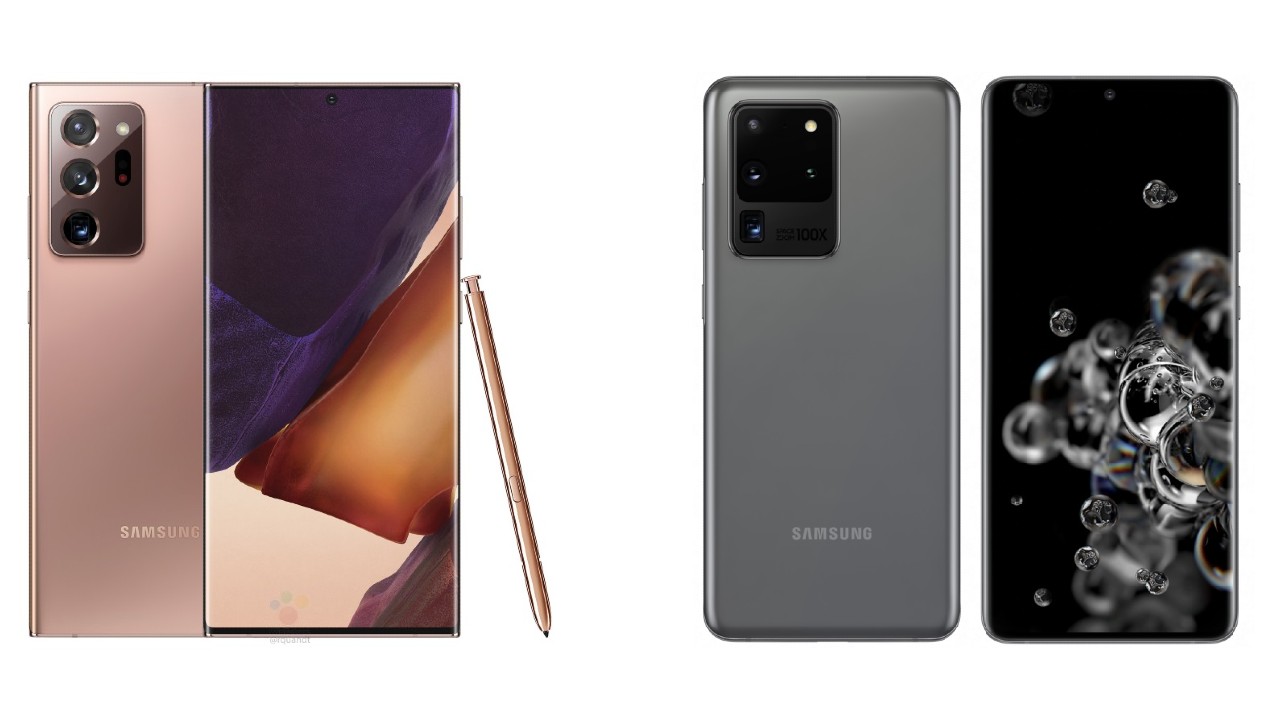
Who said new flagships are always better than older ones? Never been so wrong. Samsung announced the Galaxy Note 20 Ultra at its Unpacked event yesterday: it is a great handset and it brings a lot of new features to the shelves, but not all of its specifications are superior to its predecessor Samsung Galaxy S20 Ultra. This does not mean that the S20 Ultra is better than the Note 20 Ultra, but it depends on the kind of user you are if you are looking for a new flagship. This specs comparison will highlight all the main differences between Samsung Galaxy Note 20 Ultra and Samsung Galaxy S20 Ultra and, hopefully, it will let you understand which one is better for your needs.
Triple 108 + 12 + 12 MP f/1.8, f/3.0 and f/2.2
10 MP f/2.2 front camera
Quad 108 + 48 + 12 + 0.3 MP f/1.8, f/3.5, f/2.2 and f/1.0
40 MP f/2.2 front camera
BATTERY
4500 mAh, fast charging 25W, wireless charging Qi
5000 mAh, Fast Charging 45W, fast wireless charging 15W
ADDITIONAL FEATURES
IP68 waterproof, reverse wireless charging, 5G, S Pen
IP68 waterproof, reverse wireless charging, 5G
Design
Under the design point of view, despite being more productivity-oriented Samsung Galaxy Note 20 Ultra 5G wins the battle. It has a higher screen-to-body ratio and it comes in a wonderful matte color variant called Mystic Bronze which I consider definitely more beautiful than all the color variants of the Samsung Galaxy S20 Ultra 5G. Even the camera module is more elegant, and the build quality is higher. The Samsung Galaxy Note 20 Ultra features the new Gorilla Glass Victus protection by Corning allowing it to survive to drops up to 2 meters on hard surfaces. Both the phones are waterproof with the IP68 certification. Despite the presence of a slot for the S Pen, the Samsung Galaxy Note 20 Ultra is thinner and lighter than Galaxy S20 Ultra.
Display
There are only marginal differences when it comes to display quality, so we are not focusing too much on it. But there is an important difference which will make productivity users go for the Samsung Galaxy Note 20 Ultra: the S Pen support. With the S Pen, you can handwrite and draw with a very high accuracy thanks to an active digitizer for the stylus, you can remotely control the smartphone via Bluetooth and you can even perform air gestures. The dedicated physical key of the S Pen also allows shooting photos remotely. The display of the Samsung Galaxy Note 20 Ultra is slightly wider since the Samsung Galaxy S20 Ultra has a taller aspect ratio.
Specs & Software
In the Snapdragon version, the Samsung Galaxy Note 20 Ultra actually offers a better chipset than the Samsung Galaxy S20 Ultra. It is powered by the Snapdragon 865+ which offers a 10% boost in CPU and GPU performance, compared to the Snapdragon 865 found on the Galaxy S20 Ultra. But in the Exynos version (the one sold in the European market), Galaxy Note 20 Ultra and Galaxy S20 Ultra have exactly the same SoC: Exynos 990. EU customers are disappointed: some of them even opened class actions against the Exynos 990 on the S20 Ultra, yet Samsung decided to keep the processor on the Note 20 Ultra without even releasing an upgrade. Both the phone runs Android 10 out of the box, but the Samsung Galaxy Note 20 Ultra comes with more productivity features such as wireless DeX and deep integration with Microsoft services.
Camera
The camera department of the Samsung Galaxy S20 Ultra is superior to the one of the Galaxy Note 20 Ultra. Both the phones come with the same 108 MP main sensor, but the Galaxy S20 Ultra has a better periscope camera with a 48 MP resolution, as well as a better front camera with a 40 MP resolution. With the Galaxy S20 Ultra, you even get an additional 0.3 MP ToF 3D camera which is not present on the Note 20 Ultra.
The battery of the Samsung Galaxy S20 Ultra is bigger and that means it offers a longer battery life, given that the two phones come with the same software and similar specifications. Despite being bigger, it still charges faster thanks to a faster charging technology (45W power against 25W of the Note 20 Ultra).
Price
The Galaxy Note 20 Ultra has a starting price of €1329 in Europe and $1300 in the U.S., while Samsung Galaxy S20 Ultra starts from €1349/$1150, but it is actually a lot more affordable thanks to street prices. If you are a productivity user and you prefer having the S Pen, then the Galaxy Note 20 Ultra is actually a better option. Otherwise, Samsung Galaxy S20 Ultra is a superior phone due to better cameras and longer battery life. Note that in the Exynos version it has the same hardware and similar display to the Galaxy Note 20 Ultra, while in the Snapdragon version, it has a slightly better processor.
Samsung Galaxy Note 20 Ultra 5G vs Samsung Galaxy S20 Ultra 5G: PRO and CONS
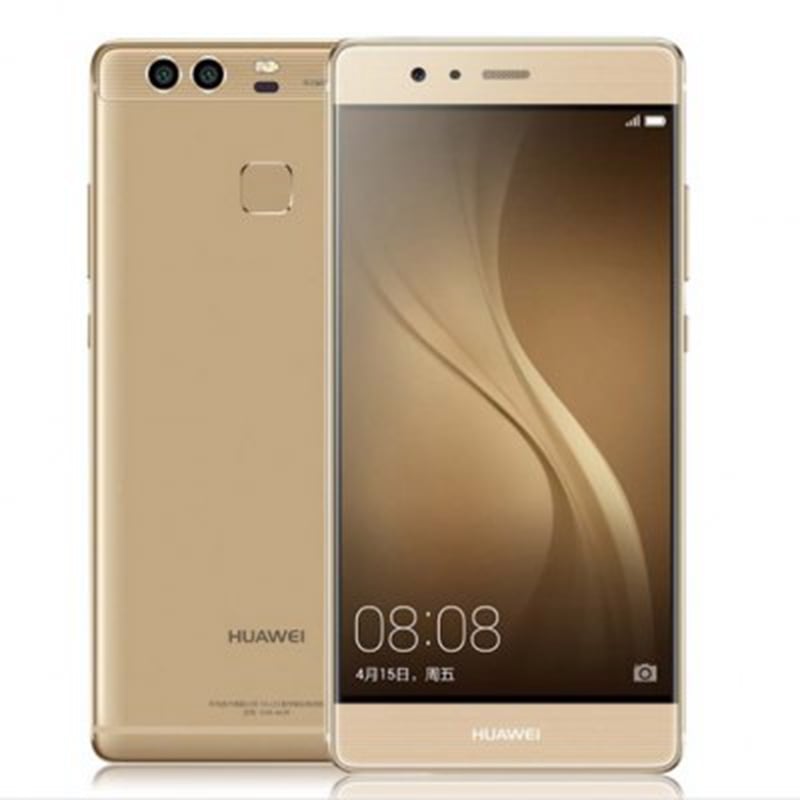
The Huawei P9 was released in 2016 and has already gotten four successors. However, Huawei is not done releasing updates for the device. The latest one rolling out to the device updates the security patch and brings a new feature too.
The update which is rolling out in China has build number EVA-AL10 8.0.0.550(C00) and is about 660MB in size. It comes with the security patch for July 2020 which is rolling out to phones such as the OnePlus 7 series and the Realme 5 series.
It has also been reported that the update brings a feature called Smart Charging that prevents the device from overcharging when plugged in to charge, most especially overnight. The feature slows down charging during the night since it knows the user will be asleep. The feature also helps slow down the battery’s aging process, though we are not sure about the battery life of a 4-year old device.
The Huawei P9 has a 5.2-inch screen with a 1920 x 1080 resolution. There is a Kirin 955 processor under the hood along with 3GB or 4GB of RAM and 32GB or 64GB of storage. On the back is a 12MP dual-camera setup in an RGB+B/W setup while the front is home to an 8MP selfie camera.
The device has a rear-mounted fingerprint scanner, NFC, an audio jack, and a 3000mAh battery with support for 18W fast charging. When it launched, it ran Android 6.0 Marshmallow out of the box and got an update to Android 7.0 Nougat.
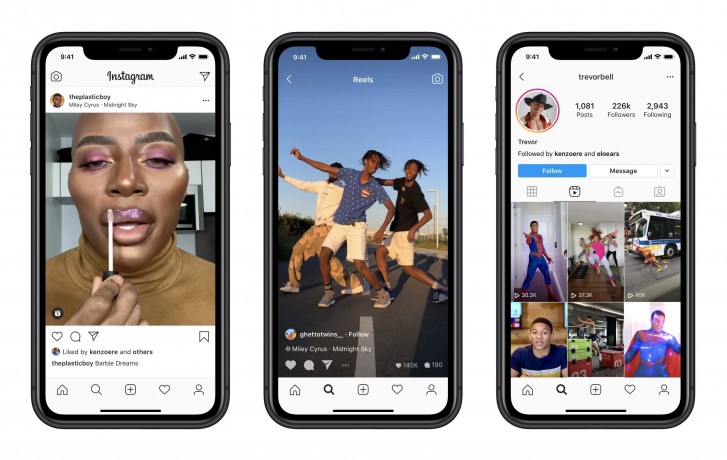
US President Donald Trump’s threat to ban TikTok has been in the news for quite a while and is responsible for Microsoft’s bid to acquire the social media giant’s US business. While a deal is yet to be struck, Instagram has launched its own video sharing platform that is aimed at taking on TikTok.
The platform known as Reels was first launched Brazil two months back. But now, the company has announced that the platform will be available on the Instagram app. The feature will allow users to record and edit 15-second multi-clip videos with audio, effects, and new creative tools. The feature will be made available in 50 countries.
The Instagram Reels is located in the Instagram Camera, the button in the top left corner with an overhaul of the entire interface. There are now several tools for editing. This includes adding Audio, AR Effects, Timer and Countdown for all the fun dances you want to do.
Users can share Reels the same way they share Live videos or regular posts but there is a dedicated tab on the profile where the videos will be located which makes it visible to everyone. Alternatively, only your followers can see the videos ff you set your privacy settings to Private.
There are also options of saving a reel as a draft before publishing. The cover image can also be changed and all other features that come to play when posting a video. The process of watching a ree posted by someone is also akin to viewing a regular photo or video. It appears either in the Feed or in the Discover tab. Instagram is also tagging some as “Featured” to “help users discover original content that will entertain and inspire”.
As of now, Instagram is yet to release a list of the countries where Reels will be available but Brazil, where it was tested, is definitely one of them. The feature has also launched in the United States, the United Kingdom, India, Japan, Australia, France and Germany. Let us know your experience in the comment section if you have got the feature.
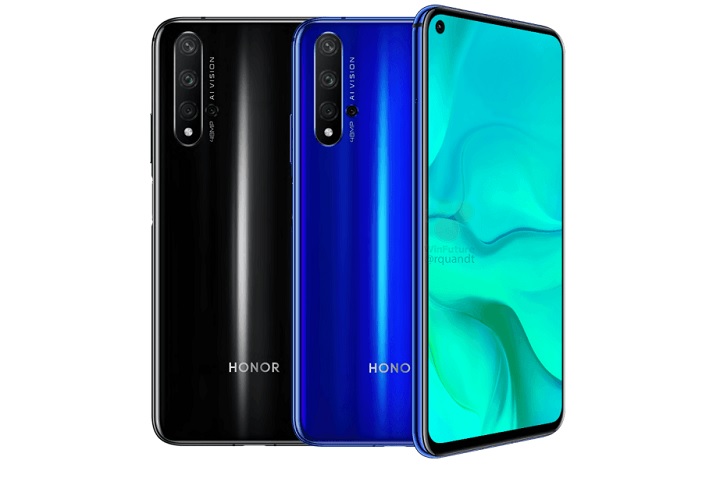
Honor 20 was one of the last Huawei smartphones to launch in India with GMS (Google Mobile Services). This handset came with Magic UI 2.1 based on Android Pie out of the box. Now, it is receiving the newly released Magic UI 3.1 in the country.
Just like Xiaomi (MIUI 12), Huawei has been rolling out EMUI 10.1/Magic UI 3.1 to its smartphones and tablets worldwide. After completing the rollout in China, the company is focusing on international markets.
Just last month, Honor 20 and Honor 20 Pro began to receive the much-awaited Magic UI 3.1 in Europe. Now, the same update is live in India but only the former device has got it so far.
The latest OTA system update for Honor 20 in India weighs a whopping 4.63GB in size and comes with build number 10.1.0.230. Apart from bringing new features, the update also bumps up the security patch level to June 2020.
The new Huawei mobile software brings features like Multi-Screen Collaboration, Cross-Device Photo Gallery, Multi-Window, Huawei MeeTime video calling app, and more.
As usual, the update is being rolled out in batches and hence it may take time to reach every unit out there.
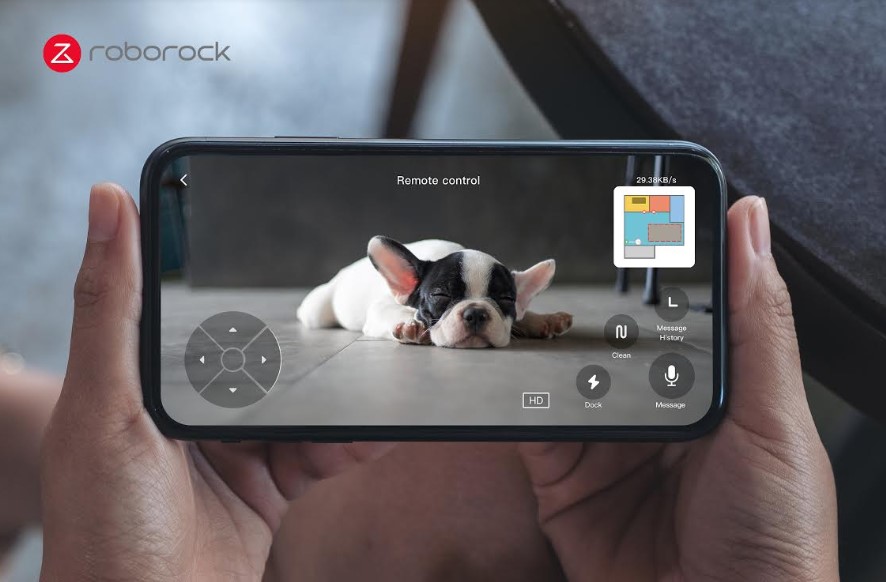
Roborock S6 MaxV Vacuum cleaner was launched in April with an advanced level of intelligence and security. It houses intelligent obstacle avoidance with the help of Qualcomm’s maturity and experience. However, a new update with version 01.44.36 is rolling out to Roborock S6 MaxV with plenty of new features and changes. It also packs some bug fixes and refinements for obstacle recognition feature.
Roborock S6 MaxV update brings new Remote viewing feature whilst ensuring the privacy of users’ data. It can now easily recognize different fabrics like socks, and the user can view photos of unknown objects taken by the robot.
The existing features have also perceived some refinements. It enhances the obstacle avoidance features, increases the positioning accuracy and efficiency, and improves water control for more even flow. There are general bug fixes and UI adjustments to improve the user experience.
Roborock has worked with biggies like Qualcomm to improve the security of the Robot Vacuum cleaner. It has improved the video-based function’s security by introducing two-factor authentication and even engaged with TUV-Rheinland to find security flaws. The device underwent around 60 tests from user-authorization to app cybersecurity and passed with flying colors.
Roborock S6 MaxV does not carry any security anomaly and TUV Rheinland has certified it with ERSI TS 103645 certification.
Note: ETSI TS 103645 is a consumer IoT standard issued by ETSI (European Telecommunication Standardization Committee). Being awarded TUV Rheinland’s ETSI TS 103645 certificate means the product has reached a high cybersecurity level and privacy protection level.
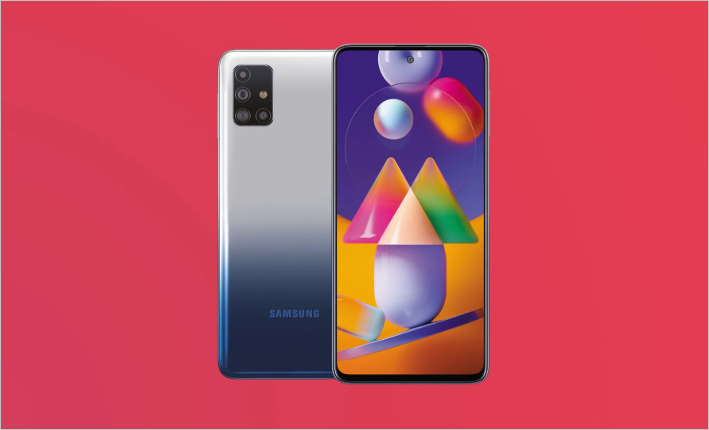
Samsung launched the Galaxy M31s last week and was billed to go on sale in India for the first time today (August 6). Indeed, the model has gone on sale in India. The device is no available on Amazon.in with the pricing starting at Rs. 19,499 (~$260). The 8GB RAM version comes in at Rs. 21,499 (~$287).
The Galaxy M31s is available in two memory options – 6GB RAM + 128GB storage and 8GB RAM + 128GB storage. Buyers will also avail themselves of the model in two different paint jobs: Mirage Black and Mirage Blue. Amazon is offering interested buyers in India a 6-month financing scheme with no-cost EMI. The retail giant who will retail the phone exclusively is also offering a 10% instant discount when a purchase is made using an HDFC credit or debit card during the Prime Day sale on August 6th and 7th.
The Galaxy M31s is Samsung’s first Galaxy M-series model that features a Super AMOLED Infinity-O display. The phone equally features a centre-aligned punch-hole cutout where the 32MP selfie camera is domiciled. The M31s sports a 6.5-inch display with Full HD+ resolution and Gorilla Glass 3 protection.
It is powered by an Exynos 9611 processor paired with 6GB/8GB RAM and there is 128GB of internal storage on both versions which can be expanded via a microSD card. The mid-range smartphone runs Android 10 with One UI 2 overlay.
Other features include a 64MP quad-camera setup with a 12MP ultrawide camera, a 5MP macro camera, and a 5MP depth sensor. The phone packs a 6,000mAh battery and it supports 25W fast charging and 9W reverse charging. You also get a dual-SIM card slot, A-GPS, Wi-Fi ac, Bluetooth 5.0, NFC, USB Type-C port, a 3.5mm headphone jack, and an under-display fingerprint reader.
Samsung also announced today, a price cut for the Galaxy A51. The 6GB RAM + 128GB variant which was launched for Rs 23,999 ($316) is now on offer for Rs 22,499 (~$300). The phone is also available on Amazon.in and on authorized retail stores in India.
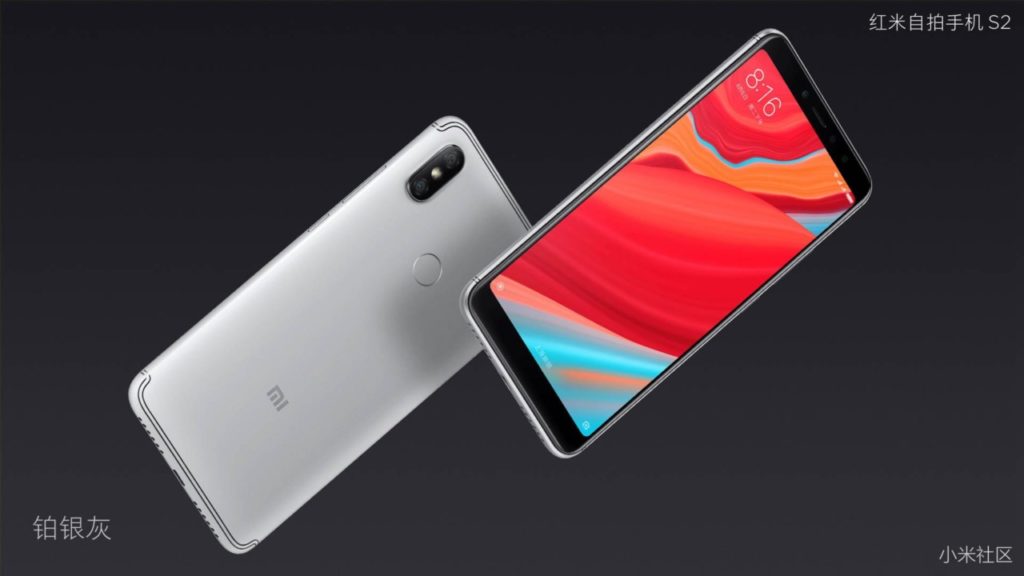
Xiaomi has been rolling out MIUI 12 stable updates to its huge portfolio of eligible devices worldwide. As most of the high-end and mid-range smartphones have received it, the company has now turned toward budget handsets. Currently, the Remi S2 and Redmi 6 Pro from 2018 have begun to get the update in China.
Both the Redmi S2 and Redmi 6 Pro launched with MIUI 9 based on Android Oreo out of the box. They were later updated to MIUI 10, followed by Android Pie and MIUI 11. Now, they have also started to receive MIUI 12, however, only in China for now.
The MIUI 12 stable update for Redmi S2 and Redmi 6 Pro comes with build number V12.0.4.0.PEFCNXM and V12.0.1.0.PDICNXM respectively. However, it does not bring all the features like AOD+ as these phones sport LCD panels.
But it does bring all the major new features like new animations, icons, control center, revamped settings, granular privacy controls, floating windows, Dark Mode 2.0, and more.
That said, we can now expect the global variants of these handsets to get the update very soon. For those unaware, Redmi S2 is also known as Redmi Y2 (India) while Redmi 6 Pro was also available as Mi A2 Lite in certain regions but that device won’t get MIUI 12 update as it is part of Android One program.
Intel was initially in the race to manufacture 5G chips but it abandoned that dream as a result of the dominance of Qualcomm. Instead, the company entered into a partnership with MediaTek to supply 5G modems for use on its laptop processors.
The partnership has yielded its first fruit and it is the T700 5G modem which according to Engadget has now been announced. The 5G modem is MediaTek’s first 5G product for laptops and it will find its way into the next-generation Intel-powered laptops.
The chip features support for Sub-6 5G and standalone 5G calls which are not dependent on the existing LTE network. In addition, MediaTek says it comes with support for non-standalone Sub-6 5G networks and is “highly power-efficient”. That means you won’t have to bother about battery life when surfing the internet on 5G or making calls.
There are already laptops wit 5G connectivity support but most of the models in the market are powered by Qualcomm’s 5G modems. This new MediaTek T700 5G will likely bring down the prices of 5G laptops packing the modem since MediaTek ‘s prices are less than Qualcomm’s. We expect to see it on laptops pretty soon.
A press release sent to us says the feature will be available to owners of the OnePlus 7 Pro, OnePlus 7T series, and OnePlus 8 series which all have a refresh rate of 90Hz and up. They will be able to experience PUBG exclusively at this new rate starting today, August 6, until September 6. Surprisingly, the OnePlus Nord which also has a 90Hz refresh rate is missing from the list.
OnePlus says the exclusive experience is available to users across the globe excluding those in Mainland China, Japan, and Korea.
Playing at 90 FPS is said to be evident while panning, using a scope, running, and searching for other players at a distance. this means you should get an edge over other gamers playing at a lower frame rate.
Do you use any of the aforementioned phones? Do you play PUBG? Let us know what the new experience feels like.
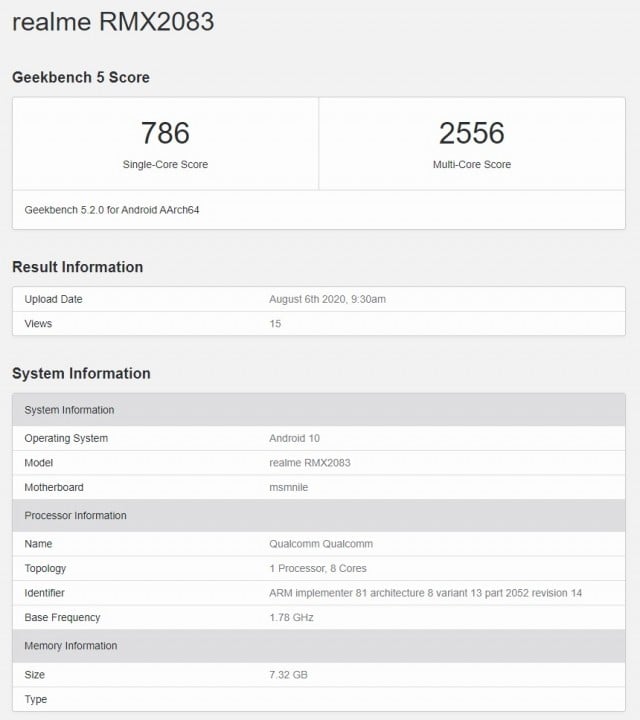
There have been several speculations regarding the Realme X3 Pro but the company is yet to officially reveal anything about the model. In the early part of this year, a Realme-branded model bearing the model number RMX2121 was spotted on TENAA and it is believed to be the X3 Pro.
A Realme model bearing a different model number has now appeared on the benchmarking app GeekBench database. The device adopts the codename RMX2083 and is powered by a Qualcomm Snapdragon 855+ chipset. This springs up confusion as to the actual configuration of the actual X3 Pro.
The Realme X3 and X3 Superzoom are both powered by a Snapdragon 855+ so, the X3 Pro may as well pack a Snapdragon 855+ chipset. However, just recently a third model with model number RMX2170 and said to be the X3 Pro was certified by TUV Rheinland. The model packs a 65W fast charge support.
Realme has already launched the X3 and X3 Superzoom a few months back. The X3 Superzoom came with a telephoto camera which supports up to 5X optical zoom. The phone equally features up to 12 GB RAM and an impressive 32 MP selfie shooter.
At the moment, the exact specifications of the model are unknown but GeekBench shows it will have 8GB of RAM and will run on Android 10 operating system. There speculations that Realme will launch the model during its maiden appearance at IFA Berlin 2020 this September.
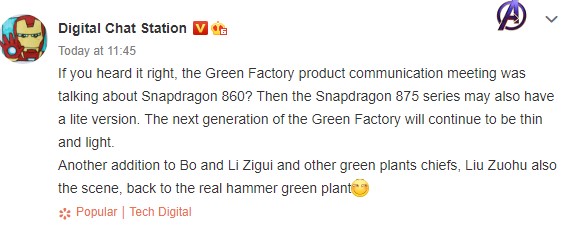
The Snapdragon 865 Plus is Qualcomm’s latest flagship processor. The San Diego-based is expected to announce a Snapdragon 875 processor at the end of the year which will power the flagships of 2021. Now, a new leak says we may be getting a new Snapdragon 800 series chipset but one that should be less powerful than the Snapdragon 865.
According to a post on Weibo by Digital Chat Station, details from an OPPO meeting included the mention of a new processor called the Snapdragon 860. He adds that the chipset should be a lite version of the Snapdragon 875 (or Snapdragon 875G?).
We don’t have enough details on this new chipset yet but if it is already being discussed by manufacturers, then it is most likely on the way.
We believe the launch of the Snapdragon 860 will bring chaos to the Snapdragon 800 series. Only a handful of manufacturers launch phones with the previous year’s chipsets. So adding a Snapdragon 860 to the mix will mean having to choose between it, the Snapdragon 865, and the Snapdragon 865 Plus.
We use cookies on our website to give you the most relevant experience by remembering your preferences and repeat visits. By clicking “Accept”, you consent to the use of ALL the cookies.
This website uses cookies to improve your experience while you navigate through the website. Out of these, the cookies that are categorized as necessary are stored on your browser as they are essential for the working of basic functionalities of the website. We also use third-party cookies that help us analyze and understand how you use this website. These cookies will be stored in your browser only with your consent. You also have the option to opt-out of these cookies. But opting out of some of these cookies may affect your browsing experience.
Necessary cookies are absolutely essential for the website to function properly. This category only includes cookies that ensures basic functionalities and security features of the website. These cookies do not store any personal information.
Any cookies that may not be particularly necessary for the website to function and is used specifically to collect user personal data via analytics, ads, other embedded contents are termed as non-necessary cookies. It is mandatory to procure user consent prior to running these cookies on your website.