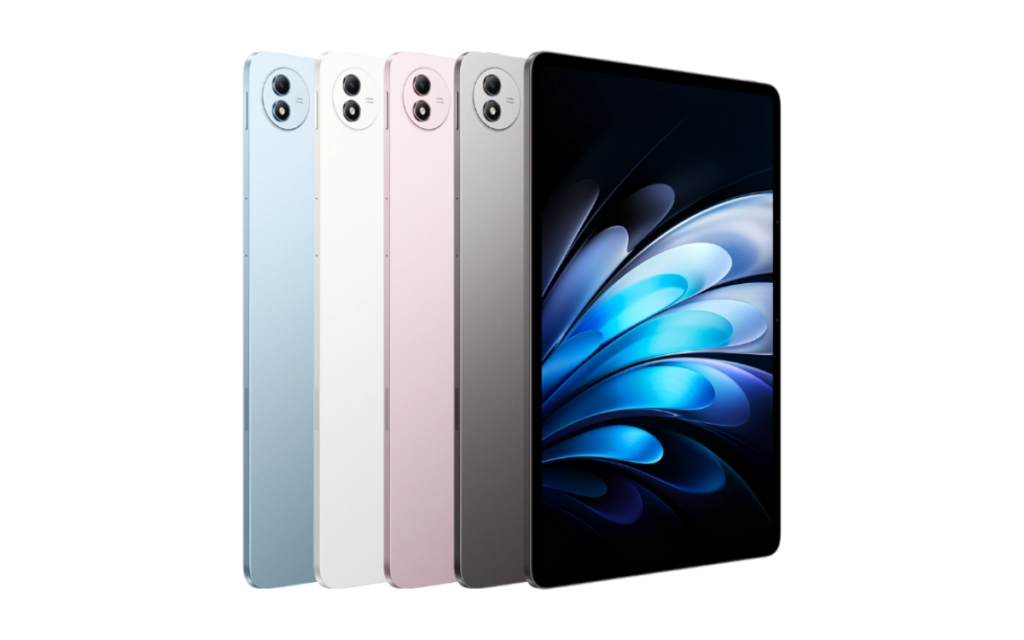
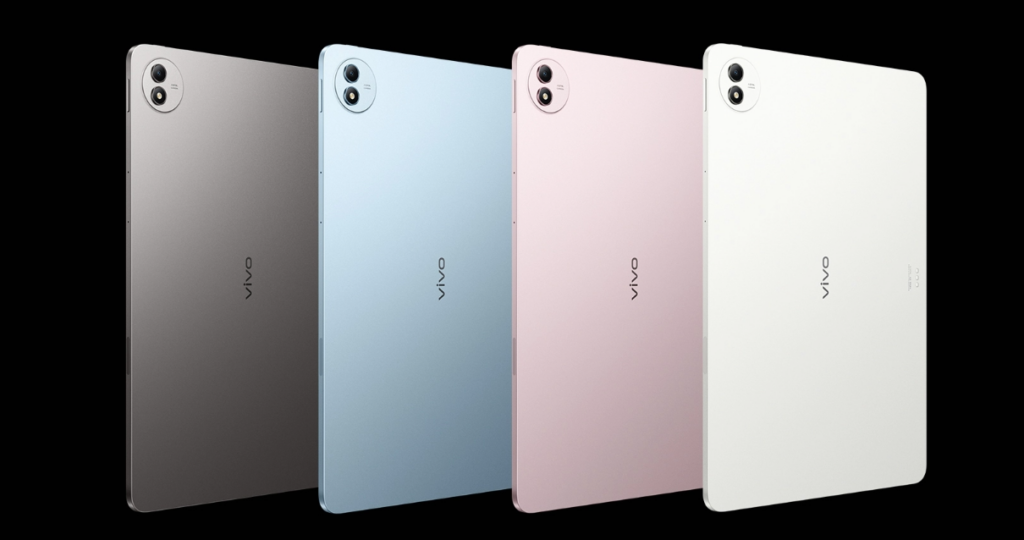
Vivo has officially launched the Vivo Pad 5 Pro Soft Light Edition in China. This new edition retains most specifications of the original Pad 5 Pro released earlier this year, but introduces an upgraded soft light display aimed at enhancing visual comfort.
Vivo Pad 5 Pro Soft Light Edition Specifications
The Pad 5 Pro Soft Light Edition features a 13-inch 3.1K display with a 3096 × 2064 resolution, a 3:2 aspect ratio, and peak brightness reaching 1,200 nits. It supports a 144Hz refresh rate for smooth scrolling and visuals, while a soft light coating helps reduce glare and eye strain during long sessions.
Vivo integrates dual-side light input technology to improve brightness efficiency while keeping power consumption low. The display also supports ecosystem-level color management to ensure consistent and accurate colors across apps and media content.
Under the hood, the tablet is powered by the flagship-grade MediaTek Dimensity 9400 processor. The chip is complemented by a large 40,600mm² VC cooling system to ensure sustained output without overheating.
The Vivo Pad 5 Pro Soft Light Edition runs OriginOS 5, delivering improved multitasking and productivity features. It supports PC level WPS document handling and includes AI-driven tools designed to manage demanding workflows. The tablet retains a 13MP rear camera and an 8MP front-facing camera for everyday photography and video calls.
The device is backed by a large 12,050mAh battery that supports 66W fast charging. It also features an eight-speaker panoramic audio system for a cinema-grade sound experience.
The tablet is impressively slim at 5.96mm and weighs only 578g, making it highly portable. For expanded productivity, vivo offers accessories including the Pencil 3 stylus, Smart Touch Keyboard 5 Pro, and Smart Dual-Sided Protective Case 5 Pro.
Pricing & Availability
The Vivo Pad 5 Pro Soft Light Edition is available in two configurations. The 12GB + 256GB variant is priced at 3,699 yuan ($524) while the 16GB + 512GB version is priced at 4,199 yuan ($595).
Sales have begun in China, and the tablet is available through major online retailers, including Vivo Mall and JD.com.
For more daily updates, please visit ourNews Section.
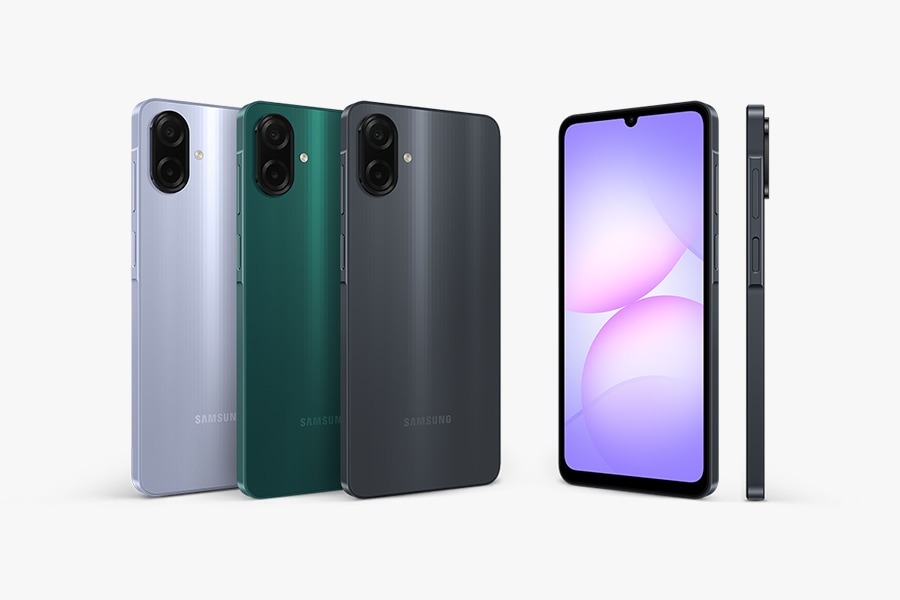
Samsung’s upcoming Galaxy A07 5G has surfaced once again, this time on Geekbench’s GPU Compute Benchmark test, giving us an idea of what to expect from the company’s next entry-level 5G phone. The new listing follows an earlier benchmark that was widely questioned, making this appearance far more interesting for anyone tracking Samsung’s budget lineup.
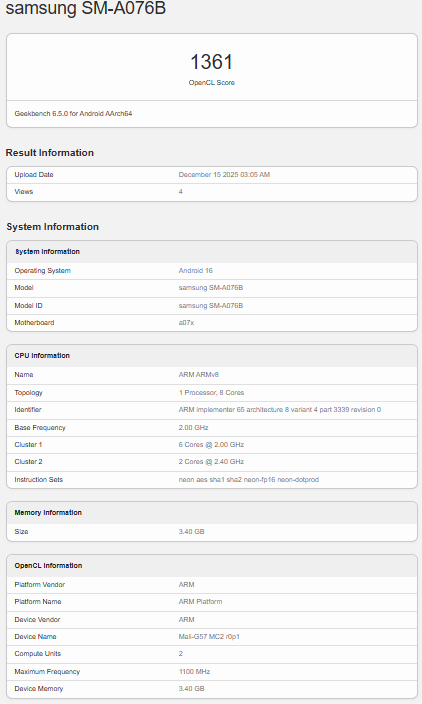
The device shows up under the model number SM-A076B, first spotted by tipster @yabhishekhd. According to the listing, the phone scored 1,361 points in the OpenCL test, offering a rough idea of its GPU performance. The listing further reveals an octa-core CPU setup, with six efficiency cores clocked at 2.0GHz and two performance cores running at 2.4GHz, paired with a Mali-G57 MC2 GPU.
These details strongly suggest the Galaxy A07 5G is powered by the MediaTek Dimensity 6300, the same chip used in the Galaxy A06 5G. If accurate, Samsung appears to be sticking with familiar hardware while likely focusing on slight tweaks or refinements elsewhere. The benchmark also confirms 4GB of RAM and shows the phone running Android 16, which would make it one of the more affordable devices for Galaxy fans to look forward to.
Beyond benchmarks, the Galaxy A07 5G has already started appearing on official Samsung support pages across multiple regions. The phone has also picked up certifications from Nemko and the Bluetooth SIG, further hinting that its launch is getting closer.
As for timing, recent tips point to a launch either later this month or in early January 2026. While Samsung hasn’t confirmed anything yet, the growing number of listings and certifications suggests an announcement isn’t far off. If priced right, the Galaxy A07 5G could become a solid option for buyers looking for basic performance, 5G connectivity, and up-to-date software at a budget price.
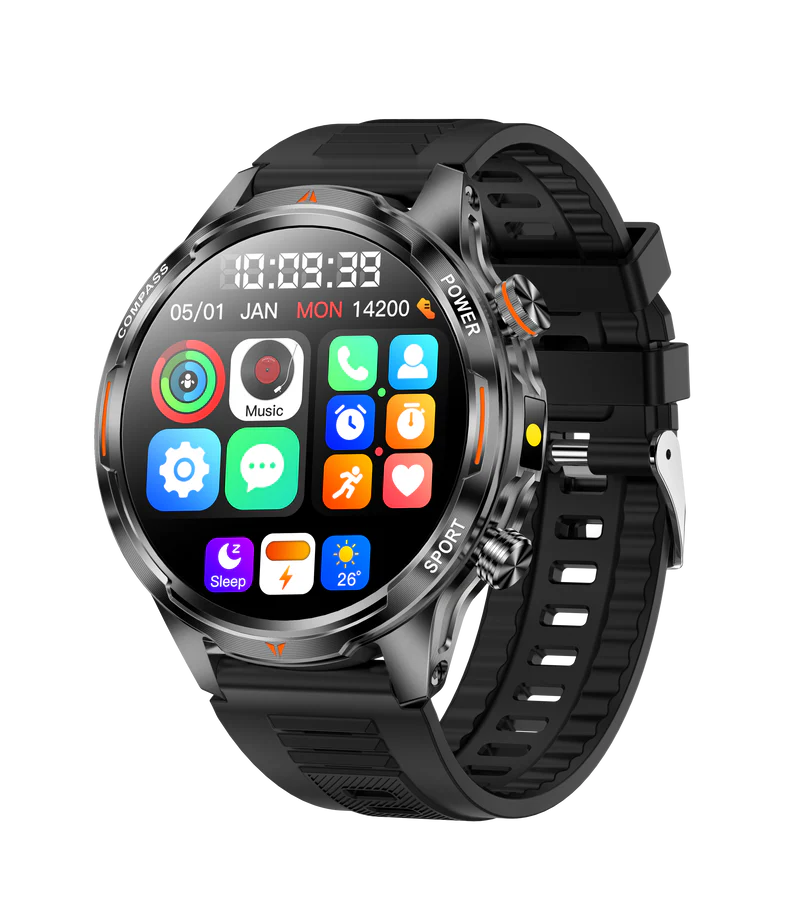
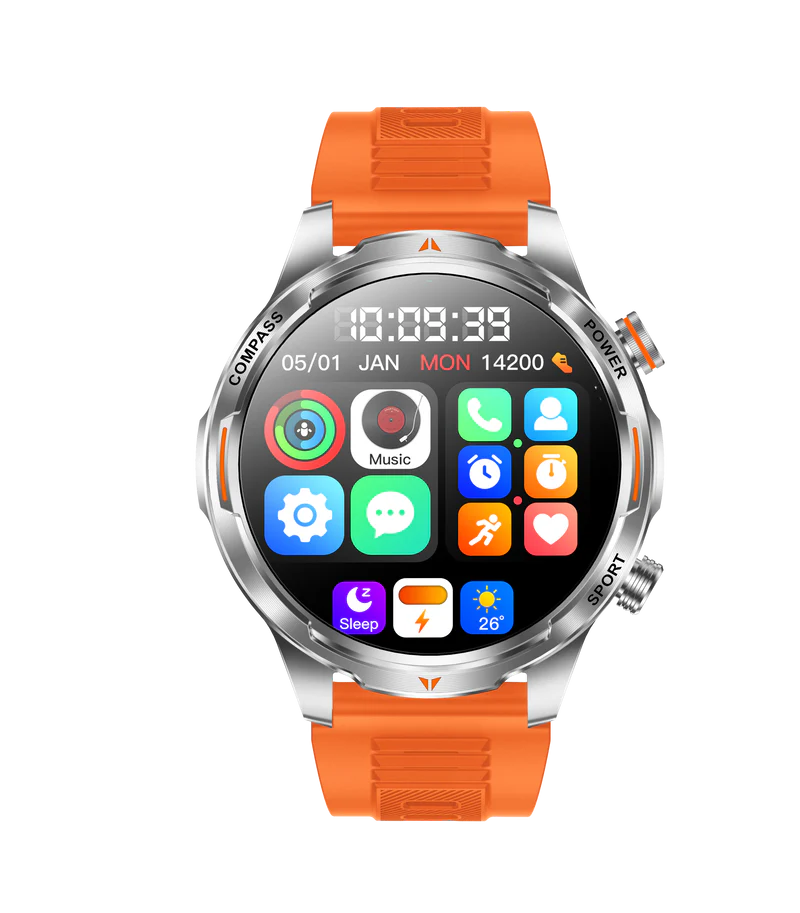
Rogbid has launched the Enduro, its first smartwatch focused on ultra-long battery life and outdoor durability. The device features a 1100mAh battery that supports up to 5-7 days of use in Bluetooth call mode, 40 days in daily mode, and over 100 days in standby.
Rogbid Enduro Specifications
The Enduro comes with a 1.7-inch IPS display that offers a 360 × 360 resolution. The screen is designed to remain clear and visible under direct sunlight, making it suitable for outdoor navigation, activity tracking, and notifications. Rogbid has included a full-metal body with MIL-STD-810H military-grade durability, ensuring resistance to heat, cold, dust, and drops.
For connectivity, the smartwatch supports Bluetooth calling through a built-in microphone and speaker. It allows calls to be made and received directly from the wrist, while also syncing contacts and delivering messages and app notifications when paired with an Android or iOS smartphone.
In terms of health and fitness, the Enduro tracks heart rate, blood oxygen levels, and sleep quality. It includes breathing exercises and multiple sports modes such as running, walking, and treadmill workouts. The step counter, calorie tracker, and distance measurement system help users stay informed about their activity levels throughout the day.
Rogbid has added extra features aimed at outdoor use. The smartwatch includes a built-in compass and a powerful flashlight. It also offers 5ATM water resistance, making it safe for use during rain or swimming. The speaker and microphone are waterproof as well.
Pricing and Availability
The Rogbid Enduro is priced at $29.99 and is now available in four color options: Black, Brown, Orange, and Camouflage. It features a 52mm case and a 22mm interchangeable strap.
Rogbid is offering a limited-time holiday promotion where customers receive a stainless-steel strap and a Christmas card with each purchase. This offer is limited to the first 200 buyers.
In related news, Fastrack has recently launched the Cosmix smartwatch with a curved metallic design, an AMOLED display, and built-in health tracking features, while Amazfit has introduced the T-Rex 3 Pro 44mm in Tactical Black with route planning and offline map support.
For more daily updates, please visit ourNews Section.
After weeks of rumors and teasers, Vivo‘s next compact flagship is finally here. The Vivo S50 Pro Mini has officially debuted in China with high end hardware that brings flagship level performance. But this isn’t simply a powerful compact phone and arrives more as a well rounded premium device. So here’s everything you need to know.
Vivo S50 Pro Mini: Design & Display
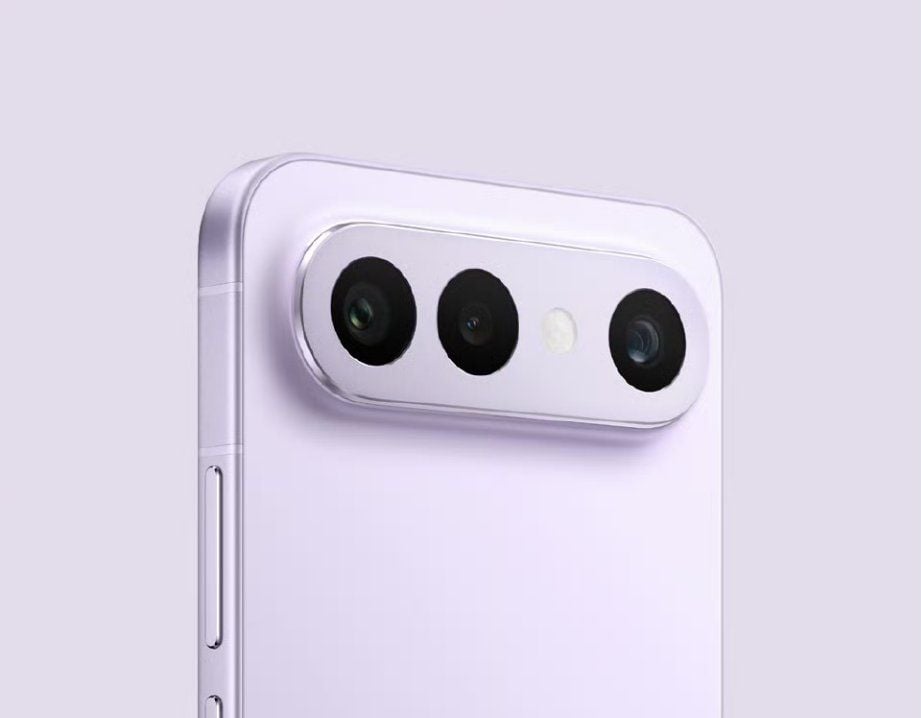
The Chinese tech giant has made a massive overhaul with the design of the Vivo S50 Pro Mini. Unlike its predecessor, the latest Vivo S series phone has horizontally stacked cameras on a raised module, which appears similar to the iPhone Air. The rear uses a flat glass panel with the sides featuring aerospace grade metal frames. The Vivo S50 Pro Mini measures just 8.1mm thick and weighs around 192 grams. You also get an IP68 + IP69 rating for water and dust resistance.
Vivo S50 Pro Mini in Confession White
Meanwhile, the front also houses a flat panel. It sports a relatively small 6.31-inch LTPO AMOLED display with a 1.5K resolution (2640 x 1216p), a 120Hz refresh rate, eye protection display features, 94.38 percent screen-to-body ratio, 5000 nits of peak brightness, 4320Hz PWM dimming, and an ultrasonic in-display fingerprint scanner.
Performance
Powering the Vivo S50 Pro Mini is Qualcomm’s new Snapdragon 8 Gen 5. This offers a notable jump in performance over its predecessor, the Vivo S30 Pro Mini, which was powered by the older Dimensity 9300+ SoC. In a typical smartphone lineup launch, the smaller model is the base model, while the more expensive smartphone has a larger display. A great example is the iPhone 17 and iPhone 17 Pro Max. But Vivo’s new compact phone is undoubtedly the more premium option.
This new chipset is paired with up to 16GB of LPDDR5X Ultra RAM and 512GB of UFS 4.1 storage. Despite the small physical footprint, the Vivo S50 Pro Mini houses an impressively large 6,500mAh battery pack, which supports 90W wired fast charging and 40W wireless fast charging. Other notable features include stereo dual speakers, an X-axis linear motor, Bluetooth 5.4, WiFi 7, and Android 16 OS based OriginOS 6 custom skin out of the box.
Camera
Inspirational Purple
The brand isn’t building a phone with performance only in mind. Just like the last gen model, you get a versatile camera system, but the image sensors seem to remain unchanged. So you get a 50MP main camera (1/1.56-inch, OIS, f/1.57), a 50MP Sony IMX882 periscope telephoto shooter (3x optical zoom, OIS, f/2.65), and an 8MP ultra wide angle lens (110° FOV, f/2.2, autofocus). Meanwhile, the front houses a 50MP shooter for selfies and video calls (f/2.0).
Pricing and Availability
Vivo just announced the S50 Pro Mini in China in three color options, namely Confession White, Inspiration Purple, and Deep Space Black. It is also available in multiple storage configurations, so here are the pricing details:
12GB + 256GB – 3,699 Yuan (roughly 524 US Dollars)
12GB + 512GB – 3,999 Yuan (roughly 567 US Dollars)
16GB + 512GB – 4,299 Yuan (roughly 609 US Dollars)
The Vivo S50 Pro Mini has been launched in China and will be available for purchase via the brand’s official website in the region.
For more daily updates, please visit our News Section.
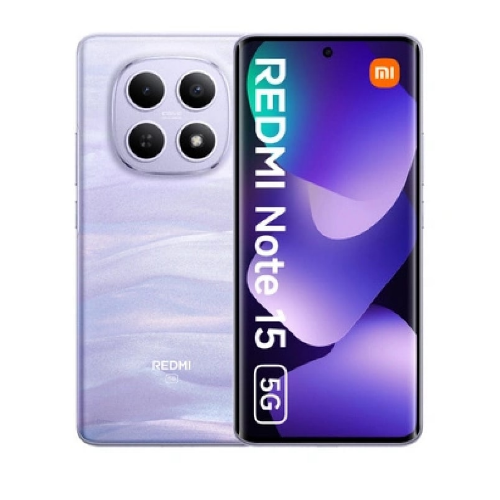
Over the last few days, Xiaomi has been teasing the highly anticipated release of the next Redmi Note series. The brand has already confirmed some specs and features of the Redmi Note 15 5G earlier this month. Now, a fresh teaser has revealed its chipset details as well. So let’s check it out.
Redmi Note 15 5G launching with Snapdragon power in India
To recall, Xiaomi launched the Redmi Note 15 5G, Note 15 Pro 5G, Note 15 Pro+ 5G, Note 15 4G, and Note 15 Pro 4G in the global market. The Chinese tech giant is also gearing up to unveil the Redmi Note 15 5G in the Indian market on 6th January 2026. But ahead of its debut, the latest teaser poster has confirmed its Amazon India availability as well as the chipset that will power it.
Redmi Note 15 5G
Under the hood, the upcoming Redmi Note 15 5G will be equipped with the Qualcomm Snapdragon 6 Gen 3 SoC. This chipset promises to offer a 30% boost in CPU performance and a 10% bump in GPU performance over its predecessor. Based on what we know so far, the new mid range phone will pack a 108MP camera on the rear, which supports OIS (Optical Image Stabilization) and 4K video recording.
A sizeable 5,520mAh battery pack will power this device, which likely offers around 45W wired fast charging support. This makes it quite similar to the Chinese variant. So we can expect it to also offer a tall 6.77-inch AMOLED display with an FHD+ resolution, a 120Hz refresh rate, and an in-display fingerprint scanner. It might also arrive with an IP65 rating for water and dust resistance.
Xiaomi now builds its own home appliances, starting with a self-produced central air conditioner.
The factory uses automotive-grade smart manufacturing with full inspection and ultra-fast production.
Rapid construction and in-house control let Xiaomi scale smarter, more affordable appliances faster.
Global market impact: Xiaomi’s in-house, high-efficiency manufacturing could lower global appliance prices and accelerate smart product innovation among established brands.
Xiaomi has officially completed and put into operation its first large home appliance factory, the Wuhan Xiaomi Smart Home Appliance Factory (Phase I), located in Wuhan’s East Lake High-tech Development Zone (Optics Valley). This is Xiaomi Group’s third major smart factory, following its smartphone smart factory and automotive super factory, and it marks a clear shift in strategy from outsourcing appliances to building them in-house.
The first product from the factory, the Mi Home Central Air Conditioner Pro, has been announced as “coming soon.” Featuring a dual fan wheel design, it is Xiaomi’s first self-produced central air conditioner and represents Xiaomi taking full control over design, quality, and production, an approach more commonly seen in the automotive industry than in home appliances.
Smart manufacturing is central to the factory’s role. Key components undergo 100% quality inspection, while production efficiency allows one air conditioner to come off the line in as little as 6.5 seconds. The entire facility is connected to Xiaomi’s Surge Intelligent Manufacturing Platform, enabling tighter quality control, faster iteration, and deeper integration with Xiaomi’s smart home ecosystem.
The speed of construction also reflects Xiaomi’s manufacturing ambitions. The project moved from agreement signing in August 2024 to structural topping-out by January 2025, earning praise for refreshing the “Optics Valley speed.”
Phase I focuses on air conditioning, with six sub-factories covering household and central systems from assembly to final production, positioning Xiaomi to bring smarter, more reliable, and potentially more affordable central air conditioning to a wider market.
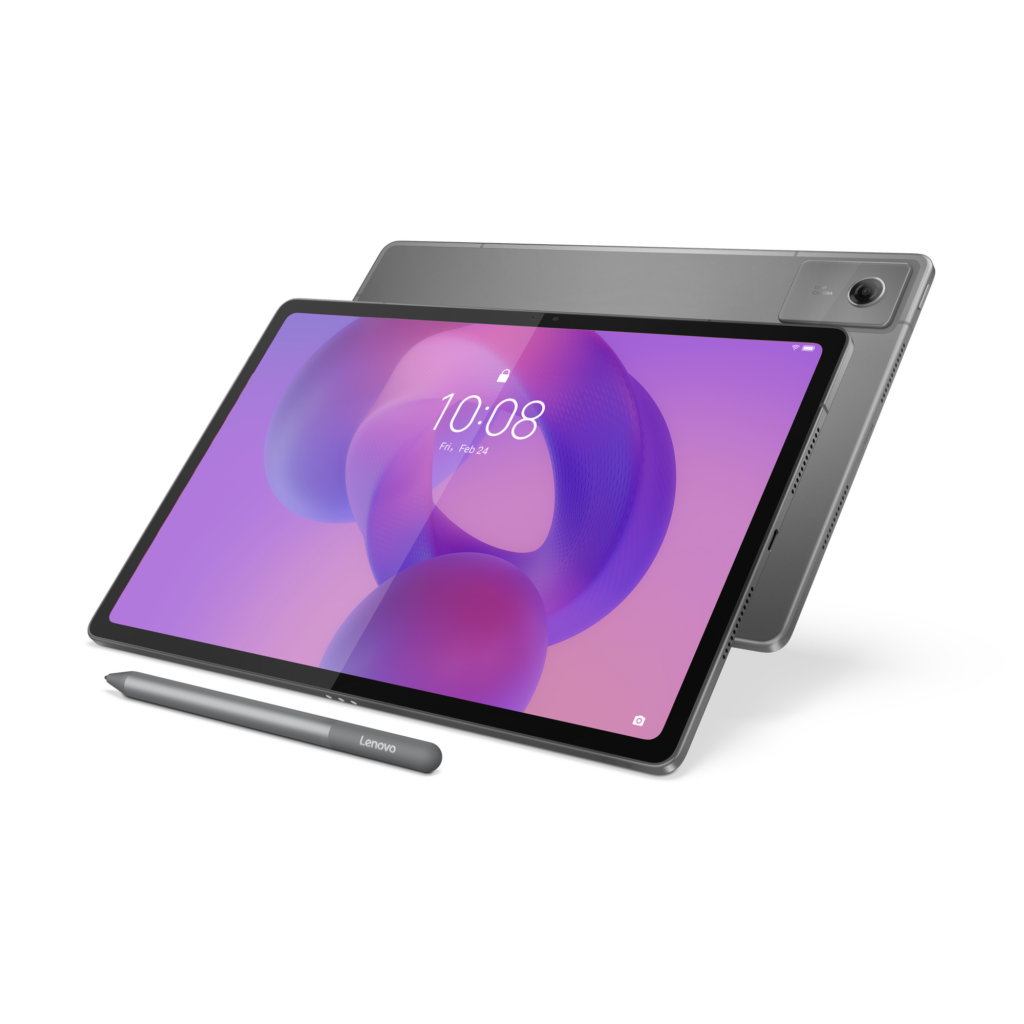
Lenovo has just launched a new tablet in the Indian market that is built for versatile use. The brand’s Idea Tab Plus was announced globally back in September and is now arriving in the region with a tall display with a high resolution, stylus support, 5G connectivity, a massive battery, and much more. So here’s everything you need to know.
Lenovo Idea Tab Plus Specifications
The Chinese brand has announced the Idea Tab Plus with a tall 12.1-inch LCD panel with a 2.5K resolution, 90Hz refresh rate, and 800 nits of peak brightness. While the front houses an 8MP selfie shooter, the rear has a 13MP camera. Under the hood, it is equipped with the MediaTek Dimensity 6400 SoC, which is paired with up to 12GB of RAM and 256GB of internal storage. Users can even expand storage via a microSD card slot.
Lenovo Idea Tab Plus with Tab Pen stylus
A massive 10,200mAh battery pack powers this tablet, which supports 45W wired fast charging. Lenovo claims that the mid range tablet can last through a typical day with mixed use. Despite the huge battery capacity, the tablet weighs just 6.29mm in thickness and weighs around 530 grams. Looking at its specs, it is clear that the company built this tablet for everyday use, consuming media, and productivity/studying. Other notable features include Lenovo NotePad with AI Notes, Circle to Search with Google, Google Gemini, and stylus support.
Lenovo bundles the Idea Tab Plus with the Tab Pen stylus that adds to its functionality, like sketching, taking notes, and more. It is listed for purchase in a single Luna Gray color option. It has a starting price tag of Rs 27,999 for the base configuration, while the 12GB + 256GB variant is priced at Rs 30,999.
For more daily updates, please visit our News Section.
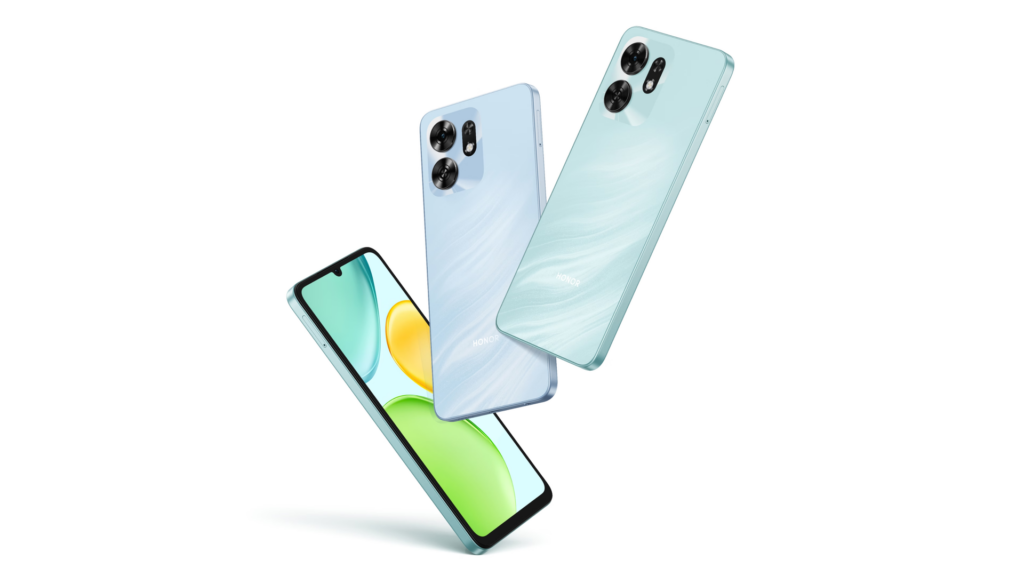
Honor has officially launched the Honor Play 60A in China as a new budget-friendly smartphone. The device brings a large display, a capable MediaTek Dimensity chipset, and a massive battery, while still keeping the overall design slim and lightweight. Read on to know the detailed specifications, features, and pricing of the newly launched smartphone.
Honor Play 60A specifications and features
Honor Play 60A
The Honor Play 60A measures 167mm in length, 77mm in width, and is 7.89mm thick, while weighing around 186 grams. On the front, it features a 6.75-inch TFT LCD display with an HD+ resolution of 1600 x 720 pixels. It offers eye protection and natural light-like display modes for comfortable viewing during extended usage.
Under the hood, the Play 60A has the MediaTek Dimensity 6300 chip, paired with up to 6GB of RAM and 128GB of internal storage. Keeping the device running throughout the day is a 5,300mAh battery, which supports 15W charging. In the camera department, the phone features a 13-megapixel rear camera and a 5-megapixel front camera. Both cameras support up to 1080p video recording.
Honor Play 60A
The Honor Play 60A runs MagicOS 9.0 based on Android 15. Other features include face unlock, stereo audio enhancements through Honor Sound, a 3.5mm headphone jack, dual nano SIM support, 5G connectivity, dual-band Wi-Fi, Bluetooth 5.3, USB Type-C, OTG support, and multiple satellite positioning systems.
Honor Play 60A price and availability
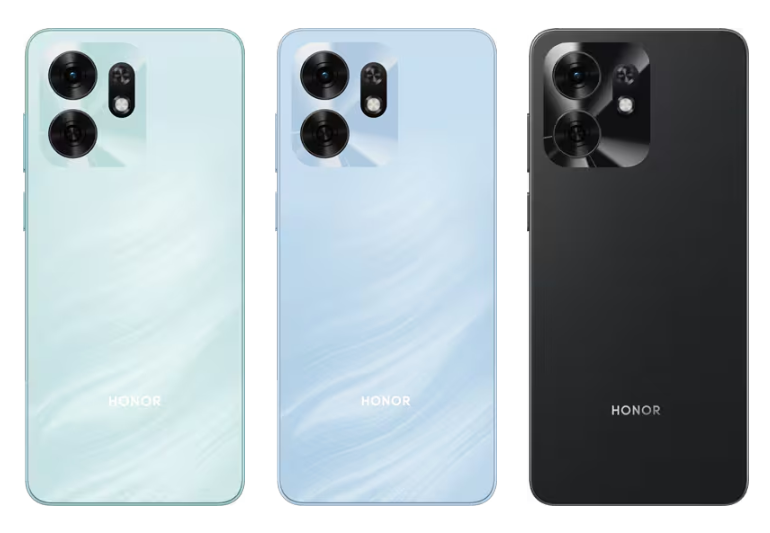
The Honor Play 60A comes in Lake Blue, Azure Sky, and Inky Black Rock colour options. The smartphone is priced at 1,599 Yuan (~$226) for the 6GB RAM+128GB storage variant. There is no confirmation yet regarding offers or availability outside China.
For more daily updates, please visit our News Section.
Tipster Digital Chat Station has revealed that a new smartphone is on the way with a standout combination of ultra-large battery capacity and sleek design. According to his post on Weibo, the unnamed device will include a 10,000mAh battery, support 100W wired charging, and offer full-speed wireless charging, all while keeping its body thickness under 8.5mm.
The tipster did not name the brand, but several clues point to the upcoming Redmi K90 Ultra. Digital Chat Station hinted that the device will be part of a performance-focused sub-series and is expected to use a flagship MediaTek Dimensity 9-series chipset.
This marks a significant upgrade over the Redmi K90 Pro Max, which comes with a 7,560mAh battery. While earlier reports suggested that the new model might feature an 8,000mAh cell, it now appears that Xiaomi has managed to make room for an even larger 10,000mAh unit, without compromising the slim profile.
In the comment section of the post, a user asked why the phone maker did not simply increase the thickness to 9.5mm to allow for even more battery. The tipster responded by asking, “So you completely don’t care about in-hand feel?” This suggests that the manufacturer is prioritizing ergonomics while still trying to maximize endurance.
The tipster also dismissed speculation about the use of mid-range processors such as the Snapdragon 7 series or Dimensity 8000 series. He replied with a rhetorical question, “Don’t you want a top-tier processor?”, further hinting that the device will use flagship-level silicon.
As per previously leaked specs, the phone will feature a newly developed flat display, likely measuring around 6.8X inches with a 1.5K resolution and a 165Hz LTPS refresh rate. It is also expected to include a metal frame, an ultrasonic in-display fingerprint sensor, and advanced water and dust resistance.
Xiaomi may not be the only brand chasing the big-battery trend. OnePlus is reportedly planning a 9,000mAh battery for its upcoming midrange Turbo series, signaling a broader industry shift toward endurance-focused designs paired with high refresh rate panels.
For more daily updates, please visit ourNews Section.
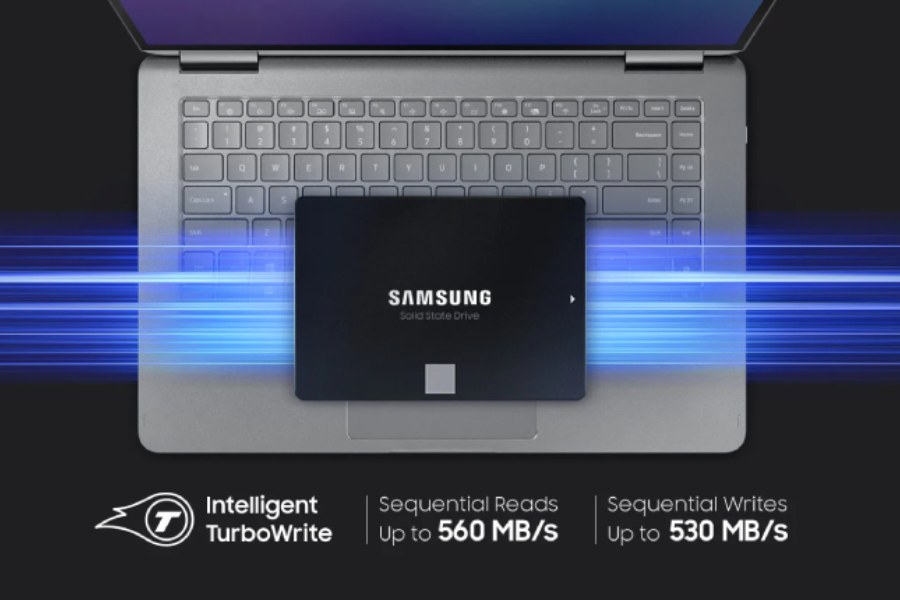
Samsung may be preparing to quietly step away from one of the most familiar corners of the consumer storage market. According to multiple industry reports, the company is planning a long-term exit from SATA SSD production from next year.
The information comes from YouTuber Moore’s Law Is Dead (MLID), who says several sources have told him that Samsung is ending its SATA SSD production entirely after fulfilling existing contracts.
At first glance, SATA SSDs might feel like older technology. Many new laptops and desktops now rely on faster NVMe storage, and high-end systems have moved to SAS (Serial Attached SCSI) systems.
SATA SSDs are still reliable and in demand in 2025
However, SATA drives are still very much in use in industry. They are a popular option for budget PCs, external storage, and upgrades for older machines. In retail channels, they continue to sell in large numbers.
And Samsung isn’t just another SSD brand; it’s one of the largest suppliers of finished consumer drives. According to MLID, Samsung-made SSDs account for a significant portion of top-selling products on major online retailers, with roughly one-fifth of those listings still using the SATA interface.
Removing that supply will not affect just one category; it could tighten availability across the entire SSD market, including NVMe drives.
The news comes at a time when memory pricing is already under strain. Samsung has reportedly raised DDR5 memory prices by as much as 60 percent recently. Meanwhile, Micron has decided to halt its consumer memory business to focus on supplying memory for high-powered AI chips.
All in all, it’s end consumers who are likely to be most affected by these changes.
For now, nothing is official. But if Samsung does pull the plug, SATA SSDs may soon become more expensive and harder to find than many expect.
For more daily updates, please visit our News Section.
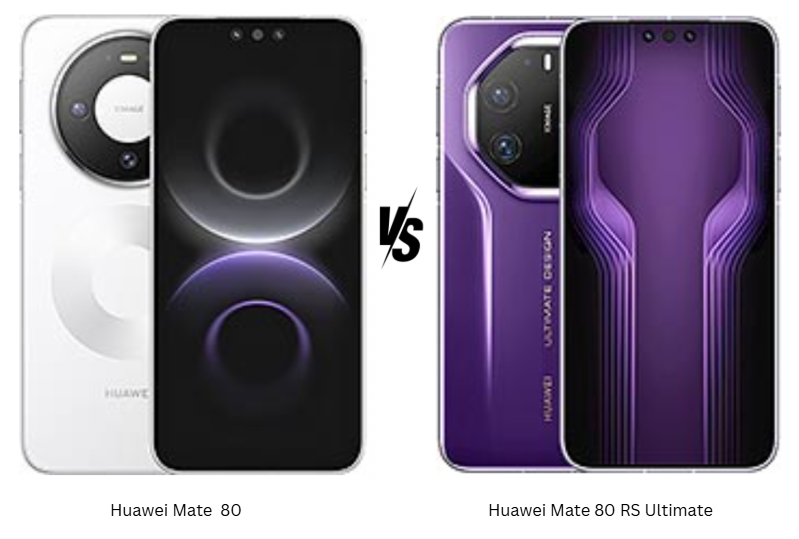
Choosing between the Huawei Mate 80 and the Mate 80 RS Ultimate Design is not just about picking a new phone; it’s about deciding what kind of flagship experience matters most. This comparison is especially relevant for buyers weighing refined practicality against ultra-premium exclusivity. Both devices represent Huawei’s vision of a high-end smartphone, but they target very different priorities. Comparing them side by side helps clarify whether everyday balance or luxury-driven innovation is the better fit.
Major Differences:
Category
Huawei Mate 80
Huawei Mate 80 RS Ultimate Design
Positioning
Premium flagship focused on balance and everyday usability
Ultra-premium flagship aimed at luxury, exclusivity, and showcasing Huawei’s best tech
Build Approach
Refined, understated design prioritizing comfort and practicality
Titanium build with bold styling that feels more exclusive and statement-driven
Display Experience
High-quality OLED with smooth visuals and strong HDR
Dual-layer OLED with noticeably higher brightness and a more cinematic feel
Camera System
Versatile triple-camera setup suited for daily photography
Advanced quad-camera system with enhanced long-range zoom flexibility
Price Segment
More accessible flagship pricing
Significantly higher pricing reflecting luxury materials and top-tier positioning
Huawei Mate 80 focuses on a clean, functional premium design with a lighter, more practical build that feels balanced for daily use. Its materials prioritize durability without calling too much attention to themselves, making it well-suited for users who prefer subtle refinement. The Mate 80 RS Ultimate Design, on the other hand, clearly leans into luxury. The titanium frame, bolder styling, and exclusive finish give it a statement-device presence that immediately feels more elite and collector-focused. It feels less like a tool and more like a showcase product.
Display Quality
The Mate 80 offers an excellent OLED display with smooth motion, accurate colors, and strong HDR support that easily satisfies flagship expectations. The RS Ultimate elevates the experience further with its dual-layer OLED panel, delivering noticeably higher brightness, richer contrast, and more consistent visibility in challenging lighting. Content looks more cinematic, and prolonged viewing feels more immersive.
Verdict
Mate 80 delivers refined simplicity, while Mate 80 RS Ultimate feels unmistakably premium and visually superior.
2. Specifications
Performance
Huawei Mate 80 runs on the Kirin 9020, which delivers smooth everyday performance, stable multitasking, and efficient power management for most flagship-level tasks. It feels responsive and dependable rather than aggressively tuned. The Mate 80 RS Ultimate Design steps ahead with the Kirin 9030 Pro and expanded memory, offering faster sustained performance and greater headroom for heavy multitasking, advanced AI processing, and future software demands. It feels more confident under prolonged load.
Battery and Charging
The Mate 80’s battery easily supports a full day of mixed use, paired with fast wired and wireless charging that feels practical rather than excessive. The RS Ultimate pushes endurance and convenience further with a larger battery and significantly faster wired and wireless charging. Reverse charging speeds are also higher, making it more versatile as a power hub for accessories.
Verdict
Mate 80 is efficient and reliable, while Mate 80 RS Ultimate prioritizes power, longevity, and charging dominance.
3. Camera
Main and Secondary Lenses
The Mate 80 features a versatile triple-camera system with Huawei’s variable aperture main sensor delivering excellent dynamic range, strong low-light results, and consistent color science. The periscope zoom and ultra-wide camera provide flexibility without feeling excessive, making it ideal for everyday photography and travel. The Mate 80 RS Ultimate Design turns photography into a flagship showcase. Its quad-camera setup includes two periscope lenses, enabling sharper long-range zoom and more creative framing options. Image consistency across focal lengths feels more refined, especially for advanced users.
Selfie Camera
Both phones use a capable front camera with autofocus and depth sensing, ensuring sharp selfies and reliable face authentication. Video quality remains strong on both, though the RS Ultimate maintains better stabilization and consistency.
Verdict
Mate 80 offers balanced, dependable imaging, while Mate 80 RS Ultimate is clearly built for photography enthusiasts.
4. Pricing
The Huawei Mate 80 sits in a more accessible flagship price segment, making it attractive for users who want Huawei’s core technology, camera quality, and ecosystem without moving into ultra-luxury territory. Its pricing feels justified by its performance, display quality, and battery life, especially for users who prioritize practicality and long-term usability. It delivers strong value without unnecessary extravagance.
The Mate 80 RS Ultimate Design targets a completely different audience. Its premium pricing reflects exclusive materials, advanced display technology, top-tier performance hardware, and a more complex camera system. This device is less about value-for-money and more about owning Huawei’s most advanced and prestigious smartphone offering. It competes directly with ultra-luxury flagships rather than mainstream premium phones.
Verdict
Mate 80 offers sensible flagship value, while Mate 80 RS Ultimate is priced for exclusivity and maximum specification appeal.
5. Conclusion
Huawei Mate 80 stands out as a well-rounded flagship that balances performance, display quality, battery life, and camera capabilities without pushing into excess. Features like satellite communication, fast wireless charging, and Huawei’s refined imaging system make it a dependable daily driver. The Mate 80 RS Ultimate Design elevates the experience with a titanium build, dual-layer ultra-bright display, expanded memory, UWB support, and a more ambitious camera system. It feels engineered to showcase everything Huawei can achieve at the top end.
Verdict
Mate 80 is the smarter choice for most users seeking a premium yet practical flagship. Mate 80 RS Ultimate Design is best suited for those who want cutting-edge hardware, luxury materials, and the most advanced Huawei smartphone experience available.
There are many ways open earbuds can evolve, one of them is getting smaller and lighter. By doing that, it takes a lot of engineering and testing. So here in the review, let’s look at the HUAWEI FreeClip 2, a pair of new open earbuds that are even smaller and lighter, and have better sound quality.
Design
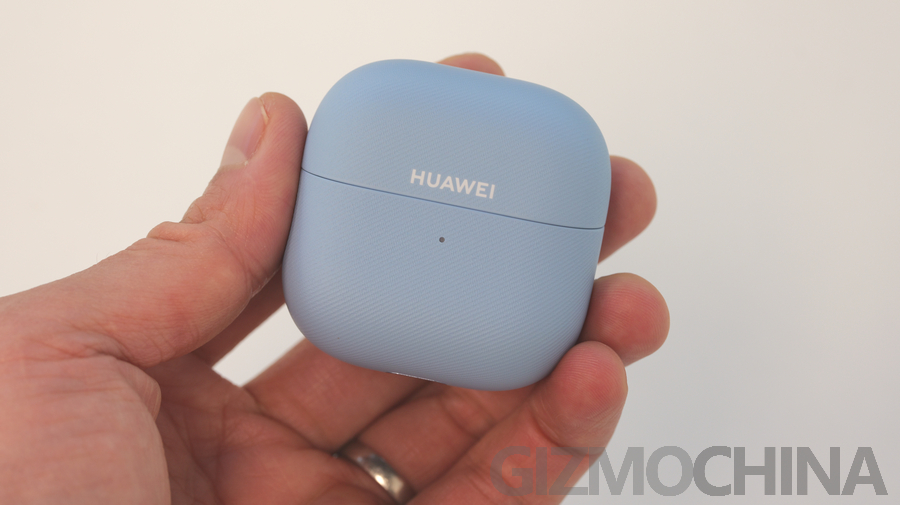
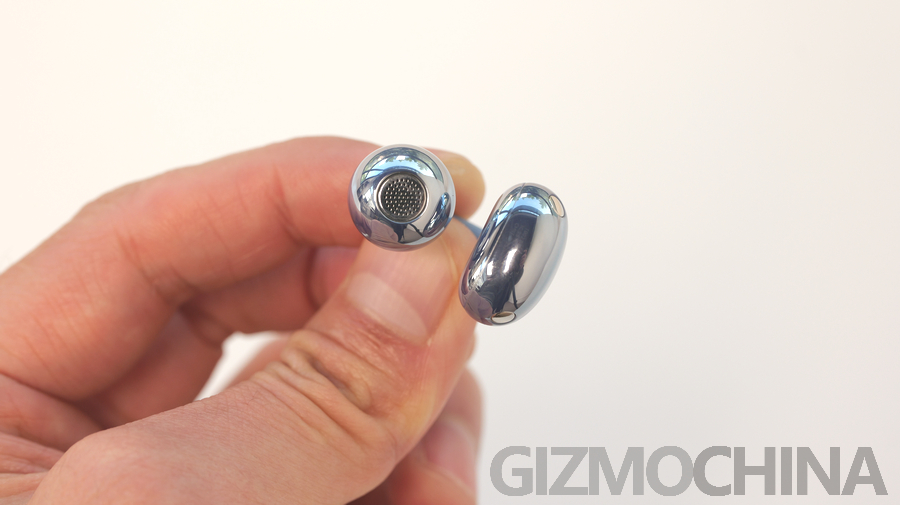
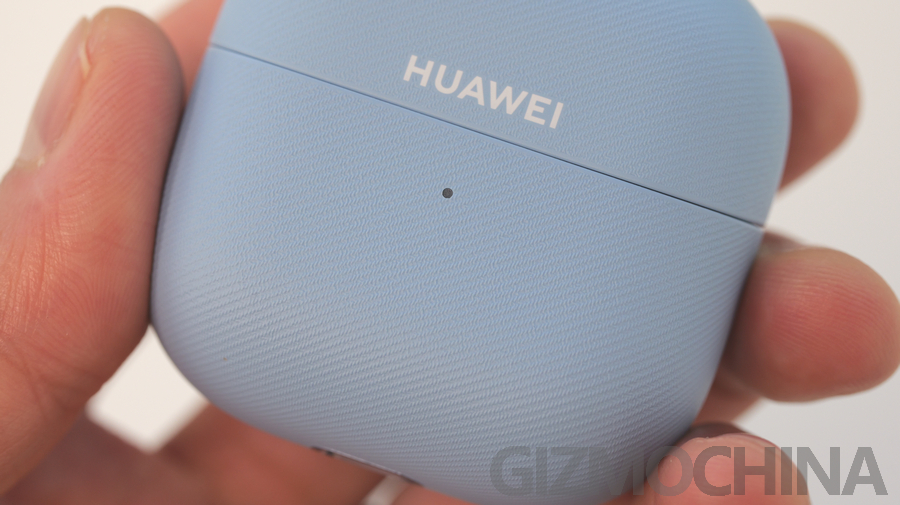
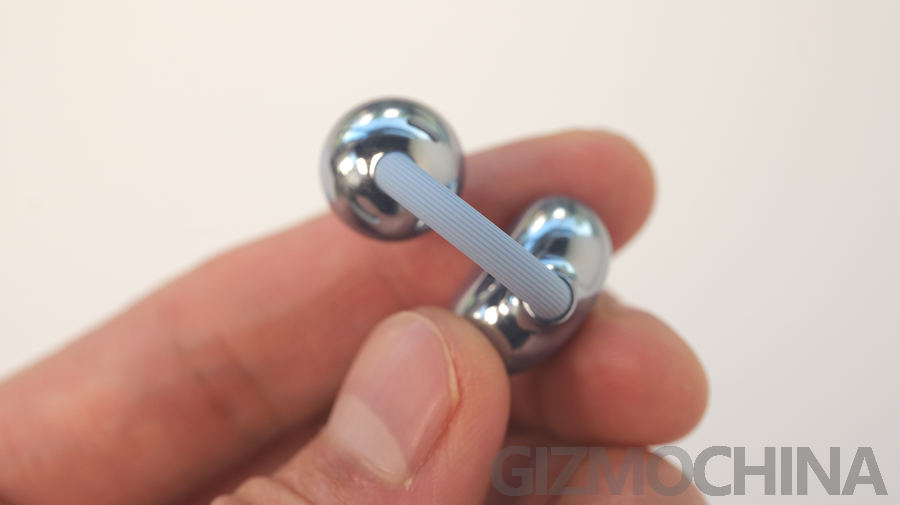
Not like a phone, you can immediately tell whether it’s big or small. For earbuds, most of the cases are already small enough for anybody actually. But the FreeClip 2’s case is even smaller than the last gen. The way it achieves that is by relocating the earbuds in a new way. As you can see, the earbuds are kind of forming a cross inside the case, so they take up less space. Even if the earbuds are placed that way, you can still just grab either of them by the speaker unit, then take them out, put them on your ears easily like a breeze. And don’t get it wrong, when you take one out, it does not tag the other one along. By comparison, the earbuds of last gen are like sitting there facing down, for you to take them out easily.
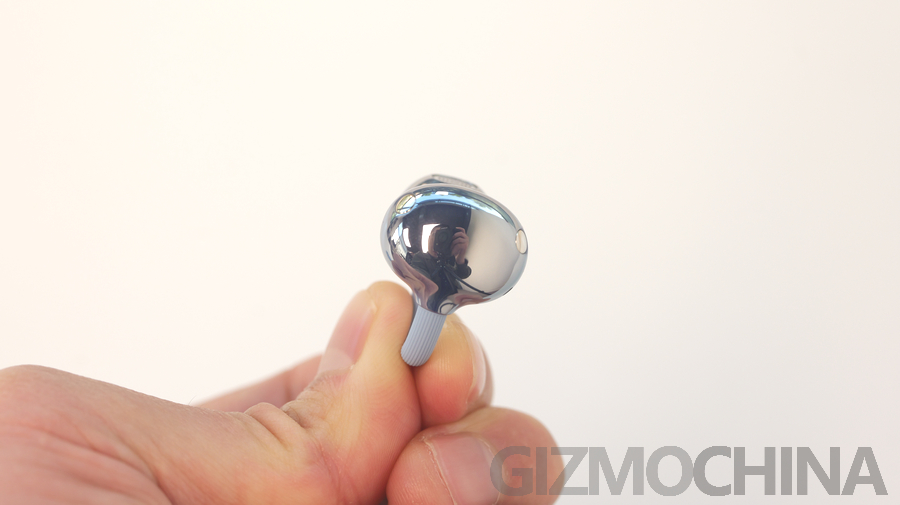
The other thing I have noticed is that, this little bean-shaped side is smaller than the last gen, which also contributes to the size control a lot. But don’t worry, the mellow curve is still there, they still hug your ears gently.
The overall build quality is still top-notch, the color is very refreshing, and the finish is really fine. I am glad they went with this leather texture on the case. Maybe you will not want to put another protective case on it, because it’s not easy to get scratched.
One slight pity in the colors though, there were many refreshing colors like the rose gold and purple, but this time there are the blue, white and black. For the last gen, I think they were definitely a fashionable item, but it is more minimalist this time.
Sound Quality
My first impression of sound quality is that it is very much in line with in-ears, if not better. The vocals are pretty crisp and stand out, the highs and mids are also very good. And because there is a 10.8mm powerful dual-diaphragm driver inside, it claims to cover the frequency response range: 20 Hz to 20 kHz, I can tell the bass is definitely punchier than the last gen. The other benefit of the dual driver is that the volume is much bigger, big enough that people can definitely hear you if it is too big.
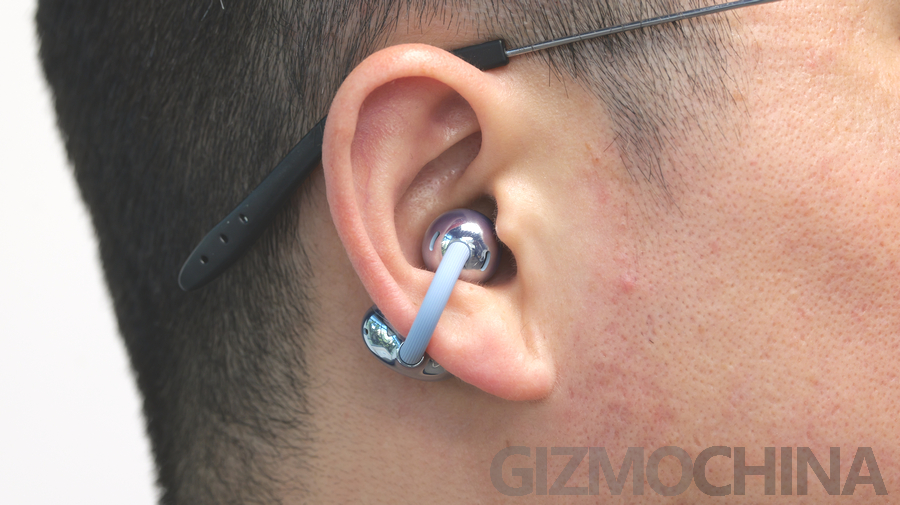
And the other thing that contributes to the sound quality is the “C-bridge”. To my personal experience, the earbuds actually clip on my ears tighter, and the speaker unit is facing directly into my ear canal, so it feels like the music is playing like in-ears.
There is also a feature called Adaptive Volume. We’ve seen this in AirPods Pro, but my personal experience tells me that this feature is not to my taste. Because for in-ear type earbuds, the sound is mostly blocked anyway, and you want to focus on the music, so volume change is just awkward.
Wearing Comfort
One thing open earbuds do great is in good wearing comfort. First of all, each earbud weighs only 5.1g. I know when the number comes to this stage, it doesn’t matter. But it is indeed 0.5g lighter than the last gen. Still, you won’t feel much of its presence, since they are not in your ears.
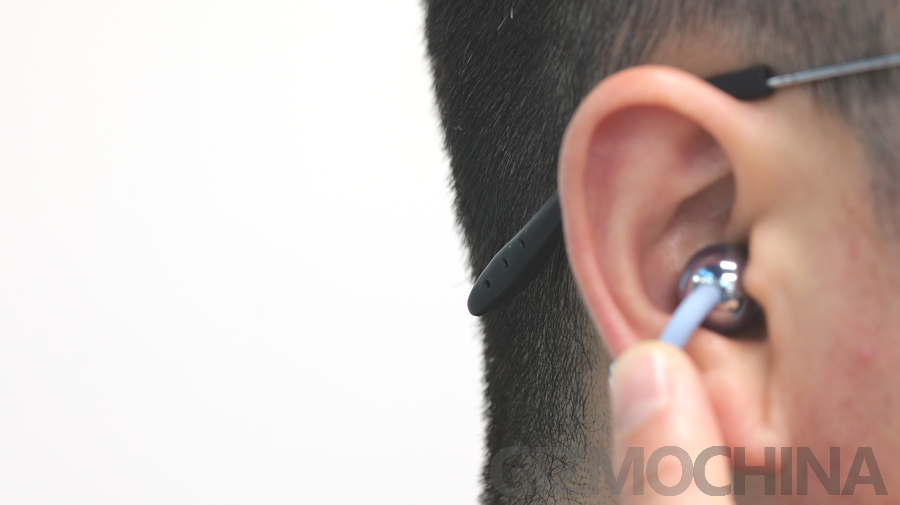
The touch controls are in two areas, the bridge and the bean. If you are playing the music, taps on the bridge can trigger different features. But the volume control is actually in the bean; you swipe up and down to change the volume. This can be a very smart design, but be careful when you change volume; don’t swipe too hard, otherwise the earbuds will shift position, then you will have to move them a little bit.
Features
It says there is an NPU AI processor dedicated to processing, which is used for automatic volume control and adaptive voice enhancement. But these two features are still experimental, still not available for regular use. There is an option for you to enable them in the App.
Since the two earbuds are identical, you can wear them at either ear. There isn’t a difference between left and right. This is a very thoughtful feature. There are also controls initiated by head movement; you nod to accept calls, shake your head to reject calls. There are also many other features embedded in the App, even a custom listening profile. There are also wear detection and find earbuds features.
Summary
I would say the HUAWEI FreeClip 2 is truly flagship-level, from the build quality to the listening experience. You can really see the innovation in the material choices and the overall finish, and the speaker unit is also very well-made. The control features are very thoughtful. I never knew the touch control could be made in an area as thin as the C-bridge. The App experience is identical across all devices. If you are looking for a pair of good open earbuds, give these a serious consideration.
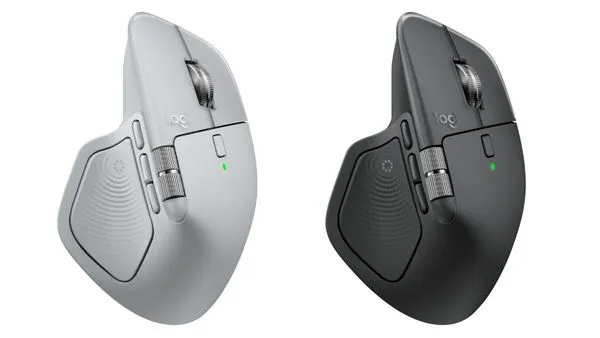
Logitech has just launched a new PC peripheral for productivity focused workloads. The brand’s new MX Master 4 is the latest mouse in the MX Master lineup that was built with versatility in mind. So here’s everything you need to know.
Logitech MX Master 4 Specifications
Just last month, Logitech released the Signature Slim Solar+ K980 wireless keyboard in the region with 10 year battery life. Now, the company has dropped the MX Master 4 with meaningful upgrades over its predecessor. While the design and form factor remain the same, there are updates that improve the overall experience. One of the biggest new inclusions is haptic feedback that adds tactile responses to action like scrolling, navigation, and selection. So users now get more physical feedback when using the mouse.
Logitech MX Master 4
This is especially helpful in tasks that involve precise control, like editing video timelines, navigating large documents, or other intense workloads. Another major focus of the brand was improved software integration. The Logitech MX Master 4 is integrated with Logi Options+ to enable the Actions Ring, an on-screen overlay, and access to customizable app specific shortcuts.
You can even assign common actions to the mouse, allowing users to navigate through menus with ease. The Logitech MX Master 4 features a new chip and an upgraded antenna design for improved connection stability. It can be paired with multiple devices and even ships with a USB-Cdongle for quick setup across laptops, desktops, and tablets. Other notable features includes an 8000 DPI sensor, MagSpeed scroll wheel, quieter clicks, and USB-C charging. On a single full charge, the MX Master 4 can last for up to 70 days. Logitech sells this productivity based mouse for Rs 15,995 in India, and it is available in Graphite and Pale Gray.
For more daily updates, please visit our News Section.
As time goes on, the rumors around Apple’s long-discussed foldable phone are starting to feel more concrete. The device is still not official, but a steady flow of leaks suggests Apple is actively testing hardware that could finally bring a foldable iPhone to market.
The latest detail focuses on something Apple hasn’t used on an iPhone in years: Touch ID.
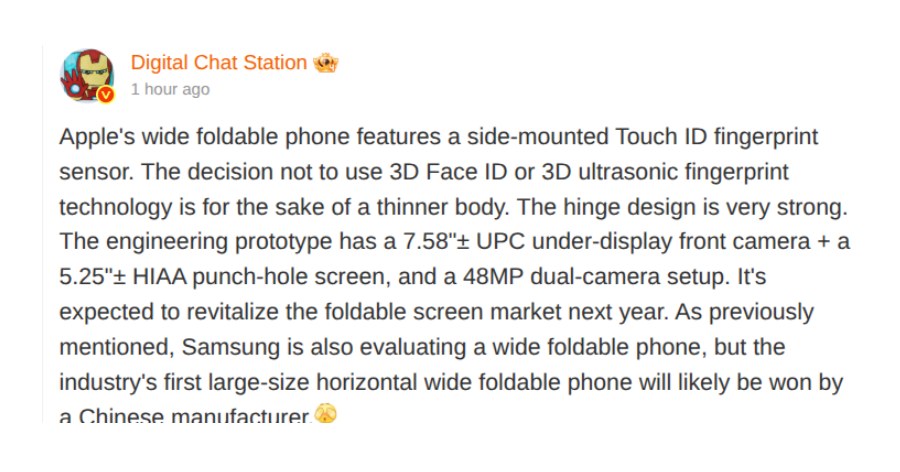
According to well-known tipster Digital Chat Station (DCS), Apple’s wide foldable phone will skip 3D Face ID and instead rely on a side-mounted Touch ID fingerprint scanner.
Here’s why Apple is skipping Face ID on its foldable iPhone
The reason for not choosing Face ID is simple and very Apple-like.
The hardware for 3D face scanning takes up space, and Apple reportedly wants to keep the foldable as thin as possible. The company is also said to be avoiding 3D ultrasonic fingerprint technology for the same reason.
The leak further suggests Apple is putting a lot of effort into the hardware design. DCS describes its hinge as “very strong”, which is a key concern for any foldable phone.
The current engineering prototype reportedly features a large 7.58-inch foldable display with an under-display front camera, paired with a smaller 5.25-inch outer screen that uses a punch-hole camera cutout. On the back, Apple is said to be testing a 48MP dual-camera setup.
Moreover, the “wide” form factor in the leak is to point something closer to a small tablet when unfolded. The device is expected to arrive next year and could give new momentum to a foldable market that has started to feel repetitive.
Interestingly, the leak also mentions that Samsung is evaluating a similar wide foldable design. Still, DCS suggests that the first large horizontal wide foldable phone may come from a Chinese brand, not Apple or Samsung.
For more daily updates, please visit our News Section.
Xiaomi is dropping a new update for its last year’s flagship phone, bringing a bunch of optimization and fixes to the camera experience. The Xiaomi 15 is receiving the new HyperOS 3.0.5.0 update in China that polishes the brand’s latest Android custom skin. So here are all the details.
Xiaomi 15 HyperOS 3.0.5.0 Update: What’s New & What’s Fixed?
To recall, the Chinese tech giant just recently began rolling out HyperOS 3 to the Xiaomi 15 and Xiaomi 15 Ultra models in the Indian market. Now, the company is bringing another update to help address some issues faced by the Xiaomi 15 users. The update brings the HyperOS 3.0.5.0 build version that offers various optimizations. This includes dealing with bugs related to certain payment apps in China.
Xiaomi 15
But one of the biggest fixes is with the camera app experience. There were issues related to the UI, in particular, the arrows in the menu that didn’t reset based on the orientation of the phone after returning from the settings. Even some searches for applications installed on the Xiaomi 15 occasionally failed. The update from Xiaomi is a minor software upgrade, so these are incremental changes and fixes and don’t bring any major new update.
Xiaomi has quietly signed a deal to preinstall new apps (bloatware) on its smartphones. Starting in 2026, the company will begin shipping new phones with a crypto wallet and discovery app developed by Sei Labs, as part of a new global partnership focused on pushing blockchain technology to more people.
The app is tied to Sei, a Layer 1 blockchain designed specifically for digital asset trading. It will come pre-installed on all new Xiaomi phones sold outside mainland China and the United States. And that is a lot of devices.
Xiaomi is currently the world’s third-largest smartphone brand after Apple and Samsung, covering more than 13 percent global market share. In numbers, that is around 160 million devices.
The Sei app works as a crypto wallet and a gateway to Web3 services. According to Sei, users will be able to send peer-to-peer payments, interact with decentralized applications, and explore other blockchain-based products without downloading anything extra.
Sei is also planning to expand this partnership beyond smartphones. The company says it wants to enable stablecoin payments across Xiaomi’s 20,000-plus retail stores, starting with Hong Kong and parts of the European Union. This will eventually allow customers to buy Xiaomi products using stablecoins like USDC, with transactions settled on the Sei blockchain.
It’s just another bloatware
In a press release shared with CoinDesk, Sei says the deal could introduce crypto to millions of people, especially in markets where Xiaomi has a dominating presence.
For instance, the company holds 36.9 percent of the smartphone market in Greece, and around 24 percent in India.
However, for users, this is just another bloatware.
Preinstalled apps have long been a sore point for Xiaomi phones. The situation was particularly bad a few years ago, as the phones came loaded with apps most people never asked for.
Xiaomi has since tried to be more transparent and has made some improvements, but this partnership feels like a step backward. Installing crypto apps by default that most users are not aware of or won’t use is not right.
For more daily updates, please visit our News Section.
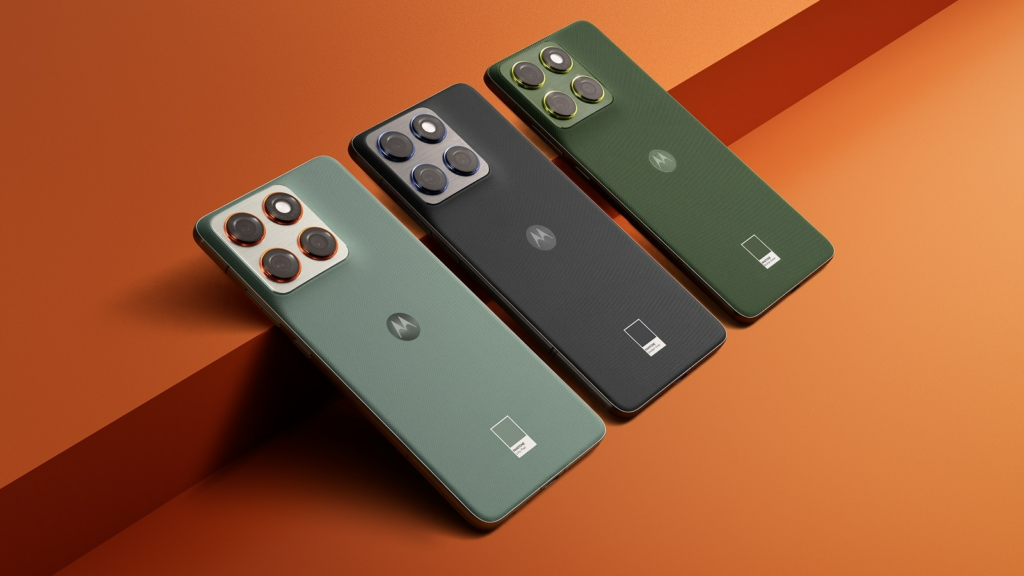
Motorola has launched the Motorola Edge 70 in India, expanding its premium Edge lineup with a strong focus on slim design and balanced performance. The smartphone arrives with a 1.5K pOLED display, Snapdragon 7 Gen 4 chipset, triple 50MP cameras and a large 5,000mAh battery with fast wired and wireless charging. It also brings long-term software support and enhanced durability features. Read on to know the full specifications, features, and pricing details of the newly launched Edge 70.
Motorola Edge 70 specifications and features
Motorola Edge 70
The Motorola Edge 70 features an ultra-slim body measuring 159.9 x 74.3 x 5.9mm and weighing just 159 grams. On the front, it sports a 6.7-inch pOLED display with a 1.5K resolution of 2712 x 1220 pixels and a 120Hz refresh rate. The screen supports HDR10+ and reaches up to 4500 nits of peak brightness.
Powering the Edge 70 is the Snapdragon 7 Gen 4 chipset, paired with 8GB LPDDR5x RAM and 256GB UFS 3.1 storage. It packs a 5,000mAh battery that supports 68W fast charging, 15W wireless charging, and reverse charging, ensuring reliable all-day usage. A large 4600mm² vapor chamber is included to keep temperatures under control during heavy tasks.
The Edge 70 runs Hello UX based on Android 16 and is confirmed to receive three Android OS updates along with four years of security updates. In the camera department, it features a 50-megapixel front camera, while the rear setup includes a 50-megapixel main camera with OIS and a 50-megapixel ultra-wide plus macro camera.
Other features include an in-display fingerprint sensor, dual stereo speakers with Dolby Atmos, Wi-Fi 6E, Bluetooth 5.4, USB Type-C, and extensive 5G band support. When it comes to durability, its screen is protected by Gorilla Glass 7i, and it carries IP68 certification and MIL-STD-810H durability, offering resistance against dust, water, and accidental drops.
Motorola Edge 70 price and availability
The Motorola Edge 70 is available in a single 8GB RAM and 256GB storage variant priced at Rs 29,999. It comes in Pantone-curated colours such as Gadget Gray, Lily Pad, and Bronze Green. The smartphone will go on sale from Dec. 23 via Flipkart, Motorola’s official website, and offline retail stores. Buyers can also avail a Rs 1,000 bank discount, bringing the effective price down to Rs 28,999.
For more daily updates, please visit our News Section.
Casio appears to be gearing up for another high-profile collaboration for upcoming G-Shock watches. The brand is partnering up with Coca-Cola once again, and this time, the collaboration is bringing the bold makeover to the popular CasiOak lineup. So here’s what we know.
New Casio x Coca-Cola G-Shock Collaboration on the Way
The latest info arrives from a popular Casio leaks account on Instagram. In a recent online post, geesgshock claims that a new limited edition, which carries the GA‑2100CC‑3A model number. The CC in the model number hints at a partnership with Coca-Cola once again, since the previous collaboration also had this in its model numbers. To recall, the DW6900CC23‑3 was released with a semi-transparent design that was made to resemble a classic Coca-Cola glass.
Casio x Coca-Cola G-Shock Watch Collaboration
Now, the GA‑2100CC‑3A leak also hints at a similar limited edition entry in the G-Shock lineup. As the name suggests, the GA-2100 series is often unofficially referred to as the CasiOak line. So the classic octagonal design is probably getting a Coca-Cola branding on the dial, along with either a green or red paint job. While the design of this watch is still unknown, we can expect it to be inspired by the brand’s recognizable color scheme.
OPPO has started rolling out the stable ColorOS 16 update based on Android 16 for the OPPO F27 5G in India. The update is available as an official version starting December 5. Users must be on the detectable build CPH2637_16.0.1.300(EX01) to receive the update. OPPO has confirmed that users in other regions will be covered later.
Before updating, OPPO advises users to back up important personal data to avoid any loss due to incompatibility or unexpected issues. After installation, the phone may heat up, lag, or drain the battery faster while the system runs background optimizations.
Some third party apps may not work properly on Android 16 at first and could show issues like lag or crashes. Updating these apps from the App Market is advised. Users can report bugs by dialing *#800# and submitting feedback through the menu.
ColorOS 16 brings several new OPPO AI features. AI Mind Space lets users save quick ideas by long pressing the Snap Key to record a 60 second voice note. Notes can be grouped automatically using Smart Collections. With Google Gemini integration, users can ask questions like retrieving saved project ideas, combining saved notes with web search results.
The AI Recorder Assistant adds automatic titles and short summaries to recordings and applies AI noise reduction to make voices clearer. This is useful for lectures, meetings, or interviews where key points need to be reviewed quickly.
AI Writer focuses on content creation. Users can upload images to social media apps and get auto generated captions suited to different platforms. It can also convert text into mind maps or tables to help structure ideas and plans.
ColorOS 16 improves device connectivity with iPhone call, message, and notification sharing. When an iPhone is connected via Bluetooth, calls, SMS, and app notifications can appear on the OPPO phone using the OPPO Dialer. Phone screen mirroring to a PC is also supported through cloud or USB connections, with up to five app windows cast at the same time.
Performance upgrades include the Trinity Engine for stable frame rates during heavy multitasking and gaming, and the Luminous Rendering Engine for smoother system animations. Camera and editing tools include AI Portrait Glow, Motion Photo Collage, slow motion editing, and a full video editor. Design updates include Flux Themes, more home screen options, expanded Aqua Dynamics support, and a refreshed Luminous Design across the system.
For more daily updates, please visit our News Section.
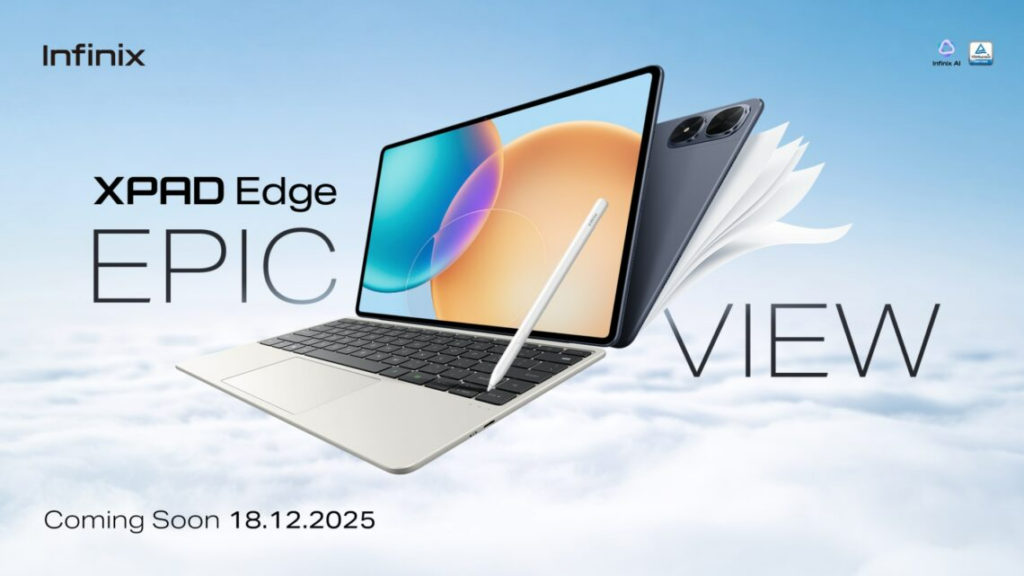
The Infinix XPad Edge is set to launch officially on Dec. 18 in Malaysia. Ahead of its debut, Infinix has shared early details around the tablet’s design and positioning, highlighting its focus on productivity and entertainment. Here’s a look at what to expect from the company’s next tablet.
Infinix XPad Edge launch details and official features
Infnix XPad Edge
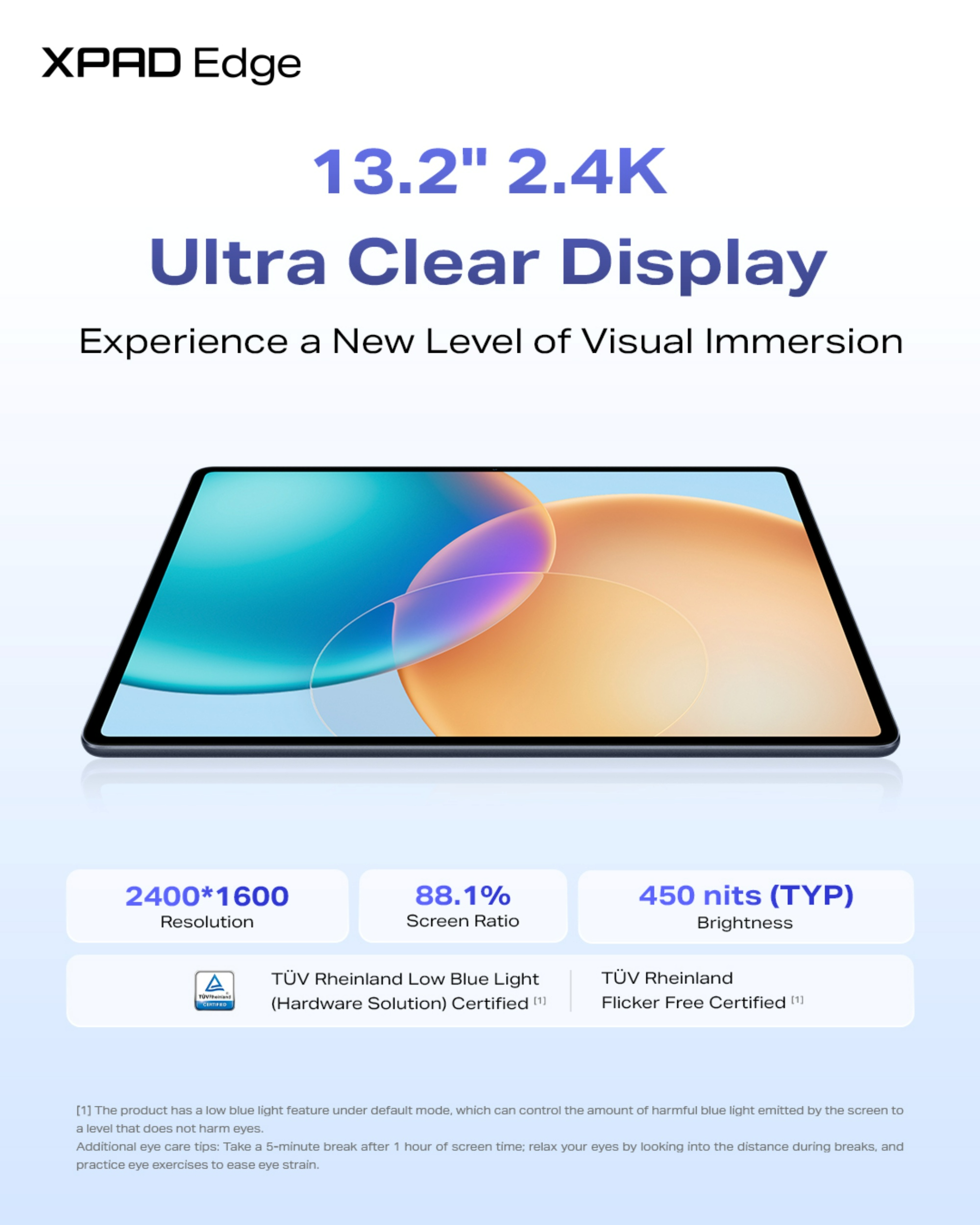
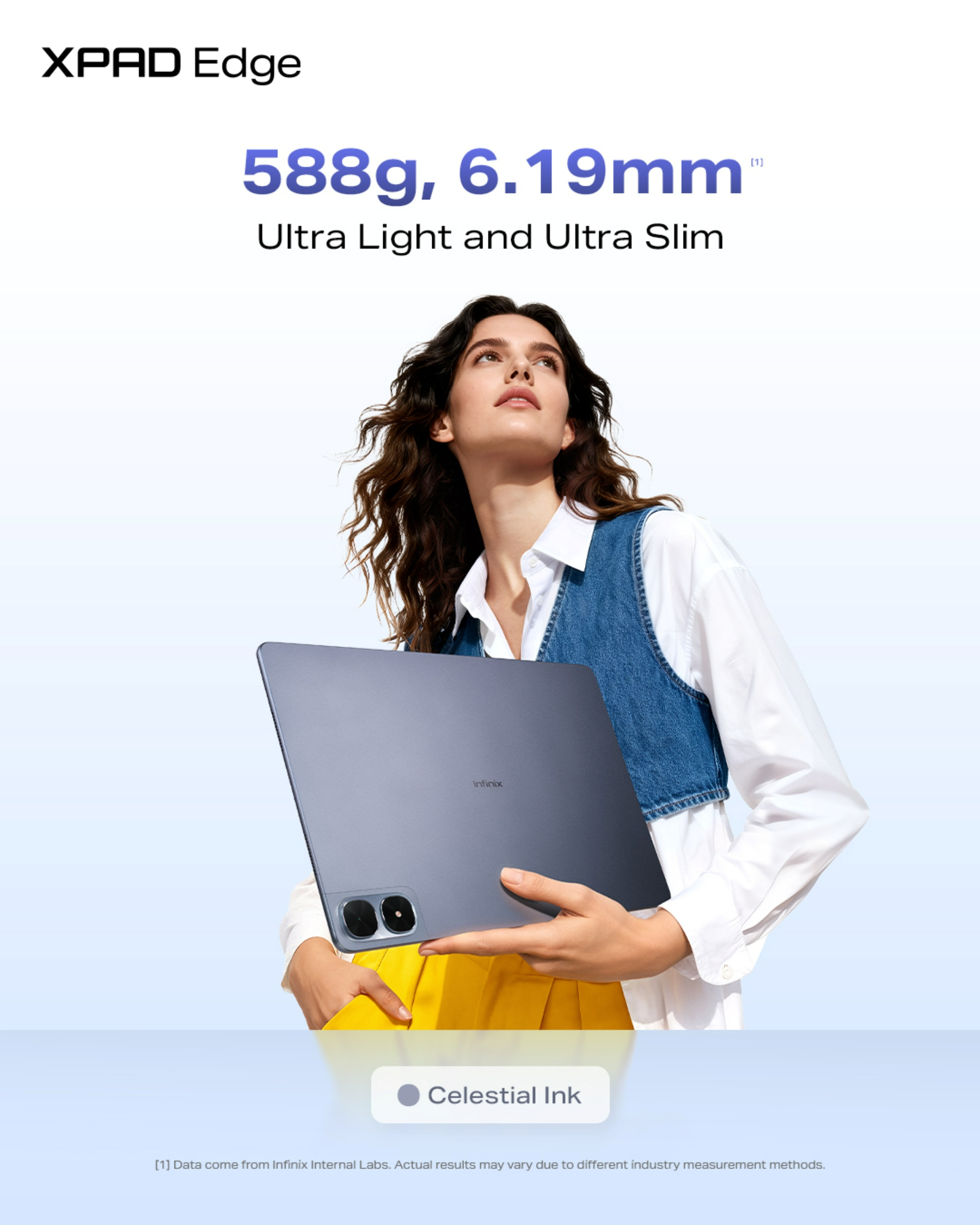
Infinix has confirmed that the XPad Edge features a slim 6.19mm unibody metal design and weighs 588g, giving it a lightweight and premium build. The tablet sports a 13.2-inch display with a resolution of 2,400 x 1,600 pixels and a typical brightness of 450 nits.
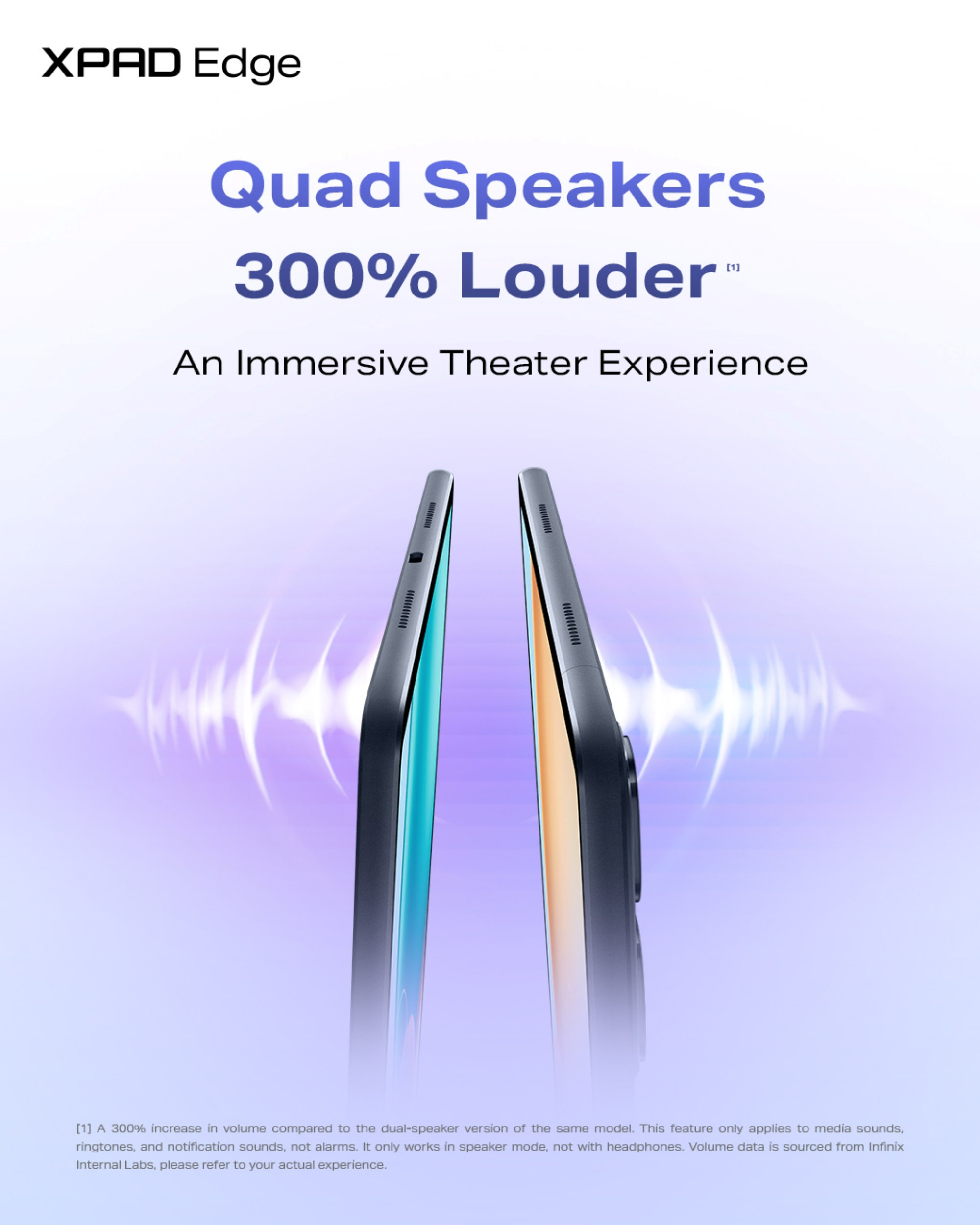
Audio duties are handled by a quad-speaker setup, which the brand claims deliver significantly louder sound output compared to conventional tablet speakers. On the software side, the XPad Edge comes with WPS Office pre-installed and supports several productivity-focused tools such as split screen, parallel windows, phone casting and a PC secondary display mode.
The XPad Edge also introduces a suite of AI-based features, including the Folax voice assistant, Hi Translation, AI Smart Screen Recognition and AI Creation. Infinix has additionally confirmed support for both 4G and Wi-Fi connectivity.
Infinix XPad Edge Shopee listing details
Ahead of the official launch, the XPad Edge appeared briefly on Shopee Malaysia, revealing specifications that have not yet been confirmed by Infinix. The listing suggests that the tablet is powered by the Snapdragon 685 chipset and runs Android 15 out of the box. It also points to an 8GB RAM and 256GB storage configuration, with expandable storage support of up to 2TB.
Additional details from the listing include 8-megapixel cameras on both the front and rear, an 8,000mAh battery with 18W wired charging, and availability in a single Celestial Ink grey colour. The tablet was listed at MYR 1,329 (~$325) on Shopee, though official pricing will be announced at launch.
For more daily updates, please visit our News Section.
We use cookies on our website to give you the most relevant experience by remembering your preferences and repeat visits. By clicking “Accept”, you consent to the use of ALL the cookies.
This website uses cookies to improve your experience while you navigate through the website. Out of these, the cookies that are categorized as necessary are stored on your browser as they are essential for the working of basic functionalities of the website. We also use third-party cookies that help us analyze and understand how you use this website. These cookies will be stored in your browser only with your consent. You also have the option to opt-out of these cookies. But opting out of some of these cookies may affect your browsing experience.
Necessary cookies are absolutely essential for the website to function properly. This category only includes cookies that ensures basic functionalities and security features of the website. These cookies do not store any personal information.
Any cookies that may not be particularly necessary for the website to function and is used specifically to collect user personal data via analytics, ads, other embedded contents are termed as non-necessary cookies. It is mandatory to procure user consent prior to running these cookies on your website.