In May 2019, ASUS announced the ASUS ZenFone 6 flagship phone with a slide-out rear camera. Due to a legal issue, the handset had arrived in India as ASUS 6z. The sequel for the ZenFone 6 is yet to go official. A mysterious ASUS phone has appeared on Geekbench benchmarks. It seems to be the upcoming ASUS ZenFone 7 or ASUS 7z.
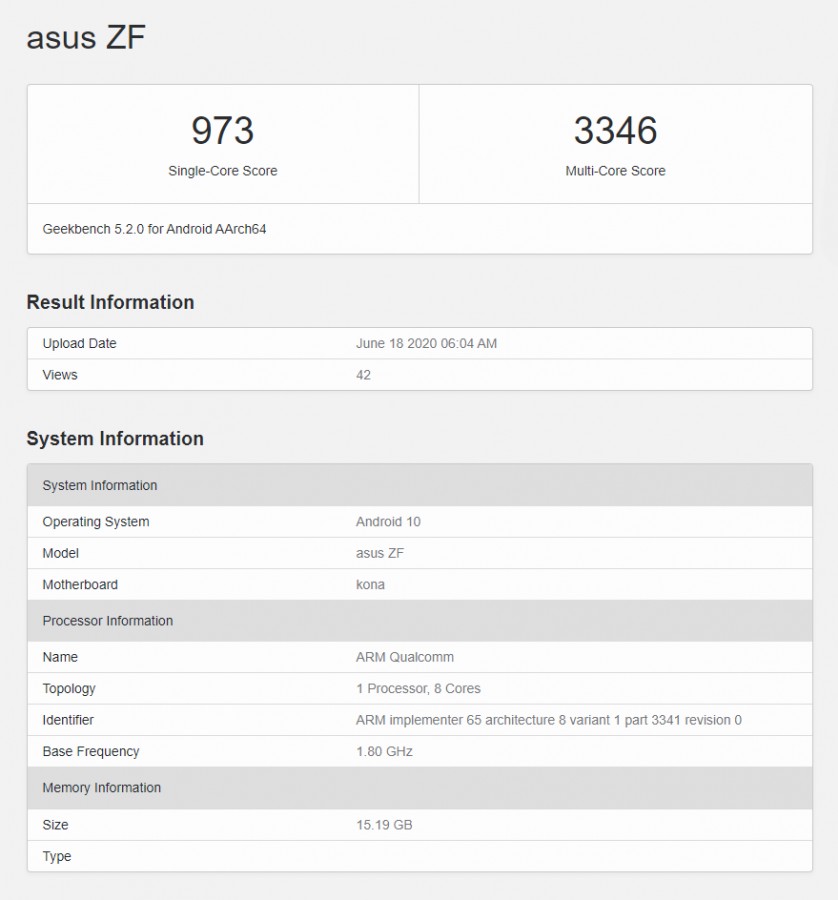
The ‘asus ZF’ has appeared on Geekbench 5 with Snapdragon 865 that has a base frequency of 1.80GHz. The SoC is mentioned with ‘Kona’ codename. The smartphone is loaded with Android 10 OS. It is only because the device is labeled as ‘ZF’ on Geekbench, it is being dubbed as an SD865 powered ZenFone model.
What is interesting about the listing is that the device is equipped with 16 GB of RAM. The amount of RAM on the device indicates that it will be capable at delivering monstrous performance. In the single-core test of Geekbench 5, it scored 975. It recorded a score of 3346 in the multi-core test.
Nothing else is known on the specifications of the smartphone. The ASUS 7z and ROG Phone 3 gaming smartphone will be arriving as the first 5G-ready phones from the Taiwanese manufacturer. The ROG Phone 3 will be debuting in July. It is unclear whether the ZenFone 7 will go official alongside the company’s next gaming phone.
The ROG Phone 3 has already appeared on TENAA with full specs ahead of launch. It has a 6.59-inch AMOLED display and is said to arrive with the unannounced Snapdragon 865+ SoC. It could be coming with up to 16 GB of LPDDR5 RAM and 512 GB of native storage. The handset is said to be equipped with a 6,000mAh battery with 30W fast charging support. It has a 64-megapixel triple camera setup on its back and a front camera of 13-megapixel. The handset achieved a score of 646,310 in AnTuTu benchmarks.
Rumors are rife that the Samsung Galaxy Note 20 series will be made official in early August. The series may include two or three devices such as Galaxy Note 20, Note 20+ and Note 20 Ultra. Recently, the SM-N986U Samsung phone received approval from Bluetooth SIG authority. While previous reports claimed that the SM-N986U will break cover as Note 20+, the Bluetooth listing revealed that it could be coming to the market as Galaxy Note 20 Ultra. The same model number has appeared in the HTML5 Test to reveal some information on its display.
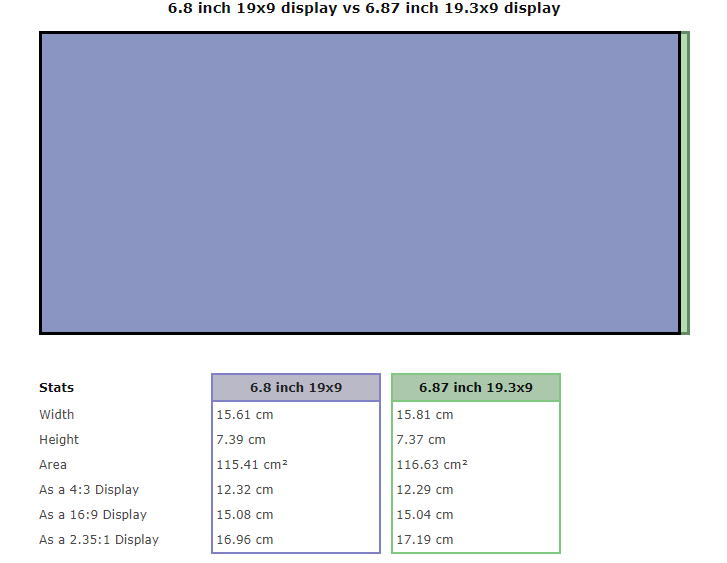
The HTML Test of SM-N986U revealed a test resolution of 1444 x 3096 pixels. It offers a tall aspect ratio of 19.3:9. It will not be as tall as the Galaxy S20 series that carry support for the 20:9 aspect ratio. In comparison, the Galaxy Note 10 and Galaxy S10 handsets offers a 19:9 aspect ratio.
The Galaxy Note 20 is also expected to offer the same aspect ratio as Note 20+ / Ultra smartphone. The Note 20 Ultra is expected to house a 6.87-inch display and carry a refresh rate of 120Hz. The screen of the Note 20 Ultra will be curved towards the edges.
On the other side, the Note 20 is rumored to support Full HD+ resolution and a refresh rate of 60Hz. The Note 20’s screen will be flat, and it will have a wide frame. The Galaxy Note 20 series will be equipped with top-center positioned punch-hole.
Rumors have it that the Galaxy Note 20 series will go official on Aug. 5. It is said that the Galaxy Fold 2 foldable phone and Galaxy Z Flip 5G will be also unveiled through the same event.
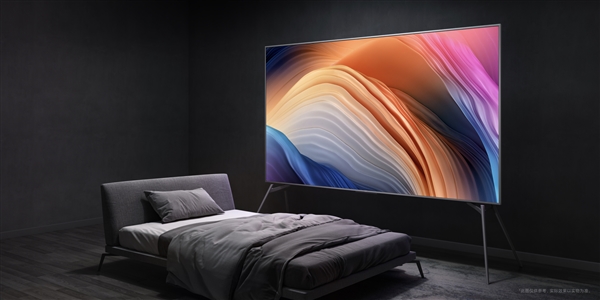
After the smartphone boom, companies around the world are now eyeing for the smart TV market. Though traditional TV OEMs are preferred by customers in western markets, Chinese smartphone makers have been making ground in developing nations since the past few years.
Smartphones brought millions of people online in the past decade. Telecom operators like Reliance Jio in India played an important role in this transformation.
Now, as people have access to the internet at a cheaper price than years before, it makes sense for the companies to push their IoT devices in the market. The best way to start it is through smart TVs as it binds the whole family together with the rise of OTT platforms.
Unlike smartphones which is a personal purchase, buying smart TV involves family decision and thus brand recognition matters a lot. But smartphone brands have earned a name among youths, which has been helping them to usher in this segment.
Xiaomi was one of the first smartphone makers to enter the smart TV segment. It became quite popular, especially in India as the country’s top smart TV brand within a short period of time. Whereas, globally, it has 7% market share in this segment.
Even OnePlus begun to sell premium smart TVs in India from late last year. The brand is even set to launch new budget models in July. Also, its sister brand Realme released its TVs last month in the country.
On the other hand, Huawei is popular for its self-branded as well as Honor smart TVs in China that run in-house Harmony OS rather than Android fork or Android TV like other OEMs.
This does not mean traditional TV manufacturers are behind as they still account for 4 out of top 5 positions in India though the first is captured by Xiaomi with 27% market share.
But it is true that smartphone brands are steadily increasing their presence in the smart TV market by providing more features at an affordable price.
Earlier today (19th June 2020), the Xiaomi Youpin platform listed the iRobot Roomba i7. It is a smart cleaning device that sweeps the floor and provides various automatic and convenient functions. While the only drawback of roomba robots is the need t clean its dust box, the iRobot Roomba i7 arrives with a self cleaning and automatic dirt disposal feature.
The gadget achieves this through its dust collection technology, which is basically another device where the Roomba goes to get dispose of the dirt. This secondary device is the Clean Base Automatic Dirt Disposal AllergenLock bag that can hold 60 days worth of dirt, dust, and hair that the Roomba collects. The iRobot Roomba i7 has a powerful vacuum cleaner and the device also offers a 3 stage cleaning system.
Being a smart device, it can even “Imprint” on users’ home, which basically means that it can intelligently map your house and adapt to it accordingly. The device can also be connected to AI voice assistants to come and clean up certain spots. iRobot Roomba i7 is also equipped with various sensors that allow it to not hit any walls or obstacles, meaning it can avoid obstructions and can even be programmed with certain no-go zones.
iRobot Roomba i7 is currently available on the Xiaomi Youpin platform and is even available through other sellers internationally. The price starts from 1999 Yuan (roughly 282 US Dollars) and you can click here if you’re interested in the product.
The Huawei subsidiary, Hubble, has made another investment. This time with Fuxi Technology, which is a firm that specializes in making graphene thermal films and is a leading manufacturer within China’s graphene field.
The investment arrives after Hubble recently bought stakes in various other companies within the semiconductors, chips, artificial intelligence, and more fields. At the moment, Hubble is the second largest shareholder of the company with a 10 percent stack in the overall shares. Unfortunately, the exact amount invested is currently unknown.
Fuxi Technology is known for developing and producing graphene thermal film, graphene thermal film, graphene foam film, and more along these lines. Notably, this material has already been introduced to many smartphone manufacturers. Furthermore, the firm already falls under the supply chain of Huawei and offers heat dissipation solutions for smartphones with the “Graphene Liquid Cooling” feature.
Hubble has recently made many strategic investments to boost Huawei’s supply chain, which is now focusing on more domestic sources. With various US sanctions trying to restrict the company even further, the Chinese tech giant has sought to ward off such efforts through its home country and its local firms. As the launch of the Huawei Mate 40 series also grows closer, we might even see graphene thermal film cooling technology within it. Although, that is just a wild speculation.
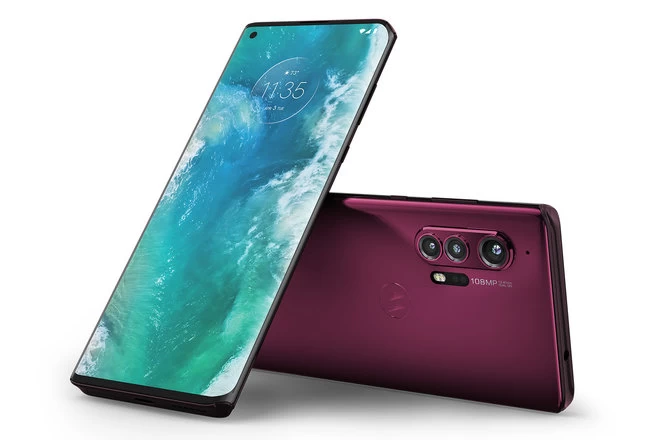
In April, the Lenovo-owned Motorola recently unveiled the Motorola Edge and Motorola Edge+ smartphone. Fresh information shared by reliable tipster Ishan Agarwal states that the company is working on another Edge series phone called Motorola Edge Lite. The tipster has revealed some key information of the smartphone.
According to the tipster, the Motorola Edge Lite has a model number of XT2075. He revealed that the smartphone may either feature the Snapdragon 765G or Snapdragon 730G SoC.
A third-party retailer listing of a variant of the same phone has been spotted. The XT2075-3 phone has 6 GB of RAM and 128 GB of native storage. The listing states it’s a 5G phone. Hence, the device could be equipped with SD765G SoC.
Motorola Edge+
The smartphone has bagged approval from the Federal Communications Commission (FCC) in the U.S. The FCC appearance revealed that it has a minimum capacity battery of 4,700mAh. It is speculated that the phone is codenamed as ‘Nairobi’ and it is preloaded with Android 10 OS. Hopefully, newer reports will reveal more details on the smartphone.
The Motorola Edge and Edge+ are equipped with 6.7-inch OLED displays with extreme curved edges. The Full HD+ displays support 90Hz refresh rate.
The Motorola Edge has Snapdragon 765 SoC and 4 GB / 6 GB of LODDR4x RAM. Both models have 128 GB of UFS 2.1 storage. The Edge+ has 12 GB of LPDDR5 RAM and 256 GB UFS 3.0 storage. It is fueled by Snapdragon 865 chipset. The Edge has a 4,500mAh battery with 18W fast charging while the Edge+ has a 5,000mAh battery with 18W fast charging, 15W wireless charging, and 5W reverse charging support.
The Edge features a 64-megapixel + 8-megapixel (telephoto) + 16-megapixel (ultrawide) triple camera setup. The Edge+ has a 108-megapixel (with OIS) + 8-megapixel (telephoto with OIS) + 16-megapixel (ultrawide) triple camera setup. Both phones have 25-megapixel selfie cameras. The phones are loaded with Android 10 OS.
Xiaomi, the known smartphone maker, has recently invested 50 million Yuan (roughly 7 million US Dollars) into BYD’s Semiconductor business. The smartphone vendor has acquired a 0.49 percent stake in the firm, which is a move to expand its own automotive component business.
For those unaware, BYD is a Chinese group that specializes in multiple fields includes automobiles, semiconductors, solar panels, and more. Furthermore, the Chinese company also recently announced that it has raised a total of 800 million Yuan (roughly 112 million US Dollars) from Xiaomi, SK Group, and even Lenovo.
According to a few analysts, the investment from Xiaomi marks a step of the company’s plans on growing its components business or, in simpler terms, car components, within the automobile industry. Through this investment, Xiaomi will be able to gain access to data collected by cars made by BYD, helping it create a software-hardware integrated platform.
Notably, BYD Semiconductor’s products have the highest adoption rate by cars in China. Within the industry, the company has a sizeable market share of 18 percent in 2019. Furthermore, it is also planning on venturing further into the industrial vehicle sector. Hence, the investment from Xiaomi is a beneficial role for both sides, with capital being gained by one and data for the other.
The Huawei Enjoy 20 Pro has gone official in China as the company’s Enjoy 20 series phone. It is a rebranded version of the Huawei Enjoy Z phone that debuted in China last month. While the Enjoy Z is available for the online market in China, the Enjoy 20 Pro is reportedly said to be aimed towards the offline market. The handset arrived with a starting price of 1,999 Yuan (~$282).
Huawei Enjoy 20 Pro specifications
The Huawei Enjoy 20 Pro handset a 6.5-inch display with waterdrop notch. The IPS LCD screen supports a Full HD+ resolution of 1080 x 2400 pixels and a tall aspect ratio of 20:9. The display supports up to 90Hz refresh rate and 180Hz touch sampling rate. The phone features a side-facing fingerprint reader.
The Enjoy 20 Pro is driven by the Dimensity 800 SoC. It has landed in China in two models such as 8 GB RAM + 128 GB storage and 6 GB RAM + 128 GB storage. There is a NM card slot on the device for more storage.
The Enjoy 20 Pro is equipped with a 4,000mAh battery that is coupled with 22.5W fast charging. The EMUI 10.1 based Android 10 OS comes preinstalled on the smartphone.
The handset features a front-facing camera of 16-megapixel. The triple camera setup available on its back has an f/1.8 aperture 48-megapixel main camera, an f/2.4 aperture 8-megapixel wide-angle lens and an f/2.4 aperture 2-megapixel sensor. The usual connectivity features such as 4G VoLTE, Wi-Fi 802.11ac, Bluetooth 5.0, GPS, USB-C, and 3.5mm audio jack are also available on the device.
Huawei Enjoy Z Pro price and availability
The Enjoy 20 Pro is now up for pre-sale in China and its first sale will take place on June 24. The 6 GB and 8 GB edition of the smartphone are priced at 1,999 Yuan (~$282) and 2,299 Yuan (~$325), respectively. Its color variants are Magic Night Black, Dark Blue, and Galaxy Silver. There is no word on the international availability of the smartphone.
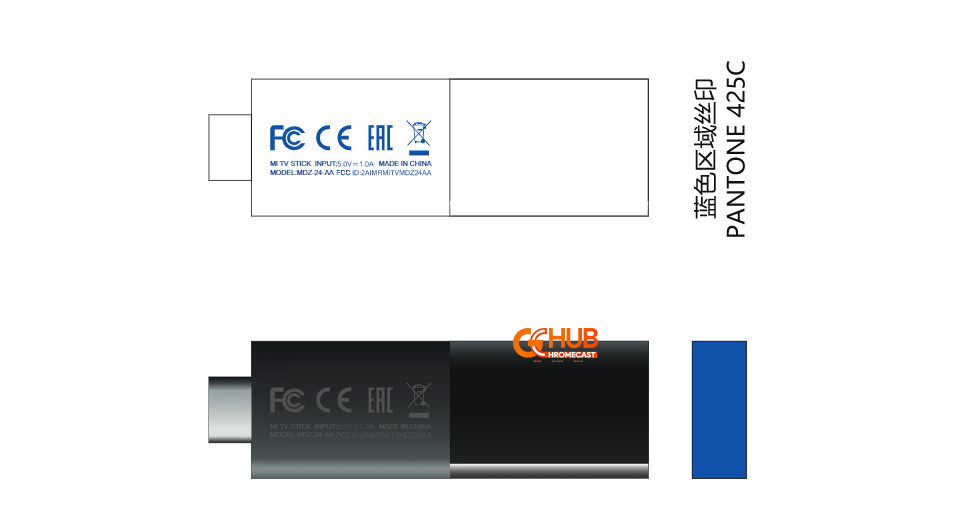
The Xiaomi Mi TV Stick with model number MDZ-24-AA also receives FCC certification as spotted by GoogleChromecastHub. The FCC ID for this device is 2AIMRMITVMDZ24AA.
Original Story
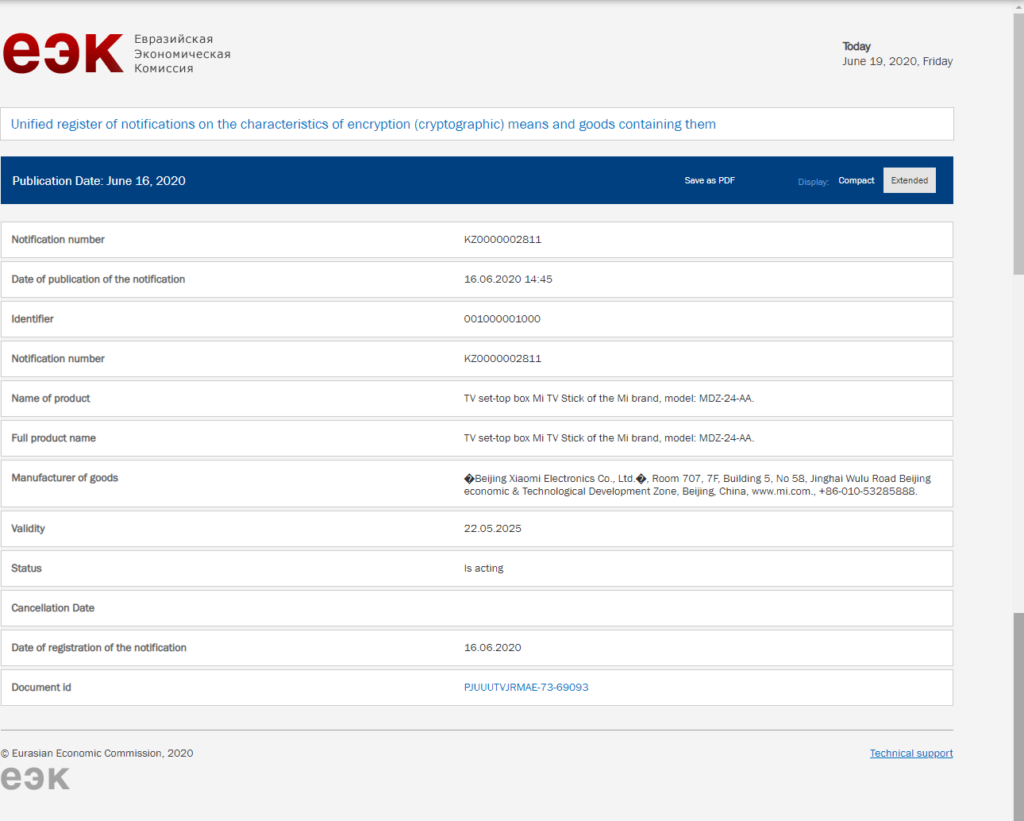
Xiaomi Mi Box S aka Mi Box 4K is one of the well-known products in the streaming category. It debuted in the US almost two years back. Hence, a successor was expected but instead, the company has plans to launch Mi TV Stick, a competitor to Amazon Firestick. This device has leaked multiple times and now it also receives EEC certification.
Followed by that. It was officially teased by Xiaomi during the Redmi Note 9 launch in Germany in late May. Now, the device visits EEC (European Economic Community) for certification purpose, which reveals its model number to be MDZ-24-AA.
Since the Mi TV stick has now received certification in Europe, we can expect it to launch in this region first. We also believe that it will make it to other regions after its initial debut.
According to the product listing leak, the Mi TV Stick will be powered by Amlogic S905 quad-core processor paired with 2GB RAM and 8GB internal storage. It will run Android TV and will have features like 4K HDR, DTS-HD, Dolby Audio, dual-band WiFi, Bluetooth 4.2, HDMI 2.0, USB Type-C, and Bluetooth voice remote with dedicated buttons for Netflix and Prime Video.
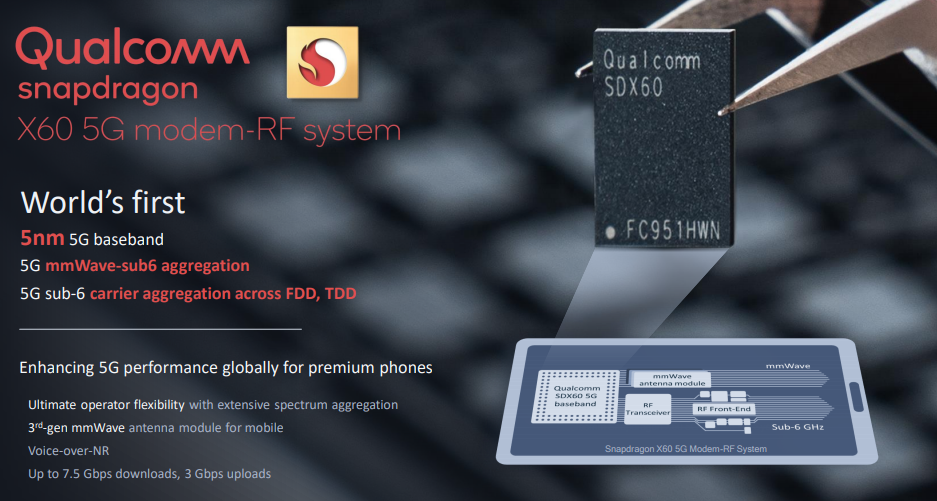
Apple is expected to launch its first 5G smartphone offerings later this year. To feature the newer and faster bandwidth, the Cupertino based giant was rumored to feature a Qualcomm X55 5G modem from 2019. However, a fresh report from DigiTimes says otherwise, as the Taiwanese publication claims that the 2020 iPhone lineup will feature Qualcomm’s latest X60 modem.
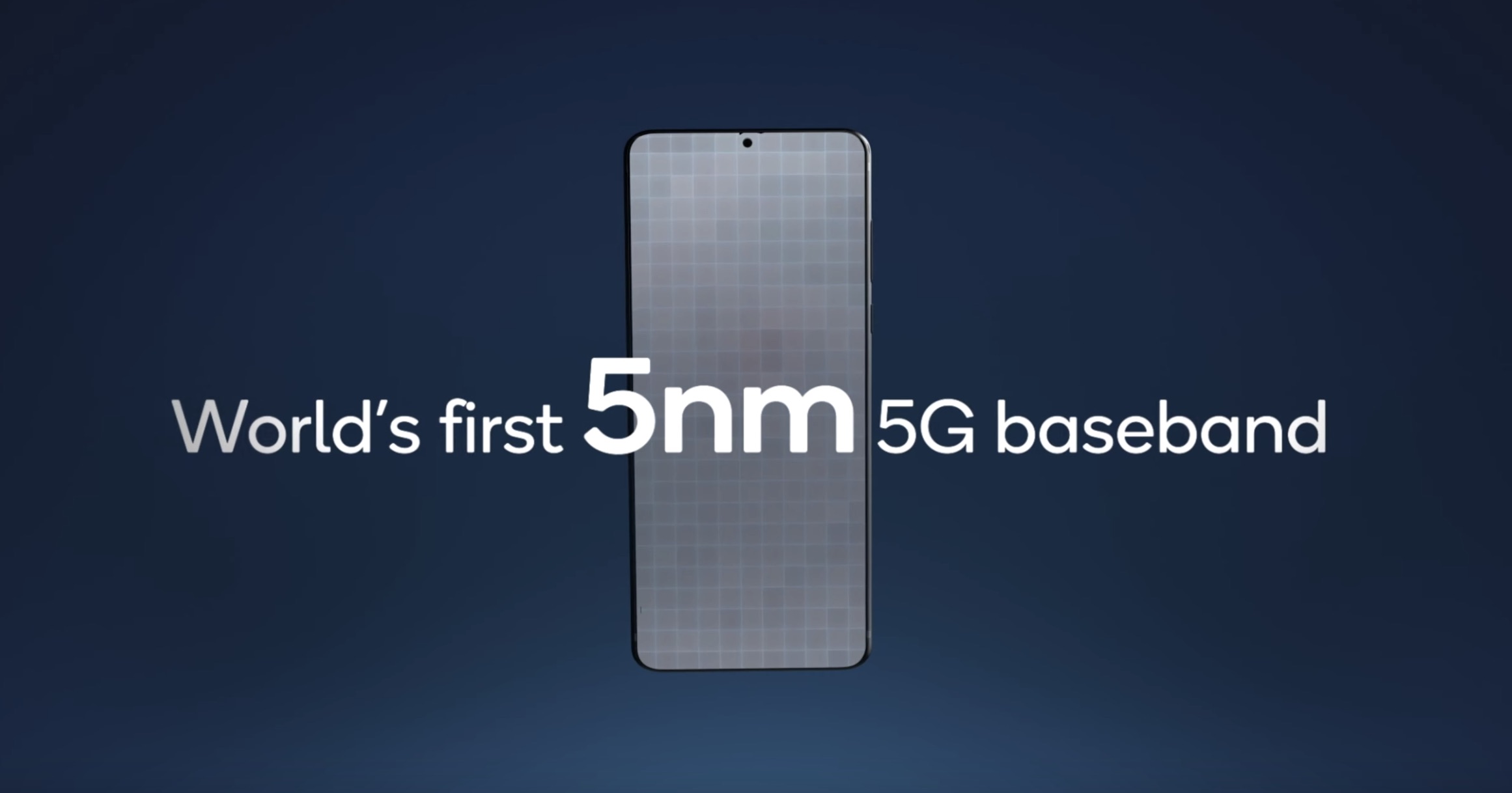
According to the report, the world’s largest contract chipmaker and Apple supplier, TSMC, will start manufacturing the A14 chips and Snapdragon X60 modems later this month. These chips will be found in the upcoming iPhone 12 series that will launch later this year and are built on the 5nm process, according to DigiTimes’ industry sources.
Being built on a 5nm process means that the X60 will be more power efficient than its predecessor, the X55 modem. 5G enabled smartphones are known to be power hungry when running the new standards of mobile networking. So, the reduction in power consumption would be a welcomed change, especially for the iPhone. Furthermore, the X60 modem can aggregate data from both mmWave and sub-6GHz bands at the same time to achieve a combination high-speed and low-latency.
Qualcomm X60 5G Modem
Although this report sounds a good deal on paper, it is still unknown if Apple will actually the X60 modem, which was only announced back in February 2020. Thus, it is more likely to be featured on 2021 iPhones rather than the upcoming ones, due to time constraints. Apple will need an ample amount of time for testing and production of this modem. So take this report with a grain of salt and stay tuned.
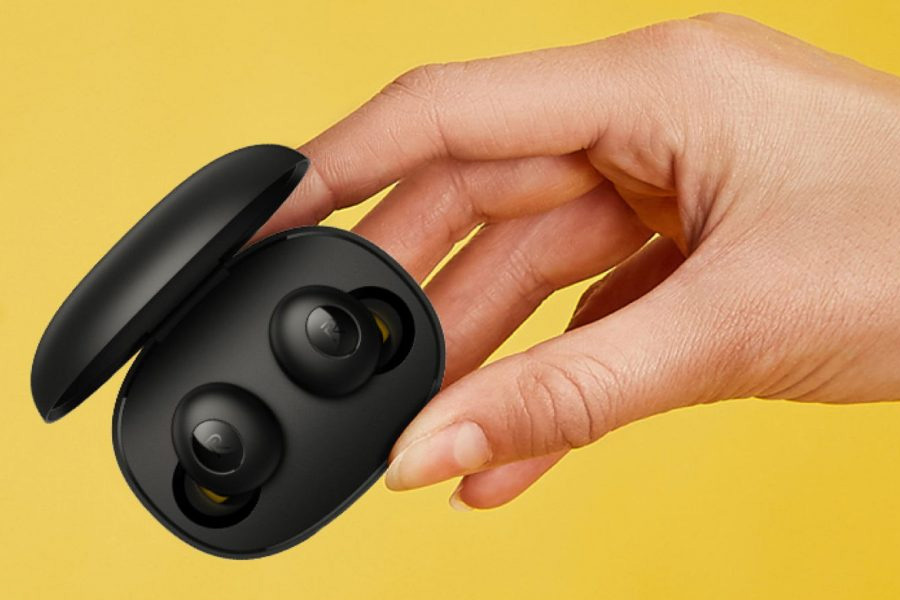
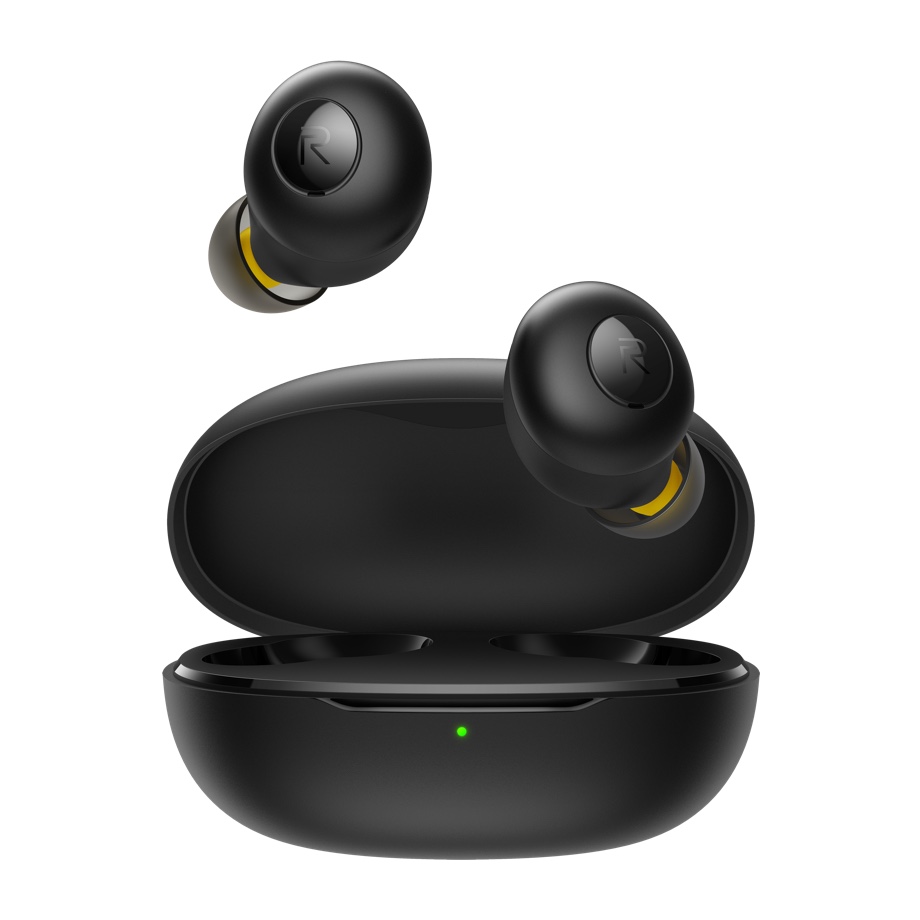
Last month, at an event in China, OPPO-backed Realme launched a few products in the market, including its new true wireless earphones — Realme Buds Q. The company is now all set to launch the same in India.
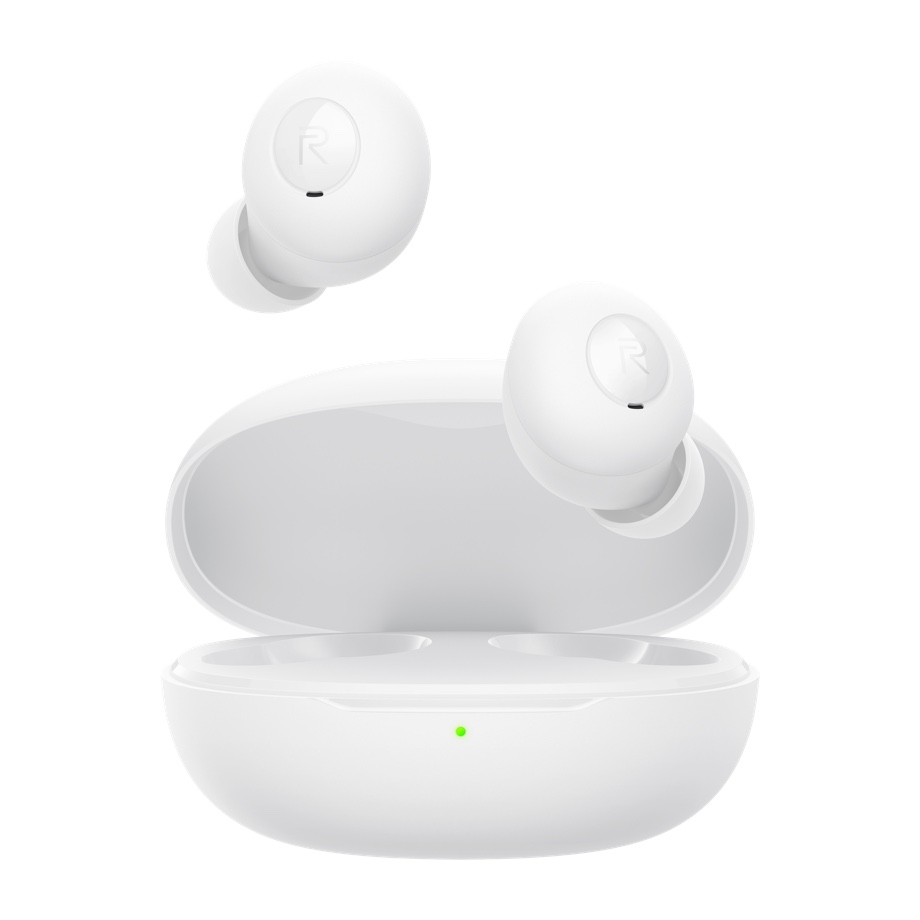
Realme has confirmed that the Realme Buds Q will be launched in India on 25th June — the same day when the company will launch the Realme X3 series smartphones. The company has also created a landing page on its website for the TWS earphones.
Previously, the company had confirmed that the Buds Q will be priced under ₹2,000 in the Indian market but the exact pricing will be revealed next week. The landing page confirms that it will be made available in three colors — White, Black, and Yellow.
The Realme Buds Q comes with 10mm driver units with Dynamic Bass Boost technology and support for AAC. They connect to smartphones through Bluetooth 5.0 and have a battery life of up to 20 hours with the case.
The TWS earbuds also have support for touch controls and a game mode that allows for real-time transmission between the earbuds and the phone thanks to a built-in chip (R1Q). It also works with the Realme Link app for configuring various settings and to upgrade the firmware when required.
In China, the company is selling Realme Buds Q for 149 yuan (~$21) so we expect the company to launch this in India under ₹1,899 (~$25) to make it compete against the likes of Redmi Earbuds S launched last month for ₹1,799.
Micromax, the Indian smartphone brand which had a significant market share is now nowhere to be seen. The company launches new devices every now and then and it seems that the brand is again gearing to launch a few devices in India.
As per the report, Micromax will be launching three new smartphones in the Indian market. It will include a budget offering that is said to have “premium features” and “modern look” but nothing much is known.
The report further goes on to add that the pricing of the upcoming smartphones could be under ₹10,000, which roughly converts to $131. With such low pricing, it remains to be seen what are the “premium features” that the company will offer.
Recently, in response to a user on Twitter, the company said “We’re working hard internally and soon we will come up with something big. Stay tuned!” Although this confirms that new devices are coming, it doesn’t reveal anything and keeps things vague.
To promote the upcoming smartphones, the company is using hashtags #MadeByIndian and #MadeForIndian in its tweets. This is likely to cash-in on the campaign in India that is asking users to boycott Chinese products.
However, it remains to be seen if the devices are manufacturing in India. This is noteworthy given that Micromax has a track record of selling rebranded Chinese smartphones. For instance, the company’s sub-brand Yu Televentures sold rebranded phones from Coolpad before the Chinese company independently entered India.
The last smartphone from Micromax was launched in the form of Micromax iOne Note last year and prior to that, the company had launched two devices in 2018 — Infinity N11 and Infinity N12.
Back in May 2020, Huawei officially announced its proprietary search engine called Petal Search. The app was previously simply referred to as Huawei Search in Beta and was developed to replace Google Search within its Huawei Mobile Services ecosystem. Now, the Chinese tech giant has launched the search engine in Singapore.
For those interested, Petal Search is currently available for download in the region through the company’s AppGallery. Huawei has built its own mobile services and related application software after losing Google support back in 2019 since it was placed in the US Entity List. This list includes blacklisted companies, which cannot trade or buy goods and services from American based companies. Thus, the company lost Google’s support and shipped its smartphone with the vanilla Android.
Over the course of a year, Huawei has since been building up its software ecosystem and expanding its AppGallery and Huawei Mobile Services as a whole. The Huawei Search has now finally appeared as a stable build of Petal Search and is currently available for download. This platform enables easier for users to find applications from third party sources and to download and run them.
At the moment, the complete functions of the new application may not yet be available in all countries right now. Although, Huawei is working on including additional regions soon. Petal Search can be downloaded by those smartphones that run the latest EMUI 10 version (v10.1.0.131). Currently, the app supports 40 languages and is available in 45 countries and regions.
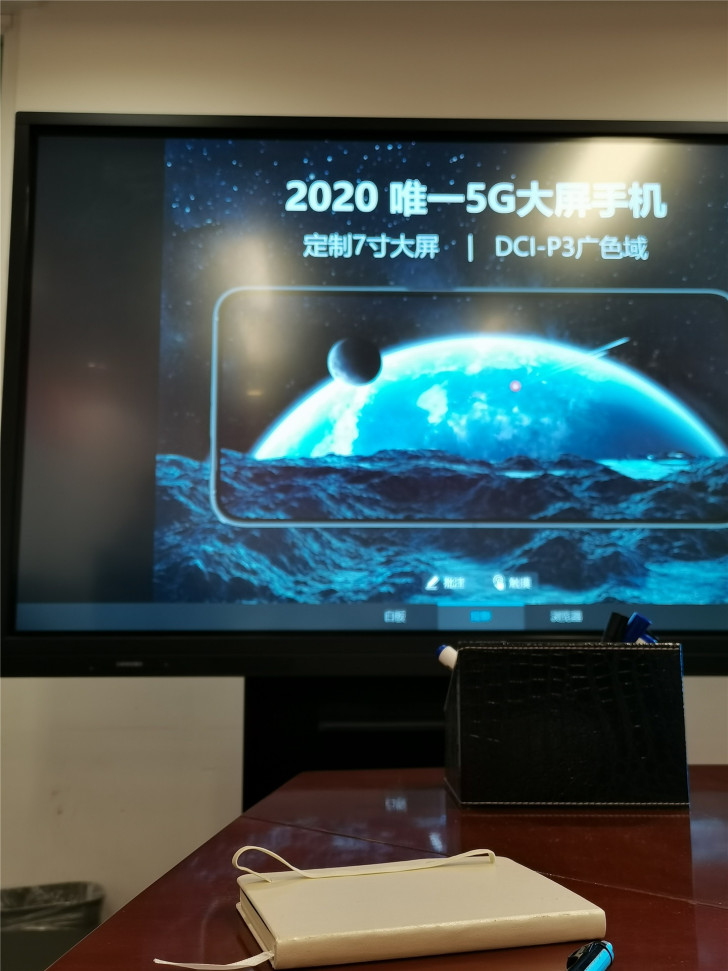
As the bezels on the smartphone keep getting thinner, companies are now able to offer smartphones with a bigger display that is handy enough. Now, Honor President has confirmed that the company will launch a smartphone with a 7-inch display and 5G connectivity support this year.
Currently, there’s no information available about the smartphone teased by the company’s president. As per the reports, the device will not be a part of the Honor Note series even though the company had launched Honor Note10 a couple of years back featuring a 6.95-inch display.
Other reports claim that the upcoming 7-inch display smartphone could be a part of the newly launched Honor X10 series and could make its way to the market as Honor X10 Max. Previous leaks hint at Honor X10 Max getting launched next month along with Honor 30 Lite aka Honor 30 Youth Edition.
Zhao Ming, President at Honor said that he is glad to be able to keep his promise about launching a larger display smartphone. Apparently, around two years ago, he had promised that the company will launch a device with a larger display within two years.
Not only Honor, but several other smartphone brands are also either gearing up to launch a 7-inch display smartphone or have already launched it. Samsung is rumored to soon launch Galaxy M41 is said to feature a 6.67-inch FHD+ CSOT flexible OLED panel from TCL.
Recently, Tecno Spark Power 2 smartphone got launched in the Indian market which features a 7-inch display. It is a budget offering powered by a 6,000mAh battery and has a starting price of ₹9,999, which is about $131.
LG Electronics has just showcased certain new display technologies at the InfoComm 2020 event. The conference that took place from 16th to 18t June had the South Korean tech giant reveal new LG LED Cinema Display and a transparent OLED touch display.
The LG LED Cinema Display utilizes high brightness LED modules for movie screens at theaters. This technology is said to offer a more uniform movie screen that is less susceptible to distortions when compared to their digital projector counterparts. The company has already supplied this type of large display to a Taiwanese cinema chain called Showtime Cinema.
Furthermore, LG also unveiled its new transparent OLED touch screen, which has a transmittance of 38 percent and its possible applications have been aimed at commercial spheres like airports, museums, and even stores. Notably, multiple such transparent displays can be attached side by side, with the technology already being utilized by a store run by Top Golf.
The horizon of applications for both these new display technologies is extremely wide. We may even see such smartphones with transparent displays in the future, have stores built with interactive windows, and more. The fact that these displays are already being introduced in certain areas is indicative of it being ready to branch out to other fields as well.
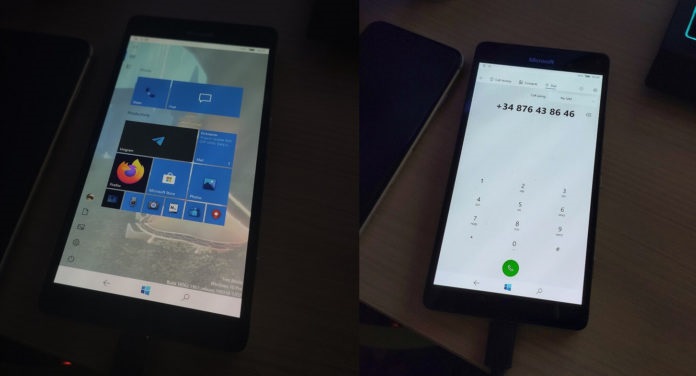
A few years ago, developers figured out a way to get a full Windows 10 operating system running on a Lumia 950 and 950 XL smartphones. Over the years, the development of Windows 10 ARM port has picked up and made some steady progress.
Now, developers working on the project says that the team has managed to get Windows 10 Build 19041 (20H1) work on the Lumia smartphone. Currently, ARM64, ARM, and x86 apps can run with Windows 10 ARM on Lumia 950 and Lumia 950 XL devices.
As of now, this is limited to just these two devices. Although the developers are working on a port for Android smartphones, so far the development has not expanded to non-Lumia devices. it’s worth noting that developers have started working on a port for Android flagship smartphones.
Coming back to Windows 10 on ARM for Lumia, most of the sensors, including a light sensor, accelerometer, and gyroscope, among others are working. The “MobileShell” app is available on Microsoft Store for devices running Windows 10 on Lumia which brings back navigation, status bar, and notification toast integration.
Further, it has got support for the cellular networks through “WOA Dialer”, but the connectivity may not be available for working for all, depending on the region. There’s also support for “Chat” and SMS, but MMS functionality is not yet supported.
With the development of Windows OS on ARM picking up pace, we expect a breakthrough for the Android port in the near future. Meanwhile, there are reports claiming that Apple could be ditching Intel for ARM for its upcoming MacBook.
Current flagship smartphone chipsets are based on the 7nm node process but the manufacturers are now shifting towards 5nm and even 3nm process for the upcoming next-generation chipsets.
Joining the list of those companies in China-based ZTE. The company held its Annual General Meeting of Shareholders at its headquarters in Shenzhen where the company revealed its plan for the smartphone chipset.
Xu Ziyang, President of ZTE Corporation, revealed that the company is already working on a 7nm chipset which has entered mass-production. He further added that the company has started working on a 5nm chipset and revealed that it’ll be launched next year.
He further goes on to add that while ZTE has done the front-end and back-end design for the chipset, it has to rely on global partners for production and manufacturing.
The development comes as ZTE has been heavily investing in its Research and Development (R&D) department, especially for chip development. The company has spent around 12.1 billion yuan (~$1.7 billion).
ZTE isn’t the only Chinese company working on the next-gen chipset. Huawei, currently the leading smartphone brand globally, is reportedly working on its Kirin 1020 and Kirin 1000 chipsets, which are said to be based on the 5nm process.
With the on-going US-China trade war, the Chinese companies are now stepping up their game in the semiconductor business. After recent US sanctions cutting off chip supply from TSMC to Huawei, the Chinese giant is also heavily investing in local semiconductor firms.
Last month, Samsung announced a new 5nm chip production plant in South Korea which is expected to be operational by next year. TSMC, on the other hand, has already started mass production of 5nm chipset — Apple A14.
Earlier this month, TSMC officially revealed the existence of a new 4nm manufacturing process which falls between the 5nm and 3nm nodes that are already on the company’s roadmap. The “N4” process is said to be an enhanced version of the “N5P” process and is expected to enter mass production by 2023.
Huawei has unveiled the MateBook 13 AMD Edition in the U.K. As the name goes, it is an AMD processor variant of the existing MateBook 13 that features an Intel processor. The MateBook 13 AMD Edition is driven by AMD Ryzen 5 series chipset. It has arrived with a starting price of 699 pounds (~$868).
Huawei MateBook 13 AMD Edition specifications
The MateBook 13 AMD Edition comes with an aluminum chassis and it weighs 1.31kg. The laptop is equipped with a 13-inch IPS LCD panel that offers a 3:2 aspect ratio and a high-resolution of 2160 x 1440 pixels. The display supports 100 percent sRGB color gamut. For video calling, the device is equipped with a 1-megapixel camera.
The laptop is equipped with a backlit enabled full-sized chiclet keyboard. It features a fingerprint reader. When it comes to connectivity ports, the notebook offers a pair of USB-C 3.1 ports and a 3.5mm headphone and microphone combo jack. The dual speakers of the notebook are powered by Dolby Atmos.
The AMD Ryzen 5 3500U processor fuels the device along with Radeon Vega 3 graphics. The processor is assisted by 8 GB of DDR4 RAM. For storage, the notebook offers NVD SSD options like 256 GB and 512 GB.
The Huawei MateBook 13 AMD Edition boots to Windows 10 Home. It has Huawei Share feature for seamlessly transferring data between Huawei phones. The 42Wh rated battery of the MateBook 13 AMD edition can be fueled using a 65W USB-C charger.
Huawei MateBook 13 AMD Edition pricing
The 8 GB RAM + 256 GB storage is available at the Huawei Store in the U.K with a price tag of 699 pounds (~$868). Select retailers will also sell the higher 8 GB RAM + 512 GB storage edition of the laptop with a price tag of 749 pounds (~$931).
Honor is expected to announce three new phones in the coming weeks such as Honor 30 Lite 5G (Youth), Honor X10 Max, and Honor X10 Pro. It speculated that the Honor 30 Lite 5G and Honor X10 Max will go official together on July 4 or July 5. However, the X10 Pro’s launch date is yet to be finalized, claimed a leakster. Another tipster today shared a specs sheet of the Honor 30 Lite 5G phone.
Honor 30 Lite 5G Specifications
The Honor 30 Lite 5G has a 6.5-inch display. It could be a punch-hole display like the 6.5-inch screen found on the Honor 30S smartphone. The Honor 30 Lite 5G supports a Full HD+ resolution of 1080 x 2400 pixels, a tall aspect ratio of 20:9, and a refresh rate of 90Hz.
The MediaTek MT6873 SoC (Dimensity 800) is present under the hood of the device. The RAM and storage capacities of the phone are not mentioned in the leak. The device is packed with a 4,000mAh battery that supports 22.5W fast charging.
The Honor 30 Lite 5G is loaded with Android 10 OS along with EMUI 10.1 skin. It has a selfie camera of 16-megapixel. The 48-megapixel + 8-megapixel + 2-megapixel triple camera system can be found on the backside of the phone.
A previous leak revealed that the model number of the Honor 30 Lite 5G is MXW-AN00 and its codename is Maxwell. The handset is likely to be priced around 1,600 Yuan (~$225).
A lot of interesting flagships belonging to different price ranges went on sale in India and several other regions. The recent Xiaomi Mi 10 can be considered a flagship killer, while devices such as OnePlus 8 Pro and Oppo Find X2 are more expensive and they seem more like top-tier flagships. There are several kinds of flagship phones, but which one should you buy? It mostly depends on your actual needs and in this specs comparison between Oppo Find X2, OnePlus 8 Pro, and Xiaomi Mi 10 sold at different prices, we will try to let you understand which device is worth going for.
OPPO Find X2 vs OnePlus 8 Pro vs Xiaomi Mi 10
Xiaomi Mi 10
OnePlus 8 Pro
Oppo Find X2
DIMENSIONS AND WEIGHT
162.6 x 74.8 x 9 mm, 208 g
165.3 x 74.4 x 8.5 mm, 199 g
164.9 x 74.5 x 8 mm, 196 g
DISPLAY
6.67 inches, 1080 x 2340p (Full HD+), Super AMOLED
6.78 inches, 1440 x 3168p (Quad HD+), Fluid AMOLED
OPPO Find X2 gives you more choices. You can get it with either a ceramic body or a glass body paired with an aluminum frame, and in both cases, it has a premium design. It is also splash resistant with the IP54 certification. OnePlus 8 Pro has an amazing design as well, with a high screen-to-body ratio, a glass back, and an aluminum frame. Further, it is waterproof with the IP68 certification. Xiaomi Mi 10 is another beautiful phone just like Oppo Find X2 and OnePlus 8 Pro, but it does not offer any protection against water and dust.
Display
If you need the most advanced display, you should go either for the Oppo Find X2 or the OnePlus 8 Pro. They feature a 10-bit panel that can display up to one billion colors with the HDR10+ certification, a high 120 Hz refresh rate, and very high peak brightness. The Oppo Find X2 convinces me the most, despite it has a slightly smaller display. They all feature a high Quad HD+ resolution. The Xiaomi Mi 10 loses the battle with its average Full HD+ panel with a 90 Hz refresh rate.
Hardware/Software
Oppo Find X2, OnePlus 8 Pro, and Xiaomi Mi 10 feature the best hardware you can get in 2020. They are fueled by the Snapdragon 865 mobile platform paired with up to 12 GB of RAM and UFS 3.0 native storage. Note that the Xiaomi Mi 10 only comes with 8 GB of RAM in India, you do not get the 12 GB RAM version. Given they got the same astonishing hardware department, it is essentially a draw if we talk about hardware. Instead, they feature different UIs. With the Oppo Find X2 and the Xiaomi Mi 10 you get customized user interfaces (ColorOS and MIUI, respectively), while with the OnePlus 8 Pro you get a UI closer to stock Android (Oxygen OS).
Camera
On the paper, OnePlus 8 Pro offers the most advanced cameras. It is equipped with two 48 MP sensors including an ultrawide lens, a telephoto lens with OIS and optical zoom, and a depth sensor. It also features omnidirectional autofocus. Xiaomi Mi 10 supports 8K video recording, but its camera department is inferior due to its inferior secondary sensors (it even lacks a telephoto lens). In the middle, we got the Oppo Find X2 with a 48 MP main sensor, a 13 MP telephoto lens, dual OIS, and a 12 MP ultrawide sensor, as well as a great 32 MP front camera.
Battery
Xiaomi Mi 10 is the longest-lasting phone on a single charge not only because it features a bigger battery, but also because it has a more efficient display due to its lower resolution and refresh rate. It even supports wireless charging and reverse wireless charging (just like the OnePlus 8 Pro). Oppo Find X2 lacks wireless charging, but it has the fastest charging technology with a 65W power.
Price
You can get the Xiaomi Mi 10 8/128 GB for Rs. 49,990 in India (€899 globally, but there are a lot of more affordable street prices), OnePlus 8 Pro 8/128 GB starts from Rs. 54,999 (€900 globally), and Oppo Find X2 costs Rs. 64,990 in its 12/256 GB configuration (about €1,000 in the global market). With the Xiaomi Mi 10, you can save a bit of money, but despite you get a longer-lasting battery, you lose the waterproof design, the amazing display you can find on Oppo Find X2 and OnePlus 8 Pro, and impressive cameras. We think it is worth spending more on the OnePlus 8 Pro and the Oppo Find X2. The former offers a more convincing rear camera and a larger battery than Find X2, while the latter has faster charging, a more attractive design, 12 GB RAM, and still amazing cameras.
We use cookies on our website to give you the most relevant experience by remembering your preferences and repeat visits. By clicking “Accept”, you consent to the use of ALL the cookies.
This website uses cookies to improve your experience while you navigate through the website. Out of these, the cookies that are categorized as necessary are stored on your browser as they are essential for the working of basic functionalities of the website. We also use third-party cookies that help us analyze and understand how you use this website. These cookies will be stored in your browser only with your consent. You also have the option to opt-out of these cookies. But opting out of some of these cookies may affect your browsing experience.
Necessary cookies are absolutely essential for the website to function properly. This category only includes cookies that ensures basic functionalities and security features of the website. These cookies do not store any personal information.
Any cookies that may not be particularly necessary for the website to function and is used specifically to collect user personal data via analytics, ads, other embedded contents are termed as non-necessary cookies. It is mandatory to procure user consent prior to running these cookies on your website.