The Samsung Galaxy Watch Ultra 2 is in the works, according to a new report by GalaxyClub.nl. This device will arrive as a successor to the original Galaxy Watch Ultra, which debuted in July 2024. Here’s a look at the preliminary details about the Watch Ultra 2 that have emerged.
Galaxy Watch Ultra 2 development aligned with the Galaxy Watch 9
According to the source, Samsung is building the new Ultra model alongside the upcoming Galaxy Watch 9. This pairing suggests that the Ultra 2 will follow the same hardware direction as the Watch 9, similar to how the first Galaxy Watch Ultra was based on the Watch 7 platform.
Internally, the new wearable is said to carry the identifier Watch 9 Ultra, although this internal naming strategy has not reflected retail branding in the past. The expectation is that Samsung will present it publicly as the Galaxy Watch Ultra 2, continuing the established naming structure for its high tier smartwatch.
The development timeline is reportedly following Samsung’s usual smartwatch cycle, which has historically placed major launches in the middle of the year. If this pattern holds, both the Galaxy Watch 9 and Galaxy Watch Ultra 2 could be introduced around July 2026. This window would align with the anticipated release period for the Galaxy Z Fold 8 and Galaxy Z Flip 8, creating a unified product lineup for Samsung’s summer event.
Samsung did release a Galaxy Watch Ultra this year, but it was only offered in a refined look compared to the original model. This has raised expectations for a more meaningful generational upgrade in 2026, particularly as previous Ultra releases have offered larger batteries and endurance focused features. Hopefully, upcoming reports will reveal more details about the Samsung Galaxy Watch Ultra 2.
For more daily updates, please visit our News Section.
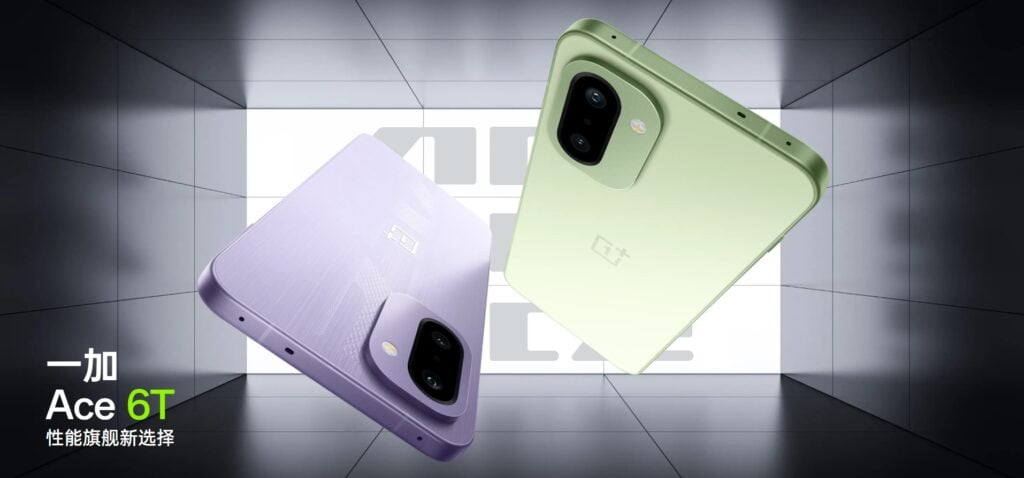
A day after the announcement, the OnePlus Ace 6T is now available in China, featuring the Snapdragon 8 Gen 5, a massive 8,300mAh battery, and a fast 165Hz refresh rate.
The Ace 6T is the first smartphone in the world to use the Snapdragon 8 Gen 5 processor. The phone scores approximately 3.56 million on AnTuTu and supports up to 16GB of LPDDR5X RAM at 9600 Mbps, as well as up to 1TB of UFS 4.1 storage.
In addition to hardware advantages, OnePlus is shipping Ace 6T with its Fengchi Gaming Core engine for stable 165fps gameplay on supported games.
For all this, OnePlus is asking a price of 2,599 yuan for the base 12/256GB variant. Here are the prices of all models:
12GB+256GB: 2599 yuan (~$370)
16GB+256GB: 2899 yuan (~$410)
12GB+512GB: 3099 yuan (~$440)
16GB+512GB: 3399 yuan (~$480)
16GB+1TB: 3899 yuan (~$550)
On the first sale, there is a flat 200 yuan off on all models. The Ace 6T’s Genshin Impact edition will be available on December 22nd for 3699 yuan.
Specifications
The Ace 6T has a 6.83-inch 1.5K AMOLED display with up to 165Hz refresh rate, 10-bit color, and 1800 nits peak brightness. It also supports 3200Hz touch sampling and uses Oppo’s Crystal Shield Glass with 3840Hz PWM dimming.
It runs on the Snapdragon 8 Gen 5 with the Adreno 840 GPU, supporting up to 16GB LPDDR5X RAM and 1TB UFS 4.1 storage. A G2 network chip improves connection stability, and the phone ships with Android 16 (ColorOS 16).
The camera setup includes a 50MP Sony IMX906 main sensor with OIS and an 8MP ultra-wide. The front camera is 16MP. It supports 4K 60fps video and includes basic AI features for portraits and cleanup.
The device packs an 8300mAh battery with 100W charging and PPS support, plus bypass charging. Other hardware includes an ultrasonic fingerprint scanner, stereo speakers, Type-C audio, and full IP66/IP68/IP69K ratings.
Cooling is handled by a large Glacier system with an upgraded VC chamber. The phone also supports Rain Touch 2.0, glove mode, gaming antennas, and NFC.
For more daily updates, please visit ourNews Section.
The Motorola Edge 70 has received a new design-focused makeover, with the brand confirming a special edition that aligns with Pantone’s Color of the Year 2026. Announced alongside its expanded creative partnership, the refreshed variant introduces a distinctive visual identity while keeping the attention on craftsmanship and aesthetic details. Motorola has also collaborated with Swarovski for added luxury, setting the foundation for the rest of the revelations.
Pantone’s Cloud Dancer inspires the new design direction
Motorola Edge 70 special editino with Swaroski crystals
Pantone’s selection for 2026, known as Cloud Dancer, is presented as a calming white shade intended to encourage clarity and a slower rhythm of living. Motorola adopts this theme for its special edition Edge 70, pairing the soft tone with Swarovski crystals that are embedded throughout the device’s back panel. This treatment aims to bring a sense of serenity to a product category often dominated by vivid finishes. The phone remains part of the brand’s broader design-centered Brilliant Collection, which focuses on refined styling and premium textures.
By combining Pantone’s serene palette with Swarovski crystals, Motorola attempts to create a more tactile and expressive version of the Edge 70. The company frames this approach as a move toward quieter, more balanced aesthetics that complement everyday use. The leather-inspired patterned back, gentle shimmer from the crystals and slim form factor contribute to the device’s understated profile while still offering visual depth.
The special edition retains the features of the standard Edge 70, including its high-resolution 50-megapixel camera system, balanced performance profile and Moto AI features that adapt based on usage. Its display and overall frame continue to follow the same thin design principles that have defined the series. Pricing and specific regional availability have not been disclosed, but Motorola states that the model will arrive in select global markets.
Motorola positions the Edge 70 Cloud Dancer edition as a response to digital overload, aiming to create a product that feels more calming and intentional. The visual language, crystal accents and Pantone color selection work together to present a device meant to stand out through subtlety rather than bold contrasts. Further details are expected to be shared as availability draws nearer.
For more daily updates, please visit our News Section.
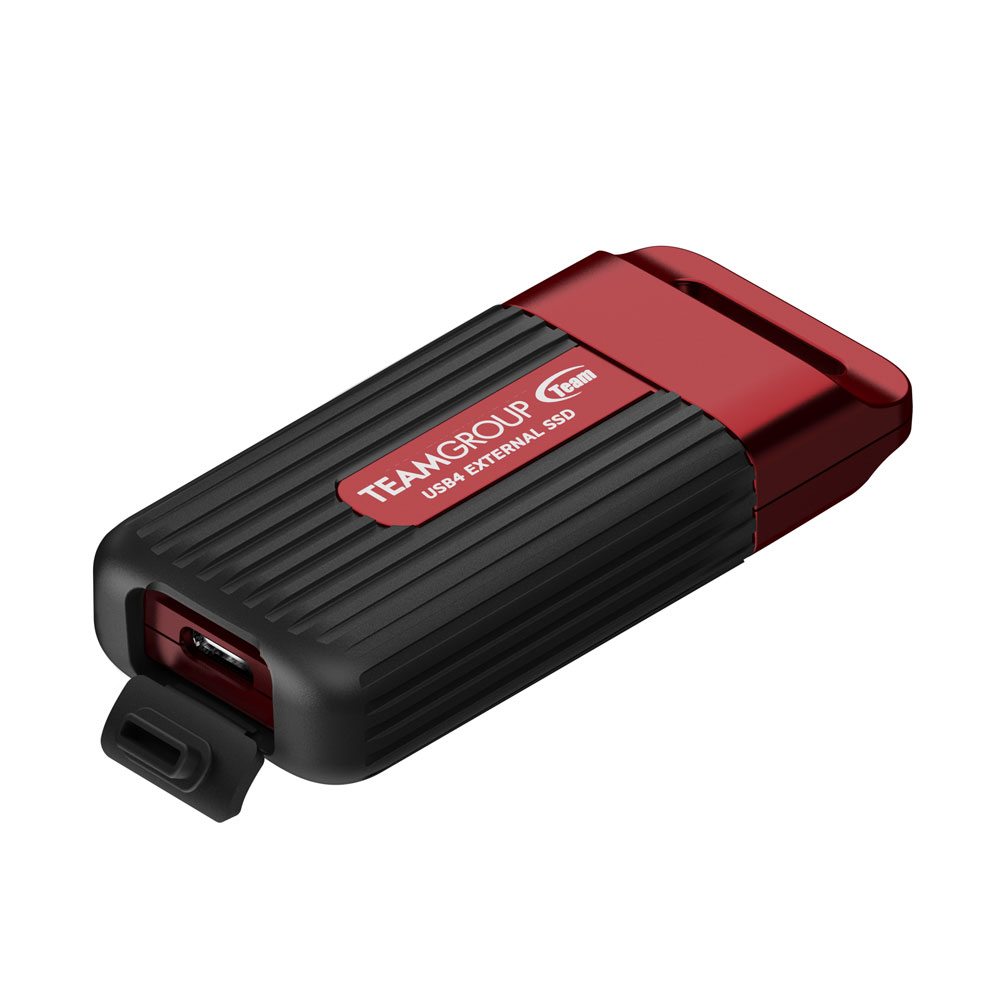
TeamGroup has announced the PD40 Mini Portable SSD, a compact external storage device that supports USB4 and delivers read speeds of up to 4000 MB/s. The PD40 targets professionals and everyday users who need fast data transfers in a small, durable form factor.
TeamGroup PD40 Mini Specifications
The PD40 Mini uses a USB4 Type-C interface and achieves sequential write speeds of up to 3500 MB/s. It supports up to 40Gbps transmission and is available in 1TB, 2TB, and 4TB storage options. TeamGroup includes a Type-C to Type-C cable in the box. The drive is backward compatible with USB 3.2 and USB 2.0 devices.
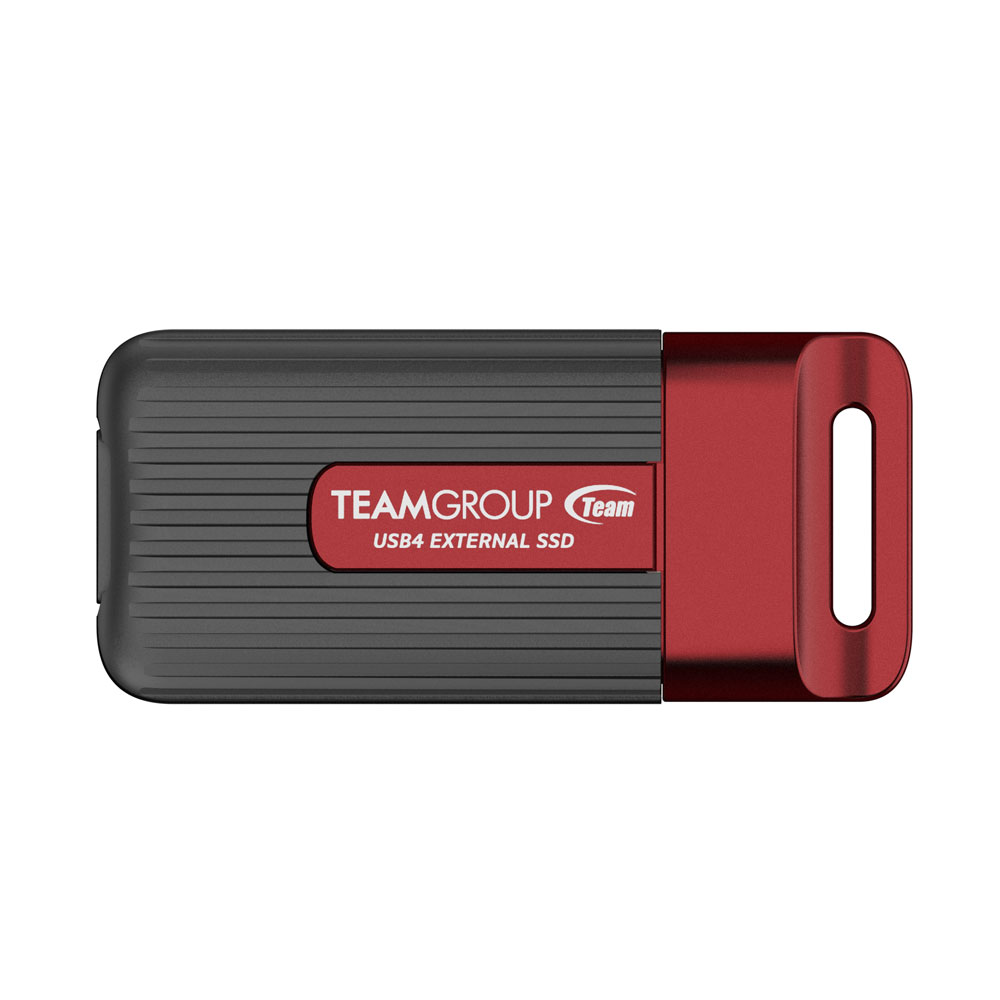
The PD40 features a compact design with a matte black and deep red finish. Its rubberized grooves provide a secure grip and help prevent slipping. The SSD weighs only 22 grams and measures 75 x 34 x 15.2 mm, making it roughly the size of a standard flash drive. It also comes with a built-in lanyard hole that allows for easy attachment to bags or keychains.
The drive is rated for IP54 dust and water resistance. It includes a silicone cover for the Type-C port to protect against splashes and particles. These features aim to ensure durability in everyday environments.
The PD40 Mini supports Windows XP and later, macOS 10.6 or later, and Linux 2.6 or newer. TeamGroup provides a 5-year limited warranty with the product.
In related SSD news, Apacer recently introduced the AS714 portable SSD with ProRes support and expanded its lineup with Eco series drives made from recycled plastic. Samsung also announced the T7 Resurrected, an eco-friendly portable SSD built with a 100 percent recycled aluminum shell.
For more daily updates, please visit ourNews Section.
Xiaomi is reportedly preparing to introduce the Xiaomi 17 Ultralater this month in China, and a new leak has added more weight to the ongoing speculation. Fresh spy shots shared on Weibo offer an early look at the phone’s possible design, with the source hinting at meaningful changes to its camera system. Although Xiaomi has yet to confirm the device or any of its features, the latest images set the stage for deeper expectations surrounding the upcoming flagship.
Xiaomi 17 Ultra leaked shots
Xiaomi 17 Ultra spy shot
The leaked images show what is believed to be the Xiaomi 17 Ultra concealed in a protective case, yet the camera layout remains visible enough to confirm a shift from the circular module seen on the Xiaomi 15 Ultra.
The images suggest a more compact yet densely arranged setup, with three clearly visible sensors. One of these appears to be a periscope telephoto lens, accompanied by a flash and additional openings that may house secondary sensors.
According to recent reports, the Xiaomi 17 Ultra’s rear camera setup will feature a triple rear camera unit made up of a primary 50-megapixel 1-inch sensor, possibly the OmniVision OV50X, paired with a massive 200-megapixel periscope telephoto lens. A 50-megapixel ultra-wide shooter.
This would mark a change from the quad camera system of its predecessor. While the leaked image shows the device in black with a metal frame and exposed screw cutouts, it is still unclear how the final retail model will appear. Under the hood, it may be powered by the Snapdragon 8 Elite Gen 5 chipset, built on a 3nm process. The phone is rumored to pack a 6,000mAh to 7,000mAh battery.
For more daily updates, please visit our News Section.
OnePlus is all set to announce the OnePlus 15R on Dec. 17 in India, Europe, and North America. It is already known that the device will come equipped with the all-new Snapdragon 8 Gen 5 chipset. Ahead of the launch, the device appeared on the Geekbench benchmarking platform, revealing some of its key details.
OnePlus 15R Geekbench listing
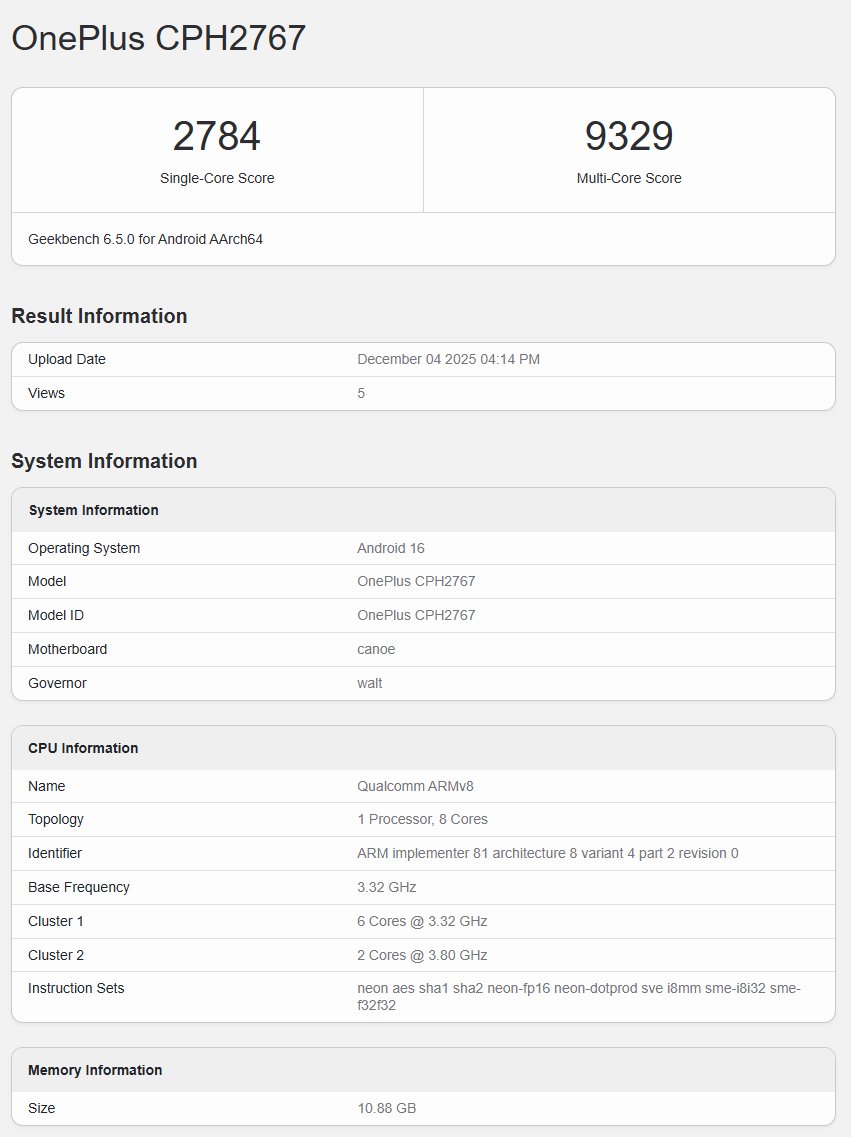
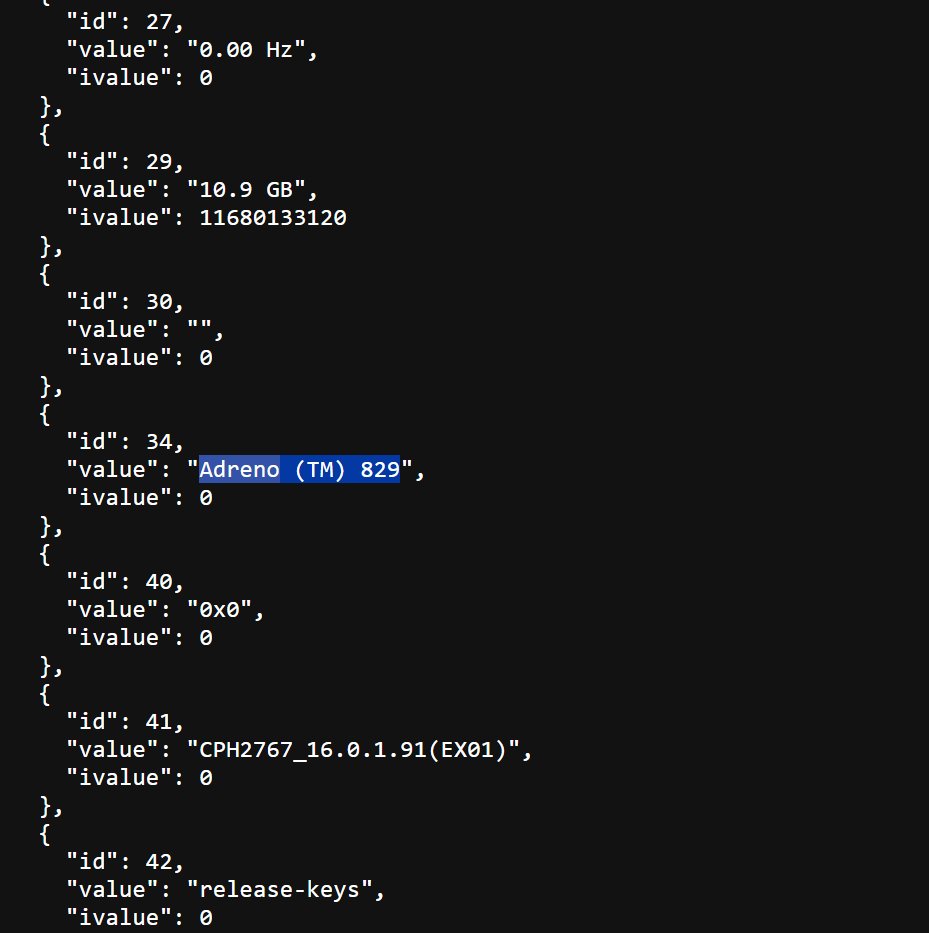
The first screenshot shows that a OnePlus phone with model number CPH2767 has emerged with the Snapdragon 8 Gen 5 chip on Geekbench. Although the chip’s name is not explicitly mentioned, the CPU and GPU details mentioned do indicate the inclusion of the said chip. This, in turn, suggests that this device is nothing but the upcoming OnePlus 15R.
The Snapdragon 8 Gen 5 chip includes six cores working at 3.32GHz and two cores operating at 3.80GHz. Although the chip is advertised to feature the Adreno 840, which is also available with the more powerful Snapdragon 8 Elite Gen 5, the Geekbench metadata identifies it as Adreno 829.
This suggests that the Adreno 829 could be a binned version of the Adreno 840. To put it in simpler terms, the Snapdragon 8 Gen 5’s GPU may not be as powerful as that of the 8 Elite Gen 5.
Coming back to the Geekbench listing, it further reveals that the device has 12GB of RAM and Android 16. It scored 2,784 points in the single-core test and 9,329 points in the multi-core test.
While OnePlus has revealed the design of the OnePlus 15R, it is yet to confirm its other specifications. There’s a possibility that it could be based on the Snapdragon 8 Gen 5-powered OnePlus Ace 6T, which recently debuted in India. The Ace 6T has a 6.83-inch 1.5K 165Hz OLED screen, an 8,300mAh battery with 100W charging, a 16-megapixel front camera, and a 50-megapixel + 8-megapixel dual-camera setup.
For more daily updates, please visit our News Section.
While the holiday shopping frenzy of Black Friday and Cyber Monday has officially wrapped, one of the most exciting deals refuses to stop. Amazon seems to have missed pulling the plug, as the Google Pixel 10 (128GB) is still on deal, available for just $549!
In case you missed the initial rush, it seems you have a second chance to secure Google’s latest AI flagship. The 128GB variant, usually carrying a list price of around $793, is now slashed by 31% on Amazon. This current $549 sale price is notably lower than the $599 price tag seen during the main Black Friday event, marking the biggest discount yet.
As you could deduce, this is not an offer expected to last long. The Amazon listing is clearly marked as a limited-time deal, signifying that this historically low price is living on borrowed time.
The Pixel 10 brings a powerful Tensor chip, exceptional AI-driven camera capabilities, and the latest clean Android experience—making it a compelling upgrade for anyone looking for top-tier features without the usual flagship cost.
This seems to be your best chance to get hold of the Google Pixel 10 at the lowest price it has ever been. Shop Google Pixel 10 for $549 on Amazon.
Google Pixel 10: Specs & Features
Google Pixel 10 is the everyday phone unlike anything else; it features the Google Tensor G5, Pixel’s most powerful chip yet, delivering lightning-fast performance, exceptional AI features, and next-level efficiency.
Unlocked flexibility: Use it with Google Fi, Verizon, T-Mobile, AT&T, and other major carriers, giving you the freedom to choose your plan and switch anytime.
Upgraded triple rear camera system: Now with a new 5x telephoto lens supporting up to 20x Super Res Zoom for stunning detail, even from afar. Night Sight enables crisp low-light photography, while Camera Coach helps you capture your best shot every time.
Durable, premium build: Designed with scratch-resistant Corning Gorilla Glass Victus 2 and an IP68 rating for water and dust protection.
Actua Display: The bright and vibrant screen reaches 3,000 nits peak brightness, remaining easy to view outdoors—even under harsh sunlight.
AI-powered experience with Gemini: Instead of typing, use Gemini Live for free-flowing conversations. Point your camera at what you’re curious about—like a sea creature at the aquarium—and get instant insights. Chat with Gemini to brainstorm ideas or accomplish tasks across apps effortlessly.
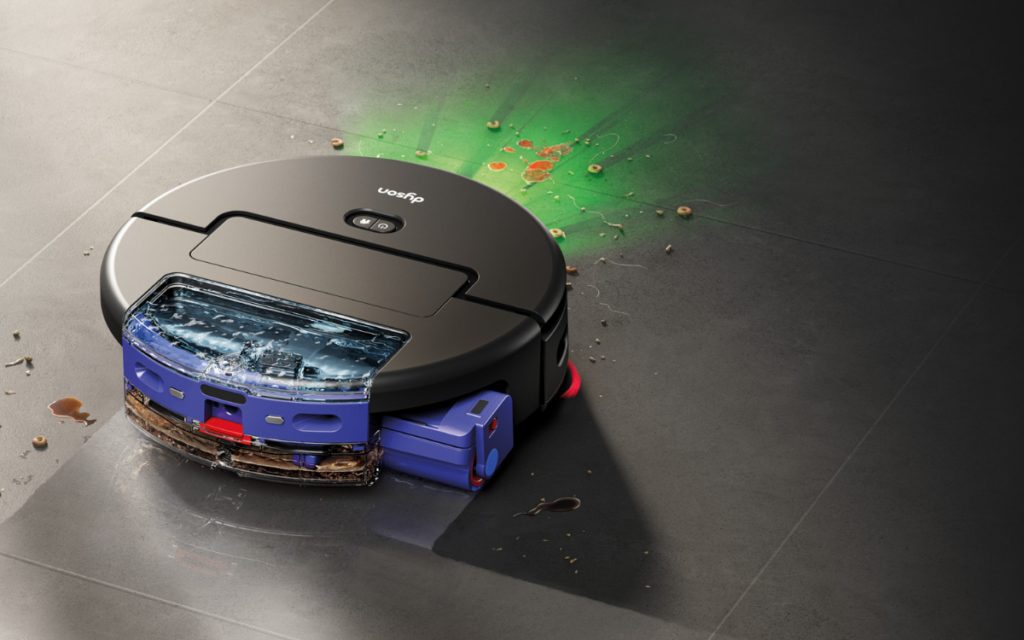
Dyson has officially launched the Spot+Scrub AI robot vacuum in China, positioning it as a high-end home cleaning device powered by on-device artificial intelligence. The product is priced at 5,499 yuan ($778) and is designed to deliver powerful suction, intelligent navigation, and a fully automated self-cleaning base station.
Dyson Spot+Scrub AI Robot Vacuum Specs
The Spot+Scrub AI has a compact 373 x 370 x 110 mm chassis and a rollers-over-wheels layout that keeps the bottom wheels covered to avoid redepositing dirt. It uses a 27-centimeter-wide cleaning roller and a Dyson AI processor that handles trillions of operations per second.
The robot comes with a dual-line LiDAR and an HD camera to scan its surroundings seven times per second and identify nearly 200 object types. Dyson says recognition accuracy in low light improves by 40% over earlier models. The processor maps the space in real time and adjusts cleaning strategies as room layouts change.
The device operates on what Dyson calls a clean-freak algorithm, refusing to move forward until a section of the floor meets its cleanliness threshold. It delivers suction power up to 18,000Pa and can automatically boost suction by four times when detecting carpets. The Spot+Scrub AI includes a rotating edge brush, a tangle-free roller-brush system, and a 10mm lifting mechanism to protect carpets during mopping.
The mopping function uses 12 hot-water jets to wash floors at 60°C. The roller self-cleans while rotating, ensuring that only clean water contacts the surface. The system also prevents cross-contamination between hard floors and carpets.
The battery supports up to 200 minutes of cleaning and can cover around 240 square meters per charge, depending on usage. The device connects to a mobile app for quick mapping, smart room segmentation, cleaning zones, virtual no-go boundaries, and hotspot verification. Dyson confirms that all AI processing is done locally, with no image storage or cloud upload.
The base station includes a 3-liter bin for dust storage, enough for around 100 days of hands-free use. It uses Dyson’s cyclone-based dust collection, eliminating the need for disposable bags while maintaining suction efficiency. The dock also handles 60°C hot-water roller cleaning, 45°C warm-air drying, automatic detergent dosing, and silver-ion antibacterial treatment in the water tank.
In related news, Dyson recently introduced the AM15 bladeless hot and cool fan, which promises quieter operation and faster heating. The company also launched the HP2 De-NOx and HP1 air purifiers in India, both equipped with heating and cooling functions.
For more daily updates, please visit our News Section.
TECNO celebrated the fifth anniversary of its Future Lens event on December 3rd, 2025, in Chongqing, China. The annual gathering brought together global technology media, imaging experts, and researchers to showcase the company’s latest breakthroughs in mobile camera technology. This year’s event focused on redefining mobile photography through advanced optics, AI-driven imaging, and a stronger commitment to human-centric design.
Breakthrough Telephoto Technologies Unveiled
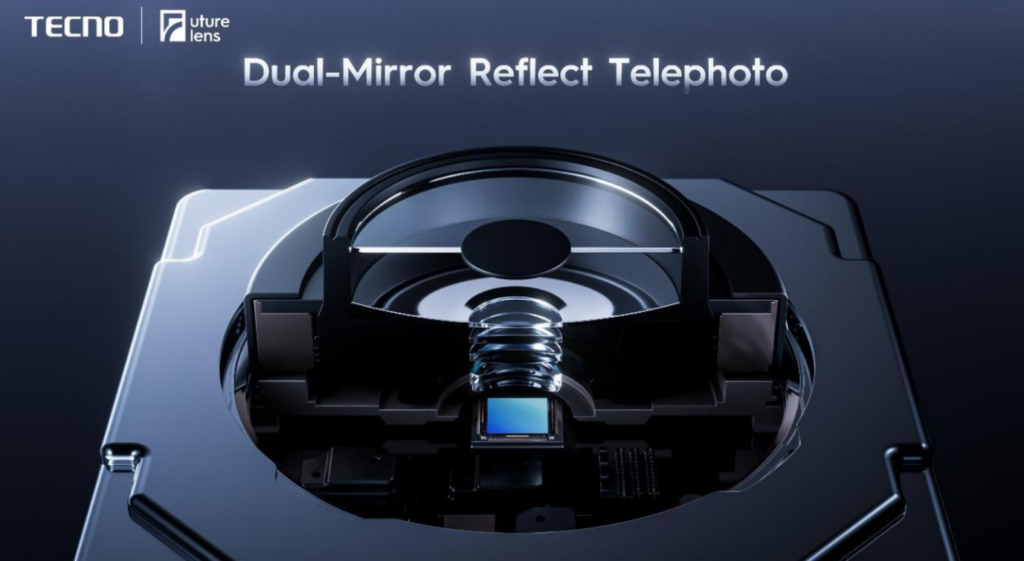
One of the biggest highlights was the introduction of two major telephoto innovations. The Dual-Mirror Reflect Telephoto system features an all-new coaxial optical design that is 50% smaller than traditional telephoto modules. This makes it easier to fit into slim devices while still delivering professional zoom performance. It also creates a unique “doughnut-shaped” bokeh effect for creative photography and offers strong low-light shooting capabilities.
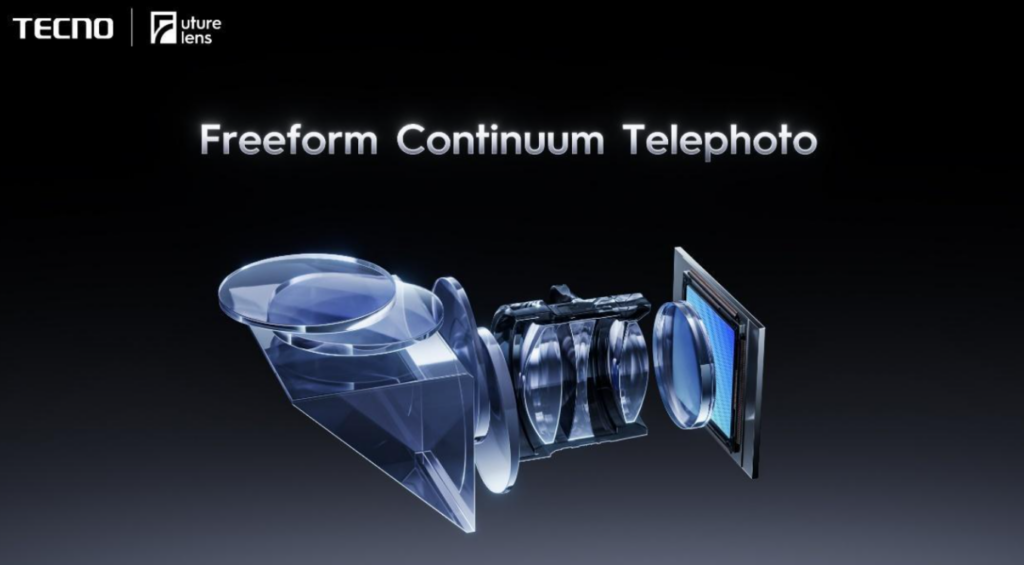
TECNO also introduced the Freeform Continuum Telephoto, which offers true continuous optical zoom from 1x to 9x without any digital cropping. This eliminates the visual jumps common in multi-camera systems and enables smooth, camcorder-like transitions. It ensures clarity at every focal length, making it ideal for both amateur and advanced users.
TECNO Image Matrix (TIM) – Core Imaging System
The company highlighted its evolving TECNO Image Matrix (TIM) architecture, which blends AIGC-enhanced optics, advanced computational algorithms, and AI-assisted controls. TIM focuses on understanding the user’s intent, subject characteristics, and emotional tone. It also supports TECNO’s Universal Tone system for more accurate skin-tone reproduction. TIM now acts as the foundation for all upcoming TECNO imaging technologies.
Expert Comments and Insights
During the event, TECNO CMO Laury Bai emphasized that the brand aims to capture emotion, not just visuals. She described the new technologies as “almost magical” in their ability to simplify photography. Shenghao Bai from Counterpoint Research praised TECNO’s strength in merging powerful hardware and software, especially Universal Tone. Xiaohan Huang, Director of TECNO Image R&D, noted that mobile imaging is moving toward understanding scenes rather than simply capturing light.
Since launching Future Lens in 2021, TECNO has achieved several industry milestones, including the first mid-range periscope telephoto lens and major advances in multi-skin-tone imaging. The development of TIM further reflects TECNO’s long-term strategy of building a complete imaging ecosystem.
New Automated Lab in Collaboration With DXOMARK
TECNO also unveiled its fully automated imaging laboratory, built with DXOMARK’s Camera V6 testing solutions. The lab focuses on real-world photography conditions and aims to set higher scientific standards for smartphone camera evaluation worldwide.
Looking ahead, TECNO plans to deepen the integration of optical engineering and AI, expand partnerships with research institutions, and bring professional-level mobile photography to more global markets.
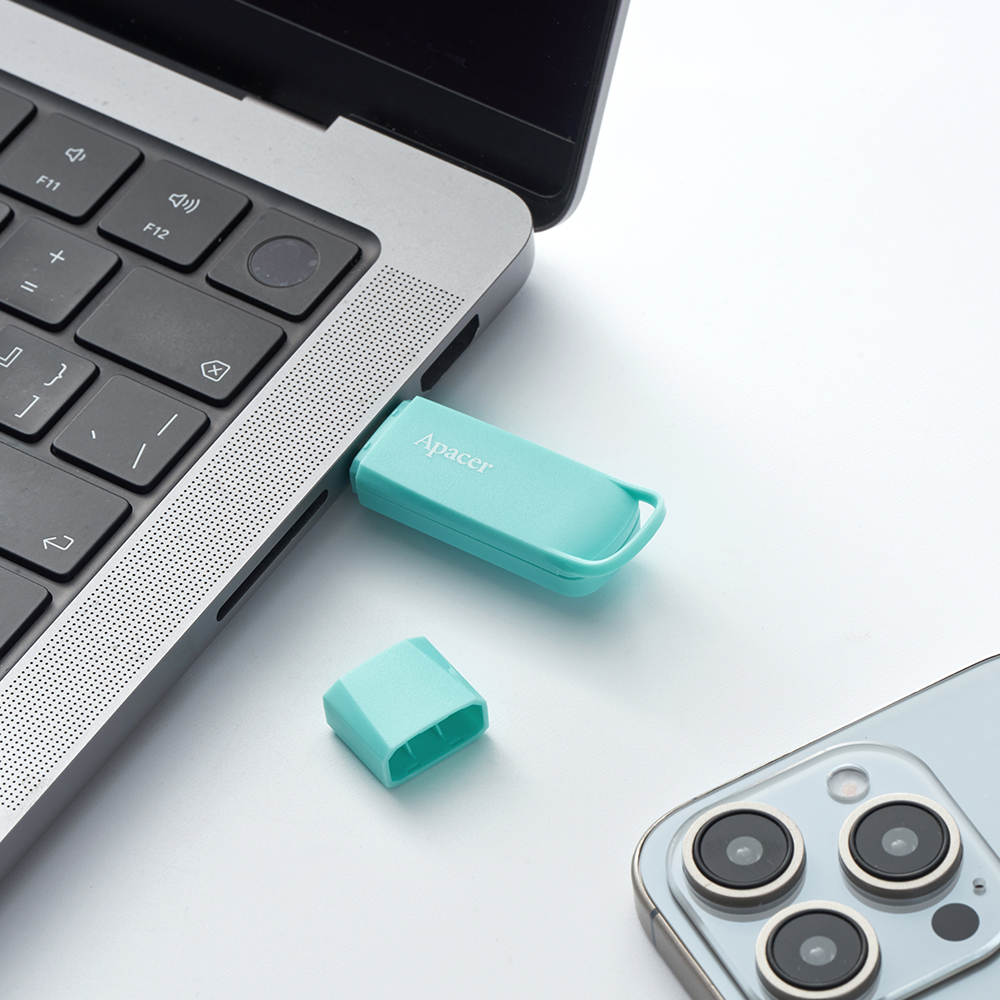
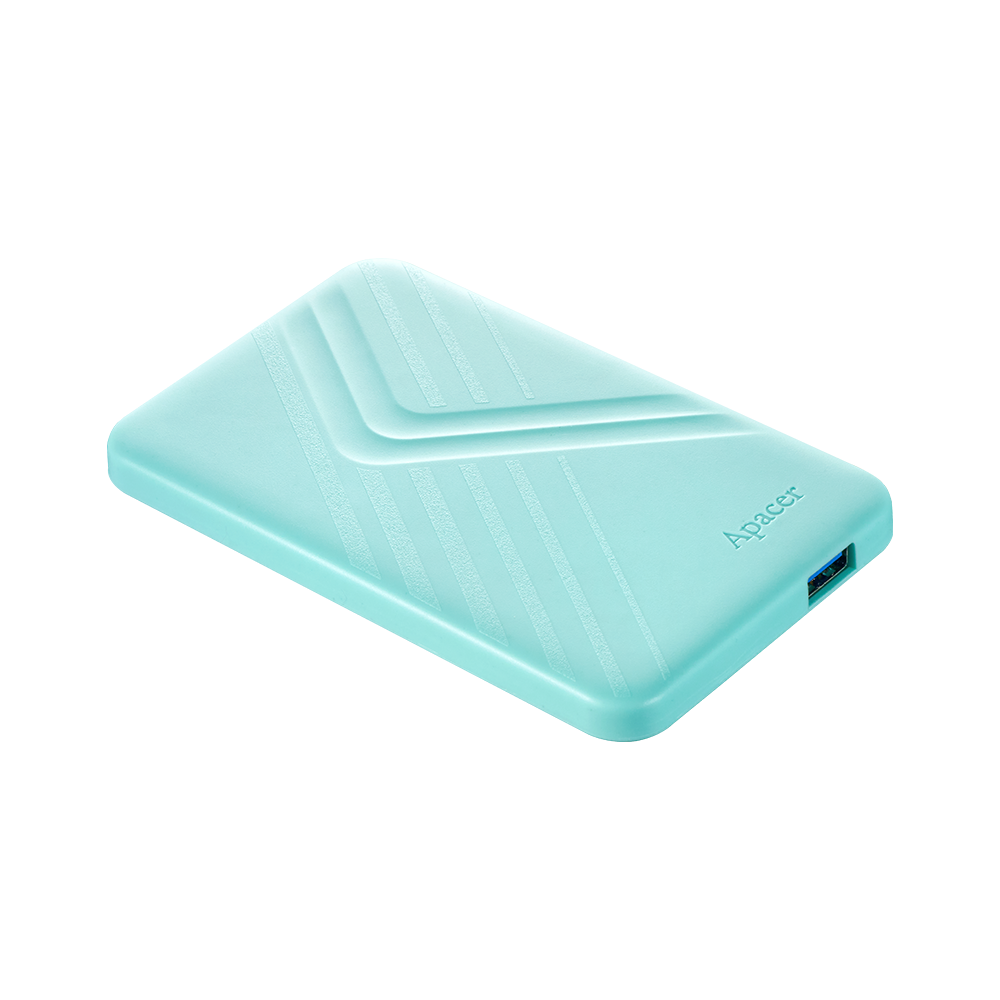
Apacer has launched a new line of portable storage products under its Eco series, targeting environmentally conscious users. The new lineup includes the AH270 Eco USB flash drive and the AC236 Eco portable hard drive. Both models feature shells made from 100% post-consumer recycled (PCR) plastic. Alongside these, the company also introduced the AS714 portable SSD, which focuses on mobile performance.
The company said this move aligns with global sustainability goals. According to a 2022 OECD report, the world generates about 353 million tons of plastic waste annually, with packaging waste making up nearly 40%. Apacer stated that its Eco series aims to reduce this burden by giving discarded plastics a second life.
Talking about specs, the AH270 Eco flash drive supports USB 3.2 Gen 1 and comes with a USB-C connector for broad compatibility with laptops, tablets, and smartphones. It is available in 64GB and 128GB capacities and weighs just 5.8 grams. Apacer included a lanyard hole to make it easier to carry and personalize. The device works with Windows, macOS, and Linux, and carries a five-year limited warranty.
The AC236 Eco portable hard drive is available in 1TB and 2TB variants. It uses a 2.5-inch SATA HDD and supports USB 3.2 Gen 1 with transfer speeds up to 5Gbps. The drive is only 10.8mm thick and weighs 139.5 grams, making it 14% lighter than many similar products. Apacer said the AC236 passed over 10,000 plug/unplug tests and includes smart power management that automatically enters a power-saving mode after 10 minutes of inactivity. It comes with a three-year limited warranty.
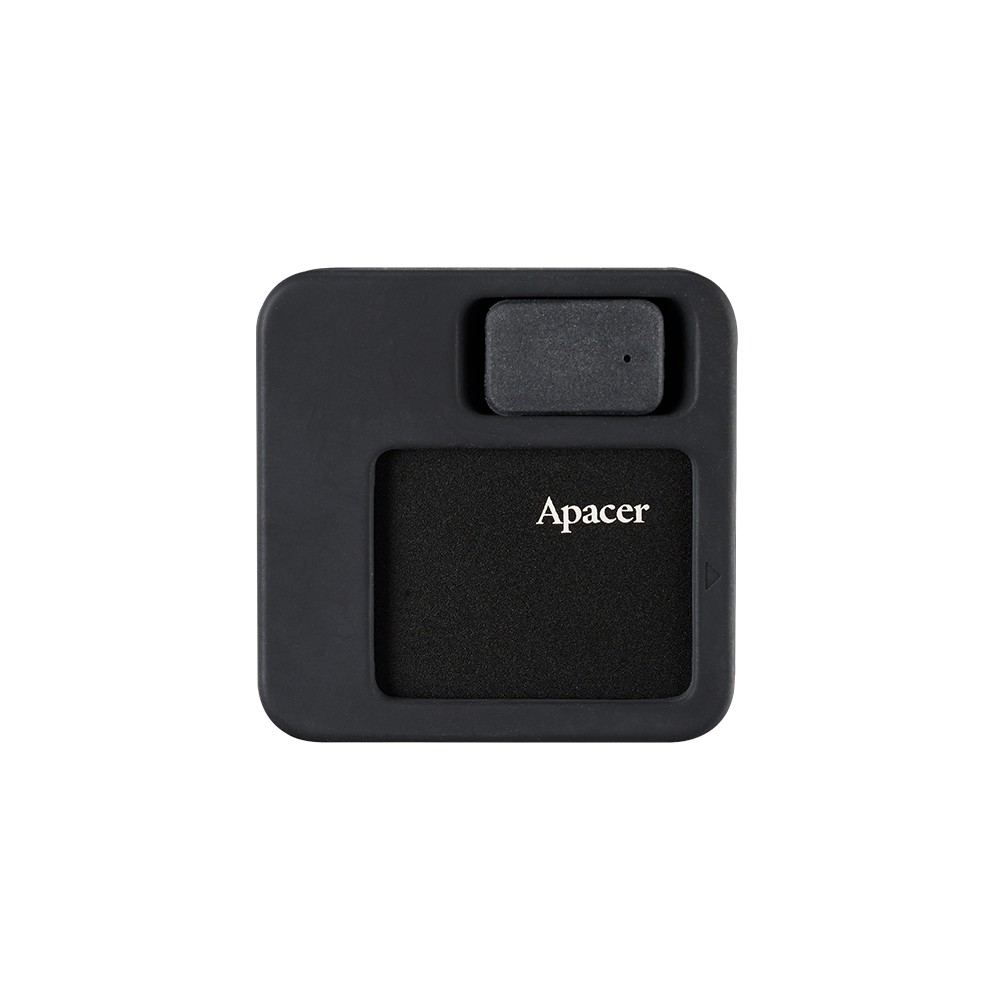
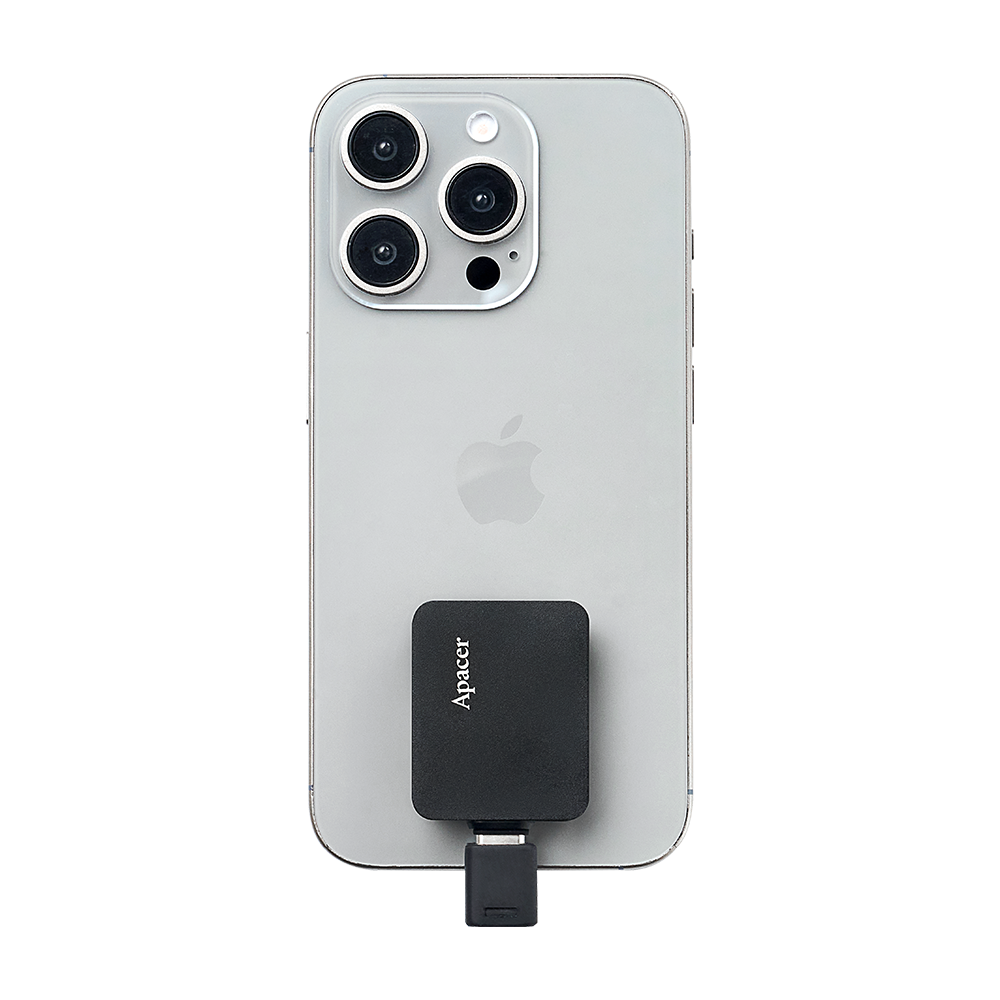
Apacer also introduced the AS714 portable SSD alongside the Eco series. This model is designed for mobile use, supporting USB 3.2 Gen 2 with read/write speeds up to 1000MB/s. It is compatible with Android USB-C phones, iPhone 15 and newer models, and supports ProRes direct video recording. The drive includes a silicone case with a built-in lanyard and offers IP65-rated protection against dust and water. It has passed a 1.22-meter drop test and is available in 512GB, 1TB, and 2TB capacities.
In the smartphone market, DOOGEE has always clearly focused on the niche of “Tough devices for outdoors,” rather than competing with mainstream manufacturers in terms of thinness, imaging, or performance.
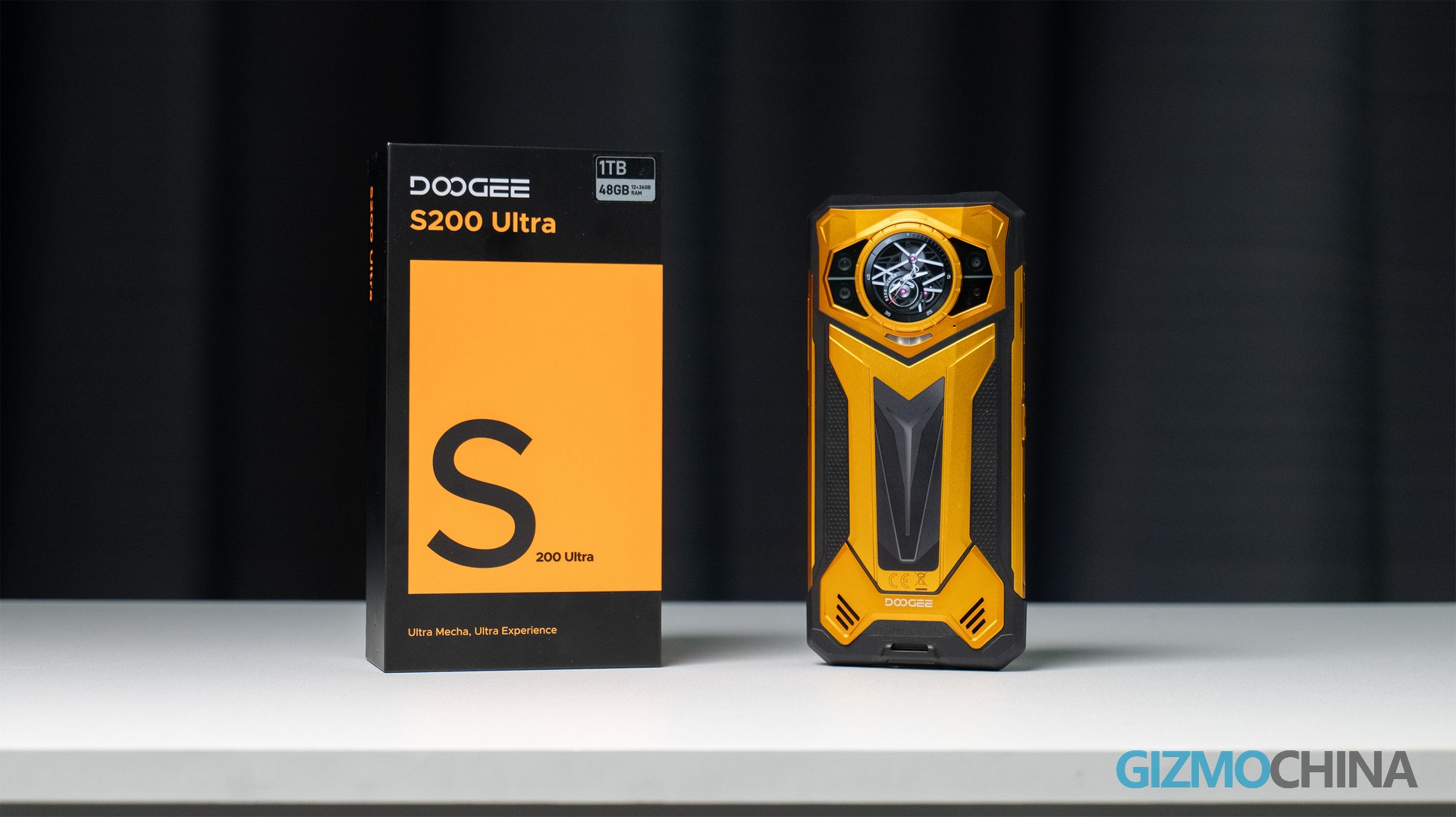
The DOOGEE S200 Ultra is one of the more fully equipped models in this product line. It is designed to allow users to still rely on the phone to complete tasks in situations where there is no power supply, the environment is complex, or communication needs to remain available for long periods of time.
Design and Grip
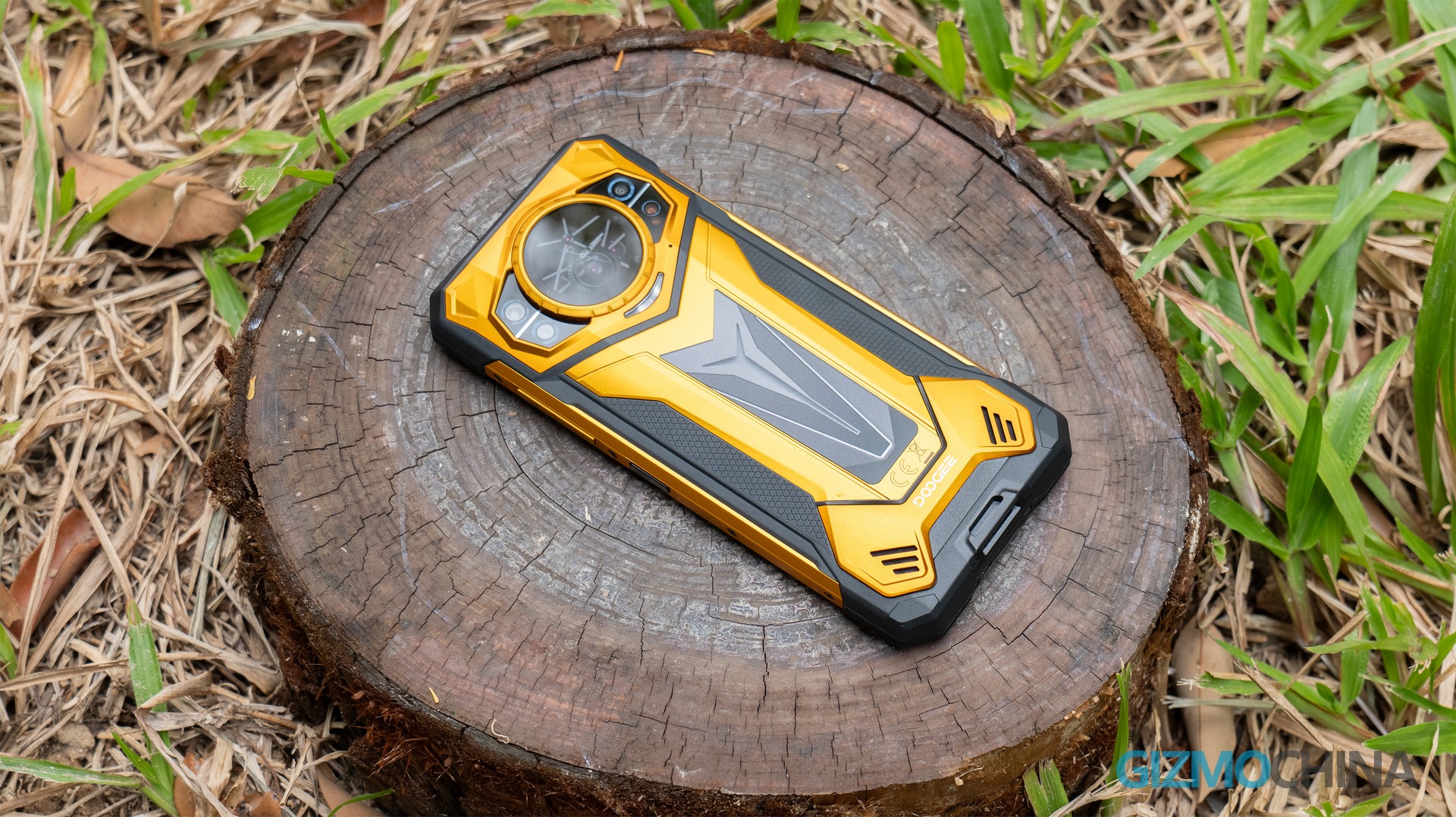
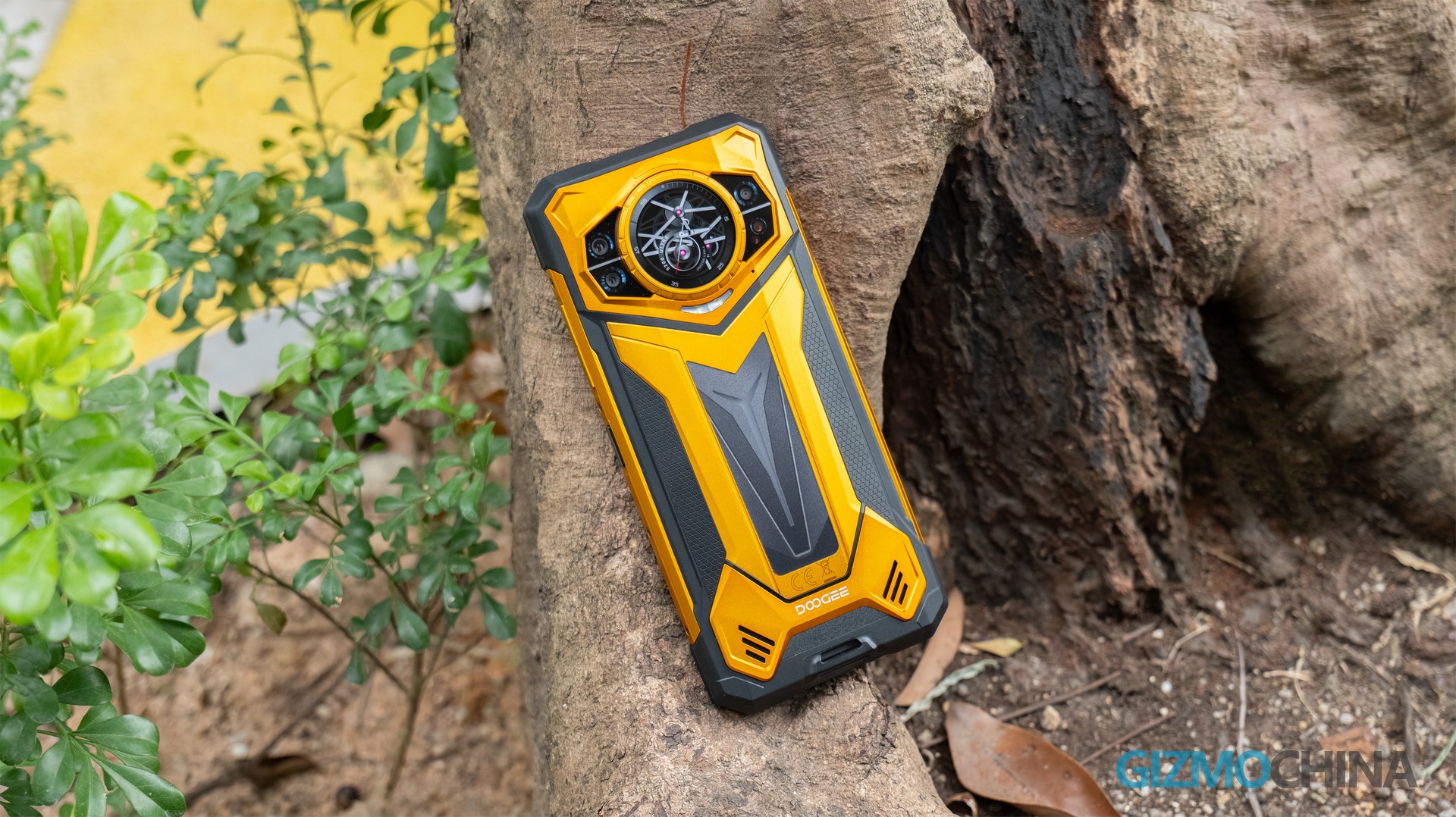
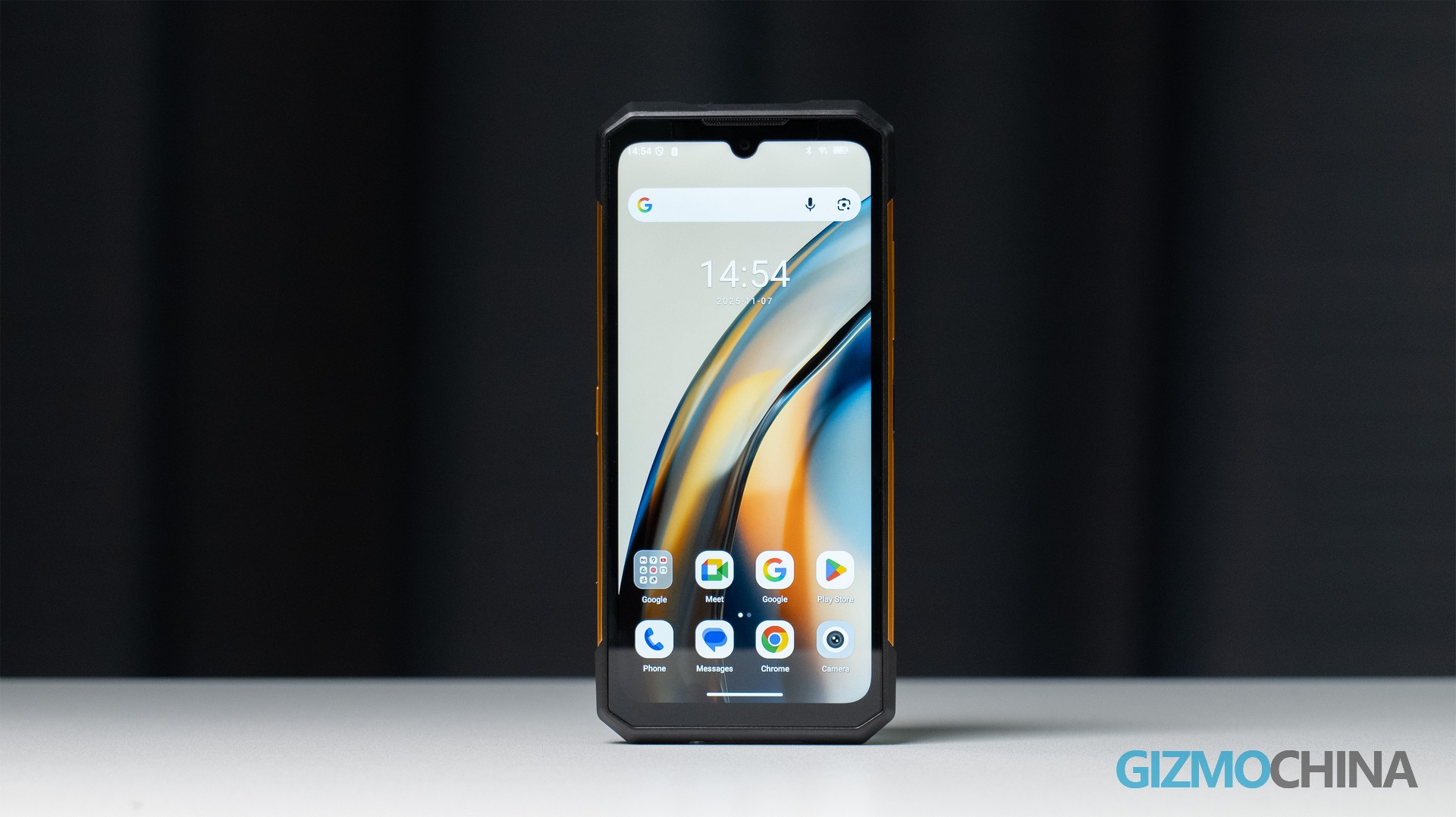
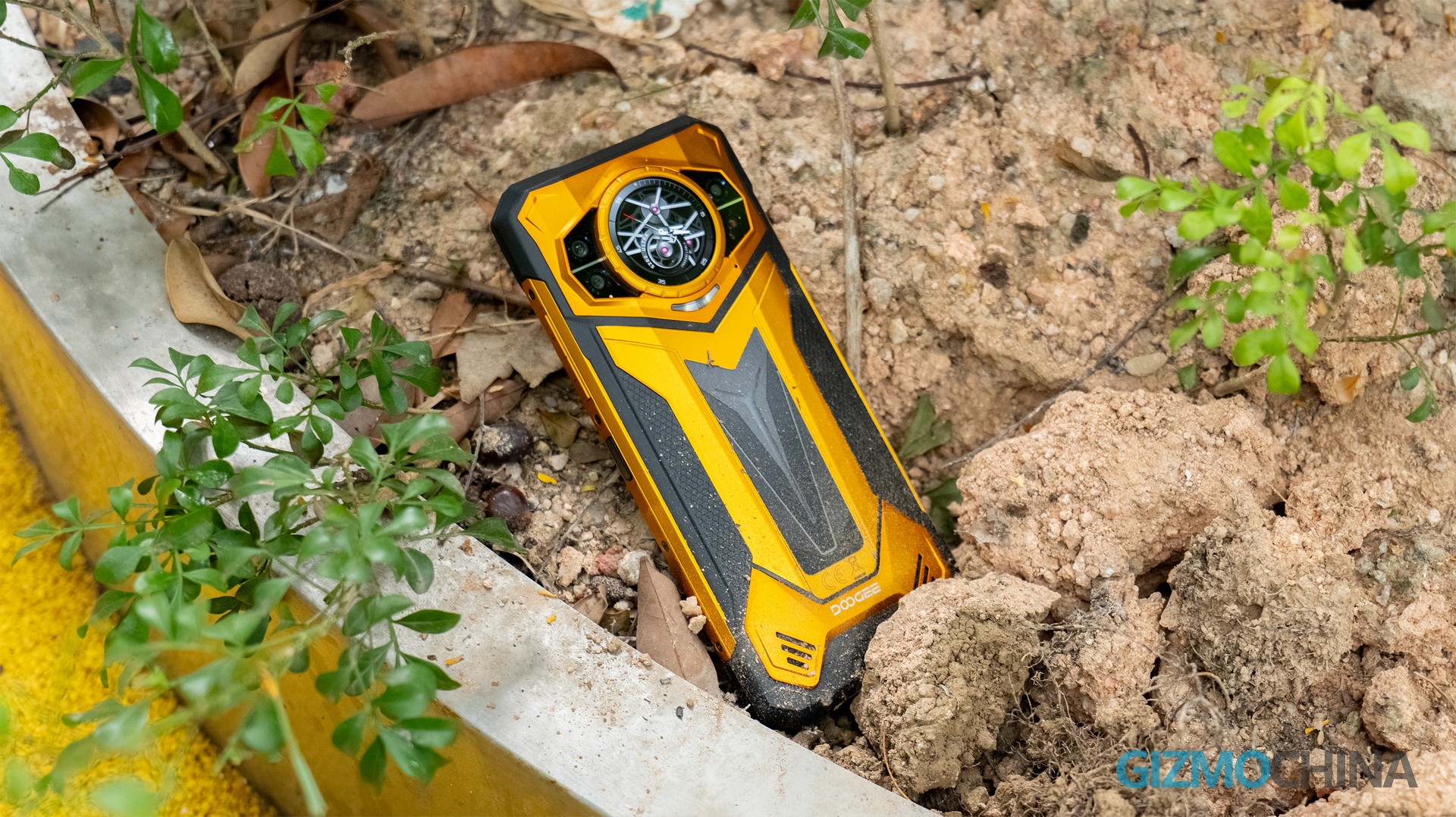
The appearance of the S200 Ultra very directly expresses the idea that it is “more tool-oriented.” The overall body is relatively thick, with noticeably reinforced corners, and it feels more like a “piece of equipment” rather than a “consumer electronic device” when held in hand. The unit we have is the orange version, and this color makes the S200 Ultra look even more “outdoor.”
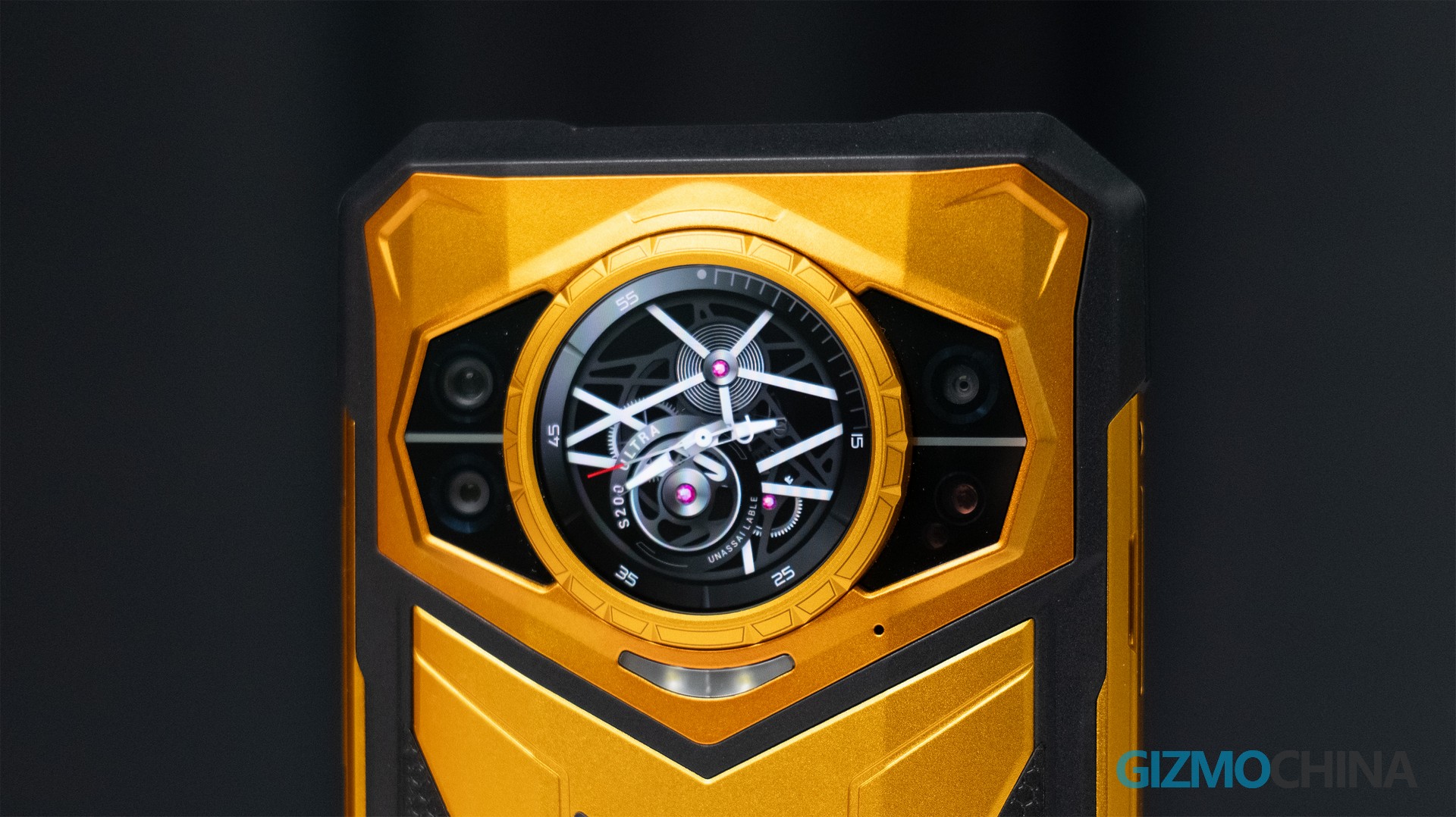
On the back, there is a 1.32-inch circular AMOLED secondary display. This part is not a gimmick; it is mainly for convenience when checking certain information, such as viewing the time or seeing how loud the ambient noise is. It can also be used as a viewfinder when taking selfies with the rear camera. For situations where you are wearing gloves or where flipping the phone is inconvenient, this small screen can indeed reduce some repeated operations.
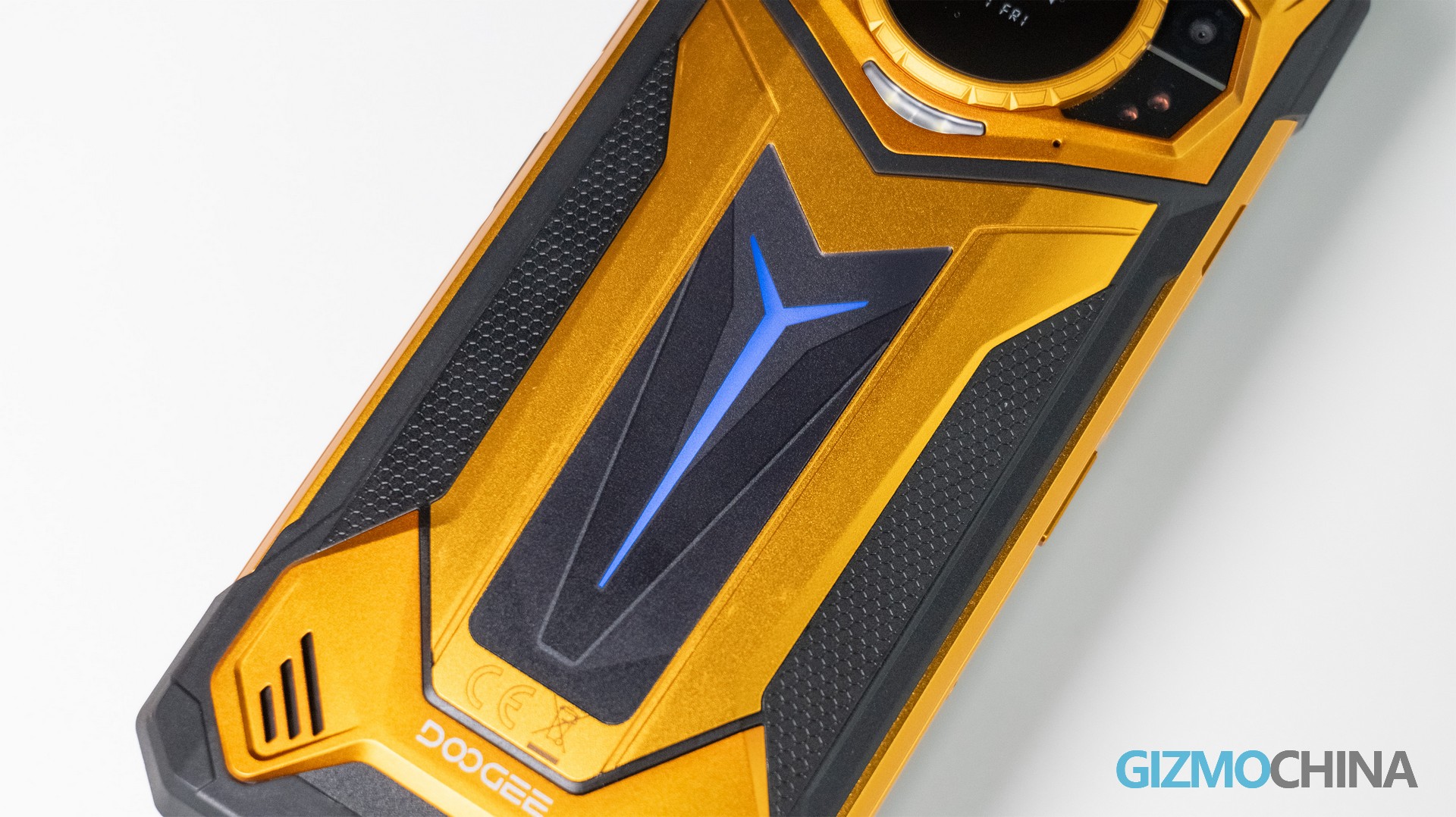
In the center of the back panel, there is a Y-shaped light strip that can indicate the current status of the phone through different colors. For example, it turns red when the battery is low, and emits blue light in gaming mode.
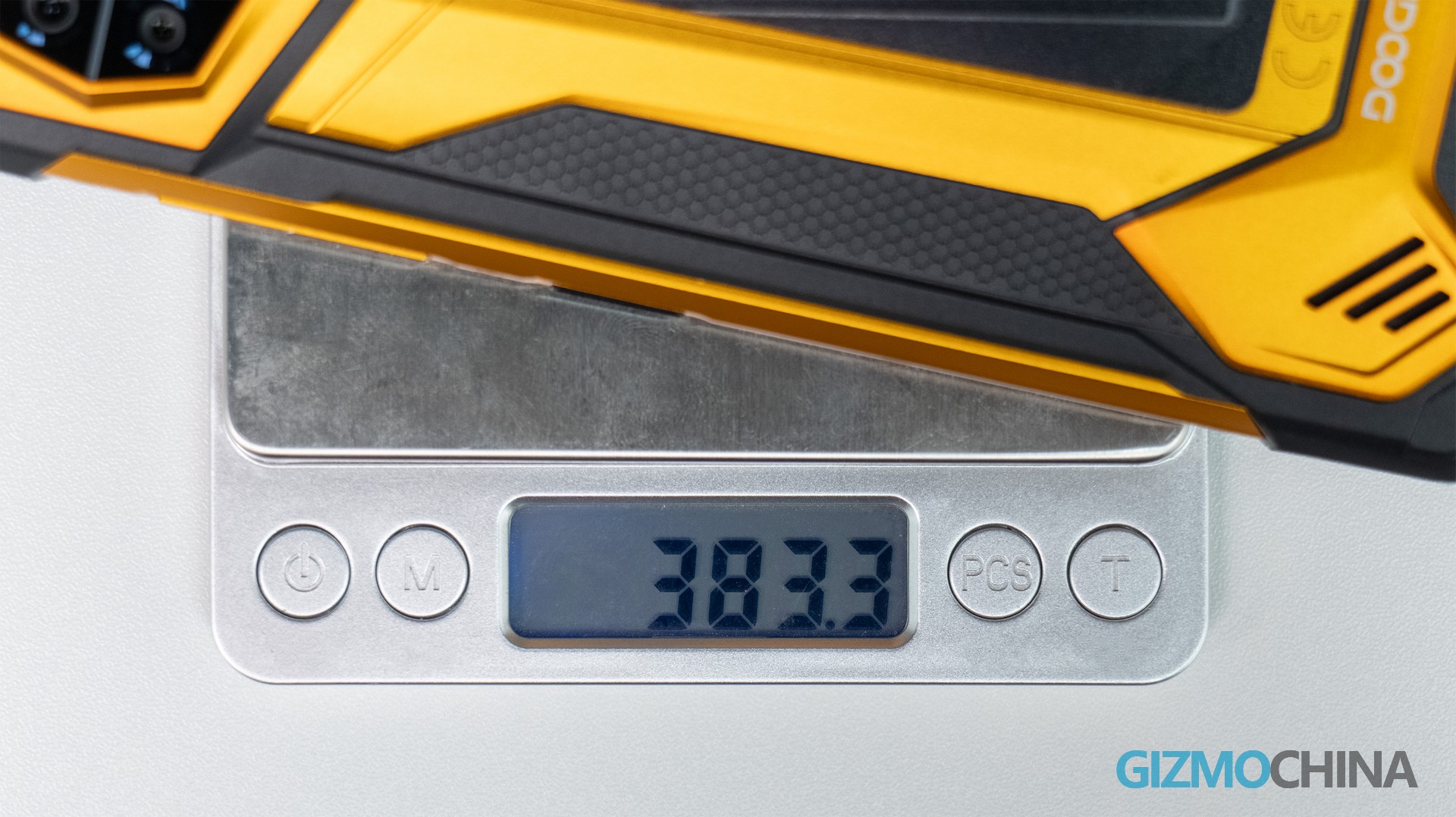
The overall material texture feels tough, and the grip feels very secure. In terms of weight, because the battery capacity is large and the body includes many protective structures, it is heavier than ordinary smartphones.
If your usage is mostly light indoor use, this grip may feel quite “present”; but for people who need to carry the phone as a reliable piece of equipment, this sense of toughness and weight instead feels reassuring.
Display and Interaction
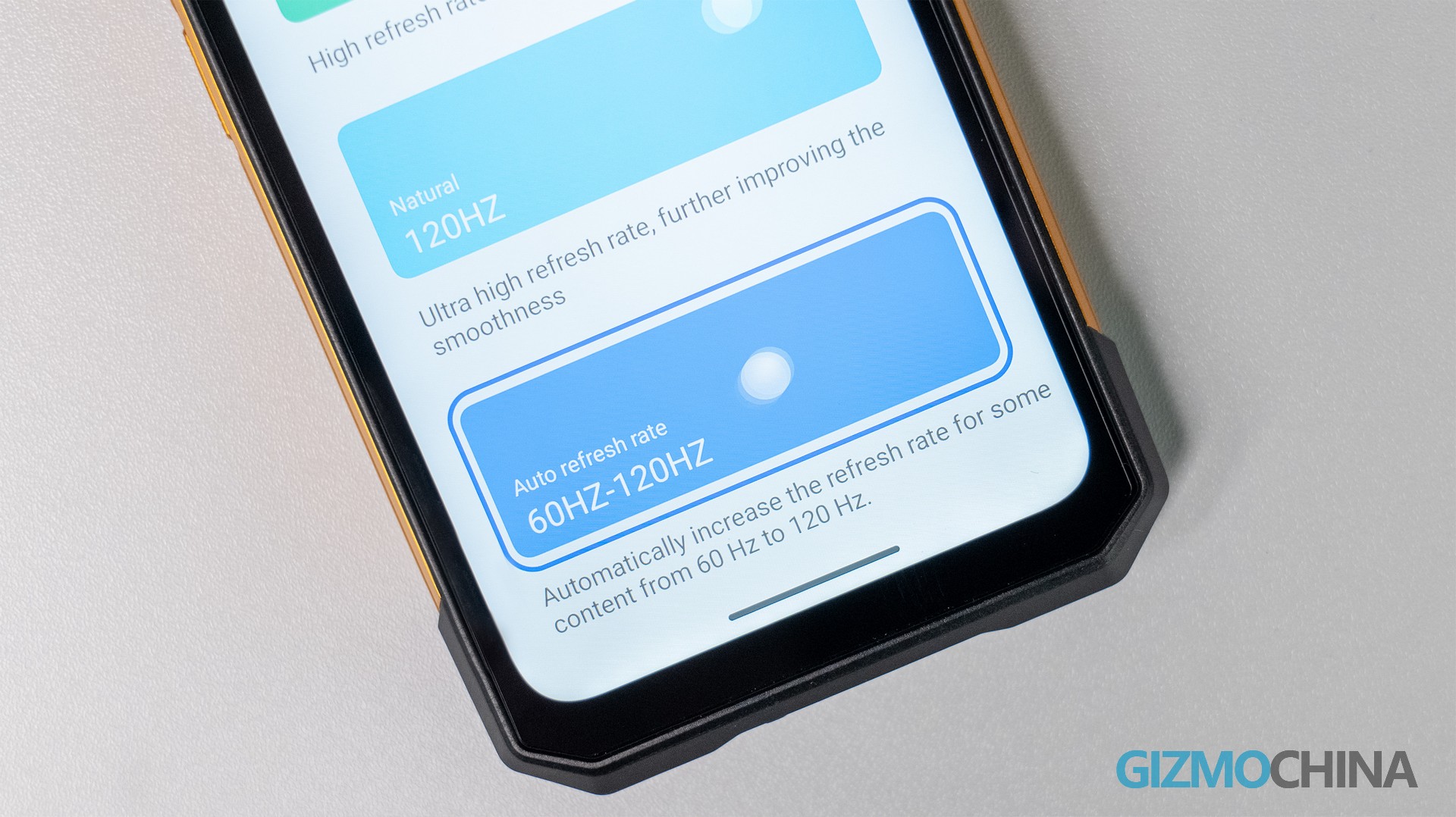
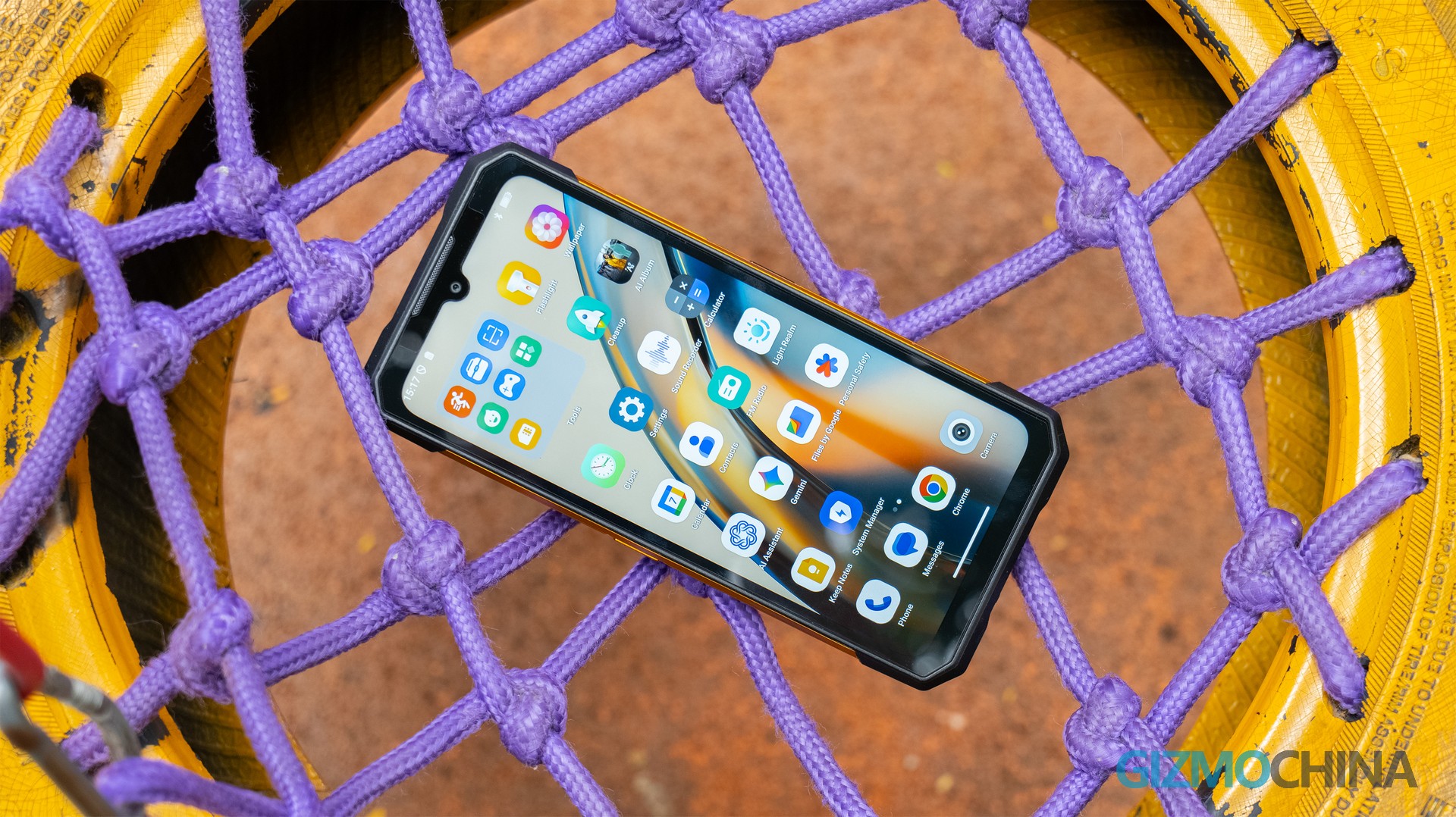
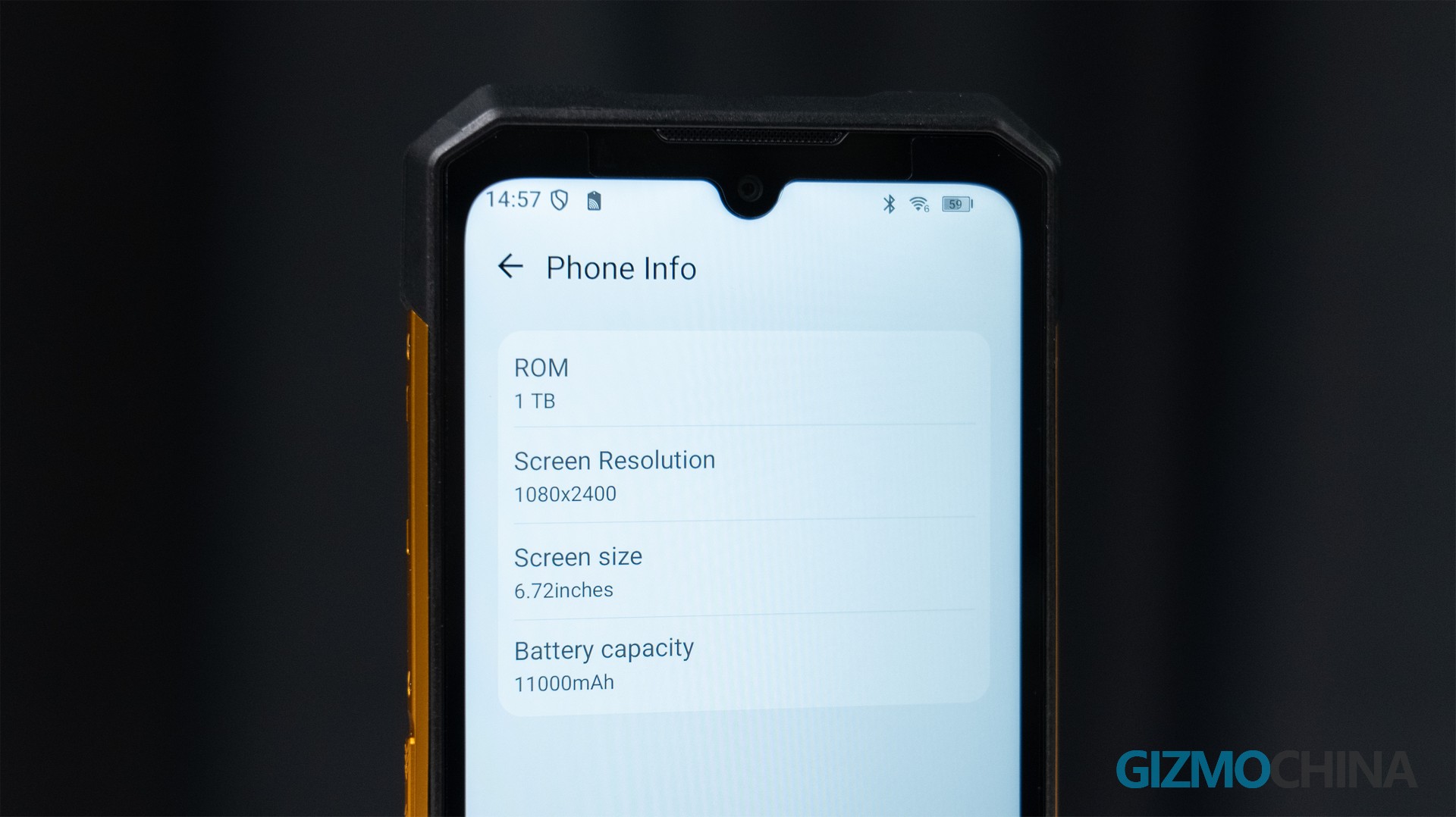
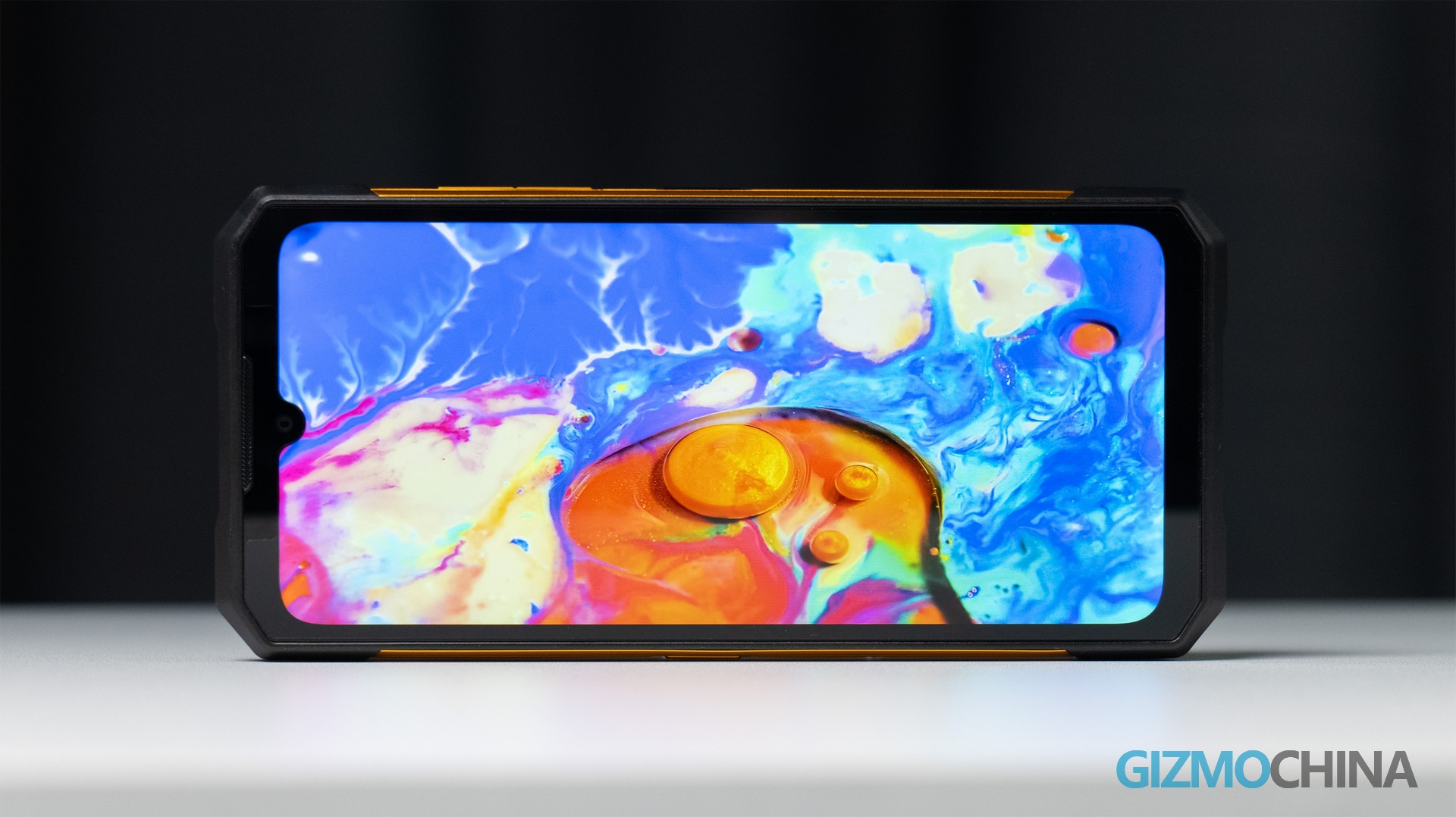
The front features a 6.72-inch display with 1080P resolution and a 120Hz refresh rate.
It is worth noting that most rugged phones have screen refresh rates of 60Hz or 90Hz. The 120Hz refresh rate on the S200 Ultra brings a very direct advantage: scrolling, switching, and browsing content feels noticeably smoother compared to other rugged phones. This smoother continuity is especially noticeable when viewing maps, work documents, or long text.
Built for weeks in the field, the screen prioritizes toughness and sunlight legibility over cinematic pop—exactly the trade-off outdoor users need.
Performance and Daily Experience
The S200 Ultra uses the MediaTek Dimensity 7400 5G processor, which is an upper mid-range platform at present. In actual experience, what stands out is its stability; the response speed and multitasking smoothness feel natural in daily use scenarios.
If used for gaming, mainstream mobile games can run at medium to high graphical settings without obvious issues, but clearly, the target users of this device are not heavy mobile gamers, so it is not usually intended for extreme graphics performance. It is more like a device that can be put into a working state at any time, without requiring users to think about power consumption, heat management, or background app cleaning.
The system interface is close to stock Android, with clear logic, low learning difficulty, and minimal learning cost.
Camera Experience
The S200 Ultra uses a multi-camera setup, with the main camera offering high resolution, reaching up to 100MP. When shooting landscapes or recording on-site environments during the day, image details are relatively clear. It also has a 2MP macro camera that can help you photograph smaller subjects.
Using the S200 Ultra to take pictures outdoors is more of a documentation-oriented behavior, such as:
Photographing construction progress at work sites
Recording routes and surroundings during outdoor hiking
Collecting and documenting small-scale scene details and surveys
In these scenarios, the image quality maintains sufficient clarity and recognizability.
In completely dark environments, you can rely on the built-in 20MP night vision camera to obtain visible images, which is something ordinary smartphones do not offer. This feature has clear practical value for outdoor exploration, emergency use, search tasks, and positioning scenarios.
The main characteristic of this camera system is not “strong artistic expression,” but rather the ability to “record information steadily, clearly, and with high usability.”
Battery Life
The S200 Ultra is equipped with a 11000mAh battery. Without any exaggeration, this capacity already far exceeds the typical battery size of ordinary smartphones.
In actual use, under a full day of heavy, continuous navigation and communication, it can still last from morning to night without needing to be charged. Under moderate use, the battery can easily last two days or even longer. Standby time can reach up to 28 days.
66W wired charging sounds modest on paper. But when the phone holds around 45W for most of the session, the big battery refills faster than you’d expect. In the real world—camping, long flights, or just a pre-commute top-up—that speed translates to one less thing to worry about.
It also supports 10W reverse charging, which allows it to be used directly as a power bank to recharge other devices in emergencies. For users who may not always have immediate access to electricity, this ability is very reassuring.
Protection and Durability
Based on its certifications, the S200 Ultra has passed IP68 / IP69K / MIL-STD-810H durability standards. These certifications indicate that it is designed for working environments that may involve water, sand, impact, or drops, rather than simply being “life water-resistant.”
To put it more directly, it is the type of device that can continue operating on construction sites, in woodlands, or in rainy or snowy outdoor environments. Rather than saying it is a “smartphone that can be used,” it is more accurate to say it is a tool that can accompany you long-term in real work environments.
Conclusion
The overall experience of the DOOGEE S200 Ultra is not about competing with mainstream flagship phones in terms of “better performance” or “better photography,” but rather clearly emphasizing:
Being able to maintain power for long periods
Remaining usable in complex environments
Recording information reliably and clearly
Providing a secure, stable grip feel
Offering more convenient interaction through the rear screen
If what you are looking for is a device that can accompany you into construction sites, mountains, long-distance travel, outdoor projects, or low-supply environments, this is the type of phone you can “take with confidence without worrying about whether it will fail.”It is not a phone designed for everyone, but for those who need it, its value is extremely high.
Availibility
If the DOOGEE S200 Ultra has you tempted, you’ve got two solid ways to grab it right now. Amazon knocks the price to $559.99 with code AJLUZJGV (30% off), but the official store sweetens the pot even further: use code S200KOL and the phone drops to $494.99 after an $80 instant rebate plus an extra 10% off. That bundle also throws in free shipping, a 1-year warranty extension, and a 30-day price guarantee.
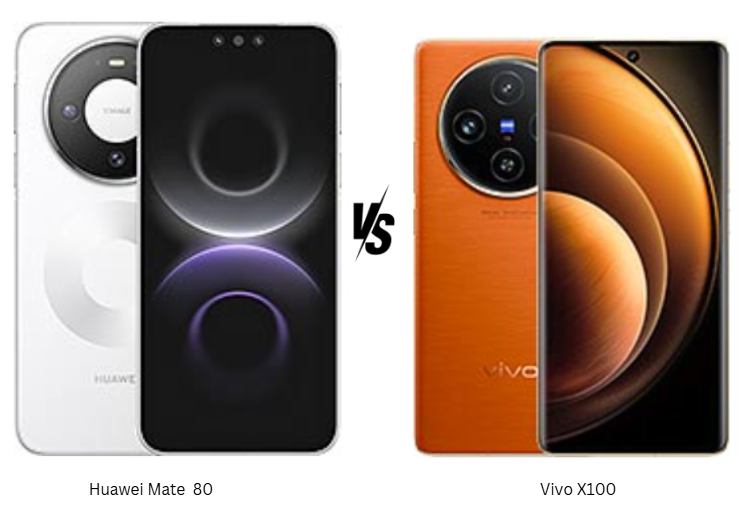
Huawei Mate 80 and Vivo X100 target buyers who want flagship-level performance without crossing premium price brackets. Both appeal to users who value strong cameras, smooth displays, and reliable everyday efficiency, making this comparison important for anyone choosing a balanced high-end smartphone in 2025. With each device excelling in different areas, understanding their strengths helps buyers decide whether they prefer long-term endurance and practicality or cutting-edge performance and imaging refinement.
Huawei Mate 80 goes for a more rugged, utility-driven approach with stronger water resistance and a sturdier frame, giving it a more confidence-inspiring feel for users who value durability. Vivo X100 aims for a sleeker, more polished flagship look, appealing to those who prefer a refined aesthetic. Both phones feel premium, but the Mate 80 leans professional while the X100 feels more modern and stylish.
Display Quality
Both devices offer bright, fluid LTPO panels with 120Hz refresh rates. The Mate 80 focuses on visual comfort with high-frequency PWM and Huawei’s Kunlun protection, making it appealing for long reading or multimedia sessions. The Vivo X100 delivers extremely high peak brightness, giving it an edge for outdoor use and HDR highlights. Its color tuning also feels slightly more vibrant, especially for gaming and video content.
Verdict
Mate 80 is better suited for durability-focused users, while the X100 feels more cinematic and punchy. For everyday multimedia, X100 edges ahead.
2. Specifications
Performance
Vivo X100’s Dimensity 9300 chip provides stronger raw performance with next-gen CPU clusters and faster graphics, offering smoother results in demanding gaming and multitasking. The Mate 80’s Kirin 9020 delivers stable efficiency and optimized HarmonyOS behavior, making daily use smooth and reliable. Those who value sustained high performance will feel the X100 is more future-proof, while the Mate 80 emphasizes consistency over peak numbers.
Battery and Charging
Mate 80 offers a larger battery and balanced power draw, giving it a noticeable advantage in endurance-heavy usage. Wireless charging and reverse wireless add versatility. Vivo X100 counters with extremely fast wired charging that dramatically reduces downtime, ideal for users who prefer quick top-ups rather than overnight charging.
Verdict
Endurance and charging flexibility lean in Mate 80’s favor, while the X100 dominates raw power and fast refuels.
3. Camera
Main and Secondary Lenses
Huawei Mate 80’s variable aperture main camera delivers excellent adaptability, switching effectively between low light and daylight scenes. Its periscope lens offers stronger optical reach, making it more versatile for distance shots. Vivo X100, powered by Zeiss tuning and a higher-resolution telephoto, produces beautifully processed images with excellent color accuracy and contrast. Its overall imaging output feels slightly more polished for casual shooters.
Selfie Camera
Mate 80 includes an ultrawide AF selfie system with TOF depth support, adding better face detection and group-shot flexibility. X100’s 32MP front camera offers crisp detail and stable 4K video, presenting an ideal balance for influencers or video-focused users.
Verdict
Mate 80 excels in versatility and telephoto capability, while the X100 shines in color science and refined processing.
4. Pricing
Both smartphones land around the same price segment (~$700), making the choice heavily dependent on feature priorities. Mate 80 feels like a better value for users who want durability, a larger battery, wireless charging, and adaptable photography. Vivo X100 provides flagship-class performance, ultra-fast charging, and Zeiss-powered optics at the same cost, giving it a stronger appeal for performance enthusiasts and mobile creatives.
For all-around reliability, Mate 80 offers more balanced value. For raw performance and enhanced imaging polish, X100 becomes the more rewarding purchase.
Disclaimer: Prices are approximate and may vary based on country, region, and applicable taxes.
5. Conclusion
Mate 80 stands out with its satellite communication support (regional), stronger water resistance, larger battery, wireless charging, and variable aperture camera system, features that cater to practical users. Vivo X100’s strengths lie in its cutting-edge chipset, Zeiss collaboration, extremely fast charging, and vibrant display tuning, appealing to those who want maximum performance and cinematic visuals.
Verdict
Mate 80 is the better companion for users seeking longevity, versatility, and endurance. Vivo X100 is the more exciting choice for speed-focused buyers and content creators who prioritize performance and refined imaging.
For more than a decade, Chromebooks were stuck in a narrative loop: good for the basics, terrible for the rest. They were budget devices for students, grandparents, and anyone who just wanted a cheap web browser in a clamshell. But in 2025, that story has a new chapter, and it’s way more complicated than a yes or no verdict.
Chromebooks today, especially under Google’s new Chromebook Plus standard, are no longer just stripped-down machines for casual use. They’re sleek, responsive, and in some cases, deliver performance that rivals mid-range Windows laptops costing nearly twice as much. But that doesn’t mean they’re for everyone.
If you’re shopping for a Chromebook in 2025, you’ll immediately run into Google’s Chromebook Plus label. This badge isn’t just marketing fluff. To earn it, a device must meet minimum hardware requirements: at least an Intel Core i3 12th Generation or AMD Ryzen 3 5000 series, 8GB of RAM, and 128GB of storage. It also mandates a 1080p webcam and a decent display, at least Full HD IPS.
These Plus models now ship with built-in Google Gemini features such as smart writing assistance and dynamic wallpaper creation. The real leap, though, is speed. Even a $400 Chromebook Plus feels surprisingly quick, opening apps almost the moment you tap them. Wake times are nearly instant, and the lightweight nature of ChromeOS means it stays responsive even when you push it. For many users, it simply works day after day without slowing down.
2. Windows vs Chromebook
The most brutal showdown in 2025 happens at the $400 to $600 price point. On one side, you’ve got Chromebook Plus models with great screens, good keyboards, and 10-plus hours of real-world battery life. On the other? Budget Windows laptops that often feel sluggish out of the box, with dim TN panels, plastic builds, and mediocre battery endurance.
Yes, Windows gives you the flexibility to install any software you want. But what’s the point if the system crawls under the weight of those apps? ChromeOS can’t run full Adobe Creative Cloud or AutoCAD, but if your life lives in the browser, Docs, Netflix, Gmail, Spotify, Zoom, it feels like you’re getting a luxury experience at a budget price.
3. Gaming? Tread Carefully
If you’re thinking about buying a Chromebook for gaming, stop. Seriously. In a major shift, Google has announced that Steam support on ChromeOS will officially end in January 2026. That means you can’t rely on native PC gaming anymore.
However, cloud gaming is where Chromebooks thrive. Services like GeForce Now and Xbox Cloud Gaming run beautifully as long as you have solid internet. You can play high-end games like Cyberpunk 2077 or Halo Infinite at ultra settings because the hardware load is handled by the servers, not your Chromebook.
For casual mobile titles, the Play Store still offers access to games like Minecraft (Android edition), Roblox, and Stardew Valley. But don’t expect to install and run AAA Windows games. That door is closing fast.
4. Who Should Buy One?
Students: Absolutely yes, unless your major requires specialized software. Chromebooks are light, fast, last all day on a single charge, and integrate perfectly with Google Classroom and Canvas.
Home Users: Another easy yes. For web browsing, streaming, shopping, and casual work, Chromebook Plus offers a crash-free, virus-free, update-in-the-background experience that’s honestly better than most cheap Windows laptops.
Writers: Yes. If your work lives in Google Docs or Word Online, a Chromebook Plus is a reliable, distraction-free writing machine with great battery life and solid keyboards. Plus, Gemini AI can help with brainstorming, built right into the system.
Power Users & Creators: Hard no. If you need Adobe Premiere, DaVinci Resolve, AutoCAD, or heavy Excel macros, ChromeOS will make you miserable. Save up for a MacBook Air M2/M3 or a Windows laptop with at least a Core i5 and 16GB of RAM.
Giztop has officially kicked off its Christmas Sale 2025, offering shoppers big discounts and worldwide delivery options. Customers can save up to $100 on a wide range of products by using the coupon code: XMAS25, valid until December 25. The sale covers smartphones, gadgets, accessories, and more, making it a great time to grab holiday deals.
Huge Discounts on Flagship Smartphones
Some of the biggest savings are on major smartphone brands. Popular models like the Xiaomi 17 Pro Max, OPPO Find X9 Pro, Vivo X300 Pro, iQOO 15, and Redmi K90 Pro Max are featured with limited-time holiday offers. Select models go up to $100 off, while others come with special bundle deals or exclusive launch pricing. These offers are designed for users looking to upgrade to the latest tech without paying full price.
Best Deals Section Highlights New Offers
Giztop’s Best Deals section includes fresh discounts on phones like the OnePlus 13T, Redmi Note 15 Pro Plus, and Realme GT 8 Pro. One of the standout promotions is the OnePlus 15, now available with $50 off, making it one of the most attractive choices this season. Budget and mid-range buyers also get plenty of options with competitive pricing across multiple brands.
Global and Express Shipping Available
To make the shopping experience smoother, Giztop offers global and express shipping, ensuring packages arrive on time for the holidays. This makes the Christmas Sale accessible to customers worldwide, especially those looking for the latest China-exclusive smartphones.
Holiday Savings Until December 25
Giztop Christmas Sale 2025 runs until December 25, giving shoppers a limited window to take advantage of price drops and coupon discounts. With a wide selection of phones, gadgets, and accessories on sale, it’s a great opportunity to save before the year ends.
Infinix has shared an early look at what its next major smartphone release will represent, confirming a new design-era shift for the company. The announcement also reveals that the brand’s upcoming flagship will be shaped through an external creative partnership, building curiosity around how this collaboration will influence future premium products. More details about the handset and its design story are expected to follow as the launch window draws closer.
Infinix and Pininfarina’s design partnership
Infinix Note 60 Ultra arriving in 2026
The company has officially revealed that renowned Italian firm Pininfarina, known for its work on performance vehicles and iconic sports cars, is now collaborating on the design of Infinix’s next premium smartphone. The first device to reflect this partnership will be called the Infinix Note 60 Ultra, designed by Pininfarina.
According to Infinix, the alliance aims to elevate craftsmanship across its premium lineup by incorporating the firm’s heritage in elegance, engineering precision and lifestyle-driven design. While specifications for the Note 60 Ultra remain undisclosed, Infinix states that its design philosophy and related details will be announced in the near future.
This is not Infinix’s first project with a company rooted in automotive design. Past collaborations include the Note 30 VIP Racing Edition and the Note 40 series, both created with BMW’s DesignWorks studio. Each project introduced different aesthetics inspired by motorsport, which appear to have paved the way for Infinix’s continued interest in design-driven partnerships.
With the Note 60 Ultra expected to introduce a new design identity, the series is likely to expand Infinix’s premium ambitions when it launches soon.
For more daily updates, please visit our News Section.
Realme introduced its new smartwatch, the Realme Watch 5, today alongside the Realme P4x 5G in India. With an upgraded display, stronger build quality and added connectivity options, the smartwatch aims to deliver improvements over its predecessor. Here’s everything you need to know about Realme’s new smartwatch.
Realme Watch 5 specifications and features
Realme Watch 5
The Realme Watch 5 features a 1.97-inch AMOLED display with 600 nits of brightness and Panda Glass protection. It comes in a refined metal unibody design with a functional crown and removable 22mm straps.
The Watch 5 includes over 108 sports modes, along with VO2 Max estimation, auto workout detection, sleep tracking, blood oxygen monitoring and women’s health insights. It supports Bluetooth calling, NFC tools, customizable watch faces and IP68 resistance for everyday protection.
The smartwatch is powered by a 460mAh battery that can last up to 16 days during standard use or up to 20 days in Light Mode. Independent GPS with support for multiple satellite systems ensures accurate route tracking even without a phone. It is also part of Realme’s Make in India initiative, emphasizing domestic production and component sourcing.
Realme Watch 5 price in India and availability
Realme Watch 5 is priced at Rs 4,499 (~$49) and will be available in Titanium Black, Titanium Silver, Mint Blue and Vibrant Orange. The first sale begins on Dec. 10, with an introductory offer reducing the price to Rs 3,999 (~$45). The smartwatch can be purchased through Realme’s website, Flipkart and offline channels across the country.
Realme has introduced two new products in India today, and one of them is the Realme P4x 5G, which expands the brand’s P-series portfolio. While the announcement included both the smartphone and the Realme Watch 5 smartwatch, this post focuses on the phone and what it brings to the mid-range category. The P4x positions itself as a performance-driven option and leads into a set of features that users may want to know in detail.
Realme P4x 5G specifications and features
Relame P4x 5G
The Realme P4x 5G features a 6.72-inch FHD+ LCD with a 144Hz refresh rate and up to 1000 nits of peak brightness. It is powered by the Dimensity 7400 Ultra chipset paired with up to 8GB of RAM, up to 10GB of virtual RAM and up to 256GB of UFS 3.1 storage.
The P4x will get two years of Android OS upgrades and three years of security updates and currently, it runs Android 15 with Realme UI 6.0. The phone’s 7,000mAh battery supports 45W fast charging and reverse charging, while the large vapor chamber cooling system aims to maintain stability during extended gaming.
Realme claims the P4x can deliver 90fps gameplay in BGMI and similar titles, aided by GT Boost mode and bypass charging for sustained output. On the back, the device comes with a 50-megapixel primary camera and a 2-megapixel secondary lens, along with an 8 megapixel front camera. Other features include dual speakers, IP64 resistance and a side-mounted fingerprint sensor.
Realme P4x 5G price in India and availability
The Realme P4x 5G comes in three variants: 6GB+128GB priced at Rs 15,999 (~$178), 8GB+128GB at Rs 17,499 (~$195) and 8GB+256GB at Rs 19,499 (~$216). The sale begins on December 10 with launch day offers bringing temporary reductions.
The P4x is available in Matte Silver, Lake Green and Elegant Pink. Buyers can purchase the device through Realme’s website, Flipkart and offline retail channels.
For more daily updates, please visit our News Section.
Samsung is preparing for its next major showcase, setting the stage for an early preview of its upcoming technologies. The information originates from the company’s official announcement confirming that its annual First Look event will take place ahead of CES 2026. The brand intends to outline its DX Division direction for the year while teasing advancements in AI-driven consumer experiences.
Samsung confirms date and vision for The First Look
Samsung’s First Look event is scheduled to take place on January 4
The First Look is scheduled for January 4 at the Wynn Las Vegas, where TM Roh, CEO and Head of the DX Division, will lead the keynote. Senior executives overseeing the Visual Display and Digital Appliances businesses will also take the stage to explain their individual focus areas for 2026.
Samsung has also clarified that the event will be streamed live on its Newsroom platform, YouTube channel and Samsung TV Plus, allowing global audiences to tune in. Positioned just ahead of CES, the event is expected to offer a broader view into Samsung’s consumer technology roadmap.
One of the key highlights anticipated at the event is the Galaxy Z TriFold, which recently debuted in South Korea. The device is priced at KRW 3,594,000 for the 16GB and 512GB model, with expected pricing of 2,100 euros in Europe and $2,400 in the US.
The First Look could finally confirm global availability details after its initial launch. Samsung is also expected to showcase new TV technologies, upgraded smart home appliances and enhancements across its connected ecosystem, signalling a strong focus on AI integration.
Industry speculation suggests that Samsung might offer early teasers for the Galaxy S26 lineup, which is expected to launch in February. While these details remain unofficial, the timing of The First Look suggests that the company is ready to preview some of its most significant product developments ahead of the flagship Unpacked event.
For more daily updates, please visit our News Section.
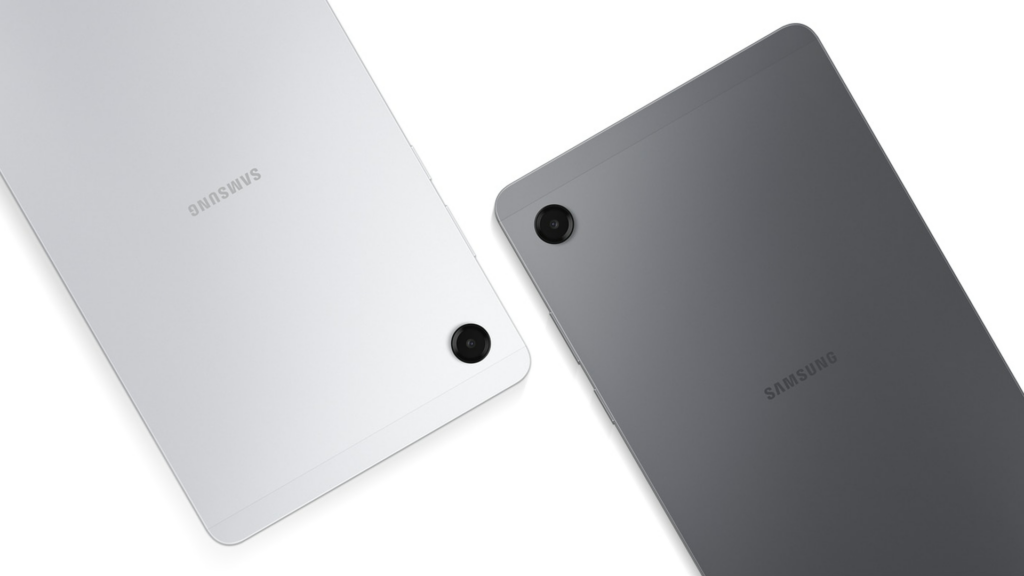
Samsung has introduced the Galaxy Tab A11 in India, following earlier reports hinting at its arrival. The new tablet focuses on entertainment, performance, and everyday usability. Continue reading ahead to know about its specifications, features, and price.
Samsung Galaxy Tab A11 specifications and features
Samsung Galaxy Tab A11
The Galaxy Tab A11 features an 8.7-inch LCD screen that supports 800 x 1340 pixels resolution, along with a 90Hz refresh rate that allows smoother viewing and scrolling. It has a 5,100mAh battery, making it suitable for extended video streaming, e-learning or browsing sessions. The tablet supports 15W charging.
Inside, it runs on the Helio G99 chip paired with up to 8GB of RAM and up to 128GB of storage. Storage expansion is offered via a microSD card slot. The Indian software update schedule has not been confirmed yet, although the global model promises long-term updates.
For photos and video calls, the Galaxy Tab A11 offers an 8-megapixel rear camera with autofocus and a 5-megapixel front camera. It includes Dolby Atmos dual speakers, a 3.5mm headphone jack, dual-band Wi-Fi, Bluetooth 5.3 and face unlock. These features make it a capable multimedia device while maintaining a compact and travel-friendly size.
Samsung Galaxy Tab A11 price in India, availability
The tablet is available in Gray and Silver colors and comes in Wi-Fi-only and Wi-Fi+LTE variants. The 4GB+64GB Wi-Fi model is priced at Rs 12,999 (~$145), while the 8GB+128GB Wi-Fi version costs Rs 17,999 (~$199). The LTE lineup starts at Rs 15,999 (~$177) for the 4GB+64GB version and Rs 20,999 (~$233) for the 8GB+128GB edition.
Buyers can claim Rs 3,000 cashback at launch, making the tablet more attractive for students and casual users. If you are looking for a 5G tablet, you can have a look at the Galaxy Tab A11+ with 5G, which debuted earlier this week with a price tag of Rs 22,999 in India.
OnePlus Ace 6T Genshin Impact Kamisato Ayaka Edition is a special-release smartphone that blends cutting-edge performance with the serene elegance of Kamisato Ayaka. Designed for Genshin fans, tech lovers, and collectors, this limited-edition device stands out not only for its powerful hardware but also for its beautifully crafted theme and exclusive accessories. Every part of the experience, from the packaging to the user interface, feels premium, artistic, and deeply connected to Ayaka’s character.
A Luxury Collector’s Box for Fans
This special edition arrives in a unique suitcase-style collector’s box, designed to feel like an official, high-end Genshin Impact treasure.
Features a Snowy Blue color theme inspired by Kamisato Ayaka, applied consistently across all included items.
Includes the OnePlus Ace 6T with an Ayaka-themed exterior design and a fully customized in-system theme.
Provides a custom ice-blue protective case that matches the phone’s aesthetic.
Includes a stainless-steel SIM ejector tool modeled after Ayaka’s signature sword, Mistsplitter Reforged.
Comes with a themed 100W SuperVOOC charger and matching data cable, exclusive to this edition.
Contains collectible character cards, commemorative badges, themed stickers, and either a plush toy or acrylic standee.
Offers an unboxing experience that feels more like opening a high-end Genshin collector’s kit than a typical smartphone package.
A Fully Customized Ayaka-Themed System
Once powered on, the phone reveals an interface crafted entirely around Ayaka’s aesthetic. The icons, animations, lockscreen effects, wallpapers, and even the charging and fingerprint animations are redesigned to match her icy elegance. The result is a software experience that feels calm, stylish, and deeply atmospheric. It’s not just a phone with a themed skin; it’s a full system transformation that makes every interaction feel connected to Ayaka’s character and Inazuma’s graceful style.
Powered by the Snapdragon 8 Gen 5
Beyond its artwork and themed accessories, the OnePlus Ace 6T Kamisato Ayaka Edition is built as a performance flagship. It is equipped with the Snapdragon 8 Gen 5 processor, delivering breakthrough speed, incredible efficiency, and ultra-low latency. Paired with up to 16GB of LPDDR5X RAM and UFS 4.1 storage up to 1TB, the phone handles everything—multitasking, gaming, video editing, and high-performance apps, with ease.
OnePlus’s self-developed WindChase Gaming Engine unlocks unlimited 165 fps gaming, a rare feat even among high-end devices. Whether you’re playing Genshin Impact or any other demanding title, the gameplay feels extremely smooth, stable, and responsive.
6.83-Inch AMOLED Display
The phone features a large 6.83-inch AMOLED display designed for immersive viewing. With a 1.5K resolution, LTPO 2.0 technology, and refresh rates up to 160Hz, every motion looks fluid and natural. The screen reaches up to 1800 nits of peak brightness, ensuring clear visibility even under sunlight, while HDR10+ support enhances videos with richer contrast and more vivid colors.
Additional display modes, such as Reading Mode, Night Mode, and Vibrant Color Effect, help optimize comfort for long sessions of browsing, reading, or gaming.
Clear and Versatile Camera System
Photography on the OnePlus Ace 6T is powered by a dual-camera setup featuring a 50-megapixel Sony IMX890 main sensor with OIS support and an 8-megapixel ultra-wide lens. This combination allows you to capture sharp, stable, and detailed photos in a variety of lighting conditions. The 16-megapixel selfie camera delivers clear, bright images and supports fast face unlock as well as smooth 1080p video recording.
Whether you’re taking scenic shots, portraits, or selfies, the camera system offers a reliable, high-quality experience.
Long-Lasting Battery With Ultra-Fast Charging
The OnePlus Ace 6T is equipped with a massive 8300mAh battery, giving you extended power for gaming, streaming, and multitasking. When you do need to recharge, the phone supports 100W SuperVOOC wired charging and 50W AirVOOC wireless charging, bringing the battery back to life at impressive speeds. An Ultra Power Saving mode is also included, switching the display to black-and-white and minimizing background activity to help you stay connected for longer during low battery moments.
Smooth and Refined Software
Running on ColorOS 16, the Ace 6T provides a clean, intuitive, and responsive interface. Animations feel fluid, app switching is fast, and optimized Dark Mode enhances comfort and battery life. The combination of thoughtful software design and top-tier hardware creates a smooth everyday experience, whether you’re browsing, messaging, or working on the go.
Why You Need This Edition Now
The OnePlus Ace 6T Kamisato Ayaka Edition delivers a rare mix of premium design, powerful performance, and true collector’s value. This isn’t just a themed phone, it’s a carefully crafted collaboration featuring a luxury box set, a fully customized Ayaka-inspired system, and the world’s first Snapdragon 8 Gen 5 processor. With its ultra-smooth 165 fps gaming, elegant aesthetics, and exclusive accessories, it appeals to both Genshin fans and high-end smartphone users.
Since it’s a limited release, it won’t stay available for long, making it a collectible worth securing now.
Price and Availability
OnePlus Ace 6T Kamisato Ayaka Edition is available at Giztop for $699, with global shipping options for buyers worldwide. It is currently on pre-sale and scheduled to ship on December 23. Because this is a limited collector’s edition, with very restricted stock, it’s expected to sell out quickly. If you want to secure this exclusive Ayaka-themed flagship, now is the time to lock in your order before it’s gone.
We use cookies on our website to give you the most relevant experience by remembering your preferences and repeat visits. By clicking “Accept”, you consent to the use of ALL the cookies.
This website uses cookies to improve your experience while you navigate through the website. Out of these, the cookies that are categorized as necessary are stored on your browser as they are essential for the working of basic functionalities of the website. We also use third-party cookies that help us analyze and understand how you use this website. These cookies will be stored in your browser only with your consent. You also have the option to opt-out of these cookies. But opting out of some of these cookies may affect your browsing experience.
Necessary cookies are absolutely essential for the website to function properly. This category only includes cookies that ensures basic functionalities and security features of the website. These cookies do not store any personal information.
Any cookies that may not be particularly necessary for the website to function and is used specifically to collect user personal data via analytics, ads, other embedded contents are termed as non-necessary cookies. It is mandatory to procure user consent prior to running these cookies on your website.