After Huawei launched its high-tech routers in March this year, it’s sub-brand is now all set to launch similar products in its home market later this month. However, ahead of the launch, three new routers from the company have surfaced online.
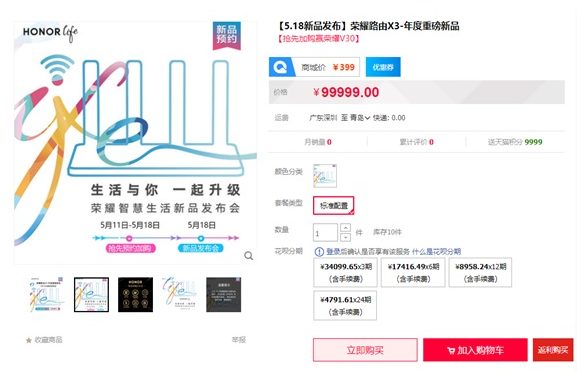
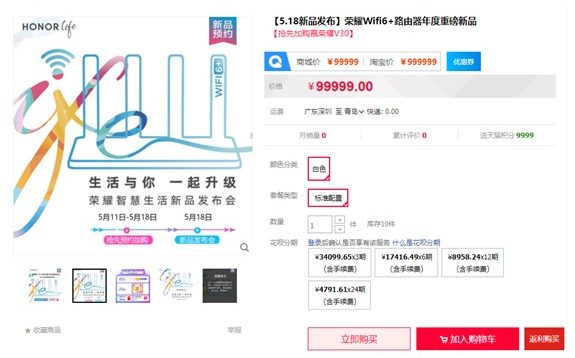
Honor’s official Tmall has listed three new routers from the company, which will get launched on 18th May, the same day when the company has scheduled its Honor Smart Life event for launching multiple products.
The three routers from the company that have been listed include Honor X3, Honor X3 Pro, and Honor Wi-Fi 6+. However, there’s nothing known about these products and the listing has a placeholder pricing.
From the image shared by the company’s president, it seems that Honor could also launch a new Honor Smart Screen as well as a tablet at the same launch event. But we are yet to get any confirmation regarding this.
It’ll be interesting to see what products the company has up its sleeves for the 18th May launch event. Just a couple of days after the Honor Smart Life event for smart connected devices, the company will be launching Honor X10 5G smartphone on 20th May.
A few weeks ago, Huawei had launched two new routers – the Huawei AX3 and AX3 Pro – both of which are claimed to be the world’s first Wi-Fi 6+ routers. The company is touting high speed gains and better coverage with its new lineup of Huawei AX3 series routers. Along with that, the company also launched the 5G CPE Pro 2 router that supports dual-mode 5G (NSA + SA) connectivity.
A new report has suggested that Japan is planning on attracting known semiconductor makers, TSMC (Taiwan Semiconductor Manufacturing Company) and Intel. The government is expected to start an investigation to look into future prospects to bring the major chipmakers to their country.
This endeavor is being undertaken by the Ministry of Economy, Trade, and Industry. The move from the Japanese government arrives after the effects of the coronavirus have become more apparent. Recently, many economies, especially in the west, are prioritizing foreign capitalized takeovers to provide a safeguard for local companies. Thus, Japan seeks to do the same by launching a foreign investment attraction project.
To explain in simpler terms, the government aim to bring back Japan based multinational corporations back to its country and then attract foreign investor through these large scale firms. One such example is Canon, which is a known Japanese MNC that deals in imaging and optical products like cameras and more. At the moment, there are rumors that indicate that Canon will be withdrawing from China.
While various Chinese publications have sought out a response from Canon regarding the report, the company has yet to respond to such claims. Back in April 2020, the Domestic investment promotion project subsidy for supply chain measures was established with 220 Billion Yen (roughly 2 Billion US Dollars). This new budget was established in the wake of the viral outbreak to act as an emergency fund during the economic crisis.
According to the Ministry of Economy, Trade and Industry, the budget will be responsible for rebuilding the domestic supply chains that have since become vulnerable due to COVID-19. In other words, facilitate rehabilitation to bring Japanese based companies and their production back to the country and, by its extension, increase the foreign investment as well. This move will essentially “remove China from the supply chain.”
A couple of days ago, Xiaomi had revealed that it will be launching a new water purifier on 11th May and keeping its promise, the company has announced its new product for water purification — Mijia Faucet Water Purifier.
The Xiaomi Mijia Faucet Water Purifier is currently priced at 119 yuan (approximately $17) for the crowdfunding campaign which will begin from 13th May. Once the campaign gets over, the pricing of the product will be increased to 149 yuan (~$21).
As for the design of the water purifier, the company continues with its signature simple yet elegant look for the product. It comes with a transparent filter observation window on the top. As for the internal filter element, there is a hollow fiber ultra-fine filter membrane to filter out harmful pollutants.
Apart from hollow fiber ultra-fine filter membrane, the newly announced Mijia Faucet Water Purifier also comes with activated carbon, PP folding cotton and other filter core materials to complete its quadruple filtration offering.
Currently, not much information is available about this new water purifier from Xiaomi but we’ll get to know more about this when the crowdfunding campaign goes live on 13th May.
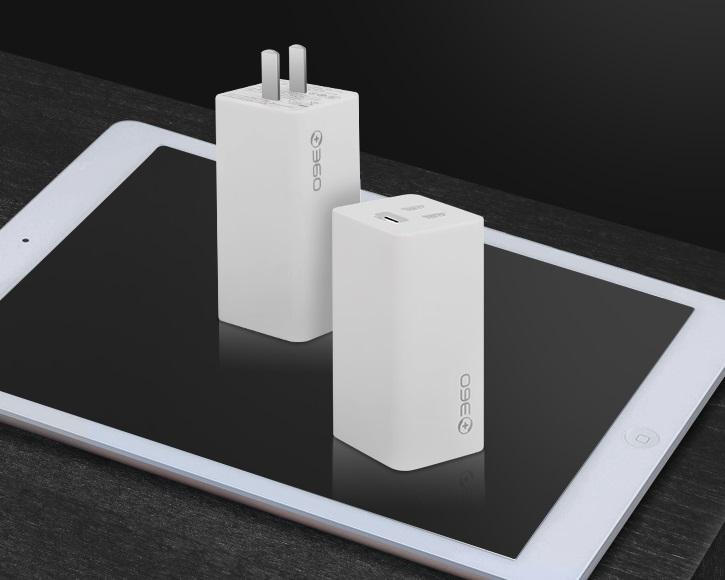
Accessory makers and smartphone OEMs have been lately releasing a number of GaN (Gallium Nitride) chargers in the market. Just a few days back, we saw a 2-in-1 45W GaN Charger cum 10,000 mAh power bank by Baseus. Now, 360, another popular accessory brand has launched its 65W GaN charger with support for a wide variety of charging standards.
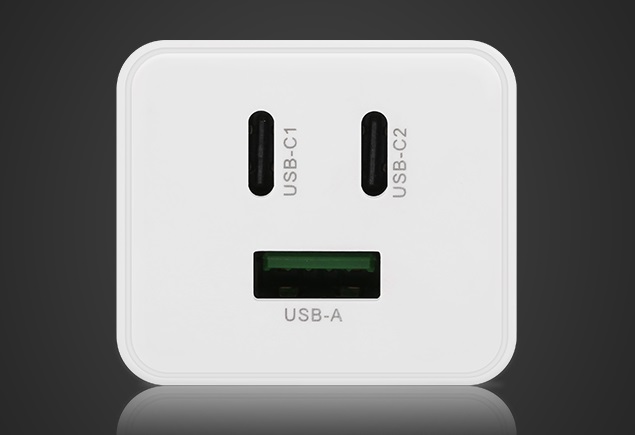
The new 360 GaN charger is similar to the Meizu SuperCharged GaN charger released at the launch of Meizu 17 series. Both have three ports – 2 x USB Type-C (65W, 30W) and 1 x USB Type-A female (24W), in addition to foldable electric pin.
Being a Nitride charger, it is comparatively smaller in size than the standard charges that utilize silicon. It measures only 76 x 39 x 34mm in dimensions for a 65W charger weighing 144g For context, it is 45% smaller than Apple 61W charger and 40% smaller than other common 65W chargers.
It supports all sorts of charging protocols such as USB Power Delivery (PD) 2.0 / 3.0, Qualcomm Quick Charger (QC) 2.0 / 3.0, Huawei SuperCharge Protocol (SCP), HiSilicon Fast Charging Protocol (FCP), Samsung Adaptive Fast Charging (AFC), and others.
These standards are enough to use this charger for almost every gadget out there, be it a smartphone, a tablet or a laptop. That is the USP (unique selling proposition) of this product.
The 360 65W GaN charger is priced at only 169 Yuan ($24) and is currently limited to China. Since the brand has its presence in other countries, this charger might be soon available elsewhere.
Honor has scheduled an event on 18th May where the company is expected to launch multiple products related to smarter living experience. While not much is known about devices getting launched during that event, the company’s president might have just hinted a couple of products.
Zhao Ming, President of Honor has released a new photo of his office on Weibo which seems to have teased the launch of at least two new products coming next week — a new tablet and a smart screen.
Honor Smart Screen, as the company prefers to call its smart TV, is clearly visible in the shared image. This hints at the arrival of a new Honor Smart Screen model in the market. Along with that, a tablet is also visible in the image if we zoom behind the flower pot.
While there’s no clear indication from the company about the launch of these two products, it certainly seems like Zhao Ming is teasing them for the upcoming launch event. However, we’d advise you to take this with a pinch of salt as currently it’s just a speculation.
As mentioned, the company has announced a launch event on 18th May in China named Honor Smart Life where the company is expected to majorly focus on Internet of Things (IoT) devices.
While it remains to be seen what the company is planning to launch at this upcoming Honor event, it’s certain that the Chinese company will continue with its “1+8+n” strategy for the new products and will continue to have smartphone as a core or bridge between smart products to link each other.
Apart from the launch event on 18th May, the company has scheduled another launch event on 20th May where it’ll be launching the Honor X10 5G smartphone in China which is expected to be the cheapest 5G offering from the company so far.
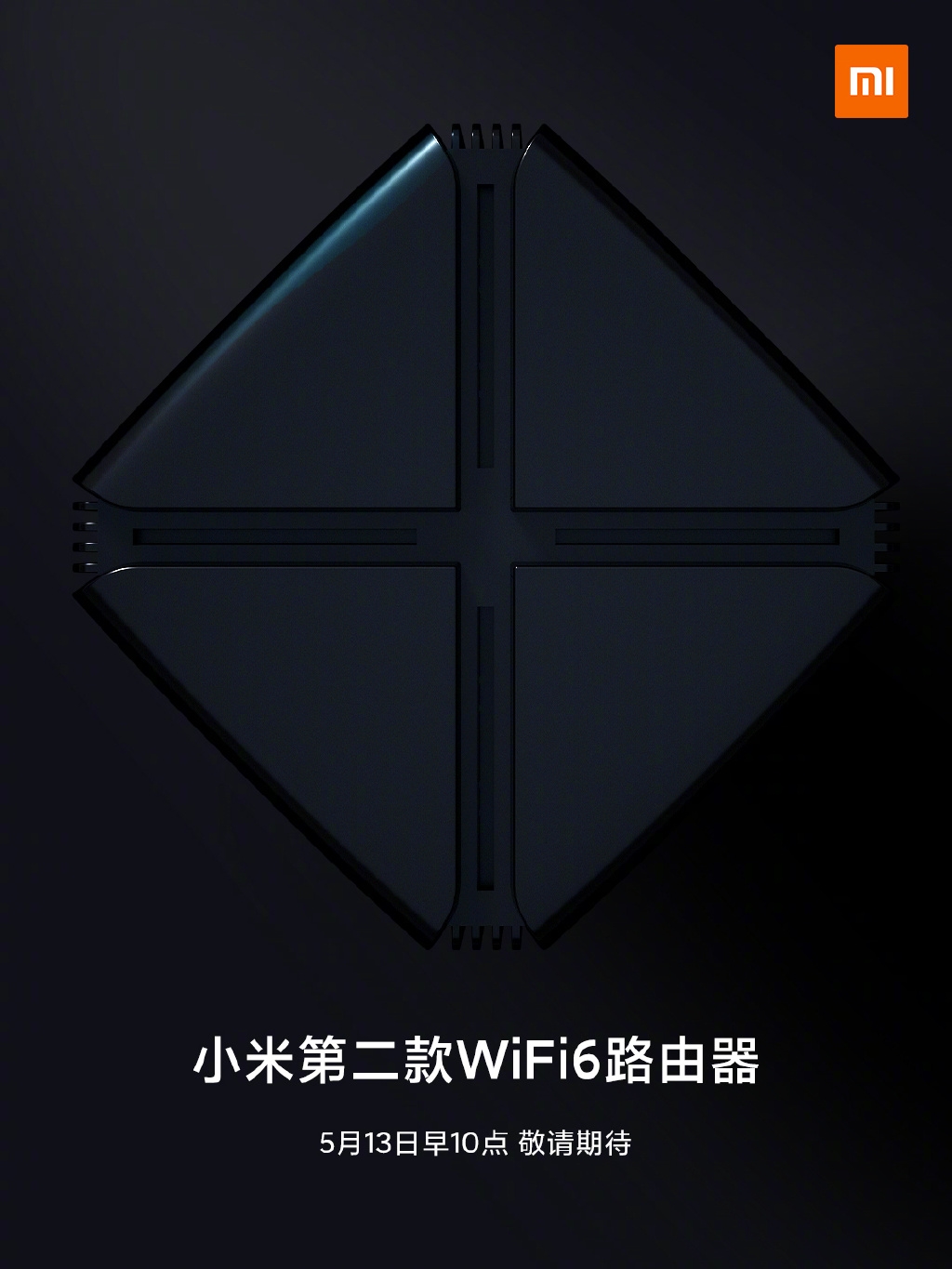
Earlier this year, Xiaomi had launched its first Wi-Fi 6 router in the form of Mi AIoT Router AX3600 and now the company is all set to launch its second router with support for the latest Wi-Fi 6 technology.
As per the reports, the company will launch a new Wi-Fi 6 router in its home market China on 13th May at 10:00 AM local time. Apart from confirming the date, Xiaomi official has also revealed some key details of this upcoming product.
Pan Jiutang, Partner of Xiaomi Industrial Investment Department, has revealed that the upcoming Wi-Fi 6 router from the company will come with enterprise-class five-core processor and will also include an independent NPU.
Further, he added that the chipset will be manufactured using the 14nm node ensure better performance and lower power consumption. Pan Jiutang has also emphasised that the pricing of this new router won’t be cheap.
As for Xiaomi’s first Wi-Fi 6 router — Mi AIoT Router AX3600, it comes powered by Qualcomm IPQ8071A chipset and is paired with 512MB of RAM and 256MB of storage. The chip has four Cortex-A53 cores and is clocked at 1.0GHz. It also has a 1.7GHz dual-core NPU for network acceleration, and up to 248 devices can be connected to the router.
It comes with seven high-gain antennas which also supports dual-frequency and provide speeds of up to 150Mbps for IoT devices. It also supports OFDMA technology (Orthogonal Frequency-Division Multiple Access) which allows the router to send data to multiple terminal devices using only one transmission.
The Mi AIoT Router AX3600 is priced at ¥599 which is approximately $86 and comes in Black color. The upcoming router from Xiaomi will definitely be priced higher than this based on this report. To know more about it, we’ll have to wait for a few more days for the official launch event.
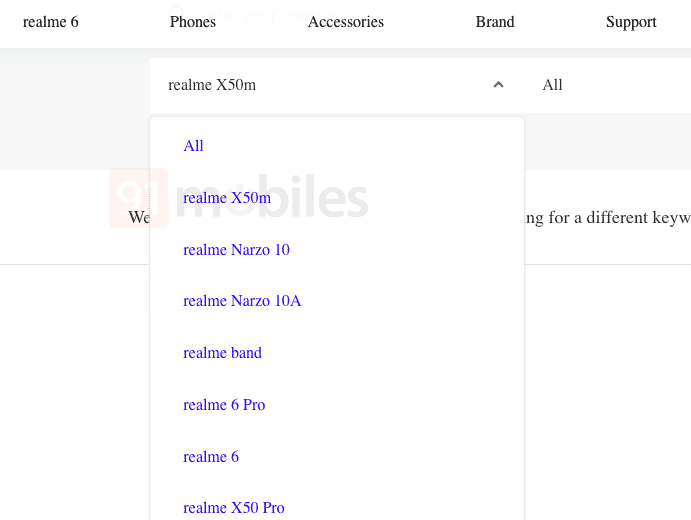
Today, Realme will be announcing the Realme Narzo 10 series in India. It appears that the country could be also receiving the Realme X50m 5G phone in the near future. The reason behind its moniker has appeared on the support page of Realme India.
Realme launched the Realme X50m 5G smartphone in China last month. It arrived as the third member of the Realme X50 series that includes devices like Realme X50 5G and Realme X50 Pro 5G. The handset is yet to be made available outside of the home market. Reliable tipster Ishan Agarwal first spotted the Realme X50m on the Realme India website. The listing suggests that India could be one of the first markets to receive the Realme X50m outside of China.
Probably, the company may hint at the arrival of the Realme X50m 5G at the end of today’s Narzo 10 launch event. If it debuts soon in India, it could become the first Snapdragon 765G SoC powered phone to arrive in the country. It is a 5G-ready phone. However, since India is yet to become a 5G-ready nation, the handset will connect to 4G networks in the country. In China, the Realme X50m has a base price of 1,999 Yuan (~Rs. 21,319).
The Realme X50m has a 6.57-inch Full HD+ display that supports a 90Hz refresh rate. The pill-shaped cutout on the screen is the home for its 16-megapixel + 2-megapixel dual selfie camera system. The back panel of the phone is decked with a 48-megapixel + 8-megapixel + 2-megapixel + 2-megapixel quad-camera system.
Realme X50m 5G
The Realme X50m landed in China with 128 GB of storage and it is available in 6 GB and 8 GB RAM versions. There is no microSD card slot on the device. Its 4,200mAh battery is equipped with support for 30W fast charging.
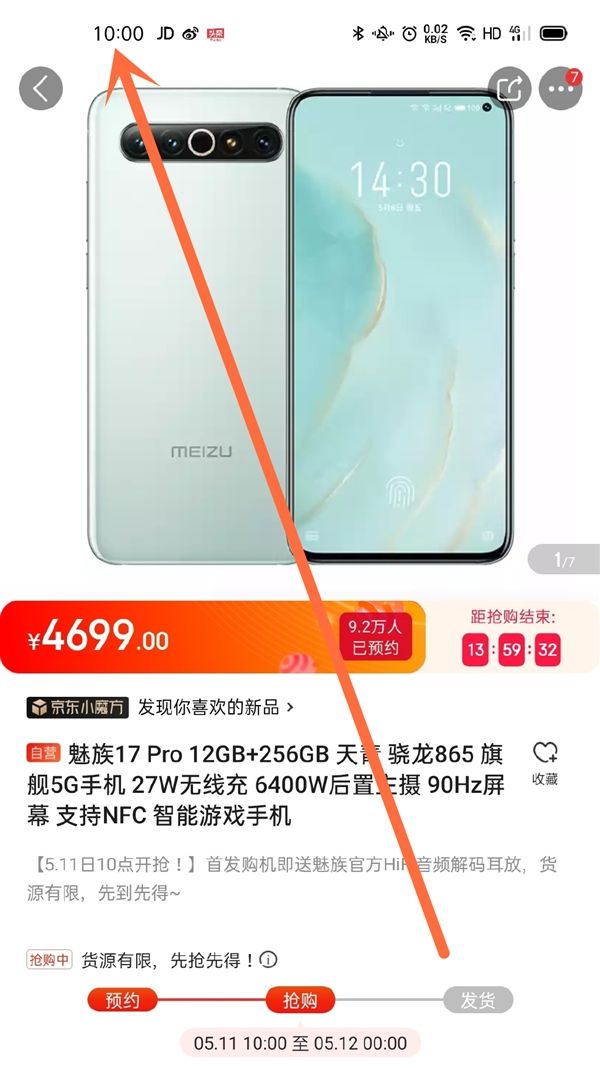
As scheduled, the Meizu 17 series flagship phones that went official last week were made available for purchase for the first time in China today. Meizu 17 has a starting price of 3,699 Yuan (~$522) whereas the Meizu 17 Pro begins at 4,299 Yuan (~$607). It just took less than a minute for the Meizu 17 series to get sold out in the first sale.
The Meizu 17 and Meizu 17 Pro are the 17th-anniversary flagship phones from the company. Also, the Meizu 17 and 17 Pro are the first 5G-ready phones from the company. Customers who participated in the first sale will enjoy lifetime VIP service, free doorstep repair service, and 18-month warranty and they will also get a Meizu HiFi decoding amp.
The 8 GB RAM + 128 GB storage and 8 GB RAM + 256 GB storage versions of the Meizu 17 are priced at 3,699 Yuan (~$522) and 3,999 Yuan (~$565), respectively. It comes in Mint, Black, and White colors. The Meizu 17 Pro variants such as 8 GB RAM + 128 GB storage and 12 GB RAM + 256 GB storage cost 4,299 Yuan (~$607) and 4,699 Yuan (~$663). The Pro model has a ceramic chassis and it comes in Green, Gray, and Aurora White colors.
The Meizu 17 duo features a 6.6-inch S-AMOLED display that produces Full HD+ resolution. The punch-hole display offers up to 90Hz refresh rate. Flyme 8.1 flavored Android 10 comes preinstalled on the Meizu 17 and 17 Pro phones.
The Snapdragon 865 SoC powers the Meizu 17 series. Both phones are packed with 4,500mAh batteries that support 30W mCharge technology. There is support for 27W wireless charging on the Pro model. These handsets are equipped with LPDDR5 and UFS 3.1 storage.
The Meizu 17 and 17 Pro are equipped with 20-megapixel front cameras. The Pro model has a Sony IMX686 64-megapixel + 8-megapixel (telephoto) + 32-megapixel (ultrawide) + 0.3-megapixel (ToF 3D) quad camera system. The vanilla model has a Sony IMX686 64-megapixel + 12-megapixel (wide angle) + 8-megapixel (ultrawide) +5-megapixel (macro) quad camera setup.
Last month, Honor unveiled the Honor 30, Honor 30 Pro, and Honor 30 Pro+ flagship phones. At March-end, the company, it had announced the Honor 30S. It arrived as an upper mid-range handset featuring the Kirin 820 5G chipset. Fresh information reveals that the company has plans to launch one more Honor 30 series phone. It may go official in June or July.
The Chinese tipster that revealed the existence of a new Honor 30 series phone did not mention its exact name. There is a possibility that this device could be the Honor 30 Lite smartphone.
The Honor 20 and Honor 20 Pro phones from last year have been succeeded by the Honor 30, Honor 30 Pro and Pro+ phones. The Honor 20S that was announced in September has been replaced by the Honor 30S. In April 2019, the company had launched Honor 20 Lite phone. Hence, it appears the time is due for the arrival of its successor. Hence, the Honor 30 series phone that may launch in June or July could be Honor 30 Lite (aka Honor 30 Youth Edition).
There is no word yet on the specs of the rumored Honor 30 Lite phone. The Honor 20S was driven by the Kirin 710 chipset. Its successor could be coming with Kirin 810 onboard.
On May 20, Honor will be announcing the Honor X10 series. Rumors have it that the includes Honor X10 and Honor X10 Pro smartphones. The specifications and pricing of the X10 and X10 Pro appeared over the week. The X10 is expected to launch as the cheapest 5G phone. Probably, the company will be teasing on the arrival of the rumored Honor 30 Lite after the market release of the Honor X10 series.
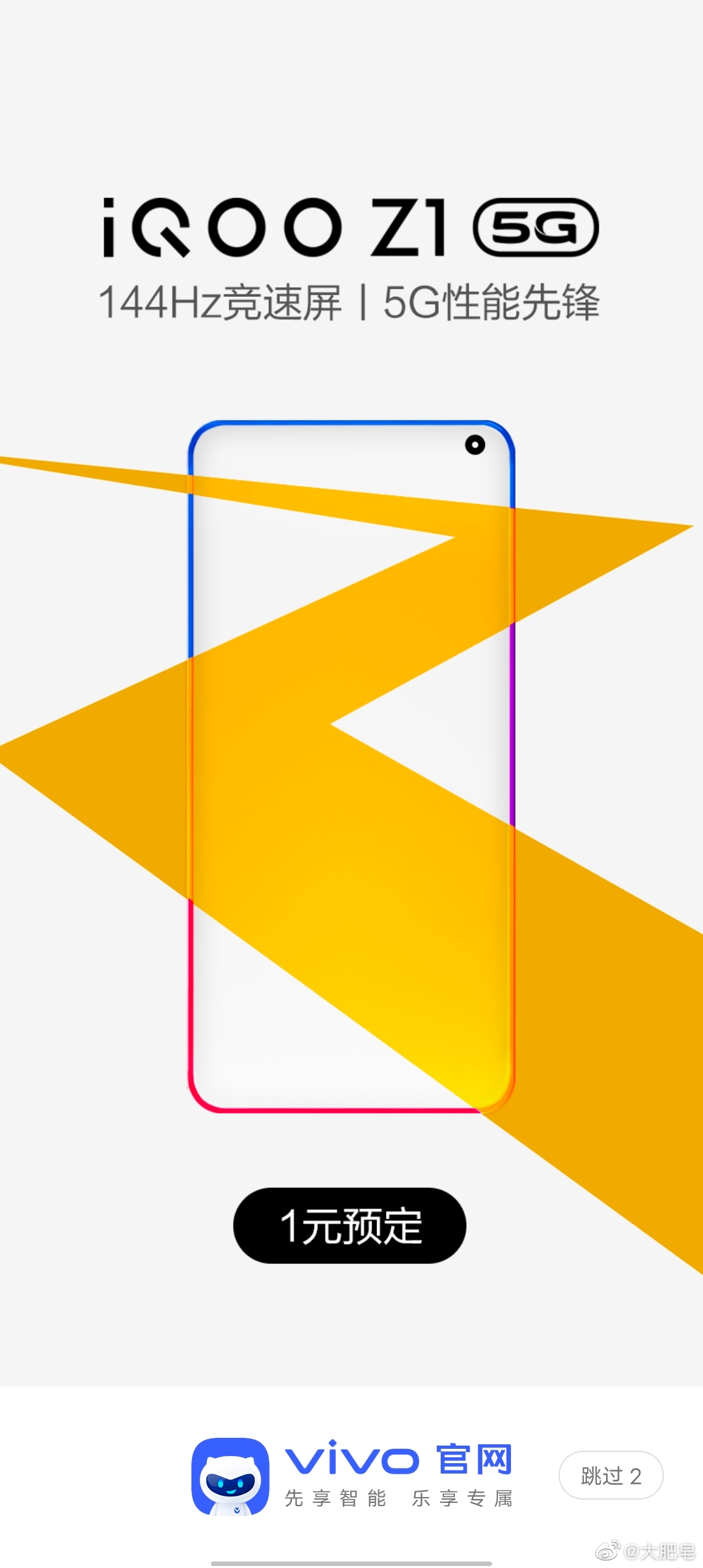
On May 7, MediaTek announced the Dimensity 1000+ chipset that arrived with few upgraded features over the Dimensity 1000 SoC that was unveiled in November 2019. The Taiwanese company also revealed that iQOO’s upcoming flagship phone will be the first device to arrive with Dimensity 1000+. Soon the rumor mill started speculating that the device could be debuting as iQOO Z1 in China. Today, the Chinese firm not only confirmed the iQOO Z1 moniker but also revealed that it will be announced on May 19.
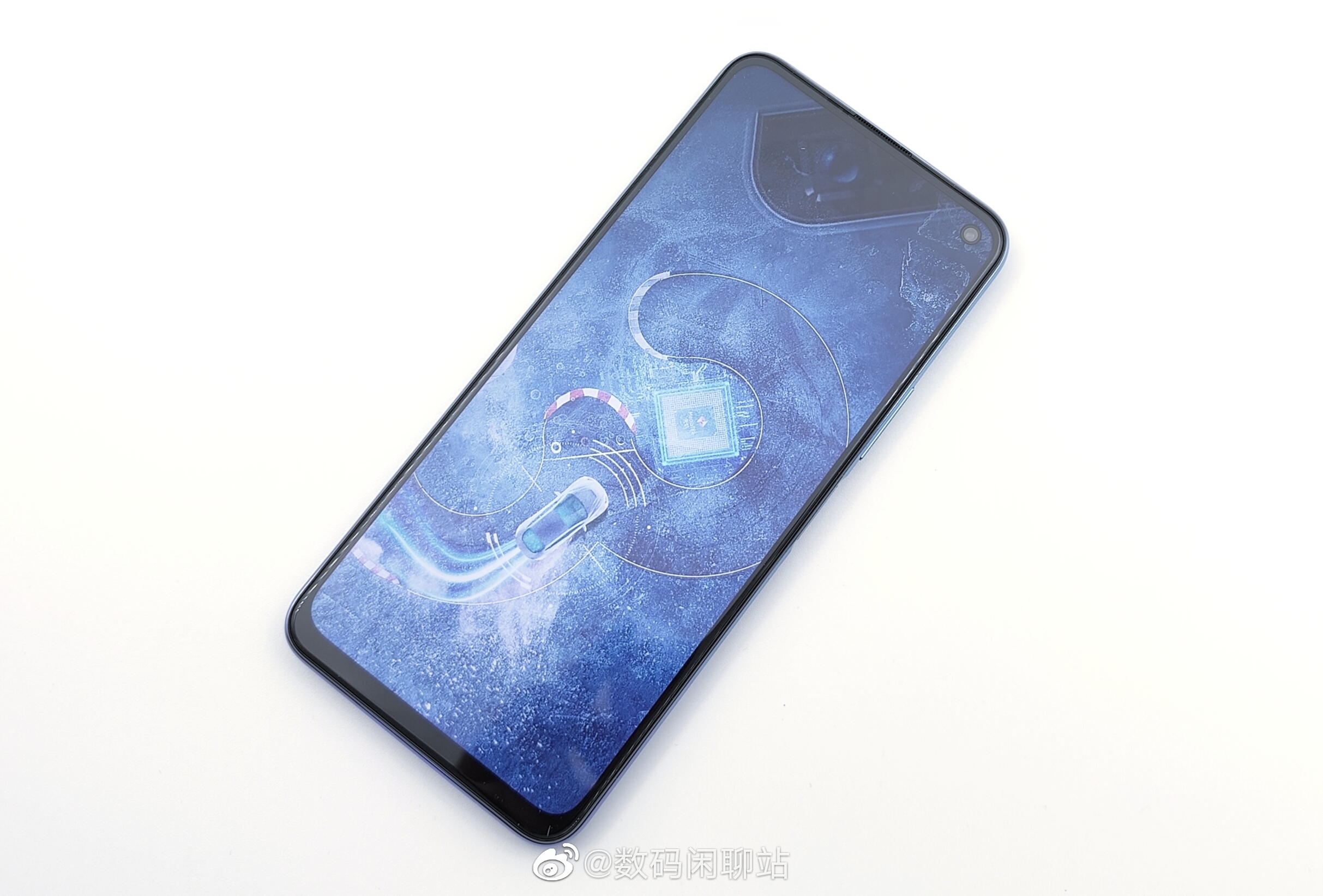
The iQOO Z1 will be the first Z-series phone from the company. The launch poster showcases the display design of the Z1. It reveals the presence of a round-shaped cutout at the upper-right corner for the selfie snapper.
The poster states that iQOO Z1 is a 5G-ready smartphone and its display carries support for a 144Hz refresh rate. While it is not mentioned on the above poster, it is known that the smartphone will be arriving with the new Dimensity 1000+ SoC. The video which also mentions the launch date of the iQOO Z1 carries no information on its specifications.
The real-life images of the iQOO Z1 that surfaced over the weekend revealed that it will deliver a high screen-to-body ratio as it has slim bezels around the screen. Since it supports up to 144Hz refresh rate, it is speculated that the same 6.57-inch 144Hz display that is available on the recently unveiled iQOO Neo3 phone.
The iQOO Z1 seems to be equipped with a side-facing fingerprint reader. The size of its battery is not known. However, it is rumored to ship with a 44W fast charger.
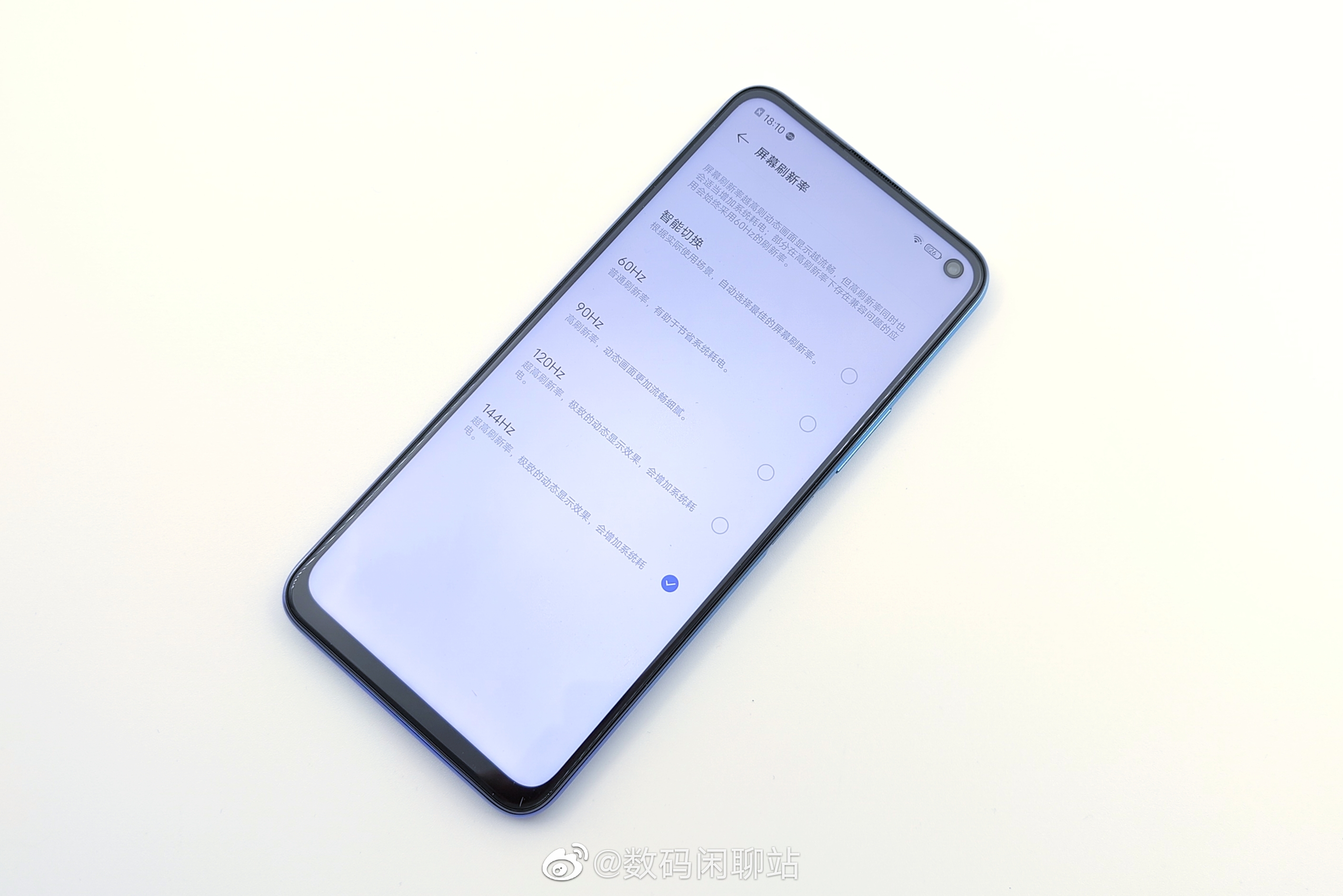
It is speculated that iQOO will be soon launching a smartphone called iQOO Z1. Except for Huawei and Honor branded phones, all Android flagship phones that have debuted this year have featured Qualcomm’s Snapdragon 865 mobile platform. What’s different about the iQOO Z1 is that it is likely to arrive with the Dimensity 1000+ SoC that was recently announced by MediaTek. A trustworthy leakster from China has shared two images to give the first look at the iQOO Z1.
As can be seen in the first image, the alleged iQOO Z1 phone has a round-shaped cutout at the upper-right corner for the front-facing camera. After the iQOO 3 and iQOO Neo3, the iQOO Z1 could be the first phone from the company to sport a punch-hole display.
The iQOO Z1 is expected to offer a high screen space as its display is surrounded by slim bezels on three sides. The bottom bezel of the device is a bit thick. The right side of the phone seems to be fitted with a volume rocker and a power button that is embedded with a fingerprint sensor.
The iQOO Z1 could be sporting an IPS LCD panel. It could be having the same 6.57-inch display that is available on the iQOO Neo3 smartphone. The second image reveals that the phone will offer users with refresh rate options like 60Hz, 90Hz, 120Hz and 144Hz.
Recently, a new Vivo phone with model number V1986A was approved by China’s 3C regulatory body. It not only revealed that the handset is a 5G-ready device, but also suggested that it could be shipping with a 44W rapid charger.
iQOO is yet to confirm the existence of the iQOO Z1 smartphone. The handset is likely to soon pop up at the database of China’s TENAA authority through which its specifications will be revealed.
Redmi has released a new teaser video for its upcoming Redmi K30 5G Extreme Edition smartphone that is scheduled to debut at 2 PM (local time) in China. The launch poster that the company had released last week had revealed that the Redmi K30 5G Extreme Edition phone will be sporting a dual punch-hole display like the Redmi K30 5G that debuted in December 2019 in China. The latest video teaser gives a glimpse of the rear side of the smartphone.
The teaser video reveals that the rear design of the Redmi K30 5G Extreme Edition will be also similar to the Redmi K30 5G. It seems to be equipped with a vertical quad-camera strip with a circular pattern around it. The JD listing of the smartphone has revealed that the phone will be equipped with a 64-megapixel quad camera setup.
The Redmi K30 5G Extreme Edition will be arriving in China as the world’s first phone powered by the Snapdragon 768. The SoC is expected to be an enhanced version of the Snapdragon 765G that fuels the Redmi K30 5G.
The JD listing of the phone mentions that the device has a 165.3 x 76.6 x 8.79mm dimension and it weighs 208 grams. It has a 6.67-inch IPS LCD panel with a dual punch-hole design. The rear-facing quad camera setup of the phone is most likely led by Sony IMX686 64-megapixel followed by an 8-megapixel ultrawide lens, 5-megapixel macro shooter and a depth sensor.
The listing also states that the Redmi k30 5G Extreme Edition has 6 GB of RAM and 128 GB of built-in storage. It has a side-facing fingerprint reader. It is speculated to be priced around 2,299 Yuan (~$325).
When you hear the name AirPods, you think of Apple’s line of TWS earbuds. But that may change soon according to a new leak. The info says Apple will use the AirPods name for a pair of upcoming over-the-ear headphones. This product will launch as the AirPods Studio.
The info was revealed on Twitter by YouTuber and leaker Jon Prosser. According to the tweet, the AirPods Studio is a pair of new over-ear headphones with the “codename” B515. He adds that they will cost $349 and have active noise cancelation.
Looks like Apple is sticking with the “AirPods” branding for their new over-ear headphones.
With respect to design, a Bloomberg report from last month already revealed details about the headphones, though its name wasn’t known then.
The report said the AirPods Studio will have interchangeable parts. Users will be able to swap out the ear pads and headband as they are attached to the frame via magnets.
It is said that the design may allow for users to switch between a fitness and comfort modes. The post also said there will be two variants including a premium version with leather-like materials.
The AirPods Studio will use the same wireless pairing technology as the AirPods Pro and will also have Siri built-in alongside touch controls.
There is no info on a release date yet. The pandemic has affected the release date of several products including Apple products.
Realme is launching a new series of smartphones in India tomorrow. Called the Narzo series, the first of the device is the Narzo 10, and Realme has confirmed the processor that will power it.
The Realme Narzo 10 will have an Helio G80 processor. The processor first appeared in the Realme 6i released back in March. The 12nm chipset has eight cores arranged in a 2+6 configuration. The two performance cores are Cortex-A75 cores clocked at 2.0GHz while the efficiency cores are Cortex-A55 cores clocked at 1.8GHz.
It has been reported that the Narzo 10 is actually a rebadged Realme 6i as both phones have the same model number. Realme didn’t launch the Realme 6i in India but announced it in Myanmar.
Since the two devices are the same, expect the Realme Narzo 10 to come with a 6.5-inch 720 x 1600 display with a waterdrop notch, 3GB or 4GB of RAM, and 64GB or 128GB of expandable storage. It will pack 48MP quad rear cameras, a 16MP selfie camera, a rear-mounted fingerprint scanner, and a 5000mAh battery with support for 18W fast charging.
The Realme 6i sells for about INR 13,500 for the 64GB version and INR 16,000 for the 128GB version. It should sell for less in India since the Realme 6, which is a more powerful device, has a starting price of INR 13,999 in India.
If you own a computer, it doesn’t matter if it is a desktop or a laptop, a touchpad (trackpad) or mouse is an input device you cannot do without. Both devices have existed for decades now and have evolved over the years with new features and improvements in design.
While both devices serve the same function, which includes pointing, clicking, dragging, drawing, and lots more, folks have preferences. Some prefer using a touchpad and find using a mouse uncomfortable while others will pick a mouse over a trackpad without in a heartbeat.
For this week’s poll, we want to know which input device you prefer – Are you Team Touchpad or Team Mouse? Do take the poll below and let us know which one you prefer. Also, do share in the comment box why you prefer one over the other.
Last month, Xiaomi announced the Mi 10 Youth Edition in its home country. The phone has slightly different specs from the Mi 10 Lite 5G which was announced in Europe in March and is scheduled to go on sale this month. It was later revealed that the Mi 10 Youth Edition will get a global launch as the Mi 10 Lite Zoom Edition (of course with 5G).
A leak has now disclosed that the Mi 10 Lite Zoom is scheduled for release in Europe this month.
The info comes from Xiaomishka (@xiaomishka) and according to the Russian blogger, the device has the model number M2002J9E and goes by the codename “Vangogh”.
The major differences between the Mi 10 Lite Zoom and Mi 10 Lite 5G are cameras and fast charging technology.
The Mi 10 Lite Zoom comes with the same 48MP primary camera as the Mi 10 Lite 5G but adds an 8MP periscope telephoto camera with 5x optical zoom, 50x digital zoom, and optical image stabilization. It also has an 8MP ultrawide angle camera and a 2MP macro camera. The Mi 10 Lite 5G has an 8MP ultrawide angle camera, a 2MP macro camera, and a 2MP depth sensor.
#Xiaomi#Mi10LiteZoom So, Mi 10 Lite ZOOM with model number M2002J9E will have a codename "Vangogh".
The Mi 10 Lite Zoom also supports 22.5W fast charge while the Mi 10 Lite 5G supports 20W fast charge even though it ships with a 22.5W charger. You also get Bluetooth 5.1 and an IR blaster on the Zoom Edition while the Mi 10 Lite 5G has Bluetooth 5.0 and skips on the IR blaster.
The Mi 10 Lite has a starting price of €349 for the 64GB version. There is no info on the price of the 128GB version but our guess is €379. This means the Mi 10 Lite Zoom should start at about €399.
Realme is competing for neck-to-neck with Redmi and other major OEMs by offering affordable yet powerful devices in the midrange and high-end segments. In the past few months, Realme has launched new smartphones like Realme X50 5G, 6i, 6 Pro, 6, X50 Pro 5G, and various others offering compelling specifications. The increasing popularity and easily available kernel source of the Realme devices are some primary reasons behind the increasing interest from third-party developers. Similarly, half a year old device – Realme X2 Pro has received support for some third-party custom ROMs. We have listed some best custom ROMs for Realme X2 Pro.
There are many advantages of using the Custom ROMs over the stock, as these provide a bloatware-free experience, ability to customize every aspect of the firmware, and can extend the functionality of the ROM by installing custom MODs.
Benefits of custom ROMs
Support for custom themes, widgets, wallpapers, system colors, icons, and boot animations.
Root access to the smartphone.
Ability to install with custom Kernels for improved battery life and performance.
Support for Custom MODs to extend the functionality of the device.
Less Bloatware
Seamless one-click backups using custom Recovery.
Realme X2 Pro specifications
It is the debut Realme device featuring a high-end chipset – Snapdragon 855+ coupled with an Octa-Core processor and Adreno 640 GPU. It houses a beautiful yet immersive 6.5-inch Super AMOLED display with 1080 x 2400 pixels resolution, 20:9 aspect ratio, and Corning Gorilla Glass 5. The display supports 1000 nits max brightness, 90 Hz refresh rate, and HDR 10+.
It is available in different storage variants including 6GB RAM + 64GB storage, 8GB RAM + 128 GB storage, 12GB RAM + 256 GB storage.
In the camera department, the smartphone carries a quad-camera setup with 64-megapixel primary camera to capture high-quality pictures even in a low-light environment. Furthermore, there’s a 13-megapixel telephoto lens, an 8-megapixel ultrawide sensor, and a 2-megapixel depth sensor. A 16-megapixel sensor sits on the front for selfies and video calling.
Unlike the other flagships, Realme X2 Pro provides a 3.5mm audio jack and a Dolby Atmos stereo speakers.
The smartphone offers WiFi, Bluetooth 5.0, GPS, NFC, FM Radio, and USB 2.0. THere’s an under-display optical fingerprint scanner along with an accelerometer, gyro, proximity, and compass sensors.
Realme X2 Pro hosts a non-removable 4000 mAh battery with 50W fast charging SuperVOOC support. It is available in five different colors including Lunar White, Neptune Blue, Red Master Edition, and Gray Master Edition.
Best custom ROMs for Realme X2 Pro
Unofficial LineageOS 17.1
LineageOS is the prominently used custom ROM for any Android smartphone. Its popularity scale is such that even the unofficial LineageOS builds sell like hotcakes. XDA’s senior Developer – karthich mostwantedis maintaining the unofficial build of LineageOS 17.1 for the Realme X2 Pro. The ROM features almost all the features of LineageOS but requires a manual intervention to use VOLTE services.
The ROM can be your daily driver featuring DC diming, Game Control, Toggle for display refresh rate, Ambient gestures, and all the device-specific features. In order to install the ROM, you need to downgrade the device to Colors 6.1. Moreover, users need to flash Gapps separately to get Google services on board.
Are you a fan of stock Android? Then you need to flash the AOSiP ROM as it is an AOSP based ROM and does not carry any bloatware. It brings a whole lot of customization and personalization features. It is maintained by 4j17h, XDA Senior Member. AOSiP brings all the device-specific features like DC dimming, Game mode, Toggle for display, Screen off gestures, and Ambient gestures. However, there’s only a problem that SELinux is running permissively.
As like Unofficial LineageOS 17.1, this ROM also requires downgrade to ColorsOS 6.1 for a successful installation. The ROM is currently in Alpha mode.
An unofficial Mokee build based on Android 10 is also available for Realme X2 Pro. It improves the usability of the ROM by bringing various useful features to the device. It brings minimal preinstalled apps to provide a good user experience. All the features of the ROM are working perfectly without any issue. However, you can enable VOLTE service by flashing a zip separately.
Unofficial Mokee ROM is also maintained by Karthick mostwanted. The user needs to flash Gapps separately to enjoy Google services. It also needs a downgraded version of ColorOS 6.1 firmware.
It is an AOSP based project with a lot of customization features. Dirty Unicorn is currently available with all the phone-based features including DC dimming, Game mode, and others. SELinux is running in permissive mode, and FOD turns black when you touch it. However, it packs the latest April security patch and supports Ambient screen-off gestures.
The users need to flash VoLTE fix in order to use the service across network carriers. Moreover, the developer recommends installing NikGApps rather than the normal Gapps package.
Huawei isn’t all about smartphones and network gears after all. The company has got other products under its belt. Recently we saw the smart products get expanded with the launch of its first handheld vacuum cleaner. Honor has now launched a new natural wind fan under crowdfunding for 269 yuan ($38).
Honor ultra-wide-angle Natural Wind Fan has the qualities of softer wind speed, three-step assembly of the whole setup, DC frequency conversion and so on. The fan uses a Japanese Minebea DC frequency motor which has lower power consumption and less operating noise. The low-end operating sound is as low as 22.2 decibels.
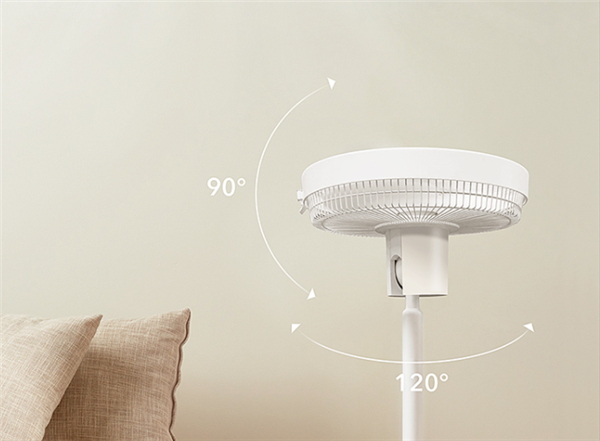
Compared with ordinary electric fans that can only blow within a small range, the ultra-wide-angle natural wind fan head can swing up to 120 ° to the left and right. You can also manually tilt it up to tilt 90 ° such that it faces the ceiling directly. With the ultra-wide-angle wind output, it can effectively accelerate indoor air circulation and balance the room temperature. The fan’s rotor has a total of nine blades.
The fan suctions air through the axial arrangement of the nine blades. The air is then uniformly dispersed in order to avoid the wind blowing straight hard on the user.
It is also very convenient to assemble. The body, pole, and base are integrated together, there are no spare parts, and it can be easily assembled in only 3 steps. Further, it comes with Huawei HiLink app support. The fan can be turned on and off as well as the speed increased or reduced using the app. There is also support for voice control.
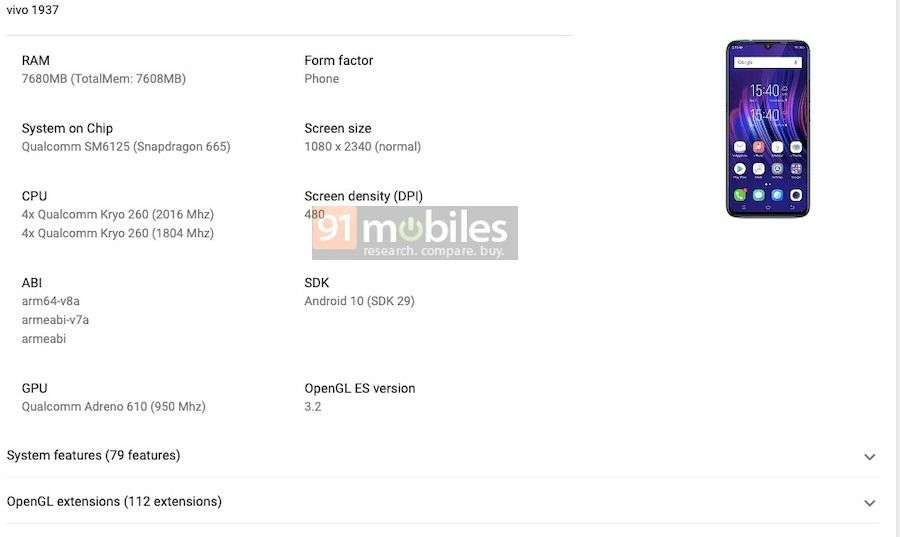
A Vivo phone with model number Vivo 1937 has appeared on Google Play Console. The listing does not mention the name with which it will be hitting the markets. However, it is widely believed to debut as Vivo X50 Lite since the name and model number have been spotted previously at GCF and WiFi certifications.
As usual, the Google Play Console appearance of the Vivo X50 Lite has revealed that it will be coming with a display that offers a Full HD+ resolution of 1080 x 2340 pixels along with a pixel density of 480ppi. The Snapdragon 665 chipset along with Adreno 610 GPU and 8 GB of RAM powers the device. Also, the listing reveals that the phone boots to Android 10 OS. The other specs of the phone are currently under wraps.
It is unclear when the Vivo X50 Lite smartphone could be releasing in the market. Also, there is no confirmation on the markets that will be receiving the device. The image shown next to the specs could be a placeholder or a render of the X50 Lite. The existence of the Vivo X50 Lite smartphone that it may have a more powerful sibling called Vivo X50. As of this writing, there is no word on the existence of the Vivo X50.
In related news, Vivo’s sub-brand iQOO is reportedly planning to launch a phone named iQOO Z1. The handset is expected to debut as the first device equipped with the all-new MediaTek Dimensity 1000+ chipset.
The iQOO Z1 has reportedly passed 3C certification in China. The certification revealed that its model number could be V1986A and it could be coming with a 44W fast charger. The handset may arrive with a punch-hole screen that supports a refresh rate of 120Hz or 144Hz.
Xiaomi India announce the Redmi Note 9 Pro and Redmi Note 9 Pro Max smartphones in March in India. Since the COVID-19 lockdown has eased in certain regions of India, the Chinese firm once again started with the sales of the Redmi Note 9 Pro last week. The Redmi Note 9 Pro Max’s first sale was scheduled to take place on March 25 in the country, but it had to be canceled due to the Coronavirus outbreak. A fresh confirmation from the company reveals that the first sale of the Redmi Note 9 Pro Max will be carried out on May 12.
Redmi Note 9 Pro Max price in India
The first sale on May 12 will be held at noon (local time) on Amazon India. The shipments of the phone will be carried only in those areas that are marked as Green and Orange zones in India.
The phone comes in three choices such as 6 GB RAM + 64 GB storage, 6 GB RAM + 128 GB storage and 8 GB RAM + 128 GB storage. They are priced at Rs. 16,499 (~$219), Rs. 17,999 (~$238) and Rs. 19,999 (~$265), respectively. The phone can be bought in colors like Aurora Blue, Glacier White, and Interstellar Black.
The Redmi Note 9 Pro Max features a 6.67-inch Dot Display that produces a 20:9 aspect ratio and 1080 x 2400 pixels full HD+ resolution. The Snapdragon 720G is present under the hood of the device along with LPDDR4x RAM and UFS 2.1 storage. The MIUI 11 based Android 10 OS will come preloaded on the phone.
The back panel of the Redmi Note 9 Pro Max has a quad-camera system. It includes a 64-megapixel primary shooter, an 8-megapixel wide-angle sensor, a 5-megapixel macro shooter, and a 2-megapixel depth assist lens. It has a front-facing camera of 32-megapixel. The massive 5,020mAh battery of the Redmi Note 9 Pro Max comes with support for 33W fast charging.
We use cookies on our website to give you the most relevant experience by remembering your preferences and repeat visits. By clicking “Accept”, you consent to the use of ALL the cookies.
This website uses cookies to improve your experience while you navigate through the website. Out of these, the cookies that are categorized as necessary are stored on your browser as they are essential for the working of basic functionalities of the website. We also use third-party cookies that help us analyze and understand how you use this website. These cookies will be stored in your browser only with your consent. You also have the option to opt-out of these cookies. But opting out of some of these cookies may affect your browsing experience.
Necessary cookies are absolutely essential for the website to function properly. This category only includes cookies that ensures basic functionalities and security features of the website. These cookies do not store any personal information.
Any cookies that may not be particularly necessary for the website to function and is used specifically to collect user personal data via analytics, ads, other embedded contents are termed as non-necessary cookies. It is mandatory to procure user consent prior to running these cookies on your website.